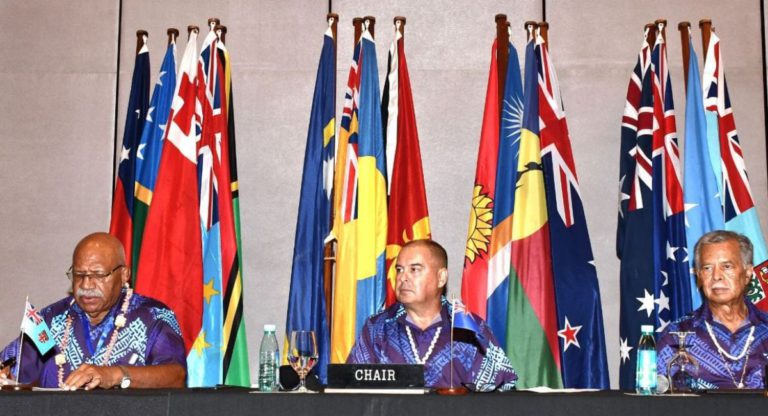
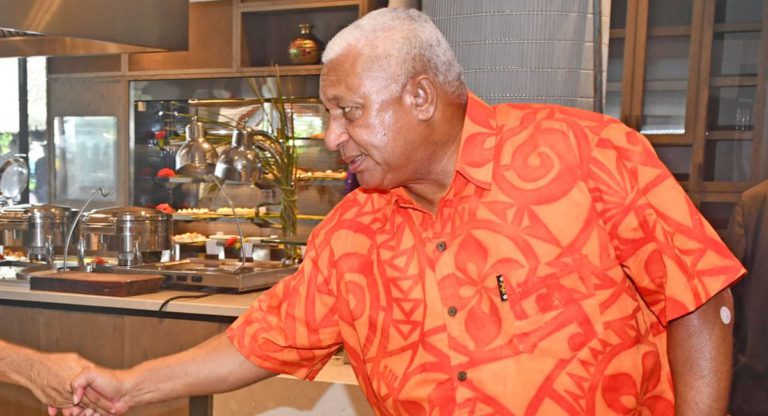
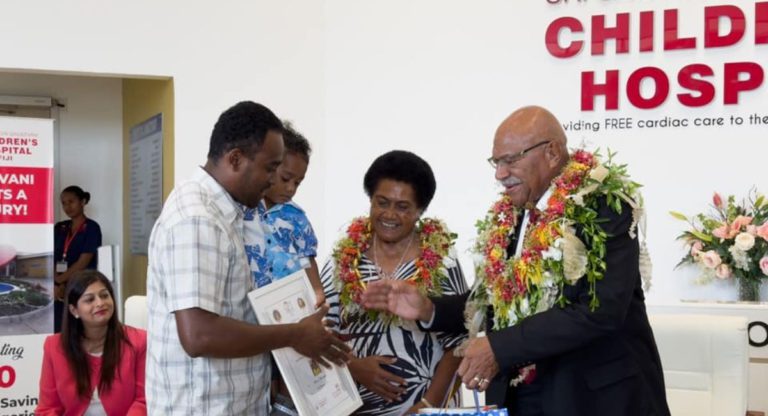
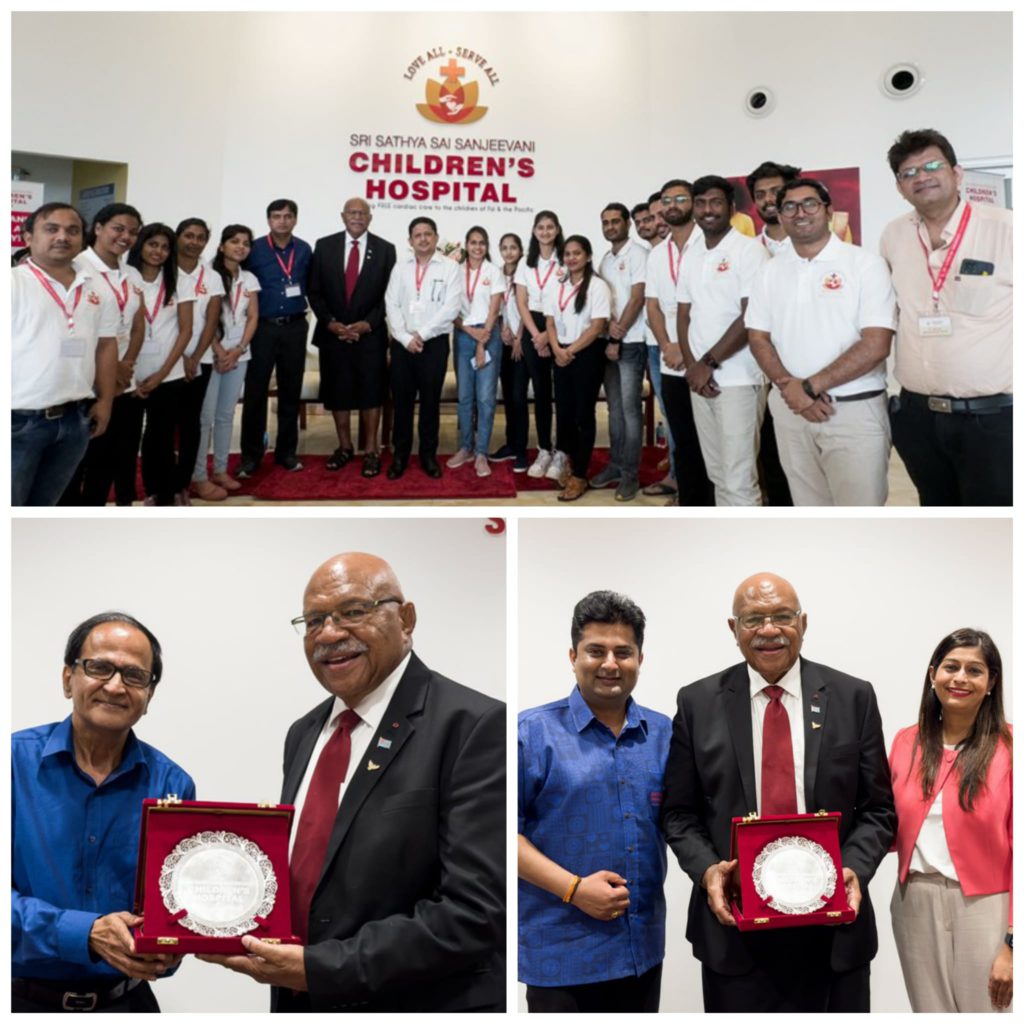
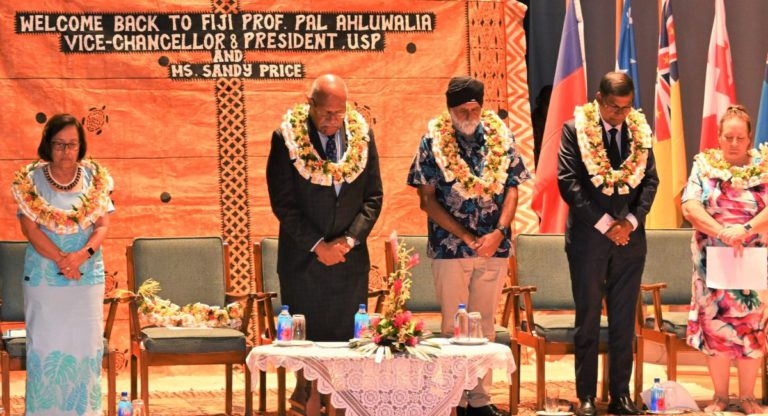
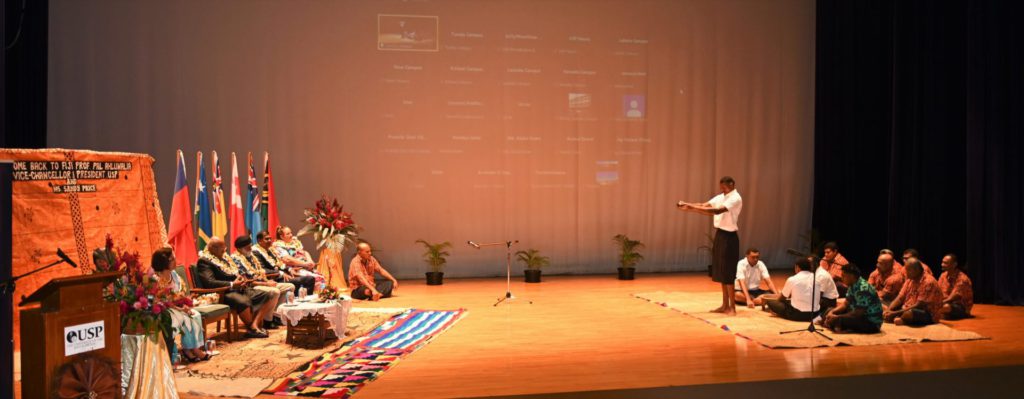
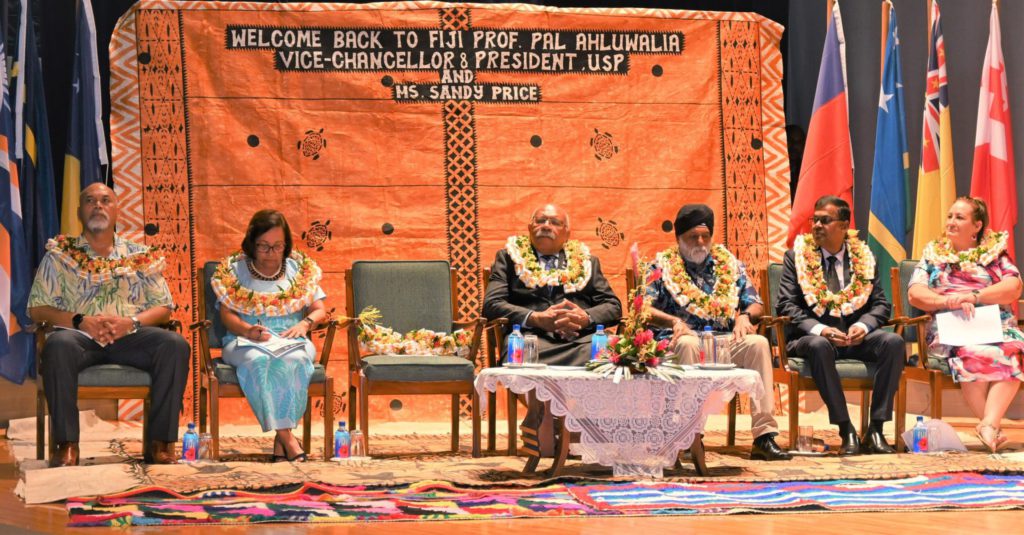
The Pacific Islands Forum (PIF) Leaders have appointed the Prime Minister of Cook Islands, Mark Brown, as the new PIF chairman.
Outgoing PIF chair and Prime Minister of Fiji, Sitiveni Rabuka, welcomed the appointment saying “we are in good hands as we paddle our drua to achieve our collective aspirations”.
I am pleased to confirm that at the end of the retreat, Fiji has handed over the role of Chair of the @ForumSEC to Prime Minister Brown and the Government of the Cook Islands pic.twitter.com/WS4GJ2FXwX
Speaking at the closing of the PIF Special Leaders Retreat 2023 in Nadi recently, Mr Rabuka said he was grateful for the opportunity to carry out the PIF chair role for two months as well as contribute to the outcomes of the meeting.
He said the retreat marked a milestone in regionalism as it enabled Pacific Island peoples to connect and rekindle many regional relationships.
“This is also an opportunity for Fiji to showcase again the warmth and hospitality that our Fijian people are renowned for, the world over,” Mr Rabuka said.
“We have reflected on what it means to be a Forum family and the importance of protecting our own solidarity. We have renewed our collective commitment to the 2050 Strategy for the Blue Pacific Continent.”
In line with the commitment under the Suva Agreement, Mr Rabuka said he was pleased to confirm the appointment of Dr Filimon Manoni, a nominee of the Republic of the Marshall Islands, as the Pacific Ocean Commissioner.
“We have also agreed to the establishment of a sub-regional office for the Pacific Islands Forum in the Republic of Kiribati; and a stand-alone office of the Pacific Ocean Commissioner in the Republic of Palau,” he said.
The outgoing chair also stated the planned release by the Government of Japan on the ALPS-treated water, as the Forum Leaders had reaffirmed the importance of science and data to guide the political decisions on the proposed discharge.
The meeting also discussed a range of specific country initiatives that were tabled by Leaders, including: the Regional Seasonal Workers Scheme, Australia’s bid to host COP 31 in partnership with the Pacific region, an update on the Draft Resolution to the UN General Assembly, seeking an Advisory Opinion of the International Court of Justice on the obligations of states in respect of climate change and Solomon Islands imminent graduation from least developed country status.
The Special Leaders Retreat was held on Denarau from the 23-24 February, and focused on solidarity within the forum through the theme ‘Reflection, Renewal, Celebration’.
Mr Rabuka had also reaffirmed that it was an incredible honour for him, personally, to have hosted his fellow Pacific leaders.
Meanwhile, Cook Islands will host the 52nd Pacific Islands Forum Leaders Meeting in the fourth quarter of 2023.
This article was first published in Wansolwara and republished here with their kind permission.
Contributing Author: Viliame Tawanakoro is a final-year journalism student at the university of the South Pacific’s (USP) Laucala Campus. He is also the 2023 student editor for Wansolwara, USP Journalism’s student training newspaper and online publication.
Carding is a term used to describe the fraudulent practice of using stolen or cloned credit card information to make unauthorized purchases. It is a criminal activity that has been around for years and has become more sophisticated over time. In this article, we will explore what carding is, how it works, and how to protect yourself from it.
What is carding?
Carding is a type of credit card fraud that involves the use of stolen credit card information to make unauthorized purchases. This information can be obtained through a variety of means, such as skimming, hacking, phishing, or purchasing it from online marketplaces. Once the card information has been obtained, it can be used to make purchases online or in-person.
How does carding work?
Carding works by using stolen credit card information to make purchases. The process usually involves several steps. First, the carder obtains the credit card information, usually by purchasing it from a marketplace or by stealing it through skimming or hacking. Once they have the information, they will use it to create a cloned credit card or make online purchases.
To make online purchases, carders will often use a process called “card verification” or “carding verification.” This involves testing the stolen credit card information by making small purchases to ensure that the information is valid. If the purchase goes through successfully, the carder knows that the credit card information is valid and can be used for larger purchases.
To avoid detection, carders often use a variety of techniques, such as using virtual private networks (VPNs) to hide their location and using different IP addresses for each transaction. They may also use fake identities or stolen personal information to make it more difficult to track them down.
How to protect yourself from carding?
Carding is a serious threat, and it’s important to take steps to protect yourself from becoming a victim. Here are some tips to help you stay safe:
Protect your credit card information: Be careful about sharing your credit card information online or over the phone. Only provide your credit card information to trusted sources and be wary of phishing scams or other attempts to steal your information.
Monitor your credit card activity: Regularly review your credit card statements for any unauthorized charges. If you notice any suspicious activity, report it to your credit card company immediately.
Use secure payment methods: When making purchases online, use secure payment methods such as PayPal or Apple Pay, which offer additional layers of protection.
Keep your software up-to-date: Make sure that your computer and mobile device software is up-to-date and that you have anti-virus and anti-malware software installed.
Be cautious of unsolicited emails or phone calls: Be wary of unsolicited emails or phone calls asking for your personal or financial information. Legitimate companies will not ask for this information in this way.
In conclusion, carding is a serious threat to individuals and businesses alike. It’s important to take steps to protect yourself from becoming a victim, such as protecting your credit card information, monitoring your credit card activity, using secure payment methods, keeping your software up-to-date, and being cautious of unsolicited emails or phone calls. By taking these precautions, you can help to protect yourself from the devastating effects of carding.
Contributing Author: Irfan Attari Kashmiri is a dedicated student of Cyber Security and is passionate about the field. He is also the President of Foundation for Youth, an organization that focuses on empowering young people and promoting their well-being. He has extensive knowledge of online security measures and has written several articles on Cyber Security, which have been published in leading publications. He believes that education is key to preventing cybercrime and is committed to raising awareness about online security issues.
Disclaimer: The opinions expressed within this article are the personal opinions of the author. The Australia Today is not responsible for the accuracy, completeness, suitability, or validity of any information in this article. All information is provided on an as-is basis. The information, facts, or opinions appearing in the article do not reflect the views of The Australia Today and The Australia Today News does not assume any responsibility or liability for the same.
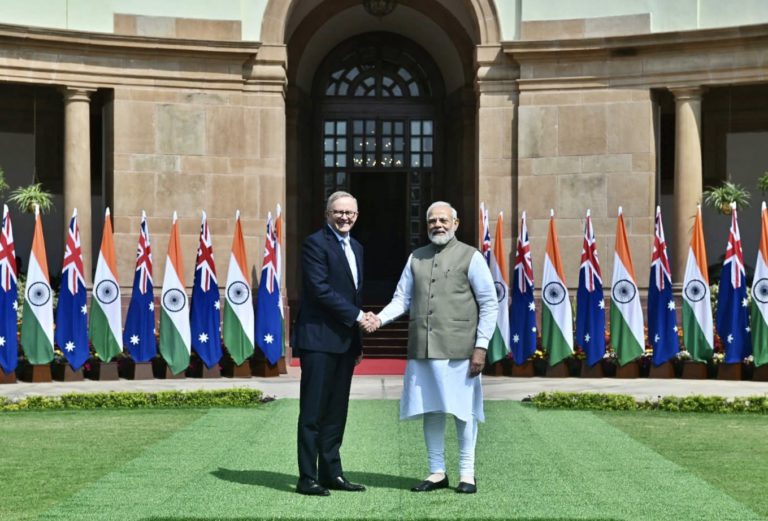
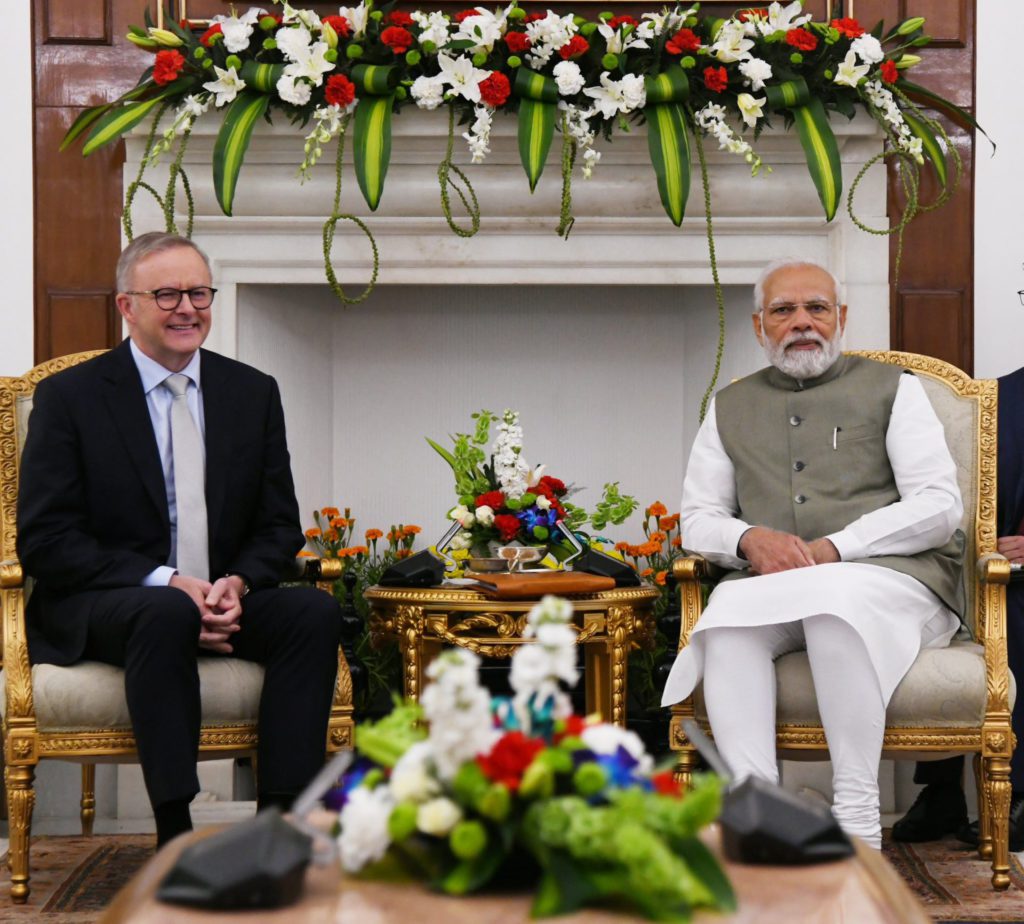
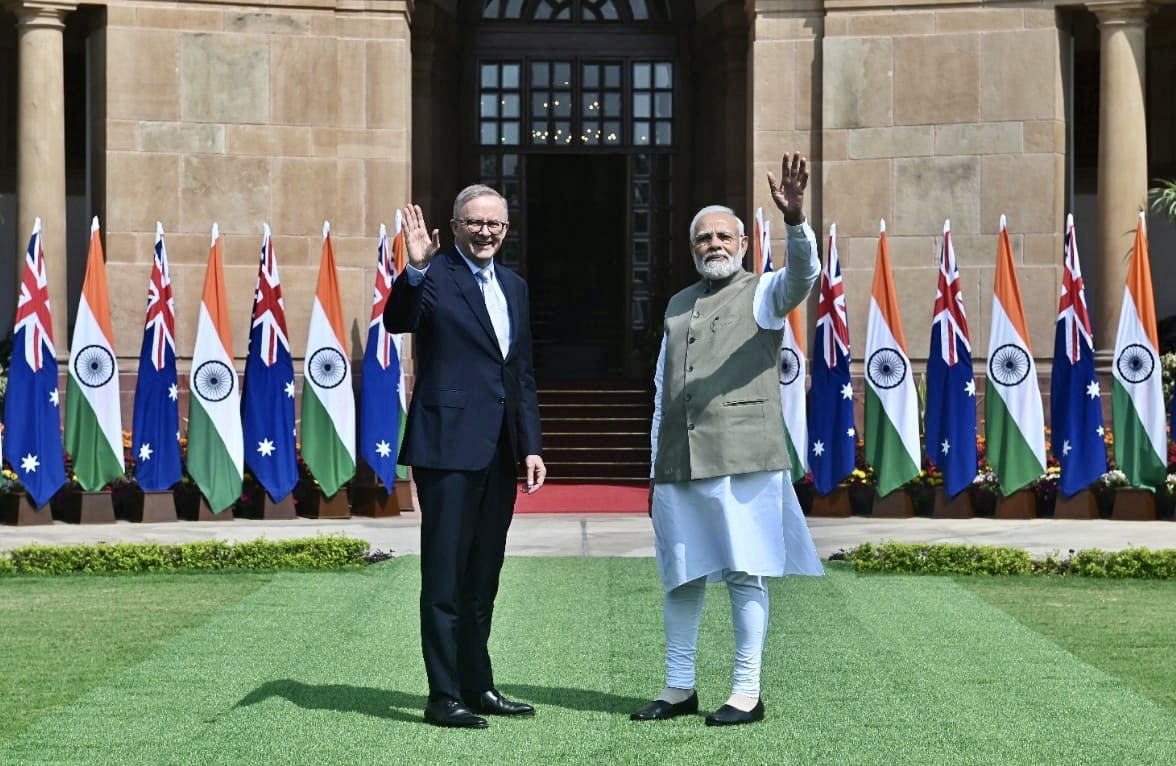
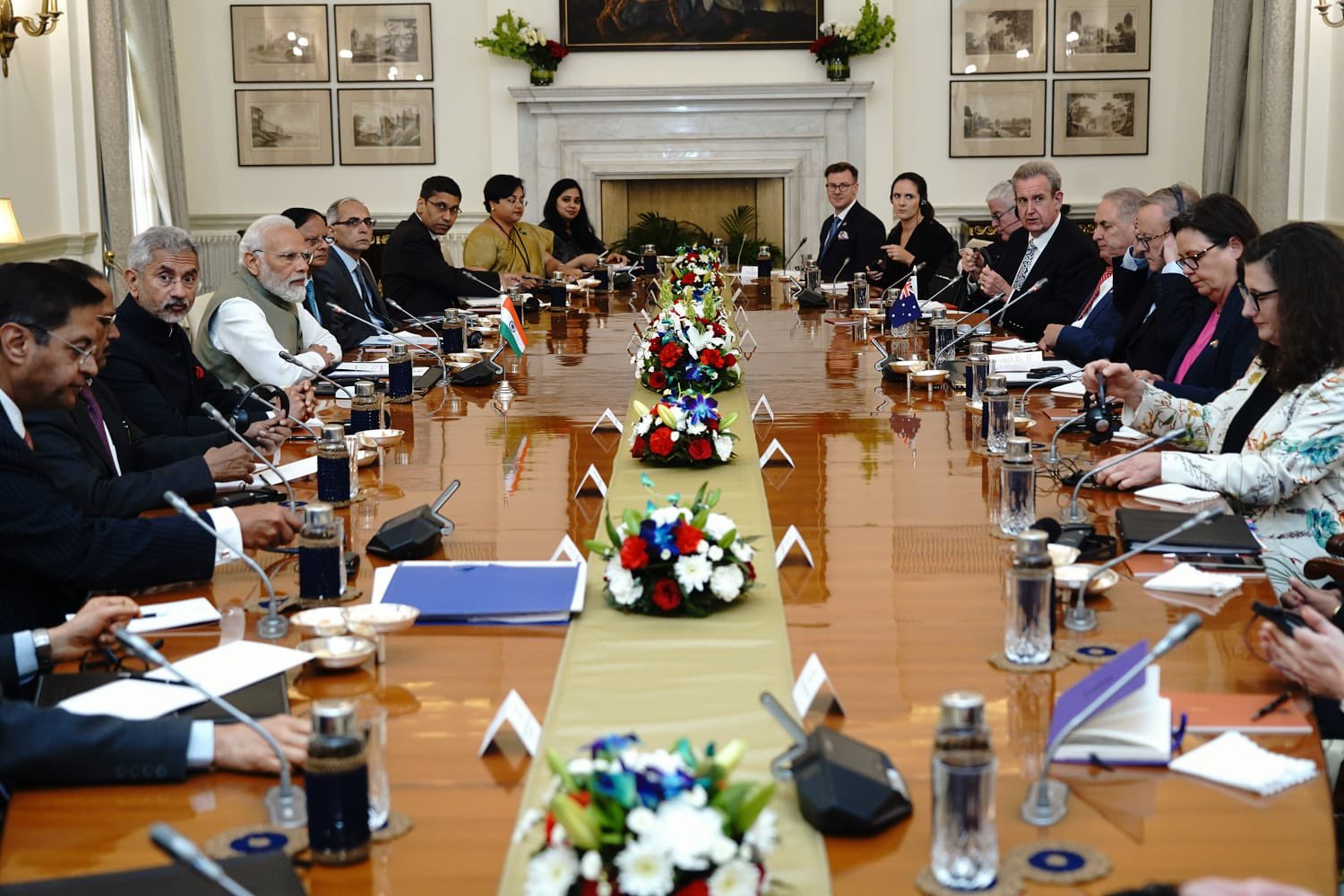
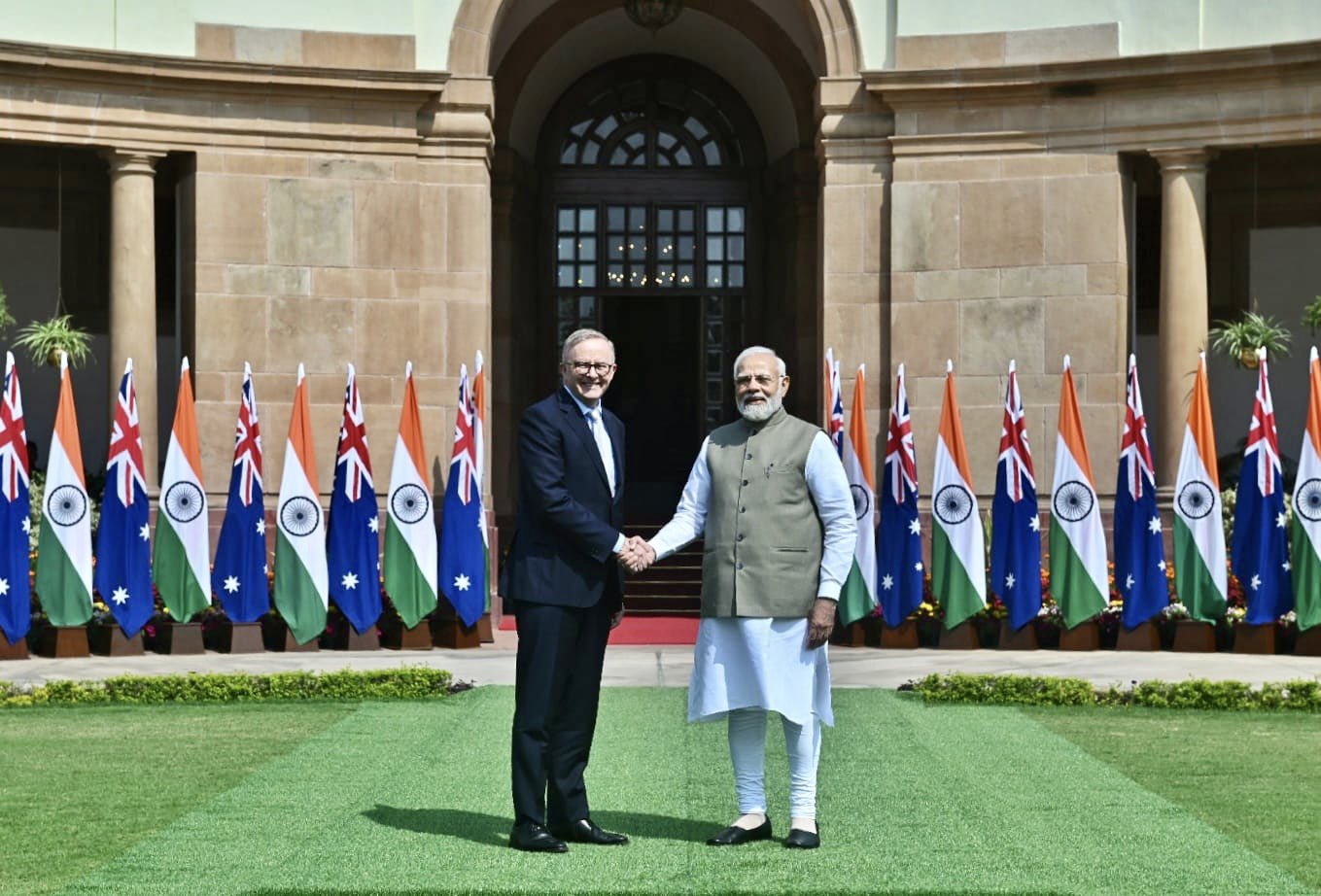
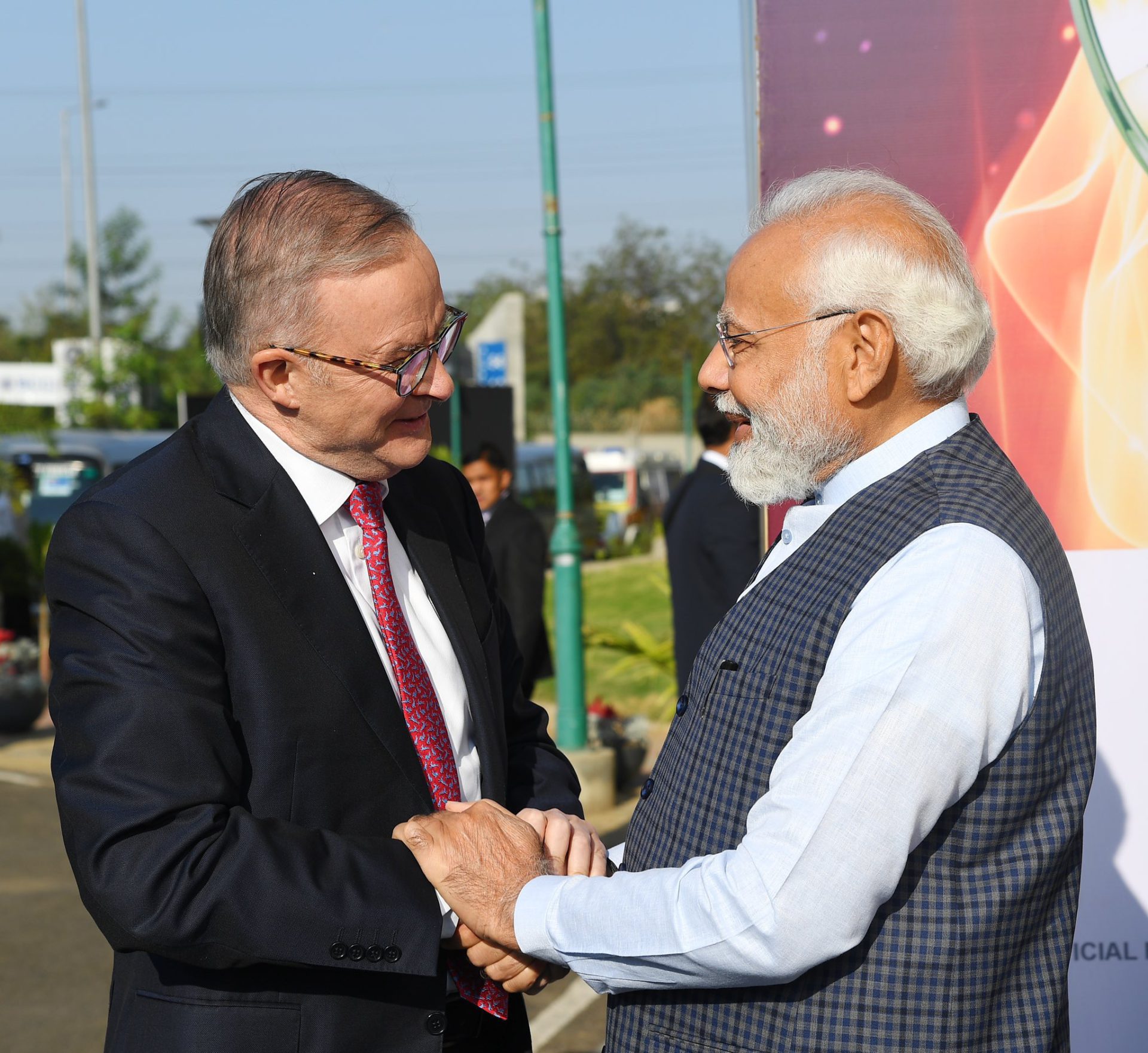
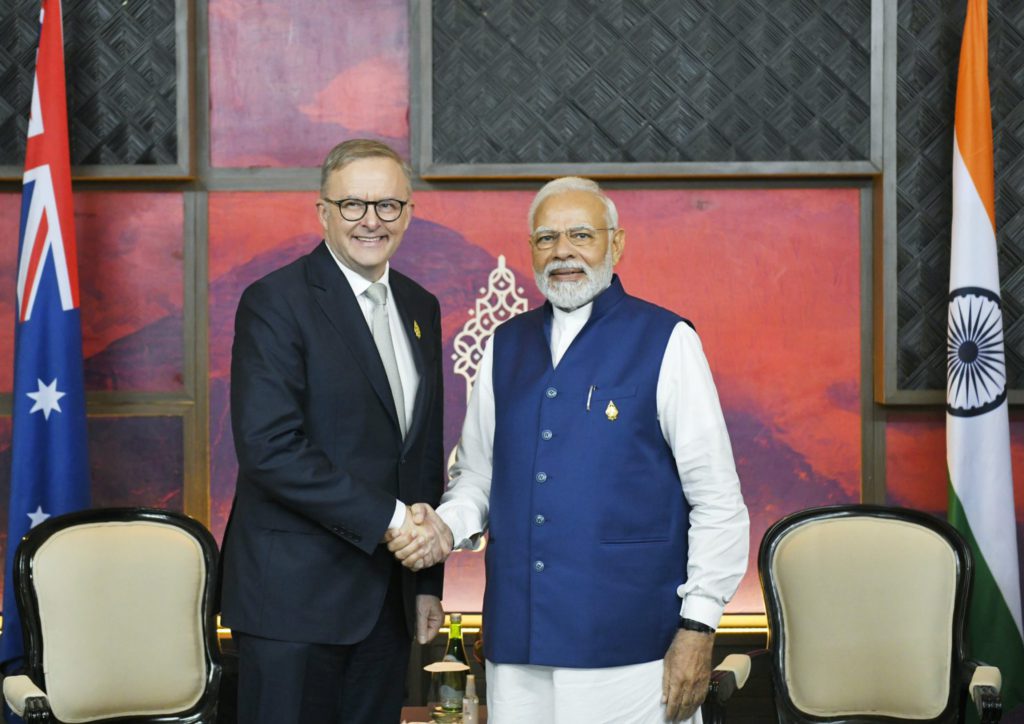
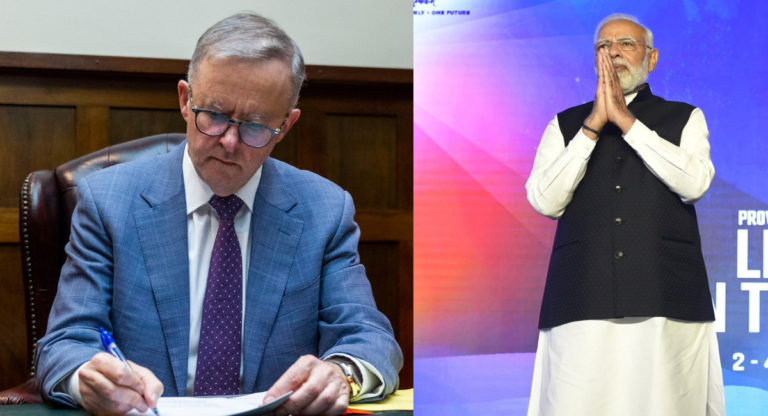
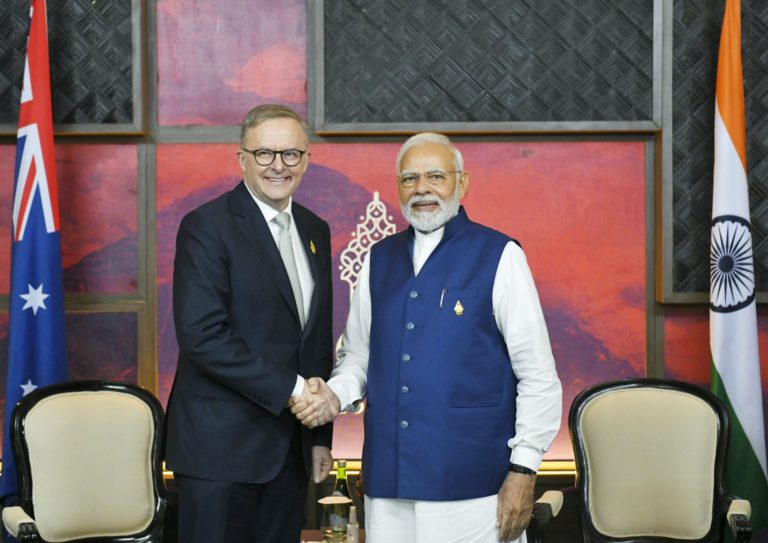
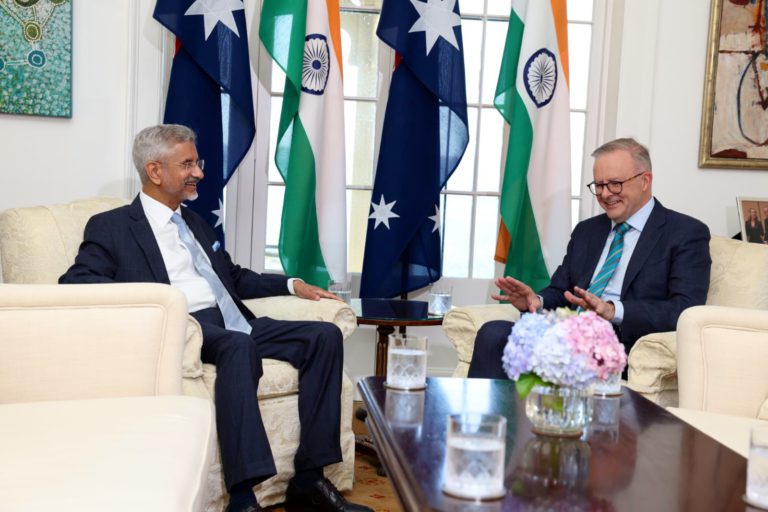
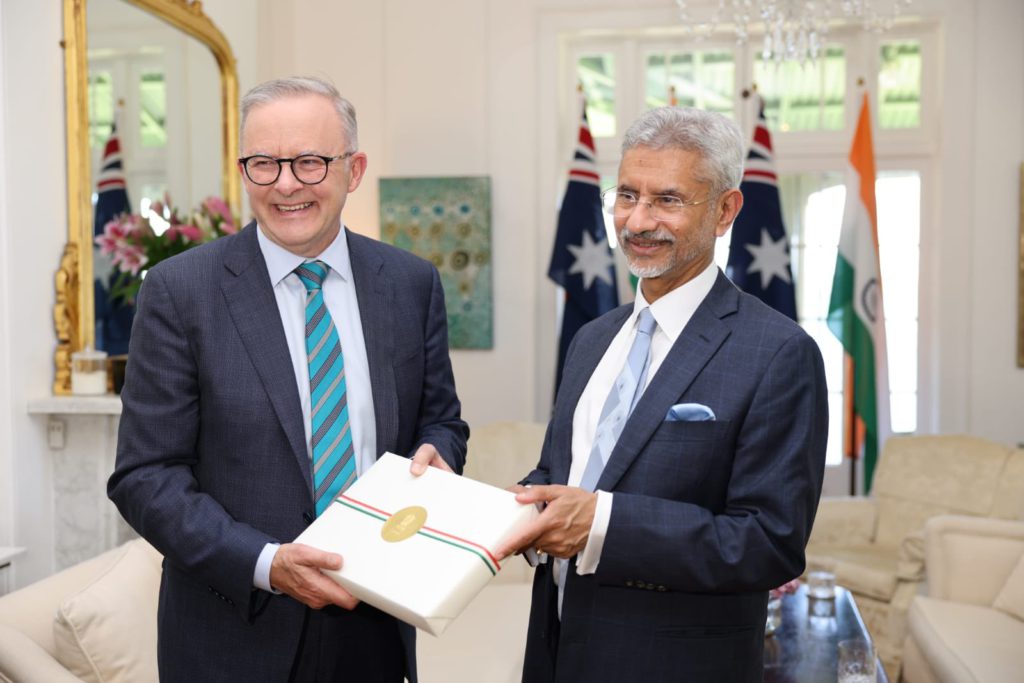
Prime Minister Anthony Albanese and Indian Prime Minister Narendra Modi agreed to further strengthen the bilateral relationship between Australia and India at the Annual Leaders’ Summit in New Delhi.
Both leaders announced their intention for the soonest possible conclusion of the ambitious Comprehensive Economic Cooperation Agreement (CECA), which will build on the landmark trade agreement signed last year.
The CECA will be a transformational deal that will create new jobs and opportunities in both countries.
Prime Minister Anthony Albanese and Indian Prime Minister Narendra Modi; Image Source: PIB
Prime Minister Anthony Albanese said, “I am proud of the deep and vibrant ties between our nations. My visit has strengthened the already close relationship that Australia enjoys with India, a key partner and good friend in the Indo-Pacific.”
“Building a stronger partnership with India will deliver tangible benefits for Australia in trade and investment, education, renewable energy, defence and security, and culture.
Indian PM Modi said that he and Mr Albanese discussed in detail various aspects of mutual cooperation.
PM Modi said, “Renewable energy is the area of priority and focus for both countries. The trade agreement implemented last year has opened up better opportunities for trade and investment between the two countries. People-to-people relations are a major basis of India-Australia friendship.”
“Security is an important part of our comprehensive Strategic Partnership. These agreements have been made in the last few years, in which logistic support for each other’s armies is also included,”
PM Modi added.
In recognition of a unique part of the economic relationship, PM Albanese also discussed the potential presented by the India-Australia Audiovisual Co-Production Agreement. The Agreement will support skilled jobs, creative exchange, and the development of culturally significant screen projects in both countries.
The Prime Ministers discussed their shared ambition on climate change and the opportunities presented by the global energy transition, agreeing to build on existing cooperation on solar and hydrogen towards a Renewable Energy Partnership.
Prime Minister Anthony Albanese and Indian Prime Minister Narendra Modi; Image Source: PIB
Prime Minister Albanese informed Prime Minister Modi that the Centre for Australia-India Relations in Australia had commenced operations under the leadership of Tim Thomas, the Centre’s inaugural Chief Executive Officer.
“I thank Prime Minister Modi for hosting my first official visit to India, and look forward to welcoming him to Australia for the Quad Leaders’ Summit mid-year.”
They welcomed the establishment of a task force to advise the Australian and Indian governments on opportunities to accelerate the rollout of solar PV and clean supply chains, led by Australian solar expert, Professor Renate Egan and eminent Indian scientist Professor Anil Kottantharayil.
The leaders agreed to strengthen the Australia-India defence and security partnership in support of both nations’ shared ambition for an open, stable and prosperous Indo-Pacific. They welcomed Australia’s hosting of Exercise Malabar this year for the first time.
Prime Minister Anthony Albanese and Indian Prime Minister Narendra Modi; Image Source: PIB
Education was a key focus of the Annual Leaders’ Summit.
The Prime Ministers welcomed a new agreement that will support mutual recognition of educational qualifications and reported that officials have made significant progress on a new Migration and Mobility Partnership Arrangement.
This Agreement will encourage the mobility of students, graduates and professionals and enhance cooperation on irregular migration issues.
The Fair Work Ombudsman has recovered $368,666 for 102 underpaid security guards and supervisors after investigating companies engaged to provide security around Perth.
In July 2021, Fair Work Inspectors audited 13 security businesses to check their compliance with workplace laws, having received information including through anonymous reports and enquiries that there may be non-compliance.
From the 12 matters where investigations have concluded, inspectors found that nine businesses (75 per cent) were non-compliant.
Of the businesses in breach of workplace laws, eight had underpaid their workers and three had failed to meet pay slip and record-keeping requirements.
The most common breaches that inspectors found were failures to pay penalty rates, including weekend, shift, public holiday and other loading (seven businesses), followed by failures to pay overtime rates (five businesses).
Fair Work Ombudsman Sandra Parker said the audit results showed the security industry needed to sharpen its focus on its employment responsibilities.
“The high rate of non-compliance we found among these security businesses is a concern. In particular, employers were not meeting their obligations to pay penalty rates, which the law requires to compensate workers for working often unsociable hours when most of the community are not,” Ms Parker said.
“We expect all businesses to prioritise meeting their obligations so that workers are paid the right wages and entitlements in full.”
“The Fair Work Ombudsman has a range of free tools and resources to help employers get it right. Any workers with concerns about their wages should also contact us,” Ms Parker said.
In total, $368,666 was recovered from eight businesses for 102 employees after the FWO issued nine Compliance Notices. All underpaid employees were engaged as security guards or supervisors.
Amounts back-paid from individual businesses ranged from $159,940 for 17 employees to $55 for one employee.
There were two Infringement Notices issued for breaches of pay slip laws, resulting in $3,108 in fines paid.
One business remains under investigation.
All non-compliant businesses were advised that any future breaches may lead to higher-level enforcement action by the Fair Work Ombudsman.
Do you want to have a baby? But, on a planet rocked by the climate crisis, ecosystem collapse, famine and poverty, is having one just adding to the problem – and therefore unethical?
I am a PhD Candidate at Monash Bioethics Centre, and I research the ethics of procreation in a time of climate change. I’ve found there’s no simple “yes” or “no” answer to whether we should produce more children when Earth is in such dire straits.
People who want to have children are faced with a dilemma. Creating a child who will be responsible for high emissions over their lifetime requires others to stay in poverty (if the planet is to operate within its physical limits). This, it can easily be argued, furthers injustice and inequality.
But many of us want to have children – doing so can be one of the most meaningful things we do with our life.
What should we do? Ethics can provide an answer. It shows there is a moral obligation to consider the effects of child-bearing without obliging people to not have children as a result.
What is overpopulation?
Many people argue the world has an overpopulation problem. Overpopulation has been defined as the state where there are more people than can live on Earth in comfort, happiness, and health and still leave the world a fit place for future generations.
But this definition is open to interpretation. Overpopulation is not just about numbers, but also values. If people in affluent countries value their lifestyles – and the opportunity for others to have the same lifestyle – then the world is overpopulated.
I live in inner-city Melbourne. When I calculate my ecological footprint, it’s confronting to discover we would need about four Earths for everyone to live like me. If everyone lived like the average American, we would need more than five Earths.
Indeed, estimates by ecologists and philosophers show a person born in the developed world can enjoy their lifestyle only if there are no more than two or three billion people on the planet. There are now more than eight billion.
So what do we do?
We could address the dilemma by decreasing per capita emissions of greenhouse gases. However, this on its own won’t be sufficient.
Why? First, it’s difficult to reduce emissions at the speed required to mitigate catastrophic climate change. The goal of the Paris Agreement is to prevent the world from warming by 2℃ from pre-industrial levels. To achieve this goal, we must halve emissions by 2030, halve them again by 2040, and again by 2050.
Unfortunately, we are not on track to achieve the Paris goals. This failure will cause significant suffering and millions of deaths. And the most disadvantaged people will be affected first and most severely. This is unjust.
Second, developing countries must be allowed to increase their emissions to escape poverty. People in poverty consume very few resources. To stay at this low-level of consumption is dehumanising. We should be advocating for many people to consume more.
Third, having fewer children helps solve the injustices caused by climate damage. If global fertility rates dropped by only 0.5 births per woman, about 5.1 billion tonnes of carbon would be saved each year by the end of the century. This would contribute to between 16% and 29% of the emissions savings needed to avoid catastrophic climate change.
Fourth, even if the world’s average per capita emissions decrease, a growing population multiplies emissions.
Emissions tend to grow on a one-to-one ratio with rising populations. Between 1975 and 2009, for example, both population and emissions rose by 43% in the United States. Not addressing population growth means we may undo good work achieved by reducing per capita emissions.
And finally, we cannot address per capita emissions without addressing reproduction. The decision to not bring someone into the world is about 20 times more effective at reducing individual emissions than the sum total of many other “green” acts we can do, such as recycling and driving less.
For instance, in a developed nation, having one fewer children saves about 58 tonnes of emissions per year. The next best decision someone can make to limit their emissions is to live car-free. But, this will only save about 2.4 tonnes of emissions per year.
As ethicists have recently pointed out, if there is any duty to reduce our per capita emissions, there is a duty to limit the amount of children we have.
Resolving the dilemma
I should acknowledge here that I don’t have the lived experience of being a woman or person who can carry a child, nor do I have children yet.
However, I do believe the world must address overpopulation. I say this knowing it is not an easy or comfortable topic to broach. It involves sexuality and contraception, personal rights and religion.
And I realise there is no way forward that can solve all injustices.
If people in affluent nations keep bringing children into the world, there will not be enough resources for many current and future people to live and flourish.
But it would also be unjust to demand an individual give up reproducing. The freedom to decide whether to bring someone into the world is central to many people’s dignity and life’s meaning.
And the United Nations Declaration of Human Rights recognises that every man and woman has the right to found a family.
So the most appropriate answer is not one that seeks to eliminate injustices altogether. Rather, it should minimise injustice as much as possible.
Telling people not to have children, or to have fewer children, is too strong. The solution must tread a finer line. But how? By placing a moral obligation on people to consider the environmental and justice issues of bringing someone into the world.
Five big questions
For a person wanting children, this means it’s no longer enough to only ask questions such as: can I be a good parent? Do I have the means to support a child?
Anyone with the means to control their fertility now has an obligation to also ask themselves the following five questions:
Will my child have a high-emissions lifestyle and will this mean others must live in poverty? If so, is this justifiable?
Do I have biological parenting desires – that is, the desire to parent someone who has my genes? Or do I simply have parenting desires – that is, the desire to raise someone in a loving environment according to my values, regardless of their genes?
Even if I might discover a strong biological connection once I have a child, could I be fulfilled in my life if I raised someone who is not biologically connected to me?
If I have only parenting desires, can this be satisfied in other ways such as through fostering, teaching, mentoring or, if possible, adopting?
Does satisfying my parenting desires in other ways particularly apply to me if I already have one biological child?
Often people who choose not to have children feel the need to explain the decision to others. The above approach would mean the reverse: requiring that people who wish to ethically bring someone into the world must themselves address difficult questions.
A just society values everyone being able to pursue having a child if they wish to. Yet, it also demands that everyone consider the ramifications of doing so.
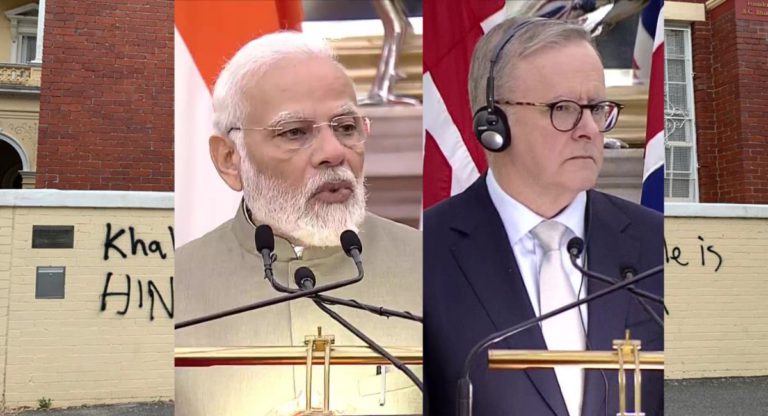
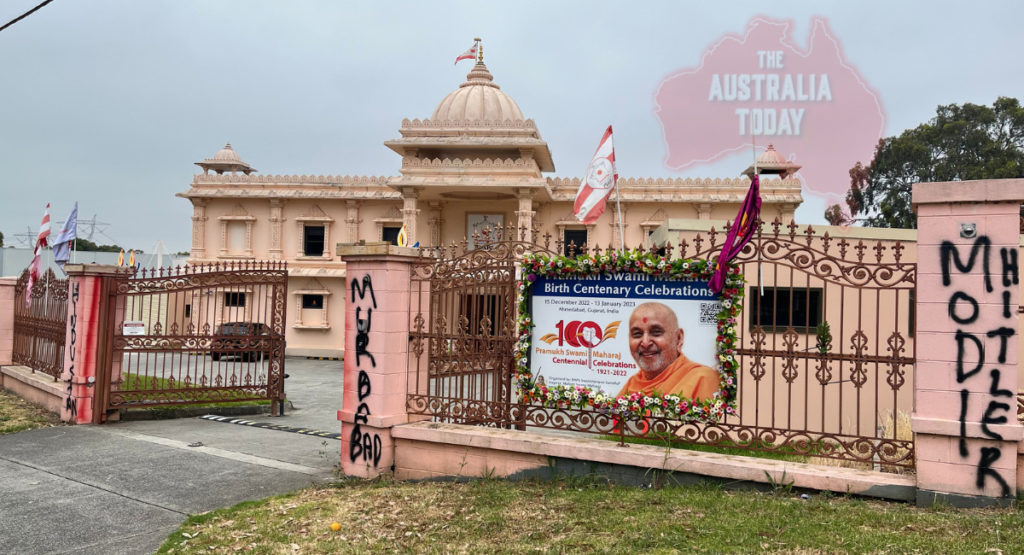
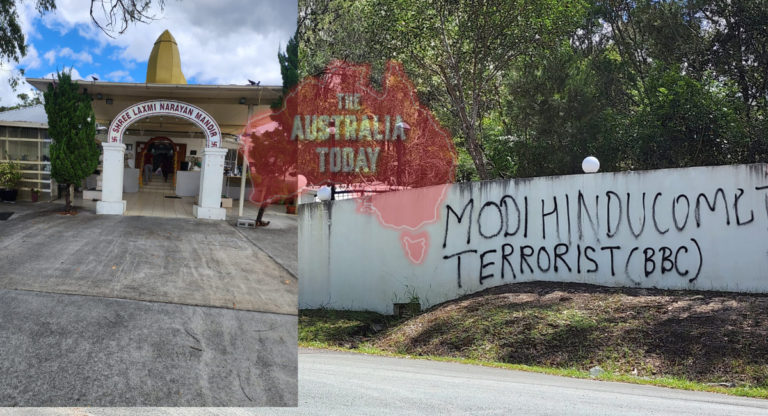
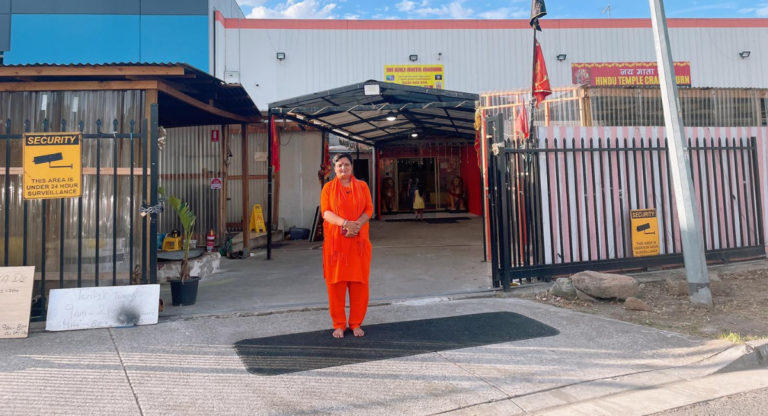
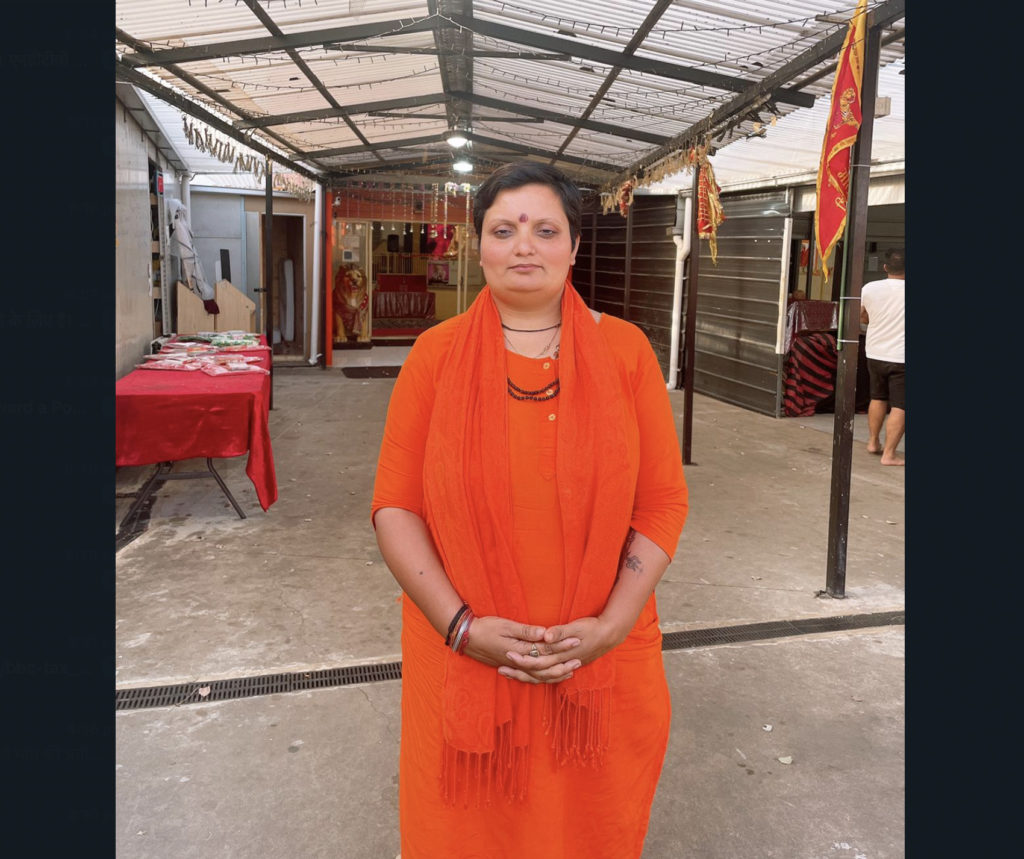
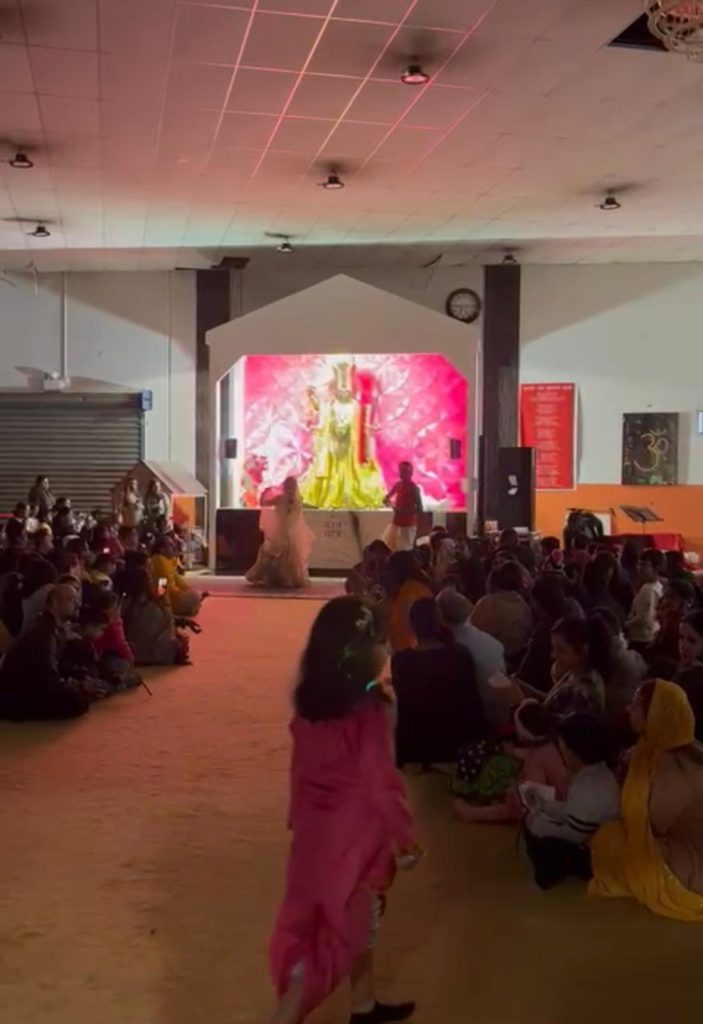
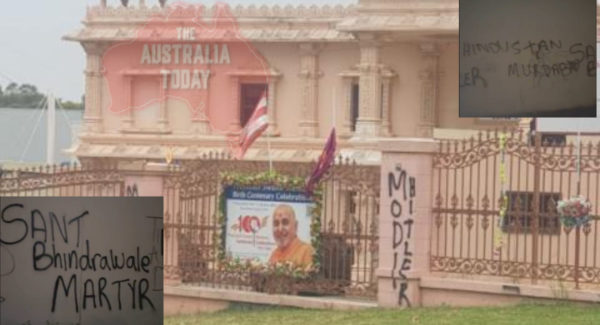
Indian Prime Minister Narendra Modi spoke about Hindu temples being vandalised in Australia in a joint Press statement with Prime Minister Anthony Albanese in New Delhi today. PM Modi said that reports of Hindu temples being attacked in Australia are distressing and a cause for concern.
He said that he has discussed this issue with Prime Minister Albanese who has assured him that the safety of Indian Australians is a priority for him. PM Modi said that teams between the two countries will be in constant touch and cooperate to address this concern.
“There are regular reports of temples being vandalised in Australia. It is natural that such incidents raise concerns among Indians. Shared our sentiments with PM Albanese. I was assured that the safety of Indians is a priority for him. Our teams are in touch and cooperate with each other.”
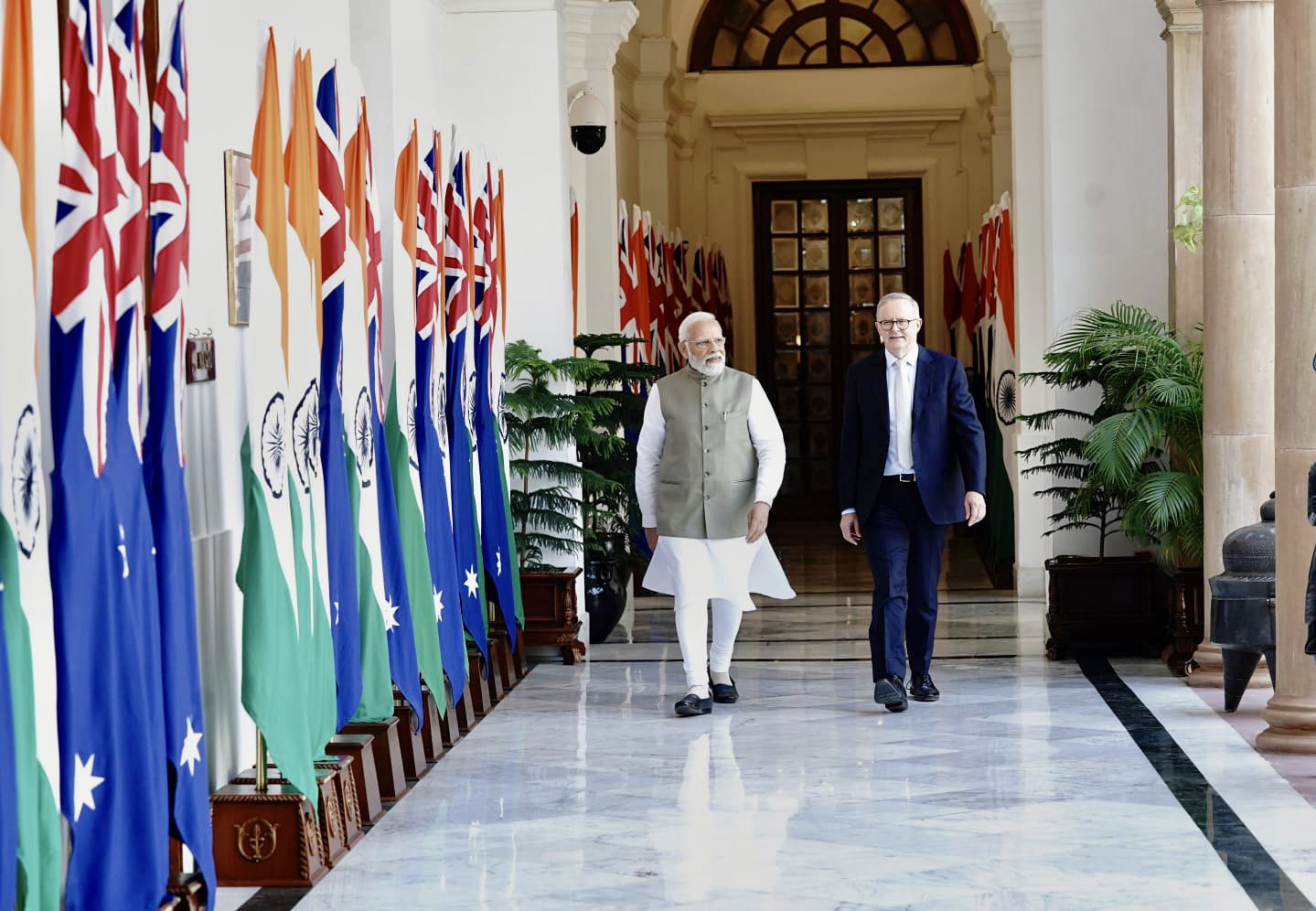
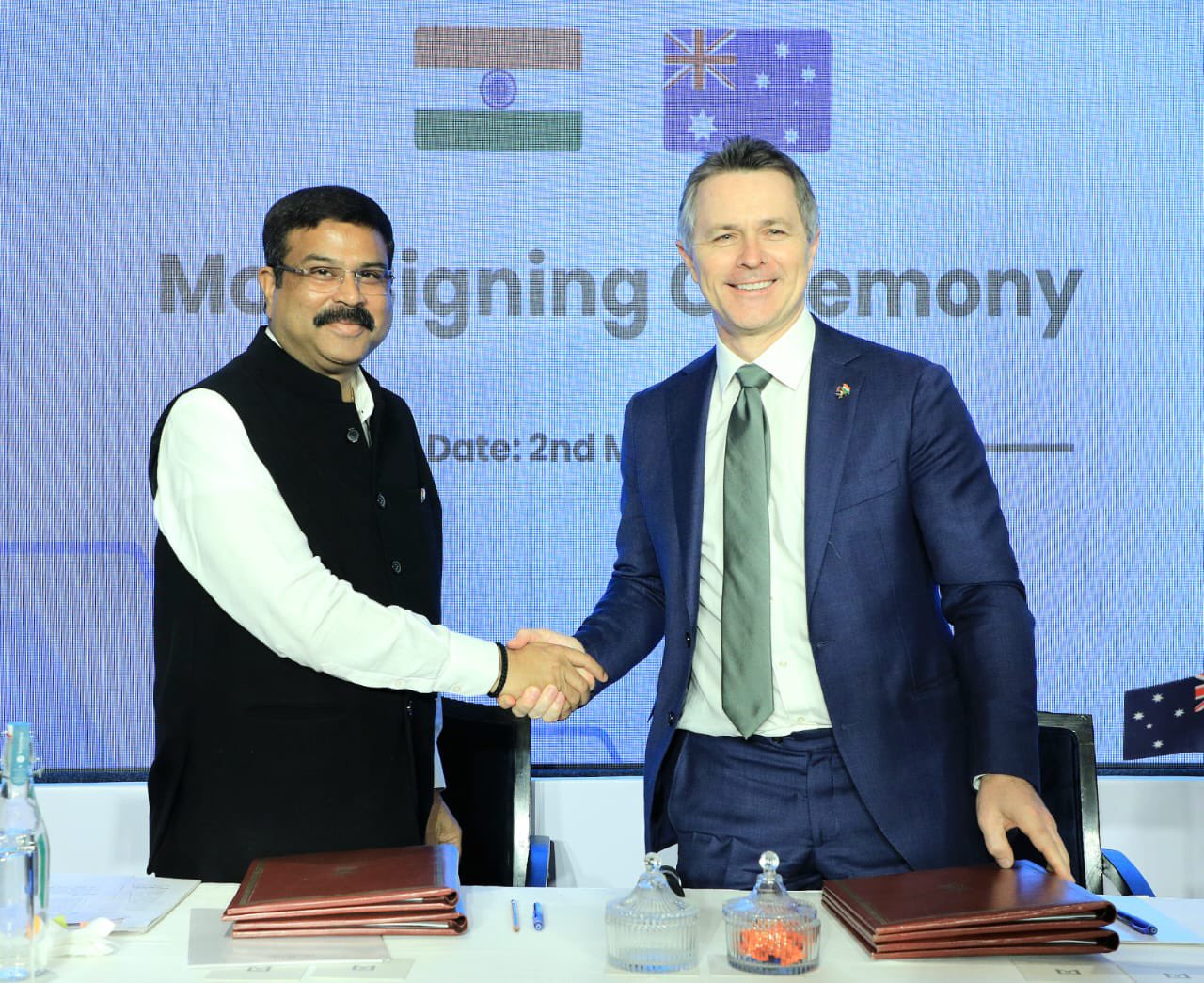
Prime Minister Anthony Albanese and his Indian counterpart Narendra Modi, on Friday, met at the Hyderabad House in New Delhi to hold bilateral talks. The two Prime Ministers spoke about the deep bilateral ties between the two countries including the Economic Cooperation and Trade Agreement (ECTA) and the signing of the Australia-India Education Qualification Recognition Mechanism. There were MoUs signed between the two countries in areas of sports and innovation as well.
Prime Minister Modi said,
“Our bilateral relations are important for global good. I told PM Albanese of India’s priorities as chair of G20. I thank PM Albanese for inviting me for the Quad leaders’ summit in May. I
n September, I will have the opportunity to welcome him again for the G20 summit.”
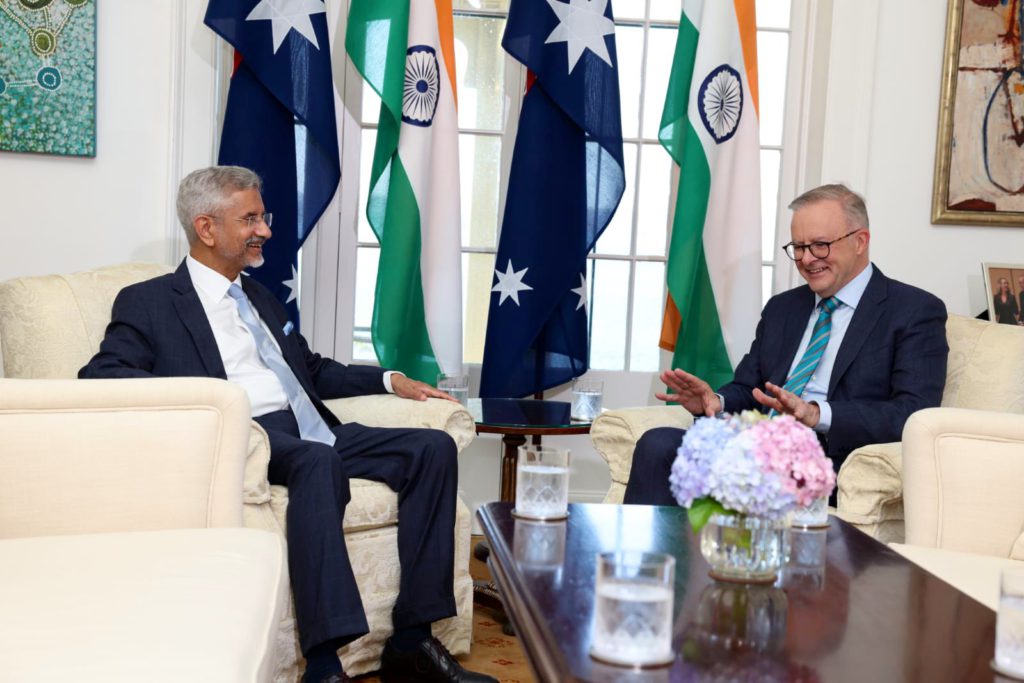
PM Albanese on Friday also met External Affairs Minister S Jaishankar. The EAM said Albanese’s visit and today’s annual summit will take India-Australia ties to a higher level. “Delighted to call on Prime Minister @AlboMP of Australia this morning. His visit and today’s Annual Summit will take our ties to a higher level,” Jaishankar tweeted on Friday.
Australian PM Albanese on Wednesday arrived in Ahmedabad on a state visit to India. The Australian Prime Minister who is on an official visit to India from March 8-11, was welcomed by the Gujarat Chief Minister Patel.
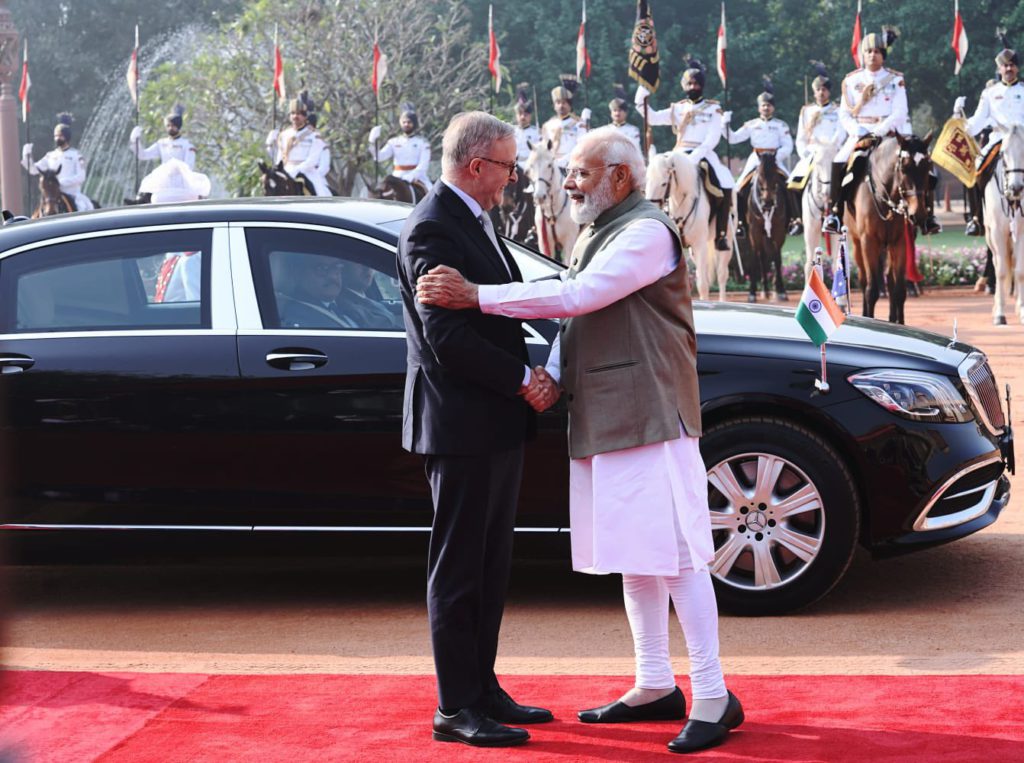
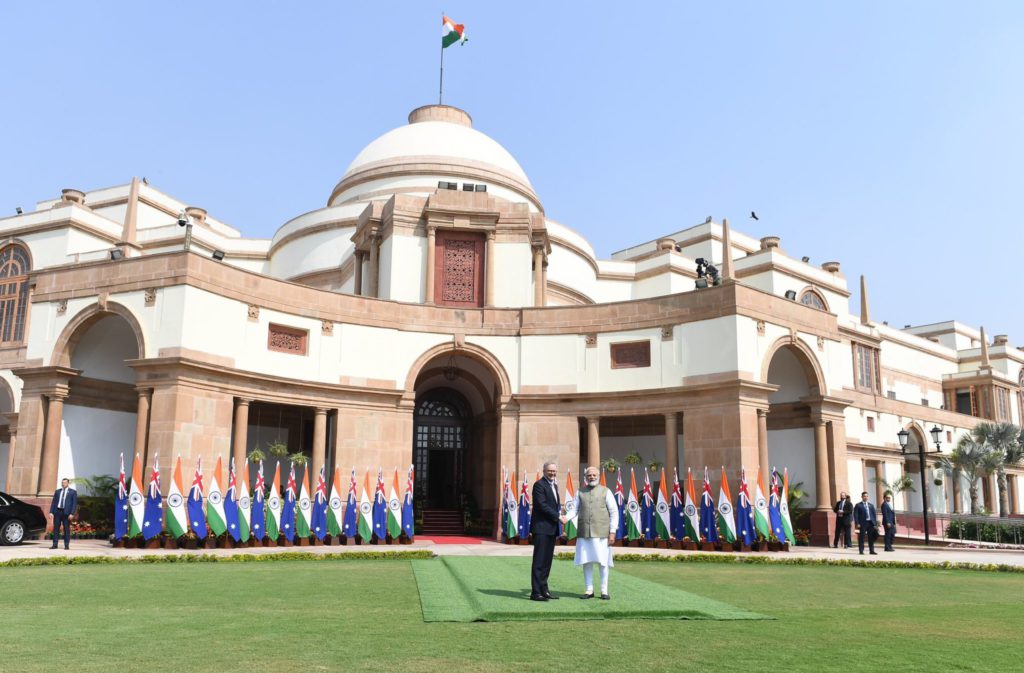
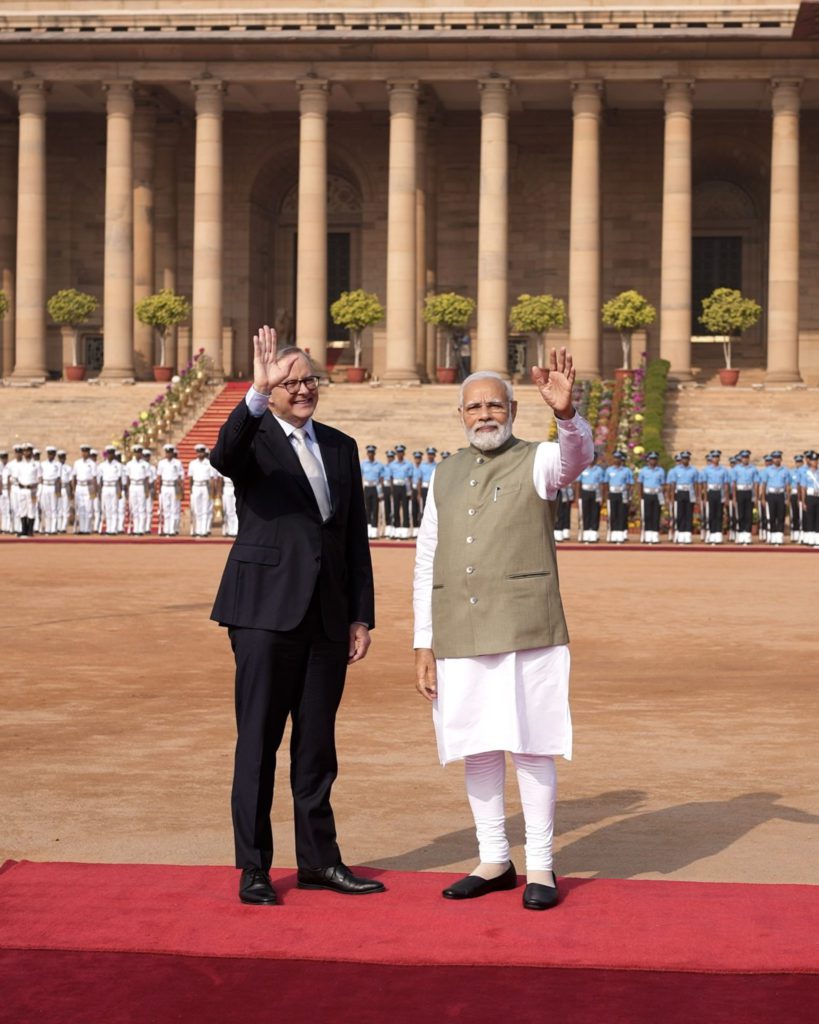
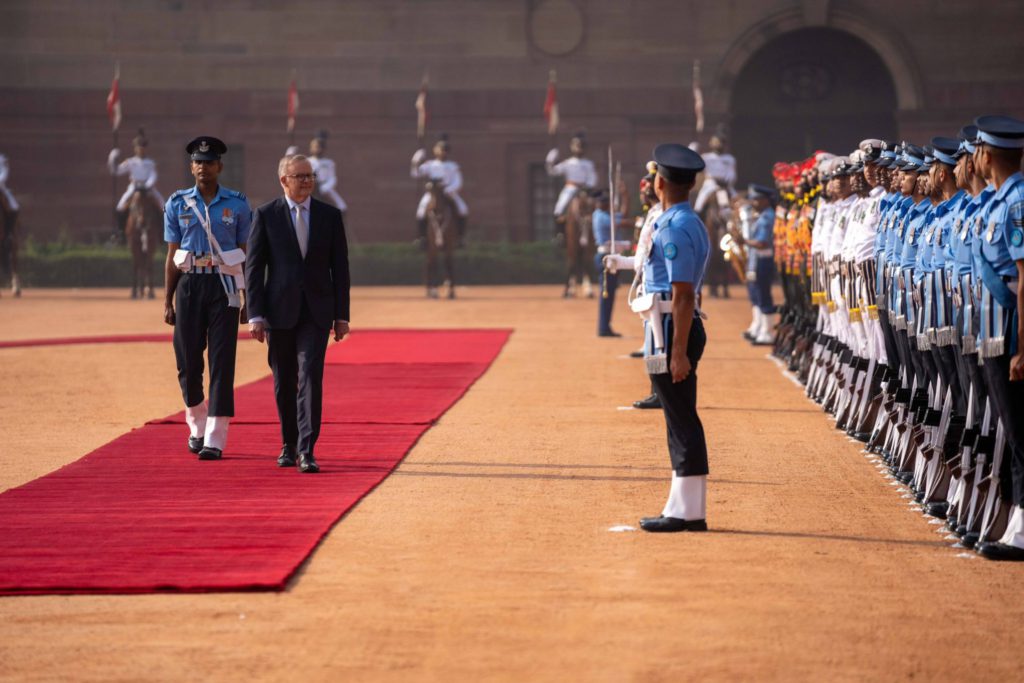
Albanese paid tribute to Mahatma Gandhi at Rajghat in New Delhi on Friday. Albanese was accorded a ceremonial reception at the forecourt of Rashtrapati Bhavan in New Delhi today. Prime Minister Modi welcomed his Australian counterpart at Rashtrapati Bhavan.
PM Modi and PM Albanese at Rashtrapati Bhavan (Twitter)
The Australian PM inspected a Guard of Honour.
PM Anthony Albanese at Rashtrapati Bhavan in New Delhi (Twitter)
Addressing a press conference after a ceremonial welcome at the forecourt of Rashtrapati Bhawan in Delhi, the Australian PM thanked PM Narendra Modi for a very warm welcome in India and said that the two countries are partners and building that partnership even stronger each and every day.
“I thank PM Modi, for a very extraordinarily, generously and warm welcome here. Australia and India are great friends. We are partners and we are building that partnership even stronger each and every day,” said Australian PM Albanese.
“I led a delegation here of significant business leaders as well. We want to cooperate with India and build a relationship in culture, economic relations as well as in the area of security,” he said. Albanese further said that both countries are cooperating to make a better world as the cricket teams of both countries are competing to be the best in the world.
We are competing on the cricket field to be the world’s best but together we are building a better world,” the Australian PM said
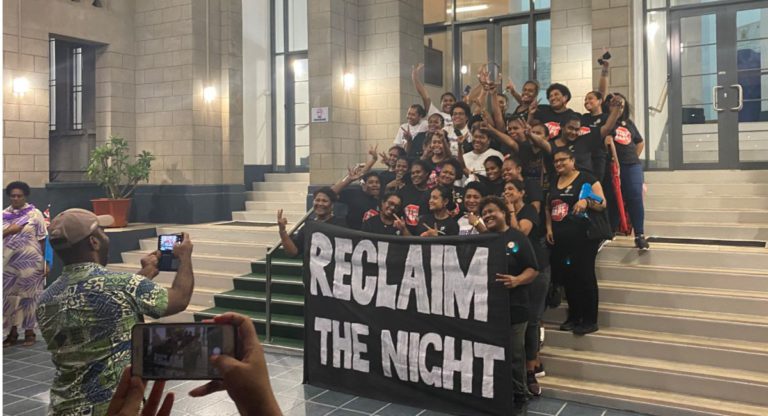
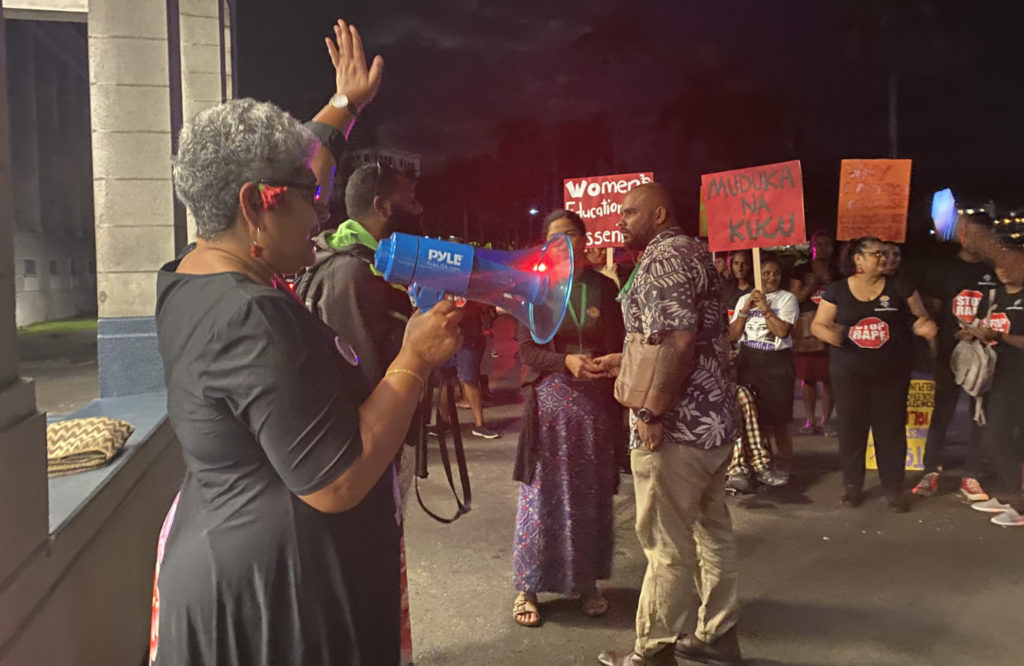
Hundreds of people flocked to the capital Suva last night to participate in the annual International Women’s Day (IWD) march organised by the Fiji Women’s Crisis Centre (FWCC).
The event, known as ‘Reclaim the Night’ advocates for an end to rape and domestic violence against women and girls.
The march began shortly after police officers at the scene allegedly tried to halt the movement if ‘women’s issues from West Papua or Iran’ were discussed. The situation forced FWCC coordinator Shamima Ali to call on Home Affairs Minister Pio Tikoduadua for his intervention with the police directive.
“We tried to explain (to the police officers) that this is a global movement, it’s International Women’s Day and we think about all women in the world. We still got told no,” said Ms Ali, who then contact Mr Tikoduadua after claiming police officers refused to consider their explanation.
“He (Mr Tikoduadua) apologised profusely. He apologised to all the women and those that came to join the march.”
Fiji Women’s Crisis Centre coordinator Shamima Ali addresses the crowd of supporters who turned up in numbers for the ‘Reclaim the Night’ march to commemorate International Women’s Day in Suva last night. Picture: SOPHIE NORRIS
Ms Ali said Reclaim the Night expanded the fight for women’s rights in Fiji and was an event that began in 1987 with just over 30 people.
“Today, we have hundreds but we must use it to plan for the struggle ahead.”
FWCC volunteer and outspoken feminist Roshika Deo says IWD celebrated the progress of many women in Fiji and meant more than just cutting cake to commemorate its significance.
“Women still have a long way to go and International Women’s Day means taking stock of the work that is still left to do,” Ms Deo said.
“Women want to see more anti-sexual-harassment policies in place because even though it is mandated by law, no one knows about it.”
Other volunteers at the event shared that the march re-energised the collective efforts to advocate and safeguard women’s rights.
“It’s not enough for us to just do our work in our own little silos. Right now, we have to claim our space in ways we haven’t been able to do for the last 16 years,” said human rights activist Noelene Nabulivou, who was also part of the march.
The crowd of supporters, including feminists and human rights activists, marched from the Flea Market to Parliament House.
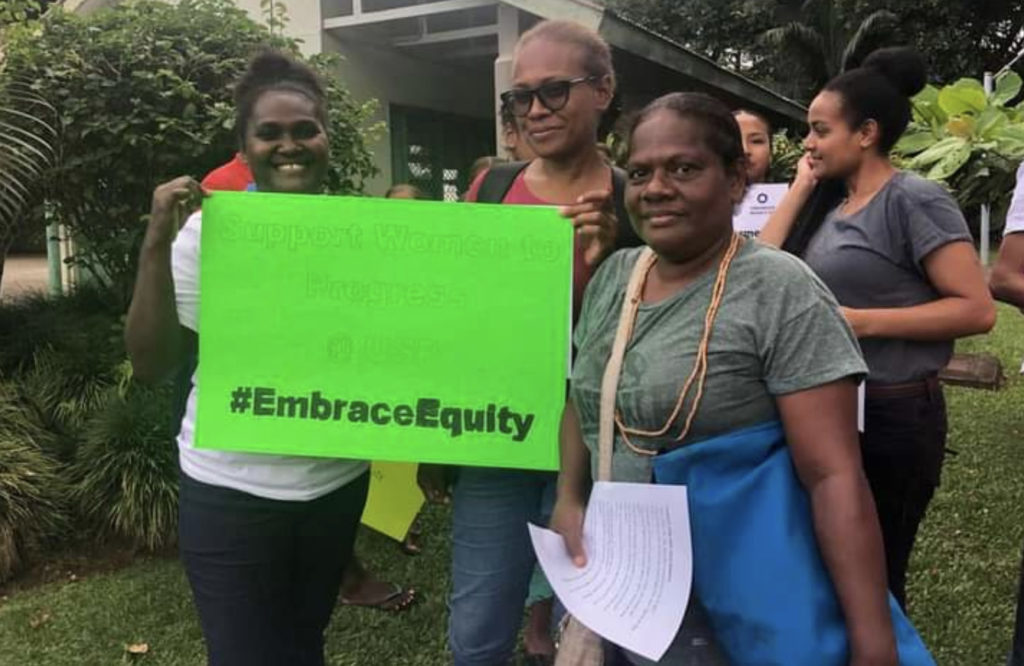
IWD 2023 was also celebrated at The University of the South Pacific’s Laucala Campus, where staff unions and students marched in solidarity to commemorate the special day.
‘Embrace the Equity’ was the catchphrase during the Equity March at USP’s Laucala Campus yesterday. Picture: AUSPS
The Association of USP Staff (AUSPS) Women’s Wing said equity was an enabler to excellence and equality, adding the march was a time for USP to walk the talk.
AUSPS Women’s Wing president Rosalia Fatiaki said they were calling for real action and commitment from USP when it came to policy changes and implementation to progress women in higher education.
This news article first appeared in the University of the South Pacific’s (USP) Wansolwara and is published here with their kind permission.
Contributing Author: Sophie Norris is an international student from Australia who is currently studying journalism and communication at The University of the South Pacific’s Laucala Campus. She is a recipient of the 2022 New Colombo Plan Scholarship, a prestigious scholarship awarded by the Australian Government’s Department of Foreign Affairs and Trade that gives Australian university students the opportunity to study and intern in the Pacific region.
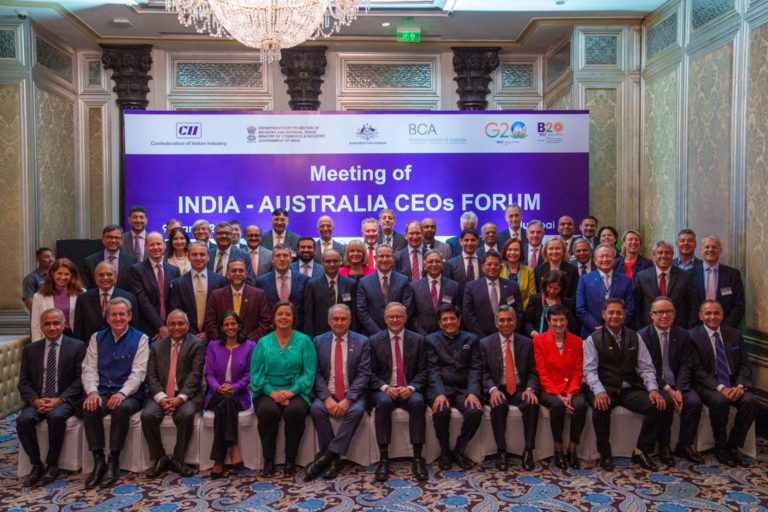
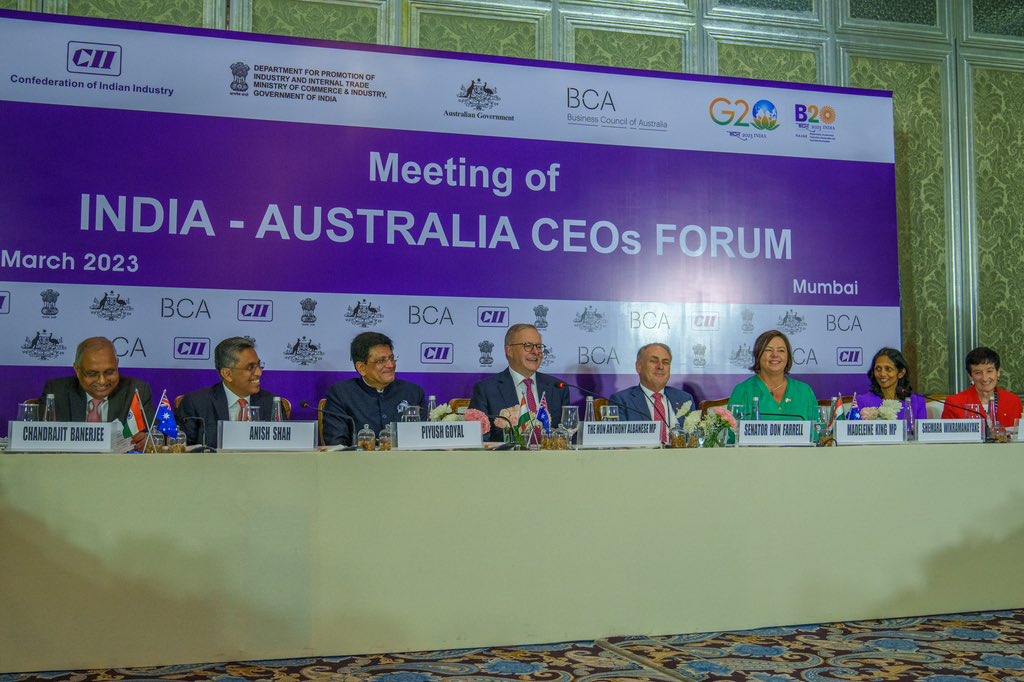
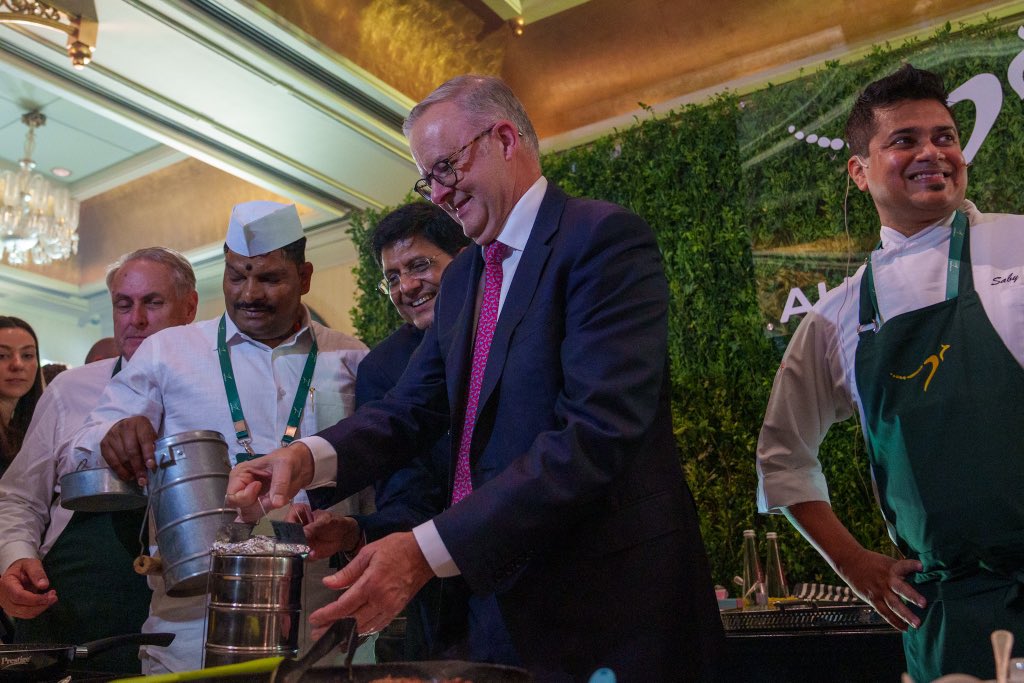
Prime Minister Albanese has attended a roundtable with CEOs and business leaders from Australia and India to discuss new trade opportunities under the Australia-India Economic Cooperation and Trade Agreement (ECTA), and future areas of growth for trade and investment.
The Australia-India CEO Forum was organised by the Business Council of Australia and the Confederation of Indian Industry.
In the meeting, an MoU between the Business Council of Australia and the Confederation of Indian Industry (CII) was also signed.
Australia-India CEOs with PM Anthony Albanese in Mumbai; Image Source: PM&C
However, If Australia and Australian companies want to really engage with India in meaningful and productive ways they need to learn a few basic things.
For a long time, I have been mulling over the fact that Australia-India’s business relationship has been underperforming despite the potential. The comparison that comes to mind is Virat Kohli’s 2022-23 batting!
Sometimes a purely analytical and strategic evaluation of a situation does not lead to happy conclusions. People might view it as pessimism. But I have to risk that blame.
So here it is.
Note 1:
“India is likely to surpass China and emerge as the largest international market for Walmart this year.”
– Walmart CFO John David Rainey to analysts 8/3/2023.
The Bentonville headquartered retail giant is a majority owner of both the e-commerce marketplace Flipkart as well as payment app PhonePe.
You could Google two dozen similarly optimistic US-India corporate stories – let’s spare me the trouble. Hardly any fanfare.
In relative terms, Australia is at least two decades behind the curve.
Won’t you hate to notice the gaping hole when it comes to a single ASX 50 CEO genuinely celebrating their India experience?
I am not saying that your India pilgrimage is a non-event. But the most vociferous celebrants of Australia-India trade are ministers, Australia-India trade bodies and think tanks, the Big 4 consultants, retired cricketers, hopeful trade advisers, and sundry talk panellists – not the ones who write the check.
Australia-India CEOs with PM Anthony Albanese in Mumbai; Image Source: PM&C
Note 2:
There has to be a good reason why Australia has remained behind the curve while its natural allies US and UK have done so well with India and the Indian diaspora.
Please ask yourselves if Australia loves to consolidate its bewilderment about India, sometimes bordering on a natural dislike of India. Here are a few pointers.
The multi-hundred million train additions by Sydney Metro are those manufactured in India by Alstom, but the Sydney Metro website carefully avoids naming India! Check out sydneymentro.info.
Aussie TV channels flashed the visuals of burning pyres of Indian covid victims, reconfirming the Aussie pub view that India was indeed a third-world nation!
The same channels went quiet on the fact that Indian companies supplied the largest number of vaccine shots to Africa and elsewhere in the early months of the pandemic, at a time when the West was hoarding vaccines. Remember, millions of Aussie vaccine shots eventually expired unused?
Australia-India CEOs with PM Anthony Albanese in Mumbai; Image Source: PM&C
Note 3:
What’s the way out of this quagmire? I have four facts to share and for each one, an advise Aussie CEOs who want to succeed with India (I don’t advise pollies, media and sundry celebrants):
1. You Don’t Understand India
Indians are highly perceptive and intelligent, which is irreconcilable when you see the country in a comparative mess. The subject needs investigation and a lived experience to genuinely understand it. India is what it is.
Don’t jump to easy conclusions. Research.
Australia-India CEOs with PM Anthony Albanese in Mumbai; Image Source: PM&C
2. You Don’t Understand India
It’s a collection of 100+ mutually exclusive markets based on combinations of the following. 30+ language-based communities and states. At least 5 economic strata – billionaires, rich, upper middle class, lower middle class and poor. At least 3 geographic strata – mega urban, urban and rural and many in-betweens. It is a predominantly vegetarian lifestyle – by unofficial estimates, even meat eaters consume over 50% vegetarian meals a year. 5+ religious groups, Hindu being the biggest among business owners and CEOs.
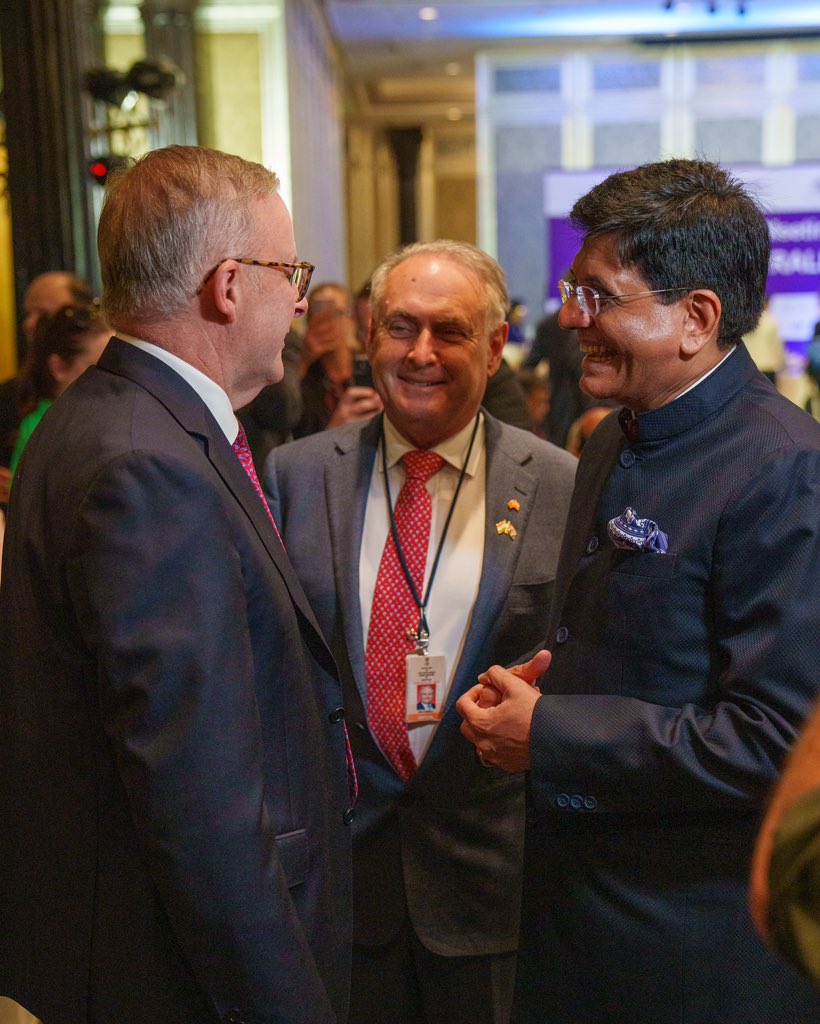
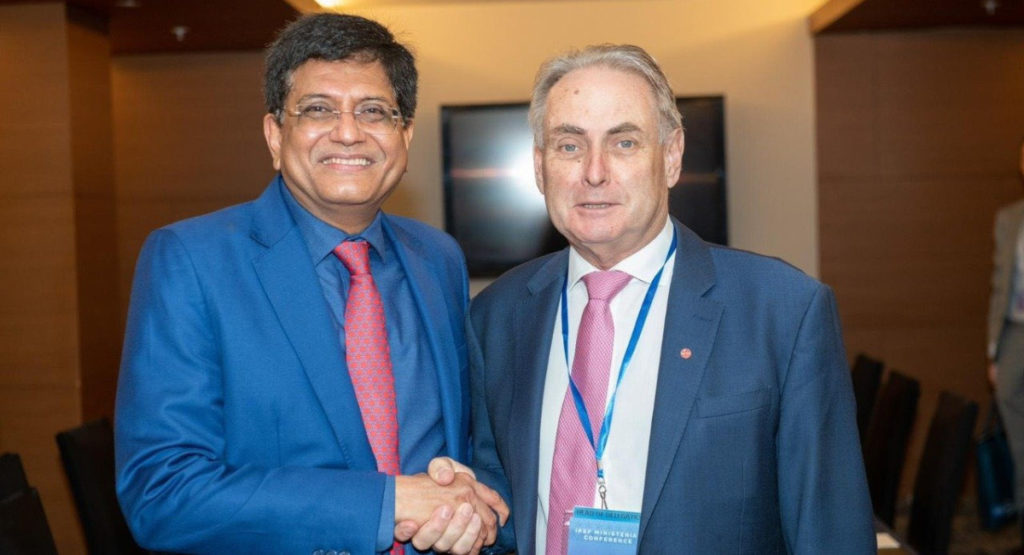
PM Anthony Albanese Indian Minister for Commerce Piyush Goel and Minister for Trade Don Farrell in Mumbai; Image Source: PM&C
3. You Still Don’t Understand India
When you meet an Indian CEO and open the talk by discussing cricket, Indian food, Indian festivals and other small stuff, it is akin to an Indian CEO visiting you in Australia and making an opening with Crocodile Dundee and wildfires. Don’t waste your breath over humour, culture, sport and other inane stuff. Just talk business. Indian companies are growing stupendously fast and the CEOs are overworked and under-resourced. Respect your host. Come to the point and leave early despite their politeness and hospitable offerings.
Yes, India is impossible to understand and Indians difficult to like. But many around the world e.g. US, the UK, South Korea, and even China are reaping rich rewards by finding a mutually respectful equation with them. You can succeed with a positive, respectful mindset.
As an Australian of Indian origin, I wish for the best of fortunes and friendship to both my beloved nations.
With love
Author:Chetan Shah is Principal Consultant with Active Directions Sydney-based consulting firm. He specialises in cross-border partnerships, M&A, strategic investment, funding of capital-intensive projects, debt restructuring, disposal of businesses and managing private equity investors and capital market / IPO bankers.
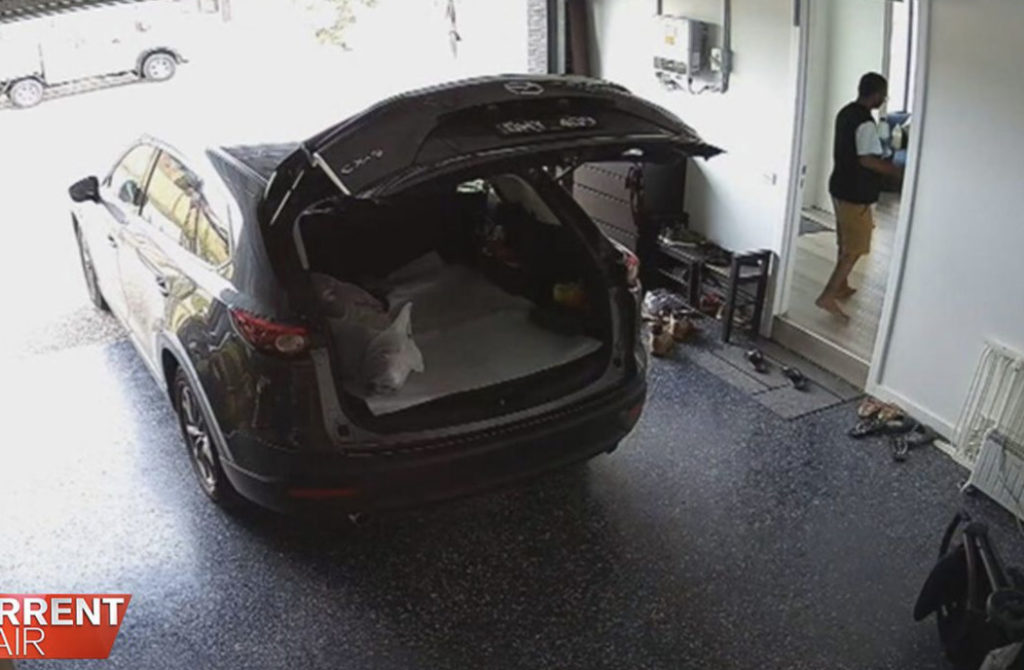
It will be alleged the man was a contracted IT support worker to a third-party provider who accessed ANMM’s account payable system and illegally changed bank account details stored in the museum’s system to his own.
The financial details of several individuals and businesses were also unlawfully obtained, resulting in the man allegedly using credit card information to make a series of unauthorised purchases.
In November, the ANMM detected anomalies in provided financial information for contracted companies. Independent forensic investigators identified the extent of the issue and the AFP was notified.
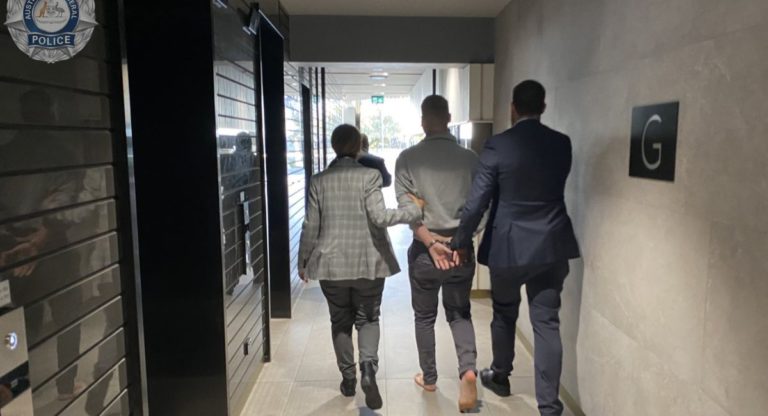
AFP Cybercrime Operations investigators allegedly linked the man, 23, to the unauthorised access of several systems and servers.
Image: Op Koalemos (Source: AFP)
Investigators executed a search warrant at the man’s Macquarie Park home where he was arrested and charged with:
Two counts of unauthorised access and modification with intent to commit a serious computer offence, contrary to section 477.1 of the Criminal Code Act 1995 (Cth),
Four counts of dishonestly obtaining or dealing in personal financial information, contrary to section 480.4 of the Criminal Code Act 1995 (Cth), and
Five counts of dishonestly obtaining property by deception, contrary to section 192E of the Crimes Act 1900 (NSW).
Police also seized several electronic items including a laptop, hard drives and a mobile phone that will be subject to further forensic analysis and could result in additional charges.
AFP Detective Leading Senior Constable Clare Yammine said trusted insiders remained a very real threat to the Australian community, and initial estimates of the total value of money allegedly diverted in this matter at $90,000.
“The AFP is committed to preventing and prosecuting cybercrime and fraud committed against Australians and businesses,” Leading Sen-Constable Yammine said.
“We will allege the motivation for this activity was greed, and it came at the expense of hard working Australians who are already feeling the impacts of everyday living expenses.
“These men and women were innocently impacted while one individual reaps the rewards.
“The AFP-hosted Joint Policing Cybercrime Coordination Centre helps ensure that we are in the best possibly position to disrupt cybercriminals and bring them to account for their illegal actions.”
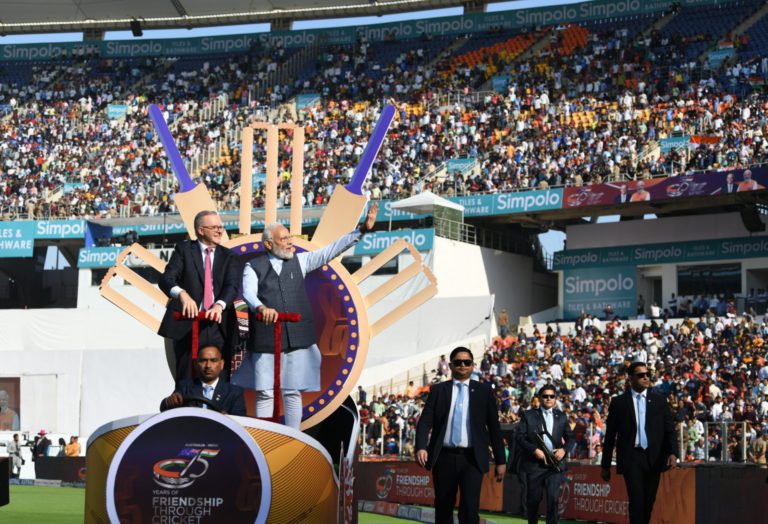
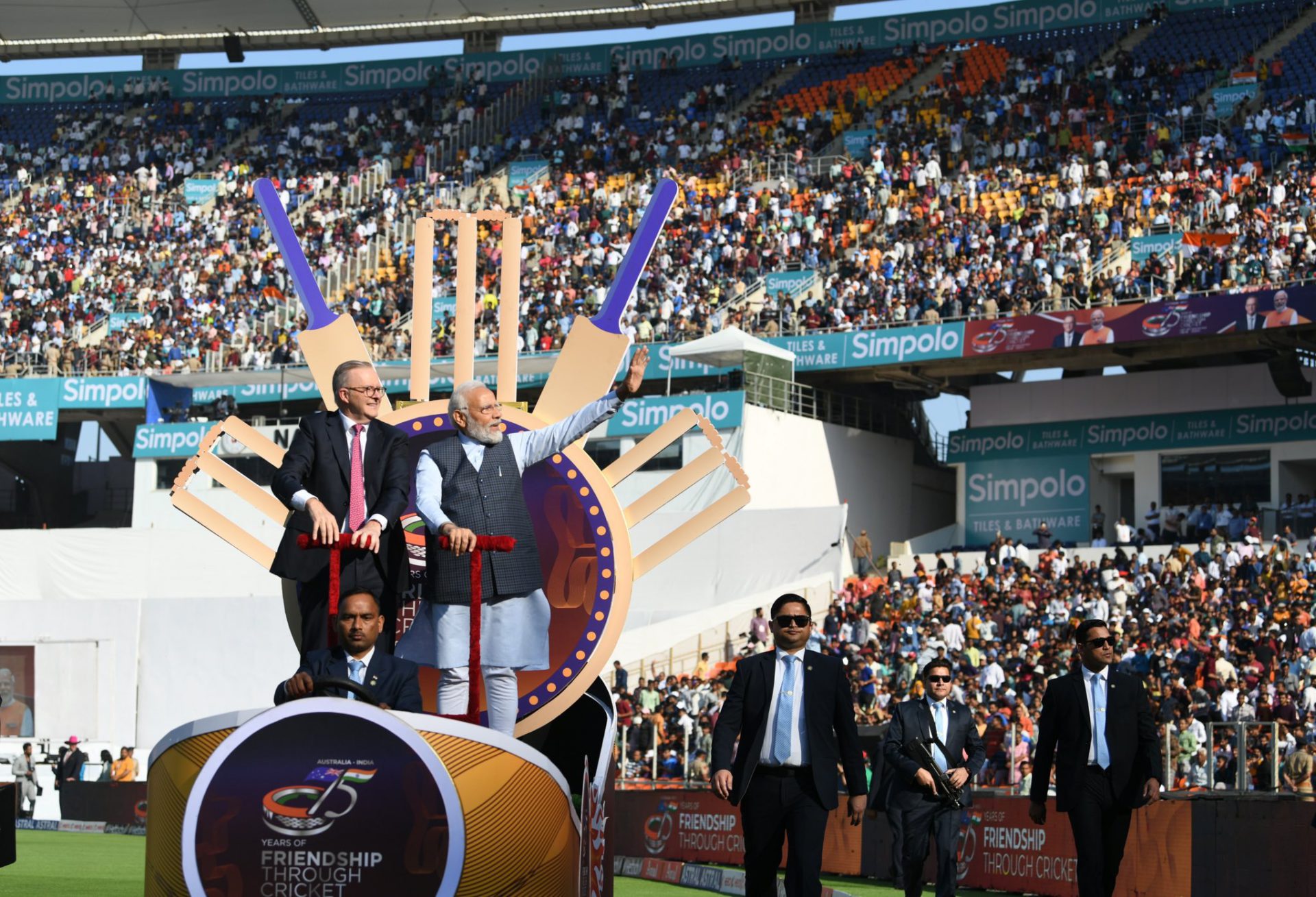
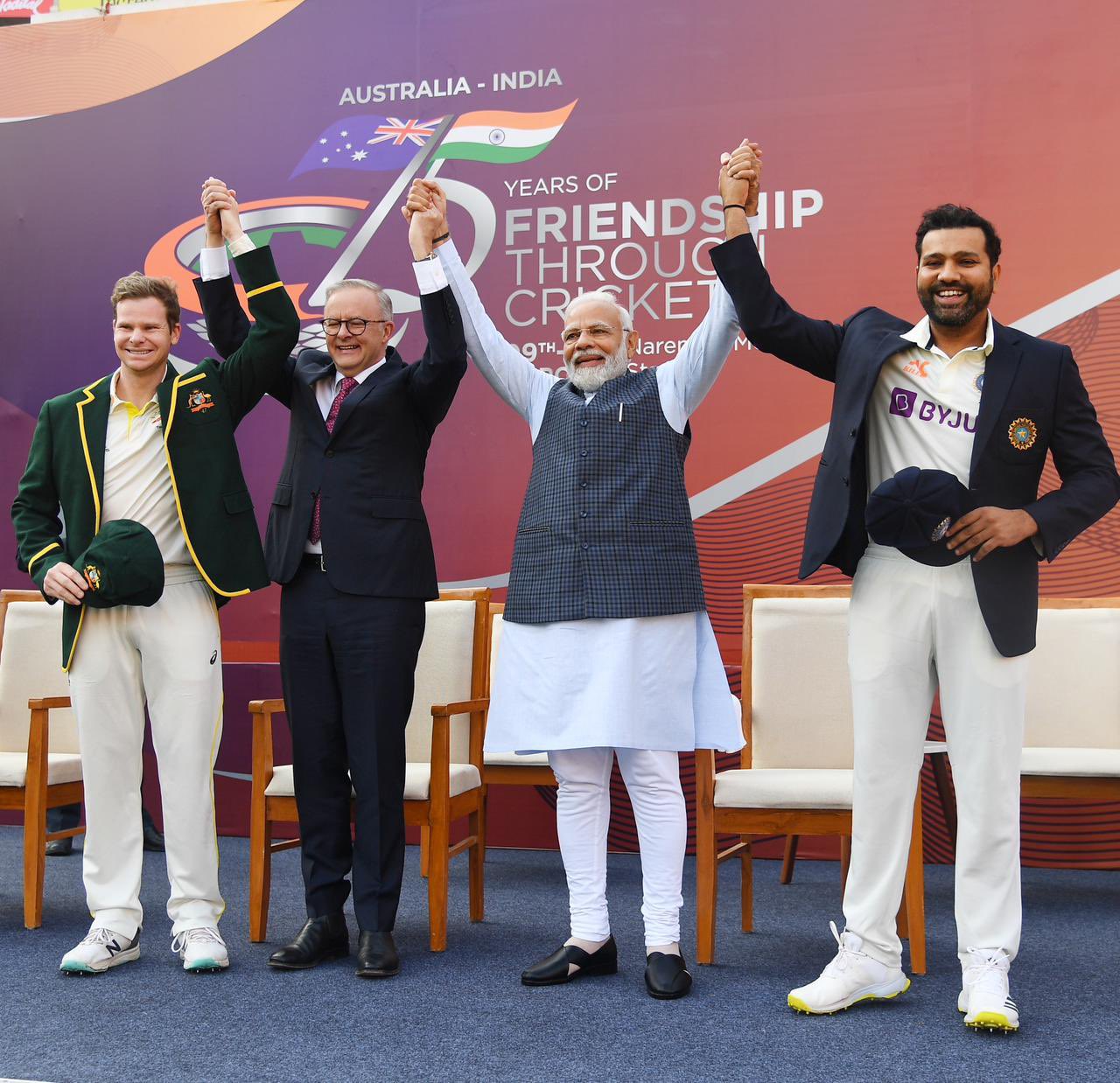
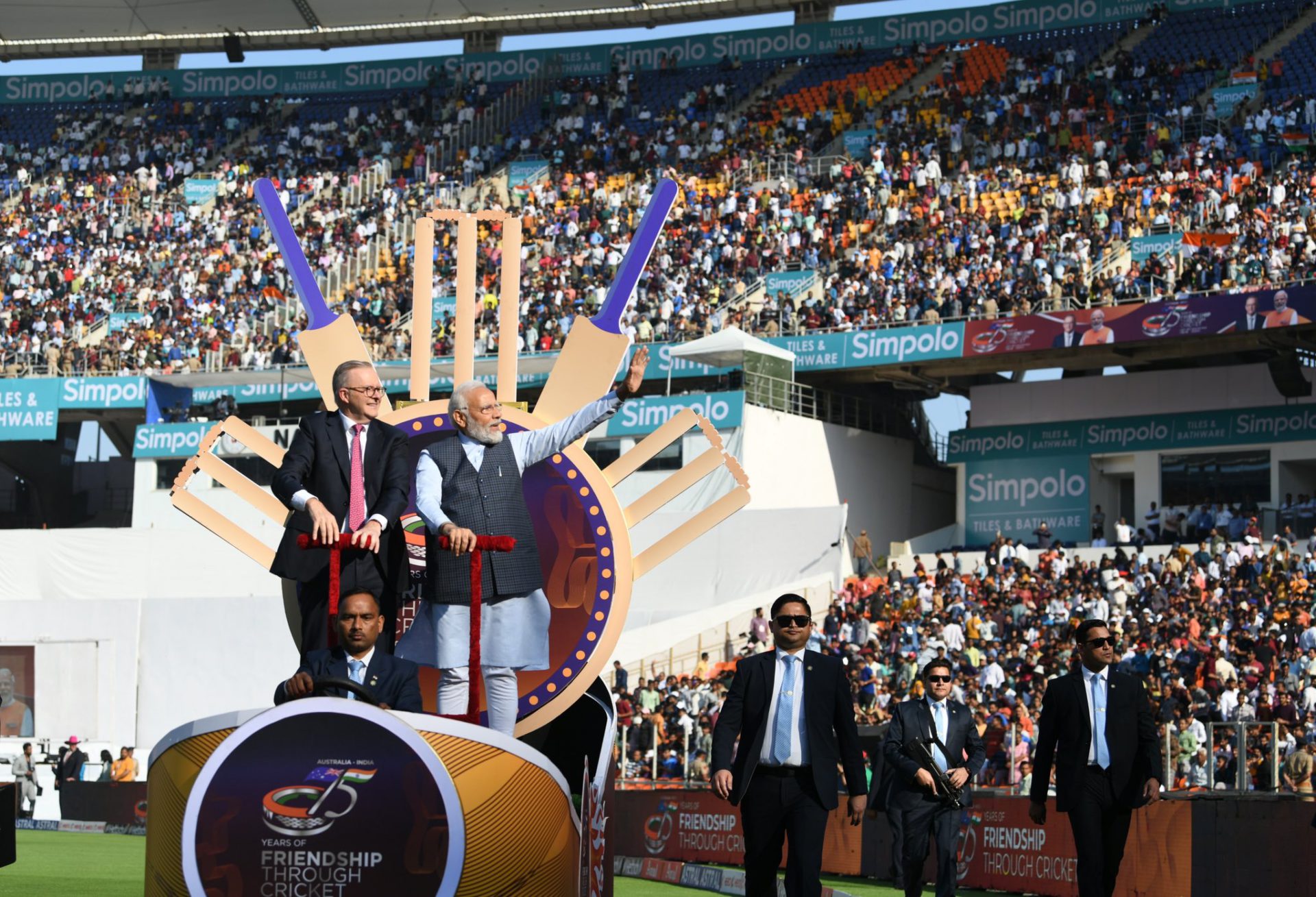
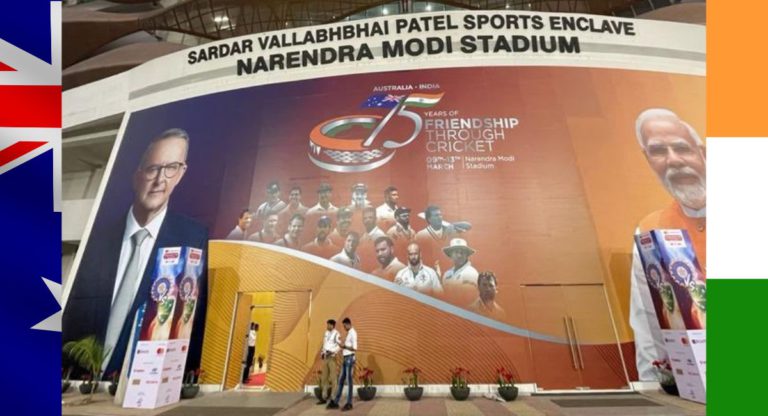
PM Anthony Albanese and Indian Prime Minister Narendra Modi watched the first day of the final test match of the Border Gavaskar Trophy 2023 in the Narendra Modi stadium. PM Albanese was welcomed by his Indian counterpart at the venue.
Both the prime ministers were greeted with loud cheers before the start of the match as they took a lap of honour across the massive sports arena to celebrate 75 years of friendship between India and Australia.
A unique coin, minted to mark the occasion, was used at the toss.
The two leaders took a lap around the stadium on a specially designed chariot to mark the occasion. Australian PM compared the cricket match with the burgeoning bilateral ties between India and Australia.
After leaving the Narendra Modi Stadium in Ahmedabad, PM Albanese tweeted, “As two cricket-loving nations, Australia and India share a fierce but friendly rivalry. At the heart of this contest is genuine respect, reflecting the affection and friendship between our people.”
“On the field, Australia and India are competing to be the best in the world. Off the field, we are cooperating to build a better world. Prime Minister @narendramodi and I had the honour of opening the fourth test in Gujarat today. Good luck to all the players (but go Australia!),”
Albanese further added.
Meanwhile, PM Modi tweeted, “Cricket, a common passion in India and Australia! Glad to be in Ahmedabad with my good friend, PM @AlboMP to witness parts of the India-Australia Test Match. I am sure it will be an exciting game!”
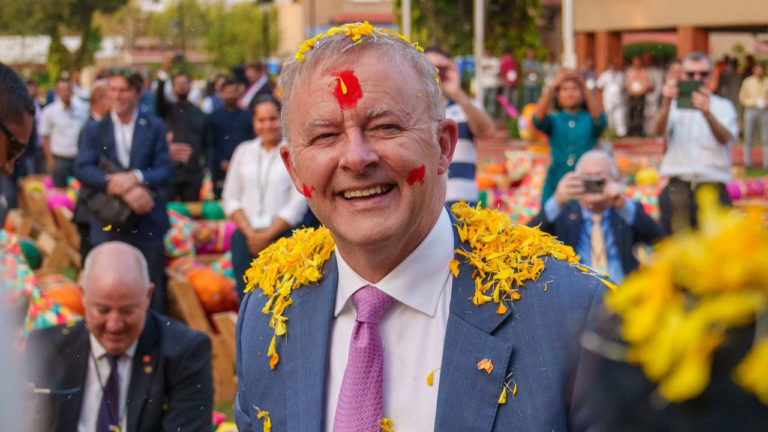
Earlier, Prime Minister Albanese on Wednesday participated in Holi celebrations along with Gujarat Chief Minister Bhupendra Patel and the Governor of Gujarat Acharya Devvrat at Raj Bhawan in state capital Gandhinagar.
He also visited the Sabarmati Ashram in Ahmedabad and paid tributes to Mahatma Gandhi on Wednesday.
PM Anthony Albanese celebrating Holi in India (Twitter)
Gujarat Chief Minister Bhupendra Patel accompanied PM Albanese on his visit to the Ashram. During the visit, PM Albanese took a complete tour of the Ashram.
“An incredible welcome to Ahmedabad, India. The beginning of an important trip for Australia-India relations” expressed PM Albanese
A true privilege to pay homage to Gandhi's legacy at Sabarmati Ashram in Ahmedabad. pic.twitter.com/1yglPVq6LA
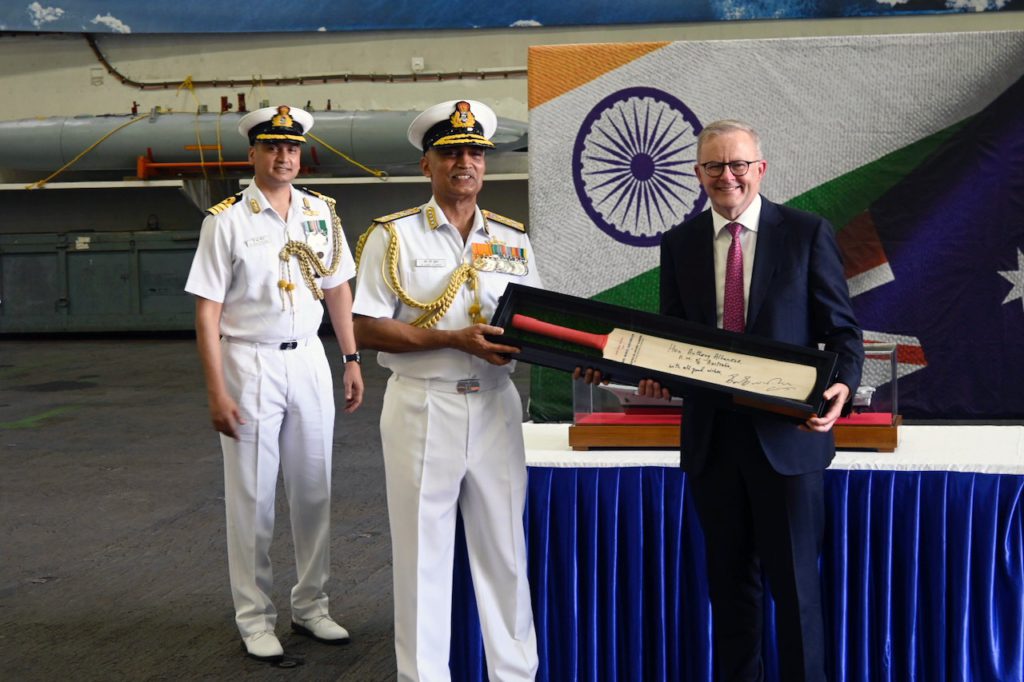
Prime Minister Anthony Albanese has called India a “top-tier security partner” for Australia. He said that his visit to India reflects his government’s commitment to place India at the heart of Australia’s approach to both the Pacific and beyond.
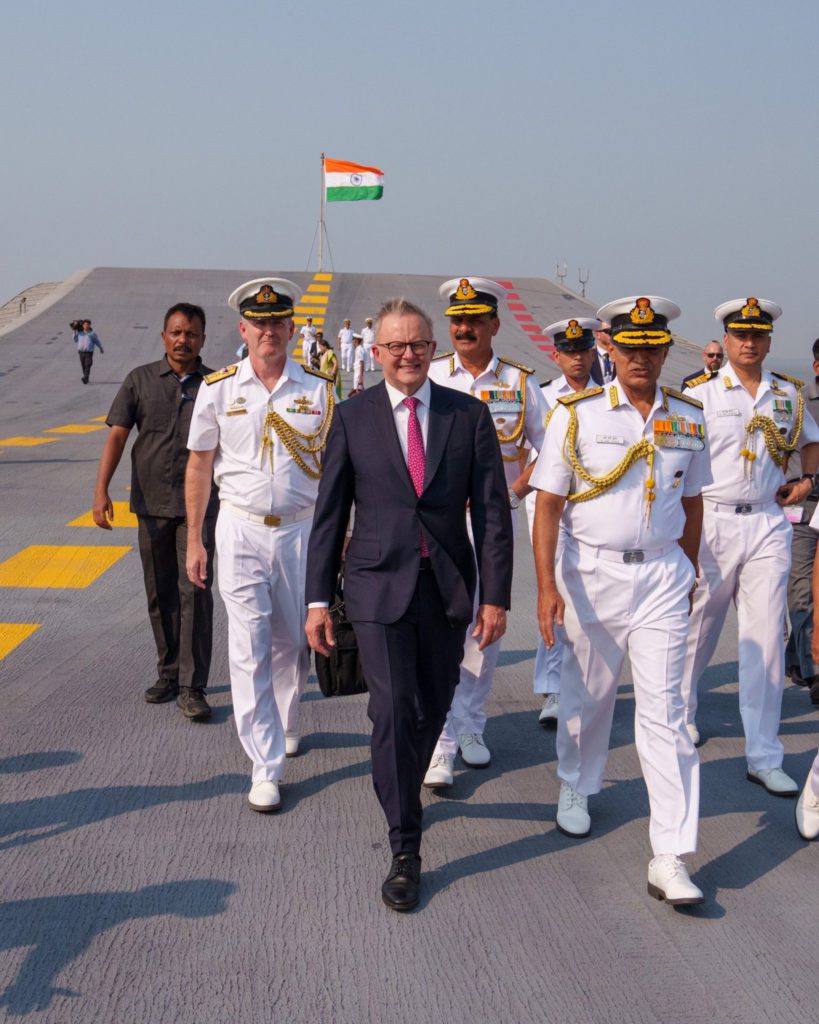
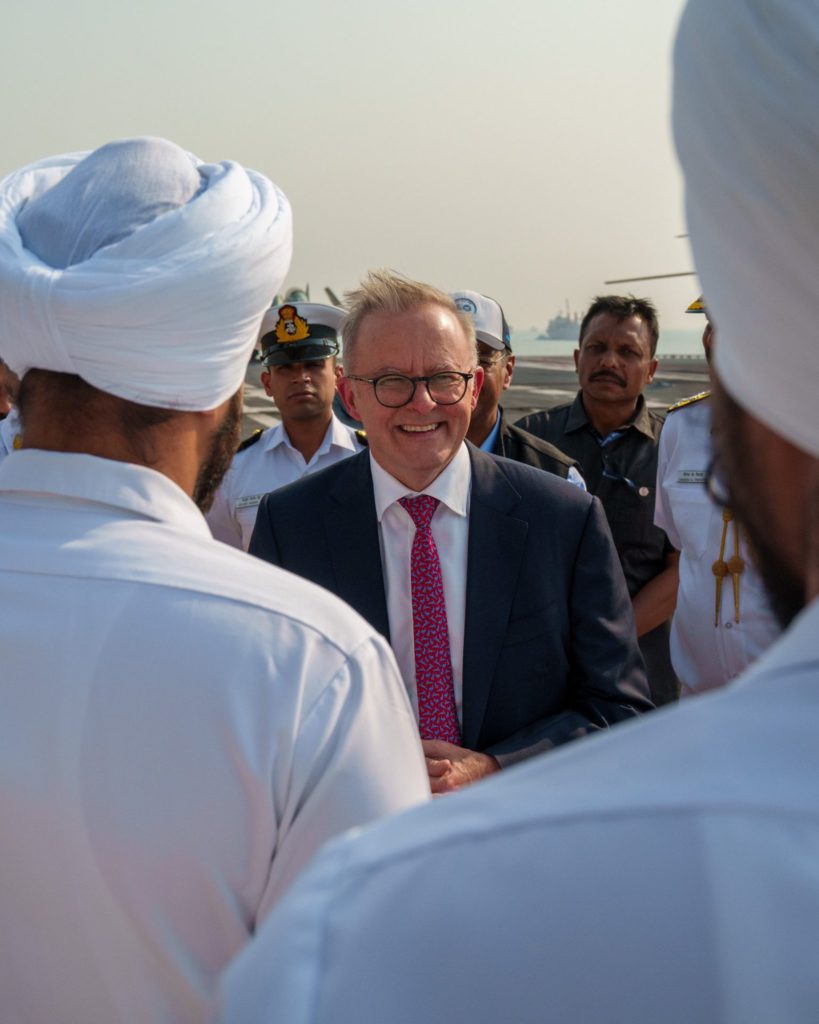
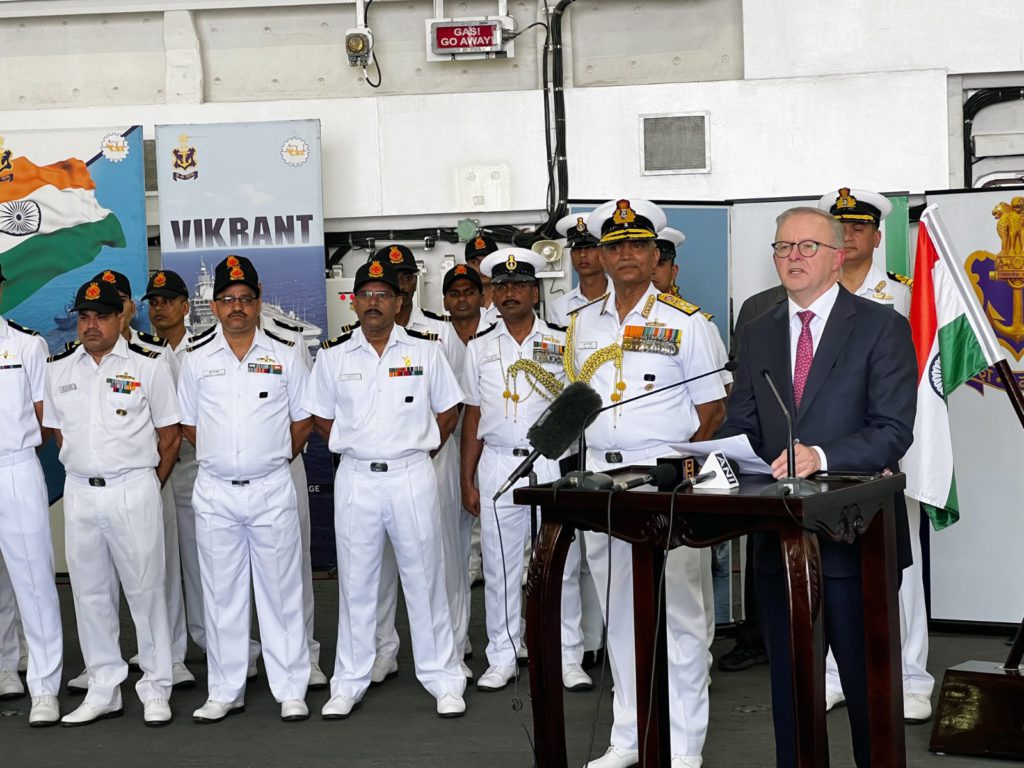
He remarked after boarding India’s first indigenous aircraft carrier, INS Vikrant, in Mumbai.
“For Australia, India is a top-tier security partner. The Indian Ocean is central to both countries’ security and prosperity.
And there has never been a point in our country’s history where we’ve had such a strong strategic alignment which has been reinforced by my current visit to India and will be reinforced further by Prime Minister Modi’s attendance at the Quad leaders meeting,”
PM Albanese said.
PM Albanese further added, “In a short period of time, we both depend on free and open access to sea lanes in the Indo-Pacific for our trade and for our economic well-being. And we share an unwavering commitment to upholding the rules-based international order and ensuring the Indo-Pacific is open, inclusive and prosperous.”
PM sat inside the fighter jet while officers of the Indian Navy shared details regarding INS Vikrant. He also announced that Australia will host Exercise Malabar for the first time.
He further said that India will also participate in Australia’s ‘Talisman Sabre’ exercise for the first time in August. He called it a “great privilege” to welcome Indian Navy to Australia in August.
“I am pleased to announce formally aboard the magnificent INS Vikrant that later this year Australia will host ‘Exercise Malabar’ for the very first time,”
PM Albanese said.
PM Albanese was all praise for his ‘friend’ Modi (Indian Prime Minister) for his foresight.
“I’m very honoured to be here today on the newly commissioned Indian-designed and manufactured INS Vikrant, my visit reflects my government’s commitment to place India at the heart of Australia’s approach to India both Pacific and beyond. Whilst here, I have had the great pleasure of meeting with the talented and highly professional men and women of India’s Navy. what lifts defence relationships to new levels is the resolve and foresight of those who see the relationship not just for what it is, but for what it could be. One such person is my friend, Prime Minister Modi,” PM Albanese said while interacting with media persons after boarding INS Vikrant.
In his remarks, the Australian PM thanked PM Modi for his “dedication to driving forward our defence and security partnership which is of increasing strategic importance as we navigate the challenges of our region together.”
He noted that both nations share an unwavering commitment to rules-based international order.
“For the first time in November, we conducted complex and sophisticated exercises in Indo-Pacific endeavour and Exercise Ostrahund. This was capped off by Exercise Malabar where we bolstered our military interoperability with India alongside close partners Japan and the United States,”
PM Albanese said.
“More important than these statistics is the sheer complexity and high-end nature of our military engagements which is unprecedented. I predict that 2023 will be busier than ever for our defence cooperation,” he added.
Albanese also spoke about the inaugural Australia-India General Rawat Defence Officer Exchange Program which is currently taking place in India.
He said,
“This pioneering exchange program created by Prime Minister Modi will ensure our defence personnel develop the familiarity and trust that underpins a close and long-lasting relationship.”
His visit to INS Vikrant marks the celebration of 75 years of friendship between India and Australia.
Certain picturesque locations have been linked to selfie deaths. This includes Yosemite National Park in California. In Australia, we’ve seen people die at places including cliffs, natural pools and waterfalls.
These are not isolated incidents.
One study found 379 people worldwide were killed due to selfies between 2008 and 2021, with even more injured. Incidents are more likely in young adults, particularly males.
Many are travellers or tourists (particularly in Australia and the United States). In Australia and the US, selfie takers tend to be injured or killed while solo, and commonly in locations very difficult for emergency services to access. In countries such as India and Pakistan, selfie takers are more likely to die, tragically, as a group, especially near bodies of water, such as lakes.
Researchers have called for the introduction of “no selfie zones” around hotspots, such as tall buildings. Russian and Indian authorities have introduced these. Russia has launched a “safe selfie” guide.
But it’s not clear how effective these strategies have been. If anything, selfie incidents seem to be increasing globally.
Media calls these foolish, selfish
The media often portrays people involved in selfie incidents as foolish or selfish.
This seems to confirm our research showing media reports often blame the victim. Reports almost never provide safety information.
But taking selfies is a normal part of everyday life for millions of people. We need to stop judging people who are taking risky selfies, and instead see risky selfies as a public health issue.
Why is this a public health issue?
We’ve had similar problems with other activities we now see as public health hazards. These include driving without a seatbelt, riding a bicycle without a helmet, smoking cigarettes or excessive alcohol consumption. These are all examples people once considered “normal”, which we now see as risky. Taking dangerous selfies needs to be added to that list.
By thinking of these selfies as a public health issue, we move away from victim blaming and instead need to effectively communicate risk to selfie-takers.
One example relates to the popular selfie hotspot, Figure Eight Pools in the Royal National Park, New South Wales, where people can be overwhelmed by big, “freak” waves. Authorities have produced a colour-coded risk rating that takes into account ocean and weather conditions. People can go online to see if the risk of going to the pools is “very low” to “extreme”.
If we think of these risky selfies as a public health issue we also move towards education and prevention.
Signs at selfie hotspots are one thing. But we know signs are often ignored, or simply not seen.
So we need to better communicate safety messages to selfie takers when and how they will actually take notice.
Our research with Instagram aims to do this by communicating directly to selfie takers through the Instagram app. The aim is to tailor safety messaging to Instagram users by geolocating them with known risky selfie spots – sending users a safety alert in real time.
With the right communication strategy, we know we can reduce the number of these entirely avoidable tragedies.
5 tips to stay safe when taking selfies in nature
1. Think about weather and water conditions
Weather and coastal conditions can change rapidly. Just because the weather and waves don’t appear dangerous when you start your selfie journey, they might be when you get there. Check before you go, avoid bad weather, and keep a close eye on tidal and wave conditions.
2. Don’t walk past safety signs and physical barriers
Warning signs are there to provide life-saving information. Pay attention to signs and heed their advice. Don’t jump or go around any physical barriers blocking access. They are likely there for a good reason.
3. Stay on the designated path
Staying on paths and trails is safest and also does fragile ecosystems a big favour.
4. Don’t get too close to the edge. Be aware of crumbling edges
Don’t trust cliff edges and be aware of unstable ground. Cliff edges are naturally eroding and your extra weight doesn’t help. People have died from cliff edges crumbling away while standing on them.
5. No amount of ‘likes’ is worth your life
Consider your motivations for taking selfies and using social media. Studies show spending time in nature is good for our health. But the world looks better when not viewed through a screen.
Samuel Cornell, PhD Candidate, UNSW Beach Safety Research Group, School of Population Health, UNSW Sydney; Amy Peden, NHMRC Research Fellow, School of Population Health & co-founder UNSW Beach Safety Research Group, UNSW Sydney, and Rob Brander, Professor, UNSW Beach Safety Research Group, School of Biological, Earth & Environmental Sciences, UNSW Sydney
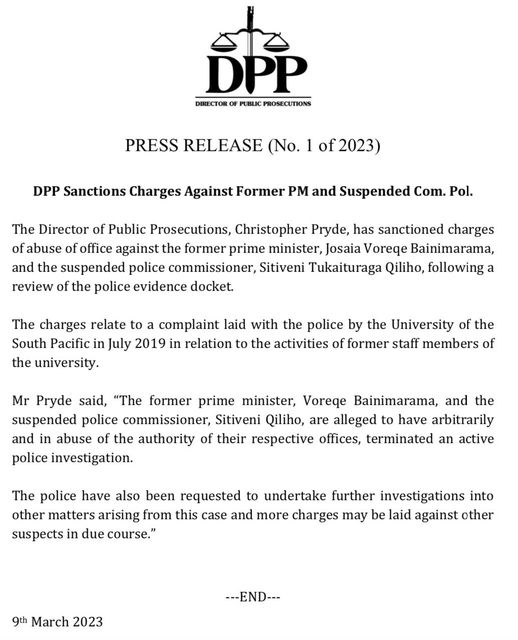
Fijian prosecutors are set to charge former Prime Minister Frank Bainimarama with abuse of office – an offence that carries a maximum penalty of 10 years imprisonment in the Pacific nation.
It is alleged that Bainimarama and the country’s former police commissioner Brigadier-General Sitiveni Qiliho interfered in an investigation into financial mismanagement at the University of the South Pacific (USP).
On behalf of Fiji and the Government I want to apologise to you @pal_vcp for what had happened to you in 2021. It doesn’t matter who did it, Fiji did it to you. pic.twitter.com/WophoEOjXx
Christopher Pryde, the Director of Public Prosecutions (DPP), said in a statement: “The former prime minister, Voreqe Bainimarama, and the suspended police commissioner, Sitiveni Qiliho, are alleged to have arbitrarily and in abuse of the authority of their respective offices, terminated an active police investigation.”
He added:
“The police have also been requested to undertake further investigations into other matters arising from this case and more charges may be laid against other suspects in due course.”
Bainimarama and Qiliho were questioned in detail at CID headquarters last month and a number of police files on various matters are in the process of being reviewed in the Office of the DPP.
Bainimarama has recently resigned from the country’s parliament after he was suspended from the assembly for sedition until 2026 after a speech in which he criticised his successor, Sitiveni Rabuka, and president Wiliame Katonivere.
Bainimarama was forced to apologise to the Fijian public as a condition of his suspension from parliament.
Later, in a Facebook post, Bainimarama said the punishment meant it was best for him to depart.
“Whatever you or I may think of the decision, you and I will need to bear with it and respond in a positive and strategic manner.”
Bainimarama, a former coup leader, ruled over Fiji for 16 years. He created the FijiFirst party which won elections in 2014 and 2018. His party fell just short of a majority in the general election in December 2022.
Prime Minister Anthony Albanese is in Ahmedabad to celebrate the cultural links between Australia and India with a visit for the opening of the fourth cricket test.
PM Albanese is going to watch cricket with India’s PM Modi for an hour before the pair will head to official meetings to discuss furthering trade ties.
A journalist asked PM Albanese if he will be the best-known Prime Minister of Australia in India as he is going to watch a match with India’s most popular PM.
PM Albanese replied: “that’s for others to judge.”
“But certainly, I’m very honoured – not for myself, for Australia. It says how valued the relationship with Australia is that the Government of India and Prime Minister Modi have put such a major effort into making us feel so welcome.”
Further, on being asked how he feels about seeing hundreds of huge billboards with his face on them around the streets, PM Albanese quipped:
“It is hard to not have noticed them, yes.”
This cricketing event is important as both nations are celebrating 75 years of test cricket between Australia and India.
PM Albanese told the media:
“I know so many Australians have travelled to India, just like so many back home will be watching on TV, cheering on the Australian cricket team during this test.”
He added that it is also a day for business:
“We have a significant business delegation in Mumbai engaging with their Indian counterparts across the finance, across resources, across clean energy, across universities, and information technology, across the full gamut of service provision as well, including health service provision. And it’s very important that we cement those ties even further.”
PM Albanese added that towards the end of this year, his government is looking forward to an upgrade in the economic relationship between Australia and India.
“Already this morning, I’ve met with 34 smart energy companies who are here from Australia, providing significant investment, seizing the opportunity that is there. One of the things that we discussed was the fact that there’s a lot of investment ready as well in Australia to build solar panels in Australia.”
PM Albanese’s Australian business delegation will be travelling from Mumbai to Delhi to show how serious CEOs of major Australian companies are in taking this relationship with India forward.
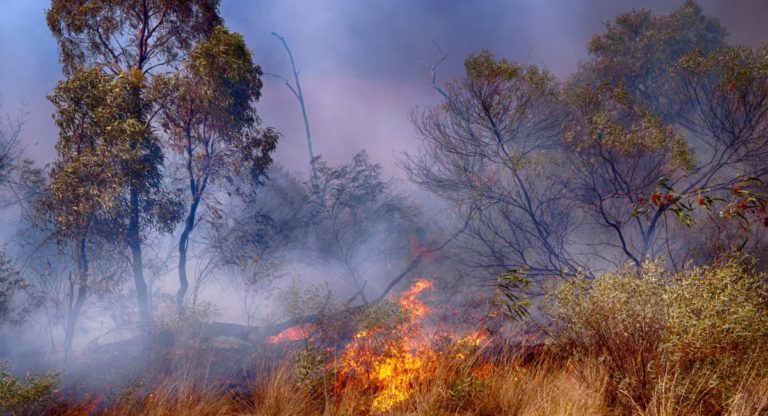
In recent decades, wildfires have become more frequent, widespread, longer lasting, and intense, wreaking havoc across the world. 2021 was the year of catastrophic wildfires, with several countries experiencing a record-breaking wildfire season. A big contributing factor is human-caused climate change which has created even warmer and drier conditions.
Under rapidly changing climate, developing countries in the Global South are increasingly experiencing extreme wildfires. The annual occurrence of forest fires in Nepal has posed a great threat to the country’s forest cover. The existing policy, institutional, and technical capacity gaps, have further made it difficult to implement effective fire risk management strategies in Nepal.
Australia has extensive experience working on fire risks, as bushfires are common and widespread due to the hot and dry climate. Over the years, continuous efforts have helped them build their bushfire resilience. In fact, Northern Australia has one of the world’s best fire management system that is being championed by Indigenous land managers. As IFSD emphasizes knowledge sharing, this seemed like a perfect opportunity to facilitate collaboration between Australia and Nepal.
To explore cross-country collaboration between Australia and Nepal to build Nepal’s fire resilience, the IFSD team spoke to Dr Tony Bartlett, Australian fire expert with many years of experience of working in Nepal. He is a Senior Fellow of IFSD and the Managing Director of Bartlett Forestry Consulting Pty Ltd. He has 47 years of experience working in Australian and international forestry.
In this interview, he offered insights on Australia’s ongoing efforts to advance bushfire risk management systems, lessons from Australia’s fire risk management practices that Nepal can learn, and how fire risk management can be integrated by Australian organization working on international development in South Asia.
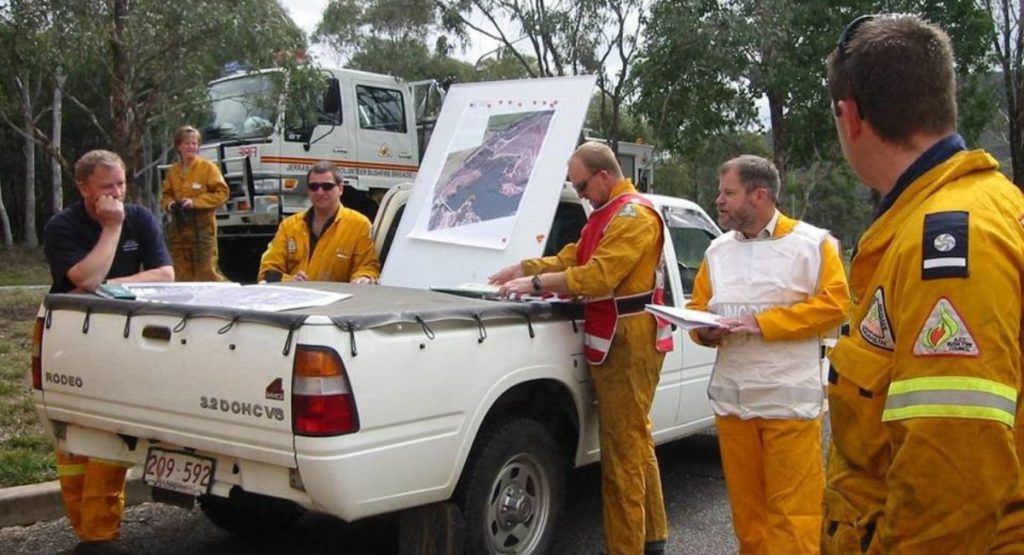
Dr Bartlett as the Incident Commander in 2003 (Image: Supplied)
How do you see Australia advancing bushfire risk management systems and arrangements after 2019 catastrophic fires?
Australia has begun to understand that as a result of climate change the frequency and severity of severe bushfires will increase in many areas, including the extremely fire-prone areas of south-eastern Australia. Governments have a significant role in bushfire mitigation, preparedness, response and recovery activities and these activities will need increased resources to manage the increased risks. Importantly, we need to build the capacity of communities to prepare for, adapt to, and recover from natural disasters such as bushfires. After identifying those areas that are at most risk from severe bushfires, we then need to improve planning requirements for new dwellings and infrastructure to ensure they are more resilient to bushfires.
We need to increase the use of techniques that either strategically reduce the fuel in forest areas or increase the capacity for quick suppression of bushfires when they occur.We need improved data capture and fire behaviour modelling as well as communication systems to provide more reliable and timely information to communities when bushfires occur. We also need to increase the number and capacity of firefighters and build community capacity capable of better protecting urban and rural assets at risk during bushfires.
Australia is working on improving many components of its bushfire risk management system at both the national and sub-national levels, with many of these strategies being undertaken in a co-ordinated manner through intergovernmental bodies, such as the Australasian Fire Authorities Council, and collaborative initiatives, such as the Bushfires and Natural Hazards Cooperative Research Centre.
We are strengthening our capacity at the national level to enable better sharing of skilled people and resources, including aerial firefighting capabilities, when disasters occur. We also need new approaches to enhance recovery activities in order to lessen the long-term impacts on both communities and forests impacted by high-intensity bushfires.
How would you summarise Australia’s key fire risk management achievements over the past two decades, especially after the 2009 Black Saturday?
Australia’s approach to reducing the risks of the occurrence of damaging wildfires and their impacts on communities, infrastructure, and forest ecosystems has been evolving continuously over the past 40 years. Some of the key improvements are:
Recognition that reducing the negative impacts of severe bushfires requires implementation of holistic risk-based management approaches conducted at a regional scale across all land tenures.
Adoption of the Incident Control System for all natural hazard disasters, including building capacity to fill key positions in the Incident Management Teams.
Preparation of strategic bushfire management plans and implementation of annual bushfire risk mitigation activities.
Greater use of technology to provide up-to-date information of wildfire location in the landscape linked with improved ability to model expected fire spread patterns given forecast weather.
Improved firefighting equipment and safety procedures for ground-based firefighters coupled with increased capability to deploy aerial firefighting resources to support the ground crews.
Significantly improved communications systems both within emergency management agencies and for distribution of information to members of the community.
Changes to urban planning regulations to improve the resilience of new dwellings to bushfires and the establishment of community fire units in high-risk urban interface locations.
What can Nepal learn from Australia’s fire risk management systems and practices? Of course, Nepal’s situation is different from Australia, do you still see value in investing in Nepal-Australia knowledge sharing on fire risk management?
Many developing countries are facing increased occurrences of larger and more severe wildfires that has caused significant damage to farmlands and dwellings in rural areas. The causes of these wildfires and the capacity of the country to manage them may well be quite different to that of Australia.
However, there is a lot to be gained by improving understanding of Australia’s risk-based approach to bushfire management and then assisting a partner country to adapt the most relevant components of Australia’s system to their local situation. For example, systematically identifying the locations and causes of unplanned fires and identifying the locations at most risk from increased wildfires can help a country to prioritise where to focus its efforts initially.
Australia has a very long history of building volunteer capacity within local communities which can then take action to combat unplanned fires. Some of the principles of that approach would have high relevance in rural parts of Nepal. While the topography in Nepal is quite different to that of Australia, there may be merit in attempting to develop both a Fire Danger Rating System and a Fire Behaviour Model appropriate to Nepal.
Given your rich and extensive international development experience, how can fire risk management agenda be integrated in international development practice of Australian organisations working in Nepal and more generally South Asia?
Australian development agencies base their strategic priorities on development issues identified through global and national forums. Many of the components of the UN’s Sustainable Development Goals are inter-linked with disaster risk management. For example, efforts at enhancing food security and rural livelihoods can quickly be negated by the unplanned impacts of fire as it destroys crops, livestock, or longer-term investments such as trees on farms and community lands.
There are increasing examples of houses, community facilities such as schools or temples being destroyed by wildfires. Therefore, it is important that donor development programs also fund activities that enhance long-term capacity and resilience of communities to reduce the impacts from natural disasters such as unplanned fires.
When financial resources are limited in developing countries, it is critical to reduce the likelihood of major investments being wasted as a result of unplanned fires. Governments should include disaster risk reduction activities amongst their national development priorities and ask the donor countries for appropriate assistance to build their disaster risk management capabilities.
This interview first appeared on IFSD website and is republished here with their kind permission.
Note: Expert Viewpoint series is edited by Priyanka Gurung and Purnima Banjade.
Disclaimer: Views and opinions mentioned here are those of the experts and in no way reflect the views and positions of IFSD. These views are meant for general advice and informing public debates around the challenges, and do not represent any legal or problem-solving advice. Neither IFSD nor any of the individuals associated with this post will take any responsibility from any loss resulting from the use of information published here.
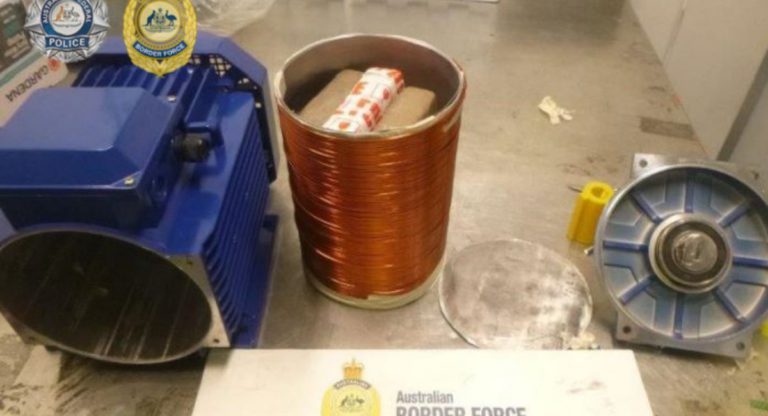
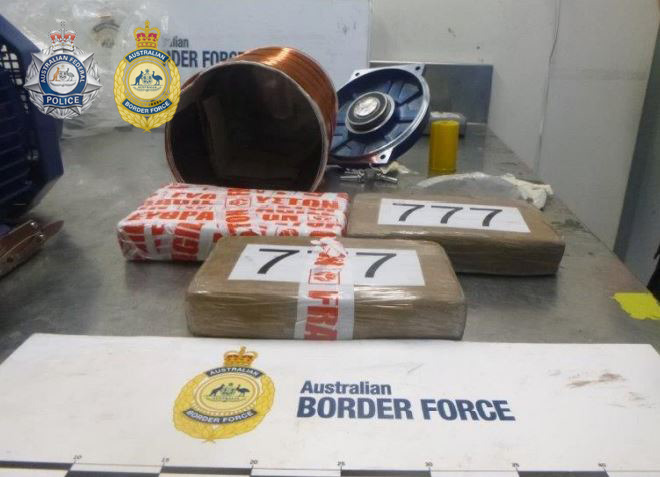
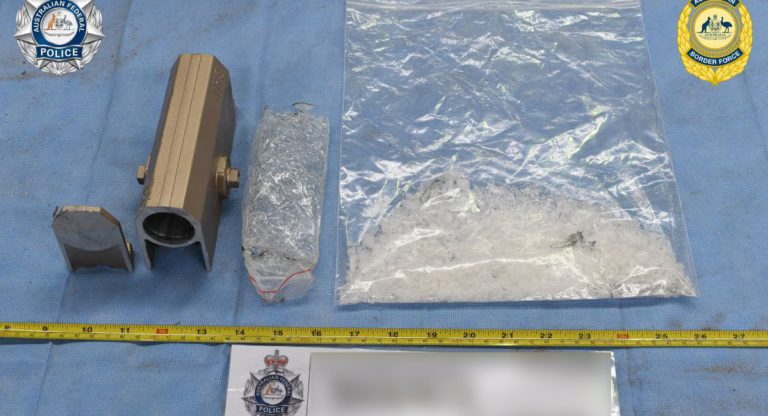
The St Kilda man, 31, was arrested following an Australian Border Force (ABF) detection of illicit drugs concealed within an air cargo consignment of water pumps imported into Melbourne from Greece.
Image: Cocaine in water pump (Source: AFP and ABF)
The 24 kilograms of cocaine has an estimated street value of more than $10 million. Further forensic testing will be conducted to determine the exact weight and purity of the drugs.
AFP investigators with assistance from Victoria Police’s VIPER Taskforce conducted a controlled delivery to an address in Melbourne and executed a search warrant at a St Kilda residence where the man was arrested.
The man was conveyed to the AFP Southern Command Headquarters in Melbourne where he was charged with:
Importing a commercial quantity of a border controlled drug, namely cocaine, contrary to section 307.1(1) of the Criminal Code 1995 (Cth); and
Attempting to possess a commercial quantity of a border controlled drug, namely cocaine, contrary to section 307.5 of the Criminal Code Act 1995 (Cth)
Dealing with identification information with the intention of committing an indictable offence, contrary to section 372.1(1) of the Criminal Code Act 1995 (Cth)
The maximum penalty for the drug offences is life imprisonment and five years’ imprisonment for dealing in identification information.
Image: Cocaine in water pump (Source: AFP and ABF)
AFP Detective Superintendent Anthony Hall said the AFP, in partnership with domestic law enforcement partners, is committed to disrupting the activities of people attempting to import illicit drugs.
“We share a common goal to protect our community by ensuring that these illegal and dangerous drugs do not make their way to our streets,” Det. Supt. Hall said.
“We estimate this seizure has saved the community more than $15 million in drug-related harm, including associated crime, healthcare and loss of productivity.
“Part of the AFP strategy to combat transnational serious and organised crime is to target their business model and confiscate any assets the criminal syndicates acquire through profiting from importing illicit drugs into Australia. Those assets represent the abhorrent harm and misery they inflict on the Australian community.”
Image: Cocaine in water pump (Source: AFP and ABF)
ABF Superintendent Tori Rosemond praised the work of ABF officers who detected the attempted illegal import.
“Our officers are highly trained and capable when it comes to detecting attempts of this nature, and they are committed to protecting the Australian community from the scourge of illegal drugs,” Superintendent Rosemond said.
“Our technical expertise and sophisticated technology means that we will find the drugs, regardless of the method of concealment these criminals use.
“This operation shows that when we work together with our law enforcement partners, criminals don’t stand a chance and can expect to be brought to justice.”
The following services provide people with access to support and information.
For free and confidential advice about alcohol and other drug treatment services call the National Alcohol and Other Drug Hotline on 1800 250 015.
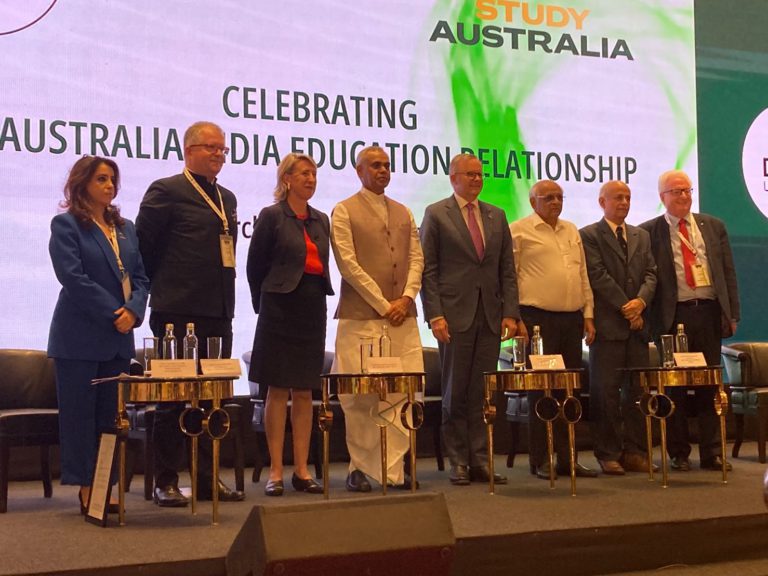
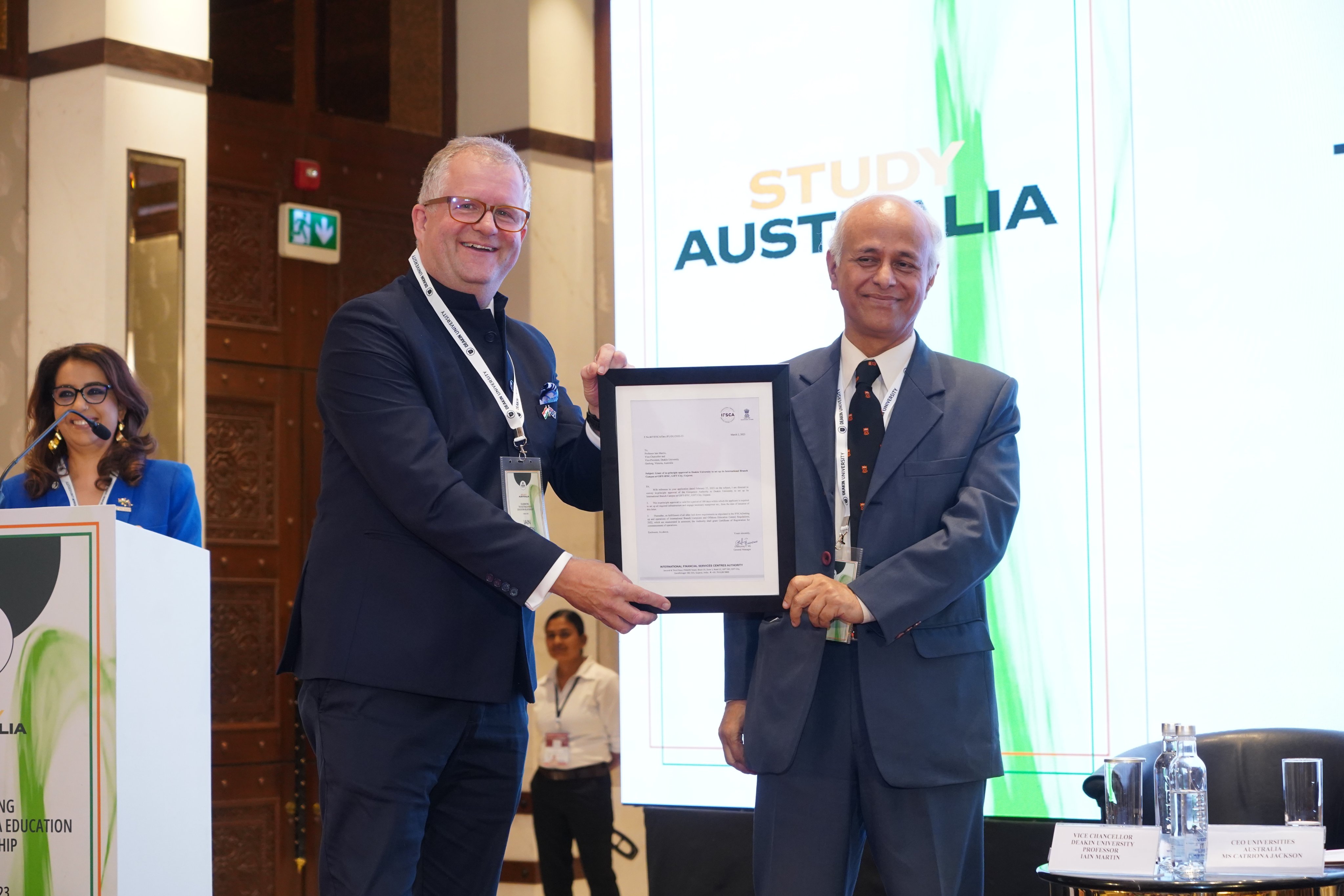
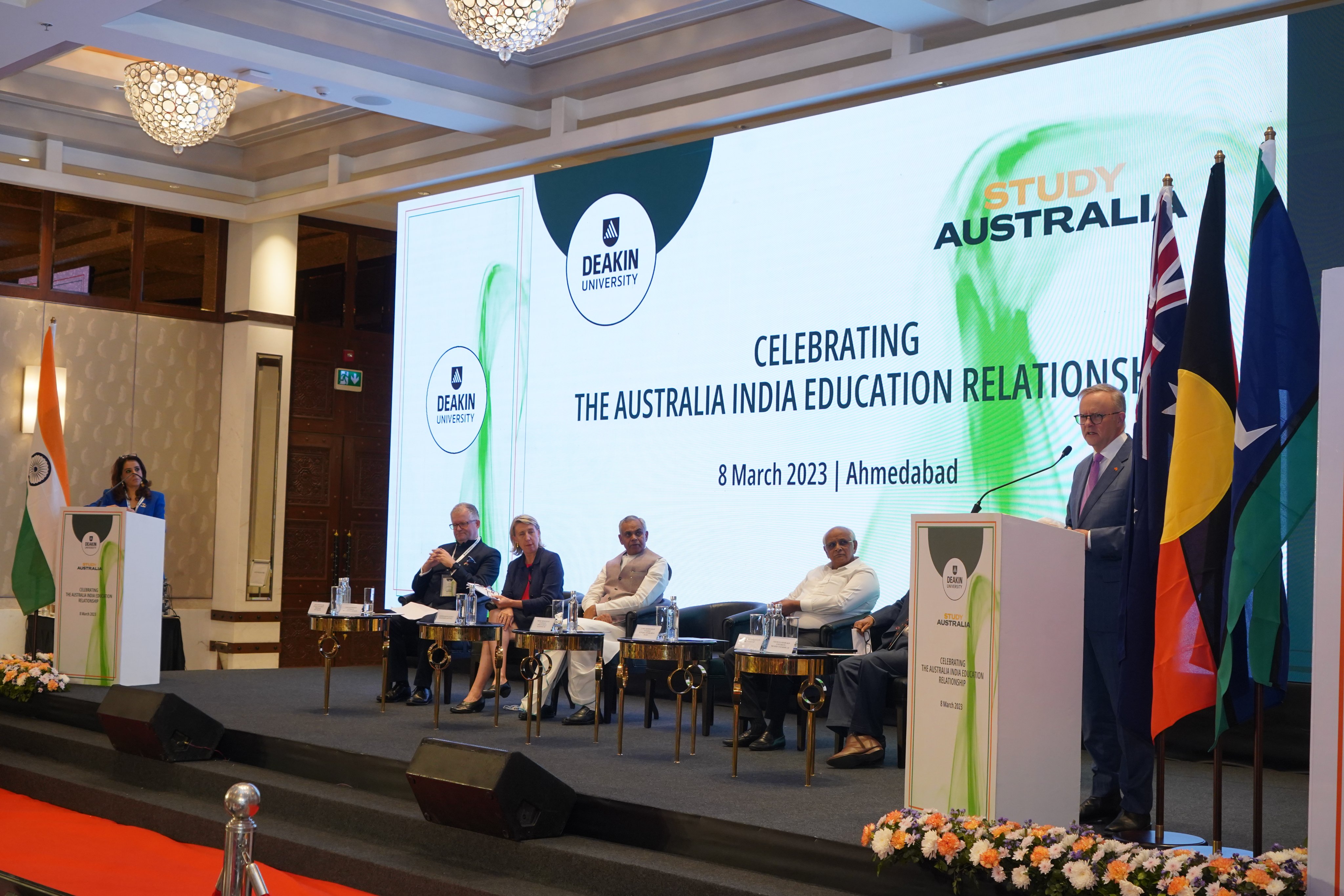
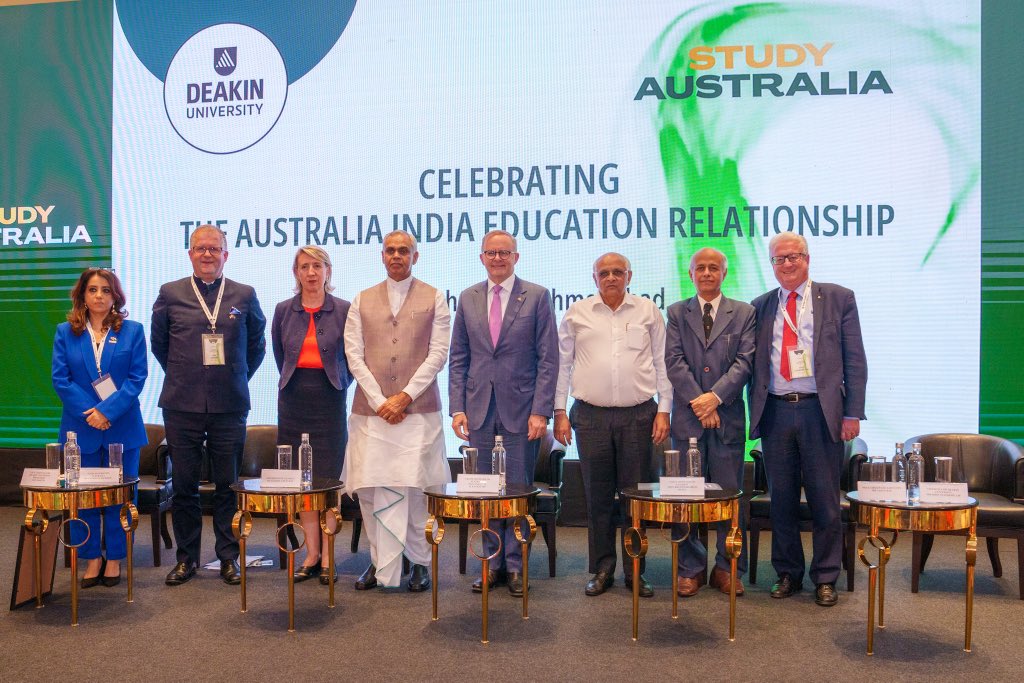
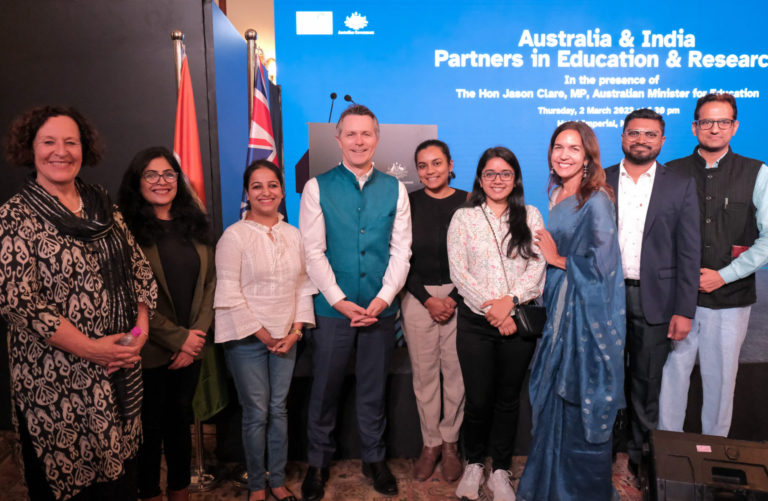
Prime Minister Anthony Albanese has made a major announcement relating to the Australia-India education collaboration. He said Deakin University will be the first overseas university approved to establish a branch campus in India.
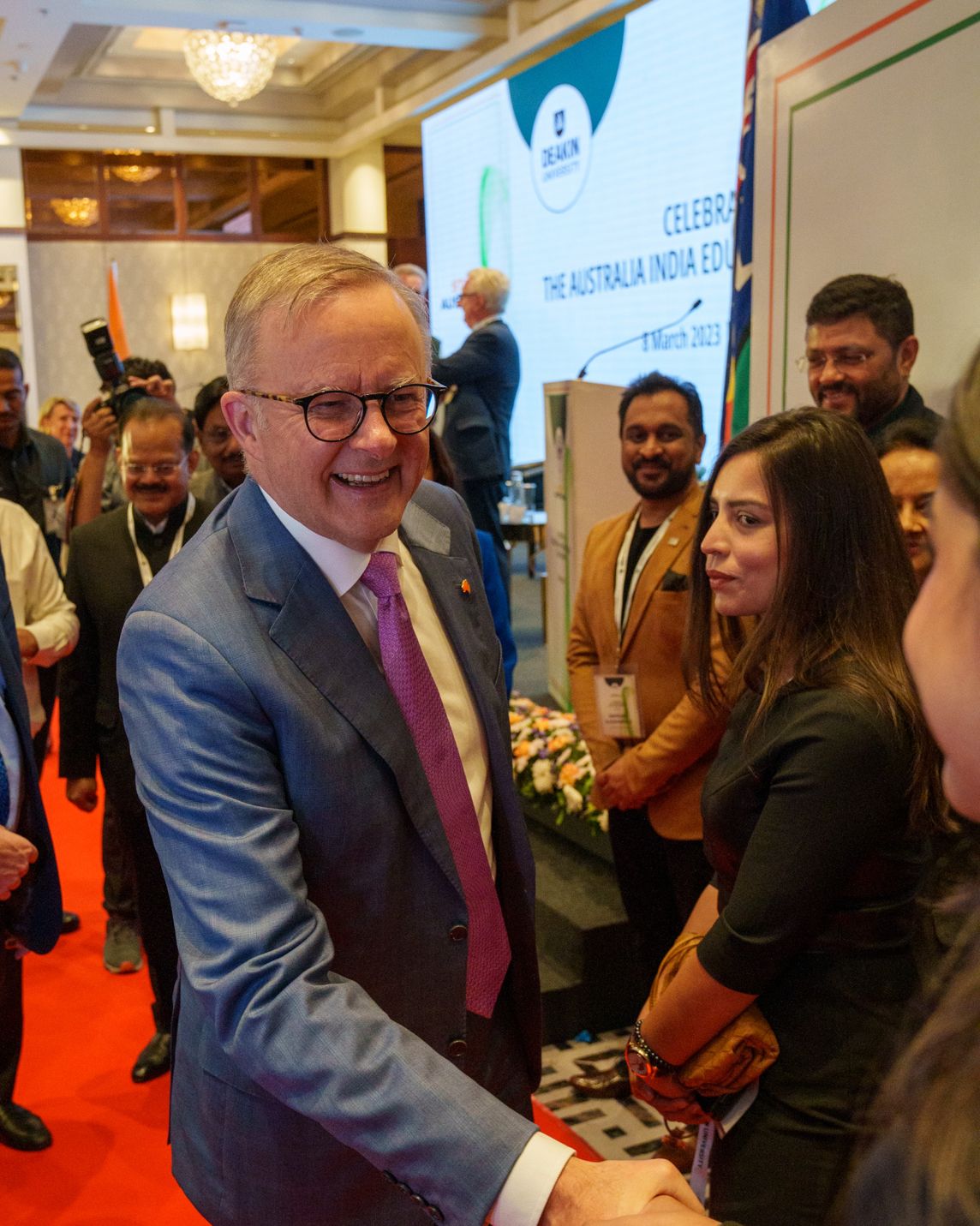
Speaking at an event that showcased Australia-India cooperation on education PM Albanese said that he was very pleased to be in India.
“It gives me great pleasure to acknowledge that Deakin University will be the first overseas university approved to establish a branch campus in India.’
PM Anthony Albanese at Deakin University announcement; Image Source: SuppliedPM Anthony Albanese at Deakin University announcement; Image Source: Supplied
“It’s a great honour for Deakin University – and for Australia, too,” added PM Albanese
The campus will be built at the new GIFT district and will offer students the opportunity to study cybersecurity and business analytics with Deakin.
PM Albanese mentioned that along with Deakin, the University of Wollongong also has intentions to establish a campus at GIFT City.
“Of course, we always welcome students to come and study in Australia, and that will continue to be an important focus for us.”
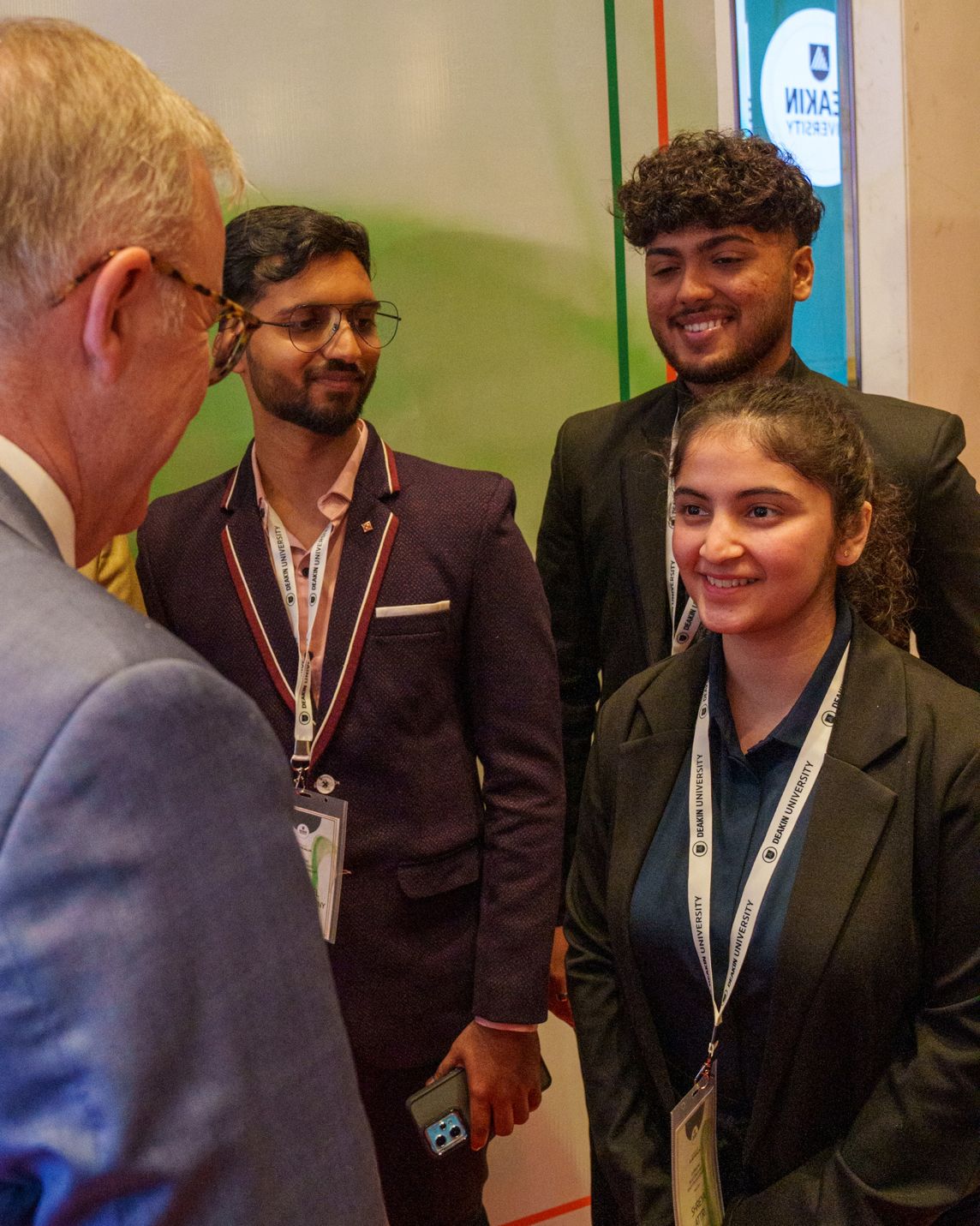
He acknowledged that not everyone has the means or the ability to pack up their lives and study in another country. There might be financial constraints, or family commitments, or a variety of reasons that students want to, or need to, stay closer to home.
“So the presence of Australian universities in India opens up new ways for Indian students to obtain an Australian education by bringing Australia a little bit closer.” PM Albanese further added,
“When I was growing up, I didn’t know anyone who was going to university. No one in my family had ever been to university.”
“But Sydney University was just up the road from where I lived. I’d see it all the time. And the proximity made it real to me. It made it seem possible.”
So this is a terrific development and I congratulate everyone involved in making it happen.
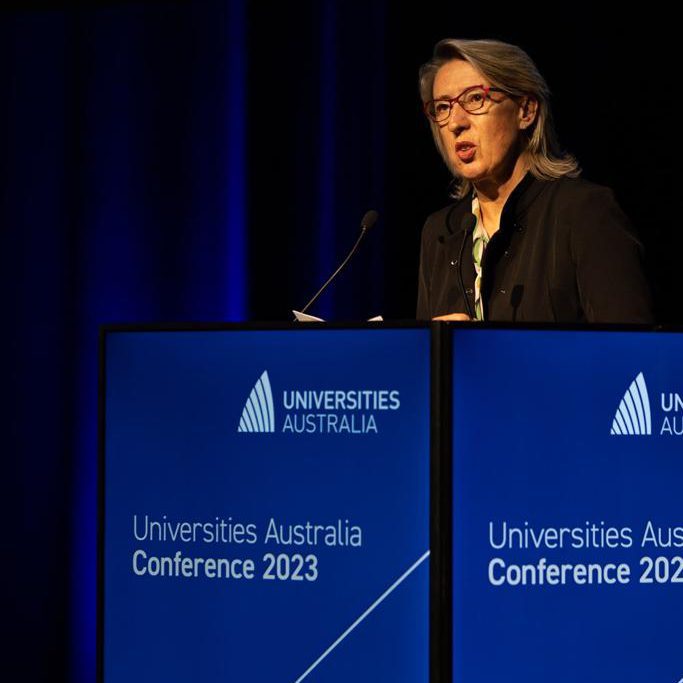
Universities Australia Chief Executive Catriona Jackson said, “It’s a time of great opportunity for Australia and India.”
“Our nations are close friends, bound by strategic, economic, and strong person-to-person connections. And we are only getting closer. Our governments, our universities, and our businesses are making sure of that.”
Universities Australia Chief Executive Catriona Jackson
“In Australia and here in India, there is a clear focus on strengthening our bilateral relationship. Importantly, education is front and centre. That is where it belongs,”
said Ms Jackson.
This brings me to another significant development in our bilateral education relationship.
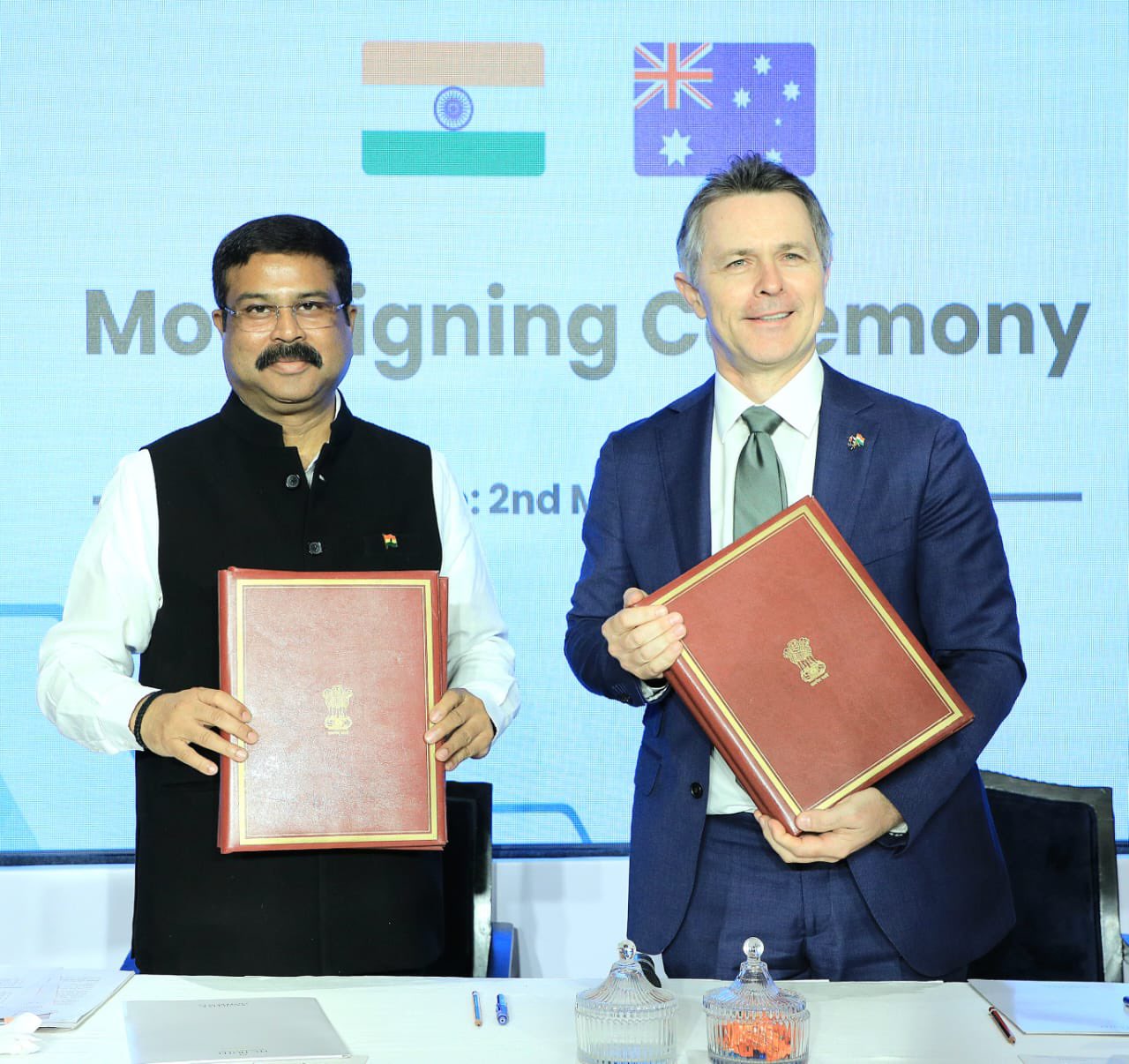
I’m pleased to tell you that we have finalised the Australia–India Education Qualifications Recognition Mechanism.
“This new mechanism means that if you’re an Indian student who’s studying – or about to study – in Australia, your hard-earned degree will be recognised when you return home.
Or if you’re a member of Australia’s large Indian diaspora, you’ll be able to feel more confident that your Indian qualifications will be recognised in Australia.”
It is the most comprehensive and ambitious arrangement agreed to by India with any country. It paves the way for commercial opportunities for Australian education providers to offer innovative and more accessible education to Indian students.
This provides a solid basis for tertiary institutions to consider new ways of partnering with each other.
Universities Australia CEO MS Jackson says, “The new rules for mutual recognition of degrees are a very welcome development and will get more students working in areas of severe skill shortage – quicker.”
“I have had the privilege of seeing first-hand the extraordinary work India and Australia’s research teams do during previous visits to this country.”
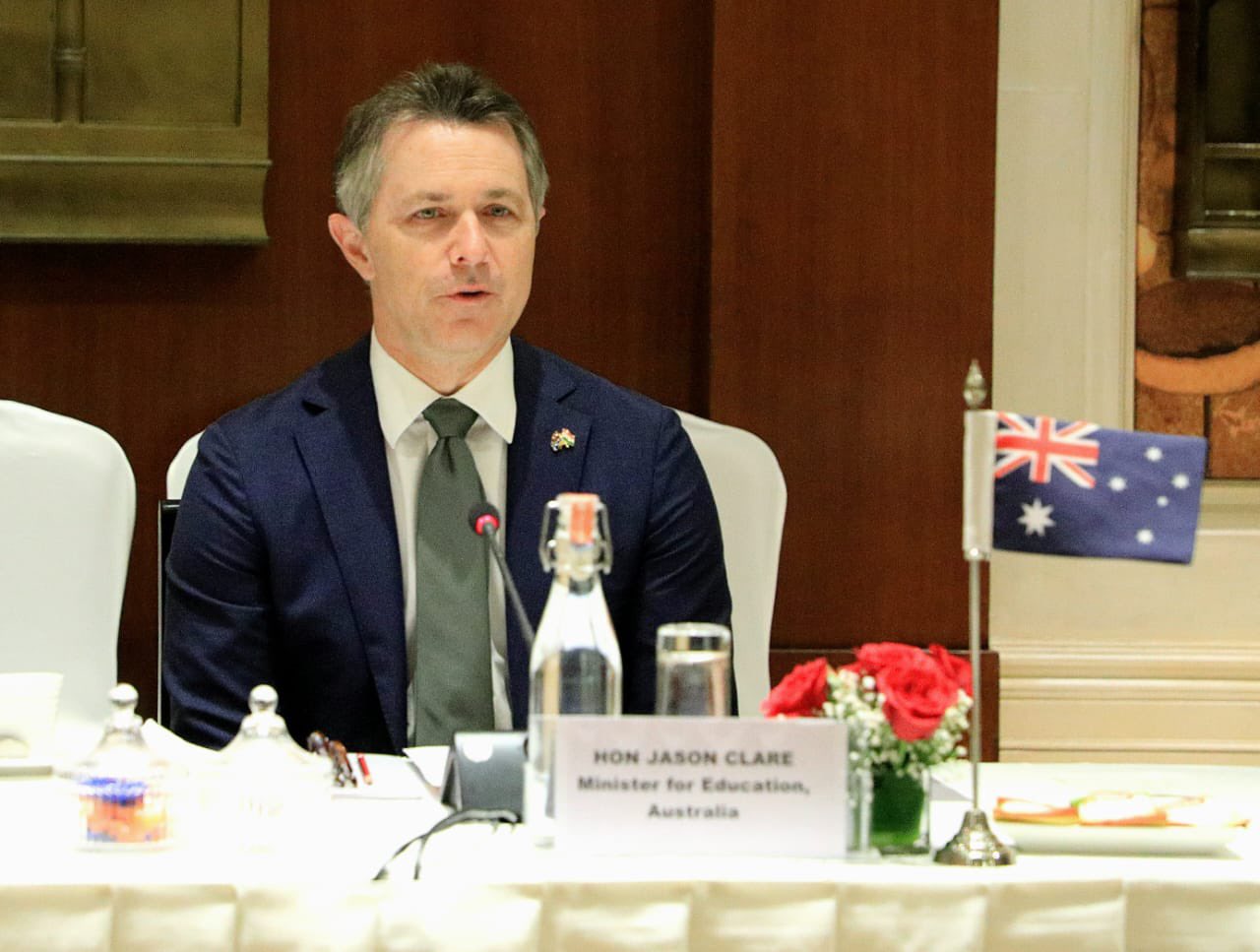
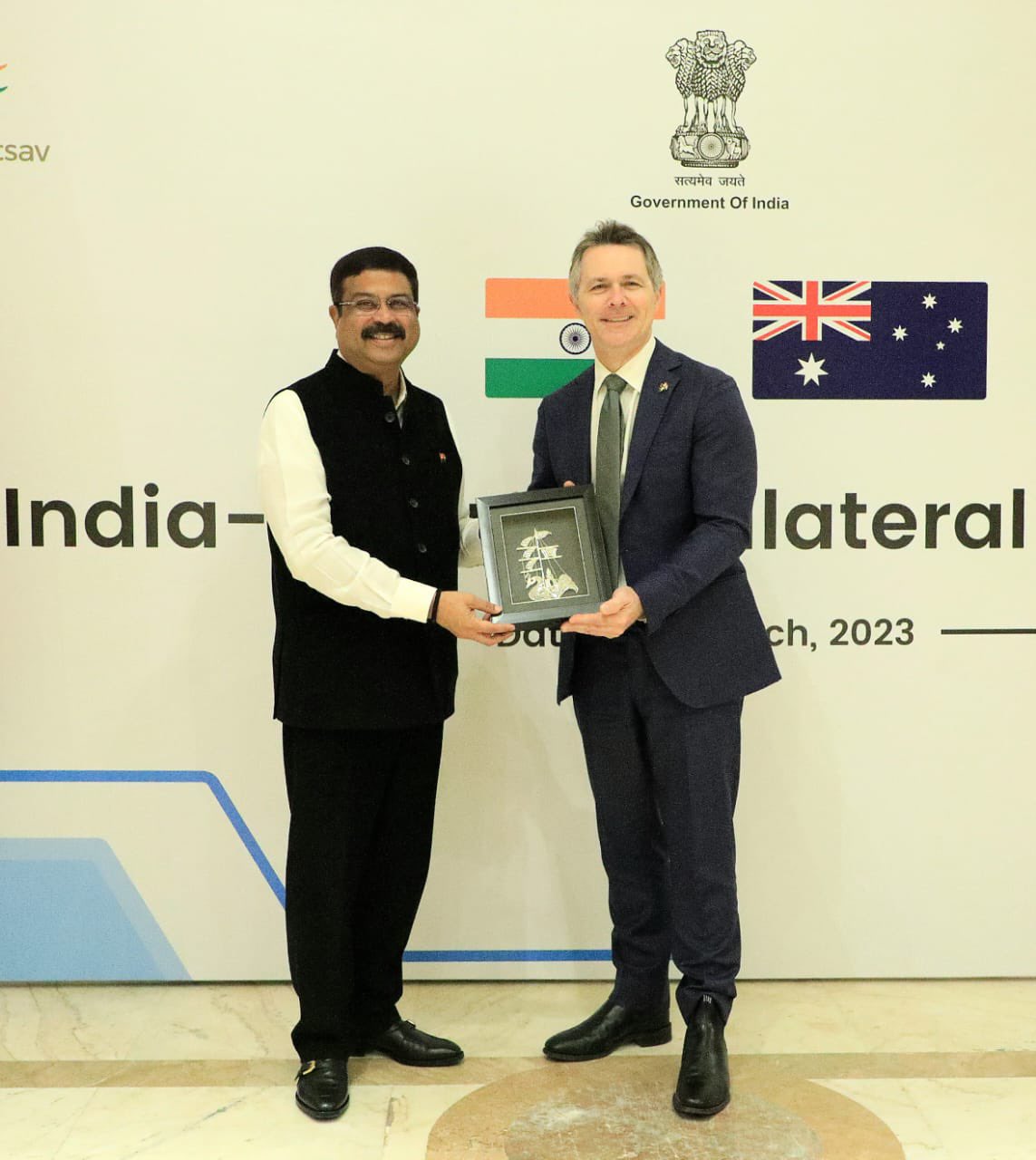
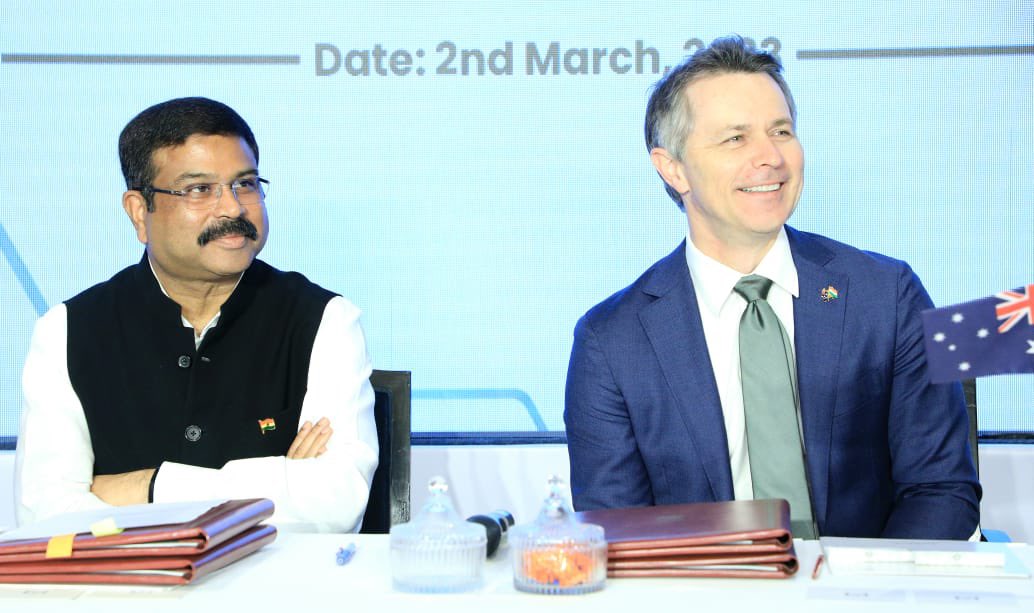
PM Albanese also acknowledged Minister for Education, Jason Clare his Indian counterpart and everyone involved in landing this comprehensive agreement.
“It’s a fantastic piece of work that will have tangible benefits,”
PM Albanese added
PM Albanese said that these developments – Australian university campuses and the qualification mechanism – are just the latest additions to our ever-growing education partnership.
“The University of Melbourne has been offering blended Bachelor of Science degrees in partnership with selected Indian universities for several years now.
“It’s fantastic to see that Melbourne Uni now plans to expand this collaboration by launching a dual degree with three of India’s leading universities.”
He said, “I am pleased to announce a newer scholarship offering – the Maitri Scholarship. These are for Indian students to study in Australia for up to four years.”
The scholarships are part of the wider Maitri program that seeks to boost cultural, educational and community ties between Australia and India.
Professor Iain Martin, President and Vice-Chancellor of Deakin, also attended this event, along with the Vice Chancellor of University of Melbourne, Professor Duncan Maskell, and CEO of Universities Australia, Catriona Jackson.
A federal Newspoll, conducted March 1-4 from a sample of 1,530, gave Labor a 54-46 lead, a one-point gain for the Coalition since the previous Newspoll in early February. Primary votes were 37% Labor (down one), 35% Coalition (up one), 10% Greens (down one), 7% One Nation (up one) and 11% for all Others (steady).
While the Coalition only gained one point on two-party vote, the change in primary votes implies that the Coalition’s gains were greater, and that rounding saved Labor from a 53-47 Newspoll.
Prime Minister Anthony Albanese’s ratings dropped, with 55% satisfied (down two) and 38% dissatisfied (up five), for a net approval of +17, down seven points. Since the December Newspoll, Albanese has lost 16 points of net approval.
Opposition Leader Peter Dutton’s net approval was down one point to -11. Albanese led Dutton as better PM by 54-28 (56-26 in February). Newspoll figures are from The Poll Bludger.
By 64-29, voters approved of the proposed changes to super that would increase the tax rate from 15% to 30% for account balances above $3 million.
I agree with this article by Peter Brent in Inside Story: Labor would have been better off implementing the super changes in July 2024, not July 2025. Implementing them in 2024 would give the changes time to get bedded down before the next election, and for voters to get used to them. The 2025 implementation date will give the Coalition an opportunity for a scare campaign at the next election.
There is precedent for governments’ polling improving once a major change has been implemented, and the sky hasn’t fallen in. As Brent says, this applied to both the introduction of the GST in July 2000 and to the introduction of the carbon tax in July 2012.
Labor and Albanese’s current slide in the polls is probably much more due to high inflation and interest rates than policy issues.
Federal Morgan poll: 56.5-43.5 to Labor
In last week’s federal Morgan poll, conducted February 20-26, Labor led by 56.5-43.5, a two-point gain for the Coalition since the previous week. Primary votes were 37% Labor, 34.5% Coalition, 13.5% Greens and 15% for all Others.
NSW Resolve poll: Labor increases large lead
The New South Wales state election will be held on March 25. A Resolve poll for The Sydney Morning Herald, conducted February 22-26 from a sample of 803, gave Labor 38% of the primary vote (up one since January), the Coalition 32% (down two), the Greens 11% (down one), independents 13% (up one) and others 7% (up two).
Resolve did not give a two party estimate for this poll, but analyst Kevin Bonham estimated 56-44 to Labor, a one-point gain for them since January.
Independent support is almost certainly being overstated by Resolve, and it is likely they will crash back to something more plausible in the final Resolve poll, which will be based on actual lists of candidates after nominations close on Wednesday. A slump for independents occurred in both Victoria and federally close to elections.
Liberal Premier Dominic Perrottet had a 38-34 lead as preferred premier over Labor leader Chris Minns (33-29 in January). By 45-40, voters thought Perrottet had performed well in recent weeks, while for Minns this was a 43-28 good performance.
Since the 2022 federal election, Resolve has generally been more favourable to Labor than other pollsters in both its federal and state polls. This poll is far better for Labor than the NSW Freshwater and Morgan polls below and the NSW Newspoll that I covered last Monday. All these polls were conducted at about the same time in late February.
NSW Freshwater poll: 53-47 to Labor
The Poll Bludger reported that a NSW Freshwater poll for The Financial Review gave Labor a 53-47 lead, a one-point gain for the Coalition since last October’s Freshwater poll. Primary votes were 39% Labor (up two), 37% Coalition (up two), 10% Greens (down one), 5% independents (steady) and 9% others (down three).
Liberal Premier Dominic Perrottet led Labor leader Chris Minns by 46-34 as preferred premier, reversing a 41-38 lead for Minns in October. On issue salience, cost of living was way ahead of any other issue. This poll was conducted February 23-25 from a sample of 1,247.
A Freshwater seat poll, reported by Bonham, of the safe Liberal seat of Pittwater, also for The Financial Review, had the Liberals leading independent challenger Jacqui Scruby by a 52-48 margin. Primary votes were 41% Liberals, 30% Scruby, 16% Labor, 4% Greens and 9% others. Seat polls are unreliable.
NSW Morgan poll: 52.5-47.5 to Labor
A NSW Morgan SMS poll, conducted February 24-28 from a sample of 981, gave Labor a 52.5-47.5 lead. Primary votes were 33.5% Labor, 32.5% Coalition, 11% Greens, 8.5% One Nation, 3.5% “teal independents”, 3% Animal Justice and 8% others.
One Nation is unlikely to contest most lower house seats. In seats they don’t contest, their voters are likely to benefit the Coalition. Bonham said the Coalition would benefit on preferences from the absence of One Nation candidates as NSW uses optional preferential voting, so a primary vote for One Nation may exhaust, but not one for the Coalition.
In forced choice questions, Perrottet had a 53-47 approval rating, but Minns led as better premier by 54-46. This poll should not be compared with the NSW January Morgan poll as that used a different methodology.
Tasmanian EMRS poll: Liberals retain lead
A Tasmanian EMRS poll, conducted February 14-19 from a sample of 1,000, gave the Liberals 42% (steady since November), Labor 30% (up one), the Greens 13% (down one) and all Others 15% (down one). Liberal incumbent Jeremy Rockliff led Labor’s Rebecca White by 44-36 as preferred premier (46-34 in November).
Tasmania does not use a single-member system for its lower house elections, so a two party vote is not applicable.
The Prime Minister of Australia, Anthony Albanese, arrived in Ahmedabad today (8th March 2023), capital of the Indian state of Gujarat for a three day visit to India.
This is the first visit by an Australian Prime Minister to India since 2017 and the first visit by an Australian Prime Minister to Ahmedabad. PM Albanese will also travel to Mumbai and Delhi during this visit.
Prime Minister Albanese with Governor of Gujarat Acharya Devvrat (Twitter)
Prime Minister Albanese was welcomed at the airport by Chief Minister of Gujarat Bhupendrabhai Patel and Minister of State, Jagdish Vishwakarma.
The ceremonial welcome included a greeting, garland of flowers and a performance by traditional Gujarati dancers.
Prime Minister Albanese was hosted by the Governor of Gujarat, Acharyra Devvrat, at Raj Bhawan. He thanked Governor Devvrat and Chief Minister Patel for hosting and welcoming him.
“Thank you to Your Excellency Devvrat for hosting me at Raj Bhawan.
Thank you as well to Chief Minister Patel for welcoming me to your state of Gujarat.
This isn’t my first Holi — it’s definitely a highlight on the Australian festival calendar — but it is my first in India.
And it’s great to be celebrating here, in Gujarat.”
Honoured to celebrate Holi in Ahmedabad, India. Holi’s message of renewal through the triumph of good over evil is an enduring reminder for all of us. pic.twitter.com/DSyxcY02bX
PM Albanese also said that holi is a chance to renew ourselves — and each other and it’s little wonder it has been so heartily embraced back home in Australia, by people of all backgrounds.
“That’s what we’re all about in modern Australia.
Our multicultural nation benefits from respecting the beliefs, traditions and experiences of people from all over the world.
From Australia’s First Nations peoples — custodians of the world’s oldest continuous culture — to families and communities joining us from every land.
And making Australia home.
This includes generations of Indian migrants.
Today, Australia has an Indian-born diaspora of nearly 800,000 people — and it’s growing quickly!
Many of them are Gujarati, too.”
PM Albanese with Australian High Commissioner to India Barry O’Farrell (Twitter)
He said that according to recent census reports more than 80,000 Gujarati-speakers have made a home in Australia. PM Albanese further added that whatever the future holds, he knew that Australia’s Indian-origin community is and will continue to be a crucial partner in the task of making our great nation greater still.
“Across the board, Australians of Indian heritage are making incredible contributions.
In business and education, industry and academia, the caring professions.
And as volunteers, neighbours and friends.
They’ve given so much — and, in doing so, live out the message of Holi: making connections, building communities and enriching lives.
These human ties bind Australia and India — and must always be at heart of our relationship.
And I know that when the gulal we scatter today has drifted away, the ties between us — hearts and minds; family and friendship — will endure and flourish.
In the series of attacks on Hindu Temples in Australia this time Shree Swaminarayan Temple (Mandir) in Perth, Western Australia has received a threatening call from Khalistan supporters.
As Prime Minister Anthony Albanese flew from Perth to be in India in a few hours, Khalistan supporters released an audio recording in which they can be heard threatening the Shree Swaminarayan Temple President.
Perth’s Shree Swaminarayan Temple threatened by Khalistan supporters; Image Source: The Australia Today
Temple President Vinodbhai Hirani told The Australia Today, “I received the call from an American number while I was working at Temple.”
“As I was very busy with the Holi festival preparation, I told him to call another day if it was not an important call.”
The Khalistan supporter ‘man’ on the phone call claimed that his name is ‘Gurupdesh Singh’ and is calling to warn Hindus to support Khalistan or face dire consequences.
“Khalistan goon can be heard in the audio recording menacingly ordering Temple President Vinodbhai Hirani to chant ‘Khalistan Zindabad’ five times before the ‘aarti’ (prayer).”
Perth’s Shree Swaminarayan Temple threatened by Khalistan supporters; Image Source: The Australia Today
The followers of Bhagwan Swaminarayan who are part of Sanatan Dharma (the eternal Hindu Faith) feel distressed and angry after being targeted for their religious practices. They are seeking support from administrative and police authorities in Western Australia.
Temple President Vindobhai Hirani told The Australia Today, “We are having a meeting of our management committee to decide what else should be done to keep our temple safe.”
How to report local Australian SFJ activity.
[Pls avoid spamming this as that will not help police. They are sure to note any inauthentic reports as malicious. To prevent it pls give your contact for verification].
— 𑆩𑆳𑆬𑆴𑆤𑆵 Sarah L Gates (@SarahLGates1) March 8, 2023
Sarah L. Gates is the Director of Hindu Human Rights.
Ms Gates told The Australia Today, “Sikhs For Justice record their hateful activities, in this case, recording threatening call to Temple is unlawful.”
Ms Gates explains how Khalistan supporters spread hate-filled propaganda.
“Khalistan supporters use a carriage service & bots to menace and harass Australian Hindus. They generate targeted propaganda from footage of hate crimes in temples.”
“They photograph their illegal installation of Hinduphobic, racist and religious vilification materials across the cities. Media reports are deployed to spread disinformation.”
“Hashtags and account tags, names, properties and faces are used by Khalistanis to target Hindu individuals including dangerous doxxing.”
She says targets are primarily Australian Hindus of all ethnicities, their properties, contact details and their digital information.
“Safety should be the first priority for Australian Hindus.”
Ms Gates suggests some practical ways to keep safe.
Practice social media safety by locking personal accounts with details like family photos that they can use to target you.
Avoid engaging online and use block & lock to avoid doxxing.
Call 000 in an emergency.
Call your local police to report incidents against you or file witness reports.
Call and email the evidence while on the call.
Report all relevant information to the police link:
Hinduphobic crimes by pro-Khalistani elements have significantly increased in Australia under the name of the bogus Khalistan Referendum by Sikhs for Justice (SFJ).
In the last two months, Australia has seen six separate anti-Hindu attacks on their places of worship initiated by pro-Khalistan elements living in the country.
Further, Hindu community leaders and their religious festivals have constantly been targeted by Khalistani goons.
Foreign Minister Senator Penny Wong who was in New Delhi to participate in the QUAD meeting has said that Australia doesn’t “recognise any protest by Khalistani supporters.”
She added:
“ We respect India’s sovereignty. The Khalistani issue which was raised has obviously been raised through protests. But they have no status. On the broader issue, I would say we have a society where we would expect any criminal activity to be responded to.”
In addition, Australian High Commissioner Barry O’Farrell has also categorically said that Australia’s respect for Indian sovereignty is unwavering and the so-called Khalistan referendum being conducted on Australian soil has no legal standing.
Respect for Indian sovereignty is unwavering. So-called Khalistan referendum call has no legal standing in Australia: Australian High Commissioner Barry O’Farrell
Shree Swaminarayan Temple in Perth belongs to a larger group of Swaminarayan Organisations and Temples around the world. In Australasia, there are established temples in Auckland (New Zealand), Sydney, and Melbourne along with chapters operating in Brisbane and Adelaide.
The Australia Today has revealed that Khalistani goons recorded a video of their despicable act of vandalising the BAPS Swaminarayan Mandir and shared it on social media claiming it to be their brave act.
The followers of Bhagwan Swaminarayan first arrived in Perth in the mid-80s and organised small-scale Satsang Sabhas (prayer meetings) and social functions at individuals’ houses on a monthly basis.
This Mandir was incorporated on 25 July 2006 as a non-profit organisation as it “strives to propagate and promote the true and original precepts and tenets of the Shree Swaminarayan Faith ordained by Lord Swaminarayan.”
Priyanka Jain, a visual story-teller from India, is all set to take Australian audiences on a 55-minute audience-interactive narration journey that connects ancient tales with contemporary knowing.
Priyanka Jain in ‘Why Runs The Abhisarika’ at Emami Art Kolkata Centre for Creativity in Kolkata, India. Photo credit: Tirtho Lahiri (Author supplied)
Priyanka has studied BFA at Rabindra Bharati University (India), MFA at Staatliche Akademie der Bildenden Kuenste (Germany), and is pursuing a Ph.D. at RMIT University (Australia).
She has developed this show, Why Runs The Abhisarika, as part of her practice-led research into contemporising picture recitation traditions.
Priyanka told The Australia Today:
“This picture recitation in English spokenword poetry accompanied by Indian dance moves and embellished with visuals in set design, props and costume, investigates Abhisarika’s psychosomatic landscape in a simplified language of science communication.”
Priyanka says that once such traditions were very active in India but are now surviving among only a small group of practitioners.
She adds:
“You might just feel like you are also an Abhisarika! You might just discover the Abhisarika in you!”
For the uninitiated, picture recitation is the art of storytelling in verse while showing images on a visual prop, which are simultaneously mentioned in the oral narrative.
Why Runs The Abhisarika (pitch)
Priyanka observes:
“Many forms of this art were performed in India but are now nearly extinct, partially suffering neglect during European colonisation.”
The Abhisarika is one of the eight types of heroines mentioned in classical Sanskrit literature.
Priyanka adds:
“Seven of the heroines wait for their lovers to come to them but the Abhisarika (not a passive character) runs out to meet her lover, sometimes even on dark stormy nights. Instead of narrating her love story, the performance ponders on her act of ignoring social conventions, running and risk-taking.”
Through this performance in which she is the author, artist, director, and performer, Priyanka tries to imagine how Indian picture recitation practices would have evolved, had aspects of European colonialism in India (1757-1947) not hindered their development.
Priyanka Jain in ‘Why Runs The Abhisarika’ at Emami Art Kolkata Centre for Creativity in Kolkata, India. Photo credit: Tirtho Lahiri (Author supplied)
Priyanka’s picture recitation explores the motifs of Abhisarika’s iconography as found in various medieval Indian miniature paintings such as snakes, trees, lightning, etc.
She says:
“I interpret Abhisarika’s psychosomatic landscape through the lenses of contemporary neuroscientific research especially related to the neurotransmitter Dopamine.”
Just like modern-day murder mysteries on Netflix, the audience in Priyanka’s show is also invited to interact and choose the motifs one after another and decide the sequence of the performance.
Priyanka Jain in ‘Why Runs The Abhisarika’ at Emami Art Kolkata Centre for Creativity in Kolkata, India. Photo credit: Tirtho Lahiri (Author supplied)
Why Runs The Abhisarika debuts in Australia at the Adelaide Fringe and runs on 17th and 18th of March 2023.
Listen to Priyanka Jain’s exclusive conversation with Dr Amit Sarwal on the ancient tradition of picture recitation or the art of storytelling in verse.
Today, Australia and India have emerged as important partners.
PM Albanese said:
“We share common values. We are both vibrant democracies. We have an interest in improving our economic relations, and the Varghese Report provides a blueprint that hasn’t been fulfilled enough.”
India is currently Australia’s sixth largest trading partner, however, in terms of bilateral investment, both nations feel a lack.
PM Albanese said:
“The truth is that India, along with Indonesia, will grow to be the third and fourth largest economies in the world in coming years. That presents an incredible opportunity for Australia.”
PM Albnaese will be giving at least seven speeches over the coming days. He will cover opportunities, increased people-to-people relations, educational transfers, increased two-way investment, and increased engagement between the two business communities.
He added:
“And I think it is an enormous opportunity for Australia.”
On the question of the security relationship with India particularly through Malabar defence exercises, PM Albanese said that Australia’s “relationship with India is multifaceted.”
“It’s one of people-to-people relations, the growing diaspora that is there in Australia is an asset for Australia, but also those people-to-people links are so important. It’s also about our trade, but it’s also about our security relationship.”
He added:
“Operation Malabar will be hosted by Australia for the first time. It will be important, and those security relationships are also something that I will be having discussions with Prime Minister Modi on.”
Earlier, PM Albanese also met with India’s Foreign Minister Dr S. Jaishankar and reiterated the strong links between the two nations.
Indian Foreign Minister Jaishankar met with PM Antony Albanese; Image Source: PIB
India is the host of the G20 and Australia’s Treasurer, Education Minister, Foreign Minister, and other members of the government have engaged with their counterparts on various issues.
PM Albanese said:
“I will of course attend the G20 Meeting when it’s hosted in India. Before then, I will host the Quad Leaders Meeting of Prime Minister Modi, Prime Minister Kishida, and President Biden in Australia in the first half of this year.”
PM Anthony Albanese and Indian PM Narendra Modi; Image Source: @PIB
When asked about the growing importance of renewable energy between Australia and India, PM Albanese said that it is important to tackle pollution and focus on lower emissions.
He added:
“We will be talking about the new industries and opportunities that Australia has, whether it be provision of lithium and other materials that are important for the shift to renewables. The growth of areas like green hydrogen present enormous opportunities.”
PM Albanese said that PM Modi is very conscious of shifting the energy focus and a key driver of new technology and innovation. And there is a great scope for Australia and India to cooperate as we both transition for clean energy from an assist on trade.”
Education Minister Jason Clare and Indian Education Dharmendra Pradhan; Image Source: PIB
PM Albanese is accompanied by 25 senior business leaders, CEOs of major Australian corporations, leaders of universities, leaders of IT companies, resources, and other companies who want to improve nation’s relationship with India. The delegation will visit Ahmedabad, Mumbai and New Delhi.
Queensland Cricket (QC) will this week take the first step to establish close ties with cricket and commercial partners in India as a group of senior leaders embark on a fact-finding mission to the global cricket Mecca.
Queensland Cricket’s CEO Terry Svenson, Board Director Ian Healy, General Manager of Partnerships and Sales Adam Dale, and Dr Ash Misra, Multicultural Project Officer, will undertake a trip to India, with the group set to meet with cricket, business and political leaders in the region.
The group will meet with Indian Premier League clubs and cricket associations with the objective of developing cricket partnerships to share ideas and knowledge, as well as providing players and coaches the opportunity to experience and develop their skills in different environments.
They will also seek to tap into commercial opportunities in what is considered what is to be the game’s biggest economic region through areas such as sponsorship and philanthropy. Mr Svenson hopes the trip will be the start of uncovering many opportunities for QC in India.
“This is the first trip of this kind being undertaken by Queensland Cricket, and we hope to use the opportunity to position our organisation to develop cricket and commercial opportunities in India.’
“India is considered one of the centres of the cricketing world when it comes to economics, cricket development and fan passion for the game, so I am sure there is a great deal we’ll learn to transfer into Queensland Cricket.
“By meeting with IPL clubs and domestic associations, we’ll be presenting Queensland Cricket and our world-class facilities at Allan Border Field to hopefully attract Indian teams and players to visit our shores and learn about our way of approaching cricket. We’d like to think there is a mutually beneficial partnership where we can encourage our players and coaches to learn more about their crafts in India.
“We also want to understand more about commercial opportunities in the region for brands keen to grow their businesses in Australia where we have a great platform with a global audience through the Brisbane Heat.”
The QC group will also join Australian Prime Minister Anthony Albanese and a delegation of business and political leaders in Ahmedabad for the Fourth Test between Australia and India.
India’s Central Bureau of Investigation (CBI) has arrested the Former Director of Pearl Group in connection to a multi-crore chit fund case.
Harchand Singh Gill, the absconding accused, was brought back to India upon being deported from Fiji.
Central Bureau of Investigation (CBI) has arrested an absconding accused on his arrival in New Delhi in a case related to a multi-thousand crores Chit Fund Scam. The accused was brought back to India upon being deported from Fiji: CBI
A team of CBI officials had gone to Suva the capital city of Fiji to bring Mr Gill under ‘Operation Trishul.’
A CBI spokesperson said:
“Investigation also revealed that the accused fraudulently diverted the alleged funds collected under the aegis of Jaipur-based private company for purported investment in Australian companies.
It was also alleged that 132.99 million AUD (approx) was found to have been diverted to Australian companies.”
Earlier, the Enforcement Directorate (ED) issued a provisional order for the attachment of properties worth AUD100 million belonging to Pearls Group and its founder Nirmal Singh Bhangoo in Australia.
The properties attached under the Prevention of Money Laundering Act (PMLA) include MiiResorts Group 1 Pty Ltd and Sanctuary Cove properties, said the ED official.
it is alleged that Miiresorts Group also used funds to buy Sheraton Mirage Hotel for AUD 62.5 million Australian dollars and sold it later to Australian Wattle Development Pty Ltd. It is further alleged that the sale proceeds of approx. AUD 88 million were received by a law firm and invested in an interest-bearing account with a local trading bank.
On 19 February 2014, the CBI started the investigation against Mr Bhangoo. The allegations included cheating gullible investors by offering them land in return for their investments by amassing over Rs 60,000 crore by duping these investors.
As per the CBI report, the investors had not only allegedly received any land allotment letter from the company, but almost all the investors to whom the company had allotted the land were unpaid. In addition, most of the land was either non-existent or government land or not sold by the owner.
The CBI spokesperson added:
“These schemes were running illegally and both the companies were allegedly engaged in fraudulent activities including forgery in their day-to-day operations.”
After the preliminary enquiry, made on the directions of the Supreme Court, a case in this matter of fraud was registered on 19 February 2019 against the then Chairman/CMD and promoter/director of Pearls Group and others.
Mr Bhangoo is presently in judicial custody after his arrest in 2016.
Mr Gill, the absconding accused in the case, had an open dated Non-Bailable Warrant of Arrest against him issued by a special court. He will now be produced before the designated court at Rouse Avenue District Courts, Delhi.
‘Operation Trishul’ was launched last year by the CBI to bring back fugitives living abroad. Till now, around 30 fugitives have been successfully brought to India.
The federal government is currently contemplating the biggest overhaul of higher education in a generation. A discussion paper for the Universities Accord, released last week, is asking for suggestions about “what the system should look like in 30 years’ time”.
One issue crying out for more attention as part of the accord process is student loans. My new paper looks at how unfair student loans – the largest of which are HECS-HELP loans – have become for women. And how for some, repayment arrangements are unreasonable.
What are student loans?
HECS was introduced in 1989 to fund the expansion of higher education in a fair and equitable way. Students who benefited from their education by earning average or higher incomes were expected to contribute to the cost, primarily by making repayments after finishing their studies.
Since then full fee-paying courses, along with student loans to pay these fees, have been introduced. There are also loans for some vocational education and training courses and to help students with other living and study costs.
For courses with government subsidies, the expected contribution has increased from around 20% to 48% of costs. The federal government now lends A$7.5 billion to tertiary students each year, with over $6.5 billion going to higher education institutions. In 2021-22, the government recouped more than $5 billion in repayments.
Representative image: University Students (Source: CANVA)
My paper
Since HECS was introduced, there has never been a thorough evaluation of Australia’s student loan schemes to see how well they are meeting the objective of providing revenue for tertiary education in a fair and equitable way.
My paper shows the growth in higher education over the last three decades, combined with the expansion of student loan schemes and the tightening of repayment arrangements, has resulted in a system that produces negative impacts.
The arrangements are contributing to women’s economic disadvantage and are inequitable.
A huge growth in Australians going to uni
When HECS came in, only 12% of Australians aged 25–34 years had a bachelor’s degree or higher. By 2021, this figure had grown to 39%. A further 32% had vocational qualifications. This means wage levels for university graduates today are more typical of the general workforce than they were in 1989.
Women are now more likely to obtain a higher education qualification than a vocational qualification. Many occupations traditionally held by women have moved to require professional education and training in the higher education sector, including nursing and other caring professions.
Men’s education and training is more evenly distributed between the higher education and vocational education systems (which includes TAFEs). And men earn more, regardless of the sector from which they get their qualifications.
The 2021 Census shows 54% of men aged 25–40 years with a Certificate III to advanced diploma have an income of $65,000 or more. Only 51% of women aged 25–40 years with a bachelor’s degree or above have an income above this level.
Representative image: University Students (Source: CANVA)
A huge growth in uni fees
At the same time, it costs a lot more to study at university. Students now finish their degrees with average debts between $50,000 and $60,000.
Former students are taking around 12 years to repay their debts and repayment times are trending upward.
This means former students are repaying debts well into their 30s. By this time, many are having children and trying to buy a house. It is no longer reasonable to think student loans can be repaid before these major life events occur.
Women and debt
Many female-dominated occupations like teaching and nursing employ large numbers of people. Some have high salaries, but a substantial proportion is on modest incomes – particularly women working part-time and balancing family responsibilities. This means many women in these fields end up taking a long time to repay their HECS-HELP debt, or do not pay it at all.
In 2019–20, the greatest amounts of student loan repayments were from female registered nurses ($168 million), followed by female infant and primary school teachers ($130 million).
While there is a large level of debt held by people in these occupations, this is not the case for the many occupations traditionally held by men which require vocational training with comparable levels of income.
In 2019–20, the average taxable incomes of electricians, machinists, and air conditioning and refrigeration mechanics were all over $80,000. This compares to the average taxable incomes of child carers, nurses and primary school teachers which ranged from $38,000 to $70,000. Secondary teachers had average taxable incomes of $78,000.
Image: Top 10 occupational groups making HELP repayments by gender, 2019-2020 (Source: author)
Women and repayment threshold
People only begin repaying their student loan debt once they earn more than a certain amount of income.
From 2019–20, the first threshold was lowered and repayment rates were changed. This required those with incomes between $46,000 and $60,000 to make repayments.
The changes had the most impact on women. Just under two-thirds of those who now had to make a repayment were women (239,000 of 371,000 in 2019–20). Women then paid more than two-thirds of the additional revenue from the threshold reduction ($288 million of $429 million in 2019–20).
The new HELP repayment arrangements also reduce the incentive to work and can create poverty traps for some families. For example, for incomes between $48,000 and $100,000, a single parent with two children will lose on average 70 cents of every extra earned dollar due to reduced family benefits and increased tax, medicare and student loan payments.
In these cases, the HELP repayment arrangements are punitive and undesirable. They are more likely to adversely affect women as they do more caring within families.
Representative image: University Students (Source: CANVA)
These problems can be fixed
The option of reducing student contributions and increasing government subsidies is not likely to occur in the current economic environment. Making tertiary education free or extra cheap for some people makes it more expensive and less equitable for others. This is because the overall objective is to raise revenue to fund the tertiary education system, including universities and vocational education and training.
Instead, the government should make sure that everyone who benefits significantly from the system is a potential contributor and that repayment arrangements are designed to take people’s different circumstances into account.
Repayment arrangements should complement other social programs and taxation arrangements. It doesn’t make much sense for the government to be providing a low-income family with income support while at the same time asserting that one of the adults in that family is so well off, they should be paying for their past education.
HECS-HELP repayments are currently calculated as a percentage of a person’s total income, with 18 different thresholds and repayment rates. A single rate of repayment applied to income above a threshold would be simpler and more rational than current arrangements.
It would allow the threshold to be varied according to a person’s family circumstances, ensuring former students only make repayments when they really have the capacity to do so.
“We are now receiving expressions of interest from government, industry, or corporate partners who would like to sponsor this initiative.”
The expressions of interest for sponsorship are focused on sectors such as critical minerals, batteries and electric vehicles; mining and METS; education; healthcare; food processing; technology; financial services; logistics and more.
In 2021, India emerged as an important trade partner to Australia, however, investment remains very low.
As per reports, only 0.6 per cent of Australian outbound investment in 2021 went to India, making it Australia’s 19th largest destination for foreign investment.
Asialink buisness notes:
“An investment-led approach also allows Australian companies to adapt their business model to the price-sensitive Indian market.”
The Boosting Economic Ties: India-Australia Investment Program will include:
build awareness of the Indian market among Australian businesses,
broker connections between Australian investors and Indian counterparts,
showcase opportunities among Australian investors in target sectors
This unique opportunity will allow government, industry, or corporate sponsors to align their brands with this program, profile their expertise and senior representatives, and influence and contribute content to shape the initiative.
The Reserve Bank of Australia Board has decided to increase the cash rate target by 25 basis points to 3.60 per cent. It also increased the interest rate on Exchange Settlement balances by 25 basis points to 3.50 per cent.
As global inflation remains very high. In headline terms, it is moderating, although services price inflation remains elevated in many economies. It will be some time before inflation is back to target rates. The outlook for the global economy remains subdued, with below-average growth expected this year and next.
The monthly CPI indicator suggests that inflation has peaked in Australia. Goods price inflation is expected to moderate over the months ahead due to both global developments and softer demand in Australia.
Services price inflation remains high, with strong demand for some services over the summer. Rents are increasing at the fastest rate in some years, with vacancy rates low in many parts of the country.
The central forecast is for inflation to decline this year and next, to be around 3 per cent in mid-2025.
Medium-term inflation expectations remain well anchored, and it is important that this remains the case.
Growth in the Australian economy has slowed, with GDP increasing by 0.5 per cent in the December quarter and 2.7 per cent over the year. Growth over the next couple of years is expected to be below trend. Household consumption growth has slowed due to the tighter financial conditions and the outlook for housing construction has softened. In contrast, the outlook for business investment remains positive, with many businesses operating at a very high level of capacity utilisation.
The labour market remains very tight, although conditions have eased a little. The unemployment rate remains at close to a 50-year low. Employment fell in January, but this partly reflects changing seasonal patterns in labour hiring.
Many firms continue to experience difficulty hiring workers, although some report a recent easing in labour shortages. As economic growth slows, unemployment is expected to increase.
Wages growth is continuing to pick up in response to the tight labour market and higher inflation. At the aggregate level, wage growth is still consistent with the inflation target and recent data suggest a lower risk of a cycle in which prices and wages chase one another. The Board, however, remains alert to the risk of a prices-wages spiral, given the limited spare capacity in the economy and the historically low rate of unemployment. Accordingly, it will continue to pay close attention to both the evolution of labour costs and the price-setting behaviour of firms.
The Board recognises that monetary policy operates with a lag and that the full effect of the cumulative increase in interest rates is yet to be felt in mortgage payments. There is uncertainty around the timing and extent of the slowdown in household spending. Some households have substantial savings buffers, but others are experiencing a painful squeeze on their budgets due to higher interest rates and the increase in the cost of living. Household balance sheets are also being affected by the decline in housing prices. Another source of uncertainty is how the global economy responds to the large and rapid increase in interest rates around the world. These uncertainties mean that there is a range of potential scenarios for the Australian economy.
The Board’s priority is to return inflation to target. High inflation makes life difficult for people and damages the functioning of the economy. And if high inflation were to become entrenched in people’s expectations, it would be very costly to reduce later, involving even higher interest rates and a larger rise in unemployment. The Board is seeking to return inflation to the 2–3 per cent target range while keeping the economy on an even keel, but the path to achieving a soft landing remains a narrow one.
The Board expects that further tightening of monetary policy will be needed to ensure that inflation returns to target and that this period of high inflation is only temporary. In assessing when and how much further interest rates need to increase, the Board will be paying close attention to developments in the global economy, trends in household spending and the outlook for inflation and the labour market.
The Board remains resolute in its determination to return inflation to target and will do what is necessary to achieve that.
Australia’s Central Queensland University (CQU) has joined hands with India’s Infosys Limited (Infosys) to form a first-of-its-kind cross-border academia-corporate partnership.
This partnership will strengthen collaborative efforts on training, education and upskilling for the youth and corporates.
CQU happens to be the first Queensland University to partner with Infosys on two of their learning platforms, Springboard and Wingspan.
Image: MoU signing CQU-Infosys (Source: CQU)
Professor Nick Klomp, Vice Chancellor of CQU, said:
“This is a landmark partnership between an Australian university and Infosys. We believe that through our partnership with Infosys, CQUniversity will be able to speak to the Australia-India education strategy of providing world class educational content that builds capacity, is accessible and most importantly delivered in-country.”
As a part of the partnership, an MoU was signed to create re-skilling initiative building on the Springboard collaboration, wherein CQU shall offer course modules on economics, finance, and journalism with Indian universities.
The content generated through these courses will be available free of charge to Indian nationals.
Further, the MoU also covers Wingspan association wherein CQU will offer its expertise in public health, nursing, and allied healthcare sectors, making training modules accessible to the Indian healthcare sector and other relevant stakeholders.
This initiative will allow Infosys’ corporate partners to have access to training modules from CQU and further help in upskilling.
CQU and Infosys signed the MoU with the help of Trade and Investment Queensland (TIQ), Government of Queensland’s dedicated global business agency.
Image: CQU-Infosys (Source: CQU)
Abhinav Bhatia, Senior Trade & Investment Commissioner, South Asia at Trade and Investment Queensland said:
“Corporate-academia partnership is the way forward to address the skill gap and train the workforce to develop new skills. This partnership will become a model for more such engagements between Indian corporates and Queensland (Australia) institutes.”
The academic modules will be targeted at young adults, and Indian healthcare sectors and speaks to the Australia-India education strategy of providing world-class educational content in-country that is accessible.
The partnership will therefore be instrumental in shaping the academic programmes centered around re-skilling and upskilling of the global workforce.
Education Minister Jason Clare and Indian Education Dharmendra Pradhan; Image Source: PIB
Central Queensland University is also celebrating twenty years of association with India and South Asia.
Australia and India have also signed a Framework Mechanism for Mutual Recognition of Qualifications that will help ease the mobility of students and professionals between the two countries.
The signing of CQU-Infosys MoU took place in the presence of Australia’s Minister of Education Jason Clare MP who was in India to promote institutional-level MoUs between Indian and Australian universities in research and academic collaborations.
Prime Minister Anthony Albanese is going in to bat for Australian businesses and education leaders as he heads to India for an inning with Indian counterpart Narendra Modi.
PM Albanese will lead a business delegation of representatives from sectors including mining, energy, aviation, education and finance, and the trade and resources ministers, to discuss renewable energy and defence cooperation.
The Prime Minister told a business summit on Tuesday morning there was plenty of room to expand the relationship, given that India is Australia’s sixth largest goods and services trading partner.
Prime Minister Anthony Albanese; Image Source: PMOffice
“Our two nations share a very rich history,”
PM Albanese said.
“We’re bound by our democratic values and enlivened by genuine friendship, but also … a fierce sporting rivalry, and I look forward to attending a half an hour anyway of the fourth Test.”
He said diversifying trade markets would make the Australian economy more resilient and secure.
One key area will be climate-related technology, with India setting the goal of 50 per cent renewable energy and 30 per cent electric vehicles by 2030.
“Australia can help realise those goals, not just as a supplier of critical minerals, but as a provider of technology and services, mining equipment, software and systems expertise, training and skills,”
Mr Albanese said.
Value-added products such as batteries, storage and charging technology, solar panels, electrolysers and zero-carbon fertilisers would also be necessary for the Indian economy.
Mr Albanese will visit Mumbai, New Delhi and Ahmedabad.
Prime Minister Anthony Albanese; Image Source: PMOffice
Business Council chief executive Jennifer Westacott said the benefits of clean energy and education are “overwhelming”, given India is set to become the most populous nation by 2024 and grow its economy by more than 50 per cent by 2026.
“This delegation will put some of the biggest investors and most significant businesses from Australia in the room with political and business leaders from both nations,”
she said.
“It will be the start of closer and more intense engagement.”
The Australian Chamber of Commerce and Industry has also welcomed the trip, with chief executive Andrew McKellar saying the delegation was a good opportunity to cement future trading opportunities.
“Increasing access to Indian markets will help Australian businesses diversify, bringing immense benefits to local industries through growing exports across sectors like education, agriculture and critical minerals,” he said.
“Now that the Australia-India trade agreement has come into force, the task now is to ensure that political and business leaders capitalise on this opportunity, and that we maintain momentum to deepen engagement.”
The trip comes as the region faces energy and food insecurity and a more assertive China.
Australian universities are looking to capitalise on the 500 million-strong student market expected by 2035.
Universities Australia chief executive Catriona Jackson, who will be travelling to New Delhi, said India has emerged as a crucial partner for the tertiary education sector.
Treasurer Jim Chalmers promised a Tax Expenditures Statement by the end of February – and he delivered it, just in time, on Tuesday February 28.
100 per cent of Australians will continue to receive generous tax breaks and 99.5 per cent of Australians will be completely unaffected by the changes we announced this week, which come in after the next election #auspol#auseconhttps://t.co/VFB1q5X39wpic.twitter.com/8kHztzjTqJ
The statement contains many headline-grabbing figures about the cost of various tax breaks, including claims made against income from rental properties (A$24.4 billion), the concessional or zero tax on employer superannuation contributions ($23.3 billion), concessional or zero tax on super earnings ($21.5 billion), and the tax-free treatment of the family home ($22 billion).
For some years under the Coalition, the statement was given the less-attractive title of Tax Benchmarks and Variations Statement, which was surprising given the statement was mandated in 1998 by Treasurer Peter Costello as part of the Charter of Budget Honesty.
The refurbished 200-page document has its old name back, plus a bit more. It is now called the Tax Expenditures and Insights Statement. The “insights” in the title relate to who the expenditures go to.
As to whether these additional insights are really that insightful, the answer is yes in some areas – but we need to be careful about others.
Spending by another name
The idea of the statement is to record those government expenditures delivered via tax breaks, so their costs can be compared with the cost of direct expenditures.
As an example, support for Australians who take out private health insurance can either be delivered via a tax rebate or a cash payment.
A tax rebate, effectively paid out of government funds but delivered through the tax system, might be called a “tax expenditure”, while a cash payment might be called a direct expenditure.
Either way, the cost to the government, and the amount paid to the recipient, is the same. Only the method of delivery, and how it’s recorded, is different.
Tax expenditures are usually invisible, because there’s no line item for them in the budget papers.
That’s why Costello initiated the publication of tax expenditures.
It’s also why the institute I run at the Australian National University is called the Tax and Transfer Policy Institute – because considering direct payments, but not payments made through the tax system, would be to consider only half the issue.
Support for high earners
The “insights” now included in the statement, along with the totals for each tax expenditure, are about who gets them, usually broken down by income and gender.
These are interesting, but not that insightful.
Guess who gets the biggest tax expenditures. Yes, you got it on one! The highest earners in the highest tax brackets.
Because they pay higher marginal tax rates, tax breaks benefit them the most.
And guess whether men or women get the biggest tax expenditures.
Again, you got it! There are more men in the highest tax brackets than women, so men get the lion’s share of tax expenditures.
All of which points to three dangers in interpreting the tax expenditures statement.
Big expenditures needn’t mean unfairness
The first danger is to conclude the large tax expenditures show “the rich do not pay enough tax”.
The statement says nothing about how much tax people actually pay.
In fact, Australia has one of the world’s most progressive tax systems. The top 10% pay roughly half of all the income tax collected.
The second (related) danger is assuming an uneven distribution of tax expenditures means an uneven distribution of government support.
Tax expenditures tell us nothing about other forms of government support.
Australia also does pretty well in fairness. Most government spending goes to those at the bottom of the income distribution. This is true if you look at cash transfers, and also for in-kind benefits such as education and health care.
Using data from the World Inequality Database, I calculate Australia’s after-tax Gini coefficient – the standard a measure of inequality – is about 30% fairer than its before-tax coefficient. This suggests the Australian system moves money from the more well-off to the less well-off.
It may not do it enough for some and it may do it too much for others, but there is no evidence of gross unfairness.
Abolition might raise less than imagined
The third danger is assuming that abolishing a tax expenditure would raise as much as it notionally costs.
In many cases it won’t, because people will change their behaviour and look for tax breaks elsewhere.
Even where this is not the case, abolishing two tax expenditures together might raise much less than the cost of the two added together. How? Removing one tax expenditure can mean less money for the other expenditure to give away.
The best example of this is in superannuation. If the $23.3 billion tax discount on super contributions was abolished, there would be less super in the funds to apply the discount on earnings. The earnings discount would be less than quoted.
The total of the tax expenditures set out in the statement exceeds $250 billion. Previous statements have warned about adding them together. This one does not.
Expenditures compared to what?
Each tax expenditure needs to be calculated against a benchmark – a standard tax rate that would otherwise be imposed. It isn’t always clear what the benchmark should be.
For income tax, it is assumed to be the standard set of income tax rates. But they may not be the right rates to apply to the taxation of income from savings.
A respectable case can be made for a dual-income tax system, with a progressive income-tax scale (as now) alongside a flat 10% rate on earnings from savings.
The 2017 tax expenditure statement took this idea up and produced an alternative estimate of superannuation tax expenditures using a different benchmark. The cost of the superannuation tax expenditures fell 80%!
One more thing. The use of trusts to avoid taxes isn’t really captured in the tax expenditures statement, in part because it is hard to work out how much tax minimisation takes place through trusts.
Often we do not know who the ultimate owners are. Loans made within trusts are not well-documented or regulated. Nor are property transfers and usage. There’s a case for a Trusts Investment and Insights Statement.
So bravo for the new Tax Expenditure (and Insights) Statement. And bravo for the new information on distributions. But please, use with care.
The AFP will launch an education campaign to advise Australian communities what to do if they believe they are being threatened or intimidated by foreign governments.
AFP community liaison teams across Australia will meet with culturally and linguistically diverse communities (CALD), groups and religious leaders to explain what foreign interference is, how it manifests and where victims can seek assistance.
A factsheet, which will be translated into more than 30 languages, will urge individuals to call the National Security Hotline if they believe they are the victim of, or have witnessed, foreign interference in Australia.
AFP Special Investigations Commander Stephen Nutt said the AFP worked closely with ASIO and other agencies as a member of the Counter Foreign Interference Task Force to identify and counter foreign interference in Australia.
“Foreign interference represents a serious threat to Australian communities, sovereignty and security,’’ Commander Nutt said.
“Threats of foreign interference are not constrained to one sector of the Australian community nor perpetrated by a single nation state.
“Foreign state actors that undertake hostile activity against other countries are creating and pursuing opportunities to interfere with Australians – from decision-makers at all levels of government, across a range of sectors, and our communities.”
Commander Nutt said it was important individuals knew that foreign interference was a crime under Australian law and the best defence is being able to recognise it and knowing how to report it.
“On a community level, foreign interference is defined as threats and intimidation directed, supervised or financed by foreign governments and targeted towards CALD communities in order to cause harm and impact on Australia’s multicultural way of life.”
Foreign governments may target communities for a number of reasons, including:
To silence criticism of the foreign government’s internal and external polices;
To monitor the activities, including online, of members of CALD groups;
To promote the views and policies of a foreign government;
To obtain information for the benefit of the foreign government, and
To influence the views and opinions of the broader population.
Commander Nutt said unlawful acts of foreign interference included foreign governments, their agents or proxies using covert or deceptive conduct, threats of assault, blackmail, kidnapping or coercion by threatening an individual’s family member living overseas.
It also included disinformation campaigns to discredit people or groups.
“An example of foreign interference is where a foreign government agent pays an Australian citizen to undertake surveillance of people attending an Australian community discussion about the foreign government, and then reports back on people who were critical of the foreign government.
“Another example is if a person in Australia, willingly assists a foreign government by going to a person’s home or contacts them by telephone to threaten them with serious harm unless they stop criticising the foreign government in online forums.
“Another example is if a foreign government agent or proxy threatens to release sensitive private information of a person on the internet unless they agree to sponsor a visa of a person to travel to Australia.”
Importantly, to be considered foreign interference under Australian law, the activity must be linked to a foreign government or its proxy. Self-directed individuals loyal to a foreign government, threatening or intimidating community members is not foreign interference.
“While not all reports of foreign interference in the community will generate an obvious AFP response, each report helps to build a picture of emerging issues.
“The AFP cannot investigate every report of foreign interference in the community, but each report to the National Security Hotline is taken seriously and actively assessed on a case-by-case basis to determine if any criminal offending is identified.”
The National Security Hotline – 1800 123 400 – operates 24 hours a day, seven days a week.
Operators know what to do with information provided and where appropriate will pass it on to law enforcement and security agencies for assessment.
It is accepted some callers may want to remain anonymous.
Importantly, individuals are reminded that if they feel their life is at imminent risk, they should call Triple 000.
Community groups and representatives can contact the AFP community engagement teams at AFP-CLT@afp.gov.au to arrange for a meeting.
About 20 farms and labour companies around Manjimup and Donnybrook are being assessed by inspectors this week.
Businesses were selected to be assessed for compliance with workplace laws based on intelligence such as anonymous reports indicating potential underpayments of agriculture workers, or because they employed visa holder workers who can be vulnerable.
The farms inspected grow a range of produce including apples, pears, avocadoes, kiwi fruit, potatoes and stone fruit. Some raise beef cattle.
Information provided to the FWO has raised concerns about potential non-payment of overtime, including when working 11 hours per day; non-payment of public holiday rates; unpaid time in workers’ final pay and inadequate breaks among some businesses.
Fair Work Ombudsman Sandra Parker said continuing to boost compliance among agriculture sector employers remained a priority for the agency.
“Inspectors are out in the field to hold employers to account if they are not meeting their obligations. We will take enforcement action where appropriate. We also act to ensure employers understand their legal responsibilities, including record-keeping and the minimum wage guarantee for pieceworkers,” Ms Parker said.
“The agriculture sector employs a significant number of migrant workers, including backpackers, who can be vulnerable to exploitation as they may have limited English skills, or be unaware of their rights or unwilling to raise concerns with their bosses.”
“Employers who need assistance meeting their obligations should contact the FWO directly for free advice. We also urge workers with concerns about their wages and entitlements to reach out to us. They can report anonymously if they prefer,” Ms Parker said.
Inspectors are speaking with growers, labour hire operators, managers and employees on the ground, and are requesting records. They are on alert for low rates of pay that breach the Horticulture Award (where applicable), including with regard to piece rates; record-keeping and payslip breaches; and contraventions of the Fair Work Act’s National Employment Standards including failure to provide the Fair Work Information Statement.
The investigations are part of the regulator’s Agriculture Strategy, which began in December 2021. Under the strategy, the FWO will target more than 300 businesses in 15 ‘hot spot’ regions over two years where there are identified high risks of non-compliance. Industry sectors being investigated include viticulture, horticulture, meat processing and agriculture.
Where breaches warrant court action, a court can order penalties of up to $16,500 per contravention for an individual and $82,500 per contravention for companies. Maximum penalties are 10-times higher if a court determines breaches were serious contraventions under the Fair Work Act.
New South Wales’ Indian community will be monetarily supported to hold cultural celebrations and festivals.
NSW Premier Dominic Perrottet said in a statement that if given a next term of government, the NSW Liberals and Nationals will invest $900,000 over four years to help Indian communities celebrate major events and festivals across the state.
Dominic Perrottet (Source: Twitter)
Mr Perrottet said:
“We believe in helping our state’s diverse communities be proud of who they are, and one of the ways we do that is by helping them celebrate their culture with everyone.”
Mohit Kumar (Source: Twitter)
Mohit Kumar and his wife Jennifer have been raising their two sons in the Riverstone electorate for more than 14 years.
Mohit, who has been selected as the Liberal candidate for Riverstone, says that Indian events are some of the brightest and most inviting.
Mr Kumar said:
“Indian communities are incredibly inviting to all those who want to learn and immerse themselves in Indian culture, and one way they do that is through events. The more we support communities to celebrate their diversity, the more we can help build harmony across our communities.”
Having served in the NSW Police for more than 19 years and the recipient of the National Police Service Medal (2020), National Police Medal (2020) and the NSW Police Service Medal for Ethical and Diligent Service (2018), Mohit is a firm believer in serving the community and fighting for the needs of others.
Mark Coure (Source: Twitter)
Minister for Multiculturalism Mark Coure said the Perrottet Liberal Government is proud to invest further funding for our Indian community in NSW to run festivals and events such as for major cultural celebrations like Holi and Diwali.
Mr Coure said:
“Over the past four years we have seen so many incredible events, which showcase the colour and vibrancy of the Indian community. We want to see more of that continue, and that is why we are committing to providing $225,000 a year for four years to help Indian communities host these wonderful events.”
Samantha Talakola (Source: Twitter)
Kingswood local, Samantha Talakola, is looking to unseat popular MP Prue Car as the Liberal party’s candidate for the seat of Londonderry.
She says the Indian community has been making an important contribution to NSW state for generations.
Ms Talakola added:
“As someone who migrated from India to Sydney because of the great opportunities and the wonderful and welcoming local community, I know how important it is to come together and celebrate our new home and our traditions.”
Samantha migrated from Southern India when she was 18 to pursue higher education in Business Management and then moved to western Sydney to start a family 10 years ago.
Katie Mullens (Source: Twitter)
Liberal candidate for Parramatta, Katie Mullens, said the Indian community has grown to become an integral part of the state’s multicultural society.
Ms Mullens said:
“The Indian communities are a true reflection of our state’s multicultural society—each community brings its own diversity and vibrancy that adds to the rich mosaic of cultures we have in the Parramatta electorate and the entirety of NSW.”
Over the past four years, the NSW Liberals and Nationals invested $900,000 into Indian community groups and organisations to host events and festivals throughout the state.
We have long been fascinated with the idea of alien life. The earliest written record presenting the idea of “aliens” is seen in the satiric work of Assyrian writer Lucian of Samosata dated to 200 AD.
In one novel, Lucian writes of a journey to the Moon and the bizarre life he imagines living there – everything from three-headed vultures to fleas the size of elephants.
Now, 2,000 years later, we still write stories of epic adventures beyond Earth to meet otherworldly beings (Hitchhiker’s Guide, anyone?). Stories like these entertain and inspire, and we are forever trying to find out if science fiction will become science fact.
Not all alien life is the same
When looking for life beyond Earth, we are faced with two possibilities. We might find basic microbial life hiding somewhere in our Solar System; or we will identify signals from intelligent life somewhere far away.
Unlike in Star Wars, we’re not talking far, far away in another galaxy, but rather around other nearby stars. It is this second possibility which really excites me, and should excite you too. A detection of intelligent life would fundamentally change how we see ourselves in the Universe.
In the last 80 years, programs dedicated to the search for extraterrestrial intelligence (SETI) have worked tirelessly searching for cosmic “hellos” in the form of radio signals.
The reason we think any intelligent life would communicate via radio waves is due to the waves’ ability to travel vast distances through space, rarely interacting with the dust and gas in between stars. If anything out there is trying to communicate, it’s a pretty fair bet they would do it through radio waves.
The three radio facilities used in the Breakthrough Listen Initiative. Left to Right: 100m Robert C. Byrd Green Bank Telescope, 64m Murriyang (Parkes) Radio Telescope, 64-antenna MeerKAT array. NRAO, CSIRO, MeerKAT
Listening to the stars
One of the most exciting searches to date is Breakthrough Listen, the largest scientific research program dedicated to looking for evidence of intelligent life beyond Earth.
This is one of many projects funded by Russian entrepreneurs Julia and Yuri Milner, with some serious dollars attached. Over a ten-year period a total amount of US$100 million will be invested in this effort, and they have a mighty big task at hand.
Breakthrough Listen is currently targeting the closest one million stars in the hope of identifying any unnatural, alien-made radio signals. Using telescopes around the globe, from the 64-metre Murriyang Dish (Parkes) here in Australia, to the 64-antenna MeerKAT array in South Africa, the search is one of epic proportions. But it isn’t the only one.
Hiding away in the Cascade Mountains north of San Francisco sits the Allen Telescope Array, the first radio telescope built from the ground up specifically for SETI use.
This unique facility is another exciting project, able to search for signals every day of the year. This project is currently upgrading the hardware and software on the original dish, including the ability to target several stars at once. This is a part of the non-profit research organisation, the SETI Institute.
Space lasers!
The SETI Institute is also looking for signals that would be best explained as “space lasers”.
Some astronomers hypothesise that intelligent beings might use massive lasers to communicate or even to propel spacecraft. This is because even here on Earth we’re investigating laser communication and laser-propelled light sails.
To search for these mysterious flashes in the night sky, we need speciality instruments in locations around the globe, which are currently being developed and deployed. This is a research area I’m excited to watch progress and eagerly await results.
As of writing this article, sadly no alien laser signals have been found yet.
Out there, somewhere
It’s always interesting to ponder who or what might be living out in the Universe, but there is one problem we must overcome to meet or communicate with aliens. It’s the speed of light.
Everything we rely on to communicate via space requires light, and it can only travel so fast. This is where my optimism for finding intelligent life begins to fade. The Universe is big – really big.
To put it in perspective, humans started using radio waves to communicate across large distances in 1901. That first transatlantic signal has only travelled 122 light years, reaching just 0.0000015% of the stars in our Milky Way.
Did your optimism just fade too? That is okay, because here is the wonderful thing… we don’t have to find life to know it is out there, somewhere.
When we consider the trillions of galaxies, septillion of stars, and likely many more planets just in the observable Universe, it feels near impossible that we are alone.
We can’t fully constrain the parameters we need to estimate how many other lifeforms might be out there, as famously proposed by Frank Drake, but using our best estimates and simulations the current best answer to this is tens of thousands of possible civilisations out there.
The Universe might even be infinite, but that is too much for my brain to comprehend on a weekday.
Don’t forget the tiny aliens
So, despite keenly listening for signals, we might not find intelligent life in our lifetimes. But there is hope for aliens yet.
The ones hiding in plain sight, on the planetary bodies of our Solar System. In the coming decades we’ll explore the moons of Jupiter and Saturn like never before, with missions hunting to find traces of basic life.
Jupiter and the icy moon Europa. Concept art of the Europa Clipper mission currently under development. NASA/JPL
Mars will continue to be explored – eventually by humans – which could allow us to uncover and retrieve samples from new and unexplored regions.
Even if our future aliens are only tiny microbes, it would still be nice to know we have company in this Universe.
The reason for such a claim is that large concentrations of the Indian diaspora exist across the globe. This claim has become the basis for the demands of legislative and judicial interventions in the US to counter “caste oppression.” The proposed anti-caste discrimination ordinance vote in the City of Seattle, WA, must be seen against this backdrop. Kshama Sawant, a controversial leftwing politician of Indian origin, is at the center of this ordinance.
Several exploitative and discriminatory systems exist worldwide, such as class, feudalism, communism, racism, slavery, Nazism, fascism, Girmitiya (indentured) labor system, etc. No one blames their atrocities on any ethnic, religious, or racial group, in particular. However, the “caste system” narrative squarely puts Hindus and Hinduism at fault for all injustices, even though the construct is the sociological feature of the Indian subcontinent. It transcends every religion of the region, native or non-native. Such a narrative also ignores the fact that the Hindu society, throughout history, has consistently worked on social justice to overcome discrimination and inequality from within its indigenous system of social reforms.
Jāti
“Caste” is an import in India that has no antecedents in Indian culture, or, linguistically, no cognates in Indian languages. Much of our contemporary understanding of the term according to Ramesh Rao (Jāti/Kula/Caste and their Impact on Communication in Communicating Across Boundaries), is derived from “the colonial understanding and categorization of India’s people according to the surveys constructed by [Herbert Hope] Risley.” Risely’s survey was later published as The People of India (1908).
Both “caste” and jāti are two independent constructs. They have distinct historical, social, and cultural contexts. Yet, the erroneous Western understanding of the Indian jāti system holds sway in academia, media, and its overall interpretation as the “caste system.”
Orientalist discourse
As the Europeans – Britain, France, and Portugal – colonized India, they created an Orientalist discourse about India. Creating this discourse was based on othering Indians. It provided the basis for political power, domination, racism, and widespread colonization.
The other aspect of the colonization process was primitivizing of Hindus by the British in their discourse. As the colonizers violently pillaged their expanding frontier, they made conscious efforts to present themselves as civilized and virtuous. The British colonizer’s need to portray Hindus as primitive, savage, uncivilized, or vicious rose from their urgency to present themselves as “enlightened.” The British, in their writing, portrayed Hindu society as being riddled with malaise. They also claimed erroneously that the so-called “social evils” such as “Sati” and the “Brahmanical” always have been part of Hindu society and Hinduism.
As the British imperialists consolidated their power over India, their disinformation and contempt towards Hindus gained a foothold in scholarly circles and popular imagination. James Mill’s The History of British India (1817), described as “a philippic against Hinduism,” rose to the level of a prerequisite textbook for the British administrators about to set sails to India. Mill’s The History was instrumental in “linking Hinduism with backwardness and even primitiveness.”
What scholars think
According to Arvind Sharma, there are over nine thousand books alone on this subject. However, academicians have no consensus about “how the caste system came into being and what sustains it” (Martin Farek et al.Western Foundations of the Caste System). The “caste” scholars have developed no framework and parameters to study caste and caste oppression. After all the studies, writes Prakash Shah (Caste studies today: Imaginary victims and perpetrators; Oñati Socio-Legal Series 2023), “it is not at all clear what phenomena caste and caste discrimination are, or what caste violence or atrocities are.”
Shah claims that most academic literature on the subject has created a set of “imagined victims and perpetrators of caste oppression,” which suffers from several fallacies. One such fallacy, the fallacy of presumption, assumes that “the mere co-presence of Dalits and Brahmins [or so-called “upper castes”] involves discrimination or oppression because of the latter’s perception.” Data do not back up this presumption.
Jāti/kula sustained Indian society for centuries
Another fallacy is that if “caste” exists, it only has an oppressive feature. It ignores that the jāti/kula social groupings have existed for thousands of years and sustained Indian society. After all, Indian civilization is the only surviving native civilization. Significantly enough, however, there has been no attempt in history to overthrow this “oppressive” system.
Like most Indologist narratives about India, the narrative that Hindus are religiously obliged to observe “caste” is a trope derived from Protestant theology, their debates over scriptures, and anti-cleric prejudices. These prejudices, over time but consciously, were applied, according to Indologist and philosopher Vishwa Adluri, to Indian texts where one can easily trace the antecedents of anti-Brahmanism. However, the conclusion drawn in S.N. Balagangadhara’s research program on the Comparative Science of Cultures (or “the Ghent School”) is that the caste system does not (cannot) exist outside the experience of Western culture.
The current efforts by activists and scholars to legislate and legalize the non-existent “caste oppression” is to weaponize the discourse against one of the tiniest religious minorities in the United States of America.
Note:This article was first published in Indian Currents and is republished here with the kind permission of the author.
Contributing Author:Avatans Kumar is a columnist, public speaker, and activist. A JNU, New Delhi, and the University of Illinois at Urbana-Champaign alumnus, Avatans holds graduate degrees in Linguistics. Avatans is a recipient of the 2021 San Francisco Press Club’s Bay Area Journalism award.
The AFP is targeting outlaw motorcycle gangs who are conspiring with offshore criminals to import methamphetamine from Afghanistan to Australia, with multiple kilograms of the illicit drug destined for NSW.
Since 2021, more than 250kg of Afghan-produced methamphetamine has been seized at the Australian border and offshore, including in Pakistan, where two AFP members are based. The street value of 250kg of methamphetamine would have reached up to $225 million.
In 2022, Australian Border Force (ABF) seized 26kg of Afghan-produced methamphetamine in 19 separate imports alone, the majority destined for NSW and hidden inside packages sent in the international mail stream.
As law enforcement records a spike in Afghan-produced methamphetamine seized in Australia, AFP intelligence indicates transnational serious organised criminals are importing Afghan-produced methamphetamine but are disguising its origin to make it easier to get into Australia.
The offshore criminals, who are selling the illicit drugs to Australian outlaw motorcycle gangs, are redirecting consignments through other supply chains in the region.
The intelligence obtained by the AFP will help joint operations with foreign law enforcement partners targeting several offshore and Australian-based criminals.
The AFP is working in countries to identity and disrupt organised criminals who are sourcing or sending drugs through Afghanistan, Europe, across Asia or the Pacific.
Today, (2 March) the AFP officially opened its new Sydney forensic laboratory, which will be crucial in assisting investigators identify the origins of illicit drugs imported into Australia.
AFP Eastern Command Assistant Commissioner Steve Dametto said AFP intelligence confirmed Afghan-produced methamphetamine was a significant and emerging threat to Australia.
“Methamphetamine is a dangerous, toxic illicit drug,” Assistant Commissioner Dametto said.
“Stopping these criminal groups at the international source, with our partners, means these drugs will never make it to the streets of Australia.”
Assistant Commissioner Dametto said the AFP’s strong forensic capability was a key component in combating transnational serious organised crime.
“The new AFP forensics facility and equipment will play a major role in the AFP’s work to identify these illicit drug imports, such as Afghan-produced methamphetamine, and their origins.”
“With many of these illicit drug imports bound for Australia via Sydney, our members in our laboratory will be working to assist our investigators to identify, track and disrupt the criminal groups attempting to import these harmful illicit drugs into our country, and respond to that threat.”
He said the AFP would continue to work closely with state, Commonwealth and international law enforcement partners to disrupt and dismantle the criminal syndicates responsible for the rise of Afghan-produced methamphetamine imports to Australia.
“We are warning these criminal syndicates that we are aware of your supply chains, both new and old, and the AFP will be relentless in tracking and tracing those responsible to bring them to justice.”
Assistant Commissioner Dametto said illicit drug trafficking had serious consequences for Australia.
“At a macro level, drug trafficking impacts on our national security because criminals try to corrupt officials, or those who work in key logistic or infrastructure sectors.”
“It also impacts on the Australian economy because drug traffickers launder money through our financial systems and often increase their wealth by investing their illicit money, allowing them to bankroll more serious crime.”
Assistant Commissioner Dametto warned that methamphetamine was a highly addicted drug that posed a significant risk to Australians.
“The downstream effects of illicit drugs contribute to the Australian road toll, family violence and child neglect.”
ABF Assistant Commissioner Erin Dale emphasised the importance of inter-agency cooperation in combatting importations of border-controlled drugs such as methamphetamine.
“The ABF continues to work with all law enforcement agencies in Australia and offshore to stop organised crime groups who seek to import illegal drugs,” Assistant Commissioner Dale said.
“These seizures demonstrate how strong partnerships can effectively prevent and disrupt organised criminal syndicates attempting to import illicit substances into Australia.”
“The Australian border is one of our most critical national assets. The ABF, along with our law enforcement partners, will continue to make the border a hostile environment for criminals trying to import illicit drugs.”
For free and confidential advice about alcohol and other drug treatment services call the National Alcohol and Other Drug Hotline on 1800 250 015.
For information about drug and alcohol addiction treatment or support, go to www.turningpoint.org.au.
Members of the public can report suspicious border-related activity to Border Watch by visiting www.borderwatch.gov.au. Reports can be made anonymously.
The federal government is pursuing a new cybersecurity agenda in the wake of last year’s major cyber breaches with Optus and Medibank.
“For businesses these days, cybersecurity is as important as having a lock on the door”, said Prime Minister Anthony Albanese in opening the government’s cybersecurity roundtable in Sydney on Monday. There, Minister for Cyber Security Claire O’Neil released a discussion paper that seeks to answer questions about the role the government should play in order to improve Australia’s cyber resilience.
The government will also create a National Office of Cyber Security, and a new role based in the Department of Home Affairs – Coordinator for Cyber Security.
And today Home Affairs Minister @ClareONeilMP and I have brought together cyber security experts and industry leaders to work on better preparing Australia for future threats. pic.twitter.com/2r4Z9hbRTU
O’Neil said the government was struggling to find appropriate responses to last year’s major hacks due to a lack of prior policy or regulation.
The Optus and Medibank breaches each affected around a third of the Australian population. Hackers leaked personal information including drivers licenses, passports and highly personal medical details.
In short, a blanket ban on all ransomware payments would be unlikely to stop cyber criminals from continuing their attacks. And the damage done to businesses and critical infrastructure could be severe. A legal ban from paying to recover their systems could mean small and medium businesses can’t recover.
It suggests the possibility of a distinction between different types of ransomware payment bans. For example, whether the government should prohibit payment to keep stolen data secret, versus payment to unlock a company’s hacked systems. It also asks whether, instead of banning companies from paying ransom, we should instead ban insurance payouts to businesses who fall victim.
2. Should the government be able to commandeer companies’ IT systems?
The Security of Critical Infrastructure Act was introduced in 2018 in response to the growing threat of attacks against the nation’s most important systems. It was more recently expanded to include a total of 11 sectors from electrical grids and telecommunications, to education and data storage.
The act is specifically about securing the systems that our critical infrastructure run on.
But the discussion paper asks whether that should expand to include the personal data held on these systems, and to allow the Australian Signals Directorate to commandeer the IT systems of companies suffering from a hack.
While a seemingly small addition to the act, the inclusion of personal data and expanded Australian Signals Directorate powers could be reaching too far.
Specifically, it might include handing over citizens’ personal data held by the telecommunication and health sectors to the government.
What’s more, expansions to the act in 2021 and 2022 to include data storage means virtually any company could fall within its scope.
No specific details of how this potential change could work are included in the discussion paper, but it may be a step with severe consequences.
Anything else I should know?
The discussion paper also calls for simplifying regulations as a priority.
Australia’s data laws are spread across a range of acts: the Privacy Act, the Critical Infrastructure Act, the Telecommunications Act, the National Health Act, and the list goes on. Having the requirements spread out across so many acts makes it difficult for businesses to understand their obligations when it comes to cybersecurity.
What’s more, the paper clearly outlines the need to prioritise cybersecurity workforce training, both in technical and non-technical roles.
The discussion paper has many suggestions that will likely be welcomed by industry, but clearly some questions raise concerns amongst industry professionals about government overreach.
At the moment, these are just questions. And industry, government and education providers will have a chance to respond to these questions over the next six weeks before decisions are finalised. Hopefully, they’ll be heard.
Munmun Ganeriwal is an award-winning nutritionist and celebrated lifestyle consultant based in Mumbai. She is also the author of ‘Yuktahaar: The Belly and Brain Diet’.
She has worked as a Nutrition and Exercise Consultant with a diverse set of clients from all walks of life, of all age groups, varying fitness levels and varying medical histories.
(Image: Twitter)
Munmun combines traditional Indian foods, ancient Indian yogic practices and Ayurveda principles with gut microbiota study to understand and fight obesity and other diseases. She says her holistic philosophy on food and wellness is deeply rooted on our ancient wisdom, yet it is action-oriented to suit the needs and requirements of the people of today.
Munmun Ganeriwal (Facebook)
Munmun, in fact, left engineering to become a nutritionist to follow her passion.
She told The Australia Today’s editor Pallavi Jain, that cooking food was very important on an everyday basis but at the same time it should not be the responsibility of just one person at home to do so. Catch the full interview with Munmun here:
More than 60 Australian and Indian emerging researchers have been awarded an Australia India Research Students Fellowship for 2023.
The diverse cohort consists of 28 Australian and 35 Indian research students and early-career researchers, 59% of which are women.
Lisa Singh, CEO of the Australia India Institute said the selection process was highly competitive, with more than 500 applications via the Australian Researcher Cooperation Hub-India.
“These Fellows are the next generation of research leaders in Australia and India, and we are excited to see the results of these new collaborations.
“We are thrilled to have such a talented group of individuals joining the AIRS Fellowship program this year and look forward to supporting their professional development,”
Ms Singh said.
Australia India Institute’s CEO The Hon Lisa Singh with India’s Minister of Education Dharmendra Pradhan and his Australian counterpart Jason Clare MP at the Western Sydney University Campus (Twitter – Lisa Singh).
The bilateral program, led by the Australia India Institute and funded by the Australian Government Department of Education supports research collaboration and student mobility between the two countries.
“It is through opportunities like this unique program that Australia and India can continue to learn from each other’s quality research and drive global social and scientific advancement,”
added Ms Singh.
The Fellowships form part of the Update to the India Economic Strategy to 2035 action plan to strengthen education and research ties between the two countries. The program will see 22 Australian universities collaborate with 37 Indian higher education institutes.
Fellows will undertake short-term research exchanges of 4 to 8 weeks, working with a host research mentor on a range of impactful topics, including:
Mr Shubham Vishwakarma: A novel solution to heat stress on rice plants. Based at the Indian Institute of Science Education and Research Tirupati, India undertaking an exchange with the University of Melbourne, Australia. Rice is the third most cultivated crop in the world, but this staple food is becoming increasingly vulnerable to rising temperatures. Thermopriming – a novel method that involves pre-exposing rice seeds to high temperatures – can help to mitigate the impact of heat stress. This project will further research on thermopriming by understanding its impact on grain quality.
Mrs Wilma Serrao: The contributions of radio to Australia’s Indian diaspora. Based at Manipal Academy of Higher Education, India undertaking an exchange with Deakin University, Australia. Ethnic broadcasting is an important tool for supporting migrant communities to stay connected to their home country. In Australia, Indian radio stations continue to evolve, reflecting the country’s booming Indian population. This study seeks to evaluate the cultural, diasporic, and ethical impact of radio on Australia’s Indian community.
Meet the 2023 Australia India Research Students Fellows! 🇮🇳 35 Indian Fellows 🇦🇺 28 Australian Fellows 👩🔬 59% women 🧬 57% STEM 📖 43% HASS Full list of recipients: https://t.co/7CjSn4Ttq8
Ms Shuai Shao: Empowering Indian patients with diabesity.Based atNossal Institute for Global Health, Australia, undertaking an exchange with Christian Medical College Vellore, India.
Underdiagnosis and undertreatment of diabetes and obesity is prevalent in India. This research will examine the characteristics of healthcare providers that motivate Indians with diabesity – the coexistence of both diabetes and obesity – to seek care. The project, which combines expertise from two prominent health research institutes in Australia and India, will generate valuable evidence for policymakers and contribute to global efforts to address a critical health issue.
Mr Joshua McDonald: Supporting smart and sustainable agriculture.Based at Queensland University of Technology, Australia, undertaking an exchange with the Indian Institute of Technology Madras, India. Biodegradable electronics is a rapidly growing field of research that aims to reduce the environmental impact of traditional electronic devices. This project seeks to expand on biodegradable electronics using chitosan – a biopolymer derived from the shells of crustaceans – to develop flexible electronics for sensing and power generation. A potential area of application includes smart agriculture for monitoring the health of crops.
Education is viewed as a flagship sector of the future bilateral relationship and research and innovation partnerships will play a key role in realising this vision.
Research collaboration between the two countries has increased significantly in recent years and there is potential to expand academic partnerships further for greater outcomes.
“The AIRS Fellowship program is set to deepen research connections and boost student mobility after COVID-19 put many foreign exchange programs on hold,” Ms Singh said.
“By working together, we can leverage the expertise and resources of both nations to achieve greater progress on shared challenges than we would be able to on our own.”
More information on the AIRS Fellowship program, including a full list of recipients, can be found here.
Saturday morning bought the ugly scenes of temple vandalisation to Brisbane’s Hindu community.
Visiting the temple in the morning is part of a daily routine of many locals in the Burbank suburb which is located in the south of Brisbane.
Ramesh Kumar* is a long-time resident of this suburb and lives only 3 kilometres away from Shree Laxmi Narayan Mandir (Temple).
Mr Kumar is shocked and couldn’t believe what he saw while driving towards the temple parking.
Mr Kumar told The Australia Today, “I am aware of what has happened at Melbourne Hindu Temples, but facing this hate ourselves is a very distressing experience.”
Shree Laxmi Narayan Temple, Brisbane; Image Source: The Australia Today
“Khalistan supporters are terrorising the Australian Hindu community and making it a very traumatising experience to practice our religion and visit temples,”
said Mr Kumar.
This time Khalistan goons have directly blamed the Australian Hindu community for a crime that was done by supporters of the Indian political party Indian National Congress.
The Australia Today contacted the temple management committee.
Temple President Satinder Shukla told The Australia Today, “Temple Priest and devotees called this morning and notified me about the vandalism on the boundary wall of our temple.”
Shree Laxmi Narayan Temple, Brisbane; Image Source: The Australia Today
“We have informed the Queensland police officers, and they assured to ensure the safety of Temple and devotees.”
Mr Shukla said we will make a detailed statement after we have a meeting of the management committee with the police authorities.
Previously Brisbane’s Gayatri Mandir (Hindu Temple) received intimidating calls from Khalistan extremists based in Lahore, Pakistan.
A Khalistani goon who identified himself as ‘Guruawadesh Singh’ called President Dr Jai Ram at 11.30 am and Vice President Dharmesh Prasad at 9.30 am on Friday 17 February.
Shree Laxmi Narayan Temple, Brisbane; Image Source: The Australia Today
The goon intimidated him to raise ‘Khalistan Zindabad’ slogans and ordered that you Hindus should support (bogus) ‘Khalistan Referendum.’
Sarah L. Gates is the Director of Hindu Human Rights.
Ms Gates told The Australia Today, “This latest hate crime is a pattern of Sikhs For Justice (SFJ) globally, clearly attempting to terrorise Australian Hindus. Coupled with a barrage of propaganda, illegal signs, and cyberbullying, the organisation intends to present all-pervasive threats, fear, and intimidation.”
Sarah L. Gates, Director of Hindu Human Rights at Brisbane Shree Laxmi Narayan Mandir
“I’m here at the Laxmi Narayan Mandir with the temple community in solidarity and will continue to pressure the Queensland police and the authorities to end this war on Hindus.”
The Australia Today has extensively reported on attacks on Hindu Temples in Melbourne, Sydney, and Brisbane.
Earlier on 23rd February in a disturbing development, the ongoing Khalistan menace struck on Indian Consulate office in Brisbane, Queensland.
The Australia Today was given to understand that the Honorary Consulate of India located on Swann Road in the Taringa suburb of Brisbane was targeted by Khalistan supporters on the night of 21 February.
Khalistani supporters targeting Hindu Temples; Image Source: The Australia Today
Honorary Consul of India in Brisbane Mrs Archana Singh found the Khalistan flag attached to the office when she arrived on 22nd February.
Mrs Singh immediately notified the Queensland Police, which on arrival confiscated the flag and swept the Honorary Consulate of India to clear of any immediate threat.
Earlier last month Indian External Affairs Minister Dr S Jaishankar on his visit to Sydney met with Foreign Minister Penny Wong and Prime Minister Anthony Albanese and raised the issue of the safety of the Australian Hindu community and their Temples.
Ironically Foreign Minister Penny Wong was in the Indian capital New Delhi yesterday to discuss defence and security collaboration between QUAD nations.
“We do not recognise any protest by Khalistani supporters on our soil.”
“We respect India’s sovereignty. The Khalistani issue which was raised has obviously been raised through protests. But they have no status. On the broader issue, I would say we have a society where we would expect any criminal activity to be responded to.”
Note: The Australia Today has connected with multiple stakeholders for comments, we will update the story as it happens.
The Federal Circuit and Family Court has imposed a $23,310 penalty against The Emperor’s Court Pty Ltd, which formerly operated ‘The Emperor’s Court’ in Wembley, and a $4,620 penalty against the company’s sole director Gia Gian Wong.
The penalties were imposed in response to The Emperor’s Court Pty Ltd failing to comply with Compliance Notices requiring it to calculate and back-pay entitlements to a visa-holder worker, from Thailand, who had been employed as a full-time cook at the restaurant in June-September 2020. Mr Wong was involved in the failure to comply with the Compliance Notice.
In addition to the penalties, the Court has ordered The Emperor’s Court Pty Ltd to take the steps set out in the Compliance Notice, including back-paying the worker in full, plus interest and superannuation.
Fair Work Ombudsman Sandra Parker said business operators that fail to act on Compliance Notices need to be aware they can face court-imposed penalties on top of having to back-pay workers.
“When Compliance Notices are not followed, we are prepared to take legal action to ensure workers receive their lawful entitlements,” Ms Parker said.
“Employers also need to be aware that taking action to improve compliance in the fast food, restaurant and café sector and protect vulnerable workers like visa holders continue to be priorities for the FWO. Any employees with concerns about their pay or entitlements should contact us for free advice and assistance.”
The FWO investigated after receiving a request for assistance from the affected worker.
The Compliance Notice was issued in July 2021 after a Fair Work Inspector formed a belief that the worker had been underpaid minimum wages, overtime rates, weekend penalty rates owed under the Restaurant Industry Award 2020 and leave entitlements owed under the Fair Work Act’s National Employment Standards.
Judge Allyson Ladhams said that The Emperor’s Court Pty Ltd and Mr Wong had not provided any reasonable excuse for failing to comply with the Compliance Notice and their conduct “demonstrates a deliberate disregard for their obligations under the Fair Work Act and the authority of the Ombudsman as a regulator of Commonwealth workplace laws”.
Judge Ladhams found that “the penalty for failing to comply with the Compliance Notice should be set at a level that demonstrates that there are serious consequences for failing to comply with a Compliance Notice”.
The next time you need to take antibiotics, they may not work. So you may be prescribed a different antibiotic, which also may not work. Maybe nothing works.
This is what happens when bacteria develop resistance to drugs designed to kill them, putting modern medicine at risk, and making everyday infections deadly.
Climate change is accelerating the emergence and spread of these “superbugs”, which thrive in warm, wet conditions.
Our new report, released today, calls for modern solutions to these challenges. These include integrated surveillance and sensing systems, point-of-care diagnostics, new vaccines, and “prevention through design” of better farms, hospitals and other high-risk settings.
Some bacteria, including E. coli (pictured), are showing increasing resistance to antibiotics. US Centre for Disease Control and Prevention
Overuse and abuse
Antimicrobials are medicines used to prevent and treat infections in humans, animals and plants caused by microbes. There are four main types:
antibiotics treat infections caused by bacteria such as Staphylococcus aureus (staph or golden staph) and Group A streptococcus (which causes strep throat)
antivirals treat infections caused by viruses such as influenza and SARS-CoV-2 (which causes COVID)
antifungals treat infections caused by fungi such as tinea and thrush
antiparasitics treat infections caused by parasites such as Giardia and Toxoplasma.
Overuse and misuse of antimicrobials in both human and animal medicine is driving the evolution of drug-resistant strains of disease-causing microbes.
It is currently estimated to directly cause more than 1.25 million deaths worldwide each year, costing billions of dollars. Each year the problem escalates.
We must act now before widespread antimicrobial resistance manifests in total treatment failure.
Flooding from extreme weather events overloads sanitation infrastructure, increases congestion in already-crowded regions, and propagates antibiotic resistance through the flow and overflow of sewage – a proven reservoir for antibiotic resistance genes.
An increase in rainfall will also result in increased runoff from farms and industry and, consequently, result in higher levels of pollutants in the water.
Environmental pollutants have been shown to promote the production of antibiotic resistance genes and increase bacterial mutations that can exacerbate resistance.
Increased nutrient-rich agricultural runoff will enhance the likelihood of algal blooms in water systems, and high bacterial concentrations will boost opportunities for the transfer of antibiotic resistance genes.
Droughts present problems too, as water scarcity leads to reduced sanitation and results in higher densities of people sharing the same water source or using contaminated water for agricultural purposes.
Crowding and sharing water can increase the likelihood of waterborne diseases becoming epidemics, as common symptoms such as diarrhoea and vomiting cause further reductions in hygiene and increase contamination of water.
Malnutrition, overcrowding and inadequate sanitation all increase the risk of children contracting antibiotic-resistant gut infections. This will inevitably result in more severe diarrhoea; a point of concern if antibiotic resistance increases as it would prevent current medications from being effective.
The shared environment for humans and animals is increasingly overlapping as the global population grows. This increases the likelihood of pathogen transmission and resistance between the environment, humans and animals. If climate change is not addressed, it will have a disproportionate impact on the health and wellbeing of people, especially in low- and middle-income countries around the world.
Developing new drugs is not the only solution
It’s not as simple as making new drugs to replace failing ones.
Discovering new antibiotics is a slow and expensive process. They have a high failure rate, and most do not progress to the human clinical trial stage.
New antimicrobial drugs are prescribed sparingly to minimise the likelihood of antimicrobial resistance. This results in lower demand, fewer sales and no return on the millions of dollars of investment.
While this is crucial, we require a more holistic antimicrobial resistance approach that includes protecting the efficacy and availability of the medicines we currently have, and finding innovative solutions that we can start to deploy as soon as possible.
Our Mission: to fight superbugs
While Australia has been taking decisive action to reduce antibiotic use and discover alternatives, the nation’s prescription rate remains high relative to other similar developed countries.
A vision of a bleak future, if we choose to maintain the status quo and fail to rise to the challenge of tackling antimicrobial resistance. Zoe Cuthbert, Author provided
Recognising the urgency, CSIRO, the Department of Agriculture, Fisheries and Forestry, and the Department of Health and Aged Care, co-developed the Minimising Antimicrobial Resistance Mission.
Our mission aims to prevent, manage and respond to antimicrobial resistance using new and emerging technology.
To explore the types of technologies that could be used to tackle antimicrobial resistance, CSIRO worked with the Australian Academy of Technological Sciences and Engineering. The resulting report provides insights into how we best prompt collaboration, validate policy and explore potential actions and innovative solutions to mitigate antimicrobial resistance.
Following an initial exploratory survey in March 2022, the team conducted a series of roundtable conversations and expert interviews, alongside desktop research.
Consultations involved more than 100 stakeholders spanning government, academia, and industry. Key technologies that could be used to reduce the prevalence and spread of antimicrobial resistance were identified.
Consultations also explored the barriers to implementation of the technology-based solutions, and key enablers.
The message from stakeholders was clear – there is a lack of coordination in the efforts against the rise of antimicrobial resistance, significant data silos across states and sectors, and a need to increase community understanding about antimicrobial resistance.
A need to streamline and simplify pathways to market was also called out as a key requirement to enable technology-based solutions to get to the places they are needed the most – both within healthcare settings, and beyond.
A positive vision of the future harnessing technology and people-power in the fight against antimicrobial resistance. From the CSIRO and ATSE report Curbing antimicrobial. resistance. Zoe Cuthbert, Author provided
Two key recommendations emerged from the report:
Establish centralised coordination and leadership for antimicrobial resistance management to align and coordinate domestic and international activities across human health, animal health and environmental health sectors.
Streamline and optimise the commercialisation process to support Australian antimicrobial resistance solutions entering the market.
Imagine the world in 2050
Without preventative action, it is estimated that by 2050 antimicrobial resistance would lead to 10 million people dying every year and cost the global economy US$100 trillion.
We have a critical window of opportunity to act now, to avoid going back to a time when simple infections were deadly and surgeries were too risky to perform.
Prevention strategies such as vaccination and the use of sensing to know when and where to deploy resources will be essential.
We hope our report will inspire governments to invest in tackling antimicrobial resistance in a coordinated and cohesive manner before we sleepwalk into a superbug’s paradise.
Australia made a strong comeback in the series beating India by 9 wickets here at the Holkar Stadium to reduce the four-Test series deficit to 1-2. With this win, the Australians have also qualified for the World Test Championship final.
Australian openers Usman Khawaja and Travis Head walked out to bat needing 76 runs to win. Ravichandran Ashwin gave India a terrific start by dismissing Khawaja on the second ball of the day. Then Marnus Labuschagne and Head batted sensibly. Their defensive play meant that India did not get any further wickets, and once they were set they shifted gears.
Travis Head started hitting boundaries and sixes which helped the visitors notch up the 50-run mark in 14.2 overs.
Ashwin and Ravindra Jadeja failed to dislodge the batters and pacer Umesh Yadav was also introduced into the attack but even he failed to make an impact.
Labuschagne went on to hit the winning run as Australia chased down the target in 18.5 overs. Head remained unbeaten on 49 while Labuschagne was not out on 28.
Brief Scores: India: 109/10 in 33.2 overs in 1st inns (Virat Kohli 22, Shubman Gill 21, Matthew Kuhnemann 5-16), Australia: 197/10 in 76.3 overs in 1st inns (Usman Khawaja 60, Marnus Labuschagne 31, Ravindra Jadeja 4-78, Umesh Yadav 3-12, Ravichandran Ashwin 3-44); India 163 (Cheteshwar Pujara 59; Nathan Lyon 8-64); Australia 78/1 in 18.5 overs (Travis Head 49*, Marnus Labuschagne 28*; Ravichandran Ashwin 1/44).
Brand Finance index which is based on a survey of 111,364 people across 101 countries has earlier noted that India is performing high in ‘Future Growth Potential’ under Prime Minister Narendra Modi.
Indian PM Narendra Modi (Source: Twitter)
The United States of America (USA), Britain, and Germany all retained their first, second, and third positions respectively.
Image: President Joe Biden (Source: Twitter)
Brand Finance ranks nations by their soft power standing based on familiarity, reputation and influence along with an assessment of eight soft power categories.
While #Russia's global reputation ranking has plummeted relative to other #nationbrands following the invasion of #Ukraine, its perceptions differ between different countries and regions of the world.
David Haigh, Chairman & CEO of Brand Finance, commented:
“While nations have turned to soft power to restore trade and tourism after a devastating health crisis, the world order has been disrupted by the hard power of the Russian invasion of Ukraine.”
The eight categories include culture and heritage, international relations, governance, business and trade, media and communication, education and science, people and values, and sustainability.
For the uninitiated, the term ‘soft power’ was coined by Joseph Nye to show a country’s ability to exert international influence to produce positive or favourable outcomes through persuasion rather than coercion.
Global soft power rankings 2023.
In 2021-22, New Zealand, then under Jacinda Arden, was considered the fastest-rising nation that now has slipped down from 21st to 26th spot.
Further, despite their poor human rights records the Gulf nations such as the UAE have been ranked among the top ten for the first time.
Image: Ukraine President Zelensky (Source: Twitter)
Meanwhile, war-torn Ukraine has seen the ‘strongest soft power improvement’ among all ‘121 nations – jumping up from 51st to to 37th place.
The study observes:
“Russia’s Reputation ranking in the study, one of the main determinants of soft power, has fallen from 23rd to an abysmal 105th resulting in a soft power score erosion of -1.3 points and causing it to drop out of the Index’s overall top 10 ranking, down to 13th.”
The ranking notes that China retains “future growth potential” despite dropping in the ranking from 4th to 5th and being overtaken by Japan.
The full ranking, methodology, charts, commentary, expert contributions, and in-depth articles with interviews on nation brands around the world are available in the Global Soft Power Index 2023 report.
Australia and India have signed a Framework Mechanism for Mutual Recognition of Qualifications that will help ease the mobility of students and professionals between the two countries. The agreement was signed following a bilateral meeting in New Delhi between Education Minister Jason Clare and India’s Education Minister Dharmendra Pradhan.
The signing of the G-to-G mechanism for mutual recognition of qualifications, the announcement of the IEIF Critical Skills Project and 11 institutional MoUs mark a landmark moment in educational relations between India and Australia. These developments will create more opportunities for two-way mobility of students and professionals for the purpose of education and employment, and pave the way for making education the biggest enabler in taking India-Australia bilateral relationship to greater heights to realise shared aspirations.
Education Minister Jason Clare and Indian Education Dharmendra Pradhan; Image Source: PIB
These agreements are part of the commitment by the Prime Ministers of both countries at the 2nd India-Australia Virtual Summit held on 21st March 2022, wherein they had agreed to establish a Joint Taskforce for mutual recognition of qualifications.
Highlights:
India and Australia sign a Framework Mechanism for Mutual Recognition of Qualifications
Institutional-level MOUs exchanged between India and Australia’s university sectors to promote research and academic collaborations
The scope of the Australia India Education Council widened to also include cooperation in skill development
Education Minister Jason Clare and Indian Education Dharmendra Pradhan; Image Source: PIB
Addressing the joint media briefing, Education Minister Mr Jason Clare said that Australia is very keen to broaden the partnership between the two countries in the field of education as well as skilling.
He further added that the agreement signed will make it easier for students to study in each other’s countries and also provide recognition to various levels of education and skill qualifications.
Appreciating the National Education Policy brought out by India, Minister Clare said that it is breathtaking in scope and will transform India by giving a big push to jobs, businesses, and economic productivity and creating opportunities in all areas.
“The target of providing 50% of its youth with either higher education or skill education by 2035 and Australia would be privileged to partner with India in this program.”
“The Australian Universities are enthusiastic to work with their Indian counterparts through the mechanism of joint/dual degrees or twinning of institutes that has been recently facilitated under NEP2020,”
Minister Clare added.
Education Minister Jason Clare and Indian Education Dharmendra Pradhan; Image Source: PIBEducation Minister Jason Clare and Indian Education Dharmendra Pradhan; Image Source: PIBEducation Minister Jason Clare and Indian Education Dharmendra Pradhan; Image Source: PIBEducation Minister Jason Clare and Indian Education Dharmendra Pradhan; Image Source: PIB
Indian Education Minister Pradhan said that Australia and India are aligned to making the knowledge pillar a key aspect of the bilateral relationship. He informed that both countries agreed to create new frameworks of partnership to take bilateral relations to new heights.
He expressed his happiness that, as suggested by India, the scope of the Australia India Education Council (AIEC) has been widened to also include cooperation in skill development. Minister Pradhan also invited Minister Clare for the 7th Australia India Education and Skill Council (AIESC) meeting to be held in September and for the G20 Education Ministers’ Meeting in June this year.
Earlier, a ‘Task Force’ was accordingly set up consisting of senior officials of education and skill ministries and regulators on both sides. It has come up with a comprehensive mechanism that covers both the education and skill qualifications of the two countries and will help facilitate the two-way mobility of young people for education and employment purposes by mutually recognising various levels of education and skill qualifications.
Both Ministers had good conversations on further deepening long-standing bilateral relations, invigorating vibrant partnerships and boosting engagements in education, skill development, deep-tech research and areas of mutual interest.
Minister Clare reiterated that Australia wants to take forward the depth and seriousness of the relationship between the two countries by fostering partnerships in the education sector.
Replying to media queries, Minister Clare said that the Australian government will be contributing 1.89 million dollars for running a skills programme in India in the area of agriculture which is a critical sector for India. He further informed that Australia is working on a top priority basis to clear the pendency of education visas for Indian students.
He expressed his gratitude to Minister Pradhan for the kind welcome and hospitality and said that he looks forward to their meeting later in the year.
In the bilateral meeting, the two sides also discussed issues like promoting student mobility and enhancing research and academic collaborations between Indian and Australian universities through the mechanism of Joint/ Dual/ Twinning degrees that have been brought in recently under NEP2020.
Education Minister Jason Clare and Indian Education Dharmendra Pradhan; Image Source: PIB
In recent years, Australia has become one of the preferred destinations for Indian students for pursuing higher studies, and even more so for gaining vocational skills. There are talks to facilitate more Australian students to come to India especially for both short and longer-term study, internships and research.
Australia is also a key partner in skill development and vocational training and both countries are working together on capacity building and training, identifying opportunities in key sectors for closer skill cooperation with a particular focus on new-age courses as per the changing needs and demographics across both the Nations.
Following NEP 2020, India has come up with new initiatives for promoting the internationalisation of education and a draft regulation for setting up campuses of foreign universities in India. In addition, GIFT City in Gujarat has been opened up to foreign universities free from domestic regulations. Australian universities are actively exploring establishing campuses in GIFT City.
Education Minister Jason Clare and Indian Education Dharmendra Pradhan; Image Source: PIBEducation Minister Jason Clare and Indian Education Dharmendra Pradhan; Image Source: PIBEducation Minister Jason Clare and Indian Education Dharmendra Pradhan; Image Source: PIBEducation Minister Jason Clare and Indian Education Dharmendra Pradhan; Image Source: PIBEducation Minister Jason Clare and Indian Education Dharmendra Pradhan; Image Source: PIBEducation Minister Jason Clare and Indian Education Dharmendra Pradhan; Image Source: PIBEducation Minister Jason Clare and Indian Education Dharmendra Pradhan; Image Source: PIBEducation Minister Jason Clare and Indian Education Dharmendra Pradhan; Image Source: PIB
A number of institutional-level MOUs were also exchanged between India and Australia’s university sectors today, which will promote research and academic collaborations between the two countries in several key sectors. The higher education sectors of both India and Australia are excited to partner with each other as evidenced by the large delegation from Australia. These institutions are driving the bilateral cooperation between India and Australia across a wide range of fields – from bio-innovation to law to industry solutions.
Education Minister Jason Clare is visiting India with a large delegation of vice-chancellors of key Australian universities, five peak groups and a regulator.
La Trobe University’s Vice-Chancellor, Professor John Dewar AO is part of the delegation. The University has signed three major agreements.
Bangalore Bioinnovation Centre – Signing of Memorandum of Understanding
Lady Shri Ram College – Signing of Letter of Support and renewal of Student Mobility Agreement
Jindal Global Law School – Signing of Articulation Agreement Juris Doctor
Minister Clare and his delegation also interacted with leading education businesses and industry representatives at an event organised by FICCI. The visiting Australian Vice Chancellors participated in a round table to discuss “The changing face of higher education in India: Future directions and opportunities”. They also participated in a round table in UGC today to discuss initiatives for the internationalisation of education under NEP 2020 today.
Minister Clare and his team also visited Sri Venkateswara College, Delhi University and Kendriya Vidyalaya, Delhi Cantt. Former Australian cricket captain Adam Gilchrist was also a part of the delegation. The Minister and his team interacted with students at both institutions, played a friendly cricket match at the college, saw some innovations from school students in the Atal Tinkering Lab at Kendriya Vidyalaya and savoured cultural performances by students.
The two ministers also visited India Gate together the night. They took a walk through Kartavya Path and saw the Australian Dominion Column outside North Block which was gifted by Australia to India. It features a wattle blossom and has “Australia to India MCMXXX” inscribed on it. It is one of the four columns presented by dominions under the British Empire as a symbol of friendship and unity.
Minister Clare and Minister Pradhan reaffirmed their commitment to enhancing institutional collaboration and two-way mobility by exploring the delivery of transnational education in the higher education, skills and research sectors.
If the government disagrees with representations made by the Voice, the short answer is that the government prevails. Governments and parliaments are elected to represent all the people, not just one group of the people. This means they have to take into account a broad range of considerations, including how to manage the budget and the economy, ensure national security and maintain the social wellbeing of the whole country.
Ensuring the government and parliament are better informed
The role of the Voice, if the proposed constitutional amendment is passed, would be to ensure the government and parliament are better informed when making laws or decisions on matters relating to Aboriginal and Torres Strait Islander peoples.
The Voice could make representations about how laws and policies have unintended or perverse consequences, or how they could be made more effective and efficient if they operated in a different way. Any sensible government would take such representations seriously when considering how to make or change laws and policies, because everyone wants better results for Indigenous Australians.
Decisions made with the best will in the world from Canberra can always be improved by listening to the people on the ground who are affected by them. The role of the Voice would therefore be important in improving the quality and effectiveness of laws and government policies. But it could not determine what those laws and policies will be.
We have a democratic system for determining who makes the laws and who forms the government, and that is not going to be changed by the proposed constitutional amendment.
The influence of the Voice
The power and influence of the Voice will not be static. It will depend on two factors – relevance and quality.
The proposed amendment, as currently drafted, gives the Voice a potentially wide remit. It says it may make representations to both parliament and the executive government “on matters relating to Aboriginal and Torres Strait Islander peoples”.
This could include laws and policies that specifically relate to Aboriginal and Torres Strait Islander peoples, such as those concerning native title or the protection of cultural heritage. It could also include laws of general application which have a particular impact upon Indigenous Australians.
An example might be a future law that required photo identification for people to be able to vote in federal elections. While such a law would be one of general application, it would most likely have a greater impact upon Aboriginal and Torres Strait Islander people in remote areas who are less likely to have photo IDs. It would be important for the Voice to be able to make representations to parliament about the potential impact of such a law in suppressing the votes of Indigenous Australians and to the government about ways of ensuring all Indigenous Australians are able to vote.
When the Voice makes representations on matters that fall within its expertise and provides insights from those affected on the ground, it will be at its most influential. If, however, the Voice were to make representations on matters that are peripheral to Aboriginal and Torres Strait Islander peoples, or that are not informed by expertise or local experience, then it is much less likely to have influence.
If the Voice, for example, were to make representations on matters concerning Australia’s defence policy or its relations with China, on the basis that there was an incidental effect on exports by Indigenous groups, the government would be unlikely to give its representations much, if any, attention. Instead, it would be far more likely to be influenced by the representations of other bodies that have greater expertise on the subject.
The second factor is the quality of the Voice’s representations. If it makes measured, well-researched, evidence-based representations that make practical suggestions, it is likely to be influential.
However, if it were to spread itself too thin by making poorly considered representations about a wide variety of matters outside its expertise, or make impractical or partisan representations, then it would be less likely to be influential. So it will be a matter for the Voice itself to secure influence by ensuring the high quality of its representations.
Could the courts force the government or parliament to implement the Voice’s representations?
The High Court has consistently stayed out of the internal proceedings of parliament. It does not determine what parliament should or should not consider when passing laws. Due to the separation of powers, the courts cannot instruct parliament to give effect to representations by the Voice.
However, the courts can review a government decision that affects the interests of people if it was made in an unfair manner. If, for example, a law said the decision-maker must take into account representations of the Voice before making a certain type of decision, failure to do so would mean the decision was invalid. The court would then send the decision back to the decision-maker to be remade once the relevant representations had been taken into account.
In these cases, the courts are only concerned with the fairness of the process – that the decision is made properly, taking into account all relevant considerations – not the content of the decision.
The decision-maker could remake the decision, taking into account the representation, and still not give effect to the representation. This would be perfectly valid. There is no obligation to give effect to the representation – only to take it into account, if the law requires the decision-maker to do so.
Some have raised concerns that instead of parliament deciding whether a decision-maker has to take into account representations of the Voice in relation to certain decisions, the High Court might interpret the Constitution as requiring this in all cases. This seems most unlikely, given neither the words nor the intent of the provision support such an interpretation.
A former chief justice of Australia, Robert French, has said there is “little or no scope for any court to find constitutional legal obligations in the facilitative and empowering provisions of the amendment”. In other words, all the amendment does is allow the Voice to make representations – it does not impose legal or constitutional obligations on how the government and parliament respond to them.
So, if the government and parliament disagree with the Voice, they are not required to give effect to its representations.
Will this leave the Voice ineffective?
If neither the government nor parliament is required to do what the Voice says, does this leave the Voice ineffective? No. The point of the Voice is to use political pressure to influence parliament and the government before laws and decisions are made, rather than to take legal action to attack laws and decisions after they are made.
That influence will be effective if the Voice makes high-quality representations within its expertise that, if adopted, would result in better outcomes for Indigenous Australians. Achieving better outcomes is the one thing everyone wants, so if the Voice fulfils its role in contributing to that, it will be an effective and valued national institution.
Australia is a multicultural and linguistically diverse country. The recent census revealed that about 50% of Australian are either born overseas or at least have one parent who was born outside Australia. About 5.5 million people speak a language other than English at home and a substantial number of people do not speak English at all (Australian Bureau of Statistics 2022).
Due to the ongoing requirement for skilled care workers, and policies related to the acceptance of humanitarian entrants, this number is likely to increase.
People from culturally and linguistically Diverse (CALD) backgrounds are more likely to face mental health challenges due to the trauma they experienced before migration, the stresses of adapting to a new culture, and limited language proficiency. Despite this, many CALD people do not access mental health services, leaving them vulnerable and unsupported.
People from CALD backgrounds often strongly identify with their religion and spiritual tradition and frequently rely on religious sources to get mental health support. Despite this, religion/spirituality is not typically a part of their mental health care in the current health system.
Representative image Mental Health Awareness: Image Source: @CANVA
This may be one of the reasons for the lack of uptake of mental health services among CALD populations. As an advocate for inclusive and accessible mental health care for all Australians, I believe that it is critical to explore the inclusion of religion/spirituality in the mental health care of CALD populations.
In my recent research, I reviewed the studies regarding the inclusion of religion/spirituality in the mental health care of the CALD population. The research suggests that people from CALD backgrounds draw strength and comfort from their religion to support mental health. They often use religious/spiritual practices as mental health strategies to cope with mental health. People from CALD communities prefer to approach their religious leaders for mental health support and guidance.
Evidence suggests that despite cultural training, mental health workers currently may not have an adequate understanding of the religious and cultural beliefs of diverse religions, which may lead to confusion and mistrust in services among people from CALD backgrounds.
Some recommendations stemmed from the review. Since religious leaders play an important role in mental health for CALD communities, their involvement in mental health care may be an important step. Involving religious leaders and mental health professionals a collaborative model of care may be developed that may provide mental health care to the CALD population.
Representative image Mental Health Awareness: Image Source: @CANVA
We may explore the integration of religious/spiritual practices in mainstream mental health care. Some of the spiritual practices that have substantial evidence of mental health benefits may be explored further to be used to support mental health. Practices such as yoga are body-based and may not require language skills may be offered to CALD people who are reluctant to attend conventional mental health interventions.
Additionally, mental health professionals who provide care to the CALD population should receive in-depth training on various religions and cultures.
Australia is rapidly changing, and mental health care needs to keep up with changing mental health needs of Australians. Only through this inclusive approach can we ensure that all Australians have access to the mental health care they need and deserve.
Author: Shikha Malviya is a PhD candidate at Central Queensland University. Her research explores the use of spiritual/religious practices as mental health interventions. She has published many research papers and is passionate about integrating these practices into mainstream mental health interventions. Shikha is a mental health occupational therapist and psychotherapist by profession and has more than 15 years of experience working in various mental health settings in Australia and Singapore.
Two members of a Melbourne-based criminal syndicate, including a man already serving a term of imprisonment, have been sentenced for importing illicit drugs into Australia after their criminal activities were detected during an AFP investigation.
A man, 33, and a woman, 29, faced the County Court of Victoria today (Friday 24 February 2023) and were sentenced to effective terms of 22 years and 13 years imprisonment respectively for their roles in running a transnational organised crime syndicate from prison and importing $55 million worth of illicit drugs into Australia.
The AFP investigation – known as Operation Fuji – was launched in November 2021 and conducted complementary to and with the assistance of Victoria Police and Commonwealth partners.
Operation Fuji – AFP
The investigation saw AFP officers shut down the criminal syndicate’s operations after catching the Barwon Prison inmate, a known Melbourne crime identity, attempting to plan and coordinate illicit drug importations over the phone with a Mickleham woman, 29, who was also his partner.
AFP detectives told the court the inmate, 33, was the criminal syndicate’s ringleader and was unaware his phone conversations with the Mickleham woman were being monitored by the AFP.
The inmate had been using a prison phone to call the Mickleham woman under the guise of speaking to his legal team. The man spoke to his partner in coded language to plan illicit drug importations into Victoria.
Operation Fuji commenced following the seizure of 400 kilograms of methamphetamine in Malaysia on 31 August 2021.
AFP investigators identified the Mickleham woman as a member of the criminal syndicate and began monitoring her phone calls discussing the pending arrival of the border-controlled drugs into Australia through coded conversations with the inmate.
In February 2022, AFP Detectives tracked the syndicate members to the attempted importation of 69 kilograms of illicit drugs (56kgs of methamphetamine and 13kgs of heroin) concealed in tea inside a consignment from Thailand to Melbourne.
In April 2022, the AFP executed search warrants in the Melbourne suburbs of Mickleham, Taylors Hill, Essendon and Greenvale.
The woman was arrested at her Mickleham home, while the man was charged by AFP officers at Barwon Prison.
A number of mobile phones were seized during the search warrants, along with luxury items including jewellery, watches, a custom Harley-Davidson, a Mercedes G-Wagon and a Kawasaki jet ski.
Operation Fuji – AFP
In January 2023, the pair each pleaded guilty to importing border-controlled drugs, namely heroin and methamphetamine, and the quantity imported being a commercial quantity, contrary to s307.1(1) of the Criminal Code (Cth).
The man, who remains in prison, was sentenced to 18 years imprisonment for each of the two charges he faced, with 14 years to be served concurrently and four years cumulatively, creating an effective term of 22 years imprisonment.
The majority of the sentence will be served concurrently with his current term of imprisonment however he was ordered to serve six years’ cumulatively, meaning his first eligible date for release will now be in 2049 instead of 2044.
The Mickleham woman was sentenced to 11 years imprisonment for each of the two charges she faced, with nine years to be served concurrently and two cumulatively, creating an effective term of 13 years imprisonment. She will be eligible for parole in 2029.
The sentence is scheduled to be formalised at another hearing on Thursday, 2 March.
Operation Fuji – AFP
AFP Detective Superintendent Anthony Hall said that Operation Fuji was a true example of the AFP’s commitment to partnership policing to inflict maximum damage to organised crime in Australia.
“This investigation proves that the AFP is succeeding in targeting and outsmarting the highest levels of organised crime,” he said.
“Throughout this investigation, AFP detectives skilfully adapted to the techniques employed by this criminal syndicate, achieving the collection of overwhelming evidence of their attempts to coordinate the importation of harmful illicit drugs into our country and significantly contribute to the abhorrent harm being inflicted on the Australian community.”
“Our warning to all people involved in transnational organised crime groups attempting to import illicit drugs into Australia is clear: your actions show complete disregard for Australia and our laws.
“By doing so, you are severely impacting the health and well-being of Australians and our support services.
“The AFP will continue to target, identify and affect maximum damage to you and your organised crime business model – whether behind bars or not – you will be brought to justice and any assets you accumulate from your crime will be confiscated,” Det. Supt. Hall said.
To date, more than $20 million in criminal assets have been restrained via a court order by the AFP-led Criminal Assets Confiscation Taskforce as a result of Operation Fuji.
Operation Fuji – AFP
For free and confidential advice about alcohol and other drug treatment services call the National Alcohol and Other Drug Hotline on 1800 250 015.
Generative AI is having a moment. ChatGPT and art generators such as DALL-E 2, Stable Diffusion and Midjourney have proven their potential, and now millions are wracking their brains over how to get their outputs to look something like the vision in their head.
This is the goal of prompt engineering: the skill of crafting an input to deliver a desired result from generative AI.
Image created using Midjourney. Prompt: oil painting of a child with their grandparent enjoying a moment together and looking at each other. The child’s face is full of wonder and the grandparent’s face is lined with years of living, nostalgia, happy and sad memories and the wisdom of their years. Detailed faces. – – ar 3:2 – – no glasses
Despite being trained on more data and computational resources than ever before, generative AI models have limitations. For instance, they’re not trained to produce content aligned with goals such as truth, insight, reliability and originality.
They also lack common sense and a fundamental understanding of the world, which means they can generate flawed (and even nonsensical) content.
As such, prompt engineering is essential for unlocking generative AI’s capabilities. And luckily it isn’t a technical skill. It’s mostly about trial and error, and keeping a few things in mind.
Since it’s a chatbot, you may be inclined to engage with it conversationally. But this isn’t the best approach if you want tailored results. Instead, adopt the mindset that you’re programming the machine to perform a writing task for you.
Create a content brief similar to what you might give a hired professional writer. The key is to provide as much context as possible and use specific and detailed language. You can include information about:
your desired focus, format, style, intended audience and text length
a list of points you want addressed
what perspective you want the text written from, if applicable
and specific requirements, such as no jargon.
If you want a longer piece, you can generate it in steps. Start with the first few paragraphs and ask ChatGPT to continue in the next prompt. If you’re unsatisfied with a specific portion, you can ask for it to be rewritten according to new instructions.
But remember: no matter how much you tinker with your prompts, ChatGPT is subject to inaccuracies and making things up. So don’t take anything at face value. In the example below, the output mentions a “report” that doesn’t exist. It probably included this because my prompt asked it to use only reliable sources.
I used prompt engineering to get ChatGPT to write this news article, which provides inaccurate information.
Art generators
Midjourney is one of the most popular tools for art generation, and one of the easiest for beginners. So let’s use it for our next example.
Unlike for text generation, elaborate prompts aren’t necessarily better for image generation. The following example shows how a basic prompt combined with a style keyword is enough to create a variety of interesting images. Your style keyword may refer to a genre, art movement, technique, artist or specific work.
The following images were based on the prompt leopard on tree followed by different style keywords. These were (from the top left clockwise) synthwave, hyperrealist, expressionist and in the style of Zena Holloway. Holloway is a British photographer known for capturing her subjects in ethereal and somewhat surreal scenes, most often underwater.
Images generated by Midjourney.
You can also add keywords relating to:
image qualities, such as “beautiful” or “high definition”
objects you want pictured
and lighting and colours.
With Midjourney, you can even use certain specific commands for different features, including ––ar or ––aspect to set the aspect ratio, ––no to omit certain objects, and ––c to produce more “unusual” results. This command accepts values between 0-100 after it, where the default is 0 and 100 leads to the most unusual result.
You can also use ––s or ––stylize to generate more artistic images (at the expense of following the prompt less closely).
The following example applies some of these ideas to create a fantasy image with a dreamlike and futuristic look. The prompt used here was dreamy futuristic cityscape, beautiful, clouds, interesting colors, cinematic lighting, 8k, 4k ––ar 7:4 ––c 25 ––no windows.
Image generated by Midjourney.
Midjourney accepts multiple prompts for one image if you use a double colon. This can lead to results such as the image below, where I provided separate prompts for the owl and plants. The full prompt was oil painting of an ethereal owl :: flowers, colors :: abstract :: wisdom ––ar 7:4.
Image generated by Midjourney.
A more advanced type of prompting is to include an image as part of the prompt. Midjourney will then take the style of that image into account when generating a new one.
Despite stunning results, generative AI is subject to inconsistencies such as the floating branch in this image. Prompt: woman watching the sunset, magical realism, very beautiful, nature, colourful, very detailed – – ar 7:4
A career of the future?
As generative AI models enter everyday life, prompting skills are likely to become more in-demand, especially from employers looking to get results using AI generators.
Some commentators are asking if becoming a “prompt engineer” may be a way for professionals such as designers, software engineers and content writers to save their jobs from automation, by integrating generative AI into their work. Others have suggested prompt engineering will itself be a career.
It’s hard to predict what role prompt engineering will play as AI models advance.
But it’s almost a given that more sophisticated generators will be able to handle more complex requests, inviting users to stretch their creativity. They will likely also have a better grasp of our preferences, reducing the need for tinkering.
NSW’s Minister for Multiculturalism Mark Coure has said that if the NSW Liberal and Nationals Government is re-elected it will work to recognise and revitalise Little India Harris Park as a cultural precinct through a $1 million investment.
NSW state elections are going to be held on 25th March 2023.
This commitment will also see a NSW Government application made to the Geographical Names Board to officially recognise Marion Street, Wigram Street and Station Street East as ‘Little India’ in the first month of a new term.
Minister for Multiculturalism Mark Coure said Little India is a major cultural drawcard for Western Sydney, bringing visitors from across the city, state, and globe.
“Both locals and visitors alike go to Harris Park to experience Indian culture and cuisine, and by revitalising the area, we will further drive the local economy upwards.”
“Our commitment to this cultural precinct recognises the great contributions of the Indian-Australian community to our state’s social and cultural fabric,” Mr Coure said.
“Only the Liberals and Nationals have the long-term economic plan to boost businesses and drive economic growth.”
NSW Liberal candidate for Parramatta Katie Mullens said the commitment answers the strong calls of many in the community, including the Little India Harris Park Business Association.
“Everyone knows that this area is the place to go to experience everything the Indian community has to offer,” Ms Mullens said.
“The NSW Liberals and Nationals are backing in the tireless work of so many local business and community leaders to make ‘Little India’ the vibrant place it is today.”
Treasurer of the Little India Harris Park Business Association Nitin Setia said that recognition of Little India will provide a tourism boost for small businesses and the local economy.
“Through this commitment, people from all over Australia could come and experience a piece of India right here in Harris Park,” he said.
Department store company David Jones Pty Ltd and men’s fashion company Cicero Clothing Pty Ltd (trading as Politix) will back-pay about $1.9 million and $2.1 million respectively, including superannuation, to more than 7,000 underpaid employees, and have each signed an Enforceable Undertaking (EU) with the Fair Work Ombudsman.
Both retail entities are part of South African-based Woolworths Holdings Limited’s Australian operations. Politix is part of the Country Road Group.
Underpayments by David Jones and Politix, as well as more broadly in the Country Road Group, were reported by the companies to the Fair Work Ombudsman in September 2020.
Underpayments at David Jones and Politix were caused by failures in manual payroll processes; payroll system set-up errors; annual salaries insufficient to cover all General Retail Industry Award 2010 entitlements; and the failure to compensate training and classification secondments.
As a result of these failures, employees were underpaid their minimum wages, evening, weekend and public holiday penalties, overtime rates, and entitlements arising where they did not receive a 12-hour break between shifts, as owed under the Fair Work Act, Retail Award and multiple enterprise agreements.
David Jones also did not correctly pay superannuation as required under its enterprise agreements.
Politix underpaid about 850 employees a total of around $2.06 million in wages, plus around $45,000 in superannuation, between November 2016 to September 2020. David Jones underpaid about 2800 employees a total of around $480,000 in wages, plus around $1.4 million in superannuation to about 6100 employees, between April 2014 and September 2020. The large majority of backpayments have been made.
Fair Work Ombudsman Sandra Parker said EUs were appropriate as David Jones and Politix had shown a firm commitment to rectifying all underpayments and changing their practices.
“Under their Enforceable Undertakings, David Jones and Politix have committed to implementing stringent measures to improve compliance and protect the rights of their employees,” Ms Parker said.
“These measures include commissioning, at the companies’ own cost, independent annual audits to check their compliance with workplace laws over the next two years.”
“This matter is another reminder to employers to place a high priority on ensuring their staff receive all their lawful entitlements. Insufficient annualised salaries have become a persistent problem in many Australian workplaces, and breaches – if not quickly found and fixed – can lead to a substantial back-payment bill.”
The EUs require the companies to back-pay the remaining underpayments and superannuation, plus total interest of around $60,000 for David Jones and around $409,000 for Politix, by April this year. Remaining payments relate only to former employees.
Individual wage underpayments were up to $12,576 at David Jones and $22,956 at Politix, and the average underpayment was $170 for David Jones and $2,353 for Politix.
Underpaid employees worked in all Australian states and territories. Underpaid Politix employees were managers and retail workers, while David Jones’ staff worked in a range of roles including women’s apparel retailers, managers, online sales staff and logistics employees.
Under their respective EUs, David Jones must make a $130,000 contrition payment and Politix must pay $160,000, each to the Commonwealth’s Consolidated Revenue Fund.
The companies must also continue to run an independent hotline for employees for six months and publish notices in two national newspapers plus their own websites.
Country Road Group found and reported underpayments of lesser amounts at its other entities – Country Road Clothing Pty Ltd (trading as Country Road and Trenery); Witchery Fashions Pty Ltd (Witchery); Mimco Pty Ltd (Mimco); and CRG Logistics Pty Ltd (Country Road Group Logistics).
The lesser underpayments by these other four Country Road Group entities were rectified.
Employers and employees can visit www.fairwork.gov.au or call the Fair Work Infoline on 13 13 94.
Rajwinder Singh, 38-year-old, the alleged murderer of Queensland woman Toyah Cordingley’s has been extradited from India to Australia to face charges.
Escorted by seven police officers, he was taken from India’s largest prison Delhi’s Tihar Jail to the Delhi Airport.
Rajwinder Singh extradited from India to Australia (Source: 9News screenshot)
Further, news footage shows Rajwinder Singh brought to a window seat on the plane by the Indian authorities. He was then officially handed over to the custody of Queensland Police.
Image: Queensland Police commissioner Katarina Carroll (Source: ABC news screenshot)
Queensland Police commissioner, Katarina Carroll, last week told media that her officers were in India.
“We’re thankful he will be back in Queensland before our courts but, behind that, there’s always that tragic loss of a young life.”
Rajwinder Singh is escorted by Queensland police officers and is due to arrive at Melbourne airport at about 12.30pm on Wednesday on a Qantas flight from Delhi.
Toyah Cordingley and Rajwinder Singh
In 2018, the body of 24-year-old Cordingley, who had been out walking her dog, was found on a beach north of Cairns. Her dog was tied up, unharmed, to a tree near where her body was found.
Image: Amar Singh, father of accused murderer Rajwinder Singh (Source: 7NEWS screenshot)
Rajwinder Singh was arrested in December by Delhi police ending his four-year run.
Image: A sign calling for tips in the investigation into Toyah’s death still hangs in the car park where she was last see (Source: ABC News screenshot)
Queensland Police search for Rajwinder Singh was boosted after the government offered a record AUD 1 million reward in November 2022 for information leading to the arrest of the wanted fugitive.
Rajwinder Singh; Image Source: QLD Police
In January 2023, Rajwinder Singh waived his right to extradition. He told media that he wants to “reveal all the details” to an Australian court and added:
“I did not kill the woman.”
Rajwinder Singh will be taken to a Melbourne court before being moved to Cairns in Queensland.
By Sally Patfield, Jenny Gore, Jess Harris and Leanne Fray
The federal government has just released a discussion paper for a Universities Accord, which it hopes will make a 30-year plan for the sector.
One of the key priorities of the upcoming accord is equal access to university. The discussion paper specifically asks:
what is needed to increase the number of people from under-represented groups applying to higher education?
Our new book, based on ten years of research, aims to look beyond narrow definitions around equity and access to university.
We argue these ignore more subtle inequalities that shape access to higher education, particularly those that play out at a local level.
Equity targets in higher education
Thirty years ago, the Hawke government set national targets to increase university participation for First Nations Australians, people from low socio-economic backgrounds, people from regional and remote areas, people with disabilities and people from non-English-speaking backgrounds.
The goal was to make sure university students reflected Australian society and ensure Australians from all backgrounds could participate successfully in higher education.
As of 2021, there was a lower proportion of students from these groups enrolled in higher education compared with the proportion in the general population (with the exception of students with a disability). The discussion paper notes 17% of university students were from a low socioeconomic background, 2.4% were First Nations Australians, 21% were from regional or remote areas, and 9% were students with a disability.
As Education Minister Jason Clare told ABC Radio on Wednesday, when it comes to students from disadvantaged backgrounds, “we failed”.
Our new book: Community Matters
Since 2012, we have conducted one of the largest studies to date of how young Australians form their ideas about their education and what they want to do after school. We gathered 10,000 survey responses and did 700 interviews with students in Years 3 to 12, as well as surveys and interviews with parents/carers, teachers and community members.
We published our findings in a new book, Community Matters, released this week.
The book examines seven communities and their relationships with higher education (the names of interviewees and their communities have been changed). These include a metropolitan suburb with a large culturally and linguistically diverse community, a small coastal town, a remote community and a regional centre.
Our aim is to shift the focus away from impersonal “equity target groups” to diverse suburbs, towns and areas across Australia. This shows how equitable access to higher education is shaped by the communities where young people grow up, live and develop a sense of their place in the world.
Aspirations are high
Significantly, in all of the communities we looked at, young people want to go to university.
When we asked them about their aspirations for education, going to university was always the most popular choice among students as young as eight and as old as 18. This proportion ranged from 30% to 78% of students in the various communities.
These findings challenge the view that young people from socially disadvantaged backgrounds have “low” aspirations for their futures. What is important, however, is the broader context in which these aspirations play out.
Local labour markets matter
In historically working-class communities and those in rural areas, we found local employment options matter. For some young people, the realities of their local area impacts on their ideas about their futures.
Kathleen is a teacher in Ironbark, a regional agricultural community currently experiencing relative prosperity associated with the wine industry:
My brother was offered a school-based traineeship as an electrician […] Now he’s earning more money than me […] Why would you go to uni when you can study here at TAFE, earn big money, especially during vintage season?
Community norms have an impact
Many young people do not have any exposure to university study in their families or even more broadly in communities. Mel, a Year 6 student in Excelsa, a working-class urban community, told us:
Nobody I know in my family has gone to university or TAFE. My Aunty might have because she does computer work and she gets paid lots of money. Yeah, so she must have, like, studied it at university or something.
Zoey, a Year 7 student at a local high school in Excelsa, also told us how the aspirations of her peers at school are shaped by gendered norms within the community:
Probably most girls would probably be stay-at-home mums or might just work at KFC or McDonalds. And the boys might be working in surf shops.
The broader context matters
We also found factors like drought, technology and globalisation had an impact of young people’s choices in some rural areas. Interviewees spoke about farms being sold and the local school dwindling in size.
These devastating effects translated into an awareness among young people of barriers they would face in even attempting to get to university. Year 12 student Lora is a young Indigenous woman living in the remote township of Olearia:
I used to say I’d want to go to uni, when I was younger. But, as I got older […] everything changed, and it just got too hard.
As Catherine, a parent, further explained:
Not many go through to Year 12, see? […] To do any of the bigger, better stuff you’ve got to have a lot of willpower because you don’t really get a teacher with it […] If you wanted to go on to university you sit there and do your own work, because you’re not with the other kids that are just doing Year 11 and 12.
Infrastructure often lags behind
In communities where pursuing higher education is not the norm, we also found significant problems with infrastructure.
In one case, a satellite university campus had been established in a community but there was no viable way to get there on public transport. As Adam, a local community member, told us:
It’s as simple as in the absence of having a decent transport system that is more than a bus every two hours […] it’s really hard if you don’t have a car. […] Talent is everywhere, but opportunity isn’t.
Where to next with equity policy?
Jason Clare has stated numerous times that he wants to improve access to university in Australia:
where you live, how much your parents earn, whether you are Indigenous or not, is still a major factor in whether you are a student or a graduate of an Australian university.
There is now a specific opportunity to focus on this in the upcoming Universities Accord, which talks about “widening opportunities” and “removing barriers”.
What our research shows, however, is that “removing barriers” is not about imploring more young people to choose university, nor is it about rectifying a lack of aspiration or ambition.
Our findings highlight the urgent need for policymakers to consider how universities can better meet the needs of diverse and changing communities. This includes much broader consideration of the role of university in society and how access can be better supported through alignment with local industries, improved infrastructure, and working directly with community members to understand their challenges and concerns.
The Australian higher education sector is now at a crucial juncture. If institutions are not going to better align themselves with their communities, the question might indeed become: why would you go to uni?
You can find out more about our research on young people’s education aspirations here.
According to a report released by the think tank India Century Rountable, the V-Dem Electoral Democracy Index published by Sweden’s Varieties of Democracy (V-Dem) Institute, suffers from serious flaws.
This is the same Index that in its 2022 report (based on 2021 data), ranked India 100th in the world for Electoral Democracy.
Prof Salvatore Babones, University of Sydney; Image Source: The Australia Today
The V-Dem index is calculated on the basis of five sub-indices. Two of these are ‘objectively’ scored based on an analysis of constitutions – ‘Elected Officials’ and ‘Universal Suffrage’.
The report released by ICR shows that 131 countries were given perfect scores for ‘Elected Officials’ including Belarus, Cuba, Libya, Palestine (West Bank), Syria, Russia and Vietnam on the V-Dem Index. Among the 174 countries that were given perfect scores for ‘Universal Suffrage’ were all of the above, plus China, Hong Kong, Iran, North Korea, Palestine (Gaza), Myanmar and Venezuela.
Most countries on this Index received identical perfect scores for the two ‘objective’ components mentioned above. The ICR report mentions that nearly all of the differentiation among countries in their rankings was derived from the three subjective components—i.e., from ‘expert’ evaluations. They are Clean Elections, Freedom of Association, Freedom of Expression.
Image: Indian Prime Minister Narendra Modi in front of Parliament House (Source: Twitter)
The ICR report further states,
“India was ranked 91st in the world for “Clean Elections” in 2021, down from 59th in 2014. V-Dem rates the 2019 elections in India as less “free and fair” than the 2021 Legislative Council elections in Hong Kong and only marginally better than the 2021 National Assembly elections in Vietnam”.
“In V-Dem’s estimation, India’s electoral system in 2019, 2020, and 2021 was substantially less “free and fair” than at the height of the Emergency in 1976, when elections were suspended and more than 100,000 of the government’s political opponents were imprisoned without trial”.
“India was ranked 114th in the world for “Freedom of Association” in 2021, down from 92nd in 2014. The repression of civil society in India today was characterized as falling between “Mugabe’s Zimbabwe” and “Franco’s Spain.”
“India was ranked 119th in the world for “Freedom of Expression” in 2021, down from 61st in 2014. Government censorship of the press was characterized as being roughly on a par with that in Iran”.
One of the key take-away of the ICR report is that “V-Dem’s electoral indicators fail to differentiate between genuine and “sham” democracies, with the result that one-party dictatorships can and often do score higher than real democracies for the quality of their elections”.
In its conclusion, the ICR report also states that the errors identified in their paper are deeply baked into V-Dem’s back-end data collection processes, and cannot be corrected by a front-end statistical patch.
“It may seem unreasonable to demand a root-and-branch reformulation of the V-Dem democracy rankings simply because they return low scores for today’s India. But India is not the issue here; India is only the canary in the coal mine. The problems identified in this paper are problems with V-Dem, not problems with V-Dem’s India scores. Until they are fixed, the V-Dem rankings should not be taken seriously as indicators of the health of the world’s democracies”.
Indian international student Mohamed Rahmathullah Syed Ahmed, who came to Australia on a student’s visa in 2019, was shot after he attacked two police officers with a knife at Auburn police station in Sydney’s west.
The incident happened at about 12.08am Tuesday (28 February 2023). According to NSW Police, officers immediately performed first aid on him until the arrival of NSW Ambulance paramedics. He was taken to Westmead Hospital but died a short time later.
(Screenshot 9News)
Ahmed was also involved in the stabbing of a 28-year-old man at 12.03am at Auburn Railway Station before arriving at the police station. The man who was attacked was treated by paramedics at Auburn Railway Station before he was taken to Westmead Hospital in a stable condition.
(Screenshot 9News)
According to information given by NSW’s Assistant Police Commissioner Stuart Smith in a press conference, shortly after midnight, 32-year-old Ahmed launched a frenzied attack on a cleaner at Auburn train station.
About four minutes later he was in the vicinity of the Auburn police station outside the glass doors and appeared to be looking towards the police station. Soon after a 000 call came in over the air regarding the stabbing at Auburn railway station and two police officers moved from the police station through a set of glass doors and attempted to exit the building through the glass doors. At that stage Ahmed attacked the two officers. The senior police officer then withdrew his glock service pistol and fired three shots. Ahmed was then rushed to Westmead hospital but was pronounced dead at 1.32am.
(Screenshot 9News)
A critical incident team comprised of officers from State Crime Command’s Homicide Squad will now investigate the circumstances surrounding the incident, including the discharge of a police firearm.
That investigation will be subject to independent review.
Recently, Melbourne and Kolkata’s tram enthusiasts organised the 150th-anniversary celebrations of Calcutta’s slow-paced trams.
The Calcutta Tram Users Association (CTUA), modelled on Melbourne’s Public Transport Users Association (MPTUA), founded in 2016 wants to see the Kolkata tramways revived and modernised.
The name Tramjatra is taken in part from the Bengali word jatra, which means journey. Tramjatra (tram’s journey) is essentially a collaboration of tram lovers and artists is viewed as “a joyous carnival” that helps connect Australia and India.
Tramjatra🚋: a journey of friendship between 🇮🇳🇦🇺- a joyous carnival organised by Melbourne & Kolkata’s tram enthusiasts. Deputy @AusCGKolkata joined the 150th anniversary celebrations of Calcutta's trams. We are delighted to support @_CTUA_ promoting heritage & sustainability. pic.twitter.com/nAUNKEd93h
— Australian Consulate-General Kolkata (@AusCGKolkata) February 24, 2023
One of the chief attractions of the Kolkata event is Roberto D’Andrea, a retired tram conductor from Melbourne, who also happens to be the festival’s creator.
In 1994, Roberto D’Andrea first travelled to India on a five-week holiday with Sarah Pears, his tram-driving girlfriend. He returned to Melbourne and discussed the idea of forming a sister relationship between the Belgachia (Kolkata) and South Melbourne tram depots.
Roberto D’Andrea and his close friend Tony Graham (Twitter)
Deputy Consul General of Australia in Kolkata also rode the no. 5 tram through the streets of North Kolkata with Roberto D’Andrea and his close friend Tony Graham.
Tramjatra🚋: a journey of friendship between 🇮🇳🇦🇺- a joyous carnival organised by Melbourne & Kolkata’s tram enthusiasts. Deputy @AusCGKolkata joined the 150th anniversary celebrations of Calcutta's trams. We are delighted to support @_CTUA_ promoting heritage & sustainability. pic.twitter.com/nAUNKEd93h
— Australian Consulate-General Kolkata (@AusCGKolkata) February 24, 2023
Both Kolkata and Melbourne have a unique tramway system of continuous use along with cities like Amsterdam, Vienna, Budapest, Prague, Toronto, San Fransisco, and Hong Kong.
Tramjatra, a moving tram carnival, was started in 1996 jointly by enthusiasts from Melbourne and Kolkata which shared the history of tramway operations to 1800s.
In October 2017, the Melbourne Kolkata Tramjatra Tram celebrated 21 years of tramways friendship. Two special trams were launched as part of the 2017-18 Melbourne Festival Arts Trams by the Victorian Government with representatives from Yarra Trams and Public Transport Victoria.
Tramjatra (Facebook)
The India-Australia friendship trams have names like Bondhu, Calbourne, Durga, Tramjatra, Sundari, Cricket, Baccha, Paribeshbondhu, Gitanjali, and Love Tram Save Tram.
When Tramjatra started, Kolkata was home to about two dozen routes which have now shrunk to just two. The 2023 Tramjatra event is seen as a tram-lovers plea to the West Bengal government to preserve the eco-friendly tram.
Education Minister Jason Clare is leading a delegation of a dozen Australian vice-chancellors on an official visit to India to promote institutional partnerships and boost collaboration between the two countries.
Rules for mutually recognising university qualifications in India and Australia are set to be agreed upon in the upcoming visit.
Indian Minister of Skill Development and Entrepreneurship Dharmendra Pradhan had multilayered discussions with his Australian counterpart on his last year’s Australia visit. Talking to The Australia Today Minister Pradhan had categorised skill recognition as the core to India-Australia education collaboration
Today, Minister Clare in a statement said,
“Minister Pradhan and I will sign the Mechanism for the Mutual Recognition of Qualifications which locks in the rules for mutual recognition to access education in both our countries.”
Australia’s Minister for Education Jason Clare (Source: Twitter)
This will be the broadest and most favourable recognition agreement India has signed with another country and will enhance student mobility between both countries.
India’s Narendra Modi government’s National Education Policy has a target to get 50 per cent of young Indians into higher education and vocational education by 2035.
That’s nation-changing for India, and a genuine opportunity for Australian education providers to do more to collaborate with India.
The delegation will comprise Australian Vice-Chancellors and other higher-education leaders, including:
Prof Deborah Terry AO – The University of Queensland
Prof Alec Cameron – RMIT University
Prof Brian Schmidt AC – Australian National University
Prof Mark Scott AO – The University of Sydney
Prof John Dewar AO – La Trobe University
Prof Patricia Davidson – University of Wollongong
Prof Barney Glover AO – Western Sydney University
Prof Nick Klomp – Central Queensland University
Prof Lisa Zamberlan (Acting VC) – The University of NSW
Prof David Lloyd – University of South Australia
Prof Scott Bowman AO – Charles Darwin University
India is Australia’s second-largest and fastest-growing source of international students with almost 130,000 enrolled with Australian providers as of December 2022.
Before the COVID-19 pandemic, Indian students contributed about $6.1 billion to the economy.
The agreement will lock in rules for mutual recognition to access education in both countries, including the qualifications Australian universities provide online and offshore.
Universities Australia says the agreement will boost participation in higher education and improve access to employment in both countries, allowing students to use their qualifications where they wish to work.
Universities Australia chief Catriona Jackson said higher education and research were central pillars of the Australia-India relationship.
“Strengthening these links will deliver significant social, diplomatic and economic benefits, helping with skill shortages and driving research breakthroughs to prepare us for the future,” she said.
“We are entering a golden era in our education relationship with India. We must make the most of it for the benefit of both our nations.”
India is aiming to educate 500 million students by 2035.
University of Wollongong’s Global Brand Ambassador and former Australian cricketer, Adam Gilchrist AM will also join the delegation.
The visit provides an important opportunity for Australian universities to showcase new partnerships and plans which they can deliver in India, including opportunities for joint degrees and campuses.
University of Wollongong’s initiative with Gujarat International Finance Tec-City (GIFT City) is a good example of a partnership that builds skills and capacity to tackle future challenges.
Minister of Foreign Affairs Penny Wong, will this week travel to India and Malaysia. Minister Wong stated that she looks forward to meeting her counterparts at the G20 Foreign Ministers meeting in New Delhi.
She will also attend the 2023 Raisina Dialogue.
“This week I will travel to Malaysia and India to advance Australia’s bilateral relationships and promote Australia’s interests in a peaceful, stable, and prosperous Indo-Pacific region,”
Penny Wong said in the press release.
Minister Wong said she looks forward to working with her counterparts on how they can address contemporary international challenges, including strengthening the multilateral system, food and energy security, and humanitarian assistance and disaster relief.
Minister for Foreign Affairs Penny Wong and Indian External Affairs Minister Dr S Jaishankar; Image Source: Supplied DFAT
She stated that Australia strongly supports India’s G20 Presidency and welcomes India’s ambitious, action-oriented G20 agenda under the theme ‘One Earth, One Family, One Future’.
Further, in the press release, Minister Wong stated,
“This will be my first visit to India as Foreign Minister, and I look forward to meeting my counterparts at the G20 Foreign Ministers’ Meeting in New Delhi.”
She said, “While in New Delhi, I will also attend the 2023 Raisina Dialogue, India’s premier forum for addressing the most challenging issues facing our regional and global community.”
“This year is an important milestone in Australia’s bilateral relationship with India, with many high-level Ministerial visits between our two countries.”
Minister Wong said Prime Minister Anthony Albanese, Minister for Trade and Tourism Don Farrell and Minister for Resources Madeleine King will travel to India over the next month.
She further stated Australia looks forward to hosting Prime Minister Narendra Modi when he attends the Quad Leaders’ meeting.
Minister Wong said her visit to Malaysia will reaffirm shared priorities under Comprehensive Strategic Partnership. Wong stressed that she looks forward to holding introductory meetings with members of the new Malaysian government, including the Prime Minister, Minister of Foreign Affairs and Minister of Economy. She noted that Australia is committed to working with Malaysia to support ASEAN’s contribution to regional peace and security.
“These meetings focus on advancing our significant trade and economic links, cooperation on defence and regional security, and the close ties between our peoples,” Wong stated in the press release.
On February 18, Indian External Affairs Minister S Jaishankar called on Minister Wong in Sydney. Minister Jaishankar gifted her a cricket bat signed by Indian captain Rohit Sharma while his Australian counterpart gifted him an Australian cricket jersey with ‘Jaishankar’ written on it.
The Fair Work Ombudsman is making surprise inspections of food outlets in Perth this week to check workers are getting the right pay and entitlements.
About 50 businesses face investigations across Belmont, Victoria Park and East Victoria Park. Fair Work Inspectors are speaking with business owners, managers and employees on the ground, and requesting records.
The regulator is acting after receiving intelligence from a range of sources, including anonymous reports, indicating potential underpayments of employees in the food precincts in the area. Most of the eateries are cheap eats venues.
Businesses were targeted for investigation based on indicators of non-compliance, such as tip-offs to the FWO, or if they employed vulnerable workers such as visa holders or students, or both.
Fair Work Ombudsman Sandra Parker said protecting vulnerable workers and improving compliance in the fast food, restaurant and café sector were ongoing priorities.
“Inspectors in Perth are on the ground this week, and we will hold employers to account if they are not meeting their obligations, including by taking enforcement action where appropriate,” Ms Parker said.
“These inspections are part of a national food precincts program where we’ve often found a low cost of dining comes at the expense of workers’ lawful entitlements,” Ms Parker said.
“Visa holder workers and students can be especially at risk of exploitation as they’re often unfamiliar with Australian workplace laws or reluctant to ask questions about their pay or other concerns with their employer.”
Inspectors are on alert for unlawfully low flat rates, unpaid hours of work, unpaid penalty rates, late payments, false or inaccurate records and failures to provide pay slips, among other breaches.
“Our inspections have uncovered high levels of non-compliance nationwide. Any workers with concerns should contact the FWO directly for free assistance,” Ms Parker said.
In the fast food, restaurant and café sector, the FWO secured court-ordered penalties of $1.66 million from litigations and recovered more than $13 million for underpaid employees in 2021-22.
Migrant workers were involved in 26 per cent of all the FWO’s litigations initiated that year.
By Rob Raven, David O. Reynolds, Jo Lindsay,and Ruth Lane
Australian households produce about 12 million tonnes of waste every year. That puts the sector almost on par with manufacturing or construction.
But it doesn’t have to be this way. With support, households can change patterns of consumption and develop a low waste lifestyle. Our new research explores how Australians engage with low waste living.
We interviewed residents about their existing waste management practices. We then invited them to design and implement their own six-week household experiments. Their ideas ranged from home gardening and repairs to zero-plastic cooking and bulk store shopping. And then we brought them all together with policy-makers to share their experiences.
The results show that householders were keen to experiment with change but that low-waste living is not easy.
Taking responsibility for recycling
For years, Australia sent waste materials offshore for recycling. When China banned these imports in 2018, Australian governments had to fast-track better waste management policies.
In a true circular economy, nothing is wasted. Resources are valued and continuously reused as they cycle through the system.
But in the transition phase, the focus has been on recycling as a way to reduce the amount of waste sent to landfill.
Soft plastics have been particularly problematic. In recent years, households have been encouraged to take soft plastics, mostly packaging, back to the supermarket. But the REDcycle soft plastics collection scheme was overloaded. Coles and Woolworths paused collection on November 9 2022 after it was revealed that the scheme had been unable to deliver on its recycling promises for months.
That followed the collapse of recycling company SKM in Victoria in 2019. Stockpiles of unprocessed rubbish filled warehouses, while other recycling was sent directly to landfill.
Households produced the bulk of Australia’s plastic waste (47%) and food/organic waste (42%) in 2018-19. Improving these statistics requires changes in social norms around lifestyles and consumption practices in conjunction with changes in retail practices, supported by regulation and new collection infrastructure.
Previous research has shown that households operate on the level in between the micro-level of individuals and the macro-level of communities. But there is a lack of appreciation of the role households can play in the transition to sustainability.
Experimenting with change
Transitioning to low waste living requires changes in household consumption and waste management practices.
The Covid lockdowns in Victoria provided both an opportunity and an incentive for many people to change their consumption practices. However, as life returns to the ‘new normal’, many find it far from easy to maintain a low waste life.
We conducted a series of innovative household experiments with 19 Melbourne-based participants.
Workshop participants offered many suggestions in response to the question: How could government policy make low waste living more convenient? Supplied, Author provided
A mother of two students wanted to be 100% waste free for six weeks, while another mother focused on zero-plastic cooking. Others committed to trying out bulk stores, while a woman living by herself started a garden. Another single woman wanted to learn how to repair her clothes and her bike, while a part-time salesworker living with his husband wanted to create a 3-week low-waste action challenge for his friends.
What we learned
Participants said they found household change very challenging.
We were told the experiments required extra mental capacity, time, money and motivation. Householders also needed more information and support to achieve, then maintain, the desired change in practices.
For some, the experience provided an incentive to try something different, such as walking the extra distance to the bulk food store rather than taking the easy option of the supermarket.
Changes didn’t always stick. A transition to shampoo and conditioner bars required extensive research and was too hard for one: “Just that one switch was so intense … it was expensive as well.”
Supermarkets were a major source of frustration around unwanted plastics: “The packaging is such a big problem. It’s just ridiculous. It should be stopped … There are very few items that you can buy that doesn’t have some sort of packaging.”
Social relationships were important in low waste living. One woman said her family told her they were not prepared to go any further on the zero waste journey, while another had her husband and kids supporting her all the way.
The challenge of reducing food waste with children in the house came up too: “It’s challenging to reduce how much food gets wasted with children. I have reduced how much I cook … I’ve tried to do stocktakes of my freezer, my pantry, the fridge … to really focus on meal planning … But it’s really, really challenging … I think if it was just me, I would have a lot more success.”
Facebook groups were a useful resource “because it does make you realise that there are other people who are trying to save every piece of plastic from going in the bin”.
Householders articulated many policy and system changes required to make low waste living easier including legislation on high waste producers, banning polluting products, improving recycling infrastructure, creating markets for recycled products, encouraging innovation, providing better information and improving product labelling.
The householders were aware of low waste alternatives in different parts of the world and frustrated by system failure in Australia.
“We need support and systemic change from the government (policy) and businesses (innovation) to drive down the amount of plastics associated with our everyday products,” one participant said.
Low waste living should be made easy
Ultimately, our research shows substantial changes are needed to make low waste living easy.
We found experimentation within the home could be useful in designing and testing new policy. The experience can connect policy makers to real people and the things that matter to them, such as parenting, friendships, sharing a meal, ‘making ends meet’, and caring for others.
If the transition to a circular economy is to be successful, it needs to be planned from the perspective of everyday life within households.
Acknowledgements: We are deeply grateful for all participants in the study for generously sharing their time, insights and efforts with us.
In a positive step, India’s University Grants Commission (UGC) has allowed foreign candidates, Non-Resident Indians (NRIs), and Overseas Citizen of India (OCI) candidates to apply for Common University Entrance Test-Undergraduate (CUET-UG) 2023.
The National Testing Agency has initiated the process of inviting online Application Forms for Common University Entrance Test [CUET (UG) – 2023] as per the Public Notice dated: 09 February 2023.
In a series of tweets, UGC Chairman Prof. M. Jagadesh Kumar explained the process. He said:
“Foreign candidates, NRI, OCI candidates can also apply for CUET-UG 2023 and they can appear in any of the above-mentioned cities outside India. However, all foreign candidates, NRI, OCI candidates are advised to visit website of the university, institution or organisation where admission is sought and go through their relevant guidelines in this regard and be guided accordingly.”
All Central universities in India allow UG admission only through the CUET. Admissions to all Undergraduate programmes at Delhi University will be based on the scores obtained in CUET (UG) 2023, except for admissions to the School of Open Learning (SOL), Non-Collegiate Women’s Education Board (NCWEB) and Foreign Nationals.
To appear for this examination, candidates need to select nationality in the dropdown, either Indian, OCI, NRI or Foreign in the online application form of CUET-UG 2023.
Further, to facilitate the Foreign, OCI and NRI candidates, CUET-UG 2023 will also be conducted in 24 cities outside India as per details given on CUET website.
Prof. Kumar adds that the university, organisation, or institution may have different policies regarding admission for Foreign, NRI and OCI candidates.
“These candidates are required to check the policies regarding quota, category, relaxation, reservations, qualification, subject combinations, preferences etc of the respective institution website.”
UGC has also informed all the universities through ‘Guidelines for Admission and Supernumerary seats of International Students in Undergraduate and Postgraduate Programmes in Higher Educational Institutions (HEIs) in India’ dated September 30, 2022 that HEIs may adopt a transparent admission process for admitting the international students.
Wonderful to spend today with India’s Education Minister @dpradhanbjp
In 2022, Dharmendra Pradhan, India’s Education Minister co-chaired the 6th meeting of the Australia-India Education Council with the Higher Education Minister of Australia Jason Clare and pushed for more two-way engagement.
At present, the majority of foreign students coming to India enroll for undergraduate programmes, followed by postgraduate and then PhD, data shows.
There are 25 per cent supernumerary seats for foreign nationals in UG and PG programmes. In PhD programme, each faculty member can take two additional students over and above the limit prescribed by the UGC.
In 2022, the number of foreign students coming to India for UG/PG studies has surged by nearly 42 per cent. India was hosting over 47,000 overseas students in 2019 and is aiming increase this number to 200,000 by 2023.
In 2019-20, of the total foreign students in India, 9,503 were enrolled in Bachelor of Technology programmes, followed by 3,967 in Bachelor of Science and 3,290 in Bachelor of Business Administration.
The candidates are also advised to be in touch with the NTA website(s) https://nta.ac.in and https://cuet.samarth.ac.in for the latest updates regarding the exam.
In an exclusive interview with The Australia Today, Associate Professor with The University of Sydney, Salvatore Babones, spoke about his latest report ‘Unholy Alliance: Inside the Campaign to Pry India from the West’.
Prof Babones said that international Christian missionaries align with international Islamists strategically to build a negative narrative against India because they view the Indian state and more broadly Hindu society as a shared opponent. However, he emphasised that it is not Indian Muslims or Indian Christians who are part of this agenda.
WATCH VIDEO: Prof Salvatore Babones discussing the ‘unholy alliance’ against India with Dr Amit Sarwal and Pallavi Jain
According to a Pew survey cited by Prof Babones, 98% of Indian Christian and 97% of Indian Muslim respondents said that they are free to practice their religion in India today.
The same survey also asked their respondents how important it was for them to respect India and how proud they felt being an Indian. The results while not surprising for Indians, might have come as a shocker for anti-India narrative peddlers.
To summarise 98% of Hindus, Muslims, Christians and Sikhs, 100% of Buddhists and 97% of Jains said that respecting India was important to them. Similarly 99% of Hindus and Muslims, 98% of Christians, 97% of Sikhs and Buddhists and 100% of Jains said that they are proud to be Indian.
Prof Babones’s report also suggests that anti-semitic and anti-Israel tool kits are being used by similar set of players for creating anti-Hindu and anti-India narratives. There is also evidence to indicate that this bigotry towards India and Hindus is then given intellectual cover by certain other actors.
A half-century by batter Beth Mooney and brilliant death bowling helped Australia clinch their sixth ICC Women’s T20 World Cup title, as they defeated South Africa by 19 runs despite a valiant knock from opener Laura Wolvaardt in the final at Cape Town on Sunday.
In the chase of 157, South Africa was not off to a good start. Darcie Brown took the first wicket, dismissing an in-form Tazmin Brits for just 10 off 17 balls after Tahlia McGrath caught her at mid-on. SA was 17/1 in 5 overs. Aussie bowlers had restricted the hosts’ run-flow during the key powerplay overs. At the end of the powerplay after six overs, SA desperately needed an uptick in their run rate as they were at 22/1, with Marizanne Kapp (4*), joining opener Laura Wolvaardt (7*).
The hosts were looking to get to the 50-run mark without any further damage, but Ashleigh Gardner struck, dismissing Kapp for 10 off 17 balls. South Africa was 46/2 after Darcie’s catch ended Kapp’s stay at the crease.
At the end of 10 overs, SA was 52/2, with skipper Sune Luus (1*) joining Wolvaardt (28*) at the crease.
However, Luus’s stay at the crease was short as well. Australia continued making further inroads into the match, running her out for two runs. Hosts desperately needed a partnership, as they were at 54/3 in 10.4 overs.
Tahlia’s second over and overall the 13th over of SA innings helped relieve some pressure due to a couple of no balls. One of the free hits was smashed for a six. 14 runs came from the over, taking the total to 73/3. The next over by Georgia Wareham also gave away 15 runs, taking the total to 88/3 in 14 overs. Proteas needed 69 in the final six overs.
Laura brought up her half-century in 43 balls with a four, the knock consisted of four boundaries and three sixes.
Schutt ended Laura’s 48-ball stay at the crease, trapping her lbw for 62 consisting of five fours and three sixes. SA was 109/4 in 16.3 overs.
Australia continued to make a comeback, with Jess Jonassen dismissing a well-set Chloe Tryon for 25 off 23 balls and Anneke Bosch being run out for one by duo of Ellyse Perry and Healy for one. SA was 122/6 in 18 and needed 35 in the final two overs.
The equation boiled down to 27 in the final over. Australia defended these runs easily, winning the match by 19 runs. Nadine de Klerk was unbeaten at 7 while wicketkeeper-batter Sinalo Jafta was unbeaten at 8. SA ended at 137/6.
Schutt, Gardner, Darcie Brown and Jonassen each took a wicket.
Earlier, a brilliant display of batting by Beth Mooney helped Australia post 156/6 against hosts South Africa in the summit clash of the ongoing ICC Women’s T20 World Cup 2023 here at Newlands in Cape Town on Sunday.
Mooney scored the highest for Australia with 74 runs off 53 balls while Ashleigh Gardner played a helping knock of 29 off 21 deliveries. For South Africa, Shabnim Ismail and Marizanne Kapp bagged two wickets while Nonkululeko Mlaba and Chloe Tryon scalped one wicket apiece.
Shabnim Ismail was the pick of the bowlers, taking 2/26 in her four overs and becoming the leading wicket-taker in the history of the Women’s T20 World Cup in the process.
Opting to bat first, Australia’s openers made it through a tense opening few overs, but Alyssa Healy was the first wicket to fall for 18 when Nadine de Klerk held on to a chance off the bowling of Marizanne Kapp.
Australia opted to promote Ash Gardner ahead of Meg Lanning in the batting line-up, but a stunning maiden over from Shabnim Ismail ensured the score was just 36/1 at the end of the Powerplay. The decision to promote Gardner up the order did pay off, with the all-rounder smashing consecutive sixes as she upped the scoring rate. And the total had stretched to 73/1 by the time drinks were taken midway through the innings.
It looked like Gardner was in a position to take the game away from South Africa, but spin-bowling all-rounder Chloe Tryon broke the stand, sending Gardner packing for 29 from 21 balls thanks to an excellent catch from Sune Luus.
And Australia again took the aggressive option with their flexible batting line-up, pushing the powerful Grace Harris up the order.
Harris has a phenomenal strike rate in her T20I career, but couldn’t really get going and fell victim to Nonlululeko Mlaba for 10 from 9 balls. And Meg Lanning, coming in at number five, was able to add just 10 from 11 before she was caught off Kapp to leave Australia in danger of posting a below-par total.
In the last over, Ismail struck twice to dismiss Ellyse Perry and Georgia Wareham to restrict Australia to 156/6 in the first innings of the World Cup final at Newlands.
Brief Scores: South Africa: 137/6 (Laura Wolvaardt 61, Chloe Tryon 25, Ashleigh Gardner 1/20) lost to Australia: 156/6 (Beth Mooney 74*, Gardner 29, Shabnim Ismail 2/26)
Where does wind come from? – Zoya, age 14, Bhopal, India
The short answer is wind happens because the Sun heats some parts of the planet more than others, and this uneven heating starts a wind going. That means wind energy is really a kind of solar energy!
All winds are made the same way
Wind systems on Earth vary from the global-scale trade winds and jet streams to local sea breezes, but they all ultimately depend on Earth being unevenly heated by the Sun.
When the ground is heated during the day and gets very hot, it heats the air above it by a process called heat conduction. This makes the air expand to occupy a larger volume. According to something called the “ideal gas law”, the volume increases in direct proportion to the temperature.
In other words, the heated air is less dense. If this happens to all air, no wind will be created; the whole air layer will just be a bit thicker.
However, if it happens to air in one location but not its surroundings, the heated air will rise. This is the principle that allows hot air balloons to remain buoyant in the air: the total weight of the air in the balloon, plus the basket and people inside, must be about the same as the weight of the same volume of colder air outside the balloon.
If there is no load or tether, the balloon will just keep accelerating upward until it cools off.
A rising hot air balloon doesn’t create any wind because it’s too small. But imagine if the same thing happens to all the air over a whole city or larger region!
When such a large amount of heated air rises away from the surface, other air near the ground has to flow in sideways to take its place. The larger the area over which this happens, the stronger the horizontal wind needs to be to get all that air into position.
This phenomenon gives us daytime sea breezes near coasts that can be fairly strong, where cooler ocean air flows in to replace the warmed continental air as it rises up.
Over many days, a similar process gives us monsoons, because the heating is stronger in summer and weaker in winter, leading to strong temperature contrasts and winds in summer (and often, opposite ones in winter).
In turn, this leads to seasonal shifts in the prevailing wind, which often bring rains during the warm season in tropical areas including India and the top end of Australia.
These large wind systems happen because the tropics get more Sun than the poles and (obviously) become a lot warmer. That warm air naturally starts to rise and wants to flow toward the poles, while polar air wants to come down to the tropics.
The poleward-flowing wind gradually turns toward the east and becomes the middle-latitude westerlies (westerly means “from the west”).
The low-level wind heading toward the tropics turns toward the west and becomes the easterlies, also known as trade winds because ship captains have used these to cross the oceans for centuries. The middle-latitude westerlies are very strong at high altitude, approaching 300km per hour in some places!
An Indian-Australian family’s $50,000 Mazda CX-9 only purchased the car two years was stolen in less than 60 seconds.
Bhavesh Patel, an NBN technician, and Asha Patel, a nurse by profession, toldA Current Affair.
“We just went inside and we came out and the car is completely gone.”
The theft occurred in Cranbourne East shortly after the couple returned home from shopping with their one-year-old son Shanaay.
Asha took their sleeping son out of the car and Bhavesh unloaded their stuff and went inside the house using garage door.
CCTV pics of duo allegedly stealing Patel family’s car (Source: A Current Affair)
Soon, a woman with tattoos could be seen in CCTV footage allegedly walking into the Patel family’s garage. The woman could be seen taking off while the boot was still open and was gone in 60 seconds.
Bhavesh returned to the garage to find his car gone. He said:
“The way they came in, it’s really scary to us.”
Victoria Police found the family’s car 48 hours later and said the vehicle was a write-off.
The couple believe were not sure if their insurer, AAMI, will accept this claim as the keys were still in the car.
CCTV pic of Patel family car (Source: A Current Affair)
Bhavesh said:
“I still have a $32,000 loan on the car. I don’t have (a) car now … financially and mentally and emotionally it’s going to impact (us) a lot.”
An AAMI spokesperson said in a statement:
“We appreciate the impact this event has had on Mr Bhaveshkumar and we are working as quickly as possible to provide him with a decision on his claim.“
Victoria Police are now on the hunt for two people who can be clearly seen in CCTV footage.
The Patel family is hopeful that police will be able to catch the alleged thieves soon.
At a time when learning systems are undergoing rampant transformations, and calls for online, even AI-based technologies in teaching have magnified, it is no wonder that the G20 Presidency of India has triggered an action-oriented call, leading to a robust track on education in the upcoming G20 Summit in September 2023.
Discover the diverse literature of G20 countries at #G20 Pavilion at New Delhi World Book Fair, that is set to be inaugurated tomorrow.
Witness exhibition on G20's journey and participate in G20 Quiz at the Pavilion.
It is also heartening to see that the University Grants Commission (UGC, Government of India) has identified ‘technical education’ as an essential component of the ‘Public Good’ infrastructure, for technology cannot be divorced from the public good. Its needs to be used as an interventionist tool, reaching out far and wide, and maximizing benefits to the less privileged class.
Pitted against the rallying cry for reform in education, demanding more investment and equal access, the embracing of technical education by the G20-A Primer – key themes advanced by the Government of India, and prepared under the guidance of Sachin Chaturvedi and the G20 Sherpa, Amitabh Kant – is a welcome step.
First, it aligns technical education with skills required for future work. Second, it can be a ray of hope for those who cannot afford costly education or are deprived of education because they have to work to survive. Additionally, this push also highlights the government’s commitment to education, and recognition of realignment to meet the challenges of the rapidly changing world.
Consequently, the G20 Presidency mentions four priority areas under the education category:
“ensuring foundational literacy and numeracy, especially in the context of blended learning; building capacities promoting lifelong learning in the context of the future of work; making tech-enabled learning more inclusive, qualitative and collaborative at every level; and strengthening research, promoting innovation through richer collaboration.”
The intensity of translating these priorities into deliberations and the subsequent actions can be ascertained by the fact that the Ministry of Education is actively leading the Education Working Group (EdWG) of the G20, and it derives its nourishment from the rigorous campaigns by the University Grants Commission.
This pitch prepared by the Ministry and the accrued interest shown by the UGC has scaled up the participation of Indian higher education institutions, and apparently, the G20 event has been converted into a festival of learning, where all of a sudden, one could witness intense competitions to organize and celebrate events around the theme of technical education.
This investment also reinstates the position of India within the global world recalling the UNICEF’S Chief of Education, Terry Durnnian’s views that:
“India as a chair will be a voice of the global south including all the G20 Member States and low and middle-income countries which are outside the G20.”
It gains more merit to contextualize the position of India within the Asia Pacific region. India’s higher ratio of young population has made it a site of attraction for foreign countries.
In the wake of these scenarios, the Australia-India partnership in the field of higher education holds great potential.
Co-chaired the 6th meeting of the Australia-India Education Council with HE @JasonClareMP at the Western Sydney University Campus.
Pleased to meet in-person today, more than two years after the last AIEC meeting that was held in India. pic.twitter.com/z0hxwwun4E
By 2030, the Indian government aims at increasing the enrolment rate in higher education to 50 percent, and the present UGC Chairman, Jagadesh Kumar’s (@mamidala90) move to allow more space for digital education, and sharing of learning resources among Indian institutions can be seen as a step toward the goal.
If the goal is met, “one in four graduates in the world would be a product of the Indian higher education system.” While digital education can certainly cater to the needs of those who cannot afford the cost of offline education, the UGC would still need to think of international collaborations leading to sharing of resources – both intellectual and infrastructural – between foreign universities and Indian ones.
The timing cannot be better than the upcoming trip to India planned by Australian Minister Jason Clare and the Group of 8 (Go8) leaders.
The UGC, led by Jagadesh Kumar, would pull off a miracle if it can use this visit not just to strengthen the Australia-India partnership in the higher education sector, but also to formulate ways in which Indian universities could benefit from AI technologies, laboratories, research centres, and pedagogical innovations of its Australian counterparts.
'International education doesn't just make us money – it makes us friends' – so true! https://t.co/z2sNchujca
It is exactly for these reasons that Vicki Thomson (@ThomsonVicki), Chief Executive Group of Eight, Australia, in one of her LinkedIn posts points out,
“This is a huge opportunity and the Go8, with its strong focus on research, is well placed to work with our counterparts in scaling up their research training programs, and producing Ph.D. graduates at scale.”
The biggest worry that plagues higher education degrees remains job opportunities. Australia’s move can be a trendsetter when formalizing relationships in the field of higher education.
The recently signed Australia-India FTA or the Australia-India Economic Cooperation and Trade Agreement (AI-ECTA) aims at creating 10 lakh job opportunities in Australia in the next few years, allowing Indian students to work in Australia for four years post their studies. While the G20 is a group of twenty members, and India must strive to establish solidarities in the area of education, among others, it must not overlook the roots of our strong existing relationships with Australia. Australia is our important strategic partner within the Asia Pacific and it happens to be the second most popular destination for Indian students after the United States.
India hosting the G20 Summit showcases its growing global leadership and economic prowess. It is a historic moment for the country and an opportunity to shape the future of the global economy. #G20India#GlobalLeadershippic.twitter.com/9iPzZeTZEU
The July 2022 data suggests 96,000 Indian students studying in Australia, constituting the second largest group of foreign students after China. Likewise, Ravneet Pawha (@PawhaRavneet), Vice-President (Global Alliances) & CEO (South Asia), Deakin University, National Vice-Chair, Australia India Business Council maintains,
“At Deakin University our focus has always been on India followed by China and then the rest of the world. While most other universities in Australia have so far focused on Chinese students, that will now change.”
The present scenario in the Indian higher education system is such that it still requires 35,000 colleges and 700 universities to meet its growing demand. Australia should tab on this huge gap that exists in the Indian higher education system. Also, the education players and policymakers in India must take cognizance of the fact that Australia has already laid down the India Economic Strategy to 2035, which underlines that India is central to its economic plans.
In fact, Australia aims at generating $12 billion through education by 2035, and India can leverage the upcoming visit of Minister Clare and the subsequent G20 Summit to create more work opportunities and attractive migration for its students. As indicated by the Department of Foreign Affairs and Trade (Australia), “direct revenue from Australian education export to India could exceed $12 billion by 2035.” The journey of the Australia-India partnership has already started as Amit Sarwal (@DrAmitSarwal) in The Australian Today, avers,
“In the last year, Australia has seen a 160 percent jump in the number of students coming from India to start a degree.”
The Australia-India partnership, in the age of artificial intelligence (put together, they could be seen as AI2), can be a win-win situation for both countries. It will certainly lead to capacity-building exercises not just in the field of higher education but enhancing employability skills and creation of job opportunities for Indians, while also benefitting Australia’s economy in the longer run.
Contributing Author: Dr Om Prakash Dwivedi is Head, School of Liberal Arts, Bennett University, India. He tweets @opdwivedi82
Disclaimer: The author is solely responsible for the views expressed in this article. The opinions and facts are presented solely by him, and neither The Australia Today Newsnor its partners assume any responsibility for them.
First Nations people please be advised this article contains distressing imagery of a retaliatory shooting.
Some commemorations across this continent, despite their original intentions, inadvertently testify to the fact that Aboriginal peoples did, in fact, “fight back” and that colonisation was, in fact, violent. These commemorations typically consist of graves, memorial monuments and even place names, and they are dedicated to white settlers who were “killed by Natives”.
These commemorations serve to uphold the pioneer legend that honours the brave settler and the characteristic representation of the “Natives” as being savage and vengeful, and their attacks unmotivated and unpredictable.
Typically, the events are decontextualised; there is no account of what led up to an incident, what actions by the settlers prompted the attacks made by Aboriginal peoples on them.
There is also usually no account of the retaliatory attacks that followed, where settlers sought retribution through the indiscriminate brutal massacre of Aboriginal peoples that went unpunished and largely undocumented.
In Port Lincoln, South Australia, there stands a monument that states:
ERECTED BY PUBLIC SUBSCRIPTION THROUGH THE PORT LINCOLN PROGRESS COMMITTEE IN MEMORY OF FRANK HAWSON AGED 10 YEARS WHO WAS SPEARED BY THE BLACKS OCTOBER 5TH 1840, BURIED IN TRAFALGAR ST 1840 RE-INTERRED UNDER THIS MONUMENT MARCH 30 1911. ALTHOUGH ONLY A LAD HE DIED A HERO. GONE. BUT NOT FORGOTTEN.
Frank’s remains were re-interred with a new monument when it was noticed that his grave was in a neglected state. Public subscriptions were invited so as to erect a more suitable monument, and particularly targeted school children “to whom the story of the lad’s end has been made known through a school publication”.
A 1911 photograph of the erection of the Frank Hawson monument. State Library of South Australia
This was an opportunity to further the agenda of Black erasure and white permanence – to romanticise the frontier, to perpetuate the pioneer legend and demonise Aboriginal peoples as the murderers of innocent settler children.
So how did poor Frank die a hero? While the details are sketchy and vary depending on the source, an account published in a newspaper almost 100 years later states that Frank was left alone guarding a shepherd’s hut on the Hawson family’s station while his older brother Edward rode to Port Lincoln.
A group of “Natives” appeared, asking for food, and despite Frank giving them all that was on hand, they were not satisfied and tried to enter the hut. Despite firing a gun and wounding one of the attackers, Frank ended up with two spears embedded in the chest, which, once the attackers fled, Frank tried to remove by cutting and sawing the shafts, but to no avail. Frank then attempted to walk the four miles to Port Lincoln, but this proved too excruciating.
Frank returned to the hut and set the shafts in the fire in an attempt to burn them, which is where Edward, having returned, found the injured child. Edward sawed off the shafts and took Frank to Port Lincoln on horseback, to be attended by a doctor and a surgeon.
Upon noting the two barbed spears, one of which had passed through to Frank’s back, they both agreed that removal would be highly traumatic and would result in instant death. Instead, they chose to leave the spears in place and permit Frank, who allegedly claimed not to be afraid of death, “to die a lingering, but not a painful death in preference to a hasty and violent one”.
While this 1940 account makes no mention of the events that led up to the attack on Frank, it does note, interestingly, that Frank’s was the first murder of a settler on the Eyre Peninsula, and the shock of it was so profound that the governor, fearing “indiscriminate punitive measures”, felt it necessary to issue a proclamation against retaliation. Although this may have staved off any initial reprisal attacks, massacres of Aboriginal peoples in the region were to come later that decade.
The massacres that followed
Irene Hogan, a historian and descendant of the Hawson family, has managed to lend the legendary tale some balance by exploring what may have provoked the attack on Frank. On a website dedicated to the history of the Hawson family, Hogan notes that while early relations between the British colonists and local Aboriginal peoples appeared smooth, violent clashes soon erupted as a result of the British taking over land and preventing Aboriginal access to hunting and other food sources.
It is only in recent decades that recognition has been given to events that led up to Aboriginal attacks on white settlers, and notably to the reprisal massacres that followed.
Two particular Aboriginal attacks on white settlers, the Hornet Bank Massacre and the Wills Massacre, have been notorious for the role of the Aboriginal attackers. However, the notoriety has steadily shifted to those responsible for retaliatory attacks that followed: as historians have brought to light preceding and subsequent events surrounding the massacres, it has become apparent that surely the “massacre” is what followed.
The Hornet Bank Massacre, as it is known today, refers to the 1857 killing of 11 white settlers, eight of whom, including adults and children, were members of the Fraser family. A memorial at the grave site was erected at Hornet Bank in Taroom, Queensland, on the centenary of the massacre.
The attack was carried out by the Iman people of the region (also referred to as the Yeeman, Yiman, Eoman and Jiman), who had suffered numerous attacks by the settlers, including poisonings and shootings.
The Fraser family grave site and memorial Hornet Bank. State of Queensland: Queensland Heritage Register
One of the Fraser children, aged 14, was injured but survived the attack. An older brother, William, who was away from the station at the time, “became obsessed with revenge and reprisal”.
William was joined by numerous other settlers in the region and, together with the Native Police, set out on a series of bloody and indiscriminate killing sprees. He was actively supported by the judicial system, and together their exploits were highly approved of by many other settlers on the frontier, which saw them promoted to hero status.
By March 1858 it was estimated that up to 300 Iman had been killed, and Aboriginal academic Eva Fesl has claimed the number was closer to 500.
Although it was believed that by the 1880s the Iman had been totally wiped out, this has been disputed, and descendants of this group have recently been recognised by the High Court of Australia as the original custodians of the land surrounding Taroom.
In 2012, research blogger Ingrid Piller highlighted that the reprisals following the Hornet Bank Massacre were more of a massacre than the event itself.
Piller noted that Wikipedia had an entry for “Hornet Bank Massacre” but none for “Iman Massacre” or similar, but it does appear in a “list of massacres of Indigenous Australians”. At the time of writing, the Monument Australia website lists no memorials to the massacre of the Iman, but does list the Hornet Bank Massacre memorial.
A 1925 sketch in The Daily Mail of the retaliation after the Hornet Bank Massacre. Wikimedia Commons.
William Fraser, who died in 1914, was still held in high regard despite being reported to have personally killed more than 100 Aboriginal people, yet he is not listed among Australia’s mass murderers.
Repercussions and reprisals
The Wills Massacre refers to the 1861 killing of 19 white settlers by the Gayiri people on Cullin-La-Ringo Station near Springsure, Queensland – the largest recorded massacre of white settlers by Aboriginal people in Australian history. A sign to the entrance of the Cullin-La-Ringo historic site erected in 2009 states:
THIS IS THE SITE OF THE MASSACRE OF 19 PEOPLE BY A LOCAL ABORIGINAL TRIBE ON 17 OCTOBER 1861
THE PEOPLE KILLED WERE IN A PARTY LED BY HORATIO WILLS AND WERE RESTING IN THE EARLY AFTERNOON WHEN THE TRIBE MOVED INTO CAMP AND KILLED THE TEN MEN, TWO WOMEN AND SEVEN CHILDREN
The sign fails even to name the Gayiri people and provides no context as to why the massacre occurred, nor what happened after. White settlers had taken over precious water supplies, interrupted native animals and other food sources, and had disturbed sacred sites.
The Gayiri had suffered an attack by Native Police as punishment for allegedly stealing sheep – an accusation that proved to be false, as the sheep were found later. Unfortunately, Horatio Wills resembled the owner of the adjoining station, Jesse Gregson, who had joined with the Native Police in a series of massacres of Gayiri and is presumed to have been the actual target of their retaliation.
T. G. Moyle, The Wills Tragedy, 1861, held at the State Library of Queensland. Wikimedia Commons
In response to the Wills Massacre, the colonial Queensland government reacted by sending seven Native Police detachments to the district. It is estimated that 300-400 Aboriginal people were killed, and further tens of thousands died as a result of the repercussions sparked by the government’s response.
The Wills Massacre is also seen as an important Aboriginal victory in the struggle against the settlers – it resulted in a dramatic setback for settler occupation of Aboriginal Country. Interestingly, Horatio’s child Cedric Wills blamed the massacre squarely on the actions of Gregson, the neighbouring station owner who had attacked the Gayiri.
Horatio’s other child, Tom Wills, who was away when the family was massacred, has until recently been recorded as having had no interest in participating in any retributions.
Instead, Wills went on to coach an Aboriginal cricket team from western Victoria that became the first “Australian” cricket team to tour England and became known as the pioneer of the Australian Football League game. However, recent research by sports history researcher Gary Fearon has unearthed a Chicago Tribune article from 1895 in which the author claims Wills spoke of his participation in reprisal massacres.
Australian cricket coach and AFL pioneer Tom Wills, circa 1863. Wikimedia Commons
Testimonies of resistance
In some cases, commemorations to settlers “killed by Natives” have gained social significance for Aboriginal communities. In Northam, Western Australia, Noongar Country, a memorial grave tablet states:
CENTENARY OF WESTERN AUSTRALIA 1929 SACRED TO THE MEMORY OF PETER CHIDLOW AGED 35 YEARS AND EDWARD JONES AGED 30 YEARS WHO WERE KILLED BY NATIVES 15TH JUNE 1837.
IN THE MIDST OF LIFE, WE ARE IN DEATH
Chidlow and Jones had been working on a property that later became known as Katrine, when it is believed a group of Aboriginal warriors, angered by the arrest of some of their group, approached and demanded food. This resulted in an altercation, ending with both Chidlow and Jones being speared to death.
The tablet was erected in 1929 in celebration of the centenary of WA, but today is also revered by the local Aboriginal community for what it inadvertently represents – a testimony of Aboriginal resistance.
Other such testimonies are scattered across the continent. At Esk, Queensland, a stone cairn reads:
CAPTAIN PATRICK LOGAN
This plaque was erected in remembrance of Patrick Logan, an enthusiastic and energetic explorer of Southern Queensland.
Captain Logan made two expeditions up the Brisbane and Stanley Rivers, and visited the group of hills located to the east of this plaque naming them “Irwin’s Range”. This range includes the high rocky outcrop of “Glen Rock” located north-east of this plaque, and the peak of Mount Esk may be seen to the east from Glen Rock.
It is said that Captain Logan may have climbed Glen Rock the afternoon before he was attacked and murdered by Aborigines whilst camped at Logan Creek on 18 October, 1830.
Patrick Logan. Wikimedia Commons
The erection of this cairn and plaque was proposed and funded by Douglas Jolly, a person keenly interested in the history of Queensland, and a member of the Royal Historical Society of Queensland. He unveiled this plaque on October 28 1984.
Many people, possibly including Jolly who funded the cairn, regard Logan as the true founder of Queensland. The wording of the plaque suggests that the motivation behind erecting the cairn was certainly to record and honour Logan and his achievements, despite the fact Logan was also reportedly “hated by convicts and the Aboriginal population alike for his violence” and thereby “met a just end”, upon which “the jailed convicts celebrated with joyful singing for days”.
The cairn also now serves as a record of Aboriginal resistance.
At a place called “Chippers Leap”, formerly known as “Chipper’s Leap” (it’s all about the apostrophe), in Greenmount, WA, there is a heritage-listed commemoration consisting of a plaque on a rock that states:
CHIPPER’S LEAP ON THE 3RD OF FEBRUARY 1832, JOHN CHIPPER AND REUBEN BEACHAM A BOY OF FOURTEEN, WHILE DRIVING A CART FROM GUILDFORD TO YORK WERE ATTACKED BY NATIVES NEAR THIS SPOT.
BEACHAM WAS KILLED BUT CHIPPER, ALTHOUGH SPEARED, ESCAPED AND LEAPED FROM THIS ROCK NOW KNOWN AS CHIPPER’S LEAP, AND EVENTUALLY REACHED GOVERNOR STIRLING’S HOUSE AT WOODBRIDGE.
THIS TABLET WAS PLACED HERE BY THE WESTERN AUSTRALIA HISTORICAL SOCIETY. 1930.
In 1932, on the centenary of this incident, an article in the Swan Express criticised the erection of the commemoration, highlighting that Reuben Beacham had, in fact, been only 11 years of age and noting:
The story itself has no claim on public recognition, and is not of a nature to be handed down through the ages. The sooner it is forgotten the better. A strong, big boned, active man, Chipper was practically in the position of a father to the boy in the circumstances, yet he made not the least effort to save the child, but left him to his fate. In his official report, Chipper states that he heard the screams of the boy behind him, while he ran for his life. The boy was 11 years of age — a little chap he could have tucked under his arm!
The record is of interest only as a picture of early life in the State, and the boy Beacham is more worthy of recognition on the tablet. The work of the W.A. Historical Society is highly appreciated and the State is grateful to this body for its labors, but while so many deeds of self-sacrifice and bravery are left unrecorded, the story of Chipper is not one that should be told to our children.
The article concluded with a note that a “Mrs Cowan”, vice-president of the historical society, perhaps anticipating that not everyone would treat the commemoration with the respect the society felt it deserved, urged all present to combat vandalism.
Chippers Leap approached from the west. Wikimedia Commons
Chippers Leap was acknowledged as a site of significance during the 1988 Australian bicentennial commemorations, being included in the state’s Heritage Trail Program.
However, Elliott Chipper, the great-great-great-grandson of John Chipper, has acknowledged that this commemoration is an open attempt by the WA Historical Society to perpetuate the pioneer legend and foster a sense of pride in settler history.
Elliott Chipper identifies two stories that have been omitted from the plaque. One is that of Beacham — why is it not called “Beacham’s Rock”? He surmises this is because the image of a child dying on the side of the road just does not inspire a romantic sense of pride in the brave pioneer battling all manner of hostilities.
The other story is that of the Noongar people who were also involved in this event. Elliott Chipper notes that after John Chipper made it to Governor Stirling’s house, a large group of people were assembled to retrieve the child’s body and enact revenge on the Noongar people.
It was documented that 12 Aboriginal people were caught and hanged from the trees as punishment for the attack.
‘May your spirits live on and walk beside your people’
Over recent years, various communities have erected their own unofficial monuments commemorating the Frontier Wars. In Orford, Victoria, just metres from the town’s war memorial, is what is known as the Orford Aboriginal Memorial, which states:
IN MEMORY OF THE HUNDREDS OF ABORIGINAL MEN, WOMEN AND CHILDREN WHO LOST THEIR LIVES IN THIS AREA MAY YOUR SPIRITS LIVE ON AND WALK BESIDE YOUR PEOPLE NOW REST IN PEACE WUWUURK
The Aborigines of Port Phillip monument at Sorrento, Victoria, states:
In memory of Aborigines who were killed or wounded during the first British visits to Port Phillip Bay under the command of Lieutenant John Murray in 1803.
This was a breach of official British policy, which was to avoid conflict with Aboriginal people. At least one Aboriginal person, Bunja Logan, still bore old gunfire wounds when permanent settlers came to Port Phillip Bay in 1835.
At Woodford Bay, Longueville, New South Wales, the site of the first recorded meeting in the Lane Cove area between the Cameraygal people and the British in 1790, the Cameraygal Resistance monument in part states:
MEMORIAL PLAQUE TO HONOUR AND RECOGNISE THE CAMERAYGAL PEOPLE WHO DEFENDED THEIR COUNTRY BY RESISTING BRITISH INVASION
In Nunawading, Victoria, Wurundjeri-Balluk Country, the Year of Mourning Garden has a plaque that states:
IN MEMORY OF ALL KOORIE MEN, WOMEN AND CHILDREN MURDERED BY THE INVADER; KOORIE WOMEN & CHILDREN WHO WERE SEXUALLY ABUSED; KOORIE CHILDREN WHO WERE ABDUCTED AND NEVER FOUND THEIR PARENTS; KOORIES WHO WERE ENSLAVED AND THOSE WHO DIED THROUGH MALNUTRITION, POISONING AND INTRODUCED DISEASES. YEAR OF MOURNING 1988.
In 2007, in an area now known as the Murrup Brarn Yarra Flats Billabongs, just a few hundred metres from the Yarra Glen township in Victoria, Wurundjeri Country, a boulder with two plaques commemorates what is known today as the Battle of Yering. The memorial was organised by the Friends of the Yarra Flats Billabongs in conjunction with Yarra Ranges Friends in Reconciliation and Nillumbik Reconciliation Group. The plaques describe the battle:
“THE BATTLE OF YERING”
On the 13th of January 1840 an armed conflict took place on William Ryrie’s Yering Station between some 50 Wurundjeri clansmen and troopers of the Border Police led by Captain Henry Gisborne who had been dispatched from Melbourne by Superintendent Charles Joseph La Trobe to capture the charismatic Wurundjeri leader, Jaga Jaga.
Upon learning of Jaga Jaga’s capture the Wurundjeri approached the homestead with muskets and spears, whereupon Gisborne and his troopers mounted a counterattack, during which several shots were exchanged, forcing the Wurundjeri to retreat into the nearby billabong.
Having thus successfully drawn the troopers away from their imprisoned leader, others of the clan sped up to the homestead to quickly secure his release.
-Unveiled by Wurundjeri Ngurungaeta, Murrundindi, on the 13th January 2007.
In 2002, through community consultation and considerable effort from numerous Aboriginal peoples and their supporters, including the local reconciliation group Projects for Reconciliation, and with funding from Reconciliation NSW, a memorial garden at the St John of God Hospital in North Richmond, New South Wales, was created to commemorate the Battle of Richmond Hill.
The Battle of Richmond Hill is described by John Connor in the book The Australian Frontier Wars 1788–1838 as possibly the first frontier war on this continent and the first recorded battle between Aboriginal people and settlers. According to Connor, it took place in an area the settlers had named Richmond Hill, along what they called the Hawkesbury-Nepean River, in May-June 1795.
The land belongs to the Dharug peoples, and the arrival of more than 400 settlers in the area in 1794 resulted in numerous crimes, including the destruction of native food sources, stealing Dharug children to work as unpaid labour and holding them against their will, the murder of Dharug people, and even the torture of a Dharug child.
The Dharug responded by killing settlers, raiding farms and taking corn. Raiding was so intense that Lieutenant-Governor William Paterson perceived it to be a serious threat to the future of the Hawkesbury settlement and ordered a detachment of the New South Wales Corps to kill any Dharug they found and hang their bodies on public display as a warning to others. The conflict that resulted took lives from both sides, even of children.
A permanent garrison was deployed to the region, the corps was expanded and troops were distributed among the farms to regularly seek out and kill Dharug. The Dharug became the first Aboriginal people to develop tactics for use specifically in frontier warfare, responding with a sustained campaign of raiding that lasted until 1805 and included stealing corn, attacking farmhouses, and using fire to destroy structures and crops.
Dharug knowledge-holder Chris Tobin, who was involved in establishing the Battle of Richmond Hill memorial, saw it as a step towards truth-telling and correcting common myths that there was no Aboriginal resistance to colonisation and that settlement was peaceful.
For youth who today are walking in the footprints of those who fought in the Battle of Richmond Hill, Tobin feels it is vital they learn about the efforts of those who came before them.
These were people who fought valiantly for their Country, who stood up for what was right, and their stories are something in which Aboriginal and Torres Strait Islander peoples and settlers can find pride. For Tobin, just knowing the memorial is there means the town is easier to live in.
This is an edited extract from Monumental Disruptions: Aboriginal people and colonial commemorations in so-called Australia by Bronwyn Carlson and Terri Farrelly (Aboriginal Studies Press).
‘Mitran Da Na Chalda’ is an upcoming Punjabi film that tells the story of Gippy Grewal who uses his knowledge of the legal system to help three young women fight their big court case.
During this journey, Gippy faces a lot of challenges and pressures from the authorities but he still finds his way out and truth wins.
The film stars Gippy Grewal, Tania, Raj Shokar, Shweta Tiwari, and Renu Kaushal. It will be released by Zee Studio on International Women’s Day (8 March 2023).
Listen to Dr Amit Sarwal and Pallavi Jain’s exclusive conversation with Raj from the film ‘Mitran Da Naa Chalda’.
Indian-American businessman Ajay Banga has been nominated by the US to head the World Bank. He has been nominated for the position of World Bank President by US President Joe Biden. The current President and Trump appointee David Malpass’s tenure was till April 2024 but he will be stepping down from his role in June this year.
Mr Banga is the son of retired Lieutenant General of the Indian Army General Harbhajan Singh Banga. An alumnus of St Stephen’s College, Delhi and Indian Institute of Management, Ahemadabad, he was the CEO of Mastercard for over a decade and is currently Vice Chairman of General Atlantic.
We congratulate Ajay Banga on being the U.S. nominee to lead the World Bank. His impact on our business and in advancing inclusive growth across the globe is well documented. We look forward to our continued work with the World Bank and with Ajay, if appointed by the board. pic.twitter.com/DxZjznNafi
The 63-Year-old has been a former chair of the US India Business Council (USIBC) and is chairman emeritus of the American India Foundation. He is also a founding trustee of the US-India Strategic Partnership Forum (USISPF).
The Prime Minister of India, Shri Narendra Modi, meets the CEO of Master Card and Chairman of USIBC, Shri Ajay Banga, in New York on September 24, 2015. By Prime Minister’s Office (GODL-India), GODL-India, https://commons.wikimedia.org/w/index.php?curid=72051270
Mr Banga was awarded the Padma Shri in 2016, one of India’s highest civilian awards. He older brother is the businessman M. S. Banga.
US President Joe Biden nominates Indian American Ajay Banga to lead World Bank as its President. Banga was earlier CEO of MasterCard, awarded Padma Shri by Indian Government in 2016. pic.twitter.com/9Sqj0ImcL0
Given that the US has proposed Mr Banga’s name it is a near certainty that he will be appointed President after the formalities are complete. When that happens he will become the first person of Indian origin to become the President of the World bank.
Currently, Chief Economist at the World Bank is also the Indian economist Indermit Gill. He was appointed to the position in July last year
Residents across NSW can now receive the latest flood and fire warnings in the palm of their hands, with the launch of the NSW Government’s Hazards Near Me app.
The widely used Fires Near Me app, which has more than four million users, has been expanded and renamed to include flood alerts from the NSW State Emergency Service (SES), delivering on a key recommendation of the independent Flood Inquiry.
Minister for Customer Service and Digital Government Victor Dominello said it is critical for the community to have access to the latest information when it matters most.
“Being informed in an emergency situation can save lives, and the Hazards Near Me app will help people stay safe during fires, floods and other natural disasters,” Mr Dominello said.
“The app has been jointly developed by the Department of Customer Service, SES and NSW Rural Fire Service (RFS), and I’m excited that app users will see additional features roll out in the future.”
Minister for Emergency Services and Resilience and Minister for Flood Recovery Steph Cooke said empowering people with information is key to improving emergency responses.
“The independent Flood Inquiry identified the need for a single source of advice that can provide warnings for different types of hazards, and this app delivers on our commitment,” Ms Cooke said.
“In an emergency every minute counts. Hazards Near Me will provide reliable and timely information directly from emergency services so people can make decisions to keep themselves and their families safe.”
RFS Commissioner Rob Rogers said the NSW community has shown how important apps are during emergencies.
“For more than a decade, the NSW community has used Fires Near Me for bush fire information, and with nearly three million downloads during the 2019-20 bush fire season, it’s a trusted source for fire information and warnings,” Commissioner Rogers said.
“The Hazards Near Me app builds upon this experience, familiarity and extensive user base by allowing people to see localised and customised information based on the hazards in their area.”
SES Commissioner Carlene York said the app is another way that emergency services can alert the community when action is required.
“In recent months, the SES has delivered a new approach to flood warnings in NSW through the adoption of the three-level Australian Warning System,” Commissioner York said.
“The app will not only show where floods are happening and what people should do, but also alert users when new information is available so they can stay up-to-date and make safe decisions”.
Existing users of Fires Near Me will need to update their app through their phone’s app store. New users can download the app by searching for ‘Hazards Near Me’ in their app store.
By John Woinarski, Libby Rumpff, Mark Lintermans, Sarah Legge and Stephen Garnett
Australia’s natural world is in deep trouble. Many of our species are getting rarer. Some are now perilously close to extinction, while entire ecosystems face collapse.
Sudden biodiversity loss in events such as the Black Summer wildfires happen against a backdrop of decline due to land clearing, introduced species and other pervasive threats. For example, Australia’s threatened bird species declined in abundance by an average of 44% from 2000 to 2016.
It is easy to lose heart – to be numbed by despair for an ever-diminishing natural world, or to dismiss our environmental laws and management as useless and broken.
But we have 29 reasons not to give up hope. Our new research has found 15 threatened mammal, eight bird, four frog, one reptile and one fish species have recovered enough that they no longer meet the criteria for listing as threatened. Our assessments were based on scrutiny of the latest data on population size and distributions – a review process that the government doesn’t routinely do.
These recoveries stem largely from years of collaborative conservation between government agencies, conservation organisations, First Nations groups and individuals.
How have these these species been brought back?
For almost all of the recovering mammals, the key threat pushing them towards extinction has been predation by feral cats and foxes. Introduced predators are the primary reason for Australia’s unenviable record for the world’s most mammal extinctions, with 33 species gone forever.
Because it’s impossible to eradicate the millions of cats and foxes across Australia, recovery of these threatened mammals has largely relied on a network of havens – islands and mainland exclosures that fence out predators. Once cats and foxes are excluded or eradicated, threatened mammals can bounce back.
Take the burrowing bettong. If you’re like most Australians, you’ve never seen one of these. Think of it like a quokka that can burrow. They used to be almost everywhere. Some early colonists complained of falling through burrow after burrow. But by the 1950s, they were eradicated from the entire mainland, eaten by cats and foxes.
By luck, they survived on four islands off Western Australia, out of reach of introduced predators. Over the past two decades, conservationists have transferred some of these bettongs to more islands and to five large fenced havens on the mainland. Safe at last, their populations have been increasing.
Even so, their population and range is a minute fraction of what they were before colonisation. That means the vital ecological functions they provided by turning over vast volumes of soil are still missing from much of the continent.
Islands have played a major role in both losses and recoveries. Losses because islands have endemic species particularly vulnerable to introduced species, and recoveries because threats can be more readily eradicated from islands.
For example, the threatened blue petrel has recovered strongly after cats, rabbits and rodents were eradicated from the sub-Antarctic Australian territory, Macquarie Island.
Other recoveries, such as that of the southern cassowary, are due to strategic establishment of conservation reserves, and constraints on land clearing in localised areas. Laws matter too – the humpback whale has recovered due to national and international laws banning its hunting.
Are there common characteristics in these recoveries?
We found recoveries were mostly for mammals and birds, with few improvements for other groups.
No invertebrates have recovered enough yet to be taken off the list – possibly because these often-overlooked creatures get little conservation funding.
Similarly, threatened fish have mostly not recovered. That’s because we have limited ability to stop the impact of introduced fish, as well as the ongoing exploitation of our waters.
There has also been little success for the many species mostly affected by timber harvesting, broad-scale land clearing, fire and climate change.
Some recoveries are enigmatic. Take the iconic Gouldian finch, now more common than it was 20 years ago. In some areas, better management of fire and livestock has helped, but that’s not a full explanation. It may simply have learned or evolved to better fit into the human-modified natural world.
Assessing trends for Australia’s threatened species is difficult, because many are not or inadequately monitored . In many cases, we don’t know whether conservation efforts are working, or whether the species are sliding ever more rapidly into extinction.
The status of many species listed as threatened under Australia’s Environment Protection and Biodiversity Conservation Act has been little scrutinised since their initial listing – unlike in the United States, where law requires periodic review of the status of its threatened species.
Our threatened invertebrates are especially poorly tracked – the legacy of the longstanding bias in conservation management and public sentiment towards more iconic species at the expense of the little known and less charismatic. Many invertebrates that are in danger of extinction are not even listed as threatened.
Almost all the 29 species we consider to have recovered have not yet been officially taken off the list of threatened species. Recognising these recoveries is important – these cases merit celebration, and we should try to apply the lessons learned to other threatened species.
Of course, these improvements in status doesn’t mean they’re safe forever. If conservation efforts stop, most of these species would slip rapidly back into danger.
The recovery we document has been a hard journey, marked by vision, committed management, and continuous significant funding. Recovery requires a long-term commitment – markedly different to the short-term and sporadic conservation funding typically allocated by most governments.
Yes, the natural world is falling apart around us. But we do not have to passively accept such collapse. We can stop at least some of these losses. We can make a difference.
The selflessness, care and passion of 16 individuals and community organisations have been recognised at the Premier’s annual Harmony Dinner in Sydney.
Of those recognised, 12 received a Premier’s Multicultural Community Medal and one Highly Commended award, while three new members were added to the Honour Roll.
Premier Dominic Perrottet said each of those recognised and the Honour roll inductees showcased the very best of NSW’s rich multicultural society.
“Since 2012, the NSW Government has been celebrating the dedication of people who passionately serve their communities all to make our state a better place,” Mr Perrottet said.
“Each of the people and organisations we are honouring tonight show that while we all come from different backgrounds, we are all driven by the same goal of wanting to create a stronger future for NSW.”
Minister for Multiculturalism Mark Coure echoed the Premier’s sentiment, adding that the Harmony Dinner was truly a celebration of the state’s greatest asset—its people.
“This is one of the biggest events of its kind in Australia, and I believe that is fitting given we have the strongest and most harmonious multicultural society,” Mr Coure said.
“Of course, we wouldn’t have the great state we do without the amazing contributions of the caring and selfless people we champion tonight.”
Emeritus Chairperson of the Multicultural NSW Advisory Board, Dr G.K. ‘Hari’ Harinath OAM, was honoured for his ongoing commitment to supporting the state’s diverse communities with the Not for Profit Business Excellence Medal presented in his name.
For the first time, the outstanding contribution of a community language teacher was also recognised with an inaugural medal, with Ms Odarka Brecko being awarded for more than 50 years of advocating for and supporting the maintenance of the Ukrainian language, culture and traditions. Her leadership in education and within the community has directly influenced more than 5,000 young people.
The Honour Roll is a permanent public record, which posthumously recognises the exemplary contribution by people in NSW that extends beyond their passing.
The Premier’s Harmony Dinner continues to celebrate the NSW Government’s commitment to a cohesive and inclusive society in which the cultures, languages and religions of all citizens are embraced.
In a disturbing development, the ongoing Khalistan menace has now struck on Indian Consulate office in Brisbane, Queensland.
The Australia Today is given to understand that the Honorary Consulate of India located on Swann Road in the Taringa suburb of Brisbane was targeted by Khalistan supporters on the night of 21 February.
Honorary Consul of India in Brisbane Mrs Archana Singh found the Khalistan flag attached to the office when she arrived on 22nd February.
Mrs Singh immediately notified the Queensland Police, which on arrival confiscated the flag and swept the Honorary Consulate of India to clear of any immediate threat.
Honorary Consul Archana Singh told The Australia Today, “Police is surveilling the area to keep us safe. We have Strong faith in police authority.”
“The whole Indian Australian community is working together so that what happened in Melbourne is not repeated”
added Consul Singh.
Indian External Affairs Minister Dr S Jaishankar and his deputy Minister V Muraleedharan’s visit on Saturdays 18 February to Sydney and Melbourne respectively have rattled the USA and Canada-based Khalistan propagators as Minister Jaishankar in a very clear way conveyed to Prime Minister Anthony Albanese India’s concerns.
Indian Foreign Minister Jaishankar met with PM Antony Albanese; Image Source: PMO
However on the same day, just to trouble the Australian Hindu community which shares its religion with Indian Ministers, Khalistani goons threatened two Hindu Temples while they were celebrating their religious festivities of Mahashivratri.
Emboldened by the inaction of Australian security agencies and respective state police authorities, Khalistani goons telephoned Sydney Murugan Temple’s elderly Director – Assets & Environment Mr A. Poopalasingam and Director – Educational Activities Mr T. Sinnarajah and threatened them to raise Khalistan slogans or face the consequence.
Sydney Murugan Temple Maha Shivratri festival
Secretary Mr D. Gnanaratnam told The Australia Today,
“I also received the phone call but was at my work environment so disconnected it immediately.”
Mr Gnanaratnam requested The Australia Today to provide them with the audio recording which Khalistani goons are sharing on social media to take further action.
In the second largest city of Australia Melbourne where the Hindu population is one of the largest in the country Khalistani goons targeting Hindu religious places took another turn.
Earlier in January The Australia Today reported the vandalism of the historic Shri Shiva Vishnu Temple in the Carrum Downs suburb of Melbourne by Khalistan supporters on the occasion of three days long “Thai Pongal” festival.
A video is being circulated by Khalistan supporters in which they can be heard threatening volunteers of Shri Shiva Vishnu Temple on 18 February morning.
Temple management committee secretary Mr Pala told The Australia Today, “It was our volunteers who picked the phone that morning.”
Khalistand supporter threatened him by saying,
“Before starting the havan raise #Khalistan slogans if not we gonna raise Khalistan flag in your Temple.”
“Our volunteer, Hindus of Sri Lankan origin didn’t understand what Khalistan is and how dangerous these people are,”
said Mr Pala.
M. Sudhakaran Prakash a devotee of Shri Shiva Vishnu Temple came to Australia as a refugee child some forty years back.
Mr Prakash told The Australia today, “My parents came to Australia to give us a life without fear of religious persecution however now these Khalistani supporters are targeting one of the most peaceful communities with their hate.”
Hindu Council of Australia’s Victoria chapter President Makrand Bhagwat told The Australia Today, “I can’t tell you how upset I am for witnessing Hindu Temples being threatened for Khalistan propaganda.”
“Targeting Our Temples is deplorable and should not be tolerated by the wider community.”
Indian High Commission in Canberra has provided the following statement to The Australia Today on these developments.
“High Commission of India has taken up the issue with relevant Australian authority for necessary action.”
Ironically Foreign Minister Penny Wong will be in the Indian capital New Delhi next week to discuss defence and security collaboration.
Note: The Australia Today has connected with multiple stakeholders for comments, we will update the story as it happens.
Minister Clare confirmed he would use next week’s trip to India to sign the most “broad-ranging” agreement of its kind in Australia’s history.
He said:
“Next week I will head to India. There I will sign the Mechanism on the Recognition of Australian and Indian Qualifications. It locks in the rules for mutual recognition to access education in both our countries, including the qualifications we provide online and offshore. And, I am advised, it’s the broadest and most favourable recognition agreement that India has signed with any country to date.”
This step comes as the Australian government is gearing up to ramp up development prospects in the tertiary sector.
In 2022, Australia has seen a 160 percent jump in the number of students coming from India to start a degree.
International education is the biggest export we don’t dig out of the ground.
It was kneecapped by Covid. Next week I will head to India to help rebuild it. pic.twitter.com/kLukpiCjnj
India has already announced new education regulations that will allow foreign universities to open offshore campuses in a range of courses such as financial management, science, technology, engineering and Stem.
Minister Clare will be accompanied by Australia’s Minister for Foreign Affairs Senator Penny Wong, eleven Vice-Chancellors, five associations and an education regulator on his trip abroad. This is the first of two trips that Minister Clare will make to India in 2023.
From 9 to 11 March 2023, Australia’s Prime Minister Anthony Albanese will also visit India to discuss key issues.
A Sydney woman, 51, has been jailed for 12 years for her role in an international crime syndicate attempting to import millions of dollars’ worth of dangerous drugs into Australia.
In October 2019, the woman travelled to Brisbane and attempted to possess 150 kilograms of MDMA (Ecstasy).
The woman was arrested by the AFP in Sydney on 11 November 2019 and extradited to Brisbane following a joint investigation by the Queensland Joint Organised Crime Taskforce (QJOCTF), working in collaboration with the National Police of the Netherlands (NPN) Criminal Investigations Division.
She was charged with;
Attempting to possess a commercial quantity of border controlled drugs, contrary to Section 307.5 and Section 11.1 Criminal Code (Cth) and;
Dealing in money or property reasonably suspected of being proceeds of crime, contrary to Section 400.4 of the Criminal Code (Cth).
The woman was found guilty in the Supreme Court of Queensland on 16 February, 2023 and sentenced to 12 years’ jail, with a non-parole period of eight years and six months.
AFP Commander John Tanti said this operation was an excellent example of the strong partnerships the AFP had built with international law enforcement over decades.
“The AFP’s strong relationship with National Police of the Netherlands and our partners through the QJOCTF, allowed us to dismantle an organised crime group which was targeting the Australian public, pumping dangerous and illicit drugs onto Australian streets to increase their own wealth,” Commander Tanti said.
“We are committed to targeting organised crime that impacts the Australian community, wherever they may be hiding.”
In total, authorities seized 850 kilograms of crystalline MDMA and 548 litres of MDMA oil (capable of producing an additional 600 kilograms of crystalline MDMA) from locations in the Netherlands and Belgium under Operation Parazonium.
At the time of seizure, this amount of MDMA had an estimated street value of up to AUD $301.6 million in Australia, with the potential to be processed into 15 million MDMA tablets.
The QJOCTF is a multi-agency taskforce comprised of members of the Australian Federal Police (AFP), Queensland Police Service (QPS), Australian Border Force (ABF), Australian Criminal Intelligence Commission (ACIC), Australian Taxation Office (ATO), and Australian Transaction Reporting and Analysis Centre (AUSTRAC). The role of the QJOCTF is to investigate transnational serious and organised crime threats impacting Australia.
For free and confidential advice about alcohol and other drug treatment services call the National Alcohol and Other Drug Hotline on 1800 250 015.
India’s wait for a world title continued as they succumbed to a heartbreaking five-run loss to Australia in the semifinal of the ongoing ICC Women’s T20 World Cup on Thursday, where nerves of Aussies prevailed over top knocks from skipper Harmanpreet Kaur and Jemimah Rodrigues.
Australia is through to the finals. They will play either England or South Africa. Chasing 173, India was off to a terrible start. They lost three wickets before the end of the powerplay.
Megan Schutt started India’s fall of wickets, dismissing opener Shafali Verma for just nine runs. India was 11/1 in 1.3 overs. Ashleigh Gardner delivered another big blow to India, dismissing Smriti Mandhana for just two runs. India was 15/2 in 2.2 overs.
Yastika Bhatia and Jemimah Rodrigues tried rebuilding for Team India, but Yastika had to go back to the pavilion after a run out for just four runs. India was 28/3 in 3.4 overs, in a huge spot of bother. India reached the 50-run mark in 5.1 overs.
At the end of the mandatory powerplay after six overs, India was 59/3. The pair of skipper Harmanpreet Kaur (28*) and Jemimah (25*) had upped the run rate during the remainder of the powerplay.
Harmanpreet-Jemimah brought up their 50-run partnership in just 31 balls. At the end of 10 overs, India was 93/3, with Jemimah (39*) and Harmanpreet (33*) unbeaten at the crease.
Just when India was looking threatening, Darcie Brown stepped up to give Australia a breakthrough by dismissing Jemimah for 43 off 24 balls. India was 97/4 in 10.2 overs.
The finisher and wicketkeeper-batter Richa Ghosh took to the crease. With her being in fine form, her arrival was a huge moment in the match.
Harmanpreet delivered big time and made a return to form where it mattered the most, bringing up her 10th T20I fifty in just 32 balls, with six fours and a six.
But Australia delivered yet another game-changing moment in the game after Harmanpreet was run out for 52 off 34 balls by the duo of Gardner and wicketkeeper Alyssa Healy. Half of the Indian lineup was inside the hut for 133 runs.
Deepti Sharma, the all-rounder was next up on crease. At the end of 15 overs, India was 134/5, with Richa (14*) and Deepti (1*) unbeaten. India needed 39 in the final five overs.
Australia got another big scalp of in-form Richa for 14. Darcie took yet another game-changing wicket for the Aussies. India was 135/6 in 16 overs, needing 38 in the final four overs.
At the end of 17 overs, India was 142/6, needing 31 in the final three overs. India crossed the 150-run mark in 17.3 overs with a four from Sneh Rana. In the final two overs, India needed 20 runs. In the final over, India needed 16. Jess Jonassen had taken the wicket of Rana on the last ball of the 19th over for 11 runs. India was 157/7 in 19 overs. Radha Yadav was dismissed for a duck. India was 162/8 in 19.4 overs.
Shikha Pandey was next up on the crease. But India failed to chase the target, finishing at 167/8 in 20 overs. Shika (1*) and Deepti (20*) were unbeaten.
Darcie ended as the pick of the bowlers for Australia, with 2/18. Gardner took two wickets, while Schutt and Jonassen picked one each.
Earlier, Beth Mooney’s sublime 54 and Meg Lanning’s fiery unbeaten knock of 49 runs propelled Australia to 172/4 against India in the first semi-final at the ICC Women’s T20 World Cup 2023 here at Newlands in Cape Town on Thursday.
Australia set India a target of 173 to win the first semi-final at Newlands. A half-century from opener Beth Mooney was the stand-out knock, with each of the Aussie top four making good starts. Opted to bat first, Australia got off to a decent start as Alyssa Healy stroked the first ball of the innings for four to spark a solid opening partnership that made it through the Powerplay unscathed. The duo of Beth Mooney and Healy slammed Indian bowlers all around the ground with their stunning shots.
Healy and Beth Mooney gave Australia a smooth start, 43/0 at the end of the powerplay. India did make a breakthrough, with Radha Yadav tempting Healy down the wicket and Richa Ghosh pulling off the stumping, with Healy departing for 25. But at 78/1 after 11 overs, Australia were confidently pushing on to a big score.
Mooney slammed back-to-back two-fours on Shikha Pandey’s delivery to brought up her half-century in 34 balls. However, Mooney’s stint at the crease came to an end as she was dismissed by Shikha who gave her team a big breakthrough. Mooney reached her half-century and fell just moments later for 54.
Ashleigh Gardner also shifted gear as she joined hands with Lanning to slam Sneh Rana for 14 runs in the 15th over of the innings.
Gardner and Lanning belted India bowlers while slamming 13 runs in the 16th over and 11 runs in the 17th over of the innings. Deepti Sharma provided India with a breakthrough as she dismissed Gardner for 31 runs. In the 19th over Shikha bagged Grace Harris’ wicket to put some pressure on Australian batters.
In the last over of the innings, Lanning hammered Renuka for 18 runs, while slamming two sixes and one four taking Australia’s score to 172/4 in 20 overs.
Brief score: India 167/8 (Harmanpreet Kaur 52, Jemimah Rodrigues 43, Darcie Brown 2/18) lost to Australia 172/4 (Beth Mooney 54, Meg Lanning 49*; Shikha Pandey 2-32) by 5 runs.
ChatGPT and its powerful capacity to generate original text has taken the education sector by surprise. Not only are universities hurrying to adapt to it, schools are also grappling with this new technology.
NSW and most other states blocked the tool in public schools, to protect students from possible misinformation and curb cheating. But South Australia has allowed use of ChatGPT, in part so students can better learn and understand the potential and risks of artificial intelligence.
The range of responses to ChatGPT shows how education has yet to figure out the best way to use such tools.
ChatGPT is also just the latest example of technology coming into classrooms. Education technology (or “edtech)” is a common – and rapidly growing – part of day-to-day learning. But we need to understand it better.
Edtech in Australian schools
The global edtech market is estimated to be worth about US$300 billion (A$432 billion). More than one billion students globally are expected to use edtech by 2025. Google and Microsoft are major players, but investment is also increasingly fueled by China, India and the European Union.
Edtech includes teaching support platforms, with sample lesson plans, tasks, games and tests. It also includes AI-backed personalised learning tools to help with maths, literacy and other school subjects. As of 2019, Australian teachers were using an estimated 250 different types of edtech, although there is no reliable number of how many use AI.
We already know some of these edtech tools are having positive results, including in disadvantaged areas. Studies suggest adaptive tutoring, which adjusts to the precise needs and level of the individual student, is especially promising.
Edtech also allows for more personalised assessment. As students move through a lesson answering questions, they can automatically get feedback, find additional instruction and branch into easier or harder content as needs be. Most importantly, teachers get detailed insight to student progress that allows them to adjust their teaching to better match what students need.
But despite these advancements, we also know edtech delivers the best results when the tools are based on proven teaching techniques. Poorly designed tools also can undermine education. In the United States, national funding laws now push school districts to make sure edtech and other teaching tools are independently evaluated for positive impact.
There are significant risks to these tools as well, especially around privacy and the marketing of student and teacher data collected when they use the tech. These risks increase if autonomous AI is behind the tool.
How can we prepare for more edtech in schools?
With a rapidly expanding edtech market, it’s easy for teachers and parents to be confused about what’s on offer, how to use it and whether it will help students learn.
ChatGPT highlights quickly products are emerging and how quickly education systems will need to respond. We need governments to be shaping what and how technology is used in classrooms to ensure high quality, safe products and avoid being caught by surprise.
Globally, some steps are underway. The EU has adopted a comprehensive digital education plan, the US has created a dedicated national edtech office, and the United Kingdom and Singapore want to use edtech to tackle specific learning needs.
What Australia needs to do
Australia also needs to ramp up government leadership in managing the opportunities and risks that come with this edtech. This includes:
quality requirements for the tech itself – including evidence it is based on education research
professional learning and support for schools and teachers using it
regulation and transparency around how student data will be collected, stored and used.
Independent websites in the US are also helping schools and families find high-quality learning resources (including digital tools). For example, EdReports assists teachers to evaluate curriculum materials, while Evidence for ESSA reviews the quality of research behind claimed edtech impact.
What next
A growing body of research shows that high-quality education technology can be a powerful tool to improve student outcomes, particularly for students facing education disadvantage.
But not all edtech tools work well and much depends on how schools use them.
The most important impact of ChatGPT may be to galvanise governments and education systems to ensure Australian schooling can proactively and properly use edtech in our classrooms.
The next National School Reform Agreement offers the perfect opportunity to do this. This agreement ties federal, state, and territory funding mechanisms to lifting student learning outcomes. It is currently being negotiated and is due in December 2024.
It is important we use the opportunities provided by edtech, rather than edtech using us.
Recently, the Prime Minister of Fiji Hon. Sitiveni Rabuka enhanced the morale of Sai Sanjeevani Children’s Hospital on the occasion of achieving the milestone of accomplishing one-hundredth life-saving heart surgery.
This hospital is a project by Sai Prema Foundation Fiji, a leading local charitable organisation founded to serve the poor and underprivileged, that provide free health care and social services.
The @SaiPremaFiji's intent to build a hospital dedicated to saving the lives of children who live with congenital heart disease is nothing short of a blessing to many families who would never be able to afford open heart surgery abroad.
This humanitarian effort of providing a Gift of life began last year in April. A number of free services in this regard have been provided by the hospital, which is an immense support to the parents who could not have supported the expensive surgeries required for their children.
— Sai Prema Foundation Fiji (@SaiPremaFiji) March 16, 2021
The charity provided by the hospital to young children by completing 100 life-saving heart surgeries, cannot be described in words but can be seen in the wet eyes of parents with emotional tears triggering out; prayers of thousands of mothers; and smiles and thankfulness on the face of recovered children.
This op-ed is to congratulate the immense work performed by Sai Sanjeevani Children’s Hospital and also applaud PM Rabuka for motivating charitable humanitarian work in Fiji.
Sai Sanjeevani Children’s Hospital (Source: Facebook)
Bringing Smile at Heart
This would not have been possible without the contribution of Sumeet Tappoo, the Foundation Director of the Sai Sanjeevani Children’s Hospital Fiji.
He observed:
“For a young Hospital to make such a significant impact upon our beloved nation is truly remarkable. Tremendous amounts of hard work, dedication and sacrifice has been made by medical and non-medical individuals in Fiji and around the world to enable this Hospital to carry out this monumental task.
This has set a new benchmark in the field of cardiac care for our nation and a solid platform upon which many more feats will be achieved for the benefit of the children and people of Fiji and the Pacific”.
The surgeries were conducted by world-renowned international teams of surgeons and Pediatric Cardiac super-specialists in their respective.
This $25 million state-of-the-art Paediatric Cardiac Super Speciality facility has been treating children born with congenital heart disease.
Fiji PM Rabuka at Sai Sanjeevani Children’s Hospital (Source: Facebook)
No Billing Counter: Now and Forever
Sai Sanjeevani Children’s Hospital does “NOT have a billing counter. All surgeries and treatments are completely FREE OF COST” (Press Release, 2 Feb 2023).
It was highly difficult for Fijians to get expert paediatric cardiac facilities in Fiji, before the opening of this hospital. Parents had to depend on overseas treatments that were highly unaffordable and challenging.
On this accomplishment, Sumeet Tappoo said:
“It is a matter of great pride that Fiji is the first nation in the Pacific and Oceania region to have such a hospital. All surgeries and treatments are performed absolutely free of cost. The Hospital does not and will not ever have a billing counter!”
This hospital has brought a transformation in the Pacific that has attracted children across Oceania to get treatment in the field of paediatric cardiac care from expert medical doctors. This made Fiji proud and gave a sense of deep satisfaction.
Sumeet Tappoo also assured that despite the charitable nature of the project, the Sai Prema Foundation has created a world-class facility with the aim of providing the best possible surgery and treatment to the children of Fiji and the Pacific. He added:
“The Hospital houses state-of-the-art equipment for its Operating Theatre, Intensive Care Unit, Preoperative and Post-operative Wards. The Hospital also includes a Training Centre with technological capabilities for international Video Conferencing. The vision of this children’s hospital is to become the most important Paediatric Cardiac Centre for Fiji and the Pacific Island nations”.
International standards are maintained to give the best treatment to the children of Fiji and around the world.
Sai Sanjeevani Children’s Hospital (Source: Facebook)
The facts and figures of international organizations like the World Health Organization show a huge concern and sad state of children affected by Congenital Heart Disease, that are not able to survive without surgical treatment.
However, the selfless service was also reflected in the message given by Sadguru Sri Madhusudan Sai during the inauguration of the hospital last year. He noted:
“Human birth is the beautiful moment that everybody wants to celebrate—when a child is born in a family, it is the most auspicious moment. But it turns into a sad moment when the parents realise that the child is born with a congenital heart disease, and though it is preventable or curable, they can’t do anything but see the child die, because of the financial barrier that does not allow them to treat the child.”
He added:
“Therefore, it is our vision to see to it that education, health and nutrition are fundamental rights given to all the children of the world. We can create a world where every child has access to healthcare and no child is denied healthcare for want of money. This is the vision of Sri Sathya Sai Sanjeevani Child Heart Care Hospitals, which is setting up pediatric heart care hospitals around the world and the first international chapter opens today in Fiji, for which we are very honoured. Let us work, learn, and live together!”.
The message speaks for itself about the global mission to eradicate Congenital Heart Disease from this world.
Fiji PM Rabuka at Sai Sanjeevani Children’s Hospital (Source: Facebook)
What an Achievement!
While delivering the Chief guest’s speech, the Hon. PM of Fiji became emotional as he shared a story of a child’s open heart surgery experience.
PM Rabuka congratulated the hospital for its humanitarian task, which is a blessing for many families; thousands of families are grateful to the hospital for conducting 100 free heart surgeries; 25,000 mothers were served and 10,000 heart surgeries screening were performed.
“What an Achievement!” were the words expressed by the Hon. Rabuka.
I applaud the Gift of life work that made humanity proud for their charitable work. Hoping these efforts will bring more smiles to the ones who need the most not just in the Pacific Islands but across the globe.
Disclaimer: Dr Sakul Kundra is Associate Dean (Research) and Assistant Professor at the College of Humanities and Education at Fiji National University (FNU). The views expressed are his own and not of this newspaper or his employer. Email dr.sakulkundra@gmail.com
Dr Sanjay Kumar Shukla, the Founding Editor-in-Chief of the International Journal of Geosynthetics and Ground Engineering, is well-known for sharing academic tips with young researchers, especially on how to plan and improve their research journey, resulting in high-quality publications.
Dr Shukla has authored more than 300 research papers and technical articles, 25 books, including 7 textbooks, and 24 book chapters. He collaborates regularly with several world-class universities, research institutions, industries and individuals on academic and field projects.
Dr Sanjay Shukla (Image: supplied)
In 2019, Dr Shukla presented the following “Seven Research Mantras” that took him more than 25 years to accomplish:
Mantra #1: Define a new problem for its possible solution, or work on a known problem for its new or improved solution.
Mantra #2: Do your experimental and/or mathematical works with great accuracy and precision.
Mantra #3: Prepare the list of assumptions and/or limitations of your completed research work as applicable with a suitable discussion in the article.
Mantra #4: Try to explain the mechanism(s) of your research observations and findings, as possible, and attempt to develop scientific theory, equation/expression, design chart or design table for field applications.
Mantra #5: Compare your new/improved research findings and solutions with currently available ones, if any, with a critical discussion.
Mantra #6: Describe your research work in the article using short and clear sentences in simple and plain English, and avoid any kind of errors, including grammatical and presentation errors.
Mantra #7: At any stage of research process, there should not be any rush that can cause errors in your research outcomes and their publications.
Dr Shukla says that researchers have appreciated the ‘Seven success mantras’. He adds
“Because they may easily and quickly understand how research and innovation should be carried out even without doing a full one-semester course on ‘Research methodology’ as many universities/organisations offer.”
Dr Shukla observes that these mantras are going to give the right direction to research and innovation. He says:
“We all will keep creating so many problems, including plagiarism, digital wastes, unnecessarily large number of publications on the same problem with no real practical value, unusual stress for the researchers, irrational world rankings of institutions and individual researchers, unethical authorships, and so on.”
Dr Shukla is hopeful that these mantras will save young researchers valuable time for effective research. He adds:
“Practising engineers/companies may also learn a lot as they can easily know how they need to solve a problem by a new technique/method so that they can have their IPs/patents/publications. This article can also be shared with high school students who often work on new/innovative projects.”
Additionally, he says, these mantras may make their research and innovation journey successful and enjoyable.
Listen to Dr Sanjay Kumar Shukla’s exclusive conversation with Dr Amit Sarwal where he shares his experience as a researcher, an author, and a journal editor to talk more about his ‘Seven Research Mantras’.
By Jessica Holloway, Glenn C. Savage and Steven Lewis
Australia’s education ministers have just announced changes to NAPLAN that will start right away. These include bringing the testing date forward and changing the way results are reported. According to the ministers:
These new standards will give teachers and parents better information about what a student can do.
What will the changes mean for schools and students?
Remind me, what is NAPLAN?
NAPLAN was introduced in 2008 and is an annual test of all Australian students in years 3, 5, 7 and 9.
It aims to see whether students are developing basic skills in literacy and numeracy.
Earlier testing date
NAPLAN is done by schools in a specific testing window. As of this year, the window will move from May to March.
This year’s test will also be administered entirely online for the first time (with the exception of the Year 3 writing test).
Because it will be done online and completed in term one, results can be made available faster. Parents and schools are due to receive students’ individual reports in July 2023.
Experts have long criticised the late reporting of NAPLAN scores, arguing it did not allow enough time to actually use the results in a given school year. The new approach gives schools more of a chance to work with and respond to NAPLAN data.
Australia’s education ministers have agreed to big changes to the standardised NAPLAN tests undertaken by students in years 3, 5, 7 and 9.https://t.co/5z7N2G4TKq
The earlier testing date will mean schools have less time for test preparation. This is not necessarily a negative thing. “Teaching to the test” has always been a significant concern for parents, teachers and researchers because it takes away from more authentic learning opportunities.
With NAPLAN in March, schools have little time to explicitly teach for the test and more of the school year to focus on other content. However, there is a risk it could lead to more intensive test preparation in the first months of the school year for students in years 3, 5, 7 and 9. Or it could see teachers in earlier grades spend more time on test preparation for subsequent years.
New standards
Another key change to NAPLAN is students’ results will now be reported against four levels of achievement instead of the existing ten “proficiency bands”. These new levels are “exceeding”, “strong”, “developing” and “needs additional support”.
Some media commentary has suggested the new standards will “water down” existing expectations. However, there will actually be a higher threshold for students to meet the new minimum standard.
It is also hoped the new easy-to-read standards will make the results more accessible for students and parents.
However, schools will likely need more resources, such as teacher aides and professional learning, to ensure that students actually receive the extra help they need.
What isn’t being proposed?
The proposed changes are primarily targeted at how NAPLAN data is reported, with a particular focus on more user-friendly forms for teachers, parents and students.
They do not tackle deeper inequalities and achievement disparities in the education system. For example, a recent Productivity Commission report showed 5% to 9% of Australian students in 2021 did not meet NAPLAN minimum standards in reading or numeracy, which translates to “tens of thousands of students” each year.
The report raised important questions about whether minimum standards are set too low and whether systems and schools are doing enough to identify and support students who are falling behind.
For example, students who are below minimum standards at Year 3 struggle to catch up in later years. Also, more than half of all struggling students are not in identified priority equity cohorts (such as Indigenous or rural students). This could mean they are less likely to be identified as needing additional support.
Will this make a difference?
While the new changes are intended to produce positive impacts, it remains to be seen how meaningful they will be. Theoretically, making it easier to receive and understand results will make it easier to improve student performance.
But measuring student learning and achievement is a very complex process and requires nuanced interpretations. All measurement is prone to errors and blind spots. While the new changes might offer schools and parents simpler reports, we must not assume this automatically means cleaner or more useful data.
The changes will certainly be welcomed by many who have argued for earlier and simpler NAPLAN reporting. Hopefully, they will also lead to better outcomes for students and more fruitful conversations about the purpose and importance of NAPLAN for Australian schools.
The awards recognise contributions in a wide range of areas such as arts and media, education, volunteering, community advocacy and inclusion, and women’s safety.
Very pleased to share my nomination for, and selection as a finalist for the 2023 ACT Woman of the Year award.
I am confident Australia is on the cusp of major leaps in diversity and inclusion.
Lets raise awareness, support peers and help organisations achieve DEI goals! pic.twitter.com/6wpMDbyjPJ
Dr Talaulikar’s clinical experience covers a broad range of malignant blood disorders with a special interest in leukaemia, myeloma, lymphoma and myeloproliferative neoplasms.
She moved to Australia two decades ago and has been dedicated to improving patient well-being and tailoring personalised treatment plans for those in her care.
“It has been nearly 2 decades since I moved to Australia with my young family. I started work at Canberra Health Services and at the fledgling ANU Medical School soon after, and was the first PhD student of the school.”
Dr Talaulikar completed her PhD investigating occult bone marrow involvement in Diffuse Large B-cell lymphoma. She has also been the principal investigator and co-investigator of several lymphoma, leukaemia and myeloma trials. She says:
“As a blood cancer doctor, my initial training in India in a highly competitive and gender-biased environment fostered a keen awareness of inequities in medicine, both for patients and for healthcare workers.”
Dr Talaulikar adds:
“My subsequent training in Australia for my Fellowships and PhD, has allowed me to use my core knowledge and skills to develop socially meaningful and impactful programs that support diversity and inclusion.”
Image: Dr Dipti Talaulikar (Supplied)
At ANU, Dr Talaulikar started as an associate lecturer at CHS and recently was awarded the full academic title of Professor at the Australian National University (ANU). She says:
“I have enjoyed the journey of learning and growth very much and look forward to contributing to the territory and more broadly to the Australian and global community. There is much I want to achieve for all of us.”
In 2020, Dr Talaulikar was awarded the prestigious ANU VC Award for Excellence in Education. She has published several clinical research articles in leading publications and is a fellow of the Royal Australasian College of Physicians (FRACP) and Royal College of Pathologists of Australasia (FRCPA).
Dr Dipti Talaulikar (Image source: ANU)
With reference to her nomination in the ACT Women’s Awards, Dr Talaulikar says that she is pleased to be nominated. She observes:
“I am here to do everything I can to raise awareness, support coming generations, and help organisations with increasingly diverse workforces optimise their outcomes.”
The ACT Women’s Awards recognises women, non-binary, and gender diverse people who improve the status and lives of women and girls in the ACT or achieve significant advancements towards gender equality.
All awards finalists will also be added to the ACT Women’s Honour Roll, a compilation of women who have received one of the following awards since ACT self-government began in 1988.
The ACT Women’s Awards and the ACT Honour Roll ceremony will take place as part of International Women’s Day celebrations in early March 2023.
Listen to Dr Dipti Talaulikar’s exclusive conversation with Dr Amit Sarwal about her journey and life in Australia.
Online dating has revolutionised romance, creating more opportunities to meet potential partners than ever before.
However, alongside the benefits is the risk of abuse, harassment, and exploitation. In late January this year, the Australian government convened a national roundtable on online dating to explore what could be done to improve safety.
Alarming figures compiled by the Australian Institute of Criminology showed three out of four Australian dating app users who responded to the survey had experienced sexual violence on dating apps in the last five years.
One such harm is “catfishing” – when someone creates, or steals, an identity with the purpose of deceiving and exploiting others.
In a study by myself and Cassandra Lauder at Federation University, we wanted to find out what psychological traits were common among people who conduct behaviours associated with catfishing. We surveyed the perpetration of catfishing behaviours in nearly 700 adults.
We found a cluster of psychological traits that are associated with catfishing – known as the “dark tetrad” of personality. This includes psychopathy, sadism, narcissism, and Machiavellianism.
So what are these traits, and how can you spot a potential romance scam?
What’s catfishing again?
What differentiates catfishing from phishing and other online scams is the lengths the catfisher will go to to deceive and exploit their targets. Often, this includes establishing long-term relationships – with some accounts of these relationships lasting over a decade.
For many of these scams, the goal is often financial exploitation. According to the Australian Competition and Consumer Commission (ACCC), in 2019 Australians reported just under 4,000 romance scams, costing Australians over A$28 million. In 2021, that number was just over $56 million.
However, not all catfishing scams involve financial exploitation. In some cases, there may appear to be no real reason why the victim-survivor was psychologically exploited and manipulated – a form researchers have termed social catfishing.
The experience of catfishing can cause significant psychological and financial damage to the victim-survivor.
The ‘dark tetrad’
In our study, we recruited a sample of 664 participants (55.8% men, 40.3% women, 3.9% other/missing) via social media. We asked participants to indicate how often they perpetrated a range of catfishing-related behaviours. This included “I orchestrate online scams” and “I present inaccurate personal information online in order to attract friends or romantic partners”.
We also assessed participants on a range of personality traits commonly associated with antisocial behaviour, known as the “dark tetrad” of personality.
We found people who perpetrated catfishing behaviours had higher psychopathy, higher sadism, and higher narcissism. Sadism in particular was a very strong predictor of catfishing behaviours.
We also found that men were more likely than women to catfish.
It’s worth noting that in this research, participants filled out the survey themselves, meaning the data are what we call “self-reported” in research. As we asked people if they performed socially undesirable behaviours such as interpersonal manipulation, exploitation, and deception, a key issue is that people may not be entirely honest when responding to the survey. This could lead to bias in the data.
We addressed this by measuring participants’ “social desirability” – the degree to which a person conceals their true self to look good to others. We used this measure in all of our findings to reduce some of this potential bias.
Previous research found those who catfished cited motivations such as loneliness, dissatisfaction with physical appearance, identity exploration, and escapism.
Knowing why people might catfish could be empowering for catfishing victim-survivors. Although the above motives may certainly still play a part, our findings add to the story.
6 signs of a potential romance scam
We found people who perpetrate catfishing behaviours are more likely to be callous, egotistical, lack empathy, and – importantly – enjoy harming other people. This suggests that not all catfishers are necessarily indifferent to the harm they could cause. Indeed for some, harm could be the goal.
There are other practical ways to identify a possible online romance scam. I have been researching antisocial online behaviours for almost a decade. Drawing on The Psychiatry Podcast, and in collaboration with the Cyberpsychology and Healthy Interpersonal Processes Lab at Federation University, here are six signs of a potential catfishing scenario:
They contact you first. It’s unusual for the victim-survivor to have made the initial contact. Typically, the catfisher will make the first contact.
They are too good to be true. Great profile? Check. Good looking? Check. Maybe even educated and rich? Check. The catfisher wants to look good and lure you in.
Love bombing. Prepare yourself for the pedestal you are about to be put on. The catfisher will shower you with compliments and protestations of love. It’s hard not to be flattered by this amount of attention. You may also find terms of endearment are common – saves the catfisher having to remember all those different names.
They never call. There’s always something that will get in the way of phone calls, video calls, and meetings.
Strange communication. There may be typos, delayed or vague responses. Something about this communication feels a bit off.
They ask for money. Money isn’t always the goal of the catfisher. But any of the signs above combined with asking for money should be a red flag. Don’t make any decisions before talking to someone – a trusted friend or family member. Often, people on the outside have a clearer view of the situation than those who are involved.
The Australian Federal Government has announced an increase to the working hour cap for international students, from 40 to 48 hours per fortnight, when the cap is reinstated on 1 July 2023.
The allowable work hours cap for international students will be increased from 40 hours to 48 hours per fortnight.
The Hon Jason Clare MP, Minister for Education and the Hon Clare O’Neil MP, Minister for Home Affairs established a Post‑Study Work Rights Working Group to provide advice on the measure.
Minister for Education Jason Clare (Source: Twitter)
Minister for Education Jason Clare MP said in a statement:
“As well as delivering the skills and qualifications Australia needs, the measure will make Australia more attractive as a study destination, helping the recovery of the international education sector and boosting earnings from Australia’s education exports.”
From 1 July 2023, international higher education graduates with eligible qualifications will also be granted an extra two years of post-study work rights.
This two-year extension of post-study work rights is available for international graduates with select degrees that are in areas of verified skill shortage.
The extension is in addition to the existing additional one to two years of work rights for eligible students who study, live and work in regional areas.
Minister for Home Affairs Clare O’Neil (Source: Twitter)
Minister for Home Affairs Clare O’Neil said:
“Enabling students that gain an education in Australia to stay longer and contribute to our economy benefits us all.”
Post-study work rights for select degrees in areas of verified skill shortages will be increased from: • Two years to four years for select Bachelor degrees • Three years to five years for select Masters degrees • Four years to six years for all doctoral qualifications.
The Australian government believes that this increase will help international students to support themselves financially, gain valuable work experience and contribute to Australia’s workforce needs while they study.
The NSW Liberal Party is scrambling to fill a suddenly vacant spot on their upper house election ticket, weeks out from the state ballot.
Prospective candidates are jostling for the position on the party’s upper house ticket after MP Peter Poulos was expelled from the party over an explicit photo scandal on the weekend.
Pallavi Sinha was the only Indian-origin candidate for the Liberal Party at the 2019 NSW State elections.
Pallavi in an earlier interview told The Australia Today that she “always wanted to fight and stand up for what is right”.
During the last elections, Ms Sinha assisted candidates in areas such as Parramatta and polled the second-highest personal votes which assisted the eighth Upper House Coalition candidate to be elected.
This comes in light of senior Liberal Party members, including Opposition Leader Peter Dutton are encouraging state and federal party office bearers to select more ‘Women candidates.’
Pallavi Sinha with NSW Premier Dominic Perrottet at Diwali celebrations.
As a cue to what can be expected in NSW candidate selection, On Tuesday night an Indian-Australian woman of colour, Barrister and Melbourne City councillor Roshena Campbell was chosen as the Liberal Party candidate for Victoria’s marginal seat of Aston vacated by former federal education minister Alan Tudge.
Voters from the electorate in Melbourne’s outer east will head to the polls on April Fools’ Day to select their replacement for Mr Tudge.
House of Representatives Speaker Milton Dick has set the date for Saturday, April 1, with candidate nominations to close on March 9.
About half a dozen senior party figures, including Mr Dutton, voted on the selection in a secret ballot of the Victorian administrative committee in Melbourne on Tuesday night, The Age reported.
Liberal Leader Peter Dutton with Aston Candidate Roshena Campbell; Image Source: Twitter Simon Love
The Liberals’ margin in Aston was cut from 10.1 per cent to 2.8 per cent at the May election.
However, NSW’s outgoing Transport Minister David Elliott told 2GB radio he had asked Premier Dominic Perrottet to consider him for the No.2 spot on the ticket – which would secure him another eight years in parliament.
Mr Elliott, from the party’s centre-right, announced his retirement last year after failing to secure sufficient support to keep his seat after a redistribution.
However, with less than five weeks until voters go to the polls, the premier is under pressure to get more Liberal women into parliament.
When asked about Mr Elliott’s chances, Mr Perrottet failed to endorse him for the upper house spot.
“That’s a matter for the organisation,”
the premier told reporters.
Treasurer and moderate powerbroker Matt Kean is pushing for a woman to pick up the spot, with his faction endorsing the party’s Women’s Council president Jacqui Munro on Monday afternoon, according to The Daily Telegraph.
“I think it’s a great opportunity for a strong female candidate,”
Mr Kean told reporters.
So far there seems to be zero ethnic diversity on the Liberal party Upper House ticket which will come as a disappointment for many in the ethnic diaspora who are hoping to see Indian-origin Pallavi Sinha on the ticket.
This is despite the party’s own review of the 2022 Federal election stating “To successfully win seats, the Party must reflect modern Australia. It is, therefore, important the Party, as a priority, has a greater gender and ethnic diversity in pre-selection candidates”.
Ms Sinha is a multi-award-winning Lawyer and Notary Public and was selected in the prestigious AFR and Westpac 100 Women of Influence. She is the Principal of Lawyers with Solutions and lectures at the University of Sydney Law School.
A well-known speaker and commentator, Ms Sinha was the first Indian Australian woman to be invited to join Saxton Speakers Bureau. She is also an Appointed Supporter of the Joint Federal and State Government campaign to stop Domestic or family violence (DV).
As the state edges towards the March 25 election, Labor leader Chris Minns says the government is “focused on themselves” and mudslinging.
“I think for many voters, they’d see that as a preview of the next four years if the coalition is re-elected,” he told reporters.
Melbourne-based well-known Hindi and Sanskrit writer and translator Dr Mridul Kirti has been awarded ‘Vishv Hindi Samman’ (World Hindi Award) at the 12th World Hindi Conference.
Dr Kirtihas translated Hindu scriptures such as Samaveda and Ashtavakra Gita written in the classic Sanskrit language into an easily understandable Hindi and Brij Bhasha.
ऑस्ट्रेलिया में रहने वाली डॉ. मृदुल कीर्ति सांस्कृतिक,आध्यात्मिक और अंतर्बोध की भाषायी सेतु हैं। उन्होंने बहुत सारे ग्रंथों का हिन्दी काव्यानुवाद किया है । उनकी भारतीय संस्कृति और अध्यात्म के प्रति गहरी निष्ठा है।#विश्वहिन्दीसम्मानpic.twitter.com/apiZBNGKpK
During the Conference, noted Hindi scholars from India and other countries were honoured with “Vishwa Hindi Samman” for their special contribution to the field.
Image: Delegates and awardees at the 12the World Hindi Conference, Nadi, Fiji.
The main theme of the conference was “Hindi – Traditional Knowledge to Artificial Intelligence”.
Dr Jaishankar, in his first-ever visit, thanked the Government of Fiji for hosting the conference and added that such events promote a long-standing relationship between the two nations. He observed:
“In events like World Hindi Conference, it is natural that our focus should be on various aspects of the Hindi language, its global use, and its dissemination. We will discuss issues like the status of Hindi in Fiji, the Pacific region and indentured countries.”
The decision to organize the 12th World Hindi Conference in Fiji was taken at the 11th World Hindi Conference held in Mauritius.
Image: Delegates at the 12the World Hindi Conference, Nadi, Fiji.
The concept of World Hindi Conferences was envisaged by Rashtrabhasha Prachar Samiti, Wardha in 1973. As a result, the first World Hindi Conference was organized four and half decades back from January 10-12, 1975 in Nagpur, India.
The 12th conference also featured exhibitions on the evolution of Hindi.
Dr Mridul Kirti with PM of India Narendra Modi (TWITTER)
Listen to Dr Mridul Kirti’s exclusive conversation with Dr Amit Sarwal and Jitarth Jai Bharadwaj.
Minister for Foreign Affairs Penny Wong has announced the launch of the inaugural Maitri Cultural Partnerships grants round to support greater exchange and collaboration between Australian and Indian creative industries.
‘Maitri = friendship’ will underpin the series of partnerships and grants to help creative sector to collaborate with India’s thriving cultural industries.
Minister Wong said that ‘Maitri Cultural Partnerships program’ will foster on-going relationships between Australian and Indian artists, performers and cultural organisations to deepen understanding and connections between our two countries.
“Today I announce the launch of the inaugural Maitri Cultural Partnerships grants round to support greater exchange and collaboration between Australian and Indian creative industries,”
Minister Wong added
Minister for Foreign Affairs Penny Wong and Indian External Affairs Minister Dr S Jaishankar; Image Source: Supplied DFAT
This initiative is among the first taken under newly established Centre for Australia-India Relations (CAIR) which will support greater exchange and collaboration between Australian and Indian creative industries.
The inaugural grants round is now open and Applications will close at 11.00pm (Canberra time) on Monday 3 April 2023.
Minister for Foreign Affairs Penny Wong and Indian External Affairs Minister Dr S Jaishankar meeting CAIR chair Ms Swati Dave; Image Source: Supplied DFAT
The Maitri Cultural Partnership grant round is divided into three programs:
Maitri Cultural Partnerships Major Collaboration Grant Supporting major Australian cultural organisation collaboration to engage Indian partners (funding up to $250,000)
Maitri Cultural Partnerships Visual and Performing Arts Grants Cultural collaboration that supports First Nations’ participation (funding up to $250,000)
Maitri Cultural Partnerships Collaboration Grants Small to medium sized Australian cultural organisations and community groups collaboration (funding up to $70,000)
However its not yet notified how many grants will be allocated under each programs.
The Australian Government is launching the inaugural Maitri Cultural Partnerships.
Maitri – friendship – will underpin the series of partnerships and grants to help our creative sector collaborate with India’s thriving cultural industries.
Both Australian and Indian cultural and creative industries are major economic drivers with internationally renowned film, music and performing arts sectors. This funding will help the Australian creative sector collaborate with India’s thriving cultural industries.
The Maitri program will be administered by the Centre for Australia-India Relations which will open later this year. The Centre will serve as a national platform to strengthen business, policy, institutional, cultural and community engagement with India.
The Maitri Cultural Partnerships are one of DFAT’s flagship Maitri initiatives. However some other programs will be launched in the coming year, include Maitri Grants, Scholarships and Fellowships.
Dr S Jaishankar with CAIR chair Swati Dave: Image Source: Supplied DFAT
More information can be seeked about Maitri Cultural Partnership grants by sending queries at email maitrigrants@dfat.gov.au.
As the Department of Foreign Affairs and Trade (DFAT) uses the SmartyGrants online grant application platform hence application forms for these grants and instructions for lodging an application can be found here: SmartyGrants.
Recently, Mark Waugh, the Australian cricket legend turned commentator, snapped at his Indian counterpart Dinesh Karthik.
This happened on day three of the Australia vs India test match for the Border-Gavaskar series.
57-year-old Waugh, who is part of as Star Sports’ commentary team, was asked a series of questions about Australia’s field placings by Karthik.
Earlier, Waigh had said: “I’m astounded at this field, honestly. I cannot believe you would not have a silly mid off. You’ve got 100 something runs on the board, you’ve got Pujara who is struggling for runs, he does pad the ball away a lot on the off side. Surely you can have a bat pad off side.”
India clinch massive innings win in first BGT Test against Australia; Image: BCCI Twitter
Karthik: “I know you’re not happy with the field set, let’s go – what are you talking about?”
Waugh: “I want a bat pad off-side and I want my point up and sort of a coaching cover, that can stay there, that would be a reasonable field.”
The next shot from Pujara went through point.-ADVERTISEMENT-
Karthik: “Mark, if you had the point up that ball probably would have gone to the boundary.”
Waugh: “If you had point up, it would have gone straight to him in the circle.”
India clinch massive innings win in first BGT Test against Australia; Image: BCCI Twitter
Karthik: “You don’t think he would have found the gap on that one? He had time.”
Waugh: “We obviously think different but if I’m playing against Pujara, I want a bat-pad off-side because I think he’s a big chance of squeezing one out there.”
Karthik: “But there’s not for Rohit Sharma, not talking about that?”
Waugh: “We’re not talking about Rohit Sharma. he’s a completely different player DK.”
Karthik: “So you’re happy with the field? There’s nobody for Rohit Sharma, you’re okay with that? You’d do the same as a captain?”
Waugh: “I didn’t know this was a press conference.”
Karthik: “It’s a bit of banter.”
Waugh: “I’m going to limit your questions per session, you’re going to get one question right? No more.”
Cricket lovers took to Twitter to highlight how everyone could see the tension building in the above exchange. Some even pointed out that Mark Waugh was definitely ‘struggling to keep his cool’ live on air.
The notion of the “fair go” is meant to be central to Australia’s national ethos.
It’s not easy to define, but most of us would agree it means the chance to reach your full potential, regardless of your background. This doesn’t necessarily mean equality, but it does imply social mobility, where you can do better than your parents based on merit.
Education is a major driver of social mobility, with research showing educational attainment explains up to 30% of the transmission of economic advantage between parents and children.
But a Productivity Commission report published last month shows the education system is not doing well in correcting for the disadvantage students face in the classroom.
For example, Year 3 students whose parents did not finish secondary school are an average of 1.3 years behind in numeracy, compared with those whose parents have a bachelors’ degree or higher. By the time these students reach Year 9 this gap widens to almost four years.
The Productivity Commission report was commissioned under the Morrison government to review the 2018 National School Reform Agreement between the federal and state governments to improve student outcomes. The deal came with A$319 billion in extra funding. But after five years, the report concludes, this has so far failed to make any difference in results.
Given the magnitude of the funding, this is troubling on its own. The broader implications for social mobility in Australia are even more concerning.
The commission’s report highlights the need for better data on educational attainment and social mobility. This will enable better analysis of the links between the two – and ultimately more effective education policy.
If policymakers don’t know what works, especially for students from disadvantaged backgrounds, they will spend money on the wrong things.
The importance of longitudinal data
As children from less educated families perform significantly worse than the children of the more educated, it is far less likely their relative economic situation in adulthood will exceed that of their parents.
Unravelling the links between education and social mobility requires longitudinal data – tracking the same individuals over decades.
The best example of longitudinal data in Australia is the Household, Income and Labour Dynamics in Australia (HILDA) survey, conducted by the Melbourne Institute at the University of Melbourne.
Since 2001, HILDA has tracked a nationally representative sample of about 18,000 Australians, asking them about things such as income, employment, health and wellbeing. By surveying the same people, researchers can use this data to understand influences on people’s lives over time.
The Australian Taxation Office’s ALife dataset, an anonymised sample of 10% of all Australian taxpayers also provides significant insight into intergenerational income mobility.
By following individuals over decades, researchers can observe and compare the labour market outcomes of parents with those of their children as they grow into adults.
For example, University of Technology Sydney researchers Tomas Kennedy and Peter Siminski have used HILDA and other survey data to conclude about two-thirds of Australians aged 30-34 have higher incomes than their parents at the same age.
Australian National University researchers Nathan Deutscher and Bhashkar Mazumder have used ALife to conclude about 12% of Australians born into the bottom 20% of family income join the top 20% between the ages of 29 and 35. If a family’s wealth at birth had no bearing on a child’s wealth as an adult, that number would be 20%.
Deutscher has also used ALife to follow individuals over 25 years and calculate the effect of where they lived as a child on their income in adulthood. Where a child grows up has a causal impact on their adult outcomes. This typically matters most during the teenage years.
The question is how much of this relates to their school.
To answer this and other questions, researchers need more comprehensive longitudinal data that enables linking things such as child-care attendance, test scores, and school choice across time and with other data sources.
Unique student identifier
One important policy initiative of the National School Reform Agreement is the introduction of a “unique student identifier” (USI) to track individual student performance over time. This will enable data on educational outcomes to be more easily linked with other data held by state and federal governments, and provide researchers with a clearer picture of how educational outcomes shapes social, economic and health outcomes later life.
However, the Productivity Commission report notes the rollout of this initiative is well behind schedule.
The USI offers more than mere standardisation. Once in place, researchers will also be better able to evaluate the impact of education policy interventions by conducting randomised control trials, similar to those used by in medicine to assess the efficacy of new drugs and treatments. Such trials are crucial for assessing whether a particular education policy reform, for instance a new teaching method, has a causal impact on learning outcomes.
To date, the dearth of randomised control trials in education policy has held back the Australian education evidence base.
As noted in the University of Newcastle’s Teachers and Teaching Research Centre’s submission to the Productivity Commission, the use of randomised control trials in evaluating education policy is hampered by the expense of collecting data from students via surveys. Better data linkage can help solve this problem.
Building a more effective education system to support, maintain and improve social mobility requires the right tools. Without better integrated data and a more reliable education evidence base, taxpayers are far less likely to see a return on the billions being spent.
Prime Minister Anthony Albanese will embark on his three day India visit next month on 9th-11th March. He will hold important bilateral talks with Indian Prime Minister Narendra Modi in the capital city New Delhi.
A source close to the preparations for the visit told The Australia Today, “First two days are scheduled for some intense negotiations and concerns to be resolved from both sides.”
During the visit, PM Albanese will also travel to Ahmedabad and watch India-Australia cricket Test match at the Narendra Modi Stadium.
This visit is expected to see Australia becoming India’s most reliable supplier of critical and rare-earth minerals. However, spin friendly Indian pitch will start testing Australian delegation when issues around defence, security and cyber security ties will be scrutinised under the growing anti-India rhetoric in Australia by US and Canada based Khalistan players.
The Australia Today can reveal that the officials responsible for schedule doesn’t want PM Albanese to watch Test match on the third day because of Australia losing last two games.
This is PM Albanese’s first India visit to India after taking charge of the country in May 2022. We are given to understand a large entourage of officials, business-persons and media will accompany PM Albanese on this trip.
Business leader Sheba Nandkeolyar is CEO of MultiConnexions Group and former National Chair of Australia India Business Council.
Sheba Nandkeolyar is CEO of MultiConnexions Group; Image Source: Supplied
Sheba told The Australia Today that she has a clear wish list, “My wish list would be more flexible negotiations for a win win outcome for both countries.”
“India is keen to ensure greater flexibility in issuing visas for skilled migrant and critical skill shortage talent from India. Australia will look at greater access in India for its agricultural industry,”
added Ms Nandkeolyar
On Saturday, the PM Albanese met with Indian External Affairs Minister Dr S Jaishankar.
He was at his charming best teasing Indian Minister by saying, “Can I welcome you, very much, back to Australia. You’re a regular visitor here.”
“I am looking forward to being in India in just a few weeks’ time now for the bilateral visit. And I thank Prime Minister Modi for the invitation,”
said PM Albanese.
Indian Foreign Minister Jaishankar met with PM Antony Albanese; Image Source: PMO
“Our relationship goes from strength to strength…our economic relationship is important. I think we have complementary economies. I look forward to strengthening that as well, as well as on security issues,” he added.
Ms Nandkeolyar says, “The FTA would also help Australian companies look at India as a reliable partner in many industries where it is doing more business with other Asian countries such as – automobiles, textiles, footwear, leather products, gems & jewellery amongst others.”
A source close to the Comprehensive Economic Cooperation Agreement (CECA) negotiations told The Australia Today Prime Minister Anthony Albanese is keen to draw definitive roadmap for concluding the talks.
Ministers Piyush Goyal and Don Farrell (Pic: Twitter – @AusHCIndia)
Source said that the Minister for Trade and Tourism Don Farrell is aiming at concluding the CECA before the end of 2023.
Both countries signed and implemented the India-Australia Economic Cooperation and Trade Agreement (ECTA) in 2022. ECTA came into affect on 29 December last year (2022) and 96 per cent of goods and services sent from India to Australia without any tariffs.
Attorney-General Mark Dreyfus yesterday released a report with 30 proposals for updating Australia’s privacy regime. The proposals are practical, necessary and overdue. However, they are just proposals, which have been made several times in the past before disappearing into the “too hard basket” of the Australian, state and territory governments.
We can expect to see lots of noise about specific proposals and hope the Albanese government (copied by state/territory counterparts) gives us the legislation we need.
The review of the Privacy Act was commissioned back in 2019, but the former government never finished it.
Today we've published the review as the first step in reforming our outdated privacy laws, so Australians' private information is kept safe and secure in the digital age. pic.twitter.com/9yjTGcw1PQ
At a superficial level, the report gives effect to an election commitment – a promise to do something about federal privacy law, which is centred on public/private data collection and use (often online), rather than state/territory law dealing with activity such as strip searches, public hospital records, hidden cameras in toilets or senior figures distributing nude photos of rivals.
More deeply, it is a recognition that, as part of the global economy where data and investment flow across borders, Australia continues to limp behind law and administration where protecting privacy is concerned. Updating the Privacy Act also reflects recognition of challenges facing business and government in the world of ransomware, big data and artificial intelligence.
Unhappiness with the “she’ll be right, mate” approach of some large organisations and the failure of the key national privacy regulator (under-resourced, under-skilled and slow to act) was evident in the recent Optus and Medibank data breaches.
The proposals are not new. They have been voiced in detailed law reform commission reports, national and state parliamentary committee reports, statements by independent bodies such as the Law Council and academics over the past 20 years. The lack of action to date means Australians might be sceptical about what will happen once the government is lobbied by those whose interests are served by keeping things as they are, and it is again tempted to kick the can down the road.
What do the proposals cover?
It is important to remember that states and territories have significant responsibilities regarding privacy. The proposal to set up a working party involving those governments provokes thought about why that hasn’t been done already.
The initial proposal calls for changing the 1988 Privacy Act to explicitly recognise that privacy is in the public interest, something that shouldn’t be controversial and offsets the absence of a human rights framework in the national constitution. After that, we are into some positive steps forward. However, these are tempered by a lot of “let’s wait and see the administration” before starting to celebrate.
The report retains the overall structure of the 1988 Act but, crucially, extends its coverage, in particular on what is “personal information”. It calls for consultation about criminal penalties and for prohibiting some of the ways organisations have got around restrictions.
It proposes consultation about removing the exemption for small businesses (those under A$3million) and about the handling of employee records. The major exclusion of political parties – a common source of unhappiness – would be modified. Journalists would be expected to behave better.
The report emphasises meaningful consent. In the collection of personal information, consent must be
voluntary, informed, current, specific and unambiguous.
This would bring Australia into line with Europe and indeed with much of our existing law, such as that administered by the Australian Competition and Consumer Commission.
We can expect controversy about a proposed right of “erasure” and about “de-indexing”. This is referred to as the “right to obscurity” in Europe, and means some personal information stays online but is not highlighted in search engine results. Individuals would need to ask for that obscurity, and it would not be granted for serious criminal offences.
There have been recurrent proposals for a “privacy tort”: this means people whose privacy has been seriously invaded could take action in a court to stop the invasion and/or gain compensation.
The report endorses this recommendation by the Australian Law Reform Commission. It also proposes a “direct right of action” under the current act. This implicitly offsets the weakness of the Office of the Australian Information Commissioner (OAIC), one of the two national information privacy watchdogs.
The report grapples with data breaches such as the recent Optus and Medibank incidents. Proposals regarding mandatory reporting of such breaches tweak the current regime.
There is likely to be more push-back from business and public sector organisations regarding a proposed requirement for those bodies to “identify, mitigate and redress actual and reasonably foreseeable loss”. This is a first step towards persuading organisations to meaningfully lift their game and compensate for harms.
It’s too soon to cheer
On the surface, the report is a major step forward, something that business and the community should strongly endorse. In practice, we need to look beyond the headlines and see the details of how the proposals would be written into law, and whether the attorney-general can harness support in the face of the usual strong lobbying.
Proposals that there will be discussion, yet again, don’t provide much comfort. More worryingly, the proposals centre on the development and implementation of guidelines and standards by the OAIC.
In practice, the report proposes to perpetuate existing problems involving a regulator with a timid corporate culture and a commitment to interpreting the legislation through the eyes of the bodies it is meant to regulate. Change is better than good intentions.
With the introduction of new rules from 31 March 2023, Victoria is all set to crack down on drivers who use smart devices while driving.
Victoria is rolling out $33.7 million investment as part of the Victorian Road Safety Strategy 2021-2030 to introduce new mobile phone and seatbelt detection camera technology that will help catch people using their mobile phones and not wearing their seatbelts while driving.
. Melissa Horne – Twitter
Announcing the roll out, Victoria’s Minister for Roads and Road Safety Melissa Horne said:
“Distraction is deadly – which is why we’re introducing these new road rules to protect the lives of Victorians.Everyone has a role to play in keeping our roads safe, so when you’re driving, please make the right choices – pay attention and don’t be distracted.”
The rules are expanded from mobile phones and visual display units to cover:
Portable devices (unmounted mobile phones, tablets);
Inbuilt devices (Information, navigation, and entertainment systems, heads-up display that is an inbuilt part of the vehicle);
Mounted devices (Heads-up display, tablet, mobile phone, media player etc if securely mounted in or on a vehicle); and
Motor bike helmet devices.
The penalty for using smart devices will attract a $555 fine and four demerit points. Further, if a driver is taken to court then the fine may escalate to $1849.
A person who drives a truck, taxi or ride share is permitted to do the following with a device:
Accepting or rejecting a job
Gathering information
Maintaining safety and security
Facilitating passenger movement
These drivers can’t scroll on a device or enter information or text while on the move.
Anthony Carbines – Twitter.
Victoria’s Minister for Police Anthony Carbines said:
“Too many drivers continue to put lives at risk using mobile phones behind the wheel. We’re deterring this type of risky behaviour on our roads with these new road rules, as well as phone and seatbelt detection technology.
We need every motorist to make the right decisions when they’re behind the wheel. When they don’t, road safety cameras and Victoria Police are there to hold them accountable.”
According to these New Victorian road rules 2023, while full licence holders’ limit is 11 demerit points over a three-year period, learner and probationary drivers will lose their permit or licence if they accumulate more than four demerit points in a year.
This includes use of smart device that is securely mounted in a cradle. So, from March 2023, a driver can’t enter text, numbers or symbols, scroll or take video calls, nor can you view videos, games, photos, emails or social media.
A driver is allowed to manage an audio call, stream music, adjust volume or use navigation or any other function designed to help you operate the vehicle.
The new road rules apply to all riders and operators of bicycles, electric scooters, “recreational vehicles” such as skateboards and rollerblades, and electric personal transporters.
A three-month warning period will apply from the technology’s activation before drivers face infringement and demerit penalties.
The surgeon general is the “nation’s doctor” in the United States. They are tasked with giving Americans the “best scientific information” about their health.
Late last month, the current US surgeon general, Vivek Murthy, warned 13 is too young to join social media. He said it poses a risk to young people’s “self-worth and their relationships”, adding:
I, personally, based on the data I’ve seen, believe that 13 is too early […] the skewed and often distorted environment of social media often does a disservice to many of those children.
Is 13 too young? What should parents think about when it comes to their kids and social media accounts?
Why are we talking about 13?
Major social media platforms, including Twitter, Instagram, Facebook and TikTok, require users to be at least 13. This includes those in Australia and New Zealand.
This minimum age requirement stems from 1998 US legislation which banned the collection of children’s personal data without parental consent.
For many parents, schools and cybersafety experts, this minimum age has become something of a benchmark. Many assume it comes with the implicit assurance social media platforms are appropriate and safe for children once they turn 13. Conversely, they also assume they are unsafe for children under 13.
Stories documenting the potentially harmful effects of social media are rarely out of the news. Studies claim links between social media and poor mental health and low self-esteem.
These findings are concerning, and there is no doubt social media may negatively affect some young people’s wellbeing. However, it is not a straightforward question.
While these studies might find a correlation or link between excessive social media use and poor self-esteem, for example, they rarely point to direct causation. Young people already experiencing low self-esteem and depression may use social media significantly more than others.
So why don’t we just increase the age?
Murthy acknowledges it is difficult to keep kids off their devices and social media. But he suggests parents band together,
and say you know, as a group, we’re not going to allow our kids to use social media until 16 or 17 or 18.
But any increase in the age – whether formal or informal – will not necessarily keep children safer online. Children can easily falsify their ages (many already do). And young people are good at finding creative and secretive ways of doing what they want regardless.
Why can’t parents just say no?
It is often suggested – by cyber safety experts – that parents just say no. This message has been reinforced by celebrity commentators such as British actress Kate Winslet, who recently told the BBC:
My children don’t have social media and haven’t had social media.
While these approaches may work with younger kids, older children are unlikely to simply comply. Blanket bans and restrictions not only lead to family conflict, but are also more likely to lead to children using social media without parental consent or knowledge.
This is a problem because parents play an important role in helping children navigate online spaces, including the sometimes fraught nature of peer relationships on social media.
If a child has a social media account without parental permission, they are much less likely to seek out their parents for help if they have a problem online, for fear of getting into trouble or having their device taken away.
Children also have a right to be online
Discussion about risks also tends to ignore the potential benefits of being online.
Social media is incredibly important for many young people. It keeps them connected with friends and extended family, provides a platform for creativity and self-expression, and enables civic participation and activism.
Social media also provides access to like-minded individuals and communities who may provide solidarity and support, especially for marginalised teens.
Children, particularly teenagers, also have a right to participate in online spaces, including use of social media.
The United Nations’ Committee on the Rights of the Child notes children have the right to “meaningful access to digital technologies” as a way of realising the full range of their civil, political, cultural, economic and social rights.
So, when should my child get a TikTok account?
There is no one-size-fits-all approach here. Children vary tremendously in terms of their maturity, skills, life experience and judgement.
On top of this, online risk is not equally distributed, as children who are more vulnerable offline are more vulnerable online. For example, children with mental health problems, learning difficulties, a disability or who have problems at home are more likely to experience high-risk situations online.
In deciding whether your child is ready for a social media account, parents might consider:
Is my child especially vulnerable to online harms?
Does my child have the required maturity and resilience to manage potentially negative online social interactions?
Does my child listen to advice and follow rules?
Is my child aware of the risks, and do they have strategies for managing them?
Will my child come to me with any problems they encounter online?
Parents might also consider their children’s offline lives, as these often carry over into online spaces. This includes what their friendships are like, their propensity for taking risks, and their ability to consider the consequences of their actions.
Start talking early
The best thing that parents can do is initiate conversations about social media and the internet early and often.
Many issues that play out on social media are extensions of young people’s existing peer relationships. Parents can talk to their children about their friends and peers, show an interest in their child’s online activities, and openly discuss their child’s rights and responsibilities online.
Some parents may wish to set reasonable expectations and rules about appropriate use of social media. Documenting these expectations through a “family technology agreement” that is negotiated democratically as a family, rather than through top-down rules, is more likely to succeed .
The AFP has charged 49 travellers in separate incidents at Australia’s major airports as part of an operation targeting illegal behaviour during the busy holiday season.
AFP officers stationed at nine major airports across the country charged the 49 people with 69 offences including alleged assault, drug possession and weapon offences during the 2022/2023 Christmas and school holiday travel period.
The operation – codenamed Operation Sleigh – aimed to crack down on offensive, disruptive and illegal behaviour in the air and on the ground.
Another 24 people were handed infringement notices for intoxication, offensive and disorderly behaviour, creating a disturbance and failing to comply with directions from airline staff over the same period (20 December, 2022 to 29 January, 2023).
Incidents the AFP responded to during the Operation Sleigh included:
A 78-year-old woman was issued with a notice to appear before court, after an alleged assault on board a flight from New Zealand to the Gold Coast on 29 January, 2023. The woman allegedly struck another passenger in the face during an argument on board the aircraft and then bit the arm of a flight attendant who had intervened in the dispute. The woman is scheduled to appear in court on 3 April, 2023.
AFP officers issued a 47-year-old man with an infringement notice for alleged disorderly behaviour and causing a disruption on board a flight forced to turn back to Sydney on 10 January, 2023. It is alleged the man consumed duty-free spirits and became intoxicated before verbally abusing other passengers and airline staff.
AFP officers responded after a 41-year-old Australian man allegedly consumed 700mls of duty-free scotch on an international flight from New Zealand to Sydney on 9 January, 2023. The man lost consciousness and allegedly became verbally abusive towards airline staff upon landing. AFP officers organised the man to be taken to hospital for medical care. The alcohol was not purchased on board the flight.
A 42-year-old NSW woman was charged with disorderly conduct after an alleged incident at Gold Coast Airport on 8 January, 2023. AFP officers intervened after the woman allegedly refused to leave a Melbourne-bound flight due to intoxication. AFP officers attempted to persuade the woman to leave the aircraft but she refused and was arrested and removed. The woman is scheduled to face Southport Magistrates’ Court on 20 March, 2023.
The targeted operation during the holiday season was sparked after the AFP responded to about 20,000 incidents at AFP-protected airports across Australia last year.
The AFP charged more than 360 people with about 520 offences at airports during 2022.
AFP Commander Geoff Turner said an increase in bad passenger behaviour had been identified during Operation Sleigh, compared to the same holiday period last year.
The AFP charged 28 people with 49 offences during the same period of the 2021-22 summer school holidays. Another 16 people were issued with infringement notices for a range of incidents including intoxication, smoking in aircrafts and traffic offences around the airport.
“In recent months we have seen thousands more passengers travelling through airports across Australia, as state and international borders reopened after the easing of COVID-19 travel restrictions,” Commander Turner said.
“The AFP was more than prepared to manage the expected spike in passenger numbers, with increased patrols resulting in teams responding to a range of incidents to assist the travelling public across the country.
Commander Turner said the AFP would continue to focus on keeping the public safe by cracking down on bad passenger behaviour throughout 2023.
“We have more than 500 AFP officers, including specialised teams and canines, keeping watch to protect the travelling public across all of Australia’s biggest airports,” Commander Turner said.
“Most people do the right thing and they should not have their travel disrupted or feel unsafe because of the minority’s bad behaviour.
“We again remind the public that airports are not nightclubs. We have zero tolerance for abusive and aggressive behaviour at airports and on aircraft.
“Passengers who are convicted of an act of violence at an airport or endangering the safety of an aircraft in flight face serious penalties.”
Offenders can face up to 20 years’ imprisonment. If you require police presence at an airport, or wish to report an incident or provide information please call the AFP’s Airport Watch on 131 AFP (131 237).
Prime Minister Anthony Albanese met with Indian External Affairs Minister S Jaishankar today on the sidelines of the Raisina@Sydney Business Breakfast.
Prime Minister Albanese welcomed Minister Jaishankar with a very Australian banter.
“Minister, can I welcome you, very much, back to Australia. You’re a regular visitor here.”
PM Antony Albanese met with Indian Foreign Minister Jaishankar; Image Source: PM office
PM Albanese is visiting Indian in just a few weeks time and is looking forward to being in India for the bilateral visit.
“I think we have complementary economies. I look forward to strengthening that as well, as well as on security issues. Operation Malabar, of course, will occur in the coming period, which we are hosting,” added PM Albanese.
“We have much to talk about today. And you are a very welcome visitor in our country.”
During the meeting, Prime Minister Albanese took a tour of his residence and showed Minister Jaishankar all the important locations that were visible from his garden area.
PM Antony Albanese met with Indian Foreign Minister Jaishankar; Image Source: PM office
Two different sources in the know how of the meeting told The Australia Today, “Minister Jaishankar was upfront with India’s concerns regarding safety of Indian Diaspora specially International students in light of Khalistan related violence in Melbourne.”
“PM Albanese heard Minister Jaishankar patiently and assured him about steps Australia is taking to confront foreign interference within different Diaspora communities.”
Indian Foreign Minister Jaishankar met with PM Antony Albanese; Image Source: PIB
Indian External Affairs Minister Jaishankar tweeted after the meeting.
“Our discussions reflected the full spirit of our strategic partnership. Apprised @AlboMP of recent developments in that regard.”
The importance of Australia-India relationship can be understood by the fact that PM Albanese will be visiting India atleast twice this year and Indian PM Narendra Modi will be in Australia around midle of the year.
PM Albanese also stressed that “And I know that my Treasurer is there, I think, next week for a series of meetings that will be hosted in India for the G20. It will be an important period.”
“Our relationship goes from strength to strength. I’ve already had a number of meetings with your Prime Minister. And our economic relationship is important.”
Prior to their meeting, Minister Jaishankar addressed the audience at Raisina@Sydney Bussiness Breakfast on Saturday and talked about the economy and the COVID issue.
Minister Jaishankar said, “India is targeting 7 per cent growth this year, but we expect it to improve in the next five years. And definitely, we would stay in the 7-9 per cent range at least for a decade and a half”.
“And you can today see the same reflected in the investment climate, both in the flow of FDI, FII as well as in the investments which the government itself is leading the capital outlay in this year’s budget,”
he added.
Raisina@Sydney Bussiness Breakfast was organised by the Australian Strategic Policy Institute (ASPI) and India’s Observer Research Foundation (ORF) in Sydney.
Indian External Affairs Minister Dr S Jaishankar at Raisina @ Sydney Business Breakfast: Image Source: PIB
Taking about the Economic Cooperation and Trade Agreement (ECTA) signed between Australia and India on April 2 2022, and came into force on December 29, 2022, Minister Jaishankar said that the ECTA has a “good impact on trade”.
“Encouraging greater investments should be the focus, especially during CEO Forum meets or the Prime Minister and Trade Ministers visit,”
he suggested.
Jaishankar also spoke about migration mobility and said, “We’ve seen a very substantial movement of Indian talent to Australia. We have roughly about a million students staying in here.”
Indian External Affairs Minister Dr S Jaishankar at Raisina @ Sydney Business Breakfast: Image Source: PIB
“We would welcome Australian universities to India. For us, it’s not just about Indian students coming to Australia but it’s also about Australia and India working together to produce skilled, competitive talent in India for the entire world,”
added Minister Jaishankar.
While addressing the audience Jaishankar also said that India has overcome the challenges of the COVID-19 pandemic “quite strongly.”
He also said that the impact of COVID has been devastating on the world economy, and added, “Perhaps we in India and Australia feel it much less.”
“Perhaps we in India and Australia feel it much less as someone who travels a fair amount to other parts of the world when we look at Africa and Central America and some other parts of Asia in my own neighborhood. Sri Lanka, Bangladesh, Nepal,”
he said.
Indian Foreign Minister Jaishankar met with PM Antony Albanese; Image Source: PIB
After the keynote address of Jaishankar, a panel session will be held that would cover topics like “Next steps in the Australia-India economic partnership: stability, security and sovereignty,” and it will be addressed by keynote speakers: Vivek Lall, Chief Executive, General Atomics Global Corporation; Jodi McKay, National Chair, Australia-India Business Council; Vikram Singh, Vice President, and Country Head – ANZ, Tata Consultancy Services and facilitated by Bec Shrimpton, Director, The Sydney Dialogue, Australian Strategic Policy Institute.
From pocket knives to smart phones, humans keep inventing ever-more-sophisticated tools. However, the notion that tool use is an exclusively human trait was shattered in the 1960s when Jane Goodall observed our closest living relatives, chimpanzees, retrieving termites from holes with stripped twigs.
Tool use among non-human animals is hotly debated. It’s often thought a big brain is needed to understand the properties of objects, how to finely manipulate them, and how to teach this to other members of a species.
Until recently, humans and chimps stood out among tool-using species. They were considered the only species that used “toolsets”, wherein a collection of different tools is used to achieve a task. They were also thought to be the only animals that carried toolsets, in anticipation of needing them later.
A third species joined the exclusive club of toolset makers in 2021, when scientists in Indonesia saw wild Goffin’s cockatoos using three distinct types of tools to extract seeds from fruit. And in research published this week, researchers have shown Goffin’s cockatoos can also take the next leap of logic, by carrying a set of tools they’ll need for a future task.
Bright, enigmatic creatures
Parrots have proven to be something of an enigma. They’re known to be highly intelligent creatures, yet they’ve rarely been observed using tools in the wild.
Curiously, the only parrot species known to use tools regularly in the wild is Australia’s own palm cockatoo, which uses them in a very unusual way. Males in northern Australia “manufacture” drumsticks and seedpod tools to use during their complex mating displays. They grasp the drumstick or seedpod in the left foot and beat it against a hollow trunk in a rhythmic performance, with all the hallmarks of human instrumental music.
The 2021 study of wild Goffin’s cockatoos was particularly significant as it showed the birds’ tools were similar in complexity to those made by chimps, meaning their cognitive skills could be directly compared.
A small number of Goffin’s cockatoos were seen crafting a set of tools designed for three different purposes – wedging, cutting, and spooning – and using them sequentially to access seeds in fruits. This requires similar brain power to a chimp’s method of using multiple tools when fishing for termites.
Anticipating problems
An initial stumbling block in interpreting chimps’ use of toolsets was that nobody could show whether they visualised a collection of small tasks as one problem, or used single tools to solve separate problems.
Researchers finally solved this when they observed chimpanzees not only carrying their toolsets with them, but doing this flexibly and according to the exact problems they faced. They must have been thinking it through from start to finish!
This is precisely what Goffin’s cockatoos have now been shown to do (albeit in a captive setting). They’ve been confirmed as the third species that can not only use tools, but can carry toolsets in anticipation of needing them later on.
This panel of photos shows Figaro the cockatoo flying with two tools towards a box with a cashew. Thomas Suchanek, CC BY-NC-SA
Inspired by the toolsets chimpanzees use and transport in the wild for extracting termites from the ground, the authors of the study designed clever experiments to test Goffin’s cockatoos under similar circumstances.
The birds, initially ten in total, had to extract cashews from boxes that required either one or two tool types. They were tested in various ways to examine their flexibility and innovation, but the pièce de resistance came when reaching the box with the tools required additional movement, including climbing a ladder, and horizontal and vertical flight.
Though only five of the ten birds made it through the earlier experiments, four of those that did tended to transport both tools in one go, in anticipation of needing them to open the two-tool box. In other words, these birds could categorise both tools as a “toolset” and use it accordingly. Mission accomplished!
Nothing wrong with a bird brain
But what about needing a big brain for complex tasks?
Like primates, some bird species have enlarged forebrains that provide them enhanced cognitive abilities including insight and innovation, understanding of others’ mental states, symbolic communication, episodic memory and future planning.
Parrots are especially well endowed with these abilities, so we shouldn’t be surprised they can use toolsets as easily as chimpanzees. Rather, what’s surprising is that more parrots haven’t been seen transporting toolsets for future use.
One has to conclude it’s because wild parrots are rarely presented with problems that require this. Parrots have powerful feet and beaks that allow them to reach the most difficult places and break the hardest fruits and seeds. Yet bright individuals in captivity can spontaneously invent new tools to solve new problems – so there’s no doubting how capable they are.
This new study is further proof parrots belong in the animal world’s exclusive version of Mensa. Between the considered planning shown by Goffin’s cockatoos, and the palm cockatoo’s ability to play instruments, it seems we’ve only scratched the surface of what these remarkable birds can achieve.
President and Vice President of Brisbane’s Gayatri Mandir (Hindu Temple) have received intimidating calls from Khalistan extremists.
A Khalistani goon who identified himself as ‘Guruawadesh Singh’ called President Dr Jai Ram at 11.30 am and Vice President Dharmesh Prasad at 9.30 am on Friday 17 February.
The goon intimidated him to raise ‘Khalistan Zindabad’ slogans and ordered that you Hindus should support (bogus) ‘Khalistan Referendum.’
The Khalistan extremist claimed that he was calling from “Nankana Sahib in Lahore, Pakistan”.
He threatened:
“I have a message in relation to Khalistan … if you plan to celebrate Maha shivratri on 19 February … then ask the priest to support Khalistan … raise ‘Khalistan Zindabad’ slogans five times during your event … now show me how you will raise this slogan.”
Nankana Sahib, a district in Punjab province of Pakistan, is the birthplace of Guru Nanak, the founder of Sikhism. Interestingly, this holy place for Sikhs is missing from the map of Khalistan as proposed by the banned organisation Sikhs for Justice (SFJ).
The Khalistan extremist sitting in Lahore went on to say that Dr Jai Ram should tell the priest of Gayatri Mandir (PT Suresh C. Shandil) to support Khalistan Referendum.
He added:
“Ask the members of your congregation to support Khalistan Referendum on 19 March.”
Further, In a separate call to Temple’s Vice President Mr Dharmesh Prasad Khalistani extremist threatened to send his men from Melbourne to make sure that the Hindu devotes of Gayatri Mandir support Khalistan.
“It’s a shame we live in one of the best country in the world however being intimidated by these rouge elements. Our government has to come a protect may that be state or federal government.”
Dharmesh Prasad told The Australia Today, “Violence towards religious place is biggest crime and we as Hindus should be able to practice our religion without fear.”
“Queensland Police refused to take our complain, the police officer told me we don’t have manpower for all this.”
just to put things into perspective Australian Hindu community is one of the highest taxpayers in the country, however their safety is not Queensland Police’s concern.
Temple’s Public relation officer Neelima told The Australia Today that she also recived several calls from an American number ( )at from 8.30 am onwards.
“We have notified authorities about these intimidating calls, and we really worried about the safety of our patrons, devotes and volunteers,”
said Neelima.
The Hindu Society of Queensland (HSQ) was founded in 1992 by former residents of the Fiji Islands as a place of worship for Hindus. HSQ is the first organisation that was formed to meet the needs of Hindus in Australia to promote Hindu culture, education in Hindu philosophy, and classical languages among the community by being inclusive and supportive of friendship, respect, peace, and tolerance.
Gayatri Mandir – Facebook.
Most recently, Kali Mata Mandir (Hindu Temple) in Melbourne’s northern suburb of Craigieburn has also received a threatening call to cancel a bhajan and puja event or face consequence.
The Indian-Australian community is still recovering from the events where three of its most iconic Hindu temples outside the Indian subcontinent were vandalised with anti-Hindu graffiti by Khalistani extremists.
The Australia Today has also revealed how Khalistan supporters recorded videos of their despicable and disrespectful act at the Hindu temples especially BAPS Swaminarayan Mandir and sahred it via social media accounts.
Khalistan supporters have allegedly written praises of an Indian terrorist Bhindrawale on the walls of all the Hindu temples. Bhindrawale was responsible for killing more than twenty thousand Hindus and Sikhs.
India was rocked by Khalistan terrorism through the 1980s with thousands of innocent Hindus and Sikhs killed in Punjab by Khalistani terrorists who were allegedly supported by Pakistan’s intelligence agency the ISI.
These Khalistani terrorists wanted a separate state for the Sikhs carved out only from Indian Punjab leaving no one in doubt about who was pulling the strings. While Khalistan terrorism was brought to an end by India within its territory almost thirty years ago, some groups of Khalistani separatists and their supporters have remained active in some western countries allegedly with support from Pakistan’s spy agency ISI.
In one of the deadliest terror attacks in aviation history before 9/11, 329 people were killed by Khalistani terrorists on Air India flight 182 which was flying from Montreal to Mumbai via London and New Delhi on this very day 37 years ago.
The terrorists planted a bomb on the flight which blew up mid-air while flying from Montreal to London killing everyone on board. Among those killed were 268 Canadian citizens, 27 British citizens and 24 Indian citizens.
The University of the South Pacific is expected to receive the first instalment of the promised $10 million part payment of grants owing soon.
This, according to Fiji’s Prime Minister Sitiveni Rabuka, was a show of the Coalition Government’s commitment to restoring Fiji’s outstanding grant contributions since 2019. It is understood that by June this year, the total grant to be paid to USP would reach $116m.
Thank you for agreeing to come back @pal_vcp. To quote the words in the Fijian ceremony, we’ve been orphans since you left, now we have our parents back. pic.twitter.com/4xGvnLdtZT
Mr Rabuka made the comment during a moving thanksgiving service at USP’s Laucala campus last night to mark the return of exiled Vice-Chancellor and President Professor Pal Ahluwalia to Fiji.
Since 2019, the previous government under FijiFirst remained steadfast in its decision to withhold grant contributions to USP until independent investigations into alleged mismanagement by current vice-chancellor Professor Pal Ahluwalia were carried out, ultimately leading to Prof Ahluwalia and his wife, Sandra’s deportation from Fiji.
Fiji’s Prime Minister Sitiveni Rabuka (left) issued a formal apology to USP vice-chancellor Prof Pal Ahluwalia (second from left), who was exiled by the previous FijiFirst administration. Picture: USP COMMUNICATIONS & MARKETING
Prof Ahluwalia, who has since been operating in exile from USP’s Samoa campus, was offered an invitation by Mr Rabuka to return to Fiji, a move that has gained widespread support from USP students and staff.
“The power of one vote on the floor of Parliament made it possible for me to sit as Prime Minister in parliament and Cabinet, and allowed me and Fiji to say to Pal Ahluwalia to come home, come back,” Mr Rabuka said.
“I want to apologise to you, very simple. It doesn’t matter who did it. As far as the world is concerned, Fiji did it to you. Now, I am Fiji by the power of one vote. We’ve corrected that. Thank you for agreeing to come back. I reiterate the USP students’ apology, we were orphaned since you left; now we have our parents back.”
The PM said USP was the best example of regional cooperation, breaking new ground in bringing people together not only from the Pacific but within Fiji.
Fiji’s Prime Minister Sitiveni Rabuka (left) issued a formal apology to USP vice-chancellor Prof Pal Ahluwalia (second from left), who was exiled by the previous FijiFirst administration. Picture: USP COMMUNICATIONS & MARKETING
In accepting the apology, Prof Ahluwalia said the thanksgiving service was a day to celebrate and expressed his appreciation to the PM and Deputy PM for their support and commitment to the regional University.
“After 107 weeks of exile, I never thought I would see the day I get to thank my staff and students in person,” he said.
“I am overwhelmed by the heart of the University, our students, for standing by me, our staff; how do I thank people who sacrificed without expecting anything in return.
“Universities have to become beacons for education and to speak truth to power. I am here, I am here to serve you and the nation.”
USP Pro-Chancellor and chair of the USP Council, Hilda Heine, expressed her gratitude to Mr Rabuka for allowing Prof Ahluwalia to return to Fiji and for providing assurances and support towards the region’s premier institution.
She also acknowledged Samoan Prime Minister Fiame Naomi Mata’afa for hosting the Vice-Chancellor and his family in Samoa since January last year, and Nauru’s Deputy Speaker of the Parliament and former president Lionel Aingimea and the Government of Nauru for hosting the VCP following his removal from Fiji in February 2021.
An Indian-American Neal Mohan will be the next Chief Executive Officer of YouTube after Susan Wojcicki announced her resignation citing “personal projects.”
Neal Mohan is currently the Chief Product Officer of YouTube. Before joining YouTube, Mohan was the Senior Vice President (SVP), Display and Video Ads at Google.
In the message, Out going CEO Wojcicki announced that Neal Mohan will be the successor. She further stated that Mohan is an excellent leader who understands this community and its needs better than anyone.
Taking to Twitter, Mohan said, “Thank you, @SusanWojcicki. It’s been amazing to work with you over the years. You’ve built YouTube into an extraordinary home for creators and viewers. I’m excited to continue this awesome and important mission. Looking forward to what lies ahead…”
The YouTube Creators also shared Wojcicki’s message which stated, “Earlier today I sent an email to employees announcing that I’d be stepping back from my role as the head of YouTube to start a new chapter focused on my family, health and personal projects I’m passionate about.”
Thank you, @SusanWojcicki. It's been amazing to work with you over the years. You've built YouTube into an extraordinary home for creators and viewers. I'm excited to continue this awesome and important mission. Looking forward to what lies ahead… https://t.co/Rg5jXv1NGb
Wojcicki planned to stay around the office for a period of time to help Neal with the transition and will serve as an advisor to Google and Alphabet.
“It has been the honour of my career to have a front-row seat to the incredible YouTube community you have built. Your stories of perseverance, creativity, and inspiration were a daily source of motivation and inspired me to be an advocate and steward for this community you all created. It was a constant highlight of my job to sit down with you, hear how you were using the platform, and listen to feedback. Sometimes what you said was tough and candid, but it was important for me and the wider YouTube team to listen and do better. Today, the YouTube community is incredibly strong. You’re building businesses and following your dreams,” the letter further read.
YouTube CEO Susan Wojcicki announced her resignation: Image Source: Twitter
Wojcicki concluded her letter by thanking people and stated, “Finally, thank you for everything over the years. Thank you for welcoming me into your studios, your homes and your lives. Thank you for letting me be a part of the incredible stories you’re sharing with the world.”
If you step into a newly built school these days, chances are you will see classrooms that look very different to the classrooms most of us spent our school years in as children.
On a recent visit to a new primary school in Melbourne, Grattan Institute’s education team entered a large room that contained two classes, separated not by a wall but a wide pillar that left room for teachers and students to move between the two “classroom” spaces.
In the first space, students were leaning forward at their desks, concentrating on their teacher. The room was very noisy. The teacher was only metres from her students, but her voice was all but drowned out by the second “classroom” on the other side.
This appears to be the trend in new classroom buildings around Australia.
What does the research say about open-plan classrooms?
Arguments in favour of open-plan classrooms use phrases such as “21st century teaching” and “innovative design”.
The idea is to have flexible classroom spaces that can cater for large groups of students, while also allowing students to break into smaller groups, directing their own learning while receiving support from a team of teachers working collaboratively.
But there is limited evidence open-plan classrooms help learning. In 2018 the University of Melbourne published a systematic review that only found 21 relevant studies since the 1960s that evaluated the impact of educational spaces on student learning outcomes. Of these, the studies showed open-plan environments had mixed effects on academic performance.
We do know too much noise is bad for learning. A 2015 Australian study compared speech perception in traditional and open-plan kindergarten classrooms and found noise coming from other classes in the open-plan setting made it more likely for students to misunderstand their teacher. The study found traditional classrooms were the only classroom type to be within or close to recommended noise levels.
Many open-plan learning spaces don’t align with internationally recognised evidence-based strategies for high-impact teaching.
For example, explicit teaching – where the teacher explains key concepts and procedures clearly and models how to solve problems to the whole class – is difficult to do well in a noisy environment. Imagine trying to teach division of fractions to your Year 5 class while the Year 4 class on the other side of the pillar practices their Mandarin oral language presentations.
Too much noise is bad for all students
Of course, traditional classrooms can also be noisy, but a 2013 United Kingdom survey of 2,500 high school students across six schools suggested students at schools with traditional classrooms were more positive about their school acoustics than students at schools with open-plan classrooms.
Too much noise is bad news for all students. But it is particularly worrying for students who have issues with hearing, auditory processing, and other additional learning needs, such as ADHD.
This is also inconsistent with state governments’ stated priorities of ensuring schools are inclusive spaces that cater for students with additional learning needs.
New classrooms should be built using evidence
State governments need to review the existing research – and seek more if needed – and ensure all new classrooms can support the learning of all students. This includes those with additional learning needs and those unlucky enough to be seated at the back of an open-plan classroom.
This is consistent with a 2022 NSW parliamentary inquiry into school infrastructure, which recommended school design should follow evidence, not fads.
Where necessary, state governments should also provide schools with funding to fix existing open-plan classrooms so teachers can reduce noisy distractions. Teachers should not have to build their own classroom walls “with whiteboards and shelving”.
Some state governments are spending significant funds building new schools and upgrading others in coming years. For example, the NSW government is spending A$8.6 billion on school infrastructure over the next four years. Queensland is spending A$2 billion on education infrastructure this year alone.
While investments in school infrastructure are of course welcome, the danger is many classrooms may be built in ways that undermine effective teaching. Classrooms designs should not create more work for teachers, just to make sure their students can hear them – and each other – speak.
Brigette Garbin contributed to the analysis of this piece, and previously worked as a researcher at the Grattan Institute.
Tuesday’s are very busy at Kali Mata Mandir (Hindu Temple) in Melbourne’s northern suburb of Craigieburn as a large number of people come for daily Bhandara (food for all).
Tuesday three weeks ago was no different when female Priest Bhawna completed her daily rituals and set to have prasad at the end of bhandara around 3 PM.
Bhawna just had few bites and her phone rang. It was a call from “No caller Id” (people who don’t want to display their number use this function in Australia). Priest Bhawna receives multiple calls like this from temporary migrants/international students enquiring if the bhandara still going.
“I thought the group of students studying in nearby university got late and now want to know if they can still make it.”
Priest Bhawna told The Australia Today
But this phone call was different, it changed the life (for worse) of temple management including Priest Bhawna.
Priest Bhawna, Kali Mata Mandir, Melbourne; Image Source: Supplied
Bhawna asked the caller, who was calling and what does he want?
The person told her in Punjabi language, I am calling because I am your well wisher.
“He questioned, are you doing a bhajan evening with an Indian singer named Kanhiya Mittal?”
“Yes, we are doing a big bhajan-kirtan (Hindu prayers) programme on 4th March and almost five thousand devotes will attend but you need to call other number for any sponsoring enquiries,” Bhawna replied.
Bhawna told The Australia Today, “We were receiving a lot of calls regarding sponsoring the programs, I thought he was also enquiring about the seva.”
“Caller said in a threatening tone with a (Amritsar-Jalandhar accent in Punjabi language)
“You listen carefully, cancel your singers bhajan-puja programme otherwise get ready to face consequences.”
“I was stunned by what I just heard,” Bhawna recalled.
Bhawna told the caller, “Bhai ji, we have been preparing for it for last few months, have spent so much money with support from our devotes, we can’t cancel it.”
Image Source: Supplied
“Tannu pata hai vo banda kattar Hindu hai, vo aaya to panga ho jana hai mandir te,”
caller said in Punjabi language.
Translation: “Do you know your singer is staunch Hindu, If he comes, a fight is sure at the temple.”
Bhawna told The Australia Today, “I pleaded with him, bhai ji this is Ma Kali’s (Hindu Goddess Kali) place even Guru Maharaj (Guru Govind Singh) used to pray her, why would someone come and fight here.”
“Caller said, Saddha kaam tennu cheta dena siga, hun tui jo marji karo. Sannu jo karna hai aasi vikha dene hain”
Translation:
“My job is to warn you if you don’t listen its up to you. We will show you what we can do”
Bhawna told The Australia Today, “I could not belive my ears that someone can really threaten a place of worship from conducting a religious programme in Melbourne.”
Kali Mata Mandir, Melbourne; Image Source: Supplied
Kali Mata Mandir (Hindu Temple) is a place for spiritual solace for almost Hundred thousand devotees living in Melbourne’s northern suburbs.
It’s Hindu festival programs draw big crowds for last several years.
Bhawna told The Australia Today, “Next couple of days were very tough as we came across the news of three Hindu temples vandalised with anti-hindu graffiti by Khalistan supporters.”
“I with one other person went to Craigieburn Police station to make formal complaint,” said Priest Bhawna.
“Sergeant Nathan took our complain and reassured us that they will take rounds of our street every half an hour on 4th March programme day.”
“I told at the police station that they need to ensure security of our devotes who are coming from Sydney, Adelaide and regional areas of Victoria and New South Wales.”
A worried Bhawna told The Australia Today, “We have arranged boarding and food for free for anyone who is travelling to Melbourne to attend the bhajan puja (prayer) program and hope police ensures the safety.”
Earlier, the Indian-Australian community was dismayed with three of its most iconic Hindu temples outside the Indian subcontinent vandalised with anti-Hindu graffiti.
This act of vandalism came to notice on Monday 16th January morning when Temple devotees came for ‘darshan’ as three days long “Thai Pongal” festival is being celebrated by the Tamil Hindu community.
BAPS Temple and Shri Shiva Vishnu Temple vandalised with anti-India and anti-Hindu graffiti (Image Source: The Australia Today)
The Australia Today has also revealed how Khalistan supporters recorded a video of their despicable and disrespectful act at the BAPS Swaminarayan Mandir. And soon, the social media accounts started sharing the images and videos claiming it to be their brave act against Indian-Australian Hindus.
Khalistan supporters have allegedly written praises of an Indian terrorist Bhindrawale on the walls of all the Hindu temples. Bhindrawale was responsible for killing more than twenty thousand Hindus and Sikhs.
India was rocked by Khalistan terrorism through the 1980s with thousands of innocent Hindus and Sikhs killed in Punjab by Khalistani terrorists who were allegedly supported by Pakistan’s intelligence agency the ISI.
These Khalistani terrorists wanted a separate state for the Sikhs carved out only from Indian Punjab leaving no one in doubt about who was pulling the strings. While Khalistan terrorism was brought to an end by India within its territory almost thirty years ago, some groups of Khalistani separatists and their supporters have remained active in some western countries allegedly with support from Pakistan’s spy agency ISI.
Newspaper clippings related to the bombing of Air India flight 182: Supplied
In one of the deadliest terror attacks in aviation history before 9/11, 329 people were killed by Khalistani terrorists on Air India flight 182 which was flying from Montreal to Mumbai via London and New Delhi on this very day 37 years ago.
The terrorists planted a bomb on the flight which blew up mid-air while flying from Montreal to London killing everyone on board. Among those killed were 268 Canadian citizens, 27 British citizens and 24 Indian citizens.