In 1989, distinguished Australian geographer Gerard Ward wrote that the Pacific was emptying out. As people on smaller islands left to seek opportunity elsewhere, the region risked becoming Earth’s empty quarter. He wrote:
Perhaps 100 years hence, almost all of the descendants of today’s Polynesian or Micronesian islanders will live in Auckland, Sydney, San Francisco and Salt Lake City. Occasionally they may recall that their ancestors once lived on tiny Pacific islands … set in an empty ocean.
Ward’s prediction attracted criticism for its doomsday tone. But was he right?
For some countries, he may have been spot on. Populations are now falling in many of the smallest states. On tiny Pitcairn Island, with a population of fewer than 50, it is well over a decade since the last child was born.
Pacific Island; Image Source: @CANVA
But it’s not the same everywhere in the Pacific – while Micronesia and Polynesia are broadly shrinking, Melanesian nations are booming.
Migration isn’t new, of course. What will be new is the prospect of so many people moving that small nations effectively cease to exist. Climate change will only intensify these shifts.
Who’s leaving – and where are they going?
Just in the past six months, populations have declined in two US territories, American Samoa and the Marshall Islands as well as the French overseas collectivity of New Caledonia.
American Samoa’s population has fallen from around 56,000 in 2010 to less than 50,000 in 2020, according to US census data. This is due in part to younger people moving to the US mainland and having children there. Just 6% of the territory’s population were born in the United States, indicating very few people return once they move.
Populations are falling even faster in the Marshall Islands to the north, down 20% between 2011 and 2021 to around 42,000 people. Where are people going? Predominantly to the US, where Marshall Islanders are scattered from Hawaii to Arkansas.
Pacific Island; Image Source: @CANVA
There are good reasons for people to move. The Marshall Islands’ 2021 census found almost half of all families on the islands worried about not having enough to eat. Islanders are moving to escape poverty.
New Caledonia’s population has now fallen below 270,000. Birth rates have fallen, while COVID drove death rates up. When people migrate, they tend to move to France.
Is the same trend visible elsewhere?
Longer-term declines are visible in the neighbouring Federated States of Micronesia and Palau, although not at such dramatic rates. Following New Caledonia into decline are the Pacific’s other two French territories, French Polynesia, where the population has plateaued, while the population at the much smaller territory known as Wallis and Futuna is steadily declining.
For other states, the major migration has already happened. More than 90% of all Niue residents live in New Zealand, where they hold citizenship, leaving only around 1,600 living on the islands as of 2017. For the people of this isolated, rocky island, migration has become normal, expected and even necessary.
Pacific Island; Image Source: @CANVA
Tokelau, too, has the lion’s share of its people on New Zealand – 7,000, compared with just 1,500 remaining on the islands. It’s the same for the larger Cook Islands, with more than 60,000 in New Zealand and fewer than 15,000 people on the islands. The populations on all three of these island nations are holding relatively steady.
What about the larger states? Long sandwiched between smaller Polynesian and larger Melanesian states, Fiji’s population growth has now slowed dramatically. Many people are moving internally, leaving smaller islands further out in favour of the two main islands.
Both Tonga and Samoa are steadily losing people, many to New Zealand. These nations still have the majority of their population resident on their islands, for now.
Why do people leave even larger island states, where there are better economic opportunities?
One answer is remittances: the money migrants working overseas send back home to support their families. Remittances were particularly important during COVID lockdown periods when tourism collapsed – and even more so for Tonga after this year’s giant eruption of an undersea volcano. On the world stage, Tonga and Samoa are among the top remittance-receiving countries. The World Bank estimates remittance flows are equivalent to 40% of Tonga’s GDP and 25% of Samoa’s.
What about climate change?
Rising sea levels are affecting the lowest-lying nations first, such as the atoll states of Kiribati and Tuvalu, which are only a few metres above sea level.
Already, storm surges have forced people to move to higher ground, while flooding from the sea has made some farmland too salty for crops. That’s why Kiribati’s former president, Anote Tong, has sought “migration with dignity” – essentially, wholesale relocation of all Kiribati people.
You might expect the populations of these threatened nations to be dropping, but they’ve actually grown in recent years. Despite this, people are moving wherever possible – one by one, household by household. A third of all Tuvaluans now live in Auckland.
Pacific Island; Image Source: @CANVA
The exception: Melanesia
Only the independent Melanesian states of Vanuatu, Solomon Islands and Papua New Guinea are resisting this trend. Here, populations are still growing and few people are leaving permanently.
In part, that’s because their former colonisers aren’t interested in encouraging migration. Australia, which governed Papua New Guinea until 1975, has shown interest mainly in bringing migrants to Australia temporarily, to help with the farm labour shortage.
That means the largest islands in the Pacific – and the islands closest to Australia – will continue to grow, with the attendant pressure on resources.
What does mass emigration do to a country?
Losing skills, farmers and the next generation overseas is not conducive to national development. Remittances are not the same as actual people. Children born overseas often have little interest in “returning” to a home they’ve never seen.
Remarkably, this is happening when the Pacific has become geopolitically crucial, as China and the US vie for influence over a massive and valuable space.
Gerard Ward foresaw what these alarming trends would mean for the blue continent. Even as the world’s population has just shot past eight billion, one part of the world is contracting.
US Secretary of State Antony Blinken and Secretary of Defence Lloyd J. Austin III hosted Minister for Foreign Affairs Penny Wong and Deputy Prime Minister and Minister for Defence Richard Marles on December 6 in Washington, D.C. to advance cooperation in the Indo-Pacific region and globally.
Building on the November 2022 meeting between President Biden and Prime Minister Albanese, the Secretaries and Ministers (principals) noted that the U.S.-Australia Alliance and partnership have never been stronger, or more vital to regional peace and prosperity.
The principals committed to advancing a stable, rules-based international order where differences are resolved peacefully and without coercion, and where states cooperate transparently to address shared challenges, said a statement released by the Governments of the United States of America and Australia on the occasion of the 32nd annual Australia-United States Ministerial Consultations (AUSMIN).
Image: Senator Penny Wong Twitter
They further committed to deepening their cooperation to strengthen and reform the multilateral system and galvanise collective action to address the climate crisis; protect and promote human rights and fundamental freedoms, democracy, and gender equity and equality; and advance the rules of the road for technology, cyberspace, trade, and commerce.
The principals also decided to evolve their defence and security cooperation to ensure they are equipped to deter aggression, counter coercion, and make space for sovereign decision-making.
Indo-Pacific Cooperation
The principals committed to deepening cooperation, bilaterally and with regional partners and institutions, to ensure an Indo-Pacific region that is free, open, stable, peaceful, prosperous, and respectful of sovereignty. The principals affirmed that regional growth and stability are underpinned by international law, which serves the interests of all nations.
They committed to strengthening their engagement with Indo-Pacific countries to promote economic development, climate change cooperation, security, connectivity, good governance, disaster management, health, and resiliency consistent with regional and national priorities.
The principals further committed to establishing a regular meeting between the Australian Minister for International Development and the Pacific and U.S. Agency for International Development Administrator to support closer development cooperation throughout the Indo-Pacific region and globally.
Image: Senator Penny Wong Twitter
The four principles emphasised the importance of all states being able to exercise rights and freedoms consistent with international law as reflected in the United Nations Convention on the Law of the Sea (UNCLOS), including freedom of navigation and overflight.
They reiterated their strong opposition to destabilising actions in the South China Sea, such as the militarisation of disputed features and dangerous encounters at sea and in the air. They also expressed concern about other actions by the People’s Republic of China (PRC), including it asserting excessive maritime claims that are inconsistent with international law. They resolved to work with partners to support regional maritime security and uphold international law.
The principals reiterated Taiwan’s role as a leading democracy in the Indo-Pacific region, an important regional economy, and a key contributor to critical supply chains. They also reaffirmed their commitment to maintaining peace and stability across the Taiwan Strait and shared opposition to unilateral changes to the status quo.
They further committed to working together to support Taiwan’s meaningful participation in international organisations and enhancing economic, social, and people-to-people ties with Taiwan, and affirmed that they would continue working with Taiwan to enhance development coordination in the Pacific.
Image: Senator Penny Wong Twitter
The four principals emphasised the importance of all countries managing strategic competition responsibly and committed to working together to ensure competition does not escalate into conflict. The United States and Australia look to the PRC to do the same and plan to engage Beijing on risk reduction and transparency measures.
The principals encouraged the PRC to take steps to promote stability and transparency in the area of nuclear weapons. They also affirmed the importance of cooperation with the PRC on issues of shared interest, including climate change, pandemic threats, non-proliferation, countering illicit and illegal narcotics, the global food crisis, and macroeconomic issues. The principals committed to enhancing deterrence and resilience through coordinated efforts to offer Indo-Pacific nations support to resist subversion and coercion of any kind.
The principals redoubled their commitment to cooperation with the Pacific Islands in support of the objectives of the Pacific Islands Forum 2050 Strategy for the Blue Pacific Continent, guided by Pacific priorities of climate change, resilient infrastructure, maritime security, and with support for Pacific regional institutions that have served the region well over many years.
The principals affirmed their commitment to encourage their partners to increase engagement in support of Pacific priorities.
This includes further development of the recently established Partners in the Blue Pacific (PBP) initiative, which is led and guided by the Pacific Islands through close consultations on its priorities and initiatives, including through the Pacific Islands Forum. Australia and the United States are contributing funding to an initiative to bolster the Pacific Islands’ ability to prepare for and respond to devastating disasters, in support of goals outlined at the first Pacific Disaster Risk Reduction Ministers meeting in September 2022.
Image: Senator Penny Wong Twitter
The principals committed to strengthening coordination to deliver on Pacific priorities, including through our diplomatic missions. With the recent reopening of borders in the Pacific Islands, the principals discussed supporting the entry or re-entry of U.S. Peace Corps volunteers into the Pacific and a proposal to expand cooperation between the Peace Corps and the Australian Volunteers Program.
The principals welcomed the offer from the United States Coast Guard, developed in consultation with the Pacific Island countries that participate in the Pacific Maritime Security Program, to provide training that will enhance the benefits the Pacific Islands derive from the Australian-gifted Guardian-class Patrol Boat fleet.
They also welcomed the recent discussion on making additional U.S. assets available to Pacific Island countries for maritime surveillance, reinforcing their capacity to protect their vast maritime domains. The principals also committed to further collaboration with Japan, India, and regional partners on the Quad-supported Indo-Pacific Partnership for Maritime Domain Awareness.
The principals welcomed the inclusion of the Papua New Guinea Defence Force, the Republic of Fiji Military Forces, and His Majesty’s Armed Forces of Tonga in future exercises, including in Exercise TALISMAN SABRE 2023 as part of the Australian Defence Force contingent. They expressed their desire to continue to enhance interoperability with the militaries of the Pacific, through support for and participation in regional exercises. They also decided to work together to do more to dispose of unexploded ordnance in the Pacific.
Image: Senator Penny Wong Twitter
The principals noted that Southeast Asia was critical to regional stability and reaffirmed their commitment to ASEAN centrality and ASEAN-led regional architecture. They underscored the role of the East Asia Summit as the region’s premier, leaders-led forum for addressing strategic challenges and expressed their ongoing support for the practical implementation of the ASEAN Outlook on the Indo-Pacific. Australia welcomed the ASEAN-U.S. Comprehensive Strategic Partnership. The principals expressed support for Indonesia’s priorities as next year’s ASEAN chair. They also welcomed recent progress towards Timor-Leste’s accession to ASEAN.
The principals committed to work with Southeast Asian partners to support their economic, climate, energy infrastructure, and security cooperation priorities. They reiterated their support for ASEAN-led efforts to respond to the ongoing crisis in Myanmar, and their deep concern at the deteriorating situation in the country.
They urged the Myanmar military regime to implement its commitments under the ASEAN Five-Point Consensus, to refrain from violence, release all those unjustly detained, and to allow unimpeded humanitarian access. They committed to expanding their partnership to deliver for the Mekong sub-region through an additional AUD $1.2 million (USD $0.8 million) in funding to the Mekong Safeguards Program.
The principals welcomed deepening engagement through the Quad to respond to the region’s needs. They looked forward to the 2023 Quad Leaders’ Summit in Australia to advance the Quad’s positive and practical agenda.
The principals discussed the devastating impact of COVID-19 with special regard to the Indo-Pacific region, and plan to increase collaboration to strengthen resilience to prepare for future pandemics by working to prevent, detect, and respond to outbreaks of infectious diseases.
They recommitted to joint efforts to expand access to safe and effective vaccines; support pandemic prevention, preparedness, and response, including through the Quad, global health funds, and the newly established Pandemic Fund at the World Bank; and to work with other Indo-Pacific countries to promote public health best practices. They also committed to a new program of cooperative support to UN and regional organizations working in the Indo-Pacific to strengthen national and regional health security with a particular emphasis on the intersection between animal and human health.
The principals affirmed their commitment to multilateral and international efforts to end the pandemic, and to strengthen the World Health Organization and the global health architecture. The principals reaffirmed the importance of research and technical collaboration in providing equitable access to healthcare, particularly in remote communities.
Image: Senator Penny Wong Twitter
The principals also committed to ensuring Indigenous Peoples’ voices are heard at the international level, and that we protect, learn from, and embed their knowledge and experience to deal with global challenges. The United States and Australia are also highlighting the role of Indigenous Peoples in our societies through projects to connect indigenous business stakeholders, including the exchange of best practices and the development of cross-Pacific networks.
The principals expressed serious concerns about severe human rights violations in Xinjiang, the human rights situation in Tibet, and the systematic erosion of Hong Kong’s autonomy, democratic institutions, and processes undermining the commitments made by the PRC before the handover. The principals strongly condemned the ruthless suppression of peaceful protests by Iranian authorities, and remain committed to standing with the Iranian people, especially women, as they demonstrate extraordinary courage in standing up for their rights.
They also discussed ways to continue advancing gender equality and human rights, including the rights of all women and girls, in the international rules-based system and through initiatives in the Indo-Pacific region, including through convening a bilateral Strategic Dialogue on Gender Equality.
The principals reaffirmed their commitment to achieving the complete denuclearization of the Korean Peninsula and to addressing the Democratic People’s Republic of Korea’s (DPRK) unlawful nuclear and ballistic missile programs, which pose a grave threat not only to peace and stability on the Korean Peninsula but also the Indo-Pacific region and the world.
In this context, Australia welcomed the Phnom Penh Statement on the U.S.-Japan-Republic of Korea Trilateral Partnership for the Indo-Pacific. They committed to continued bilateral and multilateral coordination and reaffirmed the need for the international community to fully implement all relevant UN Security Council resolutions related to the DPRK.
Acknowledging their shared belief that diplomacy is essential to denuclearization and the establishment of a permanent peace on the Korean Peninsula, the principals called on the DPRK to engage in sustained dialogue and cease its destabilizing behavior. They noted with grave concern continuing reports of severe violations of human rights in the DPRK.
Climate, Clean Energy, and Environment
The principals emphasized the need for urgent action on climate change and the importance of a clean energy transition, committing to pursue these as a new pillar of the U.S.-Australia Alliance. This partnership builds on Australia’s updated Nationally Determined Contribution (NDC) and its legislated target to reduce emissions by 43 per cent below 2005 levels by 2030, and the United States’ NDC and its target to reduce emissions by 50 to 52 per cent below 2005 levels in 2030.
It also builds on the landmark climate action and investment by the United States, including under the Inflation Reduction Act and the Bipartisan Infrastructure Law, and on the Australian Government’s Powering Australia Plan.
Principals committed to work together across the whole of their respective governments to strengthen investment in climate mitigation, including renewable energy and associated infrastructure, clean transportation, nature-based solutions, and climate-resilient infrastructure, in line with efforts under the bilateral Net-Zero Technology Acceleration Partnership, the Clean Energy Demand Initiative, and the U.S.-Australia Energy Security Dialogue.
The principals pledged to drive stronger global action to address the climate crisis and to strengthen efforts throughout this critical decade to keep a limit of 1.5 degrees temperature rise within reach. The principals also committed to continue coordination on building greater climate preparedness and resilience, especially in consideration of those most vulnerable to the effects of climate change, including women, girls, Indigenous Peoples and First Nations, and people with a disability.
Building on Australia’s support for the Global Methane Pledge, both nations committed to work towards significant reductions in methane, particularly in the energy and waste sectors. Australia and the United States also decided to cooperate and share experiences to support reducing public sector emissions globally, building on the Net-Zero Government Initiative the United States launched at COP27 and Australia’s commitment for the Australian Public Service to achieve net zero by 2030.
The principals decided to strengthen coordination to support climate mitigation, adaptation, and resilience efforts in response to the needs of partners in Southeast Asia and the Pacific, including supporting information and expertise sharing on climate finance and clean energy investment.
They intend to continue working together and with Indo-Pacific partners to deliver meaningful climate outcomes in alignment with existing regional architecture, including the Indo-Pacific Economic Framework for Prosperity (IPEF), ASEAN, the Pacific Islands Forum, Partners in the Blue Pacific, and the Quad.
Image: Senator Penny Wong Twitter
The principals committed to taking greater action to support global protection and conservation of land and oceans, including addressing the critical issue of biodiversity loss. The United States and Australia have committed to the global ambition of conserving 30 per cent of our land and oceans and the successful development of the post-2020 Global Biodiversity Framework, complemented by Australia’s recent endorsement of the U.S.-led Ocean Conservation Pledge.
Both countries support avenues to invigorate existing ocean-related partnerships, such as the International Partnership for Blue Carbon and intend to work closely together on issues that impact the ocean’s health. Australia and the United States intend to continue to support global efforts to halt and reverse forest loss and land degradation by 2030, including through the Forests and Climate Leaders’ Partnership. Both countries recognize the growing problem of plastic pollution and intend to actively support the development of an ambitious global response to end plastic pollution by 2040.
Acknowledging the national security challenges posed by climate change, the principals committed to strengthening information sharing and exchanging best practices between both Departments of Defense to accelerate progress towards climate resiliency objectives.
This includes exploring the inclusion of updated climate verbiage in a review of the 2005 Joint Statement of Environmental and Heritage Principles for Combined Activities. The principals also committed to exploring establishing a new senior officials working group to share assessments and advice on the national and regional security risks posed by climate change.
Prosperity, Innovation, and Resilient Supply Chains
The principals welcomed the upcoming negotiations of IPEF and its vision for a free and open, connected, prosperous, resilient, inclusive, and secure Indo-Pacific region. Together with 12 other IPEF partners, the United States and Australia plan to address economic challenges and opportunities, including through commitments related to trade, supply chains, clean energy, and tax and anti-corruption.
The principals are committed to ensuring that IPEF delivers for everyone, especially workers, consumers, and under-represented groups such as Indigenous Peoples and women. The United States appreciates Australia’s hosting of the first in-person IPEF negotiating round in Brisbane from December 10-15.
The principals highlighted the United States’ and Australia’s shared commitment to supporting security across the information and communications technology (ICT) ecosystem as a critical foundation for expanding connectivity and bridging digital divides.
They identified additional areas for collaboration and financing opportunities to support trusted ICT infrastructure, including promoting supplier diversity and innovation to build more resilient supply chains in the Indo-Pacific region and globally. They also discussed how additional public-private partnerships on topics such as 5G/Open RAN, standards, and supply chains could augment our work to support critical and emerging technology among Quad governments.
The principals welcomed and acknowledged the role of APEC, the premier economic forum in the region, in improving the region’s resilience to future economic shocks; promoting a free, fair, and open trade and investment environment; strengthening supply chains; addressing health-related threats; and advancing inclusive, sustainable growth, including during the United States’ APEC 2023 host year.
Image: Secretary Antony Blinken Twitter
The United States and Australia reaffirmed their commitment to supporting quality, transparent infrastructure development that addresses the needs of Indo-Pacific partners and generates local employment opportunities. They welcomed the renewal of the Trilateral Infrastructure Partnership (TIP) MOU with Japan, which brings together key agencies to deliver quality and sustainable infrastructure projects across the Indo-Pacific region.
TIP partners completed a joint mission to Vietnam in October 2022, and have another mission planned to Indonesia in early 2023. The principals also noted the role that the Blue Dot Network could play in promoting quality infrastructure projects across the region and supporting infrastructure investment in low- and middle-income countries.
The United States and Australia are also partnering with Japan to support digital projects that improve access to digital services in the Pacific. The U.S. International Development Finance Corporation and the Japan Bank for International Cooperation will, subject to final approvals, provide $50 million each in credit guarantees for Export Finance Australia’s financing package, which was provided to support Telstra’s acquisition of Digicel Pacific’s telecom assets in Papua New Guinea and the Pacific, that will assist network upgrades to improve security and performance.
The principals emphasized the importance of diverse, resilient, and sustainable supplies of critical minerals throughout the energy transition value chain and to our economic and national security.
Both countries are committed to working bilaterally and with like-minded countries through forums such as the Minerals Security Partnership, Energy Resource Governance Initiative, Conference on Critical Materials and Minerals, and International Energy Agency to identify and develop critical minerals extraction, processing, and manufacturing opportunities to secure supply chains essential to clean energy, electric vehicles, semiconductors, aerospace, and defence, amongst other sectors. Both countries plan to work with industry and international partners to promote high environmental, social, and governance standards for critical minerals production and processing.
Defence and Security
The principals decided to formalise the Enhanced Force Posture Cooperation announced in 2021 as ‘Force Posture Initiatives’ under the Force Posture Agreement. In doing so, these areas of cooperation—Enhanced Land Cooperation, Enhanced Maritime Cooperation, and the Combined Logistics, Sustainment, and Maintenance Enterprise—will sit alongside the existing initiatives that were announced in 2011.
They affirmed that Australia and the United States would continue the rotational presence of U.S. capabilities in Australia, across air, land, and maritime domains. This would include U.S. Bomber Task Force rotations, fighters, and future rotations of U.S. Navy and U.S. Army capabilities. The principals decided to identify priority locations in Australia to support enhanced U.S. force posture with associated infrastructure, including runway improvements, parking aprons, fuel infrastructure, explosive ordnance storage infrastructure, and facilities to support the workforce.
Image: Secretary Antony Blinken Twitter
Recognizing logistics cooperation is a key line of effort for force posture cooperation, the principals decided to preposition stores, munitions, and fuel in support of U.S. capabilities in Australia and to demonstrate logistics interoperability through joint exercises.
To support Enhanced Air Cooperation, Australia and the United States committed to co-develop agile logistics at nominated airfields—including at bare bases in northern Australia—to support more responsive and resilient rotations of U.S. aircraft. Further, to strengthen U.S. land presence, the principals decided to expand locations for U.S. Army and U.S. Marine Corps forces, to enable exercises, activities, and further opportunities for regional engagement, including in the context of Humanitarian Assistance and Disaster Relief support to the region.
Consistent with the recent Australia, Japan, and United States Trilateral Defense Ministers’ Meeting commitment to advance concrete and practical security initiatives, the principals decided to enhance trilateral defense cooperation activities and invite Japan to increase its participation in Force Posture Initiatives in Australia.
The principals commended the significant progress AUKUS partners have made on developing the optimal pathway for Australia to acquire a conventionally armed, nuclear-powered submarine capability at the earliest date possible. They confirmed that the AUKUS partners are on track to announce a pathway forward by early 2023. They reaffirmed AUKUS partners’ commitment to setting the highest possible non-proliferation standards and to continue working transparently with the International Atomic Energy Agency towards an approach that will strengthen the non-proliferation regime. They further lauded AUKUS efforts on the trilateral development of advanced capabilities for deterrence and operational effectiveness.
Image: Secretary Antony Blinken Twitter
The principals condemned in the strongest possible terms Russia’s illegal and immoral invasion of Ukraine. They once again called on Russia to immediately, completely, and unconditionally withdraw its forces from within the internationally recognized borders of Ukraine. They noted that Russia’s nuclear threats are a serious and unacceptable menace to the peace and security of the entire international community, and that the use of nuclear weapons would be met with resolute responses by the international community.
The principals committed to continued support for Ukraine’s rightful resistance to Russia’s naked aggression, and to hold individuals, entities, and nations that facilitate Moscow’s war on Ukraine to account for the extreme suffering they have helped unleash on the Ukrainian people. They recognized that Russia’s war is affecting food security, energy, agriculture, and fertilizer imports by countries globally, hampering regional economic recovery from the pandemic. They called on Russia to continue participating in the Black Sea Grain Initiative, which reduces the prices of essential grains, cereals, and oil.
They also committed to enhance cooperation to prevent proliferation of nuclear or other weapons of mass destruction, and to defend the global multilateral non-proliferation architecture, including the Nuclear Non-Proliferation Treaty (NPT) as the cornerstone of the global non-proliferation and disarmament regime.
Securing our Technological Edge
The principals emphasized that robust industry and technological innovation are fundamental to promoting positive social and economic outcomes. They highlighted how our bilateral partnership in critical and emerging technologies helps to provide a model for the entire Indo-Pacific region. This includes joint capacity building and outreach to Southeast Asia and other Indo-Pacific partners on responsible deployment of new technologies like artificial intelligence and facial recognition.
The United States also reaffirmed its support for Australia’s Guided Weapon and Explosive Ordnance (GWEO) Enterprise, given the criticality of resilient supply chains. The principals committed to locally maintain, repair, and overhaul more priority munitions in Australia to improve existing stock holdings through GWEO.
The principals welcomed the robust technology and capability collaboration being undertaken across the Alliance and noted the criticality of combining strengths to effectively respond to the tougher strategic environment.
The principals committed to strengthening efforts to better streamline and facilitate technology transfer and information sharing, including under the Australia-United States Defense Trade Cooperation Treaty. They also committed to work closely on future E-7A Wedgetail Airborne Early Warning and Control Aircraft cooperation, including through the training of United States Air Force personnel by the Royal Australian Air Force in Australia.
The principals decided to enhance space cooperation and space domain awareness and strengthen assured access to space through future bilateral space arrangements. They also acknowledged an important milestone in bilateral space collaboration, with the U.S.-built Space Surveillance Telescope, recently marking initial operating capability in Western Australia in September 2022.
Australia looks forward to hosting the next AUSMIN in 2023.
Professor Brian Schmidt, Vice-Chancellor of The Australian National University (ANU), has been appointed Chair of Australia’s leading research-intensive universities – Group of Eight (GO8).
The Nobel prize-winning astrophysicist will commence as Chair on 1 February 2023.
Prof. Schmidt is one of Australia’s most eminent scientists and has previously served as Deputy Chair of the Go8. He became ANU’s 12th Vice-Chancellor with a promise to build on the University’s achievements and global excellence in research and education.
On his appointment as Chair, Prof. Schmidt said he feels proud to take on the role.
“Australian universities make a major contribution to the prosperity, wellbeing and security of Australia – none more than the Group of Eight. Our research improves lives, drives innovation, creates jobs and powers our economy to the tune of billions each year.”
He adds:
“Together we drive Australia’s vital role as a leading nation for knowledge, discovery and education. I look forward to working with all my colleagues to ensure our universities – the very best our nation boasts – continue to deliver major benefits for all Australians.”
Vicki Thomson (image source: Twitter)
Go8 Chief Executive Vicki Thomson said Professor Schmidt’s appointment would ensure the continuity of excellent leadership at the helm of Australia’s leading research-intensive universities.
“Professor Schmidt is an outstanding appointment to replace outgoing Chair and Monash University Vice-Chancellor, Professor Margaret Gardner, who expertly guided the Go8 through the significant challenges of the COVID-19 pandemic.”
Vice-Chancellor Professor Mark Scott AO (Image source: The University of Sydney)
University of Sydney Vice-Chancellor Professor Mark Scott AO will take on the role of Deputy Chair, with both appointments commencing on 1 February, 2023.
The Group of Eight (Go8) comprises Australia’s leading research-intensive universities – the University of Melbourne, the Australian National University, the University of Sydney, the University of Queensland, the University of Western Australia, the University of Adelaide, Monash University and UNSW Sydney.
In world rankings Go8 universities are consistently the highest ranked in Australia. Seven of the Go8’s members are in the world’s top 100 universities and all Go8 members are ranked in the world’s top 150 universities; in the Academic Ranking of World Universities (ARWU) from Shanghai Jiao Tong University, the Times Higher Education Rankings (THES) and the QS World University Rankings (QS).
Sukhdeep Singh, 34 years old, from Truganina, Victoria, passed away on 4 December 2022 leaving behind his wife Gurpreet and two young children Noor and Gurfateh.
The young family was on a joy ride with family friend Ranbeer Singh who bought a new ‘Jeep.’
It is reported that Sukhdeep Singh his family, and Ranbeer Singh were travelling in the western suburb of Mt Cottrell when he lost control of the car.
The vehicle rolled several times and came to rest in a paddock near Sewells Road. Sukhdeep Singh died at the scene while the other four occupants were gravely injured.
“A male passenger has been taken to hospital in a critical condition. A female passenger and two children have also been transported to hospital with non-life-threatening injuries.”
A family friend who has organised a GoFundMe fundraiser for the surviving members of Sukhdeep’s family observed:
“We still consider ourselves fortunate because his wife and children have survived this horrific crash and timely help from Ambulance Victoria has saved them but they are devastated, frightened and scared for their future becuase they have lost the pillar of their house and sole breadwinner too.”
Friends note that Sukhdeep (lovingly called Sukh) was “full of happiness, sense of humour & willing to extend his hand for others. In a blink of an eye, we’ve lost him which is hard to believe.”
Sukhdeep was the only child of his parents and friends are trying to bring them to Australia.
“We want all community and friends to come forward and give with open hearts so the young family can survive without the mortgage stress and the never-ending bills. We all know that life is not easy, but a small gesture of kind words and donation will help the young family.
Sandip Kumar Patel and Amritpal Singh, the fundraiser organisers have appealed to the Indian community that a small donation of any amount would mean the world to the family:
“We believe raising $100,000 for the funeral cost, bringing his parents here to say goodbye to their only son, and supporting his wife and children for their survival would at least alleviate some of their worries initially.”
Friends and local community members are hopeful that this young family will get an opportunity to rebuild their lives in Australia.
Victoria Police is investigating the exact cause of this fatal crash and the matter is also under investigation at the Coroners Court of Victoria.
Anyone who witnessed the collision has dashcam footage or information is urged to contact Crime Stoppers on 1800 333 000 or submit a confidential report online at www.crimestoppersvic.com.au
The fifth national survey on sexual harassment in Australian workplaces, published today, shows little has changed since the last survey in 2018 – or indeed since the first survey in 2003.
It points to the importance of the legislative changes being pursued by the Albanese government, including reforms that passed parliament on Monday.
The survey of 10,000 Australians was commissioned by the Australian Human Rights Commission and conducted by Roy Morgan Research in August and September. It shows 33% of workers were sexually harassed at work in the previous five years – 41% of women and 26% of men.
This compares with 39% of women and 26% of men in 2018, and with 15% of women and 6% of men in 2003 (though these results cannot be easily compared with the latest figures due to changes in survey methodology).
The most common form of sexually harassment were:
comments or jokes (40% of women, 14% of men)
intrusive questions about one’s private life or appearance (32% of women, 14% of men)
inappropriate staring (30% of women, 8% of men)
unwelcome touching, hugging, cornering or kissing (28% of women, 10% of men)
inappropriate physical contact (26% of women, 11% of men).
Men were responsible for 91% of harassment of women, and 55% of harassment of men.
Most of those harassed said their harasser also sexually harassed another employee. Just 18% formally reported the harassment. Of those, only 28% said the harassment stopped as a result, while 24% said their harasser faced no consequences.
Slow work on reforms
These results highlight the importance of the reforms now being made by the Albanese government, implementing the recommendations of the Australian Human Rights Commission’s 2020 Respect@Work report.
That report made 55 recommendations. The Morrison government acted on just a handful.
It amended the Fair Work Act to enable individuals to apply to the Fair Work Commission for a “stop sexual harassment” order, and to make it clear sexual harassment is grounds for dismissal.
But it ignored the key recommendation: placing a positive duty on employers to prevent sexual harassment, requiring them to treat harassment like other work health and safety issues.
This was needed, the report argued, because treating sexual harassment as being about aberrant individuals led to a workplace focus on individual complaints. It did little to change structural drivers of such behaviour.
Albanese government commitments
On Monday, the Albanese government finally made this pivotal reform, when parliament passed its Respect@Work bill.
It is now no longer enough for employers to have a policy and act on complaints. They must also take reasonable and proportionate measures to eliminate sex discrimination, sexual harassment and victimisation.
The government has committed to implementing all 55 recommendations. The Respect@Work bill implements seven.
Others should be achieved with the omnibus industrial relations bill now before the Senate. Improving the conditions and bargaining power of those in insecure and low-paid work, and reducing gender inequalities, should lessen the vulnerabilities that enable harassment to flourish.
So far, 22 nations have ratified the treaty. Ratification will oblige Australia to align its laws and regulations with the treaty’s provisions.
This is significant not just because the convention is the first international treaty to enshrine the right to work free from violence and harassment as its focus. It also breaks with the historical framing of sexual harassment as an individual interpersonal conflict.
The convention calls for an integrated approach to eliminating workplace violence and harassment. In Australia’s case, this will require developing approaches that break down the policy and regulatory fences between anti-discrimination measures, and those covering workplace rights and work health and safety.
This could prove challenging – with sexual harassment being only one form of gender-based violence. But implementing all 55 recommendations of the Respect@Work report is a good start.
Hopefully the sixth national workplace survey will have a better story to tell.
By Jitarth Jai Bharadwaj, Amit Sarwal, and Pallavi Jain
Senior Australian officials working within the internal security apparatus have scrambled a core group to look into the concerns raised by Indian government officials about growing Khalistani divisive activities in multiple capital cities.
The Australia Today understands this core group is focusing on evidence gathering at the movement to finalise an action plan in a meeting due before the Christmas holidays.
Earlier in a meeting with Foreign Minister Penny Wong and Home Affairs Minister Claire O’Neil, the Indian government officials presented a document that included The Australia Today’s coverage of Khalistani propaganda in Australia and accounts of concerns of the Indian Australian community members.
Officials close to the developments who do not want to be named for security reasons told The Australia Today, “Allegations of some overseas players entering into Australia and running a malicious campaign with elements of possibly violent past are very concerning to us.” They added:
“We respect freedom of speech but now it looks like something is not right.”
The Australia Today can reveal that the Department of Home Affairs is examining the visa conditions of some Khalistani overseas players who are actively involved in a proposed Khalistan referendum to be held in Melbourne.
The Australia Today also understands that question of religious vilification will also be examined by the core group involved in evidence gathering as Khalistani propaganda social media accounts in a changed strategy are widely and deliberately targeting the Australian Hindu community.
In the meeting, Indian government officials advised the Albanese government in strong terms that this could lead to violence toward Indian Australians.
One of the Khalistani propaganda posters circulating on social media contains, “The Last Battle to kill Indian-Hindutva system” with pictures of Satwant Singh and Kehar Singh.
Who are Satwant Singh and Kehar Singh?
Satwant Singh was one of the bodyguards, along with Beant Singh, who assassinated the Prime Minister of India Indira Gandhi at her New Delhi residence on 31 October 1984.
Satwant Singh and his accomplice Beant Singh, both emptied their guns into Mrs Gandhi as she walked to her office from an adjoining bungalow. Both assailants were shot in a subsequent scuffle however, Beant Singh died and Satwant Singh survived.
Kehar Singh was tried and executed for conspiracy in the plot of the Indira Gandhi assassination, carried out by Satwant Singh and Beant Singh. An important point to note is that Indian PM’s assassin Beant Singh was the nephew of Kehar Singh.
Satwant Singh and Kehar Singh were convicted for the assassination of Indian Prime Minister Indira Gandhi and were hanged in the Indian capital Delhi’s Tihar Central Jail.
Another poster with Australian phone numbers accuses Hindu mobs of killing an infant of a Sikh Army officer”
A representative of the Hindu Council of Australia who does not want to be named for security reasons told The Australia Today, “Concerned community members have reached out to them as they live around the route of the proposed Khalistan Referendum Car rally.”
“Tens of thousands of Hindu families living in Melbourne’s western suburbs of Tarneit are scared of not only their wellbeing but also their properties.”
Ravi Prakash Gupta (name changed), a resident of Tarneit who works as a registered nurse, told The Australia Today, “I and my friend built our houses next to each other just 500 meters from Tarneit Gurudwara.” He added:
“My family is so scared that I have decided to go to work and take them to another friend’s place in Southeastern Melbourne to make them feel safe.”
In November 2022, members of the Indian-Australian community in Victoria were left shocked and deeply disturbed to see Khalistani flags, booklets and T-shirts distributed and displayed at the Nagar Kirtan/Humanity Walk organised by the Victorian Sikh Gurduaras Council (VSGC).
Sukhjeet Kaur (name changed), a Sikh herself, who had been a victim of Khalistan terror told The Australia Today “I thought we have left the dark memories of Khalistani terrorism behind us but on Saturday I felt like I am back to those ugly days.” She observed:
“I froze when my five-year-old granddaughter was handed over the Khalistan flag at the Humanity walk.”
The Australia Today exclusively reported on Khalistan propaganda at display during a Sikh festivalfunded by Government of Victoria which left members of the diaspora fearing Khalistani terrorism knocking on their doors. The Victorian Minister for Workplace Safety Ingrid Stitt, Victorian Emergency Management Commissioner Andrew Crisp and the Federal Department of Home Affairs’ regional Director for community engagement were present at the Nagar Kirtan while Khalistani propaganda was spread.
Khalistan flags at Humanity Walk, 19 November 2022 (Image: Supplied)
A highly placed person who is in a decision-making position with VSGC but doesn’t want to be named told The Australia Today the committee categorically rejected this proposal to host Khalistani supporters and told them to keep divisive agendas away from VSGC’s program.
These Khalistani supporters are predominantly members of an American organisation ‘Sikhs for Justice’ (SFJ) which calls for an armed struggle against India. Several people have flown into Australia from the USA and Canada to control and run the so-called Khalistan Referendum program to be held in January 2023. It is important to note that the Australian Border Force’s (ABF) entry conditions do not allow a foreigner to run any such campaign on Australian soil.
Griffith Sikh Games 2022; Image Source: Facebook
Earlier in June 2022, members of the Indian-Australian community were left upset to see the Australian Defence Force marquee at the Griffith Sikh Games where Khalistani banners, posters and flags were displayed.
The Australia Today conducted an exclusive investigation and reported that members of the Indian-Australian community pleaded that the Australian government must “understand the seriousness of such participation alongside Khalistani propagandists.”
Australian Defence Force spokesperson in a statement conceded that they have identified an internal process issue and are working to address it.
It noted: “While the attendance of the ADF personnel at this event was well-intentioned, it has identified some internal process issues around attendance at community events and a requirement for further awareness training, both of which are being addressed.”
The Australia Today would like to categorically state that we in no manner suggest that the ADF personnel who attended the Sikh Games in Griffith support or endorse in any way matters associated with the ‘Khalistan’ separatist movement.
Based on The Australia Today’s investigative reporting, India raised the issue of Australian Defence personnel attending an event that was used for Khalistani propaganda. Ministry of External Affairs (MEA) spokesperson Arindam Bagchi said:
“We specifically got to know about an incident in Australia. We have raised this issue with the Government of Australia…we have taken this up with the Australian Government…there was something related to a few of their soldiers, talks are going on on the issue.”
India was rocked by Khalistan terrorism through the 1980s. Thousands of Hindus and Sikhs were killed in the Indian state of Punjab by terrorists who were allegedly supported by Pakistan’s intelligence agency the ISI. The Khalistani terrorists wanted a separate state for the Sikhs carved out only from Indian Punjab leaving no one in doubt about who was pulling the strings.
It is no surprise that Gurpatwant Singh Pannun, General Counsel to SFJ, in his recent statement has dedicated the Khalistan Referendum voting centre in Melbourne to Satwant Singh and Kehar Singh – the notorious assassins of former Indian Prime Minister Indira Gandhi.
Newspaper clippings related to the bombing of Air India flight 182: Supplied
In one of the deadliest terror attacks in aviation history before 9/11, 329 people were killed by Khalistani terrorists on Air India flight 182 which was flying from Montreal to Mumbai via London and New Delhi on 22nd June 1985. The terrorists planted a bomb on the flight which blew up mid-air while flying from Montreal to London killing everyone on board. Among those killed were 268 Canadian citizens, 27 British citizens and 24 Indian citizens.
Ujjal Dossanjh, former British Columbia Premier,a Sikh himself, was attacked and viciously beaten for his opposition to Khalistani extremism in 1985, in the parking lot of his office in Vancouver, Canada. He was targeted again in 1999, while he was a member of the Legislative Assembly of British Columbia in Canada when his constituency office was attacked. Mr Dossanjh tweeted in 2018:
“Indian Sikhs have a country: They call it India. Punjab has been India for untold centuries until it was cut into two to make Pakistan.”
PM Anthony Albanese and Indian PM Narendra Modi; Image Source- @PIB
India and Australia now have a free trade agreement, Australia-India Economic Cooperation and Trade Agreement (ECTA), and the security ties between the two nations have also strengthened. In 2023, Indian Prime Minister Narendra Modi will visit Sydney for a meeting of QUAD leaders. Prior to this, India will host the QUAD foreign ministers’ meet in New Delhi as dates are being worked out.
The question really is what will Australia’s security and intelligence establishment choose to do given the seriousness of the Khalistani menace not just for its strategic ally India but also for security considerations for Indian Australians.
Reserve Bank of Australia has decided to increase the cash rate by 25 basis points to raise it from 2.85 per cent to 3.10 per cent. It also increased the interest rate on Exchange Settlement balances by 25 basis points to 3.00 per cent.
RBA board thinks that at 6.9 per cent over the year to October inflation in Australia is too high. Global factors explain much of this high inflation, but strong domestic demand relative to the ability of the economy to meet that demand is also playing a role. Returning inflation to target requires a more sustainable balance between demand and supply.
A further increase in inflation is expected over the months ahead, with inflation forecast to peak at around 8 per cent over the year to the December quarter.
Inflation is then expected to decline next year due to the ongoing resolution of global supply-side problems, recent declines in some commodity prices and slower growth in demand.
Medium-term inflation expectations remain well anchored, and it is important that this remains the case. The Bank’s central forecast is for CPI inflation to decline over the next couple of years to be a little above 3 per cent over 2024.
Reserve Bank Of Australia; Picture Source: @CANVA
The Bank’s central forecast is for growth of around 1½ per cent in 2023 and 2024.
The Australian labour market remains very tight, with many firms having difficulty hiring workers. The unemployment rate declined to 3.4 per cent in October, the lowest rate since 1974.
Job vacancies and job ads are both at very high levels, although they have declined a little recently. Employment growth has also slowed as spare capacity in the labour market is absorbed.
Wages growth is continuing to pick up from the low rates of recent years and a further pick-up is expected due to the tight labour market and higher inflation. Given the importance of avoiding a price-wages spiral, the Board will continue to pay close attention to both the evolution of labour costs and the price-setting behaviour of firms in the period ahead.
There has been a substantial cumulative increase in interest rates since May.
RBA board claims this has been necessary to ensure that the current period of high inflation is only temporary. High inflation damages the economy and makes life more difficult for people. The Board’s priority is to re-establish low inflation and return inflation to the 2–3 per cent range over time.
RBA to raise cash rate; Image Source: @CANVA
The Board recognises that monetary policy operates with a lag and that the full effect of the increase in interest rates is yet to be felt in mortgage payments.
Household spending is expected to slow over the period ahead although the timing and extent of this slowdown are uncertain. Another source of uncertainty is the outlook for the global economy, which has deteriorated.
The Board is seeking to keep the economy on an even keel as it returns inflation to target, but these uncertainties mean that there is a range of potential scenarios. The path to achieving the needed decline in inflation and achieving a soft landing for the economy remains a narrow one.
The Board expects to increase interest rates further over the period ahead, but it is not on a pre-set course. It is closely monitoring the global economy, household spending and wage and price-setting behaviour.
The size and timing of future interest rate increases will continue to be determined by the incoming data and the Board’s assessment of the outlook for inflation and the labour market.
The Fair Work Ombudsman has commenced legal action against a Melbourne CBD-based IT company and its director.
Facing court are Melbourne Digital Pty Ltd, which is involved in software development, and its sole director Julian Smith.
The regulator investigated after receiving requests for assistance from workers the company had employed in various information technology roles.
A Fair Work Inspector issued Compliance Notices to Melbourne Digital Pty Ltd in October and November 2021 after forming a belief the company had underpaid four workers it employed for periods of between one month and just over four months in 2021.
The workers included a software engineer, a software developer, a user experience designer and a user interface/user experience designer. The workers included an Indian national and a Pakistani national, who were on temporary graduate visas.
The inspector formed a belief the workers had variously been underpaid minimum wages under the Miscellaneous Award 2020 or the Professional Employees Award 2020, and annual leave entitlements under the Fair Work Act’s National Employment Standards.
The Fair Work Ombudsman alleges Melbourne Digital Pty Ltd, without reasonable excuse, failed to comply with the Compliance Notices, which required it to calculate and back-pay the workers’ entitlements. It is alleged Mr Smith was involved in the contraventions.
Fair Work Ombudsman Sandra Parker said the regulator would continue to enforce workplace laws and take businesses to court where lawful requests are not complied with.
“Where employers do not comply, we will take appropriate action to protect employees. A court can order a business to pay penalties in addition to back-paying workers.”
“Any employees with concerns about their pay or entitlements should contact the Fair Work Ombudsman for free assistance,” Ms Parker said.
The FWO is seeking penalties in court for an alleged failure to comply with two Compliance Notices. Melbourne Digital Pty Ltd faces a penalty of up to $33,300 per contravention and Mr Smith faces a penalty of up to $6,660 per contravention.
The regulator is also seeking an order for Melbourne Digital Pty Ltd to take the steps set out in the Compliance Notices, which includes rectifying the alleged underpayments in full, plus interest and superannuation. A directions hearing is listed in the Federal Circuit and Family Court in Melbourne on 6 December 2022.
In an exclusive interview with The Australia Today Assoc. Prof. at The University of Sydney, Salvatore Babones, lambasted USCIRF’s targeting of the world’s largest secular democracy India.
This came after the Vice Chair pf USCIRF took to Twitter to pressurize US State Department to target India: “The @StateDept’s failure to designate #India a CPC is inexplicable given their own reporting of the country’s religious freedom violations. Their documentation shows that India’s violations are systematic, ongoing, & egregious.”
Background:
A report by the US Commission for International Religious Freedom (USCIRF) earlier this year alleged that religious freedom in India is under threat.
The Indian government outrightly rejected the USCIRF’s observations as “biased and inaccurate.”
Responding to the USCIRF’s report, the Ministry of External Affairs said: “We have seen the biased and inaccurate comments on India by the U. S. Commission on International Religious Freedom (USCIRF). These comments reflect a severe lack of understanding of India and its constitutional framework, its plurality and its democratic ethos.”
The US State Department released its list of Countries of Particular Concern (CPC) on 2nd December 2022.
This year 12 countries including China, Pakistan, Myanmar, Cuba, Eritrea, Iran, Nicaragua, DPRK, Russia, Saudi Arabia, Tajikistan and Turkmenistan are on the list. Important to note that this list is by US State Department while USCIRF is a domestic US commission.
The tweet by USCIRF Vice Chair came after the US State Department announced their CPC List.
Listen to this exclusive interview of Dr Salvatore Babones with The Australia Today’s Jitarth Jai Bharadwaj, Amit Sarwal, and Pallavi Jain, in which he decimates USCIRF’s targeting of India.
India celebrates Pravasi Bharatiya Divas (PBD) on 9th January every year to recognise the contribution of the Overseas Indian community in its development. The PBD conventions provide a platform for the Indian government to engage Indians origin people from different countries on key issues concerning them.
The format of the PBD Convention was revised in 2015, with the main PBD Convention being held every alternate year and theme-based panel discussions with the participation of overseas diaspora experts and other stakeholders being organized in the intervening year.
For the last few years, the Government of India organises the PBD Convention in partnership with one of the State Governments. The PBD Convention hosted in Partner State provides it with the opportunity to showcase its strengths to the Diaspora, and helps attract investment and technology into the State.
The 15th PBD Convention was held, in partnership with the Government of Uttar Pradesh, in Varanasi on 21-23 January 2019. The 16th PBD convention was held in virtual format on 9th January 2021, due to the Covid pandemic.
17th PBD Convention
The 17th Pravasi Bharatiya Divas Convention will be held In Indore, Madhya Pradesh on 8-10 January 2023, with Madhya Pradesh as the Partner State. The theme of PBD 2023 is:
“Diaspora: Reliable partners for India’s progress in Amrit Kaal”
India’s External Affairs Minister S. Jaishankar and the Chief Minister of Madhya Pradesh Shivraj Chauhan jointly launched the website of the 17th Pravasi Bhartiya Convention on 13th October 2022. The website facilitates a single platform for the registration of delegates, booking of accommodation and transportation and other relevant information. Detailed programme of PBD 2023 can be seen at www.pbdindia.gov.in
Minister Jaishankar has urged diaspora members to participate in PBD 2023 and use it as an opportunity to share ideas and sentiments about India’s future developments and be partners in the golden period AMRIT KAAL when in the next 25 years the nation will move forward towards achieving an Aatmanirbhar Bharat and implementing Panch Pran.
He also thanked the diaspora members for their great devotion and commitment to their motherland during the covid pandemic.
EAM’s video message to the diaspora.
India’s Prime Minister Narendra Modi will inaugurate the 17th PBD on 9th January 2023 in the presence of Dr Mohamed Irfaan Ali, President of the Cooperative Republic of Guyana who is the Chief Guest of the 17th PBD.
The President of India Droupadi Murmu will confer Pravasi Bharatiya Samman Awards and will give the valedictory address of PBD 2023.
Registration for 17th PBD Convention:
Diaspora members can register for the 17th PBD Convention at www.pbdindia.gov.in
All PBD participants are required to register on the PBD website and to pay the registration fees.
The registration fee will include meals (lunch and dinner at the Convention venue) during the event period.
The decision about whether to send a child to school “early” or “hold them back” can be a tortuous one for families who have a child born in the first half of the year.
So a recent New South Wales proposal that all children should start school in the year they turn six may seem very helpful for parents, taking the guesswork out.
But if we are going to have stricter rules around when children start school, we need to make sure it does not harm those from disadvantaged backgrounds.
A plan to raise the starting age
NSW Education Minister Sarah Mitchell recently suggested all children should start school the year they turn six.
Currently, children in NSW can start school the year they turn five if their birthday is before July 31, and must be enrolled before they turn six.
This means that a kindergarten class (the first year of school in NSW) may have children aged from four and a half to six years. This large age span, combined with developmental differences within any age group of young children, present many challenges for teachers and schools.
Cut-offs in other states differ, which only adds to the confusion. In the Australian Capital Territory and Victoria it is April 30, in South Australia it is May 1, in Queensland and the Northern Territory it is June 30.
In Tasmania, a child who has turned five on or by January 1 must start their first year of schooling.
‘Hold them back’
As researchers in early childhood education we want to caution against simply raising the school starting age or creating blanket rules.
It has become popular for parents of boys in particular to “hold them back,” so they start school in the year they turn six. But this is not an option for many families.
Research from Australia and overseas shows families living in high-income areas are more likely to hold their children back.
We also know families living in low-income areas are more likely to send their children to school sooner rather than later. Not only is access to early childhood education in their area a problem, it means they no longer have to pay costly childcare fees.
So a decision about whether or not a child is “ready” is largely related to the household budget.
A fifth of children start school behind
Federal education department data shows more than 20% of children start school developmentally vulnerable. This means they are behind in milestones such as language and cognitive, emotional or social development. Only 54.8% are regarded as “developmentally on track”. We know children who start school developmentally behind are likely to be from socio-economically disadvantaged areas.
This disparity needs to be addressed if we want children to start school on a level playing field, whatever their age.
The importance of early learning
This is why good quality, affordable, and accessible early childhood education is so important. But again here, access is not equal.
But most Australian states only fund one year, although NSW and Victoria have recently announced plans for two. The ACT is also moving towards two years for all children.
Currently, “childcare deserts” – where there are more than three children for each available place – are more likely to be in low-income and rural and regional areas. Services in these areas are also more likely to be operating below minimum quality standards than more advantaged areas.
We also know that children living in areas of disadvantage are less likely to go to preschool (called kinder in Victoria).
Play versus ‘ready for school’
Why is preschool so important? High-quality, play-based early childhood education lays down foundations that give children the best chance of educational success.
Play is children’s natural way of learning. It’s what builds the positive dispositions we all need in our professional and personal lives – curiosity, flexibility, problem-solving, confidence and resilience.
Play provides children with a space to explore, discover and build relationships. It helps them develop their motor skills, language, emotional regulation, and social skills.
But this can be overshadowed by a focus on “school readinesss”. This leads to prioritising a narrow range of skills like learning letters and numbers, rather than building children’s confidence and independence.
A good idea that needs more support
So, school at six is good idea, but it needs to be supported by free, high-quality, play-based early childhood education that is available to all children.
And this will require significant investment from governments.
43-year-old Nelomie Perera, a mother-of-three, was allegedly stabbed to death in her home in Melbourne’s south-east by 45-year-old Dinush Kurera from whom she had recently separated.
Emergency services were called to an address in Wodalla Circuit about 11.40pm on Saturday, 3 December after reports of an assault.
Nelomie Perera and Dinush Kurera (image source: 9News)
In the CCTV footage, the daughter can be seen rushing to the neighbour’s house to seek help.
She can be heard knocking on the neighbours’ door and pleading for assistance.
However, it was too late, as her mother had been allegedly murdered by Dinush.
Nelomie Perera and Dinush Kurera (image source: 9News)
Victoria Police arrested Dinush at the scene and charged him with one count of murder.
Dinush is also alleged to have attacked their 14-year-old son who managed to escape with a non-life-threatening head injury and was taken to the hospital for treatment.
Dinush will now appear in court at a later date.
If you or anyone you know needs support, you can contact Lifeline 13 11 14.
If you or someone you know has experienced domestic violence, you can call 1800 RESPECT (1800 737 732) for free confidential support.
Imagine you were trying to design a system that would hold back wages. You would design one pretty much like the one we’ve got today.
That’s why the government wants to change it.
Those of us on enterprise bargaining agreements get our wage rises locked in only every three or so years. If we didn’t lock in enough in last year’s agreement to cover this year’s sudden outbreak of inflation, there’s nothing much we can do about it for another two or so years.
It’s a built-in inertia identified by financial services firm JP Morgan in its attempts to explain to foreign clients why Australian wages growth is so low.
Australian enterprise agreements, JP Morgan explains in a note to clients, both delay wages growth and trim its peaks.
Here’s how that came about – and how the Albanese government’s new industrial relations law might finally end Australians’ pay freeze.
Wages used to be mostly set by awards
For nearly a century, Australian wages were generally set by judges in state and federal industrial relations tribunals. They had the power to intervene and set an “award” wage for an industry or occupation in which there was a dispute. And it was easy enough for unions and employers to create disputes.
Because they almost always intervened, the tribunals got to ensure that wages didn’t move too much relative to each other, and it got an insight into the state of the economy from the government, which made submissions.
From one point of view, the strength of this peculiarly Australian system of setting wages was that each employer covered by a decision was compelled to deliver the same increase as its competitors, meaning none were disadvantaged.
From another point of view, this strength was becoming a weakness. The weak firms as well as the strong had to pay the increases, whether it was easy or not.
Enterprise agreements unleashed productivity
In the early 1990s, perhaps with an eye to the possibility that an incoming Coalition government might make even greater changes, the Keating Labor government changed the law to channel the workers and employers within each workplace into enterprise bargaining.
The tribunals would have a more limited role, checking that each enterprise agreement passed a “better off overall” test, and continuing to set awards that became more like backstops, slipping below what most workers (usually through their unions) were able to negotiate with individual employers.
Workers and unions did well at first, because they were able to get together with employers and nut out ways to save money to pay for wage rises – something they had had little incentive to do when wages were set centrally.
And it was something that could only really be done at the level of each enterprise, because each was different, and it was the workers on the ground who knew how to make it better.
Zombie agreements and frozen wages
But productivity couldn’t be unleashed in the same way forever. After a while, the easy gains had been had. Workers got good pay rises in return for streamlining unwieldy processes at the start, then had few unwieldy processes left to streamline.
Productivity surged during the first decade, until the early 2000s. Then employers became more cautious about granting pay rises, and by the 2010s became good at stringing out negotiations or letting agreements expire, which meant they rolled over as “zombie agreements” without an increase.
As the Business Council explained in a report on the state of enterprise bargaining in 2019, agreements that had lapsed but were still operational came to act “like a wage freeze for some employees”.
With union membership down from 40% of workers when enterprise bargaining began, to just 14% in 2020, there was little workers on frozen agreements could do to get more, other than fall back on awards, which at least usually climbed with inflation.
It means the system has come to work in a way hardly anyone actually intended. It is acting as a brake on pay rises, while becoming more centralised.
The Reserve Bank says it can see some signs that wages growth is picking up, even in new enterprise agreements, but that it will take some time to flow through to all agreements in general because of the “multi-year duration” of the agreements.
How the new law could break the pay freeze
What the Albanese government has proposed – and is about to finally get through the Senate with the help of the Greens and independent David Pocock – is an attempt to bust the inertia.
Expanding multi-employer bargaining will allow employers to bargain knowing their competitors will have to pay what they pay.
Air-conditioning manufacturers have already begun talks with the Australian Manufacturing Workers Union in a bid to drive up workplace standards and pay in a way they know won’t be undercut by cheaper competitors.
And loosening the “better off overall” test will make it easier to get agreements of all kinds registered.
Particularly helpful will be “supported bargaining”, in which the Fair Work Commission will sit around the table with workers in fields such as childcare, who have traditionally found it hard to bargain. Where necessary, the commission will pull in outside funders (such as the government for childcare) for talks.
None of it will work miracles. But it should help. And it’s unlikely to hurt.
Almost one in three voters cast their ballot for minor parties or independent candidates in the 2022 federal election, the highest number in almost 100 years, Australia’s largest and longest-running study on elections has found.
Led by The Australian National University (ANU) with Griffith University, the 2022 Australian Election Study (AES) also found Anthony Albanese was the most popular party leader since Kevin Rudd in 2007.
In contrast, Scott Morrison was found to be the least popular major party leader in the history of the AES, which has been tracking Australians’ political opinions since 1987.
Study co-author Professor Ian McAllister, from ANU, said the 2022 federal election saw a “large-scale abandonment” of major political parties.
“The vote for the two major parties fell to historic lows in the 2022 election. The key beneficiaries of this seismic shift in voting behaviour were the Greens and independent candidates,” Professor McAllister said.
“While the 2022 election might be heralded as a ‘breakthrough’ for the independents, the conditions for their election have been building over several decades. Voters are now less ‘rusted on’ to the major political parties and becoming more independently minded in their political choices.
“In 1967, 72 per cent of voters said they always voted for the same party. In 2022, this dropped to a record low of 37 per cent.
“This trend has been driven by wider societal changes, such as the huge expansion of higher education, the turnover of generations, the rise of social media, and shifting issue priorities.
“Support for independents and minor parties will only continue to grow.”
Study co-author Dr Sarah Cameron, from Griffith University, said the conditions for the rise of alternative actors in Australian politics have been brewing for some time.
“However, voter disenchantment with the major political parties alone is not enough to see a change in outcomes; there also needs to be a viable alternative for these disenchanted voters to support,” Dr Cameron said.
“The 2022 election combined several factors which supported the success of the so-called Teal independents. Voters were dissatisfied with the major parties generally, and the incumbent Coalition government and prime minister in particular.
“The Teals also ran well-funded, well-organised campaigns that were widely covered in the media. These campaigns tapped into frustrations with the incumbent Coalition government on issues where they were perceived as weak, including climate change, political integrity, and gender equality.
“The medium-term success of the Teals will depend on how much they can create a distinct political identity to carry to the 2025 federal election.”
The report found most Teal voters were not ‘disaffected Liberals’, but tactical Labor and Greens voters. Less than one in five Teal voters previously voted for the Coalition. And on average, Teal voters are ideologically close to Labor voters – placing themselves just left of centre.
The 2022 AES also shows now Prime Minister Albanese scored 5.3 on a zero to 10 popularity scale among voters. This ranks him as the 10th most popular party leader out of the 26 that have contested elections since 1987 and the eighth most popular election winner out of 13.
“Labor entered the election with a leader, Anthony Albanese, who was more popular than both Scott Morrison, and his Labor predecessor, Bill Shorten,” Dr Cameron said.
“With Anthony Albanese as party leader, Labor attracted more votes based on leadership than in the 2016 and 2019 elections.”
Professor McAllister said: “Anthony Albanese was evaluated more favourably than Scott Morrison in eight of nine leader characteristics, with the biggest differences in perceptions of honesty, trustworthiness and compassion.
“While Albanese scored 5.3 on a scale of 10 when it came to popularity, Scott Morrison became the least popular major party leader in the history of the AES, scoring 3.8. This was down from his score of 5.1 in the 2019 election.”
The 2022 Australian Election Study, which includes a report on the 2022 federal election, as well as Trends in Australian Political Opinion 1987-2022, launches in full at Parliament House, Canberra on Monday 5 December.
New Delhi is putting extra emphasis on educational exchanges between India and Fiji as part of a major soft power strategy to further strengthen its close ties with Suva, amid Beijing’s growing influence in the Pacific region.
Last month the Indian High Commission in Fiji hosted some 60 Indian Council for Cultural Relations (ICCR) alumni in the capital city, Suva, in the first such event for the country.
The Indian Government has provided educational scholarships for Bachelor’s and Masters-level programs to thousands of Fijian students for decades.
ICCR Alumni Meet in Suva (Image source: Supplied)
Today, the graduates hold influential positions in Fiji’s public and private sectors in a diverse range of fields, including engineering, telecommunications, journalism, law, linguistics and others.
Cultural exchanges through the ‘Know India’ and other programs supplement the scholarship scheme, creating much-needed growth and training opportunities for Fijian youth of all backgrounds.
Delhi’s emphasis on education is evident in the doubling of scholarships to Fiji through the ICCR, following Indian Prime Minister Narendra Modi’s 2014 visit to Fiji.
As only the second Indian PM to visit to Fiji since Indira Gandhi in 1981, Modi’s trip was followed by increased support to the island nation, packaged with a $75 million loan for the sugar industry, as Delhi seeks a larger presence in the Pacific region.
India is considered a major stakeholder in the US-led Indo-Pacific strategy designed to counter China’s growing influence across Asia and the Pacific.
India’s High Commissioner P.S. Karthigeyan (Image source: supplied)
The mission in Suva, under High Commissioner P.S. Karthigeyan, has moved in recent months to revitalize the ICCR alumni network in Fiji through several public and educational events.
At last month’s alumni gathering in Suva, Mr Karthigeyan spoke about the doctrine of vasudhaiva kutumbhakam – meaning ‘the world is one family’ – as the central premise for India’s engagement with the Pacific and the world.
Mr Karthiegeyan cited India’s achievements in science, aviation, business, and arts, and its recent assumption of the G20 presidency, as evidence of a country on the ascent and ready to support the development of fellow Global South nations like Fiji.
“A fantastic evening with the ICCR alumni family in Fiji. Great music. Great food. And some foot-tapping dance. Big thanks to ICCR scholars who shared their enriching experience in India,” Mr Karthiegeyan added.
This was the first gathering of its kind since India’s scholarship program with Fiji began, and the High Commissioner assured the alumni network of continued support.
The High Commissioner’s enthusiasm is understandable: the strong turnout of alumni was evident and offering the ‘Indian experience’ through academic and professional training to Fijian youths was bearing fruit. As the region’s second-largest economy and development hub, Fiji is an important geopolitical player in the Pacific and is courted by both China and USA.
Young people are a strong feature of Fiji’s demographics, with the 2017 census indicating that 69% of the population were below the age of 40, with 27.5 as the median age. With such a young population, capturing the hearts and minds of Fiji’s future leaders could pay dividends well into the future.
Youths not only represent a key segment of the population, but they are also a major voting bloc in the 2022 general elections, due on December 14.
Many youths come from the Indo-Fijian community, whose ancestors first came to the country as Indentured laborers in the 1800s, and settled in the country after completing their contracts.
The community still maintains strong links with India through language, religion, food, Bollywood and customary practices.
Indian-trained Fiji journalist, Sheldon Chanel, who has written for The Guardian, Al Jazeera, AFP News, and the Australian National University’s Development Policy Centre, said that studying in a country with strong democratic traditions like India helped him better understand the principles of open, accountable, and transparent governance.
“Fijian youth identify well with India’s rich cultural heritage, strong democratic traditions, and development trajectory given our own experiences of living in a multi-ethnic country from the global south,” Mr Chanel said.
“The training opportunities India is providing in Fiji is helping create a more professional and skilled workforce and is earning India a good amount of goodwill among Fijian youths.”
Contributing Author: Dr Shailendra B. Singh is an associate professor in Pacific journalism, the head of the University of the South Pacific (USP) journalism program and the 2022 Pacific Research Fellow with the Department of Pacific Affairs.
Disclaimer: The opinions expressed within this article are the personal opinions of the author. The Australia Today is not responsible for the accuracy, completeness, suitability, or validity of any information in this article. All information is provided on an as-is basis. The information, facts, or opinions appearing in the article do not reflect the views of The Australia Today and The Australia Today News does not assume any responsibility or liability for the same.
The European Space Agency made history last week with the announcement of the first “parastronaut”, 41-year-old UK citizen John McFall.
He is the first candidate selected for the Parastronaut Feasibility project, described by ESA as a “serious, dedicated and honest attempt to clear the path to space for a professional astronaut with a physical disability”.
McFall, a former Paralympic sprinter, had his right leg amputated after a motorcycle accident at age 19.
Most of us are familiar with images of gruelling astronaut selection tests and training from movies such as The Right Stuff. ESA seeks to answer the practical question of what changes to training and equipment need to be made for a physically disabled person to travel to space.
How are astronauts selected?
NASA first selected astronauts, the Mercury Seven, in 1959. Recruitment was limited to male military test pilots less than 40 years old, in excellent physical and mental health, and less than 1.8m tall (the Mercury capsule was tiny).
Today, NASA uses a similar basic eligibility screening. Applicants must have 20/20 vision (corrective lenses and laser eye surgery are okay) with blood pressure under 140/90 when seated and a height between 1.49 and 1.93m (to fit available spacesuits).
However, this is the easy part. Candidates endure several rounds of interviews and testing, and if lucky enough to be selected will need to pass the long-duration flight astronaut physical. It’s a gruelling week-long test of physical abilities necessary for space, such as agility and hand-eye coordination, as well as tolerance of extreme pressure and inertial (rotating) environments.
This is followed by a two-year training period mastering complex space hardware and software, performing simulated EVAs (spacewalks) in Houston’s Neutral Buoyancy Laboratory, and experiencing weightlessness during parabolic flight.
Although I have described the NASA process here, similar programs are used across space agencies. Determining what adaptations to training are required to allow participation by physically disabled candidates will be one outcome of the parastronaut project.
Astronaut diversity is improving
Culturally, astronaut selection criteria have slowly evolved since the first all-male, all-military cohorts. The first female (and civilian) in space, Soviet cosmonaut Valentina Tereshkova, flew on the Vostok 6 capsule in 1963.
It was another 15 years before NASA selected female astronauts, and a further five before Sally Ride became the first US woman in space aboard the shuttle Challenger in 1983. The first NASA astronaut of colour, Guion “Guy” Bluford, flew in the same year.
The 2021 NASA astronaut class of ten candidates, Group 23, included four women and several candidates from culturally diverse backgrounds.
It would appear that diversity in astronaut selection has lagged behind society, and ESA has made a bold step with the parastronaut project.
Levelling the playing field
ESA has initially focused on candidates with a lower-limb disability. Astronauts primarily use their upper body to get around in weightlessness, and a lower-limb disability is unlikely to impair movement. In this respect, zero-g presents a level playing field.
British doctor and Paralympian John McFall is a member of the ESA Astronaut Class of 2022. ESA – P. Sebirot
Issues are likely to arise when operating existing space hardware. The parastronaut study aims to determine what modifications to launch vehicles, spacesuits and other space systems would be necessary to allow a physically disabled astronaut to live and work in space.
There is precedent for an astronaut with a progressively disabling condition flying in space. NASA astronaut Rich Clifford was diagnosed with Parkinson’s disease in 1994 after noticing a lack of movement in his right arm when walking, shortly before his third scheduled shuttle flight.
NASA not only allowed him to launch aboard Atlantis in 1996 for his final mission, but scheduled Clifford for a six-hour EVA on the exterior of the Mir space station.
Although his experience was largely positive, Clifford did note he had difficulty donning his spacesuit due to limited motion of his right arm. The human-machine interface may present the biggest challenge for future parastronauts.
Space is still risky and extreme
In November 2021 we passed the milestone of 600 humans having gone to space. Compare that to the 674 million passengers who flew on US airlines in 2021 alone.
If we could travel back in time to when only 600 people had flown in aeroplanes, we would find the risk of flying considerably higher than today. This is where we are with spaceflight.
It remains a high-risk venture to an extreme environment with significant physical and mental challenges. We are still a long way from anyone being able to travel to space, although hopefully we won’t have to wait until billions of people have launched to reach a level of safety comparable to modern commercial aviation.
Our knowledge of the physical, mental and operational risks associated with spaceflight is still incomplete. Of the 600+ space travellers to date, only 70 have been female, and an understanding of gender difference in space health is only just beginning to emerge.
How would a physical disability affect an astronaut’s performance in space? We don’t know, but ESA is taking the first step in finding out. It would appear that space truly is the last frontier.
By Avinash V. Karpe, Rohini V. Kadam and Rohitash Chandra
While Diwali of 2022 comes to an end for the Hindu community worldwide, it seems to get grander every year in Australia. However, what was different this year, was that it came against the backdrop of the banning of the Hakenkreuz in Victoria through Summary Offences Amendment (Nazi Symbol Prohibition) Bill 2022. This was followed by New South Wales enacting similar legislation. More importantly, these laws recognised that the Swastika is culturally significant to Buddhist, Hindu, Jain and other faith communities.
Other states such as Queensland, Western Australia, and Tasmania have now indicated their intention to follow the suit. Furthermore, Victoria has also indicated that it will initiate an educational campaign to raise Swastik’s origin and its significance.
However, as I coordinated with ABC’s Melbourne team over this fortnight to organise the story of Swastika’s importance in Diwali rituals and in the temples, I had some worrying observations,
How did Swastika got misappropriated by Hakenkreuz in the first place? Who were the people responsible?
Despite the public documentation available on this since the 1940s, why did academic historians in Australia and beyond, allow this to get amplified, rather than course correction (to teach the right history to students) over the decades?
Why have Hindus, Buddhists and other cultures to whom Swastika belongs, failed to educate the general Australian public regarding this over several decades?
Origin of Swastika
A lot has been written about the origin of Swastik (Root: Su = Well or good + Ás = Being), so I will try to keep it to a minimum here. In Hindu culture, the earliest mention of Swastik comes from Vedic literature, considered to be the oldest literary creations in existence. Of these Chapter 1.89.1 is very famous as Shánti path mantrá (Meaning: Peace Lesson Mantrá), as indicated below.
स्वस्ति न इन्द्रो वृद्धश्रवाः | स्वस्ति नः पूषा विश्ववेदाः|| Swasti Na Indro Vriddhashraváh | Swasti Ná Pooshá Vishwa-Vedáh | May the glorious and successful Indra bless us. Pushan, omniscient and nourisher of all, bless us. स्वस्ति नस्ताक्षर्यो अरिष्टनेमिः | स्वस्ति नो ब्रुहस्पतिर्दधातु || Swasti Nah táksharyah Arishtanemih | Swasti Nah Brihaspatih dadhátu | May the Tarksha/Surya/Arun/Garuda whose chariot wheel continues uninterruptedly bless us. May Brihaspati also bless us by endowing us with knowledge
Many Hindus recite this mantrá during the worship of Ganeshá, Vishnu, Laxmi, Shivá and many more. Furthermore, an entire Chapter 10.63 of Rigved deals with the importance of Swastik.
But, how old is Swastika? While most Western Indologists indicate Vedás to be dated at least to 1,500 BCE in written form. However, some of the most recent hydrology and astronomy-based studies have shown that the oral tradition of Vedas goes as back to a minimum of 7,000 BCE to 23,000 BCE, respectively. Another important text is the Ramayana, historical text which has been written about 500 BCE ago, but the storyline is claimed by some researchers to have taken place as early as 12,000 BCE. In Ramayana’s Sunder Kánd (5.4.7), it is indicated that –
प्रजज्वाल तदा लन्का रक्षः गण गृहैः शुभैः || सित अभ्र सदृशैः चित्रैः पद्म स्वस्तिक संस्थितैः | वर्धमान गृहैः च अपि सर्वतः सुविभाषितैः || ५-४-७ Then that city of Lanka shone brilliantly, being well decorated by the houses of Rakshasas. These were modern houses which equaled white clouds, which were surprising with the shape of lotus and Swastika, and which were auspicious.
Based on these 2 sources, we can safely say that Swastik indeed is an ancient symbol and represents positive values in society and culture. A recent Coalition of Hindus in North America (CoHNA) article provides an excellent historical, cultural, and global significance of Swastik, from Buddhists, Jains, and even the Native Americans.
What went wrong? Where did the whole misappropriation begin?
When Adolf Hitler came to power in the mid-1930s, he adopted the symbol of Hakenkreuz as the symbol of the Nazi party. Robert Payne, one of the prominent biographers of Hitler indicated that Hitler was inspired by the Hakenkreuz symbols on the walls of the Benedictine Monastery when he was a young boy at the monastery. While writing his autobiography, Mein Kampf, Hitler indicates the significance of Hakenkreuz in a dedicated chapter.
Figure 2. Screenshot of Die nationalsozialistische Flagge (The National Socialist flag) chapter of Mein Kampf (Left),with E.T.S Dugdale’s (Right), and James Murphy’s (Bottom) translations.
In fact, the word “Swastik/ Swastika” is not mentioned anywhere in the original German version of the book. As Figure 3 shows, the earliest English translation of Mein Kampf, written by E.T.S Dugdale in 1933 mentions Hakenkreuz as Hooked Cross and not Swastik/Swastika. Considering that Hitler supported the British colonization of India, it is extremely unlikely that he would take the symbols of (in his own words)“an inferior race” and put in his “superior Aryan race’s” representational symbols!
However, the mistranslation first happened through a later translation of 1939, of Irish Catholic Priest, James V Murphy (Figure 2, Bottom). By this time, due to the atrocities of the Nazis on the German Jewish community, the Catholic church, which was very supportive of the Nazi movement, started abandoning them in light of significant political pressure from the Anglosphere. Perhaps due to this, Hakenkreuz was falsely equated to Swastik. Under the circumstances, that would not have been surprising. However, one of the surprising things is how the academicians post-1940s have tended to incorrectly picturise the Swastik as Hakenkreuz.
A simple search in Google Scholar indicates this tendency (Figure 3).
Figure 3. Top 10 links that come up in a Google Scholar search for the word Swastik. Except for Thomas Wilson’s work in 1896, almost every search turns up relating to Nazi Germany.
But, why would academicians do this to the sacred Swastik? Even Professor Max Mueller in 1880, had indicated his fears regarding such a thing happening. As a result of this, decades’ worth of generations have been provided with an incorrect education of history. Whatever the reasons were for such a motivation for the academicians, it is necessary that the current and upcoming academicians do not repeat the same mistakes as the past academicians have committed.
As a starter, current scholarships provide ample opportunities for the academia to course correct. For example, as a part of the Summary Offences Amendment (Nazi Symbol Prohibition) Bill 2022, the Victorian government has indicated that it plans to initiate a campaign to teach the general public about the importance of Swastik through various educational programs.
Significance
Swastik is one of the oldest symbols of human history, and its significance amongst various cultures is known. However, following the Jewish holocaust, for several reasons, it has been mislabelled as Hakenkreuz despite the word “Swastik/Swastika” never being mentioned in the original Mein Kampf. Following its first mislabelling in 1939’s translation, generations of students in universities and schools have been taught incorrect history. As several governments across the world now ban Hakenkreuz and distinguish it from sacred Swastik, it is the responsibility of academics to course correct, and educate the current and future generations on the global significance of this symbol.
Timeliness
Diwali 2022 came against the backdrop of the banning of Hakenkreuz in Victoria and New South Wales through their respective Nazi Symbol Prohibition Bills. We present Swastik’s context in light of Victoria and New South Wales banning the Hakenkreuz symbol and differentiating it from the sacred Swastik symbol of Hindus, Buddhists and other global communities.
This issue has been particularly highlighted as a part of the recent Diwali celebration by ABC and SBS, to educate the Australian public about the sacred symbol. As a part of the proposed education campaign announced by the Victorian government, starting January 2023, this article elaborates towards the responsibilities of academia to educate about the relevance of Swastik in cultural aspects of different communities.
This article predominantly targets the academia to course correct the incorrect education of the previous seven decades so that the upcoming generations do not remain misguided about further sacred symbols such as that of Swastik.
Contributing Authors: Dr Avinash V. Karpe is a post-doctoral researcher at the Swinburne University of Technology, and amember of social organizations SETU and the Australian Hindu Association. Dr Rohini Kadam is a researcher at the School of Engineering, Swinburne University of Technology, and a member of social organizations SETU and the Australian Hindu Association. Dr Rohitash Chandra is a Senior Lecturer in Data Science at the UNSW School of Mathematics and Statistics.
Disclaimer: The opinions expressed within this article are the personal opinions of the author. The Australia Today is not responsible for the accuracy, completeness, suitability, or validity of any information in this article. All information is provided on an as-is basis. The information, facts, or opinions appearing in the article do not reflect the views of The Australia Today and The Australia Today News does not assume any responsibility or liability for the same.
In 2020, as the COVID-19 pandemic drove a surge in remote work and learning, videoconferencing apps such as Zoom saw their user numbers boom. Plenty of other options were available, but the exponential growth in videoconferencing underlines an essential aspect of human communication: to do it effectively, we need to see each other.
And it’s not just about facial expressions. Body language is also a very powerful form of social communication used to express how we feel to the people around us.
Indeed, body language is so important that a part of our brain called the visual cortex has dedicated areas tuned to different kinds of body postures and expressions.
And, as we show in new research published in Science Advances, humans are not alone in this: the brains of rhesus monkeys, like ours, are wired to react to body language, not only in members of their own species but also in humans and other animals.
Brains watching bodies
Numerousstudies have reported that the “body-selective areas” of our brains are more activated when we look at body postures conveying fear than when we look at more calm body postures.
However, we are the only primates that walk around on two legs with our arms normally free to wave and pose. This led us to wonder whether the capacity for recognising body language is unique to humans.
In our new research, we used a noninvasive technique called functional magnetic resonance imaging to measure brain activity in four rhesus monkeys (Macaca mulatta) while we showed them pictures of different body postures.
These monkeys are our close evolutionary relatives. Other studies have examined how they process what they observe in social situations, but it has long been unclear how they process body language.
Like human participants in previous studies, the monkeys were first trained to sit comfortably in the scanner. Then, during the experimental scan sessions, they were shown photographs of monkeys that were either scared of something in their environment or calmly going about their business.
The body language network
Facial features in the photos were blurred, to ensure facial expressions could not contribute to the brain activity measured during the experiment.
To locate parts of the monkey brain (if any) that encoded emotional body language, we subtracted the neural signal observed when viewing calm monkey bodies from the signal observed when viewing scared monkey bodies.
As a result, we identified a network of body-selective regions located along a deep groove in the brain called the superior temporal sulcus. This closely resembles a network found in the human brain.
Scans showed increased activity in linked areas (outlined in white) of rhesus monkeys’ brains when they were shown photos of other monkeys in fearful postures. Taubert et al. / Science Advances, Author provided
Our finding establishes what neuroscientists call a “key functional homology” between humans and rhesus monkeys. In other words, both species have body-selective brain regions with the same visually evoked response to emotional body language.
From an anthropological perspective, this result suggests we are not the only primates that use body postures to communicate how we feel.
Inter-species communication
The most intriguing part of our results was the discovery that this response to body language was not limited to the bodies of other rhesus monkeys. Photographs of humans and even of domestic cats in both calm and frightened states evoked similar brain activity.
This is particularly interesting when you consider that the monkeys in this study were living and working with human researchers and caregivers, like many domesticated species (pets) and captive animals housed in zoological parks. Thus, these results open up the possibility that the animals we interact with and see around us have the capacity to recognise our body language.
This is a potentially important consideration as the human population expands and pushes into areas where we can expect frequent conflicts between humans and animals.
Non-human primates are highly adaptable, intelligent, and dextrous, and they are able to work together. These qualities mean they present one of the greatest challenges to human–wildlife conflict mitigation and coexistence.
Indeed, in some places populations of monkeys are real threats. In Amboseli National Park in Kenya, for example, where a population of savannah baboons is attracted to man-made watering holes and wells, there has been escalating violence and a marked increase in the baboon mortality rate.
Perhaps understanding that we can communicate intentions and feelings across species via body language will provide a means of avoiding conflict.
Shared social intelligence
Researchers and clinical psychologists have often focused on the human ability to read and recognise facial expressions. Our results, however, underscore the importance of body language as another communication tool.
Emerging evidence suggests bodies and postures also play an important role in social behaviour because they help to contextualise facial expressions. They might be more useful when standing at a distance and deciding whether to approach or avoid another person.
The next step in our research is to explore how these various body-selective brain regions work with the known face-selective brain network, and how these regions contribute to our understanding of social encounters. For now, what seems undeniable is that our remarkable social intelligence is shared by our primate cousins.
Globally renowned Cellist and creator of the Indian Cello, Saskia Rao De Haas, has authored a book titled ‘Shāstra – A journey through Indian Music History’. The book dwells into the history of Indian music going all the way back to 5000-6000 BC (7000-8000 years ago) to present day.
Illustrations from Shāstra by Colin Campbell
In an exclusive interview, Saskia Rao de-Haas, told the The Australia Today’s Editor, Pallavi Jain, that there is an unbroken lineage of music in India dating back thousands of years. She added that we still use the name of musical instruments mentioned in the Samved (One of the four Vedas which are ancient Indian texts) like the ‘Mridang’.
“When we talk about the Samveda we talk about documented proof that there was a music form highly developed at that time, but even before, if we look at the Indus valley civilisations, there was music at that time as well. So we date back the classical musical tradition, the history, to the Samveda because from that point onwards we find a lot of commonalities in the documents with our classical musical traditions even today. For instance, the mention of the Mridanga as the drum used is mentioned in the Vedas, Vanshi for flute is also mentioned there”.
WATCH VIDEO: Catch the full, fascinating interview with Saskia Rao de-Hass on Shāstra
Born in the Netherlands, Saskia first came to India in 1994 to study Indian music at Delhi University under Dr Sumati Mutatkar. She currently resides in Delhi with her husband Sitarist Pandit Shubhendra Rao and son Ishaan.
Illustrations from Shāstra by Colin Campbell
Saskia along with Pt Shubhendra are founders of the Shubhendra and Saskia Rao foundation that aims to make ‘music the birthright of every child’. They have also initiated the Sangeet4all curriculum for young learners.
“It is a long, interesting road that we have taken into music education with Sangeet4All which has by now benefitted over 60,000 children in India. we are also bringing the program to the US and Europe and hope to bring it to children and their families across the world”.
The Fair Work Ombudsman has commenced legal action against a Canberra-based residential building company and its director.
Facing court is Krown Homes Pty Ltd and its sole director and secretary, Ismail Cetinkaya.
The regulator investigated after receiving a request for assistance from a worker who had been employed by Krown Homes as a full-time carpenter between September 2020 and June 2021.
A Fair Work Inspector issued a Compliance Notice to Krown Homes in August 2021 after forming a belief the worker had not been paid all entitlements owed under the Building and Construction General On-site Award 2020 and the Fair Work Act’s National Employment Standards.
The worker is allegedly owed payment-in-lieu-of-notice of termination and redundancy entitlements.
Fair Work Ombudsman Sandra Parker said the regulator would continue to enforce workplace laws and take businesses to court where lawful requests are not complied with.
“Where employers do not comply, we will take appropriate action to protect employees. A court can order a business to pay penalties in addition to back-paying workers. Any employees with concerns about their pay or entitlements should contact the Fair Work Ombudsman for free assistance.”
The Fair Work Ombudsman alleges Krown Homes, without reasonable excuse, failed to comply with the Compliance Notice, which required it to calculate and back-pay the worker’s entitlements.
It is alleged Mr Cetinkaya was involved in the contravention.
The FWO is seeking penalties, in the Federal Circuit and Family Court in Canberra, for the alleged failure to comply with the Compliance Notice. Krown Homes Pty Ltd faces a penalty of up to $33,300 and Mr Cetinkaya faces a penalty of up to $6,660.
The regulator is also seeking an order for Krown Homes to comply with the Compliance Notice, which includes rectifying the alleged underpayment in full, plus interest and superannuation.
We have vaccines to boost our immune response to SARS-CoV-2, the virus that causes COVID. We have medicines you can take at home (and in hospital) to treat COVID. Now researchers are trialling something new.
They want to develop drugs that stop the virus getting into the body in the first place. That includes nasal sprays that stop the virus attaching to cells in the nose.
Other researchers are looking at the potential for nasal sprays to stop the virus replicating in the nose, or to make the nose a hostile place to enter the body.
Here’s where the science is up to and what we can expect next.
How could we block the virus?
“Viral blockade”, as the name suggests, is a simple premise based on blocking SARS-CoV-2. In other words, if something gets in its way, the virus cannot attach to a cell and it can’t infect you.
As SARS-CoV-2 is a respiratory virus, it makes sense to deliver this type of medicine where the virus mainly enters the body – via the nose, in a nasal spray.
There are various groups around the world working on this concept. Some research is still being conducted in the lab. Some agents have progressed to preliminary human trials. None are yet available for widespread use.
Heparin
Heparin is a common medicine that’s been used for decades to thin the blood. Studies in mice show that when heparin is delivered via the nose, it’s safe and effective in preventing the virus binding to nose cells. Researchers believe heparin binds to the virus itself and stops the virus attaching to the cells it’s trying to infect.
A clinical trial is being conducted in Victoria in collaboration between multiple Melbourne-based research centres and the University of Oxford.
Covixyl-V
Covixyl-V (ethyl lauroyl arginine hydrochloride) is another nasal spray under development. It aims to prevent COVID by blocking or modifying the cell surface to prevent the virus from infecting.
This compound has been explored for use in various viral infections, and early studies in cells and small animals has shown it can prevent attachment of SARS-CoV-2 and reduce the overall viral load.
Iota-carrageenan
This molecule, which is extracted from seaweed, acts by blocking virus entry into airway cells.
One study of about 400 health-care workers suggests a nasal spray may reduce the incidence of COVID by up to 80%.
A clinical trial of a carrageenan (red seaweed extract) nasal spray found that healthcare workers who used the spray were 80% less likely to get COVID-19 than those in the placebo group.https://t.co/SwmoroP9e1pic.twitter.com/ccXKEBpuYf
A nasal and oral (mouth) spray are in a clinical trial to assess safety.
Cold atmospheric plasma
This is a gas that contains charged particles. At cold temperatures, it can alter the surface of a cell.
A lab-based study shows the gas changes expression of receptors on the skin that would normally allow the virus to attach. This results in less SARS-CoV-2 attachment and infection.
Scientists now think this technology could be adapted to a nasal spray to prevent SARS-CoV-2 infection.
How could we stop the virus replicating?
Another tactic is to develop nasal sprays that stop the virus replicating in the nose.
Researchers are designing genetic fragments that bind to the viral RNA. These fragments – known as “locked nucleic acid antisense oligonucleotides” (or LNA ASOs for short) – put a proverbial spanner in the works and stop the virus from replicating.
A third strategy is to change the nose environment to make it less hospitable for the virus.
That could be by using a nasal spray to change moisture levels (with saline), alter the pH (making the nose more acidic or alkaline), or adding a virus-killing agent (iodine).
Saline can reduce the amount of SARS-CoV-2 in the nose by simply washing away the virus. One study has even found that saline nasal irrigation can lessen COVID disease severity. But we would need further research into saline sprays.
One study used a test spray – containing ingredients including eucalyptus and clove oils, potassium chloride and glycerol. The aim was to kill the virus and change the acidity of the nose to prevent the virus attaching.
This novel formulation has been tested in the lab and in a clinical trial showing it to be safe and to reduce infection rate from about 34% to 13% when compared to placebo controls.
Barriers ahead
Despite promising data so far on nasal sprays for COVID, one of the major barriers is keeping the sprays in the nose.
To overcome this, most sprays need multiple applications a day, sometimes every few hours.
So based on what we know so far, nasal sprays will not singlehandedly beat COVID. But if they are shown to be safe and effective in clinical trials, and receive regulatory approval, they might be another tool to help prevent it.
Melbourne has been named the world’s “friendliest city” in a list compiled by UK insurance company William Russell.
It beat 22 other international favourites and rival Australian city Sydney, recording a Friendly City Score of 6.06. Paris scored 5.99 for friendliness, and 6.635 out of 10 for its happiness.
Image: The top 10 friendliest cities in the world (Source: William Russell)
The insurance company stated:
“Melbourne is a forward-thinking, rapidly growing city, and it is recognised for being a fully open, inclusive and competitive city, as well as a welcoming place for the LGBTQI+ community, who are often among the most marginalised communities around the world.”
Further, the company credited Melbourne for being the “capital of cool” whose residents are “known for their friendliness.”
The list was based on factors including resident happiness, safety, LGBTQI+ inclusivity, top attractions and highest-rated hotels.
The Fair Work Ombudsman has commenced legal action against the former operator of a Pizza Hut outlet in south-east Queensland.
Facing court is IFITS Food Co Pty Ltd, which was the franchisee for the outlet located on Albion St, in Warwick, until the company ceased operating the outlet in late 2021.
The regulator investigated after receiving requests for assistance from two workers IFITS Food Co employed at the outlet in part-time roles between March 2020 to October 2021.
One worker was employed as an assistant manager and the other, aged 17 at the time of employment, was in a customer service role.
Fair Work Ombudsman Sandra Parker said the regulator would continue to enforce workplace laws and take businesses to court where lawful requests are not complied with.
“Where employers do not comply, we will take appropriate action to protect employees. A court can order a business to pay penalties in addition to back-paying workers. Any employees with concerns about their pay or entitlements should contact the Fair Work Ombudsman for free assistance.”
A Fair Work Inspector issued Compliance Notices to IFITS Food Co in February and April 2022 after forming a belief the workers were not paid accrued but untaken annual leave entitlements at the end of their employment, owed under the Fair Work Act’s National Employment Standards.
The inspector formed a belief the young worker was also not paid payment-in-lieu-of-notice of termination entitlements, owed under the Fast Food Industry Award 2010.
The Fair Work Ombudsman alleges IFITS Food Co, without reasonable excuse, failed to comply with the Compliance Notices, which required it to calculate and back-pay the workers’ entitlements.
The FWO is seeking penalties in court for an alleged failure to comply with two Compliance Notices. IFITS Food Co faces a penalty of up to $33,300 per contravention.
The regulator is also seeking an order for IFITS Food Co to take steps set out in the Compliance Notices, including rectifying the alleged underpayments in full, plus interest and superannuation. A directions hearing is listed in the Federal Circuit and Family Court in Brisbane on 13 December 2022.
Repeated floods have devastated our east coast. Other extreme events are getting worse too. Since 1987 bushfires have burnt increasing areas, peaking in 2019.
This is in Australia – one of the world’s wealthiest countries. In developing countries such as Pakistan, which has been devastated by floods, the situation is much worse. COP27 ended with an agreement on “loss and damage” funding for these vulnerable countries.
Yet the scale of climate-fuelled disasters is far greater than any such fund can cover. The United Nations Office for Disaster Risk Reduction predicts the world will face 560 disasters per year by 2030. Reducing emissions is a priority, of course, but even under the best-case scenarios we face compounding impacts on cities, infrastructure and services.
Incremental approaches to disaster management cannot keep up. We must plan for the worst bushfire, the worst flood, the worst drought.
This article offers four examples of potential solutions that are being developed to stop bushfires, storms and floods in their tracks.
Although ambitious, it’s the best way to prevent deaths and destruction. Only when that’s not possible should we pour all efforts into keeping people safe and minimising damage.
Putting out fires before they spread
In the Black Summer of 2019-20, prolonged drought, high temperatures and strong winds created catastrophic bushfires that overwhelmed firefighting capabilities. Globally, dangerous fire weather days and bushfires are set to increase by 50% by 2100. This calls for a radical change in fire management.
The area burnt each year by bushfires in Australia has been increasing. Canadell et al 2021/Nature Communications, CC BYA prototype of the water glider designed to put out a small fire. ANU, Author provided
In 2019–20 vast areas were burnt – mainly because of an inability to detect and put out fires starting in remote areas before they spread and became uncontrollable. The Australian National University Bushfire Initiative is working on a new approach. It has the ambitious goal of detecting a fire starting in remote bushland within one minute and putting it out within five. We are developing GPS-guided water gliders to suppress small fires.
The ANU-Optus Bushfire Research Centre of Excellence’s high-tech solutions will include:
networks of scout drones to rapidly locate newly started fires
automated detection using artificial intelligence and cameras on towers
ground-based wireless sensors to detect fires.
Source: Artist Elena McNee’s impression of the ANU Bushfire Initiative.
In Australia, we’re warned shortly before a severe hailstorm to put our cars under cover. Yet such warnings did not prevent damage to cars and property in January 2020, when 4-5cm hailstones caused $1.625 billion in insurance claims across south-eastern Australia.
So can we stop hailstorms? Hail suppression strategies do exist. They include cloud seeding, anti-hail guns, photovoltaics and nanomaterials.
These efforts started in 1896 with the invention by Austrian winegrower Albert Stiger of “hail cannons” – shockwave generators to disrupt hailstone formation. As recently as 2018, a factory in Mexico used hail cannons to protect cars.
Today, however, the most common intervention is cloud seeding with an aerosol of silver iodide particles. The idea is that these particles cause many smaller, harmless hailstones to form around additional ice nuclei. A 2016 review found these interactions are still not well understood.
Because we haven’t worked out how to apply the technology with consistent results, it’s hard to attract financing. Supporting the industry to scale up would help advance the technology and build investor confidence.
Some countries are already doing this. China is rapidly expanding its weather modification service to include hail suppression over an area more than one-and-a-half times the size of India. It plans a fivefold increase in the world’s biggest cloud-seeding operation.
Sponge cities and nature-based solutions to manage floods
We can’t completely stop all floods, but can we reduce their intensity? Peking University Professor Kongjian Yu developed the concept of sponge cities that use natural wetlands to absorb water before it can flow into city streets, reducing flooding.
In 2013, China launched a national sponge city initiative to transform greywater-based urban systems into more resilient nature-based water systems that retain and clean stormwater, making it available for reuse.
Could we turn flood-prone cities into sponges?
Nevertheless, last year the city of Zhengzhou suffered severe flooding and deaths, despite having the wetlands in place. Absorbing heavy rainfall in the city alone was not enough to avert disaster.
To solve urban flooding, upstream catchments must cope with a variety of extreme floods. Nature-based solutions contribute to a robust system. They can slow down flows and give rivers room to flood safely by:
reconnecting rivers to floodplain wetlands
relocating or raising houses and other infrastructure
changing land use on floodplains
reinstating ancient river channels
enhancing buffer strips along rivers.
In partnership with local councils and communities, ANU researchers are developing an Australian evidence base and guidelines for nature-based solutions to flood risk. Government agencies, insurers and NGOs will work with us to develop financial incentives.
Creating buildings that float
When we build back better after floods, we may put houses on stilts or use materials that are not easily damaged by floodwaters. However, there is another solution to higher-than-expected flood levels as a result of climate change: floating houses.
The Buoyant Foundation designs and promotes floating homes attached to flexible mooring posts, which rest on concrete foundations. If the water rises, the house can float above it.
Can you imagine how different the impacts of floods in Pakistan would have been if every family had their own floating house?
Floating houses are a potential solution to higher-than-expected flood levels.
A time for transformational solutions
Traditional solutions to disasters are not working. We need to expect the worst and find new solutions.
There’s a lot of work to be done before some of these solutions are ready for broad adoption. Large collaborative research missions are needed to deliver large-scale solutions to avert the impacts of intensifying extreme events.
There is a lot of inertia in current approaches to disasters. We need to recognise the scale of the threat and develop transformational solutions that keep pace with climate change.
Indian-Australian Dee Mukherjee will be representing Australia in the upcoming ‘Mrs Universe Australia by Mayrose Salubre’ pageant which is taking place in Sydney on 4th December. Dee was first runner up in the Mrs Universe Australia contest that took place last year but then due to some circumstances the crown was passed on to her.
Dee Mukherjee (Image supplied)
In an exclusive interview with The Australia Today’s Editor, Pallavi Jain, Dee spoke about her journey and how she overcame obstacles in life to follow her dreams.
Dee (Debasrita) Mukherjee is mother of 11-year-old gymnast and an HR professional working for an esteemed organisation in Sydney. She’s also a Bollywood, Indian classical, and belly dancer as well as a plus-size model and an influencer. She’s an advocate of mental health awareness and she strongly stands for women’s rights, empowering them and creating domestic violence awareness.
Dee has won numerous titles in pageantry. She was the winner of Mrs India Universe, Mrs Universe Australia and was 2nd runner up at Ms World Universal. She was also a winner at Curves and Curls international, a brand ambassador for WOW, Mrs. Asia International, Mrs. Glamour Quarantine Queen, Mrs. Confidence Face Of India, and runner up at Mrs. India Australia.
Her motto in life is to inspire women struggling with insecurities, body image issues, trauma, and mental health issues to embrace themselves and feel confident about themselves. Dee says, “I have been through it all, and if I can do it, so can you”.
Dee aims to promote-diversity, inclusivity and equal representation of women from ethnic backgrounds in the Australian fashion industry.
Six Indian and Sri Lankan-Australian women have been recognised as Superstars of STEM by Science & Technology Australia (STA) for 2023-24.
We are absolutely thrilled to introduce you to the incredible, diverse and deeply inspiring newest #SuperstarsofSTEM announced today. Read more about their stories and the science, technology, maths, and engineering they do. Congratulations to you all! https://t.co/Zye9dZVfUWpic.twitter.com/03uvFTJc1f
STA is Australia’s peak body in science and technology and represents more than 105,000 scientists and technologists.
Superstars of STEM aims to smash society’s gender assumptions about scientists and increase the public visibility of women and non-binary people in STEM.
“The people in the program are all committed to building a public profile and becoming role models for the next generation of STEM stars.”
Every year, STA supports 60 Australian experts employed in STEM to become highly visible media and public role models. This year Dr Dona Jayakody, Neelima Kadiyala, Dr Anurika De Silva, Dr Ana Baburamani, Dr Indrani Mukherjee, and Dr Sathana (Sat) Dushyanthen has been recognised as Superstars of STEM.
Image source: Dr Dona Jayakody (Superstars of STEM)
Dr Dona Jayakody, a Hearing Clinician Scientist at the Ear Science Institute Australia, has made it her mission to delay or arrest dementia by treating its number one risk factor – hearing loss. Dr Jayakody is an internationally recognised researcher, leading large clinical trials and producing numerous outputs. She advocates for hearing health in the community through radio interviews, public health seminars, YouTube videos, podcasts, and newspaper articles. As STA’s STEM Ambassador, she works closely with Senator Dorinda Cox to increase awareness of hearing loss and dementia in Aboriginal communities.
Image source: Neelima Kadiyala (Superstars of STEM)
Neelima Kadiyala, IT Program Manager at Challenger Limited, has over 15 years of experience delivering extensive transformation programs across multiple industries including Financial Services, Government, Telco and FMCG.
Neelima moved to Australia in 2003 as an international student to pursue Master of Business in Information Systems. She says:
“I actively want to further extend my voluntary services for broader IT community across Australia. Coming from a culturally and linguistically diverse (CALD) background, want to extend support to CALD women through sharing my learnings and insights.”
Earlier, she was selected as GEEQ Australia Ambassador which is a not-to-profit organisation empowering women and promoting gender equality.
Image source: Dr Anurika De Silva (Superstars of STEM)
Dr Anurika De Silva is a Biostatistics Research Fellow with the Methods and Implementation Support for Clinical and Health Research Hub (MISCH) at the University of Melbourne.
Originally from Sri Lanka, Dr De Silva completed an Honours degree in Industrial Statistics at the University of Colombo. Anurika completed her PhD in Biostatistics at the University of Melbourne in 2019, funded by a Victorian International Research Scholarship, examining statistical methods for missing data. She is passionate about teaching and much loved by her students.
Image source: Dr Ana Baburamani (Superstars of STEM)
Dr Ana Baburamani, Scientific Advisor in the Department of Defence – Science and Technology Group, has always been fascinated by how the brain grows and works. As a biomedical researcher, she seeks to piece together the complex process of brain development and the mechanisms contributing to brain injury.
In addition to her research, Dr Baburamani is dedicated to supporting and enabling early career researchers, making science accessible and promoting wider participation in and uptake of STEM careers. She completed her PhD at Monash University and has spent 10 years as a post-doctoral researcher in Europe. Dr Baburamani has now moved back to Melbourne and is a member of the Royal Society of Victoria and volunteers with BrainSTEM.
Image source: Dr Indrani Mukherjee (Superstars of STEM)
Dr Indrani Mukherjee, Deep time geologist at the University of Tasmania, focusses on “what drove that biological transition?” She says:
“My research questions key concepts, and explores links between early Earth evolution, the origin of complex life and formation of precious mineral deposits. Geology has offered me a wonderful medium (the rock record) to travel as far as 3.5 billion years ago!”
Dr Indrani Mukherjee’s moved to Australia in 2014 to pursue her PhD at the University of Tasmania. She adds:
“As a person colour, a migrant and as a woman I am always ready to communicate issues pertaining to intersectionality.”
Dr Mukherjee has been working as a postdoctoral researcher in Tasmania alongside branching out into fields of public outreach, geoscience communication and diversity initiatives.
Image source: Dr Sathana (Sat) Dushyanthen (Superstars of STEM)
Dr Sathana (Sat) Dushyanthen, Medical Educator at the University of Melbourne, specialises in the use of new and engaging technologies in online education in Digital Health, for health professionals, and leads the development of the new professional development programs. She also teaches the Master of Cancer Sciences Research Capstone.
Dr Dushyanthen completed a PhD and Masters through the University of Melbourne and Peter MacCallum Cancer Centre. She is also a Science Communicator and has participated as a National Finalist in the FameLab Science Communication competition, Pint of Science(conspiracy theories) and gives STEM talks to PhD and school students. Her most recent educational endeavour includes a YouTube channel and business called ‘Science in Motion’ that covers popular science and research topics using sci-mation, as well as helping other scientists communicate their science effectively.
The Superstars of STEM program began 2017 and there are currently 150 Superstars of STEM. It is open to women and non-binary people, the program equips brilliant diverse STEM experts with advanced communication skills and opportunities – in the media, on stage and in schools.
‘Teal’ has been named Macquarie Dictionary Committee’s Choice and People’s Choice Word of the Year 2022.
The Committee observed:
“Teal embodies the year that’s been, and truth-telling is the year that’s to come – let’s hope that’s the case. They’re both really important concepts, central to Australian culture and politics.”
The word ‘teal’ has gained prominence in Australia after an eventful year for both federal and state politics. The Committee added:
“It’s hard to go past teal as an emblem of Australia’s political landscape in 2022. It’s not a brand-new word, but it is a brand-new sense that no-one saw coming.“
Macquarie Dictionary defines the word teal as “an independent political candidate who holds generally ideologically moderate views, but who supports strong action regarding environmental and climate action policies, and the prioritising of integrity in politics, so-called as many of the candidates use the colour teal in their electoral material”.
The Macquarie Dictionary committee selected the noun from a shortlist of 19 words, including ‘spicy cough’, ‘skin hunger’, ‘Barbiecore’, ‘hidden homeless’, and ‘quiet quitting’.
Further, ‘Truth-telling’ was selected as the first runner-up for the title. The Committee pointed:
“With increased discussion of the First Nations Voice to Parliament, there is a sharp focus on the need for clear, unembellished truth-telling about our past.”
The People’s Choice Word of the Year 2022 was decided by Australia as ‘bachelor’s handbag.’
Last year’s winner was “Strollout” – a word coined to describe the slow pace of Australia’s vaccine rollout.
The 2022 Macquarie Dictionary Committee, which met mostly through met on Google Meet, consisted of Alison Moore and Victoria Morgan (Macquarie Dictionary Editors), Melissa Kemble (Publisher), David Astle (crossword maker, radio host, and writer), and Tiger Webb (language research specialist).
Women are participating in the paid workforce more than ever before. By and large, though, they continue to work in the same jobs females have always had.
In the 35 years from 1987 to 2022, females’ share of total hours worked in Australia grew from 32% to 42%.
You might expect this to have led to a higher proportion of women in most jobs. Instead, female employment has become even more concentrated in female-dominated occupations – jobs where 70% or more of hours worked are by women.
For example, about 95% of hours by child-care workers and 91% of hours by receptionists was done by females in 2021-22, Australian Bureau of Statistics data shows. These are higher percentages than in 1987.
But women accounted for just 3% of truck-driving hours, and less than 1% of hours worked by carpenters and joiners.
Some things were better 35 years ago
In 1986-87, 37% of hours worked by women were in female-dominated jobs. By 2021-22, it was was almost 44%.
Some jobs have moved from being male-dominated to being more balanced; especially in managerial and professional occupations.
In 2021-22, 53% of hours worked by accountants were done by females, up from 16% in 1986-87. Solicitors, human resources professionals and economists, to name just a few, have seen similar changes.
But that cannot hide the overall story that occupational segregation persists in Australia.
It’s also the case that there have been few cases of female-dominated jobs becoming more balanced in the past 35 years. Phsyiotherapists and aged and disabled carers are the only exceptions.
It’s a drag on the economy
Having our labour market organised this way comes at a big cost.
Suppose we believe that innate ability to do most jobs is similar between females and males. In other words, while some people will be better accountants than nurses, and others better nurses than accountants, those proportions don’t vary much between females and males.
This means, if we want the people who are going to be the best working in any job, we need a relatively even balance of females and males. Without that, national productivity will be lower than it could be.
A 2019 study by economists Chang-Tai Hsieh and colleagues at the University of Chicago and Stanford shows just how much this can matter.
Their paper estimates 20-40% of growth in GDP per capita in the United States between 1960 and 2010 came from reducing occupational segregation by sex and ethnicity.
There is also a human cost from occupational segregation, with individuals being prevented from working in the jobs from which they will derive the greatest satisfaction.
Deconstructing social barriers
To get rid of the costs that occupational segregation imposes, we need to remove the barriers that allow it to happen.
One barrier is getting the skills to do a job. Norms that drive the subjects boys and girls choose to study at school, or sex-based discrimination in entry to training programs, are examples of factors that create this barrier.
Another barrier can be labour-market discrimination, with hiring practices that entrench gender steretypes. A resume study published in June, for example, found male applications got 50% more callbacks in male-dominated occupations and 40% fewer callbacks in female-dominated occupations.
Addressing these barriers will take economy-wide reforms as well as dealing with specific barriers that exist for individual occupations.
It’s also important to recognise the task is not just to remove barriers on females moving into male-dominated jobs. To get the full benefits from reducing occupational segregation, males moving into female-dominated jobs has to be on the agenda as well.
This trade agreement will deliver new market access opportunities for Australian businesses and consumers from 29 December 2022.
ECTA will save Australian exporters around $2 billion a year in tariffs, while consumers and businesses will save around $500 million in tariffs on imports of finished goods, and inputs to our manufacturing sector.
Australia finalised its domestic requirements for the trade agreement last week with the unanimous passage of the Government’s Bills through Parliament.
Anthony Albanese MP, Prime Minister of Australia (Image source: Twitter)
Anthony Albanese MP, Prime Minister of Australia, observed:
“Australia and India are increasingly working together as strategic and economic partners. We elevated our relationship with India to a Strategic Partnership in 2009 and to a Comprehensive Strategic Partnership in 2020. The Australia-India Economic Cooperation and Trade Agreement is the next step in elevating our relationship with India, the world’s fastest growing large economy.”
ECTA is a ground-breaking agreement that brings Australia and India’s economies closer together.
From 29 December, tariffs on 85 per cent of Australia’s exports to India will be eliminated and high tariffs on a further 5 per cent of goods will be phased down.
🇦🇺 Minister for Trade & Tourism Don Farrell: “Closer economic ties with 🇮🇳 are a critical component of the Govt's trade diversification strategy.” Welcome passing of #ECTA in the 🇦🇺 Parliament today – it will provide new & exciting growth opportunities for 🇦🇺&🇮🇳 businesses. (1/2) https://t.co/QWdwtuKZCZpic.twitter.com/IbeYGLhqGt
Entry into force of the agreement before the New Year delivers a double bonus of two tariff cuts in quick succession: one as the agreement comes into effect and a second on 1 January 2023.
Senator Don Farrell, Australia’s Minister for Trade and Tourism, noted:
“The ECTA’s two tariff cuts in quick succession intensify the up-front benefits of this agreement for our exporters. Businesses are encouraged to get on the front foot and prepare themselves now to take advantage of the substantial improvements in market access to India under the new agreement. Austrade can assist existing and potential exporters benefit from the lowering of trade barriers into the Indian market.”
Australian service suppliers will benefit from full or partial access across more than 85 Indian service sectors and subsectors. Australian suppliers across 31 sectors and subsectors will be guaranteed the highest standard of treatment that India grants to any future free trade agreement partner.
Australian services sectors to benefit include higher education and adult education, as well as business services such as tax, architecture and urban planning.
Trading With Trust 🇮🇳 🤝🇦🇺
Delighted that India-Australia Economic Cooperation & Trade Agreement has been passed by Australian Parliament.
A result of our deep friendship, it sets the stage for us to unleash the full potential of our trade ties & spur massive economic growth.
ECTA will support tourism and workforce needs in regional Australia by making 1000 Work and Holiday Program places available to young adventurous Indians. It maintains opportunities for Indian students graduating in Australia to undertake post-study work, with a bonus year of stay for high-performing STEM graduates.
Australia and India are now progressing toward a Comprehensive Economic Cooperation Agreement to build on ECTA. The Australian Government is pursuing further opportunities in goods and services, in addition to new commitments in areas such as digital trade, government procurement, and new areas of cooperation.
The charges against Victorian restaurant The Macedon Lounge operated by Rehmat & Mehar Pty Ltd and its officer are laid under the Victorian Wage Theft Act 2020, and the first in any Australian jurisdiction.
It is alleged that, between July and November 2021, Rehmat & Mehar Pty Ltd and its officer breached wage theft laws by dishonestly withholding over $7,000 in employee entitlements, including wages, penalty rates and superannuation, in relation to four young former staff members.
As per the ASIC documents, Gaurav Setia is the only officer mentioned for Rehmat & Mehar Pty Ltd.
Rehmat & Mehar Pty Ltd and its ‘officer’ Gaurav Setia each will face 47 charges in the first criminal wage theft case.
The Macedon Lounge; Image Source: Facebook page The Macedon Lounge
These charges are initiated by Wage Inspectorate Victoria which is an independent statutory body established to investigate and prosecute wage theft offences and to promote and enforce Victorian laws covering long service leave, child employment and contractors in transport and forestry.
The prosecution is the Wage Inspectorate’s most serious compliance tool and decisions to take legal action are made in line with its Compliance and Enforcement Policy.
The offence of dishonestly withholding employee entitlements under the Wage Theft Act 2020 is punishable by a fine of over $1 million (6000 penalty units) for companies and up to 10 years in jail for individuals.
The matter has been listed for mention in the Broadmeadows Magistrates’ Court on 21 February 2023.
Commissioner of Wage Inspectorate Victoria, Robert Hortle said, “Victorians can be confident the Wage Inspectorate is doggedly investigating wage theft reports and intends to bring further appropriate matters before the court.”
“The Wage Inspectorate has been investigating complaints, interviewing witnesses and exercising our coercive powers. We take each report seriously and will prosecute where appropriate, as per our Compliance and Enforcement Policy,”
explained Commissioner Hortle.
The Macedon Lounge; Image Source: Facebook page The Macedon Lounge
Victoria’s wage theft laws are the only stand-alone, criminal wage theft laws in Australia.
On 1 July 2021, it became a crime for an employer in Victoria to dishonestly underpay employees or withhold their entitlements.
These crimes are punishable by up to 10 years in jail for an individual or a fine of over $1.1 million for companies.
Wage theft offences involve deliberate and dishonest conduct. Honest mistakes made by employers who exercise due diligence in paying wages and entitlements are not considered wage theft.
The Wage Inspectorate has instigated 10 prosecutions since 1 July 2021, including matters against NAB, CommSec and BankWest.
Israeli filmmaker Nadav Lapid slammed the 53rd IFFI organisers for screening popular Hindi film ‘The Kashmir Files’ in an international competition.
Lapid stated they were “disturbed and astonished” to see the movie among the 15 competing films.
Shameless statement on The Kashmir Files by someone who comes across as illiterate. Will this Israeli film director Nadav Lapid call Holocaust a propaganda?
Lapid, who is well-known for his anti-Israel establishment and pro-Palestine views, said he was speaking on behalf of the IFFI jury. He observed:
“We were all of us disturbed and shocked by the 15th film, ‘The Kashmir Files’, that felt to us like a propaganda, vulgar movie inappropriate for an artistic competitive section of such a prestigious film festival.”
Filmmaker Sudipto Sen tweeted that Lapid doesn’t represent the views of IFFI jury and his statement is personal.
Israeli envoy to India Naor Gilon slammed Lapid and apologized for the conduct of his countryman at the 2022 International Film Festival of India in Goa.
An open letter to #NadavLapid following his criticism of #KashmirFiles. It’s not in Hebrew because I wanted our Indian brothers and sisters to be able to understand. It is also relatively long so I’ll give you the bottom line first. YOU SHOULD BE ASHAMED. Here’s why: pic.twitter.com/8YpSQGMXIR
Lapid is known for producing incendiary and provocative films that are meant for the Left-leaning festival circuit audiences. In an earlier interview, Lapid said: “I think that art or cinema should speak to audiences on a different level. They can bring change by shaking an audience member to their core.”
It is surprising when an Indian filmmaker Vivek Ranjan Agnihotri tries to tell the true and shocking story of the exodus and genocide of Kashmiri Hindus at the hands of Pakistan-sponsored Islamist terrorists, it appears as “propaganda”.
WATCH VIDEO: Israeli filmmaker Nadav Lapid says ‘The Kashmir Files’ is “vulgar propaganda”. Do you agree?
The bilateral training exercise “Austra Hind 22” between contingents of the Australian Army and the Indian Army is taking place at Mahajan Field Firing Ranges, Rajasthan.
The exercise started on November 28 and will continue till December 11.
According to the Indian Ministry of Defence, this is the first exercise in the series of ‘Austra Hind’ with the participation of all arms and services contingent from both armies. The Australian Army contingent comprising soldiers from the 13th Brigade of the 2nd Division has arrived at the exercise location.
Australian and Indian Army joint exercise ‘Austra Hind’; Image Source; PIB
The Indian Army is represented by troops from the DOGRA Regiment.
Exercise “Austra Hind” will be a yearly event that will be conducted alternately in India and Australia.
The aim of the exercise is to build positive military relations, imbibe each other’s best practices and promote the ability to operate together while undertaking multi-domain operations in Semi deserts terrain under a UN peace enforcement mandate, said the Indian Defence Ministry statement.
Australian and Indian Army joint exercise ‘Austra Hind’; Image Source; PIB
This joint exercise will enable the two armies to share best practices in tactics, techniques and procedures for conducting tactical operations at Company and Platoon level for neutralising hostile threats.
Training on new generation equipment and specialist weapons including snipers, surveillance and communication equipment to achieve a high degree of situational awareness apart from casualty management, casualty evacuation and planning logistics at the Battalion/Company level is also planned, the statement added.
Australian and Indian Army joint exercise ‘Austra Hind’; Image Source; PIB
During the exercise participants will engage in a variety of tasks ranging from joint planning, joint tactical drills, sharing basics of special arms skills and raiding a hostile target.
The joint exercise, besides promoting understanding and interoperability between the two armies, will further help in strengthening ties between India and Australia.
The Umina Beach man, 24, was arrested in November 2021, following a report from the National Centre for Missing and Exploited Children (NCMEC) regarding an online user requesting conversations with children.
AFP Detective Acting Inspector Navi Pandher said offenders used a variety of apps and social media platforms to contact potential victims online.
“That’s why it’s so important that parents and carers are talking to their kids about online safety. It’s crucial for adults to be aware of what platforms and apps their children are using and who they may be talking to online.”
“By fostering a supportive and open environment, children who have been targeted by offenders will feel safe telling their parents and guardians. By doing so, action can be taken to prevent further harm to that child and potentially other children too.”
The man pleaded guilty to:
Using a carriage service to procure person under 16 years of age, contrary to section 474.26(3) of the Criminal Code Act 1995 (Cth);
Using carriage service to groom another person to make it easier to procure a person under 16 years of age, contrary to section 474.27AA(1) of the Criminal Code Act 1995 (Cth); and
Possess child abuse material, contrary to section 91H(2) of the Crimes Act 1900 (NSW)
In Australia, decades of investment in early intervention and treatment services have not decreased rates of depression and anxiety. This has sparked more interest in what we can do to prevent mental health problems. Schools are ideal settings for prevention because you can reach large numbers of students, help build healthy skills and habits, and capitalise on schools being both learning and social environments.
Our new research suggests, one promising way to prevent depression and anxiety is by ensuring students feel a strong sense of belonging and connection to their high school.
What is ‘school connectedness’?
“School connectedness” is about the quality of engagement students have with their peers, teachers, and learning in the school environment.
It can include things such as knowing teachers support them, having a friend to talk to about their problems, feeling like they can be themselves at school and like school is an enjoyable place to be, and actively participating in school activities.
School connectedness has been linked to better academic achievement and well-being. But it is now attracting attention as a possible way to protect against depression and anxiety.
However, existing research reviews have tended to look at cross-sectional studies (data collected at one point in time) rather than longitudinal studies (data collected over time). And they haven’t considered anxiety and depression specifically, making it difficult to determine if there is a preventative effect.
Our research
In a new study, we investigated whether school connectedness prevents the onset of later depression and anxiety in 14 to 24-year-olds. We did this with funding from the UK charity, the Wellcome Trust as part of its push to identify innovative interventions for anxiety and depression.
We systematically reviewed ten years of evidence examining relationships between school connectedness and depression and anxiety. After screening 3,552 potential articles, we found 34 longitudinal and two intervention studies that met our inclusion criteria. The intervention studies measured the change in participants’ depressive symptoms before and after a program, compared to participants who did not receive the program.
We then summarised the findings from the included articles.
To ensure young people’s perspectives informed our review, we also partnered with five youth advisers aged 16 to 21 with lived experience of mental health problems and/or the schooling system in Australia, Indonesia, and the Philippines.
Our findings
Most studies found higher levels of school connectedness predicted lower levels of depression and anxiety later. Most studies examined depression.
For example, United States one study of nearly 10,000 students found higher levels of self-reported school connectedness (questions included, “you feel like you are part of your school”, and “the teachers at school treat you fairly”) led to reductions in self-reported depressive symptoms in the past week. This effect occurred both later in secondary school and persisted into early adulthood, even when accounting for previous depressive symptoms.
Another study investigated the effect of a whole-school health promotion program on over 5,000 secondary school students in India.
The program encouraged supportive relationships between members of the school community, promoted school belonging, increased participation in school activities, and promoted social skills among students. The study found this led to a reduction in depressive symptoms 17 months later.
Reflections from youth advisers
Our findings resonate with the experience of our youth advisers. For example, one 18-year-old adviser from Australia reflected,
I’ve had mental health issues my whole life […] I noticed the second that I moved schools to a more healthy environment, the rapid improvement of my mental health.
Another 18-year-old adviser from Indonesia explained,
Knowing your school is there for you really calms you down, takes one more thought out of your head, and more weight off your shoulders.
Most of the studies were from high-income countries, primarily the US, yet our advisers stressed the importance of cultural context. One 16-year-old youth adviser explained the importance of religion.
In Indonesia you can’t really dismiss religion. You can’t ignore it because it’s so deeply rooted in our society and that in turn reflects (on) other things like our mental health and even school connectedness.
Interestingly, we found one study reported higher levels of school connectedness led to higher levels of internal distress. Our youth advisers noted that sometimes feeling more connected to school can come with increased expectations from teachers and pressure to perform, which might increase anxiety in some students.
What does this mean for schools?
Our findings show how schools matter for mental health and that fostering school connectedness might be a way to prevent depression and anxiety.
This includes, actively listening to students, being available and accessible, advocating for students, encouraging students in their school work even if they are struggling, having empathy for students’ difficulties, and treating students like “humans”.
Students are also more likely to ask for help with their learning when teachers say hello, talk to them and take an interest in what they are doing, and show they are proud of them.
Our youth advisers reinforced the importance of feeling acknowledged by teachers and peers and that students need to be able to safely express their identity. One 16-year-old youth adviser from Australia explained that feeling connected to school has many parts.
You’ve got that social aspect, but you’ve also got extra-curricular activities, how you’re going through your studies, your classes […] it’s the positive emotions, it’s the relationships, it’s the meaning, it’s engagement, the accomplishment, it’s all of that. Once you feel supported in all these areas is when you feel connected.
Across the pandemic, school closures and remote learning have shaped a different appreciation of the significance of schools for mental health and wellbeing. The question now is how governments, schools and communities act on this information.
If this article has raised issues for you or your child, you can call Lifeline on 13 11 14 or Kids Helpline on 1800 55 1800.
Australia has clarified that it did not participate in the “China-Indian Ocean Forum on Development Cooperation” held on November 21.
“Contrary to media reporting, no Australian Government official attended the Kunming China-Indian Ocean Forum on Development Cooperation,” tweeted Australia’s High Commissioner to India, Barry O’Farrell.
Pleased @TimWattsMP attended #IORA Ministerial Council last week, the only ministerial-level forum for Indian Ocean. 🇦🇺 was delighted 🇮🇳’s application for Vice Chair was accepted by consensus. We share an enduring interest: a free, open, rules-based & secure Indo-Pacific. (2/2)
China’s aid agency hosted a meeting on Indian Ocean Forum. Maldives’s former President Mohammed Waheed Hassan & Australia’s Former PM Kevin Rudd joined virtually.
There was no representation in an official capacity by Male or Canberra.
“Pleased @TimWattsMP attended #IORA Ministerial Council last week, the only ministerial-level forum for the Indian Ocean. Australia was delighted India’s application for Vice Chair was accepted by consensus. We share an enduring interest: a free, open, rules-based and secure Indo-Pacific,” added Mr O’Farrell.
The Australia Today understands that Canberra was invited for the meet by Beijing, Australia, a member of Quad (comprising Australia, Japan, India and the US) declined to participate in the China-led Indian Ocean Forum meet.
Earlier, the Maldives Ministry of Foreign Affairs on Sunday denied participating in the “China-Indian Ocean Forum on Development Cooperation.”
“The Ministry would like to clarify, that the Government of Maldives did not participate in the above-mentioned Forum, and communicated its decision not to participate to the Embassy of the People’s Republic of China to the Maldives on November 15, 2022,”
read Maldives Ministry of Foreign Affairs statement.
Notably, a joint press statement was released by the China International Development Cooperation Agency (CIDCA) alleging the participation of the Maldives in the “China-Indian Ocean Forum on Development Cooperation”, held on 21 November 2022.
Furthermore, participation by individuals or groups of individuals from the Maldives does not constitute official representation by the Government of Maldives, read the statement.
In accordance with Article 115 (J) of the Constitution of the Republic of Maldives, only the serving President may determine, conduct and oversee the foreign policy of the country, and conduct political relations with foreign nations and international organizations.
Official accreditation to meetings, forums and conferences to represent the Maldives, as per international practice, will only take place through diplomatic channels. Therefore, for this specific meeting, there was no official representation by the Government of Maldives, added the statement.
China's aid agency hosted a meet on Indian Ocean Forum. Maldives's former President Mohammed Waheed Hassan & Australia's Former PM Kevin Rudd joined virtually. No representation at official capacity by Male, Canberra. https://t.co/KvHU0t3GsRpic.twitter.com/yKTZHepBlS
Recently, the US administration announced its long-awaited Indo-Pacific strategy which focuses on building collective capacity to deal with challenges in the region.
These include a focus on challenges from China, advancing the US relationship, a ‘Major Defence Partnership’ with India and supporting its role as a net security provider in the region.
The European Union (EU) has recently come up with an Indo-Pacific strategy that aims to enhance its engagement across a wide spectrum.
The EU already sees itself and the Indo-Pacific as “natural partner regions”. It is a significant player in the Indian Ocean littoral states, the ASEAN area and the Pacific Island states. In September 2021, the US announced a new trilateral security partnership for the Indo-Pacific, between Australia, the UK and the US (AUKUS).
The security grouping AUKUS will focus on advancing strategic interests in the Indo-Pacific region. The major highlight of this arrangement is the sharing of US nuclear submarine technology to Australia.
Nearly every one of the nations in this part of the world recognises the assertiveness and aggressiveness of China.
To deal with China, the US at the recently held Quad Summit in Tokyo launched the Indo-Pacific Economic Framework (IPEF) to offer the region better alternatives to fulfil its developmental goals. The IPEF will work on fine-tuning four major pillars: standards and rules for digital trade; resilient supply chains; green energy commitments; and fair trade.
The Indo-Pacific region has more than half of the world’s population with 2 billion people living under democratic rule.
This region generates a third of the world’s economic output, more than any other region of the World. Three of the most important allies of the United States namely Japan, South Korea and Australia are located here.
More than one-third of the foreign trade of the world takes place in this region.
The world’s largest economies are located in the Indo-Pacific region namely, China, India, Japan, Indonesia, South Korea, Thailand, Australia, Taiwan, Malaysia and the Philippines.
A West Australian man has received a suspended jail term after pleading guilty to five offences relating to the assault of two women on a domestic flight to Sydney in July (2022).
The man, 47yo, was sentenced to 15-months suspended imprisonment and a $2100 fine in Sydney’s Downing Centre Court this week (22 November 2022). He had earlier admitted to the offences against a fellow passenger and a crew member on the flight from Perth.
AFP Detective Superintendent Morgen Blunden said there was no excuse for offensive and intimidating behaviour anywhere, but unwanted attention could be particularly distressing on a flight, where people were confined in a limited space.
“This case should serve as a warning to people that illegal behaviour in the air will be prosecuted on the ground.”
In two separate incidents, the man groped a woman seated next to him on the plane. He also groped a female flight attendant and assaulted her twice.
Both the passenger and the flight attendant confronted the man, who appeared intoxicated, about his behaviour and crew moved the female passenger to another seat.
Flight crew alerted AFP officers, who met the plane upon arrival at Sydney Airport, escorted the man from the plane and questioned him. He was later charged with five offences.
Det-Supt Blunden added:
“There is no excuse for these actions on an aircraft or anywhere else – everyone is entitled to be free from harassment, unwanted attention or indecent acts.”
The man was sentenced to 15-month suspended terms of imprisonment for each of the three counts of do an act of indecency without consent on an aircraft, contrary to section 15(1) of the Crimes (Aviation) Act 1991 (Cth).
He was sentenced to 12-month suspended terms of imprisonment for each of the two counts of assault, threaten or intimidate crew of an aircraft, contrary to section 20a(1) of the Crimes (Aviation) Act 1991 (Cth).
The court ordered the five sentences to be served concurrently and also fined him $2100.
As the 2022 Victorian election campaign moved into its final days late last week, the consensus within the major parties, various community independent candidates, new little parties furious about lockdowns, and the mainstream media was that the election was a referendum on the premier, Daniel Andrews.
Curiously, no one publicly made the obvious point that if this were so, it was also by definition a referendum on the opposition leader, Matthew Guy. If Andrews, seeking re-election for a third term, was putting the Yes case, then Guy was running the argument for No.
Only two hours after the last vote was cast at 6 pm on Saturday, it was clear that Andrews and the Labor government he has headed for eight years had got Yes over the line. Not just over the line, way past it. Labor went into the election with a notional post-redistribution of 56 out of a total of 88 lower house seats. By the close of counting on Saturday night, there was a possibility the ALP could come out of this election with as many as 52 seats.
Victoria Votes 2022; Image Source: The Australia Today
Given the level of vituperation directed at the government and Andrews in particular – the reflexive resort to the “Dictator Dan” appellation by his opponents in the community, the shoulder-to-the-wheel campaign by the Herald Sun to bury the premier in attacks and innuendo, Guy’s constant portrayal of Andrews as a divisive leader – this was one of the most remarkable victories in modern politics.
Few, if any, recent election contests have more starkly demonstrated the importance for mainstream political parties to refresh their positions and personnel, and to try, in the face of declining party memberships, to sustain links to the communities. Labor in Victoria has done this; the Liberals have failed abysmally. The proof of this is in the state’s recent political history. In the 40 years since John Cain led Labor into power, the ALP has produced three leaders who have taken the party to three consecutive election wins: Cain, Steve Bracks and Andrews.
Victoria Votes 2022; Image Source: The Australia Today
Victoria changed dramatically in that period – socially, economically and politically. In 1982, a post-war electoral settlement still held, with the working-class suburbs of Melbourne’s inner city, the west and the north hewing closely to the Labor Party, while the city’s middle-class eastern and southern suburbs plus the regional cities of Geelong, Bendigo and Ballarat largely favoured the Liberals. Unionised manufacturing areas backed Labor, white-collar areas went to the Liberal Party.
Gentrification, the decline of manufacturing, the rise of the knowledge worker, the emergence of health services and tertiary education as important industries, digital communications, rising waves of Asian immigration – all of these have taken place over those 40 years. The Labor Party has managed to adapt to the state’s transformation much more effectively than the Liberals. The ALP has lost and is losing its grip on the inner suburbs but it is strong in the regional cities and in the eastern and bayside suburbs that used to belong to the Liberals.
Neither party could be said to have stellar preselection processes. Labor’s is rigid and in the hands of a small number of faction bosses; the Liberals’ is driven far too much by a party membership that is too narrow and subject to branch stacking.
Hence in the seat of Mulgrave in Melbourne’s south-eastern suburbs, held by Andrews, the party put up a candidate who accused the premier of the “murder of 800 people”. This should, by rights, be a contestable seat for the Liberals or at least a place where someone who is potential future frontbencher material is tried out and given a profile. On Sunday, the candidate was on a primary vote of 15%.
Victoria Votes 2022; Image Source: The Australia Today
If the 2018 election, which produced the so-called Danslide, giving the ALP a two-party preferred vote of 57.3%, was a disaster for the Liberals, this election amounts to a catastrophe. True, progressive counting on Sunday suggested Labor’s vote after preferences had fallen by three points to 54.2%.
But historically, a number like that would be regarded as a landslide. Labor’s primary vote does appear to have fallen to 37% – almost 6% down on what it secured in 2018. But the coalition’s vote looks to be stalled at 35%, similar to what it attracted four years ago. It’s worth noting too that Labor’s primary vote in Victoria at last May’s federal election was 32.8%.
Does Labor have problems? Certainly. As happened at the federal election, there were massive drops in its primary vote in the northern and western suburbs. But because it held the seats by hefty margins, this was not enough to cause it to lose them. What’s not clear yet is how much of this is structural – a change in the political complexion of these booming suburbs – and how much is due to anger at the effect of lockdowns and the failure of the long-running state Labor government to give its most faithful supporters a better range of services: effectively, more comfortable lives.
Conversely, the eastern suburbs swung slightly to the ALP, a reward for the government’s provision of services and construction on that side of town, including the controversial Suburban Rail Loop.
Victoria Votes 2022; Image Source: The Australia Today
Labor also looks set to lose a small number of inner-city seats, formerly Labor strongholds, to Greens. The Greens are presenting this as a “Greenslide” but that’s a bit hyperbolic. The Greens’ vote looks to have increased barely from 10.7% to 11%. If these seats do fall into the Green column, that will be because of the Liberals deciding to preference the Greens as part of its desperate and wrong-headed “Put Labor last” strategy. The overall effect is for the Liberals to deliberately make the Victorian lower house more left-wing.
But that only serves to underscore just how badly the Liberals have played this election. Having stood down after leading the Liberals to the shocking 2018 defeat, Guy was reinstalled last year, to little effect. There appeared to be no convincing reason, in terms of policy or approach, to reinstate him and ditch the quietly spoken Michael O’Brien.
Ahead of the election, Guy went on a wild spendathon while also promising to reduce debt without raising taxes. This played directly into Labor’s portrayal of him as “the Liberal cuts guy”. It led to a horrible denouement on Thursday when, during a press conference after the final accounting of the parties’ policies by the parliamentary budget office, Shadow Treasurer David Davis could not give a total figure for the coalition’s promises.
That summed up yet another tone-deaf campaign by a party that struggles to keep up with a changing state. And all too often, it convinces itself the loathing its rusted-on supporters and media backers have for its political opponents represents wider community sentiment.
The Indian Fans’ Alliance Shield (IFA) Australia, created by the Indian Football Association, organised a football tournament as part of the ‘Vande Bharat’ program to celebrate the 75th ‘Azadi Ka Amrit Mahotsav’ (Celebrations of 75 years of Indian Independence) in Sydney over the weekend (26th November 2022).
What was unique about this tournament was that two Kolkata football clubs, ‘Mohun Bagan’ and ‘East Bengal’, well known for their legendary rivalry, were represented by their fans from the Indian Bengali diaspora in Sydney.
The teams were wearing original jerseys provided by the clubs themselves with the euphoria of ‘bangal-ghoti’ or ‘illish-chingri’ rivalry and the fervour of East Bengal – Mohun Bagan derby, which first internationally started in the UK in 2018, making a splash down under. The local football club ‘Bongodyut’ also took part in the contest.
Facebook Raj Datta
Mohun Bagan won the contest in a tie-breaker but ultimately the spirit of ‘saab khelar sera Bangalir tumi football” won. The excitement and fun were palpable at the tournament hosted at Granville Centre in Sydney.
WATCH VIDEO: Organisers of the tournament, Rohan Choudhury, Avi Mitra, Rajorshi Datta, Arpan Majumder and Debdeep Panigrahi speak with The Australia Today’s Editor Pallavi Jain
Shadow Minister for Sports and Youth in NSW, Julia Finn, Parramatta Mayor Donna Davis, Cumberland Council Deputy Mayor Suman Saha and Strathfield Councillor Raj Datta soaked in all the fun as they attended the tournament.
Julia Finn and Suman Saha- Facebook Raj DattaRaj Datta – Facebook Raj Datta
The annual Indian Fans’ Alliance Shield UK (IFA Shield UK) instituted by Heritage Bengal Global, a non-profit organisation of the Bengali community in Britain, in its 5th edition of the tournament, promoted the franchise to make it a global event, spread over three continents.
After Atlanta-USA in last September, Indian Fans’ Alliance Shield (IFA Shield) reached the shores of Sydney harbour in Australia and was organised by “Bengali Mane FOOTBALL (AUS)”, a group of Kolkata Bengalis in the land of Blue Mountains to relive the traditional spirit of ‘Bengali football’.
Many ex-Indian football team captains and stalwarts of yesteryears namely Satyajit Chatterjee, Anirban Dutta ( IFA secretory), Shyam Thapa, Debjit Ghosh , Dipbendu Biswas and many more have praised this initiative to start the IFA Shield franchise in Australia.
Mohun Bagan Club’s Hon. Secretary Debasish Datta donated 50 green-maroon jerseys for this tournament and similar numbers of red–gold from the rival East Bengal. Apart from the two fans teams of EB and MB and the first Australian Bengali football club Bongodyut, kids, women and senior members of the Indian diaspora also participated in the tournament.
Indian Football Association secretary, Anirban Dutta, congratulated the organisers for keeping alive the sentiments and tradition of Kolkata and Bengal’s heritage of football apart from ‘maach-bhat’ in down under and emphasised that through this event, the millennials and the younger generations in Australia would get the flavour of ‘banglar football er oitijjyo’ (the heritage of Bengal’s football).
From the organisers, Dr Rohan Choudhury also emphasised that next year IFA Shield Australia would be a bigger event with more fans’ teams participating and lauded the organising members, Avi Mitra, Rajorshi Datta, Abhi Sen, Arpan Majumder, Arunava Pal and Debdeep Panigrahi for putting in hard toil to make the event a grand success.
The Australia India Business Council’s (AIBC) Young Leader’s chapter recently hosted an event in Sydney. The event was attended by several young entrepreneurs and professionals. Among those present at the event was Amit Tewari, founder of wholly plant based burger joint ‘Soul Burger‘.
Amit who is a trained doctor left medicine to establish Soul Burger which now has four outlets in Sydney. He said that he struggled with the concept of slaughterhouses so transitioned his restaurant away from animal products entirely. He is also the founder of ‘Plant Taqueria‘ which delivers plant based Mexican food.
WATCH VIDEO to listen to Amit’s story
The event was hosted by AIBC Young Leaders chapter co-chairs Mallika Raj and Khushaal Vyas. AIBC National Chair, Jodi Mckay, also spoke about the importance of young entrepreneurs in nurturing the Australia- India relationship.
One of the speakers at the event was Michael Rees from Australia’s Department of Foreign Affairs and Trade (DFAT) who floored everyone with his Hindi speaking skills. Michael is soon going to New Delhi for his posting and hence decided to learn the language.
Other speakers at the event included Partnership Manager from UNICEF Australia, Saadgi Rajani, and CEO of Xtreme Group, Hemant Babbar.
Saadgi RajaniHemant BabbarMallika Raj and Khushaal Vyas
Nutritionists will tell you to eat a rainbow of fruit and vegetables. This isn’t just because it looks nice on the plate. Each colour signifies different nutrients our body needs.
The nutrients found in plant foods are broadly referred to as phytonutrients. There are at least 5,000 known phytonutrients, and probably many more.
So what does each colour do for our body and our overall health?
Red
Red fruits and vegetables are coloured by a type of phytonutrient called “carotenoids” (including ones named lycopene, flavones and quercetin – but the names aren’t as important as what they do). These carotenoids are found in tomatoes, apples, cherries, watermelon, red grapes, strawberries and capsicum.
These carotenoids are known as antioxidants. You will have heard this name before, but you might not remember what it means. It has something to do with “free radicals”, which you’ve also probably heard of before.
Red fruits and vegetables (Image source: CANVA)
Free radicals are formed naturally in our body as a byproduct of all our usual bodily processes such as breathing and moving, but they also come from UV light exposure, smoking, air-pollutants and industrial chemicals.
Free radicals are unstable molecules that can damage proteins, cell membranes and DNA in our body. This natural but damaging process is known as oxidation or oxidative stress. This contributes to ageing, inflammation and diseases including cancer and heart disease.
Importantly, antioxidants “mop up” the free radicals that form in our body. They stabilise the free radicals so they no longer cause damage.
Increasing antioxidants in your diet lowers oxidative stress and reduces the risk of many diseases including arthritis, type 2 diabetes, heart disease, stroke and cancer.
Orange
Orange fruits and vegetables also contain carotenoids, but slightly different ones to red veggies (including alpha and beta-carotene, curcuminoids, and others). These are found in carrots, pumpkins, apricots, mandarins, oranges and turmeric.
Orange fruits and vegetables (Image source: CANVA)
Alpha and beta-carotene are converted to vitamin A in our bodies, which is important for healthy eyes and good eyesight. Vitamin A is also an antioxidant that can target the parts of your body made of lipids (or fats) such as cell membranes.
Yellow fruit and vegetables also contain carotenoids, but they also contain other phytonutrients including lutein, zeaxanthin, meso-zeaxanthin, viola-xanthin and others. These are found in apples, pears, bananas, lemons and pineapple.
Yellow fruits and vegetables (Image source: CANVA)
Lutein, meso-zeaxanthin and zeaxanthin have been shown to be particularly important for eye health and can reduce the risk of age-related macular degeneration, which leads to blurring of your central vision.
These phytonutrients can also absorb UV light in your eyes, acting like a sunscreen for the eyes and protecting them from sun damage.
Green
Green fruits and vegetables contain many phytonutrients including chlorophyll (which you probably remember from high school biology), catechins, epigallocatechin gallate, phytosterols, nitrates and also an important nutrient known as folate (or vitamin B9). These are found in avocados, Brussels sprouts, apples, pears, green tea and leafy vegetables.
These also act as antioxidants and therefore have the benefits as described above for red veggies. But this group also provides important benefits in keeping your blood vessels healthy, by promoting something called “vasodilation”.
Green fruits and vegetables (Image source: CANVA)
These phytonutrients help make our blood vessels more elastic and flexible allowing them to widen or dilate. This improves blood circulation and reduces blood pressure, reducing our risk of heart and other vessel complications and disease.
Folate is recommended before pregnancy because it helps reduce the risk of neural tube defects (such as spina bifida) in babies. Folate helps the development of the foetal nervous system during the first few weeks of pregnancy, as it has been shown to promote healthy cell division and DNA synthesis.
Blue and purple
Blue and purple produce contain other types of phytonutrients including anthocyanins, resveratrol, tannins and others. They are found in blackberries, blueberries, figs, prunes and purple grapes.
Blue and purple fruits and vegetables (Image source: CANVA)
Anthocyanins also have antioxidant properties and so provide benefits in reducing the risk of cancer, heart disease and stroke, as explained under red fruit and veg.
More recent evidence has indicated they may also provide improvements in memory. It is thought this occurs by improving signalling between brain cells and making it easier for the brain to change and adapt to new information (known as brain plasticity).
Brown and white
Brown and white fruits and vegetables are coloured by a group of phytonutrients known as “flavones”, this includes apigenin, luteolin, isoetin and others. These are found in foods such as garlic, potatoes and bananas.
Brown and white fruits and vegetables (Image source: CANVA)
Most of this research is still at the lab-bench and not many clinical trials have been done in humans, but lab-based studies have found it reduces microorganisms when grown under laboratory conditions.
Coloured fruit and vegetables, and also herbs, spices, legumes and nuts provide us with a plethora of phytonutrients. Promoting a rainbow of fruit and vegetables is a simple strategy to maximise health benefits across all age groups.
However most of us don’t get the recommended amount of fruit and vegetables each day. Here are some tips to improve your intake:
1. when doing your fruit and vegetable shopping, include a rainbow of colours in your shopping basket (frozen varieties are absolutely fine)
2. try some new fruit and vegetables you haven’t had before. The internet has tips on many different ways to cook veggies
3. buy different colours of the fruit and vegetables you normally eat like apples, grapes, onions and lettuces
4. eat the skins, as the phytonutrients may be present in the skin in higher amounts
5. don’t forget herbs and spices also contain phytonutrients, add them to your cooking as well (they also make vegetables more appealing!)
India assumes the Presidency of the G20 group of nations on December 1, 2022. The logo released by Indian Prime Minister Modi has a lotus.
PM Narendra Modi said:
“Notion of universal brotherhood is being reflected via the G-20 logo. The lotus in the logo of G-20 is a symbol of hope in these tough times.”
This article is a brief attempt to highlight the significance of lotus in Indian tradition.
Lotus and G20 logo; Image Source: The Australia Today/@CANVA
Scientifically named, Nelumbo nucifera, lotus is one of the two extant species of aquatic plant in the family Nelumbonaceae. It is sometimes colloquially called a ‘water lily,’ though this more often refers to members of the family Nymphaeaceae. It is cultivated in many parts of the world but especially in Asia, including India and Southeast Asia. It grows in water and is mistaken for water lilies, having a bowl shape with petals and green leaves. The flowers are white, pink, red, or blue.
All flowers bring a smile to the face but a lotus flower evokes wonder and awe. Born in the dirt yet absolutely pure and clean, the lotus shows mankind how to remain peaceful despite the sorrows of samsara. Each evening its petals close at sunset symbolizing rebirth and renewal. A lotus flower gets its nourishment from the mud found at the bottom of the lake, yet it raises its stalk above the water and blossoms towards the sun denoting enlightenment amid ignorance. The lotus teaches us not to be affected by our surroundings.
This is clearly depicted by Sri Krishna in the Bhagavada Gita (5.10):
“Those who dedicate their actions to God, abandoning all attachment, remain untouched by sin, just as a lotus leaf is untouched by water.”
Lotus and G20 logo; Image Source: The Australia Today/@CANVA
A lotus plant has large leaves that float on the water’s surface. As they are waterproof, lotus leaves are used as plates. Sri Krishna says that karma yogi also remains detached and unaffected by their surroundings. Human beings live in a world engrossed in desires and attachment but a person who wishes to rise spiritually must perform karma without bothering about external factors so that one may achieve enlightenment.
Lotus represents the highest level of consciousness, where enlightenment and purity dwells.
The Lotus flower is frequently mentioned in the ancient Sanskrit Hindu scriptures, as Padma (pink lotus), Kamala (red lotus), Pundarika (white lotus) and Utpala, Neel-Kamala (blue lotus).
The blue lotus is a rarity and is supposed to be found in the Himalayas. Blue lotus symbolizing enlightenment is offered to Bhagwan Shiva. Red lotus signifying love, affection, and romance is offered to Devi Lakshmi, Devi Durga and Bhagwan Surya. White lotus symbolizing peace, purity, and calmness is offered to Ma Saraswati and Ma Parvati. Pink lotus symbolizing Divine Love is offered to Radha and Krishna, Rama and Sita, Shiva and Parvati.
Known as Padma in Sanskrit, there are several synonyms for Lotus. Ja denotes birth in Sanskrit, so ja is added to words meaning water because a lotus thrives on water. Several synonyms of lotus have been derived in this manner, like – Neeraja, Ambuja, Pankaja, Kamala, Kunala, Rajeeva, Aravinda, Nalini, Saroja, Padmaja, Padmini, and Padmavati.
Lotus and G20 logo; Image Source: The Australia Today/@CANVA
The lotus is mentioned extensively in Puranas and Vedas.
Sri Vishnu is referred to as Pundarikaksha, Kamala-nayana, Kamala-lochana, meaning that ‘His eyes are as beautiful as a Lotus flower’ or the ‘Lotus-Eyed One’.
According to a story in Linga Purana, once Devatas were unable to defeat the demons because of a boon they had received from Brahma. Devatas ran to Sri Vishnu for protection from demons. Sri Vishnu started worshipping Siva with one thousand blue lotuses. For one thousand years Vishnu prayed to Siva with one thousand blue lotuses while Siva sat in the lotus-pose dhyaana. One by one, Sri Vishnu would pick up the lotuses and offer them to Siva while chanting one thousand names of Siva, (Shiva Shatanama strotra). One day Siva made one lotus disappear. As Vishnu chanted a thousand names and reached 999 lotus, he found one flower missing. Vishnu immediately plucked His beautiful lotus-like eye and completed the worship. Impressed with the devotion, Mahadev granted the indestructible Sudarshan Chakra to Vishnu which had equivalent power as Trishul and Brahmastra.
Lotus is also a symbol of creation.
A giant lotus (Padma) sprouts out of Vishnu’s navel (naabhi) like an umbilical cord that gives birth to Brahma. Since then, Vishnu is called Padmanabha. Vishnu asked Brahma to manifest a new cosmic creation. Brahma explored the Lotus stem from which he had emerged but reached a dead-end. Sitting on the lotus throne, Brahma meditated for 100 Maha-Yugas. After 100 Maha-Yugas, Vishnu appeared before Brahma in Blue and Gold, lying on a huge serpent with a thousand hoods on the mighty waters of the Ocean.
Even in one of the four hands of Vishnu, there is always a Padma (Lotus), denoting that by His Grace one can get the highest spiritual experience. Lotus gives us hope that we too can rise from the muddy samsara and bloom like pure enlightened atman. This is why, in Sanatana Dharma, deities are represented with lotus flowers as their seats. Every part of Devi-Devatas and Bhagwan is associated with lotus. While describing the deity we use the lotus as a reference. His feet are lotus-like, charana-kamala, eyes are lotus-like, kamala-nayana, and hands are lotus-like, kara-kamala.
Lotus and G20 logo; Image Source: The Australia Today/@CANVA
Siva’s association with lotus is described in the Sanskrit prayer Lingashtakam (Eight Sloka prayer of Linga), “Ashta Dalopari Veshtitha Lingam, Sarva Samudbhava Kaarana Lingam, Ashta Daridra Vinaashaka Lingam, Tat Pranamaami Sadaa Shiva Lingam”, meaning ‘I bow before that Lingam, which is the eternal Shiva, Which is surrounded by eight petals (lotus), Which is the prime reason of all riches, And which destroys eight types of poverty’.
From the churning of the ocean, Samudra Manthan, Ma Lakshmi emerged seated on a giant red-coloured lotus flower and chose Sri Vishnu as Her consort.
Red represents Rajo Guna (Rajas) which is seen in activity, desires and materialistic pleasures. Most goddesses are portrayed as sitting on a lotus flower and holding a lotus flower in their hands. Red and Pink lotus are offered to Ma Durga, Gauri and Lakshmi. The well-known hymn called Sri Suktam chanted as part of the Hindu religious repertoire at temples dedicated exclusively to Lakshmi, the goddess of wealth provides a vivid and awe-inspiring description of the goddess. The verses ‘Padme Sthitaam Padma-Varnnaam’ ‘Padminiim Sharannam’ ‘Padma-Maaliniim’ Padma-anane Padma Uuru Padma-Akssii Padmaa-Sambhave’ describe Lakshmi as golden-hued, resplendent like the moon and sun, bedecked in gold and silver necklaces, having a smiling face, seated on a lotus, whose face is of lotus, is supported by lotus, whose eyes are of lotus, who is born of lotus, who is fond of lotuses, who is the possessor of lotuses, who holds lotuses in Her hands, who dwells in the abode of lotuses and whose eyes are like lotus petals. During Deepawali, goddess Lakshmi, is worshipped with 108 or 1008 lotus flowers, so that She may be pleased and grant wealth.
Goddess Saraswati is depicted with white saree seated on white Lotus ‘Ya shwetpadmasana’, travelling on a white Swan and playing a musical instrument Veena. The white color is Sattva Guna representing knowledge and education. It is said that baby Radha was sleeping inside a lotus flower when she was found by Vrishbhanu and his wife Kirti.
Lotus is the national flower of two countries- Vietnam and India.
As Vietnam is dominated by Buddhist culture, the lotus is their national flower as well. It is depicted that Gautam Buddha held a lotus while achieving enlightenment. In Buddhism, the lotus symbolizes purity of body, speech, and mind. Just as a lotus leaf doesn’t get wet, similarly Buddha doesn’t react. Gautam Budhha is portrayed sitting on a lotus meaning that he has overcome ignorance and risen above worldly pleasures.
Lotus and G20 logo; Image Source: The Australia Today/@CANVA
In Hindu and Buddhist cultures, the lotus symbolizes sacredness, longevity and beauty. A closed bud symbolizes the time before enlightenment, while a fully bloomed lotus represents full enlightenment.
In ancient Egyptian times, the lotus was very important in their religion and art. The lotus was pictured in various works of art, as a border to outline the painting, or in hands of a god or human. They used lotus in counting also. One lotus would be 1,000 and two lotus as 2,000 and so on. In Egyptian culture, it was believed that during creation time a giant lotus flower grew out of a pond and from it the sun rose.
Padmapada was one of the most famous devotees of Adi Shankaracharya. Before becoming a sanyasi, his name was Vishnu Sharma. Adi Shankaracharya gave him the name Sanandanan after he became a monk. A few disciples thought that Adi Shankaracharya showed undue favouritism to Sanandanan. According to the ancient texts, Sanandana was washing clothes on the other bank of the Ganga. Deciding to prove his devotion, Adi Shankaracharya called him loudly and asked him to join in the Vedanta teaching. Sanandanan immediately started walking on Ganga. It is said that a lotus flower appeared under each step to hold Sanandanan on the water. Shankaracharya then bestowed him with the name ‘Padmapada’ which literally means ‘the one with lotus feet.’
Lotus and G20 logo; Image Source: The Australia Today/@CANVA
In Yoga Sastras, lotus is used in meditations for concentration.
Chakras are seven energy centres in the body (Mooladhara, Swadhisthana, Manipura, Anahata, Vishuddha, Ajna, Sahasrara). Each Chakra is visualized as a lotus flower having a different symbol, colour, mantra, and number of petals. Chakras are crossing points of the Nadis or roads that carry subtle energy and Prana throughout the body. Chakra means cycle denoting the cycle of birth and death, infinity, and eternity. If Chakra gets blocked, energy flow is disrupted. Dhyaana, pranayama and asana open these blockages.
Kundalini is the energy residing in Mooladhara (Root) Chakra. Mooladhara has 4 petals, Swadhisthana (Sacral) has 6 petals, Manipura (Solar Plexus) has 10 petals, Anahata (Heart) has 12 petals, Vishuddha (Throat) has 16 petals, Ajna (3rd Eye) has 2 petals, Sahasrara (Crown), also called Sahasra-dal i.e. 1000 petaled Lotus which connects with infinite consciousness. The kundalini when awakened travels up the spine through other Chakras and reaches Sahasrara, giving enlightenment.
Author: Seema Burman has been writing columns on culture and spirituality for years including for Speaking Tree.
Disclaimer: The opinions expressed within this article are the personal opinions of the author. The Australia Today is not responsible for the accuracy, completeness, suitability, or validity of any information in this article. All information is provided on an as-is basis. The information, facts, or opinions appearing in the article do not necessarily reflect the views of The Australia Today and The Australia Today does not assume any responsibility or liability for the same.
Note: This article is republished with kind permission, the original can be found here www.esamskriti.com
Bullying is unfortunately a common problem in Australian schools, with surveys suggesting one in five teenagers are bullied.
While schools are responsible for ensuring a safe environment, parents are likely to be distressed and unsure about what to do if their child is being bullied.
What exactly is bullying? And how can you help your child if you are concerned?
What is bullying?
Bullying is not just kids being thoughtless or a bit mean. It is not a single act, a mistake, or a mutual disagreement.
Bullying is a repeated act of aggression that is intended to cause harm. It can be physical (harming the person or their belongings), verbal (written and spoken words that cause harm), or social (isolating someone, harming their social standing, or sharing private information).
It is not a “normal” childhood experience – it is targeted and has long-lasting and serious effects for the victim.
These effects include reduced engagement in education and loneliness at school, loss of self-esteem, psychological distress, depressive symptoms, problems with sleep, suicide and suicidal ideation, non-suicidal self-injury and substance abuse.
Bullying can be overt and hidden
Bullying can be overt with observable actions like kicking or name-calling.
Or it can be covert, which is more hidden and can include whispering, exclusion, and rumours. While females and males are equally likely to have experienced bullying and are equally likely to bully, males are more likely to engage in overt physical bullying, while females are more likely to engage in covert bullying through social or cyber behaviour.
A 2019 Mission Australia survey found 21% of young people aged 15–19 reported bullying in the past 12 months. Of those who had been bullied, nearly 80% said the bullying took place at school.
More than 70% said the bullying was verbal, 61% said it was social, 36.5% said it was cyberbulling and about 20% said it was physical.
There is less concrete data about younger children’s experiences of bullying. One reason is they tend to over-report behaviours that would not be defined as bullying. For example, a young child may believe they are being bullied if someone does not want to play with them.
Bullying in this age group can also be viewed by some researchers and educators with less concern as it can be incorrectly labelled as a “normal” part of childhood.
As UK bullying expert Elizabeth Nassem notes, if children are popular they can
achieve respect, influence, admiration and leadership over their peers – sadly, at the expense of other children.
Another reason young people is bully is because they have been mistreated, experienced shame, or bullied themselves by peers, parents, or siblings. They bully others as an attempt to seek revenge and regain a sense of self-worth.
When systems exclude or shame young people, young people within the system are more likely to do the same.
How can parents help?
Bullying is a complex problem. While the onus should be on schools to fix it, parents can be empowered to support their child if they are the victim of bullying.
1. Make space for your child to tell you
Children need to talk about their experiences of bullying in order for parents to act. However, research indicates they often don’t speak out, with one study indicating only 53% of children told their teacher and 67% told their parents they were being bullied.
Young people report they don’t tell because adult responses are often ineffective, insensitive or excessive.
They also say they fear looking weak, making the situation worse, and that adult support might undermine their sense of autonomy. In one study, children explained the main reason they wouldn’t report bullying behaviour was because they “didn’t want to be a little nark” [an informer] and lose the approval of their peers.
These findings suggest it is important to provide space for your children to talk and to be well equipped to respond when they do.
Listen to your child carefully, ask them what role they would like you to play in solving the problem. Assure them you will handle the situation sensitively and with a view to protect them from further harm.
While it can be distressing to hear your child has been bullied, it is important to process these feelings before you act so you can be calm.
Your first action should be contacting the school to report the bullying. It is not advised to contact the other child’s parents directly. This can escalate the issue, break your relationship with the parent, take away your child’s power, and the other parents may not act – so it leaves the problem unresolved.
When you contact the school, ask for an investigation of the issue and a response timeline. This approach demonstrates that you are open to other perspectives and not seeking to blame anyone. It also indicates you expect an outcome.
You may also request that your child’s identity is not shared to protect them from further retaliation. If there is no response, follow up until there is a resolution. Don’t promise your child you won’t do something because if your child or another is unsafe, you need to intervene to ensure their safety.
These skills include self-regulation, social skills, and problem solving. This can enable your child stay calm and not appear distressed, to be assertive when appropriate, and to consider creative ways of resolving difficult situations.
You can also teach your child safe, practised, and planned responses they can use in instances of bullying. One example of this is “fogging”. This is a technique where the child agrees the bully may or may not be correct but does not get defensive and upset.
For example, a bully may say “your shirt is ugly”. A fogging response would be “you may be right”. With this approach the bully is not getting a reaction to their insult and therefore not meeting their need for attention and control.
4. Gather a support crew
Help your child identify safe spaces, peers and adults they can turn to for support.
They need to understand that in the middle of the bullying behaviour, they have people they can depend on who care for them. Bullies try to isolate. Your child needs to know they are not alone, they are loved, and they are supported.
If this article has raised issues for you or your child, you can call Lifeline on 13 11 14 or Kids Helpline on 1800 55 1800.
‘Blame The Ovens’, a short film by Indian-origin film maker, Ali Sayed, has been nominated for five awards at the ‘Made in the West’ Film Festival in Sydney. It is a nominee in Best Director, Best Lead Actor, Best Screenplay, Best Sound Design and Best Original Score categories.
‘Blame The Ovens’ is a movie on anti-racism with the term used as a metaphor according to the makers of the film.
Image supplied
They say that the debate on inclusivity, diversity and acceptance of colour, gender and race has never been more pronounced.
“The topic of racial equality and inclusivity has always been critical for the world’s developed countries, where the migrant population has become an integral part of a nation’s social and economic fabric”.
“With Australia as case in point, 7.5M Australians were born overseas. That’s 30% of all Australians. Add to this the 2M non-citizens who live in Australia. As the first and second generation kids of those 7.5M Australians (plus non-citizens) grow up in Australia, the very common challenges of identity and acceptance become even more critical. Especially for Indian, Chinese, and South-East Asian Australians, the differing systems of language and culture constantly brings up the country vs ethnicity challenge”.
Image supplied
“Critical to being ready and bringing through the change is the concept of equality. Equality is structured around conscious efforts and deliberate actions to provide equitable opportunities for all people on an individual and systemic level”.
“Blame the Ovens, uses the power of subtle filmmaking to bring out elements of equality & offers a unique perspective to address issues of inclusivity, diversity and acceptance. It brings up the need to deal with unconscious biases with a constructive tact”.
“An approach underpinned by empathy and mateship could go a long way”, say the people behind this movie.
The movie is about a kind-hearted man, who, when confronted by two ruffians at a lonely place unaware of his real identity, accords to their demand and changes their perception towards society.
The film is directed by Ali Sayed, produced by Sunny Shah and Aniket Deshkar and is written by Jayant Sharma. Screenplay of the film is by Jayant Sharma, Ali Sayed and Aniket Deshkar while Music is by Rajdeep Joshi and Sound Mixing by Anish Poduval.
Ali Sayed Aniket DeshkarSunny ShahJayant Sharma
Ali Sayed is an Indian born, Australia based filmmaker. His passion for movies started from childhood as his father Sayed Sultan was a famous script writer in 1980s and 1990s in Indian film industry – Bollywood having written movies such as Naseeb and Mr Natwarlal.
Ali co-founded 24SixFilms production after moving to Australia and has directed seven short films in different genres in the last four years.
The cast includes Pranam Janney, Lachlan Crosweller, Adam Dean, Aseem Parab and Racquel Gatt.
Hosted by Still Searchin’ Productions, the festival shines a spotlight on Western Sydney’s emerging film scene, connecting independent and student filmmakers with established industry experts for one spectacular event showcasing locally produced films.
The Victorian state elections will be held on 26 November 2022 with a record 740 candidates contesting the 88 Legislative Assembly seats and 454 candidates in the Legislative Council seats.
The postal voting to elect the 60th Parliament of Victoria began on 2 November 2022. Voters are also able to vote You can vote at early voting centres between Monday 14 November and Friday 25 November.
Victorian Labor led by Premier Daniel Andrews is seeking a third successive term. While the Victorian Liberal Party under Mat Guy hopes to break Labor’s lucky streak and form the government.
To lure Indian-origin voters, Premier Daniel Andrews has promised $10 million for Indian community projects, including a new community centre in the west. While the Liberal leader Mathew Guy has promised to give an annual $150,000 grant for the Dusshera celebration festival at Sri Durga Temple in Melbourne’s west.
Apart from promising funds for the Indian community, major Australian political parties have also fielded Indian-origin candidates.
There are 18 Indian-origin candidates contesting this year’s Legislative Assembly state election on Liberal and Greens, and also as independents.
Liberal Party: Preet Singh – Tarneit Raja Reddy – Laverton Sahil Tomar – Bundoora Bikram Singh – Kalkallo Gurdawar Singh – Thomastown George Palackalody – Melbourne
List of Indian-origin candidates in the Victorian Legislative Assembly elections 2022.
There are 34 Indian-origin candidates contesting this year’s Legislative Council election on Liberal, Labor, Greens, New Democrats, and also as independents.
New Democrats Srilakshmi Ajjampura – Eastern Victoria Komalben Darji – Eastern Victoria Namrata Shah – Eastern Victoria Darshan Lal – North Eastern Metropolitan Pushpdeep Singh – North Eastern Metropolitan Rajat Garg – North Eastern Metropolitan Vikram Bhinder – Northern Metropolitan Amita Ros – Northern Metropolitan Pushpinder Singh – Northern Metropolitan Brijesh Chopra – Northern Victoria Kuldeep Der – Northern Victoria Erin Sharma – Northern Victoria Ravinder Rana – Northern Victoria Bhaveshkumar Lakhatariya – South Eastern Metropolitan Bhavika Patel – South Eastern Metropolitan Satinder Singh – South Eastern Metropolitan Nilam Panchal – South Eastern Metropolitan Krishna Brahmbhatt – Southern Metropolitan Jigarkumar Chaudhary – Southern Metropolitan Ravinder Marwaha – Southern Metropolitan Kaushaliya Vaghela – Western Metropolitan Arix Bishnoi – Western Metropolitan Yogesh Malhotra – Western Metropolitan Anitha Palkuri – Western Metropolitan Mohammed Shaik – Western Metropolitan Hardik Dave – Western Victoria Jaymik Patel – Western Victoria Vijaykumar Kachhia – Western Victoria
Labor Nildhara Gadani – North Eastern Metropolitan
Liberal Manjunatha Hanumantharayappa – South Eastern Metropolitan Manish Patel – Western Metropolitan
Justice Party Mohit Dwivedi – South Eastern Metropolitan
United Australia Party Jatinder Singh – South Eastern Metropolitan Deepak Bansal – Western Metropolitan
List of Indian-origin candidates in the Victorian Legislative Council elections 2022.
Kaushaliya Vaghela, the first Indian-born Member of Parliament (Western Metropolitan) in the Victorian Parliament, has recently parted ways from Labor to form New Democrats.
Vaghela’s party has fielded the maximum number of Indian-origin candidates in the Legislative Council seats.
NEW DEMOCRATS (ND) With overwhelming support of around 2000 members, the New Democratic Party is registered today. I am wholeheartedly thanking all members for joining & helping in registration process. People of Victoria are looking for alternative to represent their interests. pic.twitter.com/0k6FAU9QXA
A similar major push to attract Indian-origin voters during the 2022 Federal Elections. According to the advocacy group Centre of Multicultural Political Engagement, Literacy and Leadership, the Liberal party ran the highest number of candidates of colour in the May 2022 federal election.
However, out of the 26 Indian-origin candidates fielded by the major political parties, only one – Zaneta Mascarenhas (Labor, Western Australia) – was able to win in the Federal elections.
It would be interesting to see how many Indian-origin candidates will be able to win either the Legislative Assembly or Legislative Council seat in the Victorian elections!
WATCH VIDEO: Who will Indian-Australians vote for in Victoria State Election 2022?
Rajwinder Singh, the key suspect in the alleged murder of Queensland woman Toyah Cordingley, has been arrested in India.
Rajwinder Singh was arrested by Delhi Police Special Cell (Image source: Delhi Police)
In October 2018, 24-year-old Toyahwas walking alone with her dog at Wangetti Beach when she was allegedly murdered.
We can confirm a man has been arrested in India today following a significant investigation into the tragic death of Toyah Cordingley in Far North Queensland in 2018.
“That is generational wealth for a family in India, an opportunity to change your lot in life, of your family and that of your children. It’s a great incentive for people, particularly in his home village in the Punjab region, to come forward and tell us what they know about his current location.”
The 38-year-old former Innisfail nurse was the main person of interest but he flew to India in the days after Toyah’s death.
Queensland Police had also released images of Rajwinder Singh at the Sydney International Airport earlier this month, just moments before he left the country.
CCTV image of Rajwinder Singh (Image source: Queensland Police Service)
Queensland Police officers who speak Hindi and Punjabi were involved to track Rajwinder using an information-sharing network via WhatsApp.
We are hoping anyone, including those in #India with information regarding the location of Rajwinder Singh contacts the Queensland Police – pic.twitter.com/oIAx4F0kbc
Detective Inspector Kevin Goan was in New Delhi where he worked closely with Indian officials, including the Ministry for External Affairs, Home Affairs, and the head of the Central Bureau of Investigations (CBI).
QPS commissioner Katarina Carroll said the arrest highlights the “excellent relationship” between the AFP, the Commonwealth Attorney-General’s Department and the Indian authorities.
This again demonstrates the importance of partnerships across Australian policing jurisdictions and internationally. https://t.co/qztWuCetTR
In their statement, the Australian Federal Police (AFP) stated that Rajwinder Singh may face court in India and be “subject to proceedings to Australia.”
The recent cyber attack at All India Institute of Medical Sciences – Delhi (AIIMS) crippled offline patient services such as appointment booking, billing and diagnostics reporting.
The suspected ransomware attack left both the patients and doctors unable to access records or test reports.
According to the Delhi Police sources, this cyber attack may have been perpetrated from outside India.
Further, cyber experts have pointed out the similarities between AIIMS ransomware attack and the Optus and Medibank data breach.
Earlier this month in Australia, a ransomware group with links to a Russian-speaking operator known as REvil began leaking medical records of Medibank’s customers after the firm refused to pay a ransom.
Experts add that this cyber security breach could mean a bigger problem for AIIMS if the precious medical and personal data of millions of people accessed by the attacker ends up in the open market.
AIIMS staff said some of the infected computers had a message demanding payment in cryptocurrency in exchange for a key that would decrypt the data.
AIIMS said in an update:
“Various government agencies are investigating and supporting AIIMS in bringing back the digital patient care services. We hope to be able to restore the affected activities soon.”
Meanwhile, the Delhi Police’s Intelligence Fusion and Strategic Operations (IFSO) cell filed an FIR invoking sections of cyber terrorism (IT Act, section 66F) against unknown persons.
The teams from National Informatics Centre (NIC) and Computer Emergency Response Team (CERT-In) have attempted to restore the network.
Lieutenant General Rajesh Pant, who is the National Cyber Security Coordinator, told media:
“Remedial action is in progress… [systems are] likely to be restored today.”
This is the first instance of a major Indian hospital being affected by a ransomware attack and there is a huge risk of AIIMS research data being affected.
Scientists had always been puzzled why the Great Barrier Reef formed long after Australia had conditions suitable for reef growth. It turns out the answer might be K’gari (Fraser Island).
K’gari, the world’s largest sand island and a UNESCO World Heritage Area, juts out from the Australian coastline where the continent extends furthest east. It lies at the northern end of one of the world’s largest and longest longshore drift systems. If not for the presence of K’gari, the sand carried by this system would continue to migrate northward directly into the area of the Great Barrier Reef, which starts a little north of the island.
The volumes of sand carried along the coast are immense. It is estimated 500,000 cubic metres of sand moves north past each metre of shoreline every year.
K’gari plays a key role in delivering this sand to the deep ocean. Sand moving along its eastern beaches is directed across the continental shelf and into the deep immediately north of the island. The dominant south-easterly trades would drive sand all the way into the full tropics if K’gari did not direct it off the shelf.
Our research, published today, has established the age of K’gari as being older than the Greater Barrier Reef. This suggests the reef became established only after the island protected it from the northward drift of sand.
The northernmost point of K’gari, Sandy Point, marks where the sand heads deeper underwater, moving along the continental shelf before dropping off the edge. Data: Geoscience Australia Landsat 5 and 8 Geomedian. Compilation: Will Farebrother, from Conversation article by Hanna Power
Why does the reef depend on the island?
The southern limit of the Great Barrier Reef is not a result of the climate being too cool further south. Corals can and do grow many hundreds of kilometres further south in places like Moreton Bay (Brisbane) and Lord Howe Island.
The main limiting factor for the southern extent of the reef is the drowning of corals by the rivers of sand going north. The corals in places like Moreton Bay occur where they have a hard substrate to grow on and are sheltered from sediment inundation.
The sand comes from sediment delivered to the Tasman Sea via the Hawkesbury and Hunter rivers in mid-New South Wales. Prevailing south-easterly breezes and their associated coastal wave systems sweep these sediments north for more than 1,000 kilometres.
The geological setting of eastern Australia is rather stable, so this longshore drift system should have been in operation for many millions of years. The Great Barrier Reef corals could not have survived without some protection from this northward flow of sand.
The techniques we used to establish the age of the coastal dune fields of K’gari and the adjacent Cooloola Sand Mass on the mainland south of K’gari show the first coastal dunes date to about 1 million years ago. The modern dune fields were established by 700,000-800,000 years ago. Prior to 1 million years and definitely prior to 700,000-800,000 years ago, sand would have drifted north into the region of the modern barrier reef.
Why did K’gari form at that time?
This timing coincides with a major geo-astronomical event, the Mid-Pleistocene Transition. At this time Earth’s glacial cycles changed from a period of about 40,000 years to about 100,000 years. This change had a major impact on global sea levels because the longer cycles supported the growth of larger ice caps during cold periods.
Prior to this transition, global sea levels went up and down about 70 metres between warm (interglacial) and cold (glacial) periods. Afterwards, the range increased to 120-130m.
Under a longshore drift system some sediment “leaks” out into deeper water where currents and waves are not strong enough to move it. A drop of 70m would still leave the South-East Queensland coastline on the continental shelf. So, before the Mid-Pleistocene Transition, sand moving north would be gradually stored on the outer parts of the continental shelf, potentially accumulating over millions of years.
Once the first 100,000-year cycle occurred, sea levels would have dropped to the outer edge of the continental shelf. During the start of the next warm period, rising sea levels would erode the accumulated sands and transport it shoreward. This would drive a major period of dune building along the coast.
This was a major event because sediment accumulated over millions of years was added back into the sedimentary system. The very different dune types associated with plentiful sand are recorded in the oldest parts of the cliff sections at Cooloola and K’gari.
Again, remnants of dunes formed when sea levels were low are preserved directly off this coastline. We have shown a major pulse of sand was released into the dune systems formed during the earliest high sea-level periods of the 100,000-year climate cycles.
How does that line up with the age of the reef?
K’gari was constructed in its “modern” form between about 1 million and 700,000 years ago. Once it was in place, any further sand driven up the coast during interglacial high sea levels was lost to deep water off the north of K’gari.
The last piece of the puzzle is the age of the Great Barrier Reef. For a heavily investigated natural wonder, this is remarkably poorly defined, but the oldest evidence dates the reef to about 650,000 years ago.
In short, coral reef development appears to not have started until sediment drift from the south was blocked off. In this way the whole of the east coast of Australia is linked together as a single story and K’gari has played a key role in the formation and protection of the Great Barrier Reef.
A 34-year-old Indian-origin worker at the Rose Cottage Superette in Sandringham, central Auckland, was fatally stabbed on Wednesday night.
It is reported that the store’s employee was running the dairy while the owners were on holiday in India.
Hundreds of shocked residents and neighbours gathered outside the store to pay tribute to the young man who was “recently married”. The family has been offered victim support by New Zealand Police.
Sunny Kaushal, president of the Dairy and Business Owners Group (image source: Stuff.co.nz screenshot)
Sunny Kaushal, president of the Dairy and Business Owners Group, spoke outside the dairy describing the death of the young man as “devastating”.:
“This happened to a young man, who’s in his prime life.”
Mr Kaushal is planning to set up a Givealittle for the family and is also set to hold a vigil at the office of Prime Minister Jacinda Ardern.
New zealand PM Jacinda Ardern (Image source: Twitter)
Speaking to the local media Prime Minister Jacinda Ardern, whose constituency the dairy falls within, said the incident was an “absolute tragedy”.
In a Facebook post Ms Ardern observed:
“No one should fear their loved one going to work. To the family who today mourns their lost loved one – I am so sorry this has happened.”
Local residents reported that there were no community constables in the area “and that’s not the way to deal with community safety”.
Earlier, the local business owners even tried collectively hiring an overnight security guard, which didn’t go ahead due to a lack of funding.
New Zealand Police said in a statement they were called to the dairy at 8.05 pm, after a lone offender entered the store armed with a knife and took the cash register.
“We are still working to establish exactly what took place, but at some point during the incident the dairy worker was allegedly stabbed. He suffered critical injuries and was transported to hospital. Tragically he died a short time later.”
The Indian-origin worker suffered critical injuries and was taken to hospital where he tragically died a short time later.
Detective Inspector Scott Beard said that police have launched a murder investigation.
“This was a lone offender that went into the dairy and committed what we believe to be a robbery. We believe a till has been stolen.”
Police are looking for a man wearing a dark top, black cap, black trackpants with white writing down the left leg and a black-and-white bandanna on his face. They would like to hear from anyone who was in the area around the time of this incident, who may have seen something which could assist us in identifying and locating the offender.
Eleven lives were lost in eleven days at the same time last year and police are concerned about a repeat, especially as traffic volumes increase towards the end of the year and wild spring weather continues to cause hazardous driving conditions.
“We are entering a particularly high-risk period on Victorian roads that saw 11 live lost in 11 days last year. Now is not the time to be complacent when getting behind the wheel. Unfortunately, it was distraction and basic road user errors during this period last year that resulted in the most fatalities, which just shows that a simple lapse in concentration can have catastrophic consequences.”
The alert comes as the state recorded ten lives lost on Victorian roads this month, bringing the total lives lost to 222 – 24 higher than the same time last year, and significantly up on the five-year average.
Distraction, including mobile phone use was cited as the most common underlying factor in collisions during the period of concern, spanning from 22 November to 2 December 2022.
Poor compliance with common road rules, such as failing to give way and failing to keep left were also contributing factors to fatal collisions during this period.
More than half of the collisions occurred on regional roads, and older drivers were overrepresented, with one-third of collisions involving a driver aged over 65.
Acting Assistant Commissioner Goldsmith adds:
“Slowing down, remaining alert and being extra cautious during periods of wild weather are simple, but ultimately life-saving measures that all motorists can take to protect themselves and other road users. Police will be doing everything they can to reduce road trauma during this high-risk period, but we need everyone to do their bit.”
Police are determined to avoid a repeat of these concerning road trauma trends and are urging motorists to take extra care, with December considered one of the highest-risk periods on Victorian roads for collisions.
Victoria Police will increase its enforcement efforts and remain highly visible on roads throughout December, with a statewide road policing operation to come into effect prior to Christmas.
Police will increase its focus on alcohol and drug testing and are warning all motorists to plan ahead when attending social events during the festive period.
For more information and tips for staying safe on the roads visit the Road Safety page on the Victoria Police website.
Contract cheating – where commercial cheating services provide assignments for university students – has become a global problem.
Australia is not immune. According to the latest data, record numbers of Australian students are paying someone else to do their assessments.
This comes amid broader concerns about rising levels of cheating during COVID.
Last week, the University of New South Wales said it was detecting more than double the amount of cheating among its students post-COVID. Before the pandemic, just under 2% of students were caught in misconduct processes each year. Now it is close to 4.5%.
“It’s really taken off during the pandemic,” Deputy Vice-Chancellor George Williams told Radio National.
This isn’t just a problem for individual universities. It threatens the integrity and reputation of a university degree and the whole higher education system.
Our research suggests the way to address this is to revert to more traditional ways of holding exams.
Harsh penalties are not working
There are harsh penalties for cheating if a student is caught. They can be expelled from their course or even have their degree revoked.
However, these deterrents are not working. Research in 2021 showed one in ten students either pay someone to write their essays or use content they find that was not written by them. Other studies show up to 95% of cases go undetected.
If assignments and many exams are done online or at home, this provides new opportunities to collude with other students. Or to pay a cheating service to do it.
Students can also use artificial intelligence tools to write essays which prevents plagiarism software from picking this up.
Meanwhile, academic staff are already overworked and may not have the time or capacity to detect and report misconduct cases.
The issue, of course, has been made worse by the increased use of online assessments during COVID.
Our research
Our research looked at how 47 academics working in computing courses were upholding academic integrity during COVID and the move online.
We focused on bachelors degree and coursework masters degrees across 41 Australian universities.
Our interviewees told us that pre-pandemic, the majority of final exams were done in person and were monitored by academic staff. During COVID, many assessments moved online and simply could not be supervised.
As one interviewee told us,
There was a lot more cheating, both plagiarism and collusion […] students are cheating in way that they were not able to cheat with paper, supervised exams.
Another explained:
we would release the exam at 8am […] and about 20 minutes later the questions were appearing on the contract cheating sites […] we did think of limiting the time they had available to do the exam, but clearly, the internet moves faster than we do.
The random interview approach
Interviewees told us how post-exam interviews were used way to try and detect and prevent cheating during online assessments.
In these interviews (also called vivas) academics can check whether an exam was completed by the appropriate student and that they worked by themselves.
Before an exam, students were warned they might be required to do an interview after the exam. They might be selected randomly or might be chosen because of suspicions raised by their exam answers.
But as one interviewee explained, even this wasn’t enough to stop cheating – “the thought of a viva didn’t stop them”.
Our research suggests universities should strongly consider going back to the past and holding exams in person. As one interviewee noted:
We haven’t come up with an answer as to how to do assured assessment online […] all of the solutions that we’ve tried for online invigilation [monitoring] have problems of one kind or another.
Another academic was blunter:
you cannot ensure academic integrity in online assessment.
Why do we need old-fashioned methods
There is huge interest in moving university life online post-COVID, as the sector moves to make learning as flexible as possible.
Some universities in our study are considering moving entirely to online exams. This obviously presents ongoing integrity issues. And it suggests we may be employing and trusting qualified experts who have not earned those qualifications.
But rather than fancier technology or harsher penalties, our research suggests we need to be reverting to more traditional methods of assessing students.
This means traditional face-to-face exams, with student identity card checks, arranged seating, and exam rooms monitored by staff.
This will be less flexible for students, particularly for those who are still overseas or who still need to practice social distancing. But it remains a tried and trusted method of ensuring students are doing their own exams.
The author would like to acknowledge the team members who worked on this research: Sander Leemans, Queensland University of Technology, Regina Berretta, University of Newcastle, Ayse Bilgin, Macquarie University, Trina Myers, Queensland University of Technology, Judy Sheard, Monash University, Simon, formerly of the University of Newcastle and Lakmali Herath Jayarathna, Central Queensland University.
Ms Nair has been awarded for “demonstrating the practical application of science to students and how they can use their skills to impact the world.”
Through her endeavours, she has helped increase the number of students who receive first-round offers to study engineering and technology at Australian universities.
In a statement, Ms Nair thanked Ed Husic MP and Anthony Albanese for their strong support of the fields of science and technology. She observed:
“Your speeches gave teachers like me hope that one day my students too can aspire to achieve what the distinguished scientists in the various categories had achieved. Your passion and energy reflected in your speech was infectious. Thank you so much for this honor.”
Ms Nair has more than 20 years of experience teaching science-based subjects across three different countries—India, the United Arab Emirates (UAE) and Australia. She is presently Head of Technology and STEAM Project leader at Viewbank College in Victoria.
Veena Nair (Image source: ScienceGovAU – Twitter)
Ms Nair has a BSc (Physics) and a BEd (Science and Mathematics) from the University of Mumbai and an MEd (maths education) from Deakin University. She began her teaching career in Mumbai, where she provided computers to low socio-economic schools and taught students how to code.
As a STEAM project leader, she has endeavoured to develop student and staff capacity in new and emerging technologies like 3D printing and designing, wearable technologies, and social entrepreneurship based on UN SDG through the Young Persons Plan for the Planet (YPPP) program.
Ms Nair has also established a Joint Vision for STEM committee including school and tertiary educators and industry experts, with the intention of developing strategies to make STEAM education and careers in STEM accessible for all students, especially females.
Recipients of the Annual Prime Minister’s Prizes for Australian Science 2022 (Image source: Ed Husic – LinkedIn)
Ed Husic, Australia’s Minister for Industry and Science, said in a statement:
“We should seize any chance to celebrate Australian science, smarts and know-how – this night is a phenomenal way to do this.”
in 2018, Ms Nair was nominated for Prime Minister’s Prize for Excellence in Science Teaching in Secondary Schools and was awarded the Educator of the Year Award by the Design and Technology Teachers’ Association of Australia.
Educator of the Year Award by Design and Technology Teachers’ Association of Australia (image source: Veena Nair – LinkedIn)
The prestigious Annual Prime Minister’s Prizes for Australian Science were hosted in Canberra after two years of interruption caused by COVID-19 restrictions.
The Annual awards paid tribute to Australian scientists, innovators, and teachers who have through their dedication to the field highlighted the importance of science.
Recipients of the Annual Prime Minister’s Prizes for Australian Science 2022 (Image source: Ed Husic – LinkedIn)
Prime Minister’s Prize for Science was awarded to Professor Trevor McDougall from the University of NSW; Prime Minister’s Prize for Innovation was awarded to Adjunct Professor Alison Todd and Dr Elisa Mokany from SpeeDx; Prime Minister’s Prize for Innovation was awarded to Dr Nick Cutmore, Dr James Tickner and Mr Dirk Treasure from Chrysos; Malcolm McIntosh Prize for Physical Scientist of the Year was awarded to Dr Adele Morrison from the Australian National University; Prime Minister’s Prize for Excellence in Science Teaching in Primary Schools was awarded to George Pantazis from Marble Bar Primary School in WA; Frank Fenner Prize for Life Scientist of the Year was awarded to Professor Si Ming Man from Australian National University; Prize for New Innovators was awarded to Associate Professor Brett Hallam from the University of NSW, and the Prize for New Innovators was awarded to Dr Pip Karoly from the University of Melbourne and Seer Medical.
There are three Shettys from the Karnataka film industry doing South India proud with their well researched indigenous work of art. They go by the names Rakshit, Raj and Rishab. The trio are definitely not only testing the limits of Kannada films but also brining the nation some great stories from down South with technically sound story telling techniques.
The latest cinematic experience from Rishab produced by Hombale Films and released in all major languages in India is called “Kantara” which means “Mystical Forest” in Kannada. I had the opportunity to experience this Magnum Opus in theatres in Kannada language in which it was originally conceived and visualised by the makers.
Facebook Hombale Films
Kannada movies by select film makers I listed above with Hombale Films is a force to be reckoned with. They are doing something what we couldn’t do in Malayalam and Tamil film industries despite having created really sophisticated movies in Independent India, which is to create a positive narrative for the Indic beliefs and cultures using the medium of cinema.
Facebook Hombale Films
When some in the the Malayalam and Tamil film industries were busy mocking and ridiculing the Indigenous Gods, faiths and belief systems by calling them superstitions and myths, Kantara is a breath of fresh air that has a beautiful scent of the Indian soil and spirituality embedded in it.
This movie has to be experienced in the theatre for the goosebumps it gives the audience just for the climax act which is one of the best I have witnessed in a theatre. Haven’t had such goosebumps and divine feeling at the same time witnessing any other Indian movie in my memory.
Yes I would rate this better than the climax act in RRR which won fans across the globe. Me and my wife played the “Varaha Roopam” song from the trailer of the movie at least 50 times when we returned home from the theatre after watching Kantara. This is something I feel even Bollywood has failed at doing. Creating superior works of art, literature and movies representing Indian culture, Gods, History and Spirituality on the Silver screen for 75 years after Independence.
Rishab Shetty should at least get a State award if not a National award for his last act alone in this movie. Never walked out of a movie theatre so spiritually charged as this movie! Period.
Contributing Author: Akhil Menon has been working in the Investment Banking Sector for the last 8 years and is currently based in Bengaluru, India. He is a trained method actor, aspiring filmmaker and a passionate cinephile who writes film reviews and critiques online.
Disclaimer: The opinions expressed within this article are the personal opinions of the author. The Australia Today is not responsible for the accuracy, completeness, suitability, or validity of any information in this article. All information is provided on an as-is basis. The information, facts, or opinions appearing in the article do not reflect the views of The Australia Today and The Australia Today does not assume any responsibility or liability for the same.
Richard Naidu, a prominent Indo-Fijian lawyer, has been found guilty of contempt scandalising the Fiji court.
The committal proceedings brought against Mr Naidu by Fiji’s Attorney General, Aiyaz Sayed-Khaiyum, arise from a post on Mr Naidu’s Facebook page, in which he allegedly made comments about the judiciary following a case in February 2022.
Fiji lawyer @RichardKNaidu found guilty of contempt and scandalizing the court by Justice Nanayakkara on charges brought by Attorney General, Aiyaz Sayed-Khaiyum. Naidu pointed out on social media, a spelling mistake in a court decision. #FijiNews#FIjiPol
Mr Naidu posted on his Facebook page (2 February 2022) a picture of a judgement in a case represented by his associate that had the word ‘injunction’ misspelt as ‘injection’ (a malapropism as the two are similar-sounding words), and then made some alleged comments that he was pretty sure the applicant wanted an ‘injunction.’
Associate Professor Shailendra B. Singh, who teaches journalism at the University of the South Pacific (USP) in Suva, tweeted: “In a closely followed case in Fiji & abroad lawyer @RichardKNaidu, once a potential candidate in next month’s election, found guilty of contempt for joking about misspelling ‘injunction’ (‘injection’) in a court doc. He faces the possibility of jail on Jan 5.”
In a closely followed case in Fiji & abroad lawyer @RichardKNaidu, once a potential candidate in next month’s election, found guilty of contempt for joking about misspelling 'injunction' (‘injection’) in a court doc. He faces possibility of jail on Jan 5https://t.co/qdfQN5UIX4
Fiji’s Attorney General acknowledged that the error pointed out by Mr Naidu was indeed a spelling mistake. However, Mr Sayed-Khaiyum went on to claim that Richard Naidu’s post was malicious and invited others to mock the judiciary, referencing the comments and responses from others on social media.
Mr Naidu was represented by Jon Apted while Gul Fatima represented Fiji’s Attorney General.
High Court Judge Justice Jude Nanayakkara said in his judgment that the preliminary objection to the admissibility of deposition in the affidavit of the Attorney General is partly allowed and concluded paragraph 12 of the Attorney General’s affidavit is a statement of opinion and therefore gives no weight whatsoever.
Further, Justice Nanayakkara found that the particulars contained in the statement of charge filed are proved beyond doubt by the evidence relied on by the Attorney General in his affidavit sworn on the 10th of June this year.
In Fiji, contempt of scandalising the court is punishable by large fines and between 3 and 6 months’ imprisonment. This case will now be called on 5 January 2023 for sentencing and mitigation submissions.
The federal government has recently released a draft plan to fix the teacher shortage.
The plan sets out ways to increase respect for the profession and ease teachers’ workloads. A key aspect of the plan also includes recruiting more First Nations teachers. This emphasis is welcome. But as it stands, the draft doesn’t include enough detail about how we achieve this.
We need more First Nations teachers
First Nations teachers are under-represented in Australian schools. As of 2016 6.2% of Australian school students identified as First Nations, while just 2% of the teaching workforce identified as First Nations.
We know First Nations cultures are the oldest continuous cultures in the world. We also know culture is not innate. We are born into culture, not with it.
So First Nations peoples have the oldest teaching and learning techniques and knowledges in the world. This has the potential to benefit all students. Recruiting and retaining First Nations teachers is crucial to this becoming a reality.
What’s in the plan?
The plan includes a number of specific measures designed to recruit more First Nations people into teaching degrees and classrooms. This includes:
A$10 million for a national campaign to increase respect for teachers, with a focus on First Nations teachers
bursaries of up to $40,000 to study teaching, again with a focus on First Nations students
a new national First Nations teachers’ strategy to apply from 2024. This will be co-designed by the federal government and First Nations education organisations
as part of this, $14.1 million for teaching First Nations languages in schools. This will give potential First Nations teachers exposure to the classroom and potentially provide a pathway for more First Nations teachers.
More detail needed
But so far, there is limited detail about how these actions or measures will lead to increasing teacher numbers. We welcome the investment in First Nations languages in schools, but there are many barriers to growing a First Nations teacher workforce.
According to the 2022 Closing the Gap report, 63% of Indigenous Australians aged 20 to 24 had finished year 12. This compares with 88.5% of non-Indigenous Australians in that age group.
Research has identified Indigenous students doing teaching degrees at university then face racism, a lack of financial support, inflexible structures of university, limited access to technology, and isolation.
When First Nations teachers enter the profession, they often face overwhelming demands. It is not uncommon for First Nations teachers to be seen by non-Indigenous colleagues as the expert in everything Indigenous in a school.
So, if we are going to get more First Nations people teaching in schools, we first need to ensure they were successful as a school student. Then we need to help them find a pathway through teacher education at university and then ensure it is worth staying in the profession, once they make it into classrooms.
Decolonising classrooms
Another element missing from the plan is an agenda to decolonise classrooms. This requires teachers and schools to change their approaches to include First Nations contexts across all aspects of teaching and learning.
This means everything from what is taught to the way it is taught and the spaces they are taught in. This means including knowledge of First Nations cultures in the curriculum, using First Nations ways of teaching, Aboriginal flags and artworks on display, dedicated collections in school libraries, and spaces that allow for on-Country learning. It also needs to involve Elders and other community members in our schools.
Without these changes, schools themselves become barriers to First Nations teachers wanting to remain in the profession.
Two pathways into the profession
Broadly speaking there are two pathways for First Nations people into teaching – through teaching assistant jobs or through university.
In many remote and rural schools, there is a strong workforce of First Nations teacher assistants. Programs to help Indigenous teaching assistants into teaching degrees have suffered from funding cuts, although the Northern Territory government, has recently announced it will increase professional development opportunities for remote Aboriginal teacher education. This includes school-based traineeships, grants and mentoring.
The federal government’s draft plan also touches on this – mentioning Queensland’s plan to build pathways for First Nations teacher assistants and classroom teachers, by talking to TAFEs and universities. There is also the commitment to a First Nations teachers’ strategy, and initiatives to build the cultural capabilities of the non-Indigenous teacher workforce.
This is a start, but it lacks detail and a sense of national cohesion.
And there is little detail about how First Nations school leavers – who mainly come from urban areas – can be encouraged to enter teaching degrees at university.
Bipartisanship is key
Lessons from past reviews highlight the merits of developing long-term, First Nations-led strategies and programs that provide real support for First Nations teachers.
They also note the importance of listening to, acting on and resourcing initiatives controlled by First Nations peoples. Consistency is vital for success. Bipartisanship is needed across education and Indigenous policy, so programs can be developed without the threat of funding being withdrawn if there is a change of government.
This is a crucial moment for Australia’s education system. The teacher shortage could lead to current and future generations missing out on the quality education they need.
We welcome the investment in First Nations teachers. But we also fear this won’t have the necessary impact unless there is system-wide reform and decolonisation that supports the recruitment, retention, and engagement of First Nations teachers – the oldest teachers in the world.
The India-Australia Free Trade Agreement has passed through the Federal Parliament of Australia.
The bill related to the implementation of the India-Australia Economic Cooperation and Trade Agreement was introduced on 27th October 2022 and passed today (22 November 2022) in both houses of Parliament
“Introduced with the Customs Tariff Amendment (India-Australia Economic Cooperation and Trade Agreement Implementation) Bill 2022 to implement Australia’s obligations under the India-Australia Economic Cooperation and Trade Agreement, the bill amends the Customs Act 1901 to:
introduce rules of origin to determine if goods entering Australia from India are ‘Indian originating goods’;
enable regulations to prescribe certain record-keeping obligations on exporters and producers that export goods to India;
and enable an authorised officer to disclose certain information”
The Government had earlier welcomed the release of the Joint Standing Committee on Treaties (JSCOT) Report which recommended that the Australian Government take binding treaty action to bring the Australia-India Economic Cooperation and Trade Agreement (ECTA) into force.
India’s youthful population, economic demand and growth trajectory present unparalleled opportunities for Australian exporters. ECTA capitalises on this by delivering strong, immediate market access outcomes for Australia in goods and services and improved trade facilitation.
Indian High Commissioner to Australia, Manpreet Vohra, thanked Prime Minister Albanese after the Free Trade Agreement was passed in the Parliament.
The Agreement will eliminate tariffs on over 90 per cent of Australian goods exported to India by value. India’s high tariffs on agriculture, such as sheep meat, wool, cotton, seafood, macadamia nuts and avocados will be removed, with the vast majority, or 85 per cent, eliminated from the day ECTA enters into force.
India will also substantially reduce its 150 per cent tariff on bottled wine above $US5 and has guaranteed to extend to Australia any deeper access provided to future free trade agreement partners.
The Agreement presents an enormous opportunity for Australian services companies and professionals to access the Indian market.
India has guaranteed Australian services suppliers in thirty-one sectors and sub-sectors the best treatment afforded to its future trade agreement partners, benefitting suppliers of higher and adult education, business services, research and development, communications, construction and engineering services, insurance, banking, health services and hospitals, audio-visual, tourism and travel.
Ministers Piyush Goyal and Don Farrell (Pic: Twitter – @AusHCIndia)
Australia and India’s strong people-to-people links will be strengthened through ECTA. New mobility outcomes will support trade and business and contribute to cultural exchange. India’s mobility commitments to Australia are consistent with the best of its existing free trade agreements.
ECTA will enter into force 30 days after both countries have confirmed with each other in writing that they have completed their respective domestic requirements.
Minister for Trade and Tourism, Senator the Hon Don Farrell said that closer economic ties with India are a critical component of the Government’s trade diversification strategy.
“The quality of this Agreement, in terms of market access and opportunity for Australian businesses, demonstrates India’s commitment to our bilateral economic partnership.”
“India presents unparalleled growth opportunities for Australian business across a range of sectors, from food and agriculture, technology and green energy, to health and education services.”
“I have had a number of positive meetings with my counterpart, Minister of Commerce & Industry, Consumer Affairs, Food & Public Distribution and Textiles Shri Piyush Goyal, and continue to engage with him, providing updates on our progress and the expectation we will both be in a position to implement the agreement before the end of the year.”
“This agreement is India’s first free trade agreement with a major developed country in over ten years and provides Australian exporters a valuable advantage in the world’s fastest-growing large economy”,
said Minister Farrell.
Australia India Business Council (AIBC) National Chair, Jodi McKay told The Australia Today,
“This is a significant day. This agreement has been ten years in the making. We now need to ensure that Australia’s enthusiasm for India replicates India’s enthusiasm for Australia and that Australian companies understand the opportunities that this free trade agreement now provides”.
Jodi McKay (Image Source: The Australia Today)
“Australia and India have always been friends but now we are also strategic partners and businesses in both countries will benefit from this agreement. We congratulate the Prime Minister on this historic deal” said Ms McKay.
India has removed the requirement to fill out an “Air Suvidha form’ for people arriving from foreign countries.
Amid the COVID pandemic, India’s Health Ministry had made it a requirement for all passengers arriving in the country to declare their vaccination status via the Air Suvidha form.
Earlier last week India’s Ministry for Civil Aviation also scraped the requirement to use masks as a compulsory measure during air travel now as per new guidelines passengers have a choice not to wear a mask however they are encouraged to preferably use them.
As per the letter issued by India’s MoHFW,
“Air travellers should preferably be fully vaccinated as per the approved primary schedule of vaccination against COVID-19 in their country.”
On arrival, all passengers are advised to obey the physical distancing norms. The guideline also says all the arriving international passengers will be thermally screened by the health officials present at the point of entry.
“The passengers found to be symptomatic during screening shall be immediately isolated, taken to a designated medical facility as per health protocol,”
The statement said.
In addition, the Indian Ministry of Health said that all international travellers should self-monitor their health post-arrival.
They should report to their “nearest health facility or call the National helpline number (1075)/ state helpline number in case they have any symptoms suggestive.”
A highly placed officer with the Indian Ministry for External Affairs told The Australia Today, “The decision to revise travel guidelines has been consistent with the successful implementation of COVID vaccination in India.”
“The globally declining COVID numbers and the availability of vaccination has contributed to the new guidelines by MoHFW.”
The ministry has also cautioned that during air travel in-flight announcements about the ongoing pandemic, including precautionary measures should be followed such as the preferable use of masks and following physical distances.
Increasingly, climate change is at the centre of government decision-making.
This year’s federal budget devoted pages to an examination of the fiscal impact of climate change; Treasury has established a climate change modelling unit; and it’ll be front and centre of next year’s intergenerational report.
Yet it is still nowhere near the centre of the deliberations of Australia’s Reserve Bank – one of the nation’s most important economic decision-making institutions.
The Reserve Bank’s enabling legislation is the Reserve Bank Act 1959. That 63-year-old legislation requires the bank to make decisions that are directed to the “greatest advantage of the people of Australia” in three specific areas:
the stability of the currency of Australia
the maintenance of full employment in Australia
the economic prosperity and welfare of the people of Australia
The second and third aren’t clearly defined in the agreement, leaving most of the focus on the first.
Climate given second-order status
While it is beyond doubt that the third objective – “economic prosperity and welfare of the people of Australia” – includes a liveable climate and a sustainable environment, not spelling this out relegates climate and sustainability to second-order status as the bank makes decisions.
In a submission to the independent review of the bank, set up by the treasurer and due to report in March, I put forward an argument for adding a fourth objective along with my colleagues from the Centre for Policy Development:
an orderly transition to, and maintenance of, net-zero greenhouse gas emissions, and management of climate-related risks and opportunities
Should that be seen as too much of a change, we suggest a fallback: adding the word “sustainability” to the existing third objective, making it refer to
the economic prosperity, sustainability and welfare of the people of Australia
In addition, our submission asks the government to include in its written directions to the bank a statement setting out the government’s view of the ways in which the bank’s objectives relate to climate change.
Climate change is a first-order financial stability issue and will be the dominant economic theme of this century, due to both the scale of likely damage and the opportunities in the transition to net-zero.
The bank needs to build out a more sophisticated toolkit for dealing with the impacts of this transition.
The bank’s primary tool – the interest rate – is particularly good at sending signals to the “demand” side of the economy, but climate risks are more likely to present supply-side inflationary shocks.
This means an obsessive focus on short-term inflation without considering the transition could be self-defeating, as it might encourage the continued use of fossil fuels even as they play an increasingly less stable and more inflationary role in the economy.
One way this could play out would be a decision by the bank to push up interest rates in response to inflation caused by high fossil fuel prices. In turn, this could make it more expensive to invest in renewable energy – the very thing that would decouple prices from fossil fuels.
Beyond setting interest rates, a less public part of the Reserve Bank’s role is maintaining liquidity in the financial system by lending to private banks against collateral, some of which includes corporate bonds.
The bank can insist on climate risk reporting
The international task force on climate-related financial disclosures – which reports to the Bank for International Settlements, of which Australia’s Reserve Bank is a member – is pushing for the standardised reporting of corporate climate risks.
If Australia’s Reserve Bank insisted on this from firms whose corporate bonds it held as collateral (as the European Central Bank is planning to), it would help spread awareness of accounting for the importance of accounting for climate risks throughout the financial system.
The bank could go further and consider the impact of climate-related risks on expected default rates when assessing the creditworthiness of assets used as collateral, preferencing corporate debt from companies with credible transition plans. The effects of this repricing would ripple through the financial system.
It could even decide to preference government debt from “green sovereigns” (foreign states or Australian states whose activities involve little climate risk) over those of less-green sovereigns by offering differentiated interest rates.
In 2019 the Centre for Policy Development hosted a landmark address in which then Reserve Bank Deputy Governor Guy Debelle emphasised the importance of an orderly climate transition to financial stability, saying:
decisions that are taken now can have significant effects on future climate trends and can limit or eliminate the ability to mitigate the effect of those trends
The Reserve Bank, Australia’s oldest and arguably most important public financial regulator, has the ability to help smooth the transition.
An early step would be to update the bank’s 1950s rules, and put beyond doubt that climate change is one of its 21st century responsibilities.
The Fair Work Ombudsman has secured a total of $43,956 in penalties in court against the operators of a construction company that builds homes in Melbourne.
The Federal Circuit and Family Court has imposed $39,960 in penalties against Designer Projects Victoria Pty Ltd, trading as ‘Designer Projects’ in Melton, and $3,996 in penalties against one of the company’s directors, Visna Thanthrige.
The combined penalties were imposed in response to Designer Projects Victoria failing to comply with a Compliance Notice requiring it to calculate and back-pay entitlements to a worker it employed, and failing to provide him with pay slips. Mr Thanthrige was involved in the contraventions.
The Court has also ordered the company to comply with the Compliance Notice, which includes back-paying the worker in full, plus interest.
Fair Work Ombudsman Sandra Parker said business operators that fail to act on Compliance Notices need to be aware they can face penalties in court on top of having to back-pay workers.
Ms Parker said:
“When Compliance Notices are not followed, we are prepared to take legal action to ensure workers receive their lawful entitlements. Any employees with concerns about their pay or entitlements should contact us for free advice and assistance.”
The FWO investigated after receiving a request for assistance from the affected worker, who was employed as a full-time construction site supervisor between July 2019 and September 2021.
A Fair Work Inspector issued a Compliance Notice to Designer Projects Victoria in November 2021 after forming a belief the worker had been underpaid annual leave entitlements owed under the Building and Construction General On-site Award 2020 and the Fair Work Act’s National Employment Standards.
The inspector formed a belief that the worker was not paid 220 hours in accrued but untaken annual leave entitlements when his employment ended.
A report by The Australia Today was cited as evidence in the Federal Parliament of Australia as two political opponents Shadow Minister for Multicultural Affairs- Liberal MP Jason Wood and Labor MP for Lalor Joanne Ryan had a sharp exchange of words in the Federal Parliament on the 10th of October.
The whole thing started when Shadow Minister Jason Wood put forward a spirited attack on the Albanese government for scraping $50 million worth of ‘Safer Community Grants’ which he claimed was allocated by the previous Morrison government to help and support multicultural communities and their religious institutions.
During his attack in the parliament, Mr Wood said, “Labor members did not understand the benefits of the ‘Safer Community Grants’ because they simply don’t care about these (multifaith) communities.”
To support his statement Mr Wood gave an example claiming Labor MP for Lalor Joanne Ryan didn’t visit a Hindu temple after it was attacked (Fire-bombed) multiple times.
“The invisible member for Lalor (Joanne Ryan) didn’t visit a Hindu temple in Tarneit when it was fire-bombed, gas-bombed, vandalised, robbed and when a vehicle was driven into the temple.”
said Mr Wood.
“After all the attacks (on the temple) still the member for Lalor (Joanne Ryan) didn’t support them in their fight.”
Mr Wood claimed, “Member for Lalor’s (Joanne Ryan) electoral office is just 11 km from the attacked Hindu temple in Melbourne’s western suburb of Tarneit and his office is 75 kilometres away.”
“She was nowhere to be seen to help, … but I have been there three times.”
Mr Wood further added, “The Coalition stands for and supports multicultural communities in labor-held seats but lazy Labor member can’t be bothered.”
Ms Joanne Ryan stood in the parliament and rejected these claims. She said she had been misrepresented by Shadow Minister Wood.
In her defence, Ms Ryan said,
“Member for Latrobe (Jason Wood) may wanna read an article that was published in “The Australia Today” where the temple he was referring to says that I have visited it twice.”
The report was concerning the debate around ‘Safer Communities Grants.’
The news article said, “This Hindu temple comes under the Federal Electorate of LALOR which is a safe seat of the Labor party with an almost 17+ per cent margin. Ms Joanne RYAN is the Member of Parliament for Lalor who has visited the Temple once 4-5 years ago and recently once for a Diwali function.”
The temple both Members of Parliament talking about is Swaminarayan Mandir Vasna Sanstha (SMVS) Australia.
This SMVS Australia temple is one of the religious institutions based in the western suburb of Melbourne Tarneit (Address: 435 Davis Rd, Mount Cottrell, VIC 3024).
The Temple has been targeted with vandalism and attacks damaging the property more than 10 times in the year 2017,18 and 2019. As a result of these attacks, there was a feeling of fear among community members who were concerned over the safety of their kids who attend the centre for religious and language learning.
Details of Incidents: • Temple has been gas bombed twice. • Fire has been lit in the main electrical switchboard at night. • Robbed, vandalised, and broken into more than 10 times. • Ute was driven through the main wall of the Temple damaging all the religious worship items. • Temple’s main entrance huge metal gate was cut using a metal cutter and stolen. • Temple regularly faces the risk of attack, harassment or violence stemming from racial & religious intolerance.
Temple applied for Safer Communities Grant with detailed proof, police reports and evidence and got rejected by the department. After Assistant Minister for Safer Communities, Jason Wood’s intervention Temple received a grant amount of $450,000”.
SMVS temple’s management committee told The Australia Today, “Member for Lalor Ms Joanne Ryan has visited the Temple once 6 years ago and recently once for a Diwali function in the year 2021.”
The Australia Today is given to understand that Ms Ryan did not visit Swaminarayan Mandir Vasna Sanstha (SMVS) temple even once after more than 10 attacks in the years 2017, 2018 and 2019.
Each time the attack happened on the temple local Member of the Victorian parliament and Member of the Federal Parliament Joanne Ryan’s office was informed and help was sought.
The Australia Today can also reveal that when the Temple management committee approached her for help as a local federal MP, Ms Ryan even refused to write a supporting letter for SMVS Temple’s Safer Community Grant application.
Ms Ryan ended her statement in Parliament by saying, “If the member for LaTrobe will check the budget, he will find that Labor is supporting the Wyndham multifaith network in this year’s budget.”
On the other side, Mr Wood finished his statement by saying, “Maybe the Labor party needs to find a more active member for Lalor.”
Mr Wood told The Australia Today, “Liberal government has been prepared to support multicultural communities while the Labor MP can’t just drive down the road.”
This is the difference between Labor and Liberal, added Mr Wood.
The Australia Today has contacted Ms Joanne Ryan via email, however, she has not responded as yet. We will update the story as and when we receive a response.
Indian-origin Neeru Samota has won a Gold medal in Street Modeling in addition to scoring a Bronze in Bikinis Angels at the I Compete Natural (ICN) World Championship event held on 20 Novemeber 2022 in Prague, Czech Republic.
Image source: Neeru Samota – Facebook
Neeru told The Australia Today:
“Grateful for this opportunity and will forever cherish these moments.”
ICN is a professional organisation that promotes best practices and innovation “to protect and serve the drug-free competitor, on a truly level playing field.”
“Our Motto has always been to “Serve and protect the Natural athlete”. We hope to do this while providing every competitor with a world-class and unique experience so you will remember and cherish your time with us. As part of our commitment to you.”
By following her passion for bodybuilding, Neeru is also trying to inspire other women from multicultural backgrounds to step forward and think about both physical and mental well-being.
“I do this as a mum and definitely understand how challenging it is to prioritise yourself. I do this to inspire other mums to look after their physical and mental health.”
Further, Neeru says that her future plan is to keep inspiring and keep working with other mums as a Fitness Coach.
She added:
“I now have my own studio gym at home where mums from diverse cultural backgrounds can bring their little ones with them and make the most of it. As a young mother, I understand it’s hard to leave little bubs and come out to exercise. Therefore, I am trying to make it a little easier for mums to do it.”
Earlier in May 2021, at the All Female Classic 2021, Neeru won Ms Runway (1st), Angels – Class 1 (1st), Ms Sports Model Rookie – Class 2 (3rd), Ms Sports Model Novice (4th), Ms Bikini Rookie – Class 1 (4th), Ms Bikini 30+ (4th), and Ms Bikini Momma (3rd). In October 2022, Neeru won two Silver medals in Runway Model and Bikini Angels event at the I ICN Victorian Muscle and Model Championship 2022.
Image source: Neeru Samota (Facebook)
With this win, Neeru has now won 57 Medals and Achievements in bodybuilding.
There are now just five days until the last day of voting in the Victorian state election.
Much of the focus of the campaign so far has been on the Legislative Assembly or lower house. To win government, a party or coalition of parties must win a majority of seats in this chamber.
At the last state election in 2018, Labor won 55 of the 88 seats, while the Liberal and National coalition won just 27 seats.
Like other jurisdictions, COVID-19 had a major impact on Victoria. In responding to the pandemic, the Andrews government introduced a range of policy measures that sought to limit the transmission of the virus in the community. These included lengthy lockdowns, curfews, and limits on how far people could travel from their homes.
While the Victorian political debate appeared to become more polarised during this time, opinion polls have continually favoured a third consecutive win for the Dan Andrews-led Labor Party.
In contrast, the Coalition has seemingly struggled to generate support, despite being out of government for eight years. The decision to bring back Matthew Guy as Liberal Party leader last year sought to build the opposition’s momentum ahead of the election. Based on recent polls, Guy appears to have stopped voters from leaving the Coalition, but the opposition still trails Labor on the all-important two-party-preferred measure.
Minor parties and new challengers
While the major parties continue to be central to the campaign coverage, minor parties are also working to increase their representation in the lower house.
The Greens currently hold three inner-metropolitan seats: Melbourne, Prahran and Brunswick. Two of these seats are on very fine margins. Melbourne is held by just 1.6%, while the Brunswick margin is 2%.
In addition to defending these seats, the Greens are hoping to win Richmond, another inner-metropolitan electorate held by Labor by 5.8%. The seat is currently held by Labor minister Richard Wynne, who will be retiring after 23 years. This opens an opportunity for the Greens to make further inroads in the Victorian parliament.
There is also a lot of interest in how the “teal” independents will perform. At the federal poll in May, teal candidates won Kooyong and Goldstein from the Liberal Party. There is an expectation they may win eastern metropolitan seats including Kew, Hawthorn and Caulfield, which had once been safe electorates for the Liberal Party.
This election will provide the teals with an opportunity to consolidate themselves in Australian politics if they are able also to win state representation.
The upper house
The state’s upper house comprises 40 parliamentarians, with five MPs elected from each of the eight Legislative Council regions. At the last election, Labor won 18 seats, while the Coalition won 11.
The proportional voting system used to elect candidates is similar to that used in the Senate prior to 2016. To win, a candidate must win 16.7% of the vote across the region in which they are standing.
Furthermore, the controversial Group Voting Ticket (GVT) system is used to elect candidates. This means voters can simply indicate their most preferred party above the line on the ballot paper. Their preferences will then be distributed according to the preference flows designed by the party.
While this makes voting straightforward, the GVT system has been criticised for giving too much power to parties to determine where votes end up through preference deals.
Of course, voters can also choose to vote below the line by numbering at least five boxes.
The Greens won just one seat in the last election thanks to poor preference flows. In contrast, parties with beneficial preference deals were able to win representation in the state’s upper house. These included the Liberal Democrats, Derryn Hinch’s Justice Party, the Reason Party, and the Shooters, Fishers and Farmers Party.
The use of the GVT system has also come under scrutiny after so-called “preference whisperer” Glenn Druery, who has regularly designed beneficial preference deals for parties, was shown on video talking about these deals.
Irrespective of the debates about the GVT, it remains a feature of the Victorian system and could be used in future state elections unless changes are made to the electoral system following this election.
As such, the final outcome of the upper house election may replicate the existing result, which would mean neither major party controls the chamber and must work with cross-bench MPs to form a majority.
The final countdown
Opinion polls have been consistently pointing to a Labor win in Victoria. If successful, Andrews may become the longest-serving premier of the state since John Cain junior, another Labor leader, held the post from 1982 to 1990.
A third straight loss for the Liberals in Victoria will presumably lead to further introspection and analysis within the party about its policy agenda and leadership.
With many Victorians having already voted early, the future of the state’s government and party system will be revealed when counting starts on Saturday night.
In a free-flowing interview, Pallavi Sinha, who was the only Indian origin candidate for the Liberal Party at the 2019 NSW State elections, spoke about her journey with The Australia Today‘s Editor Pallavi Jain.
She told The Australia Today that she “always wanted to fight and stand up for what is right”.
During the last elections, Ms Sinha assisted candidates in areas such as Parramatta and polled the second highest personal votes which assisted the eighth Upper House Coalition candidate to be elected.
Ms Sinha is a Lawyer and Notary Public and Co Chair Liberal Party Friends of India. She is also actively involved in advocacy work in areas such as small business, education, Gender and social cohesion.
She was also among those from the Hindu community in NSW who contributed to legislative reform that protected the rights of Hindus to display the sacred Swastika.
Deliveroo’s decision to quit the Australian market, after what have been boom times for food delivery platforms, may seem surprising. But the writing has been on the wall for some time.
The British-based platform – one of the first to start operating in Australia – announced yesterday it was going into voluntary administration.
It cited “challenging economic conditions” and an inability to achieve “a sustainable position of leadership in the market” as key reasons for its decision.
Creditors must now await decisions by the appointed administrator, KordaMentha, about how much of the money they are owed will be paid.
Crucially, those potentially out of pocket include up to 15,000 couriers who worked for the platform as independent contractors.
They are not officially employees, so they are not covered by the federal government’s Fair Entitlement Guarantee, which ensures workers left in the lurch by an employer declaring insolvency can receive some of their unpaid wages, annual leave and other entitlements.
Challenging economic conditions
Globally, Deliveroo has been exiting countries where it is not in a “sustainable position of leadership” — that is, effectively being one of the two largest players in the food delivery market.
Deliveroo’s Australian operations were also considered a drag on the UK company’s stock price. Despite being among the first app-based food delivery platforms in Australia, beginning in 2015, it has not been in a market leading position since 2016-17.
It sought to differentiate itself as a niche player, working only with “high-quality” restaurants while promising quick deliveries to consumer. In Australia, though, this model struggled against competitors delivering from a greater variety of restaurants with more couriers making deliveries.
Cutthroat market dynamics
Deliveroo’s exit highlights the cutthroat market dynamics of the on-demand gig economy.
COVID-19 restrictions were a heyday for it and its fellow food delivery platforms (Uber, DoorDash, Foodora and Menulog).
Demand for food deliveries boomed during lockdowns. So did the supply of labour, as those laid off from other jobs — especially temporary migrants excluded from JobKeeper and JobSeeker benefits — sought alternative work.
But profits in boom times aren’t guaranteed to continue. Inflation is hitting consumers’ discretionary spending and the era of “cheap money” is ending.
Platforms have often had to offer their services at a loss to increase or sustain market share. This is in part because consumers of food delivery services are highly price-sensitive, as our research has found.
Greater regulation coming
Another key local factor likely to have influenced Deliveroo’s decision is the prospect of greater regulation.
The Albanese government has promised to improve conditions for gig workers. This includes legislation to give the federal industrial relations umpire, the Fair Work Commission, the power to regulate “employee-like” forms of work.
Currently the commission can only adjudicate on matters affecting employees. The government’s approach is to avoid the seemingly endless classification debates and instead provide all workers with greater protections.
Giving platform workers greater benefits and protections as employee-like workers – in whatever form this takes – will increase costs. But Deliveroo’s exit highlights just why greater protection for workers in the “gig” economy is needed.
It’s now up to the Albanese government to make meaningful, innovative reforms.
India may host Australia in the world’s largest cricket stadium and to the biggest crowd ever in cricket history in 2023.
In cricket history, the biggest official attendance for a Test match day was Boxing Day in the 2013-14 Ashes fixture at the Melbourne Cricket Ground (MCG) which was attended by 91,112 spectators.
The Narendra Modi Stadium in Ahmedabad, Gujarat, which has the capacity to host 110,000 audiences can break this record.
In 2022, it was the venue for the Indian Premier League (IPL) final which was witnessed by 104,859 spectators.
A 𝗚𝘂𝗶𝗻𝗻𝗲𝘀𝘀 𝗪𝗼𝗿𝗹𝗱 𝗥𝗲𝗰𝗼𝗿𝗱 to start #TATAIPL 2022 Final Proceedings. 🔝 #GTvRR
Presenting the 𝗪𝗼𝗿𝗹𝗱'𝘀 𝗟𝗮𝗿𝗴𝗲𝘀𝘁 𝗖𝗿𝗶𝗰𝗸𝗲𝘁 𝗝𝗲𝗿𝘀𝗲𝘆 At The 𝗪𝗼𝗿𝗹𝗱'𝘀 𝗟𝗮𝗿𝗴𝗲𝘀𝘁 𝗖𝗿𝗶𝗰𝗸𝗲𝘁 𝗦𝘁𝗮𝗱𝗶𝘂𝗺 – the Narendra Modi Stadium. @GCAMotera 👏 pic.twitter.com/yPd0FgK4gN
Cricket experts believe that the four Tests in February and March next year will be hosted by Nagpur, Delhi, Dharamsala, and Ahmedabad.
It is reported that one out of the four Test matches will be a pink-ball Test and the Narendra Modi Stadium could be used as the avenue to host the series final.
The Albanese Government welcomes the release of the Joint Standing Committee on Treaties (JSCOT) Report today which recommends the Australian Government take binding treaty action to bring the Australia-India Economic Cooperation and Trade Agreement (ECTA) into force.
India’s youthful population, economic demand and growth trajectory present unparalleled opportunities for Australian exporters. ECTA capitalises on this by delivering strong, immediate market access outcomes for Australia in goods and services and improved trade facilitation.
The Agreement will eliminate tariffs on over 90 per cent of Australian goods exports to India by value. India’s high tariffs on agriculture, such as sheepmeat, wool, cotton, seafood, macadamia nuts and avocados will be removed, with the vast majority, or 85 per cent, eliminated from the day ECTA enters into force.
India will also substantially reduce its 150 per cent tariff on bottled wine above $US5 and has guaranteed to extend to Australia any deeper access provided to future free trade agreement partners.
The Agreement presents enormous opportunity for Australian services companies and professionals accessing the Indian market. India has guaranteed Australian services suppliers in thirty-one sectors and subsectors the best treatment afforded to its future trade agreement partners, benefitting suppliers of higher and adult education, business services, research and development, communications, construction and engineering services, insurance, banking, health services and hospitals, audio-visual, tourism and travel.
PM Anthony Albanese and Indian PM Narendra Modi; Image Source: @PIB
Australia and India’s strong people-to-people links will be strengthened through ECTA. New mobility outcomes will support trade and business and contribute to cultural exchange. India’s mobility commitments to Australia are consistent with the best of its existing free trade agreements.
Like Australia’s Free Trade Agreement with the UK, the Government expects broad support on legislation to implement the Agreement when it is considered by Parliament next week.
ECTA will enter into force 30 days after both countries have confirmed with each other in writing that they have completed their respective domestic requirements.
Minister for Trade and Tourism, Senator the Hon Don Farrell said that closer economic ties with India are a critical component of the Government’s trade diversification strategy.
“The quality of this Agreement, in terms of market access and opportunity for Australian businesses, demonstrates India’s commitment to our bilateral economic partnership.”
“India presents unparalleled growth opportunities for Australian business across a range of sectors, from food and agriculture, technology and green energy, to health and education services.”
Senator Don Farrell (pic:trademinister.gov.au)
“I have had a number of positive meetings with my counterpart, Minister of Commerce & Industry, Consumer Affairs, Food & Public Distribution and Textiles Shri Piyush Goyal, and continue to engage with him, providing updates on our progress and the expectation we will both be in a position to implement the agreement before the end of the year.”
“This agreement is India’s first free trade agreement with a major developed country in over ten years and provides Australian exporters a valuable advantage in the world’s fastest growing large economy”, said Minister Farrell.
The FIFA World Cup 2022 is scheduled to begin on 20 November 2022 in Qatar and the host nation has been accused of allegedly hiring paid ‘fake’ Indian football fans to stage a parade.
It was reported that these ‘fake’ fans, mostly from Kerala, in India, were also used to welcome the England team.
Sean Ingle, the Chief sports reporter and columnist at the Guardian, tweeted: “Spoke to a few of them, and they insist they are not fake fans.”
Huge number of Indian ex-pats outside the England hotel, awaiting the team’s arrival in Qatar. Spoke to a few of them, and they insist they are not fake fans. Also have shown us murals of England players they have drawn back in Kerala pic.twitter.com/YlQQMOnPad
In the parade that passed through the streets of Doha, all participating countries were represented by fans. However, netizens were quick to point out that most fans representing these nations didn’t seem like they belonged to those regions.
Spanish news outlet El Mundo.es claimed that the fans were fake. It further alleged that some fans were seen representing multiple participating teams.
Meanwhile, the Qatar 2022 Supreme Committee has rejected the accusations that fans used in the parade were ‘fake’ paid football fans.
Qatar World Cup CEO on western media allegations about 'fake' football fans in Qatar.pic.twitter.com/76Bo3pqMi2
“Numerous journalists and commentators on social media have questioned whether these are ‘real’ fans. We thoroughly reject these assertions, which are both disappointing and unsurprising.”
Qatar is already embroiled in controversy regarding the way it was selected as host and the subsequent human rights issues with immigrant workers employed to build stadiums for the FIFA World Cup 2022.
It is reported that over 140 Indian exhibitors showcased their apparel, handloom, textile, and leather products at the International Sourcing Expo held at the Melbourne Convention & Exhibition Centre, 14-17 November 2022.
This Expo connects Australian and New Zealand trade buyers with a broad range of manufacturers and suppliers from across the globe.
India Pavilion at International Sourcing Expo – Amazing exhibits and tremendous scope for trade in areas of Engineering, Electronics, Auto components, Pharma, Gems & Jewellery, Apparel, Leather, Handloom and handicrafts. Some more photos of Expo… pic.twitter.com/MhixkXbRc7
With a focus on apparel, accessories and textiles, this Expo provided an efficient way for international sourcing, learning and networking for industry professionals.
The Federation of Indian Export Organization (FIEO) supported by the Apparel Export Promotion Council (AEPC), Handloom Export Promotion Council (HEPC) and Council for Leather Export (CLE) participated in the Expo.
Image source: India in Melbourne – Twitter
FIEO, the apex body of Indian export promotion organisations, represents the Indian entrepreneurs’ spirit of enterprise in the global market. It was set up jointly by the Ministry of Commerce, the Government of India and private trade and industry in the year 1965.
The Consul General of India in Melbourne Dr Sushil Kumar inaugurated the India Pavilion.
Image source: India in Melbourne – Twitter
In a statement, Dr Sushil Kumar pointed out that there is tremendous scope for increasing trade in areas of Engineering, Electronics, Auto components, Pharma, Gems & Jewellery, Apparel, Leather, Handloom and handicrafts.
“The enthusiasm of Indian exhibitors and more importantly from the serious buyers from Australia is clearly an indication of ever-growing trade ties between the two countries.”
Image source: India in Melbourne – Twitter
A trade delegation from Apparel Export Promotion Council (APEC), India, headed by Dr Tamanna Chatuurvedi, Deputy Secretary General is also in Melbourne. On the sidelines of this Expo, the Consulate organized an interaction of the AEPC with the Australian buyers.
Image source: India in Melbourne – Twitter
The Expo is well-known as Australia’s dedicated global sourcing event. It provides an opportunity to meet and do business with the best suppliers from around the world.
South Australia’s Premier Peter Malinauskas used the term ‘Sloppy Seconds’ during the press conference about his state being selected as host to all nine matches of AFL in April 2023.
Premier Malinauskas said he was happy because South Australia will be the first state to host it rather than New South Wales (NSW), which was also a contender.
Mr Malinauskas said:
“The objective was to get it here first — we wanted to be first.”
He added:
“I didn’t want anyone else’s sloppy seconds, particularly Sydney’s, so now that we’ve got the event, we put on the best show that we can and then that sets us up for the future.”
What do Sloppy Seconds mean?
According to Dictionary.com definition, “Sloppy seconds refers to dating someone after they’ve just broken up with someone in your immediate social group.”
Sometimes, it refers to having sex with someone who’s just finished a sexual act with someone else.
Quickmeme
Where does the term ‘Sloppy Seconds’ comes from?
Dated to the 1960s, sloppy seconds stems from the idea that, if a man has sex with a woman directly after she’s had intercourse with another man, the relevant orifice will contain bodily fluids from the previous partner, therefore making it sloppy. Seconds also evoke getting another plate of food at a meal.
Since the 1970s, the expression has been gender-neutral; anyone can be another’s sloppy seconds.
Sloppy seconds found its way into a Fantastic Four comic book in 1964 and then again two years later in an issue of Daredevil. It’s unclear whether the editor of both issues, Stan Lee, understood the sexual definition of the term, as he used it to mean a superhero getting a swing at a villain after another superhero had already beaten them up.
ZAK-SITE.COM
The term made its way to Hollywood in 1978’s Grease during an interaction between Danny (John Travolta) and his friend’s girlfriend Rizzo (Stockard Channing).
In the scene, Danny compliments Rizzo on her appearance. Taking it as a sexual advance, Rizzo snidely tells Danny to “eat your heart out,” to which he fires back “sloppy seconds ain’t my style.”
In 1984 the term was adopted as the name of the Indianapolis band Sloppy Seconds. The punk group even hosted a music festival called Sloppy Palooza on a somewhat yearly basis. Don’t worry though, we won’t get into the fine details of what went down at the event.
Who uses ‘Sloppy Seconds’?
Given the crassness of the term, sloppy seconds is reserved for informal situations among friends.
For many, receiving sloppy seconds is considered very undesirable.
It’s not uncommon to see the term used as an insult when directed towards someone who might now be engaging in sexual activity with an ex-partner, implying that the person is promiscuous.
Sloppy seconds It can also characterize any time a person repurposes something from an ex-partner for a new one, e.g., an engagement ring. That doesn’t feel very good, now does it?
South Australia’s opposition spokeswoman for women Michelle Lensink described Premier’s comment as “offensive.”
“They are clearly sexually loaded, they are offensive and he needs to apologise for this latest round in a series of offensive remarks that he’s made,”
she said.
“It’s a pretty gross and offensive phrase to use at best; at worst it’s yet another offensive slur against women and the Premier must apologise,” Ms Lensink added.
Rashmi Singh is Adelaide-based Gender Equality Advocate and works with victims of domestic violence.
Ms Singh told The Australia Today, “Our political leaders should be more careful of the choice of words and its impact on marginalised communities including women.”
“This is 2022 not the 70’s of the wild west. When this slang is normalised by men in positions of power it has a direct adverse effect on a large number of women.”
Perhaps Premier Malinauskas got the message of the women majority which overwhelmingly voted for him in the last state elections.
He further explained this on a radio show:
“When I used the term, I actually thought it was in reference to leftover seconds on a plate, in respect of food, like when someone eats a meal on a plate normally it can be categorised as sloppy by the time you’ve finished with it.”
However, Premier Peter Malinauskas did use the slang again but this time to offer an apology.
“I regret it and of course I’m apologetic,” he said.
Has your child’s screen time increased since COVID? If you were to estimate by how much would you say 20%, 30% or even a 50% increase?
A newly released review comparing children’s screentime before and during COVID, shows children’s screentime spiked by a whopping 52% between 2020 and 2022. Increases were highest for children aged 12 to 18 years, and for handheld devices and personal computers.
Even though life is (almost) back to normal, many parents have noticed their child’s technology use is still much higher than pre-COVID levels. Their instinct may be to come down hard with rules and restrictions.
But another approach might be to create a healthier balance as a family.
screen time (Image source: CANVA)
Easy habits to make
The full effect of the pandemic on our technology use is not yet clear, but there are factors to consider when understanding the current state of play of increased time on devices.
A key factor driving ongoing increased screentime is that extensive screen use sustained over time turns into a habit.
In other words, once a person gets used to using technology for greater lengths of time, it becomes their “baseline”. Much like the way a child may get used to staying up late every night in the summer school holidays and then find it difficult to adjust back to school term bedtime again. The longer we do it, the more adjustment needed.
During our two COVID-induced years of restrictions, regulations and stay-at-home orders, many other activities were also removed from children’s routines. Not only did screentime increase, but it also became the only resource child had for school, play, communication, and everything in between. Screentime was not an add-on to their day, it became the core of their day.
Another factor driving children’s increased screentime more of our life has gone online since COVID. Online learning has become an ongoing element of education. Online work and entertainment have all become more digital.
As a result children continue to use technology for longer periods of time and more intensely, and it’s likely this trajectory will continue to increase.
Increased screen time likely did not negatively interfere with wellbeing during lockdown periods as it was the only way to remain socially connected. However many worry, about the impact of ongoing high levels of screentime on children.
Evidence of its impact is still sketchy. One of the main reasons is that it is now very difficult to separate our online and offline worlds.
But there are important points to consider regarding how problematic screentime impacts mental and cognitive health, which sit at the core of learning and development for children, and for us as adults.
We know there is a link between screen use and stress and anxiety. This doesn’t not necessarily mean phone use causes stress and anxiety. It may be that when we are stressed and anxious, we reach for our phone to relieve it. But when that happens problems are not resolved and stress maintains. This can become a habit for children.
Overuse of a screen can lead to mental and physical fatigue impacting a child’s mood and ability to focus and learn.
Sleep is important for learning because it is during sleep we consolidate the ideas we engaged with that day. Little sleep means our brain doesn’t have a chance to do this, which negatively impacts learning. Some small, limited lab-based experimental studies suggest screen use may negatively impact adults’ body clock and sleep.
However, disrupted sleep is more often associated with the content a child engages with on a screen before bedtime. Hyped, highly emotive content – whether it’s on their phone, tablet or TV – is more likely to keep a child up at night. Reading a sweet story book on their screen, before bed has a different impact.
Persuasive design refers to strategies that grab and hold our attention. Its use in kids' apps is often overlooked in the screen-time debate.@SumuduM3 + @Sharon_Horwood give 3 main ways persuasive design features keep kids coming back:@Deakinhttps://t.co/9DBpdB51qi
Taking measures to cut a child’s screentime may seem like the most obvious parenting strategy. However, it is not necessarily the best as it often cannot be sustained. There are other measures that are more effective.
Like children, adults also experienced excessive screentime during COVID. Given parents’ level of screen use is strongly associated with children’s screen use, getting our own screentime back under control is an important role model that children need to see. Here are three tips:
1. Approach it together
One study from Denmark focused on all family members taking measures together to change their screen habits and the results were highly effective. Families reported positive effects on mental wellbeing and mood of all family members.
2. Prepare for challenges
Important to the success of families in the study was that they were encouraged to talk about their expected challenges of reducing screen use and list potential solutions. This “in it together” approach enhances family bonding, motivation for change and new home screen environments.
3. Guide all elements of healthy screen use
Ensure parental guidance focuses on all three aspects of healthy device use: screen time, screen quality and screen buddies. This means keeping a eye on time spent on a device but also ensuring a child uses technology in a wide variety of positive ways, in varying social situations – sometimes independently but often with others.
Technology use has changed markedly since COVID. Managing screentime remains integral for children’s health and wellbeing. But how we understand screentime, its place in our lives and how we help children manage it must move with the times.
Shoppers in Adelaide’s City Cross were left shocked after an Australia Post store posted a sign informing customers they cannot take “Indian” photos.
The sign read:
“Due to our lighting and quality of photo background, we unfortunately CAN NOT take INDIAN photos!”
A sign at the City Cross Australia Post indicating they cant do passport photos for Indian people. Picture: @justadelaidethings
It further read:
“The nearest photo place is Camera House on 120 Grenfell Street. We apologise for the inconvenience.”
The sign was shared on social media by shocked customers and many users commented angrily. However, some social media users were quick to point out that it is just a “poorly worded sign” as Indian passport regulations have different standards to gain official approval.
A man said:
“Indian passports require a 51x51mm size which is different to cut/print to Aussie passport shots. They also prefer off white background colour too instead of pure white like Aus. It’s quite picky and can be annoying for an employee not set up to do it properly and regularly.”
In a statement, an Australia Post spokesperson said that they were disappointed in the way the sign was worded:
“It’s especially disappointing given Australia Post prides itself on its commitment to inclusion and diversity both across our workforce and within our communities. We are fully investigating the issue and will take appropriate action.”
Michelle Rowland, Minister for Communications, in a strongly worded letter to the CEO of Australia Post said that she was “deeply disturbed at the material displayed in the post Office.”
My letter to Australia Post regarding the unacceptable message displayed in an Adelaide post office.
The Australia Post statement read: “Australia Post apologises unreservedly to the community for any offence caused by an unauthorised sign recently displayed at Rundle Mall Post Office. As soon as we were made aware, we immediately removed the sign and have spoken with the team member concerned. While the wording of this sign is inexcusable, we understand the Indian Consulate had rejected a number of customers’ passport photos provided by this Post Office. We have reached out the High Commission of India to understand the issue with the photographs, so we can rectify this urgently. Although no offence was intended, this lapse in judgment falls well below the standard we expect from Australia Post team members.”
The meeting between Prime Minister Anthony Albanese and Indian PM Narendra Modi at the sidelines of G20 in Bali bought pleasant news of his first India visit in March 2023.
This visit is one of the most important for both Australia and India as it will see the finalisation of the Australia-India Comprehensive Economic Cooperation and Trade Agreement.
PM Albanese announced his India visit on Wednesday as an opportunity to upgrade the relationship.
“It will be an important visit and upgrade in the relationship,”
Mr Albanese told reporters in Bali.
The Bali G20 summit was in many ways another important step towards the stabilisation of the Australia-China relationship.
After the meeting with China’s President Xi Jinping, PM Albanese said, “I reaffirmed the Australian Government’s view that it is in the interests of both sides to continue on the path of stabilising and developing our Comprehensive Strategic Partnership.”
“There are many steps yet to take. We will cooperate where we can, disagree where we must, and engage in our national interest,” he added
However, meeting with Indian Prime Minister Narendra Modi was cordial and full of laughter.
Both Leaders expressed satisfaction at the excellent state of relations between the two countries under the Comprehensive Strategic Partnership and the high-level interactions taking place on a regular basis between India and Australia.
PM Anthony Albanese and Indian PM Narendra Modi; Image Source- @PIB
They reviewed the progress made in deepening cooperation across a diverse range of sectors, including defence, trade, education, clean energy and people-to-people ties. Institutional partnership in the field of education, especially in higher education, vocational education, training and capacity building was discussed in detail.
Views were also exchanged on regional and global issues of mutual interest, which included their shared vision for a stable and peaceful Indo-Pacific Region, climate-related matters and India’s G20 Presidency.
Indian PM Modi is scheduled to visit Australia to attend the 2023 QUAD Summit sometime in February next year. DFAT sources say that soon after the QUAD summit, PM Albanese’s India visit in March will also include a business delegation.
Eight Indian Ministers have visited Australia since the Albanese government came to power in Canberra and Assistant Foreign Affairs Minister Tim Watts is in India while this report is being published.
This definitely outlines the mutual respect and growing dependence of both countries in terms of market and strategic needs.
In a statement, Indian Prime Minister Narendra Modi said he looks forward to welcoming Prime Minister Albanese to India at an early opportunity.
China’s President Xi Jinping has angrily rebuked Canadian Prime Minister Justin Trudeau after Canadian officials shared details of an informal meeting with the media.
This meeting and the subsequent leak have highlighted the cold relationship between the two countries. Trudeau’s team had told media that Xi discussed Russia’s invasion of Ukraine, North Korea and the importance of the Cop15 biodiversity conference in December, where China and Canada will co-host nations in an effort to “to protect nature and fight climate change”.
In dramatic footage from the G20 summit in Indonesia, Xi can be seen pulling Trudeau aside and saying it was “not appropriate” for details about a previous informal conversation to have been leaked to the media.
Dramatic footage from G20 as Canadian PM Justin Trudeau, Chinese Prez Xi are seen engaged in a heated argument as the latter expresses displeasure over details of talks getting leaked to media.pic.twitter.com/RSsVQdLL0g
Xi further suggested Trudeau lacked “sincerity” as a leader in his approach toward Canada-China relations. Xi says to Trudeau through a translator:
“Everything we discuss has been leaked to the paper, that’s not appropriate. And that’s not the way the conversation was conducted.”
Trudeau said, interrupting Xi’s translator:
“In Canada, we believe in free and open and frank dialogue and that is what we will continue to have. We will continue to look to work constructively together but there will be things we will disagree on.”
The two leaders ended their encounter by shaking hands and leaving in opposite directions with Xi telling Trudeau that the two nations must “create the conditions first”.
Former Canadian ambassador to China Guy Saint-Jaques told CTV News that “it’s very unusual for a Chinese leader to act in this way.” He added:
“My impression of all of this is that this shows that Xi Jinping wanted to send a clear message to the prime minister and to other leaders and there’s not much sympathy I would say, for Mr. Trudeau.… Clearly, Xi Jinping feels that Canada is a minor country.”
Xi also met French President Emmanuel Macron and Australian Prime Minister Anthony Albanese.
It was good to discuss our relationship with China’s President Xi Jinping today. It was a positive and constructive discussion. We will cooperate where we can, disagree where we must, and engage in our national interest. pic.twitter.com/WBVAzW7KLR
Before this uncomfortable exchange, Trudeau had raised “serious concerns” with Xi over China’s increasingly aggressive “interference activities” that are seen as undermining Canada’s democracy.
Speaking to the media, Trudeau said not every conversation with Xi was “going to be easy” and Canada needed to “engage constructively and directly while at the same time be there to challenge on human rights and values that matter to Canadians”.
On December 19 1972, astronauts Eugene Cernan, Harrison Schmitt and Ronald Evans splashed down safely in the Pacific Ocean, ending the Apollo 17 lunar mission. They were the last people to travel beyond low-Earth orbit – typically defined as less than 1,000km above the Earth’s surface.
Some 49 years later, we are approaching the launch of Nasa’s Artemis 1 lunar mission. Artemis is the latest in a long series of projects over many decades to attempt a human return to the Moon. It’s by far the closest one to being realised, with the earliest launch attempts currently scheduled for March 2022.
Artemis 1 will not carry astronauts, but it will launch the first spacecraft capable of doing so on a return journey to lunar orbit in nearly 50 years. With the ultimate aim to establish a long-term human presence on and around the Moon, Artemis is the first in a series of increasingly complex deep space crewed missions slated for the coming years.
Artemis 1 consists of an Orion spacecraft which will be launched by the new space launch system – currently the world’s most powerful operational rocket. Orion comprises the crew module, a conical capsule which can accommodate up to six astronauts for 21 days in deep space, and the European Service Module, containing Orion’s main rocket engine.
The European Service Module generates electrical power with distinctive “x-wing” solar panels, and carries stores of water, breathable air and fuel. It also controls the thermal environment inside the crew module, keeping astronauts and electrical systems within safe temperature limits.
Two critical challenges
The two most difficult parts of any mission to space are launch and landing. Let’s look first at how Artemis 1 will launch.
The space launch system consists of an enormous liquid-fuelled core stage, powered by engines from the Space Shuttle era, and two powerful side-mounted solid-fuelled booster rockets, which together produce nearly nine million pounds of thrust at launch.
Atop the core stage is the interim cryogenic propulsion stage, a smaller liquid-fuelled engine which will push Orion out of Earth orbit and towards the Moon.
The Orion spacecraft is now attached to the space launch system at the Kennedy Space Centre in Florida for a series of pre-launch tests and rehearsals. This includes fuelling the space launch system, and practising rolling all the elements of the rocket out to the launch pad.
Orion can accommodate up to six astronauts for three weeks in deep space. European Space Agency
Although the space launch system has never been flown before, the Orion spacecraft has been tested in space once. This was also without astronauts, back in 2014. While this test flight travelled beyond low-Earth orbit successfully, it didn’t go all the way to the Moon.
Objects returning to Earth from the Moon are travelling considerably faster when they encounter our atmosphere than objects falling from low-Earth orbit. This generates very hot temperatures. So one key objective for Artemis 1 is to ensure that the thermal protection on Orion can withstand this ferocious heat of reentry into the Earth’s atmosphere.
On returning home, Orion will be travelling at 25,000 mph when it reaches the top of Earth’s atmosphere, and must withstand temperatures of 2,760℃. For comparison, a spacecraft returning to Earth from the International Space Station in low-Earth orbit is typically travelling at speeds of 17,000 mph and encounters temperatures of roughly 1,900℃.
What happens after takeoff?
Artemis 1 will launch from the Kennedy Space Centre into Earth orbit, whereupon the core stage of the space launch system will detach, and the interim cryogenic propulsion stage will ignite, sending Orion on its way to the Moon.
After a voyage lasting several days, Artemis 1 will swoop down to just 100km above the lunar surface, fire its onboard engines and enter a distant retrograde orbit around the Moon, which will carry it out to a maximum distance from Earth of some 430,000km. From such a distance the Earth would appear to an astronaut to be about the same size as the nail of your little finger held at arms length.
This will be the greatest distance from Earth ever reached by a human-capable spacecraft. The current record holder is the 1970 Apollo 13 mission, which was forced to abort a Moon landing after an explosion in one of the spacecraft’s oxygen tanks.
This image shows Artemis 1’s distant retrograde lunar orbit to scale. Ian Whittaker, Author provided
During this period, engineers will test Orion’s systems – such as its ability to retain air pressure and radiation levels inside the crew capsule. While Artemis 1 is primarily about ascertaining Orion’s viability for future crewed missions, cameras at the ends of the European Service Module solar panels should provide breathtaking images of Orion in space, with the Earth and Moon as a backdrop.
After six days in lunar orbit, Orion will perform several more engine firings and another close lunar flyby, before beginning its voyage home. Exact timings of the flight will depend on when Artemis 1 is launched.
Numerous considerations for launch windows have to be made, such as ensuring that the Earth doesn’t block sunlight from reaching the European Service Module’s solar panels during the flights to and from the Moon, and that reentry and splashdown occurs in daylight to aid in recovery of the spacecraft.
It’s anticipated that some 26 days after launch, Orion will detach the European Service Module and then point the flat base of the conical crew compartment, clad in thermal protection, towards Earth for what will hopefully be a safe atmospheric reentry and parachute-assisted splashdown in the Pacific.
Much rides on the success of this mission. All being well, we can hope to see Artemis 2 – with astronauts – take off in the coming years.
UK Prime Minister Rishi Sunak has given the go-ahead for 3,000 visas for young professionals from India to work in the UK each year.
The British government said India is the first visa-national country to benefit from such a scheme, highlighting the strength of the UK-India Migration and Mobility Partnership agreed last year.
“Today the UK-India Young Professionals Scheme was confirmed, offering 3,000 places to 18-30-year-old degree-educated Indian nationals to come to the UK to live and work for up to two years,” the UK Prime Minister’s Office said in a tweet.
This announcement in the Downing Street readout came hours after PM Rishi Sunak met Indian Prime Minister Narendra Modi on the sidelines of the 17th edition of the G20 Summit. This was their first meeting after the first Indian-origin British PM assumed office last month.
“Prime Ministers @narendramodi and @RishiSunak in conversation during the first day of the @g20org Summit in Bali,”
PM Modi’s Office said in a tweet.
Under the new UK-India Young Professionals Scheme, the UK will offer 3,000 places annually to 18-30-year-old degree-educated Indian nationals to come to the UK to live and work in the UK for up to two years. The scheme will be reciprocal.
“The launch of the scheme is a significant moment both for our bilateral relationship with India and the UK’s wider commitment to forging stronger links with the Indo-Pacific region to strengthen both our economies,”
Downing Street said in a statement.
It said the UK has more links with India than almost any country in the Indo-Pacific region. Nearly a quarter of all international students in the UK are from India, and Indian investment in the UK supports 95,000 jobs across the UK.
The UK is currently negotiating a trade deal with India – if agreed it will be the first deal of its kind India has made with a European country. The trade deal would build on the UK-India trading relationship, already worth 24 billion pounds, and allow the UK to seize the opportunities presented by India’s growing economy.
In parallel to the mobility partnership with India, the British government said it is also strengthening its ability to remove immigration offenders.
“A landmark Memorandum of Understanding was signed between the UK and India in May 2021 aimed at increasing mobility between our countries, returning those with no right to be in the UK and India respectively and sharing best practices on organised immigration crime,” the UK PMO added.
Draped in their gorgeous sarees, members of ‘The Saree Club’ in Sydney went down memory lane and took everyone present on an emotional journey at the launch of a new cookbook called ‘Swaadisht Yaado ka Safar’ (A journey of tasty memories).
The cookbook which is an amalgamation of recipes coming straight from the heart also has backstories about why those particular recipes were chosen. Some members of ‘The Saree Club’, reading out excerpts from the cookbook at the launch, narrated anecdotes about their loved ones related to the recipes, triggering memories of childhood aromas and warmth of tasty food during difficult times.
Image source: Rekha Rajvanshi Facebook
The book was launched on 13 November 2022 by Dr Sushila Badami. The Indian Literary and Art Society of Australia Inc. (ILASA) supported the launch of the book which took place at Kebabiya Restaurant in Dural, Sydney.
Poornima Menon who is the Founder of ‘The Saree Club’ and ‘Five Pleats by Poornima Menon’ told TheAustralia Today how the idea to launch this cookbook came about.
“Food brings people together. A lunch out with friends and family dinner times are occasions that ooze with a warm fuzzy feeling. Every culture has its own style of serving and sharing food. While some are rustic, others are very well planned and presented; while some cultures enjoy communal eating, some others enjoy their plate of food with a glass of wine”.
Poornima Menon (Image: Supplied)
“Every saree has a story and so does food. There are certain preparations that evoke fond memories and every time a particular aroma wafts through your kitchen you travel back in time and recall the first time that aroma tickled your olfactory nerves”.
Poornima Menon with Ravinder Kaur Bali (Editor of the cookbook), Dr Sushila Badami and ILASA founder Rekha Rajvanshi
“The idea for a cookbook took seed during the Covid lockdowns. Earlier, before Covid barricaded us indoors, we the ladies of the Saree Club had eagerly anticipated our monthly catch ups. Going with the lockdown trend, we too improvised and started Zoom catch ups. The 15th August 2021 catch-up was with a plate of food that evoked memories of home and amazing stories that the ladies had to share. It was then that I decided to publish a cookbook with a difference. A cookbook with everyday recipes that were extra special due to the fond memories they evoked”, says Poornima.
(Pics from the cookbook launch: Supplied)
Calling the book a labour of love, Poornima says that the ladies have not just contributed the recipes, but a slice from their personal lives, a slice that has ingredients that are very close to their hearts.
The afternoon was filled with laughter, tears, singing and some poetry too. Click on to hear the touching stories behind these recipes.
In a historic vote, Australia and New Zealand were awarded the 2023 FIFA Women’s World Cup in June 2020 ‘As One’ bid.
We did it! Australia and NZ will host the 2023 FIFA Women’s World Cup.
For the first time in history, Australians and New Zealanders will be able to experience a global football tournament, right here on home soil. How good! https://t.co/nNkPNRmafC
The FIFA Women’s World Cup tournament will kick off on July 20 at Eden Park in Auckland and conclude one month later in Sydney with 32 nations competing for the trophy.
29 nations have qualified for the expanded 32-team tournament – Argentina, Australia, Brazil, Canada, China PR, Colombia, Costa Rica, Denmark, England, France, Germany, Italy, Jamaica, Japan, Korea Republic, Morocco, Netherlands, New Zealand, Nigeria, Norway, Philippines, Republic of Ireland, South Africa, Spain, Sweden, Switzerland, USA, Vietnam, and Zambia.
The matches will take place in the following venues:
The second phase of sales of single-match tickets opened for the general public on 2 November 2022 and will run until 3 March 2023. From 11 April 2023, a final sales phase sale will begin and remain open until the end of the tournament or until all tickets are sold out.
Single-match tickets start from $15 for kids and $30 for adults, while tickets for the final start from $20 for kids and $40 for adults. Further, an Australian home team pass that covers the Matildas’ three group games, starts from $35 for children and $70 for adults with category one adult passes priced at $200.
🚨 Get your ticket for the #FIFWWC 2023🚨 Single Match Passes are on sale NOW!#BeyondGreatness
This will be the ninth Women’s World Cup and the first time a World Cup has been hosted in Australia or New Zealand. Interested fans can buy authorised tickets via the FIFA ticketing portal by creating their FIFA ticketing account.
Both Australia and New Zealand will be dreaming about their first World Cup titles, while the USA (4), Germany (2), Norway (1) and Japan (1) would like to add to their winning streak.
So, what resources do children and young people themselves want, to support them in facing climate change? And what strengths do they have when it comes to learning about, coping with and acting on this vast and complex problem?
Our study involved young people
To find out, we ran a series of workshops with 31 young people aged 12 to 25 in Victoria. The aim was to design a website for other children and young people who are concerned about climate change.
The young co-designers told us about the unique strengths or “superpowers” children and young people have, and how they can draw on these in the face of climate change.
They shared stories and tips from their own experiences, as well as from the experiences of their friends, siblings, or young people they had read or heard about.
What do you young people want?
The co-designers said young people want opportunities to share these experiences and learn from each other, and for adults to genuinely engage with them. As one participant told us:
Make it in a way that’s not tokenistic.
They also said website needed to focus on “something I can do”. As another participant said:
I found initially when learning about climate change, and everything was very overwhelming, because it was all very big scale global issues. And then I got stuck on what am I supposed to do about all this really bad stuff happening?
The young co-designers recognise young people have diverse circumstances, skills, interests and experiences of climate change. They wanted to create a website that was inclusive and flexible, so each young person could choose what they wanted to focus on.
For example, one young person described the different ways young people can contribute to climate justice:
Some people interpret [climate justice] as like, literally striking every day, or like talking to their politicians […] And then there’s also [those who] stop eating meat. I think thinking about how everyone interprets it differently, it’s also really important.
The young co-designers also said young people wanted resources that are visually engaging and interactive:
We want to make it interesting and exciting for everybody.
Finally, young people said the website itself shouldn’t harm the environment – it should be powered by renewable energy, with no hard copies of the information.
The 7 climate superpowers
Based on these principles and stories, we created a draft website and then adapted it in response to their feedback. We also worked with artist Thu Huong Nguyen to create visual interpretations of the ideas from the workshops.
The result is the Your Climate Superpowers website, which is aimed at children, young people, and the adults in their lives looking for ways to deal with climate distress.
It features seven types of “climate superpower”:
1. Social: this is about building connections or trust with other people – it could be as simple as talking with family and friends when you feel worried about climate change.
2. Human: these are your own skills, knowledge, experiences and talents and can include creative and technological skills and volunteering.
3. Cultural: this is about understanding and knowing the world, and how you act within it. This could involve cultural practices and values that help take care of the environment.
The seven climate superpowers: (clockwise from top left) human, social, natural, political, built, cultural, financial. Artwork by Thu Huong Nguyen/Your Climate Superpowers
4. Political: this is about influencing governments but also people and communities. It could involve going to rallies, signing petitions or voting a certain way.
5. Financial: this doesn’t necessarily mean you have a lot of money – it could be shopping sustainably, volunteering, or influencing how others spend their money.
6. Built: this involves transforming the built environment and things we use so they are more sustainable – it could involve things like riding a bike, or influencing your family to buy solar panels.
7. Natural: are activities that help you connect to nature to do something about climate change. It could include gardening, going for a bushwalk, composting and caring for Country.
Secret missions
Children and young people can take a quiz to find out what their strongest climate superpowers are. Then they can explore “secret missions” they can take on using these superpowers.
There are 120 missions, all based on the stories and ideas shared by the young co-designers. There are missions for learning about climate change, taking everyday action, transforming society and self-care.
These range from documentaries to watch, to tips on dealing with eco-anxiety, sustainable shopping guides, how to make sure recycled toilet paper is used at school, and tips for engaging with your local council or local MP.
Climate change is a complicated problem. To tackle it, we need all sorts of people working on all sorts of missions, big and small.
That includes young people, who have superpowers they want to use to take care of themselves, each other and the planet.
This project was funded by a Climate Research Accelerator Grant from Melbourne Climate Futures at the University of Melbourne.
Investment firm Deutsche Bank has forecast that Australia will enter a recession in 2023.
The bank claims that it has not worked with the traditionally accepted definition of “technical recession” to produce this gloomy forecast i.e. two consecutive quarters of negative economic growth (GDP).
The experts looked at the trajectory of Australia’s unemployment rate and forecast that as the local economy slows this rate will further spike higher next year.
Deutsche Bank chief economist Phil O’Donoghoe told ABC:
“We expect Australia’s unemployment rate to end 2023 at 4.5 per cent, that is, one percentage point higher than the current unemployment rate at 3.5 per cent.”
The Reserve bank of Australia (RBA) has put the unemployment rate forecast for the end of 2023 at 3.7 per cent.
ICYMI – Last night Deputy Governor Michele Bullock spoke about the outlook for the Australian economy at the Australian Business Economists Annual Dinner. Read the speech – https://t.co/CrDPwMQuRt
Last month, Reserve Bank deputy governor Michele Bullock noted in a speech:
“Consumer spending has been supported by past gains in incomes, asset prices and accumulated savings during the pandemic. However, these sources of support are being eroded to some extent by high inflation, rising interest rates and falling housing prices, and this is expected to contribute to a slowing in consumption growth from early next year.”
Labour market experts disagree with this gloomy prediction as a large increase in the unemployment rate is not a reasonable way to measure an economic recession.
Dr Leonora Risse told the ABC:
“A recession means going backwards. … Technically we need to see two-quarters of consecutive negative growth in GDP for the economy to be officially classified as being in recession. It’s possible to see a rise in the unemployment rate, but for the economy not to have slowed down to the extent that it’s in a recession.”
The Australian Government is trying to pass its industrial relations bill through the Senate that will see wage growth. Part of this new bill is also a form of enterprise bargaining that will help employees from within an industry band together to negotiate higher pay.
For too long Australian workers haven’t seen the wages growth they need and deserve – and we need to turn this around. That’s what the legislation we passed today is all about, what the Budget was all about, and what our Government is all about #qt#auspol#auseconpic.twitter.com/d9r24qHDTY
The Australian Bureau of Statistics (ABS) will release its updated data on Australian income on Wednesday and the unemployment rate for October on Thursday.
In an exclusive interview with The Australia Today, Dr Salvatore Babones, Associate Professor at The University of Sydney, spoke about his recent India trip and challenged some of the claims made about him and his research in the Indian media.
More specifically Dr Babones talked about some media reports in India that seemed to insinuate he was a ‘foreign agent’ working for the Indian Government.
Dr Salvatore Babones (image source: Twitter)
Dr Babones denied these laughable claims and added that both Mr Shekhar Gupta and Mr Rajdeep Sardesai made mistakes while commenting on him because they did not do sufficient research.
Watch Dr Babones’s Exclusive interview with The Australia Today here:
An article in the Indian news portal The Print initially called Dr Babones a ‘Foreign agent’. This claim was made based on Dr Babones having registered himself in Australia in the Foreign Influence Transparency Scheme (FITS) for three months in 2020 and under the Foreign Agents Registration Act (FARA) in the US for the same period.
Later Mr Shekhar Gupta, Editor in Chief of The Print, went on to make claims in his video segment called ‘Cut the Clutter’ that insinuated that Dr Babones is associated/worked with the Government of India.
Mr Gupta stated that Dr Babones made full disclosure to him that he had in the past registered as “somebody who works for a Government related organisation in India.”
Dr Salvatore Babones with Mr Shekhar Gupta (Image source: Twitter)
We will come to the ‘Foreign Agent’ claim later but let’s address the latter issue first which appears to be a completely false, fabricated and misleading claim.
The FITS website in Australia mentions four categories under which you can register:
1- Foreign government,
2- Foreign government-related entity,
3- Foreign government-related individual or
4- Foreign political organisation.
Dr Babones was registered for less than three months in 2020 under the Foreign political organisation category. This is publicly listed information and you do not even need to be an investigative reporter to access such information.
Screenshot from Transparency Register, Australian Government
Similarly, Dr Babones in the USA registered as an agent for a foreign organisation which is a corporation.
Screenshot of Dr Babones’ FARA Registration form
Hence, it raises serious questions as to why Mr Gupta made the claims that he made about Dr Babones being registered as “somebody who works for a Government related organisation in India” – when it would be very clear from publicly available information that that is simply not the case.
“Foreign Agent”
Now even a cursory reading of the Australian Foreign Transparency Influence Scheme website would make a reader aware that being registered under this scheme in no way implies that a person is working as a ‘foreign agent’ for a foreign government.
Bond, James Bond – the most famous foreign agent.
According to British English, the word ‘Foreign Agent’ generally means a spy for a foreign government. In fact, the word ‘foreign agent’ is not even mentioned on the FITS website.
Yet, The Print article misleadingly states:
“Australia-based sociologist Dr Salvatore Babones who said ‘India’s intellectual class is anti-India’…is registered as a “foreign agent” with the US Department of Justice and the Australian government, for working with an Indian media company based in Uttar Pradesh, The Print has learnt.”
Former Prime Ministers of Australia Mr Kevin Rudd, Mr Tony Abbott, Mr Malcolm Turnbull and Mr John Howard.
Two former Prime Ministers of Australia, Mr Tony Abbott and Mr Kevin Rudd, are currently registrants under the same scheme. While, Mr Malcolm Turnbull and Mr John Howard, also former Prime Ministers of Australia, had been registrants for a period of time like Dr Babones.
Screenshot FITS websiteScreenshot FITS website
The website also mentions organisations like the BBC, Al Jazeera, Change.org, Arizona State University, and King’s College London as ‘Foreign Principals’.
Dr Babones explains in his exclusive interview why he registered under this scheme for three months in 2020 even though he was told by Australian officials that he didn’t have to!
What is the Foreign Influence Transparency Scheme?
The Foreign Influence Transparency Scheme according to its website commenced on 10 December 2018. The purpose of the scheme is to provide the public with visibility of the nature, level and extent of foreign influence on Australia’s government and politics.
Screenshot FITS website
It is again very clear that as far as Australia is concerned the word ‘foreign agent’ is not even used anywhere hence one wonders how this error was made of calling Dr Babones a ‘foreign agent’ with the “Australian Government” let alone making the false claim that he had registered as working with a Government related organisation in India.
FARA Act in America
The Foreign Agents Registration Act (FARA) website states that FARA which was enacted in 1938, requires certain agents of foreign principals who are engaged in political activities or other activities specified under the statute to make periodic public disclosure of their relationship with the foreign principal, as well as activities, receipts and disbursements in support of those activities.
Disclosure of the required information facilitates evaluation by the government and the American people of the activities of such persons in light of their function as foreign agents.
The website clearly explains what is the meaning of an ‘agent’ of a foreign principal’ and what is a ‘foreign principal.’
From the above explanation once again it’s very clear that being registered here again in no way implies that you are an agent necessarily working for a foreign government. And Dr Babones had specified in his form that the ‘foreign principal’ in his case was a foreign corporation (Media-News outlet).
However, given the connotations that the word ‘foreign agent’ carries, the American Bar Association in 2021 recommended that FARA should be renamed and the term ‘agent’ be replaced.
The report titled FARA: ISSUES AND RECOMMENDATIONS FOR REFORM states:
“Finally and perhaps most importantly, the “agent” label unduly stigmatizes FARA registration because the word “agent” is regularly associated colloquially with covert government-sponsored espionage activities. This pejorative label brands all FARA registrants with this stigmatized association, even though the statute requires registration for all manner of work on behalf of all types of foreign interests, including innocuous and overt public-relations work for foreign tourism bureaus.”
“Congress should replace the term “agent” everywhere it appears in the statute with another term that reflects the statute’s actual reach, avoids confusion with other laws, and reduces stigma for registrants. One such term that Congress should particularly consider is the word “representative.” Eliminating the term “agent” is a significant reform, since it is found in the very name of the statute, but changing the term “agent of a foreign principal” to “foreign representative” and renaming the statute as the “Foreign Representative Registration Act” would reduce the confusion, conflation, and stigmatization currently caused by the word “agent” – without any detrimental impact to the Department’s administration or enforcement of FARA”.
The questionnow really is whether Mr Gupta will apologise to Dr Babones for his ‘errors’ or provide concrete proof to the public for making the claims that he has made in his video.
Are you a morning or evening person? Studies show we have strong differences in when we feel most creative and do our best work during the day.
These differences go far deeper than just personal preference. Whether you like to get up early (a “lark”) or go to bed late (an “owl”), and when you are more productive, is a biological predisposition related to the settings of your internal body clock that synchronises your bodily functions with the rotation of the planet.
Research suggests genetic effects account for about half of the variability between individuals. Environmental factors and age explain the rest.
Yet most workplaces take a cookie-cutter approach to time, forcing us to work standardised hours. There are clear organisational advantages to this, but the disadvantage is that you (and your colleagues) may not be working at your most productive times.
In the past few years we’ve seen a revolution in where we work. The enforced experiment of remote working during the pandemic has done much to overcome decades of managerial resistance to greater flexibility. Is it now time for a revolution in when we work?
If done well, my research suggests, it could lead be the next big gain in productivity – but only if the downsides are acknowledged and competing needs balanced.
Variations in chronotypes
Differences in the human body clock are often referred to as chronotypes.
Chronotypes exist on a morningness-eveningness continuum but individuals are often broadly classified based on the timing of their daily performance peaks as either morning types, evening types or intermediate types.
Most kids are morning types. Most teenagers are evening types. In the working-age population about 20% can be categorised as either morning or evening types while 60% are intermediate types.
Women are slightly more likely to prefer earlier hours than men up until menopause, when differences disappear. People who live further from the Equator are more likely to be evening types.
Chronotypes determine when during the day we feel energised and prefer to be active and perform demanding work. They also determine when we feel tired and prefer to work on less demanding tasks or to rest. So they are important to to productive you are.
If you’re a lark, you may be missing your best hours working 9am to 5pm. If you’re an owl you may be knocking off when you’re at your most alert.
The pros and cons of time flexibility
Could greater work-time flexibility be the next big key to unlock greater well-being and productivity? My research suggests yes, but only by acknowledging that increased work-time flexibility can also lead to negative consequences.
The downside – particularly if time flexibility is combined with remote working – is less interaction with colleagues, leading to greater isolation and lower creativity and innovation.
The benefits of “serendipity” – unplanned hallway and cafeteria discussions – are well-recognised. The less time we spend with coworkers, the less likely we are to connect, make friendships and develop team spirit.
But these problems are no more insurmountable than the challenges of remote work. There are comparatively easy ways to mitigate unintended side-effects through designing work-time arrangements that balance individual and organisational interests.
How to manage chronotype diversity
The key is for organisations to segment work time into four parts.
Fixed on-site working hours: during these times employees are expected to attend office and be available for in-person meetings, collaborative work and social gatherings. There is no hard-and-fast rule on how many days this should be, but surveys suggests employers generally want at least three days a week, while workers want less.
Fixed flexible-location working hours: during these hours all employees can work remotely if they want, but work a set number of standard work hours – say 10am to 3pm. These hours will depend on the needs of the organisation and the degree of teamwork required.
Flexible working hours: beyond fixed working hours, workers can choose when to work to make up their full hours.
Lockout hours: it is important to prevent excessive, potentially self-harming behaviour by setting limits through “lockout hours” – 7pm to 7am, for example – during which employees are strongly discouraged from working unless absolutely necessary.
Increased work flexibility is one of the few positive outcomes of the pandemic. But revolutions are rarely smooth. We have to be conscious of the potential pitfalls to avoid them.
Through careful attention to unintended consequences, and developing new work structures, there’s no reason to think we can’t have more flexibility over where and when we work.
Thousands of Indian, Nepali and Sri Lankan students have had their requests for Australian student visas from vocational to higher education declined.
The international students’ visa success rates for vocational students in India, Nepal and Pakistan dropped to less than one in four. As per reports, the Australian visa authorities are concerned about these applicants’ bona fides.
In fact, visa grant rates for vocational education students have been below 50 per cent for most of 2022.
According to the Department of Home Affairs data,
In September 2022, of approx. 3,500 Indian international student visa applications more than 1,500 student applications were rejected.
Only 3.8 per cent of international student applications that is just 34 out of more than 900 students interested in vocational study were approved.
Similarly, in higher education, the success rates for students decreased to 56 per cent for Indian and 57 per cent for Pakistani students. Meanwhile, Nepali students received only 33 per cent of visas in higher education and 15 per cent of visas in vocational education.
Home Affairs Minister Clare O’Neil has recently called Australia’s migration system “clunky, expensive, and is just not working.”
Our migration system is clunky, expensive, and is just not working.
She has also announced that former treasury secretary Martin Parkinson, lawyer Joanna Howe and consultant John Azarias would lead a “comprehensive review” of Australia’s migration system.
We can’t let Australia fall behind. Migration built Australia, and we need it to rebuild our nation for the challenges the decades ahead will throw at us. pic.twitter.com/kDQgXe8VdG
Vishal Sharma is a registered migration agent based in Melbourne. His clients are from both India and Nepal.
Mr Sharma told The Australia Today, “There has been a significant number of visas which are refused on basis of non-genuine entrant without even properly considering the circumstances of genuine students who were planning to study in Australia.”
“There have been so many errors made by Case officers and genuine students have been refused student visas on basis of small study gaps etc.”
However, he agreed that there has been a Mafia of dodgy agents operating in the Indian subcontinent which has been trying to arrange visas on basis of fake documents.
“I have seen students who are currently studying in Australia and have been victims of their dodgy agents.”
The Australian government has attempted to redress visa processing delays by recruiting more new staff and also redistributing the processing workload.
Further, Tertiary Education Quality and Standards Agency (TEQSA), the Australian higher education regulator, has also warned Australian institutions to monitor the activities of their education agents and the international students they enrol.
A spike in the number of cases across various states is raising concerns from health authorities that the Fourth wave of COVID-19 is coming.
Australian states have collectively recorded more than 58,000 new cases of Covid in the past week.
Prof. Nicola Spurrier, South Australia’s Chief Public Health Officer, said:
“We’re definitely in that wave. Because we don’t have as many people testing anymore, our cases may not look as high, even though we’ll have more infections in our community.”
New South Wales recorded 19,800 new cases in the past seven days, Victoria had 16,636 new cases, and Western Australia recorded more than 8,000. South Australia had 6,867 new cases in the past week, Queensland recorded 5,828, and the ACT and NT had 1,194 and 369 new cases respectively.
This weekly📅infographic provides an overview of the current #COVID19 situation in Australia.
— Australian Department of Health and Aged Care (@healthgovau) November 11, 2022
The subvariants are all “different” from each other, it is being reported that this is a “soup” of Omicron variants, including BA.5, BA.2.75, XBB, and BQ.1.
Prof. Adrian Esterman from the University of South Australia, says we’re now seeing new variants arriving in Australia – ones that are more transmissible and can easily evade our immune response.
Australia has 60,849 cases (up 20,616) with the Reff up from 1.11 to 1.27 – a 9-day doubling time. There are 1,796 people in hospital (up 401) and 66 in ICU (up 29). There are 95 deaths (down 21). pic.twitter.com/ciAZQlL4tG
Adults aged between 30 and 49 are also eligible to receive a winter booster. While people aged 5 or older who are severely immunocompromised should get the fourth dose three months after their third dose. People aged 16 and over need to have had three doses to maintain an “up to date” status. Children aged five to 15 can only get two doses.
Health department data shows the proportion of Australians with a fourth vaccine dose is about 42.1%.
Australian Federal Police Commissioner Reece Kershaw on Friday confirmed police believe the criminal group behind the recent Medibank cyber attack is from Russia. Kershaw said their intelligence points to a
group of loosely affiliated cyber criminals who are likely responsible for past significant breaches in countries across the world.
Kershaw stopped short of naming any individuals or groups.
But experts suspect the attackers belong to, or have close links to, the Russian-based ransomware crime group, REvil.
The attack so far involves a multimillion-dollar ransom demand made to the medical insurer for data on individual clients stolen in the earlier stages of the attack. The attackers originally threatened to release sensitive personal medical records, and then on Wednesday released hundreds of records onto the dark web.
Such attacks cause enormous personal stress for those whose data is exposed, as well as considerable reputational damage to the entities holding the data.
At the time the Medibank attack was publicly announced, Home Affairs Minister Clare O’Neil described the illegal action as a “dog act”.
Since then, our cyber security agencies, including the Australian Federal Police and the Australian Cyber Security Centre, have been scrambling to respond.
Gaining a better understanding of the groups behind these activities is therefore vital, but challenging.
So what do we know about REvil?
Hackers for hire
The group’s name is said to be a contraction of the words “ransom” and “evil”. It’s based in Russia, although its network of “affiliates” extends into Eastern Europe.
The view that the attack is the work of REvil is based partly on links observed between existing REvil sites on the dark web and the extortion site now hosting some of the stolen Medibank data. Further information will undoubtedly come to light in the coming weeks to confirm or alter this assessment.
But the nature of this attack is consistent with the approach and motivations shown previously by REvil.
The group emerged in early 2019, having evolved from an earlier “ransomware as a service” (RaaS) group known as GandCrab.
According to one scholar, Jon DiMaggio, under the RaaS model REvil relied on
hackers for hire, known as affiliates, to conduct the breach, steal victim data, delete backups and infect victim systems with ransomware for a share of the profits.
As we have also seen in the Medibank case, another tactic of this group is to engage in double extortion, whereby failure to pay the ransom leads to the stolen data being leaked or sold in underground forums on the dark web.
Medibank hackers are now releasing stolen data on the dark web. If you're affected, here's what you need to know https://t.co/aMDiEFA1jN via @ConversationEDU
REvil was particularly active in 2021. This included the highly damaging ransomware attack in the United States on Kaseya, a managed services provider. REvil posted a ransom of US$70 million for a universal decryption key to restore victims’ data.
Australia was also touched by REvil in 2021. The group attacked JBS Foods, a major producer with operations in Australia as well as Brazil. The impact on Australian meatworks operated by JBS seems not to have affected supplies of meat, thus drawing less public attention than we have seen in the Medibank case.
Hackers have recently released Medibank's stolen customer data to the dark web, after Medibank refused to pay a ransom.
Shortly after the Kaseya attack, in late 2021, REvil appeared to shut up shop, following leakages of information from their hacked data site and increased pressure from law enforcement.
However ransomware groups such as REvil are notoriously unstable and slippery. Various factors contribute to this instability, including law enforcement pressure and greed. There’s little honour among this species of cyber “thieves” when personal survival and enrichment are at stake. The RaaS model also relies upon loose networks of associates that inevitably change over time.
Further evidence REvil was in retreat came in January 2022, just a month before Russia’s invasion of Ukraine. Russian law enforcement authorities announced they had arrested some 14 alleged members of REvil.
For a brief time, Western observers hoped the Russian action might be effective in constraining future ransomware attacks by the group.
But since the invasion in February this year, any pretence of cross-border cooperation in tackling these Russian groups has evaporated. Moreover, those arrested are believed now to likely be free and back in business.
Russian ransomware groups have close informal links to Russian security agencies such as FSB, the Russian internal security agency. These links provide the group (and other Russian cybercrime groups) a degree of licence to carry on their activities on the strict understanding their targets must lie outside Russia.
In some cases, although not so clearly in the case of REvil, these groups have expressed geopolitical motivations, directing cyber attacks against Ukrainian targets and those of countries seen to be supporting Ukraine. The Conti ransomware group is an example here of a group that publicly declared its support for Russiaover Ukraine.
In the Medibank example, the group behind it appears simply driven by financial gain. Medical facilities such as hospitals have proven popular targets for ransomware groups because of their sensitive information holdings and hence vulnerability to pressure to pay.
It seems REvil, or at least a close genetic descendant, is back in business. What we’re currently seeing is consistent with prior experience with this group: appearing, disappearing and reappearing, sometimes in a slightly altered shape.
Dealing with it is difficult, a bit like a game of whack a mole – the offenders all too easily disappear and then pop up somewhere else.
The root causes of ransomware today can be political as well as economic, making effective inter-country cooperation against Russian-affiliated groups almost impossible.
This article draws upon work undertaken with my colleague David Wall (University of Leeds) examining the weaponisation of ransomware in relation to the Russia/Ukraine conflict. This work is currently in draft report form with the sponsoring organisation, the Global Initiative against Transnational Crime, Vienna and Geneva.
A thermal-imaging tool to screen for chronic wounds could enable nurses to identify these hard-to-heal sores during the first assessment at a person’s home.
Lead researcher Prof. Dinesh Kumar said their latest clinical study, published in the Nature journal Scientific Reports, presents an AI-powered system to predict how leg ulcers will heal based on thermal images from the first assessment.
Prof. Kumar, from RMIT’s School of Engineering, said:
“Our new work that identifies chronic leg wounds during the first visit is a world-first achievement.”
Prof. Kumar is an alumni Indian Institute of Technology Delhi (PhD, 1991) and Chennai (1983). He is a well-known expert in Biomedical engineering, neuromotor control, biosignal phenomena, and human-computer interaction.
Thermal images of a venous leg ulcer that ultimately failed to heal. Image Credit: RMIT University
His latest published results, with Dr Quoc Cuong Ngo and Dr Rajna Ogrin, allow the identification of these wounds a week earlier and represent a significant leap forward.
Dr Rajna Ogrin, Dr Quoc Cuong Ngo and Professor Dinesh Kumar (left to right) holding a standard thermal imaging device, similar to what was used as part of the research. Image Credit: RMIT University
The research team says that this means that “specialised treatment for slow-healing leg ulcers can begin up to four weeks earlier than the current gold standard.”
Co-researcher, RMIT’s Dr Quoc Cuong Ngo, said while thermal imaging had previously been considered for detecting chronic wounds, the team’s methods enabled significantly earlier detection than other approaches that have been researched.
Dr Ngo observed:
“Our innovation is not sensitive to changes in ambient temperature and light, so it is effective for nurses to use during their regular visits to people’s homes. It is also effective in tropical environments, not just here in Melbourne.”
The new method provides information on spatial heat distribution in a wound and predicts, with 78% accuracy, whether leg ulcers would heal in 12 weeks without specialised treatment.
Wounds change significantly over the healing trajectory – higher temperatures signal potential inflammation or infection, while lower temperatures can indicate a slower healing rate due to decreased oxygen in the region.
The research was based on thermal images collected from 56 clients with venous leg ulcers – a type of ulcer associated with poor vein function. This type of ulcer is the most common chronic wound in Australia.
A nurse attending to a client – Image credit Bolton Clarke Research Institute
The current gold-standard approach requires taking tracings of the wound size after four weeks, involving physical contact with the wound, which delays the identification of slow-healing wounds.
Bolton Clarke Research Institute Senior Research Fellow Dr Rajna Ogrin said the non-contact method reduces infection risk by minimising physical contact.
“Clinical care is provided in many different locations, including specialist clinics, general practices and in people’s homes.”
Further Dr Rajna Ogrin added: ‘“This method provides a quick, objective, non-invasive way to determine the wound-healing potential of chronic leg wounds that can be used by healthcare providers, irrespective of the setting. This means specialised treatments, including advanced wound-cleaning techniques and therapies, can be implemented immediately for problematic leg wounds – up to four weeks earlier than the current gold standard.”
A nurse attending to a client – Image credit Bolton Clarke Research Institute
Prof. Kumar said, now that the method has been successfully demonstrated in controlled trials with partner clinicians, the next step is to adapt it for busy nurses or doctors to have this thermal imaging and rapid assessment capability on their mobile phones.
He added:
“With the funding, we have received from the Medical Research Future Fund, we are now working towards that. We are keen to work with prospective partners with different expertise to help us achieve this goal within the next few years.”
The team will also assess whether their method can predict the healing of diabetes-related foot ulcers. Untreated chronic wounds in people living with diabetes are the leading cause of limb amputation in Western countries.
Nearly half a million Australians live with chronic wounds, which greatly affect their quality of life and cost the nation’s health system around $3 billion each year.
The latest innovation by researchers at RMIT University and Bolton Clarke Research Institute builds on their team’s work published last year, which enabled the identification of chronic leg sores by the second week after the baseline assessment.
Faced with the uncertainty caused by COVID-19, many people across Canada and around the world began to stockpile food and other products.
This was the beginning of a series of impacts that the pandemic had on our experiences with food.
To better understand food-related decisions during the pandemic, our research team conducted an online survey among a sample of adults from the province of Québec. This survey spanned three different time points between the initial lockdown in the spring of 2020 and the curfew period in Québec in the winter of 2021.
The pandemic not only changed the way we purchased food, but also the motivations behind those purchases. As shown in our upcoming research, more than three-quarters of our survey respondents expressed an increased desire to support local food retailers compared to 2019. Furthermore, 68 per cent of them placed increased importance on the country of origin of food products.
Respondents also stated that their purchasing decisions were motivated by the safety and price of food products as well as the environmental and ethical impact.
Popularity of Google searches for the term ‘bread recipe’ (or its French equivalent ‘recette de pain’) over 2019, 2020 and 2021 in Canada. Searches peaked in April 2020, during the initial pandemic lockdown. Google Trends.
While better cooking skills and more frequent home cooking may be considered beneficial, they came with a downside. Some people seemed to become fatigued of preparing meals over the course of the pandemic, which was reflected in an increase in take-out or delivery orders for prepared foods in early 2021 compared with 2020.
Temptation and health
The effect of the pandemic on eating behaviours varied across individuals. On the one hand, food appears to have been used as a source of comfort and a way to avoid boredom during the pandemic lockdowns. More than one-quarter of our respondents reported an increased desire to eat during the pandemic compared to before, as (in their own words) they were at home and around food all the time.
On the other hand, a small proportion of respondents reported that their desire to eat had decreased. The main reasons for this change were feelings of stress and anxiety as well as decreased motivation to cook.
Lockdowns also had mixed effects on the healthiness of food choices. A study summarizing data collected worldwide found that, overall, people reported consuming more unhealthy foods like snacks and sweets during pandemic lockdowns.
However, some individuals also seem to have taken advantage of the pandemic lockdowns to make healthier food choices. Unhealthy changes might have been offset by increased consumption of healthier foods such as fruits and vegetables, legumes, and cereals.
Vulnerable groups were likely underrepresented in most studies on the food-related impacts of the pandemic. Future research is needed to understand how pandemic-induced changes in eating habits will evolve over time across age groups, socioeconomic statuses, and household structures.
Time will tell whether the changes in our food-related values and skills will be permanent or will dissipate as we return to our pre-pandemic lives. The pandemic might have brought some positive changes to our relationships and skills with food. Continued support for local food products could help promote healthy eating and the sustainability of our food system.
Sukhinder Singh Cassidy, a former Google regional president, is all set to take the reins at New Zealand-based cloud accounting company Xero.
Today we announced the appointment of Sukhinder Singh Cassidy as Xero’s new CEO, from 1 Feb 2023. Sukhinder will succeed Steve Vamos who is retiring from the role and plans to return to his previous portfolio in business coaching and leadership development.
In a statement on LinkedIn, Ms Cassidy said: “I’m excited to be joining Xero as its next CEO… I’m humbled by the opportunity to work with Xeros around the world, the current CEO Steve Vamos and the leadership team, the board, and investors to further enable small businesses everywhere with powerful financial data and insights.”
David Thodey, Chair of Xero, said in a statement: “As we continue to focus on achieving our global ambitions, we’re delighted to appoint someone of Sukhinder’s calibre as CEO to lead Xero through our next phase of growth. Sukhinder’s appointment follows a rigorous global recruitment process where we considered a number of exceptional candidates.”
Ms Cassidy is an experienced Silicon Valley executive, with more than 25 years’ global leadership experience. She was the President, Asia Pacific & Latin America at Google; President at StubHub; founder of theBoardlist; founder of Joyus, where she was also the CEO; and co-founder of Yodlee.
Sukhinder Singh Cassidy (Image source: LinkedIn)
Ms Cassidy was born in Dar es Salaam, Tanzania, in 1970 and her family moved to Ontario, Canada, when she was two years old. She graduated from the University of Western Ontario.
Ms Cassidy said that her father seeded and fueled her passion for entrepreneurship from a young age – “it all started with his ledger.”
She added: “Every year around March 1st, (beginning when I was 7 or 8), my father would gather our whole family around the dining room table, bring out his all checkbooks for the past year, and have us start recording every expense from our parents’ medical practice. As tax day grew near, the frenzied activity would accelerate – our army of family accountants working until the very last minute to figure out the year’s income, profits and taxes owed. By 12 or 13, I could do most of the tax return and by 18 I’d built an excel spreadsheet to speed up the system. But my view of entrepreneurship, and small business building was built line by line with each ledger entry of my youth.”
Ms Cassidy was appointed as the CEO of Xero following the resignation of chief executive Steve Vamos. Under Mr Vamos’ leadership, Xero has gone from 1.4 million subscribers to 3.5 million and from $NZ484.4 million in annualised monthly recurring revenue to $NZ1.5 billion.
Mr Vamos said in a LinkedIn post that “It’s been an enormous privilege to have served as Xero’s CEO, and I congratulate Sukhinder on her appointment.”
He added: “It is clear through the conversations we have had that we share similar views on the power of #human leadership and the importance of fostering a vibrant and diverse culture. As an experienced global tech executive, she is very well placed to take over the reins and lead Xero through this next exciting phase.”
Xero is one of the world’s largest online accounting platforms empowering SMBs and their advisors. Ms Cassidy will start at Xero on 28 November 2022 and work closely with Mr Vamos to manage the CEO transition till the end of May 2023.
Social media is abuj that Tennis superstar Sania Mirza and her husband Shoaib Malik have parted ways.
Indian Tennis Star Sania Mirza and Pakistani Cricketer Shoaib Malik have allegedly ended their 12-year-long marriage and are co-parenting their son Izhaan Mirza Malik.
According to Pakistani news outlet Samaa TV, Shoaib reportedly cheated on Sania.
However, neither Sania nor Shoaib has officially made any announcement in this regard.
Interestingly, Shoaib and Sania are still following each other on Instagram. However, Sania’s cryptic posts, captions and stories added fuel to the divorce rumours.
Recently, Sania posted a photo with her son and wrote, “The moments that get me through the hardest days.”
She also posted an Instagram story a couple of days ago that read, “Where do broken hearts go?” Another interesting detail that has come to the fore reportedly is that Sania recently moved to a new house in Dubai. Sania was living in a villa in Dubai’s Palm Jumeirah with Shoaib Malik earlier, however, she recently moved to a different locality in Dubai.
Sania’s sister Anam Mirza, who is married to Indian Cricketer Mohammed Azharuddin’s son Asaduddin, is a content creator and posts daily vlogs on YouTube. She recently documented Sania and Shoaib’s son Izhaan’s birthday party where Shoaib was also present.
Shoaib also shared pictures from the birthday party, but Sania didn’t.
Another interesting detail that has the fans concerned is Shoaib’s recent appearance on the Pakistani Cricket show ‘Ask the Pavillion’ where he was asked about the location of Sania’s tennis academies. Shoaib replied by saying that he doesn’t know much about the academies.
Shoaib’s response surprised Waqar Younis and he jokingly said, “what sort of husband you are?” Shoaib and Sania got married in 2010 and have been staying in Dubai ever since.
Talking about their professional lives, Sania Mirza announced her retirement in January this year. In August this year, Sania opted out of US Open owing to an injury she sustained in Canada a few weeks prior to the US Open.
Talking about Shoaib, who last played T20I against Bangladesh in November 2021, has been out of favour from the Pakistan Cricket Board and did not make it to the T20 World Cup squad.
Wakanda is back in cinemas, promising to deliver high-voltage action and trigger new discussions about how Hollywood represents other races and cultures. On November 10 Marvel’s Black Panther will receive its long-awaited sequel, Wakanda Forever.
The first film was considered a landmark in how Black culture is represented in mainstream movies, breaking box office records and earning a Best Picture Oscar nomination. Now there are hopes that Wakanda Forever will have a similar impact in its depiction of pre-Columbian culture.
Directed by Ryan Coogler, the first Black Panther became an exemplar of ethnic diversity in mainstream cinema, as well as a watershed moment for how film interacts with everyday racial politics.
NBA icon and cultural commentator Kareem Abdul-Jabbar described Black Panther as a “cultural spearhead disguised as a thrilling action adventure”.
if you’re white, you’ll leave with an anti-‘shithole’ appreciation for Africa and African-American cultural origins. If you’re black, you’ll leave with a straighter walk, a gratitude for your African heritage and a superhero whom black children can relate to.
At last, global Black culture was imagined by Hollywood as empowered and proud, and immune to the lasting effects of colonialism and forced migration.
Reimagining pre-Columbian culture
After Black Panther’s original star Chadwick Boseman tragically died in 2020, Marvel Studios had to reframe the future of the franchise, with Coogler deciding not to recast the lead role of T’Challa.
The story of Wakanda Forever centres around the political turmoil within the Afrofuturistic nation of Wakanda after the death of its king. Different factions must band together to repel the advances of a new enemy, the hidden undersea civilisation of Talokan, led by Namor (played by Mexican actor Tenoch Huerta).
In ancient Aztec culture, Talokan was the home of Tlaloc and his consort Chalchiuhtlicue, deities associated with rain and fertility. Marvel Studios has borrowed from pre-Columbian mythology to create a visually lush underwater civilisation based, in turn, on the character of Namor created by Bill Everett for 1939’s Marvel Comics #1.
The combination of an Aztec worldview and an old Marvel antihero could prompt concerns regarding cultural appropriation. However, given how Ryan Coogler and Marvel celebrated Afro culture in Black Panther, there is an expectation that this new Marvel movie will subvert stereotypes and expand wider understanding of the often misunderstood ancient cultures of what is now the Americas (known as the Kuna term Abya Yala by Indigenous activists and organisations).
How Black Panther unleashed a wave of non-white heroes
Coogler’s first film proved that inclusivity can also be profitable in Hollywood. Since Black Panther, a wave of blockbusters have been released featuring non-white heroes and challenge Western-centric conventions of action-adventure cinema.
In the past year alone, films such as Shang-Chi (based on Chinese mythology), Black Adam (set in a fictional Middle Eastern country), and The Woman King (about a group of 19th century African female warriors) have provided a corrective to the historical disservice that Hollywood has done to so-called minorities.
Examples of mainstream cinema depicting pre-Columbian civilisations have been rare, and tend to cater to the tourist gaze by oversimplifying the history and richness of the Mesoamerican region. Films such as Mel Gibson’s Apocalypto, Steven Spielberg’s Indiana Jones and the Kingdom of the Crystal Skull, or the more recent live-action version of Dora the Explorer reduce complex civilisations later vanquished by European colonial forces to a handful of cliches.
These depictions misconstrue the history of civilisations that were highly advanced in science and technology compared to their European counterparts. They also have a negative impact on how millions of Latin Americans and Latinx individuals are represented onscreen and perceived in everyday life.
Black Panther (2018) was considered a landmark in how Black culture is represented in mainstream movies. Marvel Studios
Namor reframed as an Aztec-inspired antihero
First appearing in comic books in 1939, Namor has traditionally been depicted as the sometimes-villainous king of Atlantis. Wakanda Forever repositions Namor’s underwater home to the Pacific Ocean and draws on Aztec and other pre-Columbian culture to realise this new Marvel hero.
The new Namor wears an Aztec-inspired headdress and armour, as well as facial piercings, and his underwater kingdom features buildings resembling Mesoamerican pyramids.
Namor in his underwater realm in Wakanda Forever. Marvel Studios
Mexican actor Tenoch Huerta, who stars as Namor, is one of the main voices of a social media campaign, #PoderPrieto (“Brown Power”), which fights against the white washing of the Mexican screen industry.
Contrary to fellow male Mexican actors who have been given diverse opportunities, up until now, the darker skinned Huerta has been typecast as a criminal and faced discrimination in the Mexican screen industry. Mexican film and television generally favours European-looking talent and systematically under-represents Indigenous Mexicans.
The release of Wakanda Forever coincides with renewed efforts by the incumbent Mexican government and activists to revisit the Indigenous and colonial histories of the country, and address systematic racism on and off-screen. For example, the federal government has demanded Spain and the Vatican apologise to Indigenous Mexicans over human rights abuses during the conquest over 500 years ago.
Huerta has spoken about the importance of inclusivity and representation of non-white characters in superhero movies. When Huerta was first unveiled to be playing the iconic character at San Diego Comic-Con he explained to the thousands of fans in attendance “I wouldn’t be here without inclusion”, and then switching to Spanish said “Thank you to all the Latin Americans – you guys crossed the river, and you all left everything you love behind. Thanks to that, I’m here.”
The first Black Panther film was a milestone in Black representation on-screen, now it is hoped Wakanda Forever will be both a mirror and a spotlight for millions of Latin Americans, as well as for the vast Latinx diaspora around the world.
Under the guidance and direct patronage of the grand Pallava and Chola dynasties, the region of Tamil Nadu in south India saw an increasing sophistication in temple building and art over a thousand years ago.
By the eighth century (1200 years ago), the form of the south Indian temple had fully evolved in Tamil Nadu. At Kanchipuram and Mamallapuram, some of the finest temples ever to be made were created under the Pallavas.
Further south, under the Pandyas, at Kalugumalai, theVattuvankovil Temple was hewn out of the hill face. The sculptures on the temple were carved in a naturalistic style. The hard stone was transformed to appear as soft flesh, infused with the breath of life.
In about 850 CE, a Chola chieftain named Vijayalaya took control of Thanjavur and ushered in an era of unsurpassed prosperity in Tamil Nadu. The largest and most impressive temples of south India were made under the Cholas.
At Narthamalai, located on top of a hill (in Tamil, malai means hill), amidst the great beauty of nature, is a ninth-centurytemple. Though an inscription names it as the Vijayalaya CholishvaraTemple, it may have been made either under Vijayalaya Chola or by the Muttarayas chieftains before his rule.
Vijayalaya Cholisvara, Narthamalai, ninth century CE (Pic: Benoy K Behl)
The temple is dedicated to Shiva and faces west. Dvarapalasare made at the entrance to the hall preceding the sanctum. The sculptural figures stand half-turned in the manner established in the art of the Pallava period. One hand displays the gesture of vismaya or wonder. Indeed, it is a sense of wonder which fills the art of this period. The temples are made with a jewel-like perfection, with carved details of the various parts coming together to form a harmonious whole.
A temple which marks the extraordinary quality of early Chola sculpture is the Brahmapurishvara at Pullamangai. The temples of this period were not very large. The purpose was not to inspire awe through size and grandeur; it was to transport the onlooker to the world of gentleness which can be found within. The grace of the figures and their profoundly peaceful expressions do indeed awaken a sense of the sublime. The figures are fully occupied with the miracle of creation and the sense of stillness which comes from this absorption.
Brahmapurishvara Temple, Pullamangai , first half of the tenth century CE (Pic: Benoy K Behl)
As in all Chola temples, many dwarfish figures of ganas inhabit the walls of the Brahmapurishvara. Shiva’s ganas are those who were most devoted to him. Through this ardent devotion, they have won the right to be perpetually close to him and are hence depicted in profusion on all Shiva temples of the early Chola period. On the south wall of the ardhamandapa, we see Ganesha, also known as Ganapati, the leader of the ganas, who are made around him.
Brahmapurishvara Temple, Pullamangai, first half of the tenth century CE (Pic: Benoy K Behl)
Ganas are amongst the finest expressions of Chola art. In Indian art, the entire gamut of emotions in human life is given a place, be it glee, sorrow or mischief. Ganas is seen lost in devotion to their lord. When beings are so enraptured, can they be troubled at all by petty, material concerns? The temple presents the path towards a bliss that knows no end. These gentle beings, engaged in playful antics or enraptured as they play musical instruments or dance with elation, mirror the joy of our own devotion.
The Brahmapurishvara presents a tradition that develops further in later Chola temples. The deities are carved in niches on the walls and attendant figures are made in adjoining niches. The same high quality of art and the inward look is seen in the deity and in the attendants. Every part of the temple wall has dressed stones. Small, yet extremely detailed reliefs, adorn sections of the temple, along with the larger sculptures. A favourite motif in Indian art, from north to south, is seen here:a human figure riding on a vyala or leogryph. He is borne by the majestic power of the courage within us.
Mooverkoil (in Tamil, the temple is koil), the two remaining out of the three Shiva temples at Kodambulur, present the perfect balance between the dignified majesty of the spirit and the joy contained in it. The temples are simple, yet exquisitely beautiful. There is a harmonious symmetry to their forms. The individual sculptures made on their walls take us to a world of grace and peace.
Mooverkoil, Kodambulur, tenth century CE (Pic: Benoy K Behl)
These two temples at Kodambalur have some of the finest sculptures of this period. It is remarkable to see how something as material as a piece of carved stone can suggest or evoke something that is, in its essence, beyond materiality, which transcends the world of matter. Yet, Indian sculptors, at their greatest, have found ways to suggest these profound spiritual and intellectual ideas, through the human body. They present the essence of grace, which is inherent in all that there is.
One of the noteworthy panels has a relief of Nataraja, where Shiva is shown dancing on the demon of forgetfulness. In Indic belief, our ignorance is the forgetting of the truth, which can so easily be found again within us. These sculptures, which are the outward manifestations of the deity within, do not teach us anything new. They raise us upwards through our response to their beauty and grace. It is believed that each moment of the experience of beauty leaves us just a little richer than before. Each time we are able to see the grace which is ever present, we become more capable of perceiving it again—till finally, we may lose ourselves completely in the divine which pervades all that there is.
Another temple of the early Chola period, of the late ninth or the beginning of the tenth century, is the Koranganatha Temple at Srinivasanallur. The Chola temples of this time have some of the finest sculptures ever made in India. A benign and peaceful Shiva as Dakshinamurti is met on the south wall. Across more than a millennium, the artists strike chords that resonate within us and transport us to a gentle realm, where Shiva has placed his foot firmly on the demon of forgetfulness.
All the creatures of the world, big and small, are filled with the same divinity. Can there be a better aim than to lose oneself in the adoration of divinity, in the appreciation of the glory around us? As with other early Chola temples, the Koranganathastrikes a fine balance. Size and grandeur do not overwhelm the intimate feeling of the temple and its sculpture. As devotees go around the temple, they perceive the world in its deep essence of beauty and quietude.
Around the temple runs a frieze of miniaturised lions, makaras with open mouths and tiny warriors. These fearless warriors represent the courage within us. The attendant figures appear to step out of their niches to share the treasure of their beauty and grace with us. It is a peace that can fill us so much that there would be no space for the feeling of any worldly pain.
The second half of the tenth century saw many temples being built, during the time of Sembiyan Mahadevi. She was the queen of Gandaraditya Chola, who died early. She went on to become a great patron of art, and her influence was predominant until the early part of the reign of Rajaraja Chola at the end of the tenth century.
The Umamaheshvara Temple at Konerirajapuram has an idealised portrait of Sembiyan Mahadevi, seated in devotion before a Shivalinga. The temples of her time continue to be made on a modest scale and the emphasis was on a very personal devotion to the divine. The temples have been renovated in later times, obscuring much of the original art. However, what survives is exquisite.
It was in this time that the characteristic image of Shiva performing the Ananda Tandava (his cosmic dance, performed with joy) dance was established. The beauty of this form of Shiva, in the dance of cosmic bliss, was deeply moving. A contemporaneous Tamil saint Appar wrote many verses in praise of this form of Shiva.
At the beginning of the eleventh century, there is a dramatic change in the scale and in the emphasis in temple building. Instead of small temples made through the collective devotion of the people, the preceding Pallava period had already seen the direct patronage of temple building by rulers. The tradition of royal patronage went further and led to the making of large and grand temples.
The Brhadiswara, dedicated to ‘the Great Lord Shiva‘
In the year 1010, Rajaraja Chola completed the tallest and largest temple which had been made in India. The Brhadiswara, dedicated to ‘the Great Lord Shiva’, was made to express his own power and military might as much as the grandeur of the Lord in Thanjavur. Rajaraja had greatly expanded his empire in all directions, including to the island of Sri Lanka. The Brhadiswara (also known as the Rajarajesvara) was made to celebrate his achievements. The temple is five times the size of previous Chola ones and its vimana stands 216 feet tall. Its stupi or crowning element weighs 80 tonnes and it is believed that an earthen ramp, 6 kilometres long was made to take it up to its position.
Brhadiswara Temple, Thanjavur, end of the tenth century CE (Pic: Benoy K Behl)
Rajaraja gave generous endowments of land and finances to run the large administration of the temple. We see here the development of the temple as the centre of the cultural activities of the community. As we know from inscriptions, 400 dancers were brought from ninety-one temples all over the empire, to dance in the temple complex. Great entrance gopuras or gateways were made. These paved the way for the later development of gopuras as the predominant architectural feature of Tamil temples.
Numerous inscriptions were made in the Brhadiswara Temple. The base of the temple also has extensive inscriptions. Above these is a deeply carved yali (a mythical lion-like creature) frieze in the tradition of earlier Chola temples. There are two levels of niches made around the vimana or tower. The lower tier mainly contains representations of Shiva, including several in postures of dance.
The upper tier has many images of Shiva as Tripurantaka, the form in which he destroys the forts of three demons with a single arrow. This image may have been favoured by Rajaraja as a symbol of his military might. The walls of a dark ambulatory around the sanctum have the only large surviving body of Hindu murals of this period. In their vast scale and themes, these express the grandeur of Shiva.
Rajaraja’s son, Rajendra I extended the Chola Empire even further. He also made the first victorious campaign of a southern ruler into north India. Holy water was brought back from the river Ganga and a new capital was founded near Thanjavur. It was named Gangaikondacholapuram, the city of the Chola who had captured the Ganga.
Brhadiswara Temple, Gangaikondacholapuram, eleventh century CE (Pic: Benoy K Behl)
Rajendra I followed the example set by his father and made a temple on a vast scale at his new capital. This was also dedicated to Brhadiswara, the Great Lord Shiva. It is, however, not as tall as the earlier temple. The vimana has an unusual concave shape. Numerous niches made around the vimana house a large number of iconic sculptures. Among the finest is a panel depicting Shiva conferring grace upon his devotee Chandesha. It has been suggested that this image has a double meaning and could also be read as Rajendra I receiving Shiva’s blessings.
Brhadiswara Temple, Gangaikondacholapuram, eleventh century CE (Pic: Benoy K Behl)
The grand scale of later Chola temples is also seen in the Airateshvara Temple at Darasuram, made by King Rajaraja Chola II in the twelfth century. It is a magnificent structure, which brings alive a period of regal splendour. A mandapa is made in the style of a ratha or chariot. Wheels are made on the sides to draw the ratha forward. This is a concept that was later expanded gloriously in the Sun Temple of Konark, in the thirteenth century.
Airateshvara Temple, Darasuram, twelfth century CE (Pic: Benoy K Behl)
By the thirteenth century, the power of the Cholas declined. Memories linger still of the four centuries of their rule. This was a flourishing time of a great and sophisticated culture in south India. The finest temples were made. Some of the finest Indian sculpture was also made during this period.
Contributing Author: Benoy K. Behl is a filmmaker, art historian, and photographer who is known for his prolific output of work over the past 44 years. He has taken over 53,000 photographs of Asian monuments and art heritage and made 145 documentaries which are regularly screened at major cultural institutions worldwide.
His photographic exhibitions have been warmly received in 74 countries around the world. He holds the Limca Book Record for being the most travelled Indian photographer and art historian.
Disclaimer: The opinions expressed within this article are the personal opinions of the author. The Australia Today is not responsible for the accuracy, completeness, suitability, or validity of any information in this article. All information is provided on an as-is basis. The information, facts, or opinions appearing in the article do not necessarily reflect the views of The Australia Today and The Australia Today News does not assume any responsibility or liability for the same.
Dr Sudarshini Ramanathan, a neurologist specialising in neuroimmunology, has won the Early Career Researcher of the Year (Biological Sciences) at the 2022 NSW Premier’s Prizes for Science & Engineering.
Dr Ramanathan has been recognised for her work defining myelin oligodendrocyte glycoprotein antibody-associated disease (MOGAD), a treatable autoimmune brain disorder, which was established as separate to multiple sclerosis through her work at the University of Sydney.
I am honoured to have been awarded a NSW Premier’s Prize tonight for my work in autoimmune neurology. I am grateful to @syd_health@sydney_uni for their nomination and strong support of my research program. 1/3 https://t.co/ftgG3QPn6V
Dr Ramanathan is a Neurology Staff Specialist at Concord Hospital and a Senior Research Fellow at the Sydney Medical School of the University of Sydney. She specialises in diagnosing and treating demyelinating disorders with the Brain Autoimmunity Group.
Her subspecialty focus includes antibody-mediated neurological disorders such as demyelination inclusive of neuromyelitis optica spectrum disorders, autoimmune encephalitis, autoimmune muscle disease, and inflammatory neuropathies; as well as multiple sclerosis.
Dr Sudarshini Ramanathan (image source: University of Sydney)
Dr Ramanathan’s father is an academic and the inspiration behind her career choice. She used to sneak into the back of the lecture theatres and watch her father interact with researchers. Further, she was impressed by all the journal articles and books that he authored.
In an interview with Kids Neuroscience Centre, Dr Ramanathan said:
“I was given the book “The man who mistook his wife for a hat” by Oliver Sacks when I was about 11 or 12. I was fascinated, read all of his other books, and decided I wanted to become a neurologist!”
Dr Ramanathan’s work has led to MOG antibody testing becoming part of routine clinical diagnostics in patients with autoimmune brain conditions, enabled the approval of specific immune treatments now available to Australian patients through Medicare, and developed treatment strategies that are being adopted internationally.
Dr Ramanathan added in that interview that she loves her work and research:
“I love working in neuroimmunology because the patients affected are often fairly disabled by their presentations, but with accurate and early diagnosis and appropriate treatment you can improve their outcomes and allow them to return in many cases, to a normal life. This is a huge motivator for me to pursue translational research in this field.”
She currently sits on an expert panel that spans 11 countries and is also the lead investigator for the Australian and New Zealand MOGAD Study Group, evaluating 700 patients from 45 centres in Australasia.
Dr Sudarshini Ramanathan with other University of Sydney recipients of the 2022 NSW Premier’s Prizes for Science & Engineering (Image source: University of Sydney)
In 2017, she was awarded a prestigious and highly competitive Early Career Researcher overseas fellowship from the National Health and Medical Research Council. Dr Ramanathan spent four months of her two-year stay at Oxford University working with the Oxford Autoimmune Neuroimmunology Group.
Dr Sudarshini Ramanathan (Image source: University of Sydney)
Dr Ramanathan said that she tries to prioritise her time between family and research:
“My biggest support is my husband, who is a true partner in all that we do, encourages me to pursue my goals, and helps me make things happen.”
This year, in total, ten prizes are allocated to leading researchers each year for creating economic, environmental, health, social or technological benefits for NSW. Dr Ramanathan will receive a prize of $5000.
The Australian Capital Territory (ACT) Police’s homicide detectives, at the direction of the coroner, are continuing to investigate the death of an Indian-origin woman and her two children.
“The case, at this early stage, is being treated as a murder-suicide with only the three deceased involved. However, because the investigation is complex and has not been completed, the circumstances surrounding the deaths have not been the subject of a detailed report to the coroner.”
ACT Police officials talked to the father of the boys and do not believe he had any involvement.
Further, the police said that as the investigation is not complete it is not appropriate to release any information and they have no further comment regarding this incident at this time.
The statement added:
“It is the responsibility of the coroner to make findings as to the manner and cause of death. Those findings will be produced publicly when the coronial investigation (and if necessary, a hearing) has been completed.”
Eight-year-old, Pranav Vivekanandan, was reported missing on Saturday after the bodies of a woman and another young boy – believed to be Pranav’s mother and brother (who have not been identified) – were found in the Yerrabi Pond.
Harrison School (Facebook)
The school in the city’s north that the two young boys attended offered counselling to fellow students and people paid floral tributes where the bodies were discovered.
Harrison School executive principal Andy Mison sent a letter to parents on Sunday. He wrote:
“It is with great sadness that I inform you two of our students and a parent died unexpectedly in a tragic incident this weekend. Our thoughts are with their family and friends.”
At the height of the search, more than 30 police and more than 50 ACT State Emergency Service personnel were deployed from ACT SES, AFP Maritime and AFP Search and Rescue.
Facebook’s parent company Meta has announced that more than 11,000 employees would be fired as a step to reduce costs following poor earnings and a drop in revenue.
Meta CEO Mark Zuckerberg spoke directly to employees addressing thousands of layoffs at the company.
#Zuckerberg: "I want to say, upfront, that I take full responsibility."
“Today I’m sharing some of the most difficult changes we’ve made in Meta’s history. I’ve decided to reduce the size of our team by about 13% and let more than 11,000 of our talented employees go. We are also taking a number of additional steps to become a leaner and more efficient company by cutting discretionary spending and extending our hiring freeze through Q1.”
Taking responsibility for the decisions, Zuckerberg added:
“I take full responsibility for this decision. know this is tough for everyone, and I’m especially sorry to those impacted.”
Further, Zuckerberg observed that he anticipated that the surge in e-commerce and web traffic during the Covid lockdown would be part of a permanent acceleration. However, he noted:
“It appeared that the macroeconomic downturn, increased competition, and ads signal loss have caused our revenue to be much lower than expected. I got this wrong.”
Meta had 87,314 employees as of the end of September. The company’s net income in the third quarter of 2022 (July to September) was US$4.4 billion – less than half the US$9.2 billion it made in the same period in 2021.
As a part of the severance package, Meta’s employees will get 16 weeks of base pay along with two additional weeks for every year of service and the cost of healthcare for six months.
Twitter employees produced less revenue per person than all other social media platforms.
These job cuts follow layoffs at Twitter after Elon Musk’s takeover and at Microsoft, including members of Microsoft’s Xbox and Edge teams, after forecasts showed its slowest revenue growth in five years.
It is reported that Musk in his first address to Twitter employees said that bankruptcy was a possibility.
Please note that Twitter will do lots of dumb things in coming months.
In an email, Musk warned employees of “difficult times ahead” and ended employees’ ability to work remotely unless he personally approved it. He added:
“Sorry that this is my first email to the whole company, but there is no way to sugarcoat the message. The economic picture ahead is dire. Without significant subscription revenue, there is a good chance Twitter will not survive the upcoming economic downturn. We need roughly half of our revenue to be subscription.”
Musk purchased the social media giant for $US44 billion (AUD68 billion) and it has a significant debt burden from the acquisition. He described a bleak future for businesses like Twitter that rely almost entirely on advertising to make money. Recently, some key advertisers have been moving away from Twitter with concerns about Musk’s plans for content moderation.
Wow. Elon Musk just told Twitter employees he’s not sure how much run rate the company has and “bankruptcy isn’t out of the question.”
Further reports suggest that the $850bn global advertising market will face the prospect of a crash in 2023 as inflation is triggering companies to consider slashing their marketing budgets.
In July 2022, the International Monetary Fund (IMF) highlighted a slowdown in the world’s top economies. IMF labelled its outlook “Gloomy and More Uncertain” with reference to the looming recession.
Gold prices have fallen about 6% this year and cryptocurrency exchange FTX, valued at US$32 billion, has just crashed shaking the investors in Bitcoin, Ethereum and other digital currencies.
It appears that major big tech firms are preparing in advance to grapple with the looming economic downturn and a drop in consumer demand given the war in Ukraine, rising inflation rates, Covid outbreaks, and other economic crises.
This incident occurred at Shri Ram Mandir on Brick St in Auckland’s Henderson area almost three weeks ago on the night of October 21.
The CCTV footage of the temple shows two masked intruders entering and setting the floor alight with fuel.
The spokesperson of Shri Ram Mandir Pravin Kumar told 1News that the two offenders entered the temple’s dining room through the back entrance before setting the alarm off and running away.
He said that after the alarm turned off, they re-entered the temple with a bag of tools and poured some kind of fuel onto the floor before setting it alight.
The alleged arsonists before the attack. (Source: Pravin Kumar) to 1News
The fire quickly spread across the community centre section of the temple but luckily it was dowsed by the Temple’s sprinklers and controlled.
He said that members of the community were shocked by the fire and scared that it might happen again.
“Obviously, people are quite scared; people are worried.”
Kumar also said the blaze could’ve been fatal.
“It could have been disastrous because, on the premises, we also have a priest’s quarters where the family of the priest were present – it’s attached to the same building, and people could have died.”
Police and fire crews shortly arrived at the scene to put out the rest of the fire and investigate what happened.
The police have deemed the fire “suspicious”, and Kumar said he has no clue why anyone would want to target the temple.
“We are a community centre and a place of faith, and we work with a lot of communities who do inter-faith work,” he said.
“I have no clue who would want to do this, maybe someone who hates us doing good things.”
Police are currently investigating the cause of the fire.
“At this stage, our inquiries remain ongoing, and no arrests have been made,”
a police spokesperson said.
Both police and Shri Ram Mandir are calling for anyone with information about the fire to come forward.
Backpackers on working holiday maker visas have been a crucial source of farm labour for decades, alongside smaller numbers of temporary migrants from the Pacific Islands, international students, and Australians.
In the 2018-19 financial year more than 200,000 people came to Australia on working holiday maker visas. On average about 35,000 a month – and more than 40,000 in December – worked on farms, picking vegetables, fruit or nuts.
Numbers declined with borders closed to visa holders from March 2020 to February 2022. But since borders reopened they have not recovered as hoped.
By the end of June almost 100,000 Working Holiday Maker visas had been granted. But by the end of August just 54,000 visa holders had arrived. With labour shortages creating more job opportunities in cities and towns, fewer are taking up farm work.
In regional communities facing extensive labour shortages there is growing uncertainty as to when – or indeed whether – enough backpackers will return to Australia to pick, pack, and process fruit and veggies.
So why aren’t backpackers coming?
In recent months I’ve interviewed 35 people – farmers, hostel operators, government representatives and community leaders – about the reasons migrant workers aren’t flocking back to Australia. This is an extension of my research into the pandemic impacts on seasonal farm workers.
Their responses suggest three main reasons for why backpackers have cooled on Australia as a top destination for a working holiday: fear of future border closures; the federal government’s poor treatment of migrants during the pandemic; and Australia’s reputation more generally for exploiting backpackers.
One hostel operator said they were fielding calls and emails mid-year from backpackers overseas hesitant to come to Australia: “They want to come and do the working holiday, but Australia’s known as the lockdown country now.”
Four other the hostel operators said they had heard similar concerns from young people in recent months, asking questions such as “What if we get stuck?” and “Who will help us book a flight back home?”.
When the federal government shut the border in 2020, its message to temporary visa holders was to “go home”.
Despite this, more than 50,000 backpackers, did stay for the first year of the pandemic, and 20,000 beyond that – providing an essential agricultural workforce. But they were excluded from most support payments and left to to fend for themselves.
To entice tourists to the fields, the federal government has introduced incentives including a refund of the $495 Working Holiday Maker visa fee and relocation assistance – up to $2,000 for visa holders, and $6,000 for Australian workers – to take up seasonal work.
Piece rates, a contentious industry practice leading to many stories of wage exploitation, were finally replaced in April, when the Fair Work Commission ruled that farm workers should be guaranteed minimum hourly rate of $25.41.
Labour shortages have seen many farmers sign up to the Pacific Australia Labour Mobility scheme, a temporary migrant program open to workers from nine Pacific Island nations and Timor Leste.
But these measures haven’t solved the shortfall. According to the National Farmers Federation, there are still about 172,000 vacant agricultural jobs.
What more can be done?
Backpackers bring great benefits to regional communities. Fruit and vegetable farmers need seasonal workers. Many backpackers are happy to use farm work to travel the country. According to a representative from Harvest Trail, the government farm labour information service, they are an “essential pool of workers because they’re so mobile.”
The working holiday maker visa is now available to 47 nations. India, Mongolia and Brazil were added this year.
Longer visa options would encourage more backpackers to stay. The visa, which requires a yearly renewal application, is capped at three years. Many backpackers I’ve interviewed said they “feel part of the community” and would happily remain in their farming jobs if allowed.
The Albanese government has promised to develop permanent resident pathways for some Pacific Island workers. It is worth exploring the feasibility of pathways to permanent residency for farm workers on working holiday maker visas.
An Indian-Australian start-up, TAV Systems, has raised $1m from Savaliya Group, a family-run conglomerate based in India, to establish a manufacturing hub in Adelaide, South Australia.
Nithesh Pushparaj, Velmurugan Selvaraju and Manimaran Ganesan started TAV Systems in April 2020 with an aim to convert traditional bikes into electric bikes using their uniquely designed electric powertrains (motor, battery and display unit).
Team TAV System 9Image source: Supplied)
Pushparaj, who migrated to Australia five years ago, told The Australia Today that it was encouraging to receive $1 million funding boost.
“TAV has completed its seed round of funding for our vision to set up local e-bike tech manufacturing facility in South Australia. With this $1 million, we are now even closer to our goal. We are grateful to thank our previous investors, Team TAV, partners, and suppliers for their continued effort to make TAV what it is today.”
Vivek Dahiya in red shirt (Image source: supplied)
Vivek Dahiya of IP Guardian Patents and Trademark Attorneys says that such events give him a boost to keep going on his mission of impacting 100 South Australian startups 2025 by using patents as a business tool.
“Today, TAV Systems is on its way to becoming a pioneer in bike manufacturing in South Australia with a small patent portfolio. Patents are the backbone of manufacturing and must be considered on Day 1 by startup founders.”
Given the spiking petrol prices, the global e-bike market is valued at more than $23 billion and e-bike market in Australia is booming with sales up a staggering 800 per cent in the last five years.
Bike imports by financial year / * FY21/22 figure to December 2021 (Source: Bike Industries Australia)
While most European countries are encouraging local manufacturing, during the pandemic Australia recorded the import of e-bikes. Figures from Bike Industry Australia (BIA) show that Australian wholesalers imported 1.1 million bikes over the year to June 2020.
Demand for e-bikes is growing in Australia and Pushparaj observes that e-bikes are the future of micro-mobility. He adds that it is time for Australia to rethink the e-Bike supply chain strategy with local manufacturing.
“TAV Systems is working towards the local production of e-bike powertrain in South Australia to support our home grown e-bike and cargo bike brands. This will also help create local jobs.”
Selvaraju adds that their startup was looking to capitalise on the renewed demand for local manufacturing during Covid-19 and establishing a local supply chain for components is part of driving down the cost of local manufacturing.
Sanjay Savaliya, Managing Director of Savaliya Group, says that his company is ethically driven and very excited by the early growth of TAV Systems.
“Together with TAV, our aim is to make and develop innovative solutions for the electric bicycle industry, to make e-bike ownership a safer and hassle-free experience.”
Australia’s regulations for safety in e-bikes include a maximum continuous power of 250 watts for the motor and a maximum assisted speed is 25 km p/h.
Pushparaj’s team has developed their powertrain technology at Flinders University’s New Venture Institute at Tonsley. He notes: “Traditional bikes can be easily transformed into e-bikes by installing powertrain components that provide the required high power and safety without affecting the overall performance.”
TAV Systems team (image source: Facebook)
TAV Systems has been incubated by the South Australian Government and Flinders University since its incorporation.
TAV Systems has partnered with wholesaler Rilu e-Bikes as its launch customer in Australia, while Indonesia’s Sealog Logistics is the first customer for its cargo e-bike technology.
They are also working with companies in India to develop a supply chain and commercialise its technology with the ultimate goal of establishing a local manufacturing capability in Adelaide.
Queensland residents have been advised by Premier Annastacia Palaszczuk to wear masks on public transport and in crowded indoor areas.
Premier Palaszczuk’s advice comes as the Australian state enters the fourth COVID wave.
She said health advice suggested the state shift from green to amber under the new traffic-light system launched almost two weeks ago.
BREAKING: Queensland is entering a new wave so our COVID-19 traffic light system will switch from green to amber from tomorrow on advice from the Chief Health Officer.
This means that it is recommended for people to wear masks in healthcare settings, on public transport and ride shares, in crowded indoor areas, and around vulnerable people.
From tomorrow, Queensland's traffic light system will move to AMBER. 🚦 There are currently moderate rates of COVID-19 community transmission and Queensland is entering a new wave. pic.twitter.com/Jv096mbcY5
In Queensland, COVID pandemic patients have doubled to 203 with a 15 per cent increase in active cases. These are currently considered moderate rates of COVID-19 community transmission. When the traffic light is red, people should follow all of the advice for the amber and green traffic lights and wear a mask indoors, even if they can socially distance themselves.
The stage is set for a high-octane second semifinal clash between India and England at the ICC T20 World Cup in Adelaide Oval on Thursday.
India finished their Group Stage at the top of their group’s table, winning four out of their five Super 12 matches. A defeat to South Africa was the only blip in Men in Blue’s consistent performances during the group stage.
Indian batters have been solid for the most part. Suryakumar Yadav (225 runs in five matches with three fifties), and Virat Kohli (246 runs in five matches with three fifties) have carried the line-up.
Virat Kohli at Asia Cup 2022; Image Source: @BCCI Twitter
KL Rahul has gained form, scoring two consecutive fifties in his previous two matches, bringing his run tally to 123 runs in five. Rohit Sharma has largely been inconsistent and only 89 runs have come out of his willow in five matches, with his best being 53 against the Netherlands. These two will have to be at the top of their game to lessen the pressure on the middle order.
All of India’s frontline pacers, Bhuvneswar Kumar (4 wickets), Mohammad Shami (6 wickets) and Arshdeep Singh (10 wickets) have been impressive so far. The spin veteran Ravichandran Ashwin and all-rounder Hardik Pandya (six and eight wickets respectively) have delivered well with the ball. However, Pandya has not found much success with the bat, other than his knock of 40 against Pakistan.
Axar Patel is Men in Blue’s sole concern in bowling, with his economy rate exceeding nine. It would be interesting if Yuzvendra Chahal gets a chance in the high-stake semifinal.
England has had an up-and-down journey in Super 12. After a win over Afghanistan, their qualification chances dimmed after a loss to Ireland and the match against Australia was abandoned. But strong showings against New Zealand and Sri Lanka brought them back into the competition and now they’re set to take on India.
Their strength is England’s deep batting line-up, running down to number 10. Their lineup has some power hitters like Jos Buttler, Alex Hales, Liam Livingstone, Moeen Ali and Harry Brook who can whack bowlers from ball one. They can be lethal at Adelaide, where batting-friendly conditions prevail and boundaries are short.
England’s bowling unit has stepped up drastically, despite not being rated high initially. Sam Curran is England’s leading wicket-taker with 10, while Mark Wood has nine. Ben Stokes has also proved to be helpful, having picked up five scalps at an economy rate of 5.90 per over.
They do have some concerns though, be it the fitness of left-hander Dawid Malan or pacer Wood or the performance of Chris Woakes, who has been expensive throughout the tournament. Spinners have also been disappointing. However, Adil Rashid has been a miser while bowling, he has taken only one wicket in four matches.
By Charlotte Ganderton,Adam Semciw and Matthew King
The glutes are the large, powerful muscles in your bum that help support the pelvis, stabilise the hip joint and allow the hip to move.
Countless social media posts extol the virtues of building strong glutes through exercises such as squats. However, most of what you hear from such “gymfluencers” is about how the bum muscles look.
Forget about how they look; what about what they do? Why is having big, strong glutes important for your body to function well?
In fact, having strong bum muscles is crucial to good musculoskeletal health.
Bum muscles hold your body up and protect the hip joint
The gluteal muscles are a group of three separate muscles, each with unique anatomical structure and function.
The deepest and smallest muscle is called the gluteus minimus, which is very close to the hip joint itself.
Overlaying gluteus minimus is the gluteus medius. This one is relatively large and spans the whole outer surface of the pelvis.
The gluteus maximus is the largest of the three gluteal muscles and overlays both gluteus medius and minimus. This muscle is what gives the the bum its distinctive bum-like shape, but it plays a very important role in the way your body functions.
The gluteal muscles are a group of separate muscles that work together.
In combination, the gluteus maximus, medius and minimus gives rise to many hip movements, and provide shock absorption when you’re walking or running.
These muscles work together with your brain to generate a lot of power to hold your body up as gravity tries to pull it down. They also protect the hip joint from impact and from shearing forces that might cause long term damage.
Some of ourwork has identified some people with hip pain also have impairments in the gluteal muscles.
These impairments could reduce the bum muscles’ ability to protect the joint against long term damage and potentially affect a person’s ability to bear weight (for example, when standing on one leg or climbing stairs).
A reduction in muscle size and an increase in non-active tissue such as fat has been reported in hip conditions such as greater trochanteric pain syndrome (a common type of hip pain, also known as gluteal tendinopathy).
The same is also true for hip osteoarthritis, which affects the whole joint.
The rates of osteoarthritis in Australia are increasing, with one in every seven hip joint replacements conducted in people under the age of 55. However, it’s worth noting just because you have signs of arthritis on hip x-ray or MRI, it doesn’t mean you will have pain or developpain.
Research suggests the way a person moves may contribute to the risk of hip osteoarthritis in young people.
If you do have hip pain, bum muscle strengthening is recommended as the first line treatment.
But strong glutes have also been shown to improve your day-to-day function, especially in those with hip osteoarthritis.
In particular, people with hip osteoarthritis who have stronger glutes walk faster and longer distances and climb stairs faster than those with weaker glutes.
Should I do my bum exercises?
Ultimately, better bum muscle function is likely to be helpful and is often recommended by doctors, physiotherapists and other health-care practitioners.
They may prescribe certain exercises to strengthen your glutes and target problems around the hip area.
greater trochanteric pain syndrome (the common type of hip pain we mentioned earlier, also known as gluteal tendinopathy).
Glute strength may even have a role to play in keeping your pelvic floor in good shape (although further research is required).
That’s not to say doing your bum exercises will automatically cure all these ailments; each case is unique and involves a range of factors. But having strong glutes is, in general, very important for hip and pelvis stability and function.
No matter if you are a gymfluencer, a professional sports person, or just a regular bum-owner, having strong glutes will keep you in good stride.
The inaugural Lashkaaraa Diwali Couture Show 2022 organised by SRf Creatists, a Saroni Roy Foundation initiative, was hosted recently at the Ryde Diwali Fair 2022 by Ryde Indian Association.
The festive couture show was conceptualised and produced by Indian-Australian actor, model and influencer Saroni Roy. It aimed to support and promote women entrepreneurs in the business of fashion.
Lashkaaraa Diwali Couture Show 2022 (Image supplied)
The couture show featured Australia’s high profile models, actors and influencers, like Jessica Grace, Norah Masige, Carolina Ovalle, Zoran Saher, Indy Halder, Saroni Roy and Nripesh Ahuja, showcasing the opulent, heritage craftsmanship of India’s festive couture.
The couture show also blended with the Australian Spring-Summer Fashion colour palette of mauve, sky, lilac, pastel pink, peach, silver, a soiree of bling, sparkle and elegance.
WATCH VIDEO: Lashkaaraa Diwali Couture Show 2022
Saroni Roy, Founder and Director, SRf Creatists & Saroni Roy Foundation said “Festive couture is one of the biggest markets in the business of fashion globally…I figured, several South Asian women in Australia run these small & micro-businesses, mostly from home, selling exquisite collection of traditional jewellery, ethnic wear, accessories and more. Most of them have the dream and the passion to become a global brand but lack the vision, the platform and the resources to achieve it”.
Lashkaaraa Diwali Couture Show 2022 (Image supplied)
“With my vast experience and knowledge of working in the media, PR, entertainment & fashion industry, I wanted to create an accelerator platform, an ecosystem, a couture show which brings together professional models, hair & makeup artists, influencers, a large audience of potential buyers, showcasing their collection, aspects which only bigger fashion brands & runways have access to. So it’s not just to promote these small & micro businesses during the festive season but to help them achieve that bigger dream of becoming a global fashion label.”
Lashkaaraa Diwali Couture Show 2022 (Image supplied)
The fashion labels showcased were Pooja’s Couture, Orchid Fashion Club, Noor-E-Lucknow as the jewellery partner, Hair & Makeup by Makeup Artistry by Rashi & Glam Soul by Kaur, all women-founded micro businesses.
Ms Roy, who is also former Ms India Australia Goodwill Ambassador 2018 and DEI Advocate & Body Activist, turned showstopper wearing a peach & silver, Swarovski-studded, handcrafted, festive lehenga by Pooja’s Couture.
Saroni Roy (Image supplied)
“As a cancer-survivor, facing multiple invisible disabilities, it’s imperative to highlight body diversity at fashion shows & editorial shoots. The models & influencers that walked my show reflect the DEI ethos of diversity of age, size, ethnicity, disability, in the fashion & entertainment industry, showcasing the modern multicultural Australia.”
Saroni Roy with Kedarnath Pagaddinnimath, President, Ryde Indian Association and Ashritha Mani, VP, Ryde Indian Association
The Lashkaaraa Diwali Couture Show with funding support aims to scale-up over the years creating more opportunities for upcoming fashion labels, models, actors, influencers, creatives and artists from diverse background.
Medibank is still refusing to pay a ransom of an undisclosed amount to cybercriminals, despite the hackers now allegedly threatening to release the stolen data on the dark web.
It’s reported the data of about 9.7 million current and former Medibank customers were compromised in a breach first confirmed by Medibank on October 13.
The data are said to include customers’ names, dates of birth, addresses, phone numbers and email addresses – as well as some 500,000 health claims with information such as patients’ service provider details, where they received medical services and the types of treatments they claimed.
Medibank’s chief executive has said the company won’t be paying up – a decision endorsed by Home Affairs Minister Clare O’Neil. But what does the evidence say?
How were the data stolen?
According to variousreports, it all started when a hacker compromised the credentials of a Medibank employee who had access to a number of the company’s data repositories. It’s unclear whether the employee would have needed multifactor authentication to access these data – and, if so, whether this was also compromised.
It’s believed this hacker then sold the employee’s credentials to notorious cybercriminal group REvil via an online Russian language forum. Around midnight, REvil posted on the dark web threatening it would release the data in the next 24 hours should the ransom not be paid.
While there’s no evidence REvil does indeed have access to the stolen data, historically the REvil group has not been found to bluff. There’s no reason to believe this time is different.
🌐 REvil (Sodinokibi) #Ransomware team added Medibank to the victims list 🚨
Medibank is an integrated healthcare provider of private health insurance and health solutions with $5 billion in revenue from Australia 🇦🇺#REvil#Sodinokibipic.twitter.com/aaa3mXiiKd
Medibank first identified unusual activity on its network on October 12. It then launched a follow-up investigation that confirmed the breach. We don’t know how long the cybercriminals may have had access to its systems before then.
It’s reported they stole some 200GB of data in total. This is quite a large amount, and it would be unusual not to notice the exportation of this much sensitive data.
In this case, however, it seems the criminals used some sort of compression algorithm to minimise the data file size. This may have allowed the data extraction to be less obvious, perhaps also through splitting the data into smaller data packages.
To pay or not to pay?
Medibank chief executive David Koczkar has said the ransom request would not be paid, and “making any payment would increase the risk of extortion for our customers, and put more Australians at risk”. He said the decision is consistent with advice from cybersecurity experts and the Australian government.
This is, in fact, a smart decision. Even if the ransom is paid, it does not guarantee the cybercriminals will not use the stolen data for other malicious purposes, or won’t undertake further attacks against Medibank.
Law enforcement agencies across the world are against paying ransoms. However, there are life-threatening situations in a healthcare context, such as during remote surgery, when there may be no choice.
Cybercriminals take advantage of vulnerabilities in healthcare IT infrastructure – largely because there’s a higher chance of getting a ransom paid in healthcare than in any other sector.
Often, organisations targeted will have to pay a ransom to get back access to data and continue providing healthcare services. According to one recent report the majority of ransomware attack victims in healthcare end up paying the ransom.
As to why Medibank hasn’t disclosed the specific ransom amount, this is because this information could encourage other cybercriminals to aim for similar targets in future ransom events.
If the ransom were disclosed, and later had to be paid, Medibank’s reputation as an insurance provider would hit rock bottom. When Colonial Pipeline’s fuel pipeline infrastructure in the US was hit by a ransomware attack, the hefty ransom payment of US$4.4 million left a permanent scar on the operator’s reputation.
The risks as the situation unfolds
The risks for victims of the Medicare data breach must not be underestimated. This sensitive information could be used in various types of fraud. For example, hackers may call victims of the data breach pretending to be Medibank, and ask for a service charge to have their data safeguarded. Healthcare data can also be used for blackmail and fraudulent billing.
What’s more, hackers can identify the most vulnerable individuals among the list of victims and create customised attack vectors. For example, individuals with implanted devices (such as pacemakers) can be targeted with blackmail and threats to their life.
Beyond this, cybercriminals could also use victims’ personal information to conduct a number of other scams unrelated to Medibank or healthcare. After all, if you have someone’s details it’s much easier to pretend to be any organisation or company with authority.
For those potentially affected by the Medicare data breach, the most important thing now is to remain vigilant about all types of online activity. You can start by replacing your passwords with more secure passphrases. You should also consider running a credit check to see if any suspicious activity has been conducted in your name.
Credit checks and international co-operation are crucial when it comes to tracking down cybercriminals.





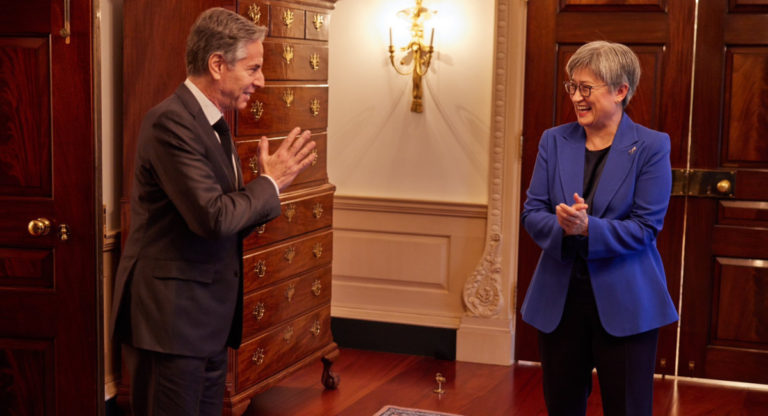
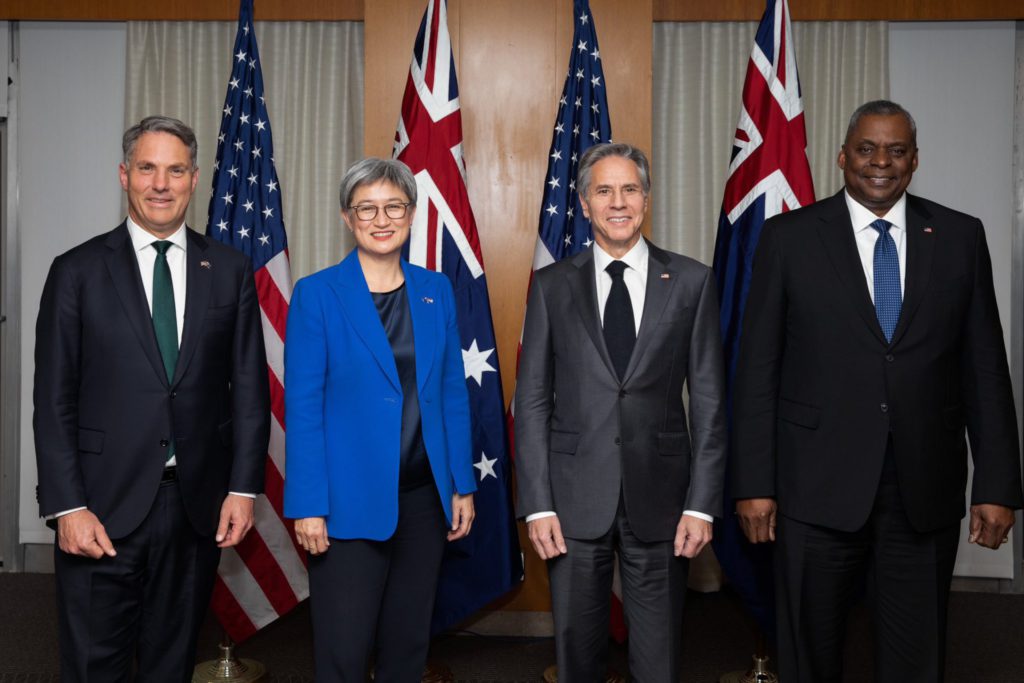
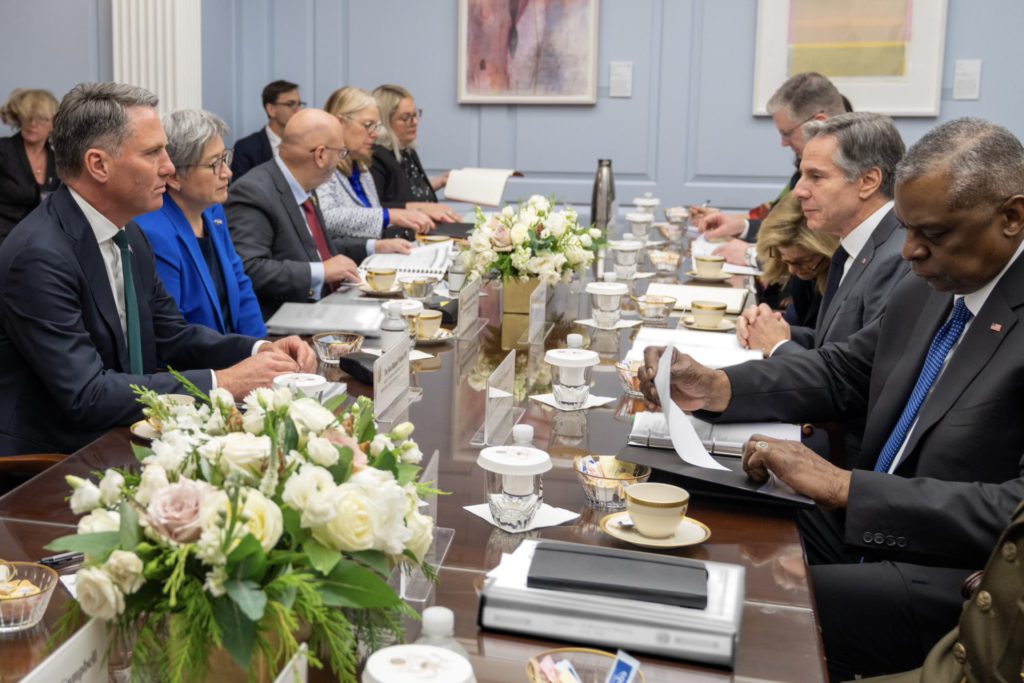
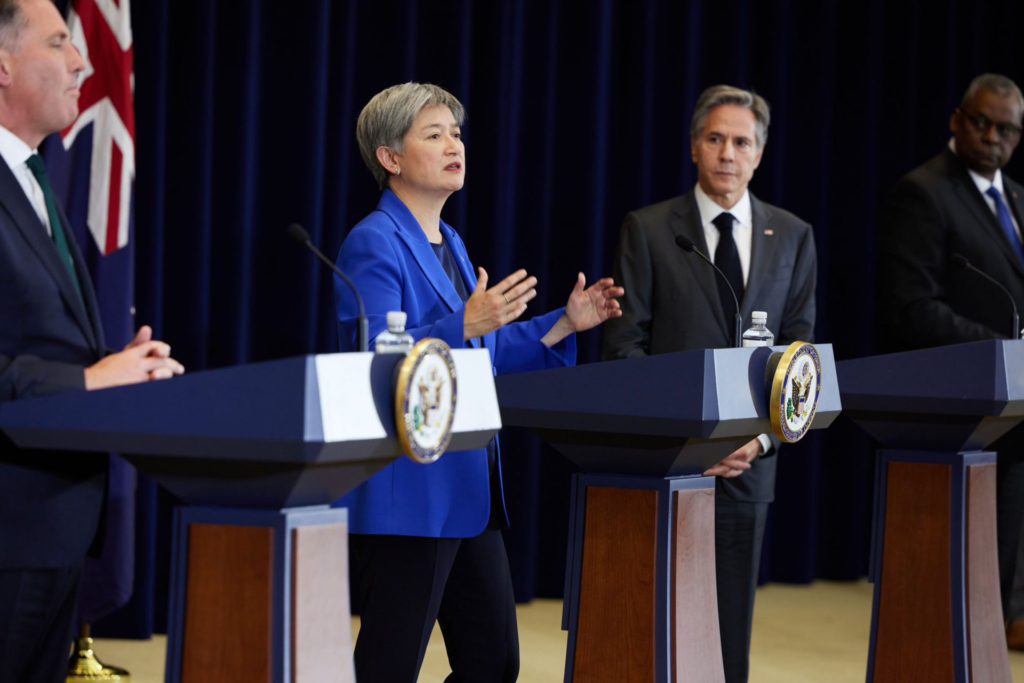
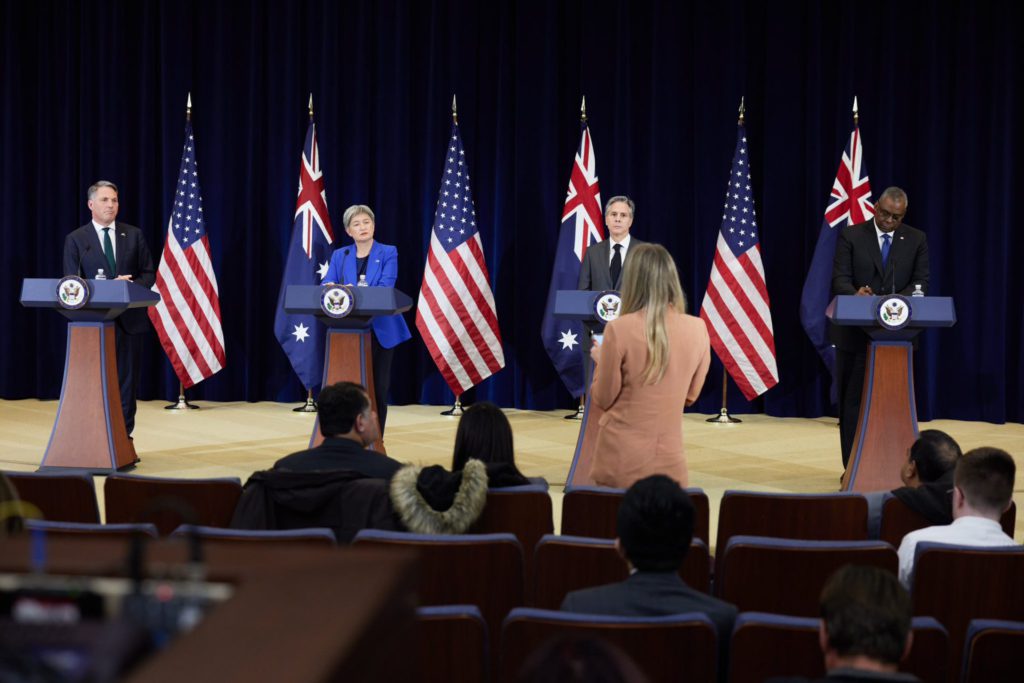
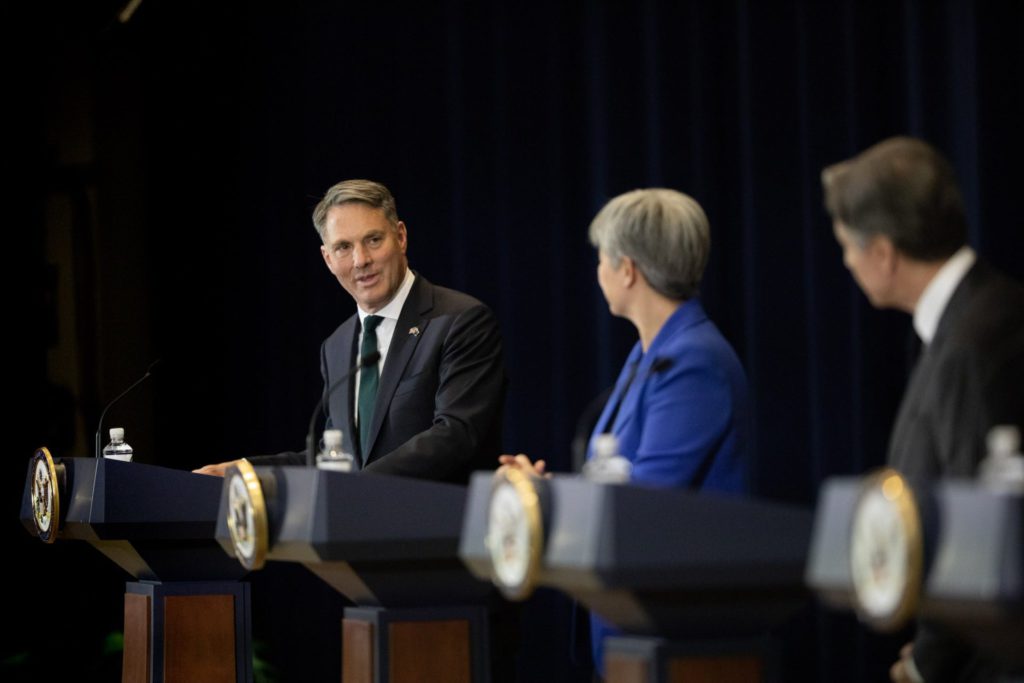
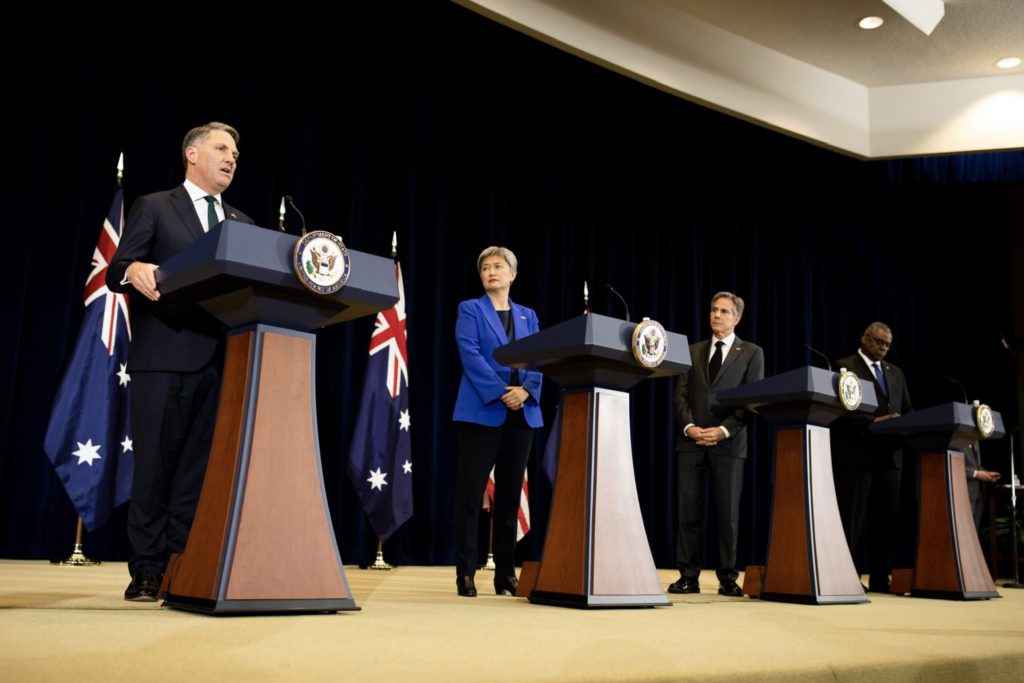
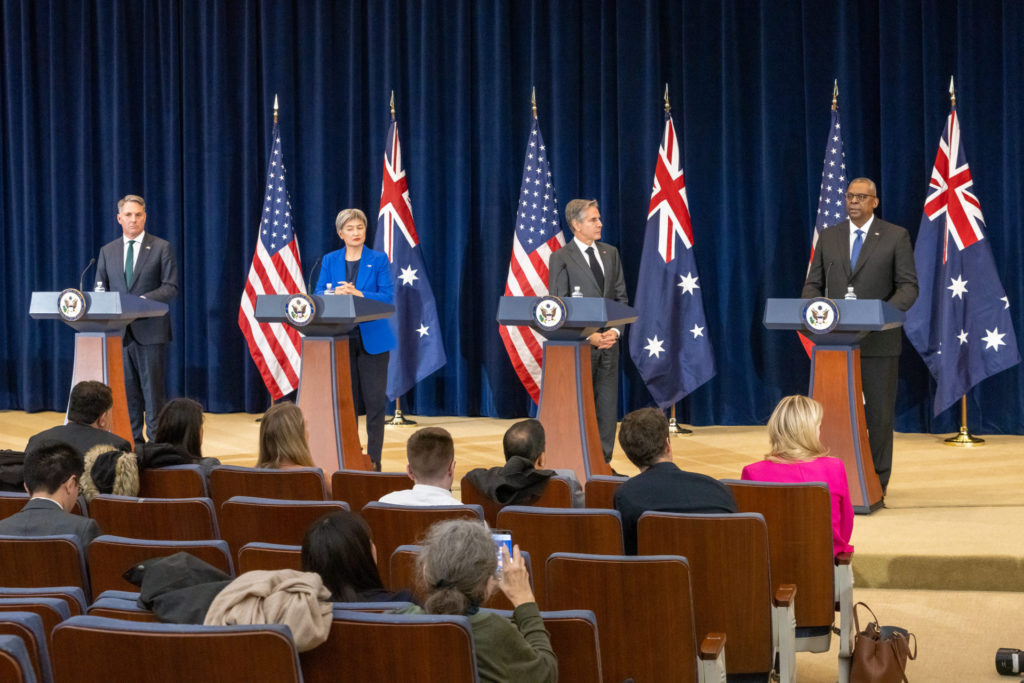
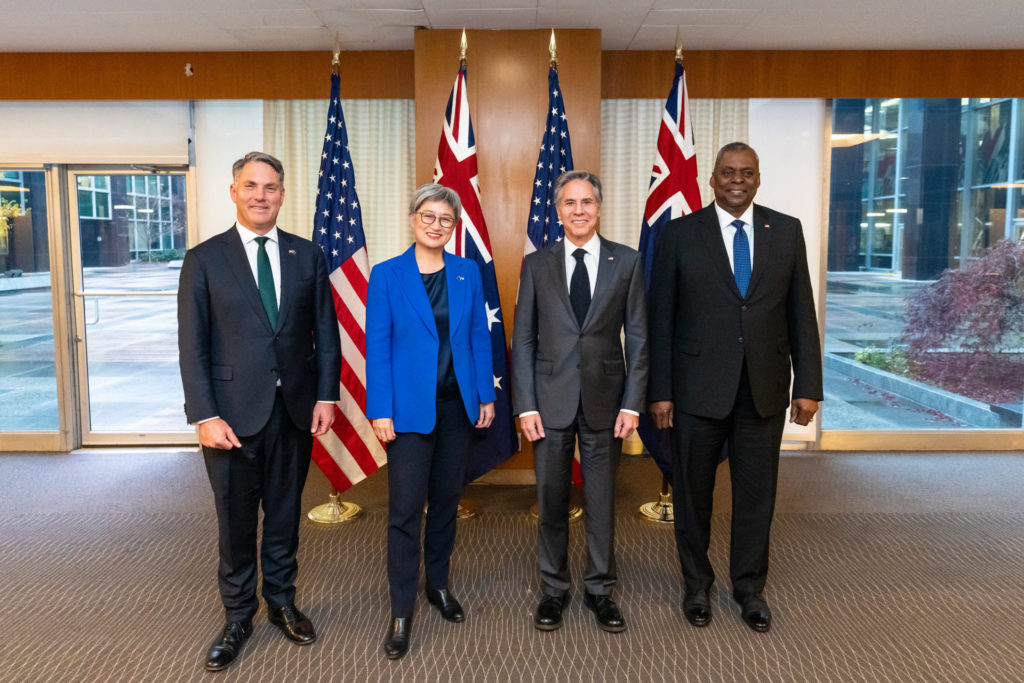
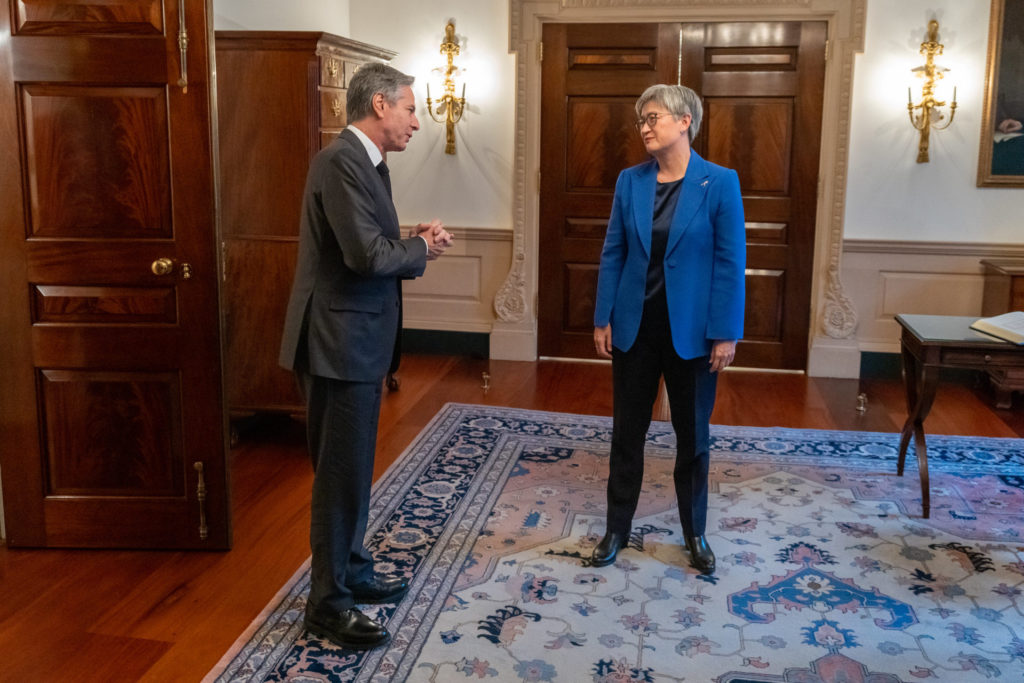


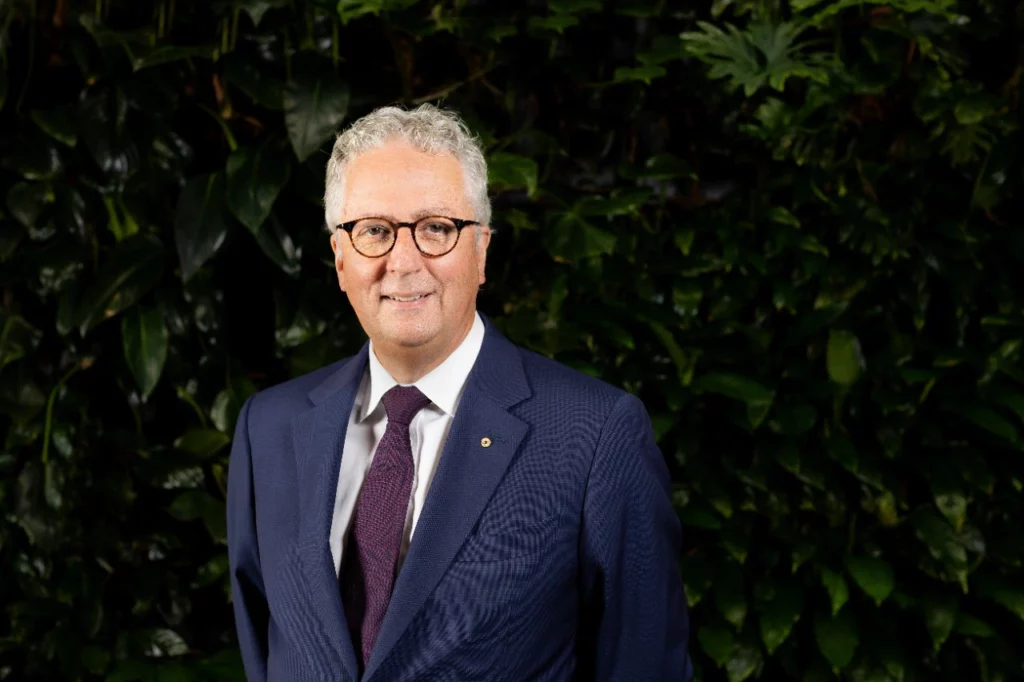
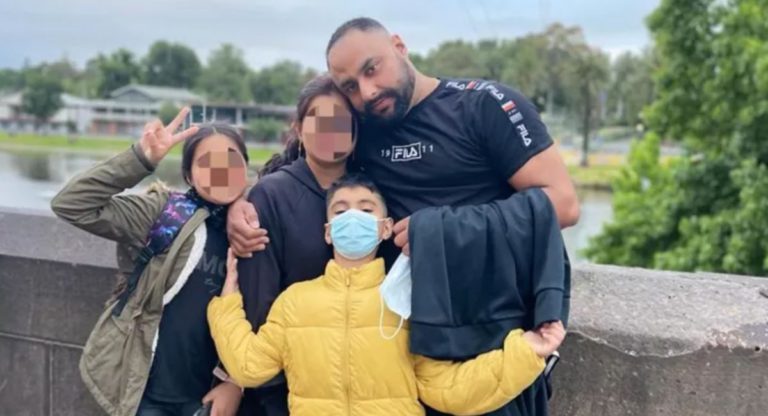
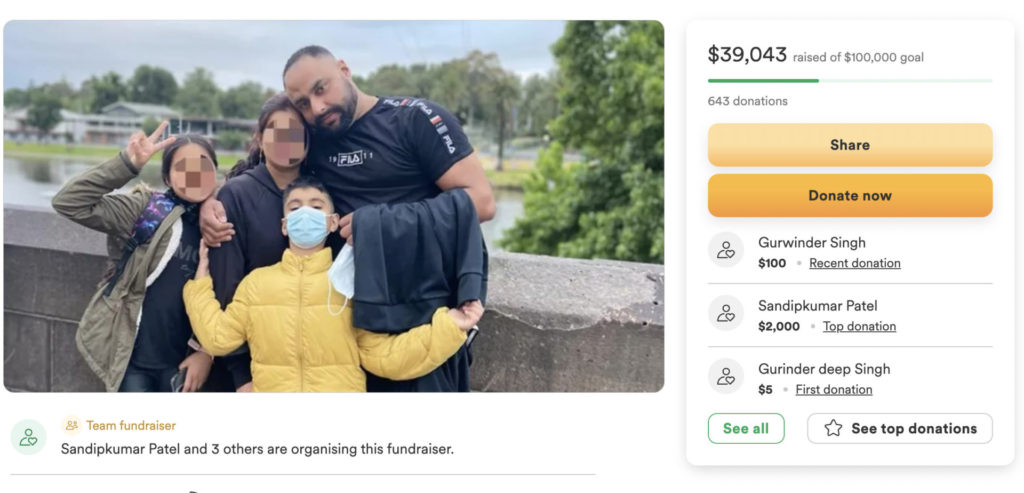




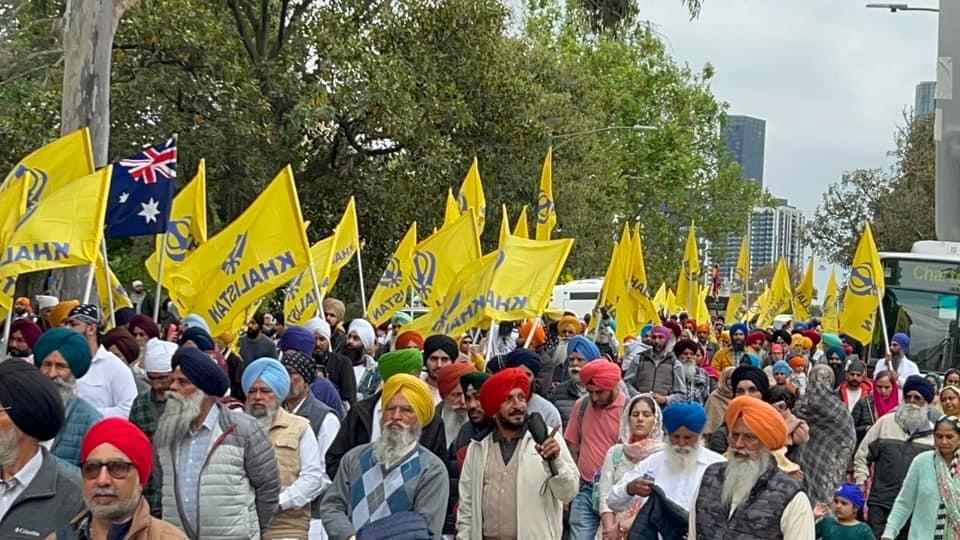


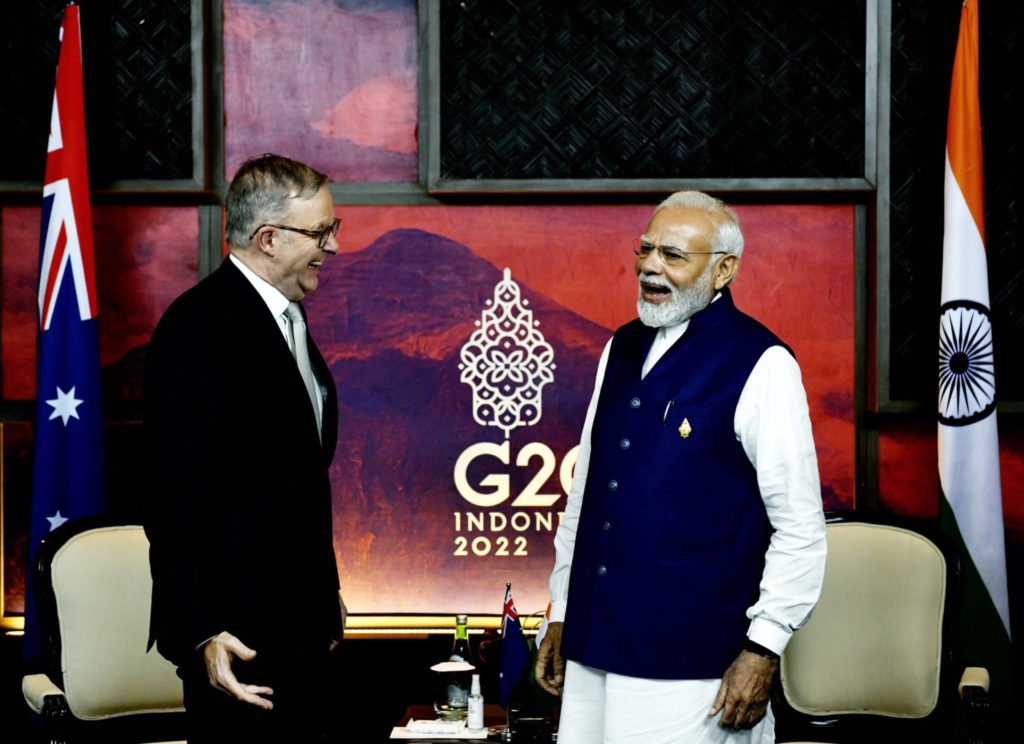

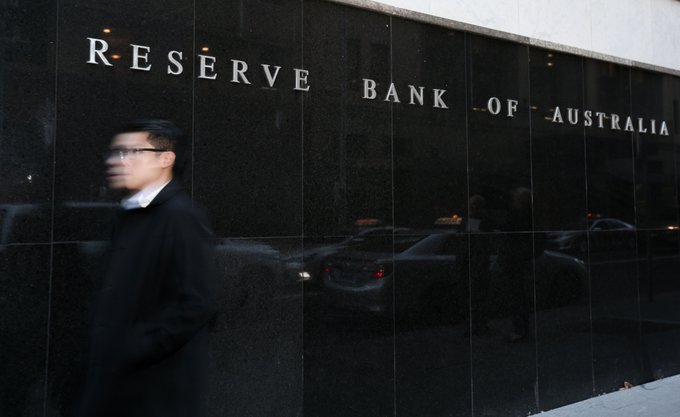











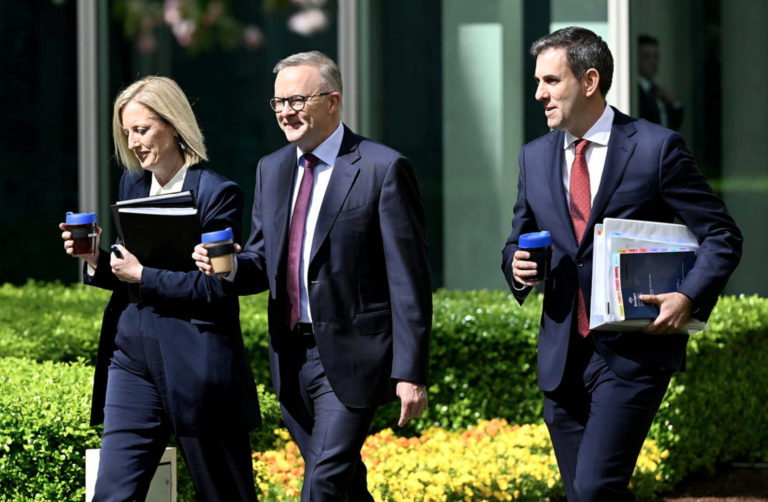
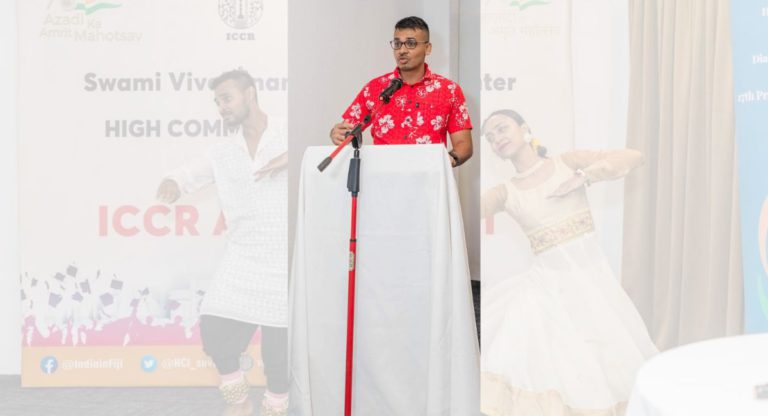
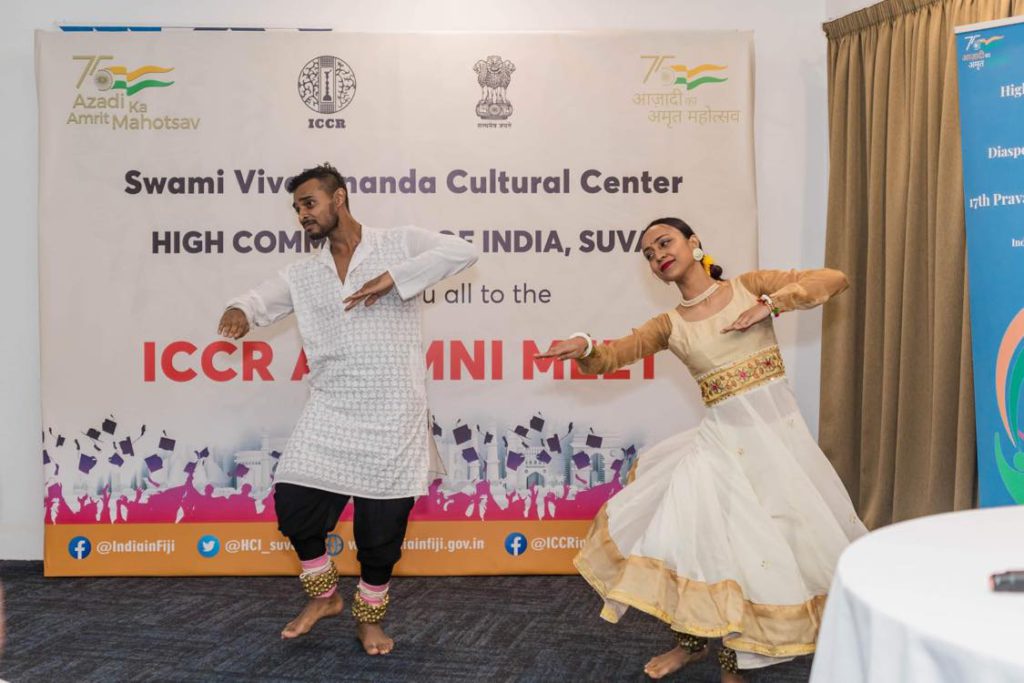

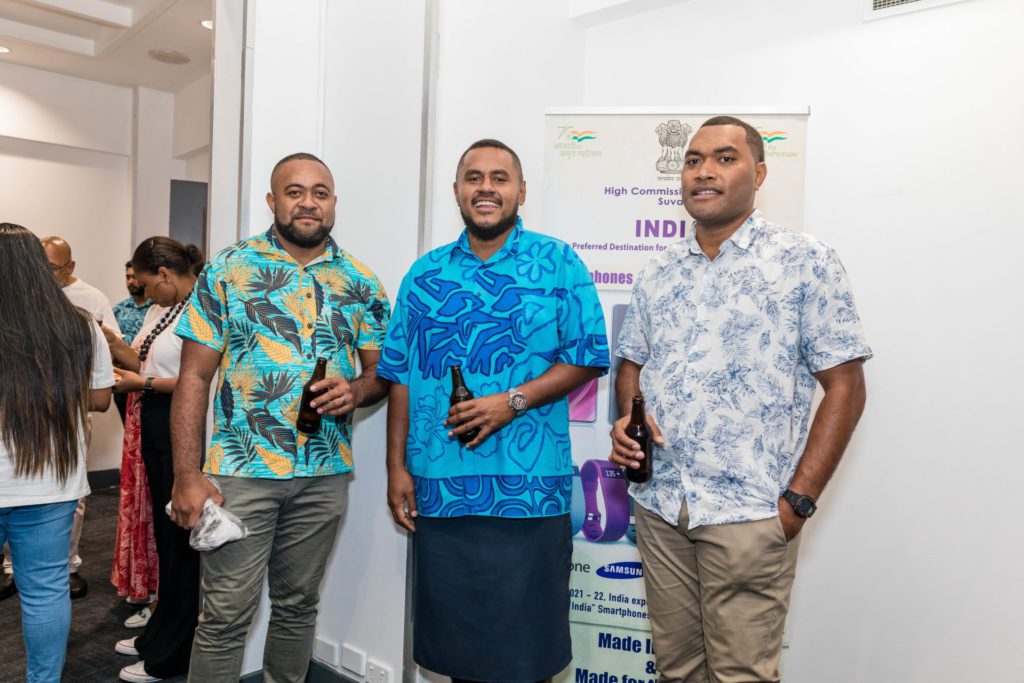
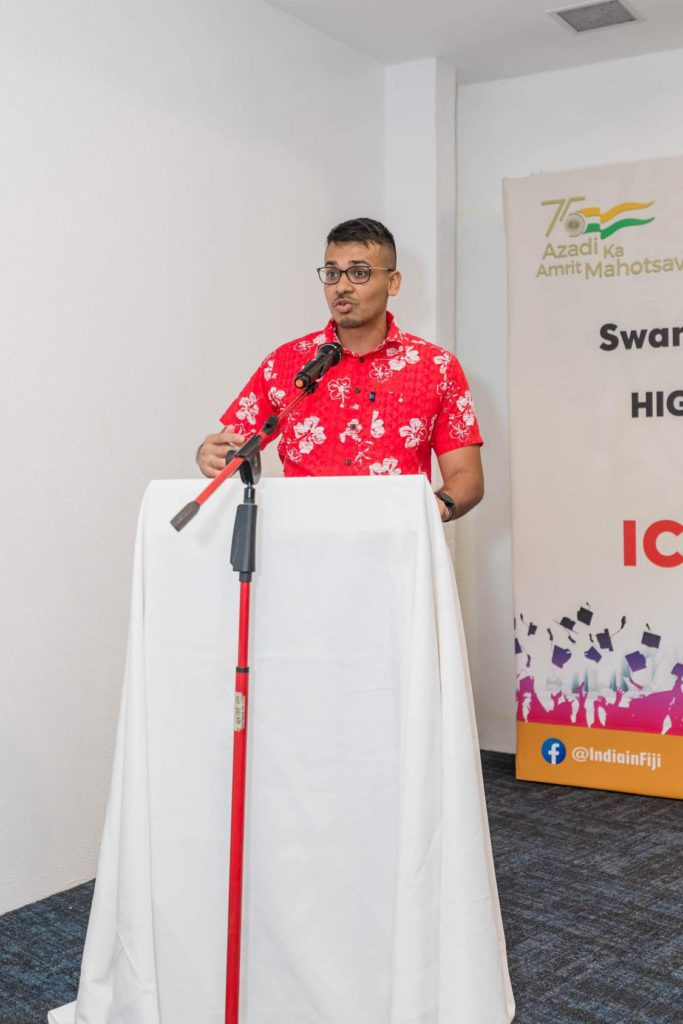




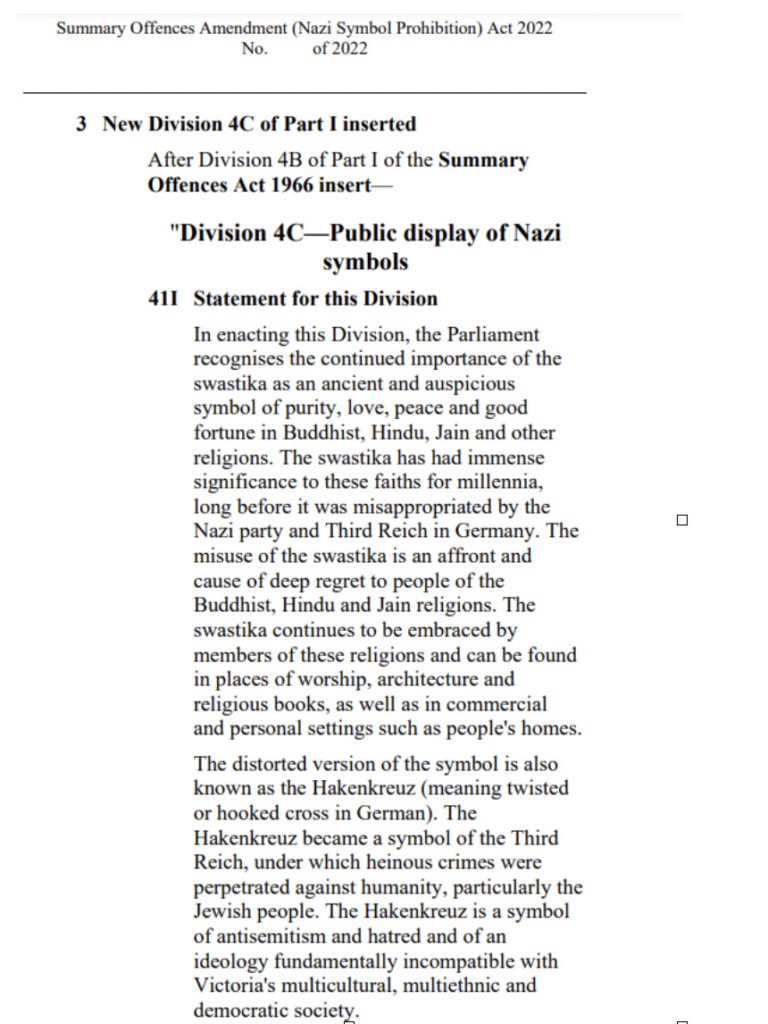
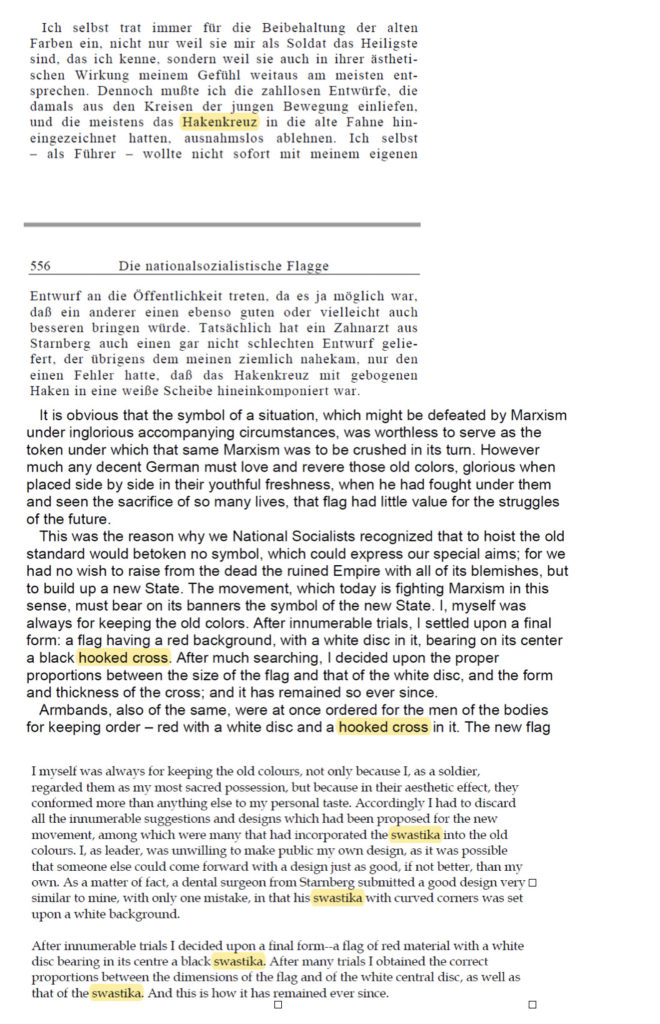







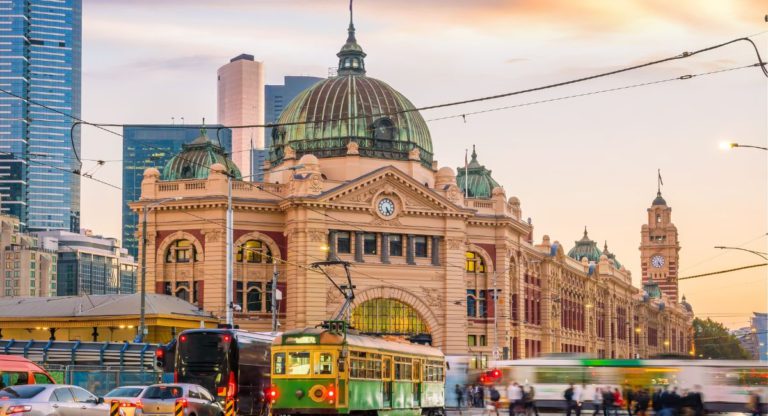
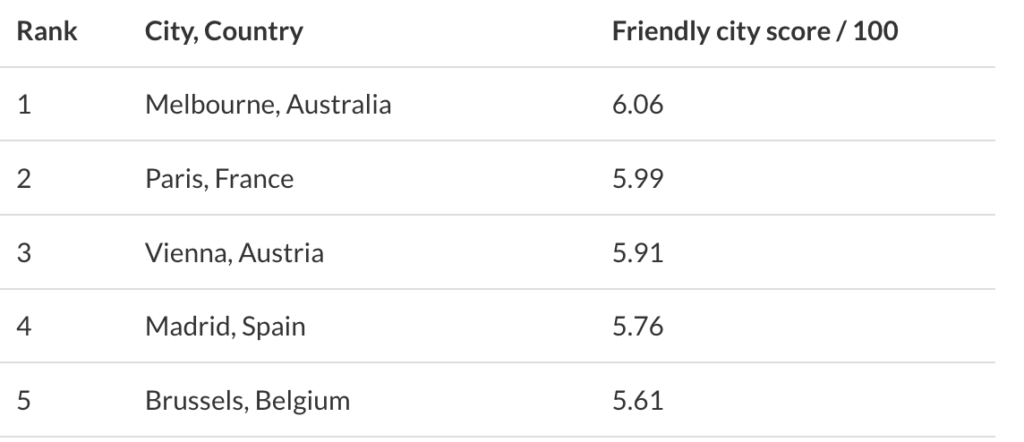

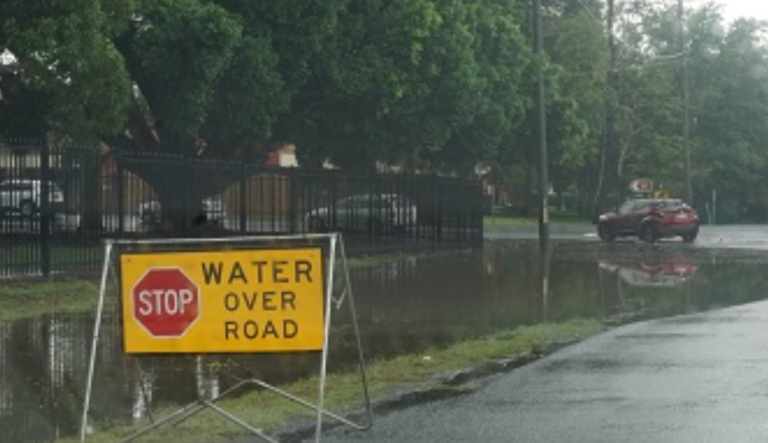
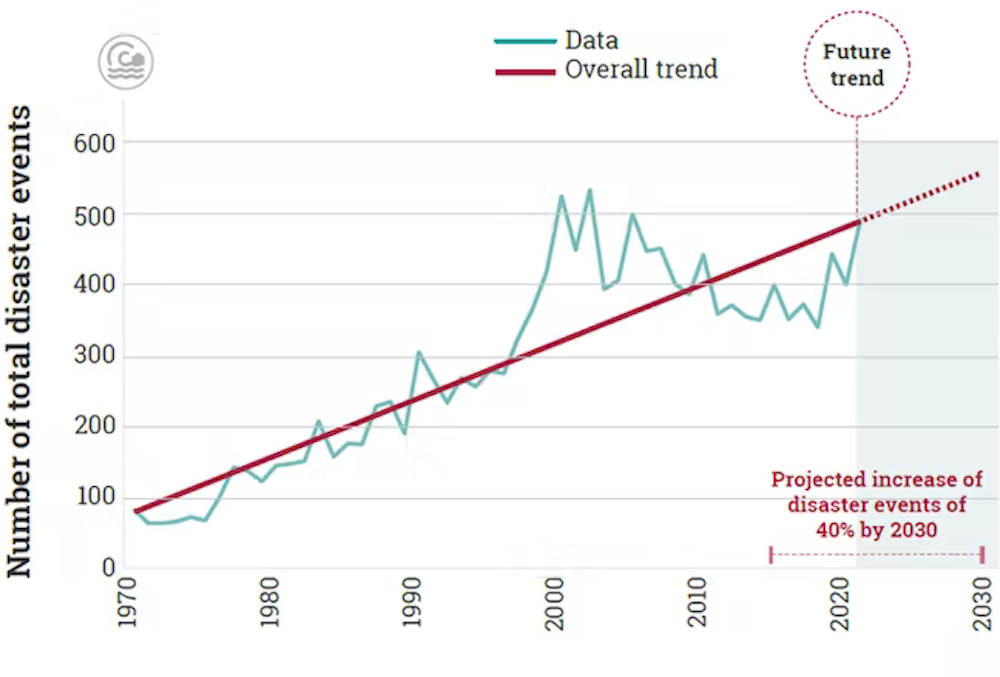
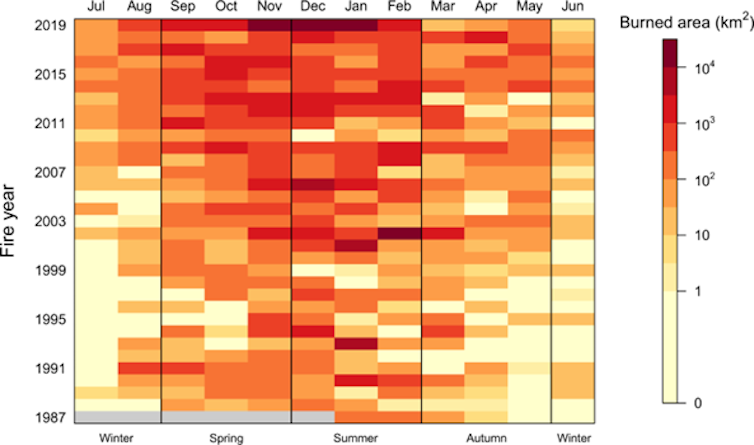





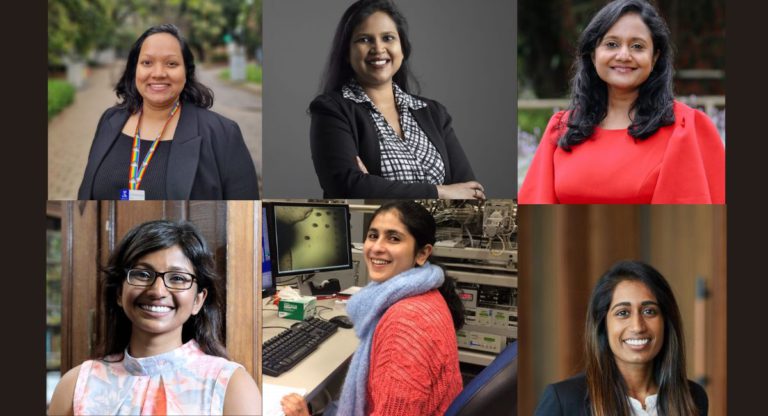




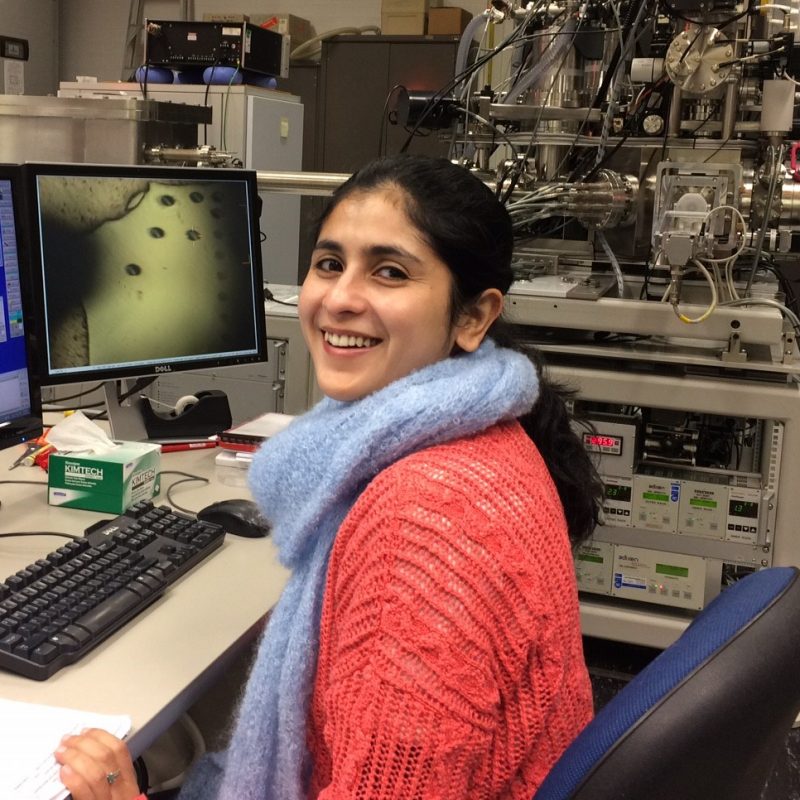





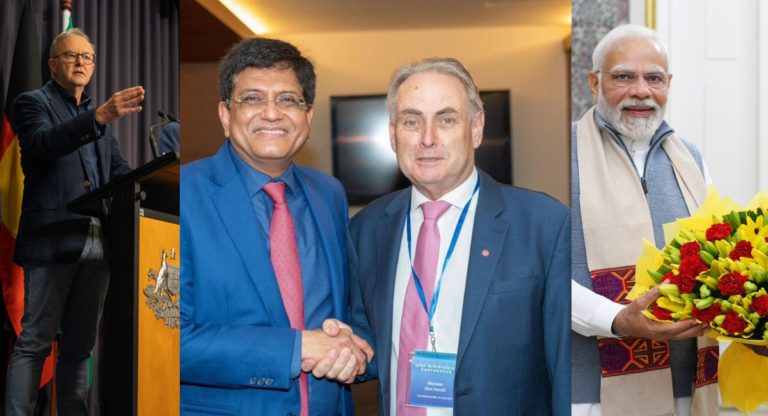
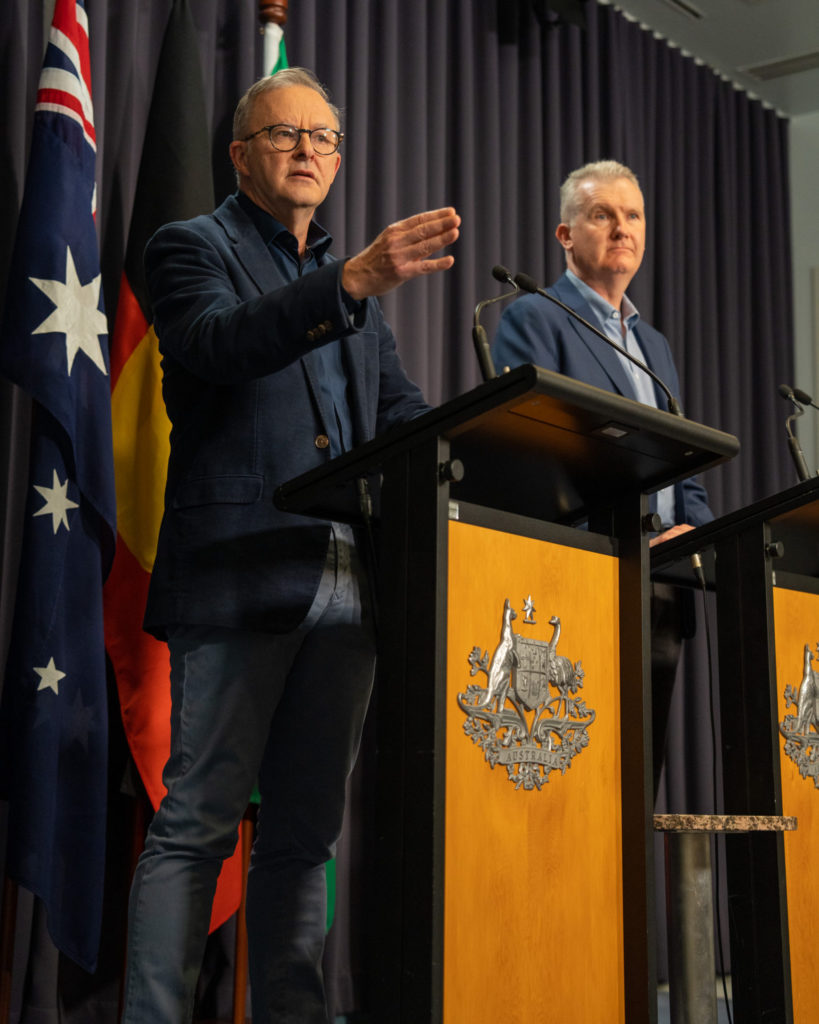









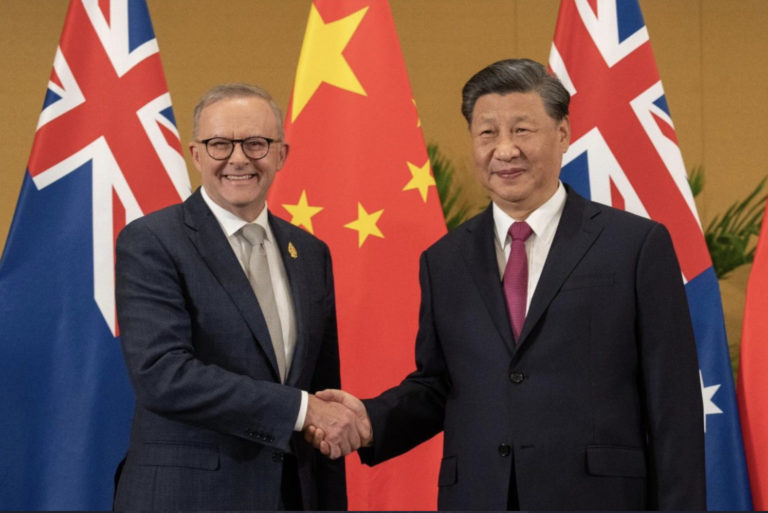
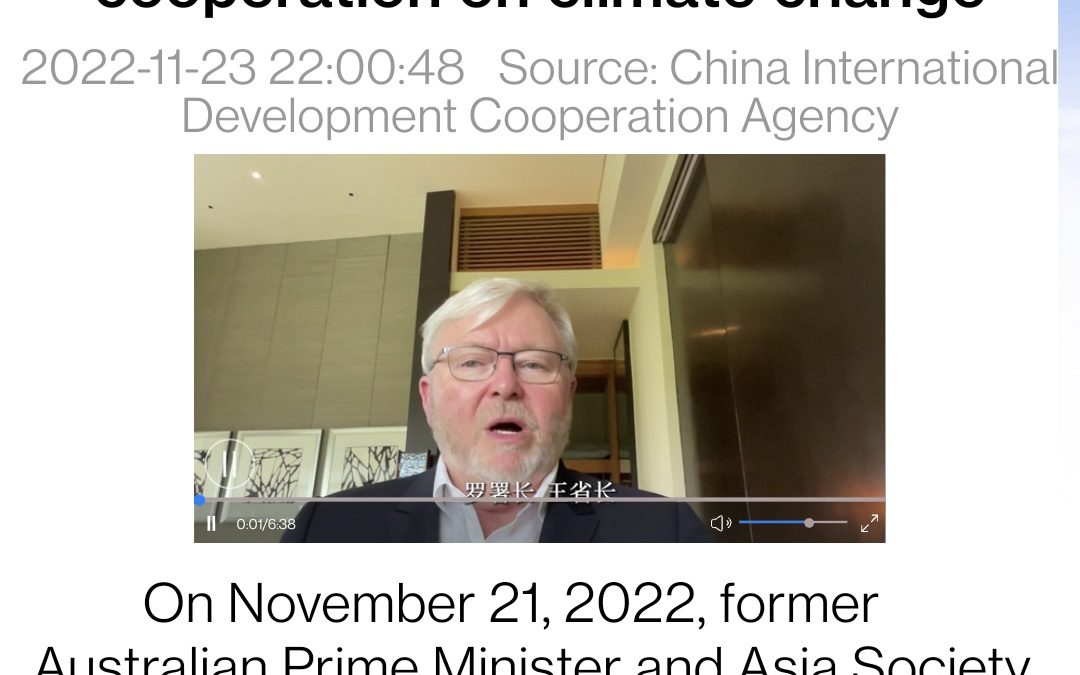

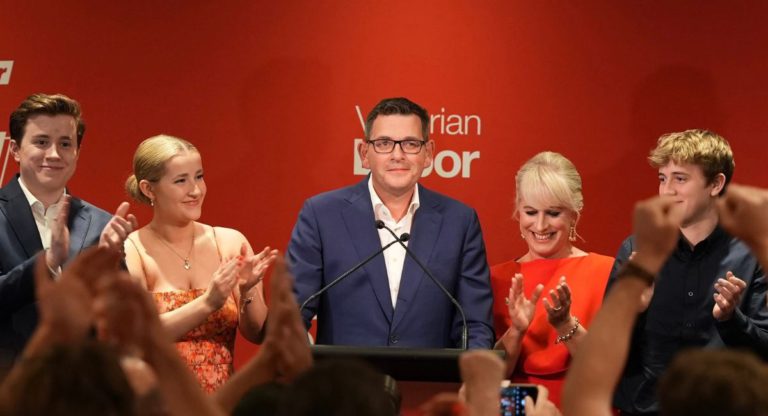
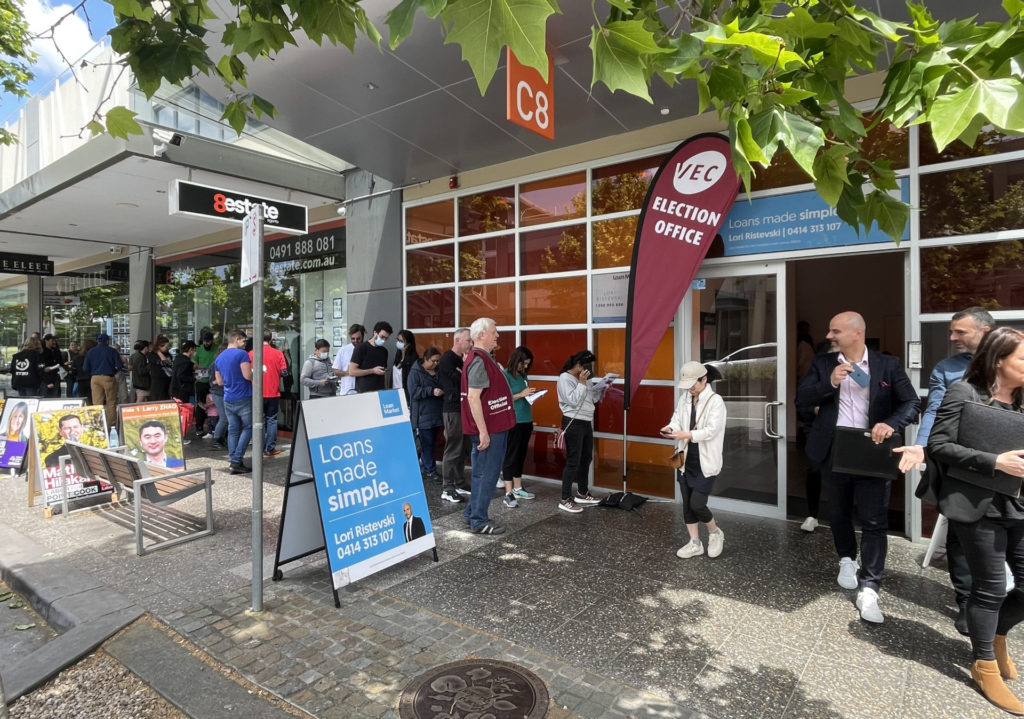
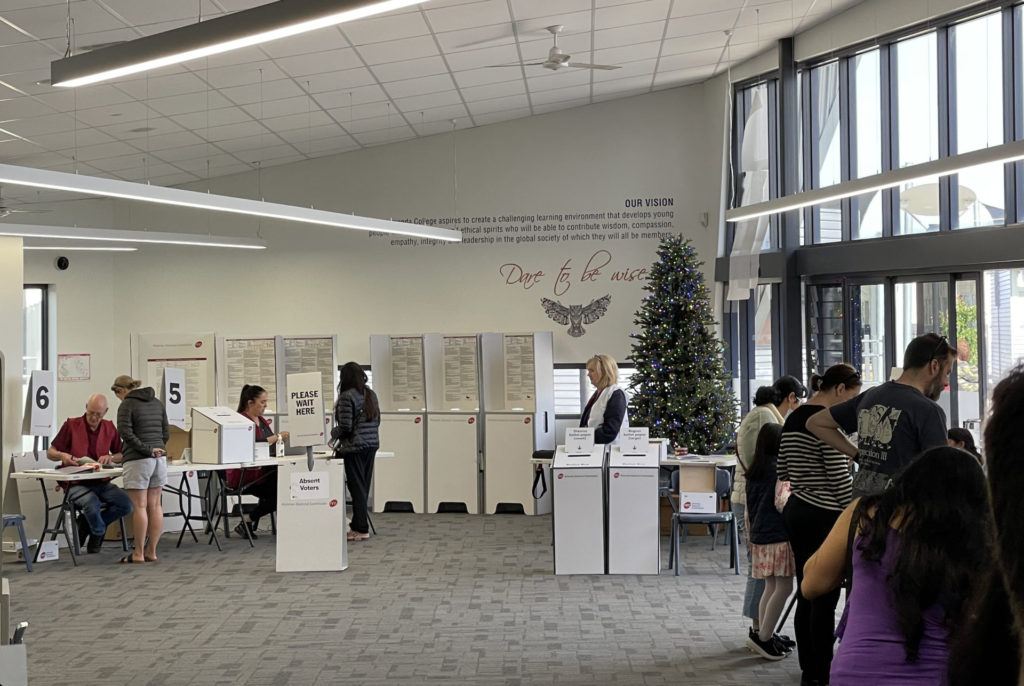

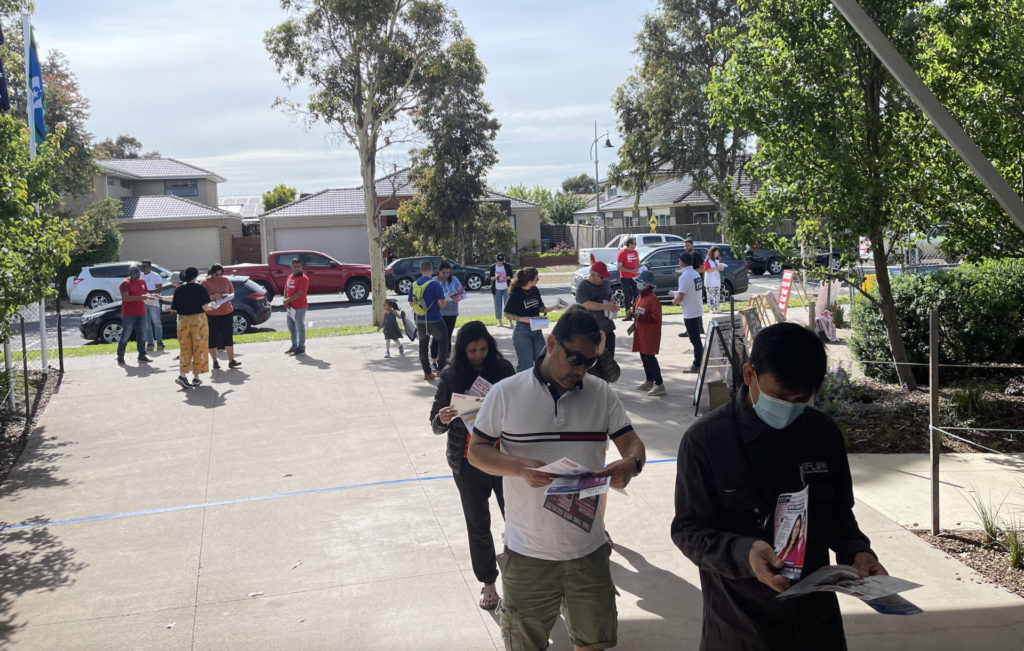



































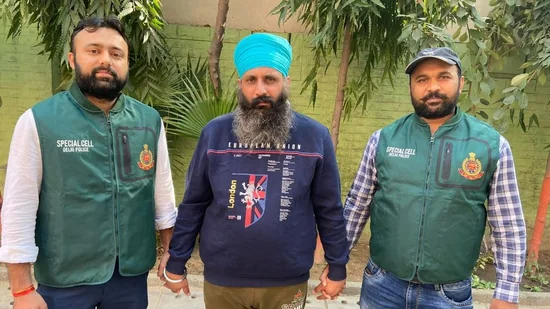

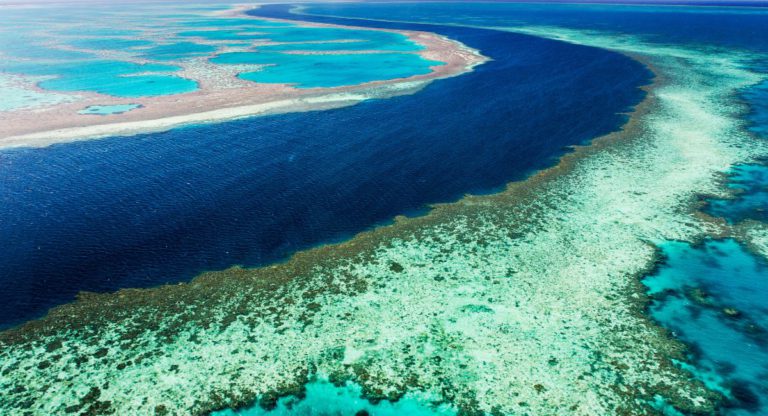


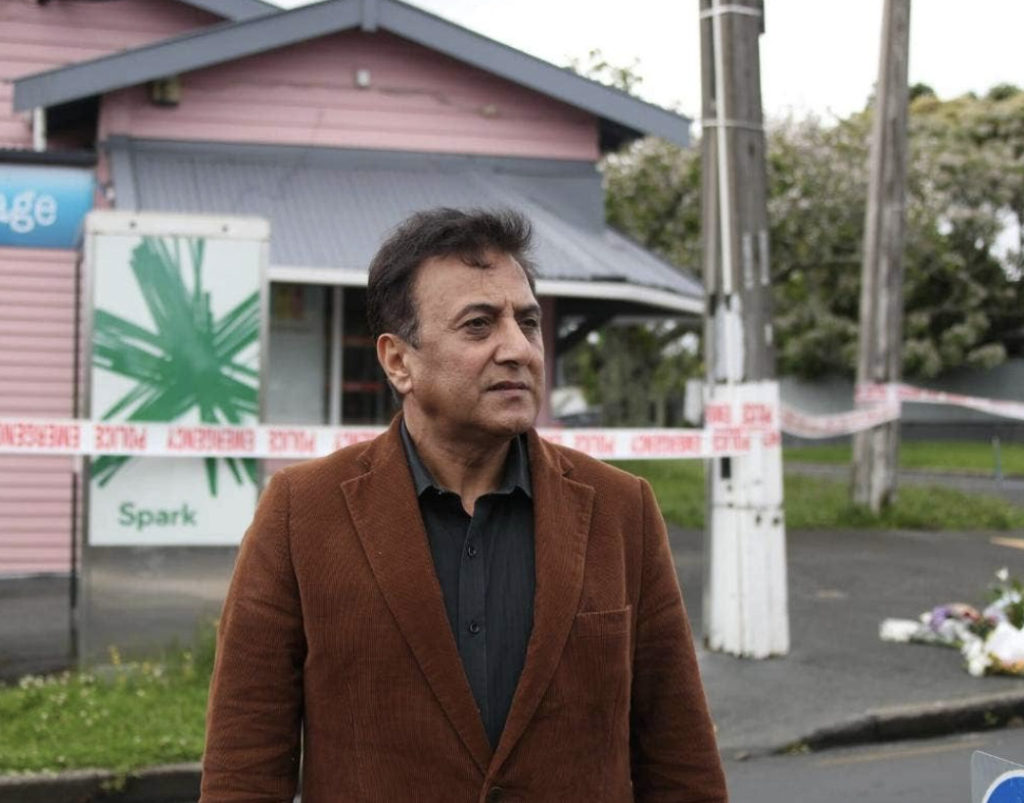
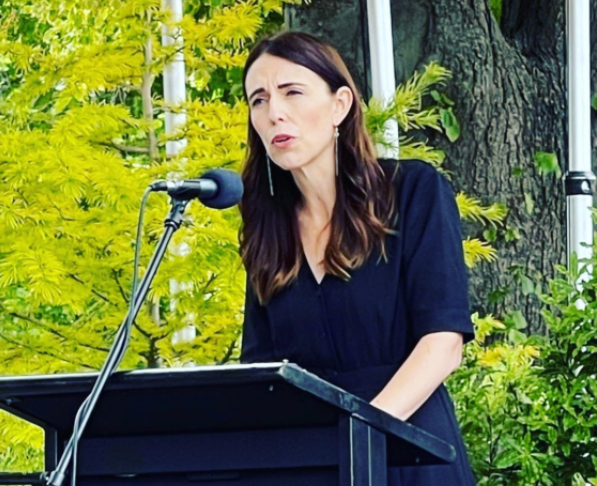
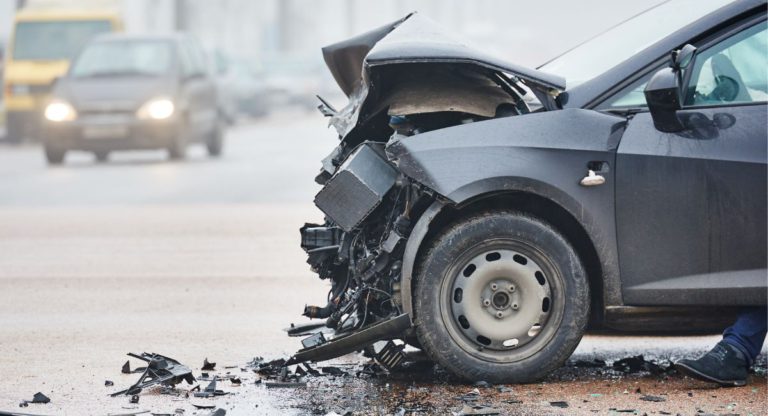



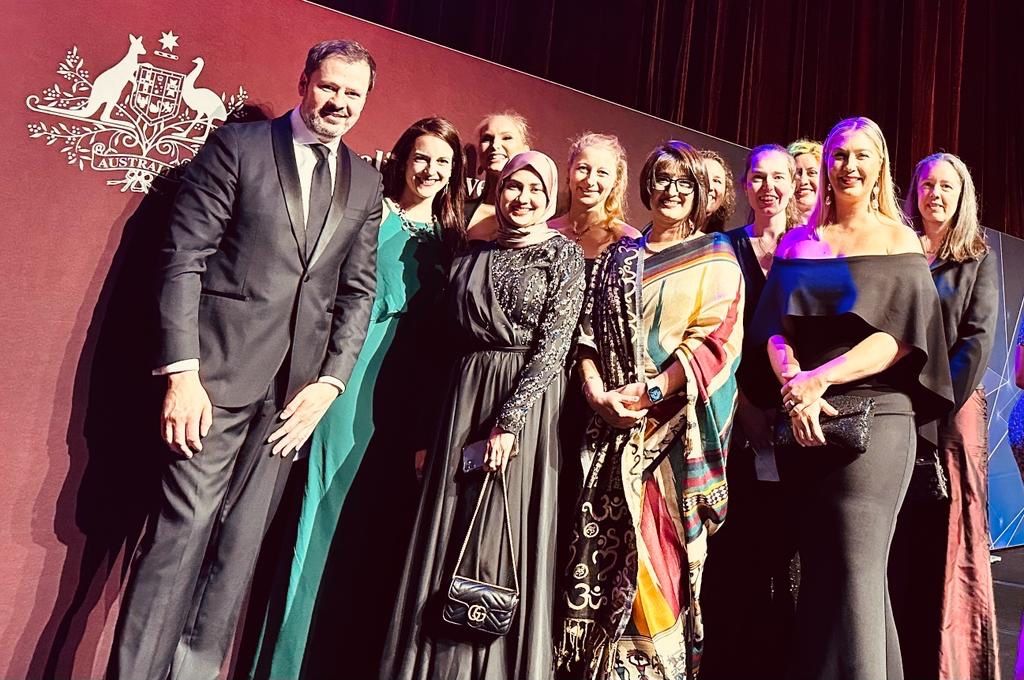
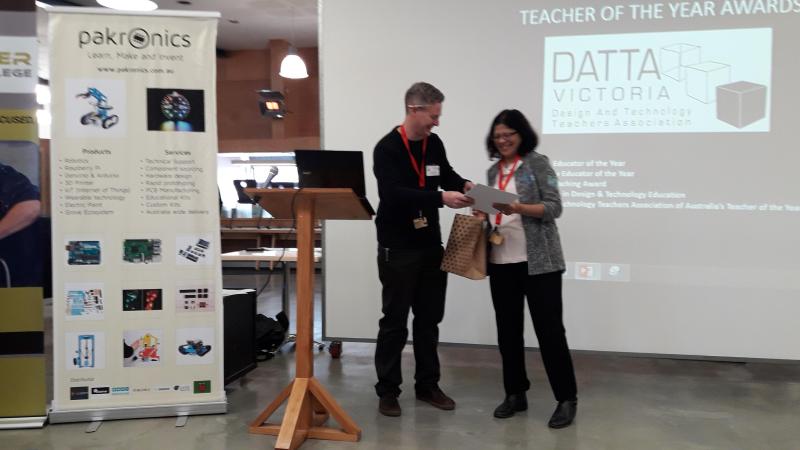
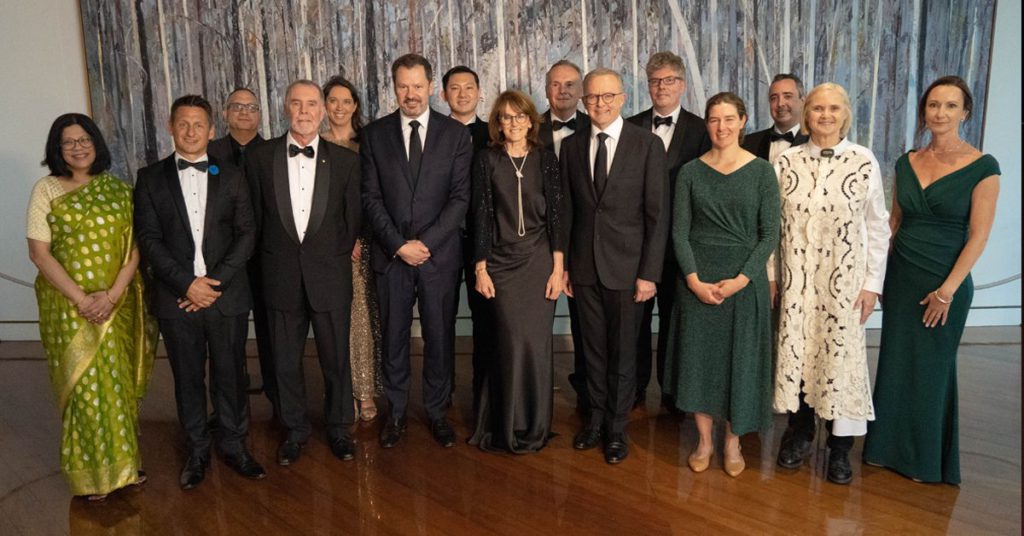



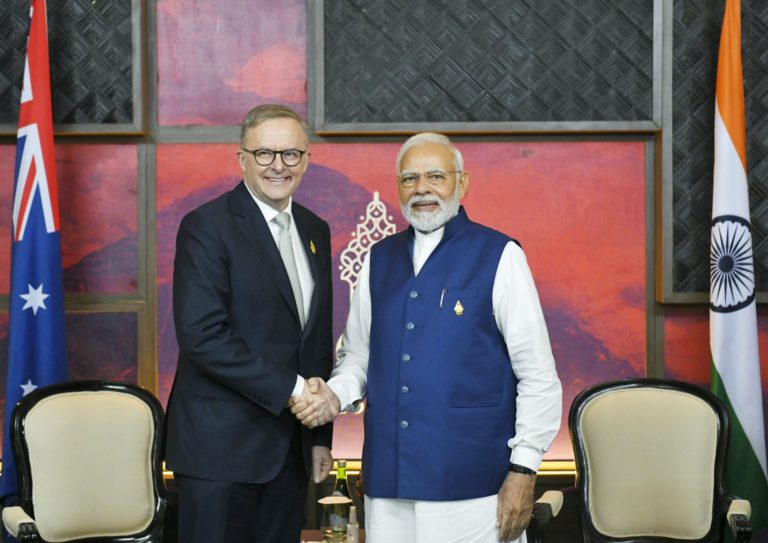


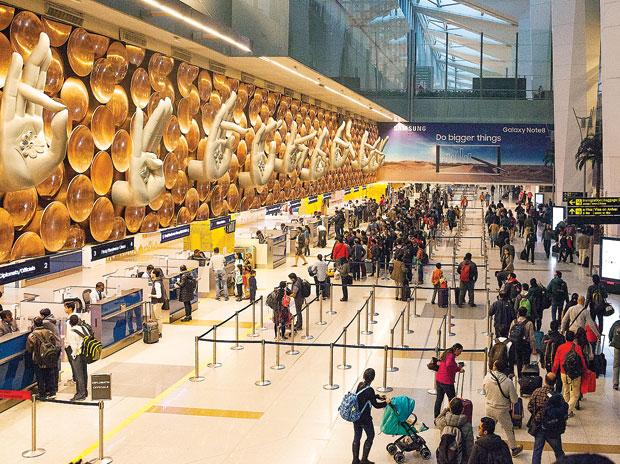
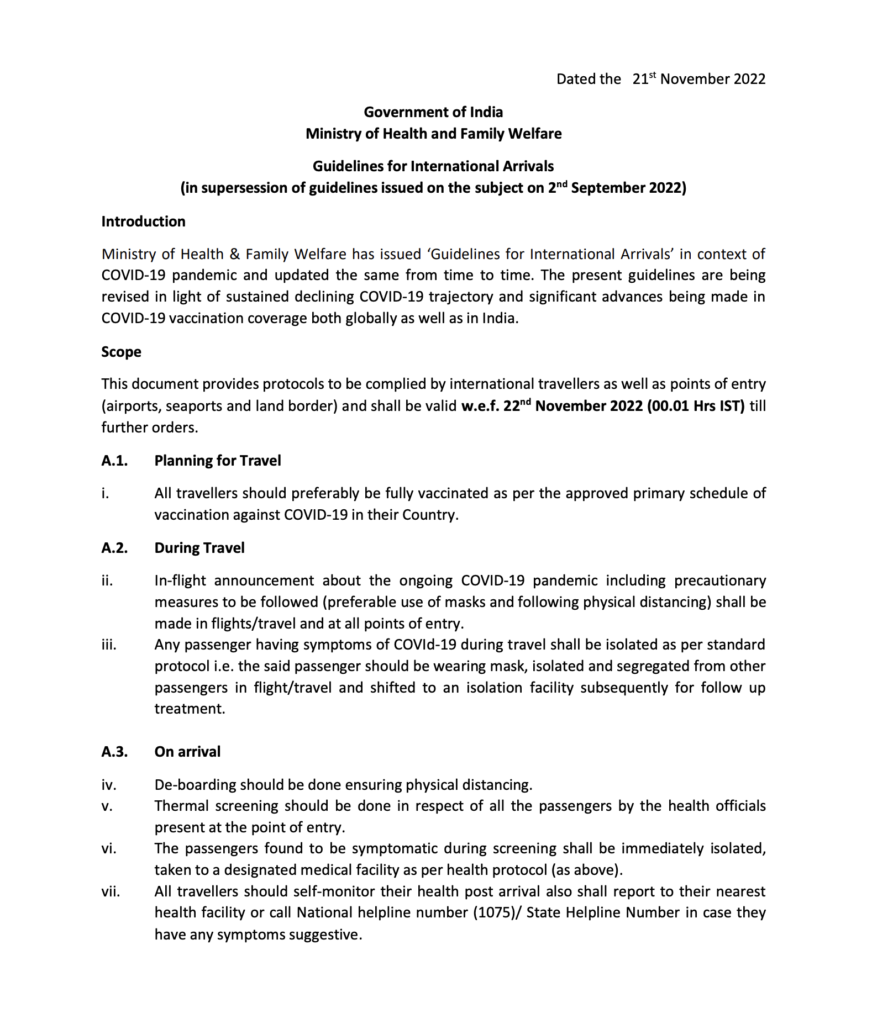
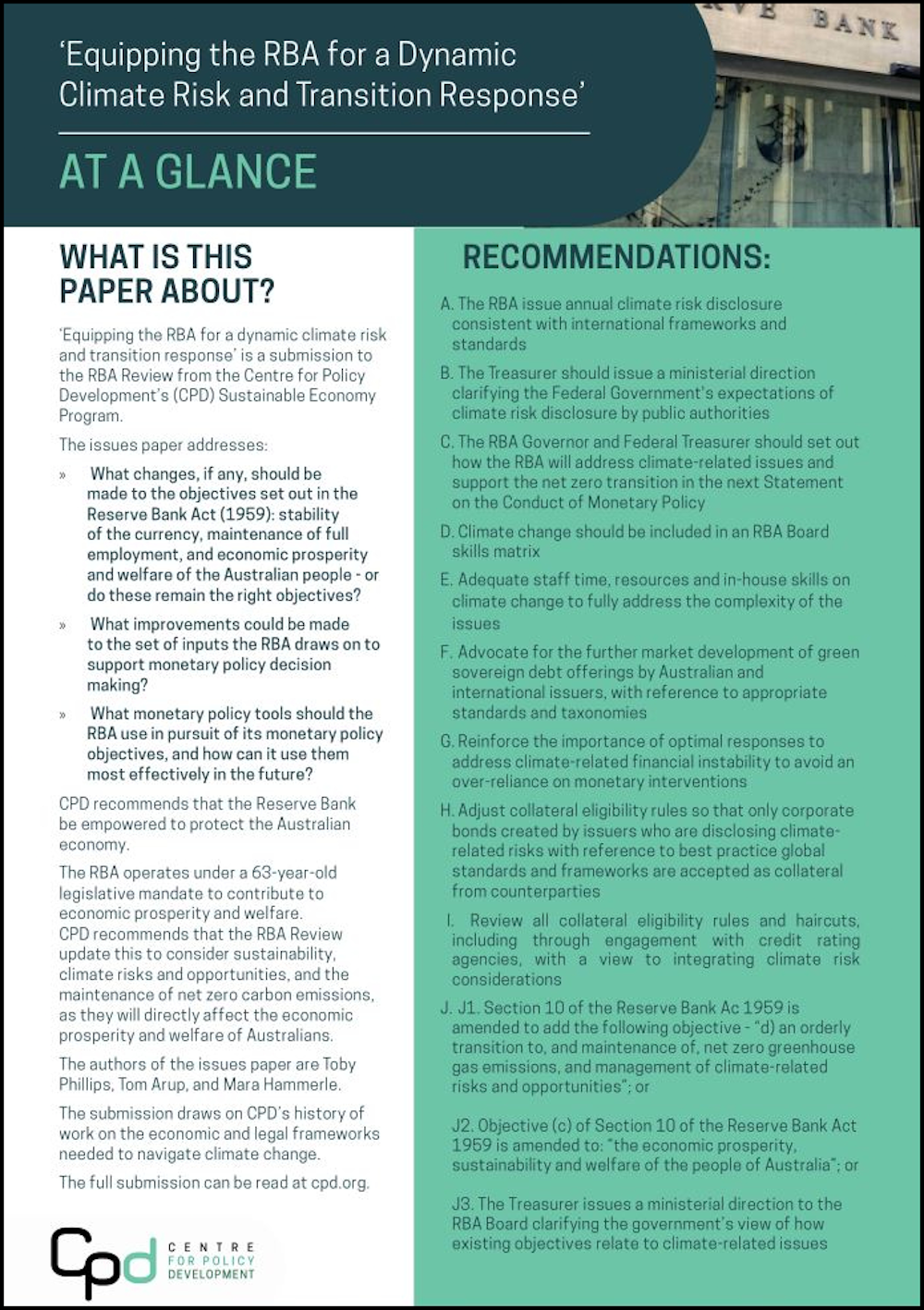











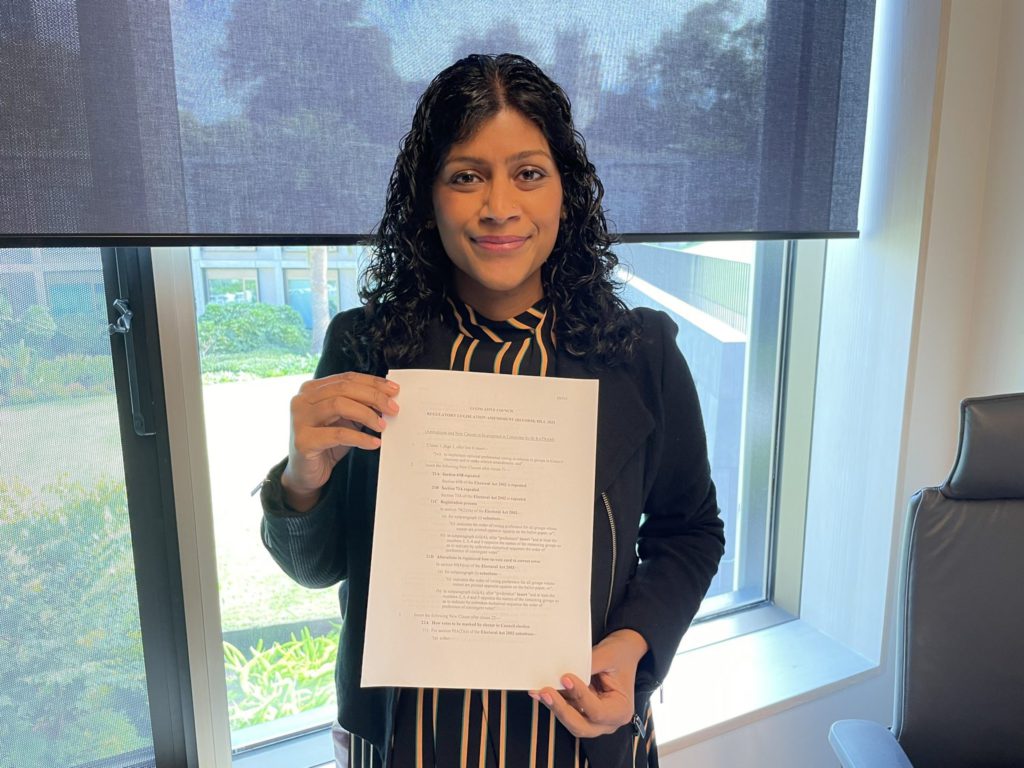



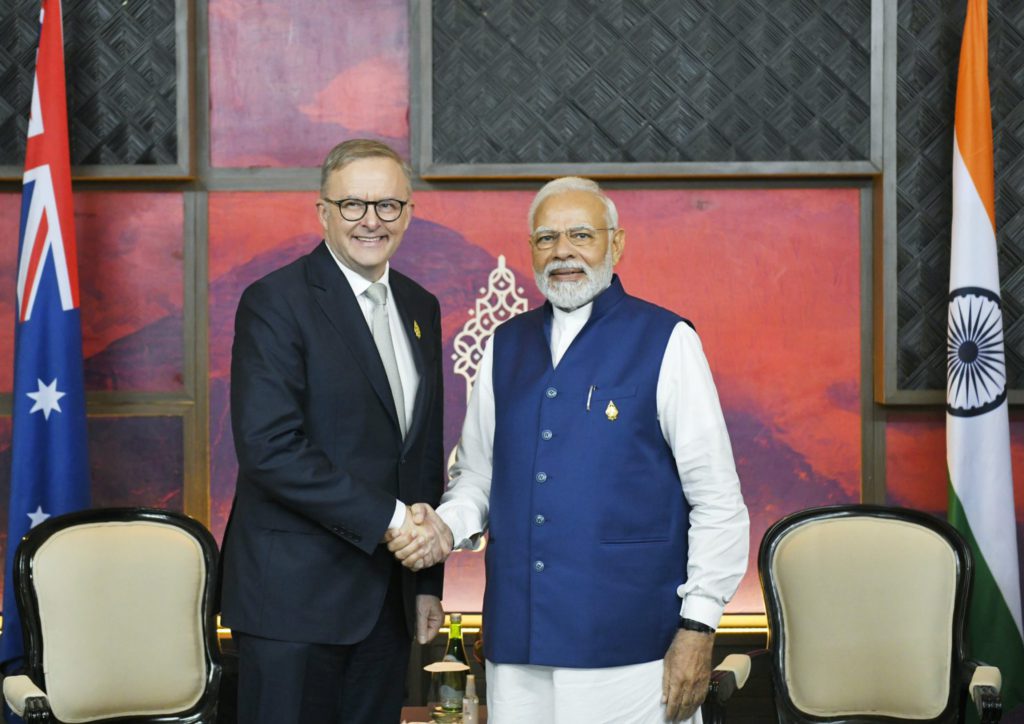


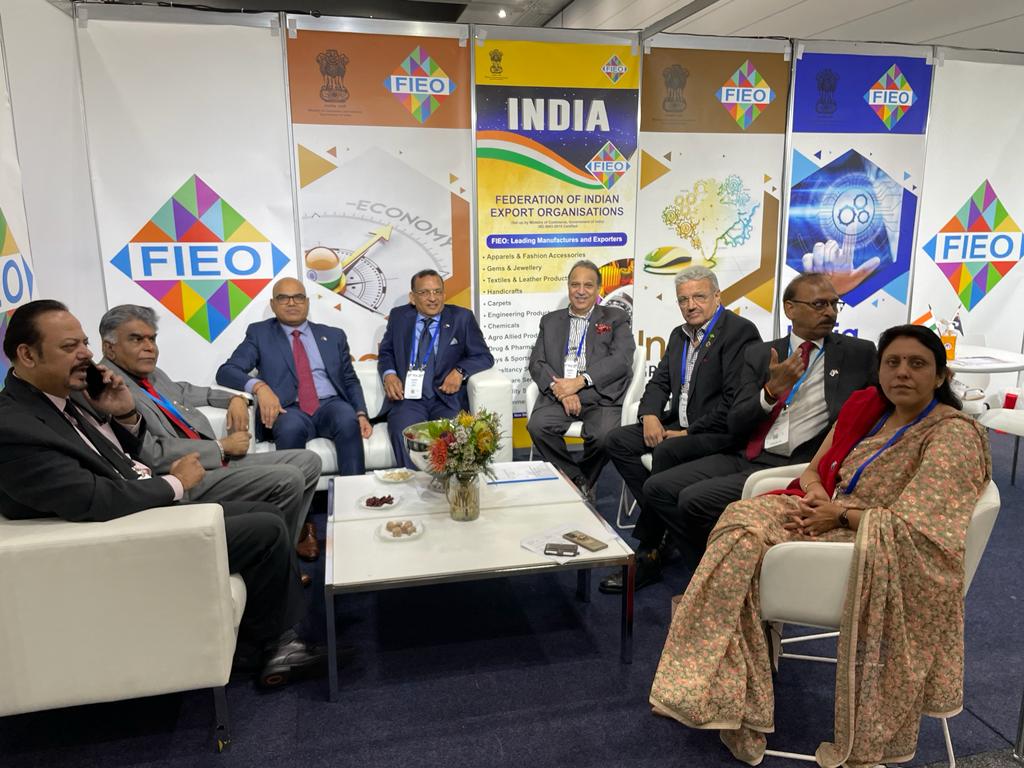
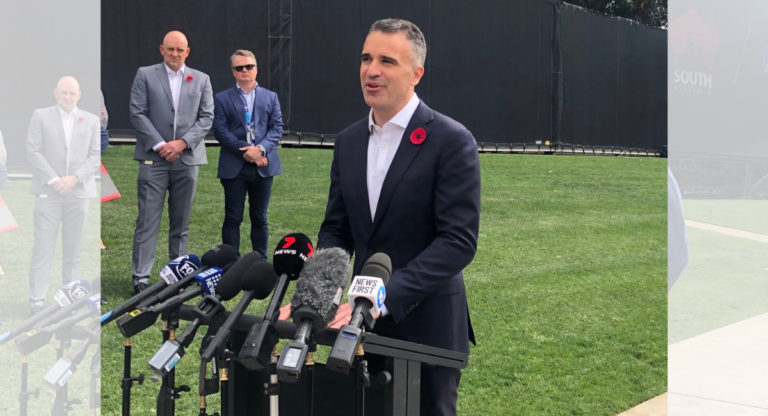





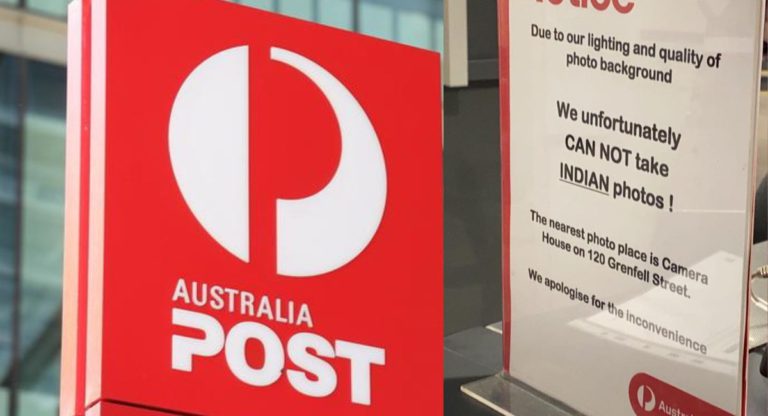
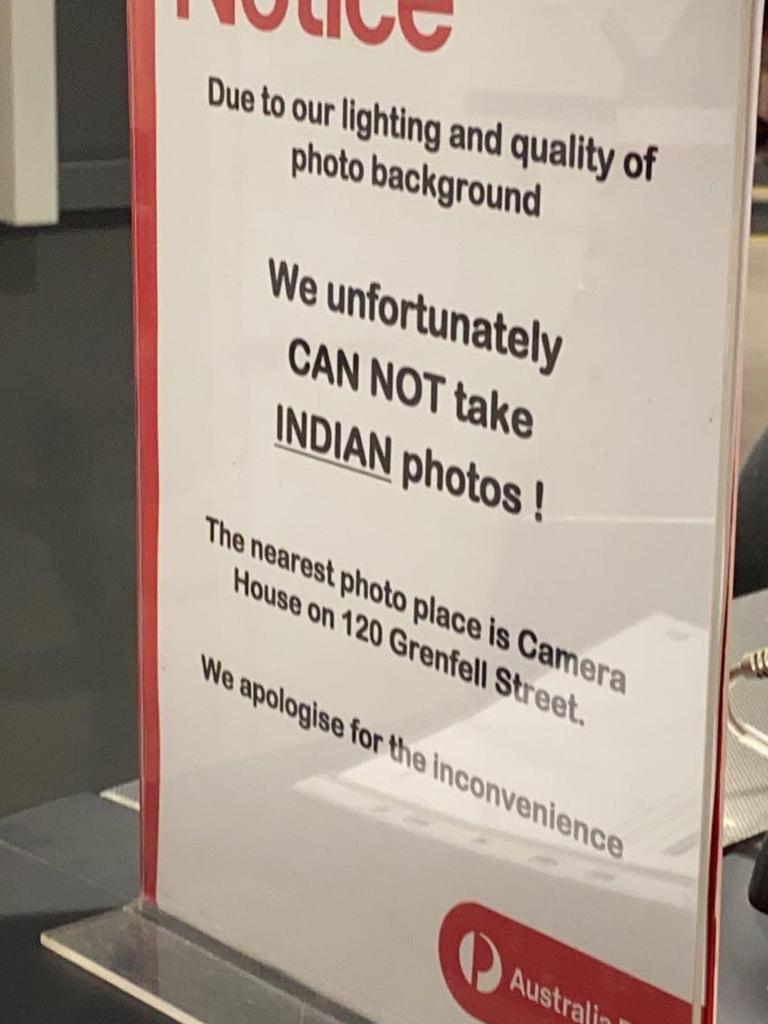



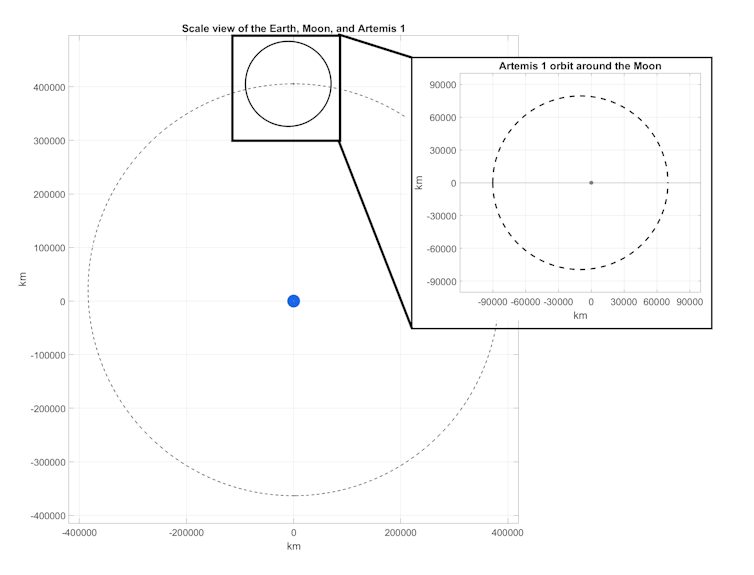
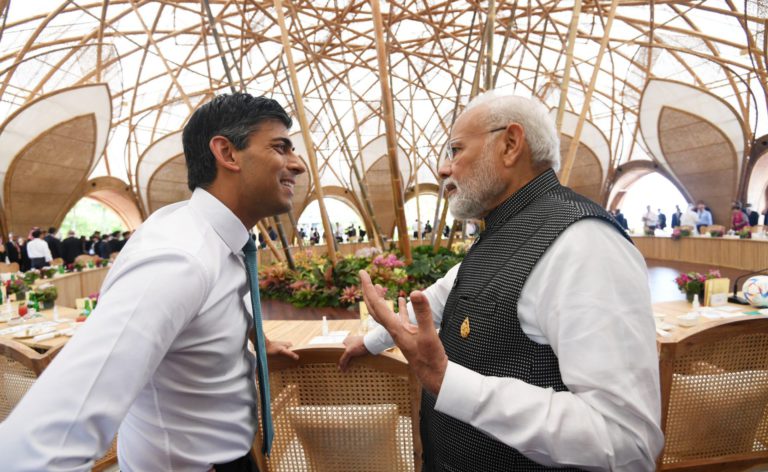




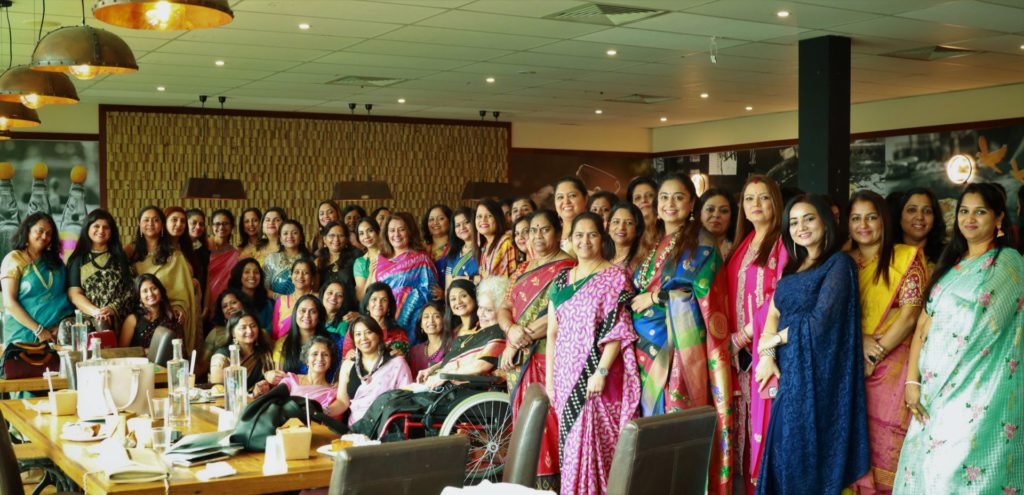

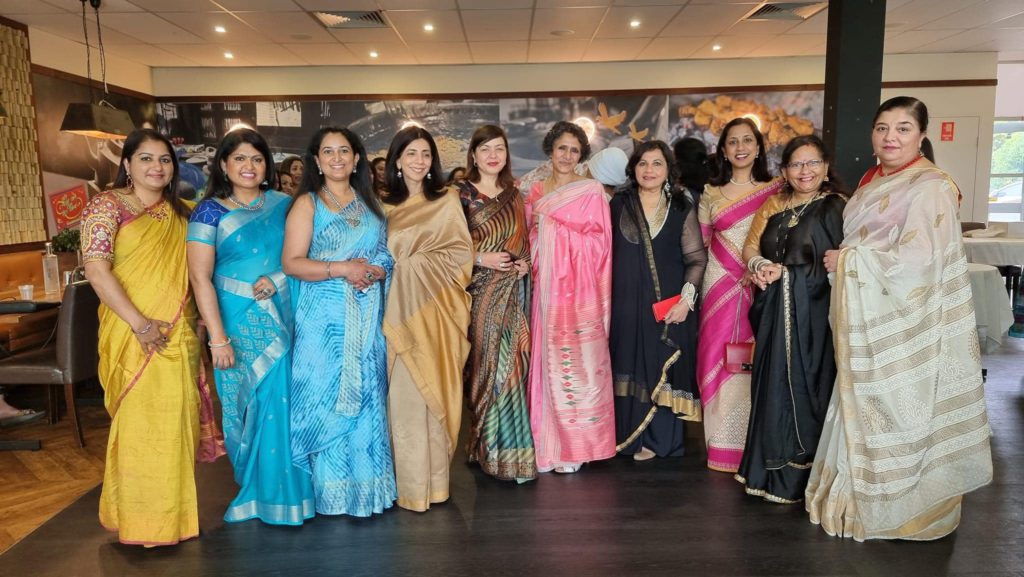




















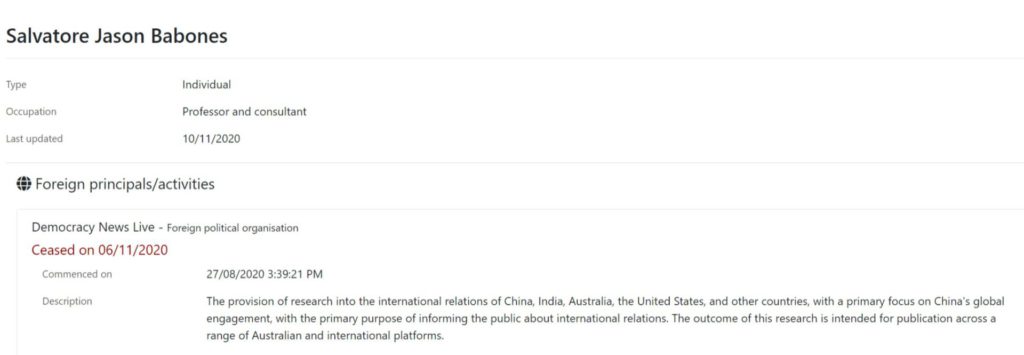



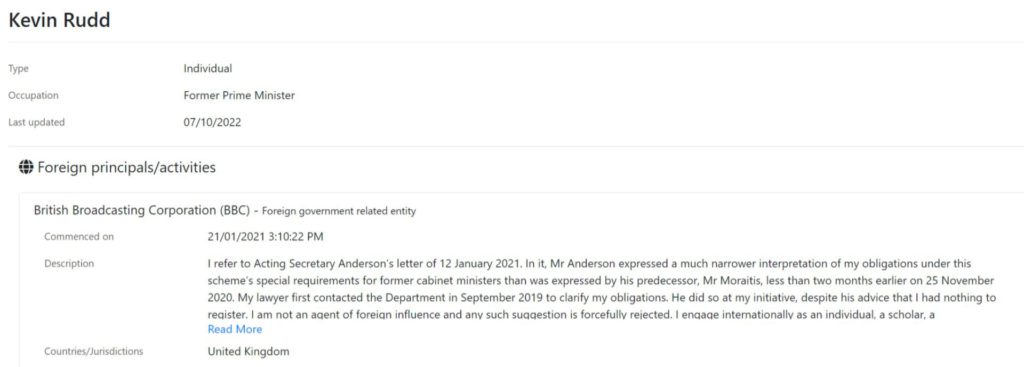
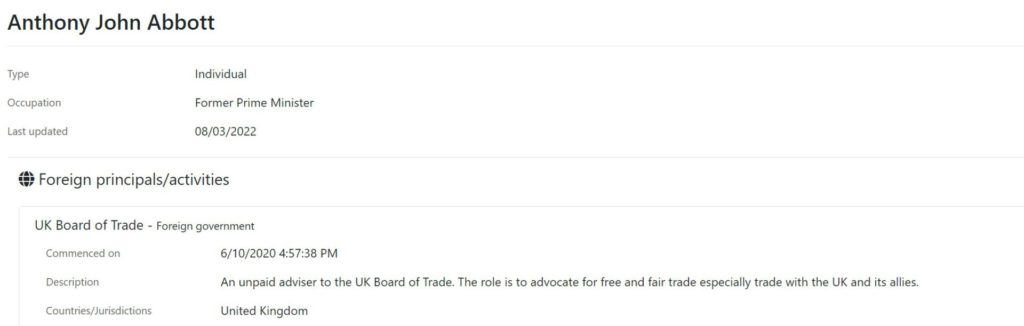
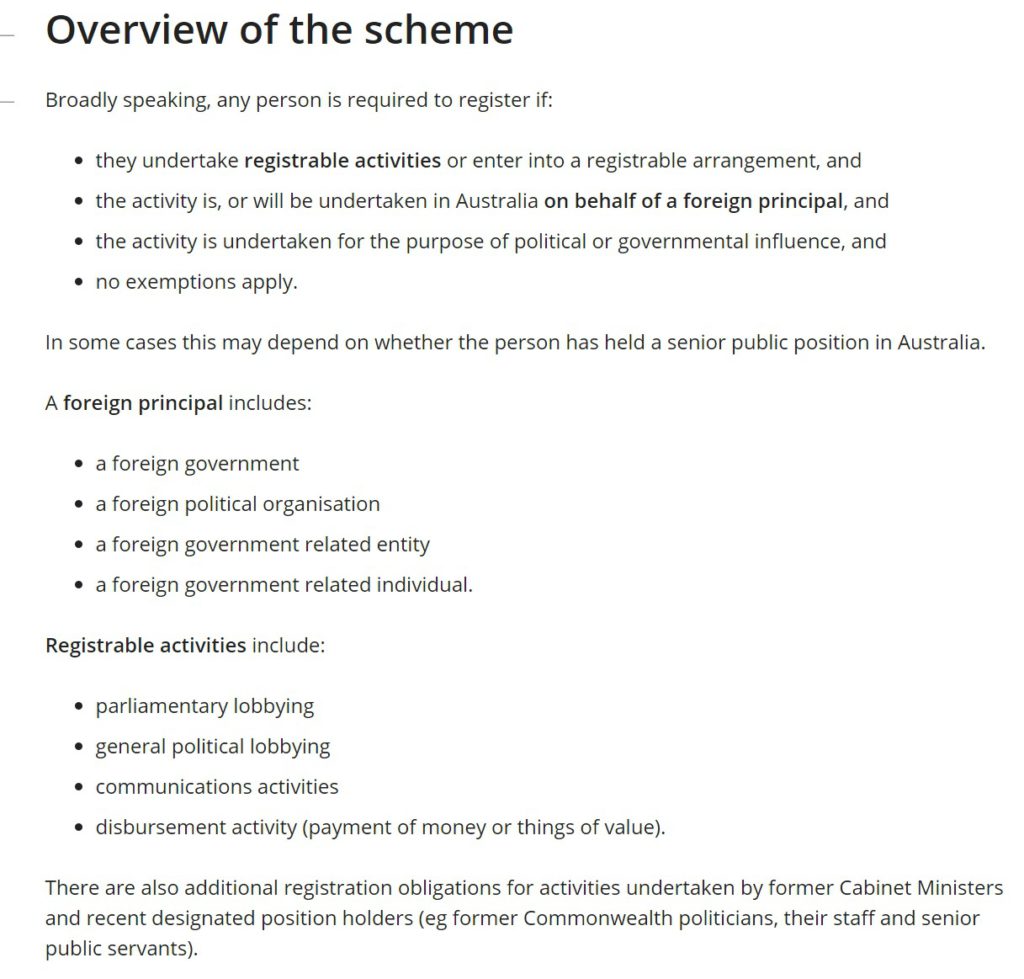


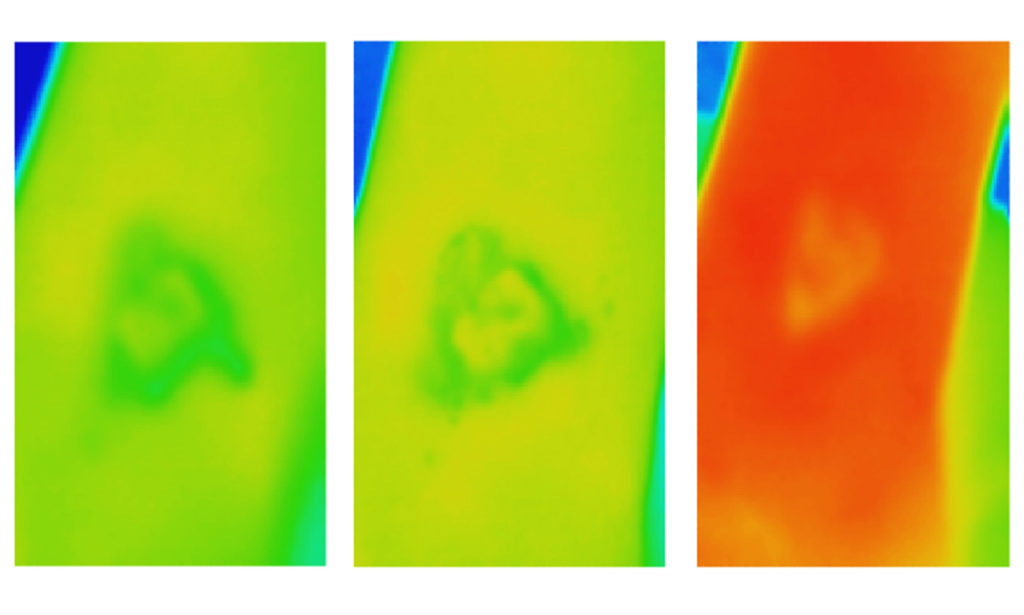


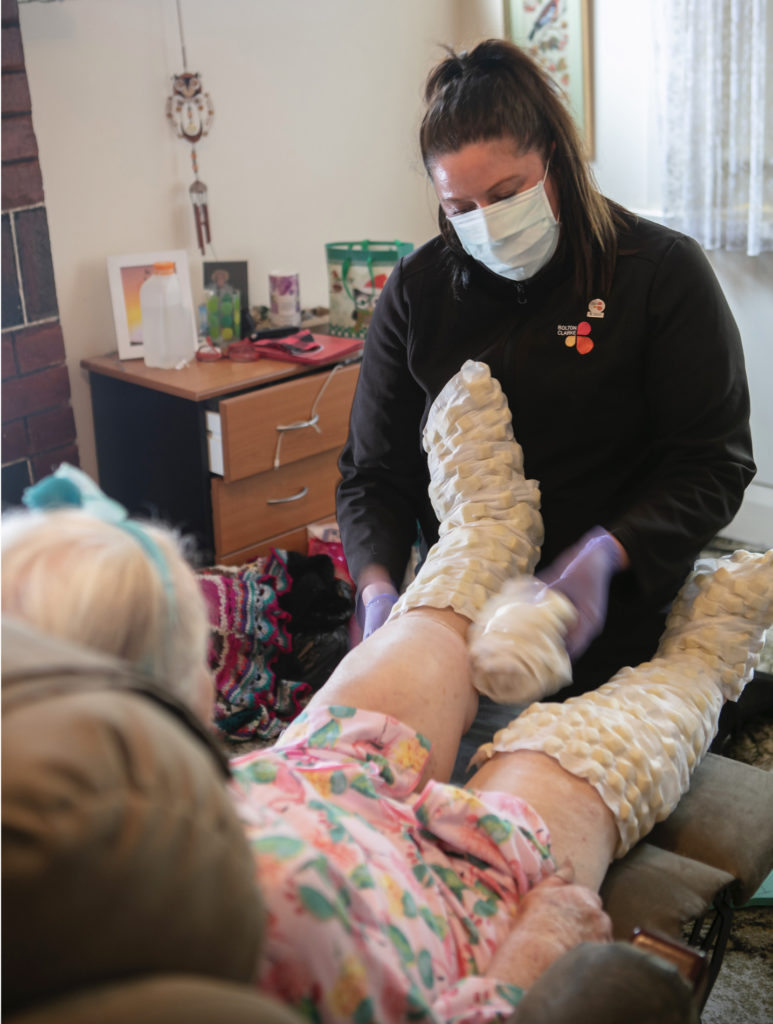


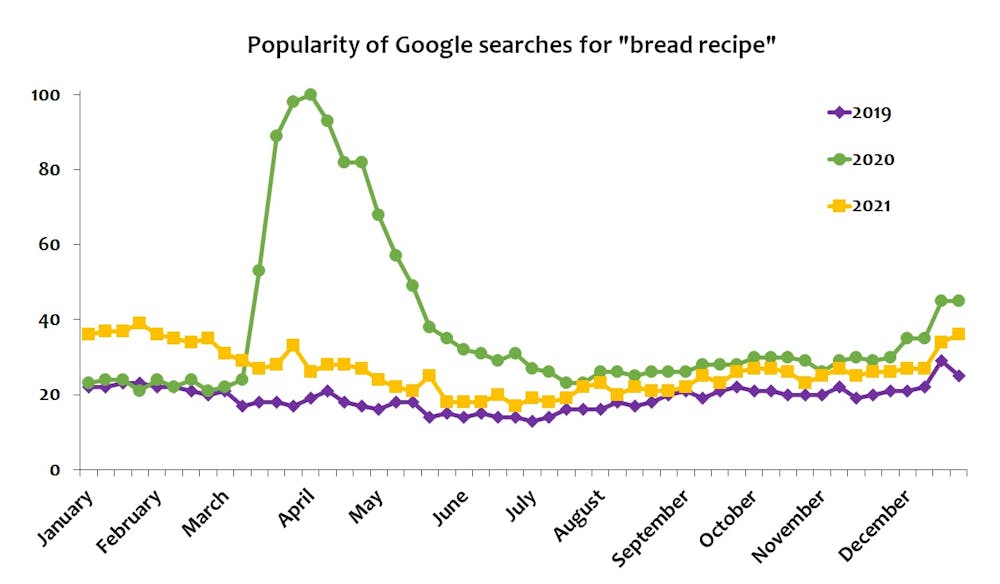



















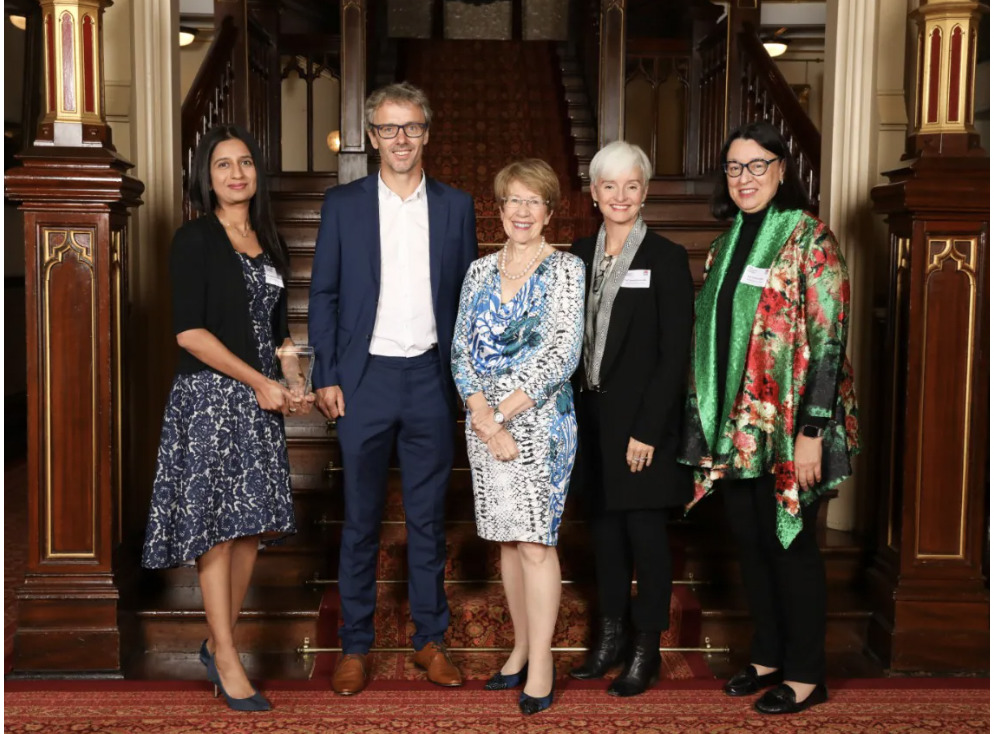




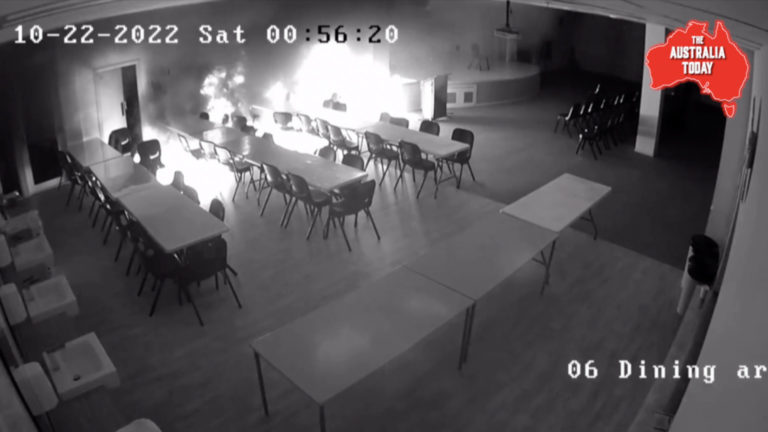
:quality(70):focal(-5x-5:5x5)/cloudfront-ap-southeast-2.images.arcpublishing.com/tvnz/SLBUTCYIRJEBBDOFF5ZBHMGHGI.jpg)