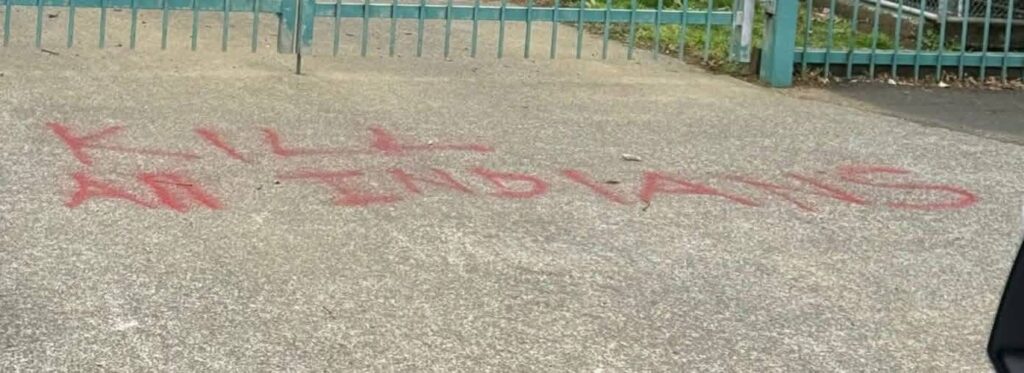
Australian rapper L-Fresh The Lion’s account banned in India after allegedly ‘Divisive & Hateful’ tweets

0

Manish Kumar (Name changed on request) is an international student and aspiring singer in Melbourne.

He told The Australia Today, “I have been a follower of L-Fresh The Lion’s work ever since I have come to Australia five years back, but his tweets glorifying terrorists and rapists is the lowest point for an artist.”

“My father was just 17 years old when my grandfather and two uncles were killed by Khalistani terrorists in a village near Bhatinda (City in the Indian state of Punjab), I can’t explain the pain in my father’s eyes when he talks about it,” said Mr Kumar.

Earlier, Twitter has restricted four accounts within the Indian jurisdiction. One of the accounts is of Australian hip-hop artist L-Fresh The Lion.

According to data from the US-based collaborative archive Lumen Database this is done in compliance with the legal request made by the Indian government.

In a statement reported by Indian media, a Twitter spokesperson said that when it receives a valid legal request, it reviews them under both the Twitter Rules and local law.

“@LFRESHTHELION`s account has been withheld in India in response to a legal demand,” read the message on the rapper`s account.

The Indian-Australian rapper has been supporting farmers protesting against the new farm laws in India.

He has also been writing on social media platforms and posted several updates about the protests on Twitter.

Besides, Twitter has taken action on three more accounts that also includes Indian-Canadian singer Jazzy B.

These accounts have been “geo-restricted” which means anyone living out of India can see and access the accounts.

In a statement, a Twitter spokesperson said;

“If the content violates Twitter’s Rules, the content will be removed from the service. In all cases, we notify the account holder directly so they`re aware that we`ve received a legal order pertaining to the account.”

Before withholding the accounts in India Twitter had notified the account holders about the action which is taken after a legal request by the government of India.

A highly placed Indian official in the know-how of the issue (who doesn’t want to be named) told The Australia Today, “We are seeing a kind of nexus between groups wanting to circulate ‘divisive and hateful’ messages using social influencers.”

“What happened in Punjab in the 1980s was our collective suffering, terrorists killed and raped thousands of Hindus and Sikhs and security forces also did atrocities which can not be denied, but these people using it to spread hate will not be tolerated,” She added.

Manish Kumar says, “L-Fresh the Lion’s tweets are restricted in India but what about people like me who are here and can see them.”

“I feel really scared to say anything openly about this my family has also told me not to discuss our sufferings for fear of my safety,” added Mr Kumar.

Note: The Australia Today have written to Mr L-Fresh The Lion for his comments on the issue. If we hear back from him, the story will be updated.

Besides COVID-19, India is also fighting with vulture journalists, who are spreading more panic and despair than pandemic

0

No one, I repeat, no one should die due to lack of medical care. Every death is painful and heart-wrenching, even if the country’s medical system is overburdened and doctors are toiling hard to save the Covid-19 patients amid an unprecedented surge of cases in the second wave. Then, there are journalists and reporters, toxic ones, who rub salt into India’s wounds by manipulating national tragedy to carry out their agenda against the state. They go on to the extent of distorting certain facts of truth to make them look valid and convincing. 

They used COVID tragedy as a propaganda tool.

It is said whoever controls the media, controls the mind of people, or they try to. Second wave of Covid-19—which is more deadly and devastating than its first wave in India, because of its regional mutant variant in it—came as a golden opportunity for left leaning vulture media men to shame, defame and humiliate India on international platforms. And they grabbed the opportunity to sell the human tragedy for their vested interest. 
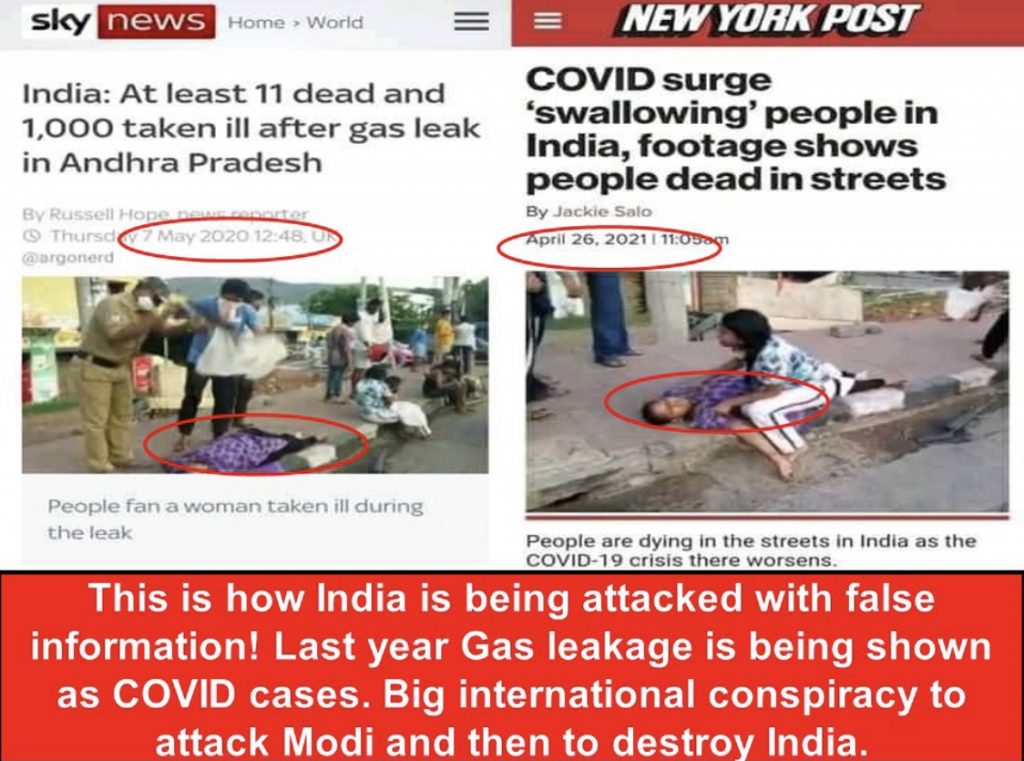
NEW YORK POST used a photo of a gas leakage incident in May 2020.

To sensationalize the deadly second wave of Covid-19 in India, NEW YORK POST used a heart-wrenching picture—which had an unconscious woman lying on the street, while another woman, appeared to be her daughter, trying to wake her up—to show the tragedy of the second wave of Covid-19. What is shocking is that the picture is of the Gas Leakage incident, which took place at LG Polymer chemical plant in a village in Visakhapatnam on 7 May 2020. NEW YORK POST ran the story with a misleading picture under the headline of “COVID surge swallowing people in India, the footage shows people dead in streets” on 26 April 2021. It is to be recalled the unfortunate incident had led to Gas leakage causing breathing problems to people over a radius of 3 KM in the surrounding area. 

However, when NY POST was slammed by netizens, they changed the feature image, but the article and headline remained the same. Why did NEW YORK POST go into overdrive to sell tragedy in India by using fake pictures? Do they wait for tragedy in India to manipulate as a propaganda machine?
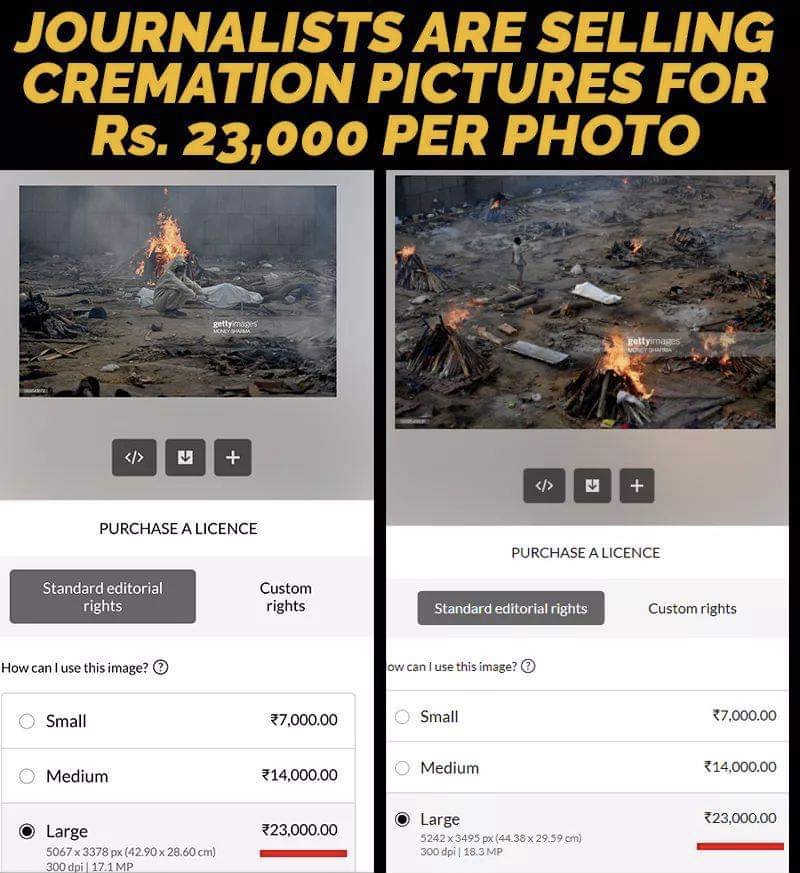
Tragedy was used as a commodity.

British American Media Company, Getty Images is selling images of grim Hindu Funeral pyres lit ablaze in a crematorium to sensationalize non-Indian readers. Any media group can buy the largest size picture for Rs. 23,000. Be it Indian photojournalists or non-Indian photographers both are clicking; both are making money out of the pandemic by clicking photos at crematorium denying dignity at the tragic death of Covid-19 victims.

Check your self by clicking the following link: https://www.gettyimages.in/photos/covid-19-delhi-funeral?phrase=covid-19%20delhi%20funeral&sort=mostpopular

There have even aerial shots of the crematorium. Did the photographer fly drones over the crematorium to click pictures? Is flying drones over crematorium permitted? The Guardian used the same aerial shot of the crematorium, which created a huge amount of buzz in international media. (We are not using that picture to say loud and clear pictures of final rites are personal and no one should be allowed to broadcast them.)    

Barkha Dutt didn’t spare even her father’s death for her propaganda.

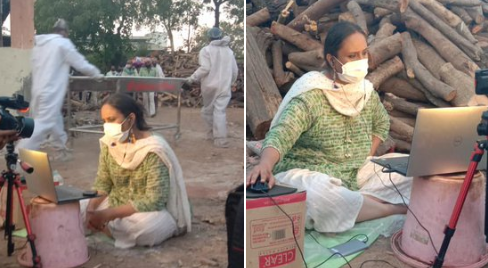
If vultures are assembling at a place, dead bodies are scattered nearby. How can Barkha Dutt be far from the crematorium? She reported from the cremation ground in Surat on 19 April. What can be a better place than a cremation ground to create a ghastly and ghostly picture of death, despair and distress! Who can be better cunning than Barkha Dutt to amplify macabre elements of cremation ground!

Then, Barkha Dutt’s old father succumbed to Covid-19, unfortunately. But, the grieving daughter used every word to describe her father’s death to suit her propaganda. Selection of words is enough to influence readers deeply—My father’s last words, I am choking, treat me. 

What Barkha Dutt didn’t remind her audience and the CNN reporter that he was admitted to a premier hospital, Medanta hospital, and he was being treated by a group of best doctors. Even after being treated by the best doctors, the last words of Barkha Dutt’s father was, “treat me, I am choking.” Does it sound sane? Also, only Barkha Dutt can tell how she was allowed in ICU, where her father was admitted, to listen to his last words.   

Barkha Dutt is a perfect example of vulture media, who can use her father’s death to spin propaganda. Dear Barkha Dutt, your father was being treated by a group of best doctors in the best hospital, Medanta. Nevertheless, his last words were, “I am choking, treat me.” Then, who should have treated him? What about those who are struggling even to get a bed in hospital?

There is an unprecedented rise in Covid-19 positive cases in India. Medical facilities and infrastructure are overwhelmed. For a patient, it is a battle to get admitted to the hospital. However, India’s health infrastructures are working day and night to save as many patients as they can. The job of the media is to raise constructive criticism. But, media is creating a wave of panic even among those who are not suffering from Covid-19.

UPDATE from The Australia Today: After the Opinion article made ripples in India and around the world, Ms Barkha Dutt accused us of being “trolls” of the right-wing and fake website on social media.
We replied to her, “We don’t care who you support or oppose in your reports with other media outlets, but calling us right-wing trolls is insane. Looks like you can’t handle criticism well.”
In case we get some more details we shall put them here.

Author: Manisha Inamdar
This opinion article was first published on www.trunicle.com, We have republished it with kind permission from the author.
Disclaimer: The author is solely responsible for the views expressed in this article. The author carries the responsibility for citing and/or licensing images utilized within the text. The opinions, facts and any media content in them are presented solely by the authors, and neither The Australia Today News nor its partners assume any responsibility for them.
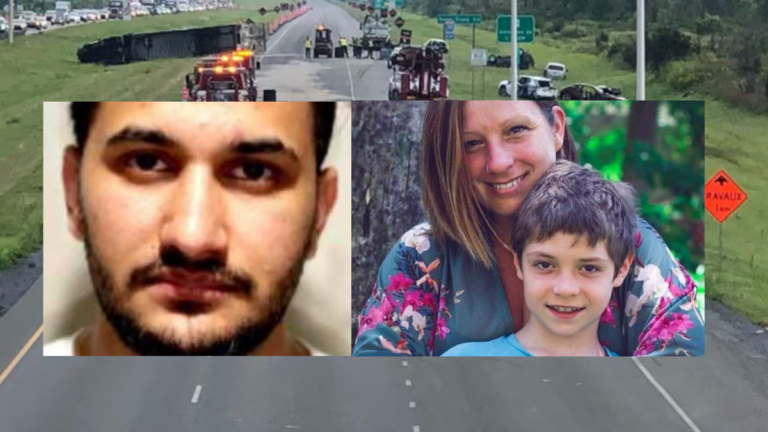
53-foot tractor-trailer driver Baljeet Singh pleads guilty in deadly pileup, was playing phone game and fled to India

0

An Indian-origin truck driver has pleaded guilty to dangerous driving causing death after admitting he was playing an online cellphone game when he triggered a multi-vehicle crash that killed a mother and her 11-year-old son in Quebec, Canada.

Ontario resident Baljeet Singh, 29, entered guilty pleas in a Longueuil courthouse to dangerous driving causing death and dangerous driving causing bodily harm over the July 19, 2022 collision on Highway 30 in Brossard, near Montreal.

As per CTV News, court documents show Singh was driving a 53-foot tractor-trailer when he failed to slow down approaching a congested construction zone, causing a major pileup.

An agreed statement of facts revealed he had used his cellphone 18 times in the hour before the crash and was actively playing an online game while driving.

The crash killed 42-year-old mother Nancy Lefrançois and her 11-year-old son Loïc Chevalier, who were travelling in a passenger vehicle struck in the collision. Several other passengers and drivers suffered serious injuries, including fractures, internal bleeding and head trauma.

Investigators found Singh’s driving showed repeated distraction, with dashcam footage reportedly recording multiple traffic violations, lane weaving and failure to take mandatory rest breaks.

A reconstruction report concluded Singh had just 0.35 seconds of reaction time before impact, stating the crash could likely have been avoided if he had been attentive to road conditions.

After initially speaking with police, Singh later left Canada for India before being arrested abroad in 2025 and extradited back to Canada.

Singh has expressed remorse in court documents and is currently in custody ahead of sentencing, scheduled for June.

Dangerous driving causing death carries a maximum penalty of life imprisonment.

Support our Journalism

No-nonsense journalism. No paywalls. Whether you’re in Australia, the UK, Canada, the USA, or India, you can support The Australia Today by taking a paid subscription via Patreon or donating via PayPal — and help keep honest, fearless journalism alive.

Add a little bit of body text 8 1 1

Indian Premier League could be played in Australia, Adelaide Oval explores plan

0

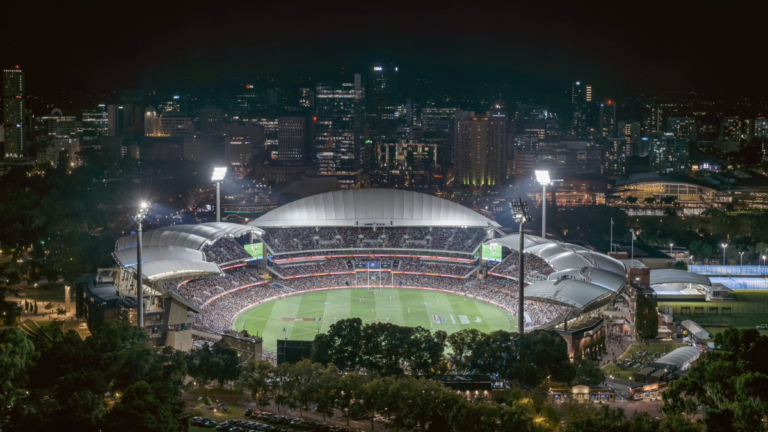
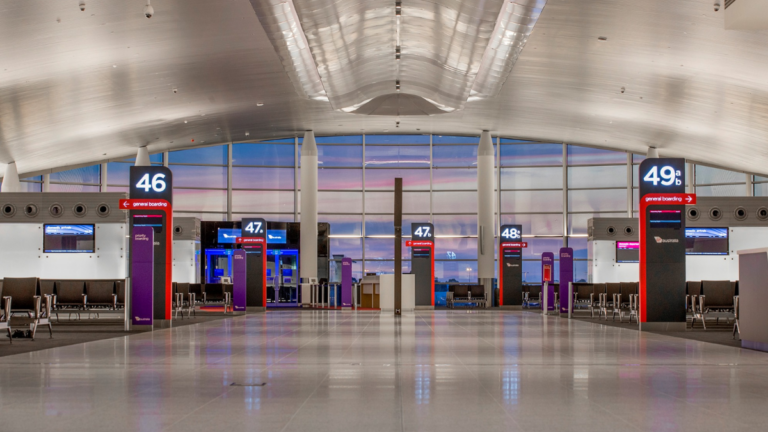
The Indian Premier League could be played in Australia for the first time, with Adelaide Oval exploring plans to host a regular-season match as early as next year.

As per SEN, early discussions have taken place between key stakeholders, including Adelaide Oval chairman Jamie Briggs and South Australian Cricket Association chief Will Rayner. However, no formal proposal has yet been submitted to the Board of Control for Cricket in India, which governs the tournament.

The proposal is part of a broader idea to strengthen cricket ties between Australia and India. Reports suggest it could be linked to a reciprocal arrangement, with a Big Bash League match potentially staged in Chennai.

Adelaide Oval officials believe hosting even a single IPL fixture would deliver major economic and global exposure benefits, given the tournament’s massive international following. March has been identified as the preferred window due to favourable weather and fewer scheduling clashes.

Venue authorities say the ground could transition between cricket and AFL within 48 hours, making a late-March match feasible despite overlapping sporting calendars.

The proposal aligns with Adelaide’s broader ambition to attract major global sporting events. The venue is also in contention to host the final of the ICC Men’s T20 World Cup 2028, which Australia and New Zealand will co-host.

South Australian Premier Peter Malinauskas and other officials have reportedly been informally briefed, alongside representatives from Cricket Australia.

While the idea remains in its early stages, organisers believe an IPL match in Adelaide would attract strong crowds and a global television audience, further expanding the reach of one of cricket’s most lucrative competitions.

A final decision will depend on whether the BCCI approves the proposal once formally submitted.

Support our Journalism

No-nonsense journalism. No paywalls. Whether you’re in Australia, the UK, Canada, the USA, or India, you can support The Australia Today by taking a paid subscription via Patreon or donating via PayPal — and help keep honest, fearless journalism alive.

Add a little bit of body text 8 1 1

Perth toddler Sandipan Dhar’s death ‘probably preventable’ after missed blood test, coroner says

0

The death of 21-month-old Sandipan Dhar at Joondalup Health Campus has been described as “probably preventable”, with a coroner finding a critical opportunity to diagnose his illness was missed.

It is reported that Sandipan died in March 2024 after being taken to hospital with a persistent fever that had lasted for weeks. His parents had sought medical attention multiple times and were referred to the emergency department by a GP, who recommended blood and urine tests.

However, the coroner found that no blood test was carried out during the hospital visit on March 22, when Sandipan was assessed and later discharged.

In findings prepared last month, the coroner concluded that if the requested blood test had been performed, the child’s acute leukaemia would likely have been detected in time for treatment.

The report states Sandipan “would have survived with definitive treatment” had the diagnosis been made earlier.

Two days after being sent home, Sandipan’s condition worsened and he was rushed back to hospital, where he died on March 24. An autopsy later confirmed undiagnosed acute leukaemia.

As per 7News, the coroner noted the case involved more than a single missed step, describing it as a lost opportunity to intervene during a critical window.

Sandipan’s parents had raised concerns about his ongoing fever and had requested further testing, including blood work. Evidence about those requests was examined during the coronial inquest.

The coroner has made six recommendations following the investigation, including measures aimed at improving the assessment and treatment of children in emergency departments at the facility.

The findings are expected to be released publicly in full.

Support our Journalism

No-nonsense journalism. No paywalls. Whether you’re in Australia, the UK, Canada, the USA, or India, you can support The Australia Today by taking a paid subscription via Patreon or donating via PayPal — and help keep honest, fearless journalism alive.

Add a little bit of body text 8 1 1

Air India pilot deported after allegedly carrying marijuana in luggage bag

0

An Air India pilot has been deported from the United States after authorities allegedly found marijuana in his luggage while he was travelling to operate a flight.

The crew member had travelled from Delhi to San Francisco on 14 April and was scheduled to operate a subsequent flight after arriving in the US. However, he was stopped during checks by American authorities and declared inadmissible under local laws before being sent back to India.

In a statement, Air India confirmed the incident.

“One of our crew members travelling from Delhi to San Francisco on 14 April, for positioning to operate a subsequent flight, was found to be inadmissible as per local laws and has been sent back to India,” the airline said.

The airline emphasised its strict compliance standards, adding it maintains a zero-tolerance policy towards any violation of the law.

“Air India maintains zero-tolerance towards any violation of the law and upholds the highest standards of safety, compliance, and professional conduct. Appropriate strict disciplinary action will be taken as per laid down company policies,” the spokesperson said.

The airline reiterated that safety remains its top priority.

Support our Journalism

No-nonsense journalism. No paywalls. Whether you’re in Australia, the UK, Canada, the USA, or India, you can support The Australia Today by taking a paid subscription via Patreon or donating via PayPal — and help keep honest, fearless journalism alive.

Add a little bit of body text 8 1 1

Four charged after $800k seized in major Sydney tobacco and money laundering investigation

0

A New South Wales man faced court on 17 April 2026 after police allegedly uncovered a major illicit tobacco and money laundering operation, seizing about $800,000 in cash and a large stockpile of illegal products across Sydney.

The 36-year-old from Strathfield is among four men charged following a series of Australian Federal Police raids in late March and April targeting locations in Strathfield, Eastgardens, Bondi Junction, Banksmeadow and Surry Hills.

Authorities allege the group is linked to an organised crime syndicate involved in large-scale supply of illicit tobacco and laundering criminal proceeds.

AFP Acting Commander Carly Smith said illicit tobacco operations were closely linked to organised crime and violence.

“The illicit tobacco trade is directly linked to acts of violence in our community,” she said.

“Such activity not only poses health risks but also funds broader criminal networks.”

During the searches, officers seized more than 540,000 cigarettes, 801kg of loose-leaf tobacco, over 8,000 vapes, thousands of nicotine products, as well as luxury watches, a cash-counting machine and electronic devices. A prohibited weapon and a signal jammer were also allegedly found.

The Strathfield man faces multiple serious charges, including dealing with proceeds of crime worth $1 million or more, which carries a maximum penalty of up to 25 years in prison.

Two other men, aged 26 and 31 from Eastgardens, appeared in court earlier this week and were refused bail. A fourth man, a 32-year-old dual Jordanian and US citizen from Wolli Creek, also faced court and was refused bail.

All three are due to reappear in June. Police say investigations are ongoing.

Support our Journalism

No-nonsense journalism. No paywalls. Whether you’re in Australia, the UK, Canada, the USA, or India, you can support The Australia Today by taking a paid subscription via Patreon or donating via PayPal — and help keep honest, fearless journalism alive.

Add a little bit of body text 8 1 1

‘Exceptional circumstances’: why was Ben Roberts‑Smith granted bail?

0

By Melanie O’Brien

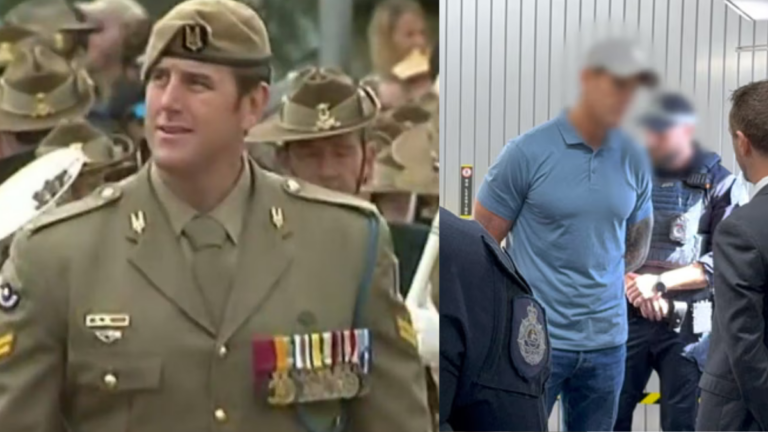
In early April, one of Australia’s most decorated soldiers, Ben Roberts-Smith, was arrested and charged with five war crimes of murder.

These charges were brought under the Commonwealth Criminal Code Act.

On Friday, a bail hearing was held in Sydney. Roberts-Smith appeared remotely from custody and his lawyers requested bail in person.

The judge granted Roberts-Smith bail based on “exceptional circumstances”.

The allegations and the arrest

The allegations against Roberts-Smith relate to five separate killings of people in various locations in Uruzgan Province, Afghanistan in 2009 and 2012, where he served with the Australian Special Forces (the Special Air Service regiment, also known as “the SAS”).

These allegations were already known in the media and through the failed defamation case that Roberts-Smith brought against Nine Entertainment.

The wider context of the alleged offending came to light in 2020 following the release of the Brereton Report which found credible information that members of the SAS had committed war crimes during operations in Afghanistan between 2005 and 2016.

On April 7, Roberts-Smith was arrested at Sydney Airport by Australian Federal Police officers and taken into protective custody in Silverwater Prison.

What makes bail so important?

A day after his arrest, a remote bail hearing took place. Roberts-Smith’s lawyer did not request bail. It is unclear why. Bail was then requested at a hearing on April 17.

Bail is an important aspect of fair trial. Courts must consider the rights of the accused, such as the right not to be punished prior to being found guilty.

But courts must also mitigate any potential risks from the accused’s behaviour, which may include harm to the community or interfering with the course of justice. Also considered is whether a person is likely to appear at their subsequent court hearings or if there a risk of absconding or fleeing.

It is notable, however, the general trend in Australia is towards decreasing access to bail, as courts are increasingly risk averse.

This is particularly so with serious offences.

Are there any precedents in Australia?

It is difficult to compare the idea of bail for war crimes with bail decisions for “ordinary” crimes – even murder. This is because one of the considerations for bail is whether someone is likely to reoffend if they are out on bail.

In the case of war criminals, they are obviously no longer in a warzone – they are likely not going to reoffend while on bail.

Australia has almost no war crimes prosecutions in its history, with no conviction for the only previous prosecution which related to the second world war.

But we can look to the one other case of war crimes charges currently before the courts – Oliver Schulz, another SAS soldier.

In March 2023, Schulz was arrested and charged with the war crime of murder. This relates to an alleged killing carried out while Schulz was serving in Afghanistan.

Under the Commonwealth Crimes Act, bail is not permitted to be granted for a person accused under Commonwealth law of causing the death of a person. Only in “exceptional circumstances” will bail be justified.

After being arrested, Schulz was initially refused bail. However, eight days later, he was granted bail.

His lawyer argued there were “exceptional circumstances”, namely Schulz would be vulnerable in jail. He would likely encounter Islamic extremists, which would be a security risk for Schulz. The magistrate agreed and granted bail.

Schulz’s bail came with a long list of conditions:

  • a bail security of A$200,000
  • surrender of his passport
  • prohibition on contacting any of his fellow SAS soldiers
  • barred from contacting any prosecution witnesses
  • a curfew
  • reporting to police daily (this was later amended due to practicalities of the station’s opening hours).

What about Roberts-Smith?

Roberts-Smith’s situation is different from Schulz.

Firstly, he is charged with five war crime murders, not one. Studies have shown chances of bail decrease when there are more charges and when the offences are serious.

Secondly, Roberts-Smith has sufficient financial means to abscond, as well as wealthy financial backers. This would support his ability to pay a bail security, which increases the likelihood of bail being granted. However, it would also provide the means for international travel.

Thirdly, Roberts-Smith is known for travelling internationally, including during court proceedings.

This indicates he may be a high flight risk.

Fourthly, the court must consider the risk of Roberts-Smith interfering with the course of justice.

A judge previously found Roberts-Smith threatened witnesses in his defamation case.

What did lawyers argue at the bail hearing?

These factors were raised by lawyers for both sides in Friday’s bail hearing.

Roberts-Smith’s lawyers argued he also met the threshold of “exceptional circumstances” in that staying in prison would not be safe. They argued he was not a flight risk, had been cooperating with authorities, and had not attempted to contact witnesses involved in the case.

Barrister Slade Howell argued for bail because the case would likely take years due to the complexity of the case and that Roberts-Smith would not be able to prepare his defence if he was in custody.

Prosecutor Simon Buchen argued against bail because of the serious gravity and scope of the charges. He also charged Roberts-Smith was a flight risk, alleging the accused had planned to move overseas and he had withheld this information from authorities.

Buchen presented the most significant risk as the potential for interference with witnesses or evidence and subversion of the court process.

Buchen acknowledged strict bail conditions could mitigate the flight risk but not the risk of interference in the course of justice.

Judge Greg Grogin found the risks presented by the prosecution would be mitigated by bail conditions, with those being:

  • report to a police station three times a week
  • only use a single phone and computer, which must be made available to police if requested
  • a $250,000 bail surety
  • permission to travel to Sydney and Perth for legal or medical reasons
  • prohibited from interfering with witnesses or evidence
  • surrender of passport

The decision diverges from typical bail trends in Australia which emphasise the seriousness of the crime, flight risk and the risk of interference with justice.

Schulz will face trial in February 2027. Roberts-Smith’s trial date remains to be set – we will know more at a status hearing set for June 4, 2026.

Melanie O’Brien, Professor of International Law, The University of Western Australia

This article is republished from The Conversation under a Creative Commons license. Read the original article.

Support our Journalism

No-nonsense journalism. No paywalls. Whether you’re in Australia, the UK, Canada, the USA, or India, you can support The Australia Today by taking a paid subscription via Patreon or donating via PayPal — and help keep honest, fearless journalism alive.

Add a little bit of body text 8 1 1

Indian man who converted from Hinduism to Christianity fails asylum bid, tribunal finds no real risk of harm back home

0

An Indian national’s bid for asylum in New Zealand after converting to Christianity has been rejected, with the Immigration and Protection Tribunal finding his claims of persecution “manifestly unfounded”.

In a decision issued in March 2026, the tribunal ruled the appellant failed to demonstrate a credible risk of persecution or serious harm if returned to India, concluding the evidence presented did not meet the legal threshold required for refugee protection.

“The evidence does not establish a risk of such harm that is any higher than mere speculation or a remote or random possibility,” the tribunal said as per the Indian Weekender.

The applicant, originally from Uttarakhand and born in 2001, entered New Zealand on a visitor visa in October 2023. He later began attending church and formally converted to Christianity in June 2024, around the time he lodged his refugee claim.

He alleged that his interest in Christianity had led to conflict with family members in India, including physical assaults by an uncle and threats linked to individuals associated with political and religious groups. He also claimed that his family home was attacked in March 2025 by a group of men.

However, the tribunal found inconsistencies and gaps in the claim, noting the applicant had not sought assistance from Indian authorities.

“He made no complaint to the police… nor did he seek the assistance of the courts,” the tribunal stated, adding that there was no evidence he had attempted to access state protection.

While acknowledging that the applicant had experienced violence, the tribunal concluded the incidents did not amount to persecution under refugee law and did not indicate an escalating risk.

It also found that the applicant could safely relocate within India, including to major cities such as Delhi or Mumbai, where there was no evidence of ongoing threat.

“There is no possibility of [those involved] knowing that the appellant had returned… or where in that city he was living,” the tribunal noted.

The tribunal further rejected arguments that broader religious tensions in India posed a risk, stating such claims were unsupported and not relevant to the applicant’s circumstances.

It concluded that the applicant did not meet the criteria for refugee or protected person status under international conventions, including the Refugee Convention and the Convention Against Torture.

“The appellant is not a refugee… The appeal is dismissed,” the ruling said.

Support our Journalism

No-nonsense journalism. No paywalls. Whether you’re in Australia, the UK, Canada, the USA, or India, you can support The Australia Today by taking a paid subscription via Patreon or donating via PayPal — and help keep honest, fearless journalism alive.

Add a little bit of body text 8 1 1

Trump ‘not happy’ with Australia as Albanese insists ‘nothing has changed’ on Strait of Hormuz stance

0

Australia has moved a step closer to joining a multinational effort to secure one of the world’s most critical oil and shipping corridors, as Prime Minister Anthony Albanese prepares to join urgent talks on the escalating crisis in the Strait of Hormuz.

The Prime Minister is expected to attend a late-night virtual meeting of a new maritime initiative led by Emmanuel Macron and Keir Starmer, aimed at restoring freedom of navigation through the strategic waterway. The talks come amid mounting global concern over disruptions to energy supplies and trade routes linked to the ongoing conflict in the Middle East.

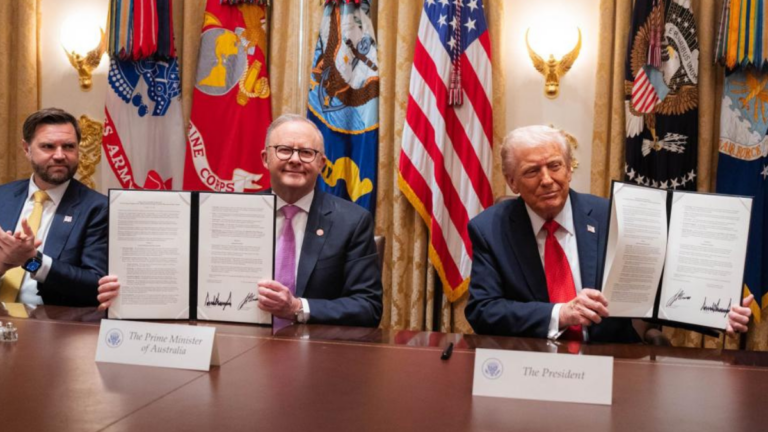
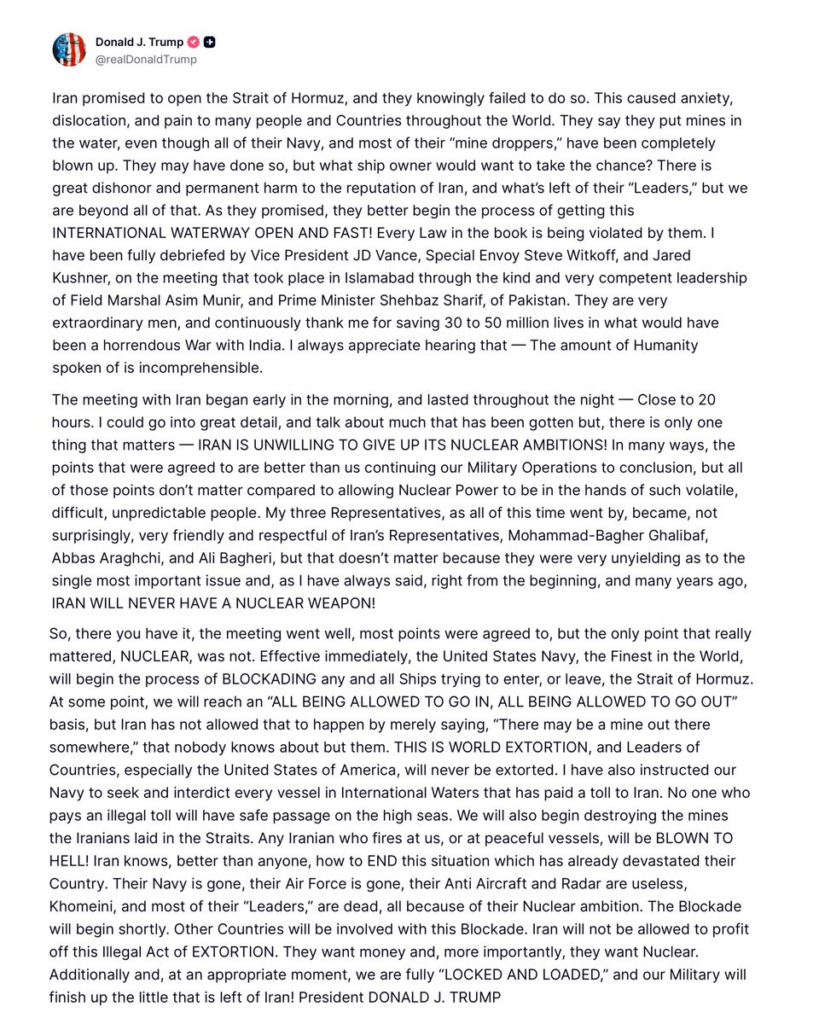
The proposed coalition, driven by Britain and France, is separate from the United States’ unilateral blockade efforts — a move that has exposed tensions among Western allies. Donald Trump has repeatedly criticised countries including Australia, declaring he was “not happy” with their level of support.

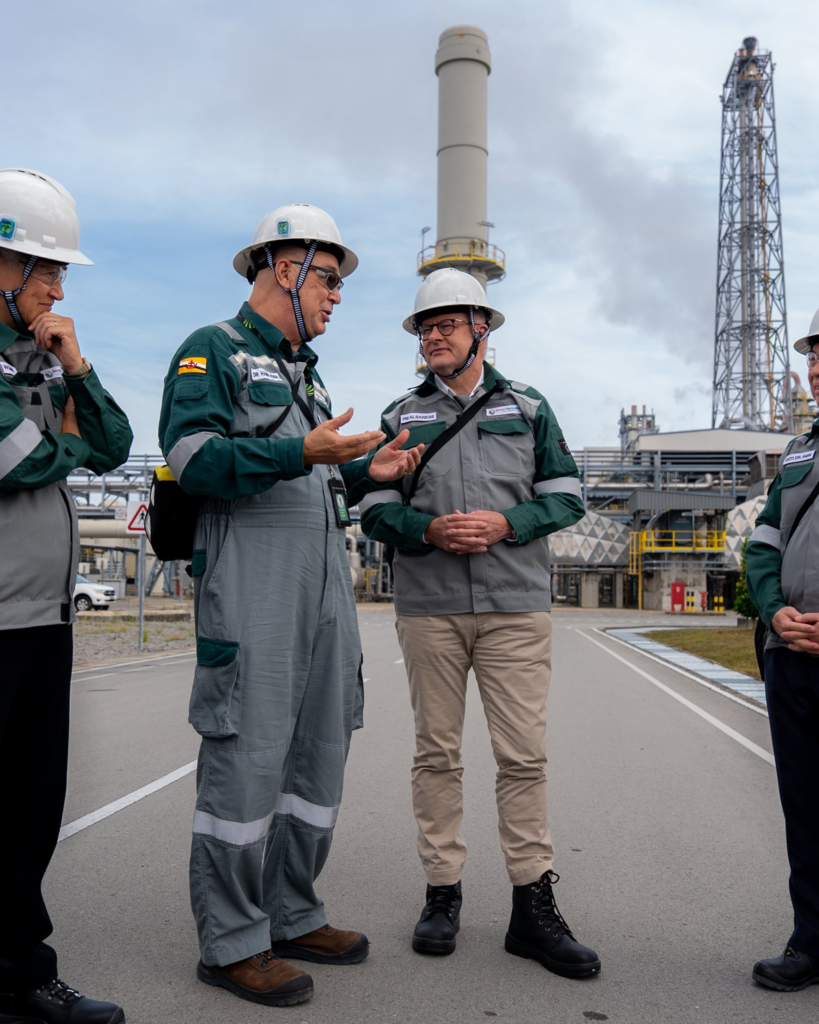
Speaking at a press conference at Viva Refinery in Geelong, Albanese declined to directly engage with Trump’s claims that Australia had been asked to assist but failed to respond. “That’s a question for Donald Trump,” the Prime Minister said when pressed on the remarks.

“I’ve seen the footage… and there wasn’t an answer given.”

He reiterated that Australia’s position had not changed despite repeated assertions from Washington. “Day after day… there’s been no new requests at all,” Albanese said.

“And indeed, President Trump has himself said that he has got this… there’s been no change in Australia.”

When asked whether any informal request had been made by the United States, the Prime Minister maintained his stance. “I’ve answered that on a number of occasions,” he said. “The answer is the same.”

Despite the public friction, the Albanese government has continued to stress that it is engaging constructively with the US administration while weighing its own role in broader international efforts.

The UK-France-led initiative is expected to focus on stabilising commercial shipping and potentially coordinating mine clearance operations, as traffic through the Strait remains significantly reduced. The route carries a major share of the world’s oil and liquefied natural gas, making any prolonged disruption a serious risk to global markets.

Senator Penny Wong has reiterated that Australia will not commit ground forces, signalling a cautious approach as Canberra balances alliance expectations with regional stability concerns.

At the same time, Defence Minister Richard Marles confirmed Australia is in discussions with a broader coalition of nations exploring options to secure safe passage through the Strait. While no final decision has been made, he indicated Australia could contribute assets if required.

Security analysts say the situation reflects growing uncertainty around US coordination with allies. Rory Medcalf described the unfolding crisis as “a mess”, suggesting Washington initially sought broad support before shifting its stance.

Former ambassador Arthur Sinodinos said the US President’s criticism likely reflects frustration over the pace of the conflict rather than a breakdown in alliances.

Behind the scenes, Australia is weighing how it can support efforts to keep vital trade routes open without being drawn directly into the conflict. The presence of an Australian E-7 Wedgetail aircraft in the region, supporting Gulf partners, underscores Canberra’s current contribution.

Support our Journalism

No-nonsense journalism. No paywalls. Whether you’re in Australia, the UK, Canada, the USA, or India, you can support The Australia Today by taking a paid subscription via Patreon or donating via PayPal — and help keep honest, fearless journalism alive.

Add a little bit of body text 8 1 1

Pauline Hanson’s candidate tightens grip on SA seat as missing ballots increase One Nation victory margin

0

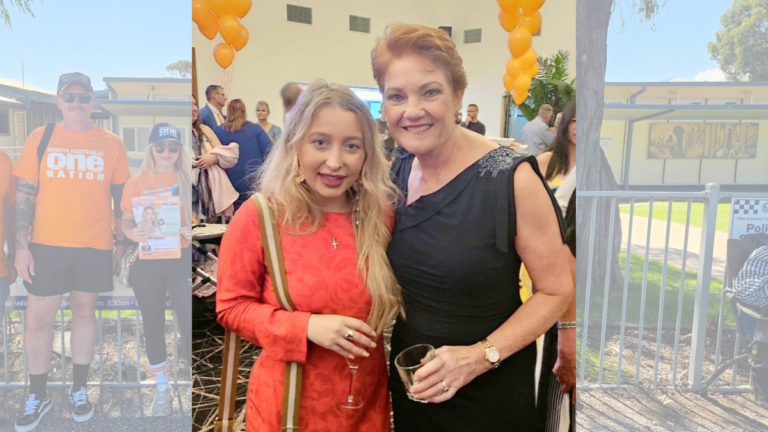
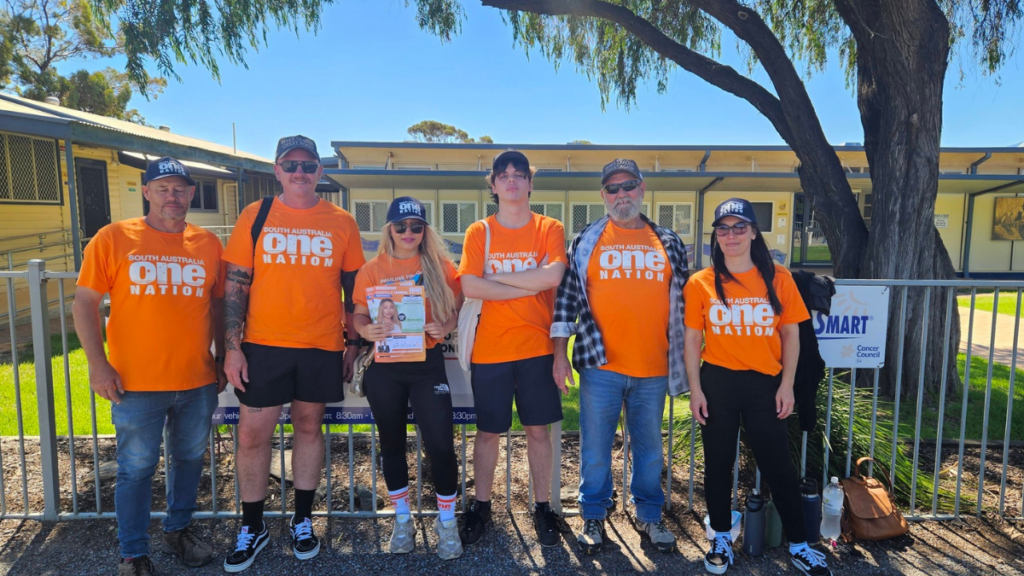
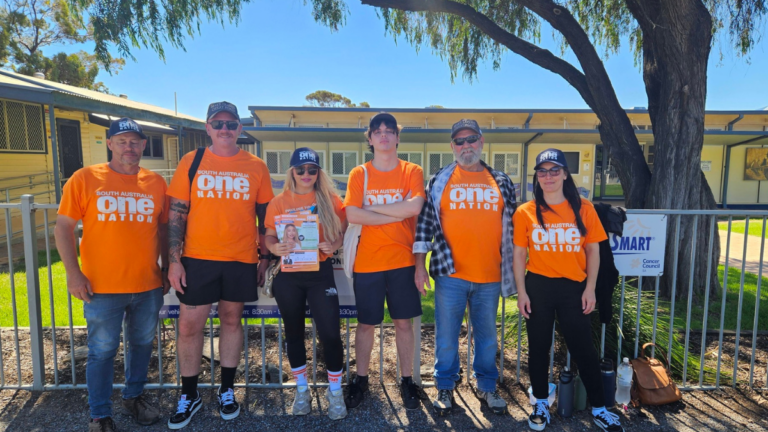
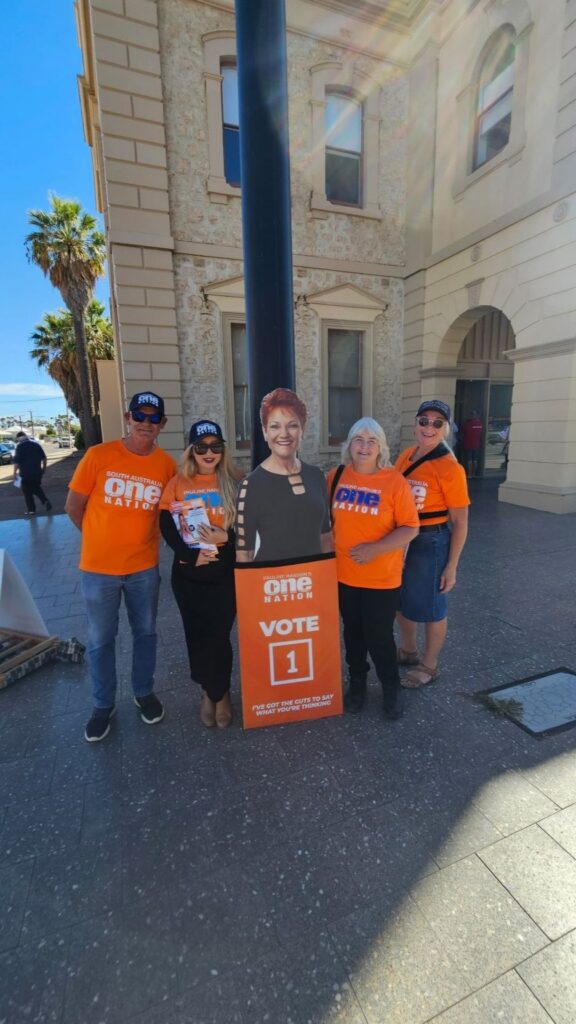
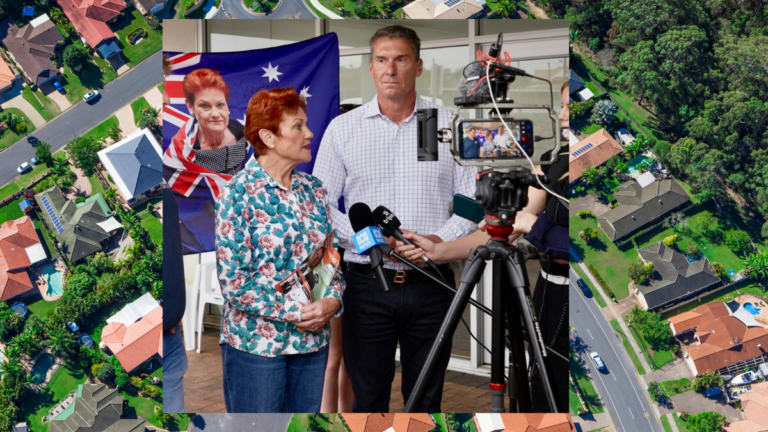
A late ballot discovery has reshaped the final outcome in South Australia’s tightly contested Narungga electorate, with One Nation’s Chantelle Thomas strengthening her win following an urgent recount.

Pauline Hanson said the result confirmed Thomas’s position after the Electoral Commission of South Australia uncovered a group of previously uncounted ballots during a review of the count.

“The recount for the seat of Narungga, South Australia, where a missing box of ballot papers was found has been completed,” Hanson said.

“I want to congratulate One Nation’s new MP Chantelle Thomas as she has increased her margin of victory from 58 to 74 votes after the count.”

The final recount was ordered after officials identified a batch of ballots that had not been included in the original tally for the closely watched regional seat.

Chantelle Thomas had initially been declared the winner by just 58 votes. However, the inclusion of the previously uncounted papers increased her margin to 73–74 votes over Liberal candidate Tania Stock.

Image: One Nation candidate Chantelle Thomas (Source: Facebook)

The Electoral Commission of South Australia confirmed the additional ballots were discovered during routine reconciliation processes, prompting a full recount to ensure accuracy and transparency.

The revised result is expected to close a highly scrutinised chapter in one of the state’s closest contests, with officials noting the importance of maintaining confidence in the integrity of the count.

Thomas previously thanked voters following her initial win, saying she was “honoured to fight for all of you” and committed to representing the electorate.

The final outcome now confirms a slightly wider margin, reducing uncertainty over the result and easing pressure on electoral officials following the discovery of the missing ballots.

Support our Journalism

No-nonsense journalism. No paywalls. Whether you’re in Australia, the UK, Canada, the USA, or India, you can support The Australia Today by taking a paid subscription via Patreon or donating via PayPal — and help keep honest, fearless journalism alive.

Add a little bit of body text 8 1 1

Death of alleged drug lord in Fiji military custody under investigation

0

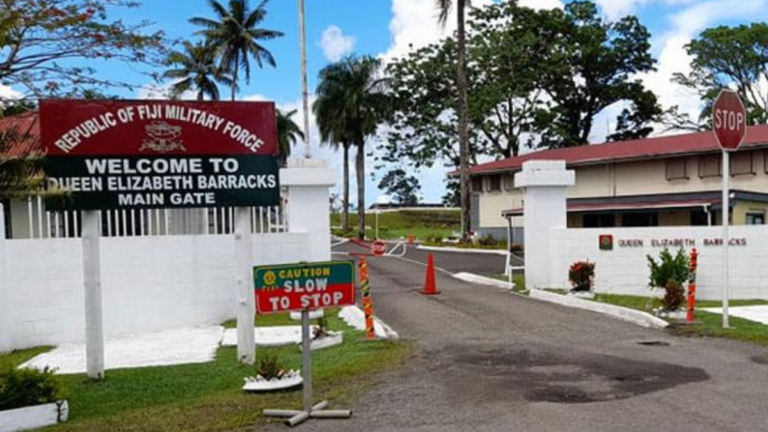
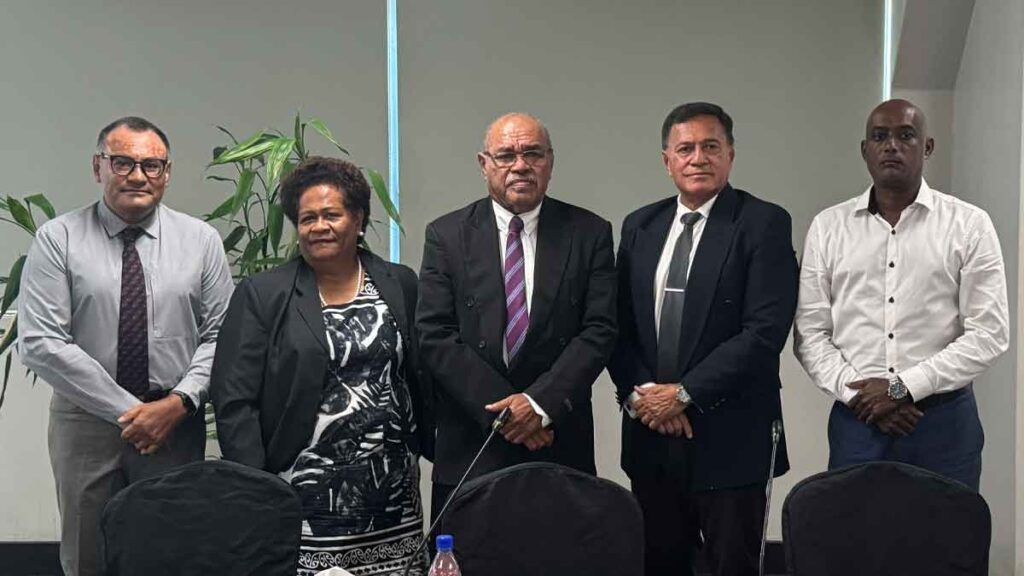
An alleged drug lord has died while in custody of the Republic of Fiji Military Forces (RFMF), with police confirming the incident is under investigation.

As per fijivillage, the authorities said they had received a report of a “case of interest” involving an individual who died at an RFMF facility, and further details will be released once available.

Reports indicate the man was among a group taken in for questioning by the military in recent days as part of ongoing operations targeting alleged gang-linked drug activity.

The case comes amid wider joint operations between the RFMF and Fiji Police Force, including coordinated raids on properties connected to the accused and his associates.

It has also emerged that the RFMF had previously been investigating alleged security breaches involving the same individual, including claims of unauthorised access to military premises, prompting internal security reviews.

RFMF Commander Major General Jone Kalouniwai has stressed that recent operations are being conducted under the military’s constitutional mandate to support civil authorities and maintain national security.

He said the force is acting in coordination with police to address threats to public safety and military installations, and warned that assisting criminal activity could itself constitute an offence.

Fijian authorities have urged the public to cooperate with investigations as inquiries continue into the circumstances surrounding the death.

Support our Journalism

No-nonsense journalism. No paywalls. Whether you’re in Australia, the UK, Canada, the USA, or India, you can support The Australia Today by taking a paid subscription via Patreon or donating via PayPal — and help keep honest, fearless journalism alive.

Add a little bit of body text 8 1 1

Ben Roberts-Smith granted bail as war crimes case heads into long court battle

0

Former SAS soldier Ben Roberts-Smith has been granted bail in Sydney after spending more than a week in custody on war crime charges, in a case that a court heard could take years to resolve.

The 47-year-old was arrested at Sydney Domestic Airport on 7 April and charged with five counts of the war crime of murder over alleged conduct in Afghanistan between 2009 and 2012. The Commonwealth Director of Public Prosecutions says the case alleges the deaths of five Afghan nationals who were not taking an active part in hostilities, with each charge carrying a maximum penalty of life imprisonment.

At Friday’s bail hearing in Downing Centre Local Court, Roberts-Smith’s legal team argued the case involved unusual complexity, major national security issues and a volume of material that would make it difficult for him to prepare his defence from custody. Prosecutors opposed bail, citing the grave seriousness of the allegations and concerns about flight risk and the possibility of interference with witnesses or evidence.

Local Court Judge Greg Grogin ultimately granted bail, finding there were “exceptional circumstances” in part because of the length of time the matter is expected to take as it moves through the courts.

The judge also referred to the need for Roberts-Smith to understand and respond to material presented against him, including the challenges posed by handling sensitive and non-sensitive evidence. He said bail was not punitive in nature and found the prosecution’s concerns could be managed through strict conditions proposed by the defence.

Roberts-Smith has not yet entered pleas in the criminal matter. He has previously denied the allegations, including during his failed defamation case against Nine newspapers. ABC reported the court was told that the civil case involved a different legal test from the criminal proceedings now before the courts, where prosecutors must prove the allegations beyond a reasonable doubt.

The Victoria Cross recipient appeared via video link from Silverwater Correctional Complex, wearing a green prison jumper, while his parents, Len and Sue Roberts-Smith, sat in the front row of the public gallery. Supporters also gathered outside the courthouse and Silverwater on Friday as the high-profile case returned to court.

According to the CDPP, the prosecution brief is due to be served by 24 May, and the matter is next listed at Downing Centre Local Court on 4 June for a committal mention.

Support our Journalism

No-nonsense journalism. No paywalls. Whether you’re in Australia, the UK, Canada, the USA, or India, you can support The Australia Today by taking a paid subscription via Patreon or donating via PayPal — and help keep honest, fearless journalism alive.

Add a little bit of body text 8 1 1

26-year-old man fined $8,000 for flying drone near Sydney Airport airspace

0

A Sydney man has been fined $8,000 after illegally operating a drone over critical infrastructure at Port Botany and within restricted airspace near Sydney Airport.

The 26-year-old, from Canley Heights, was sentenced in the Downing Centre Local Court on 14 April 2026 after pleading guilty to multiple aviation safety offences.

AFP Detective Acting Inspector Amy Knox said the incident highlighted the risks posed by improper drone use.

“Airports and freight facilities are populous areas that house critical infrastructure and facilitate the movement of people and cargo essential to national supply chains,” she said.

“It is your responsibility to know where you can and can’t operate a drone… and the dangers of flying drones near controlled airspace.”

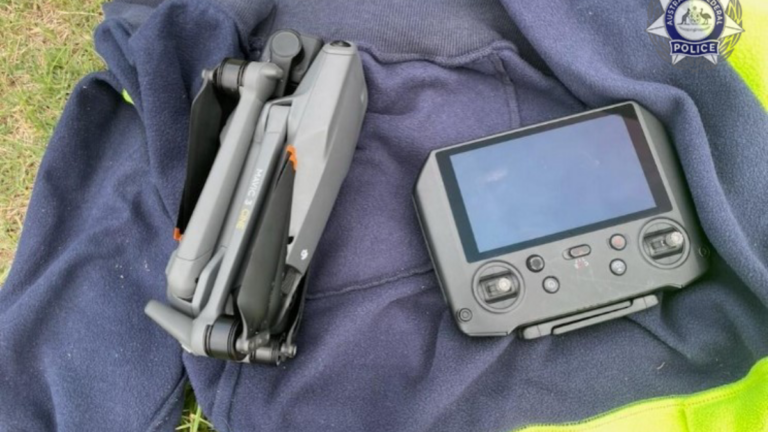
Investigations began on 15 January when Australian Federal Police (AFP) officers observed an unmanned drone flying in the Port Botany area. Officers located the man in a nearby cemetery, where he was found with the drone concealed under his jacket, along with a controller and mobile phone.

A subsequent search of his vehicle uncovered additional drone equipment, including another controller, spare batteries and a second mobile device.

Authorities later reviewed the drone’s flight data, which showed it had travelled over logistics facilities, critical infrastructure sites and within a 5.5-kilometre radius of Sydney Airport.

The man pleaded guilty to several breaches of the Civil Aviation Safety Regulations, including flying above 400 feet without approval, operating outside visual line of sight, flying too low over a populated area and entering controlled airspace without permission.

Authorities have reiterated that strict rules apply to drone operations, particularly near airports and sensitive infrastructure, warning that breaches can carry significant penalties.

Support our Journalism

No-nonsense journalism. No paywalls. Whether you’re in Australia, the UK, Canada, the USA, or India, you can support The Australia Today by taking a paid subscription via Patreon or donating via PayPal — and help keep honest, fearless journalism alive.

Add a little bit of body text 8 1 1

Indian-origin woman MP alleges doxxing by Liverpool mayor, police called to polling booth clash in by-election chaos

0

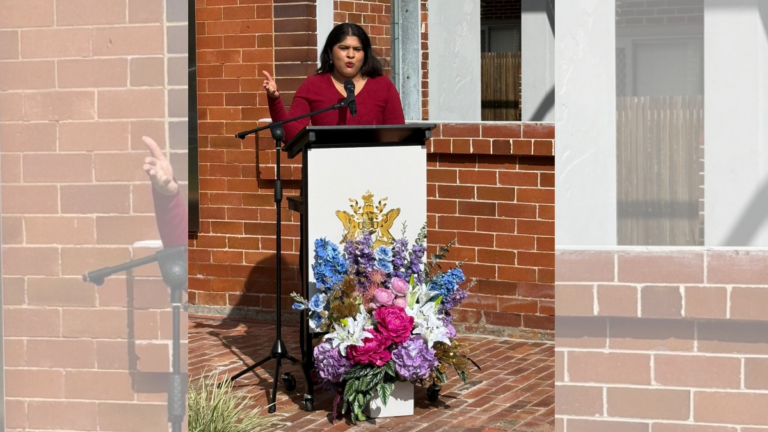
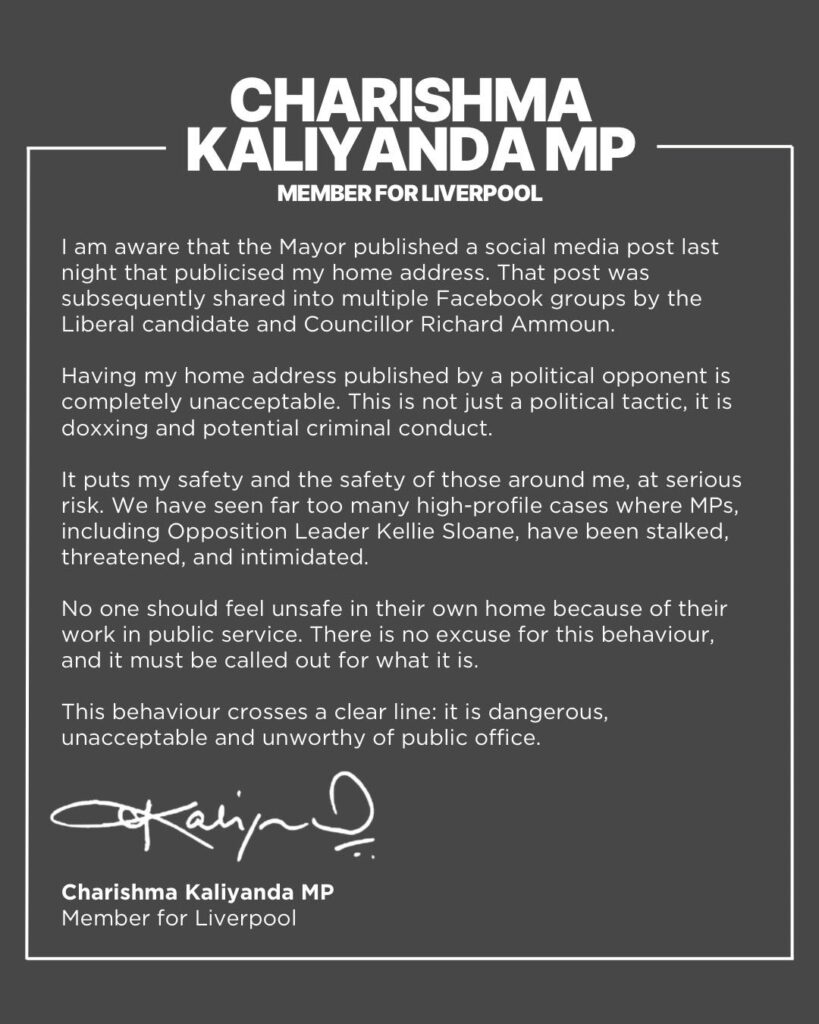
Indian-origin Labor MP Charishma Kaliyanda says her safety has been put at risk after her home address appeared in a social media post linked to a local political dispute, as tensions intensify ahead of a Liverpool City Council by-election.

“I am aware that the Mayor published a social media post last night that publicised my home address,” Kaliyanda said.

“Having my home address published by a political opponent is completely unacceptable. This is not just a political tactic, it is doxxing and potential criminal conduct.”

She added that the situation raised serious concerns for her personal safety and those around her.

“It puts my safety and the safety of those around me at serious risk… no one should feel unsafe in their own home because of their work in public service.”

As per SMH, the post in question was shared by Liverpool Mayor Ned Mannoun, and later circulated more widely online, including by Richard Ammoun, a Liberal councillor and candidate in the south ward by-election.

It is reported that Mannoun later removed the original video and re-uploaded a version with sensitive details obscured.

“I’m sorry that a publicly available document was published,” he said, noting the information had come from an existing disclosure form.

The development comes amid a volatile campaign period, with police called to a pre-polling station at the Casula Community Centre following a verbal altercation between candidates.

Independent candidate Jamal Daoud said the confrontation escalated after he was challenged over claims about council matters. Ammoun rejected the allegations and said he was correcting misinformation.

“This behaviour crosses a clear line,” Kaliyanda said.

“It is dangerous, unacceptable and unworthy of public office.”

NSW Police attended after being contacted by an electoral worker, later describing the incident as a civil matter with no further action required.

The by-election, triggered by the resignation of deputy mayor Betty Green earlier this year, will see tens of thousands of residents head to the polls.

Support our Journalism

No-nonsense journalism. No paywalls. Whether you’re in Australia, the UK, Canada, the USA, or India, you can support The Australia Today by taking a paid subscription via Patreon or donating via PayPal — and help keep honest, fearless journalism alive.

Add a little bit of body text 8 1 1

US–Israel vs Iran: Ceasefires without ideological change are just intermissions between wars

0

The world waits with bated breath to see whether the ceasefire in the US–Israel and Iran conflict will be extended. Yet many observers avoid grappling with deeper drivers behind the recurring cycles of violence, including Iran’s regional posture and its network of allied armed groups. Without addressing these underlying factors, ceasefires risk becoming temporary intermissions rather than meaningful steps toward lasting peace.

A ceasefire is not a peace agreement. It is merely the absence of active fighting. Lasting peace requires a shift in intent, ideology, and behaviour — particularly from actors that openly call for the destruction of another state and support armed groups committed to that goal.

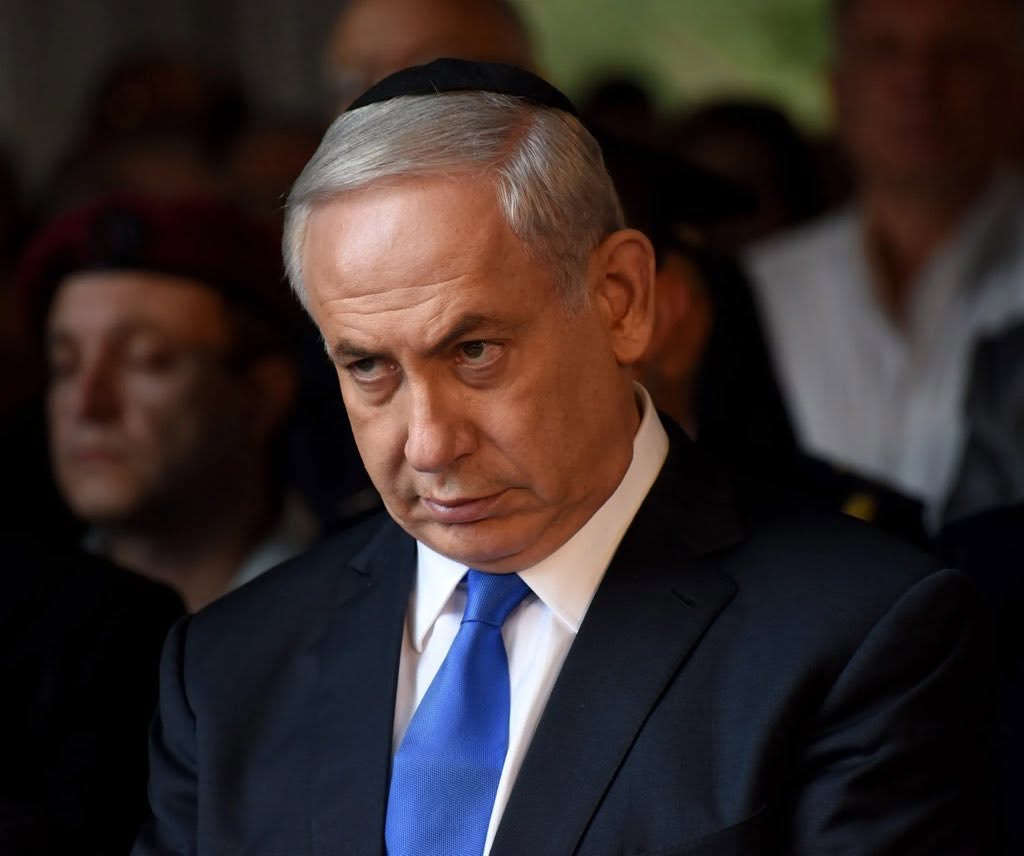
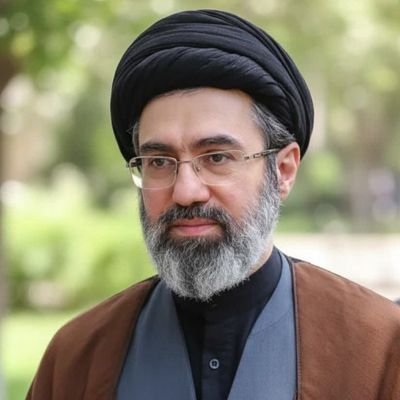
Iran’s leadership, including the late Ayatollah Ali Khamenei repeatedly called for the elimination of Israel and supports multiple terrorist groups across the Middle East. Among the most prominent:

Hamas in Gaza
Hezbollah in Lebanon
The Houthis in Yemen

These groups are widely recognised as Iranian-backed militias or proxy forces by many governments and analysts. They operate across multiple fronts and frequently target Israel and Western allies.

This network has reshaped the Middle East into a multi-front conflict environment. When ceasefires are signed in Gaza, rockets may still be launched from Lebanon or Yemen. When one front quiets, another often escalates.

Ceasefires that address symptoms rather than underlying causes are unlikely to hold. Sustainable peace is difficult to achieve while a state continues to arm and finance organisations committed to the destruction of another state.

History matters: A brief timeline of Israel’s historical roots

The debate around Israel often begins in 1948. In reality, its history stretches back millennia based on established historical consensus:

c. 1000 BCE
Jews establish Jerusalem as their capital under King David. The First Temple is later built by King Solomon, making the city the spiritual centre of Judaism.

Ancient to medieval period
Jews experience successive exiles and invasions but maintain continuous religious and cultural ties to the land.

636–638 CE: Muslim Arab armies defeated the Byzantine Empire in the Levant.

637/638 CE: Jerusalem was captured during the caliphate of Umar ibn al-Khattab. From then onward, the region was ruled by successive Islamic caliphates and dynasties (Umayyads, Abbasids, Fatimids, Ayyubids, Mamluks) for centuries.

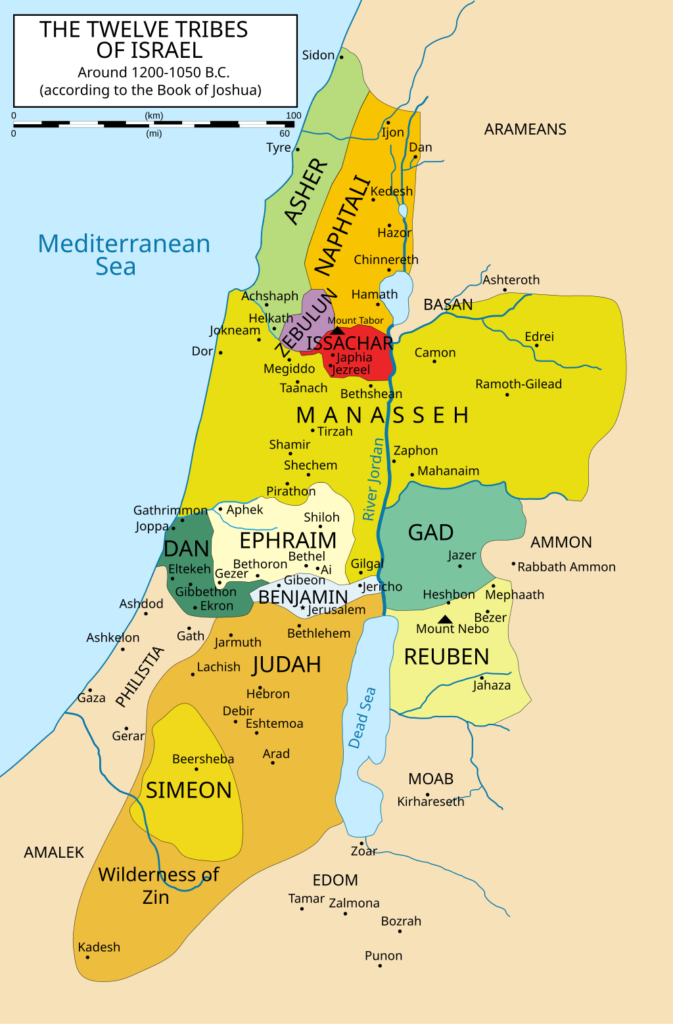
The territories of the twelve tribes of Israel according to the Book of Joshua (Wikipedia – 12 tribus de Israel.svg: Translated by Kordas 12 staemme israels heb.svg: by user:יוסי 12 staemme israels.png: by user:Janz derivative work Richardprins (talk) – 12 tribus de Israel.svg 12 staemme israels heb.svg 12 staemme israels.png)

1517–1917
The region became part of the Ottoman Empire, a Turkish-ruled Islamic empire that governed much of the Middle East until World War I.

1922
The League of Nations established the British Mandate for Palestine after Allied powers dismantled Ottoman territories following World War I. During this period, new political entities were created across the former Ottoman lands, including areas that later became Saudi Arabia, Syria, and Jordan.

The Mandate incorporated the Balfour Declaration, which supported the establishment of a Jewish national home while stating that the civil and religious rights of existing non-Jewish communities should be protected. The name ‘Palestine’ had long been used by Europeans and was therefore adopted for the Mandate.

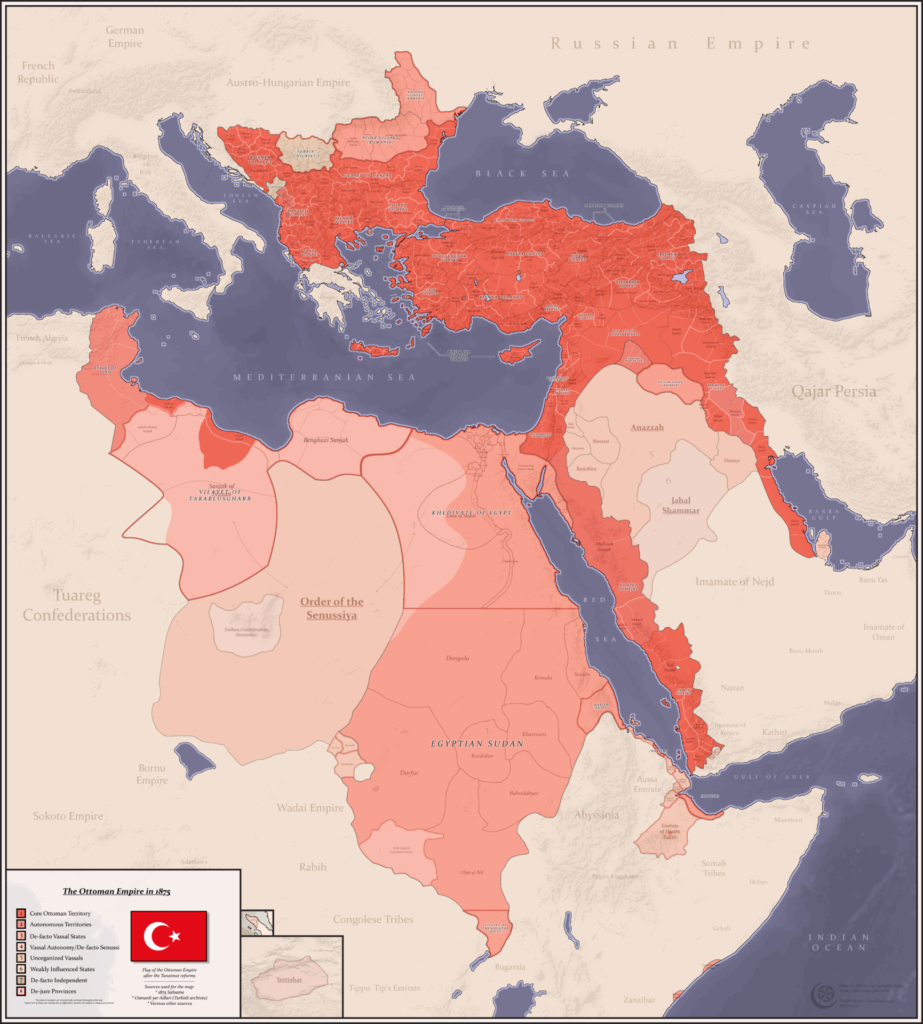
The Ottoman Empire in 1875 under Sultan Abdulaziz (Image: Wikipedia By AbdurRahman AbdulMoneim – Own work, CC BY-SA 4.0, https://commons.wikimedia.org/w/index.php?curid=114585065)

1947
The United Nations proposes a two-state partition plan. Jewish leaders accept the plan; Arab leaders reject it.

1948 onwards
Israel declares independence and is immediately attacked by neighbouring Arab states, beginning decades of wars and conflict that continue to impact the region to this day.

This historical timeline does not negate Palestinian suffering. But it demonstrates that the conflict is far more complex than the simplified narratives often presented in modern activism.

Real occupation and violence: A global comparison

If the world wishes to condemn occupation, it must condemn real occupation.

Consider Tibet.
Consider the Kurds.
Consider the Assyrians.
Consider the Yazidis.

Tibet
Tibet is widely described by scholars and governments as a territory under Chinese control since the 1950s. Yet Tibet has not produced international suicide bombing campaigns or global terror networks.

The Kurds
The Kurdish people remain the world’s largest stateless nation, spread across Turkey, Syria, Iraq and Iran. They have endured decades of repression and conflict. Yet Kurdish political movements have largely pursued autonomy through political or regional military struggle rather than global jihadist terrorism.

The Assyrians
One of the oldest Christian communities in the world, Assyrians have suffered massacres, displacement and persecution across Iraq and Syria, particularly at the hands of ISIS. Their tragedy rarely dominates global protest movements.

The Yazidis
This small ethno-religious minority, primarily from the Sinjar region of northern Iraq with communities spread across Syria and the diaspora, has long been effectively stateless and vulnerable. In 2014, ISIS carried out a genocide against Yazidis, killing thousands of men and enslaving women and children. Despite this trauma and displacement, Yazidi communities have not developed transnational terror movements or global suicide bombing campaigns in response.

These examples reveal an uncomfortable truth: occupation alone does not inevitably produce global terrorism.

Selective outrage and historical amnesia

History offers other examples of mass displacement and ethnic cleansing that rarely dominate global protests.

Hindus and Sikhs in Pakistan

The 1947 Partition of India created Pakistan as a state founded on a religious identity. The process triggered one of the largest and bloodiest migrations in human history, involving massacres, forced conversions and mass displacement of Hindus and Sikhs from regions that became Pakistan.

Today, Pakistan’s religious minorities remain a tiny fraction of the population compared to pre-Partition demographics.

Yet despite this history:

Hindus do not send suicide bombers into Pakistan.
Sikhs do not launch rocket attacks into Lahore.

The comparison highlights how ideology — not grievance alone — shapes the path from conflict to terrorism.

Conflicts persist when ideology glorifies violence and rejects coexistence. If a movement’s founding charter calls for the destruction of another state, ceasefires cannot create peace. At best, they buy time for rearmament and regrouping.

This is the uncomfortable reality many ceasefire advocates avoid. Peace requires ideological transformation — the same kind of reform that reshaped Europe after centuries of religious warfare.

Real peace in the Middle East will require:

  • Iran ending support for armed proxy terrorist groups
  • Regional recognition of Israel’s right to exist
  • Abandonment of genocidal rhetoric and objectives
  • Political solutions replacing armed struggle

Until these conditions begin to emerge, ceasefires will remain fragile and temporary.

The world should absolutely call for humanitarian relief and protection of civilians. But humanitarian concern must not blind us to the deeper structural drivers of conflict. Ignoring the role of ideology does not bring peace closer. It simply ensures the next war arrives sooner.

Support our Journalism

No-nonsense journalism. No paywalls. Whether you’re in Australia, the UK, Canada, the USA, or India, you can support The Australia Today by taking a paid subscription via Patreon or donating via PayPal — and help keep honest, fearless journalism alive.

Add a little bit of body text 8 1 1

Sukhvinder Kaur Sangha, former Punjabi broadcaster, jailed for over five years for smuggling 108kg of meth

0

A former Punjabi-language broadcaster from British Columbia has been sentenced to five-and-a-half years in prison after admitting to smuggling more than 100 kilograms of methamphetamine across the US–Canada border.

Sukhvinder Kaur Sangha, 47, pleaded guilty to unlawful importation following her arrest in October 2021, when she attempted to flee a border crossing in Surrey, B.C., in a rental vehicle.

The B.C. Supreme Court found Sangha’s claims that she was coerced into the crime were “untruthful”, with Justice John Gibb-Carsley concluding she was a “trusted and willing participant” in the drug operation.

According to court documents cited by local media, Sangha arrived at the Pacific border crossing claiming she had travelled to Washington State for a family funeral. When directed to a secondary inspection, she sped away, triggering a police chase before being stopped nearby.

A search of the vehicle uncovered four duffel bags containing 108kg of methamphetamine, with an estimated street value ranging from $1 million to $10 million.

The court heard Sangha had previously worked for around a decade in Punjabi-language radio and television, producing news content and interviewing public figures including politicians and police.

However, text message evidence presented in court suggested she had been involved in similar cross-border activities before, undermining her claims of acting under threat.

Justice Gibb-Carsley said her testimony lacked credibility and diminished any genuine remorse.

“I expect that Ms Sangha is remorseful because she was caught… but that is different than being remorseful for her offending behaviour,” he said.

In sentencing, the judge stressed the serious consequences of drug trafficking, stating: “It is not a victimless crime.”

He added that he hoped Sangha would use her time in custody to reflect and ensure this would be her “last interaction with the criminal justice system.”

Support our Journalism

No-nonsense journalism. No paywalls. Whether you’re in Australia, the UK, Canada, the USA, or India, you can support The Australia Today by taking a paid subscription via Patreon or donating via PayPal — and help keep honest, fearless journalism alive.

Add a little bit of body text 8 1 1

Immigration Minister Tony Burke criticises Coalition policy as “empty” and divisive amid 77,000 without valid visas

0

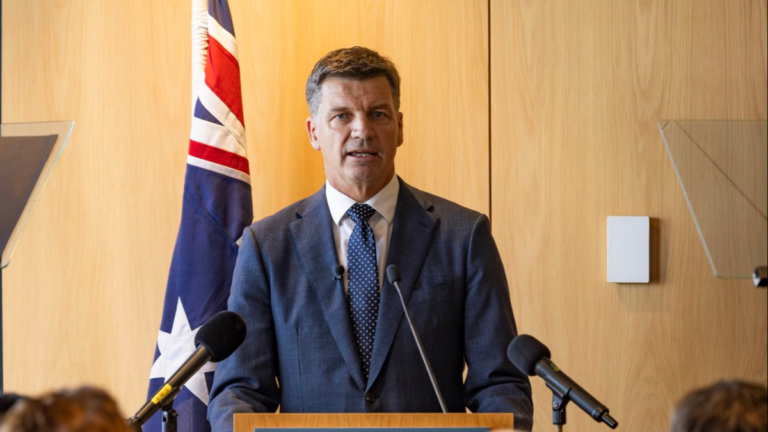
A claim by Opposition leader Angus Taylor that more than 65,000 people are overstaying their visas and should be deported from Australia has ignited a sharp political clash, with Home Affairs and Immigration Minister Tony Burke accusing the Opposition of oversimplifying a complex immigration system for political gain.

Speaking in Sydney, Burke dismissed the figure as headline-driven rhetoric, arguing it fails to reflect the reality behind visa overstayers and the challenges of managing migration in a post-pandemic environment.

“There are many different people within that cohort,” Burke said, referring to the roughly 77,000 individuals believed to be living in Australia without valid visas.

“Some have accidentally overstayed. Some are in the system waiting for decisions. And some have deliberately played the system.”

Taylor’s call to deport tens of thousands comes amid rising public concern over housing affordability, infrastructure strain and migration levels. But Burke warned that reducing the issue to a single number risks misleading the public.

“We inherited a ridiculous backlog,” he said, pointing to unresolved visa applications and protection claims left from previous years.

“Some of these were in the order of 100,000. We’ve been working through it, and we are getting the numbers down.”

At the heart of the dispute is a broader ideological divide over migration policy. The Coalition has pushed for stricter controls, including tougher character tests and a stronger focus on migrants from “liberal democracies” — a position Burke described as both vague and troubling.

“I still can’t work out what extra powers they think they need,” he said.

“They’ve been asked for examples and haven’t provided any. What they’ve announced is not policy — it’s a discussion and a meme.”

Burke took particular aim at suggestions that migrants from certain political systems integrate better into Australian society, calling it a dangerous shift in tone.

“We have proud Australians from Chinese, Vietnamese and Eastern European backgrounds — many of whom came from non-democracies,” he said. “What matters is who you are, not where you’re from.”

The minister framed migration as essential to Australia’s economic and social fabric, highlighting the reliance on overseas-born workers across critical sectors. Nearly half of Australia’s doctors and more than 40 per cent of nurses were born overseas, he noted, alongside 28 per cent of building and plumbing trades.

“Without migration, we wouldn’t have the workforce to build homes, staff hospitals or support aged care.”

The government, he argued, has been recalibrating migration levels after a post-COVID surge that saw net overseas migration spike due to an unusual imbalance — arrivals rebounding quickly while departures lagged.

“It wasn’t just arrivals; it was that people weren’t leaving,” he explained. “That normal churn didn’t happen.”

Since then, the government has tightened settings, particularly around international students, while increasing targeted skilled migration in sectors like construction to address housing supply constraints.

Still, the pressure remains visible. Long rental queues and rising property prices have fuelled public frustration, creating fertile ground for tougher migration rhetoric.

Burke acknowledged those concerns but warned against turning them into division.

“Australians want more housing — that’s fair,” he said. “But you don’t build more homes by cutting the very workforce needed to build them.”

On enforcement, Burke reiterated a firm stance: those without valid visas should leave. However, he emphasised that deportation is not always straightforward, involving legal challenges, court processes and humanitarian considerations.

“There are people who’ve genuinely made mistakes, and there are others gaming the system,” he said.

“We need different responses for different cases.”

He also flagged upcoming measures targeting individuals who cycle through temporary visas without intention to leave — a practice he described as exploiting loopholes.

The political backdrop to the debate remains tense, with migration once again emerging as a defining issue ahead of future electoral contests. Burke accused the Opposition of shaping its messaging to appeal to One Nation voters rather than offering workable solutions.

“Their announcement is focused on the votes they think they need,” he said. “Ours is focused on the skills the country needs.”

As Australia continues to navigate economic pressures, housing shortages and global uncertainty, the migration debate is unlikely to ease. For now, both sides appear set on sharpening their positions — one emphasising control and restriction, the other balance and economic necessity.

But beneath the political exchanges lies a more enduring question about national identity — one Burke sought to underscore.

“Modern Australia is multicultural Australia,” he said. “And that’s something we should be proud of — not walk away from.”

Support our Journalism

No-nonsense journalism. No paywalls. Whether you’re in Australia, the UK, Canada, the USA, or India, you can support The Australia Today by taking a paid subscription via Patreon or donating via PayPal — and help keep honest, fearless journalism alive.

Add a little bit of body text 8 1 1

New emergency trade service to facilitate exports to alternative routes and destinations amid Middle-East conflict

0

The Albanese Government has unveiled a new Trade Resilience Service to help exporters navigate mounting global supply chain disruptions triggered by the Middle East conflict.

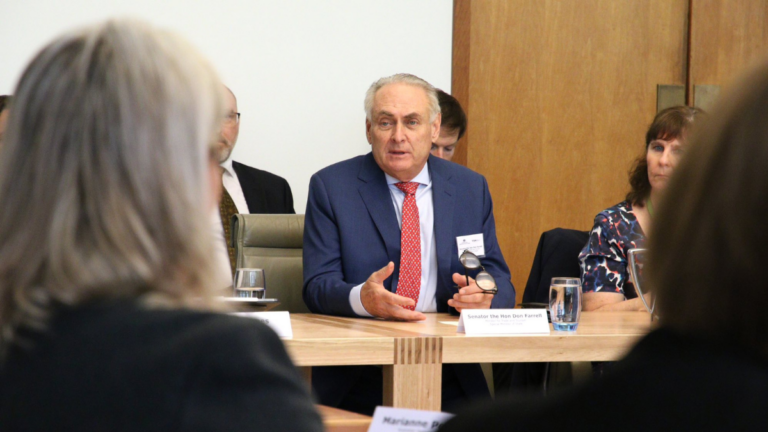
Announced by Trade and Tourism Minister Don Farrell, the initiative will deploy a team of trade and logistics experts to provide real-time advice to businesses struggling with rising freight costs, insurance uncertainty and delays in key shipping routes.

Delivered through Australian Trade and Investment Commission, the 12-month service aims to keep Australian goods moving into international markets, while also helping exporters identify alternative routes and destinations.

“This is an uncertain and challenging time for Australian businesses,” Farrell said, pointing to disruptions affecting both exports and essential imports such as fertilisers.

The move comes as global shipping lanes face pressure due to instability in the Middle East, impacting supply chains that support one in four Australian jobs linked to trade.

The Trade Resilience Service will work alongside the government’s Trade Diversification Taskforce, part of the $50 million Accessing New Markets Initiative, which focuses on helping businesses expand into new and emerging markets.

Farrell said the government was stepping in to provide practical support during a period of heightened global uncertainty.

“The Albanese Government will always back Australian business – especially in times like this.”

Industry voices have also backed the move, with logistics experts describing the current environment as requiring “extraordinary thinking” to keep trade flowing.

The service is expected to play a critical role in supporting exporters dealing with perishable goods and time-sensitive shipments, as businesses adjust to an increasingly volatile global trade landscape.

Support our Journalism

No-nonsense journalism. No paywalls. Whether you’re in Australia, the UK, Canada, the USA, or India, you can support The Australia Today by taking a paid subscription via Patreon or donating via PayPal — and help keep honest, fearless journalism alive.

Add a little bit of body text 8 1 1

Hero officer Sgt Harry Ghodke receives bravery medal for saving young boy from drowning

0

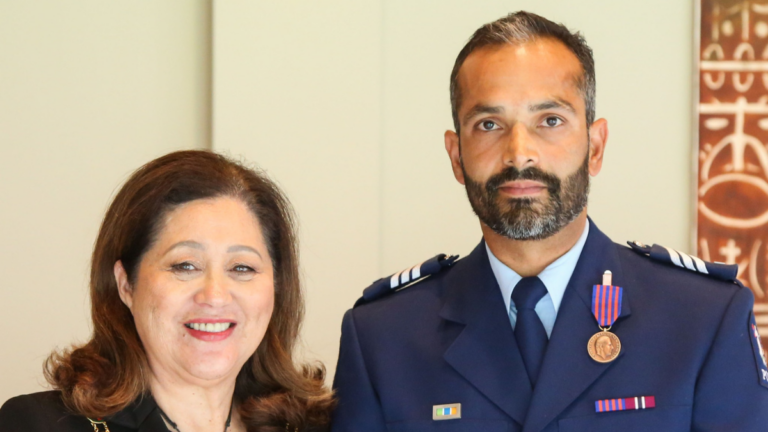
New Zealand Police Association has praised Sergeant Harry Ghodke, who has been awarded the New Zealand Bravery Medal for an extraordinary off-duty rescue that helped save a young boy’s life—amid a tragedy that claimed another.

The medal was presented by Governor-General of New Zealand Cindy Kiro at Government House in Auckland, recognising Sgt Ghodke’s courage during a life-threatening incident at Glenorchy in January 2023.

What began as a summer afternoon near the Rees River quickly turned into a desperate fight for survival when a young boy was swept into the fast-moving waters and dragged into Lake Wakatipu.

As per Otago Daily Times, Off-duty and with his family nearby, Sgt Ghodke did not hesitate. Battling a powerful undertow, he swam out into deep water to reach the panicked child, who had already slipped beneath the surface. When he found him, the terrified boy clung tightly, pulling the officer further into the lake.

Despite the danger, Sgt Ghodke managed to calm the boy, urging him to float on his back—buying precious time as the situation worsened.

Exhausted and fighting the current, the officer attempted to return to shore. About 15 metres from land, he ran out of energy, unable to find footing beneath him. Summoning his last strength, he pushed forward and reached safety, signalling urgently for help.

Seeing the unfolding emergency, bystander Jonny Young swam out to assist. He reached the boy but became separated and overwhelmed by exhaustion in the unforgiving water.

Moments later, another passer-by, Susan Burke, entered the lake. Spotting both the boy and Young struggling, she pushed through the deepening water and managed to reach the child.

With immense effort, she brought the boy back to shore—where Sgt Ghodke, already spent, helped secure his safety.

As shouts rang out that Young had disappeared beneath the surface, Burke turned back, searching repeatedly underwater alongside others. But despite their efforts, he could not be found. His body was recovered the following day.

The bravery medal recognises how Sgt Ghodke’s quick thinking and composure—calming the boy and keeping him afloat—created the critical window that made the rescue possible.

Burke has also been awarded a New Zealand Bravery Medal for her role in saving the child and her relentless attempt to locate Young.

Support our Journalism

No-nonsense journalism. No paywalls. Whether you’re in Australia, the UK, Canada, the USA, or India, you can support The Australia Today by taking a paid subscription via Patreon or donating via PayPal — and help keep honest, fearless journalism alive.

Add a little bit of body text 8 1 1

Victoria’s Allan government blocks majority of Big Build corruption documents

0

The Allan Government is facing mounting criticism after refusing to release the bulk of documents linked to alleged corruption on major taxpayer-funded infrastructure projects.

It is reported that a Freedom of Information request lodged by Liberal MP David Davis uncovered 1,082 pages of material held by the Department of Premier and Cabinet relating to corruption concerns on the state’s Big Build program between 2020 and 2025. However, only 132 pages were released—many heavily redacted—while roughly 950 pages were withheld.

The decision has sparked accusations of a lack of transparency, with Davis claiming the government’s response showed “clear contempt for Victorians”.

“The State Labor government’s inability to find or release key documents concerning corruption on Big Build sites raises serious questions,” he told AFR, pointing to claims that the issue has cost taxpayers billions.

SkyNews reported that the documents relate to allegations involving the Construction, Forestry, Maritime, Mining and Energy Union (CFMEU) and its conduct on major infrastructure sites—an issue that has become a growing political flashpoint ahead of Victoria’s next state election.

Adding to the controversy, all of the material released by the Premier’s department is dated after July 2024, when media investigations first exposed the extent of the alleged misconduct. This has intensified scrutiny over what the government knew prior to that period.

Premier Jacinta Allan has consistently maintained she only became aware of the “widespread nature” of the issue when it entered the public domain. However, critics argue briefings may have occurred as early as 2022, raising questions about whether warnings were overlooked.

The Department of Transport and Planning further fuelled concerns after responding to a separate request by stating it could not locate any documents relating to the corruption allegations—despite being involved in a legal matter concerning briefings provided to Allan during her tenure as transport minister.

Government officials have defended the decision to withhold documents, citing standard exemptions under Freedom of Information laws. These include cabinet confidentiality, legal professional privilege, draft policy advice and personal privacy considerations.

But the scale of the redactions—estimated at nearly 87 per cent of identified material—has drawn sharp criticism from the Opposition, which argues the public has a right to understand how taxpayer funds were managed.

The controversy comes as calls grow for a broader inquiry into the scandal. Former anti-corruption commissioner Robert Redlich has backed the establishment of a Royal Commission, arguing the scope of alleged misconduct is too large for existing watchdogs to handle.

“This is such a broad and long-running pattern of conduct that it goes beyond the capacity of IBAC,” he said previously.

While the government insists it is taking steps to clean up the construction sector, it remains the only party in the Victorian parliament to oppose a Royal Commission into the issue.

Support our Journalism

No-nonsense journalism. No paywalls. Whether you’re in Australia, the UK, Canada, the USA, or India, you can support The Australia Today by taking a paid subscription via Patreon or donating via PayPal — and help keep honest, fearless journalism alive.

Add a little bit of body text 8 1 1

One Nation’s razor-thin victory thrown into chaos after “lost” votes emerge in South Australia election counting error

0

A dramatic twist has emerged in South Australia’s tightly contested Narungga electorate, with a second recount ordered after dozens of previously uncounted ballot papers were discovered in sealed boxes.

The Electoral Commission of South Australia confirmed that 81 votes—77 absent ordinary ballots and four declaration votes—were found after the initial count and recount had already concluded.

The discovery has triggered a fresh count today (Friday, 17 April), throwing uncertainty over one of the closest results of the 2026 state election.

Image: One Nation candidate Chantelle Thomas (Source: Facebook)

One Nation candidate Chantelle Thomas had been declared the provisional winner by just 58 votes, making the newly uncovered ballots potentially decisive.

Acting electoral commissioner Leah McLay told media that the recount aims to determine whether the outcome would have changed had the ballots been included earlier. “Let me be clear: the result has already been declared,” McLay said.

“The purpose of the count is to determine whether the result would have differed.”

The ballots, originally lodged in the regional seat of Stuart, were found inside three sealed boxes—prompting an internal investigation into how they were missed during the official counting process.

While the votes will now be added to each candidate’s tally, officials have warned that any change in the result could lead to legal action, including a possible referral to the Court of Disputed Returns.

As per 7News, Thomas criticised the situation, saying the recount was “disappointing” for voters and raised concerns about electoral integrity. “Everyone in Narungga has already spoken,” she said.

“Now it makes us question the integrity of the South Australian elections.”

The Narungga race has been one of the most closely watched contests, reflecting a broader shift away from major parties towards minor candidates across regional South Australia.

Support our Journalism

No-nonsense journalism. No paywalls. Whether you’re in Australia, the UK, Canada, the USA, or India, you can support The Australia Today by taking a paid subscription via Patreon or donating via PayPal — and help keep honest, fearless journalism alive.

Add a little bit of body text 8 1 1

‘ISIS-inspired’ teens plead not guilty after bomb attack near New York Mayor Mamdani’s mansion

0

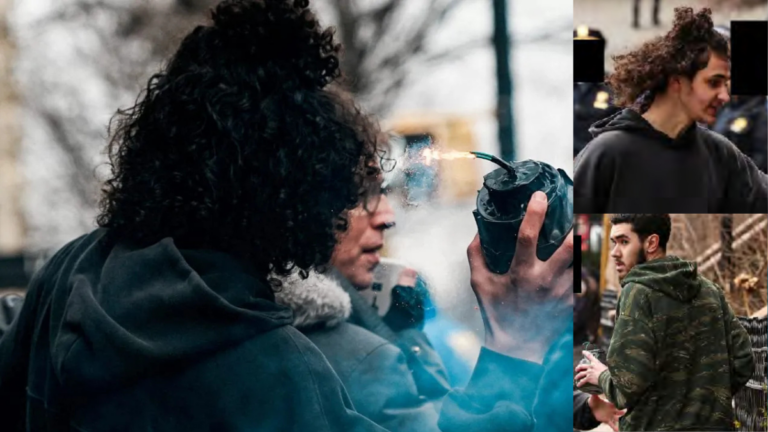
Two teenagers accused of throwing homemade explosives outside New York City’s mayoral residence have pleaded not guilty to federal terrorism charges, as prosecutors allege the attack was inspired by ISIS propaganda.

Emir Balat, 18, and Ibrahim Kayumi, 19, entered their pleas during a court appearance on Wednesday, facing a sweeping indictment that includes conspiracy to support a foreign terrorist organisation and the use of a weapon of mass destruction.

CBS reports that the charges stem from a dramatic incident outside Gracie Mansion — the official residence of New York City Mayor Zohran Mamdani — during protests in March that quickly spiralled into chaos.

Prosecutors allege the pair travelled from Pennsylvania to New York and brought improvised explosive devices to the protest site, where opposing groups had gathered. Authorities say tensions escalated after pepper spray was deployed, before one of the accused allegedly lit and hurled a device into a crowd.

Balat is accused of throwing the first explosive before fleeing, then taking a second device from Kayumi and dropping it near police officers. A third suspicious device was discovered in a nearby vehicle the following day.

Investigators later confirmed that at least one of the devices contained triacetone triperoxide (TATP), a highly volatile homemade explosive often associated with terror plots.

According to law enforcement, both suspects admitted their actions were influenced by ISIS. Officials allege Kayumi had consumed extremist propaganda, while Balat is said to have pledged allegiance to the group in writing while in custody.

Court proceedings revealed the scale of the investigation, with prosecutors describing “voluminous” evidence including law enforcement reports, physical materials and more than a dozen electronic devices now under forensic review.

The case is being led by the FBI’s Joint Terrorism Task Force, which launched a full investigation following the incident.

The teens appeared in court wearing prison attire, with members of Kayumi’s family present — one visibly emotional during proceedings. Neither defence team offered comment after the hearing.

If convicted, the most serious charge — use of a weapon of mass destruction — carries a potential life sentence.

The case will return to court on June 16.

Support our Journalism

No-nonsense journalism. No paywalls. Whether you’re in Australia, the UK, Canada, the USA, or India, you can support The Australia Today by taking a paid subscription via Patreon or donating via PayPal — and help keep honest, fearless journalism alive.

Add a little bit of body text 8 1 1

Australia secures first emergency diesel shipments as government moves to shore up fuel supply

0

The Albanese government has secured around 100 million litres of additional diesel under new Strategic Reserve powers, in a move aimed at protecting regional communities, farmers and essential services from worsening global fuel pressures linked to conflict in the Middle East.

The first shipments, sourced from Brunei and South Korea, mark the first fuel deliveries arranged under the government’s new reserve powers, which were introduced to help address supply shortfalls and reduce the risk of domestic disruptions.

Under the arrangement, Export Finance Australia has partnered with Viva Energy to support the purchase of more than 570,000 barrels of extra diesel for the Australian market. The government has also reached commercial agreements with Ampol, Park Fuels and IOR to help secure further supply where private operators may have struggled to do so on commercial terms alone.

The additional diesel is intended to be directed to the areas of greatest need, particularly regional Australia, where fuel shortages can quickly affect transport, agriculture and critical services.

Prime Minister Anthony Albanese said the agreement would strengthen Australia’s fuel security at a time of global uncertainty.

“This agreement strengthens Australia’s fuel security by ensuring additional cargoes are delivered to the domestic market when and where they are needed most,” he said.

“We’re taking every practical measure required to shield our nation and household budgets from the worst of this global uncertainty.”

Trade Minister Don Farrell said the government expected the effects of the Middle East conflict to continue for some time and was taking steps to secure supplies Australians depend on.

“We know that the impacts of this conflict will be with us for some time, and we are taking every possible step to secure what Australians need to keep our country moving,” he said.

Farrell said the new Strategic Reserve powers would extend beyond fuel and could also be used to support the supply of other key materials, including fertiliser and goods affected by the crisis.

Energy Minister Chris Bowen said the government was working closely with industry to ensure the extra fuel remained in Australia and was delivered where it was needed most.

“These cargoes are additional to existing contracted supply, are required to remain in Australia and will be directed to the industries and regions which need them the most,” he said.

The announcement came as Australia and Malaysia issued a joint statement reaffirming their shared commitment to open, rules-based trade in energy products, amid growing concern over the impact of the Middle East conflict on energy supply chains, prices and the flow of essential goods.

Both countries said they were deeply concerned about the escalation of the conflict and its possible effects across the region, particularly on oil and natural gas supply chains. They pledged to maintain open and stable trade flows in energy products and to deepen practical cooperation on energy security.

Australia and Malaysia said their longstanding relationship, backed by a Comprehensive Strategic Partnership, placed them in a strong position to work together on energy resilience, supply chain stability and the transition to cleaner energy.

The joint commitment also includes closer consultation on any developments that could disrupt supply or affect energy markets, as both governments seek to manage a more volatile global environment.

Taken together, the diesel shipments and the strengthened regional energy cooperation signal a broader effort by Canberra to protect Australia’s fuel security and cushion households and businesses from the fallout of an increasingly unstable global energy market.

Support our Journalism

No-nonsense journalism. No paywalls. Whether you’re in Australia, the UK, Canada, the USA, or India, you can support The Australia Today by taking a paid subscription via Patreon or donating via PayPal — and help keep honest, fearless journalism alive.

Add a little bit of body text 8 1 1

Trump claims Strait of Hormuz ‘permanently open’, says Iran war ‘close to over’ amid China assurance

0

US President Donald Trump has declared the Strait of Hormuz “permanently open” and said the war with Iran is “close to over”, even as uncertainty continues to surround global oil flows and shipping through the critical waterway.

In a post shared by the White House, Trump claimed China was “very happy” with the move and suggested Beijing had agreed not to supply weapons to Tehran.

“I am permanently opening the Strait of Hormuz. I am doing it for them, also – and the world. This situation will never happen again.”

In an interview with Fox Business, Trump revealed he had written directly to Chinese President Xi Jinping, urging him not to provide weapons to Iran.

According to Trump, Xi responded by assuring that China was not supplying Tehran.

“I wrote him a letter asking him not to do that, and he wrote me a letter saying that, essentially, he’s not doing that.”

Trump also signalled optimism about ending the conflict, saying negotiations with Iran could resume soon after talks stalled over the weekend.

Despite the strong rhetoric, conditions on the ground remain far from settled.

The Strait of Hormuz — a vital artery for roughly 20 per cent of global oil and gas shipments — continues to operate at significantly reduced capacity following weeks of disruption.

Traffic through the strait remains well below pre-conflict levels, with only a fraction of the more than 130 daily vessel crossings recorded before hostilities escalated.

The US has also intensified pressure on Iran, with its military confirming a blockade that it claims has “completely halted” Tehran’s maritime trade. However, reports suggest some vessels are still moving in and out of Iranian ports.

Trump dismissed concerns about global oil volatility impacting his diplomatic agenda, stating that energy dynamics would not affect his planned meeting with Xi next month.

“He’s somebody that needs oil. We don’t.”

Meanwhile, the White House said it feels “good about prospects of a deal” with Iran, with Pakistan emerging as a possible venue for the next round of negotiations.

The situation remains fluid, with tensions extending beyond the Gulf. Iran has warned of potential threats to shipping in the Red Sea if US actions continue, while parallel talks between Israel and Lebanon are also underway, raising hopes of a broader regional de-escalation.

Support our Journalism

No-nonsense journalism. No paywalls. Whether you’re in Australia, the UK, Canada, the USA, or India, you can support The Australia Today by taking a paid subscription via Patreon or donating via PayPal — and help keep honest, fearless journalism alive.

Add a little bit of body text 8 1 1

‘Kill All Indians’ graffiti resurfaces in second racist attack, sends shockwaves through local community

0

A fresh incident of violent, anti-Indian graffiti in Auckland has intensified concerns within the community, coming just days after a similar message was discovered outside a primary school in South Auckland.

The latest graffiti was found inside a public toilet on Campbell Road in Royal Oak, carrying the same disturbing message that had earlier appeared near Papatoetoe Central School. Authorities have not confirmed when the message was written, but police say they are treating the matter seriously.

Inspector Jim Wilson, Auckland City East Area Commander, confirmed to RNZ that a report of wilful damage had been received. “Police take these threats and hate-motivated crime seriously,” he said.

“We will now assess this report for further action and lines of enquiry.”

Image: Radio New Zealand

The earlier incident in Papatoetoe, where the same message was spray-painted near a school gate, is already being investigated as a hate-motivated crime.

Community leaders say the repeated nature of the incidents is deeply troubling. Sher Singh, president of Migrant Rights Network NZ, described the situation as alarming. “I’ve been living in New Zealand for 30-odd years, and I’ve never seen anything like this before,” he said.

“It’s emotionally draining and very concerning that it is appearing in more places.”

He warned that dismissing the incidents could allow the problem to escalate.

“Today it’s on walls — tomorrow it could be on people’s homes.”

Former New Zealand Indian Central Association president Narendra Bhana said the message went beyond vandalism. “This is not simply an act of damage — it is a message of hate,” he said.

“If ignored, it risks normalising something far more harmful.”

Political leaders have also condemned the incidents, pointing to a worrying pattern of behaviour. Ethnic Communities Minister Mark Mitchell said racism had no place in the country.

“Violent or intimidating messages like this are despicable.”

Labour MP Priyanca Radhakrishnan said the incidents were causing “significant distress” among Indian New Zealanders. “Threats of violence and ethnicity-based hate have no place here,” she said, emphasising the long-standing contribution of the Indian community to New Zealand society.

Race Relations Commissioner Melissa Derby warned the incidents reflected a broader rise in anti-migrant rhetoric.

“These messages generate real fear and impact people’s sense of safety and belonging.”

Local MP Greg Fleming said the Royal Oak and Papatoetoe graffiti incidents, along with other recent events, pointed to a disturbing trend. “What concerns me most is the pattern we are now seeing,” he said.

“This behaviour is designed to provoke fear and division — and that is simply not acceptable.”

Auckland Council confirmed the Royal Oak graffiti was removed shortly after it was reported, with officials reiterating that racist or offensive messages would not be tolerated.

Support our Journalism

No-nonsense journalism. No paywalls. Whether you’re in Australia, the UK, Canada, the USA, or India, you can support The Australia Today by taking a paid subscription via Patreon or donating via PayPal — and help keep honest, fearless journalism alive.

Add a little bit of body text 8 1 1

Albanese government will commit to boosting defence spending to 3% of GDP, but under a revised definition

0

By Michelle Grattan

The Albanese government will increase defence spending to about 3% of GDP by 2033 in its 2026 National Defence Strategy to be unveiled on Thursday.

But it is using a revised definition that, in effect, makes the defence spend appear larger than it is.

The Trump administration has repeatedly made it clear Australia should boost its defence spending. Last year, a top Pentagon official, Elbridge Colby, cited the 3% figure in pushing for Australia to spend more.

The Coalition at the last election committed to increase spending to 3%. Defence spending presently is around 2% of GDP and was headed to about 2.3%-2.4% by 2034 under the narrower definition.

Defence Minister Richard Marles is due to release the 2026 National Defence Strategy and Integrated Investment Program on Thursday. He will announce the government will invest an extra A$14 billion in defence over the next four years and an extra $53 billion over the next decade. This is above the trajectory set out in the 2024 National Defence Strategy.

The government says the 3% of GDP defence spending figure is “in NATO terms”. NATO’s definition of defence spending can include some tangential items.

At last year’s NATO Summit, the members pledged to boost their defence spending commitment to 5% of GDP by 2035, with 3.5% allocated specifically to “core defence requirements”. The other 1.5% is committed to other investments, some loosely tied to defence.

Under the NATO definition, Australia is already spending about 2.8% of GDP on defence.

In the spending increase, total funding across the defence portfolio will be $887 billion through to 2035-36. Of this, about $425 billion will be allocated to capabilities, up from $330 billion in the 2024 program.

“We are now seeing the biggest peacetime increase in defence spending in our nation’s history,” Marles will say on Thursday.

“Australia faces its most complex and threatening strategic circumstances since the end of World War II.

“International norms that once constrained the use of force and military coercion continue to erode. More countries are engaged in conflict today than at any time since the end of World War II, and this is occurring across every region of the world,” he will say.

“In the face of this, the Albanese government is pursuing every avenue of increasing defence capability quickly: mostly through bigger defence appropriations but also through accessing private capital.”

Additional funding in the 2026 program includes new and increased investment in capabilities to improve the Australian Defence Force’s ability to deter and respond to current and emerging threats. This includes spending between $12-15 billion on drones and counter-drone systems over the next decade.

There will also be investment in the longer term to build more self-reliance.

Marles will say the 2026 National Defence Strategy “reflects a clear-eyed assessment of a more dangerous and uncertain world – and a confident response to it.

“It puts Australia on a path to strengthen our defence self-reliance. It reinforces the industrial and national foundations of defence. And it situates Australia firmly within a network of trusted regional and global partnerships.

“Above all, it ensures Australia remains secure, sovereign and ready – not just for today’s challenges, but for the decade ahead.”

Michelle Grattan, Professorial Fellow, University of Canberra

This article is republished from The Conversation under a Creative Commons license. Read the original article.

Support our Journalism

No-nonsense journalism. No paywalls. Whether you’re in Australia, the UK, Canada, the USA, or India, you can support The Australia Today by taking a paid subscription via Patreon or donating via PayPal — and help keep honest, fearless journalism alive.

Add a little bit of body text 8 1 1

Pakistan asylum seekers linked to alleged fake gay claims exposed in undercover investigation

0

A major BBC undercover investigation has triggered controversy across the UK immigration debate after alleging the existence of a “shadow industry” helping migrants fabricate asylum claims based on sexual orientation, particularly involving applicants from Pakistan and Bangladesh.

The investigation claims some advisers and intermediaries were offering structured guidance to visa holders — including international students whose permits were close to expiring — on how to construct asylum applications based on being gay, even where the claim was not genuine.

Undercover reporters were reportedly told that asylum applications could be built around a “prepared narrative”, with advisers allegedly offering to compile supporting material such as staged photographs, attendance at LGBT events, and written letters from third parties to strengthen claims.

One adviser allegedly told a reporter:

“The main thing is what you say. You just have to tell them, ‘I am gay and it is my reality.’ There is no other way.”

In another exchange cited by the BBC, migrants were allegedly reassured that the system depended heavily on testimony rather than verification. “There is no check-up to find out if the person is gay,” one adviser reportedly said, adding:

“There are many people like you. You are not alone.”

The investigation further alleges that some advisers offered to arrange fabricated relationships and supporting statements. In one case, an adviser allegedly described providing letters and staged evidence, including claims of past relationships, as part of a “complete package” for asylum applications.

Fees reportedly varied significantly, with some advisers allegedly charging thousands of pounds for end-to-end assistance, including appeal support if claims were initially refused.

The findings have placed renewed focus on asylum claims from Pakistan and Bangladesh, with BBC analysis noting that Pakistani nationals account for a disproportionately large share of sexuality-based asylum applications in recent years compared to their overall proportion of asylum seekers.

A UK-based immigration lawyer interviewed in the report warned that, if proven, such conduct would represent a serious breach of legal and ethical standards.

“This is fraud. It undermines the entire credibility of genuine asylum seekers who are at real risk.”

The Home Office has responded by stressing that asylum protections exist strictly for those fleeing genuine persecution, and that deliberate deception is a criminal offence. A spokesperson said:

“Anyone found trying to exploit the system will face the full force of the law, including removal from the UK.”

The BBC investigation also highlighted tensions within community organisations that support LGBT asylum seekers, with some attendees allegedly admitting privately that they were not gay but were using the system as a pathway to remain in the UK. One attendee was quoted as saying:

“Most of the people here are not gay… nobody is really gay here.”

However, organisations referenced in the report have disputed wrongdoing, stating that they provide support services and do not knowingly facilitate false claims. Some have said they are reviewing internal processes following the allegations.

The revelations come amid rising asylum applications from South Asia and growing political pressure on the UK government to tighten immigration rules. Recent policy changes have already introduced shorter protection periods and more frequent reassessment of claims.

Support our Journalism

No-nonsense journalism. No paywalls. Whether you’re in Australia, the UK, Canada, the USA, or India, you can support The Australia Today by taking a paid subscription via Patreon or donating via PayPal — and help keep honest, fearless journalism alive.

Add a little bit of body text 8 1 1

Fiji Airways suspends Australian flights as fuel crisis tears through aviation industry

0

A growing global fuel crisis is forcing airlines to cut routes, raise fares and reduce capacity, with Fiji Airways becoming the latest carrier to scale back Australian operations.

The airline has confirmed it will temporarily suspend its FJ922 and FJ923 services between Fiji and Brisbane from April 25, citing soaring fuel costs as the primary reason.

The move comes amid mounting pressure across the aviation sector, with airlines warning travellers to expect fewer flight options and higher ticket prices as fuel prices continue to surge.

Australia’s major carriers are also feeling the strain. Qantas has announced it will scrap its Adelaide to Mount Gambier route from May 18, describing the service as “no longer viable” under current conditions.

Meanwhile, Virgin Australia has flagged fare increases and a reduction in capacity by about one per cent over the next quarter to offset rising operating costs.

Fuel has become one of the biggest cost pressures for airlines, accounting for around 21 per cent of Virgin Australia’s total expenses. The carrier said it consumed 3.4 million barrels of fuel in the first half of 2026 alone.

Despite hedging most of its fuel needs, Virgin expects costs to exceed earlier forecasts by up to $40 million.

Qantas has issued an even starker warning, estimating its fuel bill for the second half of the financial year could reach between $3.1 billion and $3.3 billion — up to $800 million higher than previous projections.

The airline group has already begun trimming domestic capacity by around five per cent, while also signalling potential further adjustments as global fuel markets remain volatile.

Jet fuel prices have more than doubled since late February, driven by supply chain disruptions and geopolitical tensions, with refinery margins skyrocketing from around $US20 to $US120 per barrel.

Airlines say they are working closely with governments and suppliers to maintain fuel availability, but uncertainty remains.

Support our Journalism

No-nonsense journalism. No paywalls. Whether you’re in Australia, the UK, Canada, the USA, or India, you can support The Australia Today by taking a paid subscription via Patreon or donating via PayPal — and help keep honest, fearless journalism alive.

Add a little bit of body text 8 1 1

Dilpreet Singh pleads guilty to assaulting popular radio host Rishi Nagar, faces possible deportation to India

0

An Indian-origin Calgary man has pleaded guilty to assault causing bodily harm after attacking a prominent radio host in a case that has raised concerns about community tensions and press freedom.

Dilpreet Singh, 29, entered the guilty plea in the Alberta Court of Justice in connection with the September 29, 2024 assault on Red FM News Director and talkback host Rishi Kumar.

Justice Peter Barley accepted the plea and ordered the preparation of pre-sentence reports. A sentencing hearing is expected later this year, with the court noting the conviction could have immigration consequences for Singh.

Details presented in court revealed the assault stemmed from comments made by Kumar during a September 25, 2024 radio broadcast.

The host had discussed a firearms-related incident that allegedly occurred outside the Dashmesh Cultural Centre, where members of the Indian community had gathered to address concerns about extortion-related activity.

During the broadcast, Kumar suggested that individuals involved in the firearm incident had also participated in a past Nagar Kirtan event in Calgary — a link that Singh strongly objected to.

Prosecutors told the court that Singh was not connected to the firearms incident or any alleged extortion activities, but took issue with the perceived association and attempted to contact Kumar multiple times to raise his concerns.

These efforts included phone calls and a complaint posted on social media. When Kumar did not respond, Singh escalated attempts to reach him through another employee at the radio station.

The situation came to a head on September 29, when both men attended an event at Rio Banquet Hall.

As Kumar was leaving and walking to his car, he was approached by Singh and another man. The two confronted him about the earlier broadcast.

According to the agreed statement of facts, the discussion quickly deteriorated. Singh punched Kumar in the face, knocking off his glasses. Kumar fell to the ground and was struck multiple times to the head before others intervened and stopped the assault.

Kumar suffered a blunt trauma injury to his eye, requiring cataract surgery. Medical evidence presented in court indicated he remains at risk of further complications, including retinal detachment, additional surgery, or glaucoma.

Following the incident, Kumar publicly described the attack as an attempt to silence him, saying it would not deter his work as a journalist.

Image: Rishi Kumar, news director and morning show host on Calgary-based radio station Red FM (Source: X)

The case has drawn significant attention within Calgary’s Indian community, particularly given the context of rising concerns around extortion-related incidents and community safety.

Singh remains at liberty ahead of sentencing. His defence counsel told the court that the guilty plea carries potential immigration consequences, though the extent of those implications will depend on the final outcome of the case.

A date for sentencing submissions is expected to be set in the coming weeks, with a final hearing likely later this year.

Support our Journalism

No-nonsense journalism. No paywalls. Whether you’re in Australia, the UK, Canada, the USA, or India, you can support The Australia Today by taking a paid subscription via Patreon or donating via PayPal — and help keep honest, fearless journalism alive.

Add a little bit of body text 8 1 1

Sydney summit brings together 70 Hindu organisations for unity and youth engagement in Australian society

0

Leaders and representatives from more than 70 Hindu organisations, temples and community associations across Australia have gathered in Sydney for the HOTA Annual Meet 2026, a major forum focused on unity, collaboration and community development.

Hosted by the Association of Haryanvis in Australia (AHA), the event was held under the theme “Ek Drishti • Ek Disha” (One Vision • One Direction), reflecting calls for greater coordination among Hindu organisations and deeper engagement with Australian society.

Image: HOTA Annual Meet 2026 (Source: Supplied)

The HOTA (Hindu Organisations, Temples and Associations) platform aims to bring together diverse Hindu groups to strengthen cultural preservation, support youth engagement and expand community service initiatives while maintaining organisational independence.

Image: New South Wales Premier Chris Minns at the HOTA Annual Meet 2026 (Source: Supplied)

The 2026 meet attracted participation from senior political leaders and local government representatives, including New South Wales Premier Chris Minns, along with state MPs and multiple councillors from across western Sydney.

Image: HOTA Annual Meet 2026 (Source: Supplied)

In remarks to the gathering, Minns acknowledged the Hindu community’s contribution to the state’s multicultural identity and praised the effort to bring together a wide range of organisations under a shared vision.

Community leaders said the forum reflected the growing visibility and engagement of Hindu organisations across Australia’s social and civic landscape.

Image: HOTA Annual Meet 2026 (Source: Supplied)

AHA National President Sewa Singh said the strength of the community lay not only in numbers, but in unity of purpose and coordinated action. He said the “Ek Drishti • Ek Disha” theme represented a commitment to collective progress and mutual respect.

Panel discussions during the event focused on two key themes — youth engagement and the contribution of Hindu organisations to broader Australian society. Young participants called for greater inclusion in leadership roles, while senior representatives discussed expanding social service and civic participation initiatives.

Local councillors also joined discussions on community cohesion and anti-hate measures, highlighting the importance of maintaining safe and inclusive environments across diverse communities.

The event featured participation from organisations including BAPS, Shrimad Rajchandra Mission (SRMD) and several major temples across New South Wales.

Organisers said the gathering reinforced the importance of moving from isolated efforts towards coordinated community impact, particularly in areas such as youth leadership, cultural programs and social outreach.

The meet concluded with a shared commitment to strengthening collaboration across organisations and enhancing their contribution to Australian multicultural society, anchored by the guiding principle of “Ek Drishti • Ek Disha.”

Support our Journalism

No-nonsense journalism. No paywalls. Whether you’re in Australia, the UK, Canada, the USA, or India, you can support The Australia Today by taking a paid subscription via Patreon or donating via PayPal — and help keep honest, fearless journalism alive.

Add a little bit of body text 8 1 1

Victorian Premier Jacinta Allan announces major Cabinet changes after ministerial retirements

0

Victoria’s Premier Jacinta Allan has paid tribute to three senior ministers stepping down from Cabinet, thanking them for their long service to government and announcing a forthcoming reshuffle.

In a statement, Allan acknowledged the retirement of Mary-Anne Thomas, Danny Pearson and Gayle Tierney from ministerial roles and, by the end of the year, from Parliament, praising their “lasting contribution” to the state.

She said each had played a significant role in shaping Victoria’s policy direction, highlighting Danny Pearson’s work on WorkCover reform, digital services and data infrastructure, including the rollout of Service Victoria and artificial intelligence initiatives.

Allan also credited Mary-Anne Thomas for her leadership during the COVID-19 pandemic and reforms in the health system, including urgent care clinics, virtual hospital services and expanded access to public healthcare programs.

Gayle Tierney was recognised for her long parliamentary career and contribution to skills and training reform, particularly the expansion of Free TAFE and efforts to strengthen the state’s training sector.

The Premier also thanked Steve McGhie for his service as Cabinet Secretary since 2022, noting his long-standing contribution to communities in Melbourne’s western suburbs.

Allan said the departing ministers would be replaced as part of a broader renewal of Cabinet, adding that Labor’s strength comes from its unity and shared purpose.

“Good governments are only as good as their people,” she said, adding that new ministers would bring “fresh ideas and solutions” to government.

She also contrasted Labor’s approach with its political opponents, saying her government remains focused on cost-of-living pressures, health, education, safety and jobs.

A Caucus meeting is scheduled to take place to finalise new ministerial appointments, with the updated Cabinet to be sworn in shortly thereafter.

Support our Journalism

No-nonsense journalism. No paywalls. Whether you’re in Australia, the UK, Canada, the USA, or India, you can support The Australia Today by taking a paid subscription via Patreon or donating via PayPal — and help keep honest, fearless journalism alive.

Add a little bit of body text 8 1 1

Pauline Hanson says “foreigners” shouldn’t own Australian homes as 48,000 migrants use first-home deposit scheme

0

One Nation leader Senator Pauline Hanson has called for tighter restrictions on foreign nationals accessing Australian housing support schemes, saying that “foreigners who are not Australian citizens should not be buying Australian homes”.

Her comments follow a series of social media posts in which she criticised government-backed housing incentives, including the 5 per cent deposit scheme, arguing that taxpayer-funded programs should prioritise citizens.

“The Australian government appears to be running ads in Arabic encouraging non-citizens to use its 5% deposit first home buyers scheme,” she said in a recent post.

“Housing should be prioritised for Australian citizens first.”

She also argued that non-citizens using the scheme were contributing to rising property prices and limiting access for Australians.

The remarks come amid renewed online debate over migration and housing affordability, fuelled by viral social media posts suggesting that tens of thousands of permanent residents have accessed government home ownership assistance programs since mid-2023.

Under the federal 5 per cent deposit scheme, administered by Housing Australia, eligible buyers can enter the housing market with a smaller deposit, with the government acting as guarantor for part of the loan to avoid lenders mortgage insurance.

Since eligibility was expanded to include permanent residents, more than 48,000 have reportedly used the scheme, according to Housing Australia figures.

The program has also been widened in recent years, with increased property price caps, removal of income limits, and expanded participation across participating lenders.

Officials say the scheme has helped more than 300,000 Australians into home ownership since its introduction, including key workers, regional buyers, and young households.

However, critics argue that eligibility rules still allow permanent residents to access grants even if they may own property overseas, raising concerns about fairness and transparency in the system.

Housing policy experts note that while migrants contribute to housing demand, there is limited public data tracking overseas property ownership among applicants.

The debate has intensified online, where posts questioning migrant eligibility for first home buyer support have gained traction and sparked wider political discussion about immigration, housing affordability, and citizenship-based access to government assistance.

Support our Journalism

No-nonsense journalism. No paywalls. Whether you’re in Australia, the UK, Canada, the USA, or India, you can support The Australia Today by taking a paid subscription via Patreon or donating via PayPal — and help keep honest, fearless journalism alive.

Add a little bit of body text 8 1 1

Cricket Australia may open door to Indian investment in Big Bash League shake-up

0

Cricket Australia is edging closer to a landmark shift in the structure of the Big Bash League, with states expected to decide this week whether they support the partial privatisation of BBL franchises.

If a majority of state and territory cricket bodies back the proposal, CA could begin the process of selling stakes in clubs as early as the coming days, marking one of the most significant reforms in Australian cricket in decades.

As per ABC, the governing body circulated a proposed roadmap to states in mid-March, outlining a staged approach to introducing private investment into the competition.

Under the plan, CA is considering selling up to 49 per cent of each franchise, while retaining majority control through state associations and safeguarding a portion of revenue at the national level.

Officials are reportedly open to attracting a mix of domestic and international investors, including interest from Indian Premier League-linked franchises, which could deepen ties between the BBL and the world’s most lucrative T20 competition.

However, the move could raise complex questions around club identity, including whether traditional names, colours and state branding would need to be restructured to appeal to private owners.

If some states opt out, their teams would remain under existing ownership, though this could create financial and competitive pressures if other clubs are sold and player costs rise across the league.

Should the plan proceed, CA would begin assessing market interest and valuations, with any sales expected to be phased in ahead of the 2027–28 season.

The push for reform comes as cricket administrators weigh up how to boost the BBL’s long-term commercial strength. Some state leaders have also raised the need to explore new revenue streams and investment models to keep the league competitive.

Cricket Australia is also still considering scheduling and format decisions for upcoming seasons, including potential changes to season launch arrangements and marquee fixtures, as part of its broader review of the competition’s future.

Support our Journalism

No-nonsense journalism. No paywalls. Whether you’re in Australia, the UK, Canada, the USA, or India, you can support The Australia Today by taking a paid subscription via Patreon or donating via PayPal — and help keep honest, fearless journalism alive.

Add a little bit of body text 8 1 1

Won’t it be better if we thought less of our race and more of our nationality?

0

The question of what it means to be “Fijian” has resurfaced as a central issue in Fiji’s constitutional review discussions, with former Deputy Prime Minister Prof. Biman Prasad urging citizens to embrace a shared national identity over racial distinctions.

The Leader of the National Federation Party (NFP) says a common identity cannot simply be created by legislation, but must be genuinely felt and accepted by all citizens.

“A common identity is not something that can just be imposed by law — people must believe in it,” Prof. Prasad said, reiterating his party’s long-standing support for “Fijian” as a unifying national identity.

Drawing on history, he referenced the words of NFP founder A. D. Patel, who as early as 1964 asked:

“Won’t it be better if we thought less of our race and more of our nationality?”

The remarks come amid renewed debate sparked by submissions to the constitutional review process, including one from the Bose Levu Vakaturaga (Great Council of Chiefs), which proposed reserving the term “Fijian” exclusively for Indigenous iTaukei people.

Prof. Prasad criticised attempts to politicise the issue, warning that such arguments risk deepening divisions in a multi-ethnic society.

“Those who are invoking racial debate are being deliberately divisive,” he said. “Instead of uniting people, they are undermining national cohesion.”

He argued that the term “Fijian” has long been used internationally to describe all citizens of Fiji, well before it was formalised in the 2013 Constitution.

To illustrate this, he pointed to globally recognised figures in sport — including athletes such as Josefa Levula, rugby sevens legend Waisele Serevi and golfer Vijay Singh — who were widely referred to as “Fijian” on the world stage.

Image: Leader of the National Federation Party (NFP) Prof. Biman Prasad and Prime Minister S. Rabuka (Source: Facebook)

“These identities were never in question internationally,” he said, adding that the real issue lies not in the concept itself but in how it was introduced.

Prof. Prasad reiterated concerns that the 2013 Constitution, enacted under the former Bainimarama government, imposed the common identity without sufficient public consultation following the abandonment of an earlier constitutional process.

As the Constitutional Review Commission prepares to conduct public consultations across the country, he urged stakeholders to approach the issue responsibly.

“There will be many views expressed, but this process must not be hijacked by those seeking to inflame racial tensions.”

He emphasised that the ultimate goal should be unity, achieved through dialogue, negotiation and consensus among Fiji’s diverse communities.

“At the end of the day, elected representatives must make decisions that bring people together — strengthening our multi-ethnic, multi-cultural and multi-religious nation.”

Image: Commissioners of the Constitution Review Commission (Source: fijivillage)

The debate comes as the Constitution Review Commission prepares to begin nationwide consultations on the 2013 Constitution, amid growing public interest in its Terms of Reference.

Chair Sevuloni Valenitabua said the Commission will gather public submissions, analyse feedback and present recommendations to the President by August, with the aim of shaping a constitution that reflects the will of the people and strengthens democracy.

The findings will then be considered by Cabinet, as calls grow for reforms to address perceived gaps in the current constitutional framework.

Support our Journalism

No-nonsense journalism. No paywalls. Whether you’re in Australia, the UK, Canada, the USA, or India, you can support The Australia Today by taking a paid subscription via Patreon or donating via PayPal — and help keep honest, fearless journalism alive.

Add a little bit of body text 8 1 1

“What Ally Needs Now”: Powerful new book to support children after family violence tragedies

0

A new children’s book developed by researchers at the University of Melbourne is aiming to support young people navigating the trauma of losing a parent to domestic homicide, addressing what experts say is a critical gap in child-focused resources.

Titled What Ally Needs Now, the book has been created in collaboration with survivors of domestic homicide, practitioners and support organisations to better reflect the lived experiences of children affected by fatal family violence.

The initiative was led by researcher Katitza Marinkovic Chavez, who said the project emerged after identifying a lack of tailored support for children bereaved in such circumstances. “The book highlights the complex challenges children face when navigating life after homicide,” she said.

“Children often have little to no input on major decisions affecting their lives, including where they live or whether they have contact with the perpetrator if they are still alive.”

Dr Marinkovic Chavez said many children are also shielded from the truth about a parent’s death, with families and support networks avoiding the topic in an effort to reduce distress.

However, she warned that silence can have the opposite effect. “Research suggests that preventing children from understanding and sharing their story in their own terms can worsen their health, wellbeing and academic outcomes,” she said.

Aimed at children aged eight to 10, the book follows a young character dealing with grief after the loss of a parent to family violence, supported by others who have experienced similar trauma. The story is designed to open up conversations in homes, classrooms and therapeutic settings.

The project brings together academic research with lived experience, with contributors hoping to challenge the stigma and silence that often surround domestic homicide.

“To our knowledge, a resource like this does not currently exist in Australia, and possibly internationally,” Dr Marinkovic Chavez said.

“Our goal is to show young survivors they are not alone.”

The book is written by Andrea Baldwin and illustrated by Thu Huong Nguyen, and is available as a free e-book through the Centre for Excellence in Child and Family Welfare, alongside a new online platform offering research, insights and practical resources for practitioners working with affected children.

Researchers say the initiative is an important step towards more inclusive, trauma-informed support systems — ensuring children impacted by family violence are better heard, understood and supported.

Support our Journalism

No-nonsense journalism. No paywalls. Whether you’re in Australia, the UK, Canada, the USA, or India, you can support The Australia Today by taking a paid subscription via Patreon or donating via PayPal — and help keep honest, fearless journalism alive.

Add a little bit of body text 8 1 1

Indian-Australian entrepreneur Kunal Vankadara’s AI start-up Haast nears $100m valuation after $17.2m funding boost

0

An Australian artificial intelligence start-up is shaking up the legal industry after raising $17.2 million in fresh funding, pushing its valuation close to $100 million.

Haast, founded by Indian-Australian entrepreneur Kunal Vankadara with Liam King, has developed software that it claims can replicate the work of in-house legal and compliance teams — identifying risks in marketing and business content within minutes.

The Series A funding round was led by Peak XV Partners, with backing from DST Global Partners, Airtree Ventures, Aura Ventures and Black Sheep Capital. The latest raise takes Haast’s total funding to $24.4 million.

Founded in Sydney in 2023 and now headquartered in New York, the company is targeting a growing pain point for large organisations: managing the surge in content generated by artificial intelligence tools while maintaining compliance with legal and regulatory requirements.

Haast’s platform embeds compliance checks directly into day-to-day workflows, allowing companies to automate approval processes that traditionally rely on manual legal review. The company says this can significantly reduce delays while maintaining governance and audit trails.

According to its internal research, corporate content volumes have increased up to tenfold with the adoption of generative AI, while legal and compliance teams still spend around 70 per cent of their time on repetitive, manual tasks.

Chief executive Kunal Vankadara said the company was built to eliminate the trade-off between speed and compliance.

“Enterprises shouldn’t have to choose between moving fast and staying compliant,” he said.

“We’re embedding policy and risk standards directly into workflows so teams can operate at AI speed with confidence.”

Investors say the company is tapping into a rapidly expanding market, as businesses face increasing regulatory scrutiny alongside a boom in AI-generated content.

Peak XV Partners managing director Rohit Agarwal described the shift as a “content explosion”, noting that manual review processes are no longer viable at scale.

“Haast is solving a multi-billion-dollar bottleneck by turning compliance into an automated enabler.”

The company reports 4.5 times revenue growth over the past year and zero customer churn, with clients including unnamed Fortune 500 firms — indicators that have helped fuel investor confidence despite long sales cycles typical in enterprise software.

Haast plans to use the new capital to expand product development, enhance its automated workflow tools and grow its international customer base.

Support our Journalism

No-nonsense journalism. No paywalls. Whether you’re in Australia, the UK, Canada, the USA, or India, you can support The Australia Today by taking a paid subscription via Patreon or donating via PayPal — and help keep honest, fearless journalism alive.

Add a little bit of body text 8 1 1

Indian student visa overstayers and asylum seekers face deportation from Australia under Angus Taylor’s migration plan

0

Opposition leader Angus Taylor has pledged to deport up to 65,000 visa overstayers as part of a sweeping overhaul of Australia’s immigration system, warning that student and asylum pathways are being “exploited”.

In a major policy speech, the Opposition leader outlined a hardline crackdown targeting individuals who remain in Australia despite having their visas cancelled and exhausting all avenues of appeal.

“Our immigration system is being exploited by people using the false pretext of needing protection or study to stay here for economic reasons,” Mr Taylor said. “The Coalition will crack down on overstayers.”

He claimed around 65,000 people were currently in Australia unlawfully after their visas had been cancelled — a figure he said was equivalent to removing the population of regional cities such as Tweed Heads, Rockhampton or Bunbury.

Mr Taylor said a future Coalition government would “oust the overstayers” and use all available resources to ensure compliance, while also moving to restrict access to taxpayer-funded legal aid for non-citizens appealing visa cancellations.

The proposal forms part of a broader migration policy reset, with the Coalition signalling it would restore Temporary Protection Visas, introduce a “safe country” list, and require migrants to sign up to a legally binding “Australian values” statement.

Under the proposed “safe country” framework, asylum claims from nations deemed low-risk or politically stable could be restricted or fast-tracked for rejection. While Mr Taylor has not released a final list, similar international models — such as those used by the European Union — include countries like India, Bangladesh, Morocco and Tunisia as “safe” or non-risk nations. Such a move is expected to be contentious, with critics arguing it may overlook individual persecution claims.

“It’s time to take back control from the technocrats, bureaucrats and activists,” Mr Taylor said.

The Opposition leader also raised concerns about national security, singling out certain refugee cohorts for closer scrutiny. He said migrants from conflict zones, including Gaza, would face stricter assessment processes under a Coalition government.

The comments are likely to spark political and community debate, particularly given Australia’s long-standing non-discriminatory migration framework.

Mr Taylor defended the approach, arguing immigration standards had declined in recent years while intake levels had risen.

“Australia has a proud history of welcoming migrants from across the world,” he said. “But something has changed. Immigration numbers are too high. Immigration standards are too low.”

When asked whether enforcement measures could resemble the United States’ Immigration and Customs Enforcement (ICE) operations, Mr Taylor said the scale in Australia was far smaller but insisted laws must be enforced.

“If someone has exhausted all legal avenues for protection and is no longer a legal resident in this country, they should go,” he said.

The Coalition’s proposed crackdown comes amid broader political pressure on migration settings, housing affordability and border security, with the policy expected to be a key battleground issue heading into the next federal election.

Support our Journalism

No-nonsense journalism. No paywalls. Whether you’re in Australia, the UK, Canada, the USA, or India, you can support The Australia Today by taking a paid subscription via Patreon or donating via PayPal — and help keep honest, fearless journalism alive.

Add a little bit of body text 8 1 1

‘We Will Not Join’: Iran uses AI LEGO video to mock Australia in Hormuz propaganda

0

Australia’s decision not to join a US-led naval blockade of the Strait of Hormuz has been thrust into the spotlight after being featured in a viral Iranian propaganda video using LEGO-style animation.

The clip, produced by Iranian-linked outlet Explosive News, has gained significant traction online, racking up millions of views across social media platforms in recent days.

In the latest instalment, animated LEGO characters appear in front of Australian flags alongside a document reading “We will not join”, while a narrator declares: “The gavel is falling, the world is learning.”

The video is part of a broader series mocking Donald Trump and the US military operation in the region, blending satire, propaganda and AI-generated content.

According to the BBC, a representative linked to the content has acknowledged that authorities in Tehran are a “customer” of the production group, despite earlier claims of independence.

The clip is set to a song – also believed to be AI-generated – with lyrics referencing global political tensions, including mentions of “Bibi on trial” and China’s growing influence.

Support our Journalism

No-nonsense journalism. No paywalls. Whether you’re in Australia, the UK, Canada, the USA, or India, you can support The Australia Today by taking a paid subscription via Patreon or donating via PayPal — and help keep honest, fearless journalism alive.

Add a little bit of body text 8 1 1

52-year-old Indian man charged over alleged sexual assault on Singapore-Perth flight

0

An Indian national has been charged after allegedly sexually assaulting a female passenger during a flight from Singapore to Perth.

The 52-year-old man is accused of committing “non-consensual sexual acts” against the woman while seated next to her on the international flight on 13 April 2026, according to the Australian Federal Police.

The woman alerted airline staff during the flight, prompting crew members to move her to another seat for her safety.

Staff then monitored the man for the remainder of the journey and notified authorities ahead of landing.

Upon arrival at Perth Airport, AFP officers boarded the aircraft and escorted the man off for questioning.

AFP Acting Superintendent Peter Brindal said authorities had zero tolerance for criminal behaviour on aircraft. “Every passenger has the right to feel safe when travelling, especially when confined in an aircraft close to other passengers,” he said.

He urged anyone subjected to inappropriate or unwanted contact to report it immediately to airline staff or authorities. “No act of indecency on an aircraft or at an airport is appropriate, and any travellers who break the law will be dealt with swiftly,” he said.

The man has been charged with one count of sexual intercourse without consent and three counts of committing an act of indecency without consent under aviation laws.

The most serious charge carries a maximum penalty of 12 years’ imprisonment, while the indecency offences carry penalties of up to seven years each.

The AFP and Western Australia Police Force Sex Assault Squad are jointly investigating the incident.

Support our Journalism

No-nonsense journalism. No paywalls. Whether you’re in Australia, the UK, Canada, the USA, or India, you can support The Australia Today by taking a paid subscription via Patreon or donating via PayPal — and help keep honest, fearless journalism alive.

Add a little bit of body text 8 1 1

Liberal candidate draws top of ballot paper in Farrer but faces mammoth battle

0

By Michelle Grattan

Liberal candidate Raissa Butkowski has drawn top position on the ballot paper for the May 9 Farrer byelection, in a field of a dozen candidates.

While she will be at the top of the ballot paper Butkowski, a lawyer with a community legal service and an Albury councillor, has a massive struggle in the contest. The byelection is to replace as member former Liberal leader Sussan Ley, who quit parliament after being ousted from the leadership.

The frontrunners are Independent Michelle Milthorpe, who has an education background and won 20% of the vote at the last election, and One Nation’s David Farley, an agribusinessman. Milthorpe has drawn second on the ballot paper, while Farley is at eighth spot.

Preferences are expected to be crucial to the outcome.

A defeat for the Liberals would be a setback for Opposition Leader Angus Taylor.

The Nationals’ Brad Robertson, who has a military background, has drawn fourth place, while the Greens’ Richard Hendrie, a mental health and disability advocate, is at sixth place on the ballot.

Also contesting are candidates from the Shooters, Fishers and Farmers Party, Family First, Gerard Rennick People First, Legalise Cannabis, Affordable Housing Now – Sustainable Australia Party, and two other independents.

The Nationals are homing in strongly on the deep local concerns about health and hospital services in Albury, running a health forum with frontbenchers this week.

Nationals leader Matt Canavan said it was obvious the local hospital upgrades “are more about budget, rather than community needs”.

“It is clear we need adequate services and we need to invest in the community of Farrer,” he said.

Michelle Grattan, Professorial Fellow, University of Canberra

This article is republished from The Conversation under a Creative Commons license. Read the original article.

Support our Journalism

No-nonsense journalism. No paywalls. Whether you’re in Australia, the UK, Canada, the USA, or India, you can support The Australia Today by taking a paid subscription via Patreon or donating via PayPal — and help keep honest, fearless journalism alive.

Add a little bit of body text 8 1 1

Australian dream under strain as nation nears $1 trillion debt

0

Senator Dave Sharma

For many in the Indian Australian community the promise of Australia has always rested on opportunity, stability and a high standard of living built through discipline and hard work. Yet today, that sense of reward for effort feels increasingly under strain.

While central banks across major economies from the United States to the United Kingdom can pause and see amid global uncertainty, the Reserve Bank in Australia has already been forced to raise rates. This divergence highlights a deeper domestic challenge as inflation remains persistently high.

At 3.7%, inflation in Australia exceeds that of comparable economies, placing additional pressure on households already struggling with rising living costs.

Representative image: Inflation (Source: CANVA)

For migrant families, these pressures are very real. Many have taken on mortgages, invested in small businesses, or are working steadily toward financial stability. Now, interest rate increases are pushing up monthly repayments, while higher fuel and energy costs are further squeezing household budgets.

The key question is how did Australia reach this point? Government spending is now at its highest level outside a recession in four decades.

Indian Australians are known for their fiscal prudence and understand the need to live within their means; however, the Government is close to reaching $1 trillion in debt.

Representative AI image: ChatGPT

While the Coalition welcomes the cut to fuel excise in principle, this policy was not paired with the sensible measures we proposed to offset its inflationary impact. This raises the risk of further stimulating demand and driving prices even higher.  

It is worth noting that it was not until after the Coalition called for a cut to the fuel excise with reasonable spending offsets, that Labor decided to act.

Australia now faces a critical moment. Restoring economic balance will require more than short-term relief measures. It demands a renewed focus on disciplined spending, sound economic management, and policies that foster sustainable growth.

Senator Dave Sharma (Image: Facebook)

For a community that has contributed so much to Australia’s prosperity, the expectation is clear: Australia remains a place where hard work is rewarded, the cost of living is manageable, and the future remains secure.

Contributing Author: Dave Sharma is Shadow Assistant Minister for Citizenship and Multicultural Affairs, Shadow Assistant Minister for International Development and the Indo-Pacific, and Senator for New South Wales

Support our Journalism

No-nonsense journalism. No paywalls. Whether you’re in Australia, the UK, Canada, the USA, or India, you can support The Australia Today by taking a paid subscription via Patreon or donating via PayPal — and help keep honest, fearless journalism alive.

Add a little bit of body text 8 1 1

Police Release CCTV after $1M+ drugs, weapons and explosives seized

0

Detectives from Victoria Poilce’s Major Drug Squad have released CCTV footage appealing for public assistance after locating a large quantity of drugs, cash, firearms and explosives in a short-term rental in Keilor East in January.

Police were called around 11.30am on 24 January when a cleaner attended the Belle Vista address, locating a significant amount of illicit drugs, firearms, explosives and cash in excess of $1M at the premises.

During a police search of the property, a number of incendiary devices were located, and the Bomb Response Unit and Australian Defence Force were called.

Controlled detonations occurred and the devices were rendered safe.

The property had been booked for a number of weeks in January. Investigators interviewed a male in relation to the booking and released him pending further enquiries.

As part of their investigation, detectives identified a white Toyota Camry hire vehicle which travelled to the address a number of times throughout the time it was rented.

A man is captured on CCTV filling up the hired car at a service station on the Western Ring Road in Ardeer South on 25 December 2025.

(CCTV: Victoria Police)

Police believe this man will be able to assist with their enquiries and are keen to hear from anyone who recognises him.

The Camry was seized by police on 24 January and has since been returned to the hire company.

The man in the vision is not the man who hired the car. Investigators have spoken to the man who hired the car and he has not been co-operative with police.

Anyone who recognises the man in the CCTV or with any further information is urged to contact Crime Stoppers on 1800 333 000 or submit an anonymous report at www.crimestoppersvic.com.au

Detective Inspector Jamie Walker, Major Drug Squad said,

“I would urge anyone out there who recognises this man or who has any information on the items located at this accommodation to do the right thing and come forward.

“This was not a run of the mill seizure of drugs and cash – there were incendiary devices and a large quantity of firearms. This is organised crime.

“We will track down those responsible and hold them to account. It would be in your best interests to tell us what you know now.”

Support our Journalism

No-nonsense journalism. No paywalls. Whether you’re in Australia, the UK, Canada, the USA, or India, you can support The Australia Today by taking a paid subscription via Patreon or donating via PayPal — and help keep honest, fearless journalism alive.

Add a little bit of body text 8 1 1

Immigration fraud crackdown as resort boss penalised for hiring illegal foreign workers

0

A Canadian man has been fined $70,000 and sentenced to probation after admitting to illegally employing dozens of foreign nationals in a cross-province labour scheme uncovered by federal authorities.

Following a joint investigation by the Canada Border Services Agency and the Royal Canadian Mounted Police, Ontario resident Kevin Kielty pleaded guilty in the Alberta Court of Justice on 2 March 2026 to two counts of unauthorised employment of foreign nationals.

Kielty was handed a sentence of two years’ probation, ordered to complete 50 hours of community service, and fined $70,000.

The investigation began in June 2022 after referrals from the Ontario Provincial Police and Barrie Police Service flagged suspected immigration-related offences. Authorities uncovered a coordinated scheme in which foreign nationals were transported from Ontario to Alberta for illegal work in the hospitality sector.

Investigators found that an employment agency, One Team, owned by Kielty, had facilitated the movement and placement of workers in major tourist destinations, including Banff National Park and the Jasper region. A total of 90 foreign nationals from Mexico were identified as working without proper authorisation across four resort hotels.

Kielty was formally charged in May 2024 under the Immigration and Refugee Protection Act, including offences related to employing foreign nationals without authorisation and counselling them to work illegally in Canada.

This marks Kielty’s second conviction for similar offences. In November 2023, he pleaded guilty to four related charges in Ontario and was sentenced to 18 months of house arrest.

Canadian officials said the case highlights the importance of inter-agency cooperation in tackling immigration fraud and protecting vulnerable workers from exploitation.

Public Safety Minister Gary Anandasangaree said the conviction demonstrated how collaboration between law enforcement agencies was safeguarding the integrity of Canada’s immigration system.

CBSA Regional Director General Janalee Bell-Boychuk said authorities would continue to investigate and prosecute individuals who exploit immigration pathways, while RCMP Assistant Commissioner Lisa Moreland emphasised the role of coordinated intelligence-sharing in disrupting such operations.

Authorities are urging members of the public to report suspected immigration-related offences as investigations into similar activities continue.

Support our Journalism

No-nonsense journalism. No paywalls. Whether you’re in Australia, the UK, Canada, the USA, or India, you can support The Australia Today by taking a paid subscription via Patreon or donating via PayPal — and help keep honest, fearless journalism alive.

Add a little bit of body text 8 1 1

$7 million cocaine hidden in tractors seized in major Australian Border Force bust

0

More than 50 kilograms of cocaine hidden inside heavy machinery has been seized by the Australian Border Force in a major drug interception spanning Australia’s east coast.

The discovery was made during a targeted inspection in Brisbane on 6 April 2026, where officers uncovered 19 plastic-wrapped blocks concealed within a green tractor bound for Port Kembla.

Initial testing confirmed the presence of cocaine, with authorities seizing 22.25 kilograms—estimated to have a street value of $7.1 million.

Further inspections were carried out after the vessel arrived at Port Kembla, where officers identified a second consignment. A duffle bag hidden inside another tractor, destined for Melbourne, was found to contain an additional 30 kilograms of cocaine.

In total, more than 50 kilograms of the drug has been seized, with investigations now underway into the attempted importation and links to organised crime networks.

ABF Superintendent Jim Ley said the bust highlighted the increasingly sophisticated methods used by criminal syndicates to smuggle illicit substances into the country.

“Criminal groups are using complex concealment tactics, including heavy machinery, to try to evade detection,” he said.

“Our officers remain vigilant and continue to disrupt these operations before dangerous drugs reach the community.”

Authorities say the seizure underscores ongoing efforts to protect Australia’s borders and prevent large-scale drug distribution networks from gaining a foothold.

Support our Journalism

No-nonsense journalism. No paywalls. Whether you’re in Australia, the UK, Canada, the USA, or India, you can support The Australia Today by taking a paid subscription via Patreon or donating via PayPal — and help keep honest, fearless journalism alive.

Add a little bit of body text 8 1 1

Victoria appoints first violent extremism commissioner after Bondi attack, signalling tougher anti-hate push

0

The Victorian Government has appointed its first Commissioner for Preventing and Countering Violent Extremism, as part of a broader crackdown on rising hate incidents and radicalisation risks.

Police Minister Anthony Carbines announced that Dr Kelly Mischel will take on the newly created role, leading the state’s Strategy for Preventing and Countering Violent Extremism 2025–28.

Dr Mischel, a forensic psychologist with nearly two decades of experience across the justice system, is widely regarded as a leading expert in countering violent extremism both nationally and internationally. She will oversee early intervention programs, strengthen partnerships with communities and coordinate cross-government efforts aimed at preventing radicalisation before it escalates.

The appointment comes in the wake of the Bondi Junction attack 2024, which claimed multiple lives and intensified concerns about rising antisemitism and extremist violence across Australia.

In response, the Allan Labor Government has rolled out a five-point plan targeting hate and extremism, including tougher hate speech laws, expanded police powers following terror incidents and strengthened gun regulations. The strategy builds on recent reforms such as banning terrorist symbols, tightening anti-vilification laws and addressing harmful online content.

Mr Carbines said the new role would be central to tackling the root causes of extremism. “We must always remain vigilant against the threat of terrorism and violent extremism,” he said, adding that Dr Mischel’s leadership would help ensure Victoria remains proactive in protecting communities.

Dr Mischel emphasised that prevention would be key to her approach, highlighting the importance of early intervention and community-led solutions. “Violent extremism has no place in Victoria,” she said.

The government says the reforms are designed not only to counter immediate threats but to strengthen long-term community safety, social cohesion and resilience across the state.

Support our Journalism

No-nonsense journalism. No paywalls. Whether you’re in Australia, the UK, Canada, the USA, or India, you can support The Australia Today by taking a paid subscription via Patreon or donating via PayPal — and help keep honest, fearless journalism alive.

Add a little bit of body text 8 1 1

“Incredibly grateful”: Brett Lee recalls working with Asha Bhosle in touching tribute

0

Australian cricket legend Brett Lee has paid an emotional tribute to Indian music icon Asha Bhosle, reflecting on their unexpected but memorable collaboration and describing her as “extraordinarily talented, kind and humble”.

In a post shared on Facebook, Lee revisited his experience recording the track You’re the One for Me in 2006. This crossover project brought together one of cricket’s fastest bowlers and one of Indian cinema’s most celebrated voices.

“I had the pleasure of writing and recording You’re the One for Me with Asha Bhosle back in 2006,” Lee wrote.

“It’s something I’ll always be incredibly grateful for.”

He said the experience left a lasting impression on him, not only because of Bhosle’s legendary vocal ability, but because of the way she treated those around her.

“What stayed with me most wasn’t just her extraordinary talent, but how kind and humble she was,” Lee said.

“For someone who had achieved so much in her life, she carried herself with such warmth and generosity.”

Lee added that he felt privileged to have shared even a brief creative moment with her, and extended his condolences to her family, friends and admirers around the world.

“My thoughts are with her family and friends at this time. I feel very fortunate to have shared even a small moment with someone so special,” he wrote.

“There’s no doubt her legacy will live on for generations to come.”

Bhosle, one of the most prolific and influential voices in Indian music history, is widely credited with recording more than 12,000 songs across multiple languages. Born into a musical family, she entered the industry at a young age and rose to prominence during the golden era of Hindi cinema in the 1950s and 1960s.

Over her decades-long career, she became known for her remarkable versatility, moving seamlessly between classically inspired film songs, cabaret numbers, ghazals, jazz-influenced tracks, and contemporary collaborations. Her artistic range helped redefine playback singing in Indian cinema and cemented her status as one of the industry’s most enduring figures.

From the 1990s onwards, Bhosle expanded her musical reach internationally, working with artists outside India and embracing cross-genre experimentation. One of her most widely discussed global collaborations came with Boy George’s post-Culture Club project Jesus Loves You, highlighting her willingness to explore unconventional musical partnerships.

Her collaboration with Lee became one of the most unexpected cultural crossovers of the 2000s. Recorded during the ICC Champions Trophy period in India, the track You’re the One for Me featured Bhosle’s signature vocals alongside Lee’s surprise Hindi lyrics, earning strong popularity among Indian audiences and showcasing a rare blend of sport and music.

The partnership did not end in the studio. Months later, Lee and Bhosle met again at the Sydney Opera House, where she presented him with a signed album. Lee has previously described the meeting as a deeply personal and unforgettable moment.

Support our Journalism

No-nonsense journalism. No paywalls. Whether you’re in Australia, the UK, Canada, the USA, or India, you can support The Australia Today by taking a paid subscription via Patreon or donating via PayPal — and help keep honest, fearless journalism alive.

Add a little bit of body text 8 1 1

Cleaner’s discovery triggers organised crime probe after drugs, explosives and $1 million cash haul found

0

What began as a routine clean at a short-term rental in Melbourne’s north-west has turned into a major organised crime investigation, after a cleaner uncovered a cache of illicit drugs, firearms, explosives and more than $1 million in cash inside a Keilor East property.

Victoria Police said officers were called to the Belle Vista address about 11.30 am on 24 January after the discovery was made.

Police say the scale of the haul was far from ordinary. Investigators found several incendiary devices at the property, prompting Victoria Police’s Bomb Response Unit and the Australian Defence Force to attend the scene and carry out controlled detonations to render the devices safe. The rental had been booked for several weeks across January, adding to suspicions that the address was being used for something far more serious than temporary accommodation.

Detective Inspector Jamie Walker from the Major Drug Squad described the seizure as organised crime, warning those involved that police were determined to identify and track them down. Investigators have already spoken to a man linked to the booking, but he was released pending further enquiries.

A key line of inquiry now centres on a white Toyota Camry hire car that police say travelled to the Keilor East property a number of times during the rental period. Detectives have released CCTV images of a man captured filling the vehicle at a service station on the Western Ring Road in Ardeer South on 25 December 2025. Police say the man shown in the footage is not the person who hired the car, but believe he may be able to assist the investigation.

The Camry was seized by police on 24 January and later returned to the hire company. Police say the man who rented the vehicle has been spoken to, but has not been cooperative. Authorities are now urging anyone who recognises the man in the CCTV footage, or who has information about the drugs, firearms, explosives or cash found at the property, to come forward.

The case has rattled residents in Keilor East and sharpened concerns about short-stay properties being used by criminal networks as temporary storage sites. For police, the message is clear: this was not an isolated stash but a serious operation, and the investigation is far from over.

Support our Journalism

No-nonsense journalism. No paywalls. Whether you’re in Australia, the UK, Canada, the USA, or India, you can support The Australia Today by taking a paid subscription via Patreon or donating via PayPal — and help keep honest, fearless journalism alive.

Add a little bit of body text 8 1 1

“Kill All Indians” racist graffiti outside school, community leaders demand action over ‘vile’ hate crime

0

New Zealand Police have launched an investigation after a racially abusive message reading “Kill All Indians” was discovered outside a school gate in Auckland, triggering widespread outrage and concern among community leaders and residents.

The graffiti was found on a footpath near Papatoetoe Central School in the suburb of Papatoetoe on Saturday, before being quickly reported by locals and removed.

Authorities have confirmed enquiries are ongoing, with the incident being treated as a hate-motivated offence.

Image: Radio New Zealand

Inspector Dave Christoffersen told RNZ that police were in the early stages of investigating but acknowledged the serious impact such incidents have on the Indian community.

“We recognise this will be concerning, and we are focused on identifying those responsible.”

The school’s leadership also condemned the message, with principal Raj Dullabh saying the community was “deeply saddened and offended.”

In a statement, the school board stressed that racism and hate had no place in the school or wider society, adding that the wellbeing and sense of belonging of students and families remained its top priority.

Indian-origin MP Parmjeet Parmar described the graffiti as “vile and cowardly,” calling for swift police action. She said such threats were not only disgusting but deeply hurtful to a community that contributes significantly to New Zealand across sectors including healthcare, education, IT and small business.

Local councillor Daniel Newman also spoke out, warning of a worrying rise in anti-Indian rhetoric. While reluctant to amplify acts of vandalism, he said the nature of the message – especially outside a school – required a strong response. He linked the incident to a broader pattern of toxic commentary and prejudice, both online and in public discourse.

Community members told RNZ that the incident has caused fear and distress among families. Long-time resident Harpal Singh Lohi said he had never seen such behaviour in decades of living in the area, while others expressed concern about the psychological impact on children returning to school.

Race Relations Commissioner Melissa Derby said the incident reflected a broader trend of rising anti-migrant sentiment. She warned that such rhetoric can seriously undermine people’s sense of safety and belonging, stressing that everyone should be able to live, work and study free from racial harassment.

Authorities have urged anyone with information to come forward as investigations continue.

Support our Journalism

No-nonsense journalism. No paywalls. Whether you’re in Australia, the UK, Canada, the USA, or India, you can support The Australia Today by taking a paid subscription via Patreon or donating via PayPal — and help keep honest, fearless journalism alive.

Add a little bit of body text 8 1 1

Three senior Victorian ministers quit Allan government, forcing major pre-election reshuffle

0

Premier Jacinta Allan has been forced into a major cabinet reshuffle just seven months before Victoria goes to the polls, after Finance Minister Danny Pearson, Health Minister Mary-Anne Thomas and Skills and TAFE Minister Gayle Tierney all resigned from the ministry on Monday.

The trio will leave their portfolios immediately and remain on the backbench until the November election, joining Government Services Minister Natalie Hutchins, who had already announced she would not recontest.

The resignations strip Allan of three senior figures at once and hand Labor four frontbench vacancies heading into what is shaping as a difficult campaign. The parliamentary Labor caucus is due to meet to settle the reshuffle, with the Premier arguing the government can still “renew and refresh” ahead of the election.

Allan moved quickly to thank the departing ministers and cast the upheaval as a moment of transition rather than crisis.

“All three have worked tirelessly, and I thank them for the service,” she said. She added that they had served “the parliament and the Victorian community” over a long period and said Labor still had “a unity of purpose” guided by its values.

Mary-Anne Thomas, one of Allan’s closest allies and one of the government’s most visible ministers, said the decision was driven by family and the pace of political life. She said she wanted more time with her family and her 91-year-old mother, after years of working seven days a week.

Reflecting on her time in office, Thomas said it had been “the greatest honour of my life” to serve in the Andrews and Allan governments, and used her final appearance to defend Labor’s women’s policy record, warning that “women’s rights are under attack from conservative political forces around the world.”

Pearson was visibly emotional as he announced his resignation, saying he had entered parliament in 2014 knowing politics would not be his entire working life. In one of the more memorable lines of the day, he said he felt “an enormous sense of gratitude” to have “played a bar of music in the great Labor concerto of government.”

He also joked that while ministers may be volunteers, “our families are conscripts,” a line that captured both the emotion and strain of public life as he bowed out.

Tierney, one of Labor’s most experienced figures, said her departure came down to timing after nearly two decades in parliament and more than three decades in elected office. “For me it is simply time to pass the baton,” she said. Her exit removes a senior minister closely associated with Labor’s skills, TAFE and water agendas and leaves another gap in a ministry already losing experience.

Allan has praised each minister’s record in government, saying Pearson’s work on WorkCover reform and the engineered stone ban would save lives, Thomas had led during extraordinarily difficult years in health, and Tierney had made a lasting contribution “fighting for working people.”

The Premier is now under pressure to prove that replacing experienced ministers so close to the election is a sign of renewal, not fatigue.

Politically, the resignations are awkward for a government already dealing with voter fatigue after more than a decade in power. They also echo the pre-election instability seen before the 2022 poll, when several senior ministers left the Andrews government in quick succession. For Allan, the next test is immediate: whether the reshuffle produces fresh momentum, or reinforces the opposition’s claim that Labor is running out of steam at the worst possible time.

Support our Journalism

No-nonsense journalism. No paywalls. Whether you’re in Australia, the UK, Canada, the USA, or India, you can support The Australia Today by taking a paid subscription via Patreon or donating via PayPal — and help keep honest, fearless journalism alive.

Add a little bit of body text 8 1 1

Australia names new ADF leaders as Susan Coyle becomes first woman to lead Army

0

Australia is set for a major defence leadership transition from July, with the Albanese government recommending Vice Admiral Mark Hammond as the next Chief of the Defence Force, Lieutenant General Susan Coyle as the next Chief of Army, and Rear Admiral Matthew Buckley as the next Chief of Navy.

The appointments are subject to the Governor-General’s approval and will be presented to the Federal Executive Council.

The reshuffle will also mark the retirement of Chief of the Defence Force Admiral David Johnston and Chief of Army Lieutenant General Simon Stuart, with the government publicly thanking both men for decades of service. Admiral Johnston has served in the ADF for more than 48 years, while Stuart has been credited with helping prepare the Army for the changes flowing from the 2024 National Defence Strategy.

Prime Minister Anthony Albanese said the new appointments came at a critical time for Australia’s security and praised the ADF’s role in protecting the country.

“The Australian Defence Force is tireless in its efforts to keep Australians safe,” he said.

“From July we will have the first ever female Chief of Army in the Australian Army’s 125 year history.

Hammond, who has led the Navy since 2022, brings about 40 years of service to the top Defence role. The government says his background spans service in frigates, extensive submarine experience, command of the Australian Fleet and leadership through key capability programs, including Australia’s AUKUS nuclear-powered submarine pathway and the future surface combatant fleet.

Marles said the senior appointments would help guide the force through a consequential period, adding that each would continue to make “an enormous contribution” to Australia’s safety and security.

“I would also like to personally thank Lieutenant General Simon Stuart for his contributions to the Australian Army at such a consequential time, and wish him and his family all the best as he retires.”

Coyle’s elevation is the headline-making appointment. She began her career as an Army Reserve soldier in 1987 and has since held senior roles across tactical, operational and strategic command, including Head Information Warfare, Commander Forces Command, Commander Joint Task Force 633, Commander 6th Brigade, Commander Task Group Afghanistan and Commanding Officer 17th Signal Regiment.

She is currently Chief of Joint Capabilities and will now become the first woman to command the Australian Army.

Buckley, meanwhile, will take over as Chief of Navy on promotion. A submariner who has served in both Oberon and Collins class boats, he has commanded HMAS Collins and the Submarine Force, and previously led nuclear submarine capability work at the Australian Submarine Agency before becoming Deputy Chief of Navy in January 2025.

The government says that experience puts him in a strong position to lead the Navy through a period of major transition in the Indo-Pacific.

In thanking the outgoing leaders, Marles said Johnston had led the ADF over the past two years “with enormous impact”, including through Defence’s response to the Royal Commission into Defence and Veteran Suicide, AUKUS implementation and broader force transformation. He also praised Stuart’s service during what he described as a consequential time for the Army.

For the Albanese government, the appointments do more than fill senior vacancies. They place three leaders with deep operational and strategic experience at the centre of Australia’s next phase of defence planning, at a time when Canberra is sharpening its focus on deterrence, capability delivery and long-term military preparedness.

Support our Journalism

No-nonsense journalism. No paywalls. Whether you’re in Australia, the UK, Canada, the USA, or India, you can support The Australia Today by taking a paid subscription via Patreon or donating via PayPal — and help keep honest, fearless journalism alive.

Add a little bit of body text 8 1 1

Victorian Opposition pledges 3,000 new police officers, half to be recruited from overseas

0

Victoria’s Liberal leadership has announced a major law and order policy ahead of the next state election, pledging to recruit 3,000 additional police officers if elected, with half of the recruits to be drawn from overseas.

Under the proposal, 1,500 experienced officers would be recruited from countries including the United Kingdom, Ireland and New Zealand, in an effort to rapidly boost frontline policing capacity in Victoria.

The plan also includes a $5,000 relocation allowance to encourage international officers to move to the state and take up positions within Victoria Police.

Opposition Leader Jess Wilson said the policy was designed to address staffing shortages and improve community safety, arguing that policing capacity had not kept pace with rising demand.

“Crime is at an all-time high, dozens of police stations are closed or operating on reduced hours, and too many Victorians are unable to get a timely police response in their time of need,” she said.

“Our plan will get more cops on the beat, reopen closed police stations and restore community safety across Victoria.”

Shadow Police Minister Brad Battin said the recruitment drive would include dedicated teams to fast-track background checks and streamline hiring processes for qualified applicants.

“Whether it’s New Zealand, England, Ireland, where they can come across here into Victoria… it gives them the opportunity to come across, but it also fills the void of recruiting in a shorter period of time,” he said.

“They’ll still have to do programs, they’ll still have to go through the academy for parts of their training.”

The Opposition said the approach mirrors a similar scheme used in Western Australia, which aimed to attract experienced interstate and international officers to address workforce shortages.

However, reports have indicated Western Australia fell short of its recruitment target, with visa eligibility issues under Australia’s Migration Act affecting some applicants, particularly those with dependents who have health conditions or disabilities.

Concerns have also been raised in past recruitment programs about processing delays and the challenges of integrating overseas-trained officers into local policing frameworks.

The Victorian Opposition has also pledged to reopen more than 40 police stations it claims are currently closed or operating on reduced hours, as part of its broader policing strategy.

Support our Journalism

No-nonsense journalism. No paywalls. Whether you’re in Australia, the UK, Canada, the USA, or India, you can support The Australia Today by taking a paid subscription via Patreon or donating via PayPal — and help keep honest, fearless journalism alive.

Add a little bit of body text 8 1 1

Trump orders US Navy to blockade Strait of Hormuz after Iran talks fail in Pakistan

0

US President Donald Trump has announced a sweeping naval blockade of the strategically vital Strait of Hormuz, dramatically escalating tensions with Iran after high-stakes peace talks failed in Pakistan.

In a statement, Trump declared that the United States Navy would begin “immediately” blocking all vessels attempting to enter or exit the key global oil transit route.

“Effective immediately, the United States Navy, the Finest in the World, will begin the process of BLOCKADING any and all Ships trying to enter, or leave, the Strait of Hormuz,” he wrote, adding a stark warning that any Iranian aggression would be met with overwhelming force.

The announcement follows the breakdown of marathon negotiations in Islamabad between US and Iranian officials, which had aimed to stabilise a fragile two-week ceasefire in a conflict that has already left thousands dead and disrupted global energy markets.

Iran’s delegation, led by parliament speaker Mohammad Bagher Ghalibaf, rejected US pressure, signalling Tehran would not yield to threats.

“If they fight, we will fight, and if they come forward with logic, we will deal with logic,” Ghalibaf said after returning to Tehran.

“We will not bow to any threats.”

The talks in Pakistan marked the highest-level direct engagement between Washington and Tehran in decades, with Vice President JD Vance leading the American delegation.

Despite hours of negotiations, both sides failed to reach an agreement on key sticking points, including control of the Strait of Hormuz and broader security guarantees.

Vance said as he departed Islamabad without a deal,

“We leave here with a very simple proposal… our final and best offer. We’ll see if the Iranians accept it.”

Tensions had already been rising ahead of Trump’s announcement. Iran’s Revolutionary Guard reportedly released footage showing a confrontation between its naval forces and US warships in the strait, issuing warnings for American vessels to “alter course” or face targeting.

The Strait of Hormuz remains one of the world’s most critical النفط chokepoints, with roughly a fifth of global oil supplies passing through it. Any disruption has immediate implications for international energy markets and global trade.

Support our Journalism

No-nonsense journalism. No paywalls. Whether you’re in Australia, the UK, Canada, the USA, or India, you can support The Australia Today by taking a paid subscription via Patreon or donating via PayPal — and help keep honest, fearless journalism alive.

Add a little bit of body text 8 1 1

Eight honoured for bravery in 2024 Bondi Junction attack, including two posthumous awards

0

Eight people who showed extraordinary courage during the 2024 Bondi Junction stabbing attack have been recognised in a special Australian Bravery Decorations honours list, announced on the second anniversary of the tragedy.

Governor-General Sam Mostyn confirmed the awards for those who risked their lives to protect others during the attack at Westfield Bondi Junction on 13 April 2024. Six people have been awarded the Bravery Medal, while two others received Commendations for Brave Conduct. Two of the bravery awards were made posthumously.

In a statement, the Governor-General said the recipients came from different backgrounds but were united by the way they responded in horrific circumstances.

“From different parts of Australia, and around the world, these bravery honourees are characterised by their selfless, courageous, and determined response in unspeakable and horrific circumstances.”

Among those honoured posthumously is Ashlee Good, who was attacked while shopping with her infant daughter. Despite suffering fatal injuries, she pushed the offender away from the pram, removed her injured baby and placed her in the care of bystanders before collapsing. She later died from her wounds.

Security guard Faraz Tahir was also honoured posthumously. He was on duty at the shopping centre when he and colleague Muhammad Taha moved towards danger after hearing reports of an armed offender. Tahir was stabbed while confronting the attacker on the airbridge and later died.

Mr Taha, who was also stabbed during the confrontation, received the Bravery Medal for his actions. Despite being wounded, he broadcast over the radio that they had been stabbed and helped raise the alarm while members of the public came to assist until paramedics arrived.

French nationals Silas Despréaux and Damien Guerot were both awarded the Bravery Medal after attempting to stop the attacker with makeshift weapons. The pair armed themselves with metal bollards, threw them at the offender as he moved through the centre, warned members of the public to move away from danger, and then guided police to the attacker’s last known location. They later followed behind the police as the pursuit continued, picking up a plastic shopping trolley and a chair in an effort to help stop him.

Detective Inspector Amy Scott was also awarded the Bravery Medal for her decisive response in confronting and fatally shooting the attacker. After arriving at the scene and being briefed by bystanders, she entered the shopping centre without waiting for backup, pursued the offender through the complex, moved civilians out of harm’s way, and fired the shots that stopped the attack when he turned and charged at her with a knife.

The two Commendations for Brave Conduct were awarded to Noel McLaughlin and Catherine Molihan.

Mr McLaughlin had received a call from his daughter telling him his wife had been stabbed inside the centre. As he ran towards them, he encountered the offender and repeatedly shouted warnings that the man had a knife, helping others move away from danger. He then reached his wife and began first aid with another member of the public, but she later died.

Mrs Molihan, a nurse, had taken shelter in a nearby store when she became aware of the unfolding attack. Seeing two injured men outside, she insisted on leaving the safety of the locked shop to help them. She provided first aid and remained with the victims, working alongside police until ambulance crews arrived.
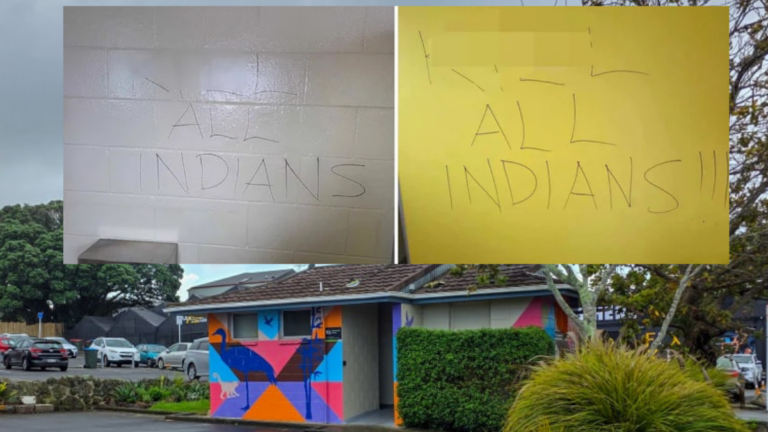
The awards have also served as a moment of remembrance for the victims, survivors and families whose lives were forever changed by the attack.

The Governor-General said,

“We also pay tribute to the 12 people injured, for their recovery and well-being, and all those whose lives were changed forever by the violence they witnessed on that terrible day.”

The Bondi Junction attack left multiple people dead, many others injured, and shocked communities across Australia. The bravery honours now formally recognise those who, in the face of terror, chose to act to protect strangers, loved ones and the wider public.

Support our Journalism

No-nonsense journalism. No paywalls. Whether you’re in Australia, the UK, Canada, the USA, or India, you can support The Australia Today by taking a paid subscription via Patreon or donating via PayPal — and help keep honest, fearless journalism alive.

Add a little bit of body text 8 1 1

World’s most recorded artist, legendary singer Asha Bhosle dies at 92, leaving behind an unmatched legacy

0

India has bid farewell to one of its most legendary voices, Asha Bhosle, whose extraordinary career shaped the sound of Indian cinema for more than seven decades. Her passing marks the end of an era in music, leaving behind a catalogue of songs that defined generations of listeners across the world.

By Firoze Edassery – Own work, CC BY-SA 4.0, https://commons.wikimedia.org/w/index.php?curid=41706476

Born on 8 September 1933 in Sangli, Maharashtra, Asha Bhosle rose from humble beginnings to become one of the most versatile and prolific playback singers in history. From classical and ghazals to cabaret, pop and folk, her voice effortlessly crossed genres and languages, making her a beloved icon across India and far beyond. While she began her journey in the shadow of her elder sister and music legend, Lata Mangeshkar, she soon carved a bold and independent musical identity that became instantly recognisable.

Her collaboration with composer R. D. Burman transformed Bollywood music, bringing Western influences, jazz, rock and experimental sounds into mainstream cinema. Together they created countless unforgettable songs that remain timeless classics.

She built a remarkable global footprint through cross-cultural collaborations that introduced her voice to international audiences. She lent her vocals to the pop track Bow Down Mister with Boy George, worked with British indie band Cornershop, whose global hit Brimful of Asha celebrated her enduring influence and collaborated with British pop duo Code Red on Can We Talk, underscoring her openness to experimenting with global pop and reaching listeners far beyond the world of Indian cinema.

She delighted fans across generations with unexpected cross-cultural work, including a memorable duet with cricketer Brett Lee that showcased her playful spirit and ability to connect with audiences far beyond traditional film music.

Asha Bhosle’s unmatched productivity earned her global recognition from Guinness World Records for the most recorded artist in music history, with thousands of songs recorded in more than 20 languages. Her voice became the soundtrack of multiple generations, accompanying love stories, celebrations, heartbreak and joy for millions of fans.

Even in her later years, she remained active, performing worldwide and mentoring younger artists. Her energy, curiosity and passion for music never faded, making her a cultural icon whose appeal transcended age and borders.

With her passing, the world loses not just a singer but a timeless voice that defined the golden era of Indian music. Her songs will continue to live on, echoing through radios, films and memories, ensuring that her legacy endures for generations to come.

Support our Journalism

No-nonsense journalism. No paywalls. Whether you’re in Australia, the UK, Canada, the USA, or India, you can support The Australia Today by taking a paid subscription via Patreon or donating via PayPal — and help keep honest, fearless journalism alive.

Add a little bit of body text 8 1 1

“Makes no difference”: President Trump doubles down as US–Iran talks end day one with zero deal in Pakistan

0

US President Donald Trump has declared victory over Iran even as marathon peace talks in Islamabad, Pakistan, drag on without a deal, highlighting the deep divide between political rhetoric and diplomatic reality.

President Trump said it “makes no difference” whether an agreement is reached, insisting the United States had already “won” militarily — a claim that set the tone for high-stakes talks unfolding in Islamabad.

Behind the scenes, however, negotiations between the United States and Iran have extended into the early hours of Sunday, with a senior White House official confirming bilateral talks are still ongoing after hours of intense discussions.

The meetings, led by US Vice President JD Vance and senior Iranian officials, mark a rare face-to-face engagement between the long-time adversaries, who have historically relied on intermediaries for high-level dialogue.

Despite Pakistani sources claiming the discussions as broadly “positive”, a major sticking point remains unresolved: control of the Strait of Hormuz, a vital global energy corridor.

The United States has already begun mine-clearing operations in the area, underlining the strategic urgency of the dispute.

Earlier talks on Saturday ended without a breakthrough, with both sides walking away empty-handed after tense exchanges. Negotiations are now continuing, with mediators working to prevent a complete collapse.

President Trump also warned China against supporting Iran’s war effort, signalling wider geopolitical tensions surrounding the conflict.

Meanwhile, Israel’s Prime Minister Benjamin Netanyahu said, “Israel under my leadership will continue to fight Iran’s terror regime and its proxies, unlike Erdogan who accommodates them and massacred his own Kurdish citizens.”

The US-Iran talks come amid a fragile ceasefire and continued violence in parts of the region, particularly in Lebanon, raising concerns that diplomacy may struggle to keep pace with developments on the ground.

Iran has demanded sanctions relief, guarantees against future attacks and influence over key waterways, while the US has pushed for restrictions on Iran’s nuclear program and the reopening of critical shipping routes.

Support our Journalism

No-nonsense journalism. No paywalls. Whether you’re in Australia, the UK, Canada, the USA, or India, you can support The Australia Today by taking a paid subscription via Patreon or donating via PayPal — and help keep honest, fearless journalism alive.

Add a little bit of body text 8 1 1

Perth man jailed over assault on police officers, including spitting at airport arrest

0

A 52-year-old West Australian man has been sentenced to 12 months’ imprisonment after spitting in the face of an officer from the Australian Federal Police outside Perth Airport.

The man was sentenced in the Perth Magistrates Court on 8 April 2026 after pleading guilty to multiple offences, including causing harm to a Commonwealth public official.

The court heard the incident began on 9 March 2026 when AFP officers responded to reports of two men arguing outside the airport terminal. When approached, the man refused to provide his details and attempted to walk away.

Officers stopped and restrained him after he became obstructive. While in custody at the airport, he spat directly into the face and mouth of an AFP officer.

He was subsequently charged under Commonwealth law for causing harm to a public official.

In a separate incident while being held in custody, the man threw urine-soaked clothing at a custody officer from the Western Australia Police Force. He was charged with assaulting a public officer under Western Australian law.

The court imposed an additional four-month sentence for this offence, to be served concurrently with the 12-month term.

AFP Acting Superintendent Peter Brindal said such behaviour towards officers would not be tolerated.

“Police work every day to protect the community and do not deserve to have their health put at risk,” he said.

Authorities reiterated that assaults on frontline officers are taken seriously, particularly where there is a risk to their health and safety.

Support our Journalism

No-nonsense journalism. No paywalls. Whether you’re in Australia, the UK, Canada, the USA, or India, you can support The Australia Today by taking a paid subscription via Patreon or donating via PayPal — and help keep honest, fearless journalism alive.

Add a little bit of body text 8 1 1

‘First contact’ that may have led to complex life on Earth finally witnessed by scientists

0

By Brendan Paul Burns and Kymberley Oakley

On the shores of the west coast of Australia lies a window to our past: the stromatolites and microbial mats of Gathaagudu (Shark Bay).

To the untrained eye they look like a collection of rocks and slime – but they are in fact teeming with microbial life. And these stromatolites are living “relics” of ancient ecosystems that thrived on Earth billions of years ago.

Microscopic image showing newly discovered Asgard archaeon (Nerearchaeum marumarumayae) derived from microbial mats that offers clues to the formation of complex life. Debnath Ghosal

If you wade past, it feels like you’re walking back through time. In fact, the first bubbles of oxygen that filled the atmosphere on early Earth likely came from ancient stromatolites. You could say we owe our very existence to these piles of rocks.

So, what other secrets of our past could these ecosystems tell us? Through decades of research, we know how early life has woven its path through these “living rocks”. But most recently our team embarked on the greatest genealogy search of them all: searching for our great microbial ancestors, the Asgard archaea.

And in a new paper, published today in the journal Current Biology, we report how this search led to the discovery of a key clue that could help explain how complex life evolved on Earth.

Brown rock-like formations in shallow seawater.
A field of stromatolites in Shark Bay, Western Australia. Brendan Burns

The cells that comprise complex life

Asgard archaea were originally named after Norse gods. This fascinating group of microbes sits on the cusp of one of the most significant events in the evolution of life: the origin of the complex cells that make up plants and animals, known as eukaryotes.

Evidence suggests Asgard archaea are the closest relatives of eukaryotes. And that on an early Earth it was the “marriage” of an ancient Asgard archaeon and a bacterium that led to the first eukaryotes.

They formed an ancient partnership. They shared resources and physically interacted, leading to the first complex cells. Like a Romeo and Juliet tale of two distant families coming together, Asgard archaea and bacteria decided it was time to break from traditional family values.

But we have never seen a model of how this may have occurred. Until now.

Holding up a mirror to the ancient past

Our team used the mats of Shark Bay as a “seed” to establish cultures of these ancient microbes. We are one of only four groups worldwide to achieve this, through years of research with a dedicated team of graduate students nurturing the Asgards like offspring.

But the Asgards were not alone. We found them together with a sulphate-loving bacterium. Could this be a model of how complex life may have started on a primitive Earth?

We began by sequencing the Asgards’ DNA to decipher exactly how these microbes tick at the genetic level. We also used artificial intelligence to model how proteins could have behaved in a world before eukaryotes. Evidence suggested these two microbes were sharing nutrients. In other words, they were cooperating.

But we wanted to delve deeper. What do our great microbial ancestors look like? Here we turned to electron cryotomography, a high-resolution imaging approach that allowed us to observe cells and structures at a nanometre scale.

And here we showed – for the first time – an Asgard archaeon and a bacterium directly interacting. Tiny nanotubes were connecting the two organisms – perhaps reflecting what their great-ancestors did on an early Earth that ultimately led to the explosion of complex life as we know it.

Microbial mat from Gathaagudu (Shark Bay, Australia). Inset: Microscopic image showing Asgard archaeon and bacterium derived from these mats interacting as a model for evolution of complex cells. Iain Duggin/Bindusmita Paul/Debnath Ghosal/Matthew Johnson/Brendan Burns.

Weaving western science with Indigenous knowledge

This was a major discovery – one that originated in Gathaagudu, a World Heritage Site with significant environmental and cultural values.

Aboriginal people first inhabited Gathaagudu over 30,000 years ago. We wanted to recognise and celebrate the language of the Malgana people, one of the traditional language groups of Gathaagudu. We also wanted to connect western science with Indigenous Knowledge in a meaningful way.

To this end and working closely with the world’s foremost Malgana language expert, Kymberley Oakley, and Aboriginal elders, a name was granted for our novel Asgard archaeon from the language of the Malgana people: Nerearchaeum marumarumayae. The species name – marumarumayae – is derived from the Aboriginal language of the Malgana people, meaning “ancient home”, a reference to stromatolites being of ancient origin in Earth’s history.

Weaving Aboriginal language into the naming of our new microbe represents a fitting connection between unique Aboriginal culture in Australia and the ancient microbe discovered that calls the mats of Gathaagudu “home”.

Gathaagudu is under threat from global change, from increased heatwaves, cyclonic events and human activity. And among the values to preserve and conserve are the significant Aboriginal connections as well as the trails of life going back through evolutionary time.

With our study we have peered into our past. And maybe like the Montagues and Capulets of Shakespeare, we see distant families of microbes coming together to bridge the divide and ultimately form the early eukaryotes that eventually led to us: a fragile branch on the evolutionary tree of life.

Brendan Paul Burns, Associate Professor, School of Biotech & Biomolecular Science, UNSW Sydney and Kymberley Oakley, Indigenous language expert, Indigenous Knowledge

This article is republished from The Conversation under a Creative Commons license. Read the original article.

Support our Journalism

No-nonsense journalism. No paywalls. Whether you’re in Australia, the UK, Canada, the USA, or India, you can support The Australia Today by taking a paid subscription via Patreon or donating via PayPal — and help keep honest, fearless journalism alive.

Add a little bit of body text 8 1 1

Officials lose track of Indian national Abjeet Kingra before crucial deportation hearing

0

Canadian immigration proceedings against an alleged member of the India-based Bishnoi gang were abruptly halted after authorities temporarily lost track of the suspect during a scheduled deportation hearing.

The case involving Indian national Abjeet Kingra was due to be heard before the Immigration and Refugee Board of Canada on Thursday. However, just minutes into the proceedings, officials confirmed they were unable to locate him.

“Without knowing where he is, there’s not much else we can do,” the presiding member said before adjourning the hearing as per Global News.

The Canada Border Services Agency, which is seeking Kingra’s removal from the country, also indicated it did not have updated information on his whereabouts at the time.

However, a British Columbia court later confirmed that Kingra remained in custody and is awaiting trial over serious criminal charges, including an alleged shooting and arson incident at a Surrey home.

Kingra is among a number of foreign nationals under scrutiny as part of a broader crackdown on organised extortion networks operating across Canada, particularly in British Columbia, Alberta and Ontario.

Authorities allege he was linked to the Bishnoi gang, which Canadian officials have tied to a wave of violent extortion activities targeting members of the South Asian community, including business owners and public figures.

He had earlier pleaded guilty to a high-profile attack on a residence connected to Punjabi singer AP Dhillon, where gunshots were fired and vehicles were set alight. He was sentenced to six years’ imprisonment.

Despite that conviction, Kingra now faces additional charges related to a separate incident in Surrey in August 2024, where he is accused of shooting at and setting fire to another property. He is scheduled to appear in court later this month.

The disruption to the deportation hearing has raised concerns about coordination between agencies, with local officials calling for greater accountability.

Surrey Mayor Brenda Locke said residents would expect “no confusion, no gaps, and no excuses” when dealing with individuals linked to serious organised crime.

Federal authorities say more than 370 foreign nationals have been identified through ongoing investigations into extortion networks, with dozens already removed from Canada.

The immigration board indicated that Kingra’s hearing is expected to resume once his location is formally confirmed, as investigations into his immigration status and alleged criminal links continue.

Support our Journalism

No-nonsense journalism. No paywalls. Whether you’re in Australia, the UK, Canada, the USA, or India, you can support The Australia Today by taking a paid subscription via Patreon or donating via PayPal — and help keep honest, fearless journalism alive.

Add a little bit of body text 8 1 1

Canada sends “leave now” notices to 30,000 asylum seekers, including Khalistan-linked cases

0

Canada has begun issuing formal notices to tens of thousands of refugee claimants warning they may be ineligible for asylum under newly tightened immigration rules, prompting concern among applicants and advocacy groups.

An immigration expert told The Australia Today that these letters may have also been issued to some applicants from India who have claimed asylum on the basis of alleged or unsubstantiated Khalistan-related grounds after arriving here on international student or visitor visas.

As per CBC, approximately 30,000 individuals have received what are known as “procedural fairness letters” from Immigration, Refugees and Citizenship Canada (IRCC).

These letters inform applicants that their claims may not meet eligibility requirements and give them a limited window to respond with additional information.

Officials stressed the notices are not immediate deportation orders but part of a standard process that allows applicants to address concerns before a final decision is made.

The move follows the passage of Bill C-12, which significantly tightens the timeframe and conditions under which asylum claims can be lodged. The law applies retroactively to claims made after June 3, 2025, and affects individuals who entered Canada as far back as June 2020.

Under the updated rules, claimants who waited more than one year after arriving in Canada to file for asylum may be deemed ineligible for referral to the Immigration and Refugee Board of Canada. Others who crossed irregularly from the United States and failed to lodge a claim within 14 days could also be barred.

Letters seen by media outlets warn some applicants that they “must leave Canada as soon as possible” if found ineligible, or risk facing a deportation order. However, many may still apply for a Pre-Removal Risk Assessment (PRRA), which allows officials to evaluate potential risks if the individual is returned to their home country.

Canadian authorities say the reforms are aimed at improving efficiency and addressing backlogs in the asylum system. But critics argue the retroactive nature of the law and the scale of the notices could leave vulnerable individuals in legal uncertainty.

The development marks one of the most significant shifts in Canada’s refugee processing system in recent years, with thousands now racing against time to justify their eligibility or prepare for possible removal.

Support our Journalism

No-nonsense journalism. No paywalls. Whether you’re in Australia, the UK, Canada, the USA, or India, you can support The Australia Today by taking a paid subscription via Patreon or donating via PayPal — and help keep honest, fearless journalism alive.

Add a little bit of body text 8 1 1

Indian-origin man files police complaint after his viral littering video sparks racist abuse

0

An Indian-origin Auckland man says he has filed complaints with police and raised concerns with Netsafe after a video of an alleged littering incident went viral online, triggering days of abusive messages and calls.

The incident occurred on 4 April in Alfriston, Auckland, when Mr A (name withheld) and a friend were filmed allegedly attempting to dispose of cardboard near a roadside area.

Mr A told The Indian Weekender he has apologised to police and the individual who filmed the incident, and is willing to pay any fine if required.

Police confirmed they received a report relating to the incident and said inquiries are in the early stages.

In the video, a passing motorist confronts the pair while filming, accusing them of littering and telling them, “don’t come to our country and litter,” alongside abusive language.

The footage has been widely shared on social media, attracting thousands of reactions and further reposts across platforms.

Mr A said the situation escalated after he was targeted with abusive calls and messages for several days following the video’s circulation.

He also alleged the person who recorded the footage damaged his car’s side mirror, raising safety concerns.

According to Mr A, he and his friend had intended to dispose of several large cardboard pieces but found recycling facilities in Manurewa and Papakura closed due to a public holiday. He said they briefly left the items on a grassy area before being confronted.

Mr A said he later returned the cardboard to the vehicle and apologised during the confrontation shown in the video.

He also contacted Netsafe regarding the online circulation of the footage. However, he said he was informed the content did not breach community standards, limiting its removal.

Support our Journalism

No-nonsense journalism. No paywalls. Whether you’re in Australia, the UK, Canada, the USA, or India, you can support The Australia Today by taking a paid subscription via Patreon or donating via PayPal — and help keep honest, fearless journalism alive.

Add a little bit of body text 8 1 1

Yogi Devgan, Dayawati Pandey and Vinaya Rai recognised at South Australia’s Multicultural Awards

0

Filmmaker Yogi Devgan, broadcaster Vinaya Rai and Hindu community volunteer Dayawati Pandey have been recognised at the 2025 Governor’s Multicultural Awards, with Devgan named joint winner of the Arts and Culture Award, Rai a highly commended finalist in the Media Award, and Pandey a finalist in the Senior Volunteer Award for her longstanding contribution to South Australia’s multicultural community.

Image: Filmmaker Yogi Devgan (Source: Facebook)

Yogi Devgan was named joint winner of the Arts and Culture Award, which recognises individuals or organisations advancing multiculturalism through creative practice.

Described as a filmmaker and cultural advocate, he has brought stories from marginalised communities to wider Australian audiences through the Port Adelaide Diversity and Inclusion Film Festival. In 2023, he expanded his work by establishing the Australian Film Diversity and Inclusion Foundation, launching its inaugural festival at Wallis Cinemas.

Image: Broadcaster Vinaya Rai (Source: Facebook)

Vinaya Rai was named a highly commended finalist in the Media Award category, acknowledging her long-standing role in community broadcasting.

Over more than 25 years, she has contributed to multilingual programming and intercultural dialogue through 5EBI, including Indian language and multifaith broadcasts, as well as mentoring emerging broadcasters. Her work has focused on strengthening migrant voices and fostering social cohesion.

Image: Hindu community volunteer Dayawati Pandey (Source: Facebook)

In the Senior Volunteer Award category, Dayawati Pandey was recognised as a finalist for her decades of community service.

In a statement, the Vishwa Hindu Parishad of Australia’s South Australia chapter said her recognition reflected “years of selfless service, dedication, and passion towards preserving and promoting the Hindi language, Indian culture, and heritage”. #

As principal of Saraswati Community School, Pandey has helped build a platform for cultural education aimed at younger generations.

The Governor’s Multicultural Awards celebrate individuals and organisations that promote cultural diversity and inclusion across the state. Administered by the Department of the Premier and Cabinet through Multicultural Affairs, the awards are presented by Frances Adamson on the advice of an independent judging panel.

The 2025 recipients were announced at a ceremony at Government House on 4 March 2026, following a record number of nominations. A total of 35 finalists were selected across 10 categories, reflecting a broad cross-section of community contributions to multiculturalism in South Australia.

Support our Journalism

No-nonsense journalism. No paywalls. Whether you’re in Australia, the UK, Canada, the USA, or India, you can support The Australia Today by taking a paid subscription via Patreon or donating via PayPal — and help keep honest, fearless journalism alive.

Add a little bit of body text 8 1 1

“Nothing short of disgraceful”: ANZAC War memorials vandalised again in Melbourne

0

Police are investigating the vandalism and theft of several ANZAC war memorials in Melbourne’s Caulfield Park, prompting renewed calls for stronger protections and penalties for those who deface sites of national remembrance.

David Southwick MP described the damage as “nothing short of disgraceful”, saying memorials recognising sacrifice and service had been deliberately targeted.

The affected sites include the Beer-Sheba Memorial, the Raoul Wallenberg plaque and the Avenue of Honour Memorial Stone, which bears the names of 298 local residents who died in the First World War.

Southwick said the incident went beyond simple vandalism, characterising it as “a deliberate act of disrespect toward those who served, those who sacrificed, and the values we honour as a nation”.

He confirmed Victoria Police had been notified and an investigation was underway, urging anyone with information to contact Crime Stoppers. He added that discussions had taken place with the local council to restore the damaged plaques and that those responsible “must be held accountable”.

The incident follows similar concerns raised earlier this year by the Returned & Services League of Australia (RSL) after the vandalism of a cenotaph in Eltham, in Melbourne’s north-east. The organisation condemned that attack and called for coordinated action by state and federal governments to better protect war memorials.

RSL national president Peter Tinley said at the time that such acts were “shameful and disrespectful to all veterans”, stressing that memorials “are not political props” but symbols of unity and remembrance. He warned that desecrating them in the name of protest undermines the very freedoms they represent, including the right to peaceful assembly and expression.

Tinley also pointed to the broader context in which such incidents occur, noting they can deepen community divisions during periods of national grief or crisis. He called for increased security and surveillance at memorial sites, particularly around significant national dates, alongside stronger penalties for offenders and national education efforts to reinforce the significance of these monuments.

Support our Journalism

No-nonsense journalism. No paywalls. Whether you’re in Australia, the UK, Canada, the USA, or India, you can support The Australia Today by taking a paid subscription via Patreon or donating via PayPal — and help keep honest, fearless journalism alive.

Add a little bit of body text 8 1 1

Australia and Singapore deepen energy and trade ties amid global crisis

0

Australia and Singapore have pledged closer coordination on energy security and the flow of essential goods, as global markets face continued disruption linked to the Middle East crisis.

In a joint statement issued on Friday, Anthony Albanese and Lawrence Wong said both countries would work to strengthen economic resilience and safeguard supply chains, while supporting efforts to end the conflict driving instability.

The leaders pointed to the economic fallout of the Middle East crisis, reaffirming their backing for a ceasefire and urging negotiations to bring the conflict to a close. They emphasised the need for coordinated responses to ensure their economies remain “stronger and more resilient into the future”.

The commitment builds on the upgraded Australia–Singapore Comprehensive Strategic Partnership 2.0, which sets out expanded cooperation across economic, security and emerging policy areas. Both sides highlighted the strategic importance of their energy relationship, noting Singapore’s role as a key supplier of refined petroleum to Australia and Australia’s position as a major exporter of liquefied natural gas to Singapore.

Against the backdrop of an “acute energy crisis” affecting global markets, the prime ministers said their governments were determined to meet each other’s energy needs and maintain stable supply. They pledged to support the continued flow of essential goods, including diesel and LNG, through improved coordination, more efficient border and port processes, and greater transparency.

The statement also underscored a shared commitment to a rules-based multilateral trading system, with both countries agreeing to intensify cooperation during periods of global disruption. Ministers have been tasked with finalising a legally binding protocol under the Singapore–Australia Free Trade Agreement focused on economic resilience and essential supplies.

To support these efforts, the two governments announced the creation of an Australia–Singapore Economic Resilience Dialogue, aimed at addressing supply chain challenges and facilitating trade in critical goods. An inaugural Energy Ministerial Dialogue will also be convened to deepen collaboration in the sector.

The leaders called on other trading partners to help keep global energy supply chains open, warning that continued cooperation would be critical to maintaining economic stability and security.

Support our Journalism

No-nonsense journalism. No paywalls. Whether you’re in Australia, the UK, Canada, the USA, or India, you can support The Australia Today by taking a paid subscription via Patreon or donating via PayPal — and help keep honest, fearless journalism alive.

Add a little bit of body text 8 1 1

‘Cuddle therapy’ sounds like what we all need right now

0

By Glen Hosking

Cuddle therapy is having a moment. The idea for this emerging therapy is for you to book in a specified time with a “professional cuddler”.

Websites promote cuddle therapists as specialists in platonic touch, offering a service to people who wish to cuddle for friendship, to relax or manage emotional challenges.

The aim is to find connection and improve your mental health and wellbeing.

But does it actually work?

Here’s what you need to think about before booking in.

What is cuddle therapy?

Cuddle therapists offer consensual, non-sexual cuddles in a structured and safe environment, designed to be free from criticism, bias, conflict and any behaviour or conversation that may feel unsafe or threatening.

Cuddle therapists are not official or regulated professionals. There do not appear to be any accredited training programs or professional bodies that oversee and regulate cuddle therapy.

However, there are numerous people who promote themselves as professional cuddlers, and whose services are said to offer a range of psychological and physiological benefits.

These include reductions in depression, anxiety and loneliness, improvements in social skills and immune functioning, lowered blood pressure and a decreased risk of heart disease.

Providers suggest cuddle therapy can also lessen symptoms of post‑traumatic stress disorder, enhance a person’s capacity to recover from experiences of sexual or physical abuse, and reduce cravings associated with substance use.

Comforting claims, sparse science

Despite such claims, there do not appear to be any published peer‑reviewed studies that directly examine the psychological or physiological effects of engaging a professional cuddler.

There is, however, a broader body of research exploring the benefits of non‑sexual physical touch, including hugging and gentle, sustained contact.

Such touch has been associated with reductions in daily stress and improvements in overall wellbeing. Physical touch has also been identified as a way of conveying empathy, social bonding, and care.

Most of this research focuses on touch in close relationships – such as with partners, parents or friends – rather than touch delivered by a practitioner as part of a paid service. So, we don’t know if these findings translate to cuddle therapy.

There are however, known impacts of physical touch, including prompting the release of the hormone oxytocin. Oxytocin interacts with other neurochemicals, most notably dopamine, which supports feelings of comfort and connection.

Together, these neurochemical responses help explain why sustained touch can have a calming and soothing effect.

Professional cuddles need professional boundaries

Because cuddle therapy involves physical touch, emotional vulnerability and power dynamics between therapist and client, it raises a number of important ethical and professional issues.

1. Provide informed consent

If you’re thinking about cuddle therapy, ask what the service does and does not involve. Get a clear explanation about the boundaries of the service, where touch is and is not permitted, and the structure of the session.

You’ll need to provide explicit and informed consent before proceeding, and you can withdraw consent at any time.

2. Professional boundaries must be clear

A cuddle therapy relationship should remain professional at all times.

It is not OK for your cuddle therapist to express personal or romantic interest, or that the connection is becoming “special” or exclusive in ways that go beyond the agreed‑upon service.

Likewise, a practitioner should never pressure you to share personal information or disclose more than you are comfortable with.

Maintaining firm boundaries helps ensure the interaction remains safe, respectful and centred on your wellbeing rather than blurring into a personal relationship.

3. Watch you’re not becoming dependent

You may seek cuddle therapy because you are vulnerable, including but not limited to being lonely, depressed or in emotional pain. It is understandable that a touch‑based session may help you feel cared for, grounded or safe in the moment.

However, you should also watch for signs you are becoming dependent on a practitioner for emotional stability or comfort. This might include believing you can only feel calm, safe or OK after seeing that specific practitioner or wanting increasing contact or more cuddle therapy sessions.

4. It’s no cure for complex issues

Similarly, while cuddle therapy can offer temporary relief and a sense of connection, it is not designed to resolve underlying psychological issues or replace professional mental health care.

So cuddle therapy should be viewed as a supportive experience, but not a cure for broader or more complex emotional challenges.

Key takeaways

Taken together, cuddle therapy is an emerging practice centred on consensual, non‑sexual physical touch delivered in a structured environment. It’s promoted online as a way to reduce distress and enhance emotional wellbeing.

Cuddle therapy remains unregulated, with no formal training pathways or governing bodies overseeing professional standards. So service providers, rather than empirical evidence, largely shape public information about cuddle therapy.

Evidence suggests a range of benefits of physical touch. However, if you do pursue cuddle therapy you should ensure there are clear boundaries, you provide informed consent, and know you can withdraw that consent at any time.

Glen Hosking, Clinical Psychologist and Associate Professor of Psychology, La Trobe University

This article is republished from The Conversation under a Creative Commons license. Read the original article.

Support our Journalism

No-nonsense journalism. No paywalls. Whether you’re in Australia, the UK, Canada, the USA, or India, you can support The Australia Today by taking a paid subscription via Patreon or donating via PayPal — and help keep honest, fearless journalism alive.

Add a little bit of body text 8 1 1

Do you speak Hindi or Punjabi? Victoria Police wants you for a specialised program

0

Victoria Police is encouraging employees who speak languages other than English to join a specialised program that offers additional allowances and aims to strengthen engagement with culturally diverse communities.

Victoria is home to people who speak 290 languages and have 314 different ancestries.

Under the Language Allowance Scheme (LAS), officers and staff who are fluent in a language other than English can receive a yearly bonus if they use those skills in their role.

The initiative is designed to support communication with Victoria’s culturally and linguistically diverse (CALD) communities, where language barriers can affect access to services and trust in law enforcement.

To qualify, employees must demonstrate fluency in another language and pass a Community Language Aide test administered by the National Accreditation Authority for Translators and Interpreters (NAATI).

The test assesses basic oral communication and the ability to assist in two-way conversations.

Police said the scheme allows multilingual employees to assist in a range of duties, including community liaison, operational support and investigations.

Officers may be called on to help bridge communication gaps in situations where individuals are unable to speak English or to support specialist units when required.

The program is offered in addition to normal duties and is open to employees after one year of service.

Victoria Police said the scheme not only recognises language skills within its workforce but also helps build trust and improve communication between police and the community.

Support our Journalism

No-nonsense journalism. No paywalls. Whether you’re in Australia, the UK, Canada, the USA, or India, you can support The Australia Today by taking a paid subscription via Patreon or donating via PayPal — and help keep honest, fearless journalism alive.

Add a little bit of body text 8 1 1

‘Burn in hell’: Will Albanese and Wong sanction Pakistan’s foreign minister after outrageous antisemitic remarks, Jewish group asks

0

Comments posted on social media by Pakistan’s Defence Minister Khawaja M. Asif have drawn strong criticism from Jewish organisations and the Israeli government, while also prompting renewed debate over diplomatic consistency in responses to inflammatory political statements.

In a post on X, the Asif used highly inflammatory language to condemn Israel and alleged ongoing violence in Gaza, Iran and Lebanon, alongside remarks directed at the state of Israel that have been widely condemned by critics.

“Israel is evil and a curse for humanity, while peace talks are underway in Islamabad, genocide is being committed in Lebanon. Innocent citizens are being killed by Israel, first Gaza, then Iran and now Lebanon, bloodletting continues unabated,” he wrote.

“I hope and pray people who created this cancerous state on Palestinian land to get rid of European jews burn in hell.”

The Australian Jewish Association (AJA) described the comments as “Nazi-like hatred” and questioned whether the Anthony Albanese government would respond with the same measures it has taken in other diplomatic disputes.

The office of the Israeli Prime Minister also condemned the remarks, calling them “outrageous” and saying such rhetoric was unacceptable from any government engaged in international diplomacy.

Earlier, in a joint statement, Prime Minister Albanese and Foreign Minister Senator Penny Wong thanked Pakistan for its role in supporting ceasefire negotiations and advancing efforts to reduce tensions.

The statement said: “We thank and support the work of negotiators, including Pakistan, Egypt, Türkiye and Saudi Arabia, in advancing de-escalation efforts. Australia wants to see the ceasefire upheld and a resolution to the conflict.”

AJA has pointed to previous Australian sanctions against Israeli officials and asked whether similar action would be considered in this case. The controversy comes as Australia maintains a broader diplomatic push for de-escalation in the Middle East.

Support our Journalism

No-nonsense journalism. No paywalls. Whether you’re in Australia, the UK, Canada, the USA, or India, you can support The Australia Today by taking a paid subscription via Patreon or donating via PayPal — and help keep honest, fearless journalism alive.

Add a little bit of body text 8 1 1

Petition urges Australian government to review parental leave for temporary resident visa holders

0

A petition is calling on the Australian Government to change paid parental leave laws, arguing current rules unfairly exclude skilled migrants who have lived and worked in the country for years.

The Change.org campaign urges the Anthony Albanese government to recognise time spent contributing to Australia before migrants obtain permanent residency, particularly in essential sectors such as healthcare.

At the centre of the petition is the case of an allied health worker who has lived in Australia since 2018 and worked as a physiotherapist since 2019, including in regional areas with workforce shortages.

The worker was on an employer-sponsored visa before gaining permanent residency in late 2024 but has been denied Paid Parental Leave (PPL) under the current two-year residency requirement.

The petitioner said the decision has created financial pressure at a time when their household is relying on a single income while caring for a newborn. They also pointed to earlier periods, including during the COVID-19 pandemic, when visa holders were excluded from government financial support despite continuing to work.

The petition argues that the current system does not reflect the contributions of long-term migrants, particularly those employed in critical industries, and creates what it describes as a policy gap.

Under existing rules, eligibility for PPL is tied to residency requirements, which do not account for time spent living and working in Australia on temporary visas. Critics say this can leave families without support during a significant life event, even after years of paying taxes and contributing to the economy.

The campaign is calling for legislative changes to allow pre-residency work and residency periods to be considered, as well as greater flexibility through case-by-case assessments for long-term contributors.

Australia has increasingly relied on skilled migration to address workforce shortages, particularly in regional and healthcare sectors. The petition argues that aligning social support policies with this reliance would ensure more equitable treatment of migrant families.

Support our Journalism

No-nonsense journalism. No paywalls. Whether you’re in Australia, the UK, Canada, the USA, or India, you can support The Australia Today by taking a paid subscription via Patreon or donating via PayPal — and help keep honest, fearless journalism alive.

Add a little bit of body text 8 1 1

Exiled Prince Reza Pahlavi criticises West for ceasefire, calls for Iranians to continue push for change of Islamic regime

0

Exiled Iranian royal Reza Pahlavi has called on Iranians to continue their push for political change, following the announcement of a two-week ceasefire involving the United States, Iran and Israel.

In a series of posts on social media, Pahlavi acknowledged the ceasefire had “disheartened many” but said it should not be seen as a setback, urging supporters to remain “patient” and prepared for what he described as a decisive moment.

He argued that recent military developments had significantly weakened Iran’s leadership and security apparatus, but maintained that lasting change would ultimately depend on action from within the country. He said the “final blow” would need to come from the Iranian people themselves.

Pahlavi also used the posts to criticise Western governments, including the United Kingdom, accusing them of failing to take stronger action against Tehran. He called on British Prime Minister Keir Starmer to adopt a tougher stance, including measures targeting Iran’s leadership and institutions.

In separate remarks, he claimed the current political system in Iran had lost legitimacy and would not be reformed through diplomatic agreements alone. He described the ceasefire and negotiations as temporary developments that would not alter underlying conditions within the country.

Addressing Iran’s armed forces directly, Pahlavi urged members to “fulfil their national role”, calling on them to side with the public rather than the current leadership.

His comments come amid heightened tensions in the region and ongoing international efforts to de-escalate the conflict. While the ceasefire has been welcomed by governments seeking stability, reactions among opposition figures and diaspora groups have been mixed.

Pahlavi, who has long positioned himself as a leading opposition figure outside Iran, reiterated his support for what he described as a popular movement for change, saying the outcome would ultimately be determined by the Iranian people.

Support our Journalism

No-nonsense journalism. No paywalls. Whether you’re in Australia, the UK, Canada, the USA, or India, you can support The Australia Today by taking a paid subscription via Patreon or donating via PayPal — and help keep honest, fearless journalism alive.

Add a little bit of body text 8 1 1

Search underway for migrant detainee who escaped custody at Bankstown Hospital

0

Police are appealing for public assistance as the search continues for a detainee who escaped custody in Sydney’s south-west.

Michael Angok, 30, fled after being transported from Villawood Immigration Detention Centre to Bankstown Hospital on Wednesday morning. He reportedly ran from the hospital shortly after 9.30am.

Officers from Bankstown Police Area Command, supported by specialist units including PolAir, the Dog Unit and tactical teams, established a perimeter and carried out an extensive search of the surrounding area.

Police located a number of personal items discarded on Gallipoli Road during the operation, but the man has not yet been found.

He is described as being of African appearance, about 175cm to 180cm tall, with a thin build and short black hair. He was last seen wearing a black hooded jumper, grey tracksuit pants and white Crocs-style sandals.

Police believe he may have connections to Sydney’s west, particularly the Blacktown area, and could be using the public transport network.

Authorities have urged members of the public not to approach him if sighted, but to call Triple Zero immediately.

Anyone with information is urged to contact Crime Stoppers. Investigations are ongoing.

Support our Journalism

No-nonsense journalism. No paywalls. Whether you’re in Australia, the UK, Canada, the USA, or India, you can support The Australia Today by taking a paid subscription via Patreon or donating via PayPal — and help keep honest, fearless journalism alive.

Add a little bit of body text 8 1 1

On-ground farming realities highlighted at Australia and India agribusiness Jaipur roundtable

0

A major agribusiness roundtable in Jaipur has brought together industry leaders, policymakers and farmers from Australia and India, as efforts intensify to strengthen collaboration between the two countries’ agricultural sectors.

The second AgriMaitri India Roundtable, convened by Western Sydney University and led by Dr Vanita Yadav, gathered 53 participants for a field-focused dialogue aimed at linking policy, markets and on-ground farming realities.

Image: Delegates at the AgriMaitri Roundtable in Jaipur, Rajasthan, India (Source: Supplied)

Held on 19 March 2026 at the Marriott Jaipur, the event brought together senior government officials, researchers, agribusiness entrepreneurs, startups and Farmer Producer Organisations (FPOs), alongside farmers, to co-design pathways for deeper Australia–India cooperation.

The roundtable featured the formal launch of the AgriMaitri Strategic Brief, with keynote addresses from Rajasthan’s Principal Secretary (Agriculture) Manju Rajpal and Investment NSW’s Trade Commissioner Malini Dutt.

Dr Vanita Yadav, project lead for AgriMaitri, said the Delhi and Jaipur events were important in bringing together diverse stakeholders from both countries to co-design actionable solutions for the agribusiness sector. She said delegates represented government, industry, AgTech, research institutions, academia, chambers of commerce and trade bodies, creating a dynamic forum for dialogue between Australian and Indian experts.

Image: Q and A at the AgriMaitri Roundtable in Jaipur, Rajasthan, India (Source: Supplied)

Discussions focused on practical challenges faced by farmers and agribusinesses, with participants sharing experiences on market access, policy frameworks and innovation at the grassroots level. Representatives from the Government of Rajasthan, the Government of India and the NSW Government took part in the policy dialogue.

AgriMaitri is led by a transdisciplinary team including Dr Yadav, Professor Nicky Morrison, Professor Basant Maheshwari, Professor David Tissue, Associate Professor Maria Estela Varua and Professor Brajesh Singh, working alongside partner organisations in both countries.

The initiative is supported by the Centre for Australia-India Relations through the Maitri Research Grants under the Department of Foreign Affairs and Trade. It aims to address gaps between India and Australia’s complementary strengths in agribusiness by bringing together academia, industry, policymakers, farmers and trade bodies to identify shared opportunities.

Image: Village visit during AgriMaitri Roundtable in Jaipur, Rajasthan, India (Source: Supplied)

The roundtable was also held in collaboration with key Indian partners, including the National Institute of Agricultural Marketing and the Indian Council for Agricultural Research.

Organisers said the Jaipur discussions added strong regional depth to the AgriMaitri initiative, which is now moving from dialogue to implementation, with a focus on connecting policy, markets and farm-level realities across both countries.

Support our Journalism

No-nonsense journalism. No paywalls. Whether you’re in Australia, the UK, Canada, the USA, or India, you can support The Australia Today by taking a paid subscription via Patreon or donating via PayPal — and help keep honest, fearless journalism alive.

Add a little bit of body text 8 1 1

Headspace Ashfield expands with $1m funding, supports hundreds of youth

0

A larger and upgraded headspace centre has opened in Ashfield, aiming to improve access to free mental health care for young people in Sydney’s Inner West.

Prime Minister Anthony Albanese said accessible local services were critical for young people seeking early support. He said the upgraded centre would ensure those “doing it tough” could access help close to home and free of charge.

The relocated headspace Ashfield facility is now operating from Level 2, 320 Liverpool Road, offering expanded space for individual and group therapy, as well as increased capacity for GP, psychiatry and student placement programs.

The expansion has been supported by nearly $1 million in funding from the Australian Government, as part of a broader effort to strengthen youth mental health services nationwide.

Assistant Minister for Mental Health Emma McBride said the expanded facility would increase access to care and respond to growing demand, noting the service is expected to be upgraded to headspace Plus to support more complex needs.

Local MP Sally Sitou said the investment would help families in the Inner West access timely support in a safe and welcoming environment.

The centre, commissioned by Central Eastern Sydney Primary Health Network and operated by New Horizons, provides support across four key areas: mental health, physical and sexual health, work and study, and alcohol and other drug services.

In the past year, headspace Ashfield supported 635 young people and delivered more than 4,100 occasions of care, reflecting increasing demand for youth-focused mental health services.

Nationally, there are 175 headspace centres, with plans to expand the network to 203 locations. Online support is also available through eheadspace for young people seeking remote assistance.

The Ashfield expansion forms part of ongoing efforts to improve early intervention and accessibility in Australia’s youth mental health system.

Support our Journalism

No-nonsense journalism. No paywalls. Whether you’re in Australia, the UK, Canada, the USA, or India, you can support The Australia Today by taking a paid subscription via Patreon or donating via PayPal — and help keep honest, fearless journalism alive.

Add a little bit of body text 8 1 1

India–Fiji cultural ties highlighted at ICCR 77th foundation day in Suva

0

The 77th foundation day of the Indian Council for Cultural Relations was celebrated in Suva with a cultural evening highlighting the strong ties between India and Fiji.

The event, organised by the High Commission of India in Suva and ICCR, was attended by Fiji’s Minister for Foreign Affairs and External Trade Sakiasi Ditoka as chief guest.

Image: High Commission of India in Suva with Fiji’s Minister for Foreign Affairs and External Trade Sakiasi Ditoka as chief guest (Source: HCI Suva – Facebook)

Deputy Speaker and Assistant Minister for Foreign Affairs and External Trade Lenora Qereqeretabua was also present, along with members of the diplomatic corps, academics, ICCR alumni and representatives of the Indian diaspora.

The programme featured testimonials from ICCR alumni reflecting on their academic and cultural experiences in India, alongside classical dance performances by students of ICCR Suva, including Bharatanatyam and Kathak presentations.

Cricket coach Sanjeev Sharma was also recognised for his contribution to strengthening sporting links between the two countries.

The event highlighted ongoing cultural collaboration and people-to-people connections between India and Fiji, with organisers noting the role of ICCR in promoting cultural exchange and educational opportunities.

Support our Journalism

No-nonsense journalism. No paywalls. Whether you’re in Australia, the UK, Canada, the USA, or India, you can support The Australia Today by taking a paid subscription via Patreon or donating via PayPal — and help keep honest, fearless journalism alive.

Add a little bit of body text 8 1 1

Is Australia at risk of a recession?

0

By Stella Huangfu

Talk of a recession in Australia has picked up in recent weeks. Rising fuel prices, a sharp fall in consumer confidence, and signs of softer spending have all added to concerns the economy may be losing momentum.

A recession is commonly defined as two consecutive quarters of negative economic growth. By that standard, Australia is not there yet — but the key question is what the data are telling us about the likelihood of getting there.

The answer depends on which data you look at.

The backward-looking data: still resilient

Let’s start with the national accounts, the broadest measure of how the economy is travelling. The December quarter was solid, with annual real gross domestic product (GDP) growth running at 2.6%.

That was the fastest growth in almost three years and is not an economy in recession. It suggests activity remained reasonably resilient heading into 2026, supported by ongoing demand and broadly strong economic conditions.

But the national accounts report is backward-looking. It tells us where the economy has been, not necessarily where it is going.

More recent data: momentum is slowing

More timely indicators show hints of a slowdown. Since the war in Iran began five weeks ago and pushed local petrol and diesel prices higher, consumer confidence has fallen sharply.

Measures from the ANZ-Roy Morgan Consumer Confidence survey show confidence fell to a record low in late March before edging up slightly in the latest reading. Despite this modest rebound, sentiment remains very subdued, suggesting households are increasingly cautious about the outlook.

Spending figures dating from before the Iran war began point to a weakening in demand.

Official monthly data from the Australian Bureau of Statistics point in the same direction. The Household Spending Indicator shows spending fell 0.5% in December and has only recovered modestly since, pointing to a clear loss of momentum in household demand.

Business surveys reinforce this picture. The NAB quarterly business survey shows conditions remain above average but have eased, while confidence has fallen to a 15-month low. Companies are still operating at reasonable levels, but they are becoming more cautious about the outlook.

Together, these data suggest the economy is not stalling — but it is clearly slowing down.

Interest rates and war are adding to the slowdown

Several forces help explain this shift.

First, interest rates are weighing on economic activity. The Reserve Bank of Australia has increased the cash rate twice this year, adding to borrowing costs. Monetary policy works with a lag, meaning the full effect of these rate rises has not yet been felt in consumer spending and business investment.

Economists and financial markets also expect more rate increases because of the RBA’s concerns about inflation. That would further depress demand.

Second, fuel prices have risen sharply, squeezing household budgets. Higher petrol costs both lift inflation and reduce real incomes, leaving less room for spending on other things.

Third, uncertainty has increased. Businesses are becoming more cautious about hiring and investment, as reflected in the NAB Quarterly Business Survey, where confidence has recently turned negative.

The labour market is also beginning to soften. The unemployment rate edged up to 4.3% in February. While still relatively low by historical standards, this suggests jobs growth has slowed.

What might yet trigger a recession

Together, the data do not currently point to an imminent recession. The level of economic activity remains solid, and the labour market, while softening, is still relatively resilient.

But they do point to growing downside risks.

A recession would likely require a combination of shocks rather than a single trigger. These could include:

  • a sustained rise in fuel prices that further erodes household purchasing power
  • interest rates staying higher for longer, or rising further than expected
  • a sharper pullback in consumption as household savings buffers are run down
  • a more pronounced deterioration in the labour market.

If several of these forces were to occur together, one or two quarters of negative growth would become more plausible.

The bottom line

The data suggest Australia is not currently in recession, but the economy is slowing and becoming more vulnerable.

Backward-looking indicators still show economic resilience, but more timely data point to weakening momentum.

The most likely outcome is a period of weak growth rather than a sharp downturn. But the margin for error is narrowing.

Whether Australia ultimately slips into recession will depend less on where the economy is today and more on what happens next — particularly in energy prices, household spending and the path of interest rates.

Stella Huangfu, Associate Professor, School of Economics, University of Sydney

This article is republished from The Conversation under a Creative Commons license. Read the original article.

Support our Journalism

No-nonsense journalism. No paywalls. Whether you’re in Australia, the UK, Canada, the USA, or India, you can support The Australia Today by taking a paid subscription via Patreon or donating via PayPal — and help keep honest, fearless journalism alive.

Add a little bit of body text 8 1 1

Pakistani man pleads guilty plotting terror attack on Jewish centre, faces life sentence

0

A 21-year-old Pakistani national has pleaded guilty in a United States court to plotting a mass shooting at a Jewish centre in Brooklyn, in a case authorities say was inspired by ISIS and timed to coincide with the anniversary of the 7 October 2023 Hamas attacks.

Muhammad Shahzeb Khan, also known as Shahzeb Jadoon, entered the plea before US District Judge Paul G. Gardephe and is due to be sentenced on 12 August 2026. He faces a maximum penalty of life imprisonment for attempting to commit acts of terrorism transcending national boundaries.

Prosecutors said Khan, a Pakistani citizen who had been living in Canada, planned to travel into the United States and carry out an attack at a prominent Jewish religious site in Brooklyn, using automatic-style weapons to cause mass casualties.

Assistant Attorney General for National Security John A. Eisenberg said Khan had aimed to time the attack with the anniversary of the 7 October Hamas attacks in Israel, with the explicit intent of killing as many Jewish people as possible.

He said New York City had been chosen because of its large Jewish population and described the plan as one that could have resulted in one of the deadliest attacks on US soil in recent years.

US Attorney for the Southern District of New York Jay Clayton said the plot had been disrupted before Khan reached the United States, following an investigation involving federal and local authorities. He said the case underscored that terrorism and hate-based violence would not be tolerated and that law enforcement agencies remained committed to protecting communities and places of worship.

According to court documents, Khan began expressing support for ISIS online in late 2023, sharing propaganda and communicating with individuals he believed were collaborators. Those individuals were, in fact, undercover officers.

During those exchanges, prosecutors said Khan outlined plans to target Jewish sites using assault-style rifles and other weapons, and discussed logistics, including crossing the US-Canada border with the help of a human smuggler. He later shifted his focus to a specific Jewish centre in Brooklyn, identifying a location within the building where he intended to carry out the attack.

Authorities said Khan repeatedly urged the acquisition of weapons and other equipment, and at one point stated that, if successful, the attack could rival the scale of the September 11 attacks.

On 4 September 2024, Khan travelled from the Toronto area towards the US border but was arrested near Ormstown, Quebec, about 12 miles from the crossing point.

Officials said the investigation involved the FBI’s Joint Terrorism Task Force in New York, alongside multiple US agencies and Canadian authorities, including the Royal Canadian Mounted Police. Khan was later extradited to the United States in June 2025.

Support our Journalism

No-nonsense journalism. No paywalls. Whether you’re in Australia, the UK, Canada, the USA, or India, you can support The Australia Today by taking a paid subscription via Patreon or donating via PayPal — and help keep honest, fearless journalism alive.

Add a little bit of body text 8 1 1

India ramps up A$ 49 billion infrastructure project to become super exporter of energy and petrochemical products

0

India has approved a series of projects aimed at strengthening the country’s energy security, boosting regional infrastructure, and supporting socio-economic development across key states.

India’s Cabinet Committee on Economic Affairs (CCEA), chaired by Prime Minister Narendra Modi, has approved major hydroelectric and refinery projects in Arunachal Pradesh and Rajasthan, with combined investments exceeding Rs. 49,000 crore.

Kalai-II Hydro Electric Project
A key initiative, the Kalai-II Hydro Electric Project, will be built on the Lohit River in Anjaw District, Arunachal Pradesh, at a total investment of Rs. 14,105.83 crore. Scheduled for completion in 78 months, the 1200 MW project (6 x 190 MW and 1 x 60 MW) is expected to generate 4,852.95 MU of electricity annually.

Implemented through a joint venture between THDC India Limited and the Government of Arunachal Pradesh, the project will strengthen the state’s power supply, support peak demand management, and contribute to national grid stability.

The state will receive 12% free power and an additional 1% for the Local Area Development Fund (LADF). Infrastructure improvements, including 29 kilometres of roads and bridges, will largely benefit local communities.

Kamala Hydro Electric Project
Following this, the Cabinet approved the Kamala Hydro Electric Project across Kamle, Kra Daadi, and Kurung Kumey districts, with an investment of Rs. 26,069.50 crore. The 1720 MW project (8 x 210 MW & 1 x 40 MW) is expected to produce 6,870 MU annually and provide flood moderation benefits in the Brahmaputra valley.

Developed through a joint venture between NHPC Limited and the state government, Kamala HEP will improve energy security, create employment, and accelerate infrastructure development with around 196 km of new roads and bridges.

The project also includes hospitals, schools, and marketplaces funded via dedicated project funds. Arunachal Pradesh is also seeing progress on other major hydropower projects, including Subansiri Lower (2000 MW), Dibang Multipurpose (2880 MW), and the planned Etalin project (3097 MW).

HPCL Rajasthan Refinery Expansion
In western India, the Cabinet approved a revised investment for HPCL Rajasthan Refinery Limited (HRRL) at Pachpadra, Balotra, Rajasthan. The total project cost has increased from Rs. 43,129 crore to Rs. 79,459 crore, with an additional Rs. 8,962 crore equity investment by HPCL, bringing its total stake to Rs. 19,600 crore.

The refinery, a greenfield 9 MMTPA petrochemical complex, will produce high-value products including 1 MMTPA petrol, 4 MMTPA diesel, 1 MMTPA polypropylene, and specialty chemicals such as LLPDE, HDPE, benzene, toluene, and butadiene.

The project is expected to enhance energy independence, reduce import dependence, generate thousands of jobs during construction, and contribute to the industrial development of a backward region. Commercial operations are scheduled to commence on 1 July 2026.

Together, these projects reflect India’s commitment to expanding its energy infrastructure, supporting local development, and creating employment opportunities while reinforcing national energy security. The combined hydropower capacity of Arunachal Pradesh and the expansion of petrochemical production in Rajasthan will significantly contribute to meeting India’s growing electricity and industrial needs.

Prime Minister Modi, commenting on the approvals, emphasised that these projects “will drive economic growth, strengthen energy independence, and provide tangible benefits to local communities through employment, infrastructure, and development initiatives.”

Support our Journalism

No-nonsense journalism. No paywalls. Whether you’re in Australia, the UK, Canada, the USA, or India, you can support The Australia Today by taking a paid subscription via Patreon or donating via PayPal — and help keep honest, fearless journalism alive.

Add a little bit of body text 8 1 1

University spent nearly $1.5 million on executive coach as staff and courses faced cuts, reveals report

0

The University of Technology Sydney (UTS) spent nearly $1.5 million on executive leadership coaching between 2021 and 2025 while implementing staff and course reductions.

Documents obtained by Four Corners under the Government Information (Public Access) Act (GIPA) show UTS vice-chancellor Andrew Parfitt and his leadership team engaged Beyond Excellence, a coaching firm led by Julie Birtles. About $783,000 of the total expenditure occurred in 2024, when planning for workforce and course changes was underway.

As per ABC, the coaching program included leadership workshops, retreats, and confidential feedback sessions with senior staff. The university also funded travel for the consultant, including flights and accommodation for interstate visits.

It is reported that UTS had been addressing recurring budget deficits, with revised plans resulting in reductions of approximately 120 academic roles, 143 courses, and 839 subjects, while delaying cuts to professional staff. The reductions have affected areas including the School of Public Health.

A UTS spokesperson told ABC that external consultants were engaged where specific expertise was required and that all engagements complied with university procurement policy.

The National Tertiary Education Union (NTEU) highlighted the expenditure as part of ongoing discussions on university budgeting and resource allocation.

Documents also indicate that some contracts for Beyond Excellence were exempt from standard tender processes, with approvals based on the need for continuity and trust in executive coaching relationships.

The federal government has announced upcoming reforms requiring universities to disclose consultancy expenditure, its purpose, and value, in line with improved governance principles.

Support our Journalism

No-nonsense journalism. No paywalls. Whether you’re in Australia, the UK, Canada, the USA, or India, you can support The Australia Today by taking a paid subscription via Patreon or donating via PayPal — and help keep honest, fearless journalism alive.

Add a little bit of body text 8 1 1

Education Minister Carroll announces new pathways for rural students to learn Automotive, Engineering and Cookery

0

The Victorian government has launched a new regional model to make vocational education and training (VET) more accessible for students in Far East Gippsland, allowing them to complete courses locally while attending school.

Deputy Premier and Education Minister Ben Carroll said 65 students are now enrolled in the VET Delivered to Secondary Students (VDSS) program at Orbost Community College, with more expected to join in 2027.

The initiative addresses challenges in rural areas, including geographical isolation, small cohorts and limited training providers. By bringing Orbost Secondary College, Orbost North Primary School, and Orbost Primary School together under one model, students can access courses from TAFE Gippsland trainers on-site, rather than having to travel to distant locations.

Training programs currently offered include Automotive, Engineering, and Cookery, with pathways designed to improve senior secondary completion rates and employment opportunities. Students from Cann River P-12 College are already participating, and schools such as Mallacoota P-12 are expected to join.

“Labor has real solutions for students in the regions, making vocational education more accessible,” said Carroll.

“Geography shouldn’t be a barrier to education – every student has the right to attend a great public school in Victoria.”

Tom McIntosh added that Orbost Community College is “creating better opportunities for students in Far East Gippsland, giving them the choice to enrol in vocational education and training.”

The VDSS Transport Fund also supports trainers’ travel from TAFE Gippsland to Orbost, ensuring consistent delivery of courses, while the government’s $8.5 million 2025 investment helped establish Orbost Community College as a regional hub for vocational education.

Support our Journalism

No-nonsense journalism. No paywalls. Whether you’re in Australia, the UK, Canada, the USA, or India, you can support The Australia Today by taking a paid subscription via Patreon or donating via PayPal — and help keep honest, fearless journalism alive.

Add a little bit of body text 8 1 1

Tribunal rejects Sikh man’s asylum claim of harassment by India’s ruling party calling it ‘entirely fabricated’

0

A young Indian man seeking asylum in New Zealand has been told to return home after a tribunal found that his home region in Jammu is “reasonably safe” for civilians.

The 27-year-old Sikh man from Ranbir Singh Pura had sought protection in 2023, citing the ongoing India-Pakistan border conflict and a history of repeated evacuations of his family and neighbours.

It is reported by Awaaz that in its March 27 ruling, the Immigration and Protection Tribunal acknowledged the unrest in the region but said civilians who flee conflict zones occupy a “grey area” under international human rights law.

The tribunal referenced previous cases involving Ukrainian asylum seekers, noting that applicants from severely affected areas such as Kyiv, Zaporizhzhia, and Sevastopol faced far higher risks than those in Jammu.

It is reported that using data from the South Asian Terrorism Portal, the tribunal highlighted a long-term decline in civilian fatalities in Jammu and Kashmir. While deaths exceeded 800 in 2002, recent figures show annual fatalities in the high twenties to mid-thirties, out of millions of residents.

“The appellant’s predicament is far removed from those of the appellants in the Ukrainian cases,” the judgment stated.

The tribunal also dismissed the man’s claims of political persecution, describing allegations of harassment by local Bharatiya Janata Party members as “entirely fabricated.”

“The chance of any civilian being killed, injured, or abducted across Jammu and Kashmir is at negligible levels and does not indicate a level of risk of such harms at the level of a real chance generally.”

The tribunal noted he had not raised these issues during previous immigration hearings.

Support our Journalism

No-nonsense journalism. No paywalls. Whether you’re in Australia, the UK, Canada, the USA, or India, you can support The Australia Today by taking a paid subscription via Patreon or donating via PayPal — and help keep honest, fearless journalism alive.

Add a little bit of body text 8 1 1

Fiji announces fuel crisis relief measures, including subsidies for poor and pay cuts for ministers

0

Fiji’s government has unveiled a sweeping package of relief measures to cushion households and businesses from the impact of a worsening global fuel crisis, with subsidies, welfare increases and proposed pay cuts for political leaders among the key steps.

Prime Minister Sitiveni Rabuka said the measures were designed to ease cost pressures, maintain essential services and prepare the country for potential disruptions linked to instability in the Middle East.

In a national address following meetings of the National Security Council and Cabinet, Rabuka confirmed the government would subsidise public transport operators to keep fares stable and provide financial support to Energy Fiji Limited to offset diesel costs and ensure a reliable electricity supply.

He said the government would also increase welfare payments for vulnerable groups, including those on social assistance and elderly pensioners, as part of broader efforts to support those most affected by rising living costs.

The Prime Minister indicated that a temporary reduction in Fiji National Provident Fund contributions for both employers and employees was under consideration, subject to parliamentary approval. He said the move could ease pressure on businesses while increasing take-home pay for workers during a difficult economic period.

In a bid to demonstrate fiscal restraint, Rabuka announced a proposed 20 per cent pay cut for ministers, assistant ministers and members of parliament, also subject to approval. Overseas travel for ministers and senior officials has been largely suspended, with limited exceptions granted for fuel negotiations and humanitarian discussions.

Additional cost-saving measures across the public service include a freeze on new positions, suspension of job evaluations, restrictions on government vehicle use and a shift towards virtual meetings. Overtime payments have also been halted, with time-in-lieu arrangements to apply instead, and new capital projects without signed contracts placed on hold.

Rabuka said the measures were necessary to reduce expenditure and redirect resources towards managing fuel supply risks. He stressed that fuel would be prioritised for critical sectors such as electricity generation, transport and key economic activities.

Fiji remains in what the government has described as “Phase One — Preparedness and Responsible Use”, meaning fuel supplies are currently stable but require careful management amid global uncertainty. Authorities warned that prices could rise further if international conditions deteriorate.

The government said it was working with international partners, including Australia, to secure fuel supplies and explore storage options. Engagements are also under way with countries in the Middle East.

Rabuka said about 682 Fijians currently in the Middle East had raised safety concerns, with nearly $2 million set aside for potential evacuations if required.

Officials said existing fuel shipments would sustain the country until the end of May, though supply beyond that point remains uncertain if global routes are disrupted.

The government also confirmed that foreign exchange reserves remain strong, covering an estimated 12 to 18 months, helping to maintain financial stability and avoid currency pressure.

Rabuka urged the public to conserve fuel and energy by reducing unnecessary travel, carpooling, using public transport and adopting alternative energy solutions where possible, including solar power.

He said Fiji had overcome past crises through collective effort and called for unity and discipline as the country navigates the current challenges.

Support our Journalism

No-nonsense journalism. No paywalls. Whether you’re in Australia, the UK, Canada, the USA, or India, you can support The Australia Today by taking a paid subscription via Patreon or donating via PayPal — and help keep honest, fearless journalism alive.

Add a little bit of body text 8 1 1

Man killed in Melbourne high-rise shooting, homicide squad investigates

0

A man has been fatally shot inside an apartment building in Melbourne’s inner east, prompting an early-morning evacuation of the high-rise.

Victoria Police confirmed the incident occurred at an address on Whitehorse Road shortly before 2am on Thursday, with emergency services responding to reports of an altercation. The victim, who has not yet been formally identified, died at the scene.

Police have not disclosed further details on the circumstances, describing the shooting as the result of an “altercation” and treating the incident as targeted. Homicide Squad detectives are leading the investigation.

Residents were evacuated when a fire alarm was triggered and gathered on the street outside the building. One resident told Sunrise that police informed them “the worst has happened, that it can’t get much worse.” Others reported hearing shouting and a single gunshot from the upper floors, with the shooting believed to have taken place on the 11th floor.

The crime scene remained active through the early hours before residents were allowed back inside. Investigations are ongoing, and authorities have urged anyone with information to contact Crime Stoppers on 1800 333 000 or via www.crimestoppersvic.com.au.

Support our Journalism

No-nonsense journalism. No paywalls. Whether you’re in Australia, the UK, Canada, the USA, or India, you can support The Australia Today by taking a paid subscription via Patreon or donating via PayPal — and help keep honest, fearless journalism alive.

Add a little bit of body text 8 1 1

Premier Cook warns: Don’t trust ‘Friend Helen,’ She’s scam costing victims $24 million in 2025

0

Western Australians lost more than $24 million to scams last year, with criminals increasingly using stolen personal data and sophisticated tactics to trick victims, according to the latest WA ScamNet Year in Review report.

Commerce Minister Dr Tony Buti said scammers are increasingly impersonating banks, government agencies, or trusted brands, often through SMS, email, or phone calls. About 27 per cent of reported scams involved phishing, where fraudsters pose as legitimate organisations to obtain personal information.

The report, compiled by WA ScamNet as part of the Department of Local Government, Industry Regulation and Safety’s Consumer Protection division, found that phishing and hacking scams caused $2.1 million in losses, while investment scams accounted for $13.7 million. Dating and romance scams resulted in $3.8 million in losses, and fraudulent charities cost victims a further $2 million.

AI and data breaches are emerging as tools in bank impersonation scams. In 2025, 20 victims lost a total of $257,819 to such scams, with $93,000 already reported so far in 2026. One Perth resident lost $4,541 after a caller claiming to be from her bank’s fraud department urged her to take urgent action. The caller appeared highly convincing, using an Australian accent and personal details likely obtained through a data breach.

Premier Roger Cook used the incident to warn Western Australians about the growing sophistication of online scams, saying even public figures were not immune.

“I wish I could say Helen and I go way back, but unfortunately, this is just another scammer.”

Citing WA ScamNet’s latest report, Cook said scammers were increasingly using stolen personal data to manipulate victims into handing over money. He urged people to stop and speak to someone they trust before sharing personal information or transferring money.

He also warned against clicking on suspicious links or attachments in emails and said people should never take investment advice from an online contact.

“Talk to someone you trust, report suspicious behaviour, and contact your bank immediately if money has been sent,” he said, adding that more advice was available through the ScamNet WA website.
Premier Roger Cook

Employment-related scams also increased, with scammers posing as employers and requesting staff purchase gift vouchers. The report identified more than 30 scams involving blackmail, in which victims were threatened with the release of personal images or data unless they paid money.

While the total amount stolen remains significant, the report noted a 12 per cent decline in financial losses compared with 2024.

Dr Buti urged Western Australians to secure their digital accounts, protect personal information, and exercise caution online. “With large-scale data breaches happening more frequently, cybercriminals can obtain names, contact details, and bits of account data that make their scams far more convincing,” he said.

He advised residents to pause and seek advice from trusted contacts before sharing personal information or transferring money, avoid clicking links or attachments in unsolicited emails, and never rely on investment advice from online contacts. Suspicious activity should be reported to banks immediately.

Support our Journalism

No-nonsense journalism. No paywalls. Whether you’re in Australia, the UK, Canada, the USA, or India, you can support The Australia Today by taking a paid subscription via Patreon or donating via PayPal — and help keep honest, fearless journalism alive.

Add a little bit of body text 8 1 1

“You don’t trust terrorists”: Emirati expert questions Pakistan’s credibility in US–Iran war ceasefire

0

In diplomacy, perception often carries as much weight as reality. And right now, Pakistan’s position in one of the world’s most volatile geopolitical theatres is raising uncomfortable questions given its long history of association with terrorism and its precarious economic situation.

The recent two-week pause in tensions involving Iran and the United States has been framed, in part, as a product of backchannel diplomacy. Pakistan, with its geographic proximity and long-standing ties to Tehran, has reportedly played a role in relaying messages between the two sides. On the surface, this appears to be a constructive intervention but beneath that narrative lies a more complicated—and sharply contested—picture.

Emirati Strategic and Political Affairs expert, Amjad Taha, delivered a blistering assessment, arguing that “Pakistan kept the Islamic terrorist regime in Iran alive” and warning that “you don’t trust terrorists or negotiate with them.”

Taha’s remarks, while highly charged, reflect a broader unease among some Gulf observers who question whether Pakistan’s diplomacy is guided by principle or expediency.

British activist Tommy Robinson also weighed in, saying he does not trust a country that once provided refuge to Osama bin Laden, reflecting wider scepticism about Pakistan’s credibility.

That scepticism, however, is not universally shared. Australia, for instance, has struck a more measured tone. Prime Minister Anthony Albanese welcomed the ceasefire as a step towards de-escalation, emphasising that prolonged conflict risks deepening global economic shocks—particularly through disruptions in the Strait of Hormuz—and increasing the human toll. He acknowledged ongoing diplomatic efforts and expressed support for negotiators, including Pakistan, while urging all parties to uphold international humanitarian law and protect civilian lives.

French President Emmanuel Macron said he had spoken with both Iranian President Massoud Pezeshkian and former US President Donald Trump, describing their agreement to a ceasefire as “the best possible decision.”

Macron stressed that the truce must be fully respected across all fronts to remain credible and expressed hope it would lead to broader negotiations addressing Iran’s nuclear and missile programmes, regional actions, and disruptions in the Strait of Hormuz, adding that such steps are essential to building a durable peace with international support.

The balancing act is not new. Pakistan maintains a “brotherly” relationship with Iran, while also holding deep strategic and defence ties with Gulf nations—particularly Saudi Arabia. Yet when Iran launched attacks affecting regional interests, Islamabad’s defence commitments appeared notably restrained, raising questions about consistency.

At the same time, Pakistan’s engagement with Washington adds another layer of ambiguity, especially after the very public and cringeworthy flattery of Donald Trump by Pakistani Prime Minister Shehbaz Sharif and reports of Trump-family crypto ventures intersecting with Pakistani interests.

Adding to this intrigue is the controversy surrounding a reportedly drafted social media post attributed to Sharif. It suggests Islamabad may have been taking orders and echoing external directives rather than independently steering diplomatic efforts.

It is also being reported that Pakistan is merely a pawn in this long game. The idea of a temporary pause—linked to reopening the Strait of Hormuz—was driven by proposals from the team of President Donald Trump, even as Washington simultaneously escalated pressure on Tehran with threats of further military action.

Today, Trump underscored the conditional nature of the negotiations, stating:

“There is only one group of meaningful ‘points’ that are acceptable to the United States, and we will be discussing them behind closed doors during these negotiations.”

Amid questions surrounding the ceasefire announcement by Pakistan’s Foreign Minister, Iran’s position has remained firm. Iranian Foreign Minister Seyed Abbas Araghchi said the terms of the truce were “clear and explicit,” warning that the United States must choose between de-escalation and continued conflict. He stated:

“The U.S. must choose—ceasefire or continued war via Israel. It cannot have both… The ball is in the U.S. court, and the world is watching whether it will act on its commitments.”

Meanwhile, the fragile truce, meant for two weeks, appears to have already faltered, with reports of violations emerging across parts of the conflict zone. Mediator Prime Minister Sharif acknowledged the breaches, warning they risk undermining the peace process.

To be fair, mediation in conflicts of this scale is rarely straightforward. Countries often operate within constraints—balancing alliances, managing domestic pressures, and avoiding escalation. Pakistan’s Foreign Minister, Ishaq Dar, acknowledged as much, noting that Islamabad was still attempting to “manage things” even as the situation deteriorated.

But intent alone does not guarantee credibility.

In the end, credibility in international diplomacy is not declared; it is demonstrated. And as the ceasefire holds—however tenuously—the question remains: Is Pakistan a trusted intermediary—or simply a messenger in a game it has no control over?

Support our Journalism

No-nonsense journalism. No paywalls. Whether you’re in Australia, the UK, Canada, the USA, or India, you can support The Australia Today by taking a paid subscription via Patreon or donating via PayPal — and help keep honest, fearless journalism alive.

Add a little bit of body text 8 1 1

“I am lucky to be alive”: Elderly Indian Australians racially abused in Melbourne’s west as morning walk turns violent

0

A group of Indian-Australian seniors on their regular morning walk in Melbourne’s west were allegedly subjected to days of racial abuse before the confrontation turned violent, with a few men claiming they were struck by a car after standing up for other elderly walkers at Sanctuary Lakes Shopping Centre.

Rohit Singh, son of an elderly morning walker, told The Australia Today, the abuse had been building for days before the incident escalated.

The Australia Today understands 12 elderly Indian Australians regularly gather for their usual walk, coffee and conversation at the parking area of Sanctuary Lakes Shopping Centre.

Mr Singh said many elderly parents meet at the shopping centre each morning for companionship and routine, but over the past few days, a woman had allegedly been approaching them and abusing them with insults like “go back to your country” and that they “don’t belong here”.

Singh alleged the same woman returned and began abusing the group. He said he intervened to defend his father and the other elderly people who had been targeted.

The woman then bought a bag of rubbish and threw it at them, and deliberately drove her car toward him, hitting them.
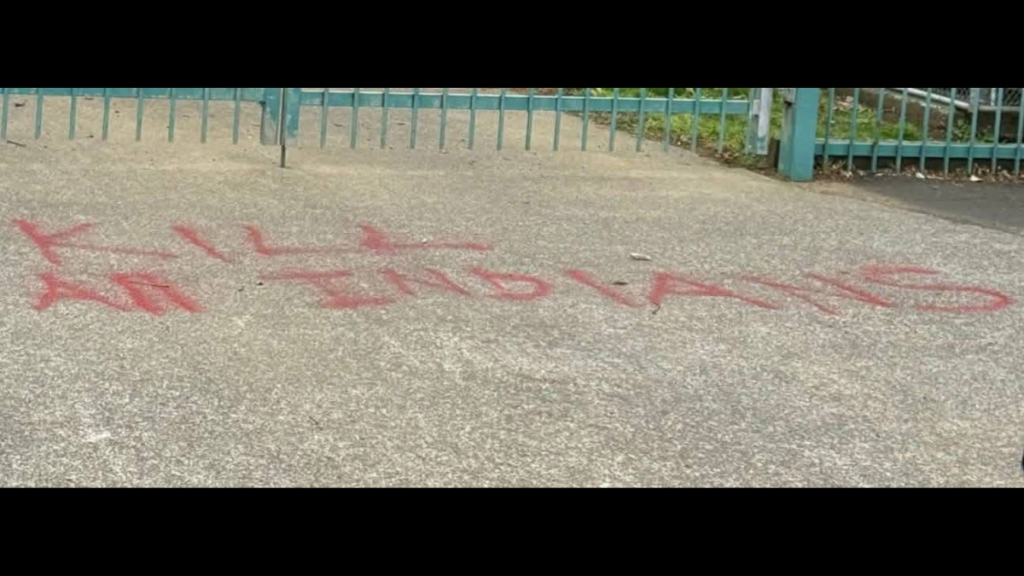
“I am lucky to be alive,” Singh said, describing the moment as the culmination of repeated abuse directed at vulnerable older members of the community.

Rohit was badly injured in the incident and was taken to the hospital via an ambulance. A video shows the brutality as the car can be seen hitting Rohit and his father.

Victoria Police attended the attack site, and a report has been filed by the group. Despite having an off-duty police officer witness the whole incident, the police have not made any arrests.

The alleged attack has sent shockwaves through the local Indian Australian community because it was not just an ugly exchange in a public place, but an alleged intimidation campaign targeting elderly people during one of the most ordinary parts of their day.

Mr Parmar, who does not want his first name to be published, told The Australia Today that morning walks for many older migrants are more than exercise.

“It is a space for us to socialise, language, friendship and a sense of belonging. That is what makes repeated racist harassment so deeply disturbing.”

Victoria’s own anti-racism strategy acknowledges that racism and discrimination occur in daily interactions, workplaces, schools and public spaces, and says all Victorians should be central to efforts to prevent and address it.

For many Indian-Australian families in Melbourne’s west, the alleged incident resonates far beyond Point Cook. It raises a raw question about whether elderly migrants, who should be able to enjoy a simple morning walk without fear, are being left exposed to racist hostility in public spaces.

Singh said he was speaking out not for sympathy, but for awareness and action, adding that no elderly person should feel unsafe going for a walk in their own community.

As anger spreads through local community networks, there will now be growing pressure for the incident to be taken seriously, for Victoria Police to talk to the two witnesses who have come forward.

This is a chance for the Allan government to send a clear message that abuse targeting elderly people because of who they are or where they come from has no place in multicultural Victoria.

Support our Journalism

No-nonsense journalism. No paywalls. Whether you’re in Australia, the UK, Canada, the USA, or India, you can support The Australia Today by taking a paid subscription via Patreon or donating via PayPal — and help keep honest, fearless journalism alive.

Add a little bit of body text 8 1 1

Trump pauses Iran bombing for two weeks as Tehran offers Strait of Hormuz safe passage

0

US President Donald Trump has agreed to suspend bombing Iran for two weeks after accepting a 14-day truce proposal, in a dramatic de-escalation after days of threats that had pushed the Middle East closer to a wider regional war.

Trump said the pause was conditional on Iran agreeing to the “complete, immediate, and safe” reopening of the Strait of Hormuz, while also saying Washington had received a 10-point Iranian proposal that could serve as a workable basis for negotiations.

The breakthrough was brokered with Pakistan playing a central mediating role. Reuters reported that Pakistan’s Prime Minister Shehbaz Sharif said he had invited Iranian and US delegations to meet in Islamabad on Friday.

In contrast, Iran’s Foreign Minister Abbas Araqchi said Tehran would halt counter-attacks and allow safe transit through the Strait of Hormuz in coordination with Iranian armed forces. The waterway is one of the world’s most critical energy choke points, handling about a fifth of global oil shipments.

The ceasefire announcement marked a sharp reversal from Trump’s earlier rhetoric. Just hours before the deal, he had threatened devastating attacks on Iran’s civilian infrastructure and warned that “a whole civilisation” could die if Tehran did not comply with his demands. Reuters said the sudden pivot came less than two hours before Trump’s deadline for Iran to reopen the Strait or face a much broader assault.

Even so, the truce looked fragile almost as soon as it was declared. Reuters reported it was not immediately clear how quickly the ceasefire would take full effect, with the Israeli military still reporting missiles launched from Iran after Trump’s announcement and several Gulf states issuing alerts and activating air defences. That has left uncertainty over whether the two-week pause can last long enough to become a broader political settlement.

Financial markets responded immediately. Oil prices slid back below US$100 a barrel after the announcement, with Brent crude down 13.6 per cent to US$94.43 and West Texas Intermediate down 14.3 per cent to US$96.82 in early trading, reflecting hopes that a temporary reopening of Hormuz could ease the supply shock that has rattled global fuel markets.

For Australia, the development matters well beyond diplomacy. Prime Minister Anthony Albanese and Foreign Minister Penny Wong said in a joint statement that Australia welcomed the two-week ceasefire and had been calling for de-escalation for some time.

They said Iran’s de facto closure of the Strait of Hormuz, together with attacks on vessels and energy infrastructure, had caused “unprecedented energy supply shocks” and pushed up oil and fuel prices, and they thanked Pakistan, Egypt, Türkiye and Saudi Arabia for helping advance the ceasefire effort.

Albanese also sharpened his criticism of Trump’s earlier language. In a Sky News interview published by the Prime Minister’s office, he described the threat of damage to civilian infrastructure as “an extraordinary statement” and said it was not appropriate to use language of that kind. At the same time, he said the ceasefire itself was “very positive” and expressed hope it would lead to a permanent de-escalation and eventual resolution of the conflict.

The truce also arrives as Australia continues to manage its own fuel vulnerability. Reuters reported earlier this week that Energy Minister Chris Bowen said Australia had secured fuel shipments well into May, but the government has still been scrambling to protect supply chains as the war sent diesel and petrol prices sharply higher.

If the Hormuz passage remains open and talks in Islamabad gain traction, the immediate pressure may ease. But if the ceasefire breaks down, the world could find itself back on the edge of a deeper economic and military crisis within days.

Support our Journalism

No-nonsense journalism. No paywalls. Whether you’re in Australia, the UK, Canada, the USA, or India, you can support The Australia Today by taking a paid subscription via Patreon or donating via PayPal — and help keep honest, fearless journalism alive.

Add a little bit of body text 8 1 1

Former Australian High Court judge Geoffrey Nettle sworn in as new Justice for Fiji’s Supreme Court

0

Former High Court of Australia justice Geoffrey Nettle has been sworn in as a judge of Fiji’s Supreme Court, marking the latest appointment of an experienced international jurist to the Pacific nation’s highest bench.

Mr Justice Nettle took the Oath of Allegiance and the Oath of Judicial Office before Fiji’s President, Ratu Naiqama Lalabalavu, at State House on Wednesday morning, formally joining the Supreme Court under constitutional requirements.

The ceremony was attended by Chief Justice Salesi Temo and Chief Registrar Tomasi Bainivalu.

Image: Former High Court of Australia justice Geoffrey Nettle has been sworn in as a judge of Fiji’s Supreme Court (Source: Facebook – Fiji Government)

Justice Nettle, who served on the High Court of Australia from 2015 to 2020, brings decades of judicial and legal experience to the role. Prior to his appointment to Australia’s apex court, he sat on the Victorian Court of Appeal for more than a decade and earlier served as a judge of the Supreme Court of Victoria’s Trial Division.

Image: Former High Court of Australia justice Geoffrey Nettle has been sworn in as a judge of Fiji’s Supreme Court (Source: Facebook – Fiji Government)

A graduate of the Australian National University, the University of Melbourne and the University of Oxford, Justice Nettle was admitted to practise in Victoria in 1977 before being called to the Bar in 1982. He was appointed Queen’s Counsel in 1992 and built a practice spanning commercial law, equity, taxation and public law, appearing in both state and federal courts.

His judicial career began with his appointment to the Supreme Court of Victoria in 2002, followed by elevation to the Court of Appeal in 2004.

Image: Former High Court of Australia justice Geoffrey Nettle has been sworn in as a judge of Fiji’s Supreme Court (Source: Facebook – Fiji Government)

After retiring from the High Court, Justice Nettle continued in public service roles, including as Victoria’s Special Investigator between 2021 and 2023, leading inquiries into allegations involving former police officers. More recently, he served as chief consultant to the National Anti-Corruption Commission on its Robodebt investigation between late 2024 and early 2026.

Support our Journalism

No-nonsense journalism. No paywalls. Whether you’re in Australia, the UK, Canada, the USA, or India, you can support The Australia Today by taking a paid subscription via Patreon or donating via PayPal — and help keep honest, fearless journalism alive.

Add a little bit of body text 8 1 1

Growing EV popularity is leading to queues at fast chargers. Could a kerbside charger network help?

0

By Bjorn Sturmberg and Arastoo Teymouri

The war on Iran has made crystal clear how shaky our reliance on fossil fuels is. It’s no surprise electric vehicles and transport have become more appealing.

In Australia, sales of electric vehicles surged 40–50% in March.

That sudden surge came after ten months of relatively slow growth, during which battery electric and plug-in hybrid vehicles made up roughly 14% of new car sales. Industry groups saw the sluggishness as a sign of the difficulties in moving beyond early adopters to the much larger mainstream market.

This market includes people who live in apartments or inner city areas with no off street parking. In Sydney’s eastern suburbs, for example, 60% of residents live in apartments or townhouses, and 50% rent.

If the millions of Australians in this position are to go electric, they have to be confident in their ability to charge cheaply and conveniently. Relying on public fast chargers won’t be enough, as queues at chargers over Easter show.

These drivers will need a high quality public kerbside charging network, where drivers can park on a street, plug in a slower but much cheaper charger and head to the shops. In our new research, we lay out what a good kerbside network should look like.

Why kerbside chargers matter

Drivers usually charge their EVs using private chargers at home, public chargers at work or at dedicated fast or ultra-fast charging stations on roads.

Kerbside chargers represent another promising option. These small box-like chargers can be attached to power poles, streetlights or mounted on the footpath. Kerbside chargers usually run at power levels similar to home charging at around 7-22kW, though some run at 30-50kW.

There’s a trade-off between speed and cost. Ultra-fast chargers (150-400kW) can charge an average EV battery from 10 to 80% in around 30 minutes, but cost significantly more than slower chargers. Kerbside chargers cost significantly less, in part because they place far less stress on the power grid.

As well as letting drivers charge without off-street parking, kerbside chargers also build confidence for all EV drivers by expanding the charger network. If one charger is occupied, another will be free.

The federal government last year announced A$40 million in grant funding to accelerate the kerbside charging rollout, which is about to be delivered. Electricity distributors are lobbying to be able to provide this infrastructure.

How do we get the rollout right?

To find out how to optimise the kerbside charger rollout, we partnered with Waverley, Woollahra and Randwick Councils in Sydney, whose kerbside network amounts to 94 spaces. It’s well used, with 27,000 charging sessions over the six months to the end of February 2026.

The data from these chargers revealed key insights. Chargers were used much more when they were located near apartments and shops, and when signs restricted use to EVs actively using the chargers.

One surprise was the fact charger usage clustered around daytime and evenings, with little overnight.

Daytime use is good news for the power grid, as it makes sense to charge EVs when floods of cheap solar are being generated. This should lead to lower charging prices during these times.

But it’s less than ideal that a third of total charger use took place during evenings, when the power grid is experiencing peak demand.

As more and more EVs appear on the roads, evening demand from chargers may rise too. Meeting this demand could require expensive grid upgrades.

graph showing pattern of demand for EV kerbside chargers, with most demand between 8am and 9pm.
This graph shows the pattern of charging demand from the kerbside charging network in three Sydney council areas. Daytime charging is ideal, but evening charging adds to peak demand. Author provided, CC BY-NC-ND

Optimising the kerbside network

There’s usually a lot of flexibility in when drivers charge their EVs for daily or weekly use. Many EVs can even be set to charge when power is cheapest.

The challenge is how to get people (and vehicles) to respond to this flexibility and how to coordinate their actions at scale. One method could be to set higher prices for kerbside charging during times of peak demand.

Higher prices during evening peaks for EV charging at home could also encourage drivers to avoid peak demand, though this should ideally apply only to EV charging, not cooking dinner.

People want faster kerbside chargers

Most existing or planned kerbside chargers rely on slower, low power AC chargers (7-11 kW) able to charge an average EV from 10 to 80% in around six hours.

These are the default for kerbside charging because they are cheap and provide the same charging experience as in homes and workplaces. They work well for those who live nearby and can charge over longer periods such as across a day or overnight.

But the Sydney council data showed a clear preference for higher power DC chargers (30-50 kW) able to charge an average EV battery from 10 to 80% in two hours.

These chargers are best located near services which take 1-2 hours to complete, or near apartment blocks where many local drivers can take short turns charging.

On average, the faster DC charger sites were used four times a day, compared to once a day for slower AC chargers. Because DC chargers deliver energy much faster, each one delivered five times more energy (100 kWh per day) on average.

This means these more expensive DC chargers can be the most economic option for kerbside charging. Their higher throughput also makes them space efficient, requiring fewer contentious dedicated EV parking spaces.

Our analysis shows DC sites are most effective when coupled with two hour parking restrictions rather than allowing a four hour stay, as this reduces EVs overstaying once fully charged.

graph showing DC kerbside chargers delivering much more power than AC chargers.
DC chargers deliver much more power than slower AC chargers. Author provided, CC BY-NC-ND

In response, the three Sydney councils have deployed more DC chargers at new sites and upgraded some existing sites.

At present, many plans for new public kerbside chargers still focus on slower AC chargers, many without dedicated EV parking spaces.

Our analysis suggests dedicated EV parking spaces are essential, and faster DC chargers should play a more prominent role. These are popular with drivers, have better economics, and require fewer dedicated EV parking spaces.

Bjorn Sturmberg, Senior Research Fellow, Collaboration on Energy and Environmental Markets, UNSW Sydney and Arastoo Teymouri, Researcher in Energy Systems, UNSW Sydney

This article is republished from The Conversation under a Creative Commons license. Read the original article.

Support our Journalism

No-nonsense journalism. No paywalls. Whether you’re in Australia, the UK, Canada, the USA, or India, you can support The Australia Today by taking a paid subscription via Patreon or donating via PayPal — and help keep honest, fearless journalism alive.

Add a little bit of body text 8 1 1

Victoria Cross hero Ben Roberts-Smith arrested, charged with alleged war crimes

0

One of Australia’s most decorated soldiers, Ben Roberts-Smith, has been arrested and charged with five counts of the war crime of murder over alleged conduct during his deployments in Afghanistan.

The 47-year-old Victoria Cross recipient was taken into custody at Sydney Airport after arriving from Brisbane and later charged by the Australian Federal Police. He has been refused bail and is expected to face court, with each charge carrying a potential life sentence.

ABC reports that authorities allege the incidents occurred between 2009 and 2012 and involved unarmed Afghan nationals. The case has not yet been tested in court and no criminal findings of guilt have been made.

This is an AI-generated illustrative image of Ben Roberts-Smith and does not depict a real event or photograph.

Prime Minister Anthony Albanese declined to comment in detail to the ABC, stressing the importance of maintaining the independence of the legal process. “That is a matter that is now the subject of legal proceedings,” he said, adding that any public commentary could risk prejudicing the case.

Former prime minister Tony Abbott struck a more personal tone, expressing strong support for Australian special forces personnel who served in Afghanistan.

In a post on X, he described them as “loyal and professional” and cautioned against applying civilian standards to battlefield decisions. Abbott also raised concerns about the length of time taken to bring charges, arguing that “justice delayed is justice denied” and questioning why any alleged misconduct was not identified earlier.

Opposition Leader Angus Taylor said the legal process must be allowed to run its course, while reiterating that respect for Australia’s special forces should not be diminished.

One Nation leader Senator Pauline Hanson voiced support for Roberts-Smith, calling on Australians to stand by him during the proceedings.

The charges follow years of scrutiny stemming from the Brereton Report, a landmark inquiry into alleged misconduct by Australian special forces in Afghanistan.

Initiated in 2016 and released in 2020, the report identified credible information relating to unlawful killings and led to the establishment of the Office of the Special Investigator to pursue potential criminal cases.

Roberts-Smith had previously been the subject of a high-profile defamation case against media outlets, which concluded in 2023 with a Federal Court finding that certain allegations were proven on the civil standard of proof. He has consistently denied wrongdoing and has not been convicted of any criminal offence.

Authorities say the current charges are part of a broader and ongoing investigation into alleged war crimes, with dozens of matters examined and only a small number progressing to prosecution.

As per ABC, officials have emphasised that the allegations relate to a limited number of individuals and do not reflect the conduct of the wider Australian Defence Force.

Support our Journalism

No-nonsense journalism. No paywalls. Whether you’re in Australia, the UK, Canada, the USA, or India, you can support The Australia Today by taking a paid subscription via Patreon or donating via PayPal — and help keep honest, fearless journalism alive.

Add a little bit of body text 8 1 1

Indian international student drowns at Lake Taupō during Easter trip in New Zealand

0

A 21-year-old Indian international engineering student has drowned at Lake Taupō during the Easter long weekend in New Zealand, prompting an outpouring of grief and a fundraising effort to return his body to Mumbai.

Shaurya Sriram, a student at the University of Auckland, died on April 5 after getting into difficulty while swimming in the lake during a holiday trip with friends.

According to reports, Sriram had ventured into deeper waters when he began to struggle. A friend pulled him back to shore and attempted resuscitation while emergency services were contacted. He was later taken to Rotorua Hospital, where he was pronounced dead.

A report from the Coroner’s Court confirmed his death shortly after the incident.

Sriram, the only child of Mumbai-based parents, had recently turned 21 and had just begun a new academic year. His sudden death has left his family devastated, with relatives describing the loss as overwhelming.

Family friend Alamelu Badrinarayanan said his parents were struggling to come to terms with the tragedy. “They are unable to process the loss. It will take time,” she said.

Efforts are now underway to repatriate his body to India for final rites, with costs estimated at $18,000. Community members and organisations have begun raising funds to support the family during the process.

Madan Mohan Sethi said consular officials would assist in expediting documentation to facilitate the return.

The incident has also renewed calls for caution around open water locations. Lake Taupō, a major tourist destination, has a history of drownings, with authorities urging visitors to remain vigilant and aware of changing conditions.

Community leaders say the tragedy serves as a stark reminder of the risks associated with swimming in unfamiliar or deep waters, particularly during busy holiday periods.

Support our Journalism

No-nonsense journalism. No paywalls. Whether you’re in Australia, the UK, Canada, the USA, or India, you can support The Australia Today by taking a paid subscription via Patreon or donating via PayPal — and help keep honest, fearless journalism alive.

Add a little bit of body text 8 1 1

Public petition urges Prime Minister Albanese to label sovereign citizens as domestic terrorists

0

A petition urging the Anthony Albanese government to classify sovereign citizen extremists as domestic terrorists is gaining attention following a series of deadly incidents linked to the movement.

The petition cites recent attacks in Australia, including the 2022 Wieambilla shootings in Queensland, where two police officers and a neighbour were killed, and the 2025 Porepunkah shooting in Victoria. In the latter case, self-declared sovereign citizen Desmond “Dezi” Freeman shot dead two officers and wounded another before fleeing, triggering a seven-month manhunt.

Freeman was eventually located and killed by police in March after a prolonged operation in rural Victoria. Authorities allege he had embraced sovereign citizen ideology, a movement that rejects the legitimacy of government institutions, laws and courts.

Advocates behind the petition argue these incidents are not isolated but part of a broader pattern of escalating violence. They are calling for the formal classification of sovereign citizen extremists as domestic terrorists, expanded police powers to monitor and disrupt networks, and greater public awareness of the ideology.

The sovereign citizen movement, which originated in the United States, has gained traction globally, including in Australia, particularly during the COVID-19 pandemic. It is characterised by anti-authority beliefs and pseudo-legal theories that claim individuals are not bound by government laws.

According to counterterrorism expert Lydia Khalil, while not all adherents are violent, there has been a rise in confrontations with law enforcement and involvement in civil unrest. Similar movements have also been linked to incidents overseas, including the January 6 United States Capitol attack and a disrupted coup plot in Germany involving the Reichsbürger group.

Police and security agencies continue to monitor the movement amid concerns about its potential to inspire further violence, as debate intensifies over whether existing laws are sufficient to address the threat.

Support our Journalism

No-nonsense journalism. No paywalls. Whether you’re in Australia, the UK, Canada, the USA, or India, you can support The Australia Today by taking a paid subscription via Patreon or donating via PayPal — and help keep honest, fearless journalism alive.

Add a little bit of body text 8 1 1

India’s major nuclear milestone: First fast breeder reactor reaches criticality

0

India has reached a major milestone in its civil nuclear programme, with Prime Minister Narendra Modi announcing that the country’s first indigenously designed and built Prototype Fast Breeder Reactor at Kalpakkam has attained criticality.

Calling it a “defining step” and a “proud moment”, Modi said the 500 MWe reactor marks India’s advance into the second stage of its long-planned three-stage nuclear programme.

The achievement is significant not just because of the reactor itself, but because of what it is meant to unlock. India’s nuclear strategy has long been built around eventually using its large thorium reserves, and the fast-breeder stage is central to that roadmap.

In his statement, PM Modi described the PFBR as a “decisive step towards harnessing our vast thorium reserves”, while earlier official material from the Prime Minister’s Office explained that fast breeder reactors are the bridge between India’s current uranium-based system and a future thorium-based stage.

The Kalpakkam reactor has been developed by Bharatiya Nabhikiya Vidyut Nigam Limited, or BHAVINI, a public sector company created in 2003 to build and operate the project. Official government material says the PFBR has been designed and constructed indigenously, with contributions from more than 200 Indian industries, including micro, small and medium enterprises. That makes the reactor a flagship example of domestic nuclear engineering and industrial capability, not just a power project.

Technically, the PFBR is built around fast breeder technology that allows it to generate more fissile material than it consumes. It will initially use uranium-plutonium mixed oxide fuel, while the uranium-238 blanket surrounding the core undergoes transmutation to create more usable fuel. The same official explanation says thorium-232 can also be used as a blanket material in this stage, producing uranium-233 for India’s future third-stage reactors.

That is why the project has always carried strategic weight far beyond its 500 MWe capacity. India’s Department of Atomic Energy has repeatedly described the PFBR as a commissioning-stage project that sits at the centre of the next wave of nuclear expansion. In a March 2026 parliamentary reply, the government said that once the PFBR achieved first criticality, it would approach the financial sanction of the twin FBR 1 and FBR 2 projects at Kalpakkam, indicating that this milestone is also expected to shape the next set of breeder reactor investments.

The reactor also has symbolic value for India’s wider energy ambitions. The government has set out plans to expand nuclear capacity sharply over the coming years, with a target of about 22 GW by 2031-32 and a much larger 100 GW ambition by 2047 under the Nuclear Energy Mission. In that context, the PFBR is not a standalone engineering feat but part of a larger push to strengthen energy security, reduce fossil fuel dependence and build a bigger low-carbon electricity base using indigenous technology.

Safety has been a major part of the official pitch around the reactor. The Prime Minister’s Office has described the PFBR as an advanced third-generation reactor with inherent passive safety features designed to shut the plant down safely in an emergency without relying on active intervention. The same official note also argues that because the fast breeder stage uses spent fuel from the first stage, it offers an advantage in reducing the volume of nuclear waste requiring long-term disposal.

The milestone also carries international significance. The Indian PMO said in 2024 that once commissioned, India would become only the second country after Russia to have a commercial operating fast breeder reactor. That places Kalpakkam in a very small club globally and gives the project added strategic and technological importance as India seeks to position itself as a major long-term player in advanced nuclear energy.

For New Delhi, then, the PFBR reaching criticality is more than a technical checkpoint. It is a test of whether India’s decades-old nuclear vision can finally move from theory into a more scalable reality. If the Kalpakkam reactor now progresses smoothly through the remaining commissioning steps and into power generation, it will not just validate years of engineering work. It will also give real momentum to India’s effort to build an energy future around domestic nuclear know-how and, eventually, its vast thorium reserves.

Support our Journalism

No-nonsense journalism. No paywalls. Whether you’re in Australia, the UK, Canada, the USA, or India, you can support The Australia Today by taking a paid subscription via Patreon or donating via PayPal — and help keep honest, fearless journalism alive.

Add a little bit of body text 8 1 1

28-year-old Virgin Australia flight attendant killed in Fiji road tragedy

0

A Virgin Australia flight attendant has died after being struck by a taxi in a tragic road accident in Fiji.

Lucinta Evans, 28, was standing by the roadside in Nadi when a taxi collided with another vehicle and veered off course, hitting her in the early hours of March 28. She died at the scene.

Ms Evans, who had recently celebrated her 28th birthday, was remembered by her family as “truly full of life, with a light and energy that touched everyone who knew her”.

“It is with heavy hearts that we share that our beautiful Lucinta has passed away,” her family said in a statement, thanking supporters for their thoughts and asking for privacy as they grieve.

Colleagues also paid tribute, with one cabin manager saying they would no longer be able to “look after you on our flights” and asking Ms Evans to “fly with us” in spirit.

A fundraising campaign has been launched to support her family and partner, helping cover funeral costs and ease financial strain. Organisers said part of the funds may also go towards a memorial or road safety awareness efforts in her name.

Friends and loved ones continue to share tributes, remembering Ms Evans for her warmth, energy and the impact she had on those around her.

Support our Journalism

No-nonsense journalism. No paywalls. Whether you’re in Australia, the UK, Canada, the USA, or India, you can support The Australia Today by taking a paid subscription via Patreon or donating via PayPal — and help keep honest, fearless journalism alive.

Add a little bit of body text 8 1 1

Nearly half our permanent migrants are working below their skill level: former Treasury Secretary

0

By Michelle Grattan

Australia’s failure to fully use the skills of its permanent migrants is an “enormous waste” for the economy, former Treasury Secretary Martin Parkinson has warned, calling for urgent action in the May budget to free up this talent.

Nearly half of all permanent migrants were working below their skill level, Parkinson said in a Wednesday address.

The former senior public servant led a review of migration for the Albanese government, presented in 2023 and concluded that the migration program, including permanent and temporary arrivals, was not fit for purpose.

In what amounted to an indictment of the government’s failure to follow through, he said this finding had been accepted by the government and stakeholders, but not enough had been done since to fix problems.

The debate about numbers, where people came from or what they believed, “obscures the more tractable, and politically easier issue to solve” relating to the skilled permanent migration program.

This program involved two parts.

“Part one is getting the right skilled migrants into the country. That is the migration system: what are our needs, today and into the future, and then ensuring our visa settings, our selection criteria, the operation of the points test, the core skills list, processing times and so on, all work together to address those needs.

“The Migration Review canvassed this in depth, pointing the way forward – little, if anything, seems to have been done in response.

“Part two doesn’t get the same attention.

“It is what happens after those skilled migrants have been granted the pathway to permanent residency/citizenship. In particular, whether Australia will let them use the skills they were brought here to contribute.

“That is the skills and qualifications recognition and occupational licensing system.

“It is where enormous economic value is currently going to waste, largely unnoticed.”

Parkinson said Australia prevented migrants, including those already in the country, from working at their full capacity.

“We have a multi-step, multi-agency, multi-jurisdictional assessment and licensing process that was never designed as a system. It just accumulated, layer by layer, over decades.
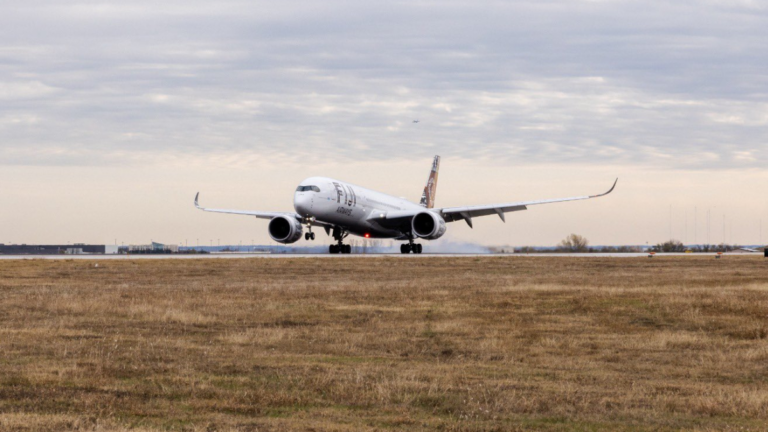

“It is like a river, clogged by mud, sludge and garbage over decades. But a river that can be reshaped and cleaned away by a flood of common sense and good policy.”

“No matter where you sit on the size of the migration program debate, you have to recognise that a more immediate question is whether Australia is getting the economic value it should from the skilled people it has already invited here, and those it will invite in the future.”

Supporting the Activate Australia’s Skills campaign – a campaign backed by business, union, and community organisations for reform of Australia’s complex and burdensome skills recognition system – Parkinson said an independent skills and qualifications recognition commissioner was needed.

This would be a statutory function overseeing an end-to-end recognition system, from visas to occupational licences to employment.

“It would identify system barriers and propose solutions while never reducing Australia’s rightly high standards.

“It turns a patchwork of individual assessing bodies into a system, with shared objectives that work in the public interest to ensure an adequate supply of talent to address the nation’s skill shortages

“Every functioning system requires good governance with the right incentives.

“This governance framework would help facilitate harmonisation across states and territories to reduce the variation in licensing requirements for the same occupation in different jurisdictions.”

Michelle Grattan, Professorial Fellow, University of Canberra

This article is republished from The Conversation under a Creative Commons license. Read the original article.

Support our Journalism

No-nonsense journalism. No paywalls. Whether you’re in Australia, the UK, Canada, the USA, or India, you can support The Australia Today by taking a paid subscription via Patreon or donating via PayPal — and help keep honest, fearless journalism alive.
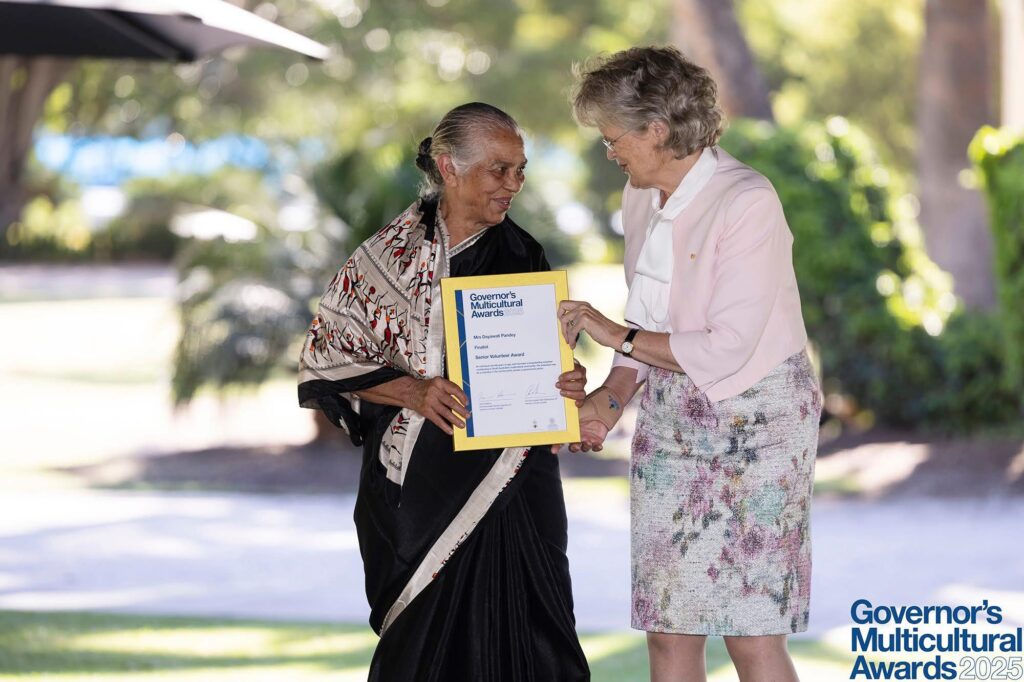
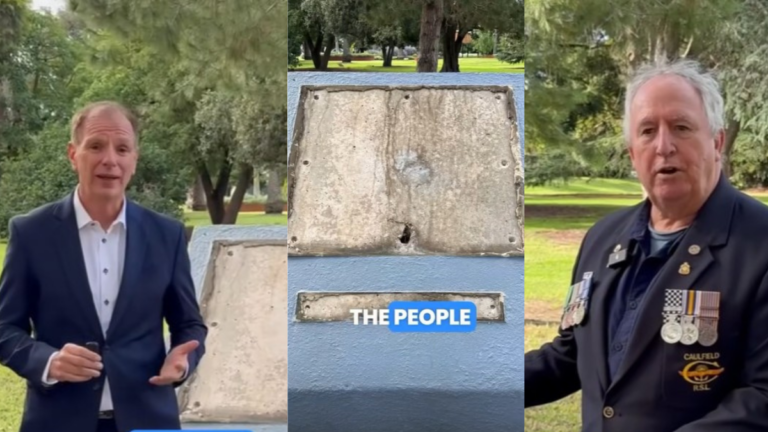
Add a little bit of body text 8 1 1

Artemis II makes history; astronauts travel farther from Earth than anyone ever

0

The crew of NASA’s Artemis II mission has now become the farthest humans ever from Earth, surpassing the distance record set more than fifty years ago.

At about 1:56 p.m. EDT (Eastern Daylight Time) on April 6, 2026 (which is 4:57 a.m. AEDT on April 7, 2026), the Orion spacecraft carrying astronauts Reid Wiseman, Victor Glover, Christina Koch, and Jeremy Hansen exceeded the previous record of 248,655 miles from Earth, a mark set by the Apollo 13 mission in 1970 when its crew was forced into a free‑return trajectory around the Moon.

Artemis II is continuing its journey around the far side of the Moon on a planned lunar flyby and is expected to reach a maximum distance of around 252,760 miles (about 406,778 kilometres) from Earth later in the mission, extending the record by roughly 4,100 miles.

As they loop around the Moon the astronauts are observing lunar surface features and preparing for the remaining phases of the ten‑day mission, which represents the first crewed deep‑space flight in more than 50 years and a key step in returning humans to lunar exploration.

Support our Journalism

No-nonsense journalism. No paywalls. Whether you’re in Australia, the UK, Canada, the USA, or India, you can support The Australia Today by taking a paid subscription via Patreon or donating via PayPal — and help keep honest, fearless journalism alive.

Australian Culture Blog

Add a little bit of body text 8 1 1
spot_img

India continues securing critical energy supplies as eighth gas carrier passes safely through Strait of Hormuz

0

India has continued to secure critical energy supplies through the Strait of Hormuz despite escalating tensions in West Asia, with the India-flagged vessel Green Asha the latest to reportedly safely transit the volatile corridor.

As per news reports, the crossing marks the eighth Indian LPG carrier to pass through the strait since late February, when conflict in the region intensified.

Vessels such as Green Sanvi and MT Jag Vasant have delivered tens of thousands of tonnes of liquefied petroleum gas, supported by naval standby operations and sustained diplomatic engagement led by Indian Prime Minister Narendra Modi and Foreign Minister Dr S. Jaishankar.

It comes as no surprise that the India-flagged vessel successfully sailed through the Strait of Hormuz on National Maritime Day. India’s rich maritime heritage and the dedication of all those connected to this vital sector have long ensured safe passage for its vessels, while bolstering trade, connectivity, and the economy. As Prime Minister Modi observed,

“We will continue to harness the immense potential of our maritime sector for a prosperous future.”

President Donald Trump recently indicated that the U.S. could reopen the Strait of Hormuz “with a little more time,” as he continues to fine-tune his messaging regarding the strategic passage linking the Persian Gulf and the Arabian Sea.

The strait, through which roughly one-fifth of the world’s oil supply passes, has become increasingly dangerous, with Iranian forces targeting vessels and disrupting maritime traffic. Despite the risks, Indian authorities say all ships and seafarers in the region are being closely monitored, with contingency plans in place to ensure continuity of supply.

In contrast, wannabe mediator heavy debt-ridden Pakistan is facing a deepening energy crisis triggered by disruptions to liquefied natural gas (LNG) imports.

The country, which relies heavily on LNG routed through the strait, has seen shipments fall sharply – from around 12 in January to just two in March – after supply interruptions from Qatar following regional hostilities.

With LNG accounting for more than 20 per cent of Pakistan’s electricity generation and limited reserve capacity, officials have warned of prolonged blackouts and severe fuel shortages.

At the same time, Islamabad has sought to position itself as a diplomatic intermediary in the conflict, engaging alongside countries such as Türkiye and Egypt in efforts to broker talks between Iran and the United States. However, these initiatives have yielded little progress.

Iranian officials have publicly indicated they are not seeking Pakistan’s involvement, instead calling for a broader cessation of hostilities.

Analysts say the ludicrous gap between Pakistan’s diplomatic messaging and its practical influence has become more visible on the global stage. While officials have projected a narrative of active mediation, the absence of tangible outcomes has undercut those claims.

Further complicating matters, Pakistan’s domestic vulnerabilities have limited its strategic leverage. A heavy debt burden, reliance on external energy supplies, and ongoing economic pressures have constrained its ability to respond effectively to the crisis or shape regional developments.

India under Prime Minister Modi has focused on securing supply chains through a combination of diplomacy, naval preparedness and operational coordination, while Pakistan under Prime Minister Shehbaz Sharif faces mounting internal challenges alongside limited success in advancing its diplomatic ambitions.

Support our Journalism

No-nonsense journalism. No paywalls. Whether you’re in Australia, the UK, Canada, the USA, or India, you can support The Australia Today by taking a paid subscription via Patreon or donating via PayPal — and help keep honest, fearless journalism alive.

Add a little bit of body text 8 1 1

Daring US rescue behind enemy lines after Iran shoots down F-15 jet

0

The United States has rescued the second crew member of a downed F-15 fighter jet in a high-risk operation inside Iran, as conflicting accounts emerge over the scale and outcome of the mission.

US President Donald Trump confirmed the rescue, describing it as one of the most daring search-and-rescue efforts in US military history. He said the airman, a colonel, had been found “safe and sound”, but later indicated the officer had been seriously wounded.

The aircraft, an F-15E Strike Eagle, was shot down over southern Iran on Friday, with both crew members ejecting. One was recovered shortly after the crash, while the second spent more than 24 hours evading capture in mountainous terrain before being extracted.

US officials said the operation involved dozens of aircraft and special forces personnel in what is known as a combat search and rescue (CSAR) mission — one of the most complex military operations conducted behind enemy lines. The airman was later flown to Kuwait for medical treatment.

Military analysts say such missions require rapid coordination and carry significant risks. According to US media reports, the Central Intelligence Agency (CIA) played a key role in locating the missing crew member, including running a deception campaign to mislead Iranian forces about the timing and location of the rescue.

Israel’s Prime Minister Benjamin Netanyahu said he personally congratulated Donald Trump for what he described as a “bold decision” and a “perfectly executed” mission to rescue the downed US pilot, highlighting Israel’s role in the operation.

“I spoke earlier with President Trump and personally congratulated him on his bold decision and a perfectly executed American mission to rescue the downed pilot from enemy territory,” he said, adding he was “deeply proud” of the unprecedented cooperation that helped save “a brave American warrior.”

Iranian authorities, however, disputed aspects of the US account. State-linked media claimed Iranian air defences shot down the jet and reported that multiple US aircraft were destroyed during the rescue attempt, including helicopters and a transport plane. Tehran described the mission as unsuccessful, though US officials insist both crew members were safely recovered.

Support our Journalism

No-nonsense journalism. No paywalls. Whether you’re in Australia, the UK, Canada, the USA, or India, you can support The Australia Today by taking a paid subscription via Patreon or donating via PayPal — and help keep honest, fearless journalism alive.

Add a little bit of body text 8 1 1

Traffic stop leads to 21-year-old Jaskaran Singh’s arrest in Canadian extortion probe

0

A routine traffic stop in Calgary, Alberta, Canada, has led to a key arrest in a widening investigation into extortion and violence targeting members of the city’s Indian community, police say.

Officers from the Calgary Police Service pulled over a vehicle in the city’s north-east on 7 March after observing a traffic violation. The car was quickly identified as matching one linked to an extortion-related shooting days earlier in the Saddleridge area.

Police seized the vehicle and spent weeks analysing evidence gathered at the scene, linking it to a broader pattern of extortion-related shootings across the city.

Nearly a month later, investigators charged 21-year-old Jaskaran Singh with discharging a firearm with intent. Authorities said the arrest forms part of an ongoing probe into organised extortion networks operating within the South Asian community.

“This is a significant win for our investigators and for the community,” Superintendent Jeff Bell said, adding that further arrests are expected as inquiries continue.

The charge marks the second arrest in a week connected to the investigation. Earlier, police charged 45-year-old Rana Cheema with extortion and uttering threats.

Police say extortion-related crime has escalated sharply in Calgary since early 2025, with 41 reported attempts, including 18 shootings targeting homes, businesses and vehicles. No injuries have been reported, but authorities say the incidents have heightened fear within the community.

Chief Constable Katie McLellan said the investigation has revealed links beyond the city, with some suspects allegedly directed from overseas. She also noted that a number of individuals involved are in Canada on temporary visas, including student and work permits.

The investigation is being conducted in collaboration with national agencies, including the Canada Border Services Agency, which has launched hundreds of immigration-related investigations tied to extortion cases. As of mid-March, the agency had opened 372 cases, issued 70 removal orders and carried out 35 deportations.

Police say extortion attempts often involve threats delivered through international phone calls or messaging platforms such as WhatsApp, with victims pressured to make payments. Authorities are urging anyone targeted to avoid responding, preserve evidence and contact police immediately.

Investigators believe the scale and coordination of the activity point to organised criminal networks operating across multiple jurisdictions.

“This isn’t just a Calgary problem,” McLellan said.

Police say the investigation remains a top priority, with further arrests anticipated as officers continue to dismantle the networks behind the violence.

Support our Journalism

No-nonsense journalism. No paywalls. Whether you’re in Australia, the UK, Canada, the USA, or India, you can support The Australia Today by taking a paid subscription via Patreon or donating via PayPal — and help keep honest, fearless journalism alive.

Add a little bit of body text 8 1 1

Victorians reclaim $300 million as container recycling scheme hits 3 billion milestone

0

More than $300 million has been returned to Victorians through the state’s Container Deposit Scheme (CDS Vic), with over three billion drink containers recycled since the program’s launch.

The surge in recycling is also providing a reliable source of fundraising for local charities, community organisations and sporting clubs. Scouts Victoria has raised $121,000 to support young Victorians attending camps, while the Good Friday Appeal has collected more than $102,000 through returned containers.

Regional clubs are benefiting as well, with the South Oakleigh Bowls Club raising $2,350 from more than 17,000 containers to fund facility upgrades and new equipment.

Before CDS Vic was introduced, drink containers were among the most commonly littered items in Victoria. The scheme has now diverted three billion containers from landfill and transformed them into new products, while creating around 600 jobs in the recycling sector.

Minister for Environment Steve Dimopoulos said, “Victorians have earned $300 million in container returns since the program began, funding charities and upgrades for sporting clubs. In less than two and a half years we have diverted more than three billion containers away from landfill, helping to keep our streets and parks clean.”

Matt Davis added, “This significant milestone shows Victorians are embracing the Container Deposit Scheme as part of everyday life. Community organisations like the Good Friday Appeal and the South Oakleigh Bowling Club are seeing first-hand how CDS Vic can turn recycling into local fundraising outcomes while delivering real environmental benefits.”

CDS Vic currently operates 600 convenient refund points across the state as part of a $515 million Labor government investment to make recycling more accessible.

The busiest metro depots to date include Williamstown (74 million containers), Melton (71 million) and Hallam (53 million). In regional areas, Mildura (53 million), Shepparton (52 million) and East Bendigo (34 million) have seen the highest volumes returned.

The scheme aims to reduce litter, support local communities and provide environmental and economic benefits while making recycling more accessible to all Victorians.

Support our Journalism

No-nonsense journalism. No paywalls. Whether you’re in Australia, the UK, Canada, the USA, or India, you can support The Australia Today by taking a paid subscription via Patreon or donating via PayPal — and help keep honest, fearless journalism alive.

Add a little bit of body text 8 1 1

Declining support for Albanese as voter backlash propels One Nation ahead of Labor and Liberals

0

Support for Pauline Hanson’s One Nation has overtaken both Labor and the Coalition in Queensland, according to new quarterly Newspoll analysis, signalling a significant shift in voter sentiment amid mounting economic and political pressures.

The polling, covering January to mid-March, shows One Nation securing 30 per cent of the primary vote in Queensland, ahead of Labor on 27 per cent and the Liberal National Party on 23 per cent.

Nationally, the party now trails only Labor in primary vote share, outperforming the Coalition in every state except Victoria.

The surge comes during a period marked by the aftermath of the Bondi terror attack, leadership instability within the opposition, rising living costs, successive interest rate increases, and fuel supply disruptions linked to tensions involving US president Donald Trump.

Support for One Nation has broadened across several key demographics. Among voters aged 18 to 34, backing for the party rose sharply from 8 per cent in December to 19 per cent, making it the third most popular choice behind Labor and the Greens.

The party also recorded slightly higher support among women (26 per cent) than men (25 per cent), and gained ground among Christian voters, polling 31 per cent compared with Labor’s 28 per cent and the Coalition’s 24 per cent.

Notably, support among Australians who speak a language other than English at home has doubled to 19 per cent, placing One Nation level with the Coalition in that group, though both remain behind Labor’s 35 per cent.

The data also points to a substantial realignment among traditional Coalition voters, with 35 per cent of those who supported the Coalition at the last federal election indicating they would now back One Nation. A smaller shift was observed among Labor voters, with 9 per cent signalling a move to the minor party.

In New South Wales, One Nation’s primary vote has nearly doubled to 27 per cent, well ahead of the Coalition on 18 per cent, while in Victoria the party has risen to 21 per cent, just behind the Coalition on 22 per cent.

The results coincide with declining support for the Albanese government. Dissatisfaction with Prime Minister Anthony Albanese has increased across most demographics, with 55 per cent of women expressing dissatisfaction, up from 48 per cent. Overall approval of his performance stands at 41 per cent.

Despite this, PM Albanese continues to lead Opposition Leader Angus Taylor as preferred prime minister, by 44 per cent to 37 per cent, with a significant proportion of voters remaining undecided.

The Queensland figures are likely to raise concern within Labor ranks, particularly after the party secured 12 of the state’s 30 electorates at the last election, including several gains from the Coalition.

Analysts suggest One Nation’s growing support in regional and outer suburban areas could place some of those seats at risk if the trend continues.

Support our Journalism

No-nonsense journalism. No paywalls. Whether you’re in Australia, the UK, Canada, the USA, or India, you can support The Australia Today by taking a paid subscription via Patreon or donating via PayPal — and help keep honest, fearless journalism alive.

Add a little bit of body text 8 1 1

Fuel prices are driving more Australians to EVs ‑ and secondhand cars are in high demand

0

By Scott Dwyer

As conflict in the Middle East sends diesel and petrol prices skyrocketing, more and more Australians and New Zealanders are showing interest in electric vehicles.

But is this translating to sales? March data shows the answer is yes – EV registrations have shot up sharply in Australia and New Zealand.

Manufacturer order books are filling up, EV subscription services are full and wait times have blown out to months for popular models.

Much of the focus to date has been on new cars. But most people don’t buy new. When Australians buy cars, they tend to buy them secondhand. The ratio of used to new cars is almost two to one. EVs are cheaper to run, but have – until very recently – been more expensive to buy, which acts as a barrier.

Demand for secondhand EVs is surging through auctions and car yards, as cost-conscious households seek out ways to immediately cut costs and reduce exposure to global oil shocks. The Australian government is now expected to introduce fuel rationing after Easter.

Fuel price pain is driving the change

The Iran conflict has triggered the second global oil crisis in the past five years. The first was the Russian invasion of Ukraine in 2022, which drove major disruption to oil markets. If the Iran war drags on, this crisis could be far larger. The International Energy Agency expects this crisis to be much bigger than the 2022 crisis and the oil shocks of the 1970s.

The Australian government has responded by temporarily halving fuel excise tax, just as it did in 2022. This will give immediate relief, but will do nothing if supply tightens as expected this month.

The oil crisis comes as many people struggle in earnest with the cost of living. Fuel is a major expense, especially in car-dependent regional towns and outer suburbs. Many early EV adopters live in outer suburbs of major cities, where cars are the main mode of transport.

Since the start of the war, petrol prices have increased by about 80 cents per litre and diesel by more than a dollar a litre. For those who need a weekly fill of 50 to 60 litres, this would equate to an extra $40 to $50 for petrol or an extra $50 to $60 for diesel.

Fuel prices are expected to make food and many other products and services more expensive. It’s small wonder more people are looking for cheaper alternatives – especially for households where other forms of transport aren’t viable.

Secondhand EVs in demand

By world standards, Australia has been slow to take up battery electric vehicles. Sales hit 8% of new car sales late last year (14% including plug-in hybrid vehicles).

One reason for this is that EVs have long been more expensive than their combustion engine equivalents. The upfront price difference has dropped rapidly, but is still a deterrent.

That’s why used EVs are now in such demand as a way for households under financial strain to get access. EVs were already much cheaper to run than combustion engine cars, even before the oil crisis. The difference is now even starker, especially for those who can charge at home.

It has taken time for a secondhand market in EVs to develop. The cars for sale now are often coming from expired novated lease agreements, or from government and corporate fleets once they are replaced as part of regular fleet renewal cycles.

Lower income households need support to shift

To date, Australia has offered little targeted support to encourage lower income households to switch to electric vehicles. This means the current trends are both significant and fragile.

Overseas, governments in parts of Europe and the United States have more actively encouraged uptake.

France has pioneered social leasing since 2024 to address affordability barriers for EVs targeting low and middle income households. It works by offering eligible households a new EV from A$170 per month with no upfront deposit, made possible through government subsidies of up to A$12,000 to reduce the total cost. At the end of the lease period, the car can be purchased outright or returned to the dealer.

In the US, Washington State’s EV Instant Rebate Program included social leasing provisions which helped 4,000 lower income households get an EV. Of these, almost 90% said they would not have been able to purchase the EV without the rebate.

These approaches could work to encourage uptake among households who would benefit most from going electric in both Australia and New Zealand. For many households and small businesses, private vehicles are a lifeline and the only option available. But for many, secondhand or more affordable EVs are still unaffordable.

This week, Australia’s clean energy bank announced a $100m program of discounted car loans to reduce the cost of finance for new and used EVs. These types of initiatives are a good start, but more will be needed to expand access to new and used EVs.

New measures could include targeted financial incentives to improve affordability and broaden access (including encouraging carmakers to bring more affordable and smaller EVs to market), a commitment from all levels of government to continue to expand EVs within their fleets, and consistent national policy to avoid boom and bust cycles in what’s still an emerging market. Over time, these measures would boost the supply of secondhand EVs.

While temporary cuts to fuel duty will reduce fuel bills in the short term, they won’t be enough. Coordinated action, tailored incentives and consistent policy will be needed to support households and businesses in going electric while making sure no-one is left behind.

Scott Dwyer, Research Director, Energy Futures, University of Technology Sydney

This article is republished from The Conversation under a Creative Commons license. Read the original article.

Support our Journalism

No-nonsense journalism. No paywalls. Whether you’re in Australia, the UK, Canada, the USA, or India, you can support The Australia Today by taking a paid subscription via Patreon or donating via PayPal — and help keep honest, fearless journalism alive.

Add a little bit of body text 8 1 1

World’s first limbless para-archer Payal Nag wins Archery Para Series gold in historic win

0

Indian teenager Payal Nag has won gold at the World Archery Para Series in Bangkok, defeating world No.1 Sheetal Devi in an all-Indian women’s compound open final and announcing herself as one of the sport’s most remarkable new champions. The 18-year-old secured victory with a 139–136 win, earning her first major international gold medal on her senior debut and helping India finish the event as the top-performing nation.

Nag’s achievement carries historic significance because she is widely regarded as the world’s first quadruple-amputee para-archer competing at elite international level. She lost all four limbs after a childhood electrocution accident and shoots using customised equipment and shoulder and mouth movements. Her rapid rise has been striking; she had previously beaten Devi at India’s Para Nationals before arriving in Thailand and repeated that result on the global stage in a final that drew widespread attention within para sport.

The opponent she defeated is already one of the most recognisable names in the discipline. Devi, born without arms due to a congenital condition, shoots with her feet and has won world titles and Paralympic medals, becoming a global symbol of adaptive sport innovation. Nag has spoken publicly about being inspired by watching Devi compete, making their Bangkok showdown a symbolic moment for a new generation of athletes emerging from the same national program.

(Payal Nag – File footage – X – @TheKhelIndia)

The tournament also underlined the growing strength of India in para archery, with the team collecting a large medal haul and Nag later joining Devi to claim gold in the women’s compound team event. India finished with 16 medals overall — 7 gold, 5 silver and 4 bronze. For international audiences, the result reflects the expanding competitiveness of Paralympic sport, where new talent from emerging programs is challenging traditional powerhouses and reshaping expectations ahead of future world championships and Paralympic Games.

Support our Journalism

No-nonsense journalism. No paywalls. Whether you’re in Australia, the UK, Canada, the USA, or India, you can support The Australia Today by taking a paid subscription via Patreon or donating via PayPal — and help keep honest, fearless journalism alive.

Add a little bit of body text 8 1 1

Community groups condemn planned Khalistan protests targeting Hindu temples in Canada

0

Hindu organisations in Canada have expressed concern over pro-Khalistan demonstrations scheduled outside two temples on Sunday, warning of possible disruption and intimidation for worshippers.

The India-banned extremist group Sikhs for Justice (SFJ) has announced “Khalistan Zindabad” rallies outside Triveni Mandir in Brampton, Ontario, and Lakshmi Narayan Mandir in Surrey, British Columbia.

Hindu advocacy bodies have called on police to provide additional security.

The Hindu Canadian Foundation (HCF) said targeting temples because of the community’s “ancient roots to India or indigenous cultural identity is xenophobia and Hinduphobia, plain and simple”.

In a joint statement backed by more than 30 organisations, it warned that previous protests framed as peaceful had “led to harassment, intimidation, and violence against Hindu Canadians, devotees, and temple management”.

The Coalition of Hindus of North America (CoHNA) also criticised the planned rallies, citing past incidents it said involved assaults on devotees and disruptions at places of worship.

CoHNA said demonstrations at temple entrances had included “loud and abusive” behaviour, alongside “violent imagery, glorification of terrorism and verbal harassment”.

Describing the protests as “religious bigotry and targeted harassment that masquerades as ‘freedom of speech’”, CoHNA emphasised that the HCF was entitled to express its position on the Khalistan movement “without fear of bullying and physical harassment”.

Some Hindu groups also said their confidence in Peel Regional Police was being tested, citing what they described as the service’s difficulty in preventing incidents involving pro-Khalistan activists at temples.

Peel Regional Police said they were aware of the planned demonstrations and would maintain a presence to ensure public safety. The service said it supports lawful and peaceful assembly and is working with organisers to keep the events safe, adding that “unlawful acts and criminal behaviour will not be tolerated” and that “hate has no place here”.

Authorities in Brampton have enacted a bylaw establishing a 100-metre safety zone around temples during protests, a measure welcomed by CoHNA. The group has called on Surrey authorities to adopt similar safeguards.

The concerns follow earlier incidents linked to pro-Khalistan demonstrations. In November 2024, protests outside a Hindu temple in the Greater Toronto Area escalated into violence.

A Peel Regional Police officer, who took part in one such protest, was later found guilty of misconduct and demoted for six months. A disciplinary ruling said the officer’s participation “undermined public trust and raised concerns about police impartiality”.

Hindu community groups say these past events have heightened worries about security at religious sites, with Sunday’s demonstrations likely to test the balance between freedom of expression and the right to worship without fear.

Support our Journalism

No-nonsense journalism. No paywalls. Whether you’re in Australia, the UK, Canada, the USA, or India, you can support The Australia Today by taking a paid subscription via Patreon or donating via PayPal — and help keep honest, fearless journalism alive.

Add a little bit of body text 8 1 1