

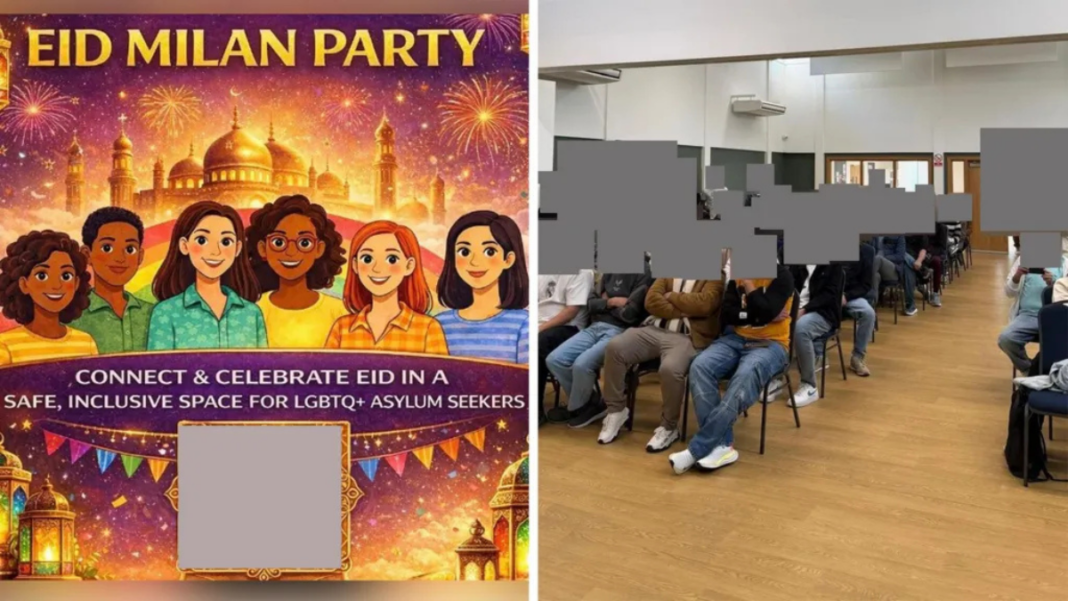
A major BBC undercover investigation has triggered controversy across the UK immigration debate after alleging the existence of a “shadow industry” helping migrants fabricate asylum claims based on sexual orientation, particularly involving applicants from Pakistan and Bangladesh.
The investigation claims some advisers and intermediaries were offering structured guidance to visa holders — including international students whose permits were close to expiring — on how to construct asylum applications based on being gay, even where the claim was not genuine.
Undercover reporters were reportedly told that asylum applications could be built around a “prepared narrative”, with advisers allegedly offering to compile supporting material such as staged photographs, attendance at LGBT events, and written letters from third parties to strengthen claims.
One adviser allegedly told a reporter:
“The main thing is what you say. You just have to tell them, ‘I am gay and it is my reality.’ There is no other way.”
In another exchange cited by the BBC, migrants were allegedly reassured that the system depended heavily on testimony rather than verification. “There is no check-up to find out if the person is gay,” one adviser reportedly said, adding:
“There are many people like you. You are not alone.”
The investigation further alleges that some advisers offered to arrange fabricated relationships and supporting statements. In one case, an adviser allegedly described providing letters and staged evidence, including claims of past relationships, as part of a “complete package” for asylum applications.
Fees reportedly varied significantly, with some advisers allegedly charging thousands of pounds for end-to-end assistance, including appeal support if claims were initially refused.
The findings have placed renewed focus on asylum claims from Pakistan and Bangladesh, with BBC analysis noting that Pakistani nationals account for a disproportionately large share of sexuality-based asylum applications in recent years compared to their overall proportion of asylum seekers.
A UK-based immigration lawyer interviewed in the report warned that, if proven, such conduct would represent a serious breach of legal and ethical standards.
“This is fraud. It undermines the entire credibility of genuine asylum seekers who are at real risk.”
The Home Office has responded by stressing that asylum protections exist strictly for those fleeing genuine persecution, and that deliberate deception is a criminal offence. A spokesperson said:
“Anyone found trying to exploit the system will face the full force of the law, including removal from the UK.”
The BBC investigation also highlighted tensions within community organisations that support LGBT asylum seekers, with some attendees allegedly admitting privately that they were not gay but were using the system as a pathway to remain in the UK. One attendee was quoted as saying:
“Most of the people here are not gay… nobody is really gay here.”
However, organisations referenced in the report have disputed wrongdoing, stating that they provide support services and do not knowingly facilitate false claims. Some have said they are reviewing internal processes following the allegations.
The revelations come amid rising asylum applications from South Asia and growing political pressure on the UK government to tighten immigration rules. Recent policy changes have already introduced shorter protection periods and more frequent reassessment of claims.
Support our Journalism
No-nonsense journalism. No paywalls. Whether you’re in Australia, the UK, Canada, the USA, or India, you can support The Australia Today by taking a paid subscription via Patreon or donating via PayPal — and help keep honest, fearless journalism alive.
