

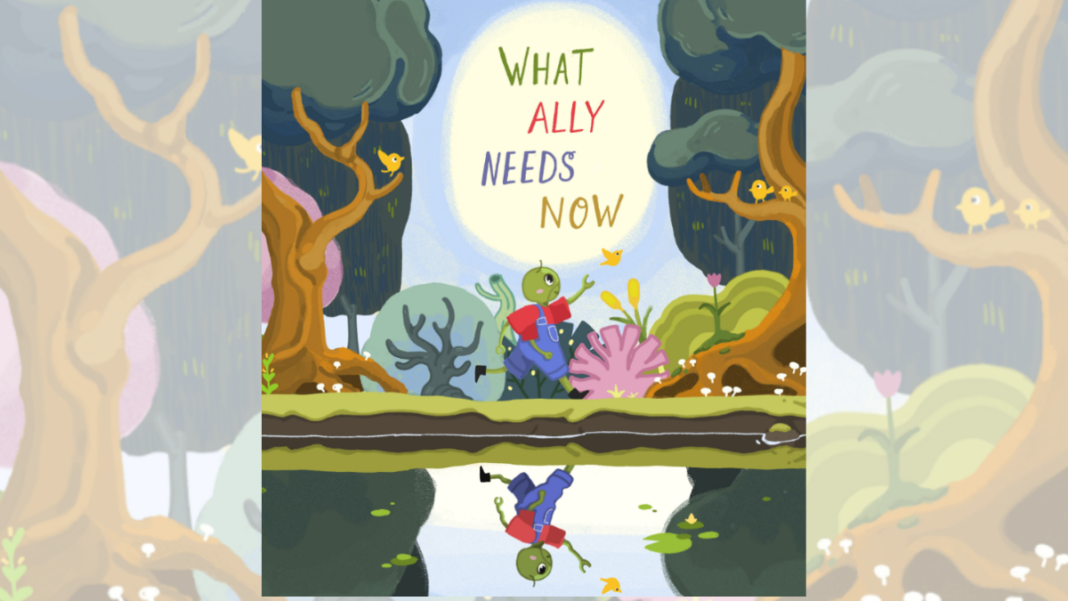
A new children’s book developed by researchers at the University of Melbourne is aiming to support young people navigating the trauma of losing a parent to domestic homicide, addressing what experts say is a critical gap in child-focused resources.
Titled What Ally Needs Now, the book has been created in collaboration with survivors of domestic homicide, practitioners and support organisations to better reflect the lived experiences of children affected by fatal family violence.
The initiative was led by researcher Katitza Marinkovic Chavez, who said the project emerged after identifying a lack of tailored support for children bereaved in such circumstances. “The book highlights the complex challenges children face when navigating life after homicide,” she said.
“Children often have little to no input on major decisions affecting their lives, including where they live or whether they have contact with the perpetrator if they are still alive.”
Dr Marinkovic Chavez said many children are also shielded from the truth about a parent’s death, with families and support networks avoiding the topic in an effort to reduce distress.
However, she warned that silence can have the opposite effect. “Research suggests that preventing children from understanding and sharing their story in their own terms can worsen their health, wellbeing and academic outcomes,” she said.
Aimed at children aged eight to 10, the book follows a young character dealing with grief after the loss of a parent to family violence, supported by others who have experienced similar trauma. The story is designed to open up conversations in homes, classrooms and therapeutic settings.
The project brings together academic research with lived experience, with contributors hoping to challenge the stigma and silence that often surround domestic homicide.
“To our knowledge, a resource like this does not currently exist in Australia, and possibly internationally,” Dr Marinkovic Chavez said.
“Our goal is to show young survivors they are not alone.”
The book is written by Andrea Baldwin and illustrated by Thu Huong Nguyen, and is available as a free e-book through the Centre for Excellence in Child and Family Welfare, alongside a new online platform offering research, insights and practical resources for practitioners working with affected children.
Researchers say the initiative is an important step towards more inclusive, trauma-informed support systems — ensuring children impacted by family violence are better heard, understood and supported.
Support our Journalism
No-nonsense journalism. No paywalls. Whether you’re in Australia, the UK, Canada, the USA, or India, you can support The Australia Today by taking a paid subscription via Patreon or donating via PayPal — and help keep honest, fearless journalism alive.
