Royal Challengers Bangalore (RCB) secured their first-ever Women’s Premier League (WPL) title at the Arun Jaitley Stadium on Sunday, defeating Delhi Capitals by eight wickets.
Led by Ellyse Perry’s stellar performance and backed by effective bowling from Shreyanka Patil and Sophie Molineux, RCB showcased an all-round mastery in the game to also mark their first T20 title across both WPL and IPL domains.
Image Source: X/Twitter @WPLt20
The chase for RCB began cautiously with openers Smriti Mandhana and Sophie Devine laying a solid foundation without taking significant risks, amassing 18 runs in the initial four overs. The duo managed a decent powerplay, bringing the score to 25/0 after six overs. The momentum picked up with Devine’s aggressive batting in the seventh over, boosting the score significantly.
Despite a brief slowdown, RCB’s chase was re-energised with key boundaries by Mandhana and Perry. The partnership between Mandhana and Perry played a crucial role, with Perry bringing experience and calm to the crease. The strategic play saw RCB needing just 31 runs in the final five overs, a target they approached with measured aggression.
Image Source: X/Twitter @WPLt20
With the game nearing its end, RCB required just five runs in the final over, a goal they achieved comfortably, finishing at 115/2 in 19.3 overs. Perry and Richa Ghosh remained unbeaten, sealing the victory and the title for RCB.
The Sintex Sixes of the Season 2024 goes to Shafali Verma; Image Source: X/Twitter @WPLt20
The win was set up by RCB’s spinners who effectively dismantled the DC batting lineup. Starting strong, DC openers Meg Lanning and Shefali Verma initially looked threatening but were quickly countered by RCB’s disciplined bowling.
Shreyanka Patil emerged as a key player for RCB, claiming four wickets and significantly restricting DC’s scoring potential. Sophie Molineux and Asha Sobhana also contributed crucial wickets, wrapping up DC for 113 all out.
This victory not only marks RCB’s triumphant entry into the WPL championship records but also signals a strong team performance that overcame expectations and past performances. The win is a testament to RCB’s balanced team strength and strategic gameplay, setting a high benchmark for future tournaments.
𝘿𝙊 𝙉𝙊𝙏 𝙈𝙄𝙎𝙎!
Celebrating the triumphant TATA WPL campaign, ft. Royal Challengers Bangalore 🙌 🏆
Of creating memories, winning the title & more 👏 👏 – By @RajalArora
Brief Score: Delhi Capitals 113 all out (Shefali Verma 44, Meg Lanning 23, Shreyanka Patil 4/12) vs Royal Challengers Bangalore.
Support Our Journalism
Global Indian Diaspora needs fair, non-hyphenated, and questioning journalism, packed with on-ground reporting. The Australia Today – with exceptional reporters, columnists, and editors – is doing just that. Sustaining this needs support from wonderful readers like you.
Whether you live in Australia, the United Kingdom, Canada, the United States of America, or India you can take a paid subscription by clicking Patreon. Buy an annual ‘The Australia Today Membership’ to support independent journalism and get special benefits.
BY Jason Nassios, James Giesecke and Xianglong Locky Liu
Australian state and federal governments spend money in many ways to ease rental stress and get more Australians into home ownership. Four of the most prominent are:
Our team at Victoria University’s Centre of Policy Studies has modelled the economic impact of each of them in a way that allows their outcomes to be compared.
The bad news is that we’ve found none of the four can simultaneously lift affordability for renters, lift affordability for owners, get more Australians into home ownership, and boost economic efficiency.
Housing affordability crisis; Image Source @Canva
The good news is we’ve found a mix that could work well.
We used Victoria University’s regional economic model to compare the effect of spending an extra A$500 million on the variant of each of the programs presently available in Victoria.
To better assess the economic impact, we assumed the extra $500 million was paid for by an increase in taxation.
Grants and shared equity
We found first homeowner grants improve affordability for owners, slightly improve affordability for renters, and slightly increase homeownership rates, but come with a heavy economic cost.
The cost to economic efficiency amounts to about 20 cents for every dollar spent. Economic efficiency measures the extent to which inputs such as labour, land and capital are allocated to their most valuable uses.
Importantly, that 20 cents in the dollar cost is the economic cost of the spending, not the cost of raising the revenue to fund it.
With the average economic cost of state government taxation in the vicinity of 30 cents per dollar raised, that means every extra dollar raised to be spent on a first home buyer grant has an economic cost of about 50 cents, making it an economically expensive way to get people into homes.
Housing affordability crisis; Image Source @Canva
Shared equity schemes in which the government part-owns a home with a buyer have similar costs, but are better at getting people into their own homes.
Stamp duty discounts
Our modelling finds that stamp duty discounts for first-home buyers have an economic benefit. This is because stamp duty is an extraordinarily inefficient tax that makes it harder for people to move.
Unfortunately, the model also finds stamp duty discounts will make home ownership even less affordable by pushing up property prices and making it only slightly easier for the first homeowners able to get the discounts.
Rent assistance
Rent assistance is delivered by the Commonwealth rather than states to Australians in receipt of Commonwealth benefits.
Our study finds its economic costs are low, just 5 cents for every dollar spent, meaning that raising extra tax and spending it on rent assistance should have a total economic cost of about 35 cents for each dollar raised and spent.
We find it has a significant effect in making rent more affordable, but causes home-ownership rates to fall because it tips the balance for financially strained households in favour of renting rather than buying.
Housing affordability crisis; Image Source @Canva
What works best
If making shelter more affordable for low-income earners is the number one priority, by far the best way to do it is to boost rent assistance.
While the benefits come at the expense of home ownership, for the renters receiving them, they are worth having.
But rent assistance is federally administered. For a state government, the best way to help both owners and renters at the lowest economic cost appears to be a mix of two-thirds first-home buyer grants and one-third stamp duty discounts.
Our modelling suggests such a blend would have a negligible impact on economic efficiency and home affordability, while allowing more owners to rent and, as a result, make renting more affordable.
However, it would be costly. From a national perspective, the same improvement in rental affordability could be achieved for less than one-tenth the financial cost if the Commonwealth were to fund additional rent assistance.
If nothing else, our modelling proves these decisions are difficult.
No single tool is perfect, but using the right mix of them can help – all the more so if the states and Commonwealth can work together. Our estimates can help.
Global Indian Diaspora needs fair, non-hyphenated, and questioning journalism, packed with on-ground reporting. The Australia Today – with exceptional reporters, columnists, and editors – is doing just that. Sustaining this needs support from wonderful readers like you.
Whether you live in Australia, the United Kingdom, Canada, the United States of America, or India you can take a paid subscription by clicking Patreon. Buy an annual ‘The Australia Today Membership’ to support independent journalism and get special benefits.
An Indian-Australian man is dead and other two have been hospitalised in a critical condition after being pulled from the water near Apollo Bay in Victoria’s southwest.
Victoria Police said that on Sunday (17 March 2024) the trio were swimming at Marengo when they got into trouble just after 1 pm.
One man has died, and two others are critical after being pulled from the water near Apollo Bay this afternoon.
A female swimmer, 33-year-old Brianna Hurst, was able to bring all three men, who were unconscious in the water, to shore and immediately began CPR.
Despite her efforts to save the man’s life, the 26-year-old was pronounced dead at the scene.
The other two men men were airlifted to hospital.
A man aged in his 20s was airlifted to the Alfred Hospital in a critical condition.
Another man, aged 23, was taken in an ambulance to Barwon Health in Geelong in a critical condition.
It is being reported that the men are residents of the Western suburbs.
Image: Ambulance at Apollo Bay (Source: ABC News screenshot)
Executive adviser of Life Saving Victoria Paul Shannon told ABC:
“All waterways are dangerous at anytime. If you don’t have the swimming capability or the knowledge to understand where risk is, you’re really putting yourself in danger.”
Police are still investigating why the men found themselves in trouble in the water.
“It doesn’t appear that there was a strong rip or a strong tide but we’re still working through that as to the exact cause.”
A report is being prepared for the coroner in the case of this tragic drowning death.
There have been 27 drowning deaths in Victoria since December 1.
Support Our Journalism
Global Indian Diaspora needs fair, non-hyphenated, and questioning journalism, packed with on-ground reporting. The Australia Today – with exceptional reporters, columnists, and editors – is doing just that. Sustaining this needs support from wonderful readers like you.
Whether you live in Australia, the United Kingdom, Canada, the United States of America, or India you can take a paid subscription by clicking Patreon. Buy an annual ‘The Australia Today Me
In a turn of events that could foreshadow challenges for the upcoming October state election, the Labor Party faced significant defeats in the recent Queensland by-elections.
Queensland Premier Steven Miles has candidly expressed the outcomes as “very bad” for Labor, highlighting a clear demand from voters for governmental improvement.
The by-elections, which took place in Inala and Ipswich West, concluded with disappointing results for Labor, exceeding the already low expectations. Ipswich West, previously considered a safe Labor seat, was claimed by the Liberal-National Party’s (LNP) Darren Zanow, who secured a substantial 39.6% of the primary vote, marking a 17.9% swing in his favour.
Meanwhile, Inala saw Labor’s Margie Nightingale retain the seat but not without a significant 19.3% swing towards the LNP.
The losses come in the wake of Annastacia Palaszczuk’s resignation in Inala and Jim Madden’s departure for council elections in Ipswich West, triggering the by-elections. Darren Zanow, the new MP for Ipswich West, attributed his victory in part to the electorate’s response to local issues, notably the murder of grandmother Vyleen White, underscoring a demand for action on housing, health, and crime.
Both Premier Miles and Opposition Leader David Crisafulli interpreted the election results as a cry for change from Queenslanders. Miles acknowledged the message from voters, committing to address key concerns such as cost of living and community safety.
However, he recognized the challenges ahead, questioning whether the seven months leading to the state election would suffice to regain public confidence.
On the other hand, Crisafulli viewed the significant swings as indicative of a loss of trust in the current government, emphasizing the LNP’s opportunity to present themselves as a viable alternative capable of addressing Queensland’s pressing issues.
With an opinion poll indicating a preference for the LNP over Labor, the by-election results have sent ripples through the political landscape. Federal Nationals leader David Littleproud reflected on the outcomes as a stark rebuke to the Labor government, signalling potential repercussions for Labor’s performance in the forthcoming state election.
As Queensland gears up for October, the Labor Party faces the task of rebuilding trust and addressing the electorate’s concerns, while the LNP sees an opportunity to capitalize on the momentum from the by-election victories.
Support Our Journalism
Global Indian Diaspora needs fair, non-hyphenated, and questioning journalism, packed with on-ground reporting. The Australia Today – with exceptional reporters, columnists, and editors – is doing just that. Sustaining this needs support from wonderful readers like you.
Whether you live in Australia, the United Kingdom, Canada, the United States of America, or India you can take a paid subscription by clicking Patreon. Buy an annual ‘The Australia Today Membership’ to support independent journalism and get special benefits.
The Australian-Indian Sports Educational & Cultural Society (AISECS) is organising an event for international students in NSW in collaboration with the Consulate General of India in Sydney and Study NSW on 21st March 2024.
According to AISECS, the primary objectives of this event are to empower students by providing valuable insights into securing employment opportunities, networking with government representatives and fellow students, understanding workplace rights and responsibilities, exploring support services offered by the NSW police and Surf Live Saving, recognizing the importance of Health Insurance and its role in emergency care.
(Image: Supplied)
Consul General of India in Sydney Dr S. Janakiraman, University of Wollongong Vice Chancellor, Prof. Patricia M. Davidson and University of New South Wales Deputy VC Global, Prof. Colin B. Grant will be speaking at the event.
Other notable speakers include Commander, Superintendent Martin Fileman from NSW Police, Mike Anderson from Surf Life Saving, Study NSW Director Toshi Kawaguchi and well-known former ICC Umpire Simon Taufel.
Indian-Australian Gurnam Singh is the Founder of AISECS. He told The Australia Today,
I came to Australia as a student myself and know the challenges international students face everyday. Hence AISECS took this initiative so students could gain access to information that was not easily available
Support Our Journalism
Global Indian Diaspora needs fair, non-hyphenated, and questioning journalism, packed with on-ground reporting. The Australia Today – with exceptional reporters, columnists, and editors – is doing just that. Sustaining this needs support from wonderful readers like you.
Whether you live in Australia, the United Kingdom, Canada, the United States of America, or India you can take a paid subscription by clicking Patreon. Buy an annual ‘The Australia Today Membership’ to support independent journalism and get special benefits.
In a demonstration rooted in Gandhian principles, members of the Australian Hindu community gathered outside the Australian Broadcasting Corporation (ABC) office in Southbank, Melbourne, voicing their concerns over what they describe as persistent ‘Hinduphobic and Indophobic’ reporting by the national broadcaster.
The peaceful protest aimed to highlight the community’s plea for more balanced and respectful coverage, with participants bringing flowers and greeting cards as symbols of their goodwill and a constructive call for change.
The gathering, marked by the message “Get well soon ABC,” saw protesters donning masks and holding placards to assert their presence and resistance against perceived racial biases.
Australian Hindus Stand Up Against ABC’s Alleged ‘Hinduphobia and Biased Reporting’; Image Source: The Australia Today
The symbolic gesture of wearing masks served to underscore the community’s feeling of being rendered invisible and marginalised by mainstream media narratives, while also standing in solidarity against the spread of racism and discrimination.
Community spokespersons articulated a desire for the ABC to reevaluate its editorial approach, urging the broadcaster to move beyond what they perceive as a “colonial white lens” that unfavourably portrays Hindus and India.
Dharmendra Dadhe told The Australia Today, I really want ABC to get well soon as they are in the last stages of their illness OCDD.
“They have shown signs of Diahorrea – shitting everywhere their rants of poorly researched Diaspora reports, which are toxic for society and allowing the growth of cancerous cells that is shepherding the peace-loving population of today’s world.”
“I wish them to get well soon as the world doesn’t deserve this kind of illness to spread especially after the recent pandemic,” he further added.
By presenting flowers and cards, the Hindu community aimed to engage in a dialogue of healing and understanding, inviting ABC journalists and administrators to reconsider their perspectives and embrace a more inclusive and accurate portrayal of diverse cultures.
Australian Hindus Stand Up Against ABC’s Alleged ‘Hinduphobia and Biased Reporting’; Image Source: The Australia Today
The protest reflects broader concerns among Australian Hindus regarding media representation and the impact of negative stereotyping on social cohesion and mutual respect. It also highlights the community’s commitment to peaceful protest and constructive criticism, drawing on the legacy of Mahatma Gandhi’s principles of non-violence and reconciliation.
The ABC, as a public broadcaster, holds a pivotal role in shaping public discourse and perceptions. This event underscores the importance of media accountability and the need for ongoing dialogue between media institutions and the communities they serve, to foster a media landscape that reflects Australia’s multicultural reality accurately and sensitively.
Note: The Australia Today has contacted ABC, as soon as we receive their response the news article will be updated.
Support Our Journalism
Global Indian Diaspora needs fair, non-hyphenated, and questioning journalism, packed with on-ground reporting. The Australia Today – with exceptional reporters, columnists, and editors – is doing just that. Sustaining this needs support from wonderful readers like you.
Whether you live in Australia, the United Kingdom, Canada, the United States of America, or India you can take a paid subscription by clicking Patreon. Buy an annual ‘The Australia Today Membership’ to support independent journalism and get special benefits.
Australia’s visual communication platform Canva has announced its partnership with India’s Central Board of Secondary Education (CBSE) to introduce visual communication to educators.
The programme, ‘Canva for Education’, is aimed at enhancing digital creativity skills amongst principals and teachers and is expected to benefit over 840,000 teachers and over 25 million students across CBSE schools in India.
Jason Wilmot, Head of Education at Canva, said in a statement:
“Today’s industry needs an evolved pedagogy that nurtures creativity and design literacy early amongst students and helps enhance their employability factor. Canva will help empower teachers and students to integrate visual communication into their classrooms.”
Canva for Education is a tool designed to enhance the learning experience for teachers, students, and staff alike.
Organize your creativity with #CanvaEDU! You can create custom element collections for any project or lesson. 🎨📚 It’s easy to curate visuals that inspire and engage, making lesson planning a breeze! pic.twitter.com/g1MlGGAzmN
With over 70,000 educational templates, this platform offers a wide range of features that make it easy for educators to create visually engaging content for their lessons, presentations, and school materials.
The collaboration between Canva and CBSE will involve a comprehensive series of workshops to demonstrate the full potential of Canva for educators.
Dr Biswajit Saha, Director (Skilling), CBSE, added:
“Providing such access to our educators will help them save time on design tasks and inspire our students towards a new era of creativity and design.”
Canva will help enable classroom design thinking and enhance lesson plans to refining educational materials and fostering meaningful engagement in the classroom.
The first phase of the training series will begin with nearly 30,000 teachers undergoing orientation and workshops aimed at learning about innovative teaching methodologies.
Support Our Journalism
Global Indian Diaspora needs fair, non-hyphenated, and questioning journalism, packed with on-ground reporting. The Australia Today – with exceptional reporters, columnists, and editors – is doing just that. Sustaining this needs support from wonderful readers like you.
Whether you live in Australia, the United Kingdom, Canada, the United States of America, or India you can take a paid subscription by clicking Patreon. Buy an annual ‘The Australia Today Membership’ to support independent journalism and get special benefits.
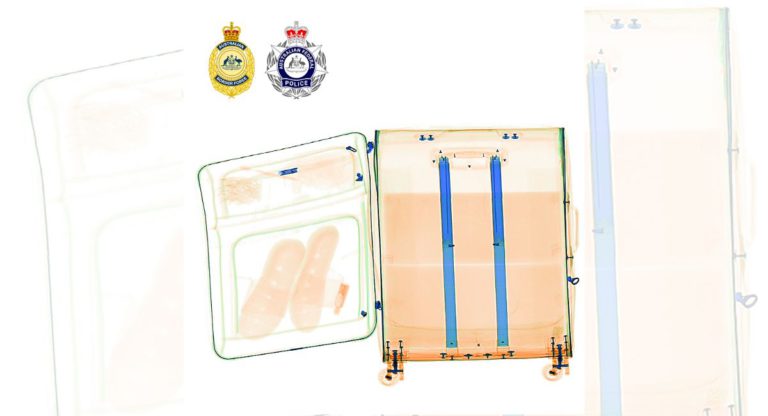
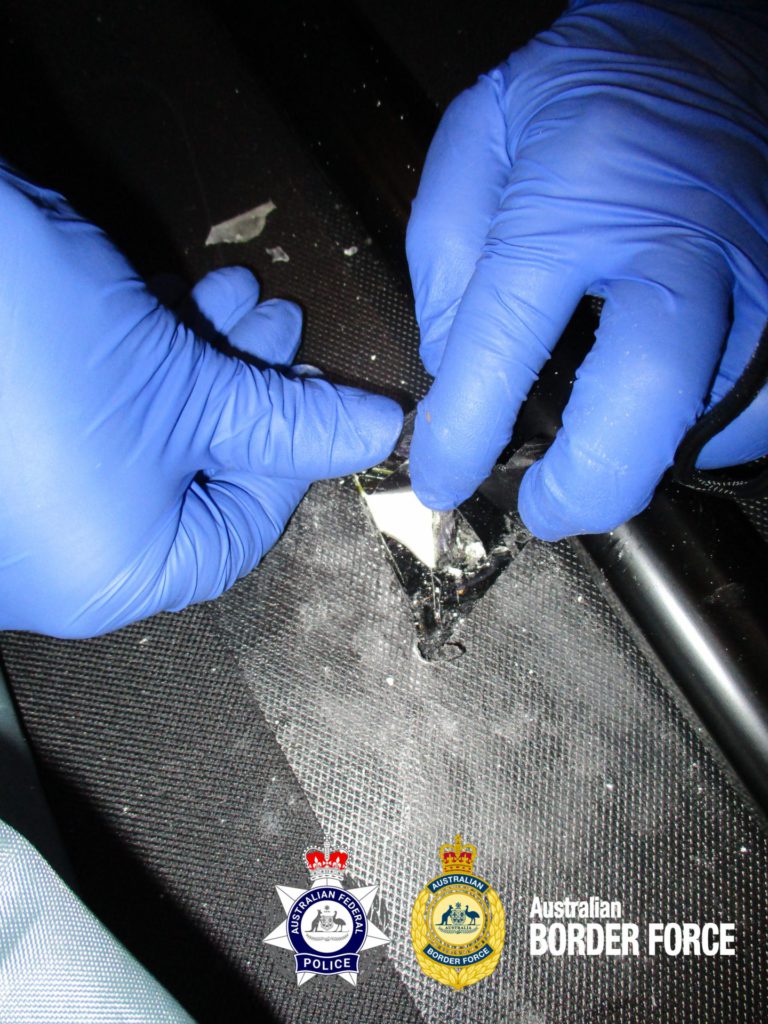
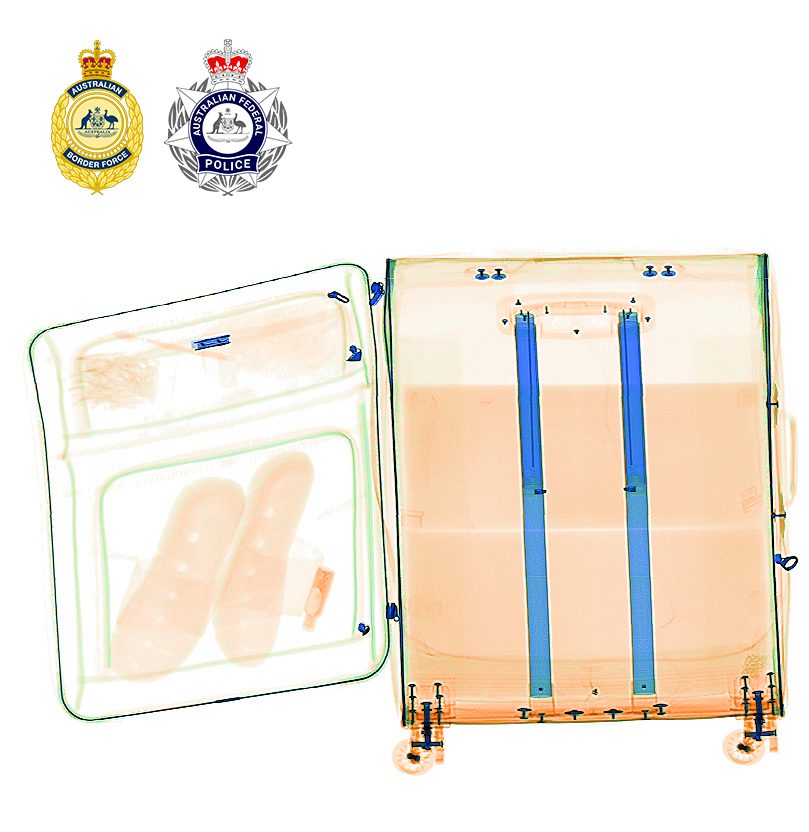
A Newcastle man has been sentenced to 15 years’ imprisonment by Downing Centre District Court on 15 March 2024 for his role in a conspiracy to import about 500kg of methamphetamine into Australia and for dealing with more than $100,000 of criminal proceeds.
The man, 40-year-old, was a key member of a transnational criminal syndicate – with links to the Lone Wolf Outlaw Motorcycle Gang – which imported commercial quantities of methamphetamine into NSW hidden in construction equipment.
AFP Detective Superintendent Kristie Cressy said Operation Ironside enabled law enforcement to monitor serious organised crime syndicates and disrupt their illegal endeavours.
“The information collected during this AFP-led investigation alone stopped the importation of more than 500kg of methamphetamine, which would have caused significant harm to Australian families and communities. This investigation demonstrates the importance of the collaboration between the AFP and our law enforcement partners to disrupt attempts by organised crime to import illicit drugs.”
The criminal syndicate was dismantled in a joint operation involving the AFP, NSW Police Force and Australian Criminal Intelligence Commission (ACIC) in May 2021, as a result of intelligence gained during the AFP-led Operation Ironside.
The Newcastle man was the director of a company which was being used as a front for drug importations as part of the conspiracy.
He communicated with other syndicate members via the encrypted app AN0M and made efforts to present the company as legitimate, including providing an associate with more than $100,000 in criminal proceeds to be deposited into the company’s bank account as paid invoices.
The man pleaded guilty in February, 2024 to:
Conspire to import a commercial quantity of a border-controlled drug, contrary to section 307.1(1) of the Criminal Code (Cth);
Dealing in proceeds of crime, money or property worth $100,000 or more, contrary to section 400.1(1A) of the Criminal Code (Cth).
The man received a sentence of 15 years’ imprisonment with a non-parole period of eight years and six months.
Across Australia, as per the Australian Institute of Health and Welfare report, 27 people on average were admitted to hospital every day in 2021-22 for methamphetamine-related issues. That has an impact on the health system that can negatively affect the entire community.
Operation Ironside was a three-year, covert investigation into significant organised crime syndicates using the dedicated encrypted communications device, named AN0M, to traffic illicit drugs and weapons to Australia.
The global sting was enabled by the AFP and FBI. The FBI secretly controlled AN0M, which was distributed and used only by transnational serious organised crime, or those facilitating crime for them. AFP technical expertise allowed law enforcement to obtain and read the encrypted messages in real time.
Support Our Journalism
Global Indian Diaspora needs fair, non-hyphenated, and questioning journalism, packed with on-ground reporting. The Australia Today – with exceptional reporters, columnists, and editors – is doing just that. Sustaining this needs support from wonderful readers like you.
Whether you live in Australia, the United Kingdom, Canada, the United States of America, or India you can take a paid subscription by clicking Patreon. Buy an annual ‘The Australia Today Membership’ to support independent journalism and get special benefits.
The great Indian general election for 543 Lok Sabha (lower house) seats will be held in seven phases from April 19, Chief Election Commissioner of India Rajiv Kumar announced on Saturday. The counting will be held on June 4.
Along with announcing Lok Sabha elections, CEC Rajiv Kumar also outlined the schedule of Assembly polls in four states – Andhra Pradesh, Arunachal Pradesh, Sikkim, and Odisha.
New Delhi, Mar 16 (ANI): Chief Election Commissioner Rajiv Kumar addresses the press conference announcing the dates for the Lok Sabha polls, which will be held in 7 phases from 19th April to 1st June, in New Delhi on Saturday. Election Commissioners Sukhbir Singh Sandhu and Gyanesh Kumar are also seen. (ANI Photo/Shrikant Singh)
Assembly elections will be held in Andhra Pradesh on May 13, in Arunachal Pradesh and Sikkim on April 19.
Bypolls on 26 Assembly seats will also be held along with the Lok Sabha polls. Nearly 96.8 crore people are eligible to cast their votes in the upcoming polls at over 12 lakh polling stations.
The Election Commission of India (ECI) announced the dates for Lok Sabha and four state Assembly elections.
Phase 1 elections will be held on April 19, and the last date for making nominations is March 27. Polls will be held in 21 States and Union Territories.
Phase 2 elections will be held from April 26, and the last date for nominations for candidates is April 4. The second phase will cover 12 States and Union Territories.
Phase 3 elections will be held on May 7, and the last date for nominations for candidates is April 19. The third phase will cover 12 States and Union Territories.
Phase 4 elections will be held on May 13, and the last date for nominations for candidates is April 25. The fourth phase will cover 10 States and Union Territories.
Phase 5 elections will be held on May 20, and the last date for nominations for candidates is May 3. The fifth phase will cover 8 States and Union Territories.
Phase 6 elections will be held on May 25, the last date for nominations for candidates is May 6. The sixth phase will cover 7 States and Union territories.
Phase 7 elections will be held on June 1, and the last date for nominations for candidates is May 14. The seventh phase will cover 8 States and Union Territories.
New Delhi, Mar 16 (ANI): Chief Election Commissioner Rajiv Kumar addresses the press conference announcing the dates for the Lok Sabha polls, which will be held in 7 phases from 19th April to 1st June, in New Delhi on Saturday. (ANI Photo/Shrikant Singh)
Phase 1 elections will be held in 102 constituencies, and a total of 89 constituencies will undergo phase 2.
In Phase 3, polling will be held in 94 constituencies.
96 constituencies will undergo polling in Phase 4, and 49 constituencies will undergo polling in Phase 5.
In Phase 6, polls will be held in 57 constituencies and also in Phase 7, 57 constituencies will undergo polls.
The assembly elections in Andhra Pradesh and Odisha will be held on May 13. while the Assembly polls in Arunachal Pradesh and Sikkim are on April 19; votes will be counted on Jun 4.
New Delhi, Mar 16 (ANI): Chief Election Commissioner Rajiv Kumar with Election Commissioners Sukhbir Singh Sandhu and Gyanesh Kumar during the press conference announcing the dates for the Lok Sabha polls, which will be held in 7 phases from 19th April to 1st June, in New Delhi on Saturday. (ANI Photo/Shrikant Singh)
Nearly 97 crore voters will be eligible to vote for 543 Lok Sabha constituencies across the country. The moral code of conduct comes into force immediately with the announcement of dates.
CEC Rajiv Kumar said that strict directions have been given to District Magistrates and Superintendent of Police to ensure a level playing field. CRPF is to be deployed adequately & assisted by Integrated control rooms in each district. Check posts & drones to ensure vigil.
Ensuring voters’ trust is paramount. Violence in elections is unacceptable. Impersonators are to be swiftly punished. Transparency in permissions to parties/candidates through the SUVIDHA portal.
New Delhi, Mar 16 (ANI): Chief Election Commissioner Rajiv Kumar addresses the press conference announcing the dates for the Lok Sabha polls, which will be held in 7 phases from 19th April to 1st June, in New Delhi on Saturday. Election Commissioners Sukhbir Singh Sandhu and Gyanesh Kumar are also seen. (ANI Photo/Shrikant Singh)
ECI has offered 27 apps and portals for all stakeholders.
cVigil empowers citizens to report MCC violations and assures action within 100 mts. KYC app facilitates informed voting. A revamped results portal to enhance the experience on results day.
He further mentioned that the poll body is sensitive to environmentally sustainable elections.
“We are making efforts to minimise single-use plastic and encourage eco-friendly practices in the election process,”
he said.
CEC Kumar informed that to curb the flow of illicit money, the poll body has held extensive reviews with enforcement agencies.
“Cash movement worth around Rs 3,400 crore was restricted in the last 11 state assembly elections in Rajasthan, Telangana, Madhya Pradesh, Karnataka, Chhattisgarh, Mizoram, Meghalaya, Nagaland, Himachal Pradesh, Gujarat and Tripura,”
CEC Kumar said.
“Measures like ESMs portal, and coordination between agencies resulted in an exponential increase in seizures in the last 11 elections,” he added.
Chief Election Commissioner Rajiv Kumar said that there is no place for bloodbaths and violence in the elections.
“From wherever we will receive the information of violence, we will take action against them,”
he said.
On the misinformation being spread in the current era, CEC Kumar said, “We have put certain measures in place to ensure misinformation is nipped in the bud. We’re proactive in debunking fake news. Originators of fake news to be dealt with severely as per extant laws.”
“Verify Before You Amplify” is the mantra to combat fake news. Let’s rely on authoritative sources to ensure accurate information prevails. Stay vigilant and help us maintain the integrity of the electoral process,”
he added.
Chief Election Commissioner Rajiv Kumar’s mentioned a Shayari advising voters to not forward fake news and unverified information.
“Jhuth ke bazaar mein raunak to bahut hai, Goya bulbule jaisi turant hi fat jati hai.. Pakad bhi loge to kya hasil hoga siwaye dhokhe ke,” he said.
New Delhi, Mar 16 (ANI): Chief Election Commissioner Rajiv Kumar addresses the press conference announcing the dates for the Lok Sabha polls, which will be held in 7 phases from 19th April to 1st June, in New Delhi on Saturday. Election Commissioners Sukhbir Singh Sandhu and Gyanesh Kumar are also seen. (ANI Photo/Shrikant Singh)
The Model Code of Conduct (MCC)
MCC has come into effect from Saturday after the Election Commission of India announced the dates for elections to the Lok Sabha and four state assemblies, with Chief Election Commissioner Rajiv Kumar asking all political parties and their leaders to strictly adhere to the poll code.
According to the set of guidelines issued by the EC (Election Commission), no party or candidate shall indulge in any activity that may aggravate existing differences or create mutual hatred or cause tension between different castes and communities, religious or linguistic.
It lists out the dos and don’ts regarding general conduct, meetings, processions, conduct of parties and their candidates on polling day, polling booth, observers, party in power and guidelines on election manifestos.
According to the guidelines, all parties and candidates shall avoid scrupulously all activities that are “corrupt practices” and offences under the election law, such as bribing of voters, intimidation of voters, impersonation of voters, canvassing within 100 meters of polling stations, holding public meetings during 48 hours ending with the hour fixed for the close of the poll, and the transport and conveyance of voters to and from the polling station.
The poll body said that organising demonstrations or picketing before the houses of individuals by way of protesting against their opinions or activities shall not be resorted to under any circumstances.
No political party or candidate shall permit its or his followers to make use of any individual’s land, building, compound wall etc., without his permission for erecting flag-staffs, suspending banners, pasting notices, writing slogans etc.
Political parties and candidates shall ensure that their supporters do not create obstructions in or break up meetings and processions organised by other parties. Workers or sympathisers of one political party shall not create disturbances at public meetings organised by another political party by asking questions orally or in writing or by distributing leaflets of their party.
Processions shall not be taken out by one party along places at which meetings are held by another party. Posters issued by one party shall not be removed by workers of another party.
New Delhi, Mar 16 (ANI): Chief Election Commissioner Rajiv Kumar addresses the press conference announcing the dates for the Lok Sabha polls, which will be held in 7 phases from 19th April to 1st June, in New Delhi on Saturday. Election Commissioners Sukhbir Singh Sandhu and Gyanesh Kumar are also seen. (ANI Photo/Shrikant Singh)
As soon as the poll code comes into effect, the party in power be it at the Centre or in the State or states concerned, shall ensure that no cause is given for any complaint that it has used its official position for its election campaign.
According to the Model Code of Conduct, Ministers shall not combine their official visit with electioneering work and shall not also make use of official machinery or personnel during the electioneering work. Also, Government transport including official aircraft, vehicles, machinery and personnel shall not be used for furtherance of the interest of the party in power.
Ministers and other authorities shall not sanction grants or payments out of discretionary funds from the time elections are announced by the Commission; and from the time elections are announced by Commission, Ministers and other authorities shall not announce any financial grants in any form or promises thereof; or (except civil servants) lay foundation stones etc. of projects or schemes of any kind; or make any promise of construction of roads, provision of drinking water facilities etc. or make any ad-hoc appointments in Government, Public Undertakings etc. which may have the effect of influencing the voters in favour of the party in power.
Ministers of Central or State Government shall not enter any polling station or place of counting except in their capacity as a candidate or voter or authorised agent.
The party in power will have to ensure that public places such as maidens etc., for holding election meetings, and the use of helipads for air flights in connection with elections shall not be monopolised by itself. Other parties and candidates shall be allowed the use of such places and facilities on the same terms and conditions on which they are used by the party in power, according to the poll guidelines.
The issue of advertisements at the cost of public exchequer in newspapers and other media and the misuse of official mass media during the election period for partisan coverage of political news and publicity regarding achievements to further the prospects of the party in power shall be scrupulously avoided.
The Election Commission, to ensure a level playing field between the contesting parties and candidates in elections and also to see that the purity of the election process does not get vitiated, as in past been issuing instructions under the Model Code of Conduct.
According to the guidelines, criticism of other political parties, when made, shall be confined to their policies and programmes, records and work. Parties and Candidates shall refrain from criticism of all aspects of private life, not connected with the public activities of the leaders or workers of other parties. Criticism of other parties or their workers based on unverified allegations or distortion shall be avoided.
There shall be no appeal to caste or communal feelings for securing votes with mosques, churches, temples or other places of worship shall not be used as a forum for election propaganda, it said.
Support Our Journalism
Global Indian Diaspora needs fair, non-hyphenated, and questioning journalism, packed with on-ground reporting. The Australia Today – with exceptional reporters, columnists, and editors – is doing just that. Sustaining this needs support from wonderful readers like you.
Whether you live in Australia, the United Kingdom, Canada, the United States of America, or India you can take a paid subscription by clicking Patreon. Buy an annual ‘The Australia Today Membership’ to support independent journalism and get special benefits.
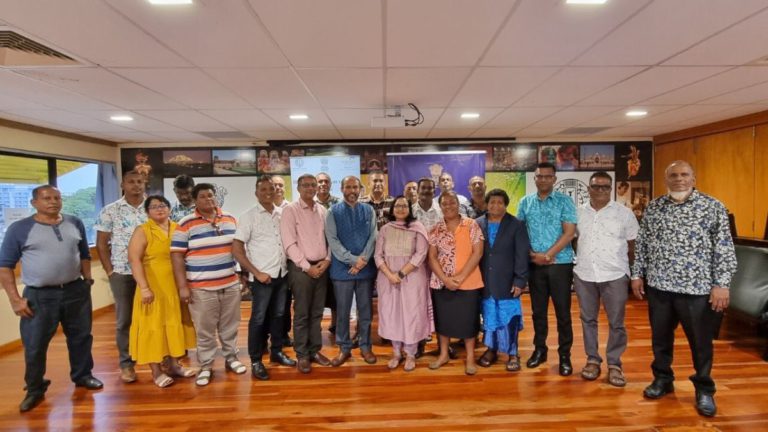
Image: Economic Crime Course in Fiji (Source: AFP)
AFP Detective Superintendent Adrian Morton said the delivery of the course was timely following a series of recent drug seizures across the Pacific, including the seizure of 4.3 tonnes of methamphetamine in Fiji.
“This economic crime fighting course has provided a boost to our Pacific law enforcement partners, giving them the tools and techniques to identify and disrupt criminals attempting to use the Pacific as a maritime illicit drugs highway.”
The course, which commenced in February, was attended by 24 police officers from Fiji, Kiribati, Nauru, Samoa, Solomon Islands, Tonga, Tuvalu and Vanuatu. The initiative was delivered in partnership with the AFP Law Enforcement Cooperation Program (LECP).
Det-Supt Morton said.
“Every dollar organised criminals gain from illicit drug sales helps fund their next big criminal venture. Equipping our Pacific partners with the knowledge and skills to disrupt economic crime is part of a collaborative effort to stop many of these organised criminal groups in their tracks.”
Members from the AFP’s Financial Investigations Team shared investigative techniques that will assist Pacific police partners target the finances and assets of those involved in transnational organised crime.
The participants were taught contemporary investigative techniques, which will help increase capabilities when combatting organised crime syndicates laundering proceeds of crime through the Pacific.
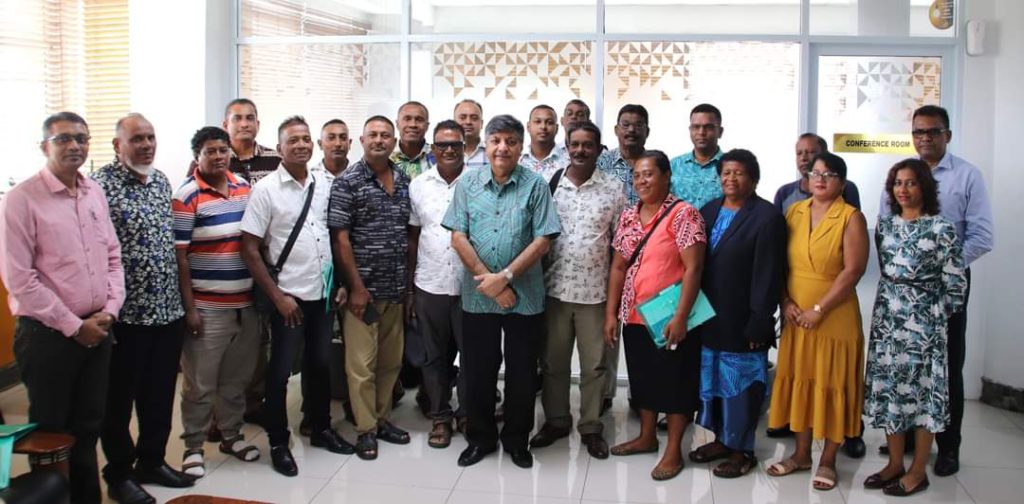
Image: Economic Crime Course in Fiji (Source: AFP)
Fiji Police Force Assistant Commissioner of Police (ACP) Crime Mesake Waqa said with the evolving criminal landscape aided by technology, law enforcement needed to build capability in this crime type.
“The fight against economic crime is not easy as it is technically complicated. It requires capacity, financial resources and stakeholder engagement, so we thank the AFP for helping upskill our officers in this important crime type.”
Training to enhance the skills of Pacific law enforcement members investigating this crime type forms part of a broader strategy employed by the AFP’s Pacific Transnational Crime Network (PTCN) of Transnational Crime Units (TCUs).
Image: Economic Crime Course in Fiji (Source: AFP)
The PTCN is a proactive tactical transnational criminal intelligence network aimed at increasing the capacity of regional counterparts to detect, investigate and disrupt transnational crime in the region.
The PTCN is recognised by Pacific and other international partners as a crucial network in the region as it is the only network that provides central coordination of transnational crime intelligence.
The PTCN is an initiative supported by the AFP, New Zealand Police and the United States Joint Interagency Task Force West. The PTCN currently consists of 28 TCUs based in 20 Pacific Island countries with the Pacific Transnational Crime Coordination Centre (PTCCC) based in Samoa.
Support Our Journalism
Global Indian Diaspora needs fair, non-hyphenated, and questioning journalism, packed with on-ground reporting. The Australia Today – with exceptional reporters, columnists, and editors – is doing just that. Sustaining this needs support from wonderful readers like you.
Whether you live in Australia, the United Kingdom, Canada, the United States of America, or India you can take a paid subscription by clicking Patreon. Buy an annual ‘The Australia Today Membership’ to support independent journalism and get special benefits.
Think of some of the world’s biggest brands: Nike, McDonald’s, Coca-Cola, Apple. With what do you associate them? Are they positive associations? Now consider, do you trust them?
Brand trust is a measure of how customers feel about a brand in terms of how well the brand delivers on its promises. Trust is an important measure for any organisation, large or small.
Whether or not customers trust a brand can be the difference between choosing that brand’s products or services over another.
In Australia, Woolworths held the title of our most trusted brand for three and a half years. But recent cost-of-living pressures have put supermarkets in the spotlight for all the wrong reasons.
Roy Morgan Research’s most recent trust rankings show Woolworths has slipped to number two, handing its crown to hardware behemoth Bunnings.
It’s clear that trust is fragile and can be quickly squandered when brands lose touch with those they serve.
So what makes us trust a brand in the first place? And why do we trust some more than others?
What makes us trust a brand?
According to customer experience management firm Qualtrics, brand trust is
the confidence that customers have in a brand’s ability to deliver on what it promises. As a brand consistently meets the expectations it has set in the minds of customers, trust in that brand grows.
There are many ways to go about measuring brand trust. A typical first step is to ask lots of people what they think, collating their general opinions on product quality and the brand’s customer service experience.
Customer ratings and reviews are an important factor in assessing overall brand trust. Ken Stocker/Shutterstock
This can be strengthened with more quantifiable elements, including:
online ratings and reviews
social media “sentiment” (positive, negative or neutral)
corporate social responsibility activities
philanthropic efforts
customer data security and privacy.
Some surveys go even deeper, asking respondents to consider a brand’s vision and mission, its approaches to sustainability and worker standards, and how honest its advertising appears.
Is this a real and useful metric?
The qualitative methodology used by Roy Morgan to determine what Australian consumers think about 1,000 brands has been administered over two decades, so the data can be reliably compared across time.
On measures of both trust and distrust, it asks respondents which brands they trust and why. This approach is useful because it tells us which elements factor into brand trust judgements.
Customer responses about the survey’s most recent winner, Bunnings, show that customer service, product range, value-for-money pricing and generous returns policies are the key drivers of strong trust in its brand.
Here are some examples:
Great customer service. Love their welcoming staff. Whether it’s nuts and bolts or a new toilet seat, they have it all, value for money.
Great products and price and have a no quibble refund policy.
Great stock range, help is there if you need it and it is my go-to for my gardening and tool needs. Really convenient trading hours, and their return policy is good.
In addition to trust, there are three other metrics commonly used to assess brand performance:
brand equity – the commercial or social value of consumer perceptions of a brand
brand loyalty – consumer willingness to consistently choose one brand over others regardless of price or competitor’s efforts
brand affinity – the emotional connection and common values between a brand and its customers.
However, trust is becoming a disproportionately important metric as consumers demand that companies provide increased transparency and exhibit greater care for their customers, not just their shareholders.
Why do Australians trust retailers so much?
Of Australia’s top ten most trusted brands, seven are retailers – Bunnings, Woolworths, Aldi, Coles, Kmart, Myer and Big W.
This stands in contrast with the United States, where the most trusted brands are predominantly from the healthcare sector.
So why do retail brands dominate our trust rankings?
They certainly aren’t small local businesses. Our retail sector is highly concentrated, dominated by a few giant retail brands.
We have only two major department stores (David Jones and Myer), three major discount department stores (Big W, Target and Kmart) and a supermarket “duopoly” (Coles and Woolworths).
It’s most likely then that these brands have been enjoying leftover goodwill from the pandemic.
As Australia closed down to tackle COVID-19, the retail sector, and in particular the grocery sector, was credited with enabling customers to safely access food and household goods.
Compared with many other countries, we did not see a predominance of empty shelves across Australia. Retailers in this country stepped up – implementing or improving their online shopping capabilities and ensuring physical stores followed health guidelines and protocols.
Other brands may have earned a reputation for failing to deliver the basics, like when chronic flight delays and cancellations plagued many Qantas customers.
Lessons from the winners
On the flip side, consumers have rewarded budget-friendly retailers with increased trust in the most recent rankings.
Aldi, Kmart and Bunnings have improved their standing as trusted brands, no doubt in part because they have helped many Australian consumers deal with tight household budgets.
As discretionary consumer spending continues to tighten, we may see a more permanent consumer shopping shift towards value for money brands and discounters.
Trust is a fragile thing to maintain once earned. As we move through 2024, Australian companies must pay close attention to their most important asset – strong relationships with those they serve.
Global Indian Diaspora needs fair, non-hyphenated, and questioning journalism, packed with on-ground reporting. The Australia Today – with exceptional reporters, columnists, and editors – is doing just that. Sustaining this needs support from wonderful readers like you.
Whether you live in Australia, the United Kingdom, Canada, the United States of America, or India you can take a paid subscription by clicking Patreon. Buy an annual ‘The Australia Today Membership’ to support independent journalism and get special benefits.
The Tasmanian state election is on March 23. A uComms poll for The Australia Institute, conducted March 4–5 from a sample of 1,174, gave the Liberals 37.1% of the vote, Labor 23.0%, the Greens 13.7%, the Jacqui Lambie Network 8.5%, independents 12.8% and others 5.0%.
The Liberals have governed since winning the 2014 election. If this poll’s Labor vote of 23% is accurate, that would be a dreadful result for Labor ten years after losing power.
By 46–36, respondents thought Tasmania was headed in the wrong, rather than right, direction. A breakdown by voting intentions shows large majorities of all non-Liberal voters thought Tasmania was headed in the wrong direction.
Tasmania uses the proportional Hare Clark system, with five electorates each returning seven members for a total of 35 lower house seats, up from 25 total seats at previous elections. A quota for election is one-eighth of the vote, or 12.5%.
Analyst Kevin Bonham said the Liberals would be expected to win 14 of the 35 seats if this poll is accurate, Labor ten, the Greens four, the JLN 2–3 and independents 4–5. The Liberals would be well short of the 18 needed for a majority, but much better placed to form government than Labor.
Bonham said that during the 2021 Tasmanian election campaign, uComms released a poll that greatly understated the Liberals. They have changed their methods since to include SMS as well as voice robopolling. They were accurate at the federal Dunkley byelection. Other recent Tasmanian polls also have the Liberals best placed to form a minority government.
Queensland Newspoll: 54–46 to LNP
The Queensland state election will be held in October. A Newspoll, conducted March 7–13 from a sample of 1,037, gave the Liberal National Party a 54–46 lead over Labor, representing a seven-point swing to the LNP since the October 2020 election. Primary votes were 42% LNP, 30% Labor, 13% Greens, 8% One Nation and 7% for all Others.
Labor Premier Steven Miles had a 49% dissatisfied, 38% satisfied rating (net -11), while LNP leader David Crisafulli was at net +14. Crisafulli led Miles as better premier by 43–37. Just 26% thought Labor deserved to be re-elected, while 58% thought it was time to give someone else a go. This is the first Queensland Newspoll since before the 2020 election.
After Miles replaced Annastacia Palaszczuk as Labor leader and premier in December, there were two relatively good uComms polls for Labor, with the one in mid-February having a 50–50 tie. But this poll is a reversion to bad polling for a government headed for defeat in October.
Labor has governed in Queensland since 2015, and it was easily the worst state for Labor at the 2022 federal election, so a defeat for Labor is the expected outcome.
On Saturday, there will be Queensland state byelections in Labor-held Inala and Ipswich West, and Queensland local government elections, including for the high-profile Brisbane City Council. Labor won Inala by 78.2–21.8 and Ipswich West by 64.3–35.7 against the LNP in 2020.
The Poll Bludger reported Friday that a DemosAU poll of the Brisbane City Council, conducted March 8–14 from a sample of 1,034, had the incumbent LNP Brisbane mayor leading Labor by 58–42, and the LNP also likely to retain their majority on the council.
Federal Freshwater poll steady at 51–49 to Labor
A national Freshwater poll for The Australian Financial Review, conducted March 8–10 from a sample of 1,051, gave Labor a 51–49 lead, unchanged since the February Freshwater poll. Primary votes were 39% Coalition (up one), 31% Labor (steady), 14% Greens (steady) and 16% for all Others (down one).
Albanese’s net approval was steady at -7, with 45% unfavourable and 37% favourable. Dutton’s net approval fell four points to -13. Albanese’s lead as preferred PM increased to 47–38 from 42–38 in February.
The Coalition’s lead over Labor on best to manage cost of living dropped to three points from six points in February, but they still led Labor by ten points on managing the economy. Cost of living was rated an important issue by 72%, up three since February, with housing second on 42%.
Essential poll: Labor regains slight lead
A national Essential poll, conducted March 6–10 from a sample of 1,126, gave Labor a 48–47 lead including undecided, a reversal of a 48–47 lead for the Coalition last fortnight. Primary votes were 35% Coalition (steady), 32% Labor (up two), 11% Greens (down two), 8% One Nation (up one), 2% UAP (steady), 8% for all Others (steady) and 5% undecided (up one).
Respondents were told that Australia spends $55.6 billion on defence, making it the fourth highest expense in the budget. On this spending, 51% thought it about the right amount, 29% too much and 20% not enough.
On Israel’s military action in Gaza, 37% thought Israel should permanently withdraw from Gaza, 20% agree to a temporary ceasefire and 18% thought Israel was justified in continuing its actions.
On Australia’s relationship with China, 67% thought it a complex relationship to be managed, 20% that China is a threat to be confronted and 13% that China is a positive opportunity to be realised. There was no change in these responses since March 2023.
On Australia’s role in global affairs, 38% thought we should be an independent middle power with influence in the Asia-Pacific region, 20% primarily an ally of the United States and 25% said we should do our best not to engage in world affairs.
Morgan poll and Cook byelection
A national Morgan poll, conducted March 4–10 from a sample of 1,714, gave Labor a 51.5–48.5 lead, a two-point gain for the Coalition since the previous week. Primary votes were 38% Coalition (up 1.5), 32% Labor (down two), 13% Greens (down 0.5), 4% One Nation (up 0.5), 9% independents (up 0.5) and 4% others (steady).
The byelection in former Liberal prime minister Scott Morrison’s seat of Cook will be held on April 13. At the 2022 election, Morrison defeated Labor by a 62.4–37.6 margin. Candidate nominations close next Thursday, with Labor not expected to contest.
Global Indian Diaspora needs fair, non-hyphenated, and questioning journalism, packed with on-ground reporting. The Australia Today – with exceptional reporters, columnists, and editors – is doing just that. Sustaining this needs support from wonderful readers like you.
Whether you live in Australia, the United Kingdom, Canada, the United States of America, or India you can take a paid subscription by clicking Patreon. Buy an annual ‘The Australia Today Membership’ to support independent journalism and get special benefits.
Fiji has strongly advocated safeguarding nature against the impact of climate change on all international platforms. Deputy Prime Minister Prof. Biman Prasad’s op-ed “Growth in the Pacific: Mobilising climate finance” (4th March 2024, Fiji Times) stated:
“The climate crisis is the gravest threat; the gravest challenge to security; to the well being and the stability of Pacific societies and economies…. we feel the impacts of climate change on our rapidly deteriorating infrastructure…. increase in cost of food and other essential items… impacts of climate change on our social structure.”
Similar message was given in Letter to editor (Fiji Times, 3 March 24) “Climate Change” by Kirti Patel, has shown concern about how climate change is impacting small Islands nations in various forms.
The issue of climate change is also acknowledged as a significant global health hazard in the 21st century, affecting public health globally. This includes the consequences of gradual climate change and its influence on mental health, referred to as eco-anxiety. The related terms included Legg’s (2020) “eco-trauma”, “climate change distress” and “ecological grief.”
Eco-anxiety is a developing psychological condition caused by worries related to climate change or strong feelings of concern, apprehension, and powerlessness in response to environmental degradation. It is defined as psychological suffering resulting from concerns about climate change and its impact on the future.
Emphasise the growing occurrence of eco-anxiety among people and communities globally. The underlying reasons for eco-anxiety include environmental catastrophes, media portrayal, and individual encounters with climate-related incidents. Many people around the globe develop eco-anxiety, so this issue needs to be discussed at large and suitable cures to contain the impact.
This op-ed gives a symptomatic review to delve into the intricacies of eco-anxiety and examine methods for promoting resilience and empowerment in the era of climate change.
Legg (2020) explained that the other potential symptoms of eco-anxiety included:
“anger or frustration, particularly toward people who don’t acknowledge climate change or older generations for not making more progress; fatalistic thinking; existential dread; guilt or shame related to your carbon footprint; post-traumatic stress after experiencing effects of climate change; feelings of depression, anxiety, or panic; grief and sadness over the loss of natural environments or wildlife populations; obsessive thoughts about the climate; [this can lead to] sleep problems, appetite changes [and] difficulty concentrating.”
Eco-anxiety may result in feelings of powerlessness, despair, and a lack of hope for the future. Many researchers such as Clayton and Karazsia (2020) state that “eco-anxiety is conceptualized as a mash-up of negative emotions like worry, guilt, and sadness.”
Others, Kurth and Pihkala (2022), have discussed “climate emotions” and “ecological emotions” in general terms. When they mention specific eco-emotions like “eco-grief,” “eco-anger,” and “eco-anxiety,” they use these labels and related empirical measures to describe various emotional reactions.
Eco-anxiety gives rise to existential concerns such as loneliness, identity, pleasure, purpose, mortality, and freedom. The phenomena as Passmore, Lutz and Howell (2023) argue lead to the degradation and disruption of ecosystems and landscapes can lead to a diminished sense of coherence, connectedness, and continuity and, consequently, a diminished sense of meaning in life.
Individuals facing the magnitude of the climate issue often suffer similar symptoms, such as anxiety, despair, and feelings of helplessness. Eco-anxiety has a greater impact on marginalised populations [indigenous communities, people living in coastal or islanders, economically disadvantaged groups, (people who work closely to land and sea, high-risk areas), young children and senior citizens, inclusive people or people having chronic health issues (Legg, 2000)] that are more susceptible to the negative consequences of climate change, worsening current disparities.
Provide various coping mechanisms for persons facing eco-anxiety, such as mindfulness techniques, finding social support, and participating in activism. Generally, many researchers emphasise the significance of self-care and sustaining a feeling of hope and positivity when confronted with overwhelming environmental obstacles.
Engage with others who have similar interests and values. Engage with a local environmental organisation or take part in environmental advocacy efforts. Discover ways to enhance your knowledge of environmental concerns and actively participate. Self-engagement to make life greener and inculcate practices in lifestyle to make the climate more sustainable.
Further, implementing specific actions such as decreasing energy use and practising recycling might mitigate concerns related to climate change. Another measure to contain eco-anxiety is to consume media in a mindful manner and be informed, but too much consumption of negative information enhances eco-anxiety.
The authenticity of the news should be checked before believing it and avoiding sensational news can help in maintaining a balance in life. Highlight the importance of community-level resilience in dealing with eco-anxiety and stresses associated with climate change.
Engaging in local gardening, garbage collection, or waste reduction activities may help alleviate eco-anxiety. Receiving emotional and social support may enhance resilience, leading to higher levels of optimism and hope.
Taking action empowers individuals and serves as an effective remedy for eco-anxiety. Engaging in climate action, promoting sustainable legislation, and backing environmental organisations may transform emotions of powerlessness into impactful transformation. Suggest methods for creating stronger and more enduring communities, such as funding renewable energy, establishing climate-resistant infrastructure, and emphasising environmental equity.
Simple methods of talking about the issue within the family to create awareness and collectively take actions to reduce this anxiety and appreciation of nature together is a useful means to develop positive emotions towards climate’s future. Lastly, seeking assistance for additional support by consulting health and mental health professionals can be useful. A sense of positiveness and practicality needs to be developed among the masses, and necessary measures should be adopted to contain the impact of eco-anxiety.
We need to maintain a balance between being aware of the challenges and having a feeling of agency and optimism to create room for advocating for change. Measures should be taken by everyone towards constructive change by safeguarding the environment and working together towards reducing climate change. Collectively, we can convert fear into resilience and uncertainty into opportunity. Let’s actively combat climate change rather than become passive observers and save the world for future generations.
Contributing Author: Dr Sakul Kundra is an Associate Dean (Research) and Associate Professor at the College of Humanities, Education and Law at Fiji National University. The views expressed are his own and not of this newspaper or his employer.
Support Our Journalism
Global Indian Diaspora needs fair, non-hyphenated, and questioning journalism, packed with on-ground reporting. The Australia Today – with exceptional reporters, columnists, and editors – is doing just that. Sustaining this needs support from wonderful readers like you.
Whether you live in Australia, the United Kingdom, Canada, the United States of America, or India you can take a paid subscription by clicking Patreon. Buy an annual ‘The Australia Today Membership’ to support independent journalism and get special benefits.
Recently, Fijian officials and honorary guests participated in an Australian Air Force C-27J Spartan familiarisation flight over the Fijian coast.
This was part of the Defence Pacific Air Program’s VIP day, hosted to strengthen partnerships.
Fijian officials and honorary guests participated in an #AusAirForce C-27J Spartan familiarisation flight over the Fijian coast as part of the Defence Pacific Air Program's VIP day, hosted to strengthen partnerships. 🇫🇯 🤝 🇦🇺 #YourADFpic.twitter.com/tIEORY9tjt
Earlier, Fiji has alos taken delivery of its second Guardian-class Patrol Boat, the RFNS Puamau, at a handover ceremony at HMAS Stirling, Western Australia.
The Prime Minister of Fiji Sitiveni Rabuka received the vessel on behalf of the Government of Fiji.
Yesterday, I had the privilege to hand over the 🇦🇺-built Guardian-class patrol boat RFNS Puamau to 🇫🇯
This ceremony marked the second new patrol boat delivered to Fiji under the Pacific Maritime Security Program & will continue the important work in upholding maritime security. pic.twitter.com/bDRcPiYaCJ
Australia’s Minister for Defence Industry and Minister for International Development and the Pacific Pat Conroy MP said in a statement that Australia is proud to be Fiji’s security partner of choice.
“The delivery of the second Guardian-class Patrol Boat today is a tangible demonstration of our Vuvale Partnership. By enhancing Fiji’s maritime security capabilities, we are more effective in tackling our shared regional challenges together.”
The RFNS Puamau is the second vessel delivered to Fiji, and the 19th vessel delivered under the Pacific Maritime Security Program.
Australia remains committed to working with our Pacific partners to enhance maritime capabilities in response to shared regional challenges. pic.twitter.com/NyvAlG5sF6
Australia has a record of 30-year commitment of uninterrupted engagement with its Pacific partners in support of a stable, prosperous and secure region.
Support Our Journalism
Global Indian Diaspora needs fair, non-hyphenated, and questioning journalism, packed with on-ground reporting. The Australia Today – with exceptional reporters, columnists, and editors – is doing just that. Sustaining this needs support from wonderful readers like you.
Whether you live in Australia, the United Kingdom, Canada, the United States of America, or India you can take a paid subscription by clicking Patreon. Buy an annual ‘The Australia Today Membership’ to support independent journalism and get special benefits.
The Australian Bureau of Statistics (ABS) has released new overseas arrivals and departures data that shows record migration to the country brought in a record 125,410 permanent and long-term arrivals in January 2024.
This comes after Australia’s net migration intake soared to a record high of 510,000 in the year to July 2023, double pre-pandemic levels.
Dan Tehan, Shadow Minister for Immigration and Citizenship, has earlier told ABC’s Insiders that given the current housing and rental crisis Australia could not sustain the 1.6 million migrants forecast to enter the country over the next four years.
“When people can’t get in to see a doctor, when we’re seeing cuts in our infrastructure … that is too high. What we need is a proper plan when it comes to immigration and set out what that should look like … it’s a complete mess.”
ABS reports that in January 2024:
Short-term visitor arrivals: 603,770 – an annual increase of 191,360 trips
Short-term resident returns: 1,392,890 – an annual increase of 294,990 trips
Total arrivals: 2,122,070 – an annual increase of 514,060
Total departures: 1,745,840 – an annual increase of 368,990
Further, international student arrivals each month by visa type show:
In January 2024 there were 82,890 international student arrivals to Australia, an increase of 23,660 students compared with the corresponding month of the previous year.
The number of student arrivals in January 2024 was 8.1% lower than the pre-COVID levels in January 2019.
Analysis by the Institute of Public Affairs (IPA) shows that planned migration has played a critical role in Australia’s history.
However, looking at the record numbers, Daniel Wild, Deputy Executive Director of the IPA, called it “unsustainable.”
“The government’s unplanned mass migration approach is setting Australia up for an economic and humanitarian disaster, and actively undermines Australians who are struggling with rapidly rising house prices and rental costs.”
Mr Wild added:
“In addition, for the first time in 40 years, per capita GDP has gone down for four consecutive quarters, leaving Australians, at an individual level, in a recession. While the overall size of the economic pie may be growing, it is leaving Australians with an even smaller slice.”
New Zealand (94,410 trips) was the largest source country, accounting for 16% of all visitor arrivals folowed by China (71,170 trips) and the USA (63,980 trips).
Dick Smith, the legendary Aussie businessman, speaking to The Daily Telegraph too slammed the latest migration figures.
“Every Australian family has a population plan to have the number of children they can give a good life to, but at the rate we are going it means the average Australian family will have less.”
According to the IPA analysis, if current trends continue, the net overseas migration intake could reach 660,000 for this year, which would be five-times higher than the long-term post-World War Two annual average intake of 126,000.
In December 2023, the Albanese government committed to ‘normalise’ Australia’s migration intake and a crackdown on dodgy colleges along with tighter rules around student visas.
The Centre for Population’s statement has projected that with net migration of 235,000 a year, Australia would reach a population of 39.2 million and under a “high migration scenario” of 470,000 a year, population would reach 49.3 million in 2060-61.
Support Our Journalism
Global Indian Diaspora needs fair, non-hyphenated, and questioning journalism, packed with on-ground reporting. The Australia Today – with exceptional reporters, columnists, and editors – is doing just that. Sustaining this needs support from wonderful readers like you.
Whether you live in Australia, the United Kingdom, Canada, the United States of America, or India you can take a paid subscription by clicking Patreon. Buy an annual ‘The Australia Today Membership’ to support independent journalism and get special benefits.
Students with the skills to hack ethically have completed an Australian first, AFP-led program that encouraged them to use their skills for good.
The re_B00TCMP pilot program aims to encourage students to pursue positive careers in cybersecurity by exposing them to opportunities that exist when they use their skills within the boundaries of the law.
Image: re_B00TCMP (Source: AFP)
AFP re_B00TCMP Project Lead and Team Leader Cybercrime Prevention, Claudia Forsyth, said young people were curious and like many teenagers, it was not uncommon for them to test boundaries.
“Growing up, children are taught about the dangers of illicit drugs and the importance of sun safety, yet they aren’t taught how to legally navigate the online world. It is just as important for them to learn these lessons from a young age.”
Ms Forsyth added:
“For example, not many young people know that it is a criminal offence to use skills and software to boot a competitor off an online game by attacking their internet connection. Some young people may not realise it is unlawful to test their skills by hacking into their school system and essentially using it as a playground, even if they are just being curious. We have a responsibility to help guide them through their curiosity of the online world.
The AFP-led Joint Policing Cybercrime Coordination Centre (JPC3), with support from the NSW Department of Education, ran the re_B00TCMP program in Sydney on 5 March, 2024, at the Fortress E-Sports Arena.
Eighteen students, aged between 14 to 17 years, participated in the one-day program. The students were chosen by the JPC3 for their tech curiosity and impressive IT skills.
Image: re_B00TCMP (Source: AFP)
Ms Forsyth observed:
“You would never teach a young person to drive without first teaching them the road rules. re_B00TCMP fills a current gap in Australia for educational interventions as it inspires young minds to channel their passion for IT into positive, lawful, and socially beneficial activities.”
She added:
“The 12 to 17 years age bracket is crucial, as it is often when students are heavily exposed to the online environment and like any teenager, they may be curious about testing the boundaries, making this an opportune time to have a positive impact.”
The program brought together educators and industry experts to mentor students, exposing them to positive uses of their IT skills, while also teaching them digital and social responsibility. It featured interactive cyber challenges, industry expert sessions, and discussions on career pathways.
Image: re_B00TCMP (Source: AFP)
Ms Forsyth said:
“Through interactive sessions, workshops, and meaningful engagement with law enforcement and industry mentors, the program educates and inspires young talents to lay the groundwork for a future where digital safety and responsibility are paramount.”
The re_B00TCMP program aims to teach young people about online boundaries and to prevent them from crossing those often-thin lines to ensure everyone knows the lawful parameters of the online word. It proactively teaches young people the difference between ethical and non-ethical hacking.
The students engaged in a digital cyber hunt challenge where they applied their technical skills to compete for a subscription to a cyber security training course.
Image: re_B00TCMP (Source: AFP)
Parents, carers, and teachers also attended a parallel program that encouraged them to understand what their children do online and were provided with guidance on how to have open conversations and actively foster their talent.
Ms Forsyth said:
“We’re not only shaping the future of cybersecurity, but also empowering the next generation to leverage their talents for good, contributing significantly to bridging the cyber skills gap in Australia. re_B00TCMP is about creating the next generation of Australia’s cyber champions. ‘Flipping the script on hacking’ is the re_B00TCMP Australia tagline because it’s about changing people’s perception of hacking, which is a skillset that can be used for good with the right direction.”
The Dutch National Police established the re_B00TCMP program in 2021 and have delivered the program to more than 390 students and 155 teachers and parents in the Netherlands.
Ms Forsyth thanked the Dutch National Police for their guidance, and the NSW Department of Education, our industry and education presenters, and policing partners for making the program possible.
Image: re_B00TCMP (Source: AFP)
The NSW Department of Education promoted the rollout of the Australian pilot program to students across NSW, and the JPC3 will now aim to expand re_B00TCMP across Australia with the support of state and territory police agencies.
Damien Mathieson, NSW Department of Education’s Chief Information Security Officer, said:
“Students and parents have gained knowledge and skills about cyber security technologies and pathways into a career in cyber. Some students were not sure of what they would experience during the day but left with a promise to tell others how much fun they had and how cyber can be a very rewarding field.”
Mr Mathieson added:
“Parents heard the importance of ‘working together’ with their child to support their technical interests such as when gaming online or playing with robotics and mentor them by being good role-models.”
The JPC3 brings together Australian law enforcement and key industry and international partners to fight cybercrime and prevent harm and financial loss to the Australian community.
Support Our Journalism
Global Indian Diaspora needs fair, non-hyphenated, and questioning journalism, packed with on-ground reporting. The Australia Today – with exceptional reporters, columnists, and editors – is doing just that. Sustaining this needs support from wonderful readers like you.
Whether you live in Australia, the United Kingdom, Canada, the United States of America, or India you can take a paid subscription by clicking Patreon. Buy an annual ‘The Australia Today Membership’ to support independent journalism and get special benefits.
Former Prime Minister and FijiFirst Party Leader, Frank Voreqe Bainimarama will not be eligible to contest the general elections until 2032 as the High Court has found guilty of perverting the course of justice, ordering that he face sentencing later this month for interfering in a police investigation.
Mr Bainimarama’s conviction of the charge of one count of attempt to pervert the course of justice is based on the Fiji Constitution.
Image: Brigadier General Sitiveni Qiliho, Former Prime Minister and FijiFirst Party Leader Frank Voreqe Bainimarama, and Mr Aiyaz Sayed-Khaiyum (Source: Facebook – Aiyaz Sayed-Khaiyum)
According to the charges, Mr Bainimarama sometime in July 2020 as the Prime Minister directed the Police Commissioner, Brigadier General Sitiveni Qiliho, to stop the investigation into a police complaint, in the abuse of the authority of his office, which was an arbitrary act prejudicial to the rights of the University of the South Pacific (USP) which is the complainant.
For Mr Qiliho’s charges, the charges say that Mr Qiliho on 15 of July 2020 as the Police Commissioner directed the Director of the Criminal Investigations Department, Serupepeli Neiko and Inspector Reshmi Dass to stop investigations into the police complaint by the USP, in the abuse of the authority of his office, which was an arbitrary act of prejudicial to the rights to USP.
Mr Qiliho was convicted of one count of abuse of office which carries a maximum penalty of 10 years imprisonment. In Mr Bainimarama’s case, his charge, under the Crimes Act, carries a maximum penalty of 5 years imprisonment.
Image: Vice-Chancellor and President. Professor Pal Ahluwalia
The “USP saga” has also caused a major rift between Fiji and the other 12 USP-member countries and may have contributed to the narrow loss of Mr Bainimarama’s FijiFirst Party (FFP) in the December 2022 election.
This electoral loss in 2022 also saw Aiyaz Sayed-Khaiyum, Mr Bainimarama’s deputy, disqualified from holding his seat in parliament.
On 12 October 2023, Mr Bainimarama and Mr Qiliho were found not guilty and acquitted by Magistrate Puamau. However, Acting Chief Justice Salesi Temo overturned Magistrate Seini Puamau’s judgement and convicted Bainimarama and also suspended Police Commissioner, Mr Qiliho.
The truth has prevailed. Thank you to all of my supporters, my family most of all. pic.twitter.com/S4ajaJN5Kq
Further, in his judgement, Justice Temo ordered that this matter be brought before Magistrate Puamau in the Suva Magistrates Court for her to abide by the decision of the High Court and pronounce both the respondents, Mr Bainimarama and Mr Qiliho guilty as charged and convict them accordingly.
Justice Temo ordered Mr Bainimarama and Mr Qiliho and the State to file their mitigation and sentencing submissions by 20 March 2024 after which the Magistrate is ordered to conduct a sentence hearing on 21 March 2024 followed by the sentencing of the two on 28 March 2024.
Image: Mr Aiyaz Sayed-Khaiyum with Former Prime Minister and FijiFirst Party Leader, Frank Voreqe Bainimarama (Source: Facebook – Aiyaz Sayed-Khaiyum)
Section 56 (2) (g) of the 2013 Fijian Constitution states that a person maybe a candidate for election to parliament only if the person has not at any time during the 8 years immediately before being nominated, been convicted of any offence under any law for which the maximum penalty is a term of imprisonment of 12 months or more.
Support Our Journalism
Global Indian Diaspora needs fair, non-hyphenated, and questioning journalism, packed with on-ground reporting. The Australia Today – with exceptional reporters, columnists, and editors – is doing just that. Sustaining this needs support from wonderful readers like you.
Whether you live in Australia, the United Kingdom, Canada, the United States of America, or India you can take a paid subscription by clicking Patreon. Buy an annual ‘The Australia Today Membership’ to support independent journalism and get special benefits.
Australia’s rental vacancy rate has hit a historic low of close to zero. The latest estimate from SQM Research is 1.1%. The latest estimate from the property listing firm Domain is 0.7%.
As would be expected with hardly any of Australia’s rental properties vacant and available for rent, rents have soared – at first in 2022 only for newly advertised properties, and later for properties in general as measured by average rents.
The Bureau of Statistics measure of average capital city rents climbed 7.3% throughout 2023. It would have climbed by more – by 8.5% – had the bureau not taken account of the increased rent assistance in the May budget, which depressed recorded rents by 1.2%.
Demand surged while new supply sank
Vacancy rates have fallen and rents have climbed because the demand for living space has surged; at first in the aftermath of lockdowns as Australians sought accommodation with fewer housemates and more home office space, and later as borders reopened and Australia’s population swelled.
At the same time, the number of dwellings completed dived in response to shortages of both labour and materials.
Before COVID about 50,000 new dwellings were completed per quarter. Since then, completions have rarely exceeded 45,000.
Tweaking tax concessions would do little to help
While the Australian Greens are pressing the government to wind back capital gains tax concessions and limit negative gearing in order to wind back home prices, there’s little reason to think the changes would do much to reduce rents.
Half of all Australian landlords negatively gear by making a net loss on rental income in order to profit later from concessionally taxed capital gains. Attacking these tax concessions would be likely to cause some of them to reconsider being landlords.
But if they sold, more renters would be able to buy and stop renting, leaving the balance of renters and properties for rent little changed.
Rent assistance and caps won’t much help either
While there is popular support for increasing rent assistance, and while it has materially cut rents paid over the past year, it won’t create more rental properties.
Very big increases in rent assistance might even lift rents further by increasing the amount renters are able to pay. However, the effect is unlikely to be big because Commonwealth rent assistance is restricted to welfare recipients.
Rent caps or freezes don’t increase supply either, and run the risk of encouraging a black market in bidding to pay rents over the legally sanctioned cap.
What’s needed is more homes, in the right places
The government’s new Housing Australia Future Fund and associated agreements are intended to support the delivery of 20,000 new social and 20,000 new affordable homes over the next five years.
Separately, the Commonwealth and the states have agreed to an ambitious target of 1.2 million “new well-located homes” over the next five years, up from 918,200 over the past five years.
The Commonwealth has set aside A$3 billion for “performance-based funding” to the states paid at the rate of $15,000 for each new well-located home they deliver in excess of their share of 1 million new homes in five years.
If the states and territories are able to deliver 1.2 million homes over five years rather than 1 million, Grattan Institute analysis suggests rents will be 4% lower than they would have been.
NSW is displaying the sort of initiative that will be needed. The state is allowing developers of projects worth more than A$75 million to build taller buildings with more accommodation as long as they use 15% of the floor space for affordable housing.
NSW is also allowing denser development within 400 metres of 31 train stations.
Build-to-rent would help
In Australia, most rental properties (even apartments) are owned by individual so-called “mum and dad” investors.
Overseas in the United States and Europe, they are more likely to be owned by corporations who build entire blocks to lease.
These corporations are more concerned about long-term returns than individual owners who want the flexibility to sell, so they tend to offer long-term leases on better terms.
In last year’s budget the government offered build-to-rent tax rules which the Property Council of Australia says could create thousands of extra homes.
On one hand, they are unlikely to be homes for low-income renters. Developers require commercial returns. On the other hand, an increasing number of renters have high incomes.
The Australian Housing and Urban Research Institute says while in 1996 households with incomes worth $140,000 a year or more in today’s dollars accounted for only 8% of renters, by 2021 they accounted for 24%.
Pre-fabs could also help, and more apprentices
Another thing that would help is encouraging the use of prefabrication to cut construction times and costs, using locally sourced materials.
Prefabricated homes were used to house migrants after the second world war. More recently they have been used to house NSW flood victims.
They will still require skilled builders and tradespeople, who are in short supply. Only about half of enrolled apprentices complete their training, and the dropout rate has been climbing.
The government has announced an in-depth review of Australia’s system of apprenticeship support. It’s due to report later this year.
It might also help to prioritise the migration of tradespeople. It’s hard to build more homes in the right places, but that’s what we need.
Global Indian Diaspora needs fair, non-hyphenated, and questioning journalism, packed with on-ground reporting. The Australia Today – with exceptional reporters, columnists, and editors – is doing just that. Sustaining this needs support from wonderful readers like you.
Whether you live in Australia, the United Kingdom, Canada, the United States of America, or India you can take a paid subscription by clicking Patreon. Buy an annual ‘The Australia Today Membership’ to support independent journalism and get special benefits.
Homicide investigators are looking to speak with the 38-year-old Ashok Raj Varikuppala husband of the 35-year-old alleged murder victim Chaithanya “Swetha” Madhagani.
Ms Madhagani’s body was discovered just after midday last Saturday inside a green waste wheelie bin at Buckley, about 37km west of Geelong in remote Victoria.
The police have confirmed via statement that they had formally identified Ms Madhagani and wanted to speak with her Mr Varikuppala.
A police spokesman said:
“The investigation into her death remains ongoing and no one has been arrested in relation to the matter. Detectives still wish to speak to a 38-year-old Point Cook man, who is the husband of the woman; however, we understand this man remains off shore at this time. Due to the seriousness of the matter, there is much we unfortunately cannot comment on as we don’t want to jeopardise the ongoing investigation.”
Earlier, Police have established two crime scenes – one at Mount Pollock Rd and a second at a residential address in Mirka Wat in Point Cook in southwestern Melbourne.
It is reported that a green waste bin was missing from the couple’s backyard and a high-pressure cleaner was seen nearby.
Image: 38-year-old Ashok Raj Varikuppala husband of the 35-year-old alleged murder victim Chaithanya “Swetha” Madhagani (Source: Facebook)
Mr Varikuppala has left Australia for India with the couple’s young son whom he handed over to Ms Madhagani’s family. He also reportedly rang family members in Victoria and told them about Ms Madhagani’s death.
India and Australia share an extradition treaty for criminal offences. Though, at this atge, the police have not made any comments on Mr Varikuppala’s extradition process.
Support Our Journalism
Global Indian Diaspora needs fair, non-hyphenated, and questioning journalism, packed with on-ground reporting. The Australia Today – with exceptional reporters, columnists, and editors – is doing just that. Sustaining this needs support from wonderful readers like you.
Whether you live in Australia, the United Kingdom, Canada, the United States of America, or India you can take a paid subscription by clicking Patreon. Buy an annual ‘The Australia Today Membership’ to support independent journalism and get special benefits.
John Ung, 55-year-old, suspect in an alleged hit-and-run that killed Harry Chandla, 31-year-old, in Sydney’s west has told the court that he did not know he ran over a man.
Mr Chandla, a trolley collector originally from India, has lived in Australia for 10 years.
“It’s a big loss for my family, my sister and my mum and dad back in India, it’s just too much to handle at the moment. He’s really religious person, even the day before, about 5:30pm, he was in the Sikh temple.”
Mr Ung appeared via video call at Fairfield Local Court and his lawyer argued that the alleged victim was “highly intoxicated” and was “wearing dark clothing” when he was struck just before 3 am.
Barrister Steve Boland appearing for Mr Ung said that Mr Chandla had “made a decision” to lie down on the street when the incident occurred. News.com quoted Mr Boland:
“The deceased put himself in a position where he was, sadly, highly likely to be hit.”
The prosecution argued a “loud bang” could be heard in CCTV of the incident, however, this was disputed by Barrister Boland.
Mr Ung is facing four charges – dangerous driving occasioning death, negligent driving, failing to stop to assist after a vehicle impact causing death and knowingly dealing with the proceeds of crime – after being arrested by police.
Mr Ung was granted bail on the condition he put up $1000 suriety and report to Campbelltown Police Station daily. He also was released on the condition he surrender his passport, which is currently at the Chinese embassy.
Mr Ung’s case will return at Liverpool Local Court on May 2.
Support Our Journalism
Global Indian Diaspora needs fair, non-hyphenated, and questioning journalism, packed with on-ground reporting. The Australia Today – with exceptional reporters, columnists, and editors – is doing just that. Sustaining this needs support from wonderful readers like you.
Whether you live in Australia, the United Kingdom, Canada, the United States of America, or India you can take a paid subscription by clicking Patreon. Buy an annual ‘The Australia Today Membership’ to support independent journalism and get special benefits.
New Zealand’s Foreign Minister Winston Peters has completed a successful visit to India terming it an important step in taking the relationship between the two countries to the next level.
Welcome to India, New Zealand Foreign Minister @winstonpeters.
Looking forward to our productive talks.
न्यूजीलैंड के विदेश मंत्री @winstonpeters का भारत में स्वागत है।
— Dr. S. Jaishankar (Modi Ka Parivar) (@DrSJaishankar) March 12, 2024
Mr Peters, who visited Gujarat and New Delhi from 10-13 March, said in a statement:
“We have laid a strong foundation for the Coalition Government’s priority of enhancing New Zealand-India relations to generate significant future benefit for both countries.”
He added:
“New Zealand and India are two countries that can, should and will be doing more together. My visit has demonstrated a joint commitment to investing more in building a broad-based, mutually beneficial relationship.”
In New Delhi, Mr Peters reconnected with his counterpart, India’s External Affairs Minister Dr S. Jaishankar.
“It is clear that New Zealand and India share common strategic perspectives about the security challenges our Indo-Pacific region faces as well as a commitment to do more together to meet them. Minister Jaishankar and I agreed to work together to unlock more opportunities and achieve a step-up in the relationship between New Zealand and India. Further high-level, political visits in both directions during 2024 will be a crucial part of this process.”
The Hon'ble Deputy Prime Minister and Foreign Minister of New Zealand, Mr. Winston Peters, called on the Hon'ble Vice-President of India, Shri Jagdeep Dhankhar at the Upa-Rashtrapati Nivas today.
Discussions between the leaders highlighted the warm and friendly relations between… pic.twitter.com/HUcOVNtiv4
Mr Peters also met with India’s Vice President Jagdeep Dhankhar and National Security Advisor Ajit Doval.
“We are grateful for the wide-ranging discussions we had with the Government of India, encompassing our strategic security and defence relationship, our social and cultural links, trade and economic cooperation, and respective efforts to combat climate change.”
Mr Peters said:
“New Zealand and India are fellow democracies which, working with likeminded partners such as Australia and Japan, wish to see an Indo-Pacific characterised by respect for the rule of law, freedom of navigation and peaceful resolution of disputes. These shared principles lie at the heart of New Zealand’s push for an enhanced bilateral relationship with India, as well as deeper cooperation across the Indo-Pacific region – including with Pacific Island countries.”
He added:
“India’s importance to New Zealand’s society, economy and security is growing. The Indian diaspora in New Zealand numbers 300,000 and India is our second largest source of international students and largest source of skilled migrants.”
Mr Peters’ programme in New Delhi also included visits to India’s new Parliamentary complex and a Women’s Indian Premier League (IPL) match.
“The connections between New Zealand and India are everywhere to see. It was an honour to visit the new home of the world’s largest democracy. Around 20,000kg of New Zealand wool has been used in the making of the carpets in India’s new Parliament.”
He further observed:
“It was also a pleasure to witness first-hand the passion for and investment in women’s cricket in India – and to see two of New Zealand’s top cricketers competing with the world’s best in the women’s IPL. New Zealand and India share a deep love of cricket, and the women’s game is a seriously important part of that.”
Mr Peters also took part in a panel discussion and reception, alongside representatives of Pacific Island countries and Indian government and business, to explore how New Zealand and India can work together on economic connectivity with the Pacific.
“New Zealand and India both have deep historical, cultural and commercial ties into the Pacific Islands region – and we need to be doing more together there.”
The trade and economic ties between New Zealand and India were also a feature of the visit, Mr Peters says.
“New Zealand is determined to become more a part of this success story. Across a range of sectors – from education to agro-technology and from air connectivity to tourism – we could and should be doing more together in trade and economic terms. It is up to our governments to lay the foundation for this enhanced trade and economic engagement.”
“We were privileged to meet Indian business leaders in New Delhi and Gujarat, and it is clear from our discussions that there is much potential to be tapped via an enhanced economic partnership.”
During the visit, an enhanced Air Services Agreement between the two countries came into force – making code sharing on services between New Zealand and India easier.
The Minister was pleased to throw the ball on to the ground to ceremonially start today’s first game at Jaipur Polo Ground.
Historically, many polo ponies in India have come from New Zealand.
New Zealand and India will celebrate 100 years of sporting contact in 2026.
“While it is ultimately a commercial decision for our national carriers, we are confident that direct flights between New Zealand and India are within sight in the next couple of years.”
“Being able to fly directly from Auckland to New Delhi would be a game-changer for the cultural, people-to-people and commercial ties between our countries.”
While in Gujarat, Mr Peters also met with Chief Minister Bhupendrabhai Patel and other key members of the state’s government.
“My visit to Gujarat was a wonderful opportunity to engage with a state that has been at the forefront of India’s economic success. As we look to deepen and broaden our relationship with India, it is critically important that we engage with Indian states that offer scope for enhanced strategic and economic cooperation.”
The Foreign Minister was honoured to visit Swaminarayan Akshardham in Gandhinagar, Gujarat. pic.twitter.com/atUOl3RG6K
Mr Peters also visited the Swaminarayan Akshardham temple in Gandhinagar, Gujarat and met with representatives of the Jama Masjid Mosque in New Delhi.
“India, like New Zealand, is an extremely diverse country in which varied communities come together to forge a common future. This diversity is reflected in New Zealand’s large and successful Indian diaspora. It was my pleasure to learn more about India’s faith communities and its rich spiritual heritage during this visit.”
Support Our Journalism
Global Indian Diaspora needs fair, non-hyphenated, and questioning journalism, packed with on-ground reporting. The Australia Today – with exceptional reporters, columnists, and editors – is doing just that. Sustaining this needs support from wonderful readers like you.
Whether you live in Australia, the United Kingdom, Canada, the United States of America, or India you can take a paid subscription by clicking Patreon. Buy an annual ‘The Australia Today Membership’ to support independent journalism and get special benefits.
Made from fermented apples and naturally high in acetic acid, apple cider vinegar has been popular in recent years for its purported health benefits – from antibacterial properties to antioxidant effects and potential for helping manage blood sugars.
Its origins as a health tonic stretch much further back. Hippocrates used it to treat wounds, fever and skin sores.
An experimental study, released today, looks into whether apple cider vinegar could be effective for weight loss, reduce blood glucose levels and reduce blood lipids (cholesterol and triglycerides).
The results suggest it could reduce all three – but it might not be as simple as downing an apple cider vinegar drink a day.
An apple cider vinegar drink; Image Source @Canva
What did they do?
A group of scientists in Lebanon did a double-blinded, randomised, clinical trial in a group of overweight and obese young people aged from 12–25 years.
Researchers randomly placed 30 participants in one of four groups. The participants were instructed to consume either 5, 10 or 15ml of apple cider vinegar diluted into 250ml of water each morning before they ate anything for 12 weeks. A control group consumed an inactive drink (a placebo) made (from lactic acid added to water) to look and taste the same.
Typically this sort of study provides high-quality evidence as it can show cause and effect – that is the intervention (apple cider vinegar in this case) leads to a certain outcome. The study was also double-blinded, which means neither the participants or the scientists involved with collecting the data knew who was in which group.
An apple cider vinegar drink; Image Source @Canva
So, what did they find?
After three months apple cider vinegar consumption was linked with significant falls in body weight and body mass index (BMI). On average, those who drank apple cider vinegar during that period lost 6–8kg in weight and reduced their BMI by 2.7–3 points, depending on the dose. They also showed significant decreases in the waist and hip circumference.
The authors also report significant decreases in levels of blood glucose, triglycerides, and cholesterol in the apple cider groups. This finding echoes previous studies. The placebo group, who were given water with lactic acid, had much smaller decreases in weight and BMI. There were also no significant decreases in blood glucose and blood lipids.
From animal studies, it is thought the acetic acid in apple cider vinegar may affect the expression of genes involved in burning fats for energy. The new study did not explore whether this mechanism was involved in any weight loss.
Is this good news?
While the study appears promising, there are also reasons for caution.
Firstly, study participants were aged from 12 to 25, so we can’t say whether the results could apply to everyone.
The statistical methods used in the study don’t allow us to confidently say the same amount of weight loss would occur again if the study was done again.
And, while the researchers kept records of the participants’ diet and exercise during the study, these were not published in the paper. This makes it difficult to determine if diet or exercise may have had an impact. We don’t know whether participants changed the amount they ate or the types of food they ate, or whether they changed their exercise levels.
The study used a placebo which they tried to make identical in appearance and taste to the active treatment. But people may still be able to determine differences. Researchers may ask participants at the end of a study to guess which group they were in to test the integrity of the placebo. Unfortunately, this was not done in this study, so we can’t be certain if the participants knew or not.
Finally, the authors do not report whether anyone dropped out of the study. This could be important and influence results if people who did not lose weight quit due to lack of motivation.
An apple cider vinegar drink; Image Source @Canva
Any other concerns?
Apple cider vinegar is acidic and there are concerns it may erode tooth enamel. This can be a problem with any acidic beverages, including fizzy drinks, lemon water and orange juice.
To minimise the risk of acid erosion some dentists recommend the following after drinking acidic drinks:
rinsing out your mouth with tap water afterwards
chewing sugar-free gum afterwards to stimulate saliva production
avoiding brushing your teeth immediately after drinking because it might damage the teeth’s softened top layer
drink with a straw to minimise contact with the teeth.
Down the hatch?
This study provides us with some evidence of a link between apple cider vinegar and weight loss. But before health professionals can recommend this as a weight loss strategy we need bigger and better conducted studies across a wider age range.
Such research would need to be done alongside a controlled background diet and exercise across all the participants. This would provide more robust evidence that apple cider vinegar could be a useful aid for weight loss.
Still, if you don’t mind the taste of apple cider vinegar then you could try drinking some for weight loss, alongside a healthy balanced and varied dietary intake. This study does not suggest people can eat whatever they like and drink apple cider vinegar as a way to control weight.
Global Indian Diaspora needs fair, non-hyphenated, and questioning journalism, packed with on-ground reporting. The Australia Today – with exceptional reporters, columnists, and editors – is doing just that. Sustaining this needs support from wonderful readers like you.
Whether you live in Australia, the United Kingdom, Canada, the United States of America, or India you can take a paid subscription by clicking Patreon. Buy an annual ‘The Australia Today Membership’ to support independent journalism and get special benefits.
One miner has lost his life following a mine collapse at Ballarat Gold Mine, located on Woolshed Gully Drive at Mount Clear. The tragic event occurred on Wednesday afternoon, leading to a large-scale emergency response.
Two miners were initially trapped by fallen rocks during the collapse. While emergency services were able to stabilise and rescue a 21-year-old man from Ballarat, who sustained lower body injuries, he was flown to the hospital in a life-threatening condition.
Unfortunately, the recovery operation on Thursday morning revealed the grim fate of a 37-year-old man from Bruthen, east of Bairnsdale, who succumbed to the incident after the rockfall.
Victoria Police said in a statement, “The incident occurred approximately 3km underground from the mine entry.”
“WorkSafe will investigate the incident while police will prepare a report for the coroner.”
I'm thinking of every worker and every family who’s impacted by the Ballarat mine incident. Tonight will be a long night for them and for the entire community.
The collapse took place approximately 3 kilometres underground from the mine’s entrance, prompting an extensive rescue and recovery effort. WorkSafe is set to investigate the circumstances surrounding the incident, and police will prepare a report for the coroner.
The Australian Workers Union Victoria state secretary, Ronnie Hayden, disclosed that the two workers were engaged in air legging, a manual mining technique, under an unsupported area of the mine when it collapsed. Meanwhile, 28 other workers found refuge in a safety pod and were later brought to the surface unharmed.
We are aware of the collapse of a mine in Ballarat this evening, Our State Secretary and two of our union officials are currently on-site, working closely with the members. We stand united in our commitment to ensuring the safety and well-being of all workers. pic.twitter.com/OnmQ9KqXcI
— Australian Workers' Union Victoria (@AWU_Victoria) March 13, 2024
Victory Minerals, the company that assumed operational control of the Ballarat Goldmine in December 2023, stated that its emergency response team worked closely with Victoria Police and other authorities following the collapse. The company emphasized its commitment to the safety and well-being of its workers and their families.
“We are a safety-first mine operator and respect the work that underground miners perform every day,”
Victory Minerals said.
The incident has cast a spotlight on the dangers faced by underground miners and the importance of stringent safety measures in the mining industry.
Ballarat Mayor Des Hudson expressed the community’s devastation over the news and assured support for those affected by the tragedy.
“We are a very resilient community,” he said.
“There will be great community concern and support by the local community to those that are involved.”
This is not the first time the Ballarat Gold Mine has experienced an emergency. In 2007, 27 miners were trapped underground for several hours before being successfully winched to safety. The mine, known for its extensive network of tunnels beneath buildings, streets, and homes, is a critical part of the local economy but also a reminder of the risks associated with mining operations.
The community and the families of the miners are now mourning the loss of life and reflecting on the need for continued vigilance and improvement in mining safety standards to prevent such tragedies in the future.
Support Our Journalism
Global Indian Diaspora needs fair, non-hyphenated, and questioning journalism, packed with on-ground reporting. The Australia Today – with exceptional reporters, columnists, and editors – is doing just that. Sustaining this needs support from wonderful readers like you.
Whether you live in Australia, the United Kingdom, Canada, the United States of America, or India you can take a paid subscription by clicking Patreon. Buy an annual ‘The Australia Today Membership’ to support independent journalism and get special benefits.
A study conducted by the Australia India Institute, in collaboration with Roy Morgan’s Taking the Pulse of the Nation (TTPN) and The Melbourne Institute of Applied Economics and Social Research, reveals a widespread appreciation for the contributions of the Indian community among Victorians.
Highlight:
The Indian diaspora is Australia’s fastest-growing diaspora – within the last decade.
About 40 per cent of the Indian diaspora in Australia call Victoria home.
What’s next?
With the introduction of direct flights from Sydney and Melbourne to Delhi and Mumbai and the improvement of air connectivity, the Indian diaspora travel has nearly doubled.
This first-of-its-kind report called Victorian’s Perceptions on India and the Indian Diaspora: A State-Wide Survey, based on responses from over 2,500 participants across the state, shines a light on the Indian diaspora’s significant influence on the local economy, society, and culture.
The findings indicate that more than half of the respondents, encompassing all age and gender demographics, have regular interactions with the Indian community and recognise their positive role in various sectors. Notably, almost 60% of Victorians acknowledge the valuable contributions of Indian international university students to the state’s economy and society, and a similar proportion expressed eagerness to learn more about Indian culture and participate in Indian public and cultural events.
Lisa Singh, Chief Executive of the Australia India Institute, emphasised the dynamic and enterprising nature of the Indian diaspora within the Victorian fabric, highlighting their role as gateways to social and economic collaboration opportunities in Victoria.
Lisa Singh, Chief Executive of the Australia India Institute; Image Source: Supplied
“Their roles in being gateways to greater opportunities for social and economic collaboration in Victoria are held in high regard.”
However, she also stressed the need for policies that foster inclusivity and provide equal opportunities for individuals of Indian descent to ascend to higher leadership roles.
India, having overtaken China and the UK, has become Australia’s largest source of migrants in the past decade. The report underscores the Indian diaspora’s role as Australia’s fastest-growing, with about 40% residing in Victoria. These individuals, primarily skilled migrants with high educational qualifications, play a crucial role in vital economic sectors, promoting Victoria’s trade expansion.
The “glass ceilings” and barriers
Despite Indian Australian communities’ significant contributions, the report highlights a noticeable disparity in the representation of people of Indian descent in leadership positions within boardrooms, political spheres, universities, large corporations, and peak industry bodies. Over 80% of survey respondents pointed out the lack of visibility of Indian Australians in authoritative roles, suggesting the presence of “glass ceilings” and other barriers to leadership opportunities.
The Victorian Government’s positive engagement with India has been reflected through initiatives aimed at promoting travel and tourism for Indian visitors, attracting international students, and supporting skilled migration. During national crises such as the 2019 bushfires and the COVID-19 pandemic, the Indian community has demonstrated commendable leadership by organising food distribution missions, volunteering services, providing medical aid, and initiating vaccination drives.
The report serves as a timely resource for understanding the vital contributions of the Indian Australian community in Victoria and underscores the importance of policy discussions aimed at creating a more inclusive society.
With the introduction of direct flights from Mumbai to Melbourne and improved air connectivity, travel between India and Victoria has nearly doubled, despite high travel costs, further strengthening the ties between the two regions.
Support Our Journalism
Global Indian Diaspora needs fair, non-hyphenated, and questioning journalism, packed with on-ground reporting. The Australia Today – with exceptional reporters, columnists, and editors – is doing just that. Sustaining this needs support from wonderful readers like you.
Whether you live in Australia, the United Kingdom, Canada, the United States of America, or India you can take a paid subscription by clicking Patreon. Buy an annual ‘The Australia Today Membership’ to support independent journalism and get special benefits.
New Zealand’s Deputy Prime Minister Winston Peters who is on a visit to India has raised doubts over Canada’s claim of an alleged Indian link in the killing of Khalistan extremist Hardeep Singh Nijjar.
“As a trained lawyer, I look okay, so where’s the case? Where’s the evidence? Where’s the finding right here, right now? Well, there isn’t one.”
This is the first instance when a Five-Eyes partner has openly questioned Canada’s “credible allegations” against India regarding the Nijjar case.
Warm and productive meeting with DPM and FM @winstonpeters of New Zealand this evening.
Agreed on enhancing our political, trade & economic, security, connectivity, mobility, education and people to people ties. Welcomed New Zealand joining @isolaralliance.
— Dr. S. Jaishankar (Modi Ka Parivar) (@DrSJaishankar) March 12, 2024
Last year, Canada’s Prime Minister Justin Trudeau accused the government of India of involvement in the fatal shooting of Nijjar.
Trudeau’s unsubstantiated “credible allegations” had a seismic effect on India and Canada’s bilateral relationship.
It is being reported that New Zealand, a member of the Five-Eyes intelligence alliance alongside the US, Canada, UK, and Australia, has reportedly received an intelligence briefing from Canada regarding the Nijjar case.
Trudeau has also personally briefed leaders of some of Canada’s closest allies about the case, including U.K. Prime Minister Rishi Sunak, French President Emmanuel Macron and U.S. President Joe Biden.
#WATCH | On the India-Canada row, Canadian PM Justin Trudeau says, "In regards to India, Canada has shared the credible allegations with India. We did that many weeks ago. We are there to work constructively with India and we hope that they engage with us so that we can get to… pic.twitter.com/lpgAwKfSdN
However, Deputy Prime Minister Peters expressed clear scepticism about Canada’s claim and evidence. He added that it was the previous Kiwi government that was handling and managing the matter.
Peters was quoted as saying:
“Well, I wasn’t here, it was handled by the previous government. But look, sometimes when you’re hearing Five-Eyes information, you’re hearing it and saying nothing.
It is coming past you. You don’t know the value or the quality of it, but you’re pleased to have it.
You don’t know whether there is going to be substantial material value or nothing. But the very, very critical information that matters… This was mainly handled by the previous government.”
Indian PM Narendra Modi and Canadian PM Justin Trudeau at G20 New Delhi; Image Source- Twitter @justintrudeau
Earlier, India’s Ministry of External Affairs issued a statement rejecting Trudeau’s allegations, calling them “absurd and motivated.”
“Allegations of Government of India’s involvement in any act of violence in Canada are absurd and motivated.
Similar allegations were made by the Canadian Prime Minister to our Prime Minister, and were completely rejected. We are a democratic polity with a strong commitment to rule of law,”
MEA statement said.
India’s MEA further added that Trudeau should “take prompt and effective legal action against all anti-India elements operating from their soil.”
Image: Khalistan separatist Hardeep Singh Nijjar.
Nijjar, a designated terrorist in India, was allegedly shot multiple times by unknown persons outside a Gurudwara in Surrey, B.C. The Royal Canadian Mounted Police (RCMP) has yet to name suspects or make arrests in connection with Nijjar’s killing.
Support Our Journalism
Global Indian Diaspora needs fair, non-hyphenated, and questioning journalism, packed with on-ground reporting. The Australia Today – with exceptional reporters, columnists, and editors – is doing just that. Sustaining this needs support from wonderful readers like you.
Whether you live in Australia, the United Kingdom, Canada, the United States of America, or India you can take a paid subscription by clicking Patreon. Buy an annual ‘The Australia Today Membership’ to support independent journalism and get special benefits.
In an era dominated by digital innovation, the key to sustaining competitiveness lies in a profound comprehension of technological advancements and their strategic applications. Despite challenges in keeping pace with technological evolution, Australia remains committed to overcoming obstacles hindering innovation and seamless digital adoption.
Competing effectively in the digital landscape demands a comprehensive understanding of technological developments and their real-world implications.
In light of this, the forthcoming “26th Edition of the Digital Transformation Summit,” organized by Exito Media Concepts, slated for March 14th in Sydney, is set to bring together industry representatives, thought leaders, and experts. This event aims to foster the exchange of insights and expertise on the latest technologies and trends shaping the digital transformation landscape.
Featured Speakers at the Conference include, Simon Bush, Chief Executive Officer, Australian Information Industry Association (AIIA), Vasyl Nair, Group Chief Executive Officer, Mine Super. Greg McKenna, CEO, Police Bank, Dr. Tom Gao, Chief Technology and Digital Services Officer, City of Sydney, Cherie Hughes, Executive Group Manager Infrastructure Delivery Solutions, Major Projects Canberra ACT Government and Jeremiah Mannings, Chief Data Officer, Uniting.
Several topics will be on the agenda during the event including,
Data Protection: Preserving Privacy in a Digitized World
Unleashing the AI Revolution: The Power of Cloud Computing and Digital Infrastructure
Breaking the Chains: Revamping Legacy Systems for Successful Digital Transformation
Cyber Resilience in the Age of Digital Transformation
Beyond Boundaries: The Next Frontier in Digital Transformation Tech
Data Protection: Preserving Privacy in a Digitized World
Cyber Resilience in the Age of Digital Transformation
The rapid adoption of technology and the ascent of Fintech are reshaping Australia’s BFSI sector dramatically. As innovation propels forward, technology leaders seek comprehensive strategies to outpace competition and fortify resilience. Priorities such as customer-centric approaches, digitization, process automation, and data security remain paramount for IT leaders.
The 21st Edition of the BFSI IT Summit by Exito is an exclusive, in-person conference uniting top technology leaders. This summit serves as a platform for learning and networking, delving into imminent challenges within the BFSI sector and uncovering best practices for overcoming them.
The BFSI (Banking, Financial Services, and Insurance) sector is on the cusp of a digital transformation. This summit, brings together industry leaders, innovators, and experts to explore the latest trends, challenges, and opportunities shaping the future of financial technology.
(Image: Supplied)
Featuring a lineup of esteemed speakers, insightful panel discussions, and interactive workshops, the BFSI IT Summit amia to deliver insights and strategies for navigating the rapidly evolving landscape of financial technology. Attendees can expect to gain actionable insights, forge strategic partnerships, and stay ahead of the curve in this dynamic industry.
Prominent speakers confirmed for the summit include, Krystle Ritchens, Executive Director, Senior Payments Industry And Regulatory Lead J.P. Morgan, Paul Bloxham, Managing Director & Chief Economist For ANZ And Global Commodities, HSBC, May Lam, CIO Australian Payments Plus, Andrew Brydon, Executive Chief Engineer NAB and Simon Callaghan, CEO & Board Director Blockchain Australia.
The summit will cover a range of prominent topics, including:
Digitization and Automation in the Customer Journey
Open Banking and the Future of Innovation
The Next Frontier: Generative AI for Financial Services
All things Strategy, Technology, Digital & Data in BFSI
Central Bank Digital Currencies & the future of money.
Designing Resilient Banking Systems Powered by site reliability engineering.
Support Our Journalism
Global Indian Diaspora needs fair, non-hyphenated, and questioning journalism, packed with on-ground reporting. The Australia Today – with exceptional reporters, columnists, and editors – is doing just that. Sustaining this needs support from wonderful readers like you.
Whether you live in Australia, the United Kingdom, Canada, the United States of America, or India you can take a paid subscription by clicking Patreon. Buy an annual ‘The Australia Today Membership’ to support independent journalism and get special benefits.
As America winds down its primary season for the 2024 presidential elections in November, India gears up to elect its 18th Lok Sabha (People’s House) in May. Pradhan Mantri (Prime Minister) Narendra Modi and the National Democratic Alliance, headed by Mr Modi’s Bharatiya Janata Party, or the BJP, are expected to win a clear majority in the 543-member strong Lok Sabha, the lower house of the Parliament (Sansad).
Modi’s Decade
According to Morning Consults, Mr. Modi enjoys the highest approval rating, 78%, among over 20 democratically elected world leaders. Within his two terms of prime ministership, he has transformed India from what the Nobel Laureate V.S. Naipaul once called (India: a Million Mutinies Now), a country “full of pietistic Gandhian gloom” to an India full of youthful aspiration. India isn’t only the most populous nation, but it is now also the third-largest economy (based on PPP).
Modi’s decade has also sparked a Hindu renaissance in India. For Mr Modi and his supporters, “[i]t isn’t enough to send the British packing,” Walter Russell Mead writes in his Wall Street Journal column, “the liberation of India means placing Hindu civilisation back at the centre of Indian cultural and political life.”
However, this transformation hasn’t come without criticism in the form of an “agenda-driven” bogey of backsliding democracy, suppression of minorities, and restrictions on freedom of speech.
The Festival of Democracy
Indian elections have often been called the ‘festival of democracy.’ They are loud, chaotic, varied, and vibrant, with a fair amount of fun and gaiety. If India is, to paraphrase Judy Dench’s character in the film The Best Exotic Marigold Hotel, an onslaught on the senses, Indian elections are a prime example of that onslaught. Unsurprisingly, they draw considerable attention across the globe.
Indian elections also create great excitement within the Indian diaspora worldwide. Like any diaspora group, most Indians’ personal and collective identity conflation is closely linked to a shared sense of vulnerabilities and anxieties concerning India’s political, social, and economic well-being.
India is the largest democracy in the world, with over 900 million eligible voters. To put this into perspective, the number of eligible voters in India is three times the size of the U.S. population. In over one million polling stations, these voters will exercise their franchise using 1.7 million Electronic Voting Machines (EVMs; paper ballots are not used for in-person voting). The country is divided into 543 electoral districts, with over 8 thousand candidates in the fray.
India holds national elections every five years as mandated by the constitution. The only time India did not hold elections within the stipulated period was when PM Indira Gandhi imposed the national Emergency (1975-1977).
Over 600 political parties participate in Indian elections. Most of these outfits operate as political pressure groups affiliated with regional, linguistic, religious, and jati (“caste”) identities. Even Maoists, Marxists, and Leninist communists have their political outfits. However, currently, only the BJP and the Indian National Congress (INC) have a pan-India footprint.
India’s election rules mandate the presence of a polling booth within two kilometres (1.2 miles) of every dwelling. This means that the solitary resident of Gir National Park in Gujarat must get his personal polling booth.
The Election Commission of India (ECI), an independent constitutional body, runs the entire election process. The Commission presses eleven million poll workers into service for elections. For logistical purposes—to move the equipment and human resources, including security—India holds national elections in a rolling, phase-wise manner that stretches over several (eight to ten) weeks.
However, all polling in the stipulated areas is conducted in one day. There is no multiple-day voting, and mail-in ballots are rare. The ECI issues I.D. cards to all voters who must verify their identity when voting. Voters can also have a “protest” NOTA (None of the Above) vote. Most results are declared within a matter of a few hours.
Is There a Universal Definition of Democracy?
The concept of democracy involves people’s participation in their own governance. It is broadly actualized in terms of freedom and civil liberties. Free and fair elections, freedom of expression, etc., are defining elements of democracy. In most cases, when one defines the abstract notion of democracy, one thinks about those concrete democratic outcomes.
However, democracy is a concept, according to Russell Dalton, Doh Shin, and Willy Jou (Understanding Democracy), that has “a variety of potential meanings, and it is not simple to grasp or define… [e]ven in advanced industrial democracies.” For example, many fail to recognize the difference between majoritarian (India) and republican (the U.S.) democracies. Similarly, the parliamentary form of democracy operates quite differently than the presidential one.
To many, democracy’s real meaning is in its deliverables. For some, democracy may mean ‘Rām Rājya‘ – a righteous state based on the ideals of Maryada Purushottam Bhagwan Ram, likened to King David in the Hebrew scriptures. It may also mean getting electricity from the government to someone’s village and house. For some others, it may mean getting access to a bank account, the right to pursue one’s faith, or the right to bear arms. Yet, for some others, it may simply mean having a toilet in the house, relatively inexpensive food prices, or a job in the government.
Dharma-based Democracy
Democracy isn’t a uniquely Western concept, nor was the idea of universal adult suffrage, freedom of expression, etc., always part of our understanding of democracy. Many of the tenets of democracy we take for granted in the West aren’t even a century old. For example, women’s right to vote in the U.S. was established in 1920 by ratifying the 19th Amendment to the U.S. Constitution.
Mindful of its implications, it is not an exaggeration to state that India, at its core, is a civilizationally democratic society. Even though the picture of India presented in academic works and popular history is predominantly monarchical, it had layers of self-rule—the kind of cooperative self-government identified in the West with Greek republicanism.
Though the Vedas provide a glimpse – words such as sabha, samiti, parishad, sabhapati, etc. – of self-governance, more concrete evidence is available from the time of Gautama, the Buddha, in 600 BCE (J.P Sharma; Republics in Ancient India c. 1500 B.C.-500 B.C.). Several sovereign republics operated in India during Alexander of Macedonia’s invasion. Greek accounts, such as Arrian’s Anabasis of Alexander, which details the Macedonian conqueror’s war campaign, mention chroniclers’ eyewitness accounts of Alexander meeting with “free and independent” Indian communities at almost every corner.
Noted Sanskrit grammarian Panini’s Ashtadhyayi presents complex vocabularies – such as gana and sangha – that describe self-governing groups (V.S. Agrawala, India as Known to Panini).
The Uthiramerur temple inscription in Tamil Nadu has one of the earliest (7th-9th century C.E.) descriptions of some essential elements of a democratic process, such as conducting an election.
Indian democracy is uniquely Indian and thriving. Those who view democracy from a Western filter get tangled in anachronistic, one-side-fits-all supremacism. Indian culture, owing to its Dharmic roots, is naturally compatible with democracy.
India is the land of ‘one truth, many names’ – ‘ekam sat vipra bahudhā vadanti.’ Pluralism, as the core of democracy, is inherent to Indic culture. According to Sri Aurobindo, “Dharma is the basis of democracy which Asia must recognize, for in this lies the distinction between the soul of Asia and the soul of Europe.” Through Dharma, he proclaimed, “the Asiatic evolution fulfils itself; this is her secret.”
Dharmic democracy promotes tolerance and mutual respect for others’ ideas and opinions. It is the Dharma of every human being to be truly free. Sri Aurobindo considers Swaraj (self-governance) freedom of mind, body, and spirit. He knew the inherent tension between European rights- and duties-based democracy. According to him, a Dharma-based system lacks this “artificial antagonism.
This article was first published in India Currents and has been republished with the kind permission of the author/editor.
Contributing Author:Avatans Kumar is a columnist, public speaker, and activist. A JNU, New Delhi, and the University of Illinois at Urbana-Champaign alumnus, Avatans holds graduate degrees in Linguistics. Avatans is a recipient of the 2021 San Francisco Press Club’s Bay Area Journalism award.
Support Our Journalism
Global Indian Diaspora needs fair, non-hyphenated, and questioning journalism, packed with on-ground reporting. The Australia Today – with exceptional reporters, columnists, and editors – is doing just that. Sustaining this needs support from wonderful readers like you.
Whether you live in Australia, the United Kingdom, Canada, the United States of America, or India you can take a paid subscription by clicking Patreon. Buy an annual ‘The Australia Today Membership’ to support independent journalism and get special benefits.
Aged care financing is a vexed problem for the Australian government. It is already underfunded for the quality the community expects, and costs will increase dramatically. There are also significant concerns about the complexity of the system.
In 2021–22 the federal government spent A$25 billion on aged services for around 1.2 million people aged 65 and over. Around 60% went to residential care (190,000 people) and one-third to home care (one million people).
The final report from the government’s Aged Care Taskforce, which has been reviewing funding options, estimates the number of people who will need services is likely to grow to more than two million over the next 20 years. Costs are therefore likely to more than double.
The taskforce has considered what aged care services are reasonable and necessary and made recommendations to the government about how they can be paid for. This includes getting aged care users to pay for more of their care.
But rather than recommending an alternative financing arrangement that will safeguard Australians’ aged care services into the future, the taskforce largely recommends tidying up existing arrangements and keeping the status quo.
No Medicare-style levy
The taskforce rejected the aged care royal commission’s recommendation to introduce a levy to meet aged care cost increases. A 1% levy, similar to the Medicare levy, could have raised around $8 billion a year.
The taskforce failed to consider the mix of taxation, personal contributions and social insurance which are commonly used to fund aged care systems internationally. The Japanese system, for example, is financed by long-term insurance paid by those aged 40 and over, plus general taxation and a small copayment.
Instead, the taskforce puts forward a simple, pragmatic argument that older people are becoming wealthier through superannuation, there is a cost of living crisis for younger people and therefore older people should be required to pay more of their aged care costs.
Separating care from other services
In deciding what older people should pay more for, the taskforce divided services into care, everyday living and accommodation.
The taskforce thought the most important services were clinical services (including nursing and allied health) and these should be the main responsibility of government funding. Personal care, including showering and dressing were seen as a middle tier that is likely to attract some co-payment, despite these services often being necessary to maintain independence.
The task force recommended the costs for everyday living (such as food and utilities) and accommodation expenses (such as rent) should increasingly be a personal responsibility.
Making the system fairer
The taskforce thought it was unfair people in residential care were making substantial contributions for their everyday living expenses (about 25%) and those receiving home care weren’t (about 5%). This is, in part, because home care has always had a muddled set of rules about user co-payments.
But the taskforce provided no analysis of accommodation costs (such as utilities and maintenance) people meet at home compared with residential care.
To address the inefficiencies of upfront daily fees for packages, the taskforce recommends means testing co-payments for home care packages and basing them on the actual level of service users receive for everyday support (for food, cleaning, and so on) and to a lesser extent for support to maintain independence.
It is unclear whether clinical and personal care costs and user contributions will be treated the same for residential and home care.
Making residential aged care sustainable
The taskforce was concerned residential care operators were losing $4 per resident day on “hotel” (accommodation services) and everyday living costs.
The taskforce recommends means tested user contributions for room services and everyday living costs be increased.
It also recommends that wealthier older people be given more choice by allowing them to pay more (per resident day) for better amenities. This would allow providers to fully meet the cost of these services.
Effectively, this means daily living charges for residents are too low and inflexible and that fees would go up, although the taskforce was clear that low-income residents should be protected.
Moving from buying to renting rooms
Currently older people who need residential care have a choice of making a refundable up-front payment for their room or to pay rent to offset the loans providers take out to build facilities. Providers raise capital to build aged care facilities through equity or loan financing.
However, the taskforce did not consider the overall efficiency of the private capital market for financing aged care or alternative solutions.
Instead, it recommended capital contributions be streamlined and simplified by phasing out up-front payments and focusing on rental contributions. This echoes the royal commission, which found rent to be a more efficient and less risky method of financing capital for aged care in private capital markets.
It’s likely that in a decade or so, once the new home care arrangements are in place, there will be proportionally fewer older people in residential aged care. Those who do go are likely to be more disabled and have greater care needs. And those with more money will pay more for their accommodation and everyday living arrangements. But they may have more choice too.
Although the federal government has ruled out an aged care levy and changes to assets test on the family home, it has yet to respond to the majority of the recommendations. But given the aged care minister chaired the taskforce, it’s likely to provide a good indication of current thinking.
Global Indian Diaspora needs fair, non-hyphenated, and questioning journalism, packed with on-ground reporting. The Australia Today – with exceptional reporters, columnists, and editors – is doing just that. Sustaining this needs support from wonderful readers like you.
Whether you live in Australia, the United Kingdom, Canada, the United States of America, or India you can take a paid subscription by clicking Patreon. Buy an annual ‘The Australia Today Membership’ to support independent journalism and get special benefits.
Highlight: India implements the Citizenship Amendment Act for persecuted religious minority refugees.
30 district magistrates and home secretaries across nine states have been authorized with the ability to confer Indian citizenship.
What’s next? Application for Indian citizenship under CAA to be made online.
Indian Union Home Ministry has notified rules for implementation of the Citizenship Amendment Act (CAA) on Monday, days ahead of the announcement of the Lok Sabha elections schedule.
Activists celebrate after the Central Government has officially notified the rules for the implementation of CAA, in Kolkata; Image Source ANI Photo
Minister Shah said the notification will enable minorities persecuted on religious grounds in Pakistan, Bangladesh, and Afghanistan to acquire Indian citizenship and that Prime Minister Narendra Modi has delivered on another commitment and realized the promise of the makers of the constitution to Hindus, Sikhs, Buddhists, Jains, Parsis and Christians living in those countries.
“The Modi government today notified the Citizenship (Amendment) Rules, 2024. These rules will now enable minorities persecuted on religious grounds in Pakistan, Bangladesh, and Afghanistan to acquire citizenship in our nation,” Shah said in a post on X.
The Modi government today notified the Citizenship (Amendment) Rules, 2024.
These rules will now enable minorities persecuted on religious grounds in Pakistan, Bangladesh and Afghanistan to acquire citizenship in our nation.
With this notification PM Shri @narendramodi Ji has…
— Amit Shah (Modi Ka Parivar) (@AmitShah) March 11, 2024
“With this notification PM @narendramodi Ji has delivered on another commitment and realized the promise of the makers of our constitution to the Hindus, Sikhs, Buddhists, Jains, Parsis, and Christians living in those countries,” he added.
Home Minister Amit Shah, on multiple occasions, said that CAA rules would be notified ahead of the Lok Sabha elections to be held in April-May.
The CAA rules, introduced by India’s Narendra Modi government and passed by the Indian Parliament in 2019, aim to confer Indian citizenship to persecuted minority migrants – including Hindus, Sikhs, Jains, Buddhists, Parsis, and Christians – who migrated from Bangladesh, Pakistan, and Afghanistan and arrived in India before December 31, 2014.
Following the passage of the CAA by Parliament in December 2019 and its subsequent Presidential assent, significant protests erupted in various parts of the country.
As per an official, the CAA law can be put into action with the issuance of MHA notification, allowing eligible individuals to obtain Indian citizenship.
This is how the Hindu refugees of Pakistan living in Adarsh Nagar (Delhi) celebrated the #CAA implementation..
The implementation of the CAA, which has been delayed for over four years, necessitates the formulation of its associated rules.
“The regulations are prepared, and an online portal is already set up for the entire process, which will be conducted digitally. Applicants will need to disclose the year of their entry into India without any travel documents. No additional documentation will be required from the applicants,”
stated the official.
On December 27, Union Home Minister Amit Shah asserted that the implementation of the CAA cannot be halted as it stands as the law of the land. He had also accused Indian state West Bengal’s Chief Minister Mamata Banerjee of misleading the public regarding this matter.
The assurance of implementing the highly debated CAA was a significant electoral agenda for the BJP during the previous Lok Sabha and Assembly elections in West Bengal. Leaders of the ruling party at the Centre view it as a credible factor contributing to the BJP’s ascent in the state
As per the manual of parliamentary procedures, the guidelines for any legislation should have been formulated within six months of receiving the presidential assent, or the government should have sought an extension from the Committees on Subordinate Legislation in both the Lok Sabha and Rajya Sabha. Since 2020, the Ministry of Home Affairs has been regularly seeking extensions from the parliamentary committees to continue the process of framing the rules associated with the legislation.
During the past two years, over 30 district magistrates and home secretaries across nine states have been authorized with the ability to confer Indian citizenship to Hindus, Sikhs, Buddhists, Jains, Parsis, and Christians arriving from Afghanistan, Bangladesh, and Pakistan under the Citizenship Act of 1955.
As per the Ministry of Home Affairs annual report for 2021-22, between April 1, 2021, and December 31, 2021, a cumulative count of 1,414 individuals from persecuted minority communities originating from Pakistan, Bangladesh, and Afghanistan were granted Indian citizenship through registration or naturalization under the Citizenship Act, 1955.
Under the Citizenship Act of 1955, Indian citizenship by registration or naturalization is granted to non-Muslim minorities from Pakistan, Bangladesh, and Afghanistan in nine states such as Gujarat, Rajasthan, Chhattisgarh, Haryana, Punjab, Madhya Pradesh, Uttar Pradesh, Delhi, and Maharashtra.
Application for Indian citizenship under CAA to be made online, rules’ notification specifies detail
Citizenship (Amendment) Rules, 2024 enable persons eligible under CAA-2019 to apply for the grant of Indian citizenship and applications are to be submitted in a completely online mode for which a web portal has been provided by the Indian government.
The Citizenship (Amendment) Act, 2019, seeks to grant Indian citizenship to refugees who had sought shelter in India before December 31, 2014, due to religious persecution in three neighbouring countries–Afghanistan, Pakistan, and Bangladesh, of six minority communities there.
The CAA removes legal barriers to rehabilitation and citizenship. It gives a dignified life to refugees “who have suffered for decades”. Citizenship rights will protect their cultural, linguistic, and social identity, officials said, adding that it will also ensure economic, commercial, free movement, and property purchase rights.
The notification stated that every application made by the applicant under sub-rule (1) shall have a declaration to the effect that the citizenship of the origin country shall stand renounced irrevocably in the event of his application being approved and that the person shall not raise any claim on it in the future.
The notification specified the details of the steps and process required to apply for eligible persons for Indian citizenship.
New rules have been inserted in the Citizenship Rules, 2009 after rule 10. Rule 10 A details the application for the grant of citizenship by registration or naturalisation by persons eligible under section 6B.
The application from a person for grant of citizenship by naturalisation should fulfil the qualifications for naturalisation under the provisions of the Third Schedule and is submitted in Form VIIIA which includes an affidavit verifying the correctness of the statements made in the application along with an affidavit from an Indian citizen testifying the character of the applicant and a declaration from the applicant that he has adequate knowledge of one of the languages as specified in the Eighth Schedule to the Constitution.
The applicant shall be considered to have adequate knowledge of the concerned language if he can speak/read or write that language.
The rules state that an application for registration or naturalisation under section 6B shall be submitted by the applicant in electronic form to the Empowered Committee through the District Level Committee as may be notified by the Central Government.
On submission of the application, an acknowledgment in Form IX shall be generated electronically.
The District Level Committee, headed by the Designated Officer, as may be specified, shall verify the documents submitted by the applicant along with the application.
The Designated Officer shall administer to the applicant the oath of allegiance as specified in the Second Schedule to the Citizenship Act, 1955 (57 of 1955) and thereafter, sign the oath of allegiance and forward the same in electronic form along with confirmation regarding verification of documents to the Empowered Committee.
In case an applicant fails to appear in person to subscribe to the application and take an oath of allegiance despite giving reasonable opportunities, the District Level Committee shall forward such application to the Empowered Committee for consideration of refusal.
The rules state the Empowered Committee referred to in rule 11A may scrutinise the application for grant of citizenship by registration or naturalisation submitted by an applicant under section 6B to ensure that the application is complete in all respects and that the applicant satisfies all the conditions laid down in section 6B.
On being satisfied after making such inquiry as it considers necessary for ascertaining the suitability of the applicant that he is a fit and proper person to be registered or naturalised, as the case may be, the Empowered Committee may grant him the citizenship of India.
Political War over CAA
The notification of the Rules under the Citizenship (Amendment) Act has also met with criticism from some of the Indian opposition parties like Congress and the Trinamool Congress.
Rajya Sabha MP of Congress Jairam Ramesh questioned the timing of the announcement just ahead of the Lok Sabha elections.
“It has taken four years and three months for the Modi Government to notify the rules for the Citizenship Amendment Act that was passed by the Parliament in December 2019. The Prime Minister claims that his Government works in a business-like and time-bound manner. The time taken to notify the rules for the CAA is yet another demonstration of the Prime Minister’s blatant lies” Jairam Ramesh posted on X.
#WATCH | On the CAA notification, Congress General Secretary in-charge Communications, Jairam Ramesh says, "It took them 4 years and 3 months to bring this rule. The Bill was passed in December 2019. The law should have been formed within 3-6 months. Modi Government sought nine… pic.twitter.com/X9hV6k7xv7
“After seeking nine extensions for the notification of the rules, the timing right before the elections is designed to polarise the elections, especially in West Bengal and Assam. It also appears to be an attempt to manage the headlines after the Supreme Court’s severe strictures on the Electoral Bonds Scandal” Ramesh further said in his post.
Bharatiya Janata Party’s (BJP) Sikh leader Manjinder Singh Sirsa has expressed his gratitude to Prime Minister Narendra Modias the central government notified the rules for the Citizenship Amendment Act (CAA), paving the way for the law’s implementation across the country.
Sirsa, in a video posted by him on his X on Monday, said that the announcement to implement CAA will bring new hope and opportunity to those in need.
VIDEO | Here's what BJP leader Manjinder Singh Sirsa (@mssirsa) said on Centre announcing implementation of Citizenship (Amendment) Act, 2019 (CAA).
"This is the biggest gift to those families from Pakistan, Afghanistan, and Bangladesh who were exiled because of their religion.… pic.twitter.com/LRvgGU1J7N
“This is the biggest gift to those families from Pakistan, Afghanistan, and Bangladesh who were exiled because of their religion. PM Modi has given them a chance to live respectfully again. I would like to thank him and welcome this move,” Sirsa said, adding, “I welcome this decision and am sure this will bring new hope and opportunity to those in need.”
West Bengal Chief Minister Mamata Banerjee has claimed that this move is just a publicity stunt by the BJP for the elections.
“Let me see the rules first. The notification has not been issued yet. If people are deprived of their rights under the rules, then we will fight against it. This is BJP’s publicity for elections, it is nothing else” Mamata Banerjee said.
Leader of Opposition in the West Bengal Assembly Suvendu Adhikari on Monday said that the Citizenship (Amendment) Act does not snatch anyone’s citizenship, adding that Hindu refugees in West Bengal are joyous over the Centre’s move to implement it.
“Hindu refugees in West Bengal are very happy. This is a very good step. This is not an attempt to snatch someone’s citizenship. Mamata Banerjee tries a lot to create confusion. This law is very clear. This is a law to give citizenship and not to take it away,”
Suvendu Adhikari told ANI.
Religious Institutions welcome the implementation
1- Delhi Haj Committee chairperson welcomes CAA
Delhi Hajj Committee chief Kausar Jahan welcomed the implementation of the Citizenship (Amendment) Act (CAA) 2019.
Jahan said,
“I welcome this decision. This is an act to give citizenship and not take it away. The condition of Non-Muslims in our neighbouring countries like Pakistan and Bangladesh is not good. If the government wants to give them a respectful life, what is the problem with it?”
#WATCH | Delhi: On the CAA notification, Delhi Haj Committee Chairman Kausar Jahan says, "I welcome this. This is an act to give citizenship and not take it away. The condition of Non-Muslims in our neighboring countries like Pakistan and Bangladesh is not good. If the govt wants… pic.twitter.com/eMoJhep6L2
She further thanked PM Modi and said that the Muslim community will not be going to face any problems because of this act.
2- Shiromani Gurdwara Parbandhak Committee welcomes CAA notification, says good decision for Sikhs
The Shiromani Gurdwara Parbandhak Committee (SGPC) has welcomed the Citizenship (Amendment) Rules, 2024 after the centre notified rules.
“I welcome the decision which is taken by Prime Minister Narendra Modi. It is a good decision for Sikhs whose religion was converted in Pakistan, Afghanistan and Bangladesh,” said Gurcharan Singh Grewal, spokesperson of SGPC.
3- Indian Muslims should welcome CAA, they aren’t affected by this law: All India Muslim Jamaat President
All India Muslim Jamaat President Maulana Shahabuddin Razvi Bareilvi said he welcomed the legislation, and tried to allay fears among the Muslim community, saying that it wouldn’t impact their citizenship status.
“The Govt of India has implemented the CAA law. I welcome this law. This should have been done much earlier but better late than never… There are a lot of misunderstandings among the Muslims regarding this law.
This law has nothing to do with Muslims. Earlier there was no law to provide citizenship to the non-Muslims coming from Pakistan, Afghanistan and Bangladesh who faced atrocities based on religion…,”
said the Maulana, speaking to reporters.
#WATCH | Bareilly, UP: On CAA notification, All India Muslim Jamaat President Maulana Shahabuddin Razvi Bareilvi says, "The Govt of India has implemented the CAA law. I welcome this law. This should have been done much earlier… There are a lot of misunderstandings among the… pic.twitter.com/6FSfPeTivR
“Crores of Indian Muslims will not be affected by this law at all… This law is not going to take away the citizenship of any Muslim… In the past years, it has been seen that there were protests, it was because of misunderstandings. Some political people created misunderstandings among the Muslims… Every Muslim of India should welcome the CAA…,” he added.
Human rights organisations loud the decision; ‘Big win for persecuted minorities’
The Coalition of Hindus of North America (CoHNA), a US-based advocacy group, welcomed the formal notification of the Citizenship Amendment Act (CAA) in India and said that the decision is a ‘big win’ for the persecuted religious minorities of Pakistan, Bangladesh, and Afghanistan.
“A big win for Human Rights for the persecuted religious #minorities of Pakistan, Bangladesh and Afghanistan. India finally notifies the Citizenship Amendment Act (CAA) which was passed by the Indian Parliament in 2019!,”
the CoHNA said in a post on X.
A big win for #HumanRights for the persecuted religious #minorities of Pakistan, Bangladesh and Afghanistan. India finally notifies the Citizenship Amendment Act (CAA) which was passed by the Indian Parliament in 2019!
— CoHNA (Coalition of Hindus of North America) (@CoHNAOfficial) March 11, 2024
The group also highlighted that the rules would not affect existing Indian citizens of any faith and would fast-track the Indian citizenship process for religious minorities who fled Pakistan, Bangladesh, and Afghanistan.
“For instance, each year in Pakistan alone 1000+ minor girls from minority communities are kidnapped, forcibly converted and “married” to their abductors, with support from police and judicial authorities. As a result, petrified families with young kids have been fleeing to India for basic safety,”
it added.
“A reminder – CAA has NO impact on existing Indian citizens of any faith. It simply fast-tracks the Indian citizenship process for approximately 31,000 religious minorities who fled Pakistan, Bangladesh, and Afghanistan in the face of extreme and systemic persecution,” the CoHNA said.
Security tightened in parts of Delhi, Assam and West Bengal; police take out flag march given CAA implementation
Security was beefed up in parts of the Indian national capital Delhi following the implementation of rules for the Citizenship (Amendment) Act, 2019.
To avoid any untoward incidents Delhi Police and Paramilitary forces were deployed in some parts of the national capital. The implementation of the law passed in 2019, was delayed on account of widespread protests and violence against its passage.
Delhi’s Deputy Commissioner of Police Joy Tirkey said that the safety of every single common person in Delhi is our responsibility.
“We have made arrangements in the North East district. Our experience in 2020 was unpleasant which resulted in heavy loss. The rules will be notified today and we were alerted by the Police Headquarters,”
DCP Tirkey said.
“We have tagged the potential troublemakers and some known criminals. We are in touch with our beat constables and keeping an eye on social media too. We are doing a flag march for two days and will have an extensive flag march from Tuesday. Special care will be taken in sensitive areas through drones,” he added.
Assam Police warns ‘legal action’ against parties planning ‘sarbatmak hartal’ over CAA implementation
The Assam police have issued a stern legal notice to political parties planning a ‘Sarbatmak Hartal’ in Assam to protest against the controversial Citizenship Amendment Act (CAA) and warned of ‘legal action’ if there is any damage to public or private property during the demonstration.
The notice, addressed to the “United Opposition forum” orchestrating the protest, ordered the organization to withdraw the “Sarbatmak Hartal” and cooperate in maintaining peace in the state.
“The “Sarbatmak Hartal” is likely to lead to road blockade, forceful closure of shops and other business establishment, damage to public and private property including Railway/NHAI thereby disrupting the delivery of essential services,” the notice said.
The Guwahati police in its notice maintained that if there is any damage to public life and property during the protest, the total cost of damage to public and private properties will be recovered from the organization holding the protest under the provisions of law including the Indian Penal Code and Prevention of Damage to Public Property Act, 1984.
Support Our Journalism
Global Indian Diaspora needs fair, non-hyphenated, and questioning journalism, packed with on-ground reporting. The Australia Today – with exceptional reporters, columnists, and editors – is doing just that. Sustaining this needs support from wonderful readers like you.
Whether you live in Australia, the United Kingdom, Canada, the United States of America, or India you can take a paid subscription by clicking Patreon. Buy an annual ‘The Australia Today Membership’ to support independent journalism and get special benefits.
Genome studies show that Australia’s Indian connection can be traced to at least 4,000 years ago. This contradicts the Eurocentric view that Australia had no contact with the rest of the world until the coming of Europeans in the eighteenth century. Some Australian Aboriginals can even trace as much as 11% of their genomes to Indian migrants.
In 1623, the Dutch explorer Jan Carstenz was the first to write about the similarity in the physical appearance of Indigenous Australians and Indians. This was confirmed In 1870 by T. H. Huxley who proposed that Indigenous Australians were closely related to the people of South Asia.
“The only people out of Australia who present the chief characteristics of the Australians in a well-marked form are the so-called hill-tribes who inhabit the interior of the Dekhan, in Hindostan.”
Along with their genes, these Indian migrants brought different tool-making techniques, the dingo and socio-religious heritage. Based on their interaction, it can be argued that the aboriginal peoples have been naming places that are sacred to their beliefs.
Western Australia’s Lake Clifton is a good example of how Hindu religious story of Bhagwan Shiva, the serpent God, interact or is well-preserved in the memory of these aboriginal inhabitants.
Image: A sign depicting the Wagyl at Kings Park, Perth (Source: Wikipedia)
In Noongar creation story, the Wagyl (great Serpent) is the ruler of the Earth and sky, and that it inhabits water sources.
At the edge of Lake Clifton, in the Yalgorup National Park, rock-like structures called thrombolites that are similar to Shivalinga (the Symbol of Lord Shiva) can be seen.
The scientists believe that thrombolites are one of the first life forms on earth, dating back approximately 570 million years, producing oxygen that made all subsequent life possible. These are built by tiny micro-organisms believed to resemble the earliest forms of life on Earth.
Image: Tourism Western Australia (Source: Website)
However, These structures are approximately 2,000 years old and the largest in the southern hemisphere and hold a significant place in the Dreaming stories that explain how the waterways were created.
During the time of extreme drought, three old people from the tribe, Elders, went down to the sea to pray to their creator, Wagyl, for water so that the plants and animals could survive. On hearing the prayer, the creator came out of the water in the form of a snake which was coloured green and smokish grey.
Image: A sign depicting the creation story of Wagyl at Kings Park, Perth (Source: Wikipedia)
As the Wagyl came out of the sea all along its path an inlet was formed and thus Wagyl gave birth to its young creating unique shapes.
Soon Wagyl’s young left their birthplace, travelling away uphill and forming the Murray, Harvey, and Serpentine rivers.
“The old people believed that when the young of the Wagyl became water, the bush got more moisture, more sap, and the sap flowed into the animals, and the animals became fat and tender. The Six seasons of the people started working again, and the land was green once more.”
The other aboriginal groups in the area such as the Ballardong people also believe the Wagyl as the creator of the rivers, lakes and swamps, and the Wiilman people consider the Wagyl as the creator of their hills and rivers.
Image: Representation of Bhagiratha as Ganga descends upon the Earth (Source: Wikipedia)
The aboriginal people also believe that if the resting place of the serpent God is harmed, all the water in the world would dry up. This view is very similar to the Hindu belief that the celestial river Ganga drips from Bhagwan Shiva’s dreadlocks. The snow-covered peaks of the Himalayas, from where many small rivulets join to become Ganga, if destroyed will result in the end of very life on Earth.
Support Our Journalism
Global Indian Diaspora needs fair, non-hyphenated, and questioning journalism, packed with on-ground reporting. The Australia Today – with exceptional reporters, columnists, and editors – is doing just that. Sustaining this needs support from wonderful readers like you.
Whether you live in Australia, the United Kingdom, Canada, the United States of America, or India you can take a paid subscription by clicking Patreon. Buy an annual ‘The Australia Today Membership’ to support independent journalism and get special benefits.
National Australia Bank (NAB), which has a market capitalisation of around $106 billion, is keeping an eye on the Indian fintech market innovations.
Patrick Wright, Group Executive – Technology and Enterprise Operations for NAB, was in Gurugram, India, for the opening of a new development and innovation centre at DLF Down Town.
Image: NAB’s new development and innovation centre at DLF DownTown, Gurugram 9Source: LinkedIn)
Wright told ET that NAB is interested in implementing Indian innovations to the other markets and observed that there are certain aspects where India is ahead and others where Australia leads in banking.
Image: Patrick Wright at NAB’s new office in Gurugram, India (Source: LinkedIn)
He added:
“Cyber security, lending services, financial crime, application development, there is a list of capabilities which we are putting here.”
Image: Patrick Wright, Group Executive – Technology and Enterprise Operations for NAB (Source: NAB news)
Wright further observed that NAB’s idea is to find points where the best of both Australia and India can be brought together.
“We have a venture (investment) team but nothing has been done as yet (in India). We do not comment on our venture investments…but what I can say is that if we make investments (it will be) in companies which align with what we do.”
NAB, which set up its first physical centre back in 2022, has 3000 jobs outsourced to third-party vendors globally. Now their focus will be to in-source these jobs across India and Vietnam.
Wright is confident that this additional workforce will help reduce NAB’s dependence on external vendors and build technology teams in-house.
Image: NAB Innovation Centre India team (Source: NAB – LinkedIn)
Two other Australian banks, ANZ and Macquarie have 8000 and 1800 people respectively already working in their India offices.
ANZ’s Bangalore office handles the processing of mortgage applications and preparing reports for Australian regulators. While, Macquarie’s Gurugram and Mumbai offices look at finance, risk, technology, equities and asset management.
Support Our Journalism
Global Indian Diaspora needs fair, non-hyphenated, and questioning journalism, packed with on-ground reporting. The Australia Today – with exceptional reporters, columnists, and editors – is doing just that. Sustaining this needs support from wonderful readers like you.
Whether you live in Australia, the United Kingdom, Canada, the United States of America, or India you can take a paid subscription by clicking Patreon. Buy an annual ‘The Australia Today Membership’ to support independent journalism and get special benefits.
By Marnee Shay, Amy Thomson, Antoinette Cole, Jodie Miller, and Ren Perkins
Australian politicians and major government reports keep emphasising the importance of STEM (or science, technology, engineering and maths) skills for our economy and society.
As the Universities Accord report noted last month, engineering and and science are experiencing “significant skill shortages”. Then there is a federal goal to have 1.2 million tech-related jobs by 2030.
This comes amid a growing discussion about how the current STEM workforce tends to be white and male.
Last month’s Diversity in STEM Review noted how in 2021, only 36% of STEM university students identified as female, while only 5% were living with a disability. In the same year, 0.5% of Indigenous peoples held a university STEM qualification, compared to 4.9% of the Australian population.
We recently conducted research for the diversity review about Aboriginal and Torres Strait Islander peoples’ views on STEM. This included how we can increase the use of Indigenous STEM knowledge, as well as grow the number of Indigenous peoples in STEM.
Indigenous STEM knowledge is vast and includes many things such as astronomy, weather knowledge, medicinal plant knowledge and animal classification systems.
Mob have a lot to say about STEM
In 2023, we did an online survey of Aboriginal and Torres Strait Islander adults’ views on STEM. This is the largest survey of its kind.
We asked both multiple choice and open-ended questions and received 204 responses from diverse Aboriginal and Torres Strait Islander peoples, representing 98 different mobs across the nation.
We did this as part of a broader body of work for the Diversity in STEM review. We also did literature reviews, case studies and interviews on Indigenous contributions to STEM and barriers to participating.
Mob perspectives on STEM
Almost one quarter (23%) of our respondents had not heard the term “STEM”. This needs to change if we want to increase Indigenous participation in STEM. It is difficult to promote STEM opportunities to our communities if terminology and language aren’t relatable or understood well.
Of those surveyed, 83.3% saw a connection between STEM and Indigenous culture. This also came up in the literature reviews and qualitative interviews we did: western ideas of STEM and Indigenous ways of knowing, being and doing should not be seen as separate, but as complimentary.
Almost everyone surveyed (98%) believed it was important to have Indigenous people represented in STEM fields. Having Indigenous role models in STEM is critical if we hope more Aboriginal and Torres Strait Islander peoples will pursue these careers: we must be able to see a place for ourselves in these fields.
As one participant shared:
I think it’s important that as an Indigenous person growing up you can see other people in STEM fields so you are aware of the opportunities you have.
Almost all (97.5%) of respondents either strongly agreed or agreed STEM could benefit community. Many mob have strong motivations to give back and this finding can be used in designing policies and programs that incorporate the connections between STEM and community.
Indigenous people are not being supported
Only one in three participants felt Indigenous people are being supported to pursue STEM careers.
They said racism, discrimination and individual and financial challenges are all barriers. Some of the individual barriers identified are a lack of support, opportunities or confidence.
As one participant shared:
We are often told we are not good enough or smart enough to pursue STEM because we don’t fit certain moulds of what people think should be STEM people.
One participant observed the way STEM is talked about and defined is also an issue:
Definitions of STEM are often very western. This excludes us.
There is a lot of positivity
We know there are Indigenous people who are thriving in their STEM careers, despite the challenges. There is also enormous positivity about the possibilities of STEM for individual careers and for Indigenous communities more broadly. As one survey respondent told us:
I believe STEM can provide more opportunities for our future generations in education, cultural equality and industry advancement.
One person elaborated on the possibilities for sustaining Country and communities:
Protecting Country and community both require STEM skills and are necessary in supporting our future generations.
But our respondents noted it was essential to listen to Indigenous peoples. Our voices need to be at the centre of decision making moving forward. As one participant said:
the more involvement and engagement we have, the more it opens the door for future generations.
How can we increase Indigenous participation in STEM?
Our final report outlines 22 key findings and 15 recommendations based on our research. This is both evidence-based and Indigenous-informed. This is important, as our research found most published research to date on Indigenous participation in STEM and Indigenous STEM knowledge has been undertaken by non-Indigenous researchers.
Some of our recommendations include:
A place to advance Indigenous STEM knowledges: This should include a platform for schools and universities to access quality sources on Indigenous STEM knowledges and knowledge holders, as well as investment to grow the Indigenous STEM research workforce.
A campaign to increase Indigenous peoples’ awareness about STEM: This should include what STEM is, as well as opportunities to be involved. It should also break down language barriers (by being published in multiple languages) and be Indigenous-led.
Establish an Office for Indigenous STEM: This would coordinate and promote policy initiatives from governments to increase Indigenous participation in STEM and would be similar to the existing Office for Women in STEM.
Community-based STEM programs: To date, governments have invested in many programs but few of these are community based or use existing STEM knowledge within communities.
Align Indigenous STEM goals with broader Indigenous education policies: Unless education outcomes improve for Aboriginal and Torres Strait Islander peoples, increasing Indigenous participation in STEM will be challenging.
Include STEM perspectives in early childhood programs: this will provide opportunities to experience STEM from an early age, including Indigenous perspectives on STEM.
The authors acknowledge the rest of the Big Mob: STEM It Up research team: Suraiya Abdul Hameed, Pedram Rashidi, Zoe Ockerby, Amanda Hurley, Lisa Harvey-Smith and Lisa Williams.
Global Indian Diaspora needs fair, non-hyphenated, and questioning journalism, packed with on-ground reporting. The Australia Today – with exceptional reporters, columnists, and editors – is doing just that. Sustaining this needs support from wonderful readers like you.
Whether you live in Australia, the United Kingdom, Canada, the United States of America, or India you can take a paid subscription by clicking Patreon. Buy an annual ‘The Australia Today Membership’ to support independent journalism and get special benefits.
Overnight, vandals painted graffiti on the Vietnam War Memorial on Anzac Parade in an apparent protest to highlight the situation in Gaza.
The Memorial was found defaced with red spray paint with the message: @The Colony Will Fall,” “Eyes on Rafah” and “This is genocide.”
Image: Vandalised Vietnam War Memorial in Canberra (Source: Michael Webster – LinkedIn)Image: Vandalised Vietnam War Memorial in Canberra (Source: Michael Webster – LinkedIn)Image: Vandalised Vietnam War Memorial in Canberra (Source: Michael Webster – LinkedIn)
RSL National President Greg Melick said the vandalism would be deplored by all fair-minded Australians.
“People are entitled to protest, but the desecration of a memorial to those who served, suffered and died in the Vietnam conflict is to be deplored. The protesters should have chosen another way to get their message across.”
Image: RSL National President Greg Melick (Source: RSL – LinkedIn)
Greg Melick added:
“The brave Australian service personnel who served in Vietnam had nothing to do with the current conflict in Gaza and to use their memorial as a platform to protest is contemptable. On behalf of the RSL and all who have served and continue to serve our nation, we condemn the actions of the protesters.”
Greg Melick said the desecration of the memorial did nothing to enhance the cause of those suffering in the Middle East.
Michael Webster, a well-known lawyer and military legal officer, posted on LinkedIn that he and many others have reported this “criminal damage” to the local authorities.
“At various times, concerned citizens have gone there in shock and left in disgust. It is now late afternoon and the memorial has not been cleaned. The sun must not be allowed to set on the desecrated memorial. This is a matter of honour and respect for our war dead.”
Australian Jewish Association (AJA) posted on X: “Our veterans would be horrified.”
Anti-Israel thugs trash Australia's Vietnam War memorial – Canberra
Our veterans would be horrified. The ANZACs fought to liberate the Holy Land from the oppression of the Muslim Ottoman empire pic.twitter.com/RSL1eXw71E
— Australian Jewish Association (@AustralianJA) March 11, 2024
Last year, Defence Minister Richard Marles has decried the desecration of a Melbourne war memorial that too was covered in pro-Palestine graffiti.
Before remembrance day, the residents of Montrose woke up to see the WWI memorial covered in graffiti.
Image: The Montrose War Memorial 2023 (Source: SkyNews screenshot)
“Defacing a war memorial does nothing to advance the cause of what’s happening in Gaza. It does nothing to advance the cause of the humanitarian situation facing the people in Gaza. What it does do is add enormous distress to people who are seeking to commemorate what is a very sacred moment in our country’s history.”
Image: The Vietnam War Memorial in Canberra (Source: RSL – LinkedIn)
The Canberra war memorial is dedicated to all those Australians who served in Vietnam from 1962 to 1973. The memorial was dedicated on the fifth anniversary of the Welcome Home Parade for veterans. Vietnam Veterans’ Remembrance Day is commemorated on 18 August; the anniversary of the Battle of Long Tan.
During this battle, D Company faced a Viet Cong force more than 20 times larger than the 108 Australians. D Company became only the second Army unit in Australian military history to be awarded a United States Presidential Unit Citation.
Vietnam is a good friend of Australia, and we welcome the positive contributions that the 300,000 Vietnamese-born people living in Australia have made to our society.
There are more than 300,000 Vietnamese-born people living in Australia who have contributed to Australian society.
Recently, Prime Minister Phạm Minh Chính of Vietnam has made announcement to further strengthen bilateral relations and cooperation in trade, investment, education, defence and security with Australia.
Image: Vandalised Vietnam War Memorial in Canberra (Source: Michael Webster – LinkedIn)
ACT Police told AAP that they were aware of the vandalism.
“Police remind the community that peaceful protest is part of healthy democracy however criminal acts will not be tolerated.”
Anyone with information has been urged to contact Crime Stoppers.
Support Our Journalism
Global Indian Diaspora needs fair, non-hyphenated, and questioning journalism, packed with on-ground reporting. The Australia Today – with exceptional reporters, columnists, and editors – is doing just that. Sustaining this needs support from wonderful readers like you.
Whether you live in Australia, the United Kingdom, Canada, the United States of America, or India you can take a paid subscription by clicking Patreon. Buy an annual ‘The Australia Today Membership’ to support independent journalism and get special benefits.
Australian Border Force (ABF) officers selected the man, 38, for an examination due to suspicions around his behaviour when he arrived at Perth Airport early morning on 7 March 2024 on a flight from Asia.
Image: WA Man charged for allegedly importing heroin concealed internally (Source: AFP)
AFP Acting Commander Peter Hatch said the AFP and ABF worked closely together to ensure Australia’s airports were not used as part of a criminal supply chain.
“This arrest comes just three weeks after the AFP charged two other West Australians who allegedly tried to smuggle illicit drugs into Australia concealed internally. Again, we see the disgusting way that people try to smuggle items into Australia.”
A/Commander Hatch added:
“Illicit drugs cause immense harm to the community, through associated crime, road crashes and the demands on the health system and the AFP and ABF are working hard to stop illegal substances from reaching our communities.”
ABF then alerted AFP officers, who took the man to hospital to undertake a medical scan, which allegedly revealed the presence of a pellet in his body.
The man later excreted one pellet, which police suspect contains heroin.
Image: WA Man charged for allegedly importing heroin concealed internally (Source: AFP)
ABF Acting Superintendent Brett Hennessy said internal concealment was not only a reckless way to attempt to import illicit substances into Australia, it was also extremely dangerous to a person’s health.
“Border Force officers are trained to examine more than just baggage, we observe a passenger’s demeanour and behaviour, and how they interact with other passengers and crew members.”
ABF Acting Superintendent Brett Hennessy added:
“ABF officers work every day to protect passengers, crew members, and the wider Australian community from the harms and dangers which illicit drugs bring.”
Testing will be done to establish if the substance is illicit drugs and determine the weight and purity level.
Police will allege the man inserted the pellet into his body before boarding his international flight to return home to Australia.
The man has been charged with one count of importing a marketable quantity of a border controlled drug, contrary to section 307.2(1) of the Criminal Code Act 1995 (Cth).
The maximum penalty for this offence is 25 years’ imprisonment.
Support Our Journalism
Global Indian Diaspora needs fair, non-hyphenated, and questioning journalism, packed with on-ground reporting. The Australia Today – with exceptional reporters, columnists, and editors – is doing just that. Sustaining this needs support from wonderful readers like you.
Whether you live in Australia, the United Kingdom, Canada, the United States of America, or India you can take a paid subscription by clicking Patreon. Buy an annual ‘The Australia Today Membership’ to support independent journalism and get special benefits.
The Albanese government will abolish almost 500 so-called “nuisance” import tariffs from July 1.
Items set to become tariff-free include toothbrushes, hand tools, fridges, dishwashers, clothing, and menstrual and sanitary products. The tariff on such products is 5%. The cost to the budget has not yet been announced, partly because the plan is subject to consultations.
The decision will be the centrepiece of a speech Treasurer Jim Chalmers will make to a business audience in Sydney on Monday. Later, in another speech this week, Chalmers will set out some directions for the May budget.
The government says this is “the biggest unilateral tariff reform in at least two decades”, hailing it as a gain for productivity.
“It will cut compliance costs, reduce red tape, make it easier to do business, and boost productivity,” the government said in a statement, adding these tariffs do not protect Australian businesses.
The reforms were an important step in simplifying Australian trade, and would particularly assist small and medium-sized firms.
“After successive trade agreements, most goods are now imported duty-free. This means that businesses spend time and money proving their imports are eligible for existing tariff preferences and concessions, a compliance cost they often pass on to consumers, ” the statement said.
Cheaper toothbrushes, tools and tampons
Chalmers said: “Tariff reform will also provide a small amount of extra help with the cost-of-living challenge by making everyday items such as toothbrushes, tools, fridges, dishwashers and clothing just a little bit cheaper”.
The changes will scrap 14% of Australia’s total tariffs, streamlining about $8.5 billion worth of annual trade. Businesses will save more than $30 million in compliance costs each year, on the government’s estimate.
A Productivity Commission report in 2020 defined nuisance tariffs as
tariffs that raise little revenue, have negligible benefits for producers, but impose compliance burdens
It said the administrative costs of collecting these tariffs amounted to $11 million to $20 million per year.
The government gave the following list of examples of products set to see the removal of the 5% customs duties and what revenue the tariffs currently raise annually:
Washing machines with annual imports worth over $490 million, raise less than $140,000 in revenue per year
Fridge-freezers with imports worth over $668 million – less than $28,000
Tyres for agricultural vehicles, tractors or other machines with imports worth over $102 million – less than $10,000
Protective footwear with imports worth $160 million – less than $112,000
Toothbrushes with imports worth over $84 million – less than $22,000
Menstrual and sanitary products with over $211 million worth of imports – less than $3 million
X-ray film with over $160,000 in imports – less than $200
Chamois leather with $100,000 in imports – less than $1,000
Pyjamas with almost $108 million in imports – less than $120,000
Fishing reels with over $50 million in imports – less than $140,000
Rollercoasters with over $16 million in imports – less than $40,000
Dodgem cars with over $2 million in imports – less than $15,000
Ballpoint pens with imports worth over $57 million – less than $95,000
Toasters with imports worth over $49 million – less than $1,000
Electric blankets with imports worth over $31 million – less than $5,000
Bamboo chopsticks with over $3 million in imports – less than $3,000.
Removing tariffs on menstrual and sanitary items will align tariff policy settings with changes previously made to the GST.
The government said consultation on the proposed initial reforms is underway, with submissions open on the Treasury website and closing on April 1.
“The tariffs identified have been selected because their abolition will deliver benefits for businesses without adversely impacting Australian industries or constraining Australia in sensitive FTA negotiations,” the government said in its statement.
The full list of abolished tariffs will be finalised and provided in the May budget.
Chalmers said:“This is meaningful economic reform that will deliver meaningful benefits to businesses of all sizes around Australia.
“These tariffs impose a regulatory burden on Australian businesses and raise the costs of imported goods but they do little to protect our workers and businesses because they apply to goods that are mostly already eligible for duty-free importation.
“These tariff reforms will be better for businesses, better for consumers and better for the economy.”
Trade Minister Don Farrell said: “With one in four Australian jobs trade-related, and 27% of Australia’s economic output supported by trade, the importance of trade to Australia’s national wellbeing cannot be overstated.
“Trade that is simple, fast, and cost-effective can boost Australia’s international competitiveness, help create jobs, and reduce cost of living pressures.”
The Whitlam government began the journey to cut protection by cutting tariffs 25% across-the-board. The Hawke-Keating governments in the late 1980s and early 1990s undertook comprehensive tariff reductions and the elimination of import quotas.
The Howard government cut most tariffs to no more than 5% and many to zero.
Global Indian Diaspora needs fair, non-hyphenated, and questioning journalism, packed with on-ground reporting. The Australia Today – with exceptional reporters, columnists, and editors – is doing just that. Sustaining this needs support from wonderful readers like you.
Whether you live in Australia, the United Kingdom, Canada, the United States of America, or India you can take a paid subscription by clicking Patreon. Buy an annual ‘The Australia Today Membership’ to support independent journalism and get special benefits.
The Narcotics Control Bureau (NCB) of India has arrested Jaffer Sadiq, the alleged mastermind behind a sprawling international drug trafficking network. This network, as revealed by the NCB, spanned across India, New Zealand, Australia, and Malaysia.
Sadiq, who was on the run since February 15, 2024, was captured on Saturday, marking a crucial victory in the fight against global drug syndicates.
Drug trafficking kingpin Jaffer Sadiq; Image Source @Facebook
Deputy Director General of the NCB, Gyaneshwar Singh, announced the arrest during a press conference, detailing how the agency had developed specific intelligence that led to Sadiq’s capture.
This arrest comes in the wake of a February operation where the NCB seized 50.70 kg of Pseudoephedrine, a precursor chemical used in the manufacture of methamphetamine, from a godown belonging to Aventa Company. This seizure led to the arrest of three of Sadiq’s accomplices, shedding light on the scale and reach of his operations.
Sadiq is accused of spearheading a network that trafficked Pseudoephedrine under the guise of food-grade cargo to Australia, New Zealand, and Malaysia. This network is believed to have sent approximately 45 consignments containing around 3500 kilograms of Pseudoephedrine over the past three years.
Drug trafficking kingpin Jaffer Sadiq; Image Source @Facebook
The NCB, in collaboration with New Zealand and Australian authorities, is working to dismantle the entirety of this transnational operation.
The coordinated raids conducted by the Narcotics Control Bureau (NCB) and the Delhi Police’s special cell were initiated following intelligence received from Australian and New Zealand authorities towards the end of 2023.
These authorities alerted the Indian agencies to “large quantities” of Pseudoephedrine being smuggled into their countries, disguised within desiccated coconut powder and mixed food powder. Further information from the US Drug Enforcement Administration (DEA) pinpointed the origin of these shipments to India’s capital.
Gyaneshwar Singh of the NCB revealed that Sadiq is suspected of channelling the profits from his alleged drug trafficking operations into various legitimate businesses, including film production, real estate, and hospitality sectors.
Jaffer Sadiq at the #MANGAI Trailer Launch; India’s Narcotics Control Bureau alleges this is a film produced by drug money
The DDG disclosed that the accused completely financed a Tamil movie, “Mangai,” using proceeds from drug trafficking. Additionally, he funded the construction of a hotel in Chennai.
The NCB is now probing his financial transactions to trace the sources of his funds and the beneficiaries of his drug trafficking proceeds. This inquiry has also unearthed potential connections to political funding, with further investigations underway.
The arrest has sparked widespread attention, particularly in the context of Sadiq’s alleged affiliations with the DMK party.
JSM Pictures Producer Jaffer Sadiq met Minister of Youth Welfare and Sports Development Thiru Udhay Stalin and donated 2 lacs towards the Tamil Nadu Chief Minister Relief Fund
Bharatiya Janata Party Tamil Nadu President K Annamalia has called for a comprehensive investigation to expose and dismantle Sadiq’s network, highlighting concerns about money laundering and the flow of drugs under the DMK regime.
It is also alleged that Sadiq developed connections in Australia and New Zealand via the NRI Wing of the DMK party. Authorities are investigating his visits to Australia and New Zealand to find his local connections in terms of investments made in real estate and other businesses.
Pseudoephedrine, while having legal uses, is strictly regulated in India due to its potential for abuse in the production of methamphetamine. Offences related to its illegal possession and trade carry severe penalties, including up to ten years of imprisonment under the NDPS Act, 1985.
The NCB’s ongoing investigations aim to reveal further details about this international drug trafficking operation, with the agency also scrutinising Sadiq’s connections within the Tamil film industry and Bollywood.
On his social media profile, hundreds of pictures can be found that show his circle of influence from film stars, politicians and even senior police officers of Tamil Nadu state.
Jaffer Sadiq with senior Police officials of Tamil Nadu state
This case underscores the complex challenges facing law enforcement agencies in combating drug trafficking and highlights the importance of international cooperation in addressing these global threats.
Support Our Journalism
Global Indian Diaspora needs fair, non-hyphenated, and questioning journalism, packed with on-ground reporting. The Australia Today – with exceptional reporters, columnists, and editors – is doing just that. Sustaining this needs support from wonderful readers like you.
Whether you live in Australia, the United Kingdom, Canada, the United States of America, or India you can take a paid subscription by clicking Patreon. Buy an annual ‘The Australia Today Membership’ to support independent journalism and get special benefits.
As devotees across the globe immerse themselves in the reverential atmosphere of Maha Shivratri, the rhythmic beats of Lord Shiva’s Damaru resonate deeply within the collective consciousness of Hinduism. This sacred instrument, with its simple yet profound design, holds a spiritual and historical connection that transcends time and space, serving as a poignant reminder of the eternal cycle of life and death.
In the vast tapestry of Hindu mythology and scripture, the sound of the Damaru holds a place of reverence and significance. It is said that when Lord Shiva dances the Tandava—the cosmic dance of creation, preservation, and destruction—the beats of his Damaru reverberate throughout the universe, setting the rhythm for the eternal cycle of existence. With each tap of the drum, the divine sound echoes the pulsating energy of creation, symbolising the cosmic vibrations that underpin all of reality.
Historically, the Damaru has been depicted in ancient Indian art and sculpture, dating back thousands of years. Its presence in Hindu iconography underscores its enduring significance as a symbol of spiritual awakening and enlightenment. From the temples of Varanasi to the caves of Ellora, the image of Lord Shiva wielding the Damaru serves as a timeless reminder of the divine power that permeates the cosmos.
Moreover, the sound of the Damaru holds deep philosophical and metaphysical implications within Hinduism. It reminds us of the cyclical nature of existence, where life inevitably gives way to death, only to be reborn anew in an endless cycle of reincarnation. Just as the Damaru’s beats rise and fall in rhythmic harmony, so too do the seasons of life ebb and flow in a perpetual dance of creation and dissolution.
In the Bhagavad Gita, Lord Krishna speaks of the impermanence of the material world, likening it to a fleeting moment in the vast expanse of eternity. The sound of the Damaru serves as a potent metaphor for this transience, reminding us to look beyond the ephemeral and seek solace in the eternal truths of the spiritual realm.
Shiva’s Damaru Image Source @CANVA
Furthermore, the Damaru’s association with Lord Shiva evokes the ancient yogic traditions of India, where sound is revered as a powerful tool for spiritual transformation. Through the practice of Nada Yoga, practitioners harness the vibrational energy of sound to unlock higher states of consciousness and commune with the divine. The rhythmic beats of the Damaru, when played with intention and devotion, have the power to transport the listener to realms beyond the material world, where the soul finds refuge in the eternal embrace of the divine.
In essence, the sound of Lord Shiva’s Damaru serves as a potent reminder of the interconnectedness of all beings and the cyclical nature of existence. As we celebrate Maha Shivratri and reflect on the profound symbolism of this sacred instrument, let us embrace the timeless wisdom it imparts and strive to live in harmony with the cosmic rhythms that govern the universe.
As the Indira Gandhi National Centre for the Arts (IGNCA) prepares to host a special exhibition on the various types of Damaru, the rich tapestry of India’s cultural and religious diversity comes to the forefront. Beyond its symbolism, the Damaru manifests in an array of shapes, sizes, and materials, each imbued with its own unique significance. This exploration not only sheds light on the diverse cultural heritage of India but also unveils the deep connections between the Damaru and various Shiva sects and devotees, including Aghoris, Nagas, and others.
In the holy city of Varanasi, the traditional wooden Damaru reigns supreme, its intricate carvings and embellishments reflecting the city’s rich artistic heritage. For Aghoris, who follow a path of extreme asceticism and seek spiritual enlightenment through unconventional means, the Damaru symbolises the cosmic dance of Shiva and the transcendence of worldly attachments.
Similarly, among the Nagas, ascetic warriors, Damaru holds a sacred place in their rituals and ceremonies. Crafted from animal hide and adorned with symbolic motifs, the Naga Damaru embodies the warrior spirit and the indomitable will to overcome adversity. For these devotees, the sound of the Damaru serves as a rallying cry, inspiring courage and fortitude in the face of life’s challenges.
In the southern state of Tamil Nadu, the brass Damaru takes centre stage, reflecting the region’s vibrant cultural traditions and artistic craftsmanship. Here, devotees from the Shaiva Siddhanta tradition revere the Damaru as a symbol of divine grace and spiritual awakening. The rhythmic beats of the brass Damaru resonate with the ancient Tamil hymns and chants, transporting worshippers to a state of transcendental bliss.
In the mountainous regions of the Himalayas, the Damaru finds its most primal expression. Crafted from animal bones and adorned with feathers and beads, the Himalayan Damaru embodies the raw power and elemental energy of the mountains. Here, among the sadhus and sages who seek solace in the solitude of the peaks, the sound of the Damaru serves as a beacon of hope and enlightenment.
In essence, the diverse types of Damaru found across India not only showcase the country’s rich cultural heritage but also highlight the deep spiritual connections between the instrument and various Shiva sects and devotees.
Shiva’s Damaru Image Source @CANVA
In the vast tapestry of Hindu mythology, symbolism plays a profound role in conveying deeper spiritual truths. Among the myriad symbols, the Damaru, a small double-headed drum associated with Lord Shiva, holds a special place. Its significance transcends mere musical instrumentality, weaving a narrative that speaks to the cosmic dance of creation, preservation, and destruction.
At first glance, the Damaru’s shape resembles that of an hourglass, representing the eternal flow of time—a concept central to Hindu philosophy. The rhythmic beats produced by its two ends symbolise the dualities inherent in existence: life and death, light and darkness, creation and destruction. In Lord Shiva’s cosmic dance, known as the Tandava, the Damaru’s sound sets the rhythm for the universe’s perpetual motion, signifying the cycle of birth, death, and rebirth.
Furthermore, the Damaru’s construction—a small, hollow, wooden instrument with strings stretched across both ends—mirrors the structure of the cosmos. Just as the drum’s membrane divides the space within it, separating sound from silence, so too does the universe unfold through the interplay of duality. Lord Shiva, as the cosmic dancer, manipulates these dual forces, symbolised by the Damaru’s beats, to maintain harmony and balance in the cosmos.
The Damaru’s association with Lord Shiva extends beyond its symbolic representation of cosmic rhythms. It also embodies the concept of Nada, the primal sound from which creation emanates. In Hindu philosophy, sound is considered the primary source of the universe, and Damaru’s vibrations are believed to resonate with the cosmic vibrations that underpin all of existence. By playing the Damaru, Lord Shiva not only creates but also sustains and ultimately dissolves the universe, signalling the cyclical nature of cosmic evolution.
Moreover, the Damaru’s shape is reminiscent of the lingam, a symbol of divine energy and fertility associated with Lord Shiva. Just as the lingam represents the union of male and female energies, the Damaru embodies the balance between opposing forces—Shiva and Shakti, Purusha and Prakriti. Through Damaru’s rhythmic sounds, Lord Shiva harmonises these dualities, fostering the unity of opposites within the individual and the cosmos.
In Hindu mythology, the Damaru is often depicted alongside Nandi, Lord Shiva’s bull vehicle, further emphasising its sacred significance. Nandi, a symbol of strength and stability, listens intently to Damaru’s beats, symbolising the receptive aspect of creation. Together, the Damaru and Nandi embody the complementary forces of creation and receptivity, illustrating the interconnectedness of all beings in the cosmic dance of life.
Beyond its mythological and symbolic connotations, the Damaru holds practical significance in Hindu rituals and ceremonies. Devotees use it to accompany devotional songs and chants, invoking the presence of Lord Shiva and facilitating spiritual communion. The rhythmic sound of the Damaru is believed to purify the atmosphere, dispelling negative energies and invoking divine blessings.
In conclusion, the symbolism of the Damaru transcends its physical form, encompassing profound spiritual truths about the nature of existence. As Lord Shiva’s sacred instrument, it serves as a reminder of the eternal dance of creation, preservation, and destruction that animates the universe. Through its rhythmic beats, the Damaru symbolises the cosmic vibrations that underpin all of creation, offering devotees a pathway to spiritual enlightenment and divine communion.
As India’s leading art and cultural institution IGNCA unfolds, an exhibition on Damaru, and its symbolism, it’s pertinent to explore the intricate connections and gain a deeper appreciation for the profound symbolism of the Damaru in Hinduism and beyond. With each tap of the Damaru, we are reminded of the eternal cycle of birth, death, and rebirth, and the ever-changing nature of existence. Listen closely to the Damaru’s melody, and you will hear the heartbeat of the universe, pulsating with the rhythm of divine love and grace
ContributingAuthor:Anurag Punetha is the Media Head of the Indira Gandhi National Centre for Arts, Based in New Delhi, India.
Disclaimer: The opinions expressed within this article are the personal opinions of the author. The Australia Today is not responsible for the accuracy, completeness, suitability, or validity of any information in this article. All information is provided on an as-is basis. The information, facts, or opinions appearing in the article do not reflect the views of The Australia Today and The Australia Today News does not assume any responsibility or liability for the same.
Support Our Journalism
Global Indian Diaspora needs fair, non-hyphenated, and questioning journalism, packed with on-ground reporting. The Australia Today – with exceptional reporters, columnists, and editors – is doing just that. Sustaining this needs support from wonderful readers like you.
Whether you live in Australia, the United Kingdom, Canada, the United States of America, or India you can take a paid subscription by clicking Patreon. Buy an annual ‘The Australia Today Membership’ to support independent journalism and get special benefits.
Originally composed in Kannada language by the saint Sri Purandaradasa and celebrates the divine attributes of Bhagwan Shiva, emphasizing His moon-adorned form.
The blend of classical elements, heartfelt lyrics, and soulful vocals transports listeners to a realm of spiritual bliss.
Image: Shruthy Ramamurthy (Source: Facebook)
Margam offers Holistic Yoga and Traditional Bharathanatyam in Sydney for all levels. It is led by artistic director Shruthy Ramamurthy who is a highly motivated Yoga instructor, a fitness coach and a Professional Classical Indian dancer.
Shruthy quit her well paid IT career to follow her passion in Dance and Yoga and has been teaching these to students of all age groups.
WATCH VIDEO: Chandrachooda | Mahashivratri | Bharatanatyam | Dhriti & Purvi | Margam Centre for Arts
CREDITS:
Dancers – Dhriti Abhishek and Purvi Rao
Dance Concept & Choreography – Shruthy
Ramamurthi Dance School – Margam Centre for Arts, Sydney, Australia Videography &
Editing – DreamFactory Productions
Audio – Chandrachooda – Anoop Sankar
Support Our Journalism
Global Indian Diaspora needs fair, non-hyphenated, and questioning journalism, packed with on-ground reporting. The Australia Today – with exceptional reporters, columnists, and editors – is doing just that. Sustaining this needs support from wonderful readers like you.
Whether you live in Australia, the United Kingdom, Canada, the United States of America, or India you can take a paid subscription by clicking Patreon. Buy an annual ‘The Australia Today Membership’ to support independent journalism and get special benefits.
By Michael Noetel, Alexander Saeri, and Jess Graham
A new nationally representative survey has revealed Australians are deeply concerned about the risks posed by artificial intelligence (AI). They want the government to take stronger action to ensure its safe development and use.
We conducted the survey in early 2024 and found 80% of Australians believe preventing catastrophic risks from advanced AI systems should be a global priority on par with pandemics and nuclear war.
As AI systems become more capable, decisions about how we develop, deploy and use AI are now critical. The promise of powerful technology may tempt companies – and countries – to race ahead without heeding the risks.
Our findings also reveal a gap between the AI risks that media and government tend to focus on, and the risks Australians think are most important.
Public concern about AI risks is growing
The development and use of increasingly powerful AI is still on the rise. Recent releases such as Google’s Gemini and Anthropic’s Claude 3 have seemingly near-human level capabilities in professional, medical and legal domains.
But the hype has been tempered by rising levels of public and expert concern. Last year, more than 500 people and organisations made submissions to the Australian government’s Safe and Responsible AI discussion paper.
They described AI-related risks such as biased decision making, erosion of trust in democratic institutions through misinformation, and increasing inequality from AI-caused unemployment.
Some are even worried about a particularly powerful AI causing a global catastrophe or human extinction. While this idea is heavily contested, across a series of threelargesurveys, most AI researchers judged there to be at least a 5% chance of superhuman AI being “extremely bad (e.g., human extinction)”.
However, the speed of progress is raising alarm bells. People worry we aren’t prepared to handle powerful AI systems that could be misused or behave in unintended and harmful ways.
Australians want action to prevent dangerous outcomes from AI
To understand how Australians feel about AI risks and ways to address them, we surveyed a nationally representative sample of 1,141 Australians in January and February 2024.
We found Australians ranked the prevention of “dangerous and catastrophic outcomes from AI” as the number one priority for government action.
https://datawrapper.dwcdn.net/yzst1/1/
Australians are most concerned about AI systems that are unsafe, untrustworthy and misaligned with human values.
Other top worries include AI being used in cyber attacks and autonomous weapons, AI-related unemployment and AI failures causing damage to critical infrastructure.
https://datawrapper.dwcdn.net/cg9ds/1/
Strong public support for a new AI regulatory body
Australians expect the government to take decisive action on their behalf. An overwhelming majority (86%) want a new government body dedicated to AI regulation and governance, akin to the Therapeutic Goods Administration for medicines.
Nine in ten Australians also believe the country should play a leading role in international efforts to regulate AI development.
Perhaps most strikingly, two-thirds of Australians would support hitting pause on AI development for six months to allow regulators to catch up.
Government plans should meet public expectations
In January 2024, the Australian government published an interim plan for addressing AI risks. It includes strengthening existing laws on privacy, online safety and disinformation. It also acknowledges our currently regulatory frameworks aren’t sufficient.
The interim plan outlines the development of voluntary AI safety standards, voluntary labels on AI materials, and the establishment of an advisory body.
Our survey shows Australians support a more safety-focused, regulation-first approach. This contrasts with the targeted and voluntary approach outlined in the interim plan.
It is challenging to encourage innovation while preventing accidents or misuse. But Australians would prefer the government prioritise preventing dangerous and catastrophic outcomes over “bringing the benefits of AI to everyone”.
establishing an AI safety lab with the technical capacity to audit and/or monitor the most advanced AI systems
establishing a dedicated AI regulator
defining robust standards and guidelines for responsible AI development
requiring independent auditing of high-risk AI systems
ensuring corporate liability and redress for AI harms
increasing public investment in AI safety research
actively engaging the public in shaping the future of AI governance.
Figuring out how to effectively govern AI is one of humanity’s great challenges. Australians are keenly aware of the risks of failure, and want our government to address this challenge without delay.
Global Indian Diaspora needs fair, non-hyphenated, and questioning journalism, packed with on-ground reporting. The Australia Today – with exceptional reporters, columnists, and editors – is doing just that. Sustaining this needs support from wonderful readers like you.
Whether you live in Australia, the United Kingdom, Canada, the United States of America, or India you can take a paid subscription by clicking Patreon. Buy an annual ‘The Australia Today Membership’ to support independent journalism and get special benefits.
In a shocking incident that has rattled the quiet communities of Buckley, Geelong and Point Cook, the body of Chaithanya “Swetha” Madhagani was discovered stuffed into a wheelie bin and abandoned in a remote paddock in the west of Geelong.
The Australia Today is given to understand that Ms Madhagani’s husband Ashok Raj is in India with their 5-year-old son. He works at local Coles and runs a solar installation business.
Image Source 9News Screenshots
Mr Raj left for India on Tuesday/Wednesday 5/7 March 2024 night. Family friends have told The Australia Today, almost around the same time Ms Madhagani is missing in action and has no contact with friends in Point Cook.
“She was one of the sweetest girls ever,” a friend told local media.
Image Source 9News Screenshots
The grisly find, made around midday on Saturday on Mt Pollock Road, has prompted a complex police investigation spanning nearly 100 kilometres across western Victoria.
Image Source 9News Screenshots
The discovery of Madhagani’s body is being treated as suspicious by authorities, who have cordoned off the area along Mt Pollock Road, a stretch known for its scattered residential blocks and farmland. The serene backdrop of Buckley, south of the Princes Highway, now serves as the primary crime scene in what appears to be a meticulously planned crime.
Image Source 9News Screenshots
In a related development, police have established a second crime scene at home in Point Cook, some 86 kilometres away from the initial discovery site. The home on Mirka Way is believed to have connections to the tragic fate of Madhagani, indicating a potentially wider scope of investigation as police work to unravel the circumstances leading to her death.
At Buckley, Geelong the local landowner Eric Lewis expressed his disbelief and horror upon learning of the discovery near his property. Describing the situation as flabbergasting, Lewis highlighted the rarity of such violent acts in the Buckley area, underscoring the impact this incident has had on the local community.
Image Source 9News Screenshots
“What is happening here in Buckley, I just can’t believe it,” Lewis told the Herald Sun, reflecting the sentiment of shock and confusion that has gripped residents.
The response to the discovery has been significant, with a heavy police presence, including homicide detectives and the VIPER Taskforce, descending on the scene. The VIPER Taskforce, known for its statewide capability to tackle serious and organised crime, indicates the serious nature of the investigation.
As the community grapples with this disturbing event, the focus remains on supporting the ongoing investigation. Authorities are urging anyone with information to come forward, as the search for answers and justice for Chaithanya “Swetha” Madhagani continues.
The incident not-only leaves a community in mourning but also prompts a renewed emphasis on safety and vigilance in the face of such tragic occurrences.
Below are the numbers to call if you need help.
1800 Respect National Helpline: 1800 737 732
Women’s Crisis Line: 1800 811 811
Men’s Referral Service: 1300 766 491
Mensline: 1300 789 978
Lifeline (24-hour Crisis Line): 131 114
Support Our Journalism
Global Indian Diaspora needs fair, non-hyphenated, and questioning journalism, packed with on-ground reporting. The Australia Today – with exceptional reporters, columnists, and editors – is doing just that. Sustaining this needs support from wonderful readers like you.
Whether you live in Australia, the United Kingdom, Canada, the United States of America, or India you can take a paid subscription by clicking Patreon. Buy an annual ‘The Australia Today Membership’ to support independent journalism and get special benefits.
Little Kreya slipped outside unnoticed and Mr Patel found her unresponsive in the communal pool.
Kreya’s father called triple-0 and his wife, Dipti Patel, who was at work.
Paramedics worked desperately to revive Kreya through CPR before she was rushed to Women’s and Children’s Hospital where she sadly died.
Neighbours told media that the girl’s parents were beyond heartbroken and “crying a lot.”
Remembering a “playful” Kreya, neighbour Pooja Rani told 7NEWS she heard screams as the girl’s mother arrived home.
“I was standing outside and I saw her, she was running on the road and she was crying very loudly. Then I tried to ask her if everything was OK, but she didn’t reply because she was really upset. I feel very bad … when I heard her mother’s crying, then I feel like crying as well. It’s very hard.”
It is further reported that the pool in which Kreya drowned in is fitted with a latch for safety.
It is not known how she managed to unlock it or if it was at the time functioning properly.
According to reports, residents claimed there had been at least one incident previously where the pool gate failed to close properly.
Police say there are no suspicious circumstances and have closed the pool with temporary fencing.
A report is being prepared for the coroner.
Support Our Journalism
Global Indian Diaspora needs fair, non-hyphenated, and questioning journalism, packed with on-ground reporting. The Australia Today – with exceptional reporters, columnists, and editors – is doing just that. Sustaining this needs support from wonderful readers like you.
Whether you live in Australia, the United Kingdom, Canada, the United States of America, or India you can take a paid subscription by clicking Patreon. Buy an annual ‘The Australia Today Membership’ to support independent journalism and get special benefits.
Prime Minister Anthony Albanese hosted the 2024 ASEAN-Australia Special Summit, which celebrated 50 years since Australia became ASEAN’s first Dialogue Partner.
My government is prioritising our relationships with Southeast Asia.
The AFP’s world-leading High-Risk Explosive Detection Dogs (HREDD) has played a vital role in ensuring the safe delivery of the 2024 ASEAN-Australia Special Summit this week.
Six AFP HREDDs and their handlers, along with an additional seven Explosive Detection Dogs (EDD), supported Victoria Police to provide an additional layer of security screening.
The AFP’s HREDD canine teams and members of Victoria Police Bomb Response Unit (BRU) trained together in the lead-up to this event, to check large areas for explosives and other hazardous items.
AFP Commander Geoff Turner said:
“Explosive detection dogs have a high attention to detail, while having minimal impact on the surrounding environment, making them an ideal capability for events such as the Summit.”
AFP Commander Geoff Turner added that dogs have a smell processing capacity 40 times stronger than humans, and studies have shown they can find a scent as faint as one part per million.
“These dogs have significant genetic abilities that far surpass any technology available on the market to date. The HREDD program highlights the endless potential canines play in adapting to the latest threats in the evolving criminal environment.”
The inaugural deployment of this new capability has proven invaluable in searching a large number of areas required for an event of this size.
This event has seen AFP Canine members deploy from all Commands around Australia, including members from Cairns, Gold Coast, Brisbane, Sydney, Adelaide, and Perth.
This is in addition to the seven existing handlers currently stationed at Melbourne Airport, bringing the total contingent to 20.
Image: K9 Training ASEAN (Source: AFP)
The AFP introduced the HREDD capability in 2023, making it a first for Australian law enforcement.
Through extensive, four-month long training with AFP trainers, HREDDs have the ability to work off-lead independently away from their handler, providing handlers significant safety enhancements.
Handlers can still maintain control of the off-lead dogs at distance, using hand directions and communication tools such as silent whistles and lasers.
Extensive research was conducted when developing this canine capability, including hunting and retrieval methodologies, as well as practices from the US Air Force and international military.
The AFP has the largest law enforcement explosive detection dog capability in the Southern Hemisphere, with 58 explosive detection dogs deployed across Australia.
Tactical Response Negotiators and Bomb Response, Air Support Rapid Appraisal Officers and Discreet Operations in the field have contributed to the effort along with Close Personal Protection Command staff and communication operators from ACT.
One in four Australian jobs depends on trade.
And by working with our neighbours and friends we can deliver for Australians. pic.twitter.com/AHLzCYTJ3D
This year’s Summit was held from 4 to 6 March 2024 at the Melbourne Convention and Exhibition Centre.
Support Our Journalism
Global Indian Diaspora needs fair, non-hyphenated, and questioning journalism, packed with on-ground reporting. The Australia Today – with exceptional reporters, columnists, and editors – is doing just that. Sustaining this needs support from wonderful readers like you.
Whether you live in Australia, the United Kingdom, Canada, the United States of America, or India you can take a paid subscription by clicking Patreon. Buy an annual ‘The Australia Today Membership’ to support independent journalism and get special benefits.
Footballer Sam Kerr has been charged with “racially aggravated harassment” over a January 2023 incident in which she allegedly insulted a London police officer. According to widespread media reports, she is said to have called the officer a “stupid white bastard”.
Kerr has pleaded not guilty to the charge and has reportedly denied using the word “bastard”.
According to section 33 of the British Crime and Disorder Act, to be found guilty of such an offence, the conduct would have had to cause – or have intended to cause – alarm or distress.
Regardless of the court’s ultimate verdict, one big question seems to occupy the minds of many: does the phrase attributed to Kerr constitute racism?
Kerr was born in Western Australia, and has Indian ancestry on her father’s side. Can she be racist towards a white person, and more specifically to a white police officer?
Assuming it is true Kerr used the term “white”, there is a racial element. But “racial” is not the same as “racist”.
Definitions of racism
It is important to note here that “race” is not a biological category (there is only one human race). Race is a social construct, invented and cemented centuries ago to legitimise colonial atrocities, oppression and forms of subjugation including slavery.
There are many definitions of racism, but there has been a broad consensus for decades that racism is more than “just” prejudice and discriminatory behaviour. It is not simply a matter of less favourable treatment of an individual or group of people based on their actual or ascribed ethnic background, skin colour, origin or related characteristics.
Racism also reflects and manifests as systemic exclusion and marginalisation based on historically rooted power imbalances and racial hierarchies that put white people at the top.
In a vicious cycle, everyday racism and discrimination are shaped and justified by racial hierarchies, while they operate continuously in a way that cements power imbalances and racial marginalisation.
This may sound a bit abstract, but if we do not recognise this power dynamic, we trivialise racism as little more than name-calling. We will fail to understand how racism operates and how it continues to affect people from racially marginalised groups in their daily lives.
One way to illustrate the systemic nature of racism is to look at the persistent lack of representation of people of colour in leadership positions in the corporate sector, the media and governments in Australia and elsewhere.
In the United Kingdom, where the alleged incident occurred, institutional racism – including within the police force – has been recognised since the release of the Macpherson report in 1999. It was reaffirmed in 2023 by the Baroness Casey Review, despite some political pushback.
The review found “Met officers are 82% White and 71% male, and the majority do not live in the city they police. As such, the Met does not look like the majority of Londoners.”
Reverse racism?
Anti-discrimination legislation in the UK and Australia usually does not speak explicitly of “racism”. It outlaws certain acts that are motivated, partially or wholly, by a person’s race (or other personal identity markers).
Legislators introduced these laws with the intention of enhancing the legal protections for those who were considered vulnerable to racism. In Australia, for example, the Racial Discrimination Act (1975) is often celebrated as a legal cornerstone in the country’s journey away from its racist “White Australia” history towards a modern multicultural society.
The issue of power structures should also be seen through an institutional lens. It is difficult to imagine a person on the streets of London with more institutional power than a white police officer.
Being called a “stupid bastard” might hurt someone’s feelings. But while I’m in no position to judge whether Sam Kerr’s alleged actions have caused “distress” to the officer – as the law would require – labelling the incident as racist is clearly not in line with what racism means.
Such a definition would not align with the concept’s institutional and systemic dimensions. It is not what anti-discrimination laws were intended to outlaw.
Claims of anti-white or “reverse” racism are based on a shallow, misguided and inaccurate understanding of what racism really constitutes.
If Kerr’s court case fails to acknowledge the deeper purpose of anti-racism legislation by equating “racial” with “racist”, it risks setting a highly problematic precedent that would undermine efforts to acknowledge and tackle racism in all its forms.
What would be the message to those millions of people in the UK, Australia and elsewhere who have to face racism every day without recognition of the harm it causes and without the support and capacity to sue the perpetrators?
What would they think about their right to equality and their place in society?
Mario Peucker, Associate Professor and Principal Research Fellow, Institute for Sustainable Industries and Liveable Cities, Victoria University
Global Indian Diaspora needs fair, non-hyphenated, and questioning journalism, packed with on-ground reporting. The Australia Today – with exceptional reporters, columnists, and editors – is doing just that. Sustaining this needs support from wonderful readers like you.
Whether you live in Australia, the United Kingdom, Canada, the United States of America, or India you can take a paid subscription by clicking Patreon. Buy an annual ‘The Australia Today Membership’ to support independent journalism and get special benefits.
Dr Parwinder Kaur, Associate Professor and a renowned Indian-Australian biotechnologist, has been awarded ‘Swan Scientist of the Year‘ on International Women’s Day 2024.
Dr Kaur, who is Director DNA Zoo, was presented this prestigious award by Geoff Baker MLA.
Image: Dr Parwinder Kaur with her ‘Swan Scientist of the Year’ award on International Women’s Day 2024 (Source: LinkedIn)
She was awarded in the presence Kate Doust and Zaneta Mascarenhas MP in an event celebrating and inspiring incredible talent.
Image: Dr Parwinder Kaur with her ‘Swan Scientist of the Year’ award on International Women’s Day 2024 (Source: LinkedIn)
Last year, Dr Kaur was inducted into the Western Australia Women Hall of Fame by WA Minister for Women’s Interests Sue Ellery MLC.
Dr Kaur’s journey has been inspired by problem solving and breaking barriers of disciplines.
She leads an innovative DNA Lab that enables research to span the spectrum of scientific activities beyond the traditional ‘Lab-to-Landscape’ model.
Dr Kaur leads cross-disciplinary biotechnology research investigating Earth’s biodiversity and natural environments to ensure sustainable futures.
Her other noteworthy achievements include receiving the prestigious “Science and Innovation Award” from the Australian Academy of Sciences in 2013, winning Microsoft’s AI for Earth award in 2019, being recognised as a finalist for WA Innovator of the Year in 2022, and earning the esteemed Australian Sikh Woman of the Year for Excellence in 2023.
Swan Scientist of the Year is presented to an individual who currently resides in the Division of Swan and has made significant contribution in her relevant field and has also put back into her field to support others.
Support Our Journalism
Global Indian Diaspora needs fair, non-hyphenated, and questioning journalism, packed with on-ground reporting. The Australia Today – with exceptional reporters, columnists, and editors – is doing just that. Sustaining this needs support from wonderful readers like you.
Whether you live in Australia, the United Kingdom, Canada, the United States of America, or India you can take a paid subscription by clicking Patreon. Buy an annual ‘The Australia Today Membership’ to support independent journalism and get special benefits.
Canadian Police say six Sri Lankan newcomers to Canada, the youngest being less than three months old, are victims of a “mass killing”.
Febrio De-Zoysa, a 19-year-old international student from Sri Lanka, who lived with the family has been charged in the killings.
The victims have been identified as 35-year-old Darshani Banbaranayake Gama Walwwe Darshani Dilanthika Ekanyake and her four children: seven-year-old Inuka Wickramasinghe, four-year-old Ashwini Wickramasinghe, two-year-old Rinyana Wickramasinghe and two-month-old Kelly Wickramasinghe. The sixth deceased victim was identified as family friend 40-year-old Amarakoonmubiayansela Ge Gamini Amarakoon.
The children’s father and Ms Ekanyake’s husband, Dhanushka Wickramasinghe in court documents, was seriously injured in the attack.
Mr Wickramasinghe is in stable condition at an area hospital. He was the one seen on the street shouting for someone to call 911.
Ottawa’s police chief told media:
“This was a senseless act of violence perpetrated on purely innocent people.”
Ottawa’s mayor Mark Sutcliffe called the multiple homicide event “one of the most shocking incidents of violence in our city’s history”.
He wrote in a post on X: “We are proud to live in a safe community but this news is distressing to all Ottawa residents.”
I was devastated to learn of the multiple homicide in Barrhaven, one of the most shocking incidents of violence in our city's history. We are proud to live in a safe community but this news is distressing to all Ottawa residents. Ginny and I are thinking of the family members and…
Officers responded to emergency calls placed at approximately on Wednesday from the Ottawa suburb of Barrhaven.
When the police arrived, officers quickly identified the suspect and arrested him without incident. Soon, the officers discovered the victims, which included a mother, her four children, and a family friend who was living with the family.
Chief Stubbs told media that the victims were killed and injured using an “edged weapon”.
In September 2022, a man stabbed and killed 11 people in the western province of Saskatchewan and in December 2022, a man shot five people in a Toronto suburb before being gunned down by police.
Canadian Prime Minister Justin Trudeau has expressed “shock and horror” at the incident, which he called a “terrible violence”.
Febrio De-Zoysa has been charged with six counts of first degree murder and one count of attempted murder.
The police investigation is ongoing.
Support Our Journalism
Global Indian Diaspora needs fair, non-hyphenated, and questioning journalism, packed with on-ground reporting. The Australia Today – with exceptional reporters, columnists, and editors – is doing just that. Sustaining this needs support from wonderful readers like you.
Whether you live in Australia, the United Kingdom, Canada, the United States of America, or India you can take a paid subscription by clicking Patreon. Buy an annual ‘The Australia Today Membership’ to support independent journalism and get special benefits.
I begin by acknowledging the traditional owners of the land on which we meet, I pay my respects to their elders past, present and emerging.
The lead-up to International Women’s Day is an opportunity for all of us to recognise the progress that women are driving across our economy and our society.
It’s a chance to re-affirm our commitment to true gender equality – in the community, the boardroom, on the sporting field, in our parliaments.
Above all, this is a time when we must face-up to where we are falling short and look for new ways to do better.
Nowhere is this need for new thinking and renewed determination more urgent or more clear than when it comes to addressing violence against women and children.
One death from family violence is one too many. One death a week is an epidemic.
It is an offence against every value we hold as Australians, it flies in the face of everything we say and imagine about ourselves as nation.
In acknowledging this hard truth, it is worth noting that there has been a profound change in the way we talk about family and domestic violence and the national priority we give to it.
The terrible toll of violence against women is front page news – as it should be.
And that in itself should give us cause for hope.
Because so much of this overdue change in mindset is down to the courage of victim-survivors and advocates, extraordinary Australians like Rosie Batty.
Women who have channelled their grief and pain into a call for national action.
I’m so proud to lead a government that is over 50% women.
It’s the first time Australia has had a government where women are the majority.
And with more women at the table, we’re delivering for women across the country. pic.twitter.com/y40DJrHFsV
Over recent years, the voices and experiences of women have helped change public perception.
And under our Government, the voices and experiences of women are changing public policy.
I am proud to lead the first government in Australian history with a majority of women in our membership.
You can see, across every portfolio, this has made a difference.
Because of women, campaigning with the union movement, making it clear that no-one should have choose to between their safety and their job – we now have 10 Days Paid Family and Domestic Violence Leave.
Because of women’s advocacy and the work of experts like Anne Summers, emphasising the way poverty and financial dependency trap people in violent relationships – we’ve delivered more support for single mums.
Because of women, making it clear that one of the most basic reasons they do not leave a dangerous situation sooner is because they simply have nowhere safe to go – we are building and funding more crisis accommodation and safe housing around the country.
The experience and perspective of women and children is driving our actions on family and sexual violence law reform.
It’s driving the work our outstanding Minister for Women, Katy Gallagher, is leading on our new Gender Equality Strategy.
It’s informing what we’re doing in education, everything from respectful relationships to dealing with sexual assault on campuses and preventing online abuse.
And it’s shaping so much of the economic progress that we have made.
The gender pay gap is at a record low, the participation rate has reached historic highs.
All 55 recommendations of the Respect@Work report are being implemented.
We’ve taken new action on pay equity and pay transparency.
These are just some of the changes that have seen Australia climb from 43rd in the Global Gender Gap rankings to 26th.
And yet even as we welcome this progress, we must recognise that gender equality, while essential, does not safeguard against family violence on its own.
Indeed, even nations that lead the world on measures of gender equality are dealing with their own shocking rates of violence.
Some of it, in the cruellest of ironies, occurring as a reaction to the progress being made.
Male partners using violence to try and re-assert some sort of imagined authority.
This is why addressing family violence cannot begin and end with efforts to achieve gender equity or economic equality.
We have to go deeper than that.
To start with, we have to listen and learn from those who have experienced violence.
That’s what the Domestic, Family and Sexual Violence Commissioner Cronin is doing.
And it’s what Minister Amanda Rishworth has done through our National Plan to End Violence against Women and Children.
Out of those conversations and consultations on the National Plan have come two important and recurring messages I wanted to highlight this morning.
First, there must be more humanity and empathy and dignity accorded to victims of family, domestic and sexual violence, from law enforcement to government services to the courts.
When women are seeking help they should be heard and seen, believed, supported and empowered.
A willingness to understand what a person has been through must be built-in into the system and shape the actions of everyone who works in it.
As one woman put it:
“Your whole world is turned upside down. Most days you don’t even know what your own name is. Let alone the right services to call.”
And the second vital point was that we need a much sharper focus on stopping violence, not just responding to it.
One person put it like this:
“If we look at this as a waterfall, we’re catching women and children at the bottom of the waterfall. They’re already in crisis, and they’re drowning. We want to be catching women before they fall in. If they’re partway down, we want early intervention to get in there. Because when they get to the bottom, crisis and tertiary response is overwhelmed, which they are.”
We need to put the focus on prevention and we need to do that in new ways.
Concentrating our efforts on perpetrators.
Intervening early where there is a higher risk – whether it’s because people are facing financial or health stress, or alcohol and drug issues.
As well as proactively engaging with children who have been exposed to violence.
Because all the data tells us that men who perpetrate violence as adults are more likely to have experienced violence as a child.
We know that’s not the reality for everyone. Ending violence in a generation means making sure it’s not the reality for anyone.
Because violence against women and children is never acceptable.
We need to break the cycle, to make sure that the trauma inflicted by this generation of abusers, doesn’t create another generation of perpetrators.
That’s why we are investing in initiatives like Helping Children Heal and other early intervention programs that will help young men deal with the trauma they’ve suffered, so they can form healthy relationships when they grow up.
The final thing I’d say is that while women are shaping these policies and driving these responses, ending this epidemic of violence has to involve men stepping up.
Because violence against women is not a problem that women should have to solve.
Men have to be prepared to take responsibility for our actions and our attitudes.
To educate our sons, to talk to our mates.
To drive real change in the culture of our sporting clubs, our faith and community groups and our workplaces – including this workplace.
It’s great there are so many Members and Senators here this morning.
I know that everyone elected to Parliament, from all points of the political compass, believes that the decisions we make here can help change the country for the better.
And practically every week, whenever we read about another life violently stolen, all of us are reminded of why change is needed and why it’s needed as a matter of urgency.
I know all of us are determined for Australia to do better on this.
Working together, I know we can and I’m confident we will.
This article is a transcript of Prime Minsiter Anthony Albanese’s speech at the International Women’s Day parliamentary breakfast.
Support Our Journalism
Global Indian Diaspora needs fair, non-hyphenated, and questioning journalism, packed with on-ground reporting. The Australia Today – with exceptional reporters, columnists, and editors – is doing just that. Sustaining this needs support from wonderful readers like you.
Whether you live in Australia, the United Kingdom, Canada, the United States of America, or India you can take a paid subscription by clicking Patreon. Buy an annual ‘The Australia Today Membership’ to support independent journalism and get special benefits.
Do you know that 85% of Australia’s kerbside furniture goes to landfill?
In a world where fast furniture and mass-produced items dominate, consumers are often faced with limited options and significant challenges when shopping second-hand quality products.
Now, Australians have access to thousands of authentic vintage and antique homewares through the debut of Bazaa, a game changing online marketplace, founded by Aria Wigneswaran and Thibault Henry.
Aria is a resale and marketplace expert. She brings invaluable experience from her time at the leading social resale platform, Depop.
Her journey from Depop to Bazaa underscores her dedication to innovating within the e-commerce landscape, driven by insight and a genuine love for the resale market.
Image: Aria Wigneswaran, Co-Founder of Bazaa (Source: Supplied)
Aria observes:
“We understand the challenges of hunting for vintage and antique homewares – the time, energy, and the risk of scams.”
She adds:
“At Bazaa, we’re here to shake up the game. We’re celebrating the charm of slow-made, pre-loved furniture and home decor, while reshaping how Australians discover, buy, and sell these timeless pieces.”
Bazaa is the go-to destination for discovering the rich artistry and history of traditionally crafted pieces – inherent qualities hard to find when shopping new – all in one trusted and secure place.
With 88% of Australians believing that buying second-hand furniture is a more sustainable choice and 67% expressing a preference for second-hand over new furniture, Bazaa is revolutionising the way Australians shop for and style their homes. They’re offering an array of quality pre-loved pieces that breathe character into any space and contribute to a more circular future.
Image: Thibault Henry, Co-Founder of Bazaa (Source: LinkedIn)
Thib is the retail and logistics specialist who has honed his expertise at Voly, a pioneering quick grocery delivery service in Australia.
His deep understanding of retail dynamics and operational intricacies ensures that every Bazaa treasure finds its way into your home seamlessly.
Thib adds:
“At Bazaa, our passion for interior design and commitment to sustainability drive everything we do. We’re shaping a world where pre-loved pieces continue to tell their rich stories of craftsmanship while uniting a community of people contributing to a circular future.”
The platform hosts mid-century classics, bold brutalist statements, Art Deco designs, heritage pieces, and more. From French Provincial oak to handwoven wool kilims from the deserts of Afghanistan, each item tells stories spanning continents and eras.
With new rare vintage and antique pieces added monthly, there’s always something exciting to discover Bazaa brings together a community of sellers and treasure hunters, each contributing to the rich tapestry of offerings. These include seasoned antique store owners, globe-trotting enthusiasts, and individuals passionate about restoring furniture or sharing unique discoveries.
As Bazaa presents endless opportunities for Australians to design their interiors with a diverse range of vintage and antique homewares not commonly found elsewhere, they have been successful in raising $650K pre-seed funding through business angels and syndicates.
Support Our Journalism
Global Indian Diaspora needs fair, non-hyphenated, and questioning journalism, packed with on-ground reporting. The Australia Today – with exceptional reporters, columnists, and editors – is doing just that. Sustaining this needs support from wonderful readers like you.
Whether you live in Australia, the United Kingdom, Canada, the United States of America, or India you can take a paid subscription by clicking Patreon. Buy an annual ‘The Australia Today Membership’ to support independent journalism and get special benefits.
We have just entered that moment where the cure for the planet is supposedly found, not in our actions, but in identifying a name. The fertility of the academic mind has flattened the complexities of our environmental deterioration by pinning it down to a specific name. Climate change has spawned a new crisis, that is, the crisis of a name to capture planetary deterioration.
“A committee of roughly two dozen scholars has, by a large majority, voted down a proposal to declare the start of the Anthropocene, a newly created epoch of geologic time.”
While scientists at the International Union of Geological Sciences debate the planet’s history to identify the specific characteristics that define a particular age, they need to be reminded what the French Philosopher, Henry Lefebvre’s warning that “the word has never saved the world and it never will.”
No wonder, climate change has been driven so long by an acute silence of the culpable groups and communities, even nations. This silence has spelt violence for the planet for so long and we are all to be blamed for this, albeit in different ways.
Naming is an act of identification and, therefore, also of recognition. While we witness this ongoing debate, people are dying or suffering severely due to extractive ideas and practices, which are yet to be acknowledged, at least in words. Can choosing an appropriate name be a panacea to the ongoing environmental crisis? Does the Holocene or for that matter Anthropocene offer different pathological treatments of the planet? Or is the case that the Holocene is better suited since it diverts attention from cannibalistic capitalism? If replacing the Anthropocene with the Holocene can address humanity’s problem, we must do that immediately.
That, however, is not the case. The singularity of a name cannot resolve the universal problem of ongoing climate change. For, we do not breathe names, we breathe in and are constituted by the environment around us. That environment around us is itself, a product of the capital-state nexus, thus dividing the planet into “liveable” and “non-liveable zones”.
Perhaps, the holders of the monopoly of name are also the bidders of what qualifies as climate crisis, or for that matter who are the agents of this crisis. The ontology, therefore, itself becomes a puzzle through which epistemological abandonment of climate crisis is being promoted, even legitimized. Precisely what capital needs to build and stoke its never-ending fairy tales of progress. Just like modern capital flows invisibly, climate violence is also rendered through invisible actors.
Perhaps, the Holocene is okay for us, perhaps not.
Maybe, the Anthropocene is a more appropriate term, who knows and why does one want to know at a time when 315,000 humans are dying (airclim.org) every year, and about 42,100 species are at risk of extinction just because of the climate crisis?
One must also not forget that not all humans are equal on the balance sheet of the present climate crisis, in the same way, that not all humans face the impact of climate change equally on this planet.
“the Anthropocene backers will now have to wait for a decade before their proposal can be considered again. ICS has long instituted this mandatory cooling-off period.”
While we may have a cooling-off period in our institutions, can we also think of a cooling-off period for the ongoing extractions ongoing in the global south?
It looks as if words are being deployed to sell us another version of the climate crisis. When we listen more attentively to these gaps and silences we realise reality has become existential despite for the planet. The cover of the book has changed while the content remains the same.
Neither does one need the Anthropocene nor the Holocene, what is needed badly at this juncture is commonsense and a collective movement against the global proponents of climate crisis. We are not living in a fictional world where we can change the name conveniently.
Contributing Author: Om Prakash Dwivedi tweets @opdwivedi82. His interests lie in the field of postcolonial theory.
Disclaimer: The opinions expressed within this article are the personal opinions of the author. The Australia Today is not responsible for the accuracy, completeness, suitability, or validity of any information in this article. All information is provided on an as-is basis. The information, facts, or opinions appearing in the article do not reflect the views of The Australia Today and The Australia Today News does not assume any responsibility or liability for the same.
Support Our Journalism
Global Indian Diaspora needs fair, non-hyphenated, and questioning journalism, packed with on-ground reporting. The Australia Today – with exceptional reporters, columnists, and editors – is doing just that. Sustaining this needs support from wonderful readers like you.
Whether you live in Australia, the United Kingdom, Canada, the United States of America, or India you can take a paid subscription by clicking Patreon. Buy an annual ‘The Australia Today Membership’ to support independent journalism and get special benefits.
Detective Superintendent Andrea Humphrys, who was awarded the Australian Police Medal (APM) in 2017, has experienced a colourful and rewarding 42-year career with the AFP, including as the first female officer at international postings such as The Hague, Netherlands and in her current role as AFP Senior Officer Pretoria, South Africa.
Image: Detective Superintendent Andrea Humphrys in Canberra 1983 (Source: AFP)
Det-Supt Humphrys said:
“I joined the AFP so I could help the wider community and have a career where I was doing something different, every day. I think that is still the case today and why I love the job so much. I have been blessed to work across diverse areas with amazingly talented people along the journey; and that motivates me every day.”
Joining the AFP in Victoria in June 1981, Det-Supt Humphrys was one of the first female officers to work in surveillance in Melbourne.
Image: Detective Superintendent Andrea Humphrys on the cover of ACWAP 2000 (Source: AFP)
Image: Detective Superintendent Andrea Humphrys at the 1996 Olympic Games in Atlanta (Source: AFP)
Det-Supt Humphrys said other memorable situations included serving as the AFP Liaison Officer in Washington, providing security at the 1996 Olympic Games in Atlanta and spending three days lost in a Brazilian jungle while climbing the Pico da Pedra D’Agua mountain in November 2009, which resulted in her being rescued via helicopter.
Image: Detective Superintendent Andrea Humphrys at the Hague 1997 (Source: AFP)
She observes:
“I’ve never been so happy to be dangling 50 feet under a helicopter in all my life. I am forever grateful that I came out of that situation alive.”
Det-Supt Humphrys said events such as International Women’s Day were crucial to ensuring women were acknowledged and supported in their organisations.
Image: Detective Superintendent Andrea Humphrys with the East Timor Police Commissioner 2001 (Source: AFP)
She reflected on the changes in policing since she started her career.
“It took seven years before I worked with another female member on a shift. There were a handful of other women in the job in the early years, but it was very few, certainly never enough to actually be on shift together.”
Det-Supt Humphrys said one of the most rewarding aspects of her work with the AFP was being able to share her experience with other members to help them grow, develop and showcase their own skills and ideas in policing.
“There are countless opportunities and a colourful future ahead for any woman considering a career with the AFP, or with other law enforcement agencies.”
Image: Detective Superintendent Andrea Humphrys in Suai 2001 (Source: AFP)
Det-Supt Humphrys adds:
“My advice for applicants is to seek opportunities, look for things that are a challenge, put yourself out there, be resilient and don’t be afraid to make mistakes. Learn every day you come to work, and thrive in your own achievements, no matter how small.”
Image: Detective Superintendent Andrea Humphrys with a Dutch Police robot 2019 (Source: AFP)
Det-Supt Humphrys said it was important that officers never underestimated their contributions to the job.
“Teamwork is critical to our success; we are all part of not only a small team but the bigger team, the bigger AFP family. You may have a bad day every now and again but over the journey, I have seen the AFP grow and evolve into an amazing organisation, with really talented high-quality members – and I say that from a position where I have worked across multiple jurisdictions all over the world.”
Image: Detective Superintendent Andrea Humphrys in Cyprus 1998 (Source: AFP)
Today, more than 40 per cent of the AFP’s workforce is female. The AFP has a total of 8022 members in both sworn and unsworn roles across Australia and overseas (as at 23 February, 2024) and 3312 of them are women.
There are currently 1019 women in the AFP’s sworn (police, PSO, and recruit roles) workforce (consisting of 23.8 per cent of the sworn workforce), and 2293 women in the unsworn workforce (consisting of 61.4 per cent of the unsworn workforce).
Support Our Journalism
Global Indian Diaspora needs fair, non-hyphenated, and questioning journalism, packed with on-ground reporting. The Australia Today – with exceptional reporters, columnists, and editors – is doing just that. Sustaining this needs support from wonderful readers like you.
Whether you live in Australia, the United Kingdom, Canada, the United States of America, or India you can take a paid subscription by clicking Patreon. Buy an annual ‘The Australia Today Membership’ to support independent journalism and get special benefits.
As International Women’s Day comes around once more, the latest gender pay gap figures for Australia have made for disappointing reading, including naming those companies where the gap is widest.
Looking at full-time equivalent total remuneration, the gender pay gap in Australia is at 21.7%. Yikes.
As she launched the government’s latest gender equality strategy at the Press Club on Thursday, Finance Minister and Minister for Women Katy Gallagher called this “an eye-watering disparity”.
So what are the key points in the strategy and what actual difference is it likely to make?
As a guiding principle, one of Gallagher’s strongest quotes from the launch was that “inequality serves no-one”.
The strategy sets out that gender inequality and stereotypes also constrain men, limiting their choices, supports and opportunities. One way to redress this would be to normalise equal parenting and caring roles in Australian society.
Where the strategy is weakest is on how to preserve women’s hard-fought gains during crises and shocks such as the climate transition.
So what is the big picture for Australian gender equality?
In this context, Gallagher said she is determined to get Australia back up the international rankings on gender equality.
I know what you’re thinking: Australia didn’t have a gender equality strategy before now? The surprising answer is no.
There is a 2022–32 strategy on violence against women and girls, for example, but until now, there has been never been a plan for the broader goal of gender equality, and no plan to address human rights since 2013.
And even now, the ten-year strategy won’t start until 2025. Can you imagine defence or infrastructure going years or decades without a strategy? AUKUS has a $368 billion plan between now and the mid-2050s. But key areas of social policy such mental health, gender equality or climate adaptation lapse for years, or are built and unbuilt by electoral change.
Nonetheless, the government is at least to be given some credit for finally giving us one on gender equality. https://www.youtube.com/embed/krWLRJXu35o?wmode=transparent&start=0
So what’s in it?
Working for Women: A Strategy for Gender Equality has a vision of “an Australia where people are safe, treated with respect, have choices and have access to resources and equal outcomes no matter their gender”. It includes a great section on harmful gender attitudes and stereotypes, complete with narratives.
There are also five priority areas for action: gender-based violence; unpaid and paid care; economic equality and security; health; and leadership, representation and decision-making.
Some of the key points are:
New federal procurement rules will be developed by the Workplace Gender Equality Agency (WGEA) so Australian businesses with 500 employees or more will be required to meet new gender equality targets if they want to win government contracts (noting federal public procurement is worth $70 billion).
These targets will focus on the gender makeup of companies’ boards and the workforce; equal pay; flexible working arrangements; workplace consultation on gender equality; and efforts to prevent and address sexual harassment.
This has been proven overseas to be an excellent lever for gender quality outcomes. My research for UK think tank Chatham House showed public procurement accounts for around one-fifth of global gross domestic product. It is estimated women-owned businesses and women entrepreneurs supplied just 1% of this market.
The government will work towards the goal that paid and unpaid care work must be better valued. Women currently account for 75% of disability carers, 87% of residential aged carers, and more than 90% of early childhood educators.
The strategy will also tackle structural medical biases that lead to poorer health outcomes for women and girls, especially in relation to endometriosis and pelvic pain, and menopause.
While the government’s strategy has much to recommend it, it needed to do more on the impact of climate change on women. Shutterstock
But climate impacts could undo it all…
Where the strategy falls down badly is in the consideration of climate impacts and related disasters on Australia’s progress towards gender equality.
Literally the last page of the report notes that given the unequal impact of crises such as climate change and natural disasters on women, diverse leadership and representation are important. But the strategy doesn’t see climate adaptation as the game-changer that it is, with most current climate adaptation measures in energy, transport, disaster management, finance, climate services and technology fuelling gender inequality outcomes.
Nevertheless, as the minister said in her speech, the strategy points us to a better future for the next generation of girls and women:
To a little girl who is born today. That by the time you go to school, you won’t have preconceived ideas about “girl” jobs and “boy” jobs. That by the time you choose the subjects you study you don’t self-select out of maths or science and technology if that’s what you’re interested in. That as you grow up, you and your male peers learn about respectful relationships and enthusiastic consent rather than how women should protect themselves and their friends from the threat of violence.
That if you experience the pain of endometriosis or polycystic ovarian syndrome your diagnosis doesn’t take a decade, or that you’re told the pain is in your head and then sent away from the ED with only Nurofen as pain relief.
That you won’t be catcalled when you go for a run or look over your shoulder when you walk alone.
Global Indian Diaspora needs fair, non-hyphenated, and questioning journalism, packed with on-ground reporting. The Australia Today – with exceptional reporters, columnists, and editors – is doing just that. Sustaining this needs support from wonderful readers like you.
Whether you live in Australia, the United Kingdom, Canada, the United States of America, or India you can take a paid subscription by clicking Patreon. Buy an annual ‘The Australia Today Membership’ to support independent journalism and get special benefits.
In an inspiring display of entrepreneurship and community spirit, Sydney’s Dawoodi Bohra community has brought to life the vibrant annual marketplace, Souq Rabeha. This women-led event not only showcases local businesses but also celebrates the communal ethos and entrepreneurial spirit that define the community.
Organized to increase visibility for local entrepreneurs, especially those running small businesses, Souq Rabeha has become a bustling hub where talent meets opportunity.
Organizer Tasneem Changi envisioned the event as a vibrant space for local talent to thrive and for community members to explore a diverse range of products.
“We envisioned a space bustling with energy, where local talent could shine and community members could indulge in a diverse array of products.”
Image Source Dawoodi Bohra Women Group
This year, the marketplace saw participation from over 25 businesses, offering an eclectic mix of goods from cakes, patisseries, and snacks to Bohra clothing, beauty products, baby products, and eco-friendly disposables.
The event’s organization and collaborative spirit have not only enriched the community experience but have also provided a valuable platform for women entrepreneurs to showcase their passion.
Image Source Dawoodi Bohra Women Group
Stall owners like Tasneem Champion and Rashida Ratlamwala expressed their gratitude for the exposure and the seamless experience from registration to the event day, underscoring the positive impact Souq Rabeha has had on their businesses.
Image Source Dawoodi Bohra Women Group
“The seamless flow from registration to the day of the event allowed me to truly engage with our visitors,”
said Tasneem Champion.
Image Source Dawoodi Bohra Women Group
“The exposure at Souq Rabeha has been invaluable… I am grateful for the opportunity and excited for what the future holds,”
expalined Rashida Ratlamwala.
As Souq Rabeha continues to grow, organizer Tasneem Baquari reflects on the event’s journey, proud of its evolution into a space where business and community intertwine. The marketplace not only embodies the Dawoodi Bohra ethos of communal support but also serves as a testament to the entrepreneurial spirit of its women.
“We are immensely proud of what Souq Rabeha has become and excited about where it is heading. It’s a place where business and community intertwine.”
Cumberland City Councillor Sabrin Farooqui, who attended the event, praised Souq Rabeha as a testament to the entrepreneurial spirit of the Dawoodi Bohra community’s women. She highlighted the event’s role in advocating for women’s financial independence, a cause close to her heart.
Image Source Dawoodi Bohra Women Group
The Dawoodi Bohra community in Sydney extends an open invitation to everyone to experience the warmth and vibrancy of Souq Rabeha. It’s an opportunity to support local businesses, savor a wide range of products, and be part of a community celebration that fosters growth, gratitude, and the collective progress of women entrepreneurs.
Support Our Journalism
Global Indian Diaspora needs fair, non-hyphenated, and questioning journalism, packed with on-ground reporting. The Australia Today – with exceptional reporters, columnists, and editors – is doing just that. Sustaining this needs support from wonderful readers like you.
Whether you live in Australia, the United Kingdom, Canada, the United States of America, or India you can take a paid subscription by clicking Patreon. Buy an annual ‘The Australia Today Membership’ to support independent journalism and get special benefits.
Senator Wong was born in the Malaysia and her family moved to Australia in 1976, when she was eight years old, and settled in Adelaide.
She studied law and arts at the University of Adelaide and worked for the trade union covering furniture industry employees.
Kota Kinabalu is where I am from and I have visited here often since I moved to Australia at the age of 8.
I hope that my story and my family's story can contribute to the relationship between the nation of my birth and the nation to which I belong. pic.twitter.com/eFCPEW6pk2
Senator Wong was elected to the Senate for the Australian Labor Party in 2001 and has been re-elected four times – in 2007, 2013, 2016 and 2022.
Senator Wong was first appointed Minister for Climate Change and Water in the Rudd Government in 2007 and then in 2010, she was appointed as Minister for Finance and Deregulation.
In 2013 Senator Wong was elected Leader of the Government in the Senate and, after the change of government in 2013, became Leader of the Opposition in the Senate – the first woman to hold either of these roles.
She served as Shadow Foreign Minister for six years before the election of the Albanese Government in 2022, when she was appointed Minister for Foreign Affairs.
This is my friend @DrSJaishankar’s fourth visit to Australia since I became Foreign Minister.
Australia’s partnership with Indian is crucial for us and crucial for our region. pic.twitter.com/EHkASzNzow
Senator Wong lives in Adelaide with her partner and their daughters. In her spare time she enjoys cooking, shopping at the Central Market and, from time to time, enjoying one of South Australia’s great wines.
Support Our Journalism
Global Indian Diaspora needs fair, non-hyphenated, and questioning journalism, packed with on-ground reporting. The Australia Today – with exceptional reporters, columnists, and editors – is doing just that. Sustaining this needs support from wonderful readers like you.
Whether you live in Australia, the United Kingdom, Canada, the United States of America, or India you can take a paid subscription by clicking Patreon. Buy an annual ‘The Australia Today Membership’ to support independent journalism and get special benefits.
UK newspaper The Sun has revealed that Australian soccer team Matildas captain 30-year-old Sam Kerr allegedly called a Metropolitan Police officer in London “a stupid white bastard.”
These words were allegedly spoken during a dispute over a taxi fare last year.
London’s Metropolitan Police have alleged the incident happened in Twickenham, on January 30, 2023.
It is further reported that Kerr has been sick in the cab after a night out and then alleged to have unleashed the slur when police arrived.
Kerr, Australian soccer star of Indian heritage, appeared via video link in Kingston crown court and pleaded not guilty to a charge of racially aggravated harassment of a British police officer.
Court documents reveal Ms Kerr allegedly intended to cause the police officer — PC Lovell — “harassment, alarm or distress” by using “abusive or insulting words or behaviour”, or becoming “disorderly”.
It is also reported that Kerr has “full support” of her team and is fighting to have this charge thrown out of court.
The afternoon before the alleged incident, Kerr had scored three goals for her club Chelsea against Liverpool.
In a statement, the sport’s governing body Football Australia (FA) said it was aware of the legal proceedings:
“As this is an ongoing legal matter, we are unable to provide further comment at this time. Our focus remains on supporting all our players, both on and off the field. We will continue to monitor the situation and provide support as appropriate.”
In January 2022, Kerr outranked Tim Cahill to become the highest-scoring player for Australia. She has scored 58 goals for Chelsea in the WSL where she’s played since 2020 after stints in Australia and the US.
Kerr has an estimated income of $3.3 million per year in salary and endorsements. She works with six major brands, including Uber and Mastercard and is the face of Nike’s Mercurial boots.
She also has a deal with EA Sports as the first woman to grace the cover of its premier sports video game and features in Disney+ series Matildas: The World at Our Feet.
Kerr has won the Golden Boot award in leagues in three different continents. She was in 2022 awarded the Medal of the Order of Australia and was in 2018 named Young Australian of the Year.
Under Section 4 or 4a of the Public Order Act 1986, under which Kerr was charged, the racially or religiously aggravated version of an offence can attract a maximum penalty on summary conviction, which is six months imprisonment or an unlimited fine or both.
Athletes who undergo a court proceeding may face court penalties and employers can also take action under codes of conduct within their work agreements.
Judge Judith Elaine Coello has ordered Kerr to appear for a four-day trial at the Kingston-upon-Thames Crown Court in February 2025 at which two police officers are expected to give evidence.
Support Our Journalism
Global Indian Diaspora needs fair, non-hyphenated, and questioning journalism, packed with on-ground reporting. The Australia Today – with exceptional reporters, columnists, and editors – is doing just that. Sustaining this needs support from wonderful readers like you.
Whether you live in Australia, the United Kingdom, Canada, the United States of America, or India you can take a paid subscription by clicking Patreon. Buy an annual ‘The Australia Today Membership’ to support independent journalism and get special benefits.
Sushant Mittal, 20-year-old alleged serial Hoon (a young man who drives irresponsibly), has been charged with more than 100 offences by Taskforce Achilles.
It is being reported that Sushant is accused of allegedly reaching dangerous speed of 260km/h on a major Melbourne’s Monash Freeway.
It is further alleged that he even boasted about the speeding online by posting video footage that showed him allegedly speeding and weaving in and out of traffic.
“This is literally what I do as a game.”
Officers from Victoria Police’s Taskforce Achilles arrested Sushant last year from his home and seized an AMG C-Class Mercedes.
Last year, Victorian Police Sergeant Paul Holtzinger told media:
“We’re aware of where these videos and pictures are being uploaded and we have our eyes. We allege he’s driving a high-powered Mercedes at speeds that are absolutely ridiculous.”
Sushant’s arrest was part of the wider Operation Achilles – a hooning crackdown.
This operation in its first two years has seen more than 360 drivers charged and 375 cars seized.
As part of Achilles, Highway Patrol units relentlessly pursue drivers of interest to lay charges and seize their vehicles.
Since being formed Hoon driving events have declined by more than 75% across Victoria.
Last year, North West Achilles Taskforce Acting Senior Sergeant Sean Foley said in a statement:
“We want all drivers to know just because you don’t see police while driving recklessly does not mean you will get away it. We will investigate thoroughly and won’t rest until charges are laid. If you choose to threaten the safety of our community through idiotic and selfish driving behaviour, sooner or later, police will be knocking on your door.”
It is reported by 9News that the court heard expert mechanical testing found Sushant’s luxury vehicle had been modified.
He has been charged over 12 separate incidents and has been allegedly accused of reckless conduct endangering life, reckless conduct endangering serious injury, speed dangerous and racing another vehicle.
Sushant appeared before Dandenong Magistrates Court and if found guilty may face jail time.
Support Our Journalism
Global Indian Diaspora needs fair, non-hyphenated, and questioning journalism, packed with on-ground reporting. The Australia Today – with exceptional reporters, columnists, and editors – is doing just that. Sustaining this needs support from wonderful readers like you.
Whether you live in Australia, the United Kingdom, Canada, the United States of America, or India you can take a paid subscription by clicking Patreon. Buy an annual ‘The Australia Today Membership’ to support independent journalism and get special benefits.
In a scene straight out of a movie, a Melbourne woman was forced to give birth on the side of the road.
On Tuesday, 7News reports, traffic on Melbourne’s West Gate Bridge was thrown into chaos by climate activists.
Roshni Lad who went into labour in the morning was on her way to the hospital when the climate protestors blocked the bridge.
Extinction Rebellion activists parked a truck on the bridge about 7.45 am and then climbed on top, unfurling banners.
According to 7News, these protestors demanded that the government “declare a climate emergency” and claimed that “climate breakdown has begun”.
Image: Melbourne’s West Gate Bridge (Source: SkyNews screenshot)
Roshni and her husband became stuck in the traffic and she was forced to give birth on the side of the road.
7News reports that a school bus pulled over and two teachers came to the aid of this young couple.
Their son was born healthy and the family eventually made their way to hospital.
Meanwhile, two climate protesters are now in jail as they pleaded guilty to two counts of public nuisance by obstructing motorists and obstructing police and emergency service workers.
33-year-old Deanna “Violet” Coco from NSW and 51-year-old Bradley Homewood from Williamstown were sentenced to 21 days’ imprisonment.
Support Our Journalism
Global Indian Diaspora needs fair, non-hyphenated, and questioning journalism, packed with on-ground reporting. The Australia Today – with exceptional reporters, columnists, and editors – is doing just that. Sustaining this needs support from wonderful readers like you.
Whether you live in Australia, the United Kingdom, Canada, the United States of America, or India you can take a paid subscription by clicking Patreon. Buy an annual ‘The Australia Today Membership’ to support independent journalism and get special benefits.
The government will pay superannuation on its paid parental leave from July 1 next year. This will benefit about 180,000 families annually.
Minister for Women Katy Gallagher will announce the move on Thursday when she releases Working for Women, a national strategy to achieve gender equality.
The commitment will be costed in the May budget.
Right now, when parents take time off work to raise their family they miss out on superannuation.
More often than not, it’s the mum who misses out.
And that means that on average, women retire with about 25% less super than men.
Eligible parents with babies born or adopted from July next year will receive an extra 12% of their government-funded paid parental leave as payment to their super fund.
July 2025 is when employers’ compulsory contributions climb to 12% of salary after climbing from 11% of salary to 11.5% in June this year.
Paid parental leave can be taken flexibly, in blocks as little as a day, until the child turns two, and can be shared between two parents.
The superannuation move follows earlier announced changes to parental leave including expanding the payment to six months by 2026.
Gallagher said the data showed clearly that “when women take time out of the workforce to raise children it impacts their retirement incomes with women retiring, on average, with about 25% less super than men”.
Social Services Minister Amanda Rishworth said parental leave was “not a welfare payment – it is a workplace entitlement just like annual and sick leave”.
Treasurer Jim Chalmers said more economic inclusion of women was “at the centre” of the government’s agenda.
The Working for Women strategy says: “Equality cannot be achieved without addressing who takes on and who is expected to take on caring responsibilities. Nor can it be achieved without valuing the substantial contribution unpaid and low paid care makes to families, the community and – notably – the Australian economy”.
Funding to spur takeup of electric vehicles
On Thursday the government will also announce the provision of $55 million for electric vehicles and associated infrastructure from the Australian Renewable Energy Agency (ARENA) and the Clean Energy Finance Corporation (CEFC)
Energy Minister Chris Bowen will commit the CEFC to make up to $50 million available to Anglo Auto Finance to enable it to get 20,000 new electric vehicles onto Australian roads in the next two years.
Anglo Auto will give short-term loans to car dealers to help them buy vehicles from manufacturers. The loans will have a shorter turnaround time than traditional auto finance.
ARENA will advance $4.76 million to car rental company Europcar to enable it to add 3100 new electric passenger vehicles to its Australian fleet over three years, in a transition the government values at $110.6 million
Europcar will team up with Ampol to install 256 chargers across 41 hire care sites.
Electric vehicle sales have increased 70% over the past year and now account for 5.4% of all new vehicles sold, with hybrids making up another 10.9%.
The move comes on top of plans to introduce a national fuel efficiency standard from January 2025 that would require manufacturers to increase the average fuel efficiency of the cars they sold each year until 2029.
Manufacturers would be able to meet the target by either making the vehicles they sold more efficient or changing the mix of vehicles they sold to include a greater number of electric vehicles.
Some progress on Closing the Gap
Also on Thursday, the Productivity Commission releases new data on eight of the Closing the Gap data targets and nine supporting indicators.
Five of the 19 targets for Indigenous Australians are now on track compared to four previously.
The proportion of Indigenous babies born with a healthy weight has improved. It is now on track to meet the target of 91% by 2031.
The target of a 15% increase in land and sea covered by Indigenous people’s legal rights is also on track.
But on the downside, there has been no improvement in closing the life expectancy gap. Indigenous males are expected to live 8.8 fewer years than other Australians. For women, the gap is 8.1 years.
The target of reducing the number of children in out-of-home care remains not on track. The target is to reduce the rate of over-representation by 45% by 2031.
Also not on track is the target of reducing adult imprisonment – in fact the situation is worsening. The target is a cut of at least 15% by 2031.
The Productivity Commission will release a further update in July.
Global Indian Diaspora needs fair, non-hyphenated, and questioning journalism, packed with on-ground reporting. The Australia Today – with exceptional reporters, columnists, and editors – is doing just that. Sustaining this needs support from wonderful readers like you.
Whether you live in Australia, the United Kingdom, Canada, the United States of America, or India you can take a paid subscription by clicking Patreon. Buy an annual ‘The Australia Today Membership’ to support independent journalism and get special benefits.
Dr Ujvala Vemuru, a promising young medic, has plunged to her death off a waterfall after trying to retrieve photographic equipment.
The Gold Coast Bulletin reported that on Saturday afternoon Dr Vemuru had been hiking with friends at Yanbacoochie Falls in Lamington National Park in the Gold Coast Hinterland.
Image: Lamington National Park (Source: https://parks.des.qld.gov.au/parks/lamington/journeys/box-forest-circuit)
The group stopped to take photos using a tripod which soon fell over a ledge.
Dr Vemuru tried to retrieve the tripod but slipped and fell 10 metres down a slope and another 10 metres off a waterfall.
It is further reported that three off-duty doctors worked tirelessly to save Dr Vemuru but she tragically died at the scene.
Paramedics and firefighters reportedly attended the area where Ms Vemuru died earlier this week to retrieve the body.
Image: Dr Ujvala Vemuru (Source: Facebook)
Dr Vemuru, who is from Western Australia, graduated from Gold Coast’s Bond University last year with a Bachelor of Medical Studies and Doctor of Medicine.
She was earlier honoured as one of “WA’s brightest young minds” for her exam results at Willetton Senior High School in 2018.
A Queensland Fire and Emergency Services spokesperson told media that it took some time for multiple emergency crews to locate the woman and carry out a risk assessment.
Queensland police will prepare a report for the Coroner.
Support Our Journalism
Global Indian Diaspora needs fair, non-hyphenated, and questioning journalism, packed with on-ground reporting. The Australia Today – with exceptional reporters, columnists, and editors – is doing just that. Sustaining this needs support from wonderful readers like you.
Whether you live in Australia, the United Kingdom, Canada, the United States of America, or India you can take a paid subscription by clicking Patreon. Buy an annual ‘The Australia Today Membership’ to support independent journalism and get special benefits.
The University of the South Pacific will host a major Pacific international media conference in July to address critical issues in the regional news media sector in the aftermath of the covid-19 pandemic and digital disruption.
The conference in Suva, Fiji, on July 4-6 is the first of its kind in the region in two decades.
Organised in partnership with the Pacific Islands News Association (PINA) and the Asia-Pacific Media Network (APMN), the conference is a gathering of academics, media professionals, policymakers and civil society organisation representatives to engage in critical discussions on news media topics.
Image: (Left) Associate Professor Shailendra Singh, head of the USP regional journalism (Source: USP)
Conference chair Associate Professor Shailendra Singh, head of the USP regional journalism programme, says some of these challenges are due to the small population base in many island countries, limited advertising revenue and marginal profits.
This made it difficult for media organisations to reinvest, or pay competitive salaries to retain good staff, he said.
Dr Singh said their research indicated that the Pacific region had among the highest journalist attrition rates in the world, with mostly a young, inexperienced and under-qualified journalist cohort in the forefront of reporting complex issues.
Media rights, free speech important
Dr Singh adds that issues relating to media rights and freedom of speech were also still important in the region.
Big power competition between China and the United States playing out in the Pacific was another complexity for the Pacific media sector to negotiate, said Dr Singh.
Image: (Left) PINA president and CEO of Papua New Guinea’s national broadcaster NBC Kora Nou (Source: USP)
The PINA president and CEO of Papua New Guinea’s national broadcaster NBC, Kora Nou, said the conference was timely as “we consider measures to improve our media landscape post-covid”.
Nou said it was important for journalism practitioners, leaders, academia, and key stakeholders to discuss issues that directly impacted on the media industry in the Pacific.
“Not all Pacific Island countries are the same, nor do we have the same challenges, but by networking and discussing shared challenges in our media industry will help address them meaningfully.”
Nou added that journalism schools in the Pacific needed more attention in terms of public funding, and new and improved curricula that were consistent with technological advances.
He said research collaboration between journalism schools and established newsrooms across the region should be encouraged.
Better learning facilities
According to Nou, funding and technical assistance for journalism schools like USP in Fiji, and Divine Word and UPNG in Papua New Guinea, would translate into better learning facilities and tools to prepare student journalists for newsrooms in the Pacific.
Image: (Left) APMN chair Dr Heather Devere (Source: AUT)
APMN chair Dr Heather Devere believes this is a vital time for journalism, and crucial for academics, media professionals and practitioners to unite to address global and local issues and the specific impacts on the Pacific region.
“Often neglected on the world stage, the Pacific is itself having to deal with numerous conflicts where journalists are not only incidental casualties but are even being deliberately targeted in vicious attacks.”
She added:
“Humanity, the environment, our living spaces and other species are in imminent danger. APMN supports the initiative presented by the University of the South Pacific for us all to unify, stand firm and uphold the values that characterise the best in our people.”
Critical time for global journalism
According to Asia Pacific Report editor and founder of the Pacific Media Centre, Professor David Robie, this conference comes at a critical time for the future and viability of journalism globally.
iMAGE: founder of the Pacific Media Centre Professor David Robie (sOURCE: Asia Pacific Report)
Dr Robie said it was a “tremendous initiative” by USP’s School of Pacific Arts, Communication and Education to partner with the media industry and to help chart new pathways for journalism methodologies and media freedom in the face of growing geopolitical rivalries over Pacific politics and economic resources.
“We need to examine the role of news media in Pacific democracies today, how to report and analyse conflict independently without being sucked in by major power agendas, and how to improve our climate crisis reportage, given this is now an urgent existential challenge for Pacific countries. In a sense, the Pacific is a laboratory for the entire world, and journalism and media are at the climate crisis frontline.”
Dr Robie, who was the recipient of the 2015 AMIC Asia Communication Award, highlighted that many human rights issues were at stake, such as the future of West Papua self-determination, that needed media debate and research.
Organisers are calling for abstracts and conference papers, and panel proposals on the following topics and related themes in the Asia-Pacific:
Media, Democracy, Human Rights and Governance:
Media and Geopolitics
Digital Disruption and Artificial Intelligence (AI)
Media Law and Ethics
Media, Climate Change and Environmental Journalism
Indigenous and Vernacular Media
Social Cohesion, Peacebuilding and Conflict-Prevention
Covid-19 Pandemic and Health Reporting
Media Entrepreneurship and Sustainability
Abstracts can be submitted to the conference chair, Dr Singh, by April 5, 2024 and panel and full paper submissions by May 5 and July 4 respectively.
Contributing Author: Monika Singh is editor-in-chief of Wansolwara, the online and print publication of the USP Journalism Programme. Published in partnership with Wansolwara.
Support Our Journalism
Global Indian Diaspora needs fair, non-hyphenated, and questioning journalism, packed with on-ground reporting. The Australia Today – with exceptional reporters, columnists, and editors – is doing just that. Sustaining this needs support from wonderful readers like you.
Whether you live in Australia, the United Kingdom, Canada, the United States of America, or India you can take a paid subscription by clicking Patreon. Buy an annual ‘The Australia Today Membership’ to support independent journalism and get special benefits.
Sam Kerr, Australian soccer star and Matildas captain of Indian heritage, appeared via video link in Kingston crown court and pleaded not guilty to a charge of racially aggravated harassment of a British police officer.
Kerr, hailed as one of the brightest stars in Australian women’s football, is being allegedly accused of a racially aggravated harassment of a police officer in London.
In a statement, the sport’s governing body Football Australia (FA) said it was aware of the legal proceedings: “As this is an ongoing legal matter, we are unable to provide further comment at this time. Our focus remains on supporting all our players, both on and off the field. We will continue to monitor the situation and provide support as appropriate.”
Image: Football Australia chief executive James Johnson (Source: screenshot)
Football Australia chief executive James Johnson said it was “too early to tell” if the matter would impact Kerr’s role as Matildas captain.
“Sam has rights as an individual, she has pleaded not guilty and I think we need to remember that and we need to respect that.”
He added:
“We’re trying to get to the bottom of it at the moment. We have our own questions we would like to know. We have got to find out what actually happened.”
The Metropolitan Police say Kerr’s charge relates to an alleged incident involving PC Lovell, who responded to a complaint about a taxi fare in the leafy suburb of Twickenham on January 30, 2023.
Court documents reveal Ms Kerr allegedly intended to cause the police officer — PC Lovell — “harassment, alarm or distress” by using “abusive or insulting words or behaviour”, or becoming “disorderly”.
Kerr’s lawyers are attempting to have the charge dismissed and avoid a criminal trial next year based on the “abuse of process” by Crown prosecutors after it took almost 12 months to lay the charge.
Image: Sam Kerr with family (Source: FIFA)
Kerr’s father, Roger Kerr, was born in Kolkata to an Indian mother and an English father.
In an earlier interview with the BBC, Perth-born striker has expressed her eagerness to connect with her Indian heritage.
“I’m really proud to be Indian and love my skin colour and love my ‘Indian complexion’, as my nana (grandmother) says.”
She added:
“I’ve listened to my nana and my dad’s stories about moving to Australia, feeling like outsiders, having to work their way into society at a time when it wasn’t very multicultural, and it’s taught me a lot. It was hard for my dad to be accepted as a dark-skinned man in Australia. Listening to what they went through has really influenced who I am and taught me to accept people for who they are.”
In January 2022, Kerr outranked Tim Cahill to become the highest-scoring player for Australia. She has scored 58 goals for Chelsea in the WSL where she’s played since 2020 after stints in Australia and the US.
Former Socceroo Craig Foster told the Guardian that the allegations were “deeply distressing” and added that Kerr was entitled to the presumption of innocence, having pleaded not guilty.
“… Racism is a serious contractual issue and if proven, there would need to be sanctions applied as per any other player.”
Under Section 4 or 4a of the Public Order Act 1986, under which Kerr was charged, the racially or religiously aggravated version of an offence can attract a maximum penalty on summary conviction, which is six months imprisonment or an unlimited fine or both.
Athletes who undergo a court proceeding may face court penalties and employers can also take action under codes of conduct within their work agreements.
Kerr has an estimated income of $3.3 million per year in salary and endorsements. She works with six major brands, including Uber and Mastercard and is the face of Nike’s Mercurial boots. Kerr also has a deal with EA Sports as the first woman to grace the cover of its premier sports video game and features in Disney+ series Matildas: The World at Our Feet.
Kerr has won the Golden Boot award in leagues in three different continents. She was in 2022 awarded the Medal of the Order of Australia and was in 2018 named Young Australian of the Year.
Image: Matildas coach Tony Gustavsson (Source: CommBank Matildas)
Matildas coach Tony Gustavsson said he would support Kerr:
“I think FA was very clear on that as well, in terms of supporting our players on and off the field … and I understand why there’s a lot of questions about it, but of course as a human being I will always support.”
Kerr is due to appear at a trial at Kingston-upon-Thames Crown Court on 3 February 2025.
Support Our Journalism
Global Indian Diaspora needs fair, non-hyphenated, and questioning journalism, packed with on-ground reporting. The Australia Today – with exceptional reporters, columnists, and editors – is doing just that. Sustaining this needs support from wonderful readers like you.
Whether you live in Australia, the United Kingdom, Canada, the United States of America, or India you can take a paid subscription by clicking Patreon. Buy an annual ‘The Australia Today Membership’ to support independent journalism and get special benefits.
The Israeli Embassy in India has confirmed that one Indian national was killed and two more Indians were injured in a terror attack by Islamist terrorist group Hezbollah along the border with Lebanon in Northern Israel on Monday.
Pat Nibin Maxwell (31) from Kerala, India was working in Israel to provide for his family.
He was killed yesterday in Northern Israel by a missile fired by Hezbollah terrorists.
Pat leaves behind his wife who is seven months pregnant and a 5 year old daughter.
The deceased Indian national has been identified as Pat Nibin Maxwell, a 31-year-old man from Kerala.
As per information, Mr Maxwell had arrived in Israel two months ago and was working cultivating an orchard at the time of the missile strike.
We are deeply shocked and saddened by the death of one Indian national and the injury of two others due to a cowardly terror attack launched by Shia Terror organization Hezbollah, on peaceful agriculture workers who were cultivating an orchard at the northern village of Margaliot…
In its statement, the Israeli embassy in India said:
“Our countries, who are sadly well versed in civilian loss, stand united in hopes of a speedy recovery for the injured and solace for the family of the bereaved.”
Hezbollah, an Iran-backed Shia Islamist group, is a proscribed terrorist organisation. It is the largest Islamist terrorist force in Lebanon and is attacking Israel in support of Hamas in Gaza.
According to the Israel Defence Forces, at least 10 rockets were fired from Lebanon at the Western Galilee. It is reported that some of the rockets were intercepted by the Iron Dome air defence system of Israel.
Keeping in mind the Islamist terrorism in the region, Indian government has issued an advisory for Indians, asking them to move to safer areas in Israel.
Mr Maxwell’s older brother is also in Israel for work. He is survived by his five-year-old daughter and a wife who is expecting a second child.
I spoke earlier to the brother of the deceased Indian farm worker who was killed yesterday in Northern Israel. I offered my heartfelt condolences to him and the family and reassured that Israel will be by their side for anything and everything. ओम शांति 💔.
The two injured Indian nationals, also from Kerala, have been identified as Bush Joseph Georg and Paul Melvin.
The Israel-Hamas war has raged on for nearly five months after the October 7 brutal Islamist attacks on Israel.
A team of United Nations experts has accepted that there are “reasonable grounds to believe” sexual violence, including rape and gang rape, occurred during the Hamas-led attack on Israel on October 7.
Support Our Journalism
Global Indian Diaspora needs fair, non-hyphenated, and questioning journalism, packed with on-ground reporting. The Australia Today – with exceptional reporters, columnists, and editors – is doing just that. Sustaining this needs support from wonderful readers like you.
Whether you live in Australia, the United Kingdom, Canada, the United States of America, or India you can take a paid subscription by clicking Patreon. Buy an annual ‘The Australia Today Membership’ to support independent journalism and get special benefits.
The AFP issued the man, aged 49 and woman, aged 46, with court summons in December 2023, after locating about $1.95 million in cash and about $425,000 in cryptocurrency, as well as substantial financial records, during a search warrant at a home in Hope Island on the Gold Coast.
AFP Detective Superintendent Adrian Telfer said money laundering undermined Australia’s national security, the economy and social security system.
“Money laundering syndicates are sophisticated, international groups with one purpose – to provide a shadow economy enabling more crime. While law-abiding Australians are paying their taxes and being good community citizens, organised crime gangs are using money gained illegally to increase their wealth.”
Detective Superintendent Telfer added:
“They are buying homes, commercial property and living large without the financial pressures felt by ordinary Australians. The money that is laundered through our economy bankrolls their lavish lifestyles and funds future crime, such as more illicit drug importations and weapons trafficking.”
Police will allege the Russian nationals laundered the alleged illicit cash by visiting various financial institution branches and automatic teller machines in New South Wales, Queensland, Victoria and South Australia, conducting hundreds of cash deposits during 2022.
Police will also allege each of the cash deposits was kept under $10,000 in an effort to avoid detection by authorities.
Officers from the Gold Coast Joint Organised Crime Taskforce (GC JOCTF) executed search warrants at the Hope Island home on 4 December 2023 and a solicitor’s office in Surfers Paradise on 21 December 2023.
The man and woman are each facing three counts of dealing in the proceeds of crime – money or property worth $1,000,000 or more, contrary to section 400.3 of the Criminal Code 1995 (Cth).
The GC JOCTF is a multi-agency taskforce comprised of members of the AFP, Queensland Police Service (QPS), Australian Criminal Intelligence Commission (ACIC), Department of Home Affairs (DHA), Australian Border Force (ABF), Australian Transaction Reports and Analysis Centre (AUSTRAC) and the Australian Taxation Office (ATO).
Support Our Journalism
Global Indian Diaspora needs fair, non-hyphenated, and questioning journalism, packed with on-ground reporting. The Australia Today – with exceptional reporters, columnists, and editors – is doing just that. Sustaining this needs support from wonderful readers like you.
Whether you live in Australia, the United Kingdom, Canada, the United States of America, or India you can take a paid subscription by clicking Patreon. Buy an annual ‘The Australia Today Membership’ to support independent journalism and get special benefits.
Australia’s housing crisis is putting the Australian dream to own one’s home out of reach for many.
But it’s not just home ownership that has been affected. Rental affordability has also become a serious issue. This has reignited the debate about negative gearing; whether or not it is fair and whether it holds the key to fixing the housing crisis.
What is negative gearing?
Negative gearing refers to using borrowed money to invest in an asset so it results in a loss which can be claimed as a tax deduction against other income. For example, a property investment is negatively geared if the net rental income received is lower than the mortgage interest. The loss is then offset against other income, such as wages and salaries, which reduces the amount of income tax payable.
Negative gearing is commonly used for property investments but also applies to other investments (such as shares). Investments can also be positively geared when net income from the investment is more than the interest on borrowings.
The attractiveness of negative gearing in Australia is mainly due to its ability to reduce the amount of income tax. For this reason, it can be more beneficial to individuals who are on higher marginal tax rates. However, capital gains tax must be paid on any gain when the asset is sold.
How does negative gearing work?
Let’s look at a simple example of negative gearing. Say an investment property was rented to tenants at A$500 a week ($26,000 a year), and associated expenses (such as agent fees, rates, mortgage interest, maintenance) were $40,000 for the year. This leaves a shortfall of $14,000.
The property owner can deduct the $14,000 from their taxable income to reduce their liability. For example if they received $100,000 from wages, they would pay tax on only $86,000 (saving $4,550 in income tax). Individuals on higher incomes and therefore higher marginal tax rates would receive larger tax deductions (for example, someone earning over $180,001 would pay $6,300 less tax).
While negative gearing an investment property can reduce tax while it is being rented, it can also result in a large capital gains tax bill once the property is sold (even though capital gains tax is halved for assets held for more than 12 months).
For example, if the cost base for a property purchased ten years ago was $400,000 and it sells for $900,000 today, capital gains tax would be calculated on half of the $500,000 difference. At a marginal rate of 45%, the tax bill would be $112,500.
How widespread is it in Australia?
According to the Australian Taxation Office, about 2.25 million individual tax payers (21% of all individual tax payers) claimed deductions against rental income for a total 3.25 million properties in 2020-21 financial year.
Of these, 47% negatively geared their properties, claiming a net rental loss. This is equivalent to just less than 10% of all taxpayers. Investors with fewer properties were more likely to be using negative gearing with over 71% of property investors having only one investment property.
https://datawrapper.dwcdn.net/Wv9lV/
The largest group of property investors (524,220) had one investment property and a total annual taxable income between $50,001 and $100,000. The chart above shows the proportion of property investors by age group.
From 2016-2017 to 2020-2021, the total net rental income on property investments in Australia went from a loss of $3.3 billion to a gain of $3.1 billion (as you can see from the chart below).
For the same period, the proportion of investors negatively gearing their properties dropped from 58% to 47%, as lower interest rates reduced losses.
Negative gearing is also becoming less attractive with the government’s recent changes to tax brackets and marginal tax rates. According to a study conducted by LongView and PEXA, 60% of property investors would be financially better off if they instead put their money into a superannuation fund.
When was it introduced?
Negative gearing has been allowed under tax laws since 1936. It was thought it would encourage investment in housing and increase supply.
However, debate around its impact on housing affordability led the government to partially abolish it in 1985 by not allowing rental property losses to reduce tax on other sources of income.
There was a shortage of housing and rents rose during the two years it was abolished. As a result, in 1987, negative gearing was reinstated and capital gains tax legislation was introduced.
Is it used in other countries?
Canada, Germany, Japan and Norway use negative gearing. In Finland, France and the United States, rental losses can offset future rental income only. In the US, home owners are entitled to claim a tax deduction for mortgage interest on their own home.
The use and benefit of negative gearing depends upon all aspects of a country’s tax system. So although it may be attractive in countries with high marginal tax rates, other taxes such as capital gains tax, land tax and stamp duties may reduce its appeal.
Negative gearing’s impact on housing affordability
Many factors affect the cost of housing, including interest rates, inflation, employment, the overall taxation system and population growth, making housing affordability a complex issue.
However, unlike Australia, New Zealand does not have capital gains tax, making negative gearing more popular and more likely to impact housing prices. In addition to phasing out negative gearing, the New Zealand government increased the supply of public housing and relaxed zoning regulations to provide more affordable housing.
In Australia, however, there are concerns abolishing negative gearing will cause rents to rise, as they did in the 1980s. More innovative approaches to housing affordability are needed to ensure ample supply of property for first home buyers and tenants.
Some consideration could be given to allowing first home buyers to claim a tax deduction for mortgage interest, increasing capital gains tax, limiting the number or type of investment properties held, capping rent increases, or more infrastructure investment from the government for first home buyers and social housing.
One or more of these measures would be a step in the right direction. Negative gearing on its own is not the answer to housing affordability. The whole system needs an overhaul, with a combination of measures needed to adequately address affordability, for now and for future generations.
Taking no action will put home ownership out of reach for even more Australians.
Global Indian Diaspora needs fair, non-hyphenated, and questioning journalism, packed with on-ground reporting. The Australia Today – with exceptional reporters, columnists, and editors – is doing just that. Sustaining this needs support from wonderful readers like you.
Whether you live in Australia, the United Kingdom, Canada, the United States of America, or India you can take a paid subscription by clicking Patreon. Buy an annual ‘The Australia Today Membership’ to support independent journalism and get special benefits.
India’sleading firms Tata Consultancy Services, Ltd., Tech Mahindra, Infosys, Capgemini, and Ramco Systems have been announced as winners at the 2024 ISG Paragon Awards that recognizes innovative and impactful sourcing industry partnerships.
Information Services Group (ISG) (Nasdaq: III), a leading global technology research and advisory firm. Their 2024 awards celebrate the evolution of the sourcing industry through the application of new sourcing approaches, automation and digital technology.
Tech Mahindra (with One New Zealand) received the Silver award for Excellence in the “Outstanding delivery by a service provider.”
Tech Mahindra (with Dnata) and Tata Consultancy Services, Ltd. (with NSW Government) received the Silver award for Innovation in “Imagination and entrepreneurial spirit in helping organizations future-proof their businesses and better serve clients.”
Image: Team Infosys at the 2024 ISG Paragon Awards (Source: LinkedIn)
Infosys (with Team Global Express) received Gold award and Capgemini (with Cochlear) received the Silver award for Transformation of “an organization or key business function” respectively.
Image: Team Ramco at the 2024 ISG Paragon Awards (Source: LinkedIn)
Ramco (with a leading New Zealand telecommunications provider)received Gold award for High-Performing Partnership that “demonstrate seamless collaboration, leverage each other’s strengths and adapt together to achieve shared objectives.”
Infosys and Westpac won the Excellence in Diversity award.
Michael Gale, partner and regional leader of ISG Asia Pacific, said in a statement: “Technology and business services providers make critical contributions to enterprise success.”
A total of 50 nominations were submitted for the annual ANZ program. Winners in each category were selected by an experienced independent expert and announced at a gala awards dinner on 28 February 2024 at the Fullerton Hotel Sydney.
Support Our Journalism
Global Indian Diaspora needs fair, non-hyphenated, and questioning journalism, packed with on-ground reporting. The Australia Today – with exceptional reporters, columnists, and editors – is doing just that. Sustaining this needs support from wonderful readers like you.
Whether you live in Australia, the United Kingdom, Canada, the United States of America, or India you can take a paid subscription by clicking Patreon. Buy an annual ‘The Australia Today Membership’ to support independent journalism and get special benefits.
The man, 28-year-old, was sentenced by Downing Centre District Court on 1 March 2024, to 15 months’ imprisonment to be immediately released upon entering a Recognisance Release Order.
This follows the 2023 conviction of an Indian national, 28-year-old, for his role in the scam, and the issuing of an arrest warrant for the alleged mastermind of the scam, 29-year-old.
AFP Detective Sergeant Matthew Veraguth said the AFP investigation into the sophisticated scam dismantled a criminal network from top to bottom.
“This syndicate took advantage and abused the trust Australians have in the AFP, and we did not hesitate to prosecute those responsible. These individuals preyed on vulnerable members of our society to fill their greedy pockets. To the individual that remains at large – we will be waiting for you and we are ready to act when the opportunity arises to put you before the courts to answer for your alleged crimes.”
The Wentworthville man plead guilty to the following charges on 18 April, 2023:
One count of possession of property reasonably suspected of being proceeds of crime, contrary to section 400.9(1A) of the Criminal Code Act 1995 (Cth);
One count of dealing in proceeds of crime, money or property worth $1,000 or more, contrary to section 400.7(2) of the Criminal Code Act 1995 (Cth); and
One count of giving false or misleading information to specified persons or entities, contrary to section 136(1) of the Anti-Money Laundering and Counter-Terrorism Financing Act 2006 (Cth).
The police investigation identified the man acted as a courier for the syndicate, collecting bank cards and personal identity information – such as Medicare and ID cards – along with cash from victims as part of the scam.
Image: Second person sentenced for spoofing scam (Source: AFP)
The investigation began after a victim contacted the AFP in October 2021 to verify their contact with alleged officials from Services Australia and the AFP.
Subsequent AFP inquiries revealed the criminal syndicate allegedly called victims, aged between 50 and 90, and fraudulently impersonated employees from public service agencies and the AFP.
The call numbers were allegedly ‘spoofed’ to display legitimate contact numbers of government agencies, and victims were informed they were the subject of identity theft, with multiple bank accounts created in their name.
The 11 victims identified by the AFP were told they had the option to be arrested for money laundering offences or settle the matter by providing identity information, funds and bank details to the ‘government employee’ on the phone.
By choosing the latter option, victims were instructed to pay the syndicate through a variety of methods. One method included in-store gift card purchases, which allegedly meant a $30,000 profit for the syndicate.
The syndicate allegedly employed numerous money laundering techniques to obfuscate the movement and source of funds.
Det-Sgt Veraguth added:
“If anyone is contacted by someone claiming to be an AFP officer, ask for their name and badge number – they must provide this to you. Hang up immediately and call the AFP Switchboard on (02) 5126 0000 to verify the information they have provided you.”
AFP-led Taskforce AVARUS combines resources from AUSTRAC, Australian Border Force and the Australian Criminal Intelligence Commission to target money laundering syndicates that enable transnational serious and organised crime groups.
Support Our Journalism
Global Indian Diaspora needs fair, non-hyphenated, and questioning journalism, packed with on-ground reporting. The Australia Today – with exceptional reporters, columnists, and editors – is doing just that. Sustaining this needs support from wonderful readers like you.
Whether you live in Australia, the United Kingdom, Canada, the United States of America, or India you can take a paid subscription by clicking Patreon. Buy an annual ‘The Australia Today Membership’ to support independent journalism and get special benefits.
The paradox of Australian housing is the abundance of land – 7.5 million square kilometres of it – and the shortage of accommodation.
The pandemic lockdowns and the changes that flowed from them have disrupted the paradox and will take some time to settle down.
By 1911, most of today’s towns were already established. Regional Australia was then home to 60% of the population.
Since then small towns have died, and regional centres have grown, much of the population has moved to the coast and cities for work, and new towns have grown to support mining in the north and west and farming in irrigation areas.
Today only 33% of the population lives outside capital cities.
While the first census in 1911 recorded 24% of the workforce was employed in agriculture, forestry or fishing, the most recent survey recorded less than 3%.
Cities made housing expensive
Packing Australia’s population into capital cities helped push up land prices because the supply of well-located land in cities was limited.
The resultant housing stress is worse than the official figures suggest.
The Bureau of Statistics defines housing stress as occurring when a lower-income household spends more than 30% of its gross household income on housing costs.
But as homebuyers have moved further away from city centres to avoid high housing costs, they’ve been hit with higher commuting costs, boosting the number who are in financial stress because of housing.
A study I conducted with University of Canberra colleagues in the mid-2000s found that when commuting costs were included in housing costs the proportion of home owning couples with children in housing stress jumped from 15% to 19%.
Housing became an ‘investment’
Rising prices have made buying an extra home a “safe investment” for existing homeowners – all the more so when accompanied by generous tax concessions..
The more homeowners bought second (and even third) properties, the more price pressure they added to prices which made lightly-taxed capital gains on investment properties seem an even safer bet.
The latest tax figures show 2.2 million Australians owning investment properties, up from 1.2 million two decades earlier. This means that at a time when Australia’s population grew 32%, the number of Australians owning investment properties grew 83%.
The more homeowners make investment decisions on the assumption that prices will keep rising, the more resistant they become to measures that wind those price rises back.
Among those measures are relaxed planning rules that would increase the supply of competing properties, and changes to tax rules that would make investing less attractive.
Labor campaigned in 2016 and again in 2019 on restricting negative gearing to new housing (with a grandfather clause that would allow it to continue on properties that were already negatively geared) and halving the capital gains tax concession.
It lost both elections.
Modelling published in Australian Economic Papers finds that if Labor’s 2019 program had been adopted, the share of households who own their home rather than rent would have climbed 4.7 percentage points.
For most households that would have been able to buy but now have to rent, renting is an inferior substitute.
But for landlords the displaced would-be owners are useful. They become tenants, helping the investment make sense.
Then came COVID
The pandemic lockdowns prompted a rethink of how and where Australians lived.
Home offices became more attractive and group houses became less attractive pushing down the average number of residents per home and pushing up the demand for homes even before borders reopened.
But many Australians discovered they didn’t need to live as close to their work and moved further away to more distant suburbs, and away from cities altogether to regional locations where housing was more affordable.
While this improved their quality of life by cutting housing and commuting costs, it overwhelmed the supply of houses in those regions and pushed up prices.
In time more homes will be built in those regions to accommodate more of them, unless there’s a return to the office.
The changes wrought by COVID will provide challenges and lessons for planning, especially planning for housing and infrastructure away from Australia’s cities.
Their enduring legacy is likely to be a demand for more housing per Australian, which will take some time to meet.
But even then, the dynamics of cities and tax concessions for householders who own more than one home are likely to conspire to keep pushing prices higher.
Correction: an earlier version of this article said the first census was in 2011, rather than 1911. This has been amended.
This article is the first in The Conversation’s series examining the housing crisis.This article is republished from The Conversation under a Creative Commons license. Read the original article.
Support Our Journalism
Global Indian Diaspora needs fair, non-hyphenated, and questioning journalism, packed with on-ground reporting. The Australia Today – with exceptional reporters, columnists, and editors – is doing just that. Sustaining this needs support from wonderful readers like you.
Whether you live in Australia, the United Kingdom, Canada, the United States of America, or India you can take a paid subscription by clicking Patreon. Buy an annual ‘The Australia Today Membership’ to support independent journalism and get special benefits.
Australia is a constitutional monarchy and our head of state King Charles and Queen Camilla are anticipated to visit Australia later in 2024, marking a significant royal engagement and the King’s first visit to the nation since ascending to the throne.
The Australian federal government is currently in discussions with states and territories to finalise the details of this royal tour. The visit comes amid King Charles’ recent cancer diagnosis, which led to a reduction in his public engagements. Nonetheless, preparations are underway to welcome the monarch, reflecting his strong ties and affection for Australia.
Prime Minister Anthony Albanese highlighted the mutual compassion between Australians and King Charles, particularly in light of the King’s health news and the country’s recent natural disasters.
Deputy Prime Minister Richard Marles expressed Australians’ deep affection for King Charles, emphasising the popularity and significance of such a visit. The royal couple’s tour is expected to be a momentous occasion, building on King Charles’ history of 15 visits to Australia, demonstrating his enduring connection with the country.
The last royal visit was by Queen Elizabeth II in 2011, making this upcoming tour especially noteworthy as it would be the first by a reigning monarch since then.
The visit is likely to align with the Commonwealth Heads of Government Meeting in Samoa, in October 2024, suggesting a broad itinerary that could include various Australian states and territories, all eager to host the monarch.
NSW Premier Chris Minns suggested Sydney as an essential stop. At the same time, Assistant Minister for the Republic Matt Thistlethwaite assured a warm welcome for the King, underlining the visit’s significance beyond the ongoing republic debate.
Phillip Benwell, Chair of the Australian Monarchist League, also expressed hope for the visit, emphasising King Charles’ affection for Australia and the importance of a successful cancer treatment for the King.
This royal visit symbolises the enduring bond between Australia and the monarchy, underscoring King Charles’ personal history and affection for the nation. It offers an opportunity for Australians to celebrate their relationship with the Crown, amidst discussions on the country’s constitutional future and the King’s health journey.
Support Our Journalism
Global Indian Diaspora needs fair, non-hyphenated, and questioning journalism, packed with on-ground reporting. The Australia Today – with exceptional reporters, columnists, and editors – is doing just that. Sustaining this needs support from wonderful readers like you.
Whether you live in Australia, the United Kingdom, Canada, the United States of America, or India you can take a paid subscription by clicking Patreon. Buy an annual ‘The Australia Today Membership’ to support independent journalism and get special benefits.
Sunil Kumar, CEO and Founder of Reliance Real Estate, said:
“Being recognised among Australia’s elite professionals is truly humbling. A massive congratulations to all finalists on this memorable night.”
Image: Sunil Kumar, CEO and Founder of Reliance Real Estate (Source: Facebook)
Mr Kumar moved to Australia from India in 2004 to complete his Master of Accounting at the University of Ballarat (now Federation University Australia).
In 2011, Mr Kumar opened the door to his new agency in the heart of Melbourne’s western suburbs. From a team of two, Reliance Real Estate has grown to more than 180 team members and twelve offices.
On his success, Mr Kumar observed:
“This win is for all the hard work, dedication, and passion of our incredible teams. Thank you to everyone at Reliance Real Estate for their relentless efforts in making this dream a reality.”
Reliance Real Estate is growing fat in both Australia and New Zealand and has won multiple awards. Mr Kumar has also been recognised as Australia’s “Principal of the Year” by ARERA for two consecutive years.
Image: Sunil Kumar with members of Reliance Real Estate team (Source: Facebook)
Mr Kumar’s agency has been offering traineeships to local students thus giving them the opportunity to work and learn skills required in the real estate industry.
“We cook for people and distribute food in the evening. We also run blood donation camps so we are able to give back to society.”
In 2021, Mr Kumar launched his second book, From the Ground Up, 7 Principles for Building a Business Fast, which is a practical, how-to guide on creating success, with examples, tips, and exercises to get you working and thinking differently.
Welcome to the REB Awards 2024! Tonight, we celebrate the top agencies and professionals in real estate across the nation. Despite challenges, we're here to honour your outstanding achievements. Good luck to all finalists!@CampaignAgent#REBAwards#agents#deals#realestatepic.twitter.com/u9V6dnQq6H
REB Awards, in its 12th year now, identifies the top businesses and professionals in the real estate industry across Australia and has been known as the benchmark for excellence.
It recognises those influencing the profession highlighting the outstanding contribution of professionals and businesses including agents, networks, innovators, leaders and property managers.
The judging criteria for REB award categories are both quantitative and qualitative, acknowledging growth, business development, diversity, leadership, innovation, business excellence and contribution to Australia’s real estate sector.
Support Our Journalism
Global Indian Diaspora needs fair, non-hyphenated, and questioning journalism, packed with on-ground reporting. The Australia Today – with exceptional reporters, columnists, and editors – is doing just that. Sustaining this needs support from wonderful readers like you.
Whether you live in Australia, the United Kingdom, Canada, the United States of America, or India you can take a paid subscription by clicking Patreon. Buy an annual ‘The Australia Today Membership’ to support independent journalism and get special benefits.
Authorities seized 882kg of ketamine in 2023 – a dangerous sedative that can cause disorientation, memory loss, depression, seizures and even death. The amount seized was more than double the 415kg seized in 2022.
AFP intelligence has identified transnational serious organised crime (TSOC) syndicates are also using more sophisticated means to attempt to hide the illicit substance in a bid to evade law enforcement.
Image: Surge in ketamine imports in Australia (Source: AFP)
AFP Acting Commander Kristy Scott said ketamine was a highly-dangerous and addictive substance.
“Ketamine is a dangerous and illicit sedative. Its dissociative effects block sensory brain signals and can cause memory loss, feelings of being detached from one’s body and prevent their ability to perceive danger.”
AFP Acting Commander Kristy Scott added:
“Drug addiction has a profound impact on individuals and the wider community. The AFP, together with our state, territory and Commonwealth law enforcement partners, is committed to preventing the significant harm caused to our community as a result of these illicit drug imports.”
Australian Border Force (ABF) officers searched the ship when it stopped at Melbourne and allegedly found 79 plastic bags containing the drug hidden inside the panels of two vehicles.
Three men were charged with attempting to possess a commercial quantity of border controlled drugs and their alleged involvement in the transnational crime syndicate and remain before the courts.
Image: Surge in ketamine imports in Australia (Source: AFP)
About 80kg of the drug was allegedly concealed in 40 buckets of liquid micro cement which arrived in Melbourne by sea cargo.
The AFP seized a total of 145kg of ketamine, including about 65kg buried at a Lara address, near Geelong.
Three men have been charged in relation to the investigation and remain before the courts.
In October, a Taiwanese national was charged after 250g of ketamine, contained in white and orange capsules inside two vitamin bottles, was allegedly found in his luggage.
ABF officers searched the man at Brisbane International Airport and allegedly detected the drugs, before referring the matter to the AFP.
Image: Surge in ketamine imports in Australia (Source: AFP)
On Friday 1 March 2024, an estimated 20kg of ketamine was allegedly located by ABF officers hidden in the suitcases of an 18-year-old UK national on his arrival at Sydney International Airport.
The incident was referred to the AFP and the teenager was charged with importing a commercial quantity of border controlled drugs, contrary to section 307.1 of the Criminal Code Act 1995.
The man appeared before Downing Centre Local Court on the same day and was formally refused bail. He is next expected to appear at court on 1 May 2024.
ABF Assistant Commissioner James Watson said the community can be assured that Border Force officers are highly trained to detect and stop any dangerous substance, such as ketamine, which these criminal syndicates attempt to introduce into our country.
“Australia’s borders are regularly targeted by serious organised crime groups, seeking to make profits from illicit drugs. These criminal groups may think they’re being clever in the way they try to bring in these harmful substances, but they should know that the ABF is ready to respond. Everyday our officer’s work at the border to protect the community from the enormous harm criminal groups seek to inflict on us.”
Assistant Commissioner Watson further observed:
“Through collaboration with our law enforcement partners, officers ensure that the border remains a hostile environment for criminals attempting to import illicit drugs.”
The most recent ACIC National Wastewater Drug Monitoring Program report found ketamine use during April 2023 was at a record high in Australia.
Despite the recent rise in ketamine importations, AFP intelligence indicates the drug market is much smaller compared to other Australian drug markets, such as cocaine and methamphetamine.
Support Our Journalism
Global Indian Diaspora needs fair, non-hyphenated, and questioning journalism, packed with on-ground reporting. The Australia Today – with exceptional reporters, columnists, and editors – is doing just that. Sustaining this needs support from wonderful readers like you.
Whether you live in Australia, the United Kingdom, Canada, the United States of America, or India you can take a paid subscription by clicking Patreon. Buy an annual ‘The Australia Today Membership’ to support independent journalism and get special benefits.
Facebook’s parent company, Meta, has announced it will stop paying for news content in Australia when the current deals it has expire. Meta will also cease news aggregation on the site.
Three years ago, the company signed deals with Australian news outlets after the government introduced laws requiring tech companies to pay for the news on their platforms. The law only comes into effect if no commercial deal is struck.
Meta has now decided that the cost of providing news in Australia is too high. Its reason for the change is to “better align our investments to our products and services people value the most”. That is, it saves money.
So what does this mean for news on Facebook? What can users expect to find on the platform?
An unsurprising manoeuvre
This decision was largely predictable, as it’s consistent with Meta’s actions in the UK, France, and Germany in December 2023. The same “deprecation” will occur simultaneously in the US.
Meta’s rationale is that news is “a small part of the Facebook experience for the vast majority of people” and is not a reason for the use of the platform as it “makes up less than 3% of what people around the world see in their Facebook feed”. It does not comment on the percentage in Australia.
Meta says “this does not impact our commitment to connecting people to reliable information on our platforms”. However, this “reliable information” is a reference to fact-checking in the context of misinformation.
Meta does not see a link between reliable information and Australian news. It has not addressed the issue of the sustainability of news journalism in Australia.
So what will Facebook look like?
Facebook says that it will simply remove the dedicated tab on the site for news content.
For many users, this will not have an effect. However, for those who use Facebook as a news aggregator, access to links to news publishers will disappear.
Facebook users will need to go to the Facebook page of their favourite news publishers in order to be able to keep up with events. This means having to “follow” all of the news publishers with which Facebook currently has a commercial agreement.
Unlike the approach in 2021, Facebook is not going to shut down all of the pages that its systems thought were “media pages” (including emergency services and helplines such as 1-800-RESPECT).
Instead, Meta is encouraging news publishers to buy the tech giant’s services to increase their own traffic.
However, this means Meta expects that the flow of funds will be from news publishers to Meta, rather than the other way around.
What does this mean for news?
There is already a concern that social media is replacing legacy news sources.
Meta has consistently argues that news is not a driver of its business. In submissions to government, it has sought to differentiate Meta and Google. In fact, news publishers often report having their content buried by algorithms over which they have no control.
Meta contends that news is so unimportant that it would rather not have news options than pay news publishers for content.
The Facebook news ban of 2021 was largely in response to the government’s News Media Bargaining Code – an arrangement in which news organisations could negotiate with big tech companies over payment and inclusion of their content on digital platforms.
In contrast, Google has previously been willing to enter into commercial deals or to launch news aggregator services rather than having a code imposed on it.
It is not clear whether Google will change its view in Australia as a result of the Meta decision. The News Media Bargaining Code has the potential to apply to both businesses. However, Google relies more on news content than Meta.
Can the government do anything?
The relevant ministers, Stephen Jones and Michelle Rowland, have already referred to the decision as a “dereliction of its commitment to the sustainability of Australian news media.”
As a practical matter, the News Media Bargaining Code is only triggered if there is no commercial deal in play. The current commercial deals with news outlets are due to expire in a few months.
Meta has said that it “will not offer new Facebook products specifically for news publishers in the future”. It will let the existing commercial agreements lapse in in Australia, France, and Germany as they already have in the UK and the US.
The treasurer is now faced with a tough decision. He can “designate” Meta under the code and force it to the bargaining table, or he can agree that news is not a driver of Facebook use. This decision will need to take into account the issue of news journalism sustainability.
However, it also risks a repeat of the 2021 shut down in Australia and a similar one in Canada last year.
Global Indian Diaspora needs fair, non-hyphenated, and questioning journalism, packed with on-ground reporting. The Australia Today – with exceptional reporters, columnists, and editors – is doing just that. Sustaining this needs support from wonderful readers like you.
Whether you live in Australia, the United Kingdom, Canada, the United States of America, or India you can take a paid subscription by clicking Patreon. Buy an annual ‘The Australia Today Membership’ to support independent journalism and get special benefits.
These appointments mark a significant milestone for the organisation as it continues to grow and evolve in its mission to lead the sport of volleyball across the nation.
Image: Balraj Ougra (Source: LinkedIn)
Balraj Ougra brings a unique perspective to the Board, with a distinguished career as a chiropractor and advocate in the multicultural community.
His passion for volunteering across a broad range of sporting organisations further underscores his dedication to community engagement. His expertise, advocacy, and extensive volunteering background will be instrumental in guiding Volleyball NSW towards continued success.
Mr Ougra said:
“In joining the Board of Directors for Volleyball NSW, I bring not just professional expertise, but a heart pulsating with the rhythm of community, inclusion, diversity and leadership. I am excited about the journey ahead and the opportunity to contribute to the vibrant tapestry of Volleyball NSW.”
Image: Jovy Gill (Source: LinkedIn)
Jovy Gill is a respected figure within the Volleyball landscape. Her passion for community engagement and grassroots initiatives aligns seamlessly with Volleyball NSW’s vision.
With over 25 years of experience in the technology industry, Jovy’s tenure includes remarkable stints with renowned Fortune 500 companies, where she gained recognition for her visionary strategies and results-driven approach.
“In accepting the esteemed position on the Volleyball NSW Board of Directors, I am humbled and honoured to collaborate with fellow visionaries dedicated to steering volleyball in NSW towards a brighter and more expansive future.”
Ms said Gill added:
“Just as I’ve strived to excel in my Technology Marketing career and entrepreneurial ventures, I look forward to leveraging my experience and passion to contribute meaningfully to the sport’s growth and development. Together, with the equally dedicated community we serve, we can be champions of progress and excellence in Australia.”
Image: President of Volleyball NSW Lucy Coggan (Source: Volleyball NSW)
President of Volleyball NSW, Lucy Coggan, expressed her excitement about the new appointments, stating:
“We are thrilled to welcome Steph, Jovy, and Balraj to the Board of Directors. Their diverse skills and experiences will undoubtedly enrich our organisation as we strive to grow and support the vibrant volleyball community across NSW. We look forward to the fresh perspectives they will bring to our team.”
Volleyball NSW encourages members of the local community who are passionate about contributing to the vision of leading volleyball nationally to consider opportunities as a Director, Committee Member, or Volunteer.
Support Our Journalism
Global Indian Diaspora needs fair, non-hyphenated, and questioning journalism, packed with on-ground reporting. The Australia Today – with exceptional reporters, columnists, and editors – is doing just that. Sustaining this needs support from wonderful readers like you.
Whether you live in Australia, the United Kingdom, Canada, the United States of America, or India you can take a paid subscription by clicking Patreon. Buy an annual ‘The Australia Today Membership’ to support independent journalism and get special benefits.
Tasmania, the island state of Australia, which had always been on our wishlist albeit being a lower priority, finally made it to the top in December 2023. When we decided to tick one more Australian state off our travel list, we were glad we chose Tassie.
This is the state where every ten minutes you are pleasantly bewildered by the most scenic beauty of the mountain and sea. Words cannot do it justice. It is a sheer pleasure to share my travelling experience with you today.
After reading different articles and blogs, watching several vlogs, and taking recommendations from our friends who had already visited Tasmania, I was confident that we had done our research and homework quite well to make the most of our trip. As exploring Tasmania needs a lot of driving and not all the roads are well paved and smooth like the big cities, planning is crucial.
Day 1
We reached Hobart around noon. As soon as we picked up our car, which was only 5 minutes from the airport, we started towards our first destination, Bruny Island. It was a two-hour journey each way and involved a ferry ride, which added another layer of adventure and joy to the journey. The ferry departs from Kettering every 20 minutes and takes 20 minutes to reach Bruny Island. We enjoyed the short ride thoroughly as it introduced us to the pristine blue waters and the beautiful landscape of the island.
Bruny Island is picturesque and absolutely divine! The cleanest air, the shades of blue and the lush green cover of the island were simply mesmerizing. I have so far travelled to four states in Australia, but the beauty of Tasmania is unreal! Everywhere your eyes reach is like a scenic lookout.
We took the same ferry to return to the ‘mainland’ of Tasmania and drove to the must-see Mt Wellington. Luckily, the weather was very generous to us, and we drove straight to the top. Oh man, the drive was to die for and gave us an adrenaline rush. The view from the narrow road, breathtaking to say the least, can very easily run chills down your spine. When the late afternoon sun emanated from the clouds, it felt as if the creator was playing an orchestra with the sun, the clouds and the fog, and the eyes could hear the peaceful melody.
One important tip: the temperature drops sharply at the higher altitude – a puffer jacket and a beanie are a must!
We stayed the night in a beautiful and cosy accommodation amidst the forest.
Day 2
we woke up to the most lustrous view of trees and the pretty outlines of the mountains in the horizon. The plan for our second day in the island state was to drive to another beautifully built city called Launceston.
The drive felt like time travel – as if we were passing through European towns during the 60s. What I really appreciated was how history and heritage were restored rather than renovated. We stopped at the information centre in Launceston. As it had only 15-minute parking, we had to make our conversation with the sweet and friendly staff member brief, but we did find out what we must see in the 24 hours we would spend in this picturesque town. She suggested that we take a boat ride through the Cataract Gorge while going to our already booked stay at Grindelwald. We took her advice (as you can never go wrong with the locals!) and took the most relaxing and visually joyous boat ride through the South Esk River and saw the striking formation of the gorge.
Then we headed to Grindelwald. Grindelwald is only 15 kilometres north of Launceston in the Tamar Valley. The Swiss-themed Tamar Valley Resort in Grindelwald has a shopping arcade, news and gift store, clothing store, cafe and bakery. There are even an 18-hole mini-golf course, a ten-hole public golf course, paddle boat hire and canoeing on the lake, and the world’s longest bouncing pillow for children. Established in the 1980s, the village in Grindelwald has the same style of houses as the original Swiss town, with wide eaves and flower boxes. With all the Christmas lighting and the colourful decorations, the inner child in me felt like Alice in Wonderland! We had dinner at Lakeside Alpenrose Bistro. Day 2 was spectacular!
Day 3
We had the longest and most intense drive to touch on three major points of interest on our way to Bicheno, another Tassie town. Driving 68 kilometres from Tamar Valley Resort, the first stop was the Bridestowe Lavender Farm! Acres after acres of purple touching the horizon were simply magical and such a blissful treat to the eyes. My photographer husband took some phenomenal photos of me! I am sure when I am old with wrinkled skin, I will look at those photographs and reminisce about the beautiful memory with much joy.
After the photography session, we hurried ourselves to take a quick look at Lilydale Falls, which was only 15 minutes from the lavender farm and on our way to our next destination. There were two falls within a few minutes’ walking distance. Having a soft spot for waterfalls in general – the burbling of the water is so therapeutic and soothing – we were glad we made this quick stop!
I must say, Tassie is full of diversity. When you think you have just experienced a unique beauty of nature, another one reveals itself, leaving you bewildered. We walked back to the parking lot of the Falls and met a family from Victoria. When they said they were also going to Bicheno, we recommended to them our next scheduled stop on the way, the Bay of Fires. The road to the Bay of Fires was quite windy. We had to be very careful throughout the drive: even the slightest loss of concentration could cause havoc. At one point, the drive made me so motion-sick that we were impatient to reach our destination. But it was all worth it when we got to see the most unnatural yet naturally formed, orange-coloured rocks across the bay.
We went to Binalong Bay because this is the best beach to swim in apparently, thanks to the clearer-than-crystal water. It’s indeed unbelievable even after seeing with your own eyes how superbly dramatic nature can be. It was a hot day, and seeing the pristine and persuading water, I couldn’t stop myself from taking a quick dip. We were in awe of the surprises Tasmania was unfolding to us!
By then our stomachs were rumbling, and we couldn’t wait to drive to the famous Lobster Shack in Bicheno, which was our final destination for the day. We had another one and a half hours’ drive ahead of us.
We indulged ourselves in delicious and satiating lobsters and seafood marinara before visiting the maritime museum upstairs for a glimpse of the history of Tasmania’s commercial fishing industry as well as Bicheno.
The view, the food and the experience couldn’t be any better. It was like a visual story, not a single scene of which we wanted to miss.
We checked in to the Airbnb awfully tired. It started raining. We slept like babies with the lullaby of the pitter-patter on the roof!
Day 4
We woke up the next day, drove back to Hobart and headed straight to the great Salamanca Market.
Salamanca Market runs at the historic Salamanca Place every Saturday from 8.30 am to 3 pm, come rain, hail or shine. It was such an exciting experience to stroll through the stalls and admire the creativity and craftmanship of the artisans. The feeling of community at the market was so warm and hearty! I bought some homemade fudge, organic honey, and some cute souvenirs for my friends.
Our next destination was what is dubbed the Disneyland for adults – MONA, Museum of Old and New Art. We decided to have a few drinks in their edgy little bar before heading in to experience the striking and provocative art. It was a three-storeyed museum and well organized. The experience was exceptional.
On the way back, we stopped in a town called Richmond. The most prominent landmark in the town is Richmond Bridge, the oldest bridge in Australia, built by convicts in the 1820s.
In the evening we had dinner with two of our friends who call Hobart home. They recommended a restaurant called The Drunken Admiral. The interior of the restaurant is maritime-themed. Sitting there, having the fish chowder with friends made my day so wholesome!
Day 5
For someone like me who is big on breakfast, skipping a good brunch opportunity when on holiday is out of the question. Before we went to Port Arthur, we stopped at a café named The Signal Station, located at the top of Mt Nelson. Surrounded by the most scenic beauty, we devoured the delish breakfast. The food was a ten out of ten and the view added a golden bonus point. We also found out that one of the chefs was from Bangladesh (- no doubt the food was delicious!).
Then we arrived at Port Arthur, Australia’s ‘most intact and evocative convict site’. The worst of the prisoners were sent to this remote and inhospitable location because an escape was impossible. One of the most visited tourist attractions in Tasmania, Port Arthur is regarded as a former township where many locals were born and raised.
Walking around the 30 or so historic buildings felt like going through the pages of a history book that tells the tales of all-consuming sadness, solitude, guilt, darkness and agony. Despite the melancholy, there was beauty around us. Port Arthur is dark yet scenic; disturbing yet peaceful.
My husband and I loved this historic visit. We wished we had another day to explore and absorb the history of the place, one day was not just enough.
Day 6
Our bags were packed. We were ready to say goodbye to beautiful Hobart. But we found out on our way to the airport that our flight was cancelled.
We hurriedly rescheduled it to the next day and decided to fulfill our desire to explore another site which we initially had to give up on because of time limitations. It was Hastings Caves, a spacious 40-million-year-old Dolomite cave system underneath the Tasmanian landscape.
Newdegate Cave is the largest dolomite cave in Australia accessible to tourists. We got to experience something for the first time in our lives when we entered the cave. The tour guide asked us to close our eyes and turn off all the lights, When we opened our eyes after a few seconds, all around us was the same darkness we saw with our eyes closed! We experienced complete darkness. It was thrilling and scary.
Back on the surface, we relaxed in the swimming pool warmed by mineral-rich thermal springs. It was a most pleasant experience.
We returned to Melbourne with refreshed minds and energised souls even though we had driven and driven for six days.
Tasmania is rich, abundant, scenic, raw, real, and indescribably beautiful. It has undeniably made its way into our hearts as our most favorite state, and we look forward to visiting Tasmania again and exploring the parts we weren’t able to visit this time. Never have I seen such a sweet and poetic combination of mountains, rivers, seas, skylines, and wildlife in one place. Tasmania is a must-visit for any traveller.
This was first published in Travels That make Us and has been republished here with the kind permission of the editor(s).
Contributing Author: Sarzana Asif Jyoti is a banker during the week, an avid traveller, an almost-writer, a lazy singer and an enthusiastic dancer on the weekend, Jyoti came to Australia to study a Master of Development Studies at the University of Canberra in 2015. Life changed its course – she became a Melbournian later on and completed a Master in Professional Accounting here. Her journey is no different from any other international student’s who carried ‘home’ in a suitcase to make a home here. Her zeal for life lies in exploring all kinds of beauty – the beauty in nature, the beauty of art, and the beauty of connecting with humans and animals. Her mantra for life is taken from Gerard Way: “One day your life will flash before your eyes. Make sure it’s worth watching.” She hopes you enjoy reading this piece about her travel experience as much as she enjoyed the adventure.
Support Our Journalism
Global Indian Diaspora needs fair, non-hyphenated, and questioning journalism, packed with on-ground reporting. The Australia Today – with exceptional reporters, columnists, and editors – is doing just that. Sustaining this needs support from wonderful readers like you.
Whether you live in Australia, the United Kingdom, Canada, the United States of America, or India you can take a paid subscription by clicking Patreon. Buy an annual ‘The Australia Today Membership’ to support independent journalism and get special benefits.
Melbourne businessman and former Liberal candidate Di Sanh Duong, 68-year-old, was sentenced on 29 February 2024 by the County Court of Victoria after he was charged in November 2020 for preparing for a foreign interference offence.
AFP Acting Assistant Commissioner Counter Terrorism and Special Investigations Stephen Nutt said combatting espionage and foreign interference was a key priority for the AFP.
“Espionage and foreign interference represent a serious threat to Australia’s sovereignty and the security and integrity of our national institutions. Threats posed by foreign interference are not constrained to one sector of the Australian community nor perpetrated by any single nation.”
A year-long criminal investigation by the AFP, as a member of the Counter Foreign Interference Taskforce, identified the man was attempting to influence a Federal Government Minister as part of a longer-term plan to pursue objectives of the foreign government.
Investigators identified that Duong, a well-known member of the Australian-Chinese community, made a significant public donation to a Melbourne hospital in what was alleged to be an attempt to obtain favour and attention.
Early intervention by the ASIO-led Taskforce ensured the Federal Parliamentarian was not compromised.
Acting Assistant Commissioner Nutt added:
“Foreign state actors undertaking these activities are intent on creating and pursuing opportunities to interfere with Australians – from decision-makers at all levels of government, across a range of business sectors, and even in our local communities.”
The AFP executed search warrants at the man’s office and home in October 2020 and he was later charged on 5 November 2020 with a foreign interference offence.
The man was the first person in Australia to be charged with a foreign interference offence since the Commonwealth Parliament passed the new National Security Legislation Amendment (Espionage and Foreign Interference) Bill in 2018.
On 19 December 2023, a jury found the man guilty of preparing for a foreign interference offence, contrary to section 92.4 of the Criminal Code 1995 (Cth) in the County Court of Victoria.
It is reported that the 68-year-old could be released after serving 12 months, after he agreed to pay a $3,000 bond that will last for four years.
Support Our Journalism
Global Indian Diaspora needs fair, non-hyphenated, and questioning journalism, packed with on-ground reporting. The Australia Today – with exceptional reporters, columnists, and editors – is doing just that. Sustaining this needs support from wonderful readers like you.
Whether you live in Australia, the United Kingdom, Canada, the United States of America, or India you can take a paid subscription by clicking Patreon. Buy an annual ‘The Australia Today Membership’ to support independent journalism and get special benefits.
In the 1930s, legendary League administrator Harry Sunderland took the game to France and offered to take it to the United States as manager of the 1929–30 Kangaroos.
He told the San Francisco Examiner the team was “willing to line up, with eleven men, against a regular American football team, and to see what would happen”.
Later, in 1954, Australia and New Zealand played exhibition matches in Long Beach and Los Angeles on the US west coast. Only 1,000 people turned up at Long Beach and 4,554 at Los Angeles.
Russell Crowe explains the rules and laws of rugby league, 2024.
Australia did better at Long Beach in 1987, putting on a State of Origin match between New South Wales and Queensland in front of 12,349 fans.
Film star Russell Crowe tried again in 2008, staging an exhibition match between the South Sydney Rabbitohs and UK Super League champions Leeds in Florida, attended by 12,500.
Will Rugby League Commissioner Peter V’landys be able to succeed this time, in a nation where his predecessors have failed to make much headway?
I think the odds are good. This is why.
No helmets, no pads, no timeouts
The potential reach of the NRL, promoted as football with “no helmets, no pads, no timeouts”, is vast, extending to the 309 million Americans who own a smartphone rather than the few thousand who might turn up.
And after the H-shaped posts leave Allegiant Stadium and the NRL’s branding is taken down from New York’s Times Square, the league’s presence will continue.
It has reportedly committed to five years of season openers in Las Vegas.
During those five years the NRL will attempt to build and sustain familiarity with the US public, as well as scout out US athletes about making the switch to rugby league.
There are 520,000 student-athletes in the US, many of whom are trying to get into the US National Football League. But the NFL can only accommodate 1,696 active players.
V’landys has turned the game around
During COVID lockdowns three years ago, the NRL was “three to four months” from being insolvent, according to V’landys.
He and chief executive Andrew Abdo say the league is now in the best financial position it has ever been in.
9% growth in grassroots participation in schools and clubs
40% growth in video views on YouTube
ten clubs vying for the women’s championship in a final watched by more than a million viewers
expanding representation in the men’s game with the admission of the Dolphins
Clearly, the NRL do not think their work is done.
This time it might work
Sports research has mapped the processes that create fans for a sport.
The first pivotal step is awareness. Potential fans need to know about the sport in order to sign up. That’s the objective of the Las Vegas round and the advertising in Times Square.
The second is something that allows them to like and then identify with it. The advertisements point out rugby league’s similarities to the NFL, saying it’s “football, but not as you know it”, while at the same time emphasising the crucial and hopefully enticing differences.
My own work has pointed to the role key individuals play in developing sport fans. And this could be the ace in the hand of the NRL.
“The Beckham Effect” is a term coined to explain the uplift in support when David Beckham joined Major League Soccer in the US in 2007.
Argentinian footballer Lionel Messi achieved a similar feat when he joined MLS club Inter Miami in 2023.
Closer to home, the Gold Coast Suns cemented their legitimacy when they signed football legend Gary Ablett Jnr (and rugby league player Karmichael Hunt) to their inaugural AFL squad in 2011.
Big names build recognition
It’s not a strategy that can easily be applied to the US, but a raft of Australians familiar to US audiences including actors, fashion designers, media moguls, businesspeople and musicians are doing what they can.
Currently independent from the NRL, plans are also underway to establish a ten-team American league with proposed ownership stakes being offered to figures such as wrestling and global movie star Dwayne “The Rock” Johnson.
If Las Vegas is a success, other US stars might just grab a franchise of their own.
Las Vegas is certainly a roll of the dice, but if the NRL succeeds in grabbing even a small slice of America’s vast sports market, it will have hit the jackpot.
Global Indian Diaspora needs fair, non-hyphenated, and questioning journalism, packed with on-ground reporting. The Australia Today – with exceptional reporters, columnists, and editors – is doing just that. Sustaining this needs support from wonderful readers like you.
Whether you live in Australia, the United Kingdom, Canada, the United States of America, or India you can take a paid subscription by clicking Patreon. Buy an annual ‘The Australia Today Membership’ to support independent journalism and get special benefits.
Australian solar pioneer company 5B has been awarded a $50 million-plus US contract to build a US Customs-compliant manufacturing plant in partnership with India’s Waaree Group.
With this to rapid rollout of production capacity in an India plant the US is clearly moving away from the use of solar hardware made in China.
5B’s Maverick technology prefabricates 50-kilowatt solar arrays that can be unfolded off the back of a truck and ground mounted to speed-up solar installation process.
The latest version of 5B’s technology, Maverick 3.0, allows even faster deployment that means an increased capacity to handle larger projects.
5B’s Chief executive David Griffin told the AFR that the company was negotiating much larger projects.
“We still serve those more modest size projects in the tens of megawatts, but we’re also seeing and actively negotiating on hundreds of megawatt projects. Everybody who exports is conscious of the amount of carbon embedded in their product, and they’re really trying to find ways to decarbonise, so there might be noise. But the key things that drive this deployment – the cost and the ultimate demand – are very, very strong. So I don’t see that changing.”
At the moment, most green energy companies are benefiting from India’s aim to boost non-fossil fuel energy capacity amid increasing power demand.
In fact, after returning from Ayodhya following the consecration ceremony at the Ram Mandir, India’s Prime Minister Narendra Modi announced that his first decision is to launch a scheme to install solar rooftops in one crore houses.
🌞"Embracing a Solar Revolution! 🌞 🙏 Today marks a historic moment as Our PM Shri Narendra Modiji launches the 'Pradhanmantri Suryodaya Yojana,' illuminating 1 crore homes with rooftop solar power. 🏡💡 We at Waaree welcome this visionary move by Shri Narendra Modiji. pic.twitter.com/pC16bq4KFE
Waaree is considered India’s top solar panel maker and is helping to achieve the country’s aim for more renewable energy amid surging demand for power.
5B’s deal with Waaree Renewable Technologies is to build a manufacturing plant to make Maverick solar arrays in Gujarat.
Presently, 5B has been assembling panels shipped from China and with the US government’s crack down on the use of Chinese panels, the Indian plant is set to boom.
As per AFR report, the Indian manufacturing plant will produce its first modules in April.
With this the construction of the 70MW solar farm in the US will begin in the second half of the year.
Support Our Journalism
Global Indian Diaspora needs fair, non-hyphenated, and questioning journalism, packed with on-ground reporting. The Australia Today – with exceptional reporters, columnists, and editors – is doing just that. Sustaining this needs support from wonderful readers like you.
Whether you live in Australia, the United Kingdom, Canada, the United States of America, or India you can take a paid subscription by clicking Patreon. Buy an annual ‘The Australia Today Membership’ to support independent journalism and get special benefits.
This award given by the NRI Welfare Society of India celebrates non-resident Indians living overseas who are holding the “flag of India high” thanks to their achievements.
Congratulations to Manasi Mittinty who has been awarded with India's highest diasporic 'Hind Rattan-Jewel of India-2024' award! This award highlights her work in advancing mental health equity in those with musculoskeletal pain and other communities. Congrats Manasi!👏 pic.twitter.com/dF2m2YMAWf
Dr Mittinty has been recognized for her leadership in advancing mental health equity, particularly for people with chronic pain, culturally diverse communities, and First Nations people in Australia.
She told The Australia Today:
“The acknowledgement from the Indian diaspora for upholding the flag of India high is a source of immense pride for me. I am humbled by this recognition, and it brings new energy to my work.”
Dr Mittinty is an emerging international expert in the field of pain medicine with special interest in achieving mental health equity for all Australians by developing individualized patient care programs.
Image: Dr Manasi Murthy Mittinty (Source: Supplied)
In 2018, Dr Mittinty received the Australian Government Funded Endeavour Postdoctoral fellowship and in 2022 was chosen as the winner of the National Emerging Leader in Health Award for her work in chronic pain and mental health.
In 2023, she graduated from the prestigious Harvard Medical School’s (HMS) Global Clinical Scholar Research Training (GCSRT) program.
Dr Mittinty worked as Lecturer at the University of Sydney (2019-2023) where she coordinated the specialised pain medicine pathway units in the Master of Medicine program, Epidemiology of Pain and facilitated the Self-management of Pain, a continued Professional development course.
A childhood fire accident left Dr Mittinty with chronic pain that motivated her to get into medicine with a focus in pain management.
“Everyone experiences pain very differently. And most of the time, it’s not the pain that challenges them, but it is the associated distress, disability and perception from others in the world.”
She adds:
“I wanted to take away the focus from telling patients how we could treat them and rather create programs that would not only help them overcome pain but would also empower them to take on all the mental health challenges that come with it.”
Image: Dr Manasi Murthy Mittinty (Source: Supplied)
Dr Mittinty’s research stretches across multiple disciplines and has the potential for impressive impact outside of Australia and across the world—it’s a lofty goal, and she’s been developing her skills and knowledge in order to accomplish it.
NRI Welfare Society of India recognizes the work, contributions and achievements of NRIs who have made a respected place for themselves outside and are also contributing in strengthening India’s economy and culture.
The Hind Rattan award ceremony is attended by the members of the Indian Prime Minister’s Office, Government officials, Judges and advocates of the Supreme Court of India, international diplomats, and celebrities.
Support Our Journalism
Global Indian Diaspora needs fair, non-hyphenated, and questioning journalism, packed with on-ground reporting. The Australia Today – with exceptional reporters, columnists, and editors – is doing just that. Sustaining this needs support from wonderful readers like you.
Whether you live in Australia, the United Kingdom, Canada, the United States of America, or India you can take a paid subscription by clicking Patreon. Buy an annual ‘The Australia Today Membership’ to support independent journalism and get special benefits.
Generative artificial intelligence (AI) tools are supercharging the problem of misinformation, disinformation and fake news. OpenAI’s ChatGPT, Google’s Gemini, and various image, voice and video generators have made it easier than ever to produce content, while making it harder to tell what is factual or real.
Malicious actors looking to spread disinformation can use AI tools to largely automate the generation of convincing and misleading text.
This raises pressing questions: how much of the content we consume online is true and how can we determine its authenticity? And can anyone stop this?
It’s not an idle concern. Organisations seeking to covertly influence public opinion or sway elections can now scale their operations with AI to unprecedented levels. And their content is being widely disseminated by search engines and social media.
Fakes everywhere
Earlier this year, a German study on search engine content quality noted “a trend toward simplified, repetitive and potentially AI-generated content” on Google, Bing and DuckDuckGo.
Traditionally, readers of news media could rely on editorial control to uphold journalistic standards and verify facts. But AI is rapidly changing this space.
In a report published this week, the internet trust organisation NewsGuard identified 725 unreliable websites that publish AI-generated news and information “with little to no human oversight”.
Last month, Google released an experimental AI tool for a select group of independent publishers in the United States. Using generative AI, the publisher can summarise articles pulled from a list of external websites that produce news and content relevant to their audience. As a condition of the trial, the users have to publish three such articles per day.
Platforms hosting content and developing generative AI blur the traditional lines that enable trust in online content.
Researchers at @NewsGuardRating say they've now found 700+ AI-generated websites masquerading as "news."
According to Newsguard, the websites are publishing misinformation and other harmful content in 15 languages. Many also profit from programmatic ads. https://t.co/nIVkdE3036
Australia has already seen tussles between government and online platforms over the display and moderation of news and content.
In 2019, the Australian government amended the criminal code to mandate the swift removal of “abhorrent violent material” by social media platforms.
The Australian Competition and Consumer Commission’s (ACCC) inquiry into power imbalances between Australian news media and digital platforms led to the 2021 implementation of a bargaining code that forced platforms to pay media for their news content.
While these might be considered partial successes, they also demonstrate the scale of the problem and the difficulty of taking action.
Our research indicates these conflicts saw online platforms initially open to changes and later resisting them, while the Australian government oscillated from enforcing mandatory measures to preferring voluntary actions.
Ultimately, the government realised that relying on platforms’ “trust us” promises wouldn’t lead to the desired outcomes.
The takeaway from our study is that once digital products become integral to millions of businesses and everyday lives, they serve as a tool for platforms, AI companies and big tech to anticipate and push back against government.
With this in mind, it is right to be sceptical of early calls for regulation of generative AI by tech leaders like Elon Musk and Sam Altman. Such calls have faded as AI takes a hold on our lives and online content.
A challenge lies in the sheer speed of change, which is so swift that safeguards to mitigate the potential risks to society are not yet established. Accordingly, the World Economic Forum’s 2024 Global Risk Report has predicted mis- and disinformation as the greatest threats in the next two years.
The problem gets worse through generative AI’s ability to create multimedia content. Based on current trends, we can expect an increase in deepfake incidents, although social media platforms like Facebook are responding to these issues. They aim to automatically identify and tag AI-generated photos, video and audio.
A key idea is “safety by design”, which requires tech firms to place these safety considerations at the core of their products.
Other countries like the US are further ahead with the regulation of AI. For example, US President Joe Biden’s recent executive order on the safe deployment of AI requires companies to share safety test results with the government, regulates red-team testing (simulated hacking attacks), and guides watermarking on content.
We call for three steps to help protect against the risks of generative AI in combination with disinformation.
1. Regulation needs to pose clear rules without allowing for nebulous “best effort” aims or “trust us” approaches.
2. To protect against large-scale disinformation operations, we need to teach media literacy in the same way we teach maths.
3. Safety tech or “safety by design” needs to become a non-negotiable part of every product development strategy.
People are aware AI-generated content is on the rise. In theory, they should adjust their information habits accordingly. However, research shows users generally tend to underestimate their own risk of believing fake news compared to the perceived risk for others.
Finding trustworthy content shouldn’t involve sifting through AI-generated content to make sense of what is factual.
Global Indian Diaspora needs fair, non-hyphenated, and questioning journalism, packed with on-ground reporting. The Australia Today – with exceptional reporters, columnists, and editors – is doing just that. Sustaining this needs support from wonderful readers like you.
Whether you live in Australia, the United Kingdom, Canada, the United States of America, or India you can take a paid subscription by clicking Patreon. Buy an annual ‘The Australia Today Membership’ to support independent journalism and get special benefits.
Recently, ASIO boss Mike Burgess made another powerful public statement in delivering the Annual Threat Assessment for 2024. Burgess stated that ASIO has seen “terrorists and spies […] talking about sabotage, researching sabotage, sometimes conducting reconnaissance for sabotage”.
Director-General of Security @MikePBurgess will deliver his fifth Annual Threat Assessment this evening. Follow us as we share highlights from the speech. The full transcript will be available on https://t.co/eXBKNy5OKQ at the conclusion of the address. pic.twitter.com/Aa54bUXylm
He also highlighted the increasing focus on cyber (online methods) as a way that sabotage might be conducted. He said:
ASIO is aware of one nation state conducting multiple attempts to scan critical infrastructure in Australia and other countries, targeting water, transport and energy networks.
But what exactly is sabotage, and should we be worried?
The legal definition
“Sabotage” is a French term originally used to refer to deliberate acts by workmen to destroy machinery during the Industrial Revolution. Since then, “sabotage” has been used to describe acts that undermine military power without a battle – such as destroying train lines, cutting telephone wires, or setting fuel dumps on fire.
However, the legal definition is a bit bigger than that.
In Australia, sabotage is both a federal crime under the Criminal Code and also a crime under state and territory laws. At the federal level, sabotage has three key elements:
engaging in conduct that results in “damage to public infrastructure”
intending to or risking the act will “prejudice Australia’s national security” or “advantage the national security of a foreign country”
an act on behalf of, in collaboration with, or with funding from a “foreign principal” (that is, a foreign government or one of its authorities, such as their intelligence service).
“Public infrastructure” is a broad concept, and includes anything belonging to the Commonwealth, defence and military bases and equipment, and telecommunications.
In some circumstances, it could also include banks, supermarkets, food, farms and other services provided to the public. Essentially, pretty much anything needed to run the country could be “public infrastructure”.
New South Wales, Victoria, Queensland, the ACT and the Northern Territory also have specific sabotage offences. Those offences capture deliberate acts to damage or destroy public facilities, where the person intends to cause major disruption to “government functions”, major disruption to the “use of services by the public” or major “economic loss”.
So what is ASIO doing?
ASIO’s annual threat assessment mentioned that sabotage has increasingly been discussed between agents of foreign countries, spies and would-be terrorists. While Burgess did not name which countries have been involved, ASIO has been watching China, perhaps because a hacking group called “Volt Typhoon” has been named as allegedly working on behalf of the Chinese government.
Yet, there have been very few cases of sabotage pursued in the courts.
Unfortunately, there can be several barriers to prosecuting foreign agents who engage in espionage, foreign interference and/or sabotage. These include gathering the necessary evidence that might reveal how the spies were detected, in turn potentially compromising ASIO’s ability to operate in the future.
However, foreign agents can still be deterred from engaging in this kind of activity. Just last year, Burgess detailed how a Russian spy ring was expelled rather than prosecuted. In this year’s threat assessment, Burgess also said ASIO often puts foreign agents on notice – that ASIO knows what they’re up to – or it shines a “disinfecting light” on Australia’s adversaries so the public is aware of what they’re up to.
However, one of the cases mentioned by Burgess in the assessment – a politician alleged to have “sold out Australia” for a foreign nation – probably won’t be identified. That’s strange on its own, as Burgess’ usual approach in these cases seems to be to “name names” – in going public, ASIO removes the one thing foreign agents need to operate: anonymity.
What more is needed?
ASIO will need to continue (and possibly even ramp up) its surveillance operations in Australia. That in turn will require the attorney-general to step up the review of Australia’s surveillance laws, which is yet to get started.
There are some niche areas in the law that might need some tweaking. Last year, we published research that demonstrated Australia’s laws might not protect an act of sabotage that was aimed at our natural environmental assets such as the Great Barrier Reef.
However, we may not need more laws – we just need to better use the ones we have. As Keiran Hardy argues in the context of counter-terrorism laws:
Australia’s counter-terrorism laws are already extensive […] If a criminal offence or power is needed to combat terrorism, Australia already has it and more.
More broadly, Australia needs to confront its “this won’t happen to us” attitude to national security. Chris Taylor, head of the Australian Strategic Policy Institute’s Statecraft and Intelligence Program, recently revived the words of Harvey Barnett (a former boss of ASIO) when he said:
With the simple self-confidence which living in an island state breeds, Australians are sometimes doubtful that their country might be of interest to foreign intelligence services. “It can’t really happen here” is a stock attitude. It has, it does, it will.
Global Indian Diaspora needs fair, non-hyphenated, and questioning journalism, packed with on-ground reporting. The Australia Today – with exceptional reporters, columnists, and editors – is doing just that. Sustaining this needs support from wonderful readers like you.
Whether you live in Australia, the United Kingdom, Canada, the United States of America, or India you can take a paid subscription by clicking Patreon. Buy an annual ‘The Australia Today Membership’ to support independent journalism and get special benefits.
The University of Western Australia (UWA) node of the International Centre for Radio Astronomy Research (ICRAR) has announced the funding of a $10,000 scholarship to encourage high-achieving female and/or indigenous student to undertake Astronomy and Astrophysics specialisation.
The new scholarship has been named after Dr Renu Sharma who has been the Chief Operating Officer of the ICRAR since its establishment in 2009.
Image: Dr Renu Sharma (Source: ICRAR)
Dr Sharma said in a statement that she was “deeply humbled but very pleased” to see the scholarship established.
“ICRAR’s commitment to encourage and support participation of women and Indigenous students in astronomy and astrophysics is exemplary. I look forward to seeing more girls and Indigenous students at ICRAR.”
Dr Sharma, who has a PhD in nematology (roundworms), migrated from India in 2000 with her husband and twins after quitting a prestigious position in the Indian Ministry of Agriculture.
In Australia, she first worked at a TAFE and then took on a position as manager at The University of Western Australia’s School of Physics in 2002.
In 2009, Dr Sharma became a founding executive member of ICRAR and in 2015 help successfully launch the ‘ICRAR Visiting Fellowship for Senior Women in Astronomy’.
Image: Dr Renu Sharma speaking at the ICRAR (Source: ICRAR)
A/Prof Elisabete Da Cunha, chair of the ICRAR/UWA DEI (Diversity, Equity & Inclusion) committee, said in a statement that the scholarship was an important step towards enhancing the diversity of ICRAR’s student cohort.
“We are delighted to see this named after Dr Sharma, who has been a driving force behind DEI initiatives at ICRAR since its inception — it is an immensely well-deserved recognition of her work.”
Image: Dr Renu Sharma with External Affairs Minister of India Dr S. Jaishankar (Source: Dr Renu Sharma)
Dr Sharma speaks Hindi, English, Punjabi and Himachal dialect, and is teaching her grandchildren Hindi through a somewhat unusual medium – her own poems!
She is a Trustee of Hindi Samaj of WA (2023-25), a radio presenter at the 95.3 EBA, and has been recognised by Indian Society of WA for her personal excellence in 2017, by Hindu Council of Australia in 2023 by Gargi Award for her contributions.
Dr Sharma has been the driving force behind ICRAR’s activities in the diversity, equity and inclusion space, with particular emphasis on supporting and empowering women and other under-represented groups in STEM.
Image: Dr Renu Sharma with the Indian High Commissioner to Australia Gopal Baglay (Source: Dr Renu Sharma)
Dr Sharma’s commitment has contributed to ICRAR’s recognition for its excellence in diversity, equity, and inclusion practices, winning the Bronze in 2015, Silver in 2017, and Gold in 2019, 2021 and 2023 at the Astronomical Society for Astronomy’s Pleiades awards.
The Dr Renu Sharma scholarship is open to domestic students who have applied for a place to commence a Master of Physics degree course with a specialisation in Astronomy and Astrophysics.
Support Our Journalism
Global Indian Diaspora needs fair, non-hyphenated, and questioning journalism, packed with on-ground reporting. The Australia Today – with exceptional reporters, columnists, and editors – is doing just that. Sustaining this needs support from wonderful readers like you.
Whether you live in Australia, the United Kingdom, Canada, the United States of America, or India you can take a paid subscription by clicking Patreon. Buy an annual ‘The Australia Today Membership’ to support independent journalism and get special benefits.
“It is my absolute honour to now stand in the ranks beside previous winners including The Hon. Julia Gillard AC, Sam Kerr OAM, Janine Allis and Nova Peris OAM OLY. These extraordinary women have paved the way for future generations and I am inspired to continue forging pathways of my own.”
Ms Bhat is the CEO of Southern Aboriginal Corporation and for the past 15 years has called Albany home, where she passionately advocates for women in rural areas.
Her transformative journey from Karnataka in India to Australia in 2004 has been marked by an unwavering commitment to social justice and human rights.
Image: Asha Bhat with her mother Ramani Hegde in India (Source: Supplied)
The award committee observed:
“Asha has exhibited a tireless work ethic, profound dedication, and genuine compassion. As the driving force behind the Southern Aboriginal Corporation, Asha mirrors the organisation’s mission to bridge the gap between Indigenous and non-Indigenous Australians.”
In 2017, Ms Bhat received the Albany Citizen of the Year Award, in 2020 Women in Business award, and in 2022 the Pro Bono Australia Impact Award.
Recognizing her outstanding contributions, Ms Bhat was honoured with the Order of Australia Medal in the 2022 Queen’s Birthday Honours for her service to WA’s Indigenous community.
In 2023, she received the WA Multicultural Award 2023 – Sir Ronald Wilson Leadership Award. In addition to this honour, she has also been inducted into the Western Australia Women’s Hall of Fame in recognition of the mark she has left on the local community in the business category.
We're overjoyed to share that we've been named IABCA Award Global Finalists in both Community Services Excellence and Excellence in Partnership. This acknowledgment is a testament to the collective hard work, dedication, and sacrifices we've poured into our respective fields 🎉🫶🏽 pic.twitter.com/SWlDREXpSq
These awards, nominated by the public, are awarded by Women & Leadership Australia, to celebrate accomplishments across business, government, and community.
The 2024 Australian Awards for Excellence in Women’s Leadership receipients are as follows:
• NATIONAL – Sam Mostyn AO • ACT – Joanne Farrell • NSW – Wendy McCarthy AO Life Fellow FAICD • NT – Dr Sarah Goddard • QLD – The Hon Susan Kiefel AC KC • SA – Khadija Gbla • TAS – Dr Natasha Vavrek • VIC – Prof Dr Marcia Langton AO* • VIC – Georgie Stone* • WA – Asha Bhat OAM
Karen Taylor, Women & Leadership Australia CEO, said:
“Recognising and acknowledging the impacts of exceptional leadership is essential. The Australian Awards for Excellence in Women’s Leadership allow us to celebrate and spotlight the contributions of these exceptional individuals, to progress the public conversation around diversity in leadership and provide positive role models for the next generation.”
Global Indian Diaspora needs fair, non-hyphenated, and questioning journalism, packed with on-ground reporting. The Australia Today – with exceptional reporters, columnists, and editors – is doing just that. Sustaining this needs support from wonderful readers like you.
Whether you live in Australia, the United Kingdom, Canada, the United States of America, or India you can take a paid subscription by clicking Patreon. Buy an annual ‘The Australia Today Membership’ to support independent journalism and get special benefits.
Australia will send six more military personnel to the Middle East to help allied forces fight Houthi rebels.
Deputy Prime Minister and Defence Minister Richard Marles said in a statement that these additional ADF members would join the US and UK-led allies in their headquarters “in the next couple of days.”
“Additional ADF personnel will deploy to support strike action on Houthi targets in Yemen under the newly formed Operation Hydranth. These personnel will be embedded staff within US operational headquarters.”
Houthi extremists have continuously attacked shipping vessels in the Red Sea.
Since January 2024, Australia has provided support to coalition strikes aimed at protecting international shipping transiting the Red Sea.
The US and UK have conducted additional joint defensive strikes against Houthi targets in Yemen.
Again, Australia alongside the Netherlands, Canada, Bahrain, Denmark, and New Zealand have provided support.
The strikes on Houthi targets to date have degraded their capabilities; however these illegal attacks continue to threaten mariners and vessels.
Image: U.S. Forces, Allies Conduct Joint Strikes in Yemen (Source: U.S. Central Command forces – X)
Mr Marles added:
“The ongoing attacks by Houthi rebels continue to threaten the safety of seafarers, navigational rights and freedoms, and international commerce and maritime security. Australia will continue to work with our international partners to de-escalate tensions and restore stability in the Red Sea.”
The US and UK have conducted additional joint defensive strikes against Houthi targets in Yemen. Australia alongside the Netherlands, Canada, Bahrain, Denmark, and New Zealand have provided support.
This increased commitment under Operation Hydranth is separate to Australia’s contribution of up to 16 ADF personnel deployed to support the Combined Maritime Forces in Bahrain, under Operation Manitou.
Support Our Journalism
Global Indian Diaspora needs fair, non-hyphenated, and questioning journalism, packed with on-ground reporting. The Australia Today – with exceptional reporters, columnists, and editors – is doing just that. Sustaining this needs support from wonderful readers like you.
Whether you live in Australia, the United Kingdom, Canada, the United States of America, or India you can take a paid subscription by clicking Patreon. Buy an annual ‘The Australia Today Membership’ to support independent journalism and get special benefits.
The AFP and Victoria Police, under the Victorian Joint Organised Crime Taskforce (JOCTF) with seconded members from the Illicit Tobacco Taskforce, will allege some of the men work for freight and transport logistics companies in trusted positions.
After an extensive 16-month investigation six Melbourne men, including some with alleged links to a suspected Middle Eastern crime family, have been charged for allegedly trying to import 10 million illicit cigarettes into Victoria. pic.twitter.com/kJp8Zkuh3v
AFP Acting Assistant Commissioner Raegan Stewart said the Victorian Joint Organised Crime Taskforce had dismantled an alleged criminal syndicate attempting to avoid paying millions of dollars in Commonwealth excise through the use of corrupt trusted insiders.
“While ABF is the lead agency responsible for illicit tobacco, the AFP is responsible for targeting transnational serious organised crime.”
Acting Assistant Commissioner Stewart added:
“These transnational criminal syndicates will import any commodity that they think they can profit from into Australia and they are facilitated by trusted insiders who abuse the access and influence they have available to them through their employment.”
The six men will face the Melbourne Magistrates court today (28 February, 2024), and face up 10 years’ imprisonment for the alleged importation, which had an estimated value of $15 million.
It will be additionally alleged the syndicate attempted to avoid paying millions of dollars in Commonwealth excise.
They have been charged as part of the ongoing JOCTF investigation, codenamed Operation Tyers.
Image: Operation Tyers (Source: AFP)
Search warrants were executed yesterday (27 February, 2024) at a number of businesses and homes in Melbourne’s western suburbs.
It will be alleged several of the men have links to a Melbourne-based Middle Eastern organised crime syndicate, suspected of being behind a series of illicit tobacco imports into Victoria.
It will be alleged ABF intercepted 10 million cigarettes in Victoria after arriving on a sea cargo ship from Vietnam on 3 February, 2024.
It will be alleged two of the accused had access to internal shipping and transport systems and attempted to manipulate data relating to the illicit tobacco consignment to evade law enforcement detection.
Failure to declare the import and pay duties on the tobacco is a Commonwealth crime.
Victoria Police Commander Paul O’Halloran, Crime Command, said these arrests and seizures highlighted the collaborative effort to target those organised crime syndicates involved in illicit tobacco.
“The Illicit tobacco market has become a significant driver of organised crime groups particularly here in Victoria, and we have seen an array of serious and violent offending take place due to disputes between these groups as they strive for an increasing market share of profits.”
Cmdr O’Halloran observed:
“There is no doubt that this week’s arrests are key and will likely provide further avenues of enquiry for police. It remains crucial that we look at targeting those at all levels within these organised crime groups, in particular the directors, organisers and facilitators.”
ABF Assistant Commissioner Erin Dale said officers were seizing record levels of illicit tobacco at the border and the arrests of these six men would serve as a significant deterrent.
“Combatting the illicit tobacco trade in Australia is a complex and multi-jurisdictional problem requiring a multi-faceted response. Law enforcement and regulatory health agencies at federal and state levels are working collaboratively to address the serious organised crime, health and public safety issues of illicit tobacco.”
Assistant Commissioner Dale said a recent funding allocation of $188.5 million over four years would help ABF deliver a new compliance model, in partnership with states and territories, and will boost the capacity of the ABF to combat the illicit tobacco trade at the border.
“This funding will further bolster the disruption and deterrence capabilities at the border, while stemming the flow into Australia by targeting those source and transit countries from where illicit tobacco is originating.”
A Point Cook man, 45, an alleged facilitator for the criminal syndicate, was arrested at a residential property on Tuesday. He is accused of planning and facilitating the criminal tobacco import and using trusted insiders with knowledge of the transport and freight logistics industry in a bid to evade detection from law enforcement and subsequent Commonwealth taxes.
The man allegedly accessed freight forwarding systems to enable the illicit tobacco to be imported without the detection of authorities.
A Fraser Rise man, 35, is accused of using his position employed in transport and logistics to assist the syndicate to covertly collect and move the consignment he believed contained the illicit tobacco shipment upon its arrival into Australia.
It will be alleged three of the group (a Truganina man, 35, an Altona Meadows man, 31, and a Craigieburn man, 35), were involved in the importation and distribution of illicit tobacco throughout Victoria.
The Tarneit man, 40, was charged with alleged proceeds of crime offences and failing to comply with a court order. At the time of his arrest, the man was on bail for an unrelated state offence.
Operation Tyers remains ongoing and further charges have not been ruled out.
Image: Operation Tyers (Source: AFP)
FULL LIST OF CHARGES:
A Point Cooke man, 45, and a Fraser Rise man, 35, were both charged with:
Conspiracy to import tobacco products with the intention of defrauding the revenue, contrary to section 232BABAD(1) of the Customs Act 1901 (Cth), by virtue of section 11.5 of the Criminal Code (Cth), punishable by imprisonment for 10 years, or a fine not exceeding the amount worked out under subsection 233BABAD(5) of the Customs Act 1901 (Cth), or both.
A Truganina man, 35, an Altona Meadows man, 31, and a Craigieburn man, 35, were charged with:
Aid, abet, counsel or procure the importation of tobacco products with the intention of defrauding the revenue, contrary to section 232BABAD(1) of the Customs Act 1901 (Cth), by virtue of section 11.2 of the Criminal Code (Cth), punishable by imprisonment for 10 years, or a fine not exceeding the amount worked out under subsection 233BABAD(5) of the Customs Act 1901 (Cth), or both.
And a Tarneit man, 40, was charged with:
Dealing with proceeds of crime etc.–money or property worth $50,000 or more, contrary to section 400.5(1) of the Criminal Code (Cth), punishable by imprisonment for 15 years or 900 penalty units, or both.
Fail to comply with an order under section 3LA(2) of the Crimes Act 1914 (Cth) contrary to section 3LA(5) of the Crimes Act 1914 (Cth), punishable by imprisonment for 10 years or 600 penalty units, or both.
Support Our Journalism
Global Indian Diaspora needs fair, non-hyphenated, and questioning journalism, packed with on-ground reporting. The Australia Today – with exceptional reporters, columnists, and editors – is doing just that. Sustaining this needs support from wonderful readers like you.
Whether you live in Australia, the United Kingdom, Canada, the United States of America, or India you can take a paid subscription by clicking Patreon. Buy an annual ‘The Australia Today Membership’ to support independent journalism and get special benefits.
If you find it intriguing that February 28 will be followed this week by February 29, rather than March 1 as it usually is, spare a thought for those alive in 1582. Back then, Thursday October 4 was followed by Friday October 15.
Ten whole days were snatched from the present when Pope Gregory XIII issued a papal bull to “restore” the calendar from discrepancies that had crept into the Julian calendar, introduced by Julius Caesar in 45 BCE.
The new Gregorian calendar returned the northern hemisphere’s vernal equinox to its “proper” place, around March 21. (The equinox is when the Earth’s axis is tilted neither toward nor away from the sun, and is used to determine the date of Easter.)
The Julian calendar had observed a leap year every four years, but this meant time had drifted out of alignment with the dates of celestial events and astronomical seasons.
In the Gregorian calendar, leap days were added only to years that were a multiple of four – like 2024 – with an exception for years that were evenly divisible by 100, but not 400 – like 1700.
Simply put, leap days exist because it doesn’t take a neat 365 days for Earth to orbit the Sun. It takes 365.2422 days. Tracking the movement of celestial objects through space in an orderly pattern doesn’t quite work, which is why we have February – time’s great mop.
Time and space
This is just part of the history of how February – the shortest month, and originally the last month in the Roman calendar – came to have the job of absorbing those inconsistencies in the temporal calculations of the world’s most commonly used calendar.
There is plenty of science, maths and astrophysics explaining the relationship between time and the planet we live on. But I like to think leap years and days offer something even more interesting to consider: why do we have calendars anyway?
And what have they got to do with how we understand the wonder and strangeness of our existence in the universe? Because calendars tell a story, not just about time, but also about space.
Our reckoning of time on Earth is through our spatial relationship to the Sun, Moon and stars. Time, and its place in our lives, sits somewhere between the scientific, the celestial and the spiritual.
It is the Sun that measures a day and gives us our first reference point for understanding time. But it is the Moon, as a major celestial body, that extends our perception of time. By stretching a span of one day into something longer, it offers us a chance for philosophical reflection.
The Sun (or its effect at least) is either present or not present. The Moon, however, goes through phases of transformation. It appears and disappears, changing shape and hinting that one night is not exactly like the one before or after.
The Moon also has a distinct rhythm that can be tracked and understood as a pattern, giving us another sense of duration. Time is just that – overlapping durations: instants, seconds, minutes, hours, days, weeks, months, years, decades, lifetimes, centuries, ages.
The elusive Moon
It is almost impossible to imagine how time might feel in the absence of all the tools and gadgets we use to track, control and corral it. But it’s also hard to know what we might do in the absence of time as a unit of productivity – a measurable, dispensable resource.
The closest we might come is simply to imagine what life might feel like in the absence of the Moon. Each day would rise and fall, in a rhythm of its own, but without visible reference to anything else. Just endless shifts from light to dark.
Nights would be almost completely dark without the light of the Moon. Only stars at a much further distance would puncture the inky sky. The world around us would change – trees would grow, mammals would age and die, land masses would shift and change – but all would happen in an endless cycle of sunrise to sunset.
The light from the Sun takes eight minutes to reach Earth, so the sunlight we see is always eight minutes in the past.
I remember sitting outside when I first learned this, and wondering what the temporal delay might be between me and other objects: a plum tree, trees at the end of the street, hills in the distance, light on the horizon when looking out over the ocean, stars in the night sky.
Moonlight, for reference, takes about 1.3 seconds to get to Earth. Light always travels at the same speed, it is entirely constant. The differing duration between how long it takes for sunlight or moonlight to reach the Earth is determined by the space in between.
Time on the other hand, is anything but constant. There are countless ways we characterise it. The mere fact we have so many calendars and ways of describing perceptual time hints at our inability to pin it down.
Calendars give us the impression we can, and have, made time predictable and understandable. Leap years, days and seconds serve as a periodic reminder that we haven’t.
Global Indian Diaspora needs fair, non-hyphenated, and questioning journalism, packed with on-ground reporting. The Australia Today – with exceptional reporters, columnists, and editors – is doing just that. Sustaining this needs support from wonderful readers like you.
Whether you live in Australia, the United Kingdom, Canada, the United States of America, or India you can take a paid subscription by clicking Patreon. Buy an annual ‘The Australia Today Membership’ to support independent journalism and get special benefits.
The inauguration of the BAPS Hindu temple in Abu Dhabi signifies a profound milestone in the ever-evolving relationship between India and the UAE, encapsulating the essence of our shared aspirations for peace, prosperity, and mutual respect.
As an Indian researcher deeply invested in fostering stronger ties between our two nations, I find this moment to be profoundly significant, resonating with the rich tapestry of history and culture that binds India and the UAE together.
The @BAPS Hindu Mandir, Abu Dhabi, UAE opens its doors for devotees! Feel very blessed to be a part of this very sacred moment. Here are some glimpses. pic.twitter.com/29IhN4ZocK
The significance of this event goes beyond the mere establishment of a place of worship for the Hindu community in the UAE. It represents a beacon of hope for pluralism and inclusivity, echoing the values that both our nations hold dear. Prime Minister Narendra Modi’s presence at the inauguration underscores the importance India places on its relationship with the UAE, recognizing the strides we have made in bridging cultural divides and fostering understanding.
Furthermore, the UAE’s commitment to religious tolerance, exemplified by initiatives such as the Ministry of Tolerance and Coexistence and the Abrahamic Family House, is commendable and sets a shining example for the world. Under the visionary leadership of His Highness Sheikh Mohamed bin Zayed Al Nahyan, the UAE has demonstrated a steadfast commitment to creating a society where people of all faiths can live and thrive harmoniously.
In the grand tapestry of India-UAE relations, the BAPS Hindu temple stands as a testament to our shared journey towards a brighter future. It serves as a reminder of the deep-rooted cultural bonds that unite us and the limitless potential that lies ahead as we continue to work hand in hand towards our common goals. I am optimistic about the prospects of further collaboration and cooperation between our two nations, guided by the principles of friendship, understanding, and mutual respect.
The trajectory of India-UAE relations is a saga of friendship, cooperation, and shared aspirations, rooted in a history of diplomatic engagements and strengthened by the visionary leaderships of both nations. Since the establishment of diplomatic relations in 1972, the bond between India and the UAE has evolved significantly, reaching new heights of strategic partnership and mutual respect.
Immensely grateful to my brother, HH @MohamedBinZayed, for taking the time to receive me at Abu Dhabi airport.
I look forward to a productive visit which will further strength the friendship between India and UAE. 🇮🇳 🇦🇪 pic.twitter.com/OWQivfszI2
The turning point came in 2015 when Prime Minister Narendra Modi made a historic visit to the UAE, becoming the first Indian prime minister to do so in over three decades. This visit marked a new chapter in bilateral relations, setting the stage for a period of unprecedented growth and collaboration. Subsequent high-level exchanges, including Prime Minister Modi’s seven visits to the UAE and President Sheikh Mohamed bin Zayed’s four visits to India since 2016, underscore the commitment of both leaders to nurturing this special relationship.
In February 2022, Prime Minister Modi and President Sheikh Mohamed bin Zayed unveiled the India-UAE Vision Document, outlining a futurist vision for cooperation across various sectors. This comprehensive framework covers a wide spectrum of areas, from culture to commerce, diaspora to defense, education to economy, and health to hi-tech, reflecting the depth and breadth of the partnership between the two countries.
A key milestone in this journey was the signing of the Comprehensive Economic Partnership Agreement (CEPA) between India and the UAE, which came into force in May 2022. This groundbreaking agreement, negotiated and concluded in just 88 days, represents the UAE’s first CEPA with any country, India’s first CEPA with any Middle Eastern nation, and the first in over a decade. The CEPA has catalyzed a paradigm shift in bilateral trade, leading to a significant increase of more than 16% in trade volume over the past year.
Moreover, the success of the CEPA has paved the way for further collaboration, including agreements on trade settlement in local currencies and the integration of instant payment platforms. These initiatives not only deepen economic ties but also reinforce the commitment of both nations to fostering an environment of trust, innovation, and shared prosperity.
التقيت دولة ناريندرا مودي في أبوظبي، حيث بحثنا العلاقات الثنائية وما تشهده من تطور نوعي في مجالات الاقتصاد والاستثمار والتجارة والطاقة والتكنولوجيا وغيرها. لقاءاتنا المتواصلة تجسد حرصنا المشترك على دفع الشراكة الإستراتيجية بين الإمارات والهند إلى الأمام لخدمة أهداف التنمية في… pic.twitter.com/S59C7xAFZe
As India and the UAE continue to embark on this journey of partnership and cooperation, guided by the principles of mutual respect and shared values, the possibilities for collaboration are limitless. From infrastructure development to renewable energy, from technology to tourism, the future holds immense promise for both nations and their people. Through sustained efforts and unwavering commitment, India and the UAE are poised to realize their shared vision of a prosperous and interconnected future. India recently embarked on the ambitious India-Middle East-Europe Economic Corridor (IMEC), a large-scale infrastructure project designed to connect India, the Middle East, and Europe through various transportation modes, including shipping and rail networks.
The establishment of the Indian Institute of Technology, Delhi (IIT-D) campus in Abu Dhabi represents yet another significant milestone in the burgeoning relationship between India and the UAE. As the first-ever IIT campus in the Middle East, this initiative epitomizes the perfect alignment of the strategic objectives of both nations. On one hand, the UAE seeks to solidify its position as a global hub for education, while on the other hand, India aims to expand the reach of its prestigious IITs on the international stage.
Beyond its immediate academic significance, this project heralds a new era of collaboration between India and the UAE in the realm of education and human resource development. It underscores the shared commitment of both nations to foster a robust knowledge partnership and exchange, with a focus on nurturing the technology leaders of tomorrow. The successful establishment of the IIT-D campus in Abu Dhabi not only demonstrates the efficacy of this collaboration but also paves the way for the introduction of more esteemed Indian institutions in the UAE.
By leveraging each other’s strengths and expertise, India and the UAE are poised to address the evolving challenges of the 21st century and capitalize on emerging opportunities. The establishment of the IIT-D campus in Abu Dhabi further exemplifies the transformative potential of bilateral cooperation, laying the foundation for a future characterized by innovation, excellence, and shared prosperity. As this partnership continues to evolve, it holds the promise of unlocking new avenues of collaboration and shaping the educational landscape of the region for generations to come.
The economic relations between India and the UAE have evolved significantly over the years, shaping the bilateral ties into a robust partnership anchored by trade and investment. Traditionally, trade between the two nations revolved around items such as pearls, fish, and dates until the discovery of oil transformed the economic landscape of the region. Since the unification of the UAE in 1971, export from India to the region has steadily increased, with the UAE emerging as India’s third-largest trading partner and the second-largest export destination, surpassed only by the United States. Reciprocally, India stands as the Emirates’ second-largest trading partner. The UAE’s foreign direct investment (FDI) in India has soared, surpassing $12 billion, with significant investments in prominent Indian companies such as Jio platform, Adani, Tata Motors, and Tata Power, totaling over $6 billion from Abu Dhabi alone. The establishment of a comprehensive free trade agreement in 2022 has further bolstered economic ties, granting duty-free access to a variety of goods and loosening regulations to encourage investment. Energy cooperation stands as a cornerstone of the relationship, with the UAE ranking among the top five largest suppliers of crude oil to India. Furthermore, the UAE has pledged collaboration with India on renewable energy projects and has entered into agreements with Indian states like Karnataka for strategic crude oil storage, highlighting the depth and breadth of economic collaboration between the two nations.
As an Indian deeply invested in the potential of collaboration between India and the Middle East, I firmly believe that the 21st century belongs to us as torchbearers of modernity and peaceful coexistence. Our partnership presents a compelling narrative of independent, progressive, and futuristic collaboration emerging from the East. India and the Middle East, both revered as spiritual centers of the world, with the birth of numerous world religions in these regions, are poised to rekindle their historical significance by coming together in solidarity. This alliance signifies a powerful convergence of cultures, traditions, and aspirations, with a shared commitment to fostering harmony, innovation, and inclusive growth. Together, we have the opportunity to redefine global narratives and demonstrate the transformative potential of unity in diversity. It is time for India and the Middle East to once again illuminate the path forward, inspiring the world with our vision of a future founded on mutual respect, understanding, and cooperation.
Contributing Author: Omer Ghazi is a proponent of religious reform and identifies himself as “an Indic Muslim exploring Vedic knowledge and cultural heritage through music”. He extensively writes on geo-politics, history and culture and his book “The Cosmic Dance” is a collection of his poems. When he is not writing columns, he enjoys playing drums and performing raps.
Support Our Journalism
Global Indian Diaspora needs fair, non-hyphenated, and questioning journalism, packed with on-ground reporting. The Australia Today – with exceptional reporters, columnists, and editors – is doing just that. Sustaining this needs support from wonderful readers like you.
Whether you live in Australia, the United Kingdom, Canada, the United States of America, or India you can take a paid subscription by clicking Patreon. Buy an annual ‘The Australia Today Membership’ to support independent journalism and get special benefits.
A United States national appeared before the Melbourne Magistrates’ Court last week (24 February 2024) charged with allegedly importing about 2kg of cocaine concealed in his luggage.
The man, 24, was stopped by Australian Border Force (ABF) officers at Melbourne Airport on Friday (23 February 2024), after arriving on a flight from the United States.
Image: Concealed drugs (Source: CANVA)
AFP acting Commander Donna Tankard said the AFP worked with the ABF to protect the Australian community from the devastating impact of illicit drugs.
“This amount of cocaine could have accounted for about 10,000 individual hits of cocaine, had it reached the Australian community.”
A/Commander Tankard added:
“This arrest should serve as a clear warning to anyone attempting to bring illicit drugs into Australia – you will be caught and you will be brought before the court.”
ABF officers allegedly discovered anomalies in the man’s luggage and on further examination, located about 2kg of a substance concealed in the lining of the suitcase.
A presumptive test of the substance by ABF officers allegedly returned a positive result for cocaine. The matter was then referred to the AFP.
ABF Acting Superintendent Luke Vercoe said officers at Melbourne Airport are highly vigilant and the first line of defence in detecting illicit drugs at the border.
“Any form of attempted concealment is no match for ABF’s sophisticated technology and our highly trained officers. We will continue to work closely with our law enforcement partners to detect, seize and prosecute those who choose to engage this type of criminal activity.”
Further forensic testing will be done by the AFP to determine the exact weight and purity of the substance.
Image: X-ray photo of luggage (Source: AFP)
The AFP arrested the man and charged him with:
Importing a marketable quantity of a border controlled drug, namely cocaine, contrary to section 307.2 of the Criminal Code 1995 (Cth); and
Possessing a marketable quantity of a border controlled drug, namely cocaine, contrary to section 307.6 of the Criminal Code 1995 (Cth).
The man was remanded in custody to appear before a committal hearing on 17 June 2024. The maximum penalty for these offences is 25 years’ imprisonment.
Support Our Journalism
Global Indian Diaspora needs fair, non-hyphenated, and questioning journalism, packed with on-ground reporting. The Australia Today – with exceptional reporters, columnists, and editors – is doing just that. Sustaining this needs support from wonderful readers like you.
Whether you live in Australia, the United Kingdom, Canada, the United States of America, or India you can take a paid subscription by clicking Patreon. Buy an annual ‘The Australia Today Membership’ to support independent journalism and get special benefits.
The federal government has released the final report on a Universities Accord. Taking more than a year to prepare, it is billed as a “blueprint” for reform for the next decade and beyond. It contains 47 recommendations across student fees, wellbeing, funding, teaching, research and university governance.
If you are a Year 12 student this year, you may be hoping to get an early offer for a university place before your final exams even begin.
While the bulk of students receive their university offers in January of the year they plan to start study, it is increasingly common for students to receive an offer while they are still at school. Offers have reportedly been made as early as March.
But this practice is set to change. While the federal government is still considering much of the Universities Accord final report, it has made a decision on its recommendation about early offers to Year 12 students.
Over the weekend, it announced university offers in all states and territories should not be made to school students before September.
Universities use this to make an offer to students from January of the year they begin study.
But some universities and some subject areas take a different approach. They look at Year 11 results and factors such as portfolios of work, written responses to questions, demonstration of skills like resilience or motivation and/or letters of recommendation.
Students can apply under an early offer scheme. Then universities can make a provisional offer to Year 12 students before final exams and the release of ATARs.
Students are still required to complete Year 12 and may need to achieve a certain ATAR, have done certain subjects and received certain results in these subjects.
Early offers are not new to universities, particularly in areas such as visual and performing arts where measures beyond exam results are required. But the practice became more widespread during disruptions to learning and teaching during COVID.
Since COVID, more Australian students have had offers of a uni place during Year 12. Karolina Grabowska/, CC BY
Why are early offers changing?
The Universities Accord review panel found early offers to students at school to be a “contentious practice”. It found there was no consistency or transparency around it and little data.
While they noted they can ease the stress of Year 12, the panel also heard early offers can lead to student disengagement “in the final and important weeks and months” of school.
The panel also noted they can favour students who already have personal or socioeconomic advantages, such as principals, careers counsellors or parents who can advocate for and write letters of recommendation on their behalf.
What will happen now?
At a meeting last week, federal and state education ministers agreed early offers to Year 12 students should change.
For this year and next, no early offers will be made before September. A national approach will be developed by 2027.
Students who suffer from exam anxiety and who are not as confident may lose out as a result of this move.
Some students who become overwhelmed by Year 12, may perform better in the internal Year 11 exams where the pressure is often reduced. Year 11 exams are still significant but they are scored by classroom teachers and likely to take in other dynamics, including the student’s circumstances and background.
Is this change a good idea?
At the moment, the system is geared towards a year of assessments and exams the concludes with an ATAR, which is a student’s ticket into a university course. This sort of incentivisation may prepare students for future challenges in their academic and career journeys.
It does however favour the student who performs well under test conditions and whose life circumstances enable them to work consistently all year.
Drawing more students from underrepresented backgrounds into university is a key goal of the Universities Accord final report. If equity is a priority, it may be wise to rethink early offers for some vulnerable students.
Conscientious students are not likely to reduce their commitment to their study program and will persevere through Year 12 anyway.
Global Indian Diaspora needs fair, non-hyphenated, and questioning journalism, packed with on-ground reporting. The Australia Today – with exceptional reporters, columnists, and editors – is doing just that. Sustaining this needs support from wonderful readers like you.
Whether you live in Australia, the United Kingdom, Canada, the United States of America, or India you can take a paid subscription by clicking Patreon. Buy an annual ‘The Australia Today Membership’ to support independent journalism and get special benefits.
Legendary Indian singer Pankaj Udhas has died at the age of 72 after a prolonged illness in Mumbai, his family confirmed today.
A statement from ‘The Ghazel Maestro’ Mr Udhas’ family said:
“With a very heavy heart, we are saddened to inform you of the sad demise of Padma Shri Pankaj Udhas on 26 February due to a prolonged illness.”
Prime Minister of India Narendra Modi said Mr Udhas’ “ghazals spoke directly to the soul” – “We mourn the loss of Pankaj Udhas Ji, whose singing conveyed a range of emotions and whose Ghazals spoke directly to the soul. He was a beacon of Indian music, whose melodies transcended generations. I recall my various interactions with him over the years. His departure leaves a void in the music world that can never be filled. Condolences to his family and admirers. Om Shanti.”
We mourn the loss of Pankaj Udhas Ji, whose singing conveyed a range of emotions and whose Ghazals spoke directly to the soul. He was a beacon of Indian music, whose melodies transcended generations. I recall my various interactions with him over the years.
Mr Udhas was born in Jetpur in Gujarat on 17 May 1951 and was the youngest of three brothers. He initially started by learning the instrument tabla but later studied Hindustani vocal classical music under Ghulam Qadir Khan Sahab.
Mr Udhas then went to Mumbai to learn from Navrang Nagpurkar, a vocalist from the Gwalior Gharana. He made a mark as a playback singer in Hindi film industry and was notably known for “Naam”, “Saajan” and “Mohra.”
He rose to fame with Mahesh Bhatt’s 1986 film ‘Naam’ and made special appearances in films such as “Yeh Dillagi,” “Saajan” and “Phir Teri Kahaani Yaad Aayee.”
Mr Udhas recorded over 60 albums during his lifetime and gave memorable hit song ‘Chitthi aayi hai’ that has touched the hearts of millions of Indians living abroad. This song was also selected as one of the 100 songs of the millennium by BBC Radio.
This tour celebrated Mr Udhas’ 40 years musical journey and he regaled the audiences with his popular ghazals including the soulful ‘Aur Aahista Keeje Baatein’, ‘Jiye To Jiye Kaise’; hits like ‘Chandi Jaisi Rang Tera’, ‘Na Kajre Ki Dhar’, ‘Aaj Phir Tum Pe Pyar Aaya’ and some intoxicating ghazals such as ‘La Pila De Saakhiya’ , ‘Maloom Mai Sharabi Nahi’ and ‘Todi Todi Piya Karo’.
Support Our Journalism
Global Indian Diaspora needs fair, non-hyphenated, and questioning journalism, packed with on-ground reporting. The Australia Today – with exceptional reporters, columnists, and editors – is doing just that. Sustaining this needs support from wonderful readers like you.
Whether you live in Australia, the United Kingdom, Canada, the United States of America, or India you can take a paid subscription by clicking Patreon. Buy an annual ‘The Australia Today Membership’ to support independent journalism and get special benefits.
The man, 49, pleaded guilty in May 2022 to importing a commercial quantity of a border controlled drug after he was arrested and charged in September 2020.
Intelligence obtained during the Operation Ironside enabled the AFP to disrupt the plan to smuggle the drugs into Australia inside two welding machines.
The AFP alerted the Australian Border Force (ABF) to select the air cargo consignment for examination when it arrived in South Australia in August 2020.
Image: Op Ironside (Source: AFP)
An x-ray of the welding machines revealed anomalies in the cargo. ABF officers removed a panel from one piece of machinery and found an electronic safe. A safe was also found inside the second welder, with each holding nine rectangular packages that contained a white powder.
Forensic testing by the AFP confirmed the 18 seized packages contained a total of about 18kg of cocaine, with an almost 80 per cent purity.
Image: Op Ironside (Source: AFP)
AFP Detective Acting Superintendent Rodger Braun said the amount of cocaine could have been sold to 20,000 people as ‘street level’ deals of cocaine.
“We prevented these drugs from reaching our community and also stopped about $7 million going into the pockets of those involved in this illegal venture.”
Detective A/Supt Braun added:
“The AFP is working closely with partners to make South Australia as hostile as possible for drug traffickers and stop them from profiting at the community’s expense.”
Image: Op Ironside (Source: AFP)
Inquiries by the AFP found the man had been engaged to receive the consignment, including sending more than $8000 to a business in Athens and initially arranging for the machines to be delivered to his former workplace without the knowledge of the business owners.
He then set up a fake company and changed the delivery address to his home. The man attempted to collect the consignment from a freight forwarding business, where he was told it had been seized by authorities.
When police executed a search warrant at the man’s inner-city Adelaide home in September 2020 they seized electronic devices and documentation connected to the consignment. Following a search of the property, the man was arrested and charged.
Support Our Journalism
Global Indian Diaspora needs fair, non-hyphenated, and questioning journalism, packed with on-ground reporting. The Australia Today – with exceptional reporters, columnists, and editors – is doing just that. Sustaining this needs support from wonderful readers like you.
Whether you live in Australia, the United Kingdom, Canada, the United States of America, or India you can take a paid subscription by clicking Patreon. Buy an annual ‘The Australia Today Membership’ to support independent journalism and get special benefits.
Imagine you really wanted something and all you had to do was ask the universe and you would get it. That’d be awesome, right?!
I present this to my students in my first-year Research Methods in Psychology course, in the first session of the semester. Then I ask them what they think.
The first respondent is usually bright-eyed and bushy-tailed. They say something like: “Absolutely! You can achieve anything you want if you put your mind to it!” Emboldened, a handful of others express similar sentiments. Naturally, there are also sceptical students, but at this point it doesn’t suit my agenda to give them much oxygen.
Next, I tell the students I presume they’d all love to achieve High Distinctions in my course. I tell them it is, in fact, possible, and I’m going to share how it can be done. At this point, even the most sceptical students are intrigued.
I tell them all they need to know is … The Secret.
A self-help megaseller
The Secret is a 2006 feature-length film and then book created by Australian Rhonda Byrne, who was a television executive when she came up with it.
The book has sold more than 35 million copies and been translated into more than 50 languages. Byrne has gone on to produce several related books, including The Greatest Secret, and associated merchandise, like a card deck.
It was even adapted as a romantic drama film, The Secret: Dare to Dream, starring Katie Holmes and released in 2020. (The Guardian described it as “inoffensively middling […] with nothing of note other than a few laughably dumb moments”.)
Others have also got in on the act. For example, there’s a DVD titled The Secret Behind The Secret, in which a self-help guru purports to channel a spiritual being called Benjamin.
The Secret’s fundamental claim is that a law of attraction operates within the universe: we become or attract what we think about most. In effect, positive things happen to positive people and negative things happen to negative people. Importantly, we are not passive recipients of our outcomes. Rather, we manifest our outcomes by actively thinking about them.
The Secret: Dare to Dream, the 2020 adaptation starring Katie Holmes, was described as ‘inoffensively middling’.
Oprah Winfrey, who lavishly embraced The Secret, devoting two episodes of her talk show to it in 2006, said it embodied the message she’d been trying to share for 21 years: “you are responsible for your life”.
As others have pointed out, these ideas are not a secret and they’re not new.
The Secret is effectively a repackaging of the “power of positive thinking” pop psychology from recent decades – and, centuries earlier, the quackery of the metaphysical movement.
Victim blaming
Much empirical psychological research suggests thinking and feeling positively is likely to be associated with more positive outcomes.
But there’s a stark gap between the blithe blanket statements of The Secret and the empirical studies that have tested the qualifications and nuances of the effects of positive expectations.
It’s in that gap where The Secret becomes an easy target.
For instance, The Secret is good news for anyone fortunate enough to be blessed with an eternally sunny disposition, but less so for anyone struggling with chronic depression. The Secret suggests depression and its consequences are the fault of the victim. If only they could think more positively!
Taken on face value, the principles espoused in The Secret should mean the end of poverty and war. Perhaps we’re not wishing hard enough?
Elsewhere, The Secret has offended physicists with its misappropriation of quantum physics principles to explain the “law of attraction” (in itself a pseudoscientific idea).
And yet … people love this stuff.
An alluring fiction
On Amazon, more than 40,000 customers have taken the time to review the book. The average rating is 4.6/5. Perhaps this should not be surprising.
The Secret (superficially) taps into a spiritual realm and research demonstrates that spirituality nurtures and comforts many. The Secret speaks to a search for meaning and we know feeling a sense of purpose in life provides a measure of happiness. The Secret proposes the individual has the power to control their own destiny – and research demonstrates the role a sense of personal control has in people’s lives.
And The Secret encourages magical thinking, which some people may be prone to more than they realise. The Secret promises the alluring fiction that – just for once – things in life might be easy.
The Chaser’s War on Everything questioned The Secret’s ability to deliver almost 15 years ago.
Back in the classroom, in this Trumpian age where truth is in the eye of the beholder, The Secret reminds us the principles of the scientific method are still important when it comes to critically consuming information.
There are several ways of knowing about the world. We can defer to authority. We can rely on our intuition. We can employ logic. And we can make observations based on our experiences.
Pseudo ‘experts’
To some extent, Rhonda Byrne and her devotees leverage these knowledge sources to help give credence to The Secret. For example, it has been endorsed by high-profile influencers (like Winfrey) and prominent US personal development gurus (like Bob Proctor, John Assaraf and Jack Canfield). Byrne claims eminent historical figures – including Plato, Shakespeare and Einstein – knew the secret and employed its principles.
All these people are experts, or at least present themselves as experts. So they must know what they’re talking about. As they’re authority figures, we intuit they can be trusted.
Unfortunately, it’s the equivalent of toothpaste advertisers dressing an actor in a white coat to imply they’re a scientist, who recommends a particular brand of toothpaste.
Oprah Winfrey embraced The Secret, helping to make it a bestseller.
To persuade you, The Secret takes you down the peripheral route, the one where you don’t put much effort into your research – “Einstein used it! There must be something to it!” – rather than the central route, where you think critically about claims. “Just because she says Einstein used it doesn’t make it valid. And how does she know he used it?”
The Secret appeals to intuition, by appropriating spiritual and scientific language. To the extent an individual believes in a spiritual dimension to this world, or that they can control their own destiny, The Secret speaks loudly.
On the other hand, anyone who thinks critically about its claims presumably finds themselves arriving at the maxim that if it sounds too good to be true, it is.
Positive thinking plus effort
Back in the lecture theatre, my students unpack the claims of The Secret. Quite reasonably, they suggest a whole bunch of important ingredients are needed in addition to “positive thinking”, if someone really is going to manifest their deepest desires. Things like hard work, perseverance, motivation, skill and ability.
The Secret is less able to appeal to logic, though it attempts to by referring to the pseudoscientific “law of attraction”. Again, the secret of The Secret’s success lies in the suggestibility of association. Referring to a “law” implies there is a scientific basis to the principles – and we all know science is logical, right?
A key component of the scientific method is that theories must be testable. Testing theories requires making observations – that is, collecting data.
If personal experience is one form of empirical evidence, then The Secret performs very impressively. There are thousands of testimonials on the internet from people around the world attesting to its ability to deliver results.
But dig a little deeper, and it’s clear this anecdotal evidence (“it happened to me, therefore it’s a thing”) almost always reflects the problem of the illusory correlation. Two events occur in close proximity to the other and rather than putting it down to coincidence, for example, people presume the first event caused the second.
This is even more likely to occur when an individual is looking to confirm – rather than test – their beliefs.
So, individuals wanting to see evidence The Secret works will find it. They ask the universe for a pay increase and two weeks later they get it. The possibility the pay increase was always on its way, due to their previous hard work and diligence, does not seem to be relevant.
Before my students leave, I wish them all the best for the course and their other university studies. I tell them I hope they all achieve the outcomes they desire.
And I remind them some of the principles embraced by The Secret do have some merit and are supported by empirical psychological research. Particularly, the idea that having a positive attitude tends to produce positive outcomes – though not always, and not because some magical connection with the universe made it so.
Global Indian Diaspora needs fair, non-hyphenated, and questioning journalism, packed with on-ground reporting. The Australia Today – with exceptional reporters, columnists, and editors – is doing just that. Sustaining this needs support from wonderful readers like you.
Whether you live in Australia, the United Kingdom, Canada, the United States of America, or India you can take a paid subscription by clicking Patreon. Buy an annual ‘The Australia Today Membership’ to support independent journalism and get special benefits.
Minister for Education Jason Clare said in a statement:
“Universities aren’t just places where people work and study, they are also places where people live, and we need to ensure they are safe. According to a recent survey, 1 in 20 students experienced sexual assault since they started university and 1 in 6 have been sexually harassed.”
He added:
“Not enough has been done to tackle sexual violence in our universities and for too long students haven’t been heard. That now changes. The National Student Ombudsman will be independent and have the powers to investigate complaints and resolve disputes with universities.”
The Ombudsman will allow all higher education students to escalate complaints about the actions of their higher education provider, including complaints about sexual harassment, assault and violence.
The functions of the Ombudsman will include:
• considering whether decisions and actions taken by providers are unreasonable, unjust, oppressive, discriminatory or otherwise wrong • responding to a complaint while a provider is still considering the issue if there are unreasonable delays, or the provider is acting unreasonably • recommending a provider takes specific steps to resolve the complaint • sharing information with relevant regulators for further compliance action if needed, and • offering a restorative engagement process between the student and the provider.
A National Higher Education Code to Prevent and Respond to Gender-based Violence will also be established. The Action Plan will bring greater transparency and scrutiny across the sector, including student accommodation providers.
Urgently addressing sexual assault in universities was one of five priority actions from the Australian Universities Accord Interim Report.
The Action Plan has been informed by consultation with students, staff, victim-survivor advocates, higher education sector and subject matter experts, including the CEO of Our Watch, Patty Kinnersly, and across governments.
The Action Plan will contribute to the work to end gender-based violence in one generation as outlined in the National Plan to End Violence against Women and Children 2022–2032, which is being led by Minister for Social Services, the Hon Amanda Rishworth MP.
The Government will now prepare legislation to establish the Ombudsman.
Support Our Journalism
Global Indian Diaspora needs fair, non-hyphenated, and questioning journalism, packed with on-ground reporting. The Australia Today – with exceptional reporters, columnists, and editors – is doing just that. Sustaining this needs support from wonderful readers like you.
Whether you live in Australia, the United Kingdom, Canada, the United States of America, or India you can take a paid subscription by clicking Patreon. Buy an annual ‘The Australia Today Membership’ to support independent journalism and get special benefits.
Woolmark is a not-for-profit organisation that works alongside Australia’s 60,000 woolgrowers to research, develop and certify Australian wool. The iconic Woolmark logo has been applied to more than 5 billion products since 1964, guaranteeing quality and representing pioneering excellence and innovation.
@Austrade has partnered with @Woolmark to showcase the "Grown in Australia, Made in India" initiative. The main goal is to exhibit the strength of Australian merino wool and India's textile capabilities.
BHARAT TEX 2024 – a global textile mega event being organised by a consortium of 11 Textile Export Promotion Councils and supported by the Ministry of Textiles is scheduled from February 26-29 in New Delhi.
With over 3500 exhibitors and 40000 trade visitors, Bharat Tex2024 is India’s largest textile industry event, highlighting growth opportunities throughout the product value chain.
The main goal of this initiative is to exhibit the strength of Australian merino wool and India’s textile capabilities.
The focus of the Australia-India partnership will be on five key areas of cooperation: shearing, classing, sustainability frameworks, improving India’s capacity to process wool, and workforce capacity-building programs.
🇮🇳 is the world's 2nd largest importer of #wool & Australia is one of the world’s largest wool producers, producing around 25% of greasy wool sold on the world market.
As per experts, India is the world’s 2nd importer of wool and Australia is one of the world’s largest wool producers, producing around 25% of greasy wool sold on the world market.
Australia being the largest producer of merino wool is home to 70 million sheep and close to ¾ of the flock being merino. Australian merino wool’s natural, biodegradable, and renewable properties make it a perfect choice for conscious brands and consumers.
Further, under the Australia-India Economic Cooperation and Trade Agreement (AI-ECTA), there is an elimination of tariffs on wool from 29 December 2022.
India imports 21 million kgs of wool from Australia which is a growth of 24% YoY post signing of ECTA.
With over 3500 exhibitors and 40000 trade visitors, #BharatTex2024 is India's largest textile industry event, highlighting growth opportunities throughout the product value chain.
Bharat Tex2024 event will be organised at the newly opened state-of-the-art venues – Bharat Mandapam and Yashobhoomi.
This mega event will feature an exhibition spread across nearly 2,00,000 sq. m area showcasing Apparel, Home Furnishings, Floor Coverings, Fibres, Yarns, Threads, Fabrics, Carpets, Silk, Textiles based Handicrafts, Technical Textiles and much more.
The event will also feature nearly 50 different knowledge sessions providing an excellent platform for knowledge exchange, information dissemination and G2G and B2B interactions.
Support Our Journalism
Global Indian Diaspora needs fair, non-hyphenated, and questioning journalism, packed with on-ground reporting. The Australia Today – with exceptional reporters, columnists, and editors – is doing just that. Sustaining this needs support from wonderful readers like you.
Whether you live in Australia, the United Kingdom, Canada, the United States of America, or India you can take a paid subscription by clicking Patreon. Buy an annual ‘The Australia Today Membership’ to support independent journalism and get special benefits.
Last week, 39 foreign nationals arrived in a remote part of Western Australia by boat. This revived dormant debates about border security.
People without visas come to Australia by air and sea, though we only ever seem to hear about the latter. Unlike unauthorised air arrivals, unauthorised maritime arrivals (people without visas that arrive by boat without permission) are given high media visibility. This feeds a narrative that the country has lost control of its borders, which in turn creates a political problem for the government of the day.
But behind the headlines, what actually happens when people arrive in Australia without permission, whether by boat or by plane?
What is Australia obligated to do?
Anyone who’s not an Australian citizen is required to have authorisation in the form of a visa to enter and remain in the country.
What Australia can do to deal with unauthorised arrivals is limited by its international treaty obligations. The United Nations Refugee Convention and Protocol oblige Australia to refrain from sending “refugees” (as defined in those treaties) to places where they will face a real chance of persecution.
Under other treaties to which it is a party, Australia is also obliged to refrain from sending anyone, not just refugees, to places where they will face a real risk of certain serious human rights violations.
These treaty obligations are referred to as “non-refoulement” or protection obligations. People who claim the benefit of such protection obligations are called asylum seekers.
What happens to asylum seekers when they arrive?
The processes for people arriving by boat or plane have similarities, but are slightly different.
Australian policy is for unauthorised air arrivals to be given a screening interview to ascertain whether they could be entitled to Australia’s protection under international law. If not, they are returned to their most recent country of departure. Those who are found to have a possible case are given access to the protection visa application process.
The protection visa is Australia’s main domestic mechanism for implementing its international protection obligations. People who initially entered Australia on a valid visa can also apply for a protection visa. Most applicants fall into this group.
Australia imposes penalties on airlines that bring non-citizens without valid visas here. It also posts its officials at overseas airports to help airlines identify people without visas so they can be refused boarding. As a result, there are very few unauthorised air arrivals to Australia.
Like people who come by plane, unauthorised maritime arrivals go through a screening process.
Those who are deemed not to be asylum seekers are returned to their most recent country of departure. This is usually, but not always, Indonesia.
Unless the responsible minister grants an exemption, unauthorised maritime arrivals who are found to have a possible asylum claim must be transferred to a regional processing country to have their asylum claims determined there.
How has regional processing worked?
Regional processing has a complicated history.
In late 2001, the Coalition government under John Howard entered arrangements with Nauru and Papua New Guinea (PNG) to take unauthorised maritime arrivals to those countries to process their asylum claims. Those arrangements were ended by Labor shortly after it won government in November 2007.
However, a resurgence of unauthorised maritime arrivals led the Gillard Labor government to enter a new set of arrangements with Nauru and PNG in late 2012. These allowed Australia to transfer unauthorised maritime arrivals to processing centres in those countries to have their asylum claims considered by their governments.
The 2012 arrangements left open the possibility that transferees who were found to be refugees might be resettled in Australia. However, when boats kept arriving, the Rudd Labor government decided to get even tougher. In 2013, it announced future unauthorised maritime arrivals would never be resettled in Australia.
After its election in September 2013, the Coalition government implemented Operation Sovereign Borders, which has been continued by the current Labor government. Many activities come under the Operation Sovereign Borders banner, including the interception of unauthorised maritime arrivals at sea by the Australian navy. Regional processing is now also characterised as being part of the program.
The regional processing arrangement with PNG ceased at the end of 2021. As of November 16 2023, there were still 64 transferees remaining in PNG. However, the Australian government’s position is that responsibility for these people lies entirely with PNG and not with Australia.
Nauru is still a regional processing country but under a new agreement. At the time it was signed in late 2021, there hadn’t been any transfers for years. However, it was considered important to maintain an “enduring regional processing capacity” on Nauru as a deterrent to people smugglers.
As previously, the Nauruan government is responsible for processing the asylum claims of transferees and managing them until they depart Nauru or are permanently settled there. However, Australia has contracted and is paying the processing centre’s service providers.
On June 25 2023, it was reported there were no transferees remaining in Nauru. This did not mean that a durable solution had been found for everyone who had been transferred to Nauru up until that time. While some people had been resettled in third countries, others had simply been brought to Australia with the legal status of “transitory persons”. This status prevents them from applying for a visa to remain in Australia unless granted ministerial permission to do so.
Australia’s options for resettling this cohort are limited. It has at its disposal the remainder of 1,250 refugee places promised by the United States in November 2016 and 450 refugee places over three years promised by New Zealand in 2022. Even if all these places are used, hundreds of people will remain in limbo.
What happens to last week’s arrivals?
Since Operation Sovereign Borders began, boats have either been intercepted at sea or have managed to make landfall in Australia every year except 2021.
However, between the start of Operation Sovereign Borders and the end of August 2023, only two out of the 1,123 boat passengers involved to that point had ever been accepted for regional processing. Both cases were in 2014.
This statistic raised serious concerns about the reliability of the screening process as the people screened included many from known refugee producing countries.
Given this history, it was a little surprising when the Australian government transferred 11 unauthorised maritime arrivals to Nauru in September 2023. A further 12 were transferred to Nauru in November 2023. The 39 people found in Western Australia have just been transferred there too.
It seems the screening process has been abandoned or has been vastly improved. While the most reliable way for Australia to meet its international protection obligations would be to give all unauthorised maritime arrivals access to its protection visa application process, giving them all access to regional processing is certainly better than sending them back to their country of departure.
However, resettlement in Nauru of those found to be refugees is not realistic. The country, which has a population of approximately 13,000 people, is only 2,200 hectares in land area. To put this in context, Melbourne airport is larger than Nauru.
There is no reason to believe it will be any easier to find third country resettlement for transferees in the future than it has been up to now. For most, the only way out of limbo will be to return home, as eight of those transferred to Nauru in September have already done. Regional processing continues to be a policy failure for which vulnerable people will pay the price.
Global Indian Diaspora needs fair, non-hyphenated, and questioning journalism, packed with on-ground reporting. The Australia Today – with exceptional reporters, columnists, and editors – is doing just that. Sustaining this needs support from wonderful readers like you.
Whether you live in Australia, the United Kingdom, Canada, the United States of America, or India you can take a paid subscription by clicking Patreon. Buy an annual ‘The Australia Today Membership’ to support independent journalism and get special benefits.
The report has recommended reforms to build a better and fairer higher education system that may result in major funding changes to Australian universities.
JUST RELEASED: The Australian Universities Accord Final Report recommends reforms to build a better and fairer higher education system for the next decade and beyond. https://t.co/aEUdw0GWp5pic.twitter.com/Mq1s7i15Vk
Minister for Education Jason Clare said in a statement that the Australian Universities Accord has recommended how to reform higher education over the next decade and beyond.
“Under Bob Hawke and Paul Keating, the number of Australians finishing high school jumped from around 40 per cent to almost 80 per cent. That was nation changing. The Accord says that in the years ahead, we will need 80 per cent of the workforce to not just finish high school, we will need them to finish TAFE or university as well.”
In 2022, Australian higher education providers enrolled almost 450,000 international fee-paying (more than a quarter of total enrolments), with around 120,000 of these studying Australian higher education courses from outside Australia.
International student fees contributed more than a fifth of overall university funding. However, the report recommends changes to the way universities recruit international students.
Instead of Australian universities and institutions having free reign to recruit, they would be given guidance on diversifying the countries they recruit from to lessen shocks from changes overseas.
Further, the report also proposes higher standards for English language proficiency.
“Providers need to apply rigorous testing and admission benchmarks to ensure international students have the appropriate English language level to succeed in the classroom and beyond, and provide tailored support where required.”
In addition, as many international students seek a migration pathway, the report recommends that in line with the Australian Government’s Migration Strategy goal for a better targeted system “the tertiary education sector should encourage these students to study courses linked to Australian skill shortages and to study in regional locations.”
The report observes that failing to increase student numbers would “do lasting damage to Australia’s prospects of national economic success.”
“Failure to increase student numbers to meet these needs could do lasting damage to Australia’s prospects of national economic success. While our tertiary attainment rates are reasonably strong by world standards, other comparable nations are doing considerably better.”
The report recommended “TEQSA take an evidence-based approach to ensure that providers have appropriate risk management strategies for international education to issues including managing demand volatility, course concentrations and the quality of the student experience, and access and availability of affordable housing.”
Image: Tertiary attainment by OECD country, proportion of 25 to 34-year-olds (%), 2022.
The report contains 47 recommendations and targets to reform higher education and set it up for the next decade and beyond.
The Report recommends that at least 80 per cent of the workforce will need a VET or university qualification by 2050. Currently, it sits at 60 per cent.
The Report says, “raising tertiary education attainment to these levels will not be easy. It can only be achieved by making the higher education system far more equitable.”
That means more Australians from the outer suburbs, the regions, disadvantaged backgrounds and more Indigenous Australians going to university.
It also finds that the barriers between VET and higher education need to be broken down to ensure a more seamless and integrated tertiary education system.
If we want our country to be everything it can be in the years ahead we need more kids from the regions, from poor families and Indigenous people to get a crack at going to uni. @abcnews#Insiderspic.twitter.com/PknOd2fxav
“The Accord will help to drive this change. It will help us build a better and fairer education system where no one is held back, and no one is left behind…This is a plan not for one budget, but a blueprint for the next decade and beyond.”
The Report recommends ambitious targets, including:
increasing the tertiary education attainment rate from 60 per cent to at least 80 per cent of Australians in our workforce by 2050
increasing the proportion of university educated Australians aged 25 to 34 years from 45 per cent to 55 per cent by 2050, and
increasing the number of 25- to 34-year-olds with a tertiary level vocational or technical qualification to 40 per cent by 2050.
The Universities Accord is the product of 12-months’ work by an expert review panel chaired by Professor Mary O’Kane AC and informed by 820 public submissions and 180 meetings with stakeholders.
Lat year in June, the Accord panel delivered its interim report and the Albanese government immediately acted on all four interim recommendations.
The final report proposes that implementation of the recommendations be staged. The federal government, amidst budgetary constraints, is now considering the Report’s recommendations that can be viewed here.
Support Our Journalism
Global Indian Diaspora needs fair, non-hyphenated, and questioning journalism, packed with on-ground reporting. The Australia Today – with exceptional reporters, columnists, and editors – is doing just that. Sustaining this needs support from wonderful readers like you.
Whether you live in Australia, the United Kingdom, Canada, the United States of America, or India you can take a paid subscription by clicking Patreon. Buy an annual ‘The Australia Today Membership’ to support independent journalism and get special benefits.
Fourteen Fijian sugarcane farmers and four technical staff members from the Sugar Ministry will be going on a 12-day training tour of India.
The Fijian delegates will be based at National Sugar Institute (NSI) in Kanpur, Uttar Pradesh, to gain first-hand insights into the operations of India’s sugar industry.
🇮🇳🤝🇫🇯Best wishes to the 18-member delegation, including farmers from Fiji SugarCane Growers Council, briefed today by Senior Officials of @HCI_Suva. As they embark on a training journey with @ITECnetwork at the @nsi_sugar, Kanpur, may it be a fruitful & enlightening experience! pic.twitter.com/qke6cDutyA
This opportunity has been facilitated by the High Commission of India in Suva under the Indian Technical and Economic Cooperation Programme (ITEC) which is the flagship component of India’s Development Partnerships for capacity development.
The Minister for Multi-Ethnic Affairs and Sugar Industry Charan Jeath Singh addressing the farmers emphasized the importance of leveraging global expertise to propel Fiji’s sugar industry to greater heights.
“India has much to teach us about the sugar industry. This trip is an important opportunity for our farmers to gain invaluable knowledge and skills that will directly contribute to enhancing sugarcane production in Fij.”
Image: Fiji’s Sugar Minister Charan Jeath Singh (Source: Fiji Government – Facebook)
Mr Singh further observed that this program has been in place for some time, but it was underutilized in past years. He added that the Fijian government is now working closely with the Fiji Sugar Corporation (FSC) to ensure the effective use of these scholarships.
“I have asked him to also identify his staff from the mill so that they can go and participate in a specially tailored compact trading session, which will be specifically designed for FSC.”
Last year, Mr Singh and his senior officials were part of a weeklong Congress of the International Society of Sugar Cane Technologies in Hyderbad.
The primary objective of the present tour is to gain insights into the Indian Sugar industry, fostering knowledge exchange and cultivating innovative ideas to bolster the Sugar industry in Fiji.
Both governments hope that this inaugural trip marks the commencement of a promising collaboration between Fiji and India in advancing Sugar industry.
Support Our Journalism
Global Indian Diaspora needs fair, non-hyphenated, and questioning journalism, packed with on-ground reporting. The Australia Today – with exceptional reporters, columnists, and editors – is doing just that. Sustaining this needs support from wonderful readers like you.
Whether you live in Australia, the United Kingdom, Canada, the United States of America, or India you can take a paid subscription by clicking Patreon. Buy an annual ‘The Australia Today Membership’ to support independent journalism and get special benefits.
Late last week, OpenAI announced a new generative AI system named Sora, which produces short videos from text prompts. While Sora is not yet available to the public, the high quality of the sample outputs published so far has provoked both excited and concerned reactions.
Introducing Sora, our text-to-video model.
Sora can create videos of up to 60 seconds featuring highly detailed scenes, complex camera motion, and multiple characters with vibrant emotions. https://t.co/7j2JN27M3W
The sample videos published by OpenAI, which the company says were created directly by Sora without modification, show outputs from prompts like “photorealistic closeup video of two pirate ships battling each other as they sail inside a cup of coffee” and “historical footage of California during the gold rush”.
At first glance, it is often hard to tell they are generated by AI, due to the high quality of the videos, textures, dynamics of scenes, camera movements, and a good level of consistency.
OpenAI chief executive Sam Altman also posted some videos to X (formerly Twitter) generated in response to user-suggested prompts, to demonstrate Sora’s capabilities.
How does Sora work?
Sora combines features of text and image generating tools in what is called a “diffusion transformer model”.
Transformers are a type of neural network first introduced by Google in 2017. They are best known for their use in large language models such as ChatGPT and Google Gemini.
Diffusion models, on the other hand, are the foundation of many AI image generators. They work by starting with random noise and iterating towards a “clean” image that fits an input prompt.
A video can be made from a sequence of such images. However, in a video, coherence and consistency between frames are essential.
Sora uses the transformer architecture to handle how frames relate to one another. While transformers were initially designed to find patterns in tokens representing text, Sora instead uses tokens representing small patches of space and time.
Leading the pack
Sora is not the first text-to-video model. Earlier models include Emu by Meta, Gen-2 by Runway, Stable Video Diffusion by Stability AI, and recently Lumiere by Google.
Lumiere, released just a few weeks ago, claimed to produce better video than its predecessors. But Sora appears to be more powerful than Lumiere in at least some respects.
Sora can generate videos with a resolution of up to 1920 × 1080 pixels, and in a variety of aspect ratios, while Lumiere is limited to 512 × 512 pixels. Lumiere’s videos are around 5 seconds long, while Sora makes videos up to 60 seconds.
Lumiere cannot make videos composed of multiple shots, while Sora can. Sora, like other models, is also reportedly capable of video-editing tasks such as creating videos from images or other videos, combining elements from different videos, and extending videos in time.
Prompt: “Several giant wooly mammoths approach treading through a snowy meadow, their long wooly fur lightly blows in the wind as they walk, snow covered trees and dramatic snow capped mountains in the distance, mid afternoon light with wispy clouds and a sun high in the distance… pic.twitter.com/Um5CWI18nS
Both models generate broadly realistic videos, but may suffer from hallucinations. Lumiere’s videos may be more easily recognised as AI-generated. Sora’s videos look more dynamic, having more interactions between elements.
However, in many of the example videos inconsistencies become apparent on close inspection.
Promising applications
Video content is currently produced either by filming the real world or by using special effects, both of which can be costly and time consuming. If Sora becomes available at a reasonable price, people may start using it as a prototyping software to visualise ideas at a much lower cost.
Based on what we know of Sora’s capabilities it could even be used to create short videos for some applications in entertainment, advertising and education.
OpenAI’s technical paper about Sora is titled “Video generation models as world simulators”. The paper argues that bigger versions of video generators like Sora may be “capable simulators of the physical and digital world, and the objects, animals and people that live within them”.
If this is correct, future versions may have scientific applications for physical, chemical, and even societal experiments. For example, one might be able to test the impact of tsunamis of different sizes on different kinds of infrastructure – and on the physical and mental health of the people nearby.
Achieving this level of simulation is highly challenging, and some experts say a system like Sora is fundamentally incapable of doing it.
A complete simulator would need to calculate physical and chemical reactions at the most detailed levels of the universe. However, simulating a rough approximation of the world and making realistic videos to human eyes might be within reach in the coming years.
Prompt: “A movie trailer featuring the adventures of the 30 year old space man wearing a red wool knitted motorcycle helmet, blue sky, salt desert, cinematic style, shot on 35mm film, vivid colors.” pic.twitter.com/0JzpwPUGPB
The main concerns around tools like Sora revolve around their societal and ethical impact. In a world already plagued by disinformation, tools like Sora may make things worse.
It’s easy to see how the ability to generate realistic video of any scene you can describe could be used to spread convincing fake news or throw doubt on real footage. It may endanger public health measures, be used to influence elections, or even burden the justice system with potential fake evidence.
Video generators may also enable direct threats to targeted individuals, via deepfakes – particularly pornographic ones. These may have terrible repercussions on the lives of the affected individuals and their families.
Beyond these concerns, there are also questions of copyright and intellectual property. Generative AI tools require vast amounts of data for training, and OpenAI has not revealed where Sora’s training data came from.
Large language models and image generators have also been criticised for this reason. In the United States, a group of famous authors have sued OpenAI over a potential misuse of their materials. The case argues that large language models and the companies who use them are stealing the authors’ work to create new content.
It is not the first time in recent memory that technology has run ahead of the law. For instance, the question of the obligations of social media platforms in moderating content has created heated debate in the past couple of years – much of it revolving around Section 230 of the US Code.
While these concerns are real, based on past experience we would not expect them to stop the development of video-generating technology. OpenAI says it is “taking several important safety steps” before making Sora available to the public, including working with experts in “misinformation, hateful content, and bias” and “building tools to help detect misleading content”.
Global Indian Diaspora needs fair, non-hyphenated, and questioning journalism, packed with on-ground reporting. The Australia Today – with exceptional reporters, columnists, and editors – is doing just that. Sustaining this needs support from wonderful readers like you.
Whether you live in Australia, the United Kingdom, Canada, the United States of America, or India you can take a paid subscription by clicking Patreon. Buy an annual ‘The Australia Today Membership’ to support independent journalism and get special benefits.
A man and woman from Western Australia are expected to appear in Perth Magistrates Court on 23 February 2024 after the AFP charged them with allegedly importing about 255g of heroin concealed internally.
Australian Border Force (ABF) officers examined their baggage after they arrived at Perth Airport on 14 February 2024 on an international flight from Asia.
Image: Heroin in pellets (Source: AFP)
ABF Acting Commander Vesna Gavranich said officers at the international airport were the first line of defence in detecting illicit drugs at the border.
“ABF officers are highly trained in detecting internal concealments and will stop passengers in their tracks to ensure these harmful drugs do not make their way into the community. It is both dangerous and extremely stupid to think this is some kind of failsafe method to conceal illicit drugs.”
Examination of their mobile devices allegedly revealed images of what was believed to be illegal drugs and the man and woman, both 48, were referred to the AFP for further examination.
Scans identified the potential presence of internally concealed drugs and AFP officers transported the pair to hospital for further tests. The tests allegedly confirmed the presence of pellets in both of their bodies.
Image: Heroin in pellets (Source: AFP)
The man excreted six pellets allegedly containing heroin, with an estimated total weight of 115.4g, and the woman excreted seven pellets allegedly containing heroin, with an estimated total weight of 139.7g.
The combined weight of the seized drugs is 255.1g, which could have been sold as 1275 street deals, with an estimated total value of $127,500.
Image: Heroin in pellets (Source: AFP)
The AFP will allege the pair inserted the pellets in their bodies before traveling to Australia.
AFP Acting Commander Peter Hatch said anyone smuggling drugs internally was not only risking substantial jail time but also taking grave risks with their health.
“We know these pellets can burst in the stomach, or in other parts of the body, causing significant risk of a devastating overdose. Couriers are risking their own lives and face lengthy jail time if they are caught. It is just not worth it.”
Acting Commander Hatch added:
“This matter should serve as a salient warning to the community: this is your drug supply chain in action. Illicit drugs are not produced in sterile environments, and they’re certainly not transported in hygienic conditions. Should you ever consider using illegal substances, just think about where they potentially come from. In this situation the drugs sat in the colon of an alleged internal courier before they would have been sold and used.”
The man and woman have each been charged with importing a marketable quantity of a border controlled drug, contrary to section 307.2(1) of the Criminal Code Act 1995 (Cth).
The maximum penalty for this offence is 25 years’ imprisonment.
Support Our Journalism
Global Indian Diaspora needs fair, non-hyphenated, and questioning journalism, packed with on-ground reporting. The Australia Today – with exceptional reporters, columnists, and editors – is doing just that. Sustaining this needs support from wonderful readers like you.
Whether you live in Australia, the United Kingdom, Canada, the United States of America, or India you can take a paid subscription by clicking Patreon. Buy an annual ‘The Australia Today Membership’ to support independent journalism and get special benefits.
Western Australia has introduced a limit on ham in school canteens. Parents are reportedly confused and frustrated. So what has changed and what evidence is it based on?
Reclassifying processed meats
The WA Department of Health has reconfigured its system for classifying food and drink in public schools. It uses a traffic light approach, allocating green, amber or red colours to foods and drinks.
Ham and other processed red meats have been moved from an “amber” label to a “red” label.
green items must account for at least 60% of items on a menu
amber items must account for less than 40% of items on a menu
red items cannot be on the menu.
There’s one catch. The new guidelines allow ham to be sold as if it is an amber item, only two days per week, if ham was already on a canteen’s menu prior to the reconfiguration.
Why restrict ham?
Singling out nutrients or foods as “good” or “bad” can lead to confusion and polarised views on diet. Rather than focusing on individual foods, long-term health outcomes are more closely linked to overall dietary patterns.
Ham itself is not inherently considered junk food. It’s a source of protein and many other nutrients.
However, certain types of ham products – especially highly processed or cured hams – are less healthy options for several reasons:
High sodium content
Many commercially available hams, especially highly processed and cured varieties, can be high in sodium, which is salt.
Excessive sodium intake is associated with health issues such as high blood pressure and can increase the risk of heart disease and strokes.
On average, Australian children consume more sodium than the recommended upper limit: 600 mg a day for children aged four to eight and 800 mg a day for those aged nine to 13.
The World Health Organization says reducing sodium is one of the most cost-effective ways nations can improve the health of their populations.
Additives
Some processed hams may contain additives, preservatives and flavour-enhancers we should limit.
Saturated fat
While ham is a good source of protein, certain cuts can be higher in saturated fat.
Any ham sold in canteens under the new rules (where ham is treated as an “amber” food until the canteen menu changes) must have less than 3g of saturated fat per 100g.
The methods to process and cure ham may involve smoking, which can produce compounds such as polycyclic aromatic hydrocarbons. In large quantities, these may cause health concerns, including increasing the risk of bowel cancer.
What are some ham alternatives?
Lean, minimally processed ham, prepared without excessive sodium or additives, can potentially be a part of a healthy overall diet. And parents in WA can continue packing ham in their child’s lunchbox.
When choosing ham, read the labels and select products with a lower sodium content, minimal additives and healthier preparation methods.
When looking for low-salt alternatives to ham, there are several options to consider:
turkey breast. Turkey is a lean meat and can be a good substitute for ham. Look for low-sodium or no-salt-added varieties
chicken breast. Skinless, boneless chicken breast is a versatile and low-sodium option. Grilling, baking or roasting can add flavour without relying on salt
smoked salmon. While salmon naturally contains some sodium, smoked salmon tends to be lower in sodium than cured ham. Choose varieties with little or no added salt
roast beef. Choose lean cuts of roast beef and consider seasoning with herbs and spices instead of relying on salt for flavour
homemade roasts. Prepare your own roasts using lean meats such as pork loin, beef sirloin or lamb. This way, you have more control over the ingredients and can minimise added salt
grilled vegetables. These can be a tasty alternative to meat. Eggplant, zucchini, capsicum and portobello mushrooms have a satisfying texture and flavour
beans and legumes. Beans, lentils and chickpeas can be used as alternatives in various dishes. They are naturally low in sodium and high in protein and fibre.
Consider planning ahead, involving your kids, reducing pre-packaged foods, balancing cost and convenience, and giving your kids lunchbox accountability.
Global Indian Diaspora needs fair, non-hyphenated, and questioning journalism, packed with on-ground reporting. The Australia Today – with exceptional reporters, columnists, and editors – is doing just that. Sustaining this needs support from wonderful readers like you.
Whether you live in Australia, the United Kingdom, Canada, the United States of America, or India you can take a paid subscription by clicking Patreon. Buy an annual ‘The Australia Today Membership’ to support independent journalism and get special benefits.
Indian Premier League (IPL) franchise Lucknow Super Giants (LSG) on Friday appointed legendary former Australian cricket team coach and batter Justin Langer as their team head coach.
As the two-year contract of Andy Flower comes to an end, Lucknow Supergiants thanked Andy Flower for his contribution.
Justin Langer was appointed as the coach of the Australian cricket team in May 2018. During his tenure, Australia captured the title by defeating England 4–0 in the Ashes series.
Not only this but in the year 2021, during Langer’s tenure, Australia also won the T20 World Cup for the first time. Apart from this, Perth Scorchers also won the Big Bash title three times under the guidance of Langer.
“Lucknow Super Giants are on the journey of building a great story in the IPL. We all have a role to play in that journey and I am excited to be a part of the team moving forward,” on joining LSG as head coach, Justin Langer said in an official statement.
Lucknow Super Giants team has made it to the IPL play-offs for the second consecutive year.
Earlier, LSG on Friday parted ways with head coach Andy Flower after two seasons. Team thanked Flower for his services.
“Dear Andy, Today it’s farewell, but it’ll never be goodbye because you’ll always be one of our own. Thank you for everything! ,” the franchise wrote in the Twitter post.
Flower has worked with Punjab Kings as an assistant coach for two seasons before joining LSG in 2021. Flower led Lucknow to back-to-back third-place finishes in the Indian Premier League in 2022 and 2023.
Support Our Journalism
Global Indian Diaspora needs fair, non-hyphenated, and questioning journalism, packed with on-ground reporting. The Australia Today – with exceptional reporters, columnists, and editors – is doing just that. Sustaining this needs support from wonderful readers like you.
Whether you live in Australia, the United Kingdom, Canada, the United States of America, or India you can take a paid subscription by clicking Patreon. Buy an annual ‘The Australia Today Membership’ to support independent journalism and get special benefits.
Houston-based Intuitive Machines has made history by becoming the first commercial outfit to put a spacecraft on the Moon as it landed its Odysseus robot near the lunar south pole.
Flight director Tim Crain announced: “What we can confirm, without a doubt, is our equipment is on the surface of the Moon and we are transmitting.”
Your order was delivered… to the Moon! 📦@Int_Machines' uncrewed lunar lander landed at 6:23pm ET (2323 UTC), bringing NASA science to the Moon's surface. These instruments will prepare us for future human exploration of the Moon under #Artemis. pic.twitter.com/sS0poiWxrU
NASA had purchased room on Odysseus for six scientific instruments, and its administrator Bill Nelson congratulated Intuitive Machines for a mission he described as a “triumph.”
Bill Nelson said: “The US has returned to the Moon. Today, for the first time in the history of humanity, a commercial company – an American company – launched and led the voyage up there. And today is the day that shows the power and promise of Nasa’s commercial partnerships.”
Today, for the first time in half a century, America has returned to the Moon 🇺🇸.
On the eighth day of a quarter-million-mile voyage, @Int_Machines aced the landing of a lifetime.
Intuitive Machines has broken the United States’ half-century absence from the Moon’s surface.
It was the Apollo mission in 1972 when American hardware was last put down in the lunar soil.
Intuitive Machines has confirmed that after troubleshooting communications, flight controllers have confirmed Odysseus is upright and starting to send data.
“Right now, we are working to downlink the first images from the lunar surface.”
After troubleshooting communications, flight controllers have confirmed Odysseus is upright and starting to send data. Right now, we are working to downlink the first images from the lunar surface.
Odysseus’ landing site is a cratered terrain next to a 5km-high mountain complex known as Malapert and is the southernmost point on the Moon ever visited by a spacecraft, at 80 degrees South.
This historic landing comes after a fellow US company Astrobotic abandoned its own Moon landing attempt in January, following a fuel leak.
Last week SpaceX’s Falcon rocket blasted off from Nasa’s Kennedy Space Center and helped dispatch Intuitive Machines’ lunar lander on its 230,000 miles (370,000km) journey.
Intuitive Machines’ IM-1 mission is the company’s first mission through the agency’s Commercial Lunar Payload Services initiative, which aims to gain new insights into the lunar environment and expand the lunar economy to support future crewed missions under NASA’s Artemis campaign.
Support Our Journalism
Global Indian Diaspora needs fair, non-hyphenated, and questioning journalism, packed with on-ground reporting. The Australia Today – with exceptional reporters, columnists, and editors – is doing just that. Sustaining this needs support from wonderful readers like you.
Whether you live in Australia, the United Kingdom, Canada, the United States of America, or India you can take a paid subscription by clicking Patreon. Buy an annual ‘The Australia Today Membership’ to support independent journalism and get special benefits.
MEWA 2024 is considered India’s foremost B2B exhibition for nuts and dried fruits. It featured participants from over 20 countries with 200 exhibitors and more than 6000 people attendees.
Image: Om Birla, Hon’ble Speaker of India’s Lok Sabha, at MEWA 2024 (Source: X)
The event was inaugurated by Om Birla, Hon’ble Speaker of India’s Lok Sabha, who acknowledged the transformative role of platforms like MEWA 2024 in fostering the growth and consolidation of the sector.
— Nuts and Dried Fruits Council India (@MewaIndia) February 20, 2024
The event has been organised to elevate the nuts and dried fruits industry by fostering advancements in research, innovation, production, trade, and consumption.
Australia, which exports Almonds to India, also participated in NDFCI’s inaugural MEWA Cricket Tournament.
It is reported that ten tenacious teams participated in the tournament which was “a thrilling” and “an edge-of-the-seat sporting spectacle” for the audience.
As per ABS data, almonds are a most important part of the Australia – India trade with a value that has averaged $A110m per annum over the last decade.
Almonds are one of the largest Australian agri exports to India. Almonds are a most important part of the 🇦🇺 🇮🇳 trade with a value avg A$110m pa over the last decade (ABS). ECTA resulted in the Indian tariff on Australian almonds being reduced by 50% and a quota of 34,000 tonnes. pic.twitter.com/3vGbTTKFUK
ECTA resulted in the Indian tariff on Australian almonds being reduced by 50% and a quota of 34,000 tonnes.
The conversations at the Almonds Roundtable at MEWA India 2024 will shed light on industry trends that everyone in the industry should hop on. We’re looking forward to the opinions and ideas of our speaker, Tim Jackson, CEO – Australia Almond Board, at the roundtable. pic.twitter.com/lsJ4Q7jpxA
— Nuts and Dried Fruits Council India (@MewaIndia) February 16, 2024
“While other industries are just starting their Indian export campaigns, we have an established network and as our crop grows, so will the interest from these buyers. Not a week goes by that our marketers do not receive enquiries from India about purchasing more almonds.”
The demand for almonds in India is considerably more than Australia’s predicted supply. According to the Australian Nut Industry Council (ANIC), only 15-30% of the Australian crop meets the Indian consumer demand preference regarding quality.
It’s estimated that 164,700 tonnes will be harvested across Australia this year.
Image: Almond harvest (Source: Almond Board of Australia – LinkedIn)
Current Australian almond production is about 180,000 tonnes, this is expected to grow to 200,000 tonnes by 2030.
Currently, India does not produce almonds, pistachios, macadamias, chestnuts, or hazelnuts so there is no local industry claim to support protection via tariffs.
With rising economic conditions, the Indian middle class are driving greater consumption of nuts. And it would be an understatement to say that India is at the pinnacle of the consumption pyramid.
Image: Almonds (Source: Canva)
Indian middle-class love for almonds is based on its being a top nut source of plant protein and rich in gut-loving fibre. Just a handful of almonds can provide 20g of protein per 100g (or 6g in a 30g handful) or make their fibre content roughly on par with two bananas.
To meet this increasing demand, Indian trade associations are seeking greater international collaborations between growers and sellers.
Mr Jackson added:
“While other industries are just starting their Indian export campaigns, we have an established network and as our crop grows, so will the interest from these buyers.”
Image: Gunjan Jain, President of NDFCI and MD of Nutraj India (Source: X)
Reflecting on the event’s success, Gunjan Jain, President of NDFCI and MD of Nutraj India, expressed gratitude to the industry leaders and participants.
“The inaugural event of NDFCI facilitated invaluable partnerships and insights, marking a pivotal moment in the history of the dry fruits and nuts category. The event witnessed the successful culmination of numerous business meetings and deals, underscoring its resounding success.”
It is reported that Mewa 2025 is already seeing great interest from international brands looking to launch their products in India’s most eminent retail stores.
Support Our Journalism
Global Indian Diaspora needs fair, non-hyphenated, and questioning journalism, packed with on-ground reporting. The Australia Today – with exceptional reporters, columnists, and editors – is doing just that. Sustaining this needs support from wonderful readers like you.
Whether you live in Australia, the United Kingdom, Canada, the United States of America, or India you can take a paid subscription by clicking Patreon. Buy an annual ‘The Australia Today Membership’ to support independent journalism and get special benefits.
In January, England’s university leaders had their weekend breakfasts disturbed by an undercover investigation in the Sunday Times.
Using secret film of recruitment agents, the newspaper reported on a “back door” route which lets international students into Russell Group universities with “far lower grades” than students from the UK. Like the Ivy League in USA and Australia’s Group of Eight, these universities figure highly in university rankings and have stringent academic entry requirements.
The “back door” enables international students to enter a year-long foundation course with lower entry grades, then apply for progression onto an undergraduate degree.
The government has responded by commissioning its own investigation. Robert Halfon, minister for higher education, has said he wants to make sure there is a “level playing field” for domestic students.
England’s universities now gain most of their income through tuition fees rather than government grant, and they can charge much higher fees to international students. This is leading to concerns that they are favouring international students through the foundation year route. There has never, though, been a “level playing field” for university entry due to the influence of family background on school results.
Foundation years
The Sunday Times story focused on bridging programmes, which are usually called foundation years in England. These are year-long courses taken after school but before starting an undergraduate degree. They help students improve their academic standing and prepare them for university.
There are foundation years run by independent companies with partnerships and recognition from universities. Russell Group and other English universities also run foundation years themselves, often linked to specific subjects such as medicine and physical sciences. Foundation years are becoming increasingly popular, with the number of entrants increasing from 8,000 to around 70,000 during the last decade.
These courses were initially intended to help two groups of students enter undergraduate degrees. First, English students from less-advantaged backgrounds. These students gain lower grades overall and are more likely to have vocational qualifications designed for progression into work, rather than academic studies.
And second, international students from educational systems with school-leaving qualifications that are not comparable to those in the UK.
By helping less-advantaged students enter university, foundation years increase opportunities and improve the supply of highly skilled graduates. Their attraction of international students also generates tuition fee income for universities and creates connections for trade and diplomacy. These benefits are now being set against perceptions of unfairness, which relate to the use of foundation years by students who have not met the required grades.
Student recruitment
During the last decade, the most selective universities in England have increased their recruitment of domestic students from all backgrounds as well as international students. But this is becoming increasingly difficult due to the level of tuition fees for domestic undergraduates.
The government has increased the maximum fee for domestic students only once in ten years, from £9,000 to £9,250 per year in 2017. In real terms, the fee for each student has reduced by around one quarter in this time.
In contrast, there is no cap on international student fees. These can be over £30,000 per year. There are, therefore, much stronger financial incentives to increase numbers of international rather than domestic students.
The “back door” identified by the Sunday Times involves not only foundation year provision for students with qualifications from other countries, but also international students who have gained UK qualifications through independent schools. These students achieve grades below the published entry requirements, then take a foundation year to meet the standard. Universities are recruiting more students through this route because they rely on them to fund domestic student places.
Is this unfair? Many UK families pay for private schooling and tutoring, and pay for students to re-sit examinations to meet selective university entry requirements. Those from private schools are over twice as likely to enter Russell Group universities as students from the state sector.
And this route leads to influence. Two-thirds of the current UK cabinet attended fee-paying private schools, compared with 7% of the wider population. Research conducted in 2019 found that 87% of cabinet members were Russell Group alumni.
Notwithstanding this, the perception of unfairness highlighted by the report may be influential. The government wants universities to balance their pursuit of private income from international students with the interests of its own population.
Yet the government now funds only £1,600 of the average £10,200 that English universities receive for each domestic student. This 15% contribution cannot adequately represent the level of public interest in the education of the nation’s young people. A new settlement must, then, be a priority for whichever government is in power by the end of 2024.
Global Indian Diaspora needs fair, non-hyphenated, and questioning journalism, packed with on-ground reporting. The Australia Today – with exceptional reporters, columnists, and editors – is doing just that. Sustaining this needs support from wonderful readers like you.
Whether you live in Australia, the United Kingdom, Canada, the United States of America, or India you can take a paid subscription by clicking Patreon. Buy an annual ‘The Australia Today Membership’ to support independent journalism and get special benefits.

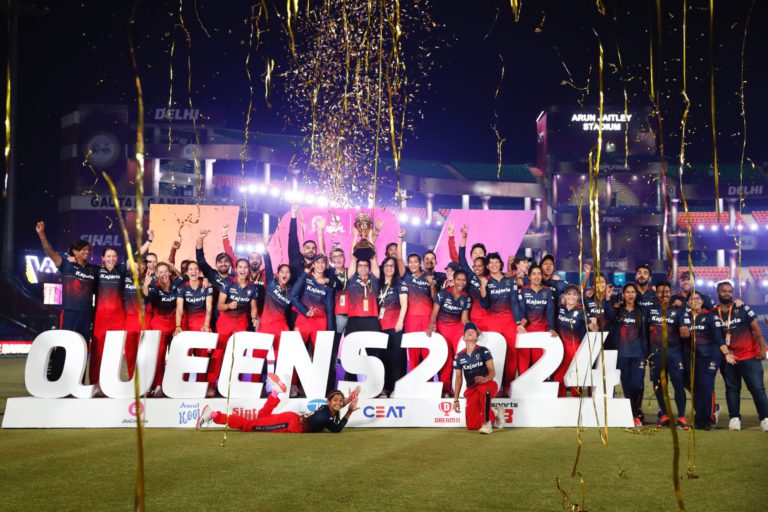








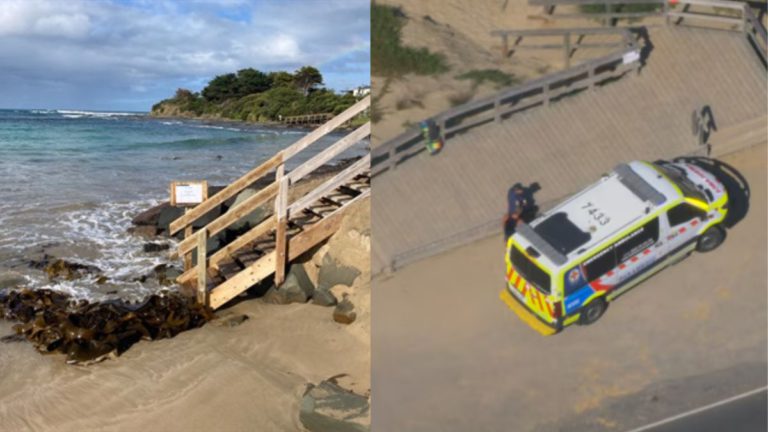
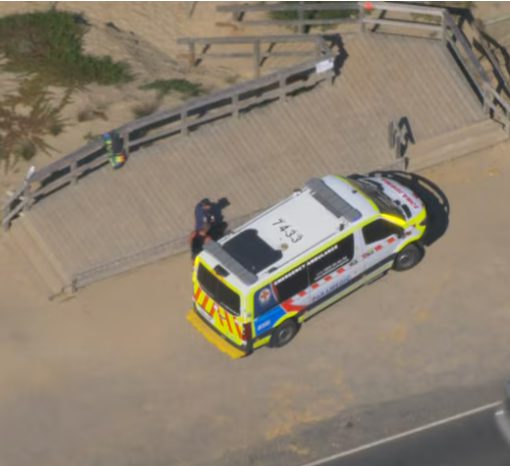

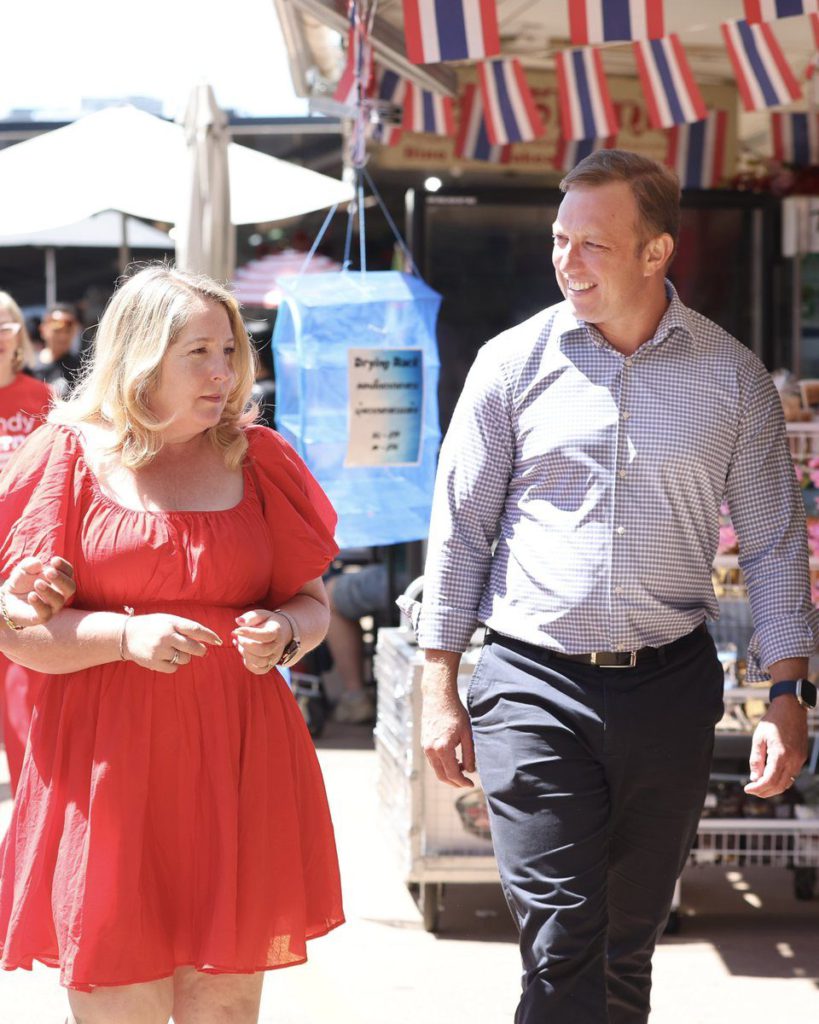
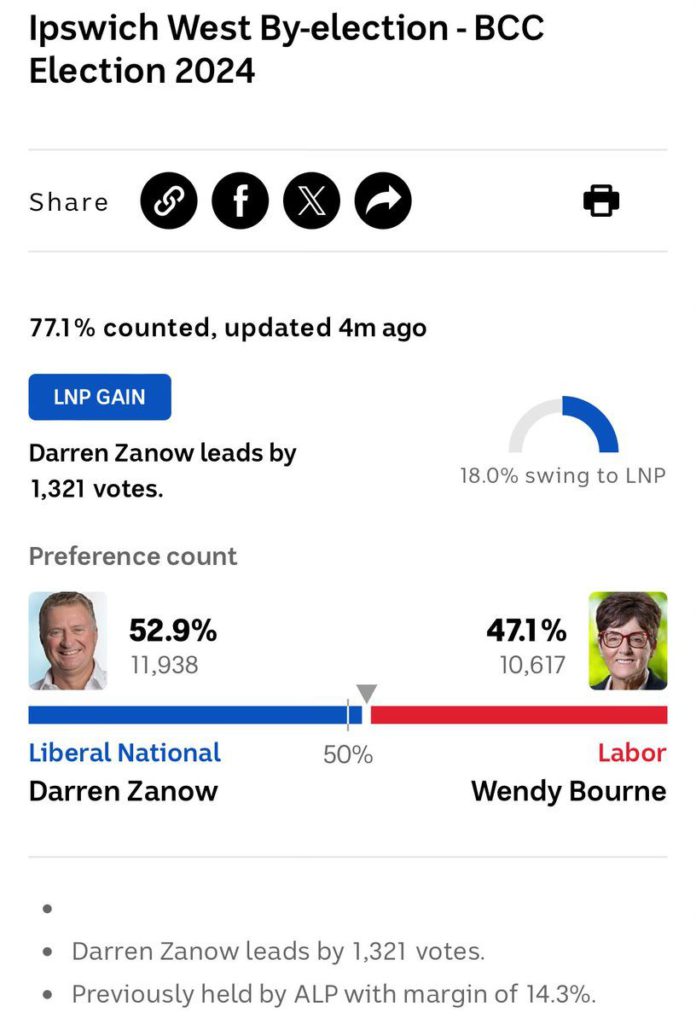
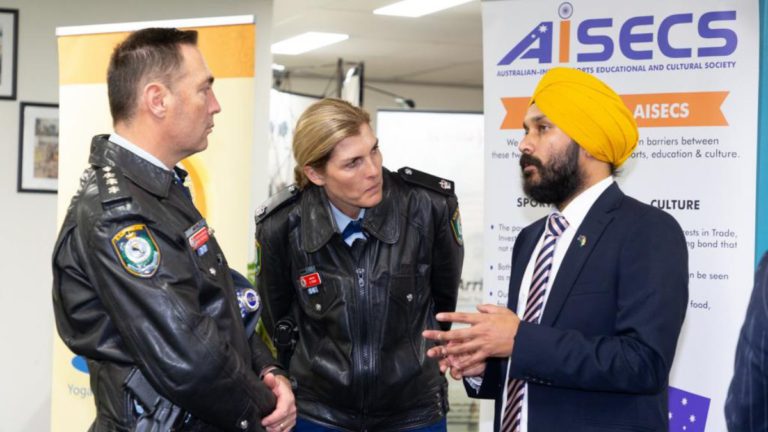
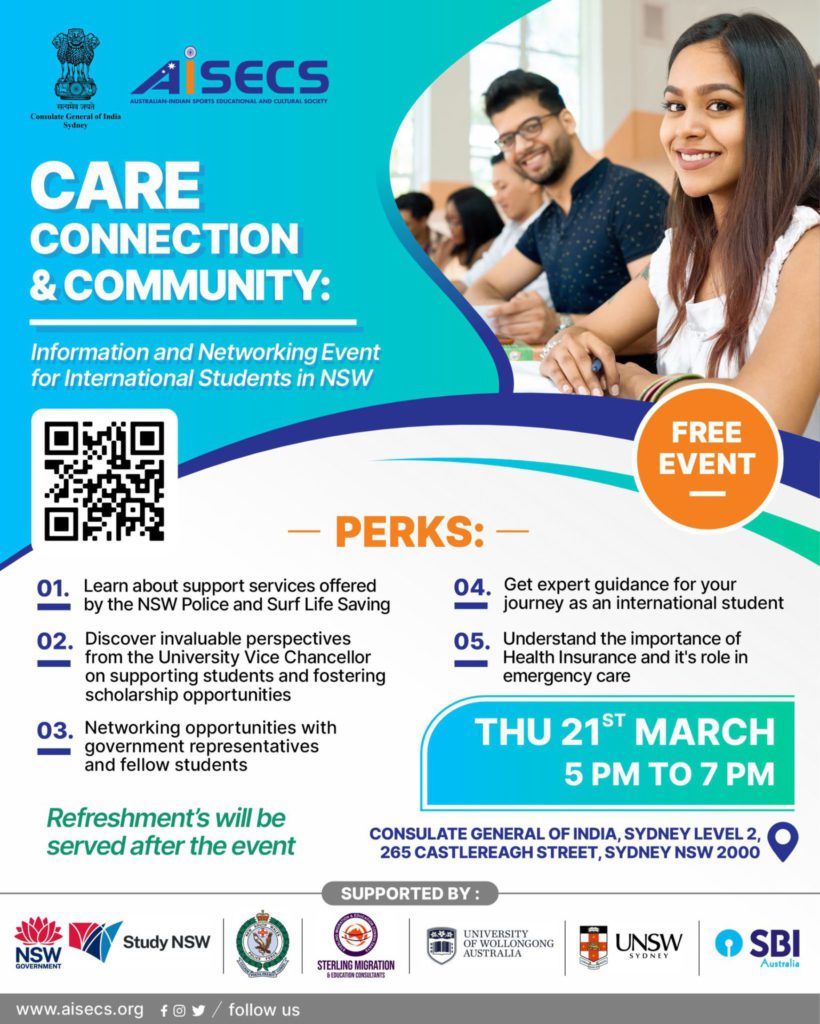
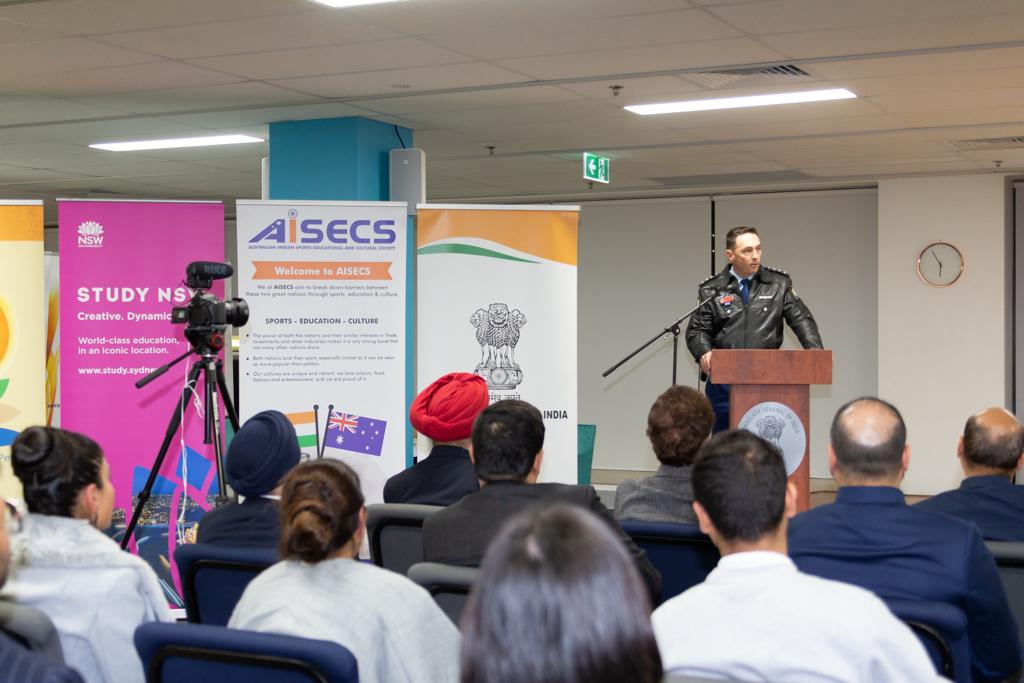
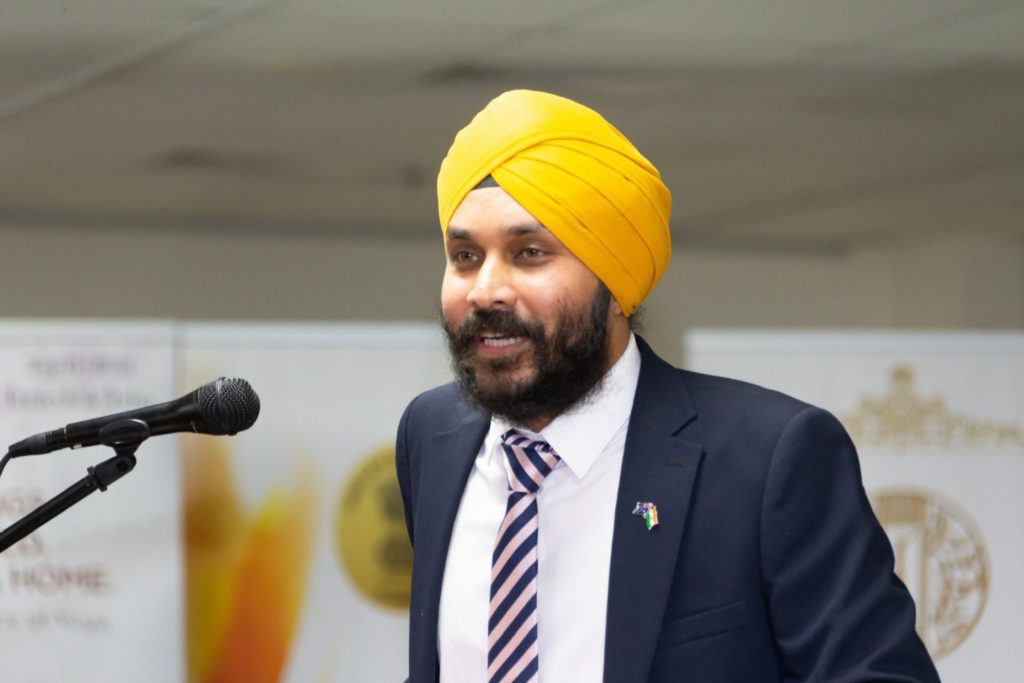
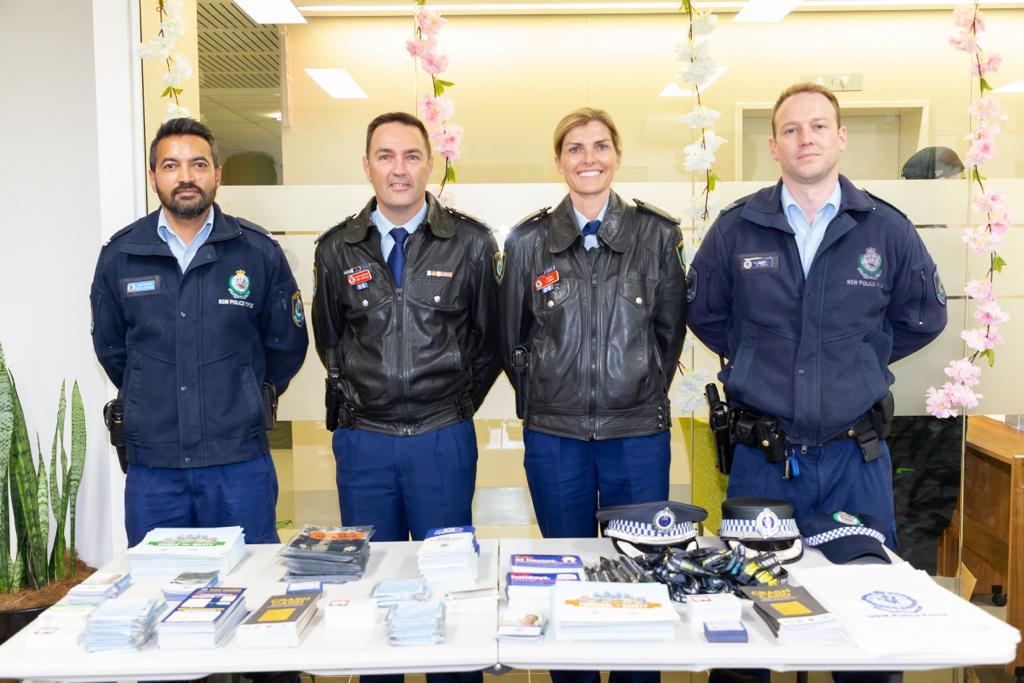
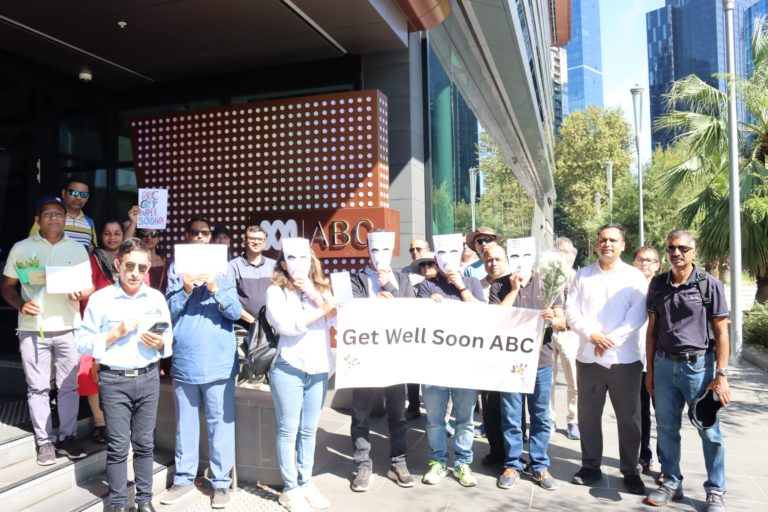
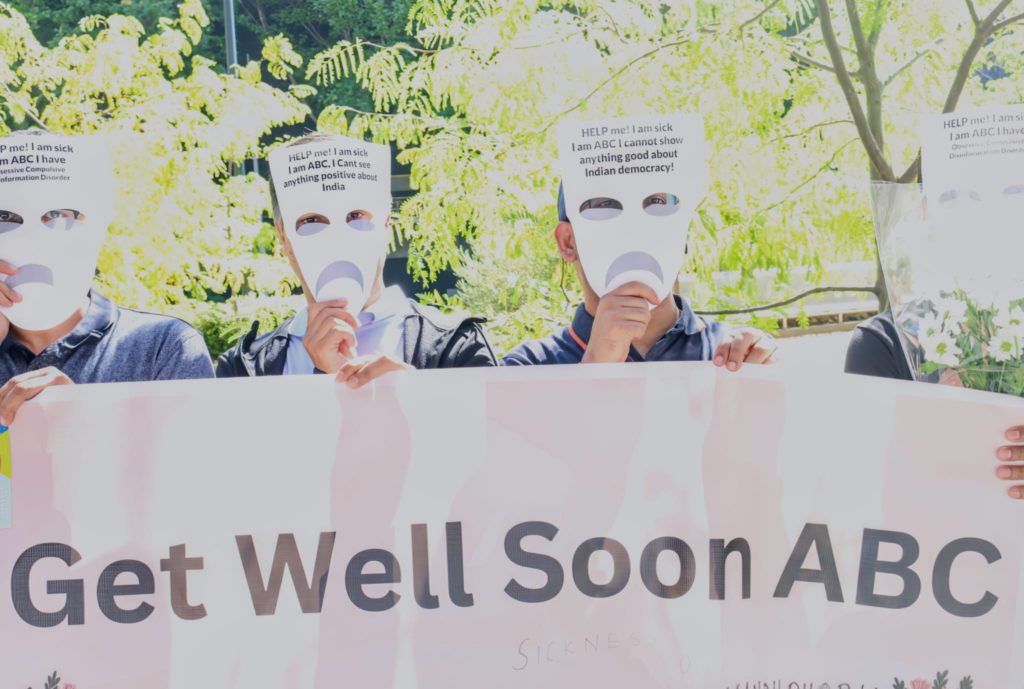





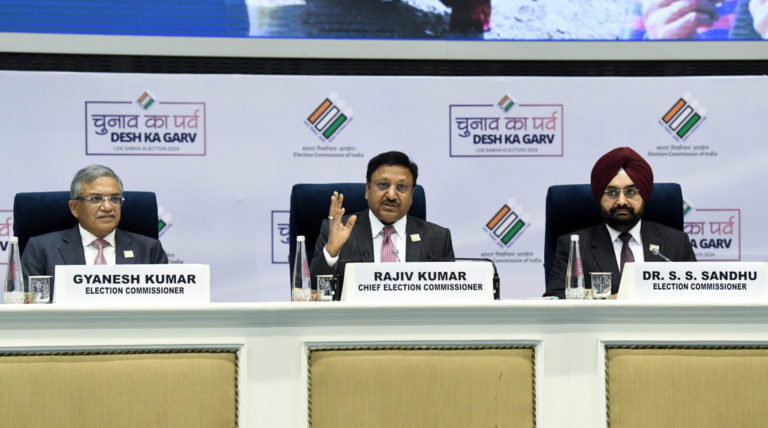
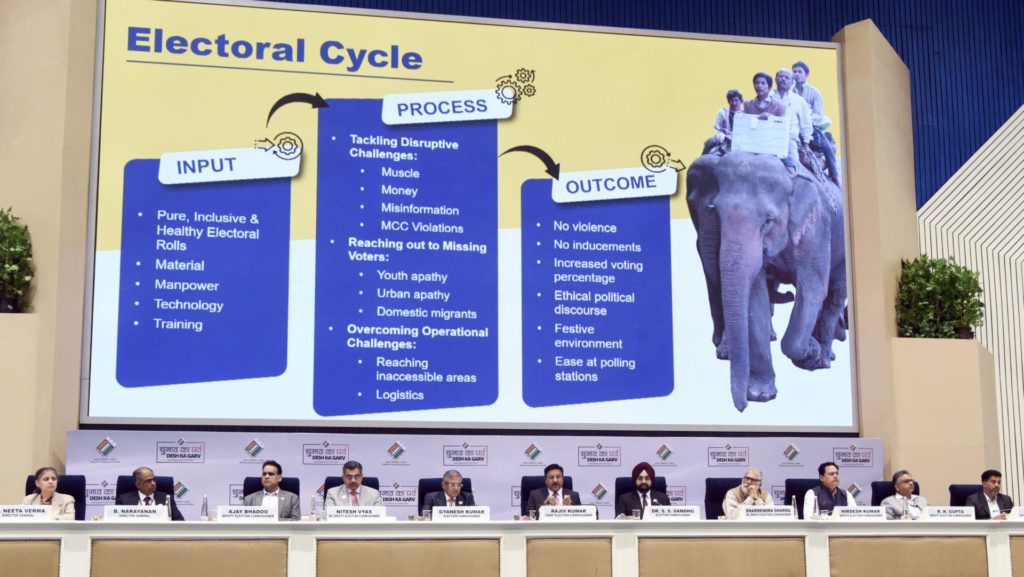
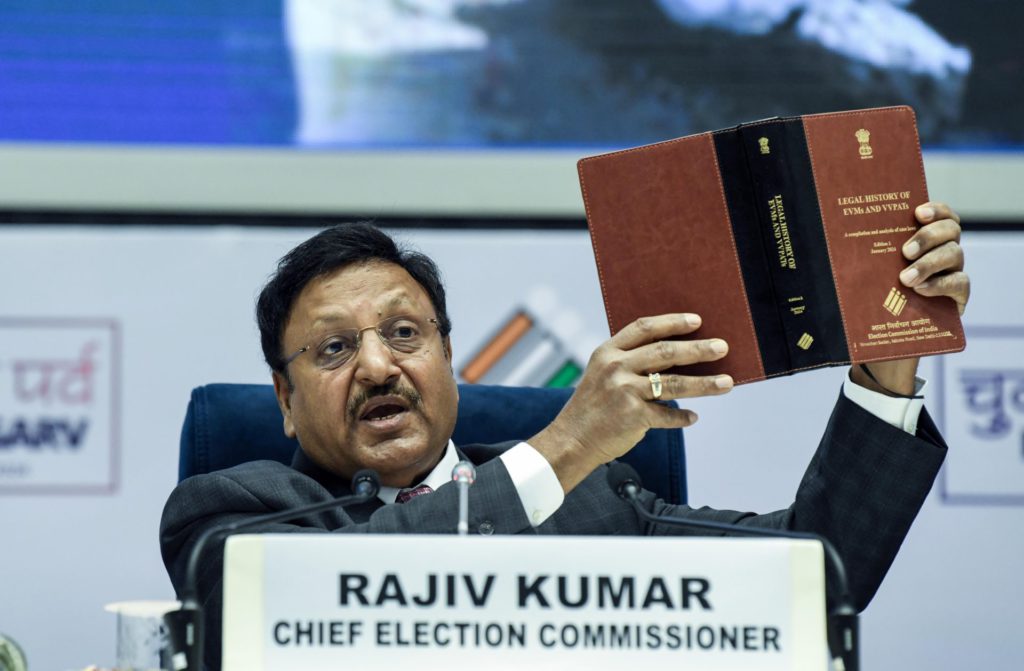
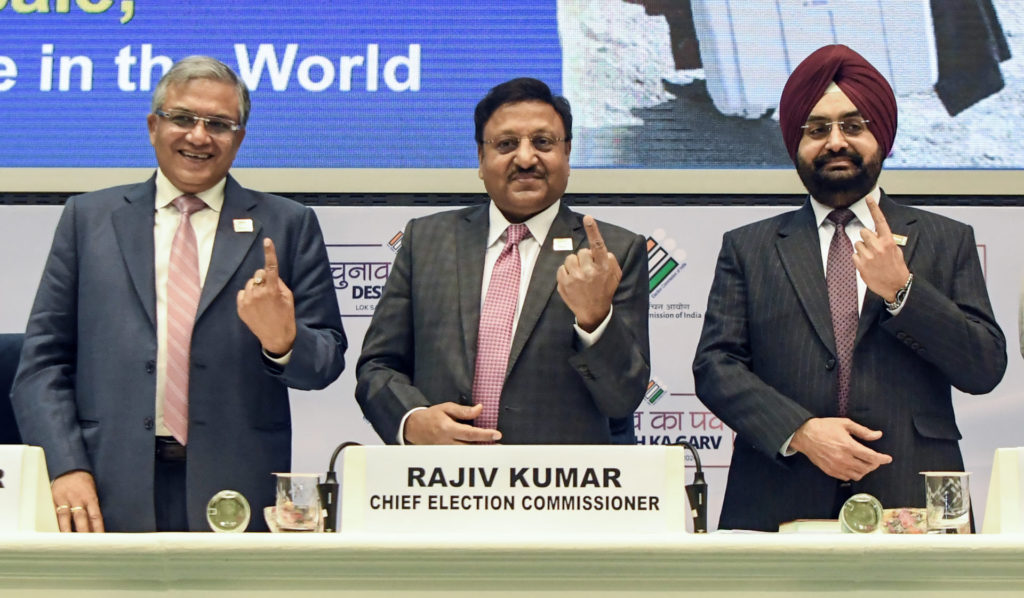
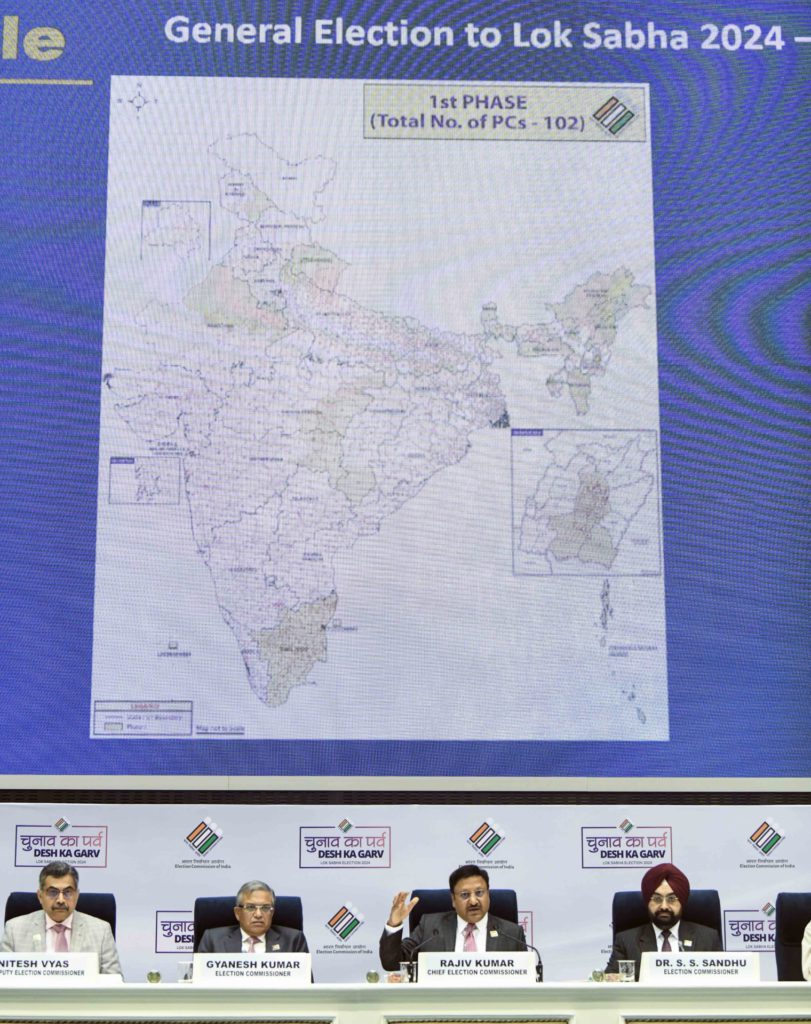
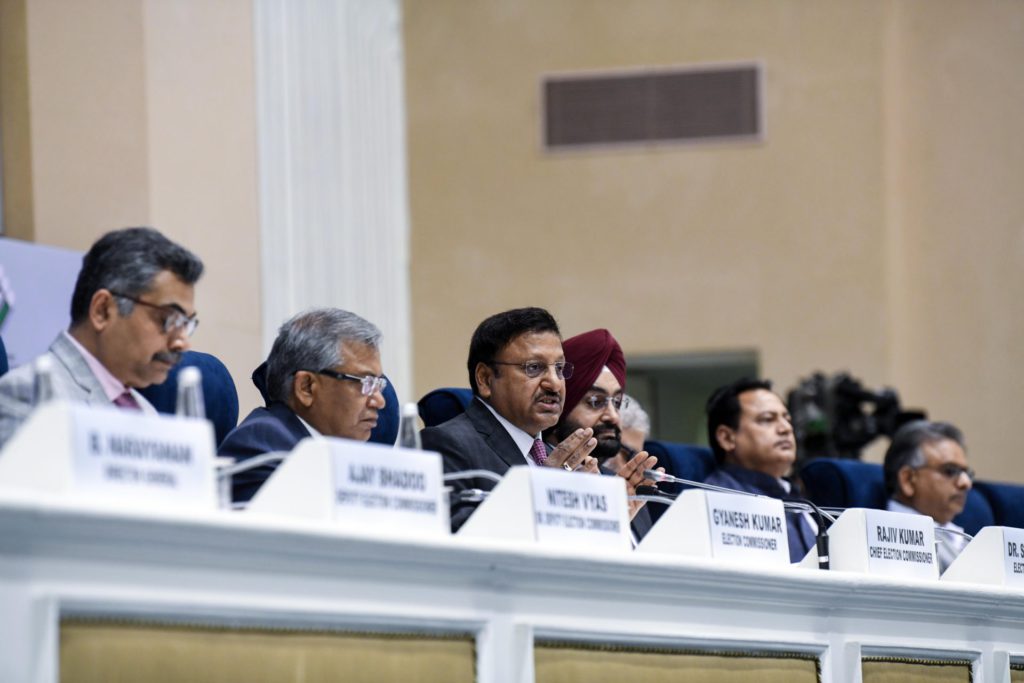
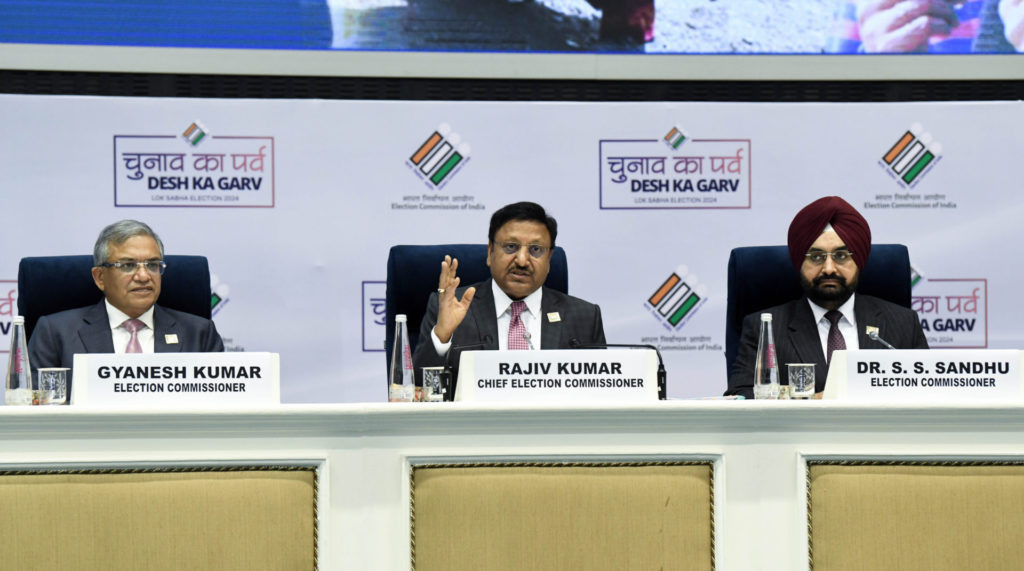
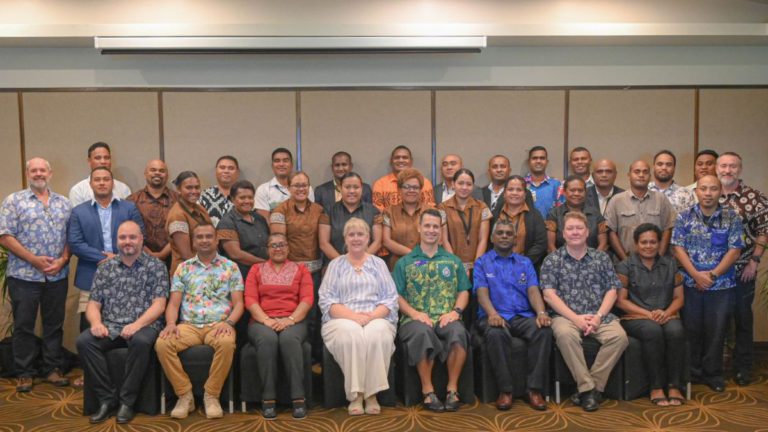
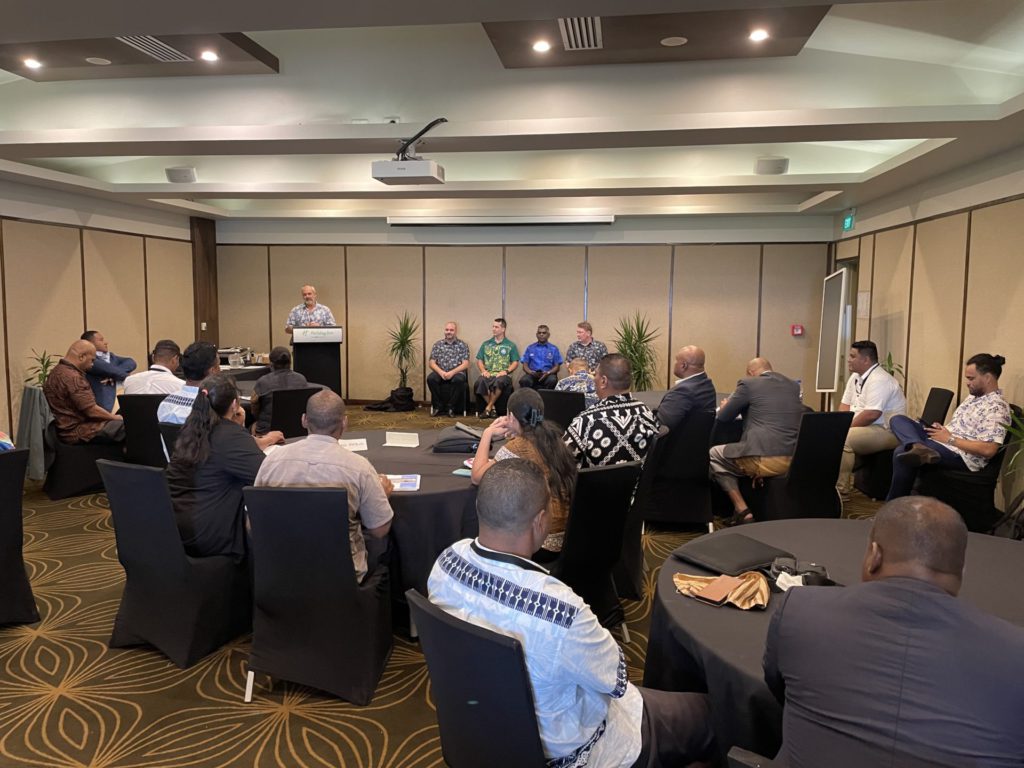
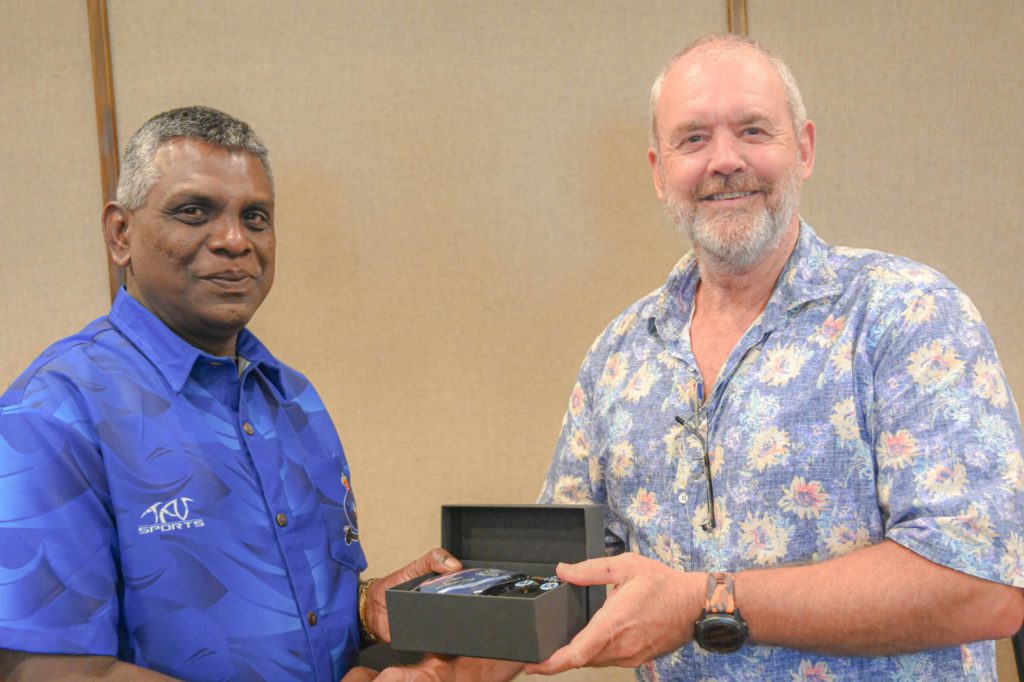
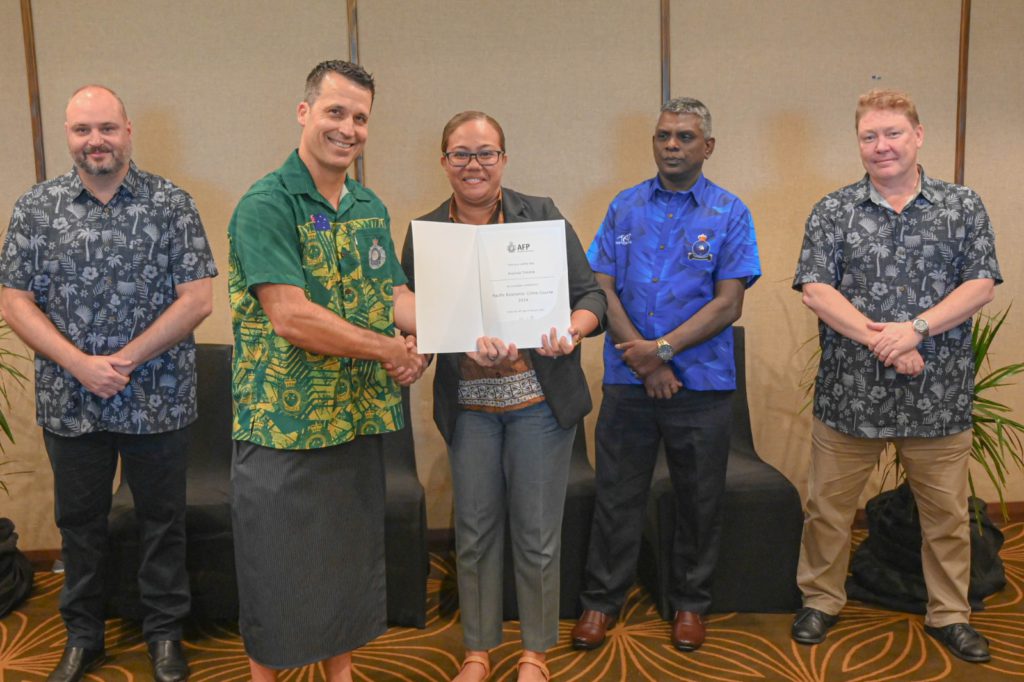


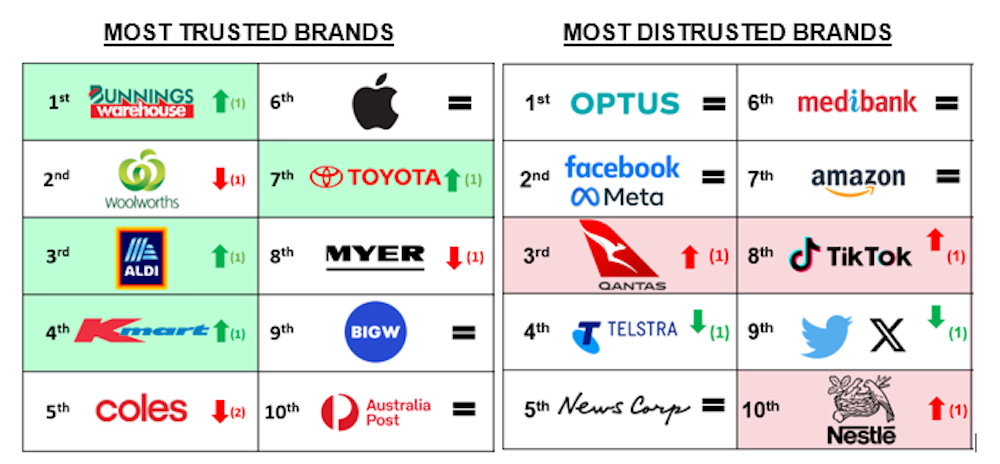




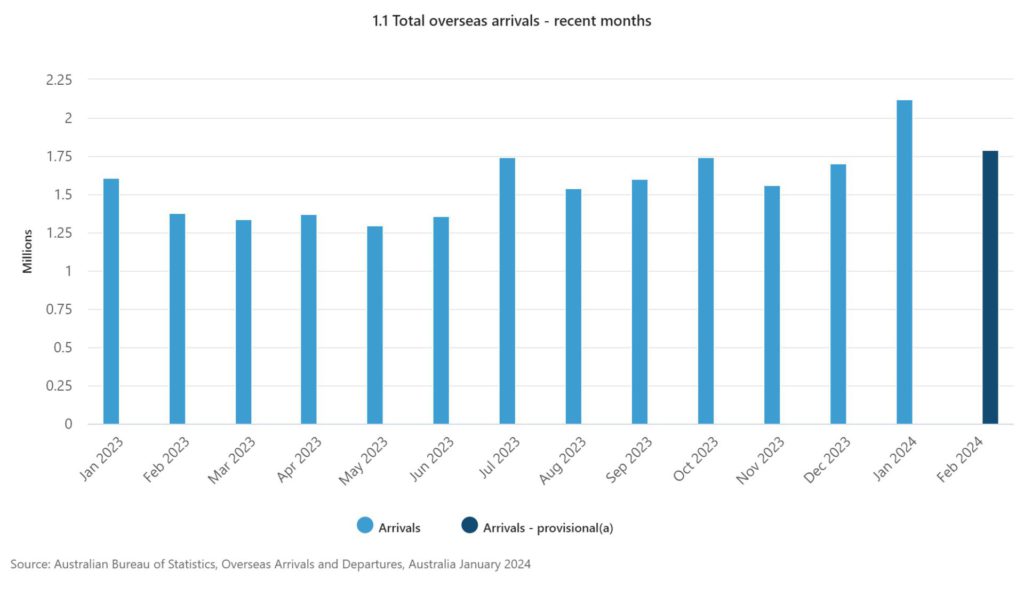
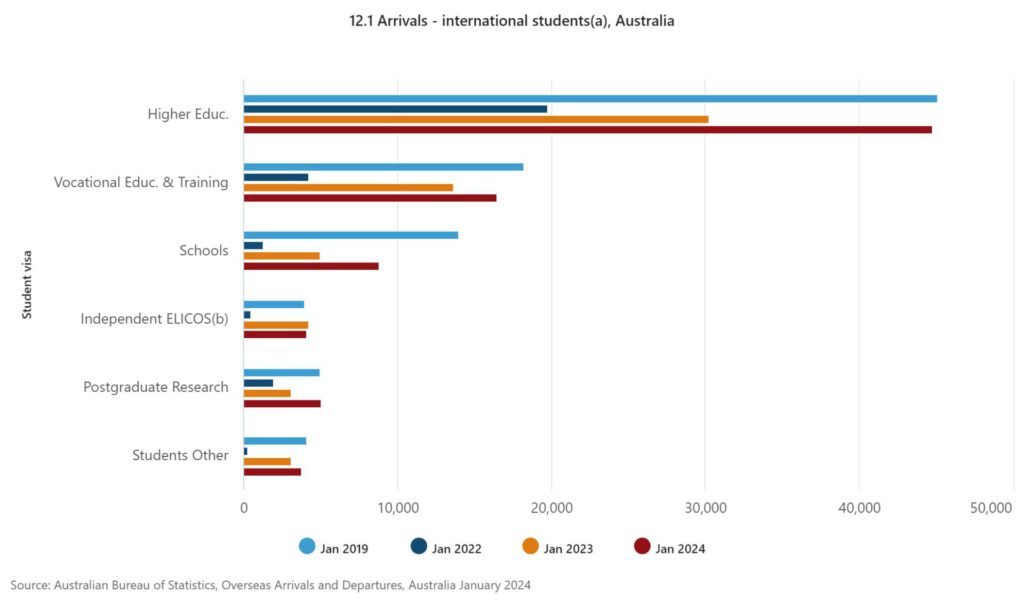
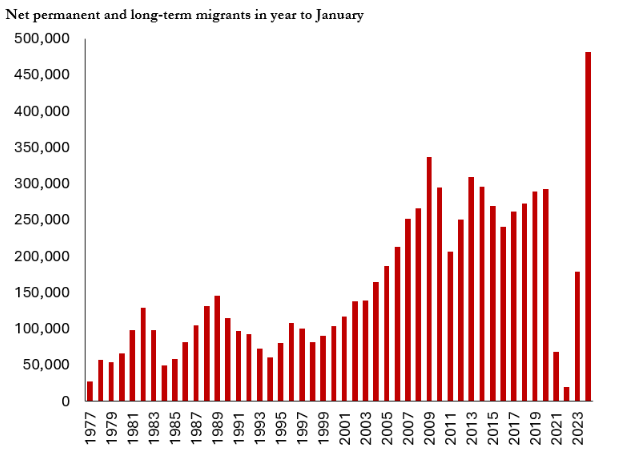


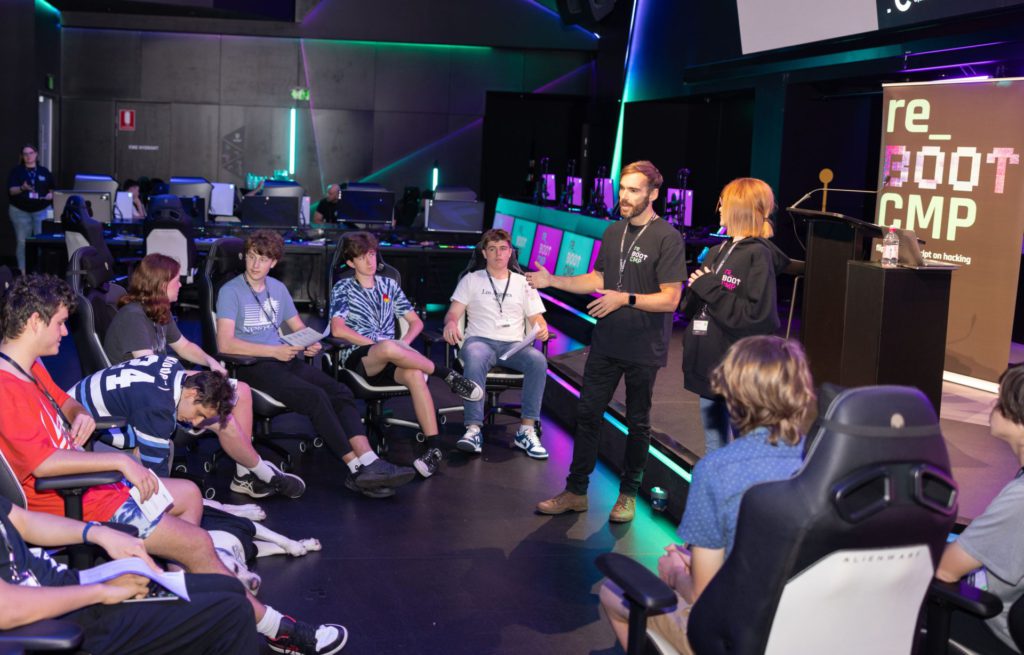



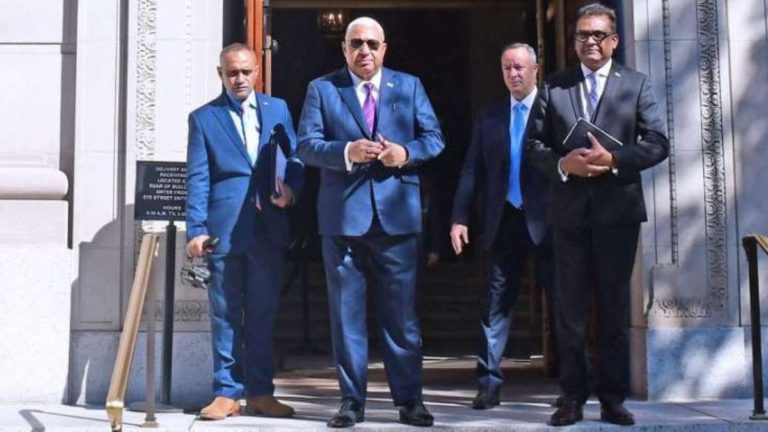
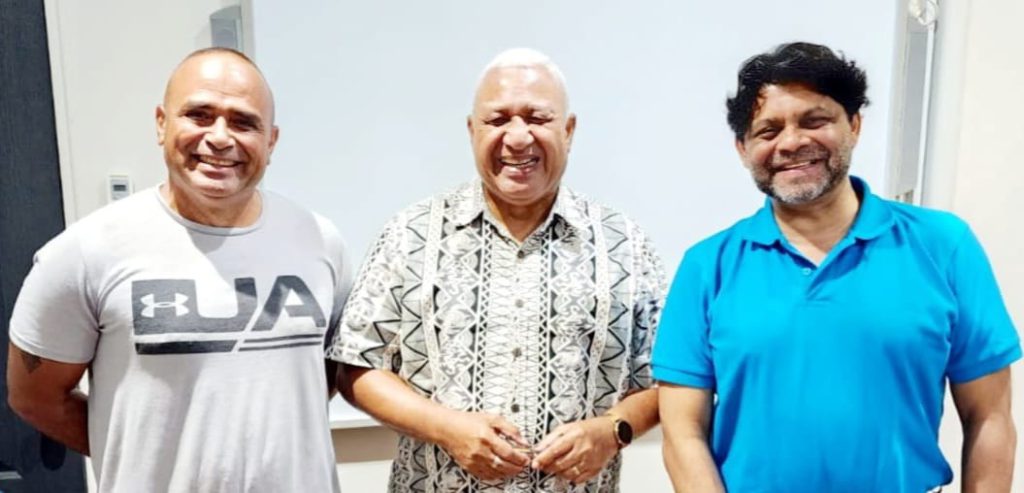
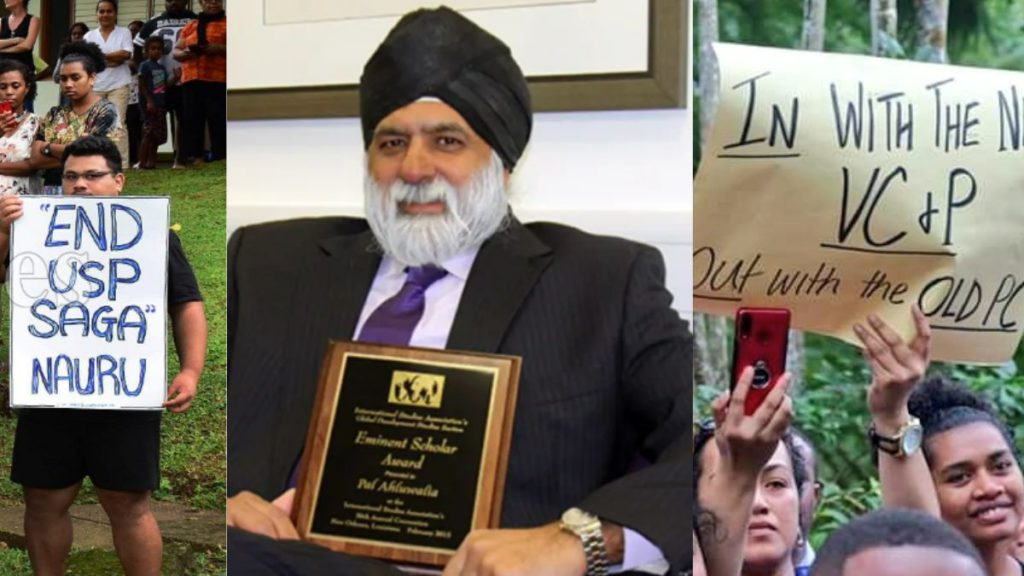



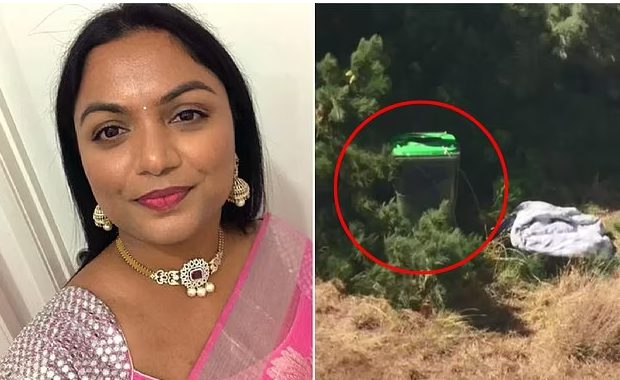


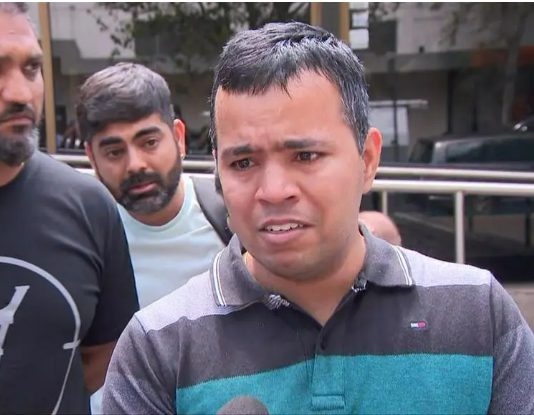
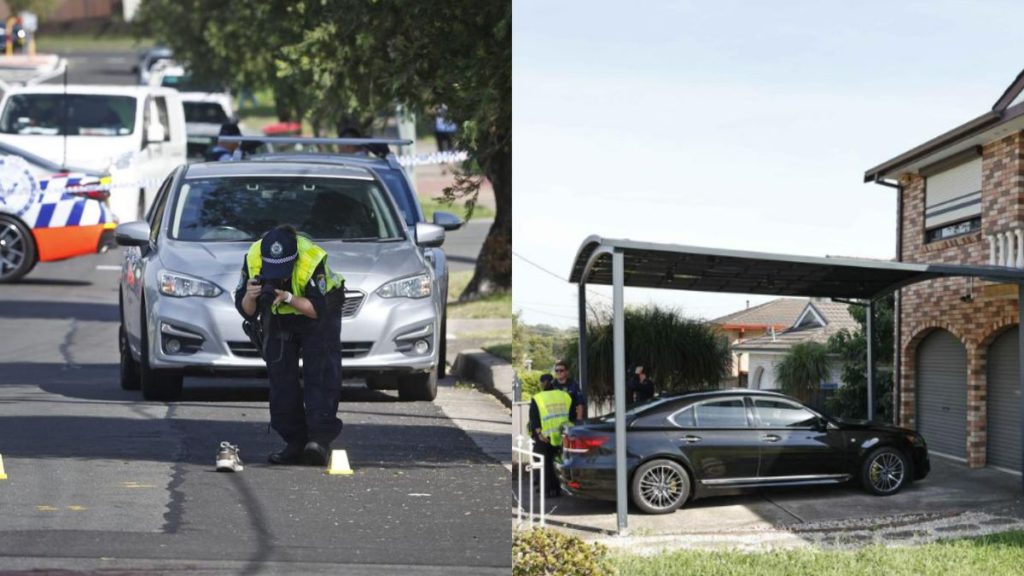
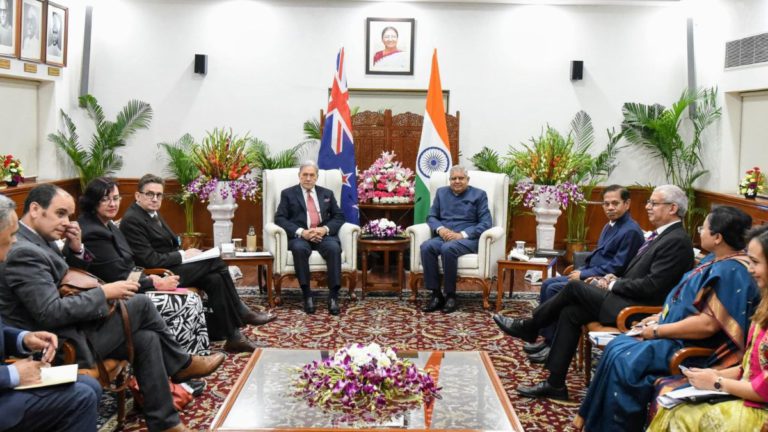




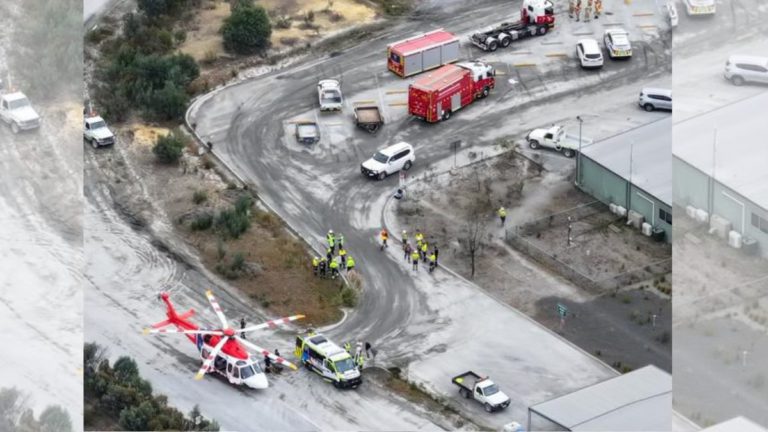

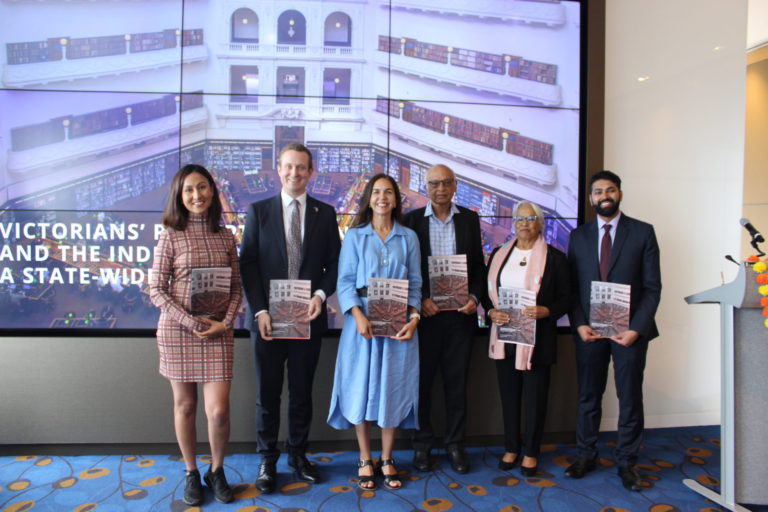
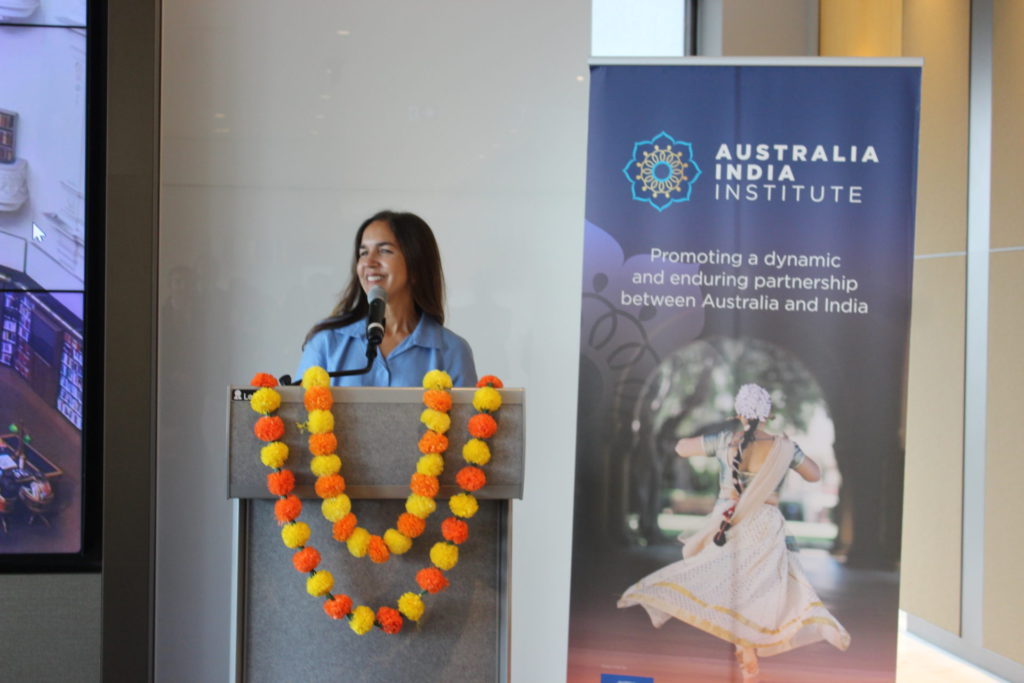

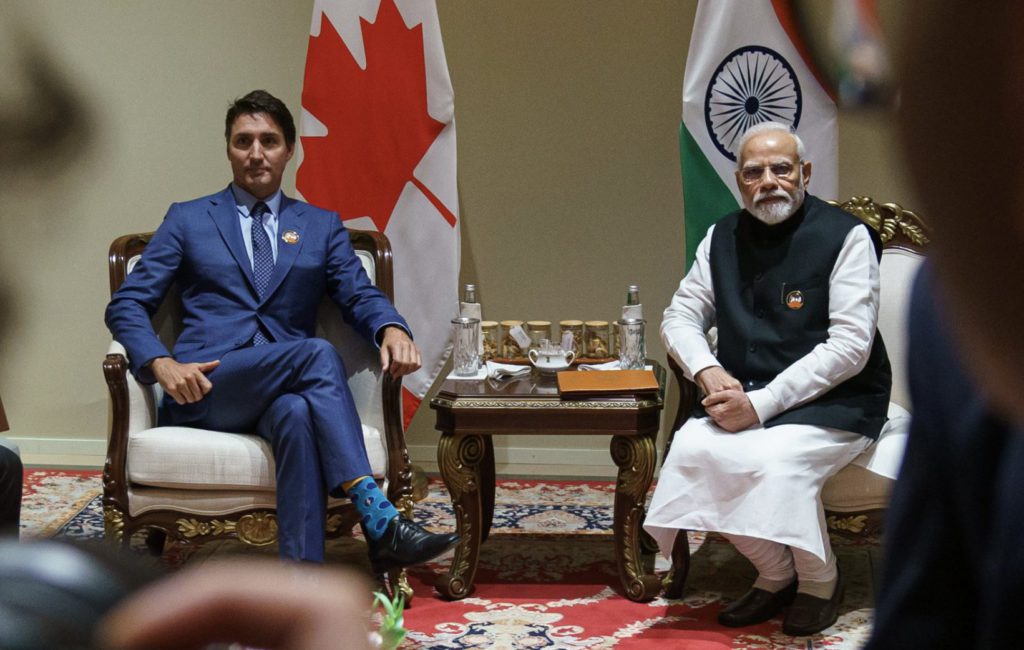












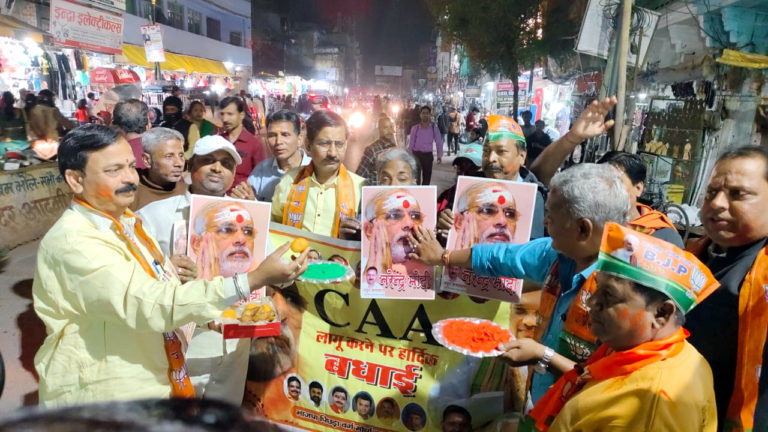
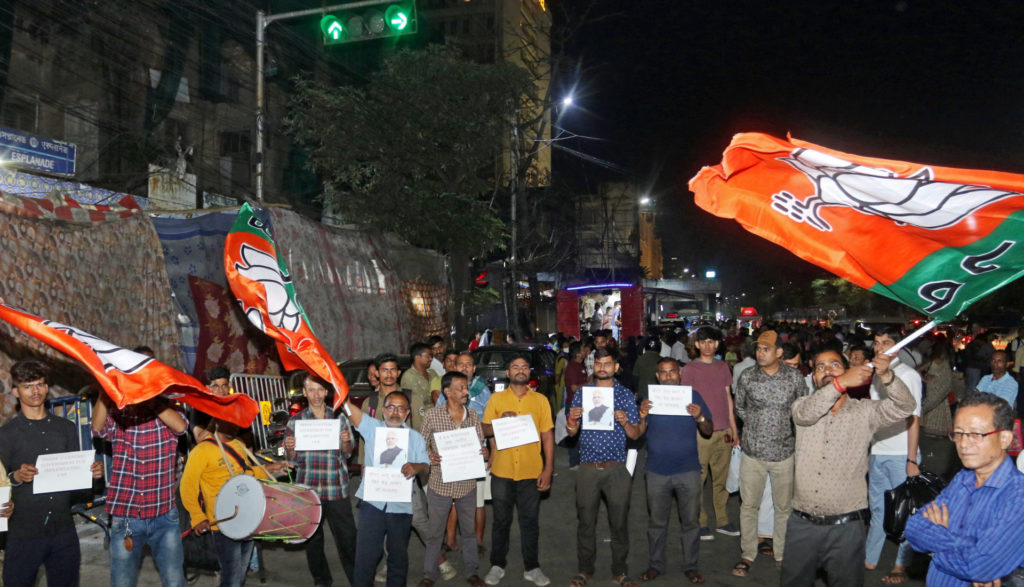
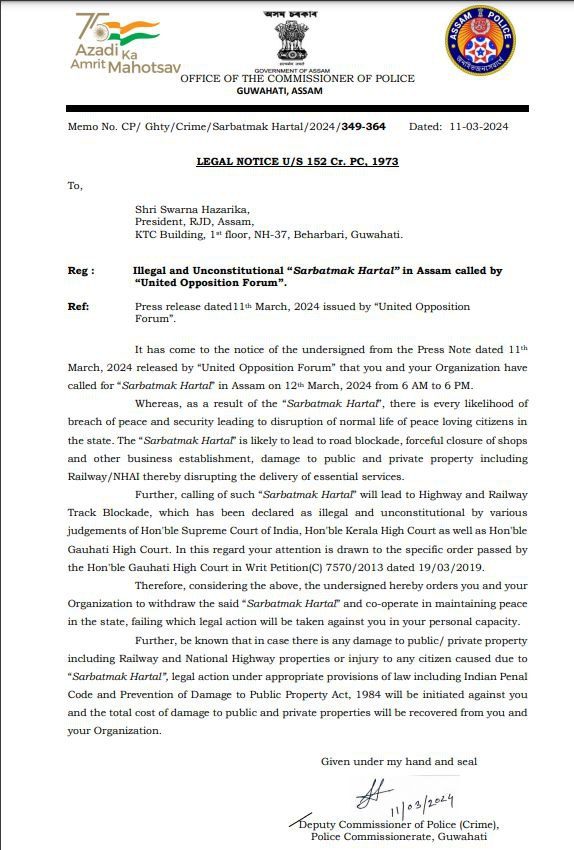
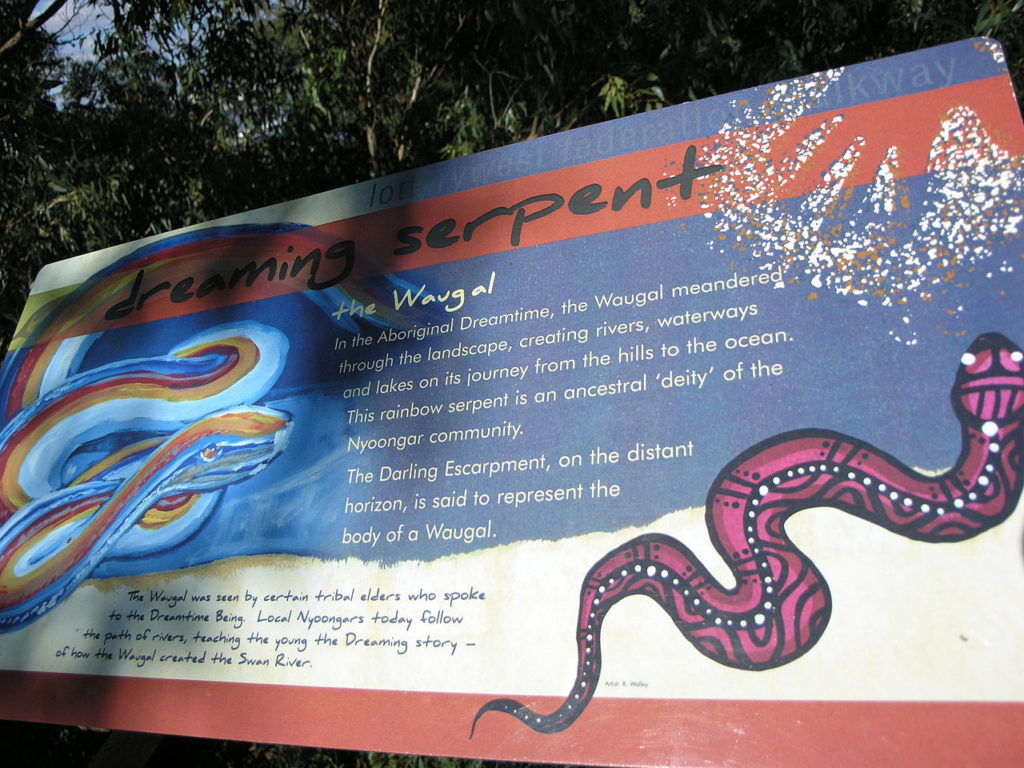
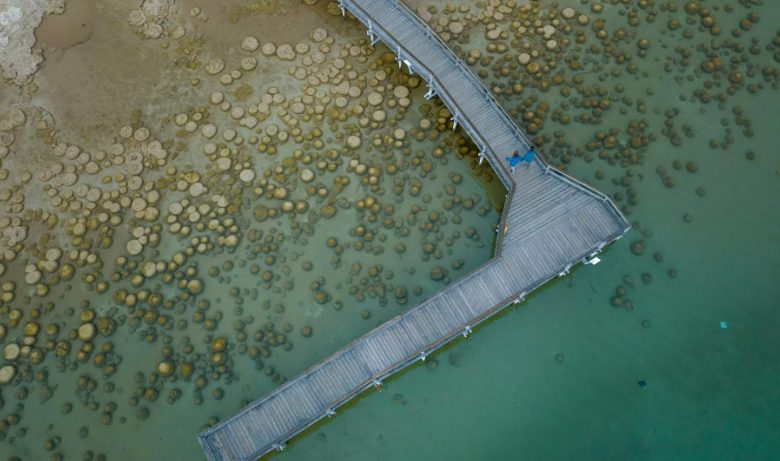
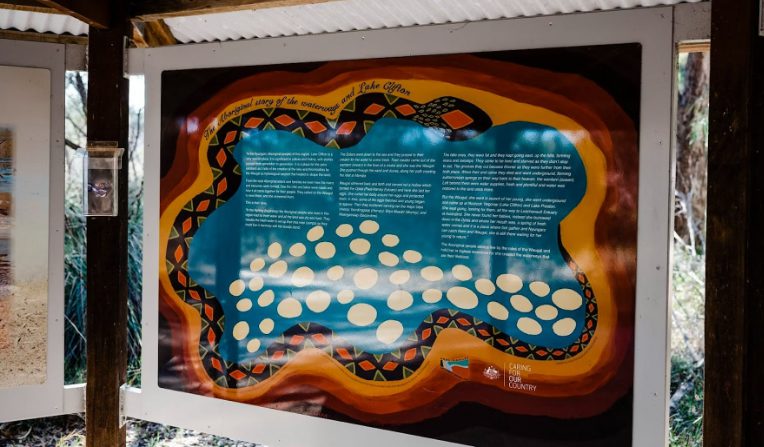


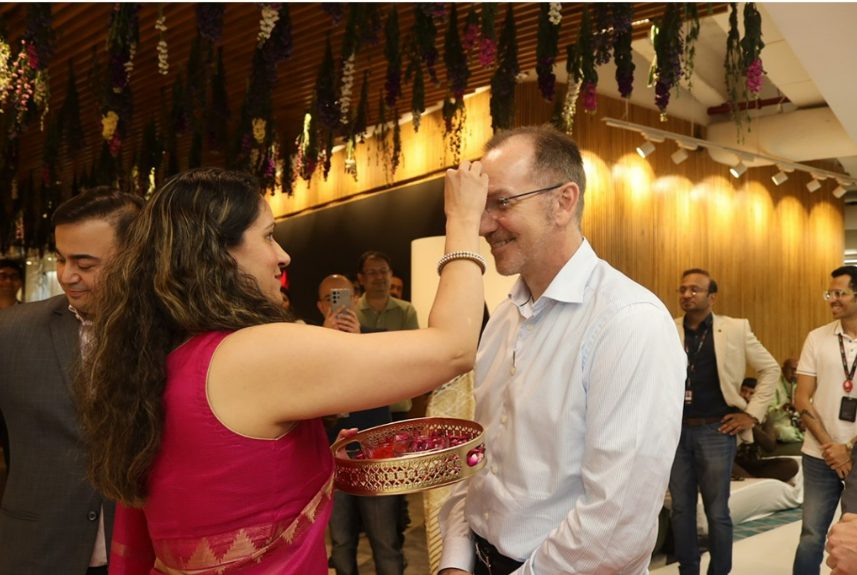

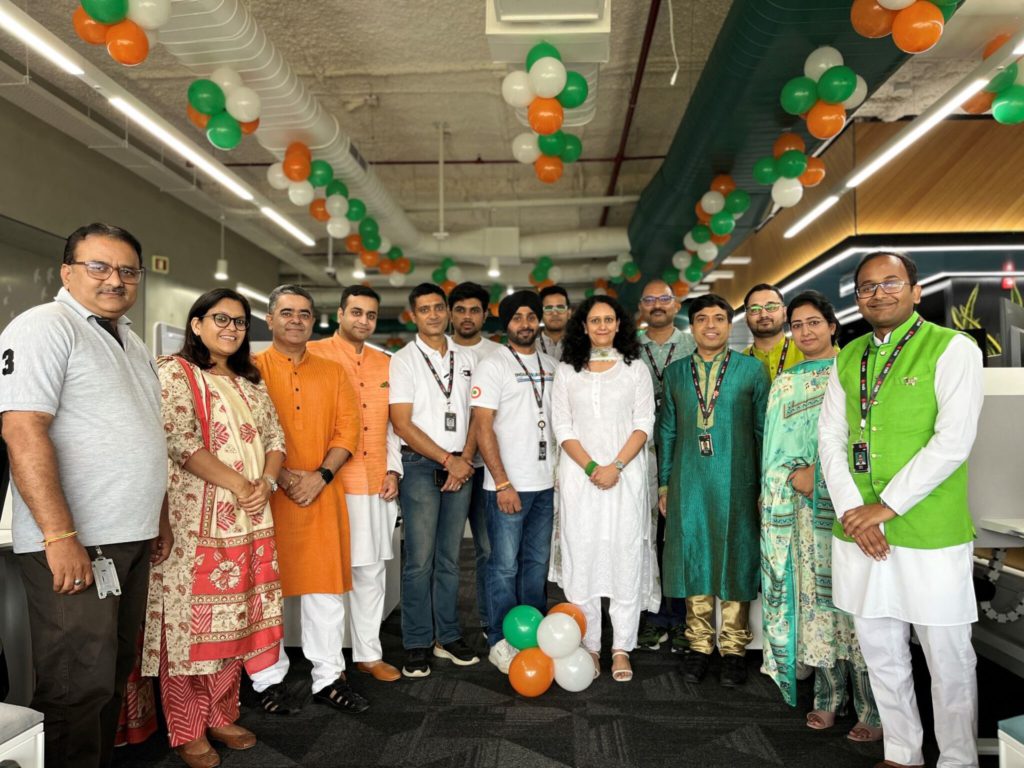

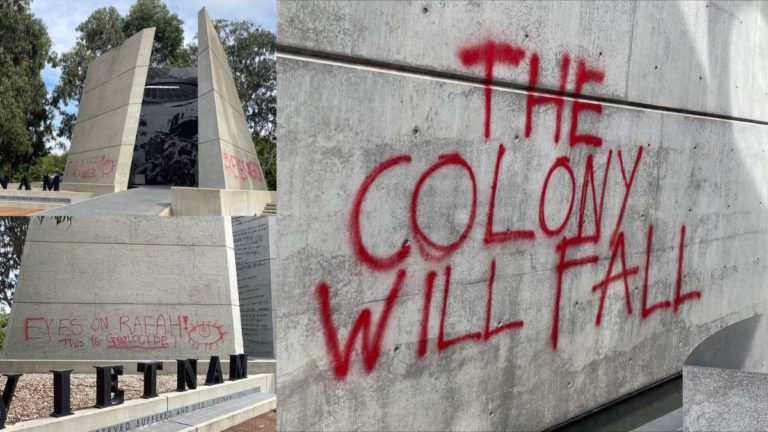
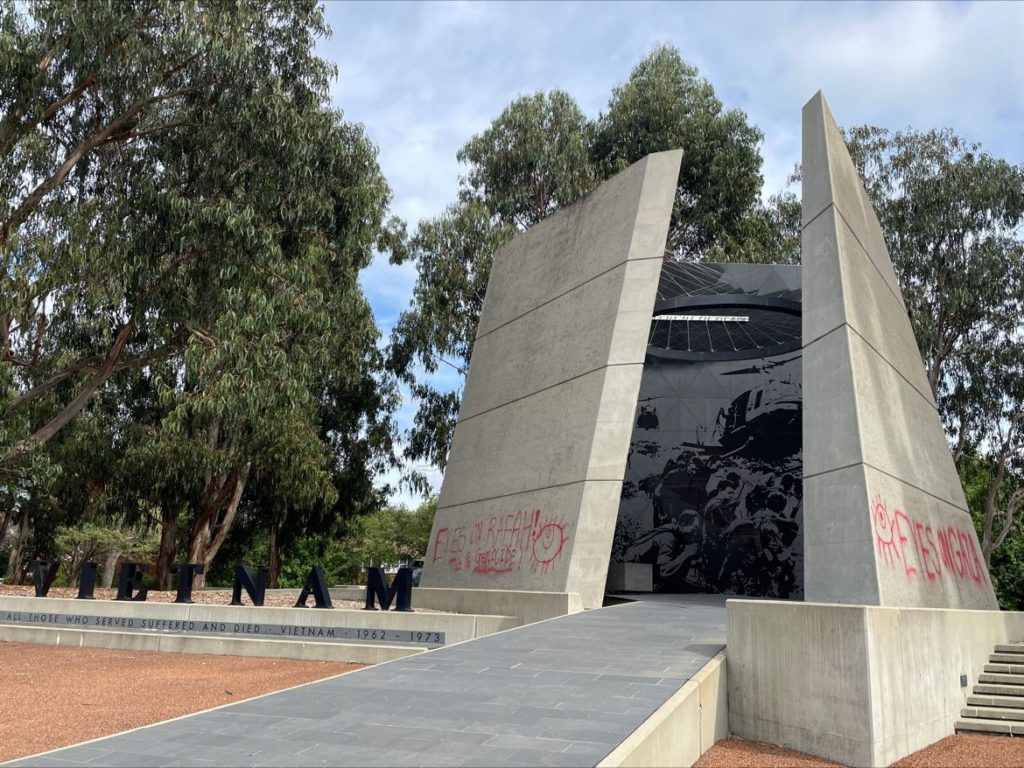
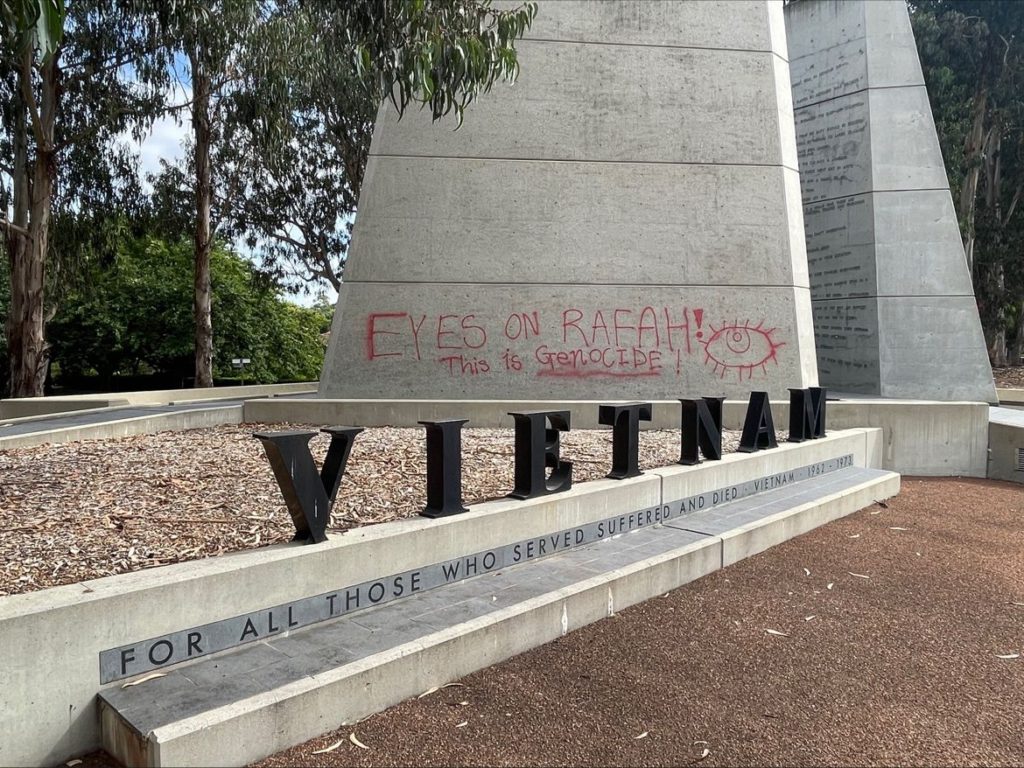
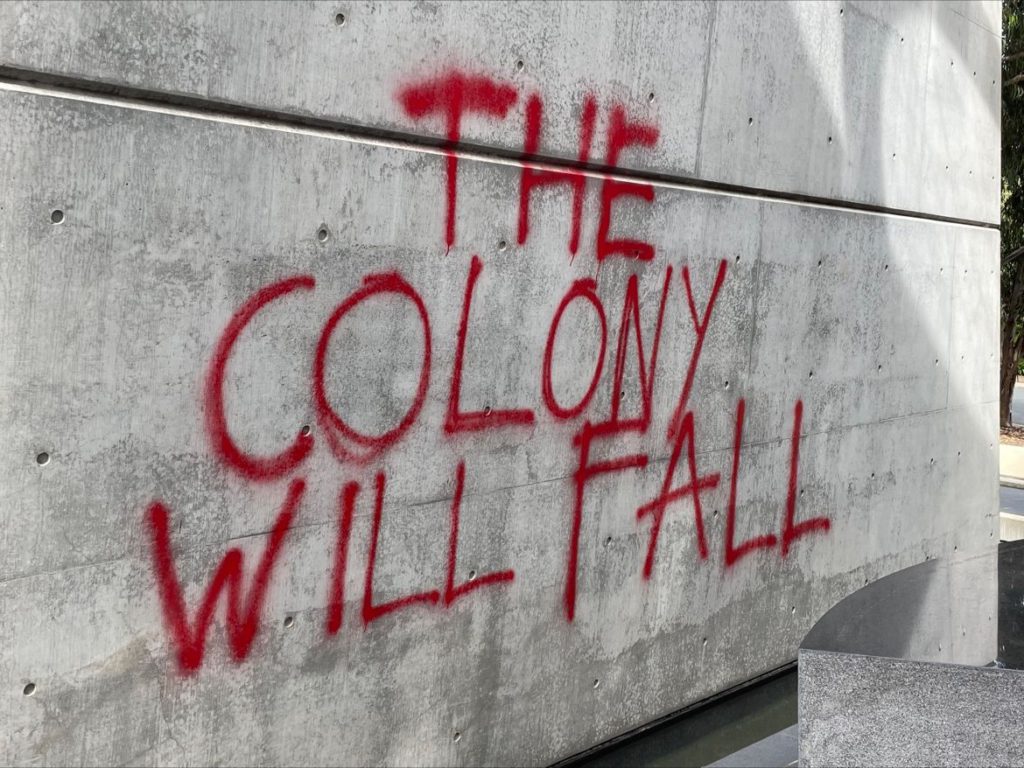

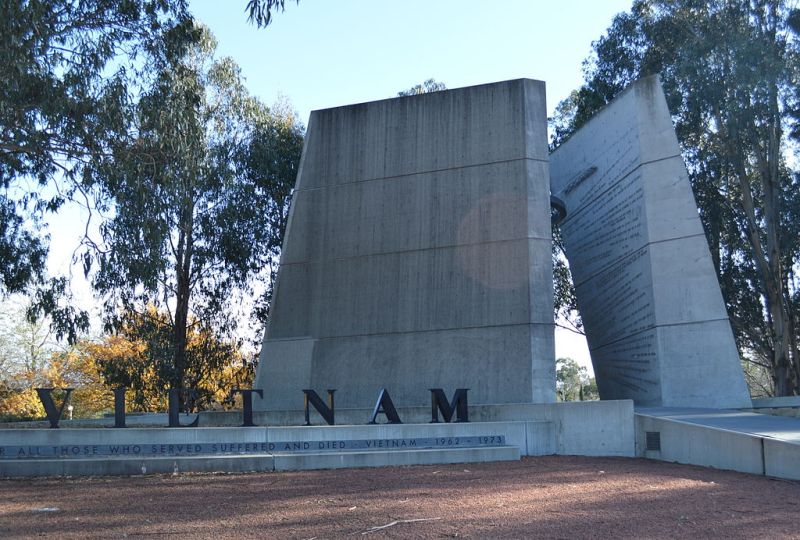
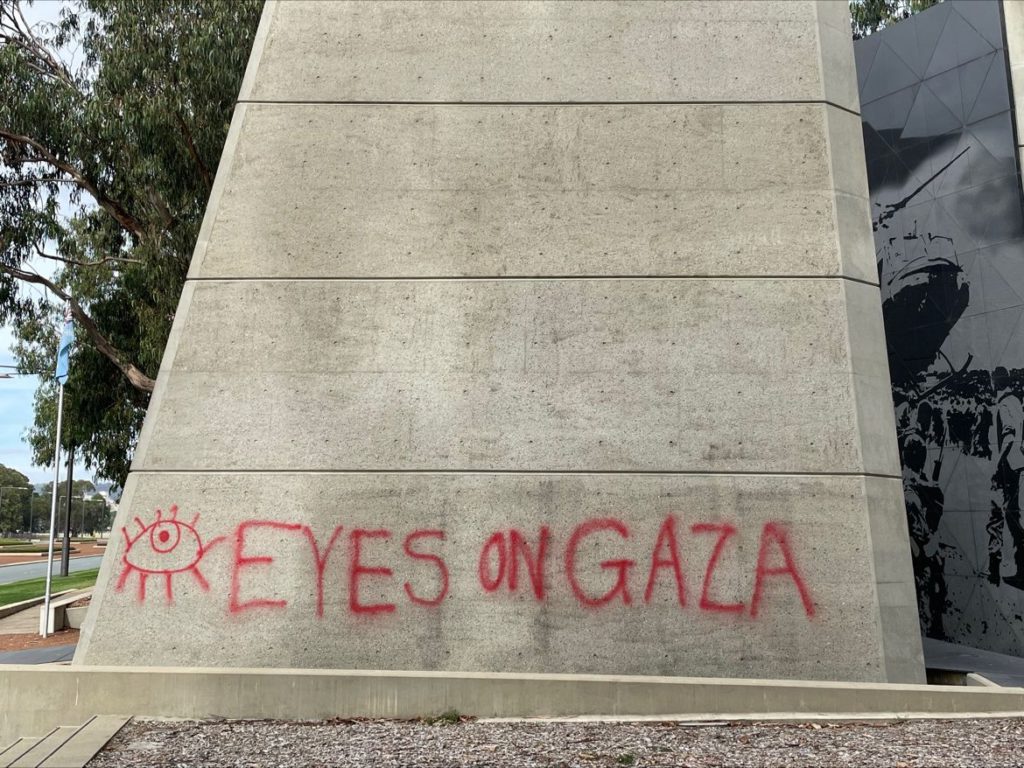


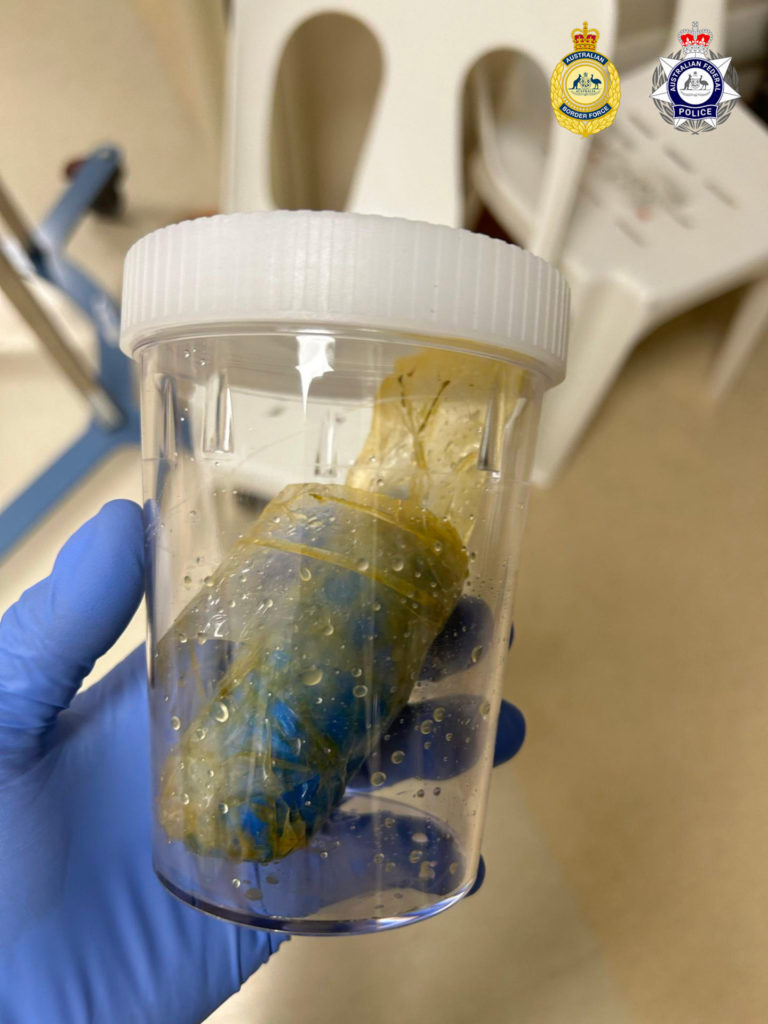


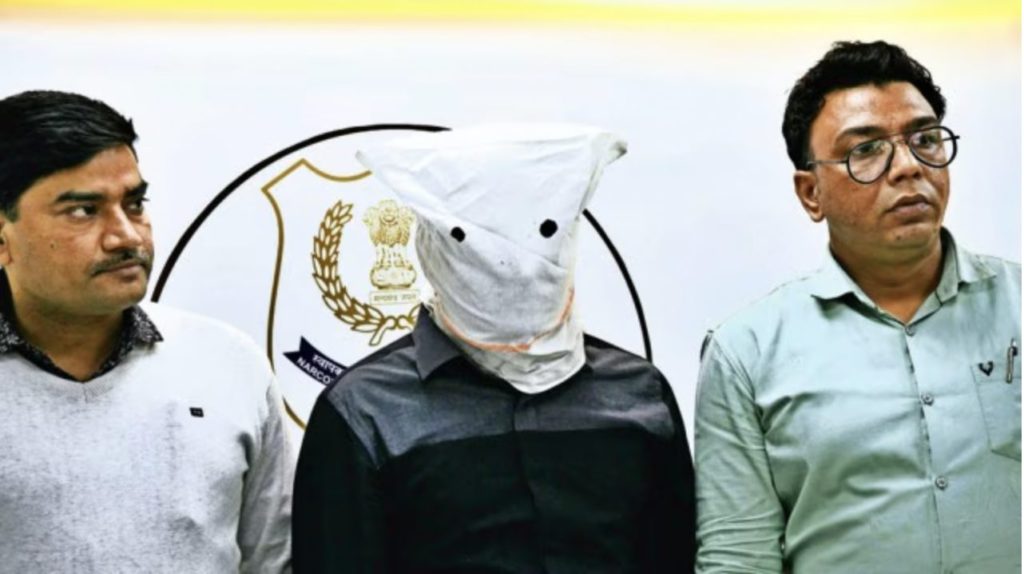





















 1800 Respect National Helpline: 1800 737 732