Multimillion-Dollar drug stash found hidden in vans on cargo ship

0

The AFP is appealing for public assistance after about $6.6 million worth of MDMA was discovered in February 2024 during an inspection of a cargo ship docked at Fremantle Harbour, in Western Australia.

Australian Border Force (ABF) officers, with the assistance of drug detector dogs, found about 120kg of the drug concealed inside the panels of six new Peugeot vans, out of a consignment of 105, onboard the vessel, which arrived in WA from Europe on 18 February, 2024.

Image: MDMA bust (Source: AFP)

The AFP seized the drugs, which were hidden in the sliding door panels of vehicles that were destined for New South Wales.

AFP Acting Commander Peter Hatch congratulated ABF on intercepting the illicit drugs, and said the AFP was working with international partners to identify the transnational organised crime syndicate responsible for trying to import and supply the MDMA to the Australian community. 

“This importation plot would have required a lot of planning and the involvement of a number of people. Clearly there are people in Australia who know who organised this importation and who the intended recipients were.”

A/Commander Hatch added: “The criminal distributors would have likely combined the MDMA with other substances before turning the drugs into pills using a pill press. Criminals don’t care if they add other harmful substances to the illicit drugs to make the pills. People have no idea what they are ingesting when they take these pills.”

Image: MDMA bust (Source: AFP)

ABF Acting Commander James Payne said the detection of such a significant amount of concealed drugs spoke to the professionalism and dedication of ABF officers in protecting Australia’s border.

“We are working together with our law enforcement partners to ensure the border remains a hostile environment for criminal syndicates attempting to use our ports for their illicit schemes.”

A/Commander Hatch urged anyone with information about the planned importation to contact police.

Anyone with information can call Crime Stoppers anonymously on 1800 333 000.

*The estimated $6.6 million street value for the MDMA was determined using the ACIC Illicit Drug ESV Calculator

Support Our Journalism

‘Global Indian Diaspora and Australia’s multicultural communities need fair, non-hyphenated, and questioning journalism, packed with on-ground reporting. The Australia Today – with exceptional reporters, columnists, and editors – is doing just that. Sustaining this needs support from wonderful readers like you.

Whether you live in Australia, the United Kingdom, Canada, the United States of America, or India you can take a paid subscription by clicking Patreon and support honest and fearless journalism.

Australia’s “Bush Capital” ranked second best city in the world

0

Canberra has been named the second-best city out of the 1,000 largest cities in the world for quality of life by the latest Oxford Economics Global Cities report.

Canberra, Australia’s capital, is a planned city nestled in the southeastern part of the country, boasting a population of around 450,000.

The city is known for its lush green spaces and high quality of life, it offers key attractions such as the Australian War Memorial, Parliament House, and the National Gallery of Australia. The city’s natural beauty is highlighted by Lake Burley Griffin and the surrounding bushland, while spots like the National Museum and Questacon provide rich cultural and educational experiences.

Walter Burley Griffin, a well-known architect, planned Canberra, the capital city of Australia, and also contributed to the planning of New Delhi, the capital of India, working alongside Sir Edwin Lutyens, although his role was less prominent.

While Lutyens’ influence on urban design remains evident in his blend of classical and modernist elements, Griffin’s designs reflect his commitment to blending architecture with the natural environment in urban spaces.

The rankings reflects how satisfied and well residents feel, based on factors like life expectancy, income, housing costs, recreational options, cultural sites, and internet speed.

The report notes that across the 1,000 cities, those in North America, Western Europe and Oceania generally perform best, scoring highly across all categories. 

“In 2023, the 1,000 largest cities in the world accounted for 60% of global GDP and over 30% of the world’s population—and the importance of cities will only continue to grow in the future,” the report states.

Only Grenoble in France outranked Canberra, making it the only Australian city to make the top 10 for quality of life.

Among Australian cities, Canberra ranked fifth, behind Melbourne (9th), Sydney (16th), Perth (23rd), and Brisbane (27th). New York took the top spot as the best city in the world overall.

Canberra’s biggest challenge is its environment, with the report noting the city’s susceptibility to natural disasters like bushfires and floods.

Nicknamed “The Bush Capital,” often mistaken as being the most “boring” city in Australia, Canberra’s location in the Australian bush makes it particularly prone to wildfires.

“Canberra’s biggest weakness is its environment. Indeed, the city is subjected to natural disasters such as bushfires and floods. Canberra’s nickname is ‘The Bush Capital,’ owing to its location in the middle of the Australian bush which makes it particularly vulnerable to wildfires. These wildfires also contribute to the air quality occasionally deteriorating during the fire season, a trend made worse by Canberra being in a valley as this causes smoke to be trapped over the city,” the report stated.

The report highlighted Canberra’s strengths, including high life expectancy, high educational levels, and low income inequality. However, it also noted weaknesses such as limited economic diversity, vulnerability to natural disasters, and slower internet speeds.

Despite this high ranking, Canberra didn’t make the top 10 in other categories like economics, human capital, environment, or governance, and was ranked 44th overall among global cities. It performed poorly in the environment (194th) and economics (179th) categories. However, it did better in human capital (90th) and governance (18th).

Support Our Journalism

Global Indian Diaspora needs fair, non-hyphenated, and questioning journalism, packed with on-ground reporting. The Australia Today – with exceptional reporters, columnists, and editors – is doing just that. Sustaining this needs support from wonderful readers like you.

Whether you live in Australia, the United Kingdom, Canada, the United States of America, or India you can take a paid subscription by clicking Patreon. Buy an annual ‘The Australia Today Membership’ to support independent journalism and get special benefits.

How Generative AI could help Indian workers save 51 million hours a week

0

New research from Pearson, the world’s leading learning company, shows the massive potential of Generative AI to boost workplace productivity by helping Indian workers to save 51 million hours a week on the routine and repetitive tasks that often fill their day and lead to burnout. 

The latest instalment of Pearson’s Skills Outlook series, ‘Reclaim the Clock: How Generative AI Can Power People at Work’ – looks ahead to 2026 and identifies the top 10 job tasks with the most time saved by using the technology, in five countries (Australia, Brazil, India, UK and US).

Pearson’s workforce planning platform, powered by generative AI, finds that the work Gen AI can most effectively support is focused on tasks related to maintaining records, data collection, or researching and compiling information for others.

According to this research the ten work tasks with the most hours saved by Gen AI by 2026 in India are: 

  1. Promote products, services, or programs (4,386,799 hours)
  2. Collect data about consumer needs or opinions (3,874,794 hours)
  3. Develop marketing or promotional materials (3,513,913 hours)
  4. Identify business or organizational opportunities (3,219,578 hours)
  5. Explain technical details of products or services (3,095,700 hours)
  6. Maintain current knowledge in area of expertise (2,625,409 hours)
  7. Maintain operational records (2,602,099 hours)
  8. Communicate with others about operational plans or activities (1,798,296 hours)
  9. Examine materials or documentation for accuracy or compliance (1,575,060 hours) 
  10. Evaluate the quality or accuracy of data (1,568,961 hours)

The same sudy found that in Australia, workers could reclaim nearly 6 million hours a week on routine tasks like presenting research, record keeping and data collection by using generative AI to help them on the job.

Similarly the ten work tasks, according to this research, with the most hours saved by Gen AI by 2026 in Australia are:

  1. Develop educational programs, plans, or procedures (233,000 hours)
  2. Maintain health or medical records (222,000 hours)
  3. Maintain current knowledge in area of expertise (184,000 hours)
  4. Maintain operational records (170,000 hours)
  5. Present research or technical information (166,000 hours)
  6. Monitor individual behaviour or performance (156,000 hours)
  7. Develop safety standards, policies, or procedures (150,000 hours)
  8. Teach academic or vocational subjects (150,000 hours)
  9. Explain regulations, policies, or procedures (138,000 hours)
  10. Advise others on products or services (132,000 hours)

By augmenting basic tasks with generative AI, companies and their workers can reallocate time to focus on the high-value work that humans do best: strategic thinking, collaboration, caring for others, decision-making, innovation, problem-solving, empathy, and leadership. 

At an individual level, even small amounts of time saved with Generative AI can help people feel more in control of their job and achieve a better work-life balance. 

Oliver Latham, VP of Strategy and Growth for Pearson Workforce Skills, said: “In nearly every workplace, people spend their day on common, time-consuming tasks that eat away at productivity or their work-life balance. If those tasks could be augmented with generative AI, employers and their workers could reallocate time to the things that need a more human touch and mean more to their customers.”

Employers should consider how to incorporate this new technology into their teams and redesign roles to free people up to focus on more valuable, human tasks.  They should also consider the need for training and support for employees, so they can use it effectively and responsibly,” he added.

Pearson believe that the future of work can be one where people and Gen AI can collaborate by using AI as a tool to enhance human potential. For this study, they used census and other workforce datasets to create a single view of the current workforce in the US, UK, Australia, India and Brazil. Using Pearson’s proprietary occupations ontology of 5,600 jobs and 76,000 tasks, each job can be viewed as a collection of tasks. This allows their machine learning algorithms to calculate future technology impact at a task level.

Pearson looked at hours currently spent, countrywide, on work tasks each week, and then calculated what this would be in three years’ time as Gen AI technology is adopted into the workplace.  They then identified the tasks which would have the greatest hours reduced by the technology (specifically LLM Chatbots and AI Text-to-Visual Media Generators).

Pearson is the world’s leading learning company, serving customers in nearly 200 countries with digital content, assessments, qualifications, and data.

Support Our Journalism

Global Indian Diaspora and Australia’s multicultural communities need fair, non-hyphenated, and questioning journalism, packed with on-ground reporting. The Australia Today – with exceptional reporters, columnists, and editors – is doing just that. Sustaining this needs support from wonderful readers like you.

Whether you live in Australia, the United Kingdom, Canada, the United States of America, or India you can take a paid subscription by clicking Patreon and support honest and fearless journalism.

“I feel betrayed”: Australia reduces the post-study work visa age

0

Starting July 1, the Australian government will reduce the maximum age for  post-higher education work stream visa applicants from 50 to 35.

Additionally, a rule that allowed a two-year extension for certain degrees will end. As a result, the maximum stay period for doctoral graduates will be cut from six years to three years. 

Vertika, aged 42, chose Australia to pursue an MBA because of its generous post-study work visa options that will help her gain more international experience in the field.

She says: “With the new rule changes, I feel betrayed. I invested a significant amount of money and time in my higher education along with my son’s education here, and now it feels like the promise from the Australian government’s side has been broken. “

“My son doesn’t want to leave Australia, and this new policy adds to our uncertainty. They claim to need skilled people, yet this rule contradicts that by favouring younger graduates, which could lead to an oversupply of entry-level workers,” Vertika adds.

Dr Amit Sarwal, an expert in student mobility and migration, says “This policy change would drastically shrink the talent pool for future PhD candidates.”

“Most researchers seek to pursue a Masters by thesis or doctorate after acquiring valuable teaching or industry experience. Under this biased policy, these experienced professionals would be deemed “too old” to complete their PhD in Australia and remain to work post-graduation. This shift will undoubtedly plunge many researchers and their families into significant uncertainty, disrupting career paths and personal lives,” Dr Sarwal adds. 

In 2022, data from the Group of Eight (Go8) and the Council of Australian Postgraduate Associations (CAPA) showed that 40% of PhD students in Australia were aged 30 and above.

The group is urging the Department of Home Affairs to consider exemptions and a transition period for the new rules. The Go8 and CAPA data also revealed that in 2022, there were 28,986 PhD research students enrolled in Go8 universities, with 51% being international students.

In a statement released in February, Vicki Thomson, the Chief Executive of the Go8, said, “Admission into PhD programs requires extensive academic and often industry experience. Given that completing a PhD in Australia takes four years or longer depending on the research project, this change means many international graduates will not qualify under the new TGV age limit.”

“Exempting PhD students will have a minimal impact on Australia’s migration system in terms of overall numbers but will protect the future of Australia’s research and innovation leadership pipeline,” she added.

A spokesperson from the Department of Home Affairs told SBS that the goal of the new Migration Strategy is to “reduce migrant worker exploitation by reducing the number of migrants who are permanently temporary.

“The government is committed to repositioning the TGV so that it supports early career professionals to develop the relevant work history they will need to progress to a skilled visa or use their education and skills in the global jobs market.”

The spokesperson added: “Graduates who have relevant work histories but are no longer eligible for the TGV due to age restrictions will continue to have access to other temporary and migration pathways.”

This change is part of the new Migration Strategy announced in December last year. 

These changes do not apply to students from Hong Kong or British national overseas passport holders. 

Support Our Journalism

Global Indian Diaspora needs fair, non-hyphenated, and questioning journalism, packed with on-ground reporting. The Australia Today – with exceptional reporters, columnists, and editors – is doing just that. Sustaining this needs support from wonderful readers like you.

Whether you live in Australia, the United Kingdom, Canada, the United States of America, or India you can take a paid subscription by clicking Patreon. Buy an annual ‘The Australia Today Membership’ to support independent journalism and get special benefits.

Luxurious ocean-front property wins Australian Home of the Year Award 

0

A stunning luxury property suspended on the water’s edge has won three prestigious awards. BCM Homes from Victoria has been honored with the Housing Industry Association’s Australian Home of the Year for their exceptional build in Separation Creek along the Great Ocean Road.

In addition to this top accolade, the property also received the Australian People’s Choice Home and the Australian Custom Built Home awards for 2024. 

Image: The property at Separation Creek in Victoria (Photo: HIA/BCM Homes)

The judges, as stated in a press release by HIA, were “stunned” by the execution of the project.

HIA Managing Director Jocelyn Martin said in a statement that the HIA-CSR Australian Housing Awards celebrate the remarkable achievements of HIA members who are excelling in Australia’s residential building industry.

“The craftsmanship displayed by our award winners is simply outstanding. Their projects often redefine what’s possible in terms of design and innovation, setting new standards for the industry. It brings me immense joy to extend my congratulations to each and every winner for their unwavering dedication to excellence,” Martin added. 

BCM Homes have been building residential and commercial properties for over 15 years throughout Ballarat and provincial Victoria. 

Director of BCM Homes, David Moyle, told Domain: “100 truck loads of cement were poured on a steep and remote site on the Great Ocean Road. We then had difficulty with the structural steel and on-site glazing.”

Image: Truck loads of cement poured onto the steep and remote site (Photo: BCM Homes)

This two-storey concrete and steel residence with a 600-bottle wine cellar took 18 months to complete. The home seamlessly integrates with the landscape, providing breathtaking ocean views from its main living and entertainment areas. 

Separation Creek known for its tranquility and natural beauty, is situated on Victoria’s Great Ocean Road. Due to limited sales in the past year, Domain has not been able to determine a median house price for the area.

Image: The property at Separation Creek in Victoria (Photo: HIA/BCM Homes)

The HIA-CSR Australian Housing Awards are the ultimate platform to showcase the talents of the nation’s top builders and designers. Winners are selected from state-based finalists, with awards in 22 separate categories. The Awards are partnered by leading building products company CSR.

Support Our Journalism

Global Indian Diaspora needs fair, non-hyphenated, and questioning journalism, packed with on-ground reporting. The Australia Today – with exceptional reporters, columnists, and editors – is doing just that. Sustaining this needs support from wonderful readers like you.

Whether you live in Australia, the United Kingdom, Canada, the United States of America, or India you can take a paid subscription by clicking Patreon. Buy an annual ‘The Australia Today Membership’ to support independent journalism and get special benefits.

Inspired by Modi, Australia’s FootprintLab partners with India’s PayU

0

FootprintLab, a Sydney-based clean technology company, is seeing global demand for their reliable and up-to-date carbon footprint data.

Founded in 2022 by Salem, a former United Nations circular economy expert and a University of Sydney PhD candidate in sustainability analysis integration in fintech, and Baynes, a former senior scientist at CSIRO, FootprintLab specializes in “sustainability data-as-a-service.”

Expanding globally was always the plan for FootprintLab and the opportunity in India seemed perfect.

Image: FootprintLab Co-Founders Timothy Baynes and Janet Salem (Source: Incubate)

Salem told Startup Daily about their surprise at the scale of one payment gateway they encountered, which handles 3.6 billion transactions annually, with AU$29 billion processed in India alone.

“Transactions in India are digital to the smallest transaction. There’s huge demand. And India is the tech hub for the world’s financial system.”

“Because India’s tech sector is providing the IT infrastructure for global financial institutions, you can have a global reach,” Salem adds.

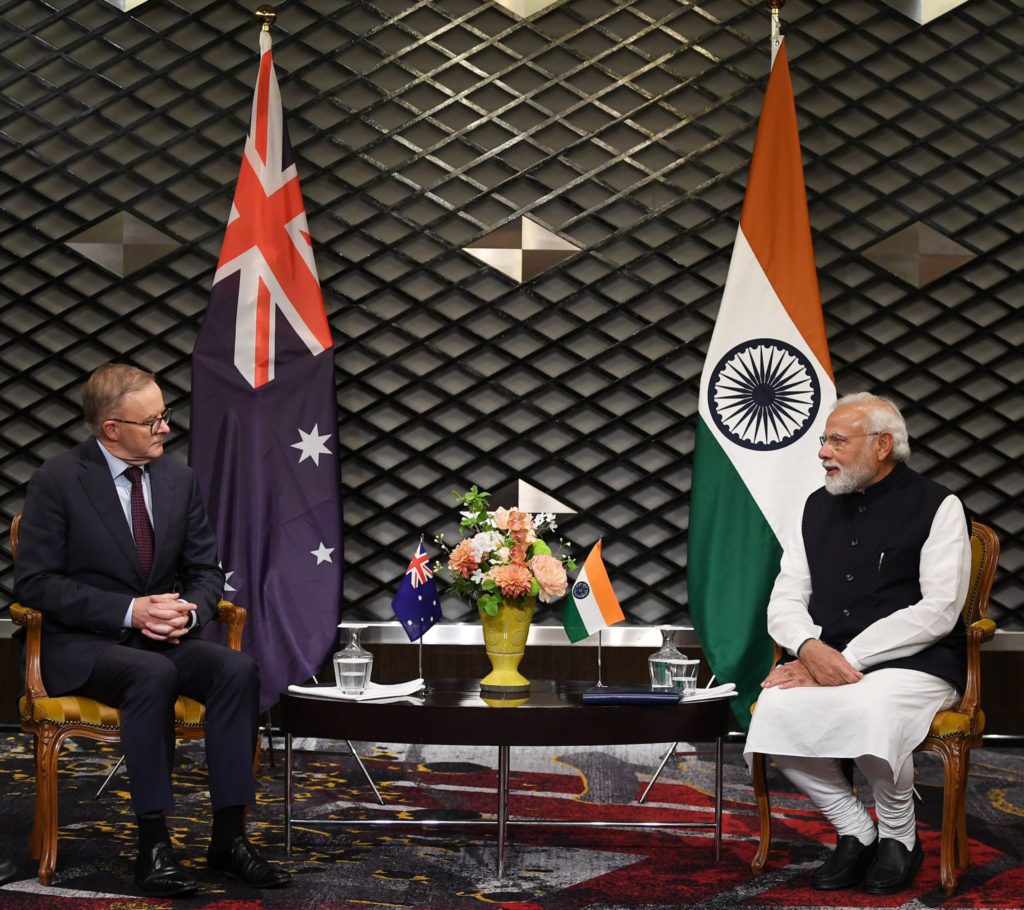
Image source: Prime Minister of India Narendra Modi with Australian Prime Minister Anthony Albanese – Twitter.

FootprintLab’s founders saw a great match between India’s digital growth, skilled workforce, and rising middle class, and Australia’s scalable tech solutions.

Additionally, support from Indian Prime Minister Narendra Modi’s focus on sustainability at the 2023 G20 Leaders’ Summit encouraged FootprintLab to pursue this opportunity.

Baynes says: “India is a great target market for Australian fintech because we have a small testing bed in Australia. We can bring innovation and agility to new products in India, whereas if you try to start something in India, you’ve immediately got to be ready for 10 million customers. You can do that in Australia with 10,000 or 100,000.”

“In India, you have the sort of scale, companies and capacity to turn that into some major application.”

IMAGE: Anirban Mukherjee, CEO of PayU India (Photograph Courtesy: Prosus)

In August 2023, FootprintLab joined a fintech business mission to India organised by Austrade and Investment NSW. This trip led to partnerships with Indian companies PayU and BillionLives Business Initiatives.

“PayU has come in from many different aspects. It goes back to my background at the UN and Tim’s background working with research institutions in Delhi… But what Austrade did was really help facilitate signing an agreement – really getting to a deal that could be discussed in a press release and giving us advice,” Salem adds.

PayU will measure the carbon footprint of purchases and offer an offset option, while BillionLives will assist with ESG measurement and reporting.

Support from Austrade’s Australia India Innovation Network was crucial in connecting FootprintLab with the right people. The network helps Australian tech companies enter India’s growing digital market, especially encouraging fintechs to seize the current opportunities.

Image: Global Fintech Fest 2023 (Source: GFF)

Salem observed: “We went on an Austrade mission last year to the Global Fintech Fest in Mumbai. They spent a lot of time with us before the mission trying to work out ‘who are you?’, ‘who’s your ideal client?’ and ‘what’s your objective?’ So that was really useful. Then, when we were there, they were able to introduce us to the right people in the right companies.”

“We actually had quite a few pre-meetings with some of those companies, especially Billion Lives, who we ended up signing a partnership agreement with during that first trade mission.”

FootprintLab’s work has been recognized by the Australian Government’s Climate Active Program and is now also being adopted by companies in India. Following their success in India, FootprintLab is now setting its sights on the Singapore fintech market.

Support Our Journalism

Global Indian Diaspora needs fair, non-hyphenated, and questioning journalism, packed with on-ground reporting. The Australia Today – with exceptional reporters, columnists, and editors – is doing just that. Sustaining this needs support from wonderful readers like you.

Whether you live in Australia, the United Kingdom, Canada, the United States of America, or India you can take a paid subscription by clicking Patreon. Buy an annual ‘The Australia Today Membership’ to support independent journalism and get special benefits.

“False and baseless”: Adani counters allegations of artificially inflating coal prices

0

In a recent report, the Financial Times stated that the Adani Group appeared to have allegedly imported billions of dollars of coal at prices above their market value. The report is based on an examination of 30 shipments of the commodity from Indonesia to India, over 32 months between 2019 and 2021.

For the uninitiated, these allegations against Adani Enterprises suggest that the company misrepresented low-quality Indonesian coal as high-grade to Indian buyers, including state-run power companies.

FT said it accessed evidence collected by the Organized Crime and Corruption Reporting Project (OCCRP), that supported its allegations of the Adani group artificially inflating coal prices. According to this report, invoices reveal that in January 2014, Adani Bought Indonesian coal rated at 3,500 calories per kilogramme, and went on to sell that shipment to the Tamil Nadu Generation and Distribution Company (Tangedco) as 6,000-calorie coal, one of the most valuable grades. 

It further adds that in December 2013 the MV Kalliopi L ship left Indonesia carrying coal with a listed price of $28 a tonne. When it arrived in India in the new year, Adani sold the coal to Tangedco for $92 a tonne.

The Adani Group has denied the allegations implying potential manipulation and overpricing as “false and baseless”. A spokesperson wrote in an email to OCCRP: “The suggestion that Adani Global Pte Ltd supplied to TANGEDCO inferior coal, as compared to the quality standards laid down in the tender and PO [purchase order], is incorrect.

While it is difficult for us to comment on individual cases due to the sheer volume of data and the elapsed time, not to add the contractual and legal obligations, it is important to note that the coal supplied, irrespective of the declaration by the supplier, is tested for quality at the receiving plant.”

These claims centre around the accusation that Adani declared inflated calorific values for its coal imports, leading to higher pricing and, subsequently, increased costs for end consumers and utilities. However, it is essential to critically evaluate these allegations within the broader context of coal quality assessment and regulatory oversight.

The calorific value, which measures the energy content of coal, is a critical determinant of its grade and price. Regulatory bodies typically conduct stringent checks to ensure compliance with declared specifications. Coal pricing is intrinsically linked to its quality, which is determined by factors such as calorific value, ash content, sulphur content, and moisture levels. Higher-quality coal, characterized by higher calorific value and lower impurities, commands a premium price in the market due to its efficiency and lower environmental impact.

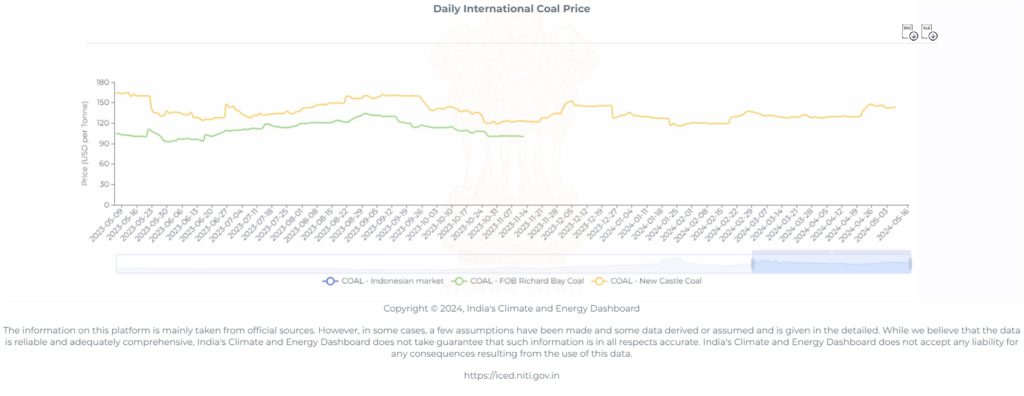
For example, Adani’s Australian coal, known for its high calorific value and relatively low ash content, is priced accordingly. The Newcastle thermal coal price index, a global benchmark for high-quality coal from Australia, often reflects these quality differentials. Adani’s pricing strategy aligns with this benchmark, ensuring that its coal is competitively priced relative to its quality. Suggesting overpricing without acknowledging these quality parameters paints an incomplete picture.

Further, coal pricing is also influenced by a myriad of market dynamics, including supply-demand fluctuations, geopolitical developments, and regulatory changes. The past few years have seen significant volatility in global coal markets. Factors such as supply chain disruptions due to the COVID-19 pandemic, increased demand from rapidly industrializing countries, and regulatory pressures for cleaner energy have all impacted coal prices.

To any expert, Adani’s coal pricing strategy would reflect these broader market conditions. For instance, during periods of high demand and constrained supply, coal prices naturally increase. It is reductive to attribute such price movements solely to company practices without considering these external factors.

Furthermore, Adani operates within a competitive international market, where pricing is largely dictated by market forces rather than individual company policies.

Adani’s coal operations would therefore have to adhere to regulatory frameworks, both domestically and internationally. The company is subject to rigorous oversight regarding pricing, quality control, and environmental standards. Any deviation from these norms could result in significant legal and financial repercussions, deterring any intentional manipulation of coal prices.

Moreover, the global coal market is highly competitive, with numerous players vying for market share. Adani’s ability to remain competitive hinges on maintaining reasonable and market-aligned pricing strategies. Overpricing would undermine their competitiveness, leading to the potential loss of contracts and market share to other coal producers.

For example, Adani has secured long-term supply agreements with various international buyers, including power plants in India. These contracts often include price adjustment clauses tied to global benchmarks and quality standards. Such mechanisms ensure that pricing remains fair and reflective of prevailing market conditions, rather than arbitrary or inflated.

So Adani’s coal prices, particularly from its Carmichael mine in Australia, are competitive with key industry rivals such as Glencore, Peabody Energy, and BHP. As of early 2024, the Newcastle thermal coal price index, a benchmark for high-quality Australian coal, averaged around $130 per metric ton. Adani’s coal, known for its high calorific value and lower impurities, is typically priced within a similar range, reflecting its quality.

For instance, Adani’s Carmichael coal is reported to be sold at approximately $125-$135 per metric ton, depending on market conditions. Compared to Glencore and Peabody, whose coal prices also hover around $120-$140 per metric ton depending on specific coal quality and market demand, Adani’s pricing remains competitive.

In markets like India, where Adani supplies significant quantities, its prices continue to balance cost efficiency with the high quality of its coal, maintaining parity with these major global coal producers.

Adani’s Indonesian coal prices in India are strategically positioned to remain competitive within the market, reflecting both quality and regional pricing dynamics. In 2023, Indonesian coal imports to India were typically priced between $90 and $110 per metric ton, depending on the grade and specific calorific value. Adani, sourcing significant quantities from its Indonesian mines, would have aligned its pricing with these market trends.

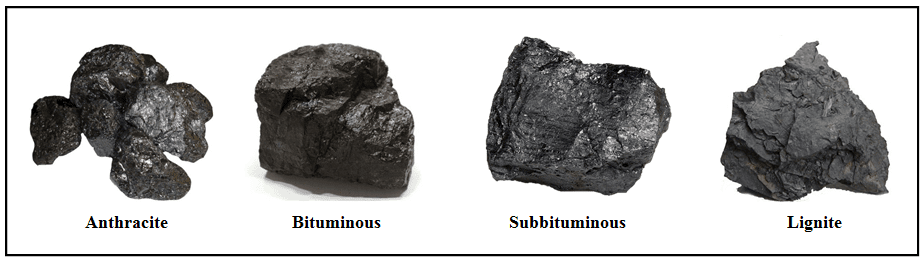
Image: Different varieties of coal (Source: zmescience.com)

Adani’s spokesperson told OCCRP that if the coal delivered was of a lower quality than what was stipulated in the contract, which allowed for a range of between 5,800 and 6,700 kcal/kg, the payment would have been reduced accordingly. FT journalists too found the final payment price varied between US$87 and US$91 per metric ton, indicating small adjustments that were made.

For instance, the company’s Indonesian coal is often priced around $95-$105 per metric ton, offering a blend of affordability and efficiency that appeals to Indian buyers. This pricing strategy would not only allow Adani to remain competitive against other Indonesian coal exporters but also ensure that Indian industries reliant on imported coal benefit from stable and cost-effective energy resources.

Rahul Gandhi, as usual, was quick to blame this alleged scam on the BJP government under Prime Minister Narendra Modi. Little did he know that the DRI, an agency under the Ministry of Finance, had opened an investigation nearly a decade ago (2009) into whether Adani Group and other companies had used offshore intermediaries to inflate the price of coal supplied to utilities.

Adani won a case in the Bombay High Court that blocked the DRI from seeking details about shipments. The DRI then appealed to India’s Supreme Court, where the case awaits a hearing that is scheduled for August 6, 2024.

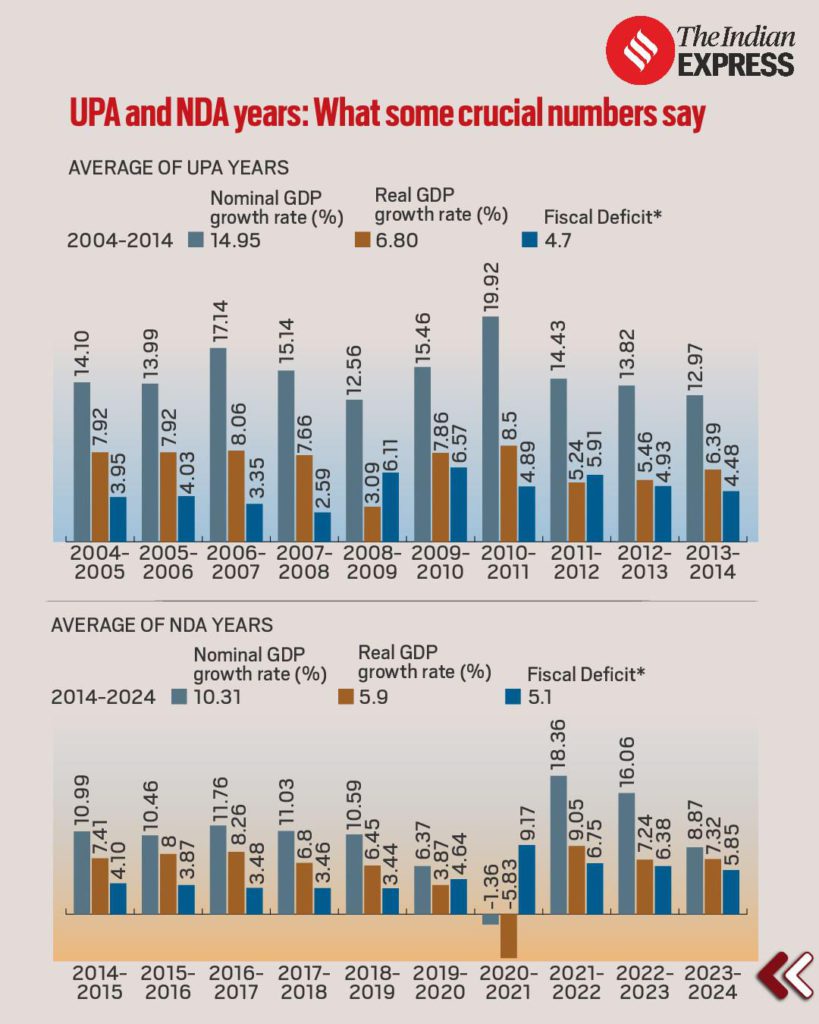
If one looks at the growth trajectory of Adani Group, it has been notable under both Congress and BJP-led governments.

During the Congress-led UPA government (2004-2014), the Adani Group experienced significant expansion, particularly in the power and infrastructure sectors. Adani Enterprises’ revenue grew from approximately $1 billion in 2004 to around $6.5 billion by 2014, demonstrating a robust compound annual growth rate (CAGR) of about 18%.

From 2014 onwards, when the BJP came to power with Modi at the helm, Adani Enterprises’ revenue surged from approximately $6.5 billion in 2014 to over $20 billion by 2024, indicating a CAGR of around 12%. Moreover, the market capitalization of Adani Group’s listed companies has grown from around $8 billion in 2014 to over $200 billion by 2024, particularly in the power and infrastructure sectors.

(Source: The Indian Express)

Nevertheless, this considerable market growth extends beyond Adani alone, encompassing numerous prominent businesses in India. Under the Modi government, from 2014 to 2024, Reliance Industries saw its market capitalization increase from approximately $55 billion to over $220 billion; Tata Consultancy Services (TCS) from around $78 billion to over $150 billion; HDFC Bank from $46 billion to more than $120 billion; Infosys from about $31 billion to over $80 billion; Hindustan Unilever Limited (HUL) from $17 billion to approximately $75 billion; and Bajaj Finance from $6 billion to nearly $50 billion.

Experts believe this growth has been driven by significant investments in diverse sectors such as renewable energy, logistics, and airports, aligning with the Modi government’s focus on infrastructure and development.

As of now, these accusations have not been definitively proven, and they underscore the need for enhanced scrutiny, transparency and rigorous monitoring in coal trade practices to protect consumer interests and maintain market integrity. While such scrutiny is essential, it is far more crucial to contextualize these allegations within the broader dynamics of coal quality and pricing mechanisms in the global market.

Support Our Journalism

Global Indian Diaspora needs fair, non-hyphenated, and questioning journalism, packed with on-ground reporting. The Australia Today – with exceptional reporters, columnists, and editors – is doing just that. Sustaining this needs support from wonderful readers like you.

Whether you live in Australia, the United Kingdom, Canada, the United States of America, or India you can take a paid subscription by clicking Patreon. Buy an annual ‘The Australia Today Membership’ to support independent journalism and get special benefits.

Cricket Australia Launches Multicultural Ambassador Program to Promote Inclusivity

0

In a move to enhance diversity and inclusivity within the sport, Cricket Australia announced the launch of its Multicultural Ambassador Program.

This initiative, a key component of the Australian Cricket Multicultural Action Plan, features 54 distinguished ambassadors from diverse backgrounds, including former cricket legends Ravi Shastri and Wasim Akram.

The program aims to leverage the expertise and influence of leaders from various sectors—government, business, sports, media, and community—to advocate for inclusivity and drive positive change within cricket and the broader community.

Among the inaugural ambassadors are notable figures such as Usman Khawaja, Mel Jones, Lisa Sthalekar, Kishwar Chowdhury, Alana King, Peter Varghese, Swati Dave, and Fawad Ahmed.

Cricket Australia CEO Nick Hockley expressed enthusiasm for the program, stating, “We are thrilled to welcome such a dynamic and diverse group as Multicultural Ambassadors.”

“Their collective leadership, expertise, and passion will be instrumental in driving meaningful change and fostering a more inclusive cricketing community.”

The ambassadors will focus on five key areas identified in the Multicultural Action Plan: Participation, High Performance, People and Representation, Communications and Engagement, and Event and Experience. Each ambassador will contribute insights and leadership in their area of expertise to foster greater connectivity and inclusivity across the Australian cricket landscape.

Former Australian player and cricket commentator Lisa Sthalekar also expressed her excitement, saying, “Being a Cricket Australia Multicultural Ambassador is an incredible honour.

“It is a role that allows me to celebrate and promote the diversity that makes our sport so vibrant and inclusive.”

Highlighting the program’s significance, Usman Khawaja, an Australian player of Pakistani descent, remarked, “I am proud to sign on as one of Cricket Australia’s Multicultural Ambassadors.”

“I see the sport as a bridge that connects communities and welcomes all, fostering understanding, respect, and unity.”

The program’s diverse lineup of ambassadors reflects a broad spectrum of cultural backgrounds, including representatives from Indian, Sri Lankan, Pakistani, Indigenous Australian, Bangladeshi, Nepali, and Afghani communities. This composition ensures a multifaceted approach to addressing the challenges and opportunities related to diversity and inclusion in cricket and society at large.

Cricket Australia’s initiative marks a significant step towards creating a sport that mirrors contemporary Australian society, emphasizing the importance of collaboration and collective action in ensuring cricket remains a welcoming and inclusive sport for all.

Support Our Journalism

Global Indian Diaspora needs fair, non-hyphenated, and questioning journalism, packed with on-ground reporting. The Australia Today – with exceptional reporters, columnists, and editors – is doing just that. Sustaining this needs support from wonderful readers like you.

Whether you live in Australia, the United Kingdom, Canada, the United States of America, or India you can take a paid subscription by clicking Patreon. Buy an annual ‘The Australia Today Membership’ to support independent journalism and get special benefits.

Rahulreet Singh Mann pleads not guilty for allegedly trying to open plane door mid-air on Sydney-bound flight

0

A Canadian man has pleaded not guilty at Downing Centre Local Court in Sydney court after he was charged over an alleged attempt to open an emergency exit door while drunk on an international flight earlier this month.

Rahulreet Singh Mann, 33-year-old, entered the plea of not guilty to a single charge of threatening the safety of an aircraft in breach of the Civil Aviation Act 1988.

The AFP charged Mr Mann after arriving at Sydney Airport on a flight from Vancouver, Canada, on 14 May 2024.

AFP alleged that another passenger noticed Mr Mann attempting to open the emergency exit door about two hours into the flight and pulled him away.

Airline staff moved Mr Mann to a seat at the aircraft’s rear and supervised him for the remainder of the flight.

The AFP alleged that Mr Mann was intoxicated at the time of the incident.

AFP Detective Inspector Dom Stephenson said the AFP was committed to supporting airport staff and ensuring all travellers experienced a safe journey from their departure to their arrival at their destination.

“The AFP and our aviation partners have no tolerance for antisocial, violent or dangerous behaviour and we will take action. Passengers expect to feel safe and should not have to witness or endure intoxication or reckless behaviour.”

The AFP responded to a request to meet the flight at the arrivals gate at Sydney International Airport. Police arrested Mr Mann and charged him with one count of threatening the safety of aircraft, contrary to section 24 (1)(b)(ii) Civil Aviation Act 1988 (Cth).

Mr Mann remains on bail to appear back in court on July 8, 2024, where he faces a maximum financial penalty of $5,000, imprisonment or both. As part of his bail conditions, he was ordered to surrender his passport and cease entering any international airport.

Support Our Journalism

Global Indian Diaspora needs fair, non-hyphenated, and questioning journalism, packed with on-ground reporting. The Australia Today – with exceptional reporters, columnists, and editors – is doing just that. Sustaining this needs support from wonderful readers like you.

Whether you live in Australia, the United Kingdom, Canada, the United States of America, or India you can take a paid subscription by clicking Patreon. Buy an annual ‘The Australia Today Membership’ to support independent journalism and get special benefits.

India at a Crossroads: Choosing Between Unity and Division in the General Election

0

By Srinivas Venkatram 

One of the central issues that is tacitly shaping this general election is two conflicting visions of the Indian subcontinent.

One view sees the Indian people as

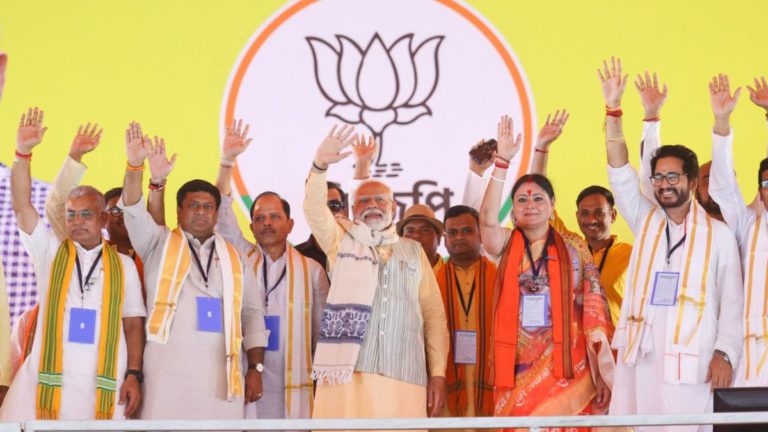
Indian Prime Minister Narendra Modi with Sambit Patra at an election road show in Puri, Odisha; Image Source: X @narendramodi

(i) born of an ancient civilisation rooted in spirituality

(ii) which acts as a substratum from which numerous branches of the same organic whole have developed.

In this view, it is the collective consciousness and collective energy of the land that is the true national identity, and all divisive actions are alien.

The other view sees the Indian subcontinent as

(i) born of a historically disparate warring kingdoms

(ii) tied together only due to Islamic and British rulers

(iii) divided and fractured in its national identity by caste, religion, and incomes

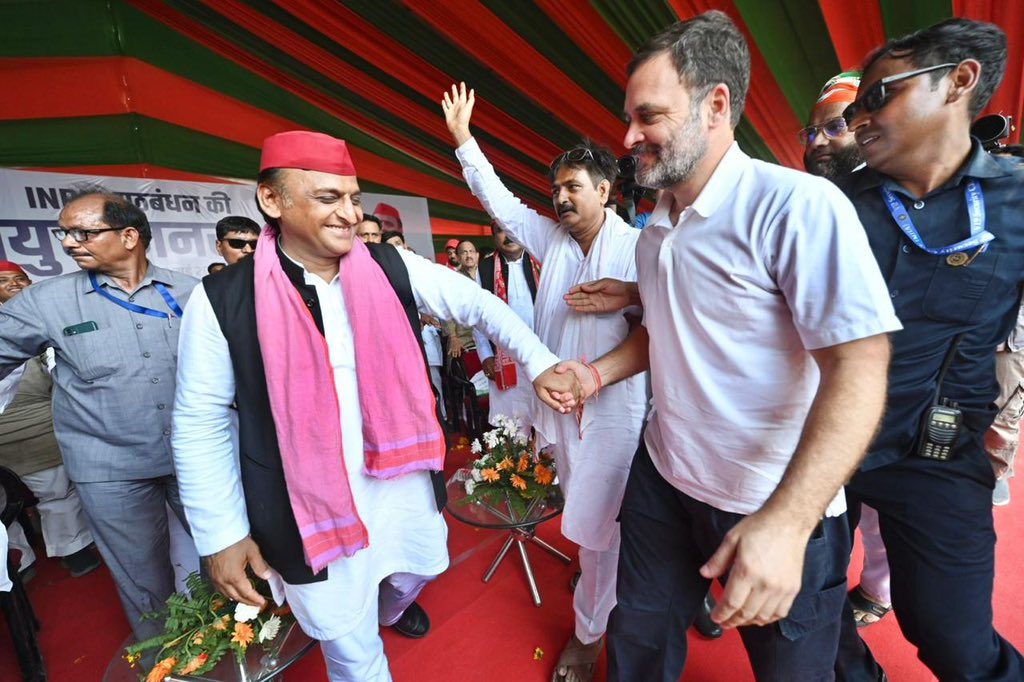
Congress Leader Rahul Gandhi with Samajwadi Party President Akhilesh Yadav at an election rally; Image Source: Samajwadi Party

These two world-views clash at every level

The civilisational worldview believes in the unity of all Hindus, nay all Indians, and sees the civilisational substratum as a unifying force that beckons to all to be one national whole with a shared vision of the future. This view demands equal treatment of all in the eyes of the law and equal opportunity for all.

The divisive worldview focuses constantly on the divisions between Indians – a division of caste, division between religions, and recently, divisions even based on colour. This view seeks special privilege for a few and nurtures a sense of victimhood and historical wrongs. This view does not seek a shared future; it seeks to divide an existing pie differently rather than expand the pie.

Which view is more appropriate for India?

History shows us that through past ages, India has risen when its shared civilisational identity, collective energy, and shared vision have been awakened. And India has declined, nay been conquered, when it has ignored our shared identity and focused on our differences rather than our commonalities.

We are once more faced with a choice – do we choose a civilizational identity and collective success or choose a path that goes back to the British era of “Divide and Rule”?

Let us choose wisely.

Author: Srinivas Venkatram founded Illumine – an “ideas in action” Lab that focuses on translating Swami Vivekananda’s ideas into new social, institutional and educational models. Illumine’s projects and interventions have reached more than 2 million users/ beneficiaries in society.

On this channel, Srinivas offers an interpretation of Vivekananda’s ideas, through the lens of Citizenship and Nation-building. For more, visit the Reflections on The Lion’s Roar.

Read the original article here.

Disclaimer: The opinions expressed within this article are the personal opinions of the author. The Australia Today is not responsible for the accuracy, completeness, suitability, or validity of any information in this article. All information is provided on an as-is basis. The information, facts, or opinions appearing in the article do not reflect the views of The Australia Today and The Australia Today News does not assume any responsibility or liability for the same.

Support Our Journalism

Global Indian Diaspora needs fair, non-hyphenated, and questioning journalism, packed with on-ground reporting. The Australia Today – with exceptional reporters, columnists, and editors – is doing just that. Sustaining this needs support from wonderful readers like you.

Whether you live in Australia, the United Kingdom, Canada, the United States of America, or India you can take a paid subscription by clicking Patreon Buy an annual ‘The Australia Today Membership’ to support independent journalism and get special benefits.

Indian-Australian writer wins $30k prestigious Multicultural NSW Literary Award

0

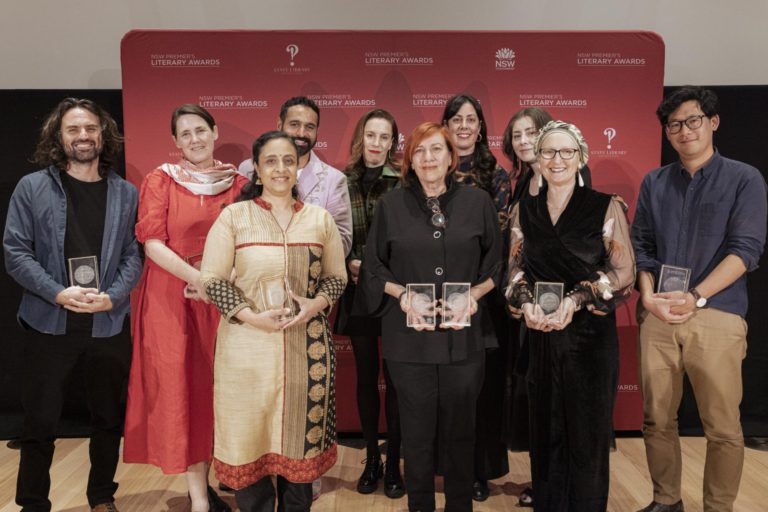
‘Stay for Dinner’ written by Sandhya Parappukkaran and illustrated by Michelle Pereira (Hardie Grant Children’s Publishing) has won the prestigious Multicultural NSW Award ($30,000) at at the NSW Premier’s Literary Awards 2024.

This award is offered for work that considers aspects of cultural diversity and multiculturalism in Australian society.

The judges observed: “Sandhya Parappukkaran and Michelle Pereira present a gorgeous food and cultural safari for children that is as much about appreciating and embracing the diverse ways families share a meal together, as it is a reminder that differences are mutually enriching when they are encountered without hierarchy or judgment but rather acceptance and respect.”

Sandhya Parappukkaran, author of 'Stay For Dinner'; Image Source: Supplied
Sandhya Parappukkaran, author of ‘Stay For Dinner’; Image Source: Supplied

“The result is a story that will have you grinning from the first page and ravenous by the last!”

Sandhya left her job as a Food Technologist to be a full-time writer and pursue her passion for children’s books. She writes stories that are inspired by her childhood experiences traversing different cultures and are steeped in themes of ‘embracing your cultural identity’.

Sandhya lives in Brisbane with her husband, three children and a backyard brimming with mango trees, curry leaves and green chillies.

Sandhya’s books are inspired by her Kerala and Indian heritage which feature heavily when she sits down to write.

Her debut picture book, The Boy Who Tried to Shrink His Name, won the 2022 Children’s Book Council of Australia New Illustrator Award. Her second picture book, Amma’s Sari, was released on 30th March, 2022. Amma’s Sari is a 2023 CBCA Notable book and a finalist in the NSW Premier’s Literary Awards. 

Sandhya, Michelle and Hello Bright Light Books created their third picture book that celebrates culture and connection through food – Stay for Dinner.

“Stay for Dinner is an exuberant, captivating celebration of family and friends and the fabulous feasts between them,”

the judges observed.

The book tells the story of Reshma who loves ‘squishing splashy curry through layers of rice’ with her hands during dinnertime with her loving family. But Reshma is self-conscious about what her friends would think of her family eating with their hands, licking food off their fingers and burping their appreciation at the table.

Additionally, Michelle’s delightful illustrations evoke everyday suburban multi-culture in all its gloriously familiar details: playing sports with friends after school, staying back late and gathering around dinner tables laden with various cuisines and culinary rituals.

Other winners at the awards include poet Ali Cobby Eckermann who won the top $40,000 prize of Book of the Year at the NSW Premier’s Literary Awards for her “stunning” verse novel She Is the Earth, Angela O’Keeffe, who won the $40,000 Christina Stead Prize for Fiction with her second novel The Sitter.

Australian American journalist Christine Keneally who won the $40,000 prize for non-fiction with her exposé of abuse in Catholic orphanages, Ghosts of the Orphanage; and Aboriginal poet and artist Tais Rose Wae, who won the $30,000 prize for poetry with her debut collection Riverbed Sky Songs.

Full list of winners

Book of the Year ($10,000)

She Is the Earth by Ali Cobby Eckermann (Magabala Books)

Christina Stead Prize for Fiction ($40,000)

The Sitter by Angela O’Keeffe (UQP)

Douglas Stewart Prize for Non-fiction ($40,000)

Ghosts of the Orphanage by Christine Kenneally (Hachette Australia)

Kenneth Slessor Prize for Poetry ($30,000)

Riverbed Sky Songs by Tais Rose Wae (Vagabond Press)

Patricia Wrightson Prize for Children’s Literature ($30,000)

Paradise Sands: A Story of Enchantment by Levi Pinfold (Walker Books Australia)

Ethel Turner Prize for Young People’s Literature ($30,000)

The Quiet and the Loud by Helena Fox (Pan Macmillan Australia)

Nick Enright Prize for Playwriting ($30,000)

Sex Magick by Nicholas Brown (Griffin Theatre Company/Currency Press)

Betty Roland Prize for Scriptwriting ($30,000)

Safe Home, Episode 1 by Anna Barnes (Kindling Pictures)

Indigenous Writers’ Prize ($30,000)

She Is the Earth by Ali Cobby Eckermann (Magabala Books)

Multicultural NSW Award ($30,000)

Stay for Dinner by Sandhya Parappukkaran, illustrated by Michelle Pereira (Hardie Grant Children’s Publishing)

UTS Glenda Adams Award for New Writing ($10,000)

Anam by André Dao (Penguin Random House Australia)

University of Sydney People’s Choice Award ($5,000)

The God of No Good by Sita Walker (Ultimo Press)

The winners, chosen from shortlists announced earlier this month, were announced last night at the State Library of NSW. This year the awards received 834 entries across 12 prize categories.

The NSW Premier’s Literary Awards are the country’s longest-standing and richest state-based literary awards. The Awards recognise the best Australian writers, including novelists, poets, playwrights, scriptwriters and authors of non-fiction and children’s books.

Support Our Journalism

Global Indian Diaspora needs fair, non-hyphenated, and questioning journalism, packed with on-ground reporting. The Australia Today – with exceptional reporters, columnists, and editors – is doing just that. Sustaining this needs support from wonderful readers like you.

Whether you live in Australia, the United Kingdom, Canada, the United States of America, or India you can take a paid subscription by clicking Patreon. Buy an annual ‘The Australia Today Membership’ to support independent journalism and get special benefits.

Australia-India Relations Strengthened with New Initiatives and CAIR Headquarters in Parramatta

Federal Government has launched a new Centre for Australia-India Relations headquarters in Parramatta, along with several initiatives aimed at strengthening Australia’s ties with India.

The new headquarters will serve as a central hub for collaboration among government, business, academia, the cultural sector, and Indian-Australian communities. Supported by both the Australian and New South Wales Governments, the Centre aims to drive new partnership opportunities between the two nations.

Launch of Maitri Scholars and Fellowships

In a significant move, the recipients of the Centre’s inaugural Maitri Scholars and Fellowships programs were announced. Five Maitri Scholars from India will undertake PhDs on STEM research topics, including advanced manufacturing and clean energy solutions.

Additionally, seven Maitri Fellows will explore research projects on geostrategic and economic futures, focusing on maritime security, climate change response, secure supply chains, and regional cooperation.

Minister for Foreign Affairs, Penny Wong stated, “Working more closely with our Indian-Australian communities – our fastest growing diaspora – means we can better respond to a diverse and evolving India.”

Senator Penny Wong, Minister for Foreign Affairs attended the launch of the Centre for Australia-Indian Relations (CAIR) at Commbank Arena in Parramatta on Monday 20th February 2024.

“The Maitri Scholars and Fellows will also contribute to a broader and deeper understanding of the Australia-India relationship, our shared interests, and our shared challenges while fostering life-long connections.”

Economic Roadmap and Trade Initiatives

Recognising India’s trajectory to becoming the world’s third-largest economy by the end of the decade, the Australian Government is set to commence consultations on a future Australia-India economic roadmap. This initiative aims to build on the 2018 India Economic Strategy by Peter Varghese, focusing on key sectors to enhance bilateral economic ties. Additionally, Australia continues to negotiate a new free trade agreement with India, targeting greater market access in agriculture and manufacturing.

Don Farrell, Minister for Trade and Tourism said, “Trade with India is shaping up to be a big win for Australia. Since our government implemented a new trade deal with India, Australian businesses have seen a massive boost in exports.”

Don Farrell, Minister for Trade and Tourism attend the launch of the Centre for Australia-Indian Relations (CAIR) at Commbank Arena in Parramatta on Monday 20th February 2024.

“A new India economic roadmap will help us focus and accelerate our efforts to harness India’s growth and tap into the enormous trade and investment opportunities that will help us secure a future made in Australia.”

Expanded Australia India Business Exchange

Further bolstering the bilateral relationship, the Australian Government has allocated an additional $14.3 million in the recent budget to expand the Australia-India Business Exchange. Austrade will lead new business missions to India across sectors such as agri-food, education, technology, and energy resources, including critical minerals. The expanded program will also pilot business missions to Bangladesh and Sri Lanka to enhance trade across South Asia.

CEO and Director Network

To leverage the expertise of the Indian-Australian community, the Centre has announced the formation of the CEO and Director Network. This group of Indian-Australian corporate leaders will work to enhance understanding of India within the Australian business community.

Tim Thomas, CEO of the Centre for Australia-India Relations said, “The Centre for Australia-India Relations is excited to establish its headquarters in Parramatta, a thriving innovation ecosystem and an important focal point for the vibrant Indian-Australian community.”

Penny Wong, Minister for Foreign Affairs unveils a plaque at the opening of the Centre for Australia-Indian Relations (CAIR) office in Parramatta on Monday 20th February 2024. In attendance are Chair Swati Dave, CEO Tim Thomas and Indian High Commissioner to Australia, Gopal Baglay.

“The Centre has built strong momentum through our Maitri grants and stakeholder impact programs. The Centre will continue to galvanise Australian stakeholders to move on the tremendous opportunities that India’s growth presents.”

Public Participation and Future Steps

The Centre encourages public submissions for the new Australia-India economic roadmap, open until July 15, 2024. These submissions will help shape a comprehensive strategy to enhance bilateral economic and cultural ties.

As the relationship between Australia and India deepens, these initiatives and the establishment of the new Centre for Australia-India Relations signify a strong commitment to fostering mutual growth and understanding. This collaborative effort promises to unlock new opportunities and strengthen the bonds between the two nations, ensuring a prosperous future.

For more information on the inaugural Maitri Scholars and Fellows, visit the Centre for Australia-India Relations website.

Support Our Journalism

Global Indian Diaspora needs fair, non-hyphenated, and questioning journalism, packed with on-ground reporting. The Australia Today – with exceptional reporters, columnists, and editors – is doing just that. Sustaining this needs support from wonderful readers like you.

Whether you live in Australia, the United Kingdom, Canada, the United States of America, or India you can take a paid subscription by clicking Patreon. Buy an annual ‘The Australia Today Membership’ to support independent journalism and get special benefits.

A Call for Cultural Dialogue on World Day for Cultural Diversity for Dialogue and Development

0

Today, May 21st, we commemorate the World Day for Cultural Diversity for Dialogue and Development, a day initiated by the United Nations and UNESCO to celebrate the rich tapestry of cultures that enrich our global society. This day serves as a reminder of the importance of fostering dialogue, understanding different perspectives, and building a peaceful and inclusive world.

The Significance of Cultural Diversity

Cultural diversity is the cornerstone of human civilisation, offering a kaleidoscope of traditions, languages, arts, and customs. It enriches societies, broadens horizons, and fosters innovation and creativity. By embracing diversity, we not only celebrate our differences but also recognise our shared humanity.

The theme of #DiversityDay underscores the need for dialogue and mutual respect among cultures. In an increasingly interconnected world, understanding and appreciating cultural diversity is vital for peaceful coexistence. Dialogue helps break down barriers, dispel stereotypes, and build bridges between communities.

The Indian Global Diaspora and Hindu Community: Challenges and Resilience

The Indian global diaspora and the Hindu community, spread across various continents, have contributed immensely to the cultural and economic landscapes of their host countries. However, they have also faced significant challenges, including discrimination and targeted attacks. These incidents underscore the pressing need for cultural understanding and protection of minority communities.

In recent years, there have been numerous reports of hate crimes and xenophobic attacks against members of the Indian diaspora and Hindu community in various parts of the world. These attacks are often fueled by misconceptions, prejudice, and a lack of understanding of cultural and religious practices. Such incidents not only cause physical harm but also create an atmosphere of fear and insecurity among the affected communities.

Promoting Dialogue and Understanding

Addressing these challenges requires a multifaceted approach that includes promoting dialogue, education, and community engagement. Governments, civil society organisations, and individuals all have a role to play in fostering a culture of respect and inclusion.

  1. Policy and Protection: Governments must enact and enforce laws that protect minority communities from hate crimes and discrimination. Strong legal frameworks and swift action against perpetrators can deter such incidents and provide a sense of security to vulnerable communities.
  2. Media Representation: Media plays a crucial role in shaping public perceptions. Positive representation of diverse cultures and communities in the media can help combat stereotypes and promote a more inclusive society.

The Way Forward

As we celebrate World Day for Cultural Diversity for Dialogue and Development, let us reaffirm our commitment to building a world where every culture is respected and valued. The Indian global diaspora and Hindu community, like many others, have faced challenges but continue to show resilience and strength.

By embracing cultural diversity and fostering dialogue, we can create societies that are not only more inclusive and peaceful but also more vibrant and dynamic. Let us work together to ensure that every individual, regardless of their cultural background, feels valued and respected.

On this #DiversityDay, let us pledge to celebrate our differences, promote understanding, and build a better world for all.

Support Our Journalism

Global Indian Diaspora needs fair, non-hyphenated, and questioning journalism, packed with on-ground reporting. The Australia Today – with exceptional reporters, columnists, and editors – is doing just that. Sustaining this needs support from wonderful readers like you.

Whether you live in Australia, the United Kingdom, Canada, the United States of America, or India you can take a paid subscription by clicking Patreon Buy an annual ‘The Australia Today Membership’ to support independent journalism and get special benefits.

‘Left-Wing Dictatorships vs Right-Wing Dictatorships’: A Modi test of Indian Democracy

0

As India’s Prime Minister Narendra Modi is expected to win a third term in the election that got underway on April 19, he often is reported to be evoking polarising opinions. Some hail him as a transformative leader, while his critics cry about his unverified authoritarian tendencies.

Remarkably, for many, Modi may embody the paradox of being a “good dictator” in the world’s largest democracy.

In my opinion, this characterisation often stems from Modi’s ability to implement decisive policies and reforms, bypassing bureaucratic inertia and political opposition, to achieve tangible progress for India.

One must be clear that the concept of labelling leaders as “dictators” or “fascists” often emanates from Leftist ideology, which tends to present right-wing or nationalist leaders as authoritarian. If you dare not to hop on the Leftist bandwagon, well, prepare to be stamped with the labels of “dictator” or “fascist” faster than you can blink!

Prof. Anand Ranganathan’s views on the Left’s “big lie” and the “hypocrisy of our saviours of Democracy” are essential listening for all.

One must also remember that it is truly the Left that puts an extensive emphasis on total government control and pushes for welfare programs that can lead to inefficiencies and excessive bureaucracy putting the reign in in the hands of few. Under the ruse of class struggle and redistribution of wealth, the Left tends to foster social divisions often leading to violence and instability.

In the case of Modi, fear left-wing authoritarianism pseudo-intellectuals argue that his policies and governance style undermine secularism, suppress dissent, and centralise power, thereby fitting their criteria for authoritarianism. It’s surprising, but a lot of these really ‘big lies’ actually end up working as these narratives are pushed through the a system of set anti-India channels.

However, one can clearly see that in a country like India, this interpretation can be overly simplistic and sometimes ignores the broader context of such leadership. In fact, earlier this year, Pew Research conducted a survey to test two authoritarian models of government: a system in which a strong leader can make decisions without interference from parliament or the courts (“authoritarian leader”) and a system in which the military rules the country (“military rule”).

The survey showed that 85% of people in India supported rule by a strong leader for good governance with 79% of Indians having a positive opinion about Modi. Despite overwhelming support for autocracy and technocracy, a total of 72% of Indian respondents said that they are satisfied with how democracy is working in their country.

So, it is up to the voters to essentially distinguish between genuine authoritarianism and good governance aimed at implementing necessary reforms in complex, diverse societies like India.

Modi’s political journey is a remarkable tale of perseverance, strategic acumen and good governance. Rising through the ranks, he became the Chief Minister of Gujarat in 2001, a position he held for over a decade, transforming the state into an economic powerhouse. In 2014, Modi led the BJP to a historic victory in the national elections, becoming the Prime Minister of India. And then re-elected in 2019 with an even larger mandate, Modi continues to be a dominant force in Indian politics, championing his vision of a ‘New India’.

Modi’s knowledge of the rural-urban divide, oratory skills and confident demeanour have significantly contributed to his widespread appeal. He is well-known for his strategic acumen and has successfully cultivated an image of a self-made leader, rising from humble beginnings as a chai-wallah (tea seller) to become the Prime Minister. This narrative of self-reliance and determination appeals to many Indians espe

Domestically, one of the clear hallmarks of Modi’s tenure as Prime Minister has been his commitment to internal economic reforms, digital innovation, the rapid expansion of the highway network, modernisation of railways, modernisation of medical and educational research facilities, development of smart cities, fast-tracking large-scale infrastructure projects, enacting broad social welfare schemes, initiatives to tackle climate change, and delivering clean energy, all testaments to his good governance capability.

However, Modi’s governance style has drawn criticism for its so-called authoritarian undertones, especially with the abrogation of Article 370, the Citizenship Amendment Act (CAA) and the National Register of Citizens (NRC). Despite these controversies, Modi’s governance has yielded positive outcomes, contributing to his reputation as a “good dictator.”

His ability to implement decisive policies in favour of India effectively, often in the face of substantial opposition from both local and global anti-India forces, sets him apart as a leader who can navigate the complexities of the world’s largest democracy while pushing through significant and much-needed reforms.

Internationally, India’s foreign policy under Modi has emphasised South-South cooperation, leveraging India’s growing economic and technological capabilities to foster partnerships across Asia, Africa, and Latin America, global clean energy alliances, infrastructure development aid, counter-terrorism initiatives to her regional stability, and proactive engagement in forums such as QUAD, BRICS, and the G20 to amplify and advocate for more equitable balanced global governance.

Further, addressing issues like global climate change, trade imbalances, access to innovative technology, focus on strengthening external strategic and diplomatic position, and pushing for global reforms leveraging India’s stature as leader of Global South are testaments to his vision as a leader of Global South.

It was no surprise that during a major public event in Sydney in May 2023, Australian Prime Minister Anthony Albanese called Modi “the boss.”

This remark was not just a gesture of mateship or dosti between the two nations but a recognition of Modi’s impactful governance and his role in strengthening India’s international partnerships. Albanese’s comment underscores the robust relationship between India and Australia and acknowledges Modi’s stature as a formidable and respected leader of Global South in the international arena.

Post-2024, as India continues to evolve, the balance between democratic principles and decisive leadership will remain a critical aspect of Modi’s legacy. Modi may exemplify the paradox of a “good dictator” to his critics within the framework of the world’s largest democracy and Leftist ideology which tend to stifle growth, innovation and freedom.

Support Our Journalism

Global Indian Diaspora needs fair, non-hyphenated, and questioning journalism, packed with on-ground reporting. The Australia Today – with exceptional reporters, columnists, and editors – is doing just that. Sustaining this needs support from wonderful readers like you.

Whether you live in Australia, the United Kingdom, Canada, the United States of America, or India you can take a paid subscription by clicking Patreon Buy an annual ‘The Australia Today Membership’ to support independent journalism and get special benefits.

Our research shows what the rental market is really like for international students

0

By Hannah Soong and Guanglun Michael Mu

International students have come under fire from both sides of federal politics in the past week.

The Albanese government introduced legislation to parliament last Thursday to put caps on the number of international students each institution can enrol. In his budget speech, Treasurer Jim Chalmers said “[international student] enrolments have grown without being matched by an increase in student housing supply”.

This puts pressure on prices and rents, especially in our cities and suburbs. It makes finding housing harder for every one.

International Students: Image Source @CANVA

In his budget reply speech, Opposition Leader Peter Dutton said the Coalition wants to cut the number of international students:

we will reduce excessive numbers of foreign students studying at metropolitan universities to relieve stress on rental markets in our major cities.

But is this fair? Our research shows international students are finding it stressful and difficult to secure accommodation. And the largest proportion is already in purpose-built housing.

Students unfairly blamed

The housing debate often misses what international students bring to Australia. International education is one of Australia’s top exports and was worth A$47.8 billion in 2023.

Last month, a Property Council of Australia report also found “international students are not the cause of the housing crisis”.

The report showed international students only make up 4% of the rental market in Australia. It points out rents started rising in 2020 during COVID “when there was no international student migration and most students had returned home”.

International Students: Image Source @CANVA

Our research

We have been researching the experiences of international students in South Australia. As part of a broader 2023 study, we surveyed 1,372 international students about their wellbeing, community engagement and housing situation. We also did follow up interviews with 16 students.

Students in the survey came from 142 countries and regions. Asia was the top source region with 38% of respondents, followed by Europe and Africa.

Respondents were studying at 27 institutions in South Australia. More than half of our sample were university students, but respondents were also studying at TAFE and private colleges.

Here we report our findings about housing.

Where are students living?

The biggest proportion of students in our study (25.5%) lived in the Adelaide CBD, of which 56% lived in student accommodation.

Students were then dispersed across the suburbs. The next biggest proportion of students in any given suburb was 2.2%.

Student accommodation was the most common type of housing for all students we surveyed (20.7%), followed by living in a shared house with a private bedroom (19.6%) and sharing a bedroom (13.2%).

Less than 1% of respondents lived alone and 2.5% lived in a property they or a family member owned.

This shows international students tend to live in the CBD and in student accommodation or shared houses or bedrooms. Many locals would not consider these types of housing suitable. So it is very difficult to see how they are driving up entire metropolitan housing markets.

International Students: Image Source @CANVA

How hard it is to find somewhere?

It is not as though international students are finding it easy to secure a place to live, either.

Students in our study reported finding suitable accommodation was one of the top three challenges undermining their life experience in South Australia (along with overall financial security and making local friends).

They told us how they often had little choice over where to live because they did not have a rental history or proper source of income. For example, a social work student from China was looking for a new place to rent but felt hopeless. She said she had sent out up to 40 applications but had no response.

We don’t have a renting record in South Australia and I don’t have a full-time job […] Lots of the [real estate] agents wouldn’t really want us […].

For many students, student accommodation was the only thing available, which they described as “very expensive” and “very compact”. One Sri Lankan student studying for a PhD in computing explained:

They are not going to give me a place […] the student accommodation was my only option. That’s why I chose it even though it’s quite costly.

Another Taiwanese student studying computing and information systems told us they had just A$150 to spend per month on food because the cost of student accommodation was so high.

What next?

Our research shows international students in South Australia are finding it expensive, difficult and stressful to secure a place to live while they are studying.

This suggests they are experiencing the problems of Australia’s housing crisis. But it does not indicate they are causing it.

We also need to be careful simply thinking more student accommodation will fix this issue. It does not address the problem of housing affordability and it does not help international students interact with their local communities in Australia.

It is also worrying to see international students blamed for a very complex problem, which experts acknowledge has multiple causes, of which overall migration is only a “relatively small part”.

And we should not forget Australia has labour shortages in civil engineering and construction.

So international students could be part of the solution to housing shortages, rather than mistakenly being blamed as the cause.

Hannah Soong, Senior Lecturer and Socio-cultural researcher, UniSA Education Futures, University of South Australia and Guanglun Michael Mu, Associate Professor and Enterprise Fellow, University of South Australia

This article is republished from The Conversation under a Creative Commons license. Read the original article.

Support Our Journalism

Global Indian Diaspora needs fair, non-hyphenated, and questioning journalism, packed with on-ground reporting. The Australia Today – with exceptional reporters, columnists, and editors – is doing just that. Sustaining this needs support from wonderful readers like you.

Whether you live in Australia, the United Kingdom, Canada, the United States of America, or India you can take a paid subscription by clicking Patreon Buy an annual ‘The Australia Today Membership’ to support independent journalism and get special benefits.

India, Australia, Indonesia trilateral maritime security workshop: Strengthening regional collaboration

0

The second edition of the India, Australia and Indonesia Trilateral Maritime Security Workshop (TMSW) concluded on Friday, highlighting the ongoing maritime security challenges and exploring collaborative opportunities among the three naval neighbours in the Indian Ocean Region (IOR).

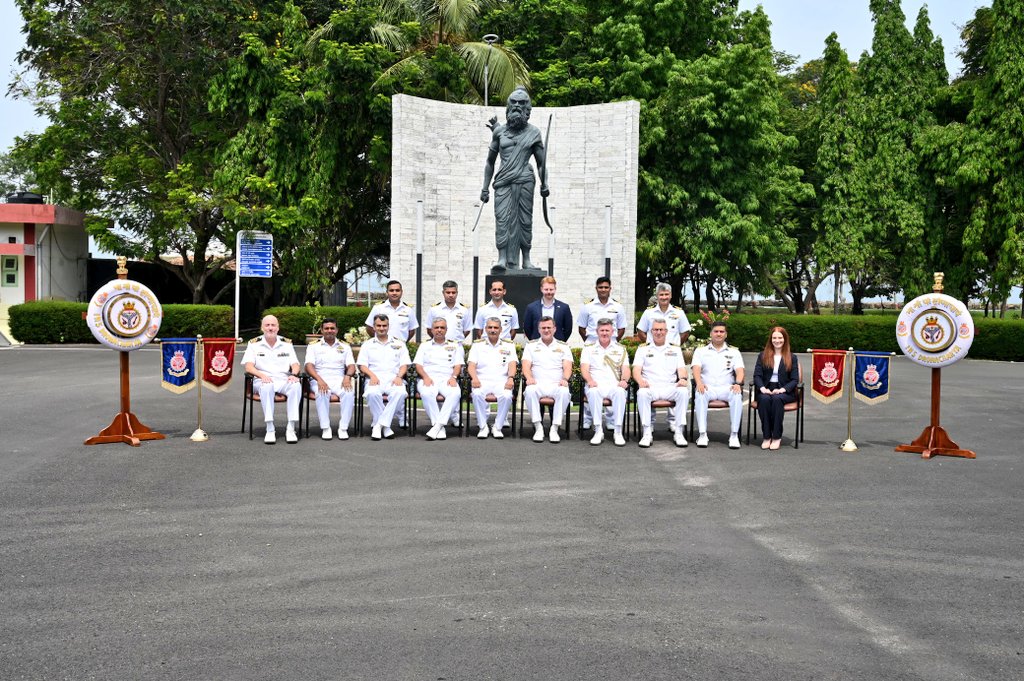
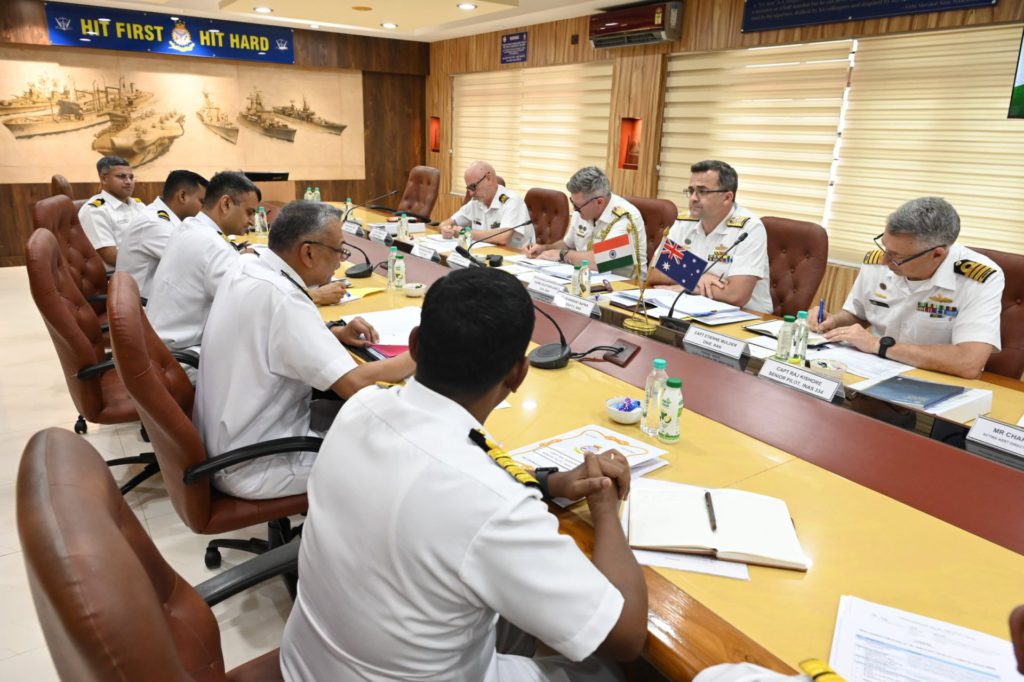
The workshop, held from May 15 to 17 at INS Dronacharya in Kochi, India, brought together key naval delegates to discuss and strategise on enhancing regional maritime security.

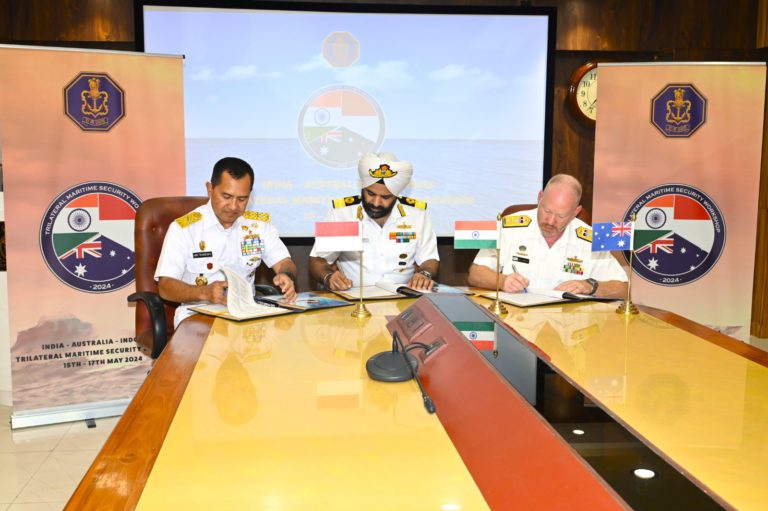
Image Source: PIB
Image Source: PIB

The theme of this year’s workshop was “Indian Ocean Region: Collaborative Efforts to Enhance Regional Maritime Security.”

This theme was carefully chosen to address the current maritime security challenges and identify avenues for increased cooperation among India, Australia, and Indonesia. According to a press release by the Ministry of Defence, the workshop aimed to foster dialogue and build a framework for sustained maritime security collaboration.

Image Source: PIB
Image Source: PIB

Key Participants and Leadership

The workshop was conducted under the aegis of the Headquarters Southern Naval Command and saw participation from high-ranking officials from the three nations’ navies.

Rear Admiral Nirbhay Bapna, Assistant Chief of Naval Staff (Foreign Cooperation and Intelligence) of the Indian Navy, presided over the workshop. He was joined by Commodore Paul O’Grady, Commodore Flotillas from the Royal Australian Navy, and First Admiral Heri Triwibowo, Assistant for Operations to the Commander-in-Chief of the Indonesian Fleet Command.

Over the three days, the workshop facilitated extensive discussions on a broad range of topics pertinent to maritime security in the IOR.

Image Source: PIB
Image Source: PIB

Key issues included:

  • Information Exchange Mechanisms and Capabilities: Enhancing the capabilities of the Information Fusion Centre – Indian Ocean Region (IFC-IOR) to ensure better sharing of maritime data and intelligence.
  • Maritime Domain Awareness (MDA): Improving surveillance and understanding of maritime activities to maintain security and stability in the region.
  • Non-traditional and Illicit Maritime Activities: Addressing challenges such as piracy, smuggling, and human trafficking.
  • Maritime Law Enforcement: Strengthening legal frameworks and cooperation for effective maritime governance.
  • Capability Enhancement and Capacity Building: Sharing best practices and resources to build stronger maritime forces.
  • Interoperability and Cooperation: Developing protocols and exercises to improve joint operational capabilities.
Image Source: PIB
Image Source: PIB

Special Addresses and Visits

The workshop also featured insightful talks from senior Indian naval officers, including Rear Admiral Upal Kundu, Chief of Staff, Headquarters Southern Naval Command, and Rear Admiral Susheel Menon, Flag Officer Sea Training. Their addresses provided valuable perspectives on the strategic importance of the IOR and the need for cohesive maritime security efforts.

To complement the discussions, delegates from the Australian and Indonesian navies visited various Indian naval training facilities in Kochi and the Cochin Shipyard Limited. These visits aimed to showcase India’s maritime capabilities and explore further opportunities for technical and operational cooperation.

The second edition of the Trilateral Maritime Security Workshop reaffirmed the commitment of India, Australia, and Indonesia to strengthening maritime security in the Indian Ocean Region. The workshop laid the groundwork for enhanced regional cooperation by addressing current challenges and identifying collaborative opportunities.

The ongoing dialogue and shared initiatives among these three maritime neighbours are expected to be pivotal in maintaining peace, stability, and security in the IOR.

Support Our Journalism

Global Indian Diaspora needs fair, non-hyphenated, and questioning journalism, packed with on-ground reporting. The Australia Today – with exceptional reporters, columnists, and editors – is doing just that. Sustaining this needs support from wonderful readers like you.

Whether you live in Australia, the United Kingdom, Canada, the United States of America, or India you can take a paid subscription by clicking Patreon Buy an annual ‘The Australia Today Membership’ to support independent journalism and get special benefits.

“He will not disappoint you!”: Rahul Gandhi – the unfulfilled promise of Indian politics

0

Recently, Indian National Congress (INC) leader Sonia Gandhi pleaded with the voters from Raebareli in the northern state of Uttar Pradesh, a Gandhi family borough, to vote for her son the Rahul Gandhi.

Sonia Gandhi said: “I am handing over my son to you. Just as you made me yours, please treat him as one of your own. He will not disappoint you!”

Rahul entered politics in 2004 as a Member of Parliament (MP) from Amethi, another a traditional stronghold for his family, with a substantial margin. In 2009 and 2014, he was re-elected from Amethi. However, in 2019, Rahul lost Amethi to Smriti Irani and won Wayanad in Kerala.

Taking a dig Prime Minister Narendra Modi said Rahul who lost Amethi will lose Raebareli too in the ongoing polls: “They have gone from Amethi and will go even from Rae Bareli.”

While PM Modi is expected to win a third term in the election that got underway on April 19 and concludes on June 1, Rahul Gandh’s political journey since in 2004 has been of great anticipation and persistent disappointment.

Image: Rahul Gandhi filing his nomination for Raebareli (Source: KC Venugopal – X)

As the heir to the Nehru-Gandhi dynasty, despite such a long journey of nearly two decades in the political arena, Rahul has struggled to connect with the Indian masses and solidify his role as a decisive political leader within the Congress party. A clear case of indecisiveness is Rahul filing nomination from Wayanad – “Wayanad is my home, and the people of Wayanad are my family” – as well as Raebareli – “My mother (Sonia Gandhi) has handed over the family’s work to me with great trust and has given me the opportunity to serve it.”

Political pundits beleive Rahul’s lineage is both his greatest asset and his heaviest burden. This heritage has placed Rahul under pressure to perform at an extraordinary level. Comparisons with his late grandmother Indira Gandhi and father Rajiv Gandhi, have often overshadowed his individual efforts.

Additionally, one of the most glaring issues with Rahul’s leadership has been his inability to present a consistent and clear vision for India’s future thus highlighting his lack of governance expertise. His fragmented vision, incoherent speeches, lack of any constructive alternative, and no long-term political strategy make him come across as reactive rather than proactive thus not enough to entice the voters.

It is not a mystery that world over effective leaders often build their base from the ground up, engaging deeply with grassroots movements and understanding the day-to-day issues faced by ordinary citizens. Rahul’s political activities have frequently been criticized for being sporadic and lacking in-depth engagement and almost no authentic conversations with the grassroots.

Unlike Modi, his brief and often superficial interactions with the people fail to establish a sense of awe and a genuine connection, which is crucial for earning the trust and support of voters. No doubt, Modi’s knowledge of rural-urban divide, oratory skills and confident demeanour have significantly contributed to his widespread appeal as opposed to Rahul’s speeches which are characterised by a lack of substance, passion and conviction needed to inspire the masses.

At least Rahul should listen to his own advice: “True power comes from connecting with people, listening deeply to what they’re saying, and being kind to yourself.”

Despite his tokenistic rather than substantive attempts to project a more relatable and humbler image, foreign-educated Rahul continues to be perceived as an elitist dynast disconnected from the realities of the common Indian. In Indian politics, rather than foreign degree a person’s charisma plays a vital role. For instance, Modi, is known for his strategic acumen, has successfully cultivated an image of a self-made leader, rising from humble beginnings as a tea seller to become the Prime Minister. This narrative of self-reliance and determination appeals to many Indians especially the great Indian middle-class.

It would be an understatement to say that Rahul’s journey in politics has been a saga of unfulfilled promise. He must understand a simple fact of any leadership: either he wants to be a political leader or wants to keep pretending to be a political leader!

Looking like Karl Marx and advocating for wealth redistribution while failing to create anything, wandering the country like Don Quixote under the grand illusion of slaying hatred while actually spreading discontent, and pretending to be Mahatma Gandhi without any genuine spiritual growth won’t help in the ongoing struggle to reclaim the party’s historical prominence.

Image: Rahul Gandhi and PM Narendra Modi

To fight a man of the people like Narendra Modi, Rahul Gandhi would need to address all his shortcomings, get better advisers, learn leadership mantras, and build a stronger relatable connection with the Indian populace. Only by doing so can he hope to resonate with the hearts of the Indian people and carve out a lasting legacy in Indian politics.

Support Our Journalism

Global Indian Diaspora needs fair, non-hyphenated, and questioning journalism, packed with on-ground reporting. The Australia Today – with exceptional reporters, columnists, and editors – is doing just that. Sustaining this needs support from wonderful readers like you.

Whether you live in Australia, the United Kingdom, Canada, the United States of America, or India you can take a paid subscription by clicking Patreon Buy an annual ‘The Australia Today Membership’ to support independent journalism and get special benefits.

Menopause can bring increased cholesterol levels and other heart risks; Here’s why and what to do about it

0

By Treasure McGuire

Menopause is a natural biological process that marks the end of a woman’s reproductive years, typically between 45 and 55. As women approach or experience menopause, common “change of life” concerns include hot flushes, sweats and mood swings, brain fog and fatigue.

However many women may not be aware of the long-term effects of menopause on the heart and blood vessels that make up the cardiovascular system. Heart disease accounts for 35% of deaths in women each year – more than all cancers combined.

Menopause can bring increased cholesterol levels and risks of heart attack; Image Source @CANVA

What should women – and their doctors – know about these risks?

Hormones protect hearts – until they don’t

As early as 1976, the Framingham Heart Study reported more than twice the rates of cardiovascular events in postmenopausal than pre-menopausal women of the same age. Early menopause (younger than age 40) also increases heart risk.

Before menopause, women tend to be protected by their circulating hormones: oestrogen, to a lesser extent progesterone and low levels of testosterone.

These sex hormones help to relax and dilate blood vessels, reduce inflammation and improve lipid (cholesterol) levels. From the mid-40s, a decline in these hormone levels can contribute to unfavourable changes in cholesterol levels, blood pressure and weight gain – all risk factors for heart disease.

Menopause can bring increased cholesterol levels and risks of heart attack; Image Source @CANVA

4 ways hormone changes impact heart risk

1. Dyslipidaemia– Menopause often involves atherogenic changes – an unhealthy imbalance of lipids in the blood, with higher levels of total cholesterol, triglycerides, and low-density lipoprotein (LDL-C), dubbed the “bad” cholesterol. There are also reduced levels of high-density lipoprotein (HDL-C) – the “good” cholesterol that helps remove LDL-C from blood. These changes are a major risk factor for heart attack or stroke.

2. Hypertension – Declines in oestrogen and progesterone levels during menopause contribute to the narrowing of the large blood vessels on the heart’s surface, arterial stiffness and raise blood pressure.

3. Weight gain – Females are born with one to two million eggs, which develop in follicles. By the time they stop ovulating in midlife, fewer than 1,000 remain. This depletion progressively changes fat distribution and storage, from the hips to the waist and abdomen. Increased waist circumference (greater than 80–88 cm) has been reported to contribute to heart risk – though it is not the only factor to consider.

4. Comorbidities – Changes in body composition, sex hormone decline, increased food consumption, weight gain and sedentary lifestyles impair the body’s ability to effectively use insulin. This increases the risk of developing metabolic syndromes such as type 2 diabetes.

While risk factors apply to both genders, hypertension, smoking, obesity and type 2 diabetes confer a greater relative risk for heart disease in women.

So, what can women do?

Every woman has a different level of baseline cardiovascular and metabolic risk pre-menopause. This is based on their genetics and family history, diet, and lifestyle. But all women can reduce their post-menopause heart risk with:

  • regular moderate-intensity exercise such as brisk walking, pushing a lawn mower, riding a bike or water aerobics for 30 minutes, four or five times every week
  • a healthy heart diet with smaller portion sizes (try using a smaller plate or bowl) and more low-calorie, nutrient-rich foods such as vegetables, fruit and whole grains
  • plant sterols (unrefined vegetable oil spreads, nuts, seeds and grains) each day. A review of 14 clinical trials found plant sterols, at doses of at least 2 grams a day, produced an average reduction in serum LDL-C (bad cholesterol) of about 9–14%. This could reduce the risk of heart disease by 25% in two years
  • less unhealthy (saturated or trans) fats and more low-fat protein sources (lean meat, poultry, fish – especially oily fish high in omega-3 fatty acids), legumes and low-fat dairy
  • less high-calorie, high-sodium foods such as processed or fast foods
  • a reduction or cessation of smoking (nicotine or cannabis) and alcohol
  • weight-gain management or prevention.
Exercise can reduce post-menopause heart disease risk; Image Source: @CANVA

What about hormone therapy medications?

Hormone therapy remains the most effective means of managing hot flushes and night sweats and is beneficial for slowing the loss of bone mineral density.

The decision to recommend oestrogen alone or a combination of oestrogen plus progesterone hormone therapy depends on whether a woman has had a hysterectomy or not. The choice also depends on whether the hormone therapy benefit outweighs the woman’s disease risks. Where symptoms are bothersome, hormone therapy has favourable or neutral effects on coronary heart disease risk and medication risks are low for healthy women younger than 60 or within ten years of menopause.

Depending on the level of stroke or heart risk and the response to lifestyle strategies, some women may also require medication management to control high blood pressure or elevated cholesterol levels. Up until the early 2000s, women were under-represented in most outcome trials with lipid-lowering medicines.

The Cholesterol Treatment Trialists’ Collaboration analysed 27 clinical trials of statins (medications commonly prescribed to lower cholesterol) with a total of 174,000 participants, of whom 27% were women. Statins were about as effective in women and men who had similar risk of heart disease in preventing events such as stroke and heart attack.

Every woman approaching menopause should ask their GP for a 20-minute Heart Health Check to help better understand their risk of a heart attack or stroke and get tailored strategies to reduce it.

Treasure McGuire, Assistant Director of Pharmacy, Mater Health SEQ in conjoint appointment as Associate Professor of Pharmacology, Bond University and as Associate Professor (Clinical), The University of Queensland

This article is republished from The Conversation under a Creative Commons license. Read the original article.

Support Our Journalism

Global Indian Diaspora needs fair, non-hyphenated, and questioning journalism, packed with on-ground reporting. The Australia Today – with exceptional reporters, columnists, and editors – is doing just that. Sustaining this needs support from wonderful readers like you.

Whether you live in Australia, the United Kingdom, Canada, the United States of America, or India you can take a paid subscription by clicking Patreon Buy an annual ‘The Australia Today Membership’ to support independent journalism and get special benefits.

Untold Tale of Delhi’s Elite Dinner Party and Sparking Social Transformation of India

0

By Nandini

In the early 1980s, a Delhi dinner party unfolded, hosted by a socialite of some lineage known for assembling a captivating mix of beautiful individuals, the influential, the well-connected and an occasional fixer.

The guest list was restricted to the seating capacity of the dining table and the comfort of shared backgrounds in schools, universities, clubs, and even intertwined familial histories.

Amidst the smooth flow of scotch and conversation, the hostess revealed the coup of securing the latest sensation of the city to join them, despite his hectic schedule. His mere mention sparked a flurry of anecdotes among the dozen guests, each eager to demonstrate their proximity to the esteemed figure.

It was not rare to see a hand-loom saree with a big red tikka among the georgettes and chiffons then. However, it was not often yet to see public school boys, Oxford, Cambridge and Ivy League alumni in kurta pyjamas and pashminas draped in a style soon made cool by a young prime minister. 

When the eminent figure finally made his entrance, his hair coiffed and styled in the way of classical musicians, his angharka kurta way down to show only six inches of churidar, a portly dachshund came to mind as he made his way across the Persian Isfahan.

Plopping himself on a sofa and pushing his hair back with a flourish he regaled his select audience with tales of managing demands from ministers, their spouses, and the social elite, all clamouring for his attention and advice on various matters. Oh! The burdens of his illustrious position!

And then he had ‘these’ people to deal with too! Who had no concept of timelines, cost estimates, or new designs but the exceptional talent that he had been tasked to channelise and promote? 

The guests indulged his vanity, affirming his irreplaceable role and responsibility.

To the server who offered him a drink he said, “Unko bhi kitchen main bulalo, kuch khane peene ke liye dedo.”

To the hostess, “They, this weaver family, have a late train to catch to Indore. My driver will drop them off shortly at the station.”

“O call them! Call them in, we want to meet these weavers,” said the hostess and the others chimed in as well. 

Standing before the guests was a family of five. The patriarch in his best kurta and dhoti that had seen better days, folded his hands; his wife’s head covered, cheery but shy and their two sons also weavers, stood respectfully alongside. 

A boy of not more than nine held on to his grandmother’s hand. His feet still not so calloused felt the softness of the silk beneath. He wriggled his toes with great pleasure, fascinated by the weave, his eyes darted everywhere, absorbing everything! Looking up at the crystal chandelier he exclaimed “Itnee rosh-neee!”

Everyone tittered!

“Bacche ne sirf ghaslate ki laltain dekhi hai,” said the younger man, his father. 

They had brought the boy along so that the mother could look after the other children and spend a few hours on the looms too.

“Bade ho kar sundar sundar sareeya banooge?”

Looking directly he responded “Dukaan chaloonga ya Fauji bannunga!”

Then standing erect and at attention he declared “Mera mama fauji hai Kashmir main.”

The guests posed their questions in a pitch notably higher than the norm, seemingly unaware that the individuals they addressed weren’t hard of hearing, but rather unacquainted with the nuances of their anglicized Hindi.

“Dilli kaise laga? Abhi toh tum France-America jaane wale ho!”

“Bhagwan ki daya se mauka mila hai ! Desh ka naam roshan karenge!”

What did he know beyond his village? they thought. 

“Aapke toh bhagwan yeh hain.” pointed a guest to the man who had brought them for viewing.

In due course, the Exhibits were ushered out to the kitchen and later generously dropped off at the railway station. 

At dinner, around an impeccably laid table that filled one’s sensibility with abundance the hostess proclaimed that only chaos and uncertainty that comes with poverty can produce beauty.

After all didn’t the great Masters of Europe live in lofts, count their precious pennies, and live on the benevolence of others to create their masterpieces?  

If only if there were more creature comforts available, she would have loved to spend a little time in an un-regimented rural environment all the while glaring at the new help who momentarily forgot that service is always from the left. 

“Actually, said another guest “their day aligns with the Sun, with Nature. One wakes up at dawn to make the most of natural light. Siesta to escape the blazing heat with a few hours of toil again till dusk. No electricity, no entertainment so one turns in early for the next morning.”

They rolled their eyes and thought it better to enjoy their Nihari!

Except for one person present who was affected differently by the course the evening took.

It struck him, that standing in the midst of their world on that carpet, illuminated by the overhead crystal chandelier was The Future. 

The most unexpected people would drive it. He saw it in the eyes of the nine-year-old and wondered if his social class, his peers, were ready for that change.

~The change of governments in Delhi between 1980 and 2014 did not result in any major changes in the social class that constituted Delhi’s power elite. It was a revolving door like in pre-Trump Washington – one set of friends went in, and another set went out ~ Sanjaya Baru’s India’s Power Elite – Class, Caste, and a Cultural Revolution.

*******

In 2016, his granddaughter found her way to the weaver family’s big and reputable store of Maheshwari and Chanderi sarees and fabrics in Indore. 

That nine-year-old today ran the business with clients from all over the world while his younger brother had joined the army. 

He laughed. “Main paise kamata hoon. Woh desh ki rakhwali karta hai. Aur yahan baithe hummay saray desh ki khabbar mil jaati hai!”

His daughter, looked after the export section. “Acchi angrezi bol leti hai,” he smiled proudly.

I remember your grandfather he told the young woman. 

It was an interaction of just a few moments, but I remember thinking at that time even as a small boy, that this man is interested in me, my family. I liked him!

Pointing to a very pretty hand carved Mandir in his office he said, “The right opportunity, hard work and His guidance has brought us here!”

~You and I belong to a generation Karan, that grew up in an environment that we were not only conscious of our caste, but we were not even conscious of our religion~ Sanjaya Baru in an interview with Karan Thapar, discussing his book, India’s Power Elite – Class, Caste, and a Cultural Revolution.

And then went on to say with much disappointment in the same interview.

~Narendra Modi having conquered Delhi has not only replaced Lutyens’s Delhi but has rejected it! This is Bharat coming to the top and remaining Bharat!~ 

“So come and join us for dinner this evening”, said the saree shop owner.

“It will be a pleasure! I will ask the boys to pull down the shutters today to make it in time to see you at Yeshwant Club”.

At her poorly concealed surprise he said, “The children insisted I applied for membership, and they gave it to me”… somewhat surprised himself.

~This is a class that prefers to eat with the hand and does not quite understand the different purposes of a fork and spoon… when you go to a restaurant ,very fancy restaurant and you see these young people who don’t know what to do with a fork when there is a spoon but they are very confident there and that’s the difference from again my generation.

Very few people with that kind of a background would have felt comfortable then but today there’s tremendous self confidence in the new aspirational India~ Sanjaya Baru in an interview with Karan Thapar, discussing his book, India’s Power Elite – Class, Caste and a Cultural Revolution.

So how did the Sanjay Barus and others like him who have walked the corridors of power and were very much a part of the establishment miss the coming of the storm which had been brewing slowly and surely for a while?

~The India I belonged to the 60’s -70’s generation grew up with universal values. We identified with the war in Vietnam, academic freedom in American campuses. We were in many ways very global in our concerns~ Sanjaya Baru in an interview with Karan Thapar, discussing his book, India’s Power Elite – Class, Caste, and a Cultural Revolution.

Perhaps because PLT (People Like Them) looked far away to America and did not pay heed or get a sense of events closer home during the same period! Of the humiliation of the ordinary Indian in the Indo-China War of 1962 or the fervour of patriotism of the Indo-Pak Wars of 1965 and 1971.

In the same book, Baru quotes the former British Prime Minister probably missing the irony…

~Today too many people in positions of power behave as they have a lot more in common with international elites than with people down the street. But if you believe you are a citizen of the world you are a citizen of nowhere~

Hence this entire ecosystem so entrenched, looking for global validation did not imagine even in their wildest dreams that the man on the street who they had kept defeated and beaten with the business of life, deviously divided by caste and region, brainwashed with whitewashed history could actually have ideas of his own. 

Every sporting event, every Padma award that recognises the ordinary Indian doing extraordinary work, every terror attack, incursion on the border touches a million hearth and home. 

Every victory, snub, every tragedy, homecoming, proudly walking or draped in a flag carried by pallbearers (case in point being the spontaneous outpouring of grief in Tamil Nadu for CDS Bipin Rawat of Uttrakhand) ties this extensive, far-reaching family together.

~This govt is pushing for greater levels of homogeneity that is dangerous for this country.

We are essentially a momentary coalition of unfriendly tribes put together under one flag~  Dilip Cherian says in an interview to The Statesman

He goes on to say –

~India functions best when there is a semi messy situation. Coalitions work better for India. Simply because we are a coalition polity~

Yes, perhaps ‘coalitions work better’ for wheeler-dealers who take advantage of numerous power centres as was revealed to us in the Radia tapes and the enormous corruption it allowed in the name of ‘coalition dharma’.

And more, it exposes yet again a shocking illiteracy when it comes to reading one’s own countrymen and women! 

If nothing else the election of 2014 was a complete rejection of coalition governments by the Indian people and then the message was drummed in even harder in 2019!

The question is – Will they finally get it in 2024?

~Intellectuals may like to think of themselves as people who “speak truth to power” but too often they are people who speak lies to gain power~ Thomas Sowell

Bharat has rendered this lot irrelevant and marches ahead irrespective!

But what of politicians whose entire life and political existence depend on their surname and the advice of such people? 

For them, 2024 will be a reckoning. Without their inherited privilege and echo chambers, they will be left grasping at straws, facing the harsh reality that legacy and sycophancy won’t save them from obsolescence.

Author: Nandini Bahri Dhanda is an Interior Architect. She has lived across sixteen states in India & travelled all over the world. Her interest in art, culture, history politics & above all a passion for communicating & chatting with people across the board, finds her voice in her blog.

Disclaimer: The review was first published on her blogspot, We have republished it with kind permission from the author. You can read the original copy at https://nandinibahri-dhanda.blogspot.com

Follow her on Twitter @NAN_DINI_

Support Our Journalism

Global Indian Diaspora needs fair, non-hyphenated, and questioning journalism, packed with on-ground reporting. The Australia Today – with exceptional reporters, columnists, and editors – is doing just that. Sustaining this needs support from wonderful readers like you.

Whether you live in Australia, the United Kingdom, Canada, the United States of America, or India you can take a paid subscription by clicking Patreon Buy an annual ‘The Australia Today Membership’ to support independent journalism and get special benefits


The Man from the Room on the Roof – Peerless Journey of Ruskin Bond

0

By K. Sreenivasarao

Over the past two thousand years or so, the world has witnessed countless writers in all the languages of the world – some imperious in appearance and gigantic in impact, some soft and almost undetectable yet touching the hearts of millions, some masterfully narrating the tales of all kinds, some with the twist in the tails of their stories and yet others mysterious in appearance as well as in operation.

The world of humans has been enriched by each variety and our lives would have been barren had it not been there. More often than not, majority cannot put into words or share the most intimate experiences that one goes through, leave alone weaving wonderful tales.

Image: Ruskin Bond (Source: https://www.ruskinbond.in/about-us)

One of the best storytellers of modern times and a legendary author in the Indian storytelling tradition is Ruskin Bond. He captivated generations of literary lovers with his stories laced with his love of Nature. His stories continue to energise the younger generation. At a time when Earth is slowly marching towards the massive sixth extinction, there is plenty of wisdom to be derived from his writings. It is no wonder, that his writings are largely based on a Himalayan setting, away from the hustle and bustle of city life.

But, to limit an extraordinary storyteller like Ruskin Bond to a single frame will be an unfortunate limitation that a critic imposes on oneself. Ruskin Bond crosses generic boundaries and is beyond limitations. Of course, the Himalayan landscape inspired him to great extent as they would inspire any nature lover.

The background may be a constant but stories of Ruskin Bond explore diverse themes. He was like a wonderful magician who sits in a palace with a single-window but unveils a different world whenever the window is opened. In this respect, he is akin to other master storytellers from many Indian languages who constantly write stories of middle-class families, enthralling and mesmerizing his readers with the unfolding of human drama, that is the same across the world in diverse circumstances.

Image: Notable books of Ruskin Bond

Beyond all tags and categorizations, Ruskin Bond is a humanist par excellence. Be it rural life or joys of childhood or the connection between man and Nature – whatever the themes or thoughts that each story of Ruskin Bond deals with,  the human being is at the center, driving home the point that one needs to explore human life in all its glory, triumphs and travails of humanity.

So, Ruskin Bond, his imaginative world, his stories and the lifelong relationship he is having with rural folks – all these are beyond mere love of Nature. And we are blessed to be living at the same time as Ruskin Bond, sharing his world and breathing the same air.

The unflinching fortitude of Nature underpins Ruskin Bond’s writings, that also reflects in his deep reverence for Nature and environment. Nature is a source of inspiration for Bond from which he actively churns out narratives and discourses for environmental conservation, emphasizing the importance of preserving the natural world for future generations. If there is one writer who has understood Sustainable Living and Sustainable Development and all that they entail, it is Ruskin Bond.

Apart from transporting readers to different worlds, the stories of Ruskin Bond also have an additional social role. His writings reverberate with a soothing touch for troubled souls while also conjuring aesthetic delight in the hearts of such readers. This kind of mesmerizing effect can be seen only in a handful of writers and I would not hesitate to put Ruskin Bond on top of that list.

Image: Sahitya Akademi President Madhav Kaushik and Secretary K. Sreenivasarao presenting Ruskin Bond with the Sahitya Akademi Fellowship (Source: Supplied)

I had the good fortune of corresponding with this writer of such a towering stature for about a decade. Recently, I also had the privilege of meeting him in person and spending some time with him during the Sahitya Akademi investiture ceremony at his home in Mussoorie. I was swept away by his absolute simplicity, a complete absence of any pretense whatsoever.

Despite his Himalayan accomplishments and the accolades he has received over seven decades, creator of Rusty, he remains a loving, affable and friendly person. Name and fame have not managed to penetrate his head. It is not very often do we get to see that and experience bliss in someone’s presence, which explains why he enjoys such a mass adulation.

Image: Ruskin Bond (Source: Facebook)

So, what kind of writer Ruskin Bond is? I mentioned a variety of writers and personalities at the beginning of this article. He is a mesmerizer and amalgamation of all the writer types I mentioned. He is mysterious to mystery seeking, imperious to awe struck, soft to readers who seek romantic tales etc. Not rooted in any ideological certitude, Bond is a writer who celebrates and promotes humanism. I see him as a gentle colossus creative writer and, we will be failing in our life if we don’t pause for a while to appreciate and laud this gentle genius for his momentous contribution to Indian Writing in English, which is also available in a gamut of Indian languages. Life and posterity will be kind to us then.

Contributing Author: Dr K. Sreenivasarao is the Secretary of Sahitya Akademi and is a writer. He can be reached at secretary@sahitya-akademi.gov.in

Support Our Journalism

Global Indian Diaspora needs fair, non-hyphenated, and questioning journalism, packed with on-ground reporting. The Australia Today – with exceptional reporters, columnists, and editors – is doing just that. Sustaining this needs support from wonderful readers like you.

Whether you live in Australia, the United Kingdom, Canada, the United States of America, or India you can take a paid subscription by clicking Patreon Buy an annual ‘The Australia Today Membership’ to support independent journalism and get special benefits.

Reunification of Kashmir: India’s path to righting the wrongs of history

0

As 4.5 million people in Pakistan-occupied Kashmir (PoK), often considered third-class citizens in mainland Pakistan, fight for their independence, the mainstream media’s silence is alarming.

Recently, India’s External Affairs Minister Dr S. Jaishankar responded to the ongoing unrest in Pakistan-occupied Kashmir, underscoring the contrasting experiences between the residents there and those in Jammu and Kashmir.

“Today, there are certain ferments happening in PoK. The analysis of it is very complex but definitely I have no doubt in my own mind that someone living in PoK is comparing their situation with someone living in Jammu and Kashmir and seeing how people there are progressing nowadays. They know the sense of being under occupation or being discriminated or treated badly,” Dr Jaishankar said.

Dr Jaishankar further hinted that the integration of PoK into India is part two of the series after the removal of Art 370: “Till Art 370 was there, nobody talked about PoK. We are talking about it only after its historical removal…There is a parliament resolution, all parties of this country are committed. POK is part of India, It is our national commitment.”

The question that arises with these recent incidents and comments: is it time for India to legally reclaim Pakistan-occupied Kashmir (PoK) and reunite the region under Indian governance, in the interest of peace, stability, and justice for all Kashmiris?

In 1947, when British India was partitioned into India and Pakistan, the princely state of Jammu and Kashmir was given the option to accede to either India or Pakistan. Maharaja Hari Singh, the ruler of Jammu and Kashmir at the time, chose to accede to India, leading to the first Indo-Pakistani war. However, Pakistan subsequently invaded Kashmir, leading to the division of the region along the Line of Control (LoC), with Pakistan occupying a significant portion of Kashmir, known as PoK and Gilgit-Baltistan. Since then, Pakistan has maintained its grip on PoK through military force and political manipulation, denying the people of the region their basic human rights and freedoms.

For more than seven decades, the people of PoK have endured violence, instability, high youth unemployment, and human rights abuses. Of particular concern is credible reports of violence against women and enforced disappearances of journalists with many people still without any access to justice. Meanwhile, India has upheld democratic principles and constitutional rights in its portion of Kashmir, despite ongoing challenges and conflicts.

In Geneva, political activists from Pakistan-occupied Kashmir (PoK) and Gilgit-Baltistan staged a protest outside the United Nations, urging Pakistan to withdraw its forces from the occupied territories as per the UN Security Council Resolution. He too highlighted reports from some international human rights organisations that have documented widespread abuses in PoK, including arbitrary arrests, enforced disappearances, torture, and suppression of political dissent.

Prof. Sajjad Raja, a political activist from PoK and Chairperson of the National Equality Party JKGBL, stated: “We are here today to raise our voice against the violation of basic human rights in PoJK and Gilgit Baltistan. We are living like animals in GB and PoJK. We want Pakistan out of PoJK and Gilgit Baltistan as advised by the United Nations.”

He added: “It marks the 77th consecutive year of oppression, lacking basic human rights, and fundamental freedom in PoJK and Gilgit Baltistan.”

No doubt people of Kashmir are grappling with the complex legacy of partition, however, the one issue that stands out as a glaring injustice of this history is the continued occupation of Kashmir by Pakistan.

All this was done at the hands of Pakistan without any international accountability or outcry from independent media thus fostering an atmosphere of fear and intimidation.

In terms of sheer economics, Pakistan’s GDP was $1.266 trillion, while India’s GDP  was $10.868 trillion at the end of 2023 in puchasing power partity terms. The GDP of Jammu and Kashmir is expected to exceed Rs 2.30 lakh crore in 2024. A major contribution in J&K is Foreign Direct Investments (FDI), expanding exports, and resurgence of tourism.

Further, India has made significant investments in the development of Jammu and Kashmir (J&K), improving infrastructure, healthcare, education, employment, and economic opportunities for its residents. The Indian government has implemented policies to empower local communities and promote inclusive growth, despite facing obstacles such as cross-border terrorism and separatist violence instigated by Pakistan.

In contrast, Pakistan has failed to fulfill its obligations to the people of PoK, neglecting their welfare and perpetuating a cycle of poverty and instability. The region remains underdeveloped, with inadequate infrastructure and limited access to basic services. Pakistan’s policies in PoK have exacerbated tensions and fueled resentment among the local population, who have been denied their right to self-determination and autonomy.

“While Jammu and Kashmir changed, PoK sank deeper into the quicksand. Pakistan always broadcasted that Kashmir was an Indian Army-run state whereas the reality is that PoK remains amongst the most suppressed and oppressed regions of the world,” observed Maj. Gen. Harsha Kakar, a strategic analyst and columnist, in his piece on unrest in PoK.

Given these stark disparities, the historical and humanitarian case for India to legally reclaim PoK and reunite it with Kashmir is clear. By asserting its sovereignty over the entire region of Jammu and Kashmir, India can uphold the principles of justice, democracy, and human rights for all Kashmiris.

Doing this would also send a powerful message to Pakistan and the international community that India is committed to promoting peace, stability, and prosperity in the region.

International leaders must recognize the urgency of supporting India’s efforts to legally reunite Kashmir and reject the misinformation propagated by Leftist and Islamist elements in the West on behest of Pakistan.

The Indian government’s commitment to democracy, secularism, and human rights in Kashmir is evident in its policies and actions, despite the challenges posed by external interference and internal Jihadist extremism.

By standing in solidarity with India and endorsing the reunification of Kashmir under Indian governance, international leaders can uphold the principles of sovereignty, territorial integrity, and democratic governance. It is imperative that they resist the influence of biased narratives and misinformation campaigns run by vested politicians who seek to undermine India’s legitimate claims to Kashmir and instead advocate for a peaceful and equitable resolution to the longstanding conflict in the region.

I agree that any efforts to reunite Kashmir must be pursued through peaceful and diplomatic means, in accordance with international law and the principles of sovereignty and territorial integrity. India should engage with the people of PoK in a spirit of dialogue and cooperation, respecting their aspirations and addressing their grievances. By offering a vision of hope and opportunity, India can win the hearts and minds of the people of PoK and pave the way for a brighter future for all Kashmiris.

The reunification of Kashmir under India is not only a moral imperative but also a strategic imperative for peace and stability in the region. India has the opportunity to right the wrongs of history and fulfil its duty to the people of Kashmir by reclaiming PoK and extending the benefits of democracy, development, and human rights to all Kashmiris.

Support Our Journalism

Global Indian Diaspora needs fair, non-hyphenated, and questioning journalism, packed with on-ground reporting. The Australia Today – with exceptional reporters, columnists, and editors – is doing just that. Sustaining this needs support from wonderful readers like you.

Whether you live in Australia, the United Kingdom, Canada, the United States of America, or India you can take a paid subscription by clicking Patreon Buy an annual ‘The Australia Today Membership’ to support independent journalism and get special benefits.

Such is Life: Six lessons from the Bhagavad Gita  

0

As i grow older, I think more about life, with all its twists and turns, highs and lows, joys and sorrows. For me, like you, it is a journey that each of us embarks upon.

A year ago on my visit to India, a friend gifted a pocket edition of the Hindu spiritual text, the Bhagavad Gita. Reading this, mostly while travelling in public transport, I found profound insights and timeless wisdom that illuminate the path of life, guiding me through its myriad challenges and triumphs. 

No wonder that the teachings of the Bhagavad Gita offer solace, clarity, and inspiration, reminding us that such is life – a journey of growth, learning, and self-discovery. 

At the heart of the Bhagavad Gita lies the dialogue between Lord Krishna and Prince Arjuna on the great battlefield of Kurukshetra. In the midst of a moral dilemma and existential crisis, Arjuna seeks guidance from Krishna, his charioteer and divine friend. Through their conversation, Krishna imparts profound truths about duty, righteousness, and the nature of existence, offering Arjuna a spiritual perspective that transcends the immediate circumstances of war. Krishna gives Arjuna the understanding that the soul is eternal, indestructible, and beyond the cycle of birth and death.

Most people know that one of the central teachings of the Bhagavad Gita is the concept of karma – the law of cause and effect that governs the universe. Krishna reminds Arjuna that each individual is bound by their actions, and that one must perform their duties with detachment, without being attached to the fruits of their actions. This philosophy of detached action encourages us to focus on the present moment, to do our best without being consumed by anxiety or desire for specific outcomes. 

Such is life – a continuous cycle of action and consequence, where we must strive to act with integrity and purpose, regardless of the outcomes we may encounter. 

The Bhagavad Gita also emphasizes the importance of self-awareness and introspection in the journey of life. Krishna teaches Arjuna the path of self-realization, urging him to cultivate inner strength and wisdom to overcome the challenges he faces. This inner journey, characterized by self-reflection and spiritual inquiry, is essential for navigating the complexities of existence and attaining true fulfillment. 

Such is life – a quest for self-discovery and enlightenment, where we must delve deep within ourselves to uncover our true nature and purpose.

Another profound teaching of the Bhagavad Gita is the concept of dharma – one’s duty or righteous path in life. Krishna counsels Arjuna to fulfill his dharma as a warrior, to fight for justice and uphold righteousness, even in the face of adversity. This principle of dharma reminds us that each of us has a unique role to play in the grand tapestry of existence, and that we must honor our duties and responsibilities with sincerity and dedication. 

Such is life – a journey of service and sacrifice, where we must embrace our dharma and contribute to the greater good of humanity. 

The Bhagavad Gita also offers profound insights into the nature of the self and the eternal soul. Krishna teaches Arjuna that the true self, the atman, is eternal and indestructible, beyond the transient nature of the physical body. This realization liberates Arjuna from fear and attachment, enabling him to face life’s challenges with courage and equanimity. 

Such is life – a journey of spiritual evolution, where we must transcend the limitations of the ego and connect with the eternal essence of our being.

In conclusion, for me, the Bhagavad Gita is serving as a guidebook for navigating the journey of life with wisdom, courage, and grace. As I embrace the lessons of the Bhagavad Gita and embody its principles in my life, I can navigate life’s ups and downs with resilience and equanimity, knowing that such is life – a sacred pilgrimage of the soul, guided by the light of wisdom and the eternal truth of our divine essence.

Support Our Journalism

Global Indian Diaspora needs fair, non-hyphenated, and questioning journalism, packed with on-ground reporting. The Australia Today – with exceptional reporters, columnists, and editors – is doing just that. Sustaining this needs support from wonderful readers like you.

Whether you live in Australia, the United Kingdom, Canada, the United States of America, or India you can take a paid subscription by clicking Patreon Buy an annual ‘The Australia Today Membership’ to support independent journalism and get special benefits.

Four Australian and two Indian cities amongst world’s 50 wealthiest

0

Amid this economic turbulence, the World’s Wealthiest Cities have been named for the year 2024. Each year, Henley and Partners publish their World’s Wealthiest Cities Report, ranking the top 50 cities based on the number of millionaires and billionaires residing there. The data, gathered by New World Wealth, tracks wealthy individuals with significant investment portfolios or top leadership roles in high-value companies.

“The World’s Wealthiest Cities Report 2024 offers investors a window into this complex and rapidly evolving landscape. It reveals a world in which traditional wealth hubs maintain their dominance, even as new centres of wealth and power emerge,” says Dr. Juerg Steffen, the Chief Executive Officer of Henley & Partners.

Here are the top 15 wealthiest cities in the world:

  1. New York
  2. San Francisco
  3. Tokyo
  4. Singapore
  5. London
  6. Los Angeles
  7. Paris
  8. Sydney
  9. Hong Kong
  10. Beijing
  11. Shanghai
  12. Chicago
  13. Toronto
  14. Milan and Lombardy
  15. Melbourne

Australia’s Melbourne secured the 15th spot on this prestigious list, boasting 97,900 millionaires, 112 centi-millionaires, and 10 billionaires. Over the past decade, the city has seen a remarkable 40 per cent increase in its millionaire population.

Additionally, three other Australian cities made it to the top 50: Sydney at 8th, Perth at 34th, and Brisbane at 42nd. In fact, Sydney has established itself as a premier global city, renowned for its iconic harbour, prestigious universities, and booming tech industry. Over the past decade, its millionaire population has increased by 34%, attracted by the city’s blend of natural beauty, cultural vibrancy, and economic opportunities.

India’s economic capital Mumbai ranks 24 with 58,800 millionaires and 29 billionaires followed on rank 36 by the nation’s political capital Delhi boasting 30,700 millionaires and 16 billionaires respectively. Additionally, the report says that India’s tech capital Bengaluru missed out on the Top 50 but is worth watching due to its strong wealth growth potential with 13,200 millionaires and 8 billionaires – an increase of 120% from 2013 to 2023.

Overall, the US leads the pack, with 11 cities in the Top 50 World’s Wealthiest Cities list, including New York City, which boasts a staggering 349,500 millionaires, followed by Northern California’s Bay Area (305,700) and Los Angeles (212,100).

China also has a notable presence, with Hong Kong (SAR China) (143,400) and 5 cities in mainland China inlcuding Beijing (125,600 millionaires), Shanghai (123,400), Shenzhen (50,300), Guangzhou (24,500), and Hangzhou (31,600) which have all recorded significant increases in their millionaire populations over the past decade.

Dr Steffen adds: “This dynamic reflects broader changes in the global economy, with the US maintaining its traditional strongholds while China’s rapid urbanisation and growing technological prowess play an increasingly important role in its wealth creation.”

A significant factor in the growth of the wealthiest cities has been the robust performance of financial markets in recent years. The S&P 500 gained 24% in 2023, while the Nasdaq surged by 43%, and Bitcoin experienced an astonishing 155% rally, all of which have bolstered the wealth of affluent investors.

Support Our Journalism

Global Indian Diaspora needs fair, non-hyphenated, and questioning journalism, packed with on-ground reporting. The Australia Today – with exceptional reporters, columnists, and editors – is doing just that. Sustaining this needs support from wonderful readers like you.

Whether you live in Australia, the United Kingdom, Canada, the United States of America, or India you can take a paid subscription by clicking Patreon Buy an annual ‘The Australia Today Membership’ to support independent journalism and get special benefits.

How friends are destroying weekend mornings by sharing desi cringe pop

0

My morning took an unexpected turn when my dear friend and scholar par excellence, Dr Om Dwivedi, decided to share a song by Chahat Fateh Ali Khan with me. Initially, I assumed it was one of the renowned Fateh Ali Khans, but little did I know that this unsuspecting song would utterly disrupt the tranquility of my morning routine.

Forced into a morning of musical torture, I found myself subjected to an unexpected onslaught of discordant notes and grating melodies, courtesy of a song by Chahat Fateh Ali Khan.

After listening to the song, an ordeal of auditory discomfort, I just longed for the sweet sounds of silence!

In his defence Dr Dwivedi says, “Heard melodies are sweet, but those unheard are sweeter! So, how can I deprive my good friends of sweeter melodies? I didn’t want to remain silent, only to be blamed later that, my silence promotes violence.”

He adds, “the freedom of the popular Ustad to produce a cringy affect of words, I dare call it a song, is undebatable. But I also wanted to use my freedom to find someone with whom I could share my ‘willing suspension of disbelief.'”

In an age dominated by social media, the landscape of music consumption has undergone a seismic shift. With the rise of platforms like TikTok, Instagram, Facebook, and YouTube, music has become more accessible than ever before, but I wonder at what cost?

In fact, Dr Dwivedi agrees with me and beleives that “cringy entertainment is one of the crude tellings of our popular culture. The fanatical fascination with such Ustads sums up the perverted nature of modern-day entertainment.” 

He adds, “When raga is rendered that unheard popular touch, what one witnesses is the vikaar. Exactly the feeling that struck me when my son diverted my attention to this besuraa song by an apparently popular Ustad on social media. But that’s one thing!”

The proliferation of desi cringe pop, a genre characterized by its simplistic melodies, repetitive lyrics, and often superficial themes, is threatening to erode the quality and depth of musical expression.

Desi cringe pop, often produced by amateur artists, unimaginable music sensations, seeking fame and recognition on social media platforms, prioritizes virality over artistic integrity. Songs within this genre often rely on catchy hooks and gimmicky visuals to attract attention, rather than genuine musical talent or creativity. As a result, the music produced tends to be formulaic, uninspired, and lacking in substance, contributing to a homogenized cultural landscape where individuality and originality are often sacrificed in favor of mass appeal.

Chahat Fateh Ali Khan is not the only sensation in the cringe music genre. India and Pakistan have seen a proliferation of desi cringe pop music in recent years, with numerous examples of artists gaining overnight fame through viral social media videos. One notable example is the Pakistani singer Taher Shah, whose song “Eye to Eye” became an internet sensation for its eccentric lyrics and outlandish music video.

While Shah achieved widespread recognition and millions of views on YouTube, his music was widely criticized for its lack of musical merit and superficiality. Similarly, in India, the rise of cringe pop has led to the emergence of artists like Dhinchak Pooja, whose songs “Swag Wali Topi” and “Selfie Maine Leli Aaj” garnered millions of views on YouTube.

While these songs may have achieved viral success, they have also been derided for their simplistic lyrics and repetitive melodies, contributing to a culture of disposable music where instant gratification trumps artistic integrity.

The problem with desi cringe pop extends beyond its artistic shortcomings; it also has broader implications for the music industry as a whole. By prioritizing short-term popularity over long-term sustainability, desi cringe pop undermines the value of music as an art form and perpetuates a culture of instant gratification and superficiality.

Moreover, by flooding social media feeds with low-quality content, cringe pop detracts from the experience of discovering and appreciating music, turning what should be a meaningful and enriching experience into a shallow and ephemeral pursuit. However, it is not all doom and gloom.

After doing a bit of research, it was clear to me that the new music sensation Chahat is in not in any way related to Nusrat Fateh Ali Khan or Rahat Fateh Ali Khan. The real name of this 56-year-old “singer” is Kashif Rana and self-describes himelf as an expert of qawwali, pop, classical, Bollywood and many more genres. It is also clear after watching Chahat Fateh Ali Khan’s Live performance in London that he doesn’t use autotune to improve his voice.

The prevalence of desi cringe pop, has made me, and I assume Dr Dwivedi too, realise that rather than passively consuming whatever content is served to us on social media, we should actively seek out music that challenges us, inspires us, and moves us on a deeper level.

Support Our Journalism

Global Indian Diaspora needs fair, non-hyphenated, and questioning journalism, packed with on-ground reporting. The Australia Today – with exceptional reporters, columnists, and editors – is doing just that. Sustaining this needs support from wonderful readers like you.

Whether you live in Australia, the United Kingdom, Canada, the United States of America, or India you can take a paid subscription by clicking Patreon Buy an annual ‘The Australia Today Membership’ to support independent journalism and get special benefits.

Call for Pacific journalists to lead environmental action

0

By SAMUEL ROHIT

The pivotal role of journalists in confronting the global environmental crisis was highlighted by Dr Sivendra Michael, the permanent secretary for the Ministry of Environment and Climate Change.

Dr Michael was the keynote speaker at The University of the South Pacific (USP) Journalism Programme’s World Press Freedom Day.

Against the backdrop of what he termed the “triple planetary crisis” encompassing climate change, biodiversity loss, and pollution, Dr Michael emphasised the urgent need for societal transformation to protect planet Earth.

He underscored the vital role of journalists and media workers in informing the public about environmental challenges and responses.

Dr Michael highlighted the underrepresentation of Pacific Island Countries (PICs) in global media coverage.

He stressed the importance of collaboration with local and regional media outlets to amplify stories of environmental injustices faced by communities.

He called on journalists to mobilise and empower others to drive change through their reporting.

Referencing recent negotiations on plastic pollution in Ottawa, Canada, Dr. Michael recounted the challenges faced by Pacific SIDS (Small Island Developing States) in advocating for their unique circumstances.

He praised the media’s role in disseminating real-time updates and garnering support from civil society, acknowledging their contribution to raising awareness on global platforms.

Image: Head of USP Journalism Associate Professor Shailendra Singh, Inoke Rabonu, Deputy Managing Editor News, Fiji Sun, Maureen Penjueli, Coordinator, PANG, and Reverend Dr Tafue Lusama, Director of the Institute of Climate Indigenous Knowledge, Pacific Theological College, during a panel discussion (Picture: VENIANA WILLY)

Recognising the risks journalists face, Dr Michael hailed them as “fearless and daring individuals” and urged them to uphold values of trust, impartiality, and integrity in their reporting, particularly in combating disinformation amplified by social media.

Dr Michael expressed gratitude to USP Journalism, the EU in the Pacific, and the Pacific Islands Forum for organising the event, highlighting the power of collaboration in addressing environmental challenges.

He encouraged further engagement between journalists and stakeholders to amplify environmental injustices and underscored the importance of press freedom in driving positive change.

Dr Michael concluded his remarks emphasising the significance of the occasion and the urgent need for collective action in addressing the environmental crisis.

Meanwhile, also present at the celebration was the European Union Ambassador to the Pacific H.E Barbara Plinkert and the Pacific Islands Forum Secretary General Henry Puna. They also shed light on journalists being the face of environmental crisis.

This article was first published in Wansolwara and has been republished here with the kind permission of the editor(s).

Contributing Author: Samuel Rohit is a third-year Journalism student at The University of the South Pacific (USP) in Fiji.

Support Our Journalism

Global Indian Diaspora needs fair, non-hyphenated, and questioning journalism, packed with on-ground reporting. The Australia Today – with exceptional reporters, columnists, and editors – is doing just that. Sustaining this needs support from wonderful readers like you.

Whether you live in Australia, the United Kingdom, Canada, the United States of America, or India you can take a paid subscription by clicking Patreon Buy an annual ‘The Australia Today Membership’ to support independent journalism and get special benefits.

Indian-Australian professor drives sustainable ground infrastructure with nature-based solutions

0

In a world grappling with climate change, the quest for sustainable infrastructure has never been more urgent. Indian-Australian researcher Dr Sanjay Kumar Shukla, a leading expert in Civil and Geotechnical Engineering, is championing nature-based approaches to ground infrastructure, blending ancient wisdom with modern technology to create sustainable solutions.

Dr Shukla says that a sustainable future is in using reinforced soil. This is an age-old technique that involves enhancing the engineering properties of soil, such as strength, stiffness, permeability, and compressibility using various materials. This practice is observed even in nature where vegetation and animals utilize soil reinforcement for their needs and is now evolving with synthetic and natural fibers to create resilient ground structures.

Image Source: “Fundamentals of Fibre-Reinforced Soil Engineering,” Springer Nature, 2017 (Supplied)

“Soil reinforcement today commonly employs synthetic-polymer products known as geosynthetics and natural fiber-based options called geonaturals,” explains Prof. Shukla.

These materials are essential in constructing and maintaining cost-effective, energy-efficient, and environmentally friendly infrastructures. From retaining walls to pavements and embankments to slope stabilization, these advanced materials are strategically placed to enhance soil properties, forming what is known as reinforced soil. The field dedicated to this practice is geosynthetic engineering.

Additionally, Dr Shukla notes, “Soils can be enhanced by blending them with synthetic, natural, or waste fibers, ensuring uniform dispersion throughout the soil mass.” This technique results in randomly distributed fiber-reinforced soils (RDFRS) or fiber-reinforced soils (FRS), a specialized area termed fiber-reinforced soil engineering. To advance this field, developing and implementing standards and codes of practice is crucial.

Dr Shukla, the Founding Editor-in-Chief of the International Journal of Geosynthetics and Ground Engineering, and the Founding Leader of the Geotechnical and Geoenvironmental Engineering Research Group at Edith Cowan University, has authored several seminal books on geosynthetic engineering. His works, including “An Introduction to Geosynthetic Engineering” and “Fundamentals of Geosynthetic Engineering,” serve as foundational texts in the field.

A globally recognized authority, Dr Shukla’s expertise was showcased at the 12th International Conference on Geosynthetics in Rome in September 2023, and he is set to conduct a course on fiber-reinforced soils at GeoAmericas 2024 in Toronto, Canada. These prestigious conferences highlight his pivotal role in promoting sustainable engineering practices.

Traditional infrastructure methods have significantly contributed to global warming through substantial carbon emissions. Dr Shukla emphasizes the importance of integrating geosynthetics, geonaturals, and fibers with ground engineering techniques to enhance materials such as coal ashes and mine tailings while prioritizing sustainability. This approach aims to reduce energy consumption, carbon emissions, and reliance on transported materials by utilizing recycled and locally available resources. A comprehensive life-cycle assessment, including carbon footprint estimation, is essential to ensure environmentally conscious engineering practices.

Since the inception of his career, Dr Shukla has been a tireless advocate for sustainable solutions in ground infrastructure. His extensive research, numerous publications, and authored books reflect his unwavering dedication to this cause. His contributions were recognized by the International Geosynthetics Society, USA, with the prestigious IGS Award in 2018, underscoring the global impact of his work.

Through his pioneering efforts, Dr Shukla is not only advancing the field of geosynthetic engineering but also paving the way for a sustainable future in ground infrastructure. His mission is a testament to the power of blending traditional practices with modern innovations to create resilient and eco-friendly solutions for the challenges of the 21st century and beyond.

Support Our Journalism

Global Indian Diaspora needs fair, non-hyphenated, and questioning journalism, packed with on-ground reporting. The Australia Today – with exceptional reporters, columnists, and editors – is doing just that. Sustaining this needs support from wonderful readers like you.

Whether you live in Australia, the United Kingdom, Canada, the United States of America, or India you can take a paid subscription by clicking Patreon Buy an annual ‘The Australia Today Membership’ to support independent journalism and get special benefits.

Three men charged for alleged drug supply; $10m worth of assets frozen

0

New South Wales Police Force (NSWPF) Drug & Firearms Squad detectives have charged three men for alleged prohibited drug supply under Strike Force Verbena.

Strike Force Verbena is a joint investigation between the AFP and NSWPF State Crime Command’s Drug & Firearms Squad with the NSW Crime Commission (NSWCC) to investigate the alleged prohibited supply of drugs by a 47-year-old man and his associates.

Following extensive inquiries, about 11.40am yesterday (Wednesday 15 May 2024), strike force detectives – with assistance from Raptor Squad – arrested a 24-year-old man in Chester Hill.

Image: SF VERBENA, DFS arrests (Source: AFP)

During a search of the man’s car, police located and seized 1kg of MDMA, 56 grams of cocaine and approximately $50,000 in cash.

He was taken to Bankstown Police Station, where he was charged with 12 offences, including supply unregistered firearm-pistol, participate in a criminal group, five counts of knowingly deal with proceeds of crime, and five offences related to commercial drug supply.

The man was refused bail to appear in Bankstown Local Court today (Thursday 16 May 2024).

Simultaneously, strike force detectives – with assistance from Raptor Squad – stopped a vehicle on Alfred Street in Ramsgate where they arrested a 47-year-old man.

Image: SF VERBENA, DFS arrests (Source: AFP)

During a subsequent search warrant at a home in Sans Souci – with assistance from the AFP and Marine Area Command – police located and seized electronics, prohibited drugs, and other items relevant to their investigation.

In addition to the items seized, the NSWCC froze approximately $10,000,000 in assets linked to the 47-year-old.

Image: SF VERBENA, DFS arrests (Source: AFP)

The man was taken to Kogarah Police Station, where he was charged with 10 offences, including knowingly direct activities of a criminal group, knowingly deal with proceeds of crime, supply unregistered firearm-pistol and seven offences relating to commercial drug supply.

He was refused bail to appear before Sutherland Local Court today.

About 1.20pm, strike force detectives – with assistance from Raptor Squad – arrested a 25-year-old man at a park on Alfred Road in Brookvale.

Image: SF VERBENA, DFS arrests (Source: AFP)

During a subsequent search warrant at an apartment in Bexley, police located and seized a DECCD and other items relevant to their investigation.

He was taken to Manly Police Station, where he was charged with take part supply prohibited drug greater than large commercial quantity, take part supply prohibited drug (greater than indictable & less than commercial quantity), and participate in a criminal group.

The man was refused bail to appear before Manly Local Court and inquiries under Strike Force Verbena continue.

Support Our Journalism

Global Indian Diaspora needs fair, non-hyphenated, and questioning journalism, packed with on-ground reporting. The Australia Today – with exceptional reporters, columnists, and editors – is doing just that. Sustaining this needs support from wonderful readers like you.

Whether you live in Australia, the United Kingdom, Canada, the United States of America, or India you can take a paid subscription by clicking Patreon Buy an annual ‘The Australia Today Membership’ to support independent journalism and get special benefits.

Nearly $1 million in fine for employer who allegedly threatened to kill migrant workers’ families

0

The Fair Work Ombudsman has secured $966,890 in court-ordered penalties in a civil case that involved “systematic exploitation” of Filipino workers by the director of a Canberra massage parlour who allegedly threatened to have the workers’ families killed if they complained.

The penalties have been imposed in the Federal Court in response to seven Filipino workers being underpaid a total of $971,092 and subjected to coercion, discrimination and adverse action at the ‘foot&thai’ massage parlour in Belconnen between June 2012 to February 2016.

Justice Anna Katzmann found that the visa holder workers – six women and one man who were aged in their 20s and 30s at the time, and spoke limited English – had spent three to four years “living in fear” of the parlour’s owner and director, Canberra man Colin Kenneth Elvin.

Justice Katzmann has imposed a $778,100 penalty against Mr Elvin’s former company Foot & Thai Massage Pty Ltd, which operated the parlour, and a further $150,140 penalty against Mr Elvin.

In addition, the workers’ former supervisor – Filipino man Jun Millard Puerto, who was sponsored by Mr Elvin’s company on a 457 skilled worker visa – has been penalised $38,650 for his involvement in a number of the breaches, including the threats to workers.

Mr Elvin and Foot & Thai Massage Pty Ltd have also been ordered to pay a total of $1.166 million in back-pay and compensation, plus interest, to be provided to the workers.

With Foot and Thai Massage Pty Ltd now in liquidation, the Court has ordered that if the back-pay and compensation are not paid, the penalties (including those imposed on Mr Elvin and Mr Puerto) can be distributed to the workers, who have been back-paid only a fraction of their outstanding entitlements since 2016.

Fair Work Ombudsman Anna Booth welcomed the substantial total penalties, which are the third-highest in the national regulator’s history.

“This matter is one of the most shocking cases of exploitation the Fair Work Ombudsman has ever encountered and deserves the strongest possible condemnation,” Ms Booth said.

“The deliberate and calculated exploitation of vulnerable migrant workers has absolutely no place in Australian society. No visa holder worker should ever face employer threats to the safety of their family, or threats to be deported if they use their workplace rights to raise concerns about their employment.”

Ms Booth added:

“These substantial penalties send a clear message that those who deliberately defy Australia’s workplace laws and shamefully exploit vulnerable migrant workers will face serious consequences. The Fair Work Ombudsman will continue to ensure the full weight of the law is felt by those involved in such appalling conduct.

“Visa holders in Australia have the same workplace rights as all other workers, and enforcing those rights remains an enduring priority for the Fair Work Ombudsman.”

Ms Booth said those tempted to breach Australia’s workplace laws should be aware that various changes to the Fair Work Act from 2017 onwards meant that far higher penalties could be imposed if deliberately exploitative conduct occurred today.

The Fair Work Ombudsman commenced an investigation into the foot&thai parlour in 2016.

Fair Work inspectors found that the seven exploited workers had been recruited from the Philippines in 2012 and 2013 and sponsored by Mr Elvin’s company to work in Australia on 457 visas.

In Australia, the workers were required to work extensive hours as massage therapists at foot&thai – often working from 9.45am to 10pm or 10.30pm six days per week – but they were not paid the overtime or penalty rates required by the Award.

Six of the employees were also required to pay $800 of their wages per fortnight back for more than eight months when the shop was doing poorly.

The seven employees were transported from a property in Higgins, where they resided, to the massage parlour and back in a van, commonly driven by Mr Elvin or Mr Puerto, each working day.

Each of the workers had financially dependent family members – including three with children – in the Philippines and routinely transferred part of the wages to their families.

Mr Elvin, with some involvement from Mr Puerto, threatened to send the workers back to the Philippines if they told anyone about their working conditions and threatened that he would arrange for their families in the Philippines to be killed if they reported Mr Elvin or his company to the Department of Home Affairs (formerly the Department of Immigration and Border Protection).

The conduct of Mr Elvin and his company breached the provisions of the Fair Work Act that make it unlawful to coerce employees or take adverse action against them to prevent them from making a complaint about their employment.

Their conduct also amounted to workplace discrimination against each of the workers because of their race and national extraction.

Wage-related contraventions included underpayment of ordinary hourly rates, public holiday rates and overtime rates the workers were entitled to under the Health Professionals and Support Services Award 2010.

Underpayments of individual workers ranged from approximately $120,000 to $159,000.

Laws relating to unauthorised deductions, unreasonable requirements to spend wages, requiring workers to work unreasonable additional hours, payment of annual leave entitlements, failing to provide workers with a Fair Work Information Statement and providing false records to inspectors were also breached.

Justice Katzmann found that Mr Elvin had hired the workers, set their wages and conditions, and managed the business of Foot and Thai Massage Pty Ltd.

“He was the person who decided to underpay the massage therapists, the person who required them to work unreasonable hours, and the person who threatened them and took other adverse action against them,” Justice Katzmann said.

Justice Katzmann found that the conduct was deliberate, “extremely serious” and involved “systematic exploitation” of vulnerable visa holders who were in a precarious position as their continuing residence in Australia depended on their continuing employment.

Justice Katzmann found that workers were enticed to come to Australia to work for Foot and Thai Massage on false promises, including that they would be paid Award rates and not have to work more than an average of 38 hours a week.

Justice Katzmann found that Mr Elvin believed the workers would be prepared to put up with below award rates and conditions because they were paid even less in the Philippines and were unlikely to complain because their families, to whom they were devoted, lived in the Philippines and were dependent on their financial support.

Justice Katzmann accepted the FWO’s submission that each of the workers suffered “significant emotional harm and distress as a result of living in fear of [Mr Elvin] becoming angry and sending them back to the Philippines or of killing their families back in the Philippines [which they endured] for a sustained period of approximately 3 to 4 years”.

“I had the strong impression from watching and hearing them in the witness box that their suffering was ongoing,” Justice Katzmann said.

Justice Katzmann found that Mr Elvin and Mr Puerto had not exhibited any contrition and that there was “no evidence to indicate that either man has learned anything from the Ombudsman’s investigation or the proceedings”.

Justice Katzmann found that substantial penalties were required to deter Mr Elvin, Mr Puerto and others from similar conduct in future.

Controversial Book Ban Reversed by Cumberland City Council After Fiery Debate

In a dramatic and contentious meeting that drew national and global attention, Cumberland City Council overturned its controversial ban on a children’s book about same-sex parents. The decision followed four hours of intense debate on Wednesday night, punctuated by protests and disruptions.

The book in question, “Same-Sex Parents” by Holly Duhig, is part of a series that introduces young readers to diverse family structures. The ban had sparked widespread outrage and led to protests outside the Merrylands council chambers, where hundreds of demonstrators, including members of the left-wing Pride in Protest group and residents opposed to lifting the ban, gathered.

A Contentious Decision

Cumberland City Council had previously voted to ban the book from libraries in its jurisdiction, citing concerns about its appropriateness for children. The decision was met with backlash from across the political spectrum and drew criticism for being a regressive step in promoting diversity and inclusion.

High tensions and heated exchanges marked Wednesday night’s meeting. Mayor Lisa Lake struggled to maintain order as the council chamber witnessed multiple disruptions, with several individuals being ejected for disorderly conduct. The debate saw numerous attempts at amendments, all of which failed until a final motion was passed to reinstate the book in the library’s junior non-fiction section, under Australian library guidelines.

The Final Vote

The motion to reverse the ban and relocate the book to the junior non-fiction section was introduced by Labor Councillor Kun Huang and passed with a 12-2 vote just before 10:45 PM. One councillor, Joseph Rahme, was absent. In a notable shift, Councillor Steve Christou, who had initially led the charge to ban the book, was deserted by his colleagues Paul Garrard and Helen Hughes, who voted for the reversal.

The only councillor supporting Christou was Eddy Sarkis, who had left Christou’s Our Local Community party earlier in February.

Christou expressed his disappointment after the meeting, stating, “I am disappointed by some colleagues that held a firm position and … with pressure put on by the media, that they changed their position.” Labor Councillor Mohamad Hussein, who had initially supported the ban, also reversed his vote to support the reinstatement of the book.

Public Reaction

The decision to overturn the ban was met with mixed reactions. Outside the council chambers, over 200 protesters clashed, chanting and yelling amid a heavy police presence. Inside, councillors traded barbs, community members made passionate appeals, and spectators in the public gallery were repeatedly urged to maintain decorum.

Mayor Lake extended the meeting beyond its original 10 PM deadline to accommodate the lengthy debate, emphasising the need for civil discourse. Despite the chaos, the decision to move the book to the junior non-fiction section was seen as a compromise that respects both the need for diverse representation and the guidelines for appropriate library categorisation.

A Broader Implication

The reversal of the book ban by Cumberland City Council reflects a broader societal debate about representation and inclusivity in public spaces. The incident underscores the challenges faced by local governments in navigating contentious cultural issues and highlights the importance of upholding principles of diversity and inclusion.

The controversy surrounding the ban and its reversal has put Cumberland City Council at the centre of a national conversation about the role of libraries in promoting diverse narratives. As communities continue to evolve, such debates are likely to persist, emphasising the need for open dialogue and inclusive policies.

The reinstatement of “Same-Sex Parents” in Cumberland City Council’s libraries marks a significant victory for advocates of diversity and inclusion. However, the contentious process and the deep divisions it revealed serve as a reminder of the ongoing challenges in balancing community values with the principles of equality and representation. As the council moves forward, it will need to navigate these complex issues with sensitivity and a commitment to fostering an inclusive community for all its residents.

Support Our Journalism

Global Indian Diaspora needs fair, non-hyphenated, and questioning journalism, packed with on-ground reporting. The Australia Today – with exceptional reporters, columnists, and editors – is doing just that. Sustaining this needs support from wonderful readers like you.

Whether you live in Australia, the United Kingdom, Canada, the United States of America, or India you can take a paid subscription by clicking Patreon Buy an annual ‘The Australia Today Membership’ to support independent journalism and get special benefits.

Ramcharitmanas, Panchatantra, and Sahṛdayāloka-Locana added to UNESCO’s memory of the World Asia-Pacific Regional Register 

0

In a momentous achievement, three iconic Indian literary works, namely the Ramcharitmanas, Panchatantra, and Sahṛdayāloka-Locana, have been added to UNESCO’s Memory of the World Asia-Pacific Regional Register.

This prestigious inclusion serves as a testament to India’s rich literary heritage and cultural prominence on the global stage. 

These timeless classics, authored by Acharya Anandvardhan, Pt. Vishnu Sharma, and Goswami Tulsidas, respectively, hold immense significance in shaping Indian literature and moral ethos. Their enduring legacy transcends geographical boundaries, captivating readers and artists worldwide.

Ramcharitmanas, Panchatantra and Sahṛdayāloka-Locana have been included in ‘UNESCO's Memory of the World Asia-Pacific Regional Register: Image Source: PIB
Ramcharitmanas, Panchatantra and Sahṛdayāloka-Locana have been included in ‘UNESCO’s Memory of the World Asia-Pacific Regional Register: Image Source: PIB

Ramcharitmanas, composed by the 16th-century Indian poet Goswami Tulsidas, is a poem written in Awadhi. The title translates to “The Lake of the Deeds of Rama,” with Tulsidas likening its seven parts to steps leading into the holy waters of Mansarovar. This poetic retelling focuses on the narrative of Rama, the crown prince of Ayodhya, and is also known as Tulsikrit Ramayan or The Ramayan of Tulsidas.

The Panchatantra, attributed to Pandit Vishnu Sharma, is a collection of interwoven tales in prose and poetry, predominantly featuring animal fables. Compiled in both Sanskrit (Hindu) and Pali (Buddhist), scholars generally place their origins around the 3rd century BCE, with roots in even older oral traditions. Despite its ancient origins, the Panchatantra continues to endure through cross-cultural adaptations, translations, and mutations, retaining its popularity as a beloved literary work, particularly among storytellers.

Panchatantra, attributed to Pandit Vishnu Sharma

Sahṛdayāloka-Locana, authored by Acharya Anandvardhan, serves as a Sanskrit commentary on the Dhvanyaloka, a seminal work in Indian literary theory by Anandavardhana. This commentary delves into the principles of aesthetic experience and literary interpretation, with a particular emphasis on the concept of suggestion (dhvani) in poetry.

The Indira Gandhi National Centre for the Arts (IGNCA) played a pivotal role in securing this historic recognition during the 10th meeting of the Memory of the World Committee for Asia and the Pacific (MOWCAP). 

Led by Prof. Ramesh Chandra Gaur, Dean (Administration) & In charge, UNESCO MoW Nodal Centre, IGNCA successfully advocated for including these literary treasures, highlighting India’s commitment to cultural preservation and propagation. 

“This achievement is a testament to India’s commitment to preserving and sharing its cultural legacy with the world,” remarked Prof. Gaur.

“These inscriptions not only honour our past but also pave the way for increased awareness and engagement with the Memory of the World Programme in India.”

Prof. Ramesh Chandra Gaur, IGNCA

Further, this milestone underscores IGNCA’s dedication to safeguarding India’s cultural legacy and promoting global cultural diversity. It also marks the first instance of IGNCA submitting nominations to the Regional Register, enhancing India’s presence in the international cultural landscape. 

Following rigorous deliberations and endorsement by the Register Subcommittee (RSC), the unanimous approval of these nominations underscores their profound historical and cultural significance, dating back to times preceding the establishment of the Register in 2008.

The UNESCO Memory of the World Register is part of an international initiative launched by UNESCO in 1992 to safeguard the documentary heritage of humanity. 

The inclusion of these ancient Indian literary masterpieces in the register signifies their outstanding universal significance and their profound contribution to the collective heritage of humanity.

Support Our Journalism

Global Indian Diaspora needs fair, non-hyphenated, and questioning journalism, packed with on-ground reporting. The Australia Today – with exceptional reporters, columnists, and editors – is doing just that. Sustaining this needs support from wonderful readers like you.

Whether you live in Australia, the United Kingdom, Canada, the United States of America, or India you can take a paid subscription by clicking Patreon Buy an annual ‘The Australia Today Membership’ to support independent journalism and get special benefits.

Empowering Diversity: New Grant Program Aims to Bridge Gap for Multicultural Businesses in Victoria

0

To bolster the economic contributions of multicultural enterprises, Victoria’s Government has introduced a targeted grant program aimed at supporting small businesses led by diverse communities.

The grants aim to support a variety of initiatives, including:

  • Upskilling Business Owners: Providing training in digital and in-language marketing to help businesses reach a broader audience.
  • Local Business Expos: Organizing events to showcase local enterprises and foster networking opportunities.
  • Meaningful Networking: Creating platforms for business owners to connect, share experiences, and collaborate on projects.
Image Source: The Australia Today

Minister for Small Business Natalie Suleyman announced the opening of applications for the Multicultural Business Chambers and Trader Groups program, which offers grants of up to $20,000.

Minister Suleyman emphasised the crucial role these enterprises play in local economies, stating, “Small businesses are at the heart of our economy, and we’re backing the traders groups that support them.”

Image Source: The Australia Today
Natalie Suleyman, Minister for Small Business; Image Source: The Australia Today

“This grant program will deliver multicultural events that drive local economic activity and celebrate Victoria’s diversity.”

Supporting Diversity in Business

The new grant program is designed to empower multicultural businesses by funding projects that enhance collaboration, skill development, and community engagement.

Minister for Multicultural Affairs Ingrid Stitt highlighted the significance of these businesses, stating, “Multicultural businesses showcase Victoria’s cultural diversity and are an important part of what makes our state unique – this program will help those businesses continue to grow and thrive.”

Image Source: The Australia Today
Ylva Carosone, Executive Director, Small Business Victoria; Image Source: The Australia Today

Economic and Cultural Impact

Victoria’s small business landscape is vibrant and diverse, with more than 701,000 small businesses contributing to the state’s economy. Notably, 34 per cent of Australian small business owners are migrants, underscoring the essential role of multicultural enterprises. These businesses not only create local employment opportunities but also strengthen Victoria’s global connections and cultural fabric.

These grants are part of the government’s $17 million investment which aims to provide multicultural businesses with the necessary skills and services to succeed. By supporting locally-led projects, the grant program seeks to address specific challenges faced by multicultural businesses, fostering an inclusive and thriving economic environment.

Image Source: The Australia Today

Application Process

Applications for the Multicultural Business Chambers and Trader Groups program are now open and will close on July 17. Interested business groups can find more information and apply by visiting business.vic.gov.au.

Scrutiny of outcomes

While the initiative is a commendable step towards supporting multicultural enterprises, there are critical aspects that warrant closer scrutiny:

Image Source: The Australia Today
  1. Grant Amount and Accessibility: While grants of up to $20,000 are significant, the impact may be limited if the number of grants awarded is insufficient to meet the demand. Ensuring that the application process is accessible and straightforward for all eligible businesses, particularly those that may face language barriers, is crucial for equitable distribution.
  2. Sustainable Impact: The effectiveness of the grant program in achieving long-term benefits for multicultural businesses remains to be seen. Monitoring and evaluating the outcomes of funded projects will be essential to determine whether the initiatives lead to sustained growth and development for these businesses.
  3. Broader Economic Strategy: Integrating the grant program into a broader economic strategy that includes ongoing support and resources for multicultural businesses could enhance its impact. This might involve partnerships with industry associations, continuous training programs, and networking opportunities beyond the initial grant period.
  4. Community Engagement: Engaging with multicultural business communities to understand their unique needs and challenges is vital. Tailoring support to address these specific issues can ensure the program’s relevance and effectiveness.

The Allan Labor Government’s grant program represents a positive step towards recognising and supporting the valuable contributions of multicultural businesses to Victoria’s economy and cultural diversity. However, its ultimate success will depend on careful implementation, ongoing support, and a commitment to addressing the nuanced needs of these enterprises.

Support Our Journalism

Global Indian Diaspora needs fair, non-hyphenated, and questioning journalism, packed with on-ground reporting. The Australia Today – with exceptional reporters, columnists, and editors – is doing just that. Sustaining this needs support from wonderful readers like you.

Whether you live in Australia, the United Kingdom, Canada, the United States of America, or India you can take a paid subscription by clicking Patreon Buy an annual ‘The Australia Today Membership’ to support independent journalism and get special benefits.

A student’s visa has been cancelled for links to ‘weapons of mass destruction’; What’s going on with Australian research security?

0

By Brendan Walker-Munro

Over the weekend, Queensland University of Technology PhD student Xiaolong Zhu became national news – and not for a good reason. Zhu is a Chinese citizen, and his visa to study in Australia has been denied on the grounds of being “directly or indirectly associated with the proliferation of weapons of mass destruction”.

The story begins in October 2019, when the university offered Zhu a scholarship to undertake a PhD in robotics. His research would focus on how drones navigate in urban environments without access to GPS.

But in June 2020, Zhu was told the foreign minister had ruled him a risk of proliferation of weapons of mass destruction, specifically missiles and rockets. That decision may be in part motivated by Zhu’s prior education at Beihang University, an institution closely aligned with China’s military and a lead developer of ballistic missiles and stealth aircraft.

Zhu’s appeal is ongoing, and he has done nothing obviously wrong and has not been charged with or convicted of any crime. So why is his story such a big deal? Zhu’s case, the fifth in which a researcher has been barred from the country on suspicion of links to weapons of mass destruction, is just the latest outcome of Australia’s patchy and irregular approach to “research security”.

Australia’s approach to research security

Australia’s approach to protecting certain types of research from national security threats is inconsistent and out of step with that of many of our allies.

The United States, United Kingdom, Canada, the European Union and New Zealand all have national policies on research security. Australia does not.

Instead, we have voluntary University Foreign Interference Taskforce guidelines, first written in 2019 and updated in 2021. These guidelines were originally written before COVID, the US-China “chip war” and the announcement of AUKUS.

One of Australia’s biggest funders of university research – the Australian Research Council – has only just published a research security framework in the past six months. Our other major research funders, CSIRO and the National Health and Medical Research Council, don’t appear to have anything similar.

At the same time, most, if not all, Australian universities are increasingly turning to foreign funding in response to government cutbacks.

Blunt instruments

At present, the Australian government seems intent on using blunt instruments to regulate research security.

For example, the foreign minister can refuse or cancel a visa if a person poses a risk to security, fails the “good character” test or (as in Zhu’s case) is deemed to be potentially associated with weapons of mass destruction. Since April 2024, the foreign minister can also refuse or cancel visas if the person poses “an unreasonable risk of an unwanted transfer of critical technology”.

Such controls can be incredibly risky when universities are also facing potentially crippling limitations on international student numbers, and where international education is one of Australia’s biggest exports.

Australian university researchers also face export controls. They must seek a permit if they share or publish military or “dual use” technology (research with both military and civilian applications, such as radar).

Many countries have similar controls, but the definition of “dual use” technologies can be incredibly subjective. In 2012, a Dutch researcher was infamously taken to court after publishing influenza research that allegedly could have been used to make biological weapons.

Universities in Australia are also required to publicly list every arrangement with a foreign government entity. A recent study of these arrangements found a disturbing number of potentially high-risk ventures at our universities.

Disclosure doesn’t appear to stop questionable research associations going ahead. A parliamentary inquiry has even found the public register to be no longer fit for purpose.

What Australia could be doing better

There has been a lack of consolidated action on research security.

Two years ago, a parliamentary inquiry heard of sustained and repeated acts of foreign interference at our universities. To date, fewer than a quarter of the committee’s recommendations have been acted upon.

The final report of the Universities Accord, released this year – which Federal Education Minister Jason Clare called “a blueprint for the next decade and beyond” – doesn’t mention research security at all. In fact, it mentions national security only three times in 408 pages.

Another problem is the complete secrecy surrounding these kinds of cases. Had Zhu not appealed, we might never have heard about it.

Neither the government nor the university made substantial public statements about the case. And Zhu himself will probably never even know what information the minister considered to ban him. Instead, the government issued a variety of certificates to protect “lawful methods for preventing, detecting, and investigating breaches or evasions of the law” and “confidential sources”.

Where to from here

Australia could take some lessons from our allies.

In Canada, any federal funding involving a “sensitive technology” will be refused if it involves association with anyone on a list of specific organisations. In New Zealand, high-risk research can be secured by the use of encrypted devices, security clearances, and keeping all research data offline. In the US, universities can be fined or even have their funding suspended if they do not comply with disclosure rules.

That said, our universities are unlikely to welcome more regulation. Such rules may infringe on academic freedom – the protection of academics’ rights to pursue risky or controversial topics.

Universities already complain they are one of the most “over-regulated” sectors in the country. Worse yet, universities say stifling international competition could stunt our innovation and “leave us worse off”.

But these objections shouldn’t be the end of the story. In 2021, ASIO head Mike Burgess said that “taking a sensible approach to national security risks shouldn’t stop [universities] from getting on with their core roles”.

Three years on, even discussion of this “sensible approach” seems to have fallen by the wayside. It needs to start again – or any “Future Made in Australia” might stall before it even gets started.

Author: Brendan Walker-Munro, Senior Lecturer (Law), Southern Cross University

This article is republished from The Conversation under a Creative Commons license. Read the original article.

Support Our Journalism

Global Indian Diaspora needs fair, non-hyphenated, and questioning journalism, packed with on-ground reporting. The Australia Today – with exceptional reporters, columnists, and editors – is doing just that. Sustaining this needs support from wonderful readers like you.

Whether you live in Australia, the United Kingdom, Canada, the United States of America, or India you can take a paid subscription by clicking Patreon Buy an annual ‘The Australia Today Membership’ to support independent journalism and get special benefits.

Federal Budget’s Broad Cost-of-Living Relief Sparks Controversy, but Chalmers Stands Firm

0

The federal budget has ignited a heated debate among economists and experts, who question the effectiveness of the government’s cost-of-living relief measures. Despite the criticism, Treasurer Jim Chalmers remains steadfast, asserting that the initiatives are essential to support Australians across the income spectrum.

Image Source: X/Twitter @JEChalmers

Key Budget Measures

  • Energy Rebates: Every household will receive a $300 energy rebate starting in July, with eligible small businesses getting a $325 rebate.
  • Tax Cuts: Average tax cuts of $36 per week, amounting to $1888 annually, will take effect from July.
  • Rent Assistance: Commonwealth Rent Assistance will increase by 10%, providing an additional $19 per fortnight to more than one million households.
  • Medicine Cost Caps: Prescription costs will be capped at $31.60 under the Pharmaceutical Benefits Scheme, with a $7.70 cap for pensioners and concession holders for five years.
  • JobSeeker Payments: Expanded eligibility for higher JobSeeker rates to those with a partial capacity to work up to 14 hours per week.
  • Student Support: University students in specific fields will receive an extra $319.50 per week during placements starting in July 2025, and $3 billion will be cut from student debt.

Inflation Concerns

Critics, including economist Chris Richardson, argue that the budget’s front-loaded spending could exacerbate inflation. However, Treasury forecasts suggest that the combined measures of energy relief and rent assistance will reduce inflation by half a percentage point, bringing it within the Reserve Bank’s target range of 2-3% by December 2024.

Committee for Economic Development of Australia chief economist Cassandra Winzar cautions that non-means-tested relief could drive spending elsewhere, potentially counteracting efforts to curb inflation. Despite these warnings, Chalmers emphasises that the relief is designed to mitigate inflation without adding broader economic pressures.

Mixed Reactions from Stakeholders

Shadow Treasurer Angus Taylor criticises the budget, claiming it fails to address core cost-of-living issues and adds unnecessary spending. Conversely, the Business Council of Australia and the Australian Chamber of Commerce and Industry acknowledge positive steps in competitiveness but raise concerns about long-term inflation management.

The budget also includes $6.2 billion for housing measures, aiming to build 40,000 new social and affordable homes and collaborate with universities to increase student housing. The $22.7 billion Future Made in Australia fund aims to boost private sector investment in key industries, while over $800 million will be allocated to mental health support.

Image Source: X/Twitter @JEChalmers

Government’s Defense

Prime Minister Anthony Albanese and Treasurer Chalmers maintain that the budget provides much-needed relief while keeping inflation in check. Chalmers highlights the Treasury’s advice that the cost-of-living package is designed to mitigate inflationary pressures, a sentiment echoed by some stakeholders.

As the nation anticipates the potential impact of these measures, the debate underscores the challenges of balancing immediate relief with long-term economic stability. The government’s commitment to supporting Australians through targeted and broad-based initiatives reflects a nuanced approach to navigating complex economic landscapes.

Support Our Journalism

Global Indian Diaspora needs fair, non-hyphenated, and questioning journalism, packed with on-ground reporting. The Australia Today – with exceptional reporters, columnists, and editors – is doing just that. Sustaining this needs support from wonderful readers like you.

Whether you live in Australia, the United Kingdom, Canada, the United States of America, or India you can take a paid subscription by clicking Patreon Buy an annual ‘The Australia Today Membership’ to support independent journalism and get special benefits.

More than 50k people sign petition calling local Council to reverse ban on books featuring same-sex parents

0

More than 50,000 people have signed petitions calling on Cumberland Council to reverse a ban on books featuring same-sex parents, ahead of a vote on Wednesday night.  

Local grandmother Caroline Staples is being supported by the national LGBTIQ+ group Equality Australia in her bid to reverse the ban, with the petitions to be presented by her to council tonight. 

Equality Australia Legal Director Ghassan Kassisieh said in a statement that the children’s book that sparked the ban was part of a series about different types of families. 

“The attempt to erase these loving families from library shelves is importing the worst of American-style culture wars and doesn’t reflect what modern Australia looks like or wants. People should be able to go to their public library and find books that represent their families. If someone doesn’t like what’s in a book, they don’t have to borrow it.” 

Ms Staples is a long-time resident of the Cumberland area and a mother of four adult children as well as a proud grandmother in a rainbow family. 

“I’ve been overwhelmed by the volume and diversity of support for rescinding the ban. Western Sydney welcomes people of different backgrounds, beliefs and cultures. We don’t ban people or families and we won’t allow publicity-seeking politicians to play members of our community off against each other.” 

Ms Staples said her bid to reverse the ban was backed by peak bodies like the Australian Library and Information Association (ALIA) and Early Childhood Australia.  

“The book banners have demonstrated they don’t care about the wellbeing and safety of our children and families. I’m optimistic that now councillors have had a chance to reflect on the consequences of their decision they will reject this divisive move.” 

Australian Library and Information Association ALIA CEO Cathie Warburton said that her organisation is committed to libraries providing access to information for all. “There is no place for censorship. The freedom to read and the freedom to choose what we read is a fundamental pillar of democracy.” 

​“The message is clear: people should be free to decide what books they borrow from their public library. They should be able to walk through the doors to find stories that represent their culture, their families and their identities.  

In total, 40,861 people have so far signed the Equality Australia petition, including 2,194 from within Cumberland postcodes. Another 10,065 have signed a change.org petition, with the petitions to be presented to council together. 

Support Our Journalism

Global Indian Diaspora needs fair, non-hyphenated, and questioning journalism, packed with on-ground reporting. The Australia Today – with exceptional reporters, columnists, and editors – is doing just that. Sustaining this needs support from wonderful readers like you.

Whether you live in Australia, the United Kingdom, Canada, the United States of America, or India you can take a paid subscription by clicking Patreon Buy an annual ‘The Australia Today Membership’ to support independent journalism and get special benefits.

Australia’s Fiji Indian Community Rallies for Vishaal Maharaj’s Medical Recovery and Education

0

Australia’s Fiji Indian community has put an appeal on behalf of Vishaal Maharaj, a young international student who came here in pursuit of his dreams.

Originally from Fiji, Vishaal hails from a modest family and, driven by an unwavering passion for culinary arts, aspires to work in hospitality industry.

To pursue his aspirations he enrolled in a Certificate IV program in Kitchen Management at Page Institute.

Balancing his academic pursuits with financial responsibilities, Vishaal embraced a role as a dasher delivering meals for Door-dash.

On April 10, 2024, tragedy occurred as Vishaal was involved in a grave car accident during his Door-dash duties that left him with severe injuries, particularly to his right arm.

In the hospital, Vishaal was face-to-face with the grim prospect of amputation. His community rallied to help save his arm, though ultimately, the functionality of his arm was significantly compromised.

Vishaal’s friend and organiser of the GoFundMe page, Shivneil Shandil said:

“The accident resulted in severe injuries, including serious damage to his right arm. I received a call to authorise amputation of his arm but we requested the doctors try their best to save his arm. Ultimately his forearm was saved, shortened by 80mm and losing functionality. At this stage it appears unlikely he will ever be able to return to his course and become a chef as Vishaal has lost functionality of his right arm.”

Despite this profound setback, Vishaal’s indomitable spirit endures, his resolve to surmount challenges serving as a beacon of inspiration.

Refusing to be deterred by his unforeseen tragedy, Vishaal remains resolute in his pursuit of education, contemplating alternative paths should his culinary aspirations become unattainable.

As Vishaal embarks on the arduous road to recovery, his friends and well-wishers in the community have put a call for $50,000 in monetary support via GoFundMe.

Shivneil Shandil adds:

“Thank you for considering supporting Vishaal during this difficult time. Your kindness and generosity will make a meaningful difference in his life and empower him to continue pursuing his dreams with resilience and determination.”

Donations are sought to aid in covering his rehabilitation expenses, encompassing uninsured medical appointments, physiotherapy sessions, and additional support required during this trying period.

Furthermore, contributions will ease the financial strain on Vishaal as he persists in his studies at Page Institute, ensuring that despite the hurdles, he remains steadfast on the path to realising his educational and vocational ambitions.

In extending support to Vishaal, individuals are invited to play a pivotal role in his journey, offering not just financial assistance but also a profound message of solidarity and encouragement.

Support Our Journalism

Global Indian Diaspora needs fair, non-hyphenated, and questioning journalism, packed with on-ground reporting. The Australia Today – with exceptional reporters, columnists, and editors – is doing just that. Sustaining this needs support from wonderful readers like you.

Whether you live in Australia, the United Kingdom, Canada, the United States of America, or India you can take a paid subscription by clicking Patreon Buy an annual ‘The Australia Today Membership’ to support independent journalism and get special benefits.

Bark-Tech Boom: AFP’s canines lead the charge in fighting crime

0

The AFP’s world-class technology detection dogs (TDDs) continue to demonstrate their skill and dedication to keeping Australians safe, discovering more than 180 items in search warrants across the country so far this year.

The talented dogs have attended more than 70 search warrants in 2024, sniffing out mobile phones, sim cards, USBs, laptops, and digital cameras, which were often hidden in obscure places.

Image: Canine capability demo with AG (Source: AFP)

The AFP’s National Canine Operations (NCO) pioneered the TDD capability within Australia, with the canines helping investigators across multiple crime types to locate items that may have otherwise been missed by humans during a traditional hand search.

Only the best detection dogs are capable of joining the technology detection cohort with 13 TDDs currently deployed across Australia.

Image: Canine capability demo with AG (Source: AFP)

Assistant Commissioner Alison Wegg said canines were an invaluable capability, and some of the AFP’s successes in disrupting crime would not have been possible without them: “The AFP’s canines are on the frontline with AFP members and have been instrumental in identifying evidence that has led to the conviction of a number of offenders.”

Assistant Commissioner Wegg added: “Dogs conducting detection work sniff between five to 10 times a second. Their smell processing capacity is 40 times stronger than humans, and studies have shown they can find a scent as faint as one part per million.”

“It is very important for us to continue to research and develop new concepts in canine capability to ensure we remain a step ahead of criminals.”

The AFP highlighted the important work of TDDs and the agency’s world-leading high risk explosive detection dog (HREDD) capability to Federal Attorney-General Mark Dreyfus KC. The Attorney-General was joined by AFP Assistant Commissioner Specialist Protective Command Alison Wegg.

The visiting delegation watched a demonstration of the TDDs meticulously searching for hidden devices in a building.

They also observed how AFP handlers controlled HREDDs off-lead using hand directions, silent whistles and lasers to deploy the dogs at a distance in multiple environments. This capability is a first for Australian law enforcement.

Image: Canine capability demo with AG (Source: AFP)

During a training demonstration a HREDD successfully discovered a mock explosive hidden in a room after being directed to search the area by a handler using a laser. Another HREDD also successfully located a device placed in a car.

The AFP has the largest law enforcement explosive detection dog (EDD) capability in the southern hemisphere, as well as canines that can detect firearms, cash, drugs or technology devices. The AFP has 91 operational detection dogs across Australia.

Image: Canine capability demo with AG (Source: AFP)

The AFP NCO trains canines in explosives, technology and currency, firearms and drugs.

Labradors are predominantly used for detection work but other breeds are also part of the team for different canine disciplines.

Each puppy starts training from 10 weeks of age through. On average, the dogs will have a working life of around 6 years.

Once the dogs reach this age they are considered for retirement. Retired dogs are adopted out, generally to the current handler where they go to live a relaxing retirement lifestyle.

Support Our Journalism

Global Indian Diaspora needs fair, non-hyphenated, and questioning journalism, packed with on-ground reporting. The Australia Today – with exceptional reporters, columnists, and editors – is doing just that. Sustaining this needs support from wonderful readers like you.

Whether you live in Australia, the United Kingdom, Canada, the United States of America, or India you can take a paid subscription by clicking Patreon Buy an annual ‘The Australia Today Membership’ to support independent journalism and get special benefits.

Visa rejection frustrates Indian students; Universities working with policymakers to resolve issues

0

Australia’s closest neighbour New Zealand is also going through tough times in the education sector, particularly with a high rate of visa rejection especially for Indian international students.

Kiwi universities have taken a direct stance against the concerning trend of high visa rejection rates among Indian applicants in 2024.

Spearheaded by Universities New Zealand, an organisation representing all eight tertiary institutions in the country, this engagement underscores the gravity of the situation.

Chris Whelan, Chief Executive of Universities New Zealand, told RNZ that at the commencement of the academic term this year, nearly 10 per cent of visas for studying at a New Zealand university were still awaiting allocation to an Immigration NZ official for processing, with an additional 2 per cent in the processing pipeline.

Overall, 18 per cent of visas remained unconfirmed at the term’s outset. The ramifications of such uncertainties are profound. Whelan emphasised the unfairness to affected students and the damage inflicted on New Zealand’s reputation as a premier study destination.

Whelan said:

“We need to do better for these students if we want this country to enjoy the benefits of international education.”

A spokesperson for Te Herenga Waka – Victoria University of Wellington echoed these concerns, noting potential adverse effects on international students due to visa processing delays. They revealed direct communication with the government, advocating for swift resolutions alongside other universities and key bodies.

“We are committed to working alongside policymakers to ensure that international students can pursue their studies in New Zealand without unnecessary obstacles.”

Similarly, the University of Waikato expressed apprehension regarding prolonged processing times, urging governmental action to alleviate these challenges and sustain the influx of high-quality international students.

Other universities, including the University of Auckland, Auckland University of Technology, Massey University, Lincoln University, University of Otago, and the University of Canterbury, voiced shared concerns about visa delays and elevated rejection rates. To address these issues collectively, universities are actively engaging with policymakers.

Despite these challenges, New Zealand universities are intensifying efforts to foster collaboration with Indian institutions to attract more students to the country.

Education New Zealand’s collaboration with the High Commission of India underscores a concerted effort to promote Aotearoa as an ideal study destination, exemplified by India’s designation as the “country of honour” at the New Zealand International Education Conference.

Support Our Journalism

Global Indian Diaspora needs fair, non-hyphenated, and questioning journalism, packed with on-ground reporting. The Australia Today – with exceptional reporters, columnists, and editors – is doing just that. Sustaining this needs support from wonderful readers like you.

Whether you live in Australia, the United Kingdom, Canada, the United States of America, or India you can take a paid subscription by clicking Patreon Buy an annual ‘The Australia Today Membership’ to support independent journalism and get special benefits.

This year marks the 37th anniversary of Fiji’s first military coup on 14 May 1987 – an event that changed the country’s destiny

0

By Shailendra B. Singh

The coup, instigated by third-ranked military officer Lieutenant-Colonel Sitiveni Rabuka, stunned the country, but given our troubled background, we should perhaps have been more prepared.

The 1987 coup is blamed for Fiji’s “coup culture”, with subsequent upheavals in September 1987, May 2000 and December 2006. However, the roots of the problem lie not in 1987, but in another era. Not that this absolves the coup instigators – sedition is a crime – but the 1987 coup, as has been argued by others, was a product of colonialism.

When the British shipped (on the basis of false promises) around 60,000 Indian indentured labourers to Fiji between 1879 and 1916, they did not bother to consult the indigenous Fijians, such was their sense of entitlement.

Colonial avarice has had a lasting effect, with indigenous Fijians and Indo-Fijians ending up in a situation not of their making, but which they need to fix. Colonialism cannot become an endless excuse, especially 50-plus years after independence. Besides, the lust for political power and privileges by the elites also feeds into our coup culture.

For the Indian arrivals, Fiji turned out not to be an entirely poor decision. After the harrowing journey, and at the conclusion of servitude in the country’s cane fields, many chose to stay back as their prospects in India did not look that bright.

In typical migrant fashion, generations of Indo-Fijians worked hard to survive since, unlike the indigenous Fijians, they had no land or communal network to fall back on. Indo-Fijians prioritised education and fought for equal citizenry in a country that has not only been accommodating but has given them much in return, although too many still live in poverty.

Indigenous Fijians were hampered by traditional obligations, and frustrated by the yoke of colonialism, including an edict restricting them to village boundaries. This prevented the more enterprising indigenous Fijians from establishing themselves commercially in the towns and cities, giving the Indo-Fijians a head start. In subsequent decades indigenous Fijians have become better represented in the professions, and have developed a strong middle class, making inroads in business, especially in the tourism sector.

In the 1980s, however, indigenous fears about economic marginalisation and political displacement gained momentum, with some leaders using the race card to fuel anxieties. The catalyst for the 1987 coup was the electoral loss of the indigenous Fijian-dominated Alliance Party to the National Federation Party-Fiji Labour Party coalition.

Adding salt to the Indo-Fijian wound was the coup date’s link to the arrival of the first Indians to Fiji’s shores on 14 May 1879. In addition, many cannot forgive the appalling treatment of Fiji’s second prime minister, the distinguished Dr Timoci Bavadra, who lasted only a month in power. The late Bavadra was labelled an “Indian stooge” for promoting multiracialism.

Some claim the 1987 coup divided the country, but in reality, the country was already divided. The coup aggravated existing divisions and brought them to a head. Some saw the coup as a means of catharsis – an opportunity for Fiji to come to terms with its problems and find solutions. In reality, it has been more like a cancer that has spread and continues to plague the country.

The 1987 coup was an undeniably traumatic event, with prolonged social and economic consequences. At the same time, those who have stayed behind – and many Indo-Fijians have of course left – have had no choice but to pick up the pieces and trudge on, hopefully having learnt from history and personal experience of the devastating impact of coups. Perhaps in time, Fiji will indeed become a Singapore or a Mauritius, as envisioned by some. This process of maturation not only takes time, it comes with trials and tribulations since humanity is complex, and even more so given the volatile mixture that makes up humanity in Fiji.

There is hope: even Rabuka changed to team up with his nemesis, the National Federation Party leader, Jai Ram Reddy, to implement a more equitable Constitution, only to be rejected by voters in the 1999 elections. Rabuka lost the prime ministership but says it was worth the 1997 Constitution.

Leaders play a crucial role, and Fiji will only progress if there are no more coups. But the population also has to learn from the past. In a mixed society, everyone has a stake in social cohesion and has to make it work if the country is to progress.

Note: This news piece was first published in 2021 on DEVPOLICY BLOG and has been republished here with the kind permission of the editor(s) and only the headline has been changed to reflect the correct year. An earlier version of this article was published by the Fiji Times.

Author: Shailendra B. Singh (PhD, University of Queensland) is an Associate Professor of Pacific Journalism at the University of the South Pacific, based in Suva, Fiji, and a member of the advisory board of the Pacific Journalism Review.

Disclaimer: The opinions expressed within this article are the personal opinions of the author. The Australia Today is not responsible for the accuracy, completeness, suitability, or validity of any information in this article. All information is provided on an as-is basis. The information, facts, or opinions appearing in the article do not reflect the views of The Australia Today and The Australia Today News does not assume any responsibility or liability for the same.

Support Our Journalism

Global Indian Diaspora needs fair, non-hyphenated, and questioning journalism, packed with on-ground reporting. The Australia Today – with exceptional reporters, columnists, and editors – is doing just that. Sustaining this needs support from wonderful readers like you.

Whether you live in Australia, the United Kingdom, Canada, the United States of America, or India you can take a paid subscription by clicking Patreon. Buy an annual ‘The Australia Today Membership’ to support independent journalism and get special benefits.

Renowned Military Historian Prof. Peter Stanley Joins Australia India Institute as Academic Fellow

0

The Australia India Institute has announced the addition of Professor Peter Stanley as an Academic Fellow, enhancing its prestigious circle of scholars with one of Australia’s most accomplished military historians.

Professor Stanley, whose career spans over four decades, has made significant contributions to the study of military history, both in Australia and India.

Having served as the Principal Historian at the Australian War Memorial from 1980 to 2007 and as a Research Professor at UNSW Canberra from 2013 to 2023, Professor Stanley brings a wealth of knowledge and expertise to the Institute.

Image Source: Australia India Institute

His scholarly output includes 45 published books, among them the highly acclaimed “Bad Characters: Sex, Crime, Mutiny, Murder and the Australian Imperial Force,” which was a joint winner of the Prime Minister’s Prize for Australian History in 2011.

Professor Stanley’s work has not only enriched the field of Australian military history but has also extended to significant studies on British India.

His 2015 book “Die in Battle, Do Not Despair: the Indians on Gallipoli, 1915,” represents the first comprehensive study of the Indian Army’s role in the Gallipoli campaign, highlighting his commitment to exploring lesser-known facets of military history.

His other notable works include “Terriers in India: British Territorials 1914-19” (2019), “Hul! Hul!: the Suppression of the Santal Rebellion, Bengal, 1855″ (2022), and the forthcoming “John Company’s Armies: The Military Forces of British India 1824-57″ (2024), further cementing his reputation as a leading historian in the domain.

In addition to his non-fiction works, Professor Stanley has ventured into historical fiction with novels set in India, adding a creative dimension to his scholarly pursuits.

Image Source: Australia India Institute

The Australia India Institute has expressed its privilege in welcoming such an esteemed historian to its ranks. Professor Stanley’s addition is seen as a significant enhancement to the Institute’s mission to strengthen bilateral relations through academic and cultural exchange.

“Professor Stanley’s remarkable career and extensive publications have not only contributed to our understanding of military history but have also bridged cultural gaps between Australia and India. We are delighted to welcome him as an Academic Fellow and look forward to his contributions to our initiatives,” stated a statement from the Australia India Institute.

As the Institute continues to foster scholarly exchange and deepen ties between Australia and India, the inclusion of Professor Stanley is expected to provide fresh insights and perspectives, particularly in the area of historical and military studies.

Support Our Journalism

Global Indian Diaspora needs fair, non-hyphenated, and questioning journalism, packed with on-ground reporting. The Australia Today – with exceptional reporters, columnists, and editors – is doing just that. Sustaining this needs support from wonderful readers like you.

Whether you live in Australia, the United Kingdom, Canada, the United States of America, or India you can take a paid subscription by clicking Patreon Buy an annual ‘The Australia Today Membership’ to support independent journalism and get special benefits.

In Time Tec Expands to Australia and New Zealand in Strategic Partnership with Emertel Indo-Pacific

0

In Time Tec, a leader in developing trustworthy software for over 15 years, has announced its strategic expansion into the Australian and New Zealand markets. This growth is facilitated through a significant go-to-market agreement with Emertel Indo-Pacific, the region’s top B2B emerging technology acceleration organisation.

Jeet Kumar, CEO and co-founder of In Time Tec emphasised the company’s ethos and its broader aspirations, stating, “In Time Tec is a platform for creating abundance; we just happen to create software.

No alternative text description for this image
Jeet Kumar, CEO and co-founder of In Time Tec; Image Source: Supplied

“We are thrilled to announce our expansion into the ANZ markets, a move that aligns with our goal to spread this abundance globally and notably across the Southern Hemisphere.”

This partnership is an important step for In Time Tec, showcasing its commitment to global expansion and local market integration. By leveraging Emertel’s expertise in market entry and acceleration, In Time Tec aims to solidify its presence and foster growth within the ANZ region.

This collaboration will utilise Emertel’s extensive local networks, including partner and customer relationships, to enhance In Time Tec’s market penetration.

Sundar Iyer, Managing Director of Emertel Indo-Pacific, also celebrated the fruitful collaboration, “It’s been rewarding to apply our growth enablement and execution expertise to assist In Time Tec in accelerating their market traction here.”

Sundar Iyer, Managing Director of Emertel Indo-Pacific; Image Source: Supplied

“Our aligned values ensure that this partnership not only fosters innovation but also genuinely enriches the ANZ business landscape,”

Sunder added.

In Time Tec has been distinguished not just by its innovative software solutions but also through its unique business philosophy, which includes a ‘ROI or Don’t Pay’ commitment. This bold promise underscores their confidence in delivering significant value to corporate and enterprise customers, further evidenced by their success with notable clients like Simplot, Hewlett-Packard, and Ferry International.

The company is known for its people-first approach, which is reflected in its impressively high retention rates for both customers and employees—exceeding 95%. This approach has been central to In Time Tec’s ability to make a tangible difference in the lives of over 1,000 employees across eight countries.

Apresh Saxena, ANZ Managing Director for In Time Tec, expressed confidence in the strategic partnership, highlighting the rapid achievements already underway.

Apresh Saxena, ANZ Managing Director for In Time Tec; Image Source: Supplied

“With the support of the Emertel team, we have successfully localised our offerings and built a strong pipeline, achieving our first customer win within just three months,”

Saxena noted.

This partnership stands not just as a business expansion but as a strategic move in the face of a rapidly changing global tech environment, where companies must adapt to ongoing shifts in connectivity and technological advancement.

With both companies poised for further success, this collaboration between In Time Tec and Emertel highlights the dynamic potential of international partnerships in driving technological innovation and economic growth in the Indo-Pacific region.

Support Our Journalism

Global Indian Diaspora needs fair, non-hyphenated, and questioning journalism, packed with on-ground reporting. The Australia Today – with exceptional reporters, columnists, and editors – is doing just that. Sustaining this needs support from wonderful readers like you.

Whether you live in Australia, the United Kingdom, Canada, the United States of America, or India you can take a paid subscription by clicking Patreon Buy an annual ‘The Australia Today Membership’ to support independent journalism and get special benefits.

Celebrating Six Decades of Giving: Salvation Army’s Red Shield Appeal Focuses on Multicultural Support

0

In a vibrant celebration of diversity and community spirit, the Salvation Army officially kicked off the 60th year of its Red Shield Appeal on Monday, highlighting its commitment to Australia’s multicultural communities.

The event, graced by Daniel Mookhey, Treasurer NSW and Commissioner Miriam Gluyas, Territorial Commander of The Salvation Army, marked a significant moment in the history of one of Australia’s largest charitable endeavours.

Chief Guest - The Hon. Daniel Mookhey, MLC - NSW Treasurer & MultiConnexions Team
Chief Guest – The Hon. Daniel Mookhey, MLC – NSW Treasurer & MultiConnexions Team

This year’s launch, hosted by MultiConnexions, took place amidst a gathering of business, community, and media leaders who collectively speak over 30 languages, underscoring the inclusive nature of the appeal. The annual event aims to raise $38 million to support the Salvation Army’s wide range of services, including those targeted specifically at multicultural communities across the nation.

Commissioner Miriam Gluyas spoke about the organisation’s long-standing mission. “For 140 years, The Salvation Army has stood alongside and supported individuals from multicultural backgrounds.

Commissioner Miriam Glyas-Territoral Commander, The Salvation Army
Commissioner Miriam Gluyas-Territorial Commander, The Salvation Army

“This event not only reaffirms our commitment but also celebrates the incredible diversity that strengthens our community services,”

she stated.

The Red Shield Appeal is the cornerstone of the Salvation Army’s fundraising efforts, providing critical funding for over 400 centres and 2,000 services nationwide. These services address a myriad of social issues such as homelessness, addiction recovery, youth support, and family violence, demonstrating the organisation’s comprehensive approach to aiding vulnerable populations.

During the event, NSW Treasurer Daniel Mookhey emphasised the essential role multicultural communities play within Australian society.

Chief Guest - The Hon. Daniel Mookhey, MLC – NSW Treasurer
Chief Guest – The Hon. Daniel Mookhey, MLC – NSW Treasurer

“Our multicultural communities are a vibrant part of our nation’s fabric, making significant contributions economically and socially.”

“It is an honour to launch this milestone Red Shield Appeal, which embodies the spirit of inclusivity that defines both The Salvation Army and Australia,” Mookhey said.

Sheba Nandkeolyar, CEO of MultiConnexions and recipient of the Eva Burrows Award, reflected on the ongoing partnership with The Salvation Army.

“The support from multicultural communities has been unwavering, and we are proud to contribute to an initiative that so profoundly impacts the lives of Australians.”

Commissioner Miriam Glyas-Territoral Commander & Sheba Nandkeolyar, MultiConnexions CEO
Commissioner Miriam Gluyas -Territorial Commander & Sheba Nandkeolyar, MultiConnexions CEO

“Celebrating 60 years of the Red Shield Appeal is a testament to the enduring bond between The Salvation Army and the diverse communities it serves,”

she remarked.

The Red Shield Appeal’s success is measured not just in dollars raised but in lives impacted. Each year, the organisation provides assistance to one person every 17 seconds, delivers over 1.67 million sessions of care, offers more than 1.2 million bed nights for those needing shelter, and serves over 1.63 million meals to individuals facing homelessness.

As the Salvation Army continues its mission, the support of donors and volunteers remains crucial. Contributions to the Red Shield Appeal can be made online at salvationarmy.org.au, by calling 13 SALVOS, or at any Salvos Store across the country. Each donation ensures that the Salvation Army can continue its vital work, providing hope and practical assistance to those in need.

Support Our Journalism

Global Indian Diaspora needs fair, non-hyphenated, and questioning journalism, packed with on-ground reporting. The Australia Today – with exceptional reporters, columnists, and editors – is doing just that. Sustaining this needs support from wonderful readers like you.

Whether you live in Australia, the United Kingdom, Canada, the United States of America, or India you can take a paid subscription by clicking Patreon Buy an annual ‘The Australia Today Membership’ to support independent journalism and get special benefits.

India to Australia: An epic scooter journey to showcase cross-cultural friendship

0

Irshad, a man from Kerala, India, has embarked on an extraordinary journey that has captured the attention of people worldwide.

Unlike your typical travellers who opt for bikes, cars or boats, Irshad has chosen a scooter as his mode of transport for a remarkable voyage from India to Australia.

A video showcasing Irshad’s journey has circulated widely across social media platforms, garnering significant attention. The intrepid traveller has shared his plans and experiences through Instagram, where his posts have received overwhelming support.

Irshad’s ambitious journey is expected to span approximately 40,000 kilometres over the course of 18 months. Along the way, he plans to traverse through 13 countries, including India, Nepal, Bangladesh, Bhutan, Myanmar, Laos, Vietnam, Cambodia, Thailand, Malaysia, Singapore, and Indonesia.

To reach Australia, Irshad will conclude his overland journey on the coast of Indonesia, from where he will continue by ship to his final destination. Once in Australia, he aims to explore well-known landmarks before eventually returning to India.

Despite the challenges that lie ahead, Irshad remains undeterred in his pursuit of this epic adventure. In one of his videos, he can be seen resting at a campsite, taking a moment to recharge for the road ahead.

As Irshad continues his journey, he has received an outpouring of support from admirers and well-wishers. Many have congratulated him on his endeavour and expressed hopes for his safe travels. Some have even offered practical advice, such as regularly changing the engine oil of their scooter every 1000 kilometres.

Irshad’s journey serves as a testament to human determination and the boundless possibilities of adventure, inspiring countless individuals to dream big and explore the world in unconventional ways.

Support Our Journalism

Global Indian Diaspora needs fair, non-hyphenated, and questioning journalism, packed with on-ground reporting. The Australia Today – with exceptional reporters, columnists, and editors – is doing just that. Sustaining this needs support from wonderful readers like you.

Whether you live in Australia, the United Kingdom, Canada, the United States of America, or India you can take a paid subscription by clicking Patreon Buy an annual ‘The Australia Today Membership’ to support independent journalism and get special benefits.

Man charged for alleged 100kg meth import hidden in sandals

0

A Malaysian national faced charges in Melbourne Magistrates Court for his suspected involvement in the importation of 100 kilograms of methamphetamine cunningly concealed within leather sandals.

The accused, whose name has not been disclosed, appeared in court on May 10, 2024, where bail was denied. He is scheduled to return to court on August 30, 2024.

Image: Op Birkin (Source: AFP)

AFP Sergeant Alex Drummond said the AFP and its partners were committed to ensuring dangerous drugs are prevented from making it onto Australian streets.

“The AFP will continue to work tirelessly to keep these dangerous drugs off the streets and ensure those hellbent on poisoning the community see justice. We will allege this man was willing to drive up to Sydney at short notice to collect this consignment but the AFP stopped the onward distribution of these drugs, preventing millions of dollars from entering the criminal economy. ”

ABF Inspector Marc Rea said the quick result following the detection was testament to the strength of our joint-agency partnership.

“Organised criminal syndicates are trying whatever they can to sneak these dangerous substances past our border. …That’s $92 million worth of this insidious drug that won’t end up on our streets. ABF officers will continue to work closely with our federal and state partners to keep Australians safe.”

The Australian Federal Police (AFP) initiated Operation Birkin in April 2024 subsequent to the examination of a shipment of six boxes originating from Thailand and entering Port Botany by officers from the Australian Border Force (ABF).

Image: Op Birkin (Source: AFP)

Upon closer inspection, ABF officers uncovered 100 kilograms of methamphetamine carefully hidden within the soles of black leather shoes. The precise purity and quantity of the substance will undergo further forensic scrutiny and analysis.

The shipment was directed to a storage facility in western Sydney linked to a freight forwarding company.

Subsequent investigation led the AFP to conduct a controlled operation, during which a 49-year-old Malaysian man was allegedly observed attempting to claim the consignment using forged identification on Monday, May 6, 2024.

However, the man was unable to retrieve the consignment and was subsequently observed driving south on the Hume Highway toward Melbourne.

AFP investigators successfully identified the individual and, on May 9, 2024, executed a search warrant at his residence in Burwood, Victoria.

Image: Op Birkin (Source: AFP)

During the search, investigators seized two mobile devices believed to have been used in facilitating the importation, as well as the forged license provided to the freight forwarding company. Numerous electronic devices seized will undergo further examination.

The accused has been charged with attempting to possess a commercial quantity of methamphetamine, in violation of section 307.5, by virtue of 11.1 of the Criminal Code Act 1995 (Cth), which carries a maximum penalty of life imprisonment.

Support Our Journalism

Global Indian Diaspora needs fair, non-hyphenated, and questioning journalism, packed with on-ground reporting. The Australia Today – with exceptional reporters, columnists, and editors – is doing just that. Sustaining this needs support from wonderful readers like you.

Whether you live in Australia, the United Kingdom, Canada, the United States of America, or India you can take a paid subscription by clicking Patreon Buy an annual ‘The Australia Today Membership’ to support independent journalism and get special benefits.

Australia’s future economy hangs on a resilient science system

0

By Professor Chennupati Jagadish

The pages of our national newspapers are littered with debate about the merits of the Albanese government’s Future Made in Australia policy. Yet, the one factor that supporters and opponents equally ignore is that no matter your vision for the future, economic power in the 21st century correlates with scientific power.

Only nations with strong, innovative science sectors that seek out new knowledge and understanding, work with industry, and are supported by government can prosper in the hypercompetitive world we live in.  The question is — does Australia possess the sovereign scientific capability to support our ambitions?

Does our science and innovation system have the capacity and capability to underpin the energy transition we must make, to enable Australians to develop and adopt rapidly emerging new technologies, to support the health and medical needs of a growing and ageing population? And can it deliver the health and lifestyle advances we have come to expect?

The short answer is, we don’t know.

The Australian Academy of Science is developing a ten-year plan – Australian Science, Australia’s Future: Science 2035 – that will identify critical gaps in our science capability, structures and policies, that if left unaddressed, will limit our national and global ambitions.

The plan will equip governments and industry with the evidence they need to address capability gaps, direct resources strategically, and take a whole-of-system approach so Australia can confidently put its best foot forward.

To date, Australia has prioritised short-term needs over preparing for our nation’s changing needs. This means that our science and innovation system more closely resembles a patchwork of band-aids, rather than a finely calibrated system that is interconnected, responsive and resilient to change.

This approach has delivered us research and development (R&D) investment across 14 portfolios and approximately 200 programs that operate largely in isolation. And a big slice of the R&D pie –the R&D Tax Incentive – is poorly targeted. Imagine running a business that doesn’t critically examine the effectiveness of an incentive that absorbs 25 per cent ($3.2 billion and growing) of your operating budget.

Any rigorous capability analysis must take a system-wide approach to examine policies, resources and structures across schools, universities, VET, science-based institutions, industry and government. That’s why we are convening stakeholders from a range of disciplines and sectors to evaluate system capability.

If Australia gets this right, a strong science system that engages effectively with industry and government can diversify our economy making it more resistant to shock, add to productivity, provide sovereign capability that generates jobs, and improve our overall well-being.

If you were rapidly falling behind the rest of the world in terms of R&D investment, as Australia is, you would at least want to be investing in activities that deliver best bang for buck.

So, how we spend our $12 billion in annual R&D investment matters, but how and where we grow that investment, so we remain globally competitive, able to meet challenges and grasp new opportunities matters even more.

Australian Science, Australia’s Future: Science 2035 will help governments and others take a more targeted and informed approach.

This article was originally published at InnovationAus.com and has been republished with permission. It has been republished here with the kind permission of the author and editor(s).

Contributing Author: Prof. Chennupati Jagadish is the president of the Australian Academy of Science and the head of the Semiconductor Optoelectronics and Nanotechnology Group at the Australian National University.

Support Our Journalism

Global Indian Diaspora needs fair, non-hyphenated, and questioning journalism, packed with on-ground reporting. The Australia Today – with exceptional reporters, columnists, and editors – is doing just that. Sustaining this needs support from wonderful readers like you.

Whether you live in Australia, the United Kingdom, Canada, the United States of America, or India you can take a paid subscription by clicking Patreon Buy an annual ‘The Australia Today Membership’ to support independent journalism and get special benefits.

Sahitya Akademi honours India’s most-loved writer Ruskin Bond with prestigious fellowship

0

Renowned English writer Ruskin Bond received the prestigious Sahitya Akademi Fellowship, the highest honor from the Sahitya Akademi, today.

Due to his poor health, the award was presented to him at his home in Mussoorie by Sahitya Akademi President Madhav Kaushik and Secretary K. Sreenivasarao, with Bond’s son also present.

Image: Sahitya Akademi President Madhav Kaushik and Secretary K. Sreenivasarao presenting Ruskin Bond with the Sahitya Akademi Fellowship (Source: Supplied)

Born on May 19, 1934, in Kasauli, Himachal Pradesh, Ruskin Bond has been writing for over 50 years, exploring various literary forms. He writes in a beautiful and vivid way, making readers feel like they’re right there in the story.

Bond has written more than 50 books for children as well as over 500 short stories, essays and novellas. His early works include collections of stories and novels, along with some autobiographical pieces. He later ventured into non-fiction, romance, and children’s literature, with essays and stories being his favourites.

Bond’s first novel, published when he was only 17-year-old, The Room on the Roof gained immense popularity when it was released. The novel was also awarded the John Llewellyn Rhys Prize in 1957.

His other notable works include “Vagrants in the Valley,” “Once Upon a Monsoon Time,” “Angry River,” “Strangers in the Night,” “All Roads Lead to Ganga,” “Tales of Fosterganj,” “Leopard on the Mountain,” and “Too Much Trouble.”

The 1978 Hindi film “Junoon” is based on his historical novel “A Flight of Pigeons,” set during the Indian Rebellion of 1857. His stories have been adapted into TV serials and included in school curricula across India. Additionally, his popular children’s novel “The Blue Umbrella” was adapted into a film in 2005.

In 2011, Bond had a cameo appearance in the film “7 Khoon Maaf,” directed by Vishal Bhardwaj, which is based on his story “Susanna’s Seven Husbands.”

Bond received the Sahitya Akademi Award in 1992 for his story collection “Our Trees Still Grow in Dehra” and has been honored with the Padma Shri in 1999 and Padma Bhushan in 2019 by the Government of India. He also received the Sahitya Akademi Bal Sahitya Award in 2012.

Support Our Journalism

Global Indian Diaspora needs fair, non-hyphenated, and questioning journalism, packed with on-ground reporting. The Australia Today – with exceptional reporters, columnists, and editors – is doing just that. Sustaining this needs support from wonderful readers like you.

Whether you live in Australia, the United Kingdom, Canada, the United States of America, or India you can take a paid subscription by clicking Patreon Buy an annual ‘The Australia Today Membership’ to support independent journalism and get special benefits.

From Warmth to Wounds: Unveiling the Complex Mother’s Day in Indian Diaspora

0

Mother’s Day, a date marked on the calendar with a mix of affection and, for some, a hint of complexity offers an opportunity for reflection, particularly within the vibrant Indian-Australian community.

For many, this day is not just a celebration but a poignant reminder of the geographical and emotional distances that migration can impose.

For Indian Australians, Mother’s Day can evoke a sense of nostalgia and longing for those whose mothers are oceans away in India.

In a culture that deeply values family ties, the separation can feel particularly acute on days meant for familial togetherness. Technology bridges the gap to some extent video calls can temporarily shrink thousands of miles into a screen’s breadth but the digital embrace can never fully replace the warmth of a mother’s touch or the comforting familiarity of her presence.

The sentiment of missing one’s mother is echoed in the stories of many Indian Australians like Meera (name changed on Request), who moved to Melbourne five years ago.

“Every Mother’s Day is a reminder of all the small things I took for granted,” Meera shares.

“The morning chai she would make, the way she fretted over my eating habits, and even her constant questioning about when I would get married—all of it feels precious now from so far away.”

However, Mother’s Day isn’t universally a day of uncomplicated celebration. Within the community, there are those who navigate more turbulent emotional waters, dealing with the complexities of relationships that might not fit the idealised maternal bond often portrayed in media and cultural narratives.

Some individuals face the challenge of reconciling the societal expectation of revering mothers with their personal experiences of distance or discord.

This complexity is articulated by Balwinder Kaur (name changed on Request), another Indian Australian, who shares a strained relationship with her mother.

“Mother’s Day brings a sort of pressure to display affection that isn’t there,” she explains.

“Our relationship has always been rocky, and days like this make it harder because there’s this societal expectation to show a happy, perfect picture which is far from my reality.”

The diaspora experiences a spectrum of emotions love, gratitude, longing, and sometimes, ambivalence or pain. This diverse emotional landscape challenges the one-dimensional portrayal of Mother’s Day as a purely joyful occasion, suggesting a broader, more inclusive interpretation.

Importantly, the day also provides a moment for the Indian-Australian community to reflect on the varied meanings of motherhood itself. It’s an opportunity to recognise and honour biological mothers and mother figures aunts, grandmothers, mentors, and friends who’ve provided support and love, sometimes stepping in to fill voids left by geography or emotional distance.

Community events around Mother’s Day can also serve as a salve for those feeling the sting of separation. Cultural programs, communal meals, and special religious services help recreate a sense of belonging and collective care that characterises Indian community life. These gatherings can be particularly comforting for those like Meera, providing a space where shared migration experiences and longing are understood and validated.

As we mark Mother’s Day, it’s essential to embrace the full range of relationships individuals have with their mothers. By acknowledging that not all mother-child relationships are the same, the Indian-Australian community can foster a more inclusive atmosphere where everyone can find space to honour, remember, or reflect on the complexities of maternal relationships, in whatever form they may take.

This Mother’s Day, let us open our hearts to all expressions of maternal love and the varied forms it can take, recognising and respecting the many emotional journeys within our vibrant community. Whether in joyous celebration or quiet contemplation, each story adds a valuable thread to the rich tapestry of the Indian-Australian experience.

Support Our Journalism

Global Indian Diaspora needs fair, non-hyphenated, and questioning journalism, packed with on-ground reporting. The Australia Today – with exceptional reporters, columnists, and editors – is doing just that. Sustaining this needs support from wonderful readers like you.

Whether you live in Australia, the United Kingdom, Canada, the United States of America, or India you can take a paid subscription by clicking Patreon Buy an annual ‘The Australia Today Membership’ to support independent journalism and get special benefits

Fiji Indian descendants of Girmitiyas receive forgiveness and blessings in emotional ceremony

0

In a poignant ceremony in the Western Division of Fiji, descendants of the Girmitiyas – the Fiji Indians or Fijian Indians as they are ethnically identified – sought forgiveness and received blessings from prominent chiefs of Ba.

The emotional event saw the presentation of a tabua (whale’s tooth) to Taukei Navo Ratu Meli Saukuru, Tui Nawaka Ratu Joeli Bulu, Taukei Vidilo Ratu Wiliame Bouwalu, and Matanivanu nodra na Turaga na Tui Naviti, Sikeli Mulase.

Shalend Singh, an Organizing Committee member, expressed gratitude for the forgiveness and blessings bestowed upon them. He noted that while many had ventured to other lands seeking greener pastures, they now felt honored to be recognized as the Vasu of the Province of Ba.

The descendents of Girmityas thanked the traditional chiefs for their protection for the past 145 years and hopes that future generations will be protected and blessed as well.

Fiji's PM Rabuka apologizes for 1987 coup, seeks forgiveness from Indian-Fijians: Image Source: Supplied
Image: Fiji’s PM Rabuka apologizes for 1987 coup, seeks forgiveness from Indian-Fijians (Source: Supplied)

Last year, an apology was extended by both the Methodist Church of Fiji and Prime Minister Sitiveni Rabuka. Such an apology ceremony symbolizes a reconciliation and a desire for unity among Fijians as was noted by the Deputy PM Prof. Biman Prasad in his full acceptance of the apology on behalf of himself, the NFP, and the descendants of the Girmitiya.

After 145 years of the date of arrival of their ancestors, the descendants expressed their heartfelt remorse and petitioned for blessings.

This year, accepting the plea of Girmitya’s descnedants, Matanivanua Sikeli Mulase invoked a biblical verse, underscoring the significance of their actions on earth being recognized in heaven. He expressed gratitude for the gesture, believing it to be a catalyst for fostering unity among all Fijians.

Tui Nawaka Ratu Joeli Bulu echoed Mulase’s sentiments, emphasizing the need for both races to embrace love and cooperation, thereby ushering prosperity into the nation. He highlighted the event’s theme of unity, reflecting on the journey of Girmit descendants in shaping a new Fiji.

Image: Minister for Multi Ethnic Affairs and Sugar Charan Jeath Singh (Source: Facebook)

The Ministry of Multi-Ethnic Affairs and Sugar Industry has announced the 145th Girmit Commemoration and Celebration, taking place from May 11th to 13th, 2024, at the Girmit Multicultural Centre in Lautoka, with an event scheduled for May 11th, 2024, at Subrail Park in Labasa.

The Minister for Multi Ethnic Affairs and Sugar, Charan Jeath Singh said that the National event is a time to reflect on the legacy of the Girmitya that has been passed on over the generations.

“We invite the public to join us in celebrating the resilience, diversity, and unity of the Girmit descendants. This commemoration serves as a testament to the enduring legacy of Girmit and the collective journey towards building a stronger, more inclusive Fiji.”

Under the theme “Journey of Girmit Descendants in Building a New Fiji,” the event aligns with the Coalition Government’s objectives of promoting social cohesion and acknowledging the invaluable role of ethnic communities in Fiji’s development.

Image: Girmitya Day celebrations 2023 (Source: Shahrukh Ali Lawyers – Facebook)

The people attending the three-day celebration will be treated to attractive cultural entertainment programs that highlight the enduring legacy of Girmitiya culture.

“From folk songs and dances by the various women’s and youth groups to dramatic performances, enchanting Bharatanatyam and Bhojpuri performances by the Indian Council for Cultural Relations Centre are some of the lined up performances for the three day.”

Image: DPM Prof. Prasad speaking at the Lauwaki Ganaiammam Kovil for the Annual Gangaiamman Pooja and Thirunal (Source: Facebook)

On Saturday, in the innagural event in Lautoka, Prof. Prasad said that this day is a celebration of our forefathers’ determination to triumph over slavery or servitude and make Fiji their new home which they succeeded because of their unshakable principles of dignity, equality, justice and self-respect. He added that Fiji is the motherland of the Indo-Fijians or descendants of the Girmitiyas, just as it is for our indigenous people.

(Table source: Girmit.org)

Today, the descendants of these Indian indentured workers are living and working on the two of the main islands of Fiji – Viti Levu and Vanua Levu. May 14 is celebrated as Girmitya Day in Fiji as it was on May 14, 1879, that the first ship – Leonidas – arrived in Fiji with 463 Indian indentured labourers.

These Girmityas worked largely in the country’s sugar cane plantations as indentured labourers as Girmit (a loose modification of the word “agreement”). The indentured system lasted till 1920 and in this period, 60,495 Indian indentured workers were brought in.

Support Our Journalism

Global Indian Diaspora needs fair, non-hyphenated, and questioning journalism, packed with on-ground reporting. The Australia Today – with exceptional reporters, columnists, and editors – is doing just that. Sustaining this needs support from wonderful readers like you.

Whether you live in Australia, the United Kingdom, Canada, the United States of America, or India you can take a paid subscription by clicking Patreon Buy an annual ‘The Australia Today Membership’ to support independent journalism and get special benefits.

Opposition demands urgent inquiry into antisemitism on university campuses

0

The Coalition will seek to establish an urgent Senate inquiry into antisemitism on university campuses.

In the face of an alarming rise of antisemitic protests and encampments, Shadow Minister for Education Sarah Henderson said Australians were witnessing a failure of leadership from the Albanese Government and vice-chancellors.

“Everyone on university campuses deserves to be safe, including Jewish students, staff and visitors,” Senator Henderson said. “The University of Melbourne and University of Sydney, in particular, have become hotbeds of antisemitic activism, in flagrant breach of university policies and codes of conduct which are not being adequately enforced.”

She added:

“It is time for Prime Minister Anthony Albanese to show leadership and for his education minister to step up.”

The proposed inquiry will be conducted by the Senate Education and Employment References Committee, chaired by Liberal senator for Western Australia, Matt O’Sullivan.

Senator Henderson said:

“Failure to enforce university guidelines not only creates an unsafe environment for learning but fuels hate speech, and potential violence. Allowing the establishment of encampments opens the floodgates to round-the-clock occupation by extremist protestors, including those who have no connection with a university.”

She further added:

“There must be zero tolerance for antisemitism. This is a level of harassment that would not be tolerated for any other group of students.”

A Senate inquiry is urgently required to investigate how antisemitism can be shut down on university campuses, Senator Henderson said.

“An inquiry would not only provide university students and staff with an important voice, but examine what actions or legislative changes may be needed to ensure university campuses are a safe place to learn.”

A motion to establish the inquiry will be lodged in the Senate next week.

Pacific journalists are ‘world’s eyes and ears’ on the climate crisis, says EU envoy

0

By KANETA NAIMATAU

Journalists in the Pacific region play an important role as the “eyes and ears on the ground” when it comes to reporting the climate crisis, according to the European Union’s Ambassador to the Pacific, Barbara Plinkert.

Speaking at the University of the South Pacific (USP) on Friday for World Press Freedom Day, Ms Plinkert said this year’s theme, “A Press for the Planet: Journalism in the face of the environmental crisis,” served as a call to action.

“So, I understand this year’s World Press Freedom Day as a call to action, and a unique opportunity to highlight the role that Pacific journalists can play leading global conversations on issues that impact us all, like climate and the environment.

“Here in the Pacific, you know better than almost anywhere in the world what climate change looks and feels like and what are the risks that lie ahead,” Ms Plinkert said.

She said reporting stories on climate change are Pacific stories adding, “with journalists like you sharing these stories with the world, the impact will be amplified.”

“Just imagine how much more powerful the messages for global climate action are when they have real faces and real stories attached to them,” she said.

Reflecting on the theme, Ms Plinkert recognised that there are “immense personal risk” journalists face in reporting the truth.

According to Ms Plinkert, an astounding 99 journalists and media workers were killed last year, the highest death toll since 2015. Hundreds more were imprisoned worldwide, she said, “just for doing their jobs”.

“Women journalists bear a disproportionate burden,” the ambassador said, with more than 70 per cent facing online harassments threats and gender-based violence. Ms Plinkert called it “a stain on our collective commitment to human rights and equality”.

“We must vehemently condemn all attacks on those who wield the pen as their only weapon in the battle for truth,” she declared.

The European Union, she said, was strengthening their support for media freedom by adopting the so-called Anti SLAPP directive which stands for strategic lawsuits against public participation.

Ms Plinkert said the directive would safeguard journalists from such lawsuits designed to censor reporting on issues of public interest.

Additionally, the European Parliament adopted the European Media Freedom Act which, according to Ms Plinkert, “introduce measures aimed at protecting journalists and media providers from political interference”.

Image: Ministry of Environment and Climate Change permanent secretary Dr Sivendra Michael, left, and the EU Ambassador to the Pacific H.E Barbara Plinkert, join in the celebrations (Picture: VENIANA WILLY)

In the Pacific, the EU is funding projects in the Solomon Islands such as the ‘Building Voices for Accountability’, the ambassador said, adding it was “one of many EU-funded projects supporting journalists globally”.

The World Press Freedom event held at USP’s Laucala Campus on Friday included a panel discussion by editors and CSO representatives on the theme – Fiji and the Pacific situation.

The EU ambassador was one of the chief guests at the event, including Pacific Islands Forum (PIF) Secretary General Henry Puna. Ministry of Environment and Climate Change permanent secretary Dr. Sivendra Michael was the keynote speaker.

Ms Plinkert has served as the EU’s Ambassador to Fiji the Pacific since 2023 replacing Sujiro Seam. Prior to her appointment, Ms Plinkert was the head of the European External Action Service (EEAS) Southeast Asia Division based in Brussels, Belgium.

Contributing Author: Kaneta Naimatau is a third-year journalism student at the University of the South Pacific.

THIS NEWS WAS FIRST PUBLISHED IN WANSOLWARA AND HAS BEEN REPUBLISHED HERE WITH THE KIND PERMISSION OF THE EDITOR(S).

Support Our Journalism

Global Indian Diaspora needs fair, non-hyphenated, and questioning journalism, packed with on-ground reporting. The Australia Today – with exceptional reporters, columnists, and editors – is doing just that. Sustaining this needs support from wonderful readers like you.

Whether you live in Australia, the United Kingdom, Canada, the United States of America, or India you can take a paid subscription by clicking Patreon Buy an annual ‘The Australia Today Membership’ to support independent journalism and get special benefits.

Custodial sentences for Former Fiji PM Bainimarama and Police Commissioner Qiliho

0

By MONIKA SINGH

Former prime minister Voreqe Bainimarama was handed down a one-year custodial sentence by Acting Chief Justice Salesi Temo today.

Meanwhile suspended police commissioner Sitiveni Qiliho was sentenced to two years imprisonment.

Bainimarama was found guilty of one count of attempt to pervert the course of justice in the University of the South Pacific case while Qiliho was found guilty for the charge of abuse of office.

According to local media reports Justice Temo quashed the sentence that was previously handed down by Magistrate Seini Puamau.

They were found not guilty by Ms Puamau last October where she had announced that both their convictions would not be registered.

Bainimarama was granted an absolute discharge while Qiliho received a conditional discharge with a fine of $1500 on 28 March 2024 by the Suva Magistrates Court.

According to the FijiVillage news, Justice Temo said there was a breach of trust and at the material time, Bainimarama was the Prime Minister, adding that Bainimarama had taken an oath of allegiance.

Justice Temo also highlighted that Bainimarama’s mitigating factors were his medical condition and character reference by two former presidents.

Both prison sentences start immediately.

THIS NEWS WAS FIRST PUBLISHED IN WANSOLWARA AND HAS BEEN REPUBLISHED HERE WITH THE KIND PERMISSION OF THE EDITOR(S).

Support Our Journalism

Global Indian Diaspora needs fair, non-hyphenated, and questioning journalism, packed with on-ground reporting. The Australia Today – with exceptional reporters, columnists, and editors – is doing just that. Sustaining this needs support from wonderful readers like you.

Whether you live in Australia, the United Kingdom, Canada, the United States of America, or India you can take a paid subscription by clicking Patreon Buy an annual ‘The Australia Today Membership’ to support independent journalism and get special benefits.

Cap on international student numbers in colleges and universities as crackdown on shonky operators starts

0

Next week, the Federal government is set to introduce important legislation aimed at bolstering the integrity and sustainability of Australia’s international education sector. This move is a significant part of the government’s broader migration strategy and is shaped by extensive engagement with stakeholders within the education industry.

Highlights:

  • Prevent education providers from owning education agent businesses.
  • Pause applications for registration from new international education providers and of new courses from existing providers for periods of up to 12 months.
  • Require new providers seeking registration to demonstrate a track record of quality education delivery to domestic students before they are allowed to recruit international students.
  • Cancel dormant provider registrations to prevent them from being used as a market entry tool by unscrupulous actors.
  • Prevent providers under serious regulatory investigation from recruiting new international students.
  • Improve the sharing of data relating to education agents.
International Students: Image Source @CANVA

The proposed legislation, heralded by Minister for Education, Jason Clare, will empower him to cap the number of new international student enrolments each education provider can accept.

These caps, particularly in the vocational education sector, will be informed by advice from the Minister for Skills and Training, ensuring a tailored and responsive approach to the needs of various educational disciplines.

Australia’s Minister for Education Jason Clare (Source: Twitter)

“This measure is about ensuring our international education sector remains a world leader by prioritising quality and sustainability over unchecked growth,” Minister Clare explained.

“International students are back, but unfortunately, so are the shonks looking to exploit them. These reforms aim to protect students and ensure the long-term health of this crucial sector.”

To strengthen the framework, the legislation is designed to prohibit education providers from owning agent businesses, halt the registration of new international education providers, and suspend the introduction of new courses for up to a year.

International Students: Image Source @CANVA

This will allow for a consolidation of quality and a crackdown on substandard practices. Additionally, providers under serious investigation will be barred from recruiting new international students, and there will be enhanced data sharing concerning education agents.

Another significant reform includes banning agent commissions on student transfers between providers within Australia. This is intended to curb the predatory practice of ‘poaching’ students, which undermines both student welfare and the reputation of the sector.

In addition to legislative changes, the government is also releasing the draft International Education and Skills Strategic Framework. This document outlines the administration’s vision for a managed, quality-focused growth of the international student population.

Minister for Home Affairs, Clare O’Neil, also commented on the strategic importance of these changes.

Minister for Home-Affairs, Clare-ONeil; Image Source: Supplied

“With visa grants for international students returning to pre-pandemic levels, it’s essential that we manage this growth strategically to ensure it benefits our country and keeps pace with our national priorities,” she said.

“The Framework will provide greater certainty, especially for Australia’s regional universities, enabling international education to better contribute to Australia’s skills needs,”

Minister Clare stated.

Minister for Skills and Training, Brendan O’Connor, emphasised the importance of these reforms for the vocational education and training (VET) sector:

“We are focused on making our VET sector a safer, more welcoming space for international students. By targeting the bad actors, we uphold the integrity of our education system and protect the good name of our majority genuine providers.”

The government will continue consulting with stakeholders on the draft Framework over the coming months, with plans to finalise and publish the document later this year. These discussions are poised to shape a sustainable future for international education in Australia, ensuring it continues to contribute robustly to the nation’s economy, workforce, and cultural diversity.

Support Our Journalism

Global Indian Diaspora needs fair, non-hyphenated, and questioning journalism, packed with on-ground reporting. The Australia Today – with exceptional reporters, columnists, and editors – is doing just that. Sustaining this needs support from wonderful readers like you.

Whether you live in Australia, the United Kingdom, Canada, the United States of America, or India you can take a paid subscription by clicking Patreon Buy an annual ‘The Australia Today Membership’ to support independent journalism and get special benefits

India-Australia make significant progress on economic cooperation with latest CECA negotiations

0

India and Australia have made significant strides in strengthening their economic relationship through the latest meetings on Comprehensive Economic Cooperation Agreement (CECA) negotiations.

An Indian delegation led by Commerce Secretary Sunil Barthwal had “very constructive and productive discussions” on various trade and prospective investment-related issues with the Australian delegation led by Deputy Secretary George Mina from the Department of Foreign Affairs and Trade (DFAT) in Canberra as well as the businesses in Sydney and Melbourne.

India-Australia ECTA Joint Committee, led by Mr Sunil Barthwal, Commerce Secretary and Mr George Mina, Deputy Secretary Department of Foreign Affairs and Trade

In the first Joint Committee Meeting (JCM) under the India-Australia Economic Co-operation and Trade Agreement (Ind-Aus ECTA), both sides acknowledged the smooth implementation of the ECTA. Briefly, they elaborated on ECTA implementation issues including MRAs on organic products, and market access issues related to products like okra, pomegranate, grapes, cottage cheese, macadamia nuts, lentils and avocado.

They also talked about TRQ administration, pharmaceutical pricing control in Australia particularly on Generics, progress made by the working group on whisky and wine aiming to address regulatory challenges and promote trade of these products, outcomes of the ECTA sub-committee meetings and the need for their regular meetings for a timely resolution, areas of mutual interest including coastal tourism, critical mineral and collaboration for establishing disease-free zones for shrimps and prawns in India.

India-Australia ECTA Joint Committee, led by Mr Sunil Barthwal, Commerce Secretary and Mr George Mina, Deputy Secretary Department of Foreign Affairs and Trade

“Discussions were also held at the chief negotiators level between Additional Secretary Rajesh Aggarwal from DoC and Assistant Secretary Ravi Kewalram from DFAT under India-Australia CECA negotiations to review the progress made after nine rounds and the way forward for its completion with a view to reaching at a balanced outcome, building on the achievements of India-Australia ECTA, keeping in mind the sensitivities on both the sides,”

a joint press release said.

“It also explored areas of effective cooperation in various sectors, going beyond the traditional approach to FTAs “for a deeper integration of the economies”.

Australia is an important trading partner of India in the Oceania region with merchandise trade between India and Australia reaching around 24 billion USD in 2023-24, signalling significant potential for further growth.

Rajesh Agrawal, Additional Secretary, India’s Department of Commerce and Chief Negotiator India-Australia CECA had a detailed meeting with his CN Australia in Canberra

The Joint Committee Meeting serves as a vital platform for both nations to further strengthen trade ties and explore new opportunities for bilateral economic cooperation in areas such as trade facilitation, and investment promotion, as well as cooperation in other areas including technology support.

JCM also adopted the Rules of Procedure for the Joint Committee and established an institutional mechanism, the first of its kind for FTAs for the regular exchange of preferential import data on monthly basis. It also briefly deliberated on an integrated approach for the forthcoming CEO forum event for promoting investments, in particular on startups.

The JCM meeting also addressed certain critical services issues, including the consideration of India’s request for the facilitation of cross-border e-payments and mutual recognition agreements in professions like nursing and dentistry.

The release said that the commitment to “remove the ENT/LMT requirement” in line with the UK-Australia Free Trade Agreement was reiterated, alongside discussions focusing on facilitating the mobility of healthcare workers between the two nations, promoting tele-medicines.

“The JCM reaffirmed the commitment of both India and Australia to foster a robust and mutually beneficial economic relationship, paving the way for enhanced cooperation and prosperity for both nations,”

the release said.

The meeting also touched upon the WTO issues. The release said the Commerce Secretary made it amply clear on the importance of the support of Australia for early resolution of the long pending issue of a permanent solution to public stockholding (PSH). Australia sought the support of India for the plurilateral arrangement for domestic support for services. Both sides agreed to discuss these matters inter-seasonally if required.

Meetings with the businesses and business associations including Australia India Business Council and Chambers of Commerce in Sydney and Melbourne as well as CII explored areas of mutual interest, the release said.

“It was evident that given the existing potential, businesses are eager to work together including capacity building and vocational training, hiring of skilled professional and caretakers such as healthcare workers, nurses through skill gap mapping exercise, need for mutual recognition of standards, collaboration on critical minerals, digital connectivity including cross-border payment system, finance, education, agri, dairy and food processing, transport and storage, sports, pharmaceuticals, silicon wafers, space and medical equipment,” the release said.

“Overall, these meetings revealed the extreme eagerness of the businesses and governments of both sides to work hard and bring new synergy to take the strategic partnership to a new level, bringing in significant benefit to businesses and citizens,” it added.

Support Our Journalism

Global Indian Diaspora needs fair, non-hyphenated, and questioning journalism, packed with on-ground reporting. The Australia Today – with exceptional reporters, columnists, and editors – is doing just that. Sustaining this needs support from wonderful readers like you.

Whether you live in Australia, the United Kingdom, Canada, the United States of America, or India you can take a paid subscription by clicking Patreon Buy an annual ‘The Australia Today Membership’ to support independent journalism and get special benefits

Hindu Council of Australia urges removal of school prayer rooms over conversion and radicalization concerns

0

In a bid to address growing concerns over allegedly potential radicalization among students, the Hindu Council of Australia has made a call for the removal of prayer rooms from public schools.

A concerned Indian-origin parent at the Perth school attended by the radicalised teenager shot dead by police had contacted authorities in the weeks before the attack over fears students were being radicalised.

In a letter dated April 3, a Hindu mother claimed that a year 11 student at the school named Mohammed was using the school’s prayer room to try and convert her year 8 son to Islam.

(Source: WA Today)

Now, citing fears that these spaces could be misused to indoctrinate young minds to extremist ideologies, the HCA has urged Australian authorities to take immediate action.

National president of the Hindu Council, Sai Paravastu, expressed profound disappointment upon learning of recent complaints from a parent regarding activities within a prayer room at Rossmoyne Senior High School.

Mr Paravastu said in a statement that the HCA called on Rossmoyne and all schools across the country to act to “combat conversion and the promotion of radical ideologies”.

“It is crucial to strike a balance between upholding the rights of students to practice their faith freely and safeguarding against activities that may undermine the safety and cohesion of the school community.”

He added that in the view of HCA there should not be a prayer room in public schools which is funded by taxpayers.

“Removal of prayer rooms from public schools serves to uphold principles of neutrality, inclusivity and respect for multiculturalism within the Australian education system. Additional monitoring should be in place for signs of conversion and radicalism in schools as it has become the need of the hour — schools should create environments where students feel empowered to keep their faith identities while safeguarding against potential risks to their wellbeing and security.”

Allegations surfaced suggesting that students were forced to attend the prayer room were being allegedly exposed to videos featuring controversial Muslim fundamentalist preacher Dr Zakir Naik.

Image: Dr Zakir Naik (Source: Peace TV)

Dr Naik, who is banned from India and lives in exile, is allegedly accused by the Indian authorities of spreading hate speech and inciting terrorism. He promotes a radical form of Islam on the channel Peace TV that is broadcast from Dubai and is owned by the Islamic Research Foundation. It is reported that his TV show has an estimated 200 million viewers worldwide including Australia.

Image: WA Knife attack (Source: News screenshots)

Last Saturday night, Mohammed, a 16-year-old a Caucasian boy who self-converted to Islam, stabbed a man in the back in Perth’s south before being shot by local police. The teenager frequented the school’s prayer room, reportedly sent a final message before his fatal altercation, indicating his alignment with the “path of jihad.”

The 16-year-old’s online movements had been closely watched before the attack. And he had been caught viewing videos of people being beheaded and was provided with a school laptop with a locked browser on which his activity was monitored. He was also part of a government-funded de-radicalisation program since he was 14 years old, following an incident at the school where he threw a science experiment – a small explosive – into a toilet block.

Dr Rateb Jneid, a lawyer and president of the Australian Federation of Islamic Councils, told The Nightly that while it respected the right of the HCA to express its concerns, it was “generally inappropriate” for one faith group to advocate for the removal of facilities used by another.

“Prayer rooms in schools, like any facility dedicated to personal reflection and faith, do not inherently lead to radicalisation. There is no substantial evidence to support the assertion that these spaces contribute to radical ideologies.”

WA Premier Roger Cook has met with faith leaders representing religious communities across Perth: “We stand in solidarity against all forms of violence – no matter your faith or your race.”

Mr Cook said that he would leave it to experts to decide how to approach the issue after being made aware of the Hindu Council of Australia’s comments on prayer rooms.

“I’m not an expert in an education environment or in terms of education issues. I’ll leave it up to them to decide. But we want our schools to be inclusive environments, we want every kid to feel that they belong.”

A petition has been started to keep prayer rooms in WA schools, while an earlier petition protesting against their inclusion in schools has been removed.

The Western Australia’s education department said prayer rooms at schools would remain open so students had the opportunity to practise their religion. The department’s director-general Lisa Rodgers said this week that under the Discrimination Act, a principal may be required to provide a prayer room if requested “to ensure students are not discriminated against on the basis of religion”.

Support Our Journalism

Global Indian Diaspora needs fair, non-hyphenated, and questioning journalism, packed with on-ground reporting. The Australia Today – with exceptional reporters, columnists, and editors – is doing just that. Sustaining this needs support from wonderful readers like you.

Whether you live in Australia, the United Kingdom, Canada, the United States of America, or India you can take a paid subscription by clicking Patreon Buy an annual ‘The Australia Today Membership’ to support independent journalism and get special benefits.

Sakshi Agrawal jailed after blaming Tesla’s autopilot for harrowing 2022 traffic incident

0

In a case that has captivated Melbourne’s legal community, Sakshi Agrawal has been sentenced to nine months in prison following a harrowing 2022 traffic incident where she hit a nurse and then fled the scene.

The crash occurred as Nicole Lagos, a nurse, was attempting to board a tram on Wattletree Road in Armadale, an inner suburb of Melbourne.

Ms Agrawal, who initially blamed the autopilot feature of her Tesla for the accident, fought the dangerous driving charges for two years. She asserted that the vehicle was controlling itself at the time of the incident. However, before last month’s court hearing, she reversed her plea to guilty.

The case, presided over by Judge Peter Rozen, highlighted not just the misuse of vehicle technology but also the severe consequences of distracted driving.

Judge Rozen dismissed the defence that the autopilot was engaged, noting that Agrawal made “a conscious decision to undertake a dangerous manoeuvre on the road.”

The impact on Ms. Lagos has been devastating. She suffered permanent brain damage and spent several weeks in hospital and rehabilitation. In her victim impact statement, she expressed profound distress over her uncertain future, both professionally and personally.

The investigation into the crash revealed critical details that undermined Agrawal’s account. Police analysis showed that the Tesla’s autopilot was not active at the time of the crash, and Agrawal had not slowed down before hitting Ms Lagos. Immediately after the incident, instead of stopping, Agrawal accelerated to nearly 80 kilometres per hour and did not return to the scene for two hours.

Rather than seeking help or reporting the accident, she went home, contacted her partner, drank water, and changed her clothes. This delay in response and the initial falsehood about the autopilot feature significantly affected the case’s outcome.

Judge Rozen condemned Agrawal’s lack of immediate action post-crash, stating she failed to show “common decency” expected under the law and basic moral standards. However, he also recognised her panic at the time of the incident and acknowledged her counsel’s argument that her flight from the scene was not an act of self-protection but rather a panicked reaction.

Despite the seriousness of the offence, Judge Rozen noted Agrawal’s remorse and deemed her at a low risk of reoffending. At the time of the crime, Agrawal was 23 years old, a factor that the judge considered in assessing her potential for rehabilitation.

This case serves as a grim reminder of the responsibilities drivers bear, especially when technologies like autopilot are involved. Victoria’s road laws are explicit in requiring drivers to stop when a tram is boarding passengers, a regulation flouted by Agrawal with severe consequences.

As this case concludes, it leaves a stark message about the dangers of technological over-reliance and the critical importance of adhering to road safety laws to prevent such tragedies.

Support Our Journalism

Global Indian Diaspora needs fair, non-hyphenated, and questioning journalism, packed with on-ground reporting. The Australia Today – with exceptional reporters, columnists, and editors – is doing just that. Sustaining this needs support from wonderful readers like you.

Whether you live in Australia, the United Kingdom, Canada, the United States of America, or India you can take a paid subscription by clicking Patreon Buy an annual ‘The Australia Today Membership’ to support independent journalism and get special benefits
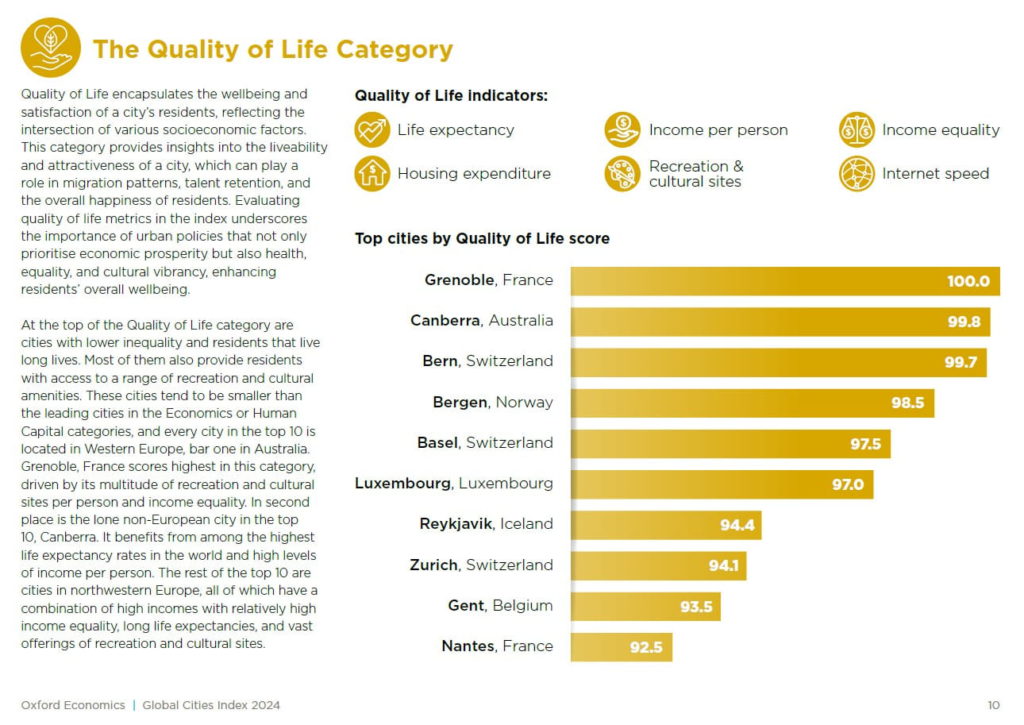
Australians urged to have more babies

0

Treasurer Jim Chalmers, discussing cost of living relief, housing ambitions and the Future Made in Australia on the Inside Politics podcast, has urged Australians to have more babies.

Image: Treasurer Jim Chalmers (Source: Website)

Chalmers stated in an interview with The Morning Edition podcast:

“It would be better if birth rates were higher. I think people are leaving it later. And sometimes that means you get timed out. But there are a whole range of reasons people’s preferences are changing. It’s expensive to raise kids.”

In anticipation of the forthcoming federal budget unveiling new strategies to address housing needs for Australia’s burgeoning population and projecting a decline in immigration, Chalmers has advocated for increased childbirth rates.

The federal government aims to offer support to individuals desiring to start families, although Chalmers has ruled out implementing a baby bonus akin to former Treasurer Peter Costello’s approach.

These remarks emerge as the government prepares to disclose budget projections indicating a significant decrease in net migration, heightening discussions about population growth strategies independent of migration reliance.

Drawing inspiration from Costello’s exhortation in the 2004 budget for Australians to “have one for mum, one for dad, and one for the country,” Chalmers expressed support for boosting childbirth rates.

Prime Minister Anthony Albanese; Image Source: Twiter @ALBO

Prime Minister Anthony Albanese has convened a national cabinet meeting scheduled for Friday, to delve into housing policy discussions via video conference ahead of the budget announcement, prompting speculation regarding potential new measures and funding agreements.

“I don’t want to pre-empt it, but I am prepared to say that we want to work with the states and territories to build more homes. You think about the pressures on rent, how hard it is for people to get into the housing market – we’ve got a responsibility here, and we will meet it.”

Australia’s population surged by 2.5% to 26.8 million over the past year, primarily fueled by increased immigration. However, natural population growth, calculated as births minus deaths, is declining. It presently stands 14% lower than in 2019, with the fertility rate plummeting nearly 20% since the 2008 global financial crisis.

A study published in The Lancet in March forecasts a further decline in Australia’s fertility rate—from approximately 1.63 to 1.45 by 2050 and to 1.32 by 2100—far below the replacement fertility rate of 2.1.

While acknowledging the erstwhile baby bonus under the Howard-Costello government, Chalmers emphasized the government’s focus on implementing more effective policies that afford individuals greater flexibility in family planning.

“All of these things are about trying to make it easier for people to have more kids if they want to, and to work more if they want to after they’ve had their kids. People have got different preferences and we want to make it easier for them to make choices in their own interests.”

Initiatives such as expanded childcare services and superannuation benefits for paid parental leave are geared towards supporting parents.

Chalmers, who is on track to deliver a second successive surplus, has already signalled there will be deficits from 2024-25. It is understood that next week’s budget is set to improve the economic forecast, forecasting a one percent growth in business investment for the upcoming financial year, following a substantial 5.25 percent increase in 2023-24. Projections indicate that by 2025-26, business investment could soar to $305.7 billion, indicating a positive trajectory for economic development.

Support Our Journalism

Global Indian Diaspora needs fair, non-hyphenated, and questioning journalism, packed with on-ground reporting. The Australia Today – with exceptional reporters, columnists, and editors – is doing just that. Sustaining this needs support from wonderful readers like you.

Whether you live in Australia, the United Kingdom, Canada, the United States of America, or India you can take a paid subscription by clicking Patreon Buy an annual ‘The Australia Today Membership’ to support independent journalism and get special benefits.

AFP Commissioner Reece Kershaw reappointed until 2026

0

In a move heralded as pivotal for Australia’s law enforcement landscape, AFP Commissioner Reece Kershaw has been reappointed until October 2026.

Commissioner Kershaw, who assumed office in October 2019, brings a wealth of experience, having previously served as the Northern Territory Police Commissioner and chief executive of Fire and Emergency Services.

Expressing gratitude towards the AFP workforce for their unwavering commitment to public safety, Commissioner Kershaw emphasized the evolving challenges posed by modern crime. He underscored the imperative for a technologically adept and agile workforce to combat increasingly complex transnational criminal activities.

“Crime has never been more complex and transnational. It requires a tech-savvy, agile and experienced workforce to help stay ahead of those criminals who wrongly believe they are untouchable. The dedicated women and men of the AFP are among the first lines of defence for Australia.”

During his tenure, Kershaw spearheaded innovative strategies to dismantle organized crime networks, including the establishment of specialized teams targeting global fugitives and high-value criminal entities. Notably, domestic drug seizures under his leadership have prevented over $45 billion in harm to the Australian public.

Child protection remains a cornerstone of Kershaw’s agenda, with initiatives such as the Australian Centre to Counter Child Exploitation (ACCCE) yielding significant results. Between 2019 and 2023, the AFP, in collaboration with international partners, apprehended 748 offenders and safeguarded 565 children from exploitation.

Image: Commissioner Kershaw (Source: AFP – Facebook)

In response to the escalating threat of cybercrime, Kershaw instituted Operation Dolos, which has since reimbursed $65 million to victims. Furthermore, the establishment of a dedicated Joint Policing Cybercrime Coordination Centre underscores the AFP’s commitment to combating cyber threats.

Under Kershaw’s stewardship, the AFP has strengthened its international presence and forged strategic partnerships across the Pacific, Southeast Asia, the Middle East, and Europe. This concerted effort aims to mitigate crime at its source while addressing geopolitical challenges.

Investments in workforce professionalization and gender balance, coupled with an 18% increase in personnel, signify Kershaw’s commitment to addressing burgeoning federal crime. Additionally, the appointment of a Deputy Commissioner for ACT Policing underscores the AFP’s commitment to local law enforcement.

Image: Operation Tyers (Source: AFP)

Reflecting on Operation Ironside’s third anniversary, Kershaw lauded its success in disrupting organized crime syndicates, leading to the apprehension of 392 alleged offenders and seizure of over 6.6 tonnes of illicit drugs. He commended the dedication of AFP personnel, particularly those stationed abroad, for their pivotal role in safeguarding Australia’s interests.

Looking ahead, Kershaw affirmed his dedication to upholding public safety and thwarting criminal enterprises. He assured the Australian community of ongoing vigilance and emphasized the AFP’s unwavering resolve in combating crime.

Commissioner Kershaw’s reappointment signals a continuity of effective leadership in Australia’s law enforcement landscape, underscoring the nation’s commitment to combating evolving threats and safeguarding its citizens.

Support Our Journalism

Global Indian Diaspora needs fair, non-hyphenated, and questioning journalism, packed with on-ground reporting. The Australia Today – with exceptional reporters, columnists, and editors – is doing just that. Sustaining this needs support from wonderful readers like you.

Whether you live in Australia, the United Kingdom, Canada, the United States of America, or India you can take a paid subscription by clicking Patreon Buy an annual ‘The Australia Today Membership’ to support independent journalism and get special benefits.

India’s leading Real Estate body to host annual conference in Australia

0


In a significant development, the Confederation of Real Estate Developers Association of India (CREDAI) has announced that its annual convention, NATCON2024, will be hosted in Australia in September 2024.

This decision comes after extensive deliberations, with Austrade South Asia – the Australian Trade and Investment Commission – actively advocating for Australia as the host country.

Philip Green OAM, Australia’s High Commissioner to India, said:

“We look forward to welcoming CREDAI National to Sydney & to offer whole of govt. support for the success of #NatCon2024. Austrade will support engagements b/w the best of developers & service providers to collaborate on #GreenEconomy & sustainable cities.”

The event is expected to draw over 1500 High Net Worth Individuals (HNIs) from India’s leading corporates, promising substantial economic and business benefits for Australia.

Irfan Razack, the past Chairman of CREDAI National, in a message extended a warm invitation to all members to register for NATCON 2024.

Austrade’s enthusiasm for the convention stems from its potential to foster collaboration between Indian and Australian stakeholders in driving initiatives toward a Green Economy and achieving NetZero targets.

By bringing together key players from both nations this event aims to facilitate discussions and partnerships on critical issues and innovations in urban development projects.

These discussions are anticipated to focus on reducing energy consumption and emissions, enhancing efficiency, and ensuring safety across major urban development endeavours in India.

The decision to hold NATCON2024 in Australia reflects a mutual commitment to strengthening bilateral ties between India and Australia, particularly in the realms of real estate development and sustainable urban planning.

Support Our Journalism

Global Indian Diaspora needs fair, non-hyphenated, and questioning journalism, packed with on-ground reporting. The Australia Today – with exceptional reporters, columnists, and editors – is doing just that. Sustaining this needs support from wonderful readers like you.

Whether you live in Australia, the United Kingdom, Canada, the United States of America, or India you can take a paid subscription by clicking Patreon Buy an annual ‘The Australia Today Membership’ to support independent journalism and get special benefits.

Nimay Kalyani director of University of Wollongong’s India campus

0

The University of Wollongong India (UOW India) has appointed Nimay Kalyani as the Director of its India Campus in GIFT City, announced on 9 May 2024.

On the appointment, Nimay said in a statement he is excited to take on the role of the Campus Director and the opportunities it will bring for Indian students.

“Growing up in the back allies of Ahmedabad in Gujarat, I guess I have always been a Gujarati and by virtue an Indian at heart. As a Campus Director, my role will be to provide strategic input and operational and financial leadership to ensure the successful delivery of the University’s educational objectives and that the highest quality student experience is achieved.”

Originally from Gujarat, India, Nimay is a global professional who settled in Australia in 2010 after diverse international experiences. He joined UOW as a Project Director – Commissioning (India), responsible for establishing the GIFT City campus, which includes collaborating with key stakeholders across UOW and UOW Global Enterprises (UOWGE).

Image: UOW Pro Vice-Chancellor (Global Strategy) Professor Tony Travaglione (Source: UoW)

UOW Pro Vice-Chancellor (Global Strategy) Professor Tony Travaglione congratulated Nimay on his appointment.

“We are delighted to welcome Nimay to this important role at UOW India. Our upcoming GIFT City campus will be a world-class facility and we are excited to see new developments taking shape under Nimay’s leadership.”

Professor Travaglione added:

“His extensive background and wealth of experience in academia, international relations and business development makes him the best fit to setup and manage a world-class campus in India.”

Prior to joining UOW, Nimay contributed to academia at The University of Newcastle, where he also played a key role in expanding the South Asia partnerships for the Faculty of Business and Law. His decade-long contribution to academia included research and teaching in Strategy, Change Management, Entrepreneurship, and Innovation Management.

Image: Nimay Kalyani has joined the #UOWIndia team in GIFT City as Project Director – Commissioning (India).

Nimay added that UoW is also partnering with large corporates such as IBM India to extend the relationship from UOW Dubai to UOW India.

“This will enable us to enrich our curriculum through industry engagement, bring in industry experts in classrooms and bring real life case studies and assignments to the courses. The entire workforce being hired at UOW India, and the support being received from UOW Australia, UOW Dubai and UOWGE is built on the objective of ensuring students receive a very high-quality educational experience with rewarding career outcomes.”

UoW is also in discussions with the local government organisations to place ourselves as their preferred and strategic education partners and widen our network of local organisations.

Nimay says:

“We aim to get support from this network with student placements, internships, capstone projects and importantly joint research and publications between our academics and these organisations.”

Nimay’s background uniquely blends business acumen, strategic vision, and academic expertise, demonstrating his commitment to education excellence. 

Support Our Journalism

Global Indian Diaspora needs fair, non-hyphenated, and questioning journalism, packed with on-ground reporting. The Australia Today – with exceptional reporters, columnists, and editors – is doing just that. Sustaining this needs support from wonderful readers like you.

Whether you live in Australia, the United Kingdom, Canada, the United States of America, or India you can take a paid subscription by clicking Patreon Buy an annual ‘The Australia Today Membership’ to support independent journalism and get special benefits.

British Prime Minister Rishi Sunak volunteers with Go Dharmic to support global compassion initiatives

0

British Prime Minister Rishi Sunak recently took part in volunteer activities with the international NGO Go Dharmic in London to boost community service.

During his visit, Sunak engaged hands-on in the preparation of Vegan Kichari, a nutritious and environmentally sustainable meal, which is part of Go Dharmic’s “Feed Everyone” initiative. This effort aims to distribute these wholesome meals across the globe to support those in need.

PM Sunak’s involvement included chopping vegetables and stirring large pots, working alongside other volunteers in the kitchen. His participation highlighted not only his commitment to social causes but also his personal connection to the principles of Dharma, a concept he has often referenced since his inauguration.

BRITISH PM RISHI SUNAK VOLUNTEERS WITH GO DHARMIC; Image Source: Supplied

At the event, several Go Dharmic trustees and lead volunteers from across the UK, including
Central London, Wembley, Luton, Harrow, Northampton, Leicester, Glasgow, and
Edinburgh, highlighted the organisation’s significant social impact, collectively serving over
50,000 meals a month to vulnerable individuals in their communities.

Sunak’s visit coincides with his previous recognition of Go Dharmic’s founders, Hanuman Dass and Sheena Randerwala, whom he honoured with the Points of Light award during Diwali in November 2023.

Reflecting on the Prime Minister’s visit, Hanuman Dass expressed deep gratitude for Sunak’s active participation and genuine interest in the NGO’s mission.

BRITISH PM RISHI SUNAK VOLUNTEERS WITH GO DHARMIC; Image Source: Supplied

Dass remarked,

“This profound act of kindness by the leader of the nation will inspire more seva (selfless service) and attract more volunteers for many years to come.”

Go Dharmic, known for its humanitarian and environmental efforts, has made a significant impact through its wide array of initiatives. The organisation serves over 50,000 meals monthly to vulnerable individuals across the UK and runs extensive campaigns in various global regions including India, Nepal, Morocco, Lebanon, Uganda, Nigeria, Cuba, and even war-torn areas like Ukraine.

BRITISH PM RISHI SUNAK VOLUNTEERS WITH GO DHARMIC; Image Source: Supplied

Go Dharmic continues to expand its reach and influence, advocating for peace and compassion through its campaigns in Environmental Action, Poverty Alleviation, Education, Plant-Based Diets, and Crisis Response. Established in 2011, the organisation now operates globally with offices in London, Glasgow, Ahmedabad, Kolkata, and Georgia, USA.

For more information about Go Dharmic and its initiatives, interested parties can visit their website at www.godharmic.com and explore detailed campaign information at www.godharmic.com/campaigns.

Support Our Journalism

Global Indian Diaspora needs fair, non-hyphenated, and questioning journalism, packed with on-ground reporting. The Australia Today – with exceptional reporters, columnists, and editors – is doing just that. Sustaining this needs support from wonderful readers like you.

Whether you live in Australia, the United Kingdom, Canada, the United States of America, or India you can take a paid subscription by clicking Patreon Buy an annual ‘The Australia Today Membership’ to support independent journalism and get special benefits

Tragic murder of Navjeet Sandhu in Melbourne sparks concerns about international students’ well-being

In a heartbreaking incident in Melbourne’s south-east suburb of Ormond, a dispute tragically cut short the life of 22-year-old Navjeet Singh Sandhu. The young international student was reportedly trying to intervene in a fight outside a residence on North Road on Saturday morning when he was fatally stabbed.

Emergency responders who arrived at the scene around 1 am discovered two men with stab wounds. While Sandhu succumbed to his injuries at the location, a 30-year-old man Sharvan Kumar was transported to the hospital with non-life-threatening injuries. The individuals involved in the altercation were known to each other, according to police reports.

Navjeet Singh Sandhu, hailing from a modest farming family in India, had come to Australia fuelled by dreams of a brighter future.

Gurmeet Singh, a close family friend and Sandhu’s room-mate, wrote on a GoFundMe page to support the family,

“Navjeet came to Australia on a student visa with hopes of securing a better future for his family back home,”

Singh described Sandhu as the only son of his parents and a loving brother to two sisters.

The GoFundMe initiative aims to raise funds to repatriate Sandhu’s remains to India and provide financial relief to his bereaved family. So far, it has gathered over $74,000 towards a $100,000 goal, reflecting a community deeply moved by the tragedy.

The case has taken a significant turn with the arrest of two brothers, Abhijeet Abhijeet and Robin Gartan, in regional New South Wales. The suspects, aged 26 and 27, are facing extradition to Victoria over their alleged involvement in the homicide.

Image: Brothers Abhijeet Abhijeet, 26, and Robin Gartan, 27, in relation to a fatal stabbing. Picture: Victoria Police
Image: Police arrested brothers Abhijeet Abhijeet, 26, and Robin Gartan, 27, for an alleged fatal stabbing. Picture: Victoria Police

Victoria Police homicide detectives have travelled to Goulburn where the arrests were made, and the brothers have faced court for an extradition hearing.

This incident highlights the vulnerabilities faced by international students and the broader implications for community safety and international relations. The loss of a young life aspiring for success leaves a void in the hearts of his family and community, turning a hopeful journey into a devastating story of loss and a call for justice.

Support Our Journalism

Global Indian Diaspora needs fair, non-hyphenated, and questioning journalism, packed with on-ground reporting. The Australia Today – with exceptional reporters, columnists, and editors – is doing just that. Sustaining this needs support from wonderful readers like you.

Whether you live in Australia, the United Kingdom, Canada, the United States of America, or India you can take a paid subscription by clicking Patreon Buy an annual ‘The Australia Today Membership’ to support independent journalism and get special benefits

Cumberland City Council banned same-sex parents’ books from its libraries, But since when did councils ban books?

0

By Sarah Mokrzycki

Western Sydney’s Cumberland city council has banned all books depicting same-sex parents in its eight public libraries, citing concerns over the “safety” of children.

The ban was passed (six votes for and five against, while four councillors were not present to vote) at a recent council meeting, and was spearheaded by councillor and former Cumberland mayor Steve Christou. According to the ABC, a process is underway to determine how many books will be banned.

As a queer woman and foster mother to 12 children over the past decade, as well as a researcher on the connection between representation in children’s books and child welfare, I was disheartened to learn Christou had argued books about same-sex parenting “sexualised” children.

Presenting the council with a copy of the children’s picture book Same-Sex Parents by Holly Duhig, Christou said: “Our kids shouldn’t be sexualised […] This community is a very religious community, a very family-orientated community […]”

Christou said toddlers shouldn’t be “exposed” to same-sex content. His argument epitomises a particular social fallacy that children need to be “taught” about same-sex parented families at a specific, appropriate age.

This speaks to the idea of same-sex relationships as being unnatural or strange, and therefore something that requires explanation and consent to discuss. Conversely, heteronormative relationships are seen as natural and appropriate, and therefore something children are exposed to from birth without explanation.

This status quo does serious damage to children with same-sex parents as well as those without. It questions and dismisses the legitimacy of same-sex parented families, greatly limiting the extent children can see their families represented (in picture books as well as other media) and sending a clear message that their families aren’t “normal”. This, in turn, sends an equally clear message to their peers regarding the validity of same-sex couples as parents.

‘Welcome, belong, succeed’

MP Lynda Voltz and NSW Arts Minister John Graham have expressed concerns over the ban. Voltz believes it may breach the state’s Anti-Discrimination Act. Graham has accused the council of censorship, stating:

It is up to readers to choose which book to take off the shelf. It should not be up to local councillors to make that choice for them or engage in censorship.

Cumberland mayor Lisa Lake and councillor Diane Colman have raised similar concerns. Lake is “appalled and saddened” the ban has passed, stating: “As long as parents are loving families, that’s what’s important.”

Colman told Guardian Australia the ban contradicts the Cumberland city council motto “welcome, belong, succeed”. She said, “Bans like this indicate some people believe that isn’t the case.”

Censorship in Australia

Australia has a long and complicated history with censorship and book banning. The Trade and Customs Act of 1901 controlled the importation of books for most of the 20th century (and banned plenty along the way, including The Catcher in the Rye).

The Australian Classification Board began in 1970. If school boards, community members, or even politicians raise concerns about books, the board – a statutory body – makes a decision about the book’s suitability to be publicly available. The review board consists of a convenor, a deputy convenor and board members, and operates on a “majority-based decision-making procedure”.

It famously struggled with classifying the young adult graphic novel Gender Queer: A memoir by Maia Kobabe, challenged in 2023 by conservative commentator Bernard Gaynor, and ultimately found “appropriate for its intended audience” after appeal.

The book Christou used in his argument, Same-Sex Parents by Holly Duhig, is what is known as an “issue-based book”, meaning it outlines information rather than presents a narrative. It is recommended for children aged 5-7, and talks directly to the reader, saying:

A small number of people might treat people from same-sex families unfairly. This is not OK. All loving families are good … Remember, as long as you are happy, it doesn’t matter what other people think.

The overall theme appears to be simple reaffirmations of belonging for children in same-sex parenting families.

The actions of Cumberland Council are unusual, to say the least. (Earlier this year, the same council passed a motion to ban drag queen “story time” events.)

But in America, such library bans are apparently escalating. The key difference is that American libraries are run by their own boards, which dictate library policy. There have been reports of libraries “stacking” boards with “conservative appointees” and closing board meetings to the public.

In the US, attempts to censor books at public libraries increased by 92% from 2022 to 2023, accounting for about 46% of all book challenges in the US in 2023. As TV host John Oliver revealed this week, library staff there have experienced “a huge increase in harassment, with some baselessly accused of paedophilia for allowing certain books to be checked out”.

What next?

It remains to be seen what the fate of this ban will be. Its implementation may impact Cumberland library’s government funding, and action is being taken by advocacy groups. Rainbow Families, an advocacy group for LGBTQ+ families in Australia, has reportedly spoken to the anti-discrimination board about getting the ban reversed.

Meanwhile, a Cumberland community member has started a petition calling on the council to “rescind the motion banning books about same-sex parents”. She will present it to the council at a meeting next Wednesday.

Ultimately, Cumberland’s ban is counter-intuitive. When children, and their families, are represented in books, it creates inclusivity rather than division, promoting a greater sense of community – and a better understanding of what makes a family.

Sarah Mokrzycki, Sessional Academic, children’s literature and creative writing, Victoria University

This article is republished from The Conversation under a Creative Commons license. Read the original article.

Support Our Journalism

Global Indian Diaspora needs fair, non-hyphenated, and questioning journalism, packed with on-ground reporting. The Australia Today – with exceptional reporters, columnists, and editors – is doing just that. Sustaining this needs support from wonderful readers like you.

Whether you live in Australia, the United Kingdom, Canada, the United States of America, or India you can take a paid subscription by clicking Patreon Buy an annual ‘The Australia Today Membership’ to support independent journalism and get special benefits

Australia announces 20% increase in financial requirements for international student visas

Starting May 10, 2024, Australia is increasing the financial capacity requirements for its Student and Student Guardian visa programs.

This update aligns the required financial proof with 75% of the national minimum wage, reflecting a more accurate cost of living for students during their stay in Australia.

The adjustment aims to ensure that students can maintain a minimum standard of living without breaching visa conditions through excessive work, thus reducing financial distress and vulnerability to exploitation.

Students are less likely to:

  • be in financial distress once in Australia
  • breach their visa conditions by working more hours than their visa conditions allow
  • be vulnerable to worker exploitation.

The new standards raise the necessary proof of funds significantly across all categories: from primary applicants and their spouses to dependent children and school costs.

For instance, primary applicants will now need to show AUD 29,710, up from AUD 24,505. This change will apply to all applications lodged after May 9, 2024, while earlier applications will adhere to the previous requirements.

The table below details the financial amounts required to meet the minimum financial capacity for visa applications, which will be updated effective 10 May 2024.

The move is expected to help students make better-informed decisions about their educational investments in Australia, safeguarding their experience and contributing to a more stable and compliant international student community.

Applicants are advised to refer to the official Subclass 500 Student visa and Subclass 590 Student Guardian visa guidelines for detailed visa requirements.

Support Our Journalism

Global Indian Diaspora needs fair, non-hyphenated, and questioning journalism, packed with on-ground reporting. The Australia Today – with exceptional reporters, columnists, and editors – is doing just that. Sustaining this needs support from wonderful readers like you.

Whether you live in Australia, the United Kingdom, Canada, the United States of America, or India you can take a paid subscription by clicking Patreon Buy an annual ‘The Australia Today Membership’ to support independent journalism and get special benefits

AFP helps ransomware extortion victims in global operation against LockBit

0

The AFP continues to investigate global criminal ransomware group LockBit after a Russian member of the group was today penalised for his involvement in extorting victims, including Australians.

The AFP acknowledges a decision by Australian, US and UK governments to impose financial sanctions and a travel ban on Dmitry Yuryevich Khoroshev for the senior position he held in LockBit.

This is the second use of Australia’s thematic autonomous cyber sanctions framework. In October last year, the Australian, US and UK governments sanctioned Russian man Alexander Ermakov for his role in the cyber attack on Medibank Private.

The sanction today imposed on Khoroshev builds on the recent disruptive action undertaken by international law enforcement under the coordinated, global, National Crime Agency-led Operation Cronos.

Operation Cronos is centred on targeting LockBit, which is known for its ransomware off-the-shelf products sold to cyber criminals.

The AFP’s domestic investigation, working alongside Operation Cronos, is Operation Orcus Junkers. It began in November 2021 and continues.

Operation Orcus Junkers sits within the standing Aquila Taskforce, which includes the AFP and the Australian Signals Directorate (ASD).

The AFP is working with state and territory police to work through the 119 reports of crime involving Australian businesses and individuals who were targeted by LockBit.

In many cases, Australian victims had their data exfiltrated, encrypted, or both, severely impacting business and individuals.

The AFP is working closely with Australian LockBit victims and is assisting overseas law enforcement to help continue building a global case against the ransomware group.

In conjunction with DFAT, domestic and international law enforcement and intelligence partners, the AFP led the development of the sanction Statement of Case, which was based on comprehensive local and international intelligence and law enforcement holdings.

AFP Cyber Command Acting Assistant Commissioner Chris Goldsmid said the AFP had worked with key partners to gather evidence and intelligence to identify LockBit offenders and their infrastructure.

“A decision to publicly name Khoroshev is supported by the AFP,’’ Acting Assistant Commissioner Goldsmid said.

“By taking away his anonymity, it has severely undermined Khoroshev’s credibility with cyber criminals and also signals any dealings they have with him could be subject to law enforcement action.

“Since 2019, LockBit has caused billions of dollars’ worth of harm across the globe, including millions of dollars lost by Australian individuals and businesses.

“In cooperation with international partners under Operation Cronos, the AFP has used information collected to trace the global LockBit network and build the global case against the ransomware criminal group.

“For months now, the AFP has been sharing information with Operation Cronos partners to dismantle LockBit, which is considered the world’s most prolific ransomware group.

“In Australia, we have a range of evidence and information to work through, including IP addresses, tools and software deployed on Australian-owned systems, plus the infrastructure and communication used by cyber criminals.

“In terms of the role and capability provided by the AFP, our investigators have helped attribute LockBit affiliates as well as other facilitators of cybercrime used by the group.

“This has been done through analysis of evidence and intelligence gathered during domestic investigative activity in partnership with domestic law enforcement as well as joint analysis of overseas partner information within Operation Cronos.

“This sanction is a result of a truly global effort and the strong and productive partnership between the AFP and ASD, plus the longstanding partnerships and joint operations with international partners under Operation Cronos.”

The investigation into LockBit continues. As there are still ongoing investigations in relation to this group, it would not be appropriate to go into further operational details at this time.

Operational Cronos in February disrupted LockBit’s critical infrastructure, including its primary platform and 34 servers across Australia, Netherlands, Germany, Finland, France, Switzerland, the United States and the United Kingdom.

After seizing control in February, the ransomware group’s leak site on the dark web was redesigned by law enforcement to host instead a series of articles exposing the different actions undertaken against LockBit.

It meant the world’s most prolific criminal ransomware group was seriously hindered by global law enforcement action.

It allowed law enforcement to post on LockBit’s dark web site that they had been severely compromised by law enforcement.

The group’s unlawful profits have been frozen by law enforcement, including more than 200 cryptocurrency accounts allegedly owned by ransomware group members.

In response to the growing cyber threat, the AFP and ASD established Operation Aquila in November 2022 to investigate, target and disrupt cybercriminal syndicates, with a priority on ransomware threat groups.

Under Operation Aquila, the AFP and ASD investigate the highest priority cyber criminals targeting Australia, including the LockBit and BlackCat ransomware groups.

Support Our Journalism

Global Indian Diaspora needs fair, non-hyphenated, and questioning journalism, packed with on-ground reporting. The Australia Today – with exceptional reporters, columnists, and editors – is doing just that. Sustaining this needs support from wonderful readers like you.

Whether you live in Australia, the United Kingdom, Canada, the United States of America, or India you can take a paid subscription by clicking Patreon Buy an annual ‘The Australia Today Membership’ to support independent journalism and get special benefits.

India makes Australian desi chickpeas tariffs free until March 2025

0

In a move set to bolster trade relations between the two countries, India has announced the removal of tariffs on Australian desi chickpeas until March 2025.

This decision brings promising prospects for Australian growers while showcasing the positive collaboration between the two nations, supported by initiatives from the Australian Government.

Philip Green OAM, the Australian High Commissioner to India, said:

“Australia welcomes India’s removal of chickpea tariffs through to 31 March 2025 and our farmers stand ready to support India’s needs.”

In 2023, a trade delegation from Australia, led by Minister Murray Watt, Grain Growers’ CEO Shona Gawel, alongside Grains Australia Pulse Council Chair Peter Wilson, and Grain Trade Australia CEO Pat O’Shannassy, embarked on a visit to India.

The objective of this delegation was to engage with Indian importers and decision-makers, advocating for Australia as a reliable and trusted trading partner.

The elimination of tariffs not only benefits Australian farmers but also signifies a win-win situation for both countries, fostering a conducive environment for trade in the agricultural sector.

Grains Australia, an industry body, anticipates that the combination of higher prices and growing demand from India will incentivize farmers to increase chickpea planting in the upcoming months.

Prime Minister Anthony Albanese and Indian Prime Minister Narendra Modi; Image Source: PIB

Currently, India is the world’s biggest chickpea consumer and Australia is the largest exporter of chickpeas. Australian desi chickpea prices rose from around A$810 ($535) a ton in February to more than A$900 last week in anticipation of the tariff decision.

According to the agriculture ministry’s forecast in March, chickpea harvest for the 2024/25 season is expected to reach 732,000 tons, marking a significant increase from 531,000 tons in 2023/24 and the highest yield since 2021/22.

In 2017, India initiated a 33% tariff on desi chickpeas to bolster domestic farming, later escalating it to 66%. Consequently, approximately 60% of Australia’s chickpea exports were directed to India, accounting for up to 90% of India’s chickpea imports, before the tariffs nearly halted the trade.

This development underscores the importance of proactive engagement and sustained efforts in key markets, highlighting the significance of respectful and continuous interaction for mutually beneficial outcomes.

Support Our Journalism

Global Indian Diaspora needs fair, non-hyphenated, and questioning journalism, packed with on-ground reporting. The Australia Today – with exceptional reporters, columnists, and editors – is doing just that. Sustaining this needs support from wonderful readers like you.

Whether you live in Australia, the United Kingdom, Canada, the United States of America, or India you can take a paid subscription by clicking Patreon Buy an annual ‘The Australia Today Membership’ to support independent journalism and get special benefits.

$5000 incentive for vacant property homeowners to tackle rental shortage

0

In response to a concerning shortage of vacant rentals in Western Australia, the state government has implemented a novel approach to address the housing crisis.

With an unusually low number of available rental properties, many West Australians are struggling to secure housing.

Image: Western Australia Premier Roger Cook (Source: X)

Western Australia Premier Roger Cook has announced a unique initiative:

“So we’re doing something a bit different. We’re offering $5,000 incentives to private owners of vacant properties to put their empty home on the long-term rental market.”

To combat the rental housing crisis, the WA government has announced a new initiative offering $5,000 incentives to private owners of vacant properties.

The aim is to encourage these property owners to put their empty homes on the long-term rental market, thereby increasing the availability of housing options for those in need.

Under the program, eligible property owners can receive payments for each vacant property they agree to rent out on a long-term basis. To qualify, owners must commit to providing a minimum 12-month lease agreement to new long-term tenants.

This initiative targets underutilized properties that have remained vacant for extended periods, despite the growing demand for housing in the region.

By incentivizing property owners to make their homes available for long-term rental, the Cook government hopes to provide stable housing solutions for Western Australians who require them the most.

Support Our Journalism

Global Indian Diaspora needs fair, non-hyphenated, and questioning journalism, packed with on-ground reporting. The Australia Today – with exceptional reporters, columnists, and editors – is doing just that. Sustaining this needs support from wonderful readers like you.

Whether you live in Australia, the United Kingdom, Canada, the United States of America, or India you can take a paid subscription by clicking Patreon Buy an annual ‘The Australia Today Membership’ to support independent journalism and get special benefits.

RBA keeps interest rate on hold amid persistent inflation and cost of living concerns

0

The Reserve Bank of Australia (RBA) has decided to maintain the cash rate at 4.35% and the interest rate on Exchange Settlement balances at 4.25%, citing ongoing high inflation and slower-than-expected economic adjustments.

Despite recent data showing some moderation, inflation remains stubbornly high, influenced by persistent services inflation and strong domestic cost pressures.

The RBA expressed concerns over excess demand in the economy, particularly from labor and non-labor costs, indicating that wage growth, although peaking, remains unsustainably high against productivity trends.

This economic scenario has kept household consumption growth weak, impacted by earlier interest rate hikes and inflation’s erosion of real disposable income.

Looking forward, the RBA forecasts that inflation will return to its target range of 2-3% only by the second half of 2025, with a midpoint reach expected in 2026. Challenges such as services inflation, labor market tightness, and the effects of monetary policy contribute to a complex and uncertain economic outlook.

The RBA emphasises that its priority remains to steer inflation back to target while keeping an eye on global economic developments and domestic demand trends.

In their statement, RBA officials reaffirmed their commitment to monitoring economic indicators closely and adjusting policies as needed to ensure inflation targets are met, reflecting ongoing vigilance against potential risks.

Support Our Journalism

Global Indian Diaspora needs fair, non-hyphenated, and questioning journalism, packed with on-ground reporting. The Australia Today – with exceptional reporters, columnists, and editors – is doing just that. Sustaining this needs support from wonderful readers like you.

Whether you live in Australia, the United Kingdom, Canada, the United States of America, or India you can take a paid subscription by clicking Patreon Buy an annual ‘The Australia Today Membership’ to support independent journalism and get special benefits.

Israel expels Al Jazeera, marks a new phase in its media policy

0

Israeli authorities took swift action and have shut down the local offices of Al Jazeera thus ceasing the satellite news network’s operations within the country.

Israel has joined Saudi Arabia, Jordan, the United Arab Emirates, Bahrain, and Egypt who have allegedly accused Al Jazeera of inciting violence in their countries.

During the American occupation of Iraq following the 2003 invasion that removed Saddam Hussein from power, the U.S. government specifically targeted the broadcaster for airing videos featuring the late al-Qaida leader Osama bin Laden.

Israeli officials defended the decision, citing Al Jazeera as a threat to national security. “The incitement channel Al Jazeera will be closed in Israel,” declared the country’s prime minister Benjamin Netanyahu on social media following a unanimous cabinet vote.

A government statement outlined immediate actions to be taken, including the closure of Al Jazeera’s offices, confiscation of broadcast equipment, disconnection from cable and satellite providers, and blocking of its websites.

The Al Jazeera network, funded by Islamist State of Qatar, has been openly pro-Hmaas and critical of Israel’s military operations in Gaza.

Earlier, the IDF has revealed a trove of images and documents it said prove that Al Jazeera reporters were also working for Hamas and endangered Israeli lives.

Al Jazeera condemned the earlier accusations against its journalists and in present response has dismissed allegations of endangering Israeli security.

“Al Jazeera Media Network strongly condemns and denounces this criminal act that violates human rights and the basic right to access information,” stated the company in a released statement.

Al Jazeera has previously accused Israeli authorities of targeting its journalists, some of whom were killed during the Gaza conflict. Israel denies these allegations, stating it does not target journalists.

State of Qatar established Al Jazeera in 1996 with the aim of expanding influence across the Middle East and beyond. Al Jazeera’s Arabic-language service is well-known to disseminate propaganda statements from Hamas and other Islamist militant groups, drawing condemnation from Israeli officials.

Israel’s parliament passed a law in the preceding month allowing for the temporary closure of foreign broadcasters deemed a threat to national security.

With this, Al Jazeera’s offices in Israel for 45 days, a period that can be renewed, so it could stay in force until the end of July or until the end of major military operations in Gaza.

Support Our Journalism

Global Indian Diaspora needs fair, non-hyphenated, and questioning journalism, packed with on-ground reporting. The Australia Today – with exceptional reporters, columnists, and editors – is doing just that. Sustaining this needs support from wonderful readers like you.

Whether you live in Australia, the United Kingdom, Canada, the United States of America, or India you can take a paid subscription by clicking Patreon Buy an annual ‘The Australia Today Membership’ to support independent journalism and get special benefits.

Tech-based sexual harassment at work is common, male-dominated and often intended to cause harm

0

By Asher Flynn, Anastasia Powell, and Lisa J. Wheildon

Sexual harassment is often considered to be a person-to-person act, but new research shows Australians are also experiencing and perpetrating workplace harassment in large numbers through technology.

Our latest study shows one in seven Australian adults surveyed reported having engaged in workplace tech-based sexual harassment. One in eight reported having engaged in both tech-based and in-person sexual harassment at work.

The research, launched today by ANROWS, is the first national study to investigate the perpetration of workplace tech-based sexual harassment. We found hostile motivations underpinning the behaviour, including wanting to frighten and humiliate victims.

Tech-based workplace harassment is common

We conducted a national perpetration survey with 3,345 Australian adults (18-65 years) who had participated in paid or voluntary work in the last 15 years. We also interviewed 20 industry stakeholders, including employer representatives, technology providers, regulators and workplace and online safety experts; and ran focus groups with 28 young adults (18-39 years).

The most common types of tech-based sexual harassment at work reported were:

  • sending someone sexually suggestive or explicit comments via technologies (such as emails, SMS messages or social media)
  • repeatedly inviting someone to go out on dates via technology
  • making sexually explicit phone calls.

When engaging in these behaviours, perpetrators used their work email (31%), personal phone or mobile (29%), personal email (26%), and work phone or mobile (25%). The majority of perpetrators said that their behaviour was a “one-off” incident (60%).

However, one in three acknowledged that they had engaged in tech-based sexual harassment towards a colleague on more than one occasion.

The findings align with other research on workplace harassment. According to 2022 figures from the Australian Human Rights Commission, one in three Australians have experienced workplace sexual harassment in the past five years. The same study found women (41%) are more likely to report experiencing workplace sexual harassment than men (26%).

To date, workplace sexual harassment has centred primarily around in-person or face-to-face forms of unwelcome and/or threatening sexual conduct. But as our reliance on technology in workplaces has increased, so too have tech-based forms of workplace sexual harassment. That is, sexual harassment that is perpetrated using mobile, online and other digital technologies in a workplace context.

What is workplace tech-based sexual harassment?

Workplace tech-based sexual harassment can include a wide range of behaviours within and beyond the physical location of the workplace. It can take place during or after working hours.

It can include:

  • unwelcome sexual advances, comments and jokes
  • sexual requests
  • relational pursuit (including monitoring or stalking behaviours)
  • sexually explicit and abusive communications
  • threats of physical violence such as rape
  • the non-consensual taking, sharing or threat to share nude or sexual images (also known as image-based abuse).

Harassment can be instigated by co-workers, contractors, suppliers, customers, clients, and members of the community. It can include, for example, sharing sexually suggestive or explicit comments or images about a public or high-profile figure, such as a journalist or politician, due to their work.

Is gender an issue?

Clear gendered patterns emerged in the study. These included that men (24%) were significantly more likely than women (7%) to report engaging in tech-based sexual harassment at work. Men (10%) were more likely than women (3%) to report engaging in both tech-based and in-person workplace sexual harassment. It also most commonly occurred when the gender composition of the workplace was male-dominated (45%) or had roughly equal numbers of men and women (38%), as opposed to the workplace composition being female-dominated (16%).

There were also gendered differences in perceptions of how the behaviour would be viewed and experienced by the victim. Overall, men were significantly more likely than women to minimise a victim’s perceptions of the act, for example, by thinking the person would be flattered or okay with it. Men were also more likely to hold negative feelings towards the victim, such as wanting to humiliate or frighten them.

Why do people sexually harass in the workplace?

One of the key findings to emerge from the study was the high rates of hostile motivations underpinning the behaviour. More than one in four of those who had engaged in tech-based sexual harassment at work said they did so to: “frighten” (30%), “humiliate” (30%), “express their anger towards” (30%), “hurt the feelings of” (30%) or “annoy” (31%) the victim.

The high level of hostile motivations challenges some of the common myths around sexually harassing behaviour. For example, it is often thought that someone engages in sexual harassment because they want to have a sexual or personal relationship with the person. Instead, our findings highlight how these behaviours form part of a pattern of sexual violence designed to humiliate, degrade and cause harm to the victim. https://www.youtube.com/embed/3hjWosUyfm0?wmode=transparent&start=0

We also found similar patterns in the indicators of perpetration. Those respondents with a high endorsement of sexist and gender-discriminatory attitudes, such as “women often flirt with men just to be hurtful” and “in the workplace, men generally make more capable bosses than women”, were over 15 times more likely to report perpetrating tech-based sexual harassment at work than those with low endorsement of these attitudes.

Similarly, respondents with a high endorsement of sexual harassment myths, such as believing “women enjoy being hit on at work” or that “stopping sexual harassment at work is as simple as telling your colleague you’re not interested”, were almost five times more likely to report engaging in tech-based sexual harassment at work than those with low endorsement of these myths.

This suggests that there are cultural and social norm challenges to be addressed by governments and workplaces in preventing sexual harassment of this kind.

Of further concern, less than half (39%) of those who disclosed engaging in tech-based sexual harassment at work said that a formal report or complaint had been made against them for their behaviour. This finding suggests there is a significant problem with workplace cultures and highlights potential gaps in appropriate internal and external responses.

Where to from here?

Employers, technology providers, and government policy and legislation must take a combination of actions to address tech-based sexual harassment at work. These include

  • clarity in workplace policies
  • greater awareness of the changing nature of workplace sexual harassment (including the use of technologies)
  • improved reporting options for victims and bystanders in the workplace
  • proportional and consistent responses to those who use tech-based sexual harassment at work
  • proactive steps to improve workplace cultures that promote equality and respect.

There are a range of challenges, particularly given how significantly workplace communication has changed in recent years. At the same time, industry (employer, technology platforms and government) responses have yet to keep pace.

However, new laws introduced in 2022 require employers to take proactive steps to eliminate sexual harassment. In addition, the Australian Human Rights Commission has new powers to investigate and enforce compliance.

These changes may provide the opportunity for new actions and responses to address and prevent tech-based sexual harassment in the workplace.

Asher Flynn, Associate Professor of Criminology, Monash University; Anastasia Powell, Professor, Family and Sexual Violence, RMIT University, and Lisa J. Wheildon, Research Project Officer, Monash University

This article is republished from The Conversation under a Creative Commons license. Read the original article.

Support Our Journalism

Global Indian Diaspora needs fair, non-hyphenated, and questioning journalism, packed with on-ground reporting. The Australia Today – with exceptional reporters, columnists, and editors – is doing just that. Sustaining this needs support from wonderful readers like you.

Whether you live in Australia, the United Kingdom, Canada, the United States of America, or India you can take a paid subscription by clicking Patreon Buy an annual ‘The Australia Today Membership’ to support independent journalism and get special benefits.

Rising imports of potent drug ‘Nitazene’ raise concerns in Australia

0

The Australian Federal Police (AFP) and Australian Border Force (ABF) have jointly issued a public warning amid growing concerns over the influx of a dangerous illicit drug, nitazene, into the country. Following a significant rise in attempted imports of nitazene, authorities fear that this potent substance could soon flood Australian streets, posing serious health risks to the public.

Nitazene, an illicit synthetic opioid, has been identified in numerous air and mail cargo detections at the Australian border over the past year, considered to be as potent as, if not more potent than fentanyl, this drug has raised alarm bells among law enforcement agencies.

Image: Forensics team at a Western Sydney (Source: AFP)

In October 2023 alone, ABF officers intercepted 22 suspected nitazene imports concealed within postal packages originating from the United Kingdom (UK). These detections led to the seizure of a total of 742 tablets confirmed to contain metonitazene, a variant of nitazene. This surge in detections marks a concerning trend, as prior to this, only two instances of the synthetic opioid had been identified by ABF.

In one case, a Northern Territory man was charged for allegedly importing 5 grams of metonitazene through mail cargo from the UK. The AFP initiated the investigation after receiving a referral from the Commonwealth Agencies Operation Centre (CAOC) regarding a suspicious postal package destined for the Northern Territory.

Image: Forensics team at a Western Sydney (Source: AFP)

Another incident involved the arrest of a Western Sydney man in August 2023, who allegedly attempted to import a variety of illicit drugs, including 97 tablets of a nitazene analogue, for online sale. These drugs, believed to have been sold on the dark web, were cleverly concealed within everyday items such as cookware and toy cars.

AFP Commander Paula Hudson emphasised the increasing trend of nitazene importation and the ongoing efforts to disrupt the illicit drug supply chain.

Hudson stated, “Nitazenes were never approved for any therapeutic purpose due to their adverse effects and high risk of overdose. If you choose to take this drug, the risk you are taking is your own life.”

Nitazenes, available in various forms including powders, tablets, nasal sprays, and vape liquids, are often disguised as other substances such as cocaine, heroin, MDMA, or counterfeit pharmaceuticals. The potency of nitazene poses a grave risk of overdose or death, either independently or when combined with other illicit drugs.

ABF Acting Commander Trade East Asha Patwardhan echoed these concerns, emphasising the ABF’s commitment to preventing illegal imports of nitazene. Patwardhan stated, “The ABF will stop at nothing to prevent such illegal imports from making it to Australia,” highlighting the agency’s dedication to protecting the Australian community from the harm posed by these dangerous substances.

As authorities intensify efforts to combat the influx of nitazene into Australia, the public is urged to remain vigilant and report any suspicious activities related to drug trafficking. With collaboration between law enforcement agencies and community awareness, steps can be taken to mitigate the risks associated with this potent and potentially lethal drug.

The following services provide people with access to support and information.

Support Our Journalism

Global Indian Diaspora needs fair, non-hyphenated, and questioning journalism, packed with on-ground reporting. The Australia Today – with exceptional reporters, columnists, and editors – is doing just that. Sustaining this needs support from wonderful readers like you.

Whether you live in Australia, the United Kingdom, Canada, the United States of America, or India you can take a paid subscription by clicking Patreon Buy an annual ‘The Australia Today Membership’ to support independent journalism and get special benefits.

Abhijeet and Robin Gartan wanted in connection with fatal stabbing at Melbourne house party

0

In the aftermath of a tragic incident at a house party in Melbourne’s southeastern suburb of Ormond, Victoria Police are intensifying their search for two brothers allegedly involved in a fatal stabbing.

The altercation, which erupted in the early hours of Sunday morning, resulted in the death of a 30-year-old man and left another, aged 22, critically injured.

Emergency services swiftly descended upon North Rd at Ormond following distress calls around 1 am on Sunday. Upon arrival, they discovered the lifeless body of one victim and attended to the other victim’s critical injuries.

The focus of the investigation has now shifted to locating Abhijeet Abhijeet, 26, and Robin Gartan, 27, both of Indian descent and described as having a solid build with black hair. Victoria Police have released their identities to the public, urging anyone with information on their whereabouts to come forward.

Image: Police are searching for two brothers Abhijeet Abhijeet, 26, and Robin Gartan, 27, in relation to a fatal stabbing. Picture: Victoria Police

According to Detective Inspector Dean Thomas from the Homicide Squad, the altercation transpired during a gathering where alcohol was being consumed. He characterized the incident as a “violent crime,” expressing concern over the use of knives.

Inspector Thomas cautioned against direct contact with the suspects, emphasizing the importance of immediate communication with law enforcement if sighted. The brothers, believed to be residents of the North Rd address, were reportedly involved in prior altercations throughout the night, culminating in the fatal stabbing.

Image: The brothers are believed to be travelling in a stolen car. Picture: Victoria Police

The suspects fled the scene in a stolen 2014 white Toyota Camry sedan with registration 1ZO 2QW, last spotted in the Ormond area shortly after the attack.

It is reported that one brother holds a student visa and the other is on a bridging visa. With this concerns about their potential flight risk have heightened, especially as their family is believed to reside in India.

While the exact motive behind the dispute remains under investigation, police have disclosed that the victims were acquainted with the suspects. Efforts to establish a clearer understanding of the events leading up to the altercation are ongoing.

Authorities have released images of the wanted brothers and the vehicle they are believed to be traveling in, urging the public’s cooperation in apprehending them. Anyone with pertinent information regarding the current whereabouts of Abhijeet and Robin Gartan is urged to contact law enforcement immediately.

Support Our Journalism

Global Indian Diaspora needs fair, non-hyphenated, and questioning journalism, packed with on-ground reporting. The Australia Today – with exceptional reporters, columnists, and editors – is doing just that. Sustaining this needs support from wonderful readers like you.

Whether you live in Australia, the United Kingdom, Canada, the United States of America, or India you can take a paid subscription by clicking Patreon Buy an annual ‘The Australia Today Membership’ to support independent journalism and get special benefits.

Fabricated claims by Indian intellectuals cast a shadow over its scientific achievements

0

With an election underway in India, it was not surprising to see an eminent historian and a Leftist political scientist, the eco-chamber intellectuals, cook up opinion pieces on India. However, the choice of their topic – the future of Indian science – was a bit off! While Ramchandra Guha argued how Narendra Modi has undermined the practice of science in India, Yamini Aiyar advised from her ivory tower that encouraging research and critical thinking should be a priority for the new government.

This bogus propaganda stems from the declaration and resolution of the All India People’s Science Network of the All India People’s Science Network in Kolkata, West Bengal. Signed by 109 esteemed scientists and intellectuals, the declaration highlights the alarming rise of socio-political movements in India that undermine scientific integrity and the collective pursuit of universal knowledge grounded in widely accepted methods and principles. Funnily, the signatories of this declaration hide their designation and association!

Building on this declaration and using “two distinguished academics, directors of top-ranked centres of scientific research,” Guha paints a rosy picture of India under Congress. He says that in 2009, there was a noticeable shift in the flow of scientific talent, with more researchers educated abroad returning to India for work, attracted by improving research opportunities and social conditions. Further, many eminent scholars returned to India because of increased investment in research and the freedom to pursue research by the Congress government.

However, no surprises here for readers who are now familiar with Guha’s writings, the situation has deteriorated since 2014 under the leadership of Prime Minister Narendra Modi, who shows little interest in promoting scientific research and has allowed ideological interference in academic institutions. This politicisation threatens the integrity of scientific research in India and undermines the morale of scientists. Guha goes ahead and even draws parallels with how political ideologies hampered science in Nazi Germany and Soviet Russia, warning of similar consequences in India. For Guha, therefore, the subordination of science to political and religious interests, Hindutva obviously, raises concerns about the future of scientific progress and the retention of talented researchers in India.

For Aiyar, you guessed it right, India’s academic freedom has steadily declined over the past decade, as evidenced by its low ranking in the 2024 Academic Freedom Index produced by V-Dem. Aiyar doesn’t talk about science but is kind enough to expand our knowledge regarding growing restrictions on international funding by tightening regulations under the Foreign Contribution (Regulation) Act (FCRA), difficulties in obtaining visas for foreign researchers, and withholding of crucial government data impeding objective analysis in fields like development and social policy.

Her solution to combat draconian regulations undermining (political) scientific freedoms is for researchers to defend academic freedom publicly and engage with philanthropists and civil society to preserve civil discourse.

In the realm of advancing productivity and sustaining economic growth, India, akin to Australia, heavily relies on science and innovation. Contrary to the expectations of both Guha and Aiyar, India stands amongst the leading nations in basic research and is emerging as a pivotal global centre for research and development (R&D).

Perhaps these two distinguished scholars are unaware of India’s remarkable transformation into a global research and development powerhouse, particularly in advanced sectors such as network equipment, medical technology, aerospace, automotive, biotechnology, and computation.

Last year, the Indian Parliament passed the Anusandhan National Research Foundation Bill, laying the groundwork for establishing a key apex body aimed at guiding scientific research in line with the National Education Policy (NEP). The budget announcement in February 2024, introducing a scheme to bolster scientific research, has garnered praise from India’s scientific community, igniting hope for increased investment in applied science over the next five years. Many scientists in India are hopeful that the next five years too would bring greater spending on applied science.

They believe Indian PM Modi’s slogan ‘Jai Jawan Jai Kisan Jai Vigyan and Jai Anusandhan’ has effectively showcased his ambitious vision for revolutionising the Indian economy through self-reliant scientific initiatives. These initiatives and collaborations aspire to establish India as the premier destination for future pioneering technological innovations.

Currently, India stands as the third-largest destination for imported research and development and boasts the sixth-largest research and development expenditure globally, surpassing nations like France and the United Kingdom.

Furthermore, with close to 800 multinational corporations establishing research and development centres in India and over 127,000 startups recognised by the Department for Promotion of Industry and Internal Trade (DPIIT) as of April 2024, India’s innovation ecosystem presents a significant opportunity for global players.

The number of patents granted in India has surged eightfold from 5978 in 2014-15 to 47735 in 2023. It also holds the third position among the most appealing investment destinations for technology transactions globally. Additionally, India has climbed to the third spot in terms of publications in SCI journals, up from sixth place in 2013. Furthermore, India ranks third in the number of PhDs awarded in Science and Engineering, with nearly 25,000 recipients, following the USA and China.

Despite India’s public spending on research remaining relatively stagnant at around 0.8% of GDP for over a decade, the country has made significant strides. From ranking 81st in the Global Innovation Index in 2015, India proudly holds the 40th position out of 132 economies in 2023. This progress is primarily fuelled by increased investment from both government and private institutions, leading to enhancements in data capture and utilisation.

In 2023, following the successful landing of Chandrayaan 3 on the Moon, Prime Minister Modi convened with scientists from the Indian Space Research Organisation (ISRO) at ISRO’s Telemetry Tracking & Command Network Mission Control Complex in Bengaluru to extend his personal congratulations. During the meeting, he specifically lauded the significant contributions of women scientists who played pivotal roles in the Moon mission. Additionally, Prime Minister Modi announced that the site where Chandrayaan-3’s Lander Vikram touched down will be named ‘Shivshakti’.

Dr Om Dwivedi, writing on the rise of scientific temper in India, observes that when one scrutinises the relevance of initiatives like “Make in India” (2014) and “Aatmanirbhar Bharat” (2020), it becomes apparent that ISRO has spearheaded a surge in launches under the Modi administration, surpassing the achievements of all preceding governments. Since 2014, ISRO has executed 47 launches, each accomplished at a notably reduced cost compared to launches conducted by other nations.

Further, the India Semiconductor Mission (ISM) aims to establish a flourishing semiconductor ecosystem, positioning India as a global hub for electronics manufacturing and design. Confident, with space tech, semiconductors and 5G, India is also launching an AI Mission to bolster startups and innovators with increased computing power, enabling them to address challenges in crucial sectors such as healthcare, agriculture, and education.

In fact, the Australian government is hopeful that it stands poised to gain immensely by aligning its interests with India’s scientific prowess. Combining Australia’s strong research and development infrastructure with India’s vast scale and proven history of frugal innovation could yield substantial dividends. Such collaboration not only fosters deeper engagement across diverse sectors of the economy but also drives mutual growth and advancement.

For Guha, it may come as a surprise that it’s not the political party or dynasts or foreign-returned entitled eminent directors but rather the ingenuity of Indian people and the robust research ecosystem that has been created in the last decade under PM Modi that attracts multinational corporations. Factors such as ease of access to technical talent, competitive wages, innovative solutions, and proximity to Asian markets make India an attractive destination for foreign players and the diaspora alike.

Similarly, for Aiyar, the realisation may dawn that it’s not any policy research centre but rather NITI Aayog that spearheads the drive to harness science and technology for building a robust innovation sector. Through initiatives like incubation facilities and quality higher education, NITI Aayog is committed to nurturing India’s innovation landscape.

India, once reliant on foreign technology for its space and innovation programs, is now emerging as a self-reliant nation in all scientific domains. However, India, just like Sudama, the childhood friend of Lord Krishna, is not selfish and generously shares its research and innovation with the world. Recognising that other nations also encounter common challenges in enhancing productivity, sustainability, energy efficiency, and public health, India understands the importance of leveraging each other’s expertise. It is through this collaborative effort that new innovations and applications can be developed to address global needs effectively.

Support Our Journalism

Global Indian Diaspora needs fair, non-hyphenated, and questioning journalism, packed with on-ground reporting. The Australia Today – with exceptional reporters, columnists, and editors – is doing just that. Sustaining this needs support from wonderful readers like you.

Whether you live in Australia, the United Kingdom, Canada, the United States of America, or India you can take a paid subscription by clicking Patreon Buy an annual ‘The Australia Today Membership’ to support independent journalism and get special benefits.

PRAC Payment support announced for student Nurses, Teachers, and Social Workers, but funding not available until July next year

0

The Albanese Government has announced the introduction of the Commonwealth Prac Payment, a new financial support initiative for students in Australia.

Starting July 1, 2025, this payment aims to assist students who are required to complete mandatory workplace placements as part of their university or vocational education in fields such as teaching, nursing, midwifery, and social work.

Prime Minister Anthony Albanese emphasised the government’s commitment to supporting students entering critical care fields, stating, “We’re proud to be backing the hard work and aspiration of Australians looking to better themselves by studying at university.

“We’re funding support for placements so our future nurses, teachers, and social workers can gain the experience they need.”

“And we’re expanding access to university in our regions and suburbs to make sure no Australian is left behind,”

PM Albanese added.
Image: PM Anthony Albanese (Source: X @AlboMP)

Approximately 68,000 higher education students and over 5,000 vocational education and training (VET) students will benefit annually from the Prac Payment, which offers $319.50 per week during their placement periods. This rate is aligned with the single Austudy weekly rate and is designed to alleviate cost-of-living pressures for students.

The payment will be means-tested and is in addition to any other income support students may receive.

Education Minister Jason Clare highlighted the practical benefits of the initiative, noting, “Some students say prac means they have to give up their part-time job, and that they don’t have the money to pay the bills.”

Australia's Minister for Education Jason Clare (Source: Twitter)
Australia’s Minister for Education Jason Clare (Source: Twitter)

“Placement poverty is a real thing… This will give people who have signed up to do some of the most important jobs in this country a bit of extra help to get the qualifications they need.”

The Prac Payment also aligns with the government’s gender equality strategy, particularly supporting the predominantly female workforce in the care and teaching sectors.

With the majority of students and workers in these critical care fields being women, the payment also helps implement the Government’s gender equality strategy, Working for Women. The payment will also help support the pipeline of social workers available to support those affected by family, domestic and sexual violence.

Skills and Training Minister Brendan O’Connor discussed the additional benefits, “This Prac payment is in addition to the Government’s investment in Fee-Free TAFE which is supporting thousands to gain Division 2 nursing qualifications and helping to address skills shortages in aged and health care. 

“This is an additional payment to support nursing TAFE students who have extra costs such as uniforms, travel, temporary accommodation or child care, during mandatory clinical placements.

This policy is part of broader reforms under the Albanese Government, responding to the Universities Accord and enhancing the HELP system to make higher education more accessible and equitable across Australia.

Support Our Journalism

Global Indian Diaspora needs fair, non-hyphenated, and questioning journalism, packed with on-ground reporting. The Australia Today – with exceptional reporters, columnists, and editors – is doing just that. Sustaining this needs support from wonderful readers like you.

Whether you live in Australia, the United Kingdom, Canada, the United States of America, or India you can take a paid subscription by clicking Patreon Buy an annual ‘The Australia Today Membership’ to support independent journalism and get special benefits

Radicalised teenager armed with a knife shot dead in Perth

0

A 16-year-old armed with knife has been shot dead Perth by Western Australia Police officers.

WA Police was called to Willetton in Perth’s south on Saturday night, just after 10pm, with reports a man had been stabbed in the car park of a Bunnings hardware store.

Prime Minister Anthony Albanese extended his thoughts to the people impacted by the incident in Willetton.

“I have spoken with WA Premier Roger Cook this morning, and I thank the WA Police for acting swiftly to contain the incident. I have also received a briefing on the situation by the ASIO Director-General and the AFP Commissioner, and I’m advised there is no ongoing threat to the community on the information available.”

WA Police Commissioner Col Blanch told media that officers were confronted with a 16-year-old boy wielding a large kitchen knife when they arrived on the scene.

A man aged in his 30s was stabbed in the back and is in hospital in a serious but stable condition.

Commissioner Blanch added that the teen rushed at an officer holding a Taser, prompting two police to deploy their Tasers but that did not have the “desired effect.”

“They [WA police] exited their vehicle and were confronted with a male alone with a large kitchen knife. Two officers drew their tasers and one of the officers drew his firearm. They challenged the male to put down the knife, which he did not.”

The teenager then moved towards a third officer, who fired a single shot. WA Police officers rushed the teenager to hospital where he died.

WA Premier Roger Cook said there were indications the boy had been radicalised online.

“But I want to reassure the community at this stage it appears that he acted solely and alone. Members of the WA Muslim community, who were concerned by his behaviour, contacted police prior to the incident and I thank them for their help.”

Mr Cook has also called a meeting of the multi-faith community leaders.

Commissioner Blanch said the incident although has “the hallmarks” of a terrorist attack but is not being labelled one at this stage.

It is reported that the teenager was a Caucasian male who had converted to Islam. He had called WA Police and told them he was going to commit acts of violence.

Support Our Journalism

Global Indian Diaspora needs fair, non-hyphenated, and questioning journalism, packed with on-ground reporting. The Australia Today – with exceptional reporters, columnists, and editors – is doing just that. Sustaining this needs support from wonderful readers like you.

Whether you live in Australia, the United Kingdom, Canada, the United States of America, or India you can take a paid subscription by clicking Patreon Buy an annual ‘The Australia Today Membership’ to support independent journalism and get special benefits.

Property bought in regional Victoria with fraudulent funds seized by authorities

0

The Commonwealth has seized a property located in regional Victoria following revelations that it was purchased with funds obtained through fraudulent activities.

The individual responsible for the purchase, a 31-year-old man, had been sentenced to imprisonment in August 2023 for his involvement in an $800,000 GST fraud scheme.

The fraudulent activities revolved around fictitious claims made by a registered landscaping business, which, in reality, had no legitimate business operations. Over a period spanning from January 2018 to November 2021, the man submitted more than 45 false Business Activity Statements to the Australian Taxation Office (ATO), claiming refunds based on non-existent business activity.

Upon uncovering the fraudulent scheme, the ATO referred the matter to the AFP-led Criminal Assets Confiscation Taskforce (CACT). Through collaborative efforts, the agencies successfully restrained the property in Mount Helen, Ballarat, suspected to be purchased with proceeds from the fraudulent activity.

Investigations revealed that the man had transferred the illicitly obtained GST refunds to a family member’s account, who then facilitated the purchase of the property through a real estate agent. The property was also registered under another individual’s name, in an attempt to conceal its true ownership.

The AFP presented evidence to the County Court of Victoria, demonstrating that the transactions and ownership arrangements were designed to obscure the origins of the funds and the true ownership of the property. Consequently, on April 15, 2024, the Court declared the forfeiture of the property under the Proceeds of Crime Act 2002 (Cth).

Commander Allison Buck, leading the AFP-led CACT, emphasized the agencies’ commitment to safeguarding the integrity of the tax system and ensuring that those who attempt to exploit it are held accountable. Similarly, ATO Deputy Commissioner John Ford reiterated the seriousness of GST fraud and urged individuals involved to come forward voluntarily.

“This case shows that even if people try to obscure the source of their wealth it does not put them out of reach of the criminal justice system.”

The man, who had already been sentenced to seven years and six months’ imprisonment for various offenses including dishonestly obtaining financial advantages from the Commonwealth and dealing in proceeds of crime, now faces the loss of the property purchased through illicit means.

Proceeds from the sale of the forfeited property will be deposited into the Confiscated Assets Account, managed by the Australian Financial Security Authority on behalf of the Commonwealth. These funds will then be utilized for community benefit, supporting crime prevention, intervention, or diversion programs, as part of the government’s efforts to combat criminal activities and protect the welfare of Australians.

The successful outcome underscores the collaborative efforts of agencies such as the AFP-led CACT and the ATO-led SFCT in combating financial crimes and ensuring compliance with taxation laws. Established to dismantle criminal enterprises and divert ill-gotten gains, these task forces play a crucial role in upholding the rule of law and safeguarding the interests of the community.

Support Our Journalism

Global Indian Diaspora needs fair, non-hyphenated, and questioning journalism, packed with on-ground reporting. The Australia Today – with exceptional reporters, columnists, and editors – is doing just that. Sustaining this needs support from wonderful readers like you.

Whether you live in Australia, the United Kingdom, Canada, the United States of America, or India you can take a paid subscription by clicking Patreon Buy an annual ‘The Australia Today Membership’ to support independent journalism and get special benefits
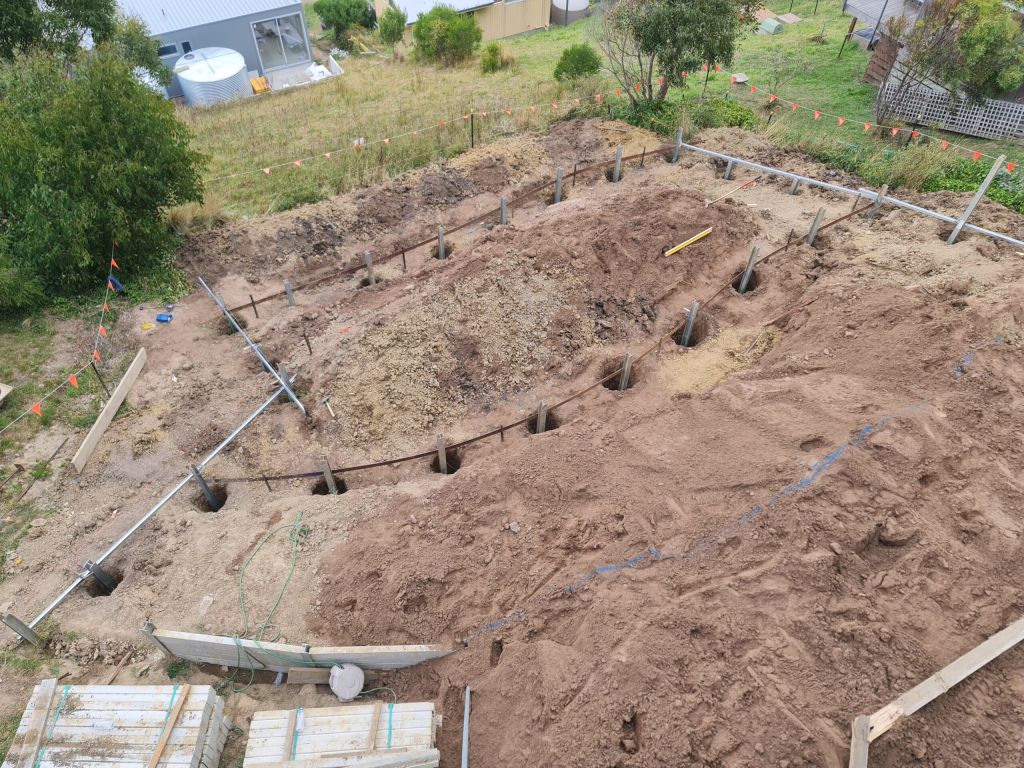
India Targeted: The West’s misguided agenda and Modi’s paraspara diplomacy

0

In the cacophony of global politics, India once again finds itself at the center of a storm brewed by the West’s misguided and misjudged interference into the country’s democratic framework. Thus ignoring that the new India is built on the principles of cooperation and collaboration – sabka saath, sabka vikas, sabka vishwas (Together with all, development for all and the trust of all).

The Western media’s penchant for sensationalism through propagandist stories specifically when it comes to writing about India’s Prime Minister Narendra Modi is not hidden. Recent reports emanating from the heart of Western intelligence agencies, allegedly leaked from Five Eyes spooks, have attempted to paint a grim picture of India’s counter-terrorism efforts. In fact, Kanwal Sibal, a former Indian Foreign Secretary and Ambassador, has called it “a masterclass in Yellow Journalism” that “is full of innuendoes, speculation, tentative assessments and distortions…[with] no qualms in pushing a narrative to serve a political purpose in connivance with US agencies.”

On the coverage of India in Western media, Dr Om Dwivedi says that many of “these headlines are not only racial but also prejudiced, teeming as they do with self-serving ideologies.” In fact, he adds, “the pot-bellied colonial ego comes out forcefully in some of the headlines.”

At the forefront of these unscrupulous and unethical allegations is the insidious insinuation that Indian intelligence agency, Research and Analysis Wing (R&AW), is running amok, conducting covert operations on foreign soil just like a Hollywood or Bollywood spy universe film.

The timing of these alleged intel leaks and so-called investigative reports lacking credible proof published in the Western media raises suspicions. It’s apparent that certain elements within the Five Eyes intelligence alliance, comprising Canada, the UK, the US, Australia, and New Zealand, are attempting to rein in India’s burgeoning influence on the global stage.

A naive South Asia expert sitting in the ivory tower of Western university may ask: If the Five Eyes were really bent on “defanging” India’s counter-terror and intel apparatus do you really think a newspaper scoop is how they’d do it?

In this era of social media, truth often takes a backseat to biased narratives and popular opinion. Sadly, yes, that’s precisely how things are done now with every effort made to push the narrative about democracy backsliding in India, the rise of Hindutva and authoriatarianism under Modi.

With PM Modi poised for a potential third term, Modi 3.0, the fear of India’s ascension into a higher economic, national growth and global leadership trajectory looms large. Many perceive the Five Eyes’ partnership with India in various groupings as primarily aimed at addressing the “China problem,” with a reluctance to share leadership role with a nation that helped them in the last decade in stabilising the Global South.

Some experts popular on social media argue that India’s accusations of Western media and think-tanks are biased is unfounded, suggesting instead that these are independent institutions simply scrutinizing the country objectively.

The last I checked, Economist Intelligence Unit categorized India as a “flawed democracy,” V-Dem labelled it as an “electoral autocracy,” Freedom House assessed it as “partially free,” Australia-India Institute described the Modi governemnt as “authoritarian populism.” Prof. Salvatore Babones has shown how the these major international evaluations of Indian democracy are “suffused with wanton speculation, misleading statistics, and uncritical reproductions of activist accusations” against PM Modi thus pointing to “intentional deception.” These organizations have become politicized themselves, diminishing the credibility that initially elevated their prestige in the non-Western world.

Further, many anti-ndia and anti-Modi reports have been published by public broadcasters of Canada, the UK, the US, Australia, and New Zealand. Also, the Western media is not “independent” as it is often portrayed due to its high rate of publishing paid op-eds and heavy leaning towards Leftist-Islamist ideology. Which speaks volume for their biased narrative built half-baked credible allegations and sources which in most cases is Pakistani intelligence.

This heightened foreign interference in India through Western media narratives, often disseminated uncritically by some Indian outlets, Anti-Modi propaganda activists (supported by Pakistan-based admins), and WhatsApp universities of fact-checkers, could not only undermine the credibility of PM Modi’s government but also potentially influence a change in government, if strategically leveraged, leading up to the 2024 Indian general elections.

(WATCH VIDEO: In an exclusive interview with The Australia Today’s Editor, Pallavi Jain, Prof. Salvatore Babones said that internationally India enjoys tremendous goodwill at the official and geo-political level but that it was Indian intellectuals who were poisoning India’s reputation)

But what’s truly perplexing is the double standard that are at play here! Kanwal Sibal also highlights this hypocrisy: “The US can have a long list of those it sees as terrorists but there is something suspect in India declaring anyone a terrorist.” Under this biased lens, while Indian intelligence is scrutinized under a microscope with the pretence of Big Brother watching i.e. acting as if no spies from Canada, the UK, the US, Australia, and New Zealand are operating in India and influencing Indian operatives, bureucrats, politicians, media person, activists and gangsters is conveniently overlooked by the same Western media.

It’s evident that there’s more to these unsubstantiated allegations than meets the eye especially people in the Indian Diaspora living in these very countries. The diplomatic policy putting India first, concrete or anticipatory steps against terror sanctuaries, scrapping of Article 370 in Kashmir and the country’s resolute stance and questioning of providing safe havens to Islamist and Khalistani separatists in these very countries has definitely increased Pakistan’s complaining to the Big Brother(s).

The focus on the Khalistan issue, particularly engineered through North American safe haven, serves as a convenient distraction from the real agenda at hand in these very countries i.e. poor political leadership, rise of ultra Left idelogy, rising authoritarianism as seen in crackdown on peaceful protesters, high inflation and housing crisis, uncontrolled illegal immigration, rising crime and gang wars, and higher rate of extremist radicalisation amongst youths. So, by conveniently attempting to sow discord within India’s communities, Punjab, Kashmir, and Manipur, paying certain political parties aligned with Western interests hope to sway electoral outcomes in their favour.

However, their efforts may be in vain as people in India know very well. As India is weary of incessant terror attacks backed by foreign based extremist groups. So, when the dust settles on these unfounded accusations, it’s imperative for the Five Eyes intelligence alliance and their media proxies to acknowledge the ground reality. In the end, the resilience of the Indian spirit will prevail, transcending the petty politics of international espionage and bogus activism.

Image: Indian Prime Minister Narendra Modi in Sydney (Source: Supplied)

History tells us that India has never and will not bow down to external pressure, especially when it comes to safeguarding its sovereignty and protecting its citizens. At the forefront of PM Modi’s diplomatic paradigm is his visionary approach, which harnesses the power of traditional India – maitri (mateship) – to forge deeper bonds with partner nations. I call this concept “paraspara diplomacy“—a notion deeply rooted in India’s historical and cultural ethos that holds significant promise in fostering mutual understanding and cooperation. Unlike many xenophobic nations of the West, India that is Bharat extends a warm invitation to the world, inviting nations to embrace the spirit of unity in diversity.

In essence, “paraspara diplomacy” embodies a philosophy of mutual trust, sustainability and reciprocity—a shared commitment to nurturing relationships and tapping into the vast opportunities that abound in the world. As India takes center stage on the global platform, it is imperative that the world, especialy Five Eyes, embraces this inclusive approach to diplomacy, one that transcends borders and fosters enduring partnerships based on mutual respect and understanding.

Support Our Journalism

Global Indian Diaspora needs fair, non-hyphenated, and questioning journalism, packed with on-ground reporting. The Australia Today – with exceptional reporters, columnists, and editors – is doing just that. Sustaining this needs support from wonderful readers like you.

Whether you live in Australia, the United Kingdom, Canada, the United States of America, or India you can take a paid subscription by clicking Patreon Buy an annual ‘The Australia Today Membership’ to support independent journalism and get special benefits.

Over three million Australians to have $3 billion in Student debt erased

0

In a monumental shift, the Australian government has unveiled plans to slash student debt by introducing legislation aimed at recalibrating how indexation is computed.

Prime Minister Anthony Albanese said:

“Put simply, it’ll cut debt for more than 3 million Australians. Uni should create opportunities for you, not a lifetime of debt. We’re taking pressure off to help you get ahead.”

The proposed legislation, set to be tabled in parliament, outlines a pivotal change in the calculation of student loan increments by incorporating a new indexation methodology.

Effective retroactively from June 1 of the previous year, this adjustment will factor in the lower of either the Consumer Price Index (CPI) or the Wage Price Index (WPI) for determining loan escalations.

During the preceding fiscal year, the average Higher Education Loan Program (HELP) debt, totaling $26,500, surged by $1881.50, or 7.1 percent, under the CPI gauge, which gauges inflation by monitoring fluctuations in a selection of consumer goods and services. Conversely, utilizing the WPI metric, which registered a mere 3.2 percent increase over the same period, would have resulted in a $848 uptick in the average HELP debt.

According to government projections, the average student loan recipient stands to witness a reduction of approximately $1,200 in outstanding balances by the fiscal year’s end.

For an individual grappling with a $100,000 student loan burden, this translates to an alleviation of nearly $4,500 from their indebtedness.

Image: Estimated indexation credit for HELP debtors (Source: Education Minister Media Release)

The scope of this transformative measure extends to all accounts under the HELP, VET Student Loan, Australian Apprenticeship Support Loan, and other student support loan categories that were in existence as of June 1 of the prior year.

Embedded within the upcoming May budget, this initiative aims to furnish substantial relief to individuals contending with student loans amidst the battle against inflation.

Minister for Education, Jason Clare, affirmed,

“This will wipe out around $3 billion in student debt from more than three million Australians. The Universities Accord recommended indexing HELP loans to whatever is lower out of CPI and WPI. We are doing this, and going further. We will backdate this reform to last year. This will wipe out what happened last year and make sure it never happens again.”

Image: Skills and Training Minister Brendan O’Connor (Source: X)

Echoing Minister Clare’s sentiments, Skills and Training Minister Brendan O’Connor emphasized the government’s commitment to mitigating the cost of living expenses and dismantling financial impediments to education and training.

Minister O’Connor asserted:

“This continues our work to ease cost of living pressures and reduce and remove financial barriers to education and training. VET Student Loans and Apprenticeship Support Loans support many Australians to get the skills they need for secure and rewarding careers, and these changes make sure that help is provided on a fairer basis. By backdating this reform to last year, we’re making sure that those with student loans affected by last year’s jump in indexation get this important cost-of-living relief.”

This reform will encompass all student debts subject to indexation in the year 2023.

Support Our Journalism

Global Indian Diaspora needs fair, non-hyphenated, and questioning journalism, packed with on-ground reporting. The Australia Today – with exceptional reporters, columnists, and editors – is doing just that. Sustaining this needs support from wonderful readers like you.

Whether you live in Australia, the United Kingdom, Canada, the United States of America, or India you can take a paid subscription by clicking Patreon Buy an annual ‘The Australia Today Membership’ to support independent journalism and get special benefits.

Australia overtakes India in ICC Test rankings, India still dominates ODI and T20I

0

The International Cricket Council (ICC) unveiled its annual update of the cricket team rankings this Friday, marking significant shifts and intense competition among the world’s cricketing powerhouses. Australia has dethroned India to claim the top position in Test cricket, while India continues to lead decisively in both One Day Internationals (ODIs) and Twenty20 Internationals (T20Is).

Australia’s rise to the summit in Test rankings was propelled by their emphatic 209-run victory over India in last year’s World Test Championship final at The Oval. This victory not only clinched the championship title but also boosted their rating to 124 points, putting them four points ahead of India, which now sits at 120 points. England remains in third place with 105 points.

Geoff Allardice, ICC General Manager, remarked on the shifts seen in the rankings;

“This year’s rankings testifies to the dynamic nature of international cricket. Australia’s resurgence to the top of the Test rankings highlights their consistent performance and strategic prowess.”

“Meanwhile, India’s stronghold in the limited-overs formats underlines their depth and versatility.”

The Test rankings reflect the latest performances, with the current evaluation period starting from May 2021. This methodology phased out India’s remarkable 2-1 series victory over Australia in January 2021, as results from May 2021 to May 2023 are weighted at 50 per cent, and those in the subsequent 12 months, including Australia’s championship win, are weighted fully.

Despite losing its crown in the Test format, India maintained its supremacy in white-ball cricket. The team has extended its lead in the ODI rankings, now sitting six points clear of second-placed Australia with 122 points. This is particularly impressive considering their recent loss to Australia in the 2023 ICC Cricket World Cup final, which ended a 10-match winning streak.

In the T20I rankings, India remains the leader with 264 points, although their lead has been reduced from 11 to seven points, with Australia now trailing closely at 257 points. England and South Africa are also making strong showings in the T20I format, underscoring the competitive spirit and shifting dynamics within international cricket.

Cricket analyst Harsha Bhogle commented on the rankings, “The ICC rankings are always a reflection of not just the skills on display but also the strategies and mental toughness of the teams.”

“Australia’s rise and India’s dominance in ODIs and T20Is showcase the high standards of cricket being played and the ever-changing narratives in the sport,”

Bhogle added.

As the cricketing world eyes these rankings, the clear message is the continuous evolution and fierce rivalry that define international cricket. Teams are not only battling for supremacy in individual matches but also for long-term dominance across all formats of the game. This ranking update sets the stage for another exciting year in world cricket, with all eyes on how teams adjust and respond to the challenges ahead.

Support Our Journalism

Global Indian Diaspora needs fair, non-hyphenated, and questioning journalism, packed with on-ground reporting. The Australia Today – with exceptional reporters, columnists, and editors – is doing just that. Sustaining this needs support from wonderful readers like you.

Whether you live in Australia, the United Kingdom, Canada, the United States of America, or India you can take a paid subscription by clicking Patreon Buy an annual ‘The Australia Today Membership’ to support independent journalism and get special benefits.

Job scams are on the rise, What are they, and how can you protect yourself?

0

By Dimitrios Salampasis

In the digital era, the job market is increasingly becoming a minefield – demanding and difficult to navigate. According to the Australian Bureau of Statistics, the number of job vacancies fell by 6.1% between November 2023 and February 2024. Every click on a job ad can either open doors to amazing opportunities, or plunge job seekers into perfectly set up cyber traps.

The latest annual Targeting Scams report shows a seemingly encouraging 13.1% decline in scam losses reported by Australians – down to A$2.74 billion in 2023. But it doesn’t mean we should get complacent. Scammers are continuously refining their techniques and expanding their reach.

Particularly alarming is the volume of job scams (also known as employment or recruitment scams). These scams were among the top ten scam categories in 2023, with a dramatic 150% increase in financial losses compared to the year before.

How exactly do job scams work? And how can job seekers distinguish between legitimate job offers and deceptive schemes?

What is a job scam?

Job scammers attract people by promising fake jobs that require little effort but promise a substantial financial reward or “guaranteed” income, or perhaps even a “dream job” at a real company they’re impersonating. The end goal in all cases is to extract money and/or personal details from the victim.

Employment scams may take many forms, but there are several tell-tale signs.

Scammers use social media, unsolicited emails, encrypted chat applications (such as WhatsApp or Telegram), phone calls or even legitimate employment websites to advertise non-existent jobs.

Screenshot of a text message offering easy work testing apps with an hourly salary up to $200.
An example of a job scam is sent through a text message. The Conversation

Job scammers may also impersonate recruiters from genuine organisations, including high-level executives or even hiring managers conducting interviews for jobs that do not exist.

A text saying a company has flexible job openings and asking if they can share more information.
An example of a job scam impersonating a recruiter from a legitimate company. The Conversation

For some of these jobs, the scammer will ask for some type of upfront fee to secure employment, pay for onboarding, or to purchase (non-existent) products the job seeker is supposed to sell. The moment the fee is paid, the scammer will instantly disappear.

Sometimes, job scammers promise a high commission if the person uses their own bank account to transfer existing funds into an offshore account, cryptocurrency exchange or gift card. This is likely money laundering.

Depending on the type of job scam, cyber criminals conducting a fake application and onboarding process may even gain access to sensitive information such as your passport number, driver’s licence and other credentials. This puts you at high risk of identity theft.

Who is vulnerable to job scams and why?

Scammers target their victims based on their online behaviour, financial situation, needs and even vulnerability to certain types of persuasion.

The increasing cost of living in Australia is creating a fertile ground for job scams. People in desperate need of employment, those who have been unemployed for a very long time and those seeking additional income via part-time (usually remote) jobs are all at high risk of becoming victims to these job scams.

These individuals are driven by economic need and will easily overlook or not recognise red flags. University students and recent graduates looking for valuable work experience in tough job markets are increasingly becoming targets of job scams, too.

Immigrants can be particularly susceptible to job scams, mainly because they may not be familiar with legitimate employment processes, standard recruitment practices and Australian employment rights.

In extreme cases, employment scams can even result in international human trafficking, as shown by an incident in Cambodia last year, with victims being locked into compounds, having their passports confiscated and being trained to scam others. Captors would release them only upon receiving a ransom fee payment.

How can I avoid a job scam?

Apart from using a “stop, think and protect” approach, here are more tips on how to protect yourself from job scams:

  • Use only legitimate job boards and networking sites. For example, LinkedIn verifies recruiters with a visible badge on their profiles.
  • Critically evaluate and check job listings by looking for comprehensive information and list of qualifications. Seek advice from trusted professionals to validate the legitimacy of the job offer.
  • Don’t respond to non-corporate emails, texts or other messages offering “too good to be true” unsolicited employment opportunities with high returns.
  • Conduct thorough research by always verifying the legitimacy of the offer. Check the company’s official website, read trusted reviews, call or even visit.
  • Avoid providing credentials including passport details, a driver’s licence, Medicare number, or financial information (a bank account number or PayID) during the application or onboarding process.
  • Don’t provide an upfront payment and don’t pay fees for training, equipment or software as a condition of being hired.
  • Never agree to receive or transfer funds through your bank account on behalf of someone else for a commission.

Overall, stay vigilant. If you do come across any job scams, make sure to report them to the Scamwatch website.

Dimitrios Salampasis, FinTech Capability Lead | Senior Lecturer, Emerging Technologies and FinTech, Swinburne University of Technology

This article is republished from The Conversation under a Creative Commons license. Read the original article.

Support Our Journalism

Global Indian Diaspora needs fair, non-hyphenated, and questioning journalism, packed with on-ground reporting. The Australia Today – with exceptional reporters, columnists, and editors – is doing just that. Sustaining this needs support from wonderful readers like you.

Whether you live in Australia, the United Kingdom, Canada, the United States of America, or India you can take a paid subscription by clicking Patreon Buy an annual ‘The Australia Today Membership’ to support independent journalism and get special benefits.

Harinder Sidhu, former Australian High Commissioner to India, honored with Order of Australia

0

Former Australian High Commissioner to India, Harinder Sidhu, has been invested as a Member of the Order of Australia (AM) in recognition of her distinguished service to public administration and foreign affairs.

Ms Sidhu, who served as the Australian High Commissioner to India from 2016 to 2020, was appointed as a Member of the Order of Australia during this year’s Australia Day Honours. Her investiture ceremony, officiated by Governor-General Hurley, officially conferred upon her the prestigious honor.

Image: His Excellency General the Honourable David Hurley AC DSC (Retd), Governor-General of the Commonwealth of Australia and Her Excellency Mrs Linda Hurley host an Investiture Ceremony for Ms Harinder Sidhu AM.
Ms Sidhu was appointed a Member of the Order of Australia for significant service to public administration, and to foreign affairs (Source:  Australian Honours and Award – Facebook)

Philip Green OAM, the current Australian High Commissioner to India, expressed his congratulations and admiration for Ms Sidhu’s achievements, stating,

“My personal congratulations and those from the many here who fondly remember HC Harinder Sidhu’s posting in Delhi. Great to see you rewarded so fittingly for your achievements Harinder!”

With over 30 years of experience in government across multiple agencies, Ms Sidhu is one of Australia’s most senior female diplomats. She holds degrees in Bachelor of Laws and Bachelor of Economics from the University of Sydney. Ms Sidhu has also served in diplomatic postings in Cairo, Damascus, and Moscow.

Throughout her career, Ms Sidhu has held senior leadership roles in various departments, including the Department of Foreign Affairs and Trade (DFAT), the Department of Climate Change and Energy Efficiency, the Office of National Assessments, and the Department of the Prime Minister and Cabinet.

Image: His Excellency General the Honourable David Hurley AC DSC (Retd), Governor-General of the Commonwealth of Australia and Her Excellency Mrs Linda Hurley host an Investiture Ceremony for Ms Harinder Sidhu AM.
Ms Sidhu was appointed a Member of the Order of Australia for significant service to public administration, and to foreign affairs (Source:  Australian Honours and Award – Facebook)

Ms Sidhu’s tenure as Chief Operating Officer and Deputy Secretary at DFAT underscores her dedication to public service and her commitment to advancing Australia’s interests on the global stage.

The investiture of Ms Sidhu as a Member of the Order of Australia highlights the Order’s mission to recognize individuals from diverse backgrounds for their outstanding achievements across various fields. 

Since 2022, Ms Sidhu is serving as the Australian High Commissioner to New Zealand.

The Order of Australia recognises individuals of all demographics for their achievements in a wide range of endeavours.

Support Our Journalism

Global Indian Diaspora needs fair, non-hyphenated, and questioning journalism, packed with on-ground reporting. The Australia Today – with exceptional reporters, columnists, and editors – is doing just that. Sustaining this needs support from wonderful readers like you.

Whether you live in Australia, the United Kingdom, Canada, the United States of America, or India you can take a paid subscription by clicking Patreon Buy an annual ‘The Australia Today Membership’ to support independent journalism and get special benefits.

19 Indian universities’ vice chancellors, including JNU, conferred honorary ‘Colonel’ rank

0

In a landmark ceremony, the Government of India has bestowed the honorary rank of Colonel in the National Cadet Corps (NCC) upon 19 distinguished Vice Chancellors (VCs) from various Indian universities, symbolizing their commitment to nation-building and academic leadership.

Among the esteemed recipients is Prof. Santishree Dhulipudi Pandit, the Vice Chancellor of Jawaharlal Nehru University, who is the first woman to hold this prestigious position at the university.

Earlier this month, in an interaction with Press Trust of India editors in Delhi, Prof. Pandit said “I grew under the influence of the RSS.”

“I do not want to hide it. Those who are Maoists they do not hide it so why should I hide it. I have not done anything that is anti-national and I think the RSS in the south is not as politicised as it is here. I have a lot to do with the Sangh and most of my values come from there. I think everybody has different affiliations. For me Sangh has been a very positive influence,” Pandit said.

The conferment of honorary military ranks upon civilians, such as these eminent educationists, underscores their exceptional contributions to society and their dedication to advancing the nation’s educational landscape. This recognition not only honors their achievements but also serves to enhance the visibility of the armed forces and bolster national pride.

Honorary military ranks have historically been awarded to individuals for their outstanding performance and significant contributions in various spheres, ranging from sports to academia. Renowned sports personalities like MS Dhoni, Kapil Dev, and Abhinav Bindra have been honored with the rank of Lieutenant Colonel in the Territorial Army, highlighting their exemplary sportsmanship and national representation.

Similarly, cricket legend Sachin Tendulkar was appointed as Group Captain in the Indian Air Force, marking a historic first for the service. These honorary appointments not only recognize the individuals’ achievements but also foster a strong bond between civilian achievers and the armed forces.

IMAGE: Prof. Santishree Dhulipudi Pandit, the Vice Chancellor of Jawaharlal Nehru University (Source: NCC – JNU – Facebook)

The conferment of the honorary rank of Colonel upon Vice Chancellors is a testament to their leadership and dedication to nurturing academic excellence. This gesture, recommended and appointed by the Ministry of Defence, emphasizes the vital role of educationists in shaping the future of the nation and fostering a sense of patriotism among the youth.

The practice of conferring honorary ranks within the NCC is not new, with past recipients including Vice Chancellors from esteemed institutions such as IP University, Palampur University, and Sharnbasva University. This tradition continues to recognize and honor the pivotal role of education in nation-building.

The ceremony, held under the auspices of the respective NCC directorates, saw the Vice Chancellors being formally presented with the honorary rank of Colonel, along with official gazette notifications and ceremonial batons. This significant event not only celebrates their individual achievements but also underscores the collective commitment of educators towards shaping a brighter future for the nation.

The conferment of honorary military ranks upon Vice Chancellors represents a symbolic union between academia and the armed forces, emphasizing the shared values of leadership, discipline, and dedication to the nation. As these esteemed educationists assume their roles as Colonel Commandants of their respective universities, they embody the spirit of service and excellence, inspiring future generations to strive for greatness in both education and national service.

Support Our Journalism

Global Indian Diaspora needs fair, non-hyphenated, and questioning journalism, packed with on-ground reporting. The Australia Today – with exceptional reporters, columnists, and editors – is doing just that. Sustaining this needs support from wonderful readers like you.

Whether you live in Australia, the United Kingdom, Canada, the United States of America, or India you can take a paid subscription by clicking Patreon Buy an annual ‘The Australia Today Membership’ to support independent journalism and get special benefits.

Call for action: Protect Australian journalists against ‘Khalistan’ terror threats on World Press Freedom Day

0

Today, on World Press Freedom Day, we stand in solidarity not only to honour the relentless pursuit of truth by journalists worldwide but to highlight a grave concern that hits closer to home.

Here at The Australia Today, our dedicated team has faced dire threats from extremist factions, including threats to their lives and those of their families by Khalistan terror groups. This day, therefore, is not just a celebration but a stark reminder of the dangers journalists face and the essential need for their protection.

Journalists serve as the pillars of democracy, tasked with the critical role of informing the public and holding those in power accountable. The threats they encounter in their line of work are not just attacks on individuals but assaults on the transparency and accountability we strive for in a free society.

In light of these threats, our call to the Australian authorities is unequivocal:

The protection of journalists is non-negotiable and must be upheld at all times, everywhere.

The chilling effect of threats and violence on media freedom is undeniable. When journalists are silenced, whether by fear or force, democracy suffers. The right to report freely is fundamental to our society’s well-being, informing public opinion, and fostering informed debate. Any attempt to curb these liberties through intimidation or violence is a direct attack on the fabric of our democratic values.

However, the persistence of these threats and the failure of authorities to adequately address them cast a long shadow over our collective claim to uphold human rights and freedoms. Law enforcement and governmental bodies must bolster their efforts to protect journalists and ensure that such threats are met with the full force of the law.

The failure is not just a lapse in security but a significant blemish on Australia’s global standing as a bastion of free press and safety.

On this World Press Freedom Day, while we reflect on the importance of journalistic freedom, we also condemn in the strongest terms the violence and intimidation tactics used against media personnel. These are not merely attacks on individuals but are attempts to stifle the freedom of the press.

We stand together, undeterred and united, in our mission to report the truth and shed light on injustices.

We also stand with our colleagues around the world who navigate similar threats and continue their work despite the dangers involved.

To every journalist out there braving threats to bring stories to light, know that your courage is recognised and your safety is paramount. And to the authorities tasked with protecting these brave individuals, let today be a reminder of your vital role in safeguarding the principles of freedom and justice. Let it also be a call to action to strengthen your resolve and your resources to protect those who have devoted their lives to the pursuit of truth.

While we celebrate the fearless pursuit of journalism, we also urge a recommitment to the values that underpin our profession. Let us ensure that World Press Freedom Day is not only a reminder of the freedoms we cherish but also a call to action to defend and protect the journalists who, despite facing unimaginable threats, continue to serve the public good.

Support Our Journalism

Global Indian Diaspora needs fair, non-hyphenated, and questioning journalism, packed with on-ground reporting. The Australia Today – with exceptional reporters, columnists, and editors – is doing just that. Sustaining this needs support from wonderful readers like you.

Whether you live in Australia, the United Kingdom, Canada, the United States of America, or India you can take a paid subscription by clicking Patreon Buy an annual ‘The Australia Today Membership’ to support independent journalism and get special benefits.

Chicken Caper: Queensland man charged with allegedly trafficking 120kg of cocaine from Victoria to NSW

0

In a dramatic turn of events, a 55-year-old man from Wacol, Queensland, finds himself at the center of a high-profile case, charged by the Australian Federal Police (AFP) with trafficking over 120kg of cocaine. The alleged scheme involved transporting the illicit substance from Victoria to New South Wales, cleverly disguised within frozen chicken products.

According to AFP reports, the accused was purportedly part of a clandestine operation attempting to ferry cocaine from Melbourne to Sydney concealed amidst a van full of frozen poultry in August 2022.

Image: Cocaine in a van loaded with frozen chickens (Source: AFP)

Scheduled to make his appearance today (Friday, May 3, 2024) in the Brisbane Magistrates Court, the defendant faces a grave charge of trafficking in commercial quantities of controlled drugs, as outlined in sections 302.2(1) and 11.2(1) of the Criminal Code 1995 (Cth), with a maximum penalty of life imprisonment looming over him.

Image: Cocaine in a van loaded with frozen chickens (Source: AFP)

This isn’t the first encounter with law enforcement for the accused.

In October 2022, he was one of two Queensland men apprehended and charged by the AFP in connection with an alleged money laundering syndicate responsible for funneling $4.5 million through illicit channels.

During the 2022 investigation, authorities executed search warrants across multiple addresses, including locations in Helensvale, Graceville, Bardon, and Brisbane City. The searches yielded significant discoveries, with officers seizing $70,000 in cash from concealed safes under stairs and a cash counter at a Bardon property, along with an additional $160,000 retrieved from a safe in Helensvale.

Image: Helensvale cash recovered (Source: AFP)

The accused faced charges related to conspiring to deal in the proceeds of general crime, with the value of the money or property in question exceeding $1,000,000, under sections 400.3(1B) and 11.5 of the Criminal Code Act 1995 (Cth), carrying a maximum penalty of 25 years’ imprisonment.

As the legal proceedings unfold, the gravity of the accusations against the defendant underscores the ongoing efforts by law enforcement to combat organized crime and illicit drug trafficking across state borders.

Support Our Journalism

Global Indian Diaspora needs fair, non-hyphenated, and questioning journalism, packed with on-ground reporting. The Australia Today – with exceptional reporters, columnists, and editors – is doing just that. Sustaining this needs support from wonderful readers like you.

Whether you live in Australia, the United Kingdom, Canada, the United States of America, or India you can take a paid subscription by clicking Patreon Buy an annual ‘The Australia Today Membership’ to support independent journalism and get special benefits.

Becoming a landlord while still renting? ‘Rentvesting’ promises a foot on the property ladder, but watch your step

By James Graham

As home ownership moves further out of reach for many Australians, “rentvesting” is being touted as a lifesaver.

Rentvesting is the practice of renting one property to live in yourself, while simultaneously purchasing an investment property somewhere cheaper and leasing it out.

Ideally, “rentvestors” get to enjoy the capital gains on an investment property while living where they actually want to live, allowing them to cash in and upsize to their dream home later.


@unbrokefinance

Heard of rentvesting? This post is to compare prices and rental yields only, does not include capital gains returns, and is not advice to invest in a particular suburb. #rent #rentvesting #property #finance

♬ original sound – Unbroke

It might seem like a savvy way to game the property market. But what are the risks of such an investment strategy? And how might the broad adoption of this behaviour affect housing affordability in Australia?

A rising tide lifts all boats differently

The aim of the rentvesting game is to buy cheap property now, ride the expected capital gains, and move into a more desirable home down the track. The hope is that by climbing the first rung of the property ladder early, the whole thing won’t be pulled up out of reach.

The first problem with this strategy, however, is that capital gains on housing are not always and everywhere equal.

Generally, the cheapest properties available to rentvestors will be houses in the regions or apartments in the city. But both regional housing and apartment properties tend to appreciate more slowly than the inner-city houses rentvestors might hope to live in one day. They might get a foot on the property ladder, but the rungs themselves are slowly drifting apart.

Would-be rentvestors should also be aware that investments by “out-of-town” buyers tend to generate much lower returns – both capital gains and rental yields – than investments by locals. Out-of-towners don’t know the local market trends, don’t know which neighbourhoods to avoid, and aren’t able to monitor their investments as effectively from afar.

Avoiding the regions by investing in city apartments presents its own difficulties. Large, unexpected maintenance bills and poor strata management are common complaints.

Different costs lead to different returns

Perhaps the potential rentvestor should invest in something more straightforward instead, like stocks. After all, the return on equities in Australia has outperformed housing in recent decades.

However, it is much easier to borrow to invest in property than it is to borrow to invest in the stock market. And leverage is the investor’s secret weapon. For example, if house prices were to appreciate at 10% per year, then using a mortgage and an A$100,000 deposit on a $1 million property would earn you a 100% return on equity before costs.

But while both investors and homeowners would earn that same basic return, their costs could be very different. For starters, property investors face capital gains tax on the proceeds of property sales, unlike those selling their primary residence. Banks also typically charge higher interest rates on mortgages to investors than to homeowners.

At times, the Australian Prudential Regulation Authority has also imposed caps on bank lending against investment properties, making it more difficult to find mortgage financing in the first place.

Highly leveraged properties require mortgage insurance, too. Investors may need to take out larger insurance policies against the properties themselves, reflecting the higher risks associated with investment properties. Then, you also have to throw in property management fees, council rates, strata management fees and regular and unexpected maintenance costs.

Negative gearing offers little benefit

What about negative gearing? Property investors that generate losses on their property can deduct these costs against the tax bill on their other income.

However negative gearing disproportionately benefits high-income earners with large tax bills. The median Australian individual income is around $55,00, which generates a tax bill of about $8,000 – not a lot from which investment property losses can be deducted.
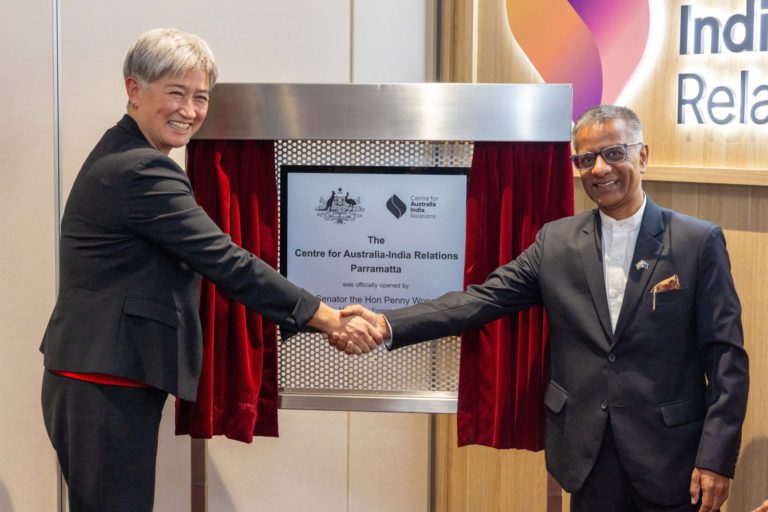
The bigger picture is that while negative gearing helps defray the regular costs of managing a property, it doesn’t do anything to change expected capital gains.

At the end of the spreadsheet tally, an investment property could end up earning rentvestors significantly less than they could have gained by simply buying their first home.

Effects on housing affordability

Rentvesting is new enough that its prevalence and influence await formal academic study. But economists might speculate about its implications for the housing market more broadly.

The simplest analysis suggests that a rentvestor occupies one rental property while supplying an additional rental property to the market. If, instead, they had bought a home, they would vacate a rental property while removing another property from the market. In this case, even rentvesting en masse would have zero net effect on the housing market.

But a more nuanced perspective might consider where rentvestors are renting and where they are investing. Perhaps they are most likely to rent properties in the already-crowded inner city but purchase investment properties in regional areas where other first-home buyers would like to live.

This would increase demand for rentals in the city and reduce the supply of owner-occupier properties in the regions, worsening the affordability of both.

Of course, if these rentvestors all eventually move up the property ladder – selling in the region and purchasing in the city – this effect would be reversed. From that longer-term perspective, rentvestors would ultimately have little effect.

We still need more houses

Rentvesting is not a panacea for Australia’s housing market woes. Potential investors should weigh the benefits of property investment against its substantial costs and risks. Additionally, they need to carefully consider the obvious alternative: simply buying their first home up-front.
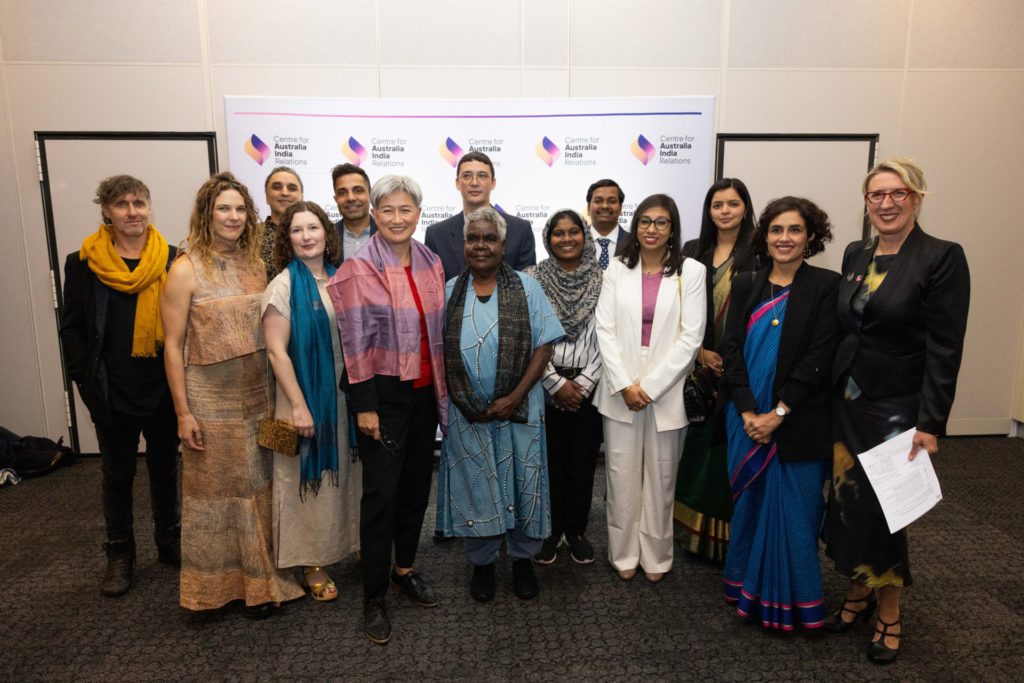
We have good reason to be wary of yet another get-rich-quick scheme involving the housing market. But initial considerations suggest that for the market overall, rentvestor behaviour is no worse than someone simply buying their first home, which we would otherwise encourage.

Rather than criticising those seeking a way though our housing market morass, we might instead redouble our efforts to increase the supply of housing.

James Graham, Lecturer in Economics, University of Sydney

This article is republished from The Conversation under a Creative Commons license. Read the original article.

Support Our Journalism

Global Indian Diaspora needs fair, non-hyphenated, and questioning journalism, packed with on-ground reporting. The Australia Today – with exceptional reporters, columnists, and editors – is doing just that. Sustaining this needs support from wonderful readers like you.

Whether you live in Australia, the United Kingdom, Canada, the United States of America, or India you can take a paid subscription by clicking Patreon Buy an annual ‘The Australia Today Membership’ to support independent journalism and get special benefits.

Sharp decline in Indians looking to work abroad, Australia still tops as preferred destination

Australia has emerged as one of the top destinations for Indian professionals looking to work abroad, according to the latest ‘International Mobility Trends’ study by Boston Consulting Group (BCG). This report reveals significant changes in the preferences and mobility of the Indian workforce, alongside broader global trends.

Despite a general decline in the number of Indians willing to relocate internationally for work, from 78% in 2020 to 54% in 2023. Australia, along with the USA, Canada, and the UK, have become increasingly popular among those still interested in pursuing careers overseas.

Image Source: Supplied

The study, involving responses from 150,000 people across 188 countries, highlights several key factors influencing these migration trends. Economic incentives and professional development opportunities are the primary motivators, with 64% of participants citing financial reasons and 56% pointing to career advancement as their main reasons for moving abroad.

“Australia’s rise as a preferred destination underscores its appeal in terms of quality of job opportunities and lifestyle,” said Neetu Chitkara, MD & Partner, India Lead People and Organisation Practice at BCG.

“The robust job market and high standard of living in Australia are attracting a skilled workforce from India, keen on enhancing their career prospects in a conducive environment.”

This preference for Australia is reflected globally, as the country ranks among the top four most desirable destinations worldwide, alongside the USA, Canada, and the UK. Major cities such as London and New York continue to be hotspots for international job seekers, indicating a strong preference for established economic centres.

According to the report, Australia became more attractive to respondents from Asian countries, and it rose in popularity among respondents from North America, Africa, and several European countries, including the UK and Ireland. Amid an economic boom as the world emerged from the worst stages of the pandemic, Australia has been attractive to talent from abroad, offering job opportunities, visas, and a great quality of life.


Dr Amit Sarwal, an award-winning expert on Indian diaspora and mobility in Australia and author of Roots and Routes (2016), commented on the findings;

“The deep emotional ties that bind Indian professionals to their homeland are quite striking. While 59% of Indians show a reluctance to relocate—significantly higher than the global average of 33%—it reflects a profound commitment to their cultural and familial roots.

Dr Amit Sarwal, Expert on Indian diaspora and mobility in Australia

“It not only highlights the cultural depth that Indians bring to the global stage but also points to potential challenges in talent mobility that need to be addressed with culturally sensitive strategies,” added Dr Sarwal.

This attachment highlights the dual challenge of attracting international talent to India while retaining its own.

The study further underscores India’s rising stature as an attractive work destination, particularly among individuals from the UAE, Nigeria, and Kenya. Cities like Bengaluru and Delhi, despite a drop in their global rankings, continue to draw foreign professionals, with Ahmedabad making its debut in the top 100 global cities for employment.

India’s role as a major contributor to the global workforce is also significant, with the world’s largest overseas diaspora consisting of 13.6 million Non-Resident Indians (NRIs), 18.68 million Persons of Indian Origin (PIOs), and nearly 32.3 million Overseas Citizens of India (OCIs). Annually, approximately 2.5 million Indians migrate overseas, representing the highest number of migrants from any single country globally.

As global mobility trends continue to evolve, the insights from the BCG report provide crucial data for governments and businesses aiming to understand and adapt to the changing landscape of international labor markets. For Australia and India, these trends not only reflect economic and professional opportunities but also highlight ongoing shifts in cultural and social dynamics influencing global workforce mobility.

Support Our Journalism

Global Indian Diaspora needs fair, non-hyphenated, and questioning journalism, packed with on-ground reporting. The Australia Today – with exceptional reporters, columnists, and editors – is doing just that. Sustaining this needs support from wonderful readers like you.

Whether you live in Australia, the United Kingdom, Canada, the United States of America, or India you can take a paid subscription by clicking Patreon Buy an annual ‘The Australia Today Membership’ to support independent journalism and get special benefits.

India and Australia launch pioneering Women’s Leadership Forum to boost corporate gender diversity

0

The Confederation of Indian Industry (CII) and the Business Council of Australia (BCA) have unveiled the India-Australia Women’s Leadership Forum, aimed at enhancing gender diversity in the corporate sector. This strategic partnership marks a significant step in promoting women’s leadership and strengthening bilateral ties between the two nations.

Image Source; Supplied

The memorandum of understanding (MOU) for the forum was signed at a high-profile event in New Delhi, where leaders from both countries gathered to witness this transformative initiative.

The forum will be co-chaired by Viji Murugesan, Head of Scaleup Business Transformation at Tata Consultancy Services, and Ravneet Pawha, Asia CEO of Deakin University, underscoring the commitment of top corporate figures to this cause.

Viji Murugesan, Head of Scaleup Business Transformation at Tata Consultancy Services (left), and Ravneet Pawha, Asia CEO of Deakin University (right) with Jodi Mckay, Director, Australia-India CEO Forum (centre); Image Source; Supplied

Echoing this sentiment, Chandrajit Banerjee, Director General of CII, linked the forum’s goals to global initiatives discussed earlier in the year.

“Aligned with the Alliance for Global Good – Gender Equity & Equality announced in Davos, the India – Australia Women’s Leadership Forum aims to harness the strengths of women in our bilateral relationship,”

he said.

The initiative not only aims to elevate women into leadership roles but also to integrate gender equality into the broader economic discourse, as reflected in the ongoing commitment following the India-Australia Economic Cooperation and Trade Agreement (ECTA). This agreement has already begun to facilitate easier trade between the two countries, benefiting from reduced tariffs and fostering a conducive environment for economic growth.

Bran Black, Chief Executive of the Business Council of Australia and Chandrajit Banerjee, Director General of CII; Image Source; Supplied

Bran Black, Chief Executive of the Business Council of Australia, highlighted the importance of this initiative within the broader context of the Australia-India CEO Forum.

“Our commitment to enhancing gender equality is firm, and we see the Women’s Leadership Forum as a pivotal platform for promoting female leadership, which is essential for boosting the productivity of our economies,”

Black stated.

Parimita Tripathi, Joint Secretary – Oceania at the Ministry of External Affairs, Government of India, emphasised the forum’s strategic importance, stating,

“This Forum will play a crucial role in broadening our economic and social relationship with Australia, particularly by deepening people-to-people ties.”

The forum plans to engage women leaders through workshops, mentorship programs, and policy-making exercises, aiming to create a robust ecosystem that supports female professionals. These activities will provide vital resources for women, facilitating their rise in corporate hierarchies and helping them to form supportive networks across the India-Australia corridor.

By fostering such cross-border collaborations, the India-Australia Women’s Leadership Forum not only aims to champion gender diversity but also to build lasting relationships that could shape the future of corporate leadership in both nations. With strong backing from governmental and corporate leaders, the forum is poised to make a significant impact on the international stage, advocating for women’s economic empowerment and leadership.

Support Our Journalism

Global Indian Diaspora needs fair, non-hyphenated, and questioning journalism, packed with on-ground reporting. The Australia Today – with exceptional reporters, columnists, and editors – is doing just that. Sustaining this needs support from wonderful readers like you.

Whether you live in Australia, the United Kingdom, Canada, the United States of America, or India you can take a paid subscription by clicking Patreon Buy an annual ‘The Australia Today Membership’ to support independent journalism and get special benefits.

Indian medical expertise ignites revival in Fiji’s health sector

0

By Riya Bhagwan

HEART disease ranks highest among the leading causes of child mortalities. Fiji’s Prime Minister Sitiveni Rabuka confirmed this while speaking at the second anniversary celebrations of the Sri Sathya Sai Sanjeevani Children’s Hospital at the civic centre auditorium in Suva last week.

More than a hundred cases of heart disease have been diagnosed through the Sai Sanjeevani Children’s Heart Screening Centre alone and the staggering numbers are of great concern.

Image: Fiji’s Prime Minister Rabuka at the event organised by Sai Sanjeevani Children’s Hospital to celebrate its 2nd Anniversary on 24th April 2024 (Source: Facebook)

Reaffirming the government’s commitment to improve healthcare services in Fiji, Mr Rabuka expressed his gratitude to the founding trustees and directors of the hospital for their continued commitment in giving the region its first ever paediatric cardiac hospital, built on international standards.

“While government aims to provide quality, affordable and efficient health services for all, it (the hospital) is like a dream given our economic challenges,” Mr Rabuka said. “This hospital is an answer to the prayers of thousands of mothers and families.”

Image: The April cardiac surgical mission commenced on the 14th of April lead by the incredible Dr Shaun Setty and the team from the USA, UAE, Australia and New Zealand (Source: Facebook – Dr. Krupali R. Tappoo)

As of Monday, April 22, 2024, 277 little hearts were healed by 10 international visiting teams at the $25 million facility. This outlines the hospital’s successful journey in achieving its vision of becoming the premiere paediatric care facility for Fiji and the Pacific Island nations.

“Without the support of the Honourable Prime Minister, the Honourable Deputy Prime Minister and the government, our ability to perform these life-saving surgeries would have been severely limited,” director for the Sai Prema Foundation, Sumeet Tappoo highlighted.

Image: Sumeet Tappoo with Dr. Krupali R. Tappoo (Source: FijiVillage)

Speaking about the international visiting teams, Sai Sanjeevani Children’s Hospital director Dr. Krupali Tappoo thanked local doctors and nurses for their support.

“We extend our heart-felt gratitude to the Ministry of Health and Medical Services, staff of CWM, Labasa hospital and head of paediatric at CWM hospital Dr. Ilisapeci Vereti for supporting and working with the visiting team,” Dr. Krupali said.

The various initiatives by the Sai Prema Foundation have improved the lives of thousands of families across the region, including a state-of-the-art out-patient medical facility for mother and child care, a specialist children’s heart screening centre with 4D technology, and the specialist children’s heart hospital.

The non-profit charitable organisation established in 2016 has emerged as a leading NGO in Fiji providing free-of-cost services to families across the Pacific region.

Image: (R) India’s High Commissioner to Fiji P.S. Karthigeyan (Source: Fiji Government)

A beacon of hope also aroused for adults in Fiji and the region as the Indian government stepped up to fulfil their promise of building a specialist hospital in Fiji. This came after Mr Rabuka confirmed the construction of a 100-bed care facility in Nasinu.

“I am confident that this will come to fruition very soon to increase access to life-saving cardiac surgery for adults in Fiji and the region,” Mr Rabuka remarked as he noted that the initiative was presented in cabinet recently by a delegation from the Indian Government.

Image: PM Modi conferred with ‘Companion of the Order of Fiji’-highest honour of Fiji by PM Rabuka (Source: Fiji Government)

This hospital is part of the initiatives announced by Indian Prime Minister Narendra Modi at the third Forum for India-Pacific Islands Cooperation Summit (FIPIC-III) held in Papua New Guinea in May last year.

Mr Rabuka also acknowledged the pivotal role of Sadguru Sri Madhusudan Sai, founder of the Sanjeevani hospitals worldwide, in spearheading humanitarian projects and other initiatives in Fiji, and thanked him for being the inspiration behind the establishment of the children’s hospital.

The Sai Sanjeevani Children’s Hospital was inaugurated on April 27, 2022, housing modern equipment and a training centre with technological capabilities for video conferencing.

Since its inception, the hospital has hosted numerous international surgical teams. Notably, Dr. Shaun Shetty, a renowned paediatric cardio surgeon, has maintained a close affiliation with the hospital, leading several surgical teams, and being the first surgeon to perform at the hospital.

Image: (L) Fiji’s Deputy Prime Minister Prof. Biman Prasad (Source: Fiji Government)

Present at the grand celebrations were beneficiaries of the hospital, Deputy Prime Minister Prof. Biman Prasad, the hospital’s surgical team, board members, foreign dignitaries and other members of the community.

The celebrations concluded with the Gift of Life ceremony, honouring the recipients of the life-saving surgeries and recognising the surgical team’s efforts. Emotions ran high at the auditorium as recipients shared their heart-felt journey with the audience.

This article was first published in Wansolwara and has been republished here with the kind permission of the editor(s).

Contributing Author: Riya Bhagwan is a second-year Journalism student and Veniana Willy is a third-year Journalism student and also a Photographer for the Wansolwara Editorial team.

Support Our Journalism

Global Indian Diaspora needs fair, non-hyphenated, and questioning journalism, packed with on-ground reporting. The Australia Today – with exceptional reporters, columnists, and editors – is doing just that. Sustaining this needs support from wonderful readers like you.

Whether you live in Australia, the United Kingdom, Canada, the United States of America, or India you can take a paid subscription by clicking Patreon Buy an annual ‘The Australia Today Membership’ to support independent journalism and get special benefits.

New AFP recruits ready to serve and protect across Australia

0

The Australian Federal Police (AFP) welcomed 46 new recruits in a dual graduation ceremony held in Canberra on April 26, 2024.

Among the new members are 26 graduates from the Federal Police Development Program, set to be deployed in critical areas such as Counter Terrorism, Special Investigations, Crime, Cyber, Intelligence, Covert Services, and Specialist Protective Commands.

Additionally, 20 recruits from the Protective Service Officer (PSO) Program are poised to serve in various locations across the nation.

One of the graduating PSOs, Courtney McKew, brings a wealth of diverse experience to her new role. Transitioning from a career in the Australian Defence Force and as a funeral director’s assistant, McKew saw joining the AFP as an opportunity for a fulfilling career with ample growth prospects and work-life balance.

“I applied to the AFP because I was interested in a career with a good work-life balance and the opportunity for growth,” she shared, emphasizing the enriching experience and lifelong friendships formed during her training.

Commander Sandra Booth expressed her pride in welcoming the new recruits to the AFP fold, commending their dedication throughout the training process and their commitment to safeguarding the community.

“Our recruits are the best of the best, and I have no doubt this cohort will go on to achieve amazing things in the community,” said Commander Booth, urging anyone interested in joining the AFP to explore the diverse and rewarding roles available.

A career in policing and protection, she emphasized, is not only vital but also deeply rewarding, offering recruits six weeks’ annual leave, mandatory rest days, superannuation benefits, and competitive salaries of up to $100,000 annually.

As these new recruits embark on their journey to serve and protect, their induction into the AFP marks not just a personal milestone but also a commitment to ensuring the safety and security of communities across Australia.

Support Our Journalism

Global Indian Diaspora needs fair, non-hyphenated, and questioning journalism, packed with on-ground reporting. The Australia Today – with exceptional reporters, columnists, and editors – is doing just that. Sustaining this needs support from wonderful readers like you.

Whether you live in Australia, the United Kingdom, Canada, the United States of America, or India you can take a paid subscription by clicking Patreon Buy an annual ‘The Australia Today Membership’ to support independent journalism and get special benefits.

International student numbers not linked to Australia’s housing crisis, says Go8’s Vicki Thomson

0

An economic analysis undertaken by the Group of Eight (Go8) which demonstrates there is no direct link between international student numbers and the nation’s current housing crisis.

The Go8 policy paper entitled International students and housing and other cost of living pressures reveals the housing affordability and more general cost-of-living crisis is fundamentally a supply side problem, rather than attributable to international student numbers.

Image: Go8 Chief Executive Vicki Thomson (Source: Go8)

Go8 Chief Executive Vicki Thomson said in a statement that “the number of international student arrivals has no direct bearing on underlying supply side factors.”

“It includes decades of underinvestment; Government regulation, planning approvals, elevated construction costs and workforce shortages; supply chain disruptions; and weak productivity growth,” said Ms Thomson.

She added that the international student demand for housing is stronger in some inner city areas of Sydney and Melbourne where demand already exceeds supply. Because of this reason Go8 universities and purpose-built student accommodation providers are investing heavily in affordable student accommodation options.

Ms Thomson added: “Our universities also have a substantial forward plan of additional supply across the next decade.”

She further observed that these supply issues cannot be solved overnight and regardless of international student intake, Australia would still be facing a housing crisis. 

“Any plans to impose a cap on international students as one mechanism to ease housing pressure – especially during a domestic skills crisis – is shortsighted and risks putting a brake on Australia’s economic growth and prosperity,” noted Ms Thomson.

Image: Cost of living (Source: CANVA)

In 2023, following a downturn during the COVID-19 pandemic, total spending by international students bounced back to $47.8 billion.

Further, international students contributed an 0.8 per cent increase in GDP over 2023 (more than half of the recorded 1.5 per cent economic growth) according to the National Australia Bank. 

Ms Thomson cautioned against putting the “blame to one cohort of students who were responsible for most of the nation’s economic growth.

International education is one of Australia’s greatest export success stories and is critical to our future prosperity.

Ms Thomson said: “Australia is in a global race for top international students who go on to earn advanced qualifications and help Australia’s drive to become a knowledge economy. Only around 16 per cent of international students who study in Australia remain long term, but those who do contribute to our skills and talent pool in critical areas such cyber security, defence, engineering and energy sectors. We need to encourage more high-quality international graduates to stay longer.”

The Go8 has backed the Albanese government’s goal to embed quality and restore integrity at all levels of the broader education sector.

“We need to target and retain high quality students to supplement our domestic workforce where there are skills gaps, and to boost sovereign capability,” Ms Thomson said.

Image: Prime Minister Anthony Albanese (Source: ALP)

The Albanese government has initiated a crackdown on ghost colleges and student visas, aiming to refine the overall migration strategy by implementing crucial recommendations from the migration review.

These recommendations encompass: raising the English language criteria for student visas; granting authorities new capabilities to halt high-risk educational institutions from enrolling international students; and introducing a new genuine student assessment to more effectively deter individuals seeking to enter Australia primarily for work rather than study.

By targeting universities deemed at higher risk of admitting students for work rather than study, the Albanese government hopes to streamline the migration process and uphold the integrity of the education system.

Image: Home Affairs Minister Clare O’Neil (Source: ALP)

Home Affairs Minister Clare O’Neil has said the government has been successful in reducing net migration and the goal of returning migration to pre-pandemic levels was clear.

“Since September, the government’s actions have led to substantial declines in migration levels, with recent international student visa grants down by 35 per cent on the previous year. The actions this weekend will continue to drive migration levels down while delivering on our commitments in the Migration Strategy to fix the broken system we inherited,” Minister O’Neil said.

Representative image: Student (Source: CANVA)

Go8 represents Australia’s leading research-intensive universities and either provide or facilitate access to accommodation that caters for over 83,000 students. This is equivalent to approximately two international students at a Go8 university for every per student accommodation supply.

Ms Thomson’s comments come after a recent report by IDP Education revealed a notable transformation in the preferences of international students regarding study destinations, particularly in the United States, Australia, and Canada.

Australia and Canada, once standing shoulder to shoulder at the forefront, have seen a shift in their positions, now trailing behind in second and fourth places respectively.

The prominent deterrents cited are the soaring costs of living and education, marking a significant sway in the aspirations of prospective international students.

While Australia’s ranking as a preferred study destination witnessed a marginal decrease of two percent to 23 percent compared to mid-2023, student satisfaction levels have managed to hold steady.

The United States claimed the top spot with a commanding 24 percent, closely followed by Australia at 23 percent, then Britain with 22 percent, Canada with 19 percent, New Zealand with 4 percent, and Ireland with 2 percent.

The IDP report observed that tuition fees and the cost of living emerged as the foremost deterrents for international students considering Australia for their education journey. On the flip side, factors such as education quality, employment prospects, and value for money emerged as pivotal drivers in the decision-making process for prospective students.

Support Our Journalism

Global Indian Diaspora needs fair, non-hyphenated, and questioning journalism, packed with on-ground reporting. The Australia Today – with exceptional reporters, columnists, and editors – is doing just that. Sustaining this needs support from wonderful readers like you.

Whether you live in Australia, the United Kingdom, Canada, the United States of America, or India you can take a paid subscription by clicking Patreon Buy an annual ‘The Australia Today Membership’ to support independent journalism and get special benefits.

India and Australia announce squads for T20 World Cup 2024, here’s who made it to teams

0

In preparation for the highly anticipated ICC Men’s T20 World Cup 2024, to be held in the West Indies and USA, the cricket boards of India and Australia have officially announced their 15-member squads. The tournament, starting on June 1, promises intense competition with top cricketing nations showcasing their best talents.

India’s Squad Announcement: The Board of Control for Cricket in India (BCCI) revealed on Tuesday that Rohit Sharma will lead the Indian team, with Hardik Pandya serving as vice-captain. India’s squad includes key players such as Virat Kohli, who has been in exceptional form in the ongoing IPL 2024, and Rishabh Pant, making a notable return to international cricket approximately 16 months after his car accident.

India’s selection committee has chosen a balanced team with two wicket-keepers, Rishabh Pant and Sanju Samson. The squad also features a strong spinning contingent with Ravindra Jadeja, Axar Patel, Kuldeep Yadav, and Yuzvendra Chahal, who is participating in his first T20 World Cup. The pace attack will be led by Jasprit Bumrah, supported by Arshdeep Singh and Mohammed Siraj.

India’s campaign kicks off against Ireland on June 5 at the newly-constructed Nassau County International Cricket Stadium in New York, followed by a high-stakes match against Pakistan on June 9 at the same venue.

Squad: Rohit Sharma (Captain), Hardik Pandya (Vice Captain), Yashasvi Jaiswal, Virat Kohli, Suryakumar Yadav, Rishabh Pant (WK), Sanju Samson (WK), Shivam Dube, Ravindra Jadeja, Axar Patel, Kuldeep Yadav, Yuzvendra Chahal, Arshdeep Singh, Jasprit Bumrah, Mohd. Siraj.
Reserves: Shubman Gill, Rinku Singh, Khaleel Ahmed and Avesh Khan.

Australia’s Squad Announcement: On the other hand, Cricket Australia has also named its squad, led by Mitchell Marsh. Notable exclusions include veteran Steve Smith and young talent Jake Fraser-McGurk. Left-arm spinner Ashton Agar makes a return to the team despite not playing a T20 international since the last World Cup.

George Bailey, Selection Chair, expressed confidence in the balanced nature of the Australian squad, highlighting the inclusion of all-rounders like Marcus Stoinis and Cameron Green, alongside the powerful batting lineup featuring Glenn Maxwell and David Warner. The team is set to open their World Cup journey against Oman in Barbados on June 5, with further group matches against England, Namibia, and Scotland.

Bailey emphasised the difficulty in selecting just 15 players due to the depth of talent and the variety of scenarios the team might face. He mentioned that players not initially selected could still have a chance to be part of the team, as adjustments are possible under ICC regulations before the tournament begins.

Australia squad: Ashton Agar, Pat Cummins, Tim David, Nathan Ellis, Cameron Green, Josh Hazlewood, Travis Head, Mitchell Marsh, Josh Inglis, Glenn Maxwell, Mitchell Starc, Marcus Stoinis, Matthew Wade, David Warner, and Adam Zampa.

Looking Forward: Both India and Australia enter the tournament with strong teams, reflecting their preparation and strategic planning. As two of the favourites, their performance will be closely watched by fans and analysts alike, with expectations of deep runs into the later stages of the World Cup.

This upcoming T20 World Cup not only brings together the best of international cricket but also highlights the evolving strategies and dynamic nature of the shortest format of the game, promising an exciting spectacle for cricket enthusiasts around the world.

Support Our Journalism

Global Indian Diaspora needs fair, non-hyphenated, and questioning journalism, packed with on-ground reporting. The Australia Today – with exceptional reporters, columnists, and editors – is doing just that. Sustaining this needs support from wonderful readers like you.

Whether you live in Australia, the United Kingdom, Canada, the United States of America, or India you can take a paid subscription by clicking Patreon Buy an annual ‘The Australia Today Membership’ to support independent journalism and get special benefits.

The art of slow living: Best slow hobbies for good mental health

0

By Nikita Bhardwaj

In our era of instant coffee, 5G networks, and bullet trains – a world obsessed with speed – a new culture is sprouting: slow living. The idea is to hit the pause button on your hectic life and activate the mindful side of your brain to bring in much-needed calm.

Why are we, the so-called pace setters, suddenly talking about slow living?

Maybe you’re wondering what this trend is all about, or perhaps you’re pondering its very meaning. Regardless, celebrities like Deepika Padukone, Ranveer Singh, Hrithik Roshan, and many others are embracing slow living by adopting relaxing hobbies.

Why is everyone talking about this trend?

On the surface, slow living is about embracing the restful aspects of life. Everyone, from homemakers to CEOs, is constantly running their own race. Each person faces their own struggles, with new daily targets that create a constant feeling of walking a tightrope. This constant pressure triggers a major societal ill: stress. Stress wrecks our mental well-being, leaving us feeling hollow. In extreme cases, it can shatter a person’s self-confidence and ability to lead a happy life. The rat race often leaves people like you and me with no time to cherish the moments that truly make us happy. Hence, the art of slow living.

Image: Indian psychiatrist Dr. Santosh Bangar (Source: Sanctum Foundation)

According to renowned Indian psychiatrist Dr Santosh Bangar, a senior consultant at Gleneagles Hospitals in Mumbai, India,

“Slow living is a lifestyle choice that includes mindfulness, simplicity, and being present in the moment. Currently, people are living hectic lives, constantly on the go, working according to notifications and obligations. They often don’t have time to connect with their families and friends. This is why many are opting for the idea of slowing down.”

He added, “Slow living reduces stress, builds deeper connections with others, and helps people live in the present and show empathy towards others. Many people are also choosing slow living as a way to tackle burnout and restore balance in their lives. Due to erratic schedules, deadlines, meetings, and presentations, people are overwhelmed and exhausted by their demanding professional or personal lives.”

“Slow living offers much-needed relief by allowing one to set boundaries, practice self-care, lower blood pressure, cook balanced meals, and appreciate the beauty of nature. Slow living also helps to practice gratitude and allows you to tackle anxiety-inducing issues in a better way. Constant stress and anxiety lead to excess levels of the cortisol hormone, which causes effects like food cravings and weight gain, further putting you at risk for diabetes and heart disease.”

Deepika Padukone chooses embroidery. Hrithik Roshan enjoys pottery. What’s your slow living hobby?

Thanks to Instagram, we get a glimpse into the lives of celebrities and other influential people who motivate us daily. Some famous Indian actors like Deepika Padukone, Ranveer Singh, Hrithik Roshan, Saba Azad, and many others have confessed to adopting slow living hobbies to become more mindful.

Time and again, it’s been proven that hobbies that take time, such as embroidery, pottery, gardening, cooking, etc., are therapeutic in nature.

Dr Bangar explains,

“Gardening encourages mindfulness and establishes a strong connection with nature. Seeding, watering, and nurturing plants require patience, perseverance, and dedication.”

He adds further: “Once the plant grows, there’s a sense of accomplishment as you witness your garden flourish over time. You grow the plant with tender love and care, which in turn benefits you by providing fresh air and easing stress. Apart from gardening, painting or drawing are other examples. These hobbies help with self-expression, providing relief from the daily hustle and bustle. Mixing colors, creating outlines, and bringing a blank canvas to life can be a therapeutic, satisfying, and rewarding experience. These hobbies boost creativity and help you gain a deeper understanding and awareness of your surroundings.”

Should we try slow living hobbies?

In today’s frenetic world, carving out time for slow hobbies can be a powerful antidote to the constant hustle. These activities offer a welcome respite, fostering relaxation and a sense of calm.

Gardening isn’t just about cultivating flowers or vegetables. It’s about the transformative act of nurturing life, witnessing the beauty of a seed blossoming into a vibrant plant. The fruits (or vegetables!) of your labor provide not only enjoyment but also a tangible connection to the natural world.

Slow hobbies like knitting or crafting are more than just creating something beautiful. They provide a meditative experience, focusing your mind on repetitive yet rewarding tasks. These deliberate movements serve as a form of stress relief.

In today’s whirlwind world, prioritizing mental well-being can feel like an uphill battle.  But here’s the secret weapon: slow living. Think of it as hitting the pause button on the fast-forward of life. By embracing activities like gardening, reading, or simply taking mindful walks, we can cultivate a sense of calm and presence. Slow living isn’t about idleness, it’s about intentionality. By prioritizing activities that bring us joy and reduce stress, we’re investing in ourselves and building a foundation for a happier, healthier life.  So, take a deep breath, slow down, and rediscover the magic of living in the present moment.

Contributing Author: Nikita Bhardwaj has over 13 years of experience in content and communication. She is passionate about crafting compelling stories and clear messages.

Support Our Journalism

Global Indian Diaspora needs fair, non-hyphenated, and questioning journalism, packed with on-ground reporting. The Australia Today – with exceptional reporters, columnists, and editors – is doing just that. Sustaining this needs support from wonderful readers like you.

Whether you live in Australia, the United Kingdom, Canada, the United States of America, or India you can take a paid subscription by clicking Patreon Buy an annual ‘The Australia Today Membership’ to support independent journalism and get special benefits.

Universities in Australia and Canada lose in global ranking as international students struggle cost of living

0

In a dynamic turn of events, a recent report by IDP Education has revealed a notable transformation in the preferences of international students regarding study destinations, particularly in the United States, Australia, and Canada.

Australia and Canada, once standing shoulder to shoulder at the forefront, have seen a shift in their positions, now trailing behind in second and fourth places respectively.

The prominent deterrents cited are the soaring costs of living and education, marking a significant sway in the aspirations of prospective international students.

Image: ennealle O’Shannessy, the managing director of IDP Education (Source: IDP)

Speaking to AAP, Tennealle O’Shannessy, the managing director of IDP Education, expressed concern over the impact of governmental measures on international student demand.

She said:

“As governments in some countries adopt measures which impact international students, demand is inevitably being affected and it is increasingly difficult for driven and bright students across the world to pursue their global goals.”

While Australia’s ranking as a preferred study destination witnessed a marginal decrease of two percent to 23 percent compared to mid-2023, student satisfaction levels have managed to hold steady.

In February 2024, Australia has surpassed 700,000 international students, contributing to a new record of 2.8 million temporary entrants in the country.

The United States claimed the top spot with a commanding 24 percent, closely followed by Australia at 23 percent, then Britain with 22 percent, Canada with 19 percent, New Zealand with 4 percent, and Ireland with 2 percent.

The IDP report observed that tuition fees and the cost of living emerged as the foremost deterrents for international students considering Australia for their education journey. On the flip side, factors such as education quality, employment prospects, and value for money emerged as pivotal drivers in the decision-making process for prospective students.

Image: Prime Minister Anthony Albanese (Source: ALP)

Amidst these shifts, the Albanese government has initiated a crackdown on ghost colleges and student visas, aiming to refine the overall migration strategy by implementing crucial recommendations from the migration review.

These recommendations encompass: raising the English language criteria for student visas; granting authorities new capabilities to halt high-risk educational institutions from enrolling international students; and introducing a new genuine student assessment to more effectively deter individuals seeking to enter Australia primarily for work rather than study.

By targeting universities deemed at higher risk of admitting students for work rather than study, the Albanese government hopes to streamline the migration process and uphold the integrity of the education system.

Image: Home Affairs Minister Clare O’Neil (Source: ALP)

Home Affairs Minister Clare O’Neil has said the government has been successful in reducing net migration and the goal of returning migration to pre-pandemic levels was clear.

“Since September, the government’s actions have led to substantial declines in migration levels, with recent international student visa grants down by 35 per cent on the previous year. The actions this weekend will continue to drive migration levels down while delivering on our commitments in the Migration Strategy to fix the broken system we inherited.”

The research report draws insights from a diverse pool of 11,500 prospective, applied, and current international students hailing from 117 countries, providing a comprehensive understanding of the evolving dynamics in global education preferences.

Support Our Journalism

Global Indian Diaspora needs fair, non-hyphenated, and questioning journalism, packed with on-ground reporting. The Australia Today – with exceptional reporters, columnists, and editors – is doing just that. Sustaining this needs support from wonderful readers like you.

Whether you live in Australia, the United Kingdom, Canada, the United States of America, or India you can take a paid subscription by clicking Patreon Buy an annual ‘The Australia Today Membership’ to support independent journalism and get special benefits.

$18 million projects to boost Australian-Indian commercial space collaboration

0

The Australian Government has announced that three projects have been awarded a total of $18 million under the Australian Space Agency’s (ASA) International Space Investment India Project program.

Each project includes a number of Australian and Indian partners, building valuable commercial links with the Indian Space Research Organisation and the booming Indian space sector.

Image: Ed Husic, Minister for Industry and Science (Source: LinkedIn)

Ed Husic, Minister for Industry and Science, said in a statement:

“Australia and India are enduring strategic partners, and by working together in space we can strengthen our relationship while also delivering outcomes that will benefit our nations and region more broadly. These projects emphasise the role space science can play in enhancing cooperation in our region for mutual benefit.”

He added:

“The innovations that will be developed as part of these projects are going to help address some of our greatest challenges of today like climate change, while also driving gains in areas like advanced manufacturing and artificial intelligence that will promote a Future Made in Australia.”  

This investment will strengthen Australia’s already enduring strategic partnership with India.

Head of the ASA Enrico Palermo said: 

“India’s commercial space sector is rapidly growing, propelled forward by historic feats like becoming the first nation to successfully land on the South Pole of the Moon.”

He added:

“By investing in these collaborative projects (see below) we can further strengthen the relationship between our space sectors and unlock opportunities for Australian organisations to develop even more joint projects and missions with India into the future.”


Each of the following successful collaborative projects is a prime example of how we can boost Australia and India’s commercial space relationship by aligning on agreed areas of strategic importance.

LatConnect 60 Ltd (Western Australia) has been awarded almost $5.8 million to develop and build a Low Earth Orbit satellite in Australia to collect information on carbon emissions at a very high resolution. The satellite will be launched from India, and aims to significantly lower the cost of data acquisition and insight generation of key indicators like methane and carbon dioxide.

Space Machines Company (New South Wales) has been awarded more than $8.5 million for Space MAITRI (Mission for Australia-India’s Technology, Research and Innovation) – demonstrating advanced concepts such as on-orbit transportation and space debris mitigation. Space MAITRI will incorporate an Australian-built Orbital Servicing Vehicle, sent into space on a dedicated Indian launcher. 

Skykraft (ACT) has been awarded $3.7 million to propose and validate a new Position, Navigation and Timing system with an ultimate aim to better connect large-scale satellite constellations, which are vital for Earth observation and forecasting weather.

Australia India Institute CEO, Lisa Singh said that the success of Chandrayaan-3 shows India is dedicated to advancing its space and cutting-edge technology capabilities, and it’s an exciting time to explore greater opportunities to partner with them.

“Australia and India possess significant untapped potential as space partners. As they become closer economic and security partners, the areas for cooperation on space technologies will grow.”

In 2023, Australia helped track India’s historic landing on the South Pole of the Moon and is currently supporting India’s upcoming Gaganyaan human space flight mission.

Mr Palermo added:

“Australia has unique competitive advantages to offer in Earth observation, communications technologies and services, and robotics and automation. We also have the capacity to contribute to and learn from India’s human space flight ambitions, particularly in space health and life sciences.”

This program demonstrates the role space – and science and innovation more broadly – can play in enhancing cooperation in our region for mutual benefit.

Support Our Journalism

Global Indian Diaspora needs fair, non-hyphenated, and questioning journalism, packed with on-ground reporting. The Australia Today – with exceptional reporters, columnists, and editors – is doing just that. Sustaining this needs support from wonderful readers like you.

Whether you live in Australia, the United Kingdom, Canada, the United States of America, or India you can take a paid subscription by clicking Patreon Buy an annual ‘The Australia Today Membership’ to support independent journalism and get special benefits.

Australians lose $5,200 every minute to scams: Could a simple government action curb this trend? Why the inaction?

0

By Peter Martin

What if the government was doing everything it could to stop thieves making off with our money, except the one thing that could really work?

That’s how it looks when it comes to scams, which are attempts to trick us out of our funds, usually by getting us to hand over our identities or bank details or transfer funds.

Last year we lost an astonishing A$2.74 billion to scammers. That’s more than $5,200 per minute – and that’s only the scams we know about from the 601,000 Australians who made reports. Many more would have kept quiet.

If the theft of $5,200 per minute seems over the odds for a country Australia’s size, a comparison with the United Kingdom suggests you are right. In 2022, people in the UK lost £2,300 per minute, which is about A$4,400. The UK has two and a half times Australia’s population.

It’s as if international scammers, using SMS, phone calls, fake invoices and fake web addresses are targeting Australia, because in other places it’s harder.

If we want to cut Australians’ losses, it’s time to look at rules about to come into force in the UK.

Scams up 320% since 2020

The current federal government is doing a lot – almost everything it could. Within a year of taking office, it set up the National Anti-Scam Centre, which coordinates intelligence. Just this week, the centre reported that figure of $2.74 billion, which is down 13% on 2022, but up 50% on 2021 and 320% on 2020.

It’s planning “mandatory industry codes” for banks, telecommunication providers and digital platforms.

But the code it is proposing for banks, set out in a consultation paper late last year, is weak when compared to overseas.

Banks are the gatekeepers

Banks matter, because they are nearly always the means by which the money is transferred. Cryptocurrency is now much less used after the banks agreed to limit payments to high risk exchanges.

Here’s an example of the role played by banks. A woman the Consumer Action Law Centre is calling Amelia tried to sell a breast pump on Gumtree.

The buyer asked for her bank card number and a one-time PIN and used the code to whisk out $9,100, which was sent overseas. The bank wouldn’t help because she had provided the one-time PIN.

Here’s another. A woman the Competition and Consumer Commission is calling Niamh was contacted by someone using the National Australia Bank’s SMS ID. Niamh was told her account was compromised and talked through how to transfer $300,000 to a “secure” account.

After she had done it, the scammer told her it was a scam, laughed and said “we are in Brisbane, come find me”.

How bank rules protect scammers

And one more example. Former University of Melbourne academic Kim Sawyer (that’s his real name, he is prepared to go public) clicked on an ad for “St George Capital” displaying the dragon logo of St. George Bank.

He was called back by a man using the name of a real St. George employee, who persuaded him to transfer funds from accounts at the AMP, Citibank and Macquarie to accounts he was told would be in his and his wife’s name at Westpac, ANZ, the Commonwealth and Bendigo Banks.

They lost $2.5 million. Sawyer says none of the banks – those that sent the funds or those that received them – would help him. Some cited “privacy” reasons.

The Consumer Action Law Centre says the banks that transfer the scammed funds routinely tell their customers “it’s nothing to do with us, you transferred the money, we can’t help you”. The banks receiving the funds routinely say “you’re not our customer, we can’t help you”.

That’s here. Not in the UK.

UK bank customers get a better deal

In Australia in 2022, only 13% of attempted scam payments were stopped by banks before they took place. Once scammed, only 2% to 5% of losses (depending on the bank) were reimbursed or compensated.

In the UK, the top four banks pay out 49% to 73%.

And they are about to pay out much more. From October 2024, reimbursement will be compulsory. Where authorised fast payments are made “because of deception by fraudsters”, the banks will have to reimburse the lot.

Normally the bills will be split 50:50 between the bank transferring the funds and the bank receiving them. Unless there’s a need for further investigations, the payments must be made within five days.

The only exceptions are where the consumer seeking reimbursement has acted fraudulently or with gross negligence.

The idea behind the change – pushed through by the Conservative government now led by UK Prime Minister Rishi Sunak – is that if scams are the banks’ problem, if they are costing them millions at a time, they’ll stop them.

New Zealand is looking at doing the same thing, as is Singapore.

But here, the treasury’s discussion paper on its mandatory codes mentions reimbursement only once. That’s when it talks about what’s happening in the UK. Neither treasury nor the relevant federal minister is proposing it here.

Australia’s approach is softer

Assistant Treasurer Stephen Jones is in charge of Australia’s rules.

Asked why he wasn’t pushing for compulsory reimbursement here, Jones said on Monday prevention was better.

I think a simplistic approach of just saying, ‘Oh, well, if any loss, if anyone incurs a loss, then the bank always pay’, won’t work. It’ll just make Australia a honeypot for these international crime gangs, because they’ll say, well, ‘Let’s, you know, focus all of our activity on Australia because it’s a victimless crime if banks always pay’.

Telling banks to pay would certainly focus the minds of the banks, in the way they are about to be focused in the UK.

The Australian Banking Association hasn’t published its submission to the treasury review, but the Consumer Action Law Centre has.

It says if banks had to reimburse money lost, they’d have more of a reason to keep it safe.

In the UK, they are about to find out. If Jones is right, it might be about to become a honeypot for scammers. If he is wrong, his government will leave Australia even further behind when it comes to scams – leaving us thousands more dollars behind per day.

Peter Martin, Visiting Fellow, Crawford School of Public Policy, Australian National University

This article is republished from The Conversation under a Creative Commons license. Read the original article.

Support Our Journalism

Global Indian Diaspora needs fair, non-hyphenated, and questioning journalism, packed with on-ground reporting. The Australia Today – with exceptional reporters, columnists, and editors – is doing just that. Sustaining this needs support from wonderful readers like you.

Whether you live in Australia, the United Kingdom, Canada, the United States of America, or India you can take a paid subscription by clicking Patreon Buy an annual ‘The Australia Today Membership’ to support independent journalism and get special benefits.

Reflect Australia’s Diversity: New CALD employment strategy aims to transform APS leadership

0

The Albanese Government has unveiled a comprehensive strategy aimed at enhancing cultural and linguistic diversity within the senior ranks of the Australian Public Service (APS).

The initiative, outlined in the newly published Culturally and Linguistically Diverse (CALD) Employment Strategy and Action Plan by the Australian Public Service Commission, targets increasing representation and reducing barriers for CALD employees in leadership positions.

Screenshot

Despite the APS reflecting Australia’s broad cultural and racial diversity, there is a noticeable decline in representation at higher levels, accompanied by increased reports of discrimination and racism among CALD staff. Addressing this imbalance, the new strategy sets a significant goal to boost CALD representation in the Senior Executive Service (SES) to 24% within the next four years.

Senator Katy Gallagher, Minister for the Public Service emphasised the urgency of this initiative, “With half of our population born overseas or having a parent born overseas, it’s critical that our APS leadership mirrors the community it serves.”

“We are committed to leveraging the rich skills and experiences of our CALD employees and dismantling the obstacles they face in advancing their careers.”

The action plan outlines five key measures to foster a more inclusive and diverse public service:

  1. Whole of APS Standards: Implementation of an APS Statement of Leadership to Support Cultural Diversity, ensuring all workplaces uphold standards of cultural respect and safety.
  2. Cultural Understanding: Development of an APS-wide Interagency CALD Champion Network, along with a curated collection of multi-media learning resources to enhance cultural understanding across the APS.
  3. Leadership and Management: Integration of cultural capability training and active sponsorship of CALD employees to build a more inclusive leadership within the APS.
  4. Recruitment and Progression: Modernization of recruitment and promotion processes to ensure a comprehensive and rigorous understanding of merit.
  5. Representation: Establishment of a reportable benchmark of 24% CALD representation in the SES to monitor progress and accountability.

Minister for Multicultural Affairs, Andrew Giles highlighted the broader significance of the strategy.

“Our multicultural diversity is a cornerstone of our national identity and strength. It’s imperative that our public service reflects this diversity at every level to truly serve its best.”

Assistant Minister for Public Service, Patrick Gorman also voiced strong support for the initiative, describing it as a pivotal step for the APS and the Australian community at large.

“This strategy is not just about representation; it’s about creating an environment where all public servants can thrive and contribute effectively. By doing so, we make the APS a model employer and a true reflection of the society it serves.”

The strategy marks a proactive effort by the Albanese Government to address and eliminate systemic barriers to inclusion within the APS, ensuring that the public service can benefit from the diverse perspectives, knowledge, and capabilities that a culturally diverse workforce brings.

Support Our Journalism

Global Indian Diaspora needs fair, non-hyphenated, and questioning journalism, packed with on-ground reporting. The Australia Today – with exceptional reporters, columnists, and editors – is doing just that. Sustaining this needs support from wonderful readers like you.

Whether you live in Australia, the United Kingdom, Canada, the United States of America, or India you can take a paid subscription by clicking Patreon Buy an annual ‘The Australia Today Membership’ to support independent journalism and get special benefits.

UST acquires Australia’s ‘Strativity Group’ to enhance customer-centric digital transformations

0

To bolster its digital transformation capabilities, UST, a global leader in digital transformation solutions, has announced the acquisition of Australia’s Strativity Group, a boutique strategy consultancy known for its expertise in customer-centric transformations.

This acquisition is set to enhance UST’s offerings in customer experience strategy, design, innovation, and change management.

Strativity Group has built a strong reputation for its insight-led approach, which focuses on creating competitive advantages and tangible value for its clients through customer-centric strategies. The consultancy’s expertise in customer experience strategy, design, and organisational change management is expected to synergistically complement UST’s technical and domain expertise.

Brad Meehan; Image Source: Supplied

“Joining the UST family marks a significant milestone for Strativity. We share a common ethos and commitment towards elevating customer experiences.”

“With UST’s global reach and technical prowess, we are excited about the new avenues this partnership opens up for our clients in the ANZ region,” said Brad Meehan, Managing Director of Strativity.

UST’s acquisition of Strativity is part of a broader strategy to integrate deeper customer experience capabilities into its services. Kumaran CR, Managing Director of UST Australia, emphasised the strategic nature of this acquisition, stating,

C R Kumaran; Image Source: Supplied

“We are excited to welcome Strativity into our fold. This move is aligned with our commitment to provide impactful and comprehensive digital solutions to our clients. By merging Strativity’s strategic advisory services with our robust technical solutions, we aim to deliver enhanced value across various customer touchpoints.”

The integration of Strativity will enable UST to offer an enriched portfolio of services that includes enterprise architecture, product engineering, Gen AI & data services, process transformation, cybersecurity, and SaaS implementation. This comprehensive approach is designed to meet the evolving needs of businesses in today’s digital landscape.

Strativity’s team will take the lead in customer experience strategy and design solutions for UST in the Australia and New Zealand (ANZ) region. Existing Strativity clients are assured a seamless transition with continued high levels of service and commitment.

Earlier this year, UST had also expanded its footprint in the ANZ region by acquiring Leonardo, a provider known for its expertise in business process improvement, automation, and integration services. These strategic acquisitions underscore UST’s dedication to strengthening its customer-centric digital transformation solutions globally.

With this latest acquisition, UST reinforces its position as a pioneering force in the digital transformation arena, promising to deliver end-to-end solutions that meet and exceed client expectations in fostering meaningful customer relationships and driving business success.

Support Our Journalism

Global Indian Diaspora needs fair, non-hyphenated, and questioning journalism, packed with on-ground reporting. The Australia Today – with exceptional reporters, columnists, and editors – is doing just that. Sustaining this needs support from wonderful readers like you.

Whether you live in Australia, the United Kingdom, Canada, the United States of America, or India you can take a paid subscription by clicking Patreon Buy an annual ‘The Australia Today Membership’ to support independent journalism and get special benefits.

80 Organisations call to remove legal discrimination against LGBTIQ+ people

0

Welfare, health, family, faith and women’s groups have joined forces with LGBTIQ+ groups to call on the state government to back the NSW Equality Legislation Amendment (LGBTIQA+) Bill 2023 and remove legal discrimination against LGBTIQ+ people. 

The Equality Legislation Amendment (LGBTIQA+) Bill 2023 introduced by Independent MP Alex Greenwich and suggests making changes to 20 pieces of NSW legislation.

Signed by 80 organisations, the letter to NSW Premier Chris Minns includes the Australian Services Union, NCOSS, Women’s Health NSW, Women’s Electoral Lobby, Pitt Street Uniting Church, the Black Dog Institute and Rainbow Families.  

The letter states:

“NSW has some of the worst laws in the country for LGBTIQ+ people. We ask you to change our laws to make sure that all people and families are equal in NSW.”  

The submission focused on two priority areas: broad reform of the Anti-Discrimination Act 1977 (NSW) and amendments to the Births, Deaths and Marriages Registration Act 1995 (NSW).

Image: Anna Brown, CEO of national LGBTIQ+ group Equality Australia (Source: Equality Australia)

Anna Brown, CEO of national LGBTIQ+ group Equality Australia, pointed out that an incredibly broad and diverse range of organisations from right across the social and political spectrum support these reforms. 

“Discrimination has no place in the modern state of NSW. Equality and a fair go for all is not too much for NSW citizens to ask of their government, and it’s time for us to catch-up with the rest of Australia on these long overdue reforms.” 

ACON CEO Nicolas Parkhill observed that she believes the Bill provides excellent environmental conditions, and protective factors, to improve the health and wellbeing of LGBTIQA+ people in NSW.    

“ACON recommends passing the Equality Bill in full. The reforms follow best practice in other Australian jurisdictions and are an unprecedented opportunity to create a more inclusive, respectful, and safe society for our communities to live.”  

Jozefa Sobski, National Convener Women’s Electoral Lobby, added that their group has long been concerned about the exemptions from the Anti- Discrimination Act that allow religious schools and institutions such as public hospitals run by religious charities, to discriminate against women and LGBTQI + people more generally. 

“We are delighted the Bill provides for the removal of blanket exemptions that currently allow private schools to discriminate against a person based on marital or domestic status, carers responsibilities, transgender status, disability, sexuality and other attributes.”

Sobski further pointed out that the Bill better protects aged care workers, nurses and teachers, introduces new grounds for the making of AVOs and APVOs to better protect people from all forms of domestic violence, better recognises families created through surrogacy in the best interests of children, ensures trans and gender diverse women can access ID that matches their identity and addresses unnecessarily gendered terms in NSW laws.

The bill supports reforms to recognise sex or gender markers beyond male or female, so that non-binary and gender diverse people have access to accurate identity documentation.

Director of Policy and Advocacy at the Public Interest Advocacy Centre Alastair Lawrie said that NSW is the only place in Australia where trans and gender diverse people must undergo genital surgery before they can access birth certificates reflecting who they are. The Equality Bill proposes a straight-forward application process in line with other jurisdictions. 

 “The Equality Bill will remove the NSW Anti-Discrimination Act’s broad exceptions that allow ‘private educational authorities’ to discriminate. We urge Parliament to support it, to allow young people to learn without the fear of discrimination, and to ensure teachers are employed because of their skills and experience, not their sexual orientation or gender identity.” 

 Ashley Scott Executive Officer Rainbow Families said that the ban on overseas commercial surrogacy has been ineffective with no prosecutions taking place in NSW since the commencement of the Surrogacy Act in 2010. 

“Rather, the effect of the ban has been damaging, resulting in children born through overseas commercial surrogacy being deprived of the security and certainty of legal parentage.”

Transcend Australia CEO Jeremy Wiggins added that Trans young people living in NSW “deserve every opportunity to live and dream of healthier and stronger futures, but this can only be achieved with equal protections under the law.” 

 Reverend Dr Josephine Inkpin, Pitt Street Uniting Church observed: “The Equality Bill is consistent with Christian teaching that each person is created by God and deserving of dignity and respect. Many of the measures, especially for trans people and intersex people, are long overdue.” 

Jain Moralee CEO Twenty 10 said:

“All young people in NSW regardless of their sexuality, gender or body deserve this. “ 

Image: Rt Rev Michael Stead, the Bishop of South Sydney and chairman of Freedom for Faith (Source: Sydney Anglicans)

Rt Rev Michael Stead, the Bishop of South Sydney and chairman of Freedom for Faith, writing in Sydney Anglicans pointed out that “Mr Greenwich’s bill is extreme and prioritises the interests of one group over all other parts of society.”

He added that a “more balanced approach needs to be taken, with wide consultation” as the legislation is 50 pages long and makes more than 80 changes to 20 different pieces of legislation. This includes 52 amendments to the Anti-Discrimination Act – even though the Act has been referred to the NSW Law Reform Commission.

Rt Rev Stead further observed:

“There is no safe way of splitting this bill, or passing parts of it, without risking significant unintended consequences, because the legislation is complicated and interlinked. The different issues are interwoven, with consequential amendment.”

Hearings begin on Tuesday for a Parliamentary Committee into Independent MP Alex Greenwich’s Equality Bill, which will close carve-outs that allow religious schools and organisations to discriminate against LGBTQ+ people, better protect people from violence and recognise more rainbow families.  

NSW is also one of the last remaining states where trans and gender diverse people face cruel and unnecessary barriers, including the only place to require surgery on reproductive organs, in order to access ID documents that recognise them for who they are. 

Support Our Journalism

Global Indian Diaspora needs fair, non-hyphenated, and questioning journalism, packed with on-ground reporting. The Australia Today – with exceptional reporters, columnists, and editors – is doing just that. Sustaining this needs support from wonderful readers like you.

Whether you live in Australia, the United Kingdom, Canada, the United States of America, or India you can take a paid subscription by clicking Patreon Buy an annual ‘The Australia Today Membership’ to support independent journalism and get special benefits.

ChatGPT’s impact on education and research

0

By Sakul Kundra

OpenAI created an Artificial intelligence tool named ChatGPT (Generative Pre-trained Transformer), which has revolutionized the academic community, as it is used by around 180.5 million users.

Technology is exerting a tremendous influence on society as a whole and fundamentally altering society and humanity (Hill-Yardin et al., 2023). About sixty per cent is used by people in the age bracket of 18-34 years, where over 55% are male users while 44% are females. It is suitable to be used in chatbots and conversational interfaces. After the launch of Chat GPT on 30 November 2022, it reached over one million users within a short time of only five days, which attracted global attention (Yu, 2023).

This op-ed is an opinion-based essay that purports to understand the complexity and controversies revolving around this issue.

Despite the popularity and acceptance of this AI tool, many academics have reservations about the use of this AI tool, and some have accepted it as a usual norm. This invention has transformed learning and writing to such an extent that controversy surrounds the question of whether universities allow Chat GPT to be used by students in writing assignments and among the educators. 

Many consider it a form of cheating behaviour, and many students have been penalized for academic dishonesty and unethical practices of plagiarism. This is considered to undermine academic integrity. Other, AI experts believe that AI tools are here to stay forever; despite one’s choice, many students, as well as educators, use these tools.

Dr Ritesh Chugh, an Indian-Australian expert in this field, has given detailed YouTube videos on this issue for educators to understand the complexity of the issue.

Some even say the academic world is under the threat of Chat GPT, while others state the responsibility should be taken by the students and educators to use it under proper regulations and guidelines.

The concerns are also raised about the dependence on AI will reduce human cognitive skills, self based study, applying critical thinking, summarizing and evaluation capabilities; it may potentially displace several jobs and result in a rise in unemployment rates and an adverse impact on the overall economy (Yu, 2023). Another study shows that peer reviewers can recognize 63% of abstracts produced using Chat GPT, which suggests that academic fraud might lead to questioning the reputation in academia (Thorp, 2023). 

New York City Department of Education issued a statement to prohibit students from using this tool for the purpose of plagiarism (Lund and Ting, 2023), similar measures were taken by other areas like New South Wales, Queensland, Tasmania and Western Australia in different areas (Yu, 2023; Deshpande and Szefer, 2023). Other Universities like RV University in Bangalore, India and the University of Hong Kong have strong reservations about some aspects of using Chat GPT (Chan and Hu, 2023Yadava, 2023; Yu, 2023).

Huallpa et al. (2023) stated that research has shown that incorporating chatbots into the first year of college may enhance students’ academic involvement and facilitate the transition to college life for incoming students. The study findings demonstrated that engaging with chatbots had a positive impact on students’ study habits and social relationships. The chatbot facilitated students’ communication with their programme leader and enhanced their ability to seek help, resulting in increased comfort levels (Huallpa et al, 2023).  

Another research shows that 89% of college students of American college use Chat GPT to complete their homework tasks, a large percentage write papers, a significant percentage use the tool during exams and more than 20 per cent to generate paper outlines (McGee, 2023; Yu, 2023). Yu (2023) believed that instead of prohibiting students from using these AI technologies for efficiency and convenience, it is more advantageous to include these tools in the education system, enabling students to acquire knowledge and use them in a proper and accountable way.

In fact, Australian universities such as Flinders University, the University of Adelaide, and the University of South Australia “will allow students to use ChatGPT as a writing prompter for assignments if they disclose it.” Despite some universities having a positive approach towards it, it still lacks the critical approach which the examiner may expect from the student’s written assignment. It is believed that it only gives basic ideas about a concept or theme; they may also lack authenticity, need verification, lack read-world understanding, and absence of emotional and empathic understanding. There are copyright issues with the material generated by CHAT GPT; who owes the ownership of the content is the bigger issue. In order to curb these practices, many universities are opting for plagiarism detection tools such as Turnitin and Grammerly plagiarism check to check the percentage of plagiarism. 

Even the accuracy of facts and figures is another challenge with AI Tools. There are also incidences seen that this AI tool lacks interpretive abilities and is unable to comprehend the content it processes or produces. Issues of fabrication in the references and sources are also found. The limitation of verifying the source reliability is a concern in the academic world, especially when it is used for research and publication. Data privacy and security is a major challenge (Kavitha et al., 2023), especially as this tool depends largely on the volume of data to generate responses, and researchers emphasise the significant importance of strong privacy policies, data encryption, and informed consent processes (Huallpa et al., 2023).

Some have a positive approach towards AI Tools for brainstorming, student support service, and proofreading for grammar problems. The University of Queensland suggests “using the reference style you would use for personal correspondence.” Some even claim that the student using AI tools should give proper referencing so that the examiner becomes aware of the AI-generated material.

Representative image: University students (Source: CANVA)

Many researchers have highlighted the potential advantages of AI tools and predict the increase in the usage of CHAT GPT in the future. If this is in store for us in future, serious thought needs to be given to evaluate the ethical, technical, integrity and authenticity of the usage of ChatGPT and similar AI tools in teaching, research and learning.

The debate continues among educators to use AI tools in education institutions; both sides have their own pros and cons, where some emphasize the benefits while others are worried about the limitations. Overall, the ownership of AI-created text needs to be assigned to establish the fundamental responsibilities of the author, who is using them for academic purposes.
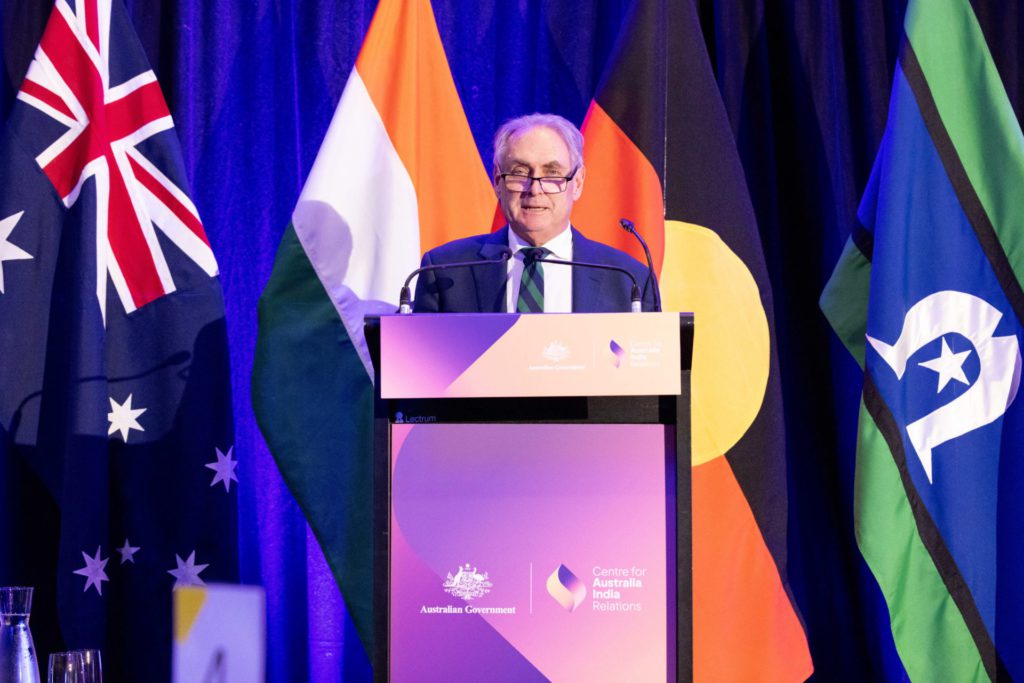
Contributing Author: Dr Sakul Kundra is an Associate Dean (Research) and Associate Professor at the College of Humanities, Education and Law at Fiji National University. The views expressed are his own and not of this newspaper or his employer.

Support Our Journalism

Global Indian Diaspora needs fair, non-hyphenated, and questioning journalism, packed with on-ground reporting. The Australia Today – with exceptional reporters, columnists, and editors – is doing just that. Sustaining this needs support from wonderful readers like you.

Whether you live in Australia, the United Kingdom, Canada, the United States of America, or India you can take a paid subscription by clicking Patreon Buy an annual ‘The Australia Today Membership’ to support independent journalism and get special benefits.

Indian-origin family seeks new home after second drive-by shooting in Sydney

0

A young Indian-origin family residing in Blacktown, Sydney, is in search of a new place to live following two separate drive-by shooting incidents targeting their home on Virginia Street.

Hardeep Kaur, a mother of two, along with her husband, cousin, and their young children, were inside their residence around 9:00 pm when gunfire rang out, shattering the tranquility of their evening.

Image: Bullet hole at Hardeep Kaur’s house (Source: Nine News)

The family narrowly escaped harm as a bullet pierced their window, coming dangerously close to hitting their five-year-old son.

Image: Hardeep Kaur (Source: Nine News)

Ms. Kaur in an interview with Nine News.pleaded:

“We can’t hide behind the doors, we can’t hide our children. It’s hard, please. It’s not us, we’re not doing anything.”

The assailant’s vehicle, captured on CCTV footage, was identified as a ute seen prowling the street moments before the attack.

Subsequently, a Ford Ranger believed to be linked to the shooting was discovered abandoned eight kilometers away in Eastern Creek, declared a crime scene by authorities.

NSW Police Inspector Kylie Evans stated it “is a mistaken identity,” emphasizing the gravity of the situation.

“It was abandoned but because police believe that it has a link to the shooting it was declared a crime scene. This family is innocent and we believe that this is a mistaken identity.”

This incident marks the second assault on the family’s home, with a prior shooting occurring just two weeks earlier. Although the family was absent during the initial attack, bullets struck their bedroom window, leaving evidence of the peril they narrowly avoided.

Image: NSW Police outside Hardeep Kaur’s house (Source: Nine News)

Investigations by the NSW Police suggest that the residence may have been targeted due to its former occupants, prompting authorities to delve into the circumstances surrounding the previous shooting.

In light of these alarming events, the family has been compelled to seek refuge elsewhere, fearing for their safety.

Authorities are urging anyone with relevant information regarding the incidents to come forward, contacting Blacktown Police or Crime Stoppers to assist in the ongoing investigation.
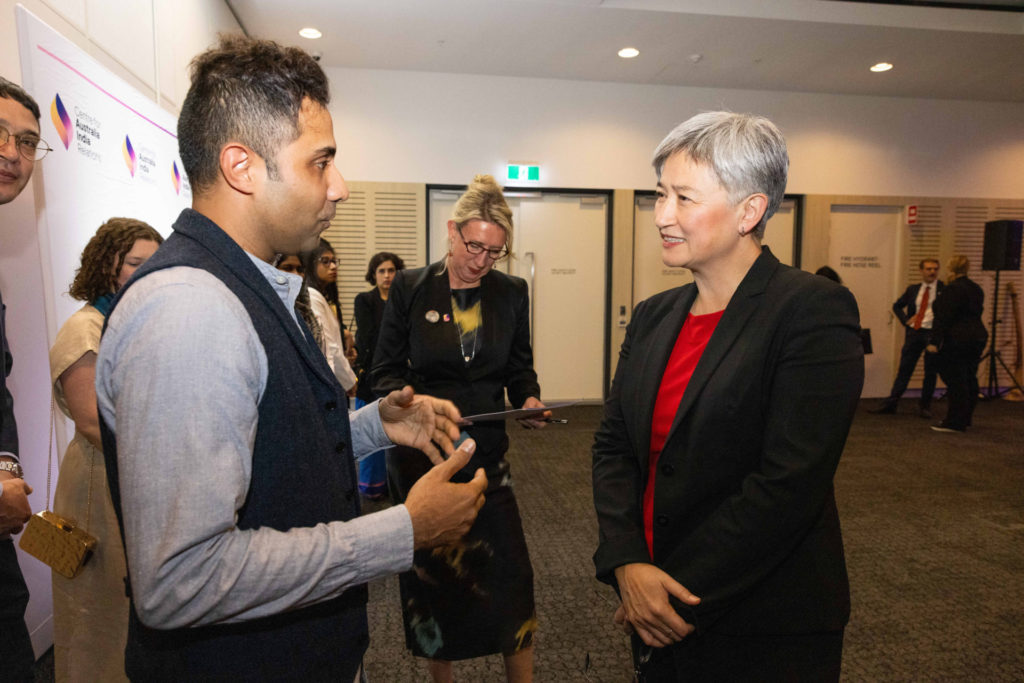
Support Our Journalism

Global Indian Diaspora needs fair, non-hyphenated, and questioning journalism, packed with on-ground reporting. The Australia Today – with exceptional reporters, columnists, and editors – is doing just that. Sustaining this needs support from wonderful readers like you.

Whether you live in Australia, the United Kingdom, Canada, the United States of America, or India you can take a paid subscription by clicking Patreon Buy an annual ‘The Australia Today Membership’ to support independent journalism and get special benefits.

From courtroom to campaign trail: 26/11 Mumbai terror attacks prosecutor nominated as BJP candidate

0

In a significant political move, India’s ruling Bharatiya Janata Party (BJP) has announced eminent lawyer Ujjwal Nikam as its candidate for the Mumbai North Central Lok Sabha constituency in Maharashtra.
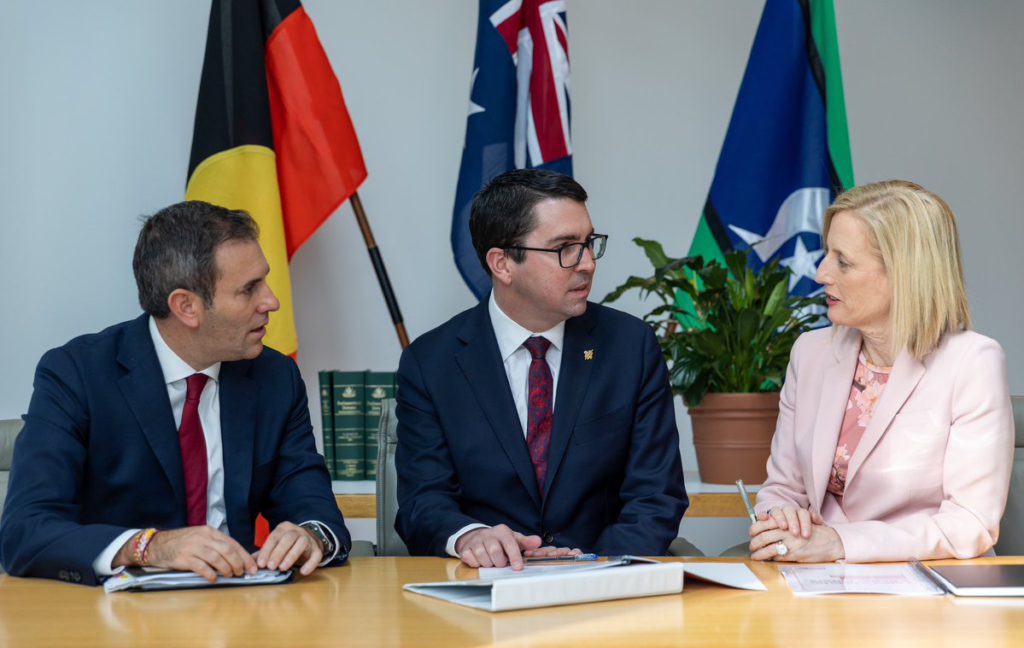
Renowned for his role as the public prosecutor in the Mumbai 26/11 terror attacks, Nikam’s nomination marks the replacement of incumbent MP Poonam Mahajan from the seat.

Image: Ujjwal Nikam (Source: Facebook)

Nikam gained prominence for his pivotal role as the prosecutor in high-profile cases, including the Mumbai 26/11 attacks and the murder case of BJP leader Pramod Mahajan, Poonam Mahajan’s father.

Poonam Mahajan, who had been elected from the Mumbai North Central constituency in 2014 and 2019, served as the president of the BJP’s youth wing. The decision to drop her as the candidate reportedly stemmed from organizational feedback, according to sources cited by news agency PTI.

Expressing gratitude for the opportunity, Nikam thanked Prime Minister Modi, BJP Chief JP Nadda, Maharashtra BJP Chief Chandrashekar Bawankule, Deputy Chief Minister Devendra Fadnavis, and Mumbai BJP Chief Ashish Shelar.

It is reported that India’s Union Minister Piyush Goyal supported the party’s decision to nominate Nikam, stating that it is a proud moment for the BJP to choose someone who will speak out against terrorism and work in alignment with PM Modi’s vision of eradicating it from its roots.

Image: Ujjwal Nikam (Source: Facebook)

Nikam was awarded the Padma Shri by the government of India in 2016. He emphasized his commitment to upholding the country’s Constitution, laws, and security, asserting that despite being new to politics, he would prioritize the welfare of the constituency.

Mumbai North Central, a historically significant constituency, has been represented by notable figures such as late Manohar Joshi, Ramdas Athawale, and Poonam Mahajan, all known for their active participation in parliamentary debates.

The nomination of Nikam comes amidst preparations for the upcoming Lok Sabha elections, scheduled for 20 May 2024 in Mumbai.

Support Our Journalism

Global Indian Diaspora needs fair, non-hyphenated, and questioning journalism, packed with on-ground reporting. The Australia Today – with exceptional reporters, columnists, and editors – is doing just that. Sustaining this needs support from wonderful readers like you.

Whether you live in Australia, the United Kingdom, Canada, the United States of America, or India you can take a paid subscription by clicking Patreon Buy an annual ‘The Australia Today Membership’ to support independent journalism and get special benefits.

Online forum confronts alarming tide of drowning deaths among Indian Australians, Urges crucial Water safety measures

0

In a collaborative effort to promote water safety awareness among the Indian diaspora community in Australia, the Vivekanand Society of Australia, in partnership with Sishu Mandir Australia and the Hemant Govekar Foundation, organized a significant online interaction.

In late January 2024, in Victoria’s Gippsland region, four individuals lost their lives at Forrest Caves beach on Phillip Island. In March, a young man passed away, while two others were hospitalized in critical condition after being rescued from the water near Apollo Bay in Victoria’s southwest. Earlier this month, a father-son duo tragically drowned on the Gold Coast. This marks the third Indian-origin family living in Victoria to face such a heartbreaking fate.

Image: Total number of deaths by drowning in Australia from financial year 2011 to 2023 (Source: Statista 2024)

In the financial year 2023, around 281 people were reported to have drowned in waterways in Australia. The highest number of drowning deaths have been recorded in New South Wales followed by Victoria and Queensland.

A Summer Drowning Report released by Surf Life Saving Australia noted:

“84% of coastal drowning deaths were male, and regional and remote drowning deaths accounted for 60% of fatal coastal drowning, which is 9% above last year.”

The event featured a distinguished panel of experts including Amrita Jathar from the Hemant Govekar Foundation team, Louise Lambeth, Founder of Deep Water Publishing, Sarah Fettell, a surf lifesaver from Queensland, and Dr. Sandeep Bhagat, Director of Medical Services at Peninsula Health.

Image: Amrita Jathar with her brother Late Hemant Govekar (Source: Supplied)

The session featured a poignant recount by Amrita Jathar, who shared the tragic loss of her brother, Hemant Govekar, on Christmas Day 2017 at Philip Island, Victoria.

Hemant and Amrita, originally from Mumbai, India, were celebrating Hemant’s graduation from the University of Queensland. Ms Jathar observed:

“Hemant went very close to the sand where we were, but in a few seconds, he was pulled away. There were people on the beach who swam close to Hemant, but they couldn’t save him.”

The absence of lifeguards on duty that day, due to it being a public holiday, accentuated the need for greater water safety awareness. Thus, Ms Jathar’s tragedy spurred her to establish the Hemant Govekar Foundation to raise awareness about water safety, particularly among newcomers to Australia’s beach culture.

Image: Louise Lambeth with her book – “Rohit at the river” (Source: Facebook)

Louise Lambeth, a lifesaver in NSW for the last 16 years was inspired by a tragic drowning incident involving a 5-year-old boy, to transition from being a lifeguard to a publisher and children’s author.

Ms Lambeth’s venture, Deep Water Publishing, focuses on creating storybooks to teach children water safety skills. One of her notable works, “Rohit at the River,” emphasizes the importance of water safety education through storytelling. The story follows Rohit as he learns to stay safe around water at his local swimming pool and highlights the dangers around inland waterways.

Dr Sandeep Bhagat emphasized the significance of incorporating water safety education into a healthy lifestyle. He stressed the importance of teaching children how to call for help and highlighted the ease with which drowning incidents can be prevented through awareness and basic survival swimming skills.

Three in four deaths across Australia occurred at a beach with rip currents which is the number one coastal hazard accounting for 29% of drownings.

Some participants shared their harrowing experiences with life-threatening situations on Australian beaches, particularly in rip currents.

The volunteer surf lifesavers across Australia account for more than 5,700 rescues, 25,000 first aid treatments and 1.3 million preventative actions.

Surf Life Saving Australia notes:

“With more than 1.4 million hours volunteered by surf lifesavers on patrol every year, their actions are estimated to have contributed $1.6 billion economic value to the Australian community during the 2023/24 summer alone.”

Image: Sarah Fettell, from Surf Life Saving Queensland (Source: LinkedIn)

Sarah Fettell, representing Surf Life Saving Queensland, underscored the lifeguards’ role in providing essential survival skills and ensuring beachgoers’ safety.

Ms Fettell encouraged beach visitors to approach lifeguards for guidance on safe swimming spots, emphasising that the water should be enjoyed without fear but with vigilance.

Image: Yogesh Bhatt from Vivekanand Society of Australia

Yogesh Bhatt, the event organiser, reiterated the session’s objective to equip the Indian diaspora community with essential water safety knowledge and beach awareness.

The online session witnessed enthusiastic participation from Indian diaspora members across Australia, highlighting the importance of such initiatives in fostering awareness and promoting safety within the community.

The success of this event through collaboration between various organizations and experts underscores a collective commitment to ensuring the safety and well-being of all individuals enjoying Australia’s beaches.

It would be an understatement to say that by fostering a culture of water safety through education, awareness, and community engagement, tragedies like Hemant Govekar’s loss can be prevented.

Support Our Journalism

Global Indian Diaspora needs fair, non-hyphenated, and questioning journalism, packed with on-ground reporting. The Australia Today – with exceptional reporters, columnists, and editors – is doing just that. Sustaining this needs support from wonderful readers like you.

Whether you live in Australia, the United Kingdom, Canada, the United States of America, or India you can take a paid subscription by clicking Patreon. Buy an annual ‘The Australia Today Membership’ to support independent journalism and get special benefits.