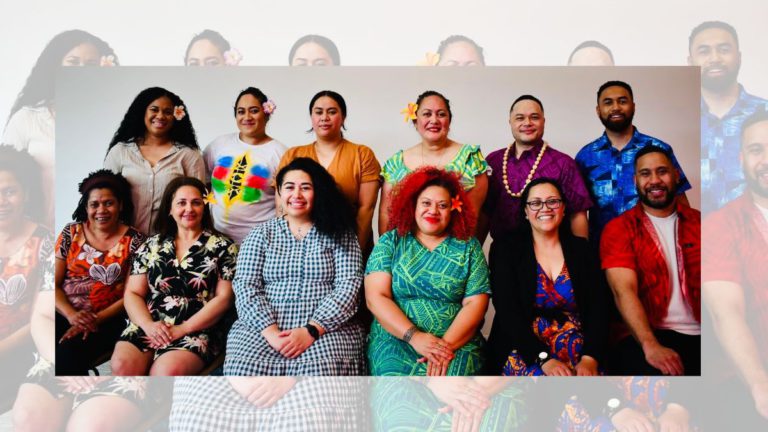
Understanding Pacific communities in Australia: younger or older?

0

By Huiyuan (Sharon) Liu and Toan Nguyen

Enhancing regional integration by promoting freer movement in the Pacific has emerged as a compelling strategy for fostering regional prosperity. Yet, the social and economic integration of the Pacific diaspora in Australia — a key destination for Pacific migrants — remains relatively underexplored beyond basic population statistics.

In the first part of a new blog series, we analyse Australian Census data to explore the characteristics of the Pacific diaspora, focusing on age structure. Subsequent blogs will look at labour market outcomes, geographical distribution, gender gaps and the second generation. We limit our focus to people born in independent Pacific states with ancestry from the region (including Fijian Indian) to exclude expatriates’ children and we compare Pacific diaspora outcomes with those for migrants from Western and other (referred to as “non-Western”) countries.

Figure 1 shows that the average age within the Pacific diaspora in the 2021 Australian Census is 45, younger than for Western countries (54) but older than for other, non-Western countries (41). Diasporas from Niue and Timor-Leste have an average age of over 50, while those from Solomon Islands and Vanuatu are much younger, averaging just over 30.

Why do differences exist between regions and countries? We explore two factors — duration of residency and age at arrival — to help explain them.

Figure 1: Average age of migrants in the 2021 Australian Census

Source: Australian Bureau of Statistics Census (2021). Data labels refer to the number of migrants reported in the 2021 Census. / Note: The number of people who reported age at arrival and year of arrival can be much lower. Pacific countries include those mentioned, as well as Marshall Islands, Federated States of Micronesia, Nauru, Palau, Tuvalu, which report very low numbers. Western countries comprise those in Europe, North America and New Zealand. Non-Western countries are all others (excluding Pacific and Western countries). See the interactive chart on Tableau.

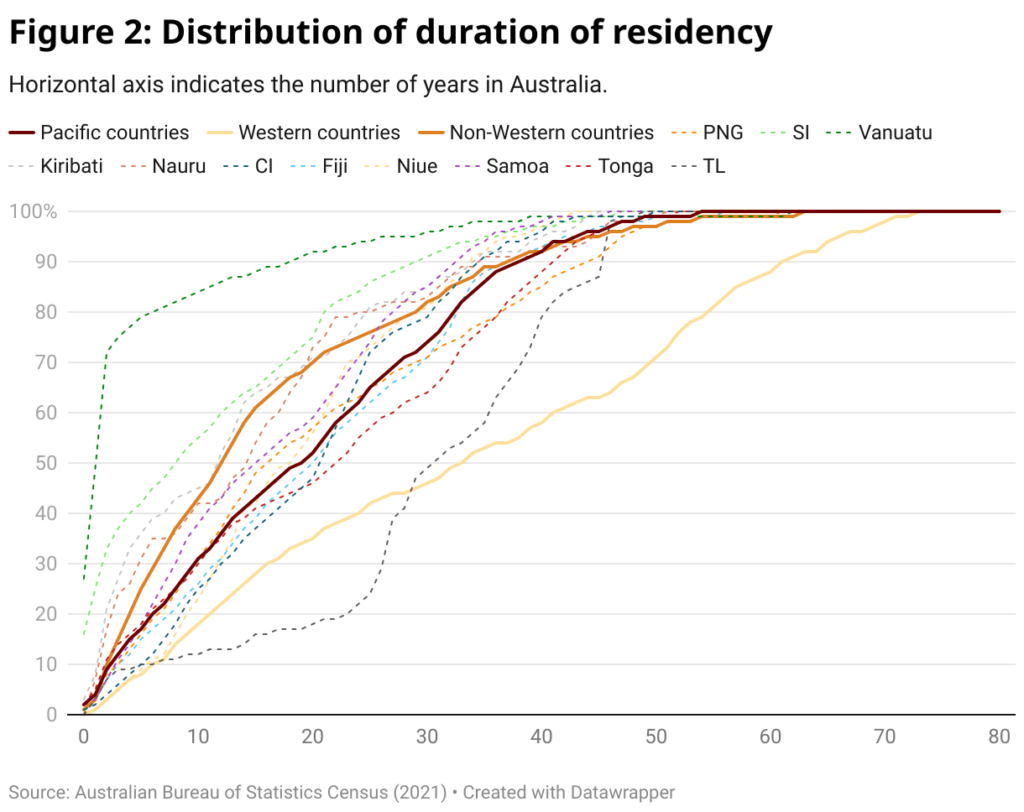
Figure 2 shows that, for the region as a whole, Pacific migrants have moved evenly — that is, at a steady rate — to Australia over the past 50 years. By contrast, migration from non-Western countries has been more recent, and from Western countries less recent.

Arrival patterns are mostly consistent and steady across Pacific countries, but Vanuatu and Timor-Leste are at the two extremes. Vanuatu is a significant source of workers for the Pacific Australia Labour Mobility (PALM) scheme so Vanuatu’s pattern is shaped by recent inflows of temporary workers who return home after their employment ends. In contrast, Timor-Leste’s arrivals are shaped by historical events, with 80% arriving in Australia before 2000, primarily under humanitarian visas.

Pacific countries with a relatively large diaspora in Australia — Fiji (33,742), Samoa (24,066), PNG (11,584) and Tonga (10,680) — show steady arrival rates over the past 40 years. However, their growth rates have been declining and are now below those of non-Western countries.
Another factor is the age of migrants upon arrival in Australia. There is less variation across Pacific countries in average age of arrival than current age. Migrants from Niue have the highest average age at arrival (34), partly due to a relatively high proportion migrating after age 50 (over 10%), which skews the average for their small diaspora. Niue is a tiny country and most Niueans who wanted to leave did so long ago. All Niueans have New Zealand passports and can migrate to Australia easily. Samoa also has a relatively high arrival age because many Samoans migrate to New Zealand first before relocating to Australia. Migrants from Nauru and Papua New Guinea have lower arrival ages. Many arrived as children: 51% of Nauruan and 33% of Papua New Guinean migrants to Australia were between 0 and 9 years old on arrival (Figure 3).
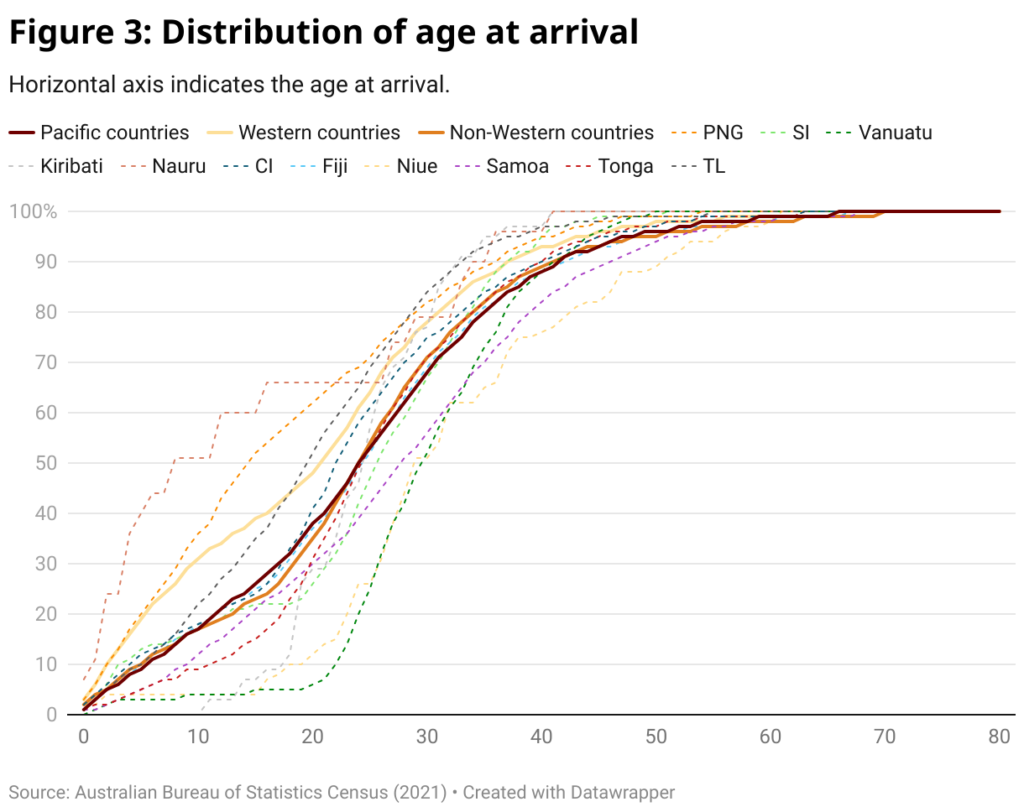
To summarise, while there are interesting national differences, the average Pacific migrant is younger than the average Western migrant (45 vs 54) because, even though they arrive older (25 vs 20), the former has lived in Australia for much a shorter period (20 vs 34 years). By contrast, the average Pacific migrant is older than the average non-Western migrant (45 vs 41) because although they both arrive at the same age (25), the former has been in Australia for longer (20 vs 16 years).

Subsequent blogs in this series will further explore the unique characteristics of the Pacific diaspora within the broader Australian context.

Disclosure: This research was supported by the Pacific Research Program, with funding from the Department of Foreign Affairs and Trade. The views are those of the authors only.

This article was first published in the Australian National University’s DevpolicyBlog and has been republished here with the kind permission of the editor(s). The Blog is run out of the Development Policy Centre housed in the Crawford School of Public Policy in the ANU College of Asia and the Pacific at The Australian National University.

Contributing Author(s): Huiyuan (Sharon) Liu is a research officer at the Development Policy Centre, working in the area of economic development. Toan Nguyen is a Research Fellow at the Development Policy Centre, Crawford School of Public Policy, ANU.

Support Our Journalism

Global Indian Diaspora and Australia’s multicultural communities need fair, non-hyphenated, and questioning journalism, packed with on-ground reporting. The Australia Today – with exceptional reporters, columnists, and editors – is doing just that. Sustaining this needs support from wonderful readers like you.

Whether you live in Australia, the United Kingdom, Canada, the United States of America, or India you can take a paid subscription by clicking Patreon and support honest and fearless journalism. LINK: https://tinyurl.com/TheAusToday
India’s legume scientists showcase their ground breaking research in Australia

0

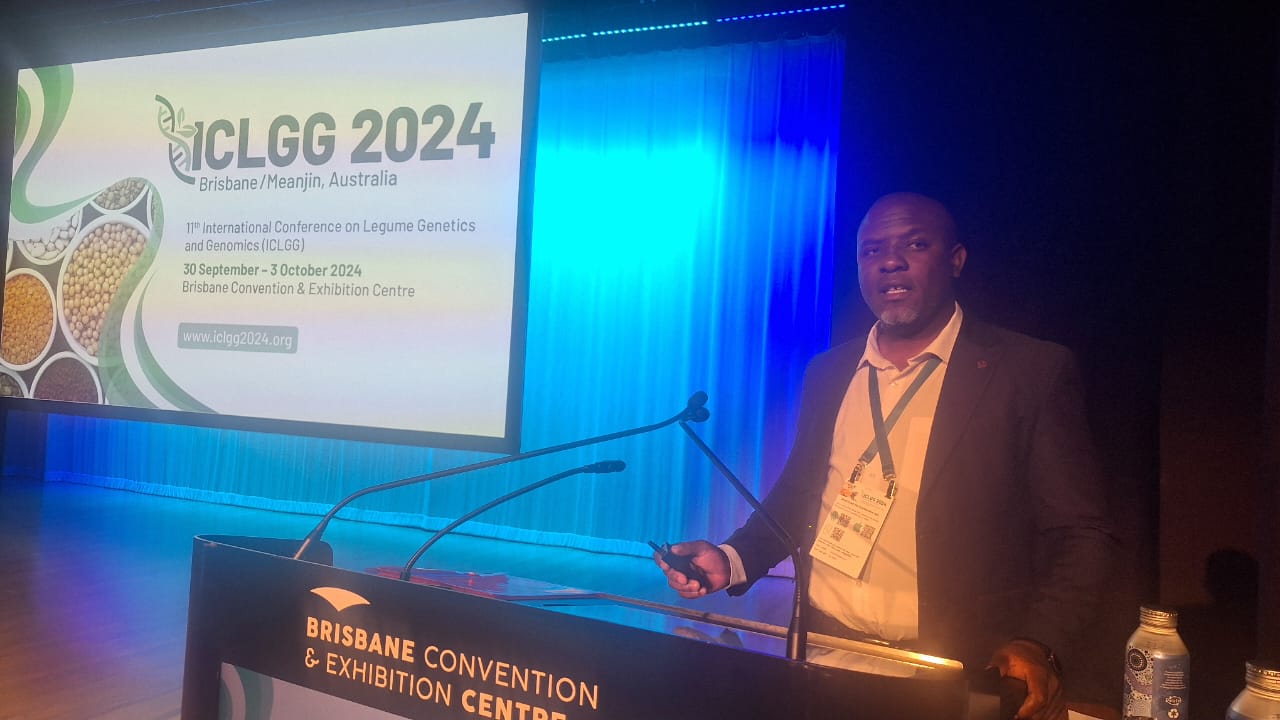
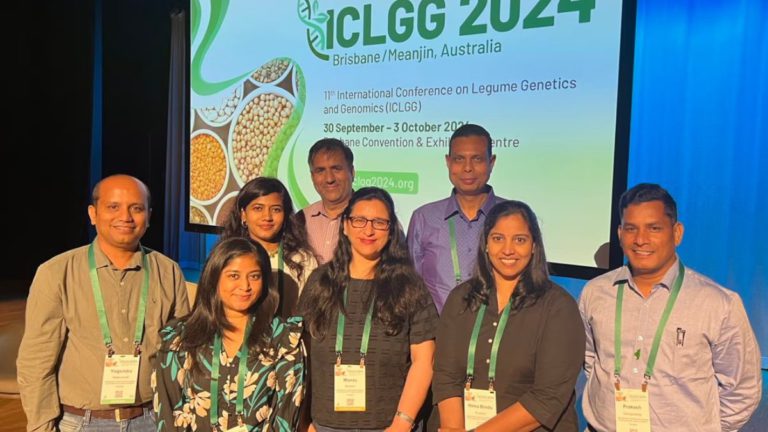
The 11th International Conference on Legume Genetics and Genomics (ICLGG 2024) was held in Australia from 30 September to 3 October, bringing together over 300 global legume researchers to address critical issues of food security and environmental sustainability.

Established in 2002 and organised every two years, the ICLGG series aims to advance legume research and promote strategies that prioritise environmental sustainability.

“The aim of the conference is to share the latest breakthroughs in legume genetics and genomics that are revealing the molecular basis of important biological processes and plant traits for sustainable agriculture.”

The International Crops Research Institute for the Semi-Arid Tropics (ICRISAT) based in Delhi, India, having hosted previous editions of the conference, continues to be a key player in this initiative.

This year, ICRISAT scientists presented groundbreaking research on machine-harvestable, disease-resistant chickpeas, the world’s first pigeonpea hybrids, and high oleic acid peanuts.

Image: Dr Stanford Blade, Deputy Director General-Research at ICRISAT (Source: ICRISAT)

“For over five decades, ICRISAT has been at the forefront of innovative legume science,” said Dr Stanford Blade, Deputy Director General-Research at ICRISAT.

“As we face the dual challenge of climate change and feeding a growing global population, our research will play a crucial role in enhancing food security and promoting sustainable management of natural resources.”

Legumes, such as chickpea, pigeonpea, and groundnut, are vital to sustainable agriculture, providing high-protein food while reducing greenhouse gas emissions through their ability to fix atmospheric nitrogen. ICRISAT’s research aims to enhance these qualities, making legumes more resilient in the face of climate change.

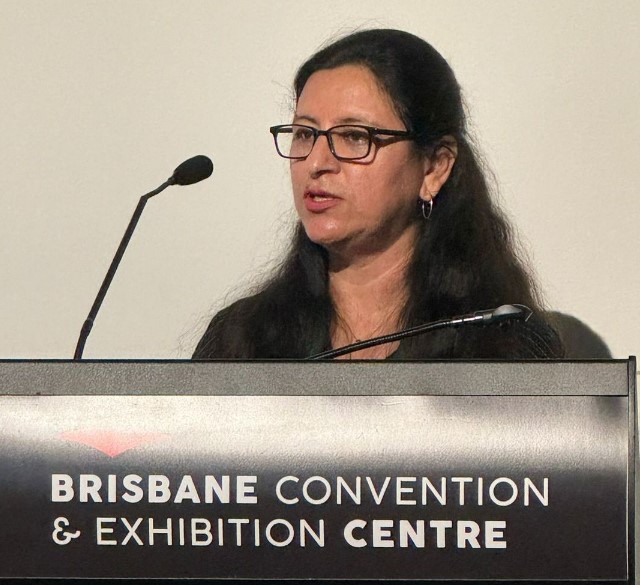
Image: Dr Mamta Sharma delivered Keynote Address on advances made in breeding disease-resistant varieties of chickpea and pigeonpea (Source: ICRISAT)

At the conference, ICRISAT researchers shared key insights on advances in structural and functional genomics, legume evolution, beneficial plant symbioses, and plant defences against stress. These developments are expected to shape future research efforts toward legume genetic improvement.

ICRISAT’s ongoing efforts align with the United Nations Sustainable Development Goals (SDGs) 2, 13, and 17, addressing issues such as hunger, climate action, and fostering global partnerships.

For over 50 years, ICRISAT has been a leader in dryland agriculture, pioneering cost-effective solutions for farmers facing climate-related challenges. From developing the world’s first pigeonpea hybrid to Africa’s first biofortified pearl millet, ICRISAT continues to make significant strides in improving food security for millions of people living in some of the world’s most challenging agricultural regions.

Support Our Journalism

Global Indian Diaspora and Australia’s multicultural communities need fair, non-hyphenated, and questioning journalism, packed with on-ground reporting. The Australia Today – with exceptional reporters, columnists, and editors – is doing just that. Sustaining this needs support from wonderful readers like you.

Whether you live in Australia, the United Kingdom, Canada, the United States of America, or India you can take a paid subscription by clicking Patreon and support honest and fearless journalism. LINK: https://tinyurl.com/TheAusToday

Calls for long-term support and systemic reform for victims of domestic violence

0

The Australian Domestic, Family and Sexual Violence Recovery Alliance has released the report from the Inaugural Recovery and Healing National Roundtable, co-convened with Commissioner Micaela Cronin.

The report gathers insights from survivors, practitioners, service providers, policymakers, and researchers, offering a series of recommendations across key pillars of recovery and healing.

The Alliance has also welcomed the newly launched National Plan, calling for systemic changes to ensure long-term benefits for women and children affected by violence.

The Alliance emphasised the need for trauma recovery services to be accessible to all women and children who have experienced abuse, whenever and wherever they are needed across the country.

Expressing gratitude to Minister Amanda Rishworth and state ministers, the Alliance praised the plan’s focus on recovery and healing, highlighting that the recovery process continues long after the crisis or abusive relationship has ended. “The recognition of recovery and healing in the National Plan is a critical step forward in eliminating violence against women and children,” said Carolyn Robinson, Founder of Beyond DV, Queensland.

“We now look forward to further detail in the First Action Plan, particularly long-term, holistic recovery support for survivors.”

The Alliance also celebrated the plan’s acknowledgment of children as victims in their own right.

“Children are not merely witnesses to violence, abuse, or coercive control—they are victims. Early intervention and active responses are crucial to prevent re-victimisation in adult life,” said a survivor, known as Teresa, stressing the need for trauma-informed, victim-centred responses within the justice system.

Sammy Cooper, a Queensland Alliance member, added a personal perspective:

“As a First Nations woman, I know the stats too well. Aboriginal and Torres Strait Islander women are over 35 times more likely to be hospitalised due to family violence. What I don’t understand is why there’s so little funding for culturally appropriate, long-term healing beyond crisis services.”

The Alliance also raised concerns over the justice system, pointing out that without reform in both criminal and family law, victims may continue to be re-traumatised. “The current system creates significant space for harm through systems abuse, intimidation, and coercive control,” they warned. Sally Stevenson, General Manager of the Illawarra Women’s Health Service, echoed this sentiment:

“The Recovery Alliance was formed to advocate for long-term investment in recovery and healing services, bringing awareness to the structural systems and barriers women face when recovering from violence.”

The plan’s focus on financial abuse was also applauded. Kelly-ann Tansley, CEO of Zahra Foundation Australia, highlighted the importance of financial independence in the recovery process.

“It’s not good enough that in 2022, women still have to choose between their safety and their financial or housing security. True recovery must include financial empowerment.”

The Alliance called on the Federal and State Governments to ensure services are funded to provide culturally responsive, trauma-informed, and intersectional practices at all levels, from prevention to recovery. They emphasised that a commitment to long-term trauma recovery will require significant investment, as noted by Dr. Lata Satyen, a psychologist and senior lecturer at Deakin University:

“We need to develop research to promote survivor-informed, culturally appropriate recovery approaches to ensure survivors are supported effectively.”

As the Alliance prepares for Australia’s first national conference on recovery and healing from domestic violence in early 2023, they remain committed to ensuring the vision of the National Plan becomes a reality. Tanya Elson, General Manager of Family and Domestic Violence at RUAH, concluded:

“The recovery pillar of the National Plan provides a framework to rewrite the future for women and children who have experienced gender-based violence. This vision of change in a generation is bold and achievable, but it will require sustained investment and commitment from all levels of government.”

Support Our Journalism

Global Indian Diaspora and Australia’s multicultural communities need fair, non-hyphenated, and questioning journalism, packed with on-ground reporting. The Australia Today – with exceptional reporters, columnists, and editors – is doing just that. Sustaining this needs support from wonderful readers like you.

Whether you live in Australia, the United Kingdom, Canada, the United States of America, or India you can take a paid subscription by clicking Patreon and support honest and fearless journalism. LINK: https://tinyurl.com/TheAusToday
Two US nationals jailed in Australia over largest meth smuggling plot

0

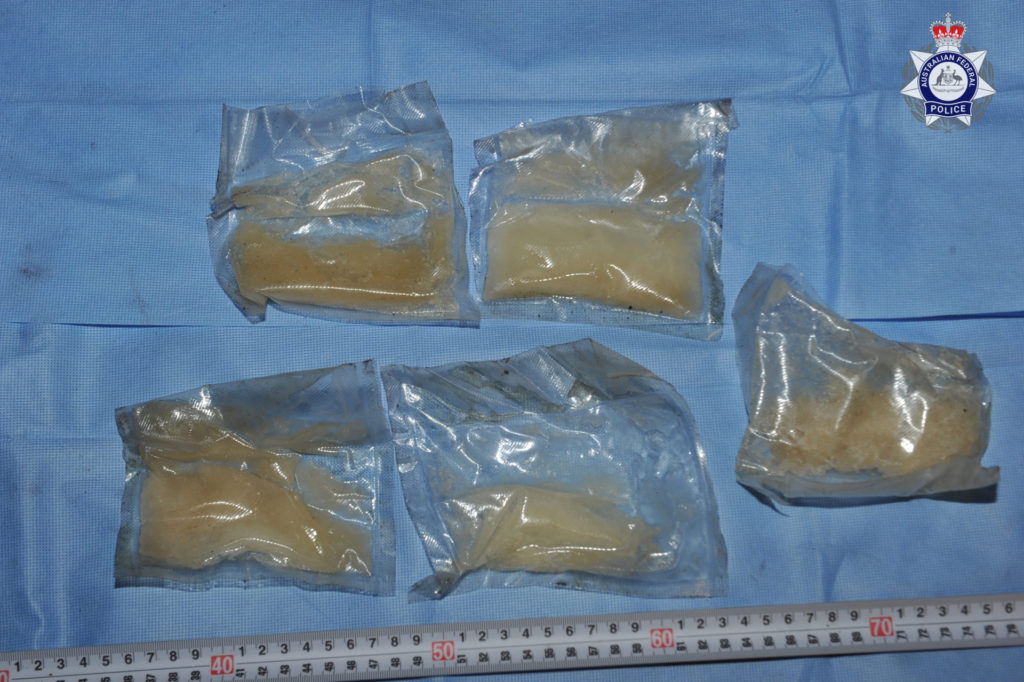
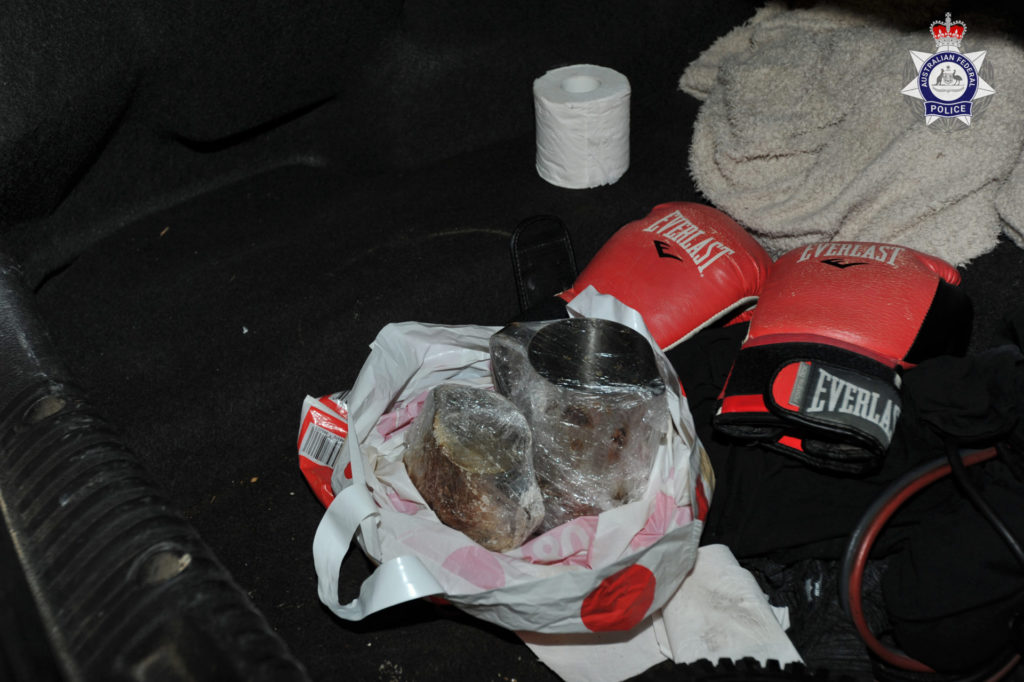
Two United States nationals were sentenced in the Melbourne County Court on 25 October 2024 for their involvement in an attempted importation of over 1.7 tonnes of methamphetamine into Australia in 2019. This was part of the largest-ever shipment of the drug bound for Australian shores.

A 57-year-old man was sentenced to 21 years in prison, with a non-parole period of 14 years, while a 52-year-old woman received a 14-year sentence, with a non-parole period of eight years and six months. The quantity of methamphetamine seized could have been sold as over 17 million street deals, with an estimated street value of $1.29 billion.

The two individuals are the last of six syndicate members charged in Australia to be convicted. Four others have already been sentenced, including Australian and South Korean nationals.

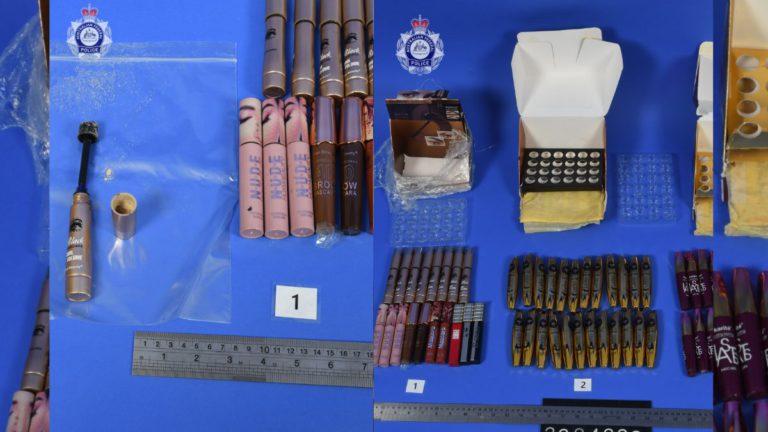
Image: Operation HOTH (Source: AFP)

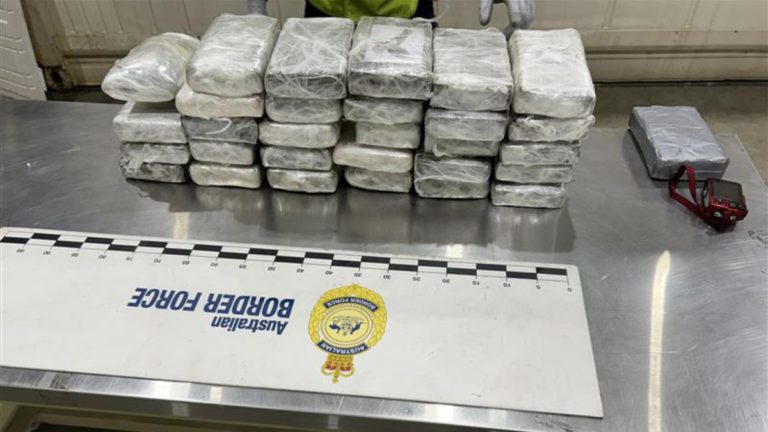
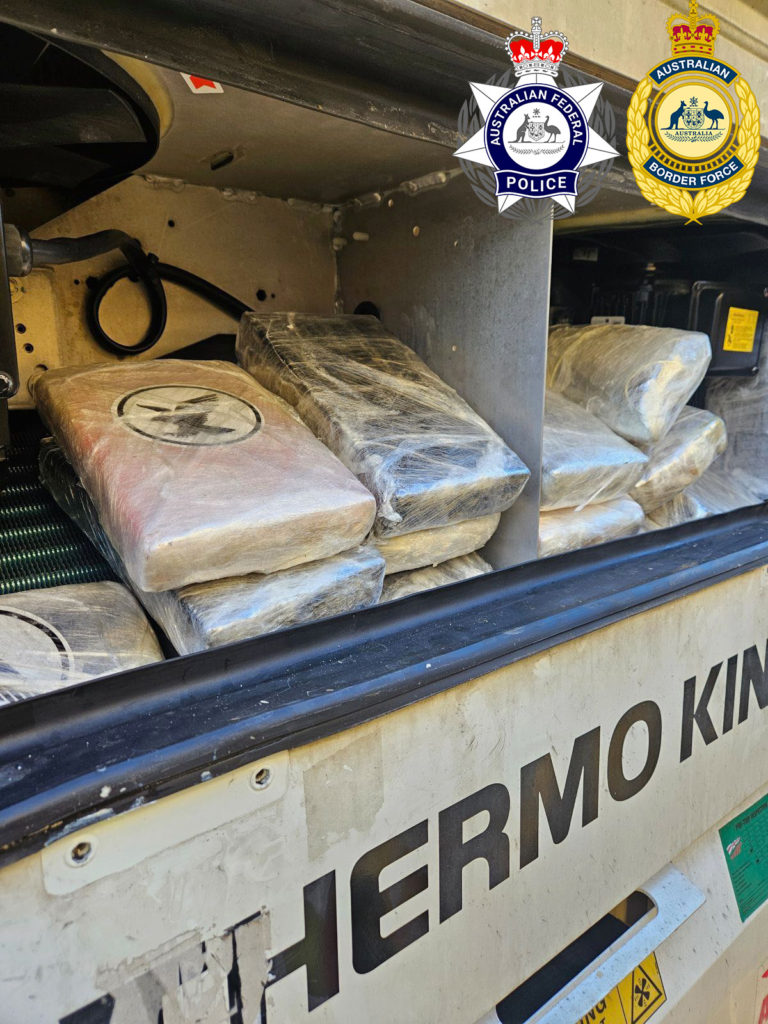
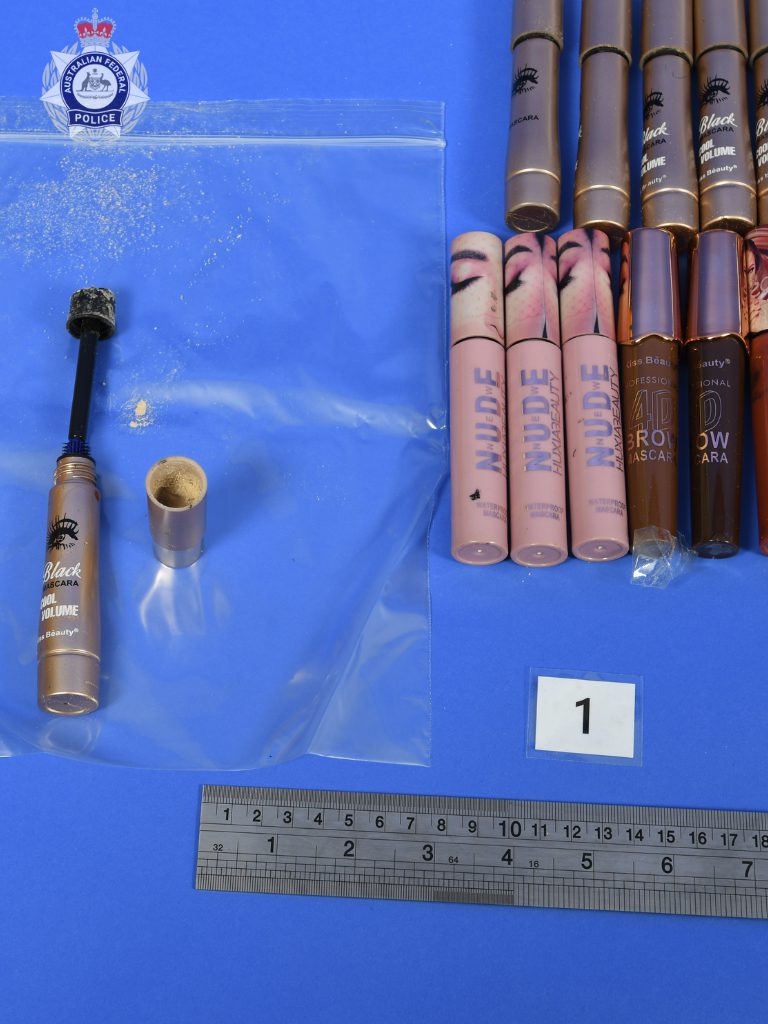
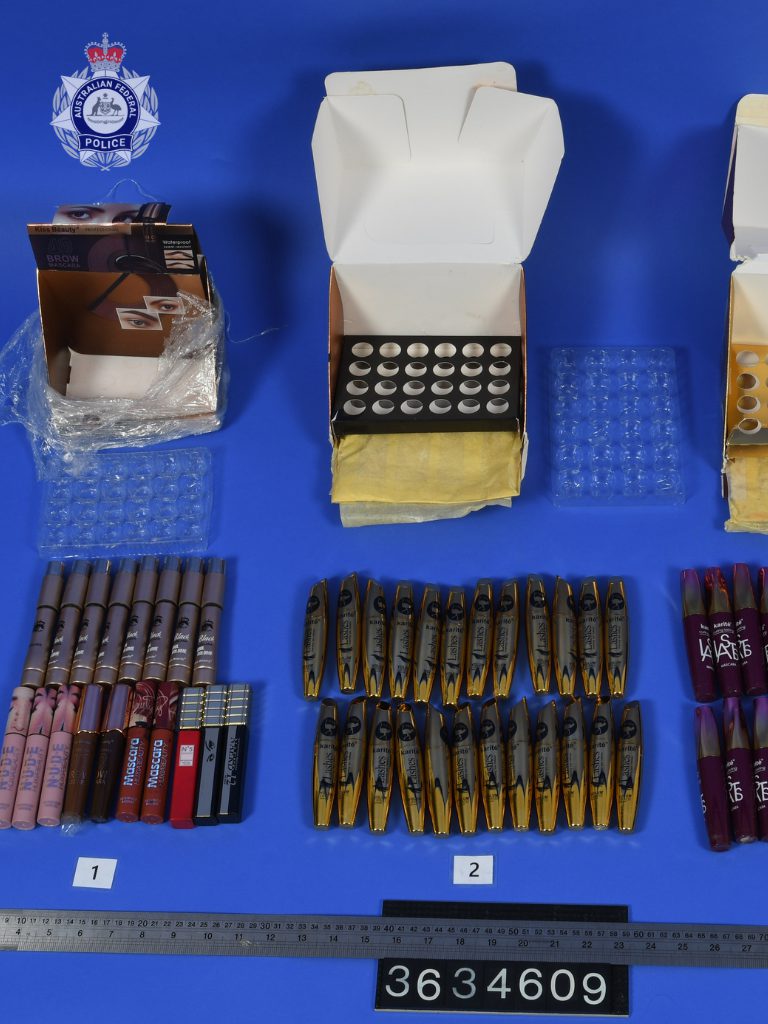
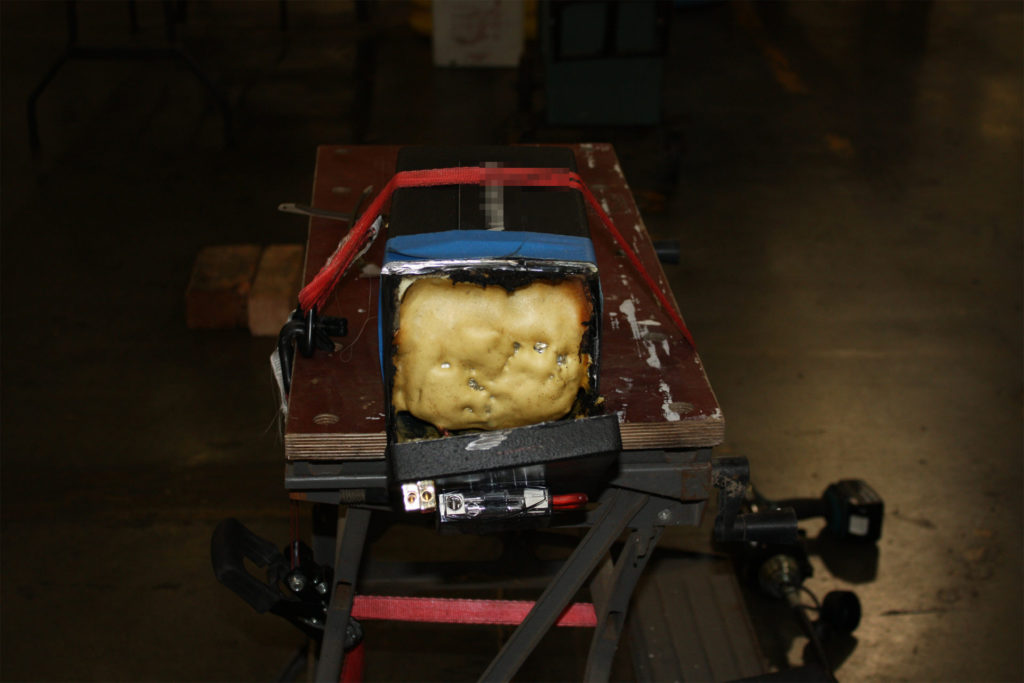
The investigation, launched in 2018 by the Victorian Joint Organised Crime Taskforce (JOCTF), uncovered a drug smuggling syndicate operating out of California. The JOCTF worked closely with US Homeland Security Investigations (HSI), leading to the interception of a consignment containing 1.728 tonnes of methamphetamine, 25kg of cocaine, and 5kg of heroin in California before it could leave for Australia. The drugs were concealed in containers labelled as audio equipment.

The case culminated in 13 search warrants executed across Melbourne and Sydney in early 2019, resulting in the arrest of six people, including the two US nationals.

Image: Operation HOTH (Source: AFP)

Detective Superintendent Jason McArthur of the Australian Federal Police highlighted the significance of this five-year-long investigation, saying, “Stopping more than 1.7 tonnes of methamphetamine before it had a chance to cause havoc on Australian streets protected the community and ensured criminals couldn’t profit at their expense.”

Homeland Security Investigations Attaché Ernest Verina praised the collaboration between law enforcement agencies, stating, “HSI is committed to stopping the scourge of illicit narcotics that devastate our communities.”

Image: Operation HOTH (Source: AFP)

Victoria Police’s Detective Acting Superintendent Jim Sullivan noted that the effects of methamphetamine, including increased road trauma and violent crime, would have been devastating had the shipment reached Australian streets.

The investigation, dubbed Operation Hoth, saw cooperation between multiple agencies, including Victoria Police, the Australian Border Force, and US Customs and Border Protection.

Superintendent Ben Michalke of the Australian Border Force hailed the operation as a landmark achievement in combating transnational organised crime and protecting Australian communities from the harm caused by methamphetamine.

Support Our Journalism

Global Indian Diaspora and Australia’s multicultural communities need fair, non-hyphenated, and questioning journalism, packed with on-ground reporting. The Australia Today – with exceptional reporters, columnists, and editors – is doing just that. Sustaining this needs support from wonderful readers like you.

Whether you live in Australia, the United Kingdom, Canada, the United States of America, or India you can take a paid subscription by clicking Patreon and support honest and fearless journalism. LINK: https://tinyurl.com/TheAusToday

Why do I get so anxious after drinking? Here’s the science behind ‘hangxiety’

0

By Blair Aitken and Rebecca Rothman

You had a great night out, but the next morning, anxiety hits: your heart races, and you replay every conversation from the night before in your head. This feeling, known as hangover anxiety or “hangxiety”, affects around 22% of social drinkers.

While for some people, it’s mild nerves, for others, it’s a wave of anxiety that feels impossible to ride out. The “Sunday scaries” may make you feel panicked, filled with dread and unable to relax.

Hangover anxiety can make even simple tasks feel overwhelming. Here’s why it happens, and what you can do about it.

What does alcohol do to our brains?

A hangover is the body’s way of recovering after drinking alcohol, bringing with it a range of symptoms.

Dehydration and disrupted sleep play a large part in the pounding headaches and nausea many of us know too well after a big night out. But hangovers aren’t just physical – there’s a strong mental side too.

Alcohol is a nervous system depressant, meaning it alters how certain chemical messengers (or neurotransmitters) behave in the brain. Alcohol relaxes you by increasing gamma-aminobutyric acid (GABA), the neurotransmitter that makes you feel calm and lowers inhibitions. It decreases glutamate and this also slows down your thoughts and helps ease you into a more relaxed state.

Together, this interaction affects your mood, emotions and alertness. This is why when we drink, we often feel more sociable, carefree and willing to let our guard down.

As the effects of the alcohol wear off, your brain works to rebalance these chemicals by reducing GABA and increasing glutamate. This shift has the opposite effect of the night before, causing your brain to become more excitable and overstimulated, which can lead to feelings of anxiety.

So why do some people get hangxiety, while others don’t? There isn’t one clear answer to this question, as several factors can play a role in whether someone experiences hangover-related anxiety.

Genes play a role

For some, a hangover is simply a matter of how much they drank or how hydrated they are. But genetics may also play a significant role. Research shows your genes can explain almost half the reason why you wake up feeling hungover, while your friend might not.

Because genes influence how your body processes alcohol, some people may experience more intense hangover symptoms, such as headaches or dehydration. These stronger physical effects can, in turn, trigger anxiety during a hangover, making you more susceptible to “hangxiety.”

Do you remember what you said last night?

But one of the most common culprits for feeling anxious the next day is often what you do while drinking.

Let’s say you’ve had a big night out and you can’t quite recall a conversation you had or something you did. Maybe you acted in ways that you now regret or feel embarrassed about. You might fixate on these thoughts and get trapped in a cycle of worrying and rumination. This cycle can be hard to break and can make you feel more anxious.

Research suggests people who already struggle with feelings of anxiety in their day-to-day lives are especially vulnerable to hangxiety.

Some people drink alcohol to unwind after a stressful day or to make themselves feel more comfortable at social events. This often leads to heavier consumption, which can make hangover symptoms more severe. It can also begin a cycle of drinking to feel better, making hangxiety even harder to escape.

Preventing hangover anxiety

The best way to prevent hangxiety is to limit your alcohol consumption. The Australian guidelines recommend having no more than ten standard drinks per week and no more than four standard drinks on any one day.

Generally, the more you drink, the more intense your hangover symptoms might be, and the worse you are likely to feel.

Mixing other drugs with alcohol can also increase the risk of hangxiety. This is especially true for party drugs, such as ecstasy or MDMA, that give you a temporary high but can lead to anxiety as they wear off and you are coming down.

If you do wake up feeling anxious:

  • focus on the physical recovery to help ease the mental strain
  • drink plenty of water, eat a light meal and allow yourself time to rest
  • try mindfulness meditation or deep breathing exercises, especially if anxiety keeps you awake or your mind races
  • consider journalling. This can help re-frame anxious thoughts, put your feelings into perspective and encourage self-compassion
  • talk to a close friend. This can provide a safe space to express concerns and feel less isolated.

Hangxiety is an unwelcome guest after a night out. Understanding why hangxiety happens – and how you can manage it – can make the morning after a little less daunting, and help keep those anxious thoughts at bay.

Blair Aitken, Postdoctoral Research Fellow in Psychopharmacology, Swinburne University of Technology and Rebecca Rothman, PhD Candidate in Clinical Psychology, School of Health Sciences, Swinburne University of Technology

This article is republished from The Conversation under a Creative Commons license. Read the original article.

"The

Support Our Journalism

Global Indian Diaspora and Australia’s multicultural communities need fair, non-hyphenated, and questioning journalism, packed with on-ground reporting. The Australia Today – with exceptional reporters, columnists, and editors – is doing just that. Sustaining this needs support from wonderful readers like you.

Whether you live in Australia, the United Kingdom, Canada, the United States of America, or India you can take a paid subscription by clicking Patreon and support honest and fearless journalism. LINK: https://tinyurl.com/TheAusToday

Shane Warne Stand unveiled at Melbourne’s Junction Oval

0

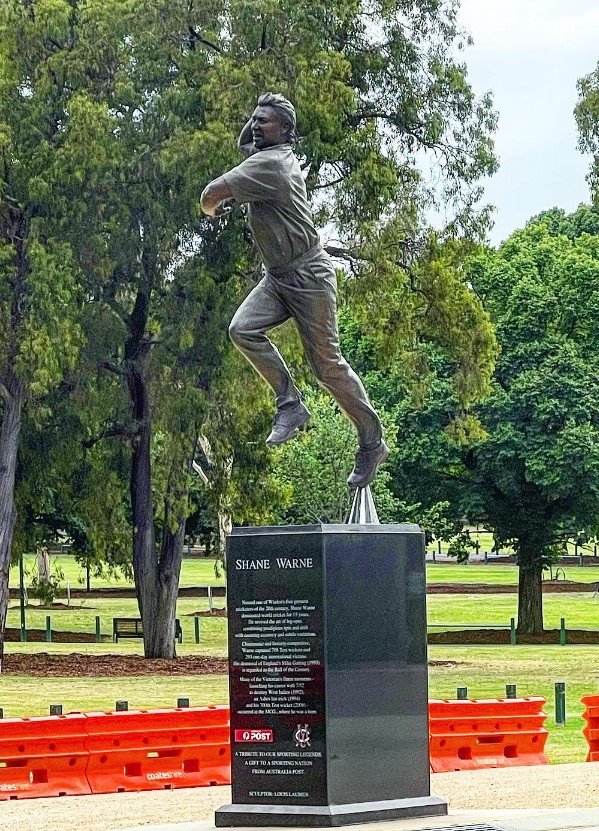
Cricket Victoria and the St Kilda Cricket Club have honoured the late King of Spin Shane Warne by renaming a heritage-listed stand at the Junction Oval after the legendary cricketer.

The grandstand, which dates back to 1925, has been renamed the Shane Warne Stand, recognising Warne’s immense contribution to Victorian cricket and his club team, St Kilda.

Warne, regarded as one of the greatest cricketers in history, began his career at the Junction Oval, making his first-class debut for Victoria in 1991.

The renaming process for the stand had been initiated before his tragic passing in March 2022. Originally named after Australian rules footballer Kevin Murray, the stand’s renaming has received full support from the Murray family. Murray’s name now graces a stand at Brunswick Street Oval in Fitzroy.

Source: Instagram

The unveiling ceremony was held in front of Warne’s father Keith and his daughters Brooke and Summer, ahead of a One-Day Cup match between Victoria and New South Wales.

A host of cricket stars, including Australian Test captain Pat Cummins and players Steven Smith and Glenn Maxwell, were present at the event, along with some of Warne’s former teammates from Australia, Victoria, and St Kilda.

Source: Instagram

In his speech, Keith Warne reflected on Warne’s early cricketing years, spent at St Kilda Cricket Club, which he always held close to his heart.

“Today marks a very special and proud day for the Warne family. To have a stand named the Shane Warne Stand here at the Junction Oval is a wonderful tribute to Shane, who we know would be honoured by this accolade.”

Brooke Warne echoed her grandfather’s sentiments, sharing how special the day was for their family:

“The sun’s shining, so Dad clearly doesn’t want to miss out. He’s here in spirit. We’re just so grateful. Emotions are high, but it’s a really special feeling today.”

The stand’s renaming comes as another tribute to Warne’s legacy, following the re-naming of the southern stand at the Melbourne Cricket Ground (MCG) in his honour during his state funeral in 2022. Warne is now one of only two cricketers, alongside Sir Donald Bradman, to have stands named after him at multiple first-class venues in Australia.

Image: Shane Warne, Sir Donald Bradman and Sachin Tendulkar meet in Adelaide for Bradman’s 90th birthday (Photo: Bryan Charlton/SACA)

The Junction Oval also features a new Shane Warne exhibition, showcasing memorabilia from his illustrious career. Many of the items on display were provided by Warne’s family, and the exhibition is open to the public.

As Keith Warne poignantly remarked,

“Although Shane can’t be here physically, I have no doubt that he will be here spiritually, humbly acknowledging the honour at the oval where his cricketing journey began.”

Support Our Journalism

Global Indian Diaspora and Australia’s multicultural communities need fair, non-hyphenated, and questioning journalism, packed with on-ground reporting. The Australia Today – with exceptional reporters, columnists, and editors – is doing just that. Sustaining this needs support from wonderful readers like you.

Whether you live in Australia, the United Kingdom, Canada, the United States of America, or India you can take a paid subscription by clicking Patreon and support honest and fearless journalism. LINK: https://tinyurl.com/TheAusToday

Australia committed to sustainable use of oceans and enhancing resilience of Pacific communities

0

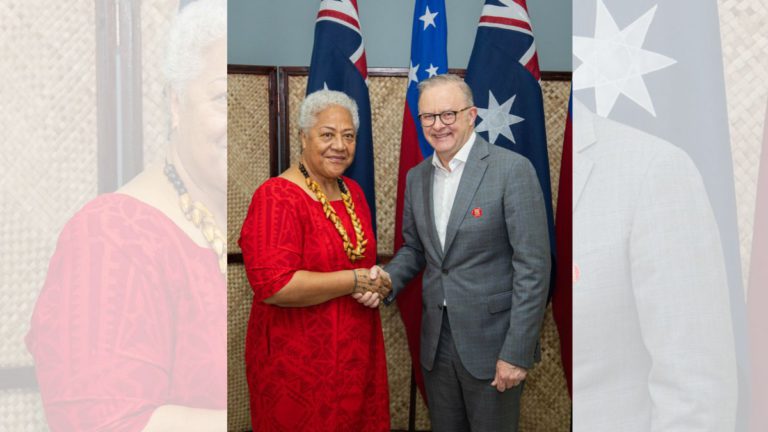
Prime Minister Anthony Albanese has concluded a significant visit to Samoa for the 2024 Commonwealth Heads of Government Meeting (CHOGM), which took place from 24 to 26 October.

This marked Albanese’s first visit to Samoa as Prime Minister and the first CHOGM hosted by a Pacific island nation, celebrating the 75th anniversary of the Commonwealth.

In his opening remarks, Albanese expressed his pleasure at reconnecting with fellow leaders and congratulated Samoan Prime Minister Afioga Fiamē Naomi Mataʻafa on her election.

The Prime Minister highlighted Australia’s commitment to multilateral cooperation, particularly in upholding international law and human rights. He noted Australia’s contributions, such as training Ukrainian personnel amid Russia’s ongoing aggression and collaboration under the AUKUS partnership.

A major focus of the meeting was addressing climate change and its implications for Pacific nations. Albanese emphasised the need for a clean energy transition, stating, “We recognise that climate change is not just a challenge but also an opportunity.” He underscored the importance of ensuring that no one is left behind during this transition.

As part of Australia’s support for Samoa in hosting CHOGM, Albanese reaffirmed Australia’s dedication to collaborative efforts in managing the sustainable use of oceans and enhancing the resilience of Pacific communities.

In his comments, Albanese stated, “Australia values the significant role Samoa plays in our region, and the close partnership between our two countries.” He expressed gratitude to Mataʻafa for hosting the meeting and applauded her leadership in elevating Pacific priorities on the global stage.

During his time in Samoa, Albanese engaged in numerous bilateral meetings with leaders from over 50 countries. One notable discussion was with British Prime Minister Sir Keir Starmer, marking their first in-person meeting since Starmer’s election earlier this year. Their dialogue centred on common interests, including climate change and security.

However, Albanese’s visit was not without controversy. Responding to a recent critical statement from a Chinese Foreign Ministry official regarding Australia’s human rights record, Albanese maintained that Australia would continue to advocate for its national interests and engage with China on these issues.

The Commonwealth meeting concluded with expectations for a robust declaration on climate change, spearheaded by Mataʻafa. King Charles III, presiding over CHOGM for the first time as sovereign, is anticipated to address historical challenges without directly addressing the contentious issue of reparations for slavery.

The outcomes of this CHOGM will play a pivotal role as the international community prepares for the upcoming UN climate summit in November.

Support Our Journalism

Global Indian Diaspora and Australia’s multicultural communities need fair, non-hyphenated, and questioning journalism, packed with on-ground reporting. The Australia Today – with exceptional reporters, columnists, and editors – is doing just that. Sustaining this needs support from wonderful readers like you.

Whether you live in Australia, the United Kingdom, Canada, the United States of America, or India you can take a paid subscription by clicking Patreon and support honest and fearless journalism. LINK: https://tinyurl.com/TheAusToday

Five Indian women researchers awarded fellowships to collaborate with Australian STEM experts

0

In a significant advancement for gender equity in science, technology, engineering, and mathematics (STEM), five Indian women researchers have been awarded fellowships to collaborate with Australian experts on pressing issues such as climate-resilient crops, rabies control, and sustainable fuel cell technology.

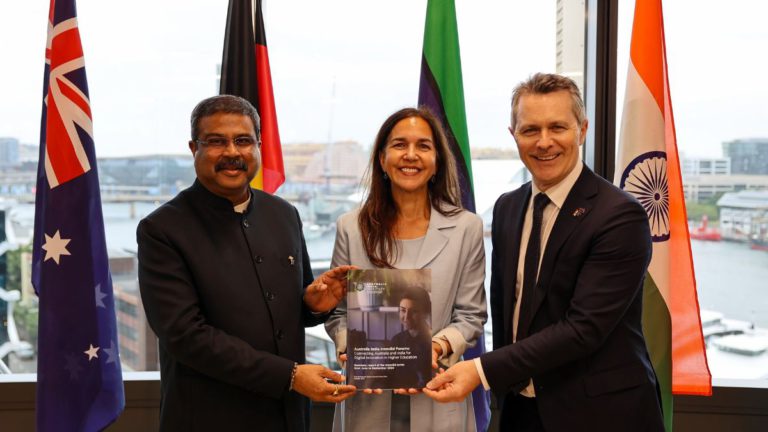
These fellowships, part of the Australia India Women Researchers’ Exchange (AIWE) Program, were announced today during the Australia India Education and Skills Council meeting. The event was attended by Indian Minister of Education, Dharmendra Pradhan, and Australian Minister for Education, Jason Clare.

The AIWE Program, led by the Australia India Institute and funded by the Australian Government Department of Education, aims to enhance collaboration between Australia and India while promoting gender equity in STEM fields.

The selected fellows, all early-career researchers from Tier 2 and Tier 3 cities in India, will undertake a 6 to 8-week research exchange in Australia:

  • Dr Blessy Babukutty from Mahatma Gandhi University, Kottayam, will work with Federation University to develop a novel membrane made from seaweed to improve the sustainability of fuel cell technology.
  • Dr M. Dhanalakshmi from Tamil Nadu Veterinary and Animal Sciences University will collaborate with The University of Sydney, applying advanced mathematical modelling to enhance rabies control in India’s free-roaming dog populations.
  • Dr Anshida Mayeen from Cochin University of Science and Technology will join forces with James Cook University to develop advanced dermal patches aimed at treating complex and chronic wounds.
  • Dr Shreya Singh from Chhatrapati Shahu Ji Maharaj University, Kanpur, will work with the University of Newcastle on bio-inspired seed coatings to boost crop resilience in drought conditions.
  • Dr Sonia Singh from Maharana Pratap Horticultural University, Karnal, will partner with the University of New England to investigate the effects of elevated CO₂ on tomato plants, focusing on the relationship between leaf respiration and tomato yield.

Lisa Singh, CEO of the Australia India Institute, emphasised the importance of investing in women researchers to foster innovation in STEM fields.

“By supporting women researchers through the AIWE Program, we are promoting gender equality and enriching the quality and diversity of STEM research,” she stated.

“We look forward to welcoming these talented women to Australia and witnessing the impactful research that will emerge from these fellowships.”

The AIWE Program offers ten fellowships for early-career postdoctoral researchers in STEM disciplines. Each fellowship will facilitate a 6 to 8-week research exchange between Australia and India, with completion expected by 31 May 2025.

Australian women researchers will also benefit from similar opportunities to engage with their Indian counterparts.

This initiative aligns with Australia’s Education Strategy for India, which prioritises research collaboration and strengthening bilateral education links.

During the 2023 Australia India Education and Skills Council meeting, both education ministers acknowledged the critical role that empowering women and girls plays in achieving the United Nations’ Sustainable Development Goals.

Minister Pradhan’s visit to Australia, coinciding with the second AIESC meeting, which aims to bolster education and skills connections between the two nations. Discussions revolved around Australia’s research strengths and industry engagement models that support innovation and economic growth.

Support Our Journalism

Global Indian Diaspora and Australia’s multicultural communities need fair, non-hyphenated, and questioning journalism, packed with on-ground reporting. The Australia Today – with exceptional reporters, columnists, and editors – is doing just that. Sustaining this needs support from wonderful readers like you.

Whether you live in Australia, the United Kingdom, Canada, the United States of America, or India you can take a paid subscription by clicking Patreon and support honest and fearless journalism. LINK: https://tinyurl.com/TheAusToday
Australia named Country of Focus at International Film Festival of India 2024

0

Australia has been announced as the Country of Focus for the 55th edition of the International Film Festival of India (IFFI), taking place from November 20-28, 2024, in Goa.

This follows the recent ratification of a co-production treaty between Australia and India, a move set to deepen cinematic collaboration between the two creative nations.

A statement from India’s Ministry of Information and Broadcasting said:

“This special recognition also aims to celebrate the dynamic contributions of Australian cinema to the global film industry, highlighting its rich storytelling traditions, vibrant film culture and innovative cinematic techniques.”

At this year’s festival, seven Australian films will be showcased, ranging from critically acclaimed dramas to thought-provoking documentaries, visually captivating thrillers, and light-hearted comedies.

The titles are yet to be disclosed, but organisers have promised a diverse and engaging selection that reflects the depth of Australian filmmaking.

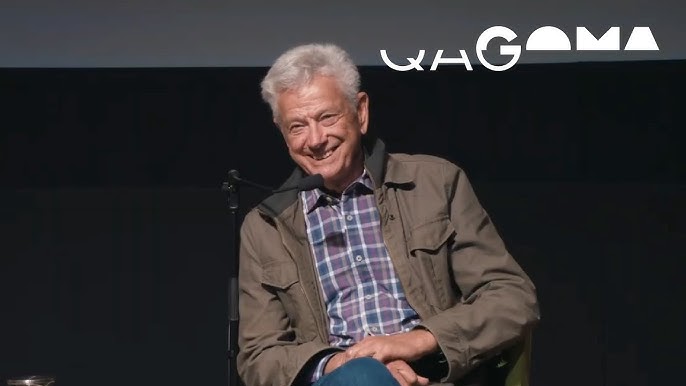
Image: Oscar-winning Australian cinematographer John Seale (Source: YouTube screenshoT)

A special highlight will be a masterclass led by Oscar-winning Australian cinematographer John Seale, known for his work on Mad Max: Fury Road and The English Patient. His session is expected to attract significant attention from Indian industry professionals and film enthusiasts alike.

Running concurrently with IFFI is Film Bazaar, South Asia’s premier film market, where Australia will have a notable presence.

Representatives from Screen Australia, various state screen commissions, and Ausfilm—an agency promoting Australia as a top filming destination—will attend. They will present Australian filming locations and government-backed production incentives at the Film Office exhibition area, showcasing the country’s appeal for international film projects.

In addition to these representatives, six Australian producers will receive government funding to explore co-production opportunities at the market.

One Australian project, Home Before Night, has already been selected as an official entry in Film Bazaar’s Co-Production Market, marking a key step towards fostering creative partnerships between Australian and Indian filmmakers.

A dedicated Australian Co-Production Day will also be held, offering networking opportunities for industry professionals from both countries. A panel discussion will further explore the creative and logistical potential of co-productions, spotlighting successful collaborations and discussing new opportunities under the co-production treaty.

The co-production treaty, ratified in late 2023, allows projects from both Australia and India to access significant funding benefits, including grants, loans, and tax offsets. This agreement is expected to drive a surge in collaborative projects, enhancing creative exchange between the two vibrant film industries.

Image: A screenshot from movie – Lion

Australian films have long made their mark in India, with notable co-productions such as Garth Davis’ Lion. Similarly, Indian filmmakers have increasingly chosen Australia as a filming location, with popular films like Salaam Namaste, Singh Is Kinng, and Chak De India being shot on Australian shores.

As Australia takes centre stage at IFFI 2024, the festival is poised to strengthen cultural ties and foster further collaboration between the Australian and Indian film industries.

Support Our Journalism

Global Indian Diaspora and Australia’s multicultural communities need fair, non-hyphenated, and questioning journalism, packed with on-ground reporting. The Australia Today – with exceptional reporters, columnists, and editors – is doing just that. Sustaining this needs support from wonderful readers like you.

Whether you live in Australia, the United Kingdom, Canada, the United States of America, or India you can take a paid subscription by clicking Patreon and support honest and fearless journalism. LINK: https://tinyurl.com/TheAusToday

27-year-old man jailed in Western Australia over role in Ketamine Christmas plot

0

A 27-year-old Italian man has been sentenced to three years’ imprisonment for his involvement in a plot to traffic ketamine hidden inside a package of Christmas gifts imported into Australia.

The Perth District Court handed down the sentence earlier this week (Tuesday, 22 October 2024), with the man set to be released on a good behaviour recognisance order after serving 18 months in custody.

The man was arrested in January 2024 following an Australian Federal Police (AFP) investigation launched when Australian Border Force (ABF) officers discovered approximately 1.5kg of high-purity ketamine concealed in stuffed toys within a package from Spain. The package arrived in Australia on Christmas Day 2023.

AFP Detective Inspector Matt Taylor emphasised the dangers of illegal ketamine use, noting that while the drug has legitimate medical uses, recreational use is illegal and highly risky.

“People using illegal ketamine won’t know its origin, strength, or what it may have been mixed with,” said Detective Inspector Taylor.

“It can cause severe dissociative effects, memory loss, and even prevent people from perceiving danger. Effects can range from nausea to seizures, making it a serious threat.”

He added that while some drug shipments may seem small, any quantity of illicit substances can cause significant harm to the community. The AFP, in partnership with the ABF, is committed to identifying and stopping individuals involved in the illicit drug trade.

Image: Man jailed in WA over ketamine import (Source: AFP)

After the discovery, the ABF notified the AFP, who replaced the drugs with a harmless substance before allowing the package to be delivered on 4 January 2024 to a residence in Coogee, Western Australia. Later that day, AFP officers executed a search warrant at the property, where they found the opened package with the substituted drugs removed from some of the toys.

A bag of the substituted drugs was discovered on a set of scales near a vacuum sealing machine. The man was arrested at the scene and subsequently charged with attempting to traffic a controlled drug, specifically ketamine, under sections 11.1(1) and 302.2(1) of the Criminal Code Act 1995 (Cth).

ABF Inspector Carmen Lee echoed these concerns, stating that officers are constantly vigilant for suspicious packages, particularly as the holiday season approaches.

“Criminals will go to great lengths to smuggle prohibited items, but our officers are always watching,” Inspector Lee said.

“As we enter one of the busiest times of year for incoming mail and cargo, this case serves as a warning to anyone attempting to exploit Australia’s borders.”

The man has remained in custody since his arrest on 4 January 2024.

Support Our Journalism

Global Indian Diaspora and Australia’s multicultural communities need fair, non-hyphenated, and questioning journalism, packed with on-ground reporting. The Australia Today – with exceptional reporters, columnists, and editors – is doing just that. Sustaining this needs support from wonderful readers like you.

Whether you live in Australia, the United Kingdom, Canada, the United States of America, or India you can take a paid subscription by clicking Patreon and support honest and fearless journalism. LINK: https://tinyurl.com/TheAusToday

Queensland election signals both major parties accept pumped hydro and the renewable energy transition as inevitable

0

Q

By Jamie Pittock and Andrew Blakers

Solar and wind have won the global energy race. They accounted for 80% of new global power capacity installed in 2023. In Australia, 99% of new capacity is wind or solar.

The Queensland election campaign suggests both sides of politics have embraced the renewable energy transition. But solar and wind are variable and need energy storage. That is where pumped hydro energy storage and batteries come in.

Both are off-the-shelf technologies. And both are already being used on a vast scale.

Having promised 80% renewable energy by 2035, the incumbent Labor government is committed to large pumped hydro systems at Borumba, on the Sunshine Coast, and Pioneer-Burdekin, near Mackay. The A$14.2 billion Borumba project appears to have support from both major parties. However, the Liberal National Party (LNP) says it will scrap the $12 billion Pioneer Burdekin project and the renewables target if elected.

While Pioneer-Burdekin is a very good site, there are good alternatives. The LNP says it “will investigate opportunities for smaller, more manageable pumped hydro projects”. Regardless, in supporting more pumped hydro storage and rejecting the federal Coalition’s nuclear power plans, the state LNP is accepting the renewable energy transformation as inevitable.

Sirbatch/Wikimedia Commons, CC BY-SA

What is pumped hydro energy storage?

Pumped hydro systems store surplus electricity from solar and wind on sunny and windy days. The electricity is used to pump water from a lower reservoir to an upper reservoir. This water can later be released downhill though turbines to generate power when it’s needed.

An illustration of how pumped hydro energy storage works
ARENA, CC BY

This proven technology has been used for over a century. It accounts for about 90% of global energy storage. Australia has three pumped hydro systems (Tumut 3, Kangaroo Valley, Wivenhoe) and two under construction (Snowy 2.0 and Kidston).

Snowy 2.0 will last for at least 100 years. Its capacity (350 gigawatt-hours, GWh) is equivalent to 6 million electric vehicle batteries. It’s enough to power 3 million homes for a week.

Due to start operating in 2028, Snowy 2.0 will cost about $12 billion. That’s roughly equivalent to $2,000 for a 100-year-lifetime EV battery. Pumped hydro energy storage is cheap!

ANU’s RE100 Group has published global atlases of about 800,000 potential pumped hydro sites. None require new dams on rivers. Some are new sites (greenfield). Others would use existing reservoirs (bluefield) or old mines (brownfield).

What about batteries?

Batteries are best for short-term storage (a few hours). Pumped hydro is better for overnight or several days – Snowy 2.0 will provide 150 hours of storage.

A combination of these storage systems is better than either alone.

As with any major infrastructure, pumped hydro development has costs and risks. It has high upfront capital costs but very low operating costs.

What are Queensland’s options?

In Queensland, solar and wind electricity rose from 2% to 26% of total generation over the past decade. It’s heading for about 75% in 2030 as part of Australia’s 82% renewables target.

Queensland needs roughly 150 GWh of extra storage for full decarbonisation. After accounting for Borumba (50 GWh), batteries and other storage, Pioneer-Burdekin (120 GWh) would meet that need.

A similarly sized system or several smaller systems would also suffice. The latter approach has advantages of decentralisation but would cost more and have environmental impacts in more places.

The state has thousands of potential sites that are “off-river” (do not require new dams on rivers). The table below shows 15 premium sites, most with capacities of 50–150 GWh. Some larger sizes are included for interest – 5,000 GWh would store enough energy for 100 million people.

The key technical parameters are:

  • head: the altitude difference between the two reservoirs – bigger is better
  • slope: the ratio of the head to the distance between the reservoirs – larger slope means shorter tunnel
  • W/R: the volume of stored water (W) divided by the volume of rock (R) needed for the reservoir walls. Large W/R means low-cost reservoirs.

Clicking on each name takes you to a view of the site with more details.

SiteSize (GWh)TypeHead (m)Slope (%)W/R
Mackay50Green800138
Townsville50Green490819
Pentland50Green340610
Boyne50Green390814
Beechmont50Blue42768
Tully50Blue726109
Tully150Blue726115
Townsville150Green440814
Mackay150Green412617
Mackay150Green68097
Yeppoon150Green390817
Proserpine500Green600127
Townsville500Green490186
Ingham1,500Green65068
Ingham5,000Green65073

Pumped storage in far north Queensland is valuable because it can absorb solar and wind energy from the Copperstring transmission extension to Mt Isa. It can then send it down the transmission line to Brisbane at off-peak times. This will ensure the line mostly operates close to full capacity.

A view of two potential 150GWh pumped hydro sites near Tully
Two potential premium 150 GWh bluefield pumped hydro energy storage systems near Tully. Author provided/RE100

What about the rest of Australia?

Pumped storage and batteries keep the lights on during solar and wind energy droughts that occasionally occur in winter in southern Australia. They also meet evening peak demand.

The fossil fuel lobby argues gas is needed in the energy transition. But pumped hydro and battery storage eliminate the need for gas generators and their greenhouse gas emissions.

In the past decade, solar and wind generation in Australia’s National Electricity Market increased from 6% to 35%. Gas fell from 12% to 5%.

Most pumped hydro projects can be built off rivers. The same water is repeatedly transferred between the reservoirs. This means the system keeps running during droughts and avoids the impacts of new dams blocking rivers and flooding valleys.

The environmental and social impacts of off-river pumped hydro projects are much lower than for conventional hydropower or fossil fuel projects.

The system uses very common materials, primarily water, rock, concrete and steel. Very little land is flooded for off-river pumped hydro to support a 100% renewable energy system: about 3 square metres per person. Only about 3 litres of water per person per day is needed for the initial fill and to replace evaporation.

Sometimes, safely disposing of tunnel spoil is a challenge – as with mining (including for coal and battery metals). Any major new generation facility and its transmission lines may involve clearing and disturbing bushland. Local communities sometimes oppose pumped hydro developments.

In Australia, ANU identified 5,500 potential sites. Only one to two dozen are needed to enable the nation to be fully powered by renewables.

About a dozen pumped hydro projects are in detailed planning. Hydro Tasmania’s Battery of the Nation is proposed for Cethana. Other prominent projects include Oven Mountain, Central West, Upper Hunter Hydro and Burragorang in New South Wales.

You can expect to see more pumped hydro systems in a state near you.

Jamie Pittock, Professor, Fenner School of Environment & Society, Australian National University and Andrew Blakers, Professor of Engineering, Australian National University

This article is republished from The Conversation under a Creative Commons license. Read the original article.

"The

Support Our Journalism

Global Indian Diaspora and Australia’s multicultural communities need fair, non-hyphenated, and questioning journalism, packed with on-ground reporting. The Australia Today – with exceptional reporters, columnists, and editors – is doing just that. Sustaining this needs support from wonderful readers like you.

Whether you live in Australia, the United Kingdom, Canada, the United States of America, or India you can take a paid subscription by clicking Patreon and support honest and fearless journalism. LINK: https://tinyurl.com/TheAusToday
Premier Jacinta Allan Announces Major Overhaul to Fast-Track Land Subdivision to Boost Housing

0

The Victorian Government has announced new measures to make it easier, faster, and cheaper to subdivide land and build more homes, aiming to address housing availability in the state.

Options on the table include:

  • Reducing subdivision approval time from 60 days to 10 days
  • Criteria-based planning permit exemptions
  • Potentially eliminating the requirement for a planning permit altogether
Premier Jacinta Allan at Melbourne Press Club event; Image Source:
Emily Kulich/MPC

Speaking at the Melbourne Press Club, Premier Jacinta Allan revealed that the Government will immediately begin an implementation review to streamline the current subdivision process, which often discourages home building due to delays.

“This just makes sense: if you’ve got land you don’t need – we’ll make it easier for you to subdivide it and sell it, putting money back in your pocket and giving another Victorian the chance to buy their own home,”

said Premier Allan.

The review will focus on how to best streamline planning and building systems, making it more straightforward for property owners to add a second home, build two new homes, or split their blocks into two lots.

“By unlocking land in people’s backyards – we’ll unlock even more new homes for young families in our established suburbs,”

Premier Allan added.

Clear limits will still be in place for important community factors, such as tree preservation, parking, and areas with flood or heritage overlays.

Premier Jacinta Allan at Melbourne Press Club event; Image Source: 
Emily Kulich/MPC
Premier Jacinta Allan at Melbourne Press Club event; Image Source: Emily Kulich/MPC

The Department of Transport and Planning will be involved in the review, exploring how to fast-track approvals while ensuring high-quality standards for homes are maintained. The government plans to consult with industry stakeholders and aims to implement reforms by April of next year.

Minister for Planning Sonya Kilkenny emphasised the impact on young families, stating,

“This will help more young Victorians get the opportunity to live in the communities they grew up, close to the people they love.”

Minister for Planning Sonya Kilkenny; Image Source: Emily Kulich/MPC

The initiative builds on the Labor Government’s regulatory changes in late 2023, which allowed homeowners to construct small secondary residences, such as granny flats, without the need for a planning permit.

The policy is expected to make it easier for more Victorians to find homes in established areas, close to transport, jobs, schools, and services, while also assisting older homeowners who wish to downsize or sell land to young families.

The announcement is part of a broader effort by the Victorian government to boost housing, which includes delivering new social and affordable homes and the Suburban Rail Loop project, featuring six housing precincts.

Support Our Journalism

The global Indian Diaspora and Australia’s multicultural communities need fair, non-hyphenated, and questioning journalism, packed with on-ground reporting. The Australia Today—with exceptional reporters, columnists, and editors—is doing just that. Sustaining this requires support from wonderful readers like you.

Whether you live in Australia, the United Kingdom, Canada, the United States of America, or India you can take a paid subscription by clicking Patreon and support honest and fearless journalism. LINK: https://tinyurl.com/TheAusToday

“International education is a two-way street,” says Minister Jason Clare amid Australian universities expansion in India

0

Indian Education Minister Dharmendra Pradhan was warmly welcomed in Melbourne during his visit to Australia, focused on bolstering educational collaboration between the two nations.

At a reception hosted by the Indian community, Pradhan expressed his gratitude, emphasising the role of the Indian diaspora in fostering cross-cultural exchanges.

“Our diaspora are the biggest ambassadors of Bharat’s civilisation. Our civilisational values and knowledge can offer solutions to global challenges.”

Pradhan also stressed the importance of knowledge partnerships in addressing global issues.

Pradhan highlighted India’s dedication to enhancing ties in areas such as university linkages, research, skilling, and student exchange programmes. He noted,

“Knowledge collaborations will be the cornerstone of India-Australia friendship, addressing mutual priorities through education.”

The visit included joint tours with Australian Education Minister Jason Clare to key educational institutions like RMIT and Monash University, where they explored cutting-edge technologies. They also visited South Melbourne Primary School, renowned for its evidence-based teaching practices.

Welcoming Pradhan, Clare stated, “Dharmendra, welcome back. It is an honour to host you here again in Australia, and we are all looking forward to hearing from you.”

Clare praised Pradhan’s transformative efforts in India’s education sector, particularly India’s bold target to enrol half of its youth in higher education or vocational training within the next decade. He noted the potential impact, predicting that by 2035, one in four university graduates globally could be from India.

Both ministers will continue their dialogue at the Australia-India Education and Skills Council (AIESC) meeting in Sydney. Clare also discussed Australia’s international education sector, addressing challenges related to post-pandemic migration policies and new student enrolment caps aimed at restoring balance.

Reflecting on their shared goals, Clare added,

“A good education makes everything possible. It’s not just about students coming here, but also about us going to them. It’s a partnership that changes lives, changes nations, and strengthens the enduring bond between Australia and India.”

Pradhan, Clare, and Minister Andrew Giles also participated in a dinner hosted by the Hindu Council of Australia, celebrating the growing collaboration between the two countries in education and skills. Pradhan praised the council for promoting the Indian ethos of ‘Vasudhaiva Kutumbakam’ (the world is one family) and for keeping Sanatan culture and traditions alive in Australia.

The following day, the ministers attended the 2nd Australia-India Education and Skills Council meeting in Sydney. Pradhan noted,

“The AIESC meeting has emerged as a key platform for building stronger knowledge bridges, advancing mutual priorities in education and skilling, and envisioning a brighter future for both Australia and India.”

Pradhan emphasised the role of education and skills as the driving force for economic prosperity and deeper connections between people and institutions.

Jason Clare echoed this sentiment, saying,

“International education is a two-way street. It’s about international students coming to Australia and Australian institutions going to the world.”

Clare also highlighted discussions with members of the Innovative Research Universities exploring options for a consortium campus in India.

As discussions progressed, both sides agreed to continue building on the momentum, with plans for the next AIESC meeting to take place in India in 2025. This ongoing collaboration promises to pave the way for a stronger, more dynamic educational partnership between Australia and India.

Support Our Journalism

Global Indian Diaspora and Australia’s multicultural communities need fair, non-hyphenated, and questioning journalism, packed with on-ground reporting. The Australia Today – with exceptional reporters, columnists, and editors – is doing just that. Sustaining this needs support from wonderful readers like you.

Whether you live in Australia, the United Kingdom, Canada, the United States of America, or India you can take a paid subscription by clicking Patreon and support honest and fearless journalism. LINK: https://tinyurl.com/TheAusToday

From Chennai to Melbourne: The Rao Family’s legacy of generosity and empowerment continues

0

In 1968, the Rao family embarked on a journey from Chennai, India, to the unfamiliar landscape of Melbourne, which had fewer than 100 Indian residents at the time.

Today, their life journey has blossomed into a profound legacy in Australia, helping 39 international students through the Rao Family Bursary—a gift that promises to impact generations across continents.

Image: The Rao family, L-R: Harish, Jana, Ranjit and Vimala circia 1975 (Source: University of Melbourne – LinkedIn)

The late Dr T. Janardhana (Jana) Rao OAM arrived in Australia as a qualified surgeon but initially faced challenges securing a position in hospitals. Instead, he joined a group general practice, marking the beginning of his career in a new country.

Dr Rao’s dedication and talent were later recognised when he became an honorary fellow of both the Royal Australasian College of Surgeons and the American College of Surgeons.

While Dr Rao navigated the medical landscape, his wife, Vimala, was carving out opportunities for others. Embracing her new life, she began welcoming recent Indian migrants into their home, offering hospitality and support that helped newcomers establish a sense of belonging within the growing Indian-Australian community.

Now, 56 years after their arrival, the Rao family continues to make strides in supporting further education and the Indian community at the University of Melbourne through the Rao Family Bursary.

Recipients of this bursary have shared how it has transformed their lives, often marking the difference between mere survival through exhausting work hours and the freedom to pursue academic ambitions while adjusting to life in Australia.

Prominent within the Indian-Australian community, the Rao family has made a lasting impact, with Dr Rao being the first honorary Indian consul-general and his sons achieving success in their respective fields—Harish as a businessman and Ranjit as a urologist.

The bursary, first awarded in 2021, has left an indelible mark on its recipients. For many, it has provided the financial relief necessary to focus on their studies rather than work long hours to make ends meet.

Mohammed Faisal, a Master of Construction Management alum, expressed gratitude for the support:

“I faced considerable challenges. The costs of tuition, course materials, and living expenses weighed heavily on me. I can now pursue my dreams without undue financial strain on my family.”

For female students, finding suitable accommodation can be daunting, but the bursary has offered vital stability during transitional periods. Doctor of Philosophy – Science researcher Nishtha Tewari noted,

“My bursary provided crucial stability and support during transitional periods. This stability, in terms of safe and secure housing, has also eased my personal journey in Melbourne.”

The Rao family’s empathy for the struggles faced by newly arrived Indians in Australia is matched by their unwavering commitment to creating opportunities for success. Their generosity inspires the bursary recipients, like Master of Marketing Communications student Javesh Juneja, who expressed a desire to “pay it forward by inspiring and assisting other students.” He added,

“I look forward to the future with optimism and enthusiasm.”

Stephen Manallack paid tribute to Dr Rao, highlighting how Dr Rao taught him valuable lessons about the Indian way of thinking, particularly regarding concepts like acceptance and patience.

“Quietly spoken and very considered in his comments, he was a strong believer that the two countries would benefit from much closer ties across politics, trade, culture and the arts.”

The legacy of Dr. T. Janardhana (Jana) Rao, who passed away on 26 August 2024, endures through the family’s dedication to transformative community impact in Australia and India.

Support Our Journalism

Global Indian Diaspora and Australia’s multicultural communities need fair, non-hyphenated, and questioning journalism, packed with on-ground reporting. The Australia Today – with exceptional reporters, columnists, and editors – is doing just that. Sustaining this needs support from wonderful readers like you.

Whether you live in Australia, the United Kingdom, Canada, the United States of America, or India you can take a paid subscription by clicking Patreon and support honest and fearless journalism. LINK: https://tinyurl.com/TheAusToday
Success of Aboriginal and Torres Strait Islander entrepreneurs celebrated at IBM Awards

0

Indigenous Business Month (IBM) co-founders announced this year’s award winners at a special breakfast event in Sydney today, marking the 10th anniversary of IBM.

The co-founders—Mayrah Sonter, Leesa Watego, and Dr Evans—recognised the collective achievements of Indigenous businesses over the past decade, emphasizing their commitment to sustainable and inclusive practices.

Image: Dr Michelle Evans, co-founder of the Dilin Duwa Centre (Source: Dilin Duwa Centre)

Dr Michelle Evans, co-founder of the Dilin Duwa Centre, praised the impact of Indigenous businesses:

“The sector employs over 116,795 people, demonstrating how Indigenous enterprises are committed to developing Indigenous talent.”

The gathering brought together Indigenous business professionals, past award winners, and this year’s honorees to celebrate the progress of First Nations businesses and strengthen networks in the community.

The co-founders highlighted that this milestone represents a significant moment for Indigenous enterprises and their allies to reflect and rejoice in their business practices.

Four outstanding Indigenous businesses were recognised with awards this year:

  • Indigenous Ingenuity Award: Project Net Zero for using innovative business models to tackle community challenges.
  • Indigenous Digital Inventiveness Award: Empower Digital for enhancing cultural creativity through digital enterprise.
  • I2I Award: Riley Callie Resources Pty Ltd for fostering connections between Indigenous businesses.
  • Regional Indigenous Business Award: Townsville CBD Electrical Pty Ltd for significant contributions to regional economies.
Image: Rory Chapman (Source: https://www.welcometocountry.com/pages/rory-chapman)

This year’s guest judge for the Indigenous Business Month Award Applications was Rory Chapman, a descendant of the Wiradjuri/Ngemba people and from the Beetson, Falk and Majick families and a well-known technology leader and owner of Embrace Tech, which supports Indigenous organisations through technology.

Chapman expressed admiration for the high quality of applicants and winners, highlighting their exceptional innovation and commitment to Indigenous excellence.

I was incredibly impressed to see the calibre of the applicants and winners for the Indigenous Business Month awards this year. There were some truly exceptional businesses and business owners, showcasing remarkable innovation and blak excellence!”

Image: Simone Kenmore, Head of Indigenous Banking at CommBank (Source: CommBank)

Simone Kenmore, Head of Indigenous Banking at CommBank, congratulated all finalists and winners, expressing support for the growth of the Indigenous business sector.

“CommBank is a proud supporter of Indigenous Business Month and is committed to supporting thriving Indigenous Business Sector. Congratulations to the 2024 Award finalists and winners!

Indigenous Business Month is a collective movement that celebrates and showcases the diversity and excellence of Aboriginal and Torres Strait Islander businesses across Australia in October. The event was generously supported by CommBank and the Dilin Duwa Centre for Indigenous Business Leadership.

Support Our Journalism

Global Indian Diaspora and Australia’s multicultural communities need fair, non-hyphenated, and questioning journalism, packed with on-ground reporting. The Australia Today – with exceptional reporters, columnists, and editors – is doing just that. Sustaining this needs support from wonderful readers like you.

Whether you live in Australia, the United Kingdom, Canada, the United States of America, or India you can take a paid subscription by clicking Patreon and support honest and fearless journalism. LINK: https://tinyurl.com/TheAusToday
23-year-old man charged with alleged assault on flight crew from Perth to Auckland

0

A New Zealand national is appeared in the Broadmeadows Magistrates Court on 24 October 2024, facing charges for allegedly assaulting a crew member during an international flight.

The Australian Federal Police (AFP) received a report early on 23 October 2024 regarding an allegedly intoxicated and disruptive passenger on a flight from Perth to Auckland, New Zealand.

According to the flight crew, the 23-year-old man refused to comply with their instructions and allegedly assaulted a crew member, resulting in minor injuries to the staff member.

The flight was diverted to Melbourne Airport, where AFP officers boarded the plane and removed the passenger, who had been restrained at the rear of the aircraft.

The man has been charged with one count of assaulting a crew member in the performance of their duties, an offence under section 21 of the Crimes (Aviation) Act 1991 (Cth), which carries a maximum penalty of 20 years in prison.

AFP Detective Superintendent Stephen Cook noted the disruption caused by the incident, stating, “Any violence or anti-social behaviour in a confined space in the air is distressing for other passengers and crew. At the very least, this alleged incident disrupted everyone’s travel plans.”

“Anti-social behaviour during a flight can pose a direct threat to the safety of the aircraft, and this is taken very seriously by airlines and the AFP,” Det-Supt Cook added.

The AFP provides aviation security at nine major airports across Australia. Members of the public are encouraged to report any suspicious behaviour at Australian airports to Airport Watch on 131 237.

Support Our Journalism

Global Indian Diaspora and Australia’s multicultural communities need fair, non-hyphenated, and questioning journalism, packed with on-ground reporting. The Australia Today – with exceptional reporters, columnists, and editors – is doing just that. Sustaining this needs support from wonderful readers like you.

Whether you live in Australia, the United Kingdom, Canada, the United States of America, or India you can take a paid subscription by clicking Patreon and support honest and fearless journalism. LINK: https://tinyurl.com/TheAusToday
Stalking rates in Australia are still shockingly high – one simple strategy might help

0

By Troy McEwan

New data from the Australian Bureau of Statistics (ABS) reveals one in seven adult Australians have been stalked in their lifetime: one in five women and one in 15 men.

While shocking to many, for those of us who work in the field, there is nothing surprising about these figures.

The ABS has conducted similar surveys roughly every five years since 2005, which reveal basically the same results each time.

About 3-4% of women and 1-2% of men are victims of stalking every year.

These rates are consistent with those reported in research from the United Kingdom and United States, with small variations depending on definition.

Stalking rates have remained stubbornly consistent despite the same ABS survey showing reductions in the rates of intimate partner violence and general violence over the past decade.

The reasons for this are unclear, though there are obvious differences in the level of government and community investment in countering intimate partner violence versus awareness of and attention to stalking.

What exactly is stalking?

Stalking is a pattern of repeated and unwanted behaviour in which one person pushes their way into the life of another where they have no legitimate right to be, causing the target distress and fear.

The most common methods are unwanted communication (by phone or digital media) and unwanted contacts (such as following someone or loitering nearby).

Threats of violence and assault occur in at least a quarter of cases.

Stalking that persists for more than two weeks is more likely to continue and cause significant harm.

The impact of stalking

Victims of persistent stalking have described it as “psychological rape”, with the stalker invading every part of their life.

The cumulative impact of seemingly never-ending intrusions, and their social and financial toll, is probably why stalking victims report high rates of depression, anxiety and traumatic stress disorders.

Researchers have estimated being stalked for 14 months costs victims approximately $A140,000, including direct costs from lost work and legal expenses and indirect costs of physical and mental harm.

Who stalks?

Most stalking is perpetrated by people who are known to the victim, either as an acquaintance or an ex-partner, with strangers responsible for about 20-25% of stalking.

Stalking usually starts either because the person feels mistreated and stalks to take revenge or right the wrong, or they stalk to start or enact a relationship with the victim that does not exist. In a small number of cases, stalking has a sexual motivation and can sometimes be part of planning or preparation for a sexual assault.

Regardless of motivation, most stalking is communicative – the stalker wants the victim to know they exist and to feel like they must respond.

However, responding to a stalker is not advisable as it usually just adds fuel to the emotional fire that drives them.

Ex-partners account for just under half of all stalking cases and many more women than men are stalked by an ex.

Stalking in this context is a type of intimate partner violence and it receives by far the most attention and response.

Research suggests that intimate partner stalking is more often identified as being perpetrated by former rather than current partners.

Psychological abuse or coercive control during a relationship might be linked to increased potential for stalking after a break-up.

Physical violence is much more common in cases of ex-partner stalking, with the ABS survey and earlier research finding half of intimate partner stalkers used physical violence.

Thankfully, most stalking-related violence does not cause severe physical harm and homicide is extremely rare.

Although prior stalking is common in ex-partner homicides, recent Victorian research showed that of 5,026 intimate partner violence reports to police involving stalking, only nine involved fatal or near fatal violence in the following 12 months.

This means the presence of stalking is not a useful risk factor for trying to predict intimate partner homicide.

Strategies against stalking

Numerous strategies have been identified to prevent and reduce stalking-related harms. Among those tried largely outside Australia:

The Victorian Law Reform Commission’s 2022 review of stalking laws recommended adoption of several of these strategies, though to date the state government has committed only to revising the stalking law.

A simple but powerful strategy

Stalking is a complicated problem and a comprehensive response needs multi-faceted systemic change that will be costly and take much effort and time.

Currently, there doesn’t seem to be an appetite in Australia for the work required.

However, there is one relatively straightforward thing the federal, state and territory governments could do right now to help: establish a national stalking helpline that can provide specialist information, advice and advocacy for all victims.

Such a helpline was established in the UK in 2010 and has supported more than 65,000 people.

The helpline provides online and telephone advice to potential stalking victims, including basic risk assessment, advocacy and links to local support services. It also provides advice to mental health professionals and others who are supporting stalking victims.

The helpline serves all people, regardless of their gender or relationship with the stalker. Nearly half (45%) of its clients are stalked by a stranger or acquaintance, not an ex-partner. This highlights the importance of a specialised stalking response separate to existing services for family and intimate partner violence.

An Australian equivalent would provide immediate support for victims and a focal point for necessary research and evaluation into what works to stop stalking.

An Australian national stalking helpline would be a practical, relatively inexpensive and immediately helpful strategy that governments could implement to support the hundreds of thousands of Australians who are stalked every year.

Troy McEwan, Professor of Clinical and Forensic Psychology, Swinburne University of Technology

This article is republished from The Conversation under a Creative Commons license. Read the original article.

"The

Support Our Journalism

Global Indian Diaspora and Australia’s multicultural communities need fair, non-hyphenated, and questioning journalism, packed with on-ground reporting. The Australia Today – with exceptional reporters, columnists, and editors – is doing just that. Sustaining this needs support from wonderful readers like you.

Whether you live in Australia, the United Kingdom, Canada, the United States of America, or India you can take a paid subscription by clicking Patreon and support honest and fearless journalism. LINK: https://tinyurl.com/TheAusToday
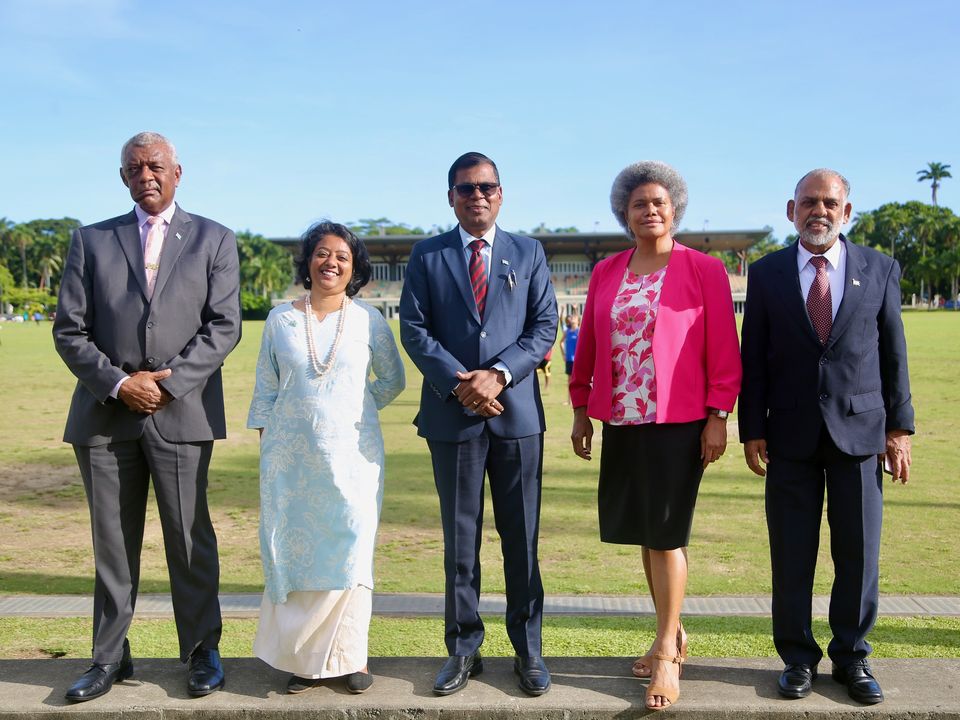
Pacific Academy of Sciences launched to amplify regional voices and foster collaboration

0

In a momentous development for the Pacific Islands, the region has officially established its first Pacific Academy of Sciences, marking a significant milestone in the elevation of Pacific-led research and knowledge.

Launched in Apia, Samoa, on 22 October by Prime Minister Afioga Fiamē Naomi Mata’afa, the academy aims to amplify the region’s scientific voice on pressing global issues, including climate change and environmental sustainability.

Speaking at an official event during the Commonwealth Heads of Government Meeting (CHOGM), Prime Minister Mata’afa hailed the academy as a crucial step towards fostering international collaboration, stating,

“Today’s challenges transcend borders. They require cooperation among scientists and experts across disciplines to curate knowledge that informs public policy and guides action.”

The academy’s twelve Foundation Fellows, drawn from across the Pacific, represent the region’s best and brightest scientific minds.

Among them is Professor Jemaima Tiatia-Siau, Pro Vice-Chancellor Pacific at the University of Auckland, who expressed her pride in the academy’s creation.

“Until now, the Pacific had yet to establish an internationally recognised body of scientists. Now we have the opportunity to bring Pacific scholars together to nurture future generations, which can only be a positive development.”

Professor Tiatia-Siau highlighted the importance of increasing visibility for Pacific-led research and addressing challenges unique to the region.

“The Pacific Academy of Sciences will certainly increase the visibility of Pacific-led research and showcase our scholarly talent across the sciences and academia. The potential for impact is enormous.”

The academy’s formation responds to long-standing gaps in scientific infrastructure in the Pacific. With the establishment of the academy, there is now a dedicated platform to promote evidence-based research and foster a pipeline of emerging scientists who can contribute to regional and global decision-making.

Sir Peter Gluckman, President of the International Science Council and the first honorary fellow of the Pacific Academy of Sciences, emphasised the critical role the academy will play in addressing global scientific challenges.

“We truly welcome you into the fellowship of academies and global scientific bodies. We want you to bring a strong Pacific voice to global scientific issues.”

The Pacific Academy of Sciences will promote the study and application of natural and social sciences, humanities, Indigenous knowledge systems, and technology, for the benefit of the Pacific region and beyond.

The University of the South Pacific (USP) congratulated Deputy Vice-Chancellor and Vice-President (Education), Prof. Jito Vanualailai, on his election as a Foundation Fellow of the newly established Pacific Academy of Sciences.

The Academy will provide a platform for regional scholars to collaborate on research programmes and offer science-based advice to support the Pacific Islands and other regions of the world in addressing their most pressing needs.

Foundation Fellow and newly appointed academy president, Prof. Teatulohi Matainaho from Papua New Guinea, outlined the academy’s commitment to supporting young scientists in the Pacific.

“The academy will provide mentorship and foster collaboration between peers regionally and globally, creating opportunities for career development for our young people.”

As the governing council of the academy prepares for its first meeting, there is a palpable sense of anticipation about what lies ahead for Pacific science. Prime Minister Mata’afa summed up the moment with optimism,

“Now, more than ever, the Pacific Islands have a mechanism to draw on our region’s unique knowledge and influence global decisions for the benefit of all.”

Image: The academy’s twelve Foundation Fellows (Source: X)

The newly established Pacific Academy of Sciences joins a global network of learned academies, such as the Australian Academy of Science and New Zealand’s Royal Society Te Apārangi, which supported the academy’s formation alongside the Sasakawa Peace Foundation.

The launch has been facilitated by the National University of Sāmoa and the International Science Council Regional Focal Point for Asia and the Pacific, led by the Australian Academy of Science with the support of the Royal Society of New Zealand Te Apārangi and Sasakawa Peace Foundation.

The academy will be based in Samoa and supported by a small secretariat to manage its operations. It will serve as a hub for scholars, researchers, experts, and Indigenous knowledge holders across diverse scientific and humanities disciplines, providing a platform for collaboration and contributing science advice to global and regional efforts.

Support Our Journalism

Global Indian Diaspora and Australia’s multicultural communities need fair, non-hyphenated, and questioning journalism, packed with on-ground reporting. The Australia Today – with exceptional reporters, columnists, and editors – is doing just that. Sustaining this needs support from wonderful readers like you.

Whether you live in Australia, the United Kingdom, Canada, the United States of America, or India you can take a paid subscription by clicking Patreon and support honest and fearless journalism. LINK: https://tinyurl.com/TheAusToday

Chef Leela Subramaniam and Chisholm Institute Win Gold at WFCP Awards

0

Chisholm Institute of TAFE has made a mark on the global stage, securing top honours at the World Federation of Colleges and Polytechnics (WFCP) Awards of Excellence, recently held in Montego Bay, Jamaica.

Among the winners, Commercial Cookery graduate Leela Subramaniam shone brightly, taking home the GOLD in the Outstanding Student Achievement Award category.

Image: Leela Subramaniam (Source: Supplied)

Leela, a mature-age student who completed her Certificate III in Commercial Cookery at Chisholm in 2022, has since climbed the culinary ladder.

Leela is now Senior Sous Chef at the Flinders Hotel on Victoria’s Mornington Peninsula, where she manages a team of eight kitchen staff.

Image: Leela Subramaniam (Source: Supplied)

Reflecting on her journey, Leela credited her time at Chisholm with transforming her confidence and opening doors to life-changing opportunities.

“Training at Chisholm built my confidence and gave me several life-changing opportunities,” she said. “Before, I was nervous and afraid to make mistakes, but TAFE provided a nurturing space for me to learn, free from judgement.”

Leela’s journey is one of resilience and triumph. She was previously studying for a Bachelor of Laws and Commerce while working part-time in hospitality. However, following a family tragedy—the death of her father—she found it difficult to continue her studies.

Seeking a fresh start, Leela enrolled in Chisholm’s Commercial Cookery program and took on an apprenticeship at her workplace.

Upon completing her apprenticeship in 2022, she was quickly promoted to junior sous chef, a feat her head chef proudly acknowledged as “unheard of” for recent graduates.

Image: Leela Subramaniam (Source: Facebook)

Leela’s exceptional talent has continued to garner recognition. In addition to her recent global accolade, she was also named Apprentice of the Year at the 69th Victorian Training Awards held last year.

Leela’s ambitions stretch beyond the kitchen of the Flinders Hotel. Following the WFCP Leadership Summit, she will head to Oslo, Norway, to intern at a Michelin-starred restaurant.

Leela’s long-term goal is to establish a social enterprise restaurant that offers training opportunities to disadvantaged youth in remote areas.

Image: Chisholm’s Chief Executive Officer, Stephen Varty (Source: TAFECreates 2024)

Chisholm’s Chief Executive Officer, Stephen Varty, expressed pride in Leela’s achievements.

“I congratulate Leela and all those who have supported her to achieve her goals. Having your accomplishments recognised internationally is a significant honour.”

The World Federation of Colleges and Polytechnics is an international network that promotes workforce education on a global scale. Its annual Leadership Summit and Awards of Excellence celebrate leadership, course innovation, and student success in vocational education and training.

Support Our Journalism

Global Indian Diaspora and Australia’s multicultural communities need fair, non-hyphenated, and questioning journalism, packed with on-ground reporting. The Australia Today – with exceptional reporters, columnists, and editors – is doing just that. Sustaining this needs support from wonderful readers like you.

Whether you live in Australia, the United Kingdom, Canada, the United States of America, or India you can take a paid subscription by clicking Patreon and support honest and fearless journalism. LINK: https://tinyurl.com/TheAusToday

King Charles III and Queen Camilla celebrate modern Australia as historic royal visit concludes

0

Their Majesties King Charles III and Queen Camilla have wrapped up a historic visit to Australia, marking the King’s first trip as Sovereign. The visit highlighted Australia’s vibrant communities, scientific advancements, and rich cultural diversity.

During their stay in Canberra, the royal couple paid tribute to fallen Australians at the Australian War Memorial, toured Parliament House, and learnt about the unique Australian environment and the effects of climate change on local ecosystems at the National Botanic Gardens.

In Sydney, the visit featured a spectacular Fleet Review of the Royal Australian Navy, a tour of the iconic Sydney Opera House, and a community barbecue in Western Sydney, allowing the King and Queen to engage with a diverse range of Australians.

The focus of the Royal visit was on the impactful initiatives aimed at improving the lives of everyday Australians.

The King met with the Australians of the Year at the groundbreaking Melanoma Institute and engaged with Aboriginal and Torres Strait Islander community representatives about various projects at the National Centre of Indigenous Excellence.

King Charles III also visited a sustainable community housing project in NSW, which is set to provide 75 affordable homes in Sydney’s inner-west.

Queen Camilla took time to assist volunteers at OzHarvest in meal preparation and listened to women’s safety advocates at Government House, underscoring the significance of community service.

To commemorate the Royal visit, the Australian Government made a $10,000 national contribution to Greening Australia on behalf of all Australians.

This not-for-profit organisation is dedicated to restoring Australia’s diverse landscapes and protecting biodiversity for the benefit of communities, economies, and nature.

Prime Minister Anthony Albanese expressed his gratitude, stating, “It was an honour to welcome The King and Queen to Australia for this historic visit, the first by a Sovereign since Her late Majesty Queen Elizabeth II in 2011.”

“Their Majesties met a range of extraordinary Australians who demonstrated the best of our great country. I look forward to meeting The King again in Samoa for the Commonwealth Heads of Government Meeting.”

Support Our Journalism

Global Indian Diaspora and Australia’s multicultural communities need fair, non-hyphenated, and questioning journalism, packed with on-ground reporting. The Australia Today – with exceptional reporters, columnists, and editors – is doing just that. Sustaining this needs support from wonderful readers like you.

Whether you live in Australia, the United Kingdom, Canada, the United States of America, or India you can take a paid subscription by clicking Patreon and support honest and fearless journalism. LINK: https://tinyurl.com/TheAusToday

Has this airport’s three-minute goodbye hug limit gone too far?

0

Dunedin Airport in New Zealand has introduced a three-minute time limit for goodbye hugs in the drop-off zone, aiming to reduce congestion and improve traffic flow.

The new policy, implemented in September, has sparked a lively debate on social media, with some criticising the restriction as an infringement on personal rights, while others have applauded the quirky approach.

Signs outside the terminal read, “Max hug time three minutes,” advising those seeking “fonder farewells” to use the car park, where they can embrace for up to 15 minutes without charge.

Image: Dunedin Airport’s notice (Photograph: Jenny’s Online Blog)

Airport CEO Dan De Bono explained that the change was designed to keep the drop-off area moving smoothly, noting that the area is meant for quick farewells. “We’re not trying to dictate how long people should hug,” De Bono told Radio New Zealand (RNZ).

“It’s about enabling everyone to have their moment without causing delays for others.”

The policy has attracted both praise and criticism online. Some users expressed outrage, accusing the airport of limiting emotional farewells, with one person labelling the rule as “inhumane.” However, others have embraced the lighthearted approach, appreciating that Dunedin Airport opted for a fun message rather than imposing fines or wheel clamping, as seen at other airports.

De Bono added that while the airport will not enforce the rule with “hug police,” staff may ask people to relocate to the car park if they linger too long in the drop-off zone.

“Three minutes is plenty of time to pull up, say goodbye to your loved ones, and move on,” De Bono said. He also pointed out that a 20-second hug is long enough to release feel-good hormones like oxytocin and serotonin, while anything longer might become “awkward.”

Despite the backlash, Dunedin Airport’s unconventional policy has attracted international attention, with the airport enjoying a moment of viral fame. Whether this ‘cuddle cap’ will inspire similar measures at other airports remains to be seen.

Support Our Journalism

Global Indian Diaspora and Australia’s multicultural communities need fair, non-hyphenated, and questioning journalism, packed with on-ground reporting. The Australia Today – with exceptional reporters, columnists, and editors – is doing just that. Sustaining this needs support from wonderful readers like you.

Whether you live in Australia, the United Kingdom, Canada, the United States of America, or India you can take a paid subscription by clicking Patreon and support honest and fearless journalism. LINK: https://tinyurl.com/TheAusToday

Two women charged over $16 million drug imports in separate Sydney operations

0

The Australian Federal Police (AFP) has charged two women in Sydney following separate investigations into the alleged importation of illicit drugs valued at over $16 million from abroad.

AFP Superintendent Morgen Blunden emphasised the dangerous nature of these drugs and reaffirmed the AFP’s commitment to stopping their importation.

Image: Drug seizures at Sydney Airport (Source: AFP)

“Heroin and methamphetamine are dangerous and devastating drugs. This combined amount could have resulted in approximately 177,000 hits on Australian streets,” Supt Blunden said.

“Criminals seeking to import illicit drugs into Australia should think again – we will identify and prosecute you.”

A 25-year-old American woman appeared before Downing Centre Local Court on Friday, 18 October 2024, facing charges related to the alleged importation of 12kg of methamphetamine concealed within clothing. Her case follows the arrest of a 41-year-old Cabramatta woman, who appeared in court on Thursday, 17 October 2024, accused of importing 10kg of heroin hidden in a hammock.

Image: Drug seizures at Sydney Airport (Source: AFP)

The American traveller was selected for a baggage examination by Australian Border Force (ABF) officers upon her arrival at Sydney International Airport on 17 October. During the search, officers discovered clothing items containing a crystalline substance impregnated into the fabric. Forensic testing confirmed the substance was methamphetamine, leading to her arrest and subsequent AFP charges.

In a separate case, ABF officers flagged the Cabramatta woman for inspection when she arrived from Singapore on 16 October. An x-ray of her luggage revealed anomalies in the support poles of a hammock wrapped in plastic. Forensic tests on the poles confirmed the presence of heroin, resulting in her arrest.

Image: Drug seizures at Sydney Airport (Source: AFP)

Both women have been charged with one count of importing a commercial quantity of a border-controlled drug, in violation of section 307.1 of the Commonwealth Criminal Code 1995.

ABF Aviation Traveller Superintendent Elke West praised the success of these operations, which prevented thousands of street-level drug deals.

Image: Drug seizures at Sydney Airport (Source: AFP)

“ABF officers are constantly monitoring trends and intelligence to detect individuals attempting to smuggle drugs into the country,” Supt West said.

“Through advanced detection technologies and targeted passenger screening, we are able to disrupt these threats at the border.”

Both women face significant legal consequences as authorities continue to collaborate in stemming the flow of illicit drugs into Australia.

Support Our Journalism

Global Indian Diaspora and Australia’s multicultural communities need fair, non-hyphenated, and questioning journalism, packed with on-ground reporting. The Australia Today – with exceptional reporters, columnists, and editors – is doing just that. Sustaining this needs support from wonderful readers like you.

Whether you live in Australia, the United Kingdom, Canada, the United States of America, or India you can take a paid subscription by clicking Patreon and support honest and fearless journalism. LINK: https://tinyurl.com/TheAusToday

New research shows problematic community attitudes allow child sexual abuse to continue

0

By Andrea de Silva and Amanda L. Robertson

Many Australians are victims and survivors of child sexual abuse.

Almost one in three have been sexually abused as a child, generally more than once, and often with significant and lifelong impacts.

The National Centre for Action on Child Sexual Abuse has released findings from more than 4,000 adults in a new study examining the community’s attitudes towards, knowledge of, and responses to child sexual abuse.

The data reveal some troubling findings, with pervasive and harmful community norms and attitudes that act to enable child sexual abuse to continue.

What are social norms?

Social norms are “rules” shared among people in a particular society, community, or group, and define what is considered “normal” and appropriate behaviour within the group.

These rules are often unwritten and not openly discussed.

These norms influence what people do (and don’t do) in many aspects of life, including preventing and responding to child sexual abuse.

Why do they matter?

Some cultures’ norms and attitudes limit disclosure of abuse.

In our study, 62% were pretty sure they knew someone who had been sexually abused as a child.

Yet only 9% had directly been told by a child about being sexually abused, while 35% had been told by an adult about historical child sexual abuse.

These low rates suggest there are forces at play that limit talking about child sexual abuse.

Some in the community believe it’s not acceptable to discuss child sexual abuse. In response to a hypothetical disclosure by an adult friend, about one in ten thought it was very/extremely important to tell their friend that it’s best not to talk about it at all.

Some (5%) reported they would try to avoid their friend.

What else did the research reveal?

There was also evidence community members didn’t think child sexual abuse was an important problem or that it affected them directly.

Around two in three adults felt they were not directly affected or were unsure if they were affected by child sexual abuse. More than half didn’t think child sexual abuse happened where they live.

One in ten thought child sexual abuse receives too much media coverage.

Some norms and attitudes also limit intervention to stop child sexual abuse.

We found that of those who discovered or received a child’s disclosure about sexual abuse, less than half had a supportive conversation with the child (about 40%) and/or reported to authorities like police or child protection agencies (about 30%).

Also, almost one in three adults were “not at all” confident about how to talk to the parent/carer of a child they suspected had been sexually abused. More than a quarter (28%) felt “not at all” confident about how to start a conversation with the child they suspected had been sexually abused.

Not having these conversations or not reporting maintains secrecy around child sexual abuse. It can send a message to victims and survivors not to talk about it, or that nothing will be done to stop the abuse.

Though the lack of intervention may be due to a lack of confidence, we also found adults held attitudes that children can’t always be believed (22%) or were too unreliable to take their word over an adult’s (18%).

These attitudes mean many children won’t be believed and protected if they disclose sexual abuse.

Some norms and attitudes increase acceptance of child sexual abuse, or blame victims, especially adolescents.

Alarmingly, 40% of respondents in the study thought older children were responsible for actively resisting an adult’s sexual advances, and 12% believed adolescent girls who wear very revealing clothing are “asking” to be sexually abused.

Adding to this, 13% believed children who act “seductively” are at least partly to blame if an adult responds sexually, while 8% thought obedient children are less likely to experience child sexual abuse, implying “good” children won’t be sexually abused.

These harmful attitudes misdirect the blame for the abuse onto the victim, making it unsafe for them to disclose and at the same time, making it acceptable for adults to stay silent.

Blaming victims maintains the status quo of unacceptably high levels of child sexual abuse and causes further harm.

Where to from here?

Putting an end to the sexual abuse of children in Australia requires concerted and co-ordinated action at all levels of society.

Global initiatives offer some guidance on how shifting entrenched and harmful attitudes and norms can change behaviours.

At a minimum, we must challenge gender inequality and power imbalances, promote equitable relationships and shared responsibilities. Mobilisation programs intervening directly at the community level and initiatives with specific populations who hold harmful and problematic attitudes are also promising in preventing child sexual abuse.

Now we have benchmarks on the community’s attitudes towards child sexual abuse, we can measure the effectiveness of Australia’s efforts for change.

It is everyone’s responsibility to know the signs, listen, believe and act in response to child sexual abuse.

Andrea de Silva, Adjunct professor, Monash University and Amanda L. Robertson, Adjunct Research Fellow – Griffith Criminology Institute, Griffith University

This article is republished from The Conversation under a Creative Commons license. Read the original article.

"The

Support Our Journalism

Global Indian Diaspora and Australia’s multicultural communities need fair, non-hyphenated, and questioning journalism, packed with on-ground reporting. The Australia Today – with exceptional reporters, columnists, and editors – is doing just that. Sustaining this needs support from wonderful readers like you.

Whether you live in Australia, the United Kingdom, Canada, the United States of America, or India you can take a paid subscription by clicking Patreon and support honest and fearless journalism. LINK: https://tinyurl.com/TheAusToday

19-year-old Indian-origin employee found dead in bakery oven

0

Canada’s Halifax Regional Police are investigating the gruesome death of a 19-year-old Walmart employee who was discovered in a walk-in oven at the store’s bakery.

According to reports, the incident occurred at a Walmart located on Mumford Road in Halifax, Nova Scotia. Officers responded to an emergency call on Saturday night, following reports of a sudden death at the store.

The victim, who had migrated from India to Canada two to three years ago with her family, was part of Halifax’s Maritime Sikh Society.

Members of the community have expressed their sorrow, with Maritime Sikh Society secretary Balbir Singh stating,

“It’s a really tragic incident, and everybody is deeply hurt by this.”

Emergency services were called after staff realised the woman was locked in the bakery oven, with one call suggesting that the oven was still on at the time. Despite efforts by first responders, the woman was pronounced dead at the scene.

Halifax Regional Police described the case as a “complex” investigation, with multiple agencies, including the Occupational Health and Safety Department and the Nova Scotia Medical Examiner’s Service, involved.

Investigators have yet to determine the cause and manner of death, urging the public to remain patient and avoid speculation.

“We urge the public to be mindful of sharing speculative information on social media,” the police said in a statement, citing the potential emotional impact on the victim’s family and colleagues.

The Nova Scotia Department of Labour has issued a stop-work order for the bakery and specific equipment in the Walmart store, which remains closed until further notice.

Image: Walmart on Mumford Road in Halifax, Nova Scotia, Canada (Source: Google Maps)

Walmart spokesperson Amanda Moss expressed the company’s grief over the tragedy.

“We are heartbroken, and our deepest thoughts are with our associate and their family.”

Walmart has offered support to its staff, including grief counselling and 24/7 virtual care.

The investigation is ongoing, with authorities working to uncover the events leading to the young woman’s death.

Support Our Journalism

Global Indian Diaspora and Australia’s multicultural communities need fair, non-hyphenated, and questioning journalism, packed with on-ground reporting. The Australia Today – with exceptional reporters, columnists, and editors – is doing just that. Sustaining this needs support from wonderful readers like you.

Whether you live in Australia, the United Kingdom, Canada, the United States of America, or India you can take a paid subscription by clicking Patreon and support honest and fearless journalism. LINK: https://tinyurl.com/TheAusToday

My aim is to promote small businesswomen and entrepreneurs including working mothers: Urmi Talukdar

0

The vibrant spirit of Dussehra came alive at the recently held Dussehra Exhibition in Sydney. Held at the Granville Centre, this year’s event captivated attendees with lively performances and a beautiful showcase of ethnic products, all while promoting women-led businesses and cultural heritage.

Urmi Talukdar is the visionary founder of the Dussehra Exhibition. Dussehra Exhibition is an annual event that celebrates cultural heritage, promotes ethnic products, and empowers women entrepreneurs.

With a deep passion for community engagement and a commitment to supporting small businesses, Urmi established the exhibition as a platform for women, especially working mothers, to showcase their talents and business. She has created a platform for everyday moms and working women, aiming to help them fulfill their dreams and aspirations. Her vision for the Dussehra Exhibition, is to provide a space where women can showcase their talents, entrepreneurial skills, and cultural heritage.

Urmi’s commitment to empowering these women goes beyond mere business; she believes in fostering a supportive community that encourages creativity and collaboration. By highlighting the unique stories and products of these women, she not only uplifts individual aspirations but also strengthens the bonds within the community, making their dreams more achievable.

“The Dussehra Exhibition will continue to invite everyone to explore the diverse offerings and support women in business. It fosters a supportive environment where women feel encouraged to take risks and pursue their business aspirations. Our marketing efforts are not just about sales; they are about uplifting women and building a community that celebrates their achievements. My aim is to promote small businesswomen, helping them gain recognition and thrive in their entrepreneurial journeys”, says Urmi.

The Dussehra Exhibition has become an important space for promoting ethnic products, especially focusing on empowering women from all walks of life. Many of the vendors are working mothers and entrepreneurs who balance their family responsibilities with their passions. The exhibition provides a platform for Women Entrepreneurs with a chance to showcase their creativity and hard work, encouraging them to thrive in their businesses. Utilizing social media platforms, Urmi highlights the stories and products of small businesswomen.

As the Dussehra Exhibition unfolded this year, it brought together an impressive lineup of guests, including prominent women leaders such as NSW MPs Julia Finn, Charishma Kaliyanda, and Donna Davis. Their participation underscored the event’s commitment to celebrating women’s contributions in business, culture, and community.

Dussehra Exhibition drew crowds from across NSW, eager to explore the richness of ethnic attire and support local women-led businesses. Over 35 stalls featured a wide array of ethnic wear, including sarees, designer blouse, lehengas, kurtas, traditional jewelry, handmade jewellery, art, painting, clay pottery and handcrafted accessories. Each vendor brought unique items that told a story, reflecting the diverse cultural heritage of the community.

The Dussehra Exhibition also featured over six food stalls offering delicious traditional delicacies. From mouthwatering sensor based panipuri chaat to aromatic biryanis, samosa, fresh juice and sweet treats, there was something to satisfy everyone. The food stalls, run by local vendors—many of whom were women—added to the festive atmosphere and encouraged conversations, making the event a memorable experience.

The highlight of the day was a fashion show, beautifully choreographed by Debasrita Mukherjee. The fashion show showcased 18 vendors vibrant ethnic products. The exhibition also included live performances by renowned artists Tamal Chakraborty and Ashutosh Jain, along with a delightful dance performance by children from the Nrityam Sydney Dance Studio choreographed by Juhi Bhavsar. These performances created a joyful atmosphere and brought the diverse community together.

“The Dussehra Exhibition is not just a place to shop for festive needs; it’s a celebration of women’s empowerment and cultural values. By supporting these local businesses, attendees & visitors help the community grow economically and show appreciation for the skill and creativity behind each product. The event fosters a sense of community, allowing women to connect, share experiences, and inspire one another” says Urmi emphasising the importance of these events in uplifting women and promoting local businesses.

Trudeau’s intelligence officials allegedly leaked classified Indian intel to US newspaper

0

Top officials in Canadian Prime Minister Justin Trudeau’s administration reportedly shared sensitive intelligence about India with The Washington Post, just days before the Royal Canadian Mounted Police (RCMP) publicly linked Indian government agents to the killing of Canadian Khalistani extremist Hardeep Singh Nijjar, according to a report by The Globe and Mail.

Image: Canadian Khalistani extremist Hardeep Singh Nijjar and Canadia’s Prime Minsiter Justin Trudeau (Source: X)

Sources revealed that Nathalie Drouin, Trudeau’s national security and intelligence adviser, and David Morrison, deputy minister at Global Affairs, briefed the US-based newspaper about India’s alleged interference in Canada a week before the Canadian Thanksgiving.

The officials requested that the information not be published until RCMP Commissioner Mike Duheme held a press conference on Thanksgiving Day.

Image: Nathalie Drouin, Trudeau’s national security and intelligence adviser, and David Morrison, deputy minister at Global Affairs (Source: The Globe and Mail)

On the day of the press conference, The Washington Post reported that Canadian authorities had implicated India in the murder of Sukhdool Singh Gill, also known as Sukha Duneke, a former gangster with links to Khalistani extremism.

The Washington Post report, citing Canadian officials, claimed that top Indian government figures had authorised actions against Khalistani figures in Canada.

It also reported on Canadian officials sharing information with India’s National Security Advisor, Ajit Doval, which allegedly linked Indian Home Minister Amit Shah and a senior official in India’s Research and Analysis Wing (R&AW) to intelligence-gathering operations and attacks on pro-Khalistani figures in Canada.

Image: India’s Home Minister Amit Shah and India’s National Security Advisor Ajit Doval 9Source: Wikipedia)

This followed Trudeau’s earlier public accusation that India was involved in Nijjar’s murder in Surrey, British Columbia, a charge India has categorically denied.

India’s Ministry of External Affairs responded strongly to the allegations, accusing Trudeau of using the claims to advance his domestic political agenda and criticising the Canadian government for making accusations without presenting evidence.

Image: Commissioner Duheme (Source: CTV news screenshot)

However, during the 14 October press conference, Commissioner Duheme did not link Gill’s killing in Winnipeg to India or provide additional sensitive classified information mentioned by The Washington Post.

Despite these claims, spokespeople for both Drouin and Morrison have denied that any classified information was shared.

This controversy comes amid rapidly deteriorating relations between India and Canada. Following Trudeau’s accusations regarding the Nijjar case, both countries expelled diplomats. India has rejected the allegations, recalling its High Commissioner to Ottawa, Sanjay Kumar Verma, and expelling six Canadian diplomats from New Delhi.

Support Our Journalism

Global Indian Diaspora and Australia’s multicultural communities need fair, non-hyphenated, and questioning journalism, packed with on-ground reporting. The Australia Today – with exceptional reporters, columnists, and editors – is doing just that. Sustaining this needs support from wonderful readers like you.

Whether you live in Australia, the United Kingdom, Canada, the United States of America, or India you can take a paid subscription by clicking Patreon and support honest and fearless journalism. LINK: https://tinyurl.com/TheAusToday
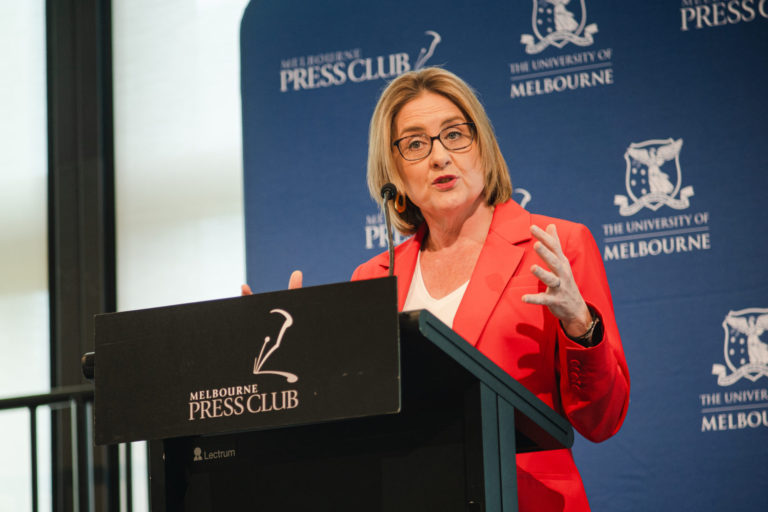
Australia and India’s medal hopes hit as Hockey, Cricket among 10 sports axed in Commonwealth Games 2026

0

The Commonwealth Games Federation (CGF) has announced a significantly reduced sports programme for the 2026 Glasgow Games, with only 10 events set to feature.

High-profile sports such as hockey, rugby sevens, diving, and cricket have been excluded in a move aimed at ensuring financial sustainability and managing the shortened preparation time after Victoria’s withdrawal as host.

The 2026 edition, scheduled from 23 July to 2 August, will retain athletics, para-athletics, swimming, para-swimming, artistic gymnastics, track cycling, para track cycling, netball, weightlifting, para-powerlifting, boxing, judo, lawn bowls, para bowls, and both 3×3 and wheelchair basketball.

The cuts have triggered disappointment across the sporting community, especially in Australian and Indian hockey enthusiasts and players, which has been part of the Games since 1998.

“It is a disappointing announcement, not just for hockey but for all of the sports who have missed out in the reduced format,” Hockey Australia CEO David Pryles said in statement.

The decision to cut medal-heavy sports like hockey, boxing, and cricket has also left India’s sporting community reeling, as many see it as a blow to their medal prospects in 2026.

India’s sporting community has expressed disappointment over the exclusion of key sports. The country has historically performed well in sports like wrestling and badminton, but both have also been excluded.

Pullela Gopichand, Indian badminton coach, criticised the decision, calling it a “significant lapse” that stifles the growth of badminton in India and other Commonwealth nations. Wrestling Federation of India president Sanjay Singh called the move “disappointing,” especially given India’s strong track record in the sport.

This pared-back event comes after Victoria’s sudden withdrawal from hosting the Games, citing financial concerns, with costs ballooning from an estimated $2.6 billion to nearly $7 billion. Glasgow stepped in to rescue the event, now focusing on a more financially viable format.

Commonwealth Games Scotland CEO Jon Doig reassured that despite the leaner format, Glasgow 2026 would still deliver the passion and excitement that the Games are known for. However, sports organisations in both Australia and India have expressed their frustration, calling the exclusions a significant loss for athletes and fans alike.

Support Our Journalism

Global Indian Diaspora and Australia’s multicultural communities need fair, non-hyphenated, and questioning journalism, packed with on-ground reporting. The Australia Today – with exceptional reporters, columnists, and editors – is doing just that. Sustaining this needs support from wonderful readers like you.

Whether you live in Australia, the United Kingdom, Canada, the United States of America, or India you can take a paid subscription by clicking Patreon and support honest and fearless journalism. LINK: https://tinyurl.com/TheAusToday

$55 million meth import plot thwarted in Sydney, man charged

0

A Liverpool man is set to face Downing Centre Local Court today, 23 October 2024, following his arrest in connection with an alleged attempt to import 60kg of methamphetamine into New South Wales.

The investigation began in September 2024 when US authorities discovered 95kg of methamphetamine concealed within a sea-cargo shipment bound for Sydney. The drugs were removed before the vessel departed Los Angeles for Australia.

Image: $55m meth import plot (Source: AFP)

According to the Australian Federal Police (AFP), their investigation revealed that, once the drugs arrived in Australia, they were to be placed in a vehicle at a public car park in Maroubra for collection.

AFP Detective Superintendent Kristie Cressy stated that the seized methamphetamine could have resulted in 600,000 street-level deals.

“Methamphetamine, like all illicit drugs, causes profound psychological, financial, and social harm to users, their families, and the broader community,” Det-Supt Cressy said.

“Criminals are driven by profit without regard for the damage they inflict.”

On 22 October 2024, the AFP conducted a sting operation, placing packages containing a harmless substance weighing 60kg into a vehicle. Officers allegedly observed a 36-year-old man approach the vehicle, retrieve a key from beneath the bumper, and enter the car, where he was subsequently arrested.

The man has been charged with attempting to possess a commercial quantity of a border-controlled drug, namely 60kg of methamphetamine, under section 307.5 of the Criminal Code 1995 (Cth). If convicted, he faces a maximum sentence of life imprisonment.

Image: $55m meth import plot (Source: AFP)

During the arrest, AFP officers searched another vehicle linked to the man, seizing three prepaid SIM cards, approximately $100,000 in cash, a phone, and an iPad. A search of the man’s residence uncovered small quantities of suspected drugs and a CCTV system.

Detective Superintendent Cressy added that in 2021-2022, Australia saw over 10,000 methamphetamine-related hospitalisations, an average of 27 each day, according to the Australian Institute of Health and Welfare.

Investigations into the case are ongoing.

Support Our Journalism

Global Indian Diaspora and Australia’s multicultural communities need fair, non-hyphenated, and questioning journalism, packed with on-ground reporting. The Australia Today – with exceptional reporters, columnists, and editors – is doing just that. Sustaining this needs support from wonderful readers like you.

Whether you live in Australia, the United Kingdom, Canada, the United States of America, or India you can take a paid subscription by clicking Patreon and support honest and fearless journalism. LINK: https://tinyurl.com/TheAusToday
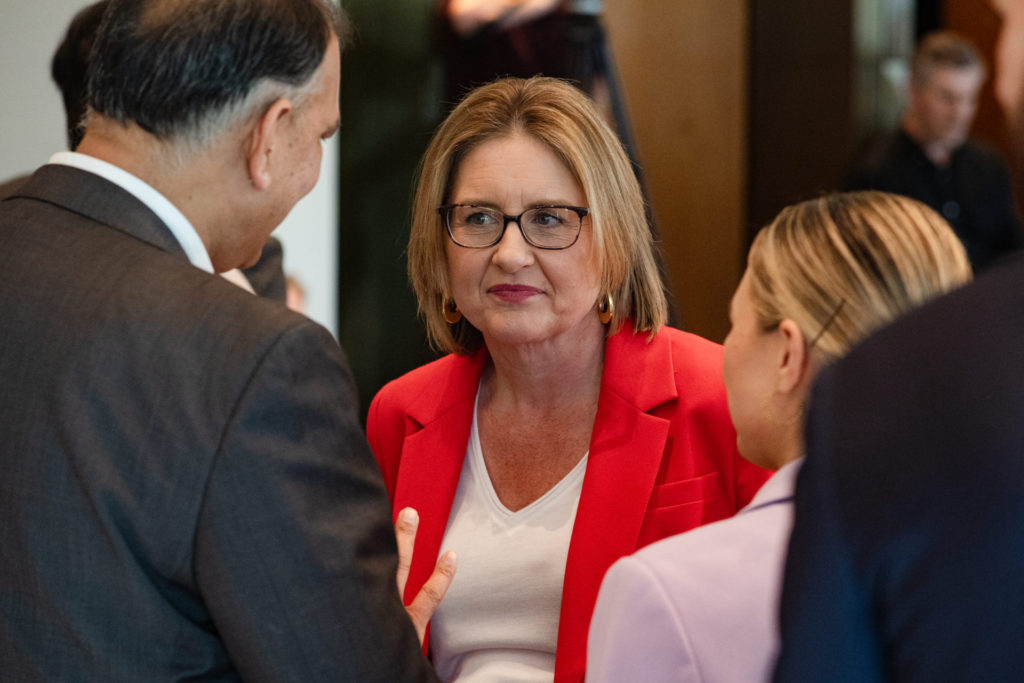
Fiji’s first bike share scheme to promote green transport

0

In a push towards sustainable urban mobility, Suva’s first bike rental and sharing scheme, Qaqi Mai: Bike Share (Fiji), is being spearheaded by a local young entrepreneur Eliki Dakuitoga.

Image: Eliki Dakuitoga (Source: Pacific Makete screenshot)

Dakuitoga’s initiative is aimed at reducing traffic congestion and pollution in Fiji’s capital with Qaqi Mai: Bike Share that has garnered support from the United Nations Development Programme (UNDP) and other global institutions.

This initiative is now supported through UNDP Small Grants Programme as it is aligned to one of United Nations’ key strategic initiatives focused on catalysing sustainable urban solutions.

Image: Qaqi Mai: Bike Share (Source: LinkedIn – UNDP Pacific Office in Fiji)

Dakuitoga’s vision for Qaqi Mai was born during his daily bus commutes between Nausori and Suva, where he witnessed the struggles of fellow passengers.

Reflecting on his own humble beginnings, Dakuitoga was struck by the gruelling commutes and felt compelled to find an eco-friendly and accessible solution to ease the burden on Fiji’s commuters.

“One morning, you get those ‘light bulb’ moments… it hit me on one of those rides to work—something has to be done,” Dakuitoga shared with FBC News.

Image: Qaqi Mai: Bike Share in ALbert Park, Suva (Source: Facebook)

From this inspiration, he developed Qaqi Mai, a bike-sharing venture designed to offer Fijians a sustainable alternative to traditional forms of transport.

“Qaqi Mai” in Fijian means “to peddle” or “grind it,” and the company aims to give the phrase a new, deeper meaning through its mission to provide accessible green transportation.

Image: Qaqi Mai: Bike Share in ALbert Park, Suva (Source: Facebook)

The project has already received significant support through grants, including one from the Global Green Growth Institute’s (GGGI) Pacific Greenpreneur Programme.

After facing setbacks in his first attempt to secure funding, Dakuitoga remained determined, ultimately securing $10,000 in seed funding from GGGI. He plans to launch the pilot programme in Suva by 2025, offering bicycles for rent at universities and hotels, with an app-based registration and payment system.

Image: Qaqi Mai: Bike Share (Source: Facebook)

Qaqi Mai aligns with Fiji’s national goals of reducing greenhouse gas emissions and achieving net-zero emissions by 2050 and also reflects a global shift towards greener urban transport solutions.

Dakuitoga says the bicycles feature cutting-edge technology, including GPS tracking, anti-theft mechanisms, and maintenance-free tyres, making them a practical and secure option for Fijian commuters.

While Dakuitoga recognises the financial challenges ahead, including shipment costs for the bicycles, he remains optimistic, buoyed by the Fijian government’s decision to waive import duties on bicycles.

Dakuitoga told Pacific Makete that he hopes to expand the scheme beyond Suva, eventually introducing electric bikes and scooters as part of Fiji’s green transportation future.

Image: Qaqi Mai: Bike Share (Source: LinkedIn – UNDP Pacific Office in Fiji)

Dakuitoga is determined to make Qaqi Mai a leading name in Fiji’s green transport sector, contributing to a cleaner, more sustainable future for the island nation.

Support Our Journalism

Global Indian Diaspora and Australia’s multicultural communities need fair, non-hyphenated, and questioning journalism, packed with on-ground reporting. The Australia Today – with exceptional reporters, columnists, and editors – is doing just that. Sustaining this needs support from wonderful readers like you.

Whether you live in Australia, the United Kingdom, Canada, the United States of America, or India you can take a paid subscription by clicking Patreon and support honest and fearless journalism. LINK: https://tinyurl.com/TheAusToday
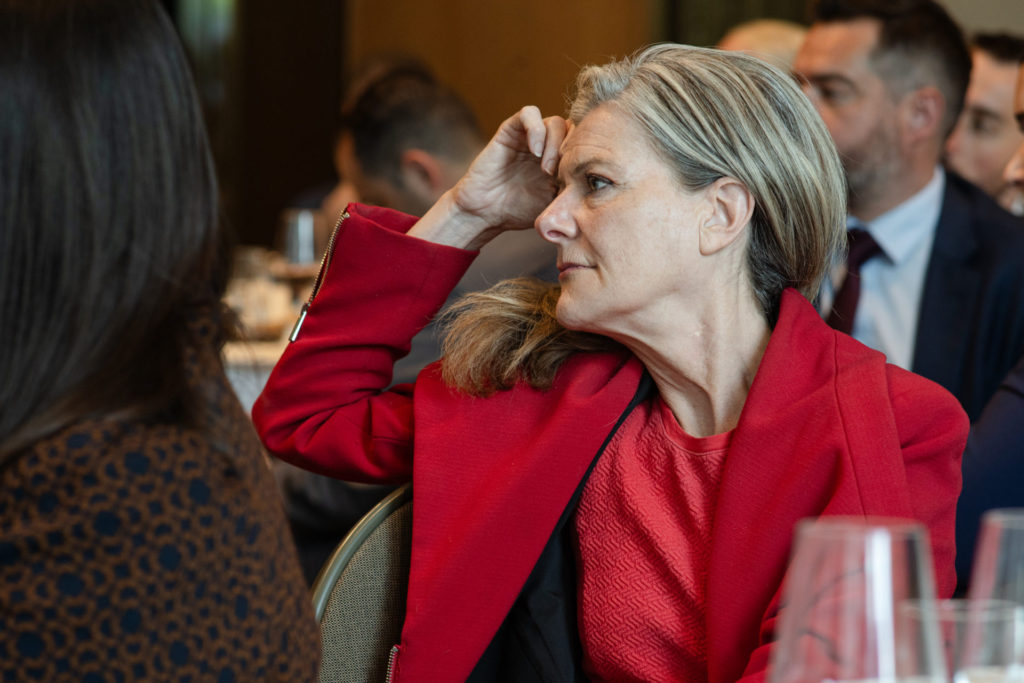
Australian and German delegation interacts with India’s MEA to promote Indo-Pacific ties

0

India’s External Affairs Minister, Dr S. Jaishankar, held a significant interaction with Members of Parliament from Australia and Germany, marking a unique and valuable initiative to strengthen Indo-Pacific links.

The meeting, which took place in the Indian capital, Delhi, focused on critical global issues, reinforcing India’s growing presence on the international stage.

Dr Jaishankar shared details of the meeting on social media, stating, “Pleased to interact with MPs from Australia and Germany today in Delhi. We exchanged views on FDI, technology, supply chains, maritime security, the Indo-Pacific, and Ukraine.”

This dialogue underscores the shared commitment between India, Australia, and Germany towards promoting cooperation in these areas, with a special emphasis on Indo-Pacific security and economic stability.

The discussions come amid Dr Jaishankar’s ongoing engagement with international leaders, where topics such as Foreign Direct Investment (FDI), technological advancement, and securing global supply chains have taken precedence. The minister’s focus on maritime security and the Indo-Pacific is particularly relevant as the region faces growing geopolitical challenges.

Australia’s High Commissioner to India, Philip Green OAM, described the meeting between Australian and German MPs with India’s External Affairs Minister Dr S. Jaishankar as “a unique but valuable initiative.”

Green emphasised the collaborative efforts to promote Indo-Pacific ties, thanking Dr Jaishankar for “sharing your insights with this special group.”

Dr Jaishankar’s interaction with the MPs follows his recent address at the NDTV World Summit 2024, where he highlighted India’s economic ambitions.

Citing a Goldman Sachs study, he projected that India is poised to become the third-largest economy by 2030, with further growth to reach a USD 52.5 trillion economy by 2075.

“If one were to predict ahead… by 2075, we would be a USD 52.5 trillion economy, the second-largest at that point in the world. But, much nearer, short-term prediction is that by 2030, we would probably be the third-largest economy,” Dr Jaishankar stated.

He also touched on the increasing global demand for Indian talent, particularly in Europe and North America, where the movement of skilled professionals from India is seen as vital to addressing demographic challenges.

“India’s demography is disproportionately large, and this is driving international demand for smooth movement of talent and skills,” he noted.

Dr Jaishankar further stressed the importance of leadership and resilience in times of crisis, referencing the ongoing war in Ukraine and the potential impact of natural disasters in the Indian Ocean. These multifaceted discussions reflect India’s determination to build stronger international partnerships and contribute to global stability and growth.

Support Our Journalism

Global Indian Diaspora and Australia’s multicultural communities need fair, non-hyphenated, and questioning journalism, packed with on-ground reporting. The Australia Today – with exceptional reporters, columnists, and editors – is doing just that. Sustaining this needs support from wonderful readers like you.

Whether you live in Australia, the United Kingdom, Canada, the United States of America, or India you can take a paid subscription by clicking Patreon and support honest and fearless journalism. LINK: https://tinyurl.com/TheAusToday
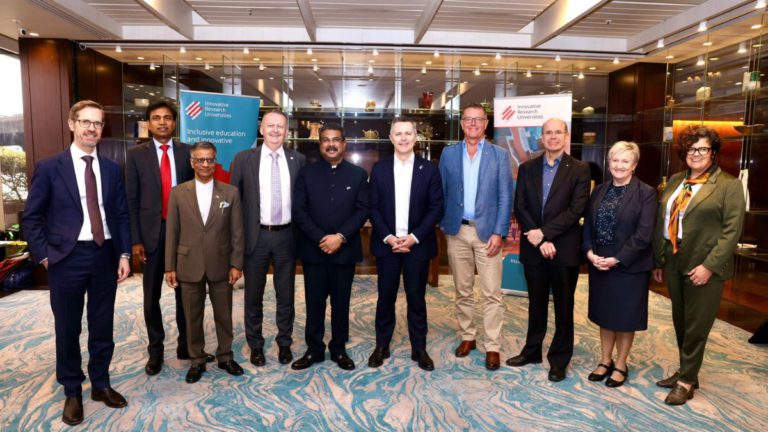
What makes Chinese students so successful by international standards?

0

By Peter Yongqi Gu and Stephen Dobson

There is a belief widely held across the Western world: Chinese students are schooled through rote, passive learning – and an educational system like this can only produce docile workers who lack innovation or creativity.

We argue this is far from true. In fact, the Chinese education system is producing highly successful students and an extremely skilled and creative workforce. We think the world can learn something from this.

In a viral video earlier this year, Apple CEO Tim Cook highlighted the unique concentration of skilled labour that attracted his manufacturing operations to China:

In the US, you could have a meeting of tooling engineers, and I’m not sure we could fill the room. In China you could fill multiple football fields.

To which Tesla CEO Elon Musk quickly responded on X: “True”.

When South African President Cyril Ramaphosa visited the Shenzhen headquarters of electric vehicle manufacturer BYD earlier this year, he was surprised to learn the company was planning to double its 100,000-strong engineering taskforce within the coming decade.

He might not have been so surprised had he known Chinese universities are producing more than ten million graduates every year – the foundation for a super-economy.

The ‘paradox of the Chinese learner’

Chinese learners achieve remarkable success levels compared to their Western – or non-Confucian-heritage – counterparts.

Since Shanghai first participated in the PISA educational evaluation in 2009, 15‑year-olds in China have topped the league table three out of four times in reading, mathematics and science.

How can a supposedly passive and rote Chinese system outperform its Western counterparts? A number of Australian scholars have been studying this “paradox of the Chinese learner” since the 1990s.

Their research shows those common perceptions of Chinese and other Asian learners are wrong. For example, repetition and meaningful learning are not mutually exclusive. As one Chinese saying goes:

书读百遍其意自现 – meaning reveals itself when you read something many times.

What can Western education learn?

An emphasis on education is a defining feature of Chinese culture. Since Confucianism became the state-sanctioned doctrine in the Han Dynasty (202BCE–220CE), education has entered every fabric of Chinese society.

This became especially true after the institutionalisation of the Keju system of civil service examinations during the Sui Dynasty (581CE–618CE).

Today, the Gaokao university entrance examination is the modern Keju equivalent. Millions of school leavers take the exam each year. For three days every July, Chinese society largely comes to a standstill for the Gaokao.

While the cultural drive for educational excellence is a major motivation for everyone involved in the system, it is not something that is easily learned and replicated in Western societies.

However, there are two principles we believe are central to Chinese educational success, at both the learner and system levels. We use two Chinese idioms to illustrate these.

The first we call “orderly and gradual progress” – 循序渐进. This principle stresses patient, step-by-step and sequenced learning, sustained by grit and delayed gratification.

The second we call “thick accumulation before thin production” – 厚积薄发. This principle stresses the importance of two things:

  • a comprehensive foundation through accumulation of basic knowledge and skills
  • assimilation, integration and productive creativity only come after this firm foundation.

Knowledge, skill and creativity

The epitome of orderly and gradual progress is the way calligraphy is learned. It goes from easy to difficult, simple to complex, imitating to free writing, technique to art. Since 2013, it has been a mandatory weekly lesson in all primary and middle schools in China.

The art of Chinese writing embodies patience, diligence, breathing, concentration and an appreciation of the natural beauty of rhythm. It teaches Chinese values of harmony and the aesthetic spirit.

“Thick accumulation” can be illustrated in the way students study extremely hard for the national Gaokao examination, and also during tertiary education. This way they accumulate the basic knowledge and skills required in a modern society.

“Thin production” refers to the ability to narrow or focus this accumulated knowledge and skill to find and implement creative solutions in the workplace or elsewhere.

Ways of learning

On the face of it, the emphasis on gradual and steady progress, and on accumulation of basic knowledge and skills, may look like a slow, monotonous and uninspiring process – the origin of those common myths about Chinese learning.

In reality, it boils down to a simple argument: without a critical mass of basic knowledge and skills, there is little to assimilate and integrate for productive creativity.

Of course, there are problems with Chinese learning and education, not least the fierce competitiveness and overemphasis on examinations. But our focus here is simply to show how two basic educational principles underpin Chinese advances in science and technology in a modern knowledge economy.

We believe these principles are transferable and potentially beneficial for policymakers, scholars and learners elsewhere.

Peter Yongqi Gu, Associate Professor, School of Linguistics and Applied Language Studies, Te Herenga Waka — Victoria University of Wellington and Stephen Dobson, Professor and Dean of Education and the Arts, CQUniversity Australia

This article is republished from The Conversation under a Creative Commons license. Read the original article.

"The

Support Our Journalism

Global Indian Diaspora and Australia’s multicultural communities need fair, non-hyphenated, and questioning journalism, packed with on-ground reporting. The Australia Today – with exceptional reporters, columnists, and editors – is doing just that. Sustaining this needs support from wonderful readers like you.

Whether you live in Australia, the United Kingdom, Canada, the United States of America, or India you can take a paid subscription by clicking Patreon and support honest and fearless journalism. LINK: https://tinyurl.com/TheAusToday
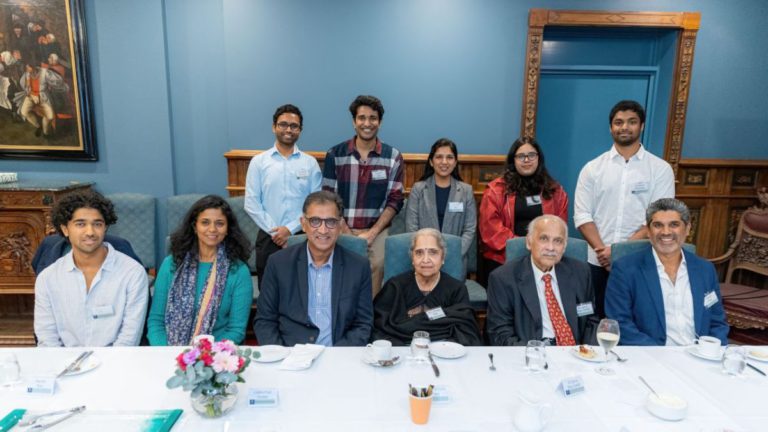
Australia launches digital incoming passenger card pilot to streamline travel

0

The journey towards a future of seamless travel between Australia and New Zealand has taken a significant step forward with the launch of a pilot program for a digital alternative to the traditional paper incoming passenger card (IPC).

This week, the first group of Qantas passengers arriving from New Zealand completed the Australia Travel Declaration, marking a new chapter in border processing.

The initiative, led by the Trans-Tasman Seamless Travel Group, reflects the commitment of both countries’ Prime Ministers to work towards “contactless travel.”

The aim is to streamline the travel experience using digital credentials and facial recognition technology, allowing for quicker and easier movement through key airport procedures.

ABF Commissioner Michael Outram hailed the pilot as a pivotal moment in modernising border procedures. “A significant amount of work has gone into getting this pilot off the ground, and I’d like to commend the efforts and contribution of Australian and New Zealand agencies and companies to get us here,” Commissioner Outram said.

“This is just one of many border modernisation initiatives co-designed by government and industry, and its importance cannot be overstated.”

Looking ahead to Brisbane hosting the 2032 Olympics, Outram added,

“We are striving to be global leaders at the border, and this is the first of many big steps in the right direction.”

The Australia Travel Declaration pilot, a product of months of collaboration between the Australian Border Force (ABF), the Department of Agriculture, Fisheries and Forestry (DAFF), and Qantas, commenced on Monday, 21 October 2024.

Passengers on QF126, arriving in Brisbane from Auckland, were the first to trial the system, landing at Brisbane Airport around 5 pm.

Eligible passengers were invited to complete the digital declaration via the Qantas app prior to travel. After submission, they received a QR-coded digital pass through the app and by email, which was presented to ABF and DAFF officers for swift processing through border controls.

DAFF Deputy Secretary of Biosecurity Justine Saunders emphasised the importance of maintaining Australia’s strong biosecurity measures while embracing innovation. “We are pleased to see the biosecurity process becoming more integrated and streamlined while still effectively protecting Australia from harmful pests and diseases,” she said.

“The success of this pilot is a positive step towards our shared goal of streamlined border clearances.”

Qantas Group Chief Customer and Digital Officer, Catriona Larritt, expressed excitement about the initiative. “Qantas customers will be the first to experience this great initiative through the Qantas App, in partnership with the Australian Government,” Larritt said.

“This is only the first step in a larger project to make the arrival experience more seamless for our customers.”

Brisbane Airport CEO, Gert-Jan de Graaff, added that the trial is a critical move towards elevating Australia’s travel experience to match the world’s top travel hubs. “We’re proud to play a part in shaping the future of seamless travel for everyone,” de Graaff said.

Currently, the pilot program is limited to Qantas passengers flying solo from Auckland to Brisbane, with further expansions planned to include other New Zealand cities like Wellington, Christchurch, and Queenstown.

The program will also likely expand to other Australian airports and may involve additional airlines as the project progresses.

Support Our Journalism

Global Indian Diaspora and Australia’s multicultural communities need fair, non-hyphenated, and questioning journalism, packed with on-ground reporting. The Australia Today – with exceptional reporters, columnists, and editors – is doing just that. Sustaining this needs support from wonderful readers like you.

Whether you live in Australia, the United Kingdom, Canada, the United States of America, or India you can take a paid subscription by clicking Patreon and support honest and fearless journalism. LINK: https://tinyurl.com/TheAusToday
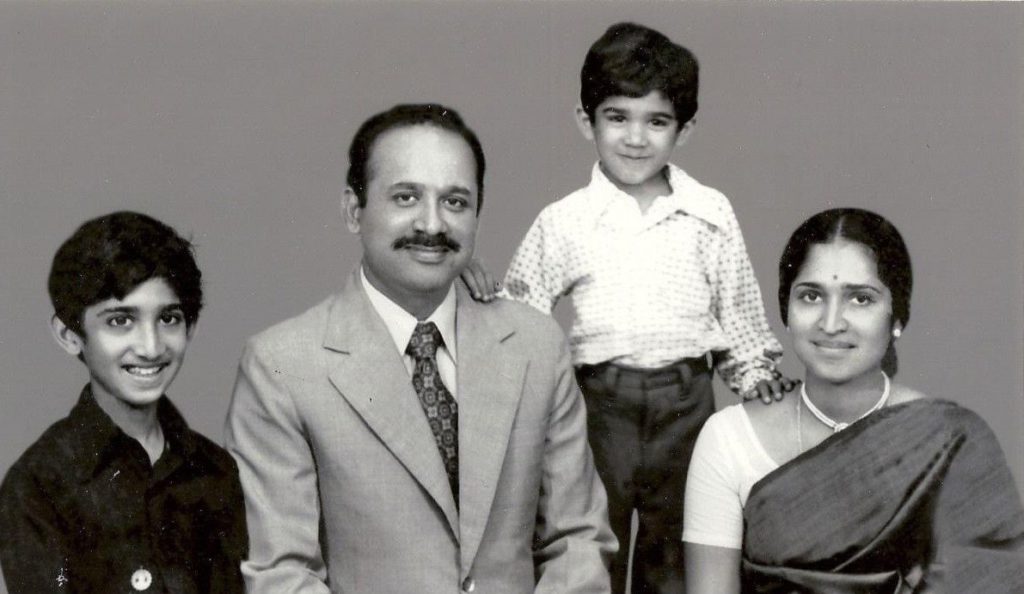
Albanese government creates over one million jobs, breaking historic record

0

The Albanese Government has achieved a significant milestone, with more than one million jobs created since it took office in 2022, according to the latest figures from the Australian Bureau of Statistics (ABS).

This marks the first time any government has overseen the creation of such a large number of jobs within a single parliamentary term.

Prime Minister Anthony Albanese described the figures as a “historic achievement,” particularly given the current economic conditions.

“Today’s data shows that one million new jobs have been created since our election, and that our Government has helped more Australians than ever into secure, well-paid jobs – earning more and keeping more of what they earn,” he said.

“This is the most jobs ever created in a parliamentary term in Australian history.”

In September alone, the ABS reported that 64,100 jobs were created, with 51,600 of them being full-time positions. This increase contributed to a rise in the labour force participation rate, which reached a record high of 67.2 per cent. An additional 54,900 people entered the workforce during the month, with female participation also hitting a new record of 63.2 per cent.

Treasurer Jim Chalmers praised the government’s approach, highlighting the success of creating over one million new jobs despite a slowing economy.

“More than a million new jobs in one parliamentary term is a pretty remarkable achievement in a slowing economy, and it means more new jobs have been created on our watch than any other government at any time,” Chalmers said.

“It’s a tribute to Australian workers and employers and it justifies the responsible way we’re managing the economy.”

The figures also show strong jobs growth across the states, with employment in New South Wales, Victoria, and Western Australia reaching record highs. The labour market saw notable increases in New South Wales (up by 23,100 jobs), Victoria (21,700 jobs), and Western Australia (8,300 jobs).

Employment and Workplace Relations Minister Murray Watt pointed to the government’s focus on higher wages and job security as a way to address cost-of-living pressures. “There’s nothing more important than having a well-paid job, so that you can pay your bills, and that’s what the Albanese Government is delivering,” Watt said.

The government’s approach to boosting wages has resulted in the average full-time worker earning an extra $159 per week since Labor took office. Additionally, cost-of-living tax cuts have provided a $44 per week tax relief for the average worker.

While the Albanese Government remains focused on job creation and wage growth, the Coalition has faced criticism for its stance on workplace reforms. Treasurer Chalmers highlighted that the government’s achievements stand in stark contrast to the Coalition’s promises to cut labour hire workers’ pay and scrap protections such as the Right to Disconnect.

As Australia navigates economic challenges, Albanese affirmed his government’s commitment to ensuring more Australians are employed and earning more. “We’re all about more people working, earning more and keeping more of what they earn, and this shows we’re making good progress,” he stated.

Support Our Journalism

Global Indian Diaspora and Australia’s multicultural communities need fair, non-hyphenated, and questioning journalism, packed with on-ground reporting. The Australia Today – with exceptional reporters, columnists, and editors – is doing just that. Sustaining this needs support from wonderful readers like you.

Whether you live in Australia, the United Kingdom, Canada, the United States of America, or India you can take a paid subscription by clicking Patreon and support honest and fearless journalism. LINK: https://tinyurl.com/TheAusToday
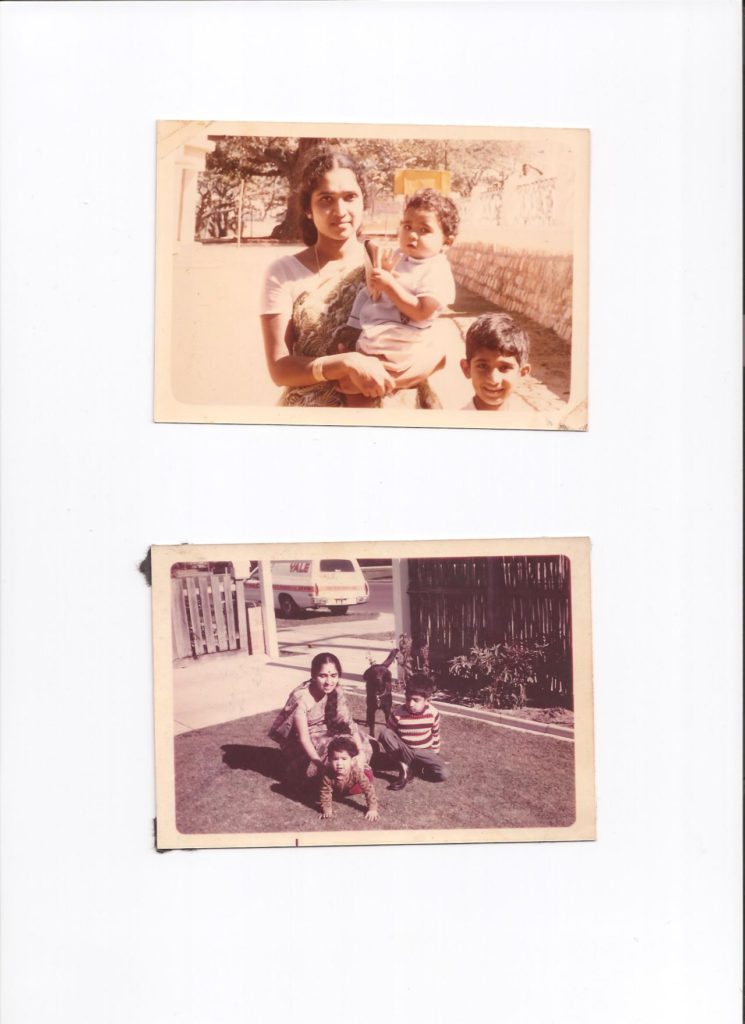
Dhirren Singh Randhawa avoids jail loses driver’s licence for 10 years in fatal schoolies hit-and-run

0

Dhirren Singh Randhawa, the 19-year-old driver allegedly responsible for the death of Charlie Stevens, has been handed a suspended jail sentence following the tragic incident during last year’s Schoolies celebrations.

It is reported that in the South Australian District Court, Randhawa was sentenced to one year, one month, and seven days in jail, with a non-parole period of seven months. However, the sentence was suspended on the condition that he maintains good behaviour for the next two years. His driver’s licence has also been cancelled for 10 years.

The incident occurred in November last year when Randhawa allegedly struck 18-year-old Charlie Stevens, the son of South Australian Police Commissioner Grant Stevens, at Goolwa Beach, south of Adelaide. Stevens sustained an irreversible brain injury and tragically died the next day at Flinders Medical Centre.

Image: Dhirren Randhawa pleaded guilty to aggravated driving without due care and leaving the scene of a crash (Source: Nine News screenshot)

Randhawa had previously pleaded guilty to aggravated driving without due care and leaving the scene of a crash. A more serious charge of causing death by dangerous driving was dropped during an earlier hearing.

During sentencing, it is reported, the court heard that Stevens and his friends had approached Randhawa on the evening of the incident, asking for a ride to nearby Victor Harbor.

Randhawa declined, citing concerns about his P-plate demerit points. Shortly after, while performing a U-turn, Randhawa struck Stevens. In what was described as “shock and disbelief,” he initially left the scene but later stopped and informed police of the accident.

Addressing the Stevens family in court, Randhawa expressed deep remorse.

“Learning that Charlie’s life support was switched off was the most difficult thing I’ve ever heard. To Charlie’s mum and dad, I’m deeply sorry.”

In his victim impact statement, Commissioner Stevens spoke about the profound loss his family had suffered.

“You cannot possibly understand what you have taken from us. Charlie was a vibrant, caring, fun-loving young man with so much ahead of him. Now, all we have are memories, and that is simply not enough.”

iMAGE: Charlie Stevens died after being hit by a car at Schoolies celebrations in November. (Supplied: SA Police)

Speaking outside the court after the sentencing, Commissioner Stevens thanked the community for their continued support, noting that his family was still learning to live without Charlie. He also expressed gratitude that Randhawa had taken responsibility for his actions by pleading guilty, which had helped bring the legal process to a quicker conclusion.

“We’re grateful that this part of the process is over, but we’re constantly reminded of Charlie’s absence.”

Despite the tragedy, Stevens acknowledged that the support from the South Australian community had provided some comfort, saying,

“There’s no way we can repay or fully acknowledge the support we’ve received, but we are incredibly thankful.”

Support Our Journalism

Global Indian Diaspora and Australia’s multicultural communities need fair, non-hyphenated, and questioning journalism, packed with on-ground reporting. The Australia Today – with exceptional reporters, columnists, and editors – is doing just that. Sustaining this needs support from wonderful readers like you.

Whether you live in Australia, the United Kingdom, Canada, the United States of America, or India you can take a paid subscription by clicking Patreon and support honest and fearless journalism. LINK: https://tinyurl.com/TheAusToday
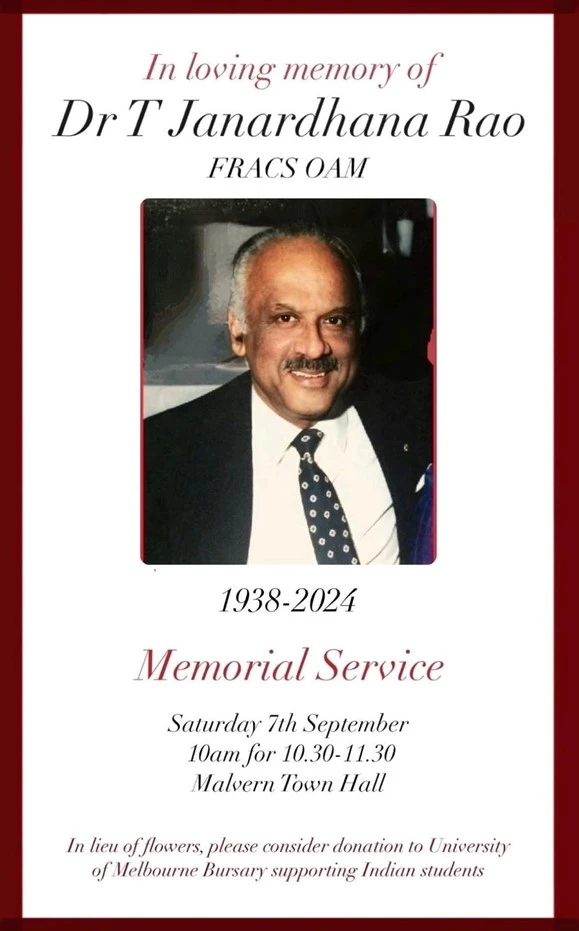
Bondi’s Sculpture by the Sea shines a spotlight on eight Indian artists

0

This year’s highly anticipated Sculpture by the Sea exhibition in Bondi is putting in spotlight 12 remarkable works from Indian artists, marking a significant milestone in the event’s history.

The world’s largest free outdoor sculpture exhibition has transformed Sydney’s iconic Bondi to Tamarama coastal walk, opened to the public on Friday, 18 October.

Among the 100 artworks from 16 countries, the Indian Showcase will feature the creativity of eight Indian sculptors, alongside two artists from the Indian diaspora in Australia.

Image: Dr Subodh Kerkar (India), ‘The Chilly (2012)’, Sculpture by the Sea, Bondi 2024 (Photo: Daniel Varrica / Source: Sculpture by the Sea – Instagram)

David Handley, founding CEO and Artistic Director of Sculpture by the Sea, praised the diverse talent of Indian sculptors, noting the challenges they overcame.

“The Indian Showcase demonstrates the strength and diversity of sculpture in India. Despite significant disruptions to freight caused by this year’s cyclones, the artists’ commitment to this exhibition is inspiring,” Handley said.

Image: Harsha Durugadda’s The Conversation (Source: Instagram)

Notable pieces include Avantika Bawa’s Scaffolds by the Sea, Shovin Bhattacharjee’s Cosmic Nest, Harsha Durugadda’s The Conversation and Whorl, and Subodh Kerkar’s Red Fold and The Chilly. Artists Niharika Hukku (Shelter) and Shaumyika Sharma (Swimmer) represent the Indian diaspora.

Image: Ayesha Singh (India), ‘Hybrid Drawing’, Sculpture by the Sea, Bondi 2024. Photo: Daniel Varrica (Source: Sculpture by the Sea – Instagram)

Tim Thomas, CEO of the Centre for Australia-India Relations, highlighted the cultural bridge the event represents, stating, “This sponsorship reflects our commitment to strengthening ties between Australia and India while showcasing the artistic traditions that connect our two nations.”

Image: Harsha Durugadda with his artwor (Source: Instagram)

Returning to the event is Harsha Durugadda, a Hyderabad-based sculptor whose previous work Column of Sound won the prestigious Rio Tinto Sculpture Award in 2016.

Reflecting on his artwork, Durugadda said in an Instagram post, “Whorl captures the essence of whirling dervishes’ spiritual dance through its spiralling form, symbolizing the journey towards inner enlightenment. Inspired by their continuous rotation around a central axis, the sculpture evokes a sense of fluidity and grace. By freezing the motion of a dervish in the midst of their dance, this piece invites viewers to contemplate the harmony between motion and stillness.”

Image: Niharika Hukku (NSW | India), ‘Shelter’, Sculpture by the Sea, Bondi 2024 9Source: Instagram)

Sculpture by the Sea is a major cultural event in Australia, drawing approximately 450,000 visitors over its 18-day duration (continues until Monday, 4 November 2024).

The Indian Showcase is supported by the Centre for Australia-India Relations (CAIR), the Howarth Foundation, the Swami Vivekananda Cultural Centre, and the Indian Consulate-General in Sydney.

Support Our Journalism

Global Indian Diaspora and Australia’s multicultural communities need fair, non-hyphenated, and questioning journalism, packed with on-ground reporting. The Australia Today – with exceptional reporters, columnists, and editors – is doing just that. Sustaining this needs support from wonderful readers like you.

Whether you live in Australia, the United Kingdom, Canada, the United States of America, or India you can take a paid subscription by clicking Patreon and support honest and fearless journalism. LINK: https://tinyurl.com/TheAusToday
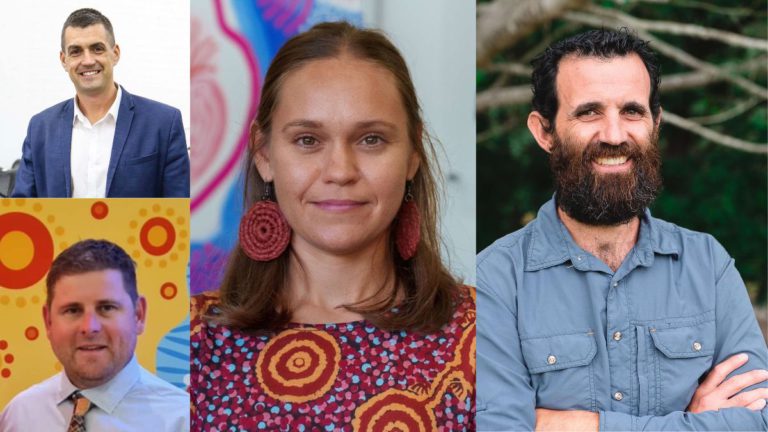
Vishwanath Nair and Chirag Joshi recognised among Australia’s top cybersecurity leaders

0

Vishwanath Nair, Chief Information Security Officer (CISO) at BaptistCare, and Chirag Joshi, Founder and Chief Information Security Officer (CISO) of 7Rules Cyber, have been named among Australia’s top cybersecurity leaders at the CS030 Awards.

The CSO30 Awards, held annually in Sydney alongside the CIO50 Awards, celebrate leading cybersecurity professionals and teams for their innovative and impactful work in safeguarding businesses.

The awards recognise transformation and innovation, driven by 50 CIOs and 30 CSOs from across Australia’s diverse industries.

Nominees are evaluated based on their contributions to cybersecurity and resilience within their enterprises, as well as their influence on stakeholders and the broader cybersecurity community.

Image: Vishwanath Nair, Chief Information Security Officer (CISO) at BaptistCare 9Source: LinkedIn)

Nair took top honours in the Business Value category for his proactive cybersecurity initiatives during his tenure at the NSW Electoral Commission. He was recognised for implementing forward-thinking strategies to safeguard electoral systems from cyber threats.

Reflecting on the achievement, Nair said in a statement on LinkedIn,

“I am incredibly honoured to have been named among the Top 30 honourees, alongside esteemed colleagues and friends. To my great surprise, I was further recognised as the winner of Top Award for Business Value—a moment I will never forget!”

Nair attributed the success to his team’s collaboration and the trust placed in him by his superiors. “This award is a testament to the trust and collaboration of my incredible team, as well as the confidence my seniors placed in my abilities,” he shared, emphasising his belief that cybersecurity is essential to business success.

Nair highlighted the significance of cybersecurity in a digital-first world, where risk management is key to driving commercial success. “Businesses thrive when they can rely on cost-effective, consistent, and forward-thinking cybersecurity practices that enable risk-aware decisions,” he added.

“It reaffirms my belief that cybersecurity must be seen as a Business Value Creator—not just a service provider.”

He also expressed gratitude to the judging panel for recognising his contributions and thanked his family for their unwavering support. “This award is as much theirs as it is mine,” Nair said, looking forward to continuing his work and sharing knowledge within the cybersecurity community.

Image: Chirag Joshi, Founder and Chief Information Security Officer (CISO) of 7Rules Cyber (Source: LinkedIn)

Joshi has once again been named among Australia’s top cybersecurity leaders – his third consecutive year recognition.

Joshi, known for his impactful work in the cybersecurity field, expressed his gratitude and excitement in a LinkedIn post, calling the recognition a milestone that reflects the trust and belief placed in him by key industry stakeholders.

“It’s so fulfilling to be recognised again among Australia’s top cybersecurity leaders, this time with my third consecutive CSO30 Award! Doing it once was hard enough, twice was amazing, and words don’t do justice to the three-peat!”

Joshi highlighted how each award has been special, particularly as it marks his journey from corporate life to entrepreneurship.

Joshi’s achievements underscore his extensive influence across a range of sectors, including government, critical infrastructure, and financial services.

“This achievement is definitely not just a personal milestone—it reflects the ongoing trust and belief placed in me by executives, boards, and decision-makers across multiple sectors,” he said, acknowledging that their support has driven his success.

Joshi also extended his thanks to the CISO community, his family, and IDC Foundry Events Asia Pacific for their work supporting the cyber industry.

Despite the accolades, Joshi remains grounded and focused on the challenges ahead.

“I’ll give myself a few moments to celebrate, knowing fully well that the work continues, and collectively we’ll tackle the exciting challenges ahead as we continue to shape the future of cyber resilience.”

The event also recognised emerging talent in the cybersecurity field, with Kiran Bangalore as a finalist in the Next CISO Award category.

As Australia’s cybersecurity landscape continues to evolve, leaders like Vishwanath Nair, Chirag Joshi, Kiran Bangalore and the other awardees are playing an essential role in shaping a resilient digital future.

Support Our Journalism

Global Indian Diaspora and Australia’s multicultural communities need fair, non-hyphenated, and questioning journalism, packed with on-ground reporting. The Australia Today – with exceptional reporters, columnists, and editors – is doing just that. Sustaining this needs support from wonderful readers like you.

Whether you live in Australia, the United Kingdom, Canada, the United States of America, or India you can take a paid subscription by clicking Patreon and support honest and fearless journalism. LINK: https://tinyurl.com/TheAusToday

Fiji strengthens trade and diplomatic relations with Australia

0

Fiji’s Deputy Prime Minister and Minister for Trade, Cooperatives, MSMEs, and Communications, Manoa Kamikamica, has concluded a productive visit to Australia aimed at bolstering economic, trade, and diplomatic relations between the two Pacific neighbours.

The visit saw Kamikamica engage in high-level discussions with Australian government ministers, key private sector stakeholders, and the Fijian diaspora residing in Australia. His meetings with senior Australian officials focused on enhancing bilateral trade and exploring deeper economic cooperation in critical sectors.

Image: Fiji’s Deputy Prime Minister Manoa Kamikamica in Australia 9Source: LinkedIn – Fiji Consulate General & Trade Commission – Australia & New Zealand)

It is reported that among the key topics discussed were initiatives to increase trade and investment flows between the two countries and identifying new opportunities for collaboration in renewable energy, tourism, agriculture, and manufacturing.

The Deputy Prime Minister also held talks with prominent figures in Australia’s private sector, underscoring Fiji’s commitment to strengthening partnerships that can drive mutual economic growth.

Image: Fiji’s Deputy Prime Minister Manoa Kamikamica in Australia 9Source: LinkedIn – Fiji Consulate General & Trade Commission – Australia & New Zealand)

Kamikamica highlighted Fiji’s expanding industries, particularly the export potential of Fijian kava, and urged increased investment in the country’s renewable energy and sustainable development sectors.

Fiji and Australia share a long-standing history of collaboration, and Kamikamica’s visit offered a valuable opportunity to explore fresh avenues for cooperation, particularly in trade, investment, and fostering people-to-people connections.

Image: Fiji’s Deputy Prime Minister Manoa Kamikamica in Australia 9Source: LinkedIn – Fiji Consulate General & Trade Commission – Australia & New Zealand)

Additionally, Kamikamica took time to meet with members of the Fijian diaspora in Australia, acknowledging their contributions to both nations. He reiterated the Fijian Government’s commitment to supporting Fijians living abroad and expressed appreciation for their continued engagement with their homeland.

This visit is part of the Fijian Government’s broader strategy to strengthen international partnerships and promote Fiji as a dynamic hub for trade and investment within the Pacific region.

Support Our Journalism

Global Indian Diaspora and Australia’s multicultural communities need fair, non-hyphenated, and questioning journalism, packed with on-ground reporting. The Australia Today – with exceptional reporters, columnists, and editors – is doing just that. Sustaining this needs support from wonderful readers like you.

Whether you live in Australia, the United Kingdom, Canada, the United States of America, or India you can take a paid subscription by clicking Patreon and support honest and fearless journalism. LINK: https://tinyurl.com/TheAusToday

Australia’s fertility rate has reached a record low. What might that mean for the economy?

0

By Jonathan Boymal, Ashton De Silva, and Sarah Sinclair

Australia’s fertility rate has fallen to a new record low of 1.5 babies per woman. That’s well below the “replacement rate” of 2.1 needed to sustain a country’s population.

On face value, it might not seem like a big deal. But we can’t afford to ignore this issue. The health of an economy is deeply intertwined with the size and structure of its population.

Australians simply aren’t having as many babies as they used to, raising some serious questions about how we can maintain our country’s workforce, sustain economic growth and fund important services.

So what’s going on with fertility rates here and around the world, and what might it mean for the future of our economy? What can we do about it?

Are lower birth rates always a problem?

Falling fertility rates can actually have some short-term benefits. Having fewer dependent young people in an economy can increase workforce participation, as well as boost savings and wealth.

Smaller populations can also benefit from increased investment per person in education and health.

But the picture gets more complex in the long term, and less rosy. An ageing population can strain pensions, health care and social services. This can hinder economic growth, unless it’s offset by increased productivity.

Other scholars have warned that a falling population could stifle innovation, with fewer young people meaning fewer breakthrough ideas.

A global phenomenon

The trend towards women having fewer children is not unique to Australia. The global fertility rate has dropped over the past couple of decades, from 2.7 babies per woman in 2000 to 2.4 in 2023.

However, the distribution is not evenly spread. In 2021, 29% of the world’s babies were born in sub-Saharan Africa. This is projected to rise to 54% by 2100.

There’s also a regional-urban divide. Childbearing is often delayed in urban areas and late fertility is more common in cities.

In Australia, we see higher fertility rates in inner and outer regional areas than in metro areas. This could be because of more affordable housing and a better work-life balance.

But it raises questions about whether people are moving out of cities to start families, or if something intrinsic about living in the regions promotes higher birth rates.

Fewer workers, more pressure on services

Changes to the makeup of a population can be just as important as changes to its size. With fewer babies being born and increased life expectancy, the proportion of older Australians who have left the workforce will keep rising.

One way of tracking this is with a metric called the old-age dependency ratio – the number of people aged 65 and over per 100 working-age individuals.

In Australia, this ratio is currently about 27%. But according to the latest Intergenerational Report, it’s expected to rise to 38% by 2063.

An ageing population means greater demand for medical services and aged care. As the working-age population shrinks, the tax base that funds these services will also decline.

Unless this is offset by technological advances or policy innovations, it can mean higher taxes, longer working lives, or the government providing fewer public services in general.

What about housing?

It’s tempting to think a falling birth rate might be good news for Australia’s stubborn housing crisis.

The issues are linked – rising real estate prices have made it difficult for many young people to afford homes, with a significant number of people in their 20s still living with their parents.

This can mean delaying starting a family and reducing the number of children they have.

At the same time, if fertility rates stay low, demand for large family homes may decrease, impacting one of Australia’s most significant economic sectors and sources of household wealth.

Can governments turn the tide?

Governments worldwide, including Australia, have long experimented with policies that encourage families to have more children. Examples include paid parental leave, childcare subsidies and financial incentives, such as Australia’s “baby bonus”.

Many of these efforts have had only limited success. One reason is the rising average age at which women have their first child. In many developed countries, including Australia, the average age for first-time mothers has surpassed 30.

As women delay childbirth, they become less likely to have multiple children, further contributing to declining birth rates. Encouraging women to start a family earlier could be one policy lever, but it must be balanced with women’s growing workforce participation and career goals.

Research has previously highlighted the factors influencing fertility decisions, including levels of paternal involvement and workplace flexibility. Countries that offer part-time work or maternity leave without career penalties have seen a stabilisation or slight increases in fertility rates.

The way forward

Historically, one of the ways Australia has countered its low birth rate is through immigration. Bringing in a lot of people – especially skilled people of working age – can help offset the effects of a low fertility rate.

However, relying on immigration alone is not a long-term solution. The global fertility slump means that the pool of young, educated workers from other countries is shrinking, too. This makes it harder for Australia to attract the talent it needs to sustain economic growth.

Australia’s record-low fertility rate presents both challenges and opportunities. On one hand, the shrinking number of young people will place a strain on public services, innovation and the labour market.

On the other hand, advances in technology, particularly in artificial intelligence and robotics, may help ease the challenges of an ageing population.

That’s the optimistic scenario. AI and other tech-driven productivity gains could reduce the need for large workforces. And robotics could assist in aged care, lessening the impact of this demographic shift.

Jonathan Boymal, Associate Professor of Economics, RMIT University; Ashton De Silva, Professor of Economics, RMIT University, and Sarah Sinclair, Senior Lecturer in Economics, RMIT University

This article is republished from The Conversation under a Creative Commons license. Read the original article.

"The

Support Our Journalism

Global Indian Diaspora and Australia’s multicultural communities need fair, non-hyphenated, and questioning journalism, packed with on-ground reporting. The Australia Today – with exceptional reporters, columnists, and editors – is doing just that. Sustaining this needs support from wonderful readers like you.

Whether you live in Australia, the United Kingdom, Canada, the United States of America, or India you can take a paid subscription by clicking Patreon and support honest and fearless journalism. LINK: https://tinyurl.com/TheAusToday
Screaming Senator Lidia Thorpe forcibly removed from Parliament after disrupting King Charles welcome

0

On the second day of King Charles III and Queen Camilla’s royal visit to Australia, tensions flared when Senator Lidia Thorpe was forcibly removed from Parliament House after a dramatic outburst directed at the monarch.

Image: King Charles with Prime Minister Albanese (Source: LinkedIn)

The incident occurred shortly after King Charles delivered an address to MPs and senators in Canberra’s Great Hall, marking a key moment in his inaugural visit as king. As he concluded his speech, Senator Thorpe stood and shouted at the King, demanding the return of Aboriginal land and accusing the Crown of historic wrongs against Indigenous Australians.

“You are not our King… Give us back what you stole from us: our bones, our skulls, our people. You destroyed our land. We want a treaty in this country,” Senator Thorpe yelled before being dragged out by security.

Senator Thorpe continued her protest outside Parliament, shouting at the royal motorcade, “We will resist always. Until we have peace, we will resist.”

Earlier in the day, Thorpe had released a statement calling for Australia to become a republic and to prioritise a treaty with First Nations people. She argued that the Crown’s legacy includes genocide against Indigenous Australians and insisted that any move toward republicanism must address unresolved injustices.

United Australia Party’s Senator Ralph Babet condemned Senator Thorpe’s actions at Parliament House, where she verbally attacked King Charles III during his address. He criticised her behaviour as “disgusting” and “utterly disrespectful,” especially given that King Charles travelled to Australia despite ongoing cancer treatment.

Senator Babet stated, “Senator Thorpe has disgraced not only herself and the Australian Parliament, but every Australian man, woman and child.” He also argued that while Thorpe demanded an apology from the King, it is King Charles and the Australian people who deserve an apology from her.

The disruption took place while Prime Minister Anthony Albanese stood beside King Charles, both appearing unfazed by the commotion. After the scene calmed, classical music resumed and the ceremony continued.

Despite the protest, King Charles received a warm welcome from Albanese, who expressed his admiration for the monarch’s ongoing engagement with issues like reconciliation and climate change.

“You have shown great respect for Australians, even during times where we’ve debated the future of our own constitutional arrangements and the nature of our relationship with the Crown,” Albanese said.

The day began with a more celebratory tone as King Charles and Queen Camilla visited the Australian War Memorial, where they greeted the public, including children and a particularly memorable alpaca named Hephner, dressed in royal-themed attire.

Support Our Journalism

Global Indian Diaspora and Australia’s multicultural communities need fair, non-hyphenated, and questioning journalism, packed with on-ground reporting. The Australia Today – with exceptional reporters, columnists, and editors – is doing just that. Sustaining this needs support from wonderful readers like you.

Whether you live in Australia, the United Kingdom, Canada, the United States of America, or India you can take a paid subscription by clicking Patreon and support honest and fearless journalism. LINK: https://tinyurl.com/TheAusToday

B-Town Wives Celebrate Karwa Chauth with Love, Traditions, and Plenty of Glamour

0

Bollywood’s leading ladies turned Karwa Chauth into a dazzling affair this year, sharing their joy, love, and cherished traditions on social media. From stunning traditional outfits to heartfelt messages, the stars lit up the festival and brought a little Bollywood magic to the occasion.

Katrina Kaif stole the show, draped in a beautiful baby pink and golden saree, looking every bit the radiant newlywed as she proudly flaunted her sindoor. The actress shared a series of pictures, including a touching moment with Vicky Kaushal’s mother, taking her blessings, and a sweet family shot with Vicky and his parents. Fans couldn’t help but gush over the love-filled photos, as Katrina posed with grace and charm, her happiness shining through in every frame.

Meanwhile, Kriti Kharbanda was all smiles celebrating her first Karwa Chauth as a newlywed, alongside her husband Pulkit Samrat. Dressed in a stunning golden saree, Kriti glowed with joy, while Pulkit kept it classic in a white kurta.

In a heartwarming note, Kriti reminisced about her childhood memories of watching her mother observe the festival and dreaming of the day when she would follow the same tradition. “The 10-year-old me is shy and blushing!” she wrote, adding that being married to the right person had made all her dreams come true. Pulkit, of course, was the “cherry on top.”

Love was in the air for Rakul Preet and Jackky Bhagnani too, as the couple donned matching red outfits for the occasion. Rakul’s romantic caption, “My sun, moon, universe, my everything,” left fans swooning. The couple’s picture-perfect chemistry and coordinating attire added a delightful touch to the celebrations.

Raghav Chadha and Parineeti Chopra also made headlines, as they shared glimpses of their first Karwa Chauth together. In one heartfelt photo, Raghav was seen helping Parineeti break her fast, while his sweet words praised her dedication. “You’ve put so much love and dedication into this day from sunrise to moonrise… Happy Karwa Chauth, my darling Paru!” he wrote. The couple’s adorable moments instantly became a fan favourite, with Parineeti’s grace and Raghav’s admiration for her stealing the show.

Mira Rajput kept things cozy, sharing a sweet selfie with husband Shahid Kapoor and calling him her “sun and moon.” The couple, known for their loving social media exchanges, kept the tradition alive with simplicity and warmth.

Screenshot

The festivities wouldn’t be complete without Mouni Roy, who shared a series of breathtaking photos with husband Suraj Nambiar. Dressed in a stunning pink ensemble, Mouni looked like a vision as she celebrated the special day. The couple’s joy was palpable as they embraced the festival, with Mouni capturing every moment to share with her fans.

Karwa Chauth, a festival celebrated by Hindu married women, sees wives observing a strict ‘nirjala’ fast, without food or water, from sunrise until the moon rises. The festival symbolizes love, dedication, and the hope for a long, healthy life for their husbands. And this year, Bollywood’s beauties didn’t just celebrate—they set major #CoupleGoals while doing it.

With their heartfelt messages and dazzling outfits, the B-town wives showed that even as stars, they cherish age-old traditions and celebrate love in the most beautiful ways. It was a day filled with glam, devotion and a little bit of Bollywood magic.

Support Our Journalism

The global Indian Diaspora and Australia’s multicultural communities need fair, non-hyphenated, and questioning journalism, packed with on-ground reporting. The Australia Today—with exceptional reporters, columnists, and editors—is doing just that. Sustaining this requires support from wonderful readers like you.

Whether you live in Australia, the United Kingdom, Canada, the United States of America, or India you can take a paid subscription by clicking Patreon and support honest and fearless journalism. LINK: https://tinyurl.com/TheAusToday

New Zealand Clinch Maiden Women’s T20 World Cup Title with Victory Over South Africa

0

Amelia Kerr delivered a stunning all-round performance to help New Zealand secure their first-ever Women’s T20 World Cup title, defeating South Africa by 32 runs in a dramatic final at the Dubai International Cricket Stadium.

Kerr top-scored for the White Ferns with a crucial 43 runs, followed by an impressive bowling spell of 3/24, to seal a historic win for her team.

Brief Scores:
New Zealand: 158/5 (Amelia Kerr 43, Brooke Halliday 38, Suzie Bates 32; Nonkululeko Mlaba 2/31)
South Africa: 126/9 (Laura Wolvaardt 33, Tazmin Brits 17, Chloe Tryon 14; Amelia Kerr 3/24)

After winning the toss, South Africa’s captain Laura Wolvaardt opted to field first. New Zealand capitalized on the opportunity to set a competitive target, posting 158/5 in their allotted 20 overs. The Kiwis got off to a steady start, led by veteran opener Suzie Bates, who scored 32 runs and became the most capped player in the history of Women’s Internationals with her appearance in the final.

Kerr Anchors New Zealand’s Innings

Despite losing wickets at regular intervals, New Zealand’s middle order held firm, with Kerr anchoring the innings and Brooke Halliday contributing a valuable 38 off 28 balls. The duo’s 57-run partnership kept the scoreboard ticking and positioned New Zealand for a strong finish.

NZ T20 Champions 2024; Image Source- ICC

A late cameo from Maddy Green (12* off 6) pushed the total to 158/5, with the Kiwis scoring 48 runs in the last five overs. Nonkululeko Mlaba was the standout bowler for South Africa, claiming 2/31, including the crucial wicket of Kerr, who fell just short of a half-century.

South Africa’s Chase Falls Short

Chasing 159 for victory, South Africa started positively, with Laura Wolvaardt (33) and Tazmin Brits (17) laying a solid foundation. However, Kerr turned the game on its head with a double-wicket over that saw the dismissal of Wolvaardt and Anneke Bosch (9), leaving the Proteas struggling to keep up with the required run rate.

Rosemary Mair supported Kerr’s efforts with figures of 3/25, as South Africa’s middle order crumbled under pressure. The wickets continued to tumble, and despite a brief fightback from Chloe Tryon (14), the Proteas could only muster 126/9 by the end of their innings.

The win marked a significant milestone for New Zealand, who had never previously won the Women’s T20 World Cup. The triumph was especially sweet, given that the White Ferns had narrowly missed out on the title in earlier editions.

The victory not only secured the Kiwis’ first T20 World Cup but also highlighted Amelia Kerr’s all-round brilliance, as she played a pivotal role in both batting and bowling to lead her team to glory.

Support Our Journalism

Global Indian Diaspora and Australia’s multicultural communities need fair, non-hyphenated, and questioning journalism, packed with on-ground reporting. The Australia Today – with exceptional reporters, columnists, and editors – is doing just that. Sustaining this needs support from wonderful readers like you.

Whether you live in Australia, the United Kingdom, Canada, the United States of America, or India you can take a paid subscription by clicking Patreon and support honest and fearless journalism. LINK: https://tinyurl.com/TheAusToday

Jacinta Allan Slashes Stamp Duty on Off-the-Plan Homes in Major Housing Stimulus

0

Victorian Premier Jacinta Allan has announced a significant reduction in stamp duty for off-the-plan apartments, units, and town-houses, aiming to boost the state’s housing market and ease the financial burden on buyers.

The new 12-month initiative, starting on 21 October 2024, will offer substantial savings for all off-the-plan purchases, encouraging more Victorians to consider higher-density developments.

Under the scheme, buyers of a $620,000 off-the-plan apartment will see their stamp duty reduced to just $4,000—a saving of $28,000. This marks a major shift from previous policies, where concessions were capped and primarily targeted first-home buyers.

Now, the expanded eligibility includes all buyers, with no value cap, providing a 100% discount on construction and refurbishment costs when calculating stamp duty.

Announcing the initiative, Premier Allan emphasised the need to support builders facing pressure from rising interest rates and slowing sales. The policy is part of a broader plan to address housing affordability and supply issues, with more housing-related announcements expected in the coming days.

“It’s good for builders, it’s good for buyers, and it’s good for building more homes,”

she said during an appearance on Seven’s Sunrise.

The changes follow mounting concerns from builders and developers, with the Victorian property market struggling under high costs and economic uncertainty. The state government hopes the stamp duty reduction will encourage sales and revitalise the off-the-plan sector, which includes properties in Melbourne and other high-demand areas.

In addition to boosting home sales, the government is also looking to promote denser living through townhouses and apartment developments near high-frequency train stations and tram stops. These plans, part of a larger effort to create 50 new “activity centres” around Melbourne, aim to deliver 30,000 additional homes by 2051.

However, the proposal has faced criticism from residents, particularly in affluent suburbs like Toorak and Brighton, who have expressed concerns over taller buildings and increased density.

Opposition Leader John Pesutto criticised the government for unveiling the plans without proper consultation, especially during the caretaker period ahead of council elections.

With the expanded stamp duty concessions in place until 21 October 2025, the government hopes to attract a wider demographic of buyers and stimulate the construction industry, benefiting both buyers and the broader economy.

Support Our Journalism

Global Indian Diaspora and Australia’s multicultural communities need fair, non-hyphenated, and questioning journalism, packed with on-ground reporting. The Australia Today – with exceptional reporters, columnists, and editors – is doing just that. Sustaining this needs support from wonderful readers like you.

Whether you live in Australia, the United Kingdom, Canada, the United States of America, or India you can take a paid subscription by clicking Patreon and support honest and fearless journalism. LINK: https://tinyurl.com/TheAusToday

High Commissioner Sanjay Verma Dismantles Canadian Claims of Involvement in Nijjar’s Murder, Cites Lack of Evidence

0

Withdrawn India’s High Commissioner to Canada, Sanjay Verma has firmly denied any involvement in the killing of Canadian Khalistani extremist Hardeep Singh Nijjar, who was shot in British Columbia last year.

In an exclusive interview on CTV’s Question Period, Verma dismissed the allegations as “politically motivated” and lacking evidence.

When asked directly if the Indian government had any role in Nijjar’s death, Verma responded,

“Nothing at all. No evidence was presented. Politically motivated.”

He also stated that India has never been involved in targeting individuals with the aim of their death. Verma’s remarks follow accusations by the Royal Canadian Mounted Police (RCMP) and the Canadian government, which claim that Indian diplomats and consular officials were involved in serious criminal activities, including homicides.

Relations between Canada and India have been tense since Prime Minister Justin Trudeau revealed “credible allegations” linking Indian agents to Nijjar’s murder in 2023.

In response despite India’s withdrawal of its diplomats Canada announced to expel six Indian diplomats, including Verma, while India retaliated by expelling six Canadian diplomats. Verma maintains that no concrete evidence has been provided to India, dismissing Canadian Foreign Affairs Minister Melanie Joly’s claims as “political.”

“Let me see the concrete evidence she’s talking about,” Verma said, expressing frustration over the lack of cooperation.

He also condemned Nijjar’s murder, stating,

“Any murder is wrong and bad. I do condemn it.”

Verma’s denial comes as Canadian officials, including the RCMP, continue efforts to engage with their Indian counterparts. However, India has refused to waive diplomatic immunity for Verma and other diplomats, hindering further investigation. Verma attributed this refusal to “technical” issues, such as the lack of proper visas for Canadian officials.

When asked if these actions give the impression that India has something to hide, Verma strongly refuted the notion, insisting India has been seeking evidence for over a year.

Meanwhile, Canada’s former High Commissioner to India, Cameron MacKay, stated in the same programme that Canada had shared sufficient information with Indian authorities since August 2023. He believes India is treating Canada and the U.S. differently in their respective investigations due to domestic political considerations.

Verma also addressed claims that Indian diplomats were involved in gathering information on pro-Khalistan activists in Canada. He denied any covert activities, explaining that any information collected was done openly, such as reading media reports and social media posts.

The case continues to strain diplomatic relations between Canada and India, with both nations standing firm in their respective positions.

Support Our Journalism

The global Indian Diaspora and Australia’s multicultural communities need fair, non-hyphenated, and questioning journalism, packed with on-ground reporting. The Australia Today—with exceptional reporters, columnists, and editors—is doing just that. Sustaining this requires support from wonderful readers like you.

Whether you live in Australia, the United Kingdom, Canada, the United States of America, or India you can take a paid subscription by clicking Patreon and support honest and fearless journalism. LINK: https://tinyurl.com/TheAusToday

Fiji Airways Expands Flight Routes, Boosting Tourism and Trade with Australia

0

Fiji Airways has announced plans to expand its flight routes between Fiji and Australia, signalling strong growth in both tourism and logistics sectors. This strategic move comes in response to the rising demand from Australian travellers, who consistently rank among Fiji’s top inbound markets.

The expansion is expected to foster closer partnerships between Australian travel companies, airlines, and logistics providers, creating new business opportunities for both nations.

Currently, Fiji Airways operates direct flights connecting key Australian cities such as Sydney, Brisbane, and Melbourne to Nadi, Fiji’s main international hub. These routes have been vital in reviving Fiji’s tourism industry post-pandemic, with 2024 marking a record number of Australian visitors.

The airline’s plans to introduce additional routes and increase the frequency of existing ones are anticipated to stimulate the tourism sector further, benefiting the economies of both Fiji and Australia.

Beyond leisure travel, the expanded routes are expected to strengthen trade links between the two countries. Businesses will have access to more efficient logistics, facilitating the transportation of goods such as Fijian agricultural products, which are in growing demand in Australia. This development promises a smoother and quicker movement of goods and services, enhancing bilateral trade.

Fiji Airways currently offers daily flights to Sydney, six weekly flights to Brisbane, and five weekly flights to Melbourne, with seasonal services to Adelaide. The airline is also exploring potential new connections to Perth. Increased connectivity is likely to boost tourism flows, while also providing opportunities for Australian airlines to explore code-sharing agreements and joint marketing initiatives with Fiji Airways.

As demand for Pacific travel continues to grow, this expansion positions Fiji as a crucial hub for South Pacific tourism and trade, contributing to sustained growth and long-term benefits for both Fiji and Australia.

Support Our Journalism

Global Indian Diaspora and Australia’s multicultural communities need fair, non-hyphenated, and questioning journalism, packed with on-ground reporting. The Australia Today – with exceptional reporters, columnists, and editors – is doing just that. Sustaining this needs support from wonderful readers like you.

Whether you live in Australia, the United Kingdom, Canada, the United States of America, or India you can take a paid subscription by clicking Patreon and support honest and fearless journalism. LINK: https://tinyurl.com/TheAusToday

Why do some schools still force girls to wear skirts or dresses?

0

By Kayla Mildren

A Queensland tribunal has ruled it is not discriminatory for a school to require girls to wear a skirt at formal events.

The private high school said girls needed to wear skirts for occasions including excursions, ceremonies and class photographs.

A female student had complained to the Queensland Civil and Administrative Tribunal about different treatment for boys and girls.

While the tribunal acknowledged there was “different treatment between the sexes”, it found there was not enough evidence to show this was “unfavourable”.

Why are female students still made to wear skirts and dresses? And why is this a problem?

Who decides?

In Australia, uniform rules are largely determined by individual schools.

Schools have some obligations to their communities, governing bodies (such as state education departments and independent school peak bodies) and anti-discrimination legislation.

For example, Victoria’s Education Department requires policies to include an exemption process and “support inclusion”.

But ultimately, it’s up to the school to decide how their uniform looks, who can access different items, where and when items may be worn, and what non-uniform items are regulated.

The pants question

Pants occupy an odd space here. For public schools, most state education departments require girls to have the option of pants (which can include shorts or trousers), for both sport and regular uniforms.

This is a relatively new standard. For example, Queensland introduced this in 2019 and New South Wales allowed it from mid-2018.

Often, these changes were prompted by sustained campaigning by families and lobby groups.

However private schools do not have the same obligations. Some are starting to update their policies and allow girls to wear shorts or pants if they choose.

Others, however, have been met with conservative backlash when they do.

So, when can girls wear pants?

Girls’ access to pants is not as straightforward as a school including them within the uniform policy.

As researchers note, simply allowing girls to wear pants may not be enough. If school cultures are not welcoming, or if the design is uncomfortable, girls may still avoid them.

Or, as can be the case with private schools, a school may offer pants on a limited basis, such as only during winter. Alternatively, there may be a special order process for pants, making them difficult to obtain.

Or schools may permit their use, except on special occasions such as photo days or excursions, like the Queensland case.

Why does it matter?

The skirt itself isn’t the issue. The element of choice is.

As researchers note, skirts and dresses are linked to outdated expectations of modesty and femininity. They can be targets of fetish and harassment, and entrench binary ideals of gender.

Flexible policies support gender-diverse youth and enable all students to select uniform items based on their body rather than their gender. Research shows offering students pants or shorts can also promote physical activity.

These school uniform debates are also taking place amid concerns about misogyny and harassment of female students and teachers in schools and concern for queer young people’s wellbeing.

The longer gender-normativity is baked into school policies, the longer students are denied their right to equitable education. And the longer that schools promote the idea of “girl” and “boy” as opposite and concrete categories, the harder it will be to combat schoolyard misogyny and queerphobia.

Kayla Mildren, PhD Candidate in the politics of school uniform policies, Griffith University

This article is republished from The Conversation under a Creative Commons license. Read the original article.

Support Our Journalism

Global Indian Diaspora and Australia’s multicultural communities need fair, non-hyphenated, and questioning journalism, packed with on-ground reporting. The Australia Today – with exceptional reporters, columnists, and editors – is doing just that. Sustaining this needs support from wonderful readers like you.

Whether you live in Australia, the United Kingdom, Canada, the United States of America, or India you can take a paid subscription by clicking Patreon and support honest and fearless journalism. LINK: https://tinyurl.com/TheAusToday
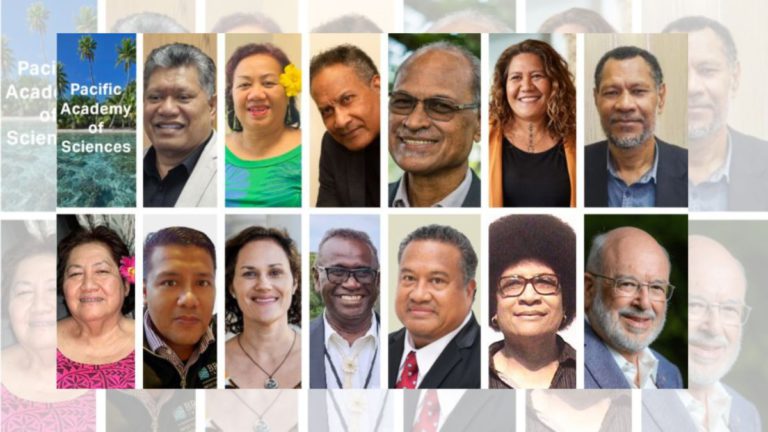
Appeal for public assistance after 30kg of cocaine seized in Sydney

0

The AFP is calling for the public’s assistance after more than 30kg of cocaine was located in a refrigerated container at Port Botany.

The consignment was examined by Australian Border Force (ABF) officers on Thursday, 17 October 2024, after they identified anomalies when they x-rayed a shipping container that had arrived from Italy.

A forensic examination revealed 30 packages hidden inside the engine compartment of the refrigerated container.

The packages were found to contain a white crystalline substance that later tested positive to cocaine. The estimated street value of the seizure is $9.75 million.

The drugs were seized by AFP officers and inquiries are underway to identify the criminal syndicate responsible for the importation.

Image: EC – 30kg cocaine seizure (Source: AFP)

AFP Detective Acting Superintendent Stuart Millen said 30kg of cocaine had the potential to be sold as more than 150,000 street deals.

“The organised crime syndicates behind these importations don’t care about the harm they’re causing, the hospital admissions, drug driving crashes, or violence between drug distributors that puts innocent members of the public at risk. They care only about the profits they can make,” Det. A/Supt Millen said.

“If you know anything about this consignment, please contact Crime Stoppers on 1300 333 000 or report via crimestoppers.com.au.”

Image: EC – 30kg cocaine seizure (Source: AFP)

The AFP is interested in information about people who may have been asked to take delivery of, or store, a refrigerated industrial container.

ABF Superintendent Jared Leighton said the detection demonstrated the capabilities of ABF officers in the field to identify unusual or abnormal circumstances.

“Whomever has attempted to import these substances has attempted to conceal them within the structure of the container, something which ABF officers assess and monitor several times a day,” Supt Leighton said.

“It’s a warning to those who try sneaky tactics to get beyond our border controls, we work closely with our partner agencies with intelligence and officer knowledge to look at all aspects of a potential import – inside and within a consignment.”

Image: EC – 30kg cocaine seizure (Source: AFP)

Anyone with information about suspicious activity which may impact the security of Australia’s borders is urged to report to Border Watch online. By reporting suspicious activities, you help protect Australia’s border and the community.

Support Our Journalism

Global Indian Diaspora and Australia’s multicultural communities need fair, non-hyphenated, and questioning journalism, packed with on-ground reporting. The Australia Today – with exceptional reporters, columnists, and editors – is doing just that. Sustaining this needs support from wonderful readers like you.

Whether you live in Australia, the United Kingdom, Canada, the United States of America, or India you can take a paid subscription by clicking Patreon and support honest and fearless journalism. LINK: https://tinyurl.com/TheAusToday

How extreme weather and costs of housing and insurance trap some households in a vicious cycle

0

By Jens O. Zinn and Julia Plass

Climate change is increasing the risk of extreme weather events for Australian households. Floods and bushfires are becoming more likely and severe. As a result, household insurance costs are soaring – tripling in some cases. High-risk areas might even become uninsurable.

The national housing crisis is pushing low-income households in particular to seek affordable housing in areas at risk of flooding. There they can become trapped in a vicious cycle. Unable to pay soaring insurance premiums in these areas, they also can’t afford housing elsewhere.

The regulation of housing in Australia traditionally relies on well-informed buyers being responsible for managing the risks. But our new study found home buyers are often not aware of the long-term risks.

Only after they’ve bought the home do they start thinking about these risks. When faced with unexpected high insurance costs, many opt to take the risk of being underinsured or even uninsured. This leaves them highly vulnerable.

The National Strategy for Disaster Resilience promotes a shared-responsibility concept. However, we found the main responsibility still lies with households. And they are not equipped to cope with the increasing complexity, impacts and costs of extreme weather events.

What’s wrong with the current approach?

The uncertain knowledge about future extreme weather events is challenging the traditional prioritising of individual responsibility. It’s becoming even harder for households to make informed decisions based on past experiences.

Government efforts to regulate increasing flooding events might not be effective when households do not want to relocate or cannot afford housing elsewhere.

Governments are also under pressure to jump in to compensate households for the costs of extreme weather damage.

Our research found a number of issues prevent efficient regulation:

  • stakeholders such as the insurance industry and home lenders face legal hurdles to sharing data and giving financial advice for housing in high-risk areas
  • well-intended measures such as buybacks and planned relocations can fail when they do not relate to people’s experiences and life situation, such as limited financial resources and deep connections to a place and community
  • households’ motivation to insure themselves might decrease if they can expect government to provide compensation as a de facto last insurer.

Who is responsible for what?

In Australia, responsibility for managing extreme weather events is roughly divided among three main stakeholders: the three levels of government, businesses and households.

Within the three levels of government, states and territories bear the main responsibility for managing extreme weather events. They do so through disaster risk management plans and policies, hazard prevention and land-use planning.

Yet housing is still built in flood-prone regions. It happens where commercial interests conflict with regional planning, and governments are under pressure to deliver housing for growing populations.

After extreme weather hits, house and contents insurance cover is key for a household to recover. But insurance costs are based on the risk of events such as flooding. As these risks rise, premiums may also increase and become unaffordable. The Climate Council estimates one out of 25 properties will even become uninsurable by 2030.

When housing is built in at-risk areas, under the current system home buyers are largely responsible for informing themselves about the risks of floods, bushfires and other natural disasters. Our research suggests many are struggling to estimate what insurance is likely to cost them.

To prepare for these costs before they invest in a home, they must assess their own risk, know the value of their house and contents and calculate the costs of rebuilding after a disaster. They must also take into account increasing costs for builders and materials after an extreme weather event.

Climate change is making these already complex calculations even more difficult.

Our study is based on interviews with 26 insurance, legal, financial, policy and urban planning experts. Despite the National Strategy for Disaster Resilience’s concept of shared responsibility, we found most of the burden still falls on households.

Yet households often lack the knowledge to assess the risks. The data and information are either unavailable, or hard to access and understand.

These difficulties, coupled with the complex language of insurance contracts, contribute to high numbers of underinsured and uninsured households.

The Australian government responded in 2022 by setting up a cyclone reinsurance pool. Its aim is to keep premiums for households and businesses affordable.

There are also government buyback programs or relocation plans to move people out of high-risk regions. As noted above, though, these don’t always suit households when offered away from their communities or full costs aren’t adequately covered.

Governments must take on more responsibility

According to the experts we interviewed, households are no longer able to carry the main responsibilities for managing the risks of climate change. Government must take on more responsibility.

At the local level, councils need to better educate their staff on climate change risks. They should ban housing development in at-risk areas.

Better information and data sharing among stakeholders such as insurers and governments will also be crucial. Such data and information also need to be made more accessible and easier for households to understand.

In a climate change world, increasing extreme weather events result in new complexities. Households are not able to assess these new risks and complexities to make well-informed decisions.

Australia needs stronger sharing of responsibilities between different stakeholders such as insurers, governments and households. This includes changes to laws on information and data sharing between insurers, governments and households, bans on building in high-risk areas, and better advice about the costs of buying in high-risk regions.

Jens O. Zinn, T.R. Ashworth Associate Professor in Sociology, The University of Melbourne and Julia Plass, Scientific Assistant, Bayreuth University

This article is republished from The Conversation under a Creative Commons license. Read the original article.

"The

Support Our Journalism

Global Indian Diaspora and Australia’s multicultural communities need fair, non-hyphenated, and questioning journalism, packed with on-ground reporting. The Australia Today – with exceptional reporters, columnists, and editors – is doing just that. Sustaining this needs support from wonderful readers like you.

Whether you live in Australia, the United Kingdom, Canada, the United States of America, or India you can take a paid subscription by clicking Patreon and support honest and fearless journalism. LINK: https://tinyurl.com/TheAusToday
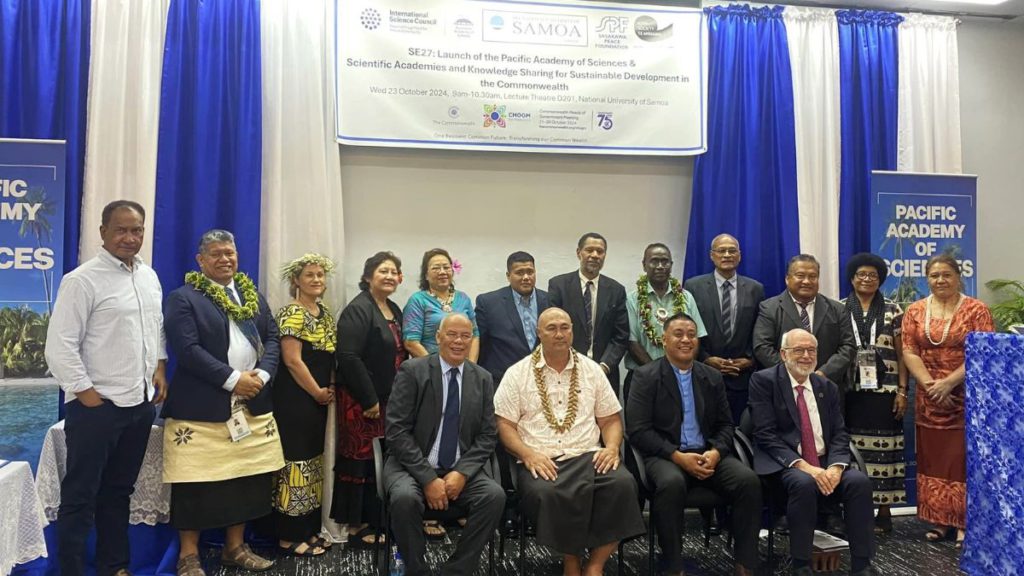
Manshika Prasad set to officially represent Fiji in Miss Universe 2024

0

After weeks of speculation, confusion, and allegations of voting irregularities, the Miss Universe Organisation has officially confirmed Manshika Prasad as the winner of Miss Universe Fiji 2024.

Image: Manshika Prasad wins Miss Universe Fiji 2024 (Source: Supplied)

The 24-year-old MBA student was initially crowned in early September during a ceremony at Fiji’s Pearl Resort and Spa, marking the first Miss Universe Fiji pageant in over 40 years.

However, just two days later, Miss Universe Fiji organisers declared a “breach of protocol” and announced runner-up Nadine Roberts as the rightful winner, citing “incorrect procedures” on the night of the event.

This ignited a whirlwind of accusations, including claims of racism, vote-rigging, and conflicts of interest. Roberts, a 30-year-old model and property developer originally from Australia’s Gold Coast, contested the decision, further fuelling the controversy.

Image: Nadine Roberts (Source: Miss Universe Fiji)

The confusion stemmed from reports of an eighth judge who allegedly influenced the voting outcome, causing an uproar across social media and sparking conspiracy theories.

According to one of the judges, Prasad won with four out of seven votes, only for the decision to be challenged days later when an eighth judge, reportedly the license holder for Miss Universe Fiji, claimed a tie had occurred.

Image: Manshika Prasad winner of Miss Universe Fiji 2024 (Source: Instagram)

Both Prasad and Roberts declared themselves the rightful winner, leaving fans divided.

In response, the Miss Universe Organisation launched an investigation into the matter. In a statement released this week, the organisation assured the public that the matter had been addressed with “the utmost seriousness” and that the processes followed during the pageant were in line with their transparency and fairness standards.

“There have been conflicting reports regarding the winner,” the statement said.

“After reviewing the processes and results, we have determined that the winner of Miss Universe Fiji 2024 is Miss Manshika Prasad.”

The investigation was aimed at ensuring that Fiji would be fairly represented in the upcoming international Miss Universe competition in Mexico on 17 November.

Image: Miss Universe Fiji contestants at Navua Maternity Unit of Navua Hospital (Photo: Raj Suri / Source: Supplied)

Despite the turmoil, the Miss Universe Organisation has now restored Prasad’s title, officially confirming her as Fiji’s representative in the global competition.

“We trust that, through our rigorous and fair evaluation, we have been able to provide clarity and reinforce the integrity of our selection process,” the organisation concluded.

In a statement Prasad said:

“I am deeply honored to be crowned MISS UNIVERSE FIJI 2024 and I am so proud to represent our beautiful nation on the international stage for @missuniverse in MEXICO!!!”

The controversy marks a rocky return for the Miss Universe pageant in Fiji, which had not held a national competition since 1981 due to a lack of funding.

Support Our Journalism

Global Indian Diaspora and Australia’s multicultural communities need fair, non-hyphenated, and questioning journalism, packed with on-ground reporting. The Australia Today – with exceptional reporters, columnists, and editors – is doing just that. Sustaining this needs support from wonderful readers like you.

Whether you live in Australia, the United Kingdom, Canada, the United States of America, or India you can take a paid subscription by clicking Patreon and support honest and fearless journalism. LINK: https://tinyurl.com/TheAusToday
King Charles becomes second reigning Australian monarch to visit the nation

0

King Charles III has arrived in Australia for a historic visit, marking the first time a reigning king has toured the country.

Accompanied by Queen Camilla, the royal couple touched down at Sydney Airport around 8:30 pm on Friday, their first visit since 2018. The tour follows the legacy of his mother, Queen Elizabeth II, who was the first reigning monarch to visit Australia in 1954.

Prime Minister Anthony Albanese welcomed Their Majesties, expressing Australia’s admiration:

“A warm welcome back to Australia. Their Majesties have a deep regard for Australia, and this visit will be an opportunity to showcase the very best of our modern and dynamic nation.”

The couple is set to attend various events in Sydney and Canberra over the next few days, before travelling to Samoa for the Commonwealth Heads of Government Meeting (CHOGM).

Among those greeting the King and Queen upon arrival were Governor-General Sam Mostyn, NSW Premier Chris Minns, and Prime Minister Albanese. Despite the heavy rain that briefly disrupted the welcome, excitement remained high for this milestone occasion.

In a poignant moment, Queen Camilla was presented with a bouquet by 12-year-old Ky, a Make-a-Wish Foundation recipient who lives with a serious blood disorder. Ky, accompanied by his sister Charlotte, had requested to meet the royal couple. Following their airport welcome, the couple proceeded to Admiralty House for a private reception hosted by Albanese and his partner, Jodie Haydon.

Ahead of their arrival, the Sydney Opera House lit up its iconic sails with a photo montage of the monarchs’ previous visits, although the display was briefly delayed by a passing cruise ship. The King and Queen will take a day of rest on Saturday before commencing their packed five-day itinerary.

On Sunday, the couple will attend a church service, marking their first public appearance. The King, who has visited Australia 16 times, will later participate in engagements that reflect his deep commitment to environmental conservation. He will tour the National Botanic Gardens and meet with scientists from the CSIRO to discuss research on bushfire resilience.

Meanwhile, Queen Camilla is set to meet advocates for family and domestic violence and representatives from GIVIT, a charity that supports various causes across Australia. In Sydney, the King will inspect a fleet review of the Royal Australian Navy in Sydney Harbour, with the royal couple attending a community barbecue in Parramatta later in the week.

The King’s visit comes after a cancer diagnosis earlier this year, making this his first major overseas trip since his treatment began. Despite the challenges, the King has shown resilience, even pausing his treatment for the duration of the tour. His determination to continue his royal duties has been widely praised.

Albanese is set to host a reception for Their Majesties in Canberra, which will be followed by a wreath-laying ceremony at the Australian War Memorial. Australians will also have a chance to meet the royal couple at the Parliament House forecourt on Monday and again at the Sydney Opera House on Tuesday.

Their whirlwind visit will culminate with the King and Queen’s departure for Samoa on Wednesday, where they will attend the Commonwealth Heads of Government Meeting. This marks the first visit to Australia by a reigning monarch since Queen Elizabeth II’s tour in 2011.

Support Our Journalism

Global Indian Diaspora and Australia’s multicultural communities need fair, non-hyphenated, and questioning journalism, packed with on-ground reporting. The Australia Today – with exceptional reporters, columnists, and editors – is doing just that. Sustaining this needs support from wonderful readers like you.

Whether you live in Australia, the United Kingdom, Canada, the United States of America, or India you can take a paid subscription by clicking Patreon and support honest and fearless journalism. LINK: https://tinyurl.com/TheAusToday
Neena Mitter joins Charles Sturt University as Deputy Vice-Chancellor for Global Research

0

Professor Neena Mitter, an Indian-origin academic renowned for her innovative contributions to agriculture and sustainable crop protection, has been appointed as the Deputy Vice-Chancellor Associate (Global Research) at Charles Sturt University, effective October 1, 2024.

Professor Mitter brings a wealth of experience in interdisciplinary research and international collaboration to her new role, where she will be instrumental in advancing the university’s global research initiatives.

Prof. Neena Mitter; Image Source- Supplied

Expressing her enthusiasm for the appointment, Professor Mitter highlighted her commitment to driving international research partnerships and fostering innovation.

“Charles Sturt University’s innovative spirit is grounded in deep community engagement, education, and research to make a difference on the ground, contributing to agriculture, food and water security, and healthcare in regional communities, among others,” she said.

“I am eager to drive global research partnerships with my passion for borderless innovation.”

An Accomplished Academic with a Vision for Sustainable Solutions

Charles Sturt University praised Professor Mitter’s exceptional track record, noting her history of leading world-class interdisciplinary research centres and securing significant research funding.

Before joining Charles Sturt, Professor Mitter served as the founding Director of the Centre for Horticultural Science at the University of Queensland, where she played a key role from 2018 to 2024. Her achievements include winning numerous awards, securing fellowships, and earning patents, which have positioned her as a leader in the fields of agriculture and sustainable crop protection.

In addition to her academic accomplishments, Professor Mitter is the Director of the Australian Research Council’s Industrial Transformational Research HUB for Sustainable Crop Protection. Her research has gained international recognition, particularly her work on BioClay™, a groundbreaking technology in crop protection.

BioClay is designed to combat agricultural pests such as whitefly, a major threat to global crop yields. The technology has shown promising results, with ongoing collaborative efforts through the Australia-India Strategic Research Fund.

In her new role, Professor Mitter will focus on enhancing Charles Sturt University’s international research profile, including the development of partnerships, commercialisation of research, and collaborative postgraduate programs.

The university has made substantial investments in research over the past two years, particularly in areas such as rural health, cybersecurity, food and water security, and regional well-being. Professor Mitter’s appointment aligns with Charles Sturt’s commitment to addressing regional challenges that have a global impact.

“The role of Deputy Vice-Chancellor Associate (Global Research) is to provide strategic leadership, advice, and support in the development of international research partnerships, new sources of international research income, and collaborative initiatives,” the university stated.

“Professor Mitter’s appointment is further testimony to Charles Sturt’s commitment to recruiting the best and the brightest to foster world-class research.”

Professor Mitter’s new position at Charles Sturt University marks a significant step forward for the institution’s efforts to lead in sustainable agriculture and technology-driven research. Her leadership is expected to drive strategic, multidisciplinary initiatives that span multiple regions, enhancing the university’s impact on both a local and international scale.

With Professor Mitter at the helm of its global research initiatives, Charles Sturt University aims to strengthen its reputation as a hub for innovation, providing solutions to pressing global issues and cultivating future leaders in agriculture, technology, and health.

Support Our Journalism

Global Indian Diaspora and Australia’s multicultural communities need fair, non-hyphenated, and questioning journalism, packed with on-ground reporting. The Australia Today – with exceptional reporters, columnists, and editors – is doing just that. Sustaining this needs support from wonderful readers like you.

Whether you live in Australia, the United Kingdom, Canada, the United States of America, or India you can take a paid subscription by clicking Patreon and support honest and fearless journalism. LINK: https://tinyurl.com/TheAusToday
Australia and Samoa improve emergency response and community safety ahead of CHOGM

0

The AFP and Samoa Police have launched significant national security upgrades to enhance safety in Samoa ahead of next week’s Commonwealth Heads of Government Meeting (CHOGM) and beyond.

Image: Samoa ERN (Source: AFP)

Through the Samoa-Australia Police Partnership (SAPP), the AFP has funded a cutting-edge Emergency Radio Network (ERN) to ensure seamless communication between first responders during crises.

This new system, which replaces the original network from 2009, comprises 13 physical sites across Samoa and connects key emergency services, including the Samoa Police, Samoa Fire and Emergency Services Authority, the National Disaster Management Office, Red Cross, and hospitals, eliminating the need for separate communication systems.

Image: Samoa ERN (Source: AFP)

AFP technical experts worked closely with Samoan radio technicians to install and roll out the ERN. In addition to this, the AFP and Samoa Police have introduced the Safer City CCTV Network to strengthen crime prevention and community safety.

Sixteen CCTV cameras now installed across the capital, Apia, provide real-time monitoring, allowing Samoa Police to respond swiftly to criminal activity. The Samoa Police Operations Centre has also been renovated to support the monitoring of these cameras and enable better police deployment.

Image: Samoa ERN (Source: AFP)

AFP Detective Superintendent Dan Evans highlighted the importance of these initiatives, particularly as Samoa prepares to host CHOGM.

“This partnership is not just about funding; it’s about ensuring every Samoan feels safe in their homes, on the streets, and in their communities,” Evans said.

“Our goal is to provide the Samoa Police with the tools to protect and empower their citizens to thrive in a secure environment. Together, we are building a future where Samoa Police’s emergency response capabilities are robust, communities are secure, and our partnerships remain strong.”

Image: Samoa ERN (Source: AFP)

Samoa Police Commissioner Auapaau Logoitino Filipo also emphasised the proactive nature of these projects. “The new Emergency Radio Network and Safer City CCTV Network are vital steps in ensuring the safety of both our citizens and visitors, using the advantages technology provides,” he said.

“Alongside the AFP, Samoa Police is laying the groundwork for CHOGM, with increased security benefits for all Samoans in the years to come.”

The AFP will continue to support these projects, providing training and technical assistance over the next three years as part of the AFP-Samoa Police Technical Partnership.

Support Our Journalism

Global Indian Diaspora and Australia’s multicultural communities need fair, non-hyphenated, and questioning journalism, packed with on-ground reporting. The Australia Today – with exceptional reporters, columnists, and editors – is doing just that. Sustaining this needs support from wonderful readers like you.

Whether you live in Australia, the United Kingdom, Canada, the United States of America, or India you can take a paid subscription by clicking Patreon and support honest and fearless journalism. LINK: https://tinyurl.com/TheAusToday

Could a recent ruling change the game for scam victims? Here’s why the banks will be watching closely

0

By Jeannie Marie Paterson and Nicola Howell

In Australia, it’s scam victims who foot the bill for the overwhelming majority of the money lost to scams each year.

A 2023 review by the Australian Securities and Investments Commission (ASIC) found banks detected and stopped only a small proportion of scams. The total amount banks paid in compensation paled in comparison to total losses.

So, it was a strong statement this week when it was revealed the Australian Financial Conduct Authority (AFCA) had ordered a bank – HSBC – to compensate a customer who lost more than $47,000 through a sophisticated bank impersonation or “spoofing” scam.

This decision was significant. An AFCA determination is binding on the relevant bank or other financial institution, which has no direct right of appeal. It could have implications for the way similar cases are treated in future.

The ruling comes amid a broader push for sector-wide reforms to give banks more responsibility for detecting, deterring and responding to scams, as opposed to simply telling customers to be “more careful”.

Here’s what you should know about this landmark ruling, and what it might mean for consumers.

A highly sophisticated ‘spoofing’ scam

You might be familiar with “push payment” scams that trick the victim into paying money to a dummy account. These include the “mum I’ve lost my phone” scam and some romance scams.

The recent case concerned an equally noxious “bank impersonation” or “spoofing” scam. The complainant – referred to as “Mr T” – was tricked into giving the scammer access to his HSBC account, from which an unauthorised payment was made.

The scammer sent Mr T a text message, purportedly asking him to investigate an attempted Amazon transaction.

In an effort to respond to the (fake) unauthorised Amazon purchase, Mr T revealed security passcodes to the scammer, enabling them to transfer $47,178.54 from his account and disappear with it.

The fact Mr T was dealing with scammers was far from obvious – scammers had information about him one might reasonably expect only a bank would know, such as his bank username.

On top of this, the scam text message appeared in a thread of other legitimate text messages that had previously been sent by the real HSBC.

AFCA’s ruling

HSBC argued to AFCA that having to pay compensation should be ruled out under the ePayments Code, a voluntary code of practice administered by ASIC.

Under this code, a bank is not required to compensate a customer for an unauthorised payment if that customer has disclosed their passcode. The bank argued the complainant had voluntarily disclosed these codes to the scammer, meaning the bank didn’t need to pay.

AFCA disagreed. It noted the very way the scam had worked was by creating a sense of urgency and crisis. AFCA considered that the complainant had been manipulated into disclosing the passcodes and had not acted voluntarily.

AFCA awarded compensation covering the vast majority of the disputed transaction amount, lost interest charged to a home loan account, and $5,000 towards Mr T’s legal costs.

It also ordered the bank to pay compensation of $1,000 for poor customer service in dealing with the matter, including communication delays.

Other cases may be more complex

In this case, the determination was relatively straightforward. It found Mr T had not voluntarily disclosed his account information, so was not excluded from being compensated under the ePayments Code.

However, many payment scams fall outside the ePayments Code because they involve the customer directly sending money to the scammer (as opposed to the scammer accessing the customer’s account). That means there is no code to direct compensation.

Still, AFCA’s jurisdiction is broader than merely applying a code. In considering compensation for scam losses, AFCA must consider what is “fair in all the circumstances”. This means taking into account:

  • legal principles
  • applicable industry codes
  • good industry practice
  • previous AFCA decisions.

Relevant factors might well include whether the bank was proactive in responding to known scams, as well as the challenges for individual customers in identifying scams.

Broader reforms are on the way

At the heart of this determination by AFCA is a recognition that, increasingly, detecting sophisticated scams can be next to impossible for customers, which can mean they don’t act voluntarily in making payments to scammers.

Similar reasoning has informed a range of recent reform initiatives that put more responsibility for detecting and responding to scams on the banks, rather than their customers.

In 2023, Australia’s banking sector committed to a new “Scam-Safe Accord”. This is a commitment to implement new measures to protect customers, including a confirmation of payee service, delays for new payments, and biometric identity checks for new accounts.

Changes on the horizon could be more ambitious and significant.

The proposed Scams Prevention Framework legislation would require Australian banks, telcos and digital platforms to take reasonable steps to prevent, detect, report, disrupt and respond to scams.

It would also include a compulsory external dispute resolution process, like AFCA’s, for consumers seeking compensation for when any of these institutions fail to comply.

Addressing scams is not just an Australian issue. In the United Kingdom, newly introduced rules make paying and receiving banks responsible for compensating customers, for scam losses up to £85,000 (A$165,136), unless the customer is grossly negligent.

Jeannie Marie Paterson, Professor of Law, The University of Melbourne and Nicola Howell, Senior lecturer, Queensland University of Technology

This article is republished from The Conversation under a Creative Commons license. Read the original article.

Support Our Journalism

Global Indian Diaspora and Australia’s multicultural communities need fair, non-hyphenated, and questioning journalism, packed with on-ground reporting. The Australia Today – with exceptional reporters, columnists, and editors – is doing just that. Sustaining this needs support from wonderful readers like you.

Whether you live in Australia, the United Kingdom, Canada, the United States of America, or India you can take a paid subscription by clicking Patreon and support honest and fearless journalism. LINK: https://tinyurl.com/TheAusToday

Fiji partners with UN agencies to enhance visa and immigration processes

0

Fiji’s Ministry of Foreign Affairs (MFA) has launched a significant initiative in partnership with United Nations (UN) agencies to improve visa processes and streamline immigration services.

A two-day workshop held in Nadi on 17-18 October 2024 aims to bolster Fiji’s border management and immigration services, ensuring more efficient service delivery for both citizens and foreign nationals.

The workshop brings together key border agencies, government officials, and representatives from UN agencies based in Fiji, focusing on resolving challenges within the current visa framework. Participants will explore solutions designed to enhance operational efficiency in visa processing and immigration services.

Coordinated by the United Nations Development Programme (UNDP) Pacific Office in Fiji and the International Organization for Migration (IOM), the workshop seeks to foster a common understanding of the existing rules and regulations governing visas, exemptions, and applications under Fiji’s laws.

One of the workshop’s key objectives is to streamline decision-making processes within the border management system across various agencies. By implementing standardized procedures and leveraging technology through inter-agency cooperation, the initiative aims to enhance the integrity of the visa system, reduce processing times, and improve the overall accessibility of immigration services.

The MFA has expressed gratitude for the vital support provided by UN agencies, recognising this initiative as a crucial step towards streamlining border and immigration services. This effort aligns with the Sovereignty and Security pillars outlined in the recently launched Foreign Policy White Paper, reinforcing Fiji’s global engagement and economic development goals under the Prosperity pillar.

As part of its mandate, the MFA plays a pivotal role in coordinating inter-agency efforts, setting strategic priorities, mobilising teamwork, and implementing policy reforms to enhance decision-making processes. The Ministry acknowledges the collaboration and support offered by UNDP and IOM, which include technical expertise, resources, and guidance aimed at sharing best practices and innovative solutions.

Support Our Journalism

Global Indian Diaspora and Australia’s multicultural communities need fair, non-hyphenated, and questioning journalism, packed with on-ground reporting. The Australia Today – with exceptional reporters, columnists, and editors – is doing just that. Sustaining this needs support from wonderful readers like you.

Whether you live in Australia, the United Kingdom, Canada, the United States of America, or India you can take a paid subscription by clicking Patreon and support honest and fearless journalism. LINK: https://tinyurl.com/TheAusToday
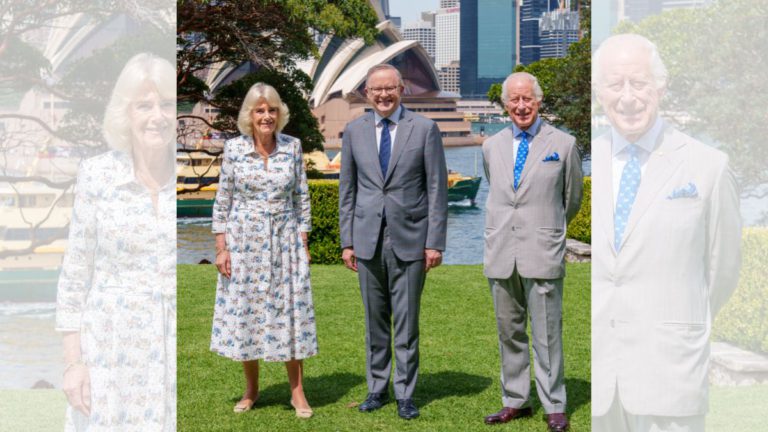
“Terrorist” and “architect” of 7 October: Hamas leader Yahya Sinwar killed in strike amid Gaza conflict

0

Israeli forces have reportedly killed Hamas leader Yahya Sinwar in a significant military operation in Gaza.

Sinwar, who masterminded the 7 October attack on Israel, was among three militants killed in the southern city of Rafah, according to unnamed Israeli officials.

Australian Prime Minister Anthony Albanese described Sinwar as a “terrorist” and the “architect of the atrocities” committed during the deadly attack on Israel, which claimed over 1,200 lives and led to the abduction of more than 250 hostages.

Albanese added, “His death is a significant moment and can be a vital turning point in this devastating conflict.”

Peter Dutton MP, the Leader of the Opposition, stated that “the world is a safer place without evil terrorists like Yahya Sinwar.”

Dutton expressed his contempt for Sinwar’s actions, highlighting the 7th of October atrocity as evidence of his equal disdain for both Israelis and his own people, whom he allegedly used as human shields while keeping them impoverished to further his own distorted worldview.

Further, Dutton called for the immediate release of hostages, asserting that marking Sinwar’s death would be a significant victory for both the Middle East and the world.

The Israel Defense Forces (IDF) confirmed Sinwar’s death, which Israeli Prime Minister Benjamin Netanyahu hailed as the “beginning of the end” of the conflict.

Netanyahu stated that “today we have settled the score,” while cautioning that the war is far from over and that Israel will continue efforts to bring hostages home.

The IDF had been searching for Sinwar for months, but reports suggest his death occurred during a chance encounter when troops engaged militants in a damaged building.

The world is “now a better place” without Hamas leader Yahya Sinwar, the Commander-in-Chief of the Israel Defense Forces, Herzi Halevi said.

US President Joe Biden welcomed the news, calling it a “good day for the world,” while world leaders urged renewed efforts for a ceasefire, the release of hostages, and humanitarian support for Gaza.

Sinwar’s death is seen as a significant blow to Hamas, though its impact on the ongoing conflict remains uncertain.

Hezbollah has also declared a “new and escalating phase” in its conflict with Israel, claiming responsibility for the deaths of 55 Israeli soldiers and injuries to 500 since the beginning of Israel’s ground operations in Lebanon. The group made this announcement on Telegram but did not mention the recent killing of Hamas leader Yahya Sinwar by Israeli forces in Gaza.

Support Our Journalism

Global Indian Diaspora and Australia’s multicultural communities need fair, non-hyphenated, and questioning journalism, packed with on-ground reporting. The Australia Today – with exceptional reporters, columnists, and editors – is doing just that. Sustaining this needs support from wonderful readers like you.

Whether you live in Australia, the United Kingdom, Canada, the United States of America, or India you can take a paid subscription by clicking Patreon and support honest and fearless journalism. LINK: https://tinyurl.com/TheAusToday

South Africa Stuns Australia to Reach Women’s T20 World Cup Final, Bosch Shines with 74

0

Anneke Bosch’s unbeaten 74 off 48 balls* powered South Africa into the Women’s T20 World Cup Final, eliminating defending champions Australia in a thrilling semi-final on Thursday.

The Proteas chased down a target of 135, reaching 135/2 in 17.2 overs, to secure a spot in the final, which will be held in Dubai on Sunday.

The semi-final clash was a rematch of the previous T20 World Cup final in South Africa, where Australia emerged victorious by 19 runs to lift their sixth title. However, this time the Proteas took sweet revenge, clinching a historic win that prevented the ‘Women in Yellow’ from reaching the final for the first time in the tournament’s 15-year history.

After restricting Australia to 134/5 in the first innings, South Africa’s top order took charge under the lights of the Dubai International Cricket Stadium. Skipper Laura Wolvaardt (42 off 37) and Tazmin Brits (15 off 15) provided a solid foundation, but it was Bosch who took the game away from the Aussies with her powerful hitting. She kept the scoreboard ticking and maintained a strong run rate, ensuring South Africa stayed ahead in the chase.

Even after Wolvaardt’s departure, with 15 runs still needed, Bosch’s composed batting saw the Proteas home as she fittingly hit the winning runs to trigger celebrations among the South African team.

Earlier, having opted to bowl first, South Africa’s bowlers made a strong start, reducing Australia to 18/2. Grace Harris, opening in place of the injured Alyssa Healy, was dismissed for just 3, caught superbly by Bosch off Ayabonga Khaka’s first delivery. Georgia Wareham, promoted to number three, also fell early, leaving the defending champions in trouble.

A crucial partnership between Beth Mooney (44 off 42) and stand-in captain Tahlia McGrath (27 off 33) helped stabilize the innings, with the pair adding 50 runs together. But Nonkululeko Mlaba, South Africa’s leading wicket-taker of the tournament, broke the stand by dismissing McGrath. Mooney’s knock ended just as Australia looked to accelerate in the death overs, with an inspired run-out by Marizanne Kapp.

Late contributions from Ellyse Perry (31 off 23) and Phoebe Litchfield (16* off 9) provided a competitive total for Australia, but the Proteas bowlers, led by Khaka’s 2/24 and Kapp’s tight spell of 1/24, ensured the target remained manageable.

South Africa’s pursuit of 135 was never truly in doubt, thanks to Bosch’s brilliant innings. Her composed stroke play and aggressive hitting dismantled the Australian bowling attack, while Wolvaardt’s support at the other end kept the chase on track. Annabel Sutherland’s 2/26 provided brief moments of hope for Australia, but Bosch’s heroics sealed a memorable victory.

The Proteas’ win sets up a thrilling final in Dubai, as they look to claim their first-ever Women’s T20 World Cup title. For Australia, the loss marks a rare disappointment in a tournament they have dominated for years.

Brief Scores:
Australia: 134/5 in 20 overs (Beth Mooney 44, Ellyse Perry 31, Ayabonga Khaka 2/24)
South Africa: 135/2 in 17.2 overs (Anneke Bosch 74*, Laura Wolvaardt 42, Annabel Sutherland 2/26)

Support Our Journalism

Global Indian Diaspora and Australia’s multicultural communities need fair, non-hyphenated, and questioning journalism, packed with on-ground reporting. The Australia Today – with exceptional reporters, columnists, and editors – is doing just that. Sustaining this needs support from wonderful readers like you.

Whether you live in Australia, the United Kingdom, Canada, the United States of America, or India you can take a paid subscription by clicking Patreon and support honest and fearless journalism. LINK: https://tinyurl.com/TheAusToday

Future of Construction: Jai Ranganathan Pushes Boundaries Using AI, Robotics and Concrete 3D Printing

0

Jai Ranganathan is the CEO and Founder of 3VIMA, an Australian Company using cutting-edge technology in construction, leveraging AI & Robotics in the Building Industry.

3VIMA is the first commercial 3D concrete printing company in Australia, focused on a vision to deliver exceptional projects with the use of technology that is clearly foreseen as the future in construction.

CEO and Founder of 3VIMA, Mr Ranganathan, is a visionary determined to implement cutting-edge technology in the construction market and for Australia to stay in the forefront of this innovation in AI and Robotics.

Mr Ranganathan says that 3VIMA can potentially construct a three bedroom house in as less as six weeks leveraging existing skills and trades. This will also generate a faster turnaround of income for the tradies given the shorter construction time.

Jai Ranganathan, CEO and Founder, 3VIMA

Mr Ranganathan has a Masters Degree in Engineering from RMIT Australia and has 35 years of corporate experience having worked with global giants like IBM and Fujitsu Australia. But with innovation embedded in his DNA he founded 3VIMA to pursue his entrepreneurial dreams.

This cutting edge technology is literally what it is named, 3D concrete printing!

3VIMA recently added the Special Edition PLATYPUS X4 from LUYTEN to their fleet.

The design of this special edition X4, is exceptional as it does an entire house in a single print setup, it takes less than two hours to assemble on-site. 3VIMA are able to run the printer in shifts around the clock, with extremely low noise factor, which can become a huge advantage when it would be operated with neighbours around.

Jai Ranganathan with his team at 3VIMA shaking hands with Founder and CEO of LUYTEN, Ahmed Mahil, while taking delivery of the Special Edition PLATYPUS X4

Speaking about the new edition to his fleet, Mr Rangnathan said,

“We are printing outdoor in regional NSW without worrying about common ailments in 3DCP and the results are flawless, this is a perfected product commercially ready, and it’s not just a robot, there is a real use case of advanced AI algorithms at play, helping to maximise efficiency of the whole construction cycle, thus achieving the savings so many talk about”.

Popularly known as “The 3D Man” Mr Ranganathan worked hand in hand with LUYTEN to prepare his team on understanding the fundamentals of Additive Manufacturing, and properly prepare for what is required in material science and project operations.

The PLATYPUS X4 SE can build entire houses in single prints, with a size of 4 metres in height, 8 metres in width and is modular, with a seamless extendable drive chain capacity.

LUYTEN PLATYPUS Series Printers have gone through many iterations and maturity cycles to be a complete world class system, which is market ready.

Mr Ranganathan says that he chose LUYTEN because of their globally recognised fleet of printers, robust technology, strongly backed support locally, team of deep tech experts and because they have products that are already proven overseas and in Australia.

According to Mr Ranganathan his aim is to expedite the Australian dream of home ownership into a reality through technology along with the luxury of aesthetically pleasing structures which are built to last the test of time.

In recognition of his work the Australia India Business Council (AIBC) felicitated Mr Ranganthan at their Annual Gala Dinner.

“We fundamentally have a social responsibility for the technology to scale and strive to apply it in ways that benefit and is accepted by the wider community. A core principle we believe and strive to always follow is conducting our operations with utmost honesty and integrity.”

Founder and CEO of 3VIMA, Jai Ranganathan with Irfan Malik, AIBC National Associate Chair, Dr Andrew Charlton, Parliamentary Friends of India Chair, Indian High Commissioner to Australia Gopal Baglay and Arnab Pal, General Manager, Business Banking at Commonwealth Bank

“Also, our key vision is to enable the construction industry to be educated in 3DCP and adopt the emerging ways which is the ‘future of construction’. We play our part in mitigating the housing crisis and creating a sustainable future”, says Jai.

Note: Above article is published as per The Australia Today’s global content partnership initiative.

Support Our Journalism

Global Indian Diaspora and Australia’s multicultural communities need fair, non-hyphenated, and questioning journalism, packed with on-ground reporting. The Australia Today – with exceptional reporters, columnists, and editors – is doing just that. Sustaining this needs support from wonderful readers like you.

Whether you live in Australia, the United Kingdom, Canada, the United States of America, or India you can take a paid subscription by clicking Patreon and support honest and fearless journalism. LINK: https://tinyurl.com/TheAusToday

Albanese government unveils major Defence Precinct, creating 10,000 jobs and boosting defence capabilities

0

The Albanese Government has announced plans to establish a Commonwealth-owned Defence Precinct at Western Australia’s Henderson shipyard, a move that will support billions of dollars of investment in defence capabilities and create approximately 10,000 high-skilled local jobs over the next two decades.

Prime Minister Anthony Albanese described the initiative as “a game changer for WA industry,” highlighting its potential to bolster both jobs and defence infrastructure in the region.

“Henderson already plays a critical role in the delivery and sustainment of Australian Defence Force capabilities, and this will see the important role of WA industry grow further.”

The new Defence Precinct is set to support continuous naval shipbuilding in Western Australia, which includes the construction of new landing craft for the Australian Army and new general-purpose frigates for the Navy.

These developments are vital to enhancing the Defence Force’s ability to respond to the country’s evolving strategic circumstances.

Image: Deputy Prime Minister and Minister for Defence Richard Marles MP announcing the Commonwealth-owned Defence precinct at Western Australia’s Henderson Shipyard (Photo: Nicole Mankowski / Source: Defence Australia)

Deputy Prime Minister Richard Marles underscored the significance of the investment, calling it “the most consequential defence investment in Western Australia in nearly four decades.”

Marles added that the precinct will “optimise Australia’s shipbuilding and sustainment industry while supporting the nation’s nuclear-powered submarine pathway.”

In addition to shipbuilding, the Henderson precinct will become the hub for depot-level maintenance of Australia’s future conventionally-armed, nuclear-powered submarines, a key component of the AUKUS agreement.

This maintenance capability alone is expected to create 3,000 jobs, with further employment opportunities arising from the precinct’s construction and the continuous naval shipbuilding projects in the region.

Pat Conroy, Minister for Defence Industry and Capability Delivery, highlighted the local impact, noting that the consolidation of the Henderson precinct would provide “generational benefits for locals who play a vital role in keeping Australia safe.” He also emphasised the creation of high-skilled jobs, stating,

“This investment by the Albanese Government ensures a future made in Australia.”

The establishment of the Defence Precinct is backed by an initial investment of $127 million over three years to support planning, consultations, and preliminary design work. This forms part of a wider strategic partnership with Austal Limited and is aligned with Australia’s long-term defence goals under AUKUS.

Image: Western Australian Premier Roger Cook with Deputy Prime Minister and Minister for Defence Richard Marles MP announcing the Commonwealth-owned Defence precinct at Western Australia’s Henderson Shipyard (Photo: Nicole Mankowski / Source: Defence Australia)

Western Australian Premier Roger Cook welcomed the announcement, calling it “momentous” and a “win-win” for both the state and the nation. “This massive investment delivers on my Government’s mission to develop and diversify our State’s economy by providing another economic pathway for decades to follow,” he said.

Similarly, WA Defence Industry Minister Paul Papalia hailed the investment as transformative. “This historic agreement will result in generations of jobs and diversify the economy like never before,” he said, describing Western Australia’s emerging role as a “defence powerhouse.”

The initiative also builds on the Albanese Government’s $8 billion commitment to expand HMAS Stirling, positioning Western Australia at the heart of the nation’s future defence capabilities.

Support Our Journalism

Global Indian Diaspora and Australia’s multicultural communities need fair, non-hyphenated, and questioning journalism, packed with on-ground reporting. The Australia Today – with exceptional reporters, columnists, and editors – is doing just that. Sustaining this needs support from wonderful readers like you.

Whether you live in Australia, the United Kingdom, Canada, the United States of America, or India you can take a paid subscription by clicking Patreon and support honest and fearless journalism. LINK: https://tinyurl.com/TheAusToday

Why are some Australian students having to pay to do PE at public schools?

0

By Jessica Amy Sears and Rachel Wilson

Health and physical education is one of the key subjects students learn at school. In Australia it is mandatory for students from the first year of school to Year 10.

It involves theory and practical components to help students manage their health and wellbeing. This includes healthy eating habits, sexual health, cyber safety and mental health. It also incorporates fundamental movement skills (such as throwing and catching), sports (such as swimming, gymnastics and football) and team-building.

Because it is a core, compulsory part of the curriculum it is supposed to be free for students at government schools. But our research shows some students are being asked to pay – and those who cannot are missing out.

Our research

In our recent study, we looked at the staffing and delivery of health and physical education in New South Wales government schools.

We surveyed 556 schools, which make up about 30% of public schools in the state. This included primary and high schools with a mix of locations and levels of advantage.

We used an online survey, which was completed by the teacher in charge of health and physical education.

Many schools are outsourcing lessons

We asked survey respondents who was teaching health and physical education to students at their schools. Some schools were using more than one option.

  • For all schools: 67% were using external provider, 44.5% were using a specialist teacher and 55.4% were using another teacher.
  • For primary schools: 78.4% were using an external provider, 17.9% were using a specialist teacher and 48% were using another teacher.
  • For high schools: 44.8% were using an external provider, 95.9% were using a specialist teacher and 69.2% were using another teacher.

Previous research has shown how schools outsource to external providers to “fill the gap” of teachers lacking confidence and competence to provide quality health and physical education lessons.

This study did not measure how frequent outsourcing was, however, comments from respondents suggests it is regular. For example, one teacher said: “a typical [outsourced] class would have one lesson a week for a term”.

Another teacher similarly said

one 40 min[ute] lesson per week. Company comes in with equipment and young university students to run different activities. They also assess our students for us.

Another teacher told us:

We use [company name], they offer different sports/programs that run for one lesson a week per term.

Families are being asked to pay

Of the schools who were outsourcing lessons, 78% of the schools outsourcing lessons said they were asking parents to help pay for these lessons.

One respondent told us, the costs were “A$45 for one term, $80 for two”.

Of this group, 64% reported students who did not pay did other school work (either for health and physical education or another core subject). About one fifth of schools said students that don’t pay just had to “sit and watch”.

This suggests some students are missing out on basic learning opportunities at school for financial reasons. As one teacher told us:

the school uses some off-campus sporting/gaming facilities that students can choose to pay extra for instead of free on-campus teacher run [activities].

Why is this a problem?

The outsourcing of health and physical education lessons comes in the middle of an ongoing teacher shortage in Australia and around the world.

A 2024 UN report estimates a global shortage of more than 44 million teachers, with many teachers teaching outside of their areas of expertise.

Specific shortages of health and physical education teachers have been noted for more than a decade.

However, outsourcing lessons away from qualified teachers, is a significant concern. Little is known about the external providers’ qualifications or quality. Unlike teachers, they are not subject to registration requirements or professional standards.

Even more concerning is some students are missing out on lessons or some components of lessons because their families have not been able to pay.

This links to wider concerns about unequal access to sport in the school system. This includes some private schools with new Olympic pools and boat ramps when other public schools don’t have access to council playing fields.

More research is needed

Our study suggests more research is needed. We need further information on staffing, outsourcing and lesson delivery in other areas of the country and in other subjects.

We need to be sure all students are being taught the core curriculum, free of charge and by qualified teachers – ideally specialists.

Jessica Amy Sears, Lecturer, School of Education, Charles Sturt University and Rachel Wilson, Professor of Social Impact, University of Technology Sydney

This article is republished from The Conversation under a Creative Commons license. Read the original article.

"A

Support Our Journalism

Global Indian Diaspora and Australia’s multicultural communities need fair, non-hyphenated, and questioning journalism, packed with on-ground reporting. The Australia Today – with exceptional reporters, columnists, and editors – is doing just that. Sustaining this needs support from wonderful readers like you.

Whether you live in Australia, the United Kingdom, Canada, the United States of America, or India you can take a paid subscription by clicking Patreon and support honest and fearless journalism. LINK: https://tinyurl.com/TheAusToday
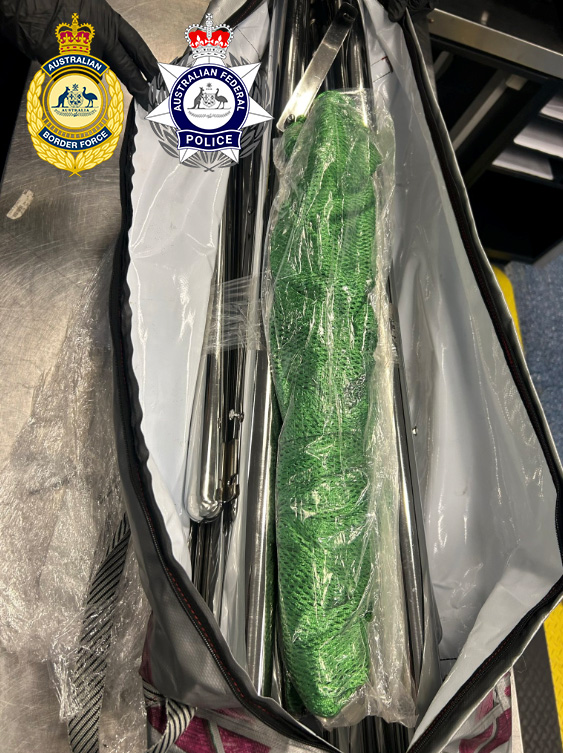
Celebrate Diwali in desi style with Bolly-Bus adventure

0

Starting from 16th October, Auckland residents can hop on the Route 24 bus and immerse themselves in the vibrant festivities of Diwali, travelling from the heart of Sandringham to the city centre in style.

Image: Shiv Narandas and Jaishree (Jai) Pancha (Source: Auckland Transport – Facebook)

This result of a unique collaboration between Auckland Transport (AT) and local graphic artists Shiv Narandas and Jaishree (Jai) Pancha, a Bollywood-inspired bus has been designed to give passengers an authentic experience of Indian culture during this special time.

“Buses are a wonderful metaphor for Auckland’s diversity—people from all walks of life sharing a journey,” says Shiv.

Drawing inspiration from Diwali’s themes of light, joy, and cultural richness, Shiv and Jai teamed up with AT’s Creative team and cultural advisors to craft a design that celebrates Auckland’s multiculturalism and the vibrant Indian community.

“Our goal was to enhance that experience by celebrating Diwali and Indian culture through our design,” Jai adds.

Image: Auckland’s Bolly-Bus (Source: Auckland Transport – Facebook)

The concept, ‘Once Upon a Time in Bollywood,’ blends the cinematic flair of Bollywood with the folk-art tradition of truck decoration seen across India.

The eye-catching design, featuring swirling patterns and bold lettering, reflects the spirit of motion and the artistic traditions of India.

“It’s a cultural mash-up,” Shiv explains, “capturing the playful essence of Diwali.”

AT India Connect Network leader, Pragati Vasisht, played a crucial role in ensuring the design resonated with the community, including translating the Hindi phrase शुभ दीपावली (Shubh Deepavali) prominently displayed on the bus, which wishes passengers an auspicious Diwali.

AT is encouraging everyone to take public transport to Diwali events, as parking will be limited due to road closures in the city. Hop on the Bolly-bus and celebrate Diwali in true festive style!

Support Our Journalism

Global Indian Diaspora and Australia’s multicultural communities need fair, non-hyphenated, and questioning journalism, packed with on-ground reporting. The Australia Today – with exceptional reporters, columnists, and editors – is doing just that. Sustaining this needs support from wonderful readers like you.

Whether you live in Australia, the United Kingdom, Canada, the United States of America, or India you can take a paid subscription by clicking Patreon and support honest and fearless journalism. LINK: https://tinyurl.com/TheAusToday

Trudeau admits ‘no hard evidentiary proof’ against India in Khlaistani extremist Nijjar’s killing

0

In a startling revelation, Canadian Prime Minister Justin Trudeau has admitted that his government had no concrete proof when it initially accused India of involvement in the killing of Khalistani extremist Hardeep Singh Nijjar.

The confession, made on Wednesday during Trudeau’s testimony before a foreign interference inquiry, casts doubt on the allegations that have strained diplomatic relations between India and Canada.

Image: Nijjar (Source: X)

Trudeau revealed that when Canada implicated India in Nijjar’s death last year, the accusations were based on weak intelligence rather than solid evidence.

“They [India] asked us how much do you know? Give us the evidence you have on this, and our response was: well, it’s within your security agencies. You should be looking into how much they know; you should be engaging,” Trudeau said. He clarified that at the time, Canada only had “intelligence, not hard evidentiary proof.

India’s Ministry of External Affairs has pointed out that Trudeau’s stance has long been coloured by political considerations, referencing his controversial visit to India in 2018 and his association with figures promoting an extremist agenda.

In response to Trudeau’s recent testimony, Indian officials reaffirmed that no evidence has been provided by Canada to support the serious allegations.

“What we have heard today only confirms what we have been saying consistently all along – Canada has presented us no evidence whatsoever in support of the serious allegations that it has chosen to level against India and Indian diplomats. The responsibility for the damage that this cavalier behaviour has caused to India-Canada relations lies with Prime Minister Trudeau alone,” MEA statement read.

This diplomatic rift between the two nations erupted when Canada identified India’s High Commissioner and other diplomats as “persons of interest” in the investigation of Nijjar’s assassination. India vehemently rejected the claims, calling them “preposterous” and politically motivated. The Indian government dismissed the allegations as part of Trudeau’s political strategy and criticised Canada for a lack of evidence.

Adding complexity to the issue, Gurpatwant Singh Pannun, a designated Khalistani terrorist and leader of the banned Sikhs for Justice (SFJ), claimed to have been in contact with Trudeau’s office for the past three years, regularly sharing information. These revelations have further muddied the waters in Canadian-Indian relations.

Earlier in the year, Trudeau accused India of making a “horrific mistake” by allegedly interfering in Canada’s sovereignty. He made these comments after expelling six Indian diplomats, linking them to the murder of Nijjar and suggesting that Indian agents were targeting Indian dissidents on Canadian soil. India responded by recalling its diplomats and expelling six Canadian diplomats in a tit-for-tat move.

During his testimony, Trudeau recounted how Canadian intelligence services had informed him in the summer of 2023 about potential Indian involvement in the assassination. However, he acknowledged that at the time, the Canadian government only had “real concerns” but lacked concrete evidence.

“We told them [India] we have concerns that your security agencies are involved. India’s response to our investigation was to double down on attacks against our government,” Trudeau stated.

The Canadian Prime Minister further alleged that information on Canadian critics of the Modi government was being passed to Indian authorities, leading to violent acts facilitated by criminal organisations like the Lawrence Bishnoi gang. Despite these assertions, India has consistently denied any involvement in Nijjar’s murder and accused Trudeau of harbouring hostility towards India.

As diplomatic relations between the two countries continue to deteriorate, this episode underscores the delicate balance of intelligence and evidence in international diplomacy. Trudeau’s admission, coupled with the expulsion of diplomats on both sides, leaves India and Canada navigating an increasingly strained relationship.

Support Our Journalism

Global Indian Diaspora and Australia’s multicultural communities need fair, non-hyphenated, and questioning journalism, packed with on-ground reporting. The Australia Today – with exceptional reporters, columnists, and editors – is doing just that. Sustaining this needs support from wonderful readers like you.

Whether you live in Australia, the United Kingdom, Canada, the United States of America, or India you can take a paid subscription by clicking Patreon and support honest and fearless journalism. LINK: https://tinyurl.com/TheAusToday
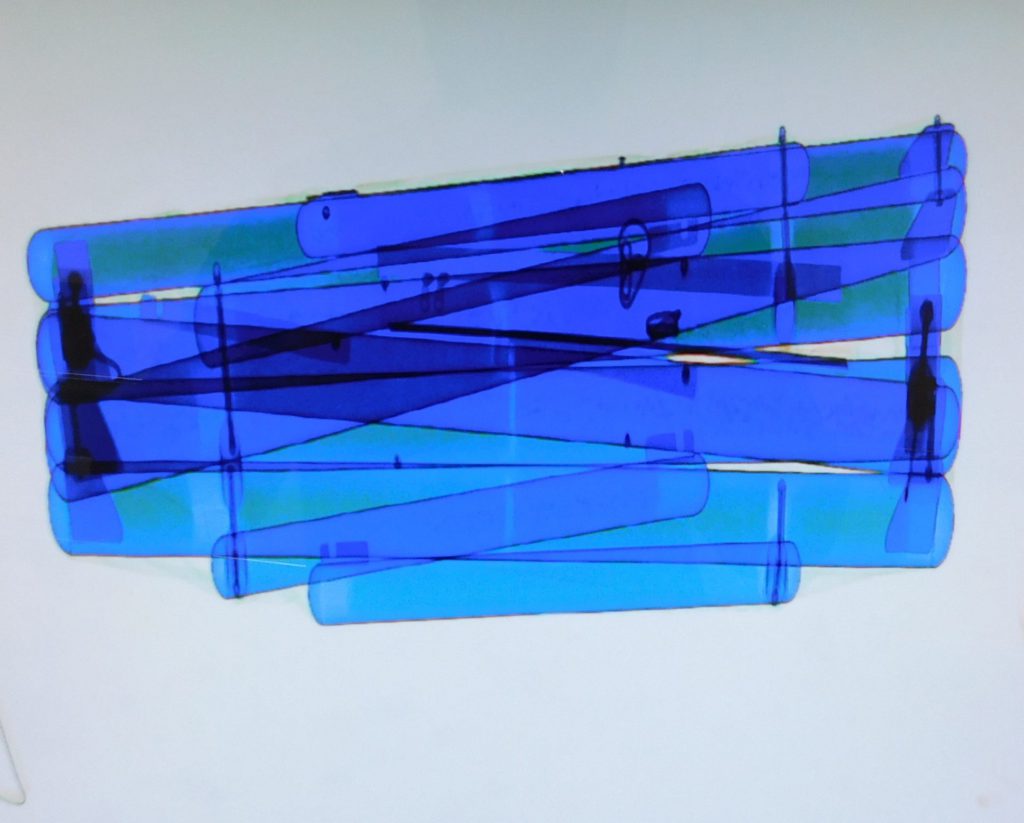
‘It’s going to be a bad result for Labor’ – Antony Green and Michael McKenna on the Qld election

0

By Michelle Grattan

Queenslanders vote on October 26 when, according to the polls, the almost decade-long Labor government is expected to be defeated.

Last year, in a bid to improve its chances, Labor dumped long-time premier Annastacia Palaszczuk in favour of Steven Miles.

Miles has handed out or promised extensive and expensive cost-of-living support, including $1000 rebates on electricity bills, 50-cent fares, and now promising free school lunches.

But even all this seems to have failed to drastically change the mood in the electorate.

To discuss what’s happening on the ground, the potential outcome and what that could mean for the federal Labor government, we’re joined by the ABC’s election specialist, Antony Green and The Australian’s Queensland editor, Michael McKenna.

Green says:

The swing has shifted from being catastrophic to just being very bad.[…] the odds are the government’s going to lose.

All the government’s marginal seats are in the regions, in the regional cities in the north of the state. If it’s a 5 or 6% swing uniform, then all those regional city seats will be knocked out. And once they’ve lost a couple of seats in Brisbane’s belt as well, they’re out of government. So they’re in a very difficult position.

On what a poor result for the Labor Party could mean federally, Green says:

Labor won the last federal election without doing well in Queensland – [there] was always a view that they couldn’t win an election without doing well in Queensland. They did well in WA instead.

Can Labor do worse in Queensland at the next federal election? Well that’s a tough ask, it’s hard to see how.

You would have to be back to the level of the defeat of the Whitlam government or the Keating government to do worse in Queensland, and I’m not sure that it’s that level of disaster for the Labor Party.

I think there will be a lot of comment on that. But I mean this is a Queensland election and it’s fought on and very much based around sort of Queensland issues.

Michael McKenna says of the general mood:

I think for the first time in a few years, I’m seeing a real mood for change in government. Labor is seeking a fourth term on the trot. You can see it in the published polling, which for about the last two years has shown that Labor’s support is sliding and the Liberal National Party has the momentum. I think there’s a real ‘it’s time’ factor.

What we’ve seen is that Labor’s brand is still seemingly on the nose, particularly in the regions. And Steven Miles, […] he’s given a red hot go, but so far, I’m not seeing much evidence that he’s going to pull out a miracle win.

McKenna highlights Opposition Leader David Crisafulli’s strategy:

There’s no doubt that he has adopted a small target strategy to, in one way, focus people’s attention on the failings of a government which has a record of ten years, and there’s always going to be failings and things that are going to make people angry. But I would say that this is arguably the smallest of small target strategies that we’ve ever seen.

David Crisafulli really only wants to talk […] about the issues that he wants to talk about, and those are crime, particularly youth crime, cost of living, housing and health. But he doesn’t like to be pushed onto any other issues, and he’s done a good job in one sense in that he’s probably the most disciplined conservative party leader I’ve seen in decades in Queensland.

Michelle Grattan, Professorial Fellow, University of Canberra

This article is republished from The Conversation under a Creative Commons license. Read the original article.

Support Our Journalism

Global Indian Diaspora and Australia’s multicultural communities need fair, non-hyphenated, and questioning journalism, packed with on-ground reporting. The Australia Today – with exceptional reporters, columnists, and editors – is doing just that. Sustaining this needs support from wonderful readers like you.

Whether you live in Australia, the United Kingdom, Canada, the United States of America, or India you can take a paid subscription by clicking Patreon and support honest and fearless journalism. LINK: https://tinyurl.com/TheAusToday

Jocelyn Bartram Leads Pack of Five Australians snapped up at Women’s Hockey India League Auction

0

Australian hockey goalkeeper Jocelyn Bartram became the first international player picked up at the inaugural Women’s Hockey India League (HIL) auction, fetching 15 lakhs (AUD 26,605) after a bidding war.

Hockeyroos’ Bartram, whose outstanding 2024 included an Olympic debut and her 100th Test cap, was secured by the Odisha Warriors, outbidding Glenn Turner’s Bengal Tigers for the prized signing.

“I wasn’t watching originally, but a few of the girls were tuning in and told me I was up, so I quickly jumped online to watch,” Bartram shared.

“I’d been extremely nervous all morning, and to be picked up by Odisha was an amazing feeling. I’ve always wanted to experience hockey in an overseas league, and this will be amazing.”

Australian Players in Demand

Bartram led the charge for Australian talent at the one-day auction, which featured just four women’s teams and saw over 250 players go under the hammer for the five-week league, set to run from December 28 to February 1.

The Odisha Warriors continued their shopping spree by acquiring two more Hockeyroos stars, securing 2024 FIH Rising Star finalist Claire Colwill and two-time Olympian Kaitlin Nobbs for 13 lakhs (AUD 23,058) each.

The Warriors’ roster was further bolstered with the addition of Dutch superstar Yibbi Jansen, the highest-paid international player at the auction, who sold for 29 lakhs (AUD 51,438). Fresh off winning Olympic gold in Paris, Jansen is expected to bring both experience and firepower to the Odisha side.

“Heading to the Odisha Warriors with Kaitlin and Claire will be great,” said Bartram.

“Having that familiarity around will be comforting in a new environment, and mixing it with Yibbi, Frekke from Holland, and the Indian girls seems like a good mix for the competition.”

Penny Squibb and Miri Maroney Join the League

Hockeyroos defender Penny Squibb, who made a successful comeback from injury to debut at the 2024 Paris Olympics, was snapped up by Soorma Hockey Club for 6.6 lakhs (AUD 11,706).

Meanwhile, NSW Pride striker Miri Maroney, 22, was signed by the Delhi SG Pipers for 2 lakhs (AUD 3,547), marking a major career step as she extends her hockey season in India.

The inaugural auction saw five Australians secured by the four participating teams, underscoring the strong demand for Australian talent. The competition, which will expand to six teams next season, runs alongside the eight-team men’s HIL, which has been revived after a seven-year hiatus.

A Year to Remember for Bartram

The Odisha Warriors’ successful bid capped a remarkable year for Bartram. After making her 100th appearance for the Hockeyroos at the Perth International Festival of Hockey in April, she starred at the Paris Olympics, where the Hockeyroos’ campaign ended with a controversial quarter-final loss to China. Now, the 29-year-old goalkeeper is set to showcase her skills in one of the world’s premier hockey leagues.

“2024 definitely has been a wonderful year, and this opportunity just adds to it,” Bartram reflected.

“It’s probably an equal career high with 2022, with our success at the World Cup and Commonwealth Games.”

India’s Udita Duhan Tops Auction, Yibbi Jansen Leads International Bids

The auction’s top spot went to Indian defender Udita Duhan, who was picked up by the Shrachi Rarh Bengal Tigers for 32 lakhs (AUD 56,884). Duhan was followed by Yibbi Jansen, who secured the highest international price. Over 250 Indian players and 70 internationals were up for grabs, making the competition for slots fierce.

While the event saw significant bidding for top players, some big names, including Hockeyroos striker Alice Arnott, went unsold, highlighting the competitiveness of the auction.

Full List of Australian Players in the 2024 Women’s Hockey India League:

  • Jocelyn Bartram – NSW – Odisha Warriors – 15 lakhs (AUD 26,605)
  • Claire Colwill – QLD – Odisha Warriors – 13 lakhs (AUD 23,058)
  • Kaitlin Nobbs – NSW – Odisha Warriors – 13 lakhs (AUD 23,058)
  • Penny Squibb – WA – Soorma Hockey Club – 6.6 lakhs (AUD 11,706)
  • Miri Maroney – NSW – Delhi SG Pipers – 2 lakhs (AUD 3,547)

The auction has set the stage for an exciting season ahead, with international stars ready to compete in India’s revitalised league. For Australian players like Bartram, the tournament offers a chance to make their mark on the world stage, while adding to an already memorable year.

Support Our Journalism

Global Indian Diaspora and Australia’s multicultural communities need fair, non-hyphenated, and questioning journalism, packed with on-ground reporting. The Australia Today – with exceptional reporters, columnists, and editors – is doing just that. Sustaining this needs support from wonderful readers like you.

Whether you live in Australia, the United Kingdom, Canada, the United States of America, or India you can take a paid subscription by clicking Patreon and support honest and fearless journalism. LINK: https://tinyurl.com/TheAusToday

Australia Unveils Diwali Gift for Indian Professionals: Applications for 3000 MATES Visa starts in November

0

A new visa under the Mobility Arrangement for Talented Early-professionals Scheme (MATES) is set to launch in November 2024, offering Indian university graduates and young professionals a unique opportunity to live and work in Australia for up to two years.

The announcement, which comes as a special Diwali gift, marks a significant step forward in strengthening the two nations’ ties.

———————————————————————————————————————–Highlights:

  • New MATES Visa Scheme: Indian graduates to live and work in Australia for up to two years under Subclass 403 Visa.
  • 3,000 Visa Places Annually: The program will offer 3,000 spots each year, selected through a pre-application ballot.
  • Eligible fields: Renewable energy, Mining, Engineering, Information Technology, Artificial Intelligence, Financial Technology, and Agricultural Technology.
  • No Employer Sponsorship Required: Applicants do not need employer sponsorship
  • ——————————————————————————————————

Assistant Minister for Immigration, Matt Thistlethwaite says, the initiative will help attract top Indian talent to Australia and support the country’s migration goals.

“MATES is the centrepiece mobility offer in the Australia-India Migration and Mobility Partnership Arrangement, and supports our migration priorities by attracting some of India’s most talented graduates with in-demand knowledge and skills to Australia,” Thistlethwaite said.

“It is mutually beneficial for both countries, allowing young Indian professionals with the right qualifications to utilise and expand their skills and experience in relevant Australian industries.”

The program is a key feature of the Australia-India Migration and Mobility Partnership Arrangement (MMPA), signed in May 2023, which aims to promote two-way migration and enhance collaboration between the two countries.Image

The scheme will benefit both nations by facilitating skills transfer and offering Australian industries access to some of India’s most talented graduates, particularly in high-demand fields such as renewable energy, mining, engineering, information technology, artificial intelligence, financial technology, and agricultural technology.

Key eligibility criteria for the MATES scheme include:

  • Age Limit: Applicants must be 30 years or younger at the time of application.
  • Educational Qualification: A Bachelor’s degree or higher in eligible fields.
  • Graduation Timeline: The degree must have been obtained within two years of applying.
  • English Language Proficiency: An IELTS score of at least 6 (with a minimum of 5 in each section) or an equivalent.
  • Previous Participation: Applicants must not have participated in MATES before.

The MATES visa, available under the Temporary Work (International Relations) (Subclass 403) category, will allow 3,000 Indian nationals annually to work and gain valuable experience in Australia.

Unlike many other visa programs, there will be no requirement for employer sponsorship under the MATES scheme, making the process more accessible for young professionals. Additionally, participants can apply to bring dependents, who will also be granted work rights in Australia.

The MATES scheme serves as a significant component of the bilateral framework, which aims to address issues related to illegal and irregular migration while enhancing the ease of movement between India and Australia.

Streamlined Application Process

Applications for the MATES visa will be managed through a visa pre-application ballot process, which will ensure a fair and transparent selection method for the 3,000 available spots each year. The ballot will serve as an initial step before formal applications are made, providing a more efficient pathway for eligible applicants.

Successful applicants will be granted 12 months to make their first entry into Australia, followed by a 24-month stay, allowing for multiple entries. Those wishing to extend their stay beyond two years may apply for other temporary or permanent visas, provided they meet the eligibility requirements.

The launch of the MATES scheme is expected to further bolster the Australia-India Comprehensive Strategic Partnership, providing a new avenue for collaboration in education, industry, and innovation. It also supports India’s aspirations for expanding global career opportunities for its youth and addresses Australia’s demand for skilled professionals across key sectors.

The scheme will be open for applications starting in late 2024, and further details regarding the visa subclass, costs, and application processes will be released in the coming months.

Support Our Journalism

Global Indian Diaspora and Australia’s multicultural communities need fair, non-hyphenated, and questioning journalism, packed with on-ground reporting. The Australia Today – with exceptional reporters, columnists, and editors – is doing just that. Sustaining this needs support from wonderful readers like you.

Whether you live in Australia, the United Kingdom, Canada, the United States of America, or India you can take a paid subscription by clicking Patreon and support honest and fearless journalism. LINK: https://tinyurl.com/TheAusToday

Indian nurses asked not to speak native languages at New Zealand hospital

0

Indian nurses at Palmerston North Hospital have been told to stop speaking their native languages in public spaces at work, following a complaint from a patient.

According to NZ Herald, this directive was allegedly communicated by MidCentral Health’s head of human resources, Keyur Anjaria, in a WhatsApp message to the local Malayali community, raising concerns about workplace discrimination. Anjaria’s message, shared with around 1000 people, emphasised that nurses in public hospital areas should only communicate in English.

“Just remind them that they should only talk in English, preferably, unless they know how to speak sign language or Māori. They should talk only in English when they’re in a public setting. This matter has started picking up some speed.”

This comes after a similar incident, reported by 1 News, at Waikato Hospital last week and another in April at Christchurch Hospital, where staff were also told not to speak in any language other than English in clinical settings.

Image: The note sent by Te Whatu Ora to Waikato staff (Source: rnz.co.nz)

It is reported by local media that the clampdown at Palmerston North was prompted by two investigations at MidCentral Health last year.

The first followed a patient’s complaint about feeling “disrespected and excluded” when two nurses conversed in Malayalam. The second investigation, initiated by a charge nurse, revealed that a majority of the communication between Indian staff on one ward was conducted in their local dialect.

Anjaria’s message caused significant anxiety within the Indian nursing community. One member of the Malayali community told RNZ that many overseas nurses felt “undervalued and threatened” by the directive. They described the restriction on using their mother tongue as unreasonable, especially during break times, and criticised the method of communication via a public WhatsApp group.

Saju Cherian, a nurse and member of the Kerala Association, voiced concern over the directive, arguing that all cultures and languages should be respected. He warned that this incident might not be isolated, raising broader concerns about how such issues are being addressed within hospital management.

“It’s very concerning that they decided to deal with it in this way, I don’t know how in other issues – if this is the style of dealing with issues like this – what else could have happened… this person or other managers could have done?”

Te Whatu Ora, the national health agency, stated that the situation is under internal review. Meanwhile, Health Minister Shane Reti affirmed that while English is the base language in clinical settings, nurses should use their professional judgement when speaking other languages, particularly when engaging with patients who share the same native language.

While some experts support the focus on English in clinical settings, citing patient safety and reducing the risk of miscommunication. However, others see it as an unfair burden on international nurses, who are often hailed as heroes for their vital contributions to the healthcare system.

This issue has sparked wider debate across New Zealand, where international nurses now make up nearly 45% of the workforce. Aotearoa Lived Experience Network posted on Facebook that this issue issue highlights deep-rooted systemic racism within the healthcare system that impacts both healthcare professionals and patient care.

“Racism and discrimination not only harm the wellbeing of our healthcare professionals, but they also undermine the quality of care provided to patients.”

Meanwhile, Health Minister Shane Reti said that English was the base language at Health NZ, but there had been no directive from the Government.

“Nurses who want to speak their first language to each other and/or to patients where they feel it’s clinically safe and apply their clinical judgment, so they should be able to.”

As tensions rise, the controversy highlights the challenges of balancing linguistic diversity in New Zealand’s increasingly multicultural healthcare workforce. To create a more inclusive and effective health system, it’s crucial to address these patterns of discrimination and advocate for better support structures for all healthcare workers.

Support Our Journalism

Global Indian Diaspora and Australia’s multicultural communities need fair, non-hyphenated, and questioning journalism, packed with on-ground reporting. The Australia Today – with exceptional reporters, columnists, and editors – is doing just that. Sustaining this needs support from wonderful readers like you.

Whether you live in Australia, the United Kingdom, Canada, the United States of America, or India you can take a paid subscription by clicking Patreon and support honest and fearless journalism. LINK: https://tinyurl.com/TheAusToday

Albanese cracks down on dodgy business practices to ease cost of living

0

The Albanese Government has announced a crackdown on unfair trading practices, aiming to protect Australians from being ripped off by businesses under the Australian Consumer Law. This initiative targets dodgy tactics that increase the cost of living for consumers and suppliers alike.

From concert tickets and gym memberships to hotel bookings, many Australians have expressed frustration over businesses that employ hidden fees and complicated processes to cancel subscriptions. These practices can lead to inflated costs, further burdening household budgets.

Prime Minister Anthony Albanese highlighted the need for action, stating,

“We’re taking strong action to stop businesses from engaging in dodgy practices that rip consumers off. Hidden fees and traps are putting even more pressure on the cost of living and it needs to stop.”

The Government is addressing a wide range of practices, including so-called ‘subscription traps,’ which make it hard for consumers to cancel subscriptions, ‘drip pricing,’ where additional fees are tacked on throughout a transaction, and deceptive online tactics that create false urgency or hide key information.

Other concerns include dynamic pricing, where prices change mid-transaction, and businesses requiring unnecessary personal information to complete a purchase.

Treasurer Jim Chalmers emphasised the importance of these reforms, saying, “We’re taking important steps to ban unfair trading practices and ease the cost of living for Australians. Whether it’s traps that make it difficult to cancel a subscription, hidden fees at different stages of a purchase, or manipulative practices online, we’re going to change the rules.”

Most businesses that operate fairly have little to worry about, Chalmers noted, adding,

“This is about cracking down on dodgy deals to save Australians money.”

In conjunction with this announcement, the Government has released a consultation paper proposing reforms to strengthen consumer protections under the Consumer Guarantees and Supplier Indemnification provisions of the Australian Consumer Law.

The proposed changes include penalties for suppliers that refuse to offer legally required remedies, such as repairs, replacements, or refunds.

Assistant Treasurer and Minister for Financial Services Stephen Jones said the reforms are designed to ensure protections extend across both digital and physical marketplaces.

“Consumer protections shouldn’t stop at the internet. Whether you are shopping online or at a brick-and-mortar store, the Albanese Government is protecting Australian consumers. This is all about ending the rip-offs so people don’t fall into subscription traps or added fees when they purchase things like airline or concert tickets.”

The Government will consult on the design of the reforms before legislating, aiming to finalise the proposal in early 2025. Stakeholder feedback is being welcomed to ensure that the reforms effectively tackle the issues facing consumers and small businesses across Australia.

Support Our Journalism

Global Indian Diaspora and Australia’s multicultural communities need fair, non-hyphenated, and questioning journalism, packed with on-ground reporting. The Australia Today – with exceptional reporters, columnists, and editors – is doing just that. Sustaining this needs support from wonderful readers like you.

Whether you live in Australia, the United Kingdom, Canada, the United States of America, or India you can take a paid subscription by clicking Patreon and support honest and fearless journalism. LINK: https://tinyurl.com/TheAusToday
AFP encourages community support for police fundraising auction

0

The Australian Federal Police (AFP) is calling on the public to support its officers and their families through the 2024 AFP Legacy fundraising auction.

AFP Legacy, a not-for-profit organisation, provides vital financial and compassionate assistance to families of AFP employees who pass away while serving the community.

Currently, AFP Legacy supports over 50 legatees—spouses or children of deceased AFP employees—by offering both emotional and financial assistance. This includes bereavement payments, educational funding, medical expenses, meal delivery, and support for extracurricular activities and community involvement.

As a charity that relies entirely on donations, sponsorships, and fundraising efforts, AFP Legacy is hopeful that this year’s auction will continue to provide essential resources for the families it serves.

Image: Commander Gail McClure (Source: AFP)

Commander Gail McClure, an AFP Legacy board member, highlighted the organisation’s mission to stand by the families of officers in their time of need.

“Our officers dedicate their careers to serving the community, and AFP Legacy is here to support their families when they need it the most,” Commander McClure said.

“This includes everything from funeral assistance to helping children through school. However, this level of support comes at a cost, and the charity depends solely on the generosity of donors and sponsors.”

The auction features a wide range of donated prizes, including a five-star weekend in Melbourne, a Taylor Swift signed and framed microphone, a cricket shirt signed by the Australian men’s World Cup-winning team, a seven-night holiday in Thailand, and a Matildas jersey signed by Sam Kerr.

The public is invited to participate in the silent auction, with categories ranging from artwork and fashion to travel, sporting memorabilia, and entertainment packages. Bids for both the silent and live auctions close at 7pm AEDT on Saturday, 26 October 2024, with successful bidders notified via phone.

Image: Constable Kenny Koala (Source: Instagram – ACT Policing)

To date, the auction has raised over $10,000 in bids. In addition to the auction, AFP Legacy is launching a newly designed mascot, Constable Kenny Koala, which will be available for purchase starting Monday, 28 October 2024.

Established in 2004 as the Chequered Ribbon Association, AFP Legacy continues to honour the legacy of fallen AFP officers by providing crucial support to their families.

Support Our Journalism

Global Indian Diaspora and Australia’s multicultural communities need fair, non-hyphenated, and questioning journalism, packed with on-ground reporting. The Australia Today – with exceptional reporters, columnists, and editors – is doing just that. Sustaining this needs support from wonderful readers like you.

Whether you live in Australia, the United Kingdom, Canada, the United States of America, or India you can take a paid subscription by clicking Patreon and support honest and fearless journalism. LINK: https://tinyurl.com/TheAusToday

Australian schools need to address racism. Here are 4 ways they can do this

0

By Aaron Teo and Rachel Sharples

The Australian Human Rights Commission wants to see schools address racism, as part of a broader push to address the problem across Australian society.

As it says in a recent report,

People are not born with racist attitudes or beliefs […] Addressing racism in schools is crucial to ensure that victims do not leave education facing lifelong disadvantage, and perpetrators do not enter adulthood believing racist behaviours are acceptable […].

But racism is hardly mentioned in the Australian Curriculum – for example, it is noted in passing in the health and physical education curriculum for years 5 to 8. However, there is no consistent approach across subject areas, or at the state level.

This means teaching about racism is largely left up to individual schools and teachers.

Yet research shows they can be reluctant to speak about these issues with students. This is for a range of reasons, such as worrying they will say the wrong thing.

How should school systems, schools and teachers address racism? Here are four ways.

1. Teach racial literacy

We know children demonstrate stereotyping and prejudice from an early age and students from racial minorities are frequently targets of racism and discrimination at school.

In Australia, racism debates can also involve dangerous and ill-informed opinions.

So we need to start teaching children and young people about racial literacy skills from the first year of schooling. This means they grow up to have the knowledge and language to talk about and confront racism.

Some of these skills include:

  • being able to identify how racism appears in everyday interactions, the media and society more broadly
  • debunking common myths about racism, such as it is a “thing of the past”. Or “everyone has equal access to the same opportunities and outcomes if they work hard enough”
  • understanding the impacts of racism, including on people’s opportunities, education and their health and wellbeing
  • understanding how our own backgrounds, privilege and bias can influence how we confront or don’t confront racism.

Students also need to learn how racism can be structural, systemic and institutional. This means racism is not just about an individuals’ beliefs or actions. Laws, policies, the way organisations are run and cultural norms can all result in inequitable treatment, opportunities and outcomes.

2. Teach students how to react

We also need to teach children how to react when they witness racism with age-appropriate tools.

For both primary and secondary students, the first question should always be, “Is it safe for me to act?”, followed by “Am I the best person to act in this situation?”. Depending on their answers, they could:

  • report the incident to an appropriate adult or person in authority
  • show solidarity with the victim by comforting them and letting them know what happened was not OK
  • interrupt, distract or redirect the perpetrator
  • seek help from friends, a passerby or teacher.

3. Create safe classrooms and playgrounds

Teachers need to ensure classrooms and schools are safe spaces to discuss racism.

This can include:

  • acknowledging how our own experiences, biases and privileges shape our world views
  • clearly defining the purpose of a discussion and the ground rules
  • using inclusive language.

In particular, schools have a unique duty of care for minority students, who need to know they can talk openly about these issues with their peers and teachers without fear or judgement.

This includes addressing sensitive topics like how they might experience or witness racism, the effect it can have on their health and wellbeing and those around them, and the consequences of talking about or reporting racism.

4. Develop teachers’ skills

As part of creating safe classrooms, teachers need to be able to confidently discuss tricky topics in an age-appropriate way.

Our work has shown some teachers deny racism or perpetuate racist stereotypes. Others may avoid the topic, worrying they will say or do the wrong thing.

Our current (as yet unpublished) research on anti-racism training with classroom teachers suggests they can increase their confidence to talk and teach about racism if given appropriate, and sustained training.

What needs to happen now?

We need anti-racism education to be an official part of school curricula. To accompany this, we need genuine commitments and modelling from policymakers, school leaders, teachers, parents and carers to address racism in schools.

We need to talk openly about racism in schools. That means explicitly naming it, calling it out, and not getting defensive when it is identified and action is required.

Aaron Teo, Lecturer in Curriculum and Pedagogy, University of Southern Queensland and Rachel Sharples, Researcher, Challenging Racism Project and Diversity and Human Rights Research Centre, Western Sydney University

This article is republished from The Conversation under a Creative Commons license. Read the original article.

"The

Support Our Journalism

Global Indian Diaspora and Australia’s multicultural communities need fair, non-hyphenated, and questioning journalism, packed with on-ground reporting. The Australia Today – with exceptional reporters, columnists, and editors – is doing just that. Sustaining this needs support from wonderful readers like you.

Whether you live in Australia, the United Kingdom, Canada, the United States of America, or India you can take a paid subscription by clicking Patreon and support honest and fearless journalism. LINK: https://tinyurl.com/TheAusToday
Jagmeet Singh calls for ban on Hindu organisation as India and Canada expel top diplomats over Khalistani activities

0

In the ongoing diplomatic standoff between India and Canada, Jagmeet Singh, leader of Canada’s New Democratic Party (NDP), has sparked fresh controversy by calling for a ban on a Hindu organisation, Rashtriya Swayamsevak Sangh (RSS), that has no known links to extremist activities in Canada.

Next year, the RSS will celebrate its 100 years of working continuously to build a strong society.

“Due to the RSS’s contributions in times of national security, unity-integrity, and natural disasters, the various types of leadership in the country have, from time to time, praised the role of the RSS,” posted Sunil Ambekar, Akhil Bharatiya Prachar Pramukh of RSS.

Jagmeet Singh’s demand to ban RSS, without providing any proof, comes amid heightened tensions between the two countries following ‘credible’ allegations, so far without any proof, by Canadian Prime Minister Justin Trudeau, linking ‘Indian agents’ to the 2023 murder of Khalistani Hardeep Singh Nijjar.

On October 14, 2024, India escalated the diplomatic dispute by expelling six Canadian diplomats, including Acting High Commissioner Stewart Ross Wheeler, and announcing the withdrawal of its High Commissioner Sanjay Kumar Verma from Canada. This followed Canada’s identification of these diplomats as “persons of interest” in its investigation into Nijjar’s killing.

Image: Khalistani Hardeep Singh Nijjar (Source: X)

India’s Ministry of External Affairs dismissed the allegations as “preposterous,” claiming that Canada’s accusations were tied to its domestic political challenges.

Prime Minister Justin Trudeau denounced India’s actions, accusing the Modi government of supporting criminal activities against Canadians.

“The government of India made a fundamental error in thinking that they could engage in supporting criminal activity against Canadians here on Canadian soil, whether it be murders or extortion or other violent acts,” Trudeau said during a press conference.

The Royal Canadian Mounted Police (RCMP) also claimed they had evidence linking Indian agents to several violent acts in Canada, including Nijjar’s murder.

“It (India) is targeting South Asian community but they are specifically targeting pro-Khalistani elements in Canada.”

Earlier in his parliamentary statement, MP Chandra Arya expressed deep concern over the increasing attacks on Hindu temples and Canadian journalists reporting on Khalistani extremism in Canada.

Arya highlighted several incidents: the recent assault on Rishi Nagar of Red FM Calgary, the March 2023 attack on Sameer Kaushal of Radio AM600 in British Columbia, and the February 2022 assault on Brampton radio host Deepak Punj. He also mentioned death threats received by anti-terrorism journalist Mocha Bezirgan.

Arya urged the Trudeau government and law enforcement to take Khalistani extremism in Canada seriously and deal with it firmly before it escalates further.

The escalated diplomatic row has seen both countries expelling diplomats. Canada has earlier withdrawn 41 of its envoys from India and now India has expelled the following six Canadian diplomats:

  • Stewart Ross Wheeler, Acting High Commissioner
  • Patrick Hebert, Deputy High Commissioner
  • Marie Catherine Joly, First Secretary
  • lan Ross David Trites, First Secretary
  • Adam James Chuipka, First Secretary
  • Paula Orjuela, First Secretary

These diplomats have been asked to leave India by or before 11.59 p.m. on October 19, 2024.

India has consistently denied Canada’s accusations, branding them as part of the Trudeau regime’s political agenda to amplify his vote bank.

Senior Correspondent Daniel Bordman stated that the Trudeau government faces “major credibility problems on all fronts” domestically.

“But the vast majority of Canadians are incredibly fed up with this government. Don’t believe the institutions. Don’t see the media as credible. Doesn’t see Justin Trudeau as credible. So many Canadians will just look at this, shrug their shoulders and probably even side with India…”

In 2013, Jagmeet Singh was denied a visa to India by then Congress-led United Progressive Alliance (UPA) due to his perceived support for Khalistan and later his Twitter (now X) account was withheld. Following the 2021 election, Singh and Trudeau shifted from rivals to partners when Trudeau’s Liberal Party formed a government with NDP support.

Currently, Trudeau’s government relies entirely on Jagmeet Singh’s backing for its survival.

Brief Timeline of Canada-India Claims:

  • Sept. 1, 2023: Canada halts trade treaty talks with India.
  • Sept. 10, 2023: Modi raises concerns about Khalistan in Canada to Trudeau at the G20 summit.
  • Sept. 18, 2023: Trudeau claims Canada is investigating Indian government involvement in Nijjar’s murder.
  • Sept. 19, 2023: India rejects Trudeau’s allegations; both countries expel diplomats.
  • Sept. 22, 2023: India suspends Canadian visas and asks for a reduction of Canadian diplomats.
  • Oct. 19, 2023: Canada withdraws 41 diplomats from India.
  • Nov. 21, 2023: India’s anti-terror agency files a case against Khalistani Gurpatwant Singh Pannun.
  • Nov. 22, 2023: U.S. warns India over a plot to kill Pannun.
  • Feb. 5, 2024: India refuses to cooperate in the Nijjar murder investigation without concrete evidence from Canada.
  • April 30, 2024: Reports surface of Indian involvement in Nijjar’s murder and the foiled Pannun plot.
  • May 3, 2024: Canadian police charge three gangsters connected to Nijjar’s killing.
  • Aug. 27, 2024: Canadian police warn Pannun of increased threats to his life.

Support Our Journalism

Global Indian Diaspora and Australia’s multicultural communities need fair, non-hyphenated, and questioning journalism, packed with on-ground reporting. The Australia Today – with exceptional reporters, columnists, and editors – is doing just that. Sustaining this needs support from wonderful readers like you.

Whether you live in Australia, the United Kingdom, Canada, the United States of America, or India you can take a paid subscription by clicking Patreon and support honest and fearless journalism. LINK: https://tinyurl.com/TheAusToday
Jeremy Hayward highest paid Player among 12 Australians Snapped by Hockey India League

0

At the India Hockey League (IHL) auction, Australian hockey star Jeremy Hayward emerged as one of the most sought-after international players, securing a deal worth 42 lakhs (AUD 74,116) with Soorman Hockey Club. The Darwin-born Kookaburras defender, fresh from his second Olympic appearance in Paris 2024, was the third most expensive international player picked on the auction’s opening day.

“It was a nice little surprise yesterday! These auctions can sometimes be down to a bit of luck, and being drawn on the first day definitely helps,”

Hayward said, reflecting on his selection.

Hayward’s stock has risen sharply over the past year, having played a key role in securing the FIH Pro League title for Australia and being named Best Defender at the 2023 World Cup. His addition to the Punjab-based Soorman Hockey Club pairs him with Indian captain and star defender Harmanpreet Singh, who broke a League record with a 78 lakh (AUD 137,575) signing.

“I’m over the moon to finally be on the same side as Harmanpreet. He’s been such an important player for India, and now I can learn from him and play alongside the Indian captain,”

Hayward said.

Australian Players in High Demand

The auction proved to be a lucrative event for Australian talent, with 11 more of Hayward’s Kookaburras teammates also fetching impressive deals. Tim Brand, a two-time Olympian, became the second most expensive Australian player, going to Hyderabad Toofans for 28 lakhs (AUD 49,432).

The demand for Australia’s world-class defenders was evident as Hayden Beltz, part of the extended Kookaburras squad, was picked up by Shrachi Rarh Bengal Tigers for 13 lakhs (AUD 22,929). The Kolkata-based team, making its IHL debut, also signed former Kookaburras coach Colin Batch, bringing him back into the fold after his recent departure from Australia’s national team.

Other key signings included Aran Zalewski, captain of the Kookaburras, who was acquired by Kalinga Lancers for 27 lakhs (AUD 47,666), and prolific striker Blake Govers, who was snapped up by the Tamil Nadu Dragons for the same amount. Fellow Kookaburras Tom Craig and Nathan Ephraums joined Govers at Tamil Nadu, completing a formidable attacking lineup.

Reinforcing Australia’s Global Hockey Influence

The strong demand for Australian players at the auction reflects the Kookaburras’ consistent global dominance. Several top names, including Flynn Ogilvie and Ky Willott, were signed by the newly launched Delhi SG Pipers, coached by Australian hockey legend Graham Reid.

Reid, who guided India to a historic bronze medal at the 2020 Tokyo Olympics, continues to strengthen ties between Australian and Indian hockey through his recruitment of key Australian talent.

This year’s auction also marked the return of the Hockey India League after a seven-year hiatus, with teams vying for a five-week season starting from December 28, 2024, to February 1, 2025. Over 400 domestic Indian players and 150 international players entered the auction, making it a highly competitive event.

For Australian players like Hayward, Beltz, and Brand, the IHL offers not just a financial boost but a unique opportunity to showcase their skills on a global stage, fostering further collaboration between Australian and Indian hockey communities.

As the Hockey India League gears up for its much-anticipated return, all eyes will be on these star Kookaburras as they look to make their mark in one of the sport’s most exciting leagues.

Full List of Australian Players in the 2024 Hockey India League:

  • Jeremy Hayward – NT – Soorman HC – 42 lakhs
  • Tim Brand – NSW – Hyderabad Toofans – 28 lakhs
  • Aran Zalewski – WA – Kalinga Lancers – 27 lakhs
  • Blake Govers – NSW – Tamil Nadu Dragons – 27 lakhs
  • Tom Craig – NSW – Tamil Nadu Dragons – 20 lakhs
  • Tim Howard – QLD – Team Gonasika – 20 lakhs
  • Lachlan Sharp – NSW – Rarh Bengal Tigers – 18 lakhs
  • Nathan Ephraums – VIC – Tamil Nadu Dragons – 17 lakhs
  • Hayden Beltz – TAS – Rarh Bengal Tigers – 13 lakhs
  • Ky Willott – NSW – Delhi SG Pipers – 10.5 lakhs
  • Mathew Dawson – NSW – Hyderabad Toofans – 10 lakhs
  • Flynn Ogilvie – NSW – Delhi SG Pipers – 10 lakhs

Support Our Journalism

Global Indian Diaspora and Australia’s multicultural communities need fair, non-hyphenated, and questioning journalism, packed with on-ground reporting. The Australia Today – with exceptional reporters, columnists, and editors – is doing just that. Sustaining this needs support from wonderful readers like you.

Whether you live in Australia, the United Kingdom, Canada, the United States of America, or India you can take a paid subscription by clicking Patreon and support honest and fearless journalism. LINK: https://tinyurl.com/TheAusToday

Fiji’s grand old multiracial political party turns 61

0

The National Federation Party (NFP), which turned 61 years, remains committed to its principles of unity, multiracialism, and diversity, said leader and Deputy Prime Minister Professor Biman Prasad during the party’s annual convention in Sigatoka on Saturday.

Addressing a large gathering, Prof. Prasad emphasised that the NFP has always championed collaboration and inclusive leadership, working alongside different communities and political groups.

Image: NFP leader and Deputy Prime Minister Prof. Biman Prasad during the party’s annual convention in Sigatoka (Source: NFP – Facebook)

“We have stood firm on those principles. We have stood firm on the idea of consensus, dialogue, and shared leadership between different groups,” he said, highlighting the party’s collaboration with Prime Minister Sitiveni Rabuka in the current Coalition Government.

Image: NFP leader and Deputy Prime Minister Prof. Biman Prasad with Prime Minister Rabuka during the party’s annual convention in Sigatoka (Source: NFP – Facebook)

“This Coalition Government is a wake-up call for the country. It may have failed in the past, but today, we are working together to lead Fiji,” he added, stressing that the nation is moving away from a divisive political climate dominated by fear and misinformation.

Image: NFP leaders at the party’s annual convention in Sigatoka (Source: NFP – Facebook)

Prof. Prasad pointed to the diversity of the NFP as a testament to its success in building bridges between communities.

“We have fought for unity, bringing communities together. NFP is now a truly multiracial party. Two out of three Members of Parliament come from our iTaukei community. Look at our office bearers, look at the crowd today—the mix, that diversity. That is the future of this country.”

In a statement, Fiji’s PM Rabuka acknowledged NFP’s significant role in Fiji’s political history, lauding its resilience.

“At 61 years, the National Federation Party proudly stands as Fiji’s longest surviving political party, a testament to its dedication to our people,” he said.

Image: PM Rabuka at NFP’s annual convention in Sigatoka (Source: NFP – Facebook)

PM Rabuka reflected on NFP’s influence in shaping modern Fiji, from the pre-Independence era under the leadership of the late A.D. Patel to its role in the 1997 Constitution, a key moment of national unity.

“Fate brought us together when we collaborated on the 1997 Constitution—a historic moment for Fiji. It was recognised globally as a product of perseverance, dialogue, and consensus,” he said.

Image: National Federation Party leaders (Source: PM Rabuka – Facebook)

PM Rabuka noted that the current Coalition Government, led by NFP and his party, is the first to remain in power for more than a year, signalling its strength and commitment to democratic leadership. He also called for a re-examination of the 2013 Constitution, which, unlike its 1997 predecessor, he argued contains regressive elements that limit human rights.

Image: NFP members at the party’s annual convention in Sigatoka (Source: NFP – Facebook)

The NFP was founded out of the struggles of farmers and indentured labourers and remains rooted in values of equality, social justice, and compassion.

The party, founded by A. D. Patel in November 1968 through the merger of the Federation Party and the National Democratic Party, historically represented Indo-Fijians, whose ancestors arrived in Fiji as indentured labourers between 1879 and 1916.

In the 2018 general election, the NFP saw a shift in its support base with the inclusion of more indigenous Fijian (iTaukei) candidates. By 2022, this trend continued, with prominent iTaukei figures like Pio Tikoduadua joining, broadening the party’s appeal.

Image: NFP leaders in Fiji’s parliament (Source: NFP – Facebook)

The NFP, Fiji’s oldest party, is currently the second largest in the coalition. As the country faces political challenges, Prof. Prasad assured that the NFP, with its experience, diverse membership, and sound policies, offers a viable alternative for Fiji’s future.

Support Our Journalism

Global Indian Diaspora and Australia’s multicultural communities need fair, non-hyphenated, and questioning journalism, packed with on-ground reporting. The Australia Today – with exceptional reporters, columnists, and editors – is doing just that. Sustaining this needs support from wonderful readers like you.

Whether you live in Australia, the United Kingdom, Canada, the United States of America, or India you can take a paid subscription by clicking Patreon and support honest and fearless journalism. LINK: https://tinyurl.com/TheAusToday
Man Sentenced to Over Six Years in Prison for Attempting to Possess Heroin Hidden in Mascara Boxes

0

A man has been sentenced to six years and two months’ imprisonment by the Perth District Court for attempting to possess a marketable quantity of heroin that was smuggled into Australia concealed inside mascara boxes. The sentencing comes after the man, now 31, was convicted by a jury in June following a trial. His sentence includes a non-parole period of three years and seven months.

The investigation began in August 2021 when Australian Border Force (ABF) officers in Perth identified the drugs during an inspection of an air cargo consignment sent from South Africa. The illicit drugs were found hidden under the lids of several mascara tubes and in envelopes within the boxes. Initial testing confirmed the presence of heroin, and the Australian Federal Police (AFP) were notified.

In total, 329 grams of powder was found, with 116.8 grams of pure heroin confirmed after forensic testing by the AFP. The drugs were removed, and a controlled delivery of the package was made to a residence in Balga on August 6, 2021.

Police observed the man arriving on an e-scooter, collecting the package, and taking it to a nearby vacant property, where he took a photo of the consignment. The man fled when he believed he saw a police officer, but he was apprehended shortly thereafter by AFP officers.

The man was charged with attempting to possess a marketable quantity of unlawfully imported border-controlled drugs, specifically 116.8 grams of heroin, in violation of Section 307.6 of the Criminal Code 1995 (Cth).

During sentencing, the court heard that the heroin could have had a potential street value of $203,000 if sold in ounces.

AFP Detective Inspector Andrea Coleman praised the collaboration between law enforcement agencies that led to the arrest, noting that disrupting the flow of illicit drugs remains a priority. “We will continue to work tirelessly to combat the supply of these dangerous substances into Australia, regardless of the quantity,” she said.

Inspector Coleman also highlighted the significant dangers posed by heroin, citing the 455 heroin-induced deaths in Australia in 2022, up from 326 deaths in 2021.

ABF Superintendent James Payne added that smugglers are continuously finding new ways to hide illegal substances, but ABF officers are highly trained to detect such attempts. “Our officers are expertly trained to identify anomalies in goods being imported and will take swift action to seize these harmful drugs at the border and refer to the AFP for investigation,” Payne said.

The successful conviction and sentencing serve as a reminder of the collaborative efforts between Australian law enforcement agencies in the fight against drug trafficking.

Support Our Journalism

Global Indian Diaspora and Australia’s multicultural communities need fair, non-hyphenated, and questioning journalism, packed with on-ground reporting. The Australia Today – with exceptional reporters, columnists, and editors – is doing just that. Sustaining this needs support from wonderful readers like you.

Whether you live in Australia, the United Kingdom, Canada, the United States of America, or India you can take a paid subscription by clicking Patreon and support honest and fearless journalism. LINK: https://tinyurl.com/TheAusToday

India and Australia Hold 2+2 Secretary-Level Talks, Strengthening Defence and Diplomatic Ties

0

Australia and India strengthened their defence and diplomatic ties during 2+2 Secretary-level consultations held in New Delhi on Monday. The high-level dialogue was co-chaired by India’s Defence Secretary Giridhar Aramane and Foreign Secretary Vikram Misri, alongside Australian Defence Secretary Greg Moriarty and Secretary of Foreign Affairs Jan Adams.

Image Source- DFAT

The talks focused on consolidating the Comprehensive Strategic Partnership (CSP) between the two nations, which has been a cornerstone of their collaboration since 2020. Both sides highlighted the importance of deepening cooperation, not only bilaterally but also within the broader Indo-Pacific region. This growing partnership is aimed at promoting a stable and prosperous Indo-Pacific amidst an evolving regional security environment.

In a statement, the Indian Ministry of Defence emphasised that the consultations would further benefit the region by fostering mutual understanding and joint efforts in areas like defence cooperation, security partnerships, and strategic engagement.

Image Source- DFAT

High-Level Meetings

The Secretary-level talks were preceded by separate high-profile meetings between Australian and Indian officials. External Affairs Minister S. Jaishankar met with Jan Adams, the Secretary of the Australian Department of Foreign Affairs and Trade, earlier in the day to discuss the ongoing CSP and future initiatives. Taking to X (formerly Twitter), Jaishankar described the conversation as a vital step in reinforcing ties between the two nations.

“Pleased to receive Australian @dfat Secretary Jan Adams today in New Delhi. The exchanges and conversations between us befit our Comprehensive Strategic Partnership,” Jaishankar wrote.

Meanwhile, Defence Minister Rajnath Singh also met with Greg Moriarty, the Australian Defence Secretary, expressing optimism about strengthening bilateral defence cooperation. Singh posted on X, saying, “Was pleased to meet the Australian Secretary for Department of Defence, Mr. Greg Moriarty in New Delhi. Looking forward to further strengthening India-Australia defence cooperation.”

Strategic Importance for the Indo-Pacific

The India-Australia Comprehensive Strategic Partnership (CSP) was established in June 2020 and serves as a crucial framework for both countries to collaborate on a range of issues, from defence to regional stability. According to Philip Green, the Australian High Commissioner to India, the Secretary-level meeting adds another “important brick” to the ongoing security partnership, keeping momentum in between the annual 2+2 Ministerial meetings.

“Another important brick in our intensifying security partnership. The India-Australia Secretaries’ 2+2 meeting today – taking place in the years between our Ministerial 2+2 – ensures we continue to build momentum,” Green posted on X.

Image Source- DFAT

Australia is one of only three nations with whom India holds annual leader-level summits, underlining the strength of their bilateral relationship. Leaders from both countries interact regularly at major international platforms, including the Quad, G20, and East Asia Summit. Their shared vision for a secure and prosperous Indo-Pacific is driving closer defence, security, and diplomatic cooperation.

Earlier this month, Prime Minister Narendra Modi met with Australian Prime Minister Anthony Albanese during the ASEAN-India Summit in Laos, further solidifying ties between the two nations on the international stage.

The latest round of 2+2 Secretary-level consultations reaffirms the commitment of both nations to enhance strategic, defence, and diplomatic collaboration in a rapidly changing regional landscape.

Support Our Journalism

Global Indian Diaspora and Australia’s multicultural communities need fair, non-hyphenated, and questioning journalism, packed with on-ground reporting. The Australia Today – with exceptional reporters, columnists, and editors – is doing just that. Sustaining this needs support from wonderful readers like you.

Whether you live in Australia, the United Kingdom, Canada, the United States of America, or India you can take a paid subscription by clicking Patreon and support honest and fearless journalism. LINK: https://tinyurl.com/TheAusToday

Albanese government has surcharges in its sights, as it pursues the votes of consumers

0

By Michelle Grattan

The Albanese government has announced a first step in what it says is a crackdown on excessive card surcharges and threatened a ban on surcharges for debit cards from early 2026.

In the latest of its cost-of-living measures, the government will provide $2.1 million for the Australian Competition and Consumer Commission “to tackle excessive surcharges”.

The government also says it is prepared to ban debit card surcharges from January 1 2026, subject to further work by the Reserve Bank and “safeguards to ensure both small businesses and consumers can benefit from lower costs”.

The government is not considering a ban on credit card surcharges, although the ACCC scrutiny will cover both debit and credit cards.

The bank is reviewing merchant card payment costs and surcharging. Its first consultation paper will be released on Tuesday.

The government said in a statement: “the declining use of cash and the rise of electronic payments means that more Australians are getting slugged by surcharges, even when they use their own money”.

“The RBA’s review is an important step to reduce the costs small businesses face when processing payments. We want to ease costs for consumers without added costs for small businesses, or unintended consequences for the broader economy,” the statement from the prime minister, treasurer and assistant treasurer said.

Funding for the ACCC “will enable the consumer watchdog to crack down on illegal and unfair surcharging practices and increase education and compliance activities”.

The Reserve Bank required card providers such as Visa and Mastercard to remove their no‐surcharge rules in 2003 allowing retailers to directly pass on the costs of accepting card payments.

With the spread of payments by card, surcharges have become ubiquitous.

In a parliamentary hearing in August the head of the National Australia Bank Andrew Irvine complained about having to pay a 10% surcharge when he bought a cup of coffee in Sydney.

He told an inquiry it was “outrageous”, saying he didn’t like “the lack of transparency and lack of consistency”.

The ACCC regulates surcharges and can require merchants to prove a surcharge is justified. It can take merchants to court to enforce the regulations governing surcharges and it has done so. But many charges are still higher than they are supposed to be.

The European Union bans surcharges.

Treasurer Jim Chalmers said: “Consumers shouldn’t be punished for using cards or digital payments, and at the same time, small businesses shouldn’t have to pay hefty fees just to get paid themselves”.

The total cost to Australian consumers of surcharges is disputed – the RBA review will look at the likely cost.

Michelle Grattan, Professorial Fellow, University of Canberra

This article is republished from The Conversation under a Creative Commons license. Read the original article.

Support Our Journalism

Global Indian Diaspora and Australia’s multicultural communities need fair, non-hyphenated, and questioning journalism, packed with on-ground reporting. The Australia Today – with exceptional reporters, columnists, and editors – is doing just that. Sustaining this needs support from wonderful readers like you.

Whether you live in Australia, the United Kingdom, Canada, the United States of America, or India you can take a paid subscription by clicking Patreon and support honest and fearless journalism. LINK: https://tinyurl.com/TheAusToday

Responding to Vanuatu’s emerging economic emergency

0

Responding to Vanuatu’s emerging economic emergency

By Peter Judge

In the past two months, a raft of reports relating to Vanuatu’s economy have been released: the national government’s Half Year Economic and Fiscal Update, the International Monetary Fund’s Article IV report, the Asian Development Bank’s Pacific Economic Monitor plus government tourism and trade statistics.

When these are read together it is hard to avoid the conclusion that there is an emerging economic emergency in Vanuatu.

The simplest metric to measure economic activity is the quantity of Value Added Tax (VAT). This started the year off in record fashion, but the liquidation of Air Vanuatu had a clear and crushing impact. VAT returns in June (VUV996 million) were 25% lower than the year before (VUV1,388 million).

This is part of a broader crisis in government revenue, which was 23% below target from January until June, with no single revenue source meeting its target. Citizenship program revenue is the biggest concern, with revenue down 24% on 2023 and 50% on the 2020 peak. (The Citizenship By Investment Program, formally known as the Vanuatu Development Support Program, is a program which allows foreign citizens to purchase passports and gain visa-free travel to more than 80 countries.)

The World Bank estimates that the economy is 3% smaller than in 2019, and that real GDP per capita (approximately income per person) is US$2,517 (VUV 205,602). This is 11% lower than in 2019, and 8% lower than in 2000. There is no country at this income level which provides core government services to an acceptable quality.

The national government is forecasting annual growth of 3.8% from 2025 to 2028, and the IMF forecasts just 2% annual growth until 2044. With the population growing at roughly 2% yearly, this would mean limited improvements in the quality of life.

This would be concerning normally, but with the climate emergency looming, it is critical.  The economic costs of the crisis will be huge, and the single best way to adapt to it is to get richer. Constant technological and geopolitical upheavals make it all the more important for Vanuatu to become more resilient.

In the face of these challenges, Vanuatu should be aiming for a growth rate of at least 7% until at least 2050. To achieve this, there must be a drastic expansion in productive capacity – the amount of goods and services an economy can produce. Limited productive capacity is one of the reasons Vanuatu has had the highest inflation in the Pacific since 2019.

Far too much of the growth of the past decade has failed to boost productive capacity. This is particularly true of growth driven by citizenship sales, aid and remittances. Of course, these all have major positives, but they also all involve large amounts of money flowing into the economy that has not been earned within Vanuatu, much of which flows straight out again through imports.

To boost productive capacity, Vanuatu needs huge amounts of good investment — this is what builds genuine wealth and resilience over the long-term.

The government is currently spending but not investing. Expenses (day-to-day spending) hit a record high in the first half of 2024 (VUV19.7 billion), but investment remains low and slow. Just 4.6% (VUV790 million) of the capital budget for the year had been spent by June.

Forecasts for government expenses are steady, while government investment forecasts for 2025-2028 have been downgraded from VUV22 billion to VUV15 billion.

The IMF is calling for fiscal consolidation (cutting spending) in response to the revenue issues. Somehow, they have not learnt from their own long and disastrous history what awful policy this is. Following this advice has already caused major issues in the past six months in Kenya, Ghana, Sri Lanka and Bangladesh, and no-one can seriously argue that the government is spending enough to deliver the most basic services.

Over the long run, the only way that higher spending can be sustainable is if the economy is far larger. Most of this growth will have to come from the private sector. Businesses have endured a brutal decade of natural disasters, COVID, political instability and consistent air connectivity issues. As a result, private sector confidence and trust is low.

Foreign direct investment was just 0.9% of GDP in 2023, well below the historical average. There is limited data on domestic investment, but there is definitely not enough.

Merchandise exports were just 8% higher in 2023 than in 2014, far below both inflation and population growth. Food inflation has been 60% over this period, with many increasingly struggling to afford healthy food. Visitor arrivals by air were 29% lower in 2023 than in 2014 and they have fallen a further 28% this year.

The business environment remains extremely challenging, with access to skills the biggest issue. A country’s most important resource is its people but heartbreakingly the current generation of children is categorically not being given the tools needed. Three out of ten children are stunted, while eight out of ten failed to meet the minimum standard for Year 4 Literacy in the most recent Pacific-wide assessment.

But in the face of all of these challenges, there remains cause for immense optimism. The full case for this is at least a whole article in itself, but three key points are briefly made below.

First, Vanuatu is a wonderful, peaceful and friendly country, and many of its foundations are extremely strong; often more so than in richer countries.

Second, emerging technologies mean that the economic story could be completely transformed in a very short timeframe.

Third, there has been undoubtedly been rapid progress in many areas, and we must not forgot that progress.

It’s also the case that a number of good initiatives have been announced recently, such as the increasing digitalization of government and the townships project. But, of course, there is much more that must be done.

One idea is to set up an Economic and Investment Committee, chaired by the Prime Minister, with a single goal of achieving 7% economic growth. The Economic and Investment Forum in March this year generated 80 ideas for improving the business environment. Such a committee could go through these ideas and rapidly implement the best.

However, the full impact of many reforms would not be felt for years, and would not solve the immediate revenue issues.

I would therefore suggest that VAT is increased to 20%. The emerging economic emergency means that drastic action is needed, and VAT is the only lever that can provide the required revenue in the timeframe required.

Of course, this would be highly controversial and painful, particularly for those struggling the most. For the policy to work, two things must happen.

First, there must be an accompanying major improvement in how the government spends money. Inefficient and wasteful spending must be replaced by quality investment for the long-term future of Vanuatu. The devastating Off-Budget Entities Report is a clear indicator of the need for urgent reform.

Second, part of the revenue raised should be used to reform the business environment. To this end, I would also suggest that nearly every single fee and charge is completely abolished, and that a 10% VAT rate is applied to key sectors (such as shipping, Vanuatu-made goods and construction). This can be done almost immediately, and it would both make a major difference to the ease of doing business and send a strong signal that the government is serious about reform and growth.

This article was first published in the Australian National University’s DevpolicyBlog and has been republished here with the kind permission of the editor(s). The Blog is run out of the Development Policy Centre housed in the Crawford School of Public Policy in the ANU College of Asia and the Pacific at The Australian National University.

Contributing Author: Peter Judge is Director of Economics and Research at Pacific Consulting Limited (PCL), a Port Vila based sustainable development consultancy.

Support Our Journalism

Global Indian Diaspora and Australia’s multicultural communities need fair, non-hyphenated, and questioning journalism, packed with on-ground reporting. The Australia Today – with exceptional reporters, columnists, and editors – is doing just that. Sustaining this needs support from wonderful readers like you.

Whether you live in Australia, the United Kingdom, Canada, the United States of America, or India you can take a paid subscription by clicking Patreon and support honest and fearless journalism. LINK: https://tinyurl.com/TheAusToday

Islamic State member gets eight years jail for attempted bushfire terror attacks in Victoria

0

A 22-year-old man who attempted to start bushfires in Victoria as part of religiously motivated terrorist attacks was sentenced to eight years in prison by the Supreme Court of Victoria on 10 October 2024. The man must serve at least six years before being eligible for parole.

The convicted individual was found guilty of being a member of the Islamic State, a declared terrorist organisation, and for preparing for a terrorist act. The sentence follows his arrest and charge by the Victorian Joint Counter Terrorism Team (JCTT) in March 2021, as part of Operation Loonbeek.

AFP Detective Acting Superintendent Glenn Tankard praised the collaborative efforts of the JCTT, stating that “the national JCTT model continues to ensure the safety of the community through partnerships that identify, investigate, and disrupt criminal behaviour.”

Victoria Police Assistant Commissioner Counter Terrorism Command Tess Walsh echoed this sentiment, highlighting the importance of cooperation between agencies to prevent and respond to terrorism threats.

“This investigation is an excellent example of our work with the Australian Federal Police and Australian Security Intelligence Organisation in protecting the Victorian community from harm and holding offenders to account,” she said.

The JCTT, which includes the Australian Federal Police (AFP), Victoria Police, and the Australian Security Intelligence Organisation (ASIO), launched an investigation into the man following two separate attempts in early 2021 to ignite fires in a heavily wooded area of Humevale, Victoria.

The man used petrol and fire starters in an attempt to start the blazes, filming the incidents and accompanying the footage with extremist propaganda in support of Islamic State.

During the investigation, the man purchased a knife and recorded a video pledging allegiance to the terrorist group. He later pleaded guilty to one count of membership in a terrorist organisation, under section 102.3(1) of the Criminal Code Act 1995 (Cth).

In November 2023, a jury found the man guilty of planning and preparing for a terrorist act, in violation of section 101.6(1) of the Criminal Code Act 1995 (Cth).

The man’s sentencing reinforces the importance of ongoing vigilance and cooperation between law enforcement agencies to protect Australians from the threat of terrorism.

Support Our Journalism

Global Indian Diaspora and Australia’s multicultural communities need fair, non-hyphenated, and questioning journalism, packed with on-ground reporting. The Australia Today – with exceptional reporters, columnists, and editors – is doing just that. Sustaining this needs support from wonderful readers like you.

Whether you live in Australia, the United Kingdom, Canada, the United States of America, or India you can take a paid subscription by clicking Patreon and support honest and fearless journalism. LINK: https://tinyurl.com/TheAusToday
There’s a new school funding bill in parliament. Will this end the funding wars?

0

By Matthew P. Sinclair

On Thursday, federal Education Minister Jason Clare introduced a school funding bill to parliament.

The bill aims to set a new “floor” for how much the federal government contributes towards public school funding in Australia.

It would mean the Commonwealth has to contribute at least 20% of the schooling resource standard (how much funding a school needs to meet students’ educational needs) for public schools each year in all states and territories from 2025.

Clare argues it will provide “certainty” to schools, but it also comes in the middle of a standoff between the federal government and some states over school funding policy.

What’s in the bill?

The bill proposes to change the current arrangement, under which the Commonwealth contributes 20% to the schooling resource standard of public schools. As the government explains:

This means the 20 per cent will become the minimum, not the maximum, the Commonwealth contributes to public schools.

The Albanese government says the bill will increase “transparency and accountability” and ensure funding cannot go backwards.

But it cannot be certain of parliamentary support – Greens and independent senators are among those pushing for the government to provide more funding for public schools than is currently on the table.

The bigger picture

The bill also comes as the federal government is still trying to sign off new deals with some of the states and territories about their public school funding for next year.

The current agreements will run out at the end of the year. While the new proposed arrangements would increase the federal contribution, it’s not by as much as some states want.

So far, Clare has made agreements with Western Australia and Tasmania to increase the federal contribution from 20% to 22.5%. For the Northern Territory it will increase funding to a 40% contribution by 2029.

So far, it has not signed deals with New South Wales, Victoria, Queensland, and South Australia, which are pushing for a federal contribution of 25%.

The Australian Capital Territory is also yet to sign, despite its public schools receiving at least 100% of the schooling resource standard (via both federal and its own funds) for several years now.

Clare set a deadline of September 30 for the holdout states to sign on for the 2.5% funding boost, or risk losing an extra A$16 billion in funding. But that has passed without any compromise from either side.

Progress and politics

At the very least, the introduction of the bill to federal parliament is symbolically significant, particularly in light of the Commonwealth’s willingness to increase its contribution to the school resource standard of public schools.

But politics is never far away in school funding policy. Critics could argue the bill is more of a box-ticking exercise, rather than substantive reform. Indeed, the change in wording to a 20% minimum was inevitable given the specifics of the funding agreements already signed with Western Australia, Tasmania and the Northern Territory.

Critics might also point out national school funding policy is currently a bit of a mess, with four of the five most populous Australian states ignoring the government’s new funding deal. And they could remind us this agreement has already been delayed by a year. The previous one expired at the end of 2023 and was extended for 12 months by the Albanese government.

What happens to schools next year?

The bill does nothing to bring the holdout states any closer to signing on to the new funding agreement.

But this does not mean the federal government will withdraw its funding when school starts next year. Instead, the current funding arrangements will continue for another 12 months. This is why Clare says $16 billion in “additional investment” is on the table for public schools.

With a federal election due next year, it is even possible there will be no resolution before Australians go to the polls. This continues the fight over the schooling resource standard funding for public schools, which has has been ongoing since the so-called Gonski Review was made public in 2012.

Matthew P. Sinclair, Lecturer and Researcher of Education Policy, School of Education, Curtin University

This article is republished from The Conversation under a Creative Commons license. Read the original article.

"The

Support Our Journalism

Global Indian Diaspora and Australia’s multicultural communities need fair, non-hyphenated, and questioning journalism, packed with on-ground reporting. The Australia Today – with exceptional reporters, columnists, and editors – is doing just that. Sustaining this needs support from wonderful readers like you.

Whether you live in Australia, the United Kingdom, Canada, the United States of America, or India you can take a paid subscription by clicking Patreon and support honest and fearless journalism. LINK: https://tinyurl.com/TheAusToday

Australian Minister heads to India for discussions on new migration initiatives

0

An Australian government delegation is travelling to India today to advance key bilateral discussions with their counterparts, focusing on matters of mutual interest between the two nations.

Assistant Minister for Immigration Matt Thistlethwaite MP will travel to New Delhi to undertake key bilateral discussions with Indian counterparts on matters of mutual interest between Australia and India.

“Australia and India are close partners with enduring strategic, economic and community ties. We share a vision for a peaceful, stable and prosperous Indo-Pacific region,” Assistant Minister Thistlethwaite said in a statement.

During his visit, Assistant Minister Thistlethwaite will meet with Indian officials to discuss Australia’s constructive approach to skilled migration and explore opportunities to further strengthen the strong people-to-people ties between the two countries.

A key focus of the visit will be new migration initiatives, including the Mobility Arrangement for Talented Early-professional Scheme (MATES) and the Work and Holiday Maker partnership.

These initiatives represent significant achievements in the Australia-India relationship and are expected to further enhance bilateral cooperation.

The visit will serve to deepen the ties between Australia and India, opening up new opportunities for collaboration in various sectors and continuing to build on the strong partnership between the two nations.

Support Our Journalism

Global Indian Diaspora and Australia’s multicultural communities need fair, non-hyphenated, and questioning journalism, packed with on-ground reporting. The Australia Today – with exceptional reporters, columnists, and editors – is doing just that. Sustaining this needs support from wonderful readers like you.

Whether you live in Australia, the United Kingdom, Canada, the United States of America, or India you can take a paid subscription by clicking Patreon and support honest and fearless journalism. LINK: https://tinyurl.com/TheAusToday

Albanese strengthens ties with ASEAN leaders at key summits in Laos

0

Prime Minister Anthony Albanese met with regional leaders this week, attending the Annual ASEAN-Australia Summit and the East Asia Summit in Vientiane, capital of Laos.

The meetings were crucial for promoting peace and stability in the Indo-Pacific region and enhancing Australia’s trade relationships.

Albanese’s visit comes as Australia and ASEAN mark 50 years of diplomatic ties. During the ASEAN-Australia Summit, the Prime Minister reaffirmed Australia’s commitment to ASEAN centrality, highlighting Southeast Asia’s economic prosperity as vital to Australia’s growth. He pointed to the progress made since the ASEAN-Australia Special Summit in Melbourne earlier this year.

“Maintaining peace and stability takes work, and Australia will keep working with our partners towards a peaceful, stable, and prosperous region,” Albanese said in a statement.

In meetings on the sidelines, Albanese met with leaders from China, Vietnam, Thailand, Japan, the Republic of Korea, Canada, and New Zealand. He also participated in a session of the East Asia Summit, where he stressed that a strong ASEAN helps prevent conflict and reinforces international law.

Albanese’s schedule also included a meeting of the Asia Zero Emission Community, hosted by Japan’s Prime Minister Ishiba. Leaders discussed the need for regional cooperation to accelerate decarbonisation and secure energy supplies through the transition to net zero. Albanese provided an update on Australia’s efforts to reach its climate targets.

On Tuesday, the Prime Minister hosted a business event alongside Vietnam’s Prime Minister Pham Minh Chính and Australian Special Envoy for Southeast Asia, Nicholas Moore. The event focused on Australia’s Southeast Asia Economic Strategy to 2040, with Albanese highlighting the progress made over the past year. Australian delegates at the event also took part in an investment mission to Laos and Thailand, further strengthening business ties.

During his visit, Albanese announced Australia would provide an additional $4.5 million to Monash University’s World Mosquito Program to support Laos in eliminating dengue fever. He praised Laos for its role as ASEAN Chair in 2024 and wished Malaysia success as it takes over in 2025.

“We have delivered on 47 recommendations from our Southeast Asia Economic Strategy in the last year, and we will continue working to ensure the prosperity of both Australia and the region,” Albanese added.

The meetings mark an important step in Australia’s continued engagement with Southeast Asia as the region faces increasing geopolitical challenges.

Support Our Journalism

Global Indian Diaspora and Australia’s multicultural communities need fair, non-hyphenated, and questioning journalism, packed with on-ground reporting. The Australia Today – with exceptional reporters, columnists, and editors – is doing just that. Sustaining this needs support from wonderful readers like you.

Whether you live in Australia, the United Kingdom, Canada, the United States of America, or India you can take a paid subscription by clicking Patreon and support honest and fearless journalism. LINK: https://tinyurl.com/TheAusToday
Australian TV content expands to Cook Islands and Niue under Indo-Pacific Broadcasting Strategy

0

Australia continues to strengthen its presence in the Pacific, with the government announcing the expansion of the PacificAus TV initiative to the Cook Islands and Niue.

Under this program, residents of these two nations will gain access to over 2,000 hours of Australian television content each year.

Minister for Communications, the Hon Michelle Rowland MP, said, “With the expansion of the PacificAus TV initiative to the Cook Islands and Niue, now even more of our regional neighbours can access quality Australian content, fostering stronger cultural ties across the Indo-Pacific region.”

“The Indo-Pacific Broadcasting Strategy continues Australia’s longstanding commitment to supporting a robust media sector in the Indo-Pacific, and has identified this opportunity for expansion,” she added.

The PacificAus TV initiative, managed by Free TV Australia, receives $5.68 million annually as part of the Indo-Pacific Broadcasting Strategy. This initiative is aimed at supporting the viability of Pacific regional media while expanding access to Australian news, sports, children’s programs, dramas, and lifestyle entertainment.

Television networks Cook Islands Television, Vaka TV, and the Broadcasting Corporation of Niue have joined the initiative, allowing them to broadcast Australian content tailored to local audience preferences. They join 14 other Pacific broadcasters in Fiji, Kiribati, Nauru, Papua New Guinea, Samoa, Solomon Islands, Tonga, Tuvalu, and Vanuatu that already benefit from the program.

Minister for International Development and the Pacific, the Hon Pat Conroy MP, added, “Australia has a proud history of supporting Pacific media and broadcasters, and we know how critical a vibrant media sector is for sharing important stories and forging connections across our region.

“PacificAus TV’s growth is delivering on our commitment to share content that resonates with Pacific audiences and complements our investments to bolster media development and viability.”

The Indo-Pacific Broadcasting Strategy seeks to enhance access to reliable and high-quality news across the region, promote independent media, and strengthen people-to-people engagement. Through these efforts, Australia aims to counter misinformation and share the values of modern multicultural Australia with Pacific audiences.

Support Our Journalism

Global Indian Diaspora and Australia’s multicultural communities need fair, non-hyphenated, and questioning journalism, packed with on-ground reporting. The Australia Today – with exceptional reporters, columnists, and editors – is doing just that. Sustaining this needs support from wonderful readers like you.

Whether you live in Australia, the United Kingdom, Canada, the United States of America, or India you can take a paid subscription by clicking Patreon and support honest and fearless journalism. LINK: https://tinyurl.com/TheAusToday

Are you over 75? Here’s what you need to know about vitamin D

0

By Elina Hypponen and Joshua Sutherland

Vitamin D is essential for bone health, immune function and overall wellbeing. And it becomes even more crucial as we age.

New guidelines from the international Endocrine Society recommend people aged 75 and over should consider taking vitamin D supplements.

But why is vitamin D so important for older adults? And how much should they take?

Young people get most vitamin D from the sun

In Australia, it is possible for most people under 75 to get enough vitamin D from the sun throughout the year. For those who live in the top half of Australia – and for all of us during summer – we only need to have skin exposed to the sun for a few minutes on most days.

The body can only produce a certain amount of vitamin D at a time. So staying in the sun any longer than needed is not going to help increase your vitamin D levels, while it will increase your risk of skin cancer.

But it’s difficult for people aged over 75 to get enough vitamin D from a few minutes of sunshine, so the Endocrine Society recommends people get 800 IU (international units) of vitamin D a day from food or supplements.

Why you need more as you age

This is higher than the recommendation for younger adults, reflecting the increased needs and reduced ability of older bodies to produce and absorb vitamin D.

Overall, older adults also tend to have less exposure to sunlight, which is the primary source of natural vitamin D production. Older adults may spend more time indoors and wear more clothing when outdoors.

As we age, our skin also becomes less efficient at synthesising vitamin D from sunlight.

The kidneys and the liver, which help convert vitamin D into its active form, also lose some of their efficiency with age. This makes it harder for the body to maintain adequate levels of the vitamin.

All of this combined means older adults need more vitamin D.

Deficiency is common in older adults

Despite their higher needs for vitamin D, people over 75 may not get enough of it.

Studies have shown one in five older adults in Australia have vitamin D deficiency.

In higher-latitude parts of the world, such as the United Kingdom, almost half don’t reach sufficient levels.

This increased risk of deficiency is partly due to lifestyle factors, such as spending less time outdoors and insufficient dietary intakes of vitamin D.

It’s difficult to get enough vitamin D from food alone. Oily fish, eggs and some mushrooms are good sources of vitamin D, but few other foods contain much of the vitamin. While foods can be fortified with the vitamin D (margarine, some milk and cereals), these may not be readily available or be consumed in sufficient amounts to make a difference.

In some countries such as the United States, most of the dietary vitamin D comes from fortified products. However, in Australia, dietary intakes of vitamin D are typically very low because only a few foods are fortified with it.

Why vitamin D is so important as we age

Vitamin D helps the body absorb calcium, which is essential for maintaining bone density and strength. As we age, our bones become more fragile, increasing the risk of fractures and conditions like osteoporosis.

Keeping bones healthy is crucial. Studies have shown older people hospitalised with hip fractures are 3.5 times more likely to die in the next 12 months compared to people who aren’t injured.

Vitamin D may also help lower the risk of respiratory infections, which can be more serious in this age group.

There is also emerging evidence for other potential benefits, including better brain health. However, this requires more research.

According to the society’s systematic review, which summarises evidence from randomised controlled trials of vitamin D supplementation in humans, there is moderate evidence to suggest vitamin D supplementation can lower the risk of premature death.

The society estimates supplements can prevent six deaths per 1,000 people. When considering the uncertainty in the available evidence, the actual number could range from as many as 11 fewer deaths to no benefit at all.

Should we get our vitamin D levels tested?

The Endocrine Society’s guidelines suggest routine blood tests to measure vitamin D levels are not necessary for most healthy people over 75.

There is no clear evidence that regular testing provides significant benefits, unless the person has a specific medical condition that affects vitamin D metabolism, such as kidney disease or certain bone disorders.

Routine testing can also be expensive and inconvenient.

In most cases, the recommended approach to over-75s is to consider a daily supplement, without the need for testing.

You can also try to boost your vitamin D by adding fortified foods to your diet, which might lower the dose you need from supplementation.

Even if you’re getting a few minutes of sunlight a day, a daily vitamin D is still recommended.

Elina Hypponen, Professor of Nutritional and Genetic Epidemiology, University of South Australia and Joshua Sutherland, PhD Candidate – Nutrition and Genetic Epidemiology, University of South Australia

This article is republished from The Conversation under a Creative Commons license. Read the original article.

"The

Support Our Journalism

Global Indian Diaspora and Australia’s multicultural communities need fair, non-hyphenated, and questioning journalism, packed with on-ground reporting. The Australia Today – with exceptional reporters, columnists, and editors – is doing just that. Sustaining this needs support from wonderful readers like you.

Whether you live in Australia, the United Kingdom, Canada, the United States of America, or India you can take a paid subscription by clicking Patreon and support honest and fearless journalism. LINK: https://tinyurl.com/TheAusToday
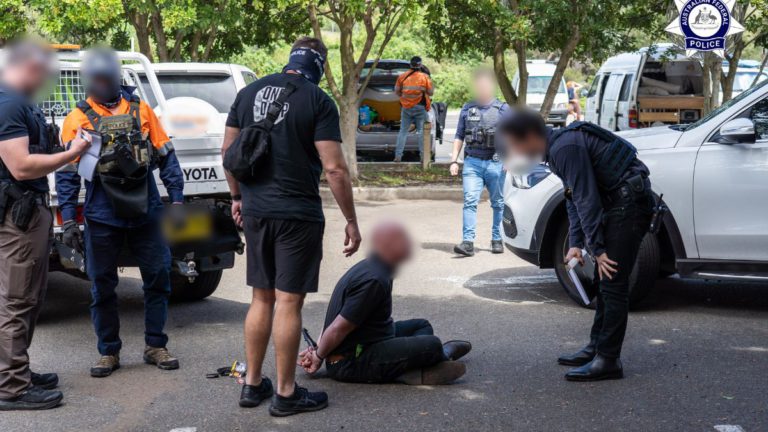
22 years on, Australia remembers the horrific 2002 Bali Bombings

0

Today marks 22 years since the devastating Bali bombings, which claimed 202 lives, including 88 Australians and 38 Indonesians.

In a heartfelt message posted on X, Prime Minister Anthony Albanese led the nation in remembering those who perished, noting that grief remains deeply felt for many. “Over the years, grief does not fade,” he wrote.

“So many hearts are still tethered to that cruel night, every beat tempered by an abiding sorrow.”

The bombings, which occurred late on the night of 12 October 2002, struck the bustling tourist hub of Kuta Beach, where two bombs were detonated in crowded nightspots, while a third exploded in front of the American consulate in nearby Denpasar.

On the evening of 12 October 2002, several Australian Federal Police (AFP) officers were in Bali, Indonesia, some on leave from peacekeeping duties in Timor-Leste and others conducting routine business with the Indonesian National Police (INP).

That night, two bombs exploded in Kuta Beach, targeting Paddy’s Bar and the Sari Club, resulting in the deaths of 202 people, including 88 Australians, and injuring 240 others. A third bomb detonated near the US consulate in Denpasar.

Image: Aerial photograph of aftermath of Bali Bombing, 2002 (Source: AFP)

In response, the INP quickly invited the AFP and other agencies to assist in the investigation, initiating ‘Operation Alliance.’

On 13 October, the AFP dispatched a 14-member response team to Bali, comprising specialists in victim identification, scientific crime scene investigation, and post-bomb-blast analysis. They collaborated closely with Indonesian forensics and international forensic scientists, employing advanced techniques such as 3D laser imaging to document crime scenes. Their efforts led to the identification of around 80 suspects, with the first arrest made on 5 November 2002, just three weeks after the bombings.

The AFP meticulously analysed thousands of pieces of evidence and cross-referenced witness statements, resulting in the convictions of members of the terrorist group Jemaah Islamiyah, with three individuals sentenced to death.

Image: AFP Forensics survey the bombing site at Jelan Legian 9Source: AFP)

This attack marked the largest loss of Australian life since World War II, shattering the nation’s sense of security against global terrorism, and sent shockwaves across the globe, particularly affecting Australia, which lost many of its citizens in the tragedy.

Reflecting on the significance of the anniversary, Prime Minister Albanese highlighted how the terrorists’ efforts to sow division had instead been met with heroism and unity. “Amid that terrible darkness, the terrorists could not break the spirit of humanity,” he said.

“Horror was met with heroism and compassion among friends and strangers alike.”

In 2022, Australia marked the 20th anniversary of the bombings with a renewed focus on the resilience of survivors and the courage shown by first responders. Then Senator Penny Wong echoed these sentiments, honouring the lives lost and reaffirming Australia’s commitment to countering violent extremism in partnership with Indonesia.

The enduring grief and trauma of the Bali bombings have become part of the national consciousness, as families and communities continue to carry the emotional and physical scars of that night. Prime Minister Albanese’s message underscored this, stating that the loss will “never fade” from the hearts of those affected.

Support Our Journalism

Global Indian Diaspora and Australia’s multicultural communities need fair, non-hyphenated, and questioning journalism, packed with on-ground reporting. The Australia Today – with exceptional reporters, columnists, and editors – is doing just that. Sustaining this needs support from wonderful readers like you.

Whether you live in Australia, the United Kingdom, Canada, the United States of America, or India you can take a paid subscription by clicking Patreon and support honest and fearless journalism. LINK: https://tinyurl.com/TheAusToday

India’s diplomatic row with Canada escalates, while Modi shares warm hugs with Australia and New Zealand

0

India has made it clear that relations with Canada cannot be mended unless Prime Minister Justin Trudeau takes firm and verifiable action against those involved in anti-India activities.

The latest development comes after a brief exchange between Indian Prime Minister Narendra Modi and Canadian Prime Minister Justin Trudeau during the ASEAN Summit in Laos, though Indian sources described the encounter as lacking any “substantive discussion.”

Indian officials, according to Wion, have once again expressed concerns over individuals who promote hate, disinformation, and violence against India and its diaspora in Canada.

This is the second time the two leaders have met since Trudeau alleged, in 2023, that India was involved in the killing of Hardeep Singh Nijjar, a Canadian national and designated terrorist in India.

During a press conference in Laos, Trudeau referred to the exchange with Modi as “brief,” adding, “I emphasised that there is work that we need to do.”

However, Indian government sources reiterated that there had been no meaningful dialogue and Indian side continues to demand that Canada take action against Khalistani extremists who, according to New Delhi, have been using Canadian soil to promote secessionist activities and violence against India. The officials have also highlighted the growing nexus between Khalistani extremists and organised crime gangs, drug syndicates, and human trafficking networks, which they believe should concern Canadian authorities.

Earlier on October 10, 2024, the leaders of Australia, Canada, and New Zealand, Prime Ministers Anthony Albanese, Justin Trudeau, and Christopher Luxon met to reaffirm their shared values and collective commitment to tackling global challenges.

In contrast to the strained relations with Canada, Modi’s engagements at the ASEAN summit reflected India’s growing diplomatic ties elsewhere.

Modi met with Australian Prime Minister Anthony Albanese, expressing satisfaction over their friendship and cooperation. He also held a bilateral meeting with New Zealand’s Prime Minister Christopher Luxon, discussing areas of mutual interest such as economic collaboration, education, and innovation.

Modi greeted Albanese with a warm hug, showcasing their strong mateship and “dosti” (friendship). Modi’s affectionate greeting symbolised the trust and warmth in the growing partnership between the India and Australia.

In his first meeting with Luxon, Modi said in a post, “Had an excellent meeting with the Prime Minister of New Zealand, Christopher Luxon. We value our friendship with New Zealand, which is bound together by a commitment to democracy, freedom and the rule of law. Our talks covered sectors such as economic cooperation, tourism, education and innovation.”

As the diplomatic standoff between India and Canada shows no signs of easing, New Delhi remains adamant that restoring relations depends on Ottawa’s willingness to crack down on the forces it believes are fuelling secessionism and extremism.

Support Our Journalism

Global Indian Diaspora and Australia’s multicultural communities need fair, non-hyphenated, and questioning journalism, packed with on-ground reporting. The Australia Today – with exceptional reporters, columnists, and editors – is doing just that. Sustaining this needs support from wonderful readers like you.

Whether you live in Australia, the United Kingdom, Canada, the United States of America, or India you can take a paid subscription by clicking Patreon and support honest and fearless journalism. LINK: https://tinyurl.com/TheAusToday

Albanese Government to safeguard public ownership of NBN with new legislation

0

The Albanese Government is set to introduce legislation today that will secure the National Broadband Network (NBN) as a publicly owned asset, ensuring Australians continue to have access to fast, reliable, and affordable internet.

Prime Minister Anthony Albanese, reaffirming a key election promise, highlighted that the move is critical to maintaining accessible internet for all Australians, now and in the future.

“High-speed broadband is essential to modern life,” Albanese said. “It allows people to work remotely, run businesses, access telehealth, and enjoy leisure time with family through streaming services.”

The Prime Minister criticised the previous Coalition government’s handling of the NBN, accusing them of rushing its completion in order to sell it off to private interests. “Selling out Australian consumers and regional communities” is how Albanese characterised the opposition’s plans.

“The Coalition made a mess of the NBN. My Government is fixing it and making sure it stays in public hands, where it belongs,” Albanese added.

The Albanese Government has already invested $2.4 billion to expand fibre NBN access to an additional 1.5 million premises, including 660,000 in rural and regional areas. From September 2024, download speeds are set to increase by up to five times at no extra cost, with a 100 Mbps household plan rising to 500 Mbps by 2025. The government is also rolling out more fibre in the fixed-line network, upgrading fixed-wireless infrastructure, and planning for future needs.

These upgrades are already improving the daily lives of Australians, providing faster and more reliable internet access. The legislation introduced today seeks to ensure that these benefits remain accessible and affordable for generations to come.

Minister for Finance Katy Gallagher emphasised the broader economic benefits of a publicly owned NBN, noting that it is critical infrastructure that boosts national productivity.

“Economic analysis commissioned by NBN Co shows that for every one megabit per second increase in average broadband speed, Australia’s GDP rises by 0.04 per cent,” Gallagher said. By 2030, the faster, higher-quality NBN network is expected to deliver a $400 billion uplift in GDP.

Gallagher highlighted the government’s $2.4 billion investment in the October 2022-23 Budget to expand fibre access to 1.5 million premises by 2025, underscoring the importance of keeping the NBN in public hands to secure these gains.

Minister for Communications Michelle Rowland echoed the commitment to public ownership, stating that only a Labor government can be trusted to keep the NBN in public hands.

“Communities across Australia have told us the job of upgrading the NBN isn’t complete,” Rowland said. “That’s why we’re investing in more fibre and fixed-wireless upgrades.”

Rowland warned of the potential consequences of privatising the NBN, citing the sale of Telstra as an example that led to higher prices and poorer services, particularly in regional areas. She assured Australians that this legislation will deliver on the government’s election commitments, improving digital inclusion and price stability for both consumers and industry.

As the Albanese Government moves forward with this legislation, the future of Australia’s NBN looks set to remain in public hands, guaranteeing affordable, high-speed internet for all Australians.

Support Our Journalism

Global Indian Diaspora and Australia’s multicultural communities need fair, non-hyphenated, and questioning journalism, packed with on-ground reporting. The Australia Today – with exceptional reporters, columnists, and editors – is doing just that. Sustaining this needs support from wonderful readers like you.

Whether you live in Australia, the United Kingdom, Canada, the United States of America, or India you can take a paid subscription by clicking Patreon and support honest and fearless journalism. LINK: https://tinyurl.com/TheAusToday
Australia’s child support system can put single mothers at risk of poverty and financial abuse

0

By Kay Cook, Adrienne Byrt, Ashlea Coen and Marg Rogers

Australia’s child support system can not only increase women’s poverty, but can actually facilitate financial abuse, according to our recent research.

Child support is an important system that aims to share the financial burden of raising children between separated parents.

But there are some serious problems with the way it operates, putting already vulnerable women further at risk.

Drawing on the experiences of 675 single mothers, we sought to examine women’s experience with the child support system from start to finish.

Our research suggests four key changes could improve both women’s safety and financial wellbeing.

How does child support work?

Where deemed necessary, child support arrangements typically require one separated parent to make payments to the other, on a regular basis.

How much is paid and how it is collected can vary in different circumstances.

In some families, a child support recipient’s income will be too high to receive the family tax benefit – a key payment that assists with the costs of raising children.

In this instance, a family can decide for itself how much will be paid, to whom, and how.

This is called self management, but it is very difficult to navigate when abuse is present in a relationship.

For families that do collect the family tax benefit, separated parents can use Services Australia to calculate the amount that will be paid.

Services Australia will consider factors including what it costs to care for and educate a child, as well as the difference in income between the two parents.

Once the amount has been calculated, separated parents can transfer payments privately between themselves, an approach called “private collect”.

Alternatively, this group can also use a service called “agency collect” to manage the transfer. Here, Services Australia collects the funds from the paying parent, then gives it to the agreed recipient.

For parents using agency collect, payments can also be “garnisheed” – deducted from a paying parent’s salary.

The system is failing the most vulnerable

Government reports reveal that across the agency collect system, a staggering $1.7 billion is owed to a third of single-parent households, representing 475,000 children.

The vast majority of this money is owed to women, two-thirds of whom have children in their care 86% or more of the time.

Losing out on payments

Across the child support system, 28% of paying parents fail to submit tax returns on time, reducing the accuracy of assessments.

Centrelink’s Family Tax Benefit A (the first part of a two-part payment) is linked to child support, with every dollar of child support above a certain threshold reducing this payment by 50 cents.

Concerningly, while reports indicate that 60% of single mothers receiving income support have experienced violence prior to separation, less than 15% receive exemptions from having to seek child support on the basis of this violence.

By not applying for either child support or an exemption, single mothers could lose a significant portion of their Family Tax Benefit A payments.

These sobering statistics are only part of the picture. Others remain invisible.

There are another 500,000 or so children in the private collect system. Many of their situations are a mystery. Services Australia doesn’t know how much those women and children are owed, as they don’t trace this amount and assume that payments are fully compliant.

What we uncovered

Our mixed methods survey of 675 single mothers asked women about their experiences in the child support system from start to finish.

We asked women how they made various decisions about child support, such as when to apply for it and when to change how it is collected and calculated.

78% of women reported experiencing some form of violence at the time of separation.

But the research also showed how the nature of this abuse can change post-separation, when financial abuse becomes the primary mechanism.

Just over half the women reported currently experiencing either emotional or psychological abuse, and 60% financial abuse.

Women shared they were often fearful of retaliation from their ex-partner if they applied or changed child support payment arrangements.

I was advised not to apply at the time because of the family violence and he had made threats to kill me so [it] was recommended I didn’t give him any reason to act on this so I went without child support for some period of time.

Others had to ask for an exemption to apply.

A Centrelink social worker changed my son’s father to unknown so I wouldn’t be murdered.

The results show how the current system’s logic can force women to risk their financial welfare to ensure their own safety.

I withdrew my application to avoid further conflict by telling CSA [Child Support Agency] there was a private agreement but there isn’t and he doesn’t pay anything.

Often, women are paying back debts to Centrelink due to retrospective changes in their ex-partner’s income or level of care, at the same time they themselves are owed thousands of dollars in child support arrears.

I’ve at times been living on as little at $72 a week of FTB [Family Tax Benefit] as my sole income to feed, house, clothe and educate myself and two children. I don’t understand how that is possible.

How could we fix it?

Based on our findings, our report makes four recommendations that could bring about meaningful improvements, give women choices to suit their family, and create a system that is safe.

  1. De-link family payments from child support.
  2. Co-design family violence processes in the child support system.
  3. Move all payment collections back to being handled by the tax office.
  4. Make all payment debts owed to and enforced by the Commonwealth.

Any meaningful solution to this problem will need to include the voices of victim survivors, advocates, researchers and social support organisations to co-design an effective system.


The authors would like to acknowledge the assistance of Terese Edwards, chief executive of Single Mother Families Australia (SMFA), in the preparation of the report.

Terese and SMFA provided in-kind support in the form of survey design feedback and recruitment assistance. Terese also contributed to writing the report.

Kay Cook, Professor and Research Director, School of Arts, Social Sciences and Humanities, Swinburne University of Technology; Adrienne Byrt, Postdoctoral Research Fellow, Swinburne University of Technology; Ashlea Coen, PhD Candidate, School of Design and Architecture, Swinburne University of Technology, and Marg Rogers, Senior Lecturer, Early Childhood Education; Post Doctoral Fellow, Manna Institute, University of New England

This article is republished from The Conversation under a Creative Commons license. Read the original article.

"The

Support Our Journalism

Global Indian Diaspora and Australia’s multicultural communities need fair, non-hyphenated, and questioning journalism, packed with on-ground reporting. The Australia Today – with exceptional reporters, columnists, and editors – is doing just that. Sustaining this needs support from wonderful readers like you.

Whether you live in Australia, the United Kingdom, Canada, the United States of America, or India you can take a paid subscription by clicking Patreon and support honest and fearless journalism. LINK: https://tinyurl.com/TheAusToday

Queensland Cricket signs historic MoU to strengthen multicultural engagement with Indian subcontinental communities

0

Queensland Cricket took a significant step towards deepening its ties with multicultural communities, marking a watershed moment for its engagement efforts.

After months of collaboration, Project Multicultural has successfully brokered a historic Memorandum of Understanding (MoU) between Queensland Cricket and several key multicultural associations and clubs, formalising their partnership to enhance cooperation and inclusion.

Image: Project Multicultural MoU signing (Source: Dr Mishra – LinkedIn)

The MoU was signed on 9th October 2024 in partnership with some of Queensland’s most passionate cricket associations, including the Afghan Warriors Cricket Club, Pakistan Australian Cultural Association (PACA), Queensland Kannadigas Cultural & Sports Society Inc., Brisbane Maratha Warriors, and the Queensland Nepalese Cricket Association.

Image: Project Multicultural MoU signing (Source: Dr Mishra – LinkedIn)

These organisations have been working closely with Queensland Cricket for some time, contributing to the growing multicultural presence in the sport.

Image: Queensland Cricket CEO, Terry Svenson (Source: Ministry of Sports)

Queensland Cricket CEO, Terry Svenson, and the board were commended for their long-term vision in supporting Project Multicultural’s outreach within the community.

Image: Project Multicultural MoU signing (Source: Dr Mishra – LinkedIn)

Dr Ashutosh Mishra, Queensland Cricket’s Project Lead for Multicultural and Cricket Australia’s Multicultural Ambassador, expressed gratitude to the leadership team, which includes John Butterworth (Head of Operations, Growth and Engagement), Harry Tas (Cricket Blast Lead), Matthew Skinner (Umpire and Conducts Lead), and Andrew Keyte (Systems and Competition Manager) for their continued support in driving these initiatives.

Image: Project Multicultural MoU signing (Source: Dr Mishra – LinkedIn)

In his statement, Dr Mishra said,

“We are Queensland Cricket, and we build bonds and bridges.”

Dr Mishra also acknowledged the key representatives from the multicultural associations present at the signing, including Syed Asghar Naqvi and Mian Bilal Bashir (PACA), Amit Lohani and Ramji Khanal (QNCA), Sayfullah Hashmi and Rita Anwari (Afghan Warriors), Harry Sathe (BMW), and Shantanu and Preetham Krishna (QKCSS), alongside Jishu Das, Samrat, and Happy Rahman from the Brisbane Amateur Blasters.

Image: Project Multicultural MoU signing (Source: Dr Mishra – LinkedIn)

This MoU is expected to enhance Queensland Cricket’s engagement with multicultural communities, promoting greater inclusivity and collaboration in the sport. It marks a new chapter in Queensland Cricket’s commitment to fostering diversity and strengthening connections with culturally diverse groups across the state.

Support Our Journalism

Global Indian Diaspora and Australia’s multicultural communities need fair, non-hyphenated, and questioning journalism, packed with on-ground reporting. The Australia Today – with exceptional reporters, columnists, and editors – is doing just that. Sustaining this needs support from wonderful readers like you.

Whether you live in Australia, the United Kingdom, Canada, the United States of America, or India you can take a paid subscription by clicking Patreon and support honest and fearless journalism. LINK: https://tinyurl.com/TheAusToday
International student caps are set to pass parliament

0

By Andrew Norton

The federal government’s controversial plan to limit international student numbers is now almost certain to win parliamentary approval. But it looks like there will be some changes to the original bill introduced in May.

A Senate committee, which has a Labor majority, has recommended the bill be passed with amendments. The government is expected to accept the committee’s suggestions.

What did the committee find and what does this mean for caps on international student numbers?

Clashing views in parliament

In the inquiry report, Coalition senators criticised the government’s handling of international education. But they continued to support the idea of putting a limit on international students.

The Greens’ dissenting report completely rejected the idea of caps. The Greens don’t have the Senate numbers to block them, but they may find common ground with the Coalition on some amendments to influence the final outcome.

Changes to caps on courses

The government’s original legislation would let the minister set international student caps by education provider, location and course.

Caps by provider and location are meant to reduce pressure on accommodation and other services, especially in Melbourne, Sydney and Brisbane. This is a key goal of the bill and other recent changes to international student policy.

But course-level enrolment caps are not necessary to achieve this.

As the inquiry report notes, most international students do not stay in Australia permanently. So they should be allowed to choose courses based on their own interests and job opportunities in their home countries.

The report also notes significant administrative issues involved with setting and monitoring caps for the more than 25,000 courses on offer to international students.

But the report does not take these points to the logical conclusion of recommending no caps on courses. Instead, it proposes no course caps for universities or TAFEs. Non-university higher education providers and non-TAFE vocational education providers could still be subject to course-level caps.

After the report was released, Education Minister Jason Clare cited advice about some vocational providers offering courses that “don’t give [students] a real qualification”.

Coalition senators may seek the full removal of course caps from the bill – in the Senate report, they criticise what they call the “appalling treatment of many private higher education and [vocational education and training] providers”. With support from the Greens, course caps could be stopped.

A new power to exempt some categories of students

The government has flagged it wants to exempt students from the Pacific or Timor-Leste and some students on government scholarships from the new cap regime.

That would require amendments to the original bill, which the Senate inquiry also recommends. This change is unlikely to face any Senate obstacles.

An earlier date for announcing caps

The bill requires caps to be announced by September 1 in the year before the caps apply, except for this year when the deadline is December 31.

This date was criticised because international students receive offers before September. Education providers need to know their caps before they start making offers.

The Senate report recommends a July 1 announcement instead.

Huge powers for the minister

As drafted, the bill gives the minister extraordinary personal power to set international student caps. It sets no limit on the reasons for setting caps. It requires no consultation prior to setting caps, other than the minister for education consulting the minister for skills.

The Senate report suggests improvements to this process. The education minister would also need to consult the immigration minister and the regulators for vocational education and higher education.

The report also says education providers should be consulted on the initial setting of enrolment limits each year. With around 1,500 providers registered to offer courses to international students, this consultation may need to be with their representative groups.

More scrutiny for the caps?

The bill has a dual system for setting caps. One of these is via a “legislative instrument”, which the minister makes. This can be disallowed by either house of parliament and is the only limit on the minister’s power.

But the bill also allows the minister to bypass the parliament with a “notice” to education providers. This has the same practical effect as the legislative instrument.

The bill’s explanatory memorandum (the document to help readers understand legislation), offers a benign explanation for this. It says the minister will only exercise the power of using a notice in limited circumstances. Its examples include when the education provider has supplied additional student accommodation, or needs to expand to take students from other providers that have gone out of business.

Nothing in the bill, however, limits the use of capping by notice.

In a submission to the inquiry, I recommended requiring parliamentary scrutiny of the way caps are set. The legislative instrument would set out rules and formulas for calculating the cap. The notice to education providers would have to apply these rules and formulas to their specific circumstances.

The Senate committee majority, however, recommended a much weaker form of scrutiny. It suggested replacing the notice with a “notifiable instrument”. This would ensure the provider’s cap was publicly available. The notices, by contrast, only go to to the affected education provider, the Department of Education, and the relevant regulator.

A notifiable instrument would allow more public scrutiny of the minister’s decisions, for people who keep an eye on the government’s legislation website. But it falls well short of a system in which parliament is always directly notified of caps and given the power to intervene.

A turning point

The Senate inquiry partly answers some criticisms or weaknesses of the bill. It’s likely the bill will next be debated when parliament sits in November.

But whatever views people hold on capping international students – and with the student visa holder population nearing 700,000 there is a case for moderation – we are witnessing a major turning point in higher education.

This bill, in combination with planned controls on domestic student enrolments, signals the demise of student choice and university autonomy. A new era of bureaucratic control from Canberra is arriving.

Andrew Norton, Professor in the Practice of Higher Education Policy, Australian National University

This article is republished from The Conversation under a Creative Commons license. Read the original article.

"The

Support Our Journalism

Global Indian Diaspora and Australia’s multicultural communities need fair, non-hyphenated, and questioning journalism, packed with on-ground reporting. The Australia Today – with exceptional reporters, columnists, and editors – is doing just that. Sustaining this needs support from wonderful readers like you.

Whether you live in Australia, the United Kingdom, Canada, the United States of America, or India you can take a paid subscription by clicking Patreon and support honest and fearless journalism. LINK: https://tinyurl.com/TheAusToday

How Modi’s ‘Mann ki Baat’ unpacks India’s journey to globalisation and ideological independence

0

By Priyanka Tripathi

India’s post-colonial journey has been deeply influenced by Western ideological frameworks, particularly those of the colonial and capitalist West. From science, medicine, and technology to governance and education, these Western-centric paradigms have often been employed as the yardsticks by which the nation measures its progress. Even the Indian Constitution, a document hailed for its inclusivity and foresight, reflects the intellectual currents of Western political thought.

In effect, though having fought hard for her independence, India has, at least in various aspects, been tethered to the principles of its former colonial masters. This reflects a broader pattern across the Global South, where the political and economic forces of the Global North have greatly influenced nations like India. This emulation of Western models has long been a subject of contention.

Perhaps there is an innate tendency for an emerging nation to borrow from the tested and proven strategies of established powers; but despite being a controversial nomenclature, the categorization of “developing country” has survived. However, the basic development and independence of a nation can be achieved only when it transcends the resources and philosophies borrowed from others to eventually develop a unique historical, philosophical, and cultural identity.

In fact, amid these convulsions of ideological introspection, Mann Ki Baat — a radio show that broadcasts into hundreds of millions of homes across India monthly and is hosted by the Prime Minister himself, Narendra Modi — has become one of the most important engines for such self-reflection. In so doing, PM Modi has used this platform to address an India which does not have to replicate models brought from abroad and instead revel in its own unique past and inherent potential. His speeches are laced with quotes from Indian philosophy, history and culture calling the nation to celebrate the past, respect it for its vast body of knowledge as India charts its future course.

A particularly emblematic episode of Mann Ki Baat aired on 3rd October 2014, during the occasion of Vijaya Dashami. PM Modi recounted a powerful story from the Upanishads – that of a lion cub raised by a flock of sheep, who grew up believing himself to be one. When the cub encounters a full-grown lion, he insists that he, too, is a sheep. The lion, puzzled, leads him to a waterhole and urges him to “know thyself.”

PM Modi used this ancient parable to urge India to recognise its inherent potential, rather than continue to define itself by Western metrics of success. The story served as a poignant metaphor for India’s own journey of self-realisation – a call to the nation to rediscover its identity, strengths, and purpose. Like the lion cub in the fable, India, he argued, must reclaim its true nature and forge a path forward that is grounded in its own philosophical and cultural heritage.

This theme of self-discovery and self-reliance has been a recurrent theme in Mann Ki Baat. In the year 2015, the PM Modi launched the “Make in India” program aimed at enhancing domestic production and innovation along with restricting imports. This was not just an economic initiative; it was inititated as a part of the broader ideological agenda of Atmanirbhar Bharat (Self-Reliant India) in which growth of the nation was to be fostered through the country’s own industries, technology, and skills. This vision of self-reliance was presented as a natural continuation of India’s ancient traditions of craftsmanship and ingenuity, asserting that the nation has always possessed the capability to create and innovate from within.

In another notable episode in 2016, he highlighted the Swachh Bharat Abhiyan (Clean India Mission). Although one may relate cleanliness and sanitation to modern sanitary measures which are largely associated with Western advancements, PM Modi adopted a distinctly Indian perspective. He reminded the audience that cleanliness is embedded in Indian traditions, citing its spiritual and societal significance in ancient texts.

Swachh Bharat, therefore, was not merely a scheme of the government but a revival of the languished but core Indian traditions and values. PM Modi sought to describe that the objective of the mission is to restore ‘cleanliness’ and ‘purity’ which has been a part and parcel of the Indian way of life for ages. Thus, he explained, there is no conflict between modernity and tradition: they do not exclude but complement and support each other.

The global development alongside the preservation of the culture was further developed in Mann Ki Baat while handpicking the issue of promoting local and indigenous crafts. He has drawn attention on the lives of artisans, weavers, and craftsmen whose generations have been practicing the art for several episodes.

PM Modi did not advocate for the local crafts to just support/encourage the small market activities, but the entire wisdom which placed importance on sustainable and traditional over western industrialization. His idea of discouraging the practice of outsourcing and promoting indigenous people’s activities and industries was a way of promoting development that was not only eco-friendly but consistent with the Indian reverence for the environment and conservation of resources.

Another dimension to this rediscovery that is quite significant has been PM Modi’s revival of the ancient Indian modalities of wellness which include yoga and ayurveda. Over the past few decades, practices rooted in Indian philosophy have particularly yoga attracted considerable attention around the world. His call for the observance of International Yoga Day every year starting from the year 2015 was more of a deliberate attempt to brand Yoga most appropriately as a petitioner of the intellectual power of India as much as it is a healing activity.

While bringing back yoga, and yoga therapy, PM Modi has underlined the necessity for India to take the position of a country that is not only economically or technologically advanced but one that is at the forefront of spirituality and philosophical ideation as well. Further expanding on the aspect of India’s global leadership, Mann Ki Baat has also ensured that the country has positioned itself at the center of environmental concern.

PM Modi has presented the idea that Indian’s have always had such philosophies that encourage a man-nature co-existence and a sustainable development in this modern age. In one of the episodes of the series in 2018, he spoke about the universal partnership called the International Solar Alliance that India leads, whose basic aim is to tackle climate change. The linkage of environmental activism with how India has treated nature in the past works to build the narrative that the Indian cultural and spiritual domes are in a place where they can enhance the country’s efforts into global issues today.

In this context, Mann Ki Baat unpacks modern Indian engagement with globalization hand in hand with an exploration into the concept of India itself — what is its identity and future role? The most contentious nationalist streak in PM Modi’s speeches — one that compels him to invoke cultural glory, self-reliance, and indigenous wisdom more often than not — effectively calls on India to shift its gaze from the West towards itself as a measure of progress.

Mann Ki Baat, in other words, is a roadmap to the India of tomorrow — rooted in our culture but looking ahead; and where growth is not measured by what the world exemplifies as progress, but from within. The process of rediscovery that India orients itself to does not mean the rejection of modernity and globalization. It rather means finding the middle ground – the best of all the global advancements and the wealth of India’s own heritages and values.

PM Modi’s exhortation to the country to understand herself is, in the end, an urge to form a new vision of the country that does not reject its historical past, but instead – even more so – utilizes it in the present and the future, restoring its leadership among countries not only in terms of economics or politics but as a nation that offers a uniquely philosophical approach to development and growth.

Contributing Author: Priyanka Tripathi teaches English and Gender Studies at the Indian Institute of Technology Patna. She can be reached at priyankatripathi@iitp.ac.in

Support Our Journalism

Global Indian Diaspora and Australia’s multicultural communities need fair, non-hyphenated, and questioning journalism, packed with on-ground reporting. The Australia Today – with exceptional reporters, columnists, and editors – is doing just that. Sustaining this needs support from wonderful readers like you.

Whether you live in Australia, the United Kingdom, Canada, the United States of America, or India you can take a paid subscription by clicking Patreon and support honest and fearless journalism. LINK: https://tinyurl.com/TheAusToday
Gold Coast man jailed for possessing meth

0

A Surfers Paradise man has been sentenced to four years in prison for drug possession and dealing in proceeds of crime, following a joint investigation by Australian law enforcement agencies.

The 58-year-old was sentenced by the Brisbane Supreme Court on Thursday, 3 October 2024, and must serve at least 12 months before being eligible for parole.

Image: NAGS Gold Coast 2023 (Source: AFP)

AFP Detective Superintendent Adrian Telfer praised the collaboration between agencies that led to the man’s conviction.

“Criminals may work hard to import and distribute illicit drugs in Australia, but the AFP and its law enforcement partners work harder to disrupt their activities and prevent harm to the community,” Telfer said.

The Australian Federal Police (AFP) charged the man in April 2023 after Australian Border Force (ABF) officers in Sydney intercepted a 1kg shipment of cocaine concealed in an air cargo consignment from the Philippines.

Subsequent investigations led AFP and Queensland Police Service (QPS) officers to execute a search warrant at the man’s Gold Coast apartment on 18 April 2023.

During the raid, authorities seized $6,000 in cash, 300 grams of cocaine, and 1kg of methamphetamine. Forensic testing confirmed that 158 grams of the methamphetamine were pure. The man was arrested and charged after he returned home.

Image: NAGS Gold Coast 2023 (Source: AFP)

On 3 October 2024, the man pleaded guilty to several charges, including:

  • Possession of a dangerous drug, under section 9(1)(b) of the Drugs Misuse Act (Qld);
  • Dealing in proceeds of crime exceeding $1,000, under section 400.7(1) of the Criminal Code (Cth);
  • Possessing items used in connection with a dangerous drug, under section 10(1)(a) of the Drugs Misuse Act (Qld).

ABF Acting Commander John Ikin highlighted the role of border officers in stopping drug smuggling attempts.

“Our officers continue to play a vital role in identifying and stopping criminal activity. We will work with domestic and international partners to disrupt criminal supply chains, no matter where they operate,” Acting Commander Ikin stated.

Image: NAGS Gold Coast 2023 (Source: AFP)

Queensland Police Service Detective Superintendent Troy Pukallus noted that the successful prosecution was a result of relentless joint police work.

“With our partners, we remain focused on disrupting serious organised crime and will use every resource to prevent harm to our communities,” Pukallus said.

This case underscores the ongoing efforts of Australian law enforcement to combat drug trafficking and organised crime.

Support Our Journalism

Global Indian Diaspora and Australia’s multicultural communities need fair, non-hyphenated, and questioning journalism, packed with on-ground reporting. The Australia Today – with exceptional reporters, columnists, and editors – is doing just that. Sustaining this needs support from wonderful readers like you.

Whether you live in Australia, the United Kingdom, Canada, the United States of America, or India you can take a paid subscription by clicking Patreon and support honest and fearless journalism. LINK: https://tinyurl.com/TheAusToday

Marshall Islands wins UN Human Rights Council seat with climate, nuclear justice agenda

0

By Stefan Armbruster

Marshall Islands was elected on Wednesday to sit on the United Nations Human Rights Council from next year, with climate change and nuclear justice as its top priorities.

Currently there are no Pacific island nations represented on the 47-member peak U.N. human rights body.

Marshall Islands stood with the full backing of the Pacific Islands Forum and its 18 presidents and prime ministers.

The HRC’s mission is to promote and protect human rights and oversee U.N. processes, including investigative mechanisms and to advise the Office of the High Commissioner for Human Rights.

Addressing the General Assembly in September, Marshall Islands President Hilda Heine warned that “common multilateral progress is failing us in the hour of greatest need, perhaps most at risk are human rights.”

She said accountability must apply to all nations “without exception or double standard.”

“Our own unique legacy and complex challenges with nuclear testing impacts, with climate change, and other fundamental challenges, informs our perspective, that the voices of the most vulnerable must never be drowned out,” she said in New York on Sept. 25.

1946 USA-ATOMIC-PHOTOS.JPG
The Able U.S. nuclear test at Bikini Atoll in the Marshall Islands, pictured July 1, 1946. [U.S. National Archives]

At the 57th session of the Human Rights Council two days later in Geneva, she made a specific plea, for it to recognize the impact of the nuclear legacy left by U.S. atomic tests in her country.

“Despite these wrongs, for almost 80 years, we have not received an official apology. There has been no meaningful reconciliation, and we continue to seek redress,” Heine said, as she pitched for a seat on the U.N. body.

“It is my sincere hope that this Council will continue to keep the human rights of the Marshallese people at heart, when considering the matters that we bring before it for consideration,” she said.

Sixty-seven nuclear weapon tests were conducted between 1946 and 1958 while the Marshall Islands were under U.N. Trusteeship and administered by the United States government.

“The Marshallese people were misled, forcibly displaced and subjected to scientific experimentation without their consent,” she told the council, adding that despite Marshallese requests to the U.N. for the tests to stop, they were allowed to continue.

Marshall Islands is considered extremely vulnerable to sea-level rise, cyclones, drought and other impacts of climate change. A 2-degree Celsius increase to global temperatures above pre-industrial levels is expected to make the low-lying atoll state’s existence tenuous.

In 2011, Marshall Islands along with Palau issued a pioneering call at the General Assembly, to urgently seek an advisory opinion on climate change from the International Court of Justice on industrialized nations’ obligations to reduce carbon emissions. 

While they were unsuccessful then, it laid the foundation for a resolution finally adopted in 2023, with the ICJ due to begin public hearings this December. 

Heine has been highly critical of the wealthy nations who “break their pledges, as they double down on fossil fuels.”

“This failure of leadership must stop. No new coal mines, no new gas fields, no new oil wells,” she told the General Assembly.

When Marshall Islands takes up its council seat next year, it will be alongside Indonesia and France.

Both have been in Heine’s sights over the human and self-determination rights of the indigenous people of the Papuan provinces and New Caledonia respectively.

For years Indonesia has rebuffed a request from the Office of the High Commissioner for Human Rights for an independent fact-finding mission in Papua, and ignored the Pacific Islands Forum’s calls since 2019 to allow it to go ahead.  

“We support ongoing Forum engagement with Indonesia and West Papua, to better understand stakeholders, and to ensure human rights,” she told the General Assembly.

In May, deadly violence erupted in New Caledonia over a now abandoned French government proposal to dilute the Kanak vote, that would put the success of any future independence referendum for the territory out of reach.

Heine said she “looks forward to the upcoming high-level visit” by PIF leaders to New Caledonia. No dates have been agreed.

Countries elected to the council are expected to demonstrate their commitment to the U.N.’s human rights standards and mechanisms.

An analysis of Marshall Islands votes during its only previous term with the council in 2021 by Geneva-based think tank Universal Rights Group found  it joined the consensus or voted in favor of almost all resolutions.

Exceptions include resolutions on human rights in the Occupied Palestinian Territories where it “has generally voted against,” the report released ahead of the HRC election said.

As part of its bid to join the council, Marshall Islands committed to reviewing U.N. instruments it has not yet signed, including protocols on civil and political rights, abolition of the death penalty, torture and rights of children.

This news article was originally published in BenarNews and is re-published here with the editor(s)’ kind permission. The views expressed in this article are those of the original author and do not necessarily reflect the views of our publication. We are not responsible for any errors or omissions in the content.

Support Our Journalism

Global Indian Diaspora and Australia’s multicultural communities need fair, non-hyphenated, and questioning journalism, packed with on-ground reporting. The Australia Today – with exceptional reporters, columnists, and editors – is doing just that. Sustaining this needs support from wonderful readers like you.

Whether you live in Australia, the United Kingdom, Canada, the United States of America, or India you can take a paid subscription by clicking Patreon and support honest and fearless journalism. LINK: https://tinyurl.com/TheAusToday

Shrimad Rajchandra Mission Dharampur Australia, inspired by Mahatma Gandhi’s spiritual mentor, hosting discourses in Sydney

0

Shrimad Rajchandra Mission Dharampur (SRMD) Australia is holding discourses in Sydney from October 10 – 13. The discourses will be led by the founder of SRMD, Rakesh Jhaveri, known fondly by his followers as Pujya Gurudevshri Rakeshji who is a devoted disciple of Shrimad Rajchandraji whom Mahatma Gandhi considered his spiritual mentor.

Shrimad Rajchandraji was a reformer of Jainism, a self-realized saint, and a poet-philosopher of the late 19th century. Mahatma Gandhi deeply admired Shrimad Rajchandraji, naming him as one of his three major influences, and dedicating an entire chapter to him in his autobiography, The Story of My Experiments with Truth. Gandhi described him as “the best Indian of His times.”

Mr Jhaveri holds an M.A. in Philosophy and a Ph.D. for his research on Shrimad Rajchandraji’s work, Shri Atmasiddhi Shastra.

He is described by his followers as a modern-day mystic and spiritual visionary, who emphasizes the transformative power of love, humility, and selflessness and has brought lasting change to many, fostering improved relationships, inner harmony, and an enriched sense of purpose.

According to Shrimad Rajchandra Mission Dharampur (SRMD), they are a global spiritual movement dedicated to fostering inner transformation through wisdom, meditation, and selfless service.

SRMD has 206 centers across six continents, including in Sydney, Perth, Melbourne, Canberra, and Adelaide. The mission draws its inspiration from the life and teachings of Shrimad Rajchandraji—a self-realized saint, scholar, and poet whom Mahatma Gandhi regarded as his spiritual mentor. SRMD’s motto is “Realise one’s true self and serve others selflessly”.

Yoga Day celebrations at Town Hall, Sydney organised by CGI Sydney and SVCC in collaboration with SRMD Australia. (Video: Swami Vivekananda Cultural Centre, Sydney)

The mission operates a 250-bed charitable multispecialty hospital in Southern Gujarat and according to SRMD they have undertaken initiatives in Tribal Care, Animal Care, Women Care, Educational Care, Child Care, and Health Care, among others.

SRMD Australia was established in 2013. Admission to the discourses is free.

Greens Candidate Compares Terrorist Osama bin Laden to Jesus Christ, Guru Tegh Bahadur and Bhagat Singh

0

The ACT Greens are under scrutiny after revelations that one of their candidates, Harini Rangarajan, compared Osama bin Laden to historical figures like Jesus Christ, Guru Tegh Bahadur and Bhagat Singh in a personal blog post, reports ABC. The blog, published under a pseudonym, surfaced just days before the upcoming ACT election on October 19, sparking criticism of the party’s vetting process.

The post, originally written under the name “Sivagama Sundari” on Substack, listed bin Laden alongside revered figures such as Jesus Christ, Che Guevara, and Joan of Arc.

Image Source: ABC News

It referred to them as martyrs who had made sacrifices for their causes, a statement that has drawn widespread condemnation, particularly from those who see it as an inappropriate and offensive comparison. Bin Laden, the mastermind of the September 11 attacks, is responsible for the deaths of nearly 3,000 people in 2001, making the comparison deeply controversial.

The post initially included the following line: “I’ve gone on to idolise several other martyrs- Bhagat Singh, Husayn ibn Ali, Guru Tegh Bahadur, Che Guevara, Jesus Christ, Balachandran Prabhakaran, Joan of Arc, Osama Bin Laden etc.” After the blog post was brought to light by ABC News Verify, Rangarajan edited it, replacing “etc.” with “lmao” and removing other controversial references.

Image Source: ABC News

Bhagat Singh: An Indian freedom fighter and revolutionary, Bhagat Singh played a key role in the struggle against British colonial rule and became a national hero after his execution in 1931 at the age of 23.

Husayn ibn Ali: The grandson of Prophet Muhammad, Husayn is a revered figure in Islam, especially for Shia Muslims, known for his martyrdom at the Battle of Karbala in 680 AD, symbolising the fight against tyranny.

Guru Tegh Bahadur: The ninth Sikh Guru, Guru Tegh Bahadur is remembered for his sacrifice to defend religious freedom, particularly for Hindus, and was executed by the Mughal Emperor Aurangzeb in 1675.

Che Guevara: An Argentine Marxist revolutionary and key figure in the Cuban Revolution, Che Guevara became an international symbol of rebellion and anti-imperialism before being executed in Bolivia in 1967.

Jesus Christ: The central figure of Christianity, Jesus Christ is believed to be the Son of God and saviour by Christians, known for his teachings of love and forgiveness, and his crucifixion and resurrection.

Balachandran Prabhakaran: The 12-year-old son of Velupillai Prabhakaran, leader of the Tamil Tigers, Balachandran was killed during the final stages of the Sri Lankan civil war in 2009, sparking international controversy.

Joan of Arc: A French peasant girl who led French forces to several important victories during the Hundred Years’ War, Joan of Arc was executed by burning in 1431 and later canonized as a saint by the Catholic Church.

Osama Bin Laden: The leader of the terrorist group al-Qaeda, Osama bin Laden orchestrated the September 11, 2001 attacks on the United States, which killed nearly 3,000 people. He was killed by U.S. forces in 2011.

An ACT Greens spokeswoman told ABC News defending Rangarajan, stating that the post was a “creative writing exercise” aimed at exploring the absurdity of martyrdom and dying for ideological causes. The spokeswoman reiterated that the post did not reflect Rangarajan’s personal views and that the party strongly condemns all forms of terrorism.

“The Greens and Ms Rangarajan condemn terrorism in all its forms, as represented by Ms Rangarajan’s longstanding activism for women’s rights in Afghanistan,” the spokeswoman added to ABC News while acknowledging that the post could be misinterpreted and cause concern within the community.

Vetting Process Under Fire

This controversy has raised questions about the ACT Greens’ vetting process, as it was revealed that the party was aware of the blog post before selecting Rangarajan as a candidate. The Greens insisted that Rangarajan shared her “entire online presence” during the vetting process, including her Substack blog, and no edits were requested by the party. However, this has not quelled concerns about the party’s candidate selection and screening procedures.

Rangarajan, a 20-year-old university student studying finance, is contesting the seat of Murrumbidgee in the upcoming election. The Greens face stiff competition in the five-member electorate, particularly from independent candidate Fiona Carrick, who is predicted to have a strong chance of unseating the current Greens member, Emma Davidson.

This incident marks the second controversy involving Rangarajan this week. She was also filmed removing a Liberal flyer and replacing it with her own while door-knocking, an act for which she later apologised, calling it a “poor judgement call.”

The timing of the controversy is particularly problematic for the ACT Greens, who have already faced criticism for their handling of sexual misconduct allegations against former MLA Johnathan Davis. The party was recently criticised in an independent review for not reporting allegations involving Davis sooner, though an internal review found the party had not acted improperly.

As the October 19 election approaches, the Greens are now contending with a second scandal, with critics questioning their judgement in selecting candidates. Some are calling for stronger vetting and accountability within the party to avoid similar controversies in the future.

Defending the Party’s Stance

The ACT Greens have reiterated that their candidate, like the party itself, is staunchly opposed to terrorism and that the blog post was a fictional and exploratory piece of writing. Despite this defence, the comparison of a terrorist like bin Laden to revered figures such as Guru Tegh Bahadur and Bhagat Singh has drawn considerable backlash, particularly from sections of the Indian-Australian community who regard these individuals as national heroes and freedom fighters.

The upcoming election will determine if this controversy, along with the competition from independent candidates, will impact the Greens’ standing in Murrumbidgee and other key electorates. For now, the party will have to work hard to reassure voters about its candidate selection process and its commitment to upholding values of justice and integrity.

Support Our Journalism

Global Indian Diaspora and Australia’s multicultural communities need fair, non-hyphenated, and questioning journalism, packed with on-ground reporting. The Australia Today – with exceptional reporters, columnists, and editors – is doing just that. Sustaining this needs support from wonderful readers like you.

Whether you live in Australia, the United Kingdom, Canada, the United States of America, or India you can take a paid subscription by clicking Patreon and support honest and fearless journalism. LINK: https://tinyurl.com/TheAusToday

Barbie Launches Special Diwali Doll in Collaboration with Indian Designer Anita Dongre

0

Barbie has launched a special edition Diwali doll in collaboration with renowned Indian fashion designer Anita Dongre. Just in time for the Hindu Festival of Lights, this marks the first time Barbie has partnered with an Indian designer to celebrate a culturally significant event.

Anita Dongre, known for her elegant designs and commitment to traditional Indian craftsmanship, took inspiration from her home city of Jaipur to create the Diwali doll’s attire. The doll is dressed in a “Moonlight Bloom” ensemble, which includes a choli top, a floral Koti vest, and a lehenga skirt adorned with symbolic Indian flowers, reflecting both the beauty of Indian fashion and the spirit of Diwali.

According to critics, the best part is that Ms Dongre’s Barbie wears its Hindu culture with pride including a beautiful “Bindi” on her forehead.

“She’s this quintessentially modern Indian girl. I wanted the doll to represent what India is today, because I think the world sometimes has a very different idea of what India is. And today the young Indian woman is intelligent, empowered, and modern.”

“She wears India with pride,”

Dongre explained during an interview with GMA.

The Barbie Diwali Doll reflects the modern identity of Indian women, a theme Dongre emphasised throughout her design process. It also highlights the growing recognition of Indian culture globally and provides young girls worldwide with a doll that celebrates cultural diversity and tradition.

Screenshot

The Diwali Barbie is available through Mattel and major retailers, offering families an opportunity to celebrate the Festival of Lights with a special touch of cultural representation.

Barbie’s collaboration with Dongre is part of the brand’s ongoing efforts to highlight diversity and inclusion, making this Diwali release a significant step in honouring global traditions.

Support Our Journalism

Global Indian Diaspora and Australia’s multicultural communities need fair, non-hyphenated, and questioning journalism, packed with on-ground reporting. The Australia Today – with exceptional reporters, columnists, and editors – is doing just that. Sustaining this needs support from wonderful readers like you.

Whether you live in Australia, the United Kingdom, Canada, the United States of America, or India you can take a paid subscription by clicking Patreon and support honest and fearless journalism. LINK: https://tinyurl.com/TheAusToday
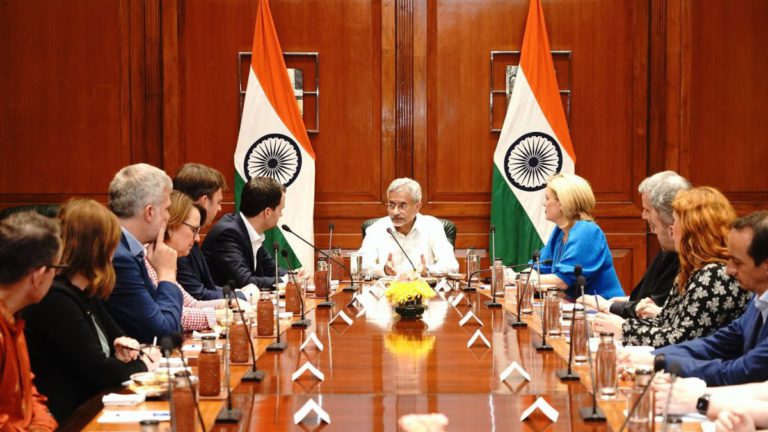
Order of Australia recipient, iconic Indian business tycoon Ratan Tata, dies at 86

0

Ratan Tata, the visionary business leader who transformed Tata Group into a global conglomerate, has passed away at the age of 86.

The news was confirmed in a statement by the Tata Group, expressing the profound loss felt across the organisation and the nation.

Ratan Tata, known for his transformative leadership, retired as chairman of Tata Group in 2012 but remained deeply influential as Chairman Emeritus of Tata Sons.

In 2008, Ratan Tata was honoured with the Padma Vibhushan, India’s second-highest civilian award. His influence was not limited to India. Ratan Tata played a crucial role in fostering strong economic ties between India and Australia, which was recognised when he was appointed an Honorary Officer in the Order of Australia (AO) in 2023.

Image: Ratan Tata, Chairman Emeritus, Tata Group, conferred with Australia’s highest civilian award, the Order of Australia (AO) (Source: AIBC)

Ratan Tata’s advocacy for the Australia-India Economic Cooperation and Trade Agreement further cemented his legacy as a champion of international relations.

Tata Consultancy Services (TCS), the IT arm of the Tata Group, became one of the largest employers of Australians among Indian companies, solidifying Tata’s commitment to creating global opportunities.

The Australia India Business Council (AIBC) expressed deep sorrow over the passing of Ratan Tata, a visionary leader in global business and a champion of innovation, ethical leadership, and social responsibility.

AIBC in a statement on LinkedIn extended condolences to the Tata family and honoured Tata’s lasting impact on both nations and the world.

“Ratan Tata was not just a prominent business figure; he was a statesman, philanthropist, and a bridge-builder between nations.

His support for strengthening Australia-India ties inspired numerous collaborations across industries, including education, technology, and sustainability.”

In a tribute, Prime Minister of India Narendra Modi described Ratan Tata as “a visionary business leader, a compassionate soul, and an extraordinary human being,” recognising his contributions to Indian industry and his philanthropy. “Extremely pained by his passing,” Modi added, reflecting the national sense of loss.

Ratan Tata took over the reins of the Tata Group in 1991, succeeding his uncle, J.R.D. Tata, at a time when India’s economy was opening up to the world. His tenure was marked not only by expansion but by innovation and his vision for the group extended far beyond India’s borders, spearheading acquisitions that included British tea brand Tetley, Anglo-Dutch steelmaker Corus, and British luxury car brands Jaguar and Land Rover. These moves catapulted Tata Group onto the global stage.

Despite his business success, Ratan Tata was known for his humility and low-profile lifestyle. He was never married and often kept out of the spotlight. Under his leadership, Tata Group’s philanthropic arm focused on education, healthcare, and rural development, positively impacting millions of lives. His ethical approach to business earned him widespread respect, not only in India but internationally.

Throughout his life, Ratan Tata’s focus remained on societal betterment. Whether through business or philanthropy, his contributions have left an indelible mark on India and the world. “His legacy will continue to inspire us as we strive to uphold the principles he so passionately championed,” said Natarajan Chandrasekaran, Chairman of Tata Sons.

In two heartfelt tributes, prominent Indian business leaders expressed deep sorrow over the passing of Ratan Tata.

Kiran Mazumdar-Shaw (Padma Shri and Padma Bhushan awardee), Executive Chairperson of Biocon Limited, a distinguished alumna of the University of Ballarat (now Federation University Australia) who was made an Honorary Member of the Order of Australia (AM) in the General Division in 2020, shared in a post: “This is a picture I will cherish forever. Such a great man and a great mind. Blessed to have known him. Om Shanti.”

Mukesh Ambani, Reliance Industries Limited, mourned Ratan Tata’s death, describing it as a significant loss for India and Indian industry. On a personal note, he called Ratan Tata a dear friend whose interactions left him inspired and full of admiration for his noble character and values.

Gautam Adani also paid tribute, calling Ratan Tata a giant and visionary who reshaped modern India. He emphasised Tata’s integrity, compassion, and lifelong commitment to the nation’s progress. Adani remarked that legends like Tata never fade away, concluding with a peaceful wish, “Om Shanti.”

Ratan Tata’s passing marks the end of an era, but his influence will undoubtedly continue to resonate in the industries, communities, and lives he touched. His life serves as a testament to the power of ethical leadership and a commitment to innovation for the common good.

Support Our Journalism

Global Indian Diaspora and Australia’s multicultural communities need fair, non-hyphenated, and questioning journalism, packed with on-ground reporting. The Australia Today – with exceptional reporters, columnists, and editors – is doing just that. Sustaining this needs support from wonderful readers like you.

Whether you live in Australia, the United Kingdom, Canada, the United States of America, or India you can take a paid subscription by clicking Patreon and support honest and fearless journalism. LINK: https://tinyurl.com/TheAusToday

Australian universities tumble in global rankings amidst international student visa cuts

0

Australia’s leading universities have experienced a significant decline in the latest Times Higher Education World University Rankings, with some recording their worst results ever. The University of Melbourne, Australia’s top-ranked institution, fell to 39th place globally—its lowest position in the rankings’ 21-year history—despite retaining the top spot in the country for the 15th consecutive year.

Monash University, the second-highest ranked Australian university, dropped four places to 58th. The University of Sydney also fell, slipping from 60th to 61st, while the Australian National University (ANU) recorded a significant decline from 67th to 73rd. The University of Queensland completed the top five, dropping from 70th to 77th.

In total, 17 Australian universities experienced a fall in rankings, with seven reaching their worst positions. While Australia had 12 universities in the top 100 in 2021, the latest results see this number reduced to 10. Only four universities—University of New South Wales, Macquarie University, Deakin University, and Federation University Australia—improved their standing.

Image: Top 10 Australian universities, THE World University Rankings (Source: THE)

Phil Baty, Times Higher Education’s Chief Global Affairs Officer, highlighted serious warning signs for the sector, with Australian universities losing ground in global academic reputation and international research collaboration.

“Perhaps most alarmingly, they are losing ground in areas of great traditional strength: international research collaboration and the attraction of international talent.”

The downturn comes as the federal government considers introducing caps on the number of new international university students, with a proposal limiting enrolments to 270,000—a reduction of 53,000.

Image: Go8 Chief Executive Vicki Thomson (Source: Go8)

Australia ranks third globally for the number of international students, following only the UK and the US. The Group of Eight (Go8), representing Australia’s elite universities, warned that these caps put the nation’s universities and economy at risk. Vicki Thomson, Go8 Chief Executive, said,

“Of the 38 Australian universities ranked this year, 17 have declined in performance, and only four have improved. The rankings highlight international education policy as a key reason for the decline.”

Baty echoed these concerns, stating that international student caps may further weaken Australia’s position in the global university sector.

Globally, Oxford University retained its position as the world’s best university for the ninth consecutive year, followed by MIT and Harvard. Despite the overall decline, six Australian universities remained in the top 100, but experts warn that the introduction of international student enrolment caps could impact their standings in future rankings.

Support Our Journalism

Global Indian Diaspora and Australia’s multicultural communities need fair, non-hyphenated, and questioning journalism, packed with on-ground reporting. The Australia Today – with exceptional reporters, columnists, and editors – is doing just that. Sustaining this needs support from wonderful readers like you.

Whether you live in Australia, the United Kingdom, Canada, the United States of America, or India you can take a paid subscription by clicking Patreon and support honest and fearless journalism. LINK: https://tinyurl.com/TheAusToday
Vibrant Diwali celebrations light up Australia’s Parliament

0

On 9 October 2024, in a vibrant and colourful celebration, the Hindu Council of Australia organised a grand Diwali event in the Great Hall of Parliament House in Canberra.

Attended by prominent dignitaries, including the High Commissioner of India, Gopal Baglay, the event was a testament to the growing cultural and political influence of the Indian diaspora in Australia, especially the Hindu community.

The event saw participation from Speaker of the House Milton Dick MP, Minister for Finance, Women & the Public Service Senator Katy Gallagher, and Deputy Leader of the Opposition Sussan Ley, alongside several other Members of Parliament and Senators.

The presence of these dignatories underscored the increasing recognition of Diwali as a significant cultural festival in Australia’s multicultural fabric.

High Commissioner Baglay greeted the Indian community and friends of India in Canberra, noting that the event celebrates Deepawali, Democracy, Diversity, and Dosti (friendship) between India and Australia.

He highlighted the festival’s message of triumph of light over darkness and good over evil, resonating with the values of inclusivity and harmony cherished by both nations.

Milton Dick MP, Speaker of the Australian House of Representatives, observed: “Deepavali is one of the biggest Hindu festivals celebrated around the world. The Festival of Lights signifies the triumph of light over darkness and good over evil and it was so special to be part of this celebration.”

With the Indian diaspora being one of Australia’s fastest-growing communities, particularly Hindus, Diwali has gained significant recognition across the country.

According to ABS, Hinduism has emerged as the third largest religion in the nation, after various denominations of Christianity and Islam, with 2.7 per cent of the Australian population belonging to the Hindu faith.

The celebration in Parliament not only marked the spiritual significance of the festival but also reflected the deepening ties between India and Australia, culturally, socially, and politically.

As the number of Indian Australians continues to grow, their contributions to Australia’s social, economic, and political landscape are increasingly acknowledged. Diwali celebrations like these showcase the thriving multiculturalism in Australia and the essential role the Indian community plays in it.

Support Our Journalism

Global Indian Diaspora and Australia’s multicultural communities need fair, non-hyphenated, and questioning journalism, packed with on-ground reporting. The Australia Today – with exceptional reporters, columnists, and editors – is doing just that. Sustaining this needs support from wonderful readers like you.

Whether you live in Australia, the United Kingdom, Canada, the United States of America, or India you can take a paid subscription by clicking Patreon and support honest and fearless journalism. LINK: https://tinyurl.com/TheAusToday

Oil spill fears after fuel-laden New Zealand navy ship sinks in Samoa

0

By Stefan Armbruster and Sue Ahearn

Containing any oil spill from a fuel-laden New Zealand navy ship that sank on Sunday just off-shore from Samoa’s most populated island has been declared a priority by both governments.

All 75 personnel aboard the HMNZS Manawanui were rescued after it ran aground on Saturday night before it caught fire and sank the next morning. 

The 20-year-old survey ship lies at an unknown depth off the south-west coast of Upolu, the island where the capital Apia is located.

Image: HMNZS Manawanui seen listing with a lifeboat alongside in this photo, taken by one of the Samoan rescuers after the ship ran aground, pictured on Oct. 6, 2024 (Source: Anton Andersen via The Pacific Newsroom)

New Zealand Defense Minister Judith Collins told broadcaster TVNZ that the environmental impacts were now the main focus. 

“This ship had a lot of fuel on board, so yes, there is a risk and that’s why we need to work quite quickly,” she said on Monday.

Collins said specialist navy divers had flown to Samoa to assess the situation to “work out exactly where the ship is and exactly what depth of water.”

Samoa Conservation Society president James Atherton said there were already some reports of limited oil pollution on the coast nearby.

“Immediate action is needed to deal with any oil spill and longer term action (is needed) to deal with oil still in the sunken hull,” Atherton told BenarNews. 

“Options must be investigated to salvage the hull, or if that’s not possible, to siphon off the oil or to ensure there are no oil leaks over time as the hull rusts and deteriorates.”

“Oil can kill turtles, seabirds and other marine life. We don’t know what other hazardous material was on board.”

Acting Samoan Prime Minister Tuala Tevaga Iosefo Ponifasio in a statement on Sunday night said the ship “is not recoverable and has sunk into the ocean.” 

“The possibility of an oil spill is highly probable,” he said, adding New Zealand Prime Minister Christopher Luxon had “offered to provide assistance as required to assist the Samoan government.”

The U.S. $61 million HMNZS Manawanui – a specialist dive, salvage and hydrographic vessel – was conducting an in-shore seabed survey when it hit the reef.

nz navy.jpg
Image: HMNZS Manawanui surveying a ship sunk during the Second World War in New Zealand waters, pictured May, 2022. [Source: Royal New Zealand Navy]

Collins denied it was “embarrassing” that a survey ship had run aground or that it left New Zealand’s Navy with a defense capability gap.

“It’s a navy ship but not a battleship,” she said but added, “It’s a big gap for the navy so they will be hurting.”

“Apparently it lost power, I’m aware of that, and ended up on the reef, and the particular reef was being mapped because it hadn’t been since 1987.”

Collins said she would “never be embarrassed” by the New Zealand Defence Force and their quick action had averted a “massive tragedy.”

The Manawanui’s commanding officer, Yvonne Gray, ordered all hands to abandon ship on Saturday night, a decision praised by the navy’s top brass and Ponifasio.

Samoan emergency services and police worked throughout Saturday night in difficult conditions at sea to rescue the crew off lifeboats on the reef.

462188268_855382123382406_5956326240289591711_n.jpg
Image: Samoan Fire and Emergency Services Authority staff and police helped rescue the 75 crew of the HMNZS Manawanui, pictured Oct. 6, 2024 [Source: Samoan Fire and Emergency Services Authority]

“Fortunately, no one was heavily injured and no lives were lost. We’re proud to say we saved them,” the Samoa Fire and Emergency Services Authority posted on social media.

“If you’re unsure about our sea areas, please be careful, take caution and stay safe.”

A New Zealand navy court of inquiry has been established with findings due in a matter of months, depending on the complexity of the investigation, Collins said.

The 85-meter-long Manawanui was bought in 2019 from a Norwegian company using it as a survey vessel in the oil and gas industry. 

The ship was a week into a five-week deployment when it ran aground and is thought to be New Zealand’s first navy ship to unintentionally sink since the Second World War.

Disclaimer: This news article was originally published in BenarNews and is re-published here with the editor(s)’ kind permission. The views expressed in this article are those of the original author and do not necessarily reflect the views of our publication. We are not responsible for any errors or omissions in the content.

Support Our Journalism

Global Indian Diaspora and Australia’s multicultural communities need fair, non-hyphenated, and questioning journalism, packed with on-ground reporting. The Australia Today – with exceptional reporters, columnists, and editors – is doing just that. Sustaining this needs support from wonderful readers like you.

Whether you live in Australia, the United Kingdom, Canada, the United States of America, or India you can take a paid subscription by clicking Patreon and support honest and fearless journalism. LINK: https://tinyurl.com/TheAusToday

The Australian government has introduced new cyber security laws. Here’s what you need to know

0

By David Tuffley

The Albanese government today introduced long-awaited legislation to parliament which is set to revolutionise Australia’s cyber security preparedness.

The legislation, if passed, will be Australia’s first standalone cyber security act. It’s aimed at protecting businesses and consumers from the rising tide of cyber crime.

So what are the key provisions, and will it be enough?

What’s in the new laws?

The new laws have a strong focus on victims of “ransomware” – malicious software cyber criminals use to block access to crucial files or data until a ransom has been paid.

People who pay a ransom do not always regain lost data. The payments also sustain the hacker’s business model.

Under the new law, victims of ransomware attacks who make payments must report the payment to authorities. This will help the government track cyber criminal activities and understand how much money is being lost to ransomware.

The laws also involve new obligations for the National Cyber Security Coordinator and Australian Signals Directorate. These obligations restrict how these two bodies can use information provided to them by businesses and industry about cyber security incidents. The government hopes this will encourage organisations to more openly share information knowing it will be safeguarded.

Separately, organisations in critical infrastructure – such as energy, transport, communications, health and finance – will be required to strengthen programs used to secure individuals’ private data.

The new legislation will also upgrade the investigative powers of the Cyber Incident Review Board. The board will conduct “no-fault” investigations after significant cyber attacks. The board will then share insights to promote improvements in cyber security practices more generally. These insights will be anonymised to ensure the identities of victims of cyber attacks aren’t publicly revealed.

The legislation will also introduce new minimum cyber security standards for all smart devices, such as watches, televisions, speakers and doorbells.

These standards will establish a baseline level of security for consumers. They will include secure default settings, unique device passwords, regular security updates and encryption of sensitive data.

This is a welcome step that will ensure everyday devices meet minimum security criteria before they can be sold in Australia.

A long-overdue step

Cyber security incidents have surged by 23% in the past financial year, to more than 94,000 reported cases. This is equivalent to one attack every six minutes.

This dramatic increase underscores the growing sophistication and frequency of cyber attacks targeting Australian businesses and individuals. It also highlights the urgent need for a comprehensive national response.

High-profile cyber attacks have further emphasised the need to strengthen Australia’s cyber security framework. The 2022 Optus data breach is perhaps the most prominent example. The breach compromised the personal information of more than 11 million Australians, alarming both the government and the public, not to mention Optus.

Cyber Security Minister Tony Burke says the Cyber Security Act is a “long-overdue step” that reflects the government’s concern about these threats.

Prime Minister Anthony Albanese has also acknowledged recent high-profile attacks as a “wake-up call” for businesses, emphasising the need for a unified approach to cyber security.

The Australian government wants to establish Australia as a world leader in cyber security by 2030. This goal reflects the government’s acknowledgement that cyber security is fundamental to national security, economic prosperity and social well being.

Broader implications

The proposed laws will enhance national security. But they could also present challenges.

For example, even though the laws place limitations on how the National Cyber Security Coordinator and Australian Signals Directorate can use information, some businesses might still be unwilling to share confidential data because they are worried about damage to their reputation.

Businesses, especially smaller ones, will also face a substantial compliance burden as they adapt to new reporting requirements. They will also potentially need to invest more heavily in cyber security measures. This could lead to increased costs, which might ultimately be passed on to consumers.

The proposed legislation will require careful implementation to balance the needs of national security, business operations and individual privacy rights.

David Tuffley, Senior Lecturer in Applied Ethics & CyberSecurity, Griffith University

This article is republished from The Conversation under a Creative Commons license. Read the original article.

"The

Support Our Journalism

Global Indian Diaspora and Australia’s multicultural communities need fair, non-hyphenated, and questioning journalism, packed with on-ground reporting. The Australia Today – with exceptional reporters, columnists, and editors – is doing just that. Sustaining this needs support from wonderful readers like you.

Whether you live in Australia, the United Kingdom, Canada, the United States of America, or India you can take a paid subscription by clicking Patreon and support honest and fearless journalism. LINK: https://tinyurl.com/TheAusToday

Fifty percent of women in NSW overdue for breast screening urged to book this Breast Cancer Awareness Month

0

This Breast Cancer Awareness Month, women aged 50-74 are being urged to book in a free  mammogram, with almost 50 (48.2) per cent of women in NSW now overdue for their two-yearly  breast cancer screen. 

NSW Chief Cancer Officer and CEO of the Cancer Institute NSW Professor Tracey O’Brien AM, said  with more than 6,500 women in NSW expected to be diagnosed with breast cancer this year and 1,000 women expected to lose their lives to the disease in 2024, now is the time to book in a free, life-saving  breast screen. 

BreastScreen NSW Facebook

“For women aged 50-74, a breast screen every two years is still the best way to detect breast cancer  early, before it can be seen or felt and if caught in these early stages, the five-year survival rate is 98  per cent,” Professor O’Brien said. 

“Early detection not only significantly increases a person’s chance of survival, it can also greatly  reduce the need for invasive treatment like a mastectomy. 

“I know how hard it can be to block out time for yourself. Unfortunately, breast cancer doesn’t wait,  so I encourage all eligible women to put themselves first – for themselves and their family. It only takes 20 minutes and no doctor’s referral is needed.” 

BreastScreen NSW Facebook

This Breast Cancer Awareness Month, BreastScreen NSW is also encouraging women to Be A Friend, Tell A Friend about the importance of having regular mammograms. Be A Friend, Tell A Friend encourages word of mouth and social media promotion among women to their friends, family and  colleagues about the need to have regular mammograms. 

Sue Advani, who is President of SEVA International, an organisation dedicated to supporting the  Australian South Asian community in Sydney, and who has recovered from breast cancer said it’s important women look out for other women in their community. 

“I encourage women to remind their friends, family and colleagues about the importance of regular  mammograms – checking in with friends and family that they’ve made an appointment may save a life,” Ms Advani said.  

Multicultural communities face significant barriers accessing cancer screening services and care, often due to language barriers, low health literacy, trauma, and cultural stigma and beliefs.  

To further help boost breast cancer screening rates in NSW, particularly for culturally and  linguistically diverse (CALD) communities and other at-risk populations in NSW, a new and improved  BreastScreen NSW website is now live. It includes pages tailored to women from diverse communities and translated resources in 26 languages. 

Breast cancer is the most common cancer in women with age and being female the biggest risk  factors – not family history.

Women aged 50 – 74 years are recommended to have a breast screen every two years. 

Any woman who has noticed a change in their breasts, like a lump, should see their doctor without  delay.

BreastScreen NSW is a free health service for women from diverse cultures and language groups.  Interpreters are available to help with bookings. Simply call the Translating and Interpreting Service  (TIS) on 13 14 50 and ask for BreastScreen NSW. 

For more information and to make an appointment at a local BreastScreen NSW clinic or mobile van,  call 13 20 50 or book online at www.breastscreen.nsw.gov.au.  

For more information about the ‘Be A Friend Tell A Friend’ promotion visit Breast Cancer Awareness Month (BreastScreen NSW)

‘Entrepreneurship in the age of AI’ – an insight into the experience of Migrant Small Business community

0

‘Visible Founders’ is a first-of-its-kind documentary series produced by 3DOTS Studios. It highlights migrant entrepreneurs and small businesses, their stories, their journey, their thinking, and their insights. It is about the human side of entrepreneurs and entrepreneurship

In the first season, this docu-series covered four enterprising individuals and their migrant stories. The second season brings you insights on an extremely relevant topic of our times, ‘Entrepreneurship in the age of AI’.

The docuseries covers people who are either unknown or invisible in mainstream media. The series is attempting to establish a platform where these founders can be made visible through storytelling hence the name ‘Visible Founders’.

Directed by Indian-Australian entreprenuer Anand Tamboli, the documentary ‘Entrepreneurship in the age of AI’ will be released on YouTube on 18th October.

“This year we have one of the most relevant topics of our times – Artificial Intelligence. AI has become more pervasive than before, and now it matters more to smaller businesses. Learning about the first-hand experiences of migrant small business founders is the key to bring this topic with relevance to the migrant small business community. This documentary is aiming to do that”, says Anand.

The film features Kunal Bhusare, Milind Kulkarni, Bassam Khoreich, Carla Diaz Wadewitz and Anand himself.

Screenshots from Documentary ‘Entrepreneurship in the age of AI’

The documentary was screened recently at Western Sydney University Launch Pad and is supported by the NSW Government as part of their NSW Small Business Month.

The event included talks by Senior Coordinator, Communications and Activation for Launch Pad (Startup Incubator) at WSU, Mabel Joe and Australia India Business Council (AIBC) Associate Chair Irfan Malik and a panel discussion on the impact of AI by the entrepreneurs featured in the film.

Western Sydney University hosts Fijian delegation to strengthen educational ties

0

Western Sydney University (WSU) recently hosted a delegation from Fiji, led by the Minister for Education, Aseri Radrodro, and the Chief Executive Officer of the Tertiary Scholarships and Loans Service (TSLS), Dr Hasmukh Lal.

Image: Visiting Fijian delegatuion at Western Sydney University (Source: LinkedIn – Dr Asha Chand)

The delegation met at the Chancellery on WSU’s Parramatta South campus, where Dr Lal and Prof. Linda Taylor, Pro Vice-Chancellor International, signed an addendum to the existing Memorandum of Understanding (MOU) between WSU and TSLS. This new agreement secures a fee waiver for three PhD candidates from Fiji, who will commence their studies in 2025 at WSU’s SoHCA, School of Science (SoS), and School of Social Sciences (SoSS).

Image: Visiting Fijian delegatuion at Western Sydney University (Source: LinkedIn – Dr Asha Chand)

This significant development followed months of negotiations between all parties involved, including a visit by Dr Asha Chand, Assoc. Dean International South Asia, to Fiji earlier this year, where she met with Fiji’s Deputy Prime Minister, Prof. Biman Prasad, and other key stakeholders.

A special mention was made of Ian Sebastian from WSU International and the deans of the three schools for their vital role in advancing this partnership. The PhD recipients are expected to return to Fiji upon completing their studies, where they will contribute to critical areas of development in the nation.

Image: Visiting Fijian delegatuion at Western Sydney University (Source: LinkedIn – Dr Asha Chand)

Following the MOU signing, the delegation had an engaging discussion with nearly a dozen TSLS-sponsored undergraduate students currently studying at WSU. The students shared their experiences and spoke highly of the scholarship programme and their time at WSU.

The meeting also provided an opportunity for the students to ask questions about future employment prospects in Fiji. The delegates were moved by the students’ gratitude and enthusiasm, highlighting the life-changing impact of education and international collaboration.

Image: Visiting Fijian delegatuion at Western Sydney University (Source: LinkedIn – Dr Asha Chand)

The delegation also included high-ranking members such as Ro Teimumu Kepa, the high chief of Rewa Province and chairlady of TSLS, along with trade consular Kulinio Bola Kaukimoce, TSLS coordinator for scholarships and higher education Shahita Chand, executive support officer Iowane Tiko, and education officer Setariki Loco.

Image: Visiting Fijian delegatuion at Western Sydney University (Source: LinkedIn – Dr Asha Chand)

Representing WSU at the meeting were Dr Nicolene Murdoch, Pro Vice-Chancellor Global Partnerships and TNE, Prof. Brian Stout, Pro Vice-Chancellor Learning and Teaching, Distinguished Prof. Anthony Uhlmann, Interim Dean of the School of Humanities and Communication Arts (SoHCA), Assoc. Prof. Alex Ling, Assoc. Dean Graduate Studies, Prof. Zhonghua Chen from the School of Science, Prof. Joseph Cheer from the School of Social Sciences, Associate Professor Litea Sewabu, and Prof. Gabrielle Drake, AD Engagement.

Support Our Journalism

Global Indian Diaspora and Australia’s multicultural communities need fair, non-hyphenated, and questioning journalism, packed with on-ground reporting. The Australia Today – with exceptional reporters, columnists, and editors – is doing just that. Sustaining this needs support from wonderful readers like you.

Whether you live in Australia, the United Kingdom, Canada, the United States of America, or India you can take a paid subscription by clicking Patreon and support honest and fearless journalism. LINK: https://tinyurl.com/TheAusToday