The men arrived from Shanghai on Tuesday, 7 January 2025, and were flagged for baggage inspections. Officers found multiple brands of undeclared cigarettes, amounting to 69,040 sticks. Authorities estimate the avoided taxes would have exceeded $940,000.
The undeclared cigarettes were seized, and the men’s visas were cancelled following interviews. Detained under Section 189(1) of the Migration Act 1958, they were subsequently removed from Australia at their own expense.
ABF Superintendent Elke West issued a stern warning to those attempting to smuggle illicit tobacco products. “If you don’t declare your tobacco products, we will seize them and may cancel your visa, which may see you excluded from returning to Australia for up to three years,” she said.
Superintendent West emphasised the broader impact of the illicit tobacco trade, linking it to organised crime and violent activities. “Our officers play an important role at the border, preventing all illicit and illegal items from entering the country – and we are committed to protecting the community,” she added.
The ABF continues to crack down on tobacco smuggling, warning travellers of the serious consequences of attempting to evade Australia’s strict border controls.
Support Our Journalism
The global Indian Diaspora and Australia’s multicultural communities need fair, non-hyphenated, and questioning journalism, packed with on-ground reporting. The Australia Today—with exceptional reporters, columnists, and editors—is doing just that. Sustaining this requires support from wonderful readers like you.
Whether you live in Australia, the United Kingdom, Canada, the United States of America, or India you can take a paid subscription by clicking Patreon
A national Resolve poll for Nine newspapers, conducted January 15–21 from a sample of 1,610, gave the Coalition a 51–49 lead using 2022 election preference flows, unchanged from the early December Resolve poll. The Coalition had a wider 52–48 lead by respondent preferences.
Primary votes were 38% Coalition (steady), 27% Labor (steady), 13% Greens (up one), 7% One Nation (steady), 10% independents (down one) and 6% others (up one). Labor’s primary vote fell three points to 27% in December.
Peter Dutton held a 39–34 lead over Anthony Albanese as preferred PM, after they were tied at 35% each in December. This is easily Dutton’s biggest lead in any poll on this measure, which usually favours the incumbent relative to voting intentions.
Albanese’s net approval improved four points to -22, with 55% rating him poor and 33% good. However, this came after a 12-point slump in December. Dutton’s net approval surged eight points to +6.
Inflation and the cost of living is still the major cause of Labor’s problems. By 50–17, respondents expected inflation to get worse in the near future. By 46–29, they said their income would not keep up with inflation this year.
The Liberals led Labor by a large 42–23 on economic management (41–23 in December). On keeping the cost of living low, the Liberals led by 37–22 (38–22 previously).
I explained the chart below in Monday’s article. Since Monday, Morgan, Essential and Resolve polls have been released, and none have been good for Labor. The latest Freshwater and Resolve polls occupy the same space on the chart.
There have been five polls released in the last week. By 2022 election flows, the Coalition leads in four, with Essential tied. Actual preferences will probably be better for the Coalition than in 2022, so Labor is probably further behind.
Although Labor’s position is poor, they’re not behind by 55–45. If Labor can use the lead-up to the election to increase fears about a Coalition government, they can still win the next election. The federal election is due by May.
But on current polling, the Coalition will probably win the two-party count, though not necessarily a majority of House of Representatives seats.
Essential poll good for Labor except on voting intentions
A national Essential poll, conducted January 15–19 from a sample of 1,132, gave the Coalition a 48–47 lead by respondent preferences including undecided, unchanged since mid-December.
Primary votes were 37% Coalition (up two), 30% Labor (steady), 12% Greens (down one), 7% One Nation (up one), 2% UAP (up one), 7% for all Others (down four) and 5% undecided (steady). These primary votes would give about a 50–50 tie by 2022 election preference flows, a two-point gain for the Coalition.
However, Albanese’s net approval jumped 11 points to net zero, with 45% both approving and disapproving. This is his highest net approval in Essential since October 2023, and his highest from anyone since a May 2024 Newspoll. Dutton’s net approval was down four points to -1.
By 46–38, respondents thought Australia is on the wrong track (51–31 in December), This is the smallest margin for wrong in this poll since May 2023.
On whether Australia should have a separate national day to recognise Indigenous Australians, 40% (steady since January 2024) did not want a separate day, 30% (down one) supported a separate day and keeping Australia Day and 19% (up one) supported a separate day to replace Australia Day.
By 42–27, respondents supported banning TikTok in Australia (45–25 in March 2024). By 54–12, they thought social media companies should be regulated more (57–9 in March 2024). By 77–7, respondents thought dental and oral healthcare should be included in Medicare.
Morgan poll: Coalition gains clear lead
A national Morgan poll, conducted January 13–19 from a sample of 1,564, gave the Coalition a 52–48 lead by headline respondent preferences, a 0.5-point gain for the Coalition since the January 6–12 poll.
Primary votes were 42% Coalition (up 1.5), 28.5% Labor (down 1.5), 13% Greens (up 0.5), 4% One Nation (down 0.5), 8.5% independents (down 0.5) and 4% others (up 0.5).
Using 2022 election flows, the Coalition led by 52–48, a 1.5-point gain for the Coalition. This is the worst Morgan poll for Labor by this measure this term, beating the 51.5–48.5 to the Coalition in mid-December.
The global Indian Diaspora and Australia’s multicultural communities need fair, non-hyphenated, and questioning journalism, packed with on-ground reporting. The Australia Today—with exceptional reporters, columnists, and editors—is doing just that. Sustaining this requires support from wonderful readers like you.
Whether you live in Australia, the United Kingdom, Canada, the United States of America, or India you can take a paid subscription by clicking Patreon
‘Goldfish’, directed by Pushan Kriplani, is a realistic film set in England. The story is about a mother who has a strained relationship with her daughter, suffering from the early stages of dementia. The mother ‘Sadhana Tripathi’ is portrayed by the outstanding, versatile, veteran actor Deepti Naval, a synonym of unparalleled talent. Deepti Naval’s extraordinary, touching, superb performance has succeeded in taking the film to a higher level of cinematic excellence. The complex role of Deepti Naval’s daughter ‘Anamika Fields’ has been brilliantly portrayed by the extremely talented Kalki Koechlin.
Kalki has brought her character to life through sad expressive eyes and impressive body language. Deepti Naval and Kalki’s heart-touching performances leave an indelible mark on the hearts and minds of the audience. The mother is slowly forgetting everything but the daughter is unable to forget anything. Despite such a complex relationship, the harmony of the mother-daughter bonding is clearly visible in difficult times. However, Anamika’s conversations with her father and lover behind a dark screen are seemingly incoherent.
Image: Deepti Naval Facebook
Sadhana has been a classical singer. Sometimes she is fascinated by memories of the past but sometimes she blames motherhood for ruining her singing career. Music composer Tapas Relia has beautifully portrayed the emotional relationship of mother-daughter. Ustad Rashid Khan and Pratibha Singh Baghel’s mellifluous renditions and the melodious tunes of tabla-sarangi drenched in classical tunes resonate with Sadhna’s loneliness.
As the story unfolds the film also beautifully portrays the importance of having good neighbours, who care for each-other lovingly like family members.
Pushan Kriplani, through his directorial skills has extracted brilliant performances from all the actors. Pushan has made them swim against the current and both the female leads have put all their energy to live up to his expectations. Pushan Kriplani and Arghya Lahiri’s screenplay has skillfully portrayed a universal problem like dementia. ‘Goldfish’ is a timeless masterpiece, presenting a serious subject with sensitivity. Pushan deserves praise for converting emotional scenes into a visual treat with ease.
The complex fabric of love, gain and loss, hope and despair have been woven together in the story. The slow pace of the film brings out the story naturally. ‘Goldfish’ bridges the cultural divide, connecting people on a deeper level. The depiction of human feelings resonating in the minds of the audience is proof of emotional connection with the film. ‘Goldfish’ is a beautiful example of how a good story, impeccable direction and superb acting have the ability to touch the audiences’ hearts. After watching the film, (especially) young viewers should ask themselves, ‘If knowingly or unknowingly, parents misbehaved with their kids in their childhood, should children behave the same way with their parents in their old age?’
There is a myth that a goldfish has a 3-second memory, but in reality, it is said to remember things for many days. The symbolic name of the film is a reflection of Pushan Kriplani’s intelligence.
This emotional film is capable of stirring hearts and affecting the conscience. Viewers understanding the magical effect of meaningful, elegant cinema should definitely watch ‘Goldfish’.
Contributing Author: Sushma ‘Shandilya’ is a well-known Hindi poet and writer based in Bhopal, Madhya Pradesh, India. Her short stories, articles and plays have been published in leading Indian publications. Sushma ‘Shandilya’ writes on various contemporary issues including themes around women empowerment. She is also a yoga teacher.
Disclaimer: The opinions expressed within this article are the personal opinions of the author. The Australia Today is not responsible for the accuracy, completeness, suitability, or validity of any information in this article. All information is provided on an as-is basis. The information, facts, or opinions appearing in the article do not reflect the views of The Australia Today and The Australia Today News does not assume any responsibility or liability for the same.
High Commissioner of India to Fiji, Suneet Mehta, officially took charge today after presenting his Letters of Credence to the President of the Republic of Fiji, Ratu Naiqama Lalabalavu.
The formal ceremony, which took place at State House in Suva, marked the beginning of Mehta’s diplomatic tenure in Fiji.
Following the presentation of his credentials, High Commissioner Mehta was given a ceremonial Guard of Honour by the Republic of Fiji Military Forces, consisting of 25 members. The event highlighted the importance of the occasion and the strong diplomatic ties between the two nations.
In his meeting with President Lalabalavu, High Commissioner Mehta was warmly welcomed, with the President extending his congratulations on the appointment and offering best wishes for a successful tenure. President Lalabalavu expressed Fiji’s gratitude towards India for its long-standing support and significant contributions to Fiji’s socio-economic development. He reaffirmed the importance of the bilateral relationship, which is rooted in mutual respect, shared history, and a commitment to future progress.
“India has been a steadfast partner in Fiji’s growth, and we look forward to continuing to build on our strong relationship,”
said President Lalabalavu during the meeting.
High Commissioner Mehta, who brings with him an extensive diplomatic career, acknowledged the importance of strengthening the India-Fiji relationship across various sectors, including trade, education, and cultural exchange. His previous diplomatic postings in Madrid and Washington, D.C., and his recent role as Deputy High Commissioner in Canberra, have equipped him with valuable experience in managing international relations.
Mehta has held several significant positions within India’s Ministry of External Affairs, including managing relations with European countries and the United Nations. He has also been involved with India’s Ministry of Housing and Urban Affairs, where he oversaw international cooperation initiatives such as the AMRUT Mission and the Central Vista Redevelopment Project.
A qualified Chartered Accountant with a Bachelor’s degree in Commerce, Mehta’s expertise is expected to bring a fresh perspective to India’s engagement with Fiji, particularly in the areas of economic cooperation and development.
High Commissioner Mehta succeeds Palaniswamy Subramanyan Karthigeyan, who completed his tenure as High Commissioner to Fiji in December 2024. The appointment of Mehta is viewed as an opportunity to further strengthen the bond between the two countries and explore new avenues for collaboration.
The bilateral relationship between India and Fiji has been characterised by strong ties in areas such as trade, agriculture, education, and climate change. Both nations share a deep commitment to sustainable development and fostering closer economic ties in the Pacific region.
Support Our Journalism
The global Indian Diaspora and Australia’s multicultural communities need fair, non-hyphenated, and questioning journalism, packed with on-ground reporting. The Australia Today—with exceptional reporters, columnists, and editors—is doing just that. Sustaining this requires support from wonderful readers like you.
Whether you live in Australia, the United Kingdom, Canada, the United States of America, or India you can take a paid subscription by clicking Patreon
A 31-year-old man, Ishtpal Singh, has been charged with the murder of his friend and father-of-two, Anmol Bajwa, whose body was discovered at a children’s playground in Mambourin, located south-west of Melbourne.
The tragic incident has left the local community shaken, and the investigation into Bajwa’s death is ongoing. Police arrested Ishtpal Singh in connection with Bajwa’s death on Wednesday and he appeared in Melbourne Magistrates’ Court for a filing hearing.
Anmol Bajwa murdered in Melbourne- Image Source; The Australia Today
Ishtpal Singh, dressed in a buttoned-up blue shirt, stood in the dock flanked by two security officers. His defence lawyer, Michael Haralambous, informed the court that Singh had never been in custody before and required antidepressant medication. The court arranged for Singh’s prescribed medication to be made available to him while in detention.
Singh has been remanded in custody until his next court appearance on May 23. He was not required to enter a plea or speak during the initial court appearance, and details regarding the allegations against him were not read out in court.
Bajwa, aged 36, was found dead on Tuesday morning at approximately 7:30 AM under a picnic table at the Elementary Road park in Mambourin, just west of Wyndham Vale. The discovery was made by authorities who quickly launched a homicide investigation.
Anmol Bajwa murdered in Melbourne- Image Source; The Australia Today
The victim, Anmol Bajwa, was remembered by his family and friends as a devoted husband and father who worked hard to create a better life for his family in Australia. Bajwa’s wife, along with their two young children—a six-year-old daughter and a three-year-old son—has been left devastated by his death. The family had previously reported that Bajwa had gone to meet a friend at the park on Monday evening, but when he failed to return home, his wife alerted authorities.
A GoFundMe campaign set up to support the family described Bajwa as a “community and family-oriented person who worked hard to build a better life in Australia.” The fundraiser has raised significant contributions to help his wife and children during this incredibly difficult time.
Anmol Bajwa murdered in Melbourne- Image Source; The Australia Today
In the wake of Bajwa’s death, the Mambourin community has expressed shock and concern, particularly as the crime occurred at a local park near Laa Yulta Primary School. Residents have voiced their worries about safety, with many feeling uneasy about sending their children to the park.
The investigation into the circumstances surrounding Bajwa’s death is still underway, and authorities are urging anyone with information, or those who may have relevant CCTV or dash-cam footage, to come forward and assist with their inquiries. Victoria Police is continuing to examine the scene and gather evidence, as they work to understand what led to the tragic loss of this beloved father.
Anmol Bajwa murdered in Melbourne- Image Source; The Australia Today
The case has also raised questions about public safety and the need for community engagement in tackling crime. The local community, already reeling from the tragedy, has been left with many unanswered questions as police work to bring justice to the Bajwa family.
Anyone with information is urged to contact Crime Stoppers.
Support Our Journalism
The global Indian Diaspora and Australia’s multicultural communities need fair, non-hyphenated, and questioning journalism, packed with on-ground reporting. The Australia Today—with exceptional reporters, columnists, and editors—is doing just that. Sustaining this requires support from wonderful readers like you.
Whether you live in Australia, the United Kingdom, Canada, the United States of America, or India you can take a paid subscription by clicking Patreon
Queensland Premier David Crisafulli MP recently met with Indian Consul General Neetu Bhagotia in Brisbane, reaffirming the state’s growing partnership with India. Sharing the news on Facebook, the Premier emphasised,
“India remains one of our most important trading partners and friends.”
Crisafulli further expressed plans to discuss cricket during their next meeting, highlighting the sport as a unifying element between the two nations.
India remains one of our most important trading partners and friends. 🇮🇳🇦🇺
Meeting with Consul-General Ms Neetu Bhagotia reaffirmed Queensland’s relationship with India and our desire for further opportunities.
While some social media users praised the initiative, others expressed bigoted views, accusing Indian immigrants of cultural disruption. One user claiming,
“Another thing—they are letting more immigrants, Muslims, and Indians into this country to destroy our culture.”
Another added,
“Yes, good to see, but we don’t want to ever be a filthy, polluted India here.”
Positive comments praised the initiative, with one user writing,
“Such a wonderful initiative, Premier! Strengthening ties with India is a step in the right direction, especially with the incredible opportunities for trade, cultural exchange, and collaboration.”
Another noted,
“Good to see. People of India are already well-settled and integrated in many Queensland regional areas.”
One user rebuked the negativity, writing,
“So much disgusting, despicable racism in majority of comments here.”
Others soon joined in to defend the contributions of Indian professionals in fields like healthcare and emphasised the benefits of fostering closer ties with India.
Image: Seema Chauhan (Source: Supplied)
“The Australia-India trade relationship is a win-win for both nations,” said Seema Chauhan, a long-time resident of Queensland.
“India’s growing economy presents immense opportunities for Queensland businesses, and in turn, Australia’s expertise in renewable energy, education, and agriculture can significantly contribute to India’s development.”
Despite the backlash, the meeting underscored Queensland’s commitment to bolstering trade, cultural exchange, and collaboration with India. As was reflected in Neetu Bhagotia’s post,
“We discussed a wide range of issues of mutual interest. Queensland holds special importance for India, and I look forward to a fruitful partnership.”
Honoured to call on Hon. Premier @DavidCrisafulli yesterday. Discussed wide range of issues of mutual interest. QLD holds special importance for India. Looking forward to a fruitful partnership. pic.twitter.com/LpmZpdbjiv
The Queensland-India Trade and Investment Strategy 2023-2027, which was initiated under the leadership of former Premier Annastacia Palaszczuk, aims to create jobs, expand exports, and boost investment opportunities. This strategy reflects a bipartisan recognition of the shared growth potential between Queensland and India. Under the five-year strategy, Queensland aims to strengthen its $21.8 billion export relationship with India.
Image: Queensland-India Trade & Investment Strategy 2023-27 launched at AIBC’s Australia India Address (Source: AIBC)
Additionally, the Australia-India Economic Cooperation and Trade Agreement (AI-ECTA), which slashed tariffs on 85% of Australian exports and 96% of imports from India, has paved the way for deeper economic collaboration. With India projected to become the world’s third-largest economy by 2030, opportunities abound in sectors like renewable energy, education, agriculture, and technology.
“Strengthening these ties not only boosts economic growth but also fosters cultural understanding, which benefits all Queenslanders,” Seema Chauhan adds.
Despite social media negativity, Queensland’s commitment to fostering a vibrant partnership with India remains unwavering. Building on the foundations laid by previous leadership, the state’s proactive approach promises to unlock immense potential for economic growth and cultural enrichment, cementing its place as a leader in Australia-India relations.
Support Our Journalism
The global Indian Diaspora and Australia’s multicultural communities need fair, non-hyphenated, and questioning journalism, packed with on-ground reporting. The Australia Today—with exceptional reporters, columnists, and editors—is doing just that. Sustaining this requires support from wonderful readers like you.
Whether you live in Australia, the United Kingdom, Canada, the United States of America, or India you can take a paid subscription by clicking Patreon
Australia’s Federal Police (AFP) Commissioner Reece Kershaw has warned of the alarming rise in antisemitism, stating that the Jewish community is facing growing fear and social division.
This was the scene of a hate crime.
An act of vile, antisemitic violence.
Every act of antisemitism is an affront to who we are as Australians.
This was an attack targeted at the Jewish community. And it is a crime that concerns us all because it is also an attack on the… pic.twitter.com/TtKIkKQ7pG
In a statement addressing the issue, Commissioner Kershaw described antisemitism as a “disease” that needs to be “aggressively attacked,” emphasising the dangerous consequences of inaction.
“We know this is changing the movements and behaviour of a community that is in fear,” Commissioner Kershaw said, highlighting the broader societal impact of increased segregation and insecurity.
Sydney man charged over posting death threats to Jewish organisation
Further, Commissioner Kershaw revealed that the AFP had launched two significant operations to combat the rising tide of antisemitic acts.
Special Operation Avalite, targeting high-harm antisemitism, and AFP-led Operation Ardvarna, focused on the display of prohibited symbols, have already led to arrests, with more anticipated. Since its establishment in December 2024, Special Operation Avalite has received 166 reports, resulting in ongoing investigations into 15 serious allegations.
The AFP is intensifying efforts to uncover the sources of these crimes, considering whether encrypted communication devices and cryptocurrency have been used to facilitate antisemitic acts.
DOMESTIC TERRORISM IS OUT OF CONTROL – Dover Heights, Sydney
ANOTHER UGLY ANTISEMITIC ATTACK Every day in Australia.
‘F..k Jews’: Multiple cars firebombed and graffitied, house attacked
To be clear:
This is antisemitic domestic terrorism, out of control.
— Australian Jewish Association (@AustralianJA) January 17, 2025
Commissioner Kershaw also raised concerns about the potential involvement of international actors and the radicalisation of young Australians who may be participating in these crimes.
While intelligence is still being gathered, Commissioner Kershaw reiterated that more charges are expected soon.
The AFP is working closely with international partners, including the Five Eyes alliance, and collaborating with state and territory police forces across Australia.
Commissioner Kershaw will also meet with State Police Commissioners to discuss further strategies in tackling antisemitism and preventing its spread in Australian communities.
Support Our Journalism
The global Indian Diaspora and Australia’s multicultural communities need fair, non-hyphenated, and questioning journalism, packed with on-ground reporting. The Australia Today—with exceptional reporters, columnists, and editors—is doing just that. Sustaining this requires support from wonderful readers like you.
Whether you live in Australia, the United Kingdom, Canada, the United States of America, or India you can take a paid subscription by clicking Patreon
By Lagipoiva Cherelle Jackson and Lilomaiava Maina Vai
Fiame Naomi Mata’afa, Samoa’s first female Prime Minister, emerged from Parliament on 21 January 2025 with her leadership intact, despite deep divisions within the ruling Fa’atuatua i le Atua Samoa ua Tasi (FAST) Party and significant political upheaval over the past two weeks.
The Speaker of the House, Papali’i Li’o Taeu Masipau, decisively addressed a letter from FAST, which informed him of the removal of Fiame along with Deputy Prime Minister Tuala Tevaga Ponifasio, Leatinu’u Wayne Fong, Olo Fiti Vaai, Faualo Harry Schuster, and Toeolesulusulu Cedric Schuster from the party. The letter also referenced a lack of confidence in Fiame’s leadership and alleged discussions between the Government and the opposition. Papali’i rejected all claims, emphasizing that decisions about parliamentary seats must align with the Constitution.
“I have received a letter from the FAST Party concerning the removal of some of their members from the party. The letter raised questions about their parliamentary seats. Let it be clear: neither the Speaker of the House nor Parliament can, at this stage, make a decision that would result in the vacating of these seats in Parliament. The process must align with the rule of law,” the Speaker stated.
The Electoral Act 2019 of Samoa outlines provisions regarding changing party allegiance by Members of Parliament (MPs). These rules are designed to maintain political stability and ensure that MPs adhere to the party alignment under which they were elected. Fiame and the affected MPs have not declared their exit from FAST or joined another party, ensuring their seats remain legally secure, as affirmed by the Speaker.
In response to FAST attempts to remove her, Fiame dismissed 13 Associate Ministers. They had aligned themselves with La’auli Leuatea Polataivao Fosi Schmidt, the FAST Party Chairman and former Minister of Agriculture and Fisheries, in an attempt to oust her from the party.
Fiame had earlier removed three Cabinet Ministers — Mulipola Anarosa Ale-Molio’o (Women, Community, and Social Development), Toelupe Poumulinuku Onesemo (Communication and Information Technology), and Leota Laki Sio (Commerce, Industry, and Labour).
The Speaker also dismissed references in the FAST letter to alleged discussions between the Government and the opposition, citing a lack of verification. “Legal avenues outside Parliament are available for these matters to be pursued,” he added.
Opposition leader Tuilaepa Sa’ilele Malielegaoi, Fiame’s predecessor, confirmed in Parliament that he had met with Fiame but clarified that the discussions focused solely on parliamentary matters and the smooth operation of the Government.
In her Parliamentary address, Fiame acknowledged the challenges within the FAST Party. “As Prime Minister, I must acknowledge that the primary cause of this issue stems from the charges against La’auli, the former Minister of Agriculture and Fisheries,” she said.
Fiame removed La’auli from his Cabinet role after he refused to step down following charges filed by the Samoa Police Service. The resulting fallout led to internal dissent within FAST, tit-for-tat removals of Ministers and Associate Ministers, and attempts to oust Fiame from the party and her role as Prime Minister.
Emphasizing the importance of adhering to constitutional principles and due process, Fiame further stated in her Parliamentary address, “These challenges are not unprecedented. In 1982, similar divisions within the HRPP led to multiple changes in leadership before the government stabilised.”
Regarding divisions in the FAST party, she said in Samoan: “Ua va le fogava’a.” Translated: there is a rift in the alignment of the canoes.
Despite this she reaffirmed her commitment to her role: “My Cabinet and I remain committed to fulfilling our duties as outlined in the law.”
She apologized to the nation for the disruptions caused by the unrest and called for mutual respect and adherence to the rule of law. “My leadership defers to the rule of law to conduct my work. The rule of law is the umbrella that protects all Samoans under equal treatment under the law,” Fiame added.
In an unexpected move, opposition leader Tuilaepa expressed full support for Fiame’s leadership. “Myself and our party – the only thing that we will do is to follow what I have said in the past on 26th July in 2021. I said: ‘Fiame, here is our Government, lead the country. We put faith in you and 500% support.’”
Tuilaepa’s endorsement, along with the Speaker’s firm stance on upholding the rule of law, has been widely viewed as a stabilising factor during a turbulent time for Samoa’s Government.
To fill the gaps left by the dismissed Ministers, four new Cabinet members were sworn in earlier in the week. They are: Faleomavaega Titimaea Tafua (Commerce, Industry, and Labour), Laga’aia Ti’aitu’au Tufuga (Women, Community, and Social Development), Mau’u Siaosi Pu’epu’emai (Communications and Information Technology), and Niu’ava Eti Malolo (Agriculture and Fisheries).
The session marked the conclusion of a 20-day period of political unrest, social media harassment, attacks on press freedom and significant cabinet restructuring. With less than a year remaining in her term, Fiame faces the dual challenge of managing internal divisions within FAST while steering the Government toward stability.
The Speaker’s decisive handling of the FAST letter, combined with the opposition leader’s support, has reaffirmed the rule of law as the cornerstone of Samoa’s democracy. While challenges remain, the Government now has a clearer path to focus on its legislative agenda and governance responsibilities.
Samoa faces high stakes, with more twists, turns, and potential crises likely to unfold in the months leading up to the elections. The political landscape remains fragile, and the nation’s stability hangs in the balance. A steadfast commitment to the rule of law will be crucial as the country navigates this turbulent period.
Adding to the tension is the role of the Samoan diaspora, who amplified the political divide from abroad, fueling the ongoing discord. As the election approaches, only time will reveal how these dynamics will shape Samoa’s political future.
Contributing Author(s):Lagipoiva Cherelle Jackson is a Samoan journalist with over 20 years of reporting on the Pacific Islands. She is the founding Editor in Chief of The New Atoll, a digital commentary magazine focusing on Pacific island geo-politics. Lilomaiava Maina Vai is the local host of Radio Samoa and the Editor of Nofoilo Samoa.
Support Our Journalism
The global Indian Diaspora and Australia’s multicultural communities need fair, non-hyphenated, and questioning journalism, packed with on-ground reporting. The Australia Today—with exceptional reporters, columnists, and editors—is doing just that. Sustaining this requires support from wonderful readers like you.
Whether you live in Australia, the United Kingdom, Canada, the United States of America, or India you can take a paid subscription by clicking Patreon
In the Capitol Rotunda in Washington DC, the 47th President of the United States was sworn into office. The second Trump era has begun.
In his inaugural address, Trump outlined a radical agenda to reshape American life and the United States’ role in the world. As was widely predicted, Trump’s speech focused on the same things he has been focused on relentlessly for years: immigration, fossil fuels, revenge and retribution, and an aggressive “America First” nationalism – a nationalism that is rapidly morphing into naked imperialism.
While the speech itself was unremarkable – a standard Trump effort mostly indistinguishable from countless others – it marks the beginning of a second administration that will be radically different from the first.
Trump’s narrative of victimisation, his attacks on vulnerable groups and focus on his base will continue. But this time they are underpinned by a level of preparedness for action that did not exist in 2016.
On immigration: “our sovereignty will be reclaimed”
As Trump himself noted in some unscripted remarks after he left the Rotunda, he has been talking about the “border crisis” since he first descended that golden escalator in 2015.
Trump’s (or more likely, his speechwriter’s) invocation of the Alien Enemies Act of 1798, for example, nodded to the depth of legal and historical knowledge that has been brought in, and how that knowledge will be used as a weapon against the institutions of US power.
Trump has continued to blame the United States’ woes on “illegal” immigration. In the first hours of his presidency, he promised to declare a “national emergency at our southern border” and to deploy troops.
While the new administration’s efforts to radically reshape the immigration system and engage in mass deportations will inevitably be embroiled in chaos, this second administration has learned the lessons of the first. Trump understands just how politically effective it can be to target minorities and vulnerable people, shifting blame for big structural problems onto outgroups such as immigrants or transgender people.
On climate: “drill, baby, drill”
The other emergency, as Trump outlined it today and has many times before, is one of “energy”. Trump and the powerful interests that support him have long claimed that climate action undermines US power.
By declaring a national energy “emergency”, Trump hopes to ease the way for more and faster permits for oil and gas extraction and use, despite outgoing President Joe Biden’s efforts to thwart him.
Trump has already signed an order to withdraw the US from the Paris Climate Accord for a second time. As Los Angeles continues to burn, the world can no longer hide behind US “leadership” on climate action. Trump has vacated the field – the question is, now, who will fill it?
President Trump says he is declaring "a national energy emergency" on his first day in office, citing energy prices as a cause of inflation.
"We will drill, baby, drill," he says.
"We will be a rich nation again, and it is that liquid gold under our feet that will help to do… pic.twitter.com/KTd9qBNNrQ
On justice: “A mandate to completely and totally reverse a horrible betrayal”
Trump has long promised revenge and retribution for those he perceives to have wronged him, so it is no surprise this theme was prominent in his inaugural address.
He promised, again, to stop the “weaponisation” of the Department of Justice. His nominee for attorney-general, Pam Bondi, is widely expected to be an effective footsoldier in Trump’s war on institutions, enacting revenge on her boss’s behalf.
Trump will also revive “Schedule F” via executive order, which will theoretically allow him to reclassify and then fire thousands of independent public servants and replace them with lackeys across federal government agencies and departments. Officials in the Department of Justice are already being removed.
And, also as foreshadowed, he has moved quickly to pardon the January 6 insurrectionists, whom he refers to as “hostages”.
Reffitt : I don’t know what I’m going to do. I have taken as many precautions I could. pic.twitter.com/SfmiosHitT
Trump’s version of “peace” and his promise to “stop all wars” must be understood in the context of his imperial revival. As he so clearly outlined, Trump’s “peacebuilding” is in fact the aggressive assertion of US dominance, in the Western hemisphere and beyond.
On the Panama Canal, for example, Trump was unequivocal: “We’re taking it back.”
This brazen imperialism is not limited even to this planet. Trump outlined a vision for conquering Mars, too, which he described as the “manifest destiny” of the US.
Trump is apparently content to leave that destiny in the hands of Elon Musk, whose invocation of “the future of civilisation” (alongside not one but two apparent Nazi-style salutes during the ceremony) leaves no doubt as to the nature of these aspirations.
Now officially US president, Trump has outlined his radical vision for the country and the world. While there is no coherent strategy behind that vision, its aims are clear. Trump and his allies seek to build a new “golden age” for their particular version of America – an America that is radical, aggressive and unforgiving. That America might well be, as Trump claimed, “far more exceptional than ever before”.
Crime-ridden Melbourne’s Western suburb Wyndham Vale’s resident father-of-two Anmol Bajwa was found dead at a children’s playground, leading to a murder charge against a 31-year-old man.
The body of 36-year-old Anmol Bajwa, a loving father and husband, was discovered early Tuesday morning at a park in Mambourin, just west of Wyndham Vale, under a picnic table. His tragic death has sparked an outpouring of grief from his family, friends, and the wider community.
The discovery was made around 7:30 AM by authorities who were called to the Elementary Road park, located in a quiet suburban area. Victoria Police immediately launched a homicide investigation, and a 31-year-old man, believed to be known to the victim, was taken into custody in connection with Bajwa’s death.
Anmol Bajwa murdered in Melbourne- Image Source; The Australia Today
Bajwa, who had migrated to Australia from India, was a devoted father to his six-year-old daughter and three-year-old son, who was due to celebrate his fourth birthday this weekend. Family members have described him as a kind, loving man who was committed to providing a better life for his children and supporting those in need.
According to Bajwa’s family, he had gone to meet a friend at the park on Monday evening. This was not just any casual meeting — Bajwa had previously helped this ‘friend’ financially, assisting him in starting a new life in Australia. The two men had a close relationship, and Bajwa had done what he could to support his friend during tough times. However, when Bajwa did not return home by Tuesday morning, his wife became concerned and raised the alarm by calling emergency services.
Upon arriving at the scene, police discovered Bajwa’s lifeless body, which appeared to have suffered fatal head injuries. His death has been classified as a homicide, and investigators quickly set to work, seeking answers as to how this loving father came to be killed in such a tragic manner.
Anmol Bajwa murdered in Melbourne- Image Source; The Australia Today
The police investigation moved swiftly as authorities pieced together the events leading to Bajwa’s death. The 31-year-old man who was arrested in connection with the case is believed to be the same person Bajwa had met at the park that evening. The police did not reveal the exact nature of their relationship, but it is clear that the two were known to each other.
According to reports, the suspect fled to Shepparton following the incident but later turned himself in to the police. On Wednesday, Victoria Police confirmed that the man had been charged with one count of murder. He is due to appear at Melbourne Magistrate’s Court, and investigators continue to gather information to determine the full circumstances surrounding Bajwa’s death.
Anmol Bajwa murdered in Melbourne- Image Source; The Australia Today
The investigation has raised many questions about what happened that fateful evening in the park, and authorities are appealing for help from the public. Police are asking anyone who may have witnessed anything suspicious in the area or has access to CCTV or dash-cam footage from around the time of the incident to come forward. The case remains active, and detectives are working tirelessly to uncover the truth behind Bajwa’s untimely death.
Bajwa’s tragic passing has left his family and friends devastated. Loved ones have flooded social media with tributes, recalling Bajwa’s kindness and his dedication to his family and community.
Anmol Bajwa murdered in Melbourne- Image Source; The Australia Today
Babbu Khehra, a close friend, shared an emotional message on Facebook, remembering Bajwa as a “source of love, light, and inspiration” to everyone who knew him.
“Anmol was a source of love, light, and inspiration to everyone who had the privilege of knowing him,” Khehra wrote.
“His kindness, wisdom, and unwavering support will forever remain in our hearts.”
Tarun Gupta, a family member, described the deep sorrow felt by Bajwa’s loved ones, sharing the pain of losing someone so integral to their lives. “With a heavy heart, I share that my brother was tragically taken from us last night. He was a kind and loving soul, and our hearts are shattered,” Gupta said in a statement.
“Please keep our family in your prayers during this difficult time. Rest in peace Anmol Bajwa. You will always be loved and missed.”
Amandeep Bajwa, Anmol’s brother, expressed his devastation at the loss of his sibling, describing him as “one of my best mates” and someone who had “never had a fight with anyone.” He remembered his brother as “marvellous” and “everything” to him.
Anmol Bajwa murdered in Melbourne- Image Source; The Australia Today
The grief surrounding Bajwa’s death is palpable, but his family is also focused on ensuring that his legacy lives on.
A GoFundMe campaign has been launched to help support Bajwa’s wife and two young children. The fundraiser describes Bajwa as a “community and family-oriented person who worked hard to build a better life in Australia,” highlighting the shock and heartbreak felt by those who knew him.
Bajwa’s death has left his wife, children, and extended family members in profound shock and grief. His wife, who had waited anxiously for his return, now faces the difficult task of raising two young children without the loving support of her husband. His son, who is about to celebrate his fourth birthday, will now have to grow up without the presence of his father, a loss that will undoubtedly impact the entire family for years to come.
Family members have shared their deepest condolences for Bajwa’s young children, emphasising the need for community support during this heartbreaking time.
“Anmol was everything to us, and now his young children will grow up without their father,”
Amandeep Bajwa said, adding that the family was struggling to come to terms with the devastating loss.
The investigation into Bajwa’s death continues, with Victoria Police urging anyone with relevant information to contact Crime Stoppers. As the police piece together the events leading to his tragic death, the community waits for answers and continues to mourn the loss of a beloved father, husband, and friend.
Support Our Journalism
The global Indian Diaspora and Australia’s multicultural communities need fair, non-hyphenated, and questioning journalism, packed with on-ground reporting. The Australia Today—with exceptional reporters, columnists, and editors—is doing just that. Sustaining this requires support from wonderful readers like you.
Whether you live in Australia, the United Kingdom, Canada, the United States of America, or India you can take a paid subscription by clicking Patreon
A small shop, a mysterious laptop—hiding the secrets of one of America’s most powerful families. On an evening in April 2019, a man dropped off a laptop at a small computer repair shop in Delaware. The shop owner had no idea that this laptop would unleash a storm that could shake the entire American political landscape.
That man was Hunter Biden, son of Joe Biden, the future President of the United States. His life was nothing short of a thriller movie—a mix of addiction, international business deals, and the burdens of his family, all captured in that one laptop.
Months passed, but no one came to collect it. The shop owner, curious, opened it, and what lay inside was nothing short of Pandora’s box—emails tied to Ukraine’s energy company Burisma, documents of trade deals with China, and secrets that seemed straight out of a political thriller.
October 2020 – Right before the presidential elections, the story broke in the New York Post. Social media exploded. Some called it fake, others said it was real. Tech giants blocked the story, and the media was ablaze with debates.
But the story didn’t end there. Slowly, the truth began to surface. Major media outlets verified the laptop’s contents. Investigations started, unraveling allegations of tax evasion, international trade dealings, and a family’s reputation at stake.
The CIA’s Conspiracy: The Biden Campaign’s Game
It was a chilly night in October 2020. The New York Post newsroom was buzzing. Reporters had pieced together a revelation that could shake America to its core. It was the story of Hunter Biden’s laptop, holding evidence of how the Biden family wielded power for personal gain.
When the story was published on October 14, it sent shockwaves through the country. But what followed was even more explosive. Just five days later, on October 19, 51 former intelligence officials issued a statement claiming, “This laptop is part of Russian disinformation.” The statement was an attempt to discredit the New York Post’s report.
“Trump’s Sensational Move” Washington, D.C., a city where conspiracies often take shape under the cover of darkness, witnessed a dramatic twist. Last night, Donald Trump announced that he would revoke the security clearances of those 51 former intelligence officials who had dismissed Hunter Biden’s laptop as Russian propaganda before the 2020 elections.
But these weren’t just regular bureaucrats. They were D.C.’s power players, the ones who never truly retired. They kept their security clearances, appeared on CNN, and shaped national narratives. This wasn’t a simple mistake—it was the Deep State’s playbook in action. A shadow government pulling strings from behind the scenes, influencing elections, and controlling the flow of information.
Hunter Biden’s laptop was not fake. The FBI had possessed it since 2019. These 51 officials knew the truth but deliberately lied to the American people. They used their influence to reshape the narrative, and post-election surveys revealed that this deception had swayed 17% of Democrat voters.
Trump’s Fight Against the Shadow Government
Trump’s decision wasn’t just about stripping security clearances. It was a bold move to dismantle the entrenched power structure that has long manipulated the American system from behind the curtain.
For years, these officials had pushed the Russia hoax, censored real news, and interfered in elections. They weren’t just retired officials but part of a protection racket that safeguarded their interests while influencing the nation’s democracy.
Trump’s bold announcement challenged this shadow government. Unlike previous presidents who feared these officials—because they knew everyone’s secrets—Trump declared an open war against them.
The Beginning of a Revolution
This is probably the first time a US president is taking on his system; this fight isn’t just about elections; it’s a revolution to restore power to the American voters. It’s about exposing and dismantling the unelected forces that override the people’s will.
Can Trump fully dismantle the Deep State?
Will this battle create a new America, or will the power struggle grow even more dangerous?
Whatever the outcome, one thing is clear: the game of the Deep State is nearing its end. Trump has sounded the war horn and this time, it’s not just politics—it’s a war for the soul of America.
ContributingAuthor:Anurag Punetha is a senior journalist and Media Head of the Indira Gandhi National Centre for Arts, Based in New Delhi, India.
——————————————————————————————————
Disclaimer: The opinions expressed within this article are the personal opinions of the author. The Australia Today is not responsible for the accuracy, completeness, suitability, or validity of any information in this article. All information is provided on an as-is basis. The information, facts, or opinions appearing in the article do not reflect the views of The Australia Today and The Australia Today News does not assume any responsibility or liability for the same.
Support Our Journalism
The global Indian Diaspora and Australia’s multicultural communities need fair, non-hyphenated, and questioning journalism, packed with on-ground reporting. The Australia Today—with exceptional reporters, columnists, and editors—is doing just that. Sustaining this requires support from wonderful readers like you.
Whether you live in Australia, the United Kingdom, Canada, the United States of America, or India you can take a paid subscription by clicking Patreon
As Donald Trump begins his second term as U.S. President, the Australian government faces a delicate diplomatic balancing act, particularly as the former president’s policies clash with positions supported by Australia’s Labor government.
Prime Minister Anthony Albanese and Foreign Minister Penny Wong have been cautious in their responses to a series of controversial moves by the Trump administration. Chief among these is Trump’s decision to redefine gender identity, limiting it to only “man” or “woman,” a policy that critics argue threatens transgender rights. When questioned about the policy, both Albanese and Wong declined to comment on the domestic implications for Australia.
“I’m not going to provide a running commentary on the internal politics of another country,”
Prime Minister Albanese said when asked about Trump’s stance on gender.
Similarly, Wong, in a radio interview, emphasised her role in advocating for Australia’s interests, stating, “I have a job to do here in Washington, and that is to advocate for Australia’s interests, our security interests and our economic interests.”
Despite the controversy surrounding Trump’s domestic agenda, the Australian government has refrained from offering a clear stance on gender identity. However, the official position from the Australian government remains that “gender is a social and cultural concept,” encompassing a range of identities including non-binary people. This stance contrasts with the more restrictive definition under Trump’s new policy.
The government has previously spoken out on human rights issues in countries like Afghanistan and China, but the diplomatic response to the U.S. shift on gender rights has been notably muted. Foreign Minister Wong reiterated the government’s approach, avoiding direct criticism of the Trump administration’s stance on issues such as climate change and gender identity.
The Australian government has also steered clear of commenting on Trump’s decision to pull the U.S. out of the Paris Climate Agreement, despite Australia’s strong commitment to the pact. Prime Minister Albanese, who has been a vocal advocate for climate action, confirmed that Australia would continue its commitment to fighting climate change but did not elaborate on how this would align with the U.S.’s shifting position under Trump’s leadership.
Former Australian Ambassador to the U.S., Arthur Sinodinos, noted that the Albanese government is likely to adopt a cautious approach early on, particularly in areas of policy where there are significant differences between the two nations, such as trade. Sinodinos said the government would need to carefully “determine the parameters” of its relationship with the Trump administration.
Despite the challenges, Prime Minister Albanese expressed optimism about Australia’s future engagement with the U.S., highlighting the strong economic, defence, and national security ties that underpin the relationship between the two countries. “I look forward to having a constructive engagement with him,” Albanese said after congratulating Trump on retaking office.
Concerns have been raised regarding Trump’s “America-first” trade policies, with fears that new tariffs could negatively impact global trade, including Australia’s economic interests. “President Trump has made it very clear he’s going to do things differently. He’s made it clear he’s going to implement an America-first agenda, and we should, I think, be realistic about that,” Senator Wong said.
The potential global impact of Trump’s presidency was highlighted by former U.S. Ambassador Joe Hockey, who warned that Trump’s economic policies—such as cutting taxes for corporations—could put Australia at a competitive disadvantage if similar measures aren’t adopted domestically. “He’s going to be off the leash, and it’s all going to unfold pretty quickly,” Hockey said in a recent interview.
Australia’s already fragile relationship with China could face further strain under Trump’s second term. Professor Dennis Altman from La Trobe University cautioned that Trump might use the AUKUS trilateral partnership as leverage to challenge Australia’s growing ties with China, which remains its largest trading partner.
As the Albanese government navigates these complex diplomatic waters, both sides of the aisle in Australia are watching closely, concerned about the economic and geopolitical ramifications of Trump’s policies. With tensions rising, Australia faces a pivotal moment in its relationship with the U.S. as it attempts to balance national interests with a rapidly changing global political landscape.
Support Our Journalism
The global Indian Diaspora and Australia’s multicultural communities need fair, non-hyphenated, and questioning journalism, packed with on-ground reporting. The Australia Today—with exceptional reporters, columnists, and editors—is doing just that. Sustaining this requires support from wonderful readers like you.
Whether you live in Australia, the United Kingdom, Canada, the United States of America, or India you can take a paid subscription by clicking Patreon
In a piece of pure political theatre, Donald Trump began his second presidency by signing a host of executive orders before a rapturous crowd of 20,000 in Washington on Monday.
The orders immediately reversed swathes of Biden administration policy and ostensibly began what Trump christened a “golden age of America” in his inaugural address.
But there are limits to what Trump can achieve through such orders. And they mask a deeper urgency for the new administration over how to deal with potential Republican in-fighting and a restless public anxious for change.
What did Trump order?
Executive orders are typically used by US presidents at the beginning of their terms to immediately begin implementing their agenda.
President Trump is delivering from Day One, 42 Executive Orders, Memoranda, & Proclamations: Image Source: White House
Because they are legally binding, executive orders are a powerful tool. Democratic and Republican presidents alike have been accused of dictatorial intent over their use.
Yet, executive orders remain constrained by the courts, Congress and public opinion. Birthright citizenship, in particular, is protected by the 14th Amendment to the Constitution, so Trump’s order will undoubtedly face legal challenges.
Perhaps most importantly, executive orders can be swept away by a successor. Trump did this in dramatic fashion by revoking 78 Biden-era orders, many of which dealt with federal diversity, equity and inclusion initiatives.
The limits of executive orders have been tested in recent years and doubtless will be again by Trump.
But there is political value in issuing orders to demonstrate action, even if they are ultimately ineffectual, reduced in scope or overturned. That was the case with the legal wrangling over Trump’s travel ban on citizens of Muslim-majority countries in 2017 and Biden’s student loan debt forgiveness plan.
Trump evidently recognised this in the choreography of his executive orders on Monday. For example, the order aiming to “restore freedom of speech and end federal censorship” is heavy on political rhetoric, but may have little practical effect.
President Trump is delivering from Day One, 42 Executive Orders, Memoranda, & Proclamations: Image Source: White House
But this support could easily evaporate if his supporters’ high expectations are not met quickly. In this context, the executive orders were the fastest way to signal progress on key priorities to an impatient nation.
Across much of the US, concerns over inflation and failing infrastructure remain high. Less than 20% of the country is satisfied with the direction of the country.
For a country desperate for change, there was a great appeal in Trump’s election promises to immediately end foreign wars, curb rising inflation and tackle illegal immigration. But such campaign promises have generally been short on details from Trump thus far.
Half of Americans expect the price of everyday items to come down during his presidency – including nearly nine in ten of his supporters. Three-quarters also expect him to carry out mass deportations.
The instantaneous and dramatic nature of executive orders are, therefore, an attractive option for Trump. He can show he is taking steps to fulfil his election promises while buying himself time to figure out thornier issues.
Yet, he runs the risk of losing public support if the orders do not produce substantive change. For this, he may need significant legislative action from Congress.
Trump’s uneasy alliance with Congress
Republicans control both chambers of Congress, as well as the White House. But the historically thin margin of Republican control in the House of Representatives and the perennial thorn of the Senate filibuster could threaten Trump’s legislative agenda.
Until three expected vacancies are filled in the House, the Republicans will not be able to afford a single defector in a party-line vote. House Speaker Mike Johnson is already encountering hurdles in consolidating support behind an all-encompassing “MAGA bill”, which he hopes to introduce to Congress later this year.
In 2017, when Trump had a similarly friendly Congress with a far more comfortable margin, Republicans still struggled to unite behind a legislative agenda. Major tax cuts were passed, but changes to Obamacare and other priorities failed amid party infighting.
This paved the way for sweeping Democrat gains in the 2018 midterm elections — a pattern that could be repeated in 2026 depending on Republicans’ progress in the next two years.
Like Barack Obama before him, Trump may turn to executive orders to sidestep Congress, particularly if Republicans lose control of the House in 2026. Indeed, his executive order to suspend the TikTok ban circumvents a bipartisan law passed by Congress last year and recently upheld by the conservative Supreme Court.
Such moves can generate friction with lawmakers – even those in his own party.
As recently as Sunday, Johnson insisted the US “will enforce the law” against TikTok. And two Republican senators warned against offering TikTok any form of extension, which they claimed would have “no legal basis”.
Divisions between Republicans are also evident over the possibility of tariffs and the future of Trump’s immigration policy.
For now, these tensions will be put aside amid the ongoing inauguration euphoria. But they will inevitably reemerge and could well result in a return to legislative gridlock and inaction. Such delays could find little patience among Americans anxious for rapid solutions to intractable problems.
The global Indian Diaspora and Australia’s multicultural communities need fair, non-hyphenated, and questioning journalism, packed with on-ground reporting. The Australia Today—with exceptional reporters, columnists, and editors—is doing just that. Sustaining this requires support from wonderful readers like you.
Whether you live in Australia, the United Kingdom, Canada, the United States of America, or India you can take a paid subscription by clicking Patreon
The Fijian government is moving to initiate a review of the 2013 Constitution, a document that has faced widespread criticism since its adoption. Cabinet today approved measures to introduce a bill amending Chapter 11 of the Constitution, which will be tabled in Parliament.
The CRC and the proposed legislation will feature in the Coalition Government’s 2025 Legislative Programme, with details to be outlined by His Excellency the President at Parliament’s new session next month.
The 2013 Constitution, implemented under the previous FijiFirst administration, has been criticised for both its drafting process and its content. Political commentators, including Rabuka, have labelled it “imposed on the people.”
Rabuka’s People’s Alliance Party (PAP), in its 2022 election manifesto, argued that the Constitution contains provisions inconsistent with international human rights laws. “The government is introducing legislation to enable the review process to begin,” Rabuka told the Fiji Sun. He added that the Constitution grants the prime minister and attorney-general “unusual” powers.
Australia-based constitutional expert Anthony Regan, speaking at the Fiji National University, supported the review, calling it a necessary step for Fiji. “Few countries have had as many constitutions as Fiji, which reflects uncertainty about the best way forward,” Regan noted.
Rabuka welcomed Regan’s remarks, describing them as insightful. An editorial in The Fiji Timesechoed this sentiment, arguing that the 2013 Constitution’s vulnerabilities could lead to potential abuse by future governments if left unamended.
Fiji has undergone four constitutional changes since independence in 1970, with the 2013 Constitution being the latest.
Support Our Journalism
The global Indian Diaspora and Australia’s multicultural communities need fair, non-hyphenated, and questioning journalism, packed with on-ground reporting. The Australia Today—with exceptional reporters, columnists, and editors—is doing just that. Sustaining this requires support from wonderful readers like you.
Whether you live in Australia, the United Kingdom, Canada, the United States of America, or India you can take a paid subscription by clicking Patreon
Victorians are set to benefit from a game-changing initiative to tackle unpredictable fuel price hikes, with the state government introducing its Fair Fuel Plan to provide relief to families grappling with the rising cost of living.
Premier Jacinta Allan, speaking alongside tradespeople and apprentices at Victoria University Werribee, explained the significance of the plan, which will require petrol stations to publicly report their prices the day before they take effect and lock them in for 24 hours.
“We know how much fuel prices fluctuate, often multiple times a day,” Allan said.
“Under this plan, you can find out tomorrow’s fuel price at every single servo on your route to work and make informed decisions about where to fill up.”
Our Fair Fuel Plan will mean fuel companies need to publicly report their price changes the day before – and that price gets locked in for 24 hours.
This means, at night, you'll be able to check your local area for which service station is offering the best price, and when you…
The initiative also includes a fuel finder feature on the Service Victoria app, enabling motorists to compare prices across more than 1,500 petrol stations statewide.
Allan noted that the app would eliminate the guesswork often associated with fuel shopping, making it easier for families to save.
“It shouldn’t take driving all over town just to find the lowest price,” she said.
“The app will give you real-time access to fuel prices so you can shop around for the best deal.”
The plan introduces strict rules for fuel retailers, allowing only one price increase per day while permitting reductions at any time. Prices must also be reported 24 hours in advance and remain fixed for the entire day.
“This will give Victorians peace of mind,” Allan added.
“When you check your local area at night for the best deal, you’ll know the price won’t change by the time you fill up in the morning.”
Minister for Consumer Affairs Nick Staikos said the initiative is about empowering families and holding fuel companies accountable.
“Fuel retailers will need to be upfront and transparent about the prices they set,” Staikos said.
“This isn’t just about saving money – it’s about making sure the system is fair and gives families more power at the bowser.”
According to Australian Competition and Consumer Commission (ACCC) data, Melbourne motorists in 2023 could have saved up to $333 annually by purchasing fuel at the lowest point in the price cycle. With mandatory reporting and a cap on price hikes, the Fair Fuel Plan aims to help families achieve those savings.
While commercial fuel price reporting services currently exist, the government’s solution promises greater inclusivity and transparency.
Minister for Government Services Natalie Hutchins highlighted the advantages of the government-backed app.
“The fuel finder feature on the Service Victoria app won’t be funded by advertisers or promote one outlet over another,” Hutchins said.
“It’s a trusted source where every service station is represented equally.”
The fuel finder will launch later this year, while the cap and reporting requirements will be introduced progressively in 2025. The government is working on legislation and enforcement measures to ensure compliance, consulting with industry stakeholders to ensure fairness, particularly for smaller operators.
“This won’t change everything for families doing it tough, but these savings can add up to hundreds of dollars a year,” Allan said.
The Fair Fuel Plan builds on other cost-of-living initiatives introduced by the Labor Government, such as free rego for apprentices, capped V/Line fares, free kindergarten, and the $400 School Saving Bonus.
Support Our Journalism
The global Indian Diaspora and Australia’s multicultural communities need fair, non-hyphenated, and questioning journalism, packed with on-ground reporting. The Australia Today—with exceptional reporters, columnists, and editors—is doing just that. Sustaining this requires support from wonderful readers like you.
Whether you live in Australia, the United Kingdom, Canada, the United States of America, or India you can take a paid subscription by clicking Patreon
President Donald Trump has taken a historic and controversial step by signing an executive order to end birthright citizenship in the United States. The move seeks to strip U.S. citizenship from children born on American soil to undocumented immigrants, challenging a constitutional right upheld for over 150 years under the 14th Amendment.
"With your help, we will restore an American promise and we will rebuild the nation that we love. And we love it so much."
The executive order, titled “Protecting the Meaning and Value of American Citizenship,” applies to babies born after February 19 and excludes those with undocumented or temporarily authorised parents. The administration argues that the reinterpretation of the amendment will close what they view as loopholes encouraging “birth tourism” and “anchor babies.”
“This has been a long time coming,” Trump said during the Oval Office signing.
“People have wanted this for decades, and we believe we have strong grounds to defend this policy.”
The executive order does not address non-traditional families, narrowly defining parents as male and female “biological progenitors.” Babies born under the new policy would face barriers such as the inability to obtain Social Security numbers, passports, or state-issued birth certificates, leaving them stateless and in legal limbo.
President Donald Trump’s Historic First Day at Office 🇺🇸
-42 Executive Orders/Memoranda/Proclamations -115 personnel actions -More than 200 executive actions -60 minutes of press Q&A -3 historic speeches pic.twitter.com/ONCMygfhc5
The policy is expected to face immediate legal challenges. Constitutional experts, immigrant advocates, and civil rights groups, including the ACLU, argue that the order is an unconstitutional overreach. The 14th Amendment explicitly states,
“All persons born or naturalized in the United States… are citizens of the United States.”
Critics warn of chaos and harm, particularly for vulnerable families. Wendy Cervantes of the Center for Law and Social Policy highlighted the potential impacts:
“This could deny newborns access to critical health care and services, causing long-term harm to families.”
Historically, the 14th Amendment was adopted in 1868 to secure citizenship for freed slaves, a principle affirmed by the 1898 Supreme Court decision in United States v. Wong Kim Ark. The court has not revisited the matter since, and legal scholars doubt Trump’s order will withstand judicial scrutiny.
Breaking: 🚨 President Donald Trump officially signs an executive order ending birthright citizenship here in America!
— Tom Homan – Border Czar Commentary and Updates (@TomHoman_) January 21, 2025
Immigration advocates and policy analysts warn that this order, alongside other restrictive immigration measures announced on Inauguration Day, could reshape the landscape for immigrant families. While supporters of the policy claim it curtails illegal immigration, data suggests the number of births to undocumented immigrants has been declining for over a decade.
Support Our Journalism
The global Indian Diaspora and Australia’s multicultural communities need fair, non-hyphenated, and questioning journalism, packed with on-ground reporting. The Australia Today—with exceptional reporters, columnists, and editors—is doing just that. Sustaining this requires support from wonderful readers like you.
Whether you live in Australia, the United Kingdom, Canada, the United States of America, or India you can take a paid subscription by clicking Patreon
Israel has successfully secured the release of three hostages held by Hamas for over a year and a half. On Sunday, Romi Gnen, Emily Damari, and Doron Steinbrecher, who had been in captivity since October 7, 2023, were handed over to Israeli forces as part of the first phase of the Gaza ceasefire and hostage release deal between Israel and Hamas.
The hostages’ release marks the beginning of a long-awaited process to reunite dozens of Israeli civilians who were abducted during Hamas’s deadly assault on Israel in October 2023, which killed more than 1,200 people. The three women had spent 471 days in captivity in Gaza before finally being returned to Israeli territory.
This is what we’ve been fighting for, for over 471 days. Welcome home Emily, Doron and Romi 🇮🇱 pic.twitter.com/VIXyaP1ntY
The Israeli Defence Forces (IDF) confirmed the release, sharing the news with the public in a brief statement,
“They’re home,” along with a photo of the three hostages being reunited with Israeli officials.
Prime Minister Benjamin Netanyahu also took to X (formerly Twitter) to express his gratitude, saying, “The Government of Israel embraces the three women who have returned. Their families have been updated by the relevant authorities that they are with our forces.”
Netanyahu reiterated Israel’s commitment to the release of all hostages still held in Gaza, emphasising that the government would not rest until all captives were brought home.
The three hostages were among over 200 Israeli citizens taken hostage by Hamas during its attack on southern Israel. Emily Tehila Damari, who marked her 28th birthday in captivity, and Doron Steinbrecher, who turned 31 while imprisoned, were both abducted from Kibbutz Kfar Aza. Romi Gnen, who was taken from the ‘Nova’ music festival, celebrated her 24th birthday in captivity. Their release is a moment of immense relief for their families and the entire nation, who have endured a prolonged period of uncertainty.
IDF spokesperson Rear Admiral Daniel Hagari, in a statement on Sunday, celebrated the return of the three hostages, calling it a “momentous day.” He detailed their arrival back in Israeli territory, saying,
“Today, as part of these ongoing efforts, we welcomed home three hostages, three young women, after 471 days in Hamas captivity… Today, we salute and embrace them and their families as they reunite after so long.”
The hostages underwent an initial medical assessment upon their return, with IDF medical teams accompanying them as they were transferred to the reception centre before being taken to the hospital for further care.
This first phase of the ceasefire, which went into effect on Sunday at 11:15 am local time, also sets the framework for the release of additional hostages in the coming weeks. According to Rear Admiral Hagari, three to four hostages will be released each week as part of the ongoing ceasefire deal. The deal also includes provisions for much-needed humanitarian aid to be delivered to Gaza, marking the first real steps toward peace since the outbreak of hostilities in October 2023.
However, Israel’s Prime Minister Netanyahu had earlier warned that the agreement would not move forward unless Hamas provided a full list of hostages to be released, making it clear that any violations of the deal would “not be tolerated.” Despite the tensions, the deal was finally activated, with Netanyahu reaffirming the government’s commitment to securing the release of all hostages still held by Hamas.
Israeli President Isaac Herzog also welcomed the hostages’ return, addressing the nation in a statement that captured the emotional weight of the moment. “Romi, Emily, and Doron–so beloved and missed–an entire nation rejoices at your return,” Herzog said.
“This is a day of joy and comfort and the beginning of a challenging journey of recovery and healing together. The eyes weep bitterly, and the heart rejoices.”
Herzog’s message underscored the stark contrast between the joy of the returning hostages and the ongoing anguish of those still held by Hamas. “At this moment, our hearts are with all the anxious and grieving families whose loved ones have not yet returned,” Herzog added, vowing that Israel would not rest until all hostages are freed and those lost in the conflict are given the dignity they deserve.
As the first phase of the ceasefire progresses, Israel remains hopeful that the next stages will see the continued release of hostages. The IDF has reiterated its commitment to ensuring the safe return of all those still held in Gaza under “inhumane conditions.” The agreement is expected to last approximately 42 days, and the international community is watching closely as both sides work through the complexities of the ceasefire and hostage release framework.
With the families of the hostages anxiously awaiting the return of their loved ones, Sunday’s release offers a glimmer of hope amid the ongoing conflict. Yet, it is clear that the road to full peace remains fraught with challenges, as negotiations continue and efforts to bring all hostages home intensify.
Support Our Journalism
The global Indian Diaspora and Australia’s multicultural communities need fair, non-hyphenated, and questioning journalism, packed with on-ground reporting. The Australia Today—with exceptional reporters, columnists, and editors—is doing just that. Sustaining this requires support from wonderful readers like you.
Whether you live in Australia, the United Kingdom, Canada, the United States of America, or India you can take a paid subscription by clicking Patreon
A former National Australia Bank (NAB) senior associate and her two accomplices have avoided immediate imprisonment after being convicted of attempting to defraud the bank of $21 million in an elaborate scheme.
Monika Singh, 43, who worked at NAB’s Sydney branch, was sentenced to three years for nine fraud-related offences spanning 2018 to 2020. Her co-conspirators, former mortgage broker Davendar Deo, 68, and IT consultant Srinivas Naidu Chamakuri, 51, were sentenced to two-and-a-half years and three years respectively. Despite the prison terms, all three were referred for assessment on eligibility for home detention.
The scheme involved the use of fraudulent internal bank vouchers to withdraw money. Singh supplied blank vouchers to Chamakuri, who attempted to withdraw $16.9 million, while Singh and Deo collaborated in a separate $4.8 million attempt. Staff intervened in both instances, preventing any financial loss to NAB.
Judge Donna Woodburne condemned the trio’s actions, highlighting Singh’s abuse of her trusted position at the bank.
“Her conduct demonstrates a continuation of dishonest behaviour, disregarding the trust placed in her by her employer.”
The trio were convicted of 19 fraud-related offences between 2018 and 2020, including multiple counts of dishonestly obtaining a financial advantage.
Although lawyers for the accused argued the scheme was “inept and doomed to fail,” the judge noted the use of internal NAB documents indicated a degree of sophistication.
It is also being reported that Singh, who migrated from Fiji to Australia in 2001, was charged with fraud in Queensland in 2006 while employed as an NAB graduate trainee. She was fined $1,751, with no conviction recorded.
Singh’s sentence took into account the potential impact on her primary school-aged daughter, who may need to relocate to the United States to live with extended family. However, Justice Woodburne underscored the need for accountability, rejecting claims of genuine remorse from the offenders.
The matter will return to court on March 21, when the trio’s suitability for home detention will be determined. Until then, they remain on conditional bail.
Support Our Journalism
The global Indian Diaspora and Australia’s multicultural communities need fair, non-hyphenated, and questioning journalism, packed with on-ground reporting. The Australia Today—with exceptional reporters, columnists, and editors—is doing just that. Sustaining this requires support from wonderful readers like you.
Whether you live in Australia, the United Kingdom, Canada, the United States of America, or India you can take a paid subscription by clicking Patreon
The Oxford English Dictionary defines a gaffe as a “blunder, an instance of clumsy stupidity, a ‘faux pas’.” It evokes a sense of triviality rather than high seriousness. If one’s clumsiness results in the outbreak of war, it would not usually be considered a mere gaffe.
Nor are gaffes ordinarily seen to result from the unworthy impulses of spite or cruelty. No one would call Robodebt a gaffe. It was far worse than that. Gaffes normally imply absentmindedness rather than deliberation.
So, what are the gaffes that have been most significant in Australian political history? What are the blunders that have mattered?
Bungled from the start
The Commonwealth of Australia was founded on a blunder.
The governor-general of the day, Lord Hopetoun, commissioned William Lyne as the first prime minister of Australia. Hopetoun had only recently arrived in Australia, and as there would be no federal election until March 1901, an interim government needed to be formed in the meantime.
Lord Hopetoun made an unfortunate choice for Australia’s first ever prime minister. State Library of Queensland
Lyne had recently become premier of New South Wales, the most populous of the colonies. To a newcomer unversed in local politics, making him prime minister seemed like a good idea.
But Lyne had been a longstanding opponent of federation of the colonies and was deeply unpopular with those who had worked for years to bring it about. Leading politicians, such as Edmund Barton, refused to serve in his cabinet.
Gaffes, however, often tend to be more about words than actions.
One of the most memorable to have occurred in the Australian parliament was on October 19 1955. Herbert Vere Evatt was leader of the opposition and had overseen – and helped trigger – a split in the Labor Party.
Entangled in that crisis was the defection the previous year of Soviet spies Vladimir and Evdokia Petrov, and Evatt’s clumsy handling of the matter.
Early in a speech delivered to the House of Representatives, Evatt reported he had written to the Soviet foreign minister, Vyacheslav Molotov, who had assured him the documents Petrov had taken from the Soviet embassy in Canberra had been forged under the “instructions of persons interested in the deterioration of the Soviet-Australian relations and in discrediting their political opponents”. One of the documents in question implicated Evatt’s staffers in passing information to the Soviets.
It seemed incredible an Australian political leader would write to a Soviet politician in such terms. What did he expect Molotov to say? That the documents delivered by a man who had betrayed the Soviet Union, and which disclosed the existence of Soviet espionage in Australia, were authentic?
Evatt’s speech was greeted with grim faces from those behind him, and raucous laughter from the government benches and Labor defectors. One of those who had split from Labor, Stan Keon, wanted to know if the letter had been addressed “Dear Boss”. Another from the government benches interjected “he’s nuts”.
Most so-called gaffes do not have such serious reverberations. They sound silly and reflect poorly on whoever made them, but the political cycle quickly moves on.
In this case, Evatt’s gaffe mattered. It destroyed what remained of his credibility and prompted some to question not only his judgement but also his sanity.
Following a closely fought election in 1954, it provided an opening for Robert Menzies to call an early election in 1955, which he won in a landslide. It paved the way for another 17 years of Coalition rule.
On cakes and recessions
It is hard to think of any gaffe in recent Australian political history that mattered quite as much.
John Hewson undoubtedly committed a gaffe during the 1993 election campaign in a television interview with Mike Willesee, when he was asked how his proposed Goods and Services Tax would apply to a cake.
Hewson’s answer weaved this way and that – in a manner that complicated rather than simplified. He probably would have lost the election anyway, but it didn’t help.
In other instances, a gaffe subsequently acquires importance because it comes to stand for some larger story about the times or the person who committed it.
Paul Keating’s remark at a 1990 media conference announcing the country had entered a recession was accompanied by the memorable remark “this is the recession Australia had to have”.
It looked like a gaffe. It smelt like a gaffe. It clung to Keating as a clumsy attempt by an arrogant politician to absolve himself of responsibility for the sad state of the economy.
Yet, in the eyes of many commentators a few years on, it didn’t look quite so bad.
A recession was inevitable following the boom in asset prices of the 1980s. Almost all developed economies had one in the early 1990s.
An effect of the recession is that it brought inflation down to the levels achieved by countries such as the United States and United Kingdom in the early 1980s, which became the foundation for several decades of high economic performance by Australia.
Paul Keating’s ‘recession we had to have’ remark is burnt into the collective consciousness. IMDB/ABC
I do not share this rosy view: the recession had catastrophic economic and social effects. But the combination of events is a reminder that what might look like a bad gaffe in one context can look rather different in another.
Keating’s 1986 remark in a radio interview with John Laws that unless the country turned around its balance-of-payments problems, it would become a “banana republic”, also looked like a gaffe.
Prime Minister Bob Hawke was deeply unhappy with what Keating had said, but in retrospect, it provided the government with cover for imposing greater economic discipline on the public.
Labor won the 1987 election that followed, just as Keating’s “recession” gaffe turned out to be a milestone on his way to the prime ministership and victory in 1993.
Symptoms of larger problems
More recently, Scott Morrison’s 2019 “I don’t hold a hose, mate” comment during the Black Summer bushfires merely seemed a bit clumsy, and much less of a big deal than his having taken a holiday in Hawaii when so much of the country was on fire. At worst, it reflected a lack of judgement about the seriousness of the situation back in Australia.
In the years that followed, it came to mean more, becoming for critics emblematic of his prime ministership.
His remark that COVID vaccination was “not a race” acted in tandem with the earlier statement.
Together they seemed to epitomise a complacent leader unwilling to lead. Labor made hay with this material as the 2022 election approached.
The search for gaffes can be trivialising. As we enter another election season, we can expect the media to spend at least as much time on the hunt for gaffes as they do on policy substance.
Burned in 2022, Albanese will be swotting up on the Reserve Bank cash rate and the present level of unemployment to the second decimal point in preparation for his own Hard Quiz-style ordeal.
He will probably get them right, too. But that will tell us precisely nothing about whether his government deserves a second term and, if it gets one, whether it will make anything of it.
The global Indian Diaspora and Australia’s multicultural communities need fair, non-hyphenated, and questioning journalism, packed with on-ground reporting. The Australia Today—with exceptional reporters, columnists, and editors—is doing just that. Sustaining this requires support from wonderful readers like you.
Whether you live in Australia, the United Kingdom, Canada, the United States of America, or India you can take a paid subscription by clicking Patreon
India has made history at the inaugural Kho Kho World Cup in New Delhi, with both the men’s and women’s teams emerging victorious in the tournament’s landmark 2025 edition.
From the first whistle to the final moment, #TeamIndia showed what it takes to be World Champions 🏆
The Indian men’s team defeated Nepal 54-36 in a thrilling final, while the women’s team triumphed over the same opponents, winning 78-40 to claim the inaugural title.
India’s Prime Minister Narendra Modi lauded the achievements of both teams, emphasising how these wins would further popularise Kho Kho among young Indians.
“Today’s a great day for Indian Kho Kho. Incredibly proud of Indian Men’s Kho Kho team for winning the Kho Kho World Cup title. Their grit and dedication is commendable. This win will contribute to further popularising Kho Kho among the youth,” Modi wrote on X.
Today’s a great day for Indian Kho Kho.
Incredibly proud of Indian Men's Kho Kho team for winning the Kho Kho World Cup title. Their grit and dedication is commendable. This win will contribute to further popularising Kho Kho among the youth. pic.twitter.com/OvzUV6SpX0
PM Modi also praised the Indian women’s team, hailing their “unparalleled skill, determination and teamwork” in securing the first-ever women’s Kho Kho World Cup.
Congratulations to the Indian women’s team on winning the first-ever Kho Kho World Cup! This historic victory is a result of their unparalleled skill, determination and teamwork.
This triumph has brought more spotlight to one of India’s oldest traditional sports, inspiring… pic.twitter.com/5lMftjZB5Z
The Indian men’s team, led by captain Pratik Waikar, dominated their final match after an impressive performance throughout the tournament. Starting with commanding victories in the group stages, India secured a thrilling 42-37 win over Nepal, and continued their unbeaten run with triumphs over Sri Lanka and South Africa in the knockout stages. In the final, they held a commanding 26-0 lead by the end of Turn 1, before extending it further in Turn 3, ending the match 54-36.
Similarly, the Indian women’s team, captained by Priyanka Ingle, showcased their brilliance by overcoming Nepal with a dominant score of 78-40. Their journey to victory included a flawless run through the group stages and knockout rounds, where they beat Bangladesh and South Africa. In the final, India stormed ahead with a 34-0 lead after Turn 1, before securing a 49-point advantage by Turn 3. Despite Nepal’s best efforts, the Indian women continued their dominance and sealed the title with a 78-40 scoreline.
Both teams have made an undeniable mark on the sport, with the men’s team proving their strength and resilience, and the women’s team setting a new benchmark in the world of Kho Kho.
Kho Kho, which has had a bit of presence in Australia since the early days of Indian immigration, has recently seen a surge in interest. Thanks to the establishment of Kho Kho Australia in 2024, the nation was able to assemble competitive teams in a remarkably short time. Despite a strong effort, the Australian men’s team finished third in their group, thus missing out on a spot in the knockout rounds.
Australia’s involvement has added a new dimension to the World Cup, with the sport gaining increasing traction Down Under. Australian players have expressed hopes of seeing Kho Kho included in the Brisbane Olympics.
Support Our Journalism
The global Indian Diaspora and Australia’s multicultural communities need fair, non-hyphenated, and questioning journalism, packed with on-ground reporting. The Australia Today—with exceptional reporters, columnists, and editors—is doing just that. Sustaining this requires support from wonderful readers like you.
Whether you live in Australia, the United Kingdom, Canada, the United States of America, or India you can take a paid subscription by clicking Patreon
The Albanese Government has announced a landmark $2 billion investment to supercharge Australia’s aluminium industry, creating well-paid jobs and driving the nation towards a greener future.
A centrepiece of this investment is the introduction of a Green Aluminium Production Credit, which will incentivise Australian aluminium smelters to transition to renewable electricity by 2036. Eligible facilities will receive support for every tonne of clean aluminium produced over a 10-year period, providing confidence for businesses to invest in sustainable manufacturing.
Prime Minister Anthony Albanese described the plan as a pivotal step in his government’s vision for “a Future Made in Australia,” leveraging the nation’s abundant resources, skilled workforce, and existing infrastructure to grow the world-class aluminium industry.
“Australia has everything we need to lead the global clean metals revolution: the resources, the workers, and the know-how. This investment means jobs in our regions and suburbs, economic growth, and emissions reductions,” said Albanese.
From Gladstone to Portland, Bell Bay to Tomago, Australia is already the sixth-largest aluminium producer globally. This new initiative aims to solidify that position while tapping into increasing global demand for clean, reliable metals in a decarbonising economy.
Minister for Industry and Science Ed Husic highlighted the dual benefits of the investment: “Jobs up, emissions down, and a secure future for our aluminium industry. This is about backing Australian strengths and building a future for all Australians.”
The Australian aluminium supply chain, uniquely situated entirely onshore – from bauxite mining to final products – will play a vital role in reducing emissions and securing economic wins for the country.
Assistant Minister for Future Made in Australia Tim Ayres emphasised the strategic value of the sector, noting that it is a cornerstone of Labor’s economic and environmental strategy. He also criticised opposition leader Peter Dutton’s nuclear energy plans, arguing they pose a significant risk to energy-intensive industries like aluminium refining.
The Albanese Government’s historic investment reaffirms its commitment to fostering regional manufacturing, securing jobs from Central Queensland to Northern Tasmania, and ensuring a sustainable, prosperous future for the nation.
“Building Australia’s future means investing in Australian workers, Australian industries, and Australian innovation,” said Albanese. “There’s no time to waste.”
Support Our Journalism
The global Indian Diaspora and Australia’s multicultural communities need fair, non-hyphenated, and questioning journalism, packed with on-ground reporting. The Australia Today—with exceptional reporters, columnists, and editors—is doing just that. Sustaining this requires support from wonderful readers like you.
Whether you live in Australia, the United Kingdom, Canada, the United States of America, or India you can take a paid subscription by clicking Patreon
Victorian cricket goods manufacturer Kookaburra Sport has been hitting sixes in the Indian market, cementing its reputation as a global player in the world of cricket. With Australia’s summer of cricket in full swing, the family-owned business is celebrating decades of success, marked by its distinctive bats, balls, and sporting gear.
Image: AG Thompson immigrated to Australia in 1888 with his new wife Ruth (Source: Kookaburra website)
Kookaburra Sport, founded in Melbourne in 1890 by Alfred Grace (AG) Thompson, began as AG Thompson Pty Ltd, with the “Kookaburra” brand inspired by AG’s pet kookaburra, Jacky. Over 130 years later, it remains a 100% Australian family-owned business, now led by fourth and fifth-generation members of the Thompson family. With offices in Australia, India, New Zealand, the UK, and an agency in South Africa, the company employs over 200 people globally.
Image: Process of making a Kokkaburra ball (Source: Kookaburra website)
In 2019, Kookaburra Sport merged with Burley & Sekem, combining nearly 250 years of expertise in elite sporting goods and apparel. This included the iconic Burley football, used exclusively in the WAFL and SANFL, and Sekem, Australia’s oldest sports apparel manufacturer. Kookaburra New Zealand also acquired the Babolat agency, aligning with another family-run sporting brand established in 1875.
A decade ago, Kookaburra began manufacturing in India, tapping into a cricket-obsessed nation. Today, the company sells up to 30,000 balls and 10,000 bats annually in the country. Cricket’s growing popularity across all age groups and the surge in women’s cricket have driven demand for innovative and diverse equipment. This summer, Kookaburra’s iconic logo will be seen everywhere, from backyard matches to the Big Bash League and international tests.
While maintaining its Australian roots, Kookaburra has evolved into a global brand, producing around one million cricket balls annually. Meticulous craftsmanship remains central to its identity, blending tradition with engineering and innovation—a formula that has kept the company thriving for 130 years. “Quality is key to our success,” says Praful Garga, Kookaburra’s Commercial Development Manager for the Asia Pacific.
“We focus on innovation, refining our processes, and sourcing the best materials while paying attention to every detail.”
Kookaburra’s journey in India began over 35 years ago through collaborations with local suppliers, navigating trade barriers that complicated imports. As India’s economy flourished and opened to foreign investment, the company seized the opportunity to establish a manufacturing presence in 2014. Today, its 70-strong Indian workforce benefits from the Australia–India Economic Cooperation and Trade Agreement (AI-ECTA), which has eased tariffs and simplified trade processes.
Image: Process of making a Kokkaburra ball (Source: Kookaburra website)
A local presence has allowed Kookaburra to understand the Indian market’s nuances, from popular styles to varying playing conditions. The company draws on feedback from elite athletes to refine its products, ensuring they suit diverse surfaces, from concrete pitches to bustling laneways. Graga adds,
“Our bats and balls are used in matches happening simultaneously on single grounds with different conditions.”
Manufacturing locally also enables Kookaburra to share technology, skills, and equipment between Australia and India while supporting the local industry and cutting transportation costs. This collaboration extends beyond production to sourcing raw materials, ensuring sustainability and employment opportunities in India.
India currently represents less than 10% of Kookaburra’s global market, but with sales of 25,000–30,000 balls and 10,000 bats annually, the company is determined to expand its footprint.
India’s young population, growing leagues like the IPL, and increasing interest in women’s cricket offer unparalleled opportunities for growth. Kookaburra is already responding with tailored products for women and younger players, including specialised bat profiles, protective gear, and clothing.
Looking ahead, Kookaburra is exploring technological innovations, such as smart cricket gear embedded with chips to enhance training and remote coaching. Sustainability is another priority, with initiatives to reduce plastics, switch to renewable energy, and adopt rainwater harvesting.
The company also has its sights set on emerging cricket markets in Asia, the Middle East, and beyond. With cricket set to debut at the 2028 Los Angeles Olympic Games, Kookaburra is gearing up to inspire new audiences and take its legacy to even greater heights.
Support Our Journalism
The global Indian Diaspora and Australia’s multicultural communities need fair, non-hyphenated, and questioning journalism, packed with on-ground reporting. The Australia Today—with exceptional reporters, columnists, and editors—is doing just that. Sustaining this requires support from wonderful readers like you.
Whether you live in Australia, the United Kingdom, Canada, the United States of America, or India you can take a paid subscription by clicking Patreon
“Mars is critical to the long-term survival of consciousness,” tweeted Elon Musk on 9th December 2024. I wish Musk could exercise more intelligence to understand that survival depends upon ecological interactions and not capital transactions. In other words, survival is contingent on the consciousness of the interconnectedness of life, and not on millions of words rhapsodizing and justifying the merits of capitalist ventures.
Of course, Musk’s fixated puerility stems from his hyper self-serving interests, which is obviously reminiscent of the fact that survival has become synonymous with the idea of the scapegoat, linked as it is to the whims and fancies of the perverted idea of endless growth, safeguarded by and for a select few.
Wow, they really don’t get it.
Mars is critical to the long-term survival of consciousness.
Also, I’m not going to ask any venture capitalists for money. I realize that it makes no sense as an investment. That’s why I’m gathering resources. https://t.co/XVCpHKlusD
But Musk is not alone in imagining life on another planet. Of late, such views have accumulated, even intensified, bringing us to a point where the sixth mass extinction of the planet seems to be lurking around the corner. Yet the efforts to mitigate this planetary crisis seem to be ridden with a sense of fanatical arrogance and racial prejudices and driven by an acute degree of denialism. The sophomoric enchantment with the possibility of life on another planet has not only licensed and legitimized the powerful echelons to chemicalize and militarize life in certain peripheral geographies but has also intensified environmental degradation.
No doubt, these powerful echelons have built strong capital muscles, but their intellectual impoverishment to see life in a unidirectional dimension, starting and finishing within themselves is nothing less than a juvenile fantasy. To see themselves as an epitome of the planetary species while reducing other fellow humans and species into non-liveable ones, throwing them into utter darkness to gasp, sums up the fundamental reason that grips the ongoing environmental catastrophe.
The acidification of rivers and chemicalization of soil, air, and food, undergirded with a constant supply of ‘slow violence’ continues to the creation of graveyards in many developing nations. We have reached that stage of civilizational progress where 1 in every 8 deaths is linked to air pollution. It is another matter that the Europeans do not identify this as a problem. As the New York report points out, the
“Rich countries, including the United States, Canada, Japan and much of western Europe, account for just 12 percent of the global population today but are responsible for 50 percent of all the planet-warming greenhouse gases released from fossil fuels and industry over the past 170 years.”
Racial and capital privilege continue to underpin the global order that has largely exacerbated the climate crisis. No wonder, why few term this colossal moment as an instance of ‘climate apartheid.’ While the cannibalistic capital forces operate their savagery under the garb of modernity, the developing world is coerced to sit on a ticking bomb, that may explode at any time.
Yet, what is utterly surprising, is an acute sense of silence over the death zones that keeps multiplying in underdeveloped nations. For example, while Canada has reduced carbon emissions at home, it has outsourced the risks to developing nations, exporting unprecedented emissions than ever before. According to Canada’s largest environmental law charity,
“Between 2012 and 2019, Canada’s exported emissions from the sale of oil, gas and coal increased an alarming 46.43 per cent.”
Within the populist media, even policy documents related to controlling climate degradation, one finds a huge empire of climate change denialists. Because denialism is the sine quo non of climate change policies, it also acts as both the virtuous and the evil for powerful world leaders and predatory capitalism. How else can one justify the absurd statement of William Happer, who also served as the Deputy Assistant to the President and Senior Director for Emerging Technologies at the National Security Council in the White House for a while? In a co-authored paper, he bluntly states,
“Science demonstrates that there is no climate related risk caused by fossil fuels and CO2 and no climate emergency.”
The paper goes on to mention,
“Eliminating fossil fuels and reducing CO2 emissions will be disastrous for the poor, people worldwide, future generations and the country.”
In another statement, Happer pointedly says, “higher levels of carbon dioxide have had positive value for humanity.” In the same vein, Dr. Harold Lewis, a distinguished nuclear experimental physicist and professor at the University of California, reinforces the denialism that undergirds climate change policymaking:
“The global warming scam, with the (literally) trillions of dollars driving it … has corrupted so many scientists … It is the greatest and most successful pseudoscientific fraud I have seen in my long life as a physicist.”
It should not be a surprise, therefore, to see Donald Trump calling climate change, “mythical”, “nonexistent”, or “an expensive hoax.” As such, “Thousands of webpages with climate change information have been removed or buried at agencies including U.S. EPA, the Interior and Energy departments and elsewhere across the government, according to a new report,” according to a report from the watchdog group, Environmental Data & Governance.
On the one hand, one could see a deluge of seminars, conferences, and events on climate risks, and on the other, one could find Jeff Bezos and Richard Branson launching themselves into space on rockets “emitting as much per passenger as anyone from the poorest billion emits in an entire lifetime.” The disabled conditions of habitability rendered by such versions of denialism has turned climate change events into a farce, reminding us of what “Hegel remarks somewhere that all great world-historic facts and personages appear, so to speak, twice. He forgot to add: the first time as tragedy, the second time as farce.” That’s exactly the fate of our present moment that sums up the farcical approach toward addressing the ongoing climate catastrophe. Despite several clarion calls to reconsider our notion of accelerated progress and rethink sustainability, climate change solutions are energized by the resolute silence and denialism of our powerful echelons. The insanity of our world leaders, particularly of those in the global North has only exacerbated the habitability on this planet for many of us living in developing countries.
When the virulent ones turn virtuous, it is time to recheck our intellectual barometers, and guard ourselves against such liberal savagery, that has triggered and intensified the planetary crisis. We need to remember that evil always disguises itself in many forms, and as it does this, it also evades the grip of moral language. While the belly of denialism keeps increasing, the resolute silence of our policymakers and world leaders on the future of this earth that we all inhabit is deafening.
Contributing Author: Om Prakash Dwivedi is a literary critic and columnist. He tweets @omdwivedi82
Support Our Journalism
The global Indian Diaspora and Australia’s multicultural communities need fair, non-hyphenated, and questioning journalism, packed with on-ground reporting. The Australia Today—with exceptional reporters, columnists, and editors—is doing just that. Sustaining this requires support from wonderful readers like you.
Whether you live in Australia, the United Kingdom, Canada, the United States of America, or India you can take a paid subscription by clicking Patreon
The Australian Federal Police (AFP) were called to assist on 10 December 2024 after the 38-year-old allegedly behaved aggressively towards fellow passengers during the domestic flight.
AFP Detective Acting Superintendent Natalie Scott confirmed the incident delayed the flight by two hours.
“Bad behaviour on planes or in terminals is not only disrespectful to passengers and airline staff, it can pose safety risks,” Det a/Supt Scott said.
“Delays can also lead to passengers missing connecting flights and keeping friends and family waiting at the airport.”
Police allege the man was intoxicated, touched passengers without their consent, and banged on the toilet walls twice, prompting the captain to return the flight to Brisbane Airport.
AFP officers removed the man from the plane and charged him with one count of behaving in an offensive and disorderly manner under Civil Aviation Safety Regulations, an offence carrying a maximum fine of $8065.
Support Our Journalism
The global Indian Diaspora and Australia’s multicultural communities need fair, non-hyphenated, and questioning journalism, packed with on-ground reporting. The Australia Today—with exceptional reporters, columnists, and editors—is doing just that. Sustaining this requires support from wonderful readers like you.
Whether you live in Australia, the United Kingdom, Canada, the United States of America, or India you can take a paid subscription by clicking Patreon
Donald Trump’s return to the White House on January 20 2025 is widely seen as ushering in a period of significant upheaval for US foreign policy, and a change in the way diplomacy is done.
Trump’s favoured style of bluster and threats against foreign leaders already seems to have paid off in helping to craft a peace deal, however shaky, in Gaza. The deal was negotiated by Joe Biden and his team, in co-ordination with Trump’s incoming administration.
But analysts suggest Trump’s fierce comments on January 7 that “all hell would break lose” if the hostages weren’t soon released were actually a threat to Israel’s Benjamin Netanyahu to get something done quickly. And this forced the Israeli government to commit to a deal.
Trump used this abrasive style in his first term. And his recent threats to buy Greenland, annex Canada and resume control of the Panama Canal suggest this will happen again. This may not bode well, especially for traditional allies of the US.
Not only that but Elon Musk, one of Trump’s close confidants, is openly bragging about his attempts to change governments in the UK and Germany – in an apparent move to shore up a global alliance of populist leaders.
Add to that a promised deal with Russia to end the war in Ukraine, a renewal of the maximum pressure campaign against Iran and a doubling down on confrontation with China, and you have all the ingredients of a fundamental remaking of US foreign policy.
Three particular aspects stand out and give an early indication of what the Trump doctrine of foreign policy might look like. First is the focus on the western hemisphere. Trump’s focus here appears to be simultaneously asserting US dominance in the affairs of the Americas and eliminating any perceived strategic vulnerabilities.
While Greenland, Canada and the Panama Canal have dominated the headlines, there are also implications for US relations with Cuba, Nicaragua and Venezuela, with Trump’s pick as secretary of state, Marco Rubio, being known for his hawkish approach.
Trump may inaccurately hype up China’s role in the Panama Canal, but Beijing has unquestionably increased its (mostly economic) footprint in Latin America. A Chinese-funded deep-water port in Peru has raised US security concerns. Chinese investment in Mexico has created an important backdoor into the US market and contributed to the fact that Mexico is now the largest trade partner for the US. In 2024, Mexican exports of goods to the US stood at just under US$467 billion, compared with China’s US$401 billion.
Trump is likely to dial up the pressure in the Western Hemisphere using a mixture of threatening rhetoric, tariffs and political pressure. In an early demonstration of how serious the incoming administration takes the issue, his allies in Congress have already introduced a bill in the House of Representatives to “authorise the President to seek to enter into negotiations with the Kingdom of Denmark to secure the acquisition of Greenland by the United States”.
https://www.youtube.com/embed/-3XPmLzubkE?wmode=transparent&start=0 Senate hearings for Marco Rubio.
The second feature of the emerging Trump foreign policy doctrine is the scaling back of US involvement in regions the administration considers of secondary importance. The two main areas in this context are Europe and the Middle East.
Ukraine war deal
Trump’s promised deal with Russia to end the war in Ukraine is one key component of his strategy to free up US resources to focus on China and “un-unite” Russia and China.
His simultaneous insistence that US allies in NATO step up their defence spending, however, is an indication that the incoming administration continues to place value in transatlantic security. It just does not want to be the one mostly paying for it. And Trump has a point: Washington currently shoulders 68% of all NATO expenditure, compared with European members’ 28%.
Trump’s approach to the Middle East is underpinned by the same calculation of US-brokered deal-making that protects US interests while enabling a scaling down of commitments, with a ceasefire between Israel and Hamas now in place that will facilitate a release of Israeli hostages, a much clearer path to normalising relations between Israel and Saudi Arabia exists. This is still contingent upon an Israeli nod towards Palestinian statehood, but when this materialises, Israel’s relations with the rest of the Arab world will also improve.
This will then shift the burden of containing Iran to a probably more effective and capable coalition of US allies in the region, and allow Washington to resume its maximum-pressure campaign against Tehran.
What next for China?
While Trump’s approach to the western hemisphere and to Washington’s future relations with Europe and the Middle East is reasonably clear, there is an abundance of questions over his China strategy. His national security team is generally considered hawkish on Beijing – with the exception of Musk, who has significant business interests in China.
Trump himself oscillates between aggressive and conciliatory rhetoric. Alleged Chinese control of the Panama Canal is one of his justifications for seeking to reassert US control of the strategic waterway. But he also name-checked Chinese president Xi Jinping as being able to help with a Ukraine deal and even invited him to his inauguration.
Trump may be open to a deal with China – and China, in turn, has signalled interest in this as well. While Xi will not attend the inauguration, his vice-president, Han Zheng, will.
Trump and Xi also have a track record of deal-making, even though their 2020 agreement did little more than stop an escalating trade war. That deal took two years to negotiate and left many of the tariffs imposed by Trump early in his first term in place, albeit in some cases at a reduced rate. Something similar could happen again now, with Trump fulfilling one of his campaign pledges for higher tariffs on Chinese goods while simultaneously starting negotiations on a new deal with Beijing.
In all likelihood, this is Trump’s last term as president. For the next two years, at least, he controls both the Senate and the House of Representatives. He has every incentive to make good on his promises – and faces few, if any, restraints. He sees himself as a disrupter, and his Maga base expects him to be just that. Instability is all but guaranteed.
What is not clear, though, is whether Trump’s vision of an ultimately more stable international order with clearly defined spheres of influence for the great powers of the day – the US, China and possibly Russia – will emerge, let alone whether such an outcome would be desirable.
The global Indian Diaspora and Australia’s multicultural communities need fair, non-hyphenated, and questioning journalism, packed with on-ground reporting. The Australia Today—with exceptional reporters, columnists, and editors—is doing just that. Sustaining this requires support from wonderful readers like you.
Whether you live in Australia, the United Kingdom, Canada, the United States of America, or India you can take a paid subscription by clicking Patreon
A 46-year-old Eden Hill man is set to appeared in Perth Magistrates Court on 17 January, 2025, accused of sending four threatening and harassing emails to a Commonwealth Member of Parliament.
The Australian Federal Police (AFP) charged the man on 16 January, 2025 after he attended their Perth headquarters. During the investigation, officers seized a mobile phone allegedly containing the threatening messages.
The man faces four charges of using a carriage service to menace, harass or cause offence under section 474.17(1) of the Commonwealth Criminal Code. If convicted, he could face a maximum penalty of five years in prison.
Support Our Journalism
The global Indian Diaspora and Australia’s multicultural communities need fair, non-hyphenated, and questioning journalism, packed with on-ground reporting. The Australia Today—with exceptional reporters, columnists, and editors—is doing just that. Sustaining this requires support from wonderful readers like you.
Whether you live in Australia, the United Kingdom, Canada, the United States of America, or India you can take a paid subscription by clicking Patreon
Western Sydney University (WSU) has announced plans to open its first campus in India, making it the third Australian university to establish a presence in the country.
This new campus, set to be located in Greater Noida, Uttar Pradesh, will position WSU as a key player in India’s education ecosystem and marks the first foreign university to set up operations in the state.
The Memorandum of Understanding (MoU) for the new campus was virtually signed by Manoj Kumar Singh, Chief Secretary of Uttar Pradesh, and Professor Deborah Sweeney, Acting Vice Chancellor of WSU.
Professor Sweeney said the MOU is an important milestone for the University as it continues with its planning to establish a presence in India.
Professor Sweeney emphasised, “We are pleased to sign this agreement heralding the next chapter for the University and its transnational education programs, We are deeply committed to expanding our presence in India and passionate about taking Western Sydney to the world.”
Professor Deborah Sweeney, Acting Vice Chancellor of WSU.
“We are preparing our application for this stand-alone campus, which will be focussed on creating impactful solutions for sustainable agriculture and food security, with teaching, research and technological innovations specifically tailored for India’s agritech, technology and other allied industries.”
This agreement signifies Uttar Pradesh’s increasing importance as an educational hub, bolstering its position as one of India’s fastest-growing economic regions. The new campus is expected to contribute significantly to the state’s GDP, promote regional economic development, and enhance its status in the global education landscape.
The first phase of the campus development will see WSU begin operations from a pre-existing infrastructure in Greater Noida. The second phase will include the construction of a full-fledged, state-of-the-art campus on a sprawling seven-acre site, which will feature cutting-edge facilities for academic, research, and extracurricular activities.
Manoj Kumar Singh, Chief Secretary, Western Sydney University signs MoU with Uttar Pradesh government to open campus; Image Source: supplied
“This MoU is a game-changer for Uttar Pradesh, particularly in fostering global partnerships in education,” said Chief Secretary Manoj Kumar Singh.
“The establishment of WSU’s campus will elevate our status on the global education map and contribute to the economic transformation of the region.”
WSU’s new campus in Greater Noida will focus on providing world-class education in fields like computer science, business, and engineering. Additionally, a Centre of Excellence (CoE) will be established, with a particular emphasis on smart farming and agritech. This CoE will address critical issues such as precision agriculture, water security, and agri-based commodity solutions, which are vital to India’s agricultural sector.
As part of the partnership, WSU will leverage the global connectivity provided by the upcoming Jewar International Airport, which will facilitate the export of agricultural solutions developed at the Centre.
Professor Sweeney emphasised the university’s commitment to sustainability and innovation, noting,
“Our planned presence in Greater Noida will provide life-changing opportunities for the next generation of leaders, empowering them to support India’s economic transformation.”
The CoE at WSU’s new campus will play a key role in addressing the challenges posed by climate change, particularly in the areas of agriculture and water management. By promoting smart farming techniques and sustainable agricultural practices, the campus aims to make a significant contribution to the agricultural sector in Uttar Pradesh and beyond.
With a focus on water security and agri-based commodity solutions, the CoE will also work on innovations related to packaging, treatment, and exports, ensuring that Indian agricultural products meet global standards.
The MoU aligns with Uttar Pradesh’s Higher Education Incentive Policy 2024, which is designed to create a robust, inclusive, and flexible education system. WSU’s presence will not only enhance employability through globally relevant courses but will also foster innovation in emerging fields such as smart agriculture and climate adaptation.
Dr. Nicolene Murdoch, Pro Vice-Chancellor Global at WSU, highlighted the partnership’s potential, stating, “This collaboration exemplifies the shared commitment to creating new pathways for innovation and growth in education.”
Western Sydney University signs MoU with Uttar Pradesh government to open campus; Image Source: supplied
“It will strengthen India-Australia relations, contribute to regional economic growth, and provide a blueprint for future collaborations in education and research.”
WSU’s expansion into India marks a new chapter in the country’s growing global education footprint. By integrating global best practices with local priorities, this initiative is expected to:
Set New Benchmarks: WSU’s focus on sustainability and innovation will inspire local Indian institutions to raise their standards.
Promote Interdisciplinary Learning: The CoE will provide opportunities for students and researchers to tackle real-world challenges.
Encourage Internationalization: The presence of a globally recognized institution like WSU reflects India’s readiness to host world-class universities and strengthen its educational infrastructure.
Support Policy Goals: This initiative aligns with India’s National Education Policy (NEP) 2020, which encourages global collaboration and multidisciplinary education.
The establishment of WSU’s campus in Greater Noida represents a significant milestone in India’s educational evolution. With its focus on innovation, employability, and sustainability, WSU is poised to make a profound impact on the Indian education sector and help foster long-term economic growth in Uttar Pradesh.
As the first foreign university to set up a campus in Uttar Pradesh, Western Sydney University’s move exemplifies the transformative potential of international collaborations, paving the way for a future that is more interconnected, innovative, and inclusive. This partnership is expected to shape the future of education in India, positioning Uttar Pradesh as a leading hub for global education and research.
Support Our Journalism
The global Indian Diaspora and Australia’s multicultural communities need fair, non-hyphenated, and questioning journalism, packed with on-ground reporting. The Australia Today—with exceptional reporters, columnists, and editors—is doing just that. Sustaining this requires support from wonderful readers like you.
Whether you live in Australia, the United Kingdom, Canada, the United States of America, or India you can take a paid subscription by clicking Patreon
Should a US president by judged by what they achieved, or by what they failed to do?
Joe Biden’s administration is over. Though we have an extensive record, it is difficult to assess his presidency. At its outset, Biden promised hope, a return to normalcy, to be a bridge between generations, to restore democracy.
Four years on, what remains?
The Democratic Party is in disarray, and its next generation of leaders is unclear. Donald Trump is returning to the White House, his myrmidons clutching an extensive plan for radically recasting the United States in their image. A staunchly conservative Supreme Court has reinterpreted the powers of the presidency to expand their scope. Plutocrats are lining up to pay obeisance to the new administration, some openly speculating how to best slash the regulatory regime in their favour.
Already, Biden’s legacy seems tenuous, and under threat.
Biden has been a president conscious of US presidential history, almost to the point of obsession. He did not just honour that history but sought to stake a claim to his own place within it.
But now all that is at risk of being lost. Biden’s threatens to be a disappearing presidency, reduced to an ellipsis between the two Trump administrations, judged solely by its tragic end.
Biden himself has been reduced to an isolated and embittered old man, desperate still to serve even though the times have passed him by. His vision of America is one that no longer exists if it ever did.
The popular consensus is that Biden’s presidency is one of two halves.
From the period of his inauguration to the 2022 midterms, Biden accrued a substantial governing record. If his domestic accomplishments fell short of proclaimed ambitions, there was still significant progress.
Even where Biden was stymied, he could point to the normal resumption of the legislative process, the negotiation between the separate arms of government – a return to business as usual. But such confidence in the state of American democracy proved misplaced, and Biden’s reluctance to use the full power of the presidency to sway members of his own party attracted derision.
In its first half, the Biden administration successfully navigated an effective response to the COVID pandemic. It oversaw the passing of the most significant climate legislation in US history. The US$1.2 trillion (A$1.94 trillion) Infrastructure, Investment and Jobs Act delivered, and continues to deliver, significant material improvements to Americans’ lives.
It was not all plain sailing, of course. The chaos and confusion of the withdrawal from Afghanistan rightly drew criticism – especially the deaths of 13 US service members. While the withdrawal itself was the right decision, Biden is linked to the end of a war that dragged on for two decades, costing hundreds of thousands of lives and more than $2 trillion. It was a war that resulted, in the end, with the Taliban replacing the Taliban. https://www.youtube.com/embed/3ST0BKzzByY?wmode=transparent&start=0
As the mid-terms approached in 2022, Biden’s presidency already seemed tenuous. Russia had invaded Ukraine in February of that year. The administration’s support for Ukraine was denied bipartisanship by MAGA radicals in Congress. The economic reverberations were significant, boosting the inflationary pressures that had already built up in the global financial system.
Predictions of a Republican “red wave” at the mid-terms were widespread. Many within the president’s party urged him to shift the messaging to core issues of inflation and economic management, in place of the less tangible emphasis on protecting democracy that Biden insisted on.
Then, in June of that year, the conservative Supreme Court overturned Roe v. Wade. This was a national repudiation of established abortion rights, necessitating a national response. Democrats sought to place abortion on the ballot, and though Biden was an awkward proponent of the pro-choice cause (at best), his emphasis on not repudiating established norms allowed him to present his administration as a protector of the Roe v. Wade consensus.
Once mid-term voting was complete, despite Republican gains, it was clear the anticipated red wave had not eventuated. This was read as a political victory for Biden, not just against the Republicans, but also against detractors in his own party. The President’s confidence grew, as did his own conviction in his insoluble bond with the American people.
The period from 2022–24 has proved to be one of the most difficult in history for incumbent governments across the world. The reasons for this global turmoil are not hard to identify.
The cost-of-living crisis of the past two years has stripped governments of support and authority. Economic analyses of the scale and scope of this experience have often neglected to note that the inflationary surge and rising prices have bitten so deep because they come on top of established economic hardship for wide swathes of the population.
To give him credit, Biden had long identified this trend. He was deeply concerned with the erosion of the middle class, and the need to rebuild economic security for this social layer was long at the core of his economic plans. Biden conceived this as a moral imperative for his presidency.
There is debate over whether Biden’s economic program, awkwardly dubbed “Bidenomics”, was ever suited to this task.
Despite the administration’s attempts to point out that economic figures were improving, large swathes of Americans repeatedly reported to pollsters that their lives were not better than they were when Biden took office. Considering that the US, like the rest of the world, was then gripped by a pandemic, this was a remarkable statement.
Large increases in migration numbers created an opening for the MAGA right to blame economic woes on those seeking a better life in the US. Biden and the Democrats sought to show toughness with legal restraint, alienating both left-wing supporters and right-wing detractors for whom no effort by a Democratic administration would ever be enough.
The same dynamics played out in Biden’s foreign policy. His administration provided just enough support to Ukraine to resist the Russian invasion, but with constant concern about “escalation”, criticism came that it was not enough to seriously dent Russia’s military capability. Over time aid increased, but the lingering sense remained that the administration’s response was too little, too late. Biden was accused from different quarters of doing both too little and too much to aid Ukraine’s defence.
In the Middle East, after Hamas’s attack on Israel on October 7 2023, the administration declared full support for Israel, its historic ally. In this, Biden articulated the long-held position of the US foreign policy establishment.
As time progressed, accusations that the Netanyahu government was inflicting collective punishment on Gaza and its civilian population intensified. Biden sought to restrain Netanyahu’s actions, but within the bounds of ongoing and longstanding US support for Israel (including military support). On the Republican right, Biden was accused of failing to provide the support Israel required. On swathes of the left, Biden was accused of abetting Netanyahu’s administration in perpetuating war crimes.
Biden’s foreign policy increasingly looked out of step with the times, and dramatically alienated some of the core base of the Democratic Party. The world was growing more polarised; the liberal international order was fraying, if not snapped entirely. Biden’s pleas for others to respect the US’s moral leadership and to return to historic ties of fraternity did not match new and more aggressive geopolitical realities, nor the changed character of the US’s role in the world.
Trump has been quick to claim credit for the tenuous ceasefire agreement thrashed out in the final days of the Biden administration. It remains to be seen whether it will hold. And like much of Biden’s presidency, it is already being cast as too little, too late. https://www.youtube.com/embed/AVOO7xMFIyE?wmode=transparent&start=0
The state of the leaving
Biden’s decision to debate Trump early in 2024 to cement his position as the Democratic nominee for that year’s election will be derided for decades to come as one of the worst campaign decisions in US presidential history.
Biden’s languid showing spooked supporters and emboldened those who already believed the president was simply too old to defeat Trump at the polls and serve a further four years.
The president, though, sought to defy time and age, further entrenching the notion he was disconnected from reality. His 2020 promise to be a “bridge” between generations was hazy at best, but has rightly come back to be used against him.
Did his refusal to earlier confirm that his presidency would be one term affect the 2024 election result? It is impossible to tell. But Biden’s intransigence and refusal to confront the realities of time and age will be cast deep into his legacy.
Depending on how the next few years pan out, it may well be seen as his most significant contribution to US history. https://www.youtube.com/embed/y1ElomcggME?wmode=transparent&start=0
What’s left behind?
Biden’s greatest ambition was to return to a state of “normalcy” that no longer existed – if it ever did.
His ambition was, in many respects, admirable – a desire to rebuild the economic base of the previous democratic order. A time when the US economy led the world (not just its tech sector) and the country built things that could be used. When secure and long-term jobs were easy to find and paid enough for people to live on in some comfort and security.
While this misty nostalgia often obscured the complicated realities of the past (and its exclusions), it was a clear and progressive aim to provide economic security to rebuild US social and democratic life.
The simple fact is that achieving this goal would require overturning long-held orthodoxies on the relative role of the market and the state in US economic and political life. In a time of economic and geopolitical stability, this would be an historic and difficult task. In our current moment, perhaps impossible.
It is easy to personalise the failings of the past four years in the person of the president. For many Americans, that is what the presidency is for. And Biden’s legacy will always be inflected with these failings.
But the state of the union is not due to the president alone.
It is the result of the cynical cultivation of racist and reactionary mobilisation by the Republican party, a process that has culminated in the person of Trump but that had proceeded for many decades prior.
It is the result of the Democratic Party’s allegiance to the established order and its processes, even when it was no longer delivering for those who most need its protection.
And it is also the failings of a president of great ambition, determined to mark his own place in history, who was too late to realise his own time had passed.
The global Indian Diaspora and Australia’s multicultural communities need fair, non-hyphenated, and questioning journalism, packed with on-ground reporting. The Australia Today—with exceptional reporters, columnists, and editors—is doing just that. Sustaining this requires support from wonderful readers like you.
Whether you live in Australia, the United Kingdom, Canada, the United States of America, or India you can take a paid subscription by clicking Patreon
In a unique nod to the spiritual fervour of Mahakumbh 2025, Google has introduced an enchanting virtual rose petal shower animation for users searching terms like “Kumbh”, “Mahakumbh”, and “Kumbh Mela”.
The interactive feature, available globally, adds a festive flair to the digital experience, allowing users to replay or share the animation via email, Facebook, X, and WhatsApp.
The Mahakumbh Mela, the world’s largest gathering of Hindus, commenced on 13 January 2025 at Prayagraj and will conclude on 26 February.
Millions of Hindu devotees have already braved the cold and fog to take the sacred dip at the Triveni Sangam—the confluence of the Ganga, Yamuna, and Saraswati rivers.
The Uttar Pradesh state government has undertaken extensive measures to accommodate an expected footfall of 45 crore people, including upgrading telecom infrastructure and establishing an AI-based lost-and-found centre.
So far, over 70 million Hindu pilgrims have taken a holy dip, with the next significant “snan” set for 29 January.
महाकुंभ में भक्ति और अध्यात्म का अद्भुत संगम!
मकर संक्रांति महापर्व पर महाकुंभ में प्रथम अमृत स्नान में शामिल सभी श्रद्धालुओं का हार्दिक अभिनंदन।
Google’s innovative celebration of the Mahakumbh digitally captures the essence of devotion and unity of Hindus, connecting users worldwide to this iconic festival.
Support Our Journalism
The global Indian Diaspora and Australia’s multicultural communities need fair, non-hyphenated, and questioning journalism, packed with on-ground reporting. The Australia Today—with exceptional reporters, columnists, and editors—is doing just that. Sustaining this requires support from wonderful readers like you.
Whether you live in Australia, the United Kingdom, Canada, the United States of America, or India you can take a paid subscription by clicking Patreon
Rohan Bopanna and Zhang Shuai cruised into the second round of the 2025 Australian Open mixed doubles competition with a commanding 6-4, 6-4 victory over French tennis player Kristina Mladenovic and Croatia’s Ivan Dodig on Friday at Melbourne Park.
The Indo-Chinese pair came out strong, breaking their opponents twice to build a 3-0 lead in the opening set. While Mladenovic and Dodig mounted a comeback with a break of their own, Bopanna and Zhang held their serve consistently and closed out the first set in dominant fashion.
Rohan Bopanna and Zhang Shuai Advance to Second Round; Image Source: Australian Open 2025
In the second set, both teams struggled to hold serve, with neither pair securing a game in the opening four games. However, Bopanna and Zhang gained the upper hand by breaking Mladenovic in the seventh game, pushing them closer to victory. Bopanna, who had previously reached the mixed doubles semi-finals at the 2016 Rio Olympics with Sania Mirza, served out the final game of the match to seal their place in the next round.
Bopanna’s impressive career in mixed doubles continued, having reached the Australian Open final in 2023 alongside Mirza. The Indian tennis star is also competing in the men’s doubles event at this year’s tournament with Colombian partner Nicolas Barrientos, although they were defeated by Spain’s Pedro Martinez and Jaume Munar in the opening round.
In other Indian doubles news, N. Sriram Balaji and his Mexican partner Miguel Angel Reyes-Varela will take to the court on Saturday in their second-round men’s doubles match against the Portuguese pair of Nuno Borges and Francisco Cabral. The duo triumphed over Netherlands’ Robin Haase and Aleksandr Nedovyesov of Kazakhstan in their first-round clash on Thursday.
Rohan Bopanna and Zhang Shuai Advance to Second Round; Image Source: Australian Open 2025
Meanwhile, India’s singles campaign at the Australian Open ended after Sumit Nagal was defeated by Czechia’s Tomas Machac in the first round.
With Bopanna and Zhang Shuai’s dominant performance, India remains hopeful of strong results in the doubles events as the Australian Open continues.
Support Our Journalism
The global Indian Diaspora and Australia’s multicultural communities need fair, non-hyphenated, and questioning journalism, packed with on-ground reporting. The Australia Today—with exceptional reporters, columnists, and editors—is doing just that. Sustaining this requires support from wonderful readers like you.
Whether you live in Australia, the United Kingdom, Canada, the United States of America, or India you can take a paid subscription by clicking Patreon
Leader of the Opposition Peter Dutton has accused Prime Minister Anthony Albanese of failing to address the alarming rise in antisemitism, claiming incidents have surged by over 700%. Dutton tweeted:
“When vile acts unfolded at the Sydney Opera House, strong leadership could have stopped the spread of hate. Instead, Australians were met with weakness from the Prime Minister.”
Dutton revealed he had written to the Prime Minister in November 2023, urging a National Cabinet meeting to tackle the issue, only to be rebuffed. He reiterated his request this week, stating, “Enough is enough.”
In November 2023, I wrote to the Prime Minister asking him to convene a National Cabinet meeting on the rising tide of anti-Semitism. He refused. This week, I wrote to him again calling for a National Cabinet meeting to address this urgent crisis and ensure Jewish Australians…
In response, Prime Minister Albanese convened a meeting with Victorian Premier Jacinta Allan, Acting NSW Premier Prue Car, and Australian Federal Police Commissioner Reece Kershaw.
The leaders pledged to strengthen their joint efforts to combat antisemitism, promising swift action to hold offenders accountable. This includes enhanced information sharing, legislative updates, and ongoing support for affected communities.
The vile graffiti we’ve seen overnight, including at the Newtown Synagogue, is abhorrent and needs to stop immediately.
Australia is a better place than this.
We made it illegal to use Nazi and other hate symbols because there’s no place in Australia for antisemitism.
AFP Special Operation Avalite: Targeting antisemitic threats and violence, with 124 reports received and 102 under investigation since its launch.
Legislation: Banning the Nazi salute and hate symbols (January 2024) and introducing laws criminalising hate speech and doxxing.
Special Envoy to Combat Antisemitism: Jillian Segal AO appointed to lead national efforts.
Community support funding: $57.5 million allocated for security upgrades at Jewish sites, including schools and synagogues.
Human Rights Inquiry: Investigating antisemitism in Australian universities.
AFP Assistant Commissioner Stephen Nutt warned perpetrators:
“Antisemites should be on notice. If you engage in antisemitic conduct, you will be investigated and prosecuted to the full extent of the law.”
A 44-year-old Blacktown man was arrested Thursday for allegedly making death threats against members of the Australian Jewish Association. The suspect, charged with using a carriage service to make a threat to kill and to harass, faces up to 15 years in prison.
The arrest follows the December arson attack on Melbourne’s Adass Israel Synagogue, which prompted the establishment of Operation Avalite. AFP has deployed 21 officers and analysts nationwide to investigate hate crimes, including incitement to violence, terrorism advocacy, and online threats.
DOMESTIC TERRORISM IS OUT OF CONTROL – Dover Heights, Sydney
ANOTHER UGLY ANTISEMITIC ATTACK Every day in Australia.
‘F..k Jews’: Multiple cars firebombed and graffitied, house attacked
To be clear:
This is antisemitic domestic terrorism, out of control.
— Australian Jewish Association (@AustralianJA) January 17, 2025
Prime Minister Albanese condemned the surge in antisemitism, stating, “There is no place for such hate in Australia.” He reaffirmed the government’s commitment to working with state leaders and police to ensure Jewish Australians feel safe and supported.
Support Our Journalism
The global Indian Diaspora and Australia’s multicultural communities need fair, non-hyphenated, and questioning journalism, packed with on-ground reporting. The Australia Today—with exceptional reporters, columnists, and editors—is doing just that. Sustaining this requires support from wonderful readers like you.
Whether you live in Australia, the United Kingdom, Canada, the United States of America, or India you can take a paid subscription by clicking Patreon
The Fijian Government has begun addressing a contentious issue surrounding a 999-year lease issued in 1907 for land in Toko, Tavua — one of the longest leases in Fiji’s history.
The land, encompassing 701 acres and belonging to the mataqali Tilivasewa and Navusabalavu, has been at the centre of a protracted dispute. Landowners claim the lease was intended to last only 99 years but was altered to 999 years, depriving them of rightful access to their ancestral land.
The issue was highlighted during the National Resource Owners Committee session in Pacific Harbour, where Tavua District Representative Ratu Ovini Bokini voiced his community’s frustrations. Speaking as chairman and trustee of the mataqali, Ratu Ovini said the landowners had been seeking clarity for years. “That land was given for 99 years, not 999. The landowners and members of the unit still cry over this issue. From 1907 until today, we have not received any money,” he said.
The land in question now accommodates over 200 homes, schools, and other developments. According to the landowners, they have seen no financial returns, and sublease arrangements remain opaque. Toko Bharatiya School, for instance, reportedly pays just 10 cents annually in rent.
The lease was originally granted in 1907 by the then Commissioner of Lands to Eva Annie Easton and Harold James Thomas under an Order-in-Council. Over the decades, portions of the land were subdivided and subleased. By the time the head lease was transferred to the iTaukei Land Trust Board (TLTB) in 1970, much of the land had been developed.
The dispute revolves around claims that the original lease term of 99 years was altered to 999 years, possibly through the use of different inks in the documentation. Prime Minister Sitiveni Rabuka has acknowledged these concerns, stating that a forensic review is necessary to determine the truth behind the alteration. “We’re going to need forensic scientists to study it properly because a different ink was used on the number 9, making it 999 years,” he said.
This case is emblematic of broader issues in Fiji’s land tenure system, where 87% of land is held under inalienable iTaukei customary ownership. Leasing has long been the mechanism for granting land access to non-iTaukei, but disputes over lease terms, subleases, and revenue distribution are common and often politically sensitive.
In a move welcomed by the landowners, the TLTB has announced its intention to surrender the 999-year lease and regularise tenancy arrangements. The Board has issued a public notice requiring all tenants and occupants within the Toko lease to register their subleases, tenancies, or interests within 30 days, supported by documentary evidence. False declarations will result in legal action, and only verified tenants will be issued formal leases.
TLTB stated that surrendering the lease will ensure compliance with current laws and regulations. The move also aims to bring clarity to the complex web of subleases and ensure that landowners receive fair compensation moving forward.
The mataqali Tilivasewa has also called for an investigation into the financial aspects of the lease. Ratu Ovini said the landowners want to know how the land was subleased, how much money was involved, and who has been benefiting from these arrangements. “The people of Tavua deserve to know what happened to their land,” he said.
Concerns about this lease agreement are not new. Similar issues were raised in 2015, but landowners say their pleas for transparency went unanswered. The current Government’s decision to revisit the matter has given them renewed hope.
This case reflects the complexities of land ownership and leasing in Fiji. For the iTaukei, land represents more than property; it is a cornerstone of their cultural identity and a guarantee of indigenous rights. However, the regulation of land leases has often been a source of tension, especially when historical agreements are seen as unjust.
Prime Minister Rabuka has assured landowners that a thorough investigation will be conducted and expressed optimism about finding a resolution. “We cannot immediately determine how this happened, but we need to start somewhere,” he said.
Support Our Journalism
The global Indian Diaspora and Australia’s multicultural communities need fair, non-hyphenated, and questioning journalism, packed with on-ground reporting. The Australia Today—with exceptional reporters, columnists, and editors—is doing just that. Sustaining this requires support from wonderful readers like you.
Whether you live in Australia, the United Kingdom, Canada, the United States of America, or India you can take a paid subscription by clicking Patreon
Western Australia’s top male hockey players recently returned from an exciting and impactful tour of India, marking a significant milestone in the region’s ongoing commitment to fostering international partnerships in sports. The tour, organised by Hockey WA in collaboration with the Sports Authority of India (SAI), successfully blended competitive international hockey with a rich cultural exchange, providing athletes with a unique opportunity for both athletic development and personal growth.
Hockey-WAs-India-Tour-Image-Source-Supplied
Part of Hockey WA’s Asian Engagement Strategy, the tour was designed to deepen the relationship between Australian and Indian hockey and build on the success of previous tours from India to Perth.
It also highlighted a new Memorandum of Association signed between Hockey WA and Hockey India, reinforcing the commitment to future collaboration.
Hockey-WAs-India-Tour-Image-Source-Supplied
Upon arrival, the team was greeted with warmth and hospitality during a traditional Karnataka ceremony at the SAI Bengaluru, which beautifully showcased India’s rich cultural heritage. The players were immersed in India’s vibrant culture from the moment they landed, setting the tone for a tour that combined top-tier sports training with an enriching cultural experience.
Hockey-WAs-India-Tour-Image-Source-Supplied
The team visited the world-renowned SAI Netaji Subhas Southern Centre, one of India’s premier sporting hubs. Equipped with cutting-edge facilities such as synthetic turfs and a state-of-the-art Sports Science Centre, the centre provided the team with the best environment to hone their skills. During their time at the National Centres of Excellence (NCOE) in Bengaluru, Lucknow, Sonipat, and SAI Shakti, the players took part in joint training sessions with local athletes and coaches, strengthening their technical skills through collaboration.
Hockey-WAs-India-Tour-Image-Source-Supplied
On the field, the Hockey WA team wasted no time showcasing their skill and determination. The players kicked off their matches with a dominant 5-2 victory over SAI NCOE Lucknow, demonstrating their competitive edge. Their next match, against SAI NCOE Bengaluru, proved to be more challenging. After a hard-fought 2-2 draw, the Bengaluru team emerged victorious in a tense 3-2 shootout, highlighting the high level of competition in the tour.
Hockey-WAs-India-Tour-Image-Source-Supplied
Despite the on-field rivalry, the tour’s emphasis was not solely on winning matches but also on fostering camaraderie and shared learning. The exchange of ideas between the Australian team and the Indian athletes was invaluable, offering both sides a chance to learn from each other’s playing styles and training techniques.
Hockey-WAs-India-Tour-Image-Source-Supplied
Beyond the pitch, the players had the opportunity to engage in cultural tours, further enriching their experience. Visiting historic landmarks and immersing themselves in India’s diverse traditions, the players gained a deeper understanding of the country’s cultural heritage. This balance of elite training and cultural exposure provided the athletes with a well-rounded experience, contributing to their holistic development both on and off the field.
Hockey-WAs-India-Tour-Image-Source-Supplied
Hockey WA’s partnership with Hockey India and the Sports Authority of India was a pivotal step in nurturing future hockey stars. By fostering international connections and offering world-class opportunities for its athletes, Hockey WA is setting a precedent for collaboration in the global sports community.
Hockey-WAs-India-Tour-Image-Source-Supplied
The players who participated in the tour include: Angus Adamson, Hamish Adamson, Luke Anderson, Sam Ashton, Max Baynam, Scott Caporn, Ky Fisher, Oliver Higgins, Harrison Keymer, Jeremy Mayne, Mitchell McGrath, Simon Naughtin, Lawson Patten-Williams, Marshall Puzey, Joshua Scanlon, Cooper Stephens, Matt Van Selm
Off-Field Team: Tim Geers, Stuart Van Selm, Shayley McGurk-Davy
The tour marked a reaffirmation of Hockey WA’s commitment to developing its athletes and building lasting international partnerships that will benefit the future of Australian hockey.
Hockey-WAs-India-Tour-Image-Source-Supplied
The collaboration between Hockey WA, Hockey India, and the Sports Authority of India has set the foundation for continued exchanges and opportunities for both teams to learn and grow, both in sport and in understanding one another’s cultures.
Support Our Journalism
The global Indian Diaspora and Australia’s multicultural communities need fair, non-hyphenated, and questioning journalism, packed with on-ground reporting. The Australia Today—with exceptional reporters, columnists, and editors—is doing just that. Sustaining this requires support from wonderful readers like you.
Whether you live in Australia, the United Kingdom, Canada, the United States of America, or India you can take a paid subscription by clicking Patreon
The Israeli government has officially approved a ceasefire and hostage release agreement with Hamas, signalling a major step towards ending the ongoing conflict in Gaza. The approval came on Friday through a vote of 24-8, with the cabinet giving its green light to the deal in the early hours of Saturday.
The agreement, which is set to take effect on Sunday, will initiate the first phase of a ceasefire in Gaza and facilitate the release of both Israeli hostages and Palestinian prisoners. According to reports from the Times of Israel, the deal has been hailed as a breakthrough in the long-running conflict, but its approval has not been without controversy.
As part of the deal, Israel will receive the first batch of 33 Israeli hostages who are expected to be freed in the initial phase of the ceasefire. However, the Israeli government has not been informed about the current status of the hostages’ health and condition, though it remains hopeful that the majority of them are still alive. A full status report on the hostages will be provided seven days into the ceasefire, with the identities of those to be released expected to be revealed 24 hours before each release.
Prime Minister Benjamin Netanyahu at the Security Cabinet meeting at the Prime Minister's Office in Jerusalem. pic.twitter.com/Wx5uOxQp7D
In addition to the hostages, the agreement also outlines the release of Palestinian prisoners, including security prisoners, which has sparked debate within Israel. Opponents of the deal have raised concerns about the release of Palestinian prisoners, and there is potential for a petition to be filed with Israel’s High Court of Justice. However, experts believe that the court is unlikely to intervene.
The ceasefire deal was the result of weeks of negotiations, with Israeli and Hamas teams reaching an agreement in Doha early Friday morning after overcoming final hurdles. The deal was brokered with the assistance of the United States and Qatar, who have both played key roles in facilitating the negotiations.
This development comes after a devastating 15-month war in Gaza, triggered by Hamas’ October 7, 2023, attack, which killed over 1,200 Israeli civilians and took more than 250 hostages. In retaliation, Israel launched a massive counter-offensive targeting Hamas in Gaza, but the conflict has drawn severe international criticism for the high civilian death toll. According to Gaza’s health ministry, over 45,000 Palestinians have died, with half of those casualties being women and children.
The current agreement represents a step toward peace, but tensions remain high. Israel’s far-right coalition allies have pressured Prime Minister Benjamin Netanyahu not to agree to end the fighting, and there are concerns among the families of the remaining 65 hostages—who include 36 confirmed dead—that the second phase of the deal may not happen, leaving their loved ones in Hamas’ custody.
As the first phase of the ceasefire begins, discussions are expected to focus on the release of the remaining hostages, the complete end of the war, and the future reconstruction of Gaza. The situation remains fluid, and both sides continue to navigate the complexities of a potential long-term resolution.
Support Our Journalism
The global Indian Diaspora and Australia’s multicultural communities need fair, non-hyphenated, and questioning journalism, packed with on-ground reporting. The Australia Today—with exceptional reporters, columnists, and editors—is doing just that. Sustaining this requires support from wonderful readers like you.
Whether you live in Australia, the United Kingdom, Canada, the United States of America, or India you can take a paid subscription by clicking Patreon
A wide range of voices in the Australian media have been sounding the alarm about the phenomenon of “forever-renting”.
This describes a situation in which individuals or families are unable to transition from renting to home ownership, due to rising property values and wages that can’t keep up.
Forever-renting is often framed as a terrible condition that should be avoided at all costs – that renting is only acceptable in the short term, as an individual or family saves for a down-payment.
The underlying implication is that the ultimate goal in life for just about every Australian should be to own a house – or at least a condominium unit.
This only serves to stigmatise renters, who currently make up nearly a third of Australian households. Demographic research indicates about 15% of Australia’s population changes address every year. Many of these moves require rental accommodation.
Clearly, we need to change our thinking around renting to bring it into step with reality. We must accept that the proportion of renters may never go down – or may even increase – and that that’s not necessarily a bad thing.
Where did this attitude come from?
The Australian tradition of home ownership was established in the early decades of European settlement. To make what we now call the “Australian dream” happen, the continent had to be treated as a tabula rasa, or blank slate. A mass of Indigenous people were dispossessed.
Migration to Australia offered impoverished Britons an opportunity to own a house and plenty of land. In the old country, in contrast, real estate ownership had been a privilege of the gentry. Postwar waves of immigrants from southern Europe and East Asia were also intent on home ownership.
In a low-density nation with smallish cities and cheap land, owning a home made sense. Now, urban land is no longer cheap and our cities have sprawled beyond what’s sustainable.
The first step towards rethinking renting as a norm is acknowledging it can have some significant and often overlooked advantages. For some, renting is a lifestyle preference.
Ownership comes with burdens such as house and garden maintenance. This makes renting much more convenient and carefree for some demographics, including young people and older adults.
Another key advantage of renting is the employment flexibility it can provide. Renters can look for work outside their commute range and are less tied to particular employers.
There’s some evidence that high levels of home ownership could even damage the overall labour market.
Being a renter can reduce the friction of changing jobs, making it easier to relocate for work. blvdone/Shutterstock
Previous research by the US National Bureau of Economic Research has shown that increasing home ownership leads to less labour mobility, longer commutes, and fewer new businesses because homeowners are less likely to move.
Safe as houses?
One common argument against renting is that investing in your own home is a “safe bet”. But we perhaps need to rethink this unquestioned reliance on housing as a store of wealth. Those who enter the housing market for investment purposes should be aware of several issues.
Over the long term, housing prices have historically shown a general upward trajectory, driven by population growth and limited land supply in desirable areas.
In the short term, however, housing prices can be quite volatile. They may move up, down, or stay the same. This depends on broader economic cycles, market conditions and interest rates.
Think of the housing bubble in the United States, which led to a global recession in 2008, or the current downturn in China.
The cycles in property prices are often worsened by psychological biases that can lead to overoptimism during booms or panic during busts. Investors may win or lose.
Compounded by climate change
In the contemporary era, we also need to factor in climate change. Areas that are currently desirable may become unappealing before too long – due to heatwaves, floods or fires.
Natural disasters, or even just growing disaster risks, can prompt large drops in property prices and massive population movements.
To illustrate: during the pandemic, South East Queensland began to draw many domestic migrants as other states struggled to contain the virus.
People from cooler southern states were also attracted by the region’s mild winter climate. In 2024, Brisbane became Australia’s second-most expensive city for property values.
That might appear to bode well for property buyers who’ve invested millions of dollars. But one 2019 study has predicted that temperature rises could make Brisbane “unbearably hot” by 2050.
In this context, renters may be more adaptable than owners.
A more renter-friendly Australia
None of this is to argue that everyone should be a renter, or that renters should be left to the whims of the market.
In Australia, current rent increases are outpacing both wage growth and inflation (CPI). The rental affordability crisis has driven a recent surge in homelessness.
More vulnerable renters, including people with disabilities, single parents, victims of domestic abuse, those on low incomes, and older retirees, need extra protections.
The supply of rental units should also be increased, through build-to-rent and granny flat construction, for example.
Landlords should not be vilified either. In an unregulated market, they are often cast as “robber barons” and “social parasites”.
If tenants were protected from excessive rent increases and evictions, landlordism could also be recast as an essential service that yields reasonable profits to providers.
The global Indian Diaspora and Australia’s multicultural communities need fair, non-hyphenated, and questioning journalism, packed with on-ground reporting. The Australia Today—with exceptional reporters, columnists, and editors—is doing just that. Sustaining this requires support from wonderful readers like you.
Whether you live in Australia, the United Kingdom, Canada, the United States of America, or India you can take a paid subscription by clicking Patreon
ACT Policing is urging the public to help identify a man involved in an alleged indecent assault at a Civic nightclub between 2am and 3am on 22 December 2024.
The alleged victim reported that the man grabbed her inappropriately and without consent.
Image: The man is described as Indian in appearance 9Source: ACT Police)
Police are asking the man to come forward and have requested anyone with information to contact Crime Stoppers on 1800 333 000 or via the Crime Stoppers ACT website, quoting reference number 7932579. Information can be provided anonymously.
Support Our Journalism
The global Indian Diaspora and Australia’s multicultural communities need fair, non-hyphenated, and questioning journalism, packed with on-ground reporting. The Australia Today—with exceptional reporters, columnists, and editors—is doing just that. Sustaining this requires support from wonderful readers like you.
Whether you live in Australia, the United Kingdom, Canada, the United States of America, or India you can take a paid subscription by clicking Patreon
On Saturday, 11 January, the Consulate General of India in Brisbane celebrated Vishwa Hindi Diwas 2025 (World Hindi Day) with grandeur, bringing together distinguished guests, members of the Indian community, and Hindi enthusiasts.
Despite heavy rain, the event saw an enthusiastic turnout, reflecting the community’s deep affection for the Hindi language and Indian cultural heritage.
Image: CGI Brisbane celebrated Vishwa Hindi Diwas 2025 (World Hindi Day) (Source: Supplied)Image: CGI Brisbane celebrated Vishwa Hindi Diwas 2025 (World Hindi Day) (Source: Supplied)Image: CGI Brisbane celebrated Vishwa Hindi Diwas 2025 (World Hindi Day) (Source: Supplied)
Neetu Bhagotia, Consul General of India in Brisbane, inaugurated the event with a heartfelt speech in Hindi, sharing a message from Indian Prime Minister Narendra Modi. She emphasised the importance of preserving and promoting Hindi while respecting all Indian languages as invaluable treasures.
Image: Neetu Bhagotia, Consul General of India in Brisbane, addressing guests at Vishwa Hindi Diwas 2025 (World Hindi Day) (Source: Supplied)
The programme, coordinated by Kala Bharati Australia, was a cultural extravaganza filled with music, dance, and poetry. The evening began with a mesmerising rendition of the Indian National Anthem by Binny Jaradi, setting the tone for the celebrations.
Image: CGI Brisbane celebrated Vishwa Hindi Diwas 2025 (World Hindi Day) (Source: Supplied)Image: CGI Brisbane celebrated Vishwa Hindi Diwas 2025 (World Hindi Day) (Source: Supplied)
The evening was filled with captivating performances and cultural vibrancy. Aarti Pawan Bajaj, a gifted dancer and artist, delivered an emotional performance that mesmerised the audience. Young performers Rashi Karan Saxena and Arna Saxena delighted attendees with their theatrical act, with Arna’s recitation of couplets underscoring the importance of preserving our linguistic heritage. Vidhi Patel’s brilliant Kathak performance on Madhu Khanna’s poem “I am Hindi – Mein Hindi Hoon” added a mesmerising touch.
Image: CGI Brisbane celebrated Vishwa Hindi Diwas 2025 (World Hindi Day) (Source: Supplied)Image: CGI Brisbane celebrated Vishwa Hindi Diwas 2025 (World Hindi Day) (Source: Supplied)
The soulful flute melody by Poonita Agarwal and a sweet devotional song by Kiara Kaushik were crowd favourites, while Malabika Sarma and Abhilasha Sarmah brought Assam’s vibrant culture to life with a traditional Bihu dance in colourful Assamese attire.
Image: CGI Brisbane celebrated Vishwa Hindi Diwas 2025 (World Hindi Day) (Source: Supplied)
Young poet Samanyu Jaiswal impressed everyone with his poignant poem on the value of time. The evening also featured notable poetry recitations, including Anita Bhaskar’s rendition of Dr Arita Singh’s “Suno Draupadi Shastra Utha Lo,” a spirited martial verse recital by Joyce and Davina, and an emotional poem on Hindi by Vibhavri Das Singh.
Image: CGI Brisbane celebrated Vishwa Hindi Diwas 2025 (World Hindi Day) (Source: Supplied)
Adding to the literary significance of the event, Consul General Neetu Bhagotia inaugurated the book“KALKI” written by Abhiraj Sarmah, further enriching the celebration.
Image: Australia-born Josh, a Hindi enthusiast, addressing guests at CGI Brisbane’s Vishwa Hindi Diwas 2025 (World Hindi Day) celebrations (Source: Supplied)
The programme also spotlighted Australia-born Josh, a Hindi enthusiast, who delivered a heartfelt message in Hindi, showcasing the language’s global appeal.
Image: Kala Bharati Australia President Seema Chauhan addressing guests at CGI Brisbane’s Vishwa Hindi Diwas 2025 (World Hindi Day) celebrations (Source: Supplied)
Kala Bharati Australia President Seema Chauhan hosted an engaging Hindi quiz, eliciting laughter and applause from the audience. The event was masterfully conducted by anchors Anu Mehrotra and Madhu Khanna, whose vibrant hosting added charm to the evening.
Image: CGI Brisbane celebrated Vishwa Hindi Diwas 2025 (World Hindi Day) (Source: Supplied)
The success of the event was attributed to the teamwork of Prerna Pahwa, Namrata Vyas, Binny Jaradi, Sweta Misra, Madhu Khanna, Malabika Sarma, and Seema Chauhan, whose dedication made the celebration possible.
Image: CGI Brisbane celebrated Vishwa Hindi Diwas 2025 (World Hindi Day) (Source: Supplied)Image: CGI Brisbane celebrated Vishwa Hindi Diwas 2025 (World Hindi Day) (Source: Supplied)
Neetu Bhagotia awarded certificates of appreciation to all participants and presented special tokens to distinguished guests. The event concluded with a light refreshment session, leaving attendees with a sense of pride and nostalgia for their linguistic and cultural heritage.
Image: CGI Brisbane celebrated Vishwa Hindi Diwas 2025 (World Hindi Day) (Source: Supplied)
Vishwa Hindi Diwas, celebrated annually on 10 January, commemorates the first time Hindi was spoken at the United Nations General Assembly in 1949 and aims to promote Hindi’s global significance. This year’s celebration in Brisbane was a testament to the thriving Hindi-speaking community in Australia and their efforts to keep the language alive for generations to come.
Support Our Journalism
The global Indian Diaspora and Australia’s multicultural communities need fair, non-hyphenated, and questioning journalism, packed with on-ground reporting. The Australia Today—with exceptional reporters, columnists, and editors—is doing just that. Sustaining this requires support from wonderful readers like you.
Whether you live in Australia, the United Kingdom, Canada, the United States of America, or India you can take a paid subscription by clicking Patreon
The Vivekananda Society of Australia hosted a vibrant and spirited Yuwa Diwas celebration, marking Youth Day and Swami Vivekananda’s birth. The program, held in Glenroy College, brought together hundreds of young Australians to showcase their talent and celebrate youth’s strength in shaping the nation’s future.
The event kicked off with a series of performances, speeches, and presentations by local youth groups, featuring everything from music and dance to debates. In keeping with the theme of the day—celebrating the potential of young people—the Vivekananda Society of Australia recognised the achievements of exceptional youth through various competitions.
The guests at the event included Dr Sushil Kumar, Consul General of India in Melbourne; Iwan Walters, Parliamentary Secretary for Multicultural Affairs; Kathleen Matthews-Ward MP, State Member for Broadmeadows; Evan Mulholland, Shadow Minister for Multicultural Affairs; Vivienne Nguyen, Chair of the Victorian Multicultural Commission; and Swami Sunishthanand ji, Head of the Vedanta Society; Makrand Bhagwat, President Hindu Council of Australia, Victoria chapter.
Consul General Dr. Sushil Kumar expressed his admiration for the youth in attendance, saying, “It is a pleasure to be part of this wonderful celebration of youth.”
“Swami Vivekananda’s vision of empowering young minds aligns perfectly with the vibrant energy I see today. The young people here are not just the leaders of tomorrow—they are shaping the world right now.”
Iwan Walters, Parliamentary Secretary for Multicultural Affairs, remarked, I am truly inspired by the incredible talent and passion displayed by the young people here.
“Today’s event demonstrates that Australia’s youth are not only the future but are already contributing to our multicultural identity with their creativity and commitment.”
Kathleen Matthews-Ward MP also spoke on the importance of youth engagement, saying, I’m proud to see such a strong, multicultural representation of youth here today.
“The performances and competitions we’ve witnessed show just how much potential lies in our young Australians. This event, celebrating both National Youth Day and Swami Vivekananda’s legacy, has been a true testament to their resilience and ambition.”
Evan Mulholland, representing the Leader of the Opposition, shared his thoughts on the importance of fostering future leaders. “The youth we honour today are more than just talented; they are committed to making a difference in our communities,” he said.
“It is important we continue to support and inspire our youth, as they are the ones who will drive our nation forward.”
Vivienne Nguyen, Chair of the Victorian Multicultural Commission, echoed this sentiment, saying, “Today’s celebration reaffirms how much our young people contribute to the multicultural fabric of Victoria.
“We must continue to provide them with the platform to express themselves, as they are the true reflection of our diverse society.”
Swami Sunishthanand ji delivered a moving message about the legacy of Swami Vivekananda, stating, “Swami Vivekananda’s vision of a strong, empowered youth is something we must continue to embrace.”
“The energy, enthusiasm, and wisdom shown by these young individuals today are the true embodiment of his teachings.”
Recognising Young Achievers
The event also saw the awarding of various prizes to standout young achievers in multiple categories.
Under 15 Speech Competition:
1st Place: Charvi Bhatt
2nd Place: Adeeth Joshi
3rd Place: Eliza Mittal
Over 15, Best Idea in Youth Survey:
Winner: Reuben Kumar
Under 10 Kids Fancy Dress Competition:
1st Place: Prisha Ahlawat
2nd Place: Aanand Jhathar
3rd Place: Reyansh Lakra
Youth of the Year 2024:
Winner: Shubhi Garg
The activities were carefully curated to highlight the diversity of skills among youth and the different ways in which they contribute to their communities.
A dynamic selection of music and dance performances that reflected the multicultural spirit of Australia were featured. Youth groups from various cultural backgrounds took the stage, performing traditional and contemporary pieces that captivated the audience. One standout performance included a captivating fusion of Indian classical dance with modern Australian music, symbolising the blend of cultures that makes up the vibrant Australian youth community. The performances were filled with energy and creativity, underscoring the remarkable artistic abilities of the young participants.
The event also included intellectual activities like debates and speeches, which allowed the young participants to express their ideas and engage with important societal themes. The debates focused on contemporary issues such as youth empowerment, climate change, and the role of multiculturalism in Australia. One of the most impactful moments was a debate on the theme “The Role of Youth in Shaping Australia’s Future,” where participants from local schools passionately discussed their vision for the nation. Their compelling arguments left the audience with much to think about regarding the responsibilities of youth in today’s world.
The event also featured speech competitions, where participants had the chance to deliver powerful speeches on topics related to youth leadership, education, and multiculturalism. The speeches were incredibly inspiring, with many young speakers drawing from their personal experiences to address the challenges and opportunities faced by their generation. One standout speech focused on the importance of fostering unity in diversity, with the speaker emphasising how the youth could bridge cultural divides through open dialogue and mutual respect.
Several local youth groups took the stage to present their initiatives and projects, offering a window into how they are making a difference in their communities. From environmental advocacy programs to community-building projects aimed at supporting mental health, the young leaders showcased their ability to not only excel in their personal endeavours but also contribute positively to society. These presentations were a testament to the commitment of Australia’s youth to creating a better, more inclusive future for all.
In keeping with the theme of celebrating the potential of young people, the Vivekananda Society of Australia also organised various competitions that provided a platform for talented youth to be recognised. These competitions ranged from creative activities like the Kids Fancy Dress competition to more intellectually driven contests like the Youth Survey and Speech competitions.
The winners received medals, certificates, cash prizes, and trophies in recognition of their accomplishments.
In addition to the competitions, special recognition was given to Miss India Australia, Ms Arya Vaidya, and Sishu Mandir Kids, who were awarded certificates and medals for their contributions to the community.
Event organiser Yogesh Bhatt, President of Vivekananda Society of Australia, expressed his gratitude to the guests and participants, stating, “Today’s event is a true reflection of the amazing youth we have in Australia.”
“We are grateful for the support of our distinguished guests and for the vibrant spirit of our youth who continue to inspire us every day.”
The Yuwa Diwas 2025 celebration concluded with heartfelt thanks to everyone who participated, leaving attendees with a sense of pride and optimism about the future of Australia’s youth.
Support Our Journalism
The global Indian Diaspora and Australia’s multicultural communities need fair, non-hyphenated, and questioning journalism, packed with on-ground reporting. The Australia Today—with exceptional reporters, columnists, and editors—is doing just that. Sustaining this requires support from wonderful readers like you.
Whether you live in Australia, the United Kingdom, Canada, the United States of America, or India you can take a paid subscription by clicking Patreon
The trend in Australian employer demand for seasonal workers — officially short-term Pacific Australia Labour Mobility (ST PALM) workers — from the Pacific and Timor-Leste continues to fall. Based on the latest PALM scheme monthly data, seasonal worker numbers in Australia fell by 26% between June 2023 and November 2024 (Figure 1). If ST PALM workers in agriculture alone are considered, the fall is from 19,370 in June 2023 to 14,015 in November 2024, a drop of 28%. This blog builds on my earlier analysis to explain this downward trend.
A major cause of lower employer demand for seasonal workers appears to be the increasing availability of an alternative supply of lower cost and more flexible foreign workers at harvest time. These are the working holiday makers (WHMs, also known as backpackers).
The increase in backpacker numbers has been huge. From a pre-COVID average of 140,298 backpackers in Australia between June 2017 and December 2019, the number of WHM visa holders has reached an average of 180,000 over the four quarters to the end of September 2024. By the end of November 2024, the total number of WHM visas holders in Australia had jumped to as many as 213,394.
The OECD in its International Migration Outlook 2024 (page 27) has noted that this huge influx of temporary workers has resulted in Australia’s having nearly as many working holiday makers as the other OECD countries put together in 2023 (46% of the total).
To assess the impact of this increase on the rural workforce, overall backpacker numbers need to be further interrogated to reveal the actual number working in agriculture. For this we can use data on second and third-year visa approvals. These data refer to visas granted, not current visa holders in Australia, as reported above for backpackers overall. Eligibility for a second and third-year WHM visa is based on proof of prior work in a specified industry in a rural and regional area for three or six months. The basis for calculating the numbers of WHM visas granted for work in agriculture is explained in the data note at the end of the blog.
Figure 2 shows that the number of backpackers working in agriculture based on subsequent visas granted in 2023-24 is still below the pre-COVID figure of 36,125 in 2018-19. The main reason for the difference is the fall from 84% of second and third-year visa applicants working in agriculture in 2018-19 to 50% in 2023-24. However, the share of backpackers working in agriculture could expand further in the future. This might happen if temporary work opportunities, such as the medical and care work approved during COVID, or bushfire and natural disaster relief-related work, are no longer eligible. This would put further downward pressure on employer ST PALM demand.
Then there is the effect on demand of the Australian government’s new PALM Approved Employer Deed of Agreement, adopted on 26 June 2023 together with its detailed mandatory guidelines. The proposed changes that hit the headlines were for approved employers to pay workers for a minimum of 30 hours work per week every week, to be implemented from 1 July 2024. This was later changed to the “120 hours over four weeks” work requirement. Despite the latter change, this and a range of other tightened requirements have increased the burden on approved employers. Those other requirements include minimum take-home pay requirements, more obligations related to worker accommodation, support and transport, and a requirement for more detailed contingency planning in an unpredictable work environment. All this has given employers reason, as they have indicated to me, to either withdraw from the program or, at a minimum, reduce the duration of the employment contracts offered under PALM — and to push them towards hiring backpackers.
There is also the reality that many PALM workers abscond and/or claim asylum. Government data show 2,270 PALM workers (short and long-term) absconded in 2022/23, and 2,340 claimed asylum. Workers who abscond cost employers time and money. Widespread absconding also undermines PALM’s key selling point: providing a reliable workforce.
What role, if any, have sending-country factors played in causing the fall in the number of ST PALM workers? The November 2024 PALM scheme data show that the three main sending countries continue to be Vanuatu (37.6% of the workers for that month), Timor-Leste (22.2%) and Tonga (13.4%). However, there are significant differences across countries. Between June 2023 and November 2024, Vanuatu experienced a below-average 17.9% decline, Timor-Leste a growth of 25.6%, and Tonga a large drop of 52.6% (Figure 3).
Richard and Charlotte Bedford (2024) have analysed the PALM and New Zealand RSE data together to September 2024. They found that comparable data for RSE workers from the same countries does not reveal a sustained decline in participation. This indicates that the decline in ST PALM workers is due in large part to Australia-specific factors interacting with major sending-country factors, including absconding.
In conclusion, approved employer feedback suggests that growers are cutting back on the fixed costs of their core workforce. While some growers are opting out of the program altogether, others appear to be reducing the length of time that they are employing ST PALM workers who must be employed on fixed-term contracts as well as being paid the extra 25% casual worker rate. These growers are then increasingly supplementing their smaller core workforce with backpackers employed flexibly as needed. The latter are also paid as casual workers but without the additional costs incurred by workers engaged under PALM requirements.
With further growth expected in the number of backpackers working in agriculture, Australia’s seasonal worker program will continue to shrink, diminishing the demand for workers from the Pacific and Timor-Leste.
Author Note: I am grateful for valuable comments received from the Pacific Labour Mobility Branch, Office of the Pacific, Department of Foreign Affairs and Trade. Responsibility for the analysis, of course, is mine alone.
Data Note: The share of second- and third-year WHM visas granted for work in agriculture (and other nominated industries) is based on the proportion reported in the Department of Home Affairs’ annual WHM visa program report. According to the report dated June 2024 (page 7), the specified work required to be eligible to apply for an additional visa includes “work in the agriculture, mining, construction, tourism and hospitality industries, as well as bushfire and natural disaster recovery work, and critical COVID-19 work in the healthcare and medical sectors”. Data on the proportion working in a specific industry, as outlined above, are reported each year for each visa type (subclass 417 and 462) and type of visa (second- or third-year visa). Not reported in the blog is the much higher number of second- and third-year visas granted for the first quarter of 2024-25 compared with the same quarter for the year before (29,875 for second-year visas in first quarter 2024-25 compared with 8,762 visas in first quarter 2023-24).
It is not possible to project the proportion of the second- and third-year visa holders working in agriculture in the first quarter of 2024-25 because of the recent changes in visa requirements. These include the temporary relaxation of work-eligibility conditions for WHM visa holders affected by COVID-19 and the permanent removal of this requirement for British backpackers. For the latter group, the work requirement in designated area and industries was removed as part of the UK Free Trade Agreement (UKFTA). Instead of having to complete the required three-month or six-month specified work requirements, UK nationals can now work in any sector, anywhere in Australia, and still remain eligible for a second- or third-year WHM visa providing all other eligibility criteria are met. This change, implemented from July 2024, has contributed to the large increase in the number of second- and third-year visas being granted to British backpackers in the first quarter of 2024-25 (13,988 out of 37,154 or 37.6%). The actual share of backpackers on second- and third-year visas from other countries who had worked in agriculture in 2024-25 will only be known when the next Department of Home Affairs annual WHM visa program report 2024-25 is released sometime in September 2025.
Contributing Author: Richard Curtain is a research associate, and recent former research fellow, with the Development Policy Centre. He is an expert on Pacific labour markets and migration.
Support Our Journalism
The global Indian Diaspora and Australia’s multicultural communities need fair, non-hyphenated, and questioning journalism, packed with on-ground reporting. The Australia Today—with exceptional reporters, columnists, and editors—is doing just that. Sustaining this requires support from wonderful readers like you.
Whether you live in Australia, the United Kingdom, Canada, the United States of America, or India you can take a paid subscription by clicking Patreon
The man was charged today (16 January 2025) with two offences: using a carriage service to make a threat to kill, which carries a maximum penalty of 10 years’ imprisonment, and using a carriage service to menace, harass, or cause offence, with a penalty of up to five years.
Following a search warrant at the man’s Blacktown home, AFP officers seized electronic devices and documents. He was granted watchhouse bail and is set to appear at Downing Centre Local Court on 26 February 2025.
Image: First charge laid under Special Operation Avalite (Source: AFP)
The AFP alleges the man was linked to a social media account that made the threatening comments towards the Jewish organisation.
Assistant Commissioner Stephen Nutt of the AFP Counter Terrorism and Special Investigations Command said this case is the first since Special Operation Avalite was launched in December 2024 to tackle high-harm antisemitic behaviour.
“Special Operation Avalite was established to target high-harm, recidivist antisemites,” he said.
“It is abhorrent that individuals are being targeted and threatened because of their race or religion. Antisemites should be on notice: if you engage in antisemitic conduct, you will be investigated and prosecuted to the full extent of the law.”
The Australian Jewish Association (AJA), which has been the target of numerous antisemitic threats, praised the AFP and Taskforce Avalite for their swift action. “Today we congratulate them for making their first arrest over an alleged threat against the AJA,” the organisation said, noting that a full media statement would follow.
There has been an arrest!
AJA has been the target of numerous antisemitic threats.
We have been closely working with the AFP and Taskforce Avalite and today we congratulate them for making their first arrest.
The arrest is over an alleged threat against the Australian…
— Australian Jewish Association (@AustralianJA) January 16, 2025
The taskforce includes 21 AFP officers and analysts experienced in counterterrorism and special investigations. They are focused on crimes such as urging violence against groups, advocating terrorism or genocide, unlawful display of prohibited symbols, and doxxing individuals or groups.
Image: First charge laid under Special Operation Avalite (Source: AFP)
The AFP clarified that Special Operation Avalite works alongside state and territory police to ensure resources are efficiently deployed without duplicating existing antisemitism investigations.
More charges are expected as investigations continue into other individuals.
Support Our Journalism
The global Indian Diaspora and Australia’s multicultural communities need fair, non-hyphenated, and questioning journalism, packed with on-ground reporting. The Australia Today—with exceptional reporters, columnists, and editors—is doing just that. Sustaining this requires support from wonderful readers like you.
Whether you live in Australia, the United Kingdom, Canada, the United States of America, or India you can take a paid subscription by clicking Patreon
Authorities have identified Rabin Rawal, a 43-year-old father, husband, and government employee from Cloverdale, as the driver who caused a tragic quadruple fatal crash in Perth early Monday.
Image: Rabin Rawal (Picture: Supplied to news.com.au)
Police believe Rawal deliberately drove his grey RAV4 onto the wrong side of Leach Highway before a fiery head-on collision with a taxi near Abernethy Road around 3:40 am.
The crash claimed the lives of Rawal, taxi driver Sendeku Tesema, 58, and two passengers—a mother, 81, and her daughter, 56.
Image: Taxi driver Sendeku Tesema (right) was killed in the crash (Source: Facebook)
WA Premier Roger Cook has warned that the investigation will likely uncover “disturbing” details about the incident.
“This dreadful crash has had a profound impact, and our thoughts and prayers go out to everyone affected.”
Rawal, who lived just 2km from the crash site, was described by friends as a respected member of Perth’s Nepalese community. The shocking news has left the community grappling with grief.
Police confirmed that Rawal made a “conscious decision” to drive on the wrong side of the highway, but his motives remain unclear.
Detectives are investigating whether the crash was a murder-suicide, with Detective Senior Sergeant Hugh Le Tessier describing it as one of the most confronting road incidents officers could attend.
“This was almost the most horrific incident you could attend as a police officer in a road crash scenario—very confronting.”
Police Commissioner Col Blanch revealed that dashcam footage is being scrutinised as part of the inquiry.
“We’re very concerned by what we’ve recovered from the dashcam,” Commissioner Blanch said, adding that the murder-suicide theory is “part of the investigation, but it’s too early to draw conclusions.”
Image: Crash site at Leach Highway in Cloverdale when a RAV4 and Camry collided early on Monday (Source: 7News)
The crash left both vehicles destroyed by fire, with images of the devastating aftermath widely shared on social media.
Anyone with footage of the incident or the moments leading up to it is urged to submit it via the dedicated police portal.
If you or someone you know needs support, contact Lifeline on 13 11 14 or Beyond Blue on 1300 22 4636.
Support Our Journalism
The global Indian Diaspora and Australia’s multicultural communities need fair, non-hyphenated, and questioning journalism, packed with on-ground reporting. The Australia Today—with exceptional reporters, columnists, and editors—is doing just that. Sustaining this requires support from wonderful readers like you.
Whether you live in Australia, the United Kingdom, Canada, the United States of America, or India you can take a paid subscription by clicking Patreon
Over the past two years, generative artificial intelligence (AI) has captivated public attention. This year signals the beginning of a new phase: the rise of AI agents.
AI agents are autonomous systems that can make decisions and take actions on our behalf without direct human input. The vision is that these agents will redefine work and daily life by handling complex tasks for us. They could negotiate contracts, manage our finances, or book our travel.
Salesforce chief executive Marc Benioff has said he aims to deploy a billion AI agents within a year. Meanwhile, Meta chief Mark Zuckerberg predicts AI agents will soon outnumber the global human population.
As companies race to deploy AI agents, questions about their societal impact, ethical boundaries and long-term consequences grow more urgent. We stand on the edge of a technological frontier with the power to redefine the fabric of our lives.
How will these systems transform our work and our decision-making? And what safeguards do we need to ensure they serve humanity’s best interests?
AI Tax agent; Image Source- CANVA
AI agents take the control away
Current generative AI systems react to user input, such as prompts. By contrast, AI agents act autonomously within broad parameters. They operate with unprecedented levels of freedom – they can negotiate, make judgement calls, and orchestrate complex interactions with other systems. This goes far beyond simple command–response exchanges like those you might have with ChatGPT.
For instance, imagine using a personal “AI financial advisor” agent to buy life insurance. The agent would analyse your financial situation, health data and family needs while simultaneously negotiating with multiple insurance companies’ AI agents.
It would also need to coordinate with several other AI systems: your medical records’ AI for health information, and your bank’s AI systems for making payments.
The use of such an agent promises to reduce manual effort for you, but it also introduces significant risks.
The AI might be outmanoeuvred by more advanced insurance company AI agents during negotiations, leading to higher premiums. Privacy concerns arise as your sensitive medical and financial information flows between multiple systems.
The complexity of these interactions can also result in opaque decisions. It might be difficult to trace how various AI agents influence the final insurance policy recommendation. And if errors occur, it could be hard to know which part of the system to hold accountable.
Perhaps most crucially, this system risks diminishing human agency. When AI interactions grow too complex to comprehend or control, individuals may struggle to intervene in or even fully understand their insurance arrangements.
“AI agents are a multi-trillion dollar opportunity.” — Jensen Huang, Nvidia CEO pic.twitter.com/0Vr3buPm58
The insurance agent scenario above is not yet fully realised. However sophisticated AI agents are rapidly coming onto the market.
Salesforce and Microsoft have already incorporated AI agents into some of their corporate products, such as Copilot Actions. Google has been gearing up for the release of personal AI agents since announcing its latest AI model, Gemini 2.0. OpenAI is also expected to release a personal AI agent in 2025.
The prospect of billions of AI agents operating simultaneously raises profound ethical and practical challenges.
These agents will be created by competing companies with different technical architectures, ethical frameworks and business incentives. Some will prioritise user privacy, others speed and efficiency.
They will interact across national borders where regulations governing AI autonomy, data privacy and consumer protection vary dramatically.
This could create a fragmented landscape where AI agents operate under conflicting rules and standards, potentially leading to systemic risks.
What happens when AI agents optimised for different objectives – say, profit maximisation versus environmental sustainability – clash in automated negotiations? Or when agents trained on Western ethical frameworks make decisions that affect users in cultural contexts for which they were not designed?
AI Tax agent; Image Source- CANVA
The emergence of this complex, interconnected ecosystem of AI agents demands new approaches to governance, accountability, and the preservation of human agency in an increasingly automated world.
How do we shape a future with AI agents in it?
AI agents promise to be helpful, to save us time. To navigate the challenges outlined above, we will need to coordinate action across multiple fronts.
International bodies and national governments must develop harmonised regulatory frameworks that address the cross-border nature of AI agent interactions.
These frameworks should establish clear standards for transparency and accountability, particularly in scenarios where multiple agents interact in ways that affect human interests.
Technology companies developing AI agents need to prioritise safety and ethical considerations from the earliest stages of development. This means building in robust safeguards that prevent abuse – such as manipulating users or making discriminatory decisions.
They must ensure agents remain aligned with human values. All decisions and actions made by an AI agent should be logged in an “audit trail” that’s easy to access and follow.
Importantly, companies must develop standardised protocols for agent-to-agent communication. Conflict resolution between AI agents should happen in a way that protects the interests of users.
Any organisation that deploys AI agents should also have comprehensive oversight of them. Humans should still be involved in any crucial decisions, with a clear process in place to do so. The organisation should also systematically assess the outcomes to ensure agents truly serve their intended purpose.
As consumers, we all have a crucial role to play, too. Before entrusting tasks to AI agents, you should demand clear explanations of how these systems operate, what data they share, and how decisions are made.
This includes understanding the limits of agent autonomy. You should have the ability to override agents’ decisions when necessary.
We shouldn’t surrender human agency as we transition to a world of AI agents. But it’s a powerful technology, and now is the time to actively shape what that world will look like.
The global Indian Diaspora and Australia’s multicultural communities need fair, non-hyphenated, and questioning journalism, packed with on-ground reporting. The Australia Today—with exceptional reporters, columnists, and editors—is doing just that. Sustaining this requires support from wonderful readers like you.
Whether you live in Australia, the United Kingdom, Canada, the United States of America, or India you can take a paid subscription by clicking Patreon
Bollywood actor Saif Ali Khan was hospitalised after suffering multiple stab wounds in a violent attack at his residence in Bandra (West) on Thursday.
According to local media reports the Bandra police said, an unidentified person broke into the actor’s 11th-floor flat, likely intending to commit a burglary. The intruder, however, was confronted by Khan, leading to a scuffle in which the actor was stabbed several times.
The attack took place between 2:00 AM and 2:30 AM when Khan woke up after hearing a disturbance in his home. The intruder reportedly attacked Khan with a knife, inflicting six stab wounds, one of which was dangerously close to his spine. Other family members of the actor were present at the time, and upon hearing the commotion, they rushed out to find Khan injured. They immediately took him to Lilavati Hospital for treatment.
A Bandra police spokesperson said,
“Upon hearing the disturbance, family members rushed out and found the actor had been stabbed. They quickly rushed him to Lilavati Hospital, where he is currently being treated. Doctors are working on his injuries, and he is under observation in the operation theatre.”
Saif Ali Khan, known for his roles in popular Bollywood films, is reportedly in stable condition. The doctors are focusing on treating the wounds, and the actor’s condition is said to be improving.
The police have launched an investigation into the incident. They are currently working to track down the intruder, who managed to flee the scene after the attack. Authorities have not yet identified the suspect but are following up on potential leads.
In a statement, the police assured that the investigation is ongoing, and further updates will be provided as more information comes to light. Meanwhile, Khan’s fans and the film industry have expressed concern and support, hoping for a quick recovery.
As of now, Khan’s family has requested privacy during this time, while the police continue to gather information to resolve the case.
Support Our Journalism
The global Indian Diaspora and Australia’s multicultural communities need fair, non-hyphenated, and questioning journalism, packed with on-ground reporting. The Australia Today—with exceptional reporters, columnists, and editors—is doing just that. Sustaining this requires support from wonderful readers like you.
Whether you live in Australia, the United Kingdom, Canada, the United States of America, or India you can take a paid subscription by clicking Patreon
Nathan Anderson, the founder of Hindenburg Research, the short-selling firm notorious for targeting corporate giants like India’s Adani Group and Nikola Corp, has announced the closure of the firm.
Anderson’s decision, outlined in a lengthy statement, follows years of controversial reports that wiped out billions in market value and triggered fierce backlash.
Best known for its scathing 2023 report against the Adani Group, which led to over $100 billion in losses for the conglomerate, Hindenburg often positioned itself as a crusader against corporate fraud. However, its questionable aggressive tactics, including alleged accusations with high financial stakes, drew criticism from those who saw the firm as profiting from market chaos rather than seeking justice.
Anderson claimed that the decision to shut down was personal, citing the toll of “intense, all-encompassing” work. “The plan has been to wind up after finishing our pipeline of ideas,” he said, without addressing the ongoing debates about Hindenburg’s controversial methods.
Rajiv Malhotra, a noted academic, speculated on social media that Anderson’s decision may have been influenced by fears of political or legal repercussions. Malhotra pointed to Hindenburg’s high-profile confrontations with powerful entities and suggested the firm’s closure might be a calculated retreat amid mounting pressure.
Good news: Hindenburg research firm that accused Adani of fraud has announced it is shutting down. Though there is no proof of a direct link, sources say that one factor could be they are afraid of Trump, and decided to close shop and run.
Hindenburg’s methods have been under scrutiny for years. Critics argue the firm exploited loopholes in short-selling regulations, with some alleging that its reports, while impactful, were strategically designed to profit from stock price crashes.
While Anderson’s statement painted the closure as a personal decision, it’s hard to ignore the contentious legacy Hindenburg leaves behind. The firm’s aggressive campaigns not only shook markets but also raised questions about the unchecked power of short-sellers and their influence on public perception.
Support Our Journalism
The global Indian Diaspora and Australia’s multicultural communities need fair, non-hyphenated, and questioning journalism, packed with on-ground reporting. The Australia Today—with exceptional reporters, columnists, and editors—is doing just that. Sustaining this requires support from wonderful readers like you.
Whether you live in Australia, the United Kingdom, Canada, the United States of America, or India you can take a paid subscription by clicking Patreon
After 15 months of bitter conflict on the Gaza Strip, a ceasefire deal has been agreed which promises an end to the fighting and will allow for the access of food and other desperately needed humanitarian aid to the civilian population. Since the Israel Defense Forces launched their ground operation in Gaza in October 2023 in response to the Hamas terror attack of October 7, more than 46,000 Palestinians are reported to have been killed, including 17,492 children. More than 1.9 million of the Gaza Strip’s 2.2 million inhabitants have been displaced and much of the infrastructure and housing has been destroyed or badly damaged.
BREAKING: Benjamin Netanyahu has spoken with Donald Trump and Joe Biden, says his office.
The prime minister thanked the president-elect for his help and agreed to meet to discuss Gaza never being "a haven for terrorism"
We asked Scott Lucas, an expert in the Middle East conflict at University College Dublin, to explain the key issues that have led to the agreement and what it means for the future of the region.
What do we know about this ceasefire deal?
Despite hopes for several days that a ceasefire might finally be agreed, there are still twists, turns, and uncertainty. Even as Qatar was announcing that its Prime Minister, Sheikh Mohammed al-Thani – who is also the country’s Foreign Minister – would hold a press conference, the Associated Press announced that the talks had hit a last-minute snag with Israel blaming Hamas.
Just after 5 pm GMT, Israeli as well as Hamas and Qatari officials said Israel and Hamas had accepted a three-stage deal. But an hour later, Israeli Prime Minister Benjamin Netanyahu’s office said the agreement was still not confirmed.
Under the agreement, in the first, six-week stage around 1,650 Palestinians will be released from Israeli prisoners. Meanwhile 33 of around 95 hostages – some alive, some dead – will be freed by Hamas and other groups such as Palestinian Islamic Jihad. Israeli forces will withdraw from population centres, and Palestinians will be allowed to start returning to their homes in northern Gaza. And there will be a surge of humanitarian aid, with around 600 trucks entering each day.
In the second stage, Hamas has pledged to release the remaining living captives, most of them male soldiers, in exchange for the release of more Palestinians and the “complete withdrawal” of Israeli forces from Gaza. In the third phase, the bodies of remaining hostages would be returned in exchange for a three to five-year reconstruction plan in Gaza under international supervision.
At 5.02 pm GMT, Donald Trump posted on his Truth Social website confirming that a deal had been agreed:
The Guardian
But if Israel’s prime minister, Benjamin Netanyahu — the long-time obstacle to a final agreement — dropped his objections, he could face unrest within his cabinet from hard-right members. National security minister Itamar Ben Gvir has called on finance minister Bezalel Smotrich to join him again in thwarting an agreement.
So the important caveat to any celebration is that the deal still has to be approved by Israel’s ministers.
We’ve been here before – what has changed?
The three-stage proposal was put forward last May and discussed through the summer. In September, one of Israel’s lead negotiators, Mossad head David Barnea, returned to Qatar amid hopes for a resolution. But Netanyahu then publicly imposed the condition that Israeli troops continue their occupation of two areas in Gaza, the Philadelphi Corridor along the Egypt border, and the Netzarim Corridor across the centre of the Strip.
It is unclear why Netanyahu appears to have now decided to accept a ceasefire. Some reports cite a meeting with Steve Witkoff, the envoy of incoming US president Donald Trump. But Trump effectively gave Netanyahu a blank cheque in October, saying: “Bibi, do what you have to do”.
The Israeli political environment is far more likely to be instrumental. Netanyahu has been under pressure for months from former members of his war cabinet, Benny Gantz and the now-dismissed defence minister, Yoav Gallant as well as from opposition parties and from sections of Israeli society, notably the families of hostages.
Benjamin Netanyahu has spoken with Donald Trump and Joe Biden, says his office; Image Source: Screengrab SkyNews
Netanyahu had long resisted that pressure, preferring the “open-ended” war with the quest to “absolutely destroy” Hamas. He may now calculate that his agreement to stop, with Hamas far from destroyed now does not look like a capitulation to Hamas, the Biden administration, or his domestic foes. He may present the agreement as a pragmatic step, given the change of power in the US with a new president who will sing his praises.
Still, he faces the risk that a ceasefire could mean early elections as his government fractures. That could mean a return of focus to his trial on bribery charges. And so, up to the last minute, he will hesitate, waver, and confuse.
Israeli and Arab officials may be flattering Trump’s ego with the portrayal of Witkoff’s intervention swaying the prime minister. There has been no indication of what pressure or incentive that the envoy brought Netanyahu.
One possibility is that the incoming Trump administration has signalled that it will accept an expansion of Israeli settlements in the occupied Palestinian West Bank. This would reinforce the position taken by Trump in his first term, and the hard-right Israeli ministers Ben Gvir and Smotrich could drop any ceasefire objections in return for an assurance of Washington’s support.
Can Netanyahu make this deal stick at home?
If Netanyahu’s cabinet votes to accept the agreement, the Israeli prime minister should be able to ride out the immediate opposition from the right-wingers. Opposition leaders have already backed the deal, and much of the Israeli population is weary of the military campaign and just wants the violence to end.
Although Netanyahu cannot claim “absolute victory” over Hamas, which is his long-stated goal, he can point to the decimation of the organisation’s top ranks. Since the latest round of the conflict began in October 2023, Hamas has lost its military leader, Yahya Sinwar, its political leader, Ismail Haniyeh, and Mohammad Deif, the planner of Hamas’ mass killings inside Israel on October 7, 2023.
Most importantly, Netanyahu can present the return of all of the hostages. He’ll hope for a boost, but just from the celebrations of the families of those still alive, but also from the families of the dead, who will have a chance at closure.
How about the future of Hamas and Gaza?
Hamas will have to rebuild, probably with Yahya Sinwar’s brother Mohammed as the new leader. Its political and military commands will have to reestablish themselves. But the group has survived inside Gaza. Not only has it not been expelled, but at this point there is no apparent alternative to its governance. So it will have to be involved at some level not only in the maintenance of the ceasefire but in the reconstruction operations.
As for Gaza’s civilians, they have long been the expendable pawns in this conflict. They are the large majority of the more than 46,000 killed – which is a conservative figure. At least 1.9 million, out of a population of around 2.2 million, are now displaced and in dire humanitarian conditions.
While the ceasefire would halt Israeli attacks and allow some people to return to their homes, the situation is likely to be precarious. The Netanyahu government could always threaten a resumption of airstrikes, if not ground assaults, or obstruction of humanitarian aid.
Hamas, which was not enthusiastically supported before October 7 by many civilians because of economic and social issues, appears to have sacrificed most of Gaza’s civilians for its headline moment on October 7, 2023. It is not clear what long-term future they can offer those who have survived.
Donald Trump’s about to take power – did that change things?
Whether or not Trump’s envoy Witkoff had a direct role in the move towards a ceasefire, the advent of Trump 2.0 could have mobilised all those involved in the talks to make a final push for a settlement.
Given the unpredictable and often incoherent approach of Trump, and his propensity to sideline and dismiss senior advisors, there is no assurance over future direction of US policy after January 20. Netanyahu might have benefited from Trump’s blank cheque, but all others – Hamas and other groups in Gaza as well as the Arab States – would likely be operating in a sphere of uncertainty.
Meanwhile, as headlines swirled about the politics and the personalities, the 15-month reality continued. In the 48 hours leading up to the agreement being signed, at least 123 people have been killed and several hundred others injured by Israeli attacks across Gaza.
The global Indian Diaspora and Australia’s multicultural communities need fair, non-hyphenated, and questioning journalism, packed with on-ground reporting. The Australia Today—with exceptional reporters, columnists, and editors—is doing just that. Sustaining this requires support from wonderful readers like you.
Whether you live in Australia, the United Kingdom, Canada, the United States of America, or India you can take a paid subscription by clicking Patreon
The Albanese Labor Government has announced a combined $17 million in funding to revitalise regional communities in both North West Tasmania and New South Wales, aiming to enhance infrastructure, create new housing opportunities, and improve community wellbeing.
In North West Tasmania, a $6 million investment will support Stage 3 of the Living City project in Devonport’s CBD. This funding will complement local and private investment to upgrade public infrastructure, including a road link and site utilities, unlocking land for 30 affordable housing units, a purpose-built school for young people who have struggled in mainstream education, and new retail sites.
The Devonport Living City project will transform the city centre, enhancing its role as a key community and tourism hub for the region.
An additional $619,241 has been allocated for the creation of the Circular Head Community Health and Wellbeing Hub in Smithton. The hub will provide a shared space for residents to access health services, engage with community groups, or simply relax, and will house the Rural Health Tasmania Inc. administration team along with other health organisations.
Prime Minister Anthony Albanese said the funding reflects his Government’s commitment to ensuring regional areas have the infrastructure they need to thrive.
“North West Tasmania is a beautiful place to live, work and visit, and my Government wants to ensure it has the infrastructure and housing it needs to continue to grow and thrive.”
This new mixed-use precinct will integrate parklands, accommodation, commercial spaces, and active transport links, rejuvenating the Nowra city centre and reconnecting it with the Shoalhaven River waterfront.
The investment will fund the precinct’s masterplan, detailed designs for the central open space, drainage, and an access road, while early public space improvements will stimulate private investment in the surrounding area.
Minister for Infrastructure, Transport, Regional Development and Local Government Catherine King praised the collaboration with local councils.
“These infrastructure projects in both Tasmania and New South Wales will help shape the future of these communities, creating new spaces for locals and visitors to enjoy while boosting local economies.”
The Nowra Riverfront Precinct has been a long-term vision of the Shoalhaven City Council. Local MP Fiona Phillips welcomed the announcement, highlighting the significance of the riverfront for the community.
“A revitalised Nowra Riverfront will mean huge benefits for our community, including improved liveability, wellbeing options, and increased tourism and local business opportunities.”
Shoalhaven City Council Mayor Patricia White also expressed excitement about the funding, noting the opportunity it brings to transform the riverfront and boost the region’s role as a civic, community, tourism, and recreational hub.
Both the North West Tasmania and Nowra projects are funded through the Albanese Government’s regional Precincts and Partnership Program and Growing Regions Program, which support transformative infrastructure projects across regional, rural, and remote communities throughout Australia.
Support Our Journalism
The global Indian Diaspora and Australia’s multicultural communities need fair, non-hyphenated, and questioning journalism, packed with on-ground reporting. The Australia Today—with exceptional reporters, columnists, and editors—is doing just that. Sustaining this requires support from wonderful readers like you.
Whether you live in Australia, the United Kingdom, Canada, the United States of America, or India you can take a paid subscription by clicking Patreon
India’s Prime Minister Narendra Modi has inaugurated the Z-Morh Tunnel in Ganderbal district, Jammu and Kashmir, a key infrastructure project aimed at enhancing connectivity and regional development.
Inaugurated the Sonamarg Tunnel, which will be a game changer as far as infrastructure for Jammu and Kashmir is concerned. It will boost tourism and commercial activities, which is great for J&K. pic.twitter.com/B4fTTnIlNn
This 6.5 km tunnel, completed at a cost of approximately ₹2,700 crore ($325.3 million), bypasses the avalanche-prone Gagangir-Sonamarg stretch, ensuring year-round access to the popular tourist destination of Sonamarg, even during harsh winters.
Strategically located at an altitude of over 8,650 feet, the Z-Morh Tunnel will significantly reduce travel time between Srinagar and Sonamarg, easing access to the Ladakh region.
In combination with the ongoing Zojila Tunnel project, expected by 2028, the Z-Morh Tunnel will reduce the travel route from 49 km to 43 km, while improving vehicle speeds from 30 km/h to 70 km/h.
These tunnels will bolster defence logistics, improve trade, and support socio-cultural integration between Jammu & Kashmir and Ladakh.
Chief Minister Omar Abdullah highlighted the tunnel’s potential to boost tourism, positioning Sonamarg as a premier ski resort. The improved accessibility will also provide a steady stream of employment and economic growth through trade, tourism, and local business development.
The successful completion of this project, despite delays caused by financial challenges and elections, marks a transformative milestone in the region’s infrastructure.
#WATCH👇|| CM J&K @OmarAbdullah highlights the Z-Morh tunnel’s role in boosting Sonmarg’s year-round tourism and improving connectivity which is all set to be inaugurated by Prime Minister @narendramodi On the proposed Katra stopover for the Delhi-Kashmir train, he stressed the… pic.twitter.com/x1bCkG6Cf1
The Z-Morh Tunnel features cutting-edge construction techniques, including a 7.5-metre-wide emergency escape passage and advanced safety systems.
The project, which began in 2015, was overseen by the National Highways and Infrastructure Development Corporation Limited (NHIDCL) and constructed by APCO Infratech Private Ltd.
Support Our Journalism
The global Indian Diaspora and Australia’s multicultural communities need fair, non-hyphenated, and questioning journalism, packed with on-ground reporting. The Australia Today—with exceptional reporters, columnists, and editors—is doing just that. Sustaining this requires support from wonderful readers like you.
Whether you live in Australia, the United Kingdom, Canada, the United States of America, or India you can take a paid subscription by clicking Patreon
The Board of Control for Cricket in India (BCCI) is implementing strict measures following Team India’s disappointing performances in recent Test series, which saw losses to New Zealand (0-3) and Australia (1-3) and cost them a place in the World Test Championship (WTC) final.
In a bid to restore focus and discipline, the BCCI has decided to restrict the presence of players’ families during overseas tours.
For trips exceeding 45 days, family stays will be capped at 14 days, while shorter tours will allow just a week. This move follows criticism of several players’ families accompanying them throughout the Border-Gavaskar Trophy in Australia.
Additionally, the BCCI has banned players from travelling separately between venues or hotels. All squad members must now use the team bus to foster unity and avoid distractions. Instances of senior players opting for private travel during the Australia series reportedly raised concerns among board officials.
The organisation has also tightened rules regarding external personnel. Gautam Gambhir’s personal manager, who was present throughout the Border-Gavaskar Trophy, will no longer be permitted to stay with the team or use team transport.
Sources suggest these measures were discussed during the BCCI’s Annual General Meeting (AGM), where underperformance and team cohesion were key topics. Reports indicate that the relaxed post-pandemic family policies and fragmented team dynamics may have contributed to lacklustre performances.
Head coach Gautam Gambhir and his support staff are also under scrutiny. The BCCI is considering capping support staff contracts at three years, raising questions about Gambhir’s current tenure, which runs until December 2027.
The Indian team’s struggles on the Australia tour, combined with off-field controversies, have prompted the BCCI to prioritise professionalism and team focus as they look to rebuild their competitive edge.
Support Our Journalism
The global Indian Diaspora and Australia’s multicultural communities need fair, non-hyphenated, and questioning journalism, packed with on-ground reporting. The Australia Today—with exceptional reporters, columnists, and editors—is doing just that. Sustaining this requires support from wonderful readers like you.
Whether you live in Australia, the United Kingdom, Canada, the United States of America, or India you can take a paid subscription by clicking Patreon
This an edited version of a speech delivered in Bangkok to the 17-18 December 2024 High-Level Regional Consultation on Financing for Development in Asia and the Pacific in preparation for the Fourth International Conference on Financing for Development which will be held on 30 June-3 July 2025 in Spain.
The Fourth International Conference on Financing for Development is being held at one of the most difficult moments in recent history. At no time in post-Second World War history has the international environment been as challenging as it is today, and never has it been more unwelcoming for small island states.
Some of the most severely debt-stressed countries are the island states of the Pacific. The harshest impacts of global economic re-engineering are being felt by the poorest communities across the Pacific. The adaptation challenges arising from runaway climate change are the steepest across the atoll states of the Pacific — Kiribati, Tuvalu and Marshall Islands.
At no time outside of war have economies had to face a 30 to 70% contraction as a consequence of a single cyclone. Fiji, Vanuatu and Tonga have faced this situation within this decade.
The world is failing on its Global Goals — the SDGs. This is the one plan we have for people, communities and for our planet. There is no Plan B. The two options before the world are to either secure the goals, or face extreme chaos. There is nothing in the middle. Not this time.
We have seen a worrisome step back in solidarity and compassion. Ours is not only a world that is more unequal — but one that has become less inclusive. Only a handful of rich countries have delivered on the 0.7% target for their Official Development Assistance agreed to decades ago in Addis Ababa.
Last year alone, the rich world earned over US$1.4 trillion through interest and loan repayments from the developing world. This figure is set to rise to well above US$2.0 trillion per year by 2030.
The SDG and the climate change financing gap is well in excess of US$1 trillion annually. We cannot continue to expect more talk that does not lead to solutions and listen to more expressions of solidarity that mean little to communities living on the frontlines of climate change.
A fundamental shift is needed in how existing international development assistance is delivered. We can make existing international development assistance more effective and more impactful.
I encourage a rapid shift to aid on budget. If international development assistance is not on budget — then please do not hold developing countries to account for weak performance and the poor results of international development assistance.
By 2030, 50% of all development assistance should be on budget and delivered through budget support measures. But in the transition to this target, my message to all development partners is ensure that development is locally led. To multilateral development banks, bilateral development partners and the UN — build our national systems to accelerate our development efforts.
Stop creating expensive parallel systems for the delivery of international assistance. In some countries, we already have what is effectively a second civil service — a civil service paid for by donors that extracts talent from our governments and that is accountable solely to donors rather than to governments and local communities.
Most of the development resources used by donors for capacity building are actually spent on building donor capacities — not our national capacities. This applies to the international financial institutions, the UN and bilateral donors. The continued tyranny of expensive capacity building for parallel systems must end.
Climate change cuts across the whole of our development pathways. No sector of our economy is left untouched by climate change. The Pacific islands need the world to return to the pathway toward a 1.5 degrees Celsius temperature increase. We agreed to this in Paris. We need to get on with this.
At 1.5 degrees, the Pacific island states will be able to maintain stable societies and economies. Breach 1.5 degrees and the stability and viability of state systems can no longer be guaranteed.
We have agreed on a foundation for climate finance at the recently concluded COP29. We were deeply disappointed but we have secured a positive foundation. The world will need to commit to and deliver climate finance on a far more substantial scale than the US$300 billion agreed to in Baku.
Climate finance at scale and speed matters to the Pacific because time is what we do not have. We can adapt now. We can adapt in the next decade. Beyond that adaptation options become far more complicated and perhaps no longer feasible.
The sad reality today is that climate funds are largely given to us through internationally accredited agencies and the UN system. They extract resources that are earmarked for our countries. They extract talent from our governments to deliver their programs. They often bypass our governments and ignore our communities.
The Pacific has called for significant international support to the Pacific Resilience Facility — our homegrown, region-specific initiative aimed at building our financial reserves for disaster preparedness and to fund our resilience. Support us to help ourselves. Why should this be so difficult?
We know that ODA and climate finance alone cannot meet the scale of the challenges before the world. A game-change is needed across the “development-scape”. This will need be multi-pronged — involving both private and public sector solutions.
Mobilising private sector investment is less of a constraint to large developing countries such as Egypt and India. It is a far greater challenge for small island states — lacking in market size. Tailored financing mechanisms that empower our small and medium enterprises to take greater charge of delivering our SDGs must be an important part of the global response.
Debt sustainability is a major issue across small island developing states. In Fiji, our debt-to-GDP ratio sits at about 78% — a reduction of nearly 15% over the two short years in which I have been finance minister.
Debt management will remain challenging for small states on the frontlines of climate change. We need resources to expand opportunities for human development. We need resources to respond to the ever-growing impacts of climate change concurrently. We need to service our debts.
The International Conference on Financing for Development must support a significant increase in highly concessional financing that is rooted in vulnerability rather than debt levels or income, and a consensus to at least double grant-based budget support by 2030.
The conference must deliver a comprehensive outcome for debt restructuring. It will be a monumental failure without this. Fiji will encourage greater consideration of medium-term debt suspension agreements in response to external shocks and in the aftermath of catastrophic climate events.
A crucial starting point for the decolonisation of international development is fundamental reform of the international financial architecture. The compounding and cascading challenges faced by developing nations, including frequent economic shocks, debt distress and heightened climate vulnerabilities calls for an international system in which small states have real voice and weight.
The conference is our global moment to reset the global economy – in ways that make it inclusive and sustainable. We need to get this right or we lose our one shot to return the international system to a pathway of security and sustainability.
Contributing Author: Prof. Biman Chand Prasad is leader of the National Federation Party in Fiji and currently a Deputy Prime Minister and Minister for Finance in the coalition government. He is a former professor of economics and dean of the Faculty of Business and Economics at the University of the South Pacific.
Support Our Journalism
The global Indian Diaspora and Australia’s multicultural communities need fair, non-hyphenated, and questioning journalism, packed with on-ground reporting. The Australia Today—with exceptional reporters, columnists, and editors—is doing just that. Sustaining this requires support from wonderful readers like you.
Whether you live in Australia, the United Kingdom, Canada, the United States of America, or India you can take a paid subscription by clicking Patreon
The AFP responded to a request for assistance after a passenger allegedly became disruptive and refused to follow crew instructions during the flight. Officers met the plane at the gate on 13 January, 2025, and escorted the woman from the aircraft.
Image: Injured AFP officer (Source: AFP)
Police allege that while disembarking, the woman attempted to walk away and, when restrained, struck an officer’s forearm with a pen concealed under her clothing. A second officer was also allegedly struck in the face and neck with the pen during the incident. The woman was arrested and escorted off the tarmac.
An ambulance treated the injured officers, with one requiring hospitalisation at Royal Perth Hospital overnight before being discharged this morning.
The woman has been charged with multiple offences, including:
Two counts of causing harm to a Commonwealth public official (maximum penalty: 13 years’ imprisonment);
One count of obstructing a Commonwealth public official (maximum penalty: two years’ imprisonment); and
One count of failing to comply with cabin crew safety instructions (maximum fine: $13,750).
Image: Injured AFP officer (Source: AFP)
AFP Acting Commander Murray Taylor reinforced the agency’s zero-tolerance approach to violent or disruptive behaviour at airports. “The AFP and its partners will swiftly and firmly respond to any antisocial, violent, or dangerous behaviour that threatens passengers, staff, or law enforcement,” he said.
“Passengers deserve to feel safe while travelling and should not have to endure intoxication, violence, or unruly behaviour.”
A Jetstar spokesperson echoed this stance, emphasising that passengers are required to follow crew instructions and adhere to safety procedures at all times.
“We will never tolerate disruptive behaviour onboard or in terminals and appreciate the AFP’s ongoing support in maintaining safety.”
The AFP encourages travellers to report suspicious activity through the Airport Watch hotline at 131 237, a critical tool for enhancing aviation security. Unusual behaviour includes:
Recording or photographing sensitive areas;
Displaying excessive interest in security procedures;
Attempting unauthorised access to secure zones; and
Acting strangely or raising suspicions.
Authorities reiterate their commitment to ensuring the safety and security of all passengers and airport staff.
Support Our Journalism
The global Indian Diaspora and Australia’s multicultural communities need fair, non-hyphenated, and questioning journalism, packed with on-ground reporting. The Australia Today—with exceptional reporters, columnists, and editors—is doing just that. Sustaining this requires support from wonderful readers like you.
Whether you live in Australia, the United Kingdom, Canada, the United States of America, or India you can take a paid subscription by clicking Patreon
Australians are no strangers to housing crises. Some will even remember the crisis that followed the second world war. As well as producing the popular mid-century modern style of architecture, these post-war decades were a time of struggle.
As the population grew quickly after the war, Australia faced an estimated shortage of 300,000 dwellings. Government intervention was needed. A 1944 report by the Commonwealth Housing Commission stated that “a dwelling of good standard and equipment is not only the need but the right of every citizen”.
South Australian Home Builders’ Club members at work. SAHBC collection S284, Architecture Museum, University of South Australia
A key recommendation was that the Australian government should encourage the building of more climate-responsive and healthy homes.
Australian Architectural Convention Exhibition display pavilion, 1956. Neighbour collection S294, Architecture Museum, University of South Australia
Building small and for a sunny climate
The postwar period was a time of shortages and rationing. As well as meat, sugar, clothing and fuel, building materials were in short supply.
Government restrictions limited house sizes in general to around 110 square metres. That’s less than half the average size of new houses today. Building activity and the prices of materials were also regulated.
While people waited for building permits, many had to arrange temporary housing. Some lived in sleepouts or rented spare rooms from strangers. Others camped in tents or lived in caravans or temporary buildings erected on land bought before the war.
Looking at the published advice on housing design in the 1940s and 1950s, it’s clear passive solar design, small home sizes and climate-responsive architecture were topics of interest. A passive solar design works with the local climate to maintain a comfortable temperature in the home.
A typical builder’s house plan of the post-war period, ‘This Week’s Plan’ from The Builder, March 20 1953. Architecture Museum, University of South Australia
This preference was not driven by concerns about climate change or carbon footprints. Rather, the Commonwealth Housing Commission called for solar planning “for health and comfort”.
The commission’s executive officer, architect Walter Bunning, demonstrated how to go about this in his book Homes in the Sun. He translated government recommendations into a format appealing to home builders.
This was a time before most home owners could afford air conditioning. It was advised that homes be sited to capture prevailing breezes, have insulated walls and roofs, use window shading and overhanging eaves, and plantings of shade trees and deciduous creepers. External spaces, such as patios, and north-facing living spaces oriented to the sun, were also promoted.
Among the designs were plans for the “Sun Trap House”. This design applied passive solar design principles to a modest freestanding home.
An illustrated view (above) and plans (below) for the Sun Trap House. From Walter Bunning, Homes in the Sun (1945, W.J. Nesbit, Sydney)
‘New approach’ didn’t eventuate
Eventually, the housing crisis eased. However, this was not a result of Bunning’s hoped for “new approach to house planning”. Most of the new housing was traditionally designed and built suburban homes.
Homebuilders Handbook from the Small Homes Service of South Australia, 1953. Cheesman collection S361, Architecture Museum, University of South Australia
As a result, many homes built in the postwar housing crisis suffer from much the same problems as their predecessors. It led to a situation today where 70% of Australian houses have an energy rating of three stars or lower. That’s well short of the current seven-star standard for new homes.
It wasn’t for lack of architectural advice
In a time of shortage, most people were happy to have a roof over their heads no matter what the design. To architects, this seemed a wasted opportunity.
Architect’s plan from Small Homes Service of South Australia brochure. Cheesman collection S209, Architecture Museum, University of South Australia
Passive solar solutions are timeless
The energy-hungry mechanical heating and cooling of today’s houses often neglects passive solar and simple solutions such as insulation, eaves, window awnings, curtains and draught stoppers. These were common solutions in the post-war period.
The principles of passive solar design haven’t changed since then. The ideas advocated both in 1945 and today in design advice such as the Australian government’s Your Home guide to environmentally sustainable homes remain the same.
A house built from Plan AC 301 by the Small Homes Service of South Australia, 1959. Tideman collection S307, Architecture Museum, University of South Australia
While our world today faces many crises affecting health, climate resilience, housing affordability and inequality, we have a chance to shape the solutions.
The federal government is developing a National Housing and Homeless Plan and has committed A$10 billion to its housing fund. The target is to build 1.2 million homes over the next five years. What better opportunity to learn from the past and build a brighter, more sustainable future?
The global Indian Diaspora and Australia’s multicultural communities need fair, non-hyphenated, and questioning journalism, packed with on-ground reporting. The Australia Today—with exceptional reporters, columnists, and editors—is doing just that. Sustaining this requires support from wonderful readers like you.
Whether you live in Australia, the United Kingdom, Canada, the United States of America, or India you can take a paid subscription by clicking Patreon
The Border-Gavaskar Trophy may be over, but the love for cricket refuses to rest — even at Melbourne Airport.
A viral TikTok video has captured a group of Indian subcontinent taxi drivers engaged in a spirited game of gully cricket at the Melbourne Airport parking lot, proving once again that cricket is more than a game; it’s a way of life for many from the subcontinent.
Image: Indian subcontinent origin taxi drivers playing cricket at Melbourne airport parking (Source: TikTok – @waseemalisulehri)
The video shows drivers making the most of their waiting time, as the TikToker wittily observed: “When your turn doesn’t come for almost three hours because of the sheer number of taxis, you’ve got to do something to pass the time.”
With tennis balls and makeshift stumps, the taxi drivers showcased skills honed through years of “gully cricket” — the informal and wildly popular version of the sport played on streets, narrow alleys, and open fields across India.
A photo from the brilliant book by @EmmaLev_trav where she explored the obsession with cricket in the subcontinent in the early 90s. This is the only photo of a young girl playing gully cricket. With India in the finals of #T20WorldCup , hope this becomes a more common sight. pic.twitter.com/558nB5rRpp
— TheRandomCricketPhotosGuy (@RandomCricketP1) March 8, 2020
In the Indian subcontinent, gully cricket is a cultural phenomenon. In bustling metropolises like Mumbai, players dodge honking cars and pedestrians, while in smaller towns, dusty maidans (open grounds) host fiercely competitive matches.
These games often feature improvised rules, such as “one-tip-one-hand” catches or boundaries made of parked scooters, adding a unique charm to the sport. It’s here, on these humble pitches, that cricket dreams are born — a testament to the game’s grassroots appeal.
Image: A still from Save Your Legs! (2012)
An Australian comedy film, starring Indian-Australian Pallavi Sharda, Save Your Legs! (2012), portrays an inspiring and humorous journey from Australia to India.
The film tells the story of a man determined to save his local park cricket team from the challenges of adulthood. Blending comedy, cricket, and Bollywood music, the film was an uplifting adventure that captures the spirit of chasing lifelong dreams across cultures.
Even with the high-octane rivalry of the Border-Gavaskar series behind us, the passion for cricket is alive and thriving among the Indian diaspora in Australia. This unexpected cricket pitch in a Melbourne Airport parking lot reminds us that, while test series are contested fiercely on grand stadiums, the true spirit of cricket is forged in the gullies and maidans where it all begins.
Support Our Journalism
The global Indian Diaspora and Australia’s multicultural communities need fair, non-hyphenated, and questioning journalism, packed with on-ground reporting. The Australia Today—with exceptional reporters, columnists, and editors—is doing just that. Sustaining this requires support from wonderful readers like you.
Whether you live in Australia, the United Kingdom, Canada, the United States of America, or India you can take a paid subscription by clicking Patreon
Opposition Leader Peter Dutton has doubled down on his promise to mandate citizenship ceremonies on January 26 if the Coalition wins the next federal election, reigniting debates around Australia Day’s significance and the flexibility introduced under the Albanese government.
We will restore pride in our nation by reinstating Australia Day citizenship ceremonies within the first 100 days of government. It's time to unite, stand together, and celebrate what it means to be Australian. pic.twitter.com/c4r0KQwRg7
Dutton accused Prime Minister Anthony Albanese of sending “mixed signals” to councils by loosening rules in 2022, which allowed ceremonies to be held up to three days before or after January 26. He claimed this change encouraged councils to abandon the day, framing it as a lack of leadership.
“The Prime Minister sent a signal that Australia Day didn’t matter,” Dutton said on Monday.
“We live in the greatest country in the world, and I’m proud of our Indigenous heritage. But we should not be ashamed of celebrating our national day.”
Dutton pledged to reinstate mandatory January 26 ceremonies within the first 100 days of a Coalition government, arguing the date holds immense significance for migrants who become Australian citizens on that day.
The Prime Minister should direct his hand-picked High Commissioner to reverse this bad decision. Australia Day is our national day and it shouldn’t be cancelled like this. https://t.co/N8G2EpncNJ
Meanwhile, Albanese avoided direct criticism of Dutton’s stance, instead emphasising his own attendance at national Australia Day celebrations in Canberra.
“I hope Peter Dutton this year chooses to join the national celebrations,”
Dutton rejected criticisms of his approach as divisive, framing his position as a stand for unity and national pride.
“We have an incredible Indigenous history and a remarkable migrant story. We should celebrate both.”
Despite increasing divisions, a recent poll found 69% of Australians support retaining the current date, up from 63% in 2024.
The January 26 date remains contentious, marking the arrival of the British First Fleet and what many Indigenous Australians see as the beginning of dispossession and discrimination. The day has become a focal point for “Invasion Day” rallies, with growing calls for the date to be changed. The government has maintained its stance of giving councils flexibility, citing logistical reasons such as heat, costs, and staffing challenges.
Support Our Journalism
The global Indian Diaspora and Australia’s multicultural communities need fair, non-hyphenated, and questioning journalism, packed with on-ground reporting. The Australia Today—with exceptional reporters, columnists, and editors—is doing just that. Sustaining this requires support from wonderful readers like you.
Whether you live in Australia, the United Kingdom, Canada, the United States of America, or India you can take a paid subscription by clicking Patreon
India’s global passport ranking has dropped to its lowest since 2021, placing 85th on the 2025 Henley Passport Index. Indian passport holders now enjoy visa-free access to just 57 countries, a significant decline from 62 in 2024. This marks a steady fall for the Indian passport, which peaked at 80th last year. India shares its spot with Equatorial Guinea and Niger, highlighting the limited mobility available to its citizens.
In stark contrast, Australia’s passport continues to climb, securing sixth place globally, its highest ranking ever. Australians can visit 189 destinations without a visa, a position shared with Greece. However, Australia’s passport remains the world’s most expensive at AUD 412, reflecting its premium stature.
Image: India’s Historical Ranking on the Henley Passport Index
The Indian passport’s diminishing power contrasts sharply with the Pacific nations’ growing global mobility. For instance, the Solomon Islands ranks 37th, allowing access to 134 destinations, the highest among Pacific nations. Fiji, Samoa, and New Zealand also maintain strong positions, benefiting from regional connectivity and increasing global partnerships.
Image: Australia’s Historical Ranking on the Henley Passport Index
Meanwhile, Australia’s high ranking bolsters its role as a Pacific hub, offering seamless travel opportunities within the region and beyond. Australians enjoy visa-free access to neighbouring countries such as Fiji, Samoa, and New Zealand, strengthening cultural and economic ties in the Pacific.
Image: Singapore’s Historical Ranking on the Henley Passport Index
The 2025 Henley Passport Index underscores significant global shifts. Singapore retains its top spot, with visa-free access to 195 destinations, reflecting its robust diplomatic relationships. Japan, Finland, and South Korea follow closely, while European nations dominate the top rankings, showcasing the enduring strength of EU passports.
Top 10 most powerful passports in the world for 2025:
Singapore – 195 destinations
Japan – 193 destinations
Finland, France, Germany, Italy, South Korea, Spain – 192 destinations
Austria, Denmark, Ireland, Luxembourg, Netherlands, Norway, Sweden – 191 destinations
Belgium, New Zealand, Portugal, Switzerland, UK – 190 destinations
The United States and the United Kingdom have seen their passport rankings decline in recent years, highlighting geopolitical shifts. The US passport now ranks ninth, while the UK sits at fifth, down from its peak in 2015.
Image: China’s Historical Ranking on the Henley Passport Index
China’s steady ascent, now ranking 60th with visa-free access to 85 countries, signals its growing global influence. Similarly, Pacific nations like the Solomon Islands leverage their strategic positioning to secure better mobility for citizens.
Australia’s strong passport ranking enhances its appeal as a gateway to the Pacific, fostering stronger partnerships with neighbouring countries. For India, the declining ranking underscores the need for greater diplomatic efforts to secure visa-free travel agreements, especially as it seeks to expand its influence in the Indo-Pacific.
As mobility gaps widen globally, the Henley Passport Index highlights the critical role of diplomacy and international cooperation in shaping global mobility trends. For the Pacific, the rankings reaffirm the region’s growing importance in global travel networks, offering opportunities for tourism and economic growth.
The Henley Passport index, looked at 199 passports with access to 227 International destinations, ranking Solomon Islands at 37th place on the list. Out of the 227 nations, Solomon Islands passport holders can visit 134 of these countries.
Support Our Journalism
The global Indian Diaspora and Australia’s multicultural communities need fair, non-hyphenated, and questioning journalism, packed with on-ground reporting. The Australia Today—with exceptional reporters, columnists, and editors—is doing just that. Sustaining this requires support from wonderful readers like you.
Whether you live in Australia, the United Kingdom, Canada, the United States of America, or India you can take a paid subscription by clicking Patreon
The lack of female representation in parliaments across the world remains a vexed and contentious issue.
In Fiji, this problem again surfaced for debate in response to Deputy Prime Minister Manoa Kamikamica’s call for a quota system to increase women’s representation in parliament.
Image: Deputy Prime Minister and Minister for Trade, Co-operative, MSME, and Communication Manoa Kamikamica (Source: Supplied)
Mr Kamikamica was speaking at the “Capacity Building Training for Prospective Women and Youth Candidates in Local Elections” workshop in Suva in November last year.
The workshop was organised by Suva-based civil society organisation, Dialogue Fiji, in collaboration with Emily’s List Australia and funded by Misereor.
Mr Kamikamica noted that women’s representation in Fiji’s Parliament peaked at 20 per cent in 2018, only to drop to 14 per cent after the 2022 elections.
He highlighted what he saw as an anomaly: 238,389 females voted in the 2022 election, surpassing men’s turnout. However, female candidates garnered only 37,252 votes, accounting for just 8 per cent of the total votes cast. This saw only six out of 54 female candidates elected to Parliament.
He said implementing supportive policies and initiatives, such as reducing financial barriers to running for office and providing childcare support could address some of the structural challenges faced by aspiring female leaders.
While agreeing with Mr Kamikamica’s supportive remarks, Suva-based lawyer and former journalist Sainiana Radrodro called for urgent and concrete actions to empower aspiring women candidates, besides just discussions.
She identified finance, societal norms and more recently, bullying on social media, as major obstacles for females aspiring for political careers. She said measures to address these problems were either insufficient, or non-existent.
Ms Radrodro, who participated in the 2024 Women’s Mock Parliament, supports a quota system, but only as a temporary special measure (TSM). TSM is designed to advance gender equality by addressing structural, social, and cultural barriers, correcting past and present discrimination, and compensating for harm and inequalities.
Ms Radrodro said that TSM could be a useful tool if applied in a measured way, noting that countries that rushed into implementing it faced a backlash due to poor advocacy and public understanding.
She recommends TSM based on prior and proper dialogue and awareness to ensure that women elected through such measures are not marginalised or stereotyped as having “ridden on the back of government policies”.
She said with women comprising half of the national population, it’s only sensible to have proportional representation in parliament.
While she agreed with Mr Kamikamica that finance remained a significant obstacle for Fijian women seeking public office, she stated that non-financial barriers, such as attacks on social media, should not be overlooked.
To level the playing field, Ms Radrodro’s suggestions include government subsidies for women candidates, similar to the support provided to farmers and small businesses.
“This would signal a genuine commitment by the government to foster women’s participation in the legislature,” she said.
Image: Ms Radro, Ms Singh and Ms Giva-Tuke (Source: Supplied)
Ms Radrodro’s views were echoed by the University of the South Pacific postgraduate student in sociology, Lovelyn Laurelle Giva-Tuke.
She advocates a holistic approach encompassing financial assistance, specific legislation to address violence against women in political contexts; capacity-building programs to equip women with leadership, campaigning, and public speaking skills; and measures to ensure fair and equitable media coverage, rather than stereotyped and discriminatory coverage.
Ms Giva-Tuke emphasised that society as a whole stand to benefit from a gender balanced political establishment. This was also highlighted by Mr Kamikamica in his address. He cited research showing that women leaders tended to prioritise healthcare, education, and social welfare.
While there is no disagreement about the problem, and the needs to address it, Ms Giva-Tuke, like Ms Radrodro, believes that discussions and ideas must translate into action. “As a nation, we can and must do more to create an inclusive political landscape that values women’s contributions at every level,” she says.
For Ms Radrodro one of the most urgent and unaddressed problems is the targeting of women with harmful social media content, which is rampant and unchecked in Fiji.
“There is a very high level of attacks against women on social media even from women against other women. These raises reservations in potential women candidates who now have another hurdle to cross.”
Ms Radrodro said a lot of women were simply terrified of being abused online and having their lives splashed across social media, which was also harmful for their children’s and families.
She said it was disheartening to see the lack of consistent support from leaders when women politicians faced personal attacks.
She called for stronger policies and enforcement to curb online harassment, urging national leaders to take a stand against such behavior.
Image: Fiji Women’s Rights Movement executive director Nalini Singh (Source: Facebook – FWRM)
Another female rights campaigner, the Fiji Women’s Rights Movement executive director Nalini Singh, called for stronger and more effective collaboration between stakeholders—communal groups, women’s groups, local government departments, political parties and the Fijian Elections Office.
Ms Singh highlighted the need for a major educational campaign to change the mindsets with gender sensitisation programs targeting communities. She also recommended increased civic education and awareness of government structures and electoral systems.
While she supported reserved parliamentary seats for women, Ms Singh said temporary changes in laws or regulations to eliminate systemic barriers and promote gender equality were also needed.
Ms Singh also highlighted the importance of bridging the generational gaps between older women who have worked in local government, and young women with an interest in joining the political space by establishment of mentoring programs.
She said mandating specific changes or participation levels within a defined timeframe and advocacy and awareness campaigns targeted at changing societal attitudes and promoting the inclusion of underrepresented groups were other options.
“These are just some ways or strategies to help increase representation of women in leadership spaces, especially their participation in politics,” said Ms Singh.
The views of women such as Ms Radrodro, Ms Giva-Tuke and Ms Singh indicate not just what needs to be done to address this problem, but also how little has actually been done. On his part, Mr Kamikamica has said all the right things, demonstrating a good understanding of the weaknesses in the system. What is lacking is the application of these ideas and sentiments in a real and practical sense. Unless this is done, the ideas will remain just that—ideas.
Disclaimer: This article was originally published in the Fiji Times and is republished here with the author’s kind permission. The opinions expressed in this piece are her own and do not represent the views of this publication.
Contributing Author: Monika Singh is a Teaching Assistant with the University of the South Pacific’s Journalism Programme and the Supervising Editor of the student newspaper Wansolwara.
Support Our Journalism
The global Indian Diaspora and Australia’s multicultural communities need fair, non-hyphenated, and questioning journalism, packed with on-ground reporting. The Australia Today—with exceptional reporters, columnists, and editors—is doing just that. Sustaining this requires support from wonderful readers like you.
Whether you live in Australia, the United Kingdom, Canada, the United States of America, or India you can take a paid subscription by clicking Patreon
A tragic crash on Leach Highway near Perth Airport has left four people dead after police say the driver of a Toyota RAV4 SUV deliberately drove on the wrong side of the road.
It is being reported that the collision, which occurred at approximately 3:40 am on Monday, involved the SUV and a Toyota Camry taxi, resulting in the deaths of all occupants in both vehicles.
WA Police allege the SUV driver made a “conscious decision” to enter the highway via an off-ramp in the wrong direction. The RAV4, travelling at excessive speeds, struck the taxi head-on, causing it to burst into flames.
The victims included a 58-year-old taxi driver and two female passengers, a mother and daughter aged 81 and 56, who were seated in the back of the vehicle. The SUV driver, whose identity has not yet been confirmed, also perished in the crash.
Image: Tragic crash on Leach Highway near Perth Airport (Source: ABC News screenshots)
Detective Senior Sergeant Hugh Letessier described the scene as “horrific,” stating that four families have been devastated by the incident.
“It’s such a tragic event for all involved.”
Dash-cam footage retrieved from the SUV shows it speeding through the suburbs of Belmont and Cloverdale moments before the crash. Police are investigating whether the driver deliberately intended to cause harm or was under the influence of drugs or alcohol.
Image: WA Premier Roger Cook (Source: X)
WA Premier Roger Cook urged road users to prioritise safety and make responsible choices while driving.
“We need people to wear seatbelts, avoid distractions, and adhere to road rules.”
The highway was closed for over six hours as Major Crash investigators combed the scene for evidence. Police are appealing to witnesses and anyone with additional footage to contact Crime Stoppers on 1800 333 000 or report online at www.crimestopperswa.com.au.
Support Our Journalism
The global Indian Diaspora and Australia’s multicultural communities need fair, non-hyphenated, and questioning journalism, packed with on-ground reporting. The Australia Today—with exceptional reporters, columnists, and editors—is doing just that. Sustaining this requires support from wonderful readers like you.
Whether you live in Australia, the United Kingdom, Canada, the United States of America, or India you can take a paid subscription by clicking Patreon
You may have seen stories the Australian dollar has “plummeted”. Sounds bad. But what does it mean and should you be worried?
The most-commonly quoted exchange rate in the Australian media has long been the Australian dollar/US dollar rate. On Tuesday midday it was at 0.62, meaning one Australian dollar can be exchanged for 62 US cents.
In late September 2024 an Australian dollar had been worth 69 US cents, so it has lost 10% in a little over three months.
What is the forex market?
There was a time when most exchange rates were fixed. But the Australian dollar was floated in 1983 by the newly elected Labor government. Floating the dollar means movements in the exchange rate are determined by the demand for, and supply of, Australian dollars in the foreign exchange market, widely known as the forex.
In the forex market, Australian companies wanting to import goods or buy services from the US sell Australian dollars to buy US dollars. Americans wanting to buy Australian goods sell US dollars and buy Australian dollars.
But most of the trading in financial markets is not done by exporters or importers but by speculators who hope to buy a currency at a low price and later sell it at a high price.
It is a very large market. Global turnover in the forex market is US$7.5 trillion a day. About 5% of this is trades between the Australian and US dollars.
The exchange rate fluctuates from day to day, indeed from minute to minute. Since it was floated in 1983, the Australia dollar has dropped to be worth less than half a US dollar in 2001.
But in 2010 the Australian dollar was worth a little more than a US dollar. Over the past couple of years it has usually traded in a range between around US 65 and US 70 cents.
What is causing the Australian dollar to drop against the US dollar?
The recent fall in the Australian dollar against the US dollar is more a matter of the US dollar being strong than the Australian dollar being weak. The US dollar has also risen against most other currencies.
The main reason the US dollar is stronger is that financial markets now do not expect interest rates there to fall as much as they expected earlier. This is because they are worried that inflation will be higher when President Trump raises tariffs and runs a larger budget deficit.
Does it matter?
The Australian dollar weakening against the US dollar is bad news if you are planning to have a holiday in the US or buy some imported goods from there. But America is not the world. Indeed, only about a tenth of Australian imports come from the US. China, ASEAN and the European Union are all more important sources.
To assess what will happen to the price of imports in Australia (and accordingly, to inflation), it is more useful to look at an average of exchange rates against different countries, putting greater weight on those which are major trading partners.
This is why the Reserve Bank calculates a trade-weighted index (TWI) as a measure of the exchange rate.
The Australian dollar has also weakened somewhat on the TWI basis, but much less than it has against the US dollar (about 5% since late September). The Reserve Bank board interpreted the weakness as reflecting financial markets’ concerns about the outlook for the Chinese economy.
The drop in the TWI is unlikely to affect materially the Reserve Bank’s forecast for inflation. It will therefore not affect the timing of any interest rate cut. Far more important here will be the inflation rate reported for the December quarter, to be released on January 29, and other macroeconomic data.
Is a weaker dollar always a bad thing?
As noted above, a weaker Australian dollar is bad news for Australian tourists going overseas. But it is good news for many Australian companies, their employees and their shareholders (which, indirectly through superannuation, is most of us).
A weaker Australian dollar makes Australia a more attractive destination for foreign tourists and students. Australian products will be cheaper in the local currencies of overseas customers so exporters can sell more. Australian firms competing with imports will do better when imports become more expensive.
At a time when domestic demand is weak, and real GDP barely growing, some economic stimulus from a weaker exchange rate may be a good thing.
Mining companies that sell commodities under contracts in US dollars now get more Australian dollars in revenue. Some of this revenue gets paid in tax to the Australian government. Indeed some commentators have suggested that the weaker Australian dollar may enable the government to post a third budget surplus.
The global Indian Diaspora and Australia’s multicultural communities need fair, non-hyphenated, and questioning journalism, packed with on-ground reporting. The Australia Today—with exceptional reporters, columnists, and editors—is doing just that. Sustaining this requires support from wonderful readers like you.
Whether you live in Australia, the United Kingdom, Canada, the United States of America, or India you can take a paid subscription by clicking Patreon
At Mumbai’s bustling Sassoon Dock, a striking mural, Dreams in Her Scapes, invites viewers into a shared dreamworld where two distinct cultures converge.
Image: Dreams in Her Scapes artwork at Mumbai’s bustling Sassoon Dock (Photo Credit: @_sohilbelim / Source: Instagram – Startindia)
This captivating piece of art was brought to life by Miriam Baadjo, a First Nations (Aboriginal and Torres Strait Islanders) artist from Balgo, Australia, and Gangu Bai, a Bhil artist from Bhopal, India.
Image: Bhil artist Gangu Bai and First Nations artist Miriam Baadjo from Balgo, Australia, conducting workshop in Mumbai (Photo Credit: @_sohilbelim / Source: Instagram – Startindia)
Miriam Baadjo began her artistic journey by exploring Tjukurpa (creation stories) through glass and screen printing at the Adult Education Centre. Known for her vibrant and traditional approach, Miriam combines her deep cultural knowledge with a passion for colour mixing and technical mastery. She has exhibited widely both nationally and internationally, and her painting Watkutjarra inspired composer Nora Lewis to create the musical piece Onsight for the Darwin Symphony Orchestra.
Gangu Bai, from Jhabua district in Madhya Pradesh, learned painting from her family while helping with chores during festivals. Drawn to animals and trees, she initially painted on walls and floors, and for the past eight years, has explored canvas painting. Her works often depict themes such as the Gohari (Cattle festival), Gatala (memorial of the dead), and the peaceful Adivasi lifestyle.
United by the language of symbols and patterns, the mural explores deep-rooted themes of connection, resilience, and creation.
The Mumbai mural, according to the organisers, explores “the idea of interconnected nodes in storytelling—how dots, footsteps, and natural symbols serve as anchors for memory and identity.”
Image: Miriam Baadjo, a First Nations artist from Balgo, Australia, contributing to Dreams in Her Scapes artwork at Mumbai’s bustling Sassoon Dock (Photo Credit: @_sohilbelim / Source: Instagram – Startindia)Image: Gangu Bai, a Bhil artist from Bhopal, India contributing to Dreams in Her Scapes artwork at Mumbai’s bustling Sassoon Dock (Photo Credit: @_sohilbelim / Source: Instagram – Startindia)
The concept of dreamscapes serves as the heart of the mural.
For Miriam, dreams are intertwined with Tjukurpa—the spiritual and creation stories passed down through her First Nations heritage. These stories map the relationships between people, the land, and the cosmos.
For Gangu, dreams express themselves through vibrant dots and patterns that recount stories of nature, community, and ritual in Bhil traditions.
Image: Dreams in Her Scapes artwork at Mumbai’s bustling Sassoon Dock (Photo Credit: @_sohilbelim / Source: Instagram – Startindia)
In this artwork, the artists merge their worldviews to depict dreams as powerful portals. These dreamscapes transcend time and place, connecting personal and ancestral memories while offering a space for reflection on humanity’s shared relationship with the world.
Image: Meet and greet at Gallery XXL, where Bhil artist Gangu Bai and First Nations artist Miriam Baadjo from Balgo, Australia shared their personal journeys (Photo Credit: @_sohilbelim / Source: Instagram – Startindia)
Sassoon Dock—an urban space steeped in history—adds a unique layer of meaning, making it the perfect setting for this convergence of two spiritual traditions within the vibrant city.
Image: Dreams in Her Scapes artwork at Mumbai’s bustling Sassoon Dock (Photo Credit: @_sohilbelim / Source: Instagram – Startindia)Image: Dreams in Her Scapes artwork at Mumbai’s bustling Sassoon Dock (Photo Credit: @_sohilbelim / Source: Instagram – Startindia)
The mural’s intricate imagery, including natural symbols like footsteps, Kingfishers, and trees, weaves a tapestry of interconnected stories. Miriam’s use of Tjukurpa’s sacred symbolism blends seamlessly with Gangu’s vibrant depiction of nature, creating a visual dialogue across cultures.
Image: Meet and greet at Gallery XXL, where Bhil artist Gangu Bai and First Nations artist Miriam Baadjo from Balgo, Australia shared their personal journeys (Photo Credit: @_sohilbelim / Source: Instagram – Startindia)
As part of the project, artists Miriam Baadjo and Gangu Bai also hosted a hands-on workshop inviting participants to explore their origins through the prompt, “Dream the origin of your __.”
Image: Bhil artist Gangu Bai and First Nations artist Miriam Baadjo from Balgo, Australia, conducting workshop in Mumbai (Photo Credit: @_sohilbelim / Source: Instagram – Startindia)
Attendees reflected on personal or collective beginnings, transforming these thoughts into visual art using drawing and dotting techniques inspired by First Nations and Bhil traditions.
The creations were incorporated into the larger mural at Sassoon Dock, linking personal dreams with the mural’s collective narrative. The workshop provided insight into the artists’ processes, reinforcing the mural’s theme of interconnectedness between community, environment, and tradition.
Dreams in Her Scapes is a permanent addition to Sassoon Dock, providing a visual portal that encourages reflection on the universality of storytelling, while also honouring the specificities of First Nations and Bhil cultures.
— Australian Consulate General, Mumbai (@AusCG_Mumbai) December 3, 2024
This artistic initiative was supported by the Australian Consulate-General in Mumbai, St+art India Foundation, Mumbai Port Trust, and Asian Paints, with coordination by Agency Projects.
Support Our Journalism
The global Indian Diaspora and Australia’s multicultural communities need fair, non-hyphenated, and questioning journalism, packed with on-ground reporting. The Australia Today—with exceptional reporters, columnists, and editors—is doing just that. Sustaining this requires support from wonderful readers like you.
Whether you live in Australia, the United Kingdom, Canada, the United States of America, or India you can take a paid subscription by clicking Patreon
Prime Minister Anthony Albanese has pledged a $3 billion boost to complete the National Broadband Network (NBN) upgrade, promising high-speed internet to millions of Australians as both major parties gear up for the looming election.
We’ll upgrade the NBN to make it faster – and make sure it stays affordable.
The funding will extend fibre-to-the-node connections, reaching 622,000 homes, with over half of those located in regional and rural areas. Once finished by 2030, the upgrades will provide 11 million homes and businesses with access to speeds of up to 1GB per second, significantly outpacing the current average speed of 76.64 Mbps.
“Labor created the NBN, and only Labor will finish it,” Albanese declared, adding that the network would remain in public hands under his government.
File image: Communications Minister Michelle Rowland (Source: X)
Communications Minister Michelle Rowland highlighted that the funding would deliver faster, more reliable broadband to Australians currently stuck with outdated copper lines.
The announcement also set the stage for a fierce election battle, with Albanese accusing the Coalition of wanting to privatise the NBN. He challenged Opposition Leader Peter Dutton to guarantee the network’s public ownership.
“Last year, the Coalition voted against keeping the NBN in public hands. This time, they must choose: support public ownership or let the network be sold off to private interests,” Albanese said.
Support Our Journalism
The global Indian Diaspora and Australia’s multicultural communities need fair, non-hyphenated, and questioning journalism, packed with on-ground reporting. The Australia Today—with exceptional reporters, columnists, and editors—is doing just that. Sustaining this requires support from wonderful readers like you.
Whether you live in Australia, the United Kingdom, Canada, the United States of America, or India you can take a paid subscription by clicking Patreon
The recent resurgence of the grooming gang scandal in the United Kingdom (UK) serves as a stark reminder of the vulnerabilities that persist within our societies. It is being reported that over nearly four decades in towns like Rotherham, Oldham, Rochdale, Oxford, Bristol and Telford, allefedly organised groups of Pakistani men have preyed upon vulnerable young girls, including Hindu and Sikh, exploiting systemic failures and societal blind spots.
Public inquiries revealed systemic failures by police and local authorities to address the abuse, with the Jay Report in 2014 exposing the extent of the scandal in Rotherham, where over 1,400 girls were exploited between 1997 and 2013. Operation Stovewood, the UK’s largest investigation, has secured convictions for around 30 individuals.
Further inquiries, such as in Telford and Rochdale, have identified over 1,000 victims and sentenced dozens of perpetrators, but many remain a risk. Critics argue systemic biases contributed to a “two-tier” justice system, with authorities failing to act decisively against allegedly ethnic minority offenders.
The aftermath has been a national reckoning, with calls for accountability and justice reverberating across the UK. Estimates from Childlight at the University of Edinburgh suggest that over 300 million children worldwide have been affected by online abuse, with one in eight experiencing non-consensual image offences and online solicitation. Additionally, a report from the National Crime Agency last year warned that child sexual abuse online is likely increasing and becoming more complex.
Australia too is not immune to such challenges, especially with reports of organised grooming gangs targeting vulnerable children and cases of online exploitation highlighting the need for vigilance and proactive measures.
In 2014, reports have surfaced of organised gangs targeting children in Victoria’s residential care, luring them with drugs, money, and alcohol. These predators exploit the very systems designed to protect our youth, turning safe havens into hunting grounds.
Recognising the gravity of these threats, the Victorian Government implemented a series of measures aimed at safeguarding children:
Legislative Reforms: The introduction of offences such as ‘failure to disclose’ and ‘failure to protect’ holds individuals and organisations accountable for the safety of children. These laws ensure that turning a blind eye is no longer an option.
Grooming Offence Legislation: Targeting predatory conduct designed to facilitate later sexual activity with a child, this legislation criminalises the preparatory actions of offenders, closing loopholes that previously allowed them to evade justice.
Collaborative Approaches: Since September 2012, a coordinated effort has been in place to respond to incidents of sexual exploitation and to train individuals working with at-risk adolescents. This multi-agency approach ensures that signs of exploitation are identified early and addressed promptly.
Additionally, the Australian Federal Police (AFP) and Australian Border Force (ABF) have demonstrated their unwavering commitment to combating grooming crimes, including those involving overseas-based victims.
These agencies efforts highlight a robust cross-border approach, where AFP worked closely with state police and international agencies to ensure justice and rescue young girls from harm.
These initiatives reflect a commitment to proactive governance, learning from international experiences to prevent similar atrocities on Australian soil. However, the fight against child exploitation is far from over. Continuous vigilance, community engagement, and unwavering political will are essential to adapt to evolving threats.
The UK’s experience, particularly hiding the ethnic or religious background, underscores the catastrophic consequences of complacency and denial. Australia’s response, characterised by proactive reporting, legislative action and collaborative efforts, offers a blueprint for other regions grappling with similar issues.
Support Our Journalism
The global Indian Diaspora and Australia’s multicultural communities need fair, non-hyphenated, and questioning journalism, packed with on-ground reporting. The Australia Today—with exceptional reporters, columnists, and editors—is doing just that. Sustaining this requires support from wonderful readers like you.
Whether you live in Australia, the United Kingdom, Canada, the United States of America, or India you can take a paid subscription by clicking Patreon
On 10 January 2025, the High Commission of India in Suva, Fiji, celebrated World Hindi Day with a vibrant kavi sammelan (poetry recitation), where 10 poets showcased their literary talents.
विश्व हिंदी दिवस 2025 की हार्दिक शुभकामनाएं@iccr_suva@HCI_Suva ने 10 जनवरी 2025 को विश्व हिंदी दिवस मनाया। इस अवसर पर कवि सम्मेलन का आयोजन किया गया जिसमें 10 कवियों ने कवितापाठ किया। फिजी के माननीय उप प्रधानमंत्री और वित्त मंत्री प्रोफेसर बिमान प्रसाद मुख्य अतिथि के रूप में इस… pic.twitter.com/LEIs33yTsB
The event was graced by the Deputy Prime Minister and Finance Minister of Fiji, Prof. Biman Prasad, who served as the Chief Guest.
During the special programme, three books by Utra Kumari Gurdayal—Sahas, Jeevan Ki Muskaan, and Frangipani—were launched by Prof. Prasad.
🎉 Honoured to celebrate #WorldHindiDay with the launch of Mrs. Utra Kumari Gurdayal’s inspiring books. Her work highlights resilience, inclusivity, and cultural pride. Let’s keep the flame of Hindi burning brightly for future generations. 🙏📚 #KaviSammelan@HCI_Suva#FijiNewspic.twitter.com/XHBQhqGrTR
— Professor Biman Prasad DPM, Fiji (@bimanprasad) January 10, 2025
Utra Kumari Gurdayal is a retired schoolteacher who was inspired to write after taking part in competitions run by local media.
The Deputy Prime Minister expressed his honour in celebrating the occasion with the launch of Utra Kumari Gurdayal’s inspiring books. He said,
“Her work highlights resilience, inclusivity, and cultural pride. Let’s keep the flame of Hindi burning brightly for future generations.”
World Hindi Day 2025 celebrates the global significance of the Hindi language, which ranks as the third most spoken language, with over 600 million speakers.
Known as Vishwa Hindi Divas, this annual observance aims to promote Hindi in international forums and encourage its use as a tool for global communication, highlighting its role in connecting people worldwide. This year it is marked under the theme, “A Global Voice of Unity and Cultural Pride,” which aims to encourage linguistic and global interchange by using the Hindi language.
Support Our Journalism
The global Indian Diaspora and Australia’s multicultural communities need fair, non-hyphenated, and questioning journalism, packed with on-ground reporting. The Australia Today—with exceptional reporters, columnists, and editors—is doing just that. Sustaining this requires support from wonderful readers like you.
Whether you live in Australia, the United Kingdom, Canada, the United States of America, or India you can take a paid subscription by clicking Patreon
The Andaman and Nicobar Police have destroyed of over 6,000 kg of methamphetamine, marking India’s largest maritime drug seizure.
The drugs, worth an estimated Rs 36,000 crore on the international market, were found aboard a fishing trawler near Barren Island in the Andaman Sea in November last year.
The operation kicked off on Saturday under the supervision of Director General of Police, Hargobinder Singh Dhaliwal, and was broadcast live from multiple locations across the country.
Through seamless coordination among @AndamanPolice and @IndiaCoastGuard, a historic achievement has been made with the largest-ever seizure of narcotics in the country. Approximately 6,000 kgs of methamphetamine, worth 36,000 crores along with boat have been seized, where six… pic.twitter.com/WE2WZZv1Gi
The incineration, taking place in a crematorium furnace in Sri Vijaya Puram, Port Blair, is designed to minimise environmental pollution, as other disposal methods such as open burning and water disposal were deemed less effective.
The drugs were originally seized after a Coast Guard Dornier aircraft noticed the trawler, which was headed for Thailand but had drifted into Indian waters due to a technical malfunction.
The six Myanmarese crew members on board were arrested and face charges under the Narcotic Drugs and Psychotropic Substances Act and the Foreigners Act.
The destruction of the drugs follows the guidelines of the Supreme Court and the Narcotic Drugs and Psychotropic Substances Rules of 2022.
मोदी सरकार 'ज़ीरो टॉलरेंस' की नीति के तहत 'नशामुक्त भारत' बनाने की दिशा में तेजी से आगे बढ़ रही है।
जब्त किए गए मादक पदार्थों का दुबारा उपयोग न हो, इसके लिए उनका नष्ट किया जाना अत्यंत आवश्यक है। इसलिए 11 से 25 जनवरी के बीच देशभर में ₹8,672 करोड़ मूल्य के लगभग एक लाख किलोग्राम… pic.twitter.com/TOxzYmAxFx
The Andaman and Nicobar Police’s efforts, supported by the Indian Coast Guard, the Narcotics Control Bureau, and local authorities, reflect India’s determination to combat the growing drug menace as part of the nationwide ‘Nasha Mukt Bharat’ campaign.
Support Our Journalism
The global Indian Diaspora and Australia’s multicultural communities need fair, non-hyphenated, and questioning journalism, packed with on-ground reporting. The Australia Today—with exceptional reporters, columnists, and editors—is doing just that. Sustaining this requires support from wonderful readers like you.
Whether you live in Australia, the United Kingdom, Canada, the United States of America, or India you can take a paid subscription by clicking Patreon
As the Australian Open gets under way in Melbourne, the sport is facing a crisis over positive doping tests involving two of the biggest stars in tennis.
Last March, the top-ranked men’s player, Jannik Sinner, tested positive for clostebol, a banned anabolic agent, twice. The substance was quickly traced to a product that was used to treat a cut on the hand of Sinner’s physiotherapist.
The International Tennis Integrity Agency’s (ITIA) independent tribunal cleared Sinner of any fault or negligence. However, the World Anti-Doping Agency (WADA) has appealed that decision, putting Sinner’s future in the sport in doubt. He faces a potential two-year ban if the appeal is successful. It will be heard in April.
Then, in August, Iga Swiatek, a former women’s No. 1, tested positive for a banned substance, trimetazidine (also known as TMZ). She said a medicine she took to help her sleep, melatonin, had been contaminated. The ITIA also cleared her of any significant fault, giving her a one-month suspension.
Both players steadfastly maintain their innocence. Sinner points out the amount of clostebol found in his system was less than a billionth of a gram.
Given the stature of the two players, the controversial positive tests have upended the tennis world. Many players fear they could similarly fall victim to inadvertent positive tests through contaminated supplements, medications or the actions of their support teams.
Others have criticised what they perceive as a light punishment for Sinner and Swiatek. Nick Kyrgios has gone so far as to say tennis is “cooked”. This succinctly captures the growing frustration within the sport.
It’s clear that tennis has a problem, which has the potential to tarnish its reputation. So, how will it move forward?
😬 Nick Kyrgios has slammed tennis authorities over what he saw as lenient treatment in the recent doping cases involving Jannik Sinner and Iga Swiatek.
🗣️ "I can get emotional and throw a racket, but that's nothing compared to cheating and taking performance-enhancing drugs." pic.twitter.com/KKPYRP9YVZ
As WADA laboratories develop more sophisticated technologies to test athletes, so-called “adverse analytical findings” (or positive tests) are becoming increasingly common.
It’s not just tennis. Figure skating, swimming and many other sports have been rocked by doping scandals in recent years. These cases have divided athletes, national anti-doping organisations and armchair pundits alike.
Sinner’s case has become a focal point for the treatment of inadvertent anti-doping rule violations under the WADA Code’s “strict liability” principle.
One of anti-doping's biggest challenges is proving how a substance entered an athlete's body. Subsequently, the responsibility has been placed upon the athlete to prove how a substance has came into their body under WADA's Code of 'strict liability'.
The principle – effectively an “absolute liability” requirement – mandates athletes are ultimately accountable for any banned substance found in their bodies, regardless of intent. WADA’s appeal in Sinner’s case speaks to this – it is directly questioning the “no fault or negligence” finding by the tennis tribunal that cleared him of wrongdoing.
While the “strict liability” principle is intended to ensure fairness and circumvent any “dog ate my homework” excuses, the Sinner and Swiatek cases raise questions about athletes who test positive due to inadvertent contamination.
As Michele Verroken, an anti-doping policy expert, and Catherine Ordway (one of the authors here) argued in relation to meat contamination doping cases, the “strict liability” principle does not sufficiently differentiate between intentional doping and accidental exposure.
As we see it, the biggest challenge for WADA is how to achieve its goal of standardising procedures across all sports, while also considering each individual case on its own merits.
Another issue relates to the role of athlete support teams in doping cases.
Sinner fired his physio after his positive test, yet he’s the one who faces a potential two-year ban. The need for better accountability, education and certification for support teams is paramount, as their actions can significantly affect athletes’ careers.
Inconsistencies in approach and punishments
In addition, there are too many contradictions and inconsistencies in how athletes are treated in the system.
Australian swimmer Shayna Jack, for instance, received a reduced two-year ban for unintentional ingestion of a minute amount of the muscle growth agent Ligandrol. She was branded a drug cheat and had to raise A$50,000 through crowd-funding to pay her legal bills.
Tennis player Simona Halep, who missed 18 months for a positive doping test from what she claimed was a contaminated supplement, complained of “completely different approaches” between her case and Swiatek’s. She said:
I sit and wonder, ‘Why such a big difference in treatment and judgement?’ I can’t find, and I don’t think there can be, a logical answer.
And Russian figure skater Kamila Valieva is currently serving a four-year ban after testing positive for the same banned substance as Swiatek. The vastly different outcomes in these two cases are difficult for everyday sports fans to comprehend.
Swiatek got one month. Sinner nothing (for now). Halep got nine. In our latest podcast, we turn the spotlight on tennis' doping cases, exploring the "no fault" arguments, similarities & differences, and the issues they raise for anti-doping credibility: https://t.co/RfBZR17JKf
Some tennis players have complained that Swiatek and Sinner were able to skirt harsher punishment because they had the financial means to pay for expensive laboratory analysis and top legal teams.
“Different rules for different players,” 2021 Wimbledon semifinalist Denis Shapovalov wrote on X.
These inconsistencies have the potential to damage athletes’ trust in the system. As Kyrgios put it:
Tennis integrity right now, and everyone knows it but no one wants to speak about it, it’s awful.
While privacy and confidentiality need to be balanced with transparency, the seemingly inconsistent penalties without clear explanations create enormous harm.
The systemic inequities between high-profile and lower-ranked athletes in cases like these also need to be addressed for WADA to achieve its aim of a truly “standardised” doping control regime.
What happens next?
The Court of Arbitration for Sport is set to deliver its ruling on WADA’s appeal in Sinner’s case in the coming months. This decision could set a precedent for how inadvertent doping cases are handled, influencing not only tennis, but also other sports.
Yet, systemic reforms are urgently needed, including:
stronger accountability for support personnel implicated in positive tests (especially involving minors)
means-tested funding to support athletes seeking to identify the source of minuscule amounts of detected substances (including legal advice)
better education for athletes and their entourages to understand their shared responsibility.
Any reforms would require funding. Yet WADA is facing a financial crisis after the US government defaulted on its contribution to the organisation in a stoush over its decision to clear Chinese swimmers to compete at the Tokyo Olympics after they tested positive for TMZ.
While tennis and other sports might not yet be “cooked”, the pressure on WADA to implement reforms is undeniably rising. For tennis and other sports to uphold integrity, the organisation must embrace reforms that balance fairness, transparency and accountability.
Prime Minister Narendra Modi called for the documentation of the Indian diaspora’s remarkable journey, urging the community to preserve its history through the digitisation of documents, films, and documentaries.
Addressing the 18th Pravasi Bharatiya Divas (PBD) convention in Bhubaneswar, Odisha, Modi praised the Indian diaspora for their pivotal role in India’s independence and continued contributions to the nation’s growth.
Modi also invited the diaspora to assist in shaping India’s future, aiming to make the country a developed nation by 2047.
Today, on Pravasi Bharatiya Divas, I attended the PBD programme in Bhubaneswar. It is commendable how Odisha is emerging as a vibrant destination for such global events. pic.twitter.com/rKKuYjxifR
In his speech, Modi expressed pride in the achievements of the Indian diaspora, whom he regards as ambassadors of India. He lauded their accomplishments across various countries, emphasising how their contributions have enriched societies worldwide.
Modi encouraged diaspora members to document the inspiring stories of their predecessors, such as the Girmitiya community, who had journeyed to distant lands, turning challenges into opportunities.
Modi’s call to action extended to the creation of a database and an Oral History Project to capture the stories of Indian immigrants and their descendants. He proposed establishing a university chair to study the Girmitiya legacy and urged the diaspora to gather annually at the World Girmitiya Conference. He also suggested that diaspora members collaborate in efforts to digitise historical materials, making their stories accessible to future generations.
We consider it our responsibility to help our diaspora during crisis situations, no matter where they are. pic.twitter.com/QS37yd8zYD
The Prime Minister highlighted the importance of the Pravasi Bharatiya Divas in strengthening the bond between India and its diaspora. He shared how the event celebrates Indian heritage, with the 2025 edition taking place in Odisha, a region with deep maritime connections to Southeast Asia. Modi connected this to India’s broader goal of reinforcing its ‘Act East’ policy while connecting the diaspora to their roots.
Modi’s address also celebrated India’s rising global stature, emphasising the country’s progress and its growing influence on the global stage. He praised the diaspora for their role in amplifying India’s voice, particularly in advocating for the Global South. He also noted that India’s rapid economic development has lifted millions out of poverty and set the country on a path to become the third-largest economy in the world.
Today's India not only firmly asserts its own point but also strongly amplifies the voice of the Global South. pic.twitter.com/bdQJZn77Gb
In a poignant moment, Modi acknowledged the diaspora’s contributions to India’s independence in 1947 and the ongoing role they play in the country’s development. He encouraged members to engage in heritage tourism, not only by visiting major cities but also by exploring India’s smaller towns and villages. He urged them to share India’s rich culture, history, and progress with their non-Indian friends, further strengthening global ties.
The prime minister also stressed the importance of India’s youth, encouraging them to embrace education opportunities such as the ‘Study in India’ programme and take part in initiatives like the “Bharat Ko Janiye” quiz to learn about India’s heritage and history. Modi highlighted that the diaspora should help spread the true story of India’s prosperity, struggles, and achievements, noting that the next generation in many countries may be unaware of the depth of India’s history.
Modi’s call to action extended to purchasing and promoting ‘Made in India’ products, urging diaspora members to contribute to the country’s economic development by supporting Indian goods. He also touched upon the emotional connection between the diaspora and India, encouraging them to plant a tree in their mother’s name as a symbol of their bond with their homeland.
With the Pravasi Bharatiya Express also launched as part of the celebrations, Modi expressed hope that the train would provide an opportunity for diaspora members to connect with India’s spiritual, historical, and cultural heritage. He concluded by wishing everyone a prosperous 2025 and reaffirmed India’s commitment to assisting its diaspora, no matter where they are in the world.
Image: Prof. Ajay Rane (Source: Queensland Government) and Image: Swami Sanyuktanand founder of the Fiji Sevashram Sangha (Source: Facebook -Fiji Sevashram Sangha)
This yea, Australia’s Prof. Ajay Rane and Fiji’s Swami Sanyuktanand have been announced as recipients of the Pravasi Bharatiya Samman Award (PBSA), highest honour for overseas Indians.
Prof. Ajay Rane is recognised for his outstanding contributions to community service. A professor and staunch advocate for women’s health, Prof. Rane’s work in Australia has led to transformative changes in maternal healthcare and social equity.
Equally notable is the recognition of Swami Sanyuktanand from Fiji, whose humanitarian and spiritual leadership has been pivotal for over two decades.
As the founder of the Fiji Sevashram Sangha, established in April 2000, he has been the driving force behind its growth into one of Fiji’s largest and most effective humanitarian and spiritual organisations. Initially based at Suva’s Lakshmi Narayan Temple, Swami Sanyuktanand collaborated with community leaders to lay the foundation for the Sangha, initiating activities like student camps, Purnima pooja, and disaster relief efforts.
Video: PM Modi addresses the Pravasi Bharati Divas Convention in Odisha (Source: PMO India)
Support Our Journalism
The global Indian Diaspora and Australia’s multicultural communities need fair, non-hyphenated, and questioning journalism, packed with on-ground reporting. The Australia Today—with exceptional reporters, columnists, and editors—is doing just that. Sustaining this requires support from wonderful readers like you.
Whether you live in Australia, the United Kingdom, Canada, the United States of America, or India you can take a paid subscription by clicking Patreon
In 2023, Vinay Hiremath achieved a milestone most entrepreneurs only dream of, selling his video-messaging startup Loom to Atlassian for a staggering $975 million. Yet, the co-founder’s personal blog post, titled “I’m rich and have no idea what to do with my life,” reveals that financial success hasn’t brought him clarity or fulfillment. Instead, Hiremath admits to feeling lost, unmotivated, and unmoored in a haze of infinite freedom but with no compelling purpose.
Image: Vinay Hiremath (Source: Instagram)
“Life has been a haze this last year. Everything feels like a side quest, but not in an inspiring way,” he wrote.
“I don’t have the same base desires driving me to make money or gain status. I have infinite freedom, yet I don’t know what to do with it, and, honestly, I’m not the most optimistic about life.”
The Indian-origin entrepreneur shared raw and vulnerable insights into his journey, touching on turning down a $60 million pay package, the painful end of a two-year relationship, and failed attempts to find purpose in ventures like robotics, mountaineering, and even a brief stint working with Elon Musk and Vivek Ramaswamy at DOGE.
Image: Vinay Hiremath (Source: Instagram)
Hiremath’s path to success was anything but linear. He dropped out of the University of Illinois, interned at Facebook, and honed his engineering skills at startups like Backplane and Upthere.
I am rich and have no idea what to do with my life.
Where I talk about leaving Loom, giving up $60m, larping as Elon, breaking up with my girlfriend, insecurities, a brief stint at DOGE, and how I'm now in Hawaii self-studying physics.https://t.co/cMgAsXq3St
In 2015, he co-founded Loom alongside Shahed Khan and Joe Thomas, creating a video platform now used by over 25 million users in 400,000 companies globally. Despite its groundbreaking success, he walked away from Loom and its acquiring company, choosing personal exploration over wealth accumulation.
Image: Vinay Hiremath (Source: Instagram)
Reflecting on his insecurities, Hiremath admitted that Loom’s rapid rise inflated expectations—both his own and others’.
“When we went through our first round of layoffs, my ego was hitched to the company, and I lost myself.”
This spiralled into a period of soul-searching marked by radical choices, including summiting Himalayan peaks with no mountaineering experience.
After experimenting with projects that left him unfulfilled, Hiremath landed in Hawaii, studying physics in the jungle. His blog captures his embrace of ambiguity and the humility it brings.
“If this means I’ll never do something as spectacular as Loom, so be it. It’s been too long since I’ve been completely raw and real with myself.”
Hiremath’s honest reflection sheds light on the seldom-discussed challenges of post-success life. It appears that for now, his journey is less about conquering the next frontier and more about rediscovering himself.
Support Our Journalism
The global Indian Diaspora and Australia’s multicultural communities need fair, non-hyphenated, and questioning journalism, packed with on-ground reporting. The Australia Today—with exceptional reporters, columnists, and editors—is doing just that. Sustaining this requires support from wonderful readers like you.
Whether you live in Australia, the United Kingdom, Canada, the United States of America, or India you can take a paid subscription by clicking Patreon
The Hurstville Synagogue in southern Sydney, targeted by anti-Semitic graffiti in a disturbing act of vandalism, has drawn widespread condemnation and sparked calls for unity against hate.
The Hindu Council of Australia (HCA) has strongly condemned the anti-Semitic vandalism, however, it has urged media outlets to stop referring to the Nazi hate symbol as the “Swastika” and instead use its correct name, “Hakenkreuz.”
The HCA emphasised the Swastika’s sacred significance, not only to Hindus but also to other religions, including Buddhists and Jains.
“Calling the Nazi hate symbol by the wrong name spreads hate and shows a lack of understanding of religious sensitivities,” the council stated in solidarity with the Jewish community.
HCA President Sai Paravastu highlighted the council’s ongoing efforts to correct this misconception.
“I have written emails to The Australian, SMH, 9NEWS, ABC, and other outlets wherever I found references to the Swastika in articles about synagogue vandalism. While it has been challenging, I’ve started receiving some responses from reporters,”
he said.
George Foster, president of the Hurstville Synagogue, described the attack as deeply distressing. “It’s unbelievable this is happening in Australia,” Foster remarked, noting parallels with Germany in 1933 when Jewish institutions and homes were targeted with hateful symbols. Foster, whose parents were Holocaust survivors, expressed concern over the growing frequency of such incidents.
NSW Premier Chris Minns condemned the attack, assuring the community of the government’s commitment to combating hate crimes. “This horrifying and hateful act is not representative of our acceptance of and closeness to the Jewish community,” he said, adding that those responsible for spreading hate would not be tolerated.
The incident has intensified calls for stronger measures to address the rise of anti-Semitism in Australia. Community leaders and advocacy groups, including the HCA, have stressed the need for greater education, unity, and action to counter such acts of intolerance.
The HCA’s statement underscored its commitment to promoting peace, respect, and understanding across communities. “We stand in solidarity with our Jewish friends in times of their troubles and advocate for mutual respect and harmony,” the council said.
As investigations continue, the Hurstville Synagogue is working closely with authorities to enhance its security and prevent further attacks. Meanwhile, advocacy groups continue to push for a more accurate and respectful understanding of cultural and religious symbols to foster greater inclusivity and tolerance in Australian society.
Support Our Journalism
The global Indian Diaspora and Australia’s multicultural communities need fair, non-hyphenated, and questioning journalism, packed with on-ground reporting. The Australia Today—with exceptional reporters, columnists, and editors—is doing just that. Sustaining this requires support from wonderful readers like you.
Whether you live in Australia, the United Kingdom, Canada, the United States of America, or India you can take a paid subscription by clicking Patreon
Construction has officially begun on the eagerly awaited Alkimos Aquatic and Recreation Centre in Perth’s northern suburbs, a project designed to cater to the growing needs of the local community and future generations.
Speaking at the event, PM Albanese emphasised the broader vision behind the initiative.
“Building Australia’s future is about so much more than bricks and mortar—it’s about creating a better life for Australians. Projects like this create communities.”
Situated in Alkimos, identified as a key growth area within Wanneroo’s Northern Coastal Growth Corridor, the $88 million centre is a significant investment in community infrastructure. Designed as a state-of-the-art facility, it will feature three indoor pools, an outdoor 50-metre competition pool, multi-use indoor sports courts, a gymnasium, childcare and community spaces, and a health suite.
We’re building Australia’s future – literally.
It means building the infrastructure our growing suburbs need.
Here in Alkimos on the outskirts of Perth, we’ve got train stations being built and new amenities going in.
Tracey Roberts, Federal Member for Pearce, highlighted the centre’s potential to transform the region. “This project will serve as a hub for learn-to-swim programs, physical activity, and social connections, strengthening the fabric of our community,” she said. Reflecting on her long-standing advocacy for the project, Roberts added,
“My commitment has been unwavering. Today’s sod-turning event marks the realisation of years of fierce advocacy.”
Expected to support 250 construction jobs and 42 ongoing roles, the centre promises a significant economic boost for Wanneroo. “This project is not just about a pool—it’s about creating opportunities and fostering social cohesion,” said Catherine King, Minister for Infrastructure, Transport, Regional Development, and Local Government. She described the centre as a “terrific community facility” made possible through strong funding partnerships.
The collaboration includes $30 million from the Albanese Government, $12.6 million from the Cook Government, and $45.3 million from the City of Wanneroo. WA Sport and Recreation Minister David Templeman hailed the project as a landmark investment for Perth’s northern corridor.
“This is a fantastic project that will benefit residents for generations to come.”
For Linda Aitken, Mayor of the City of Wanneroo, the moment was a triumph for local advocacy.
“This centre has been a high priority since 2018, and it’s exciting to deliver a state-of-the-art facility that enables our residents to lead healthy and active lifestyles.”
Set to become a focal point for community interaction and recreation, the Alkimos Aquatic and Recreation Centre exemplifies a shared commitment to building not just infrastructure, but vibrant, connected communities.
Support Our Journalism
The global Indian Diaspora and Australia’s multicultural communities need fair, non-hyphenated, and questioning journalism, packed with on-ground reporting. The Australia Today—with exceptional reporters, columnists, and editors—is doing just that. Sustaining this requires support from wonderful readers like you.
Whether you live in Australia, the United Kingdom, Canada, the United States of America, or India you can take a paid subscription by clicking Patreon
Peter Dutton has launched the coalition’s first campaign rally ahead of the upcoming federal election, making a direct and personal appeal to voters while pledging to rein in government spending and address cost-of-living pressures.
The event, held in the marginal Labor-held electorate of Chisholm in Melbourne’s east, signalled the coalition’s strategy to target key battleground seats as it seeks to unseat the Albanese government in its first term.
Addressing the crowd of more than 100 party members and supporters, Mr Dutton emphasised his vision to reverse what he described as Australia’s “decline” under Labor. He called the upcoming election a last chance to restore hope and opportunity for struggling Australians.
“This election is about the future of our country,” Mr. Dutton said.
“It’s about ensuring that every Australian has a chance to achieve their dreams—whether it’s owning a home, raising a family, or running a small business.”
A Dutton Coalition Government’s priorities are clear.
Mr Dutton spoke about his own upbringing in Brisbane’s suburbs, where he said he learned the value of hard work and community. “I’m proud of my background as a working-class Australian, a former police officer, and a small-business owner,” he said.
“I know what it means to work hard, to struggle, and to want something better for your family. That’s why I am committed to policies that put everyday Australians first.”
The opposition leader criticised Labor’s $300 energy rebate, describing it as a “sugar hit” that, while appreciated by many, does little to address broader economic challenges.
“Under this government, Australians are paying the price for bad decisions. Interest rates are higher for longer because of these short-term fixes. We need solutions that bring inflation down, not quick handouts,”
he said.
Peter Dutton; Leader of Opposition; Image Source: Liberal Party Handout
In a bid to tackle the nation’s housing crisis, Mr Dutton linked affordability issues to migration policies and vowed to reduce government spending. He also reiterated the coalition’s commitment to Medicare, promising no cuts under his leadership.
“Health care is a fundamental right. I want Australians to know that under a coalition government, Medicare is not going anywhere,”
he assured.
Key coalition figures attended the rally, including Nationals leader David Littleproud, Victorian opposition leader Brad Battin, and federal deputy Liberal leader Sussan Ley. Former MP Katie Allen, who is contesting Chisholm for the Liberals, a seat that has historically aligned with the winning party in federal elections, is a major target for the coalition as it seeks to reclaim lost ground from Labor.
Outside the event, protesters voiced their opposition to the coalition’s policies, particularly its stance on nuclear energy. Around 20 unionists and community members gathered with signs and a giant inflatable fish featuring three eyes, symbolising their concerns about nuclear power. Chants for increased investment in renewable energy filled the air as attendees arrived at the venue.
Mr Dutton did not shy away from attacking Prime Minister Anthony Albanese, painting him as a career politician disconnected from the struggles of everyday Australians. “Mr Albanese, who loves fighting Tories and who always plays the man and not the ball, has characterised this election for Australians as a ‘future war,’” Mr Dutton said.
Peter Dutton; Leader of Opposition; Image Source: Liberal Party Handout
“For him, what matters most is political victory, whereas I want our country to be victorious.”
Health Minister Mark Butler responded sharply to Mr Dutton’s remarks, accusing him of failing to offer meaningful solutions to Australia’s challenges. “Peter Dutton thinks he can skate to victory at the upcoming election simply on rhetoric and sledging,” Mr. Butler said.
“His record as health minister includes freezing the Medicare rebate and trying to impose a $7 co-payment for GP visits. Australia’s doctors described him as the worst health minister in the history of Medicare.”
Political analysts have noted that cost-of-living concerns, or “kitchen-table economics,” will dominate the federal election. Griffith University associate professor Paul Williams observed that Labor’s early campaign blitz reflects concerns about losing seats. “Campaigning in January, full stop, is usually considered a moot point because people aren’t paying attention,” he said.
“But Labor is fearful the damage could be substantial, so they’ve come out hoping to catch the coalition napping.”
Mr Dutton’s decision to launch his campaign in Chisholm, rather than traditional Liberal strongholds like Queensland, signals a shift in strategy. “The keys to The Lodge lie in three places—Perth, Sydney, and Melbourne,” Professor Williams said.
“The coalition knows it must focus on these battlegrounds to have any chance of winning.”
As the federal election approaches, with a deadline of May 17, both parties are sharpening their pitches to voters. While the Albanese government emphasises its achievements, such as wage increases and housing reforms, the coalition is banking on its promise to restore economic stability and opportunity for all Australians. The campaign trail is set to intensify as both leaders vie for the public’s trust and the chance to shape the nation’s future.
Support Our Journalism
The global Indian Diaspora and Australia’s multicultural communities need fair, non-hyphenated, and questioning journalism, packed with on-ground reporting. The Australia Today—with exceptional reporters, columnists, and editors—is doing just that. Sustaining this requires support from wonderful readers like you.
Whether you live in Australia, the United Kingdom, Canada, the United States of America, or India you can take a paid subscription by clicking Patreon
This time of year, many of us love to get out and spend time in nature. This may include hiking through Australia’s many beautiful national parks.
Walking in nature is a wonderful activity, supporting both physical and mental health. But there can be risks and it’s important to be prepared.
You may have read the news about hiker, Hadi Nazari, who was recently found alive after spending 13 days lost in Kosciuszko National Park.
He reportedly survived for almost two weeks in the Snowy Mountains region of New South Wales by drinking fresh water from creeks, and eating foraged berries and two muesli bars.
So next time you’re heading out for a day of hiking, what foods should you pack?
Here are my three top foods to carry on a bushwalk that are dense in nutrients and energy, lightweight and available from the local grocery store.
23-year-old hiker missing in Kosciuszko National Park for 13 days found safe
Nazari reportedly ate two muesli bars he found in a mountain hut. Whoever left the muesli bars there made a great choice.
Muesli bars come individually wrapped, which helps them last longer and makes them easy to transport.
They are also a good source of energy. Muesli bars typically contain about 1,500–1,900 kilojoules per 100 grams. The average energy content for a 35g bar is about 614kJ.
This may be a fraction of what you’d usually need in a day. However, the energy from muesli bars is released at a slow to moderate pace, which will help keep you going for longer.
Muesli bars are also packed with nutrients. They contain all three macronutrients (carbohydrate, protein and fat) that our body needs to function. They’re a good source of carbohydrates, in particular, which are a key energy source. An average Australian muesli bar contains 14g of whole grains, which provide carbohydrates and dietary fibre for long-lasting energy.
Muesli bars that contain nuts are typically higher in fat (19.9g per 100g) and protein (9.4g per 100g) than those without.
There are many different types of muesli bars to choose from. I recommend looking for those with whole grains, higher dietary fibre and higher protein content.
2. Nuts
Nuts are nature’s savoury snack and are also a great source of energy. Cashews, pistachios and peanuts contain about 2,300-2,400kJ per 100g while Brazil nuts, pecans and macadamias contain about 2,700-3,000kJ per 100g. So a 30g serving of nuts will provide about 700-900kJ depending on the type of nut.
Just like muesli bars, the energy from nuts is released slowly. So even a relatively small quantity will keep you powering on.
Nuts are also full of nutrients, such as protein, fat and fibre, which will help to stave off hunger and keep you moving for longer.
When choosing which nuts to pack, almost any type of nut is going to be great.
Peanuts are often the best value for money, or go for something like walnuts that are high in omega-3 fatty acids, or a nut mix.
Whichever nut you choose, go for the unsalted natural or roasted varieties. Salted nuts will make you thirsty.
Nut bars are also a great option and have the added benefit of coming in pre-packed serves (although nuts can also be easily packed into re-usable containers).
If you’re allergic to nuts, roasted chickpeas are another option. Just try to avoid those with added salt.
3. Dried fruit
If nuts are nature’s savoury snack, fruit is nature’s candy. Fresh fruits (such as grapes, frozen in advance) are wonderfully refreshing and perfect as an everyday snack, although can add a bit of weight to your hiking pack.
So if you’re looking to reduce the weight you’re carrying, go for dried fruit. It’s lighter and will withstand various conditions better than fresh fruit, so is less likely to spoil or bruise on the journey.
There are lots of varieties of dried fruits, such as sultanas, dried mango, dried apricots and dried apple slices.
Next time you head out hiking for the day, you’re all set with these easily available, lightweight, energy- and nutrient-dense snacks.
This is not the time to be overly concerned about limiting your sugar or fat intake. Hiking, particularly in rough terrain, places demands on your body and energy needs. For instance, an adult hiking in rough terrain can burn upwards of about 2,000kJ per hour.
And of course, don’t forget to take plenty of water.
Having access to even limited food, and plenty of fresh water, will not only make your hike more pleasurable, it can save your life.
The global Indian Diaspora and Australia’s multicultural communities need fair, non-hyphenated, and questioning journalism, packed with on-ground reporting. The Australia Today—with exceptional reporters, columnists, and editors—is doing just that. Sustaining this requires support from wonderful readers like you.
Whether you live in Australia, the United Kingdom, Canada, the United States of America, or India you can take a paid subscription by clicking Patreon
West Midlands Police said in a statement that the siblings, formerly of Hamstead Road, were arrested in July 2019 after investigations revealed they had been misusing funds raised under the guise of a charitable organisation they ran, Sikh Youth UK (SYUK).
SYUK was founded in 2016 and hosted multiple fundraising events, including a winter sleepout and a football tournament in 2018, collecting significant donations from the public.
Despite applying for charitable status, the Charity Commission closed the application after the siblings failed to provide necessary documentation.
It is reported that Rajbinder Kaur, a former bank worker, used her position to transfer funds from SYUK accounts into her personal accounts, using the stolen money to pay off personal debts, loans, and family expenses.
Investigators found she had opened over 50 personal bank accounts to conceal the flow of stolen funds.
Superintendent Annie Miller of West Midlands Police said:
“SYUK was clearly a means to fund her lifestyle and pay her debts off. Kaur’s actions amounted to stealing large amounts of money donated by local people for good causes.”
The case was described as a “long and complex investigation,” with West Midlands Police working closely with the Charity Commission to uncover the fraudulent activity.
The Charity Commission launched a statutory inquiry into SYUK in 2018 after receiving concerns from the police about the organisation’s funds. Their evidence played a key role in the conviction of the siblings.
Tim Hopkins, Deputy Director for Specialist Investigations at the Charity Commission, commented:
“The theft of charity funds for personal gain will not be tolerated. The convictions underline how seriously the courts take such offences.”
Rajbinder Kaur was sentenced to two years and eight months imprisonment for six counts of theft, one of money laundering, and providing false or misleading information to the Charity Commission under Section 60 of the Charities Act 2011. Kaldip Singh Lehal, received a four-month sentence suspended for 18 months, along with 80 hours of unpaid community work, for also providing false or misleading information to the Charity Commission.
Support Our Journalism
The global Indian Diaspora and Australia’s multicultural communities need fair, non-hyphenated, and questioning journalism, packed with on-ground reporting. The Australia Today—with exceptional reporters, columnists, and editors—is doing just that. Sustaining this requires support from wonderful readers like you.
Whether you live in Australia, the United Kingdom, Canada, the United States of America, or India you can take a paid subscription by clicking Patreon
The recent appointment of three new ministers and three assistant ministers by Prime Minister Sitiveni Rabuka has ignited public outrage, with taxpayers questioning the financial burden amidst existing economic struggles.
Image: Newly sworn in Ministers and Assistant Ministers with current Cabinet Minister at Government House last week (Source: Fiji Government – Facebook)
The three Members of Parliament who took their oaths of office as Cabinet Ministers before His Excellency the President, Turaga Bale Tui Cakau, Ratu Naiqama Lalabalavu, are:
Iowane Naivalurua as the Minister for Policing,
Viliame Naupoto as the Minister for Immigration, and
Mosese Drecala Bulitavu as the Minister for Environment and Climate Change.
The Assistant Ministers sworn in are:
Naisa Tatau Tuinaceva as the Assistant Minister for Public Works, Meteorological Services, and Transport,
Aliki Bia as the Assistant Minister for Information, and
Ratu Josaia Bulavakarua Niudamu as the Assistant Minister for Justice.
Critics argue the expanded Cabinet is unnecessary for a nation of Fiji’s size, especially during a period of austerity.
Image: Fiji’s Prime Minister Rabuka (Source: Fiji Government – Facebook)
Defending his decision, PM Rabuka stated that the changes aimed to improve government efficiency by alleviating workload pressures. He explained that some ministers were overloaded, including himself, and that the reshuffle was necessary to ensure efficiency in governance.
“Today’s events to me, are a blessing for the nation, and speaks to the patriotism of the Group of Nine and the steps that we must take as individuals to work to unite our nation.”
The new ministers will assume portfolios previously held by the Prime Minister, allowing him to focus on broader leadership responsibilities. Dismissing speculation that the reshuffle weakens the Opposition, he maintained that effective governance does not depend on numbers.
Funding for the new appointments, according to PM Rabuka, would come from within the existing budget.
Image: Finance Minister Professor Biman Prasad (Source: Fiji Government – Facebook)
Image: Dialogue Fiji Executive Director Nilesh Lal (Source: Facebook)
Public criticism has been swift, with Dialogue Fiji Executive Director Nilesh Lal labelling the Cabinet expansion excessive. He argued that such a move is unjustified for a nation of Fiji’s population size, particularly at a time when citizens are facing a 66% VAT hike and other austerity measures.
Additionally, Lal questioned the ambiguous roles of assistant ministers and accused the government of focusing on political consolidation rather than addressing urgent issues such as poverty, rising costs, and deteriorating infrastructure.
Image: Opposition MP Premila Kumar (Source: X)
Opposition MP Premila Kumar called the reshuffle a sham, alleging it rewards underperforming ministers at taxpayers’ expense. She described the move as a betrayal of public trust, accusing the government of prioritising alliances over accountability.
Image: Former opposition leader Mick Beddoes (Source: Fiji Times)
The Group of Nine (G9) were formerly members of a political party, which is now de-registered, so they have become independent members of Parliament under the Political Parties Act.
Image: Fiji’s Prime Minister Rabuka with His Excellency the President, Turaga Bale Tui Cakau, Ratu Naiqama Lalabalavu (Source: Fiji Government – Facebook)
Despite the additional parliamentary support gained through the reshuffle, PM Rabuka admitted that his government still falls short of the 75% threshold required to amend the 2013 Constitution. He emphasised the importance of constitutional reform and pledged to pursue it through democratic means.
“I am glad to say that they have coalesced into the Group of Nine, and after a few weeks of talks, they have now joined the Coalition Government.”
While the government justifies the reshuffle as a step towards improved efficiency, public scepticism remains high. Critics argue the move reflects misplaced priorities at a time when Fijians are grappling with significant economic and social challenges. Whether the reshuffle will deliver on its promises or deepen public disillusionment remains to be seen.
Support Our Journalism
The global Indian Diaspora and Australia’s multicultural communities need fair, non-hyphenated, and questioning journalism, packed with on-ground reporting. The Australia Today—with exceptional reporters, columnists, and editors—is doing just that. Sustaining this requires support from wonderful readers like you.
Whether you live in Australia, the United Kingdom, Canada, the United States of America, or India you can take a paid subscription by clicking Patreon
The 52-year-old man and 53-year-old woman, both from Canley Heights, were intercepted by Australian Border Force (ABF) officers at Sydney Airport upon their arrival from Ho Chi Minh City, Vietnam, on Thursday, 9 January.
A baggage inspection revealed abnormalities in the lining of two suitcases, with initial tests confirming the presence of heroin.
Image: 10kg heroin seized in Sydney (Source: AFP)
The pair were charged by Australian Federal Police (AFP) with importing a commercial quantity of a border-controlled drug under section 307.1(1) of the Criminal Code (Cth). They were remanded in custody and are scheduled to reappear in court on 12 March 2025.
AFP Detective Acting Superintendent Dom Stephenson estimated the heroin’s street value at $5 million, equivalent to approximately 50,000 street deals.
“Illicit drugs like heroin cause significant harm to users, their loved ones, and the wider Australian community,” he said.
“The AFP and our partners are committed to thwarting the international drug trade and preventing our airports from being used as part of the criminal supply chain.”
Image: 10kg heroin seized in Sydney (Source: AFP)
ABF Superintendent Elke West praised her officers’ vigilance, emphasising the importance of stopping such destructive substances from entering the country.
“Heroin is an incredibly destructive drug. It rips apart families and does untold damage to those trapped in its grip,” Supt West said.
“Our message is clear: whatever illicit substance criminals try to import, and however they try to hide it, we will detect it, and they will face significant penalties.”
The heroin seizure highlights the ongoing collaboration between Australian law enforcement agencies in targeting the international drug trade.
Support Our Journalism
The global Indian Diaspora and Australia’s multicultural communities need fair, non-hyphenated, and questioning journalism, packed with on-ground reporting. The Australia Today—with exceptional reporters, columnists, and editors—is doing just that. Sustaining this requires support from wonderful readers like you.
Whether you live in Australia, the United Kingdom, Canada, the United States of America, or India you can take a paid subscription by clicking Patreon
By Caroline Spry, Allan Wandin, Bobby Mullins, and Ron Jones
On the outskirts of Melbourne, Australia, there is a series of large rings which rise mysteriously out of hills.
These “earth rings”, located on Wurundjeri Woi-wurrung Country in the suburb of Sunbury, aren’t natural phenomena. In fact, they represent large scale feats of human endeavour. They also represent the ancient and ongoing connection Aboriginal people have to Country.
Our new study, published today in Australian Archaeology, presents the results of the only known archaeological excavation of one of these rings combined with Wurundjeri Woi-wurrung understanding of these enigmatic places.
It expands our understanding of the richness and diversity of Australia’s archaeological record, created over more than 65,000 years of continuous occupation by Aboriginal and Torres Strait Islander peoples.
Earth ring on Wurundjeri Woi-wurrung Country, near Sunbury, Victoria. David Mullins
Secret and sacred locations of initiation and ceremony
Earth rings have been reported across the world, including in England, Amazonia and Cambodia.
People created these rings hundreds to thousands of years ago. They did so by excavating and heaping together earth in a large circle (or circles) measuring up to hundreds of metres in diameter.
In eastern Australia, earth rings are understood to represent secret and sacred locations of initiation and ceremony for different Aboriginal language groups.
Many earth rings were destroyed following European colonisation and land development. It’s estimated that hundreds of earth rings once existed in New South Wales and Queensland alone. But only around 100 remain today. A smaller number of rings are documented in Victoria – including five earth rings in Sunbury.
Reading the landscape
The Wurundjeri Woi-wurrung people are the Traditional Custodians of a large area in central-southern Victoria. This area includes much of greater Melbourne and surrounds.
In 2021–22, Wurundjeri Woi-wurrung people led the first cultural values study of the broader landscape that encompasses the five Sunbury earth rings.
For Wurundjeri Woi-wurrung people, this landscape holds immense cultural significance.
It reflects a deep history of occupation, colonisation, resistance, adaptation, self-determination and resilience. It is where Liwik (Ancestors) have lived, travelled, gathered together and raised successive generations of people.
Wurundjeri Woi-wurrung people have actively managed this landscape over thousands of years. This is in accordance with their traditional lore and customs relating to creation ancestors Bunjil and Waa.
Wurundjeri Woi-wurrung people today continue to hold traditional responsibilities to care for Country. The Narrap team is currently working to restore and preserve the health of this important cultural landscape.
Sunbury Ring G, biik wurrdha (Jacksons Creek) and the Sunbury landscape (video courtesy of David Mullins).
New archaeological excavations
In 2022, Wurundjeri Woi-wurrung people led a new archaeological excavation of one of the rings, known as Sunbury Ring G.
Sunbury Ring G represents a place where Liwik travelled and came together, and of probable ceremony. It is also a highly significant location between the traditional lands of the Marin bulluk and Wurundjeri wilam clans of Woi-wurrung speaking people, separated by biik wurrdha (also known as Jacksons Creek).
Archaeologist David Frankel first excavated Sunbury Ring G in 1979. To date, no other excavation of an earth ring is known in Australia.
Wurundjeri Woi-wurrung people led the dating and re-analysis of the 166 stone artefacts found during the 1979 excavations.
This involved dating the ring deposits to estimate when the ring was made. It also involved piecing the artefacts back together like a jigsaw, and studying residues and wear patterns on their surfaces and edges. This provides clues on how Woi-wurrung speaking people made and used stone tools at Sunbury Ring G.
From left to right, Wurundjeri Woi-wurrung Elders Ron Jones and Allan Wandin; and David Frankel, Delta Lucille Freedman and Caroline Spry examining artefacts from Sunbury Ring G at Melbourne Museum. Caroline Spry
An ancient ring
The results of our study reveal Woi-wurrung speaking people constructed the ring sometime between 590 and 1,400 years ago. They spent time in the area clearing the land and plants, scraping back soil and rock to create the ring mound and layering rocks to create stone arrangements.
They also lit campfires, made stone tools which they used on a variety of plants and animals, and moved items around the ring’s interior.
Skin working tools from Sunbury Ring G. Elspeth Hayes
Wear patterns and residues on some of the stone artefacts suggest Woi-wurrung speaking people may have also used some of these stone tools to create feather adornments and scar human skin for ceremony. This practice has been documented in other parts of Victoria.
Our study is the first to combine cultural and archaeological insights on earth rings in Australia.
It demonstrates the importance of further investigating and preserving these earth rings, as well as others known to occur across eastern Australia. This is especially important in the face of continued threats by land development and climate change which threaten the survival of earth rings.
The authors of this article acknowledge Wurundjeri Woi-wurrung Elders and community, Wurundjeri Woi-wurrung Cultural Heritage Aboriginal Corporation, Aunty Di Kerr, Delta Lucille Freedman, Elspeth Hayes, Garrick Hitchcock, Wendy Morrison, Richard Fullagar, Rebekah Kurpiel, Nathan Jankowski, Zara Lasky-Davison, Ariana Spencer-Gardner, Lauren Modra, Lauren Gribble, Maria Daikos, Matthew Meredith-Williams, Paul Penzo-Kajewski, Jamie Rachcoff, Allison Bruce, Tracy Martens, Western Water, Hume City Council, Parks Victoria, Museums Victoria (including Rob McWilliams). The Victorian Department of Energy, Environment and Climate Action (formerly known as the Department of Environment, Land, Water and Planning) funded this study.
The global Indian Diaspora and Australia’s multicultural communities need fair, non-hyphenated, and questioning journalism, packed with on-ground reporting. The Australia Today—with exceptional reporters, columnists, and editors—is doing just that. Sustaining this requires support from wonderful readers like you.
Whether you live in Australia, the United Kingdom, Canada, the United States of America, or India you can take a paid subscription by clicking Patreon
Dystopian literature often grapples with the conflict between the inner and outer worlds of individuals living under oppressive regimes. In these narratives, the external environment—characterised by surveillance, control, and manipulation—exerts significant influence on the individual’s psyche, shaping their beliefs, desires, and actions.
The inner world, in contrast, is often portrayed as the last refuge of autonomy, where rebellion, introspection, and the pursuit of truth take place. This tension between the external world of societal oppression and the internal world of personal rebellion and self-discovery serves as a powerful theme in many works.
In 1984, George Orwell portrays a terrifying vision of totalitarianism, where the boundaries between the inner and outer worlds are obliterated. The Party controls not only actions but thoughts, with surveillance technologies like telescreens ensuring constant observation. The Party manipulates reality through propaganda, historical revision, and “thoughtcrime,” even shaping language with Newspeak to limit expression and thought.
Winston Smith’s rebellion begins internally—through his private thoughts, his diary, and his illicit love affair with Julia. However, as the Party exerts its power through surveillance, propaganda, and torture, Winston’s inner world is gradually dismantled. The psychological abuse he endures at the Ministry of Love strips him of his sense of self, forcing him to betray his deepest convictions.
In the end, Winston’s internal resistance is crushed, and he succumbs to the Party’s version of reality, even professing love for Big Brother. His story is a chilling reminder of Foucault’s concept of “panopticism,” where the gaze of the state becomes internalised, and the individual no longer knows where external surveillance ends and internal consciousness begins. Winston’s defeat stands in stark contrast to Montag’s rebellion—a demonstration of how the outer world can not only reshape but utterly erase the inner world.
In Fahrenheit 451, Ray Bradbury explores a society that, unlike the overt surveillance state of 1984, operates through cultural suppression and the obliteration of intellectual freedom. The outer world of Fahrenheit 451 is defined by censorship, shallow entertainment, and a society bent on consumerism.
Firemen, as agents of control, burn books to eradicate dissenting thought. The lack of intellectual engagement drives people to immerse themselves in mindless distractions, such as the interactive “TV walls” that dominate their attention.
Montag, the protagonist, begins as a conformist but is awakened by his encounter with Clarisse McClellan. His rebellion starts as an internal journey, fuelled by curiosity and doubt about his purpose. Through reading and self-reflection, Montag resists the outer world’s oppressive conformity. His journey mirrors the existentialist struggle for authenticity, where the individual must escape societal constructs that strip them of agency.
Montag’s decision to leave symbolises a rejection of societal roles and an assertion of autonomy, echoing Sartre’s notion that “existence precedes essence.” Montag’s escape represents a triumph of individuality, as he chooses to shape his identity in defiance of a culture that denies him the freedom to do so.
In Suzanne Collins’ The Hunger Games, the outer world is marked by extreme social and economic disparity, with the Capitol exerting control over the districts through violence, poverty, and fear. This control is epitomised by the brutal spectacle of the Hunger Games, a tool of political oppression forcing individuals to fight for survival in a public arena. The Capitol’s surveillance and manipulation create an environment where personal autonomy is stifled, leaving little room for individuals to assert identity or rebel against the system.
Katniss Everdeen’s psychological journey is less about overt rebellion and more about reconciling the fractured identities imposed upon her: the dutiful sister, deadly Games participant, Mockingjay symbol, and reluctant leader. Her internal struggle pits survival instincts against the desire for authenticity and autonomy. Reflecting Sartre’s concept of “bad faith,” Katniss wrestles with external pressures that force her to deny her true self.
Unlike Winston, who succumbs to external control, Katniss channels her trauma into rebellion, using her pain and sense of injustice to fuel resistance. Her moments of defiance, such as her salute to Rue or her act of rebellion in the Games, are expressions of her inner self reclaiming agency. However, she constantly grapples with authenticity in a world that commodifies her image.
Image: Dystopia (Source: CANVA)
What’s striking in these narratives is the varied ways in which the inner and outer worlds collide and reshape each other. In Fahrenheit 451, 1984, and The Hunger Games, this collision is portrayed in distinct and thought-provoking ways, prompting deep philosophical questions about freedom, identity, and the nature of self. Montag’s journey represents the longing for self-actualisation, where his inner world is restored through knowledge, authenticity, and a rejection of external conformity. In contrast, Winston’s plight exemplifies the terrifying power of totalitarianism to obliterate the individual’s inner world, where external forces erase his ability to think freely. Katniss, meanwhile, faces a more complex path, as she struggles to maintain her humanity while being moulded by external demands. Her inner world remains fractured, yet her rebellion reshapes the outer world, raising questions about the role of trauma in personal identity and resistance.
These novels not only explore the consequences of the clash between inner and outer worlds but also offer profound insights into the human condition. They ask us to consider what happens when the state, society, or external pressures invade the sanctum of our consciousness. Do we retain our sense of self, or do we become reflections of the external forces shaping us?
The survival of the inner world in each narrative hinges on the individual’s capacity—however fragile—to resist, adapt, or break under external forces, posing timeless questions about freedom, identity, and the boundaries of self in a world bent on control.
Support Our Journalism
The global Indian Diaspora and Australia’s multicultural communities need fair, non-hyphenated, and questioning journalism, packed with on-ground reporting. The Australia Today—with exceptional reporters, columnists, and editors—is doing just that. Sustaining this requires support from wonderful readers like you.
Whether you live in Australia, the United Kingdom, Canada, the United States of America, or India you can take a paid subscription by clicking Patreon
Few public opinion polls are undertaken in PNG, perhaps because of the expense. Students at the University of Papua New Guinea (UPNG) are not representative of the population but are the nation’s future elite and leadership.
We carried out a public opinion poll at the UPNG’s School of Business and Public Policy in April 2024. A total of 373 students participated in our survey. The survey examined three key areas: student demographics, attachment to national identity and views on PNG’s future.
The demographic profile of the surveyed students reveals a predominantly male population, with 61% identifying as male and 39% as female, which is almost the same split as a similar survey carried out 12 years ago at UPNG. Most of the students are between the ages of 18 and 24 years, as we would expect.
The students hailed from all 22 of PNG’s provinces, with some smaller provinces like Milne Bay and Jiwaka represented as well as much larger provinces like Morobe and East New Britain (Figure 1). 69% of students identified only one province of origin, 17% two provinces and 12% three provinces.
Nearly 77% of our surveyed students identified as coming from a two-parent home, while 15% of them reported that they were raised by a single parent.
About 80% of the students reported having a guardian who had at least completed high school. Compare this to the 2016-2018 PNG Demographic and Health Survey, which found that only 28% of individuals in PNG had completed high school. Likewise, 56% of students were raised in an urban area (versus 13% for the entire population) and 67% said their parents had wage-based employment (versus 15% for the entire population).
In summary, UPNG students have a much higher socio-economic status than the average citizen, and this may mean they have different views.
The second part of our survey looked at issues of identity to understand students’ allegiances to their families, cultural groups and nation, an important topic of research.
When we asked students what group they were most loyal to, the typical student put family first, then village, wantok or province second, and nation third. However, when we asked which entity they felt close or very close to, more said the nation (90%) then either home village (80%) or home province (78%).
Comparing the 2024 results to the 2012 survey of UPNG students, feelings of attachments to smaller groups such as home villages and provinces have declined, while feelings of attachment to PNG as a nation have, if anything, increased (Figure 2).
This idea that the nation is becoming more important to students is supported by another comparison to the 2012 survey. The portion of students that said it is better for local groups in PNG to blend into one society instead of maintaining their distinct languages, customs and traditions increased from 29% in 2012 to 42% in 2024.
On the regional front, when asked about how close they feel to PNG’s close neighbours, Australia and China, students felt closer to Australia than to China with 43% of them feeling no closeness at all to China. This is consistent with earlier research.
We also asked students what it means to be Papua New Guinean. More students believed that being a Christian (84%) was very important to making you truly Papua New Guinean compared to those who selected other significant factors of national identity such as respecting your traditions and customs (76%), having PNG citizenship (79%) or being born in PNG (74%). Clearly PNG’s national identity is closely tied to the country’s largest religion. When asked about national pride, students overwhelmingly cited PNG’s natural beauty and its diverse cultures, languages and traditions.
The final part of the survey investigated the students’ views on PNG’s direction of travel. Students were in fact overwhelmingly pessimistic. A staggering 80.2% said that the country was heading in the wrong direction; 15.2% said they didn’t know or didn’t want to answer the question; and only 4.6% said it was going in the right direction.
Perhaps this pessimism is not surprising given the rioting in Port Moresby in January. Nevertheless, the results certainly convey a very negative national mood. This is a standard public opinion question, so international comparisons are possible. If we take only those responses that answered the question, the degree of pessimism in our survey exceeds that observed in the 30 other countries for which data have been compiled (Figure 3).
While these other surveys are of the entire population rather than of only university students, the comparison is alarming. The primary reasons students gave for their negativity were poor economic management (39%), rampant corruption (23%) and inadequate leadership (16%). Surprisingly, issues related to law and order, while significant, seemed to rank lower.
The strong and increasingly unified sense of national identity is certainly a positive to emerge from this survey. The almost unanimous view that things are heading in the wrong direction should serve as a wake-up call for Papua New Guinea’s politicians.
Disclosure: This research was undertaken with the support of the ANU-UPNG Partnership, an initiative of the PNG-Australia Partnership, funded by the Department of Foreign Affairs and Trade. The views are those of the author only.
Contributing Author(s): Kelly Samof is a lecturer in economics at the School of Business and Public Policy, University of Papua New Guinea. Stephen Howes is Director of the Development Policy Centre and Professor of Economics at the Crawford School of Public Policy at The Australian National University.
Support Our Journalism
The global Indian Diaspora and Australia’s multicultural communities need fair, non-hyphenated, and questioning journalism, packed with on-ground reporting. The Australia Today—with exceptional reporters, columnists, and editors—is doing just that. Sustaining this requires support from wonderful readers like you.
Whether you live in Australia, the United Kingdom, Canada, the United States of America, or India you can take a paid subscription by clicking Patreon
It’s unlikely you’ve missed the story. In recent weeks, US President-elect Donald Trump has again repeatedly voiced his desire for the United States to take “ownership and control” of Greenland – an autonomous territory of the Kingdom of Denmark.
Trump first floated the idea of the US buying Greenland back in 2019. At the time, he argued, quite correctly, that he was not the first US president to come up with the idea.
Modern-day territory sales are rare. Whether Trump will revive them remains to be seen. But the question is intriguing – how would one decide what to offer for an entire state, territory or nation?
Not a new idea
Greenland’s strategic position has been of great value to the US since the early days of the Cold War.
In 1946, then-President Harry Truman offered to buy the Danish territory for US$100 million in gold. It is reported the Danes had much the same reaction to that offer as they did in 2019, and again in 2025: “No, thank you.”
One sovereign nation buying territory from another may seem strange today, but there are many instances where this has happened over time.
The US purchased much of its Western expansion in the early 19th century.
This included the “Louisiana Purchase”, vast swathes of land in North America, bought from France in 1803 for US$15 million (an estimated US$416 million in 2024 figures).
And it bought the US Virgin Islands from Denmark in 1917 for US$25 million (over US$600 million today) in gold coin.
It isn’t just the US. Japan, Pakistan, Russia, Germany and Saudi Arabia have all purchased territory, transferring jurisdiction over local inhabitants and gaining land, access to critical waterways or simply geographical buffers.
What is a country’s value?
Valuing a country (or an autonomous territory like Greenland) is no simple task. Unlike companies or assets, countries embody a mix of tangible and intangible elements that resist straightforward economic measurement.
A logical place to start is gross domestic product, or “GDP”. Simply put, GDP is the value of all the final goods and services produced in an economy in a given time (usually one year).
But does this really capture the true “value” of an economy? When we buy something, the benefits derived from it last – we hope – into the future.
So, basing a purchase price on the value produced in a given time period may not adequately reflect the value of that object (in this case, an entire economy) to the buyer. We need to consider the ability to continue to generate value into the future.
Greenland’s productive resources include not only the existing businesses, governments and workers used to generate its current GDP (estimated at about US$3.236 billion in 2021), but also its (difficult to measure) ability to change and improve its future GDP. This will depend on how productive these resources are expected to be in the future.
There are other attributes of value not captured in GDP. These include the quality of its capital (both human and infrastructure), quality of life, natural resources and strategic position.
Unexploited resources
Beyond what is already there, from a market perspective, it’s the as-yet unexploited resources that make Greenland valuable.
Greenland has been mining coal for decades, with large, confirmed reserves. The subsoil has been shown to contain rare earths, precious metals, graphite and uranium.
In addition to coal mining, there is gold, silver, copper, lead, zinc, graphite and marble.
Finally, there is the potential for major oil exploitation off the waters of Greenland. None of this potential is reflected in Greenland’s current GDP.
National assets are easier
Putting a price on a large national asset, such as the Panama Canal (which Trump also wants under US control), is a much easier prospect.
The theory of asset valuation is a fundamental part of the finance discipline and dates back to the 18th century.
The “asset pricing model” has evolved over time, but fundamentally, it’s about estimating the future net income flows from an asset, based on a few inputs.
For the Panama Canal, this would involve estimating the future net income that could be generated, based on factors such as fees generated by its use and the level of anticipated traffic.
You’d then take steps to subtract the anticipated costs of maintaining the equipment and any expected damage to the health of the waterway. Another factor in determining what you would pay is the risk of actually realising that net income.
The value or “price tag” of such an asset is usually determined by working out the present value of all of these future (net) income flows.
Modern territory sales are rare
The decline in territorial sales is tied to several factors. Historically, land sales often benefited ruling elites rather than ordinary citizens. In modern democracies, it is nearly impossible to sell land if local citizens oppose the idea.
Such democracies operate on the principle that national assets should serve the people, not the government’s coffers. Selling a territory today would require demonstrating clear, tangible benefits to the population, a difficult task in practice.
Nationalism also plays a powerful role. Land is deeply tied to national identity and selling it off is often seen as a betrayal. Governments, as custodians of national pride, are reluctant to entertain offers, no matter how tempting.
Compounding this is a strong international norm against changing borders, born of fears that one territorial adjustment could trigger a cascade of claims and conflicts elsewhere.
In today’s world, buying a country or one of its territories may be little more than a thought experiment. Nations are political, cultural and historical entities that resist commodification.
Greenland may theoretically have a price, but the real question is whether such a transaction could ever align with modern values and realities.
MATES, a temporary mobility pathway, allows Indian graduates and early-career professionals in fields such as renewable energy, engineering, ICT, AI, and fintech to live and work in Australia for up to two years.
Highlights:
New MATES Visa Scheme: Indian graduates to live and work in Australia for up to two years under Subclass 403 Visa.
3,000 Visa Places Annually: The program will offer 3,000 spots each year, selected through a pre-application ballot.
Eligible fields: Renewable energy, Mining, Engineering, Information Technology, Artificial Intelligence, Financial Technology, and Agricultural Technology.
No Employer Sponsorship Required: Applicants do not need employer sponsorship
Home Affairs has stressed that official communication for those selected in the MATES ballot will:
Come from an email ending in @homeaffairs.gov.au
Include a unique Registration ID number
Match details in the applicant’s ImmiAccount
Warning signs of scams:
Emails requesting payments, passwords, or bank details should not be trusted.
The department encourages reporting suspicious activity via its Border Watch platform. More information is available in the MATES factsheet on the Home Affairs website.
Indian nationals interested in applying must register in the pre-application ballot, and only those invited can proceed with visa applications.
The scheme offers 3,000 Subclass 403 visas annually, with applicants selected through a pre-application ballot. The announcement, which came as a special Diwali gift, marks a significant step forward in strengthening the two nations’ ties.
Image: Assistant Minister for Immigration Matt Thistlethwaite (Source: X)
The program is a key feature of the Australia-India Migration and Mobility Partnership Arrangement (MMPA), signed in May 2023, which aims to promote two-way migration and enhance collaboration between the two countries.
The scheme will benefit both nations by facilitating skills transfer and offering Australian industries access to some of India’s most talented graduates, particularly in high-demand fields such as renewable energy, mining, engineering, information technology, artificial intelligence, financial technology, and agricultural technology.
Key eligibility criteria for the MATES scheme include:
Age Limit: Applicants must be 30 years or younger at the time of application.
Educational Qualification: A Bachelor’s degree or higher in eligible fields.
Graduation Timeline: The degree must have been obtained within two years of applying.
English Language Proficiency: An IELTS score of at least 6 (with a minimum of 5 in each section) or an equivalent.
Previous Participation: Applicants must not have participated in MATES before.
The first MATES visa ballot opened on 9 December 2024. Successful applicants will have 12 months to make their first entry into Australia and can stay for up to 24 months with multiple entries allowed.
Support Our Journalism
The global Indian Diaspora and Australia’s multicultural communities need fair, non-hyphenated, and questioning journalism, packed with on-ground reporting. The Australia Today—with exceptional reporters, columnists, and editors—is doing just that. Sustaining this requires support from wonderful readers like you.
Whether you live in Australia, the United Kingdom, Canada, the United States of America, or India you can take a paid subscription by clicking Patreon
Dr Shekhar Dhanvijay, a 48-year-old triathlete, anaesthetist, and cherished member of the global sporting community, tragically passed away during the Ironman Western Australia event in Busselton, near Perth, on Sunday, 1 December 2024.
Image: Dr Dhanvijay (Source: Instagram – Elevate Performance)Image: Dr Dhanvijay (Source: Instagram – Elevate Performance)
Revealed as the competitor who required medical attention during the event, Dr Dhanvijay was participating in the gruelling full-distance triathlon, which includes a 3.8km swim, 180km bike ride, and a 42.2km run.
Having trained in India, Dr Dhanvijay immigrated to Australia, where he worked in Canberra and Queensland before earning his CICM fellowship in 2014.
Dr Dhanvijay later moved to Singapore in 2015, taking on a pivotal role as Clinical Director at Ng Teng Fong General Hospital. He was instrumental in developing ICU education programs, particularly the CICM Fellowship, and contributed significantly to teaching in Australia, New Zealand, Singapore, and beyond.
“Shekhar was known for his boundless generosity with his time, his knowledge, and his warmth. He never hesitated to lend a helping hand or offer guidance to those around him.”
Dr Dhanvijay was more than an accomplished professional—he was also a passionate athlete and a beloved member of the Elevate sporting community. At camp last September, his unwavering determination stood out as Dr Dhanvijay clocked the longest and furthest bike ride on Day 2, long after the rest of his teammates had returned to the hotel.
“With heavy hearts, we say goodbye to our dear teammate and friend, Shekhar,” wrote Elevate Performance on social media.
They described Dr Dhanvijay as a gentle, kind-hearted person who inspired his teammates with his dedication and positivity. Recalling his achievements, the tribute highlighted his determination during a recent training camp, where he completed the longest ride on the second day.
Image: Dr Dhanvijay (Source: Instagram – Elevate Performance)Image: Dr Dhanvijay (Source: Instagram – Elevate Performance)
Dr Dhanvijay, who had been with Elevate Performance since 2021, was remembered for his love of sport and his warm presence during events like open water swims, cycling trips, and triathlon training camps.
“Shekhar passed away doing what he loved, surrounded by his loved ones and teammates. Our deepest condolences to Shekhar’s family during this unimaginable time.”
Beyond his professional and sporting achievements, he was a devoted husband and father who balanced his demanding career with a commitment to his family and fitness. The College of Intensive Care Medicine (CICM) in Australia and Aotearoa New Zealand expressed its heartfelt condolences to his wife Snehal and children Samar and Tanvi, acknowledging the immense loss to his family and the medical community.
This year’s race marked the 20th anniversary of Ironman Western Australia, attracting 3,500 athletes from across the globe.
Support Our Journalism
The global Indian Diaspora and Australia’s multicultural communities need fair, non-hyphenated, and questioning journalism, packed with on-ground reporting. The Australia Today—with exceptional reporters, columnists, and editors—is doing just that. Sustaining this requires support from wonderful readers like you.
Whether you live in Australia, the United Kingdom, Canada, the United States of America, or India you can take a paid subscription by clicking Patreon
Indian-origin Canadian MP Chandra Arya has declared his candidacy for Prime Minister, aiming to lead a “small, more efficient government” to address Canada’s pressing challenges and secure prosperity for future generations.
Arya made the announcement via X, stating his intention to contest the leadership of the Liberal Party following Prime Minister Justin Trudeau’s resignation.
“We are facing significant structural problems that haven’t been seen for generations, and solving them will require tough choices,” Arya said.
“Bold political decisions are not optional—they are necessary.”
My full statement. More details, including expanding policy proposals stated in this statement, will be updated on my website https://t.co/Wiq07oCsOy which will be operational later today. 2/2 pic.twitter.com/mKLPkaITMK
A vocal advocate for Hindu Canadians, Arya’s policy platform includes transforming Canada into a republic, ending the consumer carbon tax and introducing reforms such as a citizenship-based tax system and investment mandates for pension plans to benefit Canada. He also supports raising the retirement age and rethinking immigration to prioritise skilled labour.
At the Brampton Triveni Mandir participating in the Hindu Heritage Month celebrations organized by the Hindu Federation. The event also recognized and celebrated Dr. Budhendranauth Doobay, founder of Vishnu Mandir on his receiving second highest civilian award of Canada – Member… pic.twitter.com/TioPGwLvt2
Arya, who emigrated from Karnataka’s Tumkur district to Canada in 2006, was first elected to Parliament in 2015 from Nepean, a suburban Ottawa riding, and has been re-elected twice.
After working hard for Canadians for over nine years Prime Minister Justin Trudeau has resigned. I thank him for his services to our country. Let us give credit where it’s due—under his leadership, Canada saw significant successes: renegotiating NAFTA, reforming the Canada… pic.twitter.com/F4QEa3T2rs
Known for his unwavering support for Justin Trudeau, Arya has frequently made headlines for his outspoken views on Ottawa-New Delhi relations and Khalistan extremism.
Khalistan supporters in Vancouver with posters, of Hindu Indian prime minister Indira Gandhi body with bullet holes with her bodyguards turned assassins holding their guns, are again attempting to instil fear of violence in Hindu-Canadians. This is continuation of threats with a… pic.twitter.com/ia8WQL4VtH
His campaign announcement comes as the Liberal Party braces for a leadership contest, with potential contenders including former finance minister Chrystia Freeland, ex-Bank of Canada governor Mark Carney, and other senior Liberal cabinet ministers.
I will always fight for this country, and do what I believe is in the best interest of Canadians. pic.twitter.com/AE2nSsx5Nu
Arya’s candidacy reflects his belief that Canada deserves leadership unafraid to take decisive action to rebuild the economy, restore hope, and create equal opportunities for all Canadians.
“For the sake of our children and grandchildren, let’s rebuild, revitalise, and secure the future,” Arya said in his statement.
His bid marks a historic moment, as Arya seeks to become Canada’s first Hindu Prime Minister, promising to steer the nation through economic challenges while addressing issues of affordability, middle-class struggles, and social equity.
Support Our Journalism
The global Indian Diaspora and Australia’s multicultural communities need fair, non-hyphenated, and questioning journalism, packed with on-ground reporting. The Australia Today—with exceptional reporters, columnists, and editors—is doing just that. Sustaining this requires support from wonderful readers like you.
Whether you live in Australia, the United Kingdom, Canada, the United States of America, or India you can take a paid subscription by clicking Patreon
Prime Minister Anthony Albanese said the investments reflect his government’s commitment to ensuring regional WA has the resources and infrastructure needed to thrive. By enabling direct imports and exports through northern ports, the government is reducing costs for local businesses and supporting economic growth in the Kimberley and Pilbara.
“We always look for ways to support businesses and communities – which is why the changes to First Port of Entry will make a huge difference across the East Kimberley and Pilbara, shoring up local jobs and supply chains.”
The ports of Wyndham, Ashburton, and Dampier will now offer enhanced border services, allowing goods subject to biosecurity and other controls to enter Australia directly. This change is expected to transform operations for industries in the East Kimberley and Pilbara regions, enabling businesses to import and export goods closer to their base of operations, cutting costs, and improving supply chain resilience.
These upgrades are particularly significant for emerging clean energy and green fuel projects, helping position the regions as hubs for economic development.
Premier of Western Australia, Roger Cook added, that his government is working with PM Albanese to build more houses and deliver important investments right across regional WA.
“First point of entry is a critically important decision that will unlock significant economic opportunities across the Kimberley and Pilbara, supporting local business, local jobs and local communities.”
The government’s housing package aims to unlock 1,367 new homes across the state, with funding allocated to essential infrastructure projects such as water, power, and roads.
Among the investments are $32.8 million for over 400 homes in the Wheatbelt region, $22.1 million for nearly 600 homes in Karratha, and $14.2 million to enable 86 new homes in Lockyer.
The programme is part of a broader national target to build 1.2 million well-located homes over the next five years, addressing growing demand and improving liveability in regional communities.
We're unlocking more housing in regional WA with a $200 million funding boost.
These regions help drive our nation's economy.
We'll build the homes and community infrastructure they need and deserve, like community centres, local clubs, and boat ramps.
Community infrastructure is also a key focus, with funding allocated to projects designed to enhance local amenities and foster cultural, recreational, and social opportunities.
Highlights include $15 million for the Newman Youth and Community Hub, which will feature sports facilities, a childcare centre, and outdoor spaces, and $19.6 million for the Wyndham Multi-Purpose Community Hub, providing arts, education, and evacuation facilities.
Other initiatives include waterfront development in Kununurra, revitalisation of Carnarvon’s CBD, and the construction of new arts centres to preserve and celebrate Indigenous culture.
Support Our Journalism
The global Indian Diaspora and Australia’s multicultural communities need fair, non-hyphenated, and questioning journalism, packed with on-ground reporting. The Australia Today—with exceptional reporters, columnists, and editors—is doing just that. Sustaining this requires support from wonderful readers like you.
Whether you live in Australia, the United Kingdom, Canada, the United States of America, or India you can take a paid subscription by clicking Patreon
The 2024 United Nations Framework Convention on Climate Change (UNFCCC) Conference of the Parties, known as COP29, in Baku, Azerbaijan, eventually came to an agreement on the quantum of climate finance for developing countries under the New Collective Quantified Goal (NCQG). It adopted a two-tier goal. Developing countries had called for amounts ranging from US$1 trillion to US$1.3 trillion but eventually settled for US$300 billion annually by 2035 for an “inner” goal. Although the decision is worded in terms of funding from “a wide variety of sources”, the wording is similar to Article 9 of the Paris Agreement, indicating the goal should be met through public funds or financing directly mobilised by public funds.
Developed countries claimed to have met the original goal to provide US$100 billion annually by 2022. Many independent commentators, including the Center for Global Development (CGD) and the World Resources Institute, argue strongly that the quantity does not come close to meeting developing countries’ needs. CGD believes that if the original US$100 billion goal had been adjusted for inflation, it would equal US$220 billion in 2035, reducing the increase in the new goal to a far less impressive US$80 billion.
The outer goal is for developed countries to provide US$1.3 trillion annually by 2035 to developing countries. This differs from the US$300 billion inner goal in that the funds are to come from “all sources”. Contributor countries advocated the idea of a multilayered goal to allow a greater focus on private sources, which they claimed could provide much greater volumes of finance. Currently, no monitoring or reporting system exists to report progress in achieving the outer goal. The means of implementation are to be further detailed by COP30 in Belem, Brazil, in 2025, with the Brazilian, Azerbaijani and UAE COP Presidencies promising to produce a “Baku to Belém Roadmap to 1.3T”.
Australia’s Minister for Climate Change and Energy, Chris Bowen, and Egyptian Minister Yasmine Fouad were appointed by the COP29 President as a Ministerial Pair of the NCQG with the difficult task of facilitating a political agreement at COP29. The long, issue-filled negotiating text that emerged from the three-year NCQG Technical Expert Dialogue (TED) process made this task difficult and agreement was only reached after the deadline for negotiations was extended.
In new national-level climate finance commitments at COP29, Australia announced A$300 million in guarantees for climate change lending in the Pacific by the Asian Development Bank. This involves no upfront payment and will not count towards the US$300 billion goal under the current rules. In addition, Australia pledged A$50 million to the new Fund for Responding to Loss and Damage and will most probably report this as adaptation funding, meaning it would count towards US$300 billion goal. It also announced A$125 million to support renewable energy in the Pacific.
The NCQG was meant to be based on the needs and priorities of developing countries. There have been many assessments that show the magnitude of the needs of developing countries. One of the most quoted is the UNFCCC Standing Committee on Finance (SCF) needs assessment of between US$5.0 trillion and US$6.8 trillion based on countries’ Nationally Determined Contributions. However, there were no guidelines that standardised the reporting between countries and no recognised system of external evaluation. The Independent High-Level Expert Group report gave a figure of US$1 trillion in 2030, with US$500 billion for public finance and US$500 billion for private finance, the overall total for 2035 being US$1.3 trillion annually. The 2035 figure recommended by this “independent experts group” was very close to the final amount for the outer goal.
The NCQG agreement on the US$300 billion inner goal was achieved due to the willingness of developing countries to drop contentious issues during the political segment of the negotiations.
Public finance dominates funding for adaptation and loss and damage. In contrast, private finance is more likely to finance mitigation projects such as renewable energy projects, which can provide a future income stream. Given their greater vulnerability to climate impacts, Least Developed Countries (LDCs) and Small Island Developing States (SIDS) had hoped for subgoals for adaptation and loss and damage. The sub-goals for adaptation and loss and damage were omitted and replaced by vague statements in the text that refer to a balance between mitigation and adaptation. Similarly, sub-goals setting minimum funding levels for LDCs and SIDS were also rejected. Of course, sub-goals benefit some developing countries while reducing funds available to others. This points to a lack of solidarity in the G77 and China group that dashed the hopes of LDCs and SIDS. The call in the final decision for a tripling of finance through multilateral climate funds such as the Green Climate Fund (GCF) and the Global Environment Facility (GEF) arguably creates a sub-goal.
Significantly, funding for loss and damage is not eligible to be counted towards the new goal unless it is reported as mitigation or adaptation finance. While it is mentioned elsewhere in the decision text, only mitigation and adaptation are referred to in paragraph 8, which sets the basis for the US$300 billion goal.
The disagreement between the contributing countries and the G77 and China over widening the contributor base was sidestepped by allowing voluntary contributions from developing countries to be counted towards the US$300 billion goal. Surprisingly, text counting all climate-related developing country contributions to MDBs toward achieving the US$300 billion goal was adopted into the decision at the last minute, despite considerable protestation by India. Allowing voluntary contributions and climate-related contributions by developing countries to the MDBs to be attributed toward the goal is perhaps what Wopke Hoekstra, the European Union Commissioner for Climate Action, meant when he is reported to have claimed that COP29 had “an increased contributor base.”
Another contentious issue that was avoided was the definition of what constitutes climate finance. A so-called operational definition is found in the UNFCCC Standing Committee on Finance’s 1st Biennial Assessment and Overview of Climate Finance Flows from 2014, which states that countries are free to choose any definition of climate finance. Developed countries adopted the OECD DAC Rio Marker approach, allowing for the rebadging of official development assistance (ODA) as climate finance, which has resulted in funding for other development priorities being shifted towards climate finance. Although parties seem loathe to mention the OECD, the rich countries’ club, in the NCQG context, the OECD DAC Rio Marker approach is what they refer to when they use the euphemism “operational definition”.
Accounting for contributions in proportion to their level of concessionality was also dropped. Even in our currently debt-stressed world, a market-rate loan can continue to be treated as equivalent to a grant or a highly concessional loan.
Questions still need to be answered concerning the accounting for the US$300 billion goal, particularly if it will include more sources of private and other finance than the previous US$100 billion goal. As for the US$1.3 trillion goal, we need to wait for the 1.3T Roadmap for more details to emerge. Taking an optimistic perspective, CGD sees the 1.3T Roadmap process as an opportunity to re-engage on issues such as the balance between public and private finance, additionality, grant-equivalent accounting, and reporting frequency (preferably annual rather than biennial).
Contributing Author(s): Fiona Ryan is a climate, forests and development researcher and policy advisor based in Cairns. She was an accredited observer to five UNFCCC conferences and meetings between 2019 and 2024.
Support Our Journalism
The global Indian Diaspora and Australia’s multicultural communities need fair, non-hyphenated, and questioning journalism, packed with on-ground reporting. The Australia Today—with exceptional reporters, columnists, and editors—is doing just that. Sustaining this requires support from wonderful readers like you.
Whether you live in Australia, the United Kingdom, Canada, the United States of America, or India you can take a paid subscription by clicking Patreon
We are not yet sure of the scale of the disaster, but maps show it is burning across many suburbs. That is shocking. We are looking at a disaster unfolding in real time.
But we knew this would happen eventually. We have moved from possible futures to these things now happening. The deferment has ended.
So, could something similar happen in major Australian cities – and how prepared are we? The answers are: yes, and not very.
The areas north of LA have always been at high fire risk. That’s because of the mix of the fuels from trees and plants and the uneven terrain; canyons and ridges can accelerate fire.
But in this situation, several things happened at once – all of which are bad.
We had the amazingly strong Santa Ana winds, in conjunction with a very dry landscape. The landscape was primed for fire, and then due to these winds, the fires grew extraordinarily fast. Fire suppression capacity was quickly overwhelmed.
In a place such as California, with its enviable aerial fire-fighting capacity, fires can usually be contained rapidly. But this one grew at a fantastic rate, driven by these terrible winds. It then got into the houses and all the way down the coast.
Shockingly, it crossed from the intermix housing on the border of bushland and city, and moved into suburban environments. It was an incredibly fast escalation.
All of these things aren’t unexpected. We know fires are burning faster and hotter and quicker, and fire seasons are getting longer. After all, these LA fires happened in the US winter.
The environment is being primed by climate change and we know there are limits to fire suppression.
So, we knew these things were going to happen – but it is still so confronting when they do.
Could this happen in a major city in Australia?
The short answer: yes.
We don’t have Santa Ana winds, of course, but we do have downslope winds (a wind that comes over a topographic barrier like a mountain range). They are often very dry and warm and can move quickly.
There is the possibility for fires to burn into Australian suburbs. It happened in Canberra in 2003. And it could happen again in a major city such as Sydney or Melbourne. We have all the ingredients.
If you have the wrong wind and the wrong fire and the wrong time, a fire can be driven very quickly into an urban area.
The degree to which it would spread depends on the suburban landscape and how well prepared the area is.
If a suburb has older housing stock with older gardens, for instance, it’s absolutely ripe for a fire to spread quickly. If you have more modern housing stock (which is usually better at defending against ember attack), and the houses are more spaced apart and the gardens are clearer, then you might be OK.
When fire gets into suburbs, the damage can be variable. Some houses might burn down and others may survive. But the worst case scenario is what we call “house-to-house ignition”, where the houses become the fuel.
Australia is not well prepared for scenarios such as this. But rather than be fatalistic and assume urban areas are open game for wildfires, effort is needed from all levels of government and community to reduce the risk of fires impacting suburban and semi-suburban areas.
That means better boundaries between houses and keeping fuel loads low. It also means households, councils and fire authorities having a plan for when fires hit.
This may mean implementing planning rules to enforce safer gardens or the clearing of bushland behind homes. But such measures will be controversial in many cases.
Gaining public support will require designing landscape-scale firebreaks that are attractive and sympathetic to biodiversity.
We also need to ask: how bushfire-aware are city residents?
So much messaging around having a plan, knowing where to go and leaving early has been targeted at rural and bushland residents. Many people in suburban areas may not consider themselves vulnerable and might not have a plan at all.
Many regional and rural areas in Australia have bushfire places of last resort – safe places for the community to go when all other bushfire plans have failed. The LA tragedy shows we also need these places in cities. People also need a plan on how to get there (by walking or going on bike, where possible), so traffic jams don’t ensue as everyone tries to escape. https://www.youtube.com/embed/VqC_i9Ac_fE?wmode=transparent&start=0
People should also be educated about what to expect at the evacuation point when you arrive. Where possible, they should take their own food, water and medicines and include pets in their plan.
And the planning discussion should include residents in fire-prone areas installing their own specially designed fire-shelters at home, if they can afford it.
The LA fires show when it comes to climate change, there’s nowhere to hide. Around the world, authorities and communities must overhaul their assumptions about bushfire risk and preparedness. That includes people living in cities.
Kicking the can down the road won’t work. The crisis is already here.
The global Indian Diaspora and Australia’s multicultural communities need fair, non-hyphenated, and questioning journalism, packed with on-ground reporting. The Australia Today—with exceptional reporters, columnists, and editors—is doing just that. Sustaining this requires support from wonderful readers like you.
Whether you live in Australia, the United Kingdom, Canada, the United States of America, or India you can take a paid subscription by clicking Patreon
The High Commissioner of India, Gopal Baglay, hosted an elegant high tea today for the Australian men’s and women’s Kho Kho teams, alongside their families, in a spirited send-off before their World Cup campaign in New Delhi.
A momentous occasion for 🇮🇳 🇦🇺 friendship
The High Commissioner of India hosted the Australian national Men's and Women's Kho-Kho teams ahead of their visit to 🇮🇳 for the first ever Kho Kho World cup🌏. A wonderful exchange of culture and sports showcasing global interest in… pic.twitter.com/9P3xcqXeT1
The event began with an inspiring address by the High Commissioner Baglay, who praised the cultural bridge built by Kho Kho and its growing popularity in Australia.
Team president Nick highlighted the painstaking effort behind putting the team together over the past few months and expressed his hopes for a strong showing, saying,
“I can’t wait to see our team in the finals against India.”
Ojas, captain of the men’s team, shared the challenges and triumphs of their preparation, stating,
“Since our players are from Canberra, Sydney, and Melbourne, we faced a few hiccups initially. But we organised national camps to build team cohesion, and now we’re ready for the challenge ahead.”
Reflecting on his journey, he added, “Having played Kho Kho for almost 10 years, it’s a wonderful feeling to represent this sport in Australia and strengthen the bond within the Indian-Australian community.”
Teammates Michael and Bill echoed his sentiments. Michael said,
“We’ve done multiple weekly training sessions, focusing on both fitness and strategy, and I’m excited to showcase how much we’ve grown to love this sport.”
Bill expressed confidence in the team, stating,
“We’ve come so far in just three months, and I’m looking forward to playing against India and England.”
Image: Australian men’s and women’s Kho Kho teams (Source: Author)
Women’s vice-captain Bridget shared her enthusiasm:
“I’ve been training four times a week and cannot wait to compete on the international stage. I think Kho Kho is the greatest sport Australia hasn’t heard about yet, but that’s about to change.”
Fellow player Joy added,
“Kho Kho challenges every aspect of you – agility, strategy, teamwork – and I’ve loved every moment of it. Playing with a full women’s team at the World Cup will be an incredible experience.”
The high tea featured a delectable spread of samosas, sushi, tea, and juices, creating a lively atmosphere as players shared their excitement. The Australian teams depart for New Delhi this Saturday and will face England in their opening matches on 14 January.
Kho Kho, a fast-paced team sport rooted in Indian tradition, combines agility and strategy as players work to evade or tag their opponents. With growing interest in Australia, this World Cup marks a significant milestone for the sport’s global reach.
The inaugural Kho Kho World Cup features men’s and women’s tournaments starting with group stages, followed by knockouts. The men’s event will feature 20 teams while the women’s category will field 19. The top two teams from each group will advance to the quarter-finals. Matches will follow a 12-per-side format.
Men’s Teams:
Group A: India, Nepal, Peru, Brazil, Bhutan
Group B: South Africa, Ghana, Argentina, Netherlands, Iran
Group C: Bangladesh, Sri Lanka, Republic of Korea, USA, Poland
Group D: England, Germany, Malaysia, Australia, Kenya
Women’s Teams:
Group A: India, Iran, Malaysia, Republic of Korea
Group B: England, Australia, Kenya, Uganda, Netherlands
Group C: Nepal, Bhutan, Sri Lanka, Germany, Bangladesh
Group D: South Africa, New Zealand, Poland, Peru, Indonesia
Support Our Journalism
The global Indian Diaspora and Australia’s multicultural communities need fair, non-hyphenated, and questioning journalism, packed with on-ground reporting. The Australia Today—with exceptional reporters, columnists, and editors—is doing just that. Sustaining this requires support from wonderful readers like you.
Travel insurance
Whether you live in Australia, the United Kingdom, Canada, the United States of America, or India you can take a paid subscription by clicking Patreon
The Albanese Government is delivering a significant boost to Queensland’s regional areas with an investment of $159 million in community infrastructure aimed at improving the lives of locals.
Prime Minister Anthony Albanese emphasised the importance of infrastructure in regional areas:
“Quality infrastructure in regional areas is invaluable, and this funding will build and upgrade key facilities that can be enjoyed by communities for years to come.”
A total of 25 projects across the state will share in the funding, which will go towards building and upgrading vital community infrastructure, including cultural and sporting hubs, parks, and town precincts. These projects are set to strengthen communities and make a real impact on everyday life.
The projects, selected through a competitive, merits-based assessment process, include:
$4 million for the Cairns Community and Multicultural Centre
$2 million to upgrade the PCYC Cairns facilities
$5 million to upgrade the Redlynch Community Sporting Precinct
$2.65 million for Stage 2 of the Cultural Knowledge Centre in Dixie for the Olkola People
$1.95 million for streetscape beautification and shared cycle and pedestrian paths in Mapoon
$7.49 million for a new council administration and community hub for Wujal Wujal
$1.84 million for a Digital Services Centre in Hope Vale
$15 million for the Cannon Valley Sports Park
$14.87 million for the Cannonvale Community Facility
$11.89 million for the First Avenue Streetscape renewal project in Maroochydore
$13.6 million for the Honey Road Sports and Recreation Precinct Stage 1
$5.33 million for the Harbour Arbour, East Shores to City Heart Activation in Gladstone
$1.38 million for the Woorabinda Water Park
$1.91 million for the Precinct 58 Redevelopment of the Bundaberg and Rural fire stations
$10.42 million for the Boulia Shire Community Hub
$4.09 million for the Burketown Health and Wellbeing Precinct Stage 1
$5.99 million for the Scarr Street Revitalisation Project in Cloncurry
$1.79 million for the Hughenden Showgrounds
$2.13 million for the Barcoo Regional Sports and Recreation Enhancements Project
$14.96 million for the Blackall Cultural Precinct
$2.25 million for the Longreach Recreational Precinct
$9.5 million for the Roma Pool Revitalisation
$14.8 million for the Eromanga Natural History Museum Dinosaur Galleries
$1.98 million for the Kingaroy Youth Park Development Stage 1
$2.74 million for the Southport Spit Emergency Services Hub
These projects demonstrate the Albanese Government’s commitment to listening to local voices and funding priorities that directly benefit Queensland’s regions. This is on top of the $50 million allocated to nine Queensland community infrastructure projects in the past year.
Minister for Infrastructure, Transport, Regional Development and Local Government Catherine King highlighted the Government’s ongoing commitment to regional Australia.
“We’re making sure our regions remain great places to live, work, and play by investing in critical community and economic infrastructure across regional and rural areas, in a fair and transparent way.”
The funding is part of the Government’s Growing Regions Program, which provides funding between $500,000 and $15 million to local government entities and incorporated not-for-profit organisations for community infrastructure projects.
This funding round follows the $50 million already allocated in the past year and is part of the Government’s broader efforts to provide long-term benefits for regional communities.
With over 25 projects sharing in the funding, Queensland is set to see improvements in everything from sports facilities to cultural centres, providing residents with a higher quality of life.
Support Our Journalism
The global Indian Diaspora and Australia’s multicultural communities need fair, non-hyphenated, and questioning journalism, packed with on-ground reporting. The Australia Today—with exceptional reporters, columnists, and editors—is doing just that. Sustaining this requires support from wonderful readers like you.
Travel insurance
Whether you live in Australia, the United Kingdom, Canada, the United States of America, or India you can take a paid subscription by clicking Patreon
A 23-year-old hiker, who had been missing for nearly two weeks in Kosciuszko National Park, has been found safe.
Hadi Nazari was last seen by friends on Thursday, 26 December 2024, around 2.30pm, while descending the Hannels Spur Trail, located between Khancoban and Thredbo.
Image: 23-year-old bushwalker Hadi Nazari (Source: NSW Police)
He was expected to meet up with his two friends at the Geehi campground, but when he failed to arrive, the pair began searching for him. By 8.45pm that evening, the Riverina Police District was alerted, and search efforts commenced immediately.
The next day, on 27 December, a command post was set up, and a multi-agency search operation was launched. This involved several groups, including Goulburn Police Rescue, National Parks and Wildlife Service, SES, RFS, NSW Ambulance, VRA, and PolAir.
On Tuesday, 31 December, hiking poles and rubbish, believed to belong to the missing hiker, were discovered near the Kosciuszko River, which became the focal point of the search. On 5 January, further items, including a campfire, lighter, and a camera, were found near the Geehi River.
Image: A 13-day search operation through dense bushland has ended in joy after Hadi Nazari was found alive (Photo: NSW Polic)
The Melbourne medical student was safely taken to the command post and assessed by paramedics.
Riverina Police District Inspector Josh Broadfoot expressed gratitude to all those involved in the search. “This is an incredible outcome. We want to thank our emergency services partner agencies, volunteers, and the public for their support. We never gave up hope, and we are overjoyed to bring him safely back to his family,” he said.
Support Our Journalism
The global Indian Diaspora and Australia’s multicultural communities need fair, non-hyphenated, and questioning journalism, packed with on-ground reporting. The Australia Today—with exceptional reporters, columnists, and editors—is doing just that. Sustaining this requires support from wonderful readers like you.
Whether you live in Australia, the United Kingdom, Canada, the United States of America, or India you can take a paid subscription by clicking Patreon
Cannabis, cocaine and heroin have interesting life stories and long rap sheets. We might know them today as illicit drugs, but each was once legal.
Then things changed. Racism and politics played a part in how we viewed them. We also learned more about their impact on health. Over time, they were declared illegal.
But decades later, these drugs and their derivatives are being used legally, for medical purposes.
Here’s how we ended up outlawing cannabis, cocaine and heroin, and what happened next.
Cannabis plants originated in central Asia, spread to North Africa, and then to the Americas. People grew cannabis for its hemp fibre, used to make ropes and sacks. But it also had other properties. Like many other ancient medical discoveries, it all started with religion.
This drug bottle from the United States contains cannabis tincture. Wikimedia
In the 1880s, cannabis was used therapeutically in the United States to treat tetanus, migraine and “insane delirium”. But not everyone agreed on (or even knew) the best dose. Local producers simply mixed up what they had into a tincture – soaking cannabis leaves and buds in alcohol to extract essential oils – and hoped for the best.
So how did cannabis go from a slightly useless legal drug to a social menace?
Some of it was from genuine health concerns about what was added to people’s food, drink and medicine.
In 1908 in Australia, New South Wales listed cannabis as an ingredient that could “adulterate” food and drink (along with opium, cocaine and chloroform). To sell the product legally, you had to tell the customers it contained cannabis.
Some of it was international politics. Moves to control cannabis use began in 1912 with the world’s first treaty against drug trafficking. The US and Italy both wanted cannabis included, but this didn’t happen until until 1925.
Some of it was racism. The word marihuanais Spanish for cannabis (later Anglicised to marijuana) and the drug became associated with poor migrants. In 1915, El Paso, Texas, on the Mexican border, was the first US municipality to ban the non-medical cannabis trade.
But what about cannabis as a medicine? Since the 1980s there has been a change in mood towards experimenting with cannabis as a therapeutic drug. Medicinal cannabis products are those that contain cannabidiol (CBD) or tetrahydrocannabinol (THC). Today in Australia and some other countries, these can be prescribed by certain doctors to treat conditions when other medicines do not work.
Several different species of the coca plant grow across Bolivia, Peru and Colombia. For centuries, local people chewed coca leaves or made them into a mildly stimulant tea. Coca and ayahuasca (a plant-based psychedelic) were also possibly used to sedate people before Inca human sacrifice.
In 1860, German scientist Albert Niemann (1834-1861) isolated the alkaloid we now call “cocaine” from coca leaves. Niemann noticed that applying it to the tongue made it feel numb.
But because effective anaesthetics such as ether and nitrous oxide had already been discovered, cocaine was mostly used instead in tonics and patent medicines.
Cocaine use is now associated with physical and mental harms. In the short and long term, it can cause problems with your heart and blood pressure and cause organ damage. At its worst, it can kill you. Right now, illegal cocaine production and use is also surging across the globe.
But cocaine was always legal for medical and surgical use, most commonly in the form of cocaine hydrochloride. As well as acting as a painkiller, it’s a vasoconstrictor – it tightens blood vessels and reduces bleeding. So it’s still used in some types of surgery.
Heroin, coughing and overdoses
Opium has been used for pain relief ever since people worked out how to harvest the sap of the opium poppy. By the 19th century, addictive and potentially lethal opium-based products such as laudanum were widely available across the United Kingdom, Europe and the US. Opium addiction was also a real problem.
Because of this, scientists were looking for safe and effective alternatives for pain relief and to help people cure their addictions.
In 1874, English chemist Charles Romley Alder Wright (1844-1894) created diacetylmorphine (also known as diamorphine). Drug firm Bayer thought it might be useful in cough medicines, gave it the brand name Heroin and put it on the market in 1898. It made chest infections worse.
However, heroin-related harm is now being outpaced by powerful synthetic opioids such as oxycodone, fentanyl, and the nitazene group of drugs. In Australia, there were more deaths and hospital admissions from prescription opiate overdoses than from heroin overdoses.
In a nutshell
Not all medicines have a squeaky-clean history. And not all illicit drugs have always been illegal.
Drugs’ legal status and how they’re used are shaped by factors such as politics, racism and social norms of the day, as well as their impact on health.
The global Indian Diaspora and Australia’s multicultural communities need fair, non-hyphenated, and questioning journalism, packed with on-ground reporting. The Australia Today—with exceptional reporters, columnists, and editors—is doing just that. Sustaining this requires support from wonderful readers like you.
Whether you live in Australia, the United Kingdom, Canada, the United States of America, or India you can take a paid subscription by clicking Patreon
Newlywed nurse Deekshya Dahal, 39, has tragically died after falling from the seventh-storey balcony of her apartment in Paramatta, Sydney’s west.
Emergency services found Dahal with catastrophic injuries in a garden bed below her Parramatta apartment on January 2. Despite swift response efforts, she was pronounced dead at the scene.
Dahal, a registered nurse who had recently married her husband, Labrinda Subedi, in Nepal, was seen hanging from the balcony just moments before the fatal fall.
Image: Deekshya Dahal (Source: TikTok screenshot)
According to The Daily Telegraph, a triple-0 call was made from Dahal’s phone two hours before her death. Muffled voices were heard during the call, prompting an operator to call back and speak to Subedi.
It is being reported that NSW Police were informed of the situation and planned to check on the couple, but before officers arrived, another triple-0 call came in—this time from a bystander who reported seeing Dahal dangling from the balcony.
Officers attached to Parramatta Police Area Command found Dahal on the street suffering multiple injuries and commenced CPR; however, they were unable to revived and Dahal died at the scene.
Subedi was questioned by detectives but later released without charges. His family described the incident as a “terrible accident,” with his brother-in-law Sushant saying,
“Labrinda is a broken man … they were in love, not long married, very happy … planned to have children. Now he has to plan a funeral.”
Superintendent Vincent confirmed the initial call did not warrant an emergency response but said a strike force had been established to investigate the two-hour delay before police arrived. The strike force will also examine the circumstances leading to Dahal’s death.
Investigators are currently reviewing CCTV footage from the apartment complex and neighbouring buildings as they piece together what happened.
Anyone with information about this incident is urged to contact Crime Stoppers: 1800 333 000 or https://nsw.crimestoppers.com.au. Information is treated in strict confidence.
Support Our Journalism
The global Indian Diaspora and Australia’s multicultural communities need fair, non-hyphenated, and questioning journalism, packed with on-ground reporting. The Australia Today—with exceptional reporters, columnists, and editors—is doing just that. Sustaining this requires support from wonderful readers like you.
Whether you live in Australia, the United Kingdom, Canada, the United States of America, or India you can take a paid subscription by clicking Patreon
Avocado sandwiches and toast are quickly becoming a culinary craze in India, driven by the fruit’s reputation as a healthy, versatile, and trendy ingredient.
This rising demand has not only sparked creativity among Indian street vendors but is poised to help open the door for Australian growers to expand their exports, thanks to the Australia-India Economic Cooperation and Trade Agreement (AI-ECTA).
Image: A street vendor, Kallakar (@kallakar_00) in Surat, Gujarat, recently went viral after being showcased by food vlogger Surti Mayurkumar Vasantlal (Source: Instagram @Foodie_Addicted)Image: A street vendor, Kallakar (@kallakar_00) in Surat, Gujarat, recently went viral after being showcased by food vlogger Surti Mayurkumar Vasantlal (Source: Instagram @Foodie_Addicted)
A street vendor, Kallakar (@kallakar_00) in Surat, Gujarat, recently went viral after being showcased by food vlogger Surti Mayurkumar Vasantlal (@Foodie_Addicted) for offering an avocado toast priced at an eye-watering ₹13,000 (around AUD 250).
The dish featured premium pule cheese, a Serbian delicacy made from Balkan donkey milk and goat milk, costing ₹51,000 per half kilogram (AUD 975). This extravagant creation has captured the imagination of Indians eager to experiment with avocados, traditionally viewed as exotic and luxurious.
In 2024, India solidified its position as a key market, with avocados increasingly recognised as a staple in modern vegetarian diets. The growing demand, coupled with the benefits of AI-ECTA, prompted Queensland-based Avolution, a leading exporter of Hass avocados, to expand into the Indian market.
The company had already been shipping over 150 containers annually to regions such as Hong Kong, Malaysia, and the Gulf. Antony Allen, CEO of Avolution, observed:
“At the moment, consumers in India see avocados as a bit luxurious and exotic,’ he says. ‘But there is potential for huge volumes. India has an amazing variety of cuisines. Most are predominantly vegetarian. Avocados are an easy, healthy addition.”
Image: Avolution’s CEO Antony Allen (Source: Austrade)
AI-ECTA has been a game-changer for Australian growers, cutting tariffs on avocados from 30% to 17.1%, with plans to eliminate tariffs entirely by 2028.
By mid-2024, more than 320 tonnes of Western Australian avocados, valued at over $1.6 million, had been exported to India via sea freight. By the end of the year, Australian avocado producers had increased production by 30% compared to the previous year.
Avocados Australia revealed a 13% rise in the gross value of production, reaching $649 million, up from $574 million in 2022/23. In the 2023/24 financial year, Australia exported 21,979 tonnes of avocados, marking a 106% increase from the previous year and representing 14.56% of the total 150,913 tonnes produced nationwide.
India’s preferential treatment provides Australian suppliers with a significant price advantage over competitors from New Zealand, Chile, and Peru. Avocados Australia observed:
“In both production and exports, Australia is currently a small player in the world avocado market. Ongoing activity is underway targeting Australia’s growth in export markets.”
Improved cold supply chains have also made it possible to distribute avocados through both high-end hospitality venues and traditional roadside stalls, known as sabziwallas. These sellers are vital in reaching India’s vast grocery market, bringing avocados to a broader audience.
Allen believes that Indian social media influencers and users have significantly transformed how Australian businesses engage with potential customers.
“‘In India, our growth phase coincides with a period when it’s far easier to grow through social media. India could easily overtake Hong Kong as our biggest export market within 2 to 3 years.”
From Instagram-worthy avocado sandwiches to luxury toast, Indians are finding new ways to enjoy this superfood. With Australian exports booming, the humble avocado has firmly planted its roots in Indian culinary culture.
Support Our Journalism
The global Indian Diaspora and Australia’s multicultural communities need fair, non-hyphenated, and questioning journalism, packed with on-ground reporting. The Australia Today—with exceptional reporters, columnists, and editors—is doing just that. Sustaining this requires support from wonderful readers like you.
Whether you live in Australia, the United Kingdom, Canada, the United States of America, or India you can take a paid subscription by clicking Patreon
Starting today, Australian travellers heading to the United Kingdom must obtain prior digital permission to enter, marking a significant change in border entry requirements.
This development is part of the UK government’s efforts to digitise its border security system through the new Electronic Travel Authorisation (ETA) scheme.
What Is the ETA?
The ETA system, akin to the United States ESTA, requires individuals from visa-free countries who are not UK or Irish nationals to apply for pre-clearance before travel. Australians visiting the UK for short stays—such as tourism, business, or permitted short-term engagements—will need to secure an ETA starting January 8, 2025.
Australians can apply for an ETA via the UK ETA app, available on both the App Store and Google Play, or through an official online portal. Applicants must provide a valid biometric passport, an email address, and a recent photograph.
The application fee is £10 (approximately $20 AUD), and the ETA allows for multiple visits of up to six months within its two-year validity period. However, if a passport expires during this timeframe, a new ETA will be required.
A decision is usually made within three days, though delays may occur. Travellers are advised to use official channels to avoid extra fees or potential data security risks posed by third-party websites.
The ETA is not a visa but a visa waiver, streamlining entry for short-term visits. Travellers transiting through the UK will also need an ETA, even if they are not staying in the country. Families travelling together must ensure that all members, including children and infants, have individual ETAs, although applications can be made on their behalf.
Notably, EU citizens will only be required to apply for an ETA from April 2025. Meanwhile, residents of the UK holding citizenship from applicable countries are exempt from the requirement.
The UK’s ETA program was initially launched in 2024 for Gulf Cooperation Council nationals and is now expanding globally. By April 2025, all non-visa European visitors will also need to comply with the scheme.
The UK government has positioned the ETA as part of its commitment to enhancing security and modernising immigration processes. Seema Malhotra, the UK’s Minister for Migration and Citizenship, emphasised that digitisation will improve border experiences while bolstering national security.
As the January deadline approaches, Australians planning trips to the UK should prioritise applying for their ETA to ensure a seamless travel experience. For those planning European visits, a similar travel waiver, the European Travel Information and Authorisation System (ETIAS), is expected to launch later in 2025.
These changes signify a new era in global travel, underscoring the importance of digital authorisation systems for international entry.
Support Our Journalism
The global Indian Diaspora and Australia’s multicultural communities need fair, non-hyphenated, and questioning journalism, packed with on-ground reporting. The Australia Today—with exceptional reporters, columnists, and editors—is doing just that. Sustaining this requires support from wonderful readers like you.
Whether you live in Australia, the United Kingdom, Canada, the United States of America, or India you can take a paid subscription by clicking Patreon
A popular Indian restaurant in Suva, Maya Dhaba, was the target of a burglary, leaving its owner, Harminder Singh, grappling with financial and emotional setbacks.
Fiji Times reported that staff arrived at the restaurant, located at 281 Victoria Parade, early yesterday to find the back door open, the office ransacked, cash stolen, and the alcohol cabinet emptied.
Image: Harminder Singh (Source: Fiji Times screenshot)
Singh, who has been operating Maya Dhaba since 2007, described the incident as a devastating blow following a bustling holiday season.
“I was so happy on Sunday night after hosting a big event, only to wake up to this terrible news.”
The burglars reportedly gained entry through the back door after the restaurant had closed at 10 p.m. on Sunday. An estimated $10,000 to $15,000 in cash was stolen, which included weekly earnings and employee wages due to be paid yesterday.
Image: Maya Dhaba (Source: fijivillage)
Singh said that this theft underscores the challenges of doing business amid rising crime in Suva.
“This will impact operations as I now need to figure out how to pay my staff.”
Singh has called for increased police presence in the area and urged the public to practise civic pride and responsibility.
“We are Australian-based but have made Fiji our home. Incidents like this make it difficult to sustain business here.”
The robbery also included the theft of a CCTV camera decoder and liquor valued at $2,500. Singh told fijivillage that he suspects the burglarshad prior knowledge of the restaurant’s layout.
Image: Maya Dhaba (Source: Trip Advisor)
Maya Dhaba has been a labour of love for Singh, who initially visited Fiji in 2006 for a holiday with his family. He decided to stay and open the Suva outlet of his brother’s successful Sydney restaurant.
Maya Dhaba has built a reputation for its authentic North Indian cuisine, attracting a loyal customer base that includes expatriates and embassy staff.
Police confirmed that an investigation has been launched after the incident was reported to the Totogo station.
Support Our Journalism
The global Indian Diaspora and Australia’s multicultural communities need fair, non-hyphenated, and questioning journalism, packed with on-ground reporting. The Australia Today—with exceptional reporters, columnists, and editors—is doing just that. Sustaining this requires support from wonderful readers like you.
Whether you live in Australia, the United Kingdom, Canada, the United States of America, or India you can take a paid subscription by clicking Patreon
AFP Acting Inspector Simon Henderson condemned the incident, highlighting the risks posed by anti-social behaviour on flights.
“When flight crew have to respond to anti-social behaviour on an aircraft, it takes them away from their regular duties, which include ensuring the safety of the aircraft and the public onboard.”
The Australian Federal Police (AFP) at Darwin Airport were alerted yesterday morning (7 January 2025) by an airline requesting police intervention upon the arrival of a flight from Bangalore. The airline reported a 46-year-old man allegedly shouting, spitting on the floor, and refusing to comply with crew instructions during the flight.
Cabin crew were forced to restrain the man due to his behaviour. The flight, which was en route to Sydney, made an unscheduled stop in Darwin, delaying its journey by approximately two hours.
Acting Inspector Henderson added:
“It’s also incredibly distressing and disruptive for other travellers to be trapped in a confined space with someone behaving badly. The AFP works closely with the airline industry and other partners to protect the travelling public and takes a zero-tolerance approach to illegal behaviour.”
Upon landing, police removed the man from the aircraft and conducted interviews with crew members and passengers. He was charged with one count of offensive or disorderly behaviour on an aircraft that endangered its safety, a breach of regulation 91.525(1) under the Civil Aviation Safety Regulations. The offence carries a maximum penalty of $16,500.
The flight was able to continue to Sydney following the man’s removal.
Support Our Journalism
The global Indian Diaspora and Australia’s multicultural communities need fair, non-hyphenated, and questioning journalism, packed with on-ground reporting. The Australia Today—with exceptional reporters, columnists, and editors—is doing just that. Sustaining this requires support from wonderful readers like you.
Whether you live in Australia, the United Kingdom, Canada, the United States of America, or India you can take a paid subscription by clicking Patreon
You might think dairy farmers would be enjoying boom times. The dairy industry has been expanding worldwide in response to increasing demand, mainly in the emerging markets of Asia.
But across many developed countries, the number of dairy farmers has in fact steadily declined, as they face growing challenges.
In Australia, the number of registered dairy farms fell from 6,308 in 2014 to 4,420 in 2022.
Australia’s dairy farmers have had to grapple with increasing and unstable costs, labour shortages, long working hours and climate extremes. They’re also staring down fierce competition from increasingly popular plant-based milks.
Even so, dairy remains Australia’s third-largest rural industry. The sector employs about 33,500 people and generates more than A$6 billion in farm gate value.
As farmers leave the industry, the herd sizes of those who remain increase. So, too, do the financial pressures. The satisfaction levels of workers in the industry may then decline, putting pressure on families and the cattle they care for.
Our research, published in Nature journal Scientific Reports, drew on interviews with 147 dairy farmers to examine these pressures in detail. Our findings paint a sobering picture of low satisfaction with the industry, causing some farmers to consider leaving it.
Our research
Our survey was conducted in 2023 and used a mixed methods approach – obtaining both quantitative and qualitative responses to gain a detailed understanding of farmers’ difficulties.
Most dairy farmers (72%) said they faced major challenges – mostly increasing costs, drought and floods.
Long working hours and low incomes created mental strain for 69% of farmers or their families. Bigger farms with more workers had a more intense working environment, leading to more stress.
As one farmer put it:
Dairy farming is pretty hard yards.
Nearly all farmers (97%) emphasised that animal welfare was not at risk, saying animals had top priority in their farming system.
Only about 20% recognised long term issues like climate change uncertainty, lack of or insufficient subsidies and grants, and changing consumer demand, as major challenges.
Openness to alternatives
More than half of dairy farmers surveyed were open to exploring other agricultural enterprises, mostly cropping and beef. However, several recognised that their land was not suited to these alternatives.
Over a third (36%) were open to transitioning away from dairy to horticulture or other business ventures. Financial assistance and technical advice were seen as the most important forms of support required to do so.
The most common reasons for considering a transition were ageing or health problems (16% of all farmers), followed by labour shortages (12%) and increasing costs (12%).
Some were concerned about rezoning of agricultural land, the threat of disease, and increased paperwork.
However, those more upbeat about dairy thought the “grass” probably wouldn’t be any “greener” on the other side of the fence, with alternative industries likely subject to similar pressures.
The key characteristics of farmers who were interested in transitioning to other agricultural or horticultural industries were their low level of satisfaction with dairy farming, openness to alternatives, and willingness to receive support.
Those interested in transitioning away from dairy farming were more likely to believe that dairy farming in Australia was not sustainable.
Among those intending to transition, it was mostly foreseen that it would take place in the long-term, as they got older.
However, many farmers (64%) were not interested in transitioning away from dairy – even if government support and assistance were provided.
Many cited a long-standing family commitment to dairy farming and higher profits than other agricultural enterprises, necessary because of many farmers’ indebtedness to the bank.
Dairy under pressure
Longer-term pressures on the dairy industry may create a need for government involvement in the transition. These include declining milk sales and growing demand for plant-based alternatives.
As if that was not enough competition, a new technology, precision fermentation threatens to produce milk and casein for cheese without cows.
The technology mirrors that developed for cultured meat, except that yeasts and bacteria are used to manufacture the proteins and fats in milk. In future, this could potentially be done at a fraction of the cost of using dairy cows.
Some major dairy companies have already invested in the technology.
It is also necessary to achieve a reduction in cows’ contribution to climate change. The Australian government has committed to a 43% reduction in 2005 emissions by 2030, building to net zero by 2050.
Australia has also joined the Global Methane Pledge to collectively reduce methane emissions by at least 30% below 2020 levels by 2030.
Moving forward
Farmers need help in finding alternatives to dairy farming. Governments bear a responsibility for sustainable food production.
If they help farmers to plan long term, beyond the immediate difficulties, they can transition gradually into enterprises that will meet the anticipated future public demand for healthy, plant-based food produced in sustainable agricultural systems.
Poor farmer welfare often impacts negatively on their animals, as acknowledged in the One Welfare concept, an extension of the One Health movement.
The global Indian Diaspora and Australia’s multicultural communities need fair, non-hyphenated, and questioning journalism, packed with on-ground reporting. The Australia Today—with exceptional reporters, columnists, and editors—is doing just that. Sustaining this requires support from wonderful readers like you.
Whether you live in Australia, the United Kingdom, Canada, the United States of America, or India you can take a paid subscription by clicking Patreon
With mounting pressure and growing dissent from within his own Liberal Party in Canada, controversial Prime Minister Justin Trudeau has announced his resignation.
Addressing a press conference in Ottawa Trudeau said that he intends to resign as party leader and Prime Minister after the party selects its next leader and has asked the party President to start the process.
#WATCH | "…I intend to resign as party leader, as Prime Minister after the party selects its next leader…Last night I asked the president of the Liberal Party to start that process..," says Canadian PM Justin Trudeau.
Canada goes to polls later this year and opinion polls indicate a win for the Opposition Conservative Party after almost a decade.
The potential contenders for the top job now include Canada’s Foreign Minister Melanie Joly, Minister of Intergovernmental Affairs of Canada Dominic LeBlanc, Minister of Innovation, Science and Industry Francois-Philippe Champagne and former governor of the Bank of Canada Mark Carney.
Meanwhile, Opposition Leader Pierre Poilievre who at this stage has an edge in the upcoming elections according to the opinion polls observed on X, “Nothing has changed. Every Liberal MP and Leadership contender supported EVERYTHING Trudeau did for 9 years, and now they want to trick voters by swapping in another Liberal face to keep ripping off Canadians for another 4 years, just like Justin.”
Nothing has changed.
Every Liberal MP and Leadership contender supported EVERYTHING Trudeau did for 9 years, and now they want to trick voters by swapping in another Liberal face to keep ripping off Canadians for another 4 years, just like Justin.
The Canadian economy has experienced a decline during Trudeau’s nine years as Prime Minister, marked by slowing growth, high inflation, and increasing government debt. Additionally, Canada’s geopolitical standing has weakened under his leadership.
Prime Minister @NarendraModi and I met today. We spoke about our @G20org priorities and the progress made over the past few days – as well as our views on fighting climate change, advancing gender equality, supporting Ukraine, and upholding the rule of law. pic.twitter.com/diV9D9K4Sl
Trudeau effectively derailed the bilateral relationship with an important ally, India, by accusing it of being involved in the murder of a Khalistani terrorist, Hardeep Nijjar, in Canada. Neither Trudeau nor any Canadian official has provided any proof of this alleged involvement so far.
India has outrightly rejected these allegations and in fact has accused Canada of harbouring extremists on its soil for narrow political gains.
While there had been murmurs of dissent and occasional resignations in recent months, a political storm erupted in Canada when Deputy Prime Minister and Finance Minister Chrystia Freeland unexpectedly resigned in December, sparking widespread calls for Prime Minister Trudeau to step down.
See my letter to the Prime Minister below // Veuillez trouver ma lettre au Premier ministre ci-dessous pic.twitter.com/NMMMcXUh7A
Reports suggest Freeland and Trudeau clashed over how to address US President-elect Donald Trump’s threats to impose crippling tariffs on Canadian imports.
Congratulations to Donald Trump on being elected President of the United States.
The friendship between Canada and the U.S. is the envy of the world. I know President Trump and I will work together to create more opportunity, prosperity, and security for both of our nations. pic.twitter.com/yEnL6gxyzO
Trudeau announced the suspension of parliament until March 24, delaying any election until at least May. This leaves him in charge of addressing Donald Trump’s tariff threats when Trump takes office in January.
Polls indicate that Trudeau’s Liberal Party trails the opposition Conservatives, led by Pierre Poilievre, by over 20% in national averages. With an election due by October, voter frustration over high prices and housing shortages is expected to deliver a Conservative victory.
Support Our Journalism
The global Indian Diaspora and Australia’s multicultural communities need fair, non-hyphenated, and questioning journalism, packed with on-ground reporting. The Australia Today—with exceptional reporters, columnists, and editors—is doing just that. Sustaining this requires support from wonderful readers like you.
Whether you live in Australia, the United Kingdom, Canada, the United States of America, or India you can take a paid subscription by clicking Patreon
Kranthi Kumar Panikera, a resident of Suryapet, Telangana, has set a Guinness World Record (GWR) for stopping 57 electric fan blades with his tongue in just 60 seconds.
Popularly known as “Drillman” for his daring feats, Panikera has stunned the world with his unique talent. Sharing his gratitude, Panikera said, “Proud moment for INDIA, Proud to be INDIAN, JAI HIND.”
“As someone from a small village, achieving four Guinness World Records feels surreal. This is not just my milestone; it’s a testament to hard work and dreaming big.”
Most electric fan blades stopped using the tongue in one minute 👅 57 by Kranthi Drillman 🇮🇳 pic.twitter.com/dsH8FULHxW
Since its release on January 2, the video has amassed over 18 million views and thousands of reactions, ranging from astonished emojis to heartfelt applause.
Image: Kranthi Kumar Panikera (Source: Instagram)
Kranthi Kumar Panikera originally aspired to become an IAS officer but shifted gears to pursue his passion for performance art. Over the years, he has showcased his extraordinary talents on platforms like India’s Got Talent, America’s Got Talent, and Tengo Talento Mucho Talento, performing more than 300 times across the globe.
Support Our Journalism
The global Indian Diaspora and Australia’s multicultural communities need fair, non-hyphenated, and questioning journalism, packed with on-ground reporting. The Australia Today—with exceptional reporters, columnists, and editors—is doing just that. Sustaining this requires support from wonderful readers like you.
Whether you live in Australia, the United Kingdom, Canada, the United States of America, or India you can take a paid subscription by clicking Patreon
Australia’s ongoing workforce skills shortage and lagging digital competitiveness have been exposed by stark new figures presented in the IMD World Digital Competitiveness Ranking 2024 released by the Swiss-based business school, revealing the widening gulf between government efforts and the nation’s actual outcomes.
The ranking takes into account three main factors – knowledge, technology and future readiness – and relies on hard data and survey responses.
Despite ongoing attempts to plug gaps in sectors such as trades, healthcare, and ICT through imported labour, Australia continues to face a severe shortage of skilled workers.
Image source: IMD World Digital Competitiveness Ranking 2024
In 2023, there was a 50% shortage in the trades and technician sector, while “professional group” workers in health, engineering, and information technology were also in short supply, with a 48% shortfall.
Image source: IMD World Digital Competitiveness Ranking 2024
The workforce crisis is particularly acute in regional areas, where better-targeted education and training are essential. Federal and state governments have introduced fee-free courses to address the skills gap, targeting industries like nursing, disability care, construction, agriculture, and digital technology. However, despite these initiatives, 77% of young Australians report needing to retrain to meet the demands of their new roles.
Image source: IMD World Digital Competitiveness Ranking 2024
The country’s performance in digital competitiveness further highlights the issue, with Australia falling behind global leaders in technological skills.
According to the report, Australia is ranked 40th for digital and technological skills and 53rd for graduate science numbers, well behind the US, Singapore, and Denmark.
Image source: IMD World Digital Competitiveness Ranking 2024
While Australia has improved slightly in the global rankings, boosted by advancements in AI research and policies, it continues to face challenges. In particular, Australia’s internet bandwidth speed, ranked 50th, remains a consistent weakness. Other areas of concern include the lack of graduates in science and low government cybersecurity capacity.
CEDA senior economist Melissa Wilson told innovationaus.com that Australia’s performance in the digital competitiveness rankings would have been worse without the inclusion of two new indicators, including one measuring AI articles published per capita.
Wilson highlighted Australia’s strong showing in AI policies (ranked 8th) and peer-reviewed AI literature (ranked 13th). However, the country’s weakest performance was in internet bandwidth speed, where it ranked 50th, a consistent area of weakness in previous reports.
Political Commentator Robert Weir believes that Australia’s dependence on importing skilled workers to fill critical gaps is seen as a “quick fix” that ignores the underlying issues. Weir argues that unless the government invests in shaping a sustainable and highly skilled workforce, the country will remain reliant on external labour sources.
Support Our Journalism
The global Indian Diaspora and Australia’s multicultural communities need fair, non-hyphenated, and questioning journalism, packed with on-ground reporting. The Australia Today—with exceptional reporters, columnists, and editors—is doing just that. Sustaining this requires support from wonderful readers like you.
Whether you live in Australia, the United Kingdom, Canada, the United States of America, or India you can take a paid subscription by clicking Patreon
Australian Federal Police (AFP) were alerted on 28 December, 2024, when Sydney Airport security screening staff monitoring an x-ray flagged suspicious items in the 39-year-old man’s checked baggage.
Upon inspection, AFP officers discovered parts of a shotgun and ammunition. The man, who was preparing to board a flight to Lebanon, was stopped and questioned about the weapon. The firearm, which was seized, was allegedly not registered to him.
AFP Detective Acting Superintendent Dom Stephenson praised the swift actions of security staff and AFP officers in preventing the weapon from leaving the country.
“There was allegedly an initial claim that the weapon was a ‘drenching gun’ for agricultural use, but our investigation determined it was a shotgun broken down into two parts—a serious weapon capable of causing real harm,” he said.
“This case highlights the vigilance of airport security and the importance of working together to protect the public and stop illegal activity through our aviation hubs.”
He was charged with trafficking prohibited firearms or firearm parts out of Australia under section 361.3 of the Criminal Code (Cth), an offence carrying a maximum penalty of 20 years’ imprisonment. After being refused bail, he first appeared in court on 29 December, 2024.
Today marks the man’s second court appearance.
Support Our Journalism
The global Indian Diaspora and Australia’s multicultural communities need fair, non-hyphenated, and questioning journalism, packed with on-ground reporting. The Australia Today—with exceptional reporters, columnists, and editors—is doing just that. Sustaining this requires support from wonderful readers like you.
Whether you live in Australia, the United Kingdom, Canada, the United States of America, or India you can take a paid subscription by clicking Patreon
We looked at how household earnings in Australia have changed over the past two decades. We also examined the degree of women’s economic dependence on their partners, especially after childbirth.
To do this, we modelled longitudinal data from the Household, Income and Labour Dynamics in Australia (HILDA) Survey.
From this large, nationally representative dataset we looked at the household “breadwinning arrangements” of 8,570 heterosexual Australian couples.
We differentiated between male-breadwinning households (where women contributed less than 40% of labour income), equal-earnings households (women contributed 40% to 60%) and female-breadwinning households (women contributed more than 60%).
We then tracked the share of couples in each of these household categories every year between 2001 and 2019 (the most recent survey year available).
For the 1,379 couples who had their first child during the 20-year study period, we compared partners’ income contributions to the household in each of the ten years before becoming parents and the ten years after.
This analysis revealed the impact parenthood has on traditional earning roles.
What we found
Household breadwinning arrangements are slowly moving towards gender parity, according to our initial findings. This is shown by a growth in equal earnings households and fall in households where men contributed the most.
However, households where men earn the most still dominate. In 2019, they accounted for 54% of Australian households – compared to 29% of those where earnings were equal and 17% where women were the biggest contributors.
Our research found the transition to parenthood is a key cause of this gender imbalance. Having a child increased the likelihood couples relied on the male partners’ income and reduced the chance of equal-earnings arrangements.
For example, the percentage of equal-earnings households dropped from 45% in the year before parenthood to 19% two years after. In contrast, male-breadwinning households accounted for 40% of all households in the year before parenthood, but a much larger 71% two years after.
Importantly, we found little evidence of a return to pre-parenthood arrangements a decade after couples had their first child.
By that point, 56% of households relied on the man’s earnings, 20% on the woman’s and 24% contributed equally. These results underscore the long-lasting impacts parenthood has on women’s financial and economic independence.
Our findings mirror claims from decades of feminist scholarship showing couples often revert to traditional gender roles when they become parents. This is evident in both attitudes and behaviours.
Such shifts are motivated by personal beliefs about who should look after the children and by broader workplace and government policies. This might include a lack of workplace flexibility or expensive child care discouraging mothers from taking on paid employment.
Breaking the cycle
The federal government last year announced a plan to end gender inequality, including violence against women, the unequal sharing of domestic and care work and the under-representation of women in leadership. Central to this was promoting women’s economic security and independence.
Our research shows achieving this goal requires careful consideration of how parenthood affects households’ financial arrangements. It reveals that, under current policies, childbirth marks the start of a long period of economic dependence and insecurity for Australian women.
Fairer paternity leave schemes, tax incentives for two income households and tougher legislation protecting working mothers against discrimination would help ensure women’s job prospects do not worsen upon motherhood.
Becoming parents represents a cherished and transformative event for many couples. But it doesn’t have to see a deterioration in women’s employment and finances.
The global Indian Diaspora and Australia’s multicultural communities need fair, non-hyphenated, and questioning journalism, packed with on-ground reporting. The Australia Today—with exceptional reporters, columnists, and editors—is doing just that. Sustaining this requires support from wonderful readers like you.
Whether you live in Australia, the United Kingdom, Canada, the United States of America, or India you can take a paid subscription by clicking Patreon
Fiji has marked a historic achievement in its tourism sector, with over 1.06 million visitors arriving in 2024, surpassing the one million mark for the first time in the country’s history.
Fiji’s Deputy Prime Minister, Prof. Biman Prasad, took to X to celebrate the nation’s record-breaking tourism figures and express gratitude to everyone involved in making the country’s tourism sector unforgettable, tweeting, “Vinaka vakalevu to everyone in making Fiji unforgettable!”
— Professor Biman Prasad DPM, Fiji (@bimanprasad) January 6, 2025
Tourism Fiji’s CEO, Brent Hill, celebrated the milestone, noting that more than 80,000 of these arrivals were from cruise ships, in addition to over 980,000 people arriving by air.
Hill further highlighted that 2025 is set to be another exceptional year for the industry, as Fiji enters its peak cruise season, with major vessels like the Crown Princess and MS Europa recently docking. The latter notably visited Taveuni, bringing over 5,000 passengers to the island.
Cruise tourism continues to thrive, with shore excursions, tours, and shopping contributing significantly to Fiji’s economy. Hill praised the extensive efforts by local organisations to ensure a seamless and enjoyable experience for tourists, underscoring the positive impact on Fiji’s islands and villages.
The industry has seen a remarkable growth, with 2023 already setting a record with 929,740 visitors, a 46.1% increase from the previous year.
In 2024, the record number of international tourists came from Australia, New Zealand, and the United States showing significant increases in travel to the islands.
However, this tourism success contrasts with a troubling rise in crime rates. Recently, a Fijian man has been charged following the alleged sexual assault of a Virgin Australia flight crew member and the robbery of another during New Year’s Eve celebrations in Nadi.
Fiji’s Deputy Prime Minister and Tourism Minister Viliame Gavoka expressed concern over the incidents, calling them “regrettable” and promising to bolster security in tourist areas. “We need to revamp the tourism police unit and increase visibility to ensure safety,” Gavoka said. While highlighting Fiji as a generally safe destination, he acknowledged the challenges of managing public safety in popular nightlife districts like Nadi. The incidents have prompted calls for a balance between relaxed holiday experiences and stricter safety measures.
Press Statement on allegations of theft and sexual assault of a Foreign Airline Crew Members in Nadi.
In 2024, the Fiji Police Force reported an increase in crime compared to 2023, with theft, assault causing bodily harm, burglary, and unlawful possession of illicit drugs being the most common offences. The force also highlighted a rise in sexual offences, including sexual assault and rape.
Fiji’s tourism industry, a cornerstone of its economy, contributes approximately 40% to the nation’s GDP, and the allegations have sparked widespread concern among locals about their potential future impact on the sector. In response, government and police authorities have vowed to ramp up law enforcement efforts with a focus on maintaining safety and order amid the growing tourist numbers.
Support Our Journalism
The global Indian Diaspora and Australia’s multicultural communities need fair, non-hyphenated, and questioning journalism, packed with on-ground reporting. The Australia Today—with exceptional reporters, columnists, and editors—is doing just that. Sustaining this requires support from wonderful readers like you.
Whether you live in Australia, the United Kingdom, Canada, the United States of America, or India you can take a paid subscription by clicking Patreon
Australia’s Prof. Ajay Rane and Fiji’s Swami Sanyuktanand have been announced as recipients of the Pravasi Bharatiya Samman Award (PBSA), highest honour for overseas Indians.
Image: Prof. Rane (Source: Queensland Government)
Prof. Ajay Rane is recognised for his outstanding contributions to community service. A professor and staunch advocate for women’s health, Prof. Rane’s work in Australia has led to transformative changes in maternal healthcare and social equity.
Prof. Rane’ dedication to grassroots impact has earned him accolades both within and beyond academic circles, highlighting the importance of advocacy and compassion in fostering societal well-being.
Image: Prof. Rane (Source: Queensland Government)
As the founding Head of Obstetrics and Gynaecology at James Cook University and the creator of Queensland’s first non-metropolitan urogynaecology service, Prof. Rane has significantly improved local and global care. Over two decades, he has led efforts to treat fistula in sub-Saharan Africa and South Asia, framing it as a human rights issue. In 2020, he became the only Australian to receive an honorary fellowship from the American College of Obstetricians and Gynaecologists for this work.
Image: Swami Sanyuktanandfounder of the Fiji Sevashram Sangha (Source: Facebook -Fiji Sevashram Sangha)
Equally notable is the recognition of Swami Sanyuktanand from Fiji, whose humanitarian and spiritual leadership has been pivotal for over two decades.
As the founder of the Fiji Sevashram Sangha, established in April 2000, he has been the driving force behind its growth into one of Fiji’s largest and most effective humanitarian and spiritual organisations. Initially based at Suva’s Lakshmi Narayan Temple, Swami Sanyuktanand collaborated with community leaders to lay the foundation for the Sangha, initiating activities like student camps, Purnima pooja, and disaster relief efforts.
Image: Swami Sanyuktanandfounder of the Fiji Sevashram Sangha (Source: Facebook -Fiji Sevashram Sangha)
Under his leadership, the organisation has promoted unity through festivals such as Ganesh Utsav and contributed to building temples and offering spiritual guidance. Inspired by the vision of Bharat Sevashram Sangha’s founder, Srimat Swami Pranavananda Ji Maharaj, Swami Sanyuktanand has dedicated 22 years to serving Fijians across all levels, embodying selfless service and compassion.
The PBSA selection process, overseen by a Jury-cum-Awards Committee chaired by India’s Vice-President and comprising the External Affairs Minister and other distinguished members, ensures that honourees represent the finest achievements across a wide array of fields. This year’s recipients span sectors such as education, medical science, business, and public affairs, underscoring the breadth of excellence within the Indian diaspora.
External Affairs Minister @DrSJaishankar extends warm welcome to #IndianDiaspora to participate in 18th Pravasi Bharatiya Divas in Bhubaneswar, Odisha from 8-10 Jan 2025. JOIN US for strengthening and celebrating the bonds of India with its vibrant diaspora! #PBD2025#18PBDpic.twitter.com/uYhdyO3EKG
In addition to Prof. Rane and Swami Sanyuktanand, this year’s awardees include achievers from countries as diverse as Austria, Japan, the United States, and Guyana. Their accomplishments showcase the global influence of the Indian community in shaping innovation, culture, and humanitarian efforts.
The PBD Convention itself serves as a platform to strengthen the bond between India and its diaspora. Featuring panel discussions, cultural programmes, and networking opportunities, the event highlights shared heritage and fosters collaboration on global challenges.
Image: India’s President Murmu to Confer Pravasi Bharatiya Samman Awards 2025 (Source: X)
The Pravasi Bharatiya Samman Awards will honour the Indian diaspora’s achievements at the 18th Pravasi Bharatiya Divas Convention in Bhubaneswar, from 8–10 January 2025, with President Droupadi Murmu presenting them during the valedictory session on 10 January.
Celebrating our Pravasis!
The 18th PBD Convention is here to commemorate Diaspora's contribution to a Viksit Bharat.
Hear what the previous PBD awardees and participants have to say about it!
Bonthala Subbaiah Setty Ramesh Babu, Uganda – Community Service
Baroness Usha Kumari Prashar, UK – Politics
Dr. Sharad Lakhanpal, USA – Medicine
Dr. Sharmila Ford, USA – Community Service
Ravi Kumar S., USA – Business (IT & Consulting)
Support Our Journalism
The global Indian Diaspora and Australia’s multicultural communities need fair, non-hyphenated, and questioning journalism, packed with on-ground reporting. The Australia Today—with exceptional reporters, columnists, and editors—is doing just that. Sustaining this requires support from wonderful readers like you.
Whether you live in Australia, the United Kingdom, Canada, the United States of America, or India you can take a paid subscription by clicking Patreon
Families in Australia and Canada are grappling with heartbreaking delays in parent visa processing, with thousands waiting decades to reunite with loved ones.
In Australia, reported by the Guardian, nearly 2,300 parent visa applicants have died over the past three years without seeing their visas approved, while in Canada, delays have prompted a suspension of new applications as the backlog swells.
In Australia, the contributory parent visa costs $48,495 and takes 14 years to process, while the general aged parent visa, at $5,125, requires a staggering 31-year wait. Despite raising the annual cap for parent visas from 4,500 to 8,500, the Australian government has seen pending applications grow from 140,000 in 2023 to over 150,000.
Similarly, Canada has paused new parent and grandparent visa applications to address its own backlog of over 40,000 sponsorships as of the end of 2023. The Canadian immigration ministry plans to process only 15,000 applications in 2024, despite having invited over 35,000 sponsors to submit their applications. Processing times, which once averaged 24 months, have become increasingly unpredictable.
Both nations are exploring temporary visa options as stopgap measures. In Australia, the longer-stay parent visa allows up to 10 years of temporary residency but offers no pathway to permanency. Similarly, Canada’s focus has shifted to clearing existing applications while limiting new entrants under its Parent and Grandparent Program.
For families, the delays are devastating. Submissions to migration reviews in both countries reveal the mental health strain on parents left overseas and children separated from their loved ones.
A spokesperson for the Home Affairs Department told the Guardian that he delays to limited resources and high demand, stating,
“All visa programs are subject to limited resourcing, leading to application assessment delays during periods of increased demand.”
As parent visa backlogs grow, the human cost of delayed reunions continues to mount, prompting urgent calls for both countries to find fair and efficient solutions.
Support Our Journalism
The global Indian Diaspora and Australia’s multicultural communities need fair, non-hyphenated, and questioning journalism, packed with on-ground reporting. The Australia Today—with exceptional reporters, columnists, and editors—is doing just that. Sustaining this requires support from wonderful readers like you.
Whether you live in Australia, the United Kingdom, Canada, the United States of America, or India you can take a paid subscription by clicking Patreon


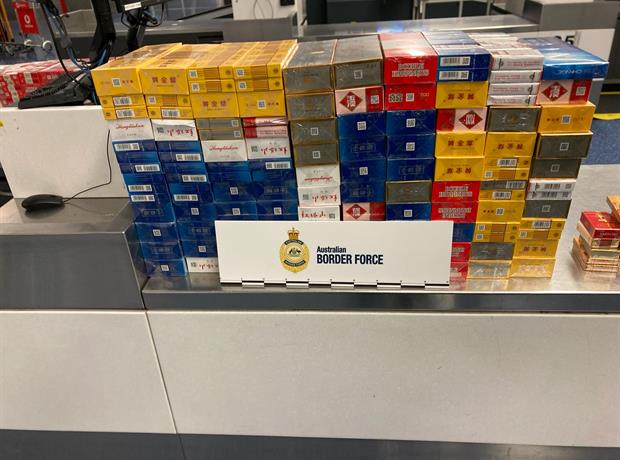
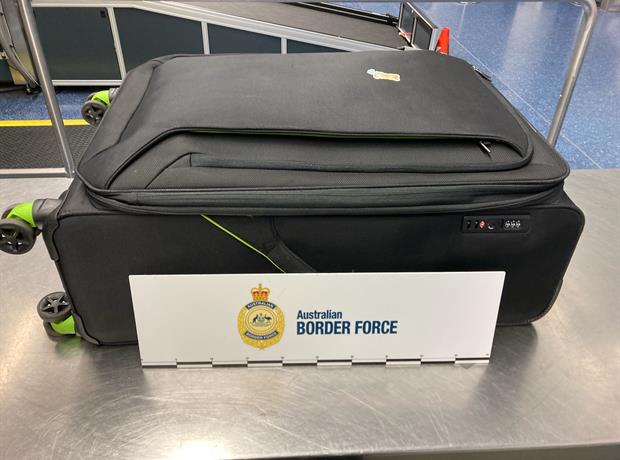

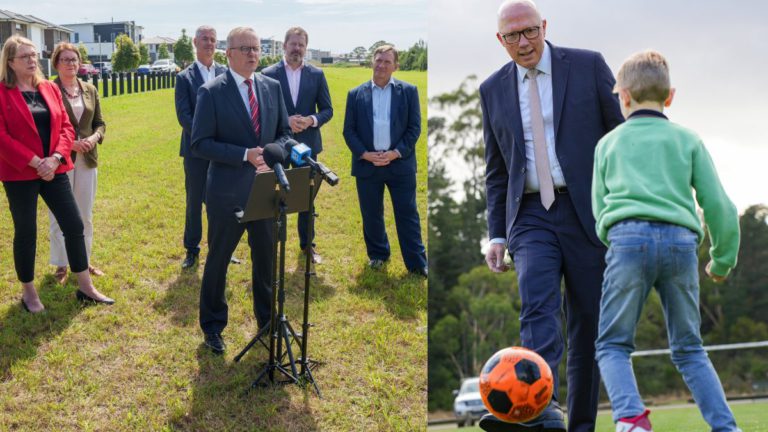
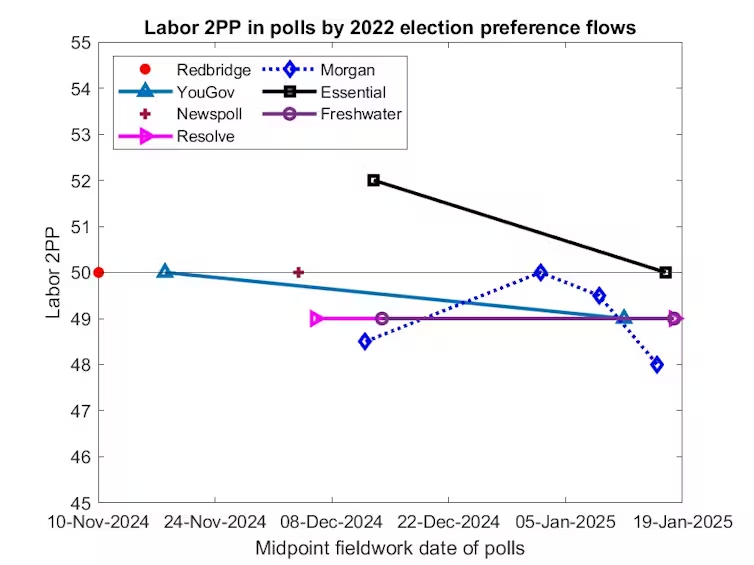


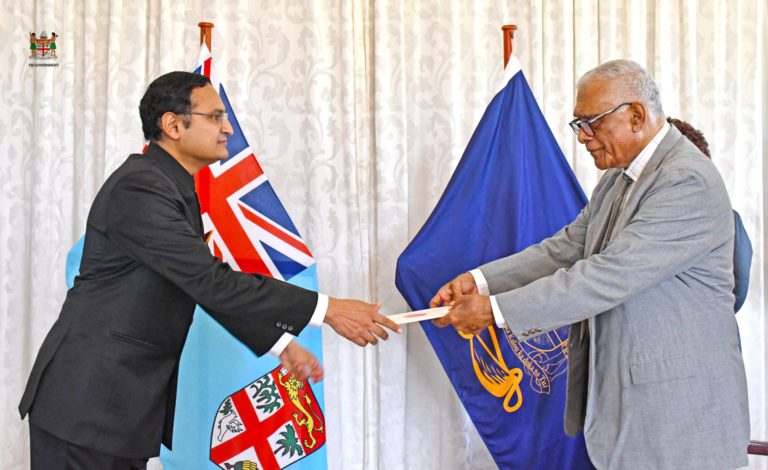
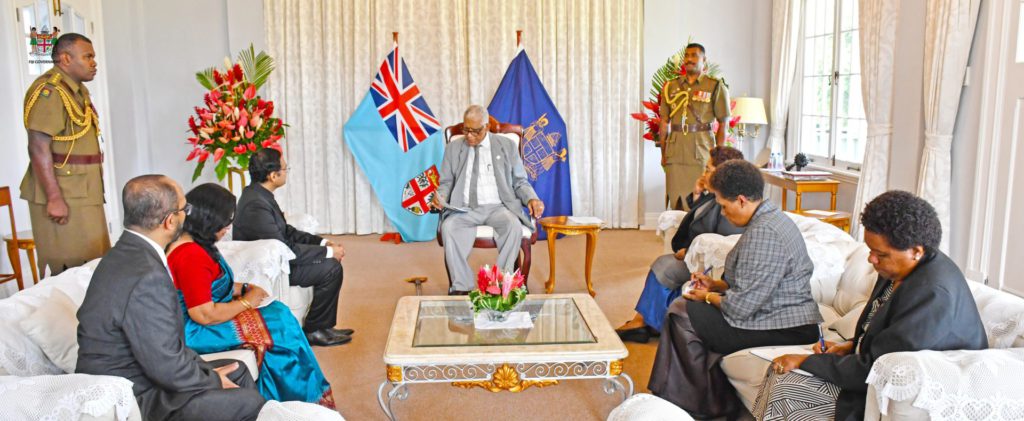
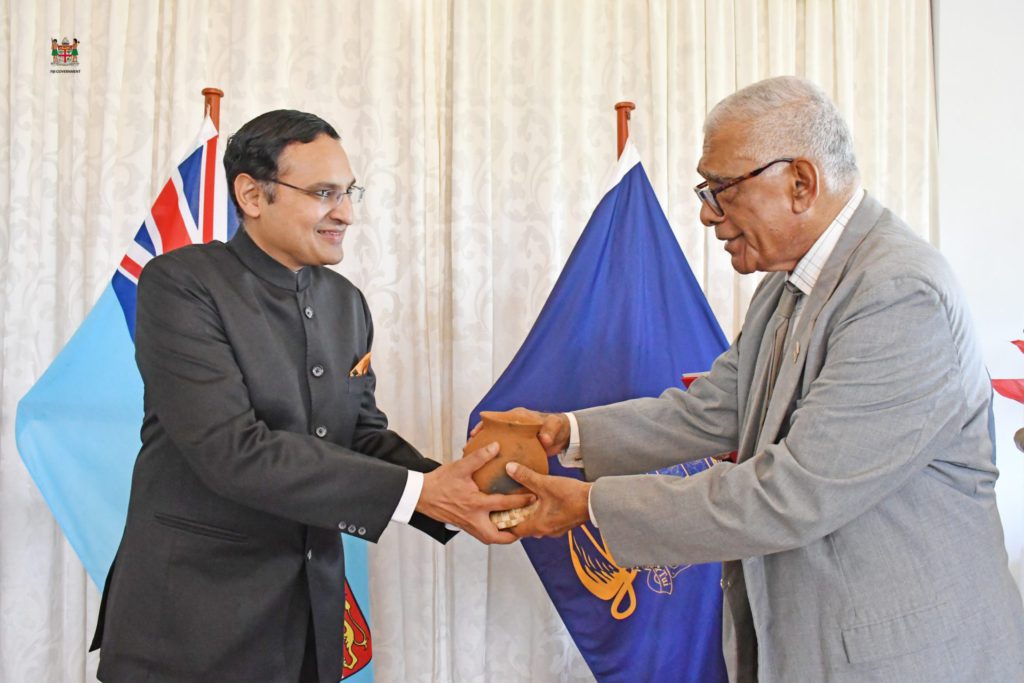
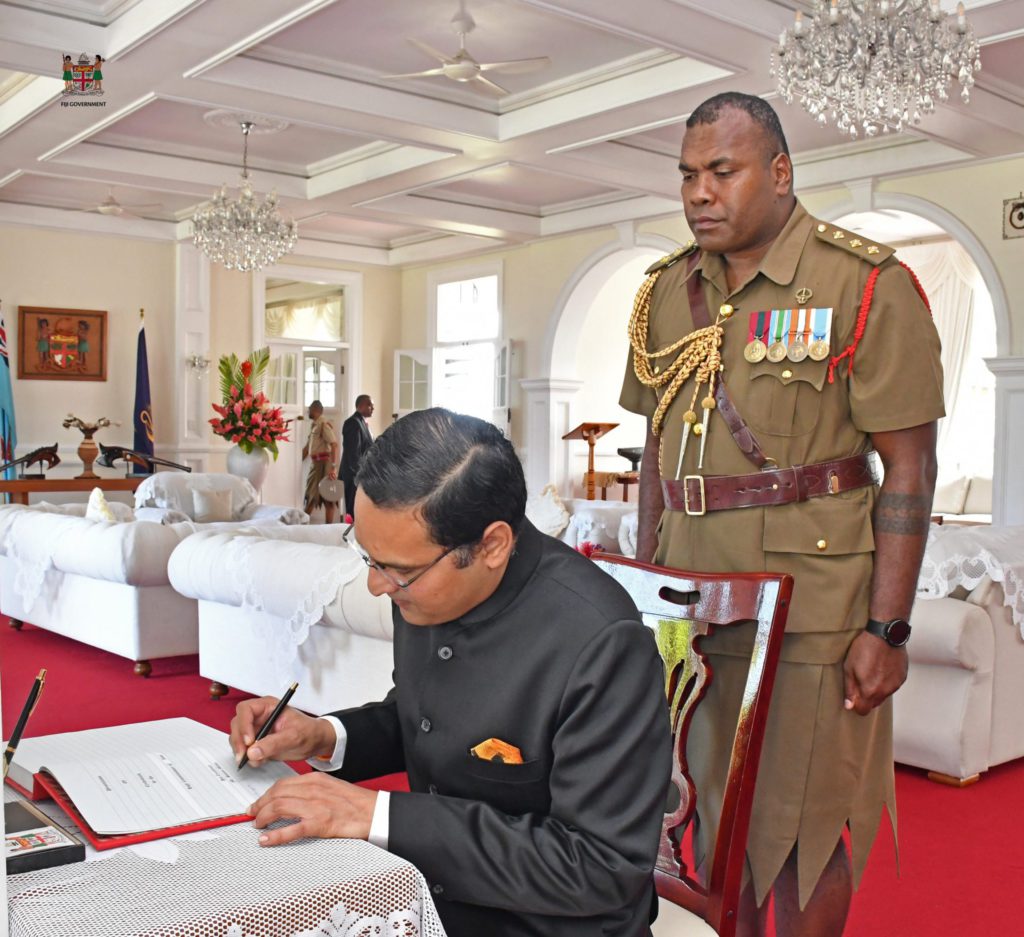

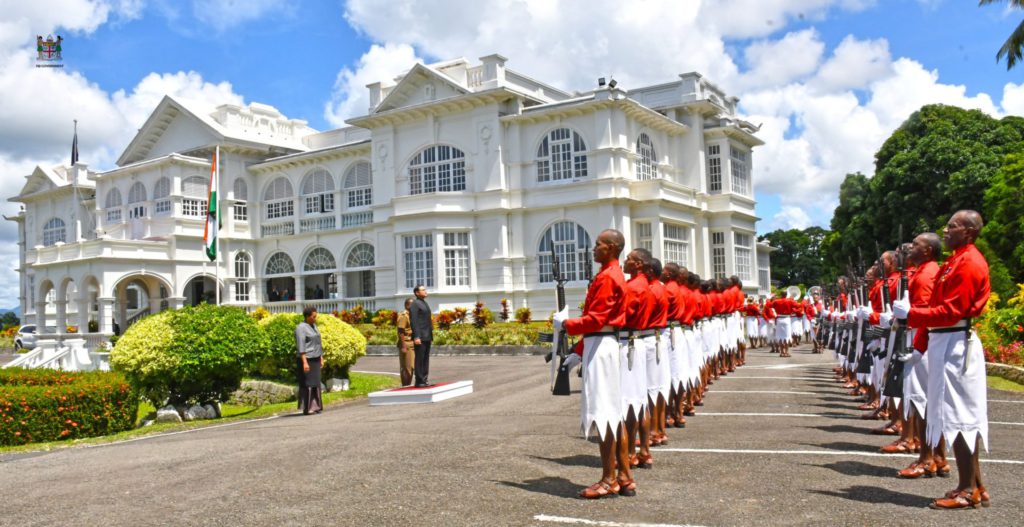

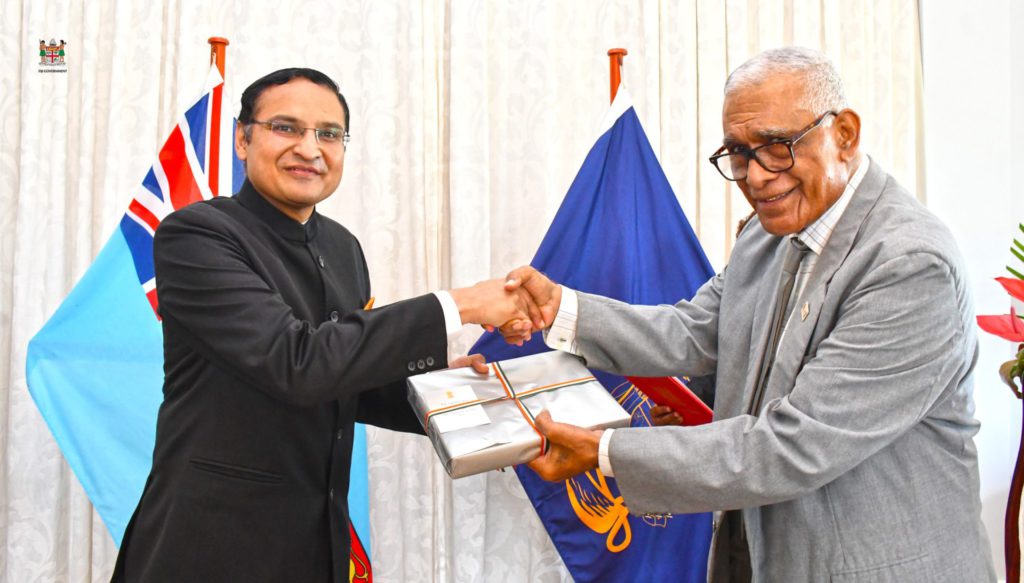
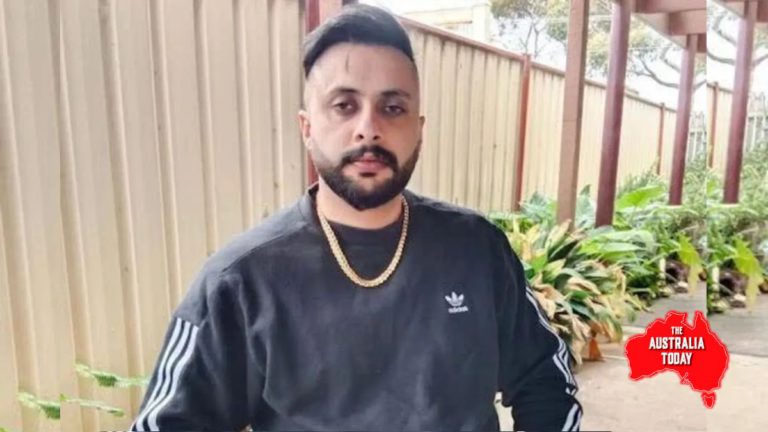

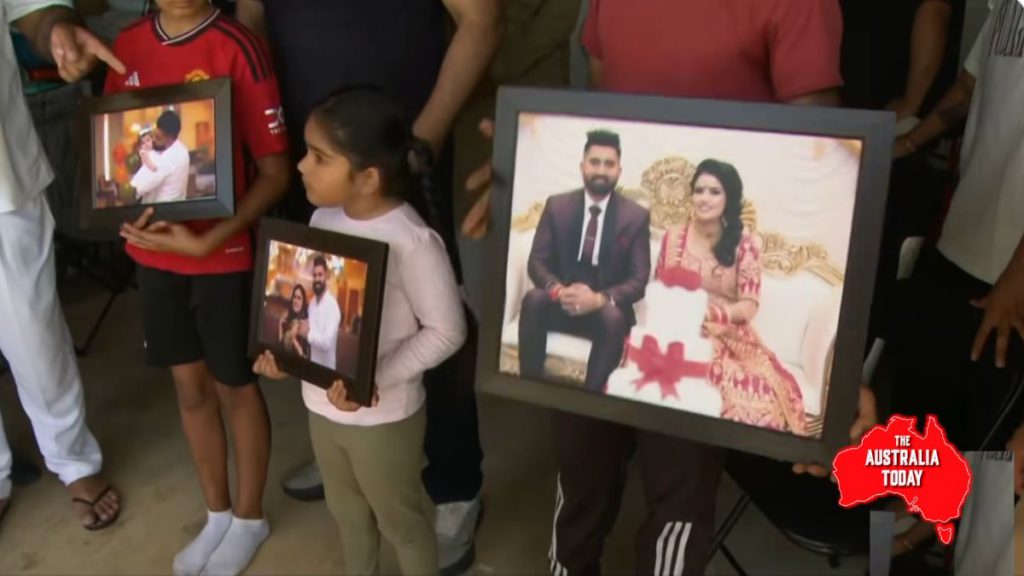


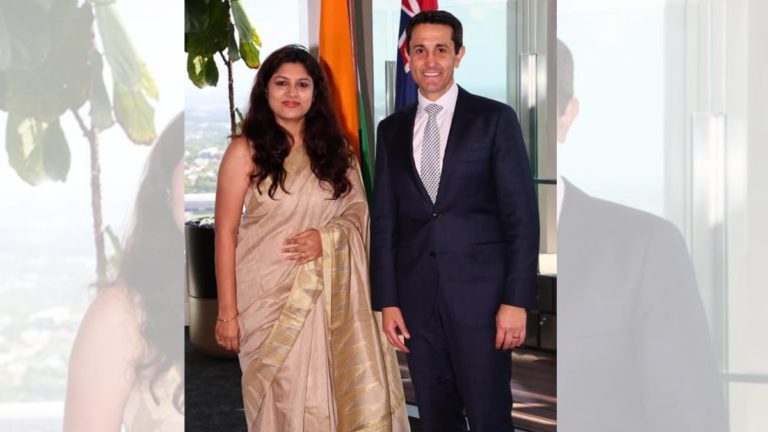
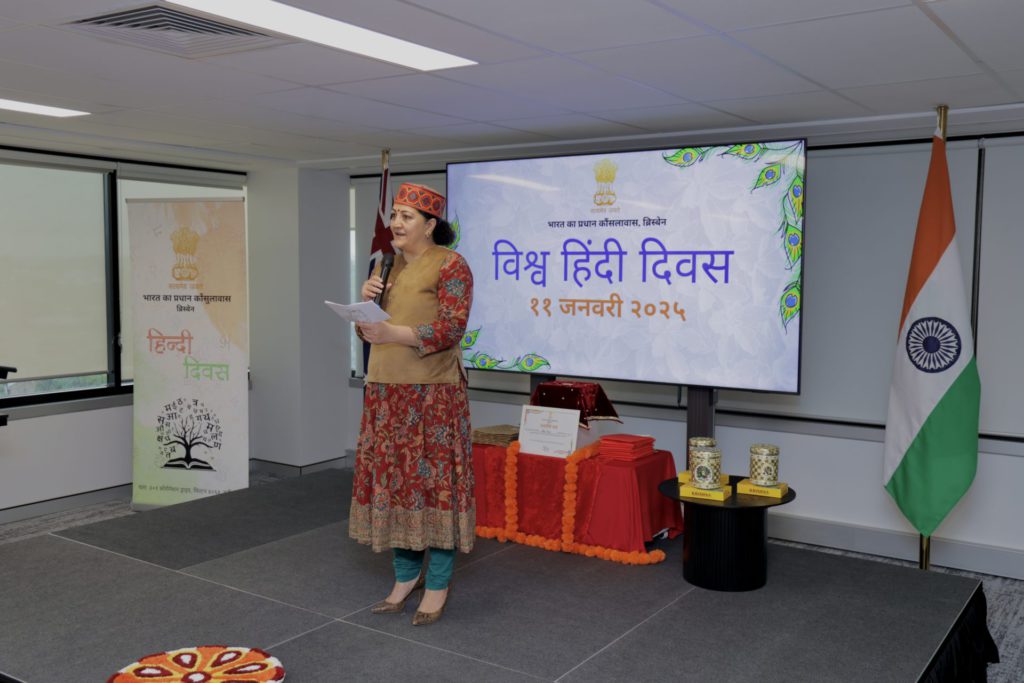
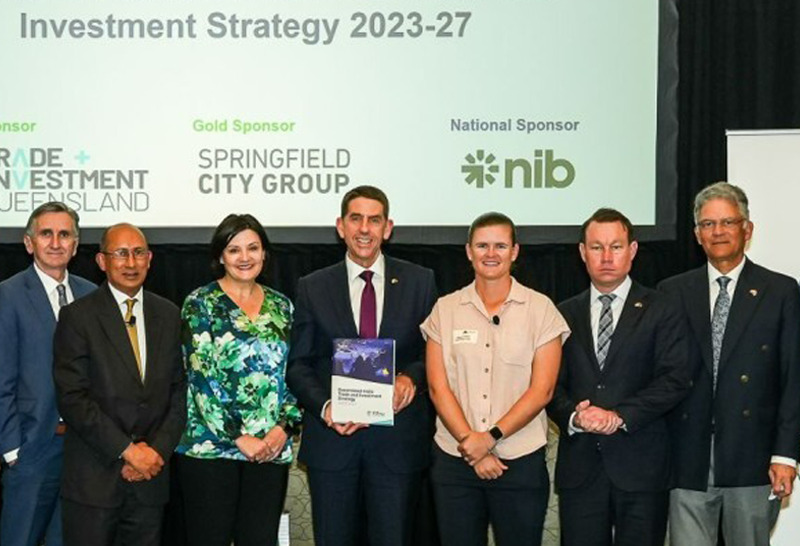
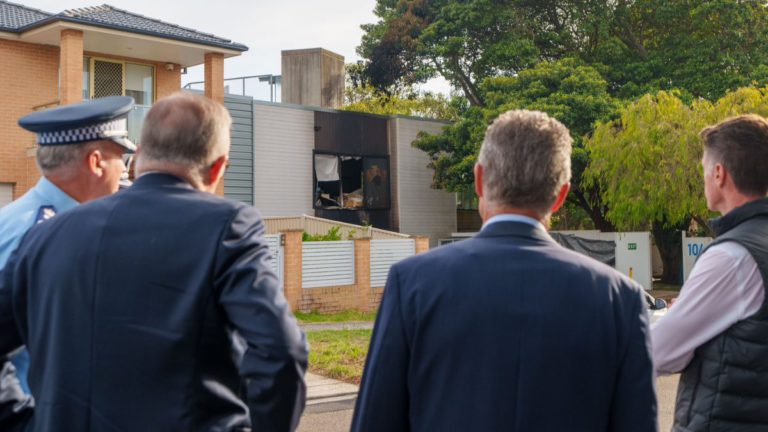

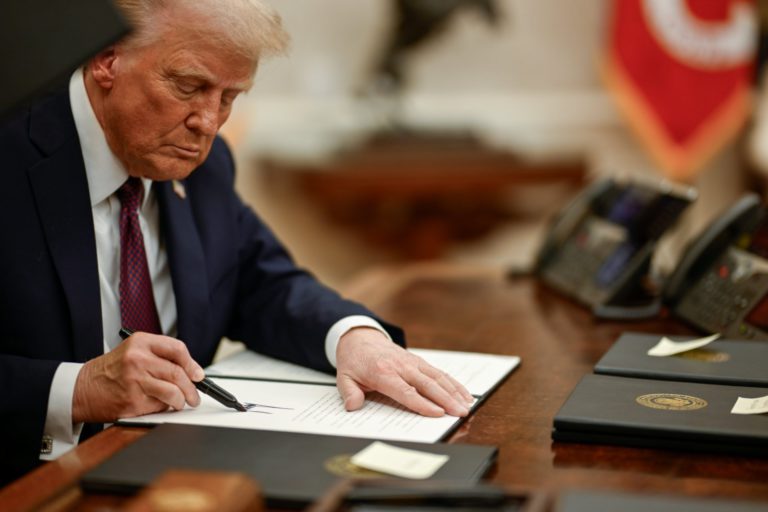
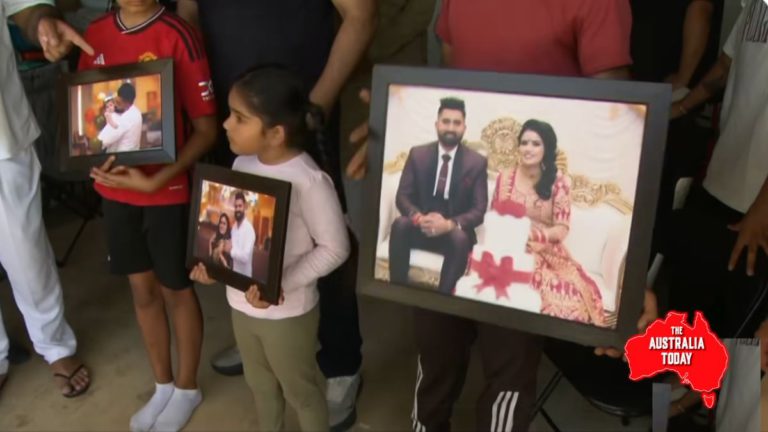





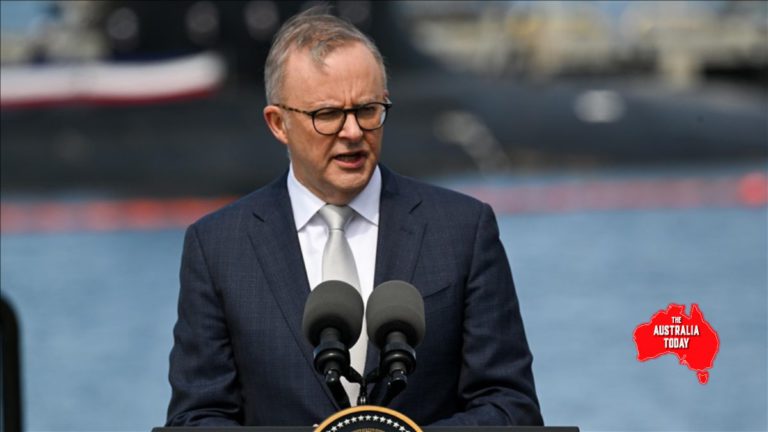
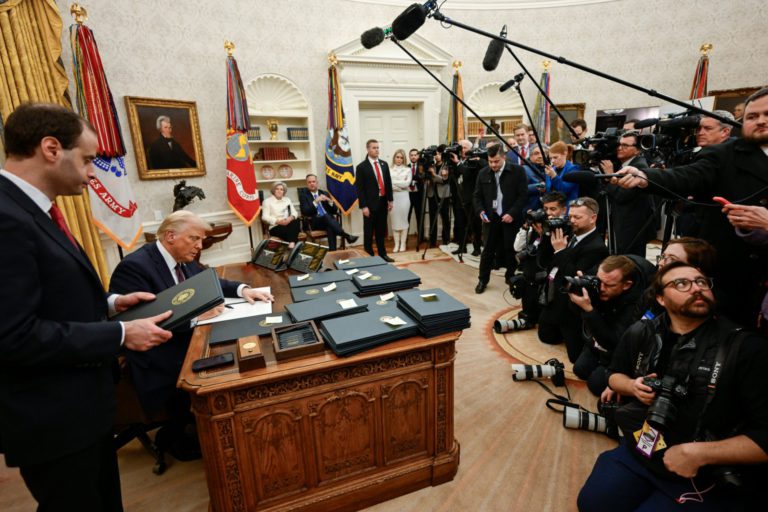

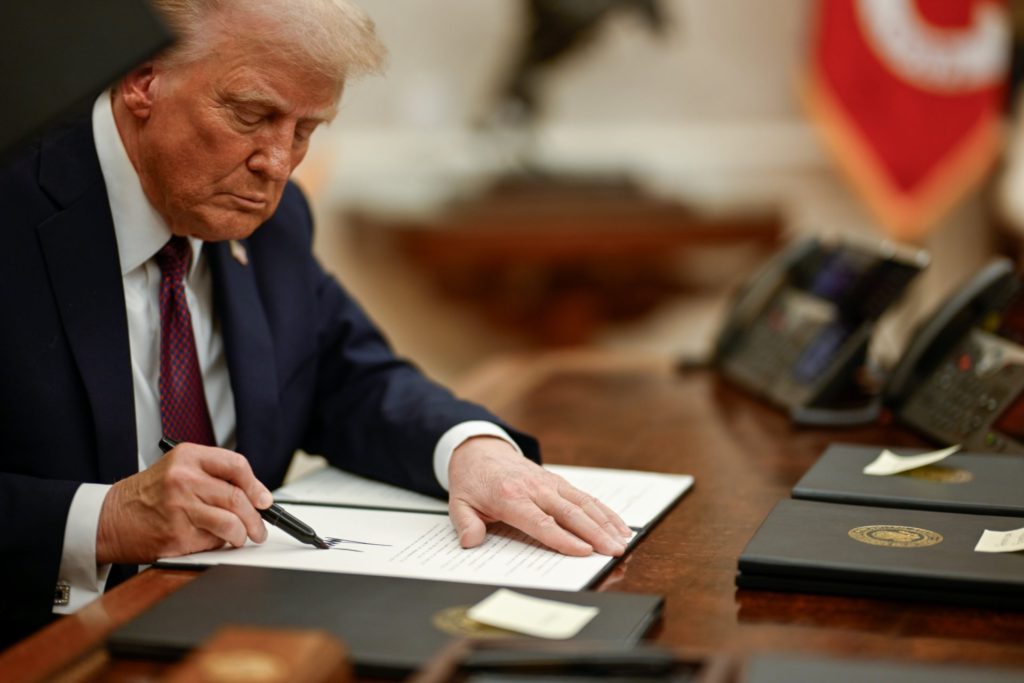
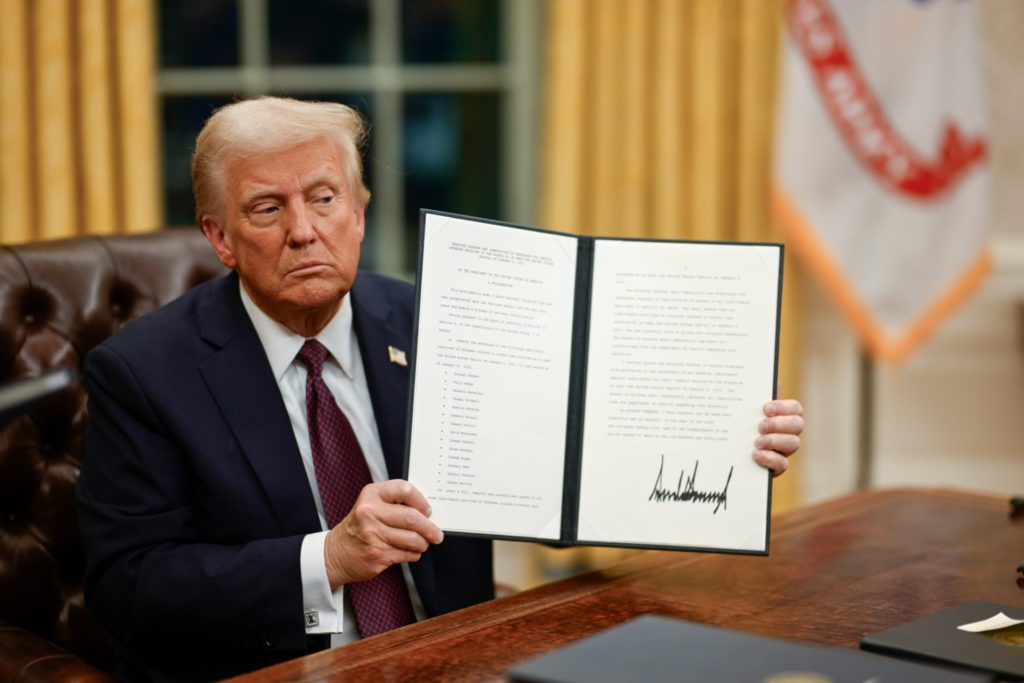
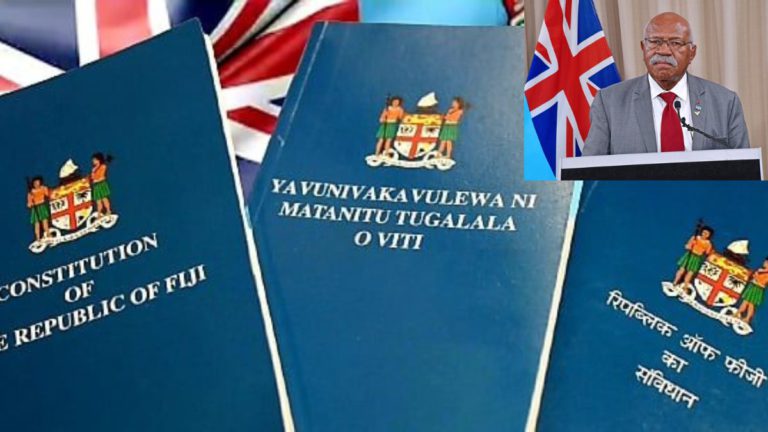







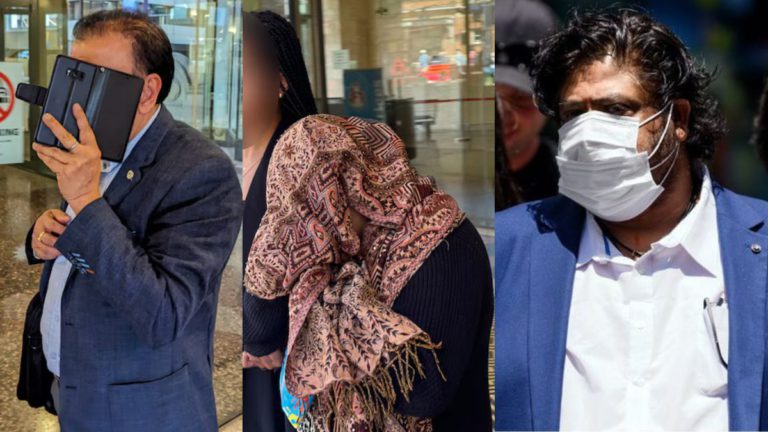
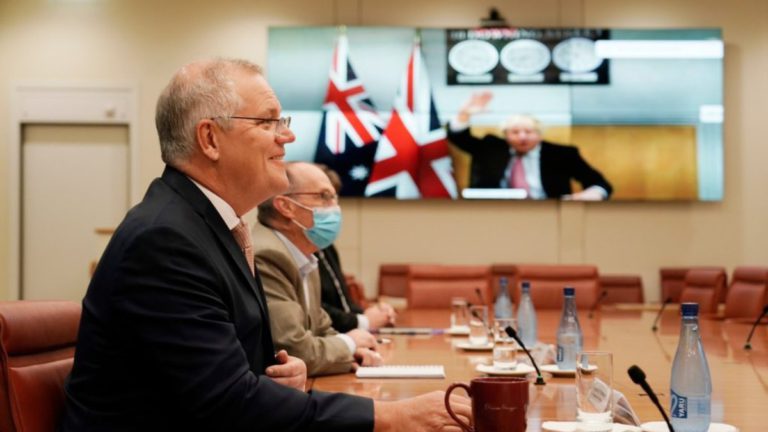







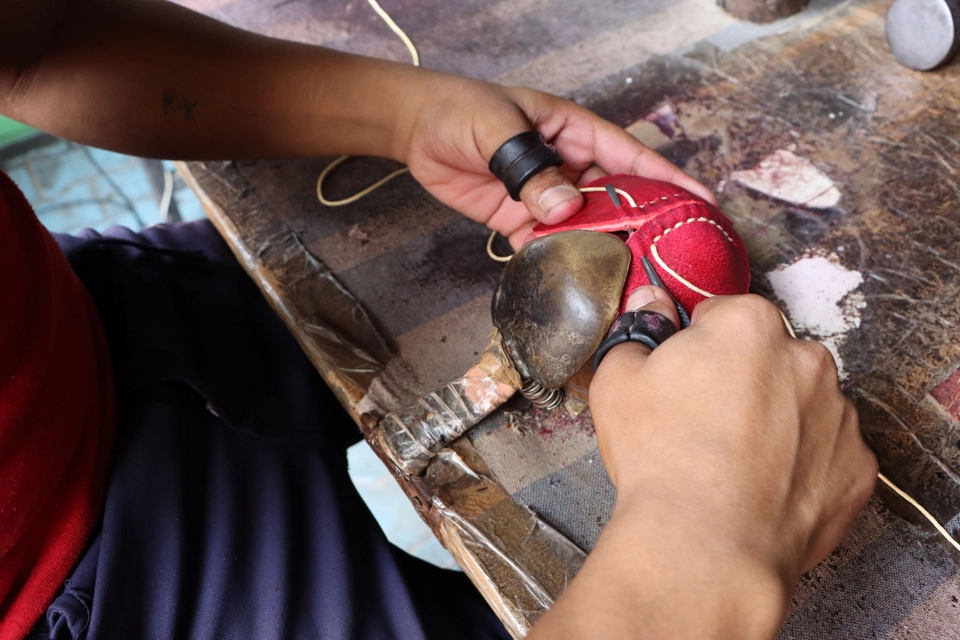

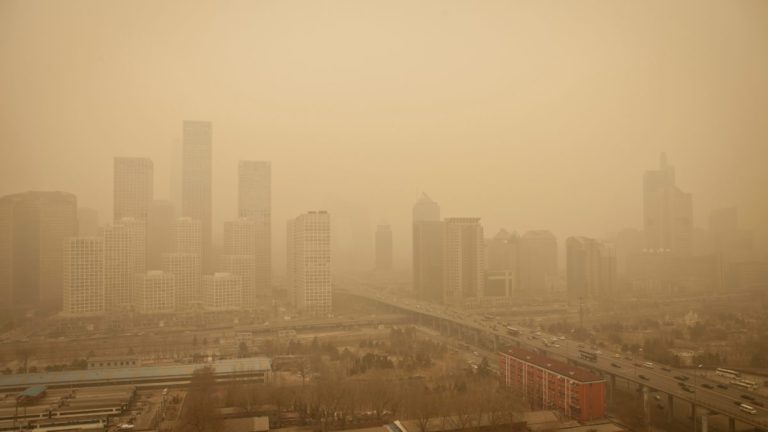




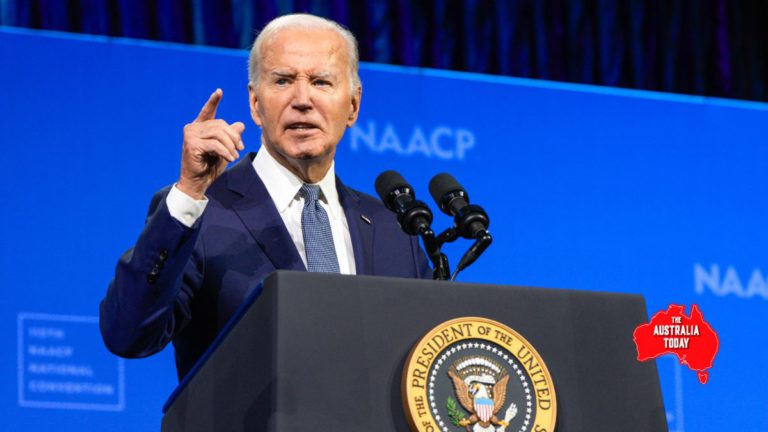
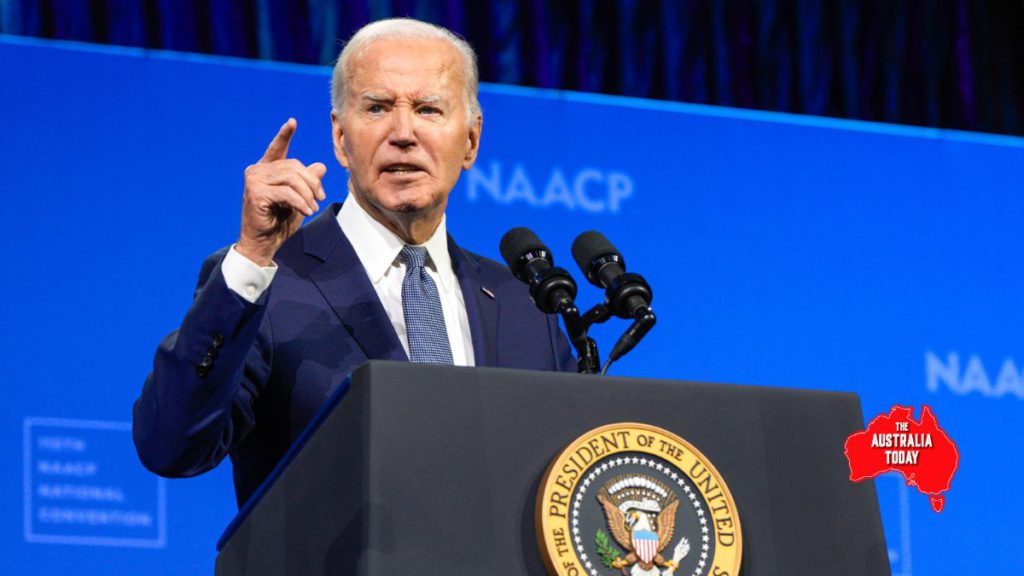

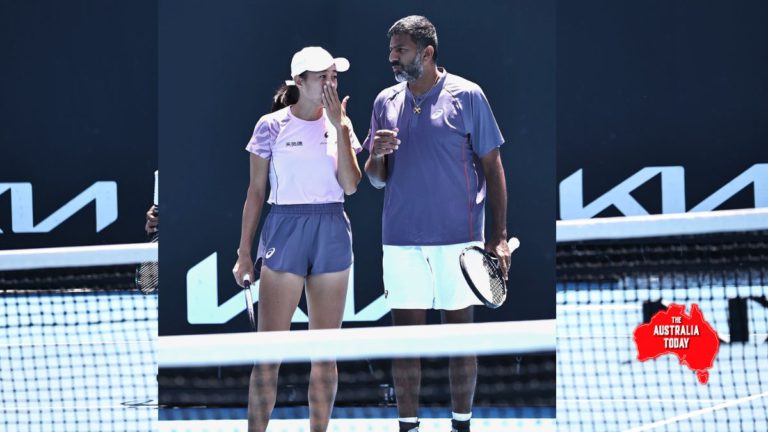

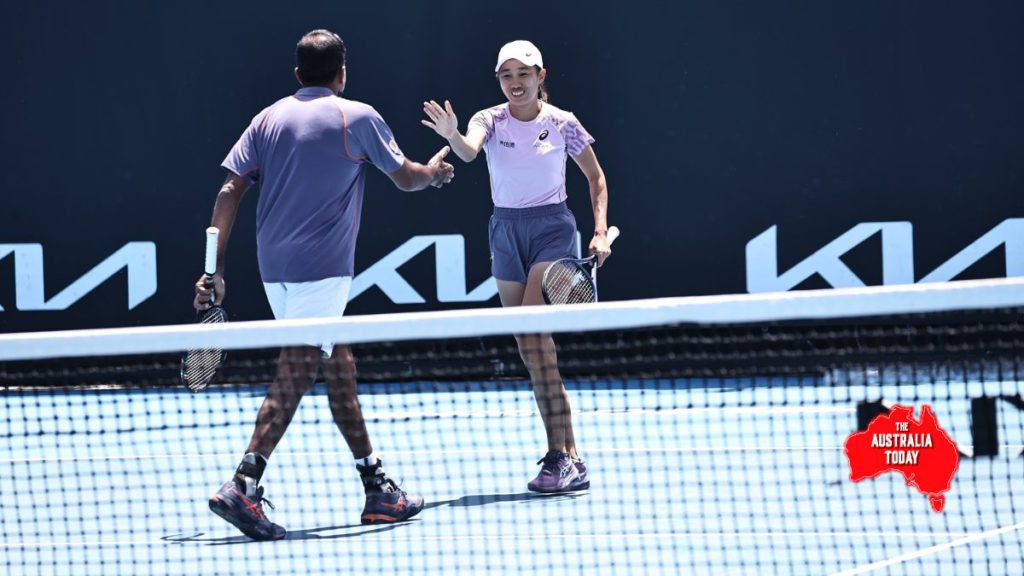

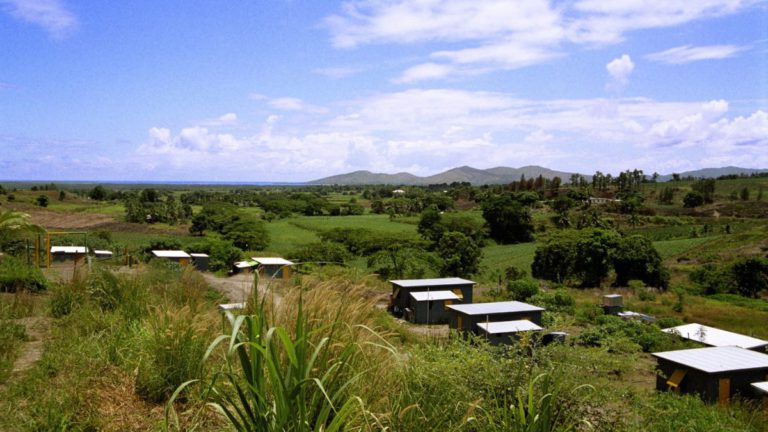



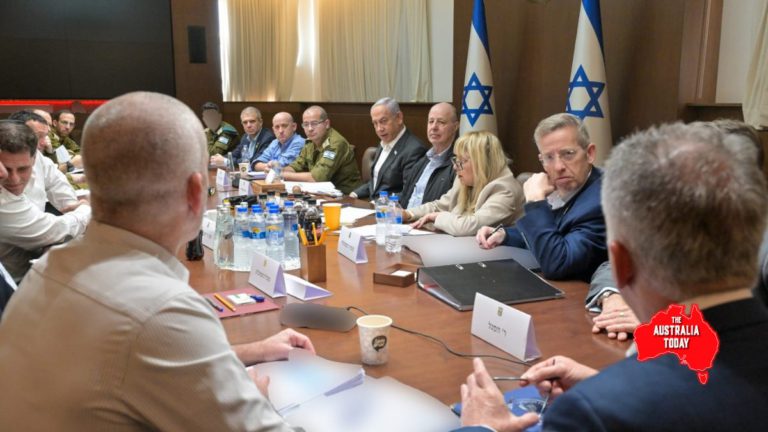
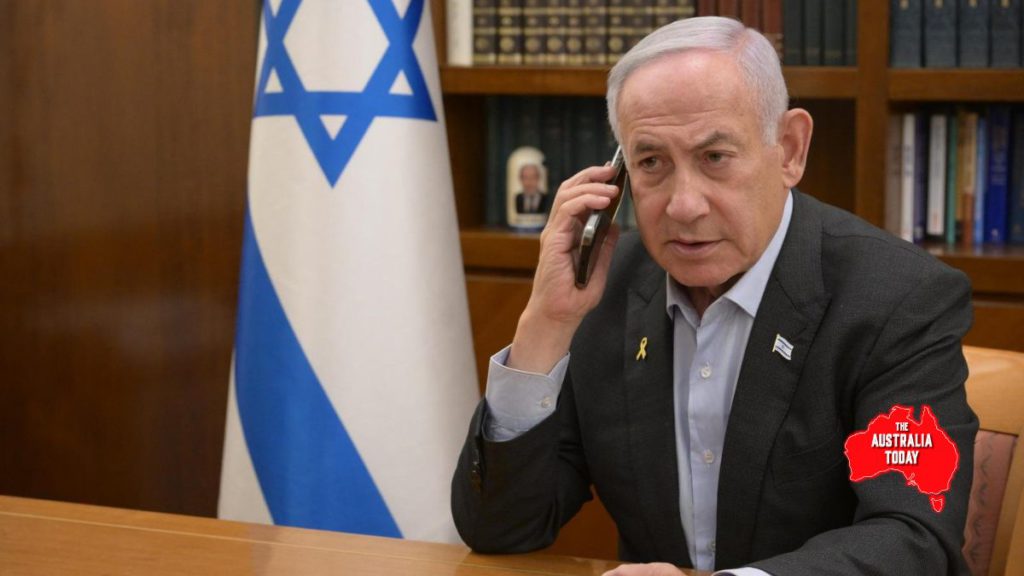
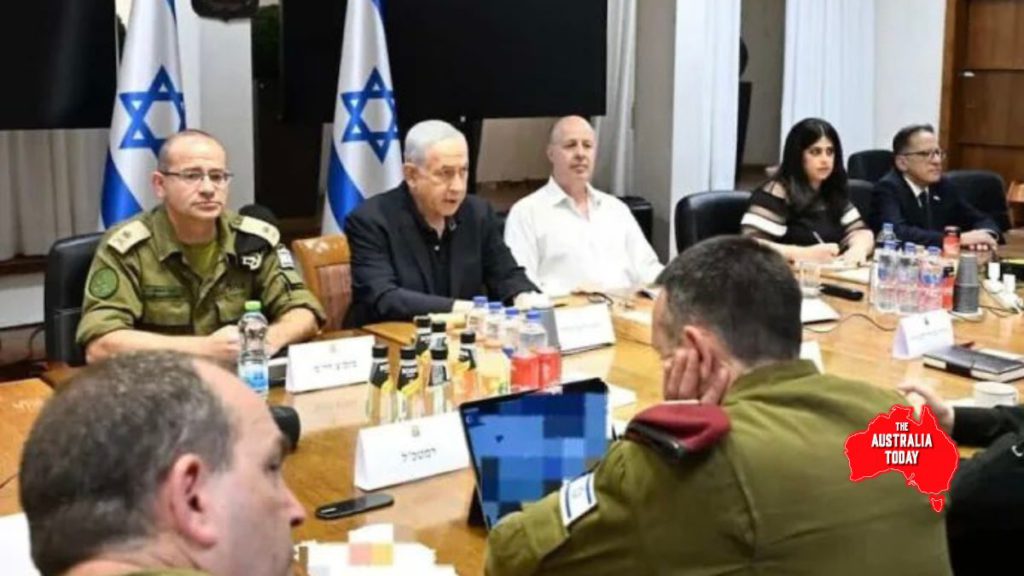




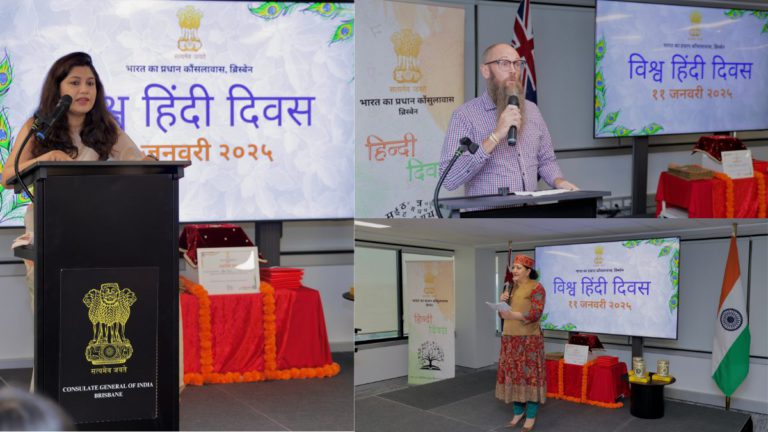
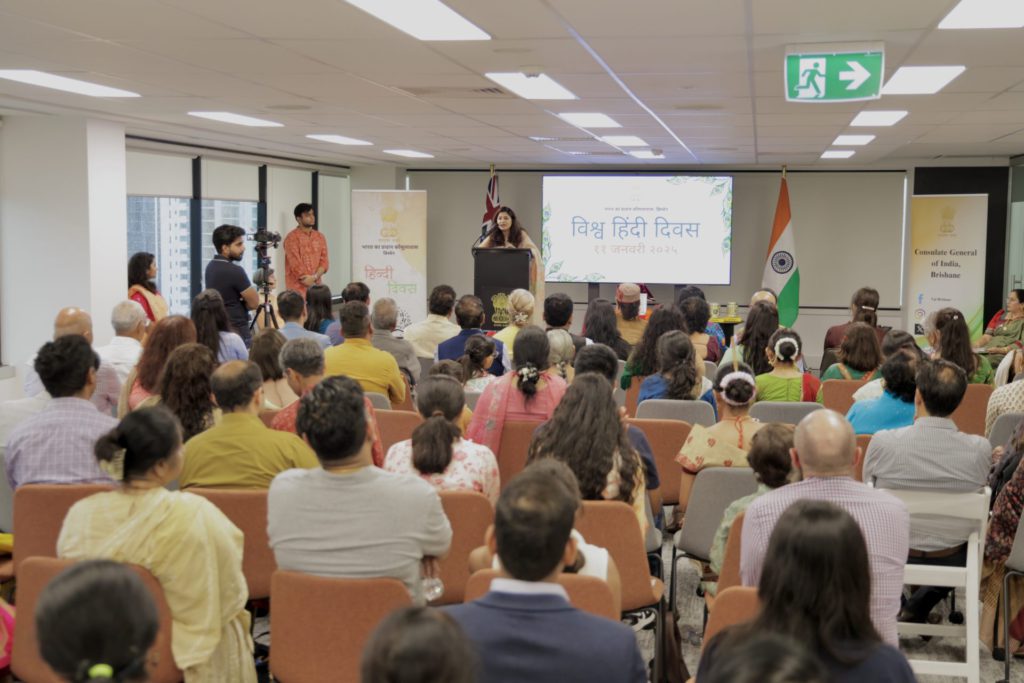
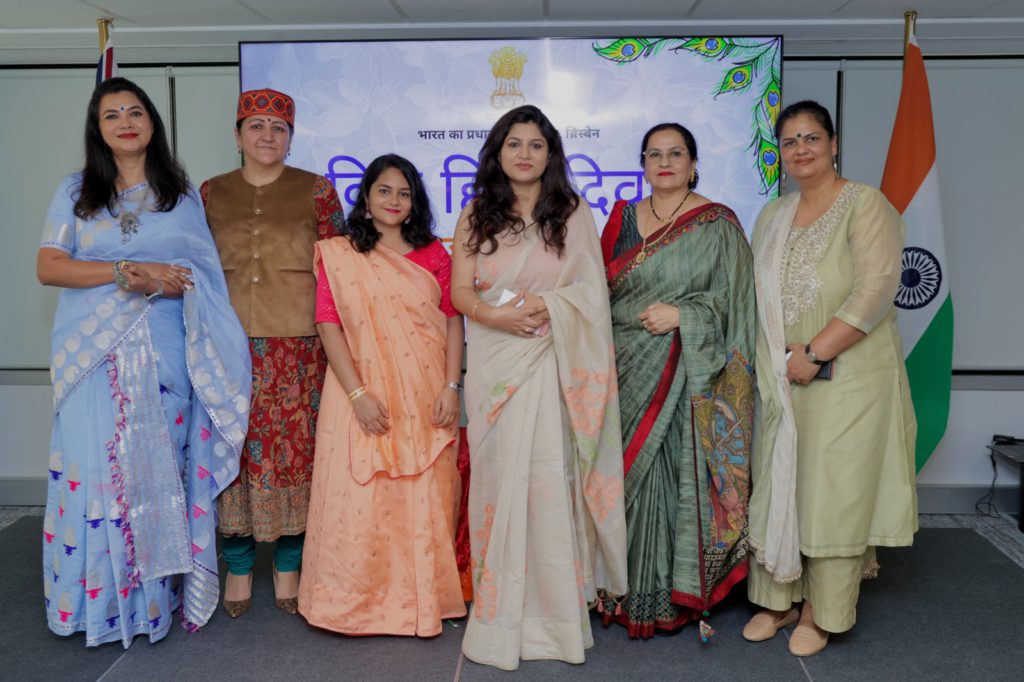
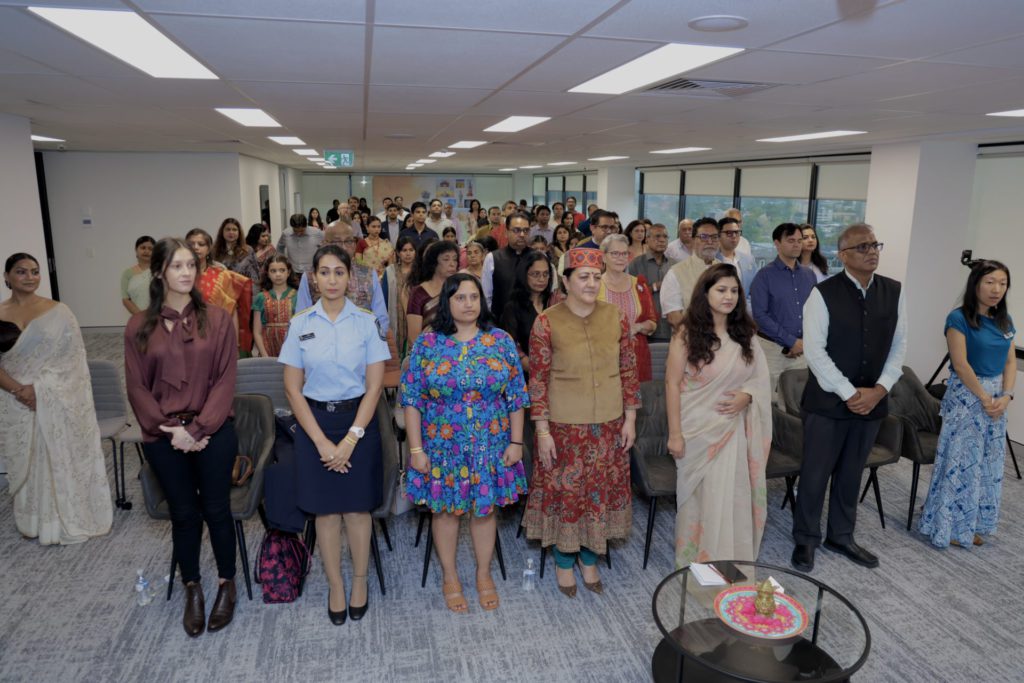
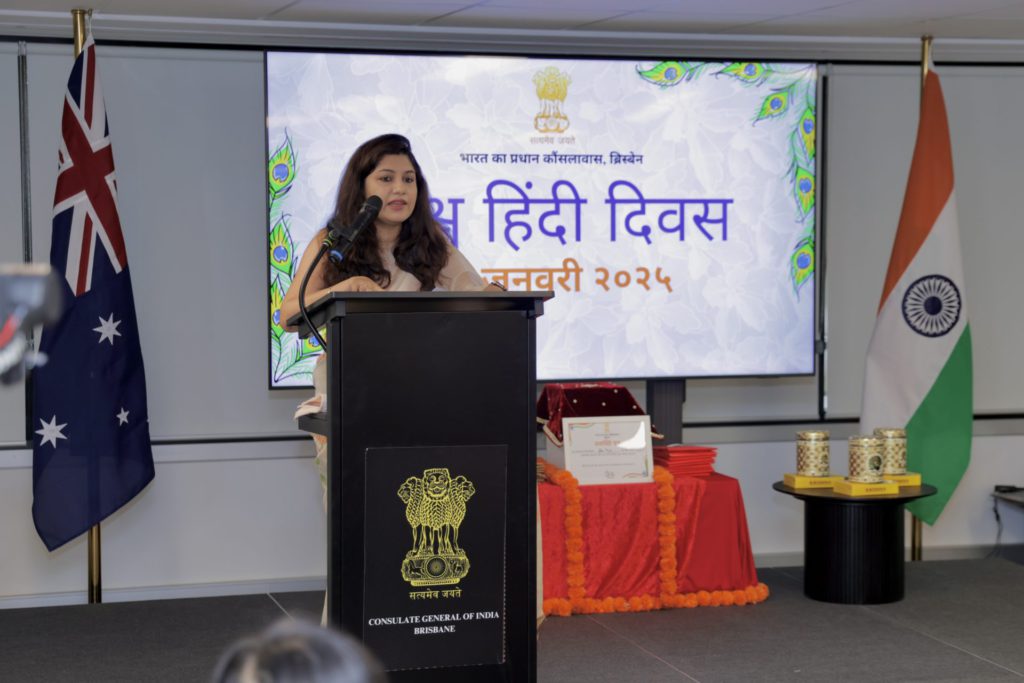
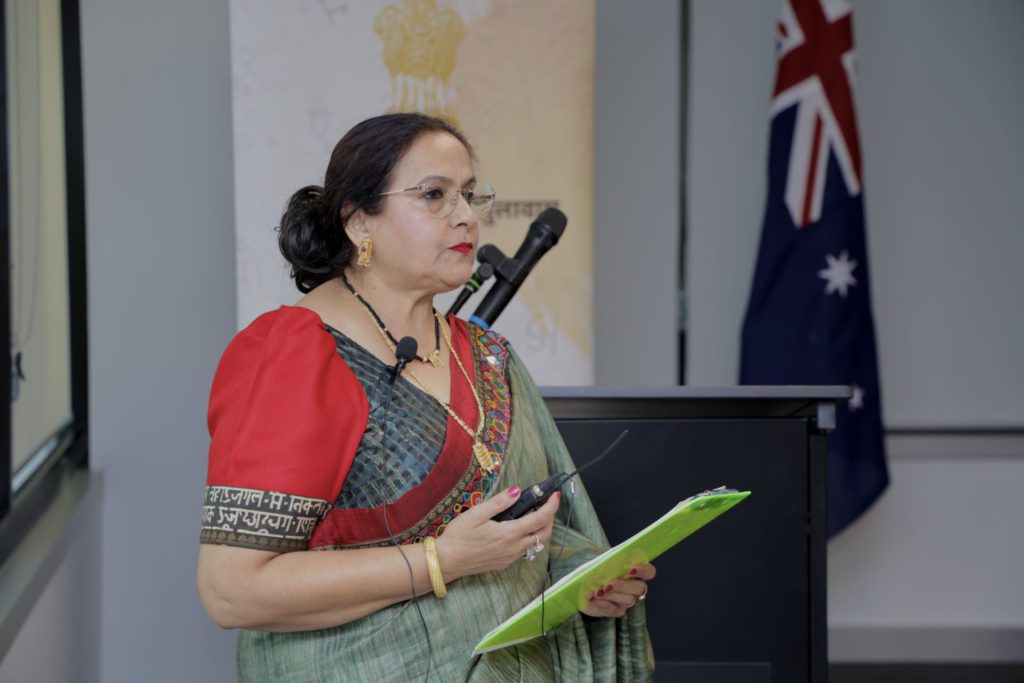

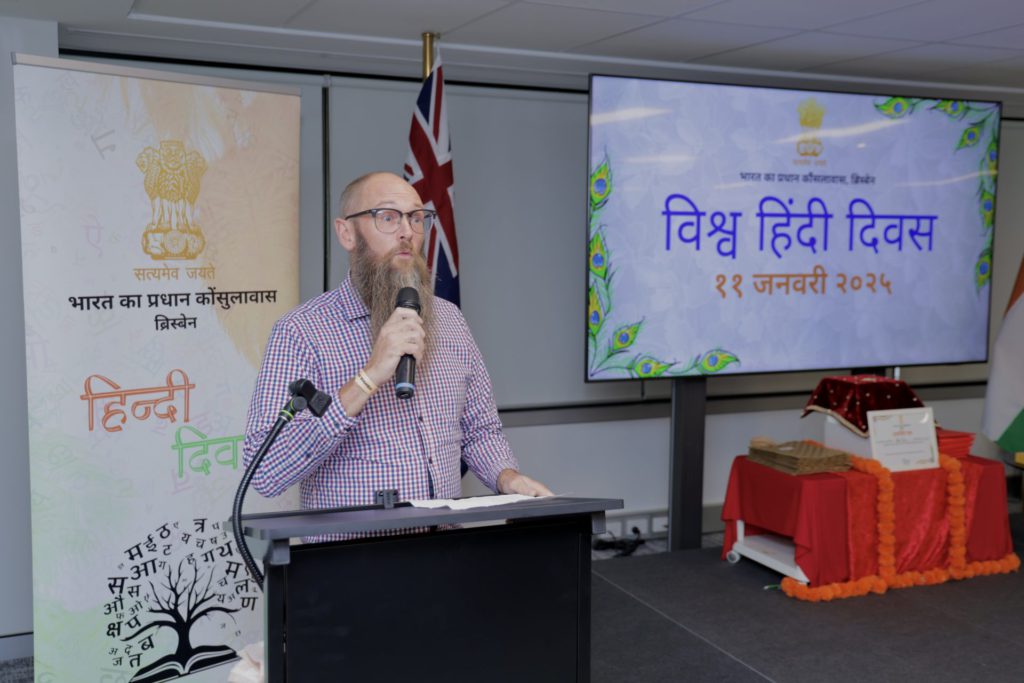
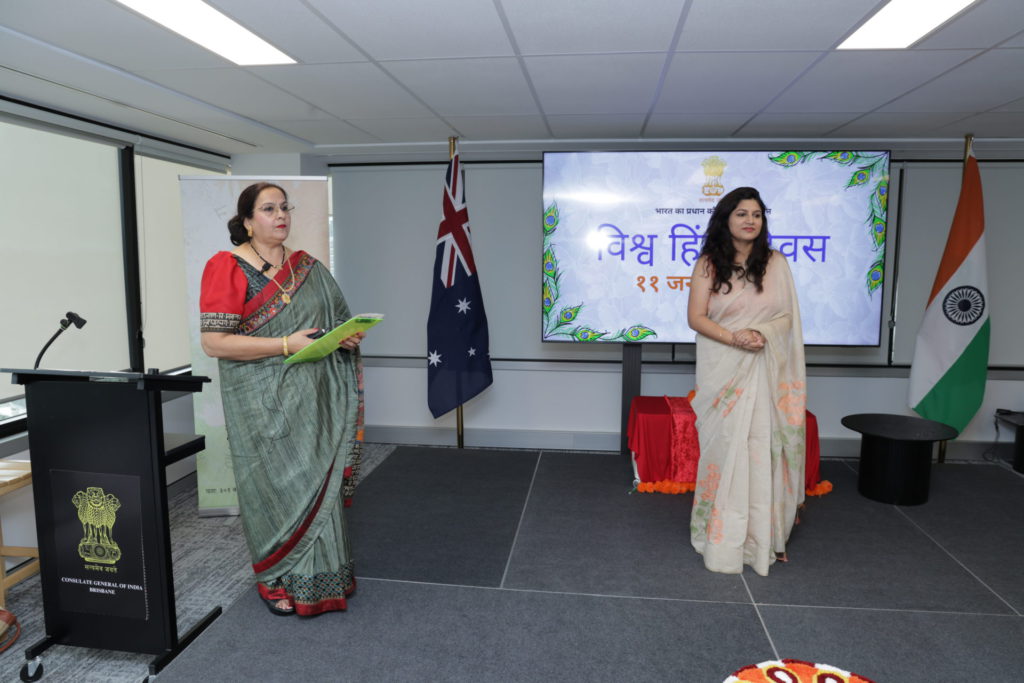
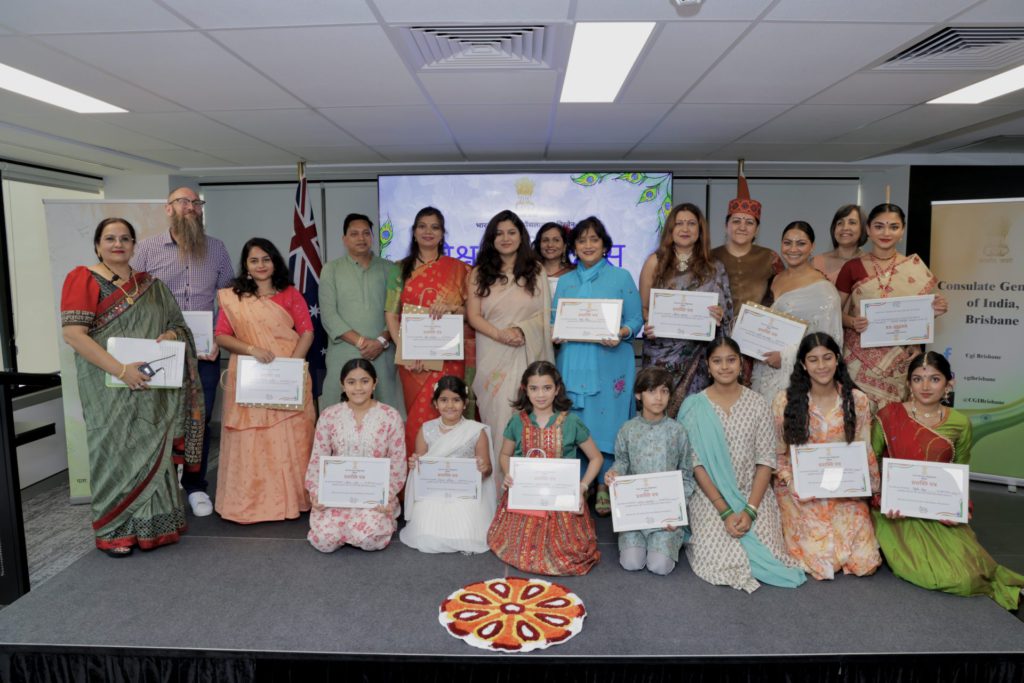
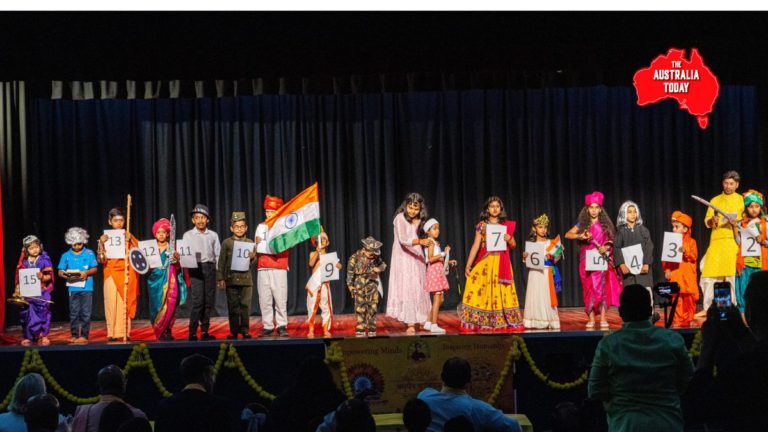
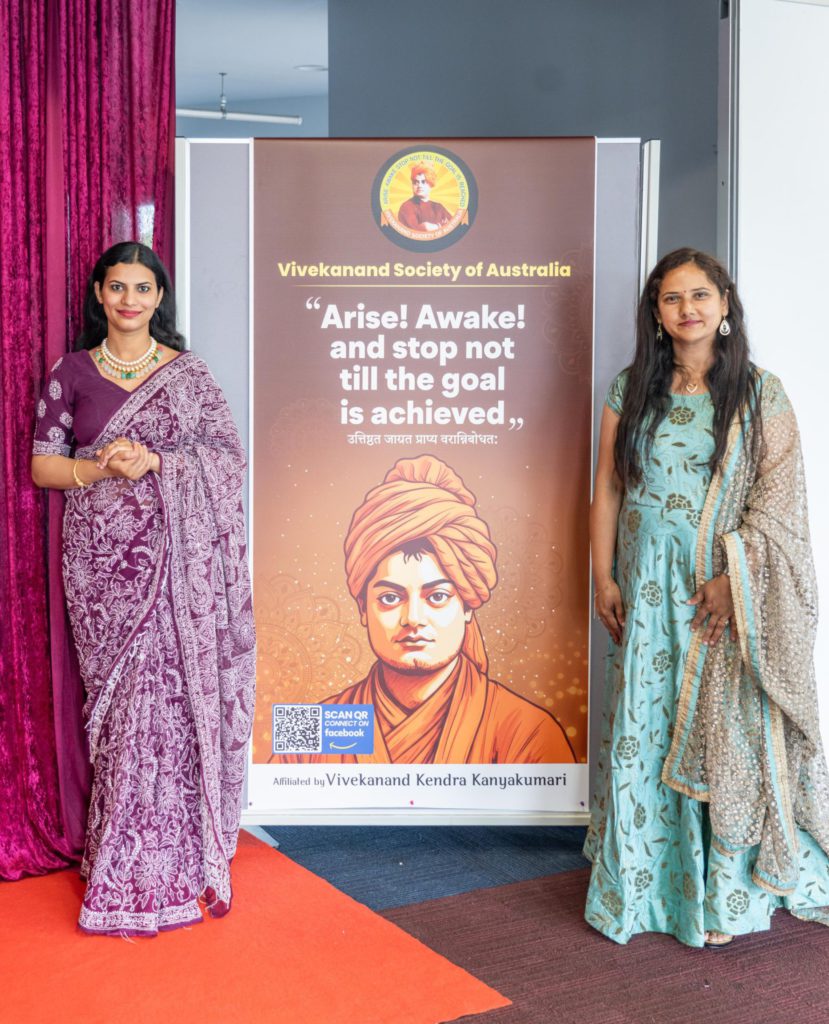

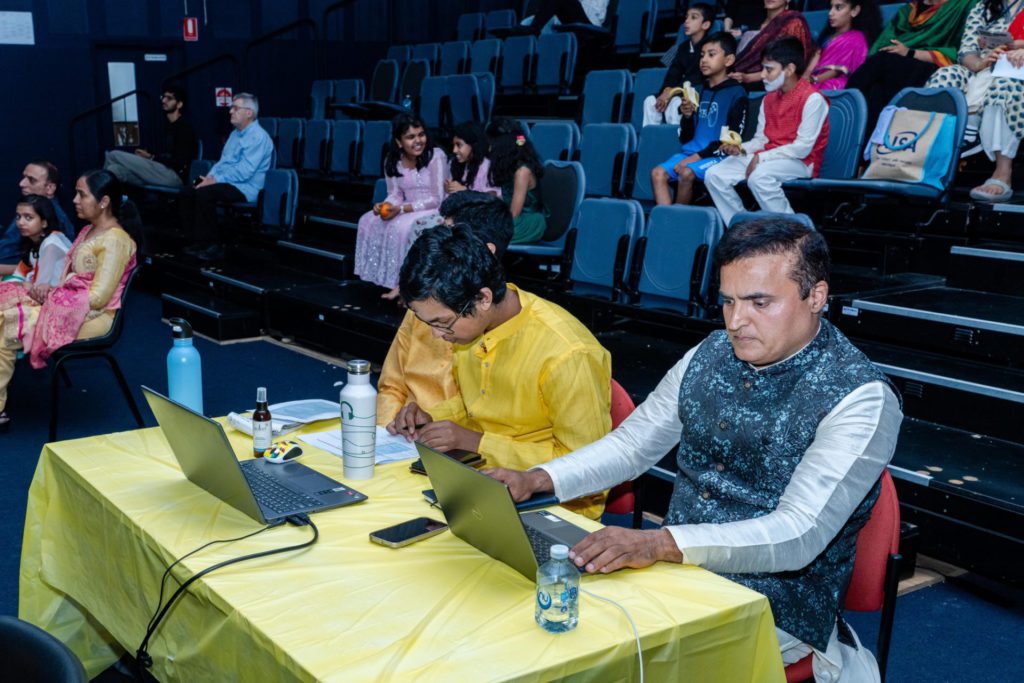

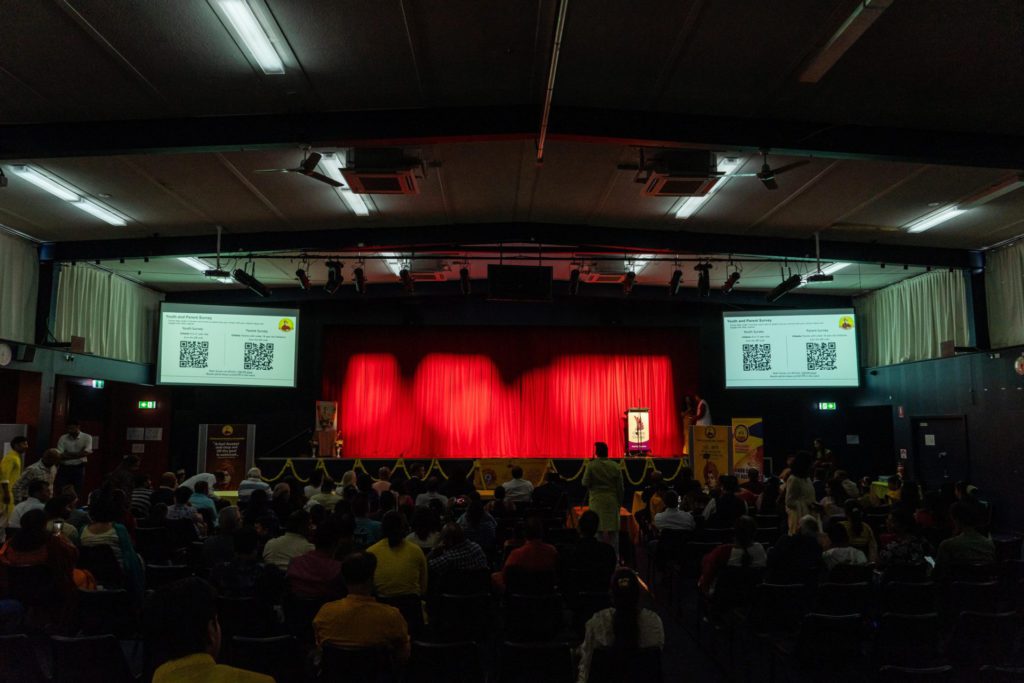




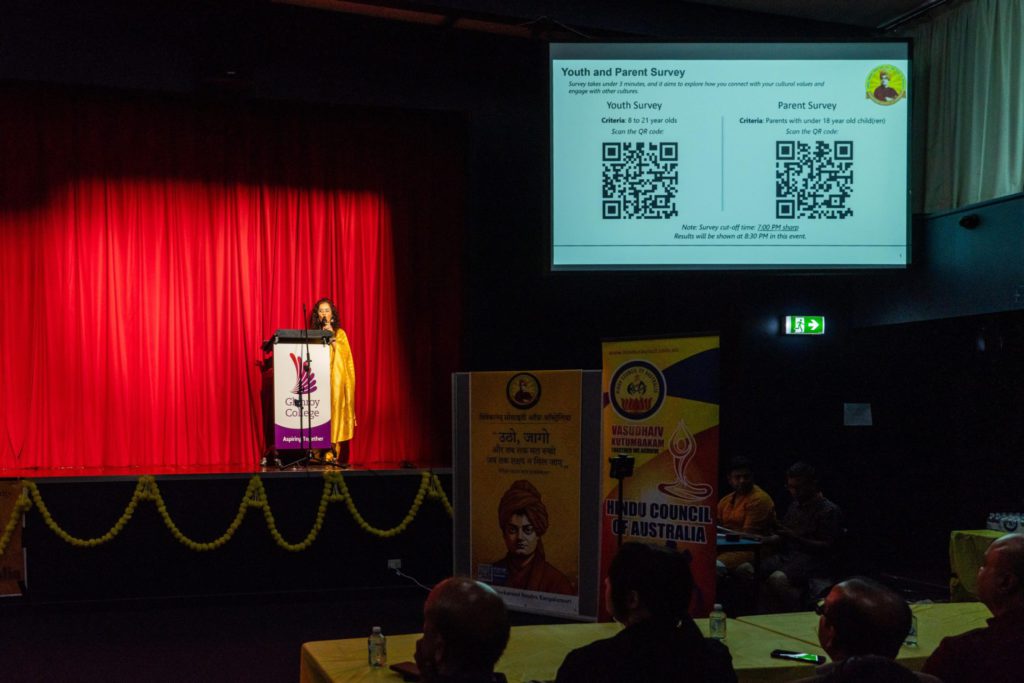











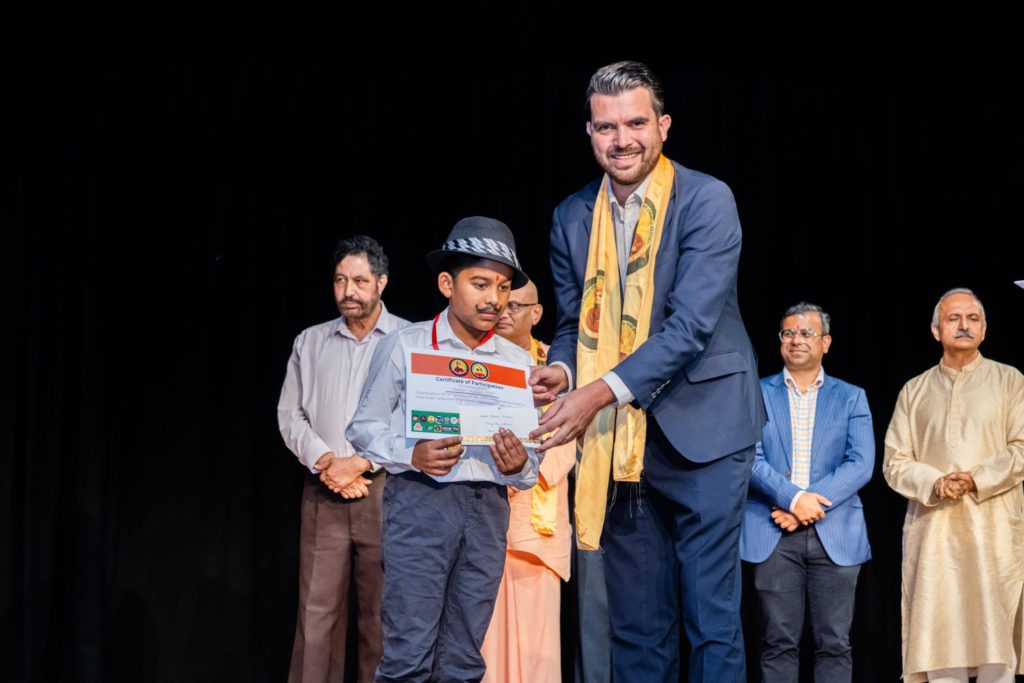


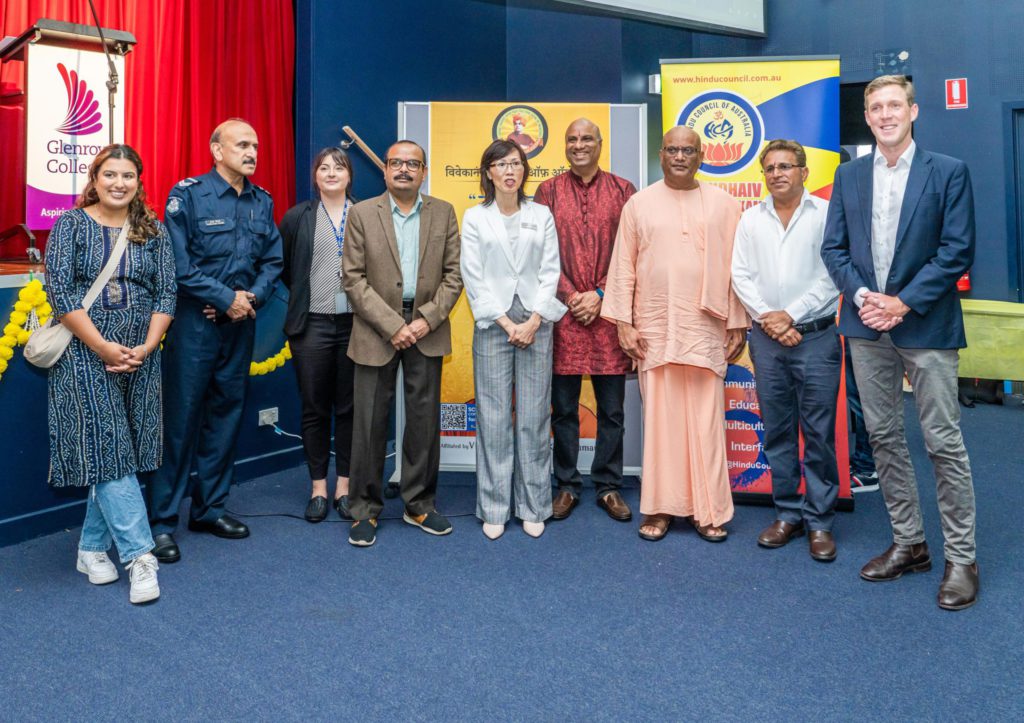
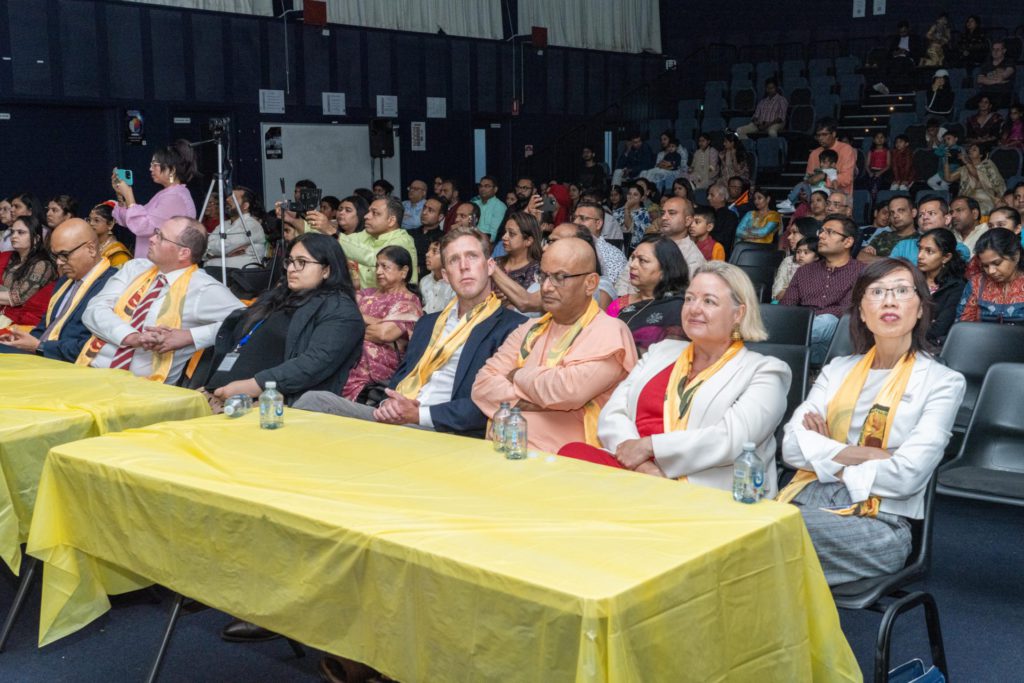

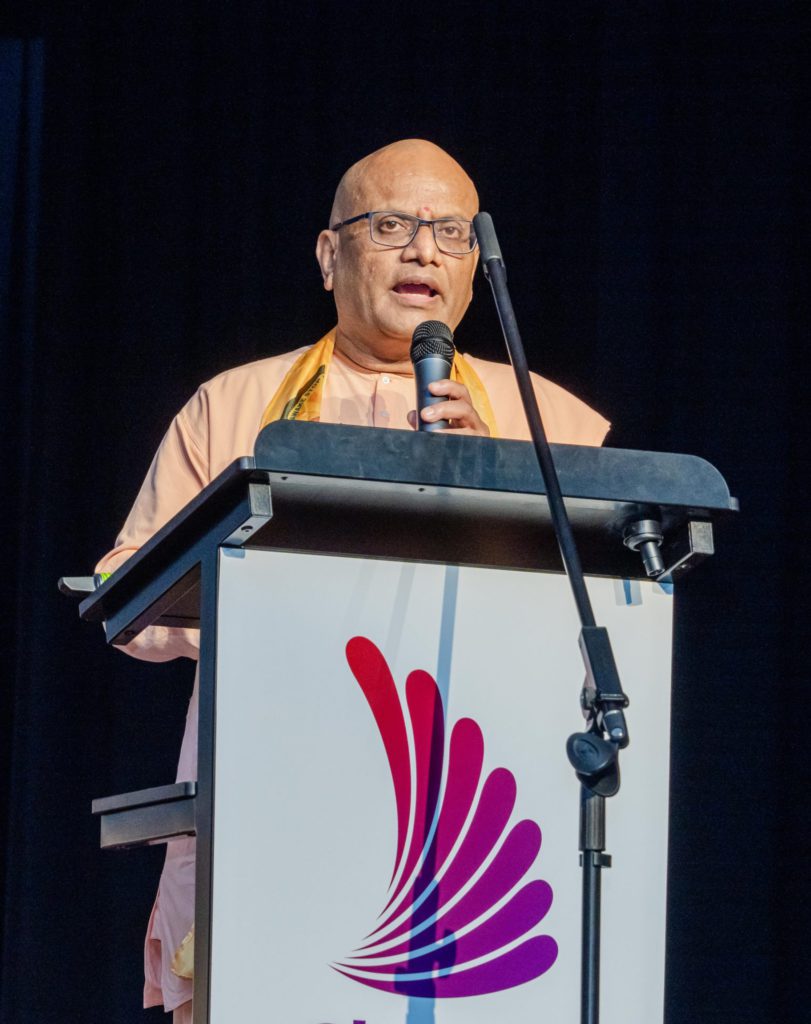





















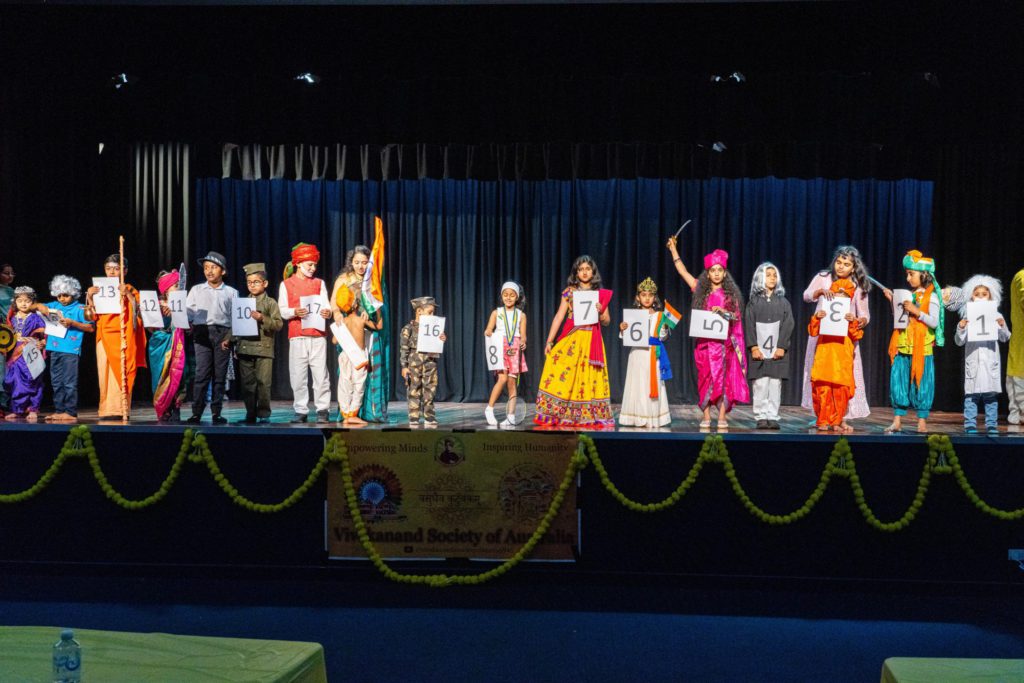





















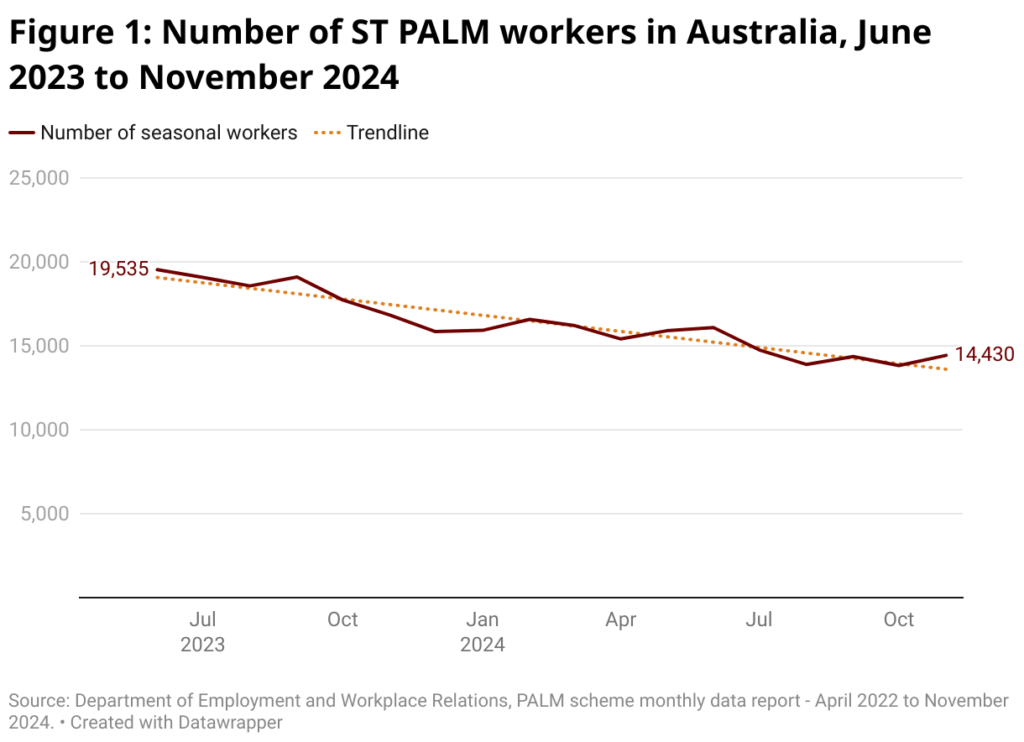
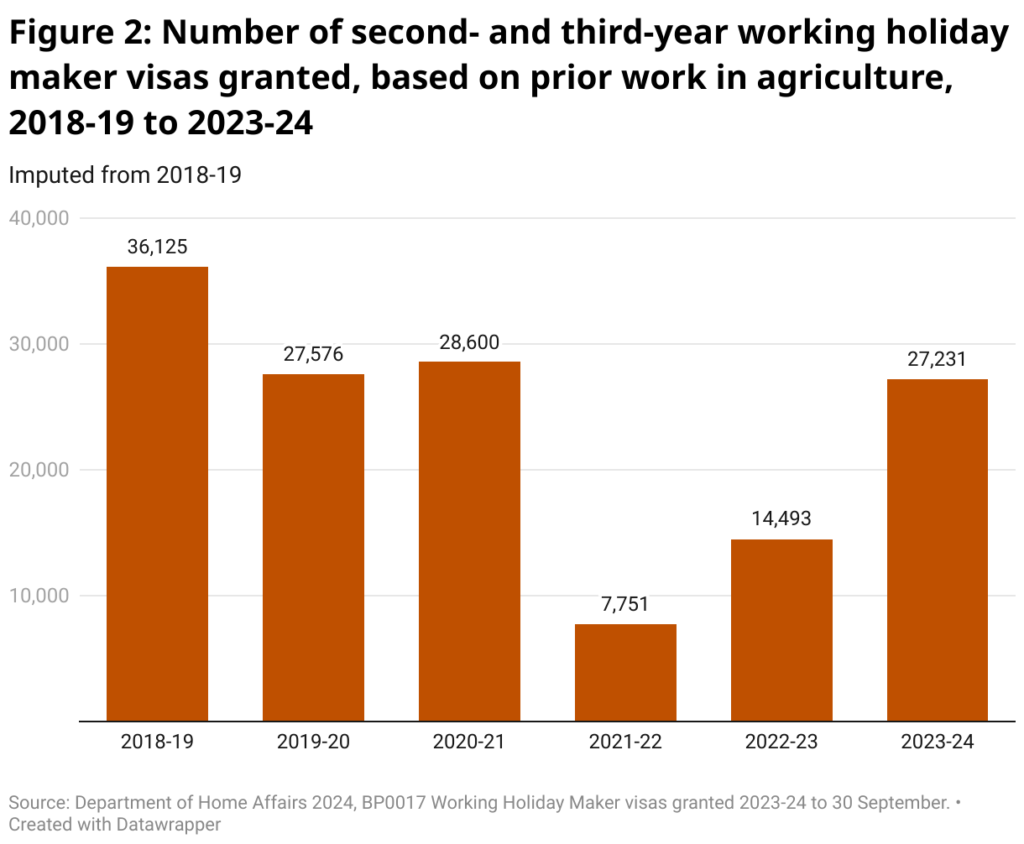




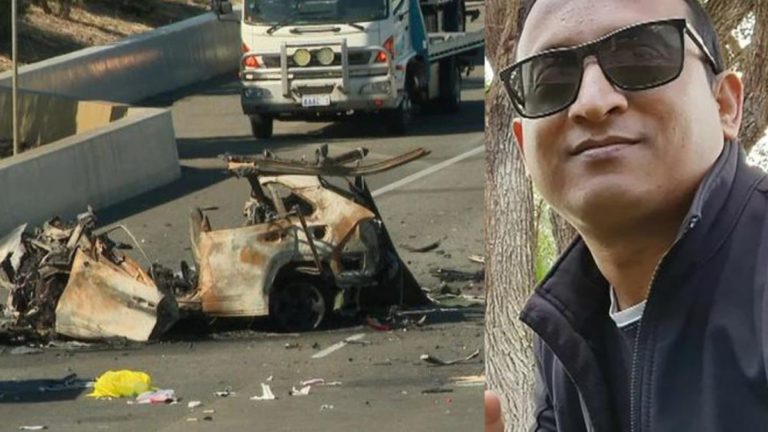


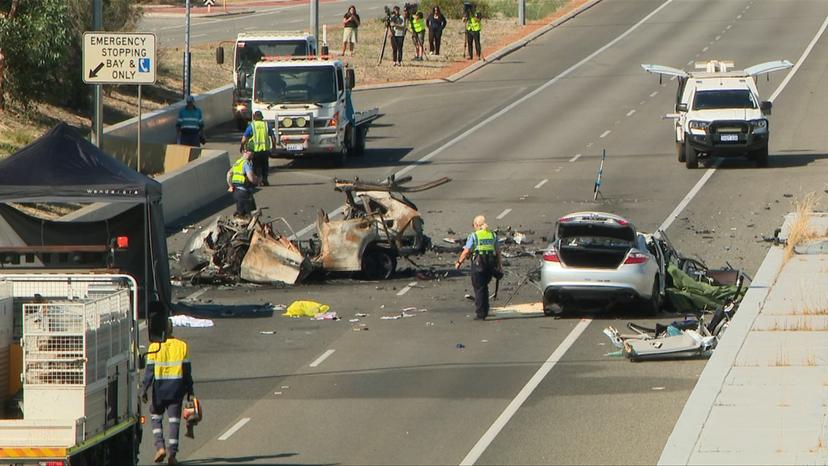




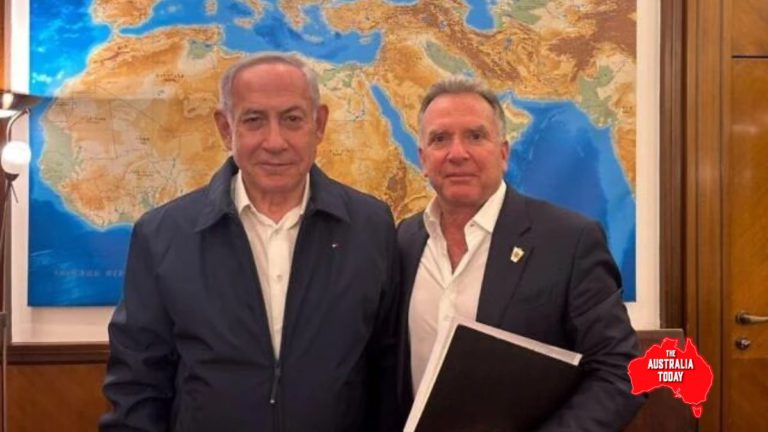

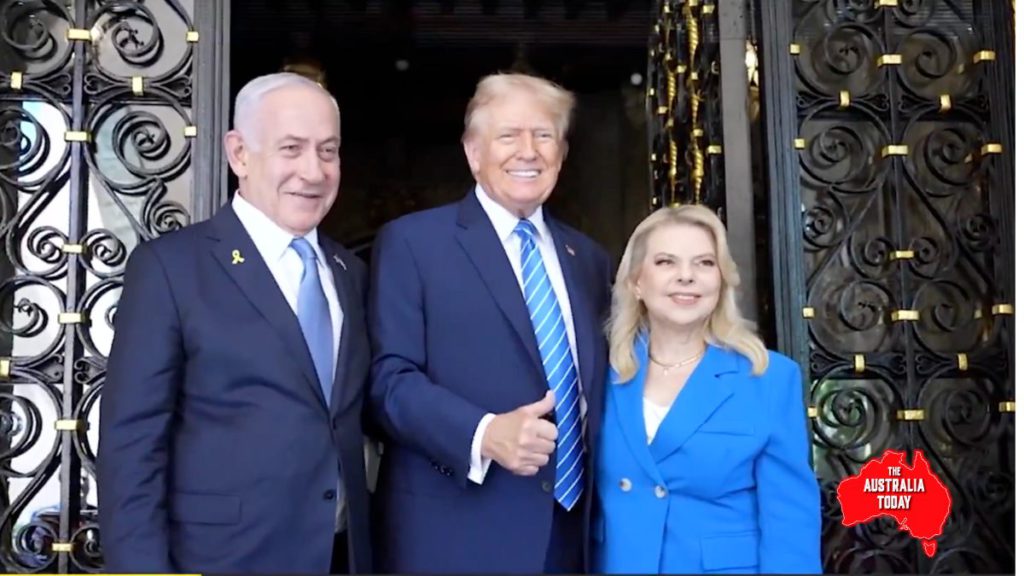

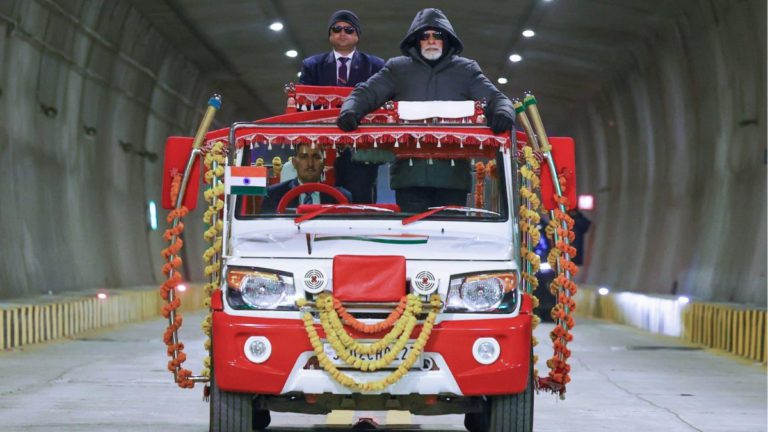

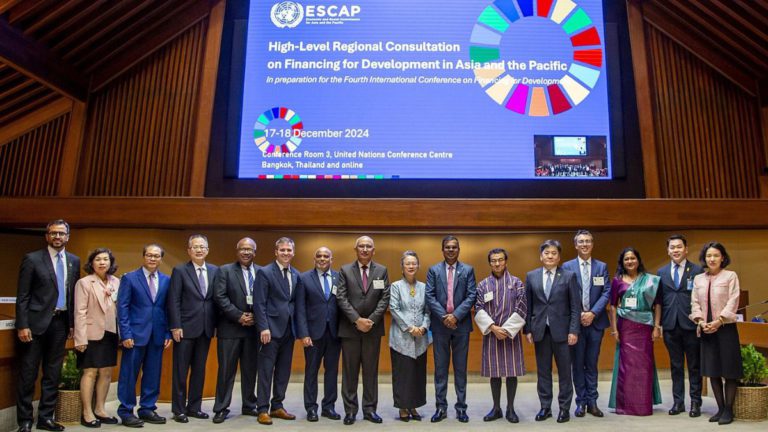










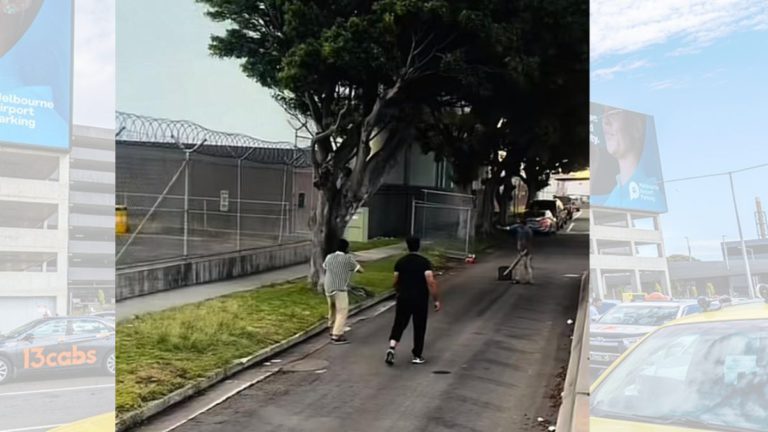
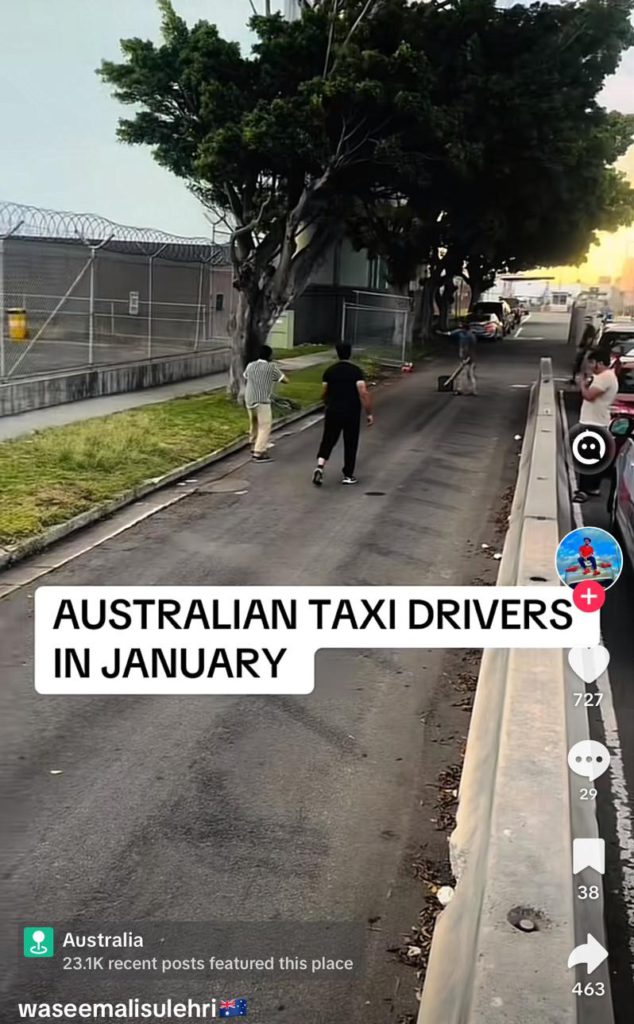

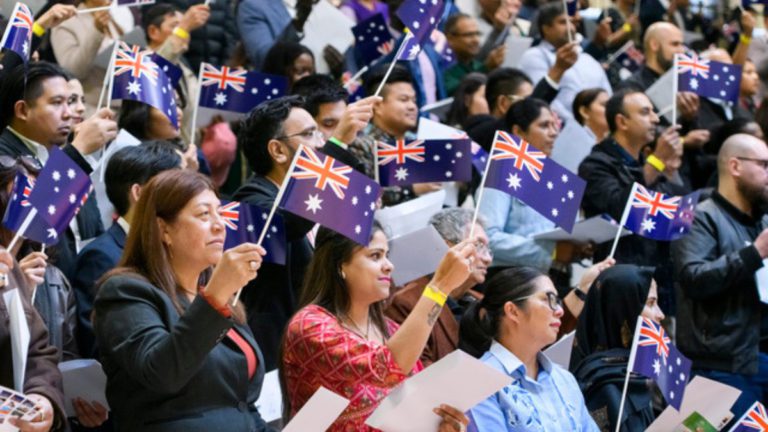
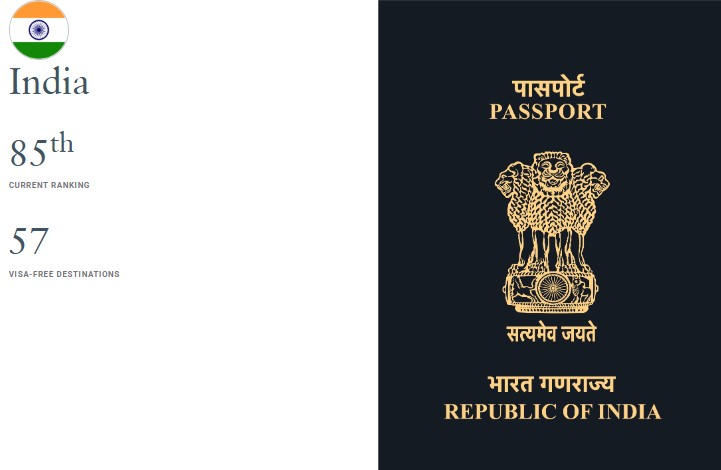
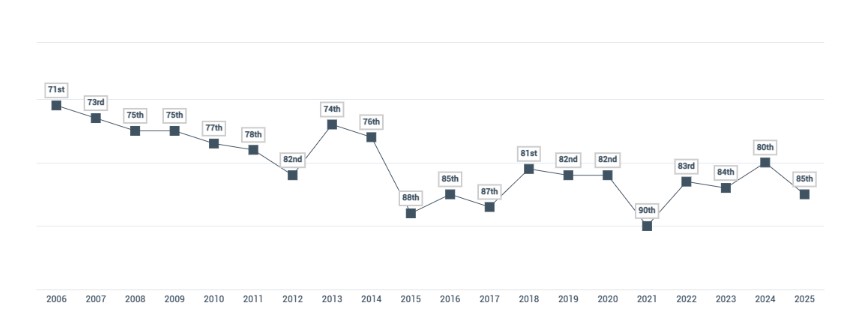
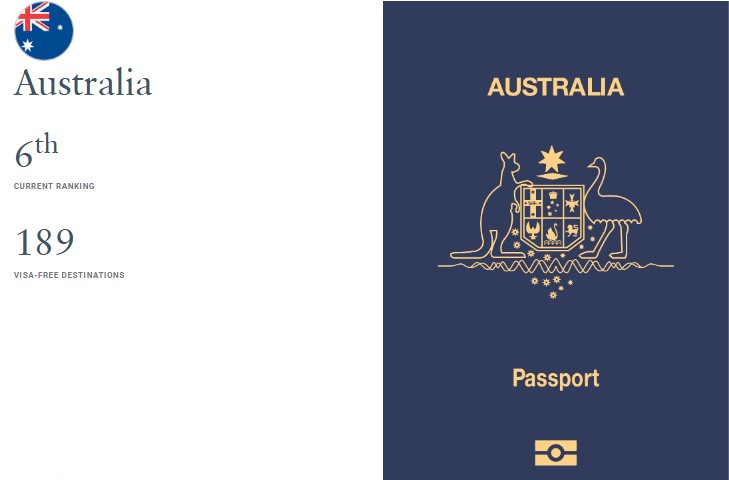
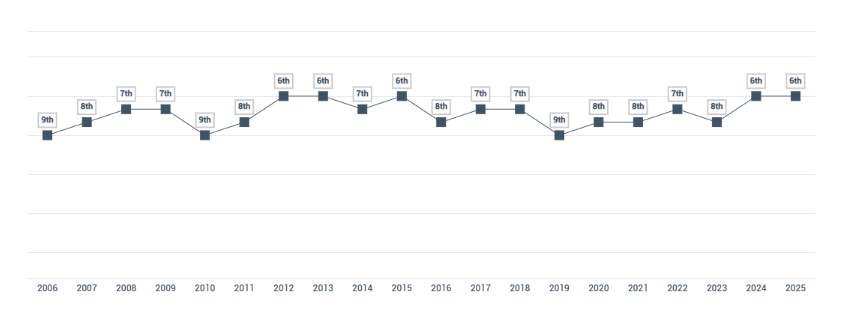
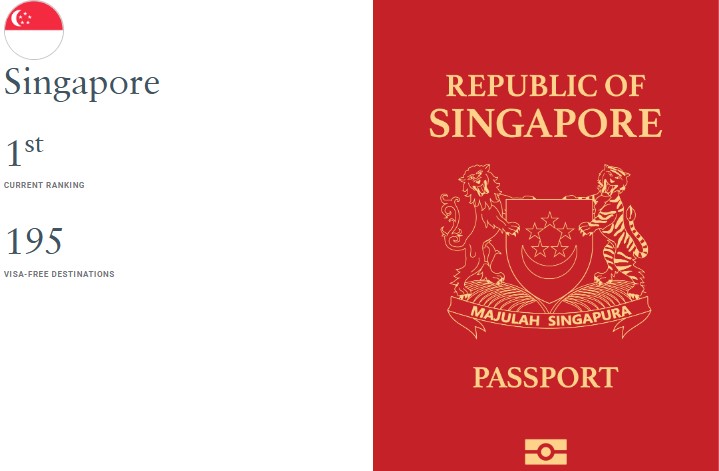

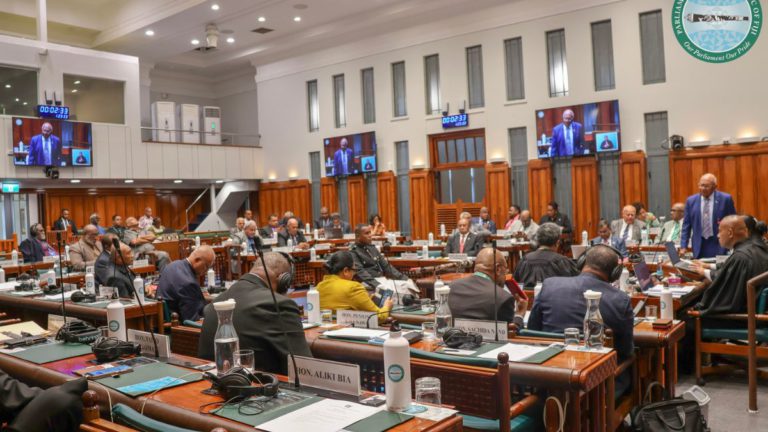
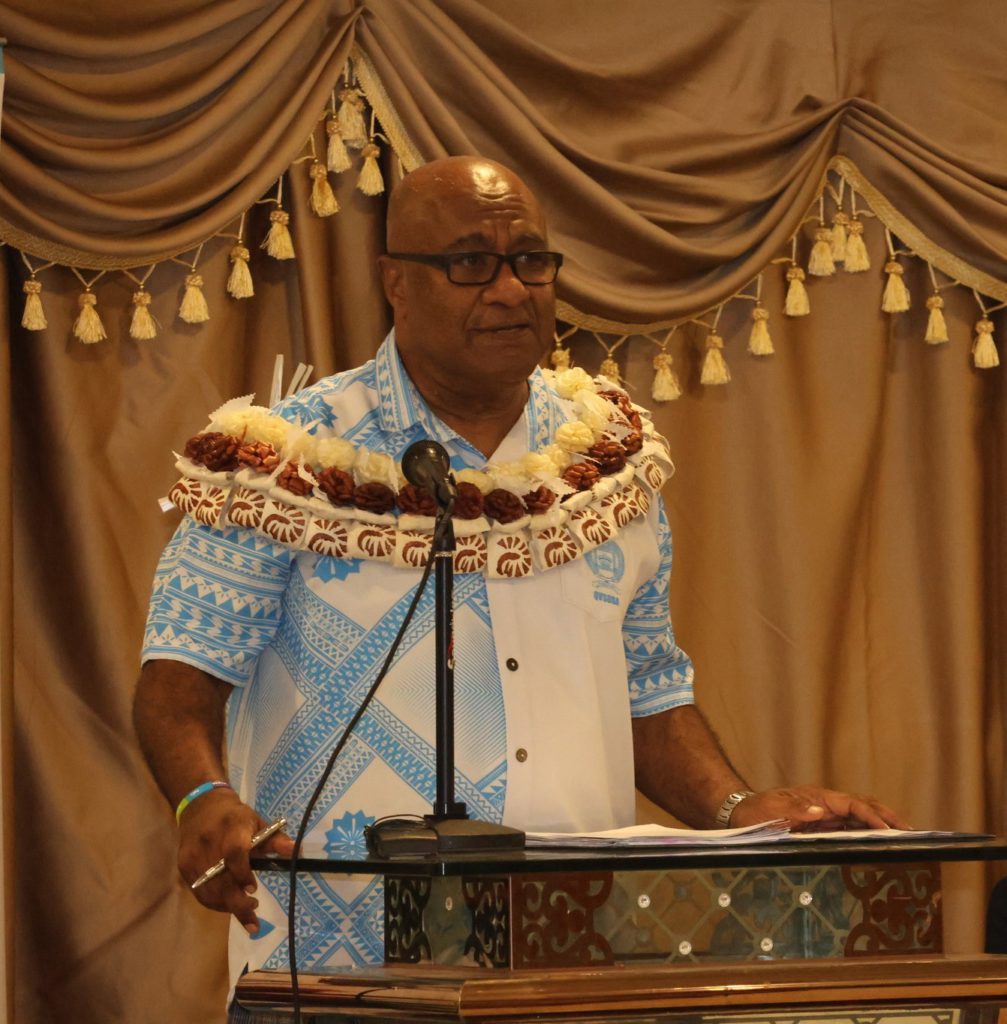

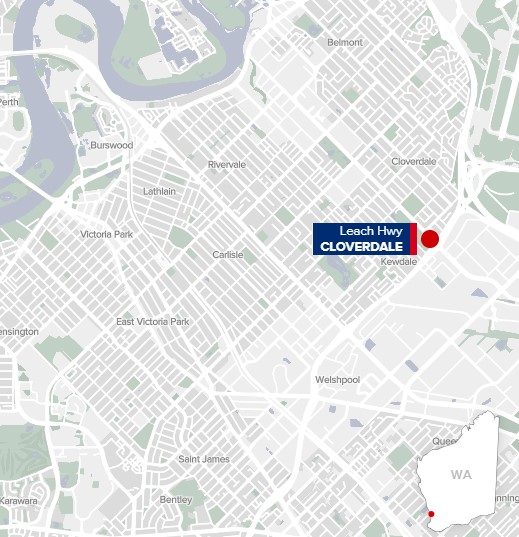

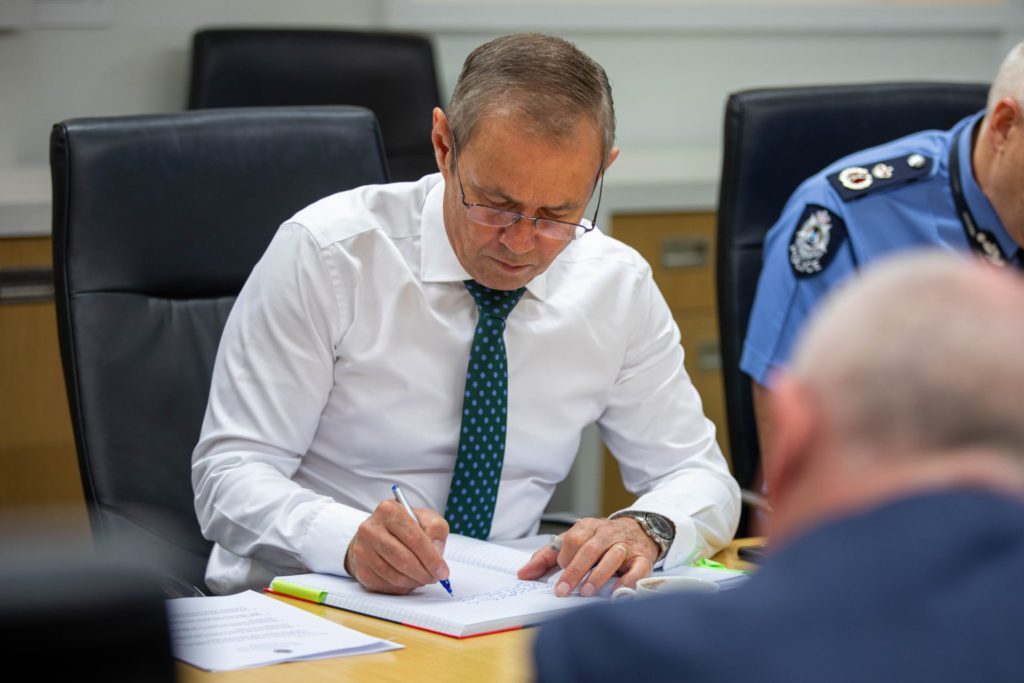

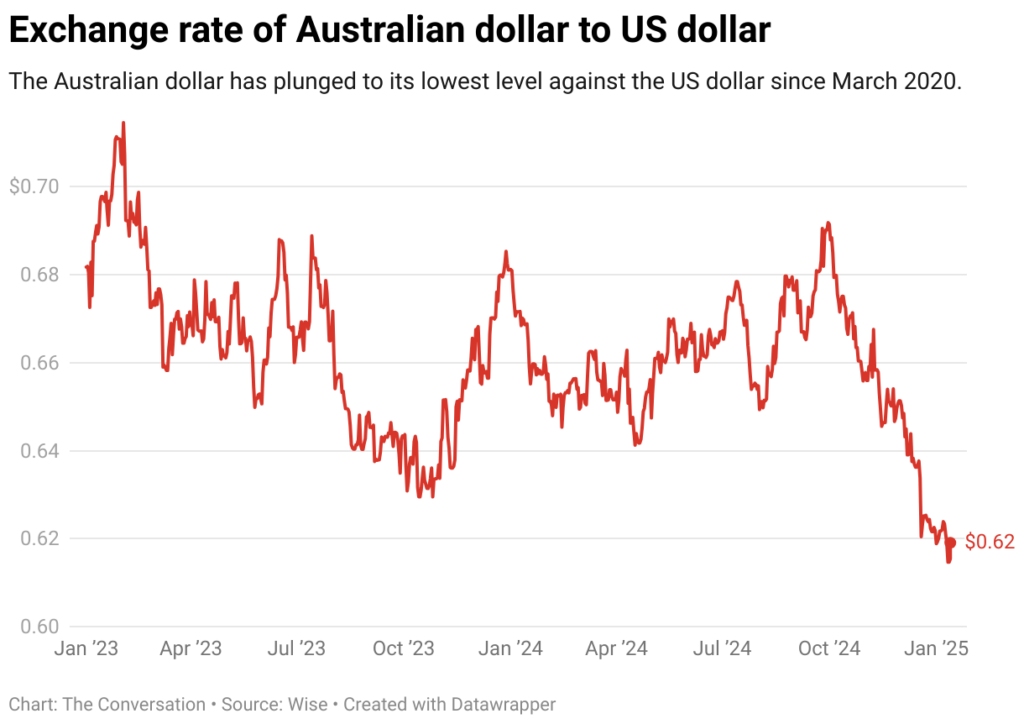
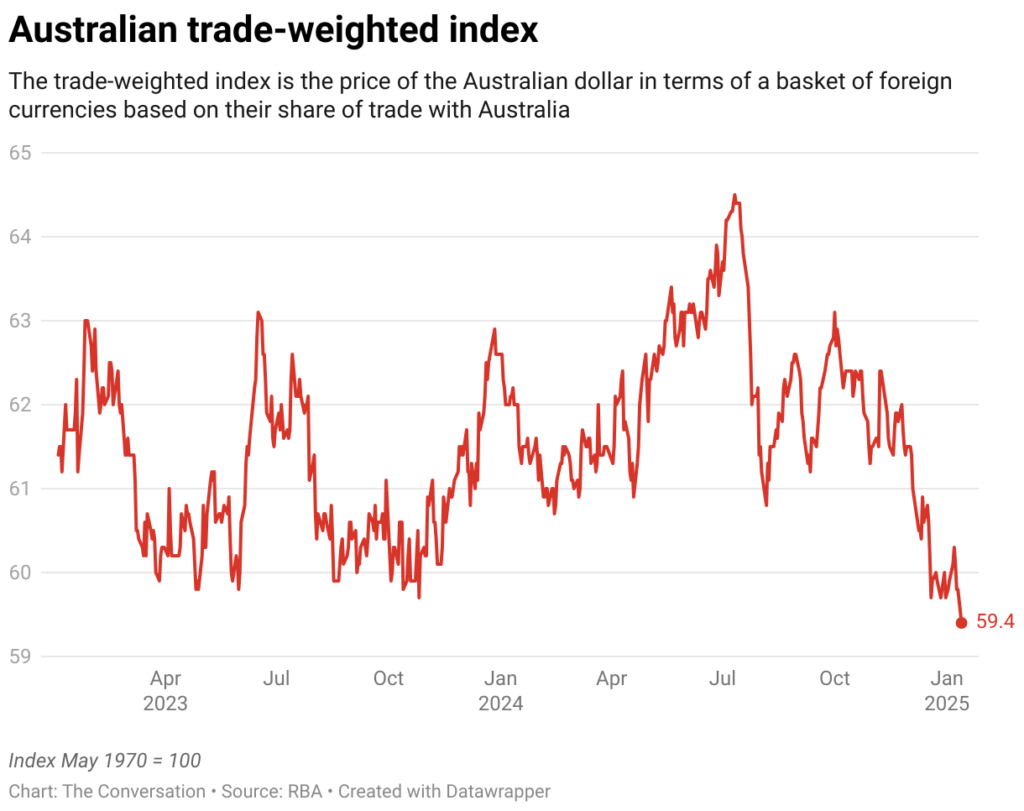


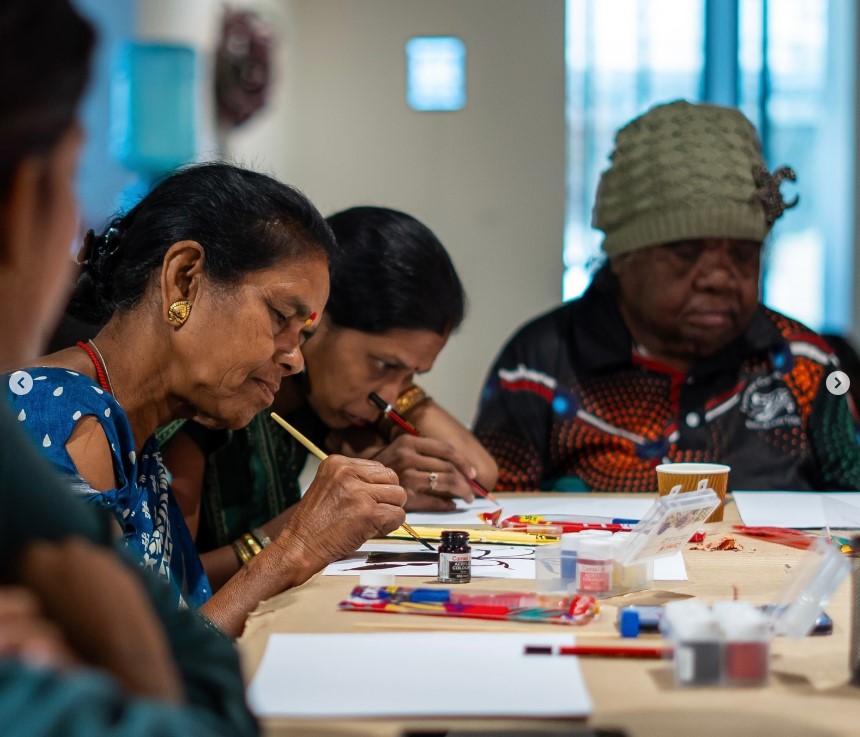

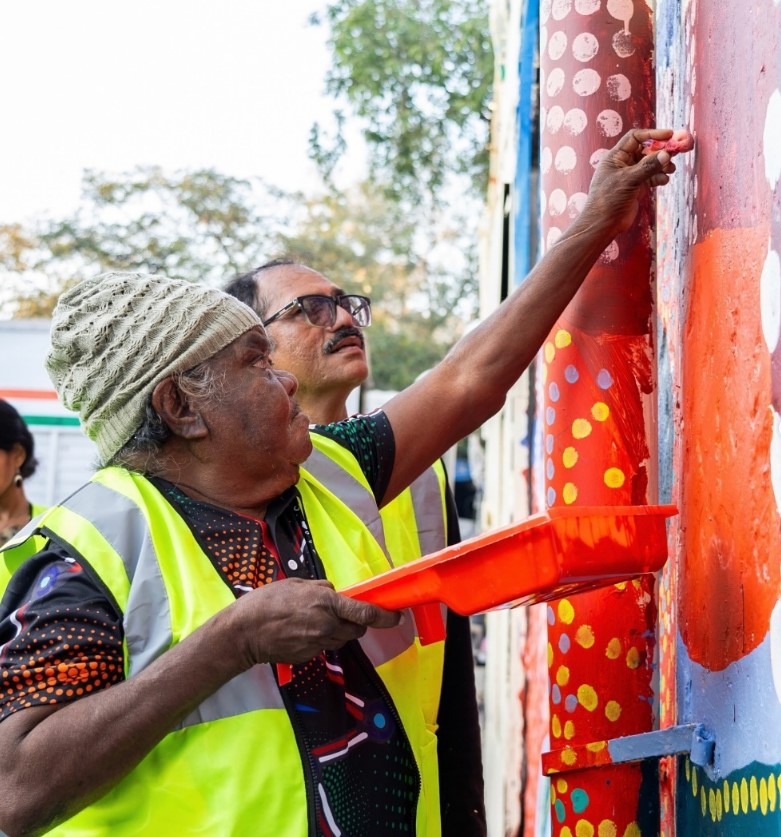
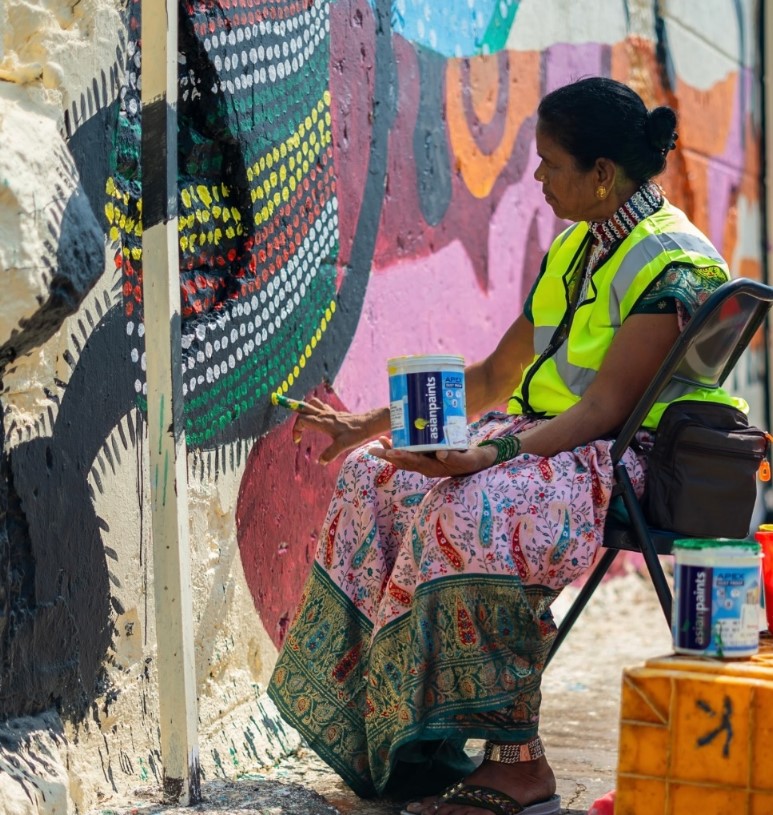

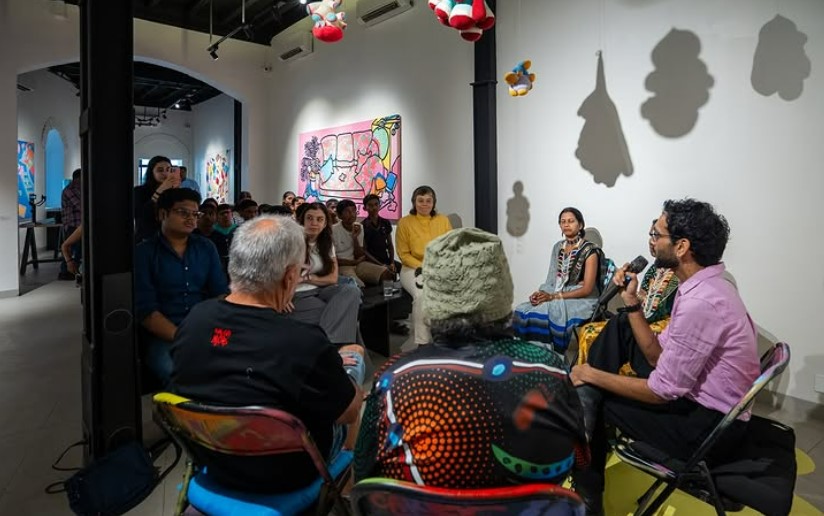

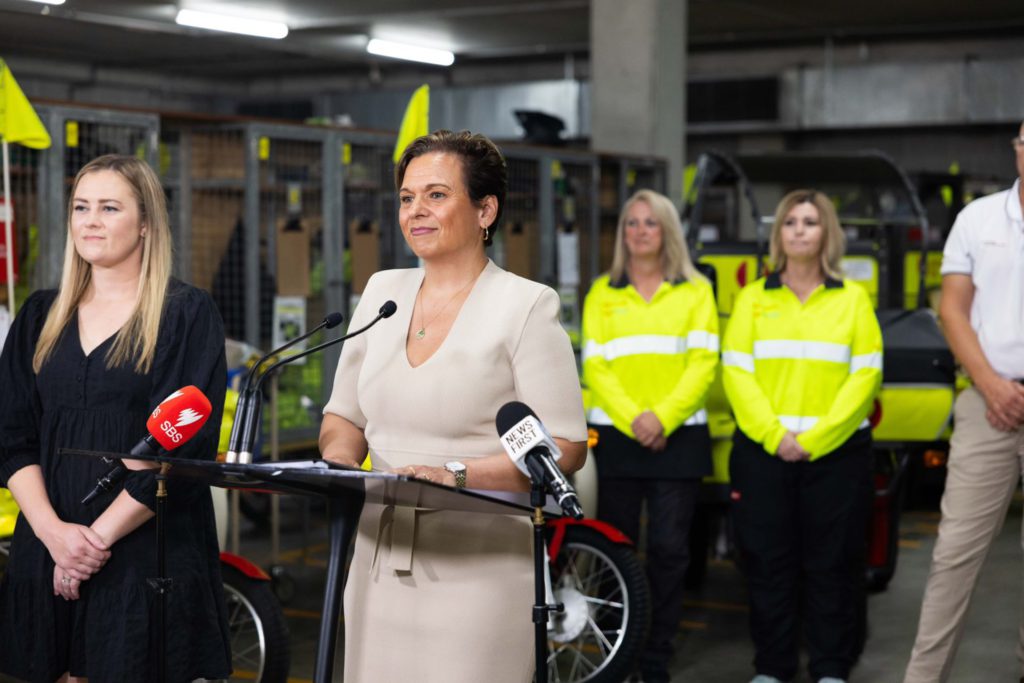

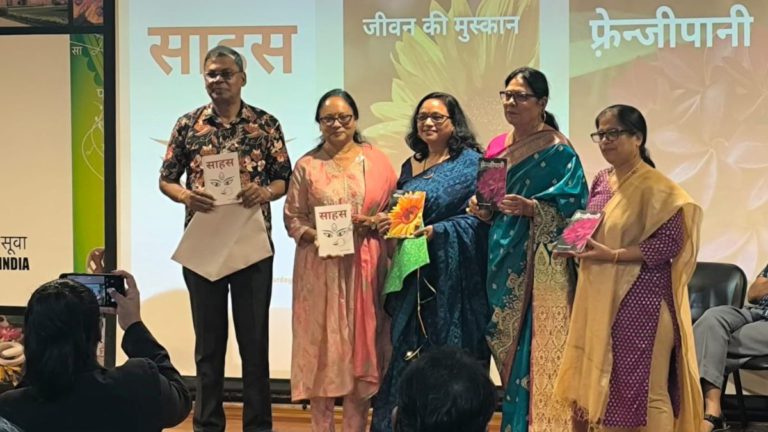
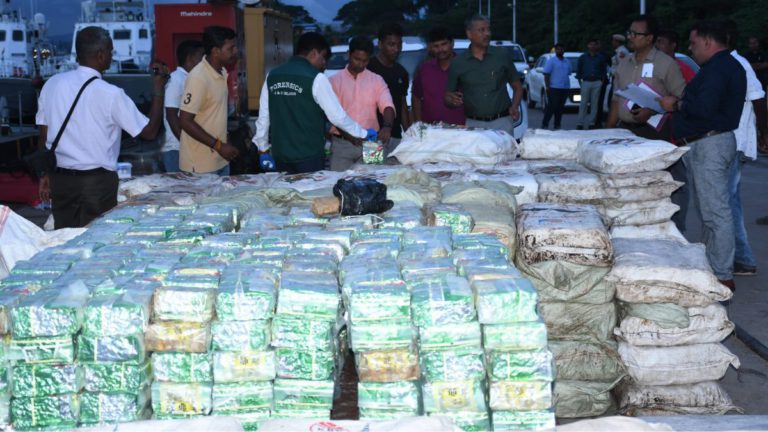

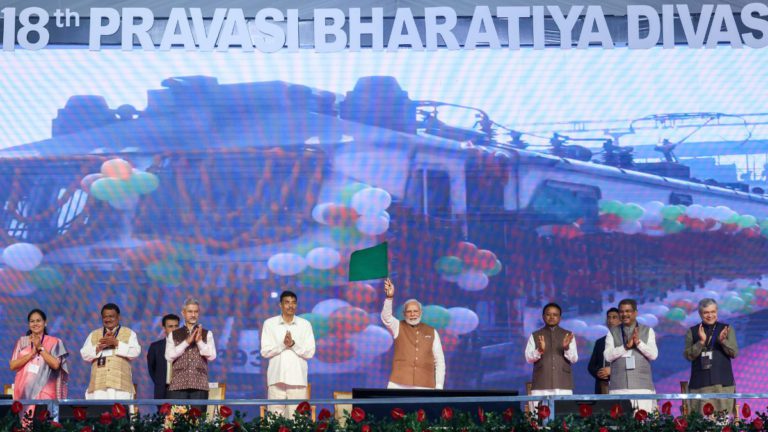
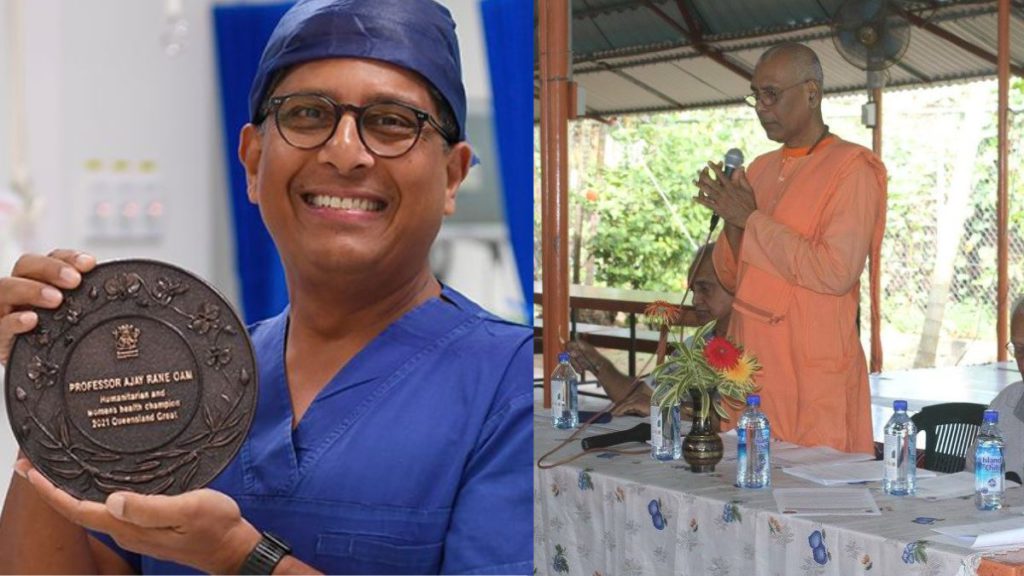



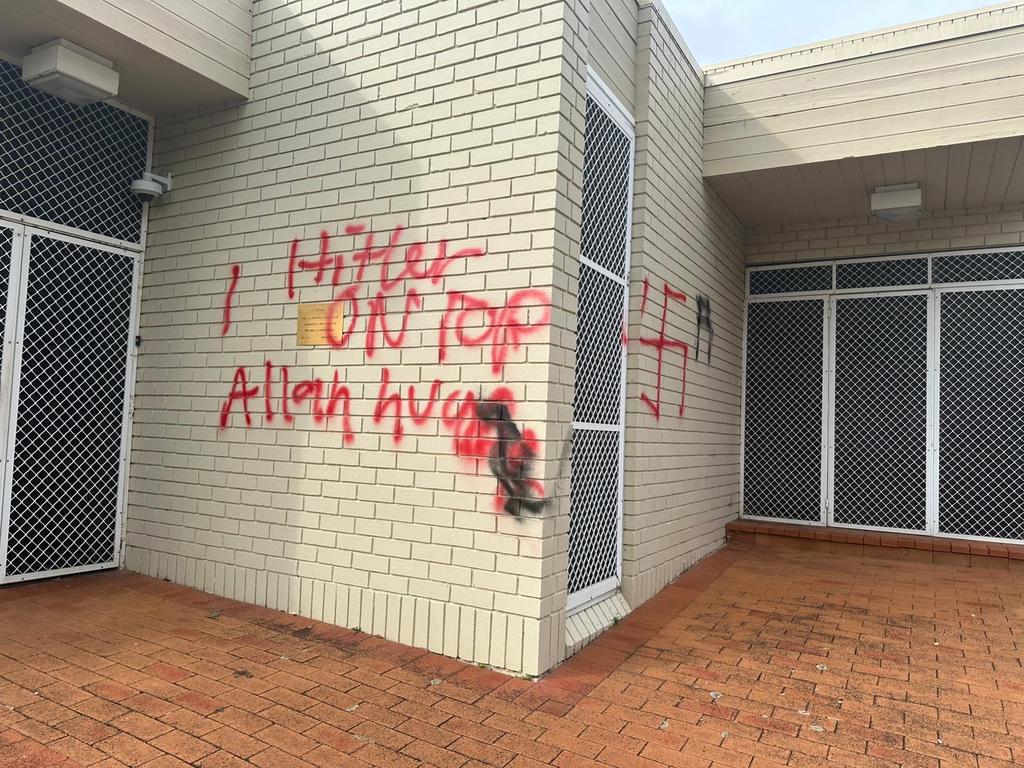
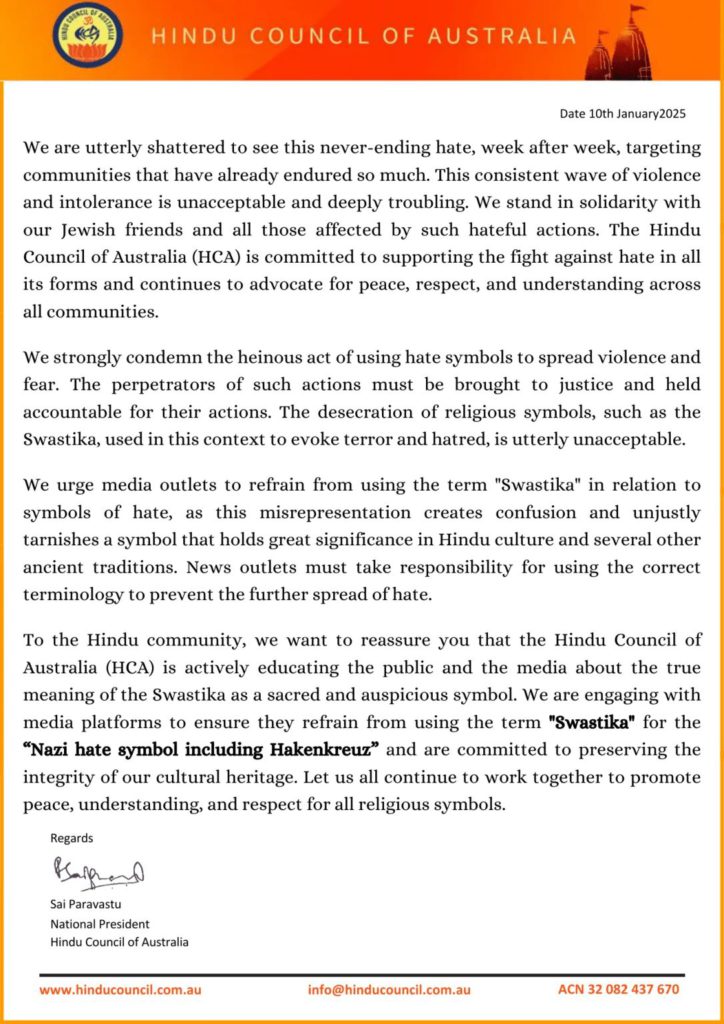
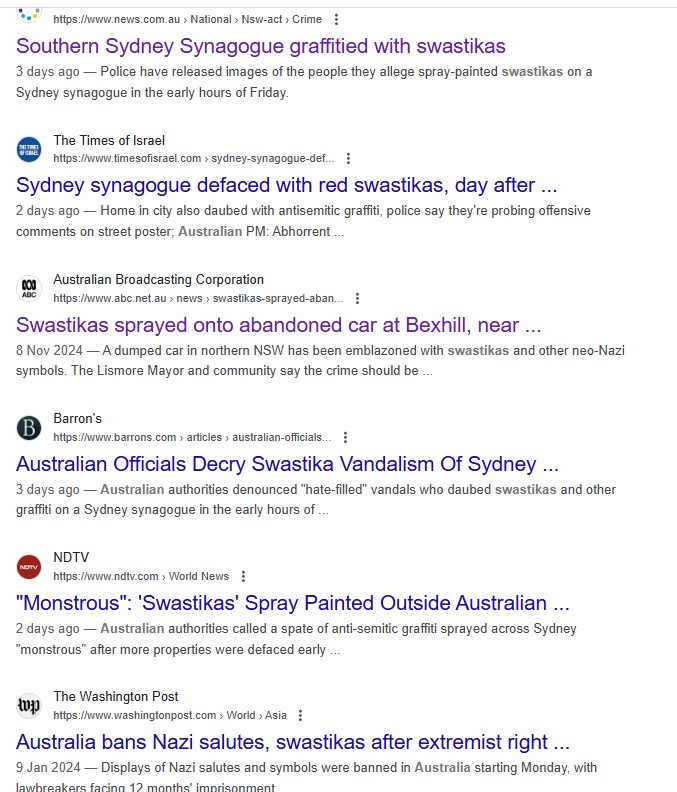
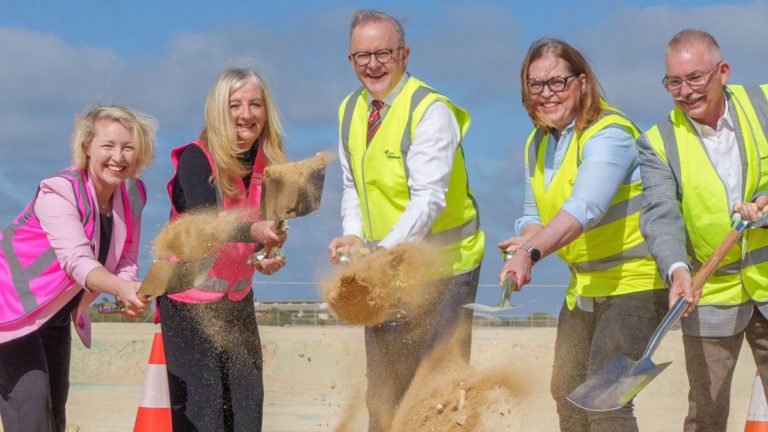
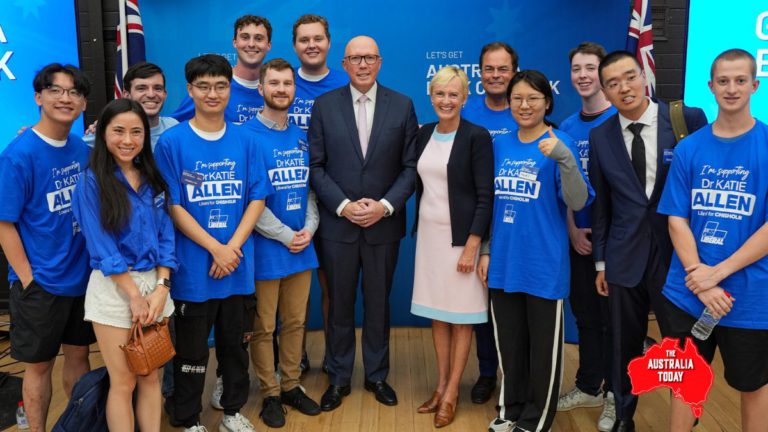
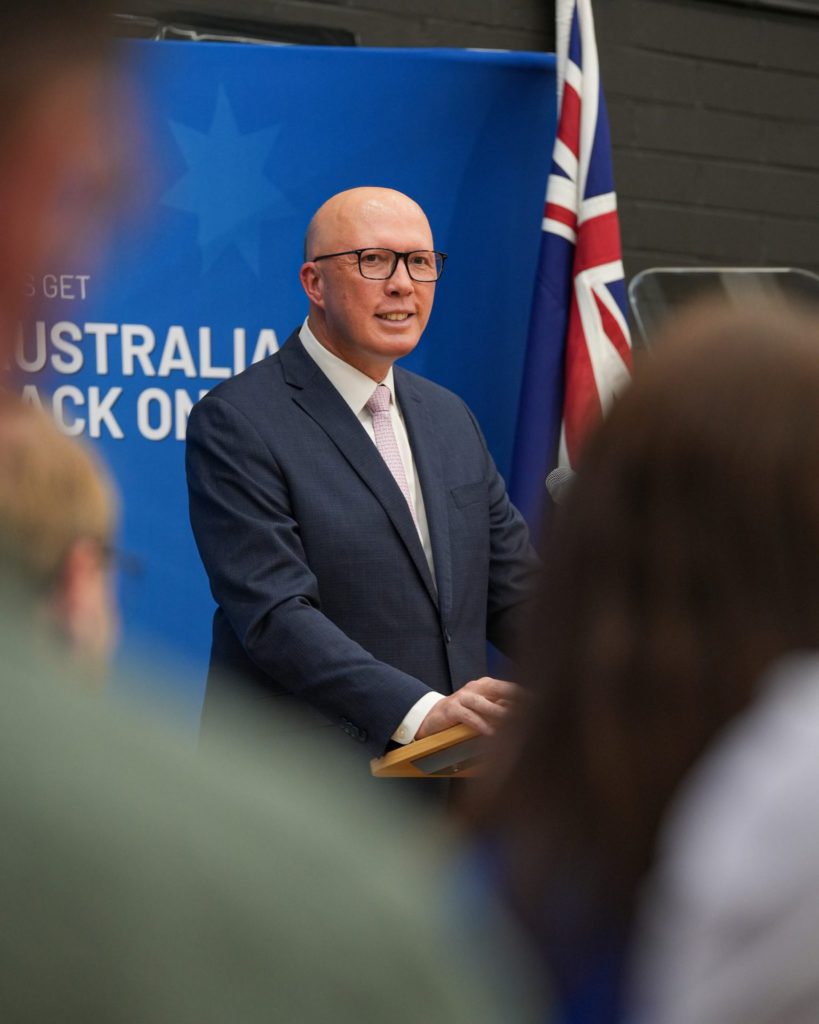
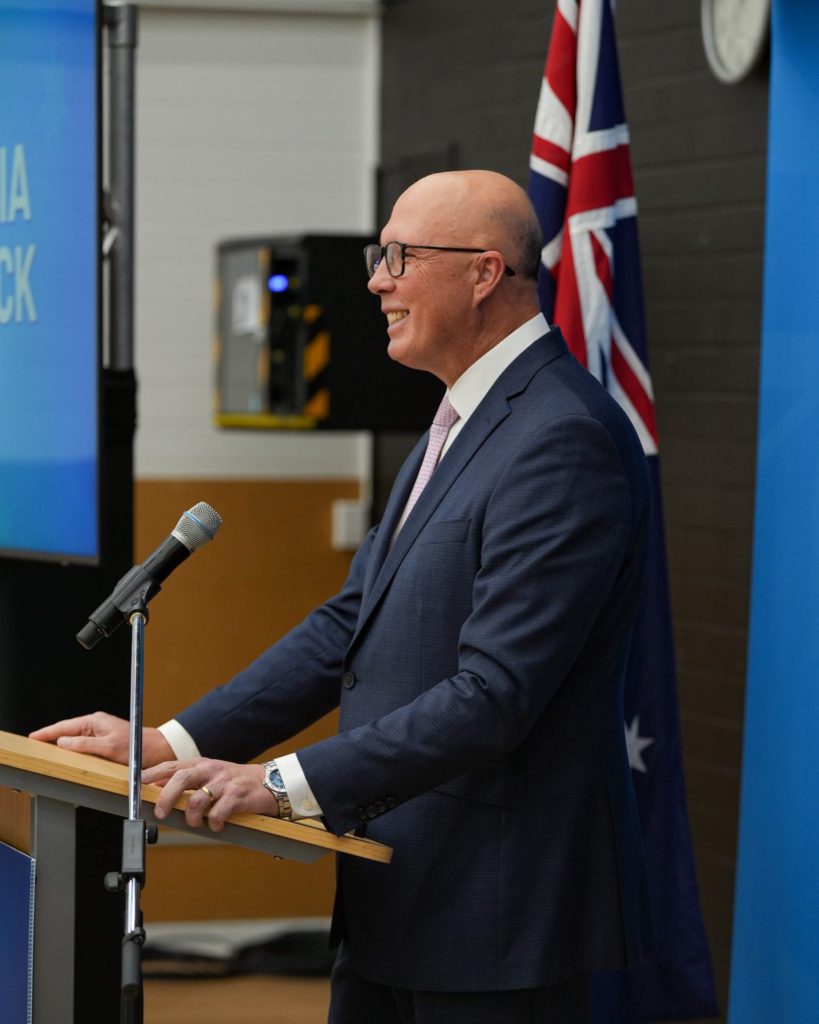


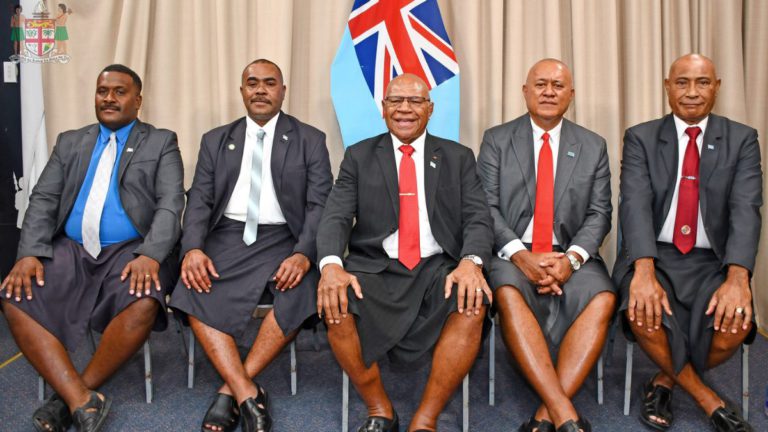

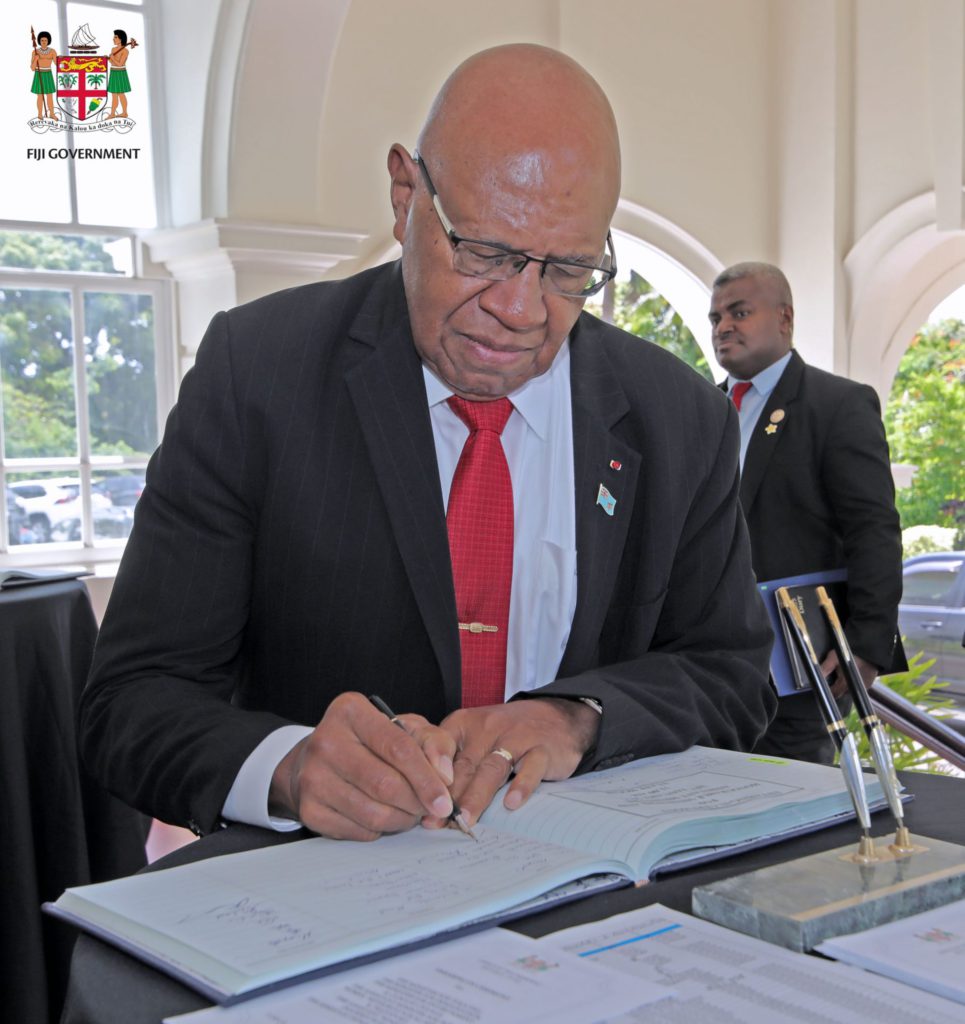
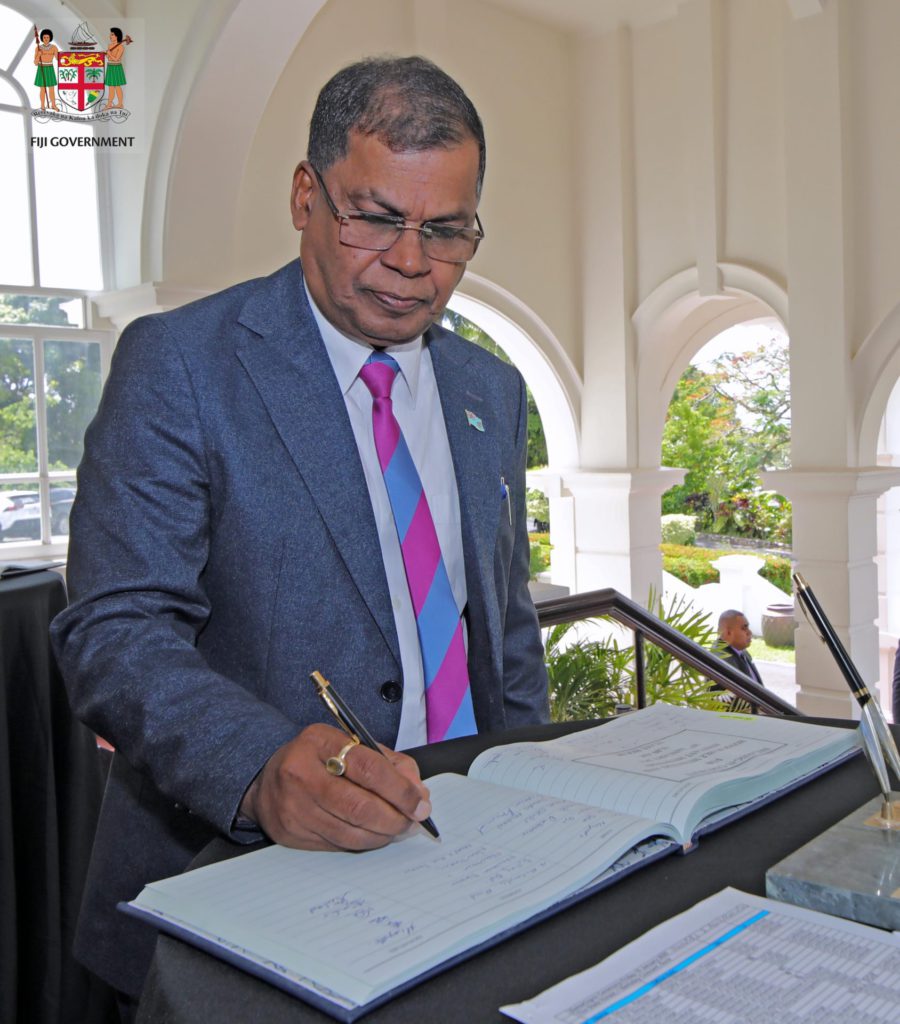
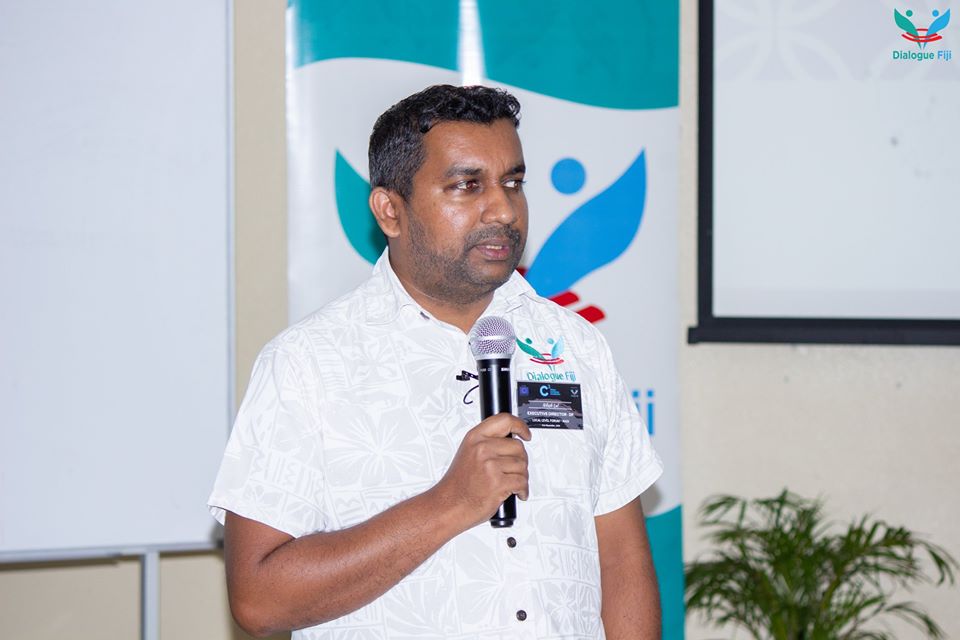
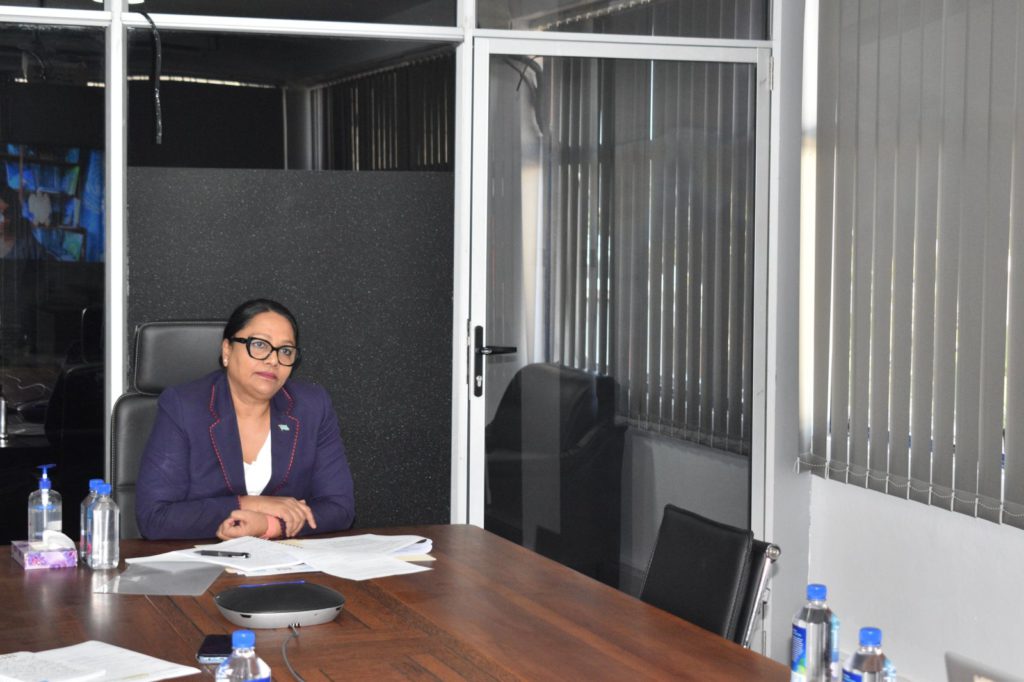
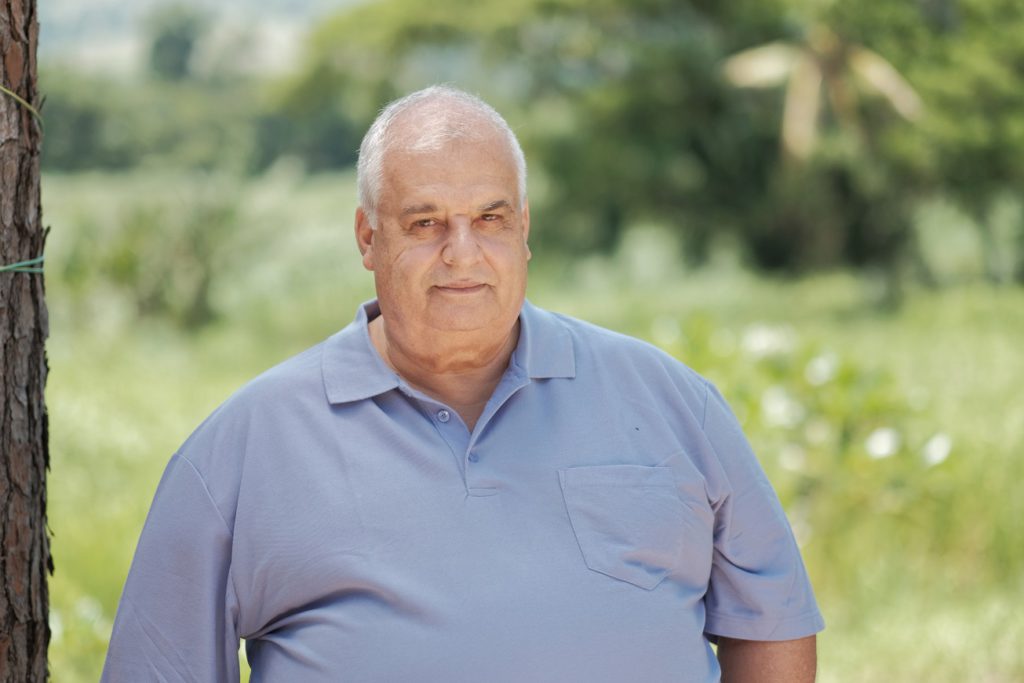
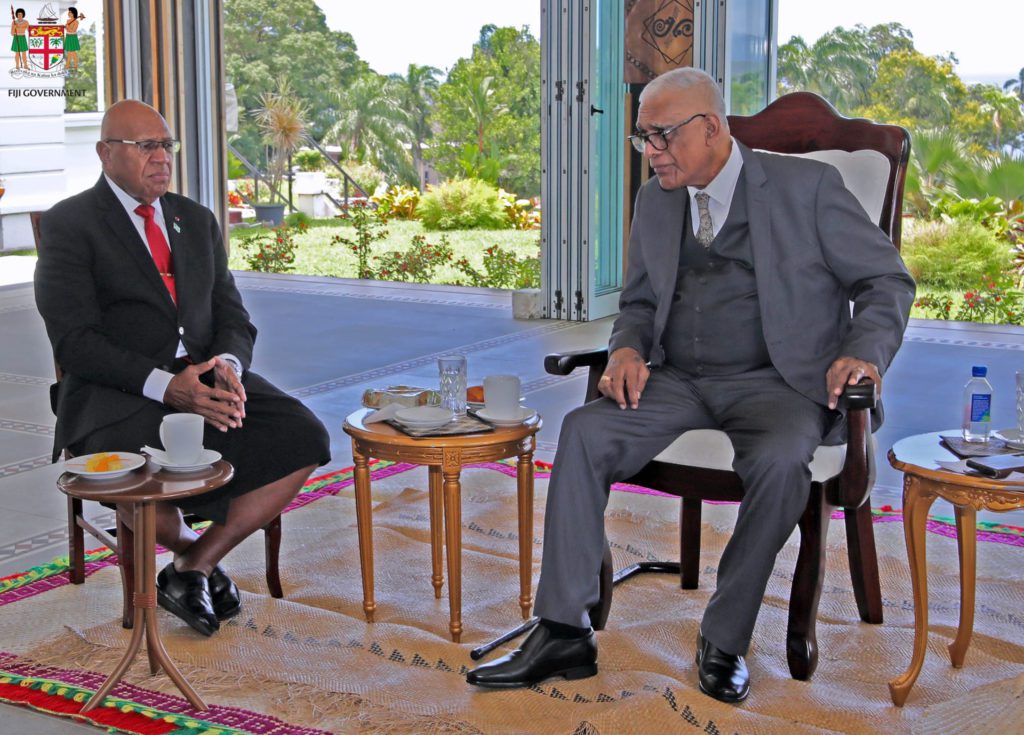
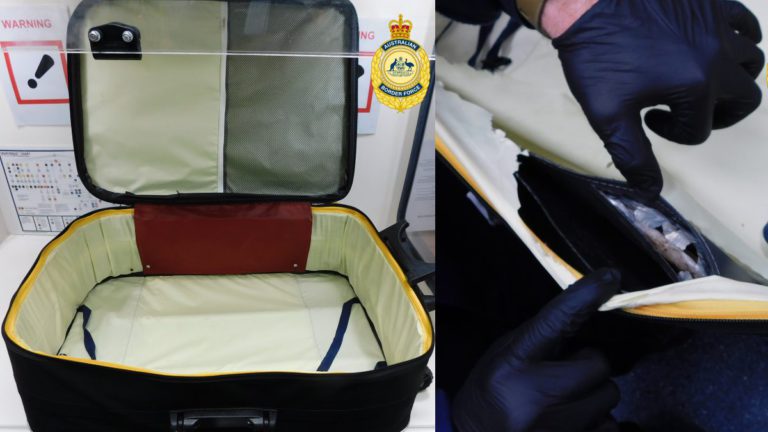

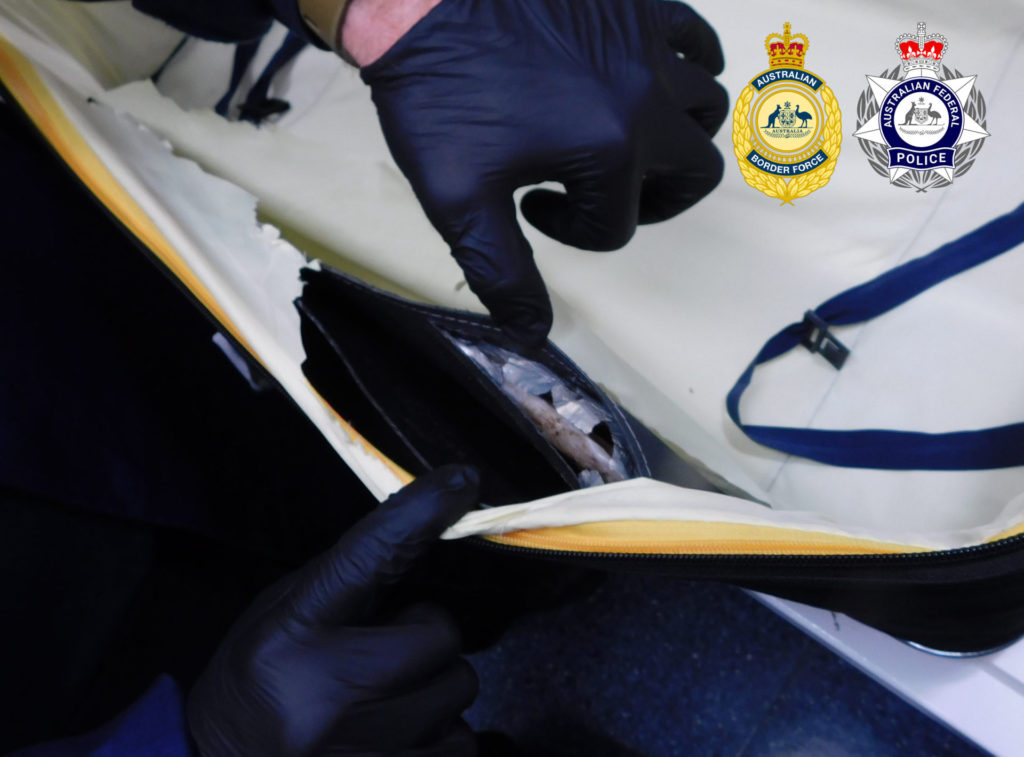
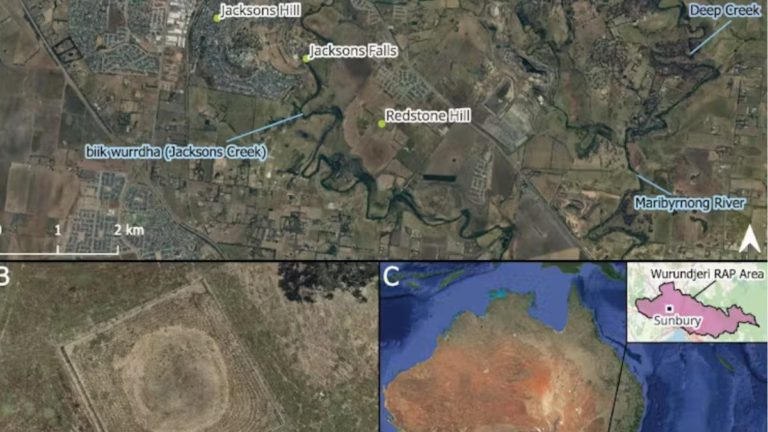







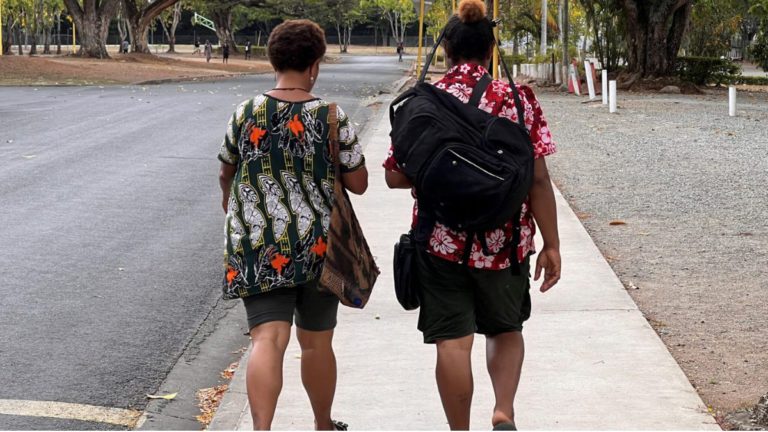
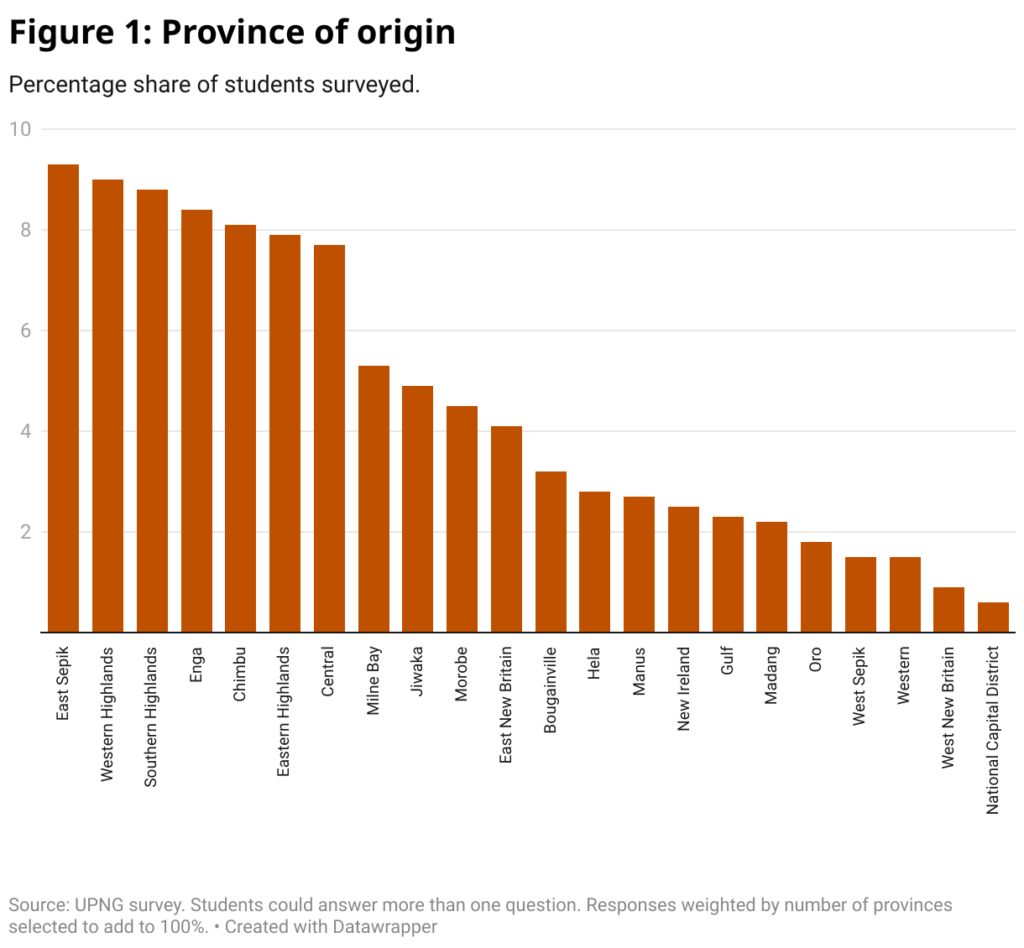
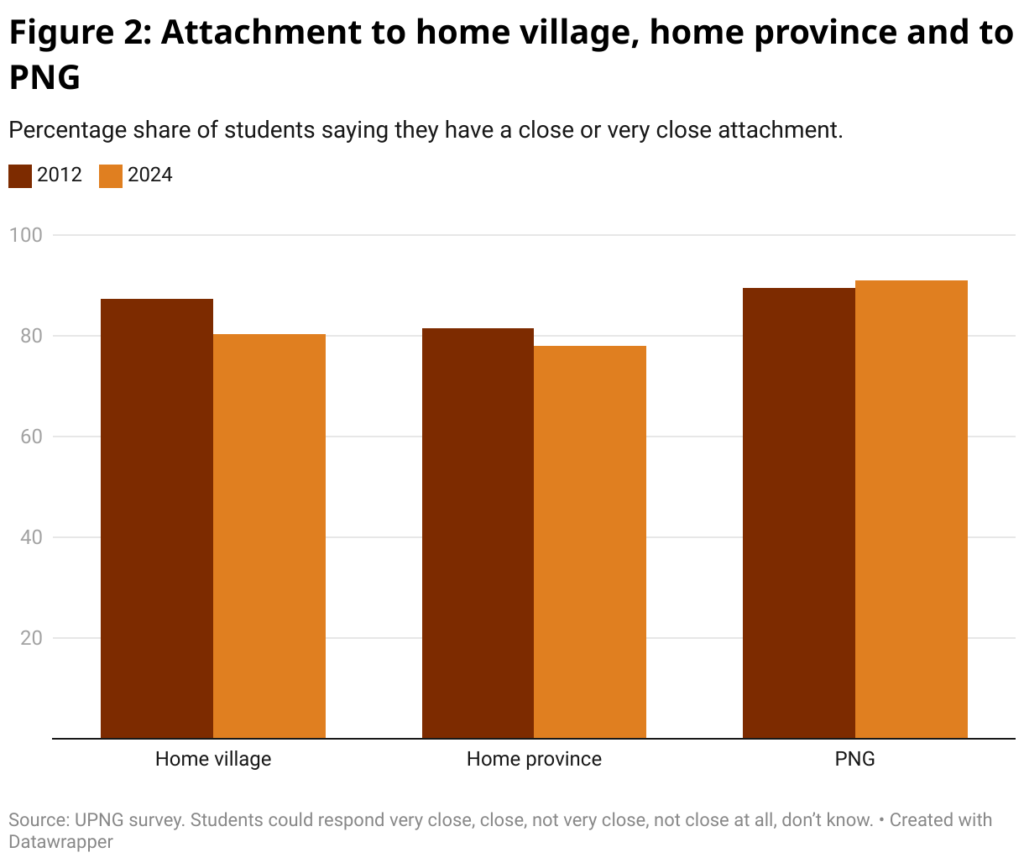
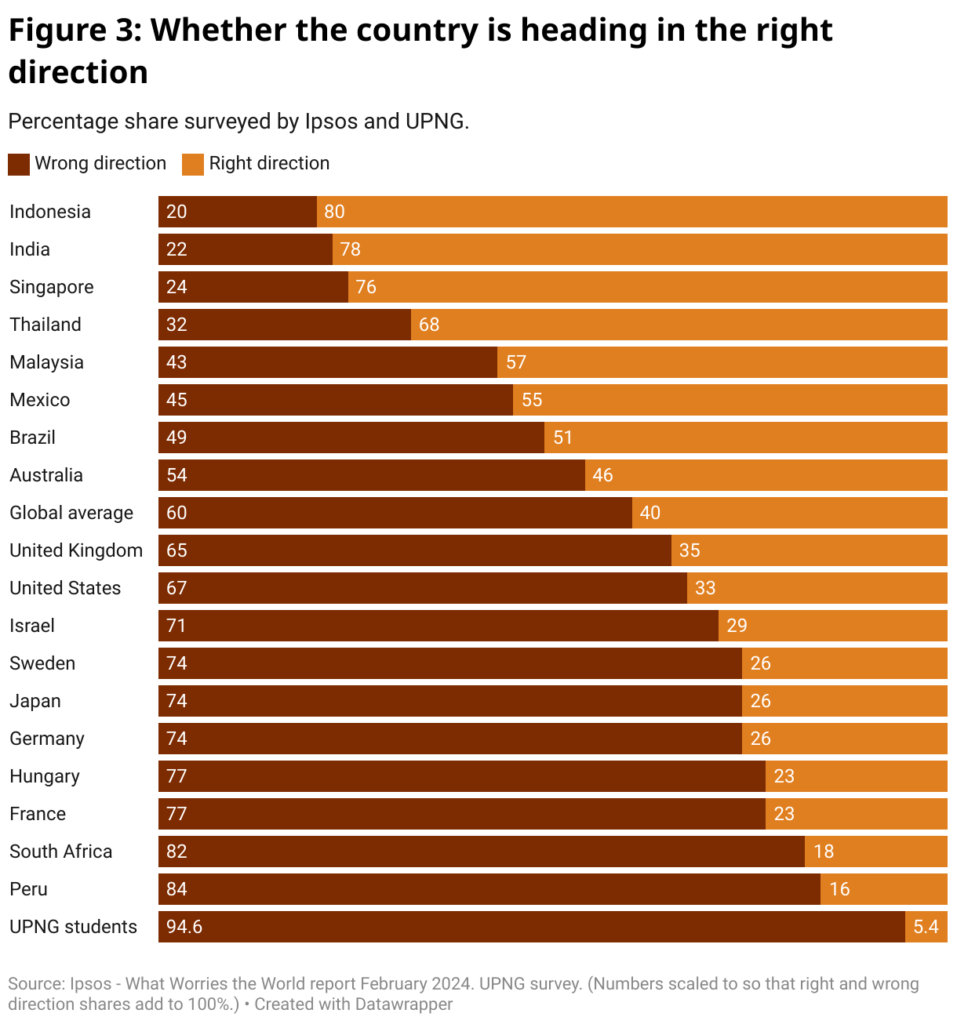
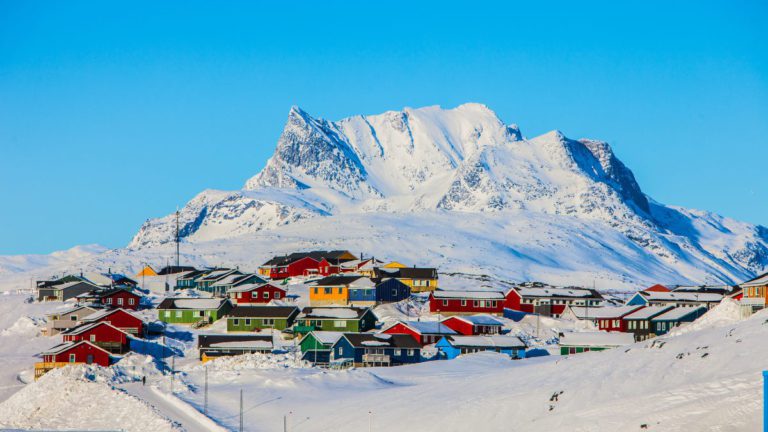



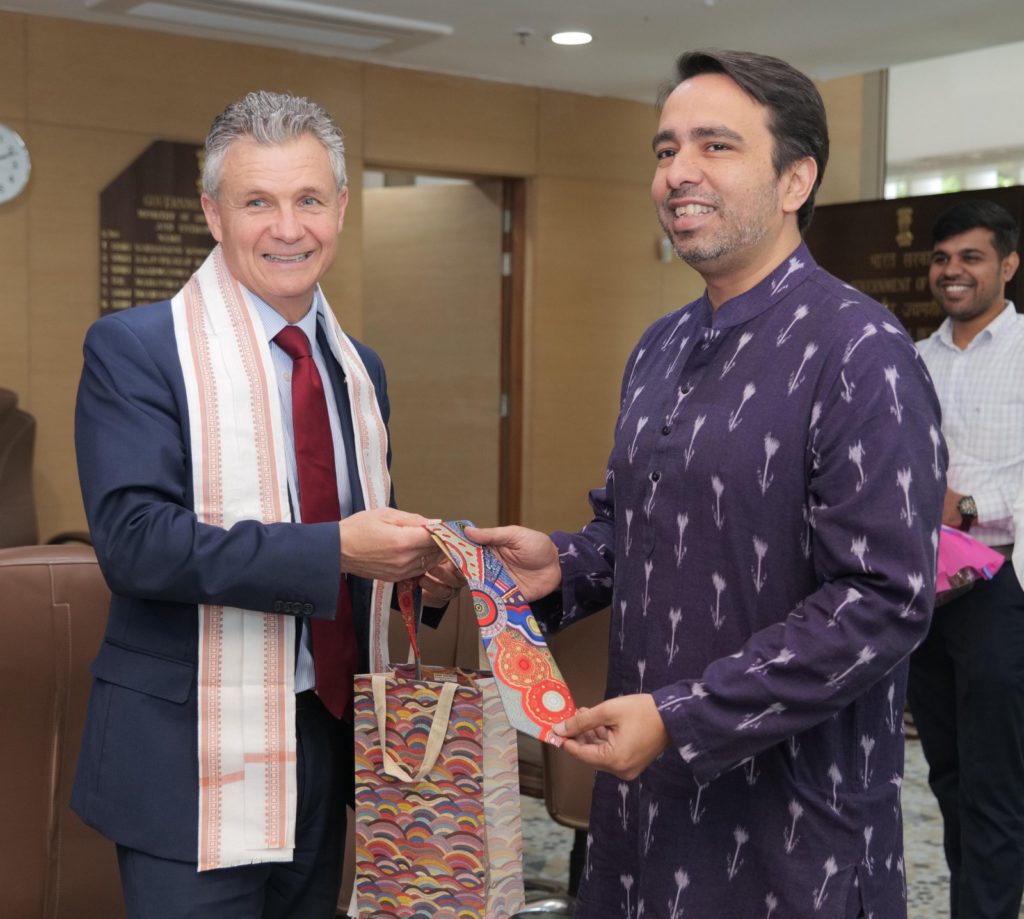







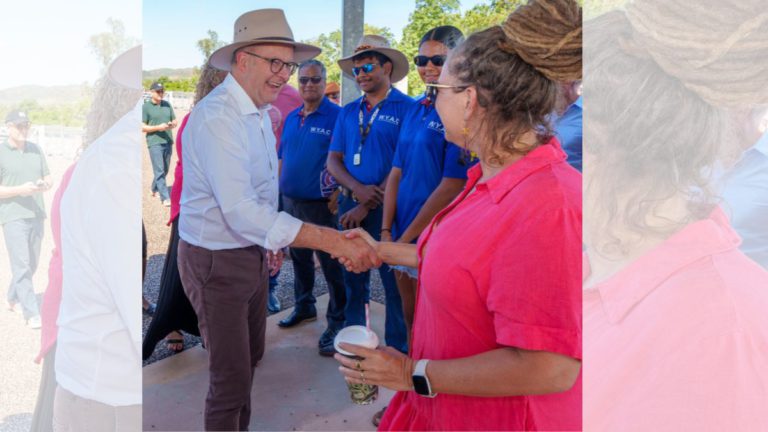
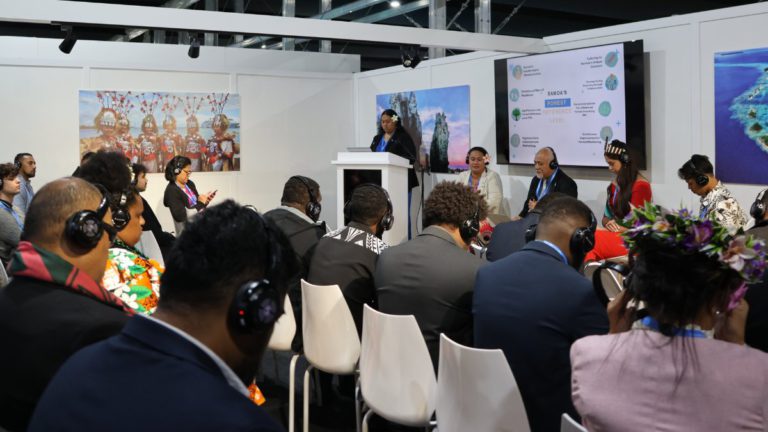
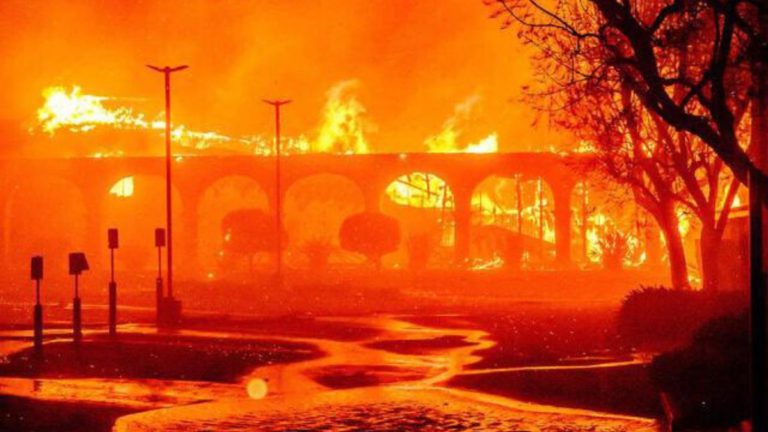
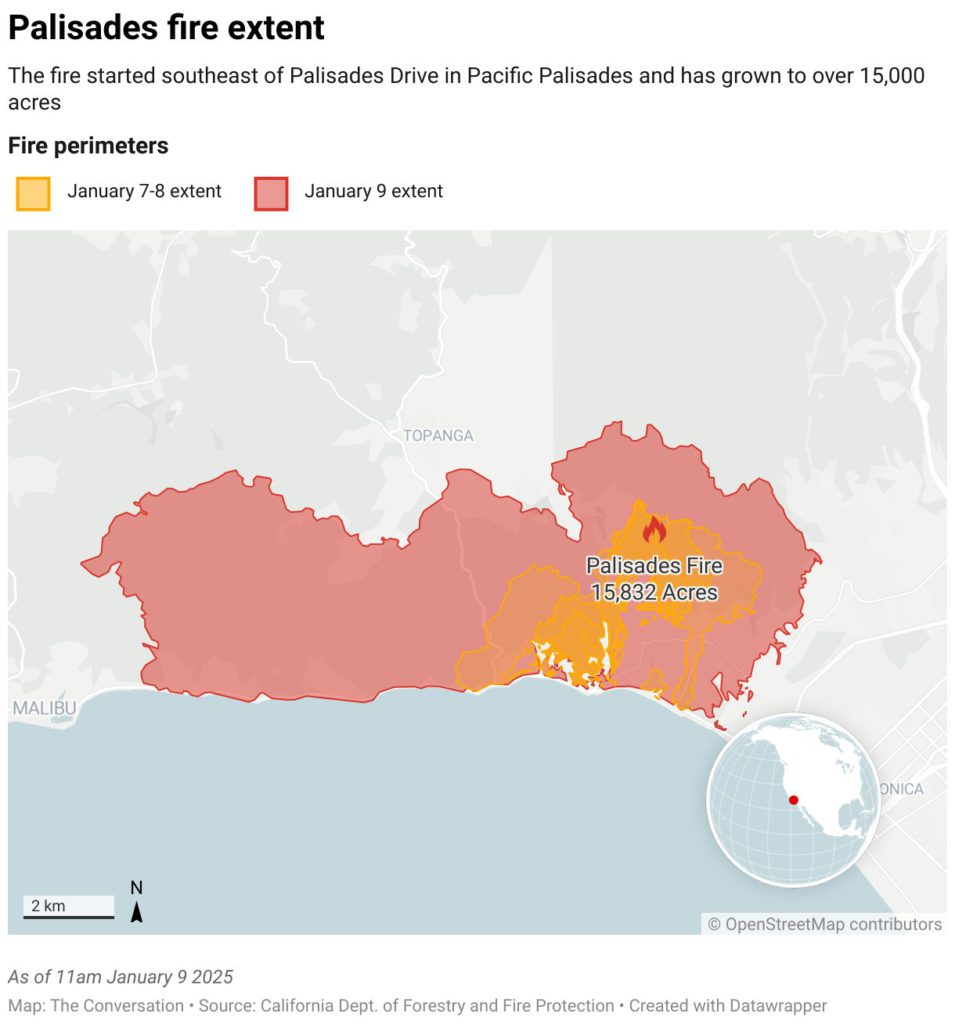
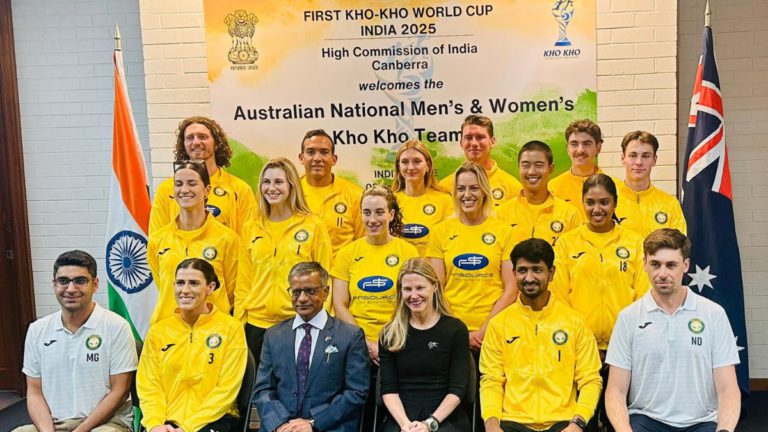




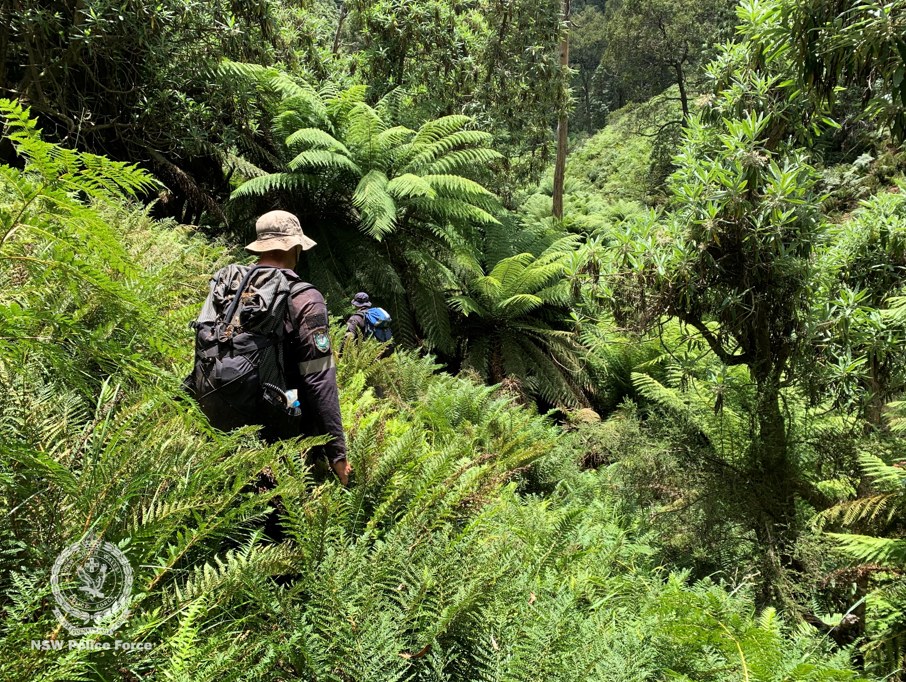









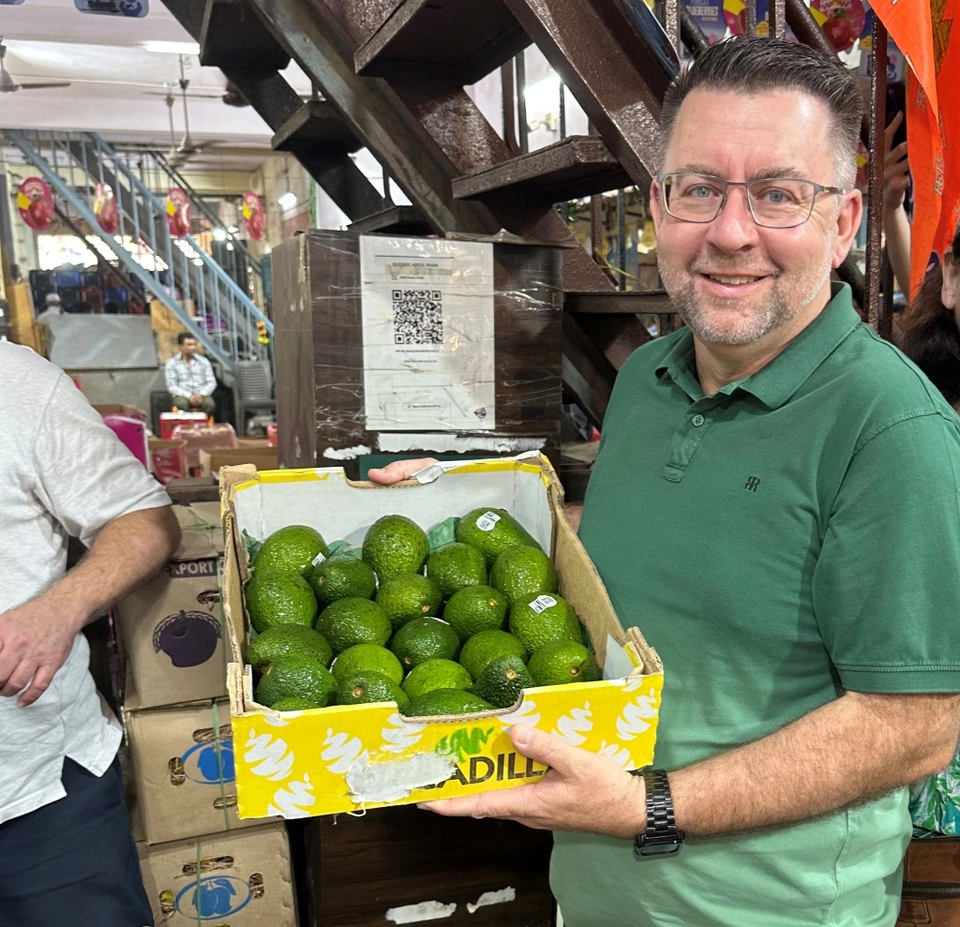
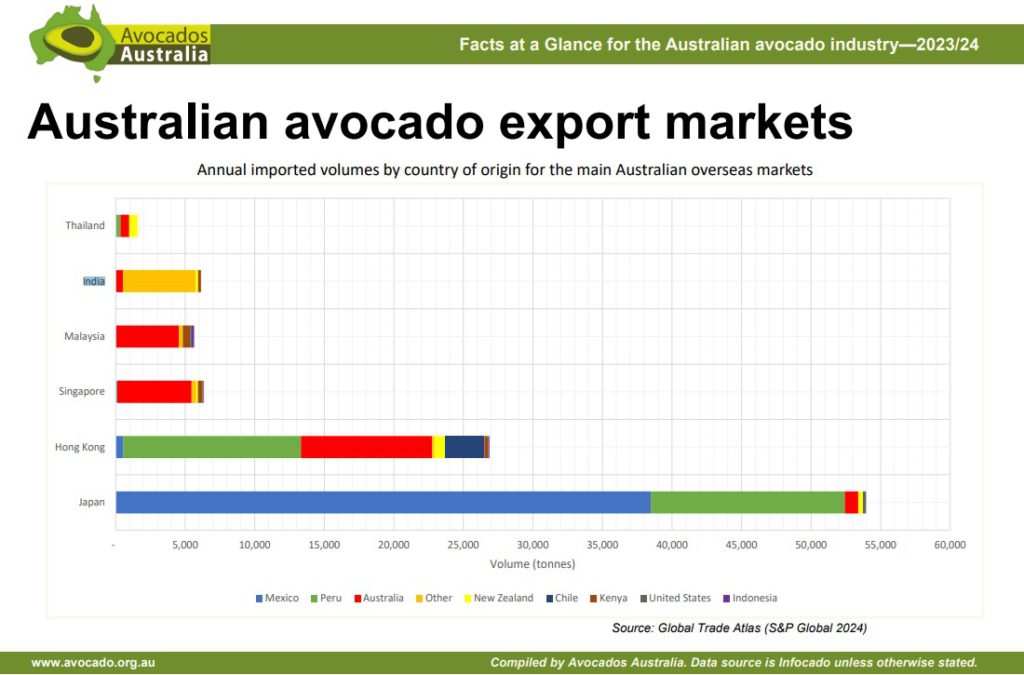





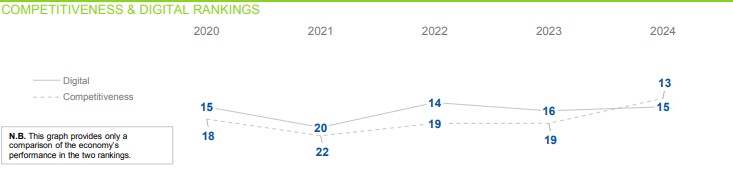
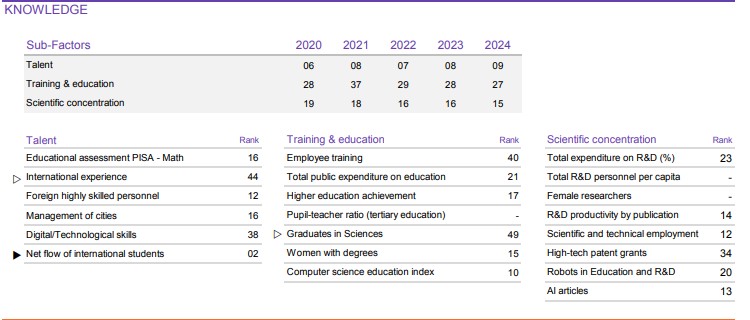
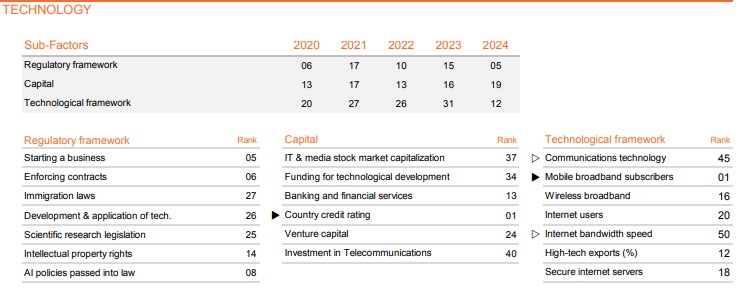







.jpg)

.jpg)