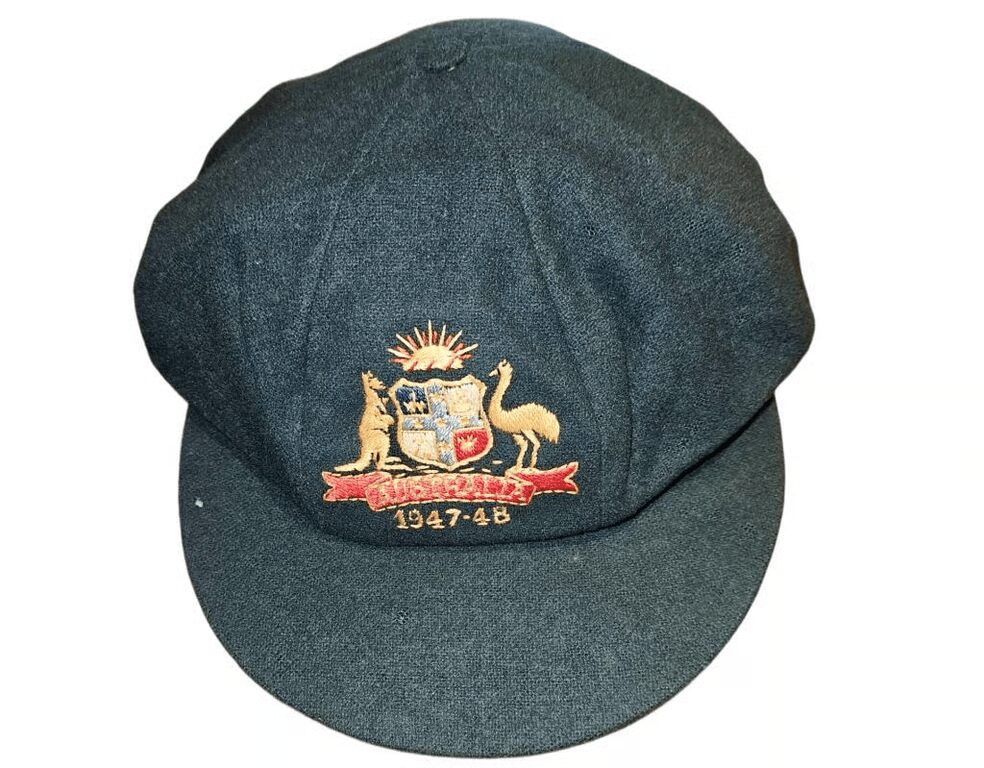
A treasured piece of cricket history is making its way back to Sydney, and for the first time in more than seven decades, it will have a new owner. The baggy green cap, worn by Sir Donald Bradman during his final home Test—where he notched his 100th first-class century—is heading to auction, already being hailed as “the holy grail” of cricket memorabilia.
Image: Sir Donald Bradman (Source: Wikipedia)
The story behind the cap is as remarkable as the man who wore it. During India’s first Test tour of Australia following independence in 1947, a young Indian bowler, S.W. Sohoni, faced off against Bradman and failed to dismiss him. In a moment that reflected the true spirit of sportsmanship, Bradman placed the cap on Sohoni’s head and offered words of encouragement, understanding that India’s fledgling team needed morale more than humiliation.
Image: Bradman’s baggy green will go under the hammer on January 26 (Source: Lloyds Auctioneers and Valuers)
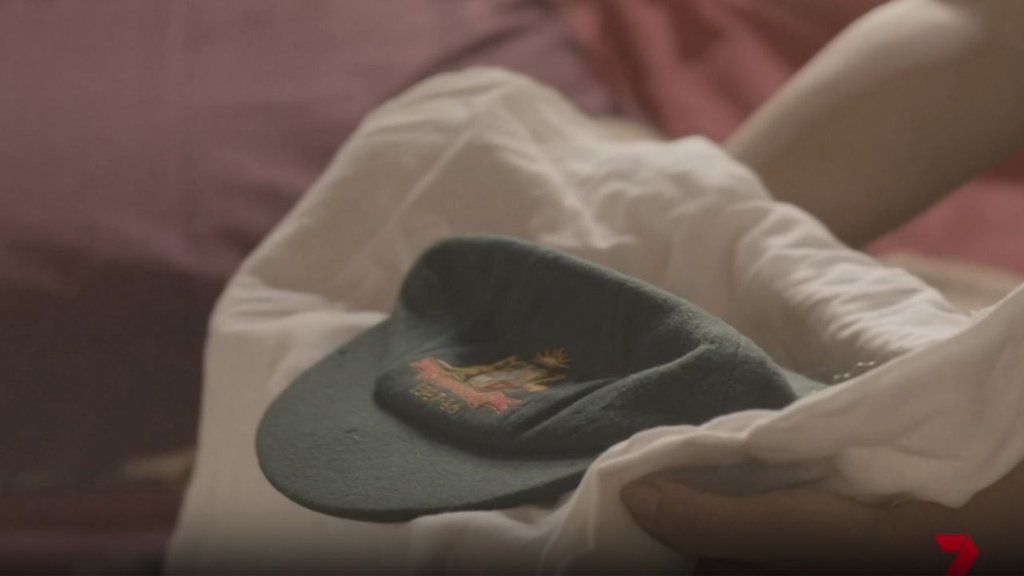
The cap remained in Sohoni’s family home west of Mumbai for more than 75 years, preserved behind glass and shielded from casual eyes. Strict family rules meant that no one could touch or even look at it until they were 16. Over three generations, the cap became a symbol of pride, a silent testament to the historic encounter between India and the Australian cricketing legend.
Now, the cap is being shared with the world. “The bidding started at just $1, so you can imagine the calls never stopped,” said Lee Hames of Lloyds Auctions. By Saturday, the highest bid had already reached $445,000, with nine days still remaining before the auction closes on January 26. Collectors and cricket enthusiasts from across the globe are watching closely, anticipating bids that could reach into seven figures.
Image: The baggy green remained in Mumbai for over 70 years (Source: 7NEWS)
The cap itself is a piece of Australian heritage. Worn during the 1947–48 series against India, Bradman amassed 715 runs at an astonishing average of 178.75, including a match-winning 201 in Adelaide. The series marked his final home Test before concluding his career with the 1948 Ashes tour in England. Only 11 of Bradman’s baggy greens are known to exist today, making this auction a rare opportunity for collectors to own a tangible piece of cricketing history.
“This is a genuine piece of cricket history personally gifted by Sir Donald Bradman,” Hames said. “Its uninterrupted family ownership for 75 years and its direct link to ‘The Don’ make it one of the most significant Bradman-related items to ever come to auction.”
Bradman, often revered as “The Don,” retired in 1948 with a Test batting average of 99.94, a record that remains one of the greatest statistical achievements in sport. His baggy greens are highly prized; his first cap from the 1928 debut season sold for $450,000 in 2020, while Shane Warne’s cap fetched $1,007,500 in 2020 to raise funds for bushfire relief.
Image: Sid Barnes LBWs Amarnath at the MCG in 1948 (Source: Wikipedia)
The cap’s journey also highlights the enduring bond between Australian and Indian cricket. India first faced Australia in 1935–36 during a series organised by the Maharaja of Patiala. The visiting Australians, largely retired players, were impressed when India levelled the series 2-2, prompting then-captain Jack Ryder to predict that India “will one day emerge as a team of great repute.”
More than a decade later, India’s newly independent team toured Australia, meeting Bradman on the field for the first time. For many Indian players, it was a privilege to see the man they regarded as “the god of cricket” score centuries with effortless elegance. Bradman, in turn, engaged with the team with both competitiveness and generosity, gifting the baggy green to Sohoni as a gesture of encouragement that has now become legendary.
The auction, which will close on Australia Day, is attracting interest from private collectors, museums, institutions, and fans worldwide. For one lucky bidder, the baggy green offers not just a chance to own an item of incredible monetary value, but a direct connection to one of cricket’s most iconic figures—a symbol of sportsmanship, history, and the enduring legacy of Sir Donald Bradman.
Support our Journalism
No-nonsense journalism. No paywalls. Whether you’re in Australia, the UK, Canada, the USA, or India, you can support The Australia Today by taking a paid subscription via Patreon or donating via PayPal — and help keep honest, fearless journalism alive.
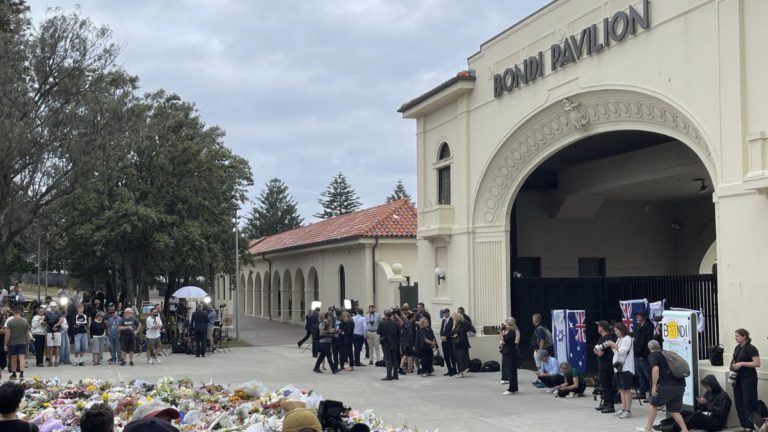
Prime Minister Anthony Albanese has outlined plans for a National Day of Mourning this Thursday, 22 January, following last month’s deadly terrorist attack at Bondi Beach that claimed 15 lives. The event, led by the Chabad community in Bondi, will carry the theme: “Light will win, a gathering of unity and remembrance.”
Albanese said flags at Commonwealth and state buildings would fly at half-mast, national institutions would be illuminated, and a commemorative installation, 15 Pillars of Light, will be held in Canberra and other cities. Australians are also encouraged to observe a minute’s silence at 7:01 pm AEDT, leave candles on windowsills, and perform acts of kindness, or mitzvahs, in memory of the victims.
The Prime Minister also provided an update on upcoming parliamentary business. A condolence motion will be debated on Monday, with legislation on gun control, hate crimes, and customs reforms to follow on Tuesday. He confirmed that the controversial racial vilification provisions will be removed from the legislation due to a lack of Senate support.
“The gun law reforms are critical and will be introduced separately to ensure passage,” Albanese said, noting that the Greens have committed to support the National Gun Buyback Scheme and other measures. The legislation also aims to strengthen background checks, restrict firearm importation to Australian citizens, and introduce criminal penalties for online bomb-making and weapons content.
Next week, we're bringing Parliament back early to respond to the antisemitic terror attack at Bondi.
It's time for the politics to stop, and for Parliament to work together in the national interest. pic.twitter.com/fchkuPA9iO
Finance Minister Katy Gallagher emphasised the need for parliamentary unity following the attack, highlighting the government’s consultations with crossbench senators to secure support for the proposed measures.
Albanese criticised the Coalition for their inconsistent position on the legislation, saying,
“The Opposition are so obsessed with opposing things, they’ve now begun to oppose themselves.”
He stressed the government’s focus on passing measures with parliamentary backing, avoiding further division, and maintaining national security.
Addressing the Jewish community, the Prime Minister reiterated, “We stand with you and have sought in good faith to implement the recommendations of Jillian Segal’s report,” acknowledging the Senate’s refusal to support some provisions.
Albanese concluded by calling for cooler, more constructive public debate around terrorism, hate speech, and gun reform, noting concerns raised by legal and security experts about heightened tensions following the attack. “We need to lower the temperature of debate across the country,” he said, citing guidance from ASIO.
Support our Journalism
No-nonsense journalism. No paywalls. Whether you’re in Australia, the UK, Canada, the USA, or India, you can support The Australia Today by taking a paid subscription via Patreon or donating via PayPal — and help keep honest, fearless journalism alive.
Australia’s world-first social media minimum age law is already showing impact, with more than 4.7 million accounts belonging to under-16s deactivated, removed, or restricted in the days following its introduction on 10 December.
Preliminary analysis from eSafety indicates that age-restricted social media platforms are making meaningful efforts to prevent under-16s from maintaining accounts, as required by the new legislation. The data, part of the first tranche provided to the eSafety Commissioner, highlights early signs that the law is taking effect.
With 4.7 million under-16 social media accounts gone, we're giving kids a childhood and parents peace of mind. pic.twitter.com/S7wJZaSNJO
Prime Minister Anthony Albanese said the early results were “encouraging,” adding that “our Government has acted to help keep kids safe online. Change doesn’t happen overnight. But these early signs show it’s important we’ve acted to make this change. We want our kids to have a childhood and parents to know we have their backs.”
The eSafety website has also seen strong engagement, recording more than one million visits since the launch of the social media minimum age education campaign. Families and young people can access information, resources, and guidance through eSafety’s social media age restrictions hub.
Communications Minister Anika Wells described the milestone as “a huge achievement,” noting that “every account deactivated could mean one extra young person with more free time to build their community and identity offline.” She added that while more work remains, the law is already “making a real, meaningful difference,” with the eSafety Commissioner closely monitoring platform compliance.
Support our Journalism
No-nonsense journalism. No paywalls. Whether you’re in Australia, the UK, Canada, the USA, or India, you can support The Australia Today by taking a paid subscription via Patreon or donating via PayPal — and help keep honest, fearless journalism alive.
A Melbourne bartender has spoken out after a heated late-night confrontation with a taxi driver who allegedly refused to use the meter, reigniting debate about rogue practices in the city’s taxi industry.
Zane, 27, was trying to get home from work in Melbourne’s south-east last year when his trip descended into an argument with a driver affiliated with 13cabs.
Footage of the encounter aired by news.com.au shows the driver demanding a negotiated fare and repeatedly stating he would not activate the meter before abandoning the ride.
Zane said the incident followed an earlier dispute in which the same driver allegedly demanded $40 for a short, five-kilometre journey. He claimed tensions escalated over time, with bookings accepted and then cancelled, leaving him stranded.
The hospitality worker admitted emotions ran high during the filmed exchange but said his frustration stemmed from what he described as predatory behaviour.
A spokesperson for 13cabs told news.com.au that any refusal to use a meter was taken seriously and could result in suspension, stressing that metered fares were a core consumer protection. The company added it was urging governments to ban payment terminals that bypass meters, noting that only South Australia has so far acted.
Under the law in Victoria, taxi drivers must use the meter for all unbooked trips, whether hailed on the street or picked up from a rank.
Support our Journalism
No-nonsense journalism. No paywalls. Whether you’re in Australia, the UK, Canada, the USA, or India, you can support The Australia Today by taking a paid subscription via Patreon or donating via PayPal — and help keep honest, fearless journalism alive.
Police in the Indian city of Gurugram have registered criminal cases against 73 apartment owners for allegedly hosting foreign nationals without mandatory police intimation, officials said.
The action followed a tip-off received by Kherki Daula police station on Thursday, prompting a verification drive at DLF Primus Society in Sector 82.
According to the Gurugram Police, officers inspected residency documents after receiving information that several foreign nationals were staying in private apartments without their details being formally reported. During the checks, investigators found that 73 flat owners had failed to submit Form-C, a statutory requirement whenever a foreign national stays in private accommodation, hotels or guest houses.
A report by Press Trust of India said police also found that no prior intimation had been given to the local police station regarding the stays.
First information reports (FIRs) have been lodged against all 73 owners, and an investigation is under way to determine the duration and nature of the alleged violations.
A police spokesperson said the move was driven by concerns around internal security and law and order, noting that monitoring the stay of foreign nationals is a legal obligation. Authorities reiterated that all property owners — including hotels, guest houses, homestays, paying guest operators and private landlords — must ensure timely submission of Form-C for every foreign national.
Police have also issued an advisory urging housing societies and landlords to strictly comply with the rules, warning that failure to do so can invite penal action under Indian law.
Support our Journalism
No-nonsense journalism. No paywalls. Whether you’re in Australia, the UK, Canada, the USA, or India, you can support The Australia Today by taking a paid subscription via Patreon or donating via PayPal — and help keep honest, fearless journalism alive.
The alleged detention of two Indian students during an immigration check in Minnesota has intensified scrutiny of an escalating federal crackdown that has already sparked weeks of protests across the state.
Unverified reports circulating on social media claim the students were taken into custody by US Immigration and Customs Enforcement officers during a surprise inspection at a restaurant in St Louis Park on January 16 (US time).
Visuals shared online appear to show officers handcuffing and escorting the men from the premises after questioning staff. The detentions are said to relate to suspected visa violations, though no official confirmation has been issued by US authorities.
Speculation online has suggested the students may have been engaged in unauthorised off-campus work, which would breach the conditions of an F-1 student visa. However, officials have not released any formal statement, and the authenticity of the images and claims has not been independently verified.
BREAKING
ICE reportedly detained two Indian students at an Indian restaurant in St. Louis Park yesterday afternoon.
STUDENTS, BE VERY CAREFUL. DO NOT TAKE UP ANY PART TIME JOBS THAT ARE NOT LEGALLY ALLOWED. pic.twitter.com/WmEwnAAIVf
The incident comes amid a heavy federal deployment to Minnesota, where thousands of immigration and border patrol officers have been sent in recent weeks.
The surge has triggered widespread demonstrations, with tensions flaring as authorities respond with arrests, crowd-control measures and, in some cases, the use of force.
Legal challenges have begun to curb some of these measures. On Friday, US District Judge Kate Menendez ordered limits on certain ICE tactics in Minneapolis, barring agents from retaliating against individuals engaged in peaceful, non-obstructive protest.
The unrest has also included separate incidents, such as the shooting of a Venezuelan man during a traffic stop in Minneapolis. The US Department of Homeland Security said officers opened fire after being attacked, adding that the man was in the country illegally.
Support our Journalism
No-nonsense journalism. No paywalls. Whether you’re in Australia, the UK, Canada, the USA, or India, you can support The Australia Today by taking a paid subscription via Patreon or donating via PayPal — and help keep honest, fearless journalism alive.
Once the world’s most populous nation, China is now among the many Asian countries struggling with anemic fertility rates. In an attempt to double the country’s rate of 1.0 children per woman, Beijing is reaching for a new tool: taxes on condoms, birth control pills and other contraceptives.
As of Jan. 1, such items were subject to a 13% value-added tax. Meanwhile, services such as child care and matchmaking remain duty-free.
The move comes after China last year allocated 90 billion yuan (US$12.7 billion) for a national child care program giving families a one-off payment of around 3,600 yuan (over $500) for every child age three or under.
I have studied China’s demography for almost 40 years and know that past attempts by the country’s communist government to reverse slumping fertility rates through policies encouraging couples to have more children have not worked. I do not expect these new moves to have much, if any, effect on reversing the fertility rate decline to one of the world’s lowest and far below the 2.1 “replacement rate” needed to maintain a stable population.
In many ways, the 13% tax on contraceptives is symbolic. A packet of condoms costs about 50 yuan (about $7), and a month supply of birth control pills averages around 130 yuan ($19). The new tax is not at all a major expense, adding just a few dollars a month.
Compare that to the average cost of raising a child in China – estimated at around 538,000 yuan (over $77,000) to age 18, with the cost in urban areas much higher. One 36-year-old father told the BBC he is not concerned over the price hike. “A box of condoms might cost an extra five yuan, maybe 10, at most 20. Over a year, that’s just a few hundred yuan, completely affordable,” he said.
Pronatalist failings
China is one of many countries to adopt pronatalist policies to address low fertility. But they are rarely effective.
The Singapore government has been concerned about the country’s very low fertility rate for a couple of decades. It tried to devise ways to boost it through programs such as paid maternity leave, child care subsidies, tax relief and one-time cash gifts. Yet, Singapore’s fertility rate – currently at 1.2 – remains one of the lowest in the world.
The government there even started limiting the construction of small, one-bedroom apartments in a bid to encourage more “family-friendly” homes of two bedrooms or more – anyone with children will appreciate the need for more space, right? Yet even that failed to budge the low fertility rate.
The Singaporean government got a helping hand in 2012 from candymaker Mentos. In a viral ad campaign, the brand called on citizens to celebrate “National Night” with some marital boom-boom as they “let their patriotism explode” – with a hoped-for corresponding burst in births in nine months’ time. Even with the assistance from the private sector, it appears, reversing declining fertility rates is a tricky thing.
South Korea, the country with the world’s lowest fertility rate – 0.7 – has been providing financial incentives to couples for at least 20 years to encourage them to have more children.
It boosted the monthly allowance already in place for married couples to become parents. In fact, since 2006 the South Korean government has spent well over $200 billion on programs to increase the Korean birth rate.
But South Korea’s fertility rate has continued to drop from 1.1 in 2006 to 1.0 in 2017, to 0.9 in 2019, to 0.7 in 2024.
Unfavorable headwinds
The plight of China is partly of its own doing. For a couple of decades the country’s one-child policy pushed to get fertility rates down. It worked, going from over 7.0 in the early 1960s to 1.5 in 2015.
That is when the government again stepped in, abandoning the one-child policy and permitting all couples to have two children. In May 2021, the two-child policy was abandoned in favor of a three-child policy.
The hope was that these changes would lead to a baby boom, resulting in sizable increases in the national fertility rate. However, the fertility rate continued to decline – to 1.2 in 2021 and 1.0 in 2024.
While China’s historic programs to push down fertility rates were successful, they were aided by wider societal changes: The policies were in force while China was modernizing and moving toward becoming an industrial and urbanized society.
It’s policies aimed at increasing the birth rate now find unfavorable societal headwinds. Modernization has led to better educational and work opportunities for women – a factor pushing many to put off having children.
In fact, most of China’s fertility reduction, especially since the 1990s, has been voluntary – more a result of modernization than fertility-control policies. Chinese couples are having fewer children due to higher living costs and educational expenses involved in having more than one child.
Plus, China is one of the world’s most expensive countries in which to raise a child, when compared to average income. School fees at all levels are higher than in many other countries.
The ‘low-fertility’ trap
Another factor to take into consideration is what demographers refer to as the “low-fertility trap.” This hypothesis, advanced by demographers in the 2000s, holds that once a country’s fertility rate drops below 1.5 or 1.4 – far higher than China’s now stands – it is very difficult to increase it by 0.3 or more.
The argument goes that fertility declines to these low levels are largely the result of changes in living standards and increasing opportunities for women.
Accordingly, it is most unlikely that China’s three-child policy will have any influence at all on raising the fertility rate. And all my years of studying China’s demographic trends lead me to believe that making contraceptives marginally more expensive will also have very little effect.
No-nonsense journalism. No paywalls. Whether you’re in Australia, the UK, Canada, the USA, or India, you can support The Australia Today by taking a paid subscription via Patreon or donating via PayPal — and help keep honest, fearless journalism alive.
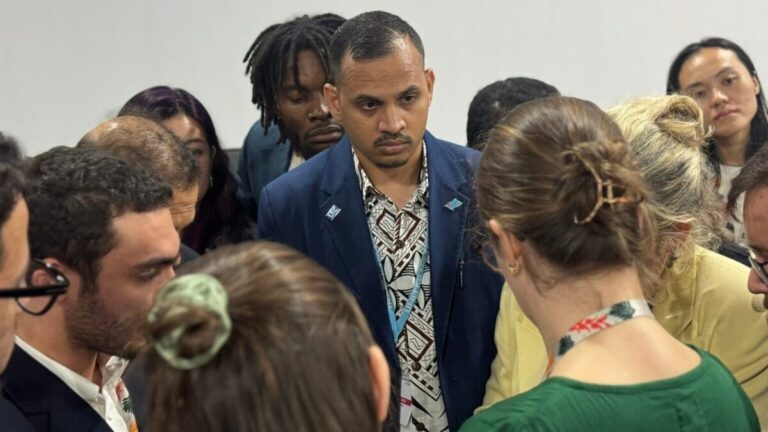
For Small Island Developing States (SIDS), climate change is not a distant or theoretical concern. It is already reshaping coastlines, undermining food security, and forcing communities to confront displacement. Fiji arrived in Belém for COP30 with a clear purpose: to defend ambition and protect the integrity of the 1.5°C goal. But for vulnerable countries, ambition is inseparable from delivery. Calls to accelerate mitigation or phase out fossil fuels have little meaning without predictable finance, accessible technology, and credible political commitment from those with the greatest responsibility and capacity to act.
COP30 exposed a familiar and deeply troubling reality. Negotiations remained constrained by an entrenched divide between developed countries reluctant to honour long-standing finance commitments and major emerging economies unwilling to strengthen mitigation efforts. This framing, where mitigation is treated as a concession by the North and finance as a concession by the South, has become a convenient fiction. It allows both sides to claim grievance while the window for meaningful action continues to narrow.
This dichotomy is fundamentally flawed. Finance is not separate from mitigation; it enables it. Developing countries cannot deliver ambitious emissions reductions without the means to do so. Treating these as competing priorities rather than interdependent imperatives undermines both climate outcomes and equity.
SIDS refuse to be trapped by this impasse. We emit negligibly, yet consistently advocate for ambitious mitigation. We have contributed least to this crisis, yet understand that adaptation finance alone cannot protect us from a 2°C world. Our advocacy is not for one side of a false binary, but for an integrated response that aligns responsibility, ambition and delivery.
Throughout the negotiations, we repeatedly grounded discussions in lived realities often absent from negotiating texts. Villages are relocating away from eroding shorelines. Saltwater intrusion is degrading agricultural land. Families are rebuilding after increasingly intense cyclones. These experiences sharpen our negotiating clarity. For SIDS, climate ambition is not discretionary. Delay has consequences that are already being borne.
The final hours of COP30 illustrated both the promise and the limits of multilateral climate diplomacy. In the closing phase, fewer than fifty negotiators across all blocs were convened by the presidency to resolve outstanding issues under what became known as the Mutirão package. For more than 27 hours, we moved between consultations, negotiating language line by line in an effort to preserve core principles while keeping the overall outcome intact.
The central point of contention concerned mitigation and unilateral trade measures, particularly whether the outcome would explicitly reference the phase out of fossil fuels or clearly anchor commitments to the 1.5°C temperature goal. SIDS, including Fiji, argued firmly for that linkage. This position was not novel. It reflected commitments already agreed by the same parties at COP28 in Dubai. Yet resistance remained entrenched.
As negotiations entered their final moments, it became clear that insisting on explicit fossil fuel phase out language risked collapsing the entire outcome. Some parties were prepared to walk away. In the end, the language was removed, with assurances from the Brazilian presidency that work on fossil fuels and deforestation roadmaps would continue outside the formal negotiation process.
For Fiji and other SIDS, this was a deeply disappointing outcome. We had worked alongside more than 80 countries to retain language grounded in science and prior decisions. Our decision to yield was not an endorsement of the final text. It was a calculated choice to preserve the multilateral process itself, which, despite its shortcomings, remains the only forum where the voices of vulnerable countries carry legal weight.
This choice was made with clear eyes. The collapse of the UNFCCC framework would not be neutral. It would advantage those already signalling their intent to retreat from multilateral climate commitments. SIDS do not defend this system out of naïveté. We do so because its erosion would further weaken accountability and narrow the already limited avenues available to constrain power.
There were, nonetheless, modest areas of progress. Developed countries agreed, at least on paper, to triple adaptation finance, and the Belém Action Mechanism was established to support a just transition. These outcomes matter, even if they fall short of what science and equity require.
In the aftermath of COP30, some commentary suggested that SIDS share responsibility for the summit’s shortcomings, or that our demands for ambition were unrealistic. This narrative is inaccurate. I was in those rooms. I know what we pushed for, what we conceded and why.
SIDS consistently contribute beyond their size. We bring practical proposals, broker compromise and work to maintain coherence between ambition, finance and implementation. At COP30, SIDS were among the strongest advocates for a fossil fuel phase-out, for strengthening the Global Goal on Adaptation, and for finance that matches rhetoric. Where ambition ultimately fell short, it was not due to a lack of will from vulnerable countries, but because consensus rules allowed a small number of parties to delay or dilute progress.
Expecting communities already facing displacement to compromise further is what is truly unreasonable. Yet SIDS are repeatedly urged to be patient and satisfied with incremental progress. We engage in good faith because multilateralism still matters, not because we are complacent. Our restraint in public criticism should not be mistaken for acceptance.
Blaming vulnerable countries for outcomes they fought to strengthen distracts from the underlying issue: the persistent lack of political courage and solidarity from those best positioned to lead. SIDS continue to play a stabilising role in the climate negotiations by insisting on alignment between science, equity and action.
Looking ahead, there are reasons for cautious optimism. A coalition of willing countries is advancing work on fossil fuel phase out outside the formal UN process. History suggests this approach can succeed. The global ban on landmines emerged not from paralysed multilateral forums, but from determined coalitions that refused to wait for universal consensus.
Australia’s forthcoming role as president of COP31 negotiations presents a significant opportunity to reset the trajectory of the process. As president, Australia will shape agendas, broker compromise and determine whether difficult but necessary issues are brought into the negotiating space rather than deferred. With preparatory negotiations to be held in the Pacific, there is a genuine opportunity to centre the realities of vulnerable countries and rebuild confidence that the UNFCCC can still deliver outcomes aligned with science and equity.
This moment should be used to forge a renewed coalition within the negotiations, committed to ensuring that mitigation language reflects the 1.5°C limit and includes an explicit commitment to phasing out fossil fuels, consistent with existing decisions. In parallel, action by willing countries outside the UNFCCC must focus on translating political intent into concrete measures, including coordinated phase-out pathways and the redirection of finance away from high-carbon investments towards just transition and adaptation.
These efforts are not a substitute for multilateral outcomes, but a necessary complement to them. Together, leadership within the COP31 negotiations and decisive action beyond them can help rebuild momentum and narrow the ambition gap.
While COP30 did not deliver everything we fought for, this disappointment should not be confused with defeat. Multilateralism remains slow and often frustrating, but it is still indispensable. The United Nations is the only forum where every country, regardless of size, has a seat at the table. Fiji, alongside other Pacific SIDS, will continue to defend ambition, press for accountability and demand delivery. We return to the negotiations not out of habit, but because this remains the space where responsibility is tested and where the line must still be held.
This oped was first published onthe Devpolicy Blogand is republished here with the kind permission of the editor(s). The Devpolicy Blog is based at the Development Policy Centre, Crawford School of Public Policy, College of Law, Governance and Policy, The Australian National University.Posts on the Devpolicy Blog are licensed under a Creative Commons Attribution-NonCommercial-ShareAlike 4.0 International License unless otherwise noted.
Contributing Author: Dr Sivendra Michael is Fiji’s Permanent Secretary for Environment and Climate Change. He serves as Fiji’s Chief Negotiator and the Co-Chair of the Strategic Climate Fund Trust Fund Committee for recipient countries. Dr Michael is appointed to co-facilitate the UNFCCC Ocean and Climate Change Dialogue for 2026.
Support our Journalism
No-nonsense journalism. No paywalls. Whether you’re in Australia, the UK, Canada, the USA, or India, you can support The Australia Today by taking a paid subscription via Patreon or donating via PayPal — and help keep honest, fearless journalism alive.
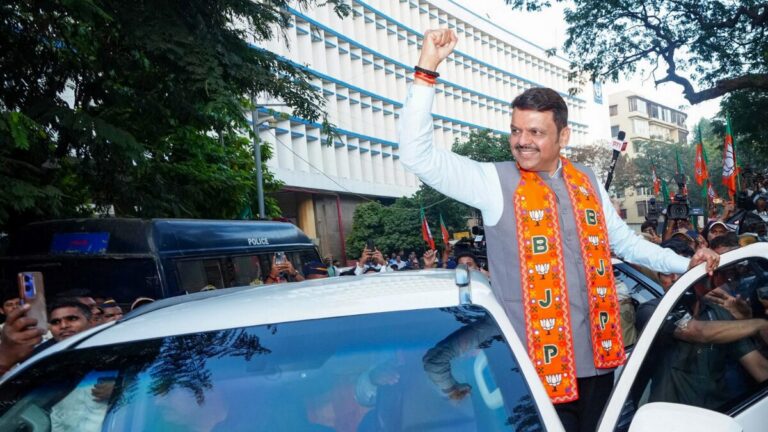
The BJP-led National Democratic Alliance (NDA) surged to a decisive victory in Maharashtra’s civic elections on Friday, clinching control of Mumbai’s powerful municipal body and registering dominant performances across the state.
Prime Minister Narendra Modi hailed the mandate, describing Mumbai as “the pride of our nation” and “a city of aspiration” that drives India’s growth. Thanking voters for backing the NDA, he said the alliance would deliver good governance and improve the “Ease of Living” for residents, drawing inspiration from Maharashtra’s vibrant culture.
Mumbai is the pride of our nation. It is the city of aspiration. It is a city that drives our growth. I am extremely grateful to my sisters and brothers of Mumbai for blessing the NDA. Mumbai personifies the best of Maharashtra’s vibrant culture. Inspired by this great ethos, we… https://t.co/W5GRksMMrW
In Mumbai, the Bharatiya Janata Party and its Maha Yuti allies crossed the halfway mark in the 227-member Brihanmumbai Municipal Corporation, paving the way for the alliance to install its mayor. The BJP emerged as the single largest party with 89 seats, while the Eknath Shinde-led Shiv Sena won 29. The outcome ends decades of dominance by the Thackeray family in India’s richest urban corporation.
Maharashtra chief minister Devendra Fadnavis credited the BJP-led Mahayuti’s sweeping performance in the state’s municipal elections to its development agenda saying Hindutva and development were inseparable for the party.
🪷 Celebrations on the grand, historic victory of BJP and its alliance parties in the Municipal Corporation Election of Maharashtra. BJP State President & MLA Ravindra Chavan, BJP Mumbai President & MLA Ameet Satam, BJP office bearers, party workers and other dignitaries were… pic.twitter.com/0BBVu56XPH
The Opposition put up a mixed showing. Shiv Sena (UBT) secured 65 seats, the Congress won 24 in alliance with the Vanchit Bahujan Aghadi, while other parties including the All India Majlis-e-Ittehadul Muslimeen (AIMIM) and the Nationalist Congress Party picked up smaller tallies.
The NDA’s momentum extended beyond Mumbai. In the Chhatrapati Sambhajinagar Municipal Corporation, the BJP won 57 of the 115 seats, emerging well ahead of AIMIM, which finished second with 33. Although the BJP and the Shinde-led Shiv Sena contested separately in several centres, their combined performance underscored the alliance’s statewide strength.
Overall, the BJP and its allies were on course to win 24 of Maharashtra’s 29 municipal corporations, marking a significant expansion from the 2015 civic polls. Party leaders said the results reflected voter approval of the NDA’s development agenda, with Mr Modi declaring, “Thank you, Maharashtra,” as he credited the alliance’s record for striking a chord with the electorate.
Support our Journalism
No-nonsense journalism. No paywalls. Whether you’re in Australia, the UK, Canada, the USA, or India, you can support The Australia Today by taking a paid subscription via Patreon or donating via PayPal — and help keep honest, fearless journalism alive.
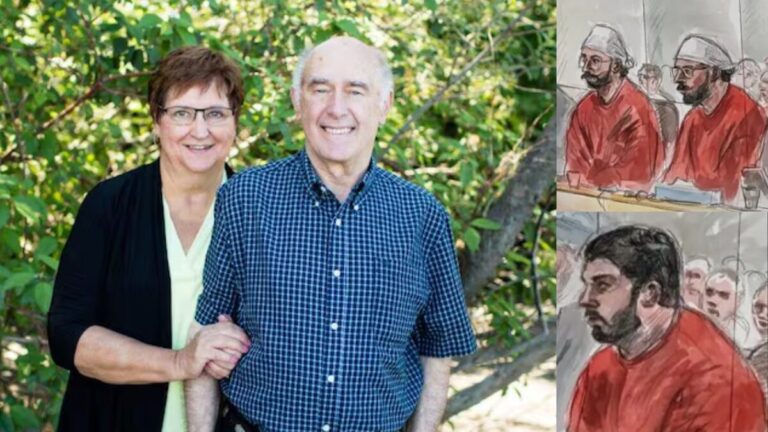
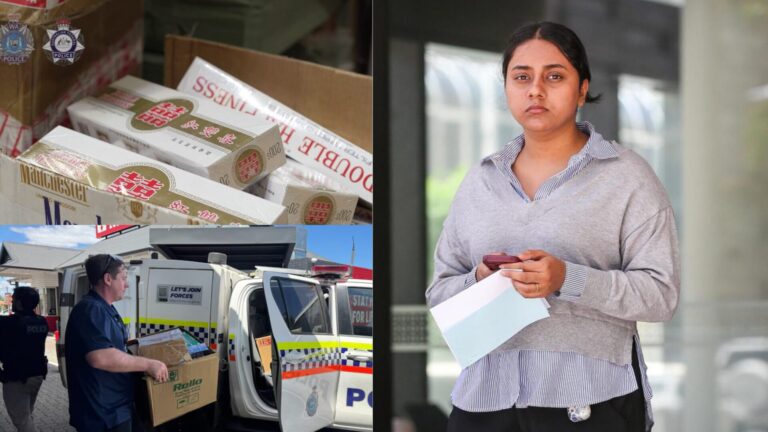
Three members of the same family are due to appear in the Perth Magistrates Court today after being charged over their alleged involvement in a crime group accused of large-scale trafficking of illicit tobacco and vapes across Western Australia.
A 47-year-old woman, her 68-year-old father and her 26-year-old son-in-law were arrested following coordinated raids by the Australian Federal Police on Wednesday, which uncovered about $1 million in cash and roughly five tonnes of illegal tobacco products, including close to 30,000 vapes.
Investigators executed multiple search warrants at homes, storage facilities and a tobacconist in Perth’s southern suburbs and the South-West, as part of an operation targeting the alleged distribution and sale of illicit tobacco and vaping goods and the handling of the proceeds.
Police say the probe began in September last year amid heightened efforts to disrupt organised crime links to the illicit tobacco trade. Subsequent inquiries, including intelligence from earlier WA operations, allegedly identified additional members of a syndicate, including the sister and father of a man arrested in Baldivis last March.
On Wednesday, officers arrested the 68-year-old at a home in Coodanup near Mandurah, where they allegedly found about $800,000 in cash, two money-counting machines and illicit tobacco. A separate search at a property in Eaton near Bunbury allegedly uncovered another counting machine beside a bed and cash totalling about $240,000, leading to the arrest of the 47-year-old woman.
The cash was seized as suspected proceeds of crime after police allege the pair could not provide a reasonable explanation for its source.
The 26-year-old man was arrested at a Bunbury shopping centre and later charged after allegedly refusing to give police access to his mobile phone. A subsequent search of a home in Australind allegedly revealed illicit cigarettes and vapes. Most of the illegal tobacco seized during the operation was found in storage units around Mandurah, Bunbury and Busselton.
Authorities allege the seized products, if sold unlawfully, would have avoided millions of dollars in Commonwealth excise and taxes. Multiple electronic devices were also taken for forensic analysis.
AFP Commander Renee Colley said the crackdown was aimed at stopping criminals from profiting at the expense of the community.
“Now more than ever, we need a whole-of-community commitment to changing the perception and acceptance of illicit tobacco,” Commander Colley said, adding the trade was closely linked to violence and organised crime.
“These activities put lives and livelihoods at risk and threaten Australia’s national security and economy. We will continue to target those involved, both here and offshore.”
The woman and her father have each been charged with dealing in proceeds of crime worth $100,000 or more, an offence carrying a maximum penalty of 20 years’ imprisonment. The 26-year-old man faces a charge of failing to comply with an order, which carries a maximum penalty of 10 years.
Over the past 12 months, the AFP in WA has seized nearly $4 million in cash and about 13 tonnes of illicit tobacco, charging 10 people as investigations continue into wider syndicate links and assets allegedly connected to the illegal trade.
Support our Journalism
No-nonsense journalism. No paywalls. Whether you’re in Australia, the UK, Canada, the USA, or India, you can support The Australia Today by taking a paid subscription via Patreon or donating via PayPal — and help keep honest, fearless journalism alive.
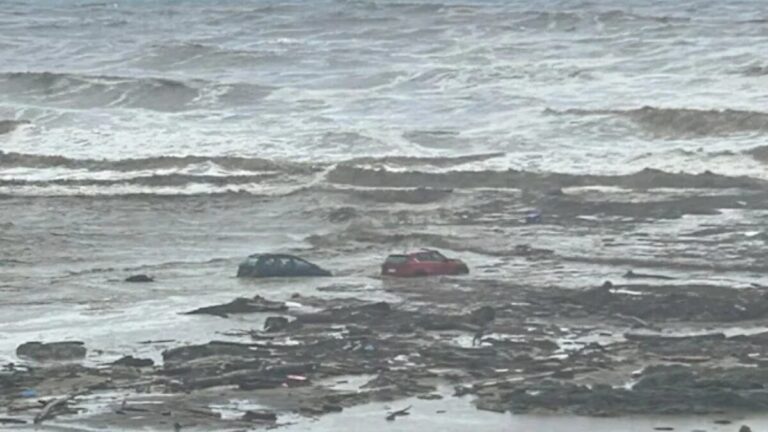
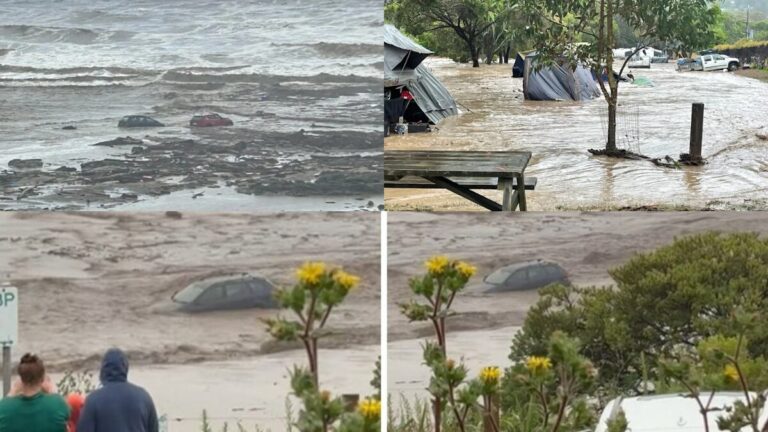
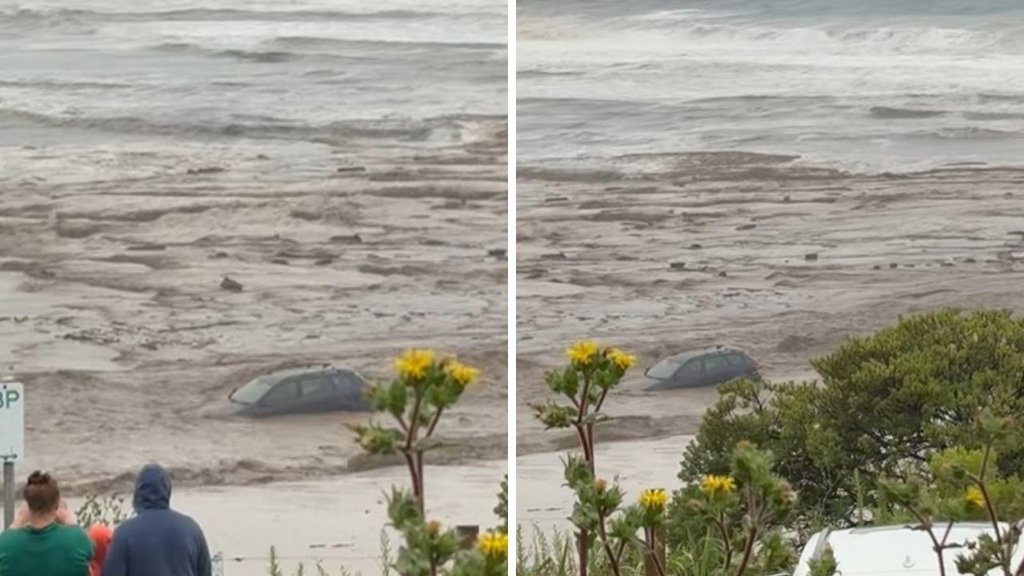
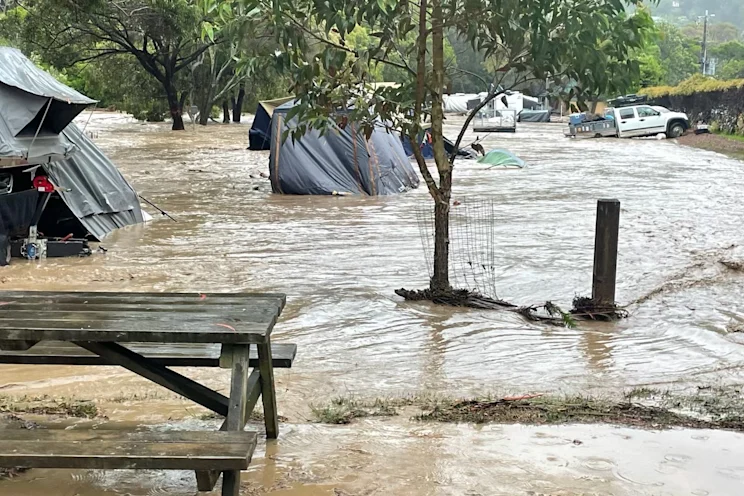
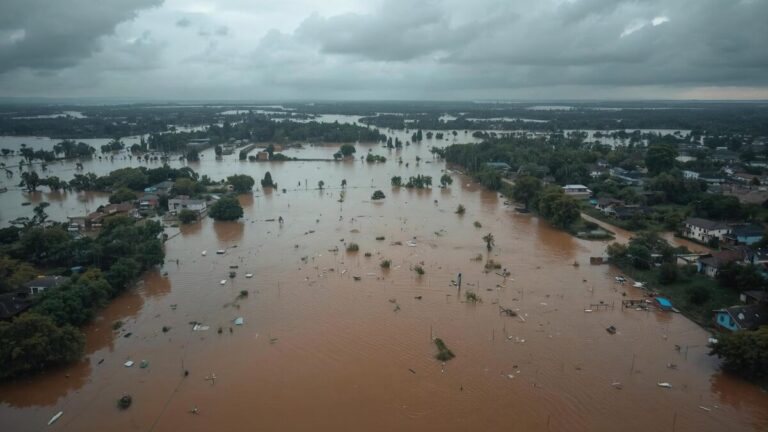
The images and stories of flash flooding coming out of Victoria’s Great Ocean Road overnight have been described as “terrifying”. It’s easy to see why.
Holidaymakers at Victoria’s Wye River watched as cars were swept out to sea and a caravan park was rapidly inundated. Some had to get new clothes at an op-shop.
One resident at nearby Separation Creek told the ABC:
We missed being killed probably by about ten seconds […] we just ran for our lives.
I’ve been studying floods and flood risks for decades. On the one hand, this was a shocking event, due partly to the bad luck of such a heavy downpour occurring in an area with many geographic risk factors for flash flooding.
On the other hand, it was not surprising. These one-in-hundred chance floods will occur somewhere every year, and with climate change these kinds of events will become more intense and more frequent.
In fact, due to global warming over the last 30 years, there is clear evidence the intensity of such thunderstorm events have increased by 15–20%.
Hard to predict
The challenge with these kinds of floods is that they are caused by thunderstorms; it’s notoriously difficult to predict exactly where they will occur.
You might see a thunderstorm on the radar and know it’s heading in a certain direction, but it’s very hard to know exactly where it will actually impact.
In this case, it just happened to hit the Wye River catchment, which is particularly bad luck for the locals who live near the coast and the visiting holidaymakers. This area features very small and steep catchments draining the southern slopes of the Otways (a forested mountain region in Victoria).
These catchments respond very quickly to thunderstorms; it doesn’t take long for rainfall to produce runoff from all parts of the catchment.
This is a real problem for catchments along the surf coast areas of Victoria as there is little or no opportunity to provide effective flood warning.
At Wye River, the most intense part of the thunderstorm was only a tiny percentage of the whole area of forecast rainfall. That makes things really difficult to predict.
In a catchment like that, flash flooding can happen unbelievably quickly – things can go within minutes from OK to really dangerous.
All that was needed was maybe a few hours of intense rainfall. Most of the rain appeared to fall on the upper reaches of the catchment, so it wouldn’t necessarily have been evident to campers and holidaymakers.
But once it’s in the waterways, the floodwaters can rapidly shoot down the river system. The first anyone might know there is a problem is when the flood suddenly arrives.
What can we do to reduce risk?
The best thing we can do is educate communities about what warnings mean and how to respond when authorities say there’s a storm on the way.
If you’re in a high risk area, you shouldn’t just be saying, “Oh it’s just a bit of rain, we’ll wait it out.”
Look at the effort governments have put into raising awareness about bushfire risk and response. They have worked hard on grading messages so people leave high risk areas when the risks are catastrophic, often before there are any fires in their actual area. We have learned to take such warnings seriously.
I don’t think the community is there yet with floods – but we do need to get better at this.
The camp grounds in such areas are typically on nice flat grassy areas next to the river bank, so you can see why people camp and holiday there. But when floods arrive, that’s the worst place to be.
So, what would I have done, as someone who knows floods?
If I was in a floodplain or on a flat area next to a river, and had a warning severe thunderstorms are predicted to occur in this region, I would probably – at the very least – get the kids up and drive to higher ground. At least, I hope I would.
Even though I am attuned to flood risks in my professional life, I can imagine being caught out in holiday mode and being slow to respond. I can well imagine staying put and hoping for the best.
It can be difficult to think about risk when you’re on holidays; it’s easy to switch off and just think you’ll wait the rain out.
Nature can be capricious, floods especially so, and with climate change we must be more aware of risks.
More common as the climate changes
I spend a lot of time researching the impact of climate change on these events.
In Victoria, we can expect small floods will get smaller (due to drying soils), and large floods will get bigger (due to more intense rainfalls).
As a rough rule of thumb, the risk of flooding will double by the end of this century. The impacts of floods caused by thunderstorms will tend to be larger.
Overall, what hit Wye River was pretty rare. But flash floods like this will always happen somewhere, and unfortunately on this occasion they occurred in an area where a lot of people were on holiday and the steep slopes directed flood waters toward people.
Unfortunately, we will all have to get better at learning to live with floods, even when on holidays.
No-nonsense journalism. No paywalls. Whether you’re in Australia, the UK, Canada, the USA, or India, you can support The Australia Today by taking a paid subscription via Patreon or donating via PayPal — and help keep honest, fearless journalism alive.
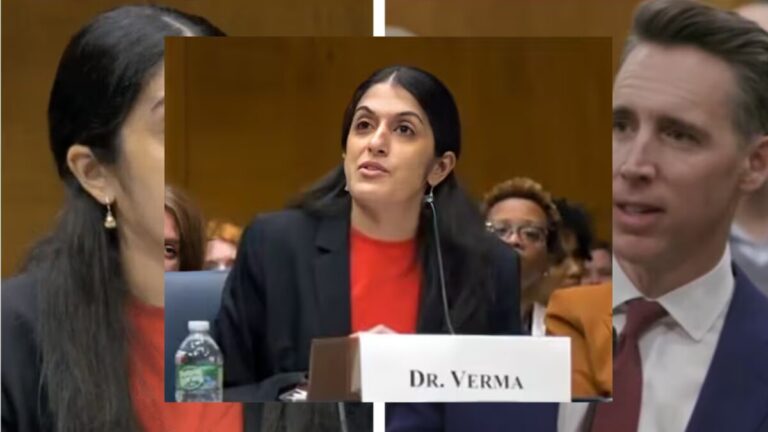
A US Senate hearing on abortion pill safety descended into a sharp exchange after Republican Senator Josh Hawley pressed an Indian-American doctor to give a yes-or-no answer on whether men can get pregnant.
The confrontation unfolded during a Health, Education, Labour and Pensions (HELP) Committee hearing titled Protecting Women: Exposing the Dangers of Chemical Abortion Drugs, held at the Dirksen Senate Office Building. Appearing before lawmakers, obstetrician-gynaecologist Dr Nisha Verma defended the safety record of medication abortion, saying it had been widely studied and used for decades.
Dr Verma told the committee that abortion pills had been backed by more than 100 peer-reviewed studies and used by over 7.5 million people in the United States since their approval in 2000. She warned that politically driven restrictions were harming patients.
Image: Dr Nisha Verma and Republican Senator Josh Hawley
The hearing took a contentious turn when Hawley repeatedly asked Dr Verma, a senior adviser with Physicians for Reproductive Health, whether men could become pregnant. Dr Verma declined to give a direct answer, saying she treated patients with diverse gender identities and arguing that such yes-or-no questions were often used as political tools.
Hawley insisted he was seeking to establish what he called a “biological reality”, telling the hearing that women, not men, get pregnant and accusing Dr Verma of avoiding basic scientific facts. “This is about science and evidence,” he said, questioning her credibility as a medical expert.
Dr Verma responded that she was guided by science but also by the complex lived experiences of her patients, adding that polarised language did not help medical care or public trust.
Image: Republican Congressman Earl L. Buddy Carter (Source: X)
In his letter, Carter argued that pregnancy is a biological function exclusive to females and said any doctor unwilling to state that men cannot get pregnant should not be licensed to practise obstetrics and gynaecology in the state.
“Any physician who is unwilling to clearly answer that men cannot become pregnant should not be licensed to practice medicine in the State of Georgia. You wouldn’t trust a mechanic who doesn’t believe in oil changes to fix your car; Why should Georgians be expected to trust a physician who similarly rejects the basics? For these reasons, I request that the Georgia Composite Medical Board take immediate action to revoke Dr. Verma’s medical license.”
The Senate HELP Committee hearing was intended to focus on the safety of abortion medication, but the clash underscored how debates over reproductive health in the United States remain deeply entangled with broader cultural and political battles.
Support our Journalism
No-nonsense journalism. No paywalls. Whether you’re in Australia, the UK, Canada, the USA, or India, you can support The Australia Today by taking a paid subscription via Patreon or donating via PayPal — and help keep honest, fearless journalism alive.
A South Australian man has told the Adelaide Magistrates Court that while he accepts responsibility for causing his wife’s death, he disputes a charge of murder.
ABC News reported that appearing by video link from custody on Wednesday, 42-year-old Vikrant Thakur entered a plea of guilty to manslaughter but not guilty to murder, following advice from his barrister, James Marcus.
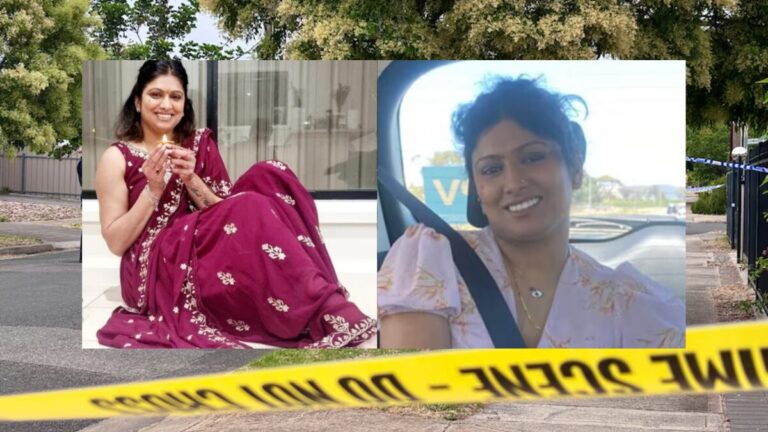
Police were called to a home on West Avenue at Northfield, in Adelaide’s inner north, about 8.30pm on December 21 after reports of a domestic incident. Officers found 36-year-old Supriya Thakur unconscious and attempted CPR, but she could not be revived.
Thakur was arrested at the scene and charged the following day. After his initial court appearance on December 22, the case was adjourned for 16 weeks while prosecutors await further evidence, including DNA analysis, toxicology results and a post-mortem report.
Police have confirmed another person was present in the house at the time of the incident but was not injured. Investigators have also seized the couple’s mobile phones as part of the ongoing inquiry.
Friends have described Ms Thakur as a devoted mother to her young son and a caring person who aspired to become a registered nurse. A close friend, Ella Butler, said she should be remembered as “a really beautiful mother” and a loyal friend.
In the wake of her death, community members have anonymously established a fundraiser through GoFundMe to support Ms Thakur’s son. The appeal aims to help cover funeral and memorial costs and provide longer-term stability for the child. Organisers say the funds will be securely held until a verified beneficiary is confirmed.
The matter is due to return to court in April. Bail has been refused.
Support our Journalism
No-nonsense journalism. No paywalls. Whether you’re in Australia, the UK, Canada, the USA, or India, you can support The Australia Today by taking a paid subscription via Patreon or donating via PayPal — and help keep honest, fearless journalism alive.
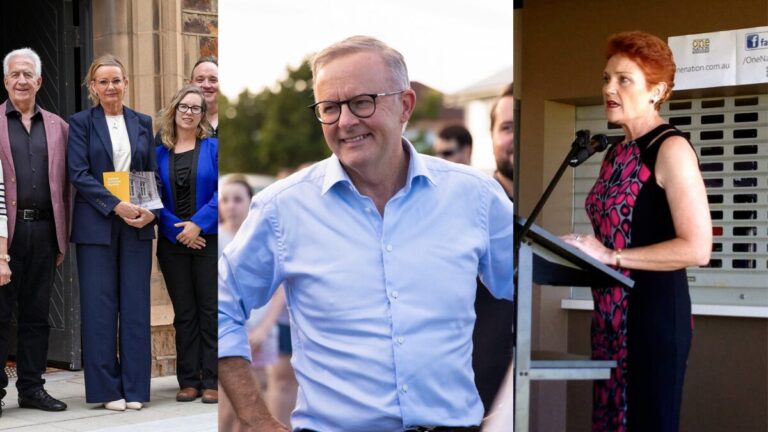
The federal Parliament is set to return next week amid heated debate over Labor’s proposed Combatting Antisemitism, Hate and Extremism Bill 2026, introduced in the wake of the Bondi Beach terror attack last December. While Prime Minister Anthony Albanese insists the legislation is vital to national security and unity, critics argue it is rushed, poorly drafted, and risks undermining free speech.
The legislation, which aims to create new federal offences for promoting racial hatred, increase penalties for hate crimes, and target radicalising preachers, has sparked backlash from multiple quarters, including the Coalition, One Nation, and Jewish and Muslim community groups.
The Coalition has serious concerns about Labor’s clumsy effort to stamp out antisemitism.
As drafted, it fails two basic tests: does it eradicate antisemitism, and does it crack down on radical Islamic extremism? Right now, it fails both. There are more than 500 pages and the… pic.twitter.com/nCm5iJ9NE2
Coalition leader Sussan Ley MP told reporters, “The Coalition has serious concerns about Labor’s clumsy effort to stamp out antisemitism. As drafted, it fails two basic tests: does it eradicate antisemitism, and does it crack down on radical Islamic extremism? Right now, it fails both.” Ley highlighted that the 500-page draft does not mention the term “radical Islam” even once.
“If the Prime Minister cannot name the problem, he cannot tackle it.”
Ley criticised the parliamentary inquiry process, noting that officials could not clarify whether phrases such as “globalise the intifada” or “from the river to the sea” would fall under the law, or how extremist fatwas would be treated. “The Parliament can and should criminalise antisemitic extremist hate preaching without impinging on free speech. But if the government cannot explain how its own legislation will work, Parliament cannot be expected to vote for it, and the community will have no confidence in it,” she said.
Media Release: Cancel early sitting for dead Labor bill
Anthony Albanese needs to cancel the early sitting of Parliament because his badly flawed hate Bill is now dead in the water.
One Nation leader Senator Pauline Hanson said there was now little point in recalling… pic.twitter.com/qvTvdMeai2
One Nation leader Senator Pauline Hanson urged the Prime Minister to call off the early recall of Parliament. “Anthony Albanese needs to cancel the early sitting because his badly flawed hate Bill is now dead in the water,” Hanson said, describing the legislation as “unnecessary, potentially dangerous, ineffective and divisive.”
“This legislation has all the hallmarks of Albanese’s typical incompetence: unnecessary, potentially dangerous, ineffective and divisive. It’s been exposed. The Prime Minister has been exposed. The only thing he can do now is to cancel this early sitting.”
Senator Hanson accused the government of failing to address rising antisemitism and radical Islamist hate, while ignoring recommendations from its own antisemitism envoy.
AJA STATEMENT
The Australian Jewish Association (AJA) is urging all Members of Parliament to reject the draft ‘hate speech’ bill
AJA CEO Robert Gregory said:
“Antisemitism has surged in Australia under the Albanese Government, and it is clear that decisive action is required.… pic.twitter.com/z2bQ7vjbUo
— Australian Jewish Association (@AustralianJA) January 15, 2026
The Australian Jewish Association (AJA) echoed these criticisms, warning that the bill is being rushed without proper consultation. CEO Robert Gregory said the legislation could criminalise the very communities it is intended to protect and pointed to gaps in addressing radical Islamic extremism, the ideology behind the Bondi attack.
“These laws risk regulating subjective opinions and rely on vague concepts such as ‘intimidation’. Australians, both Jewish and non-Jewish, must be given the opportunity to have their voices heard. I urge all Members of Parliament to reject this bill,” Gregory said.
“Any government that proposes to criminalise speech must act in a sober, cautious, and bipartisan manner.”
At the same time, Muslim leaders have also raised concerns over selective consultation and the potential for Islamophobia.
We’re bringing Parliament back early to pass new laws combatting antisemitism and cracking down on illegal guns.
Albanese’s bill seeks to create a new federal hate speech offence, making it illegal to publicly promote or incite racial hatred where it could intimidate, harass, or make a reasonable person fear violence. The law would also establish offences for radicalising children, expand bans on prohibited symbols, allow the Home Affairs Minister to cancel visas for people spreading hatred, and create a framework to list “Prohibited Hate Groups.”
It is reported that the bill also includes a narrow defence for quoting religious texts in teaching or discussion, a provision that has been criticised by both Jewish leaders and Coalition figures for potentially offering a loophole for extremist preachers.
Parliament will sit on Monday 19 and Tuesday 20 January. The bill will be debated in the House before being transmitted to the Senate, with a snap parliamentary inquiry expected to deliver its report on Friday. The Coalition has indicated it will likely oppose the legislation, meaning Labor would need to secure support from the Greens to pass the bill.
Support our Journalism
No-nonsense journalism. No paywalls. Whether you’re in Australia, the UK, Canada, the USA, or India, you can support The Australia Today by taking a paid subscription via Patreon or donating via PayPal — and help keep honest, fearless journalism alive.
A routine traffic stop in Quartzsite, Arizona, has led to the detention of an undocumented driver and highlighted a broader enforcement pattern involving commercial truck drivers without legal status in the United States.
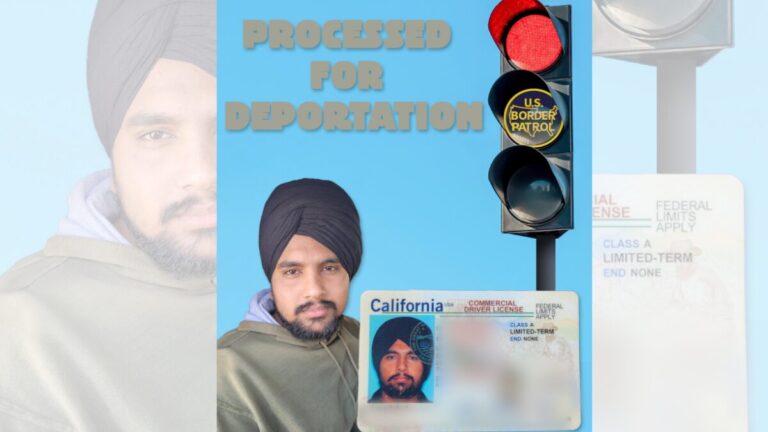
Officers from the Quartzsite Police Department pulled over Sukhdeep Singh after he allegedly ran a red light and a stop sign.
It is reported that during the stop, police contacted agents from the U.S. Border Patrol at the Blythe Station to verify his immigration status.
Quartzsite police pulled over Sukhdeep Singh after he ran a red light and a stop sign. Officers contacted Blythe Station Border Patrol agents who determined Singh is an Indian national that was illegally in the United States, despite being in possession of California commercial… pic.twitter.com/9ZaGTsDC3U
Authorities determined that Singh is an Indian national who is unlawfully present in the United States, despite being in possession of a California commercial driver’s license.
It is further reported that Singh was taken into custody in Quartzsite, Arizona and will be processed for deportation under 8 USC 1182.
Border Patrol officials said the case follows a series of similar enforcement actions by agents at the Blythe Station.
Earlier operations led to the arrest of six undocumented Indian nationals in separate incidents, each involving a truck driver found to be unlawfully in the country despite holding a commercial driver licence.
It was reported that all six were processed for deportation, forfeiting their opportunity to legally re-enter the United States.
Blythe Station agents’ unwavering focus to enforce the law resulted in the arrest of six illegal aliens from India. In each of the six separate incidents, the truck driver possessed a commercial driver license despite having no legal status to be in the U.S. All were processed… pic.twitter.com/vLFm4gTHzb
Authorities noted that voluntary departure through the CBP Home app offers individuals an alternative process that may preserve eligibility to legally re-enter the country in the future.
Support our Journalism
No-nonsense journalism. No paywalls. Whether you’re in Australia, the UK, Canada, the USA, or India, you can support The Australia Today by taking a paid subscription via Patreon or donating via PayPal — and help keep honest, fearless journalism alive.
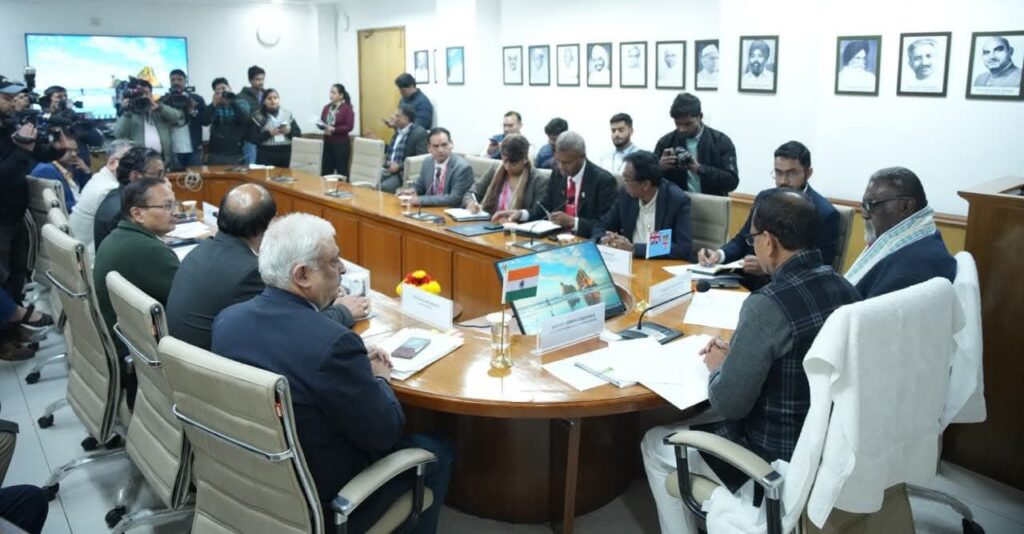
Fiji and India have taken steps to deepen cooperation across agriculture, sugar, livestock and rural development, following high-level talks in New Delhi.
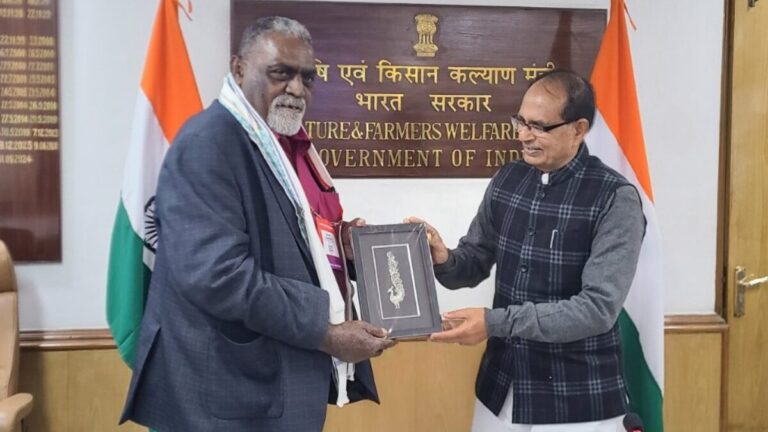
Fiji’s Minister for Agriculture and Waterways, Tomasi Tunabuna, met India’s Minister of Agriculture and Farmers’ Welfare, Shivraj Singh Chouhan, at Krishi Bhawan in New Delhi, where both sides reaffirmed their commitment to a stronger bilateral partnership.
During the meeting, Minister Tunabuna conveyed greetings from the Government of Fiji and the Fijian people, including best wishes from the Prime Minister, and acknowledged the long-standing friendship between Fiji and India grounded in shared history, people-to-people links and expanding development cooperation.
Minister Tunabuna outlined Fiji’s push to transform its agricultural sector into a modern, climate-resilient and technology-driven agri-industrial economy. He highlighted priorities such as digital and smart agriculture, drone technology, nano-fertilisers, smart irrigation systems, agro-processing, livestock and dairy development, sugar industry modernisation and circular bio-economy solutions.
“India’s experience in advanced agricultural technologies, integrated value chains and farmer-centred innovation closely aligns with Fiji’s development ambitions,” Minister Tunabuna said.
Image: Fiji’s Minister for Agriculture and Waterways, Tomasi Tunabuna, met India’s Minister of Agriculture and Farmers’ Welfare, Shivraj Singh Chouhan, at Krishi Bhawan in New Delhi, (Source: Facebook – HCI Suva)
Fiji also signalled interest in practical partnerships covering digital farm and livestock registries, value-added processing, sugar bio-industries, food waste management and the use of agricultural by-products for animal feed.
Both ministers discussed opportunities for capacity building, technical collaboration and joint research, agreeing to explore the creation of a Fiji–India Agriculture, Sugar, Livestock and Bio-Industries Working Group. The proposal would support pilot projects and a multi-year cooperation framework.
The talks reaffirmed the strength of the Fiji–India relationship and a shared focus on delivering sustainable outcomes for farmers, rural communities and national food security. Minister Tunabuna also welcomed confirmation from Indian counterparts that the existing Memorandum of Understanding would be extended for a further five years from June.
Support our Journalism
No-nonsense journalism. No paywalls. Whether you’re in Australia, the UK, Canada, the USA, or India, you can support The Australia Today by taking a paid subscription via Patreon or donating via PayPal — and help keep honest, fearless journalism alive.
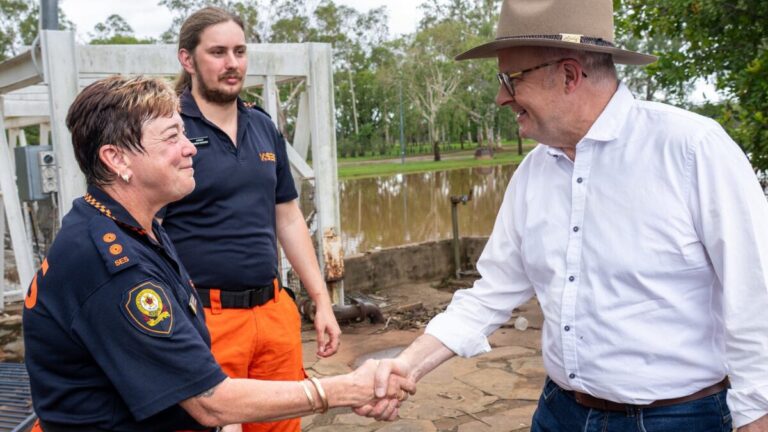
Announcing the package on Thursday, Prime Minister Anthony Albanese said the additional funding would help communities “hurting now” while laying the groundwork for recovery and rebuilding after record rainfall triggered by the North Queensland Monsoon Trough and ex-Tropical Cyclone Koji.
PM Albanese said the disaster measures were designed to help flood-affected Queenslanders get back on their feet and build back stronger, stressing that all levels of government would continue working together through the recovery phase.
We’ll do everything we can to support flood affected communities in Queensland. pic.twitter.com/GE9InUJpPq
Queensland Premier David Crisafulli said the scale of the disaster had been immense, pointing to the loss of more than 50,000 head of livestock and homes inundated in towns such as Clermont. He said the government was “laser-focused” on ensuring recovery efforts matched the size of the impact, drawing on Queenslanders’ long-standing reputation for supporting one another in hard times.
The funding targets key pressure points in the recovery, including support for primary producers, small businesses, clean-up operations and mental health services. It includes an $11.32 million primary producer support package offering wrap-around assistance such as financial and personal counselling, feral pest and locust management, and recovery and resilience officers.
Nearly $10 million has been allocated for disaster recovery grants to help small businesses with clean-up, repairs and replacement of essential equipment and stock, while $4.26 million will fund mental health and psychosocial wellbeing programs across 15 local government areas in the north, Far North and north-west. A further $1 million community relief fund will support Isaac Regional Council’s clean-up and immediate recovery works.
Federal Emergency Management Minister Kristy McBain said she had seen first-hand the damage caused by the floods and that the new package built on supports already activated, targeting urgent priorities to keep communities safe and functioning.
Queensland Minister for Disaster Recovery Ann Leahy said the devastation facing primary producers, businesses and communities was heartbreaking, but governments would continue working tirelessly to meet the complex recovery needs across affected regions.
All measures are jointly funded under the Commonwealth–state Disaster Recovery Funding Arrangements. Combined with extraordinary assistance announced last week, total recovery support from the two governments has now exceeded $66 million.
Devastating floods have hit parts of QLD hard.
But from disaster through to rebuild, we’ll be there every step of the way.
We’re rolling out more than $66 million of funding with the QLD Government to help get these communities back on their feet.
Flood-affected small businesses can check their eligibility for disaster recovery grants through the Queensland Rural and Industry Development Authority.
Support our Journalism
No-nonsense journalism. No paywalls. Whether you’re in Australia, the UK, Canada, the USA, or India, you can support The Australia Today by taking a paid subscription via Patreon or donating via PayPal — and help keep honest, fearless journalism alive.
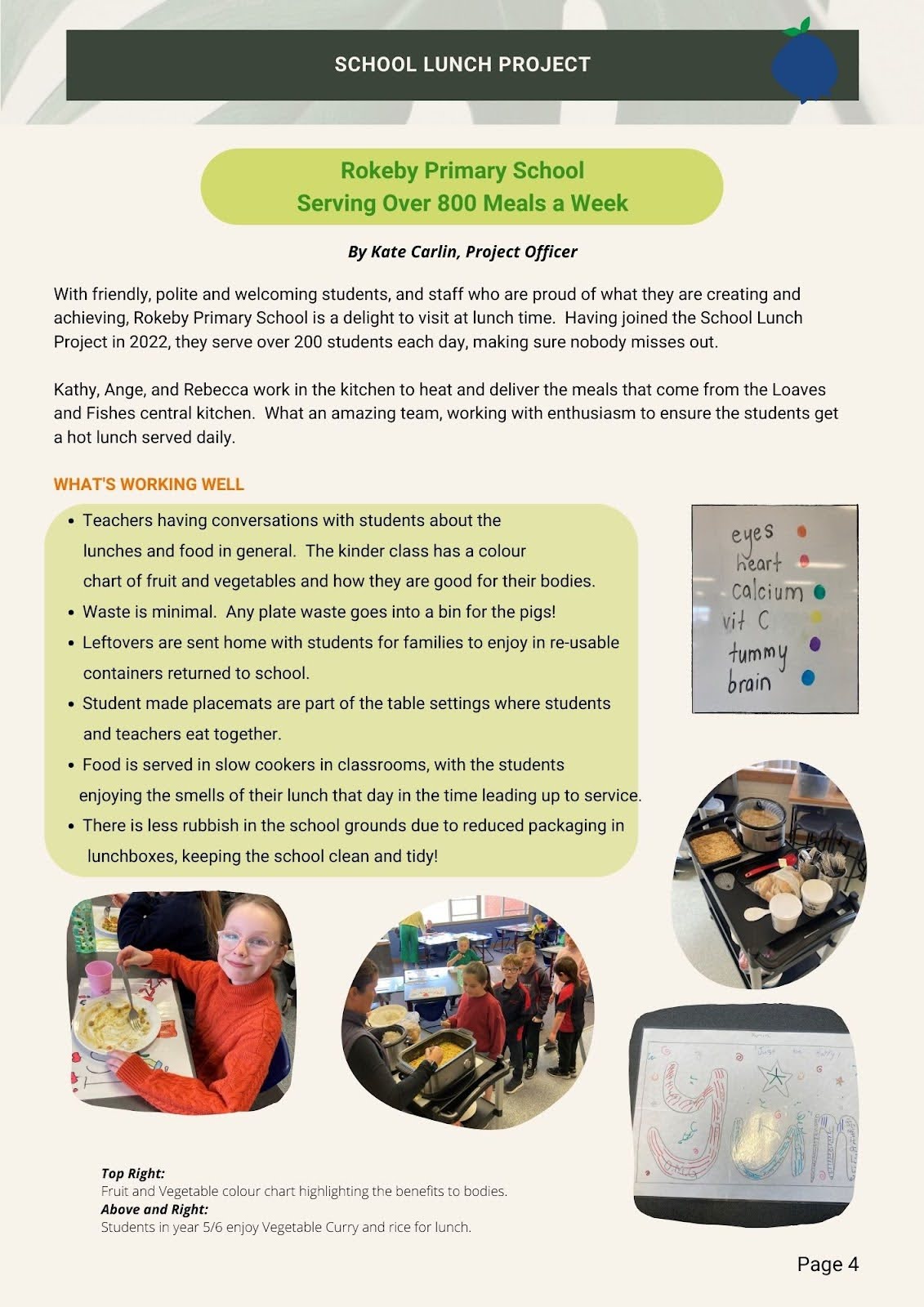
Many Australian parents of school-age children will be looking forward to a break from the routine of packing school lunch boxes over the summer holidays. But in some other countries, lunch boxes are increasingly being replaced by school lunch programs.
Around 80% of primary school children in high-income countries globally receive school meals. This includes almost all primary school children in countries such as Finland, Sweden, Japan and South Korea. It’s around three-quarters of primary school children in the United States and 40% in New Zealand.
School meal programs may provide breakfast, lunch, snacks or food to take home, but in many countries they include a school lunch.
Australia is one of the few high-income countries that’s not part of the School Meals Coalition, a global alliance of national governments that aims to ensure all children get nutritious school meals by 2030.
That’s despite many Australian families struggling to afford enough nutritious food. Around 16% of Australian families with dependent children (including students aged 15–24) experienced food insecurity in 2023. It was 34% in lone-parent households.
With so many ultra-processed foods – such as chips and biscuits – in lunchboxes, a well designed school lunch program could make a difference.
Improving diets and academic performance
A growing number of countries are introducing free school lunch programs to tackle food insecurity, increase the quality of children’s diets and improve student performance.
Some school lunch programs provide free meals to children with the highest levels of disadvantage, such as programs in Canada.
Universal free school lunch programs, on the other hand, provide free meals to all children in particular year levels or regions. This means all children get the benefits, and it can reduce the stigma of participating in lunch programs aimed at disadvantaged children.
An evaluation of the first five years of the program found children who received free school lunches had higher educational attainment and fewer absences from school.
The UK government also funds free school lunches for older children in England experiencing disadvantage. It is expanding eligibility for free school meal programs.
Environmental and economic benefits
Some governments are using free school meal programs to deliver broader environmental, social and economic benefits.
Sweden provides free school lunches to all school children. Its national school meal guidelines say meals should be “eco-smart” as well as nutritious.
A program is underway in Sweden to explore how environmentally sustainable school meals could encourage a broader transformation of food systems.
School lunch programs can transform food systems by encouraging children to adopt healthy and sustainable diets, and by using sustainably produced food bought from local farmers.
Brazil provides nutritious free school meals to all school-age children. At least 30% of the funds provided for the program must be used to buy food from local family farmers, meaning the system supports regional economies as well as healthy eating.
Can Australia afford a school lunch program?
One challenge of introducing a free school meal program is the potential cost.
The average cost of a school meal program in high-income nations globally was around US$900 (A$1,345) per child per year in 2022.
But evidence suggests the benefits outweigh the costs.
A cost-benefit analysis for expanding England’s free school meals program estimated that every pound invested would generate a return of 1.3–1.7 times this investment.
This is made through savings to the national healthcare system, lower food bills for families, and increased lifetime earnings for students.
Another challenge of implementing a school lunch program is that most Australian schools don’t have catering kitchens or dining rooms.
But in some school lunch programs, such as the one in France, meals are made off campus in centralised kitchens run by municipal governments or private companies and delivered to schools.
Tasmania has launched a free school lunch program that delivers healthy school lunches to children in around 45 schools.
Multiple federal and state government inquiries into food security have recommended the introduction of school meals programs in Australia.
Australia can learn from the experiences of other countries to introduce a universal free school lunch program that benefits children, their families, local farmers and the health of the planet.
No-nonsense journalism. No paywalls. Whether you’re in Australia, the UK, Canada, the USA, or India, you can support The Australia Today by taking a paid subscription via Patreon or donating via PayPal — and help keep honest, fearless journalism alive.
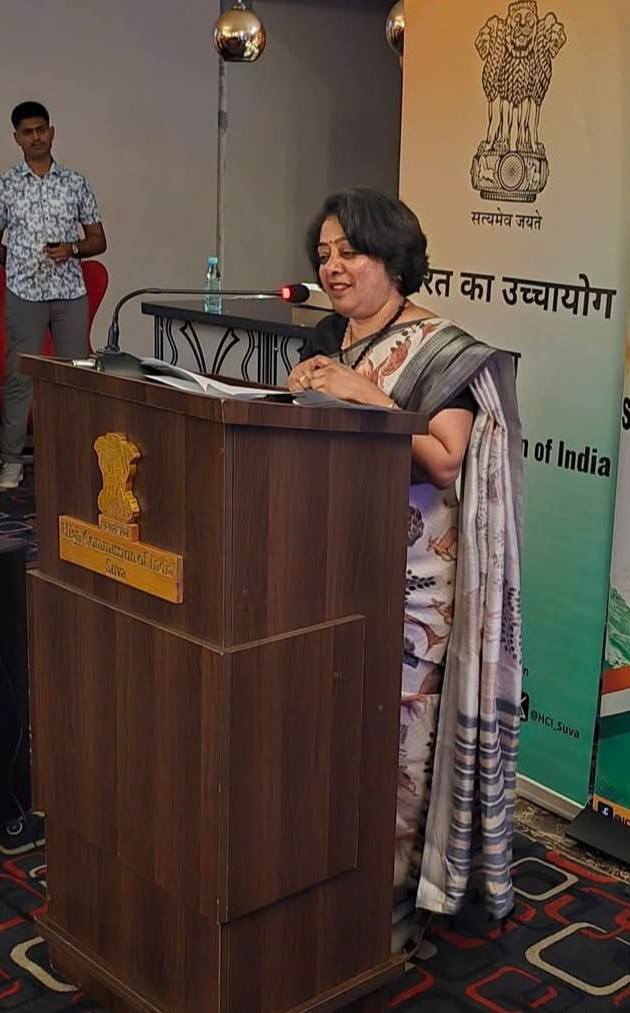
Fiji’s long-standing connection with Indian cinema was in the spotlight as the Indian Film Festival officially opened with free screenings across the country, highlighting both cultural bonds and contemporary cooperation between the two nations.
Minister for Women, Children and Social Protection Shashi Kiran officiated at the opening night in Suva, saying generations of Fijians have grown up watching Hindi films that entertained families and quietly built bridges across cultures.
Image: Minister for Women, Children and Social Protection Shashi Kiran (Source: HCI Suva)
The festival, organised by the High Commission of India, Suva, began with a screening of The Vaccine War, a film based on India’s efforts to develop its own COVID-19 vaccines and share them globally. Kiran noted that Fiji was among the countries that benefited from India’s vaccine support during the pandemic.
She said Indian cinema has been embraced across ethnic lines in Fiji, with many iTaukei communities learning Hindi words and songs through films over the past three generations. Beyond entertainment, she added, the festival reflects wider cooperation, including strengthened medical partnerships and plans for a 100-bed specialty hospital, collaboration in pharmacopeia, and traditional medicine.
Kiran also pointed to opportunities for creative exchange, noting that Fijians such as Sumeet Tappoo have already made their mark in Bollywood. With emerging local filmmakers, she said Fiji has strong potential for collaboration, learning and co-production, while its natural beauty and culture make it an attractive filming destination comparable to popular Bollywood locations abroad.
The festival lineup includes award-winning films such as Uri: The Surgical Strike and Major, which are being screened free at Life Cinema in Nakasi and other venues.
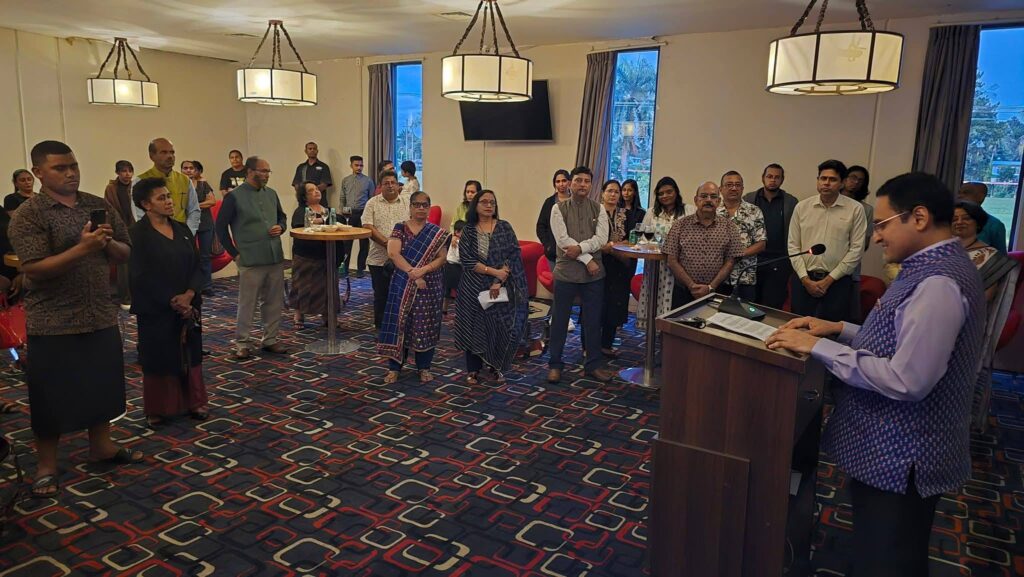
Image: Indian High Commissioner to Fiji Suneet Mehta (Source: HCI Suva)
Indian High Commissioner Suneet Mehta said the festival is a tribute to the deep-rooted cultural relationship between India and Fiji, nurtured over generations through shared traditions, values and the universal language of cinema. He said this year’s programme has been designed to reach wider audiences, with screenings planned not only in Suva but also in Nadi and Lautoka in the coming weeks.
Mehta said Fiji holds a special place for Indian cinema, with generations of Fijians of Indian origin growing up on classic films and iconic stars. He added that it is encouraging to see wider Fijian communities embracing Bollywood—learning phrases, singing popular songs and celebrating them at concerts and family events.
He described the festival as a reminder of the power of film and art to bring communities together and strengthen people-to-people ties between the two countries.
Support our Journalism
No-nonsense journalism. No paywalls. Whether you’re in Australia, the UK, Canada, the USA, or India, you can support The Australia Today by taking a paid subscription via Patreon or donating via PayPal — and help keep honest, fearless journalism alive.
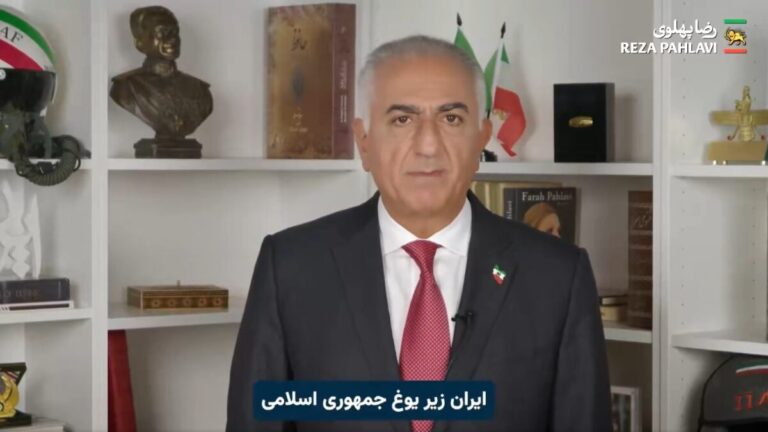
Exiled Iranian Crown Prince Reza Pahlavi has issued a sweeping statement on how a “free Iran” would act toward its neighbours and the world following the fall of the Islamic Republic.
Addressing “all of our friends around the world,” Pahlavi described the current regime as a source of Iran’s association with “terrorism, extremism, and poverty,” but emphasised that the “real Iran” is “beautiful, peace-loving, and flourishing” — a country he says will “rise again from [the] ashes” of the Islamic Republic.
In security and foreign policy, Pahlavi promised that Iran’s nuclear military programme would end and support for terrorist groups would cease immediately. He said a free Iran would collaborate with regional and global partners to combat terrorism, organised crime, drug trafficking, and extremist Islamism, acting as “a friend and a stabilising force in the region” and “a responsible partner in global security.”
On diplomacy, Pahlavi pledged to normalise relations with the United States and restore “our friendship with America and her people.” He also said Israel would be recognised immediately, and that Iran would expand the Abraham Accords into a new initiative dubbed the “Cyrus Accords,” aimed at bringing together Iran, Israel, and the Arab world in a “new chapter…grounded in mutual recognition, sovereignty, and national interest.”
To all of our friends around the world,
Under the yoke of the Islamic Republic, Iran is identified in your minds with terrorism, extremism, and poverty. The real Iran is a different Iran. A beautiful, peace-loving, and flourishing Iran.
Highlighting Iran’s energy potential, Pahlavi said the country would become a “reliable energy supplier to the free world,” with transparent policies and predictable prices. He also vowed to strengthen governance and transparency, confront money laundering, dismantle organised corruption, and ensure public institutions answer to the people.
Pahlavi further emphasised Iran’s economic potential, describing the population as “educated, modern, with a diaspora that connects it to the four corners of the world.” He said a democratic Iran would open its economy to trade, investment, and innovation, replacing isolation with opportunity.
“This is not an abstract vision. It is a practical one, grounded in national interest, stability, and cooperation,” he said. “A free Iran will be a force for peace, for prosperity, and for partnership.”
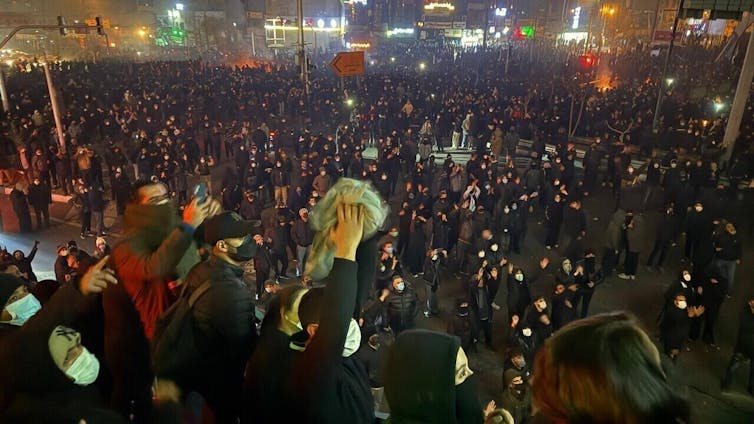
The statement comes amid ongoing nationwide protests in Iran, now entering their third week, with reports of thousands of deaths amid a brutal crackdown.
While the Crown Prince’s vision has drawn attention internationally, questions remain over whether he would be able to gain broad domestic support if the regime fell, a point even US President Donald Trump recently noted, saying, “He seems very nice, but I don’t know how he’d play within his own country.”
Support our Journalism
No-nonsense journalism. No paywalls. Whether you’re in Australia, the UK, Canada, the USA, or India, you can support The Australia Today by taking a paid subscription via Patreon or donating via PayPal — and help keep honest, fearless journalism alive.
An Indian-origin father is recovering in hospital after being brutally assaulted outside his Clyde North home in Melbourne while his family slept inside, with police treating the attack as targeted.
Image: Melbourne truck driver Supinder Pal Singh hospitalised after vicious targeted attack outside home (Source: 7NEWS Screenshot)
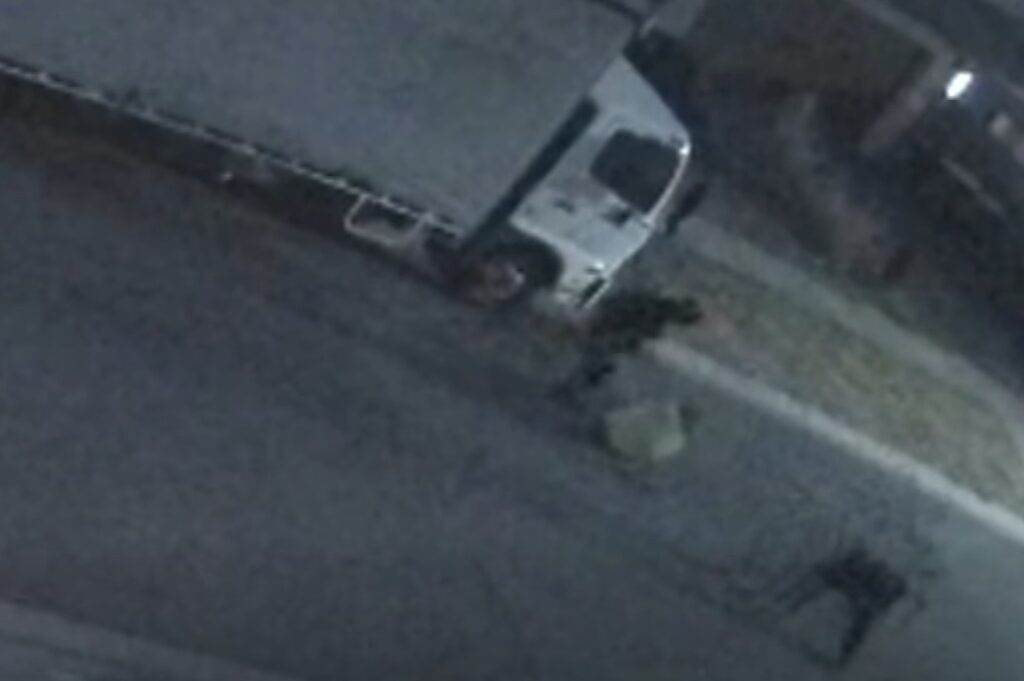
It is reported that 42-year-old truck driver Supinder Pal Singh was walking to his vehicle in Catees Street just after 5am when he was confronted by two men.
CCTV footage shown by 7NEWS has one of the attackers approaching before knocking him to the ground with a single punch. A second man then joins in, with the pair repeatedly punching and kicking the victim as he lay defenceless.
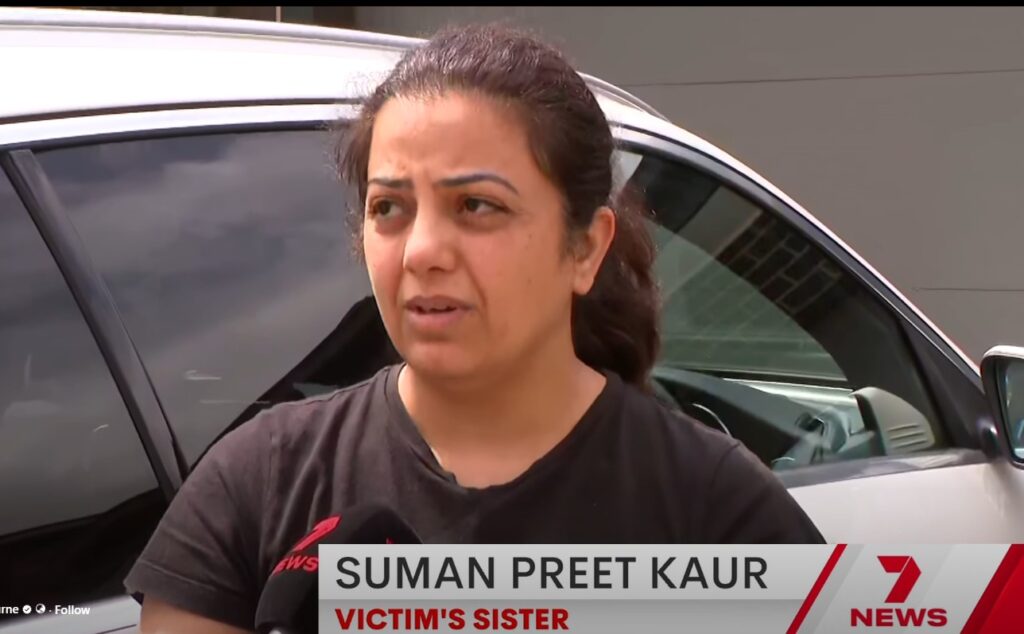
Supinder’s sister, Suman Preet Kaur, said the attackers appeared intent on killing him. “They basically left him for dead,” she told Nine News.
“There was blood everywhere — on the street, in the house, all over his face. They made sure before they left, even kicking him in the head, that he wasn’t moving.”
After the offenders fled, the injured man managed to drag himself to the front door, where his family rushed him to hospital. He is being treated for a fractured skull and a broken nose and is expected to undergo surgery.
Image: Melbourne truck driver Supinder Pal Singh hospitalised after vicious targeted attack outside home (Source: 7NEWS Screenshot)
Suman told 7NEWS the attack appeared to be planned, alleging the men had been seen scoping out the street earlier and that her brother had been threatened about two weeks ago.
Police are continuing to search for the two men and the vehicle they escaped in, urging anyone with information or further CCTV footage to come forward.
Support our Journalism
No-nonsense journalism. No paywalls. Whether you’re in Australia, the UK, Canada, the USA, or India, you can support The Australia Today by taking a paid subscription via Patreon or donating via PayPal — and help keep honest, fearless journalism alive.
The legislation allows schools participating in the National School Lunch Program, which serves nearly 30 million children nationwide, to offer whole and 2% milk alongside low-fat and fat-free versions. Non-dairy alternatives, such as fortified plant-based milks, can also be provided if parents request them.
The move follows the release of the 2025–2030 Dietary Guidelines for Americans, which reintroduce full-fat dairy as part of a healthy diet.
Whole milk is BACK!🥛 @POTUS has signed the Whole Milk for Healthy Kids Act, bringing whole milk BACK into America’s schools for the first time in decades. This is a HUGE win for kids’ health and American dairy farmers. 🇺🇸 🐄 ⁰ #DrinkWholeMilkpic.twitter.com/k8VLiMtNfR
The signing, held in the Oval Office, included bipartisan lawmakers, top administration officials, dairy farmers, and families. U.S. Secretary of Agriculture Brooke Rollins said the law would benefit both students and rural communities reliant on dairy production. “Whole milk is back — and it’s the right move for kids, parents, and America’s dairy farmers,” she said.
It’s time to DRINK WHOLE MILK, America.🥛🇺🇸
Such an honor to be in the Oval Office as @POTUS signed the Whole Milk for Healthy Kids Act into law — surrounded by the farmers who make it all possible.
This historic bill officially brings whole milk back into our schools and back… pic.twitter.com/zwSerRQOBG
The law reverses a 2012 rule under the Obama administration’s Healthy Hunger-Free Kids Act, which restricted school milk to low-fat or fat-free options to combat childhood obesity. Critics argued that many children disliked skim milk and avoided drinking it, leading to missed nutrients and increased food waste. Some studies now suggest that children who consume whole milk may be less likely to become overweight than those who drink lower-fat alternatives.
🖊️ INTO LAW: President Donald J. Trump signs the Whole Milk for Healthy Kids Act, ensuring millions of children have access to high-quality milk in schools.
Health Secretary Robert F. Kennedy Jr. described the legislation as “a long-overdue correction to school nutrition policy,” while Rollins emphasised its role in supporting the U.S. dairy industry, which has seen increased exports and growing demand for full-fat milk.
WHAT THEY ARE SAYING: Trump Administration Puts Real Food First in Dietary Guidelineshttps://t.co/Pfih2Oltm8
The law will gradually take effect from the 2026–2027 school year as schools adjust supply chains and assess student demand. It is expected to impact millions of children and represents a significant shift in U.S. nutrition policy, aligning school meals with updated dietary recommendations.
Support our Journalism
No-nonsense journalism. No paywalls. Whether you’re in Australia, the UK, Canada, the USA, or India, you can support The Australia Today by taking a paid subscription via Patreon or donating via PayPal — and help keep honest, fearless journalism alive.
Cars were swept into the ocean after sudden flash flooding tore through the coastal township of Wye River in Victoria, as severe thunderstorms dumped intense rain across the Otways on Thursday.
One local, Michelle MacKenzie, who was at the scene, warned people to stay safe after posting that cars from a nearby caravan park had been washed out to sea.
Image: Cars ‘washed out to sea’ by Victoria’s Wye River flash flooding (Source: 7News screenshot)
Victoria Police confirmed officers had been called to reports of flash flooding and vehicles being swept away, with local police and the Air Wing deployed to assess the situation.
Emergency authorities issued urgent warnings as the weather system intensified. VicEmergency declared a watch and act alert for parts of the South West district, including areas inland from Lorne, warning the storm was “very dangerous” and capable of producing life-threatening flash flooding over several hours.
At least three cars were reported to have been swept into the ocean, while a popular campground at Wye River was inundated by fast-rising water. Caravan parks along rivers lining the Great Ocean Road were evacuated, including sites at Carlisle River and Cumberland River, with the Lorne Foreshore caravan park also cleared as flooding worsened.
The Great Ocean Road was closed in both directions between Skenes Creek and Wye River, and about 6,500 homes were left without power by mid-afternoon.
Image: Flooding at Wye River campsite (Source: The Age screenshot)
Campers described chaotic scenes as the river burst its banks. Melbourne resident Rebecca Scott told The Age that the water surged through the Big4 holiday park shortly after 1pm, forcing people to abandon tents and equipment as floodwaters swallowed campsites and playgrounds. Her escape by car was cut off by rising water, leaving her to evacuate on foot to the local pub.
It is reported that others sheltering nearby described eskies, chairs and debris being swept away as businesses filled with evacuees. Emergency crews, including fire trucks, were stationed throughout the town, and the main bridge across the river was closed as a precaution.
Severe Weather Update: Severe storms, rain and wind for the south-east.
The Bureau of Meteorology recorded more than 160 millimetres of rain in parts of the Otways since morning, highlighting the intensity of the downpour. The State Emergency Service warned that floodwaters could rise rapidly and that saturated ground had increased the risk of landslides, urging residents not to drive through floodwater and to call Triple Zero (000) in life-threatening emergencies.
Support our Journalism
No-nonsense journalism. No paywalls. Whether you’re in Australia, the UK, Canada, the USA, or India, you can support The Australia Today by taking a paid subscription via Patreon or donating via PayPal — and help keep honest, fearless journalism alive.
Grassroots multicultural organisations across Victoria are set to receive a significant boost, with the Allan Labor Government rolling out a new $5 million funding initiative aimed at strengthening support for multicultural and multifaith communities.
Minister for Multicultural Affairs Ingrid Stitt announced on Thursday that applications are now open for the Multicultural Capacity Building Program, a scheme designed to help both emerging and established organisations build stronger foundations and expand their impact at community level.
The program delivers grants across three funding streams — up to $10,000, $100,000 or $400,000 — allowing organisations to invest in skills development, leadership programs, partnerships and long-term sustainability. Funding can also be used to cover day-to-day operational costs, including IT systems and business planning, areas often cited as challenges for volunteer-run groups.
Ms Stitt said the initiative recognises the central role grassroots organisations play in Victoria’s social fabric, noting that while the state has a proud multicultural history, it must continue to be actively supported. She said the funding would help build strong organisational foundations so all Victorians can fully participate in an inclusive and vibrant society, while ensuring community groups remain well placed to support the people they serve.
Applications from organisations representing new and emerging communities, as well as those based in rural and regional areas, will be prioritised.
The program stems from the Victorian Government’s response to the Victorian Multicultural Review, led by George Lekakis AO. Published in September 2025, the review called for greater investment in grassroots multicultural organisations to improve their sustainability and effectiveness.
With applications now open until 19 February 2026, the government says the initiative will help community organisations deliver lasting positive change for multicultural and multifaith Victorians across Victoria.
Support our Journalism
No-nonsense journalism. No paywalls. Whether you’re in Australia, the UK, Canada, the USA, or India, you can support The Australia Today by taking a paid subscription via Patreon or donating via PayPal — and help keep honest, fearless journalism alive.
The alleged desecration of the Kulukulu Ram Mandir in Sigatoka has reopened deep wounds within Fiji’s Hindu community, reviving memories of earlier attacks on places of worship and intensifying calls for unity, justice and stronger protection of sacred sites.
Image: Alleged desecration of the Kulukulu Ram Mandir in Sigatoka, Fiji (Source: Anish Pal / fijivillage)
As per local media, police are investigating reports that sacred idols were damaged and dumped outside the Sigatoka temple earlier this week, an incident that community leaders believe was a deliberate act of sacrilege rather than a burglary.
Temple trustee Amish Pal told Fiji Sun he discovered the damage when he arrived for prayers, describing the scene as distressing and emotionally confronting. He noted that nothing appeared to have been stolen, reinforcing suspicions that the act was motivated by hatred rather than theft.
Image: Alleged desecration of the Kulukulu Ram Mandir in Sigatoka, Fiji (Source: Anish Pal / fijivillage)Image: Alleged desecration of the Kulukulu Ram Mandir in Sigatoka, Fiji (Source: Anish Pal / fijivillage)
The incident drew swift condemnation from Minister for Multi-Ethnic Affairs Charan Jeath Singh, who described the vandalism as both criminal and an attack on Fiji’s core values of peace, respect and religious harmony. Singh stressed that all places of worship, regardless of faith, are sacred and must be protected, warning that the Coalition Government would not hesitate to pursue harsh penalties, including imprisonment, for those responsible.
For many Indo-Fijians, the Sigatoka incident is not an isolated case but part of a disturbing pattern stretching back decades. Only days earlier, worshippers at the Sri Shiva Subramaniya Swami Temple in Tagitagi, Tavua, reported a shocking act of sacrilege in which a heavy sacred shivling was allegedly ripped from its base, dragged outside, smashed and dumped. Temple officials described the act as devastating and called for swift arrests.
Image: Shiv Mandir in Samabula, Fiji (Source: FBC News and The Fiji Times)
Last year, Fiji was rocked by the desecration of the century-old Shiv Mandir in Samabula, Suva, where revered idols—some almost 100 years old—were smashed in an attack that triggered national outrage.
National Federation Party (NFP) leader Biman Prasad labelled that incident “absolutely disgusting” and a national shame, while warning that repeated attacks risk undermining social cohesion.
Image: Stolen Shiv Ling from Sagayam Road, Nadi Town (Photo: Supplied to FijiVillage)
In April 2025, pages of the sacred Ramayan were torn and scattered inside the Vunicuicui Shiv Mandir in Labasa, an act widely condemned as an assault on interfaith respect. In 2018, temples in Suva and Nadi were defaced with hate graffiti, idols damaged and donation boxes stolen. As far back as 2006, the frequency of attacks forced several temples to hire private security after police acknowledged they could not provide round-the-clock protection. Even earlier, in 1991, a series of firebombings and the burning of sacred texts shocked the nation and prompted widespread protests.
Image: Fiji Police investigate theft of 70-year-old Lord Hanuman statue from Ba temple (Source: fijivillage news)
The recurrence of such incidents has fuelled renewed political pressure. Sigatoka-based MP Joseph Nand told Fiji Sun the latest vandalism had stunned the usually quiet town and urged the government to allocate dedicated funding for security at religious sites in the next national Budget. He appealed for calm while calling on police to act swiftly and decisively.
Despite the anger and grief, community leaders are emphasising restraint and unity. Singh reiterated that Fiji is a multi-racial, multi-faith nation that has lived together in harmony for generations, urging citizens not to allow hatred to fracture that legacy.
Fiji Police confirmed to the local media that a report had been lodged and investigations were ongoing. Officers have appealed for calm as inquiries continue.
Support our Journalism
No-nonsense journalism. No paywalls. Whether you’re in Australia, the UK, Canada, the USA, or India, you can support The Australia Today by taking a paid subscription via Patreon or donating via PayPal — and help keep honest, fearless journalism alive.
Australia is grappling with more than 330,000 unfilled jobs across key industries, even as thousands of qualified permanent migrants remain underemployed, new Australian Bureau of Statistics (ABS) data reveals.
The shortages are most acute in health care and social assistance, professional, scientific and technical services, construction, and education, highlighting deep structural gaps across the economy.
Health Care and Social Assistance: 59,600 vacancies
Professional, Scientific and Technical Services: 33,600 vacancies
Construction: 18,100 vacancies
Education and Training vacancies: 13,600 vacancies
Violet Roumeliotis, spokesperson for Activate Australia’s Skills and CEO of campaign convener SSI, said in a statement that the figures reflect chronic workforce shortages that have persisted for years. “These aren’t short-term blips—they’re structural gaps that are holding back productivity and economic growth,” Ms Roumeliotis said.
“Hospitals are short-staffed, businesses are cutting hours, and essential services are slowing down.”
Image: Fields where migrant skills could have the biggest workforce impact (Source: The Productivity Fast Track Report)
She argued that many of these shortages could be eased if overseas skills recognition was faster, fairer, and more affordable, allowing qualified migrants to work at their full potential. “Our complex skills recognition system is slowing down the workforce Australians rely on every day,” she said. “Everyone loses when skilled professionals are held back from contributing fully to our country.”
Image Source: The Productivity Fast Track Report
Analysis from last year’s Productivity Fast Track report suggests that enabling qualified migrants to work in their professions could fill tens of thousands of vacancies, including roles in accounting, engineering, teaching, nursing, aged care, and psychology.
50,080 accountants
47,315 engineers
20,590 teachers
16,430 nurses
8,710 aged care workers
5,040 psychologists
“This is common sense,” Ms Roumeliotis said. “On one hand, we have chronic skills shortages; on the other, qualified workers are already here. Reforming skills recognition while maintaining high standards is essential for our economy and for better services.”
Image: Fields by productivity gain per worker and migrants impacted (Source: The Productivity Fast Track Report)
The Activate Australia’s Skills campaign, backed by more than 130 organisations, is calling for practical reforms, including a national governance system for overseas skills recognition with independent oversight, a more integrated approach linking recognition with employment licensing, financial support and guidance for skilled migrants, and the creation of Migrant Employment Pathway Hubs to help qualified individuals return to work in their professions.
Support our Journalism
No-nonsense journalism. No paywalls. Whether you’re in Australia, the UK, Canada, the USA, or India, you can support The Australia Today by taking a paid subscription via Patreon or donating via PayPal — and help keep honest, fearless journalism alive.
Muscat came alive this week as the Indian Naval Sailing Vessel INSV Kaundinya arrived at Port Sultan Qaboos, completing an 18-day maiden voyage from Porbandar in Gujarat. More than a simple port call, the vessel’s arrival was hailed as a vivid celebration of centuries-old civilisational, maritime, and cultural ties between India and Oman.
Image: Indian Naval Sailing Vessel INSV Kaundinya arrived at Port Sultan Qaboos (Source: X)
India’s Minister of Ports, Shipping & Waterways, Sarbananda Sonowal, welcomed the crew and described the moment as historic. “A historic moment of pride as INSV Kaundinya receives a grand welcome in Muscat!”
“The culmination of this historic 18-day voyage from Gujarat to Oman is a shining example of Hon’ble PM Shri Narendra Modi ji’s visionary leadership and firm resolve to revive India’s ancient shipbuilding genius. It also symbolises the enduring bond of our historic ties with the Gulf region.”
Highlighting the vessel’s unique craftsmanship, Sonowal added, “By sailing this magnificent stitched-ship inspired by the 5th-century paintings of Ajanta and crafted without a single nail by our master artisans from Kerala, we have proudly shown our civilisational legacy to the world.”
“This vessel is not just wood and rope; it represents the timeless strength of our maritime heritage, marked by indigenous skill and enduring innovation. It is a powerful symbol of Aatmanirbhar Bharat bridging our glorious past with a confident future.”
He also saluted the crew, saying, “I heartily congratulate Skipper Cdr Vikas Sheoran, Officer-in-Charge Cdr Y Hemant Kumar and the entire Indian Navy team. A special mention to Shri Sanjeev Sanyal ji, whose passion, participation and daily chronicles brought this ancient trade route back to life for millions of Indians. Truly a voyage that defines Virasat Bhi, Vikas Bhi!”
A historic moment of pride as INSV Kaundinya receives a grand welcome in Muscat!
The culmination of this historic 18-day voyage from Gujarat to Oman is a shining example of Hon'ble PM Shri @narendramodi ji's visionary leadership and firm resolve to revive India's ancient… pic.twitter.com/5EgPOmbKwh
INSV Kaundinya is a traditionally built wooden sailing vessel that draws inspiration from fifth-century Ajanta Cave paintings. Constructed entirely with stitched-plank techniques and without modern nails or metal fastenings, the ship reflects India’s rich indigenous maritime knowledge and sustainable shipbuilding practices. Its design and voyage celebrate India’s ancient seafaring legacy while demonstrating the skill, resilience, and innovation of its modern navy.
The vessel retraced historic maritime routes that once connected India’s western coast with Oman, routes that facilitated trade, cultural exchange, and diplomacy for centuries. The expedition covered 650 nautical miles over 17 days, underlining the Indian Ocean as a bridge that has historically linked nations, economies, and cultures.
At Port Sultan Qaboos, the reception brought together senior officials from Oman’s Ministry of Heritage and Tourism, the Royal Navy of Oman, the Royal Oman Police Coast Guard, and the Indian Navy. The large Indian community in Oman, including students, joined in the celebrations with traditional Indian and Omani cultural performances, adding vibrancy to the historic occasion.
#WATCH | Oman | INSV Kaundinya, the Indian Navy’s stitched sailing vessel, docks in Muscat, after completing her maiden overseas voyage from Porbandar, Gujarat pic.twitter.com/UXXRKp4Frm
The voyage also coincides with the 70th anniversary of diplomatic relations between India and Oman, highlighting the long-standing and evolving partnership. During his visit, Sonowal held bilateral talks with Oman’s Minister for Transport, Communications and IT, H.E. Eng. Said bin Hamood bin Said Al Mawali, focusing on expanding maritime cooperation. Opportunities for Omani companies to participate in India’s rapidly expanding port and maritime sector were discussed, including major infrastructure projects under the Public–Private Partnership framework, such as the Vadhavan Port project in Maharashtra and the Tuticorin Outer Harbour Project in Tamil Nadu.
Sonowal also highlighted India’s US$8.4 billion maritime development package, designed to strengthen the shipbuilding ecosystem through dedicated industrial clusters, research and development support, and a Maritime Development Fund. A proposal for a green shipping corridor between India and Oman was outlined, aiming to deepen sustainable maritime collaboration. Additionally, a memorandum of understanding on maritime heritage and museums was signed, aimed at enriching the shared maritime history of both nations.
The voyage was commanded by Cdr Vikas Sheoran and crewed by four officers and 13 sailors under the leadership of Cdr Y Hemant Kumar. For the officers and sailors aboard, the journey was both challenging and exhilarating. “It is no mean task to sail on a transoceanic voyage from Porbandar to Muscat,” said Commander Kumar, reflecting on the 650-nautical-mile expedition.
Experts noted the expedition as a revival of India’s ancient maritime traditions. Economic Advisory Council member Sanjeev Sanyal, who joined the voyage, said,
“This project is to show that ancient India, which we are very proud of, was really based on risk-takers, adventurers and merchants who went out, discovered new markets, spread culture, and imbibed new ideas. That spirit is what we are celebrating here.”
This thread tells the story of how INSV Kaundinya came to be built. The ship will make its maiden voyage from Porbandar to Muscat, Oman on 29th December. Follow the handle @INSVKaundinya to get updates. https://t.co/FXrbUlfTin
The arrival of INSV Kaundinya in Muscat is thus not just a milestone in naval achievements but a living symbol of the enduring relationship between India and Oman—spanning over 5,000 years of maritime exchange, cultural dialogue, and civilisational bonds. As both countries mark seven decades of diplomatic relations, the stitched wooden ship serves as a tangible bridge between the past and the present, carrying the legacy of ancient mariners into the contemporary era.
Support our Journalism
No-nonsense journalism. No paywalls. Whether you’re in Australia, the UK, Canada, the USA, or India, you can support The Australia Today by taking a paid subscription via Patreon or donating via PayPal — and help keep honest, fearless journalism alive.
The test run covered the entire 66-kilometre route, stopping at all 31 stations and reaching speeds of up to 100km/h on newly built sections of track. For commuters, it offered a tangible preview of a network that will soon deliver a train every four minutes in peak periods — almost doubling services compared with the former T3 Bankstown Line, which ran just eight trains an hour.
Transport Minister John Graham said the successful end-to-end test marked an exciting day for the whole city, but particularly for communities in southwest Sydney that have been waiting to join the metro network. With high-frequency services, he said, the new line would dramatically improve access to jobs and education across Sydney.
The extension is part of the Minns Labor Government’s record $30 billion-a-year infrastructure program and is expected to transform daily travel for thousands of passengers. Once operational, travellers from Bankstown will reach Gadigal Station in about 30 minutes — a 15-minute saving on the old heavy rail journey to Town Hall.
Across the southwest, commuters are set to benefit from substantial time savings, including faster trips from Marrickville to Gadigal, Lakemba to Victoria Cross and Campsie to Macquarie University. Member for Canterbury Sophie Cotsis said the project would better meet the transport needs of the region while opening up new employment opportunities. She noted that, once complete, residents from suburbs such as Wiley Park would be able to reach Central, Gadigal and Barangaroo in under half an hour.
Construction across the corridor is now well advanced, with 79 per cent of work completed. Tiling is largely finished at four stations, while painting and landscaping are under way at most sites. World-leading safety features, including platform screen doors and mechanical gap fillers, have already passed their first round of testing at every station.
Member for Bankstown Jihad Dib acknowledged the disruption caused by the lengthy construction and testing phase, thanking local residents for their patience. He said the payoff would be frequent services and significantly shorter journeys to key destinations such as Martin Place, Barangaroo, Macquarie University and Chatswood.
The project has now entered a critical high-speed testing phase, which requires at least 9,000 hours and 30,000 kilometres of combined testing before the line can open. More than 70 major integration tests will be carried out to ensure trains, signalling and new infrastructure work together safely and reliably.
As part of the final conversion, crews will integrate the southwest extension with the existing metro line — work that will require a series of full and partial closures on the M1 Line. While disruptive, authorities say the shutdowns are essential to complete the work safely within the rail corridor. In January, metro services will not run on the weekends of 17–18 and 24–25 January, with replacement buses operating between Tallawong and Chatswood and Sydney Trains services running between Chatswood and Sydenham.
Member for Summer Hill Jo Haylen said the project had been a long journey for Inner West and Canterbury-Bankstown communities, but the benefits would be substantial. With peak services every four minutes, she said passengers would reach Victoria Cross in just over 20 minutes and Chatswood in under half an hour from Dulwich Hill — improvements that would make public transport faster, easier and more reliable.
The government has again thanked affected communities and metro passengers for their patience as testing continues, with the first full-length run now standing as a clear sign that Sydney’s newest metro link is nearing the finish line.
Support our Journalism
No-nonsense journalism. No paywalls. Whether you’re in Australia, the UK, Canada, the USA, or India, you can support The Australia Today by taking a paid subscription via Patreon or donating via PayPal — and help keep honest, fearless journalism alive.
The United States has moved to indefinitely suspend immigrant visa processing for applicants from 75 countries, in one of the most far-reaching restrictions on legal migration under President Donald Trump’s administration.
The freeze, due to take effect on 21 January, targets people officials say are likely to become a “public charge” by relying on government assistance. In a post on social media, the US State Department said it would halt visa processing for countries whose migrants were deemed to draw on welfare “at unacceptable rates”, adding the pause would remain until safeguards were in place to prevent abuse of public benefits.
An internal diplomatic cable, first reported by The Guardian, lists countries across Africa, the Middle East, Asia, Europe and the Caribbean, including Iran, Afghanistan, Bangladesh, Bhutan, Nepal, and Fiji.
The countries affected span multiple regions. Africa accounts for the largest share, including Algeria, Cameroon, Cape Verde, Cote d’Ivoire, the Democratic Republic of the Congo, Egypt, Eritrea, Ethiopia, Gambia, Ghana, Guinea, Liberia, Libya, Morocco, Nigeria, the Republic of the Congo, Rwanda, Senegal, Sierra Leone, Somalia, South Sudan, Sudan, Tanzania, Togo, Tunisia and Uganda.
In the Middle East, the pause applies to Iran, Iraq, Jordan, Kuwait, Lebanon, Syria and Yemen.
South Asia includes Afghanistan, Bangladesh, Bhutan, Nepal and Pakistan, while East and Southeast Asia covers Burma, Cambodia, Laos, Mongolia and Thailand.
Central Asia is represented by Kazakhstan, Kyrgyzstan and Uzbekistan.
In Europe, the affected countries are Albania, Armenia, Azerbaijan, Belarus, Bosnia, Georgia, Kosovo, Macedonia, Moldova, Montenegro and Russia.
The Caribbean list comprises Antigua and Barbuda, the Bahamas, Barbados, Cuba, Dominica, Grenada, Haiti, Jamaica, Saint Kitts and Nevis, Saint Lucia and Saint Vincent and the Grenadines.
Central America includes Belize, Guatemala and Nicaragua, South America covers Brazil, Colombia and Uruguay, and the Pacific region includes Fiji.
It is reported that this suspension applies only to immigrant visas, with temporary tourist and business visas excluded.
The Trump Administration will always put America First.
State Department principal deputy spokesperson Tommy Pigott said the administration was using its long-standing authority to bar applicants likely to rely on welfare, arguing the move would protect “the generosity of the American people”. The department, led by Secretary of State Marco Rubio, has instructed embassies and consulates to halt decisions while vetting procedures are reviewed.
The visa pause comes amid an intensified immigration crackdown. Officials say more than 100,000 visas have been revoked since Mr Trump returned to office, alongside large-scale deportations and expanded travel bans. Earlier measures included suspending asylum processing and halting citizenship and green card applications for nationals of countries already subject to restrictions.
The policy has drawn criticism from migration experts and researchers, who dispute claims that immigrants disproportionately rely on welfare. A 2025 report by the Cato Institute found immigrants used significantly fewer welfare and entitlement benefits per capita than native-born Americans. Analysts at the Migration Policy Institute warned the move could deter eligible families from accessing essential support for fear of harming future immigration prospects.
Human rights groups have also raised concerns about the broader impact, particularly on communities already under scrutiny, such as Somali Americans, following fraud allegations in Minnesota that local officials have disputed.
Despite the administration’s insistence that it supports legal migration, the latest suspension further narrows lawful pathways into the US. A State Department spokesperson confirmed the list of affected countries was still being finalised, but said the pause would remain in place until further notice.
Support our Journalism
No-nonsense journalism. No paywalls. Whether you’re in Australia, the UK, Canada, the USA, or India, you can support The Australia Today by taking a paid subscription via Patreon or donating via PayPal — and help keep honest, fearless journalism alive.
Chennai Bulls make history this week as the first Indian team to compete at the McDonald’s Coral Coast Sevens in Sigatoka, marking a significant milestone for Indian rugby on one of the sport’s most respected stages.
The Bulls are led by former Fiji Airways Fiji 7s head coach Ben Gollings, who has returned to familiar territory with a Select side focused on long-term development rather than short-term results.
Gollings told FBC the Coral Coast Sevens offered an ideal environment to expose emerging players to elite-level competition in the heartland of sevens rugby.
“It’s great to be back in Fiji and exciting to be bringing the Chennai Bulls,” he said. “This is a Select team, not our mainstream squad, and we’re using the tournament as a development platform as we continue to build our rugby programme.”
The squad features four Indian national team players, selected local talent and Australian-based Peni Naqua, who has joined the side from the Western Force. Gollings said the tournament would provide invaluable exposure for players stepping up to the international level.
“There’s no better place than Fiji to test and grow sevens players,” he said, adding that performance outcomes would be secondary to player development.
Off the field, the Bulls’ visit has strengthened ties with Ba Rugby Union, with the partnership described as a key boost ahead of the 2026 season. Ba Rugby Union secretary Gaby Kautoga said the collaboration would support grassroots growth and player pathways.
As part of the exchange, the Gollings-coached side will conduct a sevens coaching clinic for Ba’s junior players at Ba Methodist High School, followed by a team training session in preparation for the weekend’s tournament.
“This is something big for us going into 2026,” Kautoga said. “We are planning a sevens programme this year, and having Chennai Bulls involved is a major boost. Two of our players will also feature with the club.”
Ba Rugby duo Ponipate Bacaivalu and Meli Tuvusa from the Vinod Patel Ba Skipper Cup team are set to line up for the Chennai Bulls at the Coral Coast Sevens, while the visitors will also lead clinics for Ba’s under-12, under-14, under-16 and under-18 players, including a scrimmage with the under-18s.
Kautoga said the partnership could help spark renewed interest in rugby in Ba, particularly within the Indo-Fijian community, while opening doors to future exchange programmes linked to education and academies.
The McDonald’s Coral Coast Sevens gets under way this weekend in Sigatoka, with the Chennai Bulls Select using their historic Fiji appearance as a springboard for the next phase of their international rugby journey.
Support our Journalism
No-nonsense journalism. No paywalls. Whether you’re in Australia, the UK, Canada, the USA, or India, you can support The Australia Today by taking a paid subscription via Patreon or donating via PayPal — and help keep honest, fearless journalism alive.
An alleged offshore crime figure described by police as a national security threat has been arrested in Iraq following a months-long international investigation led by the Australian Federal Police.
Commissioner Barrett said one of her first priorities after taking office last October was to strengthen the AFP’s global operations, with officers now deployed in more than 30 countries to prevent serious crime before it reaches Australian shores.
“The best way to keep Australians safe is to stop crime at its source, especially when it is being directed from offshore,” she said, adding the AFP would use every lawful tool available to identify and target those responsible.
The man arrested has not been named by the AFP, but authorities have confirmed he is a former Melbourne resident Kazem Hamad who was deported from Australia in 2023 and has been a key figure of interest in investigations into drug trafficking and violent organised crime.
As part of the investigation, AFP officers were deployed overseas to gather intelligence and engage directly with international law enforcement partners. Commissioner Barrett said she also held direct discussions with senior foreign policing officials as efforts intensified to locate and disrupt the alleged offender.
Late last year, the AFP shared intelligence with Iraqi authorities, who then launched their own criminal investigation. Iraqi officials made an independent decision to arrest the man, working through the country’s judicial system and specialist narcotics units.
The arrest was announced by Iraq’s National Centre for International Judicial Cooperation, which alleged the accused was involved in large-scale drug importation, including heroin smuggling, and had links to organised crime groups operating in Australia and the Middle East. Those allegations have not been tested in court.
Commissioner Barrett thanked Iraqi authorities for their cooperation, saying the outcome demonstrated the importance of strong international partnerships in tackling transnational crime.
“This arrest is a significant disruption to an alleged serious criminal and his alleged criminal enterprise in Australia,” she said.
In Victoria, Police Chief Commissioner Mike Bush welcomed the arrest, reaffirming his force’s commitment to working alongside the AFP and overseas partners to curb organised crime and the violence associated with it.
“We are determined to drive down organised crime and the harm it inflicts on the community,” he said.
Australian authorities would not comment on whether extradition proceedings are being considered, citing longstanding policy not to disclose details of such matters while investigations and court processes remain ongoing.
Support our Journalism
No-nonsense journalism. No paywalls. Whether you’re in Australia, the UK, Canada, the USA, or India, you can support The Australia Today by taking a paid subscription via Patreon or donating via PayPal — and help keep honest, fearless journalism alive.
During heatwaves, everyday life tends to feel more difficult than on an average day. Travel and daily movement are no exception.
But while most of us know rain, fog and storms can make driving conditions challenging, not many people realise heat also changes transport risk.
In particular, research evidence consistently suggests roads, trips and daily commutes can become more dangerous on very hot days compared with an average day.
The key questions are how much more dangerous, who is most affected, whether the risk is short-lived or lingers and how this information can be used to better manage road safety during extreme heat.
Who is most at risk?
The clearest picture comes from a recent multi-city study in tropical and subtropical Taiwan.
Using injury data across six large cities, researchers examined how road injury risk changes as temperatures rise, and how this differs by mode of travel.
The results show what researchers call a sharp, non-linear increase in risk on very hot days.
It’s non-linear because road injury risk rises much more steeply once temperatures move into the 30–40°C range.
It is also within this range that different travel modes begin to clearly separate in terms of their susceptibility to heat-related risk.
This Taiwan study found injury risk for pedestrians more than doubled during extreme heat. Cyclist injuries soared by around 80%, and motorcyclist injuries by about 50%. In contrast, the increase for car drivers is much smaller.
The pattern is clear: the more exposed the road user, the bigger the heat-related risk.
The pattern is also not exclusive to a single geographical region and has been observed in other countries too.
At very high temperatures, overall crash risk is about 15% higher than on cool days.
Importantly, the increase is even larger for crashes linked to driver fatigue, distraction or illness.
A nationwide study in the United States found a 3.4% increase in fatal traffic crashes on heatwave days versus non-heatwave days.
The increase is not evenly distributed. Fatal crash risk rises more strongly:
on rural roads
among middle-aged and older drivers, and
on hot, dry days with high UV radiation.
This shows extreme heat does not just increase crash likelihood, but also the chance that crashes result in death. That’s particularly true in settings with higher speeds and less forgiving road environments.
Taken together, the international evidence base is consistent: the likelihood of crashes, injury risk and fatal outcomes all increase during hot days.
Why heat increases road risk, and why the effects can linger
Across the three studies, the evidence points to a combination of exposure and human performance effects.
The Taiwan study shows that risk increases most sharply for pedestrians, cyclists and motorcyclists. These are groups that are physically exposed to ambient heat and, in some cases, exertion. In contrast, occupants of enclosed vehicles show smaller increases in risk.
This suggests that direct exposure to heat plays a role in shaping who is most affected.
The Spanish study suggests that the largest heat-related increases occur in crashes involving driver fatigue, distraction, sleepiness or illness.
This indicates that heat affects road safety not only through environmental conditions, but through changes in human performance that make errors more likely.
Importantly, the Spanish data also show that these effects are not always confined to the hottest day itself. They can persist for several days following extreme heat, consistent with cumulative impacts such as sleep disruption and prolonged fatigue.
High solar radiation refers to days with intense, direct sunlight and little cloud cover. In the US study, heat-related increases in fatal crashes were strongest under these conditions.
Although visibility was not directly examined, these are also conditions associated with greater glare, which may make things even less safe.
How can the extra risk be managed?
The empirical evidence does not point to a single solution, but it does indicate where risk is elevated and where things become less safe. That knowledge alone can be used to manage risk.
First, reducing exposure matters. Fewer trips mean less risk, and flexible work arrangements during heatwaves can indirectly reduce road exposure altogether.
Second, risk awareness matters. Simply recognising that heatwaves are higher-risk travel days can help us be more cautious, especially for those travelling without the protection of an enclosed vehicle.
We tend to adapt quickly to rain. As soon as the first drops hit the windscreen, we reduce speed almost subconsciously and increase distance to other vehicles. This, in fact, is a key reason traffic jams often start to develop shortly after roads become wet.
But a growing body of research shows we also need to be more careful when it comes to travel and commuting during extreme heat.
No-nonsense journalism. No paywalls. Whether you’re in Australia, the UK, Canada, the USA, or India, you can support The Australia Today by taking a paid subscription via Patreon or donating via PayPal — and help keep honest, fearless journalism alive.
Australia has maintained its position among the world’s most mobile nations, ranking seventh on the 2026 Henley Passport Index with visa-free or visa-on-arrival access to 182 destinations, as new data reveals a widening global divide between countries with high travel freedom and those increasingly left behind. India, by contrast, is ranked 80th, underscoring the persistent inequality in global mobility despite surging international travel.
Now marking 20 years since its launch, the Henley Passport Index — compiled by Henley & Partners using exclusive Timatic data from the International Air Transport Association — ranks 199 passports according to how many destinations holders can enter without a prior visa. While a growing cluster of countries now sit near the top with broadly similar access, those at the bottom are becoming more isolated, driving the mobility gap to its widest point yet.
At the top of the rankings, Singapore has retained its position as the world’s most powerful passport, granting visa-free access to 192 destinations. At the other end of the spectrum, Afghanistan remains last, with access to just 24 destinations.
The resulting gap of 168 destinations starkly illustrates how uneven global mobility has become — a sharp increase from 2006, when the difference between the then top-ranked US passport and Afghanistan stood at 118 destinations.
Australia continues to perform strongly, sharing seventh place with the United Kingdom, Latvia and Liechtenstein, and remaining ahead of Canada, Malaysia and the United States. India’s ranking at 80th places it well below much of Asia and Europe, highlighting how passport strength remains closely tied to economic power, diplomatic reach and political stability.
Christian H. Kaelin, chairman of Henley & Partners and creator of the index, said that although global mobility has expanded significantly over the past two decades, the benefits have not been shared evenly. He said passport privilege now plays a decisive role in shaping opportunity, security and economic participation, with rising average access masking the reality that mobility advantages are increasingly concentrated in the world’s most economically powerful and politically stable nations.
The findings come as international travel demand continues to accelerate. IATA forecasts airlines will carry more than 5.2 billion passengers globally in 2026. Willie Walsh said a record number of people are expected to travel this year, generating clear economic and social benefits, but warned that many nationalities are discovering that a passport alone is no longer enough to cross borders as governments tighten entry requirements.
Asia and Europe continue to dominate the top of the rankings, with Japan and South Korea tied for second place and large groups of European countries filling the next tiers. The United Arab Emirates stands out as the strongest long-term performer, having climbed 57 places since 2006 after adding 149 visa-free destinations through sustained diplomatic engagement and visa liberalisation.
The index also points to a relative decline for traditional passport heavyweights. Although the United States has re-entered the top 10 after briefly dropping out in late 2025, both the US and the UK recorded their steepest year-on-year losses in visa-free access last year. Over two decades, the US has fallen from fourth to 10th place, while the UK has slipped from third to seventh, a shift analysts say reflects deeper geopolitical recalibration rather than technical changes to visa rules.
The report highlights growing contrasts between outbound mobility and inbound openness. While US passport holders can travel visa-free to 179 destinations, only 46 nationalities can enter the United States without a visa, placing it 78th on the Henley Openness Index. China, meanwhile, has rapidly expanded visa-free entry and now allows access to 77 nationalities, signalling a strategic turn towards openness as a tool of diplomacy and economic engagement.
Together, the results paint a clear picture of a world in which global travel is booming, but access is becoming more uneven. For countries like Australia, strong diplomatic networks continue to deliver high mobility, while nations such as India remain constrained. Two decades on, the Henley Passport Index suggests the power of a passport matters more than ever — and the gap between the most and least mobile populations is still growing.
Support our Journalism
No-nonsense journalism. No paywalls. Whether you’re in Australia, the UK, Canada, the USA, or India, you can support The Australia Today by taking a paid subscription via Patreon or donating via PayPal — and help keep honest, fearless journalism alive.
Gurkaran Singh, Abhijeet Singh and Khushveer Singh Toor have each pleaded not guilty to two counts of first-degree murder.
The couple were found dead in their Abbotsford home on May 9, 2022, a day after hosting family for Mother’s Day celebrations. When relatives were unable to reach them by phone the following morning, a son-in-law went to the house and made the grim discovery before contacting police.
In opening statements at the Abbotsford Law Courts, the Crown told the judge that Arnold and Joanne De Jong were found in separate bedrooms with their hands and feet bound. Arnold De Jong’s head had been tightly wrapped in duct tape, while Joanne De Jong was discovered with severe head injuries. A forensic pathologist is expected to testify that Joanne died from blunt-force trauma, while Arnold died from asphyxiation.
Prosecutors allege the three men were connected to the couple through a cleaning company owned by Abhijeet Singh, which had previously carried out work at the De Jongs’ home. The Crown says evidence will show the accused were aware the elderly couple lived alone.
The court heard that, shortly after the killings, cheques for more than $5,000 — allegedly signed by Joanne De Jong and listing “clean up of house” in the memo line — were deposited into bank accounts linked to two of the accused. Investigators were alerted to possible financial irregularities after a voicemail warning of suspicious credit card activity was left on the couple’s home answering machine.
The Crown also outlined the background of Gurkaran Singh, telling the court he arrived in Canada on a student visa less than a month before the killings and was expected to attend college in Dawson Creek, but never enrolled.
Police officers who first attended the scene gave emotional testimony describing what they found inside the home, as family members listened from a packed courtroom. Outside court, the couple’s daughters said the details have been harrowing but stressed their parents were loving, generous people deeply embedded in the Abbotsford community.
The judge-alone trial is expected to run for approximately eight weeks, with the Crown planning to call more than two dozen witnesses, including forensic experts and financial investigators. Defence counsel have not yet presented their case.
Support our Journalism
No-nonsense journalism. No paywalls. Whether you’re in Australia, the UK, Canada, the USA, or India, you can support The Australia Today by taking a paid subscription via Patreon or donating via PayPal — and help keep honest, fearless journalism alive.
Melbourne’s Hindu community is preparing for a landmark spiritual and cultural moment, with the newly built Shree Swaminarayan Temple Junagadhdham Melbourne set to host a grand Murti Pratishtha Mahotsav in January 2026.
Temple organisers say the event is a significant milestone for Victoria’s Swaminarayan community and reflects years of planning, fundraising and volunteer effort.
What is Murti Pratishtha? Murti Pratishtha is a sacred Hindu ritual in which deities are formally installed in a temple through Vedic ceremonies and prayers. Once completed, the temple is considered spiritually active and open for daily worship.
The five-day celebration will take place at the temple’s new premises at 37 Sheahan Road, Rockbank, Victoria, marking a major milestone for devotees of the Swaminarayan faith across Australia. The Mahotsav will bring together saints, scholars and community members from across the country for a series of sacred rituals, processions, discourses and cultural programs.
“This is the moment when the temple becomes a living spiritual centre,” a temple spokesperson said.
“It represents devotion, unity and the collective effort of families who have worked tirelessly to see this vision realised.”
Religious leaders to lead ceremonies
The celebrations will be held under the spiritual guidance of Pujya Sadguru Swami Shree Nityaswarupdasji, with the central consecration ceremony to be performed by His Holiness 1008 Acharya Shree Rakeshprasadji Maharaj of the Vadtal Gadi.
Organisers said the presence of senior spiritual leaders reflected the significance of the occasion.
About the temple Name: Shree Swaminarayan Temple Junagadhdham Location: 37 Sheahan Road, Rockbank VIC Tradition: Swaminarayan Sampraday (Vadtal Gadi)
“This is not just a local event,” the spokesperson said.
“It connects the Australian community to a centuries-old tradition that has its roots in Gujarat and continues to guide millions of followers worldwide.”
A week of devotion and celebration
The Mahotsav will commence on Wednesday, 21 January 2026, with a Pothiyatra from 3:00 pm to 5:00 pm, followed by an evening Katha-Gharsabha from 5:00 pm to 7:00 pm.
Daily Katha-Gharsabha sessions will be held throughout the week, providing devotees an opportunity for spiritual reflection, discourse and community gathering. On Thursday, 22 January, the celebrations will include the Ghanshyam Pragatya Utsav, marking the divine manifestation of Bhagwan Swaminarayan.
On Friday, 23 January, the program will feature a special night event, including a Hasya Dayro led by renowned performer Hitesh Antala, offering cultural storytelling and humour alongside devotional activities.
The Mahotsav will reach a major ceremonial peak on Saturday, 24 January, with a full-day Yagna from 9:00 am to 4:00 pm, followed by a Nagar Yatra procession through the local area. The evening will include Katha-Gharsabha and the Gadi Pattabhishek ceremony at 7:00 pm.
Murti Pratishtha ceremony
The most sacred moment of the Mahotsav will take place on Sunday, 25 January 2026, with the Murti Pratishtha ceremony held from 9:00 am to 10:00 am. This ritual formally installs the deities within the temple, transforming the newly constructed building into a fully consecrated spiritual centre.
The ceremony will be followed by Yagna Purnahuti, Ashirvachan Sabha, and Annakut Aarti, with Annakut Darshan open to devotees from 12:00 pm to 5:00 pm. Evening celebrations will include the Mahatma Pragatya Utsav and a fireworks display at 9:30 pm.
Why it matters? Temple organisers say the Rockbank site will serve as: A place of worship A cultural and learning centre A hub for community service and youth engagement
“Our aim is to create a space that supports spiritual growth while also strengthening community bonds,” the spokesperson said.
“This temple belongs to the next generation as much as it honours the past.”
Festivities will continue on Monday, 26 January, with Katha-Gharsabha in the evening, followed by a cultural program at 8:30 pm. The Mahotsav will conclude on Tuesday, 27 January, with Katha Purnahuti, marking the completion of the week-long spiritual journey.
Additional GharSabha sessions are scheduled on 19, 21 and 28 January through to 3 February 2026, allowing extended participation for devotees.
A new spiritual landmark for Victoria
Located in Melbourne’s growing western corridor, the Shree Swaminarayan Temple Junagadhdham at Rockbank is expected to become a major centre for worship, learning and community service. Organisers say the Murti Pratishtha Mahotsav represents not only a religious milestone but also a celebration of faith, culture and unity within Australia’s multicultural landscape.
Several key events will be live-streamed via Sardhardham platforms, allowing devotees across Australia and overseas to participate.
With thousands expected to attend over the course of the Mahotsav, the event stands as one of the most significant Hindu religious celebrations in Victoria in 2026, highlighting the enduring spiritual and cultural contribution of the Swaminarayan community in Australia.
The Mahotsav will conclude on Tuesday, 27 January, formally bringing the consecration celebrations to a close.
Support our Journalism
No-nonsense journalism. No paywalls. Whether you’re in Australia, the UK, Canada, the USA, or India, you can support The Australia Today by taking a paid subscription via Patreon or donating via PayPal — and help keep honest, fearless journalism alive.
Veteran Shoalhaven Netball Association umpire Teena Hobden is set to take her lifelong passion for netball to the global stage, after an extraordinary 54-year journey on the whistle.
At 71, Hobden will soon travel to India in 2026 as part of an international program with Beyond Borders and the Here If You Need Foundation, where she will deliver umpiring education and sport-based sessions for girls aged eight to 16.
A nurse by profession, Hobden’s commitment to netball began as a teenager and flourished into a decades-long career officiating community and representative games across New South Wales. She has umpired at local carnivals, inter-district competitions and Junior and Senior State Titles, earning the respect of players, coaches and fellow officials statewide.
“When I was asked to go, I sat on it for a few days,” Hobden said.
“But then I thought, you’re not going to know if you don’t go. It might be an opportunity you never get again.”
The international program aims to use sport as a vehicle to build confidence, autonomy and essential life skills in young people from emerging nations. In India, Hobden will support both netball and AFL-style sessions, with a focus on introducing basic umpiring skills and inspiring young girls to embrace leadership opportunities within sport.
“Sport gives you so much more than just playing a game,” Hobden said.
“It builds confidence, self-discipline and self-belief. If we can inspire even one girl, that would be a blessing.”
Hobden’s invitation came from Here If You Need Foundation founder Annemarie Brown, who recognised Hobden’s unique combination of umpiring experience and dedication to empowering girls.
Although she recently stepped away from physical umpiring, Hobden remains deeply involved in the sport as a mentor to junior umpires across the Shoalhaven and the Far South Coast, helping guide the next generation through the pathway she knows so well.
Central to her journey has been the support of the Shoalhaven Netball Association, which Hobden credits with nurturing her umpiring aspirations and backing her ambitions throughout her career.
Netball has been more than a sport for Hobden — it has been community and continuity through life’s challenges. “Netball has been my family,” she said, reflecting on the support it provided following the loss of her husband in 2013.
As she prepares for her overseas mission, Hobden hopes to share not only her knowledge of netball but also the sense of belonging and self-belief the sport has given her.
“Where one door closes, another one opens,” she said.
Her journey from local courts in NSW to mentoring young athletes abroad stands as a testament to the enduring impact volunteers and officials have on sport and community alike.
Support our Journalism
No-nonsense journalism. No paywalls. Whether you’re in Australia, the UK, Canada, the USA, or India, you can support The Australia Today by taking a paid subscription via Patreon or donating via PayPal — and help keep honest, fearless journalism alive.
Researchers from Australia’s national science agency, CSIRO, have partnered with the University of Leeds in the UK to develop an AI-powered tool aimed at repurposing agrifood waste worldwide and strengthening global food security.
“Working with our colleagues internationally, this project will combine AI, fermentation science and real case studies to support the industry to turn waste into sustainable protein at scale,” said Dr Kai Knoerzer, CSIRO project lead.
In Australia alone, more than seven million tonnes of food — roughly a third of all food produced — are wasted each year. The new project aims to transform that waste into high-quality protein for human and animal consumption, using fermentation and AI to calculate optimal production conditions.
The research will target three key waste streams: damaged or unharvested vegetable crops, grain byproducts such as canola residue and brewer’s spent grain, and byproducts from cheese production. The goal is to create upcycled protein at scale that is competitive with conventional alternatives.
Fermentation has been used for thousands of years to preserve foods such as bread, cheese and wine, but Dr Knoerzer said it now has the potential to play a far larger role in strengthening global food systems.
“When fermented using yeast, for example, food waste can be transformed into valuable products within the framework of a circular bioeconomy,” he said.
Professor Nicholas Watson, University of Leeds expert in artificial intelligence in food, added: “To truly impact global food security, upcycled protein can’t just be a niche alternative — it has to compete on price with what is already on the supermarket shelf.”
“We are excited to work with CSIRO and partners across the globe to launch an AI platform to support the fermentation of agri-food waste.”
The project is supported by the Bezos Earth Fund’s AI for Climate and Nature Grand Challenge, a $100 million initiative using AI to tackle climate change and biodiversity loss.
“This project shows how AI, when developed responsibly and guided by science and local knowledge, can strengthen environmental action and ensure a positive impact on the planet,” said Dr Amen Ra Mashariki, the fund’s Director of AI and Data Strategies.
The $3 million project will run over the next two years, aiming to convert food waste into a scalable, sustainable solution to the growing global demand for protein.
Support our Journalism
No-nonsense journalism. No paywalls. Whether you’re in Australia, the UK, Canada, the USA, or India, you can support The Australia Today by taking a paid subscription via Patreon or donating via PayPal — and help keep honest, fearless journalism alive.
An Indian-Australian community leader has urged residents to help counter what he says are false and damaging online reviews about Harishchandra Ghat, a designated sacred site for the dispersal of ashes in Adelaide.
Rajendra Pandey, President of Hindu Economic Forum Australia, stated that inaccurate comments had led to the Harishchandra Ghat Adelaide page being marked as closed, despite the site having operated for more than two years with council approval.
“I request the community to please help counter the false and negative review on our Harishchandra Ghat Adelaide page,” Mr Pandey said.
“Someone is calling it a lie and has managed to get it marked as closed.
Unfortunately, in two years of operation and numerous users from our community, no one cared to leave positive feedback, but those who don’t use it have the time and motivation to do so.”
Harishchandra Ghat is located on the banks of the Port Adelaide River and provides a culturally significant place for the immersion of ashes following cremation. The site was established with the support of the City of Port Adelaide Enfield in partnership with the Vishva Hindu Parishad of Australia (SA).
Historically, Hindu cremations took place near rivers, with families immersing ashes in flowing water as part of the final rites. The Adelaide site allows Hindus, as well as Jains, Buddhists, Sikhs and others, to perform these rituals locally in a respectful and accessible setting.
The ghat is named after the famous Harishchandra Ghat in Varanasi, beside the Ganges River, where it is traditionally believed cremation grants moksha, or salvation.
According to council documents, in 2024, the community was allocated a site at Snowden Beach for weekday “water ceremonies” without the need for permits or fees. The council also approved a $75,000 budget for the construction of a staircase to ensure safe access to the river.
The site is managed and maintained by Vishva Hindu Parishad of Australia (SA) and is reserved for the Hindu community’s use from Monday to Friday during specified morning hours. Community leaders stress that users must comply with council regulations and guidelines to ensure the space remains available.
Mr Pandey said community support was now crucial to safeguard the future of the site.
“This place exists because of collective effort and understanding. We need the same collective responsibility to protect it,” he said.
Regulations for scattering ashes vary across Australia, and councils assess such requests based on land-management responsibilities. Supporters of Harishchandra Ghat say the Adelaide initiative demonstrates how culturally sensitive practices can be accommodated within existing laws when communities and councils work together.
Support our Journalism
No-nonsense journalism. No paywalls. Whether you’re in Australia, the UK, Canada, the USA, or India, you can support The Australia Today by taking a paid subscription via Patreon or donating via PayPal — and help keep honest, fearless journalism alive.
The Trump administration has confirmed it will end Temporary Protected Status (TPS) for Somali immigrants, requiring those affected to leave the United States by March 17, 2026.
White House press secretary Karoline Leavitt confirmed the decision in a post on X. The move was later reiterated by U.S. Citizenship and Immigration Services, which said Somali nationals currently covered by TPS would lose their legal protections when the designation expires.
TPS allows migrants from countries facing armed conflict, natural disasters or other extraordinary conditions to live and work temporarily in the United States. Somalia was first granted the designation in 1991 amid civil war, and it has been renewed repeatedly by successive administrations.
In a statement, Homeland Security Secretary Kristi Noem said conditions in Somalia no longer met the legal threshold for the program. “Temporary means temporary,” she said, adding that allowing Somali nationals to remain in the country was “contrary to our national interests” and that the decision put “Americans first”.
The Department of Homeland Security said existing protections, last extended by former President Joe Biden in July 2024, will lapse in March next year.
The decision affects a relatively small group. According to the Congressional Research Service, about 705 Somali nationals were enrolled in TPS last year, out of nearly 1.3 million people covered by the program across all countries.
The move is the latest in a broader rollback of TPS designations under President Donald Trump’s second term. His administration has also sought to end protections for migrants from Afghanistan, Venezuela, Haiti and South Sudan, with several of those decisions facing legal challenges. In October, the Supreme Court allowed the administration to proceed with ending TPS for Venezuelans.
Trump has focused on Minnesota, home to one of the largest Somali communities in the US, where tensions have escalated amid stepped-up immigration enforcement and protests in Minneapolis.
A 2025 congressional report noted that Somali TPS had been extended more than two dozen times due to persistent insecurity that posed “serious threats to the safety of returnees”.
Support our Journalism
No-nonsense journalism. No paywalls. Whether you’re in Australia, the UK, Canada, the USA, or India, you can support The Australia Today by taking a paid subscription via Patreon or donating via PayPal — and help keep honest, fearless journalism alive.
Victorian MPs and community leaders have paid tribute to the outgoing Indian Consul General in Melbourne, Dr Sushil Kumar, praising his role in strengthening ties between Victoria and India and deepening engagement with the Indian diaspora.
At a farewell event attended by parliamentarians, business figures and community representatives, Victorian Upper House MP Lee Tarlamis said Victoria’s partnership with India had become a “shining example” of international collaboration, delivering significant economic and cultural benefits across trade, innovation, education, tourism and sport.
Image: Victorian Upper House MP Lee Tarlamis (Source: Facebook)
Talamaris highlighted Victoria’s status as home to the largest Indian diaspora in Australia, describing the community’s contribution as central to the state’s diversity and prosperity. He said the progress achieved in recent years reflected the collective efforts of many, including the outgoing Consul General, whose leadership had helped strengthen people-to-people links.
Joining the tribute, MP Nina Taylor said Victoria and India continued to work closely across multiple sectors, producing outcomes that were “mutually beneficial” both economically and culturally.
She praised the Consul General’s hands-on approach, noting he was deeply immersed in local events and community activities, building trust and delivering positive outcomes efficiently.
Image: Indian Consul General Dr Sushil Kumar honoured at Melbourne farewell (Source: Facebook)
MP Matt Fregon also attended the farewell, alongside business and community leaders who acknowledged the Consul General’s inclusive leadership style and ability to bring people together across cultures and faiths.
Dr Kumar assumed his role in Melbourne in July 2022, having previously served in Indian missions in Kuwait and Colombo, and held senior roles linked to regional cooperation in South Asia. His career also included service at India’s Ministry of External Affairs in New Delhi, as well as a background in scientific research before joining the Indian Foreign Service in 2009. Fluent in several languages, he was widely regarded as accessible and community-focused.
Indian-Australian community leader Sunny Duggal described Dr Kumar’s tenure as one marked by humility, accessibility and tireless dedication to the diaspora. He said the Consulate, under his stewardship, became a welcoming place where people felt heard, supported and respected.
Image: Indian Consul General Dr Sushil Kumar honoured at Melbourne farewell (Source: Facebook)
Tributes also extended to the Consul General’s wife Mona and their two daughters, with speakers wishing the family well as they prepare to return to India. MPs and community leaders alike expressed confidence that the Victoria–India relationship would continue to flourish, built on the strong foundations laid during his time in Melbourne.
Support our Journalism
No-nonsense journalism. No paywalls. Whether you’re in Australia, the UK, Canada, the USA, or India, you can support The Australia Today by taking a paid subscription via Patreon or donating via PayPal — and help keep honest, fearless journalism alive.
Australia has intensified its condemnation of Iran’s leadership, declaring solidarity with citizens protesting what it described as an increasingly brutal authoritarian regime, as the Prime Minister used a major press conference to also announce the departure of Australia’s ambassador to the United States and call for unity at home after national tragedy.
Speaking at Parliament House, Anthony Albanese said Australia stood “clearly and unequivocally” with the people of Iran, accusing the regime of killing its own citizens in a desperate attempt to cling to power. He pointed to sanctions, diplomatic expulsions and international advocacy as evidence of Australia’s hardening stance, describing the expulsion of Iran’s ambassador as unprecedented since the Second World War.
“We stand with the people of Iran in their fight for dignity and freedom. We condemn the Iranian regime and support a democratic Iran that respects human rights.”
We stand with the people of Iran in their fight for dignity and freedom.
We condemn the Iranian regime and support a democratic Iran that respects human rights. pic.twitter.com/MYtzyfnORz
Foreign Minister Penny Wong said Australia had imposed around 200 sanctions and was at the forefront of global efforts to hold Tehran to account, including pushing Iran out of a United Nations body focused on women’s rights. “A regime that requires violence against its own people to survive has no legitimacy,” she said.
Our ability to provide services in Iran is extremely limited. I urge any Australians still in Iran to leave now while commercial options are available.
Australians in need should call the Consular Emergency Centre on 1300 555 135 (within Australia) or +61 2 6261 3305 (overseas).
Against that international backdrop, the Prime Minister turned to events closer to home, offering condolences to the family of Maxwell Hobson, who died in the Victorian bushfires, and to communities affected by fires in Victoria and floods in North Queensland. He urged Australians to continue following emergency advice and thanked volunteers, police and emergency services for their efforts in what he described as “a very difficult time”.
Mr Albanese also confirmed a National Day of Mourning would be held on Thursday, 22 January, following a request from Rabbi Ulman of the Chabad community in Bondi. The day will be observed under the theme “Light will Win – a Gathering of Unity and Remembrance”, with flags flown at half-mast on Commonwealth buildings across the country.
Australia will hold a National Day of Mourning on Thursday 22 January 2026 to honour the victims of the antisemitic Bondi terrorist attack. pic.twitter.com/eiVappGoJi
The Prime Minister then announced that former Prime Minister Kevin Rudd will conclude his term as Australia’s ambassador to the United States at the end of March 2026. Mr Albanese praised Mr Rudd’s “extraordinary work ethic” and his ability to build relationships across political divides in Washington during a period that included a change of US administration.
Mr Rudd will move into the role of global president of the Asia Society and will also lead its Centre for China Analysis. The Prime Minister described him as one of the world’s leading experts on China and US–China relations, saying the new role was a continuation of his public service on a global scale.
Senator Wong said Mr Rudd’s three years in Washington delivered concrete outcomes for Australia, including bipartisan US congressional support for AUKUS legislation, a critical minerals framework agreement, billions of dollars in new investment in advanced technologies, improved travel access for Australians to the US, and assistance in securing the return of Julian Assange to Australia in 2024. She also paid tribute to Therese Rein for her voluntary contribution to Australia’s diplomatic engagement.
Questioned on domestic law reform, Mr Albanese defended proposed hate-speech and gun-control measures following the Bondi terrorist attack, arguing they addressed both extremist ideology and access to weapons. He said legitimate gun owners would not be targeted and described new citizenship requirements for gun licences as “common sense”.
His tireless work to secure Julian Assange's return to Australia in 2024 will be remembered by many.
I also recognise the outstanding work of Ms Therese Rein, for her invaluable contribution to advancing Australia’s interests in the US.
Pressed on concerns the legislation was reactive or incomplete, the Prime Minister said the government was open to constructive amendments but urged parliamentarians to act with restraint and unity. He said Australians of all backgrounds deserved to live without fear, whether a Jewish student wearing a school uniform or a woman wearing a hijab, and stressed that respect and tolerance remained core Australian values.
“We are a multicultural nation that comes together in moments of crisis,” Mr Albanese said. “This is one of those moments.”
Support our Journalism
No-nonsense journalism. No paywalls. Whether you’re in Australia, the UK, Canada, the USA, or India, you can support The Australia Today by taking a paid subscription via Patreon or donating via PayPal — and help keep honest, fearless journalism alive.
The Australian Federal Police investigation began in October 2025 after a referral from United States Homeland Security Investigations. Authorities alleged officers from US Customs and Border Protection in Hawaii intercepted a parcel containing two dismantled pistols hidden inside remote-control cars, shipped from Arizona and bound for Australia.
After the firearms were removed, the package was allowed to continue its journey and was delivered to a home in Punchbowl. Police allege a 39-year-old man from Kingsgrove collected the parcel on 4 November 2025 and took it to a nearby address, where he attempted to open it before being arrested by AFP officers.
A search of the property allegedly uncovered pepper spray and electronic devices, now undergoing forensic analysis. The man has been charged with importing prohibited goods, namely firearms, under the Customs Act, and with acquiring a firearm under NSW law. Prosecutors say the offences carry maximum penalties of 10 and 14 years’ imprisonment respectively.
He was refused bail when he appeared before a NSW bail court on 5 November 2025 and is scheduled to reappear today.
Investigators later executed another warrant at a home in Greenacre, where they seized a sawn-off 12-gauge shotgun and a loaded revolver. During that operation, a 24-year-old man approached officers; police allegedly spotted what appeared to be an assault rifle inside his vehicle, later identified as a gel blaster. He was arrested and charged by New South Wales Police with firearm offences.
Further inquiries led police to identify a third alleged participant, 30-year-old Greenacre man Ahmed Hallak. An arrest warrant has been issued, and the AFP has appealed for public assistance to help locate him in Sydney’s southwest.
AFP Detective Superintendent Morgen Blunden said investigators would allege Mr Hallak was part of the group that attempted to retrieve the firearms in November 2025. He urged Mr Hallak to contact police and warned that anyone helping him evade authorities could face charges.
“Anyone involved in the trafficking of illegal weapons into Australia, where they might reach organised crime groups, should be warned — the AFP and its partners are ready to stop you in your tracks,” Det Supt Blunden said.
Members of the public with information about Mr Hallak’s whereabouts are urged to contact police on 131 444 or Crime Stoppers on 1800 333 000. Anyone who sees him should not approach, but call triple zero (000) immediately.
Support our Journalism
No-nonsense journalism. No paywalls. Whether you’re in Australia, the UK, Canada, the USA, or India, you can support The Australia Today by taking a paid subscription via Patreon or donating via PayPal — and help keep honest, fearless journalism alive.
Iranians have shown a willingness to pay a devastating price for political change, as protest has consistently been met by the Islamic Republic with violence and mass killing. The death toll since Iranians took to the streets on December 28 has reportedly passed 500, with more than 10,000 arrested. Incoming reports put the casualty count much higher.
A clear majority of Iranians do not want the theocracy that came to power with the 1979 revolution. They want a secular democracy. But what does public opinion tell us about what that should entail and how this change should be achieved?
Measuring public opinion in one of the world’s most repressive countries is not an easy matter. Conventional surveys conducted through (landline) phones or by face-to-face interviews tend to reflect an implausibly homogeneous Islamic and pro-regime society. By contrast, Gamaan — the Group for Analysing and Measuring Attitudes in Iran — conducts surveys anonymously through the internet.
Our research is based on representative samples of anything from tens of thousands to over 100,000 respondents. In 2020 a Gamaan survey revealed a diverse, secularising and dissident society, in which around 70% rejected the compulsory hijab. These numbers materialised in the streets in 2022, during the “woman life freedom” protests (find out more about sample characteristics, weighting information, and external benchmark tests at gamaan.org and this Wapor methodology webinar).
To improve randomisation, we collaborate with Psiphon VPN, which is widely used across Iran. By 2025, an estimated 90% of Iranian internet users relied on VPNs to access blocked platforms, including basic messaging apps such as Whatsapp.
This level of coverage enabled what we call VPN sampling, yielding large, socially diverse samples under conditions of safety and anonymity. Combined with scale, anonymity offers reliable insight into what Iranians really want. The latest survey on the 12-day war with Israel, taken in September 2025, secured more than 30,000 responses from inside the country.
Protesters defied a savage regime crackdown to take to the streets to demand change. X
Why protests, again? What is different?
Our surveys consistently show that the majority shares a consensus on what it does not want. Across provinces, rural and urban areas, age groups and gender, roughly 70–80% say they would not vote for the Islamic Republic.
In all survey waves, support for regime change as a precondition for meaningful progress has been the most popular position. This support previously spiked during the “woman life freedom” protests. We believe we are currently witnessing another spike, given the increase observed after the 12-day war.
Results from GAMAAN’s surveys conducted between 2021 and 2025. CC BY-ND
Iranians believe that protests, foreign pressure and intervention are more likely to bring about political change than elections and reforms. They were thus emboldened when, for the first time, a US president threatened intervention should protesters be killed. This came days after the abduction by the US military of the Venezuelan president, Nicolás Maduro, a key ally of the Islamic Republic.
Results from GAMAAN’s 2025 survey on the 12-Day War. CC BY-ND
The popularity of Reza Pahlavi, the former crown prince in exile who represents inherited monarchical nationalism, can be understood in light of this Iran-first mentality. Pahlavi’s social base remained stable in Gamaan’s surveys between 2022 and 2025. Roughly one-third are strong supporters and another third strongly oppose him. The remaining segment somewhat agrees or disagrees, or expresses no opinion.
The current surge in pro-Pahlavi slogans suggests that his popularity is attracting segments of the latter moderate or undecided population. But our surveys found that his popularity is unevenly distributed. It is lower in provinces with higher ethnic minority populations, such as the Kurds, Azeri Turks and Baluch.
Results from GAMAAN’s 2025 survey on the 12-day war. CC BY-ND
Although there is no consensus on the form or structure of an alternative political system, it is noteworthy that in 2025 there was, for the first time, a marked increase in support for monarchy. Given the significant size of those who do not voice a strong opinion on the alternative, any group that can successfully topple the Islamic Republic will have an advantage in convincing the majority to adopt its proposed model.
Results from GAMAAN’s 2025 survey on the 12-day war. CC BY-ND
Iranians overwhelmingly support a “democratic political system” – with 89% in favour. Support for political liberalism, however, is weaker. In 2024, 43% agreed with having “a strong leader who does not have to bother with parliament and elections”. This view is significantly higher among those without higher education – among monarchists, it is 49%.
These facts should not be lamented or mocked but understood, if the threat of a lack of liberalism is to be mitigated. While nationalism may generate the force of a revolutionary storm capable of toppling the regime, long-term stability, after the fall of the Islamic Republic, will also require an acceptance of Iran’s cultural and ideological diversity as permanent features of a truly free nation.
No-nonsense journalism. No paywalls. Whether you’re in Australia, the UK, Canada, the USA, or India, you can support The Australia Today by taking a paid subscription via Patreon or donating via PayPal — and help keep honest, fearless journalism alive.
Peel Regional Police have arrested a man in connection with Project 24K, the investigation into Canada’s largest gold heist, in which more than $20 million in gold bars was stolen from Toronto Pearson International Airport.
On Monday, 43-year-old Arsalan Chaudhary, who has no fixed address, was taken into custody at Pearson Airport as he arrived from Dubai, United Arab Emirates. He faces multiple charges, including theft over $5,000, possession of property obtained by crime, and conspiracy to commit an indictable offence.
Project 24K: Additional Arrest Made in $20 Million Gold Heist
The heist occurred on April 17, 2023, when a flight from Zurich, Switzerland, carried a cargo shipment containing around 400 kilograms of .9999-pure gold—approximately 6,600 bars—worth over $20 million, along with $2.5 million in foreign currency. The shipment was offloaded and moved to a separate location on airport property but was reported missing to Peel Regional Police the following day.
The investigation quickly became a complex, cross-border operation, with Peel police working alongside the U.S. Bureau of Alcohol, Tobacco, Firearms and Explosives in Philadelphia. So far, 10 individuals have been charged or have warrants issued against them, with over 21 charges laid.
Two suspects remain at large: 33-year-old Simran Preet Panesar of Brampton, believed to be in India, for whom a Canada-wide arrest warrant and extradition request have been issued; and 36-year-old Prasath Paramalingam of Brampton, who failed to appear in court in August 2024. Investigators urge them to seek legal counsel and surrender to authorities.
Additionally, a warrant has been issued for 27-year-old Durante King-Mclean of Brampton, charged with theft over $5,000 and possession of property obtained by crime. King-Mclean recently pleaded guilty to U.S. firearms trafficking-related charges and is due for sentencing later this year.
Peel Police Chief Nishan Duraiappah praised the team’s work, saying: “This investigation demonstrates the dedication and expertise of Peel Regional Police in tackling complex, high-stakes crime. Project 24K is a clear example of how our officers, working alongside national and international partners, can disrupt sophisticated criminal activity and hold those responsible accountable. Let it be known: no matter where you try to run or hide, we will find you.”
Chaudhary was held for a bail hearing and appeared in the Ontario Court of Justice in Brampton.
Support our Journalism
No-nonsense journalism. No paywalls. Whether you’re in Australia, the UK, Canada, the USA, or India, you can support The Australia Today by taking a paid subscription via Patreon or donating via PayPal — and help keep honest, fearless journalism alive.
Australian politicians have expressed strong support for Iranians amid ongoing nationwide protests against the country’s government.
In a joint statement with Canada and the European Union, Australia condemned the Iranian government’s crackdown on peaceful demonstrations, calling for an end to lethal force and arbitrary arrests. The statement praised the courage of the Iranian people, noting that too many lives have already been lost.
Senator Penny Wong, Australia’s Foreign Minister, added, “The Iranian regime has the responsibility to protect its own population and must allow for the freedom of expression and peaceful assembly without fear of reprisal.”
Australia, Canada & the EU condemn the killing of protesters, the use of violence, arbitrary arrests and intimidation tactics by the Iranian regime. We commend the bravery of the Iranian people and call on Iran to end the use of excessive and lethal force. https://t.co/S2bQrTaxDc
Senator Michaelia Cash, Shadow Minister for Foreign Affairs, condemned Iran’s theocratic authorities for attempting to suppress dissent by shutting down communications, jailing protestors, and killing civilians. “Restore communications. Free detainees. End the violence,” she urged.
Iran’s regime is a brutal theocracy trying to terrorise its own people into silence, by shutting down the internet, beating and jailing protestors, and killing numerous civilians.
The Coalition stands with the Iranian people who are fighting for their freedom, especially women…
— Senator the Hon. Michaelia Cash (@SenatorCash) January 10, 2026
Liberal MP Julian Leeser, representing Pennant Hills and Berowra in New South Wales, echoed Senator Cash’s concerns. Leeser said he stood with the Iranian people, particularly women and girls, in their fight for freedom against a regime he described as “criminal” and responsible for human rights abuses at home and terrorism abroad.
The protests, sparked more than two weeks ago, have drawn thousands of Iranians to the streets. Authorities responded with severe crackdowns, leaving at least 116 dead and over 2,600 arrested, according to reports.
It is reported that the Iranian government has blocked internet and phone networks, effectively isolating its 85 million citizens, though some have bypassed restrictions using satellite internet services and virtual private networks.
Iran’s internet has been down since Jan. 8, but protests are still surging. Trump says Tehran reached out for talks and he may meet them, while warning the US is weighing “very strong options” and could act first. 🔴 Live Blog: https://t.co/Vfm9mQzOyqpic.twitter.com/JaFW2T9ae7
Israel’s Prime Minister Benjamin Netanyahu said the country was “closely monitoring the events unfolding in Iran,” praising the courage of Iranian citizens protesting for freedom. He stated that Israel “supports their struggle for freedom and strongly condemns the mass killings of innocent civilians,” adding that he hoped the nation would soon be “liberated from the yoke of tyranny” and that Israel and Iran could once again become “faithful partners in building a future of prosperity and peace.”
Israel is closely monitoring the events unfolding in Iran. The protests for freedom have spread throughout the country.
The people of Israel, and the entire world, stand in awe of the immense bravery of Iran's citizens.
— Benjamin Netanyahu – בנימין נתניהו (@netanyahu) January 11, 2026
Australia’s Department of Foreign Affairs issued a stern warning to citizens, urging them to leave Iran while commercial flights were still available and to prepare for potential airspace closures or further travel disruptions. The advisory highlighted the volatile security situation, ongoing protests, and the high risk of arbitrary detention, noting that consular assistance in Iran was extremely limited.
Iran has been governed as a theocracy since the 1979 Islamic Revolution led by Ayatollah Ruhollah Khomeini. Supreme Leader Ali Khamenei has held power for more than three decades. Some protesters have called for the return of the former monarchy, with Reza Pahlavi, son of the last king Mohammad Reza Pahlavi, now living in the United States, encouraging citizens to seize the moment to “liberate that nation.”
Support our Journalism
No-nonsense journalism. No paywalls. Whether you’re in Australia, the UK, Canada, the USA, or India, you can support The Australia Today by taking a paid subscription via Patreon or donating via PayPal — and help keep honest, fearless journalism alive.
As Victoria battles a devastating bushfire emergency, the Indian community in Bendigo has emerged as a powerful force of grassroots support, mobilising families, businesses and volunteers to deliver food, water and practical help to firefighters and affected residents.
Under the coordination of the Indian Association of Bendigo Inc., community members spanning generations, including elders, women, men, and children, have spent the past five days preparing and serving more than 400 breakfasts and 400 lunches daily for CFA volunteers, emergency services personnel, and other frontline workers.
From early morning starts, small groups of five to six volunteers worked side by side, embodying what organisers described as the Australian values of mateship, service and collective responsibility.
Feeding the frontline
A key contributor to the relief effort has been Bendigo Kebab Run, where owner Rajeev Babbar and his team stepped in to ensure no volunteer went without a hot meal.
“When we saw what our firefighters and volunteers were facing, we knew we had to help,” Mr Babbar said.
“We’re a small family business, but making sure everyone had food in their hands was the least we could do.”
The Indian Association of Bendigo described Bendigo Guzman y Gomez as “another superstar” of the response, praising the generosity shown by a local business operating under pressure.
Image Source: The Australia Today
Additional food support came from Tip Top Bakery, which donated freshly baked bread for emergency service volunteers, and Guzman y Gomez, which also significantly contributed to meal provisions.
“Community support like this keeps our volunteers going during long and exhausting days,” an association spokesperson said.
Image Source: The Australia Today
Leadership on the ground
The relief effort was coordinated by the secretary of the Indian Association of Bendigo, Ajay Mishra, whose hands-on approach saw the association present daily at the staging area.
“This has never been about one person or one group,” Mr Mishra said.
Image Source: The Australia Today
“It’s about families coming together, cooking together and standing with our firefighters and neighbours when they need us most.”
Local support was also strengthened through collaboration with Rapid Relief Team Australia, whose Bendigo operations were coordinated by local team leader Steve.
“The way the Bendigo community has rallied around our firefighters is exactly what RRT stands for — compassion, coordination and action,” Steve said.
Food supplies were further bolstered by Bendigo Foodshare, which donated essential items, including cartons of eggs and other staples.
Community-wide effort
On Saturday, January 11, volunteers prepared more than 800 meals in advance — 400 breakfasts and 400 lunches — for firefighters facing active firegrounds and challenging terrain.
Bendigo City Councillor and President of the Indian Association of Bendigo, Abhishek Awasthi, played a leading role in connecting relief efforts to areas under pressure.
“I call Bendigo home — it has given me everything,” Cr Awasthi told The Australia Today.
“At a time of need, we will not shy away from doing what needs to be done. Our homes, businesses and institutions are here to pitch in wherever required.”
The scale of the effort also drew national attention, with Prime Minister Anthony Albanese visiting the staging area during lunchtime to thank volunteers and acknowledge the community’s contribution.
Water and essential supplies
Beyond food, the community has also responded to urgent requests for drinking water, with more than 100 slabs sent to Harcourt to support impacted residents.
“Clean drinking water is the number one need right now,” a volunteer said.
“Seeing families donate and deliver supplies has been incredibly moving.”
A reflection of shared values
Organisers say what made the Bendigo response stand out was the involvement of entire families — parents cooking, children packing meals, elders supervising and encouraging — all working together in support of CFA volunteers described by many as “our heroes”.
“This is what community looks like,” Mr Mishra said.
“Different cultures, one purpose — standing together for Victoria.”
As bushfire conditions continue to challenge regional communities, the Bendigo response has become a powerful example of how local leadership, small businesses and multicultural communities can unite in times of crisis.
Support our Journalism
No-nonsense journalism. No paywalls. Whether you’re in Australia, the UK, Canada, the USA, or India, you can support The Australia Today by taking a paid subscription via Patreon or donating via PayPal — and help keep honest, fearless journalism alive.
Fiji’s Deputy Speaker and Assistant Minister for Foreign Affairs, Lenora Qereqeretabua, will represent the Fijian Parliament at the 28th Conference of Speakers and Presiding Officers of the Commonwealth (CSPOC), taking place from 15–17 January 2026 at the Parliament of India in New Delhi.
Filimone Jitoko, Speaker of Parliament, was originally invited to the conference by the Speaker of the Lok Sabha, Om Birla. However, due to prior commitments, the Deputy Speaker will attend on his behalf, with the approval of the Prime Minister.
Ms Qereqeretabua will be joined by Deputy Secretary-General Abele Sakulu and Manager Tables Saleshni Prasad.
Organised under the Commonwealth, the CSPOC brings together Speakers and Presiding Officers from national parliaments across independent Commonwealth nations. The conference provides a platform to strengthen parliamentary cooperation, promote democratic values, and enhance bilateral relations, including the longstanding ties between Fiji and India.
The Fijian Parliament highlighted that the Deputy Speaker’s participation reflects the nation’s commitment to active engagement within the Commonwealth and expressed gratitude to the Government of India for funding the delegation’s travel.
The CSPOC aims to support impartial parliamentary leadership, deepen understanding of parliamentary democracy in its various forms, and reinforce institutions across the Commonwealth. Fiji’s delegation will use the conference to foster collaboration with international partners and advance shared democratic values.
Support our Journalism
No-nonsense journalism. No paywalls. Whether you’re in Australia, the UK, Canada, the USA, or India, you can support The Australia Today by taking a paid subscription via Patreon or donating via PayPal — and help keep honest, fearless journalism alive.
Three Indian-origin women lost their lives after the BMW 5 Series they were travelling in left the southbound carriageway of the A46 between Thrussington and Sileby (United Kingdom) in the early hours of 13 December 2025, an inquest has heard.
Virashi Chauhan, 39, Neeru Patel, 42, and Bhamini Karsan, 42, all died at the scene of the crash. A fourth occupant of the vehicle was taken to hospital with minor injuries.
As per the Daily Mail report, the inquest revealed the blue BMW left the road at around 1am. Leicestershire Police are continuing to investigate the circumstances, and the official cause of death has not yet been confirmed.
Ms Chauhan, from Syston, worked as a company secretary. Ms Patel, from Thurmaston, was a marketing manager, while Ms Karsan, also from Syston, was an office administrator.
Assistant Area Coroner Sophie Lomas adjourned the inquests into the three women’s deaths until 22 July for a review hearing, noting that post-mortem examinations had been completed within a week of the crash. She expressed her “sincere condolences” to the families.
Daily Mail further reports that following the incident, a 37-year-old woman was taken into custody on suspicion of causing death by dangerous driving but has since been released under investigation.
Tributes from the women’s families highlighted their warmth and devotion. Ms Patel was remembered for “a life rooted in love, compassion, and quiet faith, devoted above all to her family and to caring for others,” while Ms Karsan was described as having a “warm and bubbly personality and her kindness to others.” Ms Chauhan was praised as a “beloved wife, devoted mother and cherished daughter.”
The families asked for privacy as they grieve the loss of their loved ones.
Support our Journalism
No-nonsense journalism. No paywalls. Whether you’re in Australia, the UK, Canada, the USA, or India, you can support The Australia Today by taking a paid subscription via Patreon or donating via PayPal — and help keep honest, fearless journalism alive.
The investigation was led by Australian Federal Police Taskforce Pompilid, which was established in October 2025 to disrupt decentralised online crime networks that exploit perceived online anonymity to commit offences.
Police began inquiries after receiving intelligence from the Federal Bureau of Investigation about an Australian-based suspect believed to be linked to multiple “swatting” incidents in the US. Swatting involves making false reports to emergency services to provoke a large-scale police or emergency response and is considered a serious criminal offence.
The AFP alleges the boy made numerous hoax calls to US emergency services, falsely claiming mass shootings were underway at prominent retail outlets and educational facilities, triggering widespread alarm.
A search warrant was executed at a NSW property on 18 December 2025, during which officers seized several electronic devices and a prohibited firearm.
AFP Acting Assistant Commissioner Graeme Marshall said the case highlighted the global reach and real-world harm caused by online crime networks. He said Taskforce Pompilid was focused on dismantling groups whose members, often young males, engage in swatting, doxxing and hacking to gain status and recognition online.
In this case, he said, the alleged actions of a young person from regional NSW caused significant disruption and fear for thousands of people and services in the United States, with substantial financial and operational consequences.
The FBI’s International Operations Division Assistant Director Jason A. Kaplan described swatting as a dangerous crime that endangers lives and drains critical emergency resources, saying the case demonstrated that online anonymity was an illusion and offenders could be identified and held to account through international cooperation.
US Embassy Canberra Chargé d’Affaires Erika Olson also praised the close partnership between Australian and US authorities, saying it had helped prevent further harm to US citizens.
The AFP said it recognised the challenges parents and carers face in managing children’s online activity and encouraged open conversations, appropriate supervision and seeking support where concerns arise. Families were directed to eSafety for further advice and resources.
Police said they would continue working with domestic and international partners to disrupt online harm networks and protect the community, stressing that early reporting and shared responsibility were key to preventing further harm.
The juvenile has been charged with 12 counts of using a telecommunications network with intent to commit a serious offence by conveying false information about danger, offences that carry a maximum penalty of five years’ imprisonment, as well as one count of unauthorised possession of a prohibited firearm, which carries a maximum penalty of 14 years’ imprisonment. He is due to make his first appearance in the NSW Children’s Court today, 13 January 2026.
Support our Journalism
No-nonsense journalism. No paywalls. Whether you’re in Australia, the UK, Canada, the USA, or India, you can support The Australia Today by taking a paid subscription via Patreon or donating via PayPal — and help keep honest, fearless journalism alive.
Australia will hold a National Day of Mourning on Thursday, 22 January 2026, to honour the 15 people killed in the antisemitic terrorist attack at Bondi Beach last month and to stand in solidarity with the Jewish community.
Prime Minister Anthony Albanese announced the day during a press conference on Tuesday, saying the request had come from Rabbi Yehoram Allman, the spiritual leader of the Chabad community in Bondi, who lost family members in the attack.
The day will be observed under the theme “Light will win”, with Mr Albanese describing it as a national gathering of unity and remembrance. He praised Rabbi Allman’s leadership in the aftermath of the tragedy, calling it extraordinary given the personal loss suffered by his community.
Flags will be flown at half-mast on all Commonwealth buildings across the country on January 22, with further details of commemorative events to be announced later this week.
Australia will hold a National Day of Mourning on Thursday 22 January 2026 to honour the victims of the antisemitic Bondi terrorist attack. pic.twitter.com/eiVappGoJi
The announcement follows an earlier Day of Reflection held on Sunday, 21 December, jointly declared by the Federal and NSW governments. That day coincided with the final full day of Chanukah, a period traditionally associated with light, faith and resilience, deepening the sense of loss felt by the Jewish community and the nation.
As part of the December observance, flags on Australian and NSW government buildings were lowered to half-mast, Australians were invited to light candles at 6.47pm — one week after the attack — and a minute’s silence was observed nationwide.
The NSW Government also illuminated buildings in yellow, projected beams of light into the sky from Bondi Pavilion, supported a community memorial led by Jewish leaders, and worked with broadcasters to pause programming for the national moment of silence. A dedicated fundraising appeal was established in partnership with Rotary to support victims and their families.
The National Day of Mourning in January will allow families further time to lay their loved ones to rest and for communities still recovering to come together in remembrance and resolve.
Support our Journalism
No-nonsense journalism. No paywalls. Whether you’re in Australia, the UK, Canada, the USA, or India, you can support The Australia Today by taking a paid subscription via Patreon or donating via PayPal — and help keep honest, fearless journalism alive.
Victoria’s proud record in inclusive cricket is being tested again as four state teams compete in the 2026 National Cricket Inclusion Championships in Western Australia.
Nikhil Singh and Himath Perera are part of the Victorian Men’s Deaf and Hard of Hearing squad, while Saraswati Hopley represents the Victorian Women’s Deaf and Hard of Hearing team, underscoring the depth of talent across the state’s inclusion pathways.
The five-day tournament runs from January 12 to 16 and is being hosted in Western Australia, with matches played across Perth and Mandurah. Victoria is represented by four teams competing under the banner of the Cricket Victoria Foundation: the Victorian Men’s Deaf and Hard of Hearing, Victorian Women’s Deaf and Hard of Hearing, Victorian Blind and Low Vision, and Victorian Intellectual Disability squads.
Victoria enters the 2026 championships as the defending champion in the Men’s and Women’s Deaf and Hard of Hearing and Intellectual Disability competitions. The Victorian Intellectual Disability team is chasing a sixth straight title, while the Men’s Deaf and Hard of Hearing side is aiming for a fourth consecutive championship and the women’s team a third in a row.
Several standout performers are in focus, including Victorian captains Ned Brewer-Maiga and Tahlia Denham, along with new Victorian Intellectual Disability squad member Tyler Vanderwert.
Founded in 2022, the Cricket Victoria Foundation is focused on expanding access to the game and strengthening community participation. While cricket has been central to Australian culture for more than a century, many Australians — including people with disabilities, those from low-income backgrounds and culturally diverse communities — continue to face barriers to participation. Through funds invested in community programs aligned with its three pillars of support, the Foundation aims to harness the power of cricket as a driver of positive and lasting change.
Support our Journalism
No-nonsense journalism. No paywalls. Whether you’re in Australia, the UK, Canada, the USA, or India, you can support The Australia Today by taking a paid subscription via Patreon or donating via PayPal — and help keep honest, fearless journalism alive.
Australia’s ambassador to the United States and former Prime Minister Kevin Rudd has resigned from his post, concluding his Washington posting a year earlier than scheduled.
Prime Minister Anthony Albanese confirmed Mr Rudd will formally step down on March 31, saying the decision was made by the former prime minister himself. The federal government has indicated a replacement will be announced “in due course”.
PM Albanese paid tribute to Mr Rudd’s work in Washington, highlighting his role in advancing the AUKUS security partnership and assisting in diplomatic efforts that led to the release of Julian Assange in 2024.
“On behalf of our nation, we thank Kevin for his service to Australia and for taking forward Australia’s interests with our closest security ally,” Mr Albanese said.
Mr Rudd was appointed ambassador in March 2023, bringing to the role deep experience in foreign policy after serving as Australia’s prime minister from 2007 to 2010 and again briefly in 2013. His tenure spanned a period of political transition in the United States, including the re-election of US President Donald Trump in 2024.
That development prompted scrutiny of Mr Rudd’s past public commentary on Mr Trump, including historical social media posts in which he had labelled the former and current president a “traitor to the West” and “the most destructive president in history”. Those posts were later deleted during his ambassadorship.
Despite the challenges, the Albanese government has credited Mr Rudd with maintaining strong bipartisan relationships in Washington and deepening economic and security ties between the two countries.
“As prime minister, I have visited the United States on no less than seven occasions,” Mr Albanese said in Canberra, alongside Foreign Minister Penny Wong.
“That is because of the productive work that Kevin Rudd has done across the board, including, particularly, advancing the economic relationship between our two nations, but also, of course, ensuring that AUKUS is able to proceed.”
Mr Rudd’s early departure marks the end of a high-profile diplomatic chapter for Australia in Washington at a time of heightened strategic focus on the Indo-Pacific and the future of the Australia-US alliance.
Support our Journalism
No-nonsense journalism. No paywalls. Whether you’re in Australia, the UK, Canada, the USA, or India, you can support The Australia Today by taking a paid subscription via Patreon or donating via PayPal — and help keep honest, fearless journalism alive.
India marked a millennium of one of its most symbolically important religious sites in January, as Prime Minister Narendra Modi led a four-day national observance at the Somnath Temple on the country’s western coast.
Speaking on January 11 at the conclusion of the Somnath Swabhiman Parv (Festival of Self-Respect), Modi reflected on the temple’s turbulent history, describing it as a powerful symbol of continuity despite repeated destruction over centuries. He said Somnath’s survival demonstrated what he called India’s enduring civilisational strength.
Somnath stands as a beacon of eternal divinity. Its sacred presence continues to guide people across generations. Here are highlights from yesterday’s programmes, including the Omkar Mantra chanting and drone show.#SomnathSwabhimanParvpic.twitter.com/lCZxiaauMp
The festival commemorated 1,000 years since the first recorded attack on the temple in 1026 by Mahmud of Ghazni, an event that began a long period during which the shrine was damaged and rebuilt several times. Modi said that while invaders believed they had erased Somnath through force, they themselves had faded into history, whereas the temple continued to stand.
Addressing a large gathering of devotees, priests and public representatives, the Prime Minister said generations before them had risked their lives to defend the shrine and their faith. He invited people to imagine the atmosphere at the site a thousand years ago, when defenders fought to protect what they believed was sacred. According to Modi, the ceremonial hoisting of the flag at the temple today symbolised that resilience and survival.
सोमनाथ के पावन धाम में जिस प्रकार हमारी मातृशक्ति ने सहभागिता की, वो अभिभूत करने वाला है। सोमनाथ की भव्यता, दिव्यता और अखंडता में उन्होंने सदैव बड़ी भूमिका निभाई है। pic.twitter.com/IYpAC4bEjz
Modi also challenged the view that the attacks on Somnath were merely attempts to loot wealth. He argued that the repeated targeting of the temple and desecration of its deity pointed to deeper religious hostility. Without naming individuals or parties, he criticised what he described as post-Independence efforts to downplay or “whitewash” this history, saying it weakened public understanding of the past.
Earlier on Sunday, Modi led the Shaurya Yatra, a ceremonial procession honouring those who died defending the temple. The procession, part of the festival’s closing events, featured 108 horses from the Gujarat Police Mounted Unit, a traditional symbol of courage and sacrifice. Large crowds lined the route as the Prime Minister acknowledged supporters and participated in rituals, including blowing a conch shell.
Feeling blessed to be in Somnath, a proud symbol of our civilisational courage.
This visit comes during #SomnathSwabhimanParv, when the entire nation has come together to mark a thousand years since the first attack on the Somnath Temple in 1026.
During the visit, Modi offered prayers at the temple and paid tribute to historical figures associated with its defence and restoration, including warrior Veer Hamirji Gohil, who died protecting Somnath in the 13th century, and Sardar Vallabhbhai Patel, who spearheaded the temple’s reconstruction after India gained independence. The restored temple was formally opened to devotees in 1951.
The Somnath Temple we see today wouldn’t have been a reality had it not been for the great Sardar Patel. A visit during Diwali time in 1947 moved him to the extent that he vowed to rebuild a grand temple there. When the Temple opened its doors in May 1951, Sardar Sahib wasn’t… pic.twitter.com/kwXLT5bmEk
The celebrations drew tens of thousands of visitors from across India. Streets leading to the shrine were decorated with flowers, lights and religious symbols, while banners highlighted Somnath’s long history. A large drone show and fireworks display depicted episodes from the temple’s past — including its destruction and rebuilding — and became a major attraction for visitors.
सोमनाथ स्वाभिमान पर्व के सुअवसर पर सोमनाथ मंदिर परिसर में भव्यता और दिव्यता से भरा ड्रोन शो देखने का सौभाग्य मिला। इस अद्भुत शो में हमारी प्राचीन आस्था के साथ आधुनिक टेक्नोलॉजी का तालमेल हर किसी को मंत्रमुग्ध कर गया। सोमनाथ की पावन धरा से निकला यह प्रकाशपुंज पूरे विश्व को भारत की… pic.twitter.com/hwKgJsp33T
Modi said the Somnath Swabhiman Parv was not focused on past devastation, but on continuity and renewal. He described the temple as a source of cultural confidence and said such heritage sites continued to inspire India as it looked towards future economic and social development.
पावन और दिव्य सोमनाथ धाम में दर्शन-पूजन का सौभाग्य मिला। यह अनुभव मन को शांति और सकारात्मक ऊर्जा से भर देने वाला रहा। भगवान सोमनाथ की कृपा सभी देशवासियों पर सदा बनी रहे, यही कामना है। pic.twitter.com/URP5mzNuKQ
Located on the shores of the Arabian Sea in Gujarat, the Somnath Temple is one of the 12 jyotirlingas, the most sacred sites dedicated to the Hindu god Shiva. For many Indians, it remains a powerful symbol of faith, identity and resilience — a legacy that, as this year’s commemorations highlighted, has endured for a thousand years.
Support our Journalism
No-nonsense journalism. No paywalls. Whether you’re in Australia, the UK, Canada, the USA, or India, you can support The Australia Today by taking a paid subscription via Patreon or donating via PayPal — and help keep honest, fearless journalism alive.
The Minns Labor Government moved to strengthen councils’ enforcement powers across New South Wales, unveiling reforms that allowed utilities to be cut off to unlawful premises hosting hate preachers when operators ignored planning laws and cease-use notices.
Under the changes, councils were empowered to act decisively when a place of public worship operated without lawful planning approval. Once a council issued a stop-use notice and that order was defied, it could seek the disconnection of essential utilities, effectively forcing the premises to shut down.
The reforms were aimed squarely at what the government described as “factories of hate” — unlawful venues that promoted hatred, intimidation or division under the guise of community or religious activity. The measures applied consistently across NSW, ensuring councils had meaningful tools when existing compliance notices were ignored.
This is about protecting social cohesion, keeping communities safe and upholding the values that unite us as Australians.
NSW Police and the Department of Planning, Housing and Infrastructure were to work closely with councils to support enforcement and protect community safety. Councils were also required to consult police on safety concerns before approving new places of public worship.
Premier of New South Wales Chris Minns said the state would not tolerate extremism or intimidation masquerading as lawful community activity, arguing the new powers gave councils “real authority to act” when premises flouted the law and sowed division. He said that where operators refused to comply, councils would be able to cut off utilities and close such venues permanently, framing the reforms as essential to social cohesion, public safety and shared Australian values.
Acting Minister for Planning and Public Space Yasmin Catley said planning laws existed to build safe, inclusive communities and should not be exploited to shield unlawful behaviour. She said enabling councils to disconnect utilities ensured planning decisions were respected and prevented illegal operations from continuing unchecked.
The NSW Government said it would also strengthen penalties for non-compliance to ensure shutdown notices carried immediate and serious consequences. The reforms built on earlier legislation targeting hate, including new offences for inciting racial hatred, bans on displaying Nazi symbols at Jewish places, and added protections for people attending their place of worship.
While reiterating that freedom of religion remained a fundamental right in NSW, the government stressed that this freedom did not extend to operating unlawfully or putting community safety at risk. It also said it would continue working with the Commonwealth Government on complementary measures to curb hate preaching nationwide.
Support our Journalism
No-nonsense journalism. No paywalls. Whether you’re in Australia, the UK, Canada, the USA, or India, you can support The Australia Today by taking a paid subscription via Patreon or donating via PayPal — and help keep honest, fearless journalism alive.
Australian health authorities have warned that travellers who received rabies vaccinations in India since late 2023 may not be fully protected, after counterfeit batches of a widely used vaccine were found to be circulating.
The alert was issued by the Australian Technical Advisory Group on Immunisation (ATAGI), which said fake versions of the rabies vaccine Abhayrab®️ have been detected in India since 1 November 2023. While the vaccine is not supplied in Australia, officials said the issue could affect Australians who began or completed rabies post-exposure prophylaxis (PEP) while overseas.
Health authorities advised that anyone who received one or more doses of Abhayrab®️, or whose vaccine brand is unknown, in India during this period should consult a GP or healthcare provider to determine whether replacement doses are required. As it is difficult to distinguish genuine from counterfeit products, ATAGI recommended a precautionary approach, treating such doses as potentially invalid.
People who completed their full rabies vaccination course in countries other than India, including Australia, are not affected by the alert.
According to ATAGI, replacement doses should be given using rabies vaccines registered in Australia, such as Rabipur®️ or Verorab®️. In some cases, clinicians may also request blood tests to check rabies antibody levels and seek specialist advice if immunity is below recommended thresholds.
Public health units are contacting individuals known to have started rabies PEP in India and completed it in Australia, referring them to GPs or urgent care clinics where further doses are needed. However, officials noted that some travellers may not be known to health authorities and could self-present following media coverage.
Rabies is a rare but almost always fatal disease once symptoms appear. It is transmitted to humans through bites or scratches from infected animals and is preventable with prompt wound care and appropriate vaccination after exposure.
Health authorities are also urging Australians travelling to rabies-endemic countries, including parts of Asia, Africa and Central and South America, to seek pre-travel medical advice. Pre-exposure vaccination may be recommended depending on travel plans and activities, and travellers are advised to avoid contact with animals and keep detailed records of any vaccines received overseas.
Clinicians seeking further guidance have been advised to contact their local public health unit.
Support our Journalism
No-nonsense journalism. No paywalls. Whether you’re in Australia, the UK, Canada, the USA, or India, you can support The Australia Today by taking a paid subscription via Patreon or donating via PayPal — and help keep honest, fearless journalism alive.
Detectives are appealing for public assistance to identify three men believed to be involved in a phone-based scam that left a 91-year-old woman more than $10,000 out of pocket in Melbourne’s east.
The Boroondara Crime Investigation Unit says the Hawthorn woman was contacted on 3 March 2025 by a man claiming to be from her bank. Investigators allege the offender gained remote access to the woman’s account, transferring $4,947 and attempting further transactions that were blocked by the bank.
Police say the offender then falsely told the victim her bank cards were faulty and arranged to collect them from her home. Acting in good faith, the woman handed over the cards.
Detective Senior Constable Milly Osborne from the Boroondara Crime Investigation Unit said police were seeing an increase in phone-based financial scams, particularly those targeting elderly members of the community.
“Police are noticing a rise in phone-based financial scams, often targeting elderly members of the community,” she said.
“A common tactic involves offenders convincing victims to place their bank cards in their mailboxes for a supposed ‘collection’ by the bank, which is often abided by out of good faith and trust by the victims.”
Later the same day, the cards were allegedly used by three offenders to carry out a series of transactions across Melbourne’s eastern suburbs. These included a $1,000 cash withdrawal from an ATM on Main Street in Box Hill at about 6.40 pm, a $4,333 purchase at a retailer on Middleborough Road in Box Hill South around 7.25 pm, and a $369.97 purchase at a chemist on Doncaster Road in Doncaster at approximately 7.45 pm.
In total, the scam and subsequent card use resulted in losses exceeding $10,000.
Victoria Police have released CCTV footage and images of three men they believe may be able to assist with their investigation. The first man is described as being of Mediterranean or Middle Eastern appearance, about 35 years old, with a solid build, olive skin, and dark hair and beard. The second man is described as being about 25 years old, with a slim build, olive skin, medium-length wavy hair and a dark beard. The third man, also about 25 years old, is described as having a slim build, olive skin, dark hair and beard, and was wearing glasses.
Police believe the trio were travelling in a black Honda sedan at the time of the alleged offences.
“I do feel sorry for these elderly victims, which is why I would love to identify these males and disrupt any further offending,” detective added.
Anyone with information is urged to contact Crime Stoppers Victoria on 1800 333 000 or submit a confidential report online.
Support our Journalism
No-nonsense journalism. No paywalls. Whether you’re in Australia, the UK, Canada, the USA, or India, you can support The Australia Today by taking a paid subscription via Patreon or donating via PayPal — and help keep honest, fearless journalism alive.
A fierce cultural and political debate has erupted around the 2026 Adelaide Writers’ Week after an author labelled her own removal from the festival “censorship” — while a 2024 push she co-signed to remove a Jewish writer from the same event has resurfaced, intensifying scrutiny over consistency and free speech.
The controversy centres on Palestinian-Australian author and academic Dr Randa Abdel-Fattah, whose scheduled appearance at this year’s Adelaide Writers’ Week was cancelled by the Adelaide Festival Board in early January on grounds of “cultural sensitivity” following the deadly Bondi Beach shooting in December 2025. The festival board said it would not be “culturally sensitive” to include her voice so soon after the tragedy, citing concerns about community tensions. Abdel-Fattah decried the decision as racism and censorship.
Past letter calling for Jewish author’s removal uncovered
Amid the backlash, a 2024 letter signed by Abdel-Fattah and other academics calling on the Adelaide Festival Board to rescind an invitation to Jewish New York Times columnist Thomas L. Friedman from the 2024 Adelaide Writers’ Week has resurfaced. The signatories criticised Friedman’s writings as dehumanising and hateful, urging the board to withdraw his appearance. Friedman ultimately did not participate in the 2024 event — the board later said this was due to scheduling issues, not cancellation.
Conservative commentators and some public figures have seized on the letter to label Abdel-Fattah a “hypocrite,” arguing that the criticism of her own removal is inconsistent with her past advocacy for removing another author from the festival.
Fallout and wider boycott
The decision to drop Abdel-Fattah has triggered a major boycott, with dozens of Australian and international authors — including high-profile names such as Zadie Smith, Peter Greste, Michelle de Kretser and others — withdrawing from Writers’ Week in protest. Many described the board’s action as censorship and an attack on free expression. The Australia Institute withdrew its sponsorship in response.
Former Adelaide Festival leaders have also criticised the board’s decision, arguing that literary festivals should be spaces for diverse dialogue rather than exclusion.
Institutional upheaval
The controversy has caused internal turmoil at the Adelaide Festival. The board chair and several members have resigned amid criticism of the handling of the Writers’ Week program, and questions have been raised about whether the board still meets legal requirements under the Adelaide Festival Corporation Act. Abdel-Fattah’s legal team has also demanded that the board disclose the reasons and materials that informed its decision to remove her.
Premier Peter Malinauskas has publicly supported the festival board’s authority to make programming decisions, asserting the need to balance cultural safety with artistic freedom, and referenced the 2024 instance involving a Jewish writer when discussing consistency.
Debate over censorship and cultural space
The unfolding dispute reflects broader tensions in Australia over how cultural institutions navigate political sensitivities — particularly on issues related to Israel and Palestine — while upholding open debate. Critics of the cancellations argue that excluding voices over past political views threatens freedom of expression, while supporters of the board’s actions assert a need for “cultural sensitivity” in fraught community contexts.
As the 2026 Adelaide Writers’ Week faces uncertainty, the controversy has ignited national discussion about how festivals can remain inclusive platforms for diverse perspectives without stifling debate.
Support our Journalism
No-nonsense journalism. No paywalls. Whether you’re in Australia, the UK, Canada, the USA, or India, you can support The Australia Today by taking a paid subscription via Patreon or donating via PayPal — and help keep honest, fearless journalism alive.
Prime Minister Anthony Albanese has confirmed a life has been lost in Victoria’s bushfires, as authorities continue battling dangerous conditions across the state.
“We’ve received devastating news of a life lost as a result of the bushfires in Victoria,” PM Albanese said.
“My thoughts are with the family and loved ones who will be most deeply affected by this loss, and with the community grieving tonight. We thank the emergency services and volunteers working in extremely difficult conditions as the response continues.”
Separately, the Prime Minister announced the activation of federal disaster recovery payments for communities impacted by the fires, saying the assistance was designed to support those suffering the most severe consequences.
“The impact of these bushfires is being felt across Victoria,” PM Albanese said, adding that staff at Services Australia were standing ready to help ensure support reached people quickly.
From 2 pm local time on Wednesday, 14 January 2026, the Australian Government Disaster Recovery Payment (AGDRP) will be available to eligible residents in Barkers Creek, Harcourt, Harcourt North, Longwood, Longwood East, Natimuk, Ravenswood South, Ruffy and Sutton Grange.
The one-off payment provides $1,000 for each eligible adult and $400 per child for people who have suffered major damage to their home, serious injury, or the loss of a loved one as a result of the bushfires. The payment is intended to help cover essential costs, including replacing basic necessities or securing temporary accommodation.
Emergency Management Minister Kristy McBain said the fires had caused significant disruption across affected regions, leaving many families facing an extremely difficult period.
“This payment is about giving people the immediate support they need to start getting back on their feet,” Ms McBain said.
“We’re working closely with local councils and emergency services to make sure help reaches those who need it most, as quickly as possible.”
The AGDRP is being provided in addition to assistance already activated under the jointly funded Commonwealth–State Disaster Recovery Funding Arrangements, supporting households, small businesses, primary producers and local councils.
Eligible residents can check their eligibility on the Services Australia website and are encouraged to lodge claims online through myGov. Support is also available via the Australian Government Emergency Information Line on 1800 22 66. Those needing to pause or adjust Centrelink debt repayments can do so online, through the mobile app, or by calling 1800 076 072.
Support our Journalism
No-nonsense journalism. No paywalls. Whether you’re in Australia, the UK, Canada, the USA, or India, you can support The Australia Today by taking a paid subscription via Patreon or donating via PayPal — and help keep honest, fearless journalism alive.
The Indian High Commission in Fiji, together with the Swami Vivekananda Cultural Centre, has rolled out a series of events to mark World Hindi Day, celebrating Hindi as a vibrant cultural link between India and Fiji.
Speaking to Fiji Village News, Indian High Commissioner Suneet Mehta said the roots of Hindi in Fiji date back more than 146 years to the arrival of the girmitiyas, who safeguarded the language, culture and traditions despite difficult conditions. He said their legacy continues to shape Fiji’s cultural landscape today.
Image Source: ICCR in SuvaImage Source: ICCR in SuvaImage Source: ICCR in SuvaImage Source: ICCR in SuvaImage Source: ICCR in Suva
Mehta also reflected on the World Hindi Conference hosted in Nadi in 2023, which he said drew international attention to Fiji’s significant contribution to the promotion of Hindi.
As part of this year’s programme, a kavi sammelan, or poetry gathering, was held at the Indian High Commission’s office on Butt Street. For the first time, poets from across the country were invited to submit three-minute video recordings of their work, allowing organisers to shortlist poets from different regions and ensure broader representation.
Celebrations are continuing today at the Girmit Centre in Lautoka, enabling participation from western centres including Nadi, Ba and Lautoka. The programme features poetry recitations, cultural performances and interactive sessions exploring the role of Hindi in Fiji’s social and educational life.
Image Source: ICCR in SuvaImage Source: ICCR in SuvaImage Source: ICCR in SuvaImage Source: ICCR in SuvaImage Source: ICCR in Suva
A Hindi essay competition has also been organised, with entries received from a wide range of participants. Winners and contributors are being recognised during the World Hindi Day events.
The Suva programme was attended by Fiji’s Minister for Employment, Productivity and Workplace Relations, Agnidev Singh, as the chief guest, who spoke on the richness of the Hindi language, Indian culture and the strong historical ties between India and Fiji.
The High Commissioner has invited members of the public, along with poets, writers and language enthusiasts, to attend the events and support ongoing efforts to strengthen Hindi in Fiji.
Image Source: ICCR in SuvaImage Source: ICCR in SuvaImage Source: ICCR in SuvaImage Source: ICCR in Suva
Support our Journalism
No-nonsense journalism. No paywalls. Whether you’re in Australia, the UK, Canada, the USA, or India, you can support The Australia Today by taking a paid subscription via Patreon or donating via PayPal — and help keep honest, fearless journalism alive.
Elon Musk has announced that the social media platform X will make its latest recommendation algorithm public, including the underlying code that determines which posts and advertisements users see.
In a post on X, Musk said the full algorithm would be released as open source within seven days. He added that the company plans to repeat the process every four weeks, accompanied by detailed developer notes explaining what has changed.
We will make the new 𝕏 algorithm, including all code used to determine what organic and advertising posts are recommended to users, open source in 7 days.
This will be repeated every 4 weeks, with comprehensive developer notes, to help you understand what changed.
The move comes as X continues to face pressure from regulators, particularly in Europe. Earlier this week, the European Commission extended a data retention order first issued to X last year, requiring the company to preserve information related to its algorithms and the spread of illegal content until the end of 2026.
Regulatory scrutiny has also intensified in France, where prosecutors last year launched an investigation into alleged algorithmic bias and unlawful data practices. X has previously dismissed that probe as politically motivated and a threat to free expression on the platform.
Musk did not explain why the company had chosen this moment to open its algorithm, but the decision follows ongoing criticism from users who have complained about seeing fewer posts from accounts they follow.
Last year in October, Musk acknowledged a “significant bug” in X’s “For You” feed and said it would be fixed.
X has increasingly leaned on artificial intelligence to shape its recommendations, particularly through Grok, Musk’s chatbot. He has previously said the long-term aim is for X’s recommendation engine to be almost entirely AI-driven, evaluating tens of millions of daily posts to tailor feeds more precisely to individual users.
Support our Journalism
No-nonsense journalism. No paywalls. Whether you’re in Australia, the UK, Canada, the USA, or India, you can support The Australia Today by taking a paid subscription via Patreon or donating via PayPal — and help keep honest, fearless journalism alive.
A Perth man accused of helping to retrieve a massive cocaine shipment dumped at sea off Western Australia is due to face court today, as police warn organised crime syndicates remain relentless in their efforts to profit from illicit drugs.
The 44-year-old, from Myaree, appeared in Perth Magistrates Court on Saturday after being arrested on Friday at Mariginiup by the Western Australia Joint Organised Crime Taskforce. He is the sixth person charged since more than 525 kilograms of cocaine was discovered floating in the ocean north of Perth last November.
Investigators say the drugs were found tied to flotation drums about 30 kilometres off Lancelin on November 6, after members of the public made the discovery. Police allege the cocaine had been dropped into the water days earlier, overnight on October 31, from an international livestock vessel travelling towards Fremantle Harbour.
According to police, the Myaree man was part of a group that made several trips out to sea from Two Rocks Marina in early November in an attempt to retrieve the drugs. It is alleged he and another Perth man, aged 52, went out on a small boat on November 2 after discussing their plans via an encrypted messaging app.
The vessel’s chief officer, a 46-year-old Croatian national, has already been charged with attempting to import a commercial quantity of a border-controlled drug. The 52-year-old Perth man and three Sydney men aged 19, 22 and 36 have also been charged for their alleged roles, and all five remain before the courts.
Police have charged the Myaree man with attempting to possess a commercial quantity of unlawfully imported cocaine, an offence that carries a maximum penalty of life imprisonment.
If the haul had not been intercepted, authorities estimate the 525 kilograms of cocaine could have been broken down into about 2.6 million street deals, generating roughly $170 million for those involved.
WA Joint Organised Crime Taskforce Detective Inspector Matt Taylor said authorities were determined to identify everyone linked to the alleged plot, warning that drug trafficking causes widespread harm to the community.
“Greedy organised crime syndicates are relentless in their attempts to smuggle illicit commodities into Australia, but Commonwealth and state law enforcement and intelligence agencies are dedicated to stopping them profiting at our community’s expense,” Det Insp Taylor said.
He said the impact of drugs extended well beyond criminal profits, adding that cocaine use alone led to 985 hospitalisations nationally in 2022–23 — more than two every day on average.
“This investigation remains ongoing and further arrests have not been ruled out,” he said.
The taskforce brings together Australian Federal Police, Western Australia Police Force, Australian Border Force, Australian Criminal Intelligence Commission and AUSTRAC to target serious organised crime in Western Australia and across the country.
Anyone with information is urged to contact Crime Stoppers Australia on 1800 333 000.
Support our Journalism
No-nonsense journalism. No paywalls. Whether you’re in Australia, the UK, Canada, the USA, or India, you can support The Australia Today by taking a paid subscription via Patreon or donating via PayPal — and help keep honest, fearless journalism alive.
The distinctive smell of smoke in summer is often all you need to know there is a bushfire burning.
Even if the fire is many kilometres away, the drop in air quality can be harmful for your health. Some of us – including older people and those with pre-existing health conditions – are particularly vulnerable.
Bushfire smoke contains a mix of particles (including fine particulate matter, or PM2.5) and vapours and gases, such as carbon dioxide and nitrogen oxides.
Breathing in this toxic mixture can affect how much oxygen our lungs can absorb and how well the cells in our bodies work.
Being exposed to smoke can affect your health immediately and in the long term. The risks increase with the amount you’re exposed to – usually related to how close the fire is – and for how long.
In the short term, you might have itchy eyes, a runny nose or sore throat, and wheezing or coughing.
In healthy people, these symptoms often clear up away from smoke. But in vulnerable people, breathing in smoke can be serious and even fatal.
At-risk groups include children, the elderly, people who are pregnant, and those with diabetes or pre-existing heart and lung conditions, such as asthma.
Short-term exposure can also exacerbate existing lung and heart conditions and lead to hospitalisations and, in some cases, deaths.
Smoke exposure during pregnancy is also risky, as it can reduce birthweight and increase the risk the child will later develop diseases such as asthma. The increased risk of pregnancy loss is very small, but devastating.
How can I tell if air quality is poor?
Often, we can see or smell smoke in the air. But air that seems clear can still pose health risks.
Luckily in Australia we have several reliable sources for information about air quality. These are managed by state, territory and local governments, for example Air Quality New South Wales.
You can find information about where you live by checking the the federal government’s air quality website.
How can I stay safe indoors?
You should avoid breathing in smoke as much as possible. Of course, this can be tricky – but there are some ways to minimise exposure.
If you can, stay indoors with the doors and windows closed.
Set air conditioners to recirculate mode – this stops any any outdoor air from entering the building.
If you have an indoor air purifier, turn it on. Most air purifiers use a physical filter to remove particles from the air. So the more efficient its filtration is, the better it will protect you.
High efficiency particulate air (HEPA) filters are among the best available. To qualify as a HEPA filter, it must remove at least 99.97% of very small airborne particles.
Make sure to check the manufacturer’s information for efficiency and how it was tested. Look for filters that are certified as “true” HEPA, or H13 or H14 HEPA filters.
And beware of marketing jargon such as “HEPA-style” filter or “99% HEPA” – this designation doesn’t exist and these filters will likely be less effective.
Remember, even HEPA filters are only effective if they are replaced regularly – generally at least every 12 months – and fitted according to the manufacturer’s recommendations.
Most air conditioners will contain a more basic filter, and sometimes these can be upgraded to a HEPA filter. It’s best to talk to your service agent as not all filters are compatible with all air conditioning units.
Indoor plants can also improve air quality. Research has shown they can help remove the toxic gases found in bushfire smoke. But they can’t remove particles from the air, so it’s best to use them along with an air purifier.
If you have to go outside
Wear a mask, especially if you have to be outside for long periods.
Masks that have good filtration (N95, P3 or higher) are the best at preventing you breathing in particles. But these type of masks only work if they form a tight seal on your face.
You need to wear a mask with good filtration and make sure it forms a tight seal on your face. CDC/Pexels
And while N95 or P3 masks reduce risks by removing smoke particles from the air, they do not stop toxic gases from entering your lungs.
People working outdoors close to the bushfire may need a respirator or a gas mask. These filter toxic gases and/or provide clean air.
The best way to know what mask is right for you is to get professionally fitted. Your employer may pay for a “fit test”.
Wearing a surgical mask or pulling a t-shirt or scarf over your face offers very little protection. It’s better than nothing, but should only be done as a last resort.
If you are close to the fire, a mask won’t be enough. You need to take extra precautions such as those outlined by the rural fire service to protect you from smoke as well as heat and embers.
The takeaway
If you’re concerned about smoke, it’s important to talk to your health-care provider – especially if you’re pregnant or have a pre-existing health condition. In an emergency, call triple 000.
No-nonsense journalism. No paywalls. Whether you’re in Australia, the UK, Canada, the USA, or India, you can support The Australia Today by taking a paid subscription via Patreon or donating via PayPal — and help keep honest, fearless journalism alive.
An overseas student paid below the minimum wage became “the one to take the fall” in a major Western Australian police raid that uncovered an enormous haul of illegal cigarettes, vapes and loose tobacco, a Perth court has been told.
Sneha Kharal, 20, pleaded guilty in Perth Magistrates Court earlier this week to selling tobacco without a licence and possessing a prescription drug, after police seized more than 1,200 nicotine vapes and tens of thousands of cigarettes from a tobacconist in Cockburn Central.
The offences relate to a raid carried out on December 2 last year by the Transnational Serious Organised Crime Squad, following the interception of customers who had allegedly purchased illicit vapes from the store.
During the operation, police seized 66,500 cigarettes, 1,208 nicotine vapes, four kilograms of loose tobacco, and 111 pouches of tobacco, each weighing 50 grams. Prosecutors described the seizure as substantial, with the presiding magistrate later calling it “an extraordinary amount of tobacco”.
The court heard Ms Kharal was earning $20 an hour, nearly $5 below the minimum wage, and was responsible for the day-to-day running of the shop. When questioned by police about the identity of the owner, she told officers she did not know who owned the business.
Her lawyer told the court Ms Kharal, a student from Nepal studying commerce, had not fully appreciated that her actions were unlawful and had been drawn into the role after learning about the job from a fellow student at the private college she attended.
“She has effectively become the one to take the fall,” her counsel said, submitting that she was a low-level participant in a much larger illegal operation.
Three other co-accused appeared in court charged with the same offences but did not enter pleas. Their matters were adjourned and are due to return to court on January 16.
In sentencing, the magistrate said Ms Kharal was aware of the broader controversies surrounding the sale of illegal tobacco and vapes but accepted she was a “very small player” in the offending. She was given a spent conviction, fined $1,800, and ordered to pay $308.80 in court costs.
The case unfolds amid growing concern over Western Australia’s illicit tobacco trade, which authorities say has become increasingly violent. A spate of arson attacks and ram-raids targeting tobacconists across the state in recent months is believed to be linked to turf wars between organised crime syndicates vying for control of the lucrative black market.
The latest incident occurred in Bunbury on January 4, when a convenience store was firebombed, prompting renewed warnings from police about the dangers facing workers and businesses caught up in the illegal trade.
Ms Kharal’s co-accused are expected to face further court proceedings later this month, as investigations into the wider operation continue.
Support our Journalism
No-nonsense journalism. No paywalls. Whether you’re in Australia, the UK, Canada, the USA, or India, you can support The Australia Today by taking a paid subscription via Patreon or donating via PayPal — and help keep honest, fearless journalism alive.
Australia has updated its student visa Assessment Levels for several Indian subcontinent, according to a new notification issued via the PRISMS system by the Department of Education. The changes, effective 8 January 2026, reflect emerging concerns about document integrity and aim to better manage risks while still supporting the flow of genuine international students seeking quality education in Australia.
In a statement accompanying the update, the department said adjustments to country Evidence Levels were designed to “assist with the effective management of emerging integrity issues, while continuing to facilitate genuine students seeking a quality education in Australia.”
Assessment Levels are used by the Department of Home Affairs and Education to gauge risk in student visa applications from different countries. Higher levels typically mean more stringent documentary requirements and closer scrutiny of applications. The levels range from AL1 (lowest risk) to AL3 (higher risk).
An analysis shared unofficially suggests the following changes:
India: from AL2 → AL3
Nepal: from AL2 → AL3
Sri Lanka: from AL1 → AL2
Bangladesh: from AL1 → AL3
Bhutan: from AL2 → AL3
Pakistan: remains in AL3
The last formal update to these assessment levels occurred on 30 September 2025, meaning this latest adjustment comes less than four months later — a speed that has unsettled parts of the international education sector.
Sector concerns as intake season begins
Phil Honeywood, Chief Executive Officer of the International Education Association of Australia (IEAA), has raised concerns about the timing and frequency of assessment level changes. He said that ambiguity around shifting risk categories is affecting education providers at a critical point in the academic calendar, as the first intake of 2026 gets underway.
“In the last 24 hours, I have had a long discussion with Minister Hill about the sector’s concerns, primarily with two aspects of the assessment level changes,” Mr Honeywood said.
“First and foremost, the frequency of change is causing confusion among providers here and agents offshore. Secondly, at the very time we are trying to ensure a good start to the year intake, we appear again as though we are not quite sure which countries we seek to recruit from.”
Mr Honeywood said that educational institutions need stability and clear policy signals to properly plan recruitment efforts, liaise with agents and support prospective students trying to understand evolving visa requirements.
Government stance and rationale
Authorities have seen evidence of a rise in suspected fraudulent documentation — both financial and academic — from certain source countries during recent visits to South Asia.
The Minister for International Education, Julian Hill, reportedly described Australia as having become “the least worst country of choice amongst the Big 4” destinations for international students — referring to global competitors such as the United States, United Kingdom and Canada. This, he conveyed, had prompted a stronger emphasis on documentary evidence and risk filtering to protect visa integrity.
While some in the sector acknowledge the importance of maintaining rigour against fraud, the sudden jump in assessment levels — particularly the broad move of multiple large source countries such as India and Bangladesh to AL3 — has prompted questions about how risk is being measured and communicated.
Impact on students, providers and recruitment
Assessment Levels influence not only the documentary burden but also how easily prospective students can plan to study in Australia. Higher levels typically require more extensive proof of finances, English proficiency and genuine temporary entrant intentions, among other criteria. These changes can slow processing times, increase applicant costs and discourage applicants if perceived as overly burdensome.
International education stakeholder groups have stressed that clarity and predictability are essential, especially for countries that contribute significant student numbers and economic activity. India, in particular, is one of Australia’s largest source markets for international students.
Experts say the latest changes may lead to closer scrutiny of applications from South Asia, but also stress that genuine students still have pathways to study in Australia.
It is expected that the Department of Education and Home Affairs will publish detailed guidance for providers and agents explaining the basis for the updates and how documentation requirements will be implemented in practice.
The sector will be watching closely for official documents that could explain whether the Assessment Level changes are temporary or if they signal a longer-term shift in how Australia manages risk across major international student source markets.
As the 2026 academic year begins, providers and recruiters are calling for clear, proactive communication to ensure students are not unfairly disadvantaged by policy adjustments that can have wide-ranging effects across the education landscape.
Support our Journalism
No-nonsense journalism. No paywalls. Whether you’re in Australia, the UK, Canada, the USA, or India, you can support The Australia Today by taking a paid subscription via Patreon or donating via PayPal — and help keep honest, fearless journalism alive.
Recent reports have drawn attention to a public event in Pakistan’s Punjab province where a senior representative from terror group Hamas was seen sharing a stage with figures linked to Lashkar-e-Taiba (LeT), a Pakistani terrorist organisation. According to reports, the Hamas figure has been identified as Naji Zaheer, who is described as a senior Hamas official or representative, while the event itself was reportedly organised by the Pakistan Markazi Muslim League (PMML), a political outfit widely viewed by security analysts as a front for LeT.
The appearance has raised concerns among counter-terrorism experts about possible convergence between terrorist groups operating in South Asia and the Middle East. There has been no public confirmation or denial from the Pakistani government or military regarding the event so far. Photographs and videos circulated online show the Hamas and LeT-linked figures addressing a crowd together. Analysts note that such associations have implications for regional and global security realities.
Pakistan cannot be trusted. It is a haven for TERRORISTS.
Look at Senior Hamas commander shows up as chief guest at a Lashkar terror event in Pakistan.
In addition to formal speeches, social media clips circulating online appear to show crowds raising religious slogans during the event. These include chants of “Nara-e-Takbeer… Allahu Akbar” (translated as “The slogan of greatness… God is the Greatest”) and “Filistiniyon se rishta kya… La ilaha illallah” (translated as “What is our relationship with the Palestinians? There is no God but Allah”).
While the authenticity, timing, and location of these clips cannot be independently verified, such slogans are not uncommon amongst Islamist terrorists. A common slogan used by terrorists in India during the ethnic cleansing of Hindus from the Kashmir valley around 1990 used to be “Pakistaniyon se rishta kya… La ilaha illallah” (translated as “What is our relationship with the Pakistanis? There is no God but Allah”).
Many internationally listed terrorist organisations like Jaish-e-Mohammed and Lashkar-e-Taiba are based in Pakistan. Even the mastermind of 9/11 terror attacks and leader of Al-Qaeda Osama Bin Laden, who was killed in an American raid in 2012, was found living within a kilometre of a Pakistani military cantonment area in Abbottabad.
Support our Journalism
No-nonsense journalism. No paywalls. Whether you’re in Australia, the UK, Canada, the USA, or India, you can support The Australia Today by taking a paid subscription via Patreon or donating via PayPal — and help keep honest, fearless journalism alive.
Victoria’s Premier Jacinta Allan has declared a State of Disaster across 18 fire-affected local government areas and the Lake Mountain Alpine Resort, saying the scale of the emergency has reached “an extraordinary” level of danger. 
In a statement published just after midnight on Saturday, the Premier said the declaration does not alter existing warnings in place, but is intended to strengthen the state’s ability to protect lives, including by ordering evacuations, controlling movement through dangerous areas and compelling people to leave when authorities believe their lives are at risk. 
“It sends one clear message: if you have been told to leave – go,” the Premier said. 
The ABC reported that, as of early Saturday morning, three emergency-level fires were still active, with multiple emergency warnings and watch and act alerts in place, and a statewide total fire ban continuing. 
The State of Disaster applies to: Alpine Shire; Ararat Rural City; Colac Otway Shire; Corangamite Shire; East Gippsland Shire; Golden Plains Shire; Greater Bendigo City; Horsham Rural City; Lake Mountain Alpine Resort (Unincorporated); Mansfield Shire; Mildura Rural City; Mitchell Shire; Moira Shire; Mount Alexander Shire; Murrindindi Shire; Pyrenees Shire; Strathbogie Shire; Towong Shire; Wellington Shire. 
People in affected areas are being urged to keep checking official warnings and follow evacuation directions. In an emergency, call 000.
Support our Journalism
No-nonsense journalism. No paywalls. Whether you’re in Australia, the UK, Canada, the USA, or India, you can support The Australia Today by taking a paid subscription via Patreon or donating via PayPal — and help keep honest, fearless journalism alive.
Australia is facing a perilous mix of extreme heat, bushfires, storms and flooding, with authorities warning that parts of Victoria are experiencing some of the most dangerous fire conditions since the Black Summer.
Prime Minister Anthony Albanese issued a nationwide plea for safety as a heatwave intensified across the country, saying Australians should closely follow official advice and act immediately if told to leave.
“Please listen to the authorities. If you’re asked to leave your property, do so,” he said during a television interview, also warning people never to drive through floodwaters. He thanked emergency services, volunteers, police, fire brigades and SES crews for “showing the best of the Australian character” as they respond to unfolding disasters.
PM Albanese confirmed Commonwealth aerial firefighting assets are positioned across the country and that the federal government is working closely with states and territories to ensure help reaches affected communities. He was due to receive further briefings from the National Emergency Management Agency.
As the heatwave continues across Australia, please follow the advice of local authorities and stay safe.
Parts of Victoria are facing catastrophic fire danger ratings, with fires spreading across the border into New South Wales.
Victoria is bearing the brunt of the crisis, with a total fire ban declared statewide.
Premier Jacinta Allan said there would be “no fires, no exceptions”, as temperatures above 40 degrees Celsius and strong winds fuelled catastrophic fire danger ratings across the Northern Country, North Central, Wimmera and South West districts. All other regions are under extreme ratings.
Today is a total fire ban for the whole state. That means no fires. No exceptions.
Emergency warnings remain in place for multiple communities as a major blaze near Longwood in central Victoria has burned almost 30,000 hectares. Property losses have been confirmed in the small town of Ruffy, where Country Fire Authority captain George Noye said at least 10 properties had been destroyed and a firefighter hospitalised with serious burns.
These pictures are from the Longwood Fire where emergency warnings are in place.
Tomorrow's forecast will make areas with Catastrophic Fire Danger Ratings extremely dangerous.
Significant loss of life and property are possible.
Authorities fear the situation could worsen, with dry lightning forecast and officials warning that more towns may be impacted. Country Fire Authority chief officer Jason Heffernan said conditions had escalated from extreme to catastrophic, urging all Victorians to remain on high alert and monitor warnings via the VicEmergency app and emergency broadcasts.
Further concern surrounds reports that three people remain unaccounted for near Longwood East after a house they were last seen near was destroyed. Police say the area remains too dangerous for full assessment.
The Prime Minister said Australians across the country were “in our thoughts” and repeated a simple message:
“Stay safe, listen to the advice, and follow the advice.”
Our message is simple: stay safe, follow the advice, and don’t take risks.
Beyond Victoria, South Australia is also facing extreme fire danger due to hot and windy conditions, while New South Wales braces for intense heat. In Queensland, authorities continue to warn of flooding risks, and the ACT is forecast to endure prolonged extreme heatwave conditions.
Support our Journalism
No-nonsense journalism. No paywalls. Whether you’re in Australia, the UK, Canada, the USA, or India, you can support The Australia Today by taking a paid subscription via Patreon or donating via PayPal — and help keep honest, fearless journalism alive.
The Tech Diplomacy Global 50® has released its annual list recognising the world’s most influential leaders advancing responsible technology policy, digital governance and international cooperation amid rapid developments in artificial intelligence, cybersecurity and digital transformation.
The 2025 list features 50 leaders — equally divided between 25 women and 25 men — from five continents, reflecting diverse global perspectives on some of the most pressing technology policy challenges of the digital age.
Notably, six Indian-origin leaders have been recognised for their global impact. Among them is Amandeep Gill, the United Nations Secretary-General’s Envoy on Technology, who has played a central role in shaping international conversations on AI governance and responsible innovation. India-born academic Ajay Agrawal, a professor at the Rotman School of Management at the University of Toronto, was also named for his influential work on the economics of artificial intelligence.
The list further includes Malaysia’s Minister of Digital Gobind Singh Deo highlighting the broader contribution of the Indian diaspora to digital leadership in the Asia-Pacific region.
Other honourees include Deodat Maharaj, Managing Director of the UN Technology Bank for Least Developed Countries, Vilas Dhar, President of the Patrick J. McGovern Foundation, and Suresh Venkatasubramanian, Director of the Center for Technological Responsibility at Brown University.
The initiative is led by the Tech Diplomacy Global Institute in collaboration with UNESCO, aiming to promote inclusive, ethical and coordinated global approaches to emerging technologies, including AI, cybersecurity and digital trade.
Experts say the recognition underscores the growing influence of Indian-origin leaders and the global Indian diaspora in shaping the future of technology governance worldwide.
Support our Journalism
No-nonsense journalism. No paywalls. Whether you’re in Australia, the UK, Canada, the USA, or India, you can support The Australia Today by taking a paid subscription via Patreon or donating via PayPal — and help keep honest, fearless journalism alive.
The man convicted of murdering Far North Queensland woman Toyah Cordingley has lodged an appeal against his conviction and sentence, reopening one of the state’s most closely followed homicide cases.
Former Innisfail nurse Rajwinder Singh, 41, was found guilty by a Supreme Court jury in December of murdering 24-year-old Toyah Cordingley at Wangetti Beach, north of Cairns, on October 21, 2018.
After a four-week trial, jurors accepted the prosecution’s case that Singh repeatedly stabbed Ms Cordingley and cut her throat at the secluded beach, where she had gone to walk her dog. The court heard Singh left Cairns abruptly the following day, abandoning his job at Innisfail Hospital before flying to India.
Singh remained overseas for more than four years, evading authorities until late 2022, when he was arrested weeks after Queensland Police announced a record $1 million reward for information leading to his arrest. He was extradited to Australia in early 2023 after agreeing to return voluntarily to face trial.
His first trial last year ended in a hung jury. At his second trial, Singh denied killing Ms Cordingley, claiming he had witnessed masked attackers on the beach and fled Australia, fearing for his own life. The jury rejected that account.
Last month, Singh was sentenced to mandatory life imprisonment and transferred to Wolston Correctional Centre, a high-security facility on Brisbane’s outskirts that houses male protection prisoners.
In sentencing, Supreme Court Justice Lincoln Crowley ordered Singh serve at least 25 years before being eligible for parole, exceeding the statutory minimum of 20 years sought by prosecutors. Taking time already served into account, Singh will not be eligible to apply for parole until March 2048, when he will be 63.
Justice Crowley described Singh as a “gutless coward”, telling the court his decision to flee the country without farewells to his family showed his sole concern was saving himself.
“Your conduct offers some insight into the selfish and heartless individual you truly are,” the judge said.
Under Queensland law, Singh had one month to lodge an appeal against his conviction and sentence. Court records confirm that the appeal has now been filed, though the specific grounds have not yet been made public.
The appeal will be considered by the Queensland Court of Appeal at a later date, extending a case that has deeply affected Ms Cordingley’s family and the Far North Queensland community for more than seven years.
Support our Journalism
No-nonsense journalism. No paywalls. Whether you’re in Australia, the UK, Canada, the USA, or India, you can support The Australia Today by taking a paid subscription via Patreon or donating via PayPal — and help keep honest, fearless journalism alive.
Prime Minister Anthony Albanese has announced a national royal commission into antisemitism and social cohesion, appointing former High Court justice Virginia Bell to lead an inquiry that will examine both the circumstances surrounding the Bondi terror attack and the wider rise in antisemitism across Australia.
The commission is due to deliver its final report to the government by 14 December 2026, the first anniversary of the attack, with an interim report expected in April.
The move replaces a previously announced New South Wales royal commission, with the NSW government now expected to participate in and support the federal process. A separate Commonwealth review into the performance of federal law enforcement and intelligence agencies, commissioned in the wake of the Bondi attack, will be folded into the broader royal commission.
Antisemitism has no place in Australia.
This Royal Commission will deliver the right outcome for our national unity and our national security. pic.twitter.com/MPatEDaVwL
In announcing the inquiry, Albanese framed the royal commission as a response to the Bondi Beach attack on 14 December 2025, which authorities have described as an antisemitic terrorist act aimed at Jewish Australians and inspired by Islamic State ideology.
According to the Prime Minister’s statement at Parliament House, the commission’s remit will cover the nature and prevalence of antisemitism in Australian society and institutions, the drivers of hatred and radicalisation, and the adequacy of government and agency responses before and after the attack.
The Attorney-General’s department said the inquiry will also look at opportunities to strengthen “social cohesion”, a term that governments have increasingly used to describe community resilience and trust across diverse groups, particularly at times of heightened tension and polarisation.
Why Virginia Bell was chosen
Virginia Bell, who served as a justice of the High Court from 2009 until 2021, has led previous high-profile inquiries, including the 2022 inquiry into Scott Morrison’s secret ministerial appointments. The government has cited her experience in handling sensitive matters and complex evidence as a key reason for her appointment.
Her appointment is also intended to help manage a central complication for any inquiry running alongside criminal justice processes: the royal commission is expected to gather evidence and test institutional decisions without prejudicing ongoing investigations or court proceedings arising from the Bondi case.
Folding in the security and intelligence review
Days after the Bondi attack, the Commonwealth commissioned an independent review led by Dennis Richardson AC into what relevant federal agencies knew about the alleged offenders before the attack, how information was shared between agencies and across jurisdictions, and whether additional measures could have prevented the incident.
That review was initially pitched as a targeted, “short, sharp” examination of Commonwealth capabilities. By absorbing it into the royal commission, the government is signalling that the national inquiry will have a wider brief and stronger coercive powers, including the ability to compel testimony and documents.
The pressure that built after Bondi
Albanese’s decision follows sustained pressure from victims’ families, Jewish community organisations, crossbench and Coalition MPs, and sections of Labor’s own caucus, after the government initially resisted calls for a royal commission.
The political argument for a single national inquiry sharpened once NSW flagged its own royal commission: critics warned parallel processes risked duplication, jurisdictional gaps, and a fragmented picture of how threats were tracked and responded to across state and federal lines.
Background: a documented surge in antisemitic incidents
While the Bondi attack was the catalyst for the royal commission, the inquiry is also being launched against a backdrop of repeated warnings about antisemitism in Australia since October 2023.
The Executive Council of Australian Jewry (ECAJ) has reported antisemitic incidents at historically high levels, with recent reporting pointing to a sharp lift compared with pre-October 2023 baselines and a pattern that has included harassment, threats, property damage and attacks on community institutions.
Government initiatives in this area have already been underway. Albanese appointed Jillian Segal AO as Australia’s Special Envoy to Combat Antisemitism in July 2024, and her plan and recommendations were publicly released in 2025 as part of a broader policy push aimed at prevention, education and better coordination.
The royal commission is expected to scrutinise whether those efforts were sufficient, how institutions responded as tensions rose, and what further steps are needed to deter hate crimes and reduce risks of ideologically motivated violence.
What happens next
The government has not yet published the full operational details of hearings, witness lists or reporting arrangements, but the formal terms of reference indicate a commission designed to run on a tight timetable, producing an interim report in April and final recommendations by mid-December.
States and territories have been asked to take part, reflecting the reality that antisemitism, community safety, policing, intelligence and social cohesion cut across every level of government.
For communities affected by the attack and by rising antisemitism, the commission now becomes the central national forum for answers: not only on how a mass casualty attack unfolded at a public event, but on whether Australia’s institutions are prepared to identify, disrupt and deter hate-driven extremism before it turns violent.
Support our Journalism
No-nonsense journalism. No paywalls. Whether you’re in Australia, the UK, Canada, the USA, or India, you can support The Australia Today by taking a paid subscription via Patreon or donating via PayPal — and help keep honest, fearless journalism alive.
The United States will withdraw from 66 international organisations and halt participation in a wide range of global bodies under a sweeping directive issued by President Donald Trump, marking a significant escalation of his administration’s effort to reshape America’s global engagement.
US Secretary of State Marco Rubio said the decision follows a comprehensive review ordered under Executive Order 14199, which assessed all international organisations, conventions and treaties receiving US funding or support to determine whether they align with national interests.
Posting on X, Sec. Rubio said the withdrawals were necessary to end US backing for bodies he described as “anti-American, useless, or wasteful”.
“Today, President Trump announced the US is leaving 66 anti-American, useless, or wasteful international organisations. Review of additional international organisations remains ongoing,” he wrote.
“These withdrawals keep a key promise President Trump made to Americans — we will stop subsidising globalist bureaucrats who act against our interests. The Trump administration will always put America and Americans first.”
Today, President Trump announced the U.S. is leaving 66 anti-American, useless, or wasteful international organizations. Review of additional international organizations remains ongoing.
These withdrawals keep a key promise President Trump made to Americans – we will stop…
In a presidential memorandum dated January 7, President Trump said he had considered the Secretary of State’s findings and, after consultations with his Cabinet, determined that continued participation in dozens of institutions was “contrary to the interests of the United States”.
He has directed all executive departments and agencies to take immediate steps to effect the withdrawals as soon as possible. For United Nations-linked bodies, this will involve ending participation or funding to the extent permitted by law.
The administration argues that many of the organisations have become ideologically driven, poorly managed or detached from national priorities, posing risks to US sovereignty, economic prosperity and democratic accountability.
Among those targeted are a broad range of non-UN bodies and UN entities involved in climate policy, renewable energy, migration, gender equality, biodiversity, development financing and peacebuilding.
Sec. Rubio said it was no longer acceptable for American taxpayers to fund institutions that deliver little return while advancing agendas at odds with US interests, signalling an end to what the administration describes as unchecked global bureaucratic expansion.
The review of US participation in international organisations remains ongoing, leaving open the possibility of further withdrawals from conventions and treaties.
The administration said the United States would continue to engage internationally where cooperation clearly benefits Americans, but would withdraw support from institutions deemed irrelevant or hostile to national interests.
Support our Journalism
No-nonsense journalism. No paywalls. Whether you’re in Australia, the UK, Canada, the USA, or India, you can support The Australia Today by taking a paid subscription via Patreon or donating via PayPal — and help keep honest, fearless journalism alive.
The Ranveer Singh-led action thriller Dhurandhar has shattered box office records, earning over A$117 million (INR 6.9 billion) in just 24 days in India, making it the highest-grossing Hindi film ever in a single language.
Directed by Aditya Dhar, the film has dominated cinemas for more than a month, outperforming new releases.
Globally, the film has amassed approximately A$211 million (INR 1,240 crore), including A$3,494,854 from the Australian box office, becoming the only non-multilingual Indian film to enter the prestigious 1,000-crore club.
Dhurandhar has surpassed previously released multi-language blockbusters like Jawan and KGF: Chapter 2, marking a historic achievement for a Hindi-only release.
Thank you, India. You have crowned a new No. 1. #Dhurandhar is now India’s biggest Hindi film ever.
As per reports, on 7 January, Dhurandhar added A$97,000 (INR 5.7 crore) to its domestic box office, bringing its total India earnings to A$14 million (INR 831.4 crore). In its fifth week, the film continued to perform strongly despite minor weekday dips. Day 34 saw collections of A$72,000 (INR 4.25 crore), with theatre occupancy still at over 10 per cent, while the fifth week netted an estimated A$799,000 (INR 47 crore).
By surpassing Pushpa 2: The Rule (INR 830 crore), Dhurandhar has officially become the highest-earning Hindi film of all time, also outperforming other major hits like Jawan (INR 643 crore) and Stree 2 (INR 627 crore).
The film’s box office triumph has drawn praise from industry veterans. Renowned Bollywood filmmaker Ram Gopal Verma described Dhurandhar as “not a film, it is a quantum leap in Indian cinema. Aditya Dhar has completely and single-handedly changed the future of Indian cinema, north or south. What Dhurandhar achieves is not just scale, but a never-before-experienced vision—not just in sight but in the mind. The film doesn’t ask for your attention—it commands it.”
“From the very first shot, there’s a sense that something irreversible has been set in motion, and the audience becomes an accomplice to the story unfolding on screen.”
DHURANDHAR is not a film , it is a QUANTUM LEAP in INDIAN CINEMA
I believe that @AdityaDharFilms has completely and single handedly changed the future of Indian cinema , be it north or south ..That’s because Duradhar is not just a film.. it is a quantum leap
Filmmaker Siddharth Anand, known for Bollywood hits like Salaam Namaste, added, “Dhurandhar is nasha. It stays with you. You crave more. Every department has performed at its peak because Aditya Dhar propelled all of them with his conviction and passion. Each scene feels orchestrated by a maestro, and performances linger long after leaving the theatre.
“I’m going again—I haven’t felt this way about a film in years.”
DHURANDHAR is nasha. It stays for long with you. It doesn’t leave you. You crave for wanting more. It is a prime example of EVERY damn department performing to their peak! How! How? Because the director @AdityaDharFilms propelled all of them with his conviction. And his passion.…
Released on 5 December 2025, Dhurandhar stars Ranveer Singh, Akshaye Khanna, Sanjay Dutt, R. Madhavan, and Arjun Rampal. Its sequel, scheduled for 19 March 2026, will be released in Hindi, Tamil, Telugu, Kannada, and Malayalam.
Despite missing out on a Middle Eastern release—reportedly costing around US$10 million in potential revenue—the film has still managed to cross A$21 million (INR 1,240 crore) worldwide, surpassing multi-language hits like KGF: Chapter 2 (INR 1,200 crore) and Shah Rukh Khan’s Pathaan (INR 1,055 crore).
Dhurandhar’s success is a landmark moment for Indian cinema, proving that a Hindi-only film can achieve massive domestic and international acclaim while reshaping audience expectations for scale, storytelling, music, and cinematic ambition.
Support our Journalism
No-nonsense journalism. No paywalls. Whether you’re in Australia, the UK, Canada, the USA, or India, you can support The Australia Today by taking a paid subscription via Patreon or donating via PayPal — and help keep honest, fearless journalism alive.
Two men from California are facing serious drug trafficking charges after police uncovered more than 300 pounds of cocaine during a routine traffic stop on a major Indiana highway.
The two occupants of the truck — Gurpreet Singh of Fresno and Jasveer Singh of Santa Clara — were arrested at the scene. Police said the truck had been travelling from Joplin, Missouri, to Richmond, Indiana.
Both men have been charged with dealing narcotics, a Level 2 felony under Indiana law, and were remanded to the Putnam County Jail.
Indiana State Police said a trooper stopped a semi-truck travelling eastbound on Interstate 70 near mile marker 41 in Putnam County on Saturday afternoon for a standard Department of Transportation compliance inspection.
During the stop, officers observed indicators of possible criminal activity and deployed a K-9 unit. The police dog alerted to the presence of narcotics, prompting a search of the vehicle.
Troopers discovered about 309 pounds of cocaine hidden inside the truck’s sleeper berth. Authorities estimate the drugs have a street value of approximately US$7 million.
Indiana Gov. Mike Braun praised law enforcement for finding $7 million worth of cocaine.
“Indiana has zero tolerance for drug traffickers,” Braun said in a release.
In an update released on January 5, the U.S. Department of Homeland Security confirmed that U.S. Immigration and Customs Enforcement has lodged immigration detainers against the two men in connection with the case.
Federal authorities allege the pair are “criminal illegal aliens” from India and claim they were operating the semi-truck using Commercial Driver Licences issued by the state of California.
In a statement, Assistant Secretary Tricia McLaughlin criticised California Governor Gavin Newsom, arguing that state policies allowed the men to remain in the United States and obtain commercial licences.
“ICE law enforcement lodged arrest detainers to ensure these drug traffickers are not allowed back into American communities,” McLaughlin said.
According to DHS, Gurpreet Singh allegedly entered the United States illegally in March 2023 near Lukeville, Arizona, while Jasveer Singh is alleged to have entered illegally in 2017 near Otay Mesa, California.
ICE also claims Singh was previously arrested in California in December 2025, but an earlier detainer was not honoured, leading to his release.
Police have released images showing dozens of brick-shaped packages of cocaine stacked inside the tractor-trailer, describing the seizure as a significant disruption to interstate drug trafficking. Investigations into the case are ongoing.
Support our Journalism
No-nonsense journalism. No paywalls. Whether you’re in Australia, the UK, Canada, the USA, or India, you can support The Australia Today by taking a paid subscription via Patreon or donating via PayPal — and help keep honest, fearless journalism alive.
Police have released CCTV footage following a burglary at a Sikh gurudwara in Melbourne’s north, where masked offenders allegedly used an angle grinder to steal cash from a shrine.
Victoria Police told The Australia Today, two men arrived at Shri Guru Ravidass Sabha Australia on Malcolm Place in Campbellfield about 10.30 pm on Monday, December 29.
Investigators allege one of the men used an angle grinder to cut through a lock and gain entry to the temple.
Once inside, he went to a shrine, removed a large donation box and stole about $1,500 in cash.
The two men then fled the scene in a vehicle.
Detectives from the Hume Crime Investigation Unit are investigating and have released CCTV images of one of the men they believe may be able to assist with their enquiries.
He is described as wearing tracksuit pants, a black hoodie with white text, white shoes, a black hat, gloves and an orange face mask.
Police are urging anyone who witnessed the incident, or who may have CCTV or dashcam footage, to contact Crime Stoppers on 1800 333 000 or submit a confidential report online.
Support our Journalism
No-nonsense journalism. No paywalls. Whether you’re in Australia, the UK, Canada, the USA, or India, you can support The Australia Today by taking a paid subscription via Patreon or donating via PayPal — and help keep honest, fearless journalism alive.
A series of classical Kathak dance workshops in Suva is strengthening cultural ties between India and Fiji, with young dancers and community members embracing one of India’s oldest performing art traditions at the Fiji Museum.
The programme, led by renowned Kathak dancer and teacher Avijeet Chakravarty from Varanasi, is being organised by the High Commission of India, Suva and the Indian Council for Cultural Relations (ICCR), in collaboration with the Fiji Museum.
Image: Kathak workshops in Fiji draw growing interest in Indian classical arts (Source: HCI Suva- Facebook)
High Commissioner Mehta said the Kathak workshops are part of a broader cultural partnership with the Fiji Museum. He noted that several successful activities were held at the venue in December last year, including Kathak performances and a Madhubani painting workshop.
Encouraged by strong participation from children and parents, Mehta said the Indian High Commission has committed to expanding its cultural outreach in 2025. A three-day Warli art workshop is scheduled to begin this week, followed by a poetry recital on Saturday evening to mark World Hindi Day.
Image: Kathak workshops in Fiji draw growing interest in Indian classical arts (Source: HCI Suva- Facebook)
He also announced an Indian Film Festival to be held from next Thursday to Saturday at Life Cinema Nakasi, along with a Rangoli workshop planned for next Saturday.
“These initiatives aim to provide meaningful cultural engagement for young people, promote Indian classical arts in Fiji, and further strengthen people-to-people ties between our two nations.”
The initial three-day workshop concluded this week with 21 students receiving certificates, marking another milestone in the expanding cultural collaboration between the two nations. Indian High Commissioner to Fiji Suneet Mehta delivered the closing remarks and congratulated participants for their enthusiasm and commitment.
Image: Kathak workshops in Fiji draw growing interest in Indian classical arts (Source: HCI Suva- Facebook)
Speaking to fijivillage News, Pundit Chakravarty said the workshops at the Fiji Museum are nearing completion, with a final session scheduled for tomorrow, followed by another three-day workshop next week. He said the response so far has been overwhelmingly positive, reflecting a growing interest in Indian classical arts within Fiji’s multicultural community.
Image: Kathak workshops in Fiji draw growing interest in Indian classical arts (Source: HCI Suva- Facebook)
Currently in Fiji under the ICCR and the Ministry of External Affairs of the Government of India, Chakravarty said he feels a strong cultural connection while working in the country. He pointed to the widespread use of Fiji Hindi, which he described as closely linked to Bhojpuri spoken in the Varanasi region, helping him connect easily with students and audiences.
Chakravarty, who began learning Kathak at the age of four, has been performing for more than 40 years and brings over two decades of experience teaching international students, including those with no prior background in classical dance. He said dance is not just his profession but his form of worship, adding that through dance he feels a deep connection with God.
Image: Kathak workshops in Fiji draw growing interest in Indian classical arts (Source: HCI Suva- Facebook)
With World Hindi Day to be celebrated this Saturday, Chakravarty also highlighted his efforts to promote language and cultural understanding alongside dance, helping students improve their Hindi through conversation and storytelling.
Chakravarty encouraged the public to take advantage of opportunities to learn from visiting artists, saying such exchanges play a vital role in preserving cultural heritage while building understanding across communities.
Image: Kathak workshops in Fiji draw growing interest in Indian classical arts (Source: HCI Suva- Facebook)
Conducted under the Indian High Commission’s Swami Vivekananda Cultural Centre, the workshops are open to all age groups and are designed to introduce participants to Kathak, one of India’s classical dance forms rooted in storytelling, rhythm and spiritual expression. Many of those attending are beginners, who are also being introduced to the history, evolution and cultural significance of the dance style.
Support our Journalism
No-nonsense journalism. No paywalls. Whether you’re in Australia, the UK, Canada, the USA, or India, you can support The Australia Today by taking a paid subscription via Patreon or donating via PayPal — and help keep honest, fearless journalism alive.
This article covers the March South Australian state election and the November Victorian state election. The United States will hold midterm elections in November, giving Democrats an opportunity to take control of Congress.
The South Australian state election will be held on March 21. All 47 lower house seats will be elected in single-member districts, and 11 of the 22 upper house seats will also be up for election using statewide proportional representation with preferences.
Labor won the 2022 SA election by 27 lower house seats to 16 for the Liberals with four independents, defeating a one-term Liberal government. Labor won the two-party vote at that election by 54.6–45.4.
There have been three SA polls taken since last May’s federal election where Labor won a surprise landslide. A May YouGov poll gave Labor a 67–33 lead, an October DemosAU poll gave them a 66–34 lead and an early December Fox & Hedgehog poll gave Labor a 61–39 lead.
If the election results reflect the DemosAU and YouGov polls, Labor would win the second biggest landslide at an Australian state or federal election, behind only the Western Australian 2021 Labor landslide (69.7–30.3 to Labor).
The 11 upper house seats up for election this year were last elected in 2018. Ignoring defections, Labor is defending four, the Liberals four, SA-Best two and the Greens one. The 11 continuing seats (elected in 2022) are five Labor, four Liberals, one Green and one One Nation. SA-Best was Nick Xenophon’s former party and it was popular in 2018.
On lower house polls, it’s very likely that Labor will gain at least one seat from 2018, giving Labor and the Greens at least a combined 12 of the 22 upper house seats, enough for a Labor/Greens majority.
Victorian election: November 28
The Victorian state election will occur on November 28. All 88 lower house seats will be elected using single-member districts and all 40 upper house seats will be elected by proportional representation with preferences in eight five-member districts.
The Poll Bludger’s Victorian BludgerTrack indicates Labor had fallen behind the Coalition in early 2025, but the May federal Labor landslide saw Victorian Labor surge back to the lead. Labor has slipped since then, and it’s now roughly tied.
While Labor is still competitive in the polls, Labor Premier Jacinta Allan’s ratings are dismal, with a recent Redbridge poll and Newspoll both giving her a net approval below -40.
As voters focus more on state politics in the lead-up to the election, I believe the Coalition is more likely to improve as Labor is dragged down by Allan. By the election, Labor will have governed in Victoria for 12 consecutive years and 23 of the last 27, so there should be an “it’s time” factor.
Victoria is the last Australian jurisdiction to still use the discredited “group voting ticket” system for its upper house elections. The parliamentary electoral matters committee has proposed scrapping this system and holding a referendum to allow more members to be elected per district.
Any change to the upper house electoral system would need to pass both houses of the current Victorian parliament by early this year to be used at the election. Labor has failed to reform the upper house at previous opportunities before both the 2018 and 2022 elections.
US midterm elections: November 3
The United States midterm elections will be held on November 3. All 435 seats in the House of Representatives will be elected using single-member districts. In the Senate, 35 of the 100 senators will be up for election using single-member districts where a state is the district.
Although first past the post is used in most US states instead of preferential voting, minor parties usually get under 2% of votes, so Democratic or Republican candidates usually win outright majorities.
In 2024, Republicans won the House by a 220–215 margin over Democrats and the Senate by 53–47. All of the House and one-third of the Senate is up for election every two years, with this year’s 35 Senate elections including two specials.
Of the 35 senators up for election, Republicans hold 22 and Democrats 13, but only two Republican seats are thought vulnerable: Maine and North Carolina. At the 2024 presidential election, Kamala Harris won Maine by 6.9 points, and Donald Trump only won North Carolina by 2.2 points. Trump won all other states Republicans are defending by at least a double-digit margin.
It’s become increasingly difficult for Democrats to win the Senate, as the two senators per state rule skews Senate elections towards low-population, rural states. Even if Democrats gain Maine and North Carolina, Republicans would still hold a 51–49 Senate majority.
In analyst Nate Silver’s aggregate of US national polls, Trump’s net approval is currently -12.0, with 54.0% disapproving and 42.0% approving. In Fiftyplusone’s aggregate of the generic ballot, Democrats lead Republicans by 44.1–39.7, a 4.4-point margin.
At the 2024 House elections, Republicans won the popular vote by 49.8–47.2, a 2.6-point margin. The swing to the Democrats suggests they will gain control of the House on current polling, but not the Senate.
No-nonsense journalism. No paywalls. Whether you’re in Australia, the UK, Canada, the USA, or India, you can support The Australia Today by taking a paid subscription via Patreon or donating via PayPal — and help keep honest, fearless journalism alive.
US President Donald Trump has shared a chart on his social media platform Truth Social claiming to show the proportion of immigrant households from different countries receiving welfare or public assistance in the United States, with several Pacific nations ranking high on the list.
The chart, titled Immigrant welfare recipient rates by country of origin, lists about 120 countries and territories and highlights the percentage of immigrant households accessing government assistance based on country of birth.
Bhutan appears at the top, with more than 80 per cent of immigrant households shown as receiving assistance. Trump’s post highlighted figures for countries including Bangladesh, Pakistan, Nepal, China, Israel/Palestine and Ukraine. Notably absent from the list is India.
Several Pacific nations also feature prominently. The Marshall Islands rank among the highest, followed by Samoa, the Federated States of Micronesia and Tonga. American Samoa — an unincorporated US territory — is also listed, along with Fiji further down the chart.
The omission has drawn attention amid broader debate over immigration and welfare use in the US, particularly as Trump continues to push a hardline stance on immigration ahead of the presidential election.
According to the Pew Research Centre, Indian Americans consistently rank among the highest-earning ethnic groups in the United States and have comparatively low reliance on welfare and assistance programmes.
Pew estimates show Indian Americans make up about 21 per cent of the US Asian population, making them the second-largest Asian-origin group in the country. In 2023, the median annual income of Indian-headed households was about US$151,200, well above the median for Asian-headed households overall.
Indian Forest Service officer Parveen Kaswan also weighed into the discussion online, sharing a scatter plot comparing welfare usage and household income among immigrant groups. He said the data clearly showed Indians earning more while relying less on welfare, describing Indian immigrants as “net contributors” to the US economy.
Trump’s chart does not cite a source for the figures, but analysts note that income, education and employment patterns play a significant role in determining welfare uptake. Higher median incomes and lower poverty rates among Indian Americans help explain why India does not appear among countries with higher reported assistance use.
Taken together, the data suggests the chart highlights stark contrasts between immigrant communities — with Pacific nations featuring heavily — while reinforcing the economic profile of Indian Americans as one of high earnings and low dependence on public assistance in the United States.
Support our Journalism
No-nonsense journalism. No paywalls. Whether you’re in Australia, the UK, Canada, the USA, or India, you can support The Australia Today by taking a paid subscription via Patreon or donating via PayPal — and help keep honest, fearless journalism alive.
Queensland Police say seven foreign nationals are facing more than 380 charges after a two-month investigation uncovered what detectives describe as a highly organised operation focused on Toyota LandCruisers and Prados.
Between 20 October and 1 December, investigators allege 60 vehicles worth about $9 million were stolen across the Brisbane region before being concealed inside shipping containers and sent to the United Arab Emirates as second-hand cars.
Image: Vehicle theft appeal, Brisbane Region (Source: Queensland Police)
South Brisbane District Detective Inspector Paul Dalton said the group allegedly flew into Brisbane in October last year and quickly began targeting specific Toyota models.
“This was a sophisticated, well-disciplined international syndicate operating with precision,” Det Insp Dalton said.
“The vehicles were stolen within minutes and prepared for export almost immediately.”
The investigation, known as Operation Xray Lox, was launched in November after police noticed a sharp spike in vehicle thefts. A major breakthrough came in the early hours of 2 December, when officers followed two allegedly stolen LandCruisers into a wrecking yard at Rocklea.
Inside the yard, police say they discovered a shipping container holding the vehicles, hidden behind a façade of dismantled car parts. Over the following week, two more containers were seized at the Port of Brisbane, recovering another four vehicles. With assistance from the Australian Border Force, four additional containers were later located in Melbourne.
In total, 15 vehicles have been recovered. Police believe the remaining 45 have already left Australia.
Detective Acting Inspector Russell Joyce said investigators do not believe the shipping companies involved were aware of the contents of the containers.
“The movement of the containers appears to have been entirely legitimate,” he said.
“There is no indication the logistics companies knew they were transporting stolen vehicles.”
Police allege the seven men, aged between 28 and 45 and from countries including Brazil, Fiji, Japan and Afghanistan, were all in Australia lawfully at the time of the offences. Four of the accused face 60 counts each of stealing a vehicle, while others have been charged with multiple additional theft and attempted theft offences. Five men have been remanded in custody, and all are due to appear before the Brisbane Magistrates Court later this month.
Image: Vehicle theft appeal, Brisbane Region (Source: Queensland Police)
A spokesperson for Toyota Australia said the company was aware of a rise in vehicle thefts involving “rapidly evolving technologies” and was working closely with law enforcement agencies.
“This is a serious issue,” the spokesperson said.
“We are collaborating with police and our global teams to identify the latest methods being used by criminals and to strengthen vehicle security features.”
Police have assured the community there is no ongoing threat, but investigations are continuing to determine whether the alleged syndicate has links to broader organised crime networks operating internationally.
Support our Journalism
No-nonsense journalism. No paywalls. Whether you’re in Australia, the UK, Canada, the USA, or India, you can support The Australia Today by taking a paid subscription via Patreon or donating via PayPal — and help keep honest, fearless journalism alive.
Queensland Senator Malcolm Roberts from Pauline Hanson’s One Nation has reignited debate over Australia’s student visa system, citing a major fake degree crackdown in India and alleging similar abuses have occurred domestically.
Posting on X, Senator Roberts claimed Indian police had seized 100,000 forged certificates linked to 22 universities, warning that more than one million counterfeit qualifications may already be in circulation and used to secure jobs overseas.
Senator Roberts said he had raised the issue in August and during October Estimates, alleging that 23,000 foreign students in Australia were found with “purchased” degrees, particularly in aged care and early childhood sectors.
Police in India have allegedly seized 100,000 forged certificates from 22 universities, with 1 million plus likely used for jobs abroad.
I warned about this in August (and asked questions during October Estimates) — 23,000 foreign students in Australia were found with… pic.twitter.com/nJj6BHvGiV
Senator Roberts criticised the Albanese Government, accusing it of failing to act on what he described as clear visa breaches. He said he had questioned Employment Minister Murray Watt about deportations for fraud but received “waffling and gaslighting”.
The senator’s comments followed a sweeping investigation by Kerala Police, which uncovered a sprawling network producing and distributing counterfeit university degrees across multiple Indian states. Police arrested 11 people and seized more than 100,000 fake certificates tied to 22 institutions, with investigators warning the haul may represent only a fraction of the operation’s true scale.
Authorities said the forged documents covered high-risk professions including medicine, nursing and engineering, and were used to unlawfully secure jobs in both public and private sectors. Investigators estimate the syndicate issued certificates to more than one million people nationwide, undermining recruitment systems and raising serious public safety concerns.
Image: Fake certificate and seals seized by Kerala Police (Source: Screenshot – Mathrubhumi)
Each forged certificate was sold for between AUD 1,350 and AUD 2,700, while investigators say some buyers paid as much as AUD 3,600 to AUD 7,300, generating crores of rupees in illegal profits.
As per Indian media, the main accused, Dhaneesh—also known as “Dany”—had previously been arrested in 2013 before rebuilding the operation from Tamil Nadu, employing experienced printers from Sivakasi and agents across several states.
In one strand of the probe, police detained suspects in Malappuram district after discovering forged certificates bearing the names of universities in Kerala and Bengaluru. Officers later arrested three men in Sivakasi, in Virudhunagar district, seizing computers, fake seals and counterfeit degrees. The suspects were produced before a magistrate and remanded for further investigation in Kerala.
Police also recovered printers, hologram seals and forged university stamps from multiple locations, and are examining whether any university officials aided the scam by supplying templates or sensitive information. The fake certificates will be sent to universities for verification as authorities trace individuals who obtained employment using fraudulent credentials.
Roberts said the Indian crackdown underscored the need for tougher enforcement in Australia, arguing that academic fraud posed risks to public safety and system integrity. The government has not publicly responded to his latest claims.
Support our Journalism
No-nonsense journalism. No paywalls. Whether you’re in Australia, the UK, Canada, the USA, or India, you can support The Australia Today by taking a paid subscription via Patreon or donating via PayPal — and help keep honest, fearless journalism alive.
U.S. border authorities have arrested an Indian national after a dramatic pursuit involving a tractor-trailer in southern Arizona, officials said.
According to the U.S. Border Patrol, agents from its Yuma Station attempted to stop a suspicious truck in the Yuma Sector on Saturday. The driver failed to yield, prompting officers from multiple law enforcement agencies to assist.
A controlled tyre-deflation device was deployed, forcing the truck to a halt. The driver then fled on foot but was apprehended about 100 yards away by a border patrol agent.
Border officials identified the man as Varinder Singh, an Indian national who was unlawfully present in the United States and subject to an outstanding warrant for failure to appear in immigration court. He has been charged with fleeing from law enforcement and immigration-related offences, and is expected to face additional state charges.
The incident occurred within the Yuma Sector, a region that includes parts of Arizona and the California border.
On Saturday, Yuma Station agents initiated a vehicle stop on a tractor trailer, but the driver, an Indian national illegally present in the U.S., failed to yield. Other law enforcement agencies assisted by deploying a controlled tire deflation device that caused the truck to… pic.twitter.com/gOyDnFYa3A
An image released by U.S. Border Patrol indicated Singh held a commercial driver’s licence issued by the state of California.
The arrest comes amid renewed scrutiny of commercial licensing and immigration enforcement. U.S. Immigration and Customs Enforcement Deputy Director Madison D. Sheahan recently criticised California’s approach, arguing that the state’s policies have allowed some unauthorised migrants to obtain commercial licences and drive interstate.
California Governor Gavin Newsom has previously defended the state’s licensing framework, saying it is designed to improve road safety by ensuring all drivers, regardless of status, are tested and insured.
Authorities said the investigation into the Arizona incident remains ongoing.
Support our Journalism
No-nonsense journalism. No paywalls. Whether you’re in Australia, the UK, Canada, the USA, or India, you can support The Australia Today by taking a paid subscription via Patreon or donating via PayPal — and help keep honest, fearless journalism alive.
This speech was delivered by Dr Satyendra Prasad – the Climate Lead at Abt Global and Fiji’s Former Ambassador to the UN, during the 2025 Human Rights Day at the University of Fiji.
My remarks on the 2025 Human Rights Day are not on the full breath of Human Rights. They are on the narrower field of human rights in the context of climate change in the Pacific.
Internationally, we are marking the 2025 Human Rights Day at a time of extraordinary retreat from human rights protection across the World. Every human right, every breach of human right and every advance in the protection of human rights must matter equally to us.
A challenging international context
The frameworks for human rights protection are well established internationally reflecting the genesis of the international system in the horrors of the 2nd World War. Social, cultural, political, women’s, indigenous, children’s, and all fundamental human rights are well protected in international laws that have evolved since then.
What may seem like a paralysis in protection of fundamental human rights internationally today does not arise from the absence of protections in international law but from the fractures that characterise the international inter-state system in a phase of severe disruption. The significant advances in protection of human rights internationally arose from a rare post war geopolitical consensus. That global consensus is dead.
Though the UN Charter and the Universal Declaration of Human Rights have their origins in this context, it was not until 2008 that the UN made an explicit resolution on human rights and climate change stating that climate change posed a real and substantial threat to the full enjoyment of human rights.
The Pacific’s human rights story
When the Blue-Pacific discusses human rights impacts of climate change, it is shaped by our lived realities. The fundamental right to life in the Pacific is persistently harmed by heat stress. It is estimated that over 1200 death annually are now attributed to heat stress.
The fundamental right to health is eroded by growing illnesses and diseases arising from rising temperatures. Across the Pacific, well in excess of 1000 deaths are attributed to climate change related illnesses annually already.
The fundamental right to water faces worsening pressures arising from sea water intrusion into ground water, more frequent and prolonged droughts and sewage contamination of water systems as a result of floodings.
The fundament right to food is persistently harmed by rising surface and ocean temperatures and experienced through failed crops, subsistence farms destroyed by winds and rains, collapse of coral reef systems and with that oceanic foods.
Indigenous people’s rights are similarly persistently harmed as communities across Melanesia undertake climate change induced migration without corresponding transfer of land and other social and cultural rights. In Tuvalu and atoll states these are likely to lead to more unsettling outcomes as their small and culturally compact communities get thinly dispersed across larger countries such as New Zealand, Australia and Fiji.
Allow me to expand on a few inter-related areas to help us think about policy choices needed to respond to worsening human rights protection that are a consequence of climate change.
Climate change and human rights in the Pacific’s Education Sector
The right to education is one of foundational rights in international law. Having access to continuous, safe and quality education is the foundation for the enjoyment of this right.
Every time a student misses school because the river that she crosses is flooded or at risk of flooding, that student is denied the full enjoyment of this right. Learning days lost are increasing in Fiji and Melanesia generally. This has lifelong consequences.
The more painful reality is that learning loss is felt so unevenly. It is often people in our poorest households who stay in most flood-prone areas. In Fiji’s case it is also the case too many I-Taukei settlements/villages are in flood prone areas or in areas more likely to be cut off from school access roads and bridges.
The average day time surface temperatures has increased between 1-3 degree Celsius across the Pacific within a space of four decades. It may be much higher in schools in urban areas. The safe classroom temperatures for children are 24-26 Degree Celsius at the upper end.
In many schools, classroom temperatures are well above 30 Celsius for days on end. The health impacts of prolonged exposure to these temperature are seen through general weaknesses, fainting, headaches and fatigue.
I know of no school that systematically monitors classroom temperatures. I have heard of schools closing down for a day or two when the risks of flooding are high. I have not heard of schools being closed when temperatures are in the mid 30’s during periods of high humidity.
Quite shockingly school building and major repairs are still being carried out in so many schools in exactly the same way as they were done 4-5 decades ago.
The human rights context in education is profoundly gendered. Some of these simply arise from the fact that decisions are made by men leaders. Let me reflect on the reconstruction of several schools in Vanua Levu a few years back. Boys and girls hostels needed to be rebuilt following one of the recent cyclones.
The boys hostels were reconstructed within a year of two back to back cyclones. A 100 per cent of the hostel boys were back in school. The girl’s hostel took another year to be up and running. Only one girl returned to school from those who were resident in hostels during the cyclone year.
A whole generation of girls in the middle to high schools from one of the most disadvantages regions of our country and from some of the most economically disadvantaged communities had simply dropped out of school. This is a story that repeats itself in so many ways each across the Pacific.
Health, human rights and climate change
As with education, universal access to the sufficient health care constitutes yet another core human right.
One of the worst and least understood aspects of the health and climate change interface in Pacific is its impacts on mental health.
Following extreme weather events – mental health consequences linger for long periods and most intensely among young children. When winds pick up ever so slightly, many children in schools get frightened – scared – quietly reliving their traumas in full view of teachers who are poorly trained to understand what is happening.
But the health consequences of climate change are far broader. Influenza, dengue including in off seasons, leptospirosis are profoundly impacting our communities. Loss of concentration, performance and worsening learning outcomes are some of these harsh trendlines inside classrooms.
Growing food insecurity
The right to food is a core part of our global human rights architecture. A few years back I had the great pleasure of visiting several schools in Vanua Levu. I have taught in Fiji’s high schools. I know what I am talking about in a deeply personal way. Nothing prepared me for this.
The numbers/percentages of children who came to schools without lunch was just shocking. Nearly a third of students in one the classes that I visited came to school without lunch that morning.
Rates of stunting rates of children in primary schools (in peri and urban areas) in Fiji can be as high as 10 per cent. Stunting rates are much higher in PNG at nearly 50 per cent – one of the highest in the world.
Nutritional deprivation leads to delayed cognitive development and over time harms performance. Damage from stunting has life long and intergenerational consequences.
How does climate change feature in this? The most obvious one is that global warming impacts on our coral reef systems. There is a near collapse of oceanic foods across so many Pacific’s coastal communities. Equally on the high lands of PNG, delayed precipitation, prolonged rains and droughts harm and overtime irreversibly erode food security. This has widespread consequences.
Food insecurity , gender violence and inter-community conflict are a growing part of the Blue Pacific’s climate story.
Human rights, climate change and cultural and political rights
No where does climate change demonstrate the scale of its destructiveness as in our closest atoll state neighbour. Tuvalu may be uninhabitable within 4-6 decades even with the adaptation measures underway. It is forced to contemplate the real prospects of near total loss of land. The state has taken protective measures by amending its constitution to preserve sovereignty under any scenario. Fiji and fellow PIF members have undertaken to respect its sovereignty under any climate scenario.
Compared with PNG, Solomon Islands and Fiji where communities are being relocated, the human rights and climate story of Tuvalu is of a different order altogether. Land rights, cultural rights are rooted and grounded. They do not move when communities are relocated. Relocations are deeply disrespectful of all rights – including cultural, social rights.
It is indeed possible that its whole populations in time may come to be dispersed outside of Tuvalu – in Australia through the Falepili Treaty, in Fiji and in New Zealand. Small and dispersed communities will over time lose their language. They are over time likely to lose many elements of their Tuvaluan identity.
Indigenous and cultural rights are rooted to land and oceans in such deep ways. These rights are recognised as fundamental human rights internationally. Global warming and rising seas treat these rights with callous disregard.
From a 1.5 to 2.8 Decree Celsius World
The Blue Pacific has to fight the battle of our lives to return the planet to a 1.5 Degree pathway. No one will do this for us. All our economic forecasting today are based on 1.5 degree Celsius temperature increase. But the reality is that we are on course for a 2.8 Degree or perhaps even a post 3.0 World.
The consequences of a 3.0 Degree Celsius future on human rights of people across the Pacific Islands are unimaginable. For a start, most of the existing infrastructure, school buildings , health centres, data centers are simply not built to withstand 280 miles per hour winds.
Most of Pacific’s towns and settlements are coastal. Our entire tourism infrastructure is barely a few feet above sea level. In Melanesia alone there are over 600 schools that need to be relocated and/or rebuilt. Several hundred health centres need to be moved. These are estimates based on 1.5 Degree – not twice that. The near total collapse of coastal fisheries is almost a foregone conclusion at anywhere above 2.0. The silliest thing we can do as a region and as a people is to not prepare for a 3.0 World.
Members of the Pacific Islands Students Fighting Climate Change movement. Picture: SUPPLIED
Shaping our story of hope
On the 2025 Human Rights Day, I have reflected on the broad and deep impacts on human rights that directly result from climate change. Ours is a story of hope.
On this day, then let me celebrate the extraordinary leadership shown by Pacific’s students who took the World to court – to the ICJ and won. We owe such an extraordinary gratitude to Fiji’s Vishal Prasad, Cynthia Houniuhi, Solomon Yeo from Solomon Islands and that small group of university students at USP who decided to take on the world. We celebrate Vanuatu’s leadership on all our behalf. Collective action matters.
We make a difference as individuals. We make a difference as a people and as large ocean states. I urge that we deepen our shared understanding of the unfolding universe of elevated human rights vulnerabilities across the Pacific. Sharing our stories, deepening our understanding of inter-linkages between human rights and global warming and beginning honest conversations about things taboo are foundational starting points.
In universities, this may mean adding climate change and human rights legal studies so that graduates leave with a firmer understanding of the world they will enter into. At medical schools, this means integrating climate change into how human health is studied and researched. In social science schools, that means advancing our understanding of the rapid evolution of kinship, leadership and culture in traditional Fijian and Pacific societies in a climate changed context. In communications and journalism programmes, this may mean preparing students to communicate climate crisis with humility, sensitivity and empathy.
As responsible employers, we may be able to lead by ensuring that human rights protection arising from climate change are as mainframed as is possible. Being able to provide the level of sociopsychological support to students and staff bearing the silent scars of slow onset or climate catastrophes would be another great start.
This may include, as well, the simplest of things such as allowing paid compassionate leave for staff to recover from climate change related extreme weather events. In the longer term, the employment laws of Pacific Island states will need to catch up.
I have advised many Pacific island countries to take a hard look at even their school calendar. Few schools measure class room temperatures today. Our colonial legacy has shaped the school year. We today subject our students to their final examinations when the temperatures inside class rooms are the highest!! We today pressure students to prepare for their exams in the months when the chances of catastrophic events are the highest and the chances of illness that are climate change induced are the highest. A school calendar that is climate informed and that protects human rights in the education context is more likely to commence the school year in September (the 3rd term) and conclude exams by August (end of Term 2).
All of these things are within our gift. We do not need international conferences or even international assistance to do all of these as the changes needed are so simple and so basic.
Building blocs for advancing human rights in a climate changed world
(i) First is that individual and communities need to know how their fundamental rights are impacted by climate change. This is a task for all of us – not Governments alone.
(ii) Across the region, so many laws and legislative frameworks need to be revised to reflect how climate change and human rights play out. How many hours should an agricultural worker or road construction worker be working when temperatures are higher than 35 Celsius?
(iii) For employers and service providers, what are the human rights obligations in a climate changed context? What does the waiting room in a health care facility look like in a 1.5 Degree Celsius temperature increase and in a 3.0 Degree world? They surely cannot be the same.
(iv) National human rights and legal settings need to pay systematic attention to human rights and climate change. This means ensuring that national human rights agencies and courts build up their capabilities to provide the necessary jurisprudence; and our citizens both supported and empowered to approach courts and relevant agencies.
(v) Internationally, the Pacific Island states including PIF are well advised to ramp up their presence internationally. The next decade must be the decade when the region pushes the boundaries of international law. The decade following that may just be too late.
A Pacific Pre-COP31
I am delighted to have been invited to deliver my remarks so soon after COP30 and well in time for reflections for Pacific’s preparations for Pre-COP31. This climate conference to be held in the Pacific next year will be a great opportunity to bring a consolidated understanding of how fundamental human rights are being harmed by runaway climate change. Shape this well – together, respectfully and with humility. We can present our agenda for advancing human rights protection in the Pacific powerfully at this Pre-COP.
As a region, we need to begin to win the argument about climate change in the theatres of international public opinion. Lobbyists and interests groups including much of the global mainstream media so wedded to petro interests appear to be winning. We need to tell our stories with clarity and with impact. We need to back that with strategic bargains in all our international relations. A Pre-COP in the Pacific gives us a real chance of doing so.
Contributing Author: Dr Satyendra Prasad – is a non-resident Senior Fellow at Carnegie Endowment for International Peace in Washington D.C. and the Climate Lead for Abt Global. He is Fiji’s former Ambassador to the UN, US and Canada. Views expressed are personal.
Disclaimer: The opinions expressed within this article are the author’s personal opinions. The Australia Today is not responsible for the accuracy, completeness, suitability, or validity of any information in this article. The information, facts, or opinions appearing in the article do not reflect the views of The Australia Today, and The Australia Today News does not assume any responsibility or liability for the same.
Support our Journalism
No-nonsense journalism. No paywalls. Whether you’re in Australia, the UK, Canada, the USA, or India, you can support The Australia Today by taking a paid subscription via Patreon or donating via PayPal — and help keep honest, fearless journalism alive.
Two Sydney men were granted conditional police bail and are now scheduled to appear before Downing Centre Local Court on 9 February 2026 following separate incidents at Sydney Airport that allegedly involved threats and violence towards Australian Federal Police (AFP) officers.
In the first incident, a 27-year-old Sydney man appeared before Parramatta Local Court on 28 December 2025, accused of driving his taxi at officers during an attempted arrest at the airport a day earlier.
According to AFP, officers were called to investigate reports of two taxi drivers who were allegedly operating despite barring notices. Police allege the man ran to his taxi and attempted to flee the area.
An AFP-marked vehicle was positioned in his path, but the man allegedly drove around it. Officers further allege he ignored directions to stop and continued driving directly at an officer, prompting the officer to draw their firearm. The vehicle then came to a halt. No shots were fired.
The man was arrested and taken to Sydney Airport Police Station. He has been charged with four offences, including allegedly using a vehicle as a weapon to resist arrest, unlawfully entering enclosed land, failing to comply with police directions, and resisting a Commonwealth public official. The most serious charge carries a maximum penalty of up to 12 years’ imprisonment.
In a separate incident on the same day, a 39-year-old Chatswood man was arrested after allegedly threatening to kill officers while being taken into custody at the airport.
Police allege the man was behaving in a disorderly manner while waiting to board a flight to Thailand. Officers claim he refused to provide identification, appeared intoxicated, and became aggressive when approached. He was arrested after allegedly resisting police and making death threats.
The man was taken to Mascot Police Station and charged with multiple offences, including obstruction of a Commonwealth public official, two counts of threatening harm to a Commonwealth public official, and conduct causing public nuisance.
AFP Sydney Airport Police Commander Davina Copelin said police stationed at major airports played a critical role in protecting travellers and staff.
Support our Journalism
No-nonsense journalism. No paywalls. Whether you’re in Australia, the UK, Canada, the USA, or India, you can support The Australia Today by taking a paid subscription via Patreon or donating via PayPal — and help keep honest, fearless journalism alive.
If you’ve spent any time on TikTok or Instagram lately, you may have seen people blending oats with water or juice and calling it “oatzempic.”
The name is a nod to Ozempic, a prescription medication used primarily for type 2 diabetes that also suppresses appetite. Videos of the oatzempic drink usually promise easy weight loss, effortless fullness and a “natural alternative” to medication.
But is oatzempic supported by science? The short answer is no. Let’s unpack why.
What exactly is oatzempic?
There is no standard recipe for oatzempic, but most videos show people blending one to two tablespoons of rolled oats with a glass of water. Others add lemon or lime juice, cinnamon or soak the oats first.
The suggested benefit is that drinking the mixture will create a sense of fullness and reduce appetite.
Some TikTok videos recommend to have oatzempic instead of breakfast. Others say to drink it as a mid-afternoon snack to prevent overeating later in the day.
What happens when you eat oatzempic?
Many users on social media report feeling fuller after drinking oatzempic which is not surprising.
Oats are rich in beta-glucan, a type of soluble fibre that forms a gel-like substance when mixed with water. This slows down digestion which helps you to feel full. There is good evidence that diets rich in viscous soluble fibre (like that from oats) modestly improve appetite control, reduce post-meal blood glucose (blood sugar) spikes and help regulate cholesterol.
Oats aren’t the only source of viscous soluble fibre though. Foods such as apples, citrus fruits, flaxseeds, barley, psyllium husk and legumes (beans, lentils) also provide soluble fibres that form gels in the gut and have similar effects of making us feel full, as well as improving overall health.
So, the claim that oats can help people feel full is well-founded. But feeling full is not the same as achieving meaningful or sustainable weight loss.
Long-term weight management requires balanced nutrition and physical activity – rather than relying solely on feeling full.
Has oatzempic been tested for weight loss?
No. There are no scientific studies that look at the “oatzempic drink” for weight loss, appetite control or other health outcomes. There is no official recipe, no recommended amount, and no long-term research.
So, if someone loses weight while drinking it, it’s hard to know if that’s because of the oatzempic drink, eating fewer calories overall, or other changes in their lifestyle.
What we do know is that oats and other high-fibre foods (for example, brown rice, nuts and seeds, berries, broccoli and Brussel sprouts) have been studied for decades. Research shows they can help you feel a little fuller, improve your blood glucose control and support heart health. For example:
a randomised crossover trial showed adding oat fibre (beta-glucan) to a meal made people feel fuller and less hungry compared to a similar meal without it
a review of multiple studies (meta-analyses) reported that oat beta-glucan can modestly reduce LDL-cholesterol (the bad type) and help control blood glucose levels, both important for heart and metabolic health.
But, these benefits occur when oats are part of a healthy, balanced diet, not when consumed as a standalone “magic drink”.
From a scientific standpoint, oatzempic is a fibre-rich drink. It does not work like Ozempic, the prescription medication. Ozempic affects hormones that control appetite and blood glucose levels in a much more powerful way.
Could oatzempic still be helpful for some people?
Yes. A drink that helps you feel fuller could slow down eating and better support portion control.
For those who often skip breakfast or grab food on the run, an oats-based drink may be a more nutritious option than not eating at all. But these benefits come from fibre and hydration.
You’d get a greater nutritional benefit by making a simple smoothie with oats, a banana or berries, a spoonful of nut or seed butter and a splash of milk or yoghurt. This combination adds protein, potassium, healthy fats and a range of vitamins and minerals, offering a more balanced and nourishing option for your health.
Are there any risks?
For most people, drinking oatzempic in small amounts is safe. But there are some important considerations:
it’s not a complete meal. Oatzempic is low in protein, healthy fats and several essential micronutrients. If it regularly replaces meals, it could lead to nutrient gaps or even under-eating
sudden fibre increases can cause discomfort. For those not used to high-fibre diets, a rapid increase can trigger bloating or gastrointestinal symptoms – especially if fluid intake is inadequate
the name can be misleading. “Oatzempic” invites comparison with a prescription medication, which may give the impression that the drink has drug-like effects
it could delay evidence-based care. Relying on a fad drink instead of seeking professional dietary or medical advice may prevent people from accessing the support they truly need.
What actually works for sustainable weight management?
Research supports a combination of strategies for long-term, sustainable weight management:
cooking healthy meals at home that focus on adequate protein, healthy fats, unprocessed carbohydrates and fibre
reducing intake of added sugar and processed foods and drinks
drinking enough water
consistent physical activity
good sleep and stress management.
If you need advice about improving your diet, talk to your GP or visit an accredited practising dietitian.
No-nonsense journalism. No paywalls. Whether you’re in Australia, the UK, Canada, the USA, or India, you can support The Australia Today by taking a paid subscription via Patreon or donating via PayPal — and help keep honest, fearless journalism alive.
Victorian Opposition Leader Jess Wilson has called on Premier Jacinta Allan to guarantee the safety of Heidelberg residents after a large sinkhole opened on a sporting oval above the North East Link tunnel route, prompting an emergency exclusion zone and a halt to tunnelling in the area.
The sinkhole appeared at A J Burkitt Oval in Banyule Flats Reserve on Monday evening. The SES said the hole was about eight metres wide and five metres deep, and crews helped establish an exclusion zone before the North East Link project took control of the site.
Image Source- Warringal Conservation Society
The incident has intensified scrutiny of the $26 billion North East Link project, which will connect the Eastern Freeway at Bulleen with the Metropolitan Ring Road at Greensborough via a 10-kilometre corridor including 6.5 kilometres of tunnels.
Earlier in the morning, Shadow Minister for Public Transport Matthew Guy raised concerns about the Heidelberg sinkhole, which opened above the North East Link tunnel construction zone, saying Victorians deserved a clear guarantee from the Premier and the state government that the project’s tunnelling and related works were being carried out safely and were not putting local residents at risk.
Victorian Infrastructure Delivery Authority Roads chief executive Duncan Elliott said tunnelling had stopped while an investigation is carried out, adding that authorities were “confident” tunnel boring machines were a contributing factor, even if not the sole cause.
Wilson, who visited the site and amplified the issue on social media, said the Premier must provide clear assurances to locals that tunnelling beneath their homes is not putting residents at risk, and questioned whether changes to tunnel depth could be linked to the collapse.
Transport Infrastructure Minister Gabrielle Williams said an investigation was underway and confirmed tunnel boring had paused following the sinkhole. She said there was no immediate risk to nearby residents and that the site had been secured while inquiries continue.
The sinkhole has also disrupted local sport, with clubs based at the reserve facing uncertainty about access to the oval as assessments continue.
Support our Journalism
No-nonsense journalism. No paywalls. Whether you’re in Australia, the UK, Canada, the USA, or India, you can support The Australia Today by taking a paid subscription via Patreon or donating via PayPal — and help keep honest, fearless journalism alive.
Christmas lunch is over, all the presents are unwrapped. Now comes the hard part: paying for it all.
If you’re in that position, you’re not alone. Personal credit and charge-card balances racking up interest hit a four-year high of A$18.4 billion in September this year – even before the Black Friday and Christmas sales.
Last year, a survey for the Australian Securities and Investments Commission (ASIC) found almost half of Australian adults with debt had struggled to make repayments in the past 12 months.
That same survey for ASIC found Millennials aged in their late 20s to early 40s were the generation most likely to experience financial hardship. Yet most were unaware of their right to apply for hardship help through their lender.
Especially at this time of year, it’s easy to rack up big bills on credit cards or buy now, pay later payments. Here’s what you need to know about starting to repay those common debts, especially if you have more than one loan.
If you’re able to repay the full balance each month, buying on credit is not necessarily a problem.
But more than one in three (36%) of Australians have unpaid credit card bills accruing interest, according to a Roy Morgan survey of more than 22,000 credit card holders published in November. That survey found the median amount owed with interest was $1,037. People paying off mortgages tended to owe more: $1,342.
According to Reserve Bank of Australia, average interest rates on credit cards at the end of October were up to 20.99% a year. In contrast, low-rate cards charge 13.49% per year. That’s a big difference. So choosing the right card can save you a lot in interest repayments.
One of the ways people often get into trouble is by not reading and understanding the product disclosure statement, which sets out the credit terms, then finding their credit use is stretching their budget too far.
The rise of buy now, pay later
Buy now, pay later lets you buy a product immediately, while delaying the repayments – sometimes over just a few weeks, but potentially over longer periods.
Almost a third of Australians were already using it by mid-2023.
But overseas research suggests people who use buy-now, pay-later services – especially, younger shoppers and those with lower incomes – end up spending more online than those who don’t.
How to start reining in your debts
Don’t beat yourself up over your holiday spending. Anxiety, shame and feelings of failure can stop people getting help. So forgive yourself – then start taking control of your money.
Contact your bank or lender’s financial hardship team to get out of high interest loans as soon as possible. Under the law, lenders have to respond to your request for help.
Switch to a zero or low-rate card, or refinance with a lower cost personal bank loan. Then look at negotiating a suitable payment plan with the loan provider based on your income and what you have available after necessary expenses.
While paying off your debt, actively visit comparison websites and compare credit card interest rates and offers. Sometimes credit card companies offer interest-free periods if you refinance your existing credit card balance with them.
The 2024 ASIC survey found many Australians are so reluctant to apply for financial hardship assistance that they would rather sell belongings (42%) or get a second job (40%) first. Don’t avoid seeking assistance – but both of those ideas may help too.
To lighten your debt burden, sell or return any unwanted gifts or unused items.
If you feel comfortable, you can also ask your employer for extra paid hours, or to sell back some of your annual leave.
If it’s not a conflict with your main job, consider taking on a second job outside work, such as weekend, night or public holiday shifts to take advantage of penalty or overtime rates.
Talk to family and friends. Whether you ask for money or not – and that can be tricky for everyone – don’t keep your debts a secret.
Where to get more help
Free, confidential financial or personal support is available from:
the National Debt Helpline is open Monday to Friday, 9:30am to 4:30pm. Call 1800 007 007. Or live online chat, Monday to Friday, 9am to 8pm. Closed public holidays.
the Pro Bono Financial Advice Network offers help for people with serious illness or disability who are experiencing significant financial hardship.
Way Forward, Monday to Friday, 9am to 7pm. Call 1300 045 502. This is a free, not-for-profit service for people needing help with a debt repayment plan.
No-nonsense journalism. No paywalls. Whether you’re in Australia, the UK, Canada, the USA, or India, you can support The Australia Today by taking a paid subscription via Patreon or donating via PayPal — and help keep honest, fearless journalism alive.
Australian Bureau of Statistics’ latest census data (2021) reveals people born in India now rank at the top of the income scale among major migrant groups. India-born Australians report a median personal weekly income of about $1,015, a median family income of around $2,409, and a median household income of roughly $2,461.
These figures are higher than those for New Zealand-born, whose median household income is about $2,186, England-born (the single largest overseas‑born group), and the Australia-born population, whose national median household income is about $1,746. China-born residents also record significantly lower median incomes, around 40% lower in personal income and approximately 44% lower in household income compared to India-born residents.
This pattern closely mirrors outcomes in the United States. Indian Americans are the highest-earning ethnic group, with Indian-headed households reporting a median annual income of approximately $151,200 in 2023, according to the Pew Research Centre’s analysis of U.S. Census Bureau data.
They make up roughly 1.5 percent of the U.S. population, yet their high earnings mean they contribute a disproportionately large share of U.S. income taxes, estimated at around 5 to 6 percent. This compares with a national median household income of roughly $75,000 and a median of around $112,000 for Asian Americans overall, reinforcing their position at the top of the U.S. income distribution.
Median weekly incomes of India-born, Screenshot ABS. In the ABS Census, “usual residents” refers to people who normally live in Australia, including citizens, permanent residents, and temporary residents.Median weekly incomes of England-born, Screenshot ABS. “England‑born” refers specifically to people born in England and does not include those born in Scotland, Wales, or Northern Ireland. Median personal, family, and household incomes for Scotland, Wales, and Northern Ireland‑born residents are lower than those for England‑born residents and significantly below India‑born residents in Australia.
Comparable trends are evident in Europe. In Germany, Indian nationals working full-time earn the highest median gross monthly wages among major nationality groups, at roughly €5,400, exceeding both German nationals and other high-income migrant groups. In the United Kingdom, Indian households are among the highest earners by ethnicity, with median household incomes typically above the national median and well ahead of most other minority groups.
Public commentators like Richard Hanania and Anatoly Karlin took to social media to highlight Indian success abroad, with Hanania calling the earnings data “awe-inspiring” and Karlin describing Indians as “a blessing unto the nations wherever they go,” underscoring admiration for their high contributions.
A large proportion of Indian migrants succeed and contribute significantly to their host countries because their approach is shaped by core Hindu philosophical concepts such as Vasudhaiv Kutumbakam — “the world is one family” — and Ekam Sat Vipra Bahudha Vadanti — “truth is one, sages call it by many names” — instilling a mindset of tolerance, pluralism, and universal outlook. Rooted in these values, Indians often embrace secularism, liberalism, meritocracy, and rational, evidence-based thinking, which enables them to integrate effectively, excel professionally, and strengthen the social, democratic, and economic institutions of the countries in which they live.
Taken together, figures from Australia, the United States, Germany, and the United Kingdom point to a consistent global pattern. Across advanced economies, Indian-born and Indian-origin communities consistently rank among the top earners, often far exceeding national median incomes and the earnings of other migrant groups. The trend reflects high levels of education, concentration in skilled professions, and a values-driven, merit-based mindset that reinforces integration, economic contribution, and societal development across multiple countries.
Support our Journalism
No-nonsense journalism. No paywalls. Whether you’re in Australia, the UK, Canada, the USA, or India, you can support The Australia Today by taking a paid subscription via Patreon or donating via PayPal — and help keep honest, fearless journalism alive.
Two University of Sydney–led research initiatives, including a flagship quantum security centre headed by renowned Indian-origin mathematician Prof. Nalini Joshi, have each secured $35 million in federal funding, strengthening Australia’s leadership in frontier science and technology.
The funding, awarded under the Australian Research Council (ARC) Centres of Excellence program, forms part of a $279 million national investment announced in the latest round. The University of Sydney leads the equal-highest number of successful centres nationwide.
Prof. Joshi AO will direct the ARC Centre of Excellence in Mathematics for Quantum Era Security and Trust (MathQuEST), which aims to address the looming breakdown of existing cybersecurity systems in the age of quantum computing while also building trust in artificial intelligence.
A Payne-Scott Professor, Dr Joshi is Chair of Applied Mathematics at the University of Sydney and a past ARC Georgina Sweet Australian Laureate Fellow. Born in Burma and raised in Australia, she completed a BSc (Hons) with the University Medal in applied mathematics at the University of Sydney in 1982, before earning a PhD in computational and applied mathematics from Princeton University in 1987.
Her research spans mathematical methods used to model physical systems across scales—from quantum phenomena to astronomical structures—and has recently expanded into post-quantum cryptography, a key focus of the new centre.
Prof. Joshi’s career has been marked by significant national and international recognition. She was elected a Fellow of the Australian Academy of Science in 2008, awarded the ARC Georgina Sweet Australian Laureate Fellowship in 2012, and named the 150th Anniversary Hardy Fellow of the London Mathematical Society in 2015. In the 2016 Queen’s Birthday Honours, she was appointed an Officer of the Order of Australia for distinguished service to mathematical science and tertiary education.
Beyond her research, Prof. Joshi is widely recognised for her commitment to equity in science. Her Laureate Fellowship included a strong focus on attracting and retaining women in STEM, and she served as the foundation co-chair of the Science in Australia Gender Equity (SAGE) initiative, which now involves dozens of research organisations and universities nationwide.
The second Sydney-led project, the ARC Centre of Excellence for Advanced Peptide and Protein Engineering (CAPE), will be led by Prof. Richard Payne and focuses on the design and manufacture of advanced biomolecules with applications in human health and environmental protection.
Vice-Chancellor and President Prof. Mark Scott AO said the Centres of Excellence exemplify the university’s collaborative ethos.
“The Centres of Excellence are about combining diverse expertise and perspectives to address complex issues for the benefit of all, something deeply ingrained in our values as a university and in our Sydney in 2032 strategy.”
Interim Deputy Vice-Chancellor (Research) Prof. Julie Cairney said the initiatives draw on the university’s multidisciplinary strengths, world-class infrastructure and strong industry and government links.
With applications spanning defence, agriculture, health and industry, MathQuEST is expected to play a critical role in preparing Australia for the technological and security challenges posed by future quantum computers, while training a mathematically skilled, technologically agile workforce for the decades ahead.
Support our Journalism
No-nonsense journalism. No paywalls. Whether you’re in Australia, the UK, Canada, the USA, or India, you can support The Australia Today by taking a paid subscription via Patreon or donating via PayPal — and help keep honest, fearless journalism alive.
Victorian Deputy Opposition Leader and Liberal deputy leader Sam Groth MP says he will not remain in parliament beyond the 2026 state election, telling the Opposition Leader he has made the decision after discussions with his wife and “a great deal of personal thought”.
In a statement released on Monday, the Nepean MP said the public pressure on his family in recent months had been “significant”, and that it had been difficult to accept that “some of it came from within my own party”.
Groth said he entered politics to serve the Mornington Peninsula and represent Victorians, but argued that “when you find yourself having to fight against your own team, it becomes impossible” to keep constituents’ interests first, adding that it was not the standard he came into public life to accept.
He said he would not make further comments and would spend the summer with his family, considering what comes next.
The announcement follows a turbulent period marked by internal divisions and a defamation dispute involving Groth and his wife, Brittany, which was settled with an apology and retractions.
A quiet but powerful act of compassion has been unfolding every Saturday afternoon in Melbourne’s western suburbs, where volunteers have been serving free, hot meals to people doing it tough — no questions asked.
Since the start of 2025, the Annapurna Food Distribution has provided more than 5,000 vegetarian meals in Footscray, turning a modest community effort into a lifeline for many facing food insecurity. The volunteer-run initiative paused last weekend for the summer break, with plans to return in February 2026.
Image Source: The Australia Today
Each week, volunteers from Australia Hindu Mahasabha Inc. and Sri Durga Temple set up tables in central Footscray, offering freshly prepared meals and water to anyone in need. The dishes are cooked earlier in the day in the temple kitchen in Deanside and transported to the distribution site.
Behind the initiative is Dinesh Gourisetty, the coordinator and founder of the Annapurna Food Distribution and the founding president of the Australia Hindu Mahasabha. Friends say his commitment to community service has been evident for decades.
“Dinesh always used to say, I want to work for the community, not any company,” recalls Arvind Shanghais, a former university friend.
Image Source: The Australia Today
Having migrated from India as a student in 2001, Gourisetty went on to build a successful career as an entrepreneur in Melbourne. Along the way, he quietly supported people experiencing homelessness, often providing free meals through his restaurants in the city’s west. That same belief — that no one who is hungry should be turned away — underpins the Annapurna initiative.
The name “Annapurna” reflects the philosophy behind the project. In Hindu tradition, Annapurna is the goddess of food and nourishment, symbolising abundance and care. For Gourisetty and his team, the program is an expression of seva — selfless service — a principle that places service to humanity at the heart of faith and community life.
Image Source: The Australia Today
Organisers stress that the weekly gatherings are about more than food. Volunteers greet recipients with respect, take time to talk, and aim to create a welcoming environment rather than a transactional handout. Those receiving meals include people experiencing homelessness, struggling families, international students and others hit by the rising cost of living.
“Our volunteers’ compassion is the backbone of this initiative,” Gourisetty said, crediting the dozens of community members who give their time each week.
Image Source: The Australia Today
Over six months — roughly 25 Saturdays — the impact has been tangible. The final distribution for 2025 saw volunteers serving hot curry and rice as usual, with regular attendees expressing gratitude and the team reflecting on how far the project had come.
“When communities come together with purpose, compassion becomes action — and action creates change,” Gourisetty said.
Encouraged by the response in the City of Maribyrnong, the organisers are now planning to expand the program in 2026 to neighbouring areas, including Wyndham and Hobsons Bay. Discussions are underway with local partners to secure new locations and resources, while maintaining the same volunteer-led model.
Image Source: The Australia Today
After a short summer pause, the Annapurna Food Distribution is set to return in February — re-energised, expanded, and driven by the same simple vision: turning compassion into action, one meal at a time.
Support our Journalism
No-nonsense journalism. No paywalls. Whether you’re in Australia, the UK, Canada, the USA, or India, you can support The Australia Today by taking a paid subscription via Patreon or donating via PayPal — and help keep honest, fearless journalism alive.
The revolutionary poetry of legendary people’s poet Ram Nath Singh ‘Adam Gondvi’ has found a powerful new global platform with the release of an English translation edited and translated by Melbourne-based academic, writer and translator Dr Amit Sarwal, Co-founder and Editor of The Australia Today.
Titled ‘I Will Take You to the Colony of the Chamars and Other Poems’ (Rajmangal Publishers), the volume brings together 74 translated works—originally written as ghazals, nazms and poems in Hindi and Urdu—capturing Adam Gondvi’s uncompromising commitment to social justice and his lifelong resistance to inequality and oppression.
Dr Sarwal described the project as both a literary and ethical responsibility.
“It is an honour to help bring his timeless and revolutionary voice to new readers through translation.”
Image: Dr Amit Sarwal (Source: The Australia Today)
The release has coincided with renewed public reflection on Adam Gondvi’s legacy in his ancestral village of Ata, where his 14th death anniversary was recently commemorated. Born on 22 October 1947 in the Sukar Kshetra region, Adam Gondvi remains one of Hindi literature’s most fearless voices—transforming poetry into an instrument of social conscience, protest and moral courage.
At a memorial gathering held at his samadhi in the village primary school campus, poets, writers, teachers, social activists and villagers paid floral tributes and reflected on how Gondvi’s poetry emerged directly from the lived realities of rural India. Speakers described his work as not merely literary expression but a vivid chronicle of villages marked by poverty, broken infrastructure, injustice and unending struggle.
Image: Book release at Adam Gondvi’s village (Source: Supplied)
Poet Dilip Kumar Singh ‘Dilip Gondvi’ told the gathering that the English publication of Adam Gondvi’s selected works marked a crucial step in extending his ideological legacy beyond India. Through translation, he said, Gondvi’s ideas—once rooted in village paths and local resistance—are now reaching international readers.
Throughout the memorial programme, recitations of Adam Gondvi’s poems moved listeners, reinforcing the belief that his verses still possess the power to unsettle complacency and provoke social introspection. Former Congress district president Pramod Mishra said Gondvi gave an honest voice to the pain of the poor, exploited and marginalised, adding that even taking a single step along the poet’s path of thought amounted to a true tribute.
Image: Book release at Adam Gondvi’s village (Source: Supplied)
Poet Yaqub Azm described Adam Gondvi’s ghazals as an enduring expression of the common person’s anger, dignity and hope, noting that they continue to embolden readers to speak truth to power. Others recalled that many of the village conditions Gondvi wrote about decades ago—damaged roads, defunct handpumps and non-functional solar lights—remain largely unchanged, underlining the continuing relevance of his work.
The English collection reflects these same concerns. With language that is deceptively simple yet deeply piercing, Adam Gondvi’s poetry foregrounds the lives of those pushed to society’s margins—Dalits, Muslims, women and the working poor—while exposing the structures of power that perpetuate inequality. Grounded firmly in Marxist thought, his writing carries a message that remains strikingly contemporary: “We will write a new history of our times.”
Dr Sarwal added that the translation draws on his long-standing academic engagement with questions of migration, identity, culture and storytelling. He is the author of several influential books exploring South Asian diaspora studies, intercultural history and media, including ‘The Celestial Dancers: Manipuri Dance on Australian Stage,’ ‘The Dancing God: Staging Hindu Dance in Australia,’ ‘South Asian Diaspora Narratives: Roots and Routes,’ and ‘Labels and Locations.’ These works critically examine migration, gender, caste, class, performance and media, advancing understanding of diaspora communities and the role of storytelling in shaping cross-cultural dialogue.
In addition to his academic scholarship, Dr Sarwal has authored and published creative works for younger readers through Kula Press, including ‘Khumaani ka ped’ (The Apricot Tree), ‘Ganne ki kahani’ (The Story of Sugarcane), and ‘Billi boli meow’ (The Cat Says Meow), reinforcing his commitment to multilingual and intercultural publishing.
His translation work spans literary classics and contemporary writing, including Hindi translations of Jaishankar Prasad’s feminist historical play ‘Dhruvaswamini,’ poetry collections such as ‘Hamara Prashant’ (Our Pacific), and collaborative translations of major works on Australia–Asia relations. His research—ranging across literary studies, translation, Pacific studies, Australia–India relations, media and Bollywood studies, and representations of gender and migration—reflects a sustained effort to bridge Global South discourses with Australian contexts.
Image: Poet Adam Gondvi (Source: Supplied)
Although Adam Gondvi—peasant, poet and thinker—did not witness the social transformation he envisioned during his lifetime, admirers argue that his words have outlived him. His three major Hindi poetry collections—’Dharti ki Satah Par,’ ‘Garam Roti ki Mahak’ and ‘Samay se Mutbhed’—earned him wide recognition, yet his most enduring legacy lies in how deeply his poetry continues to resonate with ordinary people.
As Adam Gondvi’s words now travel far beyond the banyan tree under which he once wrote in his village, the new English translation stands as both a literary milestone and a reminder that poetry, when rooted in truth and courage, remains a force capable of challenging power and imagining a more just world.
Support our Journalism
No-nonsense journalism. No paywalls. Whether you’re in Australia, the UK, Canada, the USA, or India, you can support The Australia Today by taking a paid subscription via Patreon or donating via PayPal — and help keep honest, fearless journalism alive.
I am a woman in business in Papua New Guinea. This is my 11th year managing a small business. The business focuses on sharing our people’s journeys and cultures through prints on fabric and women’s clothing items, such as meri blouses / kolos, and PNG-themed gifts, including handmade crafts.
It is my experience that the public attitude towards “women in business” in PNG is one of sympathy instead of seriousness or respect. It is a common phenomenon stemming from deeply-rooted gender stereotypes and unconscious biases, that has worked its way into the conversations that you have with bank officials, government officials and even donor agencies’ program managers, despite their best intentions.
These entities address women in business with condescension, in many instances engaging in brand washing, where a company falsely claims to support causes or share your values just to sell products. It is becoming a common marketing technique in PNG. It has impacts on how we access finance and other support to grow our businesses.
It also perpetuates the impression that women who own businesses are “market mamas” or street sellers. There are many women in business at all levels. They are successful too. But both the government’s and the donor agencies’ focus is on the micro businesses — which need more interventions to survive — and this can have the unintended effect of pushing small businesses into the informal sector.
This approach also overshadows support for medium-sized businesses that are women-owned, led and managed. These medium-sized businesses are in their growth phase. They need a hand, but are not necessarily supported given, in most cases, the rhetorical spin about empowering women in small businesses, reflecting the informal sector bias.
The challenges for women in business are same regardless of which level the businesses are at.
Access to finance remains our number-one challenge. Gender-based violence and systematic cultural biases are a major issue. Lack of infrastructure for doing business is a country-wide barrier. Another is data scarcity, because many micro, small and medium-sized businesses in PNG, women-owned or not, do not keep business records. This makes it difficult for appropriate innovations to be introduced.
I was one of five PNG women in business invited and funded by Australia’s Department of Foreign Affairs and Trade to attend this year’s World Indigenous Business Forum (WIBF) in Melbourne. We represented businesses, social enterprises and the PNG Women in Business Resource Centre — a key institution aiming to empower women to enter the entrepreneurial space. This was my second time attending a WIBF, the first being when it was held in Port Moresby in 2023.
This most recent WIBF inspired my fellow business owners and me to try new approaches for our businesses. I came away with three main ideas.
First, to re-examine my business model to refocus on our story. That is, to have a stronger focus on cultural values, community impact and the social wellbeing of the communities where we operate.
Second, to realign our goals towards productivity and social impact, because I see that indigenous businesses can break into complex markets with a focus that’s aligned with their core — our cultural values, our ties to the country and how we value our peoples.
Third, to stay connected to a network of indigenous business owners, not only to keep me grounded in my business but to give me business opportunities, keep me up-to-date with trends and allow me to be empowered by others’ stories, best practices and lessons.
Attending WIBF provided the space to learn how other indigenous businesses strive despite challenges. Matching us with similar businesses owned by First Nations women was a smart idea. It fostered real conversations on subjects that we knew and identified with.
Through this forum, I joined the Indigenous Women in Industry global organisation, and I look forward to attending their 2026 summit in Vancouver.
I am also preparing to be part of the first-ever World Indigenous Fashion Show, to be held in Melbourne — a result of this year’s WIBF. The show is focused on export buyers so it’s of great interest to me.
At a regional level, the PNG participants all signed on to support, as individuals and businesses, and on behalf of PNG as a country, the formation of the Pacific Indigenous Businesses Chamber of Commerce. This new body will give us access to support for indigenous businesses in the Pacific Ring of Fire.
It is sharing, learning and building on strengths from each other’s experiences that makes the WIBF a worthwhile experience. I also feel that I’m in a better place to push for a PNG Indigenous Businesses Chamber of Commerce to mobilise PNG businesses to work together.
And, as a woman in business, I’d love to work on changing the perception of women in business in my country — out with requiring sympathy and in with demanding respect.
This oped was first published onthe Devpolicy Blogand is republished here with the kind permission of the editor(s). The Devpolicy Blog is based at the Development Policy Centre, Crawford School of Public Policy, College of Law, Governance and Policy, The Australian National University.Posts on the Devpolicy Blog are licensed under a Creative Commons Attribution-NonCommercial-ShareAlike 4.0 International License unless otherwise noted.
Contributing Author: Annette Sete is a Papua New Guinean entrepreneur and fashion designer, known as the founder of the brands Lavagirl and Maku Gifts. She is an advocate for the PNG small and medium enterprise sector and for protecting indigenous intellectual property rights.
Support our Journalism
No-nonsense journalism. No paywalls. Whether you’re in Australia, the UK, Canada, the USA, or India, you can support The Australia Today by taking a paid subscription via Patreon or donating via PayPal — and help keep honest, fearless journalism alive.
Australia’s counter-terrorism agencies are intensifying their investigation into the deadly Bondi Beach attack, with police vowing to pursue every lead at home and abroad as the accused gunman remains in custody.
Australian Federal Police Commissioner Krissy Barrett said a 24-year-old man charged with 59 offences is being held in a NSW hospital as investigators continue to execute search warrants and analyse large volumes of evidence under Operation Arques.
“The NSW Joint Counter Terrorism Team continues to review evidence and information, including from search warrants conducted as recently as yesterday,” Commissioner Barrett said, adding that while locations would not be disclosed, Australians could be assured authorities were “leaving no stone unturned in Australia and overseas”.
The accused, a Bonnyrigg man, was charged earlier this week over the alleged terrorist attack at Bondi Beach on December 14, in which 15 people were killed and 49 injured. Police allege he faces one count of committing a terrorist act, 15 counts of murder and 40 counts of causing grievous bodily harm with intent to murder.
The AFP also issued a warning about fake social media posts circulating online that use artificial intelligence to distort the Commissioner’s comments about the attack. Police said all official statements are published on the AFP website and urged the public to rely on verified sources for accurate information.
Commissioner Barrett said the investigation was being driven by three clear priorities: preparing a comprehensive brief of evidence for prosecution, identifying the alleged offender’s methods, capabilities and connections, and using that intelligence to “cast a wider net” to identify others who may warrant the attention of law enforcement and intelligence agencies.
As part of the broader national security response, the AFP has confirmed it is actively investigating individuals described as “hate preachers”. Commissioner Barrett said some were deliberately operating close to the legal threshold. “It is clear some of these preachers know exactly what they are doing and are clearly trying to cause fear and division,” she said.
She welcomed the federal government’s move to lower the threshold for hate speech, saying it would give police greater scope to deter and charge those “injecting and directing poisonous language towards the Jewish community”. Monitoring of extremist rhetoric, previously undertaken under Operation Avalite, has now been folded into the AFP’s expanded National Security Investigations Teams, with charges still possible under existing laws.
Commissioner Barrett said specialist training in antisemitism, introduced over the past year, was strengthening investigations and would remain a core focus, alongside ongoing engagement with Jewish community leaders. “I want to thank senior Jewish leaders for their time and guidance. Our Community Liaison Teams will continue to offer reassurance of our commitment to their safety and security,” she said.
Speaking emotionally after returning from Sydney, the Commissioner acknowledged the depth of grief following the attack. She offered condolences to families burying loved ones, noting the funeral of a young victim, Matilda. “One funeral is one too many, but the reality of this cruel attack is that some families will attend more than one,” she said. “To Jewish Australians: you do not share this grief alone.”
Commissioner Barrett said the AFP remained “resolutely determined” to protect Australians, promising a visible policing presence and the full use of national security capabilities to identify and disrupt those who seek to cause harm.
Support our Journalism
No-nonsense journalism. No paywalls. Whether you’re in Australia, the UK, Canada, the USA, or India, you can support The Australia Today by taking a paid subscription via Patreon or donating via PayPal — and help keep honest, fearless journalism alive.
As the community begins to grapple with the horror and tragedy of the Bondi shootings on Sunday, children will likely have questions. Parents may also be wondering how to talk to their little kids and teenagers about what happened.
I am a clinical psychologist and researcher with a focus on children, anxiety and post-traumatic stress. Here are some things to keep in mind when talking to children about the tragedy in Bondi (though many of these apply to any bad thing happening in the world).
Answer truthfully
When your child asks you a question, it’s better to be honest, even if the answer is hard to give or you’re worried about their reaction.
There is a lot of information and misinformation swirling around. Kids need to feel like they can trust what parents are saying to them.
It’s also possible kids will have ideas in their heads about what happened that are even worse than the reality. So, it’s important to find out what they think they already know (perhaps from things they have heard from friends or seen online) and gently correct any misinformation.
Give kids your full attention
If kids want to ask questions, give them your full attention.
In a situation like this, we are all distressed. Unless you are listening carefully, you might miss the bit your child is actually worried about.
Avoid providing unnecessary information
The information you know or might be interested in knowing is going to be different to the information your child wants to know. Follow their lead.
You will need to use your expert knowledge of your own child to know how to best “pitch” the information you provide. Here are examples of the sort of words you might use.
For preschool and very early school-aged children, you could say:
some bad men used guns to shoot some people near the beach in Sydney. The police and doctors are helping the people who were hurt and the men who did the shooting have been taken away so they can’t hurt anyone else.
For primary school children, you could say:
two men went to Bondi beach in Sydney and shot at people who were celebrating a religious festival. One of the shooters was killed and the other is under police guard. Some people were killed and some more were badly hurt. They are in hospital where medical staff are working as hard as they can to make sure they are OK. The police are also working really hard to understand why and how this happened and to try and make sure it doesn’t happen again.
For high school children, you can add more detail:
two men went to a Jewish religious celebration at Bondi beach in Sydney and shot guns at the crowds of people there. At least 15 people have been killed and more people have been injured and are in hospital. One of the shooters has been killed and the other one is under police guard. The police and security agencies are investigating why and how this happened. There’s also a political debate now about gun control in Australia.
At the moment, while we are still waiting for a lot of information, it’s OK to say, “I don’t know, but as we learn more, I can get back to you on that”.
Validate their feelings
Validating kids’ feelings is always really important, but especially at a time like this. For example, “Yes, I understand you’re scared. What happened is really scary”.
While you don’t want to frighten kids, something horrendous has happened – we don’t want to dismiss it. If it is on kids’ minds, it’s important they have the chance to talk about and make sense of what has happened.
Start the conversation if needs be
Unless your kids are very small and you’re very confident they won’t have heard about the shootings at daycare or preschool, it may be worth asking your child what they know: “Have you heard anything about what happened in Sydney?”
Then kids can ask what they need and parents can figure out what their child or young person thinks they know. A good alternative to talking, especially for young kids, might be drawing.
If they don’t need to talk though, that’s OK. It’s possible they might need to next week. It’s also possible it’s not really on their radar. Again, follow their lead.
Focus on the good and brave people
Encourage your kids to think about the many helpful and brave things people did and continue to do around this tragedy. Police, paramedics, doctors, nurses and bystanders all stepped in and did incredible things to help.
We don’t want kids to come away thinking all people are bad and want to hurt each other. The truth is, most people would not chose to hurt each other and instead would chose to help.
It’s OK for kids to see you are sad
This tragedy is devastating – even if you haven’t been directly impacted. It’s absolutely OK for parents to show they are distressed by what has happened – as long as kids are also seeing their parents manage their distress constructively. For example, going for a walk or talking to friends.
Put it in context
We know, tragically, at least one child has died. So it is quite reasonable for kids to be worried about their own safety. Could this happen to me? Or near me?
You can point out, “the world is a place where sometimes dangerous things happen. But the world is not always a dangerous place”.
You could also say, “part of the reason we are all so devastated is it’s an incredibly unusual event. This is not something that happens every week or even every year.”
And you can come back to how the community is uniting against these shootings. Our emergency responders are helping and police are trying to make sure it does not happen again.
Don’t have the news on a loop
Some families may find it helpful to watch the news together. That way you can ask questions and discuss things.
But its also important to take a break and not consume large amounts of media on an endless loop, as this is not good for wellbeing.
Keep in mind, for younger children, if they keep seeing the footage, they may think this is happening in real time and happening repeatedly. Make sure younger children understand that the shooting is over, and – where appropriate – where it happened in relation to where they live.
Is there anything we can do?
Consider is there anything you can usefully do, either individually or as a family. Do you have Jewish friends you can check in with? Can you show your support and your care in some other way? If you are eligible to donate blood, this is one of the most useful things you could do, and it’s a great example to your kids.
This is a moment to provide our kids with a model of unity. We are all devastated in the face of an horrific act of divisiveness and hatred – this is not the country we want to be. Australia is united in supporting the Jewish community.
If this article has raised issues for you, or if you’re concerned about someone you know, call Lifeline on 13 11 14 or Kids Helpline on 1800 55 1800.
No-nonsense journalism. No paywalls. Whether you’re in Australia, the UK, Canada, the USA, or India, you can support The Australia Today by taking a paid subscription via Patreon or donating via PayPal — and help keep honest, fearless journalism alive.
A procession in South Auckland, where some participants appeared to be holding Khalistani flags, was briefly disrupted on Saturday when members of Destiny Church performed a haka along the parade route, prompting police to intervene.
Footage shared on social media by Destiny Church and The Freedoms & Rights Coalition leader Brian Tamaki showed members performing a haka on one side of the road while participants in the procession stood a few metres away.
Tamaki used social media to raise concerns about alleged display of Khalistan flags he said were being waved during the parade. Sharing a video, he asked:
“WHY ARE TERRORIST KHALISTAN FLAGS BEING FLOWN ON AUCKLAND STREETS?”
He further described the flags as linked to terrorism and asking why New Zealand would allow them:
“Let’s be clear: Khalistan is a terrorist organisation…not just a Sikh religion.”
WHY ARE TERRORIST KHALISTAN FLAGS BEING FLOWN ON AUCKLAND STREETS? 🇳🇿
Today, the terrorist Khalistan flags were waved openly in Auckland.
Let’s be clear: Khalistan is a terrorist organisation…not just a Sikh religion. And President Modi from India officially designates… pic.twitter.com/lXjt7vgb1N
In a series of posts on X, Tamaki wrote: “THIS IS OUR LAND. THIS IS OUR STAND. True Patriots stood their ground in South Auckland.”
“No violence. No riots. Just my young men performing a haka…face-to-face…to send a clear message: KEEP NZ, NZ.”
He added:
“While parts of Manurewa were shut down for hours by Sikhs and Khalistan terrorists, who were wielding swords and daggers, flying foreign and terrorist flags, we reminded the country of something important.”
“This is New Zealand. These are our streets. This is land. The haka is not hate. It’s a line in the sand. It’s a challenge. “New Zealand is a Christian nation! Our God is Jesus Christ. One nation. One people. One law. One vote. One flag…under one God,” he observed.
Tamaki further claimed in another post that political leaders had “allowed this” and called for “sweeping change” in response.
That’s it lads can’t just let these invaders up and take our streets,towns,cities and Nation.
Luxon,Seymour and Peters allowed this and done nothing to Stop it at all..So we the people will take back our country and our parliament.. Time for Sweeping Change
The procession was organised by a local Gurudwara and saw participants walk about five kilometres along Great South Road.
Some community members participating in the event told The Indian Weekender that some Destiny Church members appeared to wait for the procession to conclude before performing the haka.
Police said around 50 people blocked Great South Road in an attempt to disrupt the parade. “Police acted swiftly to ensure the parade was able to safely continue, and additional officers escorted participants through the remainder of their route,” Inspector Matt Hoyes told The Indian Weekender.
It is reported that officers remained in the area to provide reassurance to the local Sikh community.
IS THIS AUCKLAND OR MUMBAI?
Right now in Manurewa, it’s shut down for hours for a Sikh religious parade. Roads closed. Locals disrupted. Businesses affected. Families stuck.
And the most confronting part? Men openly carrying swords & daggers on public streets.
Manurewa Local Board member Marshal Walia highlighted concerns about safety and the potential for intimidation to The Indian Weekender.
Destiny Church, founded by Brian and Hannah Tamaki in 1998, has previously staged protests in Auckland, including a June march targeting immigration and non-Christian religions.
Tamaki has previously described the arrival of migrants as an “invasion” and has criticised Sikh parades for closing roads and displaying bladed weapons.
6 months ago I led my Church and others down Queen st to begin the journey of New Zealand Returning back to what built our Nation..
JESUS CHRIST and Christianity.
Internationals from around the world are still sharing this Defining Event.. Many around the World were Proud to… https://t.co/KcouiDd01q
Eyewitnesses confirmed that the procession concluded without further incident after police escorted Destiny Church members from the area.
Support our Journalism
No-nonsense journalism. No paywalls. Whether you’re in Australia, the UK, Canada, the USA, or India, you can support The Australia Today by taking a paid subscription via Patreon or donating via PayPal — and help keep honest, fearless journalism alive.
A Melbourne-based yoga organisation, led by yoga guru Rajendra Yenkannamoole (lovingly called Rajendraji), has been conferred with India’s prestigious Prime Minister’s Yoga Award, marking a rare honour that underscores the growing global recognition of Australian-led community wellness initiatives rooted in traditional practice.
The award recognises the work of Vasudeva Kriya Yoga (VKY) under the guidance of Rajendraji, whose decades-long contribution to yoga and community wellbeing in Melbourne and beyond formed the basis of the nomination.
India’s Prime Minister Narendra Modi personally presented the award, making it only the second occasion since the awards were instituted that he has handed over the honour himself.
Image: VKY’s Rajendraji conferred with India’s prestigious Prime Minister’s Yoga Award (Source: Supplied)
Selected from more than 369 applications worldwide, the organisation was acknowledged for its sustained grassroots impact and inclusive approach to yoga practice.
Rajendraji said he was “deeply honoured and humbled” to receive the Prime Minister’s Award for Outstanding Contribution to the Promotion and Development of Yoga in the International Institutional category for 2022.
He added that this recognition was not just an award for Vasudeva Kriya Yoga but “a celebration of health for humanity”, stressing that individual wellbeing is central to global health. Dedicating the honour to India’s yogic lineage and Prime Minister Narendra Modi, he said the award would further strengthen VKY’s mission to promote ancient yogic wisdom in a modern context, urging people to make health a priority. “Yoga is the key,” he said.
Community members described the moment as deeply emotional and symbolic. They called the award an “extraordinary achievement born of dedication that money cannot buy,” and paid tribute to Rajendraji and Sumanaji, saying both “deserve every recognition for years of selfless service, personal sacrifice and unwavering commitment” to the community, adding that their work continues to inspire and uplift those around them.
Image: VKY’s teachers and students (Source: Supplied)
Phani Raj said the award was a “fitting recognition when a Yogi meets another Yogi.” He praised Rajendraji as a Yoga master and practitioner who has dedicated decades to teaching Vasudeva Kriya Yoga, which has operated in Australia for more than 20 years with successful branches globally.
“Hundreds of students from all backgrounds, ages and races benefit from VKY, where the focus is not just on physical exercise but on Ashtanga Yoga, continuous learning, mental resilience, and leading a balanced, healthy life,” he said. He added that Rajendraji and his family are “a great gift to Australian society,” taking personal care to guide both young and older students in reaping the full benefits of yoga.
Image: VKY’s teachers and students (Source: Supplied)
Rita, a VKY teacher, said it was “a privilege for Vasudeva Kriya Yoga to be recognised by Prime Minister Modi as an international institution promoting and developing yoga.”
She praised Rajendraji’s guidance and dedication, as well as the support of Sumanaji and Amrut over the past two decades, which has grown VKY into a thriving community.
“As a teacher, I am inspired to share Guruji’s teachings with more people in Australia,” she said, adding that the award is dedicated to Bhagavan Vasudeva and welcoming all to receive His blessings at the Braeside centre.
Image: Rajendraji (Source: Supplied)
Rajendra hails from the village of Yenkannamoole on the Karnataka–Kerala border in southern India.
Holding master’s degrees in Chemical Engineering and Business Administration, he began his yoga journey at the age of 10 under the guidance of Sri Yogeeshwar in Bengaluru, before deepening his practice and understanding under his guru, Paramahansa Swami Maheshwaranandji.
Image: Rajendraji (Source: Supplied)
Rajendraji began teaching yoga in Melbourne in 2004 at the behest of Swami Ramaswarupanandaji, driven by a belief that knowledge must be shared for the benefit of society.
Over the past two decades, Rajendraji has conducted Vasudeva Kriya Yoga classes across Melbourne, with all proceeds directed towards humanitarian charity projects in Australia and overseas.
Rajendraji’s work includes yoga workshops for elderly residents in aged-care homes, programs for children with special needs, and regular yoga classes and seminars in schools and villages across India. Hundreds of participants have reported lasting physical, mental, emotional and spiritual benefits from the practice.
VKY operates through Vasudeva Kriya Yoga Mandir Ltd, a not-for-profit organisation registered with the Australian Charities and Not-for-profits Commission. Established in 2024, the organisation focuses on integrating body, mind and soul to promote self-care, mental health and emotional resilience, while working to prevent abuse, trauma, self-harm, substance abuse and suicidal tendencies through accessible, evidence-based yoga programs.
The award was presented in the wider context of India’s renewed global push to position yoga and traditional medicine as credible, evidence-based pillars of modern healthcare. Addressing the closing ceremony of the Second WHO Global Summit on Traditional Medicine at Bharat Mandapam, Prime Minister Modi highlighted yoga as an integral part of traditional medicine and a powerful tool for restoring balance in modern life.
Speaking to an international gathering of policymakers, scientists and practitioners, Modi said yoga has guided humanity across the world towards health, balance and harmony, stressing that restoring balance is no longer merely an ideal but a global urgency. He emphasised that traditional medicine, including yoga, must be supported by scientific validation, globally trusted regulatory frameworks and digital innovation.
Modi also expressed pride in the establishment of the WHO Global Centre for Traditional Medicine in Gujarat, noting that it has emerged as a global hub for research, regulation and collaboration, reflecting growing international confidence in India’s leadership.
Image: Rajendraji (Source: Supplied)
For the Melbourne yoga community, the honour represents both recognition and responsibility. The Prime Minister’s Yoga Award acknowledges not only the global spread of yoga, but the quiet, sustained work of teachers such as Shri Rajendra Yenkannamoole, whose commitment to service, inclusivity and wellbeing continues to touch lives across borders.
Support our Journalism
No-nonsense journalism. No paywalls. Whether you’re in Australia, the UK, Canada, the USA, or India, you can support The Australia Today by taking a paid subscription via Patreon or donating via PayPal — and help keep honest, fearless journalism alive.
The Pacific has a reputation for slow economic growth. An Asian Development Bank report written at the turn of the century began by noting that the Pacific Island countries (PICs) “continue to experience per capita rates of growth significantly below their trading partners and below other small countries elsewhere in the world”. In 2016, an International Monetary Fund (IMF) report talked about the PICs being “stuck on a low-growth path”. Just this year, the IMF repeated this claim, saying “PICs have been stuck in a low growth path even before the pandemic”.
It might come as a surprise then to learn that, between the Global Financial Crisis and the pandemic, the Pacific Islands region was the fastest-growing in the world. As in the first blog in this series on growth in the Pacific, our focus is on the 13 independent, small-island nations of the Pacific, namely the Cook Islands, the Federated States of Micronesia, Fiji, Kiribati, Nauru, Niue, Palau, the Republic of the Marshall Islands, Samoa, Solomon Islands, Tonga, Tuvalu and Vanuatu.
The rapid growth of the PICs in the 2010s has gone unnoticed because, typically, when analysts measure economic growth, whether in the Pacific or elsewhere, they look not at income but at output.
A country’s output is best measured by Gross Domestic Product (GDP) and its income by Gross National Disposable Income (GNDI). As we explained in our first blog, for most countries, GDP and GNDI are very similar, but for the Pacific, they are very different. Everyone agrees that when there is a divergence, income is a better metric of economic performance than output. So, for the Pacific, we should focus on GNDI.
The PICs’ annual average per-person income (GNDI) growth rate for 2010 to 2019 was 4.6%. South Asia had the next-highest average growth rate during this period (3.7%), followed by East Asia (3.3%). In terms of output (GDP), the PIC average growth rate was 2.5%, not bad by global standards but well below South and East Asia.https://datawrapper.dwcdn.net/VdRdb/1/
What explains this world-leading growth spurt? There are three main factors. First, there was a massive increase in the 2010s in fishing license revenue due to the introduction of the Vessel Day Scheme (VDS) under the Nauru Agreement. This effectively transformed the Pacific nations into a tuna cartel and, as a result, greatly increased the rents accruing to Pacific countries from tuna fishing vessels. The VDS was launched in 2010 and generated US$64 million in that year. VDS revenue increased rapidly to reach US$470 million in 2016.
Second, in later years, remittances grew rapidly in importance, increasing from 7% of GDP in 2016 to 13% in 2019 (and 19% in 2022).
Third, the choice of deflator also matters. To neutralise the impact of inflation on GDP, we use the GDP deflator, which tells us how much prices are increasing for the things we produce. To neutralise the impact of inflation on income, we use the Consumer Price Index (CPI), which tells us how much prices are increasing for the things we buy. For reasons that are not entirely clear, in the 2010s, inflation in the Pacific as measured by the CPI was lower than inflation as measured by the GDP deflator. This further boosted GNDI growth. However, even if we use the GDP deflator, per-person GNDI growth for the 2010-2019 period was 3.3% — still world leading, though not as high as the 4.6% figure arrived at by using CPI deflator.
The fastest growing PICs in the 2010s were Nauru, Tuvalu and Kiribati. All three had average GNDI growth rates about double their GDP growth rates.https://datawrapper.dwcdn.net/QP4SH/1/
This is an important story, again for three reasons.
First, it challenges the narrative that the Pacific is a perpetually slow-growing region. To be sure, the performance of the 2010s is unlikely to be repeated in the 2020s. The fishing license boom was a one-off. But slow growth is not a Pacific inevitability, and definitely not one for all Pacific countries at all times.
Second, fast growth in the 2010s went with the growing importance of net foreign income. The PIC average GNDI/GDP ratio increased from 135% in 2010 to 139% in 2019 (and 141% in 2022). The Pacific has become even more different from the rest of the world.
Third, the Pacific growth spurt underlines the importance of looking at income rather than output in the Pacific. While many have commented on the importance of the VDS scheme, no one has, until now, examined its impact on Pacific growth. When analysing Pacific economic performance, we need to put GNDI centre-stage.
This oped was first published onthe Devpolicy Blogand is republished here with the kind permission of the editor(s). The Devpolicy Blog is based at the Development Policy Centre, Crawford School of Public Policy, College of Law, Governance and Policy, The Australian National University.Posts on the Devpolicy Blog are licensed under a Creative Commons Attribution-NonCommercial-ShareAlike 4.0 International License unless otherwise noted.
Note: This blog and series is based on the authors’ Development Policy Centre 2025 discussion paper GNDI and the uniqueness of the Pacific island economies. The paper provides details on the data sources used for the tables. Data on the Cook Islands is only available from 2011.
Disclosure:This research was supported by funding from the Australian Department of Foreign Affairs and Trade through the Pacific Research Program. The views expressed are those of the authors only.
Contributing Author(s):Stephen Howes is Director of the Development Policy Centre and Professor of Economics at the Crawford School of Public Policy at The Australian National University. Rubayat Chowdhury is a macroeconomist with experience working on monetary policy, growth, and economic development in emerging market economies. He is a Research Officer at the Development Policy Centre.
Support our Journalism
No-nonsense journalism. No paywalls. Whether you’re in Australia, the UK, Canada, the USA, or India, you can support The Australia Today by taking a paid subscription via Patreon or donating via PayPal — and help keep honest, fearless journalism alive.
Australia’s top police chief has warned that the “weaponisation of words” is eroding social cohesion and creating conditions that can lead to violent extremism, as federal authorities reveal a sharp rise in antisemitism-related investigations.
Speaking at a media conference on Operation Arques, Australian Federal Police Commissioner Krissy Barrett said hate speech now posed serious national security consequences, with much of the hostility disproportionately targeting the Jewish community.
“Hate creates a permissive environment that can lead to violent extremism and terrorism,” Commissioner Barrett said, noting that both history and recent events had reinforced the danger of unchecked hatred.
The Australian Federal Police established Operation Avalite a year ago to investigate rising antisemitism and related threats. Since then, the AFP has launched 21 investigations under the operation, with 10 individuals already charged.
“These statistics are unbelievable,” Barrett said.
“As a country, we should reflect on what they say about our social fabric.”
She revealed that upon taking office in October, concerns about Australia’s deteriorating security environment led her to form new National Security Investigations Teams.
Described as a “flying squad of hate disrupters”, the teams target high-harm, high-impact politically motivated violence, communal violence and hate crimes that fall short of the legal threshold for terrorism but still drive fear and division.
The focus, Barrett said, is on intervening earlier — “well before hate leads to violence”.
So far, the specialist teams have charged 14 individuals across 13 investigations. Four of those cases involved antisemitism-related offences. The units were also behind a recent week-long national blitz targeting the distribution and display of prohibited symbols, as well as charges laid against a passenger accused of threatening violence against a Jewish individual on a flight from Bali to Sydney.
The Commissioner said newly announced measures to boost the number of hate disrupters, alongside planned legislative changes to lower the threshold for hate speech offences, would allow police to act more swiftly.
“It could be the difference between knocking on a door to warn someone, and that individual being placed in handcuffs.”
In closing, Barrett acknowledged the ongoing grief following the deadly Bondi Beach attack, offering condolences on behalf of the AFP as funerals for the victims continue.
Support our Journalism
No-nonsense journalism. No paywalls. Whether you’re in Australia, the UK, Canada, the USA, or India, you can support The Australia Today by taking a paid subscription via Patreon or donating via PayPal — and help keep honest, fearless journalism alive.
Many social media posts suggested the name Naveed Akram was searched before the Bondi attacks. Facebook
One thing some people have latched onto is the idea Google Trends data show a spike in searches for “Naveed Akram” – the name of one of the attackers – from Tel Aviv (or other locations) before the shooting occurred. In a surprising lateral jump, this is taken to show Akram must be an Israeli agent.
Signs of Google searches before the event were taken by some as evidence of a conspiracy. Facebook
So what’s going on here? Google told the ABC Google Trends may sometimes show searches when none actually happened due to “statistical noise”.
I have studied the mechanics of Google Trends extensively in my research, and I can confirm this is true – and the “noise” can lead to strange results, especially when looking at searches for unusual terms or coming from small areas.
Google Trends, Facebook, The Conversation, CC BY-SA
How does Google Trends work?
Google Trends shows information about what users are searching for at different places and times. The data it uses are what statisticians call a “time series”, but they are unusual in a couple of ways.
First, you can very easily select different time scales, such as minute-by-minute and year-by-year.
Second is the fact the data are only a small sample of the true gigantic volume of Google searches. Time series normally contain all available data (such as these statistics on annual hospitalisations).
While only a sample of Google searches are used in Google Trends, this is sufficient because we handle billions of searches per day.
Statistical noise and rare searches
However, my research has shown that queries related to terms that are not widely searched (such as “Naveed Akram” before the shooting) or in small geographical regions (where there are fewer people doing searches) can display a wide variation of results from one sample to the next.
Many of the misleading social media posts show Trends results from a small region (such as only the city of Tel Aviv), which exacerbates the variation. The high variation causes a very distinct pattern of zero or near-zero values with some isolated big spikes, which is very evident in the post below.
Statistical noise can lead to a distinctive pattern of zero results punctuated with spikes. Facebook
These spikes are often caused by “statistical noise” in the data – small random fluctuations that are smoothed out when we look at a larger number of events. You can see this clearly when you compare with searches that have high volume.
How Google Trends results change over time
Another misconception about the data is related to time. Some posts mention how the displayed results seem to change from one view to the next. This is, in fact, exactly what to expect with Google Trends data.
This is a combination of the time scale used and the fact Google uses only a sample of the full data. To get accurate results, one has to aggregate many samples of Google Trends data.
However, this presents a new challenge. For short-term data (such as that typically used in these social media posts), Google continually updates results in real time. For longer-term data, Google only adds one new sample per day (though we have developed methods to get around this).
What the numbers in Google Trends really mean
A third misconception is that the numbers shown on Google Trends charts are the number of searches for a given term. However, the Google Trends help again explains that the values are “normalised to the time and location” and then “scaled on a range of 0 to 100”.
This means the time point in the series with the highest number of searches is set to 100, and all other points are scaled relative to that. So if the maximum number of searches was ten, it would show up as 100 – and if there were three searches at another time, this would show up as 30 (although Google does suppress very low-volume searches).
Google Trends numbers show relative interest in a search term, not the actual number of searches. X
In a sense, the number for each time point represents the likelihood that a search containing the specified terms would occur in that place at that time.
So a post about search trends for the alleged killer of Charlie Kirk claiming there are “Less than 1 in 1 BILLION odds of it happening” is incorrect.
It is, in fact, highly probable: if “Tyler James Robinson” (Charlie Kirk’s alleged killer) had 30 searches, and “Lance Twiggs” (Robinson’s partner) had 40, one would see exactly this pattern (if 40 is scaled to 100; 30 is accordingly scaled to 75).
The power of common sense
Even without understanding all this information about Google Trends data, some common sense can also help. For example, there are many people named Naveed Akram, including a Pakistani footballer named Muhammad Naveed Akram.
That there might have been a few searches for “Naveed Akram” even before December 14 is therefore not surprising. (Google Trends returns any search containing the query, so “Naveed Akram” will also return “Muhammad Naveed Akram”.)
Google Trends data can be incredibly useful for understanding events in real time. For example, it has been used to predict — with a margin of error — the outcomes of elections and referendums.
However, to do so properly, and not perpetuate fiction, one has to understand the data and interpret the results properly. And Google Trends certainly does not tell us anything about Naveed Akram and the Bondi terror attack.
No-nonsense journalism. No paywalls. Whether you’re in Australia, the UK, Canada, the USA, or India, you can support The Australia Today by taking a paid subscription via Patreon or donating via PayPal — and help keep honest, fearless journalism alive.
The Australian fashion industry is mourning the death of Premal Patel (Prem), the Indian-origin founder and chief executive of Runaway The Label, who has died aged 47 following a brief illness.
Image: Premal Patel, the founder and chief executive of Runaway The Label (Source: Instagram)
News of Patel’s passing was confirmed by Runaway The Label in a statement shared on Instagram and Facebook, announcing that he died peacefully on December 14. The brand described him as its “visionary founder and CEO” and asked for privacy for his family during a period of profound grief. In its tribute, the brand wrote:
“VALE PREM PATEL. 26 November 1978 – 14 December 2025. It is with the deepest sadness that Runaway The Label announces the passing of our visionary founder and CEO.”
Patel had spoken candidly about his health struggles just weeks before his death, revealing he had been rushed to intensive care with critically low oxygen levels.
In a series of Instagram posts, he detailed repeated hospital admissions and described being placed in an induced coma as doctors battled to stabilise his lungs.
“The third time … I wasn’t so lucky,” Patel wrote, recounting how his lungs were so inflamed they could not absorb oxygen.
It is reported that the doctors later discovered vape fluid in his lungs, a revelation that prompted him to warn others against vaping and to take respiratory symptoms seriously.
Screenshot
Tributes quickly flowed from across the fashion and media worlds. Grace Garrick, founder of PR agency MVMNT, remembered Patel as “one of a kind, so generous with his time and energy, and absolutely hilarious”.
Celebrity stylist Donny Galella described the news as “absolutely devastating”, while Gogglebox star Sarah Marie Fahd said his death felt “like a bad dream”. Fellow designer Alex Perry added simply:
“Rest with the highest, my friend.”
Image: Premal Patel, the founder and chief executive of Runaway The Label (Source: Instagram)
Founded in 2014, Runaway The Label grew into one of Australia’s most recognisable fashion brands, worn by high-profile figures and featured across social media, red carpets and reality television.
In 2022, the label launched a collection with Australian model Rozalia Russian, drawing attention from celebrities including Bec Judd, Lana Wilkinson and Snezana Wood.
Image: Premal Patel, the founder and chief executive of Runaway The Label (Source: Instagram)
Patel’s journey in fashion began in menswear, with his earlier brand Premonition gaining prominence on Sydney’s Oxford Street before he shifted his focus to womenswear. That evolution eventually shaped the aesthetic that defined Runaway The Label — confident, expressive and globally appealing.
Support our Journalism
No-nonsense journalism. No paywalls. Whether you’re in Australia, the UK, Canada, the USA, or India, you can support The Australia Today by taking a paid subscription via Patreon or donating via PayPal — and help keep honest, fearless journalism alive.
The Albanese government says it will establish a National Gun Buyback Scheme to remove “surplus, newly banned and illegal” firearms from the community, describing it as the largest buyback since the post–Port Arthur reforms in 1996.
Prime Minister Anthony Albanese said, “The deadly terrorist attack at Bondi Beach is a national tragedy which can never be allowed to happen again.”
“This national buyback scheme will help get guns off our streets, and help keep all Australians safe.”
The announcement comes less than a week after the Bondi Beach mass shooting during a Hanukkah gathering, which killed 15 people and injured dozens. Authorities have described the violence as a targeted antisemitic attack, with investigators saying early evidence indicates the gunmen were inspired by Islamic State ideology.
The government’s press release argues the Bondi attack exposed gaps in the current system after it emerged that one of the alleged attackers held a firearms licence and kept six guns in a suburban home. Prime Minister Albanese stressed the buyback was intended to “help get guns off our streets” and prevent a repeat of Sunday’s tragedy.
Under the proposal, the Commonwealth would fund the scheme with states and territories on a 50:50 basis, with legislation to be introduced to support Commonwealth funding. States and territories would handle the collection, processing and payments for surrendered firearms, while the Australian Federal Police would oversee the destruction of the weapons.
The buyback is designed to sit alongside a broader package of national reforms now being developed through the National Cabinet, after leaders agreed this week to pursue a tougher, more consistent approach to firearms regulation across jurisdictions.
Options commissioned for police ministers and attorneys-general include capping the number of firearms per person, limiting open-ended licences and the types of guns that can be legally owned (including some modifications), making Australian citizenship a condition of a firearms licence, expanding the use of criminal intelligence in licencing decisions, and accelerating work on the National Firearms Register.
In the press release, the government proposed that states and territories agree to “ambitious” new reforms by March 2026, with legislation in place by 1 July 2026, arguing that inconsistent rules leave Australia vulnerable because “gun laws are only as strong as the weakest state”.
The move reaches back to the model adopted after the Port Arthur massacre in 1996, when the National Firearms Agreement introduced nationwide standards and a major buyback that removed hundreds of thousands of firearms from circulation. Supporters of further reform point to data showing Australia now has more than 4 million civilian firearms, higher than estimates in 1996, even after decades of strict controls.
Home Affairs Minister Tony Burke said the government needed to address both the “motivation and the method” of terrorist violence, while Albanese framed the buyback as a practical step to reduce access to weapons as Australia confronts the aftermath of one of its deadliest terror incidents in decades.
“We have to address the motivation and the method of these crimes. No one can justify why this household had so many firearms.”
The government has also pointed to existing measures aimed at reducing unregistered weapons, including the Permanent National Firearms Amnesty, which has allowed people to surrender unregistered or unwanted firearms without penalty since 2021. Some states have run their own buybacks in recent years, including Western Australia’s program, which the WA government says resulted in nearly 52,000 guns surrendered.
Not everyone agrees that buybacks and tighter regulation should be the centrepiece of the response. In previous debates about firearms policy, shooting groups have argued that rising gun numbers must be understood alongside population growth and declining firearm deaths, while researchers and advocates counter that higher concentrations of guns — including in metropolitan areas — increase risk.
Support our Journalism
No-nonsense journalism. No paywalls. Whether you’re in Australia, the UK, Canada, the USA, or India, you can support The Australia Today by taking a paid subscription via Patreon or donating via PayPal — and help keep honest, fearless journalism alive.