


On 14 December 2025, 15 people were murdered at Bondi Beach. Australians are still entitled to ask the plain question: were our security agencies pointed at the right threats, with the right resources?
Australia must confront an uncomfortable question about its national security priorities: how did a country with a rising terrorism threat find itself reportedly devoting extensive investigative resources to monitoring a decorated former soldier, while counter-terrorism capabilities are stretched?
The question has resurfaced following comments by Victoria Cross recipient Ben Roberts-Smith, who has spoken publicly about the surveillance he says he was subjected to during the lengthy investigation into alleged war crimes in Afghanistan. In an interview with 2GB presenter Ben Fordham, Roberts-Smith questioned why such resources were being spent monitoring him when, in his view, people who posed a threat to Australia were not being surveilled. He argued that authorities could have simply asked him to attend an interview rather than maintain extensive surveillance. His remarks have brought an important debate about the allocation of public resources back into focus.
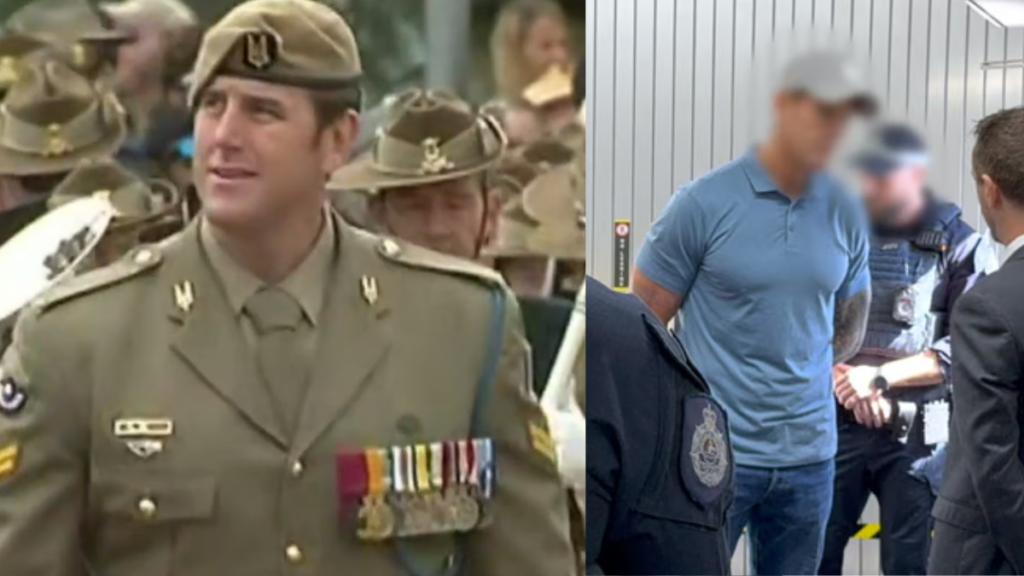
The timing is particularly significant given what has emerged about Australia’s counter-terrorism capabilities. An ABC investigation in May 2026 reported that the proportion of intelligence resources devoted to counter-terrorism had fallen to its lowest level since the September 11 attacks, despite ASIO assessing the likelihood of a terrorist attack as probable. The decline apparently occurred even as overall funding for the National Intelligence Community increased by $3.4 billion since 2020, including a 37 per cent increase in ASIO’s funding. A growing share of resources was directed towards foreign espionage and interference, particularly threats linked to China. But there were media reports suggesting that resources were also allegedly being spent on surveilling diplomats and community members from fellow democracies and important bilateral partners like India, South Korea and Israel. In November 2025, just weeks before the Bondi terror attack, ASIO chief Mike Burgess stated that even countries Australia considered friendly had a “relentless hunger for strategic advantage” and an “insatiable appetite for inside information”.
Investigating espionage and foreign interference by hostile states is a legitimate responsibility of Australia’s intelligence agencies. But allegations involving friendly countries demand evidence, not simply assertions. Undermining relations with important strategic partners without a clear evidentiary basis can itself create risks to Australia’s national security. Where is the publicly available proof of these threats, their nature and scale, and what justified the resources devoted to pursuing them when the threat of Islamist extremism and domestic radicalisation was increasingly evident? It did not take an intelligence expert to recognise the danger. Just weeks later, Bondi was bloodied by a terrorist attack. Australians have every right to question whether intelligence priorities were appropriately calibrated. The issue, therefore, was not simply how much money was available, but how agencies chose to distribute it.
There were further questions about operational capacity. The Nightly reported in January that an AFP national surveillance team established under the high-risk terrorist offender regime had allegedly been disbanded shortly before the Bondi attack, with internal correspondence citing budget pressures and uncertainty over future funding. The team had been responsible for specialist surveillance work. While the AFP does not publicly discuss its operational capabilities, the reported decision raises legitimate questions about whether the country had maintained sufficient capacity to monitor individuals considered potential security risks.

ASIO’s Director-General, Mike Burgess, while acknowledging before the Royal Commission that the agency was ‘stretched’, maintained that counter-terrorism was not under-resourced and that ASIO was managing multiple security threats simultaneously. Yet the former ASIO chief Dennis Richardson, before resigning from the royal commission, questioned whether enough resources went to Islamist extremism after the threat level rose. When the country’s premier intelligence agency says they are stretched, and the former head of the same raises concerns, the public is owed a straight answer about priorities.
The AFP also acknowledged that it had examined shifting resources to meet competing operational demands, while insisting that specialist surveillance capabilities continued to support counter-terrorism operations.
The Bondi attack, which is Australia’s deadliest terrorist attack in history, makes these questions impossible to ignore. The two terrorists who opened fire had previously come to the attention of security agencies. ASIO had investigated their associations with an Islamic State-linked cell in 2019 but concluded they did not pose a terrorist threat at that time. The Royal Commission is examining why that assessment was not revisited and whether agencies adequately responded to the evolving threat. It would be premature to declare that a different allocation of resources would necessarily have prevented the attack. But it is entirely reasonable to ask whether the agencies tasked with identifying and monitoring emerging threats were doing their job, particularly when warning signs were visible well in advance.

None of this means Roberts-Smith should be exempt from investigation because he received Australia’s highest military honour. Allegations of war crimes are serious, and the law must apply equally, regardless of a person’s rank, reputation or service record. He has been charged with five counts of war-crime murder and denies wrongdoing. The criminal proceedings must, of course, be allowed to run their course. However, there is a growing concern that the media trial surrounding Roberts-Smith is already shaping public opinion, potentially prejudicing perceptions before the criminal court has delivered its verdict. The presumption of innocence till proven guilty and the right to a fair trial must apply to everyone including him.
It is also important to distinguish between an investigation into alleged criminal conduct and an assessment of someone as a threat to Australia’s national security. There has been no publicly established evidence that Roberts-Smith posed a national security threat to Australia or its citizens. Indeed, his own question about why extensive surveillance resources were devoted to him, while counter-terrorism capabilities were reportedly under pressure, deserves serious consideration.
A Victoria Cross recipient is not above the law. But neither should anyone lose sight of who is a real threat to the nation and who is not. When individuals who later carry out terrorist attacks have previously come to the attention of authorities, while agencies are reassessing the resources available to monitor threats, the public deserves more than assurances that priorities were managed appropriately. It deserves a clear account of the decisions made, the risks assessed and the lessons learned.
The measure of a national security system is not how many investigations it can pursue, or how much money it can spend. It is whether it can identify danger, act on credible warnings and protect Australians before lives are lost. That is the question the government and its security agencies must now answer.
The Australia Today sent ASIO a series of questions seeking clarification on these concerns, including its alleged surveillance activities and the allocation of intelligence resources. ASIO responded: “As a Royal Commission is underway, ASIO cannot comment on these matters.”
Support our Journalism
No-nonsense journalism. No paywalls. Whether you’re in Australia, the UK, Canada, the USA, or India, you can support The Australia Today by taking a paid subscription via Patreon or donating via PayPal — and help keep honest, fearless journalism alive.
