

The University of Western Australia (UWA) has stepped up its engagement with India and the Indo-Pacific, launching a multi-city mission designed to deepen partnerships in education, research, skills and innovation.
Vice-Chancellor Professor Amit Chakma is leading the visit from 3–13 December as part of an official delegation headed by Australia’s Education Minister, Jason Clare. The trip comes as UWA prepares to become the first Group of Eight (Go8) university to establish a physical academic presence in India, with campuses planned in Mumbai and Chennai.


Professor Chakma said the mission marked a “defining moment” in Australia–India education cooperation.
“We’re not simply expanding our footprint,” he said.
“We’re building shared pathways for talent, discovery and impact across both our nations, focused on the skills, research and innovation that will shape the next century.”
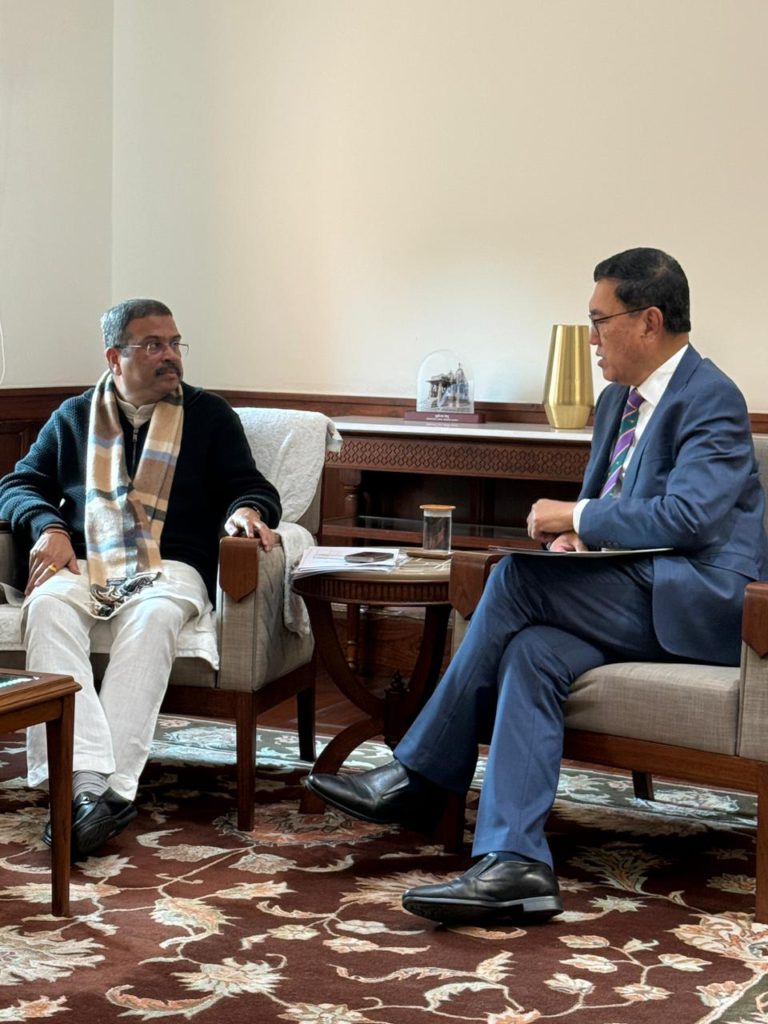
Key engagements on the mission have included meetings with India’s Minister for Education, Dharmendra Pradhan, Minister of State for Education, Jayant Chaudhary, and Principal Scientific Adviser Ajay Kumar Sood. Discussions centred on technology, capability development and industry-aligned learning, as both countries seek to strengthen talent pipelines in priority sectors such as critical minerals, advanced manufacturing and health.

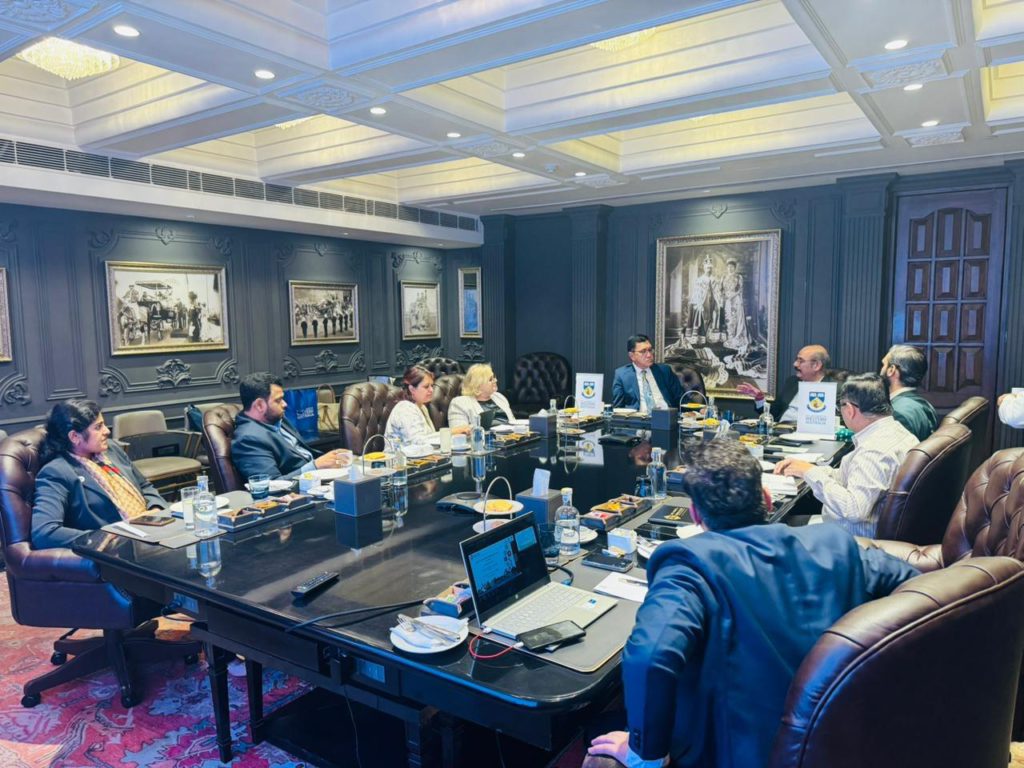
UWA also met with Australia’s High Commissioner to India, Philip Green, to reaffirm the broader Australia–India partnership across the Indo-Pacific and the growing role of universities in diplomacy, skills development and innovation.
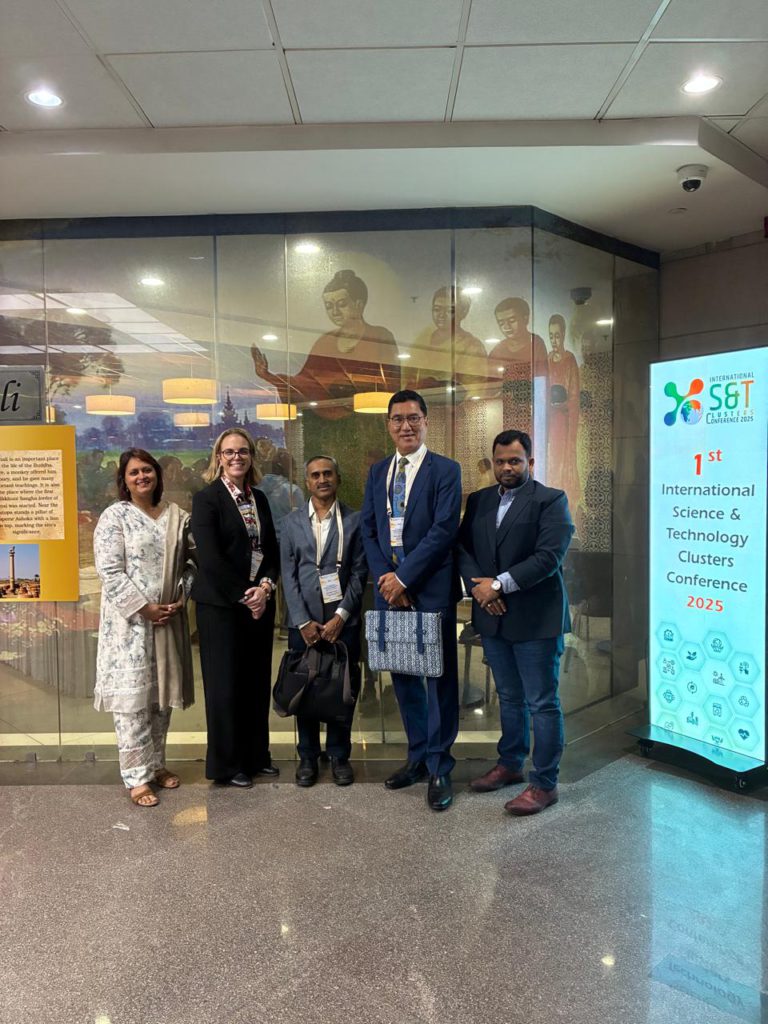
A major feature of the visit was the launch of the inaugural Research and Technology Cluster Conference, bringing together leaders from universities, industry and government. Supported by Australia’s Department of Industry, Science and Resources, the conference is aimed at accelerating joint research, commercialisation and workforce development across key technology areas.
In a significant skills milestone, UWA signed a new agreement with the Skill Council for the Mining Sector and FIMA (SCMS), backed by India’s Ministry of Skill Development and Entrepreneurship.

The partnership will deliver micro-credentials in Tailings Management and Critical Minerals, designed to create vocational-to-university pathways and “future-ready” skills aligned with both countries’ economic and energy transition priorities.
Professor Chakma said mining and critical minerals were natural focus areas for collaboration.
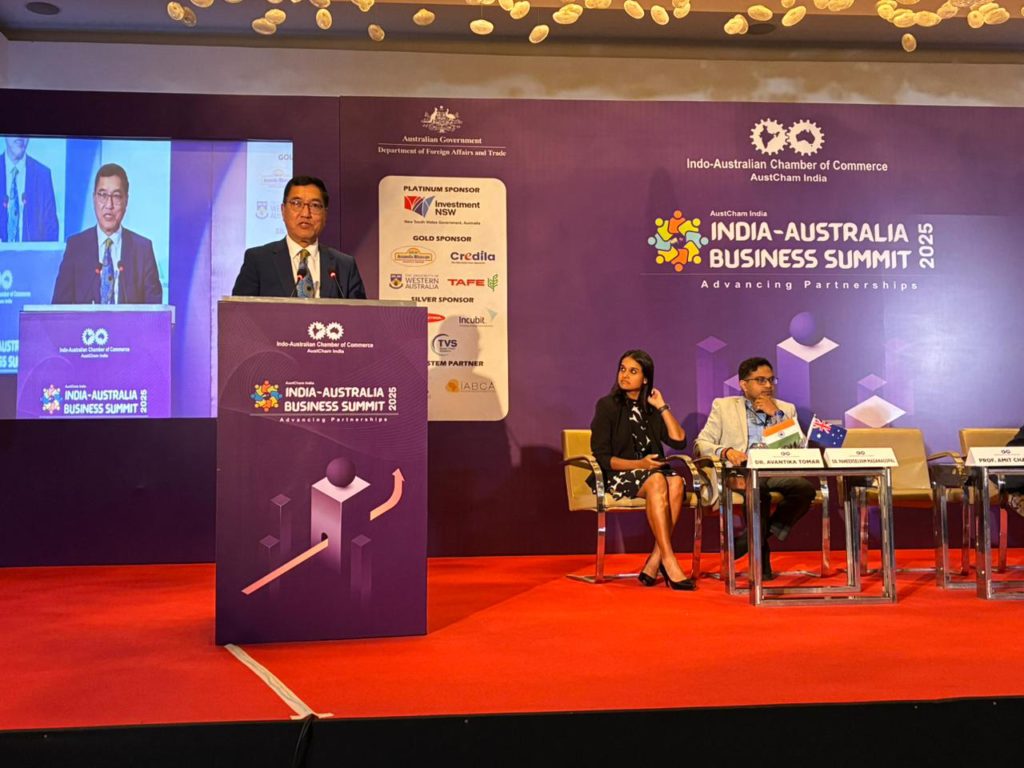
“India and Australia share common interests in secure, sustainable supply chains for critical minerals,” he said.
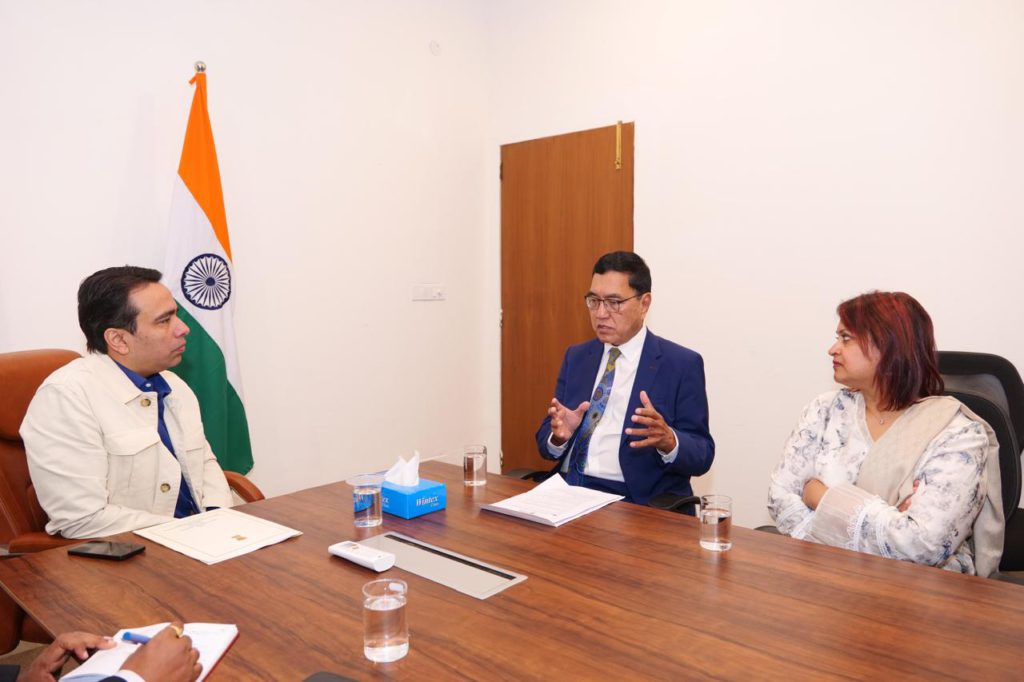
“By co-designing skills programs and pathways, we can support safer, more responsible resource development while opening new opportunities for students and workers in both countries.”
India’s High Commissioner to Australia, Gopal Baglay, welcomed UWA’s growing presence.
He said it was encouraging to see an Australian Go8 university aligning so closely with India’s National Education Policy and its emphasis on expanded access and global mobility.

“Providing Indian students with a Group of Eight education on their home soil is an important step,” he said.
“UWA’s campuses in Mumbai and Chennai will strengthen the Australia–India partnership and create new pathways for skills development and innovation in key economic hubs.”
To lead the next phase of growth, UWA has appointed David Das as Chief Operating Officer for UWA India. He will oversee the establishment and operational readiness of the new campuses, while an expanded India-based team will focus on partnerships, student engagement and program development.
The mission will also see Professor Chakma announce initiatives in areas such as healthcare, sports science and widening participation in higher education, all designed to support India’s national priorities and deepen long-term collaboration.
UWA says the India strategy is part of its broader commitment to the Indo-Pacific, positioning the university as a key partner for governments, industry and communities across the region.
“India’s ambitions and Australia’s strengths are highly complementary,” Professor Chakma said.
“By working together over the long term, we can create opportunities for students, deliver impact through research and contribute to a more skilled, resilient Indo-Pacific.”
Support our Journalism
No-nonsense journalism. No paywalls. Whether you’re in Australia, the UK, Canada, the USA, or India, you can support The Australia Today by taking a paid subscription via Patreon or donating via PayPal — and help keep honest, fearless journalism alive.

