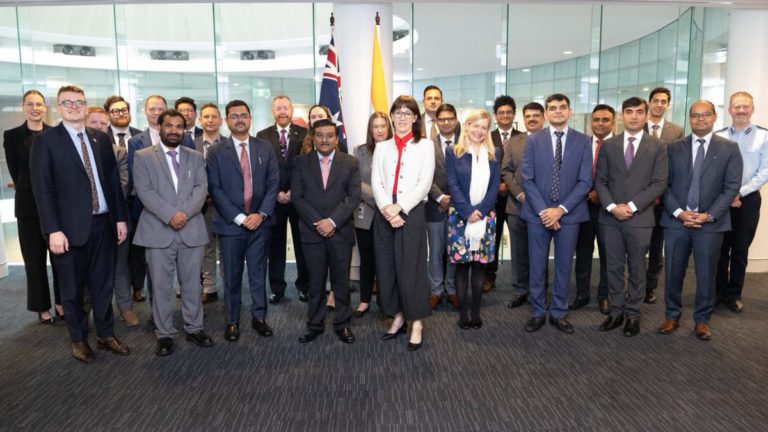
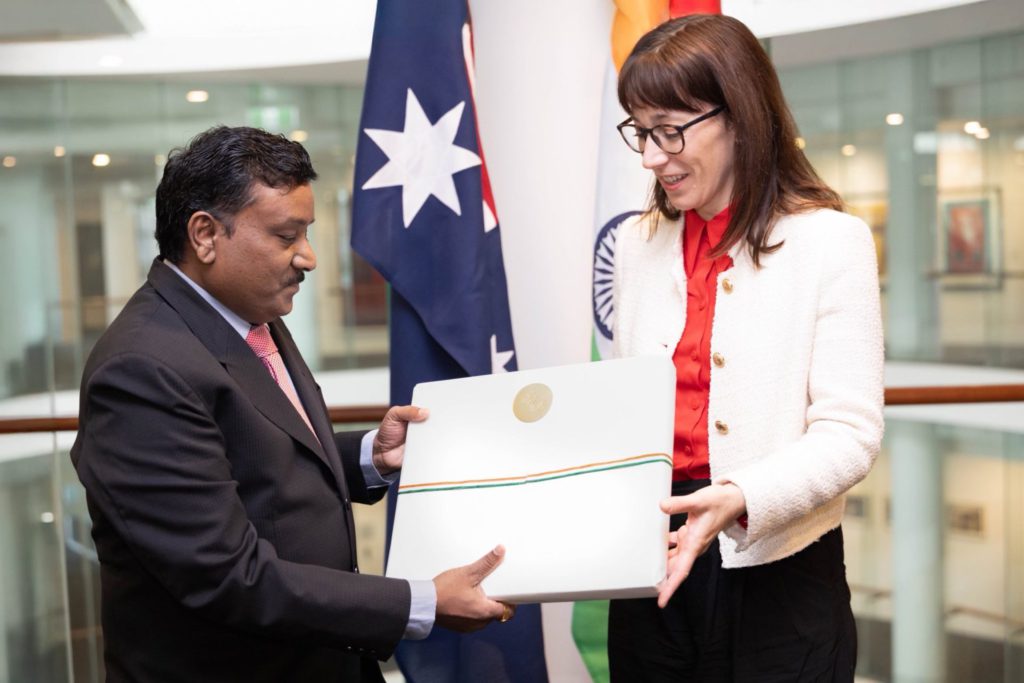
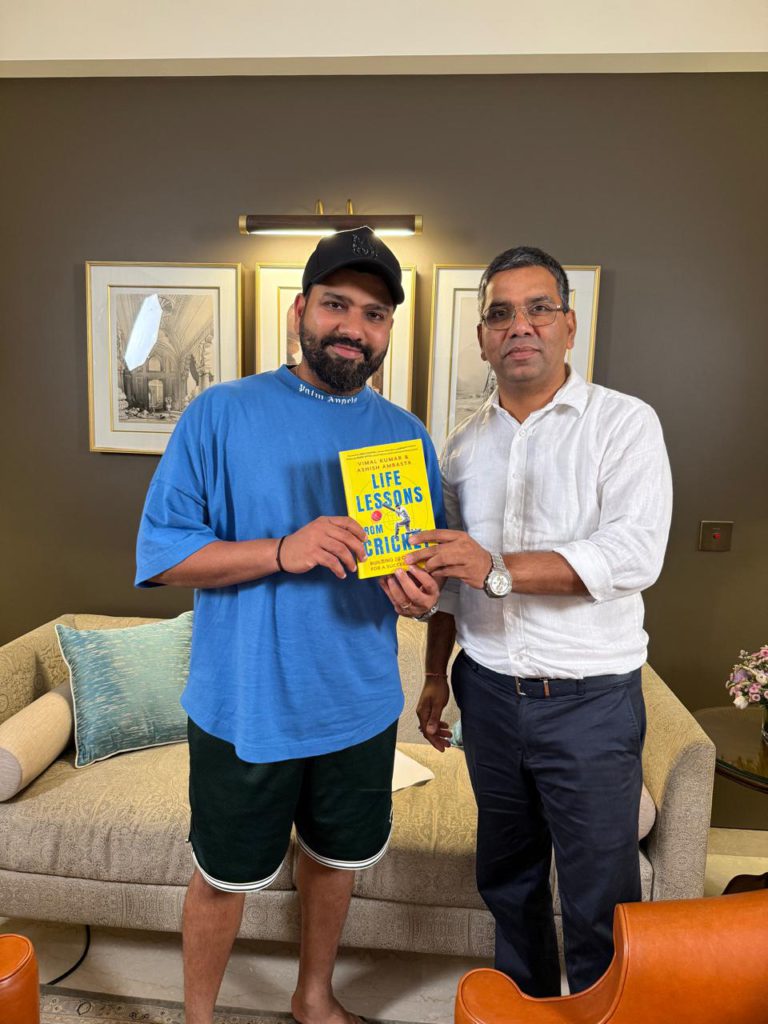
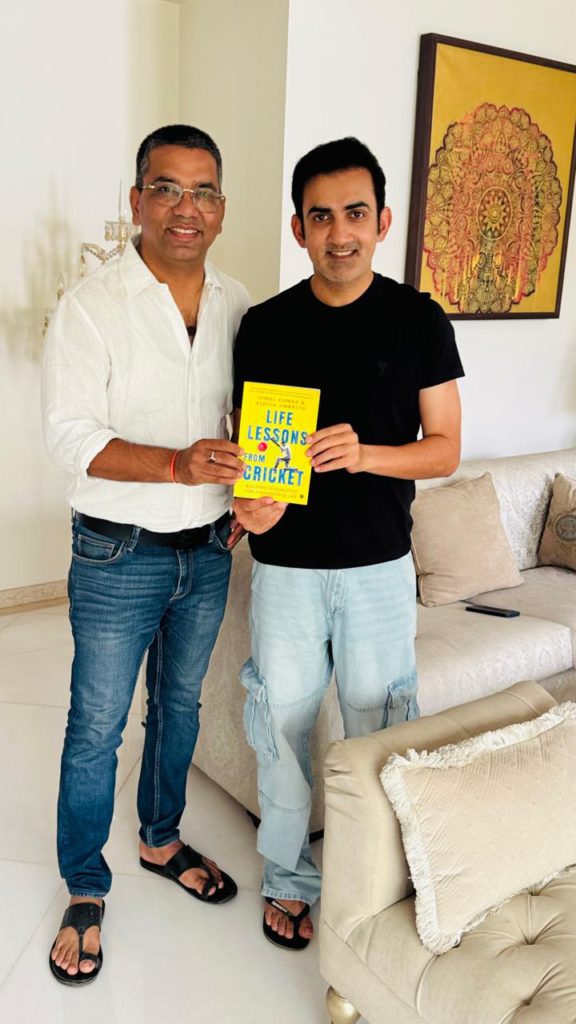
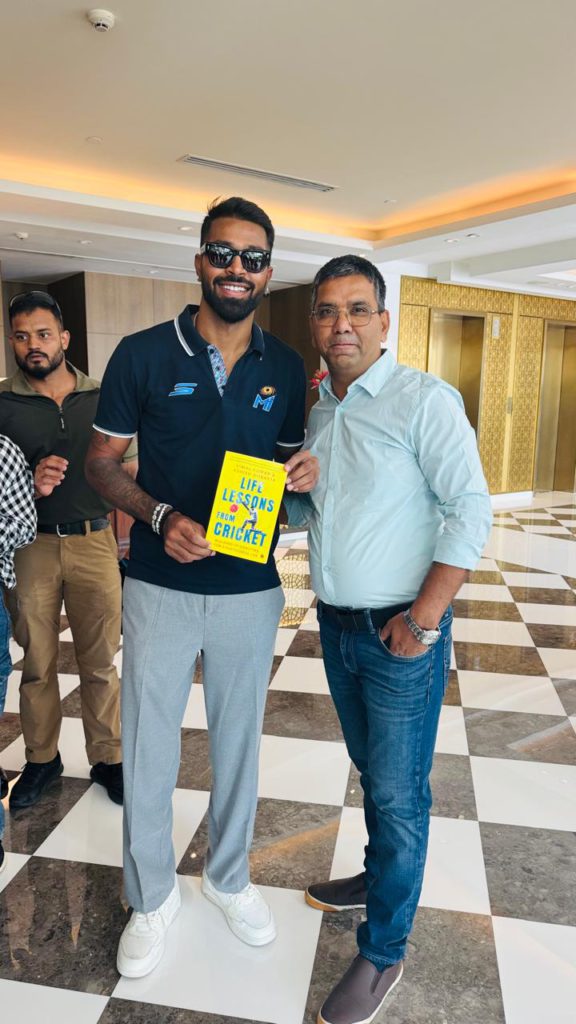
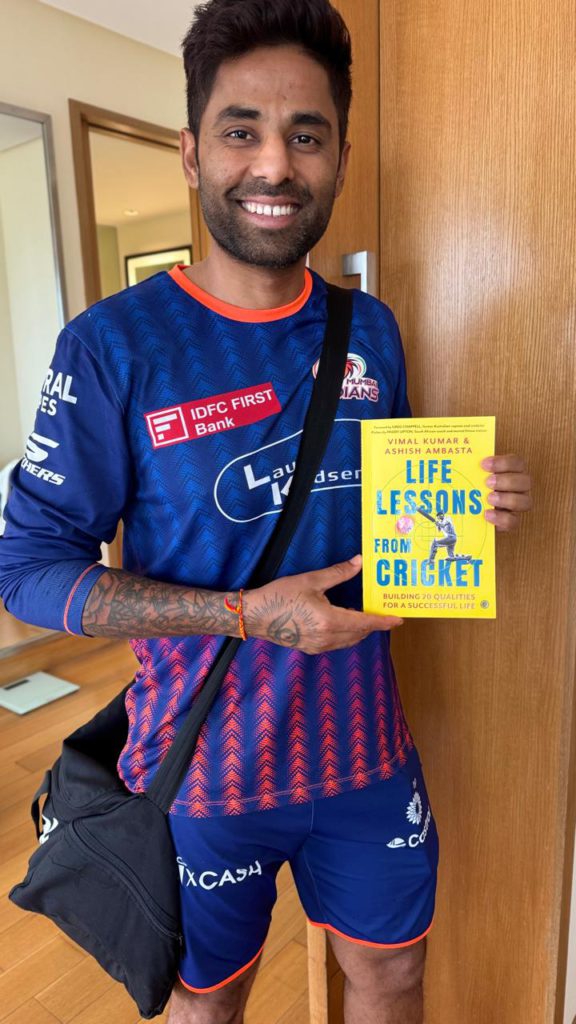
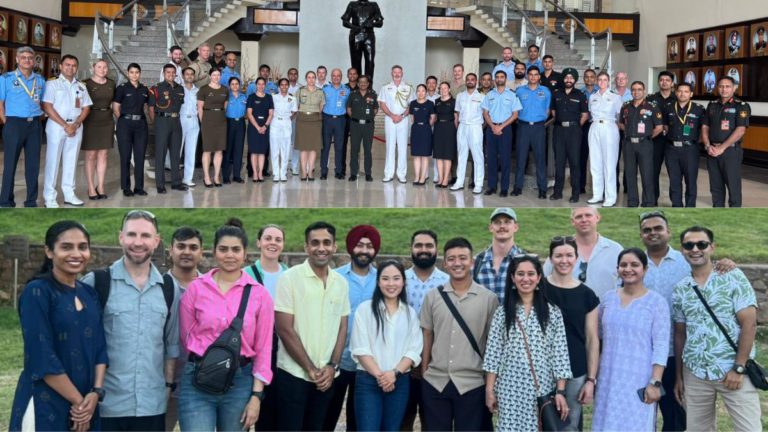
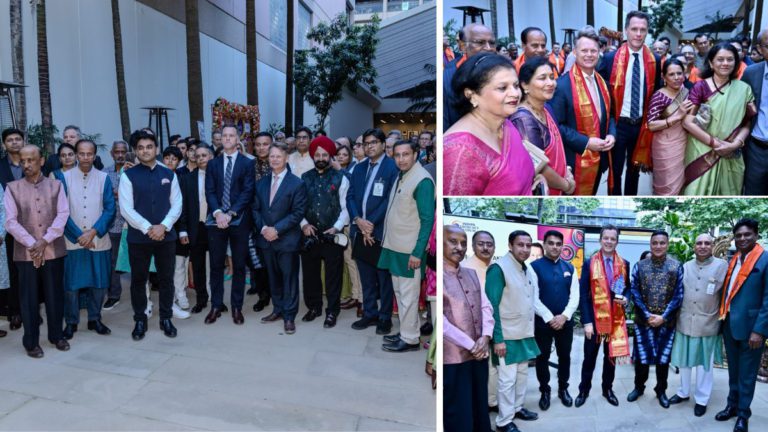
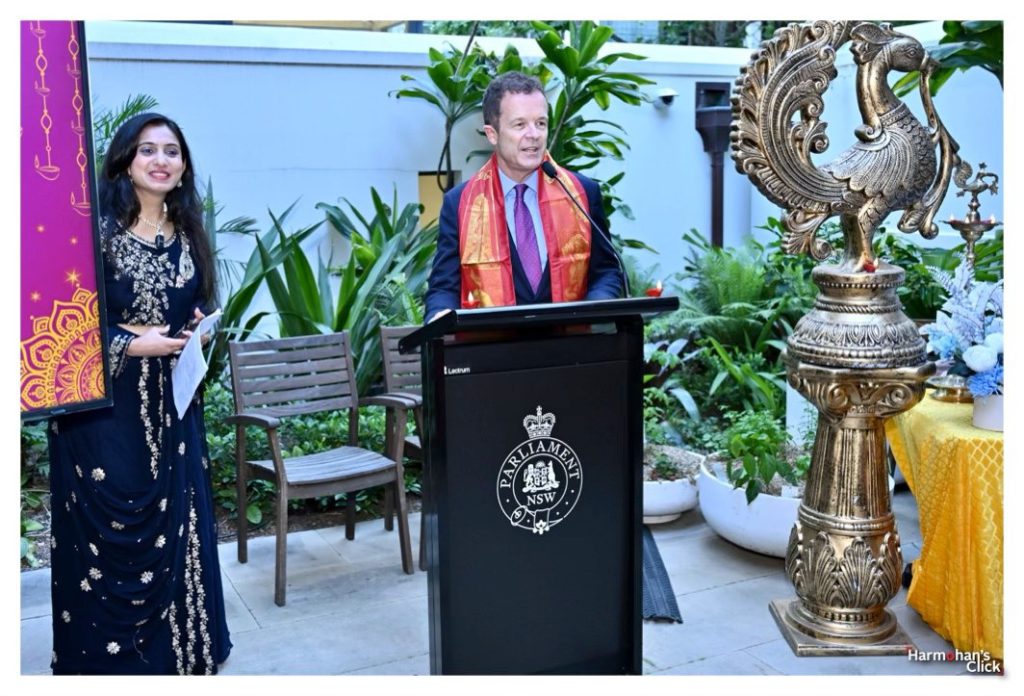
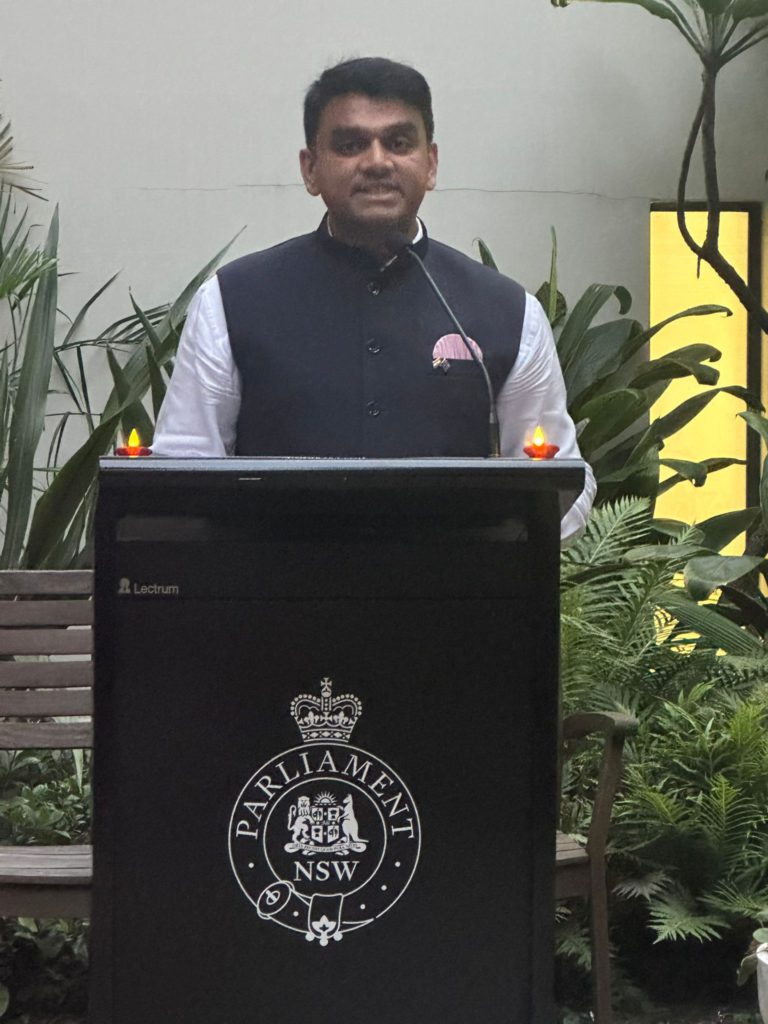
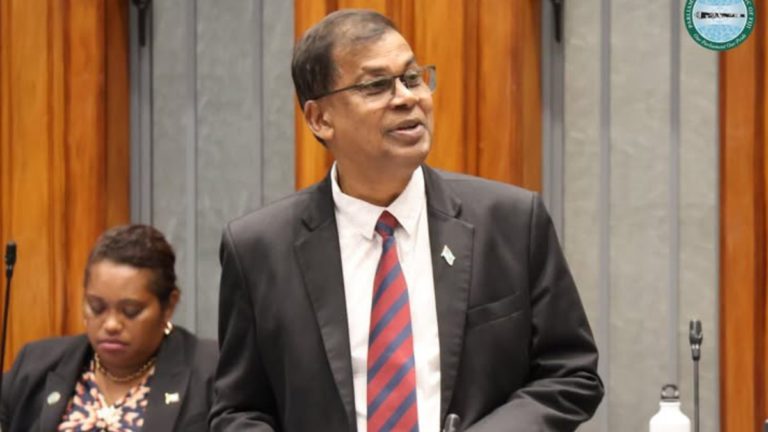
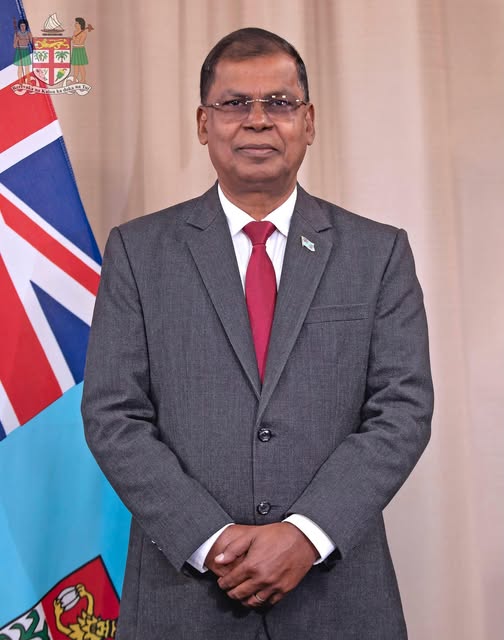
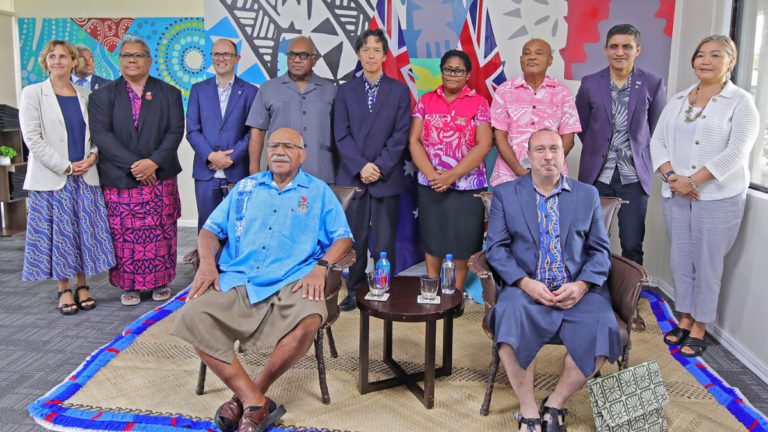
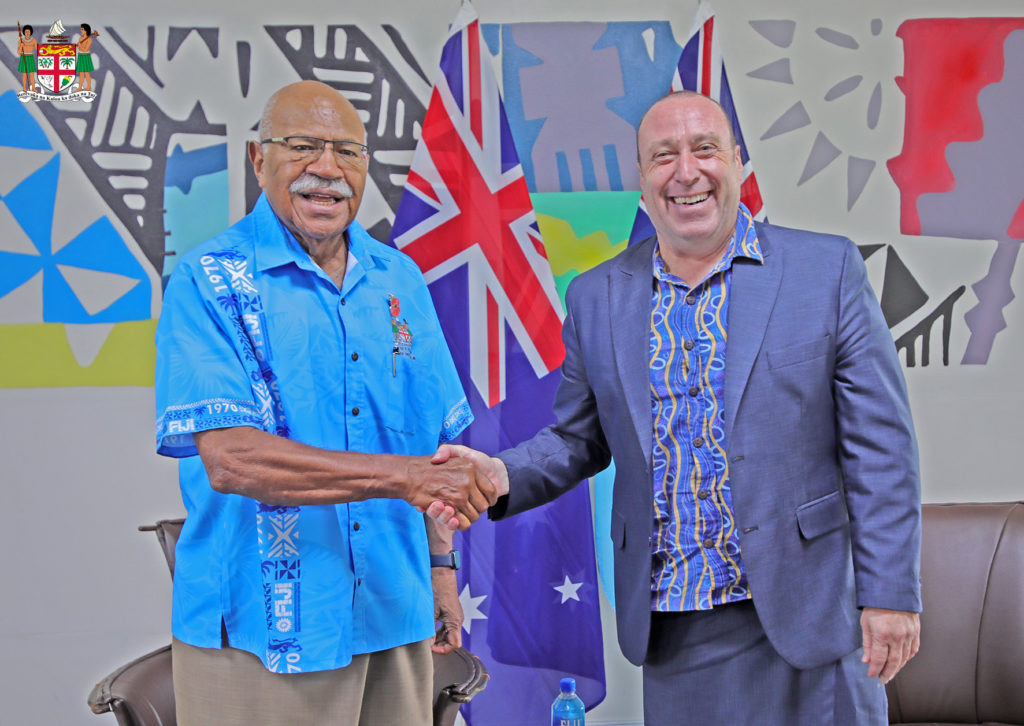
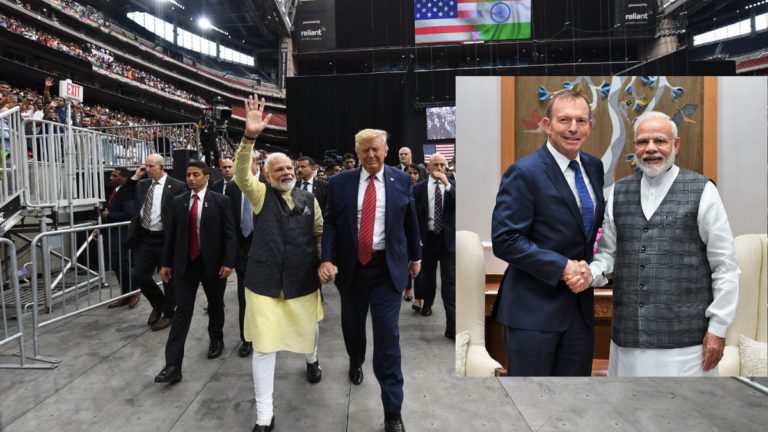
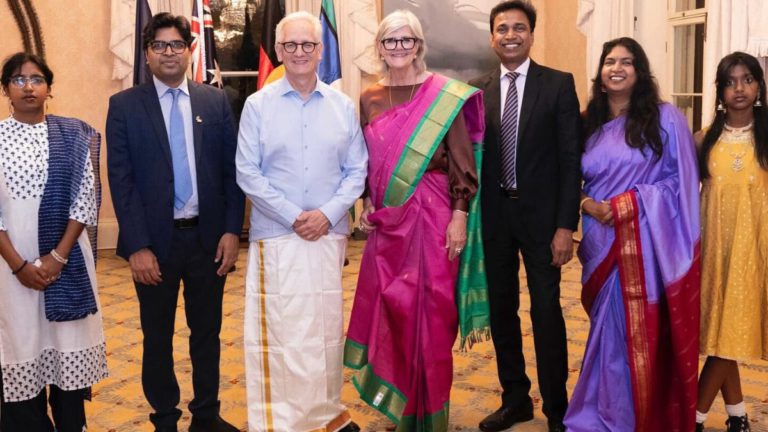
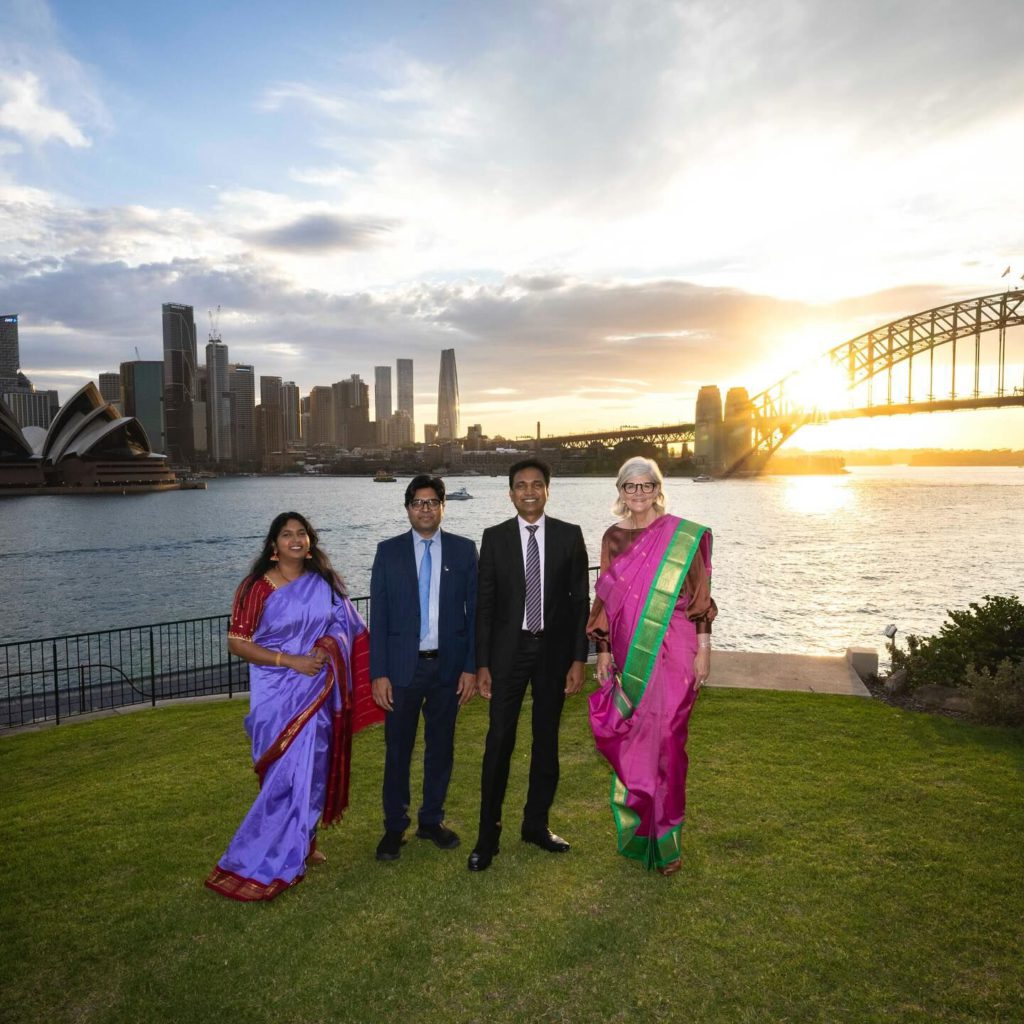
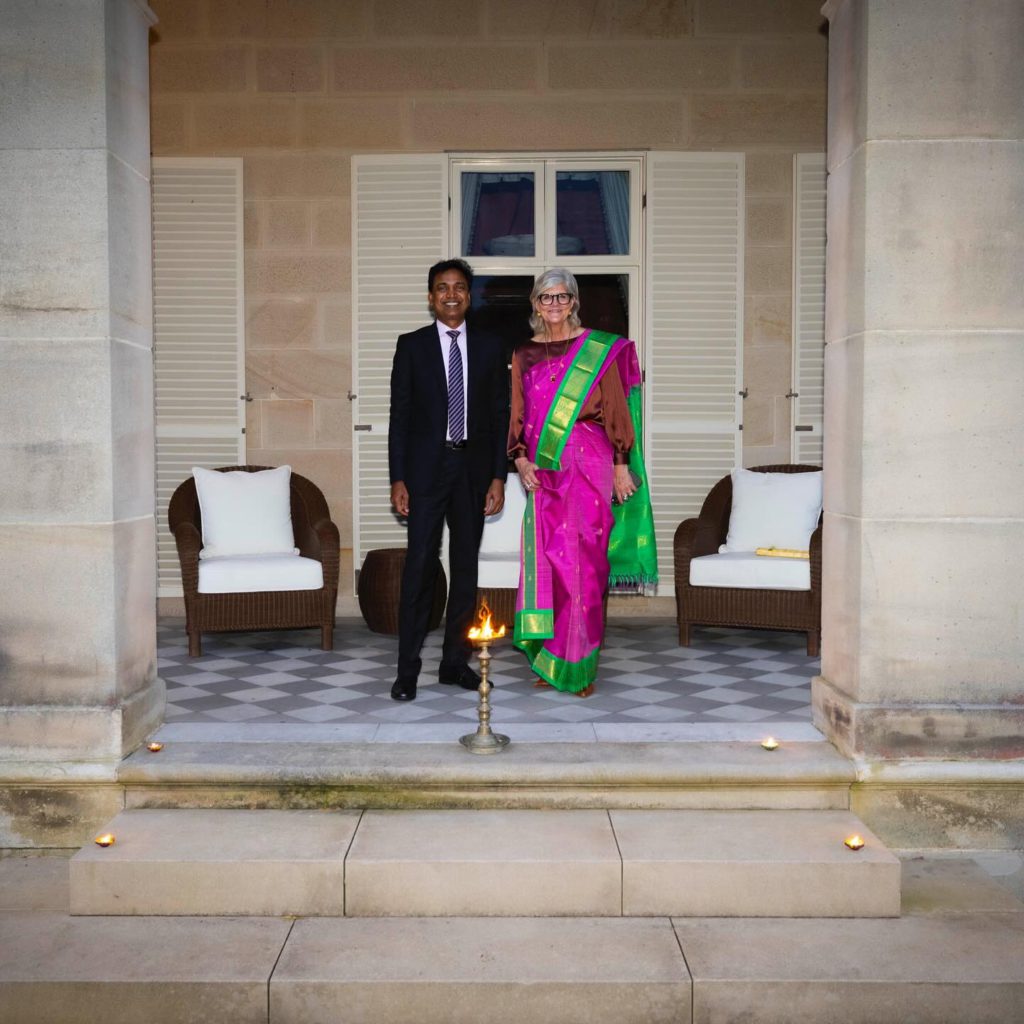
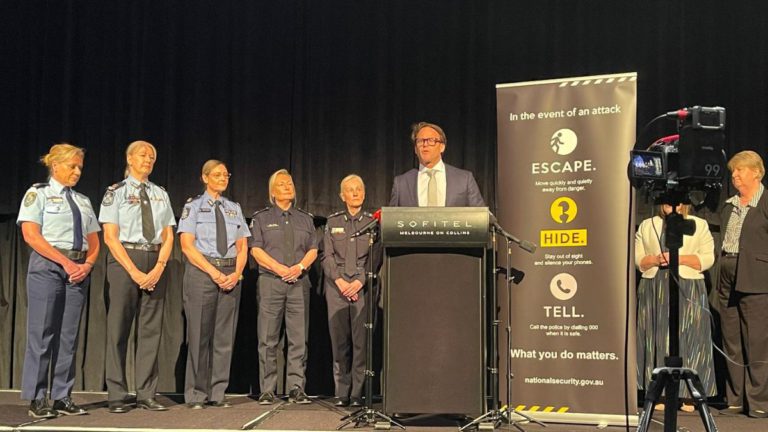
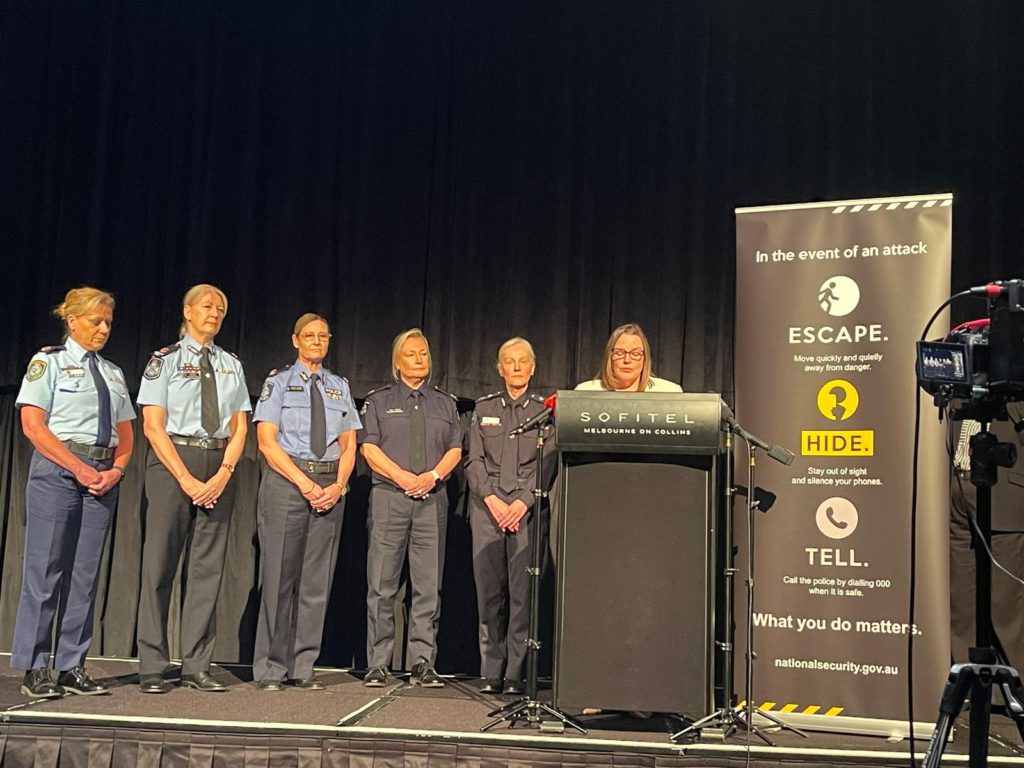
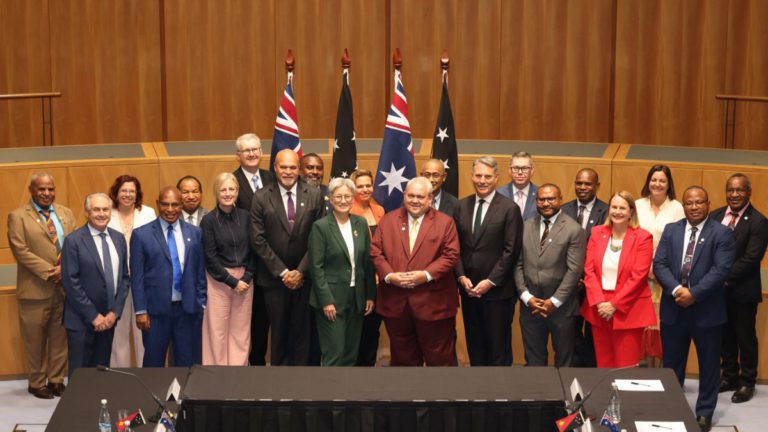
Australia and India have reaffirmed their shared commitment to countering terrorism and violent extremism across the Indo-Pacific, following the 15th annual meeting of the India–Australia Joint Working Group (JWG) on Counter Terrorism, held in Canberra.
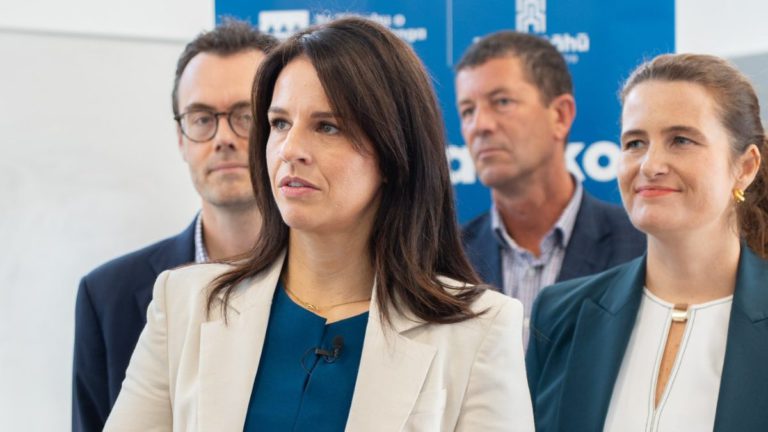
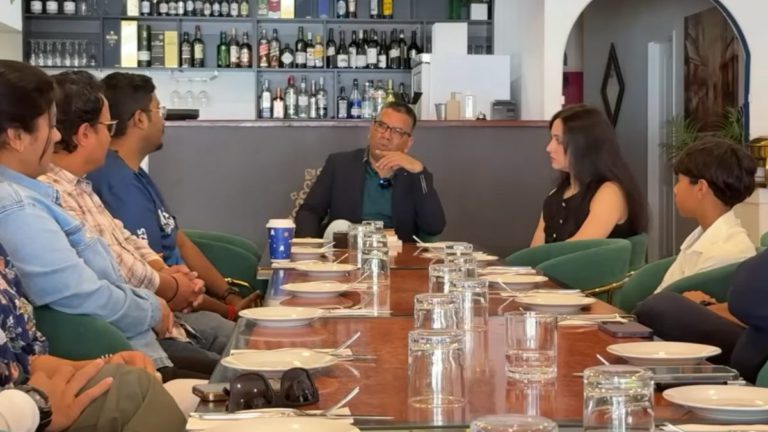
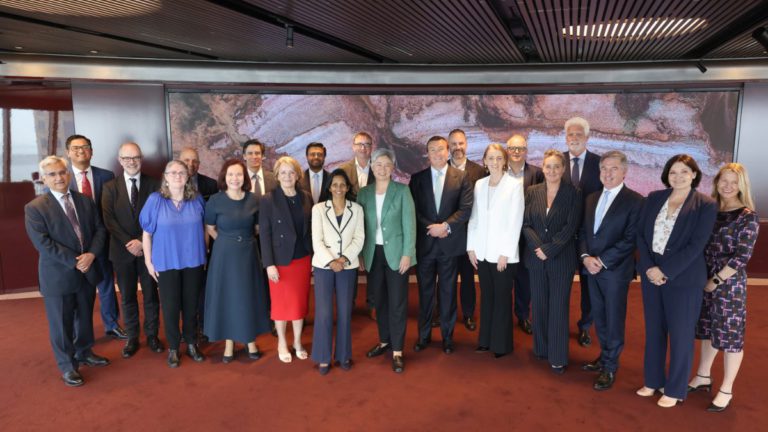
The high-level dialogue was co-chaired by Gemma Huggins, Australia’s Ambassador for Counter-Terrorism and Dr Vinod Bahade, Joint Secretary (Counter Terrorism) at India’s Ministry of External Affairs. The two sides discussed the evolving domestic, regional and global terrorism landscape, emphasising closer cooperation in law enforcement, judicial coordination, maritime security, and information sharing.
“🇦🇺 Australia and India 🇮🇳 remain committed partners in preventing and countering terrorism and violent extremism across the Indo-Pacific and beyond,” said Ms Gemma Huggins.
“We valued the strong and ongoing collaboration demonstrated at the 15th annual Australia-India Counter-Terrorism Joint Working Group.”
Focus on radicalisation and cross-border threats
According to officials, India raised serious concerns about Khalistan-linked radical activity in Australia, urging continued vigilance and cooperation between law enforcement agencies. The Australian side acknowledged India’s concerns and reiterated its support for maintaining peace and stability within the Indian diaspora community.
Both nations also condemned the April 22 terrorist attack in Pahalgam, Jammu and Kashmir, in which multiple civilians were killed, with Australia expressing solidarity with India in its fight against terrorism.
The discussions underscored the importance of timely intelligence exchange, joint operational coordination, and addressing the misuse of emerging technologies — including artificial intelligence, encrypted communications, and drone systems — for terrorist purposes.
Strengthening global and regional cooperation
The two countries reaffirmed their intent to deepen collaboration across multilateral platforms such as the United Nations (UN), the Global Counter-Terrorism Forum (GCTF), the Financial Action Task Force (FATF), the Indian Ocean Rim Association (IORA), the ASEAN Regional Forum (ARF), and the No Money for Terror (NMFT) initiative. Both sides also agreed to enhance coordination with QUAD partners — the United States and Japan — to combat terrorism financing and radicalisation networks across the Indo-Pacific.
Recognising that terrorism is evolving through digital and transnational networks, the two sides stressed the need for “concerted global efforts” to address these emerging threats.
Engagement with Australian security agencies
During their visit, the Indian delegation met with senior officials from the Australian Federal Police Counter-Terrorism Unit, the National Emergency Management Agency, and the Maritime Border Command. They also visited the Australian Watch Office and the National Crisis Coordination Centre, further strengthening institutional ties and operational awareness.
Both sides expressed satisfaction with the progress made under the Comprehensive Strategic Partnership and agreed to expand joint training, capacity-building, and crisis-response exercises.
The meeting concluded with a joint agreement to convene the 16th JWG on Counter Terrorism in New Delhi in 2026.
As terrorism and violent extremism continue to evolve across borders, both nations reiterated that their enduring partnership — rooted in trust, shared democratic values, and regional stability — remains vital to ensuring security across the Indo-Pacific and beyond.
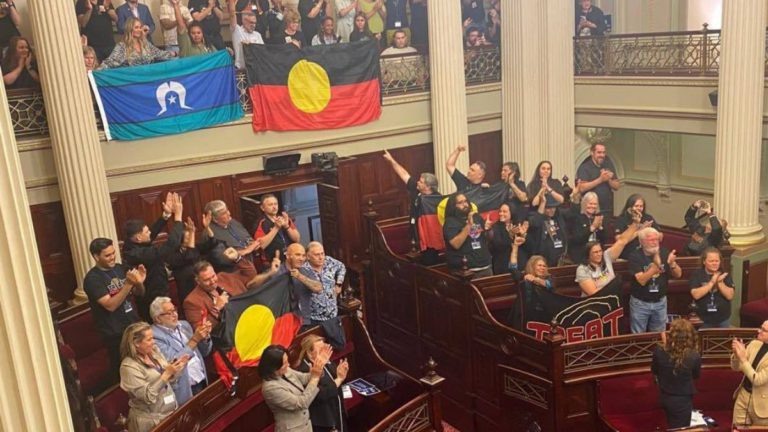
The landmark legislation marks a significant step towards a new relationship between the Victorian Government and Aboriginal communities — as per Allan government: one based on respect, trust, and integrity.
The Bill will be signed by the Victorian Government and the First Peoples’ Assembly in the coming weeks once it receives Royal Assent from the Governor.
A public ceremony at Federation Square on 12 December 2025 will mark the official commencement of the Treaty Agreement.
Last night, Victoria made history.
The first state in the nation to pass a Treaty with First Peoples.
Built on truth. On respect. On trust.
Families are better off when they have responsibility over their lives and Aboriginal families are no different.
Premier Jacinta Allan praised the moment as historic, saying Treaty was about empowerment and self-determination. “Treaty gives Aboriginal communities the power to shape the policies and services that affect their lives,” Allan said.
“This is how we build a fairer, stronger Victoria for everyone.”
Minister for Treaty and First Peoples Natalie Hutchins said the move was about truth-telling and reconciliation. “Treaty is about acknowledging the truth of our past and working on a future built on mutual understanding and respect for First Peoples,” she said.
“Today we’ve taken a major step forward in building a future that empowers and respects First Nations Victorians.”
The Treaty process has been underway in Victoria for almost a decade, involving two rounds of legislation and extensive consultations between government and Aboriginal representatives. However, the move has reignited political divisions.
SENATOR JACINTA NAMPIJINPA PRICE SENATOR FOR THE NORTHERN TERRITORY
MEDIA STATEMENT
PREMIER ALLAN GIVES HER MIDDLE FINGER TO DEMOCRACY
On 14 October 2023, millions of Australians resoundingly rejected the Voice referendum that, if passed, would have divided our country by… pic.twitter.com/E6N9GlD3P8
Northern Territory Senator Jacinta Nampijinpa Price condemned the Bill, accusing the Victorian Government of ignoring the outcome of the 2023 Voice referendum, in which a majority of Australians — including 54 per cent of Victorians — voted No.
In a strongly worded statement, Senator Price said Premier Allan’s government was defying the “will of the people” and pushing ahead with a process that “divides Victorians by race.”
“Victorian Premier Jacinta Allan and her Labor Government never accepted the referendum outcome,” Senator Price said.
“They stand condemned for their defiance of democracy and for their refusal to accept the will of the people.”
She warned that the Treaty could lead to demands for “reparations” and “a revisionist view of history,” while criticising the government’s record on debt, crime, and cost-of-living pressures.
Support our Journalism
No-nonsense journalism. No paywalls. Whether you’re in Australia, the UK, Canada, the USA, or India, you can support The Australia Today by taking a paid subscription via Patreon or donating via PayPal — and help keep honest, fearless journalism alive.
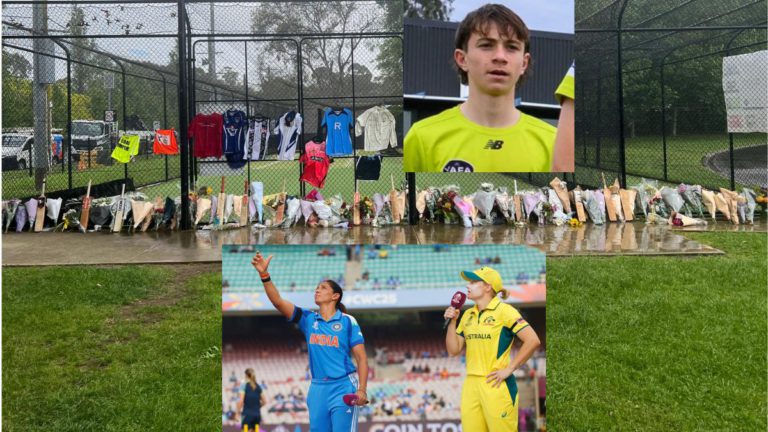
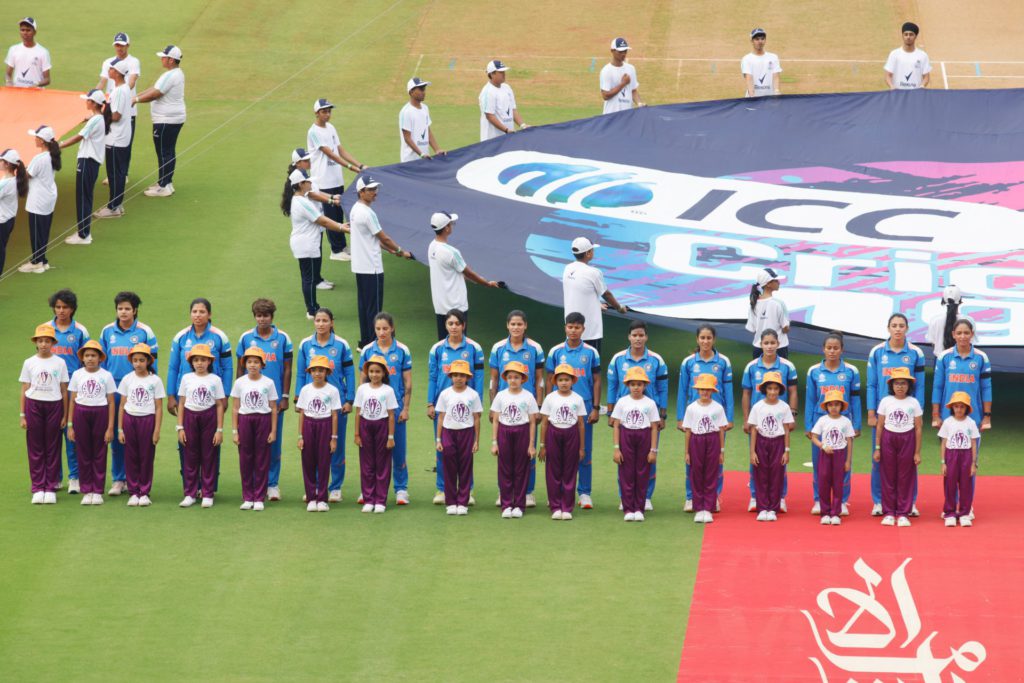
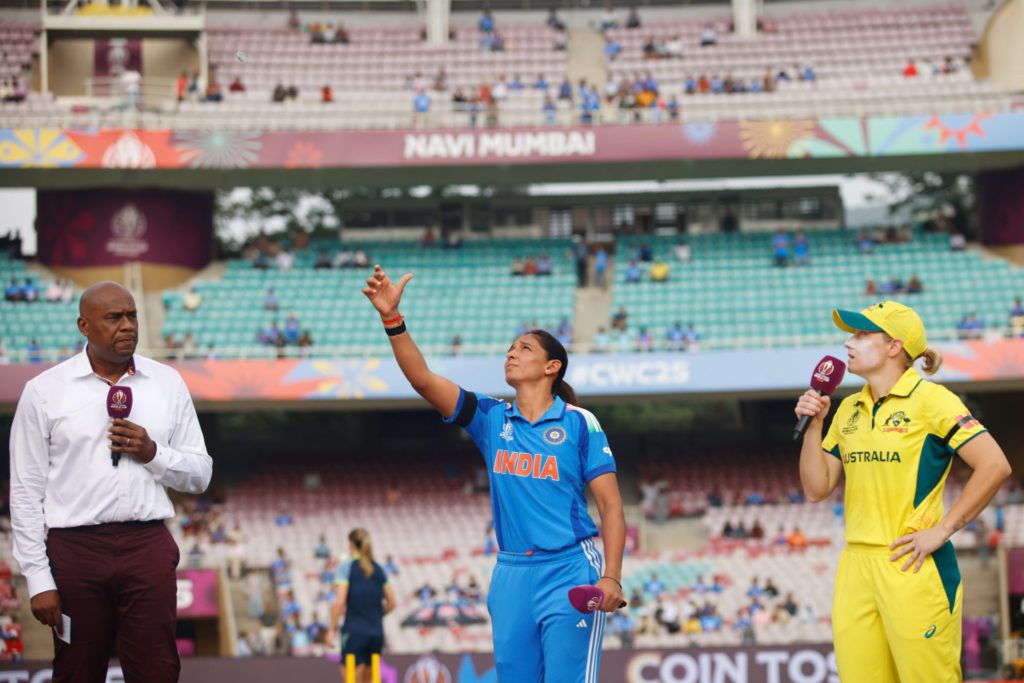
Australia and India’s women’s cricket teams wore black armbands during their World Cup semi-final in Mumbai to honour Ben Austin, the 17-year-old Melbourne cricketer who died after being struck in the neck by a ball during training at Ferntree Gully’s Wally Tew Reserve.
Image: India’s women’s cricket teams wore black armbands during their World Cup semi-final in Mumbai to honour Ben Austin (Source: BCCI – X)Image: Australia and India’s women’s cricket teams wore black armbands during their World Cup semi-final in Mumbai to honour Ben Austin (Source: BCCI – X)
The teenager was hit while practising in the nets using a “wanger” — a ball-throwing device — and despite wearing a helmet, he was not wearing a neck guard. He was rushed to hospital but died two days later.
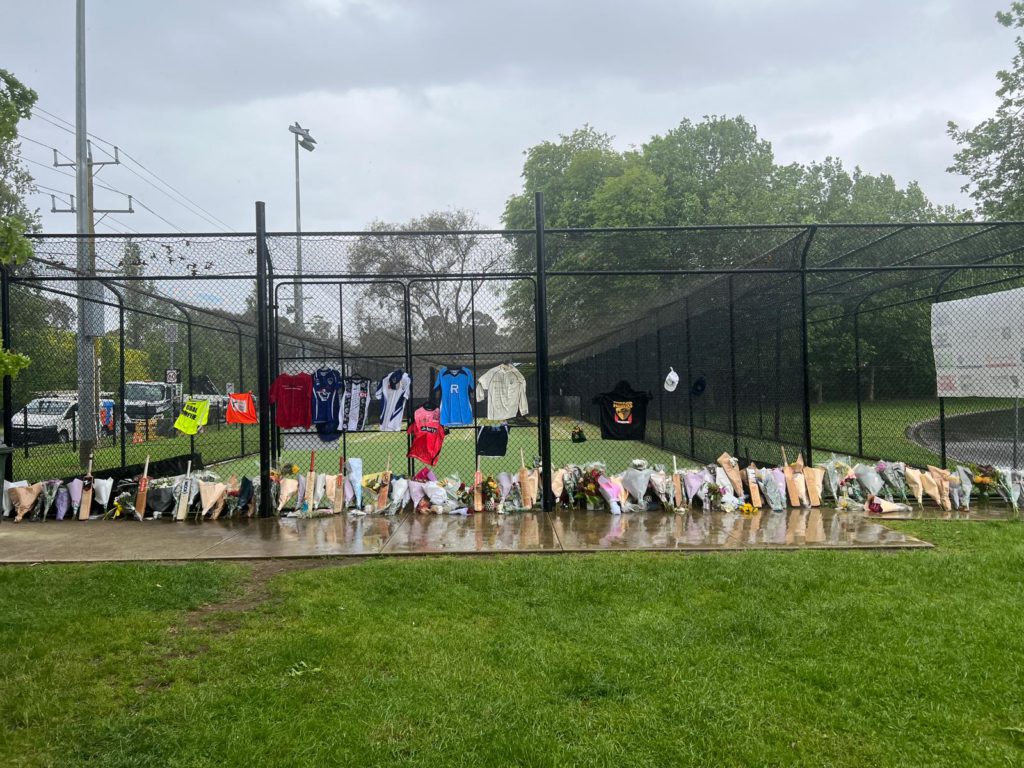
Across east Melbourne, families and players have placed cricket bats, helmets and flowers outside the nets in tribute to the talented and much-loved young player.
Image: Families and players have placed cricket bats, helmets and flowersto pay tribute to the talented and much-loved young player (Source: The Australia Today)
The Ferntree Gully Cricket Club described Ben’s death as “absolutely devastating,” saying the impact of his passing “will be felt by all in our cricket community.” The club extended its condolences to Ben’s parents — Jace and Tracey — and brothers, Cooper and Zach, while asking the public to respect the family’s privacy.
Image: Ben Austin (Source: Facebook – Ferntree Gully Cricket Club)
The club also initiated the “Put your bats out for Benny 🏏” tribute, encouraging the community to display cricket bats on porches and driveways as a mark of respect.
Image: “Put your bats out for Benny” (Source: Facebook – Ferntree Gully Cricket Club)
In a further gesture of solidarity, the Ferntree Gully Cricket Club and the Waverley Park Hawks Junior Football Club have launched a joint fundraiser to support the Austin family. “Our two clubs are coming together to provide whatever the family needs during this time,” organisers said.
“We welcome any donations, big or small, to help them along the way. All funds will be donated directly to the family.”
The tragedy has revived comparisons with the 2014 death of Phillip Hughes, who suffered a fatal neck injury during a Sheffield Shield match in Sydney. Following Hughes’s death, Cricket Australia made neck protectors mandatory for batters facing fast or medium-paced bowling. However, experts say compliance remains inconsistent, particularly in community and training settings.
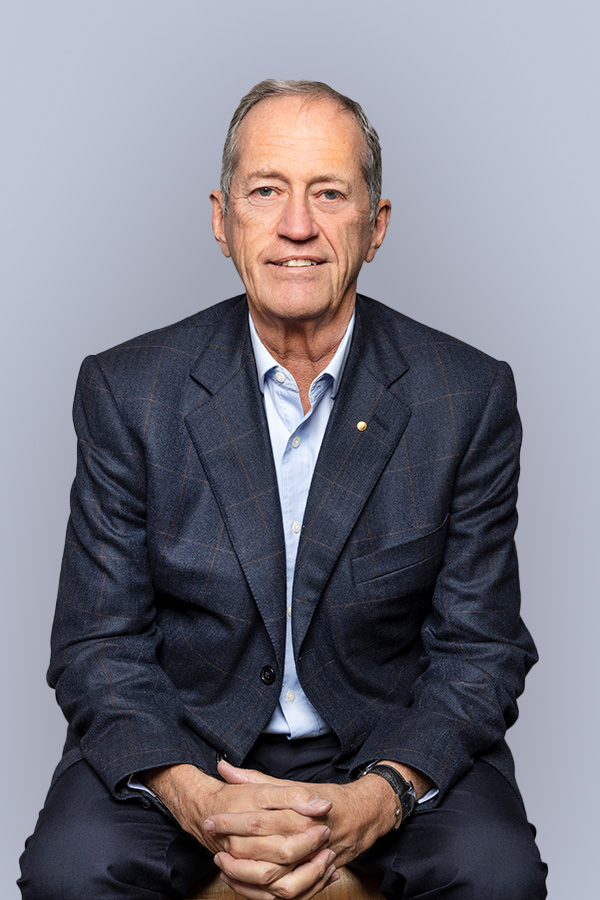
Image: Dr Peter Brukner (Source: website)
Former Australian team doctor Dr Peter Brukner, who treated Hughes, said Austin’s death underscored the need to extend safety mandates across all levels of the sport — including training. “This is the third death in 30 years, and two of them have happened at training,” Dr Brukner told the ABC.
“If you’re batting to a ball being thrown in any way, you must wear a helmet with a neck guard.”
Cricket Australia chair Mike Baird told the ABC that the organisation’s focus was on supporting the Austin family while acknowledging there were lessons to be learned.
Support our Journalism
No-nonsense journalism. No paywalls. Whether you’re in Australia, the UK, Canada, the USA, or India, you can support The Australia Today by taking a paid subscription via Patreon or donating via PayPal — and help keep honest, fearless journalism alive.
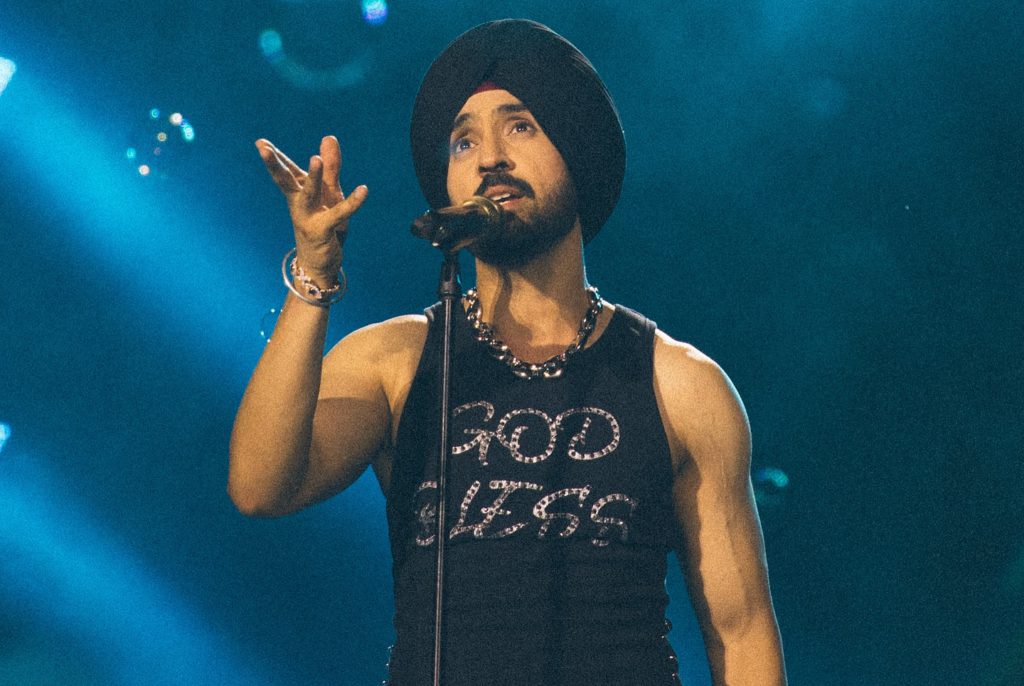
In a robust response to a wave of racist abuse directed at Indian music icon Diljit Dosanjh during his Australian tour, Assistant Minister for Multicultural Affairs Julian Hill (MP) has publicly affirmed that Australia has “no place” for racial discrimination against visitors and overseas artists.
Minister Hill told The Australia Today, responding to social-media posts and comments that targeted Dosanjh’s ethnicity and faith, as he toured for his highly anticipated Aura Tour 2025.
“Racial discrimination has no place in Australia, and visitors to our country who abide by our laws should be welcomed,” the minister said.
“It is a sad reality that many people in public life experience vile forms of abuse online – whether it be discrimination on the basis of their race, sex, faith, or identity.”
Hill singled out the abuse directed at Dosanjh as unacceptable:
“Nobody should be discriminated against for who they are and I am sorry that Diljit has copped such rubbish from a tiny minority of idiots.”
Praising Dosanjh’s conduct, Hill added:
“The positive and educative spirit in which Diljit Dosanjh has responded to some of the vile racist comments directed at him online is to be admired and respected,
and it’s very clear who is the bigger person in this. I’m so glad Diljit is in Australia, and we welcome him.”
Highlighting a broader challenge
Hill’s remarks come amid growing concern over the safety and reputational impact of online hate speech, especially in a multicultural society where visiting artists from overseas play a vital role in cultural diplomacy and trade. The minister acknowledged that while the incidents target a “tiny minority,” their impact can be far-reaching.
The minister’s statement also aligns with Australia’s broader anti-discrimination framework. Under federal law, online content that targets an individual on the basis of race, ethnicity, or religion may not only attract social condemnation but also regulatory scrutiny under the Racial Discrimination Act 1975 and relevant state laws.
Diljit Dosanjh’s tour of Australia is part of a deeper inter‐cultural and economic engagement between Australia and India — a key partner in trade, investment and diaspora links. Hill’s comments reinforce Canberra’s commitment to fostering a welcoming environment for Indian visitors, artists and investors alike.
For Dosanjh’s Indian-Australian fanbase, as well as the broader south-Asian community in Australia, the minister’s intervention signals that hate speech encountered online can receive formal attention at the highest levels of government.
Hill said the government will continue to monitor online abuse, work with tech platforms to respond to discriminatory content, and support grassroots programs that build “resilience and respect” in the digital sphere. He urged the public to stand up against racism and for institutions to ensure artists and public figures — domestic or overseas — are afforded respectful engagement.
In the meantime, Dosanjh’s tour continues unabated, with fans across Melbourne, Sydney and beyond welcoming one of Punjabi music’s biggest ambassadors. The minister’s remarks offer a timely reminder that in Australia’s era of multicultural entertainment, respect remains non‐negotiable.
Support our Journalism
No-nonsense journalism. No paywalls. Whether you’re in Australia, the UK, Canada, the USA, or India, you can support The Australia Today by taking a paid subscription via Patreon or donating via PayPal — and help keep honest, fearless journalism alive.
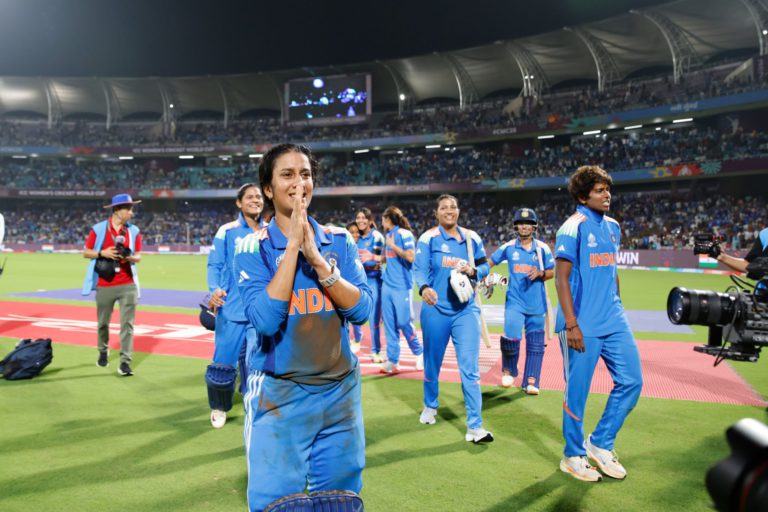
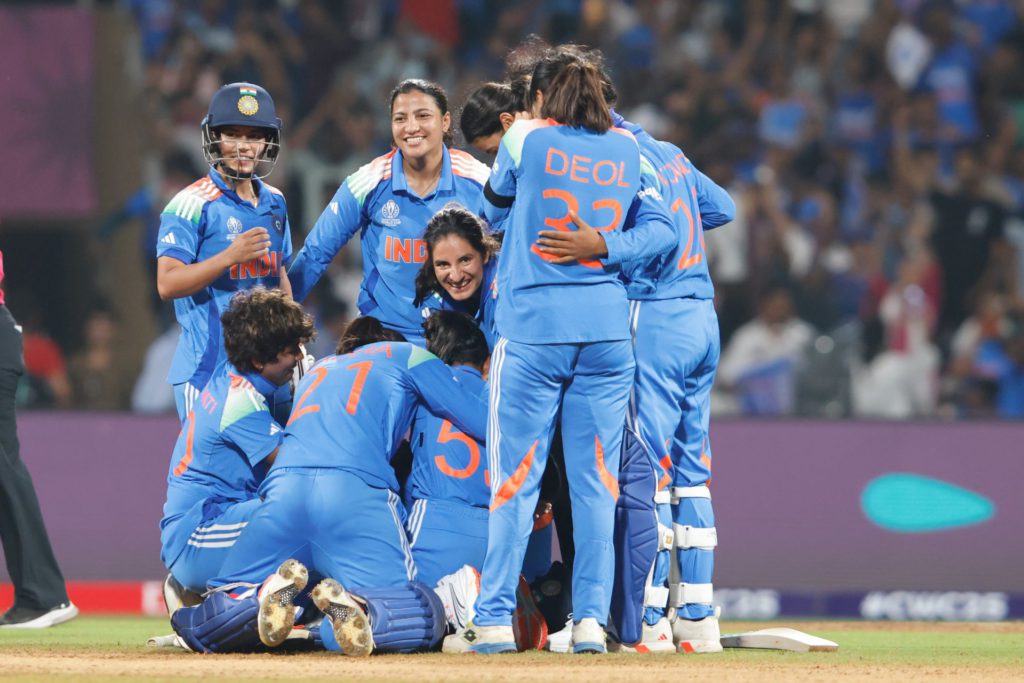
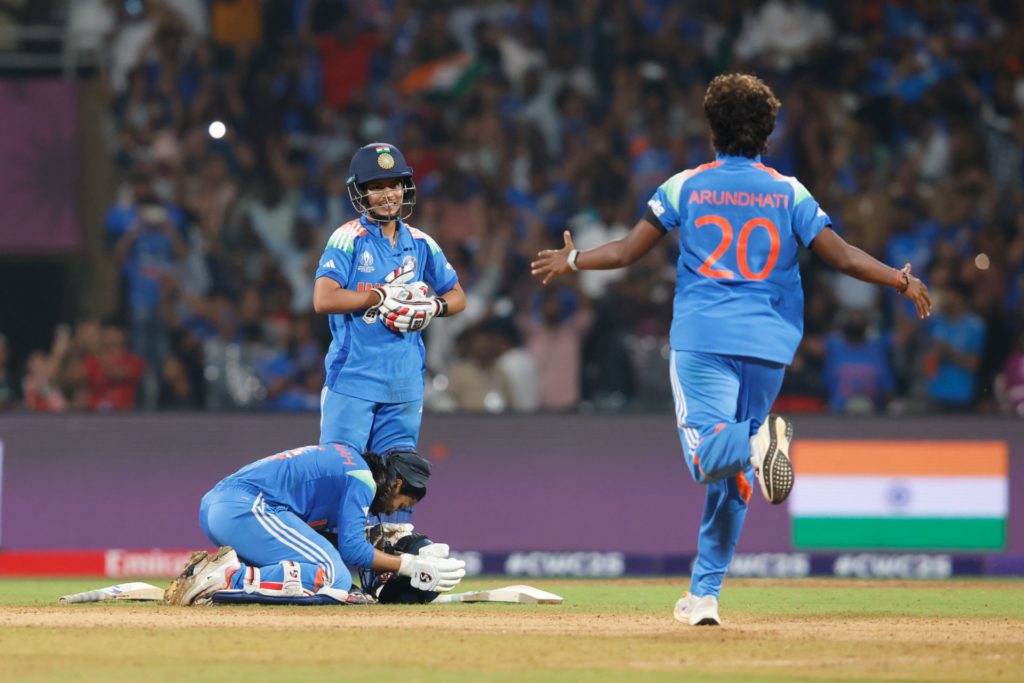
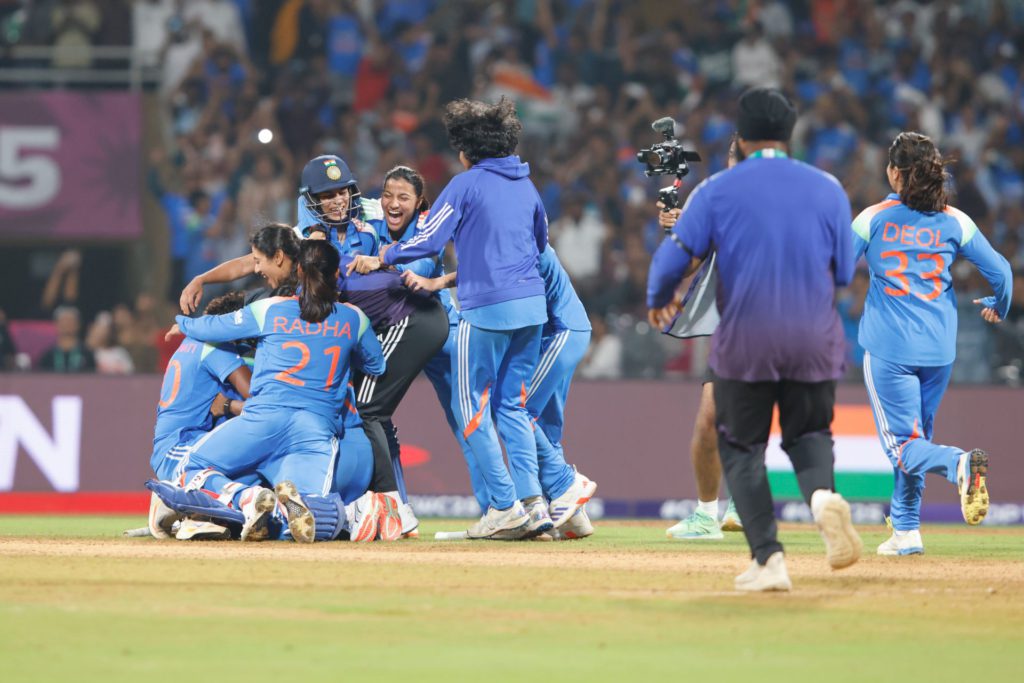
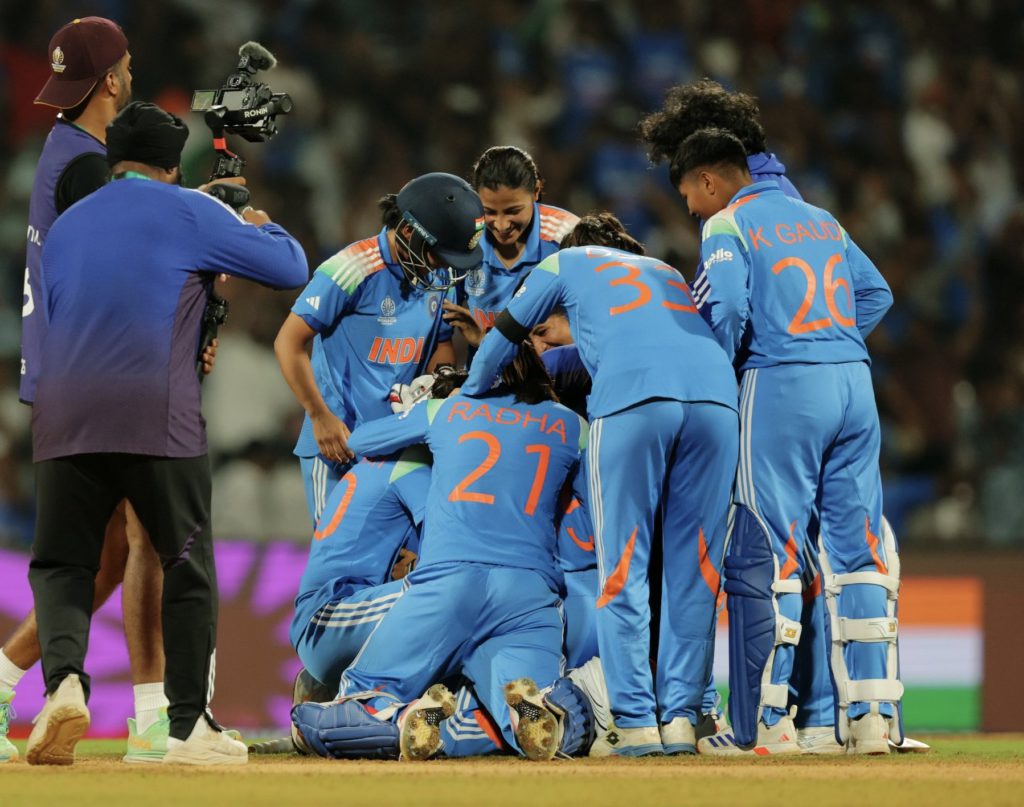
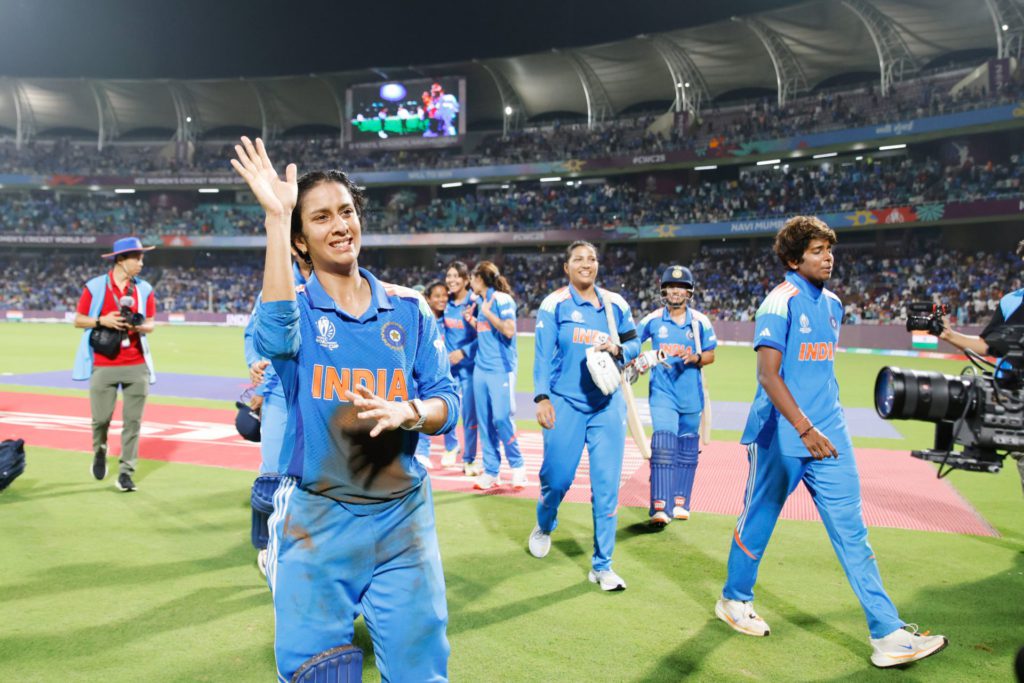
India’s women’s cricket team scripted a historic triumph that will be etched forever in World Cup folklore, ending Australia’s remarkable 15-match winning streak in the tournament with an unforgettable semifinal victory at DY Patil Stadium.
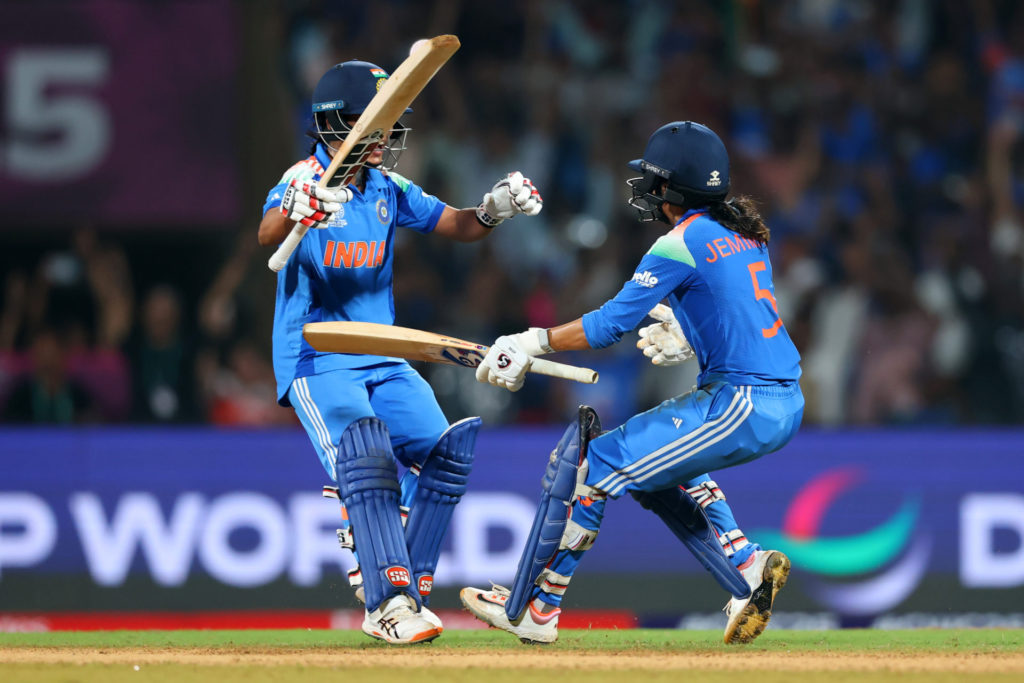
Chasing an improbable 339, India pulled off the highest-ever successful run chase in ODI World Cup knockout history — across both men’s and women’s formats — to book a spot in the 2025 ICC Women’s World Cup final.
Image Source: BCCI
The win wasn’t just a comeback — it was a statement. It marked the moment India’s women emerged not as challengers but as champions-in-waiting, taking down the most dominant side in the sport.
Rodrigues and Harmanpreet rewrite history
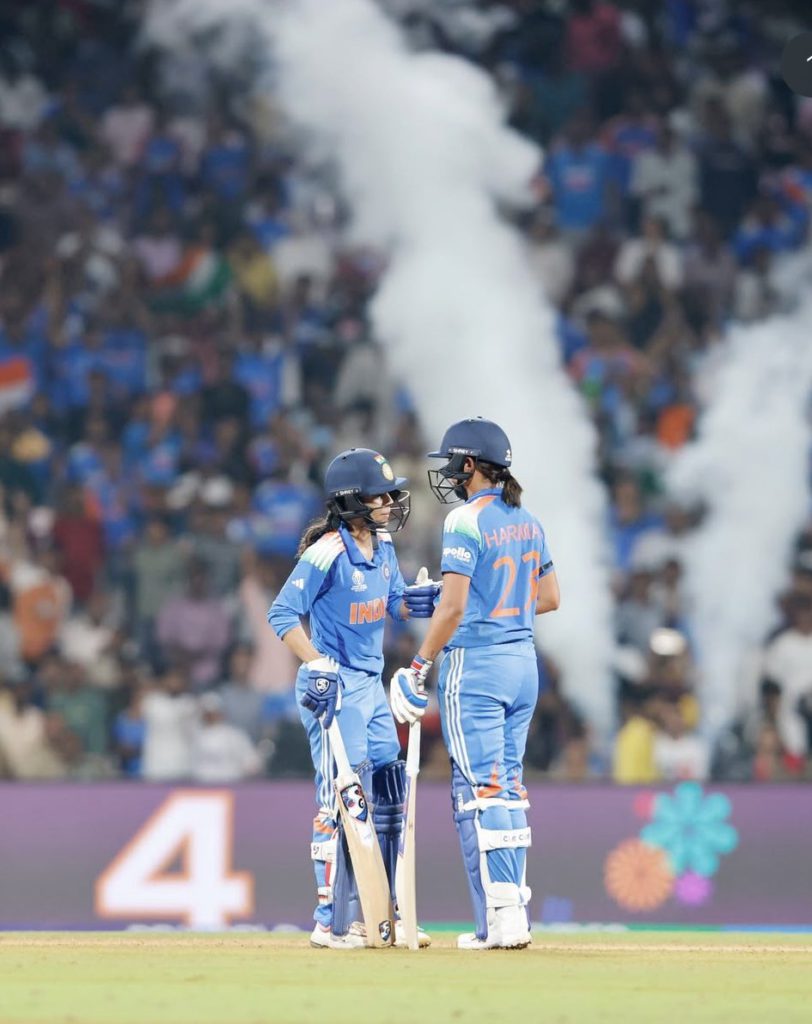
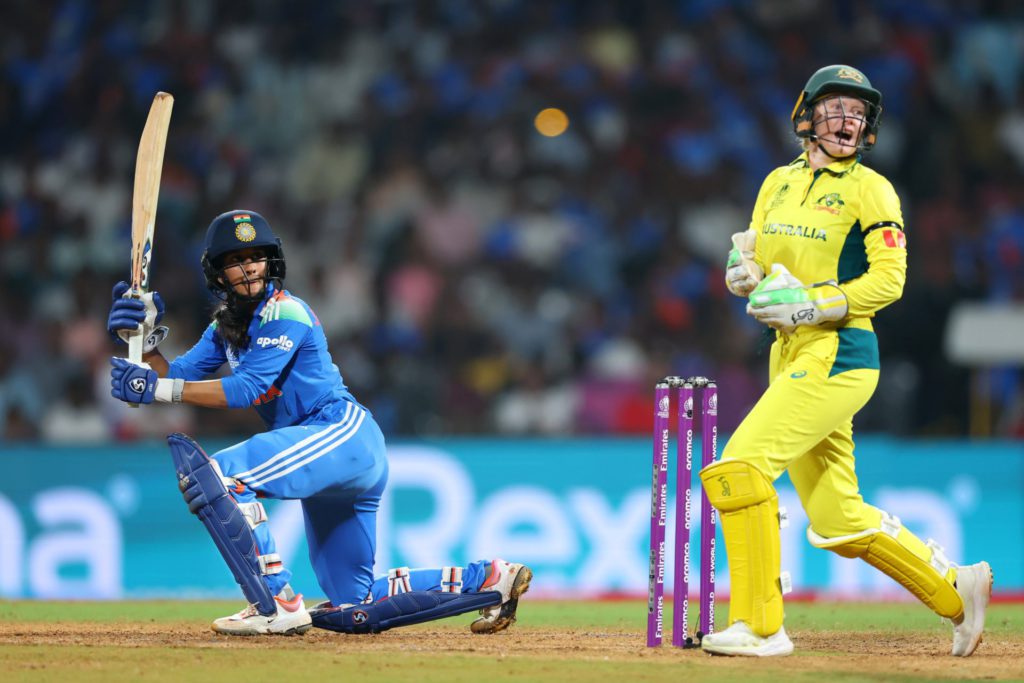
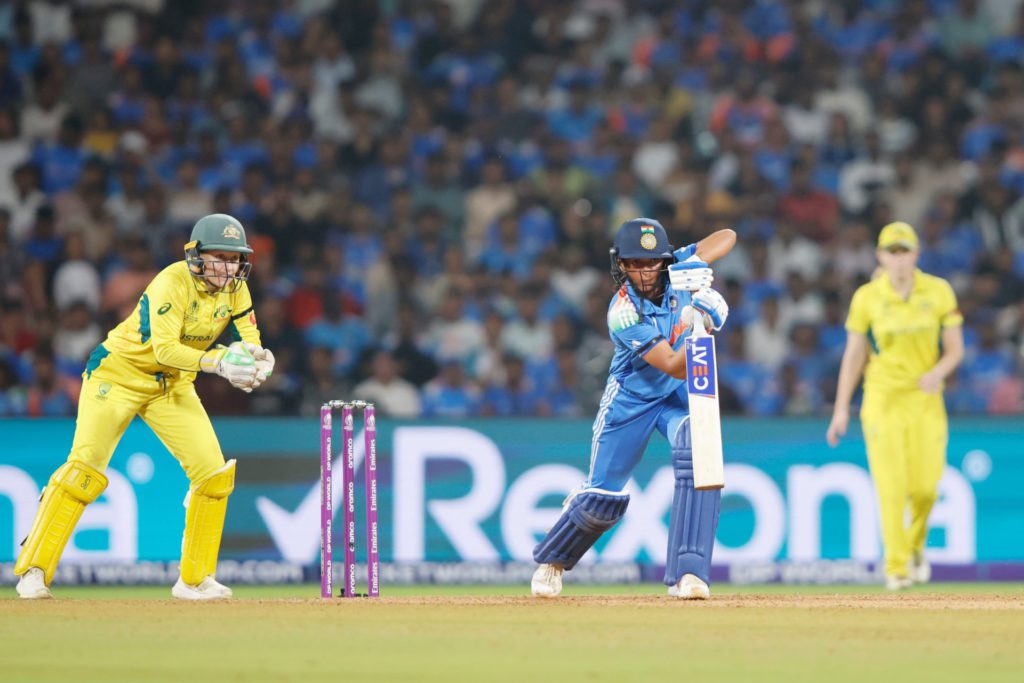
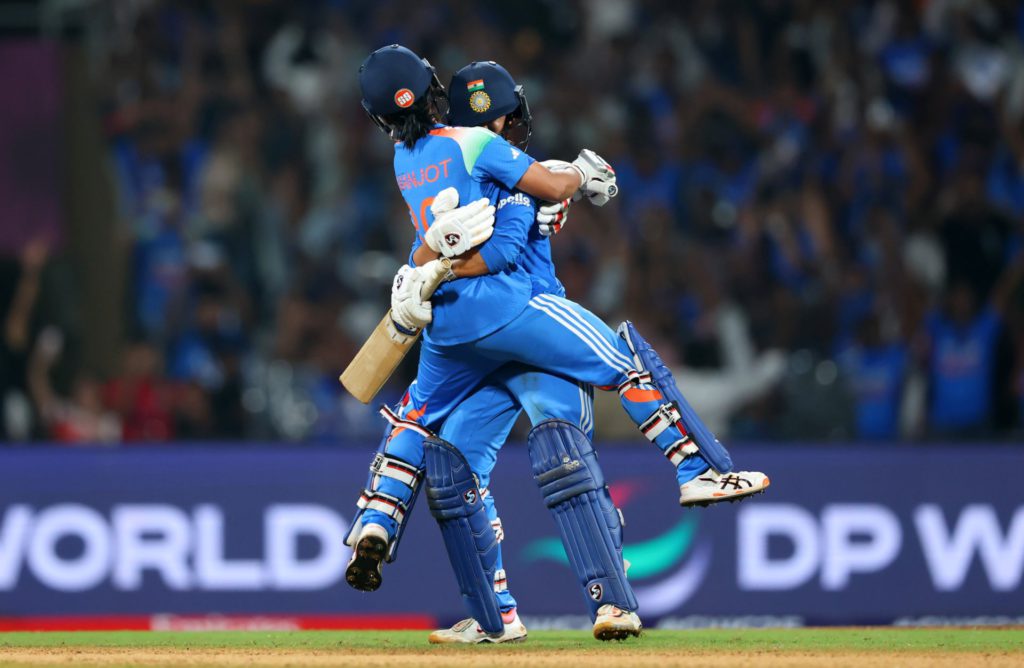
Jemimah Rodrigues (127* off 134 balls) and captain Harmanpreet Kaur (89 off 88) were at the heart of this miracle, crafting a 167-run partnership that turned hope into history. Their stand became India’s highest-ever for any wicket in a World Cup knockout and the backbone of a chase no team had ever achieved before.
From 59/2 after early blows to completing the chase with five balls to spare, India’s response was built on composure, clarity, and courage. Rodrigues’ unbeaten century was not just a performance — it was redemption. Having struggled for form earlier in the tournament, she rose under pressure, batting with conviction and calmness that belied her age.
“I just wanted to win for India. It wasn’t about me,” Rodrigues said tearfully after the match.
“I cried every day this tournament. But God carried me through.”
Australia stunned — again
Australia’s last World Cup loss also came against India in 2017 — and once again, it was Harmanpreet Kaur and company who brought the giant to its knees. Despite Phoebe Litchfield’s stunning 119 and Ellyse Perry’s 77, India’s disciplined bowling attack restricted the Australians to 338, before delivering a chase for the ages.
Shree Charani (2/49) and Deepti Sharma (2/73) played crucial roles in limiting the damage late in the innings, while Richa Ghosh’s quickfire cameo of 26 ensured India didn’t lose momentum during the chase.
Legends hail the victory
The cricketing fraternity erupted in celebration. Sachin Tendulkar hailed it as “a fabulous victory,” lauding Rodrigues and Harmanpreet for “leading from the front.”
Rohit Sharma, Gautam Gambhir, and Yuvraj Singh called the chase “one for the ages,” with Yuvraj adding,
“There are wins that go beyond numbers on a scoreboard — this was one of them.”
Former skipper Sourav Ganguly called it “incredible stuff from the girls,” while Harbhajan Singh wrote, “Hamari ladkiya kisi se kam nahi hai — our girls are second to none.”
The dawn of belief
This was more than a semifinal — it was a symbol of evolution. India had lost three matches in the group stage, including a heartbreaking four-run defeat to England. But instead of faltering, they recalibrated.
Harmanpreet admitted the losses taught them to “execute better in the final overs” and credited Rodrigues’ tactical brilliance, calling her “the mathematician of the team.”
The captain summed up the emotion best:
“We are not playing alone. Every fan, every cheer, every message carried us. This win is for India.”
As fireworks lit up Navi Mumbai, one truth became undeniable — this was India’s finest hour in women’s cricket. They didn’t just chase a target; they chased history, heartbreak, and doubt — and won them all.
Next stop: the World Cup final against South Africa — and a shot at destiny.
Support our Journalism
No-nonsense journalism. No paywalls. Whether you’re in Australia, the UK, Canada, the USA, or India, you can support The Australia Today by taking a paid subscription via Patreon or donating via PayPal — and help keep honest, fearless journalism alive.
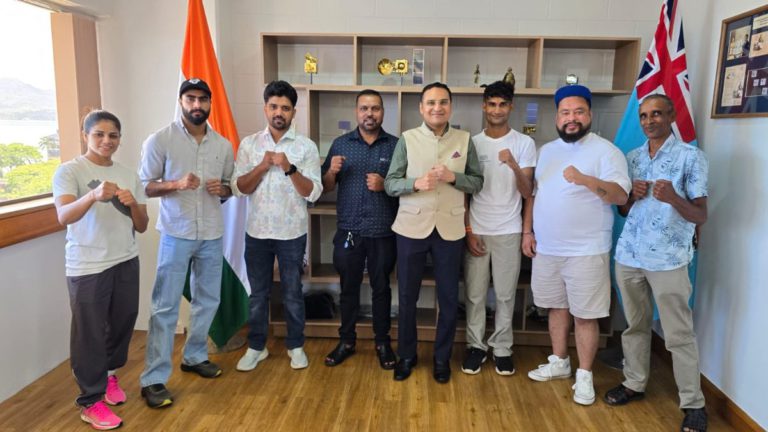
Three professional boxers from India — Aarti Hoodha, Pawan Kumar, and Rohit — have arrived in Fiji for the Stratum Construction ZEG Kings Boxing Promotion taking place this Saturday at the Vodafone Arena in Suva.
Image: Rohit, Aarti Hoodha, and Pawan Kumar (Source: FBC News)
Twenty-six-year-old Pawan Kumar will face Australian boxer Andrew Maloney in the Super Bantamweight contest.
Kumar hails from a boxing family, with his grandfather serving as a coach with the Indian National Boxing Federation. This will be his fourth international appearance after three losses abroad, but the Indian fighter remains confident, having won eight bouts at home, including six by knockout.
🇮🇳🤝🇫🇯 High Commissioner Suneet Mehta met with Indian boxers Aarti Hoodha, Pawan Kumar, and Rohit ahead of the Zeg Kings Boxing Promotion event in Suva.
Best wishes to the boxers as they showcase their talent and spirit in Fiji.
For 23-year-old Rohit, the bout against Fijian Filise Nabua for the Welterweight title will mark his first international fight. With six professional matches under his belt — five wins and one loss — Rohit says he is ready to make the most of the opportunity. “I’m really excited. My opponent Nabua is a good fighter, but we’ll see in the ring,” Rohit told The Fiji Times.
“I have a strong left hook, and I’m hoping for a knockout in this match.”
Meanwhile, 25-year-old Aarti Hoodha will take on local boxer Laite Nanovu in the Lightweight division. Originally from Rohtak, India, Hoodha began boxing at the age of 14 in her village, encouraged by her father to pursue the sport despite community restrictions on women in athletics.
Now preparing for her third professional bout, Hoodha said she feels confident and ready to continue her winning streak. “My preparations have gone well. I have been fighting for almost nine years, and I’m looking forward to stepping into the ring on Saturday,” Hoodha told The Fiji Times.
“My opponent is a good boxer, and I will try my best to win this fight.”
Nanovu, also entering her third professional contest, is determined to secure her first career victory after facing setbacks in previous bouts.
The highly anticipated event will also feature Junior Binnu Singh of India squaring off against Thailand’s Apichart Klintal in the main event, promising an action-packed night for boxing fans in Fiji.
Support our Journalism
No-nonsense journalism. No paywalls. Whether you’re in Australia, the UK, Canada, the USA, or India, you can support The Australia Today by taking a paid subscription via Patreon or donating via PayPal — and help keep honest, fearless journalism alive.
The Queensland Supreme Court handed down the sentence on 28 October 2025, ordering the man to serve a minimum non-parole period of four years and six months.
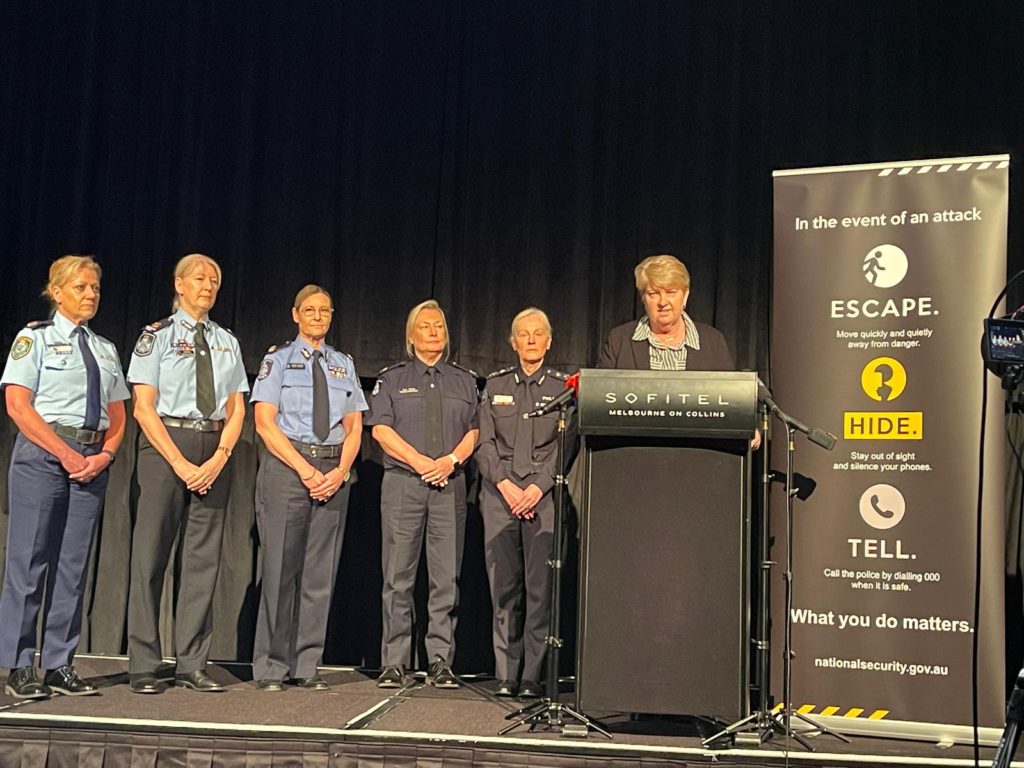
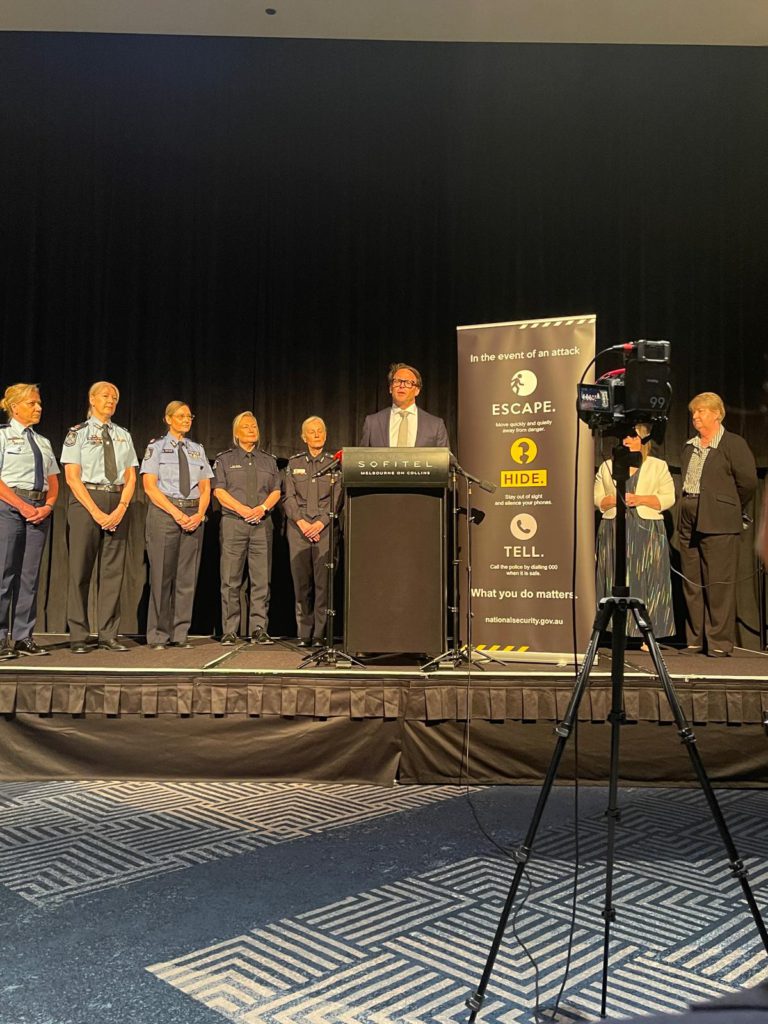
AFP Assistant Commissioner Stephen Nutt said the AFP remains vigilant against both domestic and foreign threats of violent extremism. “We are watchful of people here at home who wish to engage in violent activity on foreign soil,” Assistant Commissioner Nutt said.
“We denounce violence in all its forms, and our investigators pursue matters tenaciously to ensure people who wish to commit acts of violent extremism are put before the courts.”
An investigation by the Queensland Joint Counter Terrorism Team (JCTT) — comprising the AFP, Queensland Police Service, and ASIO — revealed that between July 2016 and February 2017, the man planned to enter Syria to fight against the government led by Bashar al-Assad.
He had applied for an Australian passport and researched flights from Brisbane to Türkiye, intending to cross illegally into Syria.
In May and June 2018, JCTT officers executed search warrants at his Kuraby home, uncovering items linked to preparations for the planned travel. Police seized a USB containing publications on guerrilla warfare, explosives manufacturing, and al-Qaeda propaganda, as well as electronic devices loaded with extremist content related to martyrdom and jihad.
The man was arrested on 30 June 2018 and charged with three counts of making preparations for incursions into foreign countries for the purpose of engaging in hostile activities under section 119.4 of the Commonwealth Criminal Code. He pleaded guilty on 30 May 2024.
Queensland Police Service Assistant Commissioner Charysse Pond praised the coordinated effort of law enforcement agencies.
“This result is a credit to the hard work and commitment of the Queensland Joint Counter Terrorism Team to keeping the community safe.”
Support our Journalism
No-nonsense journalism. No paywalls. Whether you’re in Australia, the UK, Canada, the USA, or India, you can support The Australia Today by taking a paid subscription via Patreon or donating via PayPal — and help keep honest, fearless journalism alive.
The government used to be quite cosy with independent ACT senator David Pocock. That was back at the start, when it needed his vote.
In its second term, Labor only requires the Greens or the Coalition to pass contested legislation in the upper house. Now Pocock has become an irritant for Labor, as he and other crossbenchers need to demonstrate their relevance in changed circumstances.
Pocock is calling out the government’s gross lack of transparency. “When the numbers were crunched on the last parliament they were more secretive than the Morrison government,” he says, describing this as “one of the most secretive governments in the last 30 years”.
On Wednesday Pocock led a spectacular revolt that united, in a rare display, the Coalition, Greens and other crossbenchers.
The immediate trigger issue was the government’s refusal to release a report by former public service commissioner Lynelle Briggs into jobs for mates. The government commissioned the report in 2023 – spurred by the fact one of the “teals”, Sophie Scamps, was planning a private member’s bill.
The report, titled Review of Public Sector Board Appointments Processes, was completed the same year. But it has been sat on ever since, presumably because it is embarrassing for Labor. Finance Minister Katy Gallagher says, improbably, that the government is still working on the report. If it is, it must have started the work very late and presumably will be accelerating it.
On Wednesday the non-government senators passed a motion to extend the Senate’s hour-long question time, until the issue is resolved, by about half an hour, with the additional questions all to be asked by non-Labor senators. (In a chaotic Thursday afternoon, question time ran three and a half hours.)
The government reacted furiously. The opposition said the Leader of the House of Representatives Tony Burke told Manager of Opposition Business Alex Hawke the government was considering depriving Coalition lower house members of their positions as deputy chairs on various committees.
Liberal frontbencher James Paterson said “the government’s response is more like that of a petty authoritarian government than a democratic one”.
Environment Minister Murray Watt lashed Pocock, on Thursday accusing him of “a dummy spit”. “David Pocock was always in here lecturing the rest of us about the importance of Senate tradition and Senate convention, and he’s just gone and chucked the toys out of the cot yesterday. So he should have a good, hard think about that.”
This incident is not just a bit of byplay. It’s a test of strength between the Senate and the executive. Politically it is important because it highlights a concerning feature of the Albanese government – its penchant for secrecy. While governments generally have secrecy as their default position, Labor came in promising to behave differently.
Observers believe Anthony Albanese is the main driver of limiting information. We know for certain he is not a fan of freedom of information – the current bill for changes to FOI that the government has before parliament would (further) inhibit access to information about what is happening at senior levels of government.
The inclination to secrecy is part of the government’s disappointing record more generally on integrity issues, highlighted this week by the Centre for Public Integrity, an independent research institute chaired by Anthony Whealy, a respected legal figure.
The CPI issued “The Albanese Government’s Integrity Report Card”, which showed poor results on various fronts.
The centre urges the government to “reset course – to honour its commitments to transparency, respect for parliament, robust checks and balances, and action to stamp out corruption and undue influence”.
The CPI accuses the government of “leaning into a culture of secrecy”, highlighting the flawed freedom of information bill.
It says the government has failed to rein in the power of lobbyists. One big thing that compromises both sides of politics is how political parties sell access to their senior figures, for large sums. Labor has its Federal Labor Business Forum; the Liberals their Australian Business Network. Companies sign up for meetings at party conferences and other events to get into decision-makers ears. It is surely a distortion of democracy.
For an opposition to hold a government to account requires resources. The CPI report criticises the government’s cut in the staff allocation it has provided to the opposition.
Albanese has been particularly arbitrary when it has come to resources for Senate crossbenchers. Instead of a general rule, some crossbenchers (including Pocock) have received more staff than others, according to prime ministerial preference. Labor defector Senator Fatima Payman was given minimal staff.
The CPI criticises that the scrutiny of Indigenous Affairs has been reduced by removing the previous dedicated day at Senate estimates to examine this area. The government also “continues to exempt major executive instruments from parliamentary review”.
On the issue of “frank and fearless advice” from the public service, the CPI points to the government ignoring key recommendations from the Thodey review, which reported under the Morrison government – notably recommending changes to the appointment and tenure of departmental secretaries. These would strengthen the independence of the public service, the CPI says.
And what of jobs for mates? The CPI says the government has made little progress on, and has little appetite for, “one of Australia’s most pressing integrity reforms”.
It quotes Gallagher’s words when she announced the Briggs inquiry – she said it was “all about putting an end to the jobs for mates culture that defined the previous Morrison government’s public sector appointments”.
Under the Albanese government “appointments continue to be made without sufficient guardrails”, the CPI says. It points to the recent choice of the new head of the Office of National Intelligence, Kathy Klugman, who went straight from the Prime Minister’s Office. (The government is enraged by this, seeing it as a slur, because she was a deputy secretary in the Department of Foreign Affairs seconded to the Prime Mnister’s Office.)
The CPI also notes legislation for the Australian Centre for Disease Control “establishes a major public office with no provision for merit-based appointment”.
The CPI calls for the release of the Briggs report and for the government to “legislate transparent, merit-based appointment processes across the public sector”.
No-nonsense journalism. No paywalls. Whether you’re in Australia, the UK, Canada, the USA, or India, you can support The Australia Today by taking a paid subscription via Patreon or donating via PayPal — and help keep honest, fearless journalism alive.
A 21-year-old semi-truck driver accused of causing a deadly eight-vehicle pile-up in Ontario, California, has pleaded not guilty to charges of gross vehicular manslaughter and driving under the influence of drugs.
As per ABC News, prosecutors allege that Jashanpreet Singh, an Indian national, was speeding and impaired when his red semi-truck slammed into stopped traffic on Interstate 10, triggering a fiery chain-reaction crash that killed three people and injured at least three others.
Singh appeared in a Rancho Cucamonga court last week Friday, where he entered a not guilty plea to three counts of gross vehicular manslaughter while intoxicated and one count of driving under the influence causing injury.
Singh remains in custody without bail and is due back in court on 4 November, with a Punjabi interpreter to be provided at the next hearing.
Federal authorities have confirmed that Singh entered the United States illegally through the southern border in 2022 and was seeking asylum. He held a California commercial driver’s licence (CDL) issued in June, despite new federal rules introduced in September barring asylum-seekers from obtaining such licences.
The Department of Transportation (DOT) has accused California of violating federal law by upgrading Singh’s restricted licence earlier this month, allowing him to drive interstate when he should have been deemed ineligible.
This is tragic, and as with every tragedy over the last ten months, Secretary Noem has ordered Secretary Duffy to look for every opportunity to manipulate the facts to score cheap political points.
— Governor Newsom Press Office (@GovPressOffice) October 23, 2025
The DOT warned that the state could lose nearly $40 million in federal funding if it continues to disregard the emergency rule.
“This criminal illegal alien from India entered the country illegally at the southern border in 2022 and was released by the Biden administration,” said DHS Assistant Secretary Tricia McLaughlin, criticising both state and federal authorities for the oversight.
California Governor Gavin Newsom’s office pushed back, saying the federal government had “approved and renewed this individual’s employment authorisation multiple times — which allowed him to obtain a CDL in accordance with federal law.”
The victims have been identified as Jaime Flores Garcia, Maria Macias, and Juan Chavez Alvarez, with three others, including Singh, injured in the collision.
“This could have been prevented if somebody had been paying attention — sober,” Officer Rodrigo Jimenez of the California Highway Patrol told ABC.
Federal officials have called the tragedy a “catastrophic failure” of inter-agency oversight, reigniting debate over immigration policy and the enforcement of commercial driver licencing laws.
Support our Journalism
No-nonsense journalism. No paywalls. Whether you’re in Australia, the UK, Canada, the USA, or India, you can support The Australia Today by taking a paid subscription via Patreon or donating via PayPal — and help keep honest, fearless journalism alive.
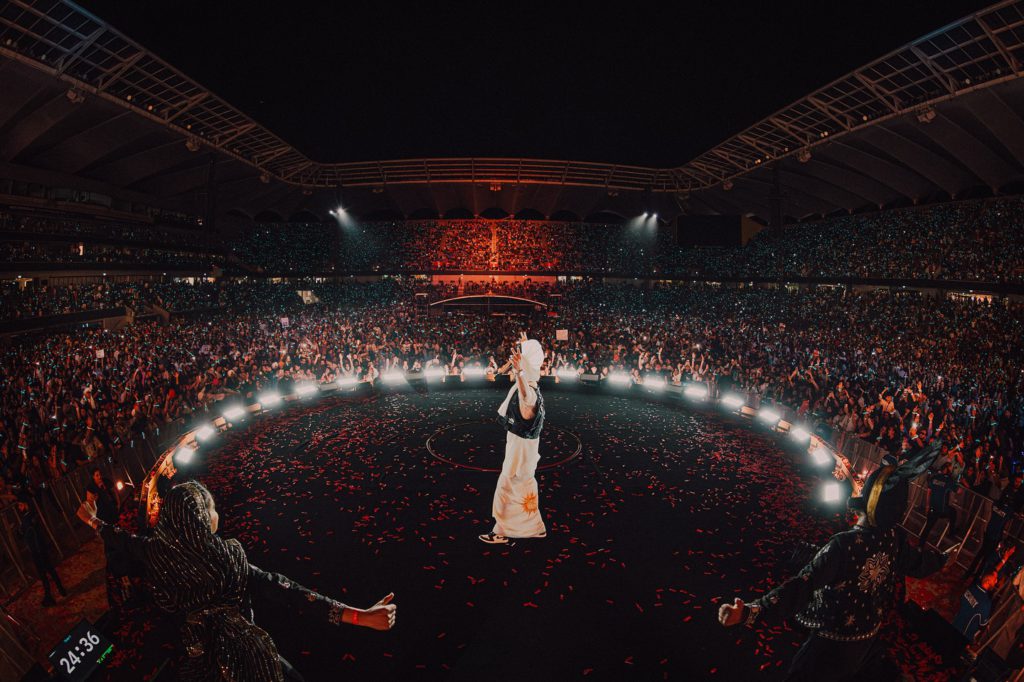
As he tours Australia on his global AURA tour, actor-singer Diljit Dosanjh has revealed that he encountered racist remarks upon arriving in Sydney — and used the moment to advocate for unity and respect beyond national borders.
Racist remarks on arrival
Dosanjh shared behind-the-scenes footage on his YouTube channel, giving fans a glimpse into life on tour. In that video, he described how, upon arriving in Australia, paparazzi photographs triggered a barrage of racist comments.
As he said:
“Some … reported when I landed in Australia. … People said things like, ‘the new Uber driver is here,’ or ‘the new 7-11 employee has landed.’“
Rather than responding with anger, the star chose a different tone:
“I don’t mind being compared to a cab or truck driver. If truck drivers cease to exist, you won’t get bread for your home.”
He added:
“I’m not angry, and my love goes out to everyone, even the ones who say things like that about me.”
Call for unity and world without borders
Beyond sharing his personal experience, Dosanjh used the opportunity to call for a more inclusive and united global outlook.
He emphasised:
“I’ve seen a lot of these racist comments, but I think the world should be one and there should be no borders.”
His message resonates in a time when global artists increasingly travel, perform, and connect with fans worldwide — yet still face deep-seated biases.
Context of the tour
Dosanjh’s Australian leg of the AURA tour is already notable. He became the first Indian artist ever to sell out a full stadium show in Sydney, drawing in an estimated 30,000 fans and commanding ticket prices reportedly up to AU $800.
The incident underscores how even globally successful artists of Indian origin continue to face racism in diaspora settings. Dosanjh’s public handling — acknowledging the remarks, refusing bitterness, and reaffirming his message of unity — offers one approach to confronting such issues.
For Australia, the episode serves as a reminder of the recurring work needed to ensure cultural respect and inclusivity in public life and entertainment.
As Diljit Dosanjh proceeds with his tour — which includes further Australian cities — his experience may spark wider discussions within the music and arts community about how racism manifests behind the scenes and what can be done to address it.
His parting appeal: a call not just to his fans but to everyone to recognise the dignity of all professions and people, break down “us vs them” mindsets, and amplify our shared humanity.
Support our Journalism
No-nonsense journalism. No paywalls. Whether you’re in Australia, the UK, Canada, the USA, or India, you can support The Australia Today by taking a paid subscription via Patreon or donating via PayPal — and help keep honest, fearless journalism alive.
The Organisation of Islamic Cooperation (OIC) has come under sharp criticism from Indian Muslim voices, Kashmiri activists and political leaders for issuing what they called a “biased and misleading” statement on Jammu and Kashmir.
On 27 October, marking what it described as 78 years of India’s “illegal occupation” of Jammu and Kashmir, the OIC General Secretariat reiterated its support for the “right to self-determination” of the Kashmiri people.
The statement urged India to respect human rights in the region and called for a final settlement of the issue under relevant UN Security Council resolutions.
However, the remarks have sparked widespread backlash from Indian commentators who accused the OIC of hypocrisy and political bias.
Indian Kashmiri advocate Javed Ahmad Beigh, who represents India at the United Nations, strongly criticised the OIC for issuing what he called a “biased and partisan” statement echoing Pakistan’s false narrative on Jammu and Kashmir.
In a Letter of Protest posted on X, Beigh said the OIC was “acting as a lackey and proxy of Pakistan,” and reminded the organisation that the entire princely state of Jammu and Kashmir legally acceded to India on 27 October 1947 through the Instrument of Accession signed by Maharaja Hari Singh.
Letter of Protest:
I, Javed Ahmad Beigh, an Indian Kashmiri Muslim from India's Kashmir Valley, which is part of the Union Territory of Jammu and Kashmir (J&K) on behalf of nearly 14 million people of J&K including 10 million Muslim citizens of J&K take very strong objection to… https://t.co/pOoR3EFVzg
He asserted that Pakistan, not India, acted illegally by invading parts of the region that remain under its occupation as PoJK and Gilgit-Baltistan. Rejecting the OIC’s references to “self-determination” and “UN resolutions,” Beigh stressed these have no legal validity after the 1972 Shimla Agreement, which made Kashmir a bilateral matter between India and Pakistan.
“The OIC must stop parroting Pakistan’s lies and instead condemn Pakistan’s decades of terrorism in Kashmir,” he wrote, adding that Indian Kashmiri Muslims are “proud citizens of India” and do not need the OIC to speak for them.
Prominent Kashmiri activist Sajid Yusuf Shah wrote on social media, “Bro, @OIC_OCI, you have lost every shred of credibility. You speak of ‘Kashmir’ but stay silent on Pakistan-occupied Jammu Kashmir, Baloch suffering and minority persecution across the Islamic world.”
Bro, @OIC_OCI, you have lost every shred of credibility. You speak of “Kashmir” but stay silent on Pakistan occupied Jammu Kashmir, Baloch suffering and minority persecution across the Islamic world.
Stop exploiting Kashmir for your political business. Try something new! https://t.co/9LWnwsSqUM
“Stop exploiting Kashmir for your political business.”
Progressive Kashmiri voice Hinna Nazir also criticised the OIC for its silence on Pakistan’s role in fuelling terrorism in Kashmir, saying,
“If the @OIC_OCI can’t condemn Pakistan’s three decades of terrorism in Kashmir, it has no moral right to speak for Kashmiris.”
She added that “we Kashmiris stand proudly with India and reject Pakistan and its sponsored terrorism in the valley.”
Zahack Tanvir, founder of The Milli Chronicle, also denounced the OIC’s position, stating that Kashmir has always been an integral part of India’s 5,000-year-old civilisational history.
Refuting @OIC_OCI Bias || India 🇮🇳 did not occupy #Kashmir. Kashmir has been an integral part of India’s 5,000-year-old civilizational history. It was #Pakistan 🇵🇰 that attempted to usurp the entire region through its forces and Pashtun militias in October 1947. In fact,… pic.twitter.com/i05N140TX7
“It was Pakistan that attempted to usurp the region in 1947 through its forces and militias. Pakistan-occupied Kashmir remains under illegal occupation to this day.”
Tanvir thanked X for adding community notes that “set the historical record straight” and questioned the OIC’s silence on Pakistan’s recent killing of civilians in PoK.
BJP’s Jammu and Kashmir spokesperson Gaurav Gupta called the OIC’s statement “politically motivated” and “deeply uninformed”.
Gupta said,
“It’s unfortunate that the OIC continues to act as Pakistan’s mouthpiece instead of recognising the reality of a peaceful, democratic, and rapidly developing Jammu and Kashmir, which is an integral part of India.”
OIC Should Stop Echoing Pakistan’s Lies and Speak on Atrocities in PoJK : Gaurav
Jammu, 29 October 2025: Gaurav Gupta, BJP Spokesperson for Jammu and Kashmir UT, has strongly criticised the Organisation of Islamic Cooperation (OIC) for issuing yet another biased and misleading… pic.twitter.com/w3uqs2SvxF
He highlighted the OIC’s silence on Pakistan’s human rights abuses, including the killing of civilians in Muzaffarabad and Rawalakot, and quoted West Asia expert Michael Arizanti, who questioned why “the death of a Palestinian in Gaza is a global headline but that of a Kashmiri Muslim in Muzaffarabad is a footnote”.
Gupta added that under Indian Prime Minister Narendra Modi’s leadership, Jammu and Kashmir has witnessed major progress in infrastructure, tourism, education and healthcare.
“There is no dispute left in Jammu and Kashmir. The only issue is for Pakistan to vacate its illegally occupied territories of PoJK.”
Meanwhile, Khubaib Mir, a Kashmiri Muslim and activist, also rejected the OIC’s statement, saying it has “no locus standi” in the lives of Kashmiris.
I Khubaib Mir, a Kashmiri Muslim from J&K, India, I categorically reject the OIC’s templated statement on Kashmir.@OIC_OCI does not speak for me, my family or my Valley. I did not elect it, it has no locus standi in our constitutional life. J&K’s accession to India is settled… https://t.co/okITG1Kcwq
“The OIC’s language on ‘self-determination’ erases the self of millions of Kashmiris who study, work, vote, and choose India every day. Kashmir’s future is shaped by our ballot and Constitution, not by communiqués drafted in distant conference rooms.”
He urged the OIC to stop its “selective activism” and acknowledge the progress in Jammu and Kashmir, where schools, businesses and democratic institutions are thriving, while people across the border in PoJK face repression and economic hardship.
Across political and civil society lines, the message from India was clear — the OIC’s continued parroting of Pakistan’s narrative undermines its credibility and fails to reflect the reality of a modern, developing and peaceful Jammu and Kashmir.
Formed in 1969, the OIC is a 57-nation bloc of Islamic countries including Saudi Arabia, Turkey, Iran, Indonesia, Egypt and the UAE. None of the 57 members are secular and only a handful are democratic or quasi-democratic. Critics argue that states without free and fair elections are in no position to lecture India, the world’s largest secular democracy, and its one-sided statements on Kashmir expose a persistent tilt towards Pakistan’s nefarious agenda at the expense of objective diplomacy.
Support our Journalism
No-nonsense journalism. No paywalls. Whether you’re in Australia, the UK, Canada, the USA, or India, you can support The Australia Today by taking a paid subscription via Patreon or donating via PayPal — and help keep honest, fearless journalism alive.
A 17-year-old cricketer has tragically died after being struck by a ball during a warm-up session before a local T20 match in Melbourne’s southeast.
The incident occurred around 4.45 pm on Tuesday at Walley Tew Reserve in Ferntree Gully, where Ben Austin was reportedly practising in the nets before a match between Ferntree Gully and Eildon Park.
Paramedics, including a Mobile Intensive Care Ambulance unit, treated Ben at the scene before rushing him to Monash Medical Centre in critical condition. Despite their efforts, the Ferntree Gully Cricket Club confirmed his death on Thursday morning.
“We are absolutely devastated by the passing of Ben, and the impacts of his death will be felt by all in our cricket community,” the club said in a statement.
“We ask you to please respect the privacy of Ben’s family during this time.”
Ringwood and District Cricket Association president Michael Finn told 7News that the community was rallying around those affected.
“Currently, our thoughts and prayers are with the family,” he said.
Support our Journalism
No-nonsense journalism. No paywalls. Whether you’re in Australia, the UK, Canada, the USA, or India, you can support The Australia Today by taking a paid subscription via Patreon or donating via PayPal — and help keep honest, fearless journalism alive.
The Indian-origin family is now pleading for urgent accommodation and assistance to renew their passports after losing “everything in the fire” that tore through their rented two-storey home early on Thursday morning.
“Had we been two minutes late, we wouldn’t have survived,” Sanjay, a chef and father of a seven-year-old boy, who, along with his wife, narrowly escaped a devastating house fire that destroyed their home in Remuera, Auckland, told The Indian Weekender.
Fire and Emergency New Zealand (FENZ) told local media it received multiple calls shortly after 1 am about the blaze on Hapua Street.
“Around 1am, I heard a glass break while my wife and son were sleeping,” Sanjay told The Indian Weekender.
“When I opened the door, the whole living area was already up in flames. We were just two minutes away from being trapped by the fire.”
The family lived on the upper floor, sharing the property with two other occupants on the downstairs level. FENZ shift manager Lauren Sika told RNZ that firefighters arrived to find the home fully engulfed in flames. Nine crews battled the blaze at its peak before bringing it under control. Fortunately, no one was seriously injured.
Police confirmed all occupants were evacuated safely and treated for minor injuries. “Police will be working with Fire and Emergency New Zealand investigators to understand the circumstances surrounding the fire and determine next steps,” a spokesperson said.
Despite surviving the blaze, Sanjay says his family has been left homeless and without support.
“Police said we would be placed in emergency housing, but nothing has been arranged yet. My wife and son had to knock on a friend’s door just to have a roof over their heads.”
Having lived in Auckland for 11 years, Sanjay says he feels abandoned in the aftermath of the tragedy.
“I was told to book a hotel and claim the bills later. I pay my taxes here, yet I’ve been left to fend for myself.”
The family lost all their belongings, including passports, documents, jewellery, and savings. “Our Indian passports were burned. We have nothing left,” Sanjay told The Indian Weekender, his voice breaking.
“Sab kuch hote hue bhi main zero ho gaya hoon (Despite having everything, I’ve been reduced to nothing).”
He is now appealing to the Indian community and local authorities for help in finding temporary accommodation as he begins to rebuild his life from scratch.
Support our Journalism
No-nonsense journalism. No paywalls. Whether you’re in Australia, the UK, Canada, the USA, or India, you can support The Australia Today by taking a paid subscription via Patreon or donating via PayPal — and help keep honest, fearless journalism alive.
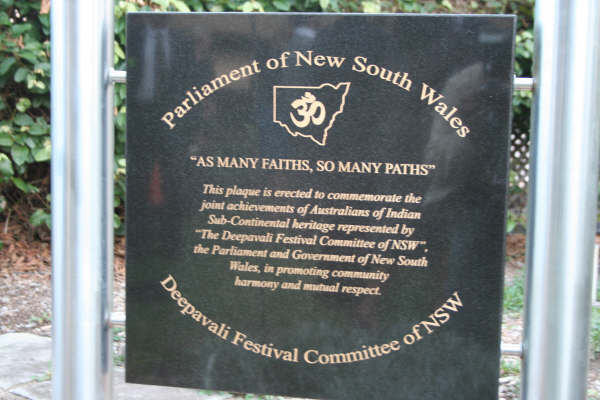
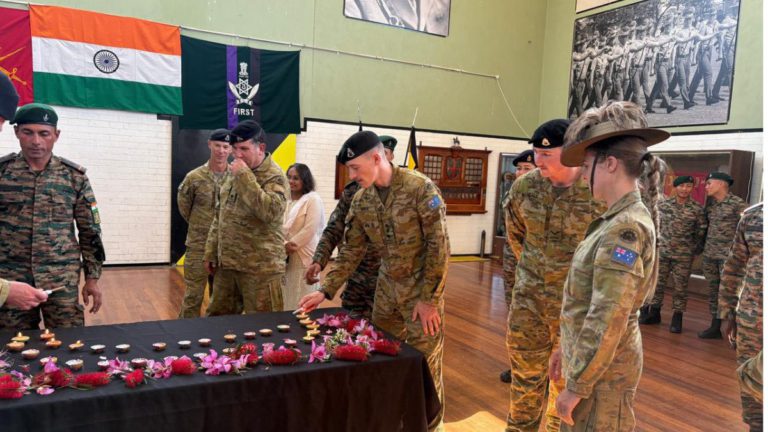
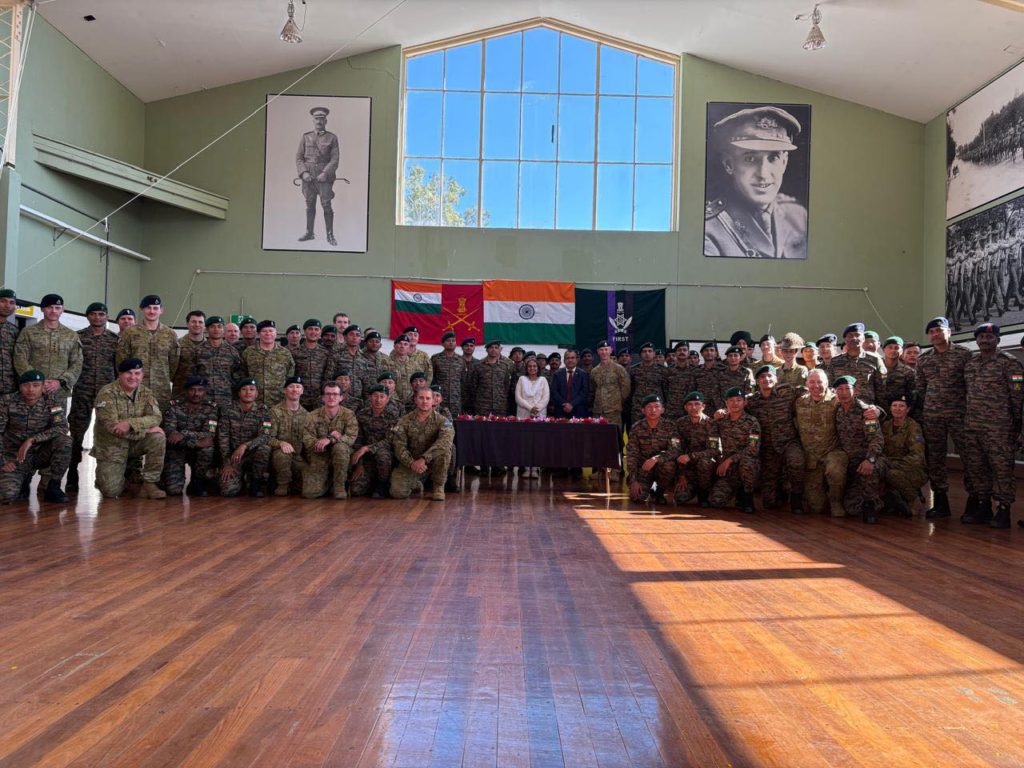
SAISH (Strathfield Australians of Indian Sub-continental Heritage) held its 12th Deepavali celebration in the presence of dignitaries including the Consul General of India in Sydney, Dr S. Janakiraman, Strathfield Mayor Ben Cai and Deputy Mayor Sandy Reddy, councillors from Strathfield and Parramatta, leaders of the Hindu Council of Australia, presidents and representatives of major temples, and heads of community associations.
The event was attended by Clr J. P. Baladi, the immediate past Mayor of Strathfield; Councillor Sreeni Pillamari from Parramatta Council; Michael Mamo, General Manager of Strathfield Council; Sai Paravastu, National President of the Hindu Council of Australia; and Surinder Jain, Vice President of the Hindu Council of Australia.
In his address, SAISH President Raj Datta recalled that the organisation was formed in 2013 to promote traditional culture and values and to provide services to all Australians. He listed joint work with the Hindu Council of Australia, BAPS Swaminarayan Temple, Shridi Sai Temple, Mukti Gupteswara Temple, Sydney Murugan Temple, the United Indian Association, NSW governments and local councils.
Among the outcomes cited were: the first Deepavali celebration in any western parliament at the NSW Parliament House and its continuation until it became a state event; installation of a marble plaque in Parliament House in 2007 acknowledging Indian sub-continental contribution; institution of the first Premier’s Awards for communities; the first inter-faith conference at Parliament House; a petition-led rebuild of Flemington station; stopping closure of childcare centres in Strathfield LGA; stopping the amalgamation of Strathfield Council; leading work on the first masterplan for Strathfield; the first Indian flag-raising ceremony at a council in Australia and its annual continuation in Strathfield; and council-led Deepavali, Pongal, Makar Sankranti and Lohri celebrations. The speech also noted four years of ongoing yoga services in Strathfield.
🇮🇳🤝🇦🇺Tricolour Flies High at Strathfield: India’s 79th Independence Day Honoured in Australia
The Indian tricolour was hoisted at Strathfield Council on 15 August to celebrate India's Independence Day. The ceremony drew members of the local Indian community, council… pic.twitter.com/z0RF3l0owC
Mr Datta said Deepavali symbolises knowledge and stated that equality, social equity and non-discrimination require public defence. He noted increasing unity within the community and referred to recent “misconceived and distorted views” expressed against migrants of Indian heritage.
The address concluded with the aspiration that by continuing services and promoting the values of Deepavali, the community could contribute to a more harmonious and prosperous Australia and reduce prejudice towards migrants from Indian or Indian sub-continental backgrounds.
Support our Journalism
No-nonsense journalism. No paywalls. Whether you’re in Australia, the UK, Canada, the USA, or India, you can support The Australia Today by taking a paid subscription via Patreon or donating via PayPal — and help keep honest, fearless journalism alive.
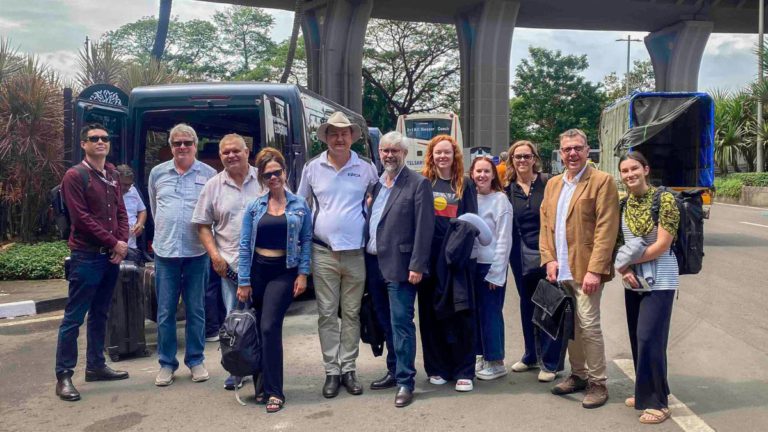
Australia is leading its first-ever First Nations Business Mission to India, marking a landmark step in strengthening trade and investment ties between Indigenous Australian enterprises and India’s rapidly expanding mining and renewable energy sectors.
A delegation of eight First Nations-owned Mining Equipment, Technology and Services (METS) companies has arrived in India and will travel across Mumbai, New Delhi and Kolkata from 26 October to 3 November, forging partnerships and showcasing cutting-edge innovation.
This mission underscores the enduring legacy of Aboriginal and Torres Strait Islander peoples as Australia’s original diplomats, traders and knowledge holders for more than 65,000 years.
Australia’s High Commissioner to India, Philip Green OAM, said the mission aligns with national efforts to boost First Nations trade globally. ““India offers enormous opportunity for Australian First Nations industries, whether it’s exporting agrifood and native botanicals, art and design, or developing cyber, clean energy or mining solutions.”
“We are proud to support this mission, connecting First Nations excellence to the extraordinary Indian businesses driving growth in one of the world’s largest economies,” he said.
Eight Indigenous-owned Australian businesses from WA's mining sector are in 🇮🇳 for the first ever First Nations business mission. Funded by the 🇦🇺Govt, the mission is facilitating engagement between First Nations business leaders & one of the world’s fastest-growing economies. pic.twitter.com/fGsoeIX7Nl
Led by the Perth USAsia Centre and the Chamber of Commerce and Industry of Western Australia (CCIWA), with support from the Australian Government, the delegation represents pioneering expertise ranging from electrifying diesel mining vehicles to advanced engineering, industrial gas, safety solutions and sustainable manufacturing.
Perth USAsia Centre Research Director Dr Kate O’Shaughnessy said First Nations businesses must be at the forefront of the Australia–India relationship.
“India is set to be the world’s third-biggest economy by the end of this decade. There is huge opportunity stemming from that growth.”
The visit coincides with India’s drive to modernise industrial capabilities, including a recently announced A$11 billion plan to upgrade 1,000 public sector Industrial Training Institutes.
The delegation will take part in India’s largest mining conference, the International Mining, Equipment and Minerals Exhibition in Kolkata, to strengthen business links with local industry and government.
CCIWA’s Head of International Trade Michael Carter said the timing could not be better.
“India’s mining industry is turbo-charging its economy – now is the time for Western Australia’s world-class mining and services sector to get involved.”
CEO of the Indigenous Emerging Business Forum John O’Driscoll added the mission gives First Nations companies a global platform.
“This is a unique opportunity to showcase their excellence to the world and grow into export markets.”
The mission is fully funded by the Department of Foreign Affairs and Trade, supporting an inclusive trade agenda that delivers economic benefits for First Nations communities.
The delegation features eight innovative Western Australian First Nations-owned businesses at the forefront of mining technology and services. Electric Power Conversions Australia (EPCA) leads in retrofitting diesel mining vehicles to full electric power, supporting global decarbonisation goals. Woollhara Group manufactures sustainable cleaning solutions for the mining sector, including its Fuel Kleen chemical that enhances fuel efficiency.
Carey Mining Group, the largest 100% First Nations-owned mining services company in WA, brings extensive labour and plant hire capability. Bunbara, a majority Indigenous and female-owned firm, delivers specialised engineering services. Safespear provides advanced safety equipment and testing solutions critical to mine operations. Reels Manufacturing Group supplies conveyor products and systems that support bulk material handling across mine sites.
Moombaki Indigenous Technical Supply and Services, also majority Indigenous and female led, offers a range of technical services and equipment to support efficient extraction processes. Rounding out the group, The Cryogenics Group — a 100% First Nations-owned and female led business — supplies vital industrial gas and cryogenic solutions. Together, these businesses represent the cutting edge of Australia’s First Nations ingenuity, showcasing excellence and export-ready capability to one of the world’s fastest-growing mining markets.
Support our Journalism
No-nonsense journalism. No paywalls. Whether you’re in Australia, the UK, Canada, the USA, or India, you can support The Australia Today by taking a paid subscription via Patreon or donating via PayPal — and help keep honest, fearless journalism alive.
Employers in New Zealand risk losing their accreditation to hire overseas workers if they fail to prove they are genuinely trying to recruit unemployed locals first, Immigration Minister Erica Stanford has warned.
RNZ reports that with thousands of migrant workers’ visas set to expire in the coming months — many issued after the pandemic under three-year limits — the government says businesses must prioritise New Zealand jobseekers, particularly for lower-skilled roles.
Stanford, as per RNZ, told the Association for Migration and Investment’s annual conference that unemployment has risen by 20,000 since accredited employer work visas were introduced in 2022. Yet more than one in six employers seeking to hire migrants had either not engaged with the Ministry of Social Development (MSD) or had fallen short on advertising requirements.
“It is not negotiable for employers to not work with MSD in good faith and try to employ New Zealanders into roles first,” she said.
“It’s not a reflection on the individual migrants… It’s a reflection on the fact that we have New Zealanders who are desperate for jobs and need to be given the first opportunity.”
Recent data shared with MSD and the Ministry of Business, Innovation and Employment (MBIE) shows that between March and July this year, 17 percent of job checks for lower-skilled level four and five roles did not meet MSD engagement criteria. About five percent triggered warnings over inconsistencies in job details, while 11 percent led to revocation referral concerns where employers had not approached MSD at all.
Industries most affected include primary production, retail, hospitality, transport and logistics, construction and health.
Stanford said the changed post-pandemic economic climate means migrants approaching the end of their visas must leave unless eligible for another pathway, such as residence — and employers must be ready to replace them with local talent.
“I’ve been very clear with Immigration New Zealand that where employers do not do so, I am comfortable with their accreditation being revoked,” she said, adding that officials were working closely with major employers with large numbers of visas due to expire soon.
Support our Journalism
No-nonsense journalism. No paywalls. Whether you’re in Australia, the UK, Canada, the USA, or India, you can support The Australia Today by taking a paid subscription via Patreon or donating via PayPal — and help keep honest, fearless journalism alive.
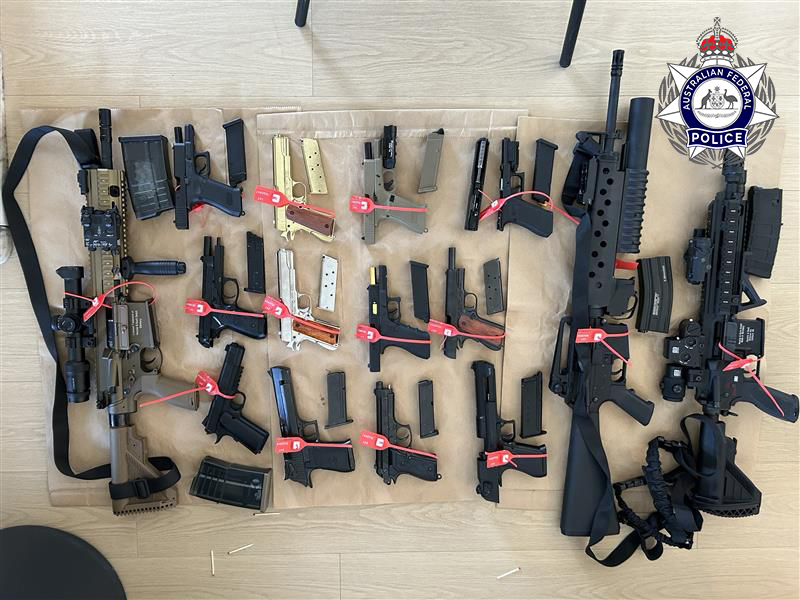
The network is understood to be made up of loosely affiliated sub-groups of mostly young men from English-speaking countries who share extremist and violent ideologies, including nihilism, Nazism, satanism, and sadism.
Investigators say members are exploiting their perceived anonymity to target, groom and coerce youth — predominantly young girls — into performing explicit and violent acts on themselves, siblings, peers or even pets, before trading the material within the criminal community to boost status and notoriety.
The AFP has linked the group to large-scale cyber intrusions against major communications companies, doxxing, swatting, and extremist-inspired violent offences in Australia and overseas.
To counter the threat, the AFP has launched Taskforce Pompilid, bringing together experienced cybercrime, counter-terrorism and child protection investigators who will work closely with domestic agencies and international partners, including the Five Eyes Law Enforcement Group.
AFP Commissioner Krissy Barrett condemned the offenders as “cowards who hide in the dark corners of the internet”.
“These online criminals believe they can commit abhorrent crimes with no repercussions from behind a keyboard,” she said.
“Taskforce Pompilid is our commitment to eradicating these individuals — we want to take them away from their computer screens and put them before real-world courts to face justice.”
So far, 59 alleged Australian offenders have been identified within the network. AFP operations have already led to nine arrests internationally and three in Australia, preventing ongoing harm to several children.
Parents and carers are being urged to stay alert to the risks of online exploitation and keep open lines of communication with young people about respectful online behaviour.
Warning signs may include self-harm linked to online activity, sudden changes in sleep or eating habits, withdrawal from family or friends, secretive device use, and the adoption of extreme language or symbols.
Support our Journalism
No-nonsense journalism. No paywalls. Whether you’re in Australia, the UK, Canada, the USA, or India, you can support The Australia Today by taking a paid subscription via Patreon or donating via PayPal — and help keep honest, fearless journalism alive.
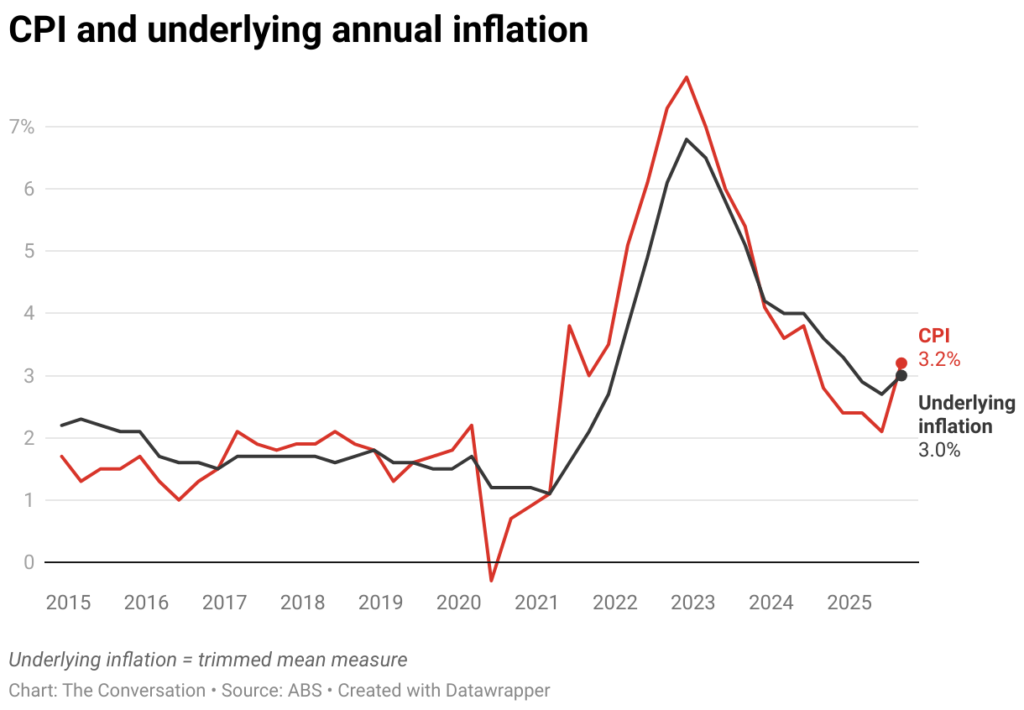
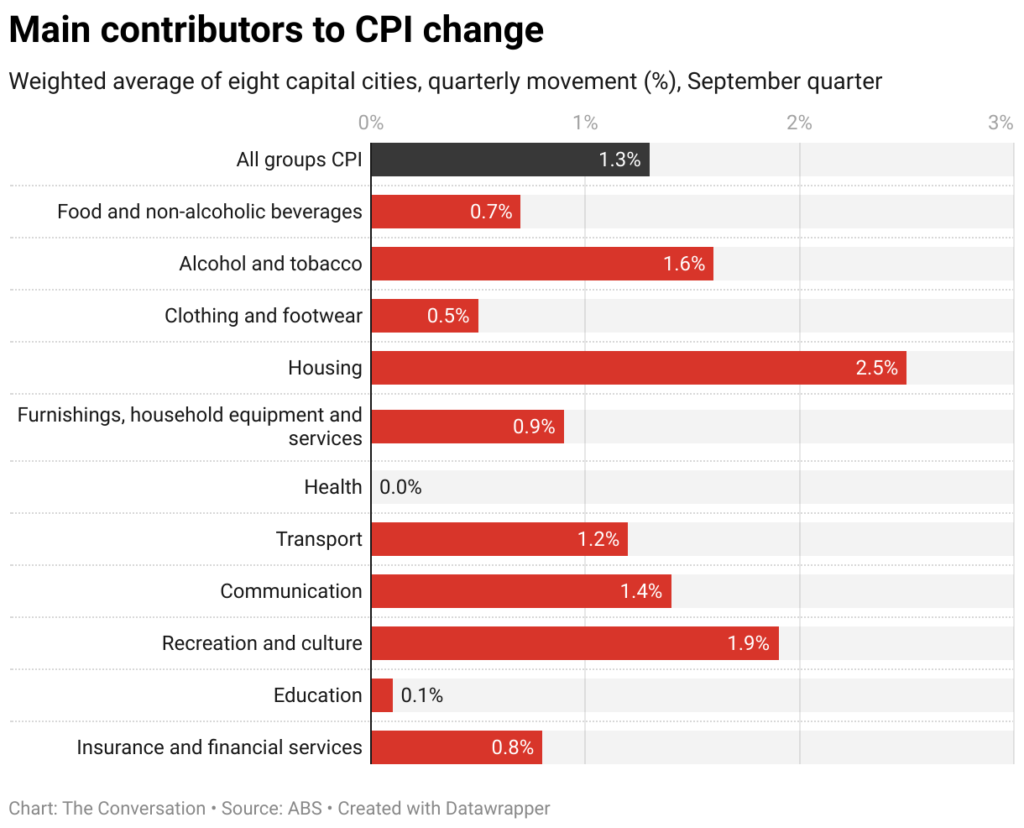
Inflation jumped 1.3% in the September quarter, above economists’ and the Reserve Bank’s own expectations. That is likely to rule out a cut in interest rates next week.
The Australian Bureau of Statistics released the consumer price index (CPI), showing headline inflation was almost double the 0.7% increase recorded in the June quarter.
Over the year to September, consumer prices climbed 3.2%, a big increase from 2.1% in the previous quarter, and above the top end of the central bank’s target.
The consumer price index was the last major piece of data before the Reserve Bank meeting on Melbourne Cup day.
The main driver of the September-quarter increase was housing, with the sharpest rise in property rates and charges in more than a decade. These jumped 6.3% — the biggest quarterly rise since 2014 — as councils across all capital cities lifted general rates, waste levies and other local charges.
Electricity prices also rose sharply, up 9.0%, driven by annual price reviews and the timing of Commonwealth Energy Bill Relief Fund rebates, the Bureau of Statistics said.
Beyond housing, travel costs added further pressure. Domestic holiday travel and accommodation rose 3.2%, pushed up by strong school holiday demand, while international travel increased 2.7% amid continued appetite for overseas trips, particularly to Europe.
While rent inflation eased to 3.8% — the lowest since December 2022 — and insurance costs moderated sharply from last year’s double-digit increases, these declines were offset by renewed price pressures elsewhere.
Inflation proves harder to contain
The result came in well above the Reserve Bank’s earlier forecasts, confirming inflation remains more stubborn than policymakers anticipated.
Overall, today’s figures point to renewed upside risks for inflation and suggest that the path back to the 2–3% target band could take longer than the Reserve Bank had expected.
A reality check for the RBA
The Reserve Bank has already cut the cash rate three times this year — in February, May and August — taking it from 4.35% to 3.6%. Those reductions were meant to ease pressure after a long period of higher interest rates.
But today’s figures serve as a reminder that the inflation challenge is far from over.
For the Reserve Bank, the path ahead may not be as smooth as hoped.
The RBA now faces conflicting signals: inflation remains at the high end of its target range, while the labour market continues to cool. Unemployment has edged up to 4.5%, job vacancies have fallen, and hiring intentions are easing. Household spending has eased slightly but not collapsed.
With inflation still elevated, a rate cut in November looks highly unlikely.
Those expectations have now evaporated. According to ASX futures data, markets are now pricing in an 85% chance of no change and only a 13% chance of a 25-basis-point cut on Tuesday, down sharply from around 50–60% before the inflation numbers were released.
Speaking at the Australian Business Economists annual dinner on Monday, RBA Governor Michele Bullock said the labour market remained “a little tight”, even after the recent rise in unemployment. Today’s stronger inflation result has reinforced that view, convincing investors that any further easing is now off the table for the rest of the year.
Commonwealth Bank, which previously expected one final cut this year, now sees the next move coming in early 2026. Westpac and NAB have also pushed their forecasts back, with both banks expecting rate cuts to resume in mid-2026. When rate cuts do resume, most analysts expect a slow and cautious cycle.
A soft landing — but a bumpier path ahead
The economy is slowing but not stalling. Growth remains modest, held back by weak household spending and softer public demand, while business investment and exports continue to provide some support.
For now, Australia still appears close to the “soft landing” the RBA has been aiming for — where inflation cools without a sharp rise in unemployment. But after today’s stronger-than-expected inflation data, keeping that balance may become more difficult in the months ahead.
The takeaway
The September-quarter CPI is a reminder that Australia’s inflation story isn’t over yet. Price growth has cooled from its peak, but remains stubborn in key areas such as housing and services.
With the labour market softening but still holding up, the RBA is expected to keep rates steady next week and take a cautious approach from here — waiting for clearer evidence that inflation is back under control before cutting further.
For households, rate relief is still on the horizon — just a little further away than many had hoped.
No-nonsense journalism. No paywalls. Whether you’re in Australia, the UK, Canada, the USA, or India, you can support The Australia Today by taking a paid subscription via Patreon or donating via PayPal — and help keep honest, fearless journalism alive.
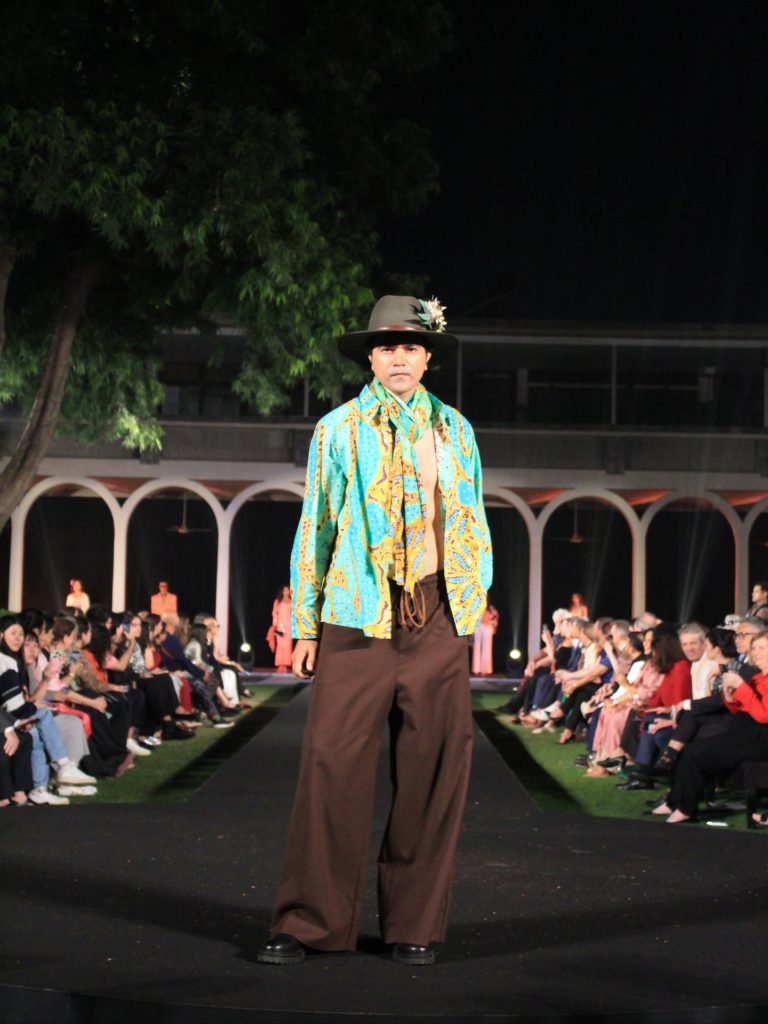
“Connection To Country,” an evening dedicated to artistry and cultural expression, brought Australian First Nations fashion to an Indian audience through a showcase of Kirrikin, a designer label known for incorporating Indigenous Australian art and stories into luxury garments.
The event was curated by the Fashion Design Council of India in partnership with the Australian High Commission and the Centre for Australia-India Relations as part of ongoing cultural collaboration between the two countries.
(Images: Fashion Design Council of India Facebook)
Kirrikin’s collections are built around licensed artworks by Aboriginal artists, translated onto scarves, apparel and accessories without altering the original meaning of the designs. The showcase placed these works in the context of Country — a term used by First Nations peoples to describe deep ancestral ties to land, water, community and heritage.
By staging the presentation in India through a leading industry body like the FDCI and with diplomatic support, organisers aimed to introduce Indian fashion stakeholders to contemporary Indigenous design practice and the business model that supports Aboriginal artists through royalties.
(Images: Fashion Design Council of India Facebook)
The evening was framed as both a cultural bridge and a demonstration of how creative economies can carry living traditions into global markets without compromising authorship or integrity.
Support our Journalism
No-nonsense journalism. No paywalls. Whether you’re in Australia, the UK, Canada, the USA, or India, you can support The Australia Today by taking a paid subscription via Patreon or donating via PayPal — and help keep honest, fearless journalism alive.
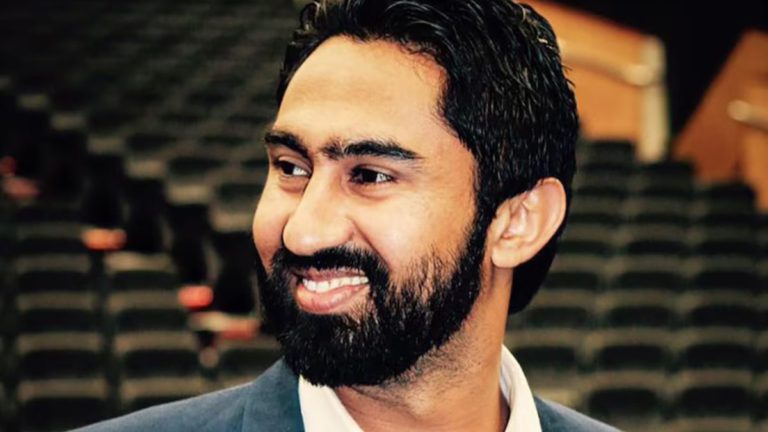
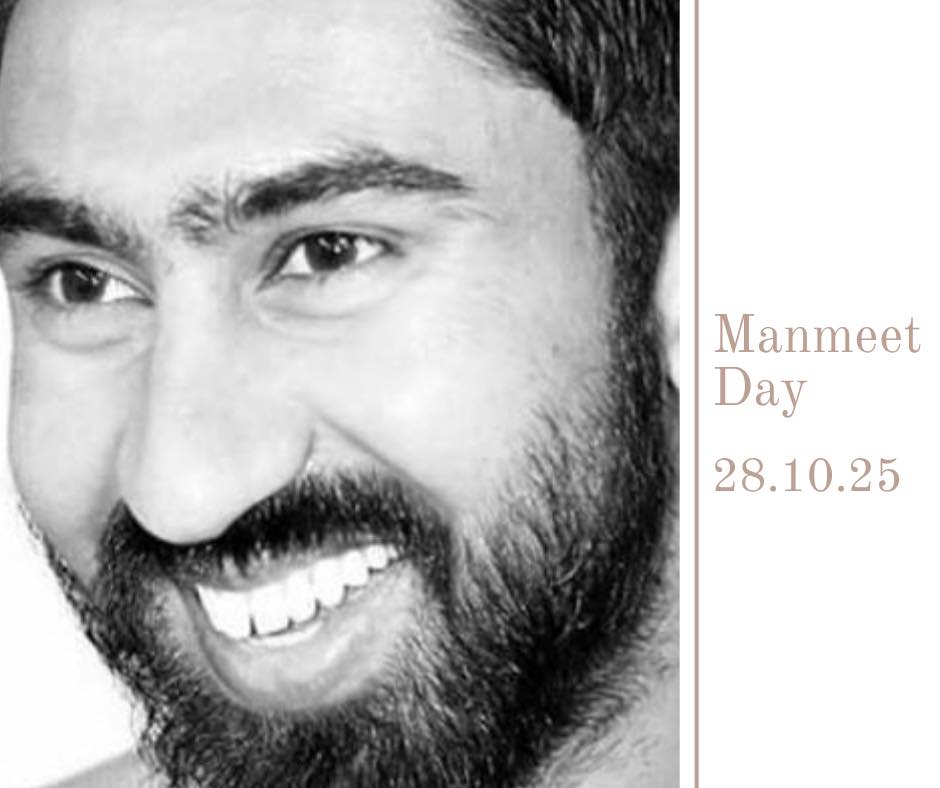
Members of the Rail, Tram and Bus Union (RTBU) Queensland and the wider community gathered on Tuesday, 28 October 2025, at Manmeet’s Paradise in Moorooka to honour Indian-origin bus driver Manmeet Sharma ‘Alisher,’ nine years after he was killed in a horrific attack while at work.
RTBU Queensland said the gathering this week is not only to remember a beloved colleague and friend, but also a reminder of the ongoing need to protect drivers.
“This isn’t just about looking back, it’s about keeping our promise — that we’ll never stop fighting for bus driver safety, and that Manmeet’s legacy will never fade,” the union said in a statement on Facebook.
Alisher, 29, a proud RTBU member and respected figure in Brisbane’s Punjabi community, died in 2016 after a man allegedly threw an incendiary device at him as he stopped to collect passengers in Moorooka.
It was reported Manmeet suffered fatal burns in an attack that also left 14 others — including three children — trapped inside the bus until passers-by managed to force open the rear doors.
The tragedy triggered an outpouring of grief across Australia, with candlelight vigils and memorial services held in multiple cities.
Manmeet was a singer, actor and poet who performed widely at community events.
In a separate tribute, the union described Manmeet as “a proud bus driver, talented artist, and beloved son, brother, and friend,” adding that his kindness and passion for community “touched everyone who knew him”.
A coronial inquest previously heard that the attacker, Anthony O’Donohue, had been discharged from mental health care just two months before the killing, despite long-standing delusions and homicidal ideations. He was later deemed unfit to stand trial and was sentenced to minimum 10 years of treatment in the high-security section of a mental health facility.
The annual remembrance, the union says, ensures that Manmeet’s story continues to drive change so that every bus driver can feel safe behind the wheel.
Support our Journalism
No-nonsense journalism. No paywalls. Whether you’re in Australia, the UK, Canada, the USA, or India, you can support The Australia Today by taking a paid subscription via Patreon or donating via PayPal — and help keep honest, fearless journalism alive.
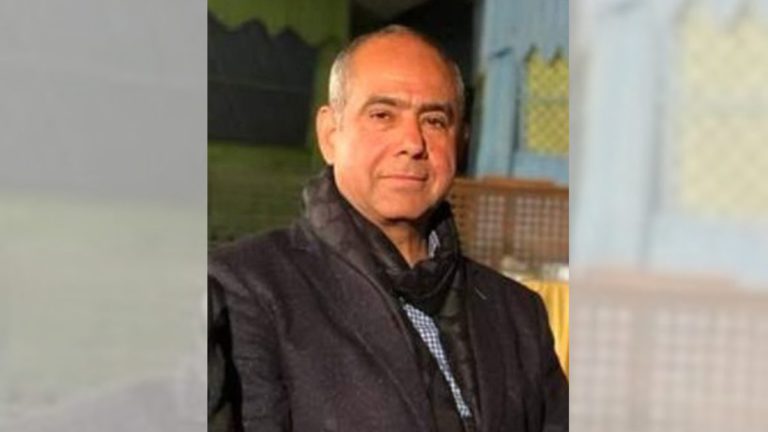
India’s notorious Lawrence Bishnoi gang has been blamed for two violent attacks in Canada — the fatal shooting of an Indian-origin industrialist in Abbotsford — escalating concerns over the criminal network’s growing offshore footprint.
Darshan Singh Sahsi, 68, president of the textile recycling company Canam International, was shot dead outside his home in Abbotsford, British Columbia, on Monday morning.
CCTV footage shows a gunman approaching Sahsi’s parked vehicle and firing multiple rounds before fleeing.
It is reported that first responders attempted lifesaving measures, but he died at the scene.
At around 9:22 a.m., hardworking Punjabi businessman Darshan Singh Sahsi was tragically shot dead outside his home on Blue Ridge Drive in Abbotsford’s Townline area. The shocking incident has left the local community in deep grief and disbelief.
Local police confirmed the shooting was a “targeted attack” and placed three nearby schools under precautionary lockdown, though no students were harmed.
The Integrated Homicide Investigation Team has now taken over the case, with detectives reviewing security footage and gang-related claims.
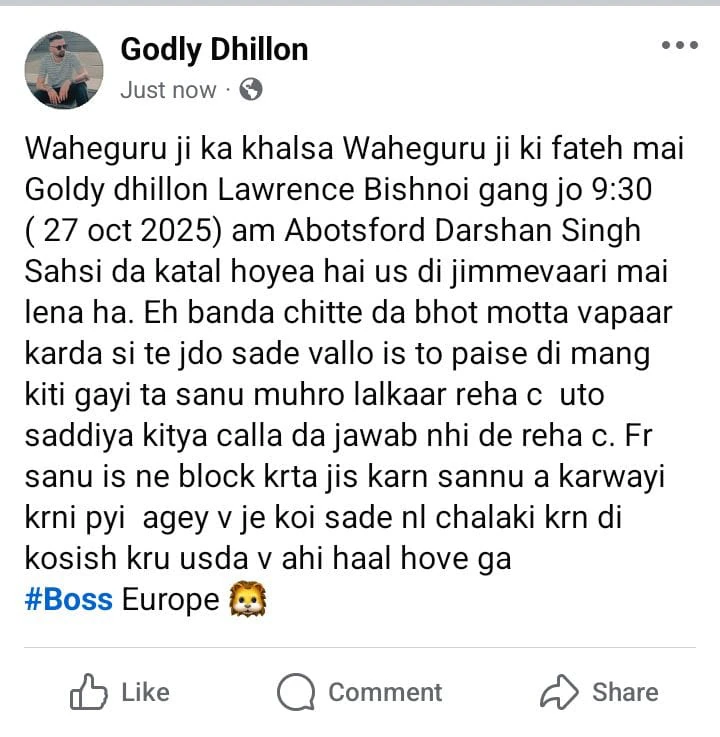
In a social media post, an account linked to Bishnoi associate Goldy Dhillon claimed responsibility, accusing Sahsi of refusing extortion demands allegedly linked to the drug trade.
Authorities have not verified the claim, and no arrests have been made.
Sahsi, who immigrated to Canada from Punjab in 1991, built his company into a major contributor to the region’s recycling sector and was widely regarded as a generous community figure.
It is reported that his killing has devastated Indo-Canadian communities in both Abbotsford and his native village of Rajgarh, Punjab.
The Lawrence Bishnoi gang, designated a terrorist organisation by Canadian authorities, is linked to hundreds of shooters operating transnationally and cases connected with pro-Khalistan networks.
Support our Journalism
No-nonsense journalism. No paywalls. Whether you’re in Australia, the UK, Canada, the USA, or India, you can support The Australia Today by taking a paid subscription via Patreon or donating via PayPal — and help keep honest, fearless journalism alive.
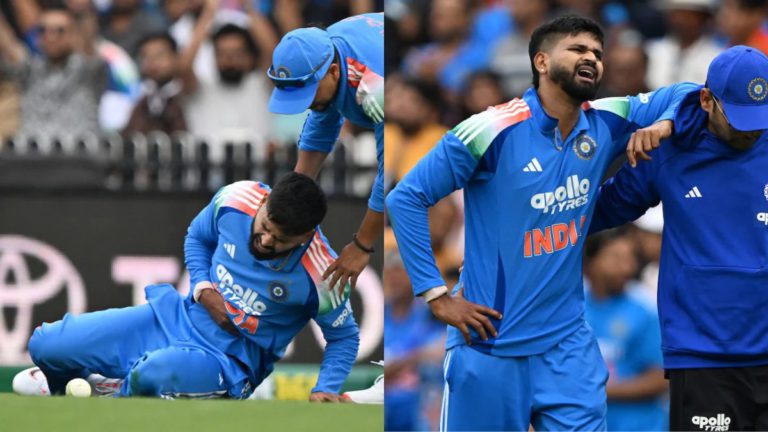
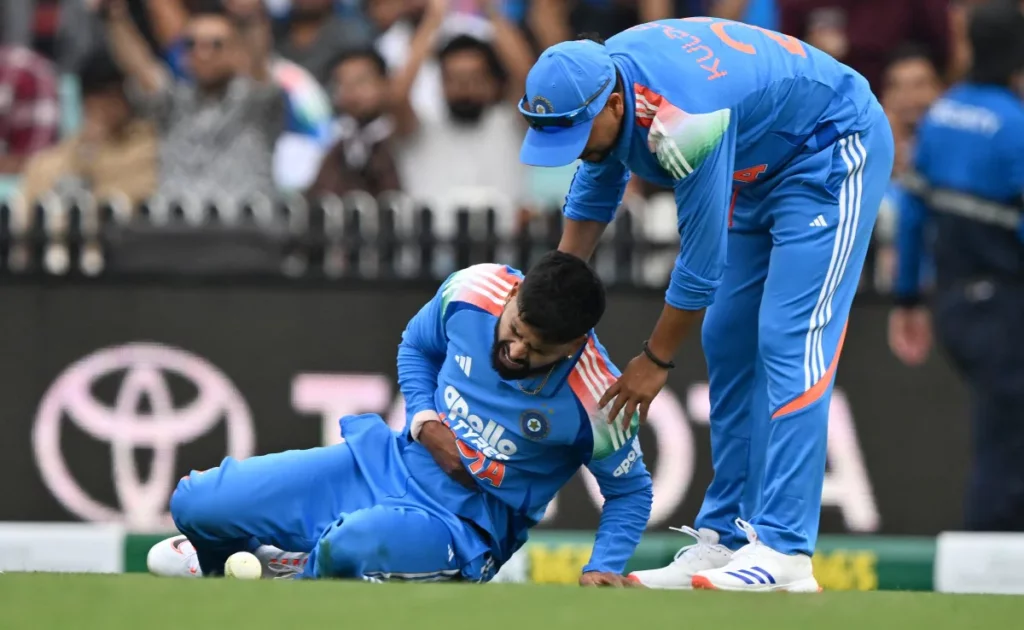
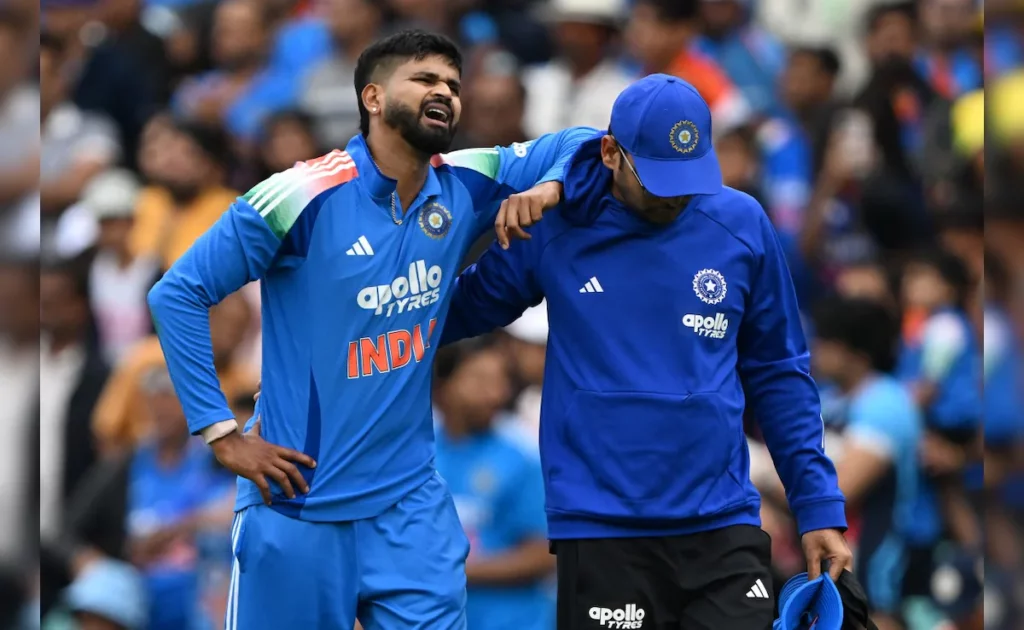
India batsman Shreyas Iyer is in a stable condition and recovering well after suffering a lacerated spleen during the third one-day international against Australia in Sydney on Saturday.
The 30-year-old sustained a blunt abdominal injury when he fell awkwardly while taking a catch. He was rushed to hospital amid initial fears his condition could be life-threatening.
“We spoke to him,” India’s stand-in captain Suryakumar Yadav told reporters ahead of the five-match Twenty20 series beginning in Canberra on Wednesday. “When we got to know about his injury, I called him. Then I realised Shreyas doesn’t have his phone on him and I called our physio, Kamlesh Jain, who told us he’s stable.”
“He’s looking good now. We’ve been in touch for two days, he’s replying. If he’s able to reply on the phone, then he’s stable.”
The Board of Control for Cricket in India (BCCI) has reportedly arranged for Iyer’s family to travel to Sydney to be with him.
In a statement, the BCCI confirmed the seriousness of the injury but said his recovery was progressing well: “Iyer sustained a blunt injury to his abdomen, resulting in a laceration of his spleen with internal bleeding on 25th October during the third ODI against Australia.”
“A repeat scan has shown significant improvement, and Shreyas is on the road to recovery. His condition is now stable, and he continues to be under observation.”
The medical team, working alongside specialists in both Sydney and India, will continue to monitor his progress.
Support our Journalism
No-nonsense journalism. No paywalls. Whether you’re in Australia, the UK, Canada, the USA, or India, you can support The Australia Today by taking a paid subscription via Patreon or donating via PayPal — and help keep honest, fearless journalism alive.
Indian-origin founder Arjun Agarwal has secured a $500,000 pre-seed funding round for his impact investment startup Inaam, marking the end of a five-year struggle shaped as much by immigration hurdles as fundraising challenges.
The raise, revealed exclusively in Agarwal’s interview with SmartCompany, includes backing from Startup Bootcamp, Hatcher+ and several family offices, enabling him to finally launch the platform he has been building since 2020.
Nagpur-born Arjun Agarwal moved to South Africa with his entrepreneur parents before pursuing a Master’s in Entrepreneurship at the University of Melbourne. Arriving in February 2020 just as COVID lockdowns hit, he launched the ArjSpeak podcast to support young founders and developed his fintech venture Inaam as his capstone project.
But Agarwal says the win comes after years of uncertainty as a migrant founder in Australia’s fintech sector, where visa insecurity often overshadows innovation. “Every six to 12 months, you’re waiting on a visa outcome,” he said.
“You can’t plan ahead, you can’t fundraise properly, and investors hesitate because of that uncertainty. I’ve had investors ask what happens if my visa isn’t renewed. That’s not a question most white founders ever get.”
Despite international experience across finance, education and investment banking, and recognition through a TEDx talk and speaking invitations at Davos, Agarwal is still waiting on a decision for his Global Talent Visa.
Agarwal says that Australia’s visa income thresholds fail to reflect startup realities. “I think the threshold is $160,000–$170,000. I don’t think any founder in Australia is taking that kind of salary from a startup,” he said, noting that the system rewards high corporate pay rather than entrepreneurial value creation.
The Global Talent Visa closed to new applications in December 2024 and has been replaced by an invite-only National Innovation Visa, creating further uncertainty for migrant-led ventures. Agarwal says such policies impose a silent penalty on ambitious founders who are not yet earning large salaries but are driving innovation and job creation.
Agarwal’s journey has included more than 100 rejections from venture capital investors, many questioning whether he could build a business here because he was not “from Australia”. He points to a homogeneous funding landscape and a lack of risk-tolerant capital, where founders who look different or sound different are routinely underestimated.
Agarwal insists that the barriers he has faced reinforce his determination to help others facing exclusion. Inaam plans to reinvest a significant portion of future profits to back women of colour, other founders of colour, and young innovators from disadvantaged backgrounds. “It shouldn’t have taken five years for a pre-seed, D2C fintech to come to life,” he said.
“But I’ve been told no, over and over again. Still, I didn’t stop. Giving up before I bring it into the world would be a disservice. My job is to make sure it comes to life.”
Support our Journalism
No-nonsense journalism. No paywalls. Whether you’re in Australia, the UK, Canada, the USA, or India, you can support The Australia Today by taking a paid subscription via Patreon or donating via PayPal — and help keep honest, fearless journalism alive.
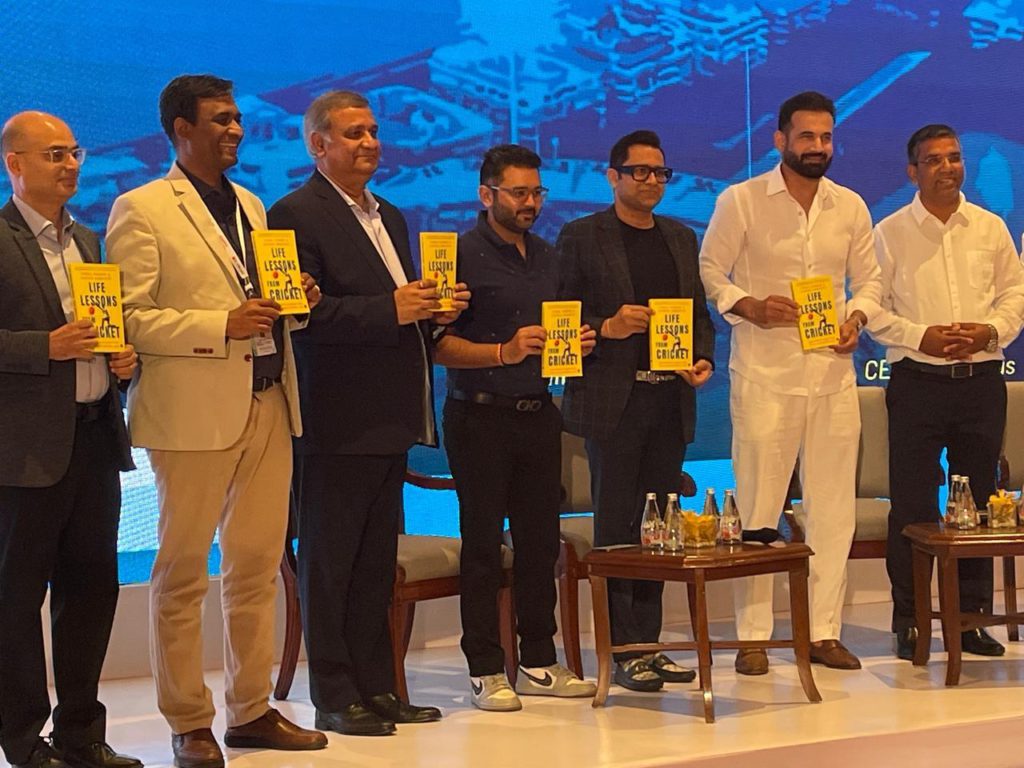
Ahead of the much-anticipated India–Australia T20 clash, cricket fans in Victoria are in for a special treat. Celebrated cricket journalist Vimal Kumar will bring his storytelling flair to Cricket Kahani Baaz (Storyteller) with Reuben Williams, an interactive evening dedicated to the tales behind the game we all love.
📍 The Commons, Gwynne Street, Cremorne 🗓 Friday, 31 October | 4:00–5:00 PM
Known for his positive, player-centred journalism, Vimal Kumar has carved a unique niche in Indian cricket media. From being invited by Rohit Sharma to join the team’s trophy celebration in the West Indies to conducting exclusive one-on-one interviews with stars like Virat Kohli, Ravichandran Ashwin, and MS Dhoni, Kumar’s career is a testament to integrity and passion.
Underneath his humility lies a remarkable journey — from Dumka in Jharkhand to global cricket grounds — chronicling not just matches, but the human stories behind them. His philosophy?
“You don’t have to do negative, toxic or sensational stories for TRPs. Good cricket stories also do well.”
At Cricket Kahani Baaz, Melbourne fans will get to hear these stories firsthand — the moments when cricket legends opened up, the emotions behind iconic wins, and the unforgettable encounters that shaped modern Indian cricket.
Expect an evening filled with nostalgia, laughter, and the warmth of a storyteller who has witnessed Indian cricket’s golden moments up close. Whether you’re a fan of Sachin Tendulkar’s artistry, Dhoni’s calm, or Kohli’s fire, this session promises an intimate look at the personalities who’ve defined a generation of cricket.
As the city gears up for another India–Australia face-off, Vimal Kumar’s tales remind us why cricket isn’t just a game — it’s an emotion that unites millions.
Vimal says,
“G’day Melbourne! Don’t miss your chance to be part of Cricket Kahani Baaz and celebrate the spirit of the game before the big match under the Friday lights.”
Support our Journalism
No-nonsense journalism. No paywalls. Whether you’re in Australia, the UK, Canada, the USA, or India, you can support The Australia Today by taking a paid subscription via Patreon or donating via PayPal — and help keep honest, fearless journalism alive.
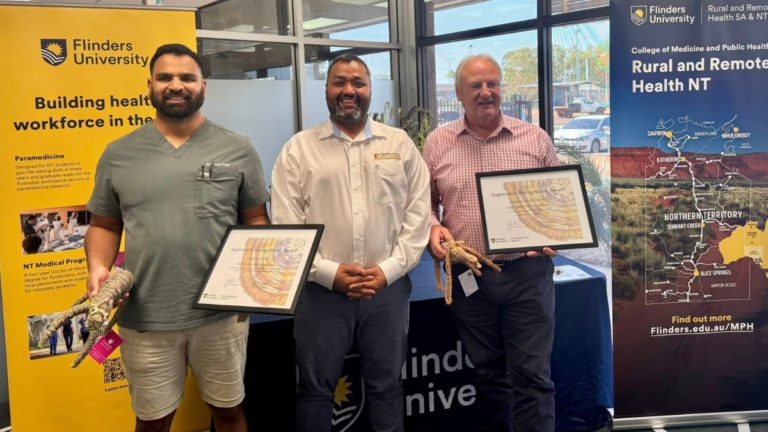
Dr Tarun Patel has been named the recipient of the 2025 Innovative Supervisor – Medicine Award at the Flinders University NT Rural and Remote Clinical Supervisor Awards, honoured for his creative and student-focused approach to clinical supervision.
Image: Dr Tarun Patel (Source: ACRRM website)
Dr Patel, who trained as a GP in the NT, has been recognised for going above and beyond his usual duties to support students undertaking clinical placements, mentoring them as they prepare for careers in healthcare.
Mayor Sid Vashist said that this recognition is well-deserved for someone who continues to inspire the next generation of health professionals.
“What a great example of how technology can connect our remote communities and make moments like this possible.”
Image: Dr Tarun Patel trained as a GP in the NT and worked at Wurli Wurlinjan, an Aboriginal Medical Service in Katherine. (Source: ACRRM website)
Originally from Auckland, New Zealand, Dr Patel’s journey as a General Practitioner in the Northern Territory has taken him far from home, including recent placements in remote Australia, demonstrating his commitment to pushing boundaries and supporting students in challenging clinical environments.
Flinders NT supports students across the Northern Territory, including Alice Springs, Tennant Creek, Katherine, Nhulunbuy, and Darwin, celebrating staff who play a vital role in shaping the future workforce through outstanding mentorship and education.
Support our Journalism
No-nonsense journalism. No paywalls. Whether you’re in Australia, the UK, Canada, the USA, or India, you can support The Australia Today by taking a paid subscription via Patreon or donating via PayPal — and help keep honest, fearless journalism alive.
The Shree Sanatan Dharm Pratinidhi Sabha of Fiji (SSDPSF) has lodged a formal complaint with the Criminal Investigations Department (CID) over alleged derogatory comments made by a serving police officer who also preaches as a pastor.
A video circulating on social media shows the officer, identified as Pastor Kartik Naidu, allegedly claiming that participation in major Hindu festivals such as Diwali, Ram Naumi and Navratri, as well as Muslim observances like Eid, amounts to involvement in “demonic activities”.
Image: Pastor Kartik Naidu, who is also a serving Police Officer, allegedly made derogatory remarks about Hindu and Muslim festivals (Source: fijivillage screenshot)
In a statement published on their Facebook page, the SSDPSF described the remarks as “deeply disrespectful, divisive, and contrary to Fiji’s foundational values of racial and religious harmony”. It is calling for a full investigation and appropriate action under Fiji’s laws.
“Such comments are not only offensive to Hindus and Muslims, but they also undermine public trust in the impartiality of the Fiji Police Force,” the organisation said, adding that it was especially concerned because the comments were made by a serving law enforcement officer.
Commissioner of Police Rusiate Tudravu has confirmed to fijivillage that CID and the Internal Affairs Unit are both investigating the matter. He stressed that officers who hold religious roles must act responsibly and uphold freedom of religion at all times.
The SSDPSF said the Fiji Police Force promotes racial unity and interfaith cooperation through community policing, and messages like those seen in the video “damage the integrity and credibility of the institution”.
“Places of worship must uplift humanity, not divide it,” the Sabha said. “We remain committed to truth, respect and universal brotherhood, and will continue working with government and civil society to strengthen peace and understanding across all communities.”
The organisation urged faith leaders to reject hate speech and reaffirm Fiji’s long-standing commitment to interfaith harmony.
Support our Journalism
No-nonsense journalism. No paywalls. Whether you’re in Australia, the UK, Canada, the USA, or India, you can support The Australia Today by taking a paid subscription via Patreon or donating via PayPal — and help keep honest, fearless journalism alive.
An Indian national studying in the United States has been charged after allegedly stabbing two 17-year-old passengers with a metal fork on board a Lufthansa flight from Chicago to Frankfurt, forcing the aircraft to divert to Boston.
Praneeth Kumar Usiripalli, 28, faces one count of assault with a dangerous weapon with intent to do bodily harm while travelling on an aircraft under U.S. jurisdiction. He was arrested upon landing at Boston Logan International Airport on 25 October 2025 and will appear in federal court at a later date.
According to charging documents, the incident unfolded shortly after meal service when one of the teenagers awoke to find Usiripalli standing over him. He allegedly struck the boy in the shoulder with a fork before lunging at a second teen seated beside him and stabbing the back of his head, leaving a laceration.
Flight crew members intervened, but prosecutors say Usiripalli reacted by mimicking a gun gesture — placing his fingers in his mouth and pretending to pull a trigger — before allegedly slapping a female passenger and attempting to strike a crew member.
The disturbance prompted the captain to divert the international flight to Boston, where federal authorities took Usiripalli into custody.
Lufthansa later confirmed the diversion was due to “the behaviour of an unruly passenger,” adding that passengers were rebooked and offered hotel accommodation.
“We sincerely regret the inconvenience this situation has caused and appreciate our passengers’ patience and understanding. … The safety and well-being of our passengers and crew are always Lufthansa’s highest priority.”
Prosecutors said Usiripalli was previously admitted to the U.S. on a student visa and had been enrolled in a master’s programme in biblical studies, but currently lacks lawful status in the country.
If convicted, he faces a maximum penalty of 10 years in prison, up to three years of supervised release and a fine of up to US$250,000. The U.S. Attorney’s Office stressed that the allegations have yet to be proven in court and that the defendant remains presumed innocent.
Support our Journalism
No-nonsense journalism. No paywalls. Whether you’re in Australia, the UK, Canada, the USA, or India, you can support The Australia Today by taking a paid subscription via Patreon or donating via PayPal — and help keep honest, fearless journalism alive.
He said strengthening relationships with Southeast Asian partners is “critical to ensuring regional peace, stability and prosperity, and growing opportunities for Australian businesses and jobs.”
During the summit, PM Albanese joined leaders in formally welcoming Timor-Leste as the 11th member of ASEAN, noting Australia has been “a consistent and strong supporter of Timor-Leste’s ASEAN journey.”
We’re opening the doors for future investment in Australia and Malaysia.
For 70 years, Australia and Malaysia have shared a close relationship.
With today's signing of new trade and education agreements, our relationship takes another step forward.
The visit showcased the momentum of Invested: Australia’s Southeast Asia Economic Strategy to 2040, which has driven two-way trade to a record high of more than $195 billion last year.
PM Albanese said the strategy is “contributing to mutual growth and prosperity in our region.” Australia also announced almost $250 million through the Southeast Asia Infrastructure Financing Facility to boost Australian investment and support regional development.
At the ASEAN-Australia Summit, leaders issued a landmark statement strengthening cooperation on conflict prevention and crisis management. The Prime Minister highlighted that Australia and ASEAN have “been working together for more than fifty years to prevent conflict and improve how we manage crises.”
Australia further pledged $15 million to expand the TRIANGLE program, supporting safer and more regulated labour migration pathways across the region.
We’re bringing Australian education to the world.
The launch of Monash University’s new Kuala Lumpur campus means more jobs for Australians and more investment opportunities for Australian businesses.
In bilateral discussions, PM Albanese and Malaysian Prime Minister Dato’ Seri Anwar Ibrahim co-chaired the third Australia–Malaysia Annual Leaders’ Meeting, marking 70 years of diplomatic ties. He described Malaysia as “a longstanding friend and partner in the region,” and thanked Prime Minister Anwar for hosting and “chairing a successful ASEAN year.”
The leaders also welcomed Monash University’s $1 billion investment in a new Kuala Lumpur campus, which will support more than 22,000 students across the region to access a high-quality Australian education.
PM Albanese also held formal meetings with leaders from Japan, China, Vietnam, Cambodia, the Philippines and Thailand, emphasising Australia’s ongoing role in shaping a secure and collaborative Indo-Pacific.
Support our Journalism
No-nonsense journalism. No paywalls. Whether you’re in Australia, the UK, Canada, the USA, or India, you can support The Australia Today by taking a paid subscription via Patreon or donating via PayPal — and help keep honest, fearless journalism alive.
Fiji’s coalition government has been thrown into turmoil as both of its Deputy Prime Ministers have now stepped down from Cabinet, each facing corruption-related charges filed by the Fiji Independent Commission Against Corruption (FICAC).
Deputy Prime Minister and Finance Minister Prof. Biman Prasad resigned this week after being charged for allegedly failing to declare his directorship in Platinum Hotels and Resorts PTE Limited in December 2015, in breach of the Political Parties (Registration, Conduct, Funding and Disclosures) Act.
“I believe I must step aside,” Prof. Prasad said in a statement, confirming he met Prime Minister Sitiveni Rabuka on Monday morning before announcing his decision. He vowed to contest the case “swiftly” and return to focus on public service from the backbench.
Meanwhile, Deputy Prime Minister Manoa Kamikamica — who was also responsible for trade and economic portfolios — resigned earlier after being charged with perjury and providing false information to a public servant. His lawyer has described the charges as “defective” and lacking credible evidence.
Both Prasad and Kamikamica will remain Members of Parliament while they fight their respective legal battles.
Prime Minister Rabuka acknowledged the departures, thanking both leaders for their contributions, while confirming that Assistant Minister for Finance Esrom Immanuel will serve as Acting Finance Minister. Rabuka will temporarily oversee Kamikamica’s portfolio responsibilities.
The unprecedented back-to-back resignations have intensified scrutiny on the stability of Rabuka’s three-party coalition, which came to power promising transparency and reform.
Civil society groups have called for due process and caution against political interference, with Transparency International Fiji warning that anti-corruption efforts must remain “fair, even-handed and free of partisan motivation”.
The timing of Prasad’s resignation is particularly sensitive, as the government prepares its 2026 national budget and negotiates key international financing and investment arrangements.
Business groups have urged rapid reassurance to avoid damaging investor confidence. With Fiji heading towards a general election in 2026, the fate of both court cases now looms large over the coalition’s credibility.
Prasad is expected to appear in the Suva Magistrates Court on 19 November, while Kamikamica has been “formally granted bail with a $10,000 bond” and his matter has been adjourned to 28 November 2025 for mention.
Support our Journalism
No-nonsense journalism. No paywalls. Whether you’re in Australia, the UK, Canada, the USA, or India, you can support The Australia Today by taking a paid subscription via Patreon or donating via PayPal — and help keep honest, fearless journalism alive.
Kiran Desai’s surname was familiar to the world of literature when her second novel, The Inheritance of Loss, won the Man Booker Prize in 2006. Her mother, Anita Desai, was already an accomplished novelist, who had been nominated for the Booker three times. The Inheritance of Loss was hailed as a defining example of both the postcolonial novel and the realist novel of the Indian diaspora: Indians living elsewhere, around the world.
The wait for her next novel – currently shortlisted for the 2025 Booker Prize – has been nearly 20 years. The Loneliness of Sonia and Sunny is a globetrotting love story between two Indian-Americans, Sonia and Sunny. Sonia’s darkly disturbing relationship with Ilan, a modernist artist with devilish predatory powers, sets the context for the rest of the novel. Ilan’s narcissistic and oedipal leanings shadow Sonia and Sunny’s own search for love.
It’s a huge novel: epic in scope, complex in ideas and rich with interconnecting themes, generically fluid – and a very good read.
Kiran Desai. Penguin Random House Australia
Review: The Loneliness of Sonia and Sunny – by Kiran Desai (Hamish Hamilton)
Desai’s debut had many of these characteristics, too. It explored the sense of non-belonging in the Indian diaspora and the loss of liberal values in India itself, a homeland cursed by the spectre of casteism.
But despite its Booker win (and some critical acclaim), many readers felt its multiple narratives – revolutionaries in a Himalayan town, unethical capitalist practices among Indians in the United States, a general disdain towards Indians generally – displaced the central touching love tale, between Sai, a privileged Indian girl, and her tutor Gyan, a Nepali sympathetic to the Nepali insurgents (the Gorkha National Liberation Front).
The Loneliness of Sonia and Sunny has multiple narrative strands, but they don’t overtake its central story, nor its central question. That is, how to fictionalise the task of representing two nations, which its characters both do and don’t belong to. (A central dilemma of both Indians and the Indian novel in the diaspora.)
For Desai, these nations are India, where she spent much of her childhood, and the US, where she moved with her mother as a teenager (after an initial year in the United Kingdom, where her mother had a Cambridge fellowship).
Kiran Desai’s book. Penguin Random House Australia
Not an unhappy family saga
The Loneliness of Sonia and Sunny begins in America with two desi (literally “foreign-but-local”) characters. Sonia is a student at Hewitt, a minor college in Vermont, with a nebulous future as a creative writer (her writing is pedestrian and about Indian experiences). Sunny is a New York journalist with an equally uncertain future. Both are seeking a green card, to give them US residency.
They belong to westernised Indian families with members “brought up in British-style boarding schools”. They use many Hindi words in their everyday conversation – bindi, ganga, jootis, chokra – but it is not their “natural” language. (For example: “The evening sun was red as a bindi”.)
The two families, the Shahs and Bhatias, though diametrically opposed in just about everything, are connected through food – especially Indo-Muslim delicacies like kebabs, kakori (kachori) and galawati, which have been thoroughly Indianised. Indeed, food brings the worlds of Sonia and Sunny together. In a letter to her son Sunny, Babita suggests food as “the target of an intrigue”.
Sonia and Sunny’s grandparents suggest their grandchildren may be a perfect match: a suitable boy, after all, holds the key to Indian marriage happiness. They do this through the exchange of Indian delicacies. (A conspiracy by Sunny’s mother to steal Sonia’s Khansama, the cook, is a humorous subplot.)
On finally discovering their families’ plan, Sonia and Sunny reject the idea of an arranged marriage. Sunny has his own relationship with an American girl, Ulla, who thinks arranged marriages are “crazy”. (By contrast, Sunny’s doctor friend Satya, also a desi, opts for an arranged marriage, after the usual Indian practice of successive “bride viewing”.)
Though these references are incidental, they are also a great strength of the novel: the lives of family members enter into the Sonia–Sunny master narrative and often displace it. It is to Desai’s credit that, like 19th-century French novelist Honoré de Balzac, she makes her minor characters significant characters in the novel – notably, Sunny’s mother Babita (a widow) and Sonia’s mother and father (separated).
The great Indian novel
The great Indian novelists in the diaspora have no localised centre, Desai suggests. Their imagined worlds vacillate between locations: India and the UK, US or elsewhere. None of these places affords a solid grounding, socially or ethically.
These writers are faced – urgently, even self-consciously – with the question of what form the Indian novel written from elsewhere around the world should take. How do they create a genre that grows from the ironic potential (and vast tradition) of the European bourgeois-realist novel – but also parts company from it to reflect Indian experiences and culture?
Salman Rushdie. Rachel Eliza Griffiths
The creative trick, it seems, is to fold an interrogation of the novel as a literary form into its composition. The omniscient narrator of The Loneliness of Sonia and Sunny explicitly discusses a wealth of authors from around the world, including Balzac, Leo Tolstoy, Virginia Woolf, Italo Calvino, Salman Rushdie and Gabriel Garcia Marquez.
The novel also directly references magic realism. Sonia reflects that the term “had been seized upon by the Western world and used to circumscribe the non-Western world”. Later, recalling Ilan’s words, she notes to herself: “Don’t write magic realism nonsense”.
The Loneliness of Sonia and Sunny, like Salman Rushdie’s The Satanic Verses before it, specifically interrogates the Indian novel in the diaspora. In this specific genre, realist prose must engage with the world of magic and mystery: those features of the mystical imagination that define the Indian.
Desai gets around the trope of the Indian diaspora novel as family saga, built on the larger themes of unhappy families, migration, belonging and the nation state in crisis. She also avoids the trope of unhappy diasporas that “criticize America all the time”. How does she do it?
Dark Gothic romanticism
Desai turns not to magic realism (as Rushdie did in Midnight’s Children), but to the dark Gothic romanticism of great American precursors like Herman Melville’s Pierre, or, The Ambiguities (1852) and Nathaniel Hawthorne’s The Marble Faun (1860). She also draws on their earlier Gothic prototype, Charles Maturin’s extraordinary Gothic novel, Melmoth the Wanderer (1820).
Desai writes within this tradition, but acknowledges, as her narrator explicitly says, one cannot properly exist without love: the one orderly principle that makes our fantastical lives liveable.
Sonia and Sunny’s separate lives are uneventful until Sonia meets devilish, predatory modernist artist, Ilan, 32 years older than her – and falls prey to his mysterious allure.
He declares that he paints “seemingly good things as evil and seemingly evil things as good”. But Sonia misses the threat implicit in the declaration – though one dawn hour, she surreptitiously peeps into his painting studio to see another eye, “dilated by urgency” looking at her. Powerless in his presence, she is used as a sex slave, “harried and humiliated”.
Sonia has her own practical needs: the college is closed for winter, and to stay on, she needs a job. For the moment, there is no escape from Ilan, whose defining painting, Mother Swimming, functions as a recurring oedipal – and narcissist – motif in the novel.
He demands total “obedience”. Invariably, she gives it – until a dramatic turning point, where she leaves behind her protective totem, a Tibetan amulet: the talismanic demon Badal Baba, “carved with clouds and dragons”.
Return of the repressed
The novel oscillates between two narratives. One is a generational family saga of broken marriages, possessive mothers (Sunny’s father was never loved by his mother) and people with underdeveloped egos. The other is a tale of the return of the repressed, via the disturbing Freudian encounter with the “uncanny”.
The first narrative works on the realist principle laid down by the great theorist of the novel, Georg Lukács. In a groundbreaking essay written in 1914–15, Lukács said that the outward form of the novel is “essentially biographical”, even if its “conceptual system” could never fully capture lived experience. (“Organic unity” and completeness belong only to the “biographical form”.)
The second narrative explores frightening Gothic or neo-Gothic images through the uncanny Ilan, who represents Sonia’s unconscious. His ghostly allure and power confronts her wherever she goes: in Vermont, in Venice’s Fortuny Museum, in Goa where a “huge, white, hairless hound with a harlequin face” will haunt her, even as she finally meets Sunny.
That power is linked to Sonia’s loss of her totemic Badal Baba amulet. Sunny sees Sonia’s constant reference to it as a sign of madness. Its return – which will involve a mysterious doppelganger – now holds the key to the novel’s resolution of its central enigma.
The uncanny finds its most explosive moment in Venice, at an exhibition of Ilan’s paintings in Fortuny Museum, where Sonia panics, almost suffocating at the thought of being followed by the mother in Ilan’s defining oedipal painting, Mother Swimming.
If Venice was marked by one kind of encounter with Ilan, Mexico provides the space for another kind. Here, Sunny is the participant in the surrealist encounter. He gets an assignment in Mexico, after his essay on “Reading Hemingway in Allahabad, Reading Hemingway in Jackson Heights” is accepted in an issue of prestigious literary journal, Granta.
In a Mexican village on the Pacific coast, he discovers Ilan was among a handful of noted artists who had worked there and decides to see his studio – ruins with a chapel and belfry – for himself. Ilan’s art includes a canvas in which a woman’s eye is projected onto a many-panelled mirror: the reflections a kind of mise-en-abyme, or image within an image. Sunny wonders if Ilan is telling Sonia’s story and bluffs his way into his studio. There, strange events unfold.
Navigating reality through fantasy
The disturbing prose of dark romanticism that defines this novel finds its exemplary form in a piece composed by struggling writer Sonia. “A Fable about a woman who becomes a black cloud” is a kind of text within the larger text.
With the Badal Baba amulet now in her possession, she understands the real world itself is multiple, multifarious, decentred – and all one can do is plunge into it, without regard to shape or form. The fantastical feels “right” to Sonia: only through fantasy, she believes, do people overcome their reality.
To Desai, mysticism – the experience of one’s inner world – has its frightening parallel in the darker side of our being. The dark romanticism of the American Gothic provides her with the pathway to this literary form.
Drawing on this genre, she insinuates the Indian novel cannot be limited to realist representation alone. It must enter the disturbing world of the darker side of our being, immortalised in Melmoth the Wanderer and in the dark romanticism of Melville and Hawthorne. Desai gives that experience literary form.
For Desai, this blend of the American Gothic and literary realism seems to hold the key to the American–Indian novel – and the Indian novel of the wider diaspora.
No-nonsense journalism. No paywalls. Whether you’re in Australia, the UK, Canada, the USA, or India, you can support The Australia Today by taking a paid subscription via Patreon or donating via PayPal — and help keep honest, fearless journalism alive.
The British Australian Community has called on the Race Discrimination Commissioner, Giridharan Sivaraman, to apologise for the publication of the statement that says white people “cannot experience racism” in an Australian Human Rights Commission document.
The statement appears in a “Myths and Misconceptions about Racism” explainer released by the Australian Human Rights Commission as part of its National Anti-Racism Framework. Under the heading ” Can white people experience racism?”, it explicitly states,
“Whilst white people can experience multiple forms of discrimination or prejudice based on gender, sexual orientation, ability, age, or class; they cannot experience racism.”
Screenshot, pg 14, “Common Myths and Misconceptions about Racism”
The BAC argues that the claim is inconsistent with the wording of the Racial Discrimination Act, which does not exempt any racial group from protection, and warns that publishing such guidance could undermine public trust in the Commission’s neutrality.
Their letter also refers to a recent Senate Estimates hearing in which the Commissioner was asked to clarify his position on the statement, and to earlier public remarks in which he characterised anti-white racism as negligible relative to structural discrimination affecting other groups.
Australia's Indian-born Race Discrimination Commissioner is asked about his National Anti-Racism Framework that states White people can't experience racism.
He gives a non-answer that endorses a far-left definition of racism where White people can only be perpetrators. pic.twitter.com/aPXCFt0RDD
Speaking to The Noticer, BAC President Harry Richardson said the statement about white people was “an invidious generalisation about an entire race and as such is clearly racist”.
“The statement also conflicts with Australia’s anti-discrimination legislation, risks eroding public confidence in the AHRC, and undermines the idea that Australia’s government bodies are fair and unbiased,” he said.
Support our Journalism
No-nonsense journalism. No paywalls. Whether you’re in Australia, the UK, Canada, the USA, or India, you can support The Australia Today by taking a paid subscription via Patreon or donating via PayPal — and help keep honest, fearless journalism alive.
Thirty young military officers from Australia and India and have successfully completed the second edition of the General Rawat India-Australia Young Officers Exchange Program – 2025 (#GRIAYOEP-25), held from 14–26 October.
As part of the initiative, the Australian officers visited key service institutions, defence industry facilities, and iconic cultural heritage sites in Hyderabad, Goa, Agra and New Delhi — gaining operational insights while building stronger personal and professional connections.
30 Young Military Officers from India and Australia participated in the Second edition of General Rawat India Australia Young Officers Exchange Program – 2025 #GRIAYOEP-25 from 14 – 26 Oct 25.
As part of the program, the young participants visited different Service Institutes,… pic.twitter.com/U9lPvbHhJc
The closing ceremony in New Delhi was presided over by Lt Gen Vipul Shinghal, AVSM, SM, Deputy Chief of Integrated Defence Staff (Doctrine, Organisation & Training), HQ IDS.
Praising the initiative as “one of a kind”, he said the “bonds you have developed will further cement the already deep and strong relationship the two militaries and the countries share”.
In #India for the General Rawat 🇮🇳🇦🇺Young Officers Exchange Program, Australian officers joined their Indian counterparts to explore #Hyderabad’s heritage. Experiences like these strengthen the enduring friendship between our armed forces. Some glimpses 👇 #DefenceDiplomacypic.twitter.com/LLi1BreOh9
The exchange facilitated shared learning experiences, including cultural immersion in Hyderabad, with organisers noting that such interactions help strengthen the enduring friendship between the Indian and Australian armed forces.
Support our Journalism
No-nonsense journalism. No paywalls. Whether you’re in Australia, the UK, Canada, the USA, or India, you can support The Australia Today by taking a paid subscription via Patreon or donating via PayPal — and help keep honest, fearless journalism alive.
Popular TV host and comedian Julia Morris has sparked debate after urging Australian airlines to introduce women-only seating sections, following a recent flight experience she described as “unsafe” for herself and her teenage daughters.
Sharing her concerns on Instagram, Morris said:
“Please consider a women-only section on your planes. We don’t feel safe with men telling us to crawl over them on flights, while they ignore women’s personal space.”
She clarified that her suggestion wasn’t directed at all men, but questioned why so many failed to respect personal space.
Proposing a practical solution, Morris suggested either a back-section reserved for women or a few rows of female-only seats. “Women are OVER it,” she declared, encouraging passengers to “stand up to creeps on flights.”
She also reflected on the wider social norm of expecting strangers to awkwardly clamber past seated passengers instead of allowing them space.
The post drew mixed reactions. Supporters, including TV presenter Shelly Horton and comedian Yvie Jones, welcomed the idea, saying it would make flying more comfortable for women. Others criticised the suggestion as unfair, arguing that decency should be expected of all passengers.
Responding to sceptics, Morris recounted her own encounter:
“It was beyond stressful & it occurred to me that I’m never that close in proximity to men I don’t know, to the point I can feel their skin on mine. Not all men as I said. But way too many men.”
She emphasised that a women-only option would be voluntary, noting that many female followers had shared similar experiences with “creeps” on flights.
Support our Journalism
No-nonsense journalism. No paywalls. Whether you’re in Australia, the UK, Canada, the USA, or India, you can support The Australia Today by taking a paid subscription via Patreon or donating via PayPal — and help keep honest, fearless journalism alive.
“I believe I must step aside,” with those words, Fiji’s Deputy Prime Minister and Minister for Finance, Strategic Planning, National Development and Statistics, Prof. Biman Prasad, has resigned from Cabinet in light of a charge laid by the Fiji Independent Commission Against Corruption (FICAC).
Image:Fiji’s Deputy Prime Minister and Minister for Finance, Strategic Planning, National Development and Statistics, Prof. Biman Prasad (Source: Facebook)
In his official statement, Prof. Prasad said he met Prime Minister Sitiveni Rabuka on Monday morning to inform him of his decision after being served the charge the previous day.
“I intend to deal with this charge in the shortest possible time and in accordance with proper legal process. My lawyers are dealing with this expeditiously,” he said.
“Politics is service. At times, service demands sacrifice and commitment.”
Prof. Prasad expressed gratitude for the Prime Minister’s personal support and the many messages of encouragement he has received.
“One thing I have learned in 11 years of political leadership is that it involves many challenges, often from unexpected places. This is just one more of those challenges to be dealt with calmly, patiently, and as swiftly as possible.”
FICAC has charged Prof. Prasad with failing to comply with statutory disclosure requirements under section 24(5) of the Political Parties (Registration, Conduct, Funding and Disclosures) Act. The allegation relates to a failure to declare his directorship in Platinum Hotels and Resorts PTE Limited in December 2015.
The charge follows a previous FICAC investigation, which was closed in April this year after the agency found no grounds to prosecute earlier complaints about Prof. Prasad’s declarations.
Despite stepping down from Cabinet, Prof. Prasad has vowed to continue serving the nation.
“I will be in Parliament next Monday on the back bench and I will continue to represent and serve our people to the best of my ability.”
Prof. Prasad remains Leader of the National Federation Party, which he says has shown unity and solidarity during this latest challenge.
Prime Minister Rabuka has confirmed the resignation and said Assistant Minister for Finance Esrom Immanuel will serve as Acting Finance Minister.
Support our Journalism
No-nonsense journalism. No paywalls. Whether you’re in Australia, the UK, Canada, the USA, or India, you can support The Australia Today by taking a paid subscription via Patreon or donating via PayPal — and help keep honest, fearless journalism alive.
The annual Deepavali celebration in the Federal Parliament, organised by the Hindu Council of Australia, brought together Parliamentarians and the Indian Hindu community in a colourful showcase of culture and tradition.
India’s High Commissioner Gopal Baglay attended the event, which saw bipartisan participation from key political leaders.
(Images: High Commission of India, Canberra – Facebook, Nikhar Budhadev)
Speaker Milton Dick, Attorney-General Michelle Rowland representing the Prime Minister, and Leader of the Opposition the Susan Ley led the Parliamentarians in recognising and appreciating the contributions of the Indian Hindu diaspora in Australia.
(Images: High Commission of India, Canberra – Facebook, Nikhar Budhadev)
Dr Andrew Charlton MP, Cabinet Secretary and Chair of Parliamentary Groups for Friendship with India, highlighted October as Hindu Heritage Month, recognising the cultural significance of the community’s heritage.
The celebration featured traditional Indian classical dance performances, classical instrumental music, and an exhibition of South Indian dolls.
Exhibits brought to life the significance of Deepavali and its diverse celebrations across India, creating a vibrant and immersive cultural experience for attendees.
Support our Journalism
No-nonsense journalism. No paywalls. Whether you’re in Australia, the UK, Canada, the USA, or India, you can support The Australia Today by taking a paid subscription via Patreon or donating via PayPal — and help keep honest, fearless journalism alive.
Dr Buti said the mission underscores the Cook Government’s commitment to expanding WA’s education footprint in India and supporting mutually beneficial growth.
“India is one of Western Australia’s most valued investment and trade partners, with collaboration continuing to grow across multiple sectors,” he said.
“This mission will reinforce WA’s strong relationship with India while promoting opportunities for our world-class education and mining industries.”
The six-day mission will span New Delhi, Kolkata and Chennai, promoting Western Australia’s international education strengths, particularly in TAFE training, and advancing plans for a new Centre of Excellence in collaboration with Indian government and resources-sector stakeholders.
The visit aims to boost awareness of WA’s reputation as a study destination, attract more international students, and expand skills-development partnerships through offshore campuses and joint programs with Indian institutions.
The timing aligns with India’s newly announced AUD$11 billion initiative to upgrade 1,000 public sector Industrial Training Institutes, creating opportunities for further WA-India collaboration.
Alongside government meetings, Dr Buti will champion Western Australian business interests — including First Nations enterprises — during India’s largest mining industry showcase, IME 2025 in Kolkata, where 18 WA companies will be represented. The focus will include strengthening international trade linkages in mining equipment, technology and services.
Support our Journalism
No-nonsense journalism. No paywalls. Whether you’re in Australia, the UK, Canada, the USA, or India, you can support The Australia Today by taking a paid subscription via Patreon or donating via PayPal — and help keep honest, fearless journalism alive.
Canadian police have issued a nationwide warrant for a 27-year-old Brampton man wanted over the killing of a woman whose body was discovered in a park in Lincoln, Ontario.
Niagara Regional Police Service (NRPS) say Manpreet Singh is sought for second-degree murder after the victim, identified as 27-year-old Amanpreet Saini from North York, was found at Charles Daley Park on 21 October 2025.
A post-mortem examination confirmed Saini’s identity as investigators revealed the attack was targeted, noting there is no ongoing threat to public safety.
Police believe Singh may have fled Canada shortly after the woman’s body was located.
Support our Journalism
No-nonsense journalism. No paywalls. Whether you’re in Australia, the UK, Canada, the USA, or India, you can support The Australia Today by taking a paid subscription via Patreon or donating via PayPal — and help keep honest, fearless journalism alive.
Criminals are exploiting vulnerabilities in Australia’s construction industry to steal millions of dollars through increasingly sophisticated Business Email Compromise (BEC) scams, the Australian Federal Police has warned.
AFP Assistant Commissioner Cyber Command Richard Chin said the agency was seeing a concerning rise in BEC attacks across the construction sector, with cybercriminals impersonating businesses or employees to divert legitimate payments into fraudulent accounts.
“The construction sector, with its high-value transactions and complex subcontracting chains, has become an attractive target for organised cybercrime groups operating both domestically and offshore,” Assistant Commissioner Chin said.
He urged businesses to take extra care verifying payments, warning that victims often only discover the fraud when the money has already been transferred through multiple international accounts.
“No matter how legitimate a request may appear, always confirm payment instructions through a secondary communication channel,” he said.
“Cybercrime prevention is a shared responsibility, and even small steps can stop significant financial losses.”
BEC attacks cost Australians more than $152.6 million in 2024 — up 66 per cent from 2023, according to the National Anti-Scams Centre. They now rank among the top three cybercrimes reported by Australian businesses, accounting for 13 per cent of all reports to ReportCyber.
To combat the growing threat, the AFP established Operation Dolos in January 2020 — a multi-agency taskforce with state and territory police, AUSTRAC, the Australian Criminal Intelligence Commission, the Australian Cyber Security Centre, and the financial sector.
The construction industry remains a prime target due to high-value invoices, frequent payments, and limited cybersecurity resources — particularly within small and family-run businesses. Many operators lack dedicated finance teams and are vulnerable to scams exploiting urgency and trust.
Cybercriminals use advanced social engineering and malware to infiltrate email systems, monitor conversations, and manipulate invoices. These viruses can operate undetected for months, capturing logins and deleting or forwarding key messages to facilitate fraudulent transactions.
Support our Journalism
No-nonsense journalism. No paywalls. Whether you’re in Australia, the UK, Canada, the USA, or India, you can support The Australia Today by taking a paid subscription via Patreon or donating via PayPal — and help keep honest, fearless journalism alive.
Labor has a blowout lead in South Australia, with the election in March 2026. The federal party has also expanded its lead in a Morgan poll.
The South Australian state election will be held in March 2026. A DemosAU and Ace Strategies poll for InDaily, conducted October 6–15 from a sample of 1,006, gave Labor a 66–34 lead (54.6–45.4 to Labor at the March 2022 election).
Primary votes were 47% Labor, 21% Liberals, 13% Greens and 19% for all Others. If this poll was replicated at the election, on a uniform swing the Liberals would be reduced to three to six of the 47 lower house seats, with leader Vincent Tarzia losing his seat.
This poll suggests the SA 2026 election will be the second biggest landslide to one party at a state or federal election, with only the 2021 Western Australian election ahead, which Labor won by 69.7–30.3. A YouGov SA poll in May gave Labor a 67–33 lead.
Labor incumbent Peter Malinauskas led Tarzia by 58–19 as preferred premier. Respondents were asked if they had a positive, neutral or negative opinion of various politicians. Malinauskas was at net +35 positive, while Tarzia was at net -15.
Despite Labor’s dominance, the state government had net negative ratings from -32 to -42 for its handling of housing, the algal bloom, hospital ramping and cost of living.
Upper house voting intentions in this poll were 37% Labor, 17% Liberals, 12% One Nation, 11% Greens and 4% for each of Animal Justice, Legalise Cannabis and SA-Best. Of the upper house seats, 11 of the 22 will be up for election using proportional representation with preferences.
Queensland Resolve poll has Labor retaining its lead
A Queensland state Resolve poll for The Brisbane Times, conducted with the September and October federal Resolve polls from a sample of 868, gave the Liberal National Party 33% of the primary vote (down one since August), Labor 32% (steady), the Greens 10% (steady), One Nation 9% (up one), independents 7% (down one) and others 8% (up one).
LNP premier David Crisafulli’s net likeability dropped three points since August to +17, while Labor leader Steven Miles was down one point to -2. Crisafulli led as preferred premier by 39–22 (40–25 previously).
The previous Queensland Resolve poll had Labor in a far better position than two Queensland polls taken in July that gave the LNP big leads. There haven’t been any statewide Queensland polls since July other than Resolve.
A Redbridge and Accent Research poll only of southeast Queensland for the Courier Mail, conducted in October from a sample of 1,013, gave Labor a 52–48 lead in that region (50.3–49.7 to the LNP in this region at the 2024 election). The LNP won the 2024 election overall by 53.8–46.2, so a two-point overall swing to Labor would not be enough to oust the LNP.
Primary votes were 37% Coalition, 32% Labor, 13% Greens and 18% for all Others, with no changes since September. Labor led by 54–46 in Melbourne, where 80% of Victoria’s population lives, while the Coalition led by 53–47 in regional Victoria. The next Victorian election is in November 2026.
Labor expands lead in federal Morgan poll
A national Morgan poll, conducted September 22 to October 19 from a sample of 4,908, gave Labor a 57–43 lead by respondent preferences, a 1.5-point gain for Labor since the September Morgan poll.
Primary votes were 35% Labor (up one), 27% Coalition (down three), 13% Greens (up one), 12% One Nation (up 2.5) and 13% for all Others (down 1.5). By 2025 election preference flows, Labor led by 57–43, a 1.5-point gain for Labor.
Labor led in every state, reversing a Coalition lead in Queensland in September to now lead by 50.5–49.5. They had much bigger leads in other states. While the Coalition led by 52–48 among those aged 65 and over, there was a four-point gain for Labor since September. Labor continued to dominate with voters aged under 50.
Additional federal Resolve questions
In additional questions from the early October federal Resolve poll for Nine newspapers, 48% wanted Albanese to be polite to Trump, but firm in representing Australia’s values at their October 20 meeting, 25% wanted Albanese to tell Trump that Australia is unhappy with his conduct and 13% wanted to prioritise keeping the US happy and on side.
By 36–30, respondents supported allowing the US and UK to dock their nuclear submarines in Perth from 2027.
UK Labour crashes in Caerphilly byelection and other international electoral events
The centre-left Welsh nationalist Plaid Cymru gained Caerphilly from Labour at a Welsh byelection on Thursday, defeating the far-right Reform by 47.4–36.0 with just 11.0% for Labour. At the previous election for Caerphilly in 2021, Labour defeated Plaid by 46.0–28.4. I wrote about this for The Poll Bludger and also covered recent electoral events in Moldova, the Czech Republic and Japan.
On Saturday, Lucy Powell defeated Bridget Phillipson to win the UK Labour deputy leadership and the left-wing Catherine Connolly won the symbolic Irish presidency. My Poll Bludger article also covered upcoming midterm elections in Argentina, a national Dutch election and US state elections.
No-nonsense journalism. No paywalls. Whether you’re in Australia, the UK, Canada, the USA, or India, you can support The Australia Today by taking a paid subscription via Patreon or donating via PayPal — and help keep honest, fearless journalism alive.
Two workers — a man and a woman — have died and a third person has been airlifted to hospital after an underground explosion at a mine in Cobar, New South Wales. The blast occurred during below-ground operations and prompted an immediate response from onsite crews and state emergency services.
The surviving injured worker, a second woman, received initial treatment at the scene before being flown to a specialist hospital. Production was shut down and the mine evacuated while rescue personnel and technical teams secured the area.
Emergency services were alerted at about 3:45am and sent to the site on Endeavour Mine Road following reports of a workplace incident involving critical injuries to two workers.
Activity at the mine has been suspended. NSW safety regulators have deployed inspectors to assess the cause and review compliance with statutory mining procedures.
The operator has notified authorities and must file formal incident documentation as required under state mining safety legislation. Investigations will examine mechanical, electrical and gas systems and verify adherence to mandated underground safety controls.
Further information, including the names of the deceased and an update on the condition of the surviving worker, is expected after notification protocols are completed.
Anyone with information related to this incident is asked to contact Crime Stoppers on 1800 333 000.
Support our Journalism
No-nonsense journalism. No paywalls. Whether you’re in Australia, the UK, Canada, the USA, or India, you can support The Australia Today by taking a paid subscription via Patreon or donating via PayPal — and help keep honest, fearless journalism alive.
India vice-captain Shreyas Iyer is stable and has been moved out of the ICU in a Sydney hospital after a freak on-field accident during the third ODI against Australia at the Sydney Cricket Ground on Saturday.
The 30-year-old sustained a serious rib cage injury while completing a brilliant diving catch to dismiss Australian wicketkeeper Alex Carey in the 34th over of the innings.
Iyer landed awkwardly and was visibly distressed, clutching his ribs as teammates and medical staff rushed to him. He initially left the field under assistance.
Image: India vice-captain Shreyas Iyer (Source: Screenshot – X)
According to a report by PTI, scans later revealed internal bleeding, prompting his immediate admission to hospital.
“Shreyas has been in ICU for the past couple of days. After the reports came in, internal bleeding was detected, and he had to be admitted immediately,” a source told PTI on condition of anonymity.
It is reported that the BCCI medical team acted swiftly as Iyer’s vital signs fluctuated once he returned to the dressing room.
“The team doctor and physio didn’t take any chances and took him to hospital straight away. Things are stable now, but it could have been fatal. He’s a tough lad and should be fine soon,” the source added.
Image: India vice-captain Shreyas Iyer (Source: Screenshot – X)
Initially, the injury was expected to rule Iyer out for around three weeks, but with internal bleeding now confirmed, his recovery is likely to take longer. Doctors have advised that he remain under observation in Sydney for between two and seven days, and possibly up to a week before being cleared to fly home.
“At this point, it’s difficult to put a definite timeline on his return to competitive cricket,” the source said.
The BCCI issued a health update on X regarding his condition,
“Shreyas Iyer sustained an impact injury to his left lower rib cage region while fielding during the third ODI against Australia in Sydney on 25th October 2025. He was taken to the hospital for further evaluation.
Scans have revealed a laceration injury to the spleen. He is under treatment, medically stable, and recovering well. The BCCI Medical Team, in consultation with specialists in Sydney and India, is closely monitoring his injury status. The Indian Team Doctor will remain in Sydney with Shreyas to evaluate his day-to-day progress.”
Support our Journalism
No-nonsense journalism. No paywalls. Whether you’re in Australia, the UK, Canada, the USA, or India, you can support The Australia Today by taking a paid subscription via Patreon or donating via PayPal — and help keep honest, fearless journalism alive.
Indian superstar Diljit Dosanjh has made history as the first Indian artist to headline a Sydney stadium concert. He drew a capacity crowd to CommBank Stadium on 26 October in Parramatta as part of his ongoing AURA Tour 2025.
Image: Diljit Dosanjh Facebook
The performance featured a live band, dancers and large LED backdrops, with a setlist built around his Punjabi chart hits. Dosanjh performed chart-topping blockbusters including Lover, G.O.A.T., Born to Shine, Kufar and Charmer, along with newer tracks that have recorded high global streams.
Images: Diljit Dosanjh Facebook
His next performance will be in Brisbane, with this leg of the AURA 2025 tour also including scheduled stops in Melbourne, Adelaide and Perth. Besides being one of India’s most commercially successful singers globally, he is also an actor and film producer.
Images: Diljit Dosanjh Facebook
Indian music acts have been recording sustained traction in Australia, with multiple concerts selling out large venues across cities. In recent years Sonu Nigam headlined the Sydney Opera House, marking one of the rare occasions an Indian playback singer has played that stage, while A. R. Rahman filled Rod Laver Arena in Melbourne.
Support our Journalism
No-nonsense journalism. No paywalls. Whether you’re in Australia, the UK, Canada, the USA, or India, you can support The Australia Today by taking a paid subscription via Patreon or donating via PayPal — and help keep honest, fearless journalism alive.
Prof. Prasad has been charged with failing to comply with statutory disclosure requirements under section 24(5) of the Political Parties (Registration, Conduct, Funding and Disclosures) Act.
He confirmed the development to fijivillage News, saying he had already advised Prime Minister Sitiveni Rabuka of his intention to step down from Cabinet.
PM Rabuka has acknowledged receiving Prof. Prasad’s resignation notice and confirmed Assistant Minister for Finance Esrom Immanuel will serve as Acting Finance Minister.
It is alleged that in December 2015, he did not declare his directorship in Platinum Hotels and Resorts PTE Limited. It is further reported that this case follows an earlier FICAC investigation, which was closed in April this year, into allegations that Prof. Prasad had submitted false information regarding his income, assets, and liabilities declarations over multiple years as National Federation Party Leader.
At the time, FICAC said no action would be taken, stating no grievances had been raised for nearly a decade. However, fresh charges have now been laid, with Prof. Prasad expected to formally resign and appear in the Suva Magistrates Court on 19 November.
Support our Journalism
No-nonsense journalism. No paywalls. Whether you’re in Australia, the UK, Canada, the USA, or India, you can support The Australia Today by taking a paid subscription via Patreon or donating via PayPal — and help keep honest, fearless journalism alive.
Prime Minister Anthony Albanese has reaffirmed that China remains a “friend” of Australia, even as he confronted Premier Li Qiang over a recent military run-in involving a PLA fighter jet and an RAAF surveillance aircraft.
The prime minister met Li on the sidelines of the ASEAN summit in Kuala Lumpur on Monday, one week after a Chinese Su-35 dropped flares dangerously close to a P-8A Poseidon over the South China Sea.
Albanese confirmed he raised the incident “directly and clearly” during the bilateral, saying friendship meant being able to discuss disagreements openly. “We have disagreements and friends are able to discuss issues. That’s what we’re able to do,” he told reporters.
“He heard the message very directly … I’m accountable for what I say. I made the position directly clear that this was an incident of concern for Australia.”
Pressed repeatedly on how Li responded, the prime minister refused to divulge details.
Australia’s relationship with China matters.
For our economy, our security and the stability of our region.
Our work on bringing back trade with China has already made a huge difference for Australian workers and businesses.
Albanese emphasised the economic and regional importance of the relationship, writing on X: “Australia’s relationship with China matters. For our economy, our security and the stability of our region. Today’s meeting with Premier Li was an opportunity to continue stabilising our relationship.”
“By having direct discussions and regular dialogue, we can navigate our differences and advocate for Australia’s interests.”
Tensions between Canberra and Beijing have intensified in recent months amid escalating Chinese military activity in the South China Sea and Taiwan Strait.
The Opposition called on the government to stand firm, with Shadow Defence Minister Angus Taylor demanding an end to “dangerous military activities” by the PLA.
Despite the security concerns, both leaders highlighted “upward momentum” in trade and diplomacy. China is Australia’s largest trading partner, and Albanese insists that “won’t change” as his government works to restore blocked exports and regular dialogue.
Support our Journalism
No-nonsense journalism. No paywalls. Whether you’re in Australia, the UK, Canada, the USA, or India, you can support The Australia Today by taking a paid subscription via Patreon or donating via PayPal — and help keep honest, fearless journalism alive.
India vice-captain Shreyas Iyer is recovering in a Sydney intensive care unit after a freak on-field accident during the third ODI against Australia at the Sydney Cricket Ground on Saturday.
The 30-year-old sustained a serious rib cage injury while completing a brilliant diving catch to dismiss Australian wicketkeeper Alex Carey in the 34th over of the innings.
Iyer landed awkwardly and was visibly distressed, clutching his ribs as teammates and medical staff rushed to him. He initially left the field under assistance.
Image: India vice-captain Shreyas Iyer (Source: Screenshot – X)
According to a report by PTI, scans later revealed internal bleeding, prompting his immediate admission to hospital.
“Shreyas has been in ICU for the past couple of days. After the reports came in, internal bleeding was detected, and he had to be admitted immediately,” a source told PTI on condition of anonymity.
It is reported that the BCCI medical team acted swiftly as Iyer’s vital signs fluctuated once he returned to the dressing room.
“The team doctor and physio didn’t take any chances and took him to hospital straight away. Things are stable now, but it could have been fatal. He’s a tough lad and should be fine soon,” the source added.
Image: India vice-captain Shreyas Iyer (Source: Screenshot – X)
Initially, the injury was expected to rule Iyer out for around three weeks, but with internal bleeding now confirmed, his recovery is likely to take longer. Doctors have advised that he remain under observation in Sydney for between two and seven days, and possibly up to a week before being cleared to fly home.
“At this point, it’s difficult to put a definite timeline on his return to competitive cricket,” the source said.
Iyer, who is not part of India’s T20 squad, will continue to be monitored closely as he recovers from the potentially life-threatening injury.
Support our Journalism
No-nonsense journalism. No paywalls. Whether you’re in Australia, the UK, Canada, the USA, or India, you can support The Australia Today by taking a paid subscription via Patreon or donating via PayPal — and help keep honest, fearless journalism alive.
Image: Sydney man charged for impersonating an AFP officer (Source: AFP)
AFP Detective Superintendent Peter Fogarty said any attempt to imitate law enforcement was a serious threat to community safety.
“Falsely representing yourself as any kind of law enforcement or Commonwealth official poses a genuine danger to public safety.”
The Australian Federal Police (AFP) launched an investigation on 23 September after a member of the public handed in an AFP badge and identification at Bondi Police Station. Officers reportedly found a small quantity of cocaine concealed behind the card.
Det Supt Fogarty said, “This type of behaviour is extremely concerning and if anyone has information about the fraudulent use of police identification, please contact your local police station. We thank the member of the public who handed in the badge and identification.”
Enquiries into the name on the ID led police to the man’s Double Bay address, where AFP officers executed a search warrant on 24 October.
Items seized during the operation included hats and T-shirts bearing AFP insignia, four replica firearms, 11 high-quality gel blasters, fraudulent badges and ID from other law enforcement agencies, large quantities of steroids and 14 grams of cocaine.
The man has been charged with:
• Possession of prohibited firearms, including gel blasters and replica firearms, under section 7(1) of the Firearms Act 1996 (NSW); • Supplying an indictable quantity of a prohibited drug, contrary to section 25 of the Drugs Misuse and Trafficking Act 1985 (NSW); and • Impersonating a Commonwealth public official, contrary to section 148.1(2) of the Criminal Code (Cth).
The impersonation offence carries a maximum penalty of two years’ imprisonment.
Support our Journalism
No-nonsense journalism. No paywalls. Whether you’re in Australia, the UK, Canada, the USA, or India, you can support The Australia Today by taking a paid subscription via Patreon or donating via PayPal — and help keep honest, fearless journalism alive.
A momentous celebration is about to unfold in Australia’s Indian diaspora community as Melbourne prepares to unveil a statue of Sardar Vallabhbhai Patel on his 150th birth anniversary—followed by a unique cultural evening titled “Smile Sardar And Sairam” featuring comedian-speaker Sairam Dave.
A legacy cast in bronze and shared through laughter
The statue of Sardar Patel will serve not just as a memorial to India’s “Iron Man”—the statesman who helped integrate over 550 princely states into the Union of India—but also as a symbolic bridge between communities in Melbourne and beyond.
Event organiser Tapan Desai of Desai Entertainment explained that his vision is simple yet profound:
“One person can unite communities through sheer will.”
By installing a physical monument and hosting a cultural gathering, Desai hopes to demonstrate that unification—one of Sardar Patel’s life-missions—continues in new forms across the diaspora.
“Smile Sardar And Sairam”: humour, homage and hope
The two-city program will feature Sairam Dave, known for his sharp wit and insightful commentary, who will bring audiences together for an evening of laughter, literature and inspiring stories—rooted in the spirit of Sardar Patel’s life.
Sydney: Sunday, 2 November 2025 at Bowman Hall, Blacktown — starts at 3:00 pm.
Melbourne: Monday, 3 November 2025, at The Besen Centre, Burwood (Melbourne Cup long weekend) — from 7:00 pm.
Attendees will enjoy music, comedy, reflections on leadership and service, and a collective vow to carry forward Patel’s example of unity, duty and community.
A legacy of unity — relevant in Australia
Sardar Patel’s story resonates far beyond India’s borders. Known for bringing together a fractured post-independence India, his motto—unity through service, and strength through inclusion—speaks directly to Australia’s multicultural society.
Desai noted that Melbourne’s Indian community, particularly Gujarati-Australians, have long found in Patel a figure of pride and inspiration. This statue inauguration and celebration are viewed as part of that ongoing journey.
Event details at a glance
What: “Smile Sardar And Sairam” — celebration of Sardar Patel’s legacy
Where: Bowman Hall, Blacktown (Sydney) on 2 Nov & Besen Centre, Burwood (Melbourne) on 3 Nov
From my many interactions with members of Melbourne’s Indian-Australian community, the admiration for Sardar Patel remains strong. He is seen not only as a historical figure, but as a beacon of leadership, integration and inclusive vision.
As a journalist covering multicultural stories for The Australia Today, I’ve witnessed how many multicultural women and younger first-generation Australians hold his values close—of service before self, of bridging divides, of standing firm for the common good.
Sardar Patel’s legacy will be etched in stone, his story retold with laughter and hope—and his lessons carried into our everyday Australian mosaic.
Support our Journalism
No-nonsense journalism. No paywalls. Whether you’re in Australia, the UK, Canada, the USA, or India, you can support The Australia Today by taking a paid subscription via Patreon or donating via PayPal — and help keep honest, fearless journalism alive.
Victoria glowed with festive joy as the Indian community came together to celebrate Diwali across Bendigo and Melbourne — two unforgettable events that showcased culture, unity, and community spirit.
In Bendigo, the Indian Association of Bendigo’s President and Deputy Mayor of Bendigo City Council, Abhishek Awasthi, brought together more than 350 guests for the Deepavali Gala Dinner 2025 from all walks of life in a celebration that truly reflected Bendigo’s multicultural heart.
Premier Jacinta Allan, attending as Chief Guest, expressed her delight at celebrating the Festival of Lights in her hometown.
“It’s so special to celebrate Diwali right here in Bendigo, surrounded by such a warm, vibrant, and inclusive community.”
Speaker Maree Edwards presented scholarships worth $251 each to four students, recognising their outstanding achievements and the next generation’s potential.
“It gives me immense pride to see young people leading with passion and purpose.
These scholarships recognise not just academic excellence, but the determination and community spirit that reflect the very best of Victoria’s future.”
Mayor Cr Andrea Metcalf praised the Indian Australian community’s ongoing contribution to the city’s cultural and social life. At the same time, Cr Karen Corr highlighted how Diwali has become a symbol of Bendigo’s inclusive spirit.
Adding to the festive energy, Consul General of India Dr Sushil Kumar congratulated the organisers for fostering harmony and cross-cultural connections:
“Every Diwali event in regional Victoria reminds us that the light of friendship and goodwill shines beyond boundaries.”
The celebrations continued in Melbourne, where the Uttar Pradesh Association of Australia (UPAA) hosted a grand Diwali 2025 & Farewell Reception for Dr Sushil Kumar at Cathies Lane Receptions.
Image Source: Supplied
The afternoon brought together political leaders, community members, and artists in a display of unity and gratitude.
The event featured messages from Brad Battin MP, Matt Fregon MP, and Minister Natalie Suleyman MP, all of whom commended UPAA’s enduring contribution to the state’s multicultural fabric.
Image Source: Supplied
Brad Battin MP, Victorian Opposition Leader, acknowledged UPAA’s community leadership:
“The Uttar Pradesh Association continues to be a shining example of how cultural organisations strengthen Victoria’s social fabric through service, unity and celebration.”
Reflecting on the role of community organisations in strengthening Victoria’s multicultural identity, Minister Natalie Suleyman shared heartfelt words of appreciation.
Image Source: Supplied
Minister Suleyman praised UPAA’s consistency and commitment.
“The Uttar Pradesh Association’s dedication to empowering families, supporting newcomers, and celebrating our shared heritage continues to inspire all of us who believe in the strength of multicultural Victoria.”
The event also included a special Community Service Award presented to Prof. Suresh Bhargav and Markandya Tiwari in recognition of their outstanding contributions to Australia–India relations and their deep engagement with the diaspora community in Melbourne.
Image Source: Supplied
The cultural lineup was nothing short of spectacular — from traditional dances to soulful music. The highlight at both Bendigo and Melbourne celebrations was the mesmerising performance by Dr Neetu Kumari Nootan, a Sangeet Natak Akademi awardee, whose classical and folk renditions captivated audiences.
Her performance, supported by her talented team, brought together rhythm, emotion, and devotion — embodying the essence of Diwali’s joy and unity.
As the lights shimmered across both cities, one message stood out: Diwali in Victoria is not just a celebration — it’s a reflection of shared values, friendship, and belonging.
Image Source: Supplied
From Bendigo’s close-knit warmth to Melbourne’s vibrant community spirit, this weekend reaffirmed that the Festival of Lights continues to shine brighter each year across our great multicultural state.
Support our Journalism
No-nonsense journalism. No paywalls. Whether you’re in Australia, the UK, Canada, the USA, or India, you can support The Australia Today by taking a paid subscription via Patreon or donating via PayPal — and help keep honest, fearless journalism alive.
Melbourne is set to host one of the world’s largest Chhath Puja celebrations outside India and Nepal, as the Bihar Jharkhand Sabha of Melbourne (BJSM) prepares for a grand two-day event at Karkarook Park, Heatherton.
The free festival, expected to draw more than 1,000 attendees, will take place on Sunday, 27 October (4:30 PM – 8:30 PM) for Sandhya Arghya (evening offering) and Monday, 28 October (5:00 AM – 8:00 AM) for Usha Arghya (morning offering).
Chhath Puja is one of the most ancient Hindu festivals, dedicated to the Sun God (Surya) and Chhathi Maiyya, celebrating purity, gratitude, and nature’s life-giving force. Originating in India’s Bihar, Jharkhand, and eastern Uttar Pradesh, as well as Nepal, the festival is now observed by diaspora communities in countries including Australia, the United States, Canada, the UAE, Singapore, Japan, and the UK.
BJSM President Aparna Kumar described the celebration as “more than a festival – it’s an emotion.”
“Chhath connects generations, reminding us of our roots, our gratitude, and our bond with nature.”
The festival honours the setting and rising sun, symbolising the eternal balance of creation and renewal. Rituals are performed beside water bodies, reflecting humanity’s respect for rivers, lakes, and ecosystems. Beyond its spiritual significance, Chhath is a celebration of discipline, inclusivity, and environmental harmony, values that align closely with Australia’s multicultural ethos.
This year’s celebration will feature a musical performance by Dr N.K. Nootan, a Sangeet Natak Akademi awardee, will present devotional songs with her team from 4:30 PM on Sunday. The program is supported by the Consulate General of India, Melbourne, and honours India’s rich cultural traditions.
The festival will also highlight Melbourne’s strong community ties and growing recognition of Indian cultural traditions in Victoria’s multicultural calendar.
A BJSM spokesperson said the festival’s values reflect both Indian tradition and Australian ideals:
“The principles of Chhath — devotion to the Sun and reverence for nature — align closely with Australia’s values of environmental care and community harmony.”
For more than 20 years, BJSM has been at the forefront of promoting Indian festivals in Victoria, including Holi, Diwali, Teej, and Jitiya. With over 600 families associated with the organisation, it continues to serve as a cultural anchor for the Indian diaspora in Melbourne.
The organisers have invited everyone, regardless of background, to join the celebrations. Entry is free, with opportunities for individuals and businesses to support through donations and sponsorships to ensure the tradition thrives for future generations.
Event Details: 📍 Location: Karkarook Park, Heatherton, Melbourne 📅 Dates: 27 October (4:30 PM – 8:30 PM) & 28 October (5:00 AM – 8:00 AM) 🎟️ Entry: Free for all
For more information, contact bjsmvic@gmail.com or visit BJSMVic on Facebook.
Support our Journalism
No-nonsense journalism. No paywalls. Whether you’re in Australia, the UK, Canada, the USA, or India, you can support The Australia Today by taking a paid subscription via Patreon or donating via PayPal — and help keep honest, fearless journalism alive.
But the clock is ticking. Even if you’re eligible, you only have until December 31 2025 to make your claim. Similar payouts have already begun in the United States.
From who’s eligible, to how to make a claim, to how much the eventual payout might be: here’s what you need to know.
Why so many Australians can apply
The landmark settlement arose from Meta’s involvement in the Cambridge Analytica scandal: a massive data breach in the 2010s, when a British data firm harvested private information from 87 million Facebook profiles worldwide.
Here in Australia, an investigation by the national privacy regulator – the Office of the Australian Information Commissioner – found Cambridge Analytica used the This Is Your Digital Life personality quiz app to extract personal information.
That investigation found just 53 Australian Facebook users installed the app. But another 311,074 Australian Facebook users were friends of those 53 people, meaning the app could have requested their information too.
In December 2024, the Information Commissioner announced she had settled a court case with Meta in return for an “enforceable undertaking”, including a record A$50 million payment program.
Claims opened on June 30 this year and close on December 31.
Registrations have opened for a payment program established by Meta for Australian Facebook users impacted by the Cambridge Analytica incident.
held a Facebook account between 2 November 2013 and 17 December 2015 (the eligibility period)
were in Australia for more than 30 days during that period, and
either installed the Life app or were Facebook friends with someone who did.
How to apply – but watch for scams
The Facebook Payment Program is being administered by consultants KPMG. (Meta has to pay KPMG to run it; that doesn’t come out of the $50 million fund.)
That website is where to go with questions or to lodge a claim.
Meta has sent all Australians it knows may be eligible this “token” notification within Facebook:
You may be entitled to receive payment from litigation recently settled in Australia. Learn more.
Try this link to see if the company has records of you or your friends logging into the Digital Life app. If there are, you should be able to use the “fast track” application.
If you didn’t get that notification but you think you were affected, you can make a claim using the standard process by proving:
your identity, such as with a passport or driver’s licence
you held a Facebook account and were located in Australia during the eligibility period.
But watch out for scammers pretending to be from Facebook or to be helping with claims.
Which payout could you be eligible for?
You need to choose to apply for compensation under one of two “classes”, requiring different types of proof.
Class 1: the harder option, expected to get higher payouts
To claim for “specific loss or damage”, you’ll need to provide documented evidence of economic and/or non-economic loss or damages. For example, this could include out-of-pocket medical or counselling costs, or having to move if your personal details were made public.
You’ll also need to show that damage was caused by the Cambridge Analytica data breach. For many people, proving extensive loss or damage may be difficult.
Class 1 claims will be decided first. There are no predetermined payout amounts; each will be decided individually.
If your class 1 claim is unsuccessful, but you’re otherwise eligible for a payout, you will be able to get a class 2 payout instead.
Class 2: the easier option, likely to get smaller payouts
Alternatively, you can choose to claim only for loss or damage based on “a generalised concern or embarrassment” caused by the data breach.
It’s a much easier process – but also likely to be a much smaller payment.
These claimants only need to provide a statutory declaration that they have a genuine belief the breach caused them concern or embarrassment.
In Meta’s enforceable undertaking with the Information Commissioner, it states KPMG is able to apply a cap on payments to claimants. It also says if there is money left after all the payouts, KPMG will pay that amount to the Australian government’s Consolidated Revenue Fund.
Meta told The Conversation:
There is not a pre-determined cap on payments. The appropriate time to determine whether any cap should apply to payments made to claimants is following the end of the registration period [December 31].
So it’s not yet clear how much of the $50 million fund will go to Australian claimants versus how much could end up going to the federal government.
Payments are expected to be made from around August 2026.
How much are payouts likely to be?
Payouts from similar settlements by Meta elsewhere have been very small. For example, US Facebook users eligible for their US$725 million compensation scheme have expressed surprise at the size of their payouts. One report suggests the average US payment is around US$30 (A$45) each.
Here in Australia, a lot will depend on how many people bother to register between now and December 31.
No-nonsense journalism. No paywalls. Whether you’re in Australia, the UK, Canada, the USA, or India, you can support The Australia Today by taking a paid subscription via Patreon or donating via PayPal — and help keep honest, fearless journalism alive.
A dramatic fire at Whangārei Hospital in New Zealand on Tuesday afternoon destroyed at least half of 28 staff vehicles and damaged many others, highlighting the fire risks posed by hot exhausts and dry vegetation.
RNZ reported that the fire broke out shortly after 2pm in the staff car park located between the hospital campus and the Raumanga Stream, around 200 metres from the main hospital buildings.
Fire and Emergency New Zealand (FENZ) dispatched five fire trucks and roughly 20 firefighters from Onerahi, Portland, Kamo, and Whangārei to tackle the flames. By the evening, the fire had been contained, and crews were dampening down remaining hotspots.
Fire investigator Jason Goffin told RNZ that initial reports and CCTV footage pointed to a hot exhaust pipe coming into contact with long, dry grass as the likely cause. Strong winds then helped spread the fire along two rows of parked cars.
“CCTV footage appears to confirm that a vehicle parked near long grass had a hot exhaust pipe which ignited a fire that spread quickly along a row of parked cars.”
Eyewitnesses described a terrifying scene as the fire raced through the car park. Janine Cubitt, who was visiting the hospital, said she saw flames moving across multiple vehicles.
“It started with two cars, then moved along — there’s gotta be at least 12 to 15 cars involved. I could hear loud popping sounds, and things were coming out of car windows and flying into the air.”
Some vehicles that initially had their fires put out later reignited, she added.
Despite the destruction, hospital operations were unaffected. A doctor confirmed the blaze was well away from clinical areas, and Health New Zealand said no injuries were reported. Staff who normally park in the affected car park were offered alternative transport home while access remained restricted.
Alex Pimm, Health NZ Te Tai Tokerau operations director, told RNZ that the organisation was taking steps to reduce future fire risks.
“We’re looking at car park maintenance, including removing some vegetation over the next few days, and exploring other measures to prevent a similar incident.”
The car park holds up to 200 staff vehicles, and the fire has prompted discussions about fire safety in hospital grounds and the dangers of leaving vehicles near dry grass, particularly during windy conditions.
Support our Journalism
No-nonsense journalism. No paywalls. Whether you’re in Australia, the UK, Canada, the USA, or India, you can support The Australia Today by taking a paid subscription via Patreon or donating via PayPal — and help keep honest, fearless journalism alive.
An Indian man accused of attempting to grope two Australian women’s cricket players in Indore has been arrested and appeared to suffer serious injuries while in police custody.
Indore Police have arrested Aqueel, in connection with the alleged molestation of two Australian women's cricket team members on 23rd October. pic.twitter.com/MdtRGX014y
The suspect as 30-year-old Aqeel Khan. He has been charged under Sections 74 and 78 of the Bharatiya Nyaya Sanhita, covering assault or use of criminal force to outrage a woman’s modesty, and stalking.
Image: 30-year-old Aqeel Khan (Source: X)
Police apprehended him on Thursday evening after a targeted search operation using a motorcycle registration number provided by a witness. Assistant Commissioner of Police Himani Mishra confirmed the arrest and said the accused has prior criminal history.
Image: 30-year-old Aqeel Khan (Source: X)
The alleged incident occurred on Thursday morning as members of the Australian squad walked from their hotel on Ring Road to a nearby café ahead of their final league match of the ICC Women’s World Cup against South Africa.
According to reports, a man on a motorcycle followed the pair before allegedly touching them inappropriately. The players triggered an SOS alert and notified their security team.
Cricket Australia confirmed the matter in a statement: “CA can confirm two members of the Australian Women’s team were approached and touched inappropriately by a motorcyclist while walking to a café in Indore.”
“The matter was reported by team security to police, who are handling the matter.”
Australia’s security manager, Danny Simmons, lodged a formal complaint at the MIG police station later that day.
Footage broadcast locally showed Khan handcuffed and struggling to walk while under police escort, with CNN-News18 reporting he suffered a broken arm and leg.
Image: 30-year-old Aqeel Khan (Source: X)
Indore’s Additional DCP Rajesh Dandotiya thanked the Australian team’s security staff for swift cooperation:
“A case was registered on Thursday night, and the accused has been arrested under an intensive strategic operation.”
The Board of Control for Cricket in India issued a strong statement condemning the incident. Devajit Saikia, Honorary Secretary, BCCI, said: “This is a deeply regrettable and isolated incident. India has always been known for its warmth, hospitality, and care towards all guests. We maintain a zero-tolerance policy towards such acts. We appreciate the swift and effective action taken by the Madhya Pradesh Police in apprehending the accused.”
“The law will take its due course to ensure justice is served. We will also review our existing safety protocols and strengthen them further, if necessary, to ensure such incidents are not repeated.”
Official statement of Mr Devajit Saikia, Honorary Secretary, BCCI condemning the incident towards the Australian cricketers in Indore
“This is a deeply regrettable and isolated incident. India has always been known for its warmth, hospitality, and care towards all guests. We…
The Madhya Pradesh Cricket Association also said it was “deeply pained and shocked”, offering apologies to the Australian contingent.
Counselling support was made available to the players, who chose to continue with the tournament.
Despite the ordeal, Australia produced a commanding performance, with leg-spinner Alana King taking a remarkable 7-18 to secure a seven-wicket win over South Africa.
Support our Journalism
No-nonsense journalism. No paywalls. Whether you’re in Australia, the UK, Canada, the USA, or India, you can support The Australia Today by taking a paid subscription via Patreon or donating via PayPal — and help keep honest, fearless journalism alive.
Australia’s Pacific Support Vessel, ADV Reliant, has taken a major step in strengthening the nation’s fuel resilience by refuelling with renewable diesel for the first time.
While docked in Townsville, the vessel took on 130,000 litres of a 30 per cent renewable diesel blend, showing that Defence platforms can operate on lower-emission fuels without compromising capability.
Brigadier Mark Baldock, Director General Fuel Capability, said in a statement the initiative reflects Defence’s commitment to improving energy resilience and diversifying fuel supply chains.
“Renewable diesel offers a practical pathway to strengthen Australia’s sovereign fuel supply, while contributing to a more sustainable Defence force,” Brigadier Baldock said.
“By improving our ability to operate flexibly across a range of fuel types, Defence is now better equipped to adopt cleaner and more resilient energy solutions across our operations.”
Australia’s Pacific Support Vessel, ADV Reliant, has achieved a major milestone in strengthening the nations fuel resilience by refuelling with renewable diesel for the first time.
While docked in 📍 Townsville, the vessel took on 130,000 litres of a 30 per cent renewable… pic.twitter.com/ARSsMdrtWf
ADV Reliant, an offshore support vessel with significant range, endurance and specialist equipment, will spend the next two months visiting Pacific Island nations to deliver essential supplies and equipment, reinforcing Australia’s commitment to regional stability and partnership.
Commander Support Force, Commodore Heath Robertson, said the vessel would also serve as a platform for education and awareness around sustainable fuels, both in Australia and across the Pacific.
“The fuelling of ADV Reliant with renewable diesel marks a significant step in our efforts to integrate sustainable fuel alternatives into Navy operations,” Commodore Robertson said.
“This initiative will provide critical support to national emissions reduction objectives, particularly in the South West Pacific, where the effects of climate change are already being felt.”
Defence is collaborating with industry to transition to domestically produced renewable fuel as Australian low-carbon fuel production scales up. Renewable diesel is a drop-in replacement for conventional marine diesel and can be used across military and civilian platforms without modifications to ships, equipment, or fuel systems.
Support our Journalism
No-nonsense journalism. No paywalls. Whether you’re in Australia, the UK, Canada, the USA, or India, you can support The Australia Today by taking a paid subscription via Patreon or donating via PayPal — and help keep honest, fearless journalism alive.
Today marks four decades since Uluru-Kata Tjuta National Park was formally returned to its Traditional Owners, the Anangu people — a pivotal moment in the history of Indigenous land rights in Australia.
Prime Minister Anthony Albanese and the Minister for the Environment and Water, Murray Watt, have travelled to Central Australia to join anniversary commemorations.
The theme for this year’s celebration — Fire of the Past, Igniting the Hearts of the Future (Waru Iritinguru, Tiliningi Kurunpa Kuranyukutungku Katiringkupai) — reflects the enduring stewardship of Anangu over the land.
It’s an honour to be on Anangu country to mark 40 years since the handback of Uluru and Kata-Tjuta to the Anangu people. pic.twitter.com/xmFWdKPM2b
A public event at the Talinguṟu Nyakunytjaku sunrise viewing area is showcasing Anangu arts and crafts, inma (traditional dance), and local Indigenous performers. A special exhibition highlighting 40 years of joint management is also on display at the Uluru Cultural Centre.
Prime Minister Albanese said the Handback “stands tall in the story of our nation”, acknowledging Anangu’s unbroken spiritual connection to Country.
“It is a deep honour for me to be the first Prime Minister to attend a Handback Anniversary.”
To stand in Uluru is to stand in the very heart of our continent.
Thank you Senior Traditional Owner Sammy Wilson for the guided walk this morning, it is an incredibly moving place. pic.twitter.com/3uvzskwmr3
Known as the Handback, the milestone followed years of advocacy by Anangu for their cultural and legal rights to be recognised. In 1983, then–Prime Minister Bob Hawke pledged to amend the Aboriginal Land Rights Act to return legal ownership of the park. On 26 October 1985, the Hawke Labor Government and Governor-General Sir Ninian Stephen handed over the title deeds during a landmark ceremony in Muṯitjulu.
As part of the arrangement, Anangu signed a 99-year lease to jointly manage the national park with the Commonwealth through the Director of National Parks — a partnership that continues today.
Uluru-Kata Tjuta Board Chair Tapaya Edwards said the anniversary reinforces the importance of protecting Anangu law and culture for generations to come. “There is still much work to be done,” she said, highlighting the role of young people in caring for Country and keeping Tjukurpa strong.
Minister Watt noted that upgrades have recently been delivered at the Cultural Centre and across the park, with further improvements planned to ensure visitors can continue to engage with the World Heritage-listed landscape.
Minister for Indigenous Australians Malarndirri McCarthy said the Handback remains a defining act of justice, laying the foundation for future land returns and strengthening collaboration between governments and First Nations communities.
Support our Journalism
No-nonsense journalism. No paywalls. Whether you’re in Australia, the UK, Canada, the USA, or India, you can support The Australia Today by taking a paid subscription via Patreon or donating via PayPal — and help keep honest, fearless journalism alive.
The Australian Border Force (ABF) seized 586 million cigarettes and more than 3 million vapes between 1 July and 30 September — the first quarter of the current financial year — marking a sharp rise compared with the same period over the past two years.
ABF Illicit Tobacco and Vape Enforcement Commander Greg Dowse said the surge in detections shows criminal networks are increasingly emboldened — but not beyond the reach of border intelligence.
“Many of our larger seizures can be attributed to our successful offshore relationships with international partners,”
Officials say enhanced intelligence and stronger cooperation with international partners are helping them pinpoint high-risk consignments more effectively, regardless of where or how they enter the country.
Across the states, several significant hauls were recorded:
Queensland: Nearly two tonnes of undeclared tobacco hidden inside a container falsely labelled as furniture arrived from China in July. Later that month, a traveller landing in Brisbane from Lebanon was found with more than 30kg of loose tobacco and 2,500 cigarettes stashed in clothing and socks.
Western Australia & NSW: In August, ABF officers in Fremantle uncovered over 4 million cigarettes concealed behind a brick wall inside a shipping container — sparking a wider cross-border investigation that has already led to the seizure of an estimated $24 million in crime proceeds in New South Wales.
Victoria: Also in August, a man previously warned over smuggling attempts was stopped at Melbourne Airport, leading to the discovery of more than 68,000 cigarettes among him and his associates. Meanwhile, authorities seized 6.5 tonnes of illicit tobacco in a sea cargo shipment from China falsely declared as furniture.
New South Wales: A near-record haul in mid-September at Port Botany netted over 95,000 vapes misdescribed as “perforated strips”. The matter remains under investigation.
Commander Dowse added, “By regularly sharing intelligence we can target and identify consignments of illicit tobacco and vapes before they have even reached our shores.”
“Our evolving intelligence and enhanced information sharing is outsmarting any evasion attempt.”
Support our Journalism
No-nonsense journalism. No paywalls. Whether you’re in Australia, the UK, Canada, the USA, or India, you can support The Australia Today by taking a paid subscription via Patreon or donating via PayPal — and help keep honest, fearless journalism alive.
The child was rushed to the Royal Children’s Hospital along with her four-year-old brother after a Toyota Corolla, driven by their mother, collided with a Nissan Skyline at the intersection of Wallace Road and High Street Road in Wantirna South just after 8.20pm on Thursday.
Police said the girl succumbed to her injuries on Friday night. Her younger brother remains in hospital with serious but non-life-threatening injuries.
Their mother, a 38-year-old Knoxfield woman, sustained minor injuries while their father, also 38, escaped unharmed. Two 18-year-old men in the Nissan stopped at the scene and were taken to Maroondah Hospital, also with minor injuries.
Detective Sergeant Stephen Hill from Victoria Police’s major collision investigation unit said early indications suggested the Corolla failed to give way before the crash.
“It’s an absolute tragic collision, and I’m sure it’ll be tragic for the families,” he said.
Police will also investigate whether the children were properly restrained in the car.
Hill urged drivers and parents to remain vigilant: “Even on short trips, please make sure your children are properly restrained … hopefully, we can avoid another tragedy like this.”
Investigators are appealing for dashcam footage and witnesses as inquiries continue.
Support our Journalism
No-nonsense journalism. No paywalls. Whether you’re in Australia, the UK, Canada, the USA, or India, you can support The Australia Today by taking a paid subscription via Patreon or donating via PayPal — and help keep honest, fearless journalism alive.
Indian authorities have arrested a suspected member of the Lawrence Bishnoi organised crime network after he was deported from the United States and landed in New Delhi, officials said on Saturday.
This week, FBI Sacramento, @HSISanFrancisco, and @EROSanFrancisco apprehended Lakhvinder Kumar, who is wanted in India on charges including alleged attempted murder, extortion, criminal conspiracy, and illegal use of firearms, in Stockton. pic.twitter.com/A7X9c53E5v
Lakhvinder Kumar, who is wanted in India for alleged involvement in extortion, armed intimidation, and attempted murder, was taken into custody by Haryana Police at Indira Gandhi International Airport. The arrest followed an Interpol Red Notice requested by Indian law enforcement in 2024.
The Central Bureau of Investigation (CBI) said the operation was coordinated with American agencies, India’s foreign ministry and home ministry. The agency highlighted that more than 130 fugitives have been returned to India in recent years through strengthened global cooperation under Interpol channels.
— Central Bureau of Investigation (India) (@CBIHeadquarters) October 25, 2025
The Bishnoi gang, named after its leader Lawrence Bishnoi, has been linked by police to contract killings, cross-border extortion networks and financial crimes. The group has increasingly drawn attention outside India as some of its operatives have continued directing criminal activities from overseas.
In September, the Canadian government officially designated the Bishnoi network a terrorist entity, citing threats and intimidation targeting specific communities. Public Safety Minister Gary Anandasangaree said the move would provide stronger legal tools to “confront and put a stop to their crimes”.
The arrest comes amid rising security cooperation between India and Western partners. It follows recent talks in New Delhi between India’s National Security Adviser Ajit Doval and his Canadian counterpart Nathalie Drouin, focused on tackling transnational crime.
Earlier this month, US authorities also detained Amit Sharma, known as Jack Pandit, a senior figure associated with rival Indian crime figures Rohit Godara and Goldy Brar. Indian officials say Sharma was running an overseas extortion and money-laundering network and helping fugitives secure forged documents and financial support. His extradition to India is now being pursued.
Indian security agencies have been increasingly vocal about criminal networks using foreign soil to evade justice, warning that organised crime has begun intersecting with terrorism-related activity across borders.
Support our Journalism
No-nonsense journalism. No paywalls. Whether you’re in Australia, the UK, Canada, the USA, or India, you can support The Australia Today by taking a paid subscription via Patreon or donating via PayPal — and help keep honest, fearless journalism alive.
By Sora Park, Jee Young Lee, and Kieran McGuinness
Misinformation has become a routine part of daily life, shaping public discourse and distorting perceptions. A new report reveals that in the two weeks prior to the 2025 federal election, almost two-thirds (60%) of adults reported coming across election misinformation. Only 19% didn’t come across it and 21% were unsure.
Many Australians are frustrated and overwhelmed by misinformation. They also lack the time and skills to fact-check, and feel governments and platforms should be doing more to combat it.
Only 41% of adults are confident they can check whether online information is true, and 40% say they can check whether a social media post can be trusted. Low confidence leads to higher concern. Almost three-quarters (73%) say they are concerned about the spread of false election information.
This low confidence and heightened anxiety can lead to disengagement from news and politics. When people see something they suspect is election misinformation, they are more likely to ignore it (44%) than check the facts (25%). The pervasive nature of election misinformation could be turning people away from democratic institutions and processes.
Many people don’t investigate dubious information because they experience political burnout. Even if someone does have the ability to verify misinformation, they may choose not to apply the skill or knowledge. Instead, audiences who are bothered by information uncertainty disengage altogether.
Our study
We asked people to identify misinformation by giving them five examples of false information on social media that were circulated during the election campaign. These examples were provided by a professional fact-checker. For political balance, two were misinformation about the Labor Party, two were misinformation about the Liberal-National coalition, and one was politically neutral.
Many participants were unsure or said “no”, these weren’t misinformation. This suggests ordinary people differ from fact-checkers in their perceptions of election misinformation. The proportion who correctly identified the misinformation ranged from 43% to 58% across the five examples. The misinformation targeting Labor had higher percentages of accurate responses (48% and 58%). The non-partisan example had the lowest score, with only 43% of respondents identifying it as misinformation.
It is important to note that 16–34% of respondents in this study replied “unsure”. This confirms the indifference and disengagement with politics among many Australian voters.
There are stark differences between left, centre and right-leaning respondents in their responses. Those who identify as left-wing were much more likely to identify misinformation in the two posts that were about Labor (67% and 80%) than the two posts about the coalition (30% and 51%) or the non-partisan example (53%).
Similarly, those who identified right-wing were more likely to identify the two posts that were about the coalition (61% and 55%) than when the content concerned Labor (39% and 45%) or was non-partisan (43%).
Perceptions of misinformation are strongly tied to one’s beliefs and identity. People can still believe false information even if it contradicts factual knowledge. This is because acceptance is a mentally easier process than rejection.
Rejection of information as false involves an additional cognitive process that requires motivation and resources. When information does not align with people’s beliefs, they tend to determine it to be false.
Quality news matters
We found an important link between having access to quality news and people’s ability to verify information. Those who regularly access news and are informed are much less likely to be vulnerable to misinformation. They also feel more empowered to participate in politics.
Those who have received media literacy education are also more likely to be able to discern misinformation and react responsibly to misinformation. The findings suggest that media literacy education, combined with improved access to quality news, can be an effective way to help people navigate the online environment and discern misinformation.
Misinformation will likely be a problem no matter how much we try to reduce or remove it from our information ecosystem. It is timely that the federal government is developing a National Media Literacy Strategy.
There are some steps that can be taken to combat misinformation.
First, the legal and regulatory environment must enable proactive measures to reduce misinformation. Digital platforms must be transparent about how they target particular groups of people.
Second, factual, quality information that can counteract misinformation should be amplified. People need to have trusted sources of news and information they can turn to.
Finally, we can improve people’s media literacy level so that they can discern misinformation and know how to respond with confidence. Our data show more than half of the respondents (51%) have never received media literacy education.
The Australian public expressed strong views and a clear desire for intervention regarding the regulation of the online environment, particularly concerning election misinformation.
The majority of respondents – 70% – support the view that the government should take steps to restrict false information on social media, even if it limits freedom to publish and access information.
Moreover, 83% support truth in advertising laws to be implemented at a national level.
No-nonsense journalism. No paywalls. Whether you’re in Australia, the UK, Canada, the USA, or India, you can support The Australia Today by taking a paid subscription via Patreon or donating via PayPal — and help keep honest, fearless journalism alive.
Two members of the Australian women’s cricket team, currently in India for the ICC Women’s World Cup, were allegedly molested on a street in Indore, Madhya Pradesh, on Thursday while walking from their hotel to a nearby cafe.
The players triggered an SOS alert at the time of the incident, prompting security officers to respond immediately. Danny Simmons, who oversees security for the Australian squad, lodged a complaint at the MIG police station later that day. Following the complaint, police registered a case and arrested the suspect, identified as Aqeel Khan, who was riding a motorcycle during the incident. The players are staying at the Radisson Blu Hotel with the rest of their team.
Police said the accused was apprehended on Friday based on a motorcycle registration number recorded by a witness. According to investigators, the man followed the two cricketers on his bike on Khajrana Road, touched them inappropriately and fled. The players then contacted their security officer, who coordinated assistance with local liaison staff.
Assistant Commissioner of Police Himani Mishra met the players, took their statements and registered a First Information Report under Sections 74 and 78 of the Bharatiya Nyaya Sanhita, which relate to outraging a woman’s modesty and stalking. Authorities added that the arrested man has previous criminal records and further investigation is under way.
Support our Journalism
No-nonsense journalism. No paywalls. Whether you’re in Australia, the UK, Canada, the USA, or India, you can support The Australia Today by taking a paid subscription via Patreon or donating via PayPal — and help keep honest, fearless journalism alive.
The NSW Parliament hosted a vibrant Diwali celebration organised by the Indian Advocacy Forum, bringing together community leaders and parliamentarians in a strong display of unity and shared cultural respect.
NSW Premier Chris Minns at NSW Parliament Diwali celebrations
The event highlighted Diwali as a festival cherished by Hindu, Sikh, Buddhist and Jain communities, and widely embraced across Australia as a symbol of hope, light and social harmony.
Among those in attendance were Premier Chris Minns, Opposition Leader Mark Speakman, Shadow Ministers Mark Coure MP and Gurmesh Singh MP, along with several other members of Parliament and HOC, CGI, Sydney, Niravkumar Sutariya.
Both the Premier and Opposition Leader extended warm wishes to the Indian community, acknowledging the significant contributions of the Indian diaspora to New South Wales — from economic growth and entrepreneurship to cultural engagement and philanthropy.
NSW Leader of the Opposition Mark Speakman at NSW Parliament Diwali celebrations
Among the speakers was the young Aryan Patel who passionately spoke about how the next generation of Indian-Australians was ready to serve Australia in every field.
“When India’s spirit meets Australia’s soul, Diwali shines brighter across this great southern land,” said young speaker Aryan Patel at the NSW Parliament Diwali celebrations organised by the… pic.twitter.com/UkOCxN8Wzf
The celebration reinforced the role of multicultural events in strengthening civic bonds and promoting social cohesion. Organisers also extended appreciation to the NSW Parliament for hosting the gathering, and noted the continued support of MP Warren Kerbi for initiatives that engage and uplift multicultural communities.
Ankur Patel, Co-founder Indian Advocacy Forum
The event stood as a testament to the unity and shared values that define modern Australia, marking Diwali not just as a cultural festival but as a collective celebration of the nation’s enriching tapestry and togetherness.
The Indian Advocacy Forum (IAF) is a non-partisan platform. It has been founded by Ankur Patel, Bob Kapil Bajaj, Chetan Kusumgar, Deepesh Parikh, Gopinath S and Manoj Desai.
Support our Journalism
No-nonsense journalism. No paywalls. Whether you’re in Australia, the UK, Canada, the USA, or India, you can support The Australia Today by taking a paid subscription via Patreon or donating via PayPal — and help keep honest, fearless journalism alive.
Fiji’s Deputy Prime Minister and Minister for Finance, Prof. Biman Prasad, has been named the Pacific Political Climate Champion for Climate Finance by the Pacific Islands Forum Secretariat.
Endorsed by Pacific ACP Leaders in Honiara, Solomon Islands, the appointment highlights Fiji’s leadership in advancing regional climate priorities.
Image: Fiji’s Deputy Prime Minister and Minister for Finance, Prof. Biman Prasad (Source: Facebook – Fiji Government)
In his role, DPM Prasad will advocate for improved access to climate finance for Pacific Island countries and spearhead regional collaboration ahead of COP30 in Belém, Brazil.
The Pacific Political Climate Champions initiative, launched in 2021, is designed to elevate Pacific priorities at the political level during UN climate negotiations.
The initiative is coordinated by the Pacific Islands Forum Secretariat with support from Australia and New Zealand. COP30, running from 6–21 November 2025, will bring together world leaders, scientists, civil society, and NGOs to discuss efforts to limit global warming to 1.5°C, review new national action plans, and track progress on finance pledges made at COP29.
Support our Journalism
No-nonsense journalism. No paywalls. Whether you’re in Australia, the UK, Canada, the USA, or India, you can support The Australia Today by taking a paid subscription via Patreon or donating via PayPal — and help keep honest, fearless journalism alive.
A Melbourne driver miraculously escaped unharmed after their car was crushed against a tunnel barrier by a fuel tanker.
Extraordinary CCTV footage, aired by 9News, from inside the Burnley Tunnel shows the tanker appearing unaware of a Mitsubishi Pajero in its path as it indicated and moved into the left outbound lane around 9.15pm.
Sparks and debris flew as the Pajero was squashed between the truck and the tunnel wall. Both vehicles came to a grinding halt after the tanker slammed on the brakes.
Emergency services arrived within minutes, and traffic was brought to a standstill while heavy machinery separated and removed the vehicles.
Toll road operator Transurban confirmed to 9News that its crews were on scene within four minutes, highlighting its round-the-clock tunnel monitoring.
While crash rates in tunnels are relatively low, Transurban warned drivers often respond differently in enclosed environments. “That’s why we’re encouraging motorists to avoid unnecessary lane changes in tunnels and high-speed areas,” a spokesperson said. “It’s a simple behaviour that can make a real difference in preventing serious incidents.”
It is reported that the truck driver has been issued a penalty infringement notice for performing an unsafe lane change.
Support our Journalism
No-nonsense journalism. No paywalls. Whether you’re in Australia, the UK, Canada, the USA, or India, you can support The Australia Today by taking a paid subscription via Patreon or donating via PayPal — and help keep honest, fearless journalism alive.
Indian-Australian geospatial expert Prof. Zaffar Sadiq Mohamed-Ghouse has been elected Chair of the United Nations Global Geospatial Information Management – Geospatial Societies (UN-GGIM:GS) and Vice Chair of the Board of Directors of the Open Geospatial Consortium (OGC).
On his election as OGC Vice Chair, Prof. Mohamed-Ghouse said he looked forward to working with newly appointed Chair Ed Parsons and fellow directors to position the organisation as “a resilient organisation — one defined by sustainable finance, strong governance, a member-first approach, and global thought leadership in geospatial.”
Image: Prof. Zaffar Sadiq Mohamed-Ghouse (Source: LinkedIn)
Prof. Mohamed-Ghouse, who completed his early education in India before earning his PhD at the University of Melbourne, is Director of Geospatial Advisory and Innovation at Woolpert Asia-Pacific.
He is recognised as a prominent figure in Australia’s geospatial sector and an internationally respected authority with more than 25 years’ experience across government, academia and industry.
Prof. Mohamed-Ghouse has held key executive roles at AAM-Woolpert, Sinclair Knight Merz (now Jacobs), GHD, the CRC for Spatial Information (now FrontierSI), and Spatial Vision.
Image: Prof. Zaffar Sadiq Mohamed-Ghouse (Source: Spatial Source)
Over his career, he has led multi-million-dollar national mapping and spatial transformation projects for state and federal governments in Australia and internationally, including in New Zealand, Malaysia, Indonesia, India and Saudi Arabia.
Prof. Mohamed-Ghouse’s expertise spans strategic consulting, innovation, spatial analytics, data governance, utility network systems, and major geospatial database design and management. He has published extensively on spatial data infrastructure, data quality, water resource management, public health, asset management, and disaster resilience.
Image: Prof. Zaffar Sadiq Mohamed-Ghouse (Source: Facebook – International Society for Digital Earth)
Earlier this year, Prof. Mohamed-Ghouse, Vice President of the International Society of Digital Earth (ISDE), was honoured with the prestigious Peter Woodgate Award at Locate 2025 in Brisbane.
The award, jointly presented by the Australia Urban Research Infrastructure Network (AURIN) and the Geospatial Council of Australia (GCA), recognises his outstanding work in advancing the legacy of the late Dr Peter Woodgate and his impactful contributions to the global geospatial community. It is one of the highest awards in the Australian spatial industry, celebrating collaboration, leadership, and innovation.
Prof. Mohamed-Ghouse plays a prominent role in global geospatial governance and standards. He has represented Australia on ISO Technical Committee 211 since 2010 — including contributions to ISO 19157 for spatial data quality — and actively supports the UN-GGIM academic, private sector, and geospatial societies networks.
His distinguished appointments include: Associate Professor (Principal Fellow) at the University of Melbourne; Overseas Professor at Anna University, India; Board Director at the OGC; former President of the Surveying & Spatial Sciences Institute; Executive Board Member and Chair of the Academia-Industry Committee for the World Geospatial Industry Council; Chair of the Board of Locate Conferences Australia; Vice President of the International Society of Digital Earth; Member of the Steering Committee for Australia’s Space and Spatial 2030 Agenda; Editorial Board Member for Big Earth Data; and Vice Chair of the UN-GGIM Asia-Pacific Private Sector Network.
Image: Prof. Zaffar Sadiq Mohamed-Ghouse (Source: LinkedIn)
As Chair of UN-GGIM:GS, he will lead a global coalition presenting a unified voice on geospatial matters to the United Nations and other international stakeholders, supporting international policy coordination and collaboration.
Support our Journalism
No-nonsense journalism. No paywalls. Whether you’re in Australia, the UK, Canada, the USA, or India, you can support The Australia Today by taking a paid subscription via Patreon or donating via PayPal — and help keep honest, fearless journalism alive.
Forty years after the bombing of the Greenpeace flagship Rainbow Warrior in Auckland Harbour, well-known award-winning journalist and author David Robie has revisited the ship’s fateful last mission — a journey that became a defining chapter in New Zealand’s identity as a nuclear-free nation.
Robie’s newly updated book, Eyes of Fire: The Last Voyage and Legacy of the Rainbow Warrior, is both a historical record and a contemporary warning. It captures the courage of those who stood up to nuclear colonialism in the Pacific and draws striking parallels with the existential challenges the region now faces — from climate change to renewed geopolitical tensions.
“The new edition has a completely new 40-page section covering the last decade and the transition in global emphasis from ‘nuclear to climate crisis survivors’, plus new exposés about the French spy ‘blundergate’. Ironically, the nuclear risks have also returned to the fore again,” Robie told The Australia Today.
“The book deals with a lot of critical issues impacting on the Pacific, and is expanded a lot and quite different from the last edition in 2015.”
Image: Journalist David Robie (centre) pictured with two Rainbow Warrior crew members, Henk Haazen (left) and Davey Edward, the chief engineer. Robie spent 11 weeks on the ship, covering the evacuation of the Rongelap Islanders. (Photo: Inner City News)
In May 1985, the Rainbow Warrior embarked on a humanitarian mission unlike any before it. The crew helped 320 Rongelap Islanders relocate to a safer island after decades of radioactive contamination from US nuclear testing at Bikini and Enewetak atolls.
Robie, who joined the ship in Hawai‘i as a journalist, recalls the deep humanity of that voyage. “The fact that this was a humanitarian voyage… helping the people of Rongelap in the Marshall Islands, it was going to be quite momentous,” he told PMN.
“It’s incredible for an island community where the land is so much part of their existence, their spirituality and their ethos.”
Image: The Rainbow Warrior sailing in the Marshall Islands in May 1985 before the Rongelap relocation mission (Photo: David Robie / Source: Supplied)
The relocation was both heartbreaking and historic. Islanders dismantled their homes over three days, leaving behind everything except their white-stone church. “I remember one older woman sitting on the deck among the remnants of their homes,” Robie recalls.
Their ship’s banner, Nuclear Free Pacific, fluttered as both a declaration and a demand. The Rainbow Warrior became a symbol of Pacific solidarity, linking environmentalism with human rights in a region scarred by the atomic age.
On 10 July 1985, the Rainbow Warrior was docked at Auckland’s Marsden Wharf when two underwater bombs tore through its hull. The explosions, planted by French secret agents, sank the vessel and killed Portuguese-Dutch photographer Fernando Pereira.
The bombing sent shockwaves through New Zealand and the world. When French Prime Minister Laurent Fabius finally admitted that his country’s intelligence service had carried out the attack, outrage turned to defiance. New Zealand’s resolve to remain nuclear-free only strengthened.
Image: Former New Zealand Prime Minister Helen Clark (Photo: Kate Flanagan / Source: www.helenclarknz.com)
Former New Zealand Prime Minister Helen Clark contributes a new prologue to the 40th anniversary edition, reflecting on the meaning of the bombing and the enduring relevance of the country’s nuclear-free stance.
“The bombing of the Rainbow Warrior and the death of Fernando Pereira was both a tragic and a seminal moment in the long campaign for a nuclear-free Pacific,” she writes.
“It was so startling that many of us still remember where we were when the news came through.”
Clark warns that history’s lessons are being forgotten. “Australia’s decision to enter a nuclear submarine purchase programme with the United States is one of those storm clouds gathering,” she writes.
“New Zealand should be a voice for de-escalation, not for enthusiastic expansion of nuclear submarine fleets in the Pacific.”
Clark’s message in the prologue is clear: the values that shaped New Zealand’s independent foreign policy in the 1980s — diplomacy, peace and disarmament — must not be abandoned in the face of modern power politics.
Image: Author David Robie and Rainbow Warrior (Source: Facebook – David Robie)
Robie adds that the book also explores “the geopolitical threats to the region with unresolved independence issues, such as the West Papuan self-determination struggle in Melanesia.”
Clark’s call to action, Robie told The Australia Today, resonates with the Pacific’s broader fight for justice, “She warns against AUKUS and calls for the country to ‘link with the many small and middle powers across regions who have a vision for a world characterised by solidarity and peace.”
“which can rise to the occasion to combat the existential challenges it faces – including of nuclear weapons, climate change, and artificial intelligence.’”
Image: Author David Robie with a copy of ‘Eyes of Fire’ (Source: Facebook – David Robie)
When Eyes of Fire was first published, it instantly became a rallying point for young activists and journalists across the Pacific. Robie’s reporting — which earned him New Zealand’s Media Peace Prize 40 years ago — revealed the human toll of nuclear testing and state-sponsored secrecy.
Today, his new edition reframes that struggle within the context of climate change, which he describes as “the new existential crisis for Pacific peoples.” He sees the same forces of denial, delay, and power imbalance at play.
“This whole renewal of climate denialism, refusal by major states to realise that the solutions are incredibly urgent, and the United States up until recently was an important part of that whole process about facing up to the climate crisis,” Robie says.
“It’s even more important now for activism, and also for the smaller countries that are reasonably progressive, to take the lead.”
For Robie, Eyes of Fire is not just a history book — it’s a call to conscience. “I hope it helps to inspire others, especially younger people, to get out there and really take action,” he says.
“The future is in your hands.”
Image: Rainbow Warrior (Source: Facebook – David Robie)
The Rainbow Warrior returned to Aotearoa in July to mark the 40th anniversary of the bombing. Forty years on, the story of the Rainbow Warrior continues to burn — not as a relic of the past, but as a beacon for the Pacific’s future through Robie’s Eyes of Fire.
Support our Journalism
No-nonsense journalism. No paywalls. Whether you’re in Australia, the UK, Canada, the USA, or India, you can support The Australia Today by taking a paid subscription via Patreon or donating via PayPal — and help keep honest, fearless journalism alive.
These incidents followed Victoria’s Crime Statistics Agency (CSA) releasing new data that reveal the highest levels of crime on record across the state.
Despite Premier Jacinta Allan announcing “the toughest bail laws in Australia” in March 2025, she is continuing to face scrutiny for being perceived as “soft on crime”.
But what do these new crime statistics actually reveal? Is Victoria, specifically Melbourne, in the midst of a crime epidemic?
A crime spike, with a twist
As part of the CSA’s quarterly and annual reports, it publishes a range of recorded incidents across five categories, such as “crimes against a person” and “drug offences”.
These are then broken down into further sub-categories. For example, under “crimes against a person”, there are sexual offences and robbery, among others.
Together, these data give a snapshot of reported crimes across the state by offence type, offender and location.
The headline figures from CSA are indeed concerning.
In the 12 months before June 30 this year, Victoria Police recorded an 18.3% rise in criminal incidents from the same period last year (483,583 compared to 408,930).
The CSA said this represented the highest recorded figures since reporting started in 2004-05, and a 22% jump in criminal incidents recorded since 2017.
Melbourne is the local government area with the highest rate of crime, with a 17.4% increase since last year.
However, when measuring crime on a per capita basis, Melbourne’s crime rate is actually lower today (18,097 per 100,000) compared to 2017 (18,334 per 100,000).
This begins to show some of the challenges when examining crime data.
Delving deeper into the stats
It is important to remember crime statistics only tell us about crimes that have been reported.
This may seem like an obvious point, but different crimes have very different reporting rates.
For example, in 2024, Prime Minister Anthony Albanese declared a “national crisis” of family and gender-based violence across Australia. However, it has been estimated that less than 24% of domestic abuse crime is actually reported to police.
This matters in the context of what we are seeing in Victoria and Melbourne because other crimes – for example homicide and property-related crimes – would have a reporting rate much closer to 100%: murder because it is not that easy to make a person disappear without others noticing, and property because in order to file an insurance claim, people first need a police report.
Of all the reported incidents in Victoria last year, 59% were property-related and 39% were theft. Property offences, in particular theft, are really driving this spike in reported crime.
However, this leads to a second point.
Namely that crime statistics do not tell us why crime is going up, or indeed down.
Looking at theft, we see a dip in reported incidents from 2020-2022, years impacted by COVID restrictions, and now a rise.
The uptick has certainly continued past pre-COVID levels, but this could also be associated with the cost-of-living crisis.
Underpinning this possible explanation, retail theft rose to 41,667 offences in 2025 – a 27.6% increase on the previous year.
This could paint a picture more of families struggling in the economic climate than a state struggling with violent crime. But it is the latter that is captured by political and media discourse.
Some trends are positive
The increased politicisation of crime often leads to a perpetual state of urgency and the introduction of increasingly punitive measures, such as Victoria’s new bail laws.
However, a deeper dive into the data actually reveals plenty of positive messages.
across Victoria, homicides are broadly stable or tracking down, with 3.2 per 100,000 last year, compared to a high of 3.7 in 2017
in Melbourne, homicides are at a ten-year low, with just 2.6 per 100,000, compared to a high of 8 per 100,000 in 2018. This is echoed by a fall in the use of weapons, including knives and firearms, at both state level and in Melbourne.
The real success story in these data, and rarely reported on in the media, are drug offences.
Across Victoria, drug use and possession is down 16.2% since 2020, with drug dealing and trafficking at a ten-year low, down 46.7% since 2016.
There is a similar picture unfolding in Melbourne, with drug use and possession down 7.5% and drug dealing and trafficking down 20.6% since last year.
Yet we rarely hear this messaging in media and political rhetoric.
Something else to consider
Like all tools, the value of officially recorded crime rates depends on how they are used – and they can be put to many uses at once depending on the story people want to portray.
The CSA, like all crime reporting agencies, are hugely useful tools.
But they only really give us an overall snapshot of the administration of crime events, rather than a true picture of what is happening.
Overall, we can see an increase in certain recorded crimes, but the broader picture is much more nuanced.
Many of the increases in recorded crime are in line with national trends, indicating no real cause for local alarm. Meanwhile, significant recorded crimes, such as homicides and drug related offences, show drastic drops.
As always, it is important to look beyond the headlines and see what stories the data tell us.
No-nonsense journalism. No paywalls. Whether you’re in Australia, the UK, Canada, the USA, or India, you can support The Australia Today by taking a paid subscription via Patreon or donating via PayPal — and help keep honest, fearless journalism alive.
The Government of Fiji has reaffirmed its commitment to good governance, accountability, and public sector reform through the launch of the Australia–Fiji Governance Partnership (AFGP).
Prime Minister Sitiveni Rabuka officially launched the AFGP today (24 October 2025), marking a major milestone in the enduring Vuvale Partnership between Fiji and Australia.
Valued at AUD$25 million over four years, the partnership reflects a shared dedication to democratic values, transparency, and effective governance.
PM Rabuka said the initiative was “more than a program” — describing it as a reaffirmation of both nations’ collective vision to strengthen governance, drive economic reform, and uphold accountability in line with Fiji’s national priorities.
Image: Fiji’s Prime Minister Sitiveni Rabuka with Australian High Commissioner to Fiji Peter Roberts (Source: Fiji Government – Facebook)
Building on the success of the Fiji–Australia Institutional Partnerships Program (IPP), the AFGP will be implemented through three key pillars: Civil Service Reform, Economic Governance, and Promotion of Democratic Norms and Values.
These areas are closely aligned with Fiji’s National Development Plan and aim to modernise the civil service, enhance performance management, and improve service delivery for all citizens.
Image: Fiji’s Prime Minister Sitiveni Rabuka (Source: Fiji Government – Facebook)
PM Rabuka also highlighted the establishment of the Fiji Learning Institute for Public Service (FLIPS) as a key milestone in the government’s reform agenda — designed to strengthen leadership and capacity building within the public sector.
He acknowledged the collaboration between the Ministry of Civil Service, Public Service Commission, Ministry of Finance, and the Government of Australia in advancing reforms such as digitisation, performance management, and efficiency improvements. “The Coalition Government remains firmly committed to building a public service that delivers results, upholds ethical standards, and embodies a culture of excellence and integrity,” said PM Rabuka.
“As members of the Vuvale Partnership, we move forward united in purpose — building stronger institutions, deepening democratic values, and ensuring a brighter future for all.”
Image: Australian High Commissioner to Fiji, Peter Roberts (Source: Fiji Government – Facebook)
Australian High Commissioner to Fiji, Peter Roberts, reaffirmed Australia’s commitment to supporting Fiji’s governance journey, noting that the IPP had already achieved success in parliamentary twinning, public financial management, and taxation.
“The new governance partnership will build on this success through continued cooperation in civil service reform, economic governance, and democratic development.”
Support our Journalism
No-nonsense journalism. No paywalls. Whether you’re in Australia, the UK, Canada, the USA, or India, you can support The Australia Today by taking a paid subscription via Patreon or donating via PayPal — and help keep honest, fearless journalism alive.
Microsoft co-founder and global philanthropist Bill Gates has made his Indian television debut on Ekta Kapoor’s iconic show Kyunki Saas Bhi Kabhi Bahu Thi 2.
The unexpected appearance of the billionaire has taken both fans and the internet by surprise.
Gates appears via video call with the beloved matriarch Tulsi Virani, played by Smriti Irani, who has returned to television after a 12-year hiatus.
The clip opens with Gates greeting her warmly, saying, “Namaste Tulsi ji, Jai Shri Krishna.” Tulsi responds with her trademark smile and greeting before expressing joy that he has connected “directly from America to her family.”
Gates replies with a simple “Thank you, Tulsi ji,” marking what may be one of the most unexpected moments in Indian TV history — the man who created Windows stepping into the world of Indian soap operas.
The show’s producers revealed that this was not a random cameo but part of a special collaboration promoting maternal and child health — a cause that aligns closely with the Bill & Melinda Gates Foundation’s work across South Asia.
The promo’s caption reads:
“This time, amidst the story of Kyunki Saas Bhi Kabhi Bahu Thi, a new relationship is forming — one of health, compassion, and change. And joining this story is one of the world’s biggest changemakers — Bill Gates, with a vision: that every mother and child stays safe and healthy.”
Actor Smriti Irani called the collaboration a “historic moment in Indian entertainment,” saying it helps bring long-overdue focus to women’s and children’s health. “To bring together one of the world’s most respected global voices with one of Indian television’s most influential storytellers is the start of a people’s movement rooted in awareness, empathy, and action,” she added.
Producer Ekta Kapoor shared her delight online, calling Gates’ “Jai Shri Krishna” moment the “best part” of the collaboration.
The episode featuring Bill Gates aired on Star Plus on 23 October, marking what fans are calling a “milestone moment for Indian television.”
Support our Journalism
No-nonsense journalism. No paywalls. Whether you’re in Australia, the UK, Canada, the USA, or India, you can support The Australia Today by taking a paid subscription via Patreon or donating via PayPal — and help keep honest, fearless journalism alive.
More than 1,000 students, staff and members of the Indian diaspora came together at the University of Melbourne’s Parkville campus yesterday for a vibrant Diwali celebration.
The festival of lights was marked with colourful cuisine, Bollywood performances, henna painting and student-led activities.
Image: Diwali celebrations unite students, staff and community at University of Melbourne (Source: Supplied)
The festivities included both a dedicated student event and a broader community gathering, bringing together University leaders, alumni and local community members.
Prof. Michael Wesley, Deputy Vice-Chancellor (Global, Culture and Engagement) at the University of Melbourne, said the event highlighted the strong sense of community on campus.
“Our Diwali celebrations showcase the rich cultural diversity of our University,” Professor Wesley said. “Inviting alumni and local South Asian community members adds an even greater level of connection and joy to the occasion.”
Image: Diwali celebrations unite students, staff and community at University of Melbourne (Source: Supplied)
The dual celebrations offered opportunities to strengthen neighbourhood connections, celebrate cultural diversity and enjoy a shared sense of joy.
With staff, students and alumni from over 150 countries, the University of Melbourne said events like Diwali provide not only cultural enrichment but also valuable intercultural skills for students as part of their broader educational experience.
Support our Journalism
No-nonsense journalism. No paywalls. Whether you’re in Australia, the UK, Canada, the USA, or India, you can support The Australia Today by taking a paid subscription via Patreon or donating via PayPal — and help keep honest, fearless journalism alive.
Australia’s relationship with India is “stronger, deeper and more consequential than ever,” Senator Penny Wong has said, highlighting new opportunities to boost economic engagement between the two nations.
Speaking at a meeting with senior business leaders of the Australia-India CEO Forum, Senator Wong emphasised the Forum’s role in fostering trade and investment. “Meeting with senior business leaders of the Australia-India CEO Forum, I had the chance to discuss new opportunities to strengthen our economic engagement with India,” she said.
Australia’s relationship with India is stronger, deeper and more consequential than ever.
Meeting with senior business leaders of the Australia-India CEO Forum, I had the chance to discuss new opportunities to strengthen our economic engagement with India. pic.twitter.com/VglIeT5p7V
The CEO Forum, which brings together top executives from both countries, meets annually to advise the governments on strategies to enhance business and investment outcomes. It also participates in a range of events throughout the year aimed at strengthening Australia-India relations in priority sectors.
Active since 2012, the Forum was relaunched in 2023 by Prime Minister Anthony Albanese and Prime Minister Narendra Modi as a contemporary platform for CEOs to provide recommendations to both governments. This aligns with the ambitions of the Australia-India Comprehensive Strategic Partnership and the Economic Cooperation and Trade Agreement (ECTA), which came into force in December 2022.
Through working groups that meet between formal sessions, the Forum develops policy recommendations to further elevate bilateral trade and investment, supporting economic prosperity for both nations.
Support our Journalism
No-nonsense journalism. No paywalls. Whether you’re in Australia, the UK, Canada, the USA, or India, you can support The Australia Today by taking a paid subscription via Patreon or donating via PayPal — and help keep honest, fearless journalism alive.
A major milestone has been reached for education in the Barkly region, with the long-awaited tender for the Tennant Creek Student Boarding Facility – Papulu Pika Pikka-ka – now officially live.
Barkly Regional Council Mayor Sid Vashist described the announcement as “great news for Tennant Creek and the Barkly,” noting it marks the result of years of advocacy, collaboration, and determination by dedicated community members and stakeholders.
“The boarding facility will be a game-changer for our young people and their education journey in the Barkly,” Mayor Vashist said.
The project will deliver a 40-bed boarding facility at Tennant Creek High School, offering safe and supportive accommodation for secondary students from across the Barkly.
The development will include separate residential buildings for boys and girls, an administration block, a communal area with a commercial kitchen and dining space, full landscaping, and essential infrastructure to ensure the facility is fully operational.
Once the tender process concludes and contracts are awarded, the Council is aiming for timely delivery of the long-anticipated project.
Support our Journalism
No-nonsense journalism. No paywalls. Whether you’re in Australia, the UK, Canada, the USA, or India, you can support The Australia Today by taking a paid subscription via Patreon or donating via PayPal — and help keep honest, fearless journalism alive.
Former Prime Minister Tony Abbott has warned that the United States risks undermining one of its most important strategic partnerships by imposing punitive tariffs on India, calling for Washington and New Delhi to stand “shoulder to shoulder” against China’s growing global dominance.
Writing on his Substack blog, Abbott described India as “the counterweight to the ascendant communist superpower” and argued that as a democracy that has “well and truly assimilated the best of its heritage from Britain,” India was always a natural fit with the West rather than with the old Soviet bloc.
While there’s much to cheer in the second Trump presidency’s foreign policy, such as the bombing of Iran’s nuclear faculties and the freeing of the Israeli hostages, there’s one especially puzzling anomaly from an administration otherwise pledged to winning the new Cold War with… pic.twitter.com/oKYMwXKfX2
Abbott said that while there was “much to cheer” in the second Trump administration’s foreign policy — including strikes on Iran’s nuclear facilities and the freeing of Israeli hostages — the decision to impose penalty tariffs on India for buying Russian oil and gas was “puzzling” and strategically misguided.
“First, this action seems to put the goal of constraining Russia over the more important goal of containing China,” he wrote.
“Second, it has put at risk two decades of careful cultivation of India as the essential democratic counterweight to an ascendant communist superpower.”
The former prime minister said the tariffs, combined with the lack of similar penalties on Beijing, had caused “dismay and anger” in New Delhi and threatened to derail the close ties built during Donald Trump’s first term, symbolised by the high-profile Howdy Modi rallies.
Heartiest congratulations my friend @realDonaldTrump on your historic election victory. As you build on the successes of your previous term, I look forward to renewing our collaboration to further strengthen the India-US Comprehensive Global and Strategic Partnership. Together,… pic.twitter.com/u5hKPeJ3SY
Abbott warned that the fallout from the tariffs could jeopardise upcoming diplomatic engagements, including the planned Quad leaders’ meeting in Delhi, and weaken the Indo-Pacific coalition of democracies working to preserve a rules-based order amid China’s growing assertiveness.
He emphasised that India’s participation in the BRICS summit in Shanghai should not be read as a geopolitical shift toward Beijing and Moscow, describing it instead as “an instant riposte to Trump” rather than a signal of deeper alignment.
“India will no more be a junior partner to China than it will be a junior partner to America,” Abbott wrote.
“America needs India because only India can realistically substitute for China in the West’s critical supply chains. India needs America because without American strength, China’s hegemonic ambitions are likely to be realised with dire consequences for all China’s neighbours.”
Concluding his blog, Abbott reiterated that enduring democratic values and mutual interests — not the transient impulses of political leaders — form the bedrock of the India-US relationship.
“The human factor in history should never be underestimatedbut individual leaders eventually move on,” he wrote.
“More influential in the long run are the permanent interests and enduring values bringing India and America together.”
Support our Journalism
No-nonsense journalism. No paywalls. Whether you’re in Australia, the UK, Canada, the USA, or India, you can support The Australia Today by taking a paid subscription via Patreon or donating via PayPal — and help keep honest, fearless journalism alive.
A young girl is fighting for her life and a boy has been seriously injured after a devastating crash in Melbourne’s east on Thursday night.
As per 7News, emergency services were called to High Street Road in Wantirna South about 8.20pm after a Toyota Corolla and a Nissan Skyline collided at an intersection.
An 11-year-old girl, a passenger in the Corolla, suffered life-threatening injuries, while a four-year-old boy in the same car was rushed to hospital with serious injuries.
The 38-year-old female driver sustained minor injuries, and a 38-year-old male passenger escaped unharmed.
Two men in the Nissan received minor injuries but did not require hospital treatment.
Police are investigating the circumstances surrounding the crash and have urged anyone with dashcam footage or information to contact Crime Stoppers.
Support our Journalism
No-nonsense journalism. No paywalls. Whether you’re in Australia, the UK, Canada, the USA, or India, you can support The Australia Today by taking a paid subscription via Patreon or donating via PayPal — and help keep honest, fearless journalism alive.
The charges follow an extensive investigation into claims that the men falsely presented themselves as mediators between the company and union officials, allegedly asserting that they had negotiated to prevent disruptions at the company’s worksites.
Investigators allege the company later received an invoice for $6.6 million, which became the basis of the extortion attempt.
Police executed three search warrants across Melbourne on Thursday, 23 October, with support from the Clandestine Laboratory Squad, Major Drug Squad, and the Joint Organised Crime Taskforce (JOCTF).
A 51-year-old Melbourne man, a 45-year-old Southbank man, and a 45-year-old Hillside man have each been charged with extortion and refusing to comply with a data access order. The Southbank man faces an additional charge of attempting to obtain property by deception.
All three men have been bailed to appear at Melbourne Magistrates’ Court on 28 October for a filing hearing.
Police confirmed the investigation remains ongoing.
Support our Journalism
No-nonsense journalism. No paywalls. Whether you’re in Australia, the UK, Canada, the USA, or India, you can support The Australia Today by taking a paid subscription via Patreon or donating via PayPal — and help keep honest, fearless journalism alive.
On the day of Diwali, 20 October 2025, the Governor-General Sam Mostyn AC hosted a special celebration at Admiralty House to mark the beginning of the Festival of Lights.
Image: Governor-General Sam Mostyn AC with Dr S. Janakiraman, Consul-General of India in Sydney (Source: Facebook)
To commemorate the occasion, Dr S. Janakiraman, Consul-General of India in Sydney, his wife Valarmathi Janakiraman, their daughters, and Consul Mr Niravkumar Sutariya were welcomed to Admiralty House.
Image: Governor-General Sam Mostyn AC with Dr S. Janakiraman, Consul-General of India in Sydney (Source: Facebook)
Extending her warm wishes to everyone celebrating across Australia, the Governor-General wished all a joyous Diwali filled with peace, prosperity, and happiness.
Image: Governor-General Sam Mostyn AC with Dr S. Janakiraman, Consul-General of India in Sydney (Source: Facebook)
As a gesture of cultural appreciation, the Governor-General was presented with a beautiful traditional Indian sari, which she graciously wore for the evening’s celebration — a symbol of friendship, respect, and the vibrant multicultural spirit that defines modern Australia.
Support our Journalism
No-nonsense journalism. No paywalls. Whether you’re in Australia, the UK, Canada, the USA, or India, you can support The Australia Today by taking a paid subscription via Patreon or donating via PayPal — and help keep honest, fearless journalism alive.
Dr Bishen, a University of Newcastle PhD graduate, works at WEF to collaborate with world leaders to shape global health agendas. Since 2022, he has focused on improving access to life-saving vaccines and treatments, particularly in developing nations during the COVID-19 pandemic. Previously, as Regional Director of Global Health: Life Science Partnerships at the Bill & Melinda Gates Foundation, he led pharma and biotech initiatives to deliver vital medicines globally.
Born in India, Dr Shyam Bishen built an international academic and professional career grounded in research and leadership. After earning a PhD in Chemistry from the University of Newcastle, an MBA from Washington University, and completing leadership training at Harvard, he began his career as an Assistant Professor at the Medical University of South Carolina. His journey across academia, industry, and philanthropy reflects a lifelong commitment to advancing global health and education.
“Living and working across five continents and doing business in over 50 countries has shaped my view of leadership in profound ways.”
Beyond healthcare, Dr Bishen is committed to education. His NGO, Global Ambitions School, has provided international-standard education to over 1,000 students in underdeveloped areas of India. He also champions the education of young women through his role as Chairman of the Global Girls Scholarship Foundation, supporting scholarships and resources for underprivileged girls. He observed:
“I have seen first-hand how cultures, markets and health systems differ. Yet, how human aspiration for dignity, health and opportunity, remains universal.”
The awards, marking their 50th anniversary, honour exceptional graduates making an impact across diplomacy, arts, mental health, healthcare, and human rights.
Dr Bishen was recognised alongside prominent alumni including Janice Petersen, host of SBS World News, and The Hon. Arthur Sinodinos AO, former Australian Ambassador to the United States.
Vice-Chancellor Professor Alex Zelinsky AO said the event highlighted the University’s commitment to shaping a brighter future through education and innovation. “Over the last 60 years, the University of Newcastle has graduated more than 200,000 students across 152 countries.”
“I’m so proud to see how our alumni are shaping communities and industries around the world.”
The evening also celebrated exceptional Indigenous alumni, including Dr Ray Kelly, a Dhangatti and Gumbaynggirr man and respected cultural leader, and Dr Jessica Buck, a Kamilaroi woman leading childhood cancer research and Indigenous health initiatives.
Hosted by alumni and Australian comedic icons Dr John Doyle AM and Jonathan Biggins OAM, the event featured a 50 Year Walk of Fame and a commemorative film showcasing past award recipients.
Allan Morris, the University’s first Alumni Award recipient in 1975, returned to present the Young Alumni Award to Elliot Waters, a mental health advocate and host of The Dysregulated Podcast.
“I’m so honoured to receive the Young Alumni of the Year Award for my work in mental health advocacy.”
With this recognition, Dr Bishen joins a distinguished legacy of graduates who continue to make a global impact, reinforcing the University of Newcastle’s reputation for cultivating leaders across diverse fields.
Support our Journalism
No-nonsense journalism. No paywalls. Whether you’re in Australia, the UK, Canada, the USA, or India, you can support The Australia Today by taking a paid subscription via Patreon or donating via PayPal — and help keep honest, fearless journalism alive.
Senior representatives from Victoria’s diverse faith communities have come together in Melbourne for a special luncheon dedicated to renewing friendships and strengthening their shared commitment to peace, unity, and social cohesion.
Hosted by the Victorian Multicultural Commission’s (VMC) Multifaith Advisory Group (MAG), the event brought together senior leaders from Victoria’s Christian, Jewish, Muslim, Sikh, Hindu, Buddhist, Baha’i, and other faith communities to reflect on ways to build a more harmonious and inclusive Victoria.
VMC Chairperson Vivienne Nguyen AM said the event was a powerful reminder of the importance of interfaith dialogue. “Faith leaders shared their hopes for peace, reminding us that our commitment to harmony and social cohesion transcends all faiths.”
“The Multifaith Advisory Group remains a vital bridge between government and Victoria’s diverse communities.”
Throughout the gathering, MAG members shared the hopes and aspirations of their communities and pledged to continue working collaboratively for the benefit of all Victorians.
As a symbolic gesture of renewal, participants received a paper butterfly — representing transformation and new life — on which they wrote personal messages of peace and unity. They then exchanged these butterflies, creating a moving moment of connection and understanding that embodied the spirit of the MAG.
Sheik Muhammad Nawas Saleem from the Board of Imams Victoria said the event reflected Islam’s deep commitment to peace and harmony.
“In Islam, we believe that peace is a gift from God and a responsibility we all share. When we sit together across faiths, listen to one another and commit to harmony, we honour not just our own traditions but the shared values that bind us as Victorians.”
Rabbi Daniel Rabin from the Rabbinical Council of Victoria echoed the sentiment, linking the event to the Jewish concept of Tikkun Olam — repairing the world: “As faith leaders from different communities came together to share our hopes for peace, we were doing exactly that.”
“The Multifaith Advisory Group embodies this principle, working toward a Victoria where all communities thrive in harmony.”
His Grace Bishop Evmenios of Chora from the Greek Orthodox Archdiocese of Australia said the meeting reaffirmed the shared belief in human dignity and compassion: “The Orthodox Christian tradition teaches us that we are all created in the image and likeness of God.”
“Today’s gathering renewed our commitment to recognising that divine presence in one another and working together for peace, unity and the common good.”
From the Sikh community, Jasbir Singh Suropada of the Sikh Interfaith Council of Victoria reflected on the spirit of service and equality, “In Sikhism, we believe in Langar – the concept of community service and equality for all.”
“When leaders from different faiths come together with open hearts, we strengthen the bonds that hold our communities together. This is how we build a Victoria that truly belongs to everyone.”
The gathering reinforced the shared vision of a peaceful, inclusive, and united Victoria — a place where people of all faiths and backgrounds can live together with mutual respect and understanding.
Support our Journalism
No-nonsense journalism. No paywalls. Whether you’re in Australia, the UK, Canada, the USA, or India, you can support The Australia Today by taking a paid subscription via Patreon or donating via PayPal — and help keep honest, fearless journalism alive.
Fiji has achieved a major milestone in its climate resilience journey, with the Climate Investment Funds (CIF) governing board endorsing the country’s US$27 million Nature, People, and Climate (NPC) Investment Plan, developed in partnership with the World Bank.
The plan adopts a mountain-to-ocean approach, aiming to strengthen climate resilience across watersheds, coastal zones, and marine ecosystems. It is expected to benefit more than 80,000 Fijians, while advancing biodiversity conservation and sustainable livelihoods for future generations.
Delivering the opening remarks at Fiji’s proposal defence, Deputy Prime Minister and Minister for Finance, Prof. Biman Prasad, said the endorsement reaffirms Fiji’s commitment to building climate-resilient communities. “Fiji has a clear vision: to accelerate growth towards high-income status by 2050 and eliminate poverty. This ambition is inseparable from our climate agenda,” Prof. Prasad said.
“We must invest in smart, adaptive development that protects our people and natural assets from the escalating impacts of climate change. The support of the Climate Investment Funds will help us drive this transition in a way that is equitable, sustainable, and future-focused.”
Permanent Secretary for Environment and Climate Change, Dr Sivendra Michael, who presented the proposal before the CIF Board, said the plan represents Fiji’s commitment to long-term, transformative change. “This Investment Plan captures our pathway to long-term, transformative change where people and nature can thrive together,” Dr Michael said.
“For Fiji, climate action is not an abstract concept — it defines our economy, our communities, and our identity. These resources will help us restore ecosystems, strengthen livelihoods, and protect the heritage that binds us as a nation.”
Fiji’s economy remains closely tied to the health of its natural environment — tourism accounts for about 40% of GDP and 20% of jobs, while agriculture, fisheries, and forestry contribute around 32% of GDP and 40% of employment. However, the country faces mounting threats from sea level rise, tropical cyclones, and coastal erosion, with climate-related losses estimated at 5% of GDP annually.
A dedicated US$4 million grant under CIF’s Dedicated Grant Mechanism (DGM) will empower Indigenous Peoples and local communities to lead initiatives rooted in traditional knowledge and sustainable resource management.
CIF Chief Executive Officer Tariye Gbadegesin praised Fiji’s leadership among island nations, noting the country’s proactive stance on climate resilience. “Investing in nature is investing in a secure and prosperous future — especially for Fiji, where the natural environment underpins the economy,” Gbadegesin said.
“Since 2008, CIF has been a committed partner to Small Island Developing States across the Pacific. Now we’re scaling up this work to help vulnerable communities in Fiji and beyond protect and manage the ecosystems that sustain them.”
Fiji is the first Pacific Small Island Developing State (PSIDS) among eight countries selected under CIF’s Nature, People, and Climate (NPC) Investment Program, which supports nations to scale up nature-based solutions that strengthen climate resilience, safeguard biodiversity, and promote sustainable livelihoods.
Support our Journalism
No-nonsense journalism. No paywalls. Whether you’re in Australia, the UK, Canada, the USA, or India, you can support The Australia Today by taking a paid subscription via Patreon or donating via PayPal — and help keep honest, fearless journalism alive.
Australians are being urged to familiarise themselves with updated Escape. Hide. Tell. safety materials launched today, designed to ensure every member of the community knows how to respond in the unlikely event of an armed attack.
While Australia remains a safe country, authorities say preparedness is vital—particularly in crowded places such as shopping centres, stadiums and transport hubs. The refreshed campaign focuses on three simple, easy-to-remember actions that can save lives in a crisis:
• Escape: Move quickly and quietly away from danger, if it is safe to do so. • Hide: Stay out of sight and silence your mobile phone. • Tell: Call police on Triple Zero (000) when it is safe.
Image: Home Affairs launched the updated Escape. Hide. Tell. safety materials (Source: The Australia Today)
Deputy Secretary of the Department of Home Affairs Ciara Spencer said the new materials reflect the shared responsibility of government, police, and the community to keep Australians safe.
“The first priority of all Australian governments is to protect our community from people who seek to do us harm,” Spencer said.
“While there is no increase in the threat level, it’s important that every Australian has access to information that could help them in an emergency. Knowing how to respond in an armed attack could save your life or someone else’s.”
She emphasised that the campaign’s visibility is not cause for alarm but reassurance, “Australians should rest assured that although they may see increased Escape. Hide. Tell. messaging in public places, it’s there so we all know exactly what to do if something happens.”
“It does not mean that we have information to indicate an attack is imminent.”
The updated materials have been developed to reach all Australians, including culturally and linguistically diverse (CALD) communities, First Nations people, and people living with disability and their carers.
The enhancements include translations in multiple languages and new animated videos to ensure accessibility and understanding for everyone.
Image: Home Affairs launched the updated Escape. Hide. Tell. safety materials (Source: The Australia Today)
Deputy Commissioner of the Queensland Police Service and Chair of the ANZCTC Public Information Sub-Committee Cheryl Scanlon APM said public awareness during the first moments of an attack is crucial.
“The safety of the community is always our top priority. Police are trained to respond rapidly to armed threats, but the public also plays a vital role in keeping themselves and others safe,” she said.
“The Escape. Hide. Tell. materials help Australians understand how to respond in those critical first moments before police arrive. By making these resources available in more languages and accessible formats, we’re ensuring everyone, regardless of their background or ability, knows how to act in an emergency.”
Research underpinning the campaign shows that while most people instinctively try to move away from danger, fewer understand the importance of silencing their phone or calling Triple Zero (000) only when it’s safe to do so. Officials say exposure to the Escape. Hide. Tell. message can significantly improve awareness and confidence, helping people act calmly and decisively under pressure.
The refreshed campaign was unveiled at the Australia–New Zealand Counter-Terrorism Committee (ANZCTC) Business Advisory Group Forum, which includes major operators of crowded places such as shopping centres, stadiums, airports, transport hubs and universities.
Image: Home Affairs launched the updated Escape. Hide. Tell. safety materials (Source: The Australia Today)
Chair of the ANZCTC Business Advisory Group Angus Nardi said the collaboration between government, police and industry reflects the shared commitment to public safety. “Australia’s crowded places welcome millions of visitors each week and take community safety incredibly seriously,” Nardi said.
“The Escape. Hide. Tell. message is an important component of protective security measures, and it’s a simple technique the public can use during a life-threatening incident. We encourage all venue operators to promote this message across their platforms and integrate it into their emergency procedures.”
Authorities stress that preparedness is about confidence, not fear. By understanding these steps, Australians can be ready to respond if something goes wrong.
Campaign materials are free and available on the National Security website: nationalsecurity.gov.au/what-can-i-do/what-to-do-in-an-attack
If you see something suspicious, contact the National Security Hotline on 1800 123 400. If you are in immediate danger, call Triple Zero (000).
Support our Journalism
No-nonsense journalism. No paywalls. Whether you’re in Australia, the UK, Canada, the USA, or India, you can support The Australia Today by taking a paid subscription via Patreon or donating via PayPal — and help keep honest, fearless journalism alive.
As Exercise AUSTRAHIND 2025 continues at the Bindoon Training Area near Perth, Indian and Australian Army personnel joined hands to celebrate Diwali, symbolising the light of friendship and shared values between the two nations.
The Consul General of India greeted the soldiers with traditional Indian sweets and diyas, adding a festive touch to the joint military exercise and further strengthening bonds of camaraderie, cultural exchange, and military cooperation.
Now in its fourth edition, AUSTRAHIND 2025 is being held from 13 to 26 October at Irwin Barracks, Perth. The annual bilateral exercise aims to enhance interoperability, joint planning, and execution capabilities between the two armies across diverse operational settings.
According to the Indian Army, this year’s drills focus on counter-terrorism operations in urban and semi-urban terrain—reflecting the challenges of modern warfare. The exercise also features scenarios modelled on United Nations peacekeeping missions, providing realistic simulations that test coordination, adaptability, and rapid decision-making in complex multinational environments.
As the training progresses, troops will engage in tactical manoeuvres, mission planning sessions, and field operations designed to validate operational synergy and foster mutual respect and understanding.
AUSTRAHIND 2025 reaffirms the shared commitment of India and Australia to regional peace, security, and stability, underscoring the deepening strategic trust and defence partnership between the two democracies.
Support our Journalism
No-nonsense journalism. No paywalls. Whether you’re in Australia, the UK, Canada, the USA, or India, you can support The Australia Today by taking a paid subscription via Patreon or donating via PayPal — and help keep honest, fearless journalism alive.
Shocking dashcam footage has captured the moment a semitruck ploughed into multiple vehicles on the westbound 10 Freeway in Ontario, California, in a crash that left at least three people dead and four others injured.
CHP confirmed that the driver, 21-year-old Jashanpreet Singh from Yuba City, Northern California, was arrested on suspicion of driving under the influence of drugs and vehicular manslaughter. CHP Officer Rodrigo Jimenez told ABC7:
“He was eventually transported to the hospital and checked by medical staff, and our officers determined he was driving under the influence of drugs.”
Authorities say Singh was speeding and failed to brake as he approached slow-moving traffic, triggering the deadly chain-reaction crash.
BREAKING: Per multiple ICE sources, Jashanpreet Singh, the semi-truck driver suspected of killing three people in a DUI crash on the 10 freeway in Ontario, CA yesterday, is an Indian illegal alien who was caught & released at the CA border by the Biden admin in March 2022. DHS… pic.twitter.com/ewxt7ZGfJs
The collision occurred just east of the 15 Freeway shortly before 1:15 p.m. on Tuesday, shutting down several lanes and bringing traffic to a standstill, according to the California Highway Patrol (CHP).
Dashcam video obtained exclusively by ABC7 shows a Freightliner tractor-trailer slamming into the back of an SUV before ploughing into several other vehicles in the same lane. It is further reported that the truck eventually veered to the right and came to a stop after colliding with another semitruck.
The footage is now part of an ongoing law enforcement investigation.
EXCLUSIVE VIDEO: Shocking dashcam footage captured the moment when a semitruck plowed into multiple vehicles on the 10 Freeway in Ontario, causing a deadly chain-reaction crash. At least three people were killed in the fiery wreck, and a 21-year-old truck driver was reportedly… pic.twitter.com/ESwjpeHVzY
One of the victims has been identified as a 54-year-old man from Upland, while the other two, who were severely burned, have not yet been named.
“For us officers, it’s really horrific to see not just the deceased, but knowing the families are about to receive the worst possible news,” Jimenez told ABC7.
“The hardest part is knowing that at least three of these individuals will not have a Christmas, will not make it home as we get to the holiday season.”
The westbound lanes were closed for several hours but have since reopened. CHP investigators said they will inspect the semitruck to rule out any mechanical issues and emphasised that dashcam footage shows no other vehicles cut in front of Singh.
Further details about the driver’s background have emerged, with federal sources indicating Singh previously crossed into the U.S. illegally in March 2022 and remains in ongoing immigration proceedings. DHS sources confirmed to Fox News that Singh is not in lawful immigration status, and that ICE has lodged an immigration detainer following his arrest.
The investigation continues as authorities work to determine all contributing factors in the devastating crash.
Support our Journalism
No-nonsense journalism. No paywalls. Whether you’re in Australia, the UK, Canada, the USA, or India, you can support The Australia Today by taking a paid subscription via Patreon or donating via PayPal — and help keep honest, fearless journalism alive.
A 59-year-old Auckland man has been sentenced to nine months’ home detention for masterminding a complex immigration scam that involved creating fake jobs to deceive officials into approving visa applications.
It is reported by 1News that Umesh Patel, a New Zealand citizen, was sentenced at the Waitakere District Court yesterday after pleading guilty to 37 charges, including forgery and providing false or misleading information to an Immigration Officer.
Immigration New Zealand (INZ) told 1News that Patel initially ran legitimate businesses but later turned them into fronts for a fraudulent scheme that sold false employment opportunities to visa applicants.
“Applicants were required to pay between $10,000 and $30,000 for his services,” INZ said in a statement.
“They were instructed to deposit money into company accounts under the guise of business income, which Patel then returned to them as wages, less PAYE deductions, to create the illusion of genuine employment.”
The falsified wage records and documents were then used to support visa applications and mislead Immigration NZ.
It is reported that Patel’s operation involved associates and former clients who had previously secured residency through similar fraudulent means. These individuals were listed as company “directors”, but INZ found they had little or no control over the businesses, while Patel maintained full operational oversight.
“This approach enabled him to conceal his involvement and broaden the scope of the offending,” INZ said.
After an extensive investigation, Patel faced 21 counts of providing false or misleading information and 16 counts of forgery. He pleaded guilty and was sentenced to nine months’ home detention with six months of post-detention conditions.
Immigration New Zealand confirmed it is now reviewing the immigration status of all individuals affected by the fraudulent scheme.
Support our Journalism
No-nonsense journalism. No paywalls. Whether you’re in Australia, the UK, Canada, the USA, or India, you can support The Australia Today by taking a paid subscription via Patreon or donating via PayPal — and help keep honest, fearless journalism alive.
The teenager who murdered Sheffield schoolboy Harvey Willgoose has been named as Mohammed Umar Khan, after a judge lifted reporting restrictions, and sentenced him to life in prison with a minimum term of 16 years.
Khan, who was 15 at the time of the attack, stabbed Harvey during a lunchtime confrontation at All Saints Catholic High School on 3 February. He was found guilty of murder in August and sentenced on Wednesday by Justice Naomi Ellenbogen at Sheffield Crown Court.
It is reported that Justice Ellenbogen said Khan’s age was not sufficient reason to protect his identity, declaring that “the public will wish to know the identity of those who commit such serious offences.”
Rejecting Khan’s claims of self-defence, the judge told him he had acted out of “hurt and anger at what you considered to be his betrayal of your friendship,” and that his actions had “blighted the lives of everyone who knew Harvey.”
It is also reported that the court heard that the boys had fallen out over a school lockdown and a subsequent social media dispute. CCTV footage captured Khan pushing Harvey in the corridor before drawing a 13cm hunting knife and stabbing him twice in the chest — one wound piercing his heart.
It is reported that after the attack, Khan reportedly told the headteacher,
“I’m not right in the head. My mum doesn’t look after me right… you know I can’t control it.”
It is further reported that police later found videos and photos on Khan’s phone showing him posing with knives, along with internet searches about weaponry. His defence lawyer, Gul Nawaz Hussain KC, said Khan had been bullied and “snapped” under pressure, but admitted the crime was “inexcusable.”
“Whilst he has suffered humiliation and ostracisation in the past, it is nothing compared to the pain and loss that Harvey’s family have experienced,” Hussain said.
Harvey’s mother, Caroline Willgoose, told Sky News she felt both her son and his killer had been “let down”. Speaking outside court, she said:
“I feel like a big weight has been lifted off my shoulders. Harvey and his grandfather, who passed away last week, were best friends — I do feel that he is with him now.”
She said she was relieved the judge imposed a minimum term above the legal 15-year minimum, adding that her family’s campaigning had already led to knife arches being installed in some schools.
Detective Chief Inspector Andy Knowles, who led the investigation, told BBC the case highlighted the “misguided belief” that carrying a knife offers safety or status.
“That knife had devastating consequences — not just for Harvey and his family, but also for Khan himself,” he said.
“If you think someone you love is carrying a knife, please make it clear that it’s not what they think it is.”
Since Harvey’s death, his family have launched a youth club and anti-knife crime campaign in his memory. His sister Sophie told the court that “the pain will remain with us for the rest of our lives,” saying Khan “didn’t just end Harvey’s life — he ended ours too.”
All Saints Catholic High School said it continues to cooperate with investigations “aimed at answering key questions about Harvey’s tragic death.”
Support our Journalism
No-nonsense journalism. No paywalls. Whether you’re in Australia, the UK, Canada, the USA, or India, you can support The Australia Today by taking a paid subscription via Patreon or donating via PayPal — and help keep honest, fearless journalism alive.
A Melton man who tried to cheat the tax system out of more than $250,000 through fake business activity statements has been jailed for one year and six months.
The 29-year-old was sentenced in the County Court of Victoria on 14 October 2025 to 18 months’ imprisonment, with a non-parole period of eight months. The remainder of his sentence will be served under a Recognisance Release Order, and he has been ordered to repay $176,365 to the Australian Taxation Office (ATO).
An Australian Federal Police (AFP) investigation began in December 2022 after the man received GST refunds for bogus “handyman services” lodged over a six-month period. He also attempted to claim a further $73,569 in refunds.
A joint AFP and Victoria Police search at his Weir Views home in March 2023 uncovered a phone and correspondence from the ATO linking him to the fraudulent activity. He later pleaded guilty to obtaining and attempting to obtain a financial advantage by deception under the Commonwealth Criminal Code.
AFP Detective Acting Inspector Yoran Wolfkamp said the sentence should serve as a warning to anyone tempted to exploit the tax system. “Everyday Australians suffer when the taxation system is exploited and the revenue raised is not used to support the community but instead goes into the pockets of criminals,” he said.
“This result is a warning to people who seek to exploit the taxation system – you may face terms of imprisonment if you engage in this behaviour.”
Det A/Insp Wolfkamp said the AFP remained committed to working with partners in the Serious Financial Crime Taskforce to “identify and prosecute those who seek to cheat the tax system.”
ATO Assistant Commissioner Jade Hawkins said the outcome reinforces the consequences of tax fraud. “We know most people do the right thing, but those who deliberately cheat the system will be caught and will face severe consequences, including jail sentences for serious offenders,” she said.
“GST fraud is not a victimless crime – it reduces the resources available for essential public services.”
The case is part of Operation Protego, which targets GST fraud across Australia. As of 30 September 2025, 140 people have been convicted under the operation, with sentences of up to seven years and six months handed down and orders made to seize assets and property.
Support our Journalism
No-nonsense journalism. No paywalls. Whether you’re in Australia, the UK, Canada, the USA, or India, you can support The Australia Today by taking a paid subscription via Patreon or donating via PayPal — and help keep honest, fearless journalism alive.
Nine masked offenders armed with hammers and bricks stormed Roop Darshan in Mt Roskil, targeting jewellery and cash tills while customers shopped for the upcoming Diwali festival.
“There were nine people altogether,” Mahesh Kumar, the store’s director, told RNZ.
“Four went for the cashier and took two tills, while the rest attacked the jewellery section.”
Kumar said the robbers were unable to smash the glass counters before staff activated a fog cannon, forcing the group to flee. “There is so much fear and anxiety that we can’t even run our day-to-day business,” he said.
“After this, it’s sleepless nights for us.”
Kumar, who migrated from Fiji in 1998 and is originally from Gujarat, India, said the attack had shattered the festive spirit. “I don’t think there is any joy left for Diwali,” he said, urging the government to take stronger action against crime.
“We came here for a safe and peaceful life but now we’re living in fear.”
Mt Roskill MP Carlos Cheung condemned the robbery as “completely unacceptable”, saying the government was committed to being “tough on crime”. He told RNZ that more police patrols were needed to protect small businesses.
Jaspreet Kandhari, general secretary of the New Zealand Indian Business Association, told RNZ the robbery was disheartening. “This has been happening for so many years now,” he said.
“It looks like the announcements have not made an impact, and we need to really push hard for the changes to happen as soon as possible.”
Police Minister Mark Mitchell told RNZ that tackling retail crime was a government priority. “Senseless violent acts are completely unacceptable,” he said.
“Police now have retail crime units operating across most districts, and we’ve appointed a new retail coordinator to strengthen confidence with the retail sector.”
Detective Senior Sergeant Anthony Darvill of Auckland City West Police confirmed that investigations were ongoing. “At about 3.40pm, a group of offenders entered the business on White Swan Road, reportedly carrying weapons.”
“A number of items were taken before the offenders left in a vehicle, which was later recovered and will undergo forensic examination.”
Roop Darshan, which began in Mt Roskill and now has four showrooms across New Zealand and one in Melbourne, remains closed as shaken staff recover from the ordeal.
Support our Journalism
No-nonsense journalism. No paywalls. Whether you’re in Australia, the UK, Canada, the USA, or India, you can support The Australia Today by taking a paid subscription via Patreon or donating via PayPal — and help keep honest, fearless journalism alive.
A new engineering report has reignited community concerns over Melbourne’s $10.2 billion West Gate Tunnel project, warning that its towering ventilation stacks could blast toxic truck fumes into nearby suburbs like “bathroom exhaust fans.”
Commissioned by the Maribyrnong Truck Action Group, the independent report claims the 50-metre ventilation shafts in Yarraville and Altona North fall short of global best-practice standards, potentially exposing thousands of residents to unsafe levels of air pollution once the tunnel opens in December.
Image: West Gate Tunnel project (Source: Facebook)
It is reported that the local residents are demanding the installation of filtration systems before the toll road becomes operational, arguing that sleek design and cost-cutting have come at the expense of public health.
It is further reported that the Environmental Protection Authority (EPA) is now reviewing Transurban’s licence to operate the tunnel, amid threats of legal action from community groups if filters are not added.
But the Victorian Government has dismissed the concerns, accusing some media outlet of spreading “disinformation.” In a strongly worded statement, Minister for Roads and Road Safety Melissa Horne said the report cited by the newspaper had not been shared with the Government for review.
“Independent assessments have confirmed that the West Gate Tunnel will actually improve air quality in Melbourne’s inner west,” Minister Horne said.
“Advice from the Department of Health found potential health impacts from tunnel emissions to be below health-based guidelines and a low risk to human health.”
She also noted that no road tunnels in Australia use filtration systems, saying the West Gate Tunnel’s design will safely disperse exhaust high above surrounding suburbs.
“Powerful engines will push air through the stacks, ensuring pollutants are diluted and dispersed safely.”
According to the Minister, the project underwent a transparent environmental approval process and includes extensive ongoing monitoring. Once operational, air quality data from the tunnel will be publicly reported each month.
Image: West Gate Tunnel project (Source: Facebook)
The Government also highlighted a series of initiatives to improve air quality across Melbourne’s west — including $8 million to help truck operators transition to low-emission vehicles, $5 million for sealing local roads to reduce dust, and a trial of 50 electric and two hydrogen buses. Minister Horne added:
“When it opens later this year, the West Gate Tunnel will take 9,000 trucks a day off local roads and introduce 24-hour no-truck zones on key routes like Francis Street and Buckley Street, vastly improving liveability across Melbourne’s west.”
Support our Journalism
No-nonsense journalism. No paywalls. Whether you’re in Australia, the UK, Canada, the USA, or India, you can support The Australia Today by taking a paid subscription via Patreon or donating via PayPal — and help keep honest, fearless journalism alive.
By examining decades of research, we found that for most people who think they react to gluten, gluten itself is rarely the cause.
Symptoms but not coeliac
Coeliac disease is when the body’s immune system attacks itself when someone eats gluten, leading to inflammation and damage to the gut.
But people with gut or other symptoms after eating foods containing gluten can test negative for coeliac disease or wheat allergy. They are said to have non-coeliac gluten sensitivity.
We wanted to understand whether gluten itself, or other factors, truly cause their symptoms.
What we did and what we found
Our study combined more than 58 studies covering symptom changes and possible ways they could arise. These included studying the immune system, gut barrier, microbes in the gut, and psychological explanations.
Across studies, gluten-specific reactions were uncommon and, when they occurred, changes in symptoms were usually small. Many participants who believed they were “gluten sensitive” reacted equally – or more strongly – to a placebo.
One landmark trial looked at the role of fermentable carbohydrates (known as FODMAPs) in people who said they were sensitive to gluten (but didn’t have coeliac disease). When people ate a low-FODMAP diet – avoiding foods such as certain fruits, vegetables, legumes and cereals – their symptoms improved, even when gluten was reintroduced.
Another showed fructans – a type of FODMAP in wheat, onion, garlic and other foods – caused more bloating and discomfort than gluten itself.
This suggests most people who feel unwell after eating gluten are sensitive to something else. This could be FODMAPs such as fructans, or other wheat proteins. Another explanation could be that symptoms reflect a disorder in how the gut interacts with the brain, similar to irritable bowel syndrome.
Some people may be truly sensitive to gluten. However, current evidence suggests this is uncommon.
People expected symptoms
A consistent finding is how expecting to have symptoms profoundly shapes people’s symptoms.
Some who expected gluten to make them unwell developed identical discomfort when exposed to a placebo.
This nocebo effect – the negative counterpart of placebo – shows that belief and prior experience influence how the brain processes signals from the gut.
Brain-imaging research supports this, showing that expectation and emotion activate brain regions involved in pain and how we perceive threats. This can heighten sensitivity to normal gut sensations.
These are real physiological responses. What the evidence is telling us is that focusing attention on the gut, coupled with anxiety about symptoms or repeated negative experiences with food, has real effects. This can sensitise how the gut interacts with the brain (known as the gut–brain axis) so normal digestive sensations are felt as pain or urgency.
Recognising this psychological contribution doesn’t mean symptoms are imagined. When the brain predicts a meal may cause harm, gut sensory pathways amplify every cramp or sensation of discomfort, creating genuine distress.
This helps explain why people remain convinced gluten is to blame even when blinded studies show otherwise. Symptoms are real, but the mechanism is often driven by expectation rather than gluten.
So what else could explain why some people feel better after going gluten-free? Such a change in the diet also reduces high-FODMAP foods and ultra-processed products, encourages mindful eating and offers a sense of control. All these can improve our wellbeing.
People also tend to eat more naturally gluten-free, nutrient-dense foods such as fruits, vegetables, legumes and nuts, which may further support gut health.
But for most who feel better gluten-free, gluten is unlikely to be the true problem.
There’s also a cost to going gluten-free unnecessarily. Gluten-free foods are, on average, 139% more expensive than standard ones. They are also often lower in fibre and key nutrients.
Unlike coeliac disease or a wheat allergy, non-coeliac gluten sensitivity has no biomarker – there’s no blood test or tissue marker that can confirm it.
Diagnosis instead relies on excluding other conditions and structured dietary testing.
Based on our review, we recommend clinicians:
rule out coeliac disease and wheat allergy first
optimise the quality of someone’s overall diet
trial a low-FODMAP diet if symptoms persist
only then, consider a four to six-week dietitian-supervised gluten-free trial, followed by a structured re-introduction of gluten-containing foods to see whether gluten truly causes symptoms.
This approach keeps restriction targeted and temporary, avoiding unnecessary long-term exclusion of gluten.
If gluten doesn’t explain someone’s symptoms, combining dietary guidance with psychological support often works best. That’s because expectation, stress and emotion influence our symptoms. Cognitive-behavioural or exposure-based therapies can reduce food-related fear and help people safely reintroduce foods they once avoided.
This integrated model moves beyond the simplistic “gluten is bad” narrative toward personalised, evidence-based gut–brain care.
No-nonsense journalism. No paywalls. Whether you’re in Australia, the UK, Canada, the USA, or India, you can support The Australia Today by taking a paid subscription via Patreon or donating via PayPal — and help keep honest, fearless journalism alive.
Managing Editor of The Australia Today, Jai Bharadwaj, has been elected Vice-President of the Melbourne Press Club.
Mr Bharadwaj has become the first person of Indian origin to hold this position. His election marks a historic milestone in the Club’s leadership and signifies a significant step toward greater diversity and inclusion within the Club’s governance.
It also underscores the evolving landscape of Australian journalism, reflecting the contributions of individuals from diverse backgrounds in shaping the media industry.
The new leadership team for the term also includes Michael Bachelard as President, Heidi Murphy as Vice-President, Veronica Scott as Treasurer, and Jay Mueller as Secretary.
Vice-President Veronica Scott, President – Michael Bachelard, Vice-President – Jai Bharadwaj, Melbourne Press Club
The Melbourne Press Club announced a refreshed board and new office bearers following its Annual General Meeting held on October 22. The Club has welcomed five new members to its governing board, strengthening its capabilities across finance, events, partnerships and industry engagement.
Mr Bachelard said the new directors bring valuable experience at a crucial time for journalism in Victoria.
“I’m delighted to welcome five new board members, who will expand the Club’s skills and experience as we support and advocate for journalism in Victoria … The fact that these excellent people are keen to join our board is gratifying, and a vote of confidence in the Club’s future,” he said.
New members joining the board are: Sarah Coghlan (GRACosway), Mary Gearin (journalist & communications specialist), Leona Goh (Grant Thornton), Chloe Jeffers (Thrive PR), and Dean Levitan (MinterEllison).
The Club also thanked outgoing board members Patrick Considine, Richard Leder, and Matilda Marozzi for their contributions.
Support our Journalism
No-nonsense journalism. No paywalls. Whether you’re in Australia, the UK, Canada, the USA, or India, you can support The Australia Today by taking a paid subscription via Patreon or donating via PayPal — and help keep honest, fearless journalism alive.
The New South Wales Parliament has passed a historic motion recognising and celebrating Diwali — the festival of lights — marking one of the most visible acknowledgements of the festival in the state’s legislature. The motion was passed with bipartisan support.
The motion notes Diwali’s cultural, social and spiritual significance for the Hindu, Sikh, Jain and Buddhist communities across NSW, and acknowledges its message of light over darkness and good over evil.
Motion presented by Parliamentary Secretary for Industrial Relations, Work Health andSafety, and Multiculturalism Mark Buttigieg and passed in NSW Parliament
The motion is a reflection of the growing contribution of Australia’s Indian diaspora to New South Wales — in business, academia, medicine, public service, the arts and community life.
Diwali is celebrated by over a billion people worldwide and is now observed widely across Australia in homes, Temples, community centres and civic institutions. In recent years, landmark buildings — including the Sydney Opera House and state landmarks — have been illuminated during the festival.
The Hindu festival of lights (also known as Deepavali) is celebrated each year on the 15th Day of the ‘Kartik’ month (eight month according to the Hindu calendar) on ‘Amavasya’ (new moon).
The acknowledgement in the NSW Parliament reflects the increasing mainstream recognition of Indian festivals in Australia’s civic and public life, and reinforces the state’s commitment to multicultural inclusion.
Support our Journalism
No-nonsense journalism. No paywalls. Whether you’re in Australia, the UK, Canada, the USA, or India, you can support The Australia Today by taking a paid subscription via Patreon or donating via PayPal — and help keep honest, fearless journalism alive.
An Auckland couple have avoided prison after pleading guilty to a series of violent assaults against two children over six years.
As per Stuff, Ongoaere Tuakeu, 50, and Ngatamaroa Rakauroaiti, 52, appeared in Manukau District Court on Wednesday, facing nine charges of assault between them.
The pair were sentenced to nine months’ home detention by Judge Richard McIlraith after admitting multiple child abuse-related offences.
The children, aged between 5 and 11 and 9 and 15 at the time of the abuse, were described as inherently vulnerable.
It is reported that the victims had been placed in the care of Tuakeu and Rakauroaiti for about five years before being removed. During this period, the children were repeatedly assaulted with metal poles, wooden spoons, broomsticks, and other objects. Tuakeu reportedly threatened to withhold food and verbally abused the children, calling the older girl “evil” and questioning why she had to care for them.
The abuse extended to punishments for minor mistakes, such as errors while helping with Tuakeu’s online bingo games. On one occasion, Tuakeu forced a lit cigarette into a boy’s mouth for five minutes, while Rakauroaiti also struck the children with a metal pole and baseball bat.
The children eventually disclosed the abuse to friends and an adult, leading to the investigation.
Tuakeu’s lawyer, Jack Liu, said the sentence marked a significant fall from grace for his client, who has no prior convictions.
Judge McIlraith noted that both defendants were entitled to sentence reductions for pleading guilty early, showing genuine remorse, and agreeing to rehabilitation. While the Crown suggested prison was typical for such cases, the judge deemed home detention appropriate.
As part of their sentence, the couple must complete anger management and non-violence programmes, alcohol and drug rehabilitation, and comply with post-detention conditions.
Support our Journalism
No-nonsense journalism. No paywalls. Whether you’re in Australia, the UK, Canada, the USA, or India, you can support The Australia Today by taking a paid subscription via Patreon or donating via PayPal — and help keep honest, fearless journalism alive.
The Victorian Senior of the Year Awards honoured outstanding contributions to community life at Government House on Wednesday, 22 October 2025.
Senior Achiever Award – Pradeep Kanthan Pradeep Kanthan has shown how older adults can be powerful advocates for social change. Since 2003, he has served as Secretary of the Communities Council on Ethnic Issues (CCOEI), Eastern Region, contributing across governance, communications and community fundraising. He also organises the monthly Migrant Settlement Committee meetings, supporting multicultural communities across Victoria.
Pradeep’s dedication extends to digital inclusion, mentoring older Australians at Computer Pals for three years and supporting people with hearing loss through Hearing Matters Australia for six years. A veteran himself, he highlights the contributions of south-east Asian veterans through ANZAC Day presentations and writing.
“Pradeep’s tireless work uplifts communities and strengthens cohesion across all his volunteering roles,” COTA Victoria said.
Image: Victorian seniors Pradeep Kanthan and Dilnaz Billimoria recognised for community leadership and advocacy (Source: LinkedIn – Daniele Noel)
Promotion of Multiculturalism Award – Dilnaz Billimoria Dilnaz Billimoria has spent over 20 years empowering older Victorians from diverse backgrounds to feel heard, welcomed and celebrated. A proud Indian Australian of Persian background and Zoroastrian faith, Dilnaz uses her insights to break down barriers for culturally and linguistically diverse seniors.
A founding member of the Whitehorse Interfaith Network (WIN) and a former board member of CCOEI and Women’s Health East, Dilnaz brings together multifaith and multilingual leaders with grassroots communities for dialogue, inclusive events and culturally sensitive support. She mentors older women through leadership programs and assists seniors clubs with grant writing, report drafting and interpreter services.
“Dilnaz’s boundless energy and dedication have created lasting, practical change and strengthened community resilience,” COTA Victoria said.
Minister for Ageing Ingrid Stitt MP, Robert Caulfield, President of the Council on the Ageing (COTA) Victoria and Seniors Rights Victoria, joined Governor of Victoria Prof. Margaret Gardner AC to present the awards. The 2025 recipients were recognised for their generosity, advocacy and commitment, demonstrating how older Victorians can lead change, foster inclusion and live with purpose at every age.
Support our Journalism
No-nonsense journalism. No paywalls. Whether you’re in Australia, the UK, Canada, the USA, or India, you can support The Australia Today by taking a paid subscription via Patreon or donating via PayPal — and help keep honest, fearless journalism alive.
Canberra hosted Ministers from Papua New Guinea for the 31st Australia-Papua New Guinea Ministerial Forum, marking a fresh chapter in the nations’ long-standing partnership.
Co-hosted by Australia’s Foreign Minister Penny Wong and PNG’s Foreign Minister Justin Tkatchenko, the Forum follows the historic signing of the Papua New Guinea-Australia Mutual Defence Treaty – known as the Pukpuk Treaty – by Prime Ministers Anthony Albanese and James Marape.
“The new Alliance is a natural evolution of our close defence ties, supporting sovereignty and safeguarding regional peace,” said Acting Prime Minister and Defence Minister Richard Marles.
“We are moving from defence partners to allies, building on decades of collaboration.”
The treaty formally elevates the relationship to an alliance, reflecting a shared commitment to regional peace, stability and prosperity.
Defence collaboration: Establishing a recruitment pathway for PNG citizens to join the Australian Defence Force and supporting training initiatives for the Papua New Guinea Defence Force.
Education and skills investment: A $150 million package to improve early and secondary education, increase retention – particularly for girls – and boost Technical and Vocational Education and Training (TVET) across PNG.
Humanitarian and disaster relief: A $25 million package to construct warehouses, enhance emergency management capacity, and explore a new command and control centre in Port Moresby.
Foreign Minister Penny Wong described the moment as historic:
“Australia and Papua New Guinea are the oldest of friends, closest of neighbours, and soon-to-be, newest of allies. Today, we take our first steps in shaping a peaceful, stable and prosperous Blue Pacific.”
Australia and PNG are the closest of neighbours, truest of friends, and the newest of allies.
Today I co-Chaired the 31st Australia-PNG Ministerial Forum with Foreign Minister Tkatchenko.
Together we discussed bringing strategic trust into every aspect of our relationship. pic.twitter.com/XXJBcE6y8l
Minister for Pacific Island Affairs and Defence Industry Pat Conroy added:
“We have always stood shoulder-to-shoulder with PNG. This Forum builds on momentum from the historic Defence Treaty, our NRL deal, and the Bilateral Security Agreement that have elevated our relationship.”
The Ministerial Forum also includes engagement with private sector representatives through the Annual Australia-Papua New Guinea Business Dialogue, co-hosted by Australia’s Trade Minister Don Farrell and PNG’s Minister for International Trade Richard Maru.
Support our Journalism
No-nonsense journalism. No paywalls. Whether you’re in Australia, the UK, Canada, the USA, or India, you can support The Australia Today by taking a paid subscription via Patreon or donating via PayPal — and help keep honest, fearless journalism alive.
Fiji’s Deputy Prime Minister Manoa Kamikamica has stepped down from Cabinet and his role as Deputy Prime Minister amid ongoing legal proceedings, Prime Minister Sitiveni Rabuka confirmed on social media.
“Today, I received a communication from Hon. Manoa Kamikamica informing me of his decision to step down from Cabinet and from his position as Deputy Prime Minister,” Rabuka said in a statement.
“He will be returning to the country tomorrow, and his final day serving as Deputy Prime Minister and Minister will be 22 October 2025.”
Rabuka said Kamikamica will remain a Member of Parliament and focus on clearing his name in relation to charges laid against him by the Fiji Independent Commission Against Corruption (FICAC). “He has assured me of his unwavering commitment to the Government and the people of Fiji,” the Prime Minister added. Rabuka confirmed he will oversee Kamikamica’s ministerial responsibilities “for the foreseeable future.”
Image: Fiji’s Deputy Prime Minister Manoa Kamikamica (Source: Facebook)
Kamikamica’s lawyer, Wylie Clarke of Howards Lawyers, described the charges as “defective and unsupported by any credible evidence.”
As per local media reports, Clarke told the Suva Magistrates Court that his client’s case lacked factual basis and that he had written to FICAC outlining his concerns.
Kamikamica had been overseas on official travel at the time the charges were laid, which his lawyer said had been approved before the allegations came to light. He appeared in court via notice and the matter has been adjourned to Friday for mention.
Support our Journalism
No-nonsense journalism. No paywalls. Whether you’re in Australia, the UK, Canada, the USA, or India, you can support The Australia Today by taking a paid subscription via Patreon or donating via PayPal — and help keep honest, fearless journalism alive.
Pandemic preparedness must be at the forefront of political attention globally. Every country — low-, middle- and high-income — must be actively preparing for the risk of another pandemic. But preparedness cannot happen in isolation. A key element of preparedness is global cooperation, ensuring no country is left behind when the next pandemic strikes.
The risk is immediate and undeniable. In 2024 alone, we witnessed the threat of H5N1 bird flu, mpox, Ebola and Marburg. The Lancet Commission on the Future of Health by 2050 estimates a close to 30% risk that an infectious threat causing over one million deaths will occur within five years.
A main recommendation was to negotiate a Pandemic Agreement through the World Health Organization. This was adopted by 194 countries at the World Health Assembly in May 2025 — a major victory, though ratification is still required in each individual country, and is subject to finalisation of a pathogen access and benefit sharing annex.
The second recommendation — and where the urgency becomes most apparent — is financing preparedness. This includes the need to ensure surge funding is available when a pandemic strikes, especially crucial for low- and middle-income countries. Our Panel has suggested a dedicated fund to which all countries contribute based on their ability to pay, capable of disbursing money quickly to stop an emerging threat from becoming an epidemic, or an epidemic from becoming a pandemic.
The third recommendation directly addresses the tragic inequities we witnessed during COVID-19: ensuring equitable access to essential supplies including vaccines, diagnostics and, crucially, antiviral therapeutics. This is where the importance of antiviral therapeutics becomes most evident.
Antiviral therapeutics were largely absent from the COVID-19 pandemic response. Had they been widely available, they would have served as a frontline defence when people became ill, reducing symptoms and potentially keeping patients out of overwhelmed hospitals. In the under-resourced health systems characteristic of low- and middle-income countries, the importance of this cannot be overstated.
The logic is straightforward: vaccines prevent infection, but if someone is infected, treatment is essential. If the pandemic involves a respiratory pathogen, antiviral therapeutics become critical. We also cannot assume the next pandemic pathogen will be one for which vaccines can be easily developed. HIV and Hepatitis C remind us that some pandemics are managed primarily through therapeutics, not vaccines.
During COVID-19, health system disruptions affected 90% of countries worldwide, including high-income nations. In low- and middle-income countries, the impact was particularly severe on HIV and tuberculosis programs. The WHO estimated that 20-40% of countries reported 10-50% disruptions in testing, diagnosis and care access. Tuberculosis notification cases dropped by nearly 30%, with treatment coverage falling by 15% — impacts from which we have still not fully recovered.
The current market-based model for pandemic goods — both vaccines and therapeutics — is fundamentally flawed for pandemic preparedness. Markets respond to existing demand but, early in a pandemic outbreak, demand appears small and localised despite the global threat. Clinical trials must occur during outbreaks, creating enormous logistical challenges.
Our panel has therefore proposed decentralising both research and development and manufacturing capabilities, including for therapeutics.
The inequities in vaccine access during COVID-19 left low- and middle-income countries justifiably frustrated, with leaders across the UN, G20, and other forums declaring “never again”. We have the opportunity now, while the memory of pandemic vulnerability remains fresh, to build the systems that will ensure equitable access to lifesaving therapeutics when the next pandemic strikes.
The Pandemic Agreement, despite some notable absences, demonstrates that multilateral cooperation on pandemic threats remains possible.
The question is not whether another pandemic threat will come, but when. The fourth, fifth, sixth and seventh recommendations from our panel address sustaining political momentum, ensuring WHO’s independence and creating ongoing preparedness monitoring. The time to build these capabilities, including the funding mechanisms, the manufacturing capacity, the research networks and the international cooperation frameworks — is now, while we have the luxury of preparation rather than the urgency of crisis.
Global health challenges require global solutions. No country, regardless of its power or resources, can address pandemic threats alone. Antiviral therapeutics represent a critical tool in our pandemic preparedness arsenal, but only if we commit to developing and distributing them equitably. The world must come together now to make this vision reality.
Contributing Author: Michel Kazatchkine is a member of the Independent Panel for Pandemic Preparedness and Response and former Executive Director of the Global Fund to Fight AIDS, Tuberculosis and Malaria.
Support our Journalism
No-nonsense journalism. No paywalls. Whether you’re in Australia, the UK, Canada, the USA, or India, you can support The Australia Today by taking a paid subscription via Patreon or donating via PayPal — and help keep honest, fearless journalism alive.
Australia’s Prime Minister Anthony Albanese has declared his high-profile first meeting with US President Donald Trump a major success, securing an $8.5 billion deal to boost investment in critical minerals and reaffirming support for AUKUS.
Speaking from Washington, Albanese told ABC News Breakfast that he and President Trump “got on very well” during their nearly three-hour meeting. “It was a terrific meeting and we got on very well,” the Prime Minister said.
“We signed an agreement that’ll result in $8.5 billion of investment — that means jobs in Australia, it means economic growth, it means more resilience.”
Albanese said the deal would see co-investment from Australian, Japanese, and American companies in projects such as Iluka and Alcoa.
“We’ll have investment within the next six months. This isn’t starting from scratch — we’ve built the framework and things are ready to go.”
President Trump’s optimism about the scale of future production, Albanese said, reflected “a sense of urgency” shared by both nations to strengthen supply chains and economic ties.
The Prime Minister also confirmed that AUKUS remains on track, with both sides discussing options to “fast-track” aspects of the trilateral defence partnership.
When asked about ongoing tariff tensions, Albanese said he raised the issue directly with the President. “Of course I did,” he said.
“I’ll always put the case for free and fair trade and for Australia’s interests to be advanced — but we do it respectfully and diplomatically. That’s how you get outcomes.”
The meeting was not without its lighter moments. When President Trump jokingly asked about Ambassador Kevin Rudd — who had previously criticised him — Albanese said it was “all in good humour”. “The President said to Kevin Rudd, ‘all is forgiven’,” the Prime Minister told Today.
“It was pretty light-hearted… Kevin’s doing a fantastic job and is well regarded here.”
Albanese brushed off opposition criticism over Rudd’s diplomatic role, accusing his opponents of “talking themselves into a story”. “They had a choice — back the national interest or play politics. They chose politics,” he told ABC News Breakfast.
“I’m focused on outcomes that deliver for Australians.”
On domestic matters, Albanese welcomed the news that regional airline Rex had secured a buyer, crediting his government’s intervention for keeping the carrier afloat. “Rex wouldn’t exist today were it not for the action of Minister Catherine King and my government,” he said.
“These are vital services for regional communities.”
The Prime Minister also extended an open invitation to President Trump to visit Australia — an idea the President reportedly responded to “very positively”. “He’s positive about Australians, he likes us, he engages with us, he knows how important the relationship is,” Albanese told Today. “We’ve been side by side for a long time, and the relationship is in great shape.”
Ending his whirlwind US visit, the Prime Minister reflected on the strength of personal diplomacy. “One of the things about Australians is we don’t talk down to people or talk up to people — we just treat people like people,” he said. “And President Trump enjoyed that conversation.”
Support our Journalism
No-nonsense journalism. No paywalls. Whether you’re in Australia, the UK, Canada, the USA, or India, you can support The Australia Today by taking a paid subscription via Patreon or donating via PayPal — and help keep honest, fearless journalism alive.
Australians are being urged to “slow their scroll” and think before clicking on suspicious links, as unsafe online habits continue to give cybercriminals the upper hand.
In a national response to the growing threat, the AFP-led Joint Policing Cybercrime Coordination Centre (JPC3) has launched ClickFit, a new awareness campaign designed to help Australians recognise the warning signs of cybercrime and build safer digital habits.
The initiative follows alarming findings from the Australian Institute of Criminology’s Cybercrime in Australia 2024 report, which revealed that only 8 to 22 per cent of cyber incidents—ranging from malware to fraud and scams—were reported to police. Many victims did not report offences because they believed nothing could be done or that their experience was too minor.
AFP Acting Commander of Cybercrime Operations, Marie Andersson, said every report, no matter how small, helps police track offenders, shut down criminal networks, and protect others.
“Research shows our online habits directly impact our risk profile, and many Australians overlook simple steps that can prevent their victimisation,” Acting Commander Andersson said.
“Just like drivers learn to spot hazards on the road, we want online users to recognise the warning signs of cybercrime.”
ClickFit is supported by every state and territory police force and encourages Australians to check for “digital blind spots” — suspicious text messages, fake investment ads, or shady email attachments — before clicking.
In one case investigated by Tasmania Police, a man lost over $400,000 to a cryptocurrency investment scam, despite repeated warnings. In another, a South Australian mother discovered her “dream holiday” booking was fake only after arriving at a non-existent hotel.
Despite Australians rating their tech knowledge highly, the Cybercrime in Australia 2024 report found many still fail to use basic protections like strong passphrases, multi-factor authentication, and regular software updates — a gap ClickFit aims to close.
“Changing our online habits is as important as locking your car door,” Andersson said.
“ClickFit isn’t about fear — it’s about empowerment. By taking small, consistent steps, we can make it much harder for cybercriminals to succeed.”
Running until December 2026, the ClickFit campaign will focus on four major types of cybercrime: business email compromise, romance scams, investment scams, and impersonation scams. It features two digital heroes — NetCop Gary and Agent Index — who help Australians become “ClickFit” by taking six simple steps:
Create strong passphrases
Enable multi-factor authentication
Install software updates
Stay alert to scams
Stop and think before clicking
Verify the source before paying or sharing details
Australians are encouraged to test their cyber fitness at the Are You ClickFit? page and report cybercrime incidents through ReportCyber.
As Andersson put it, “The online world is incredible — but it’s time to drive it safely.”
Support our Journalism
No-nonsense journalism. No paywalls. Whether you’re in Australia, the UK, Canada, the USA, or India, you can support The Australia Today by taking a paid subscription via Patreon or donating via PayPal — and help keep honest, fearless journalism alive.
Victorians will soon have even more reasons to explore the state’s forests, with the government committing $30 million to improve access, tracks and visitor amenities across Gippsland and North East Victoria.
Following the end of native timber harvesting, the government is backing community access to state forests, keeping them open, healthy and ready for recreational use. Premier Jacinta Allan said:
“My focus is to bring more families to the bush and more jobs to the regions – and that’s exactly what our plan for Victoria’s great outdoors will do.”
The investment will unlock 1.8 million hectares of forest, improve trails and campgrounds, and enhance key sites including Heyfield’s Cheynes Bridge Recreation Area, Buckland Valley Visitor Experience Area, and the next stage of the Yackandandah Creek Masterplan.
Tom McIntosh, Member for Eastern Victoria, said:
“You can’t appreciate our brilliant bush unless you get out amongst it, and that’s exactly what this package supports.”
Locals will also have a say in how money is spent in their communities, with $4 million allocated to pilot Healthy Forest Plans in Orbost and Noojee. Additional funding of $7.2 million will bolster ranger numbers to guide visitors, manage pests and protect native wildlife.
“By ending large-scale native timber harvesting, we’ve given our forests a future. Now we’re making sure every Victorian can share in it,” Minister for Environment Steve Dimopoulos said. Harriet Shing, Member for Eastern Victoria, added:
“We’re making it easier for people to get outdoors with upgraded trails, better facilities and more opportunities to explore the natural beauty of Gippsland.”
The government’s full response to the Great Outdoors Taskforce and Eminent Panel for Community Engagement is available at deeca.vic.gov.au/futureforests.
Support our Journalism
No-nonsense journalism. No paywalls. Whether you’re in Australia, the UK, Canada, the USA, or India, you can support The Australia Today by taking a paid subscription via Patreon or donating via PayPal — and help keep honest, fearless journalism alive.
Entrepreneurs across the Indo-Pacific are leading a wave of innovation this October, showcasing breakthrough solutions to tackle plastic waste at a series of multi-city Demo Days supported by Australia’s national science agency CSIRO and the Department of Foreign Affairs and Trade (DFAT) under the Mekong–Australia Partnership.
The events, held in Indonesia, Vietnam and Thailand, highlight the transformative work of the Indo-Pacific Plastics Innovation Network (IPPIN), where cutting-edge science meets entrepreneurship to create a circular economy for plastics.
Image: Sikarin Tamiyakul, CIRAC (Source: IPPIN)
From turning ghost nets into recycled pellets to developing sprayable biodegradable mulch for sustainable farming, IPPIN projects are giving waste a second life.
“Even a single piece of plastic can fatally harm marine life — this urgency fuelled my passion to innovate recycled plastics,” said Sikarin Tamiyakul from CIRACAI, whose team uses machine learning and advanced materials science to recover aluminium from multi-layered packaging.
Other standout innovations include NO-PLASTIC, a marine pollution tracker co-developed by OceanKita and Global MeteOcean, and Sprayable Biodegradable Mulch (SBM), which can be directly applied around crops without the need for removal or disposal. “Unlike conventional plastic films, SBM can be applied directly using standard farm equipment and does not require removal or disposal,” the SBM Project Team explained.
IPPIN also embeds Gender Equality, Disability and Social Inclusion (GEDSI) principles to ensure solutions are equitable and locally owned. “Embedding GEDSI principles into the refill project further increases uptake of this new system, integral to the success of lasting circularity initiatives,” said the UTS & Refill UK Team.
Projects such as CARP and Nuplas are helping restore ecosystems by removing harmful waste from rivers and oceans. “Ghost nets are one of the deadliest forms of plastic pollution due to their ability to entangle and kill marine life,” the Nuplas Team noted.
Image: CARP and Nuplas project (Source: IPPIN)
According to Andrea Sosa Pintos, IPPIN Program Director, the Demo Days are a testament to the power of collaboration. “The IPPIN Program drives real-world solutions. These Demo Days are about showcasing what’s possible when science, entrepreneurship and international partnerships come together across countries,” she said.
Since its launch in 2022, the IPPIN Program has supported more than 165 entrepreneurial teams and connected over 4,000 innovators, researchers, and policymakers across 15 countries, helping ideas evolve into impactful solutions.
“From small community-led ideas to scalable technologies, we are seeing breakthroughs that can change the trajectory of plastic waste in the Indo-Pacific,” Sosa Pintos added.
As the region faces mounting plastic challenges—with global production exceeding 400 million tonnes annually and expected to double by 2040—initiatives like IPPIN’s Accelerator+ Program demonstrate that innovation and collaboration remain key to building a sustainable future for people, industries and the planet.
Support our Journalism
No-nonsense journalism. No paywalls. Whether you’re in Australia, the UK, Canada, the USA, or India, you can support The Australia Today by taking a paid subscription via Patreon or donating via PayPal — and help keep honest, fearless journalism alive.
On November 5 the US Supreme Court will begin hearing arguments about the legality of President Donald Trump’s tariffs. As important as the tariff issue is, the stakes are much higher than that.
Trump imposed sweeping global tariffs under the auspices of the International Emergency Economic Powers Act (IEEPA) of 1977. Most legalexperts agree, and so far three lower courts have ruled, that this act gives him no such power.
This case now presents an important test of the Supreme Court’s willingness to impose limits on Trump’s emergency powers.
The powers Trump is claiming
The US Constitution gives Congress, not the president, the power to set tariffs. Since the 1930s, Congress has passed a series of laws granting presidents the authority to adjust existing tariffs and deploy them to protect industries that are crucial to US national security.
The tariffs Trump has imposed this year go beyond the powers any previous president has had.
Some of Trump’s tariffs on goods in specific sectors such as steel and aluminium are authorised under Section 232 of the Trade Expansion Act because of their importance to military industries.
This allows the president to block economic transactions and freeze assets after declaring an emergency. These actions usually target hostile powers or individuals. An emergency is an “unusual and extraordinary threat” to the US, originating “in whole or substantial part outside the United States”.
Trump originally claimed tariffs against Canada, Mexico and China were necessary to force those countries stop the traffic in fentanyl, which causes more than 70,000 overdose deaths in the US every year. Yet less than 1% of the fentanyl that enters the US comes from Canada.
For the “liberation day” tariffs affecting every other country in the world, Trump declared the annual US trade deficit in goods constituted “an unusual and extraordinary threat to the national security and economy of the United States”.
This trade deficit has been running since 1976, and it widened during Trump’s first administration.
The court case
The Trump administration is being sued by a group of small businesses that have been hurt by the 2025 tariffs, and which claim Trump had no right to impose them. They are supported by a bipartisan group of legal scholars. https://www.youtube.com/embed/p3gW28ntF5A?wmode=transparent&start=0 A small business owner suing Trump over tariffs explains his decision.
The IEEPA was an amendment to the 1917 Trading with the Enemy Act, which the then president Richard Nixon used to impose 10% import tariffs during a trade crisis in 1971. The Trump administration has argued that because those tariffs were upheld by courts, Trump’s are also valid.
In the words of a report from the House Committee on International Relations that underpinned the reforms, “emergencies are by their nature rare and brief, and are not to be equated with normal ongoing problems”.
What will the Supreme Court do?
The weakness of the administration’s legal arguments is reflected in Trump’s public statements about why the Supreme Court must uphold his tariffs. These statements increasingly read like blackmail notes. He has said striking down the tariffs would “literally destroy the United States of America”.
As well as bringing in billions of dollars in revenue, Trump claims five of the eight wars he has supposedly ended were thanks to tariff leverage, and “if they took away tariffs, then they’ve taken away our national security”.
However, the one area where Supreme Court conservatives might be willing to limit Trump’s powers is where they interfere with economic orthodoxy.
In a ruling allowing Trump to fire commissioners of some small, independent agencies, the court also appeared to protect members of the US central bank, the Federal Reserve, because of its “distinct historical tradition”.
The Supreme Court has since temporarily blocked Trump’s attempt to fire one of the Federal Reserve governors, Lisa Cook. The judges may also decide that allowing a president to impose unlimited new taxes is a step too far.
Even if the Supreme Court does strike down the IEEPA tariffs, Trump is unlikely to abandon tariffs as a policy tool. They are a core part of his identity.
The administration has already vowed that if it loses in the Supreme Court, it will find other ways to impose tariffs under different laws that “have the same effect”.
The significance of the Supreme Court’s decision may not be about the tariffs themselves, but about whether it recognises any limit to presidential power.
No-nonsense journalism. No paywalls. Whether you’re in Australia, the UK, Canada, the USA, or India, you can support The Australia Today by taking a paid subscription via Patreon or donating via PayPal — and help keep honest, fearless journalism alive.
The Allan Labor Government has announced a Parliamentary Inquiry to give students and staff a greater voice in how Victorian universities are run.
Minister Gayle Tierney (Image: Facebook)
Minister for Skills and TAFE Gayle Tierney said the inquiry will review university governance structures, with a focus on boosting staff and student representation on university councils to ensure they reflect the communities they serve.
“Victoria’s universities are one of our state’s greatest assets – and it’s time they better reflect the people who make them what they are,” Minister Tierney said.
“This is about giving students and staff a seat at the table – making sure our world-class institutions stay focused on education, not profit.”
The move follows the release of a national Expert Panel report on 17 October, which called for stronger accountability and transparency across the higher education sector.
Victoria has endorsed the national plan to reform governance, which includes introducing limits on Vice-Chancellor pay, requiring councils to publish key decisions, and adopting governance standards similar to those used in the private sector.
Similar to steps taken in New South Wales, Victoria’s inquiry will explore how best to implement these reforms—ensuring university councils include members with higher education expertise, and that student and staff voices are heard at the highest levels.
Melbourne remains Australia’s leading student city and ranks fifth globally. The government says the reforms will strengthen Victoria’s reputation for quality education while giving staff and students more influence in shaping their universities’ futures.
Support our Journalism
No-nonsense journalism. No paywalls. Whether you’re in Australia, the UK, Canada, the USA, or India, you can support The Australia Today by taking a paid subscription via Patreon or donating via PayPal — and help keep honest, fearless journalism alive.
As per 7News, Ivana Lai contacted multiple government departments on October 3 after her sister, 36-year-old sushi chef Wan Lai, was allegedly attacked while walking to work on Little Bourke Street the previous morning.
CCTV footage shows the accused, 32-year-old Lauren Darul, running up behind Lai and stabbing her in the chest, causing serious internal injuries that required emergency treatment.
“My sister … had walked less than 100 metres from her front door when she was randomly attacked with a switchblade,” Ivana wrote in one of several emails seeking help, compensation and accountability. She told 7News that Wan Lai continues to suffer severe pain, struggles with basic tasks and relies on constant medication.
Despite repeated attempts to seek support, Ivana said the family initially received only a visit from two city councillors. It wasn’t until October 13, after following up again, that the Department of Premier and Cabinet referred her emails to multiple ministers, and only after the media coverage did the Department of Justice and Community Safety offer “immediate and longer-term support.”
Ivana criticised the slow and complex bureaucratic process, describing it as a “second trauma” for victims. She also questioned the role of Make Room, the supportive housing project where the accused had been living while on bail and under mental health supervision.
Darul has been charged with two counts of intentionally causing injury and committing an indictable offence while on bail. She is due to face court, where she will apply for bail.
Police confirmed to 7News that she will not return to Make Room, but said there is currently no legal mechanism to prevent her from being rehoused near Lai’s new home.
“The government’s slow response leaves our family trapped in a perfect ‘bureaucratic loop of accountability’,” Ivana said.
Victorian Housing Minister Harriet Shing and the Make Room project said they are reviewing safety measures and working with authorities, but the family remains frustrated by what they see as ongoing gaps in public safety and victim support.
Support our Journalism
No-nonsense journalism. No paywalls. Whether you’re in Australia, the UK, Canada, the USA, or India, you can support The Australia Today by taking a paid subscription via Patreon or donating via PayPal — and help keep honest, fearless journalism alive.