

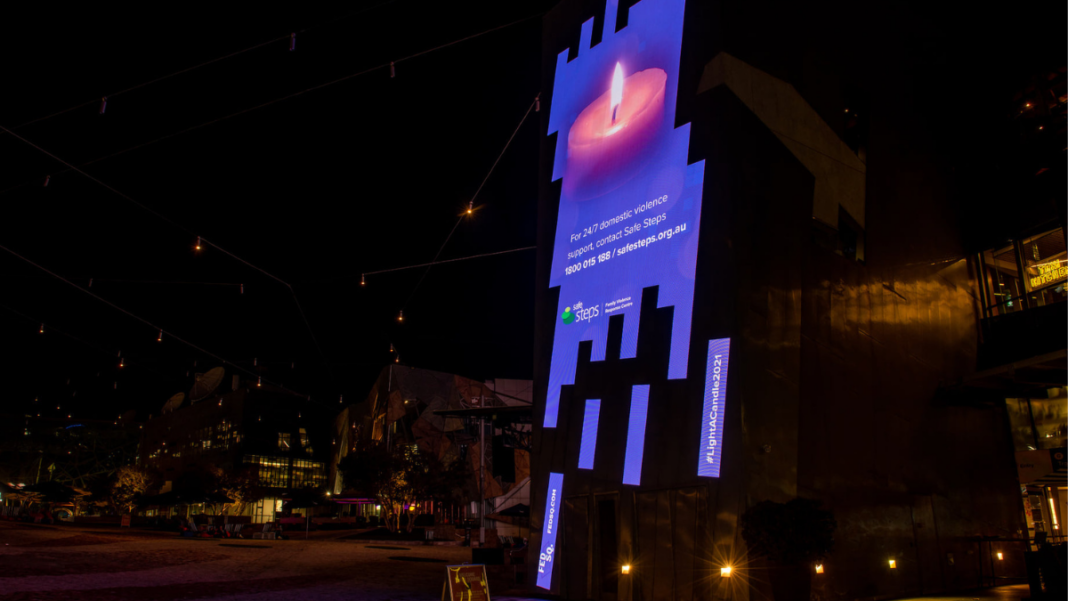
A powerful candlelight vigil in Melbourne next month will shine a light not only on lives lost to family and domestic violence, but on the often unseen and long-lasting impact it has on children, families and communities.
Organised by Safe Steps, the annual event on May 6 at the Family Violence Memorial Garden in East Melbourne will bring Victorians together in remembrance — while also urging a deeper conversation about what happens long after the immediate crisis ends.

While the vigil has traditionally focused on those killed, this year’s theme highlights the “ripple effects” of violence, particularly for young people who carry trauma into adulthood.
“In 2025, 77 women and 26 children were killed by partners or parents. Already this year, 14 women, three children and an unborn baby have died,” organisers said, citing data from Australian Femicide Watch and The Red Heart Campaign.
But beyond the headlines, the long-term consequences are often less visible.
“One in eight Australians has witnessed violence towards a parent before the age of 15,” according to the Domestic, Family and Sexual Violence Commission, while nearly 40 per cent of sexual assault victims are aged between 10 and 17, based on figures from the Australian Bureau of Statistics.
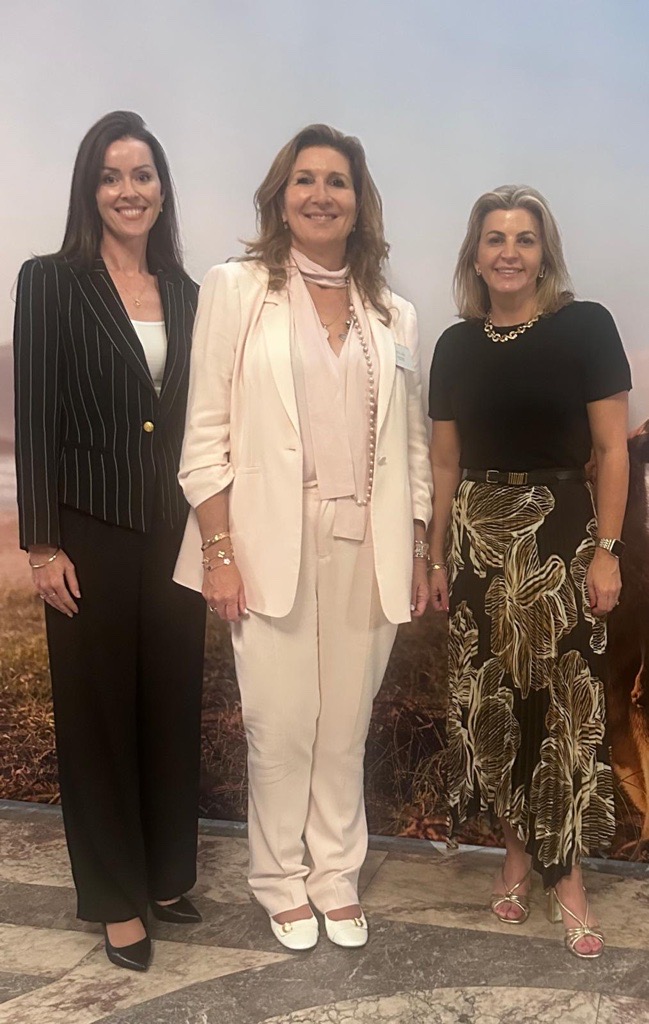
Safe Steps Group Director Suzanne Paynter said in a statement taht the public conversation still focuses too heavily on crisis moments.
“The conversation is often focused on immediate crisis, but less understood is the long-term, intergenerational impact of family violence, particularly for children experiencing violence, homelessness, disrupted education, trauma and ongoing instability.”
Demand for support continues to surge. The service responded to around 130,000 contacts in the past financial year — a 17 per cent increase — alongside a sharp rise in court support.
“Despite how prevalent family violence is, there is still a lack of support for children and young people who grow up experiencing it.”
Among those helping drive awareness is Daniel Mancuso, whose mother Teresa was killed by his father in 2015.
“My beautiful mum was taken from the world… I still remember that day clearly.”
Years of court proceedings followed, but what stayed with him most was a quiet act of kindness from a neighbour — a Greek grandmother who passed meals over the fence.
“No big gestures. No attention. Just quiet, consistent care. And at a time where everything felt uncertain, that meant everything to us.”
That experience inspired Yiayia Next Door, now a national voice in family violence awareness.
For survivor Payal Tiwari, the reality of family violence extended far beyond the moment she left.
Despite being a senior executive, she found herself navigating crisis accommodation and more than 20 court hearings. “Family violence does not stop when someone leaves,” she said.
“For many, that is when another phase begins.”
She now advocates for systemic reform, arguing that recovery is a long-term process often overlooked.
“Leaving is not the end of the story — it is the beginning of rebuilding a life.”
Another survivor, Amanda Thompson, described how abuse can develop gradually — starting with subtle control before escalating into violence. “It wasn’t sudden. It happened in small moments… until I realised I was trying to make myself smaller to keep the peace,” she said.
Even after escaping, the trauma remained.
“What people don’t always see is what comes after. When the visible injuries heal, the impact does not disappear.”
For some families, the warning signs never come.
Katie Haley was killed by her husband in what her family says was the first known act of physical violence.
Her sister Bianca said Katie had shown no obvious signs of danger beforehand.
“If asked shortly before her death, Katie would have said she was safe,” she said, highlighting how difficult it can be to recognise risk.
This year’s vigil aims to move beyond remembrance and push for systemic change — from early education about respectful relationships to stronger long-term support systems.
Iconic Melbourne landmarks, including Melbourne Town Hall and AAMI Park, will be lit in purple as a show of solidarity.
More than 400 people attended last year’s vigil, with organisers expecting an even larger turnout in 2026. “Each statistic represents a life, a family, a community permanently changed,” Paynter said.
“To spark real change, we must recognise the full, lifelong impact of family violence — especially on children.”
If you or someone you know is experiencing family violence, contact Safe Steps on 1800 015 188 (24/7).
Support our Journalism
No-nonsense journalism. No paywalls. Whether you’re in Australia, the UK, Canada, the USA, or India, you can support The Australia Today by taking a paid subscription via Patreon or donating via PayPal — and help keep honest, fearless journalism alive.
