

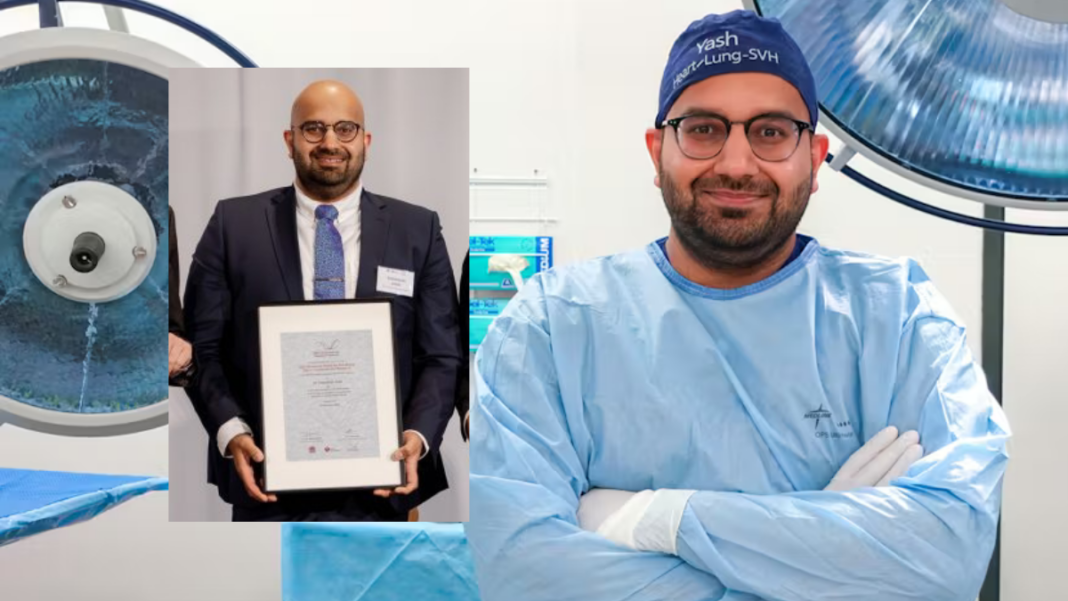
Researchers from the University of New South Wales (UNSW) have claimed three of the four honours at the 2025 Cardiovascular Research Network (CVRN) Ministerial Awards for Cardiovascular Research, cementing the university’s reputation as a national leader in life-saving medical innovation.
Among the standout recipients was Dr Yashutosh Joshi, who received the Ministerial Award for PhD Rising Star in Cardiovascular Research for his groundbreaking work to improve donor heart preservation and expand access to transplantation.
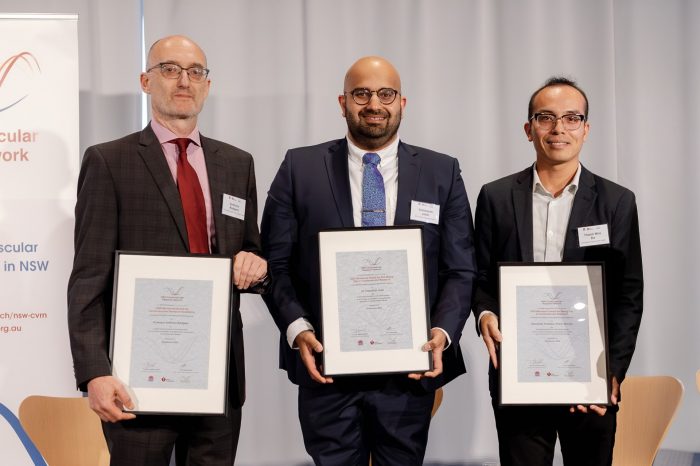
Dr Joshi conducted his award-winning research at the Victor Chang Cardiac Research Institute, where he investigated ways to enhance the viability and longevity of donor hearts.
His findings identified critical time points that directly influence transplant recipient survival and revealed that commonly used blood thinners, alongside a spider venom-derived peptide known as Hi1a, could significantly improve heart preservation.
The discoveries have the potential to increase both the number and quality of donor hearts available for transplantation, offering renewed hope to patients on waiting lists.
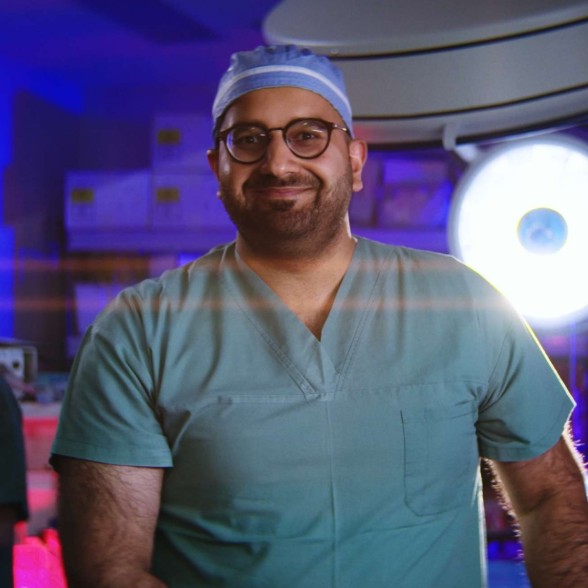
Now a cardiothoracic surgery trainee at Westmead Hospital, Dr Joshi’s passion for heart surgery can be traced back to childhood. At just five years old, he watched his grandfather undergo triple coronary artery bypass graft surgery at the same hospital.
“I was absolutely amazed that doctors could stop the heart, take a vein from elsewhere in the body and use it to bypass blockages,” he recalled in a previous interview.
“From that moment on, whenever a teacher asked what I wanted to be, the answer was always ‘heart surgeon’.”
His interest deepened during medical school at Western Sydney University, where rotations in cardiac surgery and an elective placement in Paris further shaped his ambitions. While training at Hôpital Européen Georges-Pompidou, he gained early exposure to heart transplant surgery and began his first research projects under leading surgeons.
A pivotal moment came in 2014, when he learned that St Vincent’s Hospital Sydney and the Victor Chang Cardiac Research Institute had pioneered the world’s first DCD (donation after circulatory death) heart transplant using the revolutionary “Heart-in-a-Box” technology. The breakthrough, developed in Australia, reignited global possibilities for transplant medicine and inspired Dr Joshi to pursue a future in the field.
The CVRN Ministerial Awards are presented annually to recognise outstanding contributions to cardiovascular research, including advances related to diabetes, stroke and renal disease.
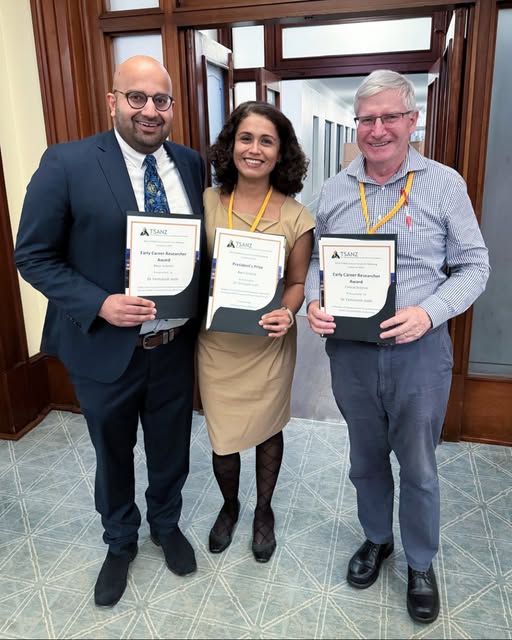
Dr Joshi’s latest accolade adds to an extraordinary run of achievements. Last year he completed a clean sweep at the Transplantation Society of Australia and New Zealand awards, taking out the President’s Prize, both People’s Choice President’s Prizes for Clinical and Basic Science, and two Early Career Research Awards for his presentations on Heart-in-a-Box technology and the spider venom-derived therapy that could dramatically expand transplant opportunities worldwide.
Support our Journalism
No-nonsense journalism. No paywalls. Whether you’re in Australia, the UK, Canada, the USA, or India, you can support The Australia Today by taking a paid subscription via Patreon or donating via PayPal — and help keep honest, fearless journalism alive.
