

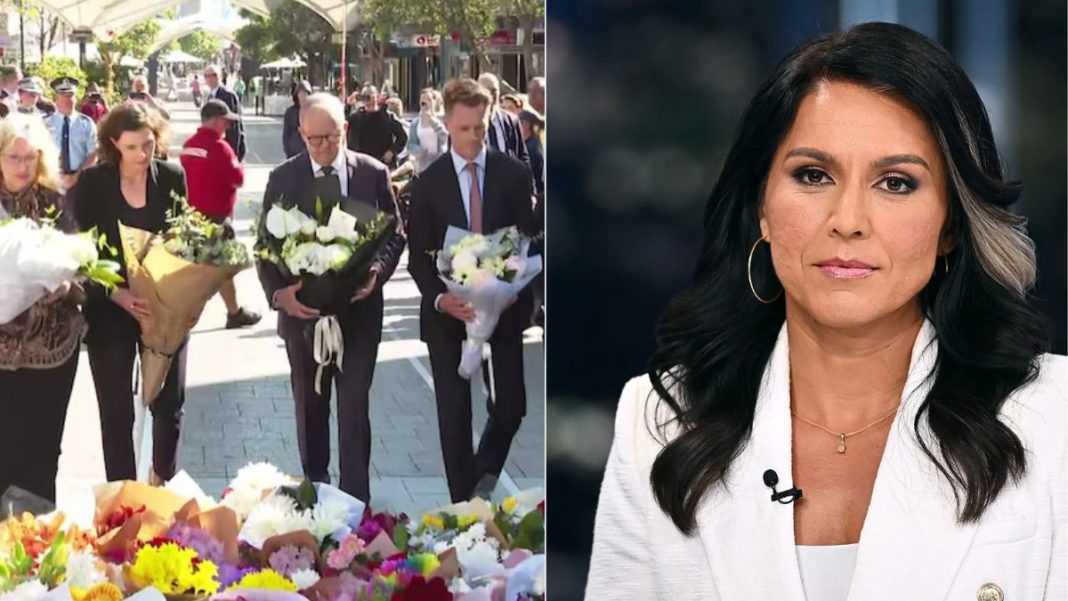
International and domestic political fault lines have sharpened following the deadly Bondi Beach terror attack, with senior US official Tulsi Gabbard directly linking the violence to immigration while Australian leaders spar over whether tighter gun laws address the root causes of extremism.
In a post on X, Gabbard, the Trump administration’s Director of National Intelligence, described the shooting at a Hanukkah celebration as an “Islamist terror attack” and claimed it was the “direct result of the massive influx of Islamists to Australia”.
She warned that the goal of Islamism was the “Islamisation” of countries around the world, adding that it was “probably too late for Europe — and maybe Australia”.
Gabbard contrasted Australia’s approach with that of the United States, praising President Donald Trump for prioritising border security, deportations of “known and suspected terrorists”, and halting what she described as “mass, unvetted migration”.
Her comments came as Albanese government formally designated the Bondi shooting a terrorist incident.
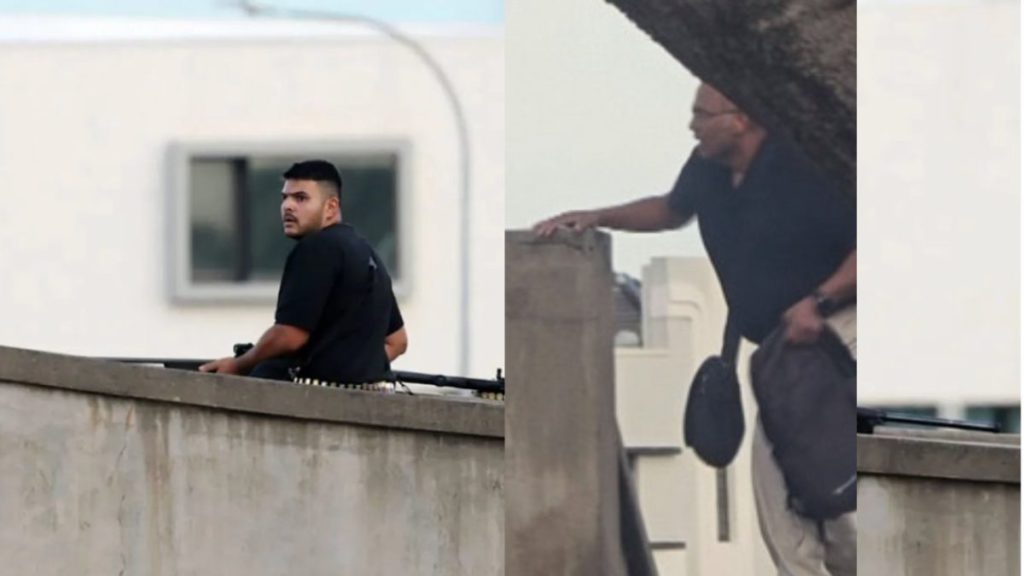
Authorities allege two gunmen opened fire on a large crowd, killing 15 people and injuring dozens more. One suspect was killed at the scene, while the surviving alleged attacker has since been charged with multiple counts, including terrorism and murder.
Back in Australia, conservative politicians have echoed Gabbard’s framing, accusing the Albanese government of deflecting attention from extremism by focusing on firearms reform. Prime Minister Anthony Albanese has flagged further tightening of Australia’s already strict gun laws in response to the attack.
Former deputy Liberal leader Josh Frydenberg launched a scathing attack on Albanese. In a passionate speech heavily targeting Albanese personally, Frydenberg said,
“We, as a Jewish community, have been abandoned and left alone by our government”.
Opposition Leader Sussan Ley has issued a stark warning to those who promote hatred, glorify terrorism or incite violence, vowing deportation for non-citizens and arrest for Australian citizens if she becomes prime minister, following the deadly attack at Bondi Beach.
“My message to those who preach hatred, glorify terrorism or incite violence is very clear,” Ley said.
“If I am Prime Minister and you are not an Australian citizen, you will be deported. If I am Prime Minister and you are an Australian citizen, you will be arrested.”
Independent MP Bob Katter said the proposed gun law changes were a “diversionary tactic”, arguing the real issue lay with immigration settings. “A gun doesn’t shoot people; a person holding a gun shoots people,” he told reporters, claiming Australia had allowed entry to people from violent and intolerant regions.
Former prime minister John Howard, who led landmark gun law reforms after the Port Arthur massacre in 1996, also warned against narrowing the post-attack debate. He said focusing solely on firearms risked avoiding a broader national conversation about antisemitism and hatred directed at Jewish communities.
The government has rejected claims it is using gun reform as a smokescreen. Treasurer Jim Chalmers said Australia was capable of confronting antisemitism, violent extremism and gun safety at the same time. “It’s not an either-or,” he said, arguing that stronger gun laws remained an important part of the response to mass violence.
Security experts have also weighed in, cautioning that while tighter gun controls may help, they do not address the ideologies that drive terrorist acts. Former intelligence chiefs and analysts have urged a stronger focus on counter-extremism, including the use of immigration, financial and tax laws to disrupt potential threats.
Support our Journalism
No-nonsense journalism. No paywalls. Whether you’re in Australia, the UK, Canada, the USA, or India, you can support The Australia Today by taking a paid subscription via Patreon or donating via PayPal — and help keep honest, fearless journalism alive.
