

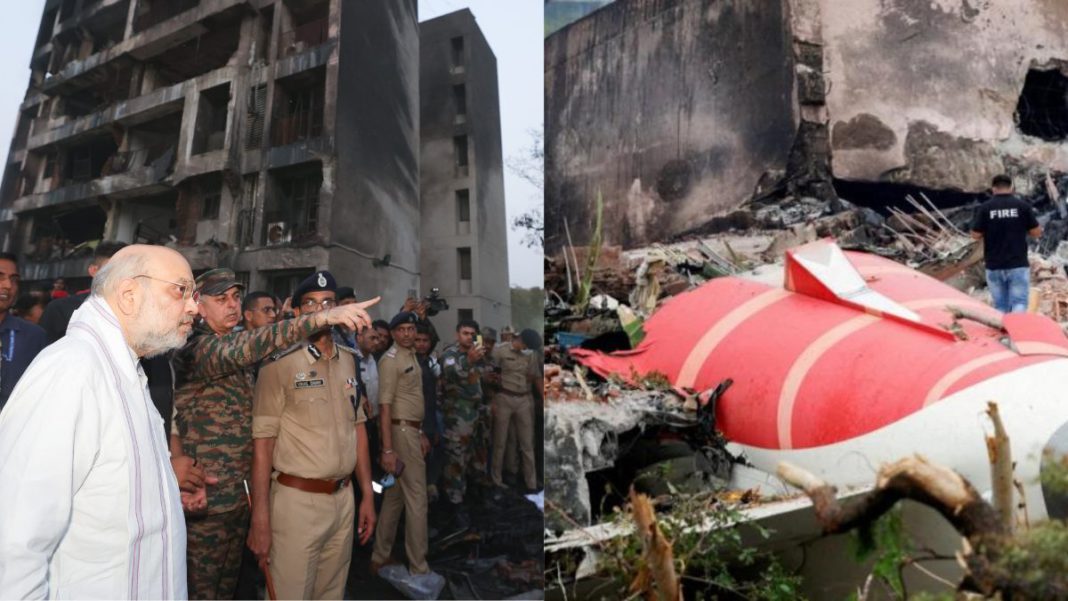
A preliminary investigation into the catastrophic Air India crash that killed 260 people last month has revealed both engines of the Boeing 787 Dreamliner lost power seconds after take-off—after their fuel supply was cut off in quick succession.
The Aircraft Accident Investigation Bureau (AAIB) of India, which is leading the probe into the world’s deadliest aviation disaster in over a decade, released a report suggesting that the plane’s engine fuel control switches were manually moved from ‘RUN’ to ‘CUTOFF’ within one second of each other, causing a sudden loss of thrust just three seconds into flight.
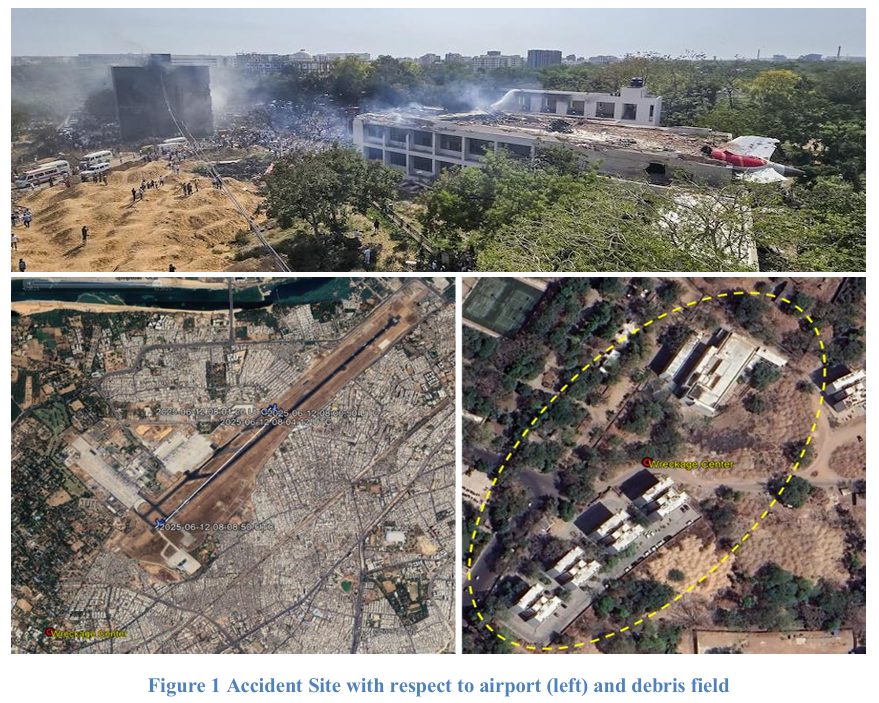
Flight AI171, bound for London from Ahmedabad, had only reached an altitude of 650 feet when it began to lose power. Just 32 seconds after take-off, the plane crashed into the BJ Medical College hostel, killing 241 of the 242 people on board and at least 19 on the ground.
Startling cockpit voice recordings captured one pilot asking the other: “Why did you cut off?” to which the second replied: “I didn’t.”
The report does not identify which of the experienced pilots—one with over 15,000 hours of flying and the other with 3,400 hours—made the statements or issued the panicked “Mayday” call moments before impact.

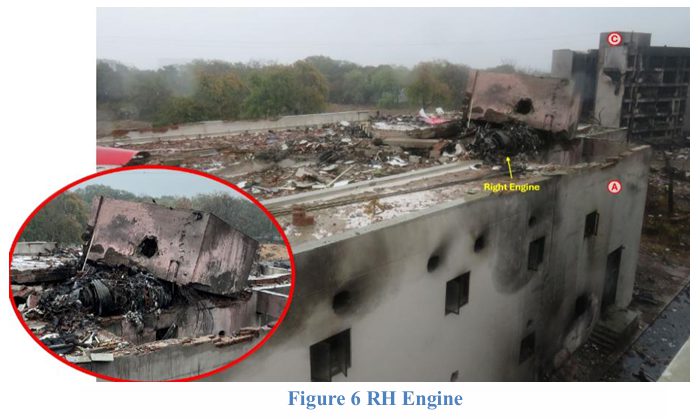
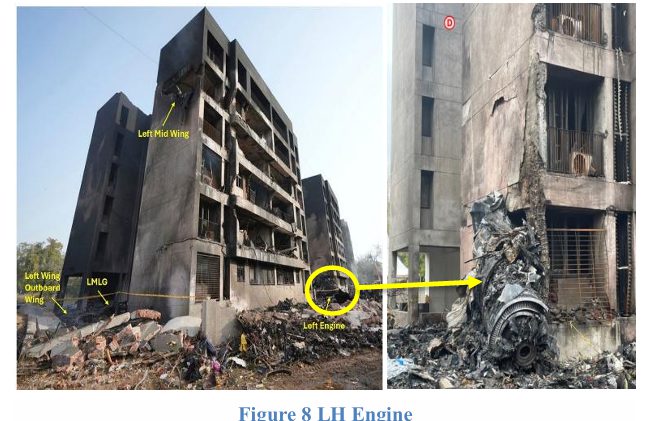
The aircraft’s black boxes provided investigators with critical data, including 49 hours of flight metrics and two hours of cockpit audio. It showed that while both engines began relighting after the switches were flipped back to ‘RUN’, there was not enough time to recover altitude.
No mechanical failure or bird strike was identified. The plane’s fuel quality was verified, flap and gear positions were set correctly for take-off, and weather conditions were favourable. Investigators also found no immediate evidence of sabotage.
Footage from the airport confirmed the deployment of the Ram Air Turbine (RAT), an emergency power source, indicating complete engine failure. The AAIB also noted that while a US advisory in 2018 warned of issues with the locking feature on fuel switches in other Boeing models, Air India had not conducted the suggested inspections. However, these were not mandatory.
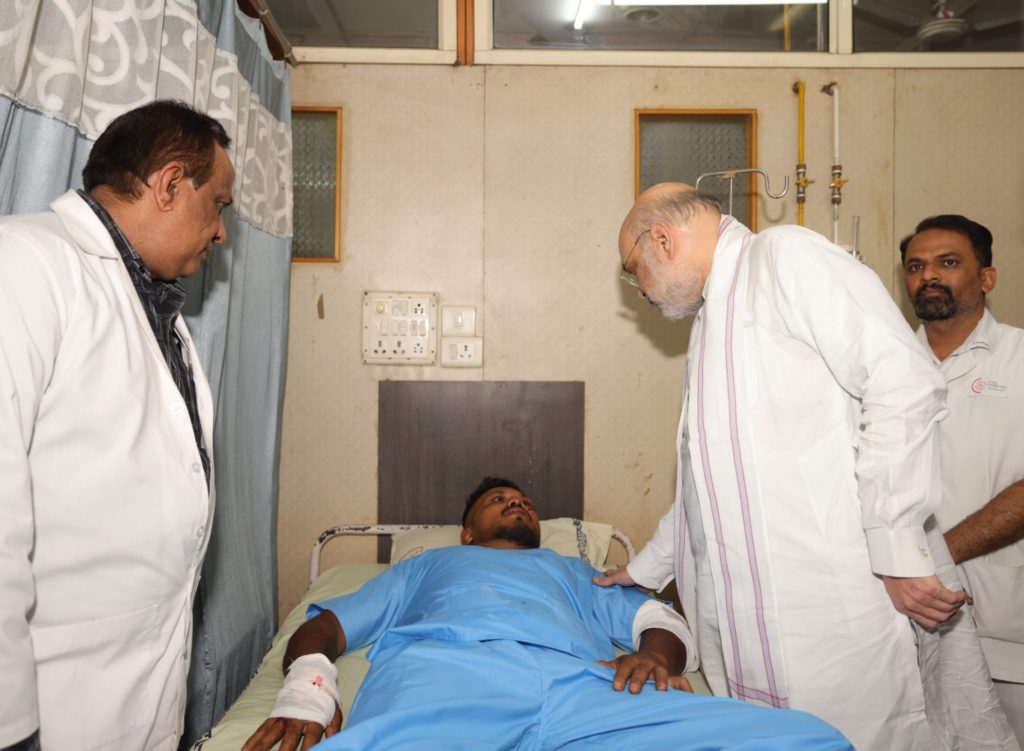
Only one person—a British citizen—survived the crash. Indian Prime Minister Narendra Modi later met with the survivor, Vishwash Kumar Ramesh, after his discharge from hospital.
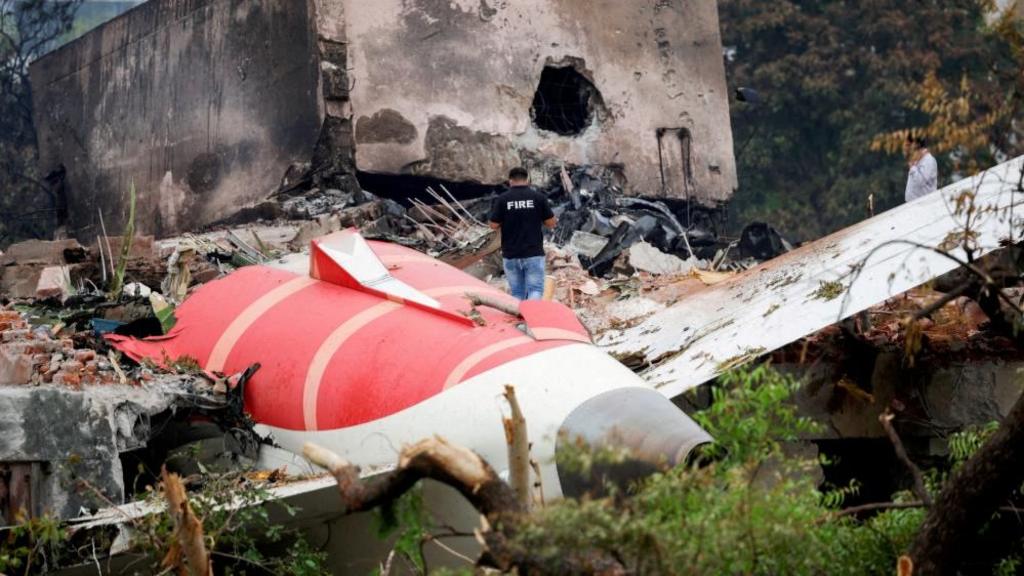
The report does not conclude whether the fuel shut-off was accidental, intentional, or part of a failed attempt to restart the engines. Investigators are now focusing on cockpit actions during the critical seconds after take-off.
Further analysis is expected in the coming months, with Indian, US, and British officials jointly continuing the investigation.
Support our Journalism
No-nonsense journalism. No paywalls. Whether you’re in Australia, the UK, Canada, the USA, or India, you can support The Australia Today by taking a paid subscription via Patreon or donating via PayPal — and help keep honest, fearless journalism alive.
