

By Jim Sanday
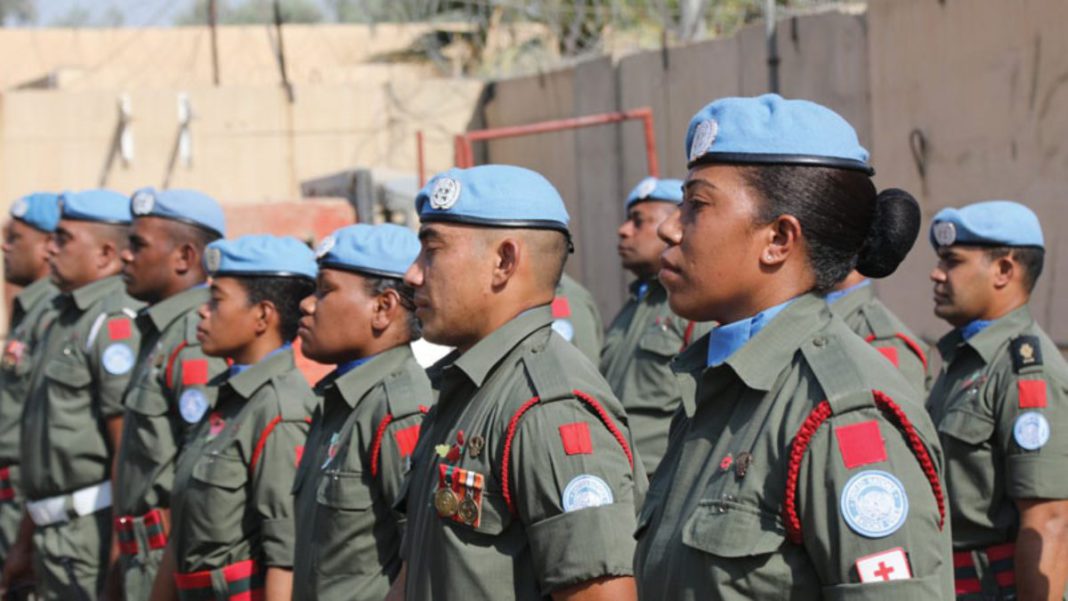
For over four decades, Fiji’s peacekeepers have stood guard in some of the world’s most dangerous flashpoints — places where the risks were high, the comforts few, and the gratitude fleeting. Since 1978, more than 50,000 Fijians have worn the blue helmet of the United Nations or the terracotta beret of the Multinational Force & Observers in the Sinai Desert.
It is indeed a proud record. But here’s the uncomfortable truth: for over 45 years, Fiji has been the highest per capita contributor to UN peacekeeping anywhere in the world — and we’ve done it largely at our own expense.
Every mission, every deployment, every soldier on foreign soil is partly paid for by the taxes of ordinary Fijians — families already battling the daily grind of rising living costs, unemployment, under-resourced health services, surging crime, and the relentless threats of climate change. UN reimbursements arrive months, even years late, while our own communities wait for security and services that never come.
We do not have bottomless pockets or limitless manpower. Every uniformed officer we send abroad is one less securing our borders, intercepting drugs, or helping communities withstand cyclones and floods. Every dollar spent on distant battlefields is a dollar stripped from better policing, cyber defences, and climate adaptation at home.
The Minister for Defence and Veteran Affairs recently announced work on a new National Peacekeeping Strategy. That may be a good thing. But if it amounts to little more than a rubber stamp for the status quo, it will be meaningless — a squandered opportunity to put Fiji’s security priorities back where they belong: at home and in our region.
From scattered commitments to strategic focus
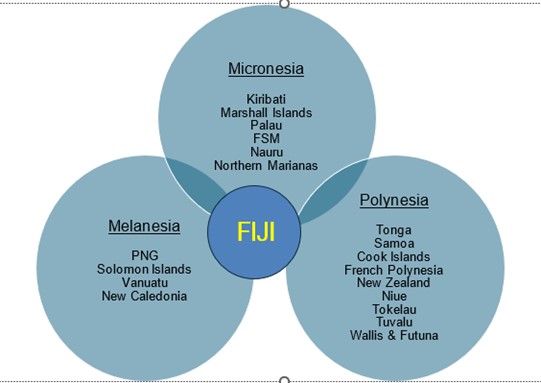
Fiji is not just another Pacific Island. We are the region’s hub — strategically placed, economically influential, and with a moral duty to lead. Yet for too long we have scattered our resources across conflicts half a world away, chasing international kudos while our own backyard has become more vulnerable. The world has changed, and so must we.
The recent National Security & Defence Review (NSDR) delivered a clear message: our foreign policy and military deployments must be recalibrated to put our region first. This is not a minor course correction — it is a strategic necessity and a moral imperative.
By doing so, Fiji can drive the Prime Minister’s vision of the Pacific as an Ocean of Peace — not just a slogan, but a reality built on unity, trust, and collective resilience. That means using our central position to lead coordinated security, humanitarian assistance, and development efforts; heading off regional disputes before they ignite; dismantling transnational crime networks; and protecting our ocean as a zone of cooperation rather than confrontation.
Drawing the Line — Clear Priorities, No Apologies
Our security priorities must be clear:
- Fiji first.
- Protect Pacific stability.
- Deliver rapid humanitarian aid in our neighbourhood.
- Only commit troops to missions where Fiji has a direct diplomatic or economic interest.
- Anything less will erode our influence, drain our resources, and undermine the stability we claim to champion.
Fiji’s international credibility will not be measured by how long we have soldiers manning outposts in the Sinai desert or the Golan Heights. It will be measured by whether we have the courage to adapt — to protect our people, focus our forces on real threats, and lead the Pacific toward a shared future of peace and security.
Our soldiers have paid their dues to the world — some with their lives. Now it is the government’s turn to pay its dues to them, and to the nation they swore to defend.
God bless Fiji and its people.
This article was first published on Wansolwara News and has been republished with permission.
Contributing Author: Jim Sanday is a former commissioned officer of the pre-coup Royal Fiji Military Forces. During his military service he commanded Fiji battalions in Lebanon and the Sinai. Mr Sanday led the recently completed National Security & Defence Review and co-authored the National Security Strategy 2025-2009 that was approved by Cabinet on 3 June 2025.
Support our Journalism
No-nonsense journalism. No paywalls. Whether you’re in Australia, the UK, Canada, the USA, or India, you can support The Australia Today by taking a paid subscription via Patreon or donating via PayPal — and help keep honest, fearless journalism alive.
