


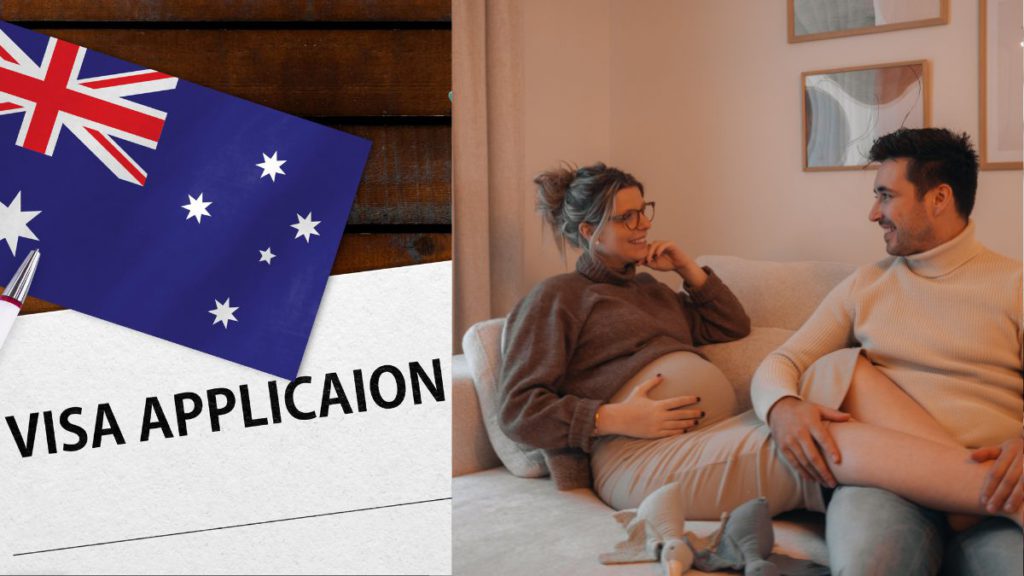
A Melbourne migration agent has told Daily Mail Australia that India, Pakistan and China are the starting points for a growing network of partner visa fraud schemes that are targeting and exploiting vulnerable Australian women.
Mark Pelley said organised groups — often operating between India, Pakistan, China, Australia and other parts of Asia — are grooming women facing homelessness, addiction, mental health challenges or financial distress, and recruiting them as fake partners in sham marriages designed to secure Australian visas.
He said the practice, exposed in high-profile cases more than a decade ago, has become “worse than ever”, fuelled by mass migration and rising pressure on Australia’s housing market.
“I’m so ashamed of my industry and what it’s become over the past 10 years,” Mr Pelley told Daily Mail Australia.
“There have been more instances of people or organisations approaching me to help participate in scams than those with legitimate claims for visas.”
Mr Pelley said he has repeatedly reported fraudulent operations — including names of alleged participants — but claims the Department of Home Affairs has failed to act.
“I’ve reported more scams than I can recall and have never received a single follow-up.”
He alleged many schemes begin when a migrant from India, Pakistan, China or other parts of Asia becomes an Australian citizen and opens a migration consultancy. These operators then use community networks to funnel clients into fake partner-visa applications, often setting up satellite offices and social media accounts in their home countries.
“They find one person overseas who is desperate to come to Australia, and one person here who wants fast cash,” he said.
Australian “partners” are typically paid around $50,000, while migration agents may earn more than $20,000 per case.
Mr Pelley said some agents even organise overseas trips so the Australian participant can stage photos with the supposed partner. Both parties are coached on interview answers and supplied with fabricated evidence. In many cases, each already has an unregistered partner, allowing the sham relationship to appear legitimate.
“After getting the visa, they separate, and a few years later the person overseas brings in their real partner and extended family,” he said.
He warned that some networks are actively “hunting” for desperate Australian women to make the scams appear more credible.
“These women are homeless, struggling with addiction, or dealing with disabilities and family violence. They’re being exploited, and in some cases sexually assaulted or harmed.”
Mr Pelley identified India, Pakistan and China as the biggest sources of applicants, with growing numbers from Afghanistan and Lebanon. He also claimed places are being openly sold on the Chinese black market via the app Xiaohongshu, offering fake spouses to join skilled-visa applications.
He called on Home Affairs to overhaul the system, tighten agent accreditation, apply greater scrutiny to partner-visa applications, and introduce harsher penalties, including jail time.
“Until the Department gets its act together, they’re just chasing their tails.”
Australia has seen major partner visa scam cases before. In 2018, an Indian national was accused of arranging more than 150 sham marriages involving vulnerable Australian women lured by promises of big payouts.
This week, the Australian High Commission in India issued a warning that visa fraud is a growing global risk. “Visa scams exploit people’s hopes and dreams,” High Commissioner Philip Green said.
“By raising awareness, we can protect visa applicants and safeguard the integrity of Australia’s migration system.”
Support our Journalism
No-nonsense journalism. No paywalls. Whether you’re in Australia, the UK, Canada, the USA, or India, you can support The Australia Today by taking a paid subscription via Patreon or donating via PayPal — and help keep honest, fearless journalism alive.

