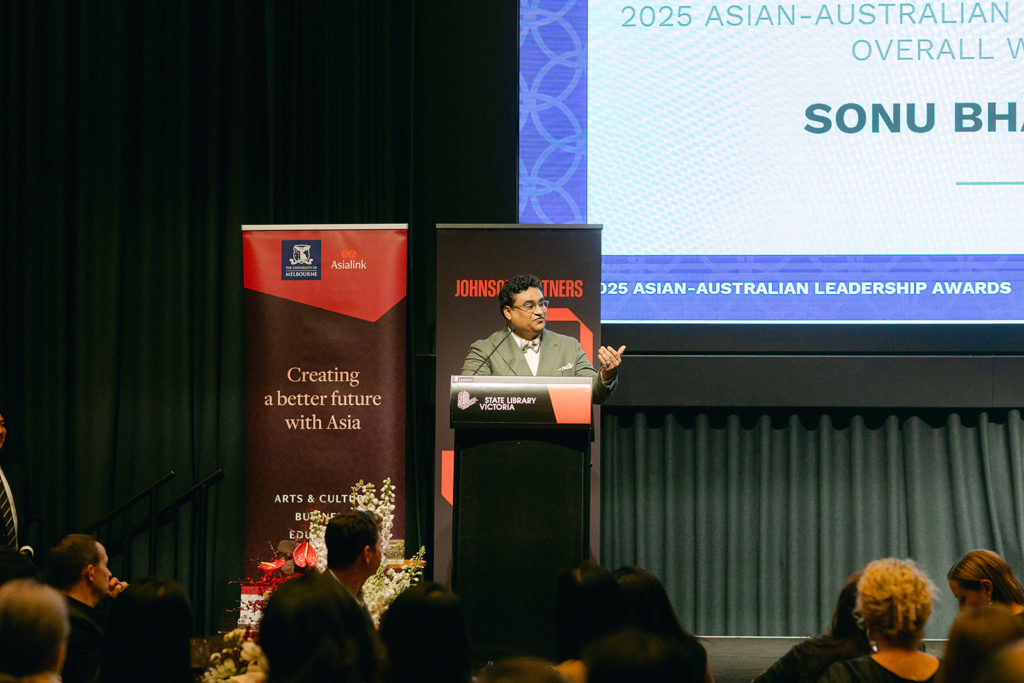
Victoria University (VU) has begun construction on its first campus in India, marking a major milestone in international education. Scheduled to open by mid-2026 in Gurugram, Haryana, the Delhi NCR campus will deliver courses in business, IT, sports management and research, all taught exclusively through VU’s award-winning Block Model – a first for India.
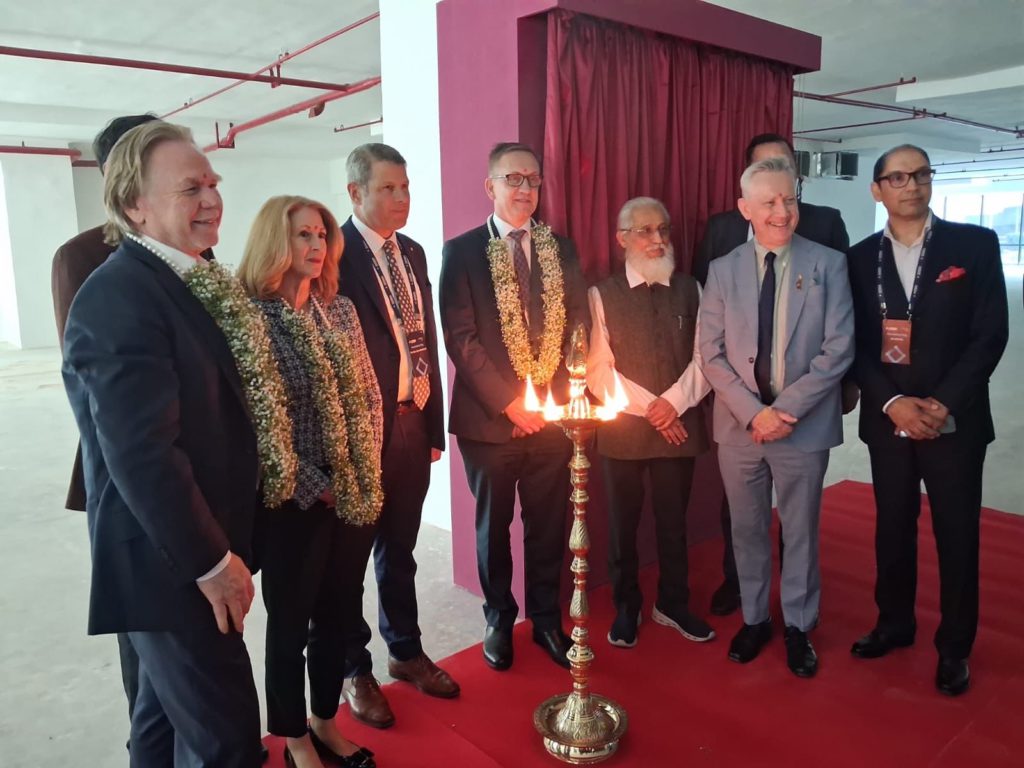
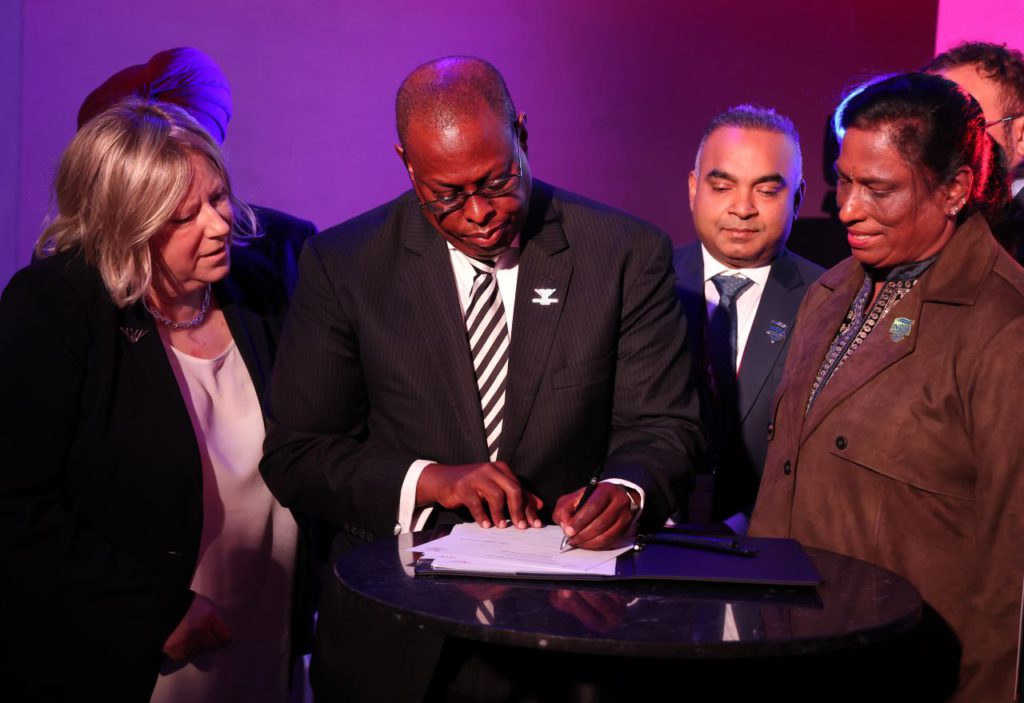
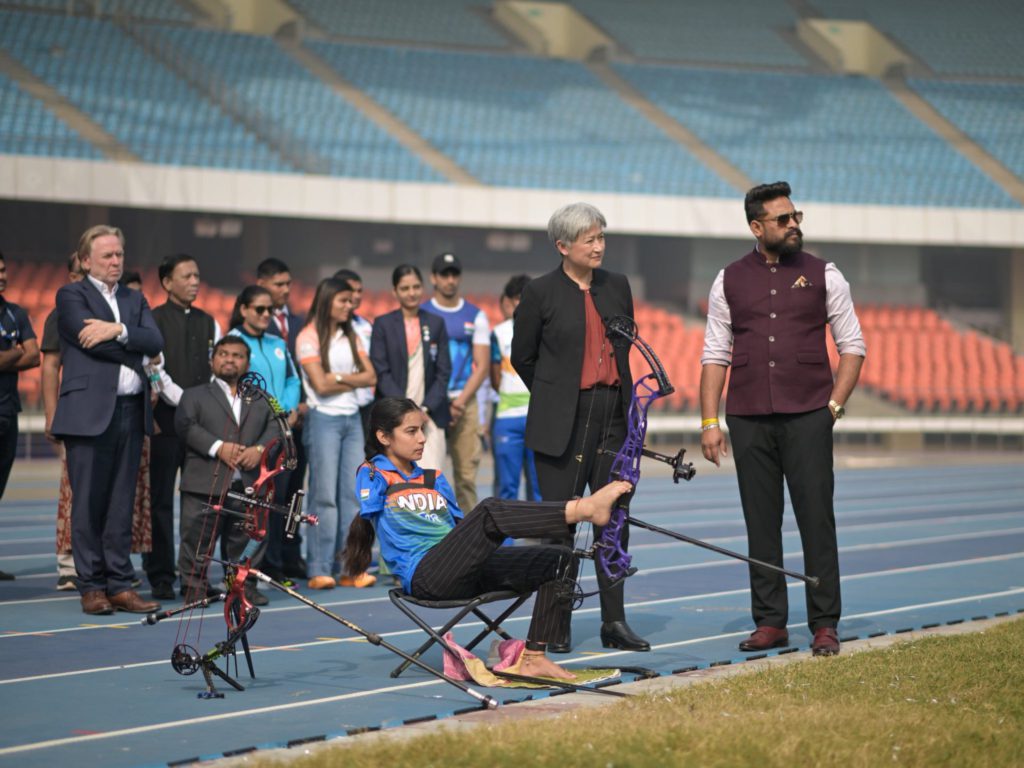
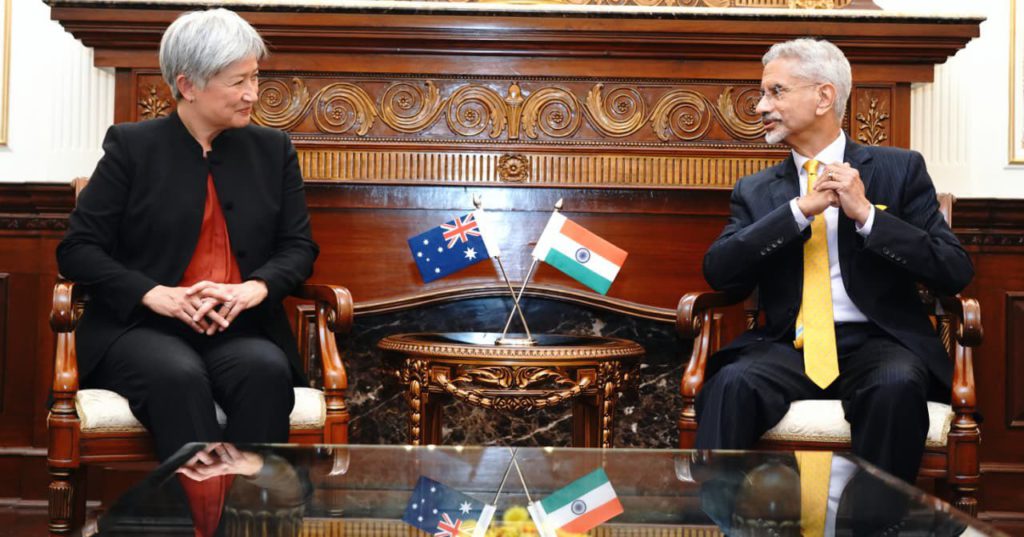
Image: VU Chancellor the Hon Steve Bracks, VU Vice-Chancellor Professor Adam Shoemaker, Federal Assistant Minister for Citizenship, Customs and Multicultural Affairs, the Hon Julian Hill and Australian High Commissioner to India, His Excellency Philip Green OAM cut the ribbon to mark the site of the new VU Campus in India. (Source: LinkedIn)
The VU Block Model, internationally recognised for its innovative approach, allows students to focus on one subject at a time in four-week blocks, with small, workshop-style classes. Already achieving high success in Australia, including a 94 per cent pass rate, the model has proven particularly effective for first-in-family and disadvantaged students, and is gaining traction in countries such as Malaysia and Sri Lanka.
Federal Assistant Minister for Citizenship, Customs and Multicultural Affairs Julian Hill said:
“Victoria University is a leader in teaching, learning and the student experience, including its unique Block Model – and now its new campus in Gurgaon will connect Indian students with these innovations.”
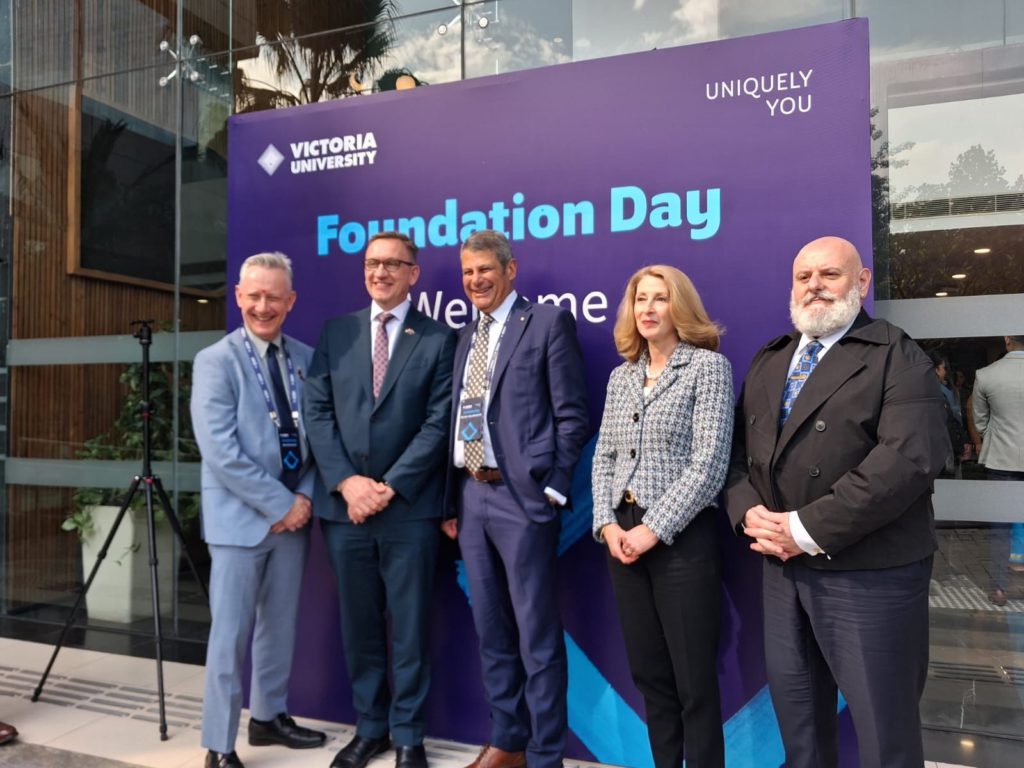
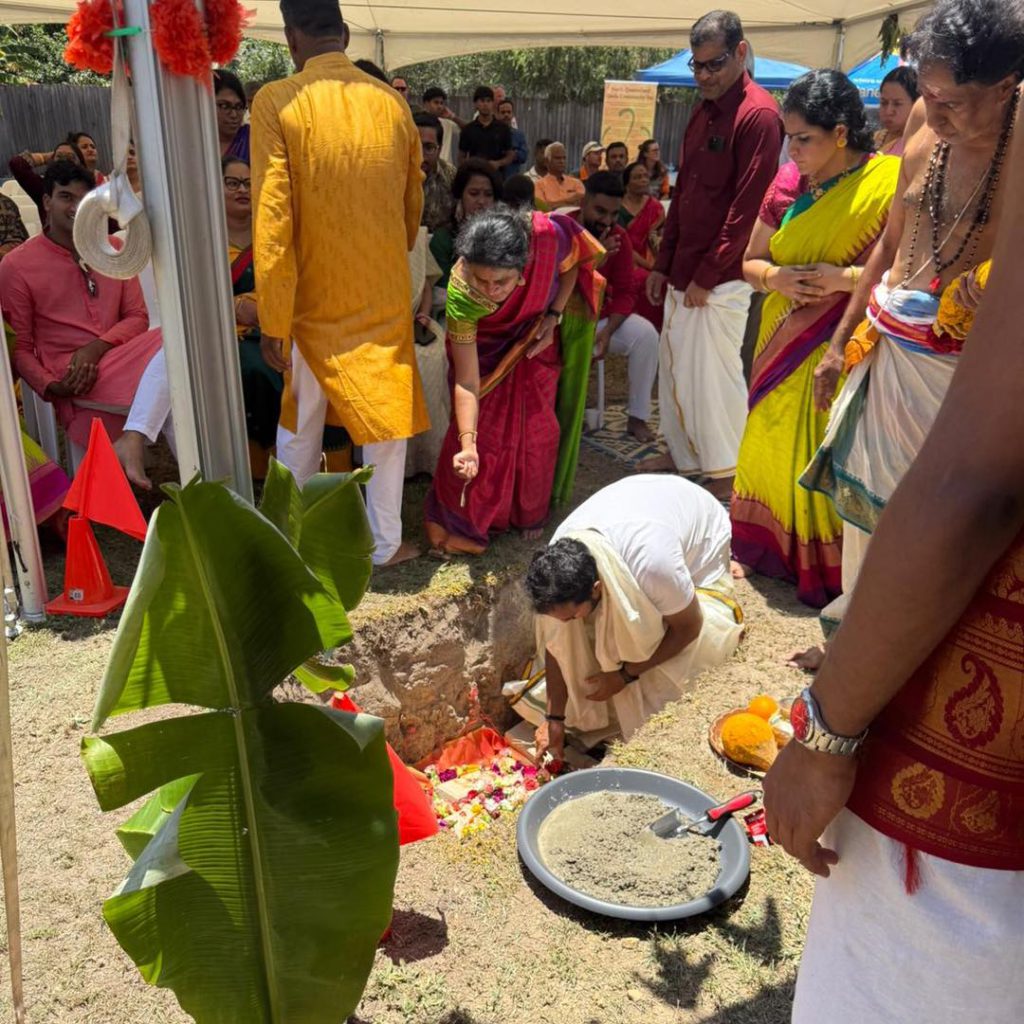
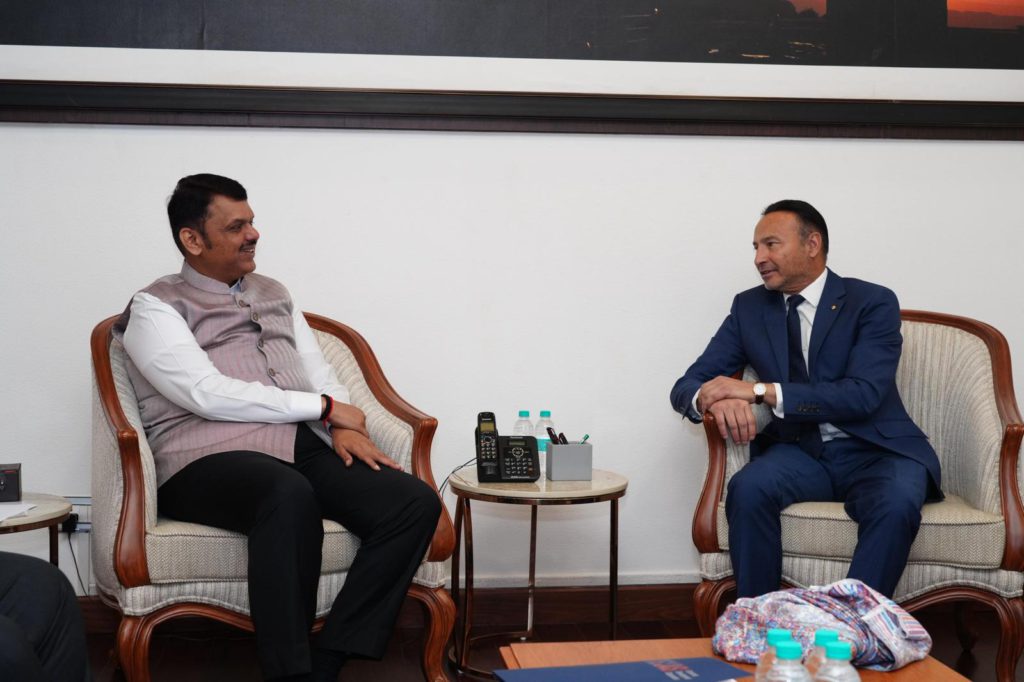
Image: Victoria university lays foundation for first campus in India (Source: LinkedIn)
VU Chancellor Steve Bracks said the initiative would meet growing demand for high-quality, industry-aligned education in one of the world’s fastest-growing economies.
“High overseas study costs and limited access to institutions leave many students in India without global education options – VU’s education and research offerings aim to help change that.”
Vice-Chancellor Professor Adam Shoemaker added, “This campus embodies VU’s vision of opportunity, equity and innovation.”
“Bringing our Block Model to India offers students a proven pathway to success – inclusive, industry-connected and designed for the future.”
The campus will also foster international collaboration, research opportunities and mobility, connecting students in India with pathways across Asia and Australia. The design of the campus will emulate VU’s modern vertical City Tower in Melbourne, creating a local hub for global learning.
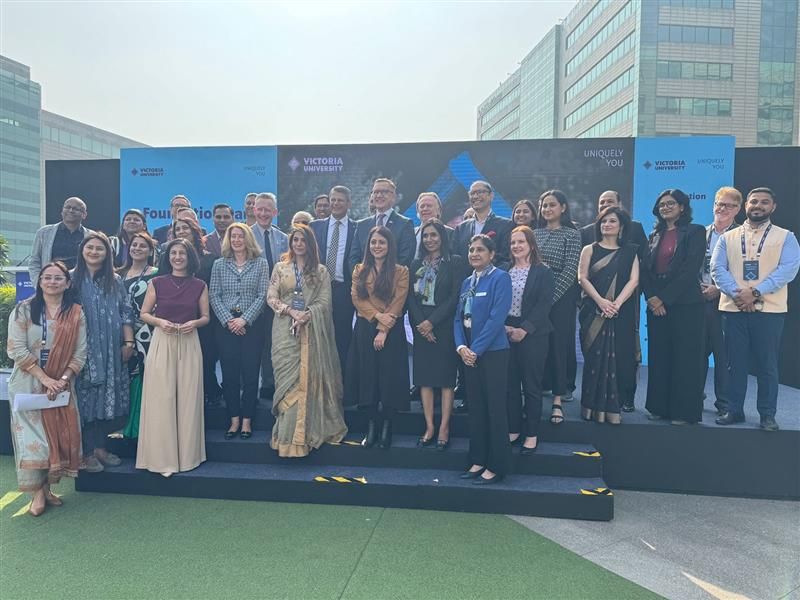
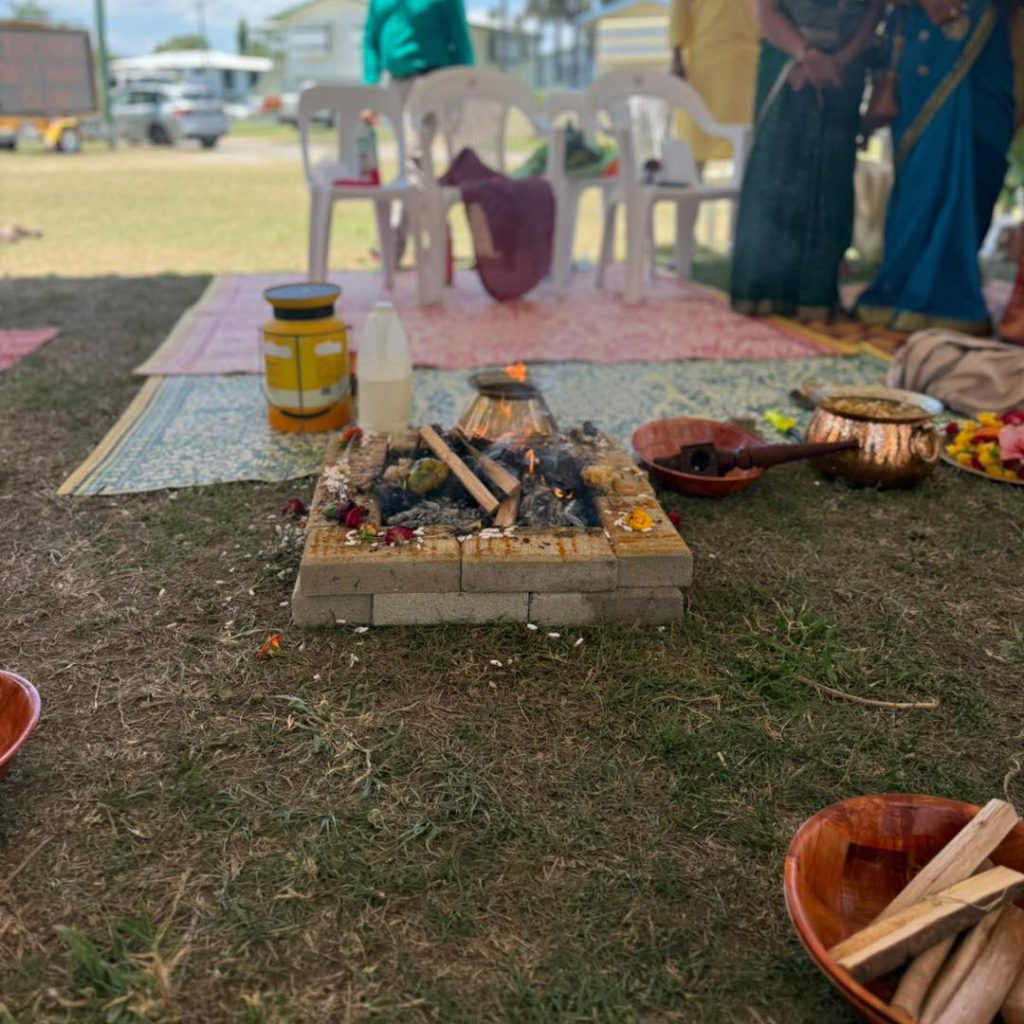
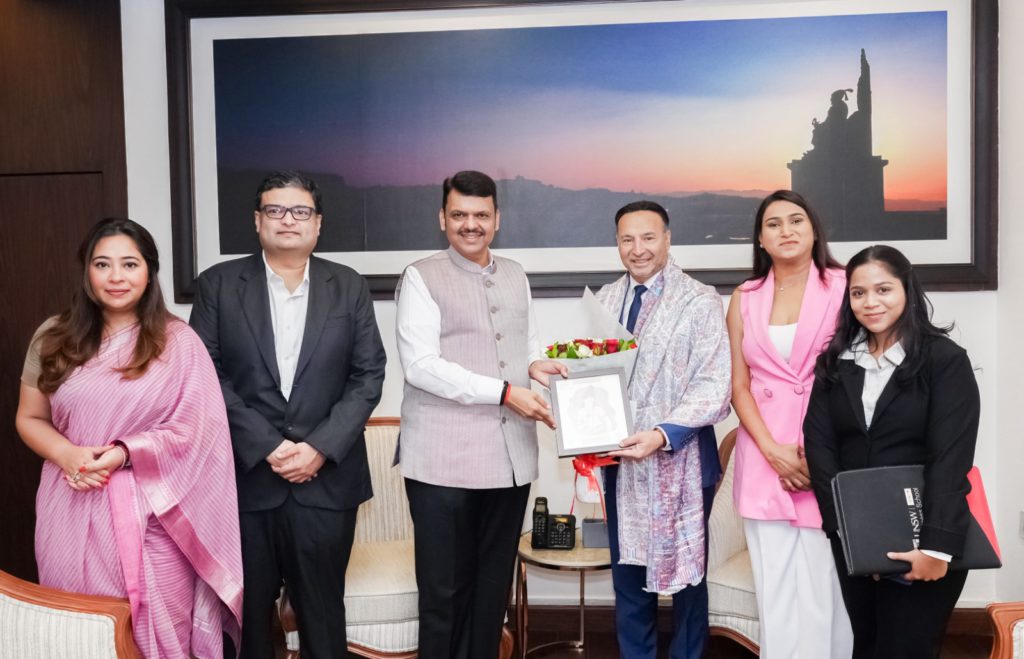
Image: Victoria university lays foundation for first campus in India (Source: LinkedIn)
Earlier this year, VU received official approval from the Indian Government under the National Education Policy, becoming one of the first Australian universities licensed to establish a comprehensive campus in India. Pro Vice-Chancellor (Global) Monty Singh said the university looked forward to working with local partners to share knowledge and deliver industry-focused qualifications.
The Delhi NCR campus will offer undergraduate, postgraduate and research courses, providing Indian students access to world-class education at home while opening doors to international opportunities.
Support our Journalism
No-nonsense journalism. No paywalls. Whether you’re in Australia, the UK, Canada, the USA, or India, you can support The Australia Today by taking a paid subscription via Patreon or donating via PayPal — and help keep honest, fearless journalism alive.
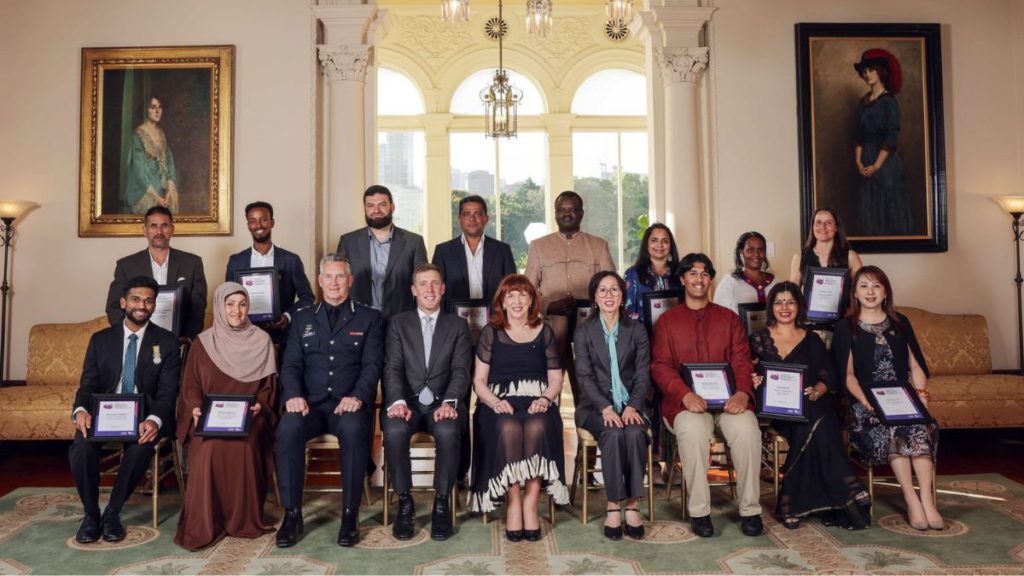
Victoria has honoured its leading advocates for diversity and inclusion, recognising artists, community workers and faith leaders at the 2025 Victorian Multicultural Awards for Excellence.
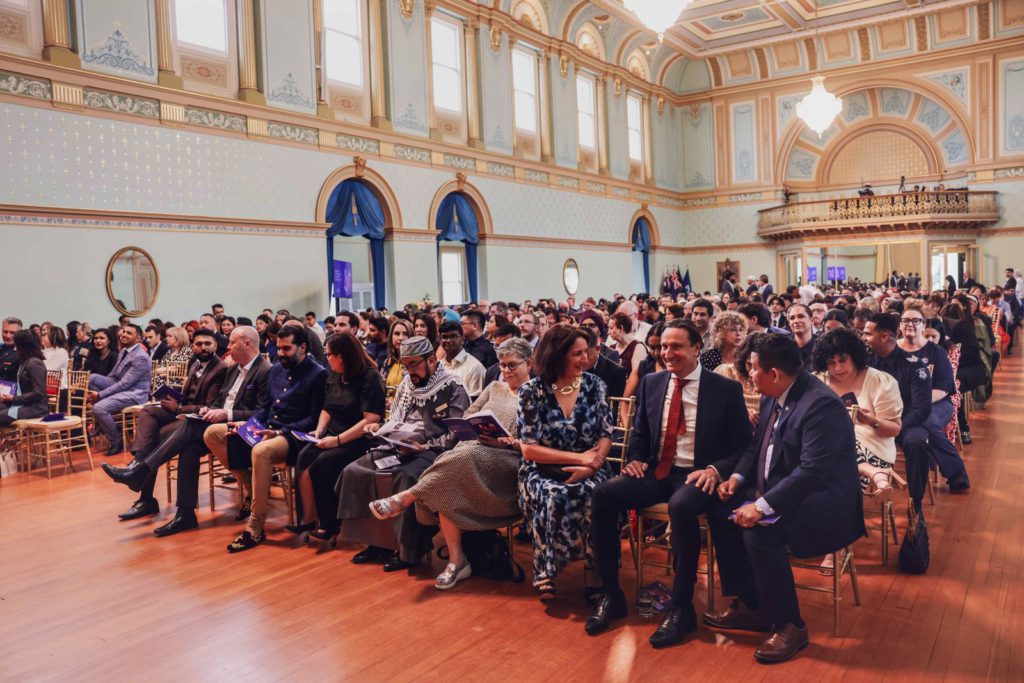
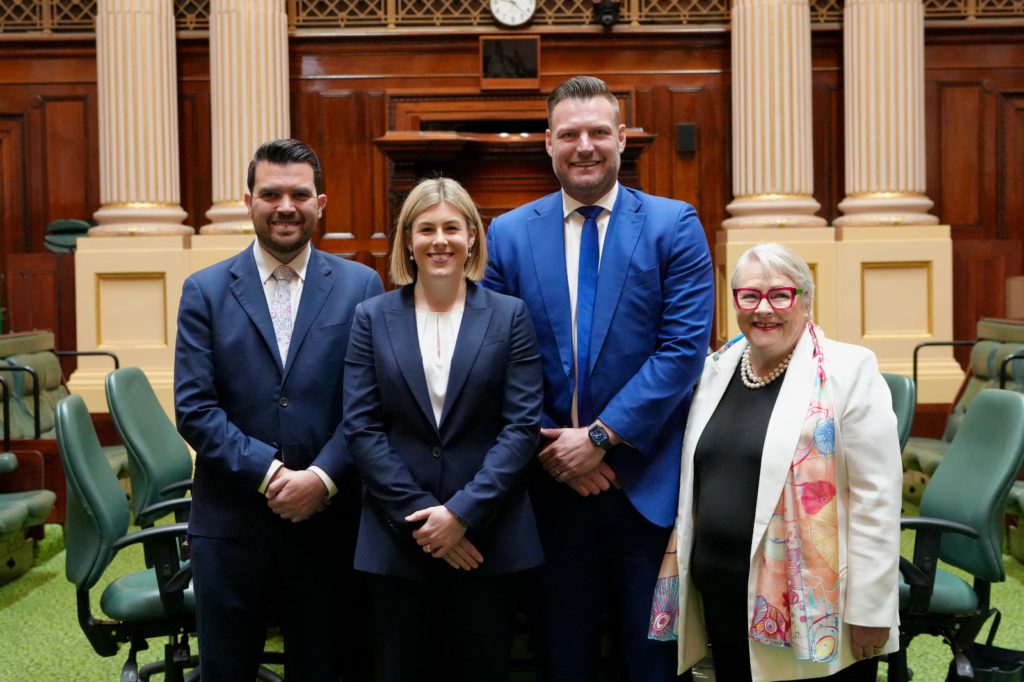
Image: Victorian multicultural champions celebrated at annual awards ceremony (Source: VMC)
Now in its 24th year, the awards are coordinated by the Victorian Multicultural Commission and celebrate those who strengthen multiculturalism and help Victorians from migrant, refugee and asylum seeker backgrounds participate fully in community life.
Image: (Source: VMC)
Fourteen award categories were open for nomination this year, reflecting the many ways multicultural communities enrich the state. The ceremony, streamed live on 4 December, also featured the Victorian Multicultural Honour Roll, acknowledging local champions who have helped keep communities safe, connected and resilient.
Image: Victorian multicultural champions celebrated at annual awards ceremony (Source: VMC)
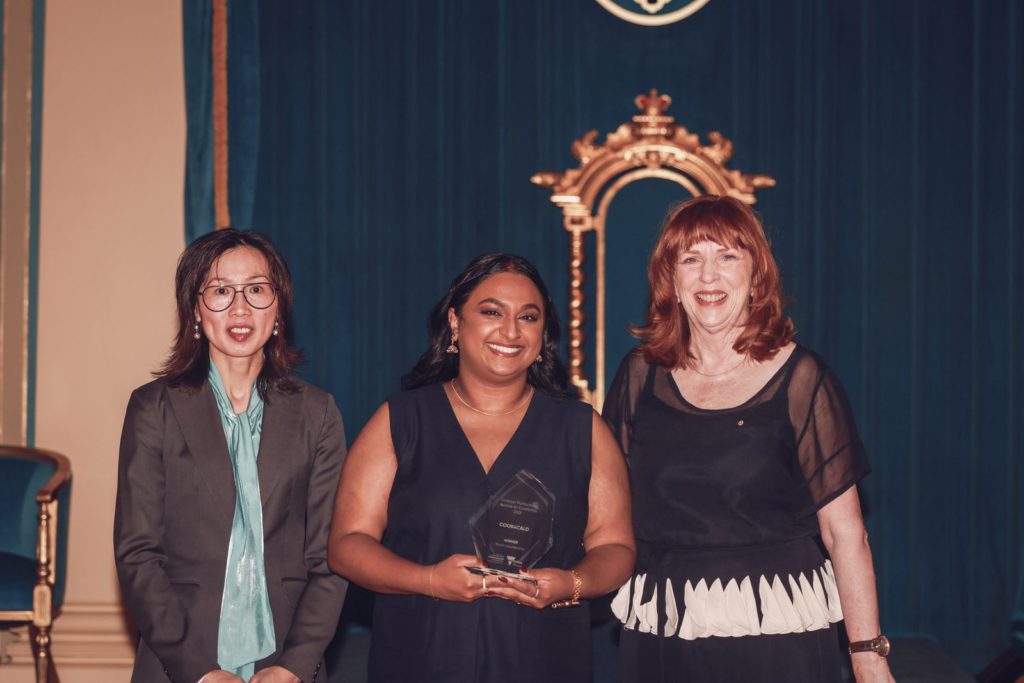
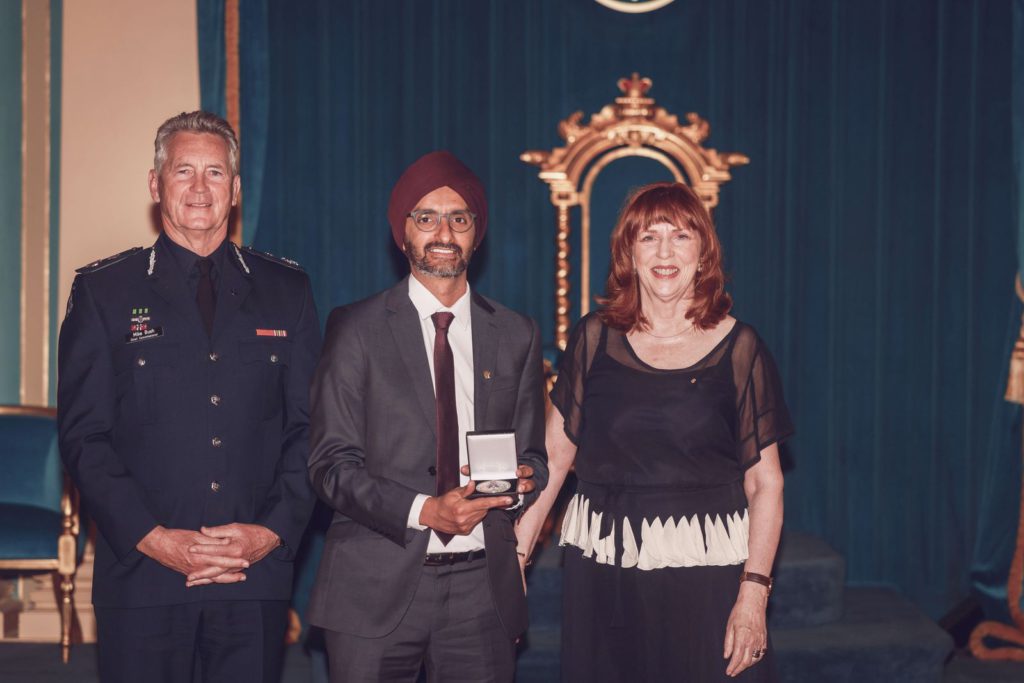
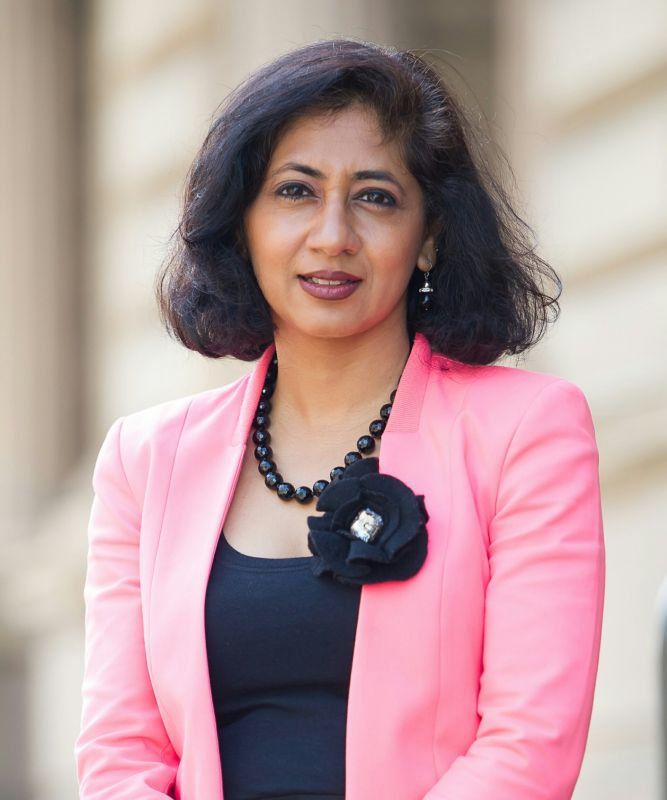
Among the recipients was multidisciplinary artist and curator Dr Anindita Banerjee, who received the Arts Award for her work empowering diverse communities through inclusive storytelling, public art and participatory exhibitions. Her collaborative practice has made a lasting impact on Victoria’s cultural and civic spaces.
Image: Victorian multicultural champions celebrated at annual awards ceremony (Source: VMC)
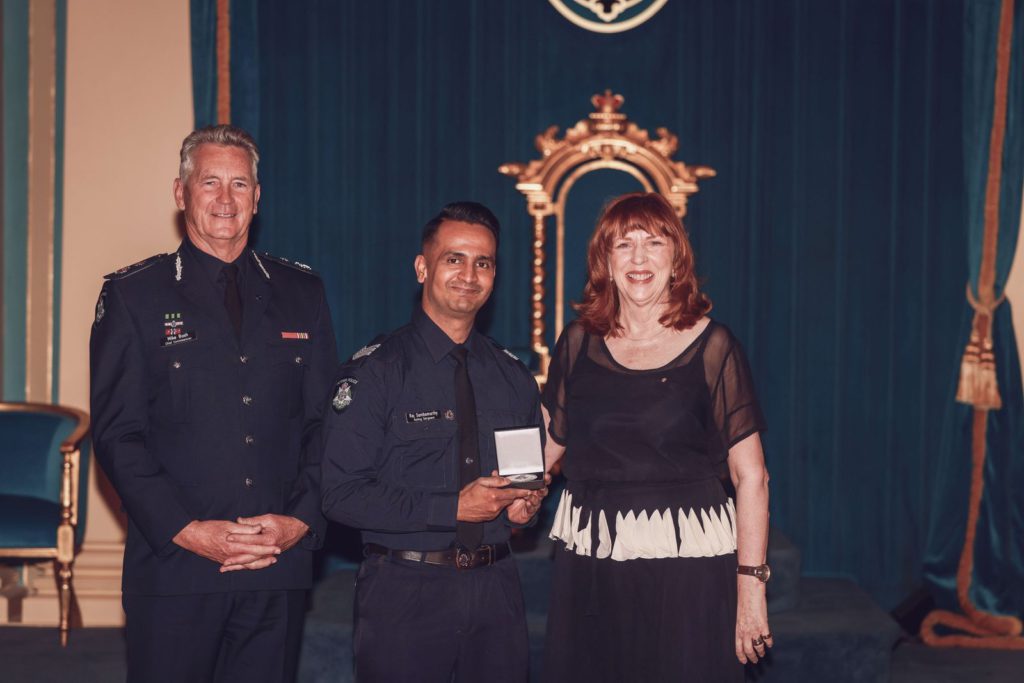
Sergeant Rajesh Sambamurthy was recognised with the Police Annual Multicultural Award for his efforts to strengthen relationships between Victoria Police and Indian community members. His Tamil and Telugu language skills have supported safety presentations for international students and helped deliver community-focused radio broadcasts on security issues.
Image: Victorian multicultural champions celebrated at annual awards ceremony (Source: VMC)
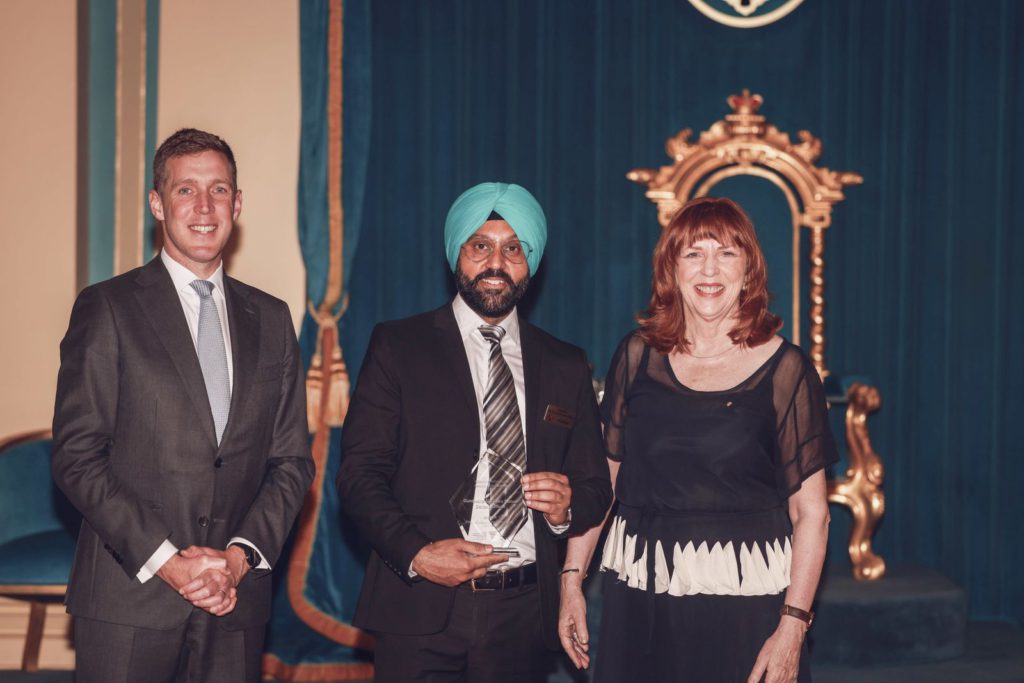
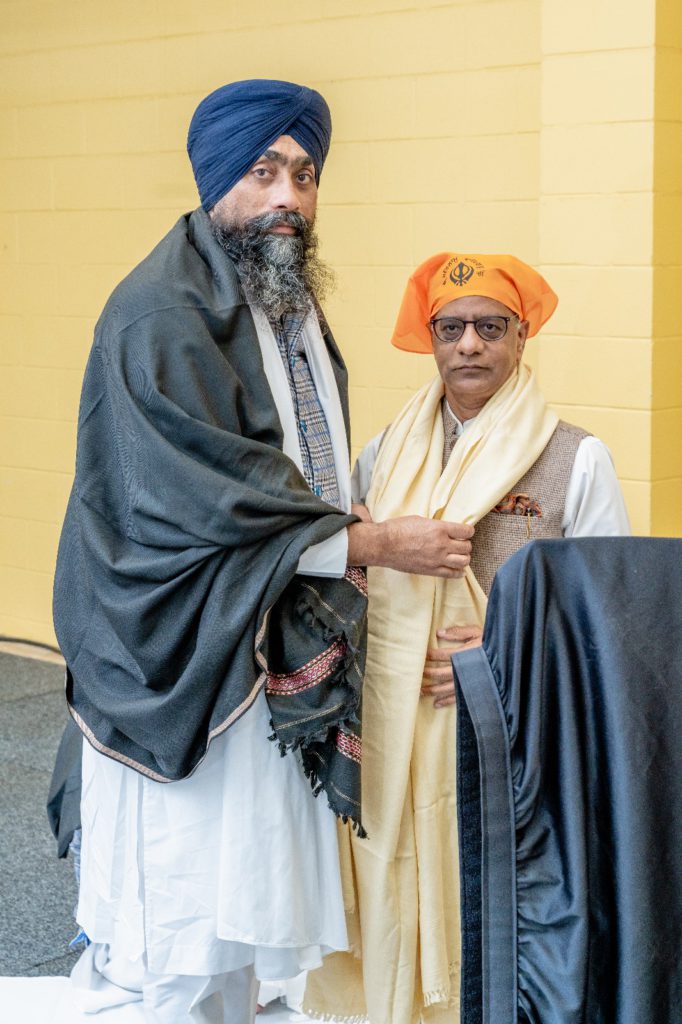
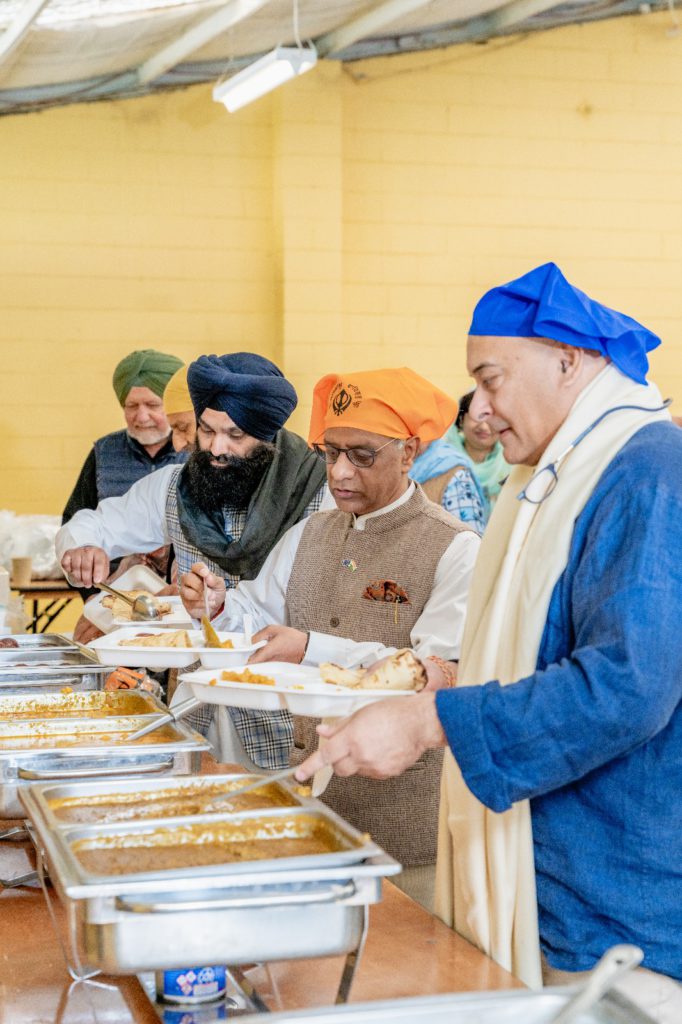
Dr Harpreet Singh Kandra, a senior engineering lecturer at Federation University and a leader at Gurdwara Siri Guru Nanak Darbar in Officer, received the Police Community Exemplary Award. He has worked closely with Life Saving Victoria to address high drowning rates in multicultural communities and has partnered with police to foster a deeper understanding of Sikh and Indian cultural practices.
Image: Victorian multicultural champions celebrated at annual awards ceremony (Source: VMC)
The Premier’s Award for Community Harmony was presented to Gurdwara Sri Guru Nanak Darbar in Officer, a Sikh organisation established in 2019 that has become a centre for multicultural collaboration, interfaith dialogue, crisis response and community development. Its initiatives expand access to health, safety, education and environmental programs while promoting social cohesion.
Image: Victorian multicultural champions celebrated at annual awards ceremony (Source: VMC)
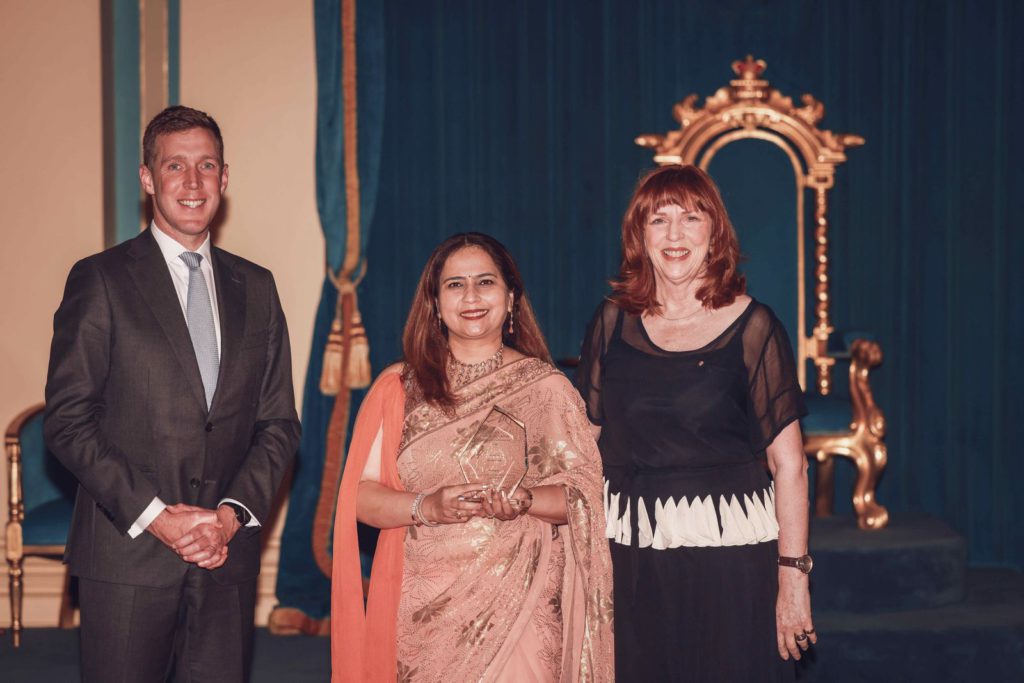
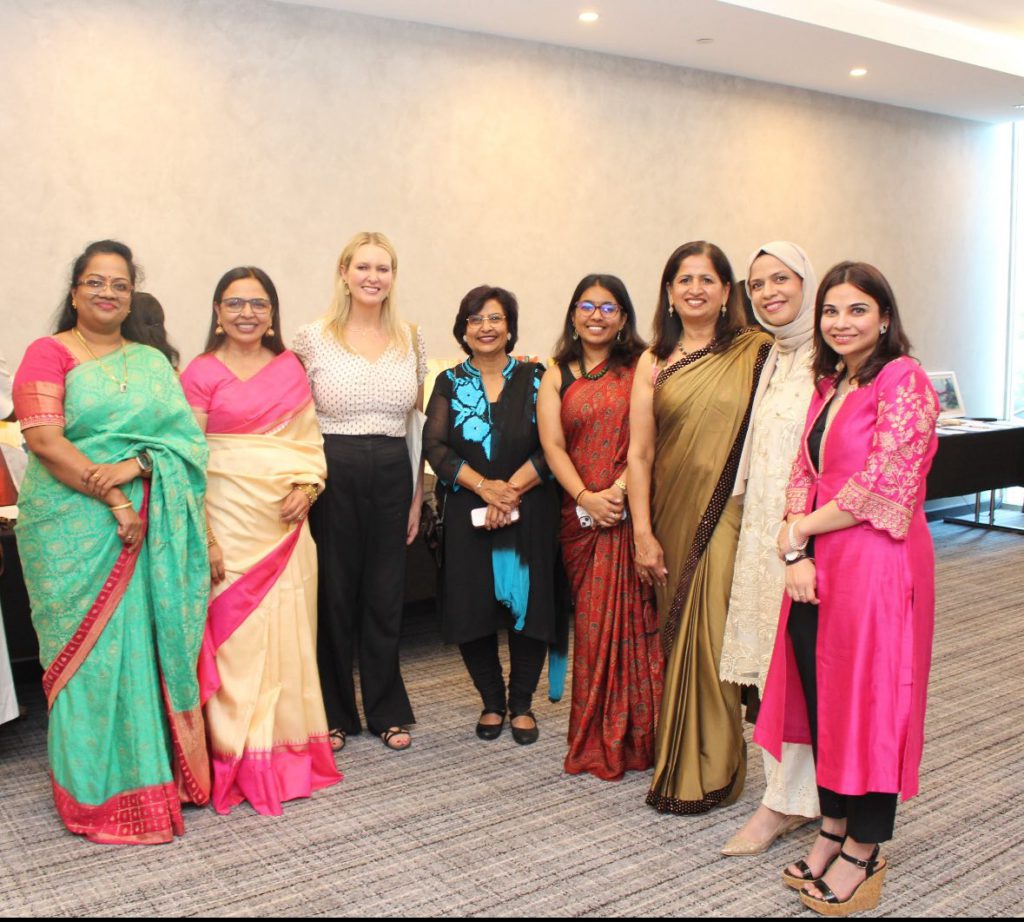
Community advocate Ruchi Sharma was also honoured for her work in promoting multicultural harmony through media, arts and civic engagement. A member of the Knox Council Advisory Committee and former secretary of the Australia India Society of Victoria, she founded the Hello Zindagi radio show on Radio Eastern 98.1 FM and created HuHaHo (Human Happiness & Hope), a wellbeing initiative that fosters connection and inclusion.
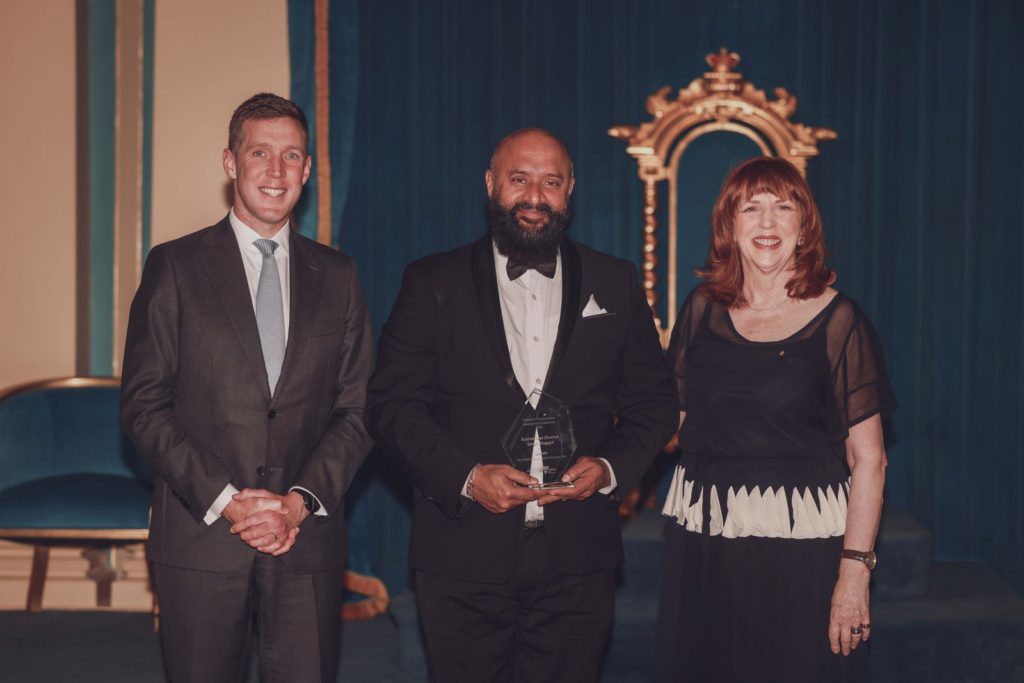
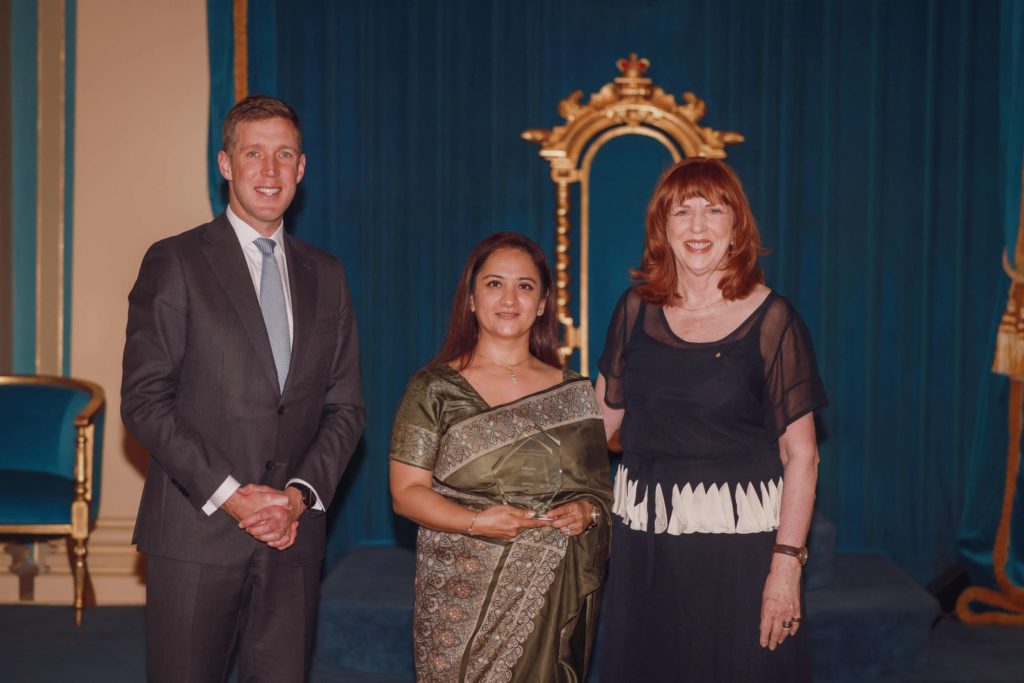
The Victorian Multicultural Honour Roll for 2025 recognised five long-standing contributors to community life: Sukhvinder (Sunny) Singh Duggal, Nilaufer Singh, Bhakta Dasa, Dr Raju Adhikari, and Pavan Kumar Rangaraju.
Support our Journalism
No-nonsense journalism. No paywalls. Whether you’re in Australia, the UK, Canada, the USA, or India, you can support The Australia Today by taking a paid subscription via Patreon or donating via PayPal — and help keep honest, fearless journalism alive.
AFP Commissioner Krissy Barrett said the sentence brought closure to one of the agency’s most significant and enduring operations. “This result showcases what the AFP does best – identifying and targeting criminal syndicates that cause significant harm to our communities,” she said. “Operation Volante is the culmination of 14 years of hard work and perseverance from our investigators and international network. This investigation highlights that the long arm of the AFP can reach criminals across the world.”
“The AFP will continue to supercharge our global operations to defend and protect Australia’s future from domestic and global security threats – including pursuing criminals who wrongly believe they are out of reach.”
The 62-year-old was handed the sentence in the Melbourne County Court on Thursday, with eligibility for parole after 10 years. He had earlier pleaded guilty on 7 November to conspiring to traffic commercial quantities of border-controlled drugs, an offence under the Commonwealth Criminal Code.
His conviction stems from Operation Volante, a major AFP investigation launched in 2012 to dismantle the Sam Gor network, which at its height was the largest supplier of methamphetamine to Australia.
Support our Journalism
No-nonsense journalism. No paywalls. Whether you’re in Australia, the UK, Canada, the USA, or India, you can support The Australia Today by taking a paid subscription via Patreon or donating via PayPal — and help keep honest, fearless journalism alive.
Six Chinese nationals have been detained in one of Western Australia’s most remote communities after apparently arriving by boat along the state’s rugged northern coastline.
As per ABC report, WA Police said an off-duty officer first located two of the men on Monday, about 12 kilometres north of Kalumburu. The pair reported they had reached Australia via an unknown vessel and were part of a larger group.
A further four men were found in the Kalumburu townsite on Tuesday, with locals noting their unusual attire for the humid weather and pointing out that all roads into the community are currently closed.
It is reported that the authorities believe the men walked from the coast towards the settlement.
All six were taken to the Kalumburu Multi-Functional Police Facility for medical assessment before being placed in the custody of the Australian Border Force (ABF). Although the ABF declined to comment on operational matters, the ABC confirmed the men had been detained by federal authorities. Three Border Force vessels were sent to investigate the surrounding coastline.
Residents reported increased police activity in recent days, though few had seen the men directly.
Acting Prime Minister Richard Marles said he had not yet been briefed but emphasised that standard procedures would apply.
“We will go through all of the processes which we always do in respect of any incident of this kind,” he said.
The Kalumburu incident is the latest in a series of unauthorised arrivals in WA’s north-west. In February last year, 39 men claiming to be from Pakistan and Bangladesh landed at Beagle Bay and were later transferred to offshore detention in Nauru. In April 2024, another group of Chinese nationals walked into the Truscott air base after arriving by boat, subsequently requesting asylum.
The latest discovery marks the second arrival of suspected Chinese asylum seekers in the region within two years, and comes amid ongoing scrutiny of the Albanese government’s border protection record.
Support our Journalism
No-nonsense journalism. No paywalls. Whether you’re in Australia, the UK, Canada, the USA, or India, you can support The Australia Today by taking a paid subscription via Patreon or donating via PayPal — and help keep honest, fearless journalism alive.
A senior Liberal backbencher has urged his party to show restraint in the debate over Australia’s immigration settings, warning that careless language could alienate multicultural communities and inflame public sentiment.
South Australian Senator Andrew McLachlan said repeated references to “mass migration” were misleading and risked feeding harmful narratives at a time when the Coalition is preparing to thrash out the principles that will shape its future immigration policy.
Writing on X, Senator McLachlan quoted Oliver Wendell Holmes Sr.: “Speak clearly, if you speak at all. Carve every word before you let it fall.”
He added: “Words are powerful. They can be a force for good or bad. In comments to @GuardianAus, I expressed concern about the repeated use of the term ‘mass migration’ in the national debate on immigration.”
“The phrase is not only technically inaccurate; it is inflammatory and irresponsible. When misused, language like this risks alienating communities and distorting the very issues we are tasked with addressing.”
Senator McLachlan also referenced recent data highlighted by Treasurer Jim Chalmers:
“We are now 17,000 people lower than the Treasury forecast for net overseas migration and 40% below the peak that we saw in that overseas migration following Covid.”
He emphasised that immigration policy required “a respectful and honest conversation—not slogans, but facts; not division, but leadership.”
“Speak clearly, if you speak at all. Carve every word before you let it fall.” — Oliver Wendell Holmes Sr.
Words are powerful. They can be a force for good or bad.
In comments to Guardian Australia, Senator McLachlan described the phrase “mass migration” as “technically inaccurate” and “extremely unhelpful”, cautioning colleagues that the tone of the internal debate mattered as much as the policy itself.
“Its use in this debate is irresponsible and inflammatory,” he said. “Every member and senator has a duty to lead public opinion, not to merely reflect the divisive sentiments of the very few.”
“The many wonderful communities that make up modern Australia will be disappointed with us should we fail to debate this topic in a respectful and honest way befitting a party that aspires to government.”
His remarks underline a simmering unease among some Liberal MPs, who fear discussions could deepen internal fractures reminiscent of the Coalition’s bruising clash over net zero emissions policy.
Senator McLachlan was reportedly involved in a heated closed-door exchange last week as the Coalition considered its stance on a One Nation Senate motion that partly blamed “mass” migration for Australia’s housing shortage. The Coalition ultimately rejected the motion and reaffirmed its opposition to a separate One Nation bill calling for a national plebiscite on a five-year “zero net migration” policy—distancing itself from Pauline Hanson’s far-right agenda.
While Senator McLachlan did not name particular colleagues or groups, his intervention is seen as a direct plea for a more measured conversation as the Coalition navigates one of the most politically sensitive issues ahead of the next election.
Support our Journalism
No-nonsense journalism. No paywalls. Whether you’re in Australia, the UK, Canada, the USA, or India, you can support The Australia Today by taking a paid subscription via Patreon or donating via PayPal — and help keep honest, fearless journalism alive.
An Uber driver who assaulted a 17-year-old passenger after steering away from her intended route has been jailed for seven years and two months, with the judge criticising his “distorted view” of New Zealand women.
Satwinder Singh, 37, was sentenced in the Hamilton District Court on Wednesday after being found guilty of three charges of indecent assault and one charge of rape relating to an incident in February 2023.
As per NZ Herald, the court heard the teenager had booked a short late-night ride from Speight’s Ale House to an address in Hamilton East. Instead of completing the straightforward seven-kilometre journey, Singh turned off his GPS near the destination and diverted to Peachgrove Rd.
Judge Tini Clark said Singh’s behaviour escalated after he asked the teen if she was wearing underwear when her dress shifted. The victim repeatedly told him, “no, can you not?” and later, “get off me”. Judge Clark found he then made a deliberate choice to continue the unwanted contact.
CCTV footage later placed his car travelling away from the correct route. The teen was eventually dropped at her friend’s home in a distressed condition and phoned police immediately.
Judge Clark rejected Singh’s claims that the events were consensual or fabricated. She said he had attempted to “lie his way out of it”, worsening the harm caused to the young woman.
In her victim impact statement, the teenager said she had been looking forward to meeting friends that night, but the attack had “changed” her NZ Herald reported.
Judge Clark said the incident had had a “significant” effect on her life, leaving her fearful of being away from home and feeling that the outside world was now “unsafe and threatening”. She also lives with “an overwhelming rage inside of her”, intensified by the court process.
According to NZ Herald, defence counsel Nadine Baier sought a hardship discount, arguing Singh would face additional challenges in custody because he was a Sikh Indian who had lived in New Zealand for only 11 years.
“He, as you will see, is a follower of the Sikh religion, so prison would place a hardship on him as opposed to someone who was born and raised in New Zealand.”
Judge Clark declined the request, noting he had worked as an Uber driver interacting widely with the New Zealand public. Allowing such a discount, she said, could set a precedent for “anyone who had English as a second language” to claim special treatment.
However, she accepted that aspects of Singh’s upbringing “may well have created in him a level of distorted thinking about how New Zealand women behave”, though she emphasised this did not reflect on the victim.
She also highlighted the breach of trust involved in the offending.
“There’s an expectation Uber drivers are vetted … and clearly, on this occasion, [the victim] was not safe from Mr Singh.”
Starting from an eight-year sentencing benchmark and applying a 10 per cent discount for previous good character and his background, Judge Clark imposed a final sentence of seven years and two months.
Singh did not seek name suppression, but Baier secured interim suppression of his photograph due to concerns about the mental health of a close relative. Judge Clark said she was inclined to allow the image to be published, noting his identity was already known within his community, but granted the temporary order while the defence prepares an affidavit.
Support our Journalism
No-nonsense journalism. No paywalls. Whether you’re in Australia, the UK, Canada, the USA, or India, you can support The Australia Today by taking a paid subscription via Patreon or donating via PayPal — and help keep honest, fearless journalism alive.
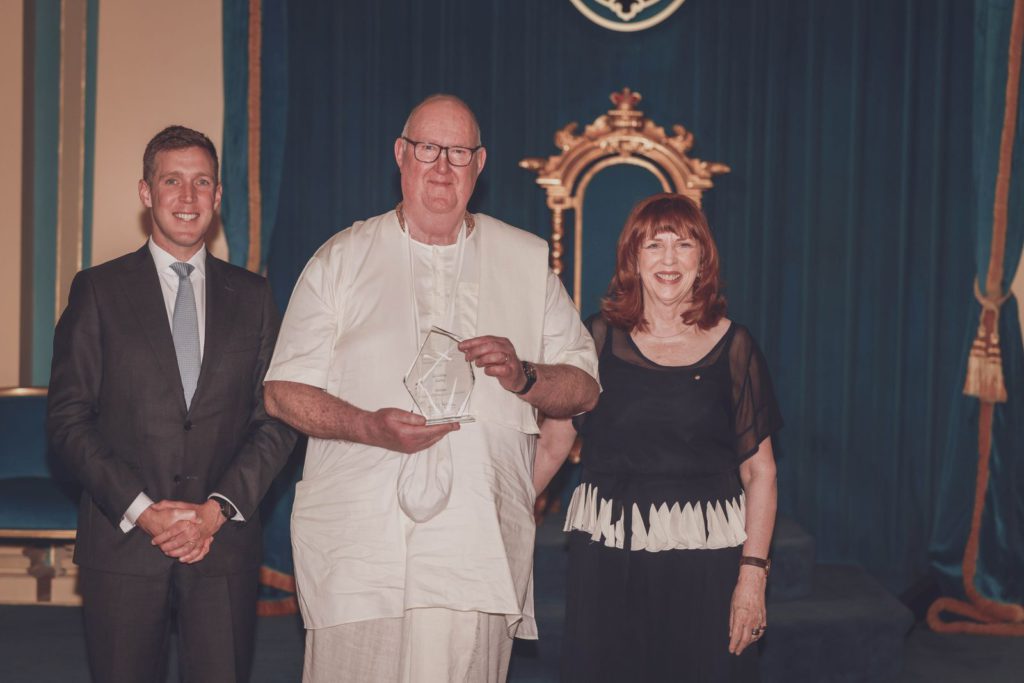
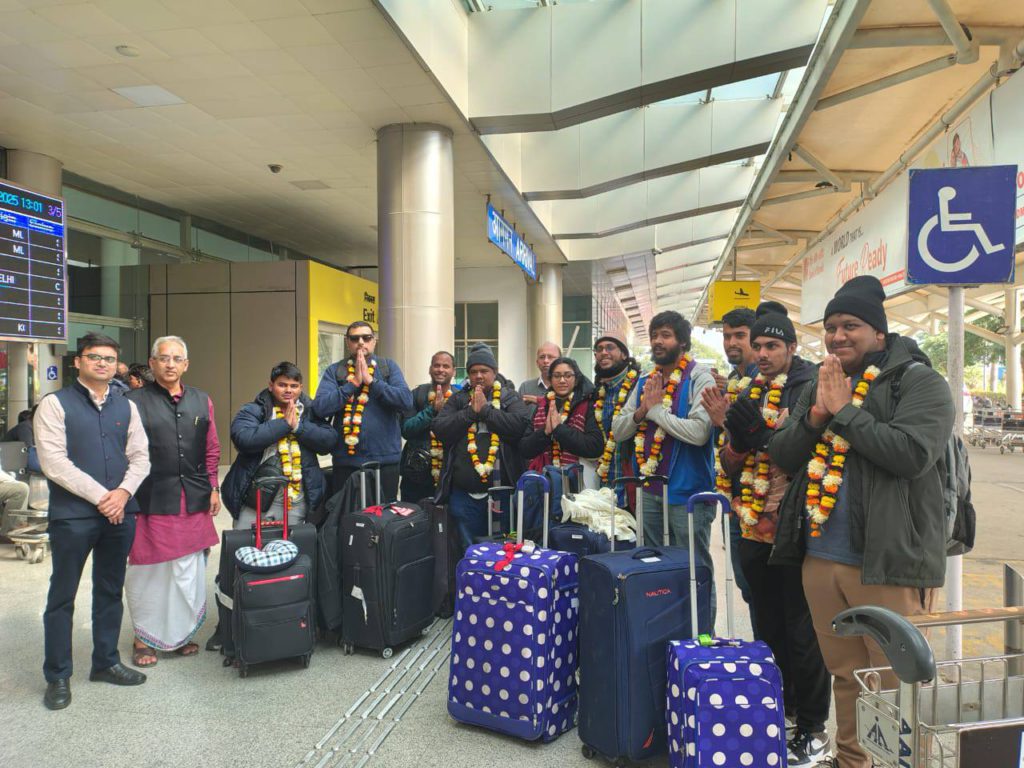
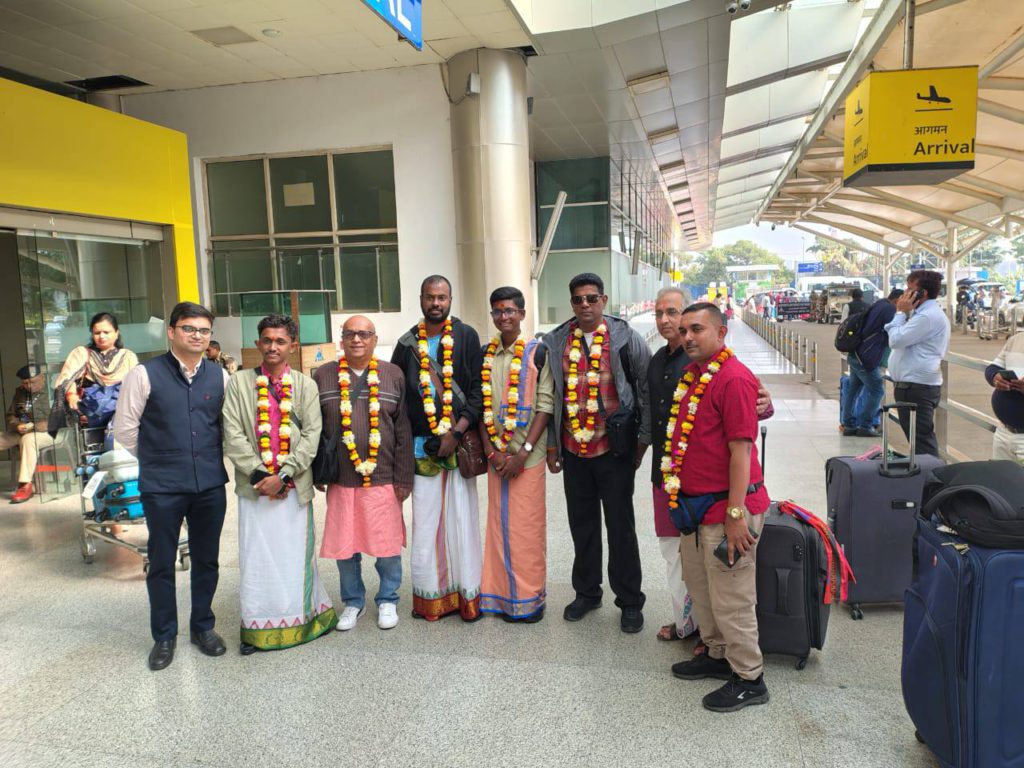
A joint delegation of Purohits from Fiji and Trinidad and Tobago has arrived in India to take part in the International Gita Mahotsav 2025 and undertake a specialised Purohit Training Course at Banaras Hindu University (BHU). The programme is being coordinated by the Indian Council for Cultural Relations (ICCR) on behalf of the Ministry of External Affairs.
Five priests from the Shree Sanatan Dharm Brahman Sabha of Fiji are representing the Shree Sanatan Dharm Pratinidhi Sabha in what is being described as the first formal, structured training initiative for Fijian Purohits.
Sabha President Dhirendra Nand said the programme would significantly strengthen the practice of Sanatan Dharm in Fiji. He confirmed that classes commenced earlier this month at BHU and form the foundation of a broader course that includes both online and in-person components.
Image Source: ICCR/The Australia Today
As part of the training, participants also travelled to Kurukshetra to attend the International Gita Mahotsav from 23 to 25 November. This follows an initial online phase that continues until 21 November. After they participate in the festival, the priests will return to BHU for the ITEC module before completing an additional online segment.
Nand said the delegation members were “very happy” with the depth and quality of the sessions they had attended so far.
Image Source: ICCR/The Australia Today
The Sabha has expressed gratitude to Fiji’s Prime Minister Sitiveni Rabuka and India’s Prime Minister Narendra Modi, noting that the initiative was facilitated through discussions held during their recent meeting in India.
Support our Journalism
No-nonsense journalism. No paywalls. Whether you’re in Australia, the UK, Canada, the USA, or India, you can support The Australia Today by taking a paid subscription via Patreon or donating via PayPal — and help keep honest, fearless journalism alive.
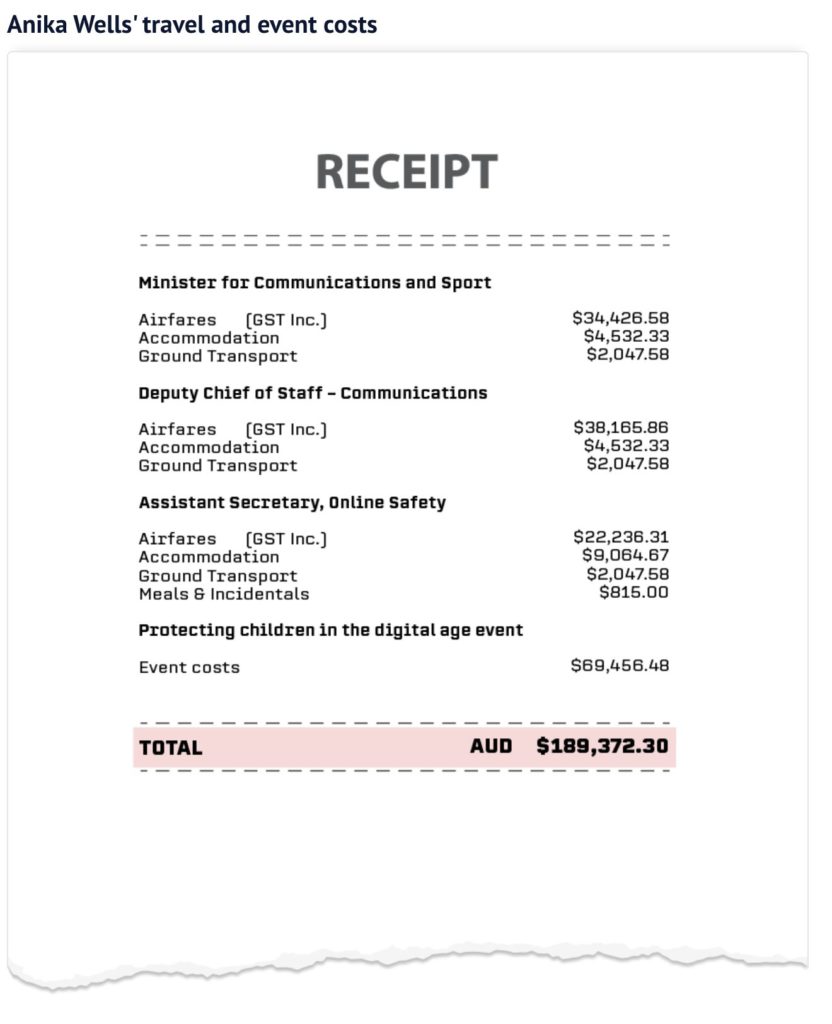
Communications Minister Anika Wells is under mounting pressure to explain why her last-minute trip to New York in September cost almost $100,000 in flights, despite ministerial guidelines requiring ministers to ensure their travel expenses align with public expectations.
As per SMH, Wells charged taxpayers for urgent return fares for herself, a staffer, and a public servant to attend a UN event promoting Australia’s proposed teen social media ban. An additional $70,000 was spent on hosting an associated function.
Speaking on Wednesday, Wells defended the trip, arguing it helped build international momentum for Australia’s online safety reform, but she did not address the size of the travel bill.
Opposition communications spokeswoman Melissa McIntosh said the minister still had serious questions to answer, particularly given the unusually high cost of the flights. She noted that the prime minister was already in New York at the time and said even next-day airfares did not approach the amount charged.
“I don’t understand how you can end up with flights costing $100,000. It simply doesn’t make sense,” she told Sky News.
Image Source: SMH: https://www.smh.com.au/
Under parliamentary travel rules, ministers must ensure value for money, accept personal accountability for international travel decisions, and take every step possible to minimise costs. Nationals leader David Littleproud said he supported necessary international travel but only when it delivered real value for taxpayers.
Acting Prime Minister Richard Marles refused to explain how the bill reached almost $100,000, saying only that the trip complied with the rules and highlighting the importance of the government’s push to protect young people online.
The prime minister must sign off on all ministerial overseas travel, but it remains unclear who reviewed the estimated cost before approval. Liberal senator Sarah Henderson said Anthony Albanese must now explain the basis on which he approved the trip, arguing the minister should not have travelled during the Triple Zero crisis.
Opposition Leader Sussan Ley added that Wells’ absence raised concerns ahead of the teen social media ban coming into force, saying parents needed confidence that the minister was fully engaged with the rollout.
Treasurer Jim Chalmers asked whether the trip passed the “pub test”, said others would make that judgment, but insisted the travel complied with guidelines and served an important purpose. The company contracted to arrange government travel declined to comment to SMH on how the airfare costs were calculated, and Wells’ office did not respond to questions.
Support our Journalism
No-nonsense journalism. No paywalls. Whether you’re in Australia, the UK, Canada, the USA, or India, you can support The Australia Today by taking a paid subscription via Patreon or donating via PayPal — and help keep honest, fearless journalism alive.
Children as young as 14 could now face life in prison for some violent offences after the Victorian parliament passed the Allan Government’s contentious Justice Legislation Amendment (Community Safety) Bill.
The legislation, which embeds the “Adult Time for Violent Crime” framework into law, cleared the upper house by 30 votes to eight after hours of heated debate on the final sitting day of the year. It will be fully in force by the end of February, with some provisions taking effect as soon as the bill receives royal assent.
Under the changes, children aged 14 and over who commit a range of serious violent offences will be sentenced in adult courts under adult sentencing principles. That means higher maximum penalties, a greater likelihood of jail and, for some offences, exposure to a potential life sentence.
The government says the laws are needed to respond to what it describes as a “youth crime crisis” involving home invasions, carjackings and group machete attacks that have traumatised victims and communities.
Attorney-General Sonya Kilkenny said the government had delivered on its promise to toughen penalties for serious violent offending.
“We said we’d sit until this Bill passes – I’m pleased these laws can now be put in place as soon as possible to protect Victorians,” she said.
“There are no easy solutions to youth crime, and the best approach is always to stop crime before it starts.
But we absolutely need serious consequences for violent youth crime to protect the community now.”
Which offences are covered
The “Adult Time for Violent Crime” regime applies to young people aged 14 and over who are convicted of:
aggravated home invasion
home invasion
intentionally causing injury in circumstances of gross violence (including machete attacks)
recklessly causing injury in circumstances of gross violence
aggravated carjacking
carjacking
aggravated burglary (where serious or repeated)
armed robbery (where serious or repeated).
For the first five offences, matters involving children aged 14–17 will be removed from the Children’s Court and heard and sentenced in the County Court. Carjacking will also default to the County Court unless a judge finds “substantial and compelling” reasons for it to remain in the youth jurisdiction.
The government will also lift the maximum penalty for aggravated home invasion and aggravated carjacking. For offenders aged 14 and over sentenced in the County Court, those offences will now carry a life maximum under the adult-time framework.
Legislative guidance will direct that aggravated burglary and armed robbery should be sent to the County Court where the offending is serious or repeated.
The reforms sit alongside a new stand-alone “knife use” offence, which can add up to three years’ jail on top of penalties for certain indictable crimes when a knife is used in the commission of the offence. The government says this is designed to target repeated machete-style attacks and other knife-related violence.
Carjacking laws have also been widened so that stealing a vehicle with a child under 10 inside will be treated as carjacking, whether or not force was used or the offender knew a child was in the car.
Courts will retain a narrow discretion for 14-year-olds. In “substantial and compelling” circumstances – for example, where the child has a significant cognitive disability – they may still be tried and sentenced in the Children’s Court and excluded from the adult-time regime.
More County Court judges are to be appointed to fast-track hearings for affected cases.
Critics warn of harm to children and possible rights breaches
The bill has been strongly opposed by youth justice advocates, legal groups and human rights organisations, who argue it pushes Victoria towards a more punitive model that will entrench young people in the criminal justice system rather than reduce crime.
In an open letter organised by the Centre for Excellence in Child and Family Welfare and signed by dozens of community organisations, advocates warned the bill risked breaching the UN Convention on the Rights of the Child and undermining Victoria’s own Charter of Human Rights and Responsibilities, which requires that detention of children be a measure of last resort.
Liberty Victoria described the approach as “regressive”, saying children’s brains and decision-making capacities are still developing and that exposing them to adult court processes and penalties is likely to increase reoffending rather than community safety.
Several MPs echoed those concerns in parliament, arguing the urgent passage of the bill had cut short scrutiny and ignored expert advice. They warned that the threat of life sentences for teenagers was out of step with international standards and could disproportionately affect vulnerable young people, including those in out-of-home care, from disadvantaged backgrounds or with disability.
Youth advocates also pointed to evidence that serious offending is often linked to trauma, family violence, homelessness and school disengagement, and called for greater investment in prevention, mental health and early intervention instead of harsher sentencing.
Government doubles down on “community safety first”
The government has stood by the reforms, pointing to a series of high-profile incidents involving armed youths, aggravated burglaries and violent car thefts. Ministers argue that while diversion and rehabilitation remain important, the community expects robust consequences when children and teenagers inflict serious harm.
They say the changes are tightly targeted at the most serious violent crimes, leaving the Children’s Court and existing youth justice responses in place for the majority of lower-level offending.
The reforms come alongside other government measures, including knife-search powers in designated areas, expanded early intervention programs, and planned investment in new youth justice facilities. The Attorney-General has framed the package as “both tough and smart” on crime, insisting it balances the needs of victims, communities and offenders.
What happens next
The Justice Legislation Amendment (Community Safety) Bill will begin to take effect once it receives royal assent, with full implementation due by the end of February.
From that point, 14–17-year-olds charged with the specified violent offences can expect to find themselves before the County Court rather than the Children’s Court, facing adult sentencing principles and, in the most serious cases, the possibility of life imprisonment.
For critics, the test will be whether the laws deliver on their promise to improve community safety or simply push more children into a justice system they say is already struggling to rehabilitate the young people it holds.
For the government, the legislation is a clear political statement one year out from the 2026 state election: that in the fight over youth crime, it is prepared to significantly harden Victoria’s justice response, even at the risk of legal and human rights challenges.
Support our Journalism
No-nonsense journalism. No paywalls. Whether you’re in Australia, the UK, Canada, the USA, or India, you can support The Australia Today by taking a paid subscription via Patreon or donating via PayPal — and help keep honest, fearless journalism alive.
A new culturally informed handbook designed to help South Asian women and families recognise and respond to domestic and family violence has been launched in Canberra, expanding a grassroots effort to improve safety, connection and cultural understanding within the community.
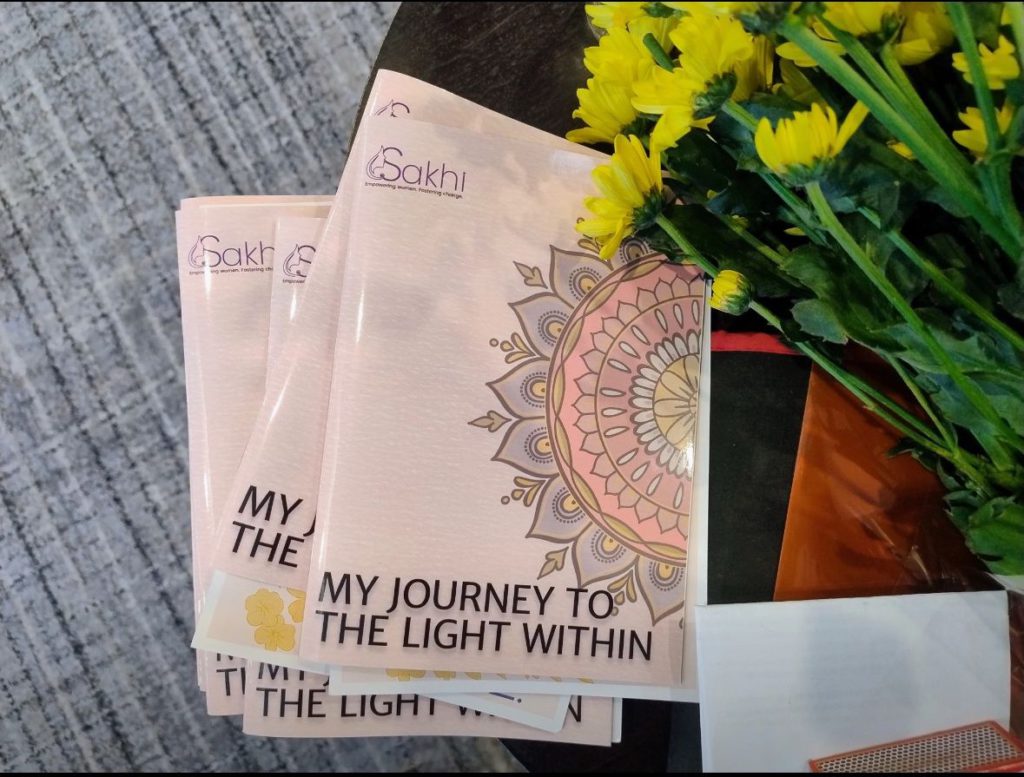
Image: My Journey to the Light Within, created by South Asian women’s association Sakhi Inc, (Source: Facebook)
My Journey to the Light Within, created by South Asian women’s association Sakhi Inc, blends storytelling, original artwork and cultural reflections to guide families through complex relationship dynamics. Enabled by the ACT Women’s Safety Grant 2025, the handbook was developed specifically for South Asian women facing or at risk of domestic violence.
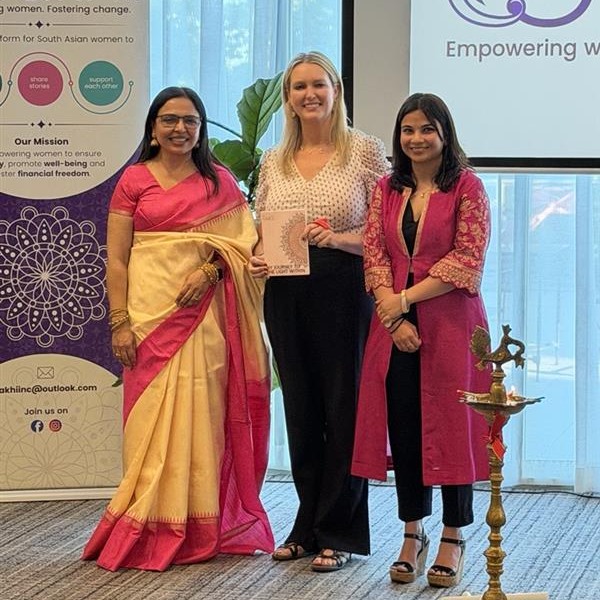
Image: Minister for Women and Minister for Family, Domestic and Sexual Violence Dr Marisa Paterson MLA releasing the handbook, My Journey to the Light Within, created by South Asian women’s association Sakhi Inc, (Source: Facebook)
The handbook was officially launched on 20 November 2025, with Minister for Women and Minister for Family, Domestic and Sexual Violence Dr Marisa Paterson MLA attending as chief guest.
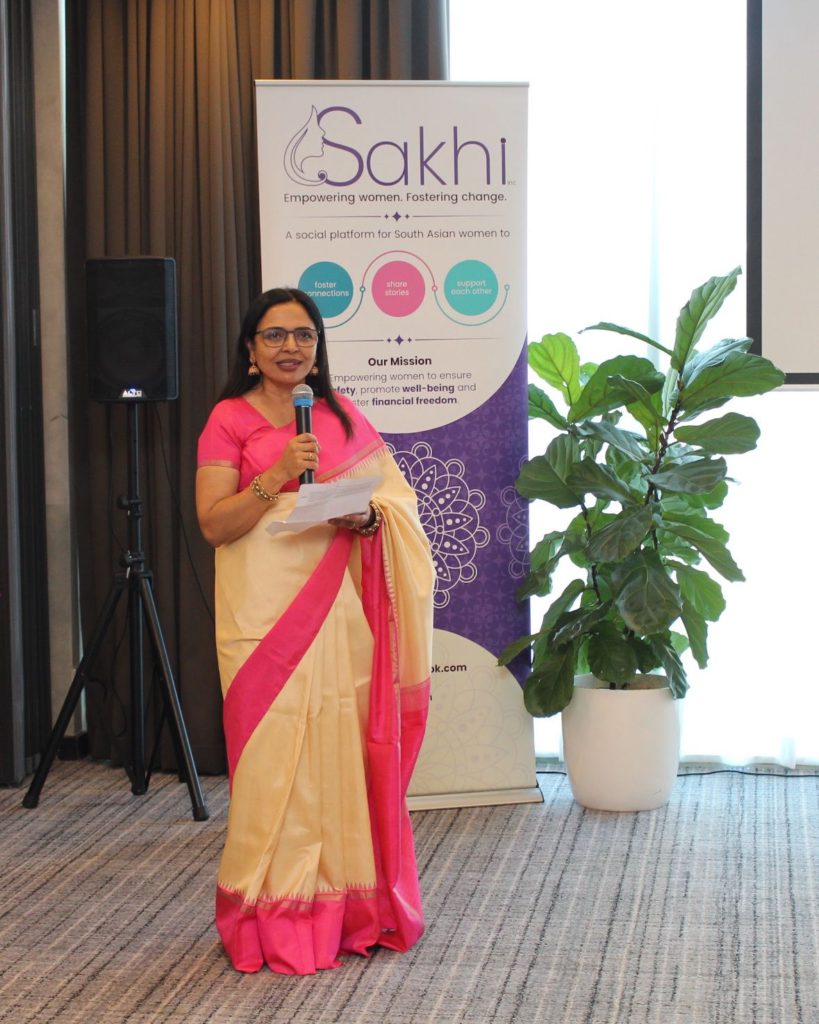
Image: Sakhi Inc founder and haematologist Dr Dipti Talaulikar speaking at the launch of My Journey to the Light Within, created by South Asian women’s association Sakhi Inc, (Source: Facebook)
Sakhi Inc founder and haematologist Dr Dipti Talaulikar said she established the platform as a “safe space for women to connect and support each other — to have difficult conversations, and replace the social connections often left behind during the migration process”.
“We use educational initiatives, social and cultural connection programs, and peer training to empower women to focus on their own and each other’s safety, health and financial independence.”
Dr Talaulikar, an academic with nearly 100 research publications, said the handbook became one of the most meaningful projects of her career. “It is a compassionate, culturally grounded resource developed for South Asian women. It reflects the resilience of women who navigate domestic and family violence in cultures where speaking up can feel impossible.”
Image: Sakhi Inc founder and haematologist Dr Dipti Talaulikar speaking at the launch of My Journey to the Light Within, created by South Asian women’s association Sakhi Inc, (Source: Facebook)
The handbook was shaped through extensive community engagement. Sakhi Inc conducted surveys not only on content but on how the book should look and feel. A major focus group at ANU in July brought together partners and community members, including academics, GPs, the Australian Federal Police, domestic violence specialists, LegalAid, the Canberra Rape Crisis Centre, and Mental Illness Education ACT — with crucial male voices also participating.
Over several months, the team combined this work with creative initiatives. Dr Talaulikar said. :
“The book is underpinned by storytelling — a fictional story of a woman recognising and acting on her situation. This is not easy, and we have tried to capture that struggle through conversations with women with lived experiences.”
It includes mindfulness activities, cultural context, and familiar phrases that often define expectations placed on South Asian women — phrases she says “are no longer true in the 21st century”.
Sakhi Inc also ran a community art project, with all artwork in the handbook painted by South Asian women. The pieces were exhibited and auctioned as part of the launch event.
Minister for Women Katy Gallagher praised the project, calling it a vital contribution to community safety. “This remarkable achievement is a testament to the dedication and commitment that defines Sakhi Inc and its work,” she said. “This culturally informed handbook is a powerful and timely resource for South Asian women in the ACT who are experiencing, at risk of, or recovering from domestic and family violence, as well as those supporting victim-survivors.”
“I commend your extensive engagement with ACT sector representatives and the broader community through surveys and co-design workshops. The result is a resource that is not only culturally respectful but deeply rooted in the lived realities of the women it seeks to support.”
She said Sakhi Inc’s commitment to safety, mental health and empowerment — including first responder training, social connection programs and educational initiatives — reflects “the strength and solidarity” of its network of more than 400 South Asian women and 28 trained first responders.
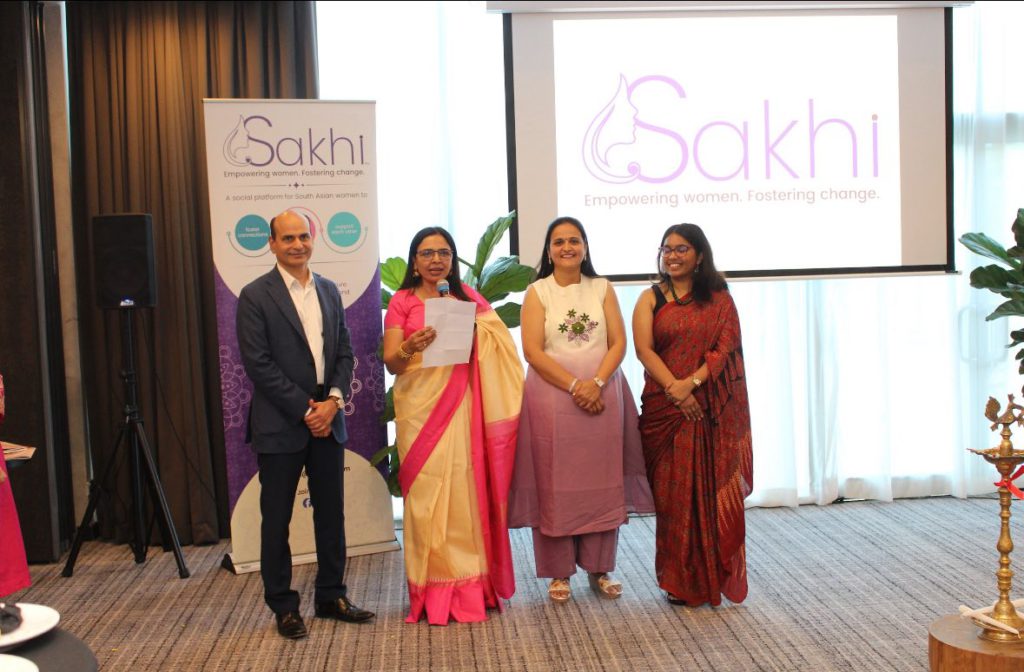
Image: Launch of My Journey to the Light Within, created by South Asian women’s association Sakhi Inc, (Source: Facebook)
Sakhi Inc’s collaboration and MOU with the Indian Community Services Association (ICSA) has also allowed the group to deliver culturally appropriate DFV training and create referral pathways that bridge to government services. For migrant women hesitant to engage with official agencies, the organisation says these pathways “can mean the difference between life and death”.
Sakhi Inc says the publication is now available to families, community members and service providers, and invites clinics and organisations to request copies.
Support our Journalism
No-nonsense journalism. No paywalls. Whether you’re in Australia, the UK, Canada, the USA, or India, you can support The Australia Today by taking a paid subscription via Patreon or donating via PayPal — and help keep honest, fearless journalism alive.
The Victorian Government will make it simpler for residents to register as organ and tissue donors, aiming to increase the number of lives saved through transplantation.
Health Minister Mary-Anne Thomas tabled the Government’s response to a parliamentary inquiry into boosting organ and tissue donation, endorsing all 41 of its recommendations. Seventeen are supported in full, while 24 are backed either in principle or in part to improve Victoria’s donor registration rates. “Organ donation gives Victorians a second chance at life. We are taking immediate action to increase the number of donors across the state,” she said.
“Victoria has long been a leader in organ donation, saving and improving the lives of many Australians. This work will help us maintain that legacy and make a real difference to so many.”
Natalie Hutchins, Minister for Government Services, added:
“With more than 170 services available online, Service Victoria is making it easier and quicker for Victorians to access essential services every day.”
Immediate changes will include updates to Victoria’s driver licence system, prompting applicants to register with the Australian Organ Donor Register. By mid-2026, links to the registration site will also appear on various Service Victoria cards, including for digital driver’s licences. The Government has also recently launched a dedicated information page on the Service Victoria app and website, connecting users directly to DonateLife.
The initiative will also target communities with lower donor rates and provide specialist staff with training to hold compassionate and culturally sensitive conversations about organ donation.
In 2024, Victoria recorded the highest number of deceased organ donors in the nation, highlighting both the generosity of residents and the efforts of staff facilitating life-saving donations. However, the proportion of registered donors has fallen over the past three years, leaving Victoria below the national average and emphasising the urgency of the Government’s measures.
This work forms part of broader efforts to enhance donation and transplantation outcomes under the Organ and Tissue Authority Strategy 2022-27. Victorians can register to become organ and tissue donors at donatelife.gov.au/register-donor-today.
Support our Journalism
No-nonsense journalism. No paywalls. Whether you’re in Australia, the UK, Canada, the USA, or India, you can support The Australia Today by taking a paid subscription via Patreon or donating via PayPal — and help keep honest, fearless journalism alive.
Authorities have seized almost $9 million worth of cocaine hidden inside a refrigerated shipping container that arrived at Port Botany in New South Wales.
Australian Border Force (ABF) officers intercepted the consignment yesterday (2 December 2025) after an x-ray scan revealed anomalies at the rear of the container. A closer inspection uncovered 22 individually wrapped plastic blocks weighing about 27kg. Presumptive tests confirmed the substance was cocaine, and officers also found packages fitted with tracking devices.
The haul is estimated to be enough for roughly 135,000 street-level deals.
The Australian Federal Police (AFP) took possession of the drugs and have launched further investigations. Since October 2025, ABF officers have detected around 145kg of cocaine concealed in refrigerated shipping containers.
AFP Detective Acting Superintendent Aaron Burgess said cooperation between Australian and international law enforcement remained crucial in stopping criminal networks from flooding the country with illicit substances.
“Cocaine is a highly addictive substance and causes significant harm in the community,” he said.
“Transnational criminal syndicates will go to any extreme in their attempts to import harmful illicit substances into our country. We are here to remind them that we have the skills and ability to disrupt these ventures.”
ABF Acting Superintendent Matt Hughes said officers conduct around-the-clock, intelligence-led assessments of sea cargo before it reaches Australian ports.
“The Australian border is our most critical national asset, and our officers will continue to ensure it remains a hostile environment for those doing the wrong thing.”
He added that strong information sharing across agencies helps authorities build a clearer picture of suspicious cargo and its intended destination.
“This detection is a fantastic example of how agency collaboration and monitoring can result in significant operational outcomes and real-life harm minimisation,” a/Supt Hughes said.
Support our Journalism
No-nonsense journalism. No paywalls. Whether you’re in Australia, the UK, Canada, the USA, or India, you can support The Australia Today by taking a paid subscription via Patreon or donating via PayPal — and help keep honest, fearless journalism alive.
A man jailed for repeatedly raping and assaulting his wife soon after their arranged-marriage honeymoon will be deported to India once he completes his prison sentence, after New Zealand’s Immigration and Protection Tribunal dismissed his bid to stay in the country.
As per NZ Herald, the man originally from Punjab — whose name remains suppressed — argued that he should not be deported because of his long residence in New Zealand, his close family ties, and the investments he had made.
The man told officials he had “nothing to return to in India”. However, the tribunal found no humanitarian grounds strong enough to prevent his removal, despite letters of support from community members and evidence from a psychologist.
He was sentenced in April 2023 to seven years and 10 months in prison after a jury found him guilty of rape, unlawful sexual connection, two charges of male assaults female and two charges of injuring with intent to injure.
The tribunal’s decision noted that he later claimed he did not realise consent was required within marriage and believed controlling his wife’s behaviour was “within his rights”. The abuse began soon after the couple’s honeymoon and continued until his wife fled to a women’s refuge.
As per NZ Herald, the man’s parents were also charged over related offending; his mother’s charges were dropped, and his father was discharged without conviction. The man then unsuccessfully appealed his conviction and sentence in the Court of Appeal. Immigration NZ later issued a deportation liability notice.
In appealing deportation, he presented support from his gurdwara president, Mr Singh, who said the man had endured significant hardship in custody, including the death of his mother.
As per NZ Herald, clinical psychologist Greg Woodcock said the man had responded well to therapy despite the challenges of working through an interpreter.
Documents submitted by supporters described him as “kind, hard-working and generous”, and emphasised that his sister in New Zealand relied on him emotionally and financially.
The NZ Herald reports that the tribunal chair Judge Martin Treadwell said that while deportation would separate him from his family and community, it did not amount to “exceptional humanitarian circumstances”. The judge noted that he remained capable of rebuilding his life in India, and that the family’s New Zealand home — with about $200,000 in equity — could help him resettle.
The tribunal removed the usual prohibition on re-entry, meaning he may apply for a visa to visit his father and sister in the future, subject to Immigration NZ approval. His statutory release date is September 2030, after which he will be deported to India.
Support our Journalism
No-nonsense journalism. No paywalls. Whether you’re in Australia, the UK, Canada, the USA, or India, you can support The Australia Today by taking a paid subscription via Patreon or donating via PayPal — and help keep honest, fearless journalism alive.
Indian astronomers have identified 53 newly discovered supermassive black hole–powered quasars unleashing jets of matter at nearly the speed of light, stretching as far as 7.2 million light-years — around 50 times the width of the Milky Way.
These extraordinary objects, known as Giant Radio Quasars, are part of a larger group of 369 radio quasars detected in data from the Giant Metrewave Radio Telescope (GMRT) near Pune. The findings emerged from the TIFR GMRT Sky Survey (TGSS), which mapped about 90% of the sky and proved ideal for spotting vast radio-emitting structures billions of light-years away.
Celebrating the discovery, Dr Yashwant Gupta, Director of the National Centre for Radio Astrophysics, said:
“This is another exciting result from our GMRT observatory using TGSS data. It beautifully highlights the power of data mining.”
“These jets dwarf anything found in our solar system or even our galaxy,” researcher Souvik Manik of Midnapore City College told Space.com.
“We are talking about 20 to 50 Milky Way diameters placed side by side.”
Supermassive black holes — millions to billions of times the mass of the Sun — lie at the cores of most large galaxies, but only some become powerful quasars, feeding on surrounding gas and dust in glowing accretion discs. Their intense magnetic fields channel super-heated plasma into twin jets that shoot outwards and inflate giant radio lobes across intergalactic space.
“Such enormous radio jets help us understand the late evolutionary stages of quasars and the intergalactic medium that surrounds them,” team leader Dr Sabyasachi Pal told Space.com. But locating these cosmic giants is difficult, he explained, because the faint radio “bridges” linking their lobes often fall below detection limits, making the structures appear incomplete.
Low-frequency surveys like TGSS are especially effective because the ageing plasma in these lobes shines more brightly at lower radio wavelengths. The team found that at least 14% of the giant quasars sit within galaxy clusters or near cosmic filaments — regions dense with gas, dust and dark matter.
“The environment plays a major role in shaping these jets,” said team member Netai Bhukta.
“In crowded regions, jets may slow, bend or fragment, while in emptier areas they can grow freely.”
The researchers also noted frequent jet asymmetry, where one jet appears longer or brighter than the other. This imbalance, said Sushanta K. Mondal, indicates that the two jets are battling very different cosmic conditions on either side of the black hole.
More distant giant quasars appear even more asymmetric — likely because we are observing them further back in time, when the universe was denser and more turbulent.
The research was published on 13 November in the Astrophysical Journal Supplement Series of the American Astronomical Society.
Support our Journalism
No-nonsense journalism. No paywalls. Whether you’re in Australia, the UK, Canada, the USA, or India, you can support The Australia Today by taking a paid subscription via Patreon or donating via PayPal — and help keep honest, fearless journalism alive.
Australia’s economy grew by a softer-than-expected 0.4% in the September quarter, slowing from 0.6% growth in the June quarter. It confirms the recovery is tracking forward but without strong momentum.
Still, figures from the Australian Bureau of Statistics showed annual gross domestic product (GDP) growth was at a two-year high of 2.1%. That’s just above the Reserve Bank’s estimate of long-term trend growth of 2.0%.
The September quarter national accounts was the final major data release before the Reserve Bank’s meeting on 8–9 December.
The GDP result is steady enough to reassure the Reserve Bank the economy is not slipping backwards, while recent inflation data show domestic price pressures — especially in services — remain elevated. Together, the signals point clearly to a hold on interest rates next week.
All four major banks expect rates to remain on hold for many months, while financial markets on Wednesday were pricing in an 85% chance of a rate rise next year.
Across-the-board strength, led by IT
A key feature of the September quarter is the breadth of domestic growth.
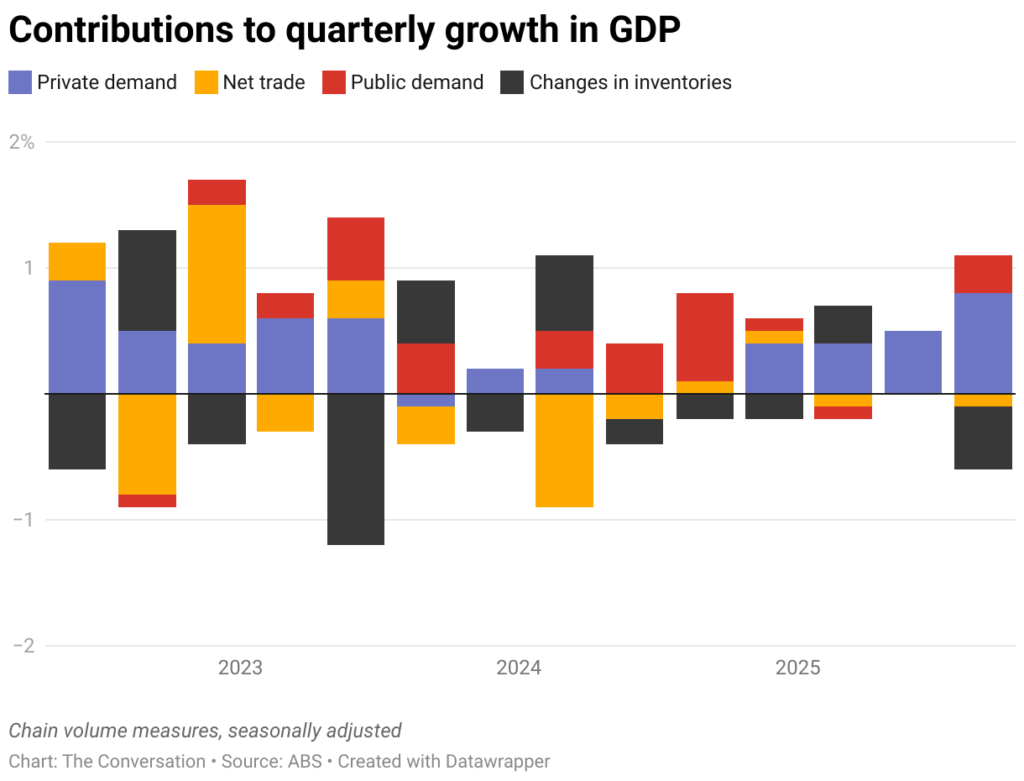
In earlier quarters, much of the expansion came from the public sector — particularly government consumption and infrastructure spending — while private demand was subdued. This quarter marks a clear shift: private demand was the main driver, led by a strong lift in business investment, steady household consumption and continued public investment.
Domestic final demand rose solidly, with contributions from all major components — signalling improving confidence among both businesses and households and a more balanced base for growth than we saw earlier in the year.
Private investment led the gains, rising 2.9% – the strongest quarterly increase since March 2021.
Business investment in machinery and equipment jumped 7.6%, boosted by major data-centre projects in New South Wales and Victoria. IT-related machinery investment hit a record A$2.8 billion, double the June quarter, and aviation-related purchases also jumped. The Bureau of Statistics said in a statement:
The rise in machinery and equipment investment reflects the ongoing expansions of data centres. This is likely due to firms looking to support growth in artificial intelligence and cloud computing capabilities.
Household consumption rose 0.5%, but this was driven more by spending on essentials rather than discretionary items. A cold winter, reduced government rebates and a harsh flu season lifted demand for utilities and for health services.
Public investment grew 3.0%, after three quarterly declines. State and local public corporations led the rise through renewable-energy and water-infrastructure projects.
Coal exports are up
External conditions weakened this quarter as imports grew faster than exports.
Goods exports rose 1.3%, helped by a rebound in coal shipments and strong overseas demand for beef and citrus. Services exports were flat, as a fall in spending by overseas students offset a modest recovery in short-term tourism from China, Japan and South Korea.
Goods imports rose 2.1%, driven by demand for intermediate goods — especially diesel — and capital goods, mainly the data-centre-related equipment.
Companies drew down on inventories during the quarter, which acts as a drag on growth.
Households are saving more
Households remain central to the outlook. They are on firmer financial footing but still spending cautiously. The household saving ratio rose from 6.0% to 6.4%, helped by higher compensation of employees.
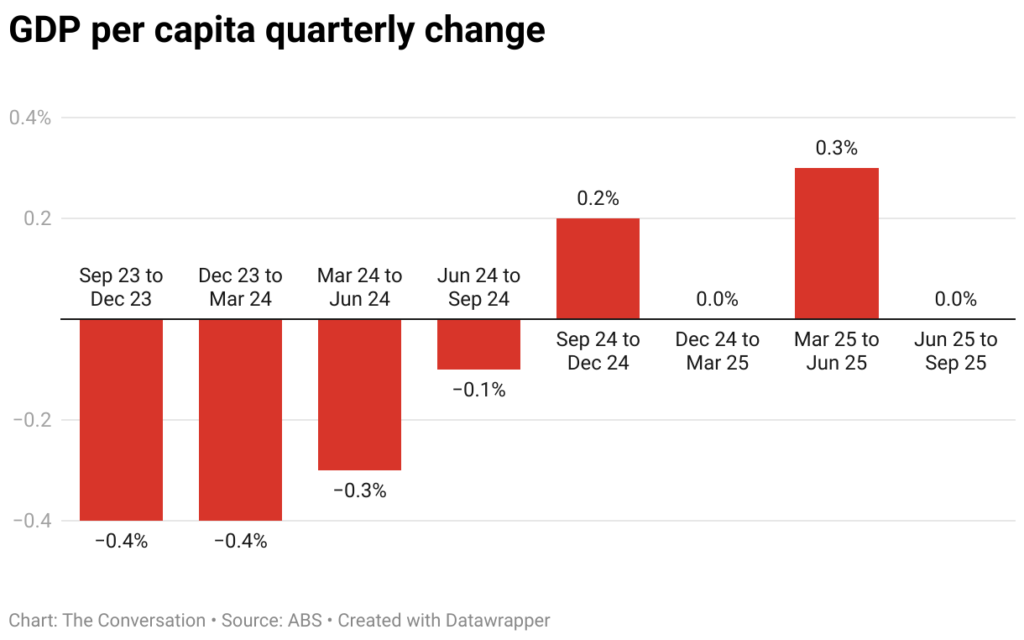
Economic growth per person (known as GDP per capita) was flat this quarter, but up 0.4% over the year. After several negative quarters, living standards appear to have stopped falling, though improvements remain modest.
Overall, households are in better shape financially but remain hesitant — a pattern that supports stability, not a consumption-led surge.
A steady result, but not enough to shift the rate outlook
Some parts of this quarter’s outcome — including the lift in machinery and aviation-related spending — are unlikely to be repeated.
For the interest rate outlook, however, the key issue remains inflation. Price pressures are still above the Reserve Bank’s target band, and services inflation has been slower to ease than anticipated. The Reserve Bank now expects a more gradual return to the 2–3% target band.
After three rate cuts earlier this year — the most recent in August — markets were expecting at least one more rate cut. That view has shifted. Sticky services inflation and a slower forecast decline mean expectations of further cuts have faded.
A steadier footing, but risks remain
The September quarter shows an economy on a steady, though still moderate, footing. Domestic demand is broad-based, investment is strong, and households have more income support — even if they remain cautious.
But this is not yet a turning point. Inflation is still above target. As Australia enters 2026, the Reserve Bank remains firmly on hold — but alert to the possibility that, if inflation stays above 3%, the next adjustment may need to be upward rather than downward.
No-nonsense journalism. No paywalls. Whether you’re in Australia, the UK, Canada, the USA, or India, you can support The Australia Today by taking a paid subscription via Patreon or donating via PayPal — and help keep honest, fearless journalism alive.
Prime Minister Anthony Albanese says Australia is “taking back control” by introducing world-first laws restricting children’s access to social media — a move he insists will save lives and protect young people from bullying, mental-health harm and online pressure.
Speaking to 7News, the Prime Minister said the reform was driven “from the grassroots”, shaped by grieving parents who told him they were blind sided by the extent of their children’s online distress.
“They’re heartbroken,” he said.
“For many, they simply weren’t aware of what their child was going through. When a child is in their room today, parents often don’t know what’s happening online — and that’s a real change from when we were young.”
Albanese said the ban would empower parents to set clear boundaries and reduce the social pressure that compels children to be constantly online. “What this will do is protect children and allow them to be children, give parents the authority to speak with their children and say, well, this is the law. We need to comply with it,” he said.
“It’s really common sense.”
He urged families to start talking openly with their kids about the new rules, acknowledging there would be “some pushback” but insisting community support was overwhelming. “And parents overwhelmingly have said to me that they really welcome this leadership and that they’ve been concerned. It is from parents as well as from some children that this reform,” he said.
Citing schools that have already removed or banned mobile phones from classrooms, Albanese said the benefits were “clear”: better academic outcomes, less stress, improved communication, and stronger friendships as children re-engage face-to-face.
The Prime Minister also dismissed concerns that determined teens would seek out darker corners of the internet, saying the move needed to be understood the same way as under-18 restrictions on alcohol.
“And we do accept that there will be non-perfection here, but we expect compliance. This is the law.”
Albanese said foreign leaders had shown strong interest in Australia’s approach at recent global summits, with countries including Denmark, New Zealand, Malaysia and South Africa moving in a similar direction.
“It sure is, and this is world-leading, but the world is following Australia,” he said.
“Countries are looking at this because this is a universal problem and it has having an effect on a child in France, in Denmark, in Malaysia, in Australia and New Zealand the same.”
While some US political figures have criticised the move as censorship, Albanese said Australia was acting in its own national interest. “What we say is that we’re a sovereign nation and we have made this decision as a country, and it has overwhelming support,” he said.
Describing the reform as an “honour”, he said Australians should be proud of taking decisive action. “The great thing, if we allow kids to be kids and get out there on the sporting fields, which is what we want to see happen and get out there engaging with each other, is that they’ll get those social skills that you only get from this face-to-face discussion is better than us texting each other,” he said.
“This is us taking back control.”
Support our Journalism
No-nonsense journalism. No paywalls. Whether you’re in Australia, the UK, Canada, the USA, or India, you can support The Australia Today by taking a paid subscription via Patreon or donating via PayPal — and help keep honest, fearless journalism alive.
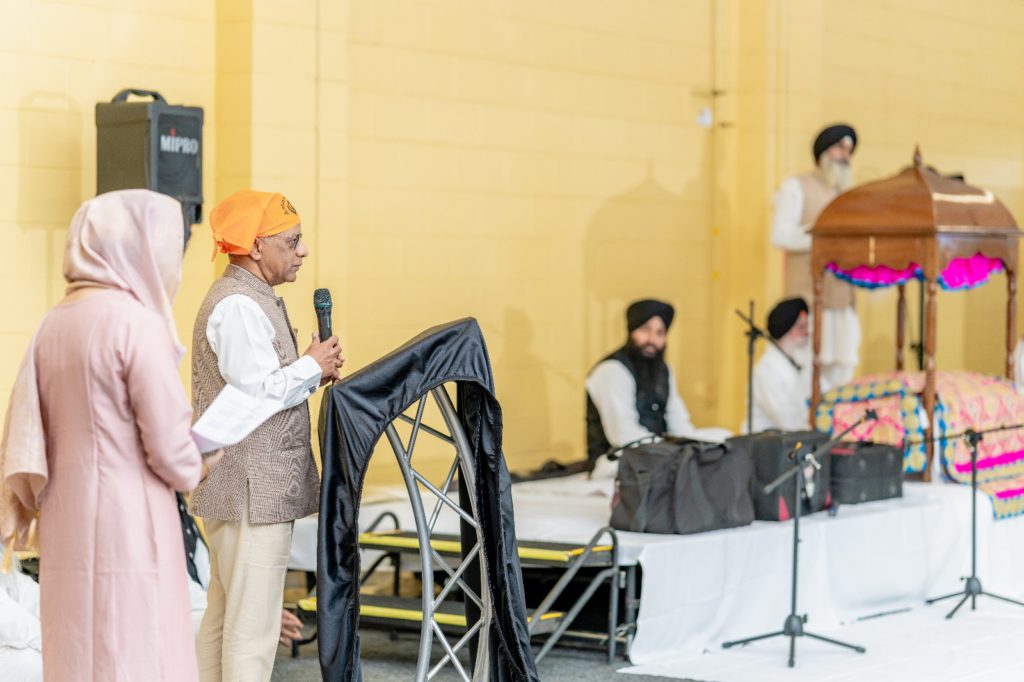
India’s High Commissioner to Australia, Gopal Baglay, paid tribute to the 9th Sikh Guru, Shri Guru Tegh Bahadur Ji, at a solemn gathering marking the 350th Shaheedi Diwas in Canberra on 29 November.
The event, hosted by the Australia India Punjabi Council (AIPC) as its inaugural initiative, brought together community members, elected representatives and diplomats to reflect on the Guru’s sacrifice, his message of universal humanity and the enduring values he championed.
Image: India’s High Commissioner to Australia, Gopal Baglay, paid tribute to the 9th Sikh Guru, Shri Guru Tegh Bahadur Ji, at a solemn gathering marking the 350th Shaheedi Diwas in Canberra on 29 November (Source: Facebook)
AIPC leaders described the event as an effort to highlight Punjab’s harmonious legacy and to foster unity among Punjabi communities in Australia and beyond. The AIPC President said the organisation aimed to bring Punjabis together across generations and build bridges with other communities.
Speakers revisited the events of November 1675, when Guru Tegh Bahadur Ji and his close associates were publicly executed in Delhi for refusing to submit to the Mughal Empire, an act that cemented his legacy as the protector of religious freedom.
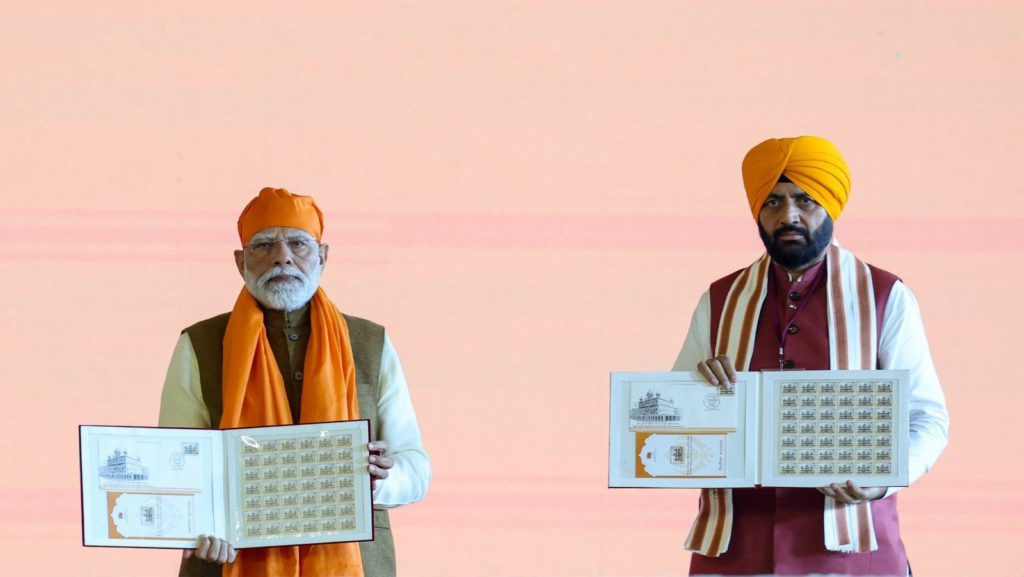
Image: India’s Prime Minister Nraendra Modi released commemorative postage stamp and a special coin to mark the 350th martyrdom anniversary (Source: X)
The audience also heard about a commemorative postage stamp and a special coin issued by the Government of India to mark the 350th martyrdom anniversary.
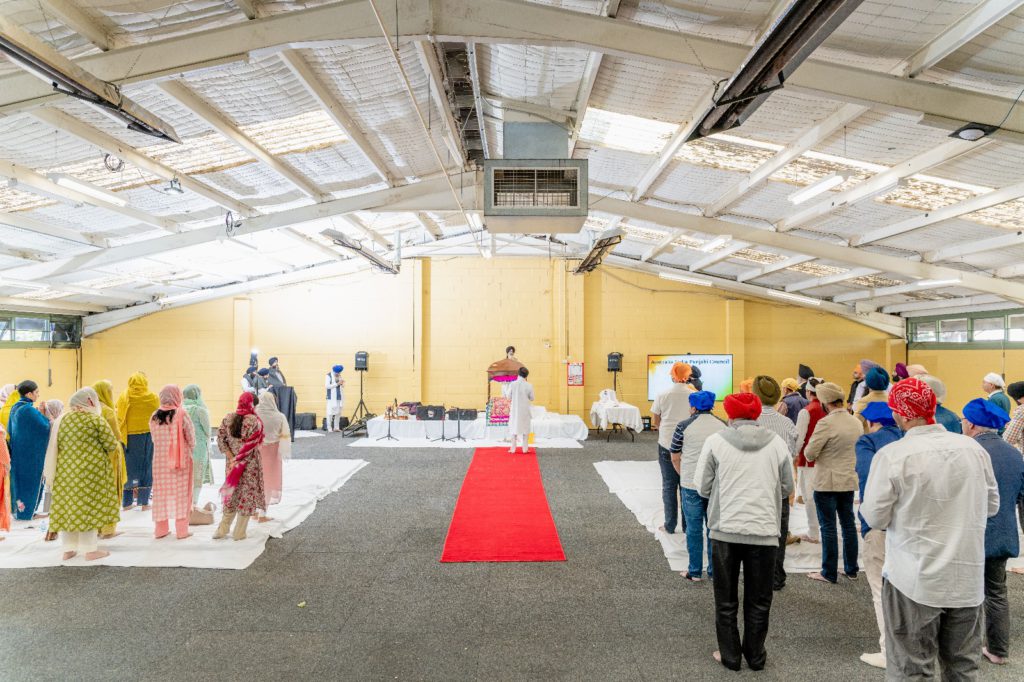
Image: India’s High Commissioner to Australia, Gopal Baglay, paid tribute to the 9th Sikh Guru, Shri Guru Tegh Bahadur Ji, at a solemn gathering marking the 350th Shaheedi Diwas in Canberra on 29 November (Source: Facebook)
High Commissioner Baglay said the Guru’s sacrifice represented courage, righteousness and an unwavering commitment to freedom in the face of brutal adversity. He noted that Guru Tegh Bahadur Ji’s teachings transcend borders and faiths and would continue to inspire future generations with their message of compassion and universal love.
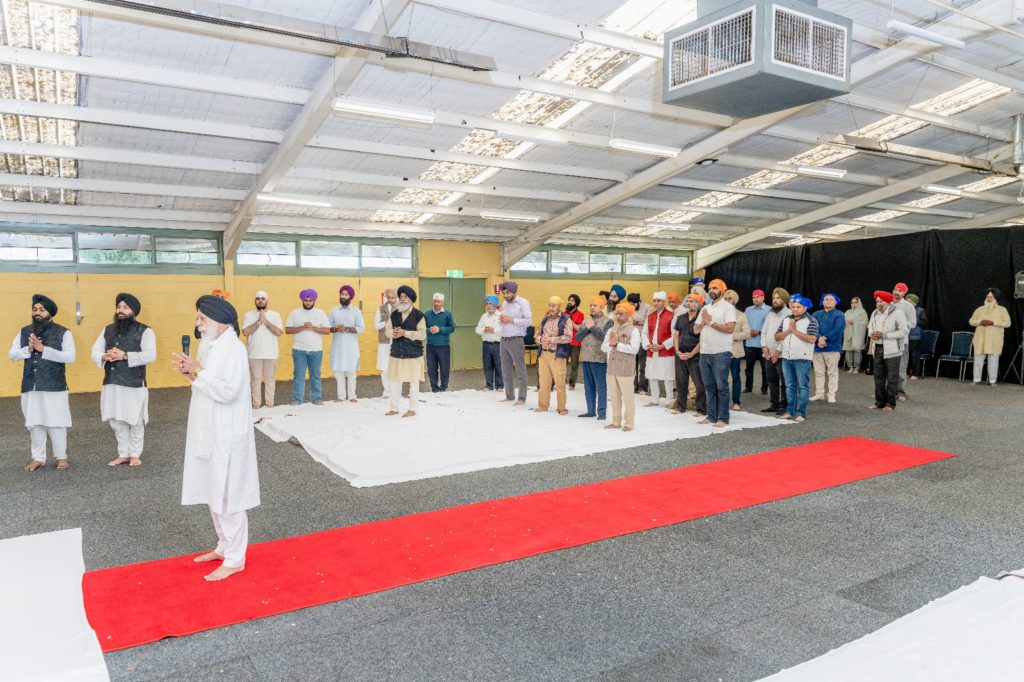
Image: India’s High Commissioner to Australia, Gopal Baglay, paid tribute to the 9th Sikh Guru, Shri Guru Tegh Bahadur Ji, at a solemn gathering marking the 350th Shaheedi Diwas in Canberra on 29 November (Source: Facebook)
He also highlighted commemorations led by Indian Prime Minister Narendra Modi earlier in the week at Kurukshetra and pointed to ongoing government initiatives to preserve Sikh heritage, including the Kartarpur Corridor, the Hemkund Sahib ropeway, the expansion of the Virasat-e-Khalsa Museum and the annual observance of Veer Bal Diwas.
Image: India’s High Commissioner to Australia, Gopal Baglay, paid tribute to the 9th Sikh Guru, Shri Guru Tegh Bahadur Ji, at a solemn gathering marking the 350th Shaheedi Diwas in Canberra on 29 November (Source: Facebook)
The sangat (holy congregation) also heard from Hon David Smith MP, Hon Dr Andrew Leigh MP, the High Commissioner of Fiji to Australia Ajay Amrit, and several community leaders. The gathering included Shabad Kirtan, recitations from the Guru Granth Sahib and Langar, the traditional free community kitchen serving all attendees.
Image: India’s High Commissioner to Australia, Gopal Baglay, paid tribute to the 9th Sikh Guru, Shri Guru Tegh Bahadur Ji, at a solemn gathering marking the 350th Shaheedi Diwas in Canberra on 29 November (Source: Facebook)
Indian community events in Australia continue to enrich the nation’s multicultural fabric. The High Commission and Indian Consulates regularly support festivals, cultural showcases and community service initiatives that embody the Indian philosophy of “Vasudhaiva Kutumbakam,” the belief that the world is one family.
Support our Journalism
No-nonsense journalism. No paywalls. Whether you’re in Australia, the UK, Canada, the USA, or India, you can support The Australia Today by taking a paid subscription via Patreon or donating via PayPal — and help keep honest, fearless journalism alive.
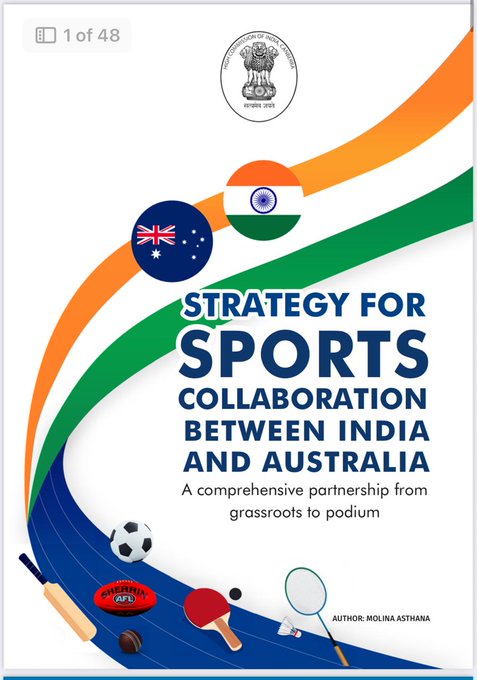
Indian-origin community leader and diversity champion Molina Asthana has been elected to the Vicsport board, becoming one of three new directors chosen at the organisation’s 2025 Annual General Meeting.
Image: Molina Asthana, Matthew Duck and Melinda Jacobsen(Source: Vicsport)
Molina Asthana, Matthew Duck and Melinda Jacobsen were voted in by Vicsport’s affiliate members at the AGM held in-person and online on 25 November, while Ruth Holdaway MBE and Adam Crameri were re-elected for another term.
Asthana’s appointment is particularly significant. A prominent advocate for diversity and inclusion in sport, she founded Multicultural Women in Sport and currently serves as Chair of Handball Victoria and Deputy Chair of Table Tennis Victoria. She has previously chaired Gymnastics Victoria and the AFL South East Regional Advisory Council.
She also holds ambassadorial roles with Cricket Australia, the AFL, the Commonwealth Games and the ICC Men’s T20 World Cup, and contributes nationally through the Australian Sports Commission’s Play Well Leadership Group. Her legal background includes senior roles at the Victorian Government Solicitor’s Office and major firms such as Clayton Utz and Minter Ellison.
Asthana said her broad experience has shown her “how sport can be used to address social issues such as family violence, discrimination and social cohesion,” particularly for diverse communities.
Image: Molina Asthana (Source: Facebook)
The AGM also confirmed the election of Matthew Duck, CEO of Athletics Victoria, who has led three sporting organisations over the past decade and delivered major financial and governance uplifts since taking his current role in 2022. Duck said he is keen to strengthen Vicsport’s role as a connector across different sports and build collegiality among industry leaders.
Melinda Jacobsen, a Senior Consultant with MosaicLab, was also elected. With 20 years of experience spanning start-ups, national organisations and statutory authorities, Jacobsen has led major governance improvements, cross-sector collaborations on gender equality, and advocacy in areas such as road safety and women’s cycling.
Bringing decades of combined experience across sport and recreation, the newly elected directors join existing board members Jason Hellwig (Chair), Rochelle Eime (Deputy Chair), Rayoni Nelson OLY, Allana Sharman and Andrew Skillern.
The AGM marked the conclusion of board tenures for Louise Ayres, Ayden Shaw and Fabio Serpiello. Vicsport thanked them for their service and contributions to the organisation’s growth.
Support our Journalism
No-nonsense journalism. No paywalls. Whether you’re in Australia, the UK, Canada, the USA, or India, you can support The Australia Today by taking a paid subscription via Patreon or donating via PayPal — and help keep honest, fearless journalism alive.
Victoria has introduced tough new penalties for anyone who abuses or assaults frontline workers, with the Allan Labor Government passing sweeping laws to crack down on violence in retail, hospitality, fast food and transport settings.
Under the Crimes Amendment (Retail, Fast Food, Hospitality and Transport Worker Harm) Act 2025, a new indictable offence will apply to anyone who assaults or threatens to assault staff serving customers, transporting passengers, making deliveries or even walking to and from their shift. Offenders now face up to five years’ jail.
Attorney-General Sonya Kilkenny said the changes reflect concerns raised by workers, unions and employers about rising hostility across customer-facing industries. “We’ve listened to workers, unions and industry – and these laws respond directly to the disturbing rise in abuse and violence in workplaces across Victoria,” she said.
“Every Victorian deserves to be safe at work. These laws strengthen protections and we’ll continue that work with Workplace Protection Orders.”
Lower-level assaults and threatening behaviour — including profane or obscene language — will attract separate summary offences with penalties of up to six months behind bars. These lesser offences are designed to give police more flexible powers to intervene early and protect workers before incidents escalate.
The laws will apply to all customer-facing staff, from retail assistants, fast-food workers and waiters to taxi and rideshare drivers, delivery riders, cleaners, security guards and public transport operators. Contractors working on-site will also be covered.
The reforms come as frontline abuse surges across the country. Last year, about 800,000 retail crime incidents were reported nationwide. The Australian Retail Association says more than 70 per cent of retailers have seen a rise in theft, while more than half report experiencing physical abuse on a monthly basis.
In a major shift, ram raids will now be treated as aggravated burglary, carrying a maximum 25-year sentence. Repeat or serious offenders will also be captured under Adult Time for Violent Crime provisions, ensuring harsher consequences.
The Government will introduce Workplace Protection Orders next year, allowing violent individuals to be banned from specific workplaces as part of its ongoing effort to tackle retail crime and keep workers safe.
Support our Journalism
No-nonsense journalism. No paywalls. Whether you’re in Australia, the UK, Canada, the USA, or India, you can support The Australia Today by taking a paid subscription via Patreon or donating via PayPal — and help keep honest, fearless journalism alive.
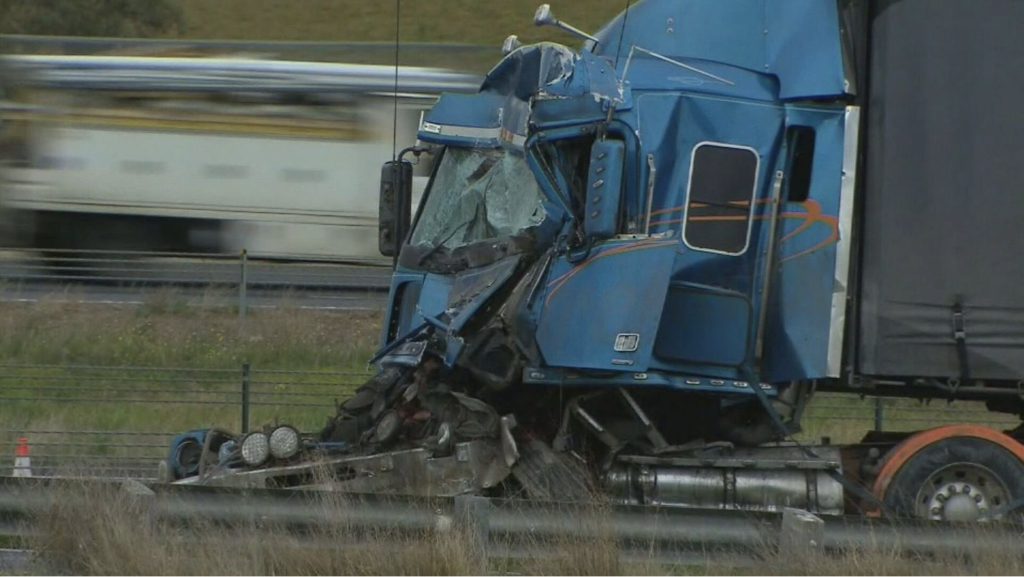
Rajinder Kumar, 32, was arrested after the 24 November crash on US Highway 20 near Bend, where his semi-truck and trailer folded across both lanes. A Subaru Outback slammed into the obstruction, killing driver William Micah Carter and his wife, Jennifer Lynn Lower.
The Department of Homeland Security (DHS) confirmed this week that Kumar had entered the US illegally in 2022 near Lukeville, Arizona, and was released into the country by the Biden administration. He was later granted work authorisation in 2023 and issued a commercial driver’s licence in California.
Assistant Secretary Tricia McLaughlin said Kumar was “a criminal illegal alien from India” who had been able to obtain a licence from “Gavin Newsom’s Department of Motor Vehicles”. She questioned how many “senseless tragedies” would occur before “sanctuary politicians stop allowing illegal aliens to dangerously operate semi-trucks on America’s roads”.
“Our prayers are with William and Jennifer’s families,” McLaughlin added, noting that Immigration and Customs Enforcement (ICE) would continue efforts to remove unauthorised truck drivers from US highways.
Kumar is being held in the Deschutes County Jail facing charges of criminally negligent homicide and reckless endangerment. DHS said ICE has lodged an arrest detainer and will seek custody should Oregon — a sanctuary state — release him.
Federal officials say the case is the latest in a series of fatal or serious crashes involving illegal migrants who were previously released into the country.
In August, ICE lodged a detainer for Harjinder Singh after he was charged with three counts of vehicular homicide in Florida. That same month, the agency arrested Partap Singh in California over a multi-vehicle crash that left a five-year-old child with life-altering injuries. In October, another Indian national, Jashanpreet Singh, was accused of killing three people in California while driving an 18-wheeler under the influence.
Support our Journalism
No-nonsense journalism. No paywalls. Whether you’re in Australia, the UK, Canada, the USA, or India, you can support The Australia Today by taking a paid subscription via Patreon or donating via PayPal — and help keep honest, fearless journalism alive.
By Grant Walton, Henrietta McNeil-Stowers, Teddy Winn, Lisa Denney, Michael Kabuni and Filimoni Rokonadravu
At the 2025 Pacific Update, hosted at the University of the South Pacific in Suva, Fiji, at the start of June, three public panels on corruption, anti-corruption and integrity systems set the stage for a smaller gathering of scholars, policymakers and practitioners. On the second day of the conference, this group came together to confront the region’s corruption challenges, identify gaps in current research and sketch out a possible pathway for future scholarship. This blog captures their discussion and outlines emerging directions for anti-corruption research in the Pacific.
The tone amongst the participants was mixed. Some voiced deep pessimism, warning that corruption was becoming more entrenched and, as a “wicked problem”, resistant to simple solutions. There was a sense that longstanding approaches to reduce corruption had failed to live up to their promise of achieving more responsive and accountable governance. Others pointed to signs of hope, noting stronger leadership and regional cooperation. In particular, they highlighted the Teieniwa Vision, endorsed by the Pacific Islands Forum, as a distinctly Pacific-led call to action on corruption.
Momentum is also visible at the national level, with more Pacific countries establishing anti-corruption agencies, drafting integrity strategies and launching initiatives. Research suggests there are real opportunities to strengthen responses, particularly through:
The group discussed some of the priorities for anti-corruption research and noted that, while there was an increasing amount of research undertaken on corruption in the Pacific, there are still critical gaps in our understanding of how to build effective responses. Some of the ways these could be addressed included:
examining how regulatory frameworks support action at local, national and regional scales
analysing the risks posed by mobile money and informal transfers
investigating corruption threats linked to infrastructure
further scrutinising the use of constituency development funds (building on work already done in Solomon Islands and Papua New Guinea)
understanding the frequent failure of anti-corruption institutions to prosecute perpetrators
probing corruption risks tied to climate finance and adaptation, and
researching the potential for civil society and churches to help fight corruption, as well as their potential to contribute to it.
Participants also called for more focus on success stories. For example, improved fisheries governance through the Parties to the Nauru Agreement demonstrates that progress is possible. More research on such “islands of integrity” could illuminate strategies that work. And identifying positive outliers where social accountability has led to improved service delivery could shed light on strategies that could be expanded and scaled.
Having said this, the group also noted the diversity of the nature of corruption and the formal and informal systems available to combat it. Every country is different and requires a tailored approach. In line with this, some suggested that more research into Pacific definitions was needed (though it was noted that some research had covered this — see here and here), and that it was “time to walk away from traditional (that is, Western) definitions of corruption”.
Participants also spoke about the significant challenges associated with researching corruption. Some spoke about the threats they have faced in writing about corruption in the region, particularly from political elites but also from some members of the public. The group discussed the different value “insiders” — those from the communities in which they are studying — and “outsiders” — those who are not — bring to the study of corruption. There was concern that foreigners could misunderstand the political, economic and cultural complexities of the contexts in which they undertake their research. At the same time, there was a view that the dangers associated with researching corruption were more acutely felt by those who lived and worked within the countries they studied. One noted that it can be difficult to gain access to elites once researchers have written about them. This underlines the importance of locally led corruption research, as well as the challenges it can bring.
It was noted that in some places, fear about corruption had brought about unwieldy rules and regulations that can slow and hamper development. Some were concerned about the auditing requirements of donors, suggesting that while these sometimes overbearing requirements might help reduce corruption, smaller grassroots organisations are less likely to have the infrastructure and personnel to address them. This can squeeze out smaller organisations and networks that are better able to represent local communities and marginalised groups.
In conclusion, while scholarship on corruption in the Pacific is growing, the discussion underscored that much remains to be done to understand both the nature of the risks posed by this “wicked problem”, and to improve responses to it.
Disclosure:This initiative was supported through funding from an Asia Pacific Innovation Program Engagement and Impact Grant from the ANU’s College of Asia and the Pacific, and the Pacific Research Program with funding from the Australian Aid program. The views expressed are the authors’ only.
This oped was first published onthe Devpolicy Blogand is republished here with the kind permission of the editor(s). The Devpolicy Blog is based at the Development Policy Centre, Crawford School of Public Policy, College of Law, Governance and Policy, The Australian National University.Posts on the Devpolicy Blog are licensed under a Creative Commons Attribution-NonCommercial-ShareAlike 4.0 International License unless otherwise noted.
Support our Journalism
No-nonsense journalism. No paywalls. Whether you’re in Australia, the UK, Canada, the USA, or India, you can support The Australia Today by taking a paid subscription via Patreon or donating via PayPal — and help keep honest, fearless journalism alive.
A 24-year-old New South Wales woman has been charged after Perth Airport security allegedly found about $312,000 in suspected illicit cash hidden in her carry-on luggage.
AFP Detective Inspector Matt Taylor said investigators are now examining how the woman came to possess such a significant amount of cash.
“The AFP works closely with airport partners to protect the community and Australia’s legitimate economy and ensure air travel is not used as part of the criminal supply chain,” he said.
“The Perth Airport security team swiftly alerted the AFP of their discovery, which enabled us to stop the passenger from leaving the state.”
“Anyone detected travelling in possession of significant amounts of unexplained cash will be investigated to determine whether the source of those funds is lawful.”
The woman was stopped on 30 November 2025 as she prepared to board a flight to NSW, after airport security raised the alarm when x-ray screening allegedly revealed a large stash of cash in her suitcase.
AFP officers searched the bag and allegedly uncovered two black plastic bags filled with bundles of $50 and $100 notes.
She has been charged with dealing with the proceeds of crime under section 400.9(1) of the Criminal Code (Cth), an offence carrying a maximum penalty of three years’ imprisonment. She faced Perth Magistrates Court on Monday, 1 December, and was remanded in custody ahead of her next appearance on 5 December.
Support our Journalism
No-nonsense journalism. No paywalls. Whether you’re in Australia, the UK, Canada, the USA, or India, you can support The Australia Today by taking a paid subscription via Patreon or donating via PayPal — and help keep honest, fearless journalism alive.
By Jake Goldenfein, Christine Parker, and Kimberlee Weatherall
Today, the Albanese Labor government released the long-awaited National AI Plan, “a whole-of-government framework that ensures technology works for people, not the other way around”.
With this plan, the government promises an inclusive artificial intelligence (AI) economy that protects workers, fills service gaps, and supports local AI development.
In a major reversal, it also confirms Australia won’t implement mandatory guardrails for high-risk AI. Instead, it argues our existing legal regime is sufficient, and any minor changes for specific AI harms or risk can be managed with help from a new A$30 million AI Safety Institute within the Department of Industry.
Avoiding big changes to Australia’s legal system makes sense in light of the plan’s primary goal – making Australia an attractive location for international data centre investment.
But as investment in AI has grown, governments around the world have now shifted from caution to an AI race: embracing the opportunities while managing risks.
In 2023, the European Union created the world’s leading AI plan promoting the uptake of human-centric and trustworthy artificial intelligence. The United States launched its own, more bullish action plan in July 2025.
The new Australian plan prioritises creating a local AI software industry, spreading the benefit of AI “productivity gains” to workers and public service users, capturing some of the relentless global investment in AI data centres, and promoting Australia’s regional leadership by becoming an infrastructure and computing hub in the Indo-Pacific.
Those goals are outlined in the plan’s three pillars: capturing the opportunities, spreading the benefits, and keeping us safe.
What opportunities are we capturing?
The jury is still out on whether AI will actually boost productivity for all organisations and businesses that adopt it.
Regardless, global investment in AI infrastructure has been immense, with some predictions on global data centre investments reaching A$8 trillion by 2030 (so long as the bubble doesn’t burst before then).
Through the new AI plan, Australia wants to get in on the boom and become a location for US and global tech industry capital investment.
In the AI plan, the selling point for increased Australian data centre investment is the boost this would provide for our renewable energy transition. States are already competing for that investment. New South Wales has streamlined data centre approval processes, and Victoria is creating incentives to “ruthlessly” chase data centre investment in greenfield sites.
Under the new federal environmental law reforms passed last week, new data centre approvals may be fast-tracked if they are co-located with new renewable power, meaning less time to consider biodiversity and other environmental impacts.
But data centres are also controversial. Concerns about the energy and water demands of large data centres in Australia are already growing.
The water use impacts of data centres are significant – and the plan is remarkably silent on this apart from promising “efficient liquid cooling”. So far, experience from Germany and the US shows data centres stretching energy grids beyond their limit.
It’s true data centre companies are likely to invest in renewable energy, but at the same time growth in data centre demands is currently justifying the continuation of fossil fuel use.
The plan promises the economic and efficiency benefits of AI will be for everyone – workers, small and medium businesses, and those receiving government services.
Recent scandals suggest Australian businesses are keen to use AI to reduce labour costs without necessarily maintaining service quality. This has created anxiety around the impact of AI on labour markets and work conditions.
Australia’s AI plan tackles this through promoting worker development, training and re-skilling, rather than protecting existing conditions.
The Australian union movement will need to be active to make the “AI-ready workers” narrative a reality, and to protect workers from AI being used to reduce labour costs, increase surveillance, and speed up work.
The plan also mentions improving public service efficiency. Whether or not those efficiency gains are possible is hard to say. However, the plan does recognise we’ll need comprehensive investment to unlock the value of private data holdings and public public data holdings useful for AI.
Will we be safe enough?
With the release of the plan, the government has officially abandoned last year’s proposals for mandatory guardrails for high-risk AI systems. It claims Australia’s existing legal frameworks are already strong, and can be updated “case by case”.
It’s also out of step with other countries. The European Union already prohibits the most risky AI systems, and has updated product safety and platform regulations. It’s also currently refining a framework for regulating high-risk AI systems. Canadian federal government systems are regulated by a tiered risk management system. South Korea, Japan, Brazil and China all have rules that govern AI-specific risks.
Australia’s claim to have a strong, adequate and stable legal framework would be much more credible if the document included a plan for, or clarity about our significant law reform backlog. This backlog includes privacy rights, consumer protection, automated decision-making in government post-Robodebt, as well as copyright and digital duty of care.
Ultimately the National AI Plan says some good things about sustainability, sharing the benefits, and keeping Australians safe even as the government makes a pitch for data centre investment and becoming an AI hub for the region.
Compared with those of some othernations, the plan is short on specificity. The test will lie in whether the government gives substance to its goals and promises, instead of just chasing the short-term AI investment dollar.
No-nonsense journalism. No paywalls. Whether you’re in Australia, the UK, Canada, the USA, or India, you can support The Australia Today by taking a paid subscription via Patreon or donating via PayPal — and help keep honest, fearless journalism alive.
Victoria’s government is rolling out a $4.92 million program aimed at stopping crime before it starts, by giving at-risk students access to sports, arts and cultural activities that provide structure, support and a sense of belonging.
“We can make a difference in the lives of children who could turn to crime by giving them positive things to do, new ways to express themselves, teammates to support on the field, and adults who believe in them.”
We've introduced the Violence Reduction Unit (VRU) to help stop crime before it starts – keeping kids involved in sports, arts and activities.
The Early Intervention Sports and Activities will start in 2026, and support schools by linking them up with established programs like… pic.twitter.com/n0ZIgVBOZL
Starting in 2026, the program will link schools with established initiatives run by professional sporting clubs and cultural organisations, particularly during school holidays when structured activities can have the biggest impact. Deputy Premier and Minister for Education Ben Carroll. said,
“The evidence is clear – staying involved in school and having positive peer relationships and mentors acts as a protective factor for at-risk children that prevents them from crossing over into crime.”
Initial offerings include Melbourne Storm’s Storm Waka program supporting Pasifika youth, Melbourne Victory’s holiday programs across Melbourne, Western Bulldogs initiatives engaging Aboriginal and Torres Strait Islander students, and Foundation House’s Shooters Shoot basketball program for at-risk students. Carroll added,
“Schools already do an incredible job engaging at-risk students, but they can’t do it alone. This will give school leaders and teachers the additional support they need to help those students stay connected.”
Attorney-General Sonya Kilkenny highlighted the broader goal of the initiative.
“When we intervene early and give young people meaningful ways to spend their time, we’re not just keeping them busy – we’re protecting the community and tackling the root causes of crime.”
The VRU, inspired by successful models in Glasgow and London, also places Early Intervention Officers in 20 schools to identify children heading down risky paths.
The government is complementing early interventions with tougher legal measures. Allan confirmed legislation to implement Adult Time for Violent Crime will be introduced this week, allowing courts to treat children as adults for the worst offences.
“Serious consequences for violent crime, and early interventions to stop crime from happening in the first place – we must do both.”
Changes to carjacking laws are also included, making it a specific offence if a child under 10 is in the vehicle, regardless of whether force was used. The government says the amendment reflects the trauma caused to innocent children during such incidents.
Support our Journalism
No-nonsense journalism. No paywalls. Whether you’re in Australia, the UK, Canada, the USA, or India, you can support The Australia Today by taking a paid subscription via Patreon or donating via PayPal — and help keep honest, fearless journalism alive.
Dev Trading Limited (DTL), which traded as Super Clearance before it was sold to new owners, recruited two Indian nationals under the Accredited Employer Work Visa scheme.
An investigation later found the pair were made to work up to 14 hours a day, seven days a week — including public holidays — without receiving their lawful entitlements.
Immigration NZ national manager investigations Jason Perry described the outcome as a win for both the agency and the workers affected. “This is a good outcome for INZ and, most importantly, for the victims,” he said.
“The callous exploitation of vulnerable migrants and the deliberate provision of false information to INZ is not just unethical, it’s criminal.”
He added: “Employers who breach immigration and employment laws undermine the integrity of New Zealand’s immigration system and harm vulnerable workers.”
“Maintaining the integrity of our immigration system is critical to protecting both migrants and the wider public.”
Immigration New Zealand said the case uncovered “unlawful employment practices”, including breaches of minimum wage, holiday pay and leave provisions. One worker also had more than NZD $6,000 deducted through payments disguised as loan repayments.
According to INZ, “DTL went to considerable lengths to deceive authorities, submitting false records and documentation to INZ, including fabricated rosters and payslips and even completing employment modules on behalf of the workers.”
“By doing so, the victims were denied the opportunity to learn about New Zealand law and their employment rights.”
Labour Inspectorate calculations put the unpaid wages and entitlements at more than NZD $158,000, with around NZD $140,000 repaid to the victims before sentencing.
Chetna and Hitesh Dave, the company’s former directors, pleaded guilty to five charges of exploiting temporary workers and two charges of providing false or misleading information to INZ. The court ordered a NZD $159,250 fine, NZD $18,684.72 in reparation, and NZD $5,000 in emotional harm payments to each victim.
DTL has since been sold and is now under new management.
Support our Journalism
No-nonsense journalism. No paywalls. Whether you’re in Australia, the UK, Canada, the USA, or India, you can support The Australia Today by taking a paid subscription via Patreon or donating via PayPal — and help keep honest, fearless journalism alive.
Melbourne’s long-awaited Metro Tunnel has its first five Senior Station Masters – a team with more than 80 years of combined rail experience – ready to guide passengers through the city’s newest and most complex underground stations.
Of the five senior appointments, four are of Indian subcontinent origin, and together the station masters bring diverse journeys to their new posts.
Christopher Rosario, Kasturi Jathar, Ajit Walia, Khon Hossain, and Eva Loader have been appointed to lead day-to-day operations across the Arden, Parkville, State Library, Town Hall and Anzac stations.
Image: Metro Tunnel Station Master Christopher Rosario (Source: Facebook)
Rosario, who migrated to Australia from Kolkata (India) in 2003, joined Connex the following year and “fell in love with the job immediately”.
Image: Metro Tunnel Station Masters Kasturi Jathar (Source: Facebook)
Jathar, who will lead Town Hall Station, said the journey has been especially meaningful as a woman advancing in rail leadership. “I’ve seen a lot of changes at Metro with their support of women in leadership and the provision of courses and training for women,” she said.
“I’m most proud of becoming Senior Station Master of Town Hall and helping train the teams who will operate the five new stations.”
Image: Metro Tunnel Station Master Ajit Walia (Source: Facebook)
For Walia, who migrated from Punjab (India) is now Senior Station Master at State Library Station. This appointment marks a career high for Walia who has a PhD in horticulture.
“I feel incredibly proud and privileged to be part of one of the most significant transport infrastructure developments in Victorian history.”
Image: Metro Tunnel Station Master Khon Hossain. (Source: Facebook)
For Parkville’s Senior Station Master Hossain, originally from Dhaka (Bangladesh), the role is nothing short of “a dream job”.
“When this opportunity came along, I was very excited to be part of this significant milestone and lead an amazing team at Parkville Station.”
Image: Metro Tunnel Station Masters Eva Loader (Source: Facebook)
Loader is eager to put the new station technology to work during major events like the Anzac Day Dawn Service and the Formula One Grand Prix.
“I can’t think of a better way to round out my rail experience than be part of something so transformational to the way passengers experience the network,” Loader said.
“It’s going to be epic!”
More than 200 staff – including senior station officers, station officers and assistants – will support operations across the new underground network. Metro Trains Melbourne officially took control of Anzac, Parkville and Arden stations on Monday, marking the completion of all five Metro Tunnel stations.
The Metro Tunnel is officially open. Today belongs to the thousands of Victorians who have spent the decade building the Metro Tunnel – without you, none of this would be possible. pic.twitter.com/g6yekKYTrA
Premier Jacinta Allan and Transport Infrastructure Minister Gabrielle Williams welcomed the milestone at the newly completed State Library Station, which sits 42 metres beneath Swanston Street and links directly to Melbourne Central via a new concourse. The station includes 27 escalators – including Melbourne’s longest at 42 metres – and 19 lifts, connecting passengers to RMIT University, the State Library and Queen Victoria Market.
“This is the second new CBD train station in 40 years – and the first since yesterday,” Premier Allan said.
“The end of major construction means the start of a new era for Melbourne, where you can get to uni, work and retail faster and easier.”
Minister Williams added: “The Liberals called it a hoax, but today State Library Station stands finished alongside Town Hall, Arden, Anzac and Parkville — five brand new stations ready for passengers later this year.”
Sunday’s first public preview saw more than 70,000 passengers explore the new Metro Tunnel – the biggest overhaul of Melbourne’s public transport system in four decades. State Library Station welcomed more than 22,000 people alone.
“It will unlock capacity across the network so more trains can run, more often,” Premier Allan said.
“This project is about fairness – getting to work, uni and home faster.”
Travel on the Metro Tunnel is free every weekend until 1 February, when the “Big Switch” will fully integrate the new line and deliver an extra 1,000 weekly services.
Support our Journalism
No-nonsense journalism. No paywalls. Whether you’re in Australia, the UK, Canada, the USA, or India, you can support The Australia Today by taking a paid subscription via Patreon or donating via PayPal — and help keep honest, fearless journalism alive.
In a significant first for Australia, the AFP will host the United Chiefs of Police Summit (UNCOPS) in New York next year. The biennial gathering brings together heads of national police, ministers and senior officials from all 193 UN member states, and is held at the UN General Assembly.
The summit will bolster Commissioner Barrett’s strategy to expand the AFP’s global footprint and strengthen international cooperation in tackling emerging criminal threats across the Indo-Pacific.
Taking her advocacy for stronger Pacific policing regionalism to the global stage, Commissioner Barrett is expected to outline why empowering Pacific chiefs of police is essential in a region grappling with strategic competition and transnational crime.
She said the AFP had been working closely with partners on how Pacific nations could advance a more unified voice, including the possibility of forming a regional police bloc for multilateral engagement.
Commissioner Barrett stressed the importance of ensuring Pacific policing perspectives were heard within global bodies, especially as concerns about cybercrime, illicit commodity trafficking and organised crime continue to grow.
“The regional leadership and ambition of Pacific chiefs is clear, and their desire is for regional solutions to our shared security challenges,’’ Commissioner Barrett said.
“Pacific police are valued partners for the AFP and together we are clear-eyed and determined when it comes to protecting our region from complex criminal networks.
“It is important that we continue to build our resilience together as we counter challenges to the global rules-based order.
“Every opportunity and meeting I have, I expressly outline the value of our Pacific Islands Chiefs of Police.
“It is important we acknowledge that the dedication and hard work of Pacific police agencies have helped keep Australians safe from organised crime.
“This is why the AFP will champion and advocate for our trusted and valued Pacific police partners.
“This engagement builds on sustained AFP diplomatic efforts at the UN in New York to ensure the region’s policing perspectives are understood and reflected in UN policy settings.
“This reflects Australia’s broader commitment, championed continually through the AFP advisor’s work at the UN, to elevating Pacific policing within multilateral forums.”
Commissioner Barrett said UNCOPS would provide a timely forum to discuss the future of policing in peacekeeping, the increasing complexities of transnational crime and the need for more specialised policing capabilities.
“The AFP continues to be a strong backer for Pacific Island police to contribute more actively to international peacekeeping efforts,’’ she said.
She highlighted the AFP’s launch this year of the world’s first UN-accredited police peacekeeping program designed specifically for Pacific nations and Timor-Leste.
“At our Pinkenba facilities in Brisbane, the AFP hosted 100 participants from 11 countries across the Pacific and Timor-Leste to obtain essential skills required for UN deployment.
“The training program marked a significant step forward in supporting Pacific police preparedness for UN deployments.”
Australia’s selection as host of UNCOPS 2026 follows extensive advocacy in New York, underscoring the region’s peace and security priorities.
Support our Journalism
No-nonsense journalism. No paywalls. Whether you’re in Australia, the UK, Canada, the USA, or India, you can support The Australia Today by taking a paid subscription via Patreon or donating via PayPal — and help keep honest, fearless journalism alive.
Too many superannuation funds are still failing to provide sufficient support to retirees, three years after being urged to lift standards, Australia’s top regulators have warned.
This failure to prepare comes despite the massive demographic wave of Australians already in or about to enter retirement.
A new report from the Australian Prudential Regulation Authority (APRA) and the Australian Securities and Investments Commission (ASIC) reveals the industry’s response has been slow, uneven and, in the regulators’ words, merely “incremental”.
The report shows a widening gap between the best and worst funds. For a growing number of Australians, this failure isn’t a future problem – it’s affecting their lives right now.
The retirement wave is here
The scale of the shift is breathtaking. More than 1.6 million Australians are already drawing a pension from their super, with another 2.5 million set to retire in the next decade.
With more than A$4.3 trillion in members’ savings invested across the super system, the 1.6 million retired members account for about $575 billion in assets.
Another statistic from the report is particularly staggering: one in five super funds already has half of its members in, or approaching, retirement.
Yet the review found many trustees are still designing services for people accumulating savings during their working lives, not those spending savings in retirement.
In October, ASIC raised concerns about “glaring” gaps in communications, saying funds were sending generic messages aimed at workers, with little tailored help for retirees.
Support for vulnerable groups, including First Nations members and those with low financial literacy, was largely absent.
The challenge is spending, not saving
For decades, the super system’s mantra was simple: save, save, save. The more complex challenge is helping people spend those savings confidently.
Without clear guidance, many retirees are understandably cautious. They withdraw too little, living more frugally than they need to.
Data shows fewer than half of pensioners draw down on their retirement savings, and more than 40% are net savers — turning Australia’s compulsory superannuation system into a massive inheritance scheme. Others spend too aggressively and face poverty later in life.
The regulators are clear: helping retirees spend appropriately is central to the purpose of the “retirement income covenant” introduced in 2022. The new laws aimed to provide an easier transition to retirement and to increase the range of retirement products.
But the latest review found one in five funds provide no guidance on drawdown strategies beyond the legal minimum, leaving members to make high-stakes decisions alone.
A lottery for retirees
The report highlights a dangerous divide. A small group of leading funds are making progress:
offering better digital tools
developing sophisticated retirement income products
providing targeted guidance and advice.
But many others are lagging far behind, offering little more than basic calculators and generic information. The result is an inconsistency across the system, where a member’s experience depends entirely on which fund they belong to – the very inequity the covenant was designed to prevent.
Measuring busywork, not wellbeing
While almost every fund claims to have improved its understanding of members, few can demonstrate whether this has actually led to better outcomes for retirees.
The regulators said many funds still rely on “activity-based” metrics, such as website visits or webinar attendance. They are not measuring what truly matters: whether retirees have adequate and sustainable income, and whether they feel financially secure.
This distinction is critical. ASIC’s Moneysmart research shows only one-third of Australians approaching retirement feel confident they will be financially comfortable. In a compulsory super system, that widespread uncertainty is concerning.
What needs to happen now
The regulators have made it clear that funds must move faster. The covenant was never intended to be a compliance box-ticking exercise, but a fundamental shift towards improving members’ lives in retirement.
This requires a multi-layered transformation. First, funds must pivot from simply collecting data to actively using it to identify where members struggle and what support they genuinely need, moving beyond generic reports to personalised insights.
Second, communication must evolve into a lifelong conversation. Guidance can’t stop at the retirement date; it must be practical, tailored, and continue as members age. As ASIC has urged, this means developing relevant communications for people in their 70s and 80s, not just those on the cusp of retiring.
Ultimately, funds must shift their focus from measuring activity to measuring wellbeing. The true test of a fund’s strategy isn’t webinar attendance, but whether its members feel confident and have a sustainable income.
This outcomes-based approach must also be inclusive, ensuring support is accessible and effective for all members, including First Nations communities and other vulnerable groups who have been largely overlooked.
A system at a crossroads
Australia’s superannuation system is at a pivotal moment. It must transition from a wealth-accumulation machine to the nation’s retirement income provider.
Millions of Australians are now relying on their super fund to guide them through the most financially complex stage of their lives. The latest findings show that, three years after being put on notice, too many funds are not yet meeting that responsibility.
The message for the super industry is simple: supporting retirees is no longer a future priority. As the regulators have made clear, it is the immediate priority, and the time for incremental improvement is over.
No-nonsense journalism. No paywalls. Whether you’re in Australia, the UK, Canada, the USA, or India, you can support The Australia Today by taking a paid subscription via Patreon or donating via PayPal — and help keep honest, fearless journalism alive.
A truck driver who ploughed into a school bus carrying Ballarat students on their way to a NASA space camp has been jailed for more than 12 years, after a judge found he knowingly drove a 62-tonne vehicle with faulty brakes and “disastrous” consequences.
Victorian truck driver Brett Michael Russell, 63, was sentenced in the County Court of Victoria for the 2022 Western Freeway crash that left 10 passengers with serious, life-altering injuries.
The bus was carrying 32 students and staff from Loreto College Ballarat to Melbourne Airport when Russell’s B-double slammed into the rear of the vehicle in the early hours of 21 September 2022 near Bacchus Marsh, sending it through a safety barrier and down an embankment.
Knew brakes were faulty — but drove anyway
The court heard Russell was hauling meat in a 62-tonne prime mover and trailer along the Western Freeway in heavy rain when he approached slowed and stationary traffic caused by overnight roadworks.
Evidence showed that earlier in his shift, Russell had noticed problems with the brakes but chose to continue driving. Investigators later found multiple defects in the vehicle’s braking system, and prosecutors argued that Russell knew his truck was not operating safely yet stayed on the road.
Image Source: 9News
Instead of braking in time as he approached the line of vehicles, Russell attempted to steer around them but failed to avoid the school bus. The impact crushed the rear of the bus, tore it off the road and sent it rolling down a steep embankment, trapping students and staff inside.
In a police interview tendered to the court, Russell admitted he was aware of braking issues but believed he would “still be right” to continue the journey.
“Catastrophic” injuries for schoolgirls and the teacher
While no one was killed, the consequences were severe. Ten passengers — mostly teenage girls — suffered serious injuries, including spinal fractures, broken bones, internal injuries and long-term nerve and soft-tissue damage. Several underwent emergency surgery and lengthy hospital stays.
Victim impact statements described lives turned upside down:
Students spoke of chronic pain, repeated surgeries and the loss of sporting dreams and everyday independence.
Others detailed ongoing nightmares, anxiety and fear of travel, particularly on buses and freeways.
A teacher on board has been left with lasting injuries and psychological trauma.
Parents told the court they still relive the moment their children were pulled from the wreckage, describing the crash as “every family’s worst nightmare” and saying the planned NASA trip had become a lifelong source of trauma rather than a once-in-a-lifetime opportunity.
Guilty plea and lengthy jail term
Russell earlier pleaded guilty to 12 charges, including 10 counts of negligently causing serious injury and further offences related to the risk posed to others on the road.
In sentencing, Judge Michael O’Connell said Russell’s decision to keep driving a heavily loaded truck with known brake issues represented a serious and avoidable breach of his duties as a professional driver, and that the risk to other road users was obvious.
The judge acknowledged Russell’s guilty plea, remorse and previous good character, but said those factors could not outweigh the gravity of his negligence and the “catastrophic impact” on the children and staff aboard the bus.
Russell was sentenced to a total jail term of more than 12 years, with a lengthy non-parole period to be served before he can apply for release. (The precise structure of the sentence was not detailed in the press release summary provided, but court reporting indicates a head sentence of around 12 years with a substantial minimum term.)
He is also expected to face immigration consequences once his sentence is completed, with reports suggesting he may be deported from Australia.
A crash that shocked Victoria
The Western Freeway crash shocked communities in Ballarat and across Victoria, with images of the destroyed school bus and emergency crews working through the night prompting renewed calls for better heavy-vehicle safety and enforcement.
In the weeks after the collision, questions were raised about:
the condition and maintenance of the truck’s braking system
fatigue and pressures on long-haul drivers
how roadworks and reduced-speed zones were managed on busy freight corridors
Investigations by police and safety regulators found significant mechanical defects in the truck’s brakes and highlighted the need for operators and drivers to ensure their vehicles are roadworthy before they leave the depot — and to stop driving immediately if faults emerge.
School community still recovering
Loreto College Ballarat has previously said the long-term recovery of students and staff will take years, not months. The school community has rallied around those injured, providing counselling and academic support as they adapt to changed physical and mental health.
While the Ballarat students have slowly returned to classrooms and, in some cases, to modified sporting and social activities, families told the court the crash will “cast a shadow over their lives forever” — a reminder that, although there were no fatalities, the impact has been profound and enduring.
For those families, Russell’s sentence brings some measure of accountability, but not closure.
As one parent said outside court,
“Our daughters survived, but they will never be the same.”
Support our Journalism
No-nonsense journalism. No paywalls. Whether you’re in Australia, the UK, Canada, the USA, or India, you can support The Australia Today by taking a paid subscription via Patreon or donating via PayPal — and help keep honest, fearless journalism alive.
Townsville’s Hindu community has marked a historic milestone, with hundreds attending a Bhoomi Pooja to bless the land where the city’s first purpose-built Hindu temple will soon rise.
The ceremony, hosted by the North Queensland Hindu Community Inc. (NQHC), signalled the beginning of construction on the Shree Durga Mahalakshmi Temple — a rare dedication to a form of the Goddess worshipped at only a handful of temples worldwide.
Image Source: Adam Baillie MP
Townsville MP Adam Baillie said the ceremony was “an important day for Townsville’s Hindu community”, adding:
“This ritual is performed before the start of a new building to bless the site, remove negative energy and bring prosperity… It was an honour to join the community on this auspicious day.”
Image Source: Adam Baillie MP
The Bhoomi Pooja, a traditional Vedic ritual seeking the blessings of Mother Earth, brought together families, elders, Traditional Owners and state representatives.
For many, the moment symbolised the establishment of a spiritual and cultural home for North Queensland Hindus — a place for prayer, festivals, language, music and community connection.
Assistant Minister Jannelle Poole attended on behalf of the Premier, joined by Thuringowa MP Natalie Marr and Townsville MP Adam Baillie. The leaders participated in the rituals, met volunteers, and spoke with attendees about the significance of the day, noting the strong display of unity and pride.
Aunty Gracelyn Smallwood and Aunty Jenny Wyles, representing the Bindal Traditional Owners, delivered the Welcome to Country and acknowledged the deep history of the land on which the temple will stand.
Image Source: Supplied
Devotees gathered around the community priest for the Shree Ganesha Homam, after which families lingered for a shared meal, taking photos on the site where the temple’s foundations will soon be laid.
Construction is expected to progress in the coming months. Organisers say the project has been driven by years of volunteer effort and support from within and beyond the Hindu community. They describe the Bhoomi Pooja as the start of a chapter that Townsville will watch grow — a future home where generations will stay connected to their faith and heritage.
Support our Journalism
No-nonsense journalism. No paywalls. Whether you’re in Australia, the UK, Canada, the USA, or India, you can support The Australia Today by taking a paid subscription via Patreon or donating via PayPal — and help keep honest, fearless journalism alive.
Jess Wilson unveils “winning team” as polling puts new Liberal leader ahead of Allan
Victoria’s new Opposition Leader Jess Wilson has named her first Shadow Cabinet, keeping tight control of economic policy while bringing key Liberal and National figures into a “renewed” front bench she says is ready to govern within a year.
Wilson will retain the powerful shadow treasurer role, signalling that budget repair and state debt will sit at the heart of the Coalition’s election pitch. State debt is forecast to approach $194 billion by 2028–29, and Wilson has framed herself as the person to “get the books under control” and free up funding for police, health and cost-of-living relief.
“I’m the best person to take this forward,” she said at a housing estate in Cranbourne, linking budget discipline to the Coalition’s core promises.
“If we don’t fix the finances in this state … we cannot fix the crime crisis, we can’t invest in the 2000 vacant Victoria Police positions, we can’t ensure Victorians get access to quality healthcare, and we cannot provide the tax relief that is going to be so critically important to ensuring people can buy their own homes.”
Battin back in, Pesutto still out
Former Opposition Leader Brad Battin, who was ousted by Wilson in a party-room coup just two weeks ago, has been kept in the fold and handed the police and corrections portfolio. The ex-police officer replaces David Southwick, who moves to a new brief covering planning, housing and building.
“Brad has so much to offer and as a former police officer I absolutely know that it feels right putting him into that role,” Wilson said, describing the new line-up as a “winning team”.
By contrast, former leader John Pesutto remains on the backbench. Despite backing from Wilson in the past, including during his defamation battle with expelled MP Moira Deeming, he has not been returned to the frontbench after a year outside the leadership group.
Party figures had privately cautioned against bringing Pesutto back while a Supreme Court case over a $1.55 million loan from the party is still before the courts. Wilson said simply that she believed the team she has selected gave the Coalition its best chance at the 2026 election.
“The team I have put forward is the team we are going to take to the next election,” she said, adding that Pesutto would continue to work “on the ground in Hawthorn” to sell the Opposition’s message.
The reshuffle also sees conservative MP Richard Riordan sent to the backbench.
Promotions and portfolio shifts
The new frontbench balances different factions and brings back some long-serving figures:
David Southwick leaves police and corrections to take on planning, housing and building, a key area for the Liberals’ home-ownership agenda.
Renee Heath, a prominent conservative, is one of the biggest winners, promoted to shadow minister for youth justice, crime prevention and victim support, along with a new bay protection portfolio. Heath was among the small group of MPs who told Battin he had lost support on the eve of the leadership spill.
Brad Rowswell, a close ally of Wilson who was sidelined under Battin, returns to the frontbench as shadow education minister.
James Newbury stays on as shadow attorney-general and picks up the additional role of shadow special minister of state.
Matthew Guy, another former leader, shifts from major projects to public transport and ports and freight, keeping him in a prominent economic and infrastructure role.
Nicole Werner, a rising star often seen in the media, loses the youth justice brief but is elevated to shadow minister for home ownership and housing affordability, while retaining youth and children – all central to Wilson’s focus on cost-of-living and housing pressures.
Georgie Crozier remains in the crucial health portfolio, drawing on her background as a nurse.
Evan Mulholland, deputy Liberal leader in the upper house, moves from a temporary stint in education to transport infrastructure, and keeps multicultural and multifaith affairs.
David Davis stays on the frontbench with energy and resources, despite being replaced as upper house leader following the spill.
The Nationals, led by Danny O’Brien, retain their own key portfolios inside the Coalition agreement, with O’Brien insisting regional Victoria will be “front and centre” in any alternative government.
“Our team will provide the genuine alternative that Victorians are crying out for,” he said.
“Regional Victoria has been ignored for too long by this Labor Government … we will ensure we truly govern for the whole state.”
Wilson stressed that, unlike previous leadership contests, she had not traded frontbench spots for votes.
“It’s about putting the best people forward for the job,” Southwick added, saying it “made absolute sense” for Battin to take over justice responsibilities given his policing background.
Allan rallies the base and warns of cuts
While the Opposition was promoting its new line-up in the south-east, Labor staged its own rally in central Melbourne, marking one year until the 2026 state election.
Premier Jacinta Allan addressed party members and union supporters at the Australian Nursing and Midwifery Federation’s Victorian branch, using the official opening of the Metro Tunnel to attack the Liberals’ record and scepticism about major projects.
“A few moments ago I stepped off a Victorian-made train that the Liberals said would never exist,” she told the crowd.
“It went through a tunnel that they called a hoax. And stopped at a platform in a station they swore would divide our city like the Berlin Wall.”
Allan urged Labor members to spend the next year “on the phones, at the doors, in the street” reminding voters what she said was at stake: “Our hospitals, our schools, our security, our future.”
Deputy Premier Ben Carroll took direct aim at Wilson, accusing her of planning deep cuts.
“We know she’s someone who has already vowed to cut $11.1 billion out of the Victorian budget,” he said, arguing that would mean reductions to health and education that “Victorian families rely on”.
Wilson has rejected that characterisation, arguing that spending restraint is needed to stabilise debt and free up funding for frontline services.
Poll shows Wilson ahead as preferred premier
The reshuffle comes as new polling suggests Wilson has opened up a clear lead over Allan as preferred premier.
A Freshwater Strategy survey of 1,220 Victorians, reported by the Herald Sun, shows 47 per cent of voters now favour Wilson for premier, compared to 31 per cent for Allan – a 16-point gap. That compares with an 11-point lead former Liberal leader Brad Battin held before he was rolled.
The research indicates voters see Wilson as offering a fresh style of leadership, better public communication and a stronger appeal to undecided voters. Around 22 per cent of non-Coalition voters said they were more likely to consider the Liberals under her leadership, including about a quarter of Greens supporters and one in five Labor voters.
The same poll paints a grim picture for the Premier’s standing, with Allan’s net favourability falling to around minus 32 and a majority of respondents saying the government is performing poorly.
More than half of those surveyed – 56 per cent – said Victoria was headed in the wrong direction, while 58 per cent thought the government was doing a bad job. Only around a third believed Labor deserved another term; a majority said it was time to “give Jess Wilson and the Liberals a chance”.
On primary votes, the Coalition sits on about 37 per cent and Labor on 30 per cent, leaving the contest roughly tied on a two-party-preferred basis. The Coalition would need to win 16 extra seats, without losing any it currently holds, to form government in 2026.
Freshwater’s head of research, Jordan Meyers, said Wilson had inherited “a political landscape most opposition leaders could dream of” – a weak economy, voter frustration about crime and a Premier with deteriorating personal ratings – but warned that turning that into victory would depend on how effectively she and her new team can “score some goals” over the next year.
Wilson, for her part, insists the refreshed Shadow Cabinet gives the Liberals and Nationals their best chance in a decade.
“With 12 months until the next election, my team is fully focused on the task ahead,” she said.
“Our priorities are clear: get our finances under control, end the crime crisis, deliver a world-class health system and give every Victorian the best opportunity to own their own home.”
Support our Journalism
No-nonsense journalism. No paywalls. Whether you’re in Australia, the UK, Canada, the USA, or India, you can support The Australia Today by taking a paid subscription via Patreon or donating via PayPal — and help keep honest, fearless journalism alive.
Sydney’s community language teachers were honoured for their vital role in promoting multiculturalism and bilingualism at the annual dinner of the NSW Federation of Community Language Schools.
Image: Minister for Customer Service and Digital Government Jihad Dib (Source: Fcaebook)
Minister for Customer Service and Digital Government Jihad Dib praised the teachers’ dedication, saying, “As an educator prior to becoming an MP, I know the contribution these teachers make and I have long been a supporter of the work they do to celebrate our diverse community.”
He added, “I was proud to join with teachers, students, families and the leadership of the wonderful Federation of Community Language Schools on this incredible night of celebration, recognition and joy.”
“Learning a language is not just about the words, but the culture, spirit and identity we all have within us.”
Image: Newly elected NSW Opposition Leader Kellie Sloane (Source: Facebook)
Newly elected NSW Opposition Leader Kellie Sloane said attending the dinner was the perfect way to mark her first day in the role. “It was a pleasure to meet the hardworking, aspirational and inspiring volunteers, parents and students who keep our state’s community language schools thriving,” she said.
“I was truly touched by the warm welcome, and I pledged to return every year if I can.”
Sloane also highlighted the importance of government support, noting that the NSW Liberals and Nationals delivered record funding for community language schools during their previous term, recognising their role in helping children stay connected to their culture and heritage.
Image: Mark Coure, MP for Oatley (Source: Facebook)
Mark Coure, MP for Oatley, described the event as “a fantastic night celebrating 47 years of the Federation. From outstanding performances to Short Film and Art Competition winners, the passion and pride in every school was on full display.”
“Community language schools are one of NSW’s greatest strengths, helping young people stay connected to their culture, build confidence, and enrich our state’s multicultural story.”
Coure also congratulated Federation President Lúcia Johns, CEO Michael Christodoulou AM, and everyone involved in organising “another wonderful gala dinner—a brilliant celebration of culture, community, and the future of language education in NSW.”
The NSW Federation of Community Language Schools represents more than 220 member schools, 29,000 students, 2,700 teachers, and dedicated volunteers teaching 72 languages across 460 locations in the state.
Support our Journalism
No-nonsense journalism. No paywalls. Whether you’re in Australia, the UK, Canada, the USA, or India, you can support The Australia Today by taking a paid subscription via Patreon or donating via PayPal — and help keep honest, fearless journalism alive.
When economists want to analyse economic performance, they typically examine Gross Domestic Product (GDP) growth. But a better measure of economic performance is Gross National Disposable Income (GNDI). Economists agree this is the better measure but in most countries the difference between GDP and GNDI is minuscule. Even though GNDI is theoretically a better measure, the hassle of moving away from GDP to GNDI is usually too big to be worthwhile. But not for the Pacific.
There are many ways to explain the difference between GDP and GNDI, but the simplest is expressed by this equation: GNDI = GDP + NFI, where NFI is net foreign income — net income earned from overseas other than by trade (net trade income is already included in GDP). GNDI is thus a more comprehensive measure of national income than GDP. It includes all income. Specifically, it includes remittances, foreign aid and fishing license revenue — all of which are important to the Pacific, and none of which is included in GDP.
If you need to be further convinced of the superiority of GNDI over GDP, read the classic 2009 report by Nobel prize-winning authors Joseph Stiglitz and Amartya Sen (with Jean-Paul Fitoussi as third author), The Measurement of Economic Performance and Social Progress Revisited. You can also read our discussion paper on the subject, where we set out the four reasons why GNDI is a better measure than GDP. (Both sources also discuss Gross National Income, GNDI’s better-known cousin which is a half-way house between GDP and GNDI. As GNI includes some but not all NFI, it is better than GDP but not as good as GNDI.)
Using GNDI rather than GDP changes the way we think of economic performance in the Pacific. Our focus here is the 13 independent Pacific Island countries or PICs: those full members of the Pacific Islands Forum that are independent and which have a population below 1.5 million. We thus exclude French Polynesia and New Caledonia (which are not independent) as well as Australia, PNG and New Zealand, all of which have a population well in excess of 1.5 million. Included are: the Cook Islands, the Federated States of Micronesia, Fiji, Kiribati, Nauru, Niue, Palau, the Republic of the Marshall Islands, Samoa, Solomon Islands, Tonga, Tuvalu and Vanuatu.
The graph below arranges all countries in the world for which we have 2022 data (169) by their ratio of GNDI to GDP, from highest to lowest. Since this ratio is just one plus NFI/GDP, this graph shows how NFI varies in importance around the world. For most countries, the ratio is around one: NFI is unimportant. But for a few, it is much bigger than one. The top seven countries in the graph are all from the Pacific. So are ten of the top 15. The other three Pacific countries have lower ratios but are still in the top third of countries.
Figure 1:GNDI/GDP around the world, 2022
Note: Acronyms as follows: the Cook Islands (COK), Fiji (FJI), the Federated States of Micronesia (FSM), Kiribati (KIR), RMI (MHL), Nauru (NRU), Palau (PLW), Samoa (WSM), Solomon Islands (SLB), Tonga (TON), Tuvalu (TUV), and Vanuatu (VUT). RMI data is from 2021.
There are a few other countries where this ratio is much bigger than one, but no other region, not even a region of small states, where it is. Figure 2 shows the average GNDI/GDP ratio for the small states of the world divided into geographical regions. For all regions except the Pacific (the 13 PICs), the annual average ratio is between 95% and 105%. The Pacific stands by itself with an average of 125% to 145%.
Figure 2: GNDI/GDP ratio (%) for Pacific and other regions of small states, 2008-2022
Notes: Simple averages are used. Outside of the Pacific, only countries with available data for every year are included. In the Pacific, data on the Cook Islands is available from 2011, and until 2021 for RMI. There are 10 small states in the Americas, 8 from Africa and the Middle East, and 8 from Europe and Asia.
The other thing that is interesting about Figure 2 is that the Pacific GNDI/GDP ratio is increasing. Again, it is the only region where this is happening. NFI is not only uniquely important in the Pacific; it is becoming more important.
We will explain in future blogs why the GNDI/GDP ratio is so much bigger in the Pacific than in other regions, and also why it has been increasing. For a sneak preview, read our discussion paper.
For now, we want to make three points. First, since GNDI is a better measure of economic performance than GDP and since the choice clearly makes a difference in the Pacific, we should use GNDI when we analyse economic performance in the 13 PICs. Second, the Pacific is economically unique, and the GNDI/GDP ratio is the best way to show this. Third, the fact that the gap between GNDI and GDP is increasing in the Pacific makes the case for turning to GNDI stronger over time.
Measuring GNDI is not difficult. All it takes is the addition of basic balance of payments data to GDP. Some countries already calculate it. But no one analyses it, neither national agencies, nor regional bodies, nor donors. That needs to change.
This oped was first published onthe Devpolicy Blogand is republished here with the kind permission of the editor(s). The Devpolicy Blog is based at the Development Policy Centre, Crawford School of Public Policy, College of Law, Governance and Policy, The Australian National University.Posts on the Devpolicy Blog are licensed under a Creative Commons Attribution-NonCommercial-ShareAlike 4.0 International License unless otherwise noted.
Contributing Author(s):Stephen Howes is Director of the Development Policy Centre and Professor of Economics at the Crawford School of Public Policy at The Australian National University. Rubayat Chowdhury is a macroeconomist with experience working on monetary policy, growth, and economic development in emerging market economies. He is a Research Officer at the Development Policy Centre.
Support our Journalism
No-nonsense journalism. No paywalls. Whether you’re in Australia, the UK, Canada, the USA, or India, you can support The Australia Today by taking a paid subscription via Patreon or donating via PayPal — and help keep honest, fearless journalism alive.
Early childhood educators across Australia are taking home a full 15 per cent pay rise, with the final 5 per cent boost flowing into wages today under the Albanese government’s $3.6 billion workforce investment.
The increase means an extra $160 a week for educators, with Education Minister Jason Clare saying the package ensures “early educators deserve to be paid fairly” for the essential work they do. Combined with recent minimum wage adjustments, the government says full-time early childhood educators are now earning about $200 more each week compared with a year ago, while early childhood teachers are up by roughly $316 a week.
The government argues the wage lift is already reshaping the sector, long plagued by vacancies, burnout and high turnover. Since the first 10 per cent rise landed last December, the educator workforce has grown by 6 per cent — an additional 15,100 people between August 2024 and August 2025. Over the same period, vacancy rates have fallen 14 per cent and staffing waivers dropped 9 per cent. Major provider Goodstart has reported a 5 per cent reduction in casual staff use and a dramatic 70 per cent fall in labour-hire reliance.
Mr Clare said the turnaround is evidence the policy is working. “Caring for and teaching kids is some of the most important work in the country… We know the pay rise is working to bring more people into the sector and help to keep the great educators we’ve already got.”
Employment and Workplace Relations Minister Amanda Rishworth said the increase reflects the government’s broader agenda to lift wages. “ECEC workers deserve to be fairly paid and feel properly valued. That’s why our Albanese Labor government has delivered this much-needed pay rise,” she said, adding that multi-employer bargaining reforms were “critical” in securing the agreements covering thousands of educators.
Rishworth also criticised the opposition, saying Sussan Ley must clarify whether she plans to “get stuck into cutting pay for educators like these”.
Early Childhood Education Minister Jess Walsh said the pay lift is reversing years of undervaluation. “For too long, our early childhood educators were underpaid, undervalued and overlooked — and as a result, they were walking out the door,” she said. “With the Albanese Labor Government’s 15 per cent pay rise, we’re seeing that turn around. This helps create a long-term stable workforce, and that strengthens the whole sector.”
To keep pressure off families, eligibility for the Worker Retention Payment is tied to limits on fee increases, effectively linking wage support with affordability measures.
Support our Journalism
No-nonsense journalism. No paywalls. Whether you’re in Australia, the UK, Canada, the USA, or India, you can support The Australia Today by taking a paid subscription via Patreon or donating via PayPal — and help keep honest, fearless journalism alive.
Youth crime is never far from the public consciousness, but Victorian Premier Jacinta Allan’s announcement of “adult time for violent crime” has brought the issue back into sharp focus.
The proposed changes would see children as young as 14 tried in adult courts, possibly facing life terms. The move comes just one year after Victoria became the first state to raise the minimum age of criminal responsibility from 10 to 12.
For context, the United Nations and the Australian Human Rights Commission recommend an age of 14.
Victoria’s move follows Queensland’s “adult crime, adult time” laws, which target children as young as ten, and were recently expanded. Similarly, in New South Wales, tough new bail laws targeting children have resulted in more children spending longer in NSW jails.
The government in the Northern Territory has also lowered the age of criminal responsibility to ten and reclassified some crimes to make it harder for young people to access diversion programs.
Based on these punitive responses, you’d think youth crime was at crisis levels nationally. But what do the data say? Let’s take a close look at the numbers.
Fewer youth offenders
Across Australia, youth offending has been broadly in decline for some time now.
This includes significant drops in the offender rate across theft, illicit drug offences, unlawful entry and public order offences. The offender rate is an ABS measure for the most serious offence committed by the offender in the measurement period, per 100,000 people aged 10–17.
Across this time, there were some increases. For example, robbery increased per 100,000 aged 10–17 from 46 to 75, weapons offences from 36 to 60 and assault from 370 to 430. These are categories that have repeatedly caught the public eye in the media and political rhetoric.
Assault, however, was slightly lower (1.5%) than the previous year and 23% down from its high in 2009–10. Robbery was similarly down (15%) compared to its 2009–10 high.
But a quick word on the importance of choosing the right data. Comparing crime statistics in Australia is a notoriously tricky task. Not only does each state and territory have its own laws and definitions, but each has individual agencies that count and record crimes in slightly different ways. Even seemingly straightforward categories can vary significantly.
To address this comparability problem, the ABS uses the Australian and New Zealand Standard Offence Classification. This system maps each state and territory’s unique offence codes onto a standardised classification framework, allowing for more meaningful comparisons across jurisdictions.
But it typically takes about 12 months to publish. Despite the delay, it is the most accurate comparison of states and territories.
The offender rate, while the best data we have, only measures individual offenders, recording their most serious crime. The offender is only counted once, irrespective of how many offences they committed.
So could the number of offenders be down, but the number of serious crimes be up? It’s possible, but given the 28% drop in youth offenders over ten years, it’s unlikely.
And the same ABS data show there are fewer offenders overall, regardless of age. It recorded the smallest number of offenders in 2023–24 since tracking began in 2008-09.
It’s also worth remembering that crime statistics only capture crimes being reported. They are less accurate for common crimes such as sexual offences, domestic and family violence, or simply when victims are marginalised in society. They also don’t tell us the reasons why crime may be going up or down.
Sustained drops across the country
So, using the ABS data, not only have we seen a drop in youth offenders overall, but all states and territories show a significant and sustained drop, including in the lead-up to the introduction of new laws.
In the key states that introduced new measures (Queensland, New South Wales and Victoria), each state showed a ten-year drop in the offender rates of unlawful entry and theft offences committed by people aged 10-17. NSW and Queensland each showed drops in offender rates of weapons offences per 100,000 people aged 10-17.
While each state did show an increase in acts intended to cause injury, these are largely modest.
For example, NSW rose from 440 per 100,000 people aged 10–17 in 2013–14 to 498 in 2023–24. But despite this increase, it’s actually a drop compared to 2022–23, which recorded 516 per 100,000 aged 10–17.
Similarly, Victoria rose from 323 in 2013–14 to 375 in 2023–24 and Queensland rose from 341 to 447 over the same time.
NT has seen the biggest drop, from 5,900 offenders in 2013–14 to just under 4,000 in 2023–24. There were also reductions in acts intended to cause injury and unlawful entry with intent, while weapons offences were lower in 2023–24 (162) compared to 2021–22 (167).
These numbers are not at the level to sustain an argument for a crisis in youth crime, despite the high-profile media attention.
Who’s hurting the most?
Despite this overall drop in youth offenders, Australian Institute of Health and Welfare data show that, between 2020 and 2024, the number, in real terms, of young people in detention on an average night increased from 791 to 845.
Of these, 60% were First Nations, highlighting how detention policies disproportionately impact First Nations young people.
The state with the biggest increase in this period was Queensland, which went from an average of 207 First Nations youth incarcerated in 2020 to 317 in 2024. This equates to 35% of all children incarcerated in Australia.
So not only have we seen an overall reduction in the number of youth offenders nationally, even before new harsher laws came into force, the increased incarceration of children had already begun.
Politicising youth violence
Like so many responses to crime, political judgement often becomes more punitive as it enters an election cycle. This is what happened in Queensland and we are seeing it again in Victoria ahead of the next poll in 2026.
The Victorian government went from being the first jurisdiction in the country to legislate to raise the age of criminal responsibility in 2023, to saying in its adult time for violent crime announcement:
we want courts to treat these violent children like adults, so jail is more likely and sentences are longer.
Doing so means that, once again, state and territory policies on crime, particularly youth crime, diverge significantly from expert knowledge.
No-nonsense journalism. No paywalls. Whether you’re in Australia, the UK, Canada, the USA, or India, you can support The Australia Today by taking a paid subscription via Patreon or donating via PayPal — and help keep honest, fearless journalism alive.
Australia has reached a historic moment in its humanitarian program, officially welcoming its one millionth refugee since the end of World War II.
The Department of Home Affairs confirmed the milestone on Friday, announcing the achievement in a social media post. “Australia has just granted its one millionth refugee visa since the end of the Second World War,” the department wrote.
“In the last 10 years alone, people from around the world have found safety and a new beginning in Australia. They have enriched the Australian community, added to our social fabric and strengthened our economy. The one-millionth grant is more than a number. It represents a million stories of families rebuilding their lives in a country where they can belong and contribute to a vibrant shared future.”
“Australia’s world-class settlement services and not-for-profit organisations have played a key role in helping refugee and humanitarian entrants settle in Australia. Today is an opportunity to reflect on and to acknowledge the positive impact refugees and humanitarian entrants have made in Australian sport, business, philanthropy, public life and more.”
Australia’s formal humanitarian resettlement program began in 1947, when more than 170,000 refugees from Eastern Europe arrived over five years as the nation rebuilt after the war. Later decades saw significant arrivals following the Vietnam War — which brought around 100,000 people — as well as conflicts in the former Yugoslavia, East Timor, Lebanon and Sudan.
For 2024–25, Australia’s refugee intake is set at 20,000 places, with a long-term commitment of 26,500 places reserved for Afghan nationals between 2021–22 and 2025–26.
Earlier, Home Affairs noted in a policy discussion paper that global demand for resettlement is intensifying amid geopolitical upheaval, multiple conflicts and reduced international humanitarian programs.
“Demand for places under the humanitarian program is unprecedented, following record levels of forced displacement, and is expected to continue due to global instability.”
More than 300,000 people are currently waiting for resettlement under Australia’s refugee and humanitarian program, with the majority applying from overseas. Most visas granted since 1947 — more than 850,000 — have gone to refugees applying offshore, while just over 81,000 were granted to people seeking protection after arriving in Australia.
The program now prioritises applicants from conflict-affected regions including the Middle East, Asia and Africa. Priority is also given to those recognised by the UNHCR, immediate family members of refugees already in Australia and applicants from minority groups.
Refugee advocates say the milestone offers a moment to reflect not only on Australia’s long-running humanitarian role but also on how the country can strengthen its response to unprecedented global displacement.
The department said it may take time to determine the exact details of where and when the one millionth visa was granted, but emphasised that each visa represents a personal story of safety, resettlement and hope — a continuation of a legacy that began in 1947 when then-immigration minister Arthur Calwell signed Australia’s first refugee agreement in Geneva.
Support our Journalism
No-nonsense journalism. No paywalls. Whether you’re in Australia, the UK, Canada, the USA, or India, you can support The Australia Today by taking a paid subscription via Patreon or donating via PayPal — and help keep honest, fearless journalism alive.
Fiji’s Prime Minister Sitiveni Rabuka has told Fiji’s Truth and Reconciliation Commission (TRC) that he hopes the new body will help the nation confront its turbulent political history and create space for healing.
Appearing before the Commission, Rabuka said Cabinet had backed a motion to formally support the establishment of the reconciliation body in Parliament. While uncertain about how the process will unfold, he said he is convinced it will help the country confront its past.
“I really believe that it will move the nation. What good? How? I don’t know. But it is an opening for us — for those involved, perpetrators and victims, those who have suffered.”
Rabuka stressed that the Commission must acknowledge not only those directly harmed by political unrest, but also the many people indirectly caught up in the upheavals.
“There are many collateral victims of the events,” he said, noting the wide-ranging social and emotional impact of conflicts over the decades.
He thanked the Commission and expressed hope that the process would give all affected communities a chance to be heard.
As reported by RNZ, Rabuka — the architect of Fiji’s first coups — took the witness stand for the first time, facing an audience both in Fiji and abroad. The TRC, established by his coalition government, is tasked with examining the country’s political crises beginning in 1987.
Rabuka had previously pledged to “voluntarily appear” before the Commission to identify others involved in the two coups he led almost 40 years ago.
Now 77, Rabuka reflected on his early life and the influences that shaped the racial lens through which he justified his actions at the time. He acknowledged being raised in an “insulated” environment — village life, boarding school, and the military — and said he believed he was acting to protect Indigenous Fijians.
Asked whether the coups had served their purpose, he replied:
“The coups have brought out more of a self realisation of who we are, what we’re doing, where we need to be.”
He urged Fijians to stay mindful of “the sensitivity of numbers” and perceptions of imbalance in assets and influence.
In one of the most scrutinised moments, facilitator Netani Rika asked whether removing immunity for coup perpetrators under the 2013 Constitution might prevent future coups. Rabuka responded:
“There should be (a) very objective assessment of what can be done… If that is the will of the people, let it be. At the moment our hands are tied.”
According to FBC News, Rabuka faced questions about human rights violations linked to the 1987 events. He said he regretted what happened but accepted responsibility for setting the stage for what followed.
He insisted he had instructed his commanders to avoid unnecessary force, saying soldiers were issued ammunition but no loaded weapons to prevent harm to civilians.
“My fear was that there would be a breakdown of communication from me to the commanders on the ground and to the soldiers,” he said, describing efforts to ensure discipline and restraint.
He recalled asking his men if they were prepared to fire into a crowd. Some initially raised their hands until he urged them to imagine the person was “a woman” and then “their mother” — at which point every hand lowered.
Rabuka said he was appearing before the Commission because “the truth was also a fact” and he wished to acknowledge the wrongdoing of the time.
As reported by Fijivillage, Rabuka opened his statement with a clear admission: he was “here to confess what happened in 1987 was wrong.”
He said he had a duty to apologise and that those he wronged are entitled to decide whether to accept or reject that apology. His village, still labelled “the coup village,” continues to carry a sense of collective guilt, he said.
Rabuka detailed how his actions had lasting consequences for his family. His daughters lost friends, his wife faced hostility at Lelean Memorial School, and his sisters, both teachers, endured strained relationships.
He also shared personal memories, including throwing away a resignation letter in 1977 when a minority government was unexpectedly endorsed, and later believing there was “no other way” in 1987 — a sentiment he now characterises as part of the pressures of the time.
He acknowledged that the coups triggered a major loss of talent, leaving Fiji with gaps in key professions. One of his responses at the time, he said, was to encourage iTaukei students to pursue studies in law and finance.
The Fiji Sun reported Rabuka’s testimony that his family “suffered directly” because of the coups. He recounted how his daughters faced sudden isolation after arriving at military camp on coup day.
He added that setbacks experienced by his wife and sisters deepened the sense of guilt carried by the family, whose coping strategy had been learning to “get on with life.”
Across his testimony, Rabuka emphasised accountability, remorse, and the hope that the Commission’s work will create space for collective healing — even if the path remains uncertain.
Support our Journalism
No-nonsense journalism. No paywalls. Whether you’re in Australia, the UK, Canada, the USA, or India, you can support The Australia Today by taking a paid subscription via Patreon or donating via PayPal — and help keep honest, fearless journalism alive.
Four people have been killed and 10 others wounded after a shooting erupted during a family gathering at a Stockton, Claifornia (USA), banquet hall on Saturday evening.
San Joaquin County Sheriff’s Office spokesperson Heather Brent said the victims included both children and adults, and early indications suggest the attack “may have been a targeted incident.” The shooting unfolded just before 6pm inside the hall, which sits beside several other businesses in the complex.
Authorities say the suspected gunman remains at large, with local officials urging the community to come forward with any information.
“If you have any information as to this individual, reach out immediately. If you are this individual, turn yourself in immediately,” San Joaquin County District Attorney Ron Freitas said.
Stockton Vice Mayor Jason Lee said the incident occurred during a child’s birthday party. In a statement posted online, he expressed deep shock:
“Tonight, my heart is heavy in a way that’s hard to put into words… I am devastated and angry to learn about the mass shooting at a child’s birthday party.”
Several victims were rushed to hospital, though authorities have not released their identities or provided an update on their conditions. The area remains an active crime scene as investigators work to determine a motive.
Mayor Christina Fugazzi said families should have been celebrating, not “standing next to their loved one, praying that they survive.”
Detectives continue to piece together what happened as the community awaits answers and justice for the victims.
Support our Journalism
No-nonsense journalism. No paywalls. Whether you’re in Australia, the UK, Canada, the USA, or India, you can support The Australia Today by taking a paid subscription via Patreon or donating via PayPal — and help keep honest, fearless journalism alive.
A 24-year-old Indian-origin man has been charged with second-degree murder after his sister-in-law died in a car fire last month, Canadian authorities say.
The incident took place on Oct. 26 at around 11:20 p.m. in the 7000 block of Highway 17, north of the Trans-Canada Highway.
Police found the vehicle on fire, with Ludhiana 30-year-old Mandeep Kaur of Delta as the sole occupant. She was pronounced dead at the scene.
“The circumstances surrounding the incident appeared suspicious, prompting an extensive investigation by the Delta Police Major Crime Section,” said a statement from the Delta Police Department.
Gurjot Singh Khaira, Kaur’s 24-year-old brother-in-law, was arrested on Nov. 6 and initially charged with indignity to human remains.
On Tuesday, prosecutors approved an additional charge of second-degree murder.
Kaur, a resident of Gujjarwal village in Ludhiana, had moved to Canada six years ago on a study visa and got married just seven months ago.
Kuldeep Singh, a former sarpanch of Gujjarwal village, told the Indian Express, “Her father shifted to Canada about 20 years ago and never returned. His wife, Jaswinder Kaur, still lives here alone.”
“Mandeep moved to Canada after clearing IELTS. We had heard her marriage was held in Canada a few months ago. It is very sad to hear about this incident. We hope the Canadian police provide justice to the family.”
Police have declined to release further details while the investigation is ongoing. “The Delta Police Department extends its sincere condolences to the family of Mandeep Kaur during this difficult time,” the statement added.
Khaira remains in custody and is due to appear in court on Dec. 11.
Support our Journalism
No-nonsense journalism. No paywalls. Whether you’re in Australia, the UK, Canada, the USA, or India, you can support The Australia Today by taking a paid subscription via Patreon or donating via PayPal — and help keep honest, fearless journalism alive.
Australia has formally designated Iran’s Islamic Revolutionary Guard Corps (IRGC) as a state sponsor of terrorism, marking the first listing under the country’s newly established legal framework targeting foreign state-linked terrorist activity.
The Albanese Government’s decision follows an ASIO assessment that the IRGC orchestrated two antisemitic attacks against Australia’s Jewish community in 2024 — an arson attack on Lewis’ Continental Kitchen in Sydney in October and another on the Adass Israel Synagogue in Melbourne in December. Officials say the attacks were intended to intimidate Jewish Australians and sow division within the nation’s multicultural society.
Image: Fire trucks at Adass Israel Synagogue in Ripponlea (Source: ABC News screenshot)
In response to these findings, Parliament passed the Criminal Code Amendment (State Sponsors of Terrorism) Act 2025, creating a new mechanism that allows Australia for the first time to list foreign state entities involved in terrorism.
The IRGC is the first organisation to be designated under this law after the Minister for Home Affairs, Tony Burke, determined it met the criteria set out in Division 110 of the Criminal Code. The decision was based on advice from Australia’s intelligence, security, and policy agencies.
The listing carries serious legal consequences. Under Part 5.3A of the Criminal Code, it is now an offence to direct, support, recruit for, train with, fund, or associate with a listed state sponsor of terrorism — with penalties of up to 25 years’ imprisonment. The government says the designation strengthens its ability to deter and disrupt terrorist activity linked to foreign actors.
Foreign Minister Penny Wong described the IRGC’s actions as “unprecedented and dangerous acts of aggression orchestrated by a foreign nation on Australian soil,” stating that the group “has no place in Australia.”
Home Affairs Minister Tony Burke said the listing responds directly to the “despicable actions of the Iranian Government” and reflects the government’s determination to combat hatred, violence and extremism, including antisemitism.
Attorney-General Michelle Rowland emphasised that the new legislation keeps Australia’s counter-terrorism framework strong, noting the government acted “swiftly and decisively” to enable the listing of foreign state entities involved in terrorism.
The ministers collectively stressed that the designation underscores Australia’s responsibility to prevent foreign-sponsored violence from taking root domestically and highlighted the importance of the public reporting suspicious activity to authorities. The government maintains that the IRGC listing is essential to protect Australian communities from malign foreign interference and is part of its broader effort to counter violent extremism in cooperation with international partners.
Support our Journalism
No-nonsense journalism. No paywalls. Whether you’re in Australia, the UK, Canada, the USA, or India, you can support The Australia Today by taking a paid subscription via Patreon or donating via PayPal — and help keep honest, fearless journalism alive.
Prime Minister Anthony Albanese has married his long-time partner Jodie Haydon in a private ceremony at The Lodge, becoming the first Australian leader to wed while in office. The pair exchanged vows on Saturday afternoon in Canberra, surrounded by a small circle of family and close friends.
India’s Prime Minister Narendra Modi was among the first to send congratulations, writing:
“Congratulations to my good friend, PM Anthony Albanese and Ms Jodie Haydon on their wedding. Wishing them a happy married life.”
Congratulations to my good friend, PM Anthony Albanese and Ms. Jodie Haydon on their wedding. Wishing them a happy married life.@AlboMPhttps://t.co/6Dyq4dw2TC
The couple said they were “absolutely delighted to share our love and commitment to spending our future lives together, in front of our family and closest friends”.
Haydon was walked down the aisle by her parents to Ben Folds’ The Luckiest, while Albanese’s son Nathan stood alongside the groom.
In keeping with their wish for a low-key celebration, the ceremony was officiated by a celebrant from the NSW Central Coast, with both writing their own vows.
The family touch extended further: Haydon’s five-year-old niece Ella served as flower girl and the couple’s dog, Toto, stole the moment as ring bearer. Their witnesses were Haydon’s brother Patrick and Albanese’s cousin Helen Golden.
The event followed the final sitting day of Parliament for 2025 and came six months after Albanese’s emphatic re-election victory. Guests included Treasurer Jim Chalmers and his wife Laura, Foreign Minister Penny Wong, Finance Minister Katy Gallagher, ALP national secretary Paul Erickson, and the Prime Minister’s long-time chief of staff, Tim Gartrell.
It is reported that all costs were privately covered by the couple, and details were tightly managed due to security considerations.
The couple are expected to honeymoon in Australia next week.
Support our Journalism
No-nonsense journalism. No paywalls. Whether you’re in Australia, the UK, Canada, the USA, or India, you can support The Australia Today by taking a paid subscription via Patreon or donating via PayPal — and help keep honest, fearless journalism alive.
An Indian-origin Uber driver has stopped mid-journey to rush into a burning Cloverdale home where a frantic woman was desperately searching for her dog.
Panic broke out as the top floor of the Middleton Street townhouse went up in flames just after 9am. In dramatic footage, one distressed voice can be heard shouting,
“The dog is in there.”
Inderjit Singh was carrying a passenger when he noticed thick smoke rising from the property.
“I just told my customer, ‘can I go inside and check what is happening there?’ She told it’s OK,”Singh told 9News.
“When I just went there, I saw a big flame inside there.”
His passenger phoned triple zero while Singh ran into the darkened home, where a woman was crying out for her missing pet.
“I don’t know if the dog is inside. I think someone is inside too.”
Fire crews working nearby were on the scene within minutes — “even before a triple zero call had been made,” according to WA Fire managing director Gareth Deeg.
A 54-year-old resident was treated by paramedics for smoke inhalation. The dog, Prada, was found hiding in a downstairs room.
The owner, too distraught to speak on camera to 9News, said her home of seven years was uninsured and she had no idea where she would sleep tonight.
The cause of the blaze remains under investigation.
Support our Journalism
No-nonsense journalism. No paywalls. Whether you’re in Australia, the UK, Canada, the USA, or India, you can support The Australia Today by taking a paid subscription via Patreon or donating via PayPal — and help keep honest, fearless journalism alive.
Melbourne steps into a new transport era today as the long-anticipated Metro Tunnel finally opens — twelve months earlier than planned — delivering the most dramatic shift in the city’s rail network in more than four decades.
From this morning, passengers can step into five architecturally distinct new underground stations — Arden, Parkville, State Library, Town Hall and Anzac — and make the once time-consuming journey from St Kilda Road to North Melbourne in about 12 minutes. The new spine connecting the Sunbury and Pakenham–Cranbourne lines effectively doubles the size of Melbourne’s underground rail system.
Victoria, the iconic City Square is reopening on Sunday – and is one of the new entrances to Town Hall Station.
If you're coming from Collins Street, you'll see five escalators lead straight down into Town Hall Station's concourse – which will be fitted out with retailers in the… pic.twitter.com/uBWVNkwroG
Tens of thousands of curious commuters are expected to turn out on day one, eager to experience the first trains running through the almost 100-kilometre end-to-end route between Sunbury and East Pakenham. The opening coincides with the launch of the Summer Start timetable, which will deliver more than 240 additional weekly services across the east–west corridor.
To celebrate the moment, public transport will be free every weekend until 1 February — an invitation for families, train enthusiasts and everyday travellers to explore the new stations without touching their Myki.
Today’s festivities will bring a carnival-like atmosphere to parts of the network, with roving performers — from ballerinas to jugglers to live musicians — popping up across the five new stations as well as stops along the Sunbury, Cranbourne and Pakenham lines. Organisers warn that opening day will be busy and encourage passengers to allow extra time.
Souvenirs, including themed newspapers, sweets, station flags and limited-edition enamel pins, are expected to be snapped up quickly. Free coffees and cookies will be offered at East Pakenham and Sunbury stations, adding to the celebratory mood.
The summer ahead will include a Metro Tunnel Passport activity running from 12 to 25 January, allowing passengers to collect stamps from each new station and redeem a special prize. A scavenger hunt across landmarks connected to the new route will run during the same period, with more details to come.
We all know Melbourne is the cultural capital of Australia – and it’s about to get even better.
Our Metro Tunnel stations are stacked with world-class public art experiences for visitors and passengers to enjoy.
Transport Infrastructure Minister Gabrielle Williams called today “a big day for Victoria”, noting that the early opening positions the city for a future of more frequent and reliable rail services.
She said the project had faced years of political resistance but now stands as a transformative achievement: “Melbourne’s underground rail system has doubled in size, and we’re ready to run more trains, more often for a growing state.”
Support our Journalism
No-nonsense journalism. No paywalls. Whether you’re in Australia, the UK, Canada, the USA, or India, you can support The Australia Today by taking a paid subscription via Patreon or donating via PayPal — and help keep honest, fearless journalism alive.
The AFP-led Criminal Assets Confiscation Taskforce (CACT) has frozen about $8.4 million in assets — including commercial and residential properties, luxury vehicles and a jet ski — after an investigation into the illicit tobacco trade in the Northern Territory.
The proceeds of crime probe began when Northern Territory Police seized thousands of cigarettes and vapes and charged a 27-year-old Queensland man allegedly found with the illegal products, which were believed to be destined for sale across the Territory.
Between February and June 2024, police seized almost 946,000 cigarettes, more than 12,000 nicotine vapes, nearly 86kg of loose tobacco, 1,400 counterfeit tobacco pouches and 644 nitrous oxide canisters during a series of search warrants. Officers also restrained $580,000 in a bank account suspected to contain the proceeds of crime.
Working with Queensland Police and NT Police, AFP investigators examined the suspect’s financial activities and uncovered concerns that the value of his assets far exceeded his legitimate income. The CACT subsequently sought orders from the Northern Territory Supreme Court to restrain the assets under the Proceeds of Crime Act 2002.
The restrained property includes two commercial and three residential holdings in Queensland, two vehicles — among them a Mercedes-Benz G63 AMG worth about $244,000 — a jet ski and roughly $1 million spread across three Australian bank accounts.
AFP Commander Jason Kennedy said the taskforce would now pursue confiscation orders.
“The AFP and our partners are committed to targeting the proceeds, instruments and benefits of the illicit tobacco trade,” Commander Kennedy said. “The ability to restrain and confiscate the assets of those who act illegally sends the message that they not only risk a term of imprisonment, but also the loss of their ill-gotten gains.”
Northern Territory Police Detective Acting Superintendent David Richardson said the outcome should stand as a warning to anyone attempting to profit from illicit tobacco.
“If you attempt to bring illicit tobacco into the Northern Territory, we will find you,” he said.
“We will not only seize the illicit products but will also target and restrain any assets gained through these illegal profits.”
Queensland Police Service Detective Acting Superintendent Melissa Anderson said the QPS remained focused on disrupting organised crime groups involved in the illicit tobacco market.
“To achieve this, we work in partnership with stakeholders, including interstate police and Commonwealth agencies, to disrupt tobacco-related crime and minimise the harm caused to the community,” she said.
The Commonwealth’s proceeds of crime laws allow authorities to restrain criminal assets, issue unexplained wealth orders and impose pecuniary penalties on a civil standard of proof, independent of any criminal charges.
The CACT combines the capabilities of the AFP, Australian Border Force, Australian Taxation Office, Australian Criminal Intelligence Commission and AUSTRAC to trace, restrain and confiscate criminal wealth. Once forfeited, assets are liquidated by the Australian Financial Security Authority, with funds directed to the Confiscated Assets Account for community crime prevention and law enforcement initiatives.
Support our Journalism
No-nonsense journalism. No paywalls. Whether you’re in Australia, the UK, Canada, the USA, or India, you can support The Australia Today by taking a paid subscription via Patreon or donating via PayPal — and help keep honest, fearless journalism alive.
When parents think about their child’s education, they probably focus on basic skills and exam results, the amount a child is trying and their wellbeing.
But there is another significant factor influencing their success at school. This is metacognition.
What is it? Why is it important? And how can you help your child develop this skill?
What is metacognition?
Metacognition is often described as “thinking about our thinking”. It involves being aware of how our mind works and using that awareness to improve how we learn, solve problems and make decisions. To do this, we need both metacognitive knowledge and metacognitive skills.
Metacognitive knowledge is what we know about ourselves as learners, the strategies we use and why some approaches work better for us. It includes understanding the conditions that help us learn, how to use different strategies, and when to apply them.
For example, as a child goes to bed, they suddenly remember they forgot to do their homework that’s due the next day. This provides an opportunity for the child to think about the strategies they might use to avoid this situation in the future.
Metacognitive skills are the actions we take to use this knowledge. These include planning, monitoring and evaluating.
Imagine a student sitting down to study for a maths test. They start by planning, setting a goal to revise one topic for 20 minutes using practice questions. As they work, they monitor how things are going. They notice they keep re-reading the same problem without understanding it. So, they try a different strategy. After the test, they evaluate how well their approach worked and realise they need to practice more regularly next time.
When children understand how they learn and use that understanding, they become more confident, more organised and better able to adjust when things get tricky.
Why does it matter?
Metacognition gives students tools to take control of their learning, helping them to apply what they know. However, this does not come naturally, it must be taught.
In our study at a large independent school in Australia, we asked 241 high school students to assess and monitor their understanding of key real-world skills such as communication, creative thinking and critical thinking.
After completing two rounds of self-assessments, students received feedback showing where they were in their learning and next steps. Many said this helped them see their strengths and how to improve. But others wanted more teacher guidance to connect it to their learning.
This shows why metacognition needs to be explicitly taught. Students need guidance and support to know how to monitor and apply their learning.
What can parents do to help?
Here are four things you can do to support the development of metacognition with children of all ages.
Think out loud. Talk through your own thinking in front of your child. For example, when planning your day, explain you are making a list of everything that needs to be done, and you’ll start with the most important task.
Make mistakes normal. Show your child that mistakes are part of learning and often mean we need a different strategy. For example, if you forget an ingredient at the supermarket, you might say, “I’ll write a list on my phone next time so I remember.”
Use routines to build independence. This can help plan and manage learning. Everyday tasks like packing a school bag or planning homework help children practise planning ahead, checking what they need and adjusting when something changes.
Encourage reflection. Help children think about their learning and experiences. After school, you might ask “What did you learn today?” or “What did you find confusing?” When things didn’t go to plan – like forgetting something for school – ask “What could you do differently next time?”
No-nonsense journalism. No paywalls. Whether you’re in Australia, the UK, Canada, the USA, or India, you can support The Australia Today by taking a paid subscription via Patreon or donating via PayPal — and help keep honest, fearless journalism alive.
Humanitarian and advocate for women’s rights Dr Mary Glowrey’s journey to sainthood has taken a decisive step forward, with the Vatican recognising her “heroic virtues” and naming her Venerable Mary of the Sacred Heart Glowrey on 21 November 2025.
It is the latest milestone in a remarkable path that began in rural Victoria and unfolded across nearly four decades of missionary medical work in India.
Now only two steps away from canonisation, Dr Glowrey stands poised to become a shared saint of two nations: the Australia of her birth and the India of her life’s work.
Dr Glowrey’s cause for sainthood was initiated in India by the Bishop of Guntur, the city where she lived from 1920 until her death in 1957.
The process continues with the support of the Congregation of Jesus Mary Joseph—the religious society she joined shortly after arriving in India.
In Australia, the Mary Glowrey Museum, together with the Catholic Women’s League of Victoria and Wagga Wagga and the Archdiocese of Melbourne, works to preserve her history and promote her legacy.
If canonised, Church authorities affirm that Dr Glowrey would be honoured as a saint for both India and Australia, reflecting her profound and enduring ties to each country.
Dr Glowrey’s sainthood cause advanced after Pope Leo XIV approved a Vatican decree recognising her heroic virtues, making her only the second Australian to receive the title “Venerable”.
Melbourne Archbishop Peter A Comensoli described the announcement as a moment of “deep joy”, calling her “a proud daughter of Melbourne” and “a trailblazer” among early female doctors.
“Her healing hands, her compassion and her bold spirit were a living sign of God’s tenderness.”
Born in Birregurra, Victoria, in 1887, Dr Glowrey rose to prominence at a time when few women entered medicine. She worked at major Melbourne hospitals, served as the first woman appointed to a hospital residency in Christchurch, and ran a private Collins Street practice. Yet her life took a dramatic turn in 1920 when she left Australia for India—never to return.
Dr Glowery was moved by reports of India’s high infant mortality and became a medical missionary, joining the Society of Jesus Mary Joseph to serve as a nun and doctor in Guntur, now in Andhra Pradesh, where she worked until her death in 1957.
Despite Church laws that then restricted women religious from practising medicine, Dr Glowrey received special papal permission from Pope Pope Benedict XV to work as both a doctor and a sister.
For 37 years, Dr Glowrey treated countless patients, particularly women and children who had little access to healthcare, and oversaw the building of medical facilities and training programmes in India.
One of her greatest legacies is the organisation she founded in 1943 – the Catholic Health Association of India (CHAI). Today it is India’s largest non-government healthcare network, caring for more than 21 million patients annually. Her influence continues to shape India’s medical and humanitarian landscape.
In honour of Dr Glowrey’s remarkable contribution to healthcare, St Vincent’s Health Australia and the University of Melbourne have created the Sr Dr Mary Glowrey Scholars Program, which brings CHAI health professionals to Melbourne for advanced training and skills development.
Dr Glowrey’s cause remains active on both continents. With her recognition as Venerable, the Church encourages the faithful to seek her intercession. A confirmed miracle attributed to her would lead to beatification, and a second would open the path to sainthood.
Should that moment come, Dr Glowrey will be celebrated as a saint whose life bridged two worlds – a pioneering Australian doctor who found her vocation in India, and whose compassion continues to resonate across both nations.
Support our Journalism
No-nonsense journalism. No paywalls. Whether you’re in Australia, the UK, Canada, the USA, or India, you can support The Australia Today by taking a paid subscription via Patreon or donating via PayPal — and help keep honest, fearless journalism alive.
Foreign Minister Senator Penny Wong has been recognised by Time Magazine as one of the world’s most influential climate leaders, earning a place on the TIME100 Most Influential Climate Leaders 2025 list.
In a statement, Senator Wong said it was “an honour” to be included, noting that Time highlighted the Albanese Government’s work with Pacific nations, “including through the landmark Australia–Tuvalu Falepili Union.”
Senator Wong, the nation’s first-ever Minister for Climate Change and Water, has long applied an environmental focus to her diplomacy. She has been particularly outspoken on advocating for climate-vulnerable Pacific Island nations such as Tuvalu.
Her leadership helped deliver the world’s first “climate visa” under the Falepili Union treaty, allowing Tuvaluans to move permanently to Australia to live, work and study as rising seas threaten their homeland. The agreement also guarantees Tuvalu’s ongoing statehood and sovereignty. This year, more than one-third of Tuvalu’s population entered the first ballot for the new visa.
No Canberra weather could dim the passion I felt from this group of emerging Pacific and First Nations Australian leaders, whom I had the privilege of meeting this morning.
Thank you for sharing your drive and ideas for a strong Blue Pacific, which creates opportunities for all. pic.twitter.com/8gU56yXYrP
Wong’s inclusion comes as Time notes a global trend of business and political leaders stepping up in the face of weakening climate ambition by major powers. In an interview accompanying the list, Wong emphasised that collective global effort remains essential.
“To act collectively, every country needs to play its part. We can only honour our obligations to current and future generations by acting together.”
She pointed to Australia’s progress: renewable energy reached a record 46 per cent of the national market by the end of 2024, with a target of 82 per cent by 2030; the government is on track to deliver $3 billion in climate finance by year’s end, including $1.3 billion for the Pacific; and the Falepili Union has delivered “historic” legal protection for Tuvalu’s sovereignty.
However, Wong also acknowledged the global reality:
“To hold the line on 1.5 degrees, it’s critical that the biggest global economies take decisive action to rapidly decline their emissions. We act together, or not at all.”
Asked what gives her hope, Wong credited the determination of everyday Australians pushing for climate action.
Australia is working with the Pacific family to advance our shared priorities and shape a peaceful, stable and prosperous Blue Pacific.
It is a privilege to be back in Suva for the Pacific Island Forum Foreign Ministers’ Meeting. pic.twitter.com/Fj0WbpIXSS
“The clarity and conviction of the Australian people advocating for progress on climate change gives me hope,” she said, adding that voters had twice rejected “climate change denial” and demanded serious action in the face of worsening bushfires and floods.
“They want solutions, not slogans… and they see climate action as an opportunity, not a burden.”
Reflecting on her experience at COP15 in Copenhagen, Wong said she would urge world leaders not to repeat past failures.
“I remember thinking: This room can do anything. But the world fell short. Let’s not fail again.”
Support our Journalism
No-nonsense journalism. No paywalls. Whether you’re in Australia, the UK, Canada, the USA, or India, you can support The Australia Today by taking a paid subscription via Patreon or donating via PayPal — and help keep honest, fearless journalism alive.
A Pakistani-origin Perth mother who struck a 12-year-old girl on a school crossing and then fled has been jailed for 16 months after a court heard she later claimed she thought she had driven over a “musical instrument”.
Tahira Shaheen, now 52, hit Year 7 student Alexis Lloyd as the schoolgirl used a pedestrian crossing outside Willetton Senior High School about 8.30am on 26 June 2023.
Alexis suffered a broken leg and collarbone and spent weeks in a wheelchair recovering from surgery.
It is reported that Shaheen was a learner driver at the time and was driving unsupervised without displaying her L plates. Instead of stopping, she drove on — later telling police she panicked and was embarrassed because her own child attended the same school.
The District Court of Western Australia heard Shaheen gave multiple accounts of what happened. She initially told her husband she did not know how her car had been damaged. In another version, she claimed she believed she had run over a large musical instrument.
Judge Laura Christian rejected her explanations, saying Shaheen’s decision to leave the scene showed a “callous” disregard for the child she had hit.
“You had no idea whether that person you hit was dead or alive,” Judge Christian said, adding that embarrassment alone could not explain why Shaheen failed to call for help.
“The only rational conclusion is that you knew you would be in trouble.”
Police charged Shaheen more than two months after the crash, following an investigation into why she failed to stop, render assistance or report the incident. During that period, her son returned home saying a student had been hit by a car, while her husband noticed damage to their vehicle and urged her to come forward.
The court was told Shaheen, who was born in Pakistan, had been described by her lawyer as part of a subculture where she was “entirely dependent” on her husband. She had previously begun a master’s degree in psychology in Pakistan and recently completed a Certificate III in aged care. She has since obtained her full Australian driver’s licence — a revelation that shocked the victim’s family.
Outside court, Alexis’s mother, Tory Carter, told media that the sentence finally delivered justice for her daughter.
“This is what I was hoping for,” she said. “Not so much for her — I’m sure she’s a lovely lady — but this does need to send a clear message that you can’t do that.”
“We hope the outcome sends a strong message that leaving the scene of a crime and failing to take responsibility is unacceptable.”
Carter said Alexis was recovering well physically but the emotional toll would linger. “She’s a trouper,” she said.
Shaheen must serve at least eight months before becoming eligible for parole.
Support our Journalism
No-nonsense journalism. No paywalls. Whether you’re in Australia, the UK, Canada, the USA, or India, you can support The Australia Today by taking a paid subscription via Patreon or donating via PayPal — and help keep honest, fearless journalism alive.
Fiji’s Truth and Reconciliation Commission has been thrown into uncertainty following the sudden resignation of its Chairman, Dr Marcus Brand, just as the inquiry enters one of its most consequential phases.
Dr Brand was absent from yesterday’s public hearing in Suva, where Prime Minister Sitiveni Rabuka appeared to give evidence and reaffirm his commitment to full disclosure about the events surrounding the 1987 coups.
fijivillage reported that Dr Brand has stepped down for personal reasons, though neither the Commission nor the government has yet issued an official response. Questions have been sent to both parties seeking clarification about the impact of his departure.
In a LinkedIn post, Dr Brand confirmed he has stepped down as Chairperson of the Fiji Truth and Reconciliation Commission, describing the role as “one of the greatest honours of my professional life.”
Dr Brand said his decision followed “deep reflection and careful consideration” and was driven by “personal circumstances and family commitments.” He expressed gratitude to the European Union for enabling his service and praised the courage and resilience shown by Fijians who have engaged with the Commission’s work.
He said he was leaving the role “with great confidence in the competence, integrity, and dedication of my Fijian colleagues,” adding that the Commission had already built “a foundation of credibility and trust” as it works to promote restorative justice.
Reflecting on the national reconciliation effort, Dr Brand noted that the journey “is never an easy one, but it is both necessary and transformative,” urging all Fijians to continue supporting the Commission and to see reconciliation as “a shared responsibility that can unite the nation in strength and dignity.”
He closed by reaffirming his commitment to the Commission’s principles, saying:
“I will continue to advocate for the values the FTRC represents: truth, justice, and national unity.”
Dr Brand’s resignation comes at a pivotal time for the Fiji Truth and Reconciliation Commission (FTRC), which was established under the FTRC Act 2024 to encourage open truth-telling and promote healing from the physical, emotional and systemic harms caused by Fiji’s political upheavals since 1987.
Public hearings began in Suva on 7 October 2025 and have been livestreamed to ensure accessibility for the Fijian diaspora.
The Commission’s mandate emphasises unity, social cohesion and the recognition of survivors’ lived experiences. It stresses that truth-telling is not a process of retribution but a pathway to national healing, acknowledgement and breaking cycles of historical injustice. Through reconciliation, the Commission seeks to build a safer, more inclusive and more peaceful Fiji for future generations.
Prime Minister Rabuka, who has repeatedly stated his support for the process, told fijivillage News earlier this week that he was prepared to share his story publicly and would appear once his lawyer finalised the timing. He had previously confirmed, in January, that he would voluntarily come before the Commission as the leader behind the 1987 coups and would reveal who else was involved. Rabuka has long argued that avoiding the truth only prolongs the “pains and aches” of Fiji’s past.
It is reported in local media that during his appearance yesterday, Rabuka again underscored his belief in the importance of openness, saying he was ready to contribute to a national conversation that has been avoided for decades. His testimony was seen as a significant moment in the Commission’s work — making Dr Brand’s absence, and now his confirmed resignation, all the more striking.
Dr Brand, originally from Austria, brought more than 25 years of international experience to the role, having served with the United Nations, the Organisation for Security and Co-operation in Europe, and the European Union across Europe, South and Southeast Asia, and the United States. His appointment earlier this year was viewed as strengthening the credibility and independence of Fiji’s reconciliation efforts.
Despite the leadership upheaval, the remaining Commissioners — Sekove Naqiolevu, Rachna Nath, Asilika Laqeretabua and Rajendra Hiralal Dass — are expected to continue hearings and statement-gathering until October next year. Their final report is due for submission in January 2027. The group was formally sworn in by President Ratu Naiqama Lalabalavu in January 2025.
Support our Journalism
No-nonsense journalism. No paywalls. Whether you’re in Australia, the UK, Canada, the USA, or India, you can support The Australia Today by taking a paid subscription via Patreon or donating via PayPal — and help keep honest, fearless journalism alive.
Recent calls by Opposition Leader Sussan Ley to cut Australia’s intake of migrants have been accompanied by a promised revision — if the coalition is elected — of not only the immigration system, but the “integrity” of Australia’s citizenship test and its “character test”.
Ley’s comments came in the wake of the case of civil engineer Matthew Gruter, a South African national who moved to Australia in 2022 on a work-sponsored visa.
Gruter’s visa was cancelled, and he is interned in Villawood Detention Centre with one month to leave Australia or be deported following his participation in a neo-Nazi rally in Sydney.
The rising threat of right-wing extremism has meant both the government and the opposition have doubled down on their support for core national values of tolerance and respect.
But when politicians talk about “Australian values”, what exactly do they mean?
Immigration and Citizenship Minister Tony Burke has stated “modern” Australia is equated with a “multicultural” society. Yet there has not always been such agreement across the political spectrum about what constitutes Australian identity and character. And the much-lauded value of egalitarianism has long been, and remains, deeply problematic. https://www.youtube.com/embed/dBHK_lghpU0?wmode=transparent&start=0
Citizenship and Australian values
A multiple-choice citizenship test was first introduced under the Howard government in October 2007. It aimed to ensure applicants understood Australian society and culture, and their own rights and responsibilities.
Opinion polling at the time was generally positive, with the Labor opposition ultimately supporting the legislation. Yet there was considerable criticism of the test, notably whether it sanctioned a version of Australia’s history and identity that was outdated, conservative and irrelevant to contemporary experiences. After the Labor Rudd government came to power, the logistics of the test were amended to provide greater accessibility to migrants on refugee and humanitarian visas.
In 2020, the Morrison government revamped the citizen test much more substantially. This now included a new mandatory section on Australian values. To pass the test, all the “values” questions have to be answered correctly, with score of 75% achieved overall and completed within 45 minutes.
Subscribing to Australian values is not restricted to migrants seeking citizenship. Most visa applicants must sign up to the Australian Values Statement, confirming they acknowledge the key tenets that underpin Australian society and culture. Those seeking a permanent visa must also confirm they will “make reasonable efforts” to learn English if it is not their first language, and acknowledge that citizenship requires a pledge of loyalty to Australia and its people.
The history of ‘Australian values’
Since British colonisation of Australia, there has been discussion and debate about the distinctive culture and characteristics of the white settler population. These initially came from visiting observers to the colonies. More recently, there has been ongoing commentary on Australian identity, beliefs and social and political divisions from journalists, politicians, academics — especially historians – and others.
Australia’s colonial histories and the continent’s unique environments have influenced conversations about a national “type” and collective values. The convict system, the gold rushes, the colonial appropriation and exploitation of the land and its natural resources, and the waves of “free” settlers were seen as contributing to a society defined by a democratic spirit and an egalitarian ethos.
This was seen most sharply in the white male workforce of the bush. The rise of the union movement in the late 19th century underscored an emerging radical nationalism. In this “paradise for workers”, it was popularly claimed that the high standard of living meant all could afford to “eat meat three times a day”.
At federation in 1901, there was dawning recognition that while the new nation was founded on British institutions and culture, the experiences and outlook of its white peoples were different from the old, class-riven world of Britain.
By the time of federation in 1901, there was an evolving sense of a peculiarly Australian identity. National Museum of Australia
The first world war and the power of the “Anzac legend”, spawned at Gallipoli, cemented Australia’s coming of age. The heroic, and broadly universal, qualities attributed to Australian soldiers brought the masculinist mateship of the bush to the battlefield. This was in turn cast as exemplifying national values.
In the aftermath of the second world war, popular ideas around “Australianness” became increasingly conservative and complacent. National characteristics were less concerned with progressive social changes than with maintaining the status quo.
From the late 1940s, mass migration from countries other than Britain deeply challenged the notion of a homogenous Australian settler population. Waves of migrants from Europe, the Middle East and, by the 1970s, South-East Asia were creating a more culturally and linguistically diverse society.
Migrants at the time were expected to speak English and follow an “Australian way of life”. The best-selling 1957 satirical novel, and later film, They’re a Weird Mob, by John O’Grady under the pseudonym Nino Culotta, shows the bewilderment new arrivals faced in understanding Australian society and its values.
Exclusion and inclusion
Egalitarianism or equality of opportunity was, and continues, to be seen as a core Australian value. The Life in Australia booklet glosses over how Australia’s legal and social systems have been historically discriminatory on the grounds of race and ethnicity. While Indigenous Australians are acknowledged as Australia’s “first inhabitants”, there is no suggestion that British colonisation resulted in frontier violence, failed to recognise Indigenous ownership of traditional lands under the doctrine of terra nullius, and long denied the human rights of First Nations peoples.
The booklet explains the meaning of the anachronistic term “fair go”, stating that in Australia everyone “is given an equal opportunity to achieve success”.
Yet the exclusion of non-white migrants was also enforced by colonial and later Commonwealth legislation. The 1948 Nationality and Citizenship Act was the first legislation that provided for Australian citizenship, including Aboriginal and Torres Strait Islander people. However, it did not grant them voting rights.
Successive amendments to the act introduced residency requirements for migrants, removed preferential treatment for those from Britain. In 1984, a further amendment repealed the laws that meant all Australians were British subjects.
It was, however, the dismantling of the racially restrictive White Australia Policy in 1973 and the embrace of multiculturalism that was to have a major impact on Australia’s identity as a multicultural nation.
The Life in Australia information also explains that Australians value “mateship”, now somewhat oddly linked to “a strong tradition of community service and volunteering” rather than to a historically masculinist culture. There are strong statements about the equality of men and women, and their right to make decisions about personal matters free from intimidation and violence.
The official preparation for new arrivals to live in Australia and understand its society and culture is limited. It is also simplistic and selective in its explanation of core values. In this context, what are new migrants to make of the growing inequities in Australia in terms of wealth distribution, or the recent data on the significant gender pay gap, or the troubling statistics on gender-based violence? How are they to understand national conversations about Indigenous and non-Indigenous reconciliation, truth-telling and Treaty? How can the decline in Australians’ belief in democratic processes be explained and addressed?
Ley’s intention to explore how migrants will be made aware of Australian national values would benefit from explaining these historical issues. A meaningful investment in civics education is certainly one dimension in fostering a greater understanding of contemporary Australia. This applies not only to new migrants but across the population more widely.
It would also be a good time to hold a national conversation about the relevant values that underpin the society that we want to live in now and leave as a legacy for subsequent generations.
No-nonsense journalism. No paywalls. Whether you’re in Australia, the UK, Canada, the USA, or India, you can support The Australia Today by taking a paid subscription via Patreon or donating via PayPal — and help keep honest, fearless journalism alive.
Mikayla Smith has pleaded guilty to charges connected with the assault of an Indian-Australian community leader near Westfield Parramatta in Sydney. The matter has been listed for sentencing on 22 January 2026 at the Bankstown Local Court.
The incident, which occurred earlier this month, drew widespread public outrage after witnesses alleged the attack was racially motivated. NSW Police arrested Mikayla Smith shortly after the incident and charged her with common assault and assault occasioning actual bodily harm.
Image: Racial attack on an Indian-Australian man (Source: Facebook)
NSW Premier Chris Minns had earlier expressed deep concern over the reports, saying he was troubled by allegations that the victim—a well-known community figure—was targeted because of his background.
“No person in New South Wales should be targeted or intimidated because of their background or identity,” the Premier said. He offered support to the victim and his family, urged anyone with information to assist police, and reiterated that racism has no place in the state. Minns also welcomed the NSW Police investigation and reaffirmed the government’s commitment to ensuring communities feel safe, respected and supported.
Community leaders have also condemned the attack. NSW Shadow Minister for Multiculturalism, Mark Coure, called it “a shocking incident,” adding that every individual has the right to feel safe in their community.
“Racism and violence must be confronted whenever they appear. Looking away only makes things worse — this is something that affects all of us,” he said.
Eyewitnesses had said after the assault that the victim was walking with colleagues to a Parramatta Council meeting when a Caucasian woman suddenly approached and punched him on the head, using racial slurs before fleeing the scene.
The attackers reportedly shouted, “F*** off, Indian. Go back to where you came from,” after the unprovoked assault as the victim was walking out of Level 2 at Westfield Parramatta.
A social media user also posted an account of the attack on Reddit, saying, “Witnessed a racial attack at Westfield Parramatta… an old Indian man being punched in the head by a white female… There were racist obscenities said by them too… I believe they got the man urgent care, and the CCTV systems are everywhere so they will be identified soon.”
Support our Journalism
No-nonsense journalism. No paywalls. Whether you’re in Australia, the UK, Canada, the USA, or India, you can support The Australia Today by taking a paid subscription via Patreon or donating via PayPal — and help keep honest, fearless journalism alive.
A well-attended community production of Sri Krishna Raayabaaram organised by the Abhyudaya Bala Kala Nataka Mandali was staged recently in Melbourne, bringing together local students, parents and volunteers for a performance rooted in the Mahabharata.
The Mahabharata, an ancient Hindu epic, is one of the oldest surviving literary traditions in the world and remains the longest poem ever written. With over 100,000 verses — roughly 1.8 million words — it is about ten times the length of the Iliad and the Odyssey combined, and far larger than any other known work in ancient or modern literature.
The skit, presented by a group of young performers, aimed to showcase elements of classical storytelling, dialogue delivery and traditional verse.
Participants, many of them school-aged children, presented their roles with confidence and preparation, receiving encouraging applause from the audience throughout the program. Parents and community members supported the performers with rehearsal assistance, costume preparation and backstage coordination.
The production featured a detailed stage setup, thematic props and traditional costumes, all designed to create an atmosphere reflective of the period depicted in the Mahabharata. Audience members responded warmly, and the event concluded with strong appreciation from those in attendance.
Organisers noted that the program was an opportunity to engage young people in cultural learning and performance skills, and expressed gratitude to families and volunteers who contributed to bringing the production to the stage.
Support our Journalism
No-nonsense journalism. No paywalls. Whether you’re in Australia, the UK, Canada, the USA, or India, you can support The Australia Today by taking a paid subscription via Patreon or donating via PayPal — and help keep honest, fearless journalism alive.
A Sikh student paramedic who challenged Ambulance Victoria over its refusal to allow culturally mandated beards during mask-fit testing says he is “ecstatic” after the service reversed its policy.
Image: Nineteen-year-old Monash University student Prabhjeet Gill (Source: ABC News)
Nineteen-year-old Monash University student Prabhjeet Gill lodged a discrimination complaint with the Australian Human Rights Commission after he was denied a mandatory mask-fit test for clinical placement because he would not shave his beard, which he keeps for religious reasons.
ABC News reported that Gill had asked Ambulance Victoria to use the Singh Thattha technique — a method widely used in hospitals where an elastic band is wrapped over the beard to create a smooth surface for the mask seal — but on the day of his appointment he was told the booking was cancelled and that he must be clean-shaven to proceed.
Gill said he was shocked and disappointed, believing the service had recognised the method. “Just like the turban, the beard is part of our identity,” he told ABC News.
“It’s a belief that we shouldn’t remove any hair from our body, we should leave it the way God created us.”
Although Gill was later granted an individual exemption following media coverage, he felt others in similar situations remained disadvantaged and formally pursued a complaint.
In its response to the commission, as per ABC News, Ambulance Victoria acknowledged it had failed to adopt the method earlier and confirmed it had now introduced a new fit-testing pathway using the Singh Thattha technique for staff and students who keep beards for religious, cultural or medical reasons.
Image: Royal Melbourne Hospital trial participants demonstrate the Singh Thattha technique (Photo: Royal Melbourne Hospital / Source: ABC News screenshot)
A spokesperson told ABC News that the updated process would allow paramedics to meet national infection control standards while respecting individual identity, noting that staff were being trained to carry out the procedure.
Victorian Ambulance Union secretary Danny Hill welcomed the change and praised Gill for his persistence, calling his advocacy “incredibly brave”. He told ABC News that the policy update finally removed a double standard in which restrictions had eased for existing staff but not for new recruits.
For Gill, who has hoped to become a paramedic since childhood and now serves as a student representative at Monash while working as a fraud analyst at Telstra, the decision offers relief but not celebration. “Nobody should ever have to fight a state organisation to wear their religious identity,” he told ABC News.
“So I wish it was a win, but at the end of the day, it was just about getting our rights back.”
On LinkedIn, he thanked the Victorian Ambulance Union and Monash Paramedicine for their support, saying he hoped no future paramedic would face the same barrier.
Support our Journalism
No-nonsense journalism. No paywalls. Whether you’re in Australia, the UK, Canada, the USA, or India, you can support The Australia Today by taking a paid subscription via Patreon or donating via PayPal — and help keep honest, fearless journalism alive.
Former Attorney-General Mark Dreyfus has been appointed Australia’s Special Envoy for International Human Rights, with Prime Minister Anthony Albanese and Foreign Minister Penny Wong saying he will help “renew Australia’s tradition as a global champion for human rights”.
Announcing the appointment on Friday, the Prime Minister and Foreign Minister said Dreyfus would lead Australia’s international advocacy on long-standing priorities, including the abolition of the death penalty and the protection of vulnerable groups such as children, older people, people with disability and LGBTIQ+ communities.
“Mark Dreyfus is one of the most accomplished and widely respected parliamentarians of recent decades,” the leaders said, adding that his reputation would enable him to work closely with counterparts across the region “as they advance their countries’ human rights agendas”.
Image: Mark Dreyfus (Source: Labor Party)
Dreyfus, a King’s Counsel and long-serving MP for Isaacs in Victoria, has held senior roles across two Labor governments, including Attorney-General, Cabinet Secretary, Special Minister of State and Minister for Emergency Management. Before entering parliament in 2007, he built a distinguished 20-year career as a barrister.
The Prime Minister and Foreign Minister said his “wealth of experience and outstanding credentials” made him ideally placed to represent Australia internationally while continuing in his parliamentary role.
Today is one year since I was sworn in as Attorney-General. In that time, as a minister in the Albanese Government I've introduced 17 pieces of legislation and passed nine. We’ve implemented key reforms. pic.twitter.com/QHtsOITgXg
Dreyfus entered parliament in 2007 and has been re-elected at every election since. Over his career, he has chaired key parliamentary committees and served in a range of shadow portfolios, including Shadow Attorney-General and Shadow Minister for National Security.
He was appointed Queen’s Counsel in 1999 and previously worked as a solicitor, ministerial adviser and field officer for the Northern Land Council in Darwin. Born in Perth in 1956, he holds degrees in arts and law from the University of Melbourne.
The Division of Isaacs, which he represents, covers parts of the Kingston and Greater Dandenong council areas in Melbourne’s south-east, with light manufacturing, aviation and retail among its main industries.
Support our Journalism
No-nonsense journalism. No paywalls. Whether you’re in Australia, the UK, Canada, the USA, or India, you can support The Australia Today by taking a paid subscription via Patreon or donating via PayPal — and help keep honest, fearless journalism alive.
A West Australian man who built “evil twin” WiFi networks to harvest personal data and hacked into women’s online accounts to steal intimate material has been sentenced to seven years and four months’ imprisonment.
AFP Commander Renee Colley said the case underscored how cybercriminals were exploiting digital anonymity to target unsuspecting victims.
“Cybercrime is a growing global threat, and our investigators are relentless in tracking down criminals who attempt to exploit digital anonymity to attack our community.”
The 44-year-old was sentenced in the Perth District Court today and will be eligible for parole after serving five years.
Commander Colley urged Australians to take extra care when connecting to free public WiFi. “A network that requests your personal details – such as an email or social media account – should be avoided,” she said.
“People should switch off the WiFi on their devices to prevent them automatically connecting to hotspots in public spaces.”
The AFP launched its investigation in April 2024 after an airline reported a suspicious WiFi network detected during a domestic flight. The network mimicked a legitimate access point, raising immediate red flags for airline staff.
When the man arrived at Perth Airport on 19 April 2024 on a flight from interstate, AFP investigators searched his hand luggage and seized a portable wireless access device, laptop and mobile phone. A subsequent search warrant was executed at a home in Palmyra.
Forensic analysis uncovered thousands of intimate images and videos, the personal credentials of other people, and records of fraudulent WiFi pages. The day after the search warrant, the man deleted more than 1700 items from a cloud storage account and unsuccessfully attempted to remotely wipe his mobile phone.
Investigators also found he had used specialist software to access his employer’s laptop between 22 and 23 April 2024, allowing him to view confidential online meetings between the employer and the AFP regarding the investigation.
The man later pleaded guilty to a series of cyber and criminal offences, including causing unauthorised access to restricted data, attempted unauthorised access, stealing, unauthorised impairment of electronic communication, possessing data with the intent to commit a serious offence, failing to comply with a Crimes Act order, and attempted destruction of evidence.
According to the AFP, the man used a portable wireless access device – commonly known as a WiFi Pineapple – to detect device probe requests and instantly create a matching network name. Devices automatically connected, taking victims to a fake log-in page that captured their credentials but did not provide actual internet access.
AFP cybercrime teams identified data linked to these fraudulent free WiFi pages at airports in Perth, Melbourne and Adelaide, as well as on domestic flights. The man also exploited IT privileges from a previous job to access restricted information.
He then unlawfully accessed the social media and online accounts of multiple women, monitoring their communications and stealing private images and videos.
Commander Colley said rising theft of personal information should prompt people to review their own online security. “Replace singular passwords with passphrases and avoid using the same passphrase for multiple accounts,” she advised.
“Install an online password manager and update software whenever you’re prompted to do so.”
She said the AFP’s message was clear:
“Please be vigilant when connecting to any kind of free WiFi network, especially in public places such as airports.”
Support our Journalism
No-nonsense journalism. No paywalls. Whether you’re in Australia, the UK, Canada, the USA, or India, you can support The Australia Today by taking a paid subscription via Patreon or donating via PayPal — and help keep honest, fearless journalism alive.
Two outstanding Indians have been recognised at the Victorian Government’s International Student of the Year Awards, with Geelong-based construction student Vish Goswami and Melbourne STEM advocate Angela Sojan taking home major titles for 2024.
Vish, a Master of Construction Management (Professional) student at Deakin University, was named International Student of the Year – Regional for his remarkable contribution to student life in Geelong.
Since moving to the regional city, he has immersed himself in the campus community, championing inclusive and culturally diverse spaces for international students.
The founder and president of BuildHub Deakin, Vish has mentored hundreds of students, organised cultural activities, and helped peers secure internships and industry connections. He also serves as the postgraduate representative on Deakin University’s Academic Board and sits on its Teaching and Learning Committee.
Through ambassador roles with Study Melbourne, Study Geelong, the Lounge International Student Centre, Deakin Talent and the Australian Red Cross, he has supported countless international students to feel welcomed and empowered.
Vish aims to become a construction and design professional focused on sustainability, innovation and community-centred solutions for regional Victoria. He encourages students considering regional study to embrace leadership and hands-on learning opportunities “that expose you to real-world challenges and help you grow as a confident, socially responsible professional”.
Angela, a Bachelor of Science graduate from The University of Melbourne, was named International Student of the Year – Higher Education.
A passionate STEM advocate, Angela has inspired young Victorians as a mentor with the Girl Power program and as an educator at the Victorian Space Science Education Centre. Her research has appeared in the Astronomer’s Telegram, and she was awarded the Emerging Space Pioneer Award by the Australian Aerospace Association.
Angela also championed equity as the Diversity and Inclusion Officer for the university’s Mathematics and Statistics Society, pushing for greater representation across backgrounds and experience levels.
She shares her journey with incoming students to help them navigate life in Victoria, volunteers with the Teddy Bear Hospital to support children’s health education, and assists artists with disabilities to sell their work.
Reflecting on her study experience, Angela said Victoria “is not just about education—it’s a journey”, urging new students to take initiative and “follow your dream, the sky is not the limit”.
Presented by Study Melbourne, the awards celebrate exceptional international students, recent graduates and industry champions, highlighting the global impact and community contribution of Victoria’s world-class international education sector.
Support our Journalism
No-nonsense journalism. No paywalls. Whether you’re in Australia, the UK, Canada, the USA, or India, you can support The Australia Today by taking a paid subscription via Patreon or donating via PayPal — and help keep honest, fearless journalism alive.
By Milad Haghani, Erica Kuligowski, and Ruggiero Lovreglio
The Hong Kong high-rise fire, which spread across multiple buildings in a large residential complex, has killed dozens, with hundreds reported missing.
The confirmed death toll is now 44, with close to 300 people still unaccounted for and dozens in hospital with serious injuries.
This makes it one of Hong Kong’s deadliest building fires in living memory, and already the worst since the Garley Building fire in 1996.
Although more than 900 people have been reportedly evacuated from the Wang Fuk Court, it’s not clear how many residents remain trapped.
This catastrophic fire – which is thought to have spread from building to building via burning bamboo scaffolding and fanned by strong winds – highlights how difficult it is to evacuate high-rise buildings in an emergency.
When the stakes are highest
Evacuations of high-rises don’t happen every day, but occur often enough. And when they do, the consequences are almost always severe. The stakes are highest in the buildings that are full at predictable times: residential towers at night, office towers in the day.
We’ve seen this in the biggest modern examples, from the World Trade Center in the United States to Grenfell Tower in the United Kingdom.
The patterns repeat: once a fire takes hold, getting thousands of people safely down dozens of storeys becomes a race against time.
But what actually makes evacuating a high-rise building so challenging?
It isn’t just a matter of “getting people out”. It’s a collision between the physical limits of the building and the realities of human behaviour under stress.
It’s a long way down to safety
The biggest barrier is simply vertical distance. Stairwells are the only reliable escape route in most buildings.
Stair descent in real evacuations is far slower than most people expect. Under controlled or drill conditions people move down at around 0.4–0.7 metres per second. But in an actual emergency, especially in high-rise fires, this can drop sharply.
During 9/11, documented speeds at which survivors went down stairs were often slower than 0.3 m/s. These slow-downs accumulate dramatically over long vertical distances.
Long stairwells, landings, and the geometry of high-rise stairs all contribute to congestion, especially when flows from multiple floors merge into a single shaft.
Slower movers include older adults, people with physical or mobility issues and groups evacuating together. These reduce the overall pace of descent compared with the speeds typically assumed for able-bodied individuals. This can create bottlenecks. Slow movers are especially relevant in residential buildings, where diverse occupants mean movement speeds vary widely.
Visibility matters too. Experimental studies show that reduced lighting significantly slows down people going down stairs. This suggests that when smoke reduces visibility in real events, movement can slow even further as people hesitate, misjudge steps, or adjust their speed.
Human behaviour can lead to delays
Human behaviour is one of the biggest sources of delay in high-rise evacuations. People rarely act immediately when an alarm sounds. They pause, look for confirmation, check conditions, gather belongings, or coordinate with family members.
These early minutes are consistently some of the costliest when evacuating from tall buildings.
Studies of the World Trade Center evacuations show the more cues people saw – smoke, shaking, noise – the more they sought extra information before moving. That search for meaning adds delay. People talk to colleagues, look outside windows, phone family, or wait for an announcement. Ambiguous cues slow them even further.
In residential towers, families, neighbours and friend-groups naturally try to evacuate together. Groups tend to form wider steps, or group together in shapes that reduce overall flow. But our research shows when a group moves in a “snake” formation – one behind the other – they travel faster, occupy less space, and allow others to pass more easily.
These patterns matter in high-rise housing, where varied household types and mixed abilities make moving in groups the norm.
Why stairs aren’t enough
As high-rises grow taller and populations age, the old assumption that “everyone can take the stairs” simply no longer holds. A full building evacuation can take too long, and for many residents (older adults, people with mobility limitations, families evacuating together) long stair descents are sometimes impossible.
This is why many countries have turned to refuge floors: fire- and smoke-protected levels built into towers as safe staging points. These can reduce bottlenecks and prevent long queues. They give people somewhere safe to rest, transfer across to a clearer stair, or wait for firefighters. Essentially, they make vertical movement more manageable in buildings where continuous descent isn’t realistic.
Alongside them are evacuation elevators. These are lifts engineered to operate during a fire with pressurised shafts, protected lobbies and backup power. The most efficient evacuations use a mix of stairs and elevators, with ratios adjusted to the building height, density and demographics.
The lesson is clear: high-rise evacuation cannot rely on one tool. Stairs, refuge floors and protected elevators should all be made part of ensuring vertical living is safer.
No-nonsense journalism. No paywalls. Whether you’re in Australia, the UK, Canada, the USA, or India, you can support The Australia Today by taking a paid subscription via Patreon or donating via PayPal — and help keep honest, fearless journalism alive.
A massive fire broke out on 26 November 2025 at Wang Fuk Court, a public-housing estate in Hong Kong’s Tai Po District. The blaze started on the exterior scaffolding of a building undergoing renovation and spread to several nearby high-rise blocks. Thick smoke and flames enveloped the residential complex, prompting a large-scale emergency response.
Authorities confirmed that at least 44 people lost their lives, including a firefighter, while around 279 residents remained missing. Dozens more were injured and taken to nearby hospitals. Firefighters worked through the night to rescue residents, navigating challenging conditions caused by the intense blaze.
In the aftermath, police arrested three individuals on suspicion of manslaughter as part of an ongoing investigation into the fire. Officials are investigating the circumstances that allowed the fire to spread rapidly across the buildings.
The tragedy displaced many families and has raised concerns about fire safety in Hong Kong’s public housing estates, especially in buildings undergoing renovation. Authorities continue rescue operations and investigations to determine the full cause and implications of the incident.
Support our Journalism
No-nonsense journalism. No paywalls. Whether you’re in Australia, the UK, Canada, the USA, or India, you can support The Australia Today by taking a paid subscription via Patreon or donating via PayPal — and help keep honest, fearless journalism alive.
India has officially secured the hosting rights for the 2030 Commonwealth Games, with Amdavad in India’s Guajarat state chosen to stage the historic centenary edition. The milestone marks 100 years since the inaugural Games in 1930, making India’s win especially significant.
All Commonwealth member nations and territories endorsed India’s bid, signalling broad international confidence in the country’s ability to deliver a major global sporting event.
(Pic: Commonwealth Sport FB)
The Commonwealth Games are among the world’s largest multi-sport competitions, seen as one of the biggest after the Olympics and the Asian Games. The 2030 edition is expected to feature athletes from more than 70 nations and territories.
Hosting the centenary Games gives India an opportunity to showcase its modern infrastructure, upgraded sporting facilities, and long-term vision for sports development, particularly as Ahmedabad (also known as Amdavad) positions itself as an emerging global sports hub.
This sequence of events becomes even more striking when contrasted with the turbulence surrounding the previous Games cycle. The 2026 Commonwealth Games were originally awarded to Victoria, with Melbourne and several regional centres set to host events.
(Pics: Commonwealth Sport FB)
However, the Victorian government withdrew from hosting after projected costs escalated dramatically, declaring the event financially unsustainable. The cancellation created uncertainty across the Commonwealth sporting community and forced organisers to urgently search for a new host.
Eventually, the Scottish city of Glasgow in Britain stepped in to stage a scaled-down version of the 2026 Games, ensuring the event would continue despite the setback. The contrast between Melbourne’s withdrawal due to rising costs and Amdavad’s successful, unanimously supported bid illustrates a shift in momentum within the Commonwealth sporting landscape.
Support our Journalism
No-nonsense journalism. No paywalls. Whether you’re in Australia, the UK, Canada, the USA, or India, you can support The Australia Today by taking a paid subscription via Patreon or donating via PayPal — and help keep honest, fearless journalism alive.
Disturbing footage circulating on social media this week appears to show a young man being confronted for allegedly defecating on a suburban street in Adelaide’s north.
The video, widely shared on Facebook and other platforms, shows a resident rushing towards a man squatting near the roadside in Para Hills.
The man filming can be heard shouting in disbelief and demanding to know what the man is doing, insisting he “not do that on the ground”.
The individual on the roadside claims he was “just peeing”, prompting the resident to retort that his posture suggested otherwise.
The clip, posted on Tuesday by a local Adelaide man, quickly gained traction, attracting hundreds of comments and shares.
Many online users applauded the resident for intervening, while others expressed frustration over what they described as a decline in public standards.
A second video, recorded from another angle, later emerged online. In that footage, the man accused of the behaviour is verbally abused and told to leave the area.
South Australia Police told SkyNews that no formal complaints had been lodged regarding the incident. Under the South Australian Summary Offences Act, it is illegal to urinate or defecate in public places not designated for such purposes, with offenders facing fines of up to $250.
Support our Journalism
No-nonsense journalism. No paywalls. Whether you’re in Australia, the UK, Canada, the USA, or India, you can support The Australia Today by taking a paid subscription via Patreon or donating via PayPal — and help keep honest, fearless journalism alive.
About 1,500 more Australians will be able to take up fee-free Uni-Ready courses next year, with Education Minister Jason Clare saying the move is part of “breaking down that invisible barrier that stops a lot of people getting to uni.”
The Government is expanding the preparatory programs—designed to give students the skills and confidence to start a university degree—after the Universities Accord recommended a significant boost in funding. Clare said the expansion is essential because “the Universities Accord says that by 2050, 80 per cent of the workforce will need a tertiary qualification,” adding that “the only way to hit that target is to help more people go to TAFE and university.”
To meet this goal, the Government will invest an extra $1 billion over the next decade to widen access to the short bridging courses. Total investment in fee-free Uni-Ready places is expected to reach $173 million in 2026, enabling nearly 25,000 people to enrol that year. By 2030, participation is forecast to rise to about 30,000.
Clare said the free courses “give you the skills you need to succeed when you get to university,” describing them as transformative opportunities rather than mere training programs. “It’s not just a free course. It changes lives,” he said.
The push to lift enrolments aligns with the Government’s target of increasing the number of students taking these preparatory programs by 40 per cent by 2030 and doubling the figure by 2040.
At the same time, the Government is increasing the number of university places overall. The Australian Tertiary Education Commission will allocate an additional 9,500 commencing domestic places to universities next year, meaning more Australians will begin a degree than ever before.
Support our Journalism
No-nonsense journalism. No paywalls. Whether you’re in Australia, the UK, Canada, the USA, or India, you can support The Australia Today by taking a paid subscription via Patreon or donating via PayPal — and help keep honest, fearless journalism alive.
The Asian‑Australian Leadership Awards, organised by Asialink at University of Melbourne recently, honoured a remarkable range of Asian‑Australians across fields — from science and medicine to arts, public service, business, media and community advocacy. At the top, the Overall Winner was Dr Sonu Bhaskar, recognised for his pioneering work in neurology and global‑health research. Meanwhile, the Lifetime Achievement Awardwent to Hieu Van Le AC, acknowledging his decades of public service and bridge‑building between Asia and Australia.
Dr Sonu Bhaskar (Image: Supplied)
The 2025 awardees across categories included winners such as Lyn Dickens (Arts & Culture), Alex Lee (Community & Advocacy / Not‑for‑Profit), Sangeeta Mulchandani (Innovation & Entrepreneurship), and Carys Chan (Education), among many others. In Science & Medicine, as well as in Public Sector, Corporate, Legal & Professional Services, Sports and Rising‑Star categories, individuals from diverse backgrounds were celebrated — underscoring the breadth of talent and achievement within the Asian‑Australian community.
(Image: Supplied)
This year’s Media & Journalism category finalist list featured Dr Amit Sarwal, a renowned academic, journalist, and co‑founder of The Australia Today. His inclusion is significant, as it highlights the recognition of independent media outlets alongside long‑established institutions and leaders. The Australia Today has emerged as one of Australia’s most impactful, fastest‑growing, and widely-read independent media organisations. This acknowledgement further affirms its journalistic standards, editorial vision, and its role in bridging Australia–Asia narratives.
Co-founders of The Australia Today, L – renowned academic Dr Amit Sarwal, R – Vice President Melbourne Press Club Jitarth Jai Bharadwaj
Other notable winners of the 2025 Asian‑Australian Leadership Awards included Usman Khawaja in Sports; Ferdy Bong in Corporate; Neary Ty in Media & Journalism; Cynthia Yuan in Public Sector / Government; Annie Zhou as the Under‑25 Rising Star; Christina Choi in Legal & Professional Services; Dr Haihui Joy Jiang in Science; and Dr Eric Chow in Medicine.
These winners and finalists highlighted the wide-ranging impact and leadership of Asian‑Australians across multiple sectors, reflecting both professional excellence and contributions to the broader community.
Support our Journalism
No-nonsense journalism. No paywalls. Whether you’re in Australia, the UK, Canada, the USA, or India, you can support The Australia Today by taking a paid subscription via Patreon or donating via PayPal — and help keep honest, fearless journalism alive.
The Indian women’s kabaddi team has been crowned world champions after a strong title run at the 2025 Women’s Kabaddi World Cup in Dhaka, Bangladesh. The team delivered a composed and disciplined performance in the final, defeating Taiwan 35–28.
Indian Prime Minister Narendra Modi congratulated the team on their standout victory.
Congratulations to our Indian Women’s Kabaddi Team for making the nation proud by winning the Kabaddi World Cup 2025! They have showcased outstanding grit, skills and dedication. Their victory will inspire countless youngsters to pursue Kabaddi, dream bigger and aim higher. pic.twitter.com/XRM8J2I2h0
India entered the final without a single defeat, having topped their group and carried that momentum into the knockout stage. Their semi-final victory over Iran, where they prevailed 33–21, reflected the team’s depth and ability to adjust their strategy under pressure. Every match highlighted a blend of sharp attacking instincts and calm game management, qualities that have strengthened India’s position in international kabaddi.
Indian women's kabaddi team won the Women's Kabaddi World Cup for the second consecutive time. Team India won by defeating Chinese Taipei 35-28. 🔥 pic.twitter.com/eDljDTPPSv
The triumph secured India’s second straight Women’s Kabaddi World Cup crown, reaffirming their dominance at a time when more countries are investing in the sport. With eleven teams participating, the tournament underscored the growing global interest in women’s kabaddi, yet India’s consistency and execution once again set them apart from the rest of the field.
The win received widespread appreciation back home, with players praised for their teamwork, resilience, and ability to perform when it mattered most. The result is expected to encourage further participation in the sport across the country and adds to the team’s reputation as one of the most formidable squads in world kabaddi.
Runners-up Taiwan were also praised for their strong showing throughout the tournament and for securing the second-place finish.
🥈 Huge congratulations to our Women’s Kabaddi Team! Competing in Dhaka, the capital of Bangladesh, our athletes delivered a phenomenal performance throughout the tournament and proudly brought home the Silver Medal at the 2025 Women’s Kabaddi World Cup.
No-nonsense journalism. No paywalls. Whether you’re in Australia, the UK, Canada, the USA, or India, you can support The Australia Today by taking a paid subscription via Patreon or donating via PayPal — and help keep honest, fearless journalism alive.
As arguments over the burqa resurface in Australia and overseas, a growing body of scholarship is challenging a common assumption: that the full-face veil is a core religious requirement in Islam.
Historians of the Middle East, Qur’anic scholars and Muslim feminists broadly agree on two points. First, Islam does prescribe modest dress for both men and women. Second, neither the Qur’an nor the earliest Muslim sources specifically require women to cover their faces or wear garments like the Afghan-style burqa or Gulf-style niqab. Those are later cultural developments that have been given religious meaning in some communities, but rejected in others.
Against this backdrop, Australian debates about the burqa – most infamously Pauline Hanson’s repeated appearance in a full-face veil in the Senate – sit within a much longer global struggle over women’s bodies, state and religious symbolism.
What Islamic texts actually say about dress
The Qur’an contains only a handful of verses about women’s clothing, the most cited being 24:31 and 33:59. In these, believing women are instructed to draw their khimar (a head covering or shawl) over their chests, and to draw their jilbab (outer cloak) closer around themselves so they are recognised and not harassed.
Classical Arabic linguists and historians note that both garments already existed in pre-Islamic Arabia; the verses modified how they were worn (emphasising modesty and covering the bosom) rather than creating a new, specific style of dress. The text does not mention covering the face or eyes, nor does it describe a one-piece full-body covering like the modern burqa.
Over centuries, Islamic legal schools produced different opinions on how far this modesty should go. Many jurists held that showing the face and hands was permissible, while some – especially in more conservative contexts – argued that the entire body, including the face, should be covered. But even these stricter views describe a principle (maximum covering), not a particular garment.
This is why Muslim women’s dress varies so widely: from a simple scarf and loose clothing, to the abaya, to the niqab, to the Afghan chadari (often called burqa), and to no head covering at all. For most scholars, the burqa is not “Islamic” in the sense of being mandated by scripture; it is a regional way of interpreting modesty.
Pre-Islamic roots and elite culture
The idea of veiling and secluding women predates Islam by centuries. Research by historian Leila Ahmed and others shows that strict seclusion and full veiling were common among upper-class women in ancient Assyria, and later in Greek, Byzantine and Sasanian (pre-Islamic Persian) societies.
These practices marked status: elite women were veiled and kept out of public view, and enslaved and lower-class women often were not. When the early Muslim empires expanded, they encountered and absorbed many of these customs. By the Abbasid era (8th–9th centuries), urban upper-class Muslim families in places like Baghdad adopted similar seclusion and veiling norms. Over time, those elite habits spread more widely and took on religious language.
In other words, the idea that “good” women stay out of sight and heavily veiled is more rooted in ancient class hierarchies than in early Islamic teaching.
Muslim scholars and feminists have increasingly highlighted this distinction, arguing that what is often presented as timeless “religious law” is, in fact, a historical blend of scripture, culture and male-dominated power structures.
How the burqa entered the mainstream
The garment most people outside the Muslim world call “the burqa” is actually several different local styles.
Afghanistan’s chadari (or chadari/burqa) – a loose, tent-like cloak with a mesh screen over the eyes – became widespread in many Pashtun areas over the 19th and 20th centuries. It was associated with honour, family respectability and female seclusion in conservative communities, not with a specific Qur’anic requirement.
The niqab – a face veil worn with a separate headscarf and cloak – developed in parts of the Arabian Peninsula and spread with Gulf religious and cultural influence in the late 20th century.
In the Indian Subcontinent (South Asia), forms of purdah (seclusion and veiling), including heavy shawls or veils over the face, long predate modern Islamist movements and draw on local customs as much as religious interpretation.
In each case, the full-face veil became more common in particular political moments – for example, under the Taliban in Afghanistan, who made the chadari compulsory in the late 1990s, and again after their return to power in 2021.
These rules are imposed by male-led regimes, not grounded in a new revelation. Human rights organisations routinely describe them as tools of gender control, not simply religious observance.
Women pushing back: unveiling, re-veiling and the fight over choice
From the early 20th century, women across the Middle East and South Asia began openly challenging enforced veiling and seclusion.
In Egypt, feminist pioneer Huda Shaarawi famously removed her face veil in public at Cairo railway station in 1923, a symbolic act that helped launch a broader movement for education, suffrage and public participation.
In Turkey, Mustafa Kemal Atatürk’s secular reforms discouraged face veiling and banned it in some public institutions, linking women’s visibility to national modernisation.
In Iran, Reza Shah Pahlavi went further, issuing a 1936 decree that forced women to unveil – an authoritarian mirror image of later compulsory veiling. After the 1979 Islamic Revolution, mandatory hijab laws were introduced, with women facing fines, job loss or detention if they refused. Feminist scholars such as Valentine Moghadam argue that both extremes – forced unveiling and forced veiling – use women’s bodies as symbols of the state’s ideology.
The recent “Women, Life, Freedom” protests in Iran, sparked by the death of Mahsa Amini in 2022 after her arrest by morality police, show how compulsory veiling has become a focal point of resistance to broader authoritarian control.
Across these contexts, many Muslim women insist the problem is not the veil itself but compulsion. Some choose hijab or even niqab as expressions of faith or identity; others see them as symbols of patriarchal control. Women’s movements in Muslim-majority societies have therefore focused less on banning specific garments and more on securing the right to decide – to veil or not – without state or family coercion.
The burqa in Australia: a small minority, a big political symbol
In Australia, only a tiny proportion of Muslim women wear the niqab or Afghan-style burqa; most wear a head covering or hijab. Surveys consistently suggest that full-face veiling is scattered even within Muslim communities here, but increasing in numbers.
Now the garment has taken on outsized political meaning. One Nation leader Pauline Hanson entered the Senate chamber wearing a black burqa, then removed it to demand a national ban on the full-face veil in public places. It was a repeat stunt of hers, in August 2017; Pauline did the same act.
This time, Attorney-General George Brandis delivered an unusually forceful rebuke on the floor of the Senate, telling Hanson her stunt risked “offending the religious sensibilities of other Australians” and warning it could undermine cooperation with Muslim communities crucial to counter-terrorism efforts.
Security agencies and legal experts have repeatedly advised against a blanket ban, arguing existing laws already allow for face coverings to be removed for identification or security when necessary. Muslim organisations and civil liberties groups condemned Hanson’s action as inflammatory, saying it targeted a tiny minority of women and turned a complex issue of faith, culture and personal choice into a crude political prop.
For many Muslim women in Australia who do cover their faces, the burqa or niqab is a personal religious interpretation. However, there have been reports of often adopting it because a man has ordered it, and some also describe intense family or community pressure to dress a certain way. Both experiences exist – and both are flattened when the debate is reduced to “for or against the burqa”.
Is the burqa “religious” or “cultural”?
Scholars are careful to distinguish between what Islam strictly requires and what Muslims in different times and places have practised:
The core religious requirement, based on the Qur’an and early texts, is modest dress and behaviour, not a specific garment or face covering.
The burqa and niqab are regional cultural forms that some Muslim communities have attached religious significance to, while others reject them as unnecessary or even harmful.
Movements forcing women to wear (or remove) the veil are usually driven by state ideology or patriarchal norms, not by new religious revelation.
This is why many Muslim feminists say the real issue is power, not cloth. The same garment can be a symbol of faith for one woman, and of coercion for another, depending on who controls the choice.
Where does that leave Australia?
Australia’s public debate has often treated the burqa as a stand-in for Islam itself, despite its marginal place in both Islamic scripture and everyday Muslim life here. For researchers and many Muslim women, a more honest conversation would start from three basic realities:
The burqa is not mandated by the Qur’an; it is a cultural form of covering that emerged over time.
Women’s movements – including within Muslim communities – have long challenged male and state control over dress, whether that control enforces veiling or unveiling.
Policies made in Canberra or state parliaments will affect real women, some of whom choose face veiling and some of whom feel pressured into it – and who are also navigating racism and sexism.
Seen through that lens, Pauline Hanson’s burqa stunt says less about Muslim theology than it does about Australian politics: a complex, historically layered piece of clothing turned into a blunt political symbol, while the nuanced voices of Muslim women themselves remain the least heard.
Support our Journalism
No-nonsense journalism. No paywalls. Whether you’re in Australia, the UK, Canada, the USA, or India, you can support The Australia Today by taking a paid subscription via Patreon or donating via PayPal — and help keep honest, fearless journalism alive.
Australian writer Inez Baranay, author of nine novels and numerous works of non-fiction, explores history, memory, and imagination in Soul Climate, a novel that traces Turkish freedom fighter and author Halide Edib’s 1935 journey to India.
Image: Inez Baranay (Source: Wikimedia Commons)
Fulfilling a promise to Indian nationalist Mukhtar Ahmed Ansari, Halide arrived in Delhi to deliver a series of lectures, staying in his sprawling Daryaganj home—a place of inclusive hospitality and historical encounters. Here, she met figures central to India’s independence struggle, most notably Mahatma Gandhi, with whom she had several conversations.
Before leaving, Halide promised to write a memoir of her time in India. In Soul Climate, Baranay’s narrator peruses that memoir and other writings, wondering what else Halide might have seen, remembered, or reflected upon.
As the novel observes:
“History has become the vengeful god…always accurate, unassailable, providing no avenue of appeal…History can be seen as a matter of competing narratives.”
Interwoven with these historical threads is a fictional narrative of three young women—friends and cousins—attending Halide’s lectures. Each is at a turning point in her life, and Halide’s words and presence speak differently to each, shaping their emerging worldviews and guiding their first steps on separate paths.
Soul Climate deftly blends memoir and fiction, realism and imagination. It invites readers to reconsider nationhood, religion, idealism, and identity, while reflecting on how history, memory, and storytelling shape the way we understand ourselves and the world. Through Halide Edib’s eyes and Baranay’s inventive narration, the novel illuminates India’s past and the possibilities of alternative histories yet imagined.
Support our Journalism
No-nonsense journalism. No paywalls. Whether you’re in Australia, the UK, Canada, the USA, or India, you can support The Australia Today by taking a paid subscription via Patreon or donating via PayPal — and help keep honest, fearless journalism alive.
Indian-origin truck drivers in New Zealand say they are being unfairly swept up in a major licence crackdown.
Local transport operators warn this crackdown could trigger a critical driver shortage just weeks before Christmas.
The Australia Today had earlier reported that Waka Kotahi NZ Transport Agency this month revoked 440 commercial licences after discovering false or altered documents used during the conversion of overseas heavy vehicle licences into New Zealand equivalents.
The move has sent shockwaves through the transport and logistics sector, which relies heavily on Indian migrant drivers from the state of Punjab.
Transport operator and community advocate Navjot Sidhu told RNZ that the decision had disproportionately hit the Indian community, many of whom had moved from the United Arab Emirates after New Zealand reopened its borders in 2022.
“The Indian community has been disproportionately and severely affected, as many drivers of Indian origin form the backbone of New Zealand’s transport, logistics and courier workforce,” Sidhu said.
“Long-serving, law-abiding drivers have suddenly found their livelihoods at risk.”
He warned the fallout could be severe.
“These are not just 440 drivers – these are 440 families. And this also means 440 fewer trucks delivering essential supplies around the country at the busiest time of the year.”
Tauranga-based transport operator Ranjit Singh employs four drivers, two of whom migrated from the UAE and now face the loss of their licences.
“These drivers can’t be replaced overnight,” he told RNZ.
“I advertised for a year and couldn’t find a single local driver. Training a new driver takes months. This crisis has hit us out of nowhere, right at peak season.”
ACT Party MP Parmjeet Parmar met affected drivers last weekend and also warned of serious consequences for businesses and supply chains.
“Hundreds of experienced Class 5 drivers being stood down just weeks before Christmas will place enormous strain on freight networks,” she said.
“Businesses depend on this period to recover financially. They cannot operate without qualified drivers.”
Parmar said many drivers believed they were following an approved process and had already passed New Zealand’s theory and practical tests. She has written to the Transport Minister seeking a solution that protects both the licensing system and the jobs of competent drivers.
Sidhu said some drivers had also been misled by a Dubai-based provider offering supporting letters for a fee, which NZTA now considers fraudulent.
“Drivers paid for these letters believing they were official.”
Many of the affected drivers, some with more than a decade of experience operating heavy vehicles over 40 tonnes in the UAE, say they have already proven their capability by passing local testing and driving safely in New Zealand for one or two years.
Hundreds of families gathered at South Auckland’s Takanini Gurdwara last weekend, sharing stories of sudden hardship.
Driving school operator Jitendra Singh said many drivers had received contradictory or confusing notices, with some stripped of their Class 5 licence but given Class 2 instead, forcing them to restart the entire licensing pathway.
Commercial law specialist Sarfaraz Khan is pushing for a case-by-case remediation process and is set to meet NZTA officials.
NZTA told RNZ that the revocations follow the discovery of “false or altered documentation” during a July 2025 audit and a subsequent investigation. Transport Minister Chris Bishop referred all questions back to the agency, calling it an operational matter.
Support our Journalism
No-nonsense journalism. No paywalls. Whether you’re in Australia, the UK, Canada, the USA, or India, you can support The Australia Today by taking a paid subscription via Patreon or donating via PayPal — and help keep honest, fearless journalism alive.
India and Australia have unveiled a new roadmap to deepen cooperation across the sports ecosystem, from community participation to elite performance, as both countries seek to turn shared passion on the field into a more structured partnership off it.
The “Strategy for Sports Collaboration between India and Australia: A comprehensive partnership from grassroots to podium” was launched in New Delhi at TURF 2025, the 15th Global Summit on the Business of Sports organised by FICCI.
The report was released by India’s High Commissioner to Australia, Gopal Baglay, alongside Australian High Commissioner to India Philip Green, India’s Sports Secretary Hari Ranjan Rao, FICCI Director General Jyoti Vij and strategy author Molina Asthana, a Melbourne-based sports lawyer and National Chair for Sports, Arts and Culture at the Australia India Business Council.
Baglay said the strategy comes at a time when the wider India–Australia relationship is expanding rapidly, and people-to-people links are central to that growth.
He told the summit that TURF 2025 was a timely platform to harness the changes underway in India’s sports sector and that the report sets out practical ways to match India’s sporting ambitions with Australia’s long experience in high-performance sport and sports business.
Expressing hope it would guide the next phase of cooperation and help shape a detailed roadmap, he said,
“The Strategy Report identifies the vast potential to expand the India–Australia partnership, offering practical recommendations to marry India’s sporting ambitions with Australia’s strengths.”
Australia is the partner country for this year’s TURF summit, which brings together government, federations, leagues, clubs, brands and investors to discuss the growth of India’s sports economy under the theme “Indian Sports – Forging the Path to Global Excellence”.
Ms Asthana’s report is understood to map out opportunities across key areas such as:
community and school sport and talent identification
coach education, officiating and high-performance pathways
sports science, medicine and performance analytics
women’s and girls’ participation and leadership
sports law, integrity and governance
sports tourism, events and facility development.
Asthana, who has long advocated for closer sports links between the two countries and founded the Multicultural Women in Sport initiative in Australia, was thanked by the High Commissioner for her work in shaping the strategy.
The report builds on a broader bilateral framework in which sport is increasingly seen as a pillar of the Comprehensive Strategic Partnership. The two countries already share strong sporting ties, especially in cricket and hockey, and have used major tours and series as high-profile platforms for the relationship.
Australia’s High Commissioner Philip Green used his partner-country address at TURF to underline Canberra’s interest in deeper engagement with India’s fast-growing sports market, including in areas such as major-event delivery, fan engagement, venues, sports tech, and education pathways for athletes and administrators.
Sports Secretary of India Hari Ranjan Rao told delegates that India’s rapid investment in infrastructure, leagues and athlete development created “natural synergies” with Australia, which has a long record of hosting international events and running high-performance systems.
The strategy is expected to inform future government-to-government discussions as well as commercial and institutional partnerships, including potential exchanges between national federations, universities, high-performance centres and professional leagues in both countries.
Baglay said the aim was to move from ad hoc cooperation to a more structured, long-term approach that links grassroots participation to podium success, while also supporting jobs and education in the sports industry.
With India positioning itself as an emerging sports hub and Australia looking to deepen ties with a key Indo-Pacific partner, officials from both sides indicated that the strategy would be used as a working document to guide concrete projects in the coming years.
Support our Journalism
No-nonsense journalism. No paywalls. Whether you’re in Australia, the UK, Canada, the USA, or India, you can support The Australia Today by taking a paid subscription via Patreon or donating via PayPal — and help keep honest, fearless journalism alive.
Australia will take a commanding role in next year’s COP31 climate summit, after a formal agreement confirmed Türkiye as host while granting Australia “exclusive authority” over negotiations in the lead-up to and during the conference.
Prime Minister Anthony Albanese said the arrangement – finalised at COP30 in Belém, Brazil – gives Australia and the Pacific “unprecedented influence over multilateral deliberations and actions of the global community in 2026”.
Under the deal, Türkiye will host the World Leaders Summit in Antalya, while Australia, partnering closely with Pacific nations, will drive the negotiation agenda. Foreign Minister Penny Wong said Australia had negotiated “in good faith” to secure an outcome that placed Pacific interests at the centre of global climate action.
Climate Change and Energy Minister Chris Bowen, who will serve as President of Negotiations, said Australia would use its authority to “shape and guide global decision-making” to strengthen climate ambition and support clean-energy trade and investment. He added that the model agreed with Türkiye shows that “the shared challenge of climate change is also the world’s shared economic opportunity”.
Great to have a constructive conversation with President Erdoğan.
At COP31, which Türkiye will host in Antalya, Australia will assume the role of President of Negotiations both in the lead-up to and at the meeting.
A key feature of the agreement is a special Pacific pre-COP, to be convened in 2026. Australia will set the agenda and preside over the gathering, which will bring global leaders to the region to witness first-hand the existential threat climate change poses to small island nations. The summit will also spotlight Pacific-led solutions.
The strengthened action agenda for COP31 will include a dedicated session on climate finance needs for Small Island Developing States, creating a platform for new commitments to the Pacific Resilience Facility – a fund designed to support locally driven climate responses.
Albanese said Australia was “proud to work with Türkiye, a country with whom we share a long history”, to deliver a COP that elevates the Pacific’s voice.
“This will give our Pacific family the global stage they have always deserved.”
The government argues the agreement reflects its efforts since May 2022 to restore Australia’s climate credibility with international partners. Wong said Australia had rebuilt trust with the Pacific and shown it was “a reliable, trustworthy partner – willing to work with others on difficult challenges”.
Bowen said leading the negotiations would allow the region to highlight both its vulnerabilities and its potential. “Our region is at the frontline of the climate crisis,” he said. “COP31 will bring the focus of the world to the impacts, opportunities and priorities in our region.”
The Albanese Government expects that global attention on Pacific challenges will help mobilise investment in tailored climate solutions, while strengthening regional prosperity, stability and security.
“Together, COP31 will accelerate practical action and investment to keep global temperatures to safer limits and help build resilience to climate impacts,” Albanese said.
Support our Journalism
No-nonsense journalism. No paywalls. Whether you’re in Australia, the UK, Canada, the USA, or India, you can support The Australia Today by taking a paid subscription via Patreon or donating via PayPal — and help keep honest, fearless journalism alive.
A weekend T20 match in Upper Hutt, New Zealand, allegedly dissolved into shocking scenes of on-field violence after a disputed umpire decision spiralled into a full-scale brawl involving bats and stumps.
The alleged clash erupted around 5pm on Saturday at Trentham Park during a fixture between Hutt District Cricket Club Royal Blues and Upper Hutt United Cricket Club, Bharat XI.
Video footage shared withStuffshows players from both sides allegedly striking each other with what appear to be cricket bats and stumps as chaos unfolded on the boundary.
A witness, who asked not to be named, said tempers flared immediately after an umpire’s call, with a verbal confrontation quickly escalating into physical blows.
Cricket Wellington confirmed it was investigating: “Cricket Wellington takes all matters of player and participant safety extremely seriously, and at this stage we are in the process of understanding exactly what occurred,” the organisation said in a statement to Stuff.
“Once all relevant information has been gathered, we will follow the disciplinary process outlined in the Cricket Wellington Code of Conduct to ensure appropriate action is taken.”
Upper Hutt Cricket Club said both teams recognised the gravity of the incident and would support any disciplinary measures once the facts were established.
Records on PlayHQ show the Royal Blues were declared winners by forfeit after posting 8/155 from 20 overs. Bharat XI had reached 1/24 after three overs before the match was abandoned.
Despite the violent confrontation and images showing injuries sustained during the melee, police said they had not received any reports about the incident.
Support our Journalism
No-nonsense journalism. No paywalls. Whether you’re in Australia, the UK, Canada, the USA, or India, you can support The Australia Today by taking a paid subscription via Patreon or donating via PayPal — and help keep honest, fearless journalism alive.
Labor entered the 2025 federal election with a narrow primary vote lift, yet the Australian Election Study (AES) shows the party won on shifting political ground – capturing voters’ confidence on economic management for the first time in nearly 40 years and capitalising on public disillusionment with the Coalition’s leadership and policy positions.
The long-running AES, conducted after every federal election since 1987, reveals Labor was the preferred party across nine of ten major policy areas. Even on the economy and taxation – traditionally Coalition-dominated territory – Labor gained a decisive edge. Cost-of-living pressures shaped the campaign, with two in three voters citing an economic concern as their top issue. Housing affordability was a particular worry for renters, ranking as their second-highest priority.
Voters were sharply divided on nuclear energy, with near-equal proportions supporting and opposing its introduction, and more than half of respondents favouring a shift to a republic. Support for a Citizens’ Assembly and longer, four-year parliamentary terms also reflected a public increasingly open to democratic reforms.
The AES shows Anthony Albanese significantly outperformed Peter Dutton on every leadership attribute measured, from trust and competence to compassion. Just 8% of voters believed Dutton won the leaders’ debates – the lowest figure ever recorded in the study. His decision to oppose Labor’s tax cuts, coupled with the Coalition’s fuel excise pledge, failed to resonate amid deep voter anxiety about household finances. Dutton’s unpopularity contributed to Labor’s sweeping victory and the loss of his own seat.
This was an election shaped by both immediate and long-term shifts. Short-term dynamics included the global turbulence created by US trade tariffs imposed during the campaign and sharp contrasts in economic messaging. But generational change provided the deeper backdrop. Millennials – now in their 30s and 40s – are not becoming more conservative with age. Instead, they have moved further left, with Coalition support among this cohort dropping from 38% in 2016 to 21% in 2025. Women also continued to drift away from the Liberal–National parties, delivering the Coalition its lowest share of female votes on record.
Partisan dealignment reached a historic high: one-quarter of voters said they did not feel close to any party, while only one-third reported always voting the same way. This volatility fuelled the rise of independents, many backed by voters who had previously supported Labor or the Greens and were strategically seeking to unseat incumbents.
Despite modest improvements since the low-trust 2010s, only 32% of voters expressed trust in government, and voluntary turnout intent fell to its lowest level on record. Internationally, faith in the US security guarantee plunged from 73% in 2022 to 54%, although more Australians still believed AUKUS made the country safer rather than less safe.
The AES findings underscore the complex forces behind Labor’s 94-seat landslide: a combination of leadership contrast, shifting policy confidence, demographic realignment, and weakening ties to the major parties. While Labor’s victory was emphatic, the electorate that delivered it is more fragmented, mobile and sceptical than at any point since the study began nearly four decades ago.
Support our Journalism
No-nonsense journalism. No paywalls. Whether you’re in Australia, the UK, Canada, the USA, or India, you can support The Australia Today by taking a paid subscription via Patreon or donating via PayPal — and help keep honest, fearless journalism alive.
Commissioner Barrett is meeting more than 20 law enforcement heads on the sidelines of the 93rd annual gathering, seeking deeper cooperation to disrupt offshore criminal networks targeting Australia. She will also reaffirm the AFP’s financial support for INTERPOL Project Blue Pacific, which expands access to Red Notices and other alerts for Pacific police agencies.
INTERPOL, she said, remains “an incredibly important strand in our national security framework,” particularly at a time when the global order is being tested by “grey zone warfare and outright aggression”. As some countries pull away from multilateral policing, she added, “the AFP will step up to ensure integrity and transparency remains in these forums.”
A major priority in Morocco will be tackling the illicit tobacco trade, which, she warned, is fuelling Australia’s “criminal ecosystems” and bankrolling other organised-crime ventures. Barrett said bilateral meetings and informal exchanges on the sidelines of the Assembly are “invaluable”, adding that she will urge Middle Eastern and Asian counterparts to “collaborate with the AFP more often and take symbiotic action in the interests of our countries”.
Barrett said her leadership would “supercharge” AFP activity offshore, with more deliberate and assertive use of international partnerships. With AFP officers permanently posted in more than 30 countries, she said Australia is well-placed to work closely with operational agencies abroad and “disrupt threats before they reach our borders”.
She will also ask partners to increase intelligence sharing on hate groups, including Nazi supporters, and to share lessons learned over decades of tackling extremism. “Safeguarding Australia’s social cohesion is a key priority,” she said. “The AFP will disrupt and act against offenders who damage our social fabric and create hatred, division and violence targeted at marginalised communities.”
Barrett warned that Australia’s ongoing demand for illicit commodities — even amid cost-of-living pressures — was placing “significant pressure in our suburbs” and driving organised crime to use Pacific transit routes. This, she said, was harming Pacific communities and attracting criminal networks into the region. She emphasised that the AFP would “stand side-by-side with Pacific police organisations”, ensuring they had access to global databases that help identify, track and remove offenders.
At the General Assembly, Barrett will join a high-profile panel on women in policing alongside Europol Executive Director Catherine De Bolle, Ghana Police Service Director-General Lydia Yaako Donkor, and Victor Manuel Garcia Giron from Panama’s National Central Bureau.
The AFP will also sign new Memorandums of Understanding with police organisations in the Maldives, the United Kingdom, the Netherlands and Sri Lanka to strengthen the fight against transnational crime.
Across the week, Barrett will meet INTERPOL Secretary General Valdecy Urquiza and senior officials from Five Eyes partners, Europol, France, Germany, India, Japan, Kenya, Malaysia, Singapore, Hong Kong, Tunisia, and several Pacific nations, among others. More than 160 countries are attending this year’s session.
Barrett stressed the importance of focusing on threats to vulnerable communities, especially children. The AFP is intensifying efforts to target online crime networks involved in youth radicalisation, sextortion, online child exploitation and groups that glorify criminality. Australia is the third-largest contributor of INTERPOL Green Notices — most concerning convicted child sex offenders who may reoffend overseas.
The AFP will also back South Korea’s push to dismantle transnational scam centres and continue its collaboration with Italy and other partners on Silver Notices, which trace and recover criminal assets across borders. As of October 2025, AFP-INTERPOL cooperation has assessed 119 Silver Notices from 28 countries, identifying more than $55 million in assets and transactions linked to Australia. The AFP has now issued its first Silver Notice targeting assets of an accused illicit-tobacco trafficker.
Support our Journalism
No-nonsense journalism. No paywalls. Whether you’re in Australia, the UK, Canada, the USA, or India, you can support The Australia Today by taking a paid subscription via Patreon or donating via PayPal — and help keep honest, fearless journalism alive.
Two senior academics from The University of the South Pacific (USP) have been named among thirteen leading Pacific researchers and innovators elected as new Fellows of the Pacific Academy of Sciences (PAS).
Prof. Sushil Kumar and Prof. Bibhya Sharma were recognised for their significant contributions to science, education, and regional leadership—a testament to both their individual achievements and USP’s growing influence in Pacific research and innovation.
The Pacific Academy of Sciences brings together scholars and knowledge holders from across the region to strengthen research capacity and ensure Pacific-led science shapes global conversations. The election of the two USP professors underscores the depth of expertise within the university’s STEMP, digital learning, and atmospheric and space science programmes.
Their research ranges from strengthening science and digital education to advancing space and atmospheric studies critical to Pacific communities. Both have played central roles in mentoring emerging scientists, leading collaborative regional projects, and driving research that supports sustainable development and resilience across island nations.
Indian-origin Prof. Sushil Kumar said his election highlights the growing importance of space and atmospheric research for the region.
“My work focuses on radio wave detection and the impact of terrestrial and space weather events on satellite communications and navigation systems, which are critical for public safety, mapping, and weather monitoring in the Pacific,” he said.
“Being elected to PAS allows us to amplify regional research on climate, weather, and space phenomena that directly affect Pacific communities.”
He added that USP’s Physics programme is helping prepare students to enter emerging fields and develop skills needed to tackle regional scientific challenges.
Reflecting on his election, Prof. Bibhya Sharma said it was “indeed an honour and a privilege” after more than 30 years at USP.
“I have been committed to making science education and technological innovation accessible and impactful for Pacific communities. The Fellowship is a recognition that I am walking the talk, and it provides a mandate to continue my work on a larger scale and at a faster pace,” he said.
Prof. Sharma hopes to use the Academy platform to strengthen regional initiatives, including teacher development, digital literacy programmes, mobile learning, and the Science Teachers Accelerated Program (STAP). He also plans to advance a proposed Regional Resource Hub to support open data, strategic advisory services, and Pacific-led research.
PAS President Prof. Lohi Matainaho said the new Fellows bring both “research excellence” and “a deep commitment to community-grounded science,” reflecting the Academy’s mission to strengthen Pacific leadership in shaping knowledge that matters locally and globally.
USP’s leadership is already represented within PAS, with Deputy Vice-Chancellor and Vice-President (Education) Prof. Jito Vanualailai serving as a Foundation Fellow, and Acting Deputy Vice-Chancellor and Vice-President (Regional Campuses and Global Engagement) Dr Manumatavai Tupou-Roosen serving as a Trustee.
The new Fellows will be formally inducted at the Academy’s inaugural Congress in Apia, Samoa, from 16 to 18 February 2026.
Support our Journalism
No-nonsense journalism. No paywalls. Whether you’re in Australia, the UK, Canada, the USA, or India, you can support The Australia Today by taking a paid subscription via Patreon or donating via PayPal — and help keep honest, fearless journalism alive.
India’s blind women’s cricket team made history by winning the first-ever Blind Women’s T20 World Cup, beating Nepal in the final. Nepal were restricted to 114 for 5 in their 20 overs, but India’s bowlers maintained relentless pressure throughout. In reply, India chased down the target with ease, scoring 117 for 3 in just 12 overs, to win by seven wickets.
The tournament was hosted in Sri Lanka, bringing together the best blind women’s teams in the world. The final was played at Colombo’s iconic P. Sara Oval, a fitting stage for a truly historic moment.
The chase was anchored by a composed and powerful innings from Phula Saren, who scored 44 off 27 balls and helped steer India to a dominant finish.
Congratulations to the @blind_cricket Indian team for winning the first-ever Blind Women's T20 World Cup, an event that re-defines the limits of ‘ability' and inspires differently abled athletes in India and around the world. pic.twitter.com/NcAbkF07x4
The batters responded with remarkable composure, racing past the target with powerful stroke play and calm determination. Opener Phula Saren starred with an all-round show, anchoring the chase with a fluent knock while also contributing crucial overs with the ball, earning recognition as the standout performer of the match.
As the players celebrated with the Indian national flag held high, the moment carried emotional weight far beyond the scoreboard.
Image: X – @ThakurArunSImage: X – @ThakurArunS
What made this triumph even more special was India’s unbeaten run throughout the tournament. From dominant wins in the group stages to a strong semi-final display, the team exhibited consistency, teamwork and an unwavering belief in their abilities, showcasing strength in batting, bowling, and fielding in every match.
Their campaign wasn’t just a sporting journey — it became a story of resilience and representation, showcasing what women athletes with visual impairment can achieve when supported and given the platform they deserve.
Heartfelt Congratulations to the indomitable Indian Women's Blind Cricket Team on clinching the inaugural Blind Women's T20 World Cup 2025. Your flawless unbeaten campaign and thrilling seven-wicket victory over Nepal in Colombo is not just a triumph on the field, it's a powerful… pic.twitter.com/O7KJSSSmiJ
— Cricket Association for the Blind in India (CABI) (@blind_cricket) November 24, 2025
This win is a landmark for blind women’s cricket and a major achievement for inclusive sport in India, sending a message that vision impairment is no barrier to excellence.
Support our Journalism
No-nonsense journalism. No paywalls. Whether you’re in Australia, the UK, Canada, the USA, or India, you can support The Australia Today by taking a paid subscription via Patreon or donating via PayPal — and help keep honest, fearless journalism alive.
Australian finance workers are adopting artificial intelligence at record speed, but a new survey suggests they feel less supported, more fearful and increasingly monitored as the technology reshapes their workplaces.
A report released by the Finance Sector Union (FSU) shows AI use has surged across the industry, with 36 per cent of workers saying they now use AI often—almost double the union’s findings in 2024. The proportion of employees who never use AI has plunged from 24 per cent to 13 per cent, yet confidence has not grown in step with exposure.
At the same time, fear about job security is climbing. Seventy per cent of workers surveyed believe AI threatens their employment, up from 60 per cent last year. At the Commonwealth Bank, that figure sits at 81 per cent, and nearly three-quarters of staff say their employer has not discussed how AI will affect their roles.
The report cites the case of former CBA employee Kathryn Sullivan, who unknowingly helped train a chatbot later used to cut her job—an example the union says underscores the need for transparency and for workers to have a voice in how AI is introduced.
Concerns about workplace surveillance are also accelerating. Half of all respondents said monitoring was now high or very high, and more than half felt such scrutiny harmed their well-being. Only 30 per cent felt prepared to work alongside AI.
Women and older workers continue to experience the most negative impacts, reporting lower confidence, less access to training and more unsettling experiences with AI-driven changes. According to the union, the readiness gap between employers and employees is widening rather than closing.
Workers quoted in the report emphasised that AI should never become a blunt cost-cutting tool, stressing that human judgment must remain central to decision-making.
One worker said,
“I feel like I am constantly being watched. Every click and pause is monitored, and it makes you feel anxious all day.”
Another warned,
“We get told a new AI tool is coming in on Monday and by Friday it’s already in use in our workflow with no consultation.”
Others described being left unprepared as tasks shift: “AI is meant to take away the boring parts of the job, but no one is training us for what comes next.”
Another worker said algorithms risk pressuring outcomes without understanding customer needs, adding, “You can’t replace human judgment.” One summed up the mood bluntly:
“I don’t feel prepared for any of this. It’s changing too fast and we’re expected to keep up with no support.”
FSU National Assistant Secretary Nicole McPherson said the findings show an industry where technological change is far outpacing worker protections. “AI use has doubled in a year, but worker protections have not kept pace and workers are paying the price,” she said.
“Workers are being pushed into using AI without consultation, training or transparency. Lawmakers and employers have completely failed to match the speed of this change.”
She said a “digital just transition” is essential to ensuring that workers are consulted, trained and protected, and that their data is secure.
“Their data must be safe and surveillance limited. And if AI changes or replaces roles, workers must have real pathways to redeployment.
The four pillars of a just transition are the foundations of a fair digital future.”
The union’s transition roadmap outlines four priorities—meaningful consultation, proper education and training, strong data and surveillance protections, and fair redundancy and redeployment processes—aimed at ensuring the rapid adoption of AI does not come at workers’ expense.
Support our Journalism
No-nonsense journalism. No paywalls. Whether you’re in Australia, the UK, Canada, the USA, or India, you can support The Australia Today by taking a paid subscription via Patreon or donating via PayPal — and help keep honest, fearless journalism alive.
We arrived at Chitkara University tired from our long journey from Noida, Delhi, ready to begin the second half of our two-week study tour in India. The tour group comprised two academics and 12 students from Western Sydney University. Despite the fatigue, we were excited to explore unfamiliar places, meet new people, and learn about Sikhism through real experiences and personal interactions.
We knew extraordinarily little about the faith before arriving, but it was something we were eager to understand, especially as the Indian diaspora continues to grow in Australia and worldwide. Our journey into Sikhism took us to a local Gurudwara, Nabha Sahib in Zirakpur, as well as to the Golden Temple (Sri Harmandir Sahib), the most significant pilgrimage site for Sikhs.
We travelled to the Gurudwara by auto-rickshaw, weaving through traffic and experiencing heart-stopping moments as the driver manoeuvred through a maze of humans, all forms of traffic, and animals moving in all directions.
Our counterparts from Chitkara University translated from Punjabi and Hindi into English, explained customs, traditions, and behaviours, and supported us throughout the experience. At the entrance, the guards asked why we had come. They quickly welcomed us, offering chai and permitting us to film. Their warmth made us feel at home, reflecting the deep significance of equality, community, and service, which form the core of Sikhism.
Image: Receiving halwa and relishing its sweetness … a deep connection to community and the world through food (Source: Supplied)
I dressed up for this life-changing experience by wearing a turban and a traditional kurta. My colleague wore a matching yellow salwar kameez. We walked barefoot through the cleansing water, as if crossing a fast-flowing river, before entering the Takhat, the Guru’s Throne. We bowed in respect and placed a small donation into the ‘Golak’ and prayed in front of the Darbar Sahib, where the Guru Granth Sahib is kept.
Upon exiting, we received Kada Prasad, a sweet blend of ghee, wheat flour, and sugar. The serving of this and other foods symbolises seva, a service which has become a universal symbol of Sikhism, where there is no expectation of a return gesture.
This spirit of giving and not receiving became even clearer when we visited the Langar Hall and shared prasad, a communal meal served to all. Eating side-by-side with friends and strangers, we felt a grounding sense of peace, gratitude, and connection.
We left the Gurudwara feeling calm, humbled, and deeply appreciative of the kindness and love we had been shown.
Image: The temple structures stand tall and exuberate a welcome feeling among locals and international guests. Community warmth at its best (Source: Supplied)
The next day, we travelled four hours north to the Golden Temple with our full group and our guide, Associate Professor Ripudaman Singh from Chitkara. The process was much the same — covering our heads and entering with clean hands and feet.
This visit felt similar in process, but the difference was the overwhelming scale and beauty of the site. Thousands of people entered the grounds alongside us, many bathing, praying, drinking the holy water, sitting in quiet spaces, tuning in to the sermons, and moving through the complex with a spring in their step.
We chose not to join the hour-long queue to enter the Golden Temple itself, where many pilgrims immerse themselves in the surrounding pool as an act of devotion. Instead, we entered the Gurudwara where the Guru Granth Sahib is kept.
Dr Ripudaman explained that in Sikhism, God is understood as Ik Onkar — one universal, formless, timeless creator who is present in all things and beyond physical attributes. Sikhs believe God is not male or female and cannot be represented through images or idols. This understanding comes directly from the Guru Granth Sahib.
The scale of the Langar Hall was once again beyond anything we had imagined. Despite masses of people finding a spot to sit and be served, lunch was incredibly orderly. Regardless of status or belief, everyone sat side by side, eating together in harmony.
The generosity again was astonishing; the volunteers came by many times offering seconds, thirds, and fourths. Their kindness challenged our assumptions about charity and compassion in our own countries.
Authors: Raoul Galea and Worakamon Chardcharoen (in collaboration with Journalism and Mass Communication students from Chitkara University)
Disclaimer: The opinions expressed within this article are the author’s personal opinions. The Australia Today is not responsible for the accuracy, completeness, suitability, or validity of any information in this article. The information, facts, or opinions appearing in the article do not reflect the views of The Australia Today, and The Australia Today News does not assume any responsibility or liability for the same.
Support our Journalism
No-nonsense journalism. No paywalls. Whether you’re in Australia, the UK, Canada, the USA, or India, you can support The Australia Today by taking a paid subscription via Patreon or donating via PayPal — and help keep honest, fearless journalism alive.
Ethiopia’s Hayli Gubbi volcano erupted on 23 November 2025, its first confirmed activity in roughly 10,000 years. The volcano sits in the Danakil Depression in the Afar region, an area with no documented eruptions in the modern era.
Satellite instruments picked up the start of the eruption at about 08:30 UTC, showing an ash column rising to around 13–15 kilometres. Following these observations, the Toulouse Volcanic Ash Advisory Centre issued alerts to aviation authorities in multiple regions.
Today's Hayli Gubbi (volcanic) eruption seen from space
There are no known eruptions on record from the Hayli Gubbi in the past several thousands of years, which could mean it erupted after a potentially very long repose interval; however, records from the Danakil region are… pic.twitter.com/jaHvqMKZvQ
As the plume travelled eastward across the Red Sea into the airspace above Yemen and Oman, upper-level winds carried ash into flight paths used by airlines linking East Africa with the Middle East, Europe, and India. Carriers in the Gulf reported cancellations on routes to destinations including Jeddah, Kuwait, and Abu Dhabi. European services were also disrupted; KLM cancelled its Amsterdam–Delhi flight due to ash contamination risks along the route.
In India, aviation regulators released advisories after forecasting models indicated that high-altitude ash could affect long-haul corridors connecting Indian cities with Middle Eastern and European hubs. Some flights into and out of India faced delays or precautionary route changes.Ash at cruising altitude can damage aircraft engines and interfere with onboard systems, prompting authorities across several regions to take preventive measures. In Ethiopia, communities near the volcano, including areas close to Afdera, reported ashfall.
The Hayli Gubbi volcano (1709 feet) in Ethiopia erupted for the first time in recorded history – approximately 10,000 years. The eruption caused a giant ash column 6 to 9 miles high. The ash is now starting to be blown towards Yemen and Oman. pic.twitter.com/CYPlu6sEgM
Although the population in this zone is limited, officials cautioned that grazing land, livestock, and water sources could be affected. Satellite data also showed elevated sulfur dioxide emissions spreading along the plume’s path, raising potential short-term air quality concerns. While the most intense phase of the eruption diminished later in the day, monitoring agencies continued to follow the movement of ash and volcanic gases.
Support our Journalism
No-nonsense journalism. No paywalls. Whether you’re in Australia, the UK, Canada, the USA, or India, you can support The Australia Today by taking a paid subscription via Patreon or donating via PayPal — and help keep honest, fearless journalism alive.
The Melbourne Food & Wine Festival will return from 20 to 29 March, featuring a 10-day program of 200 events designed to showcase uniquely Victorian flavours and experiences.
Unveiling the 2026 line-up in Melbourne today, Minister for Tourism, Sport and Major Events Steve Dimopoulos said the festival remained “quintessentially Victorian – a melting pot of culture and culinary delights – while supporting almost 300,000 jobs across the state.”
He added that Victorians “play a vital role at every stage of producing our world-class food and beverages – so whether you’re dining in Frankston or Kew, you’re enjoying the work of one of the most talented workforces in the world.”
The festival, a fixture in Victoria’s major events calendar for more than three decades, continues to play a key role in attracting visitors and driving the state’s $43.7 billion visitor economy.
This year’s program brings together local and global talent, with chefs from Thailand, Sri Lanka, the Philippines, Malta and the United Kingdom set to collaborate with some of Melbourne’s most-loved restaurants, including Maha, Brico, Omnia, Osteria Ilaria and Farmer’s Daughters. Regional venues such as Trapeze Wines and Phillip Island Winery will also host exclusive festival dining experiences.
One of the major drawcards will be the iconic World’s Longest Lunch, which in 2026 celebrates Australia’s Greek culinary heritage. A 600-metre table will wind through Kings Domain as diners enjoy a menu crafted by author Ella Mittas alongside chefs from city favourite Kafeneion and Yarraville’s Tzaki. The 1,600-seat event is expected to sell out quickly.
The festival will also host the Southern Hemisphere debut of Cake Picnic on 21 March, an international sensation built on the simple rule: no cake, no entry. Guests bring a homemade creation and gain access to an extraordinary spread of baking from across the community.
Food + Drink Victoria CEO Anthea Loucas Bosha said the 2026 offering was one of the strongest yet, pointing to the breadth of experiences from “a Greek-themed World’s Longest Lunch” to “the global sensation that is CAKE PICNIC” and “an extraordinary line-up of international culinary talent”.
With 200 events across the state, she said, “for 10 days in March there will be nowhere better to eat and drink in the world.”
The program also introduces three new free events across the city: The Spicy Side of Collins Street, The Festival of Korean Fried Chicken, and Something Saucy: The Pizza Party.
Visit Victoria CEO Brendan McClements said the festival was a key pillar of the state’s “blockbuster major events calendar”, noting that 2026 was already shaping up to be a bumper year with the Australian Open, Melbourne Fashion Festival, A Beautiful Noise musical, State of Origin and the first-ever NFL Regular Season Game in September.
“We’re thrilled to be supporting this iconic festival,” he said.
The Melbourne Food & Wine Festival adds to a packed major events schedule that also includes the Cadel Evans Great Ocean Road Race and the Formula 1 Australian Grand Prix.
Support our Journalism
No-nonsense journalism. No paywalls. Whether you’re in Australia, the UK, Canada, the USA, or India, you can support The Australia Today by taking a paid subscription via Patreon or donating via PayPal — and help keep honest, fearless journalism alive.
BreastScreen NSW will expand the use of its machine reading technology to all first-time participants after a successful 12-month trial showed it reduced unnecessary call-backs without compromising cancer detection.
The system, first introduced to assess selected mammography images from women aged 50–59, has “delivered excellent results”, Health Minister Ryan Park said.
Since its rollout, the technology has analysed more than 19,000 images and helped detect over 130 cancers.
Officials say the increased accuracy is easing stress for women who would otherwise be asked to return for additional tests such as ultrasounds or needle biopsies. By the end of 2025, around 500 women — or about 20 per cent fewer first-time screeners — are expected to avoid call-backs thanks to the expanded program.
Park said the expansion would ensure “more women have access to this life-saving technology”, adding that reducing the impact of breast cancer in NSW remains a priority. “I’d like to thank the BreastScreen NSW team for their world-leading work,” he said.
BreastScreen NSW was the first population-based screening program in Australia to deploy the technology, which supports radiologists by providing an additional layer of analysis. Every image continues to be reviewed by at least one radiologist.
NSW Chief Cancer Officer Professor Tracey O’Brien AM said the agency undertook extensive evaluation before introducing the system, describing the outcome as better than anticipated.
“We did the groundwork to ensure this innovative technology would benefit women and radiologists. The results so far have exceeded our expectations,” she said.
“Fewer women are now experiencing stress and anxiety as they aren’t being called back for testing. At the same time we are ensuring care and support is being given to the women who need it most.”
She urged women to take breast cancer seriously and book their screening appointment, saying the technology is helping ensure detection “in its earliest stages”.
The benefits of early detection are well known to Donna, who was diagnosed with breast cancer at 60 after a routine screen. With a strong family history — both her sisters were diagnosed before her — she said she made screening a priority.
“Fortunately my cancer was caught through a breast screen early and now I tell everyone if the BreastScreen NSW bus comes to your area go get checked,” she said.
“The first time can be a bit of a shock but after that it just becomes routine, something you do for your health and your life.” She encourages women who may hesitate:
“The earlier cancer is found the better… If you’re hesitating I’ll say what I tell my friends, ‘Come on I’ll go with you.’”
Women aged 50–74 are encouraged to have a breast screen every two years, while Aboriginal and Torres Strait Islander women are advised to begin at 40. Those who notice changes in their breasts, such as a lump, should see a doctor promptly.
Appointments can be made by calling 13 20 50 or via the BreastScreen NSW website.
Support our Journalism
No-nonsense journalism. No paywalls. Whether you’re in Australia, the UK, Canada, the USA, or India, you can support The Australia Today by taking a paid subscription via Patreon or donating via PayPal — and help keep honest, fearless journalism alive.
Residents and tourists on Christmas Island and the Cocos (Keeling) Islands will now receive real-time cyclone and severe weather warnings through Western Australia’s Emergency WA website and app, following a new partnership between the Department of Fire and Emergency Services (DFES) and the Commonwealth territories.
The move marks a major shift away from traditional local noticeboards, radio updates and private social media groups, which have long been the primary sources of information during dangerous weather — and are often inaccessible to visitors.
Emergency Services Minister Paul Papalia said the partnership will make a critical difference during high-risk weather events.
He said,
“Communities on Christmas Island and the Cocos (Keeling) Islands will now be supported by our world-class Emergency WA warning system.”
DFES will issue specialised cyclone-season alerts for the Indian Ocean Territories through Emergency WA, giving communities reliable guidance to make life-saving decisions as conditions escalate. The agency is regarded as a global leader in public emergency information, drawing on experience managing bushfires, floods, cyclones and international disaster responses.
The expansion to the remote islands follows the system’s rollout to Manitoba, Canada, earlier this year. Emergency WA remains the State’s most trusted platform for emergency updates, recording more than 37 million page views in the past year and over 139 million since its 2016 launch.
The Emergency WA app, introduced last December, has already been downloaded more than 238,000 times as part of the State’s $16 million investment in a world-class warning system.
Papalia added that the territories’ adoption of the platform reflects DFES’ strong reputation.
“The adoption of Emergency WA by the Indian Ocean Territories is also a testament to DFES’ public information knowledge and strategies, which are regularly sought by other jurisdictions,” he added.
“This partnership ensures residents and visitors can receive trusted, timely emergency information directly to their phones, enhancing preparedness and response when it matters most.”
With northern WA heading into cyclone season and the south entering bushfire season, authorities are urging people to download the Emergency WA app and set personalised watch zones — covering areas up to 100 kilometres away — to receive instant notifications whenever warnings are issued.
Support our Journalism
No-nonsense journalism. No paywalls. Whether you’re in Australia, the UK, Canada, the USA, or India, you can support The Australia Today by taking a paid subscription via Patreon or donating via PayPal — and help keep honest, fearless journalism alive.
The first-ever Forum of Australian Academics of Indian Origin has been launched at Queensland University of Technology (QUT), bringing together leading scholars, policymakers and government representatives to strengthen education and research ties between Australia and India.
The inaugural meet-up was held at QUT and is being framed as the beginning of a standing platform for Indian-origin academics working in Australian universities.
The idea for the forum was first raised by academics of Indian heritage during the recent visit of India’s Minister of Education Dharmendra Pradhan, and Australia’s Minister for Education, Jason Clare, where both sides discussed ways to better harness the expertise of the Indian diaspora in Australia’s higher education and research sectors.
The Brisbane gathering was attended by senior representatives from both governments and the Indian mission, including Acting High Commissioner of India to Australia, Irina Thakur; Consul General in Brisbane, Neetu Bhagotia; President of the Australian Academy of Science, Professor Chennupati Jagadish AC; QUT Deputy Vice-Chancellor (International and Business Development), Professor Mark Harvey; Distinguished Professor Patsy Yates from QUT’s Faculty of Health; Acting Executive Dean of Engineering, Professor Ian O’Hara; Associate Dean (Research) in Engineering, Professor Clinton Fookes; and Vanessa Lapthorne, Assistant Secretary for International Engagement at the Australian Department of Education.
Welcoming participants, Professor Harvey said QUT was proud to host the first meeting of the forum and acknowledged the role of Indian-origin academics across Australia’s universities.
He noted that the initiative had come “from the academic community itself” and said institutions like QUT were ready to work with researchers and government to turn the network into a practical channel for collaboration.
Acting Indian High Commissioner Ms Thakur described the gathering as an important step in the evolution of the Australia–India relationship in education and research, saying it recognised the growing contribution of Indian-origin academics to both systems.
She underlined that as the two countries deepen their strategic and economic partnership, there is a parallel need to deepen cooperation in classrooms, laboratories and research centres.
Consul General Neetu Bhagotia said the forum was especially significant for Brisbane and Queensland, where the number of academics and researchers of Indian origin has increased in recent years alongside student numbers and institutional links with Indian universities.
She said she hoped the group would grow into a strong professional network that could support visiting delegations, joint projects and student mobility between Australia and India.
In his keynote address, Professor Chennupati Jagadish spoke online about the responsibility and opportunity facing researchers in both countries as they work on shared challenges in areas such as clean energy, health, food security, digital technologies and advanced manufacturing.
He stressed that collaboration between Australia and India should be grounded in “genuine partnerships” and emphasised the importance of responsible research, guided by environmental, social and governance (ESG) principles.
Participants at the forum included academics from a range of disciplines, with panel sessions devoted to emerging technologies, the use of artificial intelligence in education and research, health sciences, and neuroscience. Speakers discussed how Indian-origin academics, who often have strong professional and cultural links with both countries, can help design and lead new models of joint work.
Among the ideas canvassed were joint PhD programs, co-supervision arrangements, visiting fellowships, collaborative research centres and structured networks focused on thematic areas such as health, agriculture, engineering, AI and climate.
The event also highlighted the growing policy infrastructure supporting Australia–India cooperation in education, including recent agreements on mutual recognition of qualifications and frameworks to support student and staff mobility.
Officials from the Australian Department of Education outlined how the forum could complement existing bilateral mechanisms by feeding in practical ideas from researchers and helping identify areas where institutions on both sides are ready to move quickly.
Throughout the day, academics repeatedly described the forum as “overdue” and “much needed,” saying that while many already collaborate informally with colleagues in India, there has not previously been a national platform specifically for Australian academics of Indian origin.
Several participants called for the forum to meet regularly, rotate across different Australian cities, and establish working groups that can keep momentum between in-person gatherings.
The inaugural meeting was jointly supported by the High Commission of India in Australia and the Australian Department of Education, with QUT acting as the first host institution.
Organisers said the successful launch in Brisbane has laid the groundwork for a recurring forum dedicated to advancing Australia–India academic cooperation and building long-term partnerships in education, health, agriculture, science and technology.
As one participant put it, the new network is intended to ensure that “the story of Australia–India relations is not written only in communiqués and trade figures, but also in the everyday work of teachers, researchers and students who are connected across both countries.”
Support our Journalism
No-nonsense journalism. No paywalls. Whether you’re in Australia, the UK, Canada, the USA, or India, you can support The Australia Today by taking a paid subscription via Patreon or donating via PayPal — and help keep honest, fearless journalism alive.
The State Library of Victoria – recognised this year as the third most popular library in the world – is proposing major cuts to staff and services. The number of reference librarians will be cut from 25 to ten. Children’s and family engagement officers will be axed, as will digital access officers.
The number of free computers available to the public will be “dramatically” reduced, too. Some of our most vulnerable citizens depend on library digital access for basic services. Some staff told the Age they “disagree” with arguments apparently made by senior management that removal of these computers will “address safety issues”.
Image Source: State Library of Victoria
These decisions have been made by a mostly acting executive team and board, with limited library administration experience or qualifications. Perhaps most disturbing is the lack of transparency. The changes draw on the recommendations of the “SLV Strategic Reorganisation Change Proposal” by as yet unknown authors.
The proposed changes go against a recent report that found Australia’s public and state libraries are providing vital community services – and thriving, partly due to cost of living pressures.
The State Library of Victoria, founded in 1854, boasts 2.8 million in-person visitors, with an extra 4.5 million online user sessions. Its reach is vast, though its reputation is in recovery after recent ideological conflicts over programming, resulting in boycotts by high-profile Australian writers, Michelle de Kretser and Tony Birch among them.
Image Source: State Library of Victoria
The library’s founding values and vision revolve around inclusion, access and knowledge transfer. It is “Victoria’s library of record, home to the State Collection, free to access and open to all,” states its website. “We enrich the cultural, educational, social and economic lives of all Victorians”.
What the library stands for is under attack
According to staff members speaking anonymously to the Age, these staff cuts follow an earlier round in 2019. Before that major restructure, 40 librarians were available to serve the public’s information and research needs. Now, there will be just ten.
“It shows shocking incompetence and misunderstanding of what we do,” said one staffer. “They want to turn it into a tourism destination,” said another.
As I found in my own research, libraries provide an extraordinary range of services to the public that go well beyond providing books.
They are a community’s secret weapon in the war against ignorance and isolation. They are also sites of pleasure and entertainment, rich cultural experiences and social connections.
Image Source: State Library of Victoria
We need more, not fewer, of these services – especially during a cost of living crisis, and when many are doubting the value of democracy in Australia and the role of our institutions.
Libraries provide basic community needs
The reduction in public computers will have serious ramifications for many users. Libraries regularly provide digital access for members of the public who may not be otherwise able to access information about their government entitlements, or other information related to their basic needs.
I interviewed some of South Australia’s unhoused community who frequent their state library to use the freely available computers to “answer emails, look things up, like how to fix people’s computers”. Others depend on the public computers to improve their situation, to apply for jobs, maintain their professional and social networks and conduct research to update their skills and knowledge.
Library computers, with the assistance of library officers, enable some members of the public to access their health records and connect to their e-government profiles and services. This is vital for those without internet access or reliable technology of their own. The withdrawal of those computers will have serious personal consequences.
Image Source: State Library of Victoria
I found that for this cohort of library users, their local state library was the closest space they had to a home – somewhere to shelter from the weather and feel secure. This would, of course, apply to people in similar life circumstances who rely on the State Library of Victoria.
Taking away free computers and cutting the number of digital access officers who help people use them goes against the library’s mission to “enrich the cultural, educational, social and economic lives of all Victorians”.
Over the past two years [the library] has become more elitist, more repressive and less welcoming for anyone who differs from “the norm”. The assault on core ethics of a library continues to traumatise staff.
Image Source: State Library of Victoria
How did it come to this?
The State Library of Victoria has been administered within the Victorian government’s Creative Industries policy portfolio since 2015, when Creative Victoria (which oversees it) replaced Arts Victoria. The state’s iconic cultural institutions were placed under the same policy portfolios as screen, design, gaming and fashion industries.
The theory is that positioning cultural institutions like libraries within tech-focused, money-making enterprises like film and fashion will lead them to influence each other – and share economic benefits.
The problem? Internationally and here in Australia, it doesn’t work.
Researchers across the country (and in the UK) have found such measures are “not delivering” on their promises. The “unintended consequences”, they say, are “destructive”.
On the same weekend the cuts to the State Library of Victoria were revealed, it was reported that the Allan Labor government will provide A$21 million in support for the $45 million redevelopment of the Bendigo Art Gallery.
We need transparent decision-making
Responding to questions about issues raised by library staff, a Victorian government spokesperson told the Age: “The Library board and leadership are responsible for organisational and staffing matters.”
But according to Creative Victoria’s website, the organisation has “overarching responsibility for this incredible portfolio of state-owned cultural institutions, on behalf of the people of Victoria”. Is there an opportunity for it to stand up for the State Library and its mission?
Libraries historian Stuart Kells wrote in 2024: “As public institutions, libraries have a responsibility to be transparent about their decision-making.” Yes.
Or as one member of the public put it: “It is utterly ridiculous that people with no understanding of the library and it’s [sic] clientele are allowed to cut basic library services.”
Depriving Victorians of a fully functioning state library is gambling not only with the cultural heritage of the state, but with our community’s sense of inclusion, cohesion and international reputation.
Once again, the public – including those who can least afford to lose access to vital facilities – stands to bear the cost over the long term.
No-nonsense journalism. No paywalls. Whether you’re in Australia, the UK, Canada, the USA, or India, you can support The Australia Today by taking a paid subscription via Patreon or donating via PayPal — and help keep honest, fearless journalism alive.
Veteran Bollywood actor Dharmendra, often called the “He-Man” of Indian cinema, has died at the age of 89. He passed away at his home in Mumbai on November 24 after a brief illness.
Indian Prime Minister Narendra Modi paid tribute to the actor on X (formerly Twitter), saying, his passing marks the end of an era in Indian cinema.
The passing of Dharmendra Ji marks the end of an era in Indian cinema. He was an iconic film personality, a phenomenal actor who brought charm and depth to every role he played. The manner in which he played diverse roles struck a chord with countless people. Dharmendra Ji was…
Born in Punjab, India in 1935, Dharmendra made his film debut in 1960 and appeared in more than 300 films over a career spanning six decades.
Known for his athletic build, good looks, and enduring charm, he played a wide range of roles—from romantic leads to action heroes—and maintained an active lifestyle in his later years, often retreating to his large farmhouse outside the city. His performance in the cult classic Sholay remains one of the most iconic in Indian cinema.
(Image: X – @pallavict)(Image: Dharmendra Deol FB)Image: By President’s Secretariat (GODL-India), GODL-India)
He was first married to Prakash Kaur, with whom he had four children: Sunny, Bobby, Ajeeta, and Vijeta. Later, he married actress Hema Malini, and they had two daughters, Esha and Ahana. Among his children, Sunny, Bobby, and Esha followed him into films, continuing the family’s cinematic legacy.
Dharmendra and Hema Malini celebrating their 44th marriage anniversary in 2024 ( Image: Dreamgirl Hema Malini Facebook)
In addition to acting, Dharmendra served in the Indian Parliament from 2004 to 2009 and was awarded the Padma Bhushan for his contributions to cinema. Tributes have poured in from fans, colleagues, and the Indian diaspora worldwide, marking the end of an era in Bollywood history.
File Image – Indian President Pratibha Devisingh Patil presenting the Padma Bhushan Award to Shri Dharmendra Deol, at an Investiture Ceremony-II, at Rashtrapati Bhavan, in New Delhi on April 04, 2012 (By President’s Secretariat (GODL-India), GODL-India, https://commons.wikimedia.org/w/index.php?curid=75512130)
Support our Journalism
No-nonsense journalism. No paywalls. Whether you’re in Australia, the UK, Canada, the USA, or India, you can support The Australia Today by taking a paid subscription via Patreon or donating via PayPal — and help keep honest, fearless journalism alive.
A massive clean-up is underway across the Northern Territory’s Top End after Tropical Cyclone Fina swept between the Tiwi Islands and Darwin, bringing destructive winds, torrential rain and widespread power outages but sparing the region from serious injuries.
The system crossed the coast as a category three cyclone over the weekend, with gusts recorded above 200 km/h in parts of the Tiwi Islands and strong winds rattling Darwin and Palmerston.
Emergency crews and power workers spent Sunday night restoring essential services and clearing debris. By Monday morning, electricity had been restored to about 5,000 homes and businesses, though roughly 14,000 customers were still without power as repair teams worked through fallen trees and damaged lines.
Authorities warned some suburbs could face outages for several more days, urging residents to stay clear of downed cables and unstable structures.
Chief Minister Lia Finocchiaro praised Territorians for preparing early and following safety advice, saying the lack of major injuries showed community readiness had made a real difference. While Darwin avoided the cyclone’s most intense core, it still experienced heavy rain, flash flooding in low-lying areas and damage to trees, fences and roofs. Remote Tiwi communities bore the brunt overnight, with widespread vegetation loss and localised structural damage reported.
Schools and childcare centres were among the most visible disruptions. Multiple public schools in Darwin, Palmerston and on the Tiwi Islands remained closed Monday as safety checks continued and power was restored precinct by precinct.
The NT Department of Education said reopening would occur school-by-school once sites were confirmed safe and operational. Ferry services and some public facilities also stayed suspended while clean-up progressed.
The Bureau of Meteorology said Fina is now tracking away from the Top End and has re-intensified over water, with warnings shifting towards the Joseph Bonaparte Gulf and parts of the Kimberley coast. Forecasters noted that even as wind risks ease for Darwin, lingering rain bands could still bring heavy falls and renewed flooding in some districts.
For many residents, the storm revived memories of Cyclone Tracy, the 1974 disaster that devastated Darwin. Authorities acknowledged those anxieties but said modern forecasting, stronger building standards and early alerts helped limit harm this time. Major Crash and emergency units reported hundreds of call-outs for fallen trees and minor property damage, while hospitals remained open, treating only a small number of people for cuts and storm-related injuries.
With the immediate danger now passing, attention has turned to recovery. Council crews, volunteers and residents are clearing streets, assessing homes and supporting neighbours still without power. The Australian Defence Force remains on standby, should it be requested, and federal disaster assistance is expected to follow once full damage assessments are complete.
Despite the scale of disruption, Top Enders are counting themselves lucky. The sight of chainsaws, skip bins and repair trucks across Darwin and the Tiwi Islands signals the start of a long clean-up, but also a community relieved to have come through a fierce early-season cyclone without loss of life.
Support our Journalism
No-nonsense journalism. No paywalls. Whether you’re in Australia, the UK, Canada, the USA, or India, you can support The Australia Today by taking a paid subscription via Patreon or donating via PayPal — and help keep honest, fearless journalism alive.
Indian badminton star Lakshya Sen capped off a turbulent season with a resounding title win at the Australian Open 2025, defeating Japan’s Yushi Tanaka 21-15, 21-11 in a commanding 38-minute final in Sydney on Sunday.
The victory marks Sen’s first title of the 2025 BWF World Tour and earns him USD 475,000, making him only the second Indian player to win a BWF World Tour title this season after Ayush Shetty’s US Open triumph.
Sen, 23, displayed exceptional control, pace and shot precision throughout the final, overwhelming the world No. 26 Tanaka, who entered the tournament as one of the in-form players after winning Super 300 titles at the Orleans Masters and the US Open.
Lakshya began sharply, capitalising on Tanaka’s early errors to race to a 6-3 lead before extending the gap to 11-8 at the mid-game interval. He dominated the net, kept the rallies flat, and closed the first game 21-15 with ease.
The second game saw complete dominance from the Indian, who unleashed a series of powerful smashes and took a six-point lead at the interval. Tanaka struggled to contain the pace and precision as Sen sealed the match with a crisp cross-court return.
The Australian Open title adds to Sen’s growing list of international achievements, including his 2021 World Championships bronze, the Canada Open title in 2024, and the Syed Modi Super 300 win the same year.
Despite reaching the Hong Kong Super 500 final earlier this season, a combination of injuries and fluctuating form had made 2025 a challenging year for the shuttler.
Speaking after his win, Sen said he was relieved to finish the season strongly. “I have seen a lot of ups and downs this season, with a few injuries at the start, but I kept my hard work going throughout the year. I am very happy to end the season on a good note,” he said.
He added that during the second game he resisted the temptation to think ahead. “In the second set I was ahead, but I didn’t want to relax. I tried to focus on one point at a time. Getting a good start and keeping the momentum was important, and I’m really happy with the way I played today.”
Sen’s return to form has earned praise from across the badminton world, including Danish legend Peter Gade, who commended the Indian’s resilience. “It’s great to see him back on the podium. We all know he has the potential for big things. It’s been up and down, but he kept fighting. This win will give him belief ahead of the major events coming up, especially the World Championships at home,” Gade told ANI.
The Danish great also spoke about India’s growing strength in badminton, saying the nation’s legacy—shaped by players like Saina Nehwal, PV Sindhu and Prakash Padukone—continues to inspire the next generation. “For me, it’s about having a strong base in the early years. If the base is strong, the players can aim for the highest level. They need to believe mentally,” he said.
With India set to host the upcoming World Championships, Gade said the home crowd could become a decisive advantage. “It will be a big test, playing at home. I hope the players see it as an opportunity with support from the crowd and the media.”
Sen’s win in Sydney positions him as one of India’s biggest contenders heading into the next season and offers renewed confidence after an uneven year on the global circuit.
Victoria has become the first state in Australia to make it free for trans and gender diverse people to update the gender marker on their birth certificate, after the government introduced new regulations removing all associated costs.
Minister for Government Services Natalie Hutchins confirmed on Monday that updates to the Births, Deaths and Marriages Registration Act (Fees) Regulations 2019 now allow Victorians to change the record of sex on their birth certificate at no charge.
Until now, trans Victorians were required to pay $140.40 for a new birth certificate, while people born outside the state needed to pay $122 for a recognised details certificate. Both fees have now been abolished.
Under the changes, applications to change a name at the same time will also be free, and certificate postage within Australia will be waived.
The government says birth certificates are essential documents for study enrolment, banking, driver’s licences, passports, employment and access to government services — yet only one-third of trans and gender diverse Victorians currently hold identity documents that match their lived identity.
Ms Hutchins said,
“Money shouldn’t be an obstacle for trans and gender diverse people to have documents that reflect who they really are.”
The move follows changes made in 2020 that removed the requirement for gender-affirming surgery before updating a birth certificate in Victoria.
Minister for Equality Vicki Ward said the fee removal is a significant step forward.
“This is an important step for our trans and gender diverse communities — an empowering measure that provides fair and proper legal recognition of their lived identity.”
Image Source: Facebook/Vicki Ward
The announcement comes just days after Trans Awareness Week and Trans Day of Remembrance, marking a broader push for inclusion and visibility amid ongoing challenges faced by trans Australians.
More information on updating a record of sex is available at bdm.vic.gov.au/change-record-sex.
Support our Journalism
No-nonsense journalism. No paywalls. Whether you’re in Australia, the UK, Canada, the USA, or India, you can support The Australia Today by taking a paid subscription via Patreon or donating via PayPal — and help keep honest, fearless journalism alive.
A 51-year-old man visiting Canada on a temporary visa has been convicted of criminally harassing two teenage girls near a Sarnia high school. He will be deported to India and permanently barred from returning.
Jagjit Singh, who had been staying in the Sarnia area to visit his newborn grandchild, was handed a short jail sentence on Wednesday before Justice Krista Lynn Leszczynski.
“You had no business attending the property of that high school,” the judge said.
“This type of conduct will not be tolerated.”
Singh arrived in Canada in July on a six-month visa but began frequenting the smoking area outside a Sarnia high school between 8 and 11 September. During that period, he approached female students, attempted to take photos with them and placed himself in their personal space.
According to police and court evidence cited by Toronto Sun, one girl reluctantly agreed to a photo, hoping he would leave, but Singh sat between her and a friend and gestured for another picture. He then put his arm around her, prompting her to stand up and push him away.
Sarnia police said they received multiple complaints on 15 September about a man approaching girls near the school, making unsolicited and inappropriate comments, including about drugs and alcohol, and asking them to pose for photos. Investigators found that he had begun following students after school, and on one occasion intentionally groped a female student, who later reported the incident.
Police identified and arrested Singh the next day. He was initially charged with sexual interference and sexual assault, granted bail, rearrested after another complaint, and later granted bail again. Singh, who does not speak English, spent additional nights in custody due to the unavailability of an interpreter.
In court on Wednesday, Singh pleaded not guilty to sexual interference but guilty to the lesser offence of criminal harassment. Both the Crown and defence sought a sentence of nine days’ time served and three years’ probation, noting that he will be deported.
His lawyer, Terry Brandon, said Singh found his time in custody “shocking” and that Canada Border Services Agency officers were waiting in court to take him into immigration custody. Singh had been due to return to India on 30 December but is now seeking an earlier flight.
As per the Toronto Sun, the victim impact statements read in court described the emotional toll on the girls. One said the incident “robbed her of her sense of safety” and left her intimidated around older men, including those of Singh’s ethnicity. The other said her mental health had deteriorated and that she no longer felt safe in public.
Brandon said Singh “appreciates how his behaviour impacted these young women”.
Under his three-year probation order, Singh is banned from contacting the girls or approaching places where they live, study or work. He is also prohibited from speaking to anyone under 16, except his grandchild, and must stay at least 100 metres away from schools, pools, playgrounds, parks and community centres.
Support our Journalism
No-nonsense journalism. No paywalls. Whether you’re in Australia, the UK, Canada, the USA, or India, you can support The Australia Today by taking a paid subscription via Patreon or donating via PayPal — and help keep honest, fearless journalism alive.
If you ask a small child a simple maths question, such as 4+2, they may count on their fingers to work it out.
Should we encourage young children to do this? This seemingly simple question is surprisingly complex to answer.
Some teachers and parents might say, yes, it seems to help young children learn about numbers. Others might discourage finger counting, arguing it might slow the development of mental strategies.
A new Swiss study, released on Friday, shows kids who use finger counting from a young age perform better at addition than those who do not.
What does the research say?
There is a rich debate among researchers about the value of kids using their fingers to count.
Education psychologists say finger counting helps children think through strategies without overloading their working memory (how our brains hold pieces of information for short time while we work something out), until more abstract strategies are mastered.
Researchers in embodied cognition (learning through actions) argue associating fingers and numbers is “doing what comes naturally” and so, should be encouraged. Neuroscientists might also note similar parts of your brain activate when you move your fingers and think about numbers, which helps memory.
Several previous classroom studies have shown children who use finger strategies to solve maths questions perform better than children who do not, until around seven when the opposite becomes true.
So, before age seven, finger-counters are better. After seven, non-finger-counters are better.
Why does this happen? What does this mean for mathematics education? This has been a point of debate for several years.
The researchers say previous studies have left us with two possible explanations for the apparent change in the benefits of finger counting at about seven.
One interpretation is finger strategies become inefficient when maths questions become more complex (for example 13 + 9 is harder than 1 + 3), so children who use finger strategies don’t perform as well.
The other possibility is the children who are not using finger strategies at seven (and performing better than those who do) were previously finger-users, who have transitioned to more advanced mental strategies.
To untangle these contrasting explanations, the researchers followed almost 200 children from age 4.5 to 7.5 and assessed their addition skills and finger use every six months.
Notably, they tracked if and when the children started and stopped using their fingers. So, at each assessment point, it was noted whether children were non-finger users, new finger-users (newly started), continuing finger-users, or ex-finger users (had stopped).
What did the study find?
The study found that by 6.5 years most of the non-finger users were indeed ex-finger users. These ex-finger users were also the highest performers in the addition questions and were still improving a year later. The significance of this finding is that in previous studies, these high performing children had only been identified as non-finger users, not as former users of finger-based strategies.
In the new Swiss study, only 12 children never used their fingers over the years, and they were the lowest performing group.
Additionally, the study showed the “late starters” with finger-counting strategies, who were still using finger strategies at the age of 6.5 to 7.5 years, did not perform as well as the ex-finger users.
What does this mean?
The findings from this unique longitudinal study are powerful. It seems reasonable to conclude both teachers and parents should encourage finger counting development from preschool through the first couple of years of school.
However, the Swiss study focused on predominantly white European children from middle to high socioeconomic backgrounds. Would we find such clear outcomes in the average multicultural public school in Australia? We suspect that we might.
Our own 2025 study found a wide variety of finger counting methods in such schools, but when teachers paid attention to the development of finger counting strategies it supported children’s number skills.
What can parents do?
Parents can show preschoolers how they can use their fingers to represent numbers, such as holding up three fingers and saying “three”.
Help them practice counting from one to ten, matching one finger at a time. Once they get started, the rest should come naturally. There is no need to discourage finger counting at any time. Children naturally stop using their fingers when they no longer need them.
No-nonsense journalism. No paywalls. Whether you’re in Australia, the UK, Canada, the USA, or India, you can support The Australia Today by taking a paid subscription via Patreon or donating via PayPal — and help keep honest, fearless journalism alive.
A Melbourne migration agent has told Daily Mail Australia that India, Pakistan and China are the starting points for a growing network of partner visa fraud schemes that are targeting and exploiting vulnerable Australian women.
Mark Pelley said organised groups — often operating between India, Pakistan, China, Australia and other parts of Asia — are grooming women facing homelessness, addiction, mental health challenges or financial distress, and recruiting them as fake partners in sham marriages designed to secure Australian visas.
He said the practice, exposed in high-profile cases more than a decade ago, has become “worse than ever”, fuelled by mass migration and rising pressure on Australia’s housing market.
“I’m so ashamed of my industry and what it’s become over the past 10 years,” Mr Pelley told Daily Mail Australia.
“There have been more instances of people or organisations approaching me to help participate in scams than those with legitimate claims for visas.”
Mr Pelley said he has repeatedly reported fraudulent operations — including names of alleged participants — but claims the Department of Home Affairs has failed to act.
“I’ve reported more scams than I can recall and have never received a single follow-up.”
He alleged many schemes begin when a migrant from India, Pakistan, China or other parts of Asia becomes an Australian citizen and opens a migration consultancy. These operators then use community networks to funnel clients into fake partner-visa applications, often setting up satellite offices and social media accounts in their home countries.
“They find one person overseas who is desperate to come to Australia, and one person here who wants fast cash,” he said.
Australian “partners” are typically paid around $50,000, while migration agents may earn more than $20,000 per case.
Mr Pelley said some agents even organise overseas trips so the Australian participant can stage photos with the supposed partner. Both parties are coached on interview answers and supplied with fabricated evidence. In many cases, each already has an unregistered partner, allowing the sham relationship to appear legitimate.
“After getting the visa, they separate, and a few years later the person overseas brings in their real partner and extended family,” he said.
He warned that some networks are actively “hunting” for desperate Australian women to make the scams appear more credible.
“These women are homeless, struggling with addiction, or dealing with disabilities and family violence. They’re being exploited, and in some cases sexually assaulted or harmed.”
Mr Pelley identified India, Pakistan and China as the biggest sources of applicants, with growing numbers from Afghanistan and Lebanon. He also claimed places are being openly sold on the Chinese black market via the app Xiaohongshu, offering fake spouses to join skilled-visa applications.
He called on Home Affairs to overhaul the system, tighten agent accreditation, apply greater scrutiny to partner-visa applications, and introduce harsher penalties, including jail time.
“Until the Department gets its act together, they’re just chasing their tails.”
Australia has seen major partner visa scam cases before. In 2018, an Indian national was accused of arranging more than 150 sham marriages involving vulnerable Australian women lured by promises of big payouts.
This week, the Australian High Commission in India issued a warning that visa fraud is a growing global risk. “Visa scams exploit people’s hopes and dreams,” High Commissioner Philip Green said.
“By raising awareness, we can protect visa applicants and safeguard the integrity of Australia’s migration system.”
Support our Journalism
No-nonsense journalism. No paywalls. Whether you’re in Australia, the UK, Canada, the USA, or India, you can support The Australia Today by taking a paid subscription via Patreon or donating via PayPal — and help keep honest, fearless journalism alive.
England captain Ben Stokes says his team must “carry no baggage” into the next Test after suffering a crushing two-day defeat in the Ashes opener in Perth — the first Ashes Test to finish within two days in almost 100 years.
Facing an extraordinary display of power-hitting from opener Travis Head and a ruthless ten-wicket haul from Mitchell Starc, England collapsed to an eight-wicket defeat that immediately puts them under pressure ahead of the second Test in Brisbane on 4 December.
Stokes: “We must reset — no baggage”
Speaking after the loss, Stokes said the team must reset quickly.
“When we get to Brisbane, we need to be back to that mindset we had coming into the series,” he said.
“We’re still very confident in our abilities. It’s crucial not to take any baggage from this result.”
He also praised Head’s “special” innings, which derailed England’s plans within hours.
“That was a pretty incredible knock from Travis. He had an answer to everything and really took the bowlers on.”
Head destroys England with the second-fastest Ashes century
Travis Head produced one of the most devastating innings in Ashes history, smashing 123 off just 69 balls, the second-fastest century ever in an Ashes Test. Only Adam Gilchrist (57 balls in 2006) has reached three figures faster.
Head launched the chase of 205 with explosive intent, ramping, driving and pulling England’s quicks to all corners of Optus Stadium.
Image Source: ICC
Key milestones from Head’s innings:
50 off 36 balls (3 fours, 3 sixes)
100 off 69 balls
Became first opener in Ashes history to hit four or more sixes in an innings
Reached 4,000 Test runs during the knock
Passed 1,000 Ashes runs, averaging over 42 against England
He was joined by Marnus Labuschagne (51 off 49), who continued the counterattack as England’s bowlers struggled for control.
By the 17th over, Head had stripped 17 runs off Ben Stokes, hammering three consecutive boundaries.
Even express paceman Mark Wood and the returning Jofra Archer were dispatched with ease — Archer’s 19th over went for 16 runs.
Australia finished the chase in just 28.2 overs, sealing victory before stumps on Day 2.
Starc’s ten-wicket haul and Boland’s precision flatten England
Image Source: ICC
While Head stole the highlights, Mitchell Starc delivered one of the great fast-bowling displays in modern Ashes history, taking 10 wickets for the match.
Starc, Boland (4/33), and Doggett (3 wickets) ensured England’s second innings never took off, skittling them for just 164.
England began Day 2 with a 40-run lead, but collapsed again under sustained Australian pressure.
Australia win by 8 wickets and take a 1–0 Ashes lead.
Test lasts just two days — first time in a century
The Perth Test will be remembered for its speed as much as its brutality.
Last Ashes Test to finish in two days: 1926
First Test in Australia to finish in two days since the 1950s
One of the shortest Test matches ever played at Optus Stadium
The combination of a lively pitch, aggressive batting, and a fragile English top order saw the match wrapped up in just 146 overs — barely the length of a One Day International and a half.
England look ahead to Brisbane
Despite the embarrassing result, Stokes insisted England would not abandon their attacking approach.
“We came here to play with intent. That won’t change.”
But after being outplayed in every department — bowling, batting, and fielding — England face enormous pressure heading to the Gabba, where Australia traditionally dominate.
The second Test begins on 4 December, with England needing a victory to keep the Ashes alive.
Support our Journalism
No-nonsense journalism. No paywalls. Whether you’re in Australia, the UK, Canada, the USA, or India, you can support The Australia Today by taking a paid subscription via Patreon or donating via PayPal — and help keep honest, fearless journalism alive.
Aaron Papazoglu, the 19-year-old P-plater charged over the Hornsby crash that killed Samanvitha Dhareshwar and her unborn child, was granted conditional bail on 21 November 2025.
According to media reports, the court accepted submissions that Aaron Papazoglu had no prior criminal or traffic history and maintained strong community ties. He was granted conditional bail with strict conditions, including a $50,000 surety, weekly reporting to police, residing at his Wahroonga home, avoiding contact with witnesses, and being prohibited from driving any vehicle.
Image: L – Screenshot 7NEWS Australia YouTube, R- Facebook)
The bail decision drew public attention after Papazoglu was seen smiling while leaving the correctional facility following his release.
Police allege that Papazoglu was driving a BMW that struck the rear of a Kia which had slowed to allow Dhareshwar and her family to cross near a carpark entrance in Hornsby.
The impact pushed the Kia forward, causing fatal injuries to the 33-year-old, who was eight months pregnant. Papazoglu faces charges of dangerous driving occasioning death, negligent driving occasioning death and causing the loss of a foetus.
He was initially refused bail on 16 November 2025, but granted conditional bail on 21 November. He is due back in court on 13 January 2026.
Support our Journalism
No-nonsense journalism. No paywalls. Whether you’re in Australia, the UK, Canada, the USA, or India, you can support The Australia Today by taking a paid subscription via Patreon or donating via PayPal — and help keep honest, fearless journalism alive.
Indian Prime Minister Narendra Modi has announced the launch of a new trilateral initiative, the Australia‑Canada‑India Technology & Innovation (ACITI) Partnership. The announcement followed his meeting with Prime Minister Anthony Albanese and Canadian Prime Minister Mark Carney on the sidelines of the G20 Summit in Johannesburg.
(Image: X – @narendramodi)
In a post on X, PM Modi said, “Had an excellent meeting with Mr. Anthony Albanese, PM of Australia and Mr. Mark Carney, PM of Canada … We are delighted to announce an Australia‑Canada‑India Technology and Innovation (ACITI) Partnership today.”
He added that the partnership “will deepen collaboration between democratic partners across three continents and three oceans in emerging technologies, support diversification of supply chains, clean energy and mass adoption of AI,” and expressed optimism that the initiative will “guarantee a better future for the coming generations.”
A new trilateral technology and innovation partnership!
Had an excellent meeting with Mr. Anthony Albanese, PM of Australia and Mr. Mark Carney, PM of Canada on the sidelines of the G20 Summit in Johannesburg. We are delighted to announce an Australia-Canada-India Technology and… pic.twitter.com/Qa5lSvlIb2
PM Albanese also highlighted the trilateral partnership on X, stating, “Australia, Canada and India have just agreed on a new trilateral partnership. Together we will find new ways to cooperate on technology, and innovation in areas like clean energy, critical minerals and AI. I look forward to working with you, for the mutual benefit of our nations.”
Australia, Canada and India have just agreed on a new trilateral partnership. 🇦🇺 🇨🇦 🇮🇳
Together we will find new ways to cooperate on technology, and innovation in areas like clean energy, critical minerals and Ai.
The ACITI Partnership is designed to foster cooperation in emerging technologies, encourage the adoption of clean energy solutions, promote the responsible use of artificial intelligence, and strengthen global supply chains by reducing dependency on single-source suppliers.
Canadian Prime Minister Mark Carney also underscored the importance of the partnership, highlighting collaboration in technology, clean energy, critical minerals, and AI.
Canada, Australia, and India just formed a new trilateral partnership on technology and innovation.
We’ll work more closely together on clean energy, critical minerals, and AI to unlock new research, more opportunities, and greater prosperity. pic.twitter.com/luFT7fB8B3
The initiative brings together three democratic nations from Asia, Oceania, and North America to collaborate on technology and innovation, with a focus on shared values, economic resilience, and sustainable development.
(Image: X – @narendramodi)
It represents a coordinated effort among India, Australia, and Canada to leverage technology and innovation to address global challenges and enhance cooperation across multiple sectors.
Support our Journalism
No-nonsense journalism. No paywalls. Whether you’re in Australia, the UK, Canada, the USA, or India, you can support The Australia Today by taking a paid subscription via Patreon or donating via PayPal — and help keep honest, fearless journalism alive.
A 32-year-old man from Mooroopna has been charged following an alleged car theft in Shepparton in which a 15-month-old toddler was left in a box after the vehicle was stolen.
It is alleged that the man stole a Volkswagen from a supermarket car park on Maude Street just before 2 pm on 14 November. When the vehicle’s owner returned, the trapped toddler had been removed from the car and placed in a box in the car park, though he was not physically harmed.
Detectives from the Shepparton Crime Investigation Unit and other officers from the Victoria Police arrested the man in central Shepparton on 21 November. The stolen vehicle was recovered in nearby Mooroopna the following day.
The man faces multiple charges, including theft of a motor vehicle, reckless conduct, endangering serious injury and committing an indictable offence while on bail. He was also charged in connection with an unrelated incident on 17 November in the Shepparton and Barmah areas, involving dangerous driving during a pursuit and exposing a police officer to risk by driving.
🚨 POLICE RELEASE CCTV: Victoria Police have released CCTV of a man they believe stole a red Volkswagen with a sleeping toddler inside from a Maude Street supermarket carpark on 14 November.
The offender reversed out, realised a baby was in the back seat, then removed the child… pic.twitter.com/E0447zaBHa
He has been remanded and is scheduled to appear at the Shepparton Magistrates’ Court on Monday, 24 November.
Victoria Police urged that although the toddler escaped physical harm, the incident highlights the serious risks of leaving children unattended in vehicles or unsecured settings.
Support our Journalism
No-nonsense journalism. No paywalls. Whether you’re in Australia, the UK, Canada, the USA, or India, you can support The Australia Today by taking a paid subscription via Patreon or donating via PayPal — and help keep honest, fearless journalism alive.
NSW Police are confirming A series of alleged violent assaults targeting Indian Australians in Parramatta on Friday evening.
Police told The Australia Today that around 7.15 pm on 14 November 2025, officers were called to Marsden Street, Parramatta after a 34-year-old man was allegedly punched in the head by an unknown man.
Shortly afterwards, police received two more reports: – the same alleged offender had spat on a 45-year-old man, and – punched a 20-year-old man nearby.
Although NSW Police do not identify victims by background, The Australia Today understands from community sources that all three victims are Indian Australians.
Arrest made after midnight search
Following inquiries, officers located the alleged offender at 1.10 am on Saturday, 15 November, on O’Connell Street, Parramatta. A 33-year-old man was arrested and taken to Parramatta Police Station, where he was charged with common assault and affray.
He is expected to appear in court at a later date.
Second Parramatta assault raises tensions
This attack comes just days after a separate alleged racial assault in Parramatta, in which Mikayla Smith was charged over an incident involving an Indian-Australian man. Images of that attack circulated widely on social media, sparking outrage and fear among Sydney’s Indian diaspora.
Representative File Images – NSW Police Force Facebook
NSW Premier Chris Minns and multiple MPs condemned that incident, stressing that racism has no place in New South Wales.
Sydney violence continues with a stabbing at Burwood
In a further blow to community safety, police have charged four teenagers over an unrelated armed robbery and stabbing at a Burwood convenience store on Thursday morning.
At 2.20 am on 20 November, several teenage boys allegedly entered a shop on Burwood Road, attempted to steal items, and stabbed a 28-year-old employee who tried to intervene.
He remains in hospital in a critical but stable condition.
Police arrested three youths — aged 13, 15 and 16 — at Blacktown Train Station later that afternoon. A fourth boy, 14, was arrested hours later and charged with wounding with intent to cause grievous bodily harm and robbery armed with an offensive weapon.
All four have been refused bail and will appear before a children’s court.
Image: Racial attack on an Indian-Australian man (Source: Facebook)
Community safety concerns rising
While the Parramatta and Burwood incidents are not linked, the cluster of violent attacks in Sydney — including those affecting Indian Australians — has amplified community concern.
Indian community leaders say the repeated targeting of South Asian residents, whether motivated by racism or opportunistic violence, is eroding the sense of safety for migrants across Western Sydney.
Police are urging anyone with information about the Parramatta assaults to contact Crime Stoppers on 1800 333 000.
Support our Journalism
No-nonsense journalism. No paywalls. Whether you’re in Australia, the UK, Canada, the USA, or India, you can support The Australia Today by taking a paid subscription via Patreon or donating via PayPal — and help keep honest, fearless journalism alive.
The City of Melbourne has taken steps to establish two new Friendship City relationships in India as part of its latest business mission — the first such visit in nearly two decades.
Lord Mayor Nick Reece, accompanied by Deputy Lord Mayor Roshena Campbell and Councillor Andrew Rowse, met senior officials in Delhi and Bengaluru to strengthen economic, cultural, and knowledge-exchange ties. The delegation said the initiative aims to create jobs, expand cooperation corridors, and formalise long-term partnerships with key Indian cities.
Highliting his sentiments on the visit Lord Mayor Reece posted on Linkedin,
“Two new Friendship Cities in India! Melbourne’s connection with India is growing stronger every day.”
Lord Mayor Reece said he was proud of Melbourne’s efforts to create more jobs, establish new exchange corridors, and forge Friendship Cities. He noted that further announcements and insights would come from the Indian Business Mission — and added, “Jai Hind! Jai Maharashtra!”.
Melbourne Lord Mayor Nick Reece with Delhi Mayor Raja Iqbal Singh and MCD Commissioner Ashwani Kumar (Image: Linkedin)
In Delhi, the Lord Mayor met with Delhi Mayor Raja Iqbal Singh and MCD Commissioner Ashwani Kumar, where both sides signed a Letter of Intent to explore a potential Friendship City agreement. The City of Melbourne described Delhi as a natural partner given its status as India’s capital and Melbourne’s position as home to one of the largest Indian diasporas in Australia.
The delegation also visited Bengaluru, widely known as India’s technology hub. The city ranks 14th globally for start-up activity, compared with Melbourne’s 32nd position.
During the visit, the Lord Mayor met Indian tennis superstar Rohan Bopanna, winner of the 2024 Australian Open men’s doubles title and the oldest man in the Open Era to win a Grand Slam men’s doubles championship.
Melbourne Lord Mayor Nick Reece, Deputy Mayor Roshena Campbell with Tennis star Rohan Bopanna (Image: Linkedin)
Officials noted opportunities for collaboration across innovation, sports and cultural sectors, highlighting Bengaluru’s reputation as the “Garden City” and its strong sporting links to the Australian Open.
Support our Journalism
No-nonsense journalism. No paywalls. Whether you’re in Australia, the UK, Canada, the USA, or India, you can support The Australia Today by taking a paid subscription via Patreon or donating via PayPal — and help keep honest, fearless journalism alive.
Twenty-eight-year-old Indian-Australian Saif Mohammed Shah remains in a critical but stable condition after he was allegedly stabbed during a robbery at a 7-Eleven convenience store in Burwood, Sydney early on Thursday, 20 November 2025.
According to NSW Police, several teenage boys entered the Burwood Road store about 2.20am and allegedly attempted to steal items. When Shah – a staff member at the store – intervened, he was allegedly stabbed by one of the boys. NSW Ambulance paramedics treated him at the scene before taking him to hospital, where he remains in a critical but stable condition. Media reports state that he is being treated at Sydney’s Royal Prince Alfred Hospital.
Representative Image: NSW Police Facebook
Police established a crime scene and commenced an investigation. Later that afternoon, officers from Blacktown Police Area Command arrested two boys, aged 13 and 16, and a 15-year-old girl at Blacktown Train Station. They were taken to Blacktown Police Station and charged with robbery in company and participating in a criminal group.
Around 5.45pm the same day, officers arrested a 14-year-old boy at Blacktown Railway Station. He was charged with wound person with intent to cause grievous bodily harm, robbery armed with an offensive weapon causing wounding or grievous bodily harm, and participating in a criminal group.
All four teenagers were refused bail and were to appear before a children’s court on Friday, 21 November 2025. Police inquiries are ongoing.
Relatives of Shah, speaking to media in India, said he is originally from Hyderabad and has been living in Australia for several years. They said he completed his studies before taking up work at the convenience store.
Saif Mohammed Shah from my constituency was temporarily residing in Australia. While he was working at a 7-11 store in Burwood NSW, Saif was stabbed and is currently undergoing treatment at the Royal Prince Alfred Hospital. I am in touch with Saif’s father Ishaq Shah in Hyderabad…
Indian officials, including local MP Asaduddin Owaisi, have publicly called for coordination between Australian authorities and the Indian government to ensure Shah receives appropriate medical support and that legal processes follow.
Anyone with information about this incident is urged to contact Crime Stoppers: 1800 333 000 or https://nsw.crimestoppers.com.au Information is managed on a confidential basis. The public is reminded not to report information via NSW Police social media pages.
Support our Journalism
No-nonsense journalism. No paywalls. Whether you’re in Australia, the UK, Canada, the USA, or India, you can support The Australia Today by taking a paid subscription via Patreon or donating via PayPal — and help keep honest, fearless journalism alive.
Foreign Minister Penny Wong met with World Champion Para-Archer Sheetal Devi during her visit to India to announce a range of new sports partnerships between the two countries. Among the initiatives is India’s first delegation of athletes and coaches to the Australian Institute of Sport.
(Image: X – @SenatorWong)
Sheetal Devi, born in 2007 in Loidhar, Jammu & Kashmir, competes in compound para‑archery despite being born without arms. She has developed a distinctive technique, using her legs and shoulders to draw the bow, and jaw or mouth motion to release the arrow.
(Image: X – @SenatorWong)
While a few armless archers internationally use similar methods, Sheetal’s combination of leg strength, shoulder use, and jaw-or mouth-assisted release is extremely rare and uniquely adapted to her body, earning her widespread recognition and making her one of the most remarkable athletes in the world of para-archery.
(Image: X – @SenatorWong)
In 2025, Sheetal won gold in the women’s compound individual event at the World Archery Para Championships in Gwangju, defeating Türkiye’s Öznur Cure Girdi 146–143.
(Image: X – @ArcherSheetal)
She also secured a silver medal in the women’s team event and a bronze in the mixed team event, making her one of India’s most decorated para-archers. She is also the first para-archer from India to be selected for the able-bodied national compound team.
(Image: X – @SenatorWong)
During the meeting, Penny Wong highlighted the role of sport in connecting nations and fostering talent.
She noted that partnerships like these not only provide opportunities for elite athletes such as Sheetal Devi but also strengthen broader Australia-India ties through collaboration in education, culture, and sport.
It was a pleasure to meet Sheetal Devi and so many inspiring Indian athletes to announce a range of new sports partnerships between India and Australia.
This includes India’s first delegation of athletes and coaches to the Australian Institute of Sport. pic.twitter.com/SpiTTKPjDF
Minister Wong visited New Delhi from 19 to 20 November 2025 to co-chair the 16th India-Australia Foreign Ministers’ Framework Dialogue with External Affairs Minister S. Jaishankar.
During the talks, she highlighted the close and consequential nature of the bilateral relationship, emphasizing shared strategic interests in trade, technology, defence, and people-to-people ties. The dialogue is expected to further strengthen cooperation under the Comprehensive Strategic Partnership, including initiatives in sport, innovation, and regional security.
Support our Journalism
No-nonsense journalism. No paywalls. Whether you’re in Australia, the UK, Canada, the USA, or India, you can support The Australia Today by taking a paid subscription via Patreon or donating via PayPal — and help keep honest, fearless journalism alive.
Maharashtra has positioned itself as a key driver in the rapidly expanding Australia–India trade relationship, with the state government expressing strong interest in playing a central role in future economic cooperation.
During a high-level meeting in Mumbai, the Australia-India Business Council (AIBC) National Chair, Deepak Raj Gupta, met with Maharashtra Chief Minister Devendra Fadnavis to outline new opportunities for collaboration and invite the state to join AIBC’s 40-year anniversary celebrations in 2026.
The discussions focused on deepening partnerships across priority sectors, including logistics, aquatech, green energy, advanced manufacturing, data centres and food processing — all areas where Maharashtra continues to lead India’s economic transformation.
Maharashtra seeks to be Australia’s gateway to India
Chief Minister Fadnavis conveyed strong support for strengthening the Maharashtra–Australia corridor, noting the state’s “world-class infrastructure, investor-ready industrial zones and unmatched talent pool” make it a natural partner for Australian businesses.
Industry analysts say the state’s ambition aligns with India’s growing trade relationship with Australia, which reached AUD $46.5 billion in 2024 and is projected to rise significantly under the Economic Cooperation and Trade Agreement (ECTA) and the upcoming Comprehensive Economic Cooperation Agreement (CECA).
Image Source: Supplied
AIBC’s 40-year milestone to be celebrated in both Melbourne and Mumbai
As part of the meeting, Mr Gupta invited the Chief Minister to attend the 40th anniversary celebrations in Australia next year. Fadnavis not only accepted but also proposed hosting a parallel celebration in Mumbai to highlight Maharashtra’s potential to Australian investors.
He also welcomed the idea of a dedicated Maharashtra Expo curated for Australian business leaders — showcasing the state’s strengths in renewable energy, financial services, agritech, transport, education, and cultural industries.
AIBC Chair Mr Gupta expressed appreciation for the Chief Minister’s hospitality and said the partnership was entering “a promising new chapter from the Gateway of India to Harris Park”.
‘A special milestone’: Australia–India Business Council turns 40
Speaking on AIBC’s upcoming anniversary, Mr Gupta said:
“Next year marks a truly special milestone — 40 years since the Australia India Business Council was established in 1986 to strengthen the friendship between our nations.”
“AIBC will host a national roadshow across Australia and India, reflecting on four decades of impact while shaping the next.
I am especially delighted that Victoria will be one of the centres of attraction, featuring a spectacular fashion showcase celebrating creativity and cultural synergy between Australia and India.”
Image Source: Supplied
The Maharashtra government views Australia as a long-term strategic partner in areas such as:
renewable energy and hydrogen
vocational training and skills development
infrastructure modernisation
AI and digital innovation
advanced agriculture and aquaculture
cyber and data infrastructure
With both nations deepening cooperation under their Comprehensive Strategic Partnership, officials say the timing is ideal to scale trade and investment links through state-level partnerships.
The strengthening of ties between Maharashtra and Australia is expected to contribute significantly to the next phase of the bilateral trade roadmap — one that prioritises innovation, sustainability, and economic resilience across the Indo-Pacific region.
Support our Journalism
No-nonsense journalism. No paywalls. Whether you’re in Australia, the UK, Canada, the USA, or India, you can support The Australia Today by taking a paid subscription via Patreon or donating via PayPal — and help keep honest, fearless journalism alive.
Kellie Sloane, the first-term Member for Vaucluse, has been elected unopposed as the new leader of the NSW Liberal Party and Opposition Leader in New South Wales. She succeeds Mark Speakman, who stepped down and publicly endorsed Sloane as his successor.
Image: Kellie Sloane Linkedin
Shadow Attorney-General Alister Henskens withdrew from the leadership contest, confirming Sloane’s unopposed election. Natalie Ward continues as deputy leader, while Justin Clancy has been appointed Deputy Leader of the Legislative Assembly.
Natalie WardJustin Clancy (Images: Linkedin)
Before entering politics, Sloane worked as a journalist and held leadership roles in business. She was elected to the NSW Parliament in 2023 and served as Shadow Health Minister. Her leadership begins ahead of the 2027 state election, with the NSW Liberals preparing for the next electoral contest.
Congratulations to Kellie Sloane on her election as Leader of the NSW Liberal Party.
Kellie and the NSW Liberal team are dedicated to delivering on issues that matter to the people of NSW and will work hard everyday to hold Labor to account. pic.twitter.com/K1kWI3Wy8q
Sloane’s election is historically significant for the party, marking the first time the NSW Liberals have both a female leader and a female deputy leader.
In her first remarks as leader, she thanked her colleagues for their support and acknowledged the responsibilities of her new role.
Support our Journalism
No-nonsense journalism. No paywalls. Whether you’re in Australia, the UK, Canada, the USA, or India, you can support The Australia Today by taking a paid subscription via Patreon or donating via PayPal — and help keep honest, fearless journalism alive.
Foreign Minister Penny Wong met India’s External Affairs Minister Dr S Jaishankar in New Delhi on Thursday for the 16th India–Australia Foreign Ministers’ Framework Dialogue (FMFD), with both ministers reaffirming that the bilateral partnership has “never been closer nor more consequential” for the Indo-Pacific.
Wong’s official visit, which also included a meeting with National Security Advisor Ajit Doval, comes as India and Australia prepare to mark five years of their Comprehensive Strategic Partnership (CSP) in 2025.
The ministers reviewed progress across all pillars of the partnership and set priorities for the next phase of cooperation.
Image Source: PIB
Deepening a Comprehensive Strategic Partnership
In its statement, India’s Ministry of External Affairs (MEA) said the FMFD covered trade and investment, defence and maritime security, critical minerals, education and skills, science and technology, space, energy cooperation, and people-to-people ties. This is the fourth FMFD co-chaired by Jaishankar and Wong.
Dr Jaishankar said the talks took “detailed stock” of the CSP and emphasised that both nations bear greater responsibility amid rising global uncertainty.
Image Source: PIB
“Democracies like India and Australia carry greater responsibility,” he said.
“It is essential that we sustain strong momentum in our ties, deliver tangible outcomes, and work together through shared regional and global priorities.”
Wong echoed this view, calling India a “leading power” and describing Australia as India’s “reliable partner”.
“Our two nations have never been closer, and our partnership never more consequential,” she said.
“We want to leverage this partnership for both our peoples and for the region — using all tools available, including bilateral mechanisms, the Quad, and multilateral institutions.”
Image Source: PIB
Indo-Pacific stability at the centre
Both ministers reaffirmed their shared commitment to a free, open, secure, and prosperous Indo-Pacific. Discussions included maritime security, resilient supply chains, counter-terrorism, emerging technologies, and regional strategic dynamics.
Wong highlighted the need for “shared responses to shared challenges” in a “sharper and more competitive world”.
Trade, investment, critical minerals and economic architecture
Both sides reviewed the progress of the ongoing negotiations for a Comprehensive Economic Cooperation Agreement (CECA). Jaishankar noted that he is “confident” of concluding the agreement soon.
Australia and India also discussed cooperation on critical minerals, supply-chain resilience, and economic security — areas that have grown increasingly significant amid global shifts in manufacturing and strategic dependencies.
Education, universities and strong diaspora links
Education continues to be a major pillar of the relationship, with nearly 140,000 Indian students studying in Australia in 2024.
Wong highlighted the “exponential” growth in educational ties, noting that six Australian universities will have campuses in India.
She also praised Australia’s Indian community — the country’s fastest-growing diaspora — as a strength of bilateral ties.
Image Source: PIB
Defence and security cooperation strengthens
The visit follows Defence Minister Rajnath Singh’s travel to Australia in October, during which the two countries reaffirmed their growing strategic alignment through joint military exercises and maritime cooperation.
Looking ahead: next FMFD to be held in Australia
Both countries agreed that the next FMFD will be held in Australia at a mutually convenient time, setting the direction for the next phase of the CSP.
Wong also met cybersecurity and technology experts at Australia’s High Commission in New Delhi, underscoring growing collaboration in strategic technologies.
In a message on X, she wrote:
“Australia and India’s partnership has never been closer nor more consequential… We covered strategic tech, defence, trade, people-to-people ties, and our shared vision for a peaceful, stable and prosperous region.”
Jaishankar, in his own post, said:
“As Indo-Pacific partners, we share the responsibility to maintain a free and open region… We discussed global developments, supply-chain resilience, economic uncertainties and cooperation on critical minerals.”
Five years of the Comprehensive Strategic Partnership
Since the CSP was signed in 2020, India and Australia have expanded cooperation in:
Defence — more joint exercises, maritime cooperation
Trade — ECTA in effect; CECA in progress
Education — Australian campuses in India, student mobility
Energy — joint Renewable Energy Partnership
Science and technology — major R&D collaborations
People-to-people ties — stronger diaspora links, cultural partnerships
My opening remarks at the 16th India–Australia Foreign Ministers’ Framework Dialogue in New Delhi.
As both nations navigate an increasingly competitive Indo-Pacific, the FMFD reaffirms that India and Australia see each other not just as partners — but as indispensable contributors to regional stability and shared prosperity.
Support our Journalism
No-nonsense journalism. No paywalls. Whether you’re in Australia, the UK, Canada, the USA, or India, you can support The Australia Today by taking a paid subscription via Patreon or donating via PayPal — and help keep honest, fearless journalism alive.
Professor Nalini Joshi AO from the University of Sydney has been named the 2025 NSW Scientist of the Year at the Premier’s Prizes for Science and Engineering, recognising her world-leading contributions to mathematics and their far-reaching real-world impact.
She was honoured at a ceremony at Government House, Sydney, alongside nine other outstanding researchers, innovators and educators.
Professor Joshi’s transformational mathematical approaches have been applied to major scientific challenges, including explaining how light signals travel through optical fibres and how unpredictable rogue waves form in deep ocean waters.
Her work has strengthened modelling techniques used to understand changes in complex systems such as weather, climate, tides and ocean waves, and has also advanced knowledge crucial to the development of fibre-optic communications. She receives a trophy and $60,000 in prize money.
Other award recipients included Professor Anita Ho-Baillie (Excellence in Mathematics, Earth Sciences, Chemistry or Physics); Distinguished Professor Brajesh Singh (Excellence in Biological Sciences); Scientia Professor Kaarin Anstey (Excellence in Medical Biological Sciences); Distinguished Professor Vivian Tam (Excellence in Engineering or ICT); Dr Jennifer Matthews (NSW Early Career Researcher of the Year – Biological Sciences); Dr Felix Rizzuto (NSW Early Career Researcher of the Year – Physical Sciences); Professor Paul Keall (Leadership in Innovation in NSW); Dr Brad Law (Innovation in NSW Public Sector Science and Engineering); and Ryland O’Connell (Innovation in STEM Teaching). Each category winner received a trophy and $5,000.
NSW Premier Chris Minns praised Professor Joshi’s achievements, saying her groundbreaking work “helps us make sense of nature’s big mysteries” while also offering solutions to complex technological challenges. He noted her role as an inspiring mentor for the next generation of mathematicians.
Minister for Innovation, Science and Technology Anoulack Chanthivong said the awards reflect a research and innovation sector that is “the envy of the world”, and thanked the winners for their contributions to the social, economic, environmental and health outcomes of the state.
Professor Joshi said she was “deeply honoured and humbled” to receive the title, describing mathematics as a powerful tool for shedding light on scientific questions with hidden or nonlinear complexity. She encouraged young people not to be daunted by the future, emphasising that the clarity of mathematics can help unlock answers to the universe’s toughest puzzles.
NSW Chief Scientist and Engineer Professor Hugh Durrant-Whyte congratulated all recipients and described Professor Joshi’s work as highly impactful, noting the diverse fields celebrated this year — from dementia research to coral reef science and life-changing cancer technologies.
Professor Joshi is internationally recognised as a leader in integrable systems and for introducing geometric and asymptotic methods to study nonlinear mathematical models. Her research spans areas from subatomic particle collisions to transport operations and has shaped global understanding of both continuous and discrete systems.
She was the first woman appointed Chair of Applied Mathematics at the University of Sydney, a past President of the Australian Mathematical Society and the first Australian to serve as Vice-President of the International Mathematical Union. A passionate advocate for women and minority groups in STEM, she helped establish the Science in Australia Gender Equity program and has mentored more than 30 researchers.
Born in Burma and raised in Australia, Professor Joshi completed her Bachelor of Science with honours at the University of Sydney and her PhD at Princeton University. Over her career, she has published more than 120 research papers and books and attracted more than $7 million in grant funding.
Her long list of honours spans the ARC Georgina Sweet Laureate Fellowship, the Australian Academy of Science Fellowship, the George Szekeres Medal and the Eureka Prize for Outstanding Mentor of Young Researchers, among many others.
Support our Journalism
No-nonsense journalism. No paywalls. Whether you’re in Australia, the UK, Canada, the USA, or India, you can support The Australia Today by taking a paid subscription via Patreon or donating via PayPal — and help keep honest, fearless journalism alive.