The man, a Kilburn resident, is allegedly accused of subjecting a small group of Venezuelans to ongoing cruel, inhumane, and degrading treatment.
Police allege he manipulated members of a youth group he formerly led in Venezuela to migrate to Australia in 2015 and 2016, only to strip them of their freedom upon arrival.
According to AFP investigators, the man seized the victims’ passports, exerted strict daily control over their lives, and enforced unreasonable debt repayments. He allegedly monitored their movements, restricted their activities, controlled their earnings, and imposed compulsory daily chores.
Victims were reportedly isolated from friends and family, with their communications closely supervised or restricted.
In some instances, it is alleged the victims were locked out of their shared home or confined to cupboards for days at a time.
AFP Detective Superintendent Melinda Adam emphasised the impact of such servitude practices.
“Victims are significantly deprived of personal freedom in all aspects of their life, and threats, coercion or deception are often used against them.”
Detective Superintendent Adam added that offenders exploit vulnerable individuals who fear reporting their circumstances due to retribution, isolation, or financial dependence.
AFP officers arrested the man and searched his Kilburn property yesterday (14 November 2024), seizing electronic devices and documents as evidence.
The man faces two serious charges:
Debt bondage (aggravated), cruel, inhuman or degrading treatment under the Criminal Code 1995 (Cth), carrying a maximum penalty of seven years’ imprisonment.
Servitude (aggravated), cruel, inhuman or degrading treatment, which carries a maximum penalty of 20 years.
The AFP has urged the public to be vigilant about slavery-like practices and report any suspicious activities.
If convicted, the man could face decades behind bars for what authorities describe as a grave breach of human rights.
Support Our Journalism
The global Indian Diaspora and Australia’s multicultural communities need fair, non-hyphenated, and questioning journalism, packed with on-ground reporting. The Australia Today—with exceptional reporters, columnists, and editors—is doing just that. Sustaining this requires support from wonderful readers like you.
Whether you live in Australia, the United Kingdom, Canada, the United States of America, or India you can take a paid subscription by clicking Patreon and support honest and fearless journalism. LINK: https://tinyurl.com/TheAusToday
Pupil-free or student-free days may seem like an extra holiday for students and an inconvenience for parents, who are juggling work and family.
This week, some parents in New South Wales expressed frustration about the “burden” of these days.
It may even seem like they are “easy” days for teachers without classrooms to run and regular teaching duties.
The name, unfortunately, suggests students are not the focus for these days. But nothing could be further from the truth.
How many days do schools get?
The number of pupil-free days and exactly when these occur varies between states and school sectors.
For example, Queensland government schools have five, NSW has set aside eight pupil-free days, and Victoria is considering doing the same number.
Why do we have them?
Research consistently shows teachers do not have the time to do all the things they need to do in their working weeks.
A 2022 Monash University survey of primary and high school teachers found only 41% intended to stay in the profession. One of the main reasons cited was heavy workloads.
Teachers regularly report they do not have enough time to prepare lessons. DGL Images/ Shutterstock
Teachers’ work involves much more than teaching in the classroom. It also includes planning, assessments and ever-increasing demands for data collection, administrative work and extra-curricular activities.
On top of this, they need to meet with or talk to parents about what is happening with their child and make sure they are meeting the needs of each individual student.
This means they already work more than they are paid for, either during the week or during school holidays.
When teachers are teaching, they need to keep their focus fully on their students and their families. But on top of this, they also need to fit in professional development to maintain and build on their skills, and meet annual registration requirements.
What kind of development is involved?
Pupil-free days allow teachers to stay up-to-date with curriculum changes and the latest approaches to teaching, including technological developments. This may involve training with outside experts, and importantly, opportunities to work together as a staff to share effective teaching ideas.
It also allows schools to improve what they do in the classroom and work on longer-term, school-wide strategies. For example, a schools’ anti-bullying or inclusive education policy.
Pupil-free days provide crucial breathing room for teachers to focus on their professional learning and keep their approaches to teaching current. But they also ensure schools are teaching and supporting students as well as they can.
The global Indian Diaspora and Australia’s multicultural communities need fair, non-hyphenated, and questioning journalism, packed with on-ground reporting. The Australia Today—with exceptional reporters, columnists, and editors—is doing just that. Sustaining this requires support from wonderful readers like you.
Whether you live in Australia, the United Kingdom, Canada, the United States of America, or India you can take a paid subscription by clicking Patreon and support honest and fearless journalism. LINK: https://tinyurl.com/TheAusToday
Victoria’s Labor government is facing strong criticism after renaming a prominent lake in Melbourne’s southeast without consulting the local community.
Berwick Springs Lake, located in Narre Warren, has been renamed Guru Nanak Lake, in honour of Guru Nanak Dev Ji, founder of the Sikh faith.
Ministers Ingrid Stitt and Sonya Kilkenny, along with local Labor MPs Gary Maas and Lee Tarlamis were among the guests in attendance.
Image: Minister for Multicultural Affairs, Ingrid Stitt, with local MPs at the announcing of Berwick Springs Lake’s change of name (Source: Facebook – Sonya Kilkenny)
The Minister for Multicultural Affairs Stitt announcing Berwick Springs Lake’s change of name said:
“I’m delighted to be recognising the significant contributions of our Sikh community in Victoria by naming a landmark after the founder of the Sikh faith, Guru Nanak.”
Image: Planning Minister Sonya Kilkenny with local community at the announcing of Berwick Springs Lake’s change of name (Source: Facebook – Sonya Kilkenny)
Minister Kilkenny posted on Facebook:
“It’s official! Lake Guru Nanak in the Berwick Springs Wetlands Reserve! … Remember a Local, Name a Place!”
However, according to reports, the announcement, made by the state government on 9 November, has now sparked outrage among some local residents, who argue that the name change disregards the long-standing identity of the community.
A Change.org petition to reverse the renaming has already amassed over 4,320 signatures as of mid-November.
Critics of the move claim that the renaming was carried out without any consultation with the local residents, many of whom see Berwick Springs Lake as an integral part of their community.
“The sudden change of this name, without proper community consultation, has caused enormous distress among residents,” reads the petition.
“Berwick Springs is deeply tied to our community’s identity, and this change feels like a betrayal.”
Michael Ball, who is the head petitioner, posted a comment on Planning Minister Sonya Kilkenny’s Facebook post, expressing strong opposition to the renaming of Berwick Springs Lake.
Ball emphasised that the local community respects the Sikh community but feels that the renaming process has been disrespectful, particularly because residents were not consulted beforehand. He argued that the renaming of an established public place should involve community input and that the lack of consultation has led to confusion and division.
“The Berwick Springs lake is the focal point of our local area ,it’s our identity and everyone knows it as Berwick Springs.”
Ball also called for the immediate suspension of the renaming initiative, an apology to the Sikh community, and the reinstatement of the original name, Berwick Springs.
Image: Planning Minister Sonya Kilkenny with members of the Sikh community (Source: Facebook – Sonya Kilkenny)
The state government, however, argues that the renaming is part of a broader effort to celebrate Victoria’s diversity and acknowledge the contributions of its multicultural communities.
Both Kilkenny and Stitt defended the decision, pointing out that the Sikh community in Victoria, the largest in Australia, has made significant contributions to the state.
The change was part of a larger initiative to rename places across the state to better reflect its multicultural identity. The ministers emphasised the importance of recognising significant figures like Guru Nanak, who is seen by many in the Sikh community as a progressive leader promoting values of equality, truth, compassion, and community service.
Image: Berwick Springs Lake’s change of name (Source: Facebook – Sonya Kilkenny)
While some in the Sikh community have welcomed the decision, according to Daily Mail, others have voiced concerns on social media about the use of religious figures as namesakes for public landmarks.
“I’m a Punjabi Sikh. I’m sorry, but this name is a bad idea. … I don’t think we should be naming landmarks after religious figures (unless a landmark’s notability is specifically due to religion).”
Local residents, however, have been outspoken in their opposition. Some have questioned the relevance of Guru Nanak Dev Ji to the area, noting that he has no direct connection to Berwick Springs. Some critics, commenting on social media, remarked,
“What was Guru Nanak Dev Ji’s ‘long association with’ any part of Victoria?”
“Guru Nanak wasn’t exactly a local—he was born in 1469.”
In addition to the name change, the Victorian government also announced $600,000 in funding for Sikh organisations to hold “Langer” events in the lead-up to the 555th anniversary of Guru Nanak Dev Ji’s birth.
The controversy has sparked a debate about the role of religious figures in place-naming and whether such decisions should involve broader community consultation.
Support Our Journalism
The global Indian Diaspora and Australia’s multicultural communities need fair, non-hyphenated, and questioning journalism, packed with on-ground reporting. The Australia Today—with exceptional reporters, columnists, and editors—is doing just that. Sustaining this requires support from wonderful readers like you.
Whether you live in Australia, the United Kingdom, Canada, the United States of America, or India you can take a paid subscription by clicking Patreon and support honest and fearless journalism. LINK: https://tinyurl.com/TheAusToday
The 34-year-old from Kirrawee, in Sydney’s south, is scheduled to appear before the Downing Centre Local Court on 15 November 2024. He faces charges for importing seven litres of the drug, which carries a maximum penalty of life imprisonment.
Image: AFP Detective Acting Superintendent Stuart Millen (Source: AFP)
AFP Detective Acting Superintendent Stuart Millen stressed the importance of continuing to disrupt the illegal importation of such dangerous substances.
“The AFP is committed to protecting the Australian community from the scourge of drugs and will continue to work with partners like the ABF to save lives,” he said.
The AFP’s investigation began in May 2024 after the ABF intercepted consignments of 1,4 Butanediol being sent to the man’s address. The substance, which was previously not classified as a controlled drug, became a border-controlled substance under the Crimes and Other Legislation Amendment (Omnibus No. 2) Act 2023, passed in March 2024.
The man allegedly coordinated two shipments from Hong Kong in May and June 2024. The first shipment, labelled as ‘rose oil’, contained two litres of 1,4 Butanediol. The second, labelled as shark essence oil, allegedly contained five litres of the drug.
A search warrant executed at his Kirrawee home on 13 November 2024 led to the seizure of about 80g of methamphetamine, a bottle suspected to contain 1,4 Butanediol, a spring-loaded knife, and a mobile phone.
ABF Acting Superintendent Rob Rangi added that while 1,4 Butanediol can be legally imported for industrial use with the appropriate permits, its use in illicit activities presents a growing risk to the community.
“This trend of importing 1,4 Butanediol for illegal purposes is a recognised border risk that we will continue to target,” he said.
AFP and ABF officials have warned that 1,4 Butanediol, a substance commonly used in industrial applications, is becoming increasingly used as a substitute for the illegal drug gamma-hydroxybutyrate (GHB).
Once ingested, the body converts 1,4 Butanediol into GHB, which depresses the nervous system and can cause dangerous side effects, including hallucinations, breathing difficulties, and death.
The man has been charged with importing a commercial quantity of 1,4 Butanediol and possessing the drug, both of which carry a maximum life sentence. He is also facing charges under the Drugs Misuse and Trafficking Act 1985 (NSW) for allegedly supplying methamphetamine. The maximum penalty for this offence is 20 years in prison.
This arrest makes the 34-year-old the second person in New South Wales to be charged with the importation of 1,4 Butanediol since the legislative changes. In August 2024, a 48-year-old man from western Sydney was charged with similar offences.
Support Our Journalism
The global Indian Diaspora and Australia’s multicultural communities need fair, non-hyphenated, and questioning journalism, packed with on-ground reporting. The Australia Today—with exceptional reporters, columnists, and editors—is doing just that. Sustaining this requires support from wonderful readers like you.
Whether you live in Australia, the United Kingdom, Canada, the United States of America, or India you can take a paid subscription by clicking Patreon and support honest and fearless journalism. LINK: https://tinyurl.com/TheAusToday
Headlines following Donald Trump’s election victory focused largely on the influence of personalities, such as Elon Musk or Robert Kennedy junior, and single issues, such as how US tariff hikes would affect New Zealand’s exports.
But this oversimplifies and diverts attention from the more systemic challenges a second Trump presidency will pose for Aotearoa New Zealand’s economy.
Yes, Trump is an unpredictable authoritarian and an economic disruptor. But his policies are not novel and need to be understood in a broader context.
Many of Trump’s trade policies are an extension of recent US-centric strategies to dismantle the global free trade model. Ironically, the US largely created this model, but it no longer serves US objectives.
The international trade regime, and the neoliberal model of free trade in general, now face an existential crisis that New Zealand cannot ignore.
Free trade backlash
Trump’s tool of choice for trade policy is high tariffs or border taxes, which make imports more expensive. His agenda is driven by two factors:
increasing production and jobs in the US domestic economy and incentivising foreign firms to invest within the US border to avoid tariffs
geopolitically, using super-tariffs to undercut China’s rise as a competing power.
Neither objective is new. The tariffs Trump imposed in his previous term, especially on China, were largely continued under Joe Biden. They were part of a broader backlash against free trade agreements in the US.
Trump withdrew the US from the Trans-Pacific Partnership Agreement (TPPA). The Biden administration did not rejoin and eschewed the Democrats’ traditional approach to free trade.
Biden’s Indo-Pacific Economic Framework (IPEF) promoted non-tariff strategies designed to boost US industrial, investment and security interests in Asia. Its “friend-shoring” approach aimed to strengthen economic and foreign policy alliances, including with New Zealand, while eroding China’s influence, especially over critical supply chains in the region.
Interestingly, Trump condemned the IPEF (incorrectly) as a reincarnation of the TPPA, so its fate remains uncertain.
WTO in crisis
There has been a similar cross-party convergence on US challenges to the “rules-based” international trade regime. Both Democrat and Republican administrations have systematically undermined the World Trade Organization (WTO), claiming it no longer serves US interests.
Successive US administrations, starting with Barack Obama’s, have paralysed the WTO’s two-tier dispute system by refusing to appoint new Appellate Body members. This means they can break the WTO rules with impunity – including by imposing unilateral tariff sanctions.
At this year’s WTO Public Forum in September, people were openly discussing the existential crisis in the organisation and possible responses if the US disengages completely.
Breakdown of rules
This is just one part of the WTO’s institutional disintegration. The Doha Development Round, launched in 2001, had effectively collapsed by 2008.
In large part, this was over the Agreement on Agriculture. Its foundations were laid in 1993 by the so-called Blair House Accord, which ensured the US and European Union did not have to reduce (and could continue to increase) subsidies for their farmers. They insisted that continue.
Meanwhile, the US and EU stymied demands from developing countries for alternative “safeguard” and “public stockholding” arrangements to support their farmers and ensure food security.
The US, EU and others blocked a waiver of intellectual property rights that would have ensured affordable access to vaccines, diagnostics and supplies during the COVID-19 (and future) pandemics.
Subsets of members, including New Zealand, have ignored the WTO’s own rules to negotiate plurilateral agreements without a mandate, and seek to dilute the “consensus” rule to have them adopted. Ironically, the main opponents, India and South Africa, are labelled the “blockers” for standing up for the WTO rules.
New Zealand’s challenge
So, the crises in the international trade regime (and the neoliberal model of free trade) predate Trump’s first term.
But successive New Zealand governments have put all their eggs in the “free trade” basket of the WTO and regional and bilateral trade agreements.
Current Trade Minister Todd McClay seems determined to secure new agreements as rapidly as possible, illustrated by the 100-day negotiation of a recent deal with the United Arab Emirates under strict secrecy and with minimal scrutiny.
The previous Labour government pragmatically engaged in the IPEF more as a geopolitical alliance with the US than as a trade forum, despite New Zealand’s export dependency on China and the lack of any clear economic benefits.
So far, the reaction to Trump’s re-election from government ministers, business, farmers and news media has given an impression of business as usual, albeit with the threat of unhelpful US tariffs. But what is really needed is a far-reaching debate about the risks of a failing international trade system.
New Zealand’s export share of GDP has not changed meaningfully over the past few decades, despite more than two-thirds of New Zealand’s exports being covered by free trade agreements. The primary problem is not a lack of markets, but rather firms’ export capability, weak innovation, and an over-reliance on low-value-added commodities.
The now-disbanded Productivity Commission’s work on improving economic resilience urged New Zealand to tackle head-on the challenges of an increasingly uncertain and volatile economic and geopolitical world.
That apparently fell on deaf ears. But Trump’s re-election is an opportunity to open that debate and confront those challenges.
Canada’s Immigration Minister Marc Miller has has written a letter to the College of Immigration and Citizenship Consultantstion to highlight the rising number of bogus asylum claims filed by international students, some of which are believed to be falsely advised by licensed consultants.
My letter to the College of Immigration and Citizenship Consultants related to the growing number of international students claiming asylum in Canada and potentially unethical advice being given by some of its members. pic.twitter.com/XUqYw0FIPm
Miller’s intervention follows a record 13,660 asylum claims by international students in 2024, a sharp rise from 2023, despite a significant reduction in the approval of new study permits.
Miller, as per reports in the Canadian media, noted that some students, particularly from countries like India, Nigeria, and Ghana, are applying for asylum shortly after arriving, even though conditions in their home countries have not changed.
This has raised concerns about unethical guidance from immigration consultants, prompting Miller to urge the College of Immigration and Citizenship Consultants to look into potential misconduct.
Miller’s office told The Globe and Mail reports about false claims have been relayed to department officials.
“The college works closely with IRCC and other partners to protect the integrity of Canada’s immigration system and will collaborate with IRCC to address the specific concerns raised by the minister.”
This development comes on the heels of a tighter immigration policy, including a national cap on study permits and stricter work permit rules.
The Trudeau government is balancing its immigration targets to address housing and healthcare pressures, while continuing to support students who genuinely need refuge.
With changes in immigration policy, including the reduction of permanent residency quotas and the closure of the Student Direct Stream, the government aims to manage immigration flows responsibly while protecting Canada’s immigration system’s integrity.
Support Our Journalism
The global Indian Diaspora and Australia’s multicultural communities need fair, non-hyphenated, and questioning journalism, packed with on-ground reporting. The Australia Today—with exceptional reporters, columnists, and editors—is doing just that. Sustaining this requires support from wonderful readers like you.
Whether you live in Australia, the United Kingdom, Canada, the United States of America, or India you can take a paid subscription by clicking Patreon and support honest and fearless journalism. LINK: https://tinyurl.com/TheAusToday
Asialink’s 2024 Asian Australian Leadership Awards celebrated exceptional contributions in diverse fields, with standouts including Assoc. Prof. Amirali Popat in Education, Science & Medicine; Shivani Gopal in Innovation & Entrepreneurship; and Alicia Vrajlal in Media.
The Asian-Australian Leadership Awards recognise the outstanding contributions of young Asian-Australians across 11 categories, celebrating their achievements and leadership.
The event featured 43 finalists and was joined by Senator Penny Wong, who was honoured with the Lifetime Achievement Award and spoke on the power of diversity as Australia’s greatest strength.
Honoured to be recognised at the Asian-Australian Leadership Awards, hosted by @Asialink_au.
Congratulations to all of this year’s winners.
We are all better off when leadership reflects our whole community. Our diversity is a national asset we can all be proud of. pic.twitter.com/qty55Sk7N7
Senator Penny Wong expressed her gratitude on X, formerly Twitter, saying,
“Honoured to be recognised at the Asian-Australian Leadership Awards, hosted by @Asialink_au. Congratulations to all of this year’s winners. We are all better off when leadership reflects our whole community. Our diversity is a national asset we can all be proud of.”
Education, Science & Medicine – Dr Amirali Popat A groundbreaking pharmaceutical scientist, Dr Amirali Popat was recognised for his work in nanomedicine, especially in developing precision drug delivery systems to treat complex diseases.
As a Professor and Director of Research at The University of Queensland, Popat’s research focuses on creating smart, responsive nanomaterials that improve targeted treatment of conditions like cancer and inflammatory bowel disease. With over 100 published papers and three patents, Popat’s achievements exemplify Australia’s forward momentum in medical science.
Innovation & Entrepreneurship – Shivani Gopal Shivani Gopal, founder and CEO of Elladex, has made waves as a champion for women’s financial empowerment and inclusion in leadership. Her pioneering platform offers digital mentorship and professional development, connecting over 25,000 women with industry leaders.
In a heartfelt Facebook statement, Gopal reflected on how innovation and entrepreneurship connect her to her roots. She shared that as the youngest in her family, she witnessed her parents leave a successful business and life in Fiji to pursue a brighter future in Australia for their children. They built a series of restaurants from the ground up in Sydney, and their resilience and courage inspired Gopal’s own path in business. Their journey, she said, exemplifies the power of daring to envision and pursue new possibilities.
“Award platforms like this are so critical. They normalize the idea that we, as Asian Australians, can lead, innovate, and build with courage—not just follow the traditional paths expected of us.”
Recognised nationally for her work, Gopal is known for her research on gender equity in corporate spaces and as the author of The Perspex Ceiling. Her advocacy for inclusion and her efforts to break down barriers for women in leadership have cemented her as an influential entrepreneur and thought leader.
Media – Alicia Vrajlal Alicia Vrajlal, celebrated for amplifying South Asian stories and experiences in Australian media, was honoured for her work as founder of Draw Your Box, a news platform dedicated to diverse narratives.
Vrajlal, also the Editorial Lead at Missing Perspectives, is a respected voice on issues related to entertainment, diversity, and women in media. Her commitment to representation has earned her accolades as one of the country’s leading cultural commentators, driving greater visibility for South Asian voices in Australian media.
The 2024 Asian-Australian Leadership Awards also recognised several other exceptional individuals across various fields.
Charlotte Young was named the Overall Winner, while Nathan Lee received the Under 25 Rising Star Award. In the Arts & Culture category, Victoria Falconer was honoured, Jorden Lam took home the Corporate Award, Tony Luo was recognised in the Public Sector & Government category, Alex Cheng won the Legal & Professional Services award, and Alanna Kamp was recognised for her work in Community, Advocacy & Not for Profit.
Co-convened by Johnson Partners and Asialink, this award recognises and celebrated the outstanding leadership and contributions to Asian-Australians, drawing attention to the underrepresentation of Asian-Australians in leadership positions.
Previously known as the ’40 under 40 Most Influential Asian-Australian Awards’, the awards honour individuals who identify as Asian-Australian and are under 40, with the exception of the Lifetime Achievement category, which has no age limit.
Nominees must be Australian citizens or permanent residents, residing in Australia or abroad. Awards are decided by a respected judging panel, with winners selected for each category and an overall winner named.
Support Our Journalism
The global Indian Diaspora and Australia’s multicultural communities need fair, non-hyphenated, and questioning journalism, packed with on-ground reporting. The Australia Today—with exceptional reporters, columnists, and editors—is doing just that. Sustaining this requires support from wonderful readers like you.
Whether you live in Australia, the United Kingdom, Canada, the United States of America, or India you can take a paid subscription by clicking Patreon and support honest and fearless journalism. LINK: https://tinyurl.com/TheAusToday
A 21-year-old Matraville man has been charged by the Australian Federal Police (AFP) over an alleged attempt to import a staggering 252kg of ‘pink cocaine’—a dangerous drug cocktail—into Australia.
Image: Pink cocaine (Source: AFP)
The substance, also known as ‘tusi,’ typically combines ketamine, MDMA, and other chemicals, with little or no actual cocaine content.
The AFP’s investigation began in October 2024 when a consignment marked as industrial equipment, including an industrial saw, was intercepted en route to Castle Hill, NSW, and was found to contain ‘pink cocaine.’
Image: Arrest of Matraville man (Source: AFP)
Following the seizure, AFP officers conducted a controlled delivery on 6 November, during which the Matraville man allegedly accessed the shipment. He was promptly arrested in Coogee and charged with attempting to possess a commercial quantity of a controlled drug, a serious offence that carries a potential life sentence.
The man appeared at Downing Centre Local Court on 7 November, where he was formally denied bail. His next court appearance is set for 29 January 2025.
Image: AFP Acting Superintendent Stuart Millen (Source: AFP)
AFP Acting Superintendent Stuart Millen expressed concern over the growing presence of ‘pink cocaine’ in Australia, warning of its unpredictable and often deadly effects.
“This drug, misleadingly branded to attract users, carries severe risks like stroke, heart attack, and even death. Organised crime syndicates are exploiting users’ health for profit by marketing this hazardous cocktail,” Millen said.
This bust marks a significant setback for drug traffickers and keeps hundreds of kilograms of illicit substances off Australian streets.
Support Our Journalism
The global Indian Diaspora and Australia’s multicultural communities need fair, non-hyphenated, and questioning journalism, packed with on-ground reporting. The Australia Today—with exceptional reporters, columnists, and editors—is doing just that. Sustaining this requires support from wonderful readers like you.
Whether you live in Australia, the United Kingdom, Canada, the United States of America, or India you can take a paid subscription by clicking Patreon and support honest and fearless journalism. LINK: https://tinyurl.com/TheAusToday
The Albanese government aims to rush through legislation within a fortnight for political donations and spending caps, after in-principle support from the opposition.
The new regime, to be unveiled by Special Minister of State Don Farrell on Friday, would impose a $20,000 “gift cap” on what any recipient could obtain from a particular donor in one calendar year.
The cap on the total amount a donor could give in a year, covering multiple recipients, is expected to be more than $600,000.
That cap is set high, both to stop donors from getting around it and to head off a successful High Court challenge on the grounds of limiting freedom of communication.
There would be multiple spending caps for election campaigns.
These include a national $90 million cap per party, state caps for senate campaigns which would vary between states, and a $800,000 cap per candidate in an individual seat.
Image Source: Supplied Labor Party
The regime will also lower the threshold for publicly declaring donations, and provide for real-time – or close to real-time – disclosure of donations.
The threshold for disclosure – currently $16,900 (which is indexed) – would come down to $1,000. Indexation would only be applied once after each election.
Between elections, donations would have to be disclosed monthly and would be published by the Australian Electoral Commission.
During campaigns, there would be weekly disclosure. In the final week, it would be daily, and that would continue for a week after the election to limit the opportunity for the requirement to be circumvented.
The changes will include an increase in the public subsidy to $5 a vote. It is now $3.346 per eligible vote.
Also, there will be some modest funding for “administration” for parties and independent parliamentarians – $30,000 for members and $15,000 for senators.
Penalties for non-compliance with the new provisions will be substantial.
The legislation will be introduced to the House of Representatives early next week, and put through by week’s end. It will be debated in the Senate the following week – the final parliamentary week this year.
If passed, the new rules will not come into effect until July 1 2026, with a six-month transition period to allow the AEC and political parties to prepare themselves before the full regime starts in 2027.
The package will also include provision for truth in advertising, based on the South Australian model. But Farrell does not have enough support to get this through and it won’t be passed with the other measures. It is strongly opposed by the AEC (which doesn’t want to have to police such a regime) as well as by the opposition.
Labor has long been committed to donation and spending reform but has been particularly galvanised by the huge spending of Clive Palmer, who outlaid $123 million at the last election.
Farrell said: “Years of inquiries and evidence from multiple elections show us that the biggest weakness to our electoral system is big money influencing our political system.
“Over the last decade, we have seen billionaires repeatedly attempt to sway our elections, not through policy or participation, but through money and misinformation.
“This significant package of reforms has been drafted to tackle big money in our electoral system and protect our democracy into the future.”
The global Indian Diaspora and Australia’s multicultural communities need fair, non-hyphenated, and questioning journalism, packed with on-ground reporting. The Australia Today—with exceptional reporters, columnists, and editors—is doing just that. Sustaining this requires support from wonderful readers like you.
Whether you live in Australia, the United Kingdom, Canada, the United States of America, or India you can take a paid subscription by clicking Patreon and support honest and fearless journalism. LINK: https://tinyurl.com/TheAusToday
Myer has cancelled its much-loved and anticipated annual Christmas Windows unveiling after a planned pro-Palestine protest threatened to disrupt the event.
Originally scheduled for Sunday on Bourke Street in Melbourne’s CBD, the unveiling is a cherished tradition drawing crowds of children and families from across Victoria.
The decision was confirmed by Myer to The Age on Thursday, with a spokesperson stating:
“In light of recent developments and to ensure the wellbeing and safety of customers and team members, we will no longer hold an event on Bourke Street Mall for the unveiling of our Christmas windows.”
While the unveiling event has been scrapped, Myer’s Christmas windows will still be available for viewing from Sunday until January 5.
The retailer’s decision came in response to a planned protest by a group called Disrupt Wars, advocating for a free Palestine.
The group announced its intentions on social media, arguing that Myer’s Christmas message of “sharing joy” contradicts ongoing violence in Gaza. “There is no joy in genocide,” organisers wrote.
Protesters aimed to assemble at Melbourne’s State Library with banners and noisemakers, proceeding to interrupt the window display to “inconvenience those who would rather bury their heads in the capitalist machine than speak up against a genocide.”
Image: Victorian Premier Jacinta Allan (Source: X)
Responding to the planned disruption of this historical event, Victorian Premier Jacinta Allan voiced her frustration on social media platform X, condemning the politicisation of a beloved children’s event.
“Blocking the Christmas windows won’t change a thing in the Middle East, but it will let down a bunch of kids in Melbourne. “We are all a bit sick of this stuff.”
Alland urged for unity and announced forthcoming social cohesion laws aimed at reducing division and vilification in Victoria. “I’ll fight for our friendly state, free of hate,” Allan added. She criticised both the protesters and those she described as “quietly stoking division” for escalating tensions.
Victoria Police confirmed they had requested the group to avoid disrupting the family-friendly event but stated that protesters remained uncooperative.
“The Myer Christmas windows are an important tradition in Melbourne’s calendar,” a spokesperson said, adding that police would attend and continue to monitor the protest.
Support Our Journalism
The global Indian Diaspora and Australia’s multicultural communities need fair, non-hyphenated, and questioning journalism, packed with on-ground reporting. The Australia Today—with exceptional reporters, columnists, and editors—is doing just that. Sustaining this requires support from wonderful readers like you.
Whether you live in Australia, the United Kingdom, Canada, the United States of America, or India you can take a paid subscription by clicking Patreon and support honest and fearless journalism. LINK: https://tinyurl.com/TheAusToday
In a tragic accident on October 24 in Toronto, four friends from Gujarat, India, lost their lives when their Tesla Model Y crashed into a guardrail and burst into flames.
The victims have been identified as Ketaba Gohil, 29, her brother Neelraj, 25, Jay Sisodiya, and Digvijay Patel. The sole survivor, a woman in her 20s, escaped thanks to Canada Post employee Rick Harper, who smashed a window with a metal pole, allowing her to scramble out head-first.
Image: Ketaba Gohil, 29, her brother Neelraj, 25, Jay Sisodiya, and Digvijay Patel
“You couldn’t open the doors,” he said, suggesting that the young woman inside had likely tried to escape herself. “I don’t know if that was the battery or what, but she couldn’t get out,” he added.
Only after breaking the window did Harper realise that thick smoke had obscured the presence of other passengers trapped inside.
The crash has intensified scrutiny of Tesla’s electronic door systems, which rely on a button rather than traditional handles.
Image: Tesla Model Y crash.
Captain Randy Schmitz from the Calgary Fire Department noted that, in a crash, power loss can render these doors inoperable. Although Teslas are equipped with manual override features, experts argue that they are not widely known or easy to locate in a high-stress situation.
Tesla, which markets its vehicles as some of the safest globally, maintains that their battery systems minimise injury risk and contain fire hazards through sophisticated isolation systems.
Support Our Journalism
The global Indian Diaspora and Australia’s multicultural communities need fair, non-hyphenated, and questioning journalism, packed with on-ground reporting. The Australia Today—with exceptional reporters, columnists, and editors—is doing just that. Sustaining this requires support from wonderful readers like you.
Whether you live in Australia, the United Kingdom, Canada, the United States of America, or India you can take a paid subscription by clicking Patreon and support honest and fearless journalism. LINK: https://tinyurl.com/TheAusToday
New Zealand’s Indian community, known for its unity and positive contributions, have strongly opposed the divisive and bogus Khalistan agenda promoted by a small group of visitors from the United States of America (USA) and Canada.
Prominent Indian community members, including the New Zealand Indian Central Association (NZICA), has expressed grave concerns, warning that the SFJ-led bogus referendum could strain relations between New Zealand and India.
Image: Former National MP Kanwaljit Singh Bakshi (Source: Facebook)
Former National MP Kanwaljit Singh Bakshi, New Zealand’s first India-born politician, expressed concerns over the upcoming Khalistan referendum, warning that it could harm New Zealand-India relations given India’s firm stance on territorial integrity.
“the proposed referendum on Khalistan will likely hurt New Zealand-India relations, particularly given India’s apparent position on the issue of its territorial integrity.”
Bakshi added that the referendum has “minimal support from the Sikh community in New Zealand,” stressing that it is driven by “a tiny and vocal minority” influenced by external forces.
Image: Rupinder Virk, President of Country Section New Zealand Indian Association (Source: Facebook)
Rupinder Virk, President of Country Section New Zealand Indian Association (CSNZIA), told NZ Herald:
“We don’t support any extremism or discrimination, especially if it is against India.”
This planned bogus referendum to crate strife among Sikhs and Hindus in the diaspora communities is organised by US-based group Sikhs for Justice (SFJ), banned in India labelling it a terrorist organisation under the Unlawful Activities (Prevention) Act (UAPA) for its alleged anti-India activities.
The event is set for 17 November in Aotea Square, marking the latest in a series of similar events held by the group across cities in Canada, Australia, and the UK.
India’s Minister of External Affairs, Dr S. Jaishankar, reportedly raised the issue with New Zealand Foreign Minister Winston Peters at the Raisina Down Under conference in Canberra, according to New Zealand’s Ministry of Foreign Affairs and Trade (MFAT).
Image: NZICA President Narendra Bhana (Source: Facebook)
NZICA President Narendra Bhana described the event as “deeply offensive” to the Indian diaspora in New Zealand, pointing to recent rallies in Auckland where the Indian flag was desecrated.
“The Indian community in New Zealand stands united in its resolve to reject external influences that do not align with the values of community and respect, which are central to the diverse cultures coexisting in this country.”
The TAU, which confirmed Aotea Square as the venue, reiterated its apolitical stance, highlighting its commitment to maintaining public safety at large gatherings.
“It is important that TAU remains apolitical in its own activities, including the venues, events and major cultural festivals it delivers on behalf of Auckland Council. To do that, it must make decisions which might upset some groups – given the many political and human rights causes which people in our community feel passionate about.”
At a 2023 Khalistan referendum event in Melbourne’s Federation Square, violence erupted as Khalistan supporters allegedly attacked peaceful Indian-Australian protesters, reportedly using flag poles as weapons. Multiple victims sustained injuries, with two treated on-site by paramedics for head and hand injuries, while others required further medical attention. Police were present at the scene.
Sukhpreet Singh was found guilty as an accessory, while Sarvjeet Sidhu admitted to attempted murder. During sentencing, Judge Mark Woolford highlighted the need for community protection and deterrence, emphasising the crime’s “hallmarks of religious fanaticism.”
Harnek Singh suffered over 40 stab wounds in a 2020 ambush outside his home, which he attributed to his liberal views on Sikhism, contrasting with his attackers’ conservative beliefs.
Keeping in mind the violent history of Khalistani ideology, Indian community organisations in New Zealand are urging vigilance against foreign influences they say could disrupt peace and foster division. The NZICA specifically calls on New Zealand authorities to take a strong stance against SFJ’s activities.
Support Our Journalism
The global Indian Diaspora and Australia’s multicultural communities need fair, non-hyphenated, and questioning journalism, packed with on-ground reporting. The Australia Today—with exceptional reporters, columnists, and editors—is doing just that. Sustaining this requires support from wonderful readers like you.
Whether you live in Australia, the United Kingdom, Canada, the United States of America, or India you can take a paid subscription by clicking Patreon and support honest and fearless journalism. LINK: https://tinyurl.com/TheAusToday
India’s recent membership in the Square Kilometre Array Observatory (SKAO) was celebrated at an event at the National Centre for Radio Astrophysics (NCRA) in Pune on 13 November 2024. The event was attended by senior government officials, including the Secretary of the Department of Atomic Energy (DAE) Dr. Ajit Kumar Mohanty, the Secretary of the Department of Science and Technology (DST) Prof. Abhay Karandikar, alongside a delegation from SKAO, led by its Director-General Prof. Philip Diamond CBE.
Furthermore, members from academic institutions including those within the SKA-India Consortium (SKAIC), industry partners, and others were also present to commemorate this occasion.
A composite image of the future SKA telescopes, blending what already exists on site with artist’s impressions. From left: An artist’s impression of the future SKA-Mid dishes blend into the existing precursor MeerKAT telescope dishes in South Africa. From right: A artist’s impression of the future SKA-Low stations blends into the existing AAVS2.0 prototype station in Australia. Credit: SKAO Facebook
India formally joined the SKAO Council as a member in July 2024, upon signing and ratifying the founding document, the Convention Establishing the SKAO. The Government of India had earlier approved participation in this international mega-science project with a substantial commitment of ₹1250 Crore (a little over $228 million AUD), funded jointly by DAE and DST, to support India’s activities in the SKA project up to 2031.
The SKAO is an intergovernmental organization bringing together nations from around the world to build and operate cutting-edge radio telescopes to transform our understanding of the Universe, and deliver benefits to society through global collaboration and innovation.
Image: NCRA Facebook
Nobel Laureate in Physics and Astrophysicist at the ANU Mount Stromlo Observatory and ANU Research School of Astronomy and Astrophysics, Prof. Brian Schmidt, shared his feelings with The Australia Today about India joining SKAO.
“It’s exciting to see India join the SKA Observatory given its long history of radio astronomy excellence, as well as its technical capability and contributing to the development of the telescopes, which is going to be an ongoing program into the future.”
Prof Brian Schmidt (Image: ANU Website)
“Indian astronomers will be in the middle of the discoveries that the Square Kilometre Array Observatory will make, and I think a lot of the technology will come back to energize people and new companies to do things that we haven’t even thought of yet”, said Prof. Schmidt.
The observatory has a global footprint and consists of the SKAO Global Headquarters in the UK, the SKAO’s two telescopes at radio-quiet sites in South Africa and Australia, and associated facilities to support the operations of the telescopes.
Image: SKAO Facebook
The Observatory’s membership now stands at 12 countries, with several more working through the national governmental processes required to join. India’s participation further enhances the diversity of SKAO members globally, connecting 5 continents through scientific excellence to create one of the world’s most ambitious research infrastructure organizations.
The Indian government was a party to the multilateral negotiations resulting in the final text of the Convention, and participated in the preparatory activities that led to the SKAO’s creation in early 2021. This makes India one of the SKAO’s founding members, alongside the initial signatories.
Image: NCRA Facebook
Dr. Ajit Kumar Mohanty, Secretary DAE, hailed this as a remarkable milestone which DAE has achieved in the platinum jubilee of its existence and this mega science international collaboration puts India ahead in the global scientific forum.
Prof. Abhay Karandikar, Secretary DST, commented that DST is proud to be a partner of SKA Observatory (SKAO) project which aims to build the biggest and most sensitive radio astronomy observatory for addressing a variety of cutting-edge science goals.
“India, with its strong tradition in radio astronomy research is well placed to contribute significantly to the building of the SKAO. For this, we are enthusiastic to contribute both in-kind through different work packages and via cash payments, towards establishing this next generation facility,” said Prof Karandikar.
Prof. Phil Diamond, Director General of SKAO stated,
“India’s contributions to the SKAO have been substantial, spanning science, engineering, and governance, as part of the group of nations who helped to establish our intergovernmental organization. India’s membership further enhances the diversity of SKAO members globally, connecting five continents through scientific excellence to create one of the world’s most ambitious research infrastructures”.
Image: NCRA Facebook
He added “The SKAO’s growth is an acknowledgement that being part of this unique endeavor brings a multitude of benefits, enabling domestic innovation to thrive, facilitating collaboration across borders, and creating broader socio-economic benefits that can help to address our shared global challenges.”
The Indian participation in SKA is a truly nationwide, inclusive project led by the SKA-India Consortium (SKAIC) consisting of 24 academic and research institutes, with NCRA-TIFR as the nodal institute. Prof Pankaj Jain of IIT Kanpur, who is the Chair of the Consortium, stated,
“I am absolutely delighted that now India has formally joined SKA as a full member. India has always had a very strong tradition in Radio Astronomy. In recent years it has touched new heights with many educational institutions also developing strong groups that are working in all aspects of this field. This is particularly satisfying for me as a teacher since it allows us to involve students in an awe-inspiring research project whose scale and potential science implications are mind boggling”.
Image: SKA Observatory Facebook
India has been deeply involved in design and development work since the SKA project’s inception from around 2012 onward, and has made significant contributions to the critical software elements that sit at the heart of the SKA telescopes. Building on NCRA’s leading role in the international Telescope Manager consortium during the detailed design phase, India will continue its work to supervise the development of the Observatory Monitor and Control system.
Akin to the brain and nervous system of the observatory, this Monitor and Control system will issue the commands required to carry out astronomical observations for our global community. In delivering this crucial element, India will call upon the expertise of a thriving software industry and decades of experience in developing radio astronomy facilities, not least the innovative, recently upgraded Giant Metrewave Radio Telescope (GMRT).
Preparing the dish surface for the second SKA-Mid dish on site (Image: SKA Observatory Facebook)
In this context, Prof. Yashwant Gupta, Centre Director of NCRA and the scientist leading India’s participation in the SKAO, mentioned,
“As well as giving the Indian astronomy community access to the best facility in low and mid-frequency radio astronomy in the world, SKAO membership will bring many benefits to Indian industry as we plan to make in-kind contributions in a range of areas covering radio frequency electronics, digital hardware and signal processing systems, data processing software and also monitoring and control software.”
“The technological knowledge and experience of working in/for the SKAO will also benefit the growth of research and development activities in India, both in terms of existing radio astronomy facilities as well as in applications to other allied fields of research,” added Dr Gupta.
SKA-Low Telescope Director Dr Sarah Pearce told The Australia Today that the SKA telescopes – SKA-Low in Australia and SKA-Mid in South Africa – are next-generation science facilities and the most advanced radio telescopes ever built. She said that the science made possible by the SKA telescopes will revolutionise our understanding of the Universe and help us answer questions that have so far mystified astronomers.
Dr Sarah Pearce (Image: CSIRO)
“The telescopes are like time machines – we’ll see things we’ve never been able to see in the history of humanity. The SKA-Low telescope in Australia will be able to map the sky 135 times faster than other state-of-the-art telescopes, and will be so sensitive that it can detect the faintest radio signals that have travelled billions of light years across space.”
“Australia is a founding member and host country for the SKA Observatory’s low frequency radio telescope, SKA-Low, currently under construction on Wajarri Yamaji Country in outback Western Australia. This is the first time that Australia is co-hosting a mega science facility on behalf of the international community, enabling Australian businesses and individuals to be at the forefront of global innovation across a variety of science and technology areas,” added Dr Pearce.
Graphics from the SKAO’s low frequency telescope in Australia Image: SKA Observatory Facebook
Indian astronomers have been active in almost all interesting scientific areas relevant to the SKA. Scientists working at Indian institutions are active in 12 of the SKAO’s Science Working Groups, and hold co-chair positions in several of them. Prof. Tirthankar Roy Choudhury of NCRA, who coordinates the scientific activities related to the SKA in India, highlighted,
“It is noteworthy that Indian institutions have hosted numerous SKA-related workshops and conferences, most notable being 2016’s international SKA Science Meeting. India also plans to host an SKA Regional Centre (SRC) as part of a global network based in SKAO member states. Prof. Yogesh Wadadekar of NCRA-TIFR, who is coordinating the efforts to build the SRC in India, said “the SRC will process, store and provide access to SKAO data products for the astronomy community.”
Graphics from the SKAO’s low frequency telescope in Australia Image: SKA Observatory Facebook
Mr Sunil Ganju, Head of the Institutional Collaborations and Programs Division at DAE said that India’s membership in SKAO demonstrates the commitment of the Government of India towards our efforts at scientific excellence and international collaboration. He added that this milestone is a rich tribute to the legacy and vision of the father of radio astronomy in India, Professor Govind Swarup. He acknowledged the tireless efforts of the scientists and the support of the policy makers and the funding agencies for the same.
India’s radio astronomy community, led by the late Prof. Govind Swarup, put forward one of the first concepts for a large radio observatory of the class of the SKAO in the 1990s. Today, a consortium of more than 20 academic and research institutes contributes to India’s participation, led by NCRA and its Director Prof. Yashwant Gupta, who’s been championing India’s efforts in the SKA project for over a decade.
Support Our Journalism
The global Indian Diaspora and Australia’s multicultural communities need fair, non-hyphenated, and questioning journalism, packed with on-ground reporting. The Australia Today—with exceptional reporters, columnists, and editors—is doing just that. Sustaining this requires support from wonderful readers like you.
Whether you live in Australia, the United Kingdom, Canada, the United States of America, or India you can take a paid subscription by clicking Patreon and support honest and fearless journalism. LINK: https://tinyurl.com/TheAusToday
In a major step forward in India-Fiji relations, the two nations have signed a Memorandum of Understanding (MoU) on Digital Public Infrastructure. This agreement aims to advance their longstanding bond and usher in a new era of digital collaboration.
The MoU signed in Suva focuses on the development and implementation of transformative digital solutions for Fiji. The partnership is expected to significantly enhance the delivery of public services and stimulate the digital start-up ecosystem in Fiji.
🇮🇳🤝🇫🇯 Working together to advance the close and special ties between India and Fiji into the Digital era. MoU signed today on Digital Public Infrastructure will help develop & implement population scale Digital Transformative solutions in Fiji.@MEAIndia@dpa_meapic.twitter.com/EfBzel2EmD
India’s engagement with Fiji is part of a broader strategy to strengthen ties within the Pacific region, particularly through the Forum for India and the Pacific Islands Cooperation (FIPIC).
In August during the visit of President of India to Fiji, High Commissioner of India P.S. Karthigeyan highlighted the growing interest in digital cooperation, emphasising that the initiative will go beyond diaspora engagement and bring significant benefits to both nations.
During the above press conference in August 2024, Jaideep Mazumdar, Secretary (East) at India’s Ministry of External Affairs, had also spoken of the potential for this initiative to transform Fiji’s public sector and digital landscape. With ongoing discussions between the two governments, further developments in this area are expected in the near future.
This new collaboration builds on India’s successful digital public infrastructure models, which have revolutionised public administration and service delivery at scale.
The digital partnership is poised to be a game-changer for Fiji, offering new opportunities in both the start-up ecosystem and in improving ease of living and business operations.
Support Our Journalism
The global Indian Diaspora and Australia’s multicultural communities need fair, non-hyphenated, and questioning journalism, packed with on-ground reporting. The Australia Today—with exceptional reporters, columnists, and editors—is doing just that. Sustaining this requires support from wonderful readers like you.
Whether you live in Australia, the United Kingdom, Canada, the United States of America, or India you can take a paid subscription by clicking Patreon and support honest and fearless journalism. LINK: https://tinyurl.com/TheAusToday
In an exclusive interview with The Australia Today, Indian Member of Parliament, author, and former international diplomat Dr Shashi Tharoor weighed in on the India-Canada diplomatic row, describing Canada’s approach as “misguided” and stressing the importance of mutual respect and understanding in international relations.
“The original sin here is Canada’s,” he said, reflecting on the friction sparked by recent diplomatic statements.
“The original sin here is Canada's,” says Indian MP Dr @ShashiTharoor weighing in on #India–#Canada diplomatic tensions.
One would have expected to see someone convicted for the killing of 365 people, including several #Canadian citizens, in the 1985 Air India bombing. The… pic.twitter.com/73MKLcYRfF
Further, addressing the 1985 Air India bombing, which killed 365 people, including Canadians, Dr Tharoor commented on the Canadian justice system’s handling of the case.
“One would have expected to see someone convicted for the killing of 365 people, including several Canadian citizens, in the 1985 Air India bombing. The Canadian judicial system has shown its deficiencies over the years.”
Dr Tharoor’s criticism pointed to long-standing deficiencies, a view contrasting with recent statements by Foreign Minister Senator Penny Wong, who expressed confidence in the Canadian judiciary.
Dr Tharoor’s remarks echo the call for stable and respectful ties amid rising geopolitical tensions. He further urged Canada to better consider India’s security concerns in its diplomatic decisions, warning of the risks posed by inflamed tensions.
Indian MP, author and former international diplomat, Dr @ShashiTharoor MP captivated the audience today in conversation with CEO The Hon. @Lisa_Singh at the Old Quad at the University of Melbourne. The in-depth conversation, 'Shifting Perspectives: The State of the World in 2024'… pic.twitter.com/pxx04CEkjm
In conversation with Lisa Singh, CEO of the Australia India Institute (AII), Dr Tharoor shared his insights on India’s evolving global role, the shifting geopolitical landscape, and the future of Australia-India relations.
With 23 years of UN experience and his current position as Chair of India’s Parliamentary Standing Committee on External Affairs, Dr Tharoor offered a nuanced view on critical global issues, including colonial legacies, multilateralism, and the Indo-Pacific.
Thank you to @Lisa_Singh for a fantastic conversation on India, Australia and global politics.
Assistant Minister for Foreign Affairs Tim Watts took a moment to praise Indian parliamentarian Shashi Tharoor for his sharp intellect and thoughtful contributions to public discourse. In a lighter vein, Watts also teased Tharoor about the upcoming Australia-India Test cricket series, humorously suggesting that India might struggle to claim victory against Australia.
Maurice Blackburn Lawyers’ CEO Jacob Varghese also took the stage, noting his shared heritage with Dr Shashi Tharoor, as both hail from the Indian state of Kerala.
Varghese recognised the importance of dialogues such as those hosted by the Australia India Institute in strengthening ties between the two nations and fostering greater cultural understanding. In a moment of humour, Varghese playfully cautioned Dr Tharoor about his remarks regarding the New Zealand cricket team, who he had referred to as a “surrogate of Australia” after India’s recent home series loss.
These light-hearted exchanges added a personal touch to the discussion, demonstrating the blend of serious dialogue and camaraderie that characterised the event.
Support Our Journalism
The global Indian Diaspora and Australia’s multicultural communities need fair, non-hyphenated, and questioning journalism, packed with on-ground reporting. The Australia Today—with exceptional reporters, columnists, and editors—is doing just that. Sustaining this requires support from wonderful readers like you.
Whether you live in Australia, the United Kingdom, Canada, the United States of America, or India you can take a paid subscription by clicking Patreon and support honest and fearless journalism. LINK: https://tinyurl.com/TheAusToday
Myopia in children is on the rise. The condition – also known as shortsightedness – already affects up to 35% of children across the world, according to a recent review of global data. The researchers predict this number will increase to 40%, exceeding 740 million children living with myopia by 2050.
So why does this matter? Many people may be unaware that treating myopia (through interventions such as glasses) is about more than just comfort or blurry vision. If left unchecked, myopia can rapidly progress, increasing the risk of serious and irreversible eye conditions. Diagnosing and treating myopia is therefore crucial for your child’s lifetime eye health.
Here is how myopia develops, the role screen time plays – and what you can do if think your child might be shortsighted.
What is myopia?
Myopia is commonly known as nearsightedness or shortsightedness. It is a type of refractive error, meaning a vision problem that stops you seeing clearly – in this case, seeing objects that are far away.
A person usually has myopia because their eyeball is longer than average. This can happen if eyes grow too quickly or longer than normal.
A longer eyeball means when light enters the eye, it’s not focused properly on the retina (the light-sensing tissue lining the back of the eye). As a result, the image they see is blurry. Controlling eye growth is the most important factor for achieving normal vision.
The study published earlier this year looked at how the rate of myopia has changed over the last 30 years. It reviewed 276 studies, which included 5.4 million people between the ages of 5–19 years, from 50 countries, across six continents.
Based on this data, the researchers concluded up to one in three children are already living with shortsightedness – and this will only increase. They predict a particular rise for adolescents: myopia is expected to affect more than 50% of those aged 13-19 by 2050.
Their results are similar to a previous Australian study from 2015. It predicted 36% of children in Australia and New Zealand would have myopia by 2020, and more than half by 2050.
The new review is the most comprehensive of its kind, giving us the closest look at how childhood myopia is progressing across the globe. It suggests rates of myopia are increasing worldwide – and this includes “high myopia”, or severe shortsightedness.
What causes myopia?
Myopia develops partly due to genetics. Parents who have myopia – and especially high myopia – are more likely to have kids who develop myopia as well.
But environmental factors can also play a role.
One culprit is the amount of time we spend looking at screens. As screens have shrunk, we tend to hold them closer. This kind of prolonged focusing at short range has long been associated with developing myopia.
Reducing screen time may help reduce eye strain and slow myopia’s development. However for many of us – including children – this can be difficult, given how deeply screens are embedded in our day-to-day lives.
Green time over screen time
Higher rates of myopia may also be linked to kids spending less time outside, rather than screens themselves. Studies have shown boosting time outdoors by one to two hours per day may reduce the onset of myopia over a two to three year period.
We are still unsure how this works. It may be that the greater intensity of sunlight – compared to indoor light – promotes the release of dopamine. This crucial molecule can slow eye growth and help prevent myopia developing.
However current research suggests once you have myopia, time outdoors may only have a small effect on how it worsens.
What can we do about it?
Research is rapidly developing in myopia control. In addition to glasses, optometrists have a range of tools to slow eye growth and with it, the progression of myopia. The most effective methods are:
orthokeratology (“ortho-K”) uses hard contact lenses temporarily reshape the eye to improve vision. They are convenient as they are only worn while sleeping. However parents need to make sure lenses are cleaned and stored properly to reduce the chance of eye infections
atropine eyedrops have been shown to successfully slow myopia progression. Eyedrops can be simple to administer, have minimal side effects and don’t carry the risk of infection associated with contact lenses.
What are the risks with myopia?
Myopia is easily corrected by wearing glasses or contact lenses. But if you have “high myopia” (meaning you are severely shortsighted) you have a higher risk of developing other eye conditions across your lifetime, and these could permanently damage your vision.
These conditions include:
retinal detachment, where the retina tears and peels away from the back of the eye
glaucoma, where nerve cells in the retina and optic nerve are progressively damaged and lost
myopic maculopathy, where the longer eyeball means the macula (part of the retina) is stretched and thinned, and can lead to tissue degeneration, breaks and bleeds.
What can parents do?
It’s important to diagnose and treat myopia early – especially high myopia – to stop it progressing and lower the risk of permanent damage.
Uncorrected myopia can also affect a child’s ability to learn, simply because they can’t see clearly. Signs your child might need to be tested can include squinting to see into the distance, or moving things closer such as a screen or book to see.
Regular eye tests with the optometrist are the best way to understand your child’s eye health and eyesight. Each child is different – an optometrist can help you work out tailored methods to track and manage myopia, if it is diagnosed.
The global Indian Diaspora and Australia’s multicultural communities need fair, non-hyphenated, and questioning journalism, packed with on-ground reporting. The Australia Today—with exceptional reporters, columnists, and editors—is doing just that. Sustaining this requires support from wonderful readers like you.
Whether you live in Australia, the United Kingdom, Canada, the United States of America, or India you can take a paid subscription by clicking Patreon and support honest and fearless journalism. LINK: https://tinyurl.com/TheAusToday
Australians face a serious challenge to their freedom of speech as the Albanese Government pushes forward with new Misinformation laws to curate false information online. Critics argue that the proposed legislation, set to be voted on in federal parliament in the coming weeks, poses a significant threat to everyday Australians’ right to free expression.
The Coalition, led by the Shadow Minister for Communications, David Coleman, is mounting a strong opposition to the bill, arguing that it is a dangerous attempt to censor free speech.
The Concerns: Who Gets to Define ‘Misinformation’?
The Misinformation Bill, as outlined by the Albanese Government, seeks to give digital platforms the authority to remove content deemed as misinformation, to reduce harmful falsehoods that could spread online. However, the controversy surrounding the bill is largely about how misinformation is defined and who has the power to enforce these definitions.
David Coleman, the Shadow Minister for Communications, voiced his concerns that the bill could lead to widespread censorship.
“Under the Government’s plan, something can be ‘misinformation’ even if it is the honestly held opinion of an everyday Australian,”
said Coleman.
The bill allows for statements to be labelled as misinformation even if they are not malicious or intended to deceive—an issue that many see as dangerous for free speech.
The bill notably exempts academics, scientists, artists, and comedians from its regulations, but everyday citizens are not provided the same protections. This creates an uneven playing field where professional commentators are free to express their views, while ordinary Australians may be restricted in what they can say online.
Government Control and The Role of the Communications Minister
A key concern highlighted by the Coalition is the extensive powers granted to the Communications Minister under the proposed legislation.
Coleman says, the Minister would have the ability to order Misinformation Investigations and Hearings at her discretion.
“It’s very concerning that the Communications Minister can personally order Misinformation Investigations and Misinformation Hearings, on terms of her choosing,”
Coleman stated, warning that such powers could lead to politically motivated censorship.
The bill also imposes significant penalties on digital platforms that fail to remove content labelled as misinformation. The fear is that these platforms, facing the threat of huge fines, may take a heavy-handed approach to moderation to avoid penalties. This could lead to the removal of legitimate, honestly-held opinions by Australians who are simply engaging in public discourse.
Labor’s shocking Misinformation Bill is one of the worst pieces of legislation ever put forward by an Australian Government. It must be defeated. pic.twitter.com/DXUDKhxgbm
According to Coleman, one of the most contentious aspects of the bill is its potential impact on the communication of religious beliefs. The legislation allows digital platforms and government authorities to determine whether a belief is ‘reasonable,’ raising concerns about state interference in matters of faith.
“A core problem of the planned legislation is that it empowers digital platforms and government bureaucrats to determine whether or not a religious belief is ‘reasonable’,”Coleman argued.
“This flies in the face of the separation of church and state and is completely unacceptable.”
The Coalition has also pointed to the use of the term ‘misinformation’ during last year’s Voice referendum debate, arguing that the new laws could have been used to stifle legitimate debate if they had been in place at that time.
“Many Australians will recall all the times the Prime Minister and his MPs referred to any comments they didn’t like in the Voice referendum as ‘misinformation’.
If these laws had been in place last year, there is no doubt Labor would have used them in an attempt to stifle debate,”
Coleman said.
A Call to Action for the Senate
The Misinformation Bill is scheduled for a vote in the Senate in late November. The Coalition is urging all Senators to vote against what they view as an overly broad and dangerous piece of legislation. Coleman emphasized the need to protect free speech and prevent the government from imposing new restrictions on what Australians can say online.
“It is of the highest importance that this bill is defeated in the federal parliament. We cannot allow the Albanese Government to impose a new censorship regime on all Australians,”
he stated.
The debate over the Misinformation Bill highlights the ongoing tension between regulating harmful content online and preserving the fundamental right to free speech. While the government insists the legislation is necessary to combat the spread of dangerous misinformation, critics argue that it places too much power in the hands of bureaucrats and digital platforms, potentially silencing voices that simply hold differing views.
As the Senate prepares to vote, Australians from all walks of life are being urged to consider the implications of the bill—both in terms of combating harmful misinformation and in safeguarding their right to freely express their beliefs and opinions. The outcome of this vote will determine how Australia balances these crucial yet competing interests in the years to come.
———————————————————————————————————————————-
Support Our Journalism
Global Indian Diaspora and Australia’s multicultural communities need fair, non-hyphenated, and questioning journalism, packed with on-ground reporting. The Australia Today – with exceptional reporters, columnists, and editors – is doing just that. Sustaining this needs support from wonderful readers like you.
Whether you live in Australia, the United Kingdom, Canada, the United States of America, or India you can take a paid subscription by clicking Patreon and support honest and fearless journalism. LINK: https://tinyurl.com/TheAusToday
India has taken a significant step towards hosting the 2036 Olympic and Paralympic Games, submitting an official Letter of Intent to the International Olympic Committee (IOC).
Interacted with our contingent heading to Paris for the @Olympics. I am confident our athletes will give their best and make India proud. Their life journeys and success give hope to 140 crore Indians. pic.twitter.com/OOoipJpfUb
According to reports in the local media, the bid crafted by the Indian Olympic Association (IOA) in collaboration with the government, emphasizes India’s vast cultural diversity, its legacy as a hub along the ancient Silk and Spice Routes, and its message of global peace through “Vasudhaiva Kutumbakam” — the world is one family.
Competing with nations like Qatar, Saudi Arabia, and Turkey, India has entered the race to bring the Olympics to the subcontinent for the first time.
Indian officials involved in the bid noted that hosting the Olympics is a “national priority” backed by government and corporate support.
India’s Prime Minister Narendra Modi has consistently championed the bid, and the proposal reflects his vision, extending India’s soft power message and aiming to leave a legacy of sporting and social benefits for the region.
Greetings on National Sports Day. Today we pay homage to Major Dhyan Chand Ji. It is an occasion to compliment all those passionate about sports and those who have played for India. Our Government is committed to supporting sports and ensuring more youth are able to play and… pic.twitter.com/nInOuIOrpp
Experts told the India Today that India’s unique position as the “only major economy yet to host the Games” is seen as an impetus for the IOC to consider the transformative economic, social, and cultural impact that the event could bring to South Asia.
With more than 600 million Indians under 25, the Games could create extensive opportunities in infrastructure, services, and tourism, supporting India’s economic trajectory.
Though the letter did not specify a host city, Ahmedabad is seen as a frontrunner, with the Gujarat government establishing a dedicated cell, the Gujarat Olympic Planning and Infrastructure Corporation, to prepare for the Games.
Prime Minister Modi reiterated his intent last year at the IOC’s 141st session in Mumbai, where he committed to “leaving no stone unturned” in achieving this “age-old dream” of bringing the Olympics to India.
Addressing the 141st International Olympic Committee Session in Mumbai. https://t.co/qmO6WLh10a
The 2036 Olympic host will be chosen following a competitive process expected to conclude in 2026 or 2027, with India joining nine other countries vying for the honour. If selected, the 2036 Olympics would represent a landmark moment, marking India’s entry onto the global sports stage and empowering its next generation of athletes.
Support Our Journalism
The global Indian Diaspora and Australia’s multicultural communities need fair, non-hyphenated, and questioning journalism, packed with on-ground reporting. The Australia Today—with exceptional reporters, columnists, and editors—is doing just that. Sustaining this requires support from wonderful readers like you.
Whether you live in Australia, the United Kingdom, Canada, the United States of America, or India you can take a paid subscription by clicking Patreon and support honest and fearless journalism. LINK: https://tinyurl.com/TheAusToday
Neharika Gambhir has become the first analog astronaut of Fijian-American origin, marking a historic moment for Fiji. She posted on Facebook,
“To my 5 year old self: “you made it”. Ladies and gentlemen, I’m officially the first Fijian American Analog Astronaut.”
Gambhir, a pilot and cyber engineer, joined the all-female crew of the Analog Expedition 92, proudly wearing the Fijian flag on her uniform.
Image: Neharika Gambhir (centre) with other crew members of Analog Expedition 92 (Source: Facebook)
Fiji’s Prime Minister Sitiveni Rabuka and Deputy Prime Minister Prof. Biman Prasad both congratulated Gambhir on social media.
DPM Prasad tweeted, “I join Prime Minister @slrabuka in congratulating Neharika Gambhir on becoming the first Fijian-American analogue astronaut! Your achievement is a true inspiration and a powerful reminder of the limitless possibilities when we break barriers and aim for the stars.”
I join the Prime Minister @slrabuka in congratulating Neharika Gambhir on becoming the first Fijian-American analogue astronaut! Your achievement is a true inspiration and a powerful reminder of the limitless possibilities when we break barriers and aim for the stars. pic.twitter.com/UnqgpQSuNv
In an Instagram post reflecting on her journey, Neharika shared that her journey has been “long, painful, rewarding, and, in many ways, incredible.”
“My journey has been long, painful, rewarding, and, in many ways, incredible. From being a 58-pound, extremely shy, and very ill girl, left by my biological parents to fend for myself in an unfamiliar country, to joining the prestigious IIAS for astronaut-scientist training, it’s been a journey of growth, healing, and profound learning.”
Analog astronauts simulate real-world space missions, often testing equipment, medical responses, and human endurance in controlled environments to prepare for potential future space journeys.
Beyond her analogue astronaut role, Gambhir is currently pursuing a computer science degree and working towards a PhD in Computational Life Sciences, with a specialisation in computational neurology and the study of neural networks in diagnosing vascular malformations. She is also undergoing astronaut scientist candidacy training at the International Institute for Astronautical Sciences (IIAS).
An accomplished information security engineer with over five years of experience, Gambhir holds certifications in Security Plus and Certified Ethical Hacker (CEH) and is renowned for her proactive approach to threat detection and incident response. Her work includes dealing with the UltraDDoS product, a high-stakes environment where she ensures digital security.
As a crew member, Gambhir’s roles are critical: she serves as an astrobiologist, responsible for maintaining organisms and bioreactor systems onboard, and as the data officer, overseeing the accuracy and reliability of all mission data. In her spare time, she contributes to World War II aircraft restoration and performs public outreach and airshows with restored warbirds.
Looking ahead, Gambhir aspires to become a commercial astronaut, combining her passions for space, medicine, and public education to inspire the next generation of explorers.
Support Our Journalism
The global Indian Diaspora and Australia’s multicultural communities need fair, non-hyphenated, and questioning journalism, packed with on-ground reporting. The Australia Today—with exceptional reporters, columnists, and editors—is doing just that. Sustaining this requires support from wonderful readers like you.
Whether you live in Australia, the United Kingdom, Canada, the United States of America, or India you can take a paid subscription by clicking Patreon and support honest and fearless journalism. LINK: https://tinyurl.com/TheAusToday
The man, from Meadow Heights, is the first Victorian to be convicted of an exit trafficking offence.
In 2014, he convinced his then-wife, a foreign national, to travel to Sudan, where he subsequently abandoned her without her passport or any means of returning to Australia.
Before leaving Sudan, the man had secretly arranged to revoke her Australian partner visa and applied for single caregiver financial assistance.
The victim, who was living in Australia on a partner visa at the time, managed to return in early 2016 with help from Victoria Legal Aid and filed a human trafficking complaint. Following a four-year investigation, the man was arrested in 2016, charged in 2021, and found guilty in April 2024.
During sentencing, the judge highlighted the man’s calculated abuse of power over his vulnerable victim. AFP Detective Superintendent Bernard Geason praised the victim’s courage in coming forward, stressing the importance of awareness and reporting to prevent human trafficking.
Support Our Journalism
The global Indian Diaspora and Australia’s multicultural communities need fair, non-hyphenated, and questioning journalism, packed with on-ground reporting. The Australia Today—with exceptional reporters, columnists, and editors—is doing just that. Sustaining this requires support from wonderful readers like you.
Whether you live in Australia, the United Kingdom, Canada, the United States of America, or India you can take a paid subscription by clicking Patreon and support honest and fearless journalism. LINK: https://tinyurl.com/TheAusToday
Australian workers hoard more than 160 million days of untaken leave. So could you be forced to take a break?
By Libby (Elizabeth) Sander
With the end of year holidays looming, it’s easy to imagine Australians are getting ready to check out of the workplace and head for the beach. But a recent survey shows Australians are not taking holidays nearly as often as they are entitled to.
The survey of more than 1,000 Australian workers, taken from July to September 2024, has found that employees have 160 million days of annual leave banked. More than one in five employees (22%) had accrued more than four weeks, with older workers having higher averages than their younger colleagues.
The findings coincide with another study showing nearly half of Australian workers report feeling burned out.
So how do Australians’ leave habits compare with workers in other countries, such as the United States and Japan? And can companies here force – or just encourage – workers to take a break?
It’s important to take leave
Not taking annual leave has negative effects on both mental and physical health for workers. But it can also impact a company’s bottom line.
Research has shown that not taking leave reduces employee’s motivation and increases the risk of burnout, leading to reductions in job satisfaction, absenteeism and lower productivity.
The University of Pittsburgh’s Mind-Body Centre found taking holidays increases positive emotions and reduces depression.
Why workers aren’t taking leave
The reasons for employees not taking leave are multifaceted and complex.
In uncertain economic times, employees may try to accrue annual leave as a financial buffer should it be required. With rising costs of living, employees who can’t afford to travel may also be reluctant to take leave and stay at home.
In some cases, organisations may have cultures where working long hours and not taking leave is viewed positively.
Research has shown that in some organisations, taking leave may be viewed as a lack of commitment, resulting in employees being concerned about job security and career progression.
Since the pandemic, employees continue to report staff shortages in many roles and increased workloads. Employees are less likely to take time off if they feel they may be burdening others if there is no one to take on their work.
Returning to work to an overflowing inbox and a mile high list of tasks mean employees are likely to take shorter holidays, not giving them sufficient time to take a meaningful break.
And while flexible work arrangements have been welcomed by workers, research shows the inability to switch off at the end of the day can spill over into annual leave.
Is leave hoarding worse in Australia?
Annual leave entitlements differ between countries. The standard entitlement for full-time workers in Australia is 20 days per year.
In the United States, the average worker is entitled to between 10 and 14 days of leave a year. But this does not carry over if unused. Despite this, American workers leave up to 55% of leave days unused.
German employees are entitled to 30 days of leave a year. Only 12% of employees accrue excess leave, in a country where taking regular holidays is a cultural norm.
In the United Kingdom, 65% of employees don’t take the full 28 days of leave available to them. And in Japan, a country renowned for long working hours, 20% of leave days are not taken, even though many Japanese workers only get 10 days leave a year.
Can companies force workers to take leave?
Employers can direct employees to take leave, but only where there is a holiday shutdown period or where an employee has accrued excessive leave.
The amount of notice employers are required to give staff to take leave is not generally specified, however it may be prescribed in relevant awards, enterprise agreements or the employer’s own policy.
The direction to take leave must also be reasonable, taking into consideration factors including the amount of notice given, usual practices in the organisation, timing, and the needs of the employee and the employer.
Employers don’t like holding large leave balances, as accrued annual leave is recorded as a liability on balance sheets. Further, the annual leave entitlement is paid at the rate the employee is on at the time of the leave, not their rate at the time of accrual.
How companies can get staff to take leave
Taking leave matters. One study shows year-end performance rose by 8% for every extra 10 hours of annual leave an employee took.
And there are added benefits for employees too. Using your holiday leave can help you get a promotion or pay rise.
There are a number of ways employers can encourage staff to take their annual leave entitlement. Promoting a culture of switching off after work and on vacation is one. It’s difficult for an employee to have a relaxing holiday while their phone is pinging across multiple different platforms.
Managers need to ensure adequate resources are provided and workloads are managed effectively.
Google has utilised AI tools to support employees in monitoring workloads and reallocating work across teams. Managers need to work closely with their teams to ensure they understand workload pressures and provide support.
Encouraging employees not to check in on leave is also essential.
Lead by example
Organisations should take steps to foster a supportive work culture, where wellbeing and taking regular breaks are prioritised. Senior managers need to model this behaviour in their own actions and their communications with their staff.
Sending an email telling staff to take leave and focus on well-being is likely to fall flat if managers are spending 60-plus hour weeks in the office, with little to no time away on leave.
Organisations can also provide incentives such as offering bonuses or other arrangements to encourage employees to take breaks.
And finally, education plays a key part in driving change. Employees may not be aware of the negative effects of not switching off from work and or taking regular holidays, leading to increased risk of disengagement and burnout.
The global Indian Diaspora and Australia’s multicultural communities need fair, non-hyphenated, and questioning journalism, packed with on-ground reporting. The Australia Today—with exceptional reporters, columnists, and editors—is doing just that. Sustaining this requires support from wonderful readers like you.
Whether you live in Australia, the United Kingdom, Canada, the United States of America, or India you can take a paid subscription by clicking Patreon and support honest and fearless journalism. LINK: https://tinyurl.com/TheAusToday
Abhishek Awasthi, originally from the Mandi district of Himachal Pradesh, has made history by being elected to the City of Greater Bendigo in Victoria, Australia. Awasthi’s journey from a small town in India to holding elected office in Australia is an inspiring story of dedication, resilience, and community service.
In recent elections conducted by the Victorian Electoral Commission, Awasthi was elected as a councillor for the Kennington area, securing an impressive 59 per cent of the primary vote and defeating his closest competitor, Gavin Hicks. His victory marks a significant milestone for himself and the broader Indian community, highlighting the increasing role of the Indian diaspora in Australian public life.
Abhishek Awasthi and family- Image Source; Supplied
A Vision for Kennington and Greater Bendigo
Speaking after his election, Awasthi expressed gratitude towards his supporters in both Australia and India.
“Coming from a small town like Mandi and winning elections in a foreign land is a significant achievement. The support and encouragement from my community inspire me daily to make a positive impact,”
Awasthi, who resides in Kennington with his wife and daughter, pledged to work tirelessly for his constituents, advocating for their needs while promoting inclusivity and support for multiculturalism.
Awasthi’s experiences as an immigrant and community leader have given him a deep understanding of the challenges faced by migrant communities. He aims to fulfil the expectations placed on him by being a bridge between the diverse cultures in Bendigo and advocating for regional equity, increased cultural engagement, and improved community facilities.
In 2021, Awasthi founded the Indian Association of Bendigo, after realizing that the Indian community lacked a formal platform during the COVID-19 pandemic. The association has since grown to represent around 1,500 to 1,600 families, organising popular events such as Holi, Garba, and Indian Independence Day celebrations. These events aim to break down cultural barriers and foster greater interaction between the Indian community and the wider regional population. The association has also promoted traditional Indian culture, such as introducing classical dance classes like Kathak, alongside Bollywood dance, to offer enriching cultural experiences.
Abhishek Awasthi, Councillor, Greater Bendigo Council with Premier Jacinta Allan at Diwali function- Image Source; Supplied
The Indian Association of Bendigo, under Awasthi’s leadership, has not only focused on cultural events but also on community support initiatives, such as providing food and essentials to vulnerable individuals during the pandemic and organizing charity events for the underprivileged. These efforts aim to create a more inclusive and harmonious community in regional Victoria.
“A Privilege to Represent This Community”
Abhishek Awasthi’s election to the City of Greater Bendigo marks an important milestone for the representation of migrant communities in regional Victoria. His commitment to breaking down barriers, promoting Indian culture, and fostering community connections reflects his dedication to making Bendigo a welcoming and inclusive place for everyone.
As he steps into his new role as councillor, Awasthi is determined to work towards a brighter future for Kennington and beyond, ensuring that every voice is heard and every community is represented.
As a councillor in Greater Bendigo, Awasthi’s story is a testament to the potential of individuals from diverse backgrounds to shape the future of the Australian political landscape—one where community, heritage, and progress all go hand in hand.
A Journey of Community Leadership
Awasthi’s journey began in 2008 when he arrived in Australia as an international student at La Trobe University’s Bundoora campus. Studying for a Master of Biotechnology and Bioinformatics, Awasthi recalls his early days, when the concept of “PR” (permanent residency) was foreign to him. While other international students focused on securing residency points, Awasthi immersed himself in his studies and the Australian experience.
Abhishek Awasthi at election campaign for Greater Bendigo Council- Image Source; Supplied
His first taste of leadership came in 2009, during a challenging period when attacks on Indian students were making headlines. As President of the Indian Students Association at La Trobe University, Awasthi liaised with media and university officials, marking the start of his journey as a community advocate.
After completing his Master’s degree, Awasthi took on a management position in Bendigo in 2010 and has called the city home ever since. He quickly integrated into the local community, holding multiple roles to advocate for diversity and inclusion. Awasthi has been actively involved with AFL Victoria, Cricket Australia, the Victorian Multicultural Commission, and the Australian Institute of Company Directors. He also served as chair for Loddon Campaspe Multicultural Services and remains a key health board member.
A Growing Legacy of Multicultural Engagement
Greater Bendigo, located about 150 km northwest of Melbourne, is home to approximately 260,000 Indian-born residents and boasts a vibrant multicultural community. Originally called “Big Gold Mountain” by Chinese immigrants during the gold rush era, Bendigo is today recognized as a UNESCO City of Gastronomy, known for its rich blend of cultures and flavours. Awasthi’s election represents a new chapter in Bendigo’s multicultural history, demonstrating the contributions of diverse communities to Australian society.
Support Our Journalism
Global Indian Diaspora and Australia’s multicultural communities need fair, non-hyphenated, and questioning journalism, packed with on-ground reporting. The Australia Today – with exceptional reporters, columnists, and editors – is doing just that. Sustaining this needs support from wonderful readers like you.
Whether you live in Australia, the United Kingdom, Canada, the United States of America, or India you can take a paid subscription by clicking Patreon and support honest and fearless journalism. LINK: https://tinyurl.com/TheAusToday
By Larissa Christensen, Bricklyn Priebe, Nadine McKillop, and Susan Rayment-McHugh,
Sexual offending perpetrated by females is probably much more common than people think.
In Australia, we have seen an almost 208% increase in the number of women in the criminal justice system for sexual offences from 2008 to 2023.
Research in the United States has found that on average, almost 8% of verified cases of sexual abuse across the nation had a female perpetrator. This figure ranges from 1% to more than 36% across the different states.
While women make up a small minority of people who sexually offend, there are minimal offence-specific rehabilitative programs for these women in Australia. To prevent harm to children, this needs to change.
Rather, this population is varied in their backgrounds and motivations, though they tend to have psychological problems and have experienced trauma in the past.
Co-offending with a male partner – such as a boyfriend or spouse – is also quite common (almost 33% of female-perpetrated sexual offence cases).
When we hear about female-perpetrated sexual offending in the media, it typically involves young teachers offending against their students.
For example, a recent Australian case involved a 28-year-old former student teacher found guilty of sexual offences against a 15-year-old boy she met while on a teaching placement.
We also heard about the 28-year-old female teacher in the United Kingdom who was jailed after she was convicted of sexual activity with two schoolboys.
It may therefore come as a surprise that more often than not, most cases involve a mother offending against her own child.
For example, earlier this year a Queensland woman was sentenced for sexually abusing her child and transmitting child sexual abuse material.
The woman was charged with 21 child abuse-related offences, including rape.
Authorities found the abuse was planned with a man in the United States who was also convicted for child sexual abuse material offences.
Rehabilitation lacking
While punishment is important to discourage offending, therapeutic strategies can help to prevent re-offending.
Unfortunately, though, rehabilitation opportunities for women convicted of sexual offences are lacking.
We recently interviewed women sentenced for child sexual abuse in Australia. Our study found women have reportedly “begged for help” in prison, yet their requests for more support have largely gone unanswered.
Others said they were turned away from treatment in the community because they were women and not men.
Sexual offending treatment programs are available to men in Australia and other western countries. Many studies, including our own research, have found this helps reduce re-offending.
Child sexual abuse; Image Source- CANVA
It seems reasonable, then, that such programs would be available to women who commit these offences. Some women in our interviews even expressed fear that without a rehabilitation program, they might re-offend.
But it is not just the women sentenced for sexual offences who believed rehabilitation programs would help to reduce their reoffending. The professionals we interviewed also expressed great support for such programs.
So, can’t we just use the same programs that are currently offered to men? The short answer is no.
Our research has found these programs must be tailored to women. This is because their motivations, offending pathways and offence characteristics are different.
With sexual offending rehabilitation programs now available for women in some other countries, hopefully we can see progress in this area in Australia soon. This is important for the protection of our most vulnerable community members: children.
Preventing abuse
In the meantime though, we need to focus on stopping this crime before it happens and being thorough in our approach to prevention.
This includes considering the range of contexts in which adult women come in contact with children, such as childcare, schools, sporting clubs, and in the home.
Organisations should also consider the physical design of settings to improve supervision and surveillance, as well as education for staff as onlookers to identify, intervene, and/or report their concerns.
But this isn’t enough. We also need to think about how to minimise risks within family homes.
Educating parents, open communication, and family rules have all been suggested to improve safety for children in the family home.
While these strategies are important to use, they often rely on women as mothers and protectors of their children. This makes prevention of female-perpetrated sexual abuse particularly difficult within the family home.
This means responsibility for detecting this type of offending seems to fall to those outside the home (like schools or doctors) to identify and respond to early warning signs. Prevention could also involve women reaching out for anonymous support if they are concerned about their own thoughts or behaviour.
To assist prevention efforts, we need to continue to debunk misconceptions about female sexual offending. We also need to challenge those who minimise the abuse of female perpetrators.
These misconceptions and the minimisation of abuse creates barriers to victims accessing help, but also to the women themselves.
Global Indian Diaspora and Australia’s multicultural communities need fair, non-hyphenated, and questioning journalism, packed with on-ground reporting. The Australia Today – with exceptional reporters, columnists, and editors – is doing just that. Sustaining this needs support from wonderful readers like you.
Whether you live in Australia, the United Kingdom, Canada, the United States of America, or India you can take a paid subscription by clicking Patreon and support honest and fearless journalism. LINK: https://tinyurl.com/TheAusToday
In a landmark event symbolising India-Fiji solidarity, Paul Jaduram MBE, Chair of the Labasa Town Council, alongside Indian High Commissioner P. S. Karthigeyan, inaugurated the new “Bharat Corner” at the Labasa Town Council Library.
Knowledge is Power! "Bharat Corner" at Labasa Town Council Library inaugurated today by Hon.Paul Jaduram MBE, Spl. Adm. Chair and High Commissioner H.E. @pskarthigeyan is a significant step towards strengthening the knowledge connect between India and Fiji. pic.twitter.com/GCXyNfigxU
This new resource centre aims to foster a knowledge exchange between India and Fiji, reflecting Prime Minister Narendra Modi’s commitment to enhancing educational and cultural connections through his 12-Point Action Plan outlined at the recent FIPIC Summit.
Delighted to open d #YogaCentre with VanuaLevu Arya Samaj in Labasa. 🙏🙏 to ChiefGuest, Labasa Town Council Chair Mr. Paul Jaduram & community! Part of PM Modi's #12PointActionPlan from 3rd #FIPIC Summit, it will help strengthen 🇮🇳🤝🇫🇯 cooperation in preventive healthcare. pic.twitter.com/EFB7j1kOvx
The inauguration also included the opening of a Yoga Centre established with Vanua Levu Arya Samaj, furthering India and Fiji’s cooperation in preventive healthcare.
Speaking to the community earlier, Indian High Commissioner Karthigeyan expressed gratitude for the support of Labasa’s local leaders and residents, emphasising the importance of people-to-people ties.
“You provide the living bridge between India and Fiji. You have an important role in making sure that this relationship that goes back 145 years will further get strengthened as we enter into the knowledge era.”
Image: Opening of new Yoga Centre in Labasa, Fiji (Source: ICCR in Suva – X)
Support Our Journalism
The global Indian Diaspora and Australia’s multicultural communities need fair, non-hyphenated, and questioning journalism, packed with on-ground reporting. The Australia Today—with exceptional reporters, columnists, and editors—is doing just that. Sustaining this requires support from wonderful readers like you.
Whether you live in Australia, the United Kingdom, Canada, the United States of America, or India you can take a paid subscription by clicking Patreon and support honest and fearless journalism. LINK: https://tinyurl.com/TheAusToday
An upcoming consular camp at Brampton’s Triveni Mandir, where Indian-origin Hindus and Sikhs could renew essential life certificates, has been cancelled amid security concerns following threats from Khalistani extremists.
Despite requests, Canadian police were unable to ensure protection for the event, scheduled for November 17. Peel Police Chief advised the temple to prioritise safety, forcing organisers to cancel the event.
Image: Brampton’s Triveni Mandir
The cancellation has spurred outcry from Canadian Hindu organisations and prominent voices, who criticised police and political leaders for failing to protect Hindu spaces from increasing threats.
Vishwa Hindu Parishad (VHP) Canada expressed their dismay on social media, questioning the police’s capacity or willingness to safeguard Hindu temples. The group stated,
“Shocked to see that @PeelPolice and @OntarioPolice are not able to offer appropriate protection… or are they succumbing to pressures from the Khalistani ecosystem?”
Shocked to see that @PeelPolice@OntarioPolice are not able to offer appropriate protection to Hindu Temples in Ontario. Or is it they are succumbing to pressures from the Khalistani ecosystem? No wonder most Canadian Hindus are not feeling safe in the country and rate Law… https://t.co/0nhFiIOeT3
The event’s cancellation highlights growing fears among Canadian Hindus, who have seen Hindu temples increasingly targeted by extremists.
Daniel Bordman, senior correspondent at The National Telegraph, accused Peel Police of “emboldening the mob” by advising cancellation rather than offering security.
Absolutely shameful behaviour by the militant Khalistani organization known as @PeelPolice. They know that the Khalistanis, probably lead by off duty Peel officers, would attack innocent Hindu devotees. So instead of doing their job and protecting the temple, they bully it into… pic.twitter.com/7ynN58j6gM
In response, Canadian Hindu Volunteers called on social media for a boycott of any politician or leader who does not speak against Khalistani extremism. “This isn’t just about one temple—it’s about the safety and dignity of an entire community under threat,” they asserted, urging for stronger action against extremist violence.
In case you needed more proof that Canada is a state facilitator of terrorism and violence. Rather than ensure no violence and enforce the law, the @PeelPolice advises a temple to cancel an event because Clownistanis plan to agitate. Medal for @ChiefNish, please. pic.twitter.com/pZaHWUEzRJ
This incident follows similar disruptions at consular camps in Brampton, Vancouver, and Surrey, leading the Indian High Commission to raise concerns over safety. These annual camps, organised to assist the Indian diaspora, have faced repeated interference by anti-India elements, yet continue to operate with local support.
“It is deeply disappointing to see such disruptions being allowed for routine consular work being organized by our Consulates with the fullest cooperation of local co-organizers. We also remain very concerned for the safety of applicants, including Indian nationals, on whose demand such events are organized in the first place.”
Last year, Conservative Party Deputy Leader and MP Melissa Lantsman had visited Brampton’s Triveni Mandir, where she highlighted the growing issue of Hinduphobia in Canada.
Lantsman noted that Hindu temples have increasingly been targeted by hate crimes, including vandalism and desecration, and voiced concerns that the government has not been addressing the issue. She emphasised that all Canadians deserve a government that takes these threats seriously.
Was incredible to be at the opening of the Brampton Triveni Mandir today but also a stark reminder that Hindu temples have increasingly become the target of hate crimes – vandalized and desecrated. Hindu phobia was raised in almost every conversation I had today – and one thing… pic.twitter.com/pmowDAsZfC
— Melissa Lantsman (@MelissaLantsman) May 28, 2023
With ongoing threats from Khalistani extremists, Canada’s Hindu community has intensified its calls for improved law enforcement responses to ensure the safety and religious freedom of all Canadians.
Support Our Journalism
The global Indian Diaspora and Australia’s multicultural communities need fair, non-hyphenated, and questioning journalism, packed with on-ground reporting. The Australia Today—with exceptional reporters, columnists, and editors—is doing just that. Sustaining this requires support from wonderful readers like you.
Whether you live in Australia, the United Kingdom, Canada, the United States of America, or India you can take a paid subscription by clicking Patreon and support honest and fearless journalism. LINK: https://tinyurl.com/TheAusToday
Victoria is gearing up for an exciting addition to its sporting calendar as the Pro Kabaddi League makes its way to Melbourne for the first time.
Premier Jacinta Allan, accompanied by Minister for Tourism, Sport and Major Events Steve Dimopoulos, Indian Consul General Dr. Sushil Kumar, and AFL greats Campbell Brown and Josh Kennedy, announced today that tickets for the Pro Kabaddi League exhibition match will go on sale tomorrow.
The Pro Kabaddi Melbourne Raid will take place at John Cain Arena on December 28, in a thrilling double-header event that promises to bring Kabaddi fever to Australian soil.
The doubleheader will begin shortly after the third day of the Boxing Day Test between Australia and India concludes at the Melbourne Cricket Ground, allowing fans to continue their sporting excitement by walking over to the John Cain Arena.
Premier Allan expressed her enthusiasm for bringing Kabaddi to Victoria, stating: “I am so proud to deliver on the promise I made in India to bring Kabaddi back home to Victoria.”
Walking across the road from the Boxing Day Test to the first-ever Australian Pro Kabaddi match – you can’t get better than that. India’s number one and number two sports will be side-by-side in the sporting capital of the world.”
The event kicks off with a curtain-raiser match between a team of Australian athletes, coached by former Hawthorn and Gold Coast star Campbell Brown, and an Indian team of Pro Kabaddi players.
Coach Brown expressed his excitement about being involved in the historic event, stating:
“Kabaddi has such a long-standing history in India, and it’s a privilege to be part of the magic here in Melbourne.”
The Consul General of India Dr Sushil Kumar welcomed the Victorian Government initiative of Kabaddi to Melbourne and organising a match at John Cain Arena.
He told The Australia Today that “Kabaddi is the second most popular sport in India, rooted deeply in the country’s culture and history. In recent years, Kabaddi has transitioned from a village pastime to a respected professional sport.”
“The recent visit of Premier Jacinta Allan to India and the announcement of showcasing PKL in Melbourne has opened a new chapter in our ever-growing relations.”
“Showcasing Kabaddi in Melbourne not only introduces this sport to a diverse sporting landscape but will also enhance the popularity of Kabaddi internationally and further strengthen India-Victoria cultural ties. Sports collaboration between our two countries presents an unparalleled opportunity for fostering ties through capacity building, and economic benefits, from event tourism to education and people-to-people links,” added CGI Kumar.
Former Sydney Swans skipper Josh Kennedy will captain the Australian side, which will feature other notable AFL greats. Following the curtain-raiser, the main event will see two Pro Kabaddi League (PKL) All-Star teams go head-to-head, featuring some of India’s biggest Kabaddi superstars.
Captain Kennedy shared his eagerness to represent Australia, saying: “The energy surrounding Kabaddi is contagious.
“I’m excited to be representing our country on the big stage. We’ll be training hard and look forward to challenging the PKL in Melbourne next month.”
Tickets for the Pro Kabaddi Melbourne Raid will be available from 12:00pm on November 12 through Ticketmaster. Ticket prices have been set to encourage family participation, with children’s tickets starting at $10 and adult tickets at $55.
Minister for Tourism, Sport and Major Events, Steve Dimopoulos, highlighted the event’s significance in attracting spectators and boosting the state’s economy.
“The Pro Kabaddi League has one of the fastest-growing fan bases around the globe, and we know people will flock to see this one-of-a-kind event – another major event keeping our state buzzing and boosting our local businesses and jobs.”
Kabaddi, India’s second-most popular sport after cricket, is a fast-paced, high-intensity game involving two teams of seven players. Teams battle to score points by raiding the opponent’s side of the field, tagging as many defenders as possible within a 30-second raid. The sport is played over 40 minutes and requires agility, strategy, and teamwork, making it thrilling for spectators. Since its launch in 2014, the Pro Kabaddi League has grown rapidly, now boasting nearly 300 million viewers annually in India.
Victoria is the perfect place to host the first Pro Kabaddi exhibition match outside India, with its significant Indian community and growing interest in multicultural sports. Victoria is home to almost 260,000 Indian-born residents, and more than 370,000 Victorians have Indian ancestry.
The state is also Australia’s top destination for Indian visitors, with over 187,000 Indian tourists visiting Victoria in the year ending June 2024, spending more than $480 million. Kabaddi’s arrival in Melbourne is set to enhance this connection, bringing India’s beloved sport to Australia’s sporting capital.
Visit Victoria CEO Brendan McClements also spoke about the appeal of the upcoming Kabaddi matches, adding:
“Victoria is the top destination for Indian visitors, and it’s easy to see why – the Pro Kabaddi matches are part of a blockbuster summer of events, including Indian folk sensation Maithili Thakur at ALWAYS LIVE, Australia vs India at the Boxing Day Test, the Australian Open, and the NGV’s Summer Exhibition.”
Kabaddi’s arrival in Melbourne is set to add another iconic event to Victoria’s summer lineup, promising an unforgettable experience for sports fans across the state. With Pro Kabaddi’s fast-paced, adrenaline-filled action, Victorians are in for a sporting spectacle like no other.
Tickets for the Pro Kabaddi Melbourne Raid will be available through Ticketmaster starting tomorrow.
Support Our Journalism
Global Indian Diaspora and Australia’s multicultural communities need fair, non-hyphenated, and questioning journalism, packed with on-ground reporting. The Australia Today – with exceptional reporters, columnists, and editors – is doing just that. Sustaining this needs support from wonderful readers like you.
Whether you live in Australia, the United Kingdom, Canada, the United States of America, or India you can take a paid subscription by clicking Patreon and support honest and fearless journalism. LINK: https://tinyurl.com/TheAusToday
Children’s cancer charity Camp Quality has announced a significant expansion of its services aimed at supporting families dealing with childhood cancer.
In an inclusive new move, Camp Quality has launched website registration forms, posters, and brochures in Hindi, ensuring that more families can access the help and support they need. This addition builds on the charity’s mission to assist families of children aged 0-15 diagnosed with cancer, offering free programs at every stage of their cancer journey.
Camp-Quality-Image-Source-Supplied
Camp Quality’s comprehensive services include family getaways, camps, and fun days to reconnect families, boost resilience, and create lasting memories during an incredibly challenging time. The charity is devoted to building a supportive community for children and their families, regardless of language barriers.
Reaching More Families, Ensuring No One is Left Behind
Deborah Thomas, CEO of Camp Quality, emphasised the importance of inclusive support for all families in Australia, stating:
“Camp Quality’s mission is to provide valuable support to all Australian families going through the trauma of a child’s diagnosis. We know how tough childhood cancer is, and no family should miss out on the support they need.”
Thomas further explained that the newly launched translated registration services will help break down communication barriers and ensure that every parent, regardless of their language background, can register for Camp Quality’s programs.
A free interpreter service is also available for those who speak languages other than those covered or who need additional support during the registration process.
“These translated registration services enable every parent to register for Camp Quality’s programs,” she said.
“We look forward to many new families enjoying the benefits of Camp Quality’s supportive programs.”
Camp-Quality-Image-Source-Supplied
Multicultural Efforts Through Translation
Camp Quality worked in collaboration with multicultural communication agency Ethnolink to ensure that its resources were translated into five of the most commonly spoken languages in Australia—Arabic, Vietnamese, Cantonese, Mandarin, and Hindi. This effort aims to broaden access and provide equitable support to culturally and linguistically diverse communities in Australia.
The initiative follows the successful translation of Camp Quality’s “Kids’ Guide to Cancer” website and app into Hindi, Arabic, Cantonese, and Mandarin in 2023. These efforts are intended to make vital resources and information available to more families and children in a language they understand, supporting their journey with knowledge and understanding.
Families interested in learning more about Camp Quality’s supportive programs, including their Kids’ Guide to Cancer, can visit their website to access these newly available resources in different languages.
Camp-Quality-Image-Source-Supplied
Camp Quality’s expanded language offerings represent a positive step towards inclusion, ensuring that families dealing with the challenge of childhood cancer feel supported and informed throughout their journey. By making registration accessible in multiple languages, Camp Quality reaffirms its commitment to leaving no family behind in the fight against childhood cancer.
Global Indian Diaspora and Australia’s multicultural communities need fair, non-hyphenated, and questioning journalism, packed with on-ground reporting. The Australia Today – with exceptional reporters, columnists, and editors – is doing just that. Sustaining this needs support from wonderful readers like you.
Whether you live in Australia, the United Kingdom, Canada, the United States of America, or India you can take a paid subscription by clicking Patreon and support honest and fearless journalism. LINK: https://tinyurl.com/TheAusToday
The Royal Papua New Guinea Constabulary (RPNGC) arrested the man in Port Moresby on 1 December 2023, following an extensive investigation that led to the detention of five others involved in the syndicate. The Daru District Court in PNG’s Western Province handed down his sentence on 12 October 2024 after he was convicted on charges of possession and trafficking under the PNG Controlled Substances Act 2021.
The investigation was triggered by intelligence suggesting a criminal network in PNG was targeting Australia as a destination for drug imports. The Australian Federal Police (AFP), working alongside the RPNGC, identified a man and woman allegedly attempting to move methamphetamine by boat from PNG to Bamaga, a remote community in Cape York’s Northern Peninsula Area.
Coordinated intelligence sharing between the AFP’s Thursday Island Office and the RPNGC Transnational Crime Unit led to a series of arrests. On 22 November 2023, two men and a woman were detained in Mabaduan, PNG, followed by two more men in Daru on 28 November 2023. The suspected leader of the syndicate was arrested in Port Moresby in early December.
The AFP estimates the meth could have been divided into over 50,000 street-level deals. PNG courts have sentenced the five other syndicate members for their involvement, with four men receiving 16-year terms and a 47-year-old woman given an eight-year sentence.
AFP Assistant Commissioner Pacific Nigel Ryan praised the joint effort in tackling cross-border drug trafficking, emphasising the importance of intelligence sharing. “Organised crime groups wrongly assume certain routes or quantities can go undetected,” he said. “Our partnership with PNG police is essential to stopping these dangerous drugs from infiltrating and harming both Pacific and Australian communities.”
Support Our Journalism
The global Indian Diaspora and Australia’s multicultural communities need fair, non-hyphenated, and questioning journalism, packed with on-ground reporting. The Australia Today—with exceptional reporters, columnists, and editors—is doing just that. Sustaining this requires support from wonderful readers like you.
Whether you live in Australia, the United Kingdom, Canada, the United States of America, or India you can take a paid subscription by clicking Patreon and support honest and fearless journalism. LINK: https://tinyurl.com/TheAusToday
A short review of the book, Subaltern Narratives in Fiji Hindi Literature by Vijay Mishra, published by Anthem Press, London, 2024.
Language as people always say is a symbol of identity. But what constitutes identity through language? Most of readers of books will agree that it is the stories passed down from generations in our mother tongue that makes an individual and communal identify. For this part of the world the most important stories passed down to us have been in the oral form and composed in the vernacular language. When those stories are translated into the English language, there is a disconnect between the language and the range of emotions in them.
Few writers have dared to cross into the unknown and ventured in telling their forefathers stories in their own language. In our region most writers have found it convenient to adopt the English language for creative work. There is a tinge of loss concealed in Vijay Mishra’s dedication of his book to his parents, Hari K and Lilawati Mishra, ‘Who gave me the gift of a mother tongue.’
Image: Subaltern Narratives in Fiji Hindi Literature by Vijay Mishra (Anthem Press, London, 2024)
One prominent writer from Fiji who dared to abandon the accepted practice of writing in English and take up the challenge (and the risk) of writing in his own language is Professor Subramani. Subramani, an established writer in English, recognized as one of Fiji’s leading prose writers by The Literary Encyclopedia. After producing an extensive body of distinguished work in English—short fiction, plays, and essays – has ventured into writing two extraordinary novels in Fiji Hindi, that Mishra says, “are both a sociology of culture as well as complex works of art that push the boundaries of the postcolonial experience.”
The first novel, Dauka Puran went on to win considerable acclaim, and Subramani was felicitated at the 7th World Hindi Conference in Suriname in 2003 for his contribution to Hindi. His second novel in Fiji Hindi, Fiji Maa; Mother of a Thousand (2018), took more than a decade to write; the writer’s magnum opus of 1026 pages is written from the perspective of a female protagonist, is winning him wider acclaim.
By producing these two novels Subramani has dispelled one of the myths related to Fiji Hindi, that there is no worthwhile written literature in the language (see; Prasad & Willans 2023, Debunking ten myths about Hindi in Fiji: Taking some of the hot air out of the Mirchi FM debate).
It is a sad fact that these two novels may have not caught the attention people of Fiji, it has certainly captured world-wide attention of prominent academics and critics as well as general readers. One of them being Prof. Vijay Mishra. Professor Vijay Mishra is an Emeritus Professor of English and Comparative Literature at Murdoch University and Fellow of the Australian Humanities Academy. In addition, he is a visiting Professor in numerous Universities all over the World. Many would be surprised to know that Vijay Mishra hails from Nausori, Fiji. Today he is an extremely distinguished figure in the literary world. He has written acclaimed books on V. S. Naipaul, Salman Rushdie, Australian, the Indian diaspora, Bollywood Cinema, and Bhakti poetry.
Image: Prof. Vijay Mishra (Source: Supplied)
Vijay Mishra in his latest work, Subaltern Narratives in Fiji Hindi Literature, he has critically analysed Dauka Puran and Fiji Maa. Mishra says at the beginning of the book that ‘occasionally one comes across a text that moves you in a different way, a text that makes you feel that you are not only reading it but speaking and writing it.’ The two novels he says, places Subramani in the pantheon of world literature.
The title of his book, Subaltern Narratives in Fiji Literature, needs a quick explanation. Who is a Subaltern? The term was initially conceived by the Italian Marxist Antonio Gramsci, who was in prison and his writings were subject to censorship. He used the term Subaltern as a codeword for any class of people (especially peasants and workers) subject to the authority of another powerful class. Since than the term has been adopted by Postcolonial Studies scholars, thus forming a sub-discipline within the field known as Subaltern Studies. It was founded by South East Asian historian, Ranajit Guha and over time it has included such scholars as Homi Bhabha, Gayatri Spivak, Partha Chatterjee, and Dipesh Chakrabarty.
Going by this definition, the Subaltern in Fiji were the indentured labourers and their descendants. They lived under the authority of the colonial rule but their stories remained within them. In recent decades few people have written about indenture but in the foreign language. The writings were mostly of the indenture system and not the indentured individuals.
Subramani has used the Fiji Hindi language creatively to give a voice to the subaltern indentured Indians and their descendents, men and women. According to Mishra the two novels have placed Subramani into the pantheon of great writers of World Literature.
Further, for Mishra the language used in these two novels is untranslatable though he attempts to provide extensive translations from the novels, showing us how translation might be accomplished.
Mishra shows great respect to the original language and uses very intricate details in the transliteration in Roman of selected verses. He pays great attention to see that the voice is not lost in the transliteration.
To have an eye like Mishra to capture the intricate details in the two novels is extraordinary. While he gives full justification to the language through proper linguistic analysis, he does not fail to explain the emotions in the novel often demonstrated through the words of the characters. We would like to hope that the two novels by Subramani are eventually translated because here is a dot on the map of the world, according to the Indian professor Harish Trivedi, writing back to global discourse.
Every Fiji Hindi speaker must read these two novels and realize it is their inner voice which had been silenced for a very long time finally finding a voice. It will be a sad irony if the novels remain unread in Fiji.
There is so much in the book by Mishra on the two novels that it is not possible to discuss in a brief review. The greatest praise Mishra fives to these novels is the provide an answer to the famous question; Can the subaltern speak? by the renowned critic Gayatri Chakravorty. In these two novels, the subaltern has indeed spoken.
Contributing Author: Rajendra Prasad teaches Linguistics and English for Academic Purposes, as well as Hindi, at the University of the South Pcaific (USP) in Fiji. He is a linguist with expertise in Fiji Baat, focusing on its historical evolution and significance within the social, political, and educational spheres of Fiji’s Indian community. His broader research interests encompass multilingual education in Fiji, where he also actively engages in translation projects.
Support Our Journalism
The global Indian Diaspora and Australia’s multicultural communities need fair, non-hyphenated, and questioning journalism, packed with on-ground reporting. The Australia Today—with exceptional reporters, columnists, and editors—is doing just that. Sustaining this requires support from wonderful readers like you.
Whether you live in Australia, the United Kingdom, Canada, the United States of America, or India you can take a paid subscription by clicking Patreon and support honest and fearless journalism. LINK: https://tinyurl.com/TheAusToday
A national Newspoll, conducted November 4–8 from a sample of 1,261, gave the Coalition a 51–49 lead, unchanged since the previous Newspoll in early October. Primary votes were 40% Coalition (up two), 33% Labor (up two), 11% Greens (down one), 5% One Nation (down two) and 11% for all Others (down one).
Anthony Albanese’s net approval slid one point to -15, with 55% dissatisfied and 40% satisfied. Peter Dutton’s net approval rose three points to -11. Albanese’s better PM lead dropped to 45–41 (45–37 previously).
It’s the first time this term that Dutton has had a better net approval than Albanese and Albanese’s smallest better PM lead.
Here is the graph showing Albanese’s net approval in Newspoll. The plus signs are data points and a smoothed line has been fitted.
While economic data has been better for Labor recently, with Morgan’s consumer confidence rising above 85 in mid-October for the first time since January 2023, this is not yet flowing through to improved ratings for Labor and Albanese. The Qantas upgrades scandal could be a factor.
For the first time this term, the Coalition has taken the lead in analyst Kevin Bonham’s two-party aggregate, and now leads by 50.1–49.9. If One Nation preference flows are assigned using their flows at the Queensland election, the Coalition leads by 50.6–49.4.
Resolve poll: Dutton’s ratings surge
A national Resolve poll for Nine newspapers, conducted November 6–10 from a sample of 1,621, gave the Coalition 39% of the primary vote (up one since early October), Labor 30% (steady), the Greens 11% (down one), One Nation 5% (steady), independents 11% (down one) and others 4% (up one).
Resolve doesn’t usually give a two-party estimate, but this poll would be a 50–50 tie by 2022 election preference flows, a one-point gain for the Coalition.
Albanese’s net approval improved three points to -14, with 51% giving him a poor rating and 38% a good rating. Dutton’s net approval surged six points to +5. There was a 37–37 tie on preferred PM (37–35 to Albanese previously).
By 40–29, voters thought Donald Trump’s election as US president would be bad for Australia. Trump’s net likeability was -29, with 55% having a negative opinion and 26% a positive one.
The Liberals had a 41–27 lead over Labor on economic management (38–26 previously). The Liberals led by 35–28 on keeping the cost of living low (31–24 previously).
Australian economic data
In the September quarter, the Australian Bureau of Statistics said headline inflation fell to just 0.2% from 1.0% in the June quarter. In the 12 months to September, headline inflation increased 2.8%, down from 3.8% in June.
However, core inflation increased 0.8% in the September quarter for a 3.5% 12-month rate. The Reserve Bank’s interest rate decisions will be based on core inflation.
In September the ABS said the unemployment rate dropped 0.1% to 4.1%, with 64,100 jobs created. The employment-population ratio (the percentage of eligible Australians that are employed) rose 0.1% to 64.4%, an equal record high, tied with May and November 2023.
Morgan’s consumer confidence in mid-October surged 4.1 points to 87.5 since the previous week, its first reading above 85 since January 2023. In early November, consumer confidence was down one point to 86.5. Higher consumer confidence should help Labor.
Morgan poll: respondent preferences give Coalition lead
A national Morgan poll, conducted October 28 to November 3 from a sample of 1,651, gave the Coalition a 51–49 lead, a 1.5-point gain for the Coalition since the October 21–27 Morgan poll.
Primary votes were 38% Coalition (up 0.5), 30.5% Labor (up 0.5), 14% Greens (steady), 6% One Nation (up 0.5), 7.5% independents (down 1.5) and 4% others (steady).
The headline figure is based on respondent preferences. By 2022 election preference flows, Labor led by 51–49, a 0.5-point gain for the Coalition.
In a separate Morgan poll that was conducted by SMS from October 22–23 with a sample of 1,312, 57% (down three since September 2022) thought Australia should remain a monarchy while 43% (up three) thought we should become a republic with an elected president.
US election: Harris erred in not emphasising health care
After Kamala Harris’ loss, there’s been much commentary on what her campaign did wrong. I think she erred in not emphasising Trump’s record on health care, in which he attempted and nearly succeeded in repealing the Affordable Care Act (Obamacare) during his first term.
Analyst Nate Silver said on October 26 that health care had very low issue salience. The Harris campaign should have reminded voters of Trump’s nearly successful attempt to repeal Obamacare.
I’ve been following late counting in the United States congressional elections for The Poll Bludger. Democrats still have a slight chance to win control of the House of Representatives. I also covered the upcoming Irish and German elections.
Queensland election final results
At the October 26 Queensland state election, the Liberal National Party (LNP) won 52 of the 93 seats (up 18 since the 2020 election), Labor 36 (down 16), Katter’s Australian Party (KAP) three (steady), the Greens one (down one), independents one (steady) and One Nation zero (down one).
Queensland won’t give us an official two-party statewide count, but the ABC estimated the two-party vote was 53.8–46.2 to the LNP, a 7.0% swing to the LNP. Primary votes were 41.5% LNP (up 5.6%), 32.6% Labor (down 7.0%), 9.9% Greens (up 0.4%), 8.0% One Nation (up 0.9%), 2.4% KAP (down 0.1%) and 5.6% for all Others (up 0.2%).
YouGov and Resolve polls were closest to the two-party estimated result, with YouGov giving the LNP a 54.5–45.5 lead and Resolve giving them a 53–47 lead. Newspoll gave the LNP a 52.5–47.5 lead and uComms was poor, giving the LNP just a 51–49 lead.
KAP contested only 11 seats, while One Nation and the Greens contested all 93. Concentration of KAP’s vote explains why it won three seats on 2.4% of statewide votes.
The Poll Bludger said Labor won the closest seat of Aspley by 31 votes (under 0.1%). In South Brisbane, if the LNP had been ahead of Labor after One Nation preferences, the Greens would have won on Labor preferences instead of Labor beating the Greens on LNP preferences. Labor was ahead at this point by 105 votes or 0.3%.
ABC election analyst Antony Green said the two-party swing against Labor was 4.9% with election day votes but 8.6% with pre-poll votes. The large numbers of pre-poll votes now are making it impossible to call elections until pre-poll booths report late on election night.
Green also said One Nation preference flows shifted to the LNP since the 2020 state election. This has implications for the next federal election if One Nation preferences go to the Coalition more than at the 2022 federal election.
SA Black byelection next Saturday
A byelection will occur in the Liberal-held South Australian state seat of Black on Saturday, following the resignation of former Liberal leader David Speirs. Speirs won Black by a 52.7–47.3 margin over Labor at the 2022 state election, which Labor won easily. Labor and the Liberals will contest the byelection.
Global Indian Diaspora and Australia’s multicultural communities need fair, non-hyphenated, and questioning journalism, packed with on-ground reporting. The Australia Today – with exceptional reporters, columnists, and editors – is doing just that. Sustaining this needs support from wonderful readers like you.
Whether you live in Australia, the United Kingdom, Canada, the United States of America, or India you can take a paid subscription by clicking Patreon and support honest and fearless journalism. LINK: https://tinyurl.com/TheAusToday
The Consulate General of India (CGI) in Perth celebrated the arrival of INSV Tarini in Fremantle, proudly welcoming Lt Commander Dilna K. and Lt Commander Roopa as they completed the first leg of their ambitious circumnavigation, Navika Sagar Parikrama II.
Proud to welcome #INSVTarini and Lt Cdr Dilna and Lt Cdr Roopa in Fremantle, together with reps of RAN, Australian Army & Indian Veterans. The two women officers displayed outstanding courage and resilience and clocked 38 days at sea to reach Australia as part of… pic.twitter.com/wosf69qCVM
Supported by representatives from the Royal Australian Navy (RAN), Australian Army, and Indian veterans, the two officers received a ceremonial welcome, accompanied by the sounds of traditional Tamil Parai drums and Kombu Thaarai instruments, courtesy of TAWA.
NAVIKA SAGAR PARIKRAMA II
Two #IndianNavy Women Officers to embark on the extraordinary sailing expedition – Circumnavigating the Globe onboard INSV Tarini.
Indian Navy has made significant efforts to revitalise the sailing tradition, emphasising its commitment to preserve… pic.twitter.com/c4aOZHzyZk
Last month, the Chief of Naval Staff of India, Admiral Dinesh Kumar Tripathi, officially flagged off INSV Tarini from the Ocean Sailing Node at INS Mandovi, Goa, on a voyage that is both a demonstration of India’s ‘Aatmanirbhar Bharat’ initiative and a bold display of ‘Nari Shakti’ (women’s empowerment) in maritime history.
#NSP2#INSVTarini Our girls Dilna & Roopa both LtCdrs, after weathering the seas for 38 days, make a scheduled port call at Freemantle Australia. Leg 1 successfully ✅. Take rest & prepare for Leg 2 of the voyage. All the very best from all of us @BharatShaktiBSI@indiannavypic.twitter.com/1xopaLq1sr
This epic naval journey will span 240 days, cover over 23,400 nautical miles, and traverse four continents, three oceans, and three treacherous capes.
The expedition will proceed from Fremantle to Lyttelton, New Zealand, followed by stops in Port Stanley, Falkland Islands; Cape Town, South Africa; and finally, a return to Goa.
Support Our Journalism
The global Indian Diaspora and Australia’s multicultural communities need fair, non-hyphenated, and questioning journalism, packed with on-ground reporting. The Australia Today—with exceptional reporters, columnists, and editors—is doing just that. Sustaining this requires support from wonderful readers like you.
Whether you live in Australia, the United Kingdom, Canada, the United States of America, or India you can take a paid subscription by clicking Patreon and support honest and fearless journalism. LINK: https://tinyurl.com/TheAusToday
UK Prime Minister Keir Starmer’s attempt to celebrate Diwali with the British Indian community at 10 Downing Street has sparked controversy after alcohol and meat were served at the event, angering many attendees.
Happy Diwali to all those celebrating across the UK, I wish you and your family a joyful celebration.
This is a time of coming together, abundance and welcome, and a moment to fix our eyes on the light which always triumphs over the darkness. pic.twitter.com/UXSHnXEI7w
The annual Diwali party, which included prayers, lighting of diyas, a speech by the Prime Minister, and traditional Indian dance, was attended by Labour MPs, community leaders, councillors, and members of the armed forces.
The Labour Party wishes Hindus, Sikhs and Jains across Britain a happy and joyful Diwali and Bandi Chhor Divas. pic.twitter.com/TfbhTThnL2
However, many guests were taken aback when lamb kebabs, fish, beer, and wine were offered. Some guests raised concerns with catering staff, only to be told that the items had been pre-ordered.
In a statement on social media, Insight UK wrote, “Diwali is not just a time for festivity but also holds a deeply religious meaning.”
“The choice of menu at the Diwali celebration hosted by the Prime Minister himself, displays an appalling lack of understanding or respect for the religious traditions associated with with the festival of Diwali.”
This year's Diwali celebration at 10 Downing Street, hosted by PM Keir Starmer has sparked significant backlash after reports surfaced… pic.twitter.com/13IB1WRJlE
This year’s event stands in stark contrast to last year’s Diwali celebration, hosted by former Prime Minister Rishi Sunak, where alcohol and meat were not served.
Tonight Prime Minister @RishiSunak welcomed guests from the Hindu community to Downing Street ahead of #Diwali – a celebration of the triumph of light over darkness.
Shubh Diwali to everyone across the UK and around the world celebrating from this weekend! pic.twitter.com/JqSjX8f85F
Many British Indians told the Times of India that the inclusion of such items was offensive, with some describing it as “repulsive” and “tainting the spiritual essence of the festival.”
“Shri Rama, considered the epitome of virtue, is honoured during Diwali. Celebrating his return to Ayodhya with slaughtered animals and alcohol contradicts the very spirit of the festival.”
Insight UK further questioned whether Hindu community leaders were consulted to ensure greater cultural inclusivity, calling for better consideration in future events that aim to promote multiculturalism.
Support Our Journalism
The global Indian Diaspora and Australia’s multicultural communities need fair, non-hyphenated, and questioning journalism, packed with on-ground reporting. The Australia Today—with exceptional reporters, columnists, and editors—is doing just that. Sustaining this requires support from wonderful readers like you.
Whether you live in Australia, the United Kingdom, Canada, the United States of America, or India you can take a paid subscription by clicking Patreon and support honest and fearless journalism. LINK: https://tinyurl.com/TheAusToday
Among the celebrated winners were Priya Srinivasan, recognised in the Arts and Culture category, and Aruna Venkatachalam, who received the Research and Education award.
Congratulations to Priya Srinivasan, Sangam on being named the Melbourne Asia Game Changer Awards 2024 – Arts & Culture Award winner! pic.twitter.com/mxOc5mfJ3B
Srinivasan, an award-winning performer, choreographer, and writer, was celebrated for her transformative work in the arts.
On receiving her award, she expressed her gratitude on Facebook:
“What a beautiful surprise to be nominated among so many incredible luminaries and then to receive this award from @asiasocietyaus for being a ‘game changer’ in culture and arts – many thanks to everyone that has supported me.”
Image: Priya Srinivasan (Source: Facebook)
Srinivasan co-founded Sangam, a platform dedicated to empowering South Asian creatives, and has gained international acclaim for her work integrating feminist decolonisation with Indian classical dance.
Congratulations to Aruna Venkatachalam, @ychangeagents on being named the Melbourne Asia Game Changer Awards 2024 – Research & Education Award winner! pic.twitter.com/HtatEg3qHR
Aruna Venkatachalam, a leading international consultant and founder of her own consultancy, was recognised for her advocacy and support of underrepresented voices in Australia’s startup and social impact sectors.
Venkatachalam expressed her appreciation for the award on LinkedIn, stating: “Honoured and thrilled… It takes a collective of people and organisations to get to this point.”
“My immediate appreciation goes to the teams at Young Change Agents and Group Avenues, plus, to all of the organisations and folk I’ve worked with across the years across Australia and Asia who do impactful, life-changing work.”
Venkatachalam’s career highlights include pioneering a partnership between India and Australia in social entrepreneurship education and creating a self-determined entrepreneurship program for First Nations youth.
Molina Asthana and Ziyan Tejani were finalists in the Business and Gen A Emerging Leader categories respectively.
Molina, a prominent lawyer and founder of Multicultural Women in Sport, holds multiple board roles, including with AMES Australia and Good Shepherd ANZ, and is an advocate for diversity in sports, founding the Australia India Women in Sport Connect. She is also the National Chair for Sport, Art, and Culture at the Australia India Business Council and has been awarded the Victorian Multicultural Award for Excellence twice.
Ziyan is an accomplished undergraduate, policy advocate, and New Colombo Plan Alumni Ambassador passionate about enhancing Australia-Asia relations. He has studied in Singapore under the New Colombo Plan and worked with think tanks, such as the Middle East Institute. As Vice President (External) of the Young Diplomats Society, Ziyan promotes youth engagement in global affairs and has received several awards for his community contributions, including the North Western Sydney Young Volunteer of the Year Award.
These awards, now in their fourth year, celebrate those who have played a pivotal role in enhancing Australia’s relationships with Asia, particularly from Australia’s Asian communities.
The awards were presented at an elegant gala dinner held at the National Gallery of Victoria, which also honoured Poh Ling Yeow, Asian-Australian celebrity chef, with the prestigious Icon Award.
The Melbourne Asia Game Changer Awards serve as a platform to highlight the ongoing contributions of individuals who continue to shape and strengthen the cultural, business, and social connections between Australia and Asia.
Support Our Journalism
The global Indian Diaspora and Australia’s multicultural communities need fair, non-hyphenated, and questioning journalism, packed with on-ground reporting. The Australia Today—with exceptional reporters, columnists, and editors—is doing just that. Sustaining this requires support from wonderful readers like you.
Whether you live in Australia, the United Kingdom, Canada, the United States of America, or India you can take a paid subscription by clicking Patreon and support honest and fearless journalism. LINK: https://tinyurl.com/TheAusToday
Peel Regional Police have arrested 35-year-old Inderjeet Gosal of Brampton in connection with alleged violent demonstration at Hindu Sabha Mandir on The Gore Road, Brampton, on November 3, 2024.
According to Peel Regional Police, the altercation, which began as a Khalistani protest outside Hindu Sabha Mandir, escalated when clashes between opposing groups turned physical, with some individuals reportedly using Khalistani flags and sticks as weapons.
A red line has been crossed by Canadian Khalistani extremists today. The attack by Khalistanis on the Hindu-Canadian devotees inside the premises of the Hindu Sabha temple in Brampton shows how deep and brazen has Khalistani violent extremism has become in Canada. I begin to feel… pic.twitter.com/vPDdk9oble
Captured on video, the incidents prompted a significant police investigation involving the 21 Division Criminal Investigations Bureau and the Strategic Investigative Team (SIT).
Gosal was arrested on November 8 and has been charged with alleged ‘Assault with a Weapon’. Released on conditions, he is scheduled to appear in court at a later date.
It's not acceptable in #canada Act of Violence & Hate. Today, pro-Khalistani violent radicals stormed the Hindu Sabha Mandir in Brampton Canada. This situation demands urgent attention before it spirals further out of control.
The group Sikhs for Justice stated that Khalistan supporters were protesting an Indian consulate visit in Brampton, aimed at providing administrative services like pension assistance for seniors.
The protest led to four arrests, and an off-duty Peel police officer was suspended due to involvement in the demonstration.
New Arrest Following November 3 Incident at Brampton Mandir
Further, Peel Regional Police said in its statement that the Strategic Investigative Team, now dedicated to probing the November 3 and 4 incidents, is meticulously analysing hundreds of video recordings to identify additional suspects, anticipating further arrests in the coming weeks.
“We would like to remind the public that complex investigations such as these take time and that individuals are arrested as they are identified and in no specific order.”
Anyone with information or video footage related to the events is urged to contact Peel Police at either 12 Division in Mississauga (905-453-2121 ext. 1233) or 21 Division in Brampton (905-453-2121 ext. 2133). Information can also be shared anonymously through Peel Crime Stoppers at 1-800-222-TIPS (8477).
Support Our Journalism
The global Indian Diaspora and Australia’s multicultural communities need fair, non-hyphenated, and questioning journalism, packed with on-ground reporting. The Australia Today—with exceptional reporters, columnists, and editors—is doing just that. Sustaining this requires support from wonderful readers like you.
Whether you live in Australia, the United Kingdom, Canada, the United States of America, or India you can take a paid subscription by clicking Patreon and support honest and fearless journalism. LINK: https://tinyurl.com/TheAusToday
The Australian Skills Quality Authority (ASQA) has taken decisive action against Luvium Pty Ltd, trading as Australia Education & Career College, following a rigorous compliance investigation.
ASQA has announced that this college’s registration was cancelled due to findings that the college issued qualifications without proper training or competency-based assessments by qualified assessors.
ASQA has now issued notices of intent to cancel qualifications for 7,360 students who received certification from Luvium between 1 January 2023 and 19 October 2024, covering areas such as early childhood education, individual support, community services, and first aid.
Former students have seven days from receipt of ASQA’s notice, dated 6 November 2024, to provide feedback before final decisions are made regarding their qualifications.
This regulatory action aligns with the Australian Government’s commitment to maintain the integrity and quality of the Vocational Education and Training (VET) sector, aiming to ensure that all qualifications genuinely reflect industry-required competencies.
ASQA, alongside the Department of Employment and Workplace Relations and the NSW Department of Education, is working to mitigate the impacts on students and employers, including providing clear next steps and support.
Government agencies have assured the public of their commitment to eliminating “shonky” training providers and protecting the value of Australia’s national qualifications.
Support Our Journalism
The global Indian Diaspora and Australia’s multicultural communities need fair, non-hyphenated, and questioning journalism, packed with on-ground reporting. The Australia Today—with exceptional reporters, columnists, and editors—is doing just that. Sustaining this requires support from wonderful readers like you.
Whether you live in Australia, the United Kingdom, Canada, the United States of America, or India you can take a paid subscription by clicking Patreon and support honest and fearless journalism. LINK: https://tinyurl.com/TheAusToday
These include wiping 20% off debts, increasing the income threshold for compulsory repayments, and changing the amounts people have to repay.
As well as encouraging Australians to study, the changes aim to provide cost-of-living relief – or, as Prime Minister Anthony Albanese said on Monday:
putting more dollars in the pockets of people who feel, justifiably, that they’re getting the rough end of the pineapple.
The changes are certainly an improvement. Unfortunately, they are not as good as they should be – particularly if you have a HELP debt and a family to support.
What is the point of HELP?
My analysis of the most recently released tax statistics indicates more than 70% of those required to make a HELP repayment in 2021–22 earned between A$60,000 and A$120,000. Only 20% earned more than $120,000 and less than 10% earned less than $60,000.
The HECS (now HELP) system was conceived in the 1980s as a way to generate revenue to help the government pay for an expansion of university places.
It doesn’t matter if people do not repay all of their loans. The primary purpose is to have students who have benefited, and can afford to contribute to the cost of their education, give something back.
While fairness has always been a key plank of HECS/HELP, there are some major problems with the system. And the changes announced over the weekend continue to ignore them.
What about families?
Student loan arrangements have never taken account of other government payments and obligations such as social security, taxation rates, taxation rebates and Medicare levies.
As I have shown in this analysis, for some family types, HELP repayments combine to produce ridiculous effective tax rates.
Imagine the following scenarios for someone with a HELP debt, earning between $60,000 and $100,000 and who had a pay increase in this income range.
In 2022-23, if you were single with no kids, the average effective tax rate on the extra earnings was 51%.
If you were single with two kids aged four and seven, the average effective tax rate on the extra earnings was 77%. If those children were ten and 13, it was 73%.
The situation is similar in a couple family with two children where only one parent is able to work. The working parent has little incentive to increase their earned income and this won’t change much under the new proposals.
The reason people in these situations keep so little of their extra earnings is because as family incomes increase, they lose family tax benefits, they pay more tax and their Medicare levy increases.
There is not enough attention paid to how all these arrangements interact and how they affect people overall.
We need to know many families are paying HELP
The government’s plan to increase the HELP repayment threshold to those with an annual income of $67,000 is a welcome improvement. The system was never intended to take money off people with virtually no capacity to pay.
The government’s plan to simplify the repayment arrangements is also a positive step. The current system has 18 different repayment rates applied to total income, which means people are repeatedly going backwards when they earn extra money. The new plan to only calculate repayments on dollars over the threshold (the marginal rate approach) stops this from happening.
But the system continues to disregard how people with HELP debts can be in different family circumstances.
In my work on HELP, I often get asked how many HELP debtors have dependent children. The answer is I do not know and neither does the government.
None of the data which the government releases provides any information on family circumstances, despite the fact around $4.6 billion was collected from 1.2 million individuals in 2021-22 (the most recent year we have for this data).
This is vital information to make good policy and fair decisions but we do not have it.
Could these problems be fixed?
We could reduce many of the worst impacts here with a single marginal rate for calculating HELP repayments and thresholds which varied depending on the number of children and partner’s income.
The repayment rate and thresholds could be adjusted to deliver an acceptable repayment level for individuals and sufficient revenue for government to support university funding.
There is no point in pretending the current system is one in which people have an insignificant level of debt that is repaid quickly after university.
The global Indian Diaspora and Australia’s multicultural communities need fair, non-hyphenated, and questioning journalism, packed with on-ground reporting. The Australia Today—with exceptional reporters, columnists, and editors—is doing just that. Sustaining this requires support from wonderful readers like you.
Whether you live in Australia, the United Kingdom, Canada, the United States of America, or India you can take a paid subscription by clicking Patreon and support honest and fearless journalism. LINK: https://tinyurl.com/TheAusToday
Victoria’s Allan Labor Government has unveiled a new community landmark, Guru Nanak Lake, at Berwick Springs in honour of Guru Nanak Dev Ji, founder of the Sikh faith.
In addition, $600,000 has been allocated for Langar events across Victoria in the lead-up to Guru Nanak’s 555th birth anniversary celebrations.
Image: Berwick Springs renamed in honour of Guru Nanak Dev Ji (Source: Sonya Kilkenny – Facebook)
Announcing the renaming and funding, Minister for Multicultural Affairs Ingrid Stitt emphasised the importance of recognising the contributions of Victoria’s Sikh community.
“I’m delighted to be recognising the significant contributions of our Sikh community in Victoria by naming a landmark after the founder of the Sikh faith, Guru Nanak,” she said.
“In the coming months, Sikh Victorians and the broader community can celebrate, commemorate, and learn more about this important figure and Langar.”
This year’s events will be hosted by Sikh Volunteers Australia in Casey, Gurudwara Sri Guru Granth Sahib in Greater Dandenong, as well as by Sikh communities in Ballarat and Mildura.
Image: Berwick Springs renamed in honour of Guru Nanak Dev Ji (Source: Sonya Kilkenny – Facebook)
Member for Narre Warren South, Gary Maas, said the renaming was a fitting tribute:
“Berwick Springs is a beautiful location for this mark of our celebration of Victoria’s Sikh communities.”
The lake renaming follows consultations with Sikh community leaders and local traditional owners, celebrating Victoria’s 91,000-strong Sikh population.
Image: Berwick Springs renamed in honour of Guru Nanak Dev Ji (Source: Sonya Kilkenny – Facebook)
Victoria’s Planning Minister Sonya Kilkenny highlighted the gesture as part of the government’s commitment to a diverse and inclusive state, stating,
“This renaming is another way we’re ensuring Victoria’s place names better reflect and celebrate our state’s rich diversity and history.”
In addition, the government’s ‘Name a Place’ campaign encourages Victorians to nominate exceptional individuals from underrepresented groups, including women, First Peoples, and multicultural communities, for place-naming honours.
Support Our Journalism
The global Indian Diaspora and Australia’s multicultural communities need fair, non-hyphenated, and questioning journalism, packed with on-ground reporting. The Australia Today—with exceptional reporters, columnists, and editors—is doing just that. Sustaining this requires support from wonderful readers like you.
Whether you live in Australia, the United Kingdom, Canada, the United States of America, or India you can take a paid subscription by clicking Patreon and support honest and fearless journalism. LINK: https://tinyurl.com/TheAusToday
Kolkata, the City of Joy, has welcomed Walking Through a Songline, an award-winning immersive digital exhibition that celebrates one of the oldest storytelling traditions in the world.
Australia’s Consul General in Kolkata shared on X, “Walking Through a Songline is an amazing exhibition… Strongly encourage everyone to visit!”
Walking Through a Songline is an amazing exhibition – and we thank everyone who joined us this evening to celebrate its opening in Kolkata! Walking Through a Songline will be displayed @IndianMuseumKol until 30 November. Strongly encourage everyone to visit! #FirstNationspic.twitter.com/RoSTFEtPJf
— Australian Consulate-General Kolkata (@AusCGKolkata) November 8, 2024
The exhibition brings to life Australia’s ancient songlines—oral traditions passed down through 65,000 years by First Nations people to map histories, tribal routes, and ecological knowledge essential for survival in the Australian outback.
Known as “dreaming pathways,” these songlines record ancestral journeys across Australia, documenting everything from seasonal vegetation to sustainable living practices.
Image: Walking through a Songline exhibition (Source: DFAT)
Produced by the National Museum of Australia in collaboration with Mosster Studio, Walking Through a Songline combines art and technology to immerse visitors in a world where paintings and stories come alive.
This powerful visual experience has travelled through South and Southeast Asia, Europe, and the United States, and has been displayed in major Indian cities such as Mumbai, Delhi, Bengaluru, and Chennai.
Australia’s High Commissioner to India, Philip Green, expressed pride in sharing Indigenous Australian culture with India, saying, “This exhibition allows audiences to experience ancient stories of our rich Indigenous culture and history through innovative technology. I am proud that through art, we can bring our First Nations stories and knowledge to the people of India.”
Australia has the unique privilege of being home to the world’s oldest continuous culture. We are proud to bring 'Walking Through a Songline'-an #immersive multimedia installation-to Delhi, in collaboration with the @KNMAIndia. 🗓️Opens 26 May ⏱️10:30am-6:30pm (Tues-Sun) 📍Saket pic.twitter.com/dDrbrHzwaP
This Kolkata showing is part of Australia now, a public diplomacy initiative by Australia’s Department of Foreign Affairs and Trade, and is supported by the Centre for Australia-India Relations, Deakin University, and ANZ.
Visitors to Walking Through a Songline can explore projections and interactive displays that capture the essence of these songlines, offering a striking, artistic journey into one of the oldest continuous cultures in the world.
The exhibition will be on display at the Indian Museum until 30 November.
Support Our Journalism
The global Indian Diaspora and Australia’s multicultural communities need fair, non-hyphenated, and questioning journalism, packed with on-ground reporting. The Australia Today—with exceptional reporters, columnists, and editors—is doing just that. Sustaining this requires support from wonderful readers like you.
Whether you live in Australia, the United Kingdom, Canada, the United States of America, or India you can take a paid subscription by clicking Patreon and support honest and fearless journalism. LINK: https://tinyurl.com/TheAusToday
The 37-year-old man was sentenced at Sydney’s Downing Centre District Court on 8 November 2024, after being found guilty by a jury in April 2024. The sentencing follows a lengthy investigation, dubbed Operation Cobberas, initiated by the Australian Federal Police (AFP) in March 2022.
The investigation began after Australian Border Force (ABF) officers inspected 10 boxes of structural supports shipped from China, discovering a concealed white powdered substance. Testing confirmed the presence of methamphetamine, prompting the AFP to seize the consignment and dismantle the supports. This led to the recovery of 233 kilograms of meth, with an estimated street value of $70 million.
After a two-month investigation, AFP officers arrested the man at his Auburn home in June 2022. He was charged with importing a commercial quantity of a border-controlled drug, under section 307.1(1) of the Criminal Code Act 1995 (Cth).
AFP Detective Superintendent Peter Fogarty highlighted the damaging effects of methamphetamine, describing it as an “extremely addictive illicit drug that causes widespread harm.”
“Criminals have little regard for the impact of these drugs on people, their families, and the wider community,” Det-Supt Fogarty said. He noted that the investigation emphasised the value of collaboration between the AFP and its law enforcement partners in combating organised crime syndicates that attempt to import illegal drugs into Australia.
Support Our Journalism
The global Indian Diaspora and Australia’s multicultural communities need fair, non-hyphenated, and questioning journalism, packed with on-ground reporting. The Australia Today—with exceptional reporters, columnists, and editors—is doing just that. Sustaining this requires support from wonderful readers like you.
Whether you live in Australia, the United Kingdom, Canada, the United States of America, or India you can take a paid subscription by clicking Patreon and support honest and fearless journalism. LINK: https://tinyurl.com/TheAusToday
By Stephanie Cowdery, Anna Ugalde, Trish Livingston, and Victoria White
Across the world, one in five people are diagnosed with cancer during their lifetime. By age 85, almost one in two Australians will be diagnosed with cancer.
When it happens to someone you care about, it can be hard to know what to say or how to help them. But providing the right support to a friend can make all the difference as they face the emotional and physical challenges of a new diagnosis and treatment.
Here are six ways to offer meaningful support to a friend who has been diagnosed with cancer.
1. Recognise and respond to emotions
When facing a cancer diagnosis and treatment, it’s normal to experience a range of emotions including fear, anger, grief and sadness. Your friend’s moods may fluctuate. It is also common for feelings to change over time, for example your friend’s anxiety may decrease, but they may feel more depressed.
Some friends may want to share details while others will prefer privacy. Always ask permission to raise sensitive topics (such as changes in physical appearance or their thoughts regarding fears and anxiety) and don’t make assumptions. It’s OK to tell them you feel awkward, as this acknowledges the challenging situation they are facing.
When they feel comfortable to talk, follow their lead. Your support and willingness to listen without judgement can provide great comfort. You don’t have to have the answers. Simply acknowledging what has been said, providing your full attention and being present for them will be a great help.
2. Understand their diagnosis and treatment
Understanding your friend’s diagnosis and what they’ll go through when being treated may be helpful.
Being informed can reduce your own worry. It may also help you to listen better and reduce the amount of explaining your friend has to do, especially when they’re tired or overwhelmed.
Explore reputable sources such as the Cancer Council website for accurate information, so you can have meaningful conversations. But keep in mind your friend has a trusted medical team to offer personalised and accurate advice.
3. Check in regularly
Cancer treatment can be isolating, so regular check-ins, texts, calls or visits can help your friend feel less alone.
Having a normal conversation and sharing a joke can be very welcome. But everyone copes with cancer differently. Be patient and flexible in your support – some days will be harder for them than others.
Remembering key dates – such as the next round of chemotherapy – can help your friend feel supported. Celebrating milestones, including the end of treatment or anniversary dates, may boost morale and remind your friend of positive moments in their cancer journey.
Always ask if it’s a good time to visit, as your friend’s immune system may be compromised by their cancer or treatments such as chemotherapy or radiotherapy. If you’re feeling unwell, it’s best to postpone visits – but they may still appreciate a call or text.
4. Offer practical support
Sometimes the best way to show your care is through practical support. There may be different ways to offer help, and what your friend needs might change at the beginning, during and after treatment.
For example, you could offer to pick up prescriptions, drive them to appointments so they have transport and company to debrief, or wait with them at appointments.
Meals will always be welcome. However it’s important to remember cancer and its treatments may affect taste, smell and appetite, as well as your friend’s ability to eat enough or absorb nutrients. You may want to check first if there are particular foods they like. Good nutrition can help boost their strength while dealing with the side effects of treatment.
There may also be family responsibilities you can help with, for example, babysitting kids, grocery shopping or taking care of pets.
5. Explore supports together
Studies have shown mindfulness practices can be an effective way for people to manage anxiety associated with a cancer diagnosis and its treatment.
If this is something your friend is interested in, it may be enjoyable to explore classes (either online or in-person) together.
You may also be able to help your friend connect with organisations that provide emotional and practical help, such as the Cancer Council’s support line, which offers free, confidential information and support for anyone affected by cancer, including family, friends and carers.
Peer support groups can also reduce your friend’s feelings of isolation and foster shared understanding and empathy with people who’ve gone through a similar experience. GPs can help with referrals to support programs.
6. Stick with them
Be committed. Many people feel isolated after their treatment. This may be because regular appointments have reduced or stopped – which can feel like losing a safety net – or because their relationships with others have changed.
Your friend may also experience emotions such as worry, lack of confidence and uncertainty as they adjust to a new way of living after their treatment has ended. This will be an important time to support your friend.
But don’t forget: looking after yourself is important too. Making sure you eat well, sleep, exercise and have emotional support will help steady you through what may be a challenging time for you, as well as the friend you love.
Our research team is developing new programs and resources to support carers of people who live with cancer. While it can be a challenging experience, it can also be immensely rewarding, and your small acts of kindness can make a big difference.
The global Indian Diaspora and Australia’s multicultural communities need fair, non-hyphenated, and questioning journalism, packed with on-ground reporting. The Australia Today—with exceptional reporters, columnists, and editors—is doing just that. Sustaining this requires support from wonderful readers like you.
Whether you live in Australia, the United Kingdom, Canada, the United States of America, or India you can take a paid subscription by clicking Patreon and support honest and fearless journalism. LINK: https://tinyurl.com/TheAusToday
Former Fijian Prime Minister Frank Bainimarama has been released from prison six months into his 12-month sentence, according to a statement issued by the Fiji Corrections Service (FCS).
Bainimarama was jailed in May alongside former police chief Sitiveni Qiliho after being convicted of attempting to pervert the course of justice in a police investigation linked to the University of the South Pacific.
Image: Bainimarama and Qiliho (Source: Mai Tv)
The FCS confirmed that Bainimarama’s early release was granted under section 46(3) of the Corrections Act, which allows for early release based on specific criteria aimed at protecting community safety and supporting inmate reintegration.
A “comprehensive review” of Bainimarama’s application found that all requirements, including eligibility and supervisory measures, were met.
“The decision to release Mr Bainimarama aligns with the FCS’s commitment to justice, rehabilitation, and reintegration as outlined in the Corrections Act,” the FCS said.
The statement added that FCS will continue to monitor Bainimarama’s reintegration to ensure compliance with all conditions of his release.
Support Our Journalism
The global Indian Diaspora and Australia’s multicultural communities need fair, non-hyphenated, and questioning journalism, packed with on-ground reporting. The Australia Today—with exceptional reporters, columnists, and editors—is doing just that. Sustaining this requires support from wonderful readers like you.
Whether you live in Australia, the United Kingdom, Canada, the United States of America, or India you can take a paid subscription by clicking Patreon and support honest and fearless journalism. LINK: https://tinyurl.com/TheAusToday
Melbourne’s Chhath Puja celebration made history this year, with an impressive turnout of approximately 1,400 participants gathering for Sandhya Arghya (evening offerings) and over 500 joining the morning prayers, an outstanding attendance for an event held on a weekday.
Image: Chhath Puja celebration in Melbourne (Source: Supplied)Image: Chhath Puja celebration in Melbourne (Source: Supplied)
The festivities, organised in Melbourne, Perth and Brisbane by the members of Bihar Jharkhand Sabha of Australia and New Zealand, reflected the vibrant and dedicated community that honours this ancient festival in the Southern Hemisphere.
Image: Chhath Puja celebration in Perth (Source: Supplied)Image: Chhath Puja celebration in Perth (Source: Supplied)
Garima Shrivastav, Secretary of BJSM, shared enthusiasm with The Australia Today, stating,
“With such success, we are confident that next year’s Chhath will be even grander, and we eagerly look forward to the next celebration.”
Chhath Puja celebration at Ramsgate Beach, Sydney
The dedication of volunteers was instrumental in organising this year’s celebration, underscoring the deep sense of devotion and cultural pride that transcends borders.
Image: Chhath Puja celebration in Perth (Source: Supplied)Image: Chhath Puja celebration in Melbourne (Source: Supplied)
Chhath Puja is a significant Hindu Vedic festival, primarily celebrated in the Indian states of Bihar, Jharkhand, Uttar Pradesh, and parts of Madhya Pradesh, as well as in Nepal.
Image: Chhath Puja celebration in Brisbane (Source: Supplied)
Devotees honour Surya Dev (the Sun God) and Chhathi Maiya (Mother Goddess) twice a year, during the Indian months of Chaitra (March-April) and Kartika (October-November).
Image: Chhath Puja celebration (Source: Supplied)
The Kartika celebration, six days after Diwali, is particularly cherished in Bihar.
Image: Chhath Puja celebration in Brisbane (Source: Supplied)
Over six days, women sing traditional songs, wear colourful attire, and celebrate with abundant joy, symbolising the festival’s central themes of faith, family, and gratitude.
Image: Chhath Puja celebration (Source: Supplied)
The Bihar Jharkhand Sabha of Australia and New Zealand, which began in Melbourne, has expanded to major cities across Australia and New Zealand, including Canberra, Brisbane, Sydney, Adelaide, Darwin, Perth, Auckland, and Wellington, generating strong interest among the Indian diaspora.
Support Our Journalism
The global Indian Diaspora and Australia’s multicultural communities need fair, non-hyphenated, and questioning journalism, packed with on-ground reporting. The Australia Today—with exceptional reporters, columnists, and editors—is doing just that. Sustaining this requires support from wonderful readers like you.
Whether you live in Australia, the United Kingdom, Canada, the United States of America, or India you can take a paid subscription by clicking Patreon and support honest and fearless journalism. LINK: https://tinyurl.com/TheAusToday
The NSW Government hosted their official Diwali celebrations in Sydney with the sails of the iconic Sydney Opera house being lit up to mark the festival of lights. NSW Premier Chris Minns thanked the Indian Hindu community on the occasion and called Diwali one of the great cultural religious festivals of the world.
Premier Minns also said that the Indian Hindu community is decent, hardworking and love Australia.
NSW Multicultural Minister Steve Kamper said that the light of the sails of the Opera House symbolising Diwali celebrations will shine brightly enough for the whole of Sydney to see.
“The lighting of this iconic symbol is an invitation to all Australians to celebrate Diwali as one community united by our mutual respect and friendship”, said Minister Kamper.
The attendees at the event reflected a slice of multicultural Australia with members of different ethnicities and backgrounds enjoying the festivities. The event included chanting of shlokas by children of BAPS Swaminarayan Temple. Shlokas were also chanted prior to the lighting up of the sails of the iconic Opera House.
CEO of Multicultural NSW, Joseph La Posta, and NSW MP from Parramatta, Donna Davis, also shared their feelings about Diwali.
Image: Multicultural NSW
Th event was attended by Consul General of India in Sydney, Dr S. Janakiraman, NSW MP Julia Finn, Director of Swami Vivekananda Cultural Centre, Sydney, Niyati Mehta, Parramatta Councillor Sameer Pandey, Ku-ring-gai Councillor Barbara Ward and Australia India Business Council (AIBC) National Associate Chair, Irfan Malik among several other eminent guests.
If you’re found guilty of a crime, it’s a basic principle of Australian law that you have a right to appeal.
But having a right and being able to exercise it are two different things, especially when it comes to fresh evidence casting doubt on your conviction.
In Australia, your ability to challenge a conviction with fresh evidence depends on where you live, because each state and territory has different rules. Too often, it also depends on the resources someone can access, including money and knowledge of the legal system.
Everyone should have the same opportunities to clear their name, so how can we make accessing appeals more equitable?
State by state
Direct pathways to appeal differ between the states and territories.
In all postcodes, it’s difficult to get appeal courts to consider fresh evidence in the first instance.
South Australia, Tasmania, Victoria, Western Australia, Queensland and the ACT allow multiple appeal applications if “fresh and compelling” evidence emerges after your first appeal. Since 2013, six convictions have been quashed this way, including Henry Keogh’s in SA after the state coroner recanted trial evidence.
Tasmania and WA allow subsequent appeals only for serious offences, while SA has no such restriction.
New South Wales and the Northern Territory don’t allow subsequent appeals, so people there have less direct access to the courts if wrongly convicted.
There are, however, indirect ways people can seek an appeal with fresh evidence.
In all states, you can ask the government to refer your case back to an appeal court. For example, the Victorian Attorney-General referred Faruk Orman’s case after evidence emerged about his lawyer’s misconduct. Referral decisions are made in secret and not reviewable.
In the ACT, you can ask the Supreme Court for a judicial inquiry into your conviction. If you get an inquiry, the inquiry officer can refer your case back to the appeal court if they find reasonable doubt. This led to David Eastman’s conviction being quashed.
These inquiries are only available if the issue can’t be properly addressed in an appeal, for example because the time for filing an appeal has lapsed. But, the ACT introduced subsequent appeals in 2024 which have no time limit, so it is unclear whether this pathway is still usable.
You can also ask the NSW Supreme Court for an inquiry or direct referral of your case back to the appeal court. This path is available for all offences and sentences and decisions are public. Since 2014, 59 conviction review applications to the NSW Supreme Court have resulted in one inquiry order and six referrals, with three successful appeals.
The inquiry (currently underway) involves the Croatian Six, convicted in 1981 for conspiracy to bomb sites in Sydney. After many failed attempts, they finally secured an inquiry with fresh evidence casting doubt on police and witnesses’ trial evidence.
These different pathways across the country create an uneven playing field, where some wrongfully convicted people may have more opportunities to clear their name than others.
The right resources
Access to appeals doesn’t just depend on location. It’s also about resources.
To succeed in getting an appeal via any of the above pathways, you need the power to obtain documents and the resources to gather other evidence. You also need the ability to prepare a strong case. That’s before you even get to court.
Judicial inquiries have investigatory powers and resources, but are expensive. For example, the Eastman inquiry cost the ACT government $12 million.
These commissions have the power to compel evidence and resources to investigate claims of wrongful conviction at no cost to applicants. They also have the power to refer cases back to the courts. While these commissions don’t refer many cases overall, about 70% of of cases referred in the UK are successful on appeal.
But, even for commissions, a strong initial application is important. In the UK, the Cardiff University Innocence Project engages law students to investigate claims of innocence and prepare applications for claims with merit.
Canada and the United States don’t have criminal case review commissions. Innocence Projects there review claims of innocence and help prepare applications for government or court review.
This is similar to the work of the few innocence clinics in Australia, such as those at RMIT and Griffith universities.
Innocence initiatives around the world work with limited investigatory resources and powers compared with those of a review commission. In the absence of a such a commission in Australia, second appeals are useful, but they are expensive to run, hard to access and don’t address the resource issue.
The free NSW Supreme Court pathway doesn’t address the resource issue either. But it can lead to an inquiry or referral, is open and accountable, and comes with guiding criteria and discretion to make short shrift of baseless applications.
My research suggests free pathways to appeal are important justice mechanisms for the wrongly convicted, but they work best when applicants have legal help to prepare a clear and concise application. Involving law students to help edit applications could make it easier for decision-makers to review cases and help applicants without lawyers get a fairer chance to be heard.
Global Indian Diaspora and Australia’s multicultural communities need fair, non-hyphenated, and questioning journalism, packed with on-ground reporting. The Australia Today – with exceptional reporters, columnists, and editors – is doing just that. Sustaining this needs support from wonderful readers like you.
Whether you live in Australia, the United Kingdom, Canada, the United States of America, or India you can take a paid subscription by clicking Patreon and support honest and fearless journalism. LINK: https://tinyurl.com/TheAusToday
Australia’s Ambassador to the United States and Former Prime Minister, Kevin Rudd, has deleted social media posts labelling Donald Trump “the most destructive president in history” amid growing political tensions over his appointment.
Rudd’s June 2020 comments, in which he described Trump as “a traitor to the West” who “drags America and democracy through the mud,” were quietly removed in the final stages of the US election campaign.
DFAT Deputy Secretary Elly Lawson told Senate estimates that Rudd’s office issued a statement confirming the deletion was done “out of respect for the office of President of the United States” and to prevent the comments from being “misconstrued as reflecting his positions as ambassador and, by extension, the views of the Australian government.”
Prime Minister Albanese, who had previously been critical of Trump, defended Rudd’s position, calling his ambassadorship “a sign of the importance we place on the US-Australia alliance.”
However, Trump responded pointedly to Rudd’s earlier criticisms. In an interview with British broadcaster Nigel Farage in March, he described Rudd as “nasty” and “not the brightest bulb,” suggesting,
“He won’t be there long if that’s the case.”
Opposition members have questioned the government’s choice of Rudd, arguing his previous criticisms could strain US-Australian relations.
Shadow Home Affairs Minister James Paterson told SkyNews that it was now on the Albanese government to show “Rudd is still the right choice.”
RNC Co-Chair Lara Trump commented on the tensions, saying it would be “hard” for someone who had “said such nasty things” to represent Australia.
Good to speak this morning with President Trump to personally congratulate him on his election victory.
We talked about the importance of the Alliance, and the strength of the Australia-US relationship in security, AUKUS, trade and investment.
Albanese, who spoke to Trump after his electoral victory, highlighted that security issues, including the AUKUS nuclear submarine agreement, remain central to the alliance.
Support Our Journalism
The global Indian Diaspora and Australia’s multicultural communities need fair, non-hyphenated, and questioning journalism, packed with on-ground reporting. The Australia Today—with exceptional reporters, columnists, and editors—is doing just that. Sustaining this requires support from wonderful readers like you.
Whether you live in Australia, the United Kingdom, Canada, the United States of America, or India you can take a paid subscription by clicking Patreon and support honest and fearless journalism. LINK: https://tinyurl.com/TheAusToday
Early religions were also often tied up with healing. Sick people would turn to the shaman, priest or priestess for help.
While ancient peoples used the Sun to heal, this might not be how you think.
Since then, we’ve used light to heal in a number of ways. Some you might recognise today, others sound more like magic.
From warming ointments to sunbaking
There’s not much evidence around today that ancient peoples believed sunlight itself could cure illness. Instead, there’s more evidence they used the warmth of the Sun to heal.
The Ebers Papyrus, from ancient Egypt, had recipes for ointments that needed to be warmed by the Sun. Wellcome Collection
The Ebers Papyrus is an ancient Egyptian medical scroll from around 1500 BCE. It contains a recipe for an ointment to “make the sinews […] flexible”. The ointment was made of wine, onion, soot, fruit and the tree extracts frankincense and myrrh. Once it was applied, the person was “put in sunlight”.
Other recipes, to treat coughs for example, involved putting ingredients in a vessel and letting it stand in sunlight. This is presumably to warm it up and help it infuse more strongly. The same technique is in the medical writings attributed to Greek physician Hippocrates who lived around 450-380 BCE.
The physician Aretaeus, who was active around 150 CE in what is now modern Turkey, wrote that sunlight could cure chronic cases of what he called “lethargy” but we’d recognise today as depression:
Lethargics are to be laid in the light, and exposed to the rays of the Sun (for the disease is gloom); and in a rather warm place, for the cause is a congelation of the innate heat.
Classical Islamic scholar Ibn Sina (980-1037 CE) described the health effects of sunbathing (at a time when we didn’t know about the link to skin cancer). In Book I of The Canon of Medicine he said the hot Sun helped everything from flatulence and asthma to hysteria. He also said the Sun “invigorates the brain” and is beneficial for “clearing the uterus”.
It was sometimes hard to tell science from magic
All the ways of curing described so far depend more on the Sun’s heat rather than its light. But what about curing with light itself?
German mystic and visionary Jakob Lorber believed sunlight cured pretty much anything. Merkur Pub Co/Biblio
English scientist Sir Isaac Newton (1642-1727) knew you could “split” sunlight into a rainbow spectrum of colours.
This and many other discoveries radically changed ideas about healing in the next 200 years.
But as new ideas flourished, it was sometimes hard to tell science from magic.
For example, German mystic and visionary Jakob Lorber (1800-1864) believed sunlight was the best cure for pretty much anything. His 1851 book The Healing Power of Sunlight was still in print in 1997.
Public health reformer Florence Nightingale (1820-1910) also believed in the power of sunlight. In her famous book Notes on Nursing, she said of her patients:
second only to their need of fresh air is their need for light […] not only light but direct sunlight.
Nightingale also believed sunlight was the natural enemy of bacteria and viruses. She seems at least partially right. Sunlight can kill some, but not all, bacteria and viruses.
Chromotherapy – a way of healing based on colours and light – emerged in this period. While some of its supporters claim using coloured light for healing dates back to ancient Egypt, it’s hard to find evidence of this now.
Modern chromotherapy owes a lot to the fertile mind of physician Edwin Babbitt (1828-1905) from the United States. Babbitt’s 1878 book The Principles of Light and Color was based on experiments with coloured light and his own visions and clairvoyant insights. It’s still in print.
Babbitt invented a portable stained-glass window called the Chromolume, designed to restore the balance of the body’s natural coloured energy. Sitting for set periods under the coloured lights from the window was said to restore your health.
Indian entrepreneur Dinshah Ghadiali (1873-1966) read about this, moved to the US and invented his own instrument, the Spectro-Chrome, in 1920.
The theory behind the Spectro-Chrome was that the human body was made up of four elements – oxygen (blue), hydrogen (red), nitrogen (green) and carbon (yellow). When these colours were out of balance, it caused sickness.
Some hour-long sessions with the Spectro-Chrome would restore balance and health. By using its green light, for example, you could reportedly aid your pituitary gland, while yellow light helped your digestion.
While some of these treatments sound bizarre, we now know certain coloured lights treat some illnesses and disorders.
Phototherapy with blue light is used to treat newborn babies with jaundice in hospital. People with seasonal affective disorder (sometimes known as winter depression) can be treated with regular exposure to white or blue light. And ultraviolet light is used to treat skin conditions, such as psoriasis.
Today, light therapy has even found its way into the beauty industry. LED face masks, with celebrity endorsements, promise to fight acne and reduce signs of ageing.
But like all forms of light, exposure to it has both risks and benefits. In the case of these LED face masks, they could disrupt your sleep.
This is the final article in our ‘Light and health’ series, where we look at how light affects our physical and mental health in sometimes surprising ways. Read other articles in the series.
The global Indian Diaspora and Australia’s multicultural communities need fair, non-hyphenated, and questioning journalism, packed with on-ground reporting. The Australia Today—with exceptional reporters, columnists, and editors—is doing just that. Sustaining this requires support from wonderful readers like you.
Whether you live in Australia, the United Kingdom, Canada, the United States of America, or India you can take a paid subscription by clicking Patreon and support honest and fearless journalism. LINK: https://tinyurl.com/TheAusToday
During his recent Canberra visit, India’s External Affairs Minister, Dr S. Jaishankar, boosted Australia-India relations, engaging with key leaders and celebrating the nations’ growing strategic partnership.
Dr Jaishankar addressed members of the Australia-India Parliamentary Friendship Group, thanking them for their commitment to enhancing political, economic, and people-to-people ties.
Happy to interact with members of Australia – India Parliamentary Friendship Group.
Appreciate their warm sentiments for stronger political, economic and people to people ties with India.
In a post on X, he expressed gratitude for their support, emphasising, “Happy to interact with members of Australia-India Parliamentary Friendship Group. Appreciate their warm sentiments for stronger political, economic and people-to-people ties with India.”
Co-chair of Parliamentary Friends of India Julian Leeser MP said, “It was great to see India’s External Affairs Minister, Dr S. Jaishankar in Parliament this week. Dr Jaishankar is one of the most significant figures in foreign policy around the world and he is a great friend of Australia.”
“The rise of India is an unalloyed good for Australia.”
“Under the Coalition we concluded the comprehensive strategic partnership the defence interoperability agreement and the ECTA trade agreement.”
“The strength of the relationship our two countries is built on shared interests, shared values and is underpinned by our wonderful Indian diaspora,” Mr Leeser added.
Later, Dr Jaishankar met with Prime Minister Anthony Albanese, expressing appreciation for the Comprehensive Strategic Partnership between the two countries.
In a post on X, Jaishankar wrote, “Delighted to call on PM Anthony Albanese in Canberra today. Value his guidance for deepening India-Australia Comprehensive Strategic Partnership,” to which Albanese responded with equal enthusiasm, noting, “Our growing relationship with India matters to Australia.”
Delighted to call on PM Anthony Albanese in Canberra today. Conveyed warm greetings of PM @narendramodi.
During the visit, Dr Jaishankar also discussed with his Australian counterpart, Penny Wong, at the “Raisina Down Under” conference, an Australian version of India’s prestigious Raisina Dialogue. The ministers addressed the shared vision and mutual interests in the Indo-Pacific region, reinforcing the importance of collaboration.
Support Our Journalism
The global Indian Diaspora and Australia’s multicultural communities need fair, non-hyphenated, and questioning journalism, packed with on-ground reporting. The Australia Today—with exceptional reporters, columnists, and editors—is doing just that. Sustaining this requires support from wonderful readers like you.
Whether you live in Australia, the United Kingdom, Canada, the United States of America, or India you can take a paid subscription by clicking Patreon and support honest and fearless journalism. LINK: https://tinyurl.com/TheAusToday
“So much labour, so much pain, finally it’s a boy.” This tweet captured the relief and exhaustion surrounding Trump’s return to the presidency, likening it to the anticipation of a birth.
For many, it’s a hard-won victory; for others, a moment to reflect on what lies ahead. Comparing the outcome to the birth of a “boy” adds a traditional sentiment to the scene, reflecting both change and enduring values in modern politics.
Heartiest congratulations my friend @realDonaldTrump on your historic election victory. As you build on the successes of your previous term, I look forward to renewing our collaboration to further strengthen the India-US Comprehensive Global and Strategic Partnership. Together,… pic.twitter.com/u5hKPeJ3SY
The American political drama has reached its peak, with Trump defeating Kamala Harris in an election that captivated Indian families. For some Indian seniors avidly following political discussions on WhatsApp, it’s a reason to celebrate, while their children in Silicon Valley nervously ponder their H1-B visa futures.
During his first term, Trump advocated for stronger defence ties with India, securing significant agreements that boosted India’s standing in the Indo-Pacific. His stance on China was aligned with India’s concerns about China’s assertive moves in Asia. With Trump’s return, India may once again benefit from U.S. support against regional threats, particularly from China.
However, Trump’s individualistic foreign policy approach adds an element of uncertainty. While supportive of India’s stance on China, his tendency to change direction on a whim can cause concern, as any alliance or promise could be reversed with a tweet.
Trump’s views on the Russia-Ukraine conflict may bring unexpected advantages for India. With a preference for a more pragmatic approach to Russia, he may reduce pressure on India to distance itself from Moscow. India has balanced its relationships with both Russia and the West, and a less confrontational U.S. stance on Russia could allow India to pursue its own interests with less interference from Washington.
Another area of potential benefit is Trump’s hands-off approach to other countries’ domestic policies. Unlike some past U.S. administrations, which raised concerns over India’s internal matters—such as the revocation of Article 370 in Kashmir—Trump’s presidency was relatively quiet on these issues. For Modi’s government, this could mean fewer external complications on domestic policies, allowing India more freedom in governance without criticism from the U.S.
Yet Trump’s protectionist stance on trade could be a challenge. His criticism of countries he feels “take advantage” of U.S. markets includes India. High tariffs and a focus on reducing trade imbalances could impact sectors like Indian IT, pharmaceuticals, and textiles, all of which depend heavily on American markets. India may face tough negotiations if Trump pushes for terms that prioritise American industries.
Similarly, Trump’s immigration policies present both challenges and hopes for India. In his previous term, he imposed restrictions on H1-B visas, affecting Indian skilled workers and the Indian IT sector. Trump’s return raises questions about the future of these policies, which could again impact Indian professionals aiming to work in the U.S. and the companies relying on their skills.
Trump’s transactional approach to security alliances also brings potential risks. His ambiguous stance on issues like Taiwan’s security has left some Asian allies uneasy. While Trump’s tough talk on China resonates with India’s concerns, any weakening of U.S. support for its regional allies could create a void, possibly emboldening China. India may need to balance a close partnership with the U.S. while also preparing for scenarios where it stands more independently in Asia.
Ultimately, Trump’s return offers both opportunities and risks for India. Strengthened defence ties, fewer interferences on domestic issues, and potential flexibility with Russia are positives, but Trump’s unpredictability, trade protectionism, and immigration restrictions may complicate India’s path. India’s leaders will need to stay agile, ready to adapt to the shifting dynamics of Trump’s policies while maximising gains and mitigating risks.
In a sense, India’s relationship with Trump’s America will be like a typical Indian joint family—complicated, sometimes turbulent, yet held together by shared interests. New Delhi’s strategy could echo the advice of an Indian grandmother: “adjust a little, stand firm a little.” India will need to navigate Trump’s unpredictable policies while ensuring its own priorities remain clear. As they say in Hindi, “Dosti bhi, business bhi” (Friendship as well as business).
In the Modi-Trump 2.0 era, diplomacy will resemble a lively duet, where India must deftly play both offence and defence. As a seasoned diplomat might muse, “In diplomacy, as in cricket, it’s not just about hitting every ball, but knowing which ones to let pass.” For India, the game with Trump has begun anew.
Support Our Journalism
The global Indian Diaspora and Australia’s multicultural communities need fair, non-hyphenated, and questioning journalism, packed with on-ground reporting. The Australia Today—with exceptional reporters, columnists, and editors—is doing just that. Sustaining this requires support from wonderful readers like you.
Whether you live in Australia, the United Kingdom, Canada, the United States of America, or India you can take a paid subscription by clicking Patreon and support honest and fearless journalism. LINK: https://tinyurl.com/TheAusToday
Republican candidate and former President Donald Trump will return to the White House as America’s 47th president after a huge victory over Democrat candidate and Vice-President Kamala Harris.
Prime Minister Anthony Albanese offered his congratulations to President Donald Trump on his historic victory in the US presidential election.
Your vote will lead us to Greatness.
Your vote will unleash a new GOLDEN AGE!
Your vote will MAKE AMERICA GREAT AGAIN! GREATER THAN EVER BEFORE!
Albnaese posted on X, “Australians and Americans are great friends and true allies. Working together, we can ensure the partnership between our nations and peoples remains strong into the future.”
Congratulations to President Donald Trump on his election victory.
Australians and Americans are great friends and true allies.
Working together, we can ensure the partnership between our nations and peoples remains strong into the future.
Opposition leader, Peter Dutton, echoed Albnaese’s sentiment, praising the resilience of the US-Australia alliance and the shared values that underpin it.
On behalf of the Federal Coalition, Dutoon said, “May the years ahead be some of the most defining for our Alliance in which, driven by tests of our times, the necessity of deterrence, and the cause of securing peace through strength, we unleash the defence, industrial and economic opportunities of AUKUS at speed and scale.”
In this endeavour, may we draw renewed energy and confidence from the things that unite the American and Australian people: the principles we hold dear, the patriotism that drives us, and the pragmatism that defines us.
India’s Prime Minister Narendra Modi was also among the first world leaders to congratulate Trump on his win. Modi took to X to share his optimism about building on their past successes, tweeting, “Had a great conversation with my friend, President @realDonaldTrump, congratulating him on his spectacular victory. Looking forward to working closely together once again to further strengthen India-US relations across technology, defence, energy, space and several other sectors.”
Had a great conversation with my friend, President @realDonaldTrump, congratulating him on his spectacular victory. Looking forward to working closely together once again to further strengthen India-US relations across technology, defence, energy, space and several other sectors.
Modi later spoke with Trump directly, and sources report that Trump reaffirmed his commitment to the US-India friendship, calling Modi and India “true friends.”
The renewed US administration signals continuity but with the trademark unpredictability Trump brings to the global stage.
Trump previously proposed crippling tariffs on Chinese imports in excess of 60 per cent if re-elected and ending the country’s most-favoured nation trading status. His return could mean further negotiations on trade and immigration, a unified stance against China, and a firm stance on Islamist terrorism.
Support Our Journalism
The global Indian Diaspora and Australia’s multicultural communities need fair, non-hyphenated, and questioning journalism, packed with on-ground reporting. The Australia Today—with exceptional reporters, columnists, and editors—is doing just that. Sustaining this requires support from wonderful readers like you.
Whether you live in Australia, the United Kingdom, Canada, the United States of America, or India you can take a paid subscription by clicking Patreon and support honest and fearless journalism. LINK: https://tinyurl.com/TheAusToday
The Israel-Iran conflict is showing no signs of de-escalation as the Israel Defense Forces (IDF) launched precise strikes deep within Iranian territory, marking a dramatic turning point in the conflict’s intensity and scale.
On the early morning of 26th October, Israeli jets and drones surged across Iran’s skies, executing a well-coordinated assault that battered Iranian air defences and obliterated vital missile and drone production facilities. This three-hour barrage targeted the heavily fortified Parchin military complex near Tehran, a key site for Iran’s missile programs.
Experts analysing the damage estimate that these strikes have significantly curtailed Iran’s capacity to mass-produce missiles, thus striking a blow not only to Iran’s immediate military capabilities but also to its long-term deterrent strategies against adversaries in the region. For the first time, Israel openly acknowledged hitting Iran, underlining the attack as a direct response to “relentless attacks” orchestrated by Iran and its proxies—a stark shift from Israel’s previous stance of calculated ambiguity.
“I can now confirm that we have concluded the Israeli response to Iran’s attacks against Israel. We conducted targeted and precise strikes on military targets in Iran — thwarting immediate threats to the State of Israel.”
As West Asia braces for the reverberations of this escalation, the political and humanitarian costs are glaringly apparent, prompting urgent calls for restraint.
India, a key diplomatic force in the conflict, issued a grave statement on 26th October, cautioning against the spiralling violence that “benefits nobody” and emphasising the untenable plight of innocent hostages and civilians caught in the crossfire. With a clear-eyed concern for regional stability, India warned of the wider implications for peace, subtly reminding the international community of the fragility that underpins the delicate balance in West Asia.
The above statement underscores India’s longstanding diplomatic stance of non-alignment and prudent restraint, echoing its hopes for de-escalation even as the situation teeters on the brink of a more expansive, unpredictable conflict that could plunge the region—and perhaps even the world—deeper into chaos.
After the heinous October 7 terror attack on Israel, the terror group Hamas has sustained some serious blows in the form of its top leadership being assassinated. Whether the Hamas leadership genuinely miscalculated the intensity of Israeli retaliation or they intentionally sacrificed the lives of countless Palestinian civilians to gain sympathy and funding is a question no one can answer.
The reason is that the October 7 terror attack contributed absolutely nothing constructive for the Palestinian people or, as they themselves put it, their cause. Soon, the Lebanese militant group, Hezbollah, too jumped into the conflict and arguably sustained even bigger blows to its foundations.
The assassination of Hamas leader Ismail Haniyeh in Iran, followed swiftly by the elimination of key operatives like Yahya Sinwar in Gaza and Fatah Sharif in Lebanon, demonstrates that their brazen tactics are leading only to their own undoing. Meanwhile, Hezbollah, with its founder and head Hassan Nasrallah and prominent figures like Ali Karaki and Nabil Kaouk taken out in calculated Israeli strikes, finds its very foundation destabilised.
India’s official position in this complicated scenario is driven both by geo-political pragmatism as well as humanitarian concerns; however, these incidents have given birth to a curious phenomenon within certain sections of Indian intelligentsia: the glorification of terror outfits and their leadership.
This needs to be understood that asking Israel to exercise restraint is completely different from glorifying terrorists on the other side. One can take a humanitarian position for the people of Palestine without branding the likes of Yahya Sinwar as heroes of resistance; in fact, this can be argued that militant outfits like Hamas are the biggest enemies of Palestinian people and their rights. There are documented proofs of Hamas militants using Palestinian civilians as human shields and deliberately constructing their hideouts in heavily populated civilian areas, putting them at risk.
This manipulation is a calculated move, one designed to garner international sympathy by presenting images of devastation without exposing the underlying tactical choices that led to it. The people of Gaza, therefore, become pawns in a propaganda war, their suffering amplified by the very organisation claiming to defend their rights. Moreover, Hamas’ recruitment and indoctrination of minors, training them in militant activities and encouraging martyrdom, further underscores the extent to which the group prioritises its ideological goals over human life.
With significant financial support flowing in from sympathetic nations and organisations, these leaders have settled into lavish residences in places like Qatar and Kuwait, enjoying the fruits of a war economy that thrives on perpetual conflict. Instead of directing resources toward the welfare of the Palestinian people, much of this funding is funnelled into constructing terror tunnels, acquiring weapons, and enhancing military capabilities—priorities that starkly contrast with the urgent needs for education, healthcare, and infrastructure improvements in Gaza.
Why exactly Indian fascists are celebrating the assassination of Hamas leader Yahya Sinwar ? Begaani shaadi mein ye Abdullah kyun deewane ho rahe hain ?
Given the current circumstances, the remarks from various Indian commentators are profoundly troubling. Journalist Arfa Khanum Sherwani made an attempt at wit with her statement: “Why exactly are Indian fascists celebrating the assassination of Hamas leader Yahya Sinwar? Begaani shaadi mein ye Abdullah kyun deewane ho rahe hain?” Beyond being utterly un-amusing, her comment reveals a concerning admiration for a terrorist figure.
Similarly, actress Swara Bhasker posted on X: “I didn’t know anything about Yahya Sinwar till I saw the footage of his last moments & assassination by the Zionist State and now I think he’s a revolutionary hero. Listen to his will, his last words and tell me that you are unmoved. #FreePalestine”
The usual suspect, Arundhati Roy, wrote an extremely troubling piece in Dawn wherein she asserted: “I am expected to equivocate to protect myself, my ‘neutrality’, my intellectual standing. This is the part where I am meant to lapse into moral equivalence and condemn Hamas, the other militant groups in Gaza and their ally Hezbollah, in Lebanon, for killing civilians and taking people hostage. And to condemn the people of Gaza who celebrated the Hamas attack… I refuse to play the condemnation game. Let me make myself clear. I do not tell oppressed people how to resist their oppression or who their allies should be.”
This is not just apologia for terror outfits, it’s their glorification. It is allegedly provoking people to get recruited into terror outfits, kill civilians, take people hostage if they can fit themselves into the very vague definition of “oppressed”.
Several politicians, specifically in Kashmir, also gave extremely troubling statements. PDP chief Mehbooba Mufti called off her political campaign in “solidarity” with ‘martyrs’ of Lebanon and Gaza. “Cancelling my campaign tomorrow in solidarity with the martyrs of Lebanon & Gaza, especially Hassan Nasarullah. We stand with the people of Palestine & Lebanon in this hour of immense grief & exemplary resistance,” she tweeted.
Cancelling my campaign tomorrow in solidarity with the martyrs of Lebanon & Gaza especially Hassan Nasarullah. We stand with the people of Palestine & Lebanon in this hour of immense grief & exemplary resistance.
Aga Syed Ruhullah Mehdi, Member of Parliament, Srinagar called Nasrallah a spirit of resistance and expressed complete solidarity with him. Sajad Lone, MLA from Handwara, Kashmir tweeted: “Mourning the supreme martyrdom of Shaheed Syed Hassan Nasrallah. May Allah (SWT) bless his soul & grant us strength to carry forward his legacy against oppressors.”
It is extremely concerning that these observations have been made by individuals on responsible positions; journalists, political commentators and elected representatives that not only influence masses within the national framework but whose words also carry international weight.
We also saw huge masses protesting the killing of Nasrallah in the streets of Lucknow and Kashmir, singing eulogies and expressing condolences for the head of the terror outfit.
Any viable solution to the Israel-Palestine conflict would only begin with the realisation of a two-state framework. Slogans like “From the river to the sea, Palestine will be free” may sound revolutionary but, in reality, carry disturbing genocidal and anti-Semitic undertones.
My Lord! Let my entry be good, and my exit be good. And grant me from You a helping authority.
Organisations like Hamas and Hezbollah have shown no interest in peaceful solutions; rather, their agendas hinge on radicalising Palestinian youth for the sake of sustaining their own power and influence. The Palestinian people deserve leaders who put the future of their children first, choosing dialogue over militancy and channelling resources into Gaza’s development instead of fuelling cycles of violence through terror tunnels and weapon stockpiles.
Lebanese Hezbollah stated in a statement that it has targeted the northern part of the occupied city of Safed with missiles and struck Zionist terrorists in the northeastern outskirts of the town of Marun al-Ras in southern Lebanon with missiles. pic.twitter.com/pkF6NIPJaw
Palestinian leaders like Mahmoud Abbas, Hanan Ashrawi, and the late Saeb Erekat have long championed a peaceful two-state solution as the viable path forward, envisioning a future where Israel and Palestine coexist side by side.
Abbas, as President of the Palestinian Authority, has consistently advocated for diplomacy over violence, while Erekat, one of the most recognised Palestinian negotiators, dedicated his life to the peace process. Figures like Ashrawi and Mustafa Barghouti, both known for their unwavering commitment to nonviolent resistance, have called for international support and human rights as pillars of the Palestinian cause.
Additionally, Salam Fayyad’s pragmatic governance style—focused on state-building and economic stability—offered a blueprint for Palestinian self-sufficiency. Collectively, these leaders embody a vision of Palestinian statehood grounded in diplomacy, rights, and resilience, striving to overcome the barriers of conflict with a focus on long-term coexistence and peace.
Therefore, between Abbas and Ashrawi, who advocate for a peaceful resolution and a two-state solution, and Sinwar and Nasrallah, whose militant ideologies perpetuate violence and conflict, Indian commentators and observers face a clear choice. This decision reflects not only their stance on the Israel-Palestine issue but also their commitment to the broader principles of peace, coexistence, and the protection of human rights.
By aligning with leaders like Abbas and Ashrawi, who prioritize dialogue and diplomacy, commentators can contribute to a narrative that seeks constructive engagement and the betterment of Palestinian lives. Conversely, endorsing figures like Sinwar and Nasrallah only serves to amplify extremism and hinder the prospects for a sustainable peace, further entrenching cycles of violence that have plagued the region for decades.
Contributing Author: Omer Ghazi is a proponent of religious reform and identifies himself as “an Indic Muslim exploring Vedic knowledge and cultural heritage through music”. He extensively writes on geo-politics, history and culture and his book “The Cosmic Dance” is a collection of his poems. When he is not writing columns, he enjoys playing drums and performing raps.
Support Our Journalism
The global Indian Diaspora and Australia’s multicultural communities need fair, non-hyphenated, and questioning journalism, packed with on-ground reporting. The Australia Today—with exceptional reporters, columnists, and editors—is doing just that. Sustaining this requires support from wonderful readers like you.
Whether you live in Australia, the United Kingdom, Canada, the United States of America, or India you can take a paid subscription by clicking Patreon and support honest and fearless journalism. LINK: https://tinyurl.com/TheAusToday
The Leader of the Opposition, Peter Dutton MP, met with India’s Minister for External Affairs, Dr S. Jaishankar, in Canberra to discuss the growing strategic partnership between Australia and India.
Welcoming Dr Jaishankar to Australia, Dutton emphasised the importance of collaboration across trade, security, and community links between the two nations.
A great pleasure to meet with Indian External Affairs Minister @DrSJaishankar in Parliament today to discuss our shared progress in trade, security, and people-to-people links. pic.twitter.com/GfOgeXX6up
“It was a great pleasure to meet again with Indian External Affairs Minister Dr Subrahmanyam Jaishankar to discuss our shared progress in trade, security, and people-to-people links,” Dutton said in a statement.
“Australia and India enjoy a strong and enduring partnership built on mutual respect and shared values.”
Dutton highlighted the role of Australia’s Indian community as a “bridge” between the two countries, reinforcing the depth of bilateral relations.
“As we face global challenges, I look forward to deepening our cooperation in key areas to ensure our partnership continues to benefit both our nations and fosters peace and prosperity across the region,” he added.
Good to meet @PeterDutton_MP, Leader of Liberal Party of Australia.
Shared perspectives on global issues and appreciate his support for our bilateral ties. pic.twitter.com/rVxLG8B5ND
Dutton shared on social media that his meeting with Dr Jaishankar, focused on advancing cooperation in trade, security, and community connections, emphasising the significant role of Australia’s Indian community in strengthening bilateral ties.
“Australia’s vibrant Indian community continues to be a bridge between our nations, strengthening the special relationship we share.”
Support Our Journalism
The global Indian Diaspora and Australia’s multicultural communities need fair, non-hyphenated, and questioning journalism, packed with on-ground reporting. The Australia Today—with exceptional reporters, columnists, and editors—is doing just that. Sustaining this requires support from wonderful readers like you.
Whether you live in Australia, the United Kingdom, Canada, the United States of America, or India you can take a paid subscription by clicking Patreon and support honest and fearless journalism. LINK: https://tinyurl.com/TheAusToday
A woman’s body was discovered inside a car in Hurstville, Sydney, on Tuesday evening, prompting an investigation by local authorities.
Emergency services were called to Durham Street, Hurstville, around 5:15 p.m. following reports of concern for a person’s welfare. Upon arrival, police found the woman, believed to be in her 40s, deceased in the passenger seat of the vehicle.
The woman has not yet been formally identified, and her cause of death remains unknown. Police have established a crime scene at the location and are treating the incident as suspicious. The typically quiet Durham Street, which connects Hurstville with Carlton, has been partially cordoned off as investigations continue.
Images shared by media outlets show the vehicle taped off by police, with a handbag reportedly visible on top of the car. Authorities are urging anyone with information about the incident to contact Crime Stoppers on 1800 333 000.
The investigation remains ongoing as police work to determine the circumstances surrounding the woman’s death.
Support Our Journalism
The global Indian Diaspora and Australia’s multicultural communities need fair, non-hyphenated, and questioning journalism, packed with on-ground reporting. The Australia Today—with exceptional reporters, columnists, and editors—is doing just that. Sustaining this requires support from wonderful readers like you.
Whether you live in Australia, the United Kingdom, Canada, the United States of America, or India you can take a paid subscription by clicking Patreon and support honest and fearless journalism. LINK: https://tinyurl.com/TheAusToday
Australian Federal Police (AFP) members have returned home after working closely with Samoa Police, Prisons and Correction Services to ensure a secure and successful 2024 Commonwealth Heads of Government Meeting (CHOGM) in Apia.
AFP officers and technical specialists deployed to Samoa for CHOGM as part of the newly-formed Pacific Police Support Group (PPSG), alongside officers from Fiji, Tonga, and Vanuatu, funded through Samoa’s Pacific Community for Law Enforcement Cooperation.
Image: Pacific Police Support Group (Source: AFP)
AFP Commander Phillipa Connell praised Samoa Police’s extensive operation, calling it “a credit to their capability and planning” in safeguarding VIPs, delegates, and the community. She acknowledged the 15-year partnership with Samoa Police, highlighting the collaborative efforts in capability building, infrastructure support, and training.
Samoa Police Commissioner Auapaau Logoitino Filipo emphasised the Pacific law enforcement community’s unity during CHOGM.
“Bringing the PPSG to Samoa has shown the strength of our regional partnerships,” he said, expressing gratitude to the AFP for its continuous support.
Image: Pacific Police Support Group (Source: AFP)
The PPSG, established at the Pacific Islands Forum in August, serves as a rapid-deployment police force to bolster security across the Pacific during major events and crises.
This inaugural deployment brought together over 40 officers from 11 Pacific nations under the guidance of Samoa Police, with leadership from the Royal Papua New Guinea Constabulary.
Beyond personnel, AFP’s assistance included tactical training, a new Emergency Radio Network, the Safer City CCTV Network, and an Operations Centre, alongside donations of vehicles, motorcycles, bicycles, and first aid kits to Samoa Police’s Traffic Unit.
This ongoing support marks a milestone in the 15-year AFP-Samoa Police Partnership (SAPP), dedicated to fostering regional security and collaboration for the future.
Support Our Journalism
The global Indian Diaspora and Australia’s multicultural communities need fair, non-hyphenated, and questioning journalism, packed with on-ground reporting. The Australia Today—with exceptional reporters, columnists, and editors—is doing just that. Sustaining this requires support from wonderful readers like you.
Whether you live in Australia, the United Kingdom, Canada, the United States of America, or India you can take a paid subscription by clicking Patreon and support honest and fearless journalism. LINK: https://tinyurl.com/TheAusToday
As Americans vote in one of the most important presidential elections in generations, the country teeters on a knife edge. In the battleground states that will likely decide the result, the polling margins between Democrat Kamala Harris and Republican Donald Trump are razor thin.
These tiny margins, and the general confusion around American politics today, make it impossible to predict the outcome.
The polls might well be wrong: the electorate may have shifted dramatically since 2020 in ways that will only reveal themselves after the election. The reality is we do not know much of anything for sure, and we may never be able to untangle all of the threads that make up the knot of American politics.
After two assassination attempts on Trump and incumbent President Joe Biden’s dramatic decision to leave the race in August, it is entirely possible this election will throw up more big surprises. But as things stand, there are three broad possibilities for what will happen on Election Day.
All of them throw up their own challenges – for the United States, and for the world.
Image: Republican Donald Trump supporters (Source: X)
Possibility 1: the return of Trump
Trump may make history and win back the White House. Only Grover Cleveland has managed to get elected a second time as president (in 1892) after suffering a defeat four years earlier.
If Trump does win, it could be via a similar path to the one he took in 2016 – by once again sundering the “blue wall” and winning the battleground states of Pennsylvania, Wisconsin and Michigan.
This feat will likely mean his campaign tactic of mobilising men has worked.
A Trump victory would represent the culmination of a generational project of the American right. A second Trump administration would be very different from the first – the movement behind Trump is more organised, focused and cognisant of the mistakes of the first Trump White House. It would also face considerably weakened democratic guardrails.
The implementation of Trump’s radical agenda, alongside some or all of the broader far-right agenda detailed in the Heritage Foundation’s Project 2025, would radically reshape American life and create political and economic chaos.
The rest of the world would have to reorient itself, once again, around Trump.
It is entirely possible Harris makes history – not only by beating Trump, but by becoming the first woman and woman of colour to win the US presidency.
Like Trump, if Harris does win, it will likely be through one or more of the battleground states – in particular, Pennsylvania and Georgia.
For Harris, victory will likely come via high turnout by women and voters of colour, particularly African-Americans, or through a combination of turnout by this core Democratic base and swing voters in key states like Pennsylvania.
How Harris wins – and by how much – will be crucial, both to the immediate aftermath of the election and to the shape of a future Harris administration.
A big question: can she win by enough to head off resistance by Trump and the movement behind him? As Australian writer Don Watson has noted, a Harris victory would likely be taken as an existential defeat by the MAGA movement.
How Trump’s supporters react to such a defeat – and how US institutions react to their reaction – will be a critical test for American democracy.
Image: Democratic Vice President Kamala Harris and Republican former President Donald Trump (Source: X)
Possibility 3: too close to call
This brings us to the third possibility: the polls are correct, and it’s such a tight race that the margins in the battleground states are in the thousands of votes, or even less.
If it is that close, counting could take days. And there could be recounts after that.
While conspiracies abound, a delay in the result like this would be an entirely predictable and normal outcome. In the United States, there isn’t one system for counting the votes; elections are run by the states on a county-by-county basis, and each state does it differently.
Pennsylvania and Wisconsin, for example, legally can’t start counting mail-in votes until the polls open on Election Day.
Then there is the supposed “blue shift” or “red mirage” that sometimes occurs on election night.
There are now many ways to vote in the US – in person on Election Day, early voting before Election Day or by mail-in ballot. And the time it takes to count these different ballots can vary. So, it may appear as if one candidate is winning early in the night (say, when in-person votes are counted) only for their opponent to slowly turn the tide (when mail-in ballots are counted).
In the 2020 election, this meant early Trump (“red”) leads were gradually lost to the Biden (“blue”) votes. Researchers found that counties won by Biden counted more slowly, on average, than those won by Trump – hence the so-called “blue shift”.
This is an entirely normal – and legal – phenomenon. In Nevada, for instance, state law permits mail-in ballots to be counted four days after Election Day, so long as they were postmarked by Election Day.
Trump and his surrogates like Steve Bannon, however, have exploited the differing times it takes to count votes to peddle baseless conspiracy theories, undermining Americans’ faith in their own democracy, and to incite unrest.
By baselessly declaring victory in 2020 on the early “red mirage” tallies in key states before all the votes were counted, Trump was able to create what Bannon described as a “firestorm” – one that eventually led to the insurrection of January 6 2021.
This could very well happen again. Bannon, in fact, has just been released from prison after serving four months for contempt of Congress, and could once again be a driving force in any post-election challenges by the Trump campaign.
Trump, meanwhile, lied again this week when he said “these elections have to be, they have to be decided by 9 o’clock, 10 o’clock, 11 o’clock on Tuesday night” – laying the groundwork for further election conspiracies.
Delays are normal – but fraught
Trump has made it very clear he will not accept another election loss. If he does lose, he or his surrogates will attempt to weaponise similar conspiracy theories again. They may also use legal challenges to vote counts as they did in 2020 – both to contest the result and to once again mobilise the MAGA movement.
In the event of close margins, it’s also possible some states will go to a recount.
There are different rules for this in different states. To take one example, if the margin is within 0.5% in Georgia, a candidate can request a recount.
In the 2020 presidential election, Biden narrowly defeated Trump in Georgia by 0.25%, which triggered a full hand recount of the votes. The Associated Press declared Biden the winner of the state more than two weeks after Election Day. A second recount was later reconfirmed by Georgia Secretary of State Brad Raffensperger.
Again, this is a normal part of the process. It ensures all votes are counted accurately and the result reflects the democratic will of the American people as best as the (admittedly, deeply flawed) system allows.
Such a delay, legitimate as it would be, would elevate the already very real risk of further political violence and instability in the United States.
None of these outcomes is inevitable. 2024 is not 2020; nor is it 2016. What happens next in America depends on the movement and interplay of so many tangled threads, it is impossible to see where old ones end and new ones might begin.
In all of this, only one thing is certain. Whatever the result – and however long it takes to come through – the divisions and conspiracy theories that have destabilised American politics for so long will not be easily or quickly resolved. That knot may well prove impossible to untangle.
The global Indian Diaspora and Australia’s multicultural communities need fair, non-hyphenated, and questioning journalism, packed with on-ground reporting. The Australia Today—with exceptional reporters, columnists, and editors—is doing just that. Sustaining this requires support from wonderful readers like you.
Whether you live in Australia, the United Kingdom, Canada, the United States of America, or India you can take a paid subscription by clicking Patreon and support honest and fearless journalism. LINK: https://tinyurl.com/TheAusToday
The Australia India Institute (AII) has been awarded the Australia-India Cyber and Critical Technology Partnership (AICCTP) grant by the Department of Foreign Affairs and Trade (DFAT) for a groundbreaking project focused on strengthening submarine cable connectivity and resilience.
This collaboration brings together the International Institute of Information Technology Bangalore (IIIT-B) and Australian cybersecurity leader CyberCX.
We’re cooperating in important sectors including science and technology, clean energy, agriculture, education and skills, and tourism.
Today, I announced the Albanese Government is funding 6 impressive projects under the Australia-India Cyber and Critical Technology Partnership.
The project, titled “Securing the Internet’s Backbone: Developing an Australia-India Framework for Strengthening Submarine Cable Connectivity, Resilience, and Supply Chains,” is spearheaded by AII Research Fellow Samuel Bashfield.
Bashfield is expert on Indo-Pacific security and defence policy with ten years’ experience as an author, researcher, consultant and project manager, delivering insights and dialogue on our most pressing national security challenges.
Image: AII Research Fellow Samuel Bashfield (Source: LinkedIn)
Bashfield emphasised the crucial role of submarine cables, which handle nearly 99% of global internet traffic and are essential to digital communication.
“Submarine cable networks form the backbone of modern digital information flows,” he added.
“As these networks expand, the need to protect and enhance their resilience has become even more urgent.”
This project was selected in round four of DFAT’s AICCTP funding and underscores Australia and India’s shared dedication to cybersecurity and critical technology.
Addressing the press alongside FM @SenatorWong in Canberra today.
The initiative will produce policy-focused publications and culminate in a “1.5 Track Dialogue” in Perth in 2025, gathering leaders from government, industry, and academia to strengthen digital infrastructure resilience.
Support Our Journalism
The global Indian Diaspora and Australia’s multicultural communities need fair, non-hyphenated, and questioning journalism, packed with on-ground reporting. The Australia Today—with exceptional reporters, columnists, and editors—is doing just that. Sustaining this requires support from wonderful readers like you.
Whether you live in Australia, the United Kingdom, Canada, the United States of America, or India you can take a paid subscription by clicking Patreon and support honest and fearless journalism. LINK: https://tinyurl.com/TheAusToday
It is with profound sadness and a heavy heart that I share the news of the passing of my dear friend, Prof. Amar Nath Dwivedi, who departed this mortal world on October 29, 2024. Born on January 3, 1943, in the small village of Kothiyahi in Pratapgarh district, Uttar Pradesh, India, he led a life marked by intellectual achievement and dedication.
Prof. Dwivedi pursued his higher education at the University of Allahabad (now Prayagraj). After completing his postgraduate studies, he earned a PhD in English from Meerut University. Following his doctoral work, he taught in Rajasthan and later at Gurukul Kangri University in Haridwar.
Prof. Dwivedi then joined the Department of English at the University of Allahabad, where he taught for over three decades and retired as a senior professor. Later, he served as a Senior Consultant in English at UP Rajarshi Tandon Open University in Prayagraj and also undertook an official assignment in Yemen as Professor and Chairman of the Department of English at Taiz University.
As a teacher, Prof. Dwivedi left a lasting impression on his students. He was widely respected as a literary critic, essayist, and poet of English, garnering recognition from students and scholars in India and abroad.
An author of more than two dozen books and over a hundred research articles, Prof. Dwivedi made commendable contributions to Indian Writing in English and literary theory. His journey, from a rural village to significant academic achievements, reflects his resilience and determination.
Image: Prof. Amar Nath Dwivedi (Source: Supplied)
Prof. Dwivedi found immense joy in writing poetry, a passion that kept him creatively engaged well into his later years. His poetry collections are the subject of ongoing PhD research, and his work earned admiration from celebrated authors such as Kamala Das, Keki N. Daruwalla, and Tabish Khair.
Poetry, for him, became a bridge between life and death, as he completed and submitted his final poetry collection to the publisher just three hours before his passing. In 2016, he served as a jury member for the Sahitya Akademi Award in English.
Prof. Dwivedi was a steadfast adherent of human values, embodying qualities of humility, simplicity, and sincerity. As his colleague, I was deeply influenced by his gentle and unassuming nature, which reflected the spiritual and human values that defined his character. His passing is an irreplaceable loss to the academic community.
I pray that his soul finds union with the Divine, the Light of lights (“Jyotisaam Jyoti”).
Contributing Author: Prof. O.P. Budholia is a retired Professor of English from Sanchi University of Buddhist-Indic Studies, Madhya Pradesh, India.
Support Our Journalism
The global Indian Diaspora and Australia’s multicultural communities need fair, non-hyphenated, and questioning journalism, packed with on-ground reporting. The Australia Today—with exceptional reporters, columnists, and editors—is doing just that. Sustaining this requires support from wonderful readers like you.
Whether you live in Australia, the United Kingdom, Canada, the United States of America, or India you can take a paid subscription by clicking Patreon and support honest and fearless journalism. LINK: https://tinyurl.com/TheAusToday
India’s Foreign Minister Dr S. Jaishankar voiced concerns over political space being granted to Khalistani extremist groups in Canada during a joint press conference with Australian Foreign Minister Senator Penny Wong.
Addressing the issue, Dr Jaishankar noted that India has raised the matter with Australia, marking it as a shared point of security dialogue.
Earlier Senator Wong, welcoming Dr Jaishankar to Canberra for the 15th Australia-India Foreign Ministers’ Framework Dialogue, highlighted the strong, strategic, and community ties between the two nations.
With close to one million Australians tracing their heritage to India, Senator Wong described the partnership as a keystone for stability and prosperity in the Indo-Pacific.
The dialogue offers both countries an opportunity to review advancements made in their Comprehensive Strategic Partnership, established in 2020.
Image: India’s Minister for External Affairs Dr S Jaishankar with Senator Peeny Wong in Canberra (Source: X)
Senator Wong and Dr Jaishankar also discussed pathways for further collaboration in fields such as science, technology, clean energy, trade, investment, defence, and maritime security.
“India is an essential partner as we diversify our trade links and secure our supply chains,” Senator Wong observed, noting India’s trajectory as the fastest-growing major economy and its expected rise to the world’s third-largest economy by the end of the decade.
I also announced we will send a First Nations Business Mission to India for the first time next year.
It will support new commercial partnerships for First Nations businesses looking to engage with India and will promote First Nation businesses to new markets overseas.
Highlighting new initiatives, Senator Wong announced government funding for six projects under the Australia-India Cyber and Critical Technology Partnership and revealed plans to send Australia’s first-ever First Nations Business Mission to India next year, aiming to expand commercial opportunities and promote First Nations businesses on an international scale.
“This week, Minister Jaishankar and I will advance our cooperation in science, technology, agriculture, education, and tourism, building on our strong strategic partnership,” Senator Wong said, emphasising a shared commitment to a secure, stable, and thriving Indo-Pacific region.
Visited Australia’s Humanitarian Logistics Capability (HLC) warehouse for HADR supplies to the Pacific.
Disaster relief in Indo – Pacific is an emerging element of our bilateral ties. Appreciate Australia’s support for delivery of relief material to Papua New Guinea in June… pic.twitter.com/Y45AfAuLAJ
The ministers will also participate in ‘Raisina Down Under,’ Australia’s edition of India’s Raisina Dialogue, to exchange insights on regional dynamics shaping the Indo-Pacific.
Support Our Journalism
The global Indian Diaspora and Australia’s multicultural communities need fair, non-hyphenated, and questioning journalism, packed with on-ground reporting. The Australia Today—with exceptional reporters, columnists, and editors—is doing just that. Sustaining this requires support from wonderful readers like you.
Whether you live in Australia, the United Kingdom, Canada, the United States of America, or India you can take a paid subscription by clicking Patreon and support honest and fearless journalism. LINK: https://tinyurl.com/TheAusToday
On election eve in the United States, the presidential race is deadlocked. The polls are exceptionally close across the country and in all the swing states – Pennsylvania, Michigan, Wisconsin in the industrial midwest; Nevada and Arizona in the west; and Georgia and North Carolina in the south.
The final New York Times/Siena poll shows Democratic Vice President Kamala Harris leading by a very small margin or tied with Republican former President Donald Trump in all the swing states. The exception is Arizona, where Trump leads by a few percentage points.
While there is no clear favourite to win, there are several critical factors that will driving voters’ decisions on Election Day. This is what to watch.
Republicans turning against Trump
Trump’s favourability is stuck around 43% in nationwide polling. In the past two presidential elections, he fell short of taking 50% of the national popular vote. As president, he never achieved over 50% favourability. And he has never topped 50% since leaving office.
This means he has hit a ceiling in his support and is highly unlikely to win the national popular vote on Tuesday.
This also reflects what happened to Trump in the Republican primaries to win the nomination. He dominated the field, defeating Florida Governor Ron DeSantis, former UN Ambassador Nikki Haley, and several others. But in most of those primaries, 15-20% of Republican voters did not vote for Trump.
Where will these Republican voters ultimately land on Tuesday? Probably half want to vote Republican and will go with Trump. Others will not being able to bring themselves to vote for Harris and will simply not vote for president.
Others will switch their support to Harris. Indeed, there has never been such a swelling of support from members of one party to support the other party’s presidential candidate.
Harris needs those “Republicans for Harris” votes. In addition, she’ll need to replicate the coalition of young voters, voters of colour and women who backed current President Joe Biden against Trump in 2020 in those same swing states and nationally.
Her favourability ratings are higher than Trump, at around 46%. The closer a presidential candidate is to 50% approval ratings, the better their chance of winning the election.
It’s the economy, stupid
At the same time, the country is in a bad mood. There is a classic polling question asked at elections: is the country on the right track, or moving in the wrong direction? Between 60–70% of Americans believe the country is on the wrong track.
That is a signal this election is about change. Historically, that sentiment has not favoured the incumbent in the White House. As Biden’s vice president, Harris is directly facing this headwind.
There are four key issues in this election. The most important is the hip pocket issue: household budgets, cost of living pressures and voters’ concerns about their future economic security.
Since Biden and Harris took office nearly four years ago, the cost of groceries, household items, utilities and services such as insurance have risen between 10–40%. Petrol prices have gone up even more.
Though interest rates have fallen, American households are hurting. When asked who is best to manage the economy, voters in swing states say Trump by a 15-point margin.
The next-biggest issue is immigration. Since Trump first became a presidential candidate in 2015, he has relentlessly pushed the immigration button, declaring the border with Mexico is out of control, with crime and pillage rising in its wake.
The first three years of Biden’s term were also marked by big surges of immigrants crossing the border, though rates have fallen dramatically in 2024.
Voters view Trump as best placed to manage this issue, too, by nearly 15 points.
Abortion rights and reproductive health services are the third major issue. Many women across America are repelled by the Supreme Court’s decision to take away their long-held constitutional right to an abortion. Now, this policy is decided at the state level. And several conservative Republican states – including Ohio and Kansas – have voted to restore abortion rights.
Harris is seen as the champion of these issues. Multiple pollsshow voters trust her more than Trump on reproductive rights, by wide margins.
Abortion rights are also on the ballot in two swing states, Nevada and Arizona, which should help Harris in both.
The future of American democracy is the fourth major issue facing voters. According to a new poll, half the country sees Trump as a profound threat to America’s democracy who will wield authoritarian power to enforce his policies and programs.
Harris has pledged to turn the page, heal divisions and get Republicans and Democrats working together again.
In these closing days, Trump continues to make provocative statements with violent imagery. At a rally in Arizona last week, for instance, he again attacked Liz Cheney, the former Republican congresswoman who advocated for the prosecution of Trump over the January 6 insurrection:
She’s a radical war hawk. Let’s put her with a rifle standing there with nine barrels shooting at her, OK? Let’s see how she feels about it. You know, when the guns are trained on her face.
This may have provided Harris with a final cut-through moment on Trump’s fitness for office in the final days of the campaign. She said in response:
Anyone who wants to be president of the United States who uses that kind of violent rhetoric is clearly disqualified and unqualified to be president. […] Trump is increasingly, however, someone who considers his political opponents the enemy, is permanently out for revenge and is increasingly unstable and unhinged.
So, who is going to win?
Trump’s team sees victory in all the polls. His chief pollster wrote late last week:
President Trump’s position nationally and in every single battleground state is significantly better than it was four years ago.
The polls may also be undercounting the full measure of Trump’s support, as was the case in 2016 and 2020. And the polls may not be reflecting the extent of antipathy towards Harris as a Black and south Asian woman.
Jen O’Malley Dillon, Harris’ campaign director, and who headed the 2020 Biden campaign that defeated Trump, has told her troops, meanwhile, that undecided voters are “gettable”, adding:
We have multiple pathways to victory […] Our folks are voting at levels we need them to vote in order for us to win.
Harris has built a US$1 billion (A$1.5 billion) machine designed to reach voters in the swing states – through personal contact. This machine made three million phone calls and door knocks on homes in Michigan, Pennsylvania and Wisconsin alone on Saturday. If this machine delivers, it could be the boost Harris needs on election night.
Harris’ campaign also signalled over the weekend that late-deciding voters, and especially women, are breaking their way by double digits. There is a sense among Democrats that Harris is now peaking as the campaign concludes.
The final analysis
If Harris wins, it will be because she has successfully sealed the deal with those voters and made the election a referendum on Trump – that on balance the country has had enough of him after eight years. It also means her ground game delivered the votes.
If Trump wins, it will mean voters trusted him to manage inflation and the cost-of-living squeeze on households, as well as what they see as out-of-control immigration and crime. These messages would also have been further embellished by unease about Harris, a Black and south Asian woman, as president.
The global Indian Diaspora and Australia’s multicultural communities need fair, non-hyphenated, and questioning journalism, packed with on-ground reporting. The Australia Today—with exceptional reporters, columnists, and editors—is doing just that. Sustaining this requires support from wonderful readers like you.
Whether you live in Australia, the United Kingdom, Canada, the United States of America, or India you can take a paid subscription by clicking Patreon and support honest and fearless journalism. LINK: https://tinyurl.com/TheAusToday
Sgt. Harinder Sohi, a Peel Regional Police officer, has been suspended after being caught on video participating in a controversial protest outside the Hindu Sabha Mandir temple in Brampton on Sunday.
Image: Canadian police officer suspended after participating in protest outside Hindu temple (Source: X)
Sgt. Harinder Sohi’s alleged action of joining pro-Khalistan violent protest were captured in a widely circulated video that has prompted an internal investigation by Peel Police.
#BREAKING: Canada’s Peel Regional Police has finally suspended compromised cop Sgt. Harinder Sohi for participating in anti-India Khalistan communal protest and violent attack on Hindu worshipers at the Brampton Hindu Sabha Temple in Canada. Canada acts under public pressure. pic.twitter.com/E2AatsVTnx
“The officer has been suspended in accordance with the Community Safety and Policing Act. We are investigating the circumstances surrounding the video and will refrain from further comment until the investigation is complete.”
The demonstration occurred as Indian consular officials were visiting the Hindu temple. Tensions escalated, with protesters seen displaying Khalistani flags.
The protest eventually turned violent, with reports of fistfights and individuals wielding flagpoles attacking Hindu worshippers.
A red line has been crossed by Canadian Khalistani extremists today. The attack by Khalistanis on the Hindu-Canadian devotees inside the premises of the Hindu Sabha temple in Brampton shows how deep and brazen has Khalistani violent extremism has become in Canada. I begin to feel… pic.twitter.com/vPDdk9oble
Allegations have also surfaced suggesting this is not the first protest attended by Sgt. Harinder Sohi.
Donald Best, a former Canadian senior police officer, claims that suspended police sergeant Sohi also participated in a pro-Khalistan protest in Toronto on 18 October 2024. According to Best, Sohi was seen holding a sign calling for the shutdown of the High Commission of India in Ottawa.
Hon. PM Justin Trudeau @JustinTrudeau, Can the actions of the former senior police officer, who is now exposed for participating in the balkanization of another sovereign nation, be considered foreign interference from our soil? @PierrePoilievre@PIFIEPIE Donald Best, a former… https://t.co/YnATdPVw3h
Political leaders in both Canada and India have denounced the violence. Prime Minister Justin Trudeau condemned the “unacceptable” acts, underscoring Canadians’ rights to practise faith freely and safely.
The acts of violence at the Hindu Sabha Mandir in Brampton today are unacceptable. Every Canadian has the right to practice their faith freely and safely.
Thank you to the Peel Regional Police for swiftly responding to protect the community and investigate this incident.
In response, Indian Prime Minister Narendra Modi described the incident as a “deliberate attack,” urging the Canadian government to uphold the rule of law.
I strongly condemn the deliberate attack on a Hindu temple in Canada. Equally appalling are the cowardly attempts to intimidate our diplomats. Such acts of violence will never weaken India’s resolve. We expect the Canadian government to ensure justice and uphold the rule of law.
Following the altercations, Peel police increased their presence around the Hindu Sabha Mandir to maintain order. Chief Nishan Duraiappah addressed the incident, emphasising that while peaceful protests are permitted, violence and criminal activities will not be tolerated. “Those who participate in violence will be pursued, arrested, and charged,” Duraiappah stated.
Arrests Made at Protests in Brampton and Mississauga
Peel Police confirmed that four individuals were arrested, including Dilpreet Singh Bouns, a 43-year-old man from Mississauga, was charged with causing a disturbance and assault peace officer; Vikas, a 23-year-old man from Brampton, was charged with assault with a weapon; and Amritpal Singh, a 31-year-old man from Mississauga, was charged with mischief over $5,000. All three men will appear at the Ontario Court of Justice in Brampton at a later date. A fourth individual was arrested on an outstanding unrelated warrant and subsequently released.
Support Our Journalism
The global Indian Diaspora and Australia’s multicultural communities need fair, non-hyphenated, and questioning journalism, packed with on-ground reporting. The Australia Today—with exceptional reporters, columnists, and editors—is doing just that. Sustaining this requires support from wonderful readers like you.
Whether you live in Australia, the United Kingdom, Canada, the United States of America, or India you can take a paid subscription by clicking Patreon and support honest and fearless journalism. LINK: https://tinyurl.com/TheAusToday
NSW Police have arrested four suspects in connection with a series of temple break-ins that left Canberra’s Hindu community reeling.
The arrests were made in Yass, a town on the periphery of the Southern Tablelands and South West Slopes of New South Wales, after the suspects were stopped by officers; however, no charges have yet been laid by ACT Policing following the incidents.
ACT Police said in an email statement to The Australia Today:
“NSW Police arrested four people in relation to this incident after they were stopped in Yass….At this time, no charges have been laid by ACT Policing following the two burglary incidents.”
Image: Canberra Hindu temple vandalism (Source: Supplied)
CCTV footage from the Hindu Temple and Cultural Centre in Florey captured four masked individuals in a black Honda van ramming through the temple’s front door around 1:30 pm.
Image: Canberra Hindu temple vandalism (Source: Supplied)
Once inside, the perpetrators stole three small donation boxes and a massive 200 kg box containing thousands of dollars. Using a wheelbarrow found on-site, they loaded the heavy box into their van and fled, all in just 15 minutes.
Image: Canberra Hindu temple vandalism (Source: Supplied)
“We are deeply saddened and disturbed by this senseless act,” Temple Vice President Shree Tarun Agasti told The Australia Today.
“This vandalism affects not only our community but challenges the values of respect and inclusivity in Canberra.”
Shortly after, the same individuals allegedly targeted the Vishnu Shiva Temple, arriving at 2 pm when the temple was closed for a lunch break.
Armed with a crowbar, they forced their way inside, vandalising the reception area and stealing cash-filled safes.
Image: Canberra Hindu temple vandalism (Source: Supplied)
Their assault on the temple grew even more destructive as they ripped out concrete-embedded donation boxes with sledgehammers, violated sacred areas, and shattered the revered Shiva Lingam, a sacred symbol of Lord Shiva.
Image: Canberra Hindu temple vandalism (Source: Supplied)
Temple President Thamo Sritharan described the community’s distress, noting,
“It’s heartbreaking to witness such desecration of our place of worship. Targeting temples in this way is unacceptable.”
He urged the newly elected government to take swift action to protect Canberra’s Hindu community from further attacks.
Image: Canberra Hindu temple vandalism (Source: Supplied)
NSW Police told The Australia Today that on Saturday, 26 October 2024, around 6 pm, Hume Police District officers attempted to stop a black SUV in Murrumbateman. The vehicle failed to stop, prompting a police pursuit that was soon terminated for safety reasons. The pursuit was briefly reinitiated before being stopped again.
At approximately 8:45 pm, the SUV was located on Westbourne Road, Jugiong, where police arrested the driver, a 29-year-old man, and three passengers aged 39, 37, and 33. A search of the SUV uncovered cash boxes, guitars, jewellery, and power tools.
The driver was charged with multiple offences, including dangerous driving, driving without a licence, possession of stolen property, and participating in a criminal group, as well as two outstanding warrants. He was denied bail and is set to appear at Goulburn Local Court on 13 November 2024.
The three passengers were charged with receiving stolen property, failure to wear seatbelts, and involvement in criminal activity. They were granted conditional bail to appear at Yass Local Court on 14 November 2024.
Note: This story has been updated with further information received from NSW Police.
Support Our Journalism
The global Indian Diaspora and Australia’s multicultural communities need fair, non-hyphenated, and questioning journalism, packed with on-ground reporting. The Australia Today—with exceptional reporters, columnists, and editors—is doing just that. Sustaining this requires support from wonderful readers like you.
Whether you live in Australia, the United Kingdom, Canada, the United States of America, or India you can take a paid subscription by clicking Patreon and support honest and fearless journalism. LINK: https://tinyurl.com/TheAusToday
India’s External Affairs Minister Dr S. Jaishankar expressed his delight in interacting with the Indian-diaspora in Brisbane during his visit to Australia, marking a significant step in fostering ties between the two nations.
“The opening of India’s 4th consulate in Australia is a step forward in our friendship,” said Jaishankar in a post on X, following his address to the Indian diaspora.
The new consulate in Brisbane, which was formally inaugurated by Dr Jaishankar, aims to strengthen India’s ties with Queensland, promote trade, foster educational linkages, and serve the Indian diaspora in the region.
“Delighted to formally inaugurate new Consulate General of India in Brisbane today. It will contribute to strengthening India’s ties with Queensland state, promoting trade, fostering educational linkages and serving the diaspora,” Jaishankar remarked.
IMAGE SOURCE: Supplied
He also extended his gratitude to H.E Dr. Jeannette Young, Governor of Queensland, and Ministers Ros Bates and Fiona Simpson for joining the inauguration ceremony, highlighting the support from Australian leadership in enhancing India-Australia relations.
Prime Minister Narendra Modi had announced the establishment of this new consulate during his visit to Australia in May 2023. The new consulate in Brisbane, the capital of Queensland, fulfills a long-standing request from the Indian diaspora and highlights the growing relationship between Queensland and India, both in trade and community growth.
Currently, India maintains a High Commission in Canberra and has consulates in Sydney, Melbourne, and Perth, along with an honorary consulate in Brisbane. Queensland is home to a rapidly growing Indian community, and the upcoming consulate is expected to further support this vibrant group.
While addressing members of the Indian diaspora at the University of Queensland in Brisbane on Sunday, Jaishankar noted the presence of around 125,000 individuals of Indian origin in Queensland. This underscores the significance of the community in strengthening the ties between the two nations.
“About 125,000 people of Indian origin live here. I’m told roughly 15,000-16,000 students are living in this state. What impressed me was that 75 per cent of Australia’s exports to India come from this state.”
“In the last 10 years, we should not treat it as an achievement but as a glimpse of what is possible. What we have done is put in place a framework in which this relationship will grow and foster in the times to come. Today, as India looks out at the world and say which are our really crucial foreign policy and platforms,” said Jaishankar.
He highlighted that 75 per cent of Australia’s exports to India originate from Queensland, urging stakeholders not to see recent successes as mere milestones but rather as indicators of future potential. He elaborated on the strategic framework that has been set in place to strengthen bilateral relations, stating that India is building an environment in which the partnership will grow in the coming years.
Jaishankar also touched on educational collaborations between the two countries, pointing out the recent visit of India’s Education Minister Dharmendra Pradhan to Australia.
“We have just had the visit of our Education Minister Dharmendra Pradhan to Australia and I do believe that education and research will play a disproportionate role in the knowledge economy and the era of AI,” he said.
This highlights the significant role education will play in deepening connections between the two nations, particularly in the context of a growing knowledge economy.
He went on to discuss the strong India-Australia comprehensive strategic partnership, emphasising the leadership and vision of both countries in energising bilateral ties and expanding areas of cooperation.
Jaishankar’s visit to Australia, which spans five days, includes multiple engagements. While in Brisbane, he is scheduled to inaugurate India’s 4th consulate in Australia and will also co-chair the 15th Foreign Ministers’ Framework Dialogue (FMFD) with Australian Foreign Minister Penny Wong in Canberra.
The External Affairs Minister will deliver the keynote address at the inaugural session of the 2nd Raisina Down Under conference, to be held at the Australian Parliament House. In addition to formal meetings, Jaishankar is set to engage with Australian leaders, parliamentarians, the business community, members of the Indian diaspora, as well as media representatives and think tanks.
Interacting with the Indian Community in Brisbane.
Following his visit to Australia, Jaishankar will travel to Singapore on November 8, 2024, where he will attend the 8th Roundtable of ASEAN – India Network of Think Tanks. He is also scheduled to meet with Singaporean leadership to review and discuss the strong partnership between India and Singapore, exploring opportunities to enhance bilateral ties further.
Support Our Journalism
Global Indian Diaspora and Australia’s multicultural communities need fair, non-hyphenated, and questioning journalism, packed with on-ground reporting. The Australia Today – with exceptional reporters, columnists, and editors – is doing just that. Sustaining this needs support from wonderful readers like you.
Whether you live in Australia, the United Kingdom, Canada, the United States of America, or India you can take a paid subscription by clicking Patreon and support honest and fearless journalism. LINK: https://tinyurl.com/TheAusToday
The University of Melbourne came alive with vibrant colours and festivities as it celebrated Diwali on its Parkville campus.
More than 1,000 students and staff gathered to take part in the festival of lights, marking one of the most important and culturally significant events on the Indian calendar. The event served as a joyous opportunity for cultural exchange and brought a diverse group of participants together, celebrating the spirit of community.
Diwali, also known as Deepavali, is celebrated as the Hindu festival of lights and symbolises the victory of light over darkness, good over evil, and knowledge over ignorance. While Diwali has its roots in Hinduism, it has become a cultural phenomenon celebrated not only in India but also in countries like Australia, Malaysia, Sri Lanka, Singapore, and United Kingdom, as well as by the Indian diaspora across the globe.
For the University of Melbourne, the event held a special significance as it brought international and local students together in a shared celebration.
The festivities at the Parkville campus featured a dazzling mix of performances, traditional Indian food, and music, creating an atmosphere of joy and unity. Students gathered to watch and participate in vibrant cultural showcases, including performances by the Indian dance and entertainment organisation, Ignite Bollywood, which captivated the audience with its energetic routines and intricate choreography. The event also highlighted student-led performances, showcasing the talents of the university’s diverse community.
Attendees were also treated to a feast of traditional Indian food, which played a key role in immersing participants in the cultural experience. Fragrant curries, freshly made naan, samosas, and a variety of sweets like gulab jamun and jalebi offered attendees a taste of Indian culinary traditions, encouraging everyone to come together over a shared meal. The aroma of spices filled the air, adding to the lively, warm atmosphere of the celebration.
The highlight of the evening was the lighting of diyas—small oil lamps that symbolize the triumph of light over darkness. The campus courtyard was transformed into a glowing landscape, with hundreds of diyas illuminating the area, creating a breathtaking visual representation of Diwali’s central message. Students and staff joined hands to light these diyas, symbolizing the unity that transcends cultural and geographic boundaries.
Deputy Vice-Chancellor (Global, Culture and Engagement) Professor Michael Wesley expressed his delight at seeing the festival’s success. “Diwali is a special occasion at our University and it brings a fantastic energy of cultural exchange to our campus,” Professor Wesley said.
“It is one of the most anticipated days of the cultural calendar and the event attracts people from all backgrounds, celebrating with our international student community, learning, and sharing experiences with each other.”
Professor Wesley further noted how the Diwali celebrations have grown in size and significance each year, reflecting the university’s commitment to fostering an inclusive environment.
“Events like these showcase the importance of cultural diversity at our institution and highlight the contributions that international students make to the broader university community,” he added.
For many students, the Diwali celebration offered a sense of belonging, especially for those spending the festival away from home. Pranav Soman, a Master of International Business student and President of the Bollywood Club, emphasised the value of having a place to celebrate the festival within the university community.
“This is my first time celebrating Diwali away from family,” Soman said.
“The University of Melbourne and all the clubs and activities organised during festivals like these have definitely helped in making Melbourne my home away from home.”
The cultural exchange fostered by the Diwali celebration went beyond just performances and food. Workshops were also held on traditional art forms, such as rangoli—intricate designs made on the ground using coloured powders—which allowed participants to learn more about the cultural significance of these practices. This hands-on experience gave students and staff an opportunity to not only observe but also actively participate in the cultural traditions of Diwali.
The event concluded with an open dance floor, where attendees of all backgrounds came together to dance to popular Bollywood tracks. The lively beats and joyful atmosphere highlighted the unifying power of music and dance, providing a perfect end to an evening dedicated to celebrating diversity and fostering connections within the university.
As the diyas continued to burn late into the evening, the Diwali celebrations at the University of Melbourne proved to be more than just an event—it was a symbol of unity, inclusivity, and the beauty of cultural exchange. The festival brought together people from different walks of life, bridging gaps through shared experiences and creating lasting memories.
With each year, the Diwali celebration at Parkville grows, solidifying its place as one of the most cherished events on the university’s cultural calendar.
Support Our Journalism
Global Indian Diaspora and Australia’s multicultural communities need fair, non-hyphenated, and questioning journalism, packed with on-ground reporting. The Australia Today – with exceptional reporters, columnists, and editors – is doing just that. Sustaining this needs support from wonderful readers like you.
Whether you live in Australia, the United Kingdom, Canada, the United States of America, or India you can take a paid subscription by clicking Patreon and support honest and fearless journalism. LINK: https://tinyurl.com/TheAusToday
The excitement is building as the much-anticipated Border-Gavaskar Trophy series kicks off in Australia on November 22, pitting the top two ranked men’s teams against each other in a five-Test showdown that promises to be a highlight of the cricketing calendar.
With the series now expanded to match the stature of The Ashes, both teams are eager to claim a trophy that has eluded Australia since the 2014-15 series.
Rarely do we see a summer of cricket this big. A five-Test Border-Gavaskar Trophy, the women's Ashes and heaps more all on home soil. #YouNeedToSeeIt, live.
The Australian squad has enjoyed significant success recently, winning the ICC World Championship final against India, retaining The Ashes, and clinching the ICC ODI World Cup.
The atmosphere at the venues is expected to be electric, with passionate Aussie crowds rallying behind Cummins’ side, while travelling Indian fans and local diaspora communities ensure the grandstands are filled to the brim.
The series kicks off at Perth Stadium, where fireworks are anticipated on the fast-paced West Australian pitch. Following this, Adelaide Oval will host a day-night Test, a fan favourite, promising a festive atmosphere filled with local hospitality. The Brisbane Test takes place just before Christmas, with families flocking to the Gabba for what could be a pivotal match in the series.
The festive highlight of Australia vs India series comes with the traditional Boxing Day Test at the iconic MCG, followed by the New Year’s Test at the historic SCG.
As Australia seeks to reassert itself as the dominant force in world cricket, Indian captain Rohit Sharma has confirmed that he may miss the first Test due to personal reasons, casting a shadow over the team’s preparations.
Ricky Ponting predicts 3-1 series victory for Australia against India in Border Gavaskar Trophy. [ICC] pic.twitter.com/Jw5fYN03Rp
Nevertheless, the Indian management has opted for match simulation training to maximise player readiness, acknowledging that traditional practice games may not provide the same benefit.
Ravi Shastri predicts India Will win this Border Gavaskar Trophy 2024 in Australia. (ICC). pic.twitter.com/EVei8NPcBj
With India enjoying recent dominance in the series—having won the last four, including two wins on Australian soil—Virat Kohli has acknowledged the high skill level of the Australian side, which only motivates him to elevate his game.
India have claimed the Border-Gavaskar Trophy in Australia twice in a row. Who are the favourites this time? 🤔
Global Indian Diaspora and Australia’s multicultural communities need fair, non-hyphenated, and questioning journalism, packed with on-ground reporting. The Australia Today – with exceptional reporters, columnists, and editors – is doing just that. Sustaining this needs support from wonderful readers like you.
Whether you live in Australia, the United Kingdom, Canada, the United States of America, or India you can take a paid subscription by clicking Patreon and support honest and fearless journalism. LINK: https://tinyurl.com/TheAusToday
The Australian Federal Police (AFP) apprehended the woman on 15 September 2024, after security personnel at Cairns Airport alerted authorities during a routine screening process. Upon inspection, AFP officers discovered 2,598 $50 notes and 150 $100 notes concealed in bundles taped to her body beneath her dress.
The woman had intended to fly to Sydney at the time of her arrest. She faces one charge of possession of property suspected of being tainted property, in violation of section 252(1) of the Criminal Proceeds Confiscation Act 2002 (Qld). This charge carries a maximum penalty of two years’ imprisonment or a $16,130 fine.
Detective Superintendent Melissa Northam of the AFP commented on the situation, stating that significant amounts of cash are often indicative of criminal activities. “The AFP collaborates with staff at all major Australian airports to identify individuals who may be travelling to engage in criminal activities,” she said. “Anyone with unexplained sources of cash can be put before the courts to justify that wealth.”
Members of the public are encouraged to report any suspicious activities at Australian airports by calling Airport Watch at 131 237 (131 AFP) or alerting Airport Uniformed Police officers on site.
Support Our Journalism
Global Indian Diaspora and Australia’s multicultural communities need fair, non-hyphenated, and questioning journalism, packed with on-ground reporting. The Australia Today – with exceptional reporters, columnists, and editors – is doing just that. Sustaining this needs support from wonderful readers like you.
Whether you live in Australia, the United Kingdom, Canada, the United States of America, or India you can take a paid subscription by clicking Patreon and support honest and fearless journalism. LINK: https://tinyurl.com/TheAusToday
Brampton’s Hindu Sabha temple became the centre of a heated incident on Sunday, with reports of alleged violence unleashed by Khalistanis on Hindu-Canadian worshippers.
Videos circulating on social media appears to show demonstrators wielding Khalistan flags and striking Hindu worshippers with poles, sparking public outcry and prompting a response from federal and local leaders.
A red line has been crossed by Canadian Khalistani extremists today. The attack by Khalistanis on the Hindu-Canadian devotees inside the premises of the Hindu Sabha temple in Brampton shows how deep and brazen has Khalistani violent extremism has become in Canada. I begin to feel… pic.twitter.com/vPDdk9oble
In a post on X (formerly Twitter), Canadian Hindu MP Chandra Arya expressed grave concern, calling the event a “red line” and warning that Khalistani extremism has infiltrated Canadian institutions. He also urged Hindu-Canadians to stand up for their rights and hold officials accountable.
“The attack by Khalistanis on the Hindu-Canadian devotees inside the premises of the Hindu Sabha temple in Brampton shows how deep and brazen has Khalistani violent extremism has become in Canada.”
Ontario Premier Doug Ford condemned the violence at the temple as “completely unacceptable,” emphasising that no one should feel unsafe in their place of worship. He also expressed gratitude to the police for their swift response.
The violence at the Hindu Sabha Mandir in Brampton this afternoon is completely unacceptable and must be condemned. No one should feel unsafe in their place of worship.
Thank you to @PeelPolice for their quick response and for helping to keep our communities safe.
Brampton Mayor Patrick Brown, Prime Minister Justin Trudeau, and Conservative Leader Pierre Poilievre have all condemned the violence.
Trudeau described the incident as “unacceptable,” affirming that all Canadians should worship freely and safely.
The acts of violence at the Hindu Sabha Mandir in Brampton today are unacceptable. Every Canadian has the right to practice their faith freely and safely.
Thank you to the Peel Regional Police for swiftly responding to protect the community and investigate this incident.
In an additional statement, Poilievre called the incident “completely unacceptable.”
“All Canadians should be free to practice their faith in peace. Conservatives condemn this violence unequivocally. I will unite our people and end the chaos.”
Completely unacceptable to see violence targeting worshippers at the Hindu Sabha Mandir in Brampton today.
All Canadians should be free to practice their faith in peace. Conservatives condemn this violence unequivocally. I will unite our people and end the chaos.
Amid rising reports of violence linked to Khalistani supporters, Maxime Bernier, leader of the People’s Party of Canada (PPC), posted a sarcastic message on social media:
“Khalistani Sikhs attacking worshippers at Brampton Hindu temple. Nothing to worry about though because DIVERSITY IS OUR STRENGTH!!!”
Khalistani Sikhs attacking worshippers at Brampton Hindu temple.
CoHNA Canada vehemently condemned this brazen attack by Khalistanis on Hindu-Canadian worshippers within the Hindu Sabha temple in Brampton, revealing just how unchecked Khalistani extremism has become in Canada.
“Under the guise of “freedom of expression,” Canada continues to hand extremists a free pass, while Hindu Canadians are left to fend for themselves.”
CoHNA vehemently condemns this brazen attack by Khalistanis on Hindu-Canadian devotees within the Hindu Sabha temple in Brampton. This exposes just how deep and unchecked Khalistani extremism runs in Canada.
Last year, similar violence erupted at Melbourne’s Federation Square, where Khalistan supporters allegedly attacked peaceful Indian-Australians during a Khalistan Referendum event. Police were on scene when the confrontations reportedly escalated around 12:45 p.m. and 4:30 p.m., with attackers using flag poles as weapons, resulting in physical injuries to multiple individuals. Paramedics treated two victims on-site: one suffered a head laceration, and another sustained a hand injury. Several others required further medical attention.
Highlighting the potential risks posed by Khalistani supporters, Australian Hindu Media posted on X:
“A salutary lesson for Australia. If you allow Khalistani fanatics to infiltrate the political system and you do not carry out competent investigations into Khalistani attacks on temples and on Hindus, this is the next step in their strategy.”
A salutary lesson for Australia. If you allow Khalistani fanatics to infiltrate the political system and you do not carry out competent investigations into Khalistani attacks on temples and on Hindus, this is the next step in their strategy. The last step will be terrorist… https://t.co/K4m4V9aoDK
Balraj Deol, former Editor and Publisher of Khabarnama (Punjabi Weekly), noted in a post on X that the recent violence stems from alleged open threats made by Sikhs for Justice (SFJ) Counsellor Pannun against Hindus.
“Such threats and promotions are part of freedom of expression in Canada and USA If person uttering this is Khalisatni and asset of both countries. Insanity has no limits even in diplomatic sense. Today violent khalisatnis attacked Hindu Sabha Mandir in Brampton. Any charges?”
Such threats and promotions are part of freedom of expression in Canada and USA If person uttering this is Khalisatni and asset of both countries. Insanity has no limits even in diplomatic sense. Today violent khalisatnis attacked Hindu Sabha Mandir in Brampton. Any charges? https://t.co/mctZ11h54c
Peel Regional Police, aware of the demonstration, assured the public that they were on-site to maintain order, increasing their visible presence and warning that any violence or vandalism would be fully investigated.
Despite the lack of arrests in connection with the Brampton’s Hindu Sabha temple violence, Peel Police maintained a visible presence, with dozens of officers stationed outside the temple on Sunday afternoon.
Meanwhile, across the country in Surrey, B.C.—another hub of Khalistani activity—videos and news have emerged of police being deployed at a Hindu temple there as well.
Surrey Police Service @surreyps officers also blocked the entrance to the Sri Lakshmi Narayana #Hindu Temple. They did not allow anyone to go out or come in. President Satish Kumar said that he will not allow Surrey Police Service to enter the temple in future.#Surreypic.twitter.com/lPPcIsLiKR
Global Indian Diaspora and Australia’s multicultural communities need fair, non-hyphenated, and questioning journalism, packed with on-ground reporting. The Australia Today – with exceptional reporters, columnists, and editors – is doing just that. Sustaining this needs support from wonderful readers like you.
Whether you live in Australia, the United Kingdom, Canada, the United States of America, or India you can take a paid subscription by clicking Patreon and support honest and fearless journalism. LINK: https://tinyurl.com/TheAusToday
By Verity Truelove, MichelleNicolls, and Oscar Oviedo-Trespalacios
Apps such as Google Maps, Apple Maps and Waze can tell drivers when they are approaching speed cameras or random breath testing stations. Countries such as Germany, France and Switzerland have banned apps from displaying these enforcement locations.
But what effect are these apps having in Australia – are they helping drivers break road rules?
Our new paper, published in the journal Safety Science, examined this question.
We found this technology can, in some cases, contribute to people thinking they are invincible on the roads. However, we also found they can sometimes help people drive more safely.
Being made aware of enforcement can help road safety
We conducted focus groups and interviews with a total of 58 drivers from Queensland, to understand how the use of this technology influences perceptions of being caught for breaking road rules.
One driver told us:
If I know it’s coming up, I’ll put my phone down. If I was, say, texting or checking something, but then like once a good few 100 metres away, I sort of pick it up again, depending though.
Another said:
It sort of depends where I am driving, I guess. Like, if I am driving on a country road and there is a speed camera there I would probably slow down for the speed camera and then sort of speed up again once I am sort of past that; it sort of depends on the circumstances.
We also found that, for some people, being made aware of enforcement locations can help drivers better regulate their speed. This helped them comply with road rules more consistently.
Waze also shows the speed limit in the area, which further assisted some drivers to stick to the speed limit. One driver told us:
I’m a bit careful if I just look at the speedo and just double check that I’m on the right amount of speed.
Another said:
It just gives you a warning like, ‘OK, you need to check your speed.’ Just to double-check you’re going on the right speed perhaps or when it’s a camera coming up.
The goal is to ensure that drivers are following the traffic rules across the entire network, not just in isolated spots.; Image Source- CANVA
Concerning behaviours
Concerningly, we also found some drivers who use these apps are looking at and touching their screens more than they otherwise would. This can distract drivers and increase their risk of crashing.
One driver told us they post traffic updates on the app they use while driving, “which I know is wrong.”
Another said:
Just hit the button on the phone. Just two steps after I go past the camera.
Another driver told us:
It’s so helpful […] Especially if it’s, say, late night and I’m coming home from a party, and I don’t want to end up getting arrested.
One driver said:
I probably feel slightly more invincible, which is probably not a good thing.
When asked why these apps are used, one driver said:
I guess the drug and the drink-driving.
Apps can help and hinder road safety
We know breaking road rules significantly contributes to crashes and road fatalities, with deaths on Australian roads continuing to increase over time.
On the one hand, when drivers are aware of enforcement measures like cameras and police, they are more likely to stop breaking the rules in those areas. That’s particularly true for behaviours such as speeding and using a phone while driving, we found.
Using apps that flag where cameras and police are located also means drivers would be more exposed to enforcement activities than they otherwise would be on a normal drive.
On the other hand, our results suggest some drivers are using these applications to break road rules more often in places where they think they won’t be caught.
These apps are also not always completely accurate.
For instance, even though Waze can display some police operation locations such as roadside breath testing, it can’t capture all on-road police activities. Further, camera locations are not always up to date or accurate.
When drivers are aware of enforcement, they are more likely to stop breaking rules; Image Source; CANVA
Weighing benefits against risks
While these apps do have some benefits, it’s important to weigh these against the risks.
It’s also important to recognise traffic enforcement isn’t just there to make you comply with road rules at a specific point; it is meant to remind you of the constant risk of being caught and to encourage consistent rule compliance.
The goal is to ensure that drivers are following the traffic rules across the entire network, not just in isolated spots.
Global Indian Diaspora and Australia’s multicultural communities need fair, non-hyphenated, and questioning journalism, packed with on-ground reporting. The Australia Today – with exceptional reporters, columnists, and editors – is doing just that. Sustaining this needs support from wonderful readers like you.
Whether you live in Australia, the United Kingdom, Canada, the United States of America, or India you can take a paid subscription by clicking Patreon and support honest and fearless journalism. LINK: https://tinyurl.com/TheAusToday
On July 13, shortly after Donald Trump was targeted by an assassination attempt, Elon Musk, the billionaire owner of X (formerly Twitter), tweeted to his more than 200 million followers:
I fully endorse President Trump and hope for his rapid recovery.
Musk’s efforts to influence who wins next week’s US presidential election have continued. For example, over the past three months, he has donated more than US$100 million to a political action committee called America PAC that’s promoting Trump.
But our new research (currently available in preprint form) indicates Musk may be wielding influence in other more subtle ways as well. However, the platform’s increasing opacity to researchers makes this difficult to say for certain.
Shortly after Musk endorsed Trump’s presidential campaign, there was a statistically anomalous boost in engagement with his X account. Suddenly, his posts were getting much higher views, retweets and likes in comparison to other prominent political accounts on the platform.
This raises suspicions as to whether Musk has tweaked the platform’s algorithm to increase the reach of his posts in advance of the US presidential election. It also demonstrates the problems with how social media platforms like X are currently regulated around the world.
Musk has history when it comes to tweaking X’s algorithms so his own content reaches more people.
Last year, he reportedly mobilised a team of around 80 engineers to algorithmically boost his posts. This came after his tweet supporting the Philadelphia Eagles during the Super Bowl was outperformed by a similar one from President Joe Biden. Musk seemed to confirm this happened, posting a picture depicting one woman labelled “Elon’s tweets” forcibly bottle feeding another woman labelled “Twitter”.
To see whether Musk has done this again in the leadup to the US election, we compared Musk’s engagement metrics – such as the number of views, retweets and likes – with a set of other prominent political accounts on the social media platform. The data spans the period from January 1 2024 to October 25 2024.
Other political accounts that served as a basis of comparison include those of right-wing commentators Jack Posobiec, Tucker Carlson and Donald Trump Jr. Our study also examined accounts at the other end of the political spectrum, including those of US Representative Alexandria Ocasio-Cortez, US Senator Bernie Sanders and Vice-President Kamala Harris.
A sudden and significant increase
Since July, engagement with Musk’s X account has seen a sudden and significant increase.
The view counts for his posts increased by 138%, retweets by 238%, and likes by 186%.
In contrast, other prominent political accounts on X saw more moderate increases: 57% in view counts, 152% in retweets, and 130% in likes.
This suggests that while engagement went up for all accounts after July, Musk’s metrics saw a particularly large boost, particularly in retweets and likes.
Image: Daily retweet count for Elon Musk vs other accounts / Chart: The Conversation (Source: Timothy Graham and Mark Andrejevic – https://datawrapper.dwcdn.net/Tk4Mc)
The research further found that since July, other conservative and right-wing X accounts have performed better in terms of visibility of posts compared to progressive and left-wing accounts.
The Conversation sought comment from X about the research, but did not receive a reply before deadline.
Without backstage access to the workings of the company, it is impossible to know for sure whether changes to its curation system are boosting its owner’s posts. The platform has limited the access it provides to researchers since Musk took over. This means there are restrictions on the amount of data we were able to collect for this study.
However, the Washington Post recently found that tweets from Republicans are far more likely to go viral, receiving billions more views than those from Democrats. Similarly, an investigation by the Wall Street Journal revealed that new users to the platform “are being blanketed with political content” that disproportionately favours Trump.
Since Musk’s purchase of the platform, it has become more congenial to figures on the right, including people who were previously banned for spreading harmful and false information.
Make sure everyone you know has registered to vote! Only 2 days left to do so in Georgia & Arizona. pic.twitter.com/QDrxjHQjXG
The findings raise the question of the extent to which Musk’s influential social media platform is reinforcing its owner’s political agenda.
Musk, whose businesses have extensive government contracts, has made a public and financial spectacle of his unabashed support of Trump. The billionaire tech tycoon is reportedly Trump’s second-biggest financial donor. He also promoted Trump in a glitchy live interview on X and authored a stream of tweets promoting Trump’s campaign.
Musk is also handing out $1 million a day to selected registered voters. This plan (which has met with questions over its legality) apparently aims to boost voter registration among sympathisers in swing states.
Musk’s actions have torpedoed the fantasy that social media platforms such as X are neutral. Given he has previously tweaked X’s algorithm to amplify the reach of his posts, it would be surprising if he were not tilting the platform in favour of Trump, whom he believes is “the path to prosperity”.
For too long, social media platforms have enjoyed immunity for the information they selectively inject into users’ feeds. It’s time for governments to reconsider their approach to regulating the oligopolistic power over our information environment wielded by a handful of tech billionaires.
Global Indian Diaspora and Australia’s multicultural communities need fair, non-hyphenated, and questioning journalism, packed with on-ground reporting. The Australia Today – with exceptional reporters, columnists, and editors – is doing just that. Sustaining this needs support from wonderful readers like you.
Whether you live in Australia, the United Kingdom, Canada, the United States of America, or India you can take a paid subscription by clicking Patreon and support honest and fearless journalism. LINK: https://tinyurl.com/TheAusToday
Ayodhya’s Deepotsav celebrations dazzled the world this Diwali, lighting up the historic ghats with over 2.5 million earthen lamps, or diyas, and setting two Guinness World Records.
The festivities saw an impressive 1,121 people participating in the aarti ritual, marking the city’s eighth annual Deepotsav and the first Diwali celebration since the consecration of the Ram Temple in early 2022.
As well as the astonishing 2,512,585 lamps on display, a new record was set for the most people performing diya rotations 🪔https://t.co/zBQ9d00K9X
The new records were set across 55 ghats along the Saryu River, including the famous Ram ki Paidi, where drones were deployed to accurately count the diyas.
#Deepotsav2024 sets world record for the largest display of oil lamps, setting yet another mark on the pages of the history of world records, with over #25lakh diyas illuminating the ghats of #Ayodhya. pic.twitter.com/mXXN5uY9PB
Guinness adjudicator Pravin Patel, along with consultant Nischal Bharot, was present in Ayodhya to verify the achievements.
“With a total of 1,121, UP Tourism, Ayodhya’s district administration, and the Saryu Aarti Samiti have set a Guinness World Record for the most people performing diya rotations (aarti) simultaneously. Congratulations!” announced Patel to a cheering crowd.
Catch a glimpse of the soulful aarti by the banks of Saryu river.#didyouknow Ayodhya set a Guinness World Record with 1,121 vedacharyas performing the Saryu aarti simultaneously across 55 ghats. UP Tourism, the District Administration, and Saryu Aarti Samiti made history with… pic.twitter.com/pud9PtWa5C
Patel also confirmed a second record for the largest oil lamp display, stating,
“With a total of 25,12,585 diyas, Ayodhya now holds the Guinness World Record for the largest display of oil lamps, surpassing last year’s total of 22,23,676.”
मर्यादा पुरुषोत्तम प्रभु श्री राम की प्राणप्रिय नगरी श्री अयोध्या धाम में आज 25 लाख से अधिक स्वर्णिम दीपों ने पुनः त्रेतायुगीन अयोध्या को जीवंत कर दिया।
प्रभु श्री रामलला के अपने भव्य मंदिर में पुनः विराजमान होने के उपरांत आयोजित इस प्रथम दीपोत्सव पर भक्तवत्सल, करूणानिधान से… pic.twitter.com/HUL1lCVkoT
Uttar Pradesh’s Chief Minister Yogi Adityanath, present to mark the occasion, congratulated Ayodhya on this historic achievement and hailed the festival as part of Prime Minister Narendra Modi’s vision to preserve and promote India’s Sanatan Dharma heritage.
“This is the first Diwali after the reinstallation of Shri Ramlala in his grand temple, and today Ayodhya shines with an aura reminiscent of Treta Yuga. Congratulations to all Ram devotees partaking in Deepotsav 2024!”
The Deepotsav, celebrated annually since 2017, has grown into a majestic display of lights, drawing visitors and devotees from around the country.
दीपमालिका पर्व की पूर्व संध्या पर अलौकिक आभा से दैदीप्यमान श्री राम जन्मभूमि मंदिर
On the eve of the festival of Deepawali, the Shri Ram Janmabhoomi Mandir shines with a divine glow pic.twitter.com/IXoMS1vJEe
— Shri Ram Janmbhoomi Teerth Kshetra (@ShriRamTeerth) October 30, 2024
This year’s event was enhanced by cultural programmes, tableaux on Ramayana themes, and performances by artists from states across India, showcasing rich regional folk traditions.
Support Our Journalism
Global Indian Diaspora and Australia’s multicultural communities need fair, non-hyphenated, and questioning journalism, packed with on-ground reporting. The Australia Today – with exceptional reporters, columnists, and editors – is doing just that. Sustaining this needs support from wonderful readers like you.
Whether you live in Australia, the United Kingdom, Canada, the United States of America, or India you can take a paid subscription by clicking Patreon and support honest and fearless journalism. LINK: https://tinyurl.com/TheAusToday
The triple-0 call made by former Victorian Premier Daniel Andrews following a 2013 car accident involving a teenage cyclist has now been made public, shedding new light on an incident that left then-15-year-old Ryan Meuleman with severe injuries.
The audio, recently released by A Current Affairand The Age, captures Andrews’ immediate account of the accident on Victoria’s Mornington Peninsula, where he and his wife Catherine Andrews were on holiday.
It is reported by SkyNews that at the time of the crash, Andrews was the opposition leader, seated in the passenger seat of his family’s Ford Territory SUV, which Catherine was allegedly driving.
Image: The Andrews’ family Ford Territory car (Source: Supplied to SkyNews)
In the recording, Andrews tells the emergency operator:
“We’ve turned right into Ridley Street and a kid’s come flying through on the bike path, and we’ve hit him.”
This statement contrasts with Andrews’ 2013 police report, in which he allegedly stated, “I want to make it clear—the cyclist hit our vehicle,” and claimed the bike “T-boned” the car.
Image: Ryan Meuleman after the crash in Blairgowrie on January 7, 2013 (Source: Supplied to SkyNews)
Meuleman, who suffered life-threatening injuries, including broken ribs, a punctured lung, and internal bleeding, required 10 days in hospital and later received an $80,000 payout from the Transport Accident Commission.
Meuleman now contends that the original investigation into the incident was mishandled, prompting his legal team to seek a larger compensation amount and to re-evaluate the actions of his initial representation by Slater & Gordon.
The recording’s release has also reignited concerns over the initial police handling of the case, especially as officers on the scene reportedly failed to breathalyse Catherine Andrews.
“Ryan’s version of events has always been that the car hit him and, in his words, came out of nowhere, and sent him into the windscreen and over the back of the car onto the road.”
As the legal battle continues, Andrews, who served as Victoria’s Premier from 2014 until 2023, hasn’t made a comment on the recent developments released by A Current Affair.
Support Our Journalism
Global Indian Diaspora and Australia’s multicultural communities need fair, non-hyphenated, and questioning journalism, packed with on-ground reporting. The Australia Today – with exceptional reporters, columnists, and editors – is doing just that. Sustaining this needs support from wonderful readers like you.
Whether you live in Australia, the United Kingdom, Canada, the United States of America, or India you can take a paid subscription by clicking Patreon and support honest and fearless journalism. LINK: https://tinyurl.com/TheAusToday
Detective Sergeant Heath Cockram from the Australian Federal Police (AFP) reiterated the agency’s commitment to combating child exploitation alongside local and global partners.
“Accessing or sharing child abuse material is not a victimless crime; it fuels the demand for the physical exploitation and abuse of children.”
The Western Australia Joint Anti-Child Exploitation Team (WA JACET) identified the suspect following a report from the United States’ National Center for Missing and Exploited Children (NCMEC), which flagged an account allegedly used to upload child abuse material.
On 24 October 2024, investigators executed a search warrant at the man’s Thornlie residence, reportedly uncovering child abuse material on electronic devices. These devices are now undergoing further forensic analysis.
The man has been charged with three offences under the Criminal Code 1995 (Cth):
One count of using a carriage service to access child abuse material, contrary to section 474.22(1)(a)(i).
Two counts of using a carriage service to transmit child abuse material, contrary to section 474.22(1)(a)(iii).
Each offence carries a maximum penalty of up to 15 years’ imprisonment.
WA JACET, which is comprised of officers from the AFP and Western Australia Police Force, continues to work on child protection efforts in Western Australia.
People repaying HELP student debts would get cost-of-living relief under changes to repayment arrangements to be announced by Prime Minister Anthony Albanese on Sunday.
The minimum threshold for repayments to start would be lifted by more than $10,000 a year, from about $54,000 in 2024-25 to $67.000 in 2025-26. This threshold would be indexed so it always remained about 75% of average graduate earnings.
The government would also move to a marginal repayment system for HELP debts. That would in the short term be to the advantage of people on incomes just above the threshold.
This change, which does not alter the overall amount of the person’s debt, was recommended by Bruce Chapman, the academic who was a designer of the original HECS scheme in the 1980s. Chapman undertook work for the universities accord released by Education Minister Jason Clare.
The accord recommended “reducing the financial burden of repayment on low-income earners and limiting disincentives to work additional hours by moving to a system of HELP repayment based on marginal rates”.
In a Sunday speech, Albanese will say the changes will boost take home pay for one million young Australians.
The average HELP debt holder would pay about $680 less annually in their repayments.
A university graduate earning $70,000 would have their minimum repayments reduced by $1,300. A graduate on $80,000 would receive a cut of $850.
The targeted relief would apply to all graduates earning up to $180,000 annually.
The changes extend to student loans for vocational education.
The government plans to bring in legislation for the changes next year, but it is not clear whether this will be before or after the election, which must be held by May.
The cost over the forward estimates would be about $300 million.
Albanese said:“We will make it easier for young Australians to save in the future and we are going to make the system better and fairer as well. This is good for cost of living. Good for intergenerational fairness. Good for building Australia’s future.”
This is the government’s second recent round of changes to the HELP scheme .
In changes to indexation in this year’s budget the government announced it would cut the student debt of more than three million people, wiping more than $3 billion from what people owe.
It capped the HELP indexation rate to be the lower of either the Consumer Price Index (CPI) or the Wages Price Index (WPI), backdated from June 1 last year. Indexation had been based on the CPI. Legislation for the budget change is currently before the parliament.
Global Indian Diaspora and Australia’s multicultural communities need fair, non-hyphenated, and questioning journalism, packed with on-ground reporting. The Australia Today – with exceptional reporters, columnists, and editors – is doing just that. Sustaining this needs support from wonderful readers like you.
Whether you live in Australia, the United Kingdom, Canada, the United States of America, or India you can take a paid subscription by clicking Patreon and support honest and fearless journalism. LINK: https://tinyurl.com/TheAusToday
The South Australian Health Department reported that a patient was hospitalised after consuming a product labelled Multani Kaminividravana Rasa, also known as Kamini, which contained dangerously high levels of mercury.
The product, believed to have been manufactured overseas, was purchased from a South-East Asian supermarket in Adelaide.
Initial testing has confirmed the presence of toxic metals, with further analysis underway to determine if the product also contains opioids such as codeine and morphine, as identified in similar products previously.
⚠️Safety advisory – Multani Kaminividravana Rasa (Kamini) tablets⚠️
Kamini tablets contain ingredients that pose a serious risk to your health and should not be taken.
SA Health described the product, which is sold in the form of dark pellets, as marketed to boost “vigour and vitality.” However, authorities warn that the product poses a serious health risk.
Chris Lease, Director of Public Health at SA Health, told ABC that because the product is unregulated, it may contain a hazardous mix of ingredients.
“Heavy metals like mercury pose severe health risks, and the possible presence of opioids could lead to dependency and other serious harms.”
Symptoms of acute lead poisoning include unexplained abdominal pain, constipation, nausea and vomiting, headache, fatigue, irritability, impaired concentration, seizures, coma, renal impairment, and anaemia.
While SA Health did not release personal details about the affected patient, they confirmed the individual has since been discharged and is recovering at home.
In recent years, Kamini-related public health alerts have surfaced, including cases in South-East Queensland where people sought help for withdrawal symptoms after developing dependencies on the product.
Authorities emphasise that Kamini is illegal in Australia but is being “clandestinely imported” and sold in certain grocery stores and online.
SA Health has alerted hospitals and general practitioners to the risk, urging blood lead testing for any patients presenting with relevant symptoms.
The TGA, working alongside the Australian Border Force, is stepping up efforts to prevent further shipments from entering the country.
Support Our Journalism
Global Indian Diaspora and Australia’s multicultural communities need fair, non-hyphenated, and questioning journalism, packed with on-ground reporting. The Australia Today – with exceptional reporters, columnists, and editors – is doing just that. Sustaining this needs support from wonderful readers like you.
Whether you live in Australia, the United Kingdom, Canada, the United States of America, or India you can take a paid subscription by clicking Patreon and support honest and fearless journalism. LINK: https://tinyurl.com/TheAusToday
The RCMP has dismantled a massive international drug “superlab” in Canada, halting the production of 95 million potential doses of fentanyl, with alleged suspect Gaganpreet Randhawa now in custody, federal policing officials announced.
The Pacific Region RCMP detailed the extensive operation at a press conference in Surrey, B.C., following raids on multiple locations in Surrey and an advanced drug lab in Falkland, B.C., linked to a transnational organised crime syndicate.
Image: Largest and most sophisticated illicit drug production operation in Canada (Source: RCMP)
Assistant Commissioner David Teboul described the bust as an “unprecedented” strike against this syndicate, which was allegedly involved in large-scale fentanyl and methamphetamine production.
On 25 October, RCMP officers executed search warrants at several sites, seizing record quantities of synthetic drugs, precursor chemicals, and a large cache of firearms, including 89 firearms, body armour, and $500,000 in cash.
Image: Seized guns and money (Source: RCMP)
Among the seized items were 54 kg of fentanyl, 390 kg of methamphetamine, 35 kg of cocaine, and 15 kg of MDMA.
RCMP also found a total of 89 firearms, including handguns, AR-15-style rifles and submachine-guns as well as small explosive devices, ammunition, silencers, high-capacity magazines, body armor, and $500,000 Canadian (US$359,000) in cash.
Most of these drugs originated from the Falkland lab, a high-capacity facility sophisticated enough to operate for months without resupply.
Image: Largest and most sophisticated illicit drug production operation in Canada (Source: RCMP)
Police also seized over 5,000 litres and 10 tonnes of precursor chemicals, which could have been used to produce enough fentanyl to supply 95 million doses.
Assistant Commissioner Teboul highlighted the public safety threat posed by such quantities, noting it could have twice claimed the lives of every Canadian.
Image: Largest and most sophisticated illicit drug production operation in Canada (Source: RCMP)
Investigators suspect the crime group was using the P2P manufacturing method for crystal methamphetamine, previously unseen in Western Canada but widely adopted by Mexican cartels. Police believe these drugs were intended for Canadian and international markets.
The investigation continues, with police uncovering connections between this operation and another recent seizure of 30 tonnes of precursor chemicals in Enderby, B.C. The RCMP acknowledged that the cleanup of the Falkland lab will add significantly to costs.
Image: Largest and most sophisticated illicit drug production operation in Canada (Source: RCMP)
Police named Gaganpreet Randhawa as the alleged primary suspect, charging him with multiple drug and firearm offences. Randhawa remains in custody pending further investigation.
Surrey Mayor Brenda Locke commended the RCMP for their efforts, recognising the substantial impact of the bust on community safety.
Support Our Journalism
Global Indian Diaspora and Australia’s multicultural communities need fair, non-hyphenated, and questioning journalism, packed with on-ground reporting. The Australia Today – with exceptional reporters, columnists, and editors – is doing just that. Sustaining this needs support from wonderful readers like you.
Whether you live in Australia, the United Kingdom, Canada, the United States of America, or India you can take a paid subscription by clicking Patreon and support honest and fearless journalism. LINK: https://tinyurl.com/TheAusToday
In a recent statement, former U.S. President Donald Trump condemned the alleged violence against religious minorities, especially Hindus, in Bangladesh, following the country’s recent regime change, reportedly supported by the Biden-Harris administration.
The change in political leadership from Sheikh Hasina to an interim government led by Nobel laureate Muhammad Yunus sparked unrest in Bangladesh, with claims of escalating attacks on Hindus, Christians, and other minorities amid ongoing chaos.
I strongly condemn the barbaric violence against Hindus, Christians, and other minorities who are getting attacked and looted by mobs in Bangladesh, which remains in a total state of chaos.
It would have never happened on my watch. Kamala and Joe have ignored Hindus across the…
Trump’s statement, delivered in the context of Diwali, strongly criticised the current U.S. administration for ignoring global issues impacting Hindu communities, both internationally and domestically.
“It would have never happened on my watch. Kamala and Joe have ignored Hindus across the world and in America,” Trump said, attributing the administration’s lack of action to what he described as a failure in U.S. foreign policy.
Trump further condemned the administration’s handling of international issues from “Israel to Ukraine to our own Southern Border,” promising a return to “Peace through Strength” under his leadership.
Trump pledged to protect Hindu Americans, criticising what he called the “anti-religion agenda” of the radical left and vowing to prioritise freedom and religious rights.
Breaking: US Presidential candidate Donald Trump says meeting with PM Modi next week & he is a "fantastic man". pic.twitter.com/qrG2OPJbHD
Reiterating his commitment to U.S.-India relations, Trump praised Indian Prime Minister Narendra Modi, stating his intent to “strengthen our great partnership” with India if re-elected.
Trump asserted that his administration had previously built a robust U.S. economy by cutting taxes, reducing regulations, and supporting domestic energy production, a contrast he drew to Vice President Kamala Harris’s stance on increasing regulations and taxes on small businesses.
Image: Republican Hindu Coalition celebrates Diwali at Mar-a- Lago with President Trump, 2022 (Source: Indian Herald)
Wishing Hindu Americans a “Happy Diwali,” Trump concluded his statement with a message of hope for the victory of “Good over Evil” on the Festival of Lights.
Support Our Journalism
Global Indian Diaspora and Australia’s multicultural communities need fair, non-hyphenated, and questioning journalism, packed with on-ground reporting. The Australia Today – with exceptional reporters, columnists, and editors – is doing just that. Sustaining this needs support from wonderful readers like you.
Whether you live in Australia, the United Kingdom, Canada, the United States of America, or India you can take a paid subscription by clicking Patreon and support honest and fearless journalism. LINK: https://tinyurl.com/TheAusToday
New Zealand’s new High Commissioner to India, Patrick Rata, has kicked off his tenure with a fresh and engaging video series titled “Dil se Dilli” (Delhi from the heart).
This video series seeks to deepen the connections between India and New Zealand, with Rata exploring collaboration opportunities while also experiencing India’s diverse culture.
Image: New Zealand’s new High Commissioner to India, Patrick Rata (Source: Facebook)
The “Dil se Dilli” series launched with Rata introducing himself at New Delhi’s iconic India Gate, greeting viewers in Hindi and expressing his admiration for Delhi’s vibrant and dynamic spirit.
Image: High Commissioner Patrick Rata enjoyed meeting with Asha Society interns Surbhi, Khushbu, Parvez, Madhu and Fazia, and Senior Programme Manager Ayesha Seymour at the High Commission (Source: Facebook)
In his opening episode, Rata highlighted the importance of fostering high-level engagement, noting that India’s relationship with New Zealand holds strategic significance for both nations.
Rata’s series highlights other areas of mutual interest, including education and tourism, where he expressed New Zealand’s desire to welcome more Indian students and tourists.
Rata featured India’s Unified Payment Interface (UPI), which plays a vital role in trade discussions, and took a ride in an electric rickshaw to Lodhi Art District to showcase “The Sacrosanct Whole,” a mural by New Zealand artist Aaron Glasson.
Image: New Zealand’s new High Commissioner to India, Patrick Rata (Source: Facebook video screenshot)
The series shows Rata embracing India’s local culture and culinary scene as he visits Dilli Haat, exploring cultural crafts and drawing parallels between Māori and Indian traditions, such as the Māori “Tokotoko” carving and Indian walking sticks.
Through the “Dil se Dilli” series, Rata’s charm and genuine interest in Indian culture have won him a warm reception from the Indian public, and the series has been lauded as a digital diplomacy success by New Zealand’s Ministry of Foreign Affairs and Trade.
Rata succeeded David Pine earlier this year, has a robust diplomatic background. His previous roles include Acting High Commissioner to Sri Lanka, Ambassador to the Republic of Korea, Ambassador to Italy, and Permanent Representative to several UN agencies in Rome, such as the Food and Agriculture Organization (FAO) and the World Food Programme (WFP).
Rata, who holds a Master’s degree from the University of Auckland, is accompanied in India by his lawyer wife, Karen, and they have two children, Justin and Ashley. Now, he’s turning his diplomatic experience and curiosity towards strengthening New Zealand’s ties with India.
Support Our Journalism
Global Indian Diaspora and Australia’s multicultural communities need fair, non-hyphenated, and questioning journalism, packed with on-ground reporting. The Australia Today – with exceptional reporters, columnists, and editors – is doing just that. Sustaining this needs support from wonderful readers like you.
Whether you live in Australia, the United Kingdom, Canada, the United States of America, or India you can take a paid subscription by clicking Patreon and support honest and fearless journalism. LINK: https://tinyurl.com/TheAusToday
The two men and one woman were also ordered to repay over $575,700 to the Commonwealth.
iMAGE: Op Pegasus – Fraud investigation (Source: AFP)
The trio appeared in Sydney’s Central District Court on Thursday, 31 October 2024, where each faced sentencing:
A 38-year-old man from Lidcombe received a six-year, six-month sentence with a non-parole period of four years. He had admitted guilt to two counts of conspiracy to defraud the Commonwealth (both the ATO and NDIA) and one count of dealing with proceeds of crime.
A 41-year-old man from Ryde was sentenced to two years and eleven months, serving a minimum of twelve months before release on a good behaviour bond, after pleading guilty to conspiracy to defraud the ATO.
A 33-year-old woman from Lakemba received a three-year, five-month sentence, with a non-parole period of 17 months, for her role in defrauding the NDIA.
The Australian Federal Police (AFP) launched Operation Pegasus in December 2020 in collaboration with the NDIA, AUSTRAC, and Services Australia. Initial investigations targeted suspected fraudulent NDIS providers in western Sydney, later uncovering GST fraud involving false claims for ATO refunds.
Following a coordinated raid in April 2021, AFP officers, forensic specialists, and partner agencies made six arrests, seizing over $2 million in assets linked to the fraud, including $600,000 in gold bullion, $600,000 in cash, and $635,176 in cryptocurrency.
Further seized assets included three luxury vehicles (BMW M3, Audi Q7, and Porsche Cayenne) valued at about $250,000, as well as jewellery.
Two additional individuals were sentenced in 2022 for their involvement:
A 27-year-old South Granville man received a total of nine months’ imprisonment for dealing in proceeds of crime, served through an intensive corrections order.
A 26-year-old Merrylands man was sentenced to three years in prison for laundering proceeds of over $1 million.
Another suspect, a 36-year-old man from Chester Hill, is still awaiting trial, with a court appearance set for March 2025.
AFP Superintendent Kristie Cressy expressed the AFP’s commitment to safeguarding essential support services, stating,
“The outcome of this investigation sends a strong message to criminals that fraud against the NDIS will not be tolerated.”
iMAGE: Op Pegasus – Fraud investigation (Source: AFP)
NDIA CEO Rebecca Falkingham highlighted the agency’s dedication to protecting NDIS funds, noting that the Fraud Fusion Taskforce (FFT), co-led by the NDIA and Services Australia, has significantly strengthened fraud detection, with 21 government agencies working together to prevent misuse of NDIS resources.
“This multi-agency approach is leading to increased sharing of information and an enhanced ability to prevent criminals from exploiting Australians living with disability.”
The joint operation was bolstered by AUSTRAC’s financial intelligence capabilities. Acting National Manager for Law Enforcement, Anthony Helmond, said AUSTRAC’s role in tracking illicit funds was instrumental in securing the arrests.
“This outcome should serve as a warning to those who deliberately try to defraud the government for their own personal gain,” ATO Acting Deputy Commissioner Jade Hawkins added.
The case was prosecuted by the Commonwealth Office of the Director of Public Prosecutions following a referral from the AFP.
Support Our Journalism
Global Indian Diaspora and Australia’s multicultural communities need fair, non-hyphenated, and questioning journalism, packed with on-ground reporting. The Australia Today – with exceptional reporters, columnists, and editors – is doing just that. Sustaining this needs support from wonderful readers like you.
Whether you live in Australia, the United Kingdom, Canada, the United States of America, or India you can take a paid subscription by clicking Patreon and support honest and fearless journalism. LINK: https://tinyurl.com/TheAusToday
Now, emerging research highlights its rising importance for children’s wellbeing. Staying active could be key to safeguarding and enhancing young people’s mental health.
Mood-boosting benefits
One in seven adolescents worldwide has a mental illness. As a result, parents and health-care providers are increasingly seeking effective prevention strategies.
Evidence is accumulating to suggest one surprisingly simple approach: physical fitness.
One recent study reveals even small improvements in fitness were linked to improved teen mental health. When adolescents improved their fitness by just 30 seconds on a running test, their risk of developing anxiety, depression, and attention-deficit hyperactivity disorder (ADHD) dropped by 7-8%.
This suggests something as straightforward as regular exercise could play a crucial role in protecting young people’s mental wellbeing.
For parents and health professionals looking to support adolescent mental health, encouraging participation in team sports could also be an especially effective strategy.
This suggests team sports offer a unique environment for teens’ mental wellbeing, combining physical activity, social connection and structured routines.
Adding more physical activity to the school day — rather than cutting it for academic subjects — can not only boost students’ academic performance but also enhance their overall health and wellbeing.
Getting kids started with fitness and physical activity delivers myriad benefits.
Starting early: when and how
Age considerations
While there’s no one-size-fits-all approach, experts generally agree it’s never too early to encourage physical activity.
The World Health Organisation recommends children aged 3-4 should engage in at least 180 minutes of physical activity daily, with at least 60 minutes being moderate to vigorous intensity: activities that cause kids to huff and puff, such as running or playing sports.
For school-age children (five to 17 years), the recommendation is at least 60 minutes of moderate to vigorous physical activity daily, with activities that strengthen muscles and bones at least three times a week.
Getting started
The key to introducing fitness to children is to make it fun and age-appropriate. Here are some strategies:
Incorporate play: for younger children, focus on active play rather than structured exercise. Activities such as tag, hide-and-seek, or obstacle courses can be both fun and physically demanding.
Explore various activities: expose children to different sports and activities to help them find what they enjoy. This could include team sports, dance, martial arts, or swimming. Consider activities that are culturally relevant or significant to your family, as this can enhance their sense of belonging and interest.
Lead by example: children often mimic their parents’ behaviours, observing their actions. By being active yourself, you not only set a positive example but also encourage your children to do the same.
Make it a family affair: encourage physical activity by planning active family outings like hikes, bike rides, or trips to the park to foster a love of exercise in a fun and engaging way.
Limit screen time: Encourage outdoor play and physical activities as alternatives to sedentary screen time, fostering a healthier lifestyle and promoting wellbeing.
Being active is important to help babies & young children grow healthy🧸
Babies & young children can benefit from a mixture of physical activity⚽inactivity & sleep😴in a 24-hour period.
— Australian Department of Health and Aged Care (@healthgovau) May 31, 2022
Potential risks and how to mitigate them
While the benefits of fitness for children are clear, it’s important to approach it safely. Some potential risks include:
Injuries from overexertion: children eager to push their limits can suffer from overuse injuries, such as sprains or strains. Encourage a variety of physical activities to prevent overuse injuries. Ensure adequate rest during training and competition, and promote proper a warm-up and cool-down.
Heat-related illness: children exercising in hot weather are at risk of heat exhaustion, with symptoms including dizziness and nausea. Emphasise hydration before, during and after exercise. Schedule activities during cooler times and provide shaded areas for breaks, teaching kids to recognise signs of overheating.
Improper technique and equipment: using incorrect form or inappropriate equipment can result in injuries and impede development. It’s essential to provide proper instruction, ensure equipment is size-appropriate, and supervise children during exercise. Programs should be designed to be safe and inclusive, accommodating children with disabilities, ensuring everyone can participate meaningfully without barriers.
Burnout: excessive exercise or pressure to perform can cause physical and mental burnout. This can lead to a loss of interest. To prevent burnout, it is important stick to national and international activity recommendations, ensure adequate rest, and encourage a balance between structured exercise and free play.
A love for movement and activity
The evidence is clear: fit kids are happier, healthier, and better equipped to handle life’s challenges.
By introducing fitness early and in an engaging, age-appropriate manner, we can set children on a path to lifelong physical and mental wellbeing.
Remember, the goal is to foster a love for movement and activity that will serve children well into adulthood.
Global Indian Diaspora and Australia’s multicultural communities need fair, non-hyphenated, and questioning journalism, packed with on-ground reporting. The Australia Today – with exceptional reporters, columnists, and editors – is doing just that. Sustaining this needs support from wonderful readers like you.
Whether you live in Australia, the United Kingdom, Canada, the United States of America, or India you can take a paid subscription by clicking Patreon and support honest and fearless journalism. LINK: https://tinyurl.com/TheAusToday
The Hindu festival of lights, Diwali, is being celebrated across various cities of Australia. The Governor General of Australia, Samantha Mostyn AC, hosted a morning tea at Government House in Canberra with the Hindu Council of Australia celebrating the commencement of Diwali earlier this week.
Lighting of Ceremonial Diya by Indian High Commissioner to Australia, Gopal Baglay, (Next to him) President of Hindu Council of Australia Sai Paravastu, (in centre) Governor General of Australia Samantha Mostyn AC.
Various celebrations took place across different cities some with distinctive Aussie colour to them.
In a stunning symphony of ancient Indian and modern Australian culture, ‘Jai Shri Ram’ and ‘Aigiri Nandini’ echoed in Sydney as the Consulate General of India, Sydney and Swami Vivekananda Cultural Centre celebrated Diwali in partnership with the Art Gallery of New South Wales.
"Jai Shri Ram" and "Aigiri Nandini" echo in Sydney as #Diwali is celebrated Aussie style! @cgisydney and Swami Vivekananda Cultural Centre celebrated Diwali in partnership with the @ArtGalleryofNSW. The programme comprised of various #Indian cultural activities including music,… pic.twitter.com/eb4CYKBBoH
The programme comprised of various Indian cultural activities including music, dance, a rangoli workshop, and a special tour to celebrate the Festival of Lights.
Earlier Diwali celebrations took place at the Powerhouse Museum in Castle Hill, Sydney. Powerhouse is Australia’s largest museum group. The programme of music, dance and storytelling was hosted in collaboration with the Consulate General of India, Sydney and the Swami Vivekananda Cultural Centre.
Niravkumar Sutariya, HOC, Consulate General of India, Sydney(Images: Powerhouse)
“Bharat Mata Ki Jai’ also reverberated in Sydney as Australian (Sydney) Chapter of ICAI (Institute of Chartered Accountants of India) proudly presented Diwali Gala 2024 in Sydney, inspired by the profound theme “Vasudhaiva Kutumbakam” symbolising “The World is One Family.”
"Bharat Mata Ki Jai' reverberated as the #Australian (Sydney) Chapter of the Institute of Chartered Accountants of #India proudly presented #Diwali Gala 2024 in Sydney, inspired by the profound theme “Vasudhaiva Kutumbakam” symbolising “The World is One Family.” In celebration of… pic.twitter.com/bZiAwhj8kc
In celebration of this concept, CA members and their families created a unique dance drama titled “Life of a CA: Shuddh Desi NRI,” honouring the unity and cultural richness of India. The performances captured the essence of India from 1995 to 2024 through an engaging script, choreography, and a selection of nostalgic music from sources such as Akashvani, Doordarshan, and the iconic song Anekta Mein Ekta (Unity in Diversity) to showcase India’s festivals and traditions.
The Hindu Council of Australia and its various chapters also organised Diwali celebrations across Australia.
Hindu Council of Australia – QLD Chapter Diwali celebrations (Images: Seema Chauhan Facebook)
The Hindu festival of lights (also known as Deepavali) is celebrated each year on the 15th Day of the ‘Kartik’ month (eight month according to the Hindu calendar) on Amavasya (new moon).
Jason Wood, Federal Member for La TrobeIndian High Commissioner to Australia, Gopal BaglayHindu Council of Australia Victoria chapter Diwali celebrations (Image: Jason Wood MP Facebook)
It is commonly celebrated by lighting small oil lamps called diyas, and symbolises the triumph of good over evil, light over darkness, knowledge over ignorance and hope over despair.
Hindu Council of Australia Diwali Celebrations in Sydney (Image: Hindu Council of Australia Facebook)Diwali celebration fireworks in Sydney HCA Facebook screenshot
An iconic Australian confectioner, Sticky, known for its handcrafted rock candy, has also embraced the spirit of Diwali by crafting colourful, intricate sweets designed to honour the Hindu cultural tradition of sharing sweets on this festival of lights.
As Diwali and Halloween collide this year, an iconic Australian confectioner, Sticky, has lighted the season with a special release: custom-made Diwali-themed sweets.
Sticky, known for its handcrafted rock candy, has embraced the spirit of Diwali by crafting colourful, intricate sweets designed to honour the Hindu cultural tradition of sharing sweets on this festival of lights.
This unique release not only highlights Sticky’s commitment to cultural appreciation but also taps into the universal joy of sweet treats during festive times.
For millions of Hindus worldwide, Diwali holds profound significance. This festival symbolises the triumph of light over darkness, knowledge over ignorance, and good over evil, while inviting prosperity, peace, and positivity into homes.
Celebrated with prayers, lights, and the giving and sharing of sweets, Diwali is a cultural anchor within Hinduism, and the exchange of sweets is a symbol of love, goodwill, and community connection.
Sticky, a proudly Australian, family-owned brand, has created Diwali Rock, Raspberry/Lemonade flavour sweet, using traditional candy-making techniques updated for today’s market.
Sticky’s Diwali sweets feature vibrant colours and delicate lamp patterns that pay homage to the celebration of light and prosperity, while adding a modern twist.
Sticky expressed the brand’s excitement about this Diwali launch:
“Let’s celebrate the Diwali Festival of Lights! This gorgeous Diya lolly is inspired by this beautiful celebration, in delicious Raspberry/Lemonade flavour.”
With this special release, Sticky invites people around the world to enjoy a sweet taste of Diwali, making this season a little brighter and a lot sweeter.
Support Our Journalism
Global Indian Diaspora and Australia’s multicultural communities need fair, non-hyphenated, and questioning journalism, packed with on-ground reporting. The Australia Today – with exceptional reporters, columnists, and editors – is doing just that. Sustaining this needs support from wonderful readers like you.
Whether you live in Australia, the United Kingdom, Canada, the United States of America, or India you can take a paid subscription by clicking Patreon and support honest and fearless journalism. LINK: https://tinyurl.com/TheAusToday
The annual Diwali celebration, a significant cultural event for the Indo-Canadian community at Parliament Hill, has been cancelled abruptly by the office of the Leader of the Opposition, Pierre Poilievre.
This decision, reportedly made without an explanation, has intensified feelings of unease within the diaspora community, and sparked strong responses across media and political circles.
Daniel Bordman, Senior Correspondent for National Telegraph, condemned the move, calling it “absolutely disgraceful behaviour” from Poilievre and the Conservative Party.
“Cancelling Diwali celebrations this year because they are afraid that the Liberals and the media will accuse them of foreign interference…shameful and cowardly behaviour which really throws into question the notion that Poilievre has the backbone to be a successful leader.”
Absolutely disgraceful behaviour from @PierrePoilievre and the @CPC_HQ cancelling Diwali celebrations this year because they are afraid that the Liberals and the media will accuse them of foreign interference. Shameful and cowardly behaviour which really throws into question the… pic.twitter.com/Yd3Ovq5emC
Organised by the Overseas Friends of India Canada (OFIC), the Diwali celebration was set for October 30 and has been a longstanding tradition at Parliament Hill for over two decades.
In a letter addressed to Poilievre, OFIC President Shiv Bhasker expressed dismay, describing the cancellation as an act that left Indo-Canadians “feeling betrayed and unjustly singled out.”
“This event was meant to be a joyous occasion to celebrate Diwali, a festival that is not only deeply significant to the Indo-Canadian community but also symbolic of the multicultural values Canada stands for.”
He added that “the decision to pull out of the event sends a message to Indo-Canadians that we are being perceived not as fellow Canadians, but as outsiders. This is a dangerous narrative at a time when our community needs solidarity and understanding.”
Bhasker also raised concerns over the cancellation’s broader implications, suggesting it reflects a “systemic bias” against Indo-Canadians.
“Racism and discrimination are thriving in Canada,” he stated, adding that “our politicians, by withdrawing from cultural celebrations, have signalled—intentionally or not—that Canadians of Indian heritage are not fully part of the nation.”
The Diwali event’s cancellation this year marks a departure from the previous years when political leaders, including Poilievre himself, participated actively in the celebrations.
Celebrated the victory of good over evil at the largest Dussehra celebration in Canada at the Hindu Sabha Mandir.
The tradition of celebrating Diwali at Parliament Hill began with former Conservative MP Deepak Obhrai and has continued since his passing in 2019, with other MPs stepping in to carry on the legacy.
Bhasker called for an apology from Poilievre’s office, insisting that such acts of “insensitivity” would resonate at the “time of exercising our franchise.”
The decision has sparked heated debate within the academic and political communities in Canada, with several prominent figures voicing their support for the Indo-Canadian community.
Image: Prof. Rahul Ravi (Source: LinkedIn)Image: Dr Suchit Ahuja (Source: LinkedIn)
Dr Suchit Ahuja, Associate Professor at Concordia University, criticised the cancellation, noting that it runs counter to Canada’s values of diversity, equity, and inclusion. “This is not merely a diaspora issue but a Canadian issue,” Ahuja stated.
“What a great way to showcase the Canadian version of Diversity, Equity, and Inclusion!! While at the same time we see so many examples from the US, Australia, NZ, UK, and other nations where Diwali was celebrated with great appreciation and respect. Has Canada alone slipped into a dark age of some kind?”
Prof. Rahul Ravi of the John Molson School of Business at Concordia University also echoed these sentiments, referring to historic instances where Indo-Canadians have felt marginalised and urging Canadian leaders to foster a more inclusive environment.
“The message is clear: some voices are more “Canadian” than others. Freedom of expression is upheld for those advocating divisive causes, but Indo-Canadian celebrations are sidelined when convenient. Is this the Canada we signed up for?” Prof. Ravi added.
Despite tensions between Canada and India, the Indo-Canadian community, especially Hindus, maintains that cultural celebrations like Diwali transcend politics. Bhasker concluded his statement with a call for unity, saying, “Diwali is about light and new beginnings. It is a celebration of peace and unity, a part of our Canadian identity.”
Support Our Journalism
Global Indian Diaspora and Australia’s multicultural communities need fair, non-hyphenated, and questioning journalism, packed with on-ground reporting. The Australia Today – with exceptional reporters, columnists, and editors – is doing just that. Sustaining this needs support from wonderful readers like you.
Whether you live in Australia, the United Kingdom, Canada, the United States of America, or India you can take a paid subscription by clicking Patreon and support honest and fearless journalism. LINK: https://tinyurl.com/TheAusToday
Image: Four charged over 103kg illicit drug seizures (Source: AFP)
AFP Superintendent Morgen Blunden said the AFP had identified an increase in alleged drug mules attempting to import illicit drugs through Australian airports in recent months.
“The AFP and its law enforcement partners are closely tracking the rise in drug mules attempting to smuggle illicit drugs into Australia, and each arrest and seizure highlights our strong commitment to tackling this threat,” Supt Blunden said.
“If 77kg of methamphetamine and 26kg of cocaine had reached our streets, it had the potential to facilitate more than 900,000 individual street deals. This amount of drugs had a combined estimated street value of more than $80 million and could cause tens of millions of dollars in harm to the Australian community.
“These arrests should send a strong warning to drug couriers attempting to smuggle illicit drugs into Australia – no matter how you try to move your drugs, the AFP, together with our colleagues at ABF, will be waiting for you.”
Two United Kingdom women, aged 20 and 33, were detained after ABF officers allegedly detected 26kg of cocaine concealed in a suitcase after they arrived at Melbourne Airport from Mexico yesterday (Tuesday, 29 October, 2024).
Image: Four charged over 103kg illicit drug seizures (Source: AFP)
During the examination, ABF officers located 12 blocks of a white substance wrapped in carbon paper inside one of the passenger’s suitcases. It will be alleged that initial testing of the white substance returned a positive result for cocaine.
The matter was referred to the AFP for investigation and officers charged the 33-year-old woman with importing a commercial quantity of a border controlled drug, contrary to section 307.1 of the Criminal Code Act 1995 (Cth) and possessing a commercial quantity of a border controlled drug, contrary to section 307.5(1) of the Criminal Code 1995 (Cth).
The maximum penalty for both offences is life imprisonment.
The UK national appeared in the Melbourne Magistrates’ Court yesterday (29 October) and is expected to appear in court again today (Wednesday, 30 October, 2024).
Image: Four charged over 103kg illicit drug seizures (Source: AFP)
In a second unrelated incident, AFP officers arrested a New South Wales woman, 21, and a New Zealand woman, 23, at Sydney Airport on Monday (28 October, 2024) after the pair was allegedly caught attempting to smuggle 52kg of methamphetamine into Australia on board a flight from Singapore.
ABF officers conducted a routine baggage examination and allegedly detected 52 packages labelled as Chinese tea, each containing about 1kg of a white substance. It will be alleged that presumptive testing of the substance indicated a positive result for methamphetamine.
ABF Acting Commander Travel Graeme Campbell said ABF officers were stopping and detecting passengers at airports across the country almost daily.
“Some travellers are seemingly unaware of the life-altering risks of attempting to smuggle large quantities of border controlled drugs into our country – one decision can change the course of your life in an instant,” Acting Commander Campbell said.
“This is an immense amount of illicit drugs which our officers have stopped from filtering through to the streets, hundreds of thousands of lives not put at risk due to these dangerous substances.
“Let this be a warning to criminal syndicates looking to exploit travellers entering Australia – ABF officers and our partner agencies are watching you, and we will do whatever we can to disrupt the supply chain.”
The matter was referred to the AFP, with officers charging both women with importing a commercial quantity of a border controlled drug, contrary to section 307.1 of the Criminal Code 1995 (Cth). They appeared in the Downing Centre Local Court yesterday (29 October, 2024) and are expected back in court on 15 January, 2025.
Image: Four charged over 103kg illicit drug seizures (Source: AFP)
In a third separate incident, a UK-Northern Ireland dual national, 38, was charged for allegedly attempting to smuggle about 25kg of methamphetamine into Australia from Thailand.
ABF officers searched the man’s suitcase and bag when he arrived on a flight on Tuesday (28 October) and allegedly located about 25 packages, each containing 1kg of white powder. Preliminary testing returned a positive result for methamphetamine.
AFP officers subsequently arrested and charged the man with importing a commercial quantity of a border controlled drug, contrary to section 307.1 of the Criminal Code Act 1995 (Cth). He faced the Downing Centre Local Court yesterday (29 October) and is expected to next appear in court on 8 January, 2025.
Support Our Journalism
Global Indian Diaspora and Australia’s multicultural communities need fair, non-hyphenated, and questioning journalism, packed with on-ground reporting. The Australia Today – with exceptional reporters, columnists, and editors – is doing just that. Sustaining this needs support from wonderful readers like you.
Whether you live in Australia, the United Kingdom, Canada, the United States of America, or India you can take a paid subscription by clicking Patreon and support honest and fearless journalism. LINK: https://tinyurl.com/TheAusToday
Lower petrol prices and an electricity rebate have contributed to a further fall in the quarterly measure of inflation, the Consumer Price Index.
The rate in the September quarter dropped to 2.8%, putting it for the first time within the Reserve Bank’s target range of two-point-something since the March quarter of 2020.
The fall was broadly in keeping with market expectations, and keeps low the likelihood of an interest rate cut this year. The next Reserve Bank meeting is scheduled for Tuesday.
The bank pays more attention to the long-running quarterly measure of the CPI than the more volatile monthly version which already dropped into its target range in August.
The quarterly CPI is also more important because it is included in all sorts of workplace and other contracts and indexation formulas.
The main reason for the fall in inflation was the electricity rebates announced in the federal budget and by some states.
Also helping were the falls in petrol prices, mainly reflecting declines in global oil prices. Cheaper or free public transport in Brisbane, Canberra, Hobart and Darwin also contributed.
Preventing a larger fall were the continuing strong growth in insurance costs and rent. The rise in insurance costs reflects a series of extreme weather events such as bushfires and floods. It is a way in which climate change is exacerbating inflation.
Contrary to what many people think, the increase in rents is not due to landlords passing on higher interest rates. Landlords may want to do this but they are only able if vacancy rates are low, otherwise tenants just move elsewhere.
History shows it is low vacancy rates that drive up rent regardless of the level of interest rates. The inability of landlords to pass on interest rate increases has been confirmed by a study just published by the Reserve Bank using tax return data.
It showed that only three cents of every dollar in extra interest costs is passed on.
The dramatically lower inflation rate puts Australia in a comparable position to the United States, whose inflation rate is 2.4%, the United Kingdom, whose inflation rate is 1.7% and New Zealand where it is 2.2%.
The US, UK and New Zealand all have inflation targets (or midpoints) of 2%, so inflation is now only slightly above the target in the US and New Zealand. It is actually below it in the UK. In response all three have cut their key policy interest rates.
Yet it is unlikely that the Reserve Bank will follow their lead until next year, despite growing pressure.
One reason is that, even after their cuts, interest rates in our three peers are still higher than in Australia, at around 4.75% to 5%.
But more importantly, the Bank has stressed recently that it pays more attention to the “underlying” rate of inflation, which looks through temporary measures such as the electricity subsidies. The Bank will only cut interest rates when they are “confident that inflation was moving sustainably towards the target range”.
The bank’s preferred measure of underlying inflation, the so-called trimmed mean, has also fallen.
But at 3.5%, it is still above the target. A positive aspect is that it has reached 3.5% ahead of the Bank’s most recent forecast which had 3.5% only being reached by the end of 2024.
As the then future governor Glenn Stevens remarked back in 1999, “the long lags associated with the full impact of monetary policy changes mean that policy changes today must be made with a view not just to what is happening now, but what is likely to be happening in a year’s time and even beyond then”.
In other words we want to drive by looking ahead rather than just at the rear view mirror. The Bank is like a footballer who needs to head to where the ball will be rather than where it is now.
There is therefore a risk that if the Reserve Bank keeps interest rates high until inflation reaches the middle of the target, it will be too late to prevent the economy slowing too much and inflation will undershoot the target. This would likely be associated with unnecessarily high unemployment.
That is why the Reserve Bank board faces a difficult balancing act in taking its decisions.
Global Indian Diaspora and Australia’s multicultural communities need fair, non-hyphenated, and questioning journalism, packed with on-ground reporting. The Australia Today – with exceptional reporters, columnists, and editors – is doing just that. Sustaining this needs support from wonderful readers like you.
Whether you live in Australia, the United Kingdom, Canada, the United States of America, or India you can take a paid subscription by clicking Patreon and support honest and fearless journalism. LINK: https://tinyurl.com/TheAusToday
This October 31, the calendar gifts us with a unique overlap of two beloved festivals: Halloween and Diwali. While Halloween brings the excitement of spooky costumes and decor, Diwali, the Hindu festival of lights, invites warmth and reverence.
Celebrated in different corners of the world, each festival holds deep significance, yet the convergence of these two on the same night invites communities to navigate how to respectfully balance both.
Recently, a friend forwarded a message that underscores the sentiments of many Hindu households in the Indian diaspora on this rare coincidence:
“Please don’t decorate your homes for Halloween, as we are welcoming Lakshmi Mata on this day. Also, please avoid dressing your children in scary costumes and sending them out after sunset. Amavasya is not an ideal day to send kids out in scary costumes!”
While, the social media is buzzing with memes, featuring everything from Pennywise the Clown performing aarti to Diwali-meets-Halloween outfit mashups, like sarees paired with vampire makeup. This blend of horror and tradition has inspired creative costumes and memes, turning the day into a potential new, unofficial holiday tradition.
It’s a also reminder of the meaning Diwali holds, especially on Amavasya, the new moon night, which is traditionally spent in prayer, lighting diyas (lamps), and surrounding oneself with positive energy. But it also raises an interesting question: How can communities observe the excitement of Halloween while preserving the sacred atmosphere of Diwali?
Diwali marks the victory of light over darkness, good over evil, and knowledge over ignorance, and it holds immense cultural, spiritual, and emotional significance for Hindus across the globe. Coinciding with this is Halloween, a Western celebration where costumes, especially those inspired by ghosts and the supernatural, are common as people enjoy an evening of treats and playful frights.
For Diwali, particularly in 2024 when it aligns with Halloween, the day has an even deeper resonance. The night of Diwali is also Amavasya, or the new moon, which is spiritually significant. Hindu households are traditionally decorated with oil lamps (diyas) and floral decorations to welcome Lakshmi, the goddess of wealth, and seek her blessings for prosperity and harmony. Each diya is seen as a beacon for Lakshmi, who is believed to bring fortune to those who keep their homes open, warm, and inviting.
On this night, Hindus refrain from wearing dark or “scary” clothing, as it could be seen as disrespectful. Additionally, with the significance of Amavasya, it is not considered auspicious to be outdoors with symbolic darkness or ghostly costumes. Instead, the emphasis is on family gatherings, prayers, and the lighting of the home to embrace positive energy.
Halloween, meanwhile, is a beloved festival in the West. Rooted in ancient Celtic traditions, Halloween began as Samhain, a festival marking the end of harvest season and the beginning of winter, with people dressing in costumes to ward off roaming spirits. Over time, it evolved into a holiday of community spirit, playful frights, and creative expression, with children dressed in costumes collecting treats from door to door. Halloween brings joy to millions, especially in Australia, where more families join in the fun each year. It is a time for communities to celebrate shared experiences, marking the onset of the holiday season with a sense of unity.
However, this year, the overlap of Halloween and Diwali calls for a nuanced approach, especially in the Indian diaspora. For Hindus, decorating homes with Halloween imagery on Diwali could disrupt the sacred ambience intended for the goddess Lakshmi.
Similarly, sending children out after sunset in costumes associated with darkness could feel jarring within the context of Diwali’s values. This doesn’t mean that one celebration is incompatible with the other, but rather, it suggests an opportunity to find a respectful balance that honours the spirit of both traditions.
Indian communities in the diaspora can foster understanding and harmony by accommodating the significance of each festival, celebrating Halloween in a way that feels true to its joyful spirit without encroaching upon Diwali’s sacred evening.
To me, in our increasingly multicultural world, moments like this remind us of the importance of cultural respect. Each festival brings its unique light and values, and in respecting the significance of both, we build communities that honour shared joy, diversity, and respect for tradition.
Support Our Journalism
Global Indian Diaspora and Australia’s multicultural communities need fair, non-hyphenated, and questioning journalism, packed with on-ground reporting. The Australia Today – with exceptional reporters, columnists, and editors – is doing just that. Sustaining this needs support from wonderful readers like you.
Whether you live in Australia, the United Kingdom, Canada, the United States of America, or India you can take a paid subscription by clicking Patreon and support honest and fearless journalism. LINK: https://tinyurl.com/TheAusToday
This renewed appeal aims to help bring closure to Prabha’s family, who have waited almost a decade for answers.
Image: NSW Police and Counter-terrorism Minister, the Honourable Yasmin Catley MP (Source: NSW Policy Legacy)
NSW Police and Counter-terrorism Minister, the Honourable Yasmin Catley MP, hopes the $1 million reward will encourage anyone with information to come forward.
“Police will not stop looking for answers until Prabha’s killer is brought to justice. Prabha’s family deserve closure – someone out there knows something and there is now one million more reasons to get in contact with police.”
Image: Prabha Kymar (Source: NSW Police handout)
Prabha was walking home through Parramatta Park in Sydney’s west on 7 March 2015, after finishing work in Rhodes. At about 9:30 pm, while on the phone to her husband in India, she was stabbed in the neck and died from her injuries shortly after emergency services arrived.
Strike Force Marcoala was established to investigate the attack, which police now believe was targeted, ruling out motives related to robbery, sexual violence, or racial bias.
Image: Commander of Homicide Squad Detective Superintendent Danny Doherty (Source: ABC news screenshot)
Although police initially considered the attack random, Commander of Homicide Squad Detective Superintendent Danny Doherty stated that recent evidence suggests it was an intentional act of violence.
Detective Superintendent Doherty wants the community to know police will continue to keep searching for Prabha’s murderer and bring justice to her family.
“Prabha was a wife and mother who spent her time caring for her family and contributing to her community and in 2014 she was murdered in cold blood. Detectives have spent the last decade searching for Prabha’s killer and we are hoping this reward will shake loose the memories of those who saw Prabha before her death who might be able to help police,” Det Supt Doherty said.
“This reward is about bringing justice for Prabha’s family and community and it’s about finding answers and putting her killer before the courts so they can answer for this crime.”
Prabha’s husband, who was in India at the time of her murder, remains a person of interest due to reports of an extramarital relationship. However, Doherty noted that other persons are also under investigation.
The reward is available both within Australia and internationally, as authorities hope anyone with knowledge—whether in Australia or India—will come forward.
Anyone with information that may assist investigators is urged to contact Crime Stoppers: 1800 333 000 or https://nsw.crimestoppers.com.au. Information is treated in strict confidence. The public is reminded not to report information via NSW Police social media pages.
Support Our Journalism
Global Indian Diaspora and Australia’s multicultural communities need fair, non-hyphenated, and questioning journalism, packed with on-ground reporting. The Australia Today – with exceptional reporters, columnists, and editors – is doing just that. Sustaining this needs support from wonderful readers like you.
Whether you live in Australia, the United Kingdom, Canada, the United States of America, or India you can take a paid subscription by clicking Patreon and support honest and fearless journalism. LINK: https://tinyurl.com/TheAusToday
Victorian Premier Jacinta Allan has acknowledged the impact of the Auburn South Primary School tragedy on parents across the state. She noted that her thoughts are with the school’s families, adding that the state government will provide continued support in the coming months.
I'm sending my love and thoughts to the students, their families and the whole school community. And my thanks to the first responders on the scene.
I know tonight Victorians will be thinking of Auburn South Primary, and holding our kids even closer.
The tragic incident occurred around 2:30 pm when a 40-year-old woman from Hawthorn East, reportedly performing a U-turn on Burgess Street after collecting a child from the school, lost control of her vehicle.
The car then veered off the road, breaking through a fence and crashing into an outdoor table where five children were seated.
Image: Auburn South Primary School tragedy (Source: 9News screenshot)
Emergency services rushed the injured children to hospital. Sadly, an 11-year-old boy died en route. The four other children — two 11-year-old girls, a 10-year-old girl, and a 10-year-old boy — were hospitalised in serious but stable condition, with two being treated at the Royal Children’s Hospital and the other two at Monash Medical Centre.
Education Minister Ben Carroll expressed deep sympathies to the family of the boy who lost his life, labelling the incident “every parent’s worst nightmare.”
I am monitoring the terrible incident unfolding at Auburn South Primary School. I've asked @VicGovDE to be on standby to provide whatever supports are needed.
I’ll be thinking of the whole school community in the days and weeks ahead.
The Victorian Department of Education has since coordinated additional support for the affected school community, with counsellors, chaplains, and relief teachers available to students and staff.
Community leaders have extended condolences to those affected and support is being extended to the Auburn South Primary School community.
Flowers and messages of sympathy lined the school gates early Wednesday as the local community mourned the tragic loss. City of Boroondara officials also expressed condolences, sharing their “deep sadness” and offering support to all those grieving.
Image: Auburn South Primary School tragedy (Source: 9News screenshot)
Victoria Police Inspector Craig McEvoy described the scene as “tragic,” stating,
“These events are always difficult, particularly when they involve children.”
Police are still investigating the exact cause of the crash, including whether the driver may have suffered a medical episode as initially suspected.
UPDATE:
The driver, a 40-year-old Hawthorn East woman, was arrested at the scene. She has since been released pending further enquiries.
Two girls and a boy were also taken to hospital with serious injuries.
The driver, a 40-year-old Hawthorn East woman, was arrested at the scene and has been released pending further enquiries.
Auburn South Primary reopened today with a heightened police presence and temporary fencing around the crash site.
Image: Auburn South Primary School tragedy (Source: 9News screenshot)
Police are urging anyone with information, dashcam, or CCTV footage of the incident to contact Crime Stoppers on 1800 333 000.
Support Our Journalism
Global Indian Diaspora and Australia’s multicultural communities need fair, non-hyphenated, and questioning journalism, packed with on-ground reporting. The Australia Today – with exceptional reporters, columnists, and editors – is doing just that. Sustaining this needs support from wonderful readers like you.
Whether you live in Australia, the United Kingdom, Canada, the United States of America, or India you can take a paid subscription by clicking Patreon and support honest and fearless journalism. LINK: https://tinyurl.com/TheAusToday
The primary impetus for much of the contemporary focus on the relationship between Australia’s aid and its wider geopolitical goals has been the perceived increase in the use of various forms of development finance by China as a key part of Beijing’s own influence efforts, particularly those directed toward Australia’s Pacific Island Country neighbours. Indeed, in a justification of the Australian government’s own approach, Foreign Minister Penny Wong has explicitly cited the example of China’s statecraft, including in relation to aid:
China understands national interest as being advanced by favourable outcomes, by reducing the possibility of unfavourable outcomes — and by reducing the space for disagreement or dissent.
This understanding is coordinated through its persistent statecraft. A great power like China uses every tool at its disposal to maximise its own resilience and influence — its domestic industry policy; its massive international investment in infrastructure, diplomacy, and military capability; access to its markets.
On 21 May, Ambassador Zeng Fanhua attended the groundbreaking ceremony of the new base of the China Aid Juncao and Upland Rice Technology Project to PNG in Goroka. Over 20 years, this project has greatly benefited the local people. pic.twitter.com/8oRlvLQDX5
— Chinese Embassy in PNG (@ChineseEmb_PNG) May 22, 2024
This statecraft illustrates the challenge for middle powers, like us and our partners in Southeast Asia and the Pacific. Yet we need not waste energy with shock or outrage at China seeking to maximise its advantage. Instead, we channel our energy in pressing for our own advantage.
According to AidData, the most comprehensive global aid database, over the last decade Beijing has emerged as the world’s single largest source of development finance, with over 21,000 individual projects in 165 low- and middle-income countries valued at an estimated US$1.34 trillion. Since 2013, this finance has mainly come in the form of concessional loans and export credits for infrastructure projects.
For many experts and commentators, these investments represent a key component of China’s integrated statecraft, “backed by a comprehensive, well resourced, and disciplined operational strategy” focused on building Beijing’s “influence and leverage” in the global South. Others have highlighted the infrastructure and other aid investments associated with programs like the Belt and Road Initiative (BRI) as a key element of China’s “developmentalist” foreign policy which aims to “present the country as a leader of economic development on the global stage”. Critics of the US and its Western allies have welcomed China’s disruption of so-called “neo-liberal” development models, arguing that Beijing’s aid provides the global South with more choice and more leverage.
According to other assessments, analyses that ascribe uniform motivations, whether malign or benign, to China’s aid have tended to overstate the degree of coordination in Beijing’s version of economic statecraft. This is due the variety of bureaucratic agencies, state-owned companies and banks, and semi-commercial entities involved in the delivery of China’s foreign aid. These actors have sometimes pursued agendas independent of, and sometimes contrary to, Beijing’s priorities and preferences. Empirical studies have highlighted domestic imperatives such as preserving internal political stability and absorbing excess economic capacity, rather than geopolitical goals, as the primary drivers of the allocation of China’s foreign aid. The core challenge remains ascribing intentions to a country “whose government agencies and firms often lack transparency and whose development strategy prescribes the co-presence of a complex set of state and non-state actors abroad”.
To the extent that China’s development finance can be said to reflect a deliberate and coherent strategy aimed at advancing its “influence” in the global South, the results appear to have been mixed. A 2022 assessment published by the influential US think tank the RAND Corporation concludes that notwithstanding Beijing’s substantial investment in infrastructure and technology projects in the global South, “the short-term appeal of China’s approach to developing countries does not necessarily generate longer-term positive [public] perceptions of China …”. Instead, “many governments have begun to reassess the terms of their arrangements with China and, in some cases, to express new ill-will toward China”. A 2023 multi-region study of sentiment toward the BRI among 148 countries found that although average sentiment was positive, attitudes towards the BRI had deteriorated between 2017 and 2021/22. Among 27 surveyed countries in Central, South and Southeast Asia, public sentiment towards the BRI improved in only three: Brunei, Mongolia, and Cambodia.
Exploring these kinds of results through several case studies in a working paper, Audrye Wong has argued that the influence effects of China’s “subversive carrots” — forms of economic inducement designed to avoid political processes and expectations about appropriate political behaviour in recipient states — is mediated by domestic political institutions in these states. Comparing recipient elites’ responses to China’s economic statecraft in a low public accountability state (Cambodia), a higher public accountability state (the Philippines) and a “transition state” (pre-coup Myanmar), she argues that how responsive these elites are to their citizenry and how constrained they are by domestic institutions ultimately determines the effectiveness of Beijing’s external economic inducements in terms of their influence on behaviour.
Where public accountability is higher, this impedes the utility of such methods as it is harder for leaders to avoid domestic scrutiny and/or public backlash over the terms of inducements. Audrye Wong concludes that, “despite the apparent ease and rapidity at which China has attempted to buy over political leaders with large-scale investment and infrastructure projects … its strategy of subversive carrots is not as uniformly successful as commonly assumed … [and] the level of public accountability in target countries can facilitate or constrain the effectiveness of subversive carrots”. Similarly, Courtney Fung et al. draw from another set of country case studies to argue that “variations across domestic institutions can help explain differences in receptivity or resistance toward Chinese influence”.
Such findings pose something of a paradox for Western aid donors. This is because they suggest a trade-off between aid goals like democracy promotion and improved governance — whether pursued as objectives in their own right, or as part of broader efforts to constrain China’s influence — and their own influence goals, which are also likely to be constrained by more accountable institutions in recipient countries.
Early empirical research suggests that this kind of analytic lens is relevant to the Pacific. This is a region that comprises countries with largely open — albeit in some cases small and often fragile – domestic political institutions and one in which China has increased its aid effort over the last decade.
While China appears to have been successful in using aid and other economic inducements to help persuade several Pacific island countries (PICs) to shift their diplomatic recognition from Taiwan to the People’s Republic of China in recent years, its ability to extract more “expensive” policy concessions has been limited. In 2022, China failed in what was reported as a concerted and sustained attempt to secure a region-wide policing and security deal with the Pacific Islands Forum countries. The announcement of a non-public bilateral security and policing agreement between China and Solomon Islands earlier that year became the focus of a subsequent domestic political backlash against the government of former Prime Minister Manasseh Sogavare. The newly elected government of Fiji downgraded its own policing cooperation with China in the wake of the Solomon Islands agreement. These examples may reflect China’s inability to date to secure a wider “social licence” from local communities in PICs, despite the substantial aid effort it has directed at elites. Some Pacific elites have also proven adept at instrumentalising China’s aid narratives to suit their own domestic and foreign policy goals. The fact that Beijing’s aid effort in the Pacific peaked in monetary terms in the mid-2010s and has declined in recent years may reflect not only changing economic conditions within China. It may also indicate a reduced appetite on the part of Pacific elites to take on large Chinese-funded projects due to concerns about increased domestic backlash and unsustainable debt.
Even when it comes to more autocratic political settings, China has sometimes struggled to translate development and financial support into alignment with its foreign policy preferences. For example, China is one of the few providers of bilateral aid (primarily in form of food aid and energy supplies), as well as foreign direct investment and trade, to totalitarian North Korea. The contemporary relationship between Beijing and Pyongyang has been described, however, by one set of experts as one characterised by “growing investments and diminishing returns”. Despite the volume of Chinese aid provided to North Korea over the decades, these experts point specifically to Beijing’s inability to achieve one of its primary foreign goals – curbing Pyongyang’s nuclear weapons and ballistic missile programs.
In other cases, it is the weakness of potential client states that poses the biggest constraint to China’s influence. In the case of Pakistan — a country which has accepted a large amount of Chinese infrastructure finance under the framework of the China-Pakistan Economic Corridor (CPEC) — successive economic crises and political violence in regions that are part of the CPEC have “tied China irrevocably into Pakistan’s complicated, and sometimes hostile, political landscape”. As a result, “[China’s] centralising visions could not be simply imposed on a receptive (or captive) periphery but [has] required difficult negotiations with local interests”. This has, in turn, “exert[ed] a transformative pressure back on China itself” when it comes to the costs, threats and risks generated by the unintended effects of its economic statecraft. This suggests that attempts to link aid with policy change are not unidirectional and can affect donors as well as recipients. Following Myanmar’s reversion to military rule in 2021, China — one of the dictatorship’s few remaining external benefactors — has also struggled to exert influence over the fledging State Administration Council junta as lawlessness and conflict threaten key Chinese infrastructure investments and criminal gangs further embed themselves in the sensitive China-Myanmar border regions.
China’s use of various types of debt instruments as a primary modality through which it delivers its development finance has been a particular source of contention with some Belt and Road Initiative (BRI) recipients. While charges from the West of “debt trap diplomacy” have been largely discredited as overstated, the opacity of China’s BRI lending has generated backlash from recipient elites and publics in several high-profile cases, including in Sri Lanka and Malaysia. In the case of Africa, “the indebtedness generated by BRI loans coupled with their emphasis on facilitating infrastructural changes for outflow of primary commodities has raised memories of colonialism for many African observers”. In these and other cases, the use of debt instruments has generated new sources of conflict between China and potential client states. Along with the growing risks to China’s economy and state-owned banks from the moral hazard associated with unsustainable BRI loans, this has resulted in Beijing significantly reducing its global infrastructure lending and re-orienting its focus toward so-called “small and beautiful” projects and multilateral aid.
These examples suggest that, as well as domestic institutions, the type of finance provided may itself have an independent effect on the extent to which bilateral donors are able to use aid to achieve wider foreign policy goals, including as a result of unintended effects. That is, the mere coercive potential of debt, whether realised or perceived, may itself invite a backlash on the part of recipient elites and/or publics against donors, regardless of the latter’s motives.
This is relevant to Australia given its newfound position as a leading source of infrastructure lending to the Pacific — a position that could generate unintended effects in terms of Canberra’s own regional relationships, particularly given the increased level of indebtedness of several PICs and the risk of a lack of attention to project quality and fiscal sustainability relative to geopolitical objectives. This highlights the potential perils of unsophisticated narratives regarding the causes and consequences of China’s “economic statecraft” and the need to engage with the kinds of research canvassed here.
Disclosure: This research was undertaken with the support of the Gates Foundation. The views are those of the author only.
Contributing Author: Cameron Hill is Senior Research Officer at the Development Policy Centre. He has previously worked with DFAT, the Parliamentary Library and ACFID.
Support Our Journalism
Global Indian Diaspora and Australia’s multicultural communities need fair, non-hyphenated, and questioning journalism, packed with on-ground reporting. The Australia Today – with exceptional reporters, columnists, and editors – is doing just that. Sustaining this needs support from wonderful readers like you.
Whether you live in Australia, the United Kingdom, Canada, the United States of America, or India you can take a paid subscription by clicking Patreon and support honest and fearless journalism. LINK: https://tinyurl.com/TheAusToday
A major highlight at the National Security Defence Review validation workshop in Suva this week was the panel discussion on “Building social cohesion in fractured societies”. It was significant because while Fiji needs such dialogues, they have been rare.
The Fiji National Security & Defence Review report released by the Ministry of Home Affairs and Immigration this week mentions social cohesion as the third key element of Fiji’s national security requirements.
The discussion was chaired by the University of the South Pacific’s associate professor in Pacific journalism, Dr Shailendra Singh, a member of the editorial board of the National Security Defence Review (NSDR).
The panelists included individuals involved directly or indirectly in social cohesion work: Retired colonel Dr Jone Baledrokadroka, a peacebuilding and social cohesion consultant with United Nations Development Programme, Fiji; Vani Catanasiga, Fiji Council of Social Services executive director; Nilesh Lal, Dialogue Fiji executive director; and Pastor Josefa Lauvanua, a member of the Melanesian Community.
Commissioned by the Home Affairs Minister, Pio Tikoduadua, the NSDR’s independent lead is retired Fiji Military Forces lieutenant colonel Jim Sanday. The editorial board is chaired by Professor Satish Chand, from the University of New South Wales and the Australian Defence Force Academy in Canberra.
Imager: Members of the NSDR: Mr Sanday, Professor Chand, Dr Singh and Assistant Professor Rokomokoti. Picture: MONIKA SINGH
Make peace at home first
In his opening remarks panel chair Dr Singh pointed out that Fiji was a fractured society with an incredibly damaging coup culture. Yet, unlike other multiethnic countries like Singapore and Malaysia, little effort had been made to understand, let alone address arguably our most significant problem—a deficit in social cohesion.
Dr Singh stated that geopolitics often takes precedence, despite internal conflict being our most immediate risk. There was also a lot of focus on economic development, but Fiji’s experience showed that without social cohesion, there could be no sustainable development, which could be destroyed overnight by communal conflict.
That Fiji is still struggling with social cohesion more than 50 years after independence highlights the complexity of the issue, noted Dr Singh. However, he questioned whether Fiji had made enough effort to truly address it.
He welcomed current government initiatives, such as the Truth and Reconciliation Commission, the NSDR, and the Multi-Ethnic Affairs & Sugar Industry Ministry’s social cohesion projects.
He praised the leadership by Prime Minister Sitiveni Rabuka, Home Affairs Minister Tikoduadua and Multi-Ethnic Affairs Minister Charan Jeath Singh.
The Prime Minister’s “Ocean of Peace” had resonated with regional leaders, said Dr Singh. However, before the wider region, Fiji needed to get its own house in order, and make peace at home.
That is why social cohesion in Fiji not only has national, but regional ramifications, concluded Dr Singh.
Image: Prime Minister Sitiveni Rabuka, Pio Tikoduadua and Charan Jeath Singh. Picture: SUPPLIED
Rebuilding and peacebuilding
Dr Baledrokadroka stated that social cohesion was important to hold together the fabric of any society.
Sharing his work on social cohesion in the Pacific, Dr Baledrodroka said it was not just a challenge in Fiji, but the region.
He emphasised the importance of inclusivity to ensure the success of initiatives or policies leading to peacebuilding.
He highlighted the launch of the United Nations Social Cohesion Programme by PM Rabuka in April to promote peace and unity in Fiji and the Pacific, addressing challenges like climate change and economic vulnerability.
As part of the initiative, workshops have been held from June to September, including pre-dialogue workshops with the Sugar Cane Growers Council, Indo-Fijian society representatives and civil society organisations.
Dr Baledrokadroka shared that the UNDP’s national validation workshop in November would be the culmination of the work that was being carried out by the programme since its launch.
Civil society views on social cohesion
Ms Catanasiga posited that education is essential in fostering social cohesion but it should go beyond Western ideals of cooperation and harmony and instead reflect the diverse realities and histories of Fiji’s people.
Social cohesion must be woven into our educational curricula in ways that resonate with the lived experiences of all Fijians.
Ms Catanasiga added that the root causes that have contributed to the fractures in our society must first be recognised in social cohesion discourse.
She highlighted the cycle of trauma that continued to hold people in Fiji hostage, adding that there had not been enough intentional focus on healing—neither in governance nor in development frameworks.
The trauma, she said, stems from various historical and social factors: colonisation, decolonisation and the manner in which both occurred, the repeated coups, and the way development has been unevenly delivered.
A national effort to build social cohesion must begin at the community level, using a bottom-up approach to tap into our communities —the very places where social cohesion is often alive and well, despite broader societal fractures.
Government, she said, can play a key role by partnering with stakeholders who have demonstrated transformative work in unity and cohesion.
The road to social cohesion will require a deep commitment to understanding our past, healing collective wounds, and embracing an inclusive, community-driven approach to governance and development, she concluded.
Image: Social cohesion panelists from left: Dr Baledrokadroka, Ms Catanasiga, session moderator Dr Singh, Mr Lal and Pastor Lauvanua. Picture: MONIKA SINGH
Not just a theoretical concept
Mr Lal stated that the lack of social cohesion stemmed from deeply rooted historical divisions.
Our past, shaped by colonialism, ethnic segregation, and political instability has left lasting scars. Political decisions, driven by narrow interests, had only deepened these divides.
Mr Lal noted how divisive politicians had historically exploited societal divisions, prioritising personal or group interests over national unity.
This had deepened distrust and division, especially between indigenous Fijians and Indo-Fijians.
Despite efforts like the current government’s initiatives on reconciliation, many Fijians, particularly Indo-Fijians, remained disillusioned.
This, he said, was reflected in a mass exodus from the country, driven by a perceived lack of fairness and equity in governance.
Mr Lal said in 2023, the economy narrowly avoided a 10-15 per cent contraction, thanks to a 58 per cent surge in tourism earnings.
He said the 8 per cent growth was almost entirely driven by tourism, while other sectors declined due to a lack of confidence and the departure of skilled workers.
Mr Lal stressed that this stark reality emphasised how the erosion of social cohesion undermined national prosperity.
With education being a powerful tool, schools should promote values like tolerance, respect, and mutual understanding.
He suggested that the national curriculum include Fiji’s diverse cultures, histories, and languages to help dismantle stereotypes that drive division.
According to Mr Lal, teaching social cohesion early on will foster a generation that values inclusivity and respect.
Social cohesion from Solomon Islander community perspective
Pastor Lauvanua said there were deep fractures within and between Fiji’s indigenous Fijian and Pacific Islander communities.
According to him, the lack of social cohesion stems from the system itself; it lies in the lack of ethnic understanding and acceptance of one another, and the inability to establish a shared identity with no security in tenure.
A third-generation, part-Fijian of Solomon Island descent, Pastor Lauvanua noted that since their grandfathers’ arrival in Fiji during the blackbirding period in the 1860s, the Melanesian community has assimilated almost entirely into iTaukei culture.
He explained that, since pre-independence elections, the Melanesian community was classified as “Fijian voters” under the old Fijian Communal Voting System, until after the coup of 1987 when they were reclassified as “General Voters/Electors” under the 2013 Constitution.
Pastor Lauvanua said that, despite identifying as Fijian in many aspects, the community has been denied access to benefits like Fijian Affairs Board scholarships or village housing projects.
A former iTaukei Land Trust Board employee, Pastor Lauvanua highlighted how land tenure and ownership issues have segregated communities. The security of land tenure for the Melanesian community has never been resolved.
He called for “common ground” to address what he described as “fractured social cohesion,” and agreed that cohesion should be incorporated into Fiji’s school curriculum.
Support Our Journalism
Global Indian Diaspora and Australia’s multicultural communities need fair, non-hyphenated, and questioning journalism, packed with on-ground reporting. The Australia Today – with exceptional reporters, columnists, and editors – is doing just that. Sustaining this needs support from wonderful readers like you.
Whether you live in Australia, the United Kingdom, Canada, the United States of America, or India you can take a paid subscription by clicking Patreon and support honest and fearless journalism. LINK: https://tinyurl.com/TheAusToday
The government-appointed inquiry into Australia’s COVID response has warned public trust won’t be so high in a future pandemic and people would be unlikely to accept again many of the measures taken.
“That means there is a job to be done to rebuild trust, and we must plan a response based on the Australia we are today, not the Australia we were before the pandemic,” the report released on Tuesday said.
The inquiry was conducted by former NSW public servant Robyn Kruk, epidemiologist Catherine Bennett, and economist Angela Jackson. It examined the health and economic responses; while it did not directly delve into the state responses, it did cover the federal-state interface.
The overall takeout from the inquiry is that “Australia did well relative to other nations, that experienced larger losses in human life, health system collapse and more severe economic downturns”.
But “the pandemic response was not as effective as it could have been” for an event for which there was “no playbook for pivotal actions”.
The inquiry said “with the benefit of hindsight, there was excessive fiscal and monetary policy stimulus provided throughout 2021 and 2022, especially in the construction sector. Combined with supply side disruptions, this contributed to inflationary pressures coming out of the pandemic.”
The inquiry criticised the Homebuilder program’s contribution to inflation, as well as Jobkeeper’s targeting, and said blanket access to superannuation should not be repeated.
The government – which might have originally expected the inquiry to have been more critical of the Morrison government – quickly seized on the report’s economic criticisms.
The panel has made a set of recommendations to ensure better preparation for a future pandemic.
It highlighted the “tail” the pandemic has left, especially its effect on children, who suffered school closures.
“Children faced lower health risks from COVID-19; however, broader impacts on the social and emotional development of children are ongoing. These include impacts on mental health, school attendance and academic outcomes for some groups of children.”
The report noted that the Australian Health Protection Principal Committee had never recommended widespread school closures.
A lack of clear communication about risks had created the environment for states to decide to go to remote learning.
The impacts on children should be considered in future pandemic preparations, the inquiry said.
It strongly backed making permanent the interim Australian Centre for Disease Control. The government will legislate next year for the CDC, to start on January 1 2026, as an independent statutory agency.
The CDC would be important in rebuilding trust, the report said, as well as “strengthening resilience and preparedness”. It would provide “national coordination to gather evidence necessary to undertake the assessments that can guide the proportionality of public health responses in future crises”.
The report said trust in government was essential for a successful response to a pandemic.
At COVID’s outset, the public largely did what was asked of them, complying with restrictive public health orders.
But the initial strengthening of trust in government did not continue through the pandemic. By the second year, restrictions on personal freedom were less accepted.
Reasons for the decrease in trust included a lack of transparency in decision making, poor communication, the stringency and duration of restrictions, implementation of mandated measures, access to vaccines and inconsistencies in responses across jurisdictions.
Global Indian Diaspora and Australia’s multicultural communities need fair, non-hyphenated, and questioning journalism, packed with on-ground reporting. The Australia Today – with exceptional reporters, columnists, and editors – is doing just that. Sustaining this needs support from wonderful readers like you.
Whether you live in Australia, the United Kingdom, Canada, the United States of America, or India you can take a paid subscription by clicking Patreon and support honest and fearless journalism. LINK: https://tinyurl.com/TheAusToday
NASA astronaut Sunita Williams, who has spent nearly five months aboard the International Space Station (ISS), has extended her warmest Diwali wishes to those celebrating around the world.
In a video message shared from 260 miles above Earth, Williams expressed her unique experience of observing Diwali from space. The Indian-origin astronaut reminisced about her father’s efforts to maintain cultural roots by teaching her and her family about Indian traditions, including Diwali.
“Greetings from the ISS,” Williams began.
“I want to extend my warmest wishes for a Happy Diwali to everyone celebrating today at the White House and around the world.”
She shared how this year she had the rare opportunity to observe the festival of lights from orbit, reflecting on the meaning of Diwali and its message of hope and renewal. Williams also acknowledged the significance of the festival, stating, “Diwali is a time of joy as goodness in the world prevails.” She emphasised that the festival symbolises hope, light, and the triumph of good over evil.
The astronaut also expressed her gratitude to US President Joe Biden and Vice President Kamala Harris for participating in the Diwali festivities and recognising the contributions of the community. “Thank you to the President and the Vice President for celebrating Diwali with our community today and for recognising the many contributions of our community,” she said.
Williams’s message was especially poignant, coinciding with the Diwali celebration held at the White House, an event that further underscored the recognition of Indian culture and its growing prominence in the United States.
Notably, Sunita Williams has been stationed on the ISS alongside fellow astronaut Butch Willmore since June. The two launched aboard Boeing’s Starliner spacecraft on June 5 for its first crewed flight, arriving at the space station on June 6.
Though a decision was later made to return the Starliner to Earth without its crew due to safety concerns, Williams and Wilmore have continued their mission aboard the ISS. The crew’s return is scheduled for February next year, marking an extension of what was originally planned to be a week-long mission into an eight-month expedition.
Williams’s Diwali message from space has resonated with many across the globe, serving as a reminder of cultural unity and the ongoing contributions of Indian-origin individuals to the field of space exploration.
Support Our Journalism
The global Indian Diaspora and Australia’s multicultural communities need fair, non-hyphenated, and questioning journalism, packed with on-ground reporting. The Australia Today—with exceptional reporters, columnists, and editors—is doing just that. Sustaining this requires support from wonderful readers like you.
Whether you live in Australia, the United Kingdom, Canada, the United States of America, or India you can take a paid subscription by clicking Patreon and support honest and fearless journalism. LINK: https://tinyurl.com/TheAusToday
India’s Education Minister Dharmendra Pradhan recently concluded his second visit to Australia for the Australia-India Education and Skills Council meeting.
In an exclusive interview with The Australia Today Minister Pradhan mentioned that Australia like India believes that whole of humanity is one family. He also said that he was impressed with Australia’s respect for multiculturalism which was alignd with India’s values.
Minister Pradhan also spoke about the Education agreement between Australia and India to mutually recognise qualifications and recent measures taken by Australia regarding International students. He also mentioned different kinds of networks and tie-ups and between prestigious Indian and Australian Universities like IIT Mumbai and IIT Hyderabad with Monash and spoke about a twinning programme between BITS Pilani and RMIT.
Impressed with #Australia's respect for multiculturalism, it is aligned with #India's values of "Vasudhaiva Kutumbakam" (The World is one Family) said #Indian Education Minister Dharmendra Pradhan in an exclusive interview with @Pallavi_Aus.
The Minister interacted with the diaspora here and emphasised their importance in the bilateral relationship.
Evening interaction with our diaspora is always invigorating! Shared my views on the common bonds between India and Australia and the role that our diaspora can play towards becoming Viksit Bharat by 2047. My belief in the centrality of education and skillling in this journey… pic.twitter.com/p2YAWCBHW7
He also interacted with Indian students studying across Australia and mentioned that research collaboration is the bedrock of collaboration between Australia and India. Minister Pradhan highlighted the fact that Indian students are working on cutting-edge research in robotics, chemicals, astrophysics, superconductivity, AI in manufacturing, healthcare, med-tech, climate change, water management and urban planning in Australia.
Had an engaging and informative interaction with Indian students studying across Australia. Glad to know that they are working on cutting-edge research in robotics, chemicals, astrophysics, superconductivity, AI in manufacturing, healthcare, med-tech, climate change, water… pic.twitter.com/DePxGoIrbX
He also visited Macquarie Park Innovation District and interacted with start-ups incubated by various schools of UNSW.
The Hindu Council of Australia hosted a reception for Minister Pradhan and Minister Clare in Sydney. The highlight of the event was the importance of establishing Australia’s first Hindu school.
L to R – President Hindu Council of Australia Sai Paravastu, Minister for Skills and Training Andrew Giles, Indian Education Minister Dharmendra Pradhan, Education Minister Jason Clare, Vice President Hindu Council of Australia Surinder Jain (Image: Indian Education Minister Dharmendra Pradhan on X / @dpradhanbjp)
Minister Pradhan’s two city (Melbourne-Sydney) three day tour included extensive interactions with stakeholders across the board.
In a significant advancement for gender equity in science, technology, engineering, and mathematics (STEM), five Indian women researchers were awarded fellowships to collaborate with Australian experts on pressing issues such as climate-resilient crops, rabies control, and sustainable fuel cell technology during this visit.
Image: Minister Pradhan and Minister Clare with Lisa Singh, CEO of the Australia India Institute (Source: X)
Global Indian Diaspora and Australia’s multicultural communities need fair, non-hyphenated, and questioning journalism, packed with on-ground reporting. The Australia Today – with exceptional reporters, columnists, and editors – is doing just that. Sustaining this needs support from wonderful readers like you.
Whether you live in Australia, the United Kingdom, Canada, the United States of America, or India you can take a paid subscription by clicking Patreon and support honest and fearless journalism. LINK: https://tinyurl.com/TheAusToday
After returning from a week-long visit to India, Senator Dave Sharma shared his reflections via LinkedIn on the nation’s vibrant energy and optimism.
Describing India as a country with a “can-do” attitude, Senator Sharma underscored its impressive achievement in conducting democratic elections, reinforcing the robustness of the world’s largest democracy.
Image: Senator Dave Sharma in India (Source: LinkedIn)
During his visit, Senator Sharma met with Indian parliamentarians, civil society leaders, and journalists, gaining insights into India’s future trajectory and ambitions.
Senator Sharma noted an enthusiastic appetite among Indian leaders, including India’s External Affairs Minister S. Jaishankar, to strengthen relations with Australia.
Pleased to interact with MPs from Australia and Germany, today in Delhi.
We exchanged views on FDI, technology, supply chains, maritime security, the Indo Pacific and Ukraine.
According to Senator Sharma, India highly values the Quad alliance and aligns with Australia on maintaining stability in the Indo-Pacific. The Economic Cooperation and Trade Agreement (ECTA), he noted, has opened up economic opportunities that both nations are eager to explore.
Senator Sharma also lauded India’s advancements in technology and innovation, with digital platforms in identity verification, health records, and payments driving growth, efficiency, and service access. Renewable energy investments, he said, are furthering India’s efforts to reduce emissions intensity amid rapid economic expansion.
Image: Senator Dave Sharma in India (Source: LinkedIn)
A major shift in India’s foreign policy approach was also observed, as it moves towards an interest-based, rather than ideology-based, stance. This evolution, Senator Sharma believes, enables India to adopt liberalised trade policies and aim for a more constructive global role.
Despite facing developmental challenges, Senator Sharma expressed optimism for India’s future. As the fastest-growing major economy and the fifth largest globally, he highlighted India’s favourable demographics, strong institutions, and hunger for technological advancement as factors making its outlook promising.
Image: Senator Dave Sharma in India (Source: LinkedIn)
In 2023, Dave Sharma was sworn in as a senator for New South Wales, filling the vacancy left by former Liberal Senator Marise Payne. With a notable background in parliamentary and diplomatic roles, including his term as the MP for Wentworth (2019–2022), Sharma was selected by the NSW Parliament on 30 November 2023. His expertise in foreign affairs, defence, and trade enhances his capacity to contribute effectively to the Senate, and his appointment is viewed as a valuable addition to Australia’s Federal Parliament.
Support Our Journalism
Global Indian Diaspora and Australia’s multicultural communities need fair, non-hyphenated, and questioning journalism, packed with on-ground reporting. The Australia Today – with exceptional reporters, columnists, and editors – is doing just that. Sustaining this needs support from wonderful readers like you.
Whether you live in Australia, the United Kingdom, Canada, the United States of America, or India you can take a paid subscription by clicking Patreon and support honest and fearless journalism. LINK: https://tinyurl.com/TheAusToday
Inflation, low wage growth and little job creation have made life very tough in Papua New Guinea for the ordinary person. The PNG government has made some effort to respond to cost-of-living pressures. Depreciation of the kina, while painful for urban residents, helps rural producers earn more for their coffee exports and helps make their vegetable sales more competitive against imports. Increasing the tax-free income tax threshold and doing away with tuition fees helps the working poor and parents. But, with the 2025 budget due to be delivered next month (November 2024), PNG should look to Fiji to see what else it could do to help the country’s population.
Unlike PNG, Fiji has a multiple-rate GST, or VAT as Fiji calls its equivalent. Fiji introduced its VAT in 1992. In 1999, it introduced zero-rating – a zero VAT charge – for various food items. Since then, the number of items zero-rated has been expanded and currently stands at 22, including basic food items (such as flour and rice), basic household items (such as soap and kerosene) and essentials such as prescribed medicines and sanitary pads. Fiji thus currently has two VAT rates: 0 and 15%.
PNG by contrast has persisted with its uniform 10% rate since its introduction of the GST in 1999. More detailed modelling is needed, but some arrangement whereby basic goods were zero-rated and the main rate increased to, say, 15% (as in Fiji) would be much more equitable than PNG’s current system since it would shift more of the tax burden to the better-off consumers (via the 15% rate) away from the worse-off (whose consumption is focused more on basic goods, such as food, which would not be taxed).
Fiji also stands apart from PNG with respect to its social transfer system. Fiji’s Finance Minister Professor Biman Prasad stated in his 2024-25 budget, “We need to protect our vulnerable, the elderly and people with disabilities”. He went on to say that the budget would provide $F200 million (about K360 million) “for around 104,000 beneficiaries under the family assistance scheme, social pension scheme, care and protection allowance, disability allowance, rural pregnant mother food allowance and transport assistance scheme”.
That’s about 10% of the population, so about one million people in PNG. Social transfers tend to be dismissed in PNG as handouts and leading to a dependency mentality, but surely those in need for reasons of disability or age should be getting government support. And, in fact, international evidence shows that such support is empowering rather than debilitating. Certainly such transfers would be a better use of public funds than the massive MP slush funds.
Of course, a system of cash transfers presupposes an administrative capability to disburse funds to individuals. Looking at how PNG has fared with large public-facing projects such as the National Identity Card does not fill one with confidence. Nevertheless, a start could be made in this year’s budget, perhaps with the introduction of cash transfers to the disabled and the non-rich elderly poor. Not only are these groups clearly in need of help, but they are also ones with relatively straightforward eligibility criteria.
One way forward would be through outsourcing. Banks, other financial institutions and mobile phone operators could be invited to tender to distribute the new social transfers. International expertise should also be drawn on. Both the World Bank and Australia’s Partnerships for Social Protection have extensive expertise in this area. The next 12 months could be dedicated to planning, with the actual launch of the transfers in 2026.
The January riots should be a wake-up call. When it formulates its 2025 budget, the PNG government should look to Fiji to see what more can be done to prevent future riots, to make life easier for the ordinary Papua New Guinean, and to fulfil PNG’s constitutional directive “to achieve an equitable distribution of incomes”.
Disclosure: This research was undertaken with the support of the ANU-UPNG Partnership, an initiative of the PNG-Australia Partnership, funded by the Department of Foreign Affairs and Trade. The views are those of the authors only.
Contributing Author(s): Andrew Anton Mako is a visiting lecturer and project coordinator for the ANU-UPNG Partnership. He has worked as a research officer at the Development Policy Centre and as a research fellow at the PNG National Research Institute. Stephen Howes is Director of the Development Policy Centre and Professor of Economics at the Crawford School of Public Policy at The Australian National University.
Support Our Journalism
Global Indian Diaspora and Australia’s multicultural communities need fair, non-hyphenated, and questioning journalism, packed with on-ground reporting. The Australia Today – with exceptional reporters, columnists, and editors – is doing just that. Sustaining this needs support from wonderful readers like you.
Whether you live in Australia, the United Kingdom, Canada, the United States of America, or India you can take a paid subscription by clicking Patreon and support honest and fearless journalism. LINK: https://tinyurl.com/TheAusToday
Some of the ways migrants are exploited in the workforce get a lot of public attention. We hear tragic stories about wage theft, forced unpaid overtime, unsafe work conditions or discrimination. And we are likely to hear more such grim stories revealed at a NSW parliamentary inquiry that will examine modern slavery in Australia.
These vulnerabilities all relate to what researchers call workplace precarity – insecurity or uncertainty at work. But too often, a major piece of this picture gets overlooked.
My recent analysis of more than 900 court cases brought by migrant workers shines a light on migrants being sexually harassed, sexually assaulted or trafficked for sexual reasons in their workplaces.
Yet, with the exception of a recent landmark research report on sexual harassment experienced by migrant women, this issue has not received the attention it deserves.
The taboo nature of sexual crimes likely plays a role in this neglect. When it is covered, there is often a somewhat sensationalist focus by the media on the sex work industry.
In the process, we may overfocus on sex work and neglect many other workplaces in which migrant workers can face forms of sexual violence. Any reckoning with workplace precarity more broadly cannot afford to ignore the risk of sexual exploitation.
What is ‘precarity’?
Workplace “precarity” – insecurity or uncertainty at work – can affect us all.
It can encompass a wide range of aspects, including a lack of workplace protections, job insecurity and social or economic instability at work.
Visa status, a lack of knowledge of local laws and language barriers can all make migrants more vulnerable to workplace precarity.
Unscrupulous employers may exploit these known vulnerabilities to extract favours and take advantage.
Many theories of economic precarity do not consider sexual risk at all.
What my research uncovered
My research, drawn from more than 900 court cases brought by migrant workers, uncovered some harrowing examples.
In one case in Canada, an employer sexually harassed and in one case raped two migrant women who worked in his business as fish filleters. One of the women felt she had to comply with demands for fellatio to avoid deportation back to Mexico.
Following a ruling, the women were awarded damages under Ontario human rights law.
In another highly publicised case in Australia, a farmer was found guilty of raping a young British backpacker, threatening refusal to sign off on her farm work if she did not comply.
Such a “sign off” is required for a working holiday maker to be able to extend their visa for an additional year.
Sex slavery
A further case concerned sex slavery. Two Thai women entered Australia fraudulently on tourist visas with the intention of undertaking sex work. The sex work began, with their consent.
However, they came to be subjected to work that went beyond what had been contracted in terms of the number of clients, the nature of sexual services provided, frequency and rest periods.
One woman suffered damage to her sexual organs. They also had their mobile phones removed. After several legal appeals, this behaviour was found to amount to sex trafficking and the defendant employer was imprisoned.
An attempt to overturn the conviction was refused.
Recent research by the NSW Anti Slavery Commissioner’s Office with migrant workers on NSW farms also suggests allegations of sexual violence could be unreported due to a perceived risk of retaliation.
Interwoven risks
These cases, and many others, all demonstrate that economic and sexual exploitation can commingle for migrant workers.
In such cases, employers may use economic and visa vulnerability to extract sexual favours. At times in these cases, there are also egregious examples of underpayment or even non-payment.
To capture this relationship in migration systems, I developed the term sexual precarity. This has five core components:
restrictive visa conditions
debt bondage
live-in arrangements that heighten exposure to employers during non-working hours
entrapment and slavery
the combination of sexual violence with economic exploitation or other forms of physical injury.
What needs to be done?
First, as with broader migrant worker rights, education campaigns for migrants are required.
These would extend beyond making them better informed about their rights on economic exploitation to issues of discrimination and protection from sexual exploitation.
Second, practical safeguards can be put in place to protect migrant women in isolated workplaces.
This might include female-only sleeping dorms, female-only agriculture workforces, support person rules for meetings with male employers and general advice on sexual consent laws for both employers and employees.
Third, policymakers could consider whether sexual offences that are accompanied by a visa threat should suffer additional penalties under criminal or immigration law.
This has already been made the case with recent changes to visa sponsorship where employers who coerce migrants into breaching their visa conditions are subjected to certain penalties.
Global Indian Diaspora and Australia’s multicultural communities need fair, non-hyphenated, and questioning journalism, packed with on-ground reporting. The Australia Today – with exceptional reporters, columnists, and editors – is doing just that. Sustaining this needs support from wonderful readers like you.
Whether you live in Australia, the United Kingdom, Canada, the United States of America, or India you can take a paid subscription by clicking Patreon and support honest and fearless journalism. LINK: https://tinyurl.com/TheAusToday
Fabrics of Modern Australia (FOMA) Week 2024once again dazzled with a vibrant fusion of fashion, culture, and international trade. This year’s week-long showcase was an expansive celebration, reviving the rich cultural heritage of First Nations designers and international innovators, alongside modern creations from Australia’s diverse design community. Held at various locations across New South Wales, FOMA’s impressive line-up featured runway shows, exhibitions, and exclusive industry events, reinforcing its role as a platform where creativity meets commerce.
At the heart of FOMA Week was the FOMA Runway and Exhibition, an event that drew fashion enthusiasts, industry experts, and diplomats. This standalone event showcased the collections of both established and emerging designers from Australia and abroad, who brought modern Australian fabrics to life on the runway.
The FOMA runway featured a breathtaking display of cultural diversity and innovative design, with collections that merged traditional techniques with modern aesthetics. Designers from around the world, including those representing First Nations and diverse Australian communities, showcased their craftsmanship through garments that reflected both heritage and contemporary creativity. Each piece on the runway told a unique story, symbolizing the rich cultural tapestry of Australia and its global connections.
The Faces of FOMA program, showcased over 40 nationalities on the runway where Asian, American, and European cultures converged.
The Consulate General of India Sydney and the Swami Vivekananda Cultural Centre collaborated with FOMA to celebrate the rich and vibrant tapestry of Indian textiles in partnership with 5 Pleats by Poornima Menon.
CGI Sydney Dr S. Janakiraman, Founder of FOMA Sonia Sadiq GandhiDirector SVCC Sydney Niyati Mehta, Designer Poornima Menon
The Embassies of Bhutan, Columbia, El Salvador, Guatemala, Kosovo and Uruguay and the Fiji Consulate General and Trade Commission Australia and New Zealand were also FOMA-in Country Partners this year.
The accompanying exhibition offered attendees a closer look at the intricate details of the garments, allowing them to explore the narratives behind each collection. Visitors could engage with the textiles, learning more about the designers’ creative processes and their commitment to sustainable and ethical fashion. This exhibition highlighted the core values of FOMA: sustainability, innovation, and cultural appreciation.
The FOMA runway wasn’t just about aesthetics; it was also a platform for business, with buyers, trade representatives, and foreign delegations in attendance. The event provided designers with unparalleled exposure, opening doors to international markets and trade partnerships. Several designers secured interest from global retailers, further establishing FOMA as a critical event for Australia’s creative industries and international trade relations.
Sonia Sadiq Gandhi, founder of FOMA and Gandhi Creations, reflected on the success of the runway, saying, “The FOMA Runway is where art meets business. It’s an opportunity for our designers to showcase their work on a global stage while also forging connections that will take Australian fashion to new heights.”
Male model wearing a dhoti (traditional Indian loincloth worn by men)
In addition to the FOMA Runway and Exhibition, the week was filled with other notable events, such as the “Threads of Identity” exhibition at SXSW Sydney, the FOMA x Powerhouse Castle Hill “Back of House” Tour, and the festival’s involvement in the Premier’s NSW Export Awards 2024. Through these diverse events, FOMA continued to merge creativity and commerce, elevating Australia’s role in the global fashion industry.
Fabrics of Modern Australia (FOMA) is an annual event celebrating the creative talents of designers working with modern Australian fabrics. Through runway shows, exhibitions, and trade discussions, FOMA serves as a platform for cultural exchange and international commerce, promoting Australia’s diverse design landscape
On a day when most Hindus in Canberra were preparing to attend the annual Diwali Mela at Albert Holt, an appalling crime unfolded, targeting two Hindu temples in the capital city. The brazen act left the community shaken, as masked men broke into the temples, causing significant damage and stealing valuable donations.
At approximately 1:30 pm, four masked individuals arrived in a black Honda van and crashed into the front door of the Hindu Temple and Cultural Centre in Florey, ACT Canberra.
The footage, recorded by CCTV cameras, captured the perpetrators swiftly moving through the temple premises. They stole three small donation boxes along with a massive 200 kg donation box containing several thousand dollars.
In a shocking display of audacity, the group even used a wheelbarrow found in the temple shed to transport the large donation box to their van. The entire heist lasted only about 15 minutes.
Temple Vice President Shree Tarun Agasti told The Australia Today, “We are deeply saddened and disturbed by the recent act of vandalism and theft that occurred at our temple over the weekend.”
“This senseless act of disrespect towards our place of worship and our community is disheartening. We want to assure our community that we are working closely with the local authorities to investigate this incident and bring those responsible to justice.”
“We urge anyone with information to come forward and assist the authorities in their investigation. This act of vandalism not only affects our Hindu community but also undermines the values of respect, tolerance, and inclusivity that our diverse Canberra community holds dear.”
“We believe that every individual, regardless of their faith or background, has the right to practice their religion freely and without fear. We call upon the entire Canberra community to stand united against such acts of hatred and intolerance.”
“By working together, we can create a safer and more harmonious society for all. We remain steadfast in our commitment to fostering peace, understanding, and interfaith dialogue. We invite everyone to join us in promoting unity and respect for all faiths. We thank the community for their outpouring of support and solidarity during this difficult time.”
However, the thugs didn’t stop at this temple. Immediately after, they drove to the Vishnu Shiva Temple, arriving at 2 pm, roughly an hour after the temple had closed at 1 pm.
Temple President Thamo Sritharan informed The Australia Today that the break-in took place while the caretaker and the priest were away for their lunch break. Using a crowbar, the vandals forced their way through the main door and proceeded to vandalise the reception area. They took two safes from the area, both containing cash.
The heist grew more destructive as the criminals targeted the Hundis, the donation boxes embedded in concrete. These donation boxes were forcefully removed using sledgehammers.
The vandals also entered the sanctum where the deities are housed, trampling upon sacred areas and vandalising the Vasant Mandapan, a structure used for religious ceremonies. They went on to damage cupboards containing sacred clothing for the deities, causing further devastation.
The most egregious act was the breaking of the Shiva Lingam, a revered symbol of Lord Shiva. The senseless destruction of this sacred object has left the community deeply hurt and shaken.
Temple President Thamo Sritharan, who was busy coordinating preparations for the Diwali Mela, was informed of the incident by the temple priest around 3 pm when he returned from his break.
The police were immediately called to both temples and have since begun their inquiries. CCTV footage showed the black Honda van had a Victorian number plate, but it is yet to be determined if the van or number plate was stolen.
Speaking to The Australia Today, President Sritharan expressed the community’s anguish: “It’s very disheartening to see a break-in of this nature that disturbs the Hindu community. Targeting a place of worship is unacceptable. We need protection to ensure this doesn’t happen again, to strengthen the values of harmony and peace within the ACT community.”
He also urged the newly elected government to provide greater support and ensure the protection of temples and the Hindu community:
“I would like to urge the newly elected government to provide the support needed to ensure the protection of our temples and community.”
The attack on the temples came as the Hindu community in Canberra was preparing for one of their most significant festivals, making the incident even more painful. The community hopes for swift action by authorities to bring the perpetrators to justice and prevent such acts of violence in the future.
Support Our Journalism
The global Indian Diaspora and Australia’s multicultural communities need fair, non-hyphenated, and questioning journalism, packed with on-ground reporting. The Australia Today—with exceptional reporters, columnists, and editors—is doing just that. Sustaining this requires support from wonderful readers like you.
Whether you live in Australia, the United Kingdom, Canada, the United States of America, or India you can take a paid subscription by clicking Patreon and support honest and fearless journalism. LINK: https://tinyurl.com/TheAusToday
My university professor once said that a true sign of India’s globalisation and its growing influence on the world stage would be when the humble Indian samosa is served in foreign airports and national airlines.
In a move reflecting the growing influence of India and its diaspora in Australia, Qantas, the nation’s national airline, has introduced samosas to its newly revamped domestic flight menu.
The inclusion of this humble yet iconic Indian street snack marks a significant moment in the fusion of cultural flavours in Australian aviation.
Image: Samosa pack (Source: Supplied)
Dr Ritesh Chugh, Associate Professor in Information and Communications Technology at CQUniversity Australia, reflecting on this development, remarked,
“Who would have thought that Qantas would serve samosas on board their flights? I certainly did not see that coming! However, I am not complaining at all. It is fantastic to see such inclusivity in the domestic in-flight menu.”
Earlier this month, Qantas unveiled a refreshed domestic menu that will be rolled out across its entire network in both economy and business class cabins throughout October. Passengers will now be offered nearly 70 new items, with meals available across six mealtimes: breakfast, morning tea, lunch, afternoon tea, dinner, and supper.
Image: Some of the new economy class items (Source: Qantas)
The airline’s new economy menu highlights include a focaccia with chorizo, pesto, and Meredith Goats Cheese, a cheese board paired with Australian salt bush chilli jam, and the newly introduced spinach and cottage cheese samosas. The new dessert options include a triple choc brownie cookie and a macadamia granola slice.
For business class travellers, standout dishes include a smoked salmon bagel with cream cheese, capers, and pickled onions, and a miso-glazed chicken salad served with brown rice, sweet potato, green beans, and sesame dressing. Dessert options in business class have also been elevated, with an all-new dark chocolate sour cherry fondant cake.
Image: Some of the new economy class items (Source: Qantas)
In a statement, Qantas emphasised that customer favourites, such as Lindt Lindor balls, will continue to feature on domestic flights, alongside a new focus on sustainable packaging as part of the airline’s ongoing efforts to minimise its environmental impact.
Image: Phil Capps, Qantas Executive Manager of Product and Service (Source: YouTube screenshot)
“We are always adjusting our menu in response to customer feedback and to enhance our in-flight dining experience. These hot menu items have been created using quality Australian ingredients, and we’re pleased to be rolling out a wider range of choice for customers travelling across our domestic network.”
In addition to the new food options, business class passengers can now enjoy an enhanced selection of spirits, including Campari and Starward Whisky. Qantas remains the only domestic airline in Australia to offer complimentary food, beverages, baggage, and on-board WiFi on its Boeing 737 and Airbus A330 flights.
The introduction of a diverse menu, featuring both local and international flavours such as the Indian samosa, highlights Qantas’ commitment to offering a world-class dining experience for passengers travelling within Australia.
Support Our Journalism
Global Indian Diaspora and Australia’s multicultural communities need fair, non-hyphenated, and questioning journalism, packed with on-ground reporting. The Australia Today – with exceptional reporters, columnists, and editors – is doing just that. Sustaining this needs support from wonderful readers like you.
Whether you live in Australia, the United Kingdom, Canada, the United States of America, or India you can take a paid subscription by clicking Patreon and support honest and fearless journalism. LINK: https://tinyurl.com/TheAusToday
The newly appointed AFP Human Exploitation Community Officers (HECOs) support existing teams tackling human trafficking and child protection, focusing on vulnerable communities at risk of these crimes. Their mission includes delivering targeted outreach and education aimed at preventing victimisation in areas such as online child sexual exploitation and human trafficking.
Image: WA HECO at IWSA Naari (Source: AFP)
Reports of human trafficking, encompassing forced marriage, servitude, forced labour, exit trafficking, and slavery, rose to 382 in the 2023-2024 financial year, compared to 340 in the previous year. Additionally, the AFP-led Australian Centre to Counter Child Exploitation (ACCCE) recorded over 58,000 reports of online child sexual exploitation in the same period, reflecting a yearly increase.
HECOs are instrumental in raising awareness among at-risk communities, ensuring they understand their rights and encouraging them to report crimes to law enforcement. By engaging directly with these groups, HECOs aim to disrupt criminal activity before it occurs.
The HECO initiative, launched in 2023, now includes five specialised officers stationed in AFP Commands across Victoria, South Australia, New South Wales, Queensland, and Western Australia. These officers, informed by AFP intelligence and operational outcomes, focus their efforts on high-risk communities vulnerable to human exploitation.
Their interventions are tailored to prevent crimes such as human trafficking and forced marriage, with HECOs also spearheading engagement programs like the AFP’s ThinkUKnow, which targets online child sexual exploitation.
Image: QLD HECO – Ukrainian Open Day (Source: AFP)
AFP Commander Helen Schneider emphasised the significance of this initiative, noting its role in protecting potential victims. “This capability provides an important opportunity for law enforcement to intervene to protect potential victims and prevent criminal offending,” she said.
“We know that education is key.”
Schneider also highlighted the challenge of identifying victims.
“Many victims of human trafficking and slavery offences may not understand the crimes committed against them, or they may not even identify as victims.”
HECOs will work closely with community stakeholders to deliver prevention and response messaging, particularly focusing on vulnerable groups. Their outreach will cover topics such as online grooming and sextortion, helping communities identify unsafe situations and encouraging them to seek help.
Image: VIC HECO at Child Safety book launch (Source: AFP)
With ACCCE intelligence suggesting that only 12 per cent of victims report online child sexual exploitation to law enforcement, HECOs are expected to play a crucial role in boosting awareness and reporting.
In addition, HECOs will engage with schools following reports of individuals at risk of forced marriage, offering presentations and resources to inform students and staff about the dangers of human trafficking and the support available to those at risk.
The AFP’s efforts underline the critical need for proactive community engagement in combating rising exploitation across Australia.
Support Our Journalism
Global Indian Diaspora and Australia’s multicultural communities need fair, non-hyphenated, and questioning journalism, packed with on-ground reporting. The Australia Today – with exceptional reporters, columnists, and editors – is doing just that. Sustaining this needs support from wonderful readers like you.
Whether you live in Australia, the United Kingdom, Canada, the United States of America, or India you can take a paid subscription by clicking Patreon and support honest and fearless journalism. LINK: https://tinyurl.com/TheAusToday
Gambling, especially sports and race betting, is a hot political issue at the moment.
This is largely due to the recommendations from a 2023 report from a nonpartisan federal government committee, chaired by the late Peta Murphy, called You Win Some, You Lose More.
This report recommended that “the Australian government, with the cooperation of the states and territories, implement a comprehensive ban on all forms of advertising for online gambling”.
This has led to lots of debate and controversy.
Recently, Peter V’landys, head of the NRL and Racing NSW, claimed lotteries were more harmful than race and sports betting combined, citing independent statistics.
Let’s explore the relative harm of different types of gambling and see if this claim holds up.
Australians love a punt
Gambling is widespread in Australia, with more than half of adults engaging in at least one form each year.
According to the latest national data, lotteries are the most common type (40% of Australians buy a ticket annually), followed by race betting (17%), pokies (16%), scratchies (15.7%) and sports betting (9.6%).
However, the popularity of a gambling form doesn’t necessarily reflect its harm. Different gambling activities have distinct characteristics.
Two key factors mean that some gambling forms are more harmful than others: the speed of gambling and bet size.
Pokies allow for frequent, small bets, with spins every three seconds. Race and sports betting can involve much larger sums and betting that is relatively fast, but still slower than pokie spins.
Sports betting, in particular, is getting faster with in-play betting and microbetting.
Lotteries, on the other hand, are much slower-paced.
People typically spend a small amount on tickets and wait for a draw to find out if they’ve won.
Although it’s possible to spend a lot on tickets, people tend not to, unlike with faster gambling forms.
The average spend on pokies among the 16% who play them is around $4,782 per year, compared to an average spend on lotteries of $377 per year. These are averages. Most won’t spend these amounts but some will spend far more, which raises the average amount.
V’landys’ claim about lotteries being more harmful than race and sports betting was based on “independent statistics”.
He said that of 100 people seeking help from a gambling hotline, 70 had issues with pokies, 15 with lotteries, eight with race betting, four with sports betting, and three with casinos.
We were unable to verify these figures – if anyone has the data, we’d love to see the research to assess them.
However, we do have publicly available data.
What the data say
The NSW GambleAware website’s 2020-21 report shows that of 2,886 people seeking help, 73.3% identified pokies as their primary form of gambling, while only 13 people (less than 1%) listed lotteries. Race betting accounted for 13.1%, and sports betting for 7.9%.
People who experience problems also usually take part in more than one form of gambling, as the NSW report showed.
When these secondary gambling activities were considered, sports betting was cited by 35.5%, race betting by 33.5%, pokies by 19.5%, and lotteries by 13.7%.
The best evidence on gambling problems and harm comes from large-scale prevalence studies, typically commissioned by governments and conducted by independent researchers.
These studies offer high-quality insights into how each gambling form contributes to problems.
While one prevalence study is great, our team recently combined data from seven national and state-based prevalence studies. This resulted in a very high-quality dataset that we can use to study this question.
In our analysis, we used statistical techniques to show how strongly each gambling form is associated with problems.
These techniques give us regression coefficients, which are just numbers that tell us how strong the association is. A higher number means a stronger association between that form and gambling problems.
The most problematic form was pokies (coefficient = 0.147), followed by casino games (0.136), sports betting (0.068) and race betting (0.038).
Lotteries, with a coefficient of 0.001, were the least problematic and were not statistically significant even in our large sample.
As you might guess from such a low number, there’s very little relationship between lotteries and gambling problems.
What about prevalence?
Prevalence matters too – while pokies were most strongly associated with problems, the number of people participating in each gambling form is also important.
Let’s consider an analogy – a car that gives out a lot of exhaust fumes. That car is harmful, but if virtually no one owns one, then it’s not going to account for much pollution.
The same idea applies for gambling forms. If a gambling form is very harmful but very few people do it, it doesn’t account for many problems in the population.
It works the other way, too – if there is a very clean type of car that many people drive, they also won’t add up to much pollution.
Similarly, if we have gambling forms that have very little association with problems, it won’t add up to many problems in the population, even if lots of people take part.
The regression coefficients tell us how problematic each gambling form is. Prevalance tells us how many people do it.
When we combine these two bits of information, we can work out the degree of problems in the community that come from each form.
When we did this, pokies were responsible for 52-57% of gambling problems in the community.
Sports and race betting each contributed 9-11%, with a combined total of around 20%.
Lotteries accounted for just 0.1-1% of problems.
Even if we include scratchies as part of lotteries, this only adds another 2-5% of problems, still far below sports and race betting.
The real issue
What’s the takeaway?
Lotteries are widely played but are not typically associated with much harm.
Sports and race betting, despite having fewer participants, are more harmful due to their faster pace and the potential for large, frequent bets.
Lotteries involve slower betting and lower spending, making them much less risky.
If we aim to reduce gambling harm in our community, the focus should be on pokies, which are widespread in pubs and clubs outside WA, casino games and race and sports betting.
These forms have features that make them far more harmful than slower-paced gambling like lotteries.
The global Indian Diaspora and Australia’s multicultural communities need fair, non-hyphenated, and questioning journalism, packed with on-ground reporting. The Australia Today—with exceptional reporters, columnists, and editors—is doing just that. Sustaining this requires support from wonderful readers like you.
Whether you live in Australia, the United Kingdom, Canada, the United States of America, or India you can take a paid subscription by clicking Patreon and support honest and fearless journalism. LINK: https://tinyurl.com/TheAusToday
Early entry schemes for university – where students get an offer before their final exams – are increasingly popular.
For example, more than 27,000 students applied to the Universities Admissions Centre (which mostly deals with New South Wales and Australian Capital Territory unis) for an early offer in 2024. This was a record number and an almost 19% increase on 2023.
Our new research shows applying for an early offer does not make a significant difference to how hard a student tries leading up to their final exams or their final results.
What are early offers?
The main round of university offers is in December-January, after students have done their final exams in the previous October and November and have their final results or ATAR.
With early entry offer schemes, universities assess students using criteria other than (or on top of) final results.
Amid concerns about students reducing their efforts, in February this year, federal and state education ministers agreed there would be no university offers until September. Federal Education Minister Jason Clare is pushing for a new, national approach to early entry by 2027.
Our research
Our new study investigated the role of early entry offers on Year 12 students’ academic and personal wellbeing.
We looked at three types of students: students applying for and receiving an early offer, students applying for but not receiving an early offer, and students who did not apply for an early offer.
We then looked at multiple forms of academic and personal wellbeing, including:
the ATAR
motivation at school (their interest, energy, and drive to learn) and enjoyment of school
how students dealt with academic challenges (also called “academic buoyancy”)
study burnout
overall life satisfaction, mental health and self-esteem.
Who did we study?
The study involved Year 12 students in 2022 from schools in New South Wales.
The average age for participants was 17, most (68%) were female, the majority (69%) lived in an urban area, just under a quarter (23%) were from a non-English speaking background, and just over half were from government schools (52%).
We tracked the ATARs of 1,512 students for whom we had early offer data.
We also surveyed a subset of 525 students from this group. We surveyed them in term 2 of Year 12 and then followed up with a second survey in term 4, about 2 weeks before their final exams.
The surveys included questions about their academic and personal wellbeing. Both surveys were done online.
What we found
In terms of early entry status, 16% did not apply for an early offer, 21% applied but were unsuccessful, and 63% received an early offer.
Using statistical modelling to control for prior differences in achievement and motivation between the groups, as well as age, gender, school type and learning difficulties, we found an early offer did not appear to have an impact on a student’s ATAR.
We also found no impact on their motivation, effort, burnout or mental health.
In fact, the best predictors of students’ final results were their previous results and their efforts earlier in Year 12.
As our research showed, the findings for these predictors were statistically significant, meaning we can have confidence the results were not due to chance.
This mirrors other research that suggests you can predict a student’s ATAR from their Year 11 results.
One important difference
We did find one statistically significant effect. Those receiving an early offer scored about 10% higher in academic buoyancy than the other two groups.
This means these students reported they were better able to overcome academic challenges, such as difficult assessment tasks and competing deadlines, as they approached their final exams.
We found this difference even after controlling for any prior group differences in academic buoyancy.
But we note it was only a relatively small effect.
Why was there so little difference?
Some possible explanations about why early offers did not appear to make much difference include:
Year 12 is a busy year full of activities (from formals and other events, to plans for life after school). It could be early entry status is quickly absorbed in all the demands of the final year and becomes normalised
the joy or relief of an early offer is short-lived and students return to their emotional equilibrium or their typical “set point” in terms of outlook on life
the ATAR looms large in students’ lives, so they may still want to do as well as they can – regardless of whether they get an early offer or not.
What does this mean?
Our study suggests receiving an early offer for university does not make much of a difference to final outcomes.
So this suggests students can apply for an early entry offer if they want to.
But once the application is submitted, they need to return their focus to factors that are influential in final outcomes — such as their learning, motivation, and engagement through Year 12.
Helen Tam, Kim Paino, Anthony Manny, Mitch Smith and Nicole Swanson from the Universities Admissions Centre helped with the research on which this article is based.
Global Indian Diaspora and Australia’s multicultural communities need fair, non-hyphenated, and questioning journalism, packed with on-ground reporting. The Australia Today – with exceptional reporters, columnists, and editors – is doing just that. Sustaining this needs support from wonderful readers like you.
Whether you live in Australia, the United Kingdom, Canada, the United States of America, or India you can take a paid subscription by clicking Patreon and support honest and fearless journalism. LINK: https://tinyurl.com/TheAusToday
The Hindu Council of Australia recently hosted a reception for Education Minister Jason Clare and Indian Education Minister Dharmendra Pradhan who was on his second Australian visit to celebrate Australia-India Education and Skills Collaboration.
The reception was attended by Parliamentary Friends of India Chair, Dr Andrew Charlton, Minister for Skills and Training Andrew Giles, Indian High Commissioner to Australia, Gopal Baglay, Consul General of India in Sydney, Dr S. Janakiraman, President of Hindu Council of Australia, Sai Paravastu, and Vice President of Hindu Council of Australia, Surinder Jain.
Pranav Aggarwal, Rajeev Jairam and Ramyavaran Ramaswamy from Hindu Education and Cultural Centre, Murray Norman, CEO, Better Balanced Futures (Faith NSW), Darren Bark, Co-Chair, Better Balanced Futures (Faith NSW), National Associate Chair, Australia India Business Council (AIBC), Irfan Malik and Dr Meenakshi Srinivasan, Founder and Principal, Sydney Sanskrit School, were also present at the event held at law firm Minter Ellison’s premises.
L to R HCA President Sai Paravastu, HCA VC Surinder Jain, Rajeev Jairam (HEACC), Indian High Commissioner to Australia Gopal Baglay, Consul General of India in Sydney Dr S. Janakiraman, Indian Education Minister Dharmendra Pradhan, Parliamentary Friends of India Chair Dr Andrew Charlton, Darren Bark, Co-Chair, Better Balanced Futures, Murray Norman CEO, Better Balanced Futures, Ramyavaran Ramaswamy (HEACC) – (Image: Indian Education Minister Dharmendra Pradhan on X / @dpradhanbjp)
At the reception Minister Clare said that Australia is one of the most multicultural countries in the world today and has seen the Indian-Australian community double in a decade, who are a living bridge between the two countries. He added that the fastest growing religion in Australia is Hinduism and emphasised the importance of having a Hindu School.
“Drive around Sydney and you will also see public schools, Catholic schools, Islamic schools, Anglican schools, Jewish schools and Buddhist schools. But you won’t see a Hindu school. But the Hindu Council has a plan to change that. You have purchased land in North-West Sydney to build a primary school. It will be operated by the Hindu Education and Cultural Centre.”
Education Minister Jason Clare (Image: Indian Education Minister Dharmendra Pradhan on X / @dpradhanbjp)
“It will deliver the New South Wales curriculum embedded with teachings on Hinduism’s culture, traditions and philosophy. I think, personally, that this is a fantastic initiative. I’ve now got the submission, and I am working on it with the Prime Minister and I want to say to you tonight, I am so keen to work with you on seeing this come to life. Minister Pradhan, I hope when you are back in two years, I will be able to take you to it,” said Minister Clare.
He also mentioned that not far from where this new school will be built, in Greenway Park in Cheerybrook, you’ll find a memorial with the names of 12 Indian Australians on it, men who were born in India and who fought for Australia in World War I. Soldiers like Nain Singh Sailani, a 43-year-old labourer from Perth, and Sarn Singh a 33-year-old farmer from Adelaide.
L to R – President Hindu Council of Australia Sai Paravastu, Minister for Skills and Training Andrew Giles, Indian Education Minister Dharmendra Pradhan, Education Minister Jason Clare, Vice President Hindu Council of Australia Surinder Jain (Image: Indian Education Minister Dharmendra Pradhan on X / @dpradhanbjp)
“In the last 100 years or so our countries have changed a lot. Just imagine what these 12 men would think if they were with us today. I think they’d be proud of the country that we have become, the great multicultural country Australia has become. I think they’d be so excited to see India become a real economic powerhouse. And I think they’d be over the moon to see our two countries working so closely together to make the most of it. Thank you so much to the Hindu Council for organising this special event.”
Indian Education Minister Dharmendra Pradhan (Image: Indian Education Minister Dharmendra Pradhan on X / @dpradhanbjp)
Minister Pradhan who was on his second visit to Australia spoke about the growing collaboration between the two countries in education and skills sectors. He also praised the Hindu Council of Australia for propagating the message of ‘Vasudhaiva Kutumbakam’ (the world is one family), keeping Indian traditional knowledge and culture alive in Australia and for preserving Sanatan culture, values and traditions.
L to R Pranav Aggarwal, Education Minister Jason Clare, Rajeev Jairam, Parliamentary Friends of India Dr Andrew Charlton
Dr Charlton also said at the event that the Indian diaspora is the most employed and the most educated diaspora in Australia and highlighted the success and contribution of the diaspora in Australia’s progress.
Dr Meenakshi Srinivasan with CGI Sydney Dr S. JanakiramanIrfan Malik with Minister Jason Clare
Support Our Journalism
Global Indian Diaspora and Australia’s multicultural communities need fair, non-hyphenated, and questioning journalism, packed with on-ground reporting. The Australia Today – with exceptional reporters, columnists, and editors – is doing just that. Sustaining this needs support from wonderful readers like you.
Whether you live in Australia, the United Kingdom, Canada, the United States of America, or India you can take a paid subscription by clicking Patreon and support honest and fearless journalism. LINK: https://tinyurl.com/TheAusToday

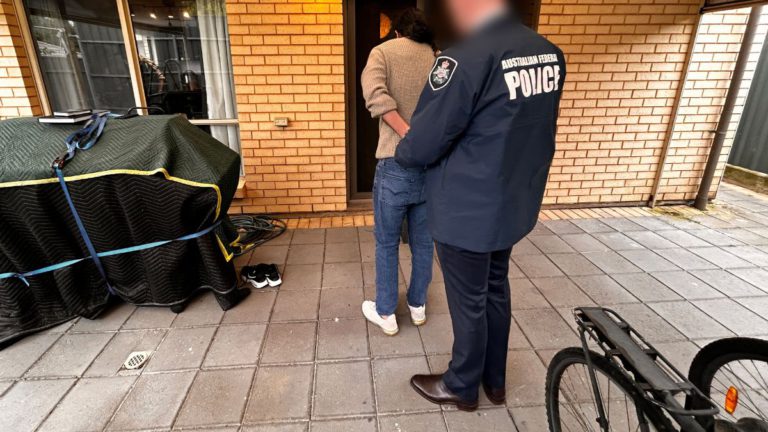


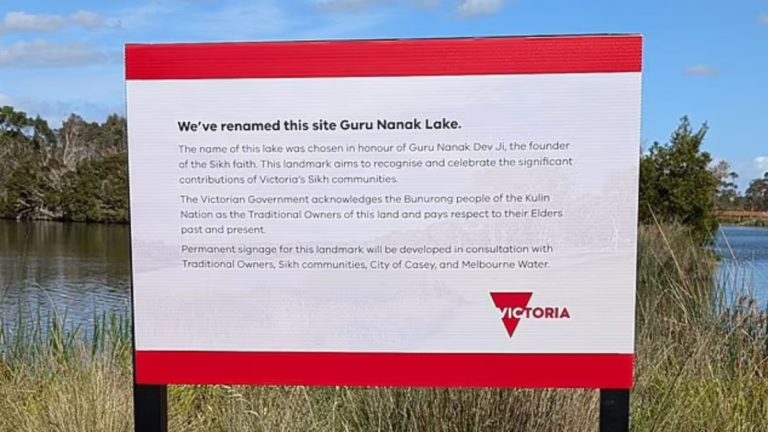
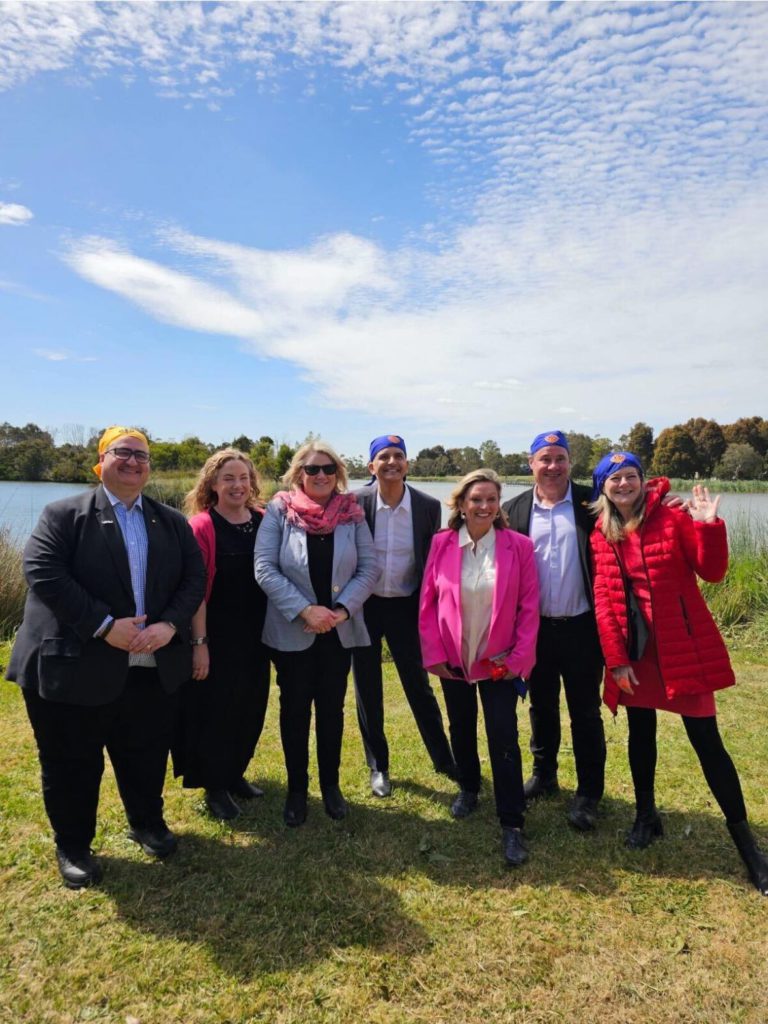
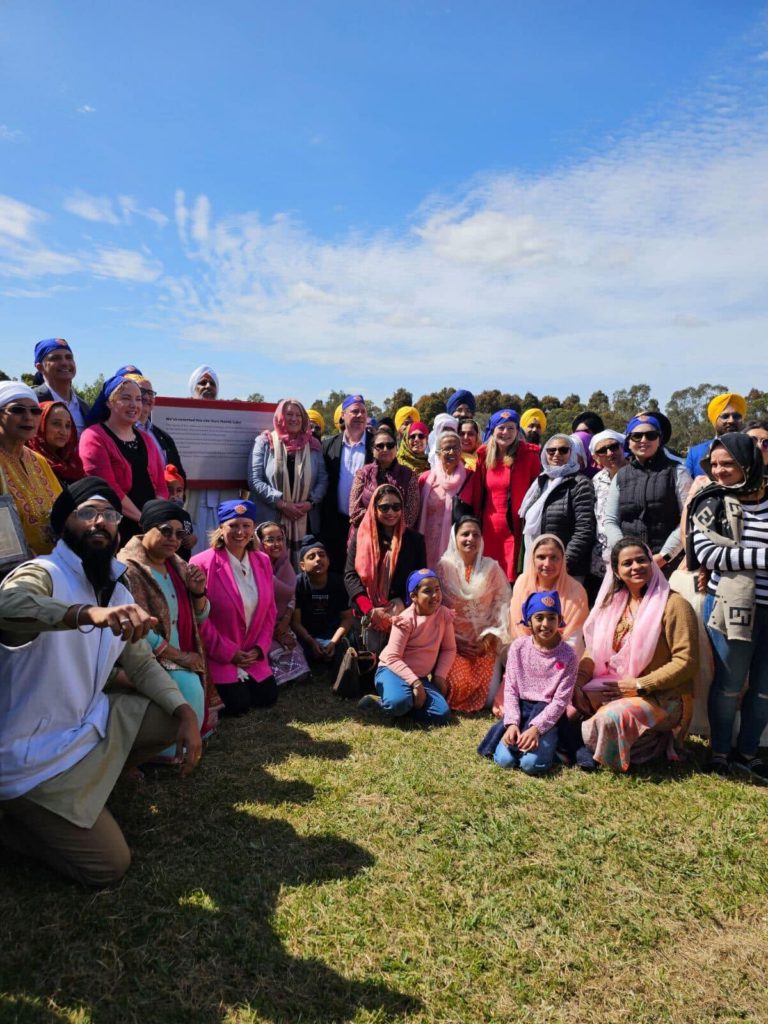
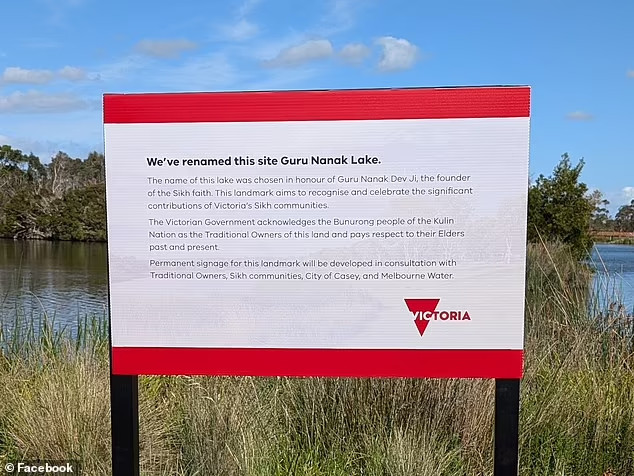
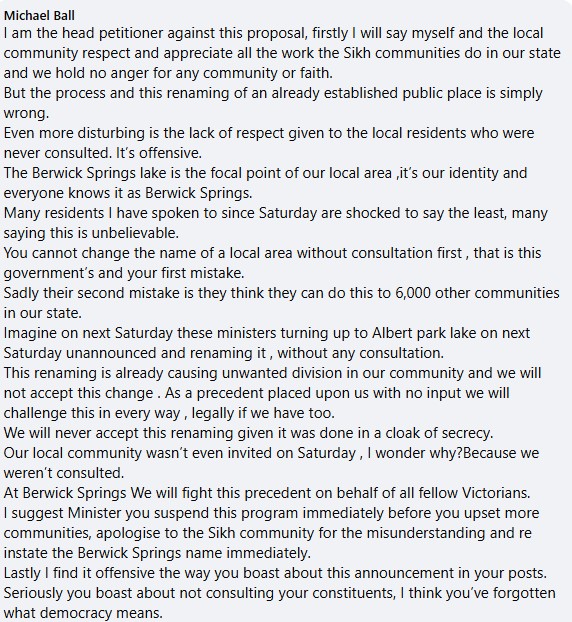
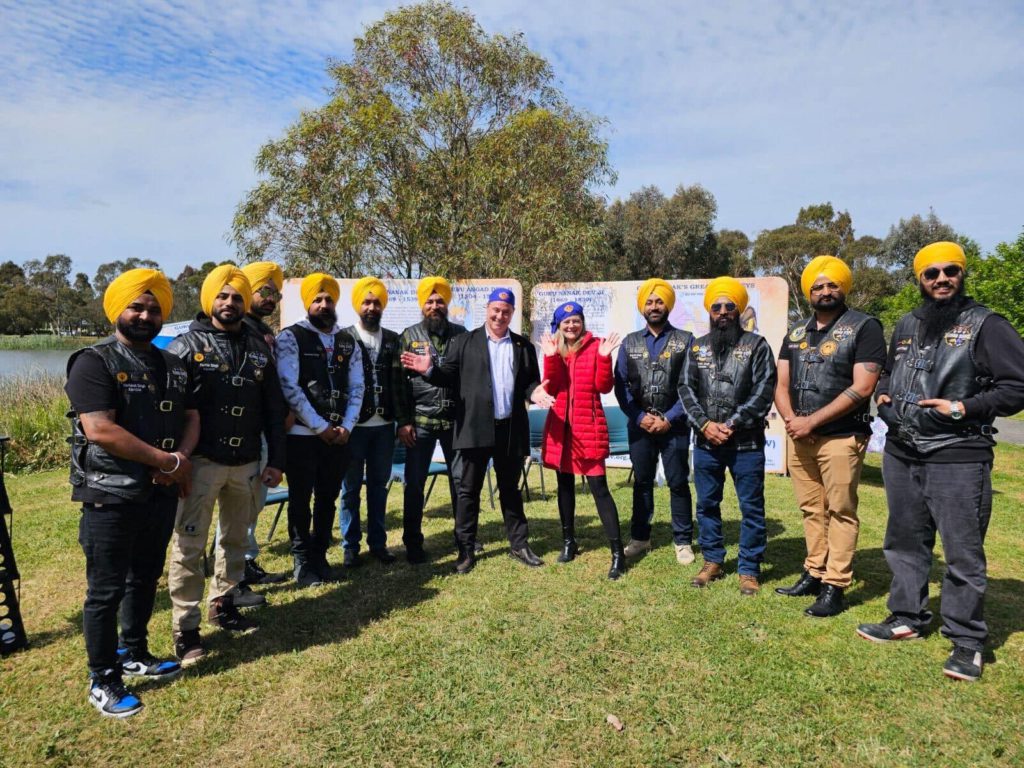


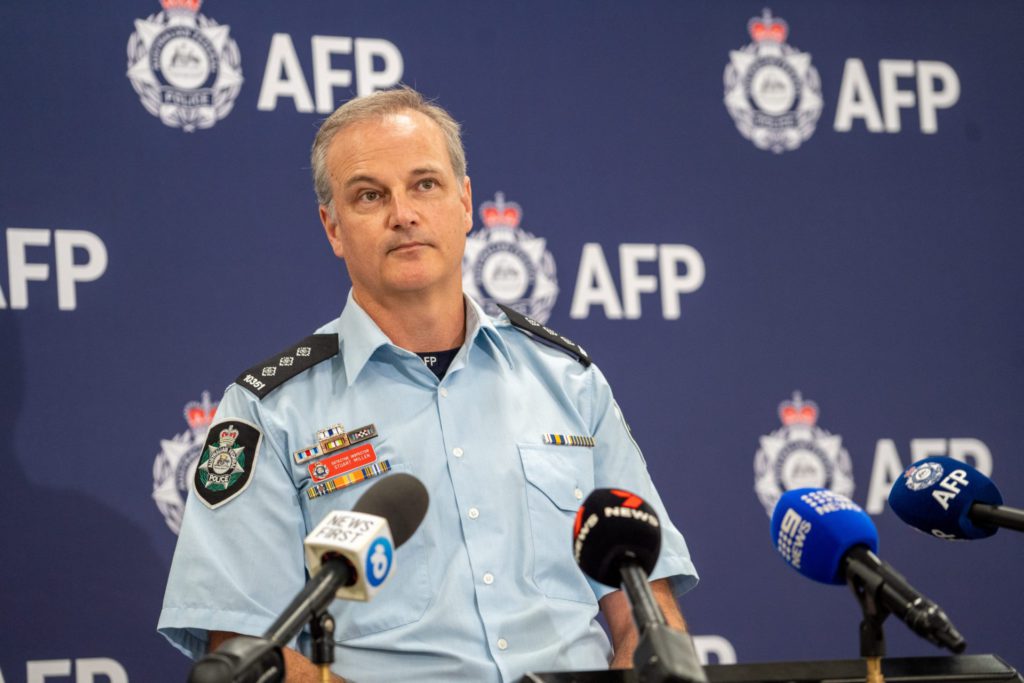
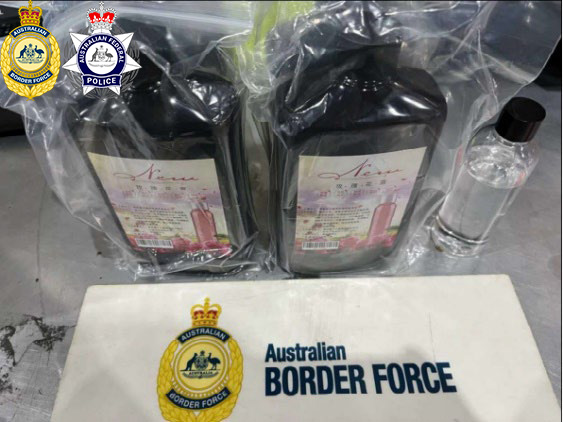
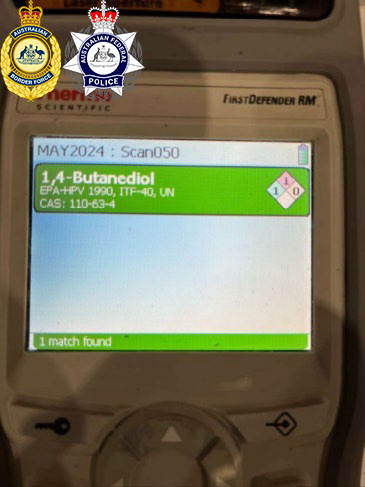

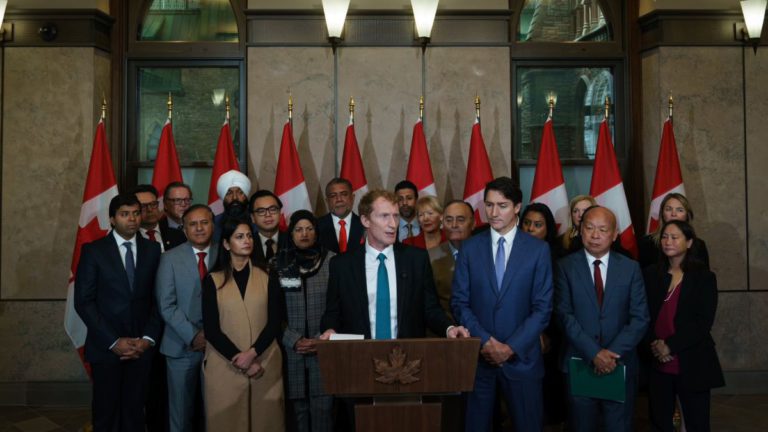
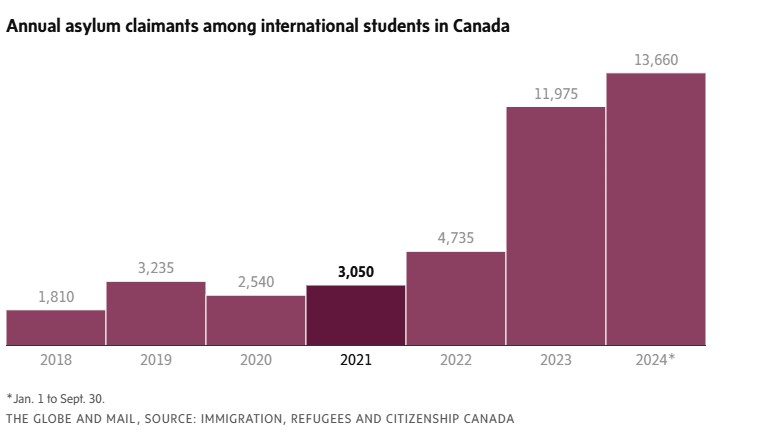
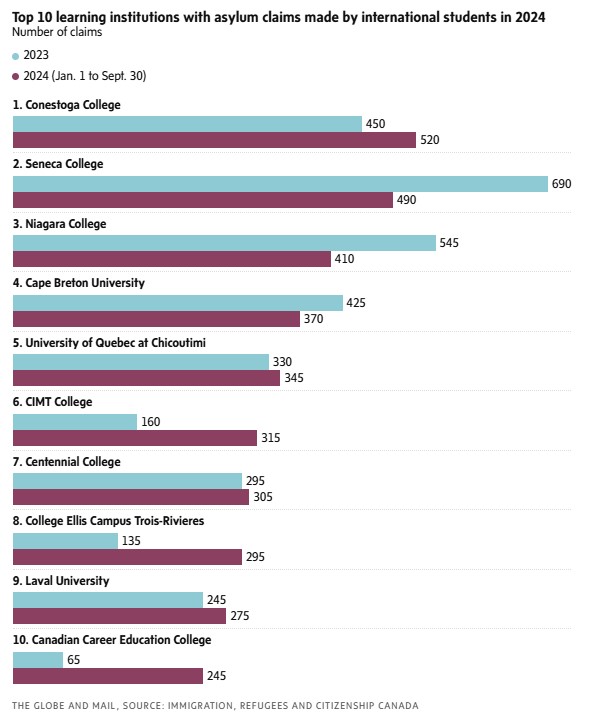







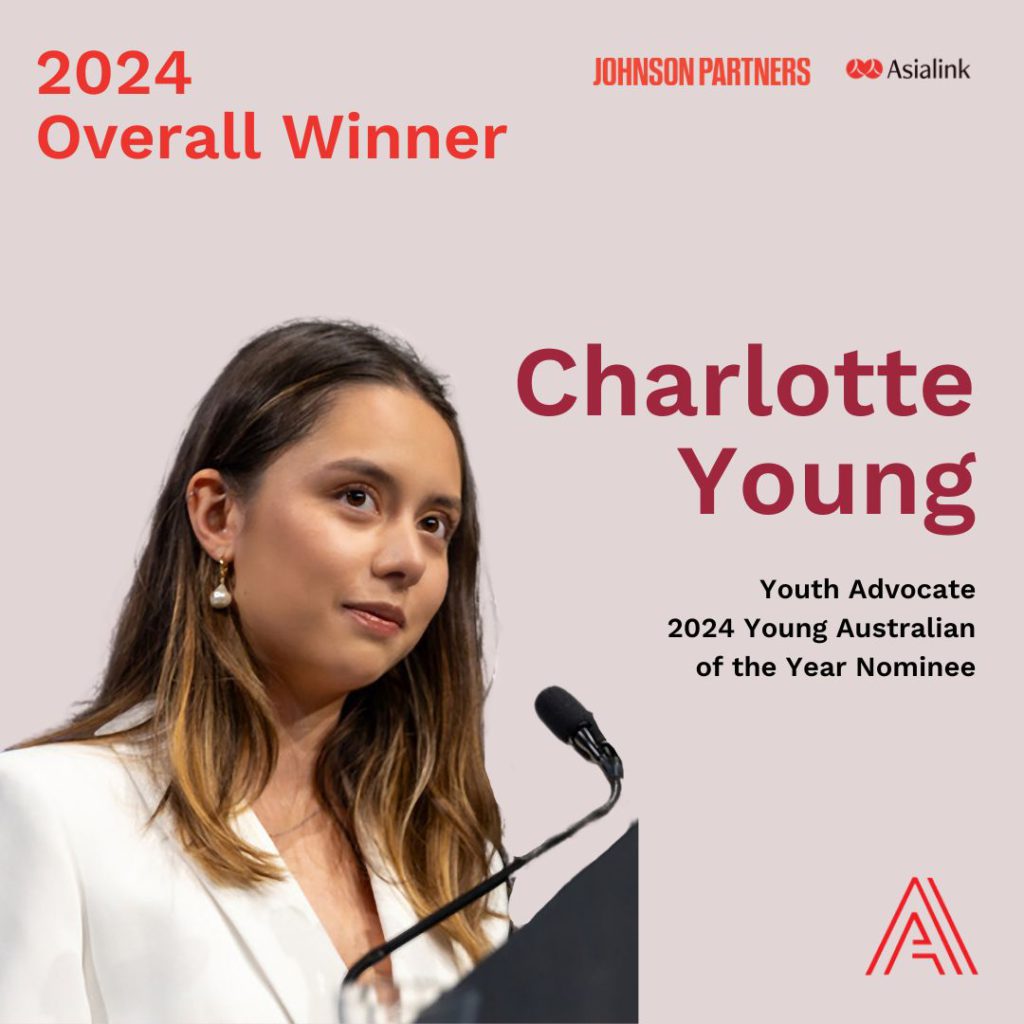


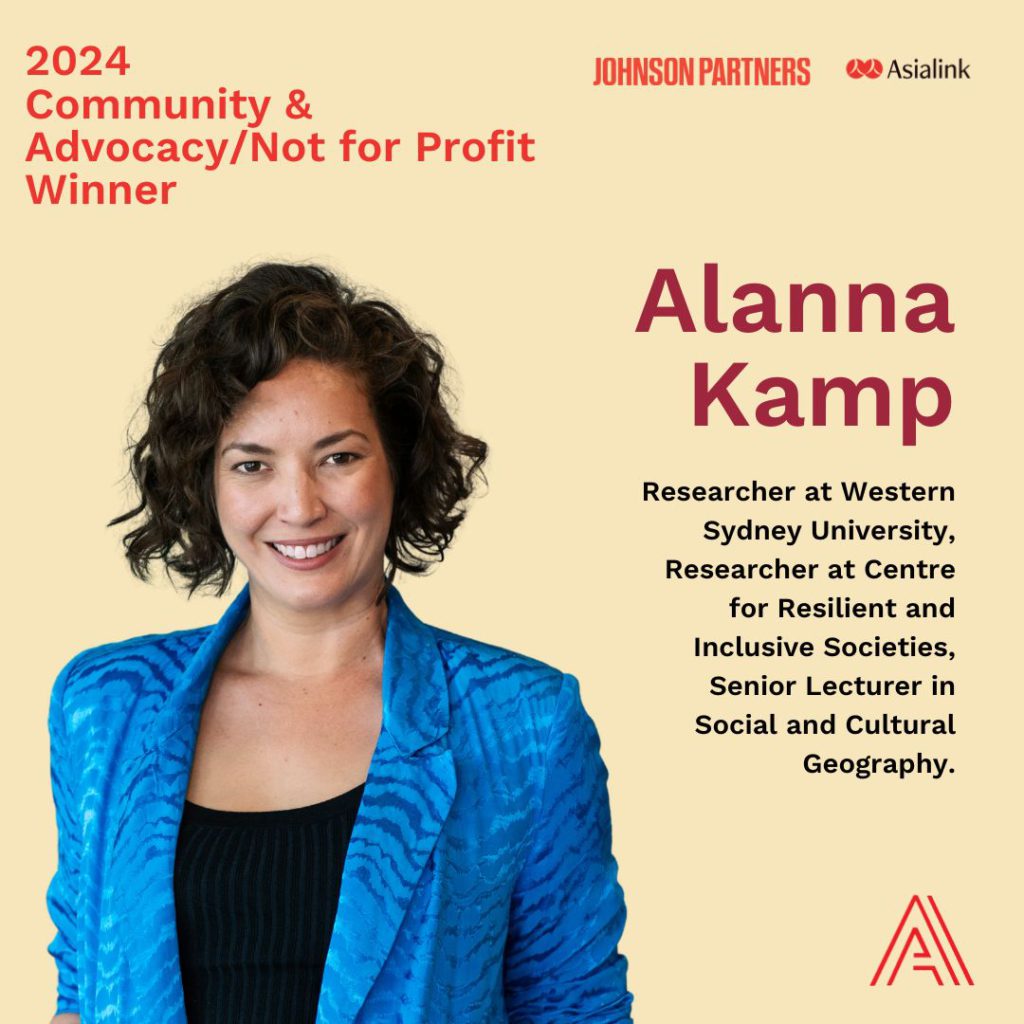
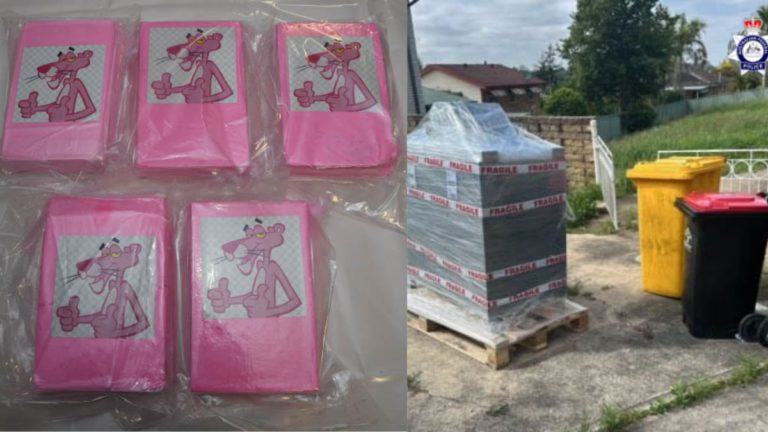
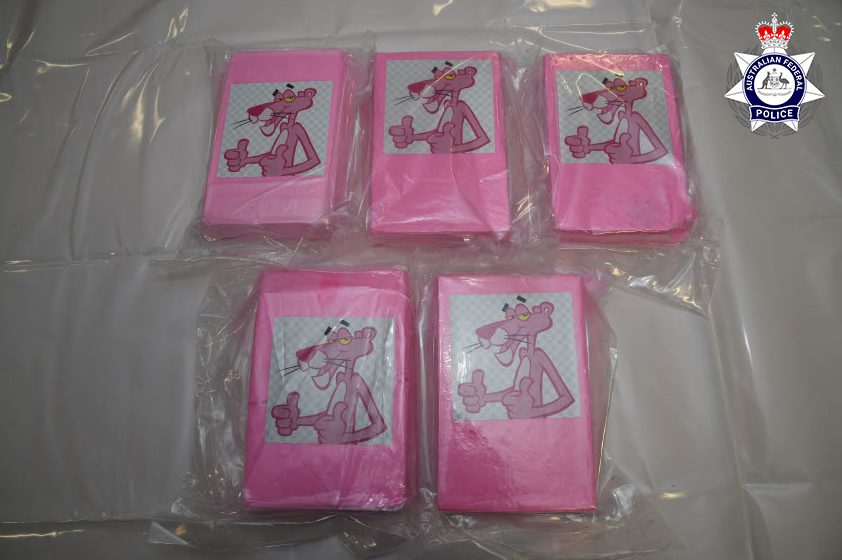

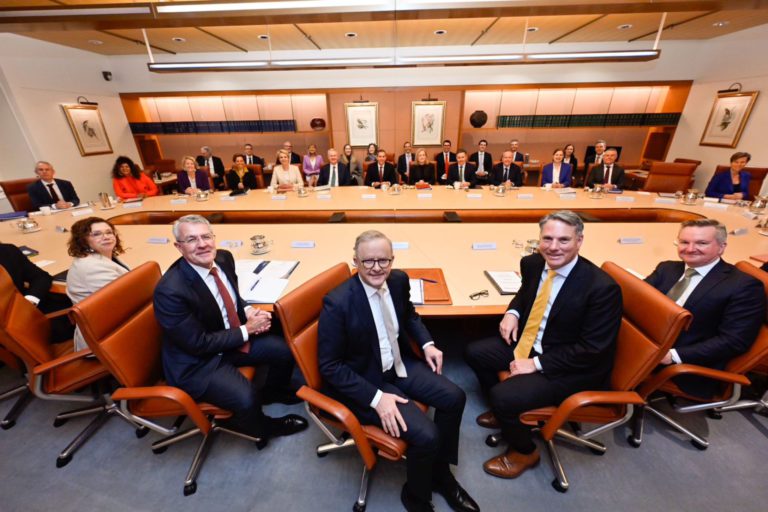


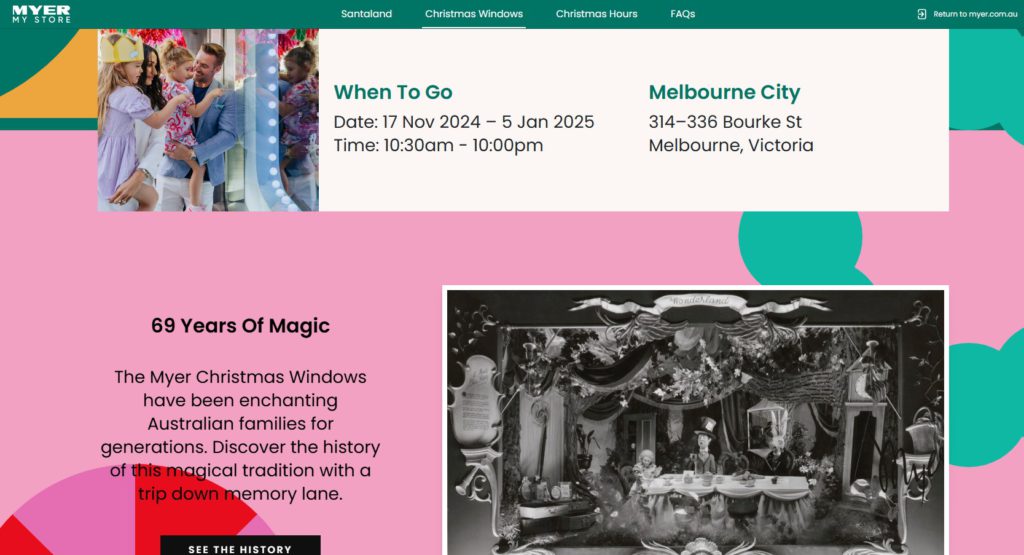
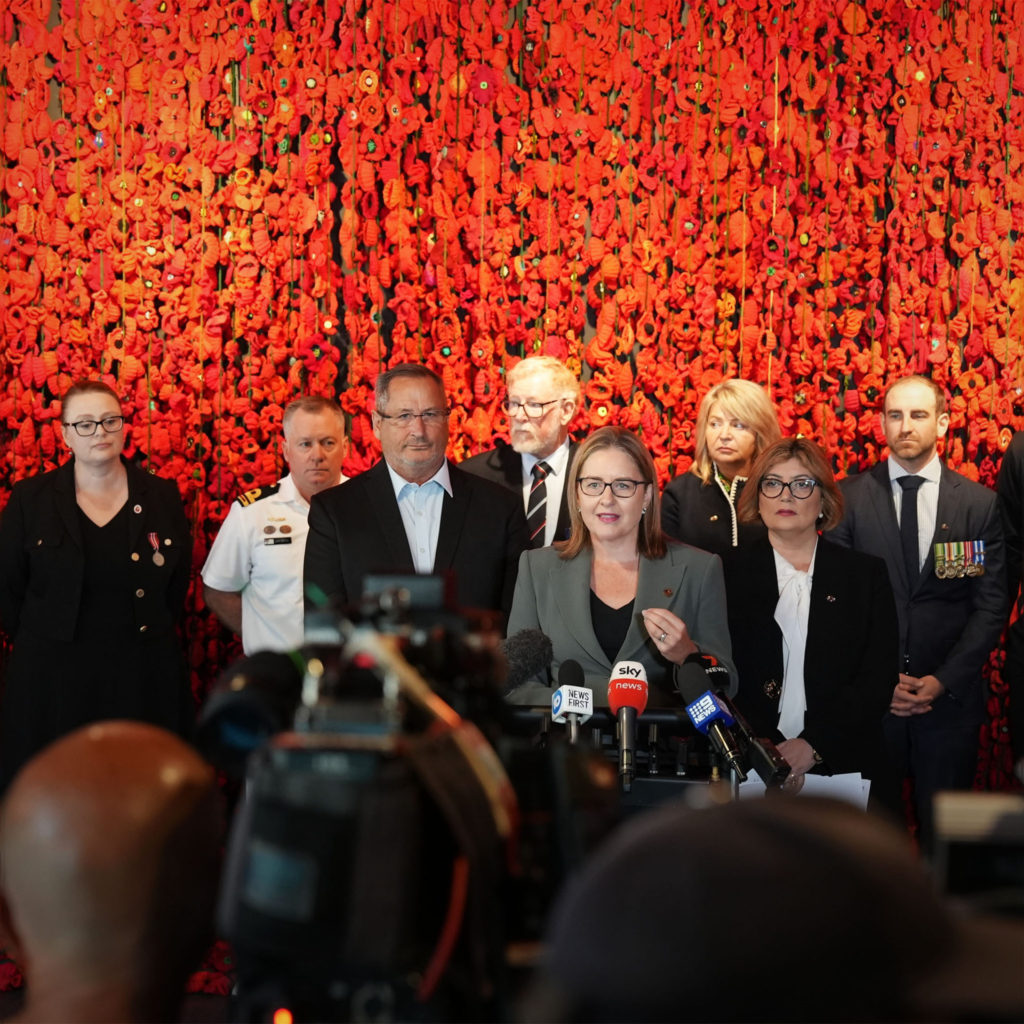

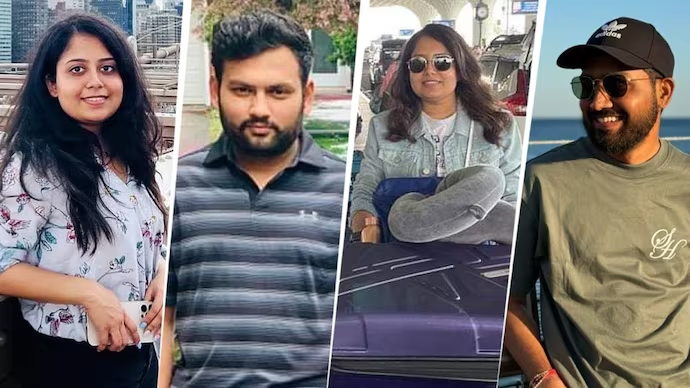

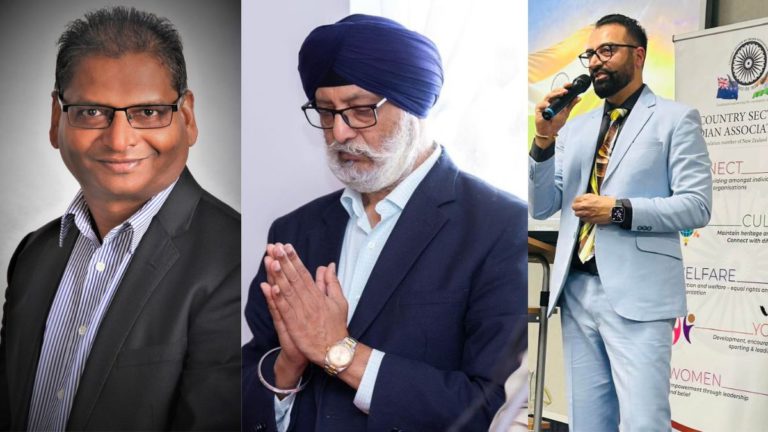
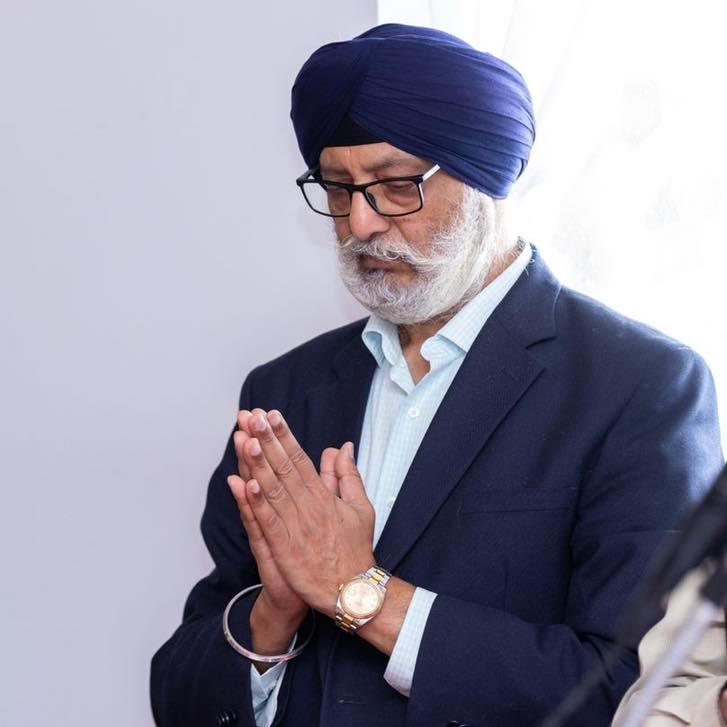
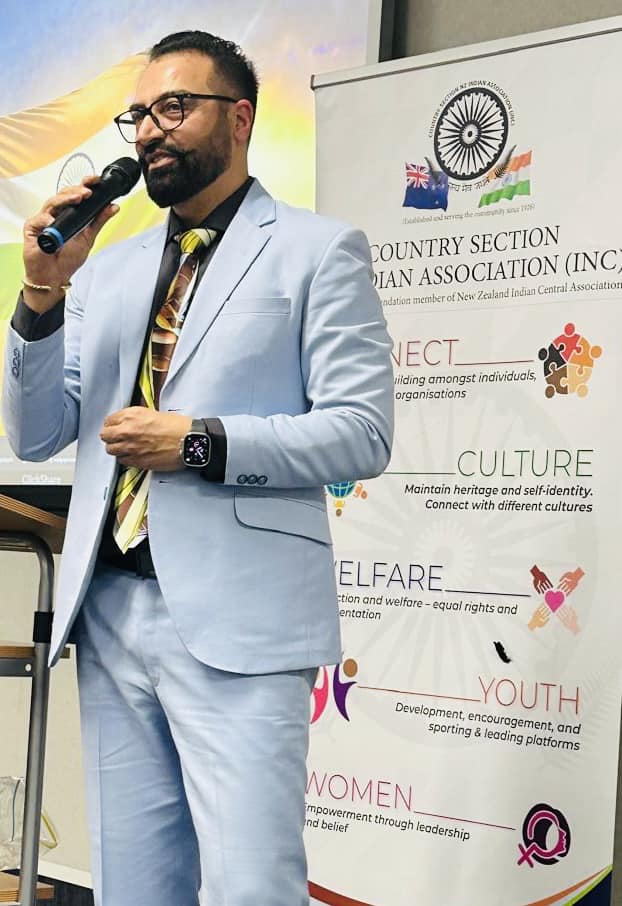

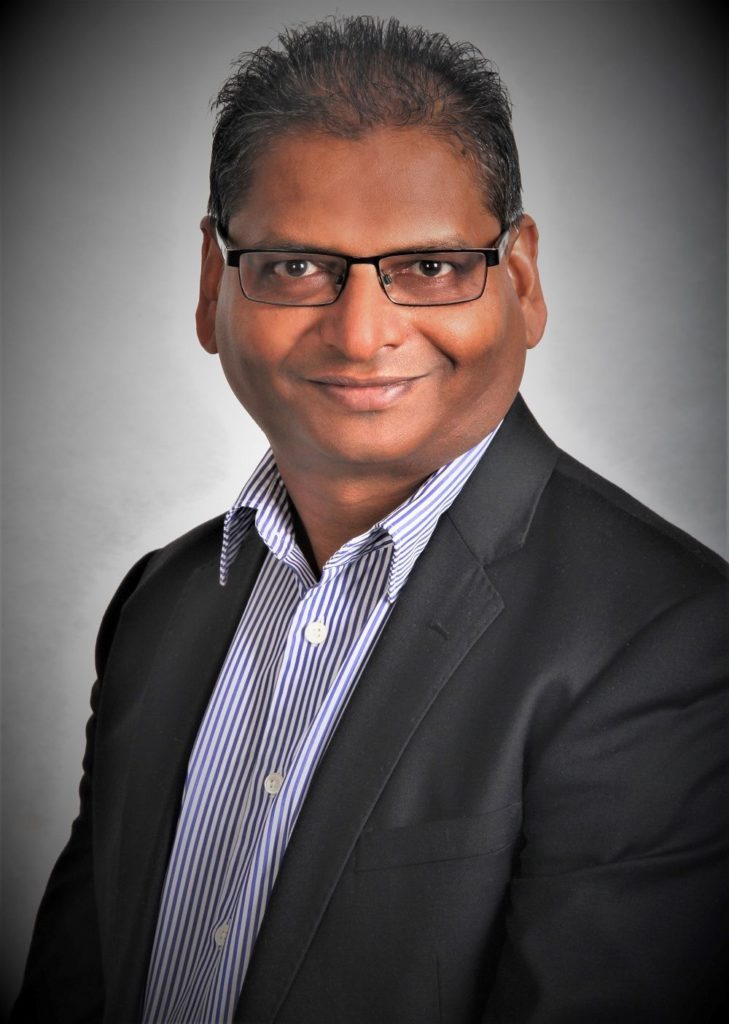

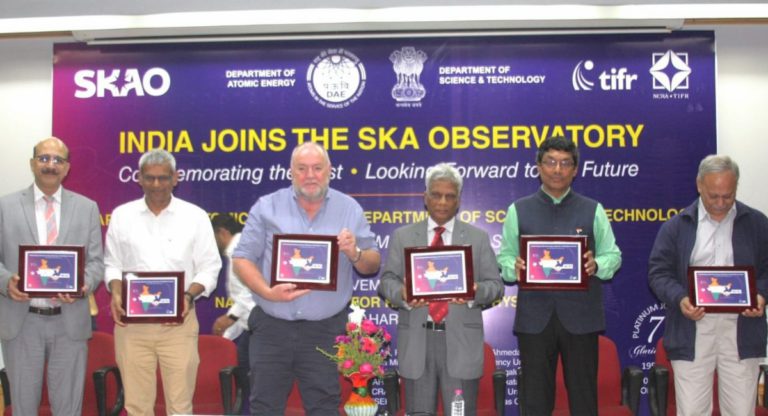

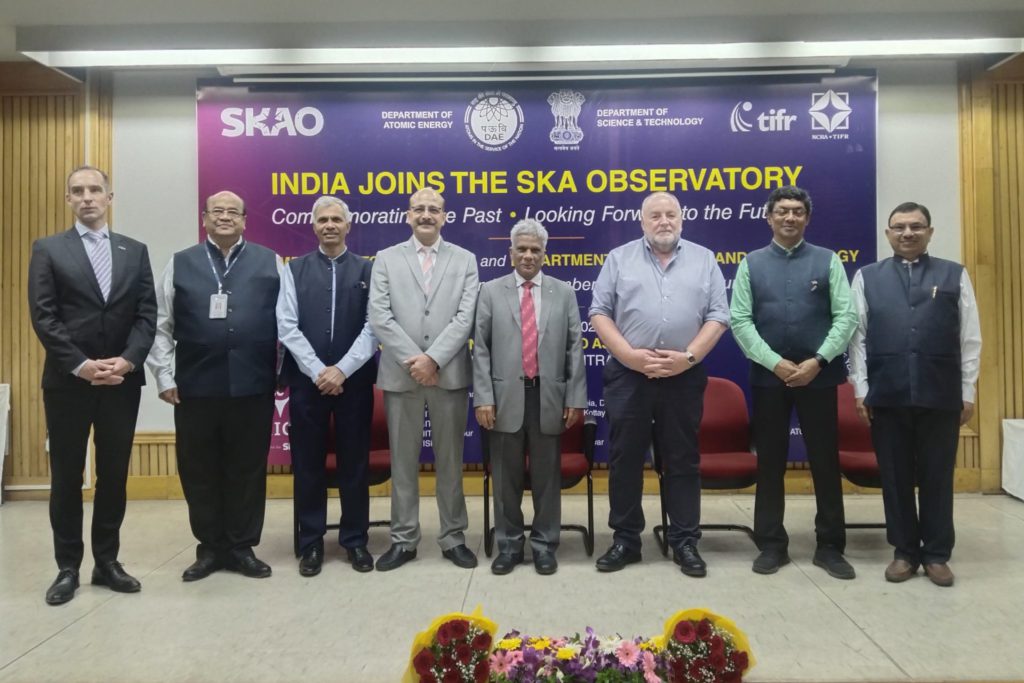
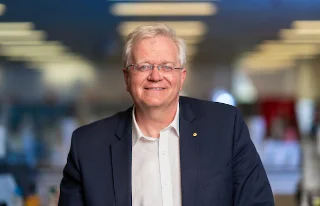

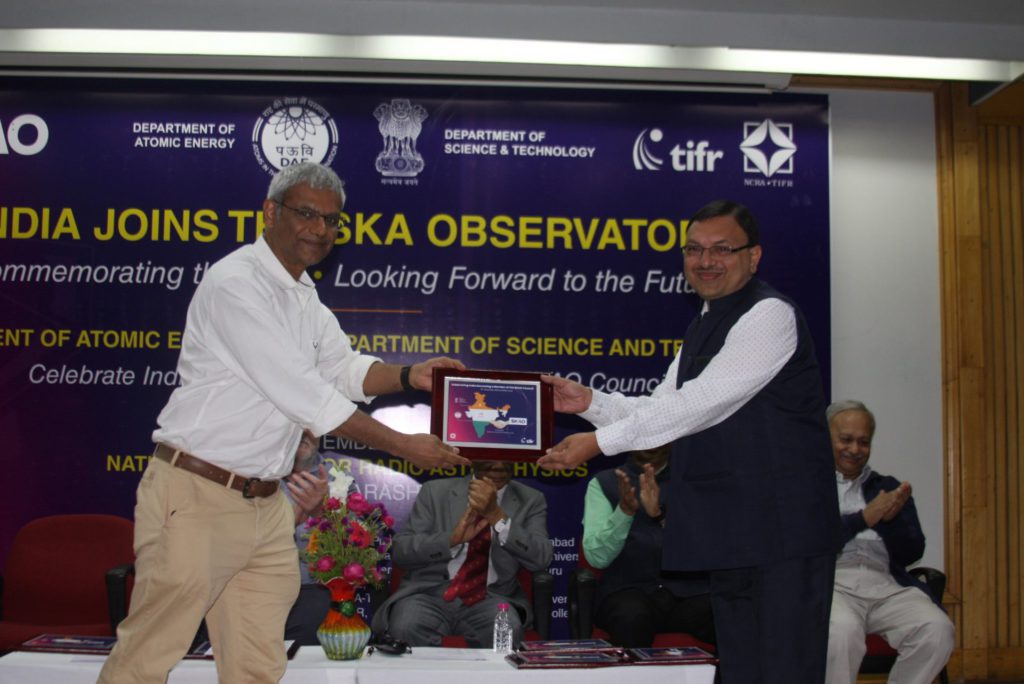
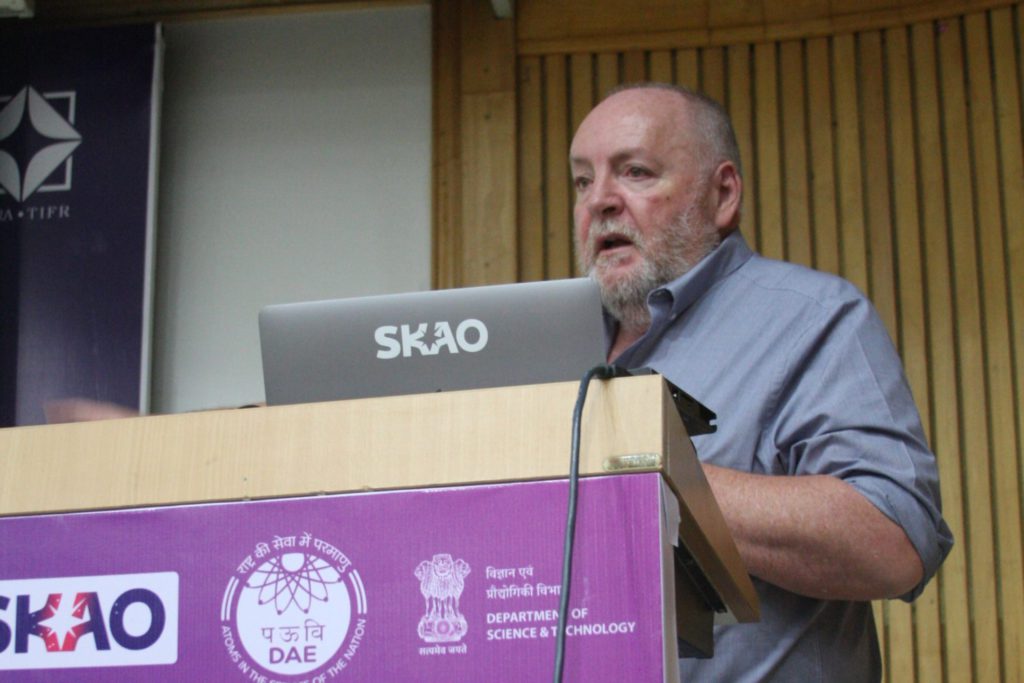




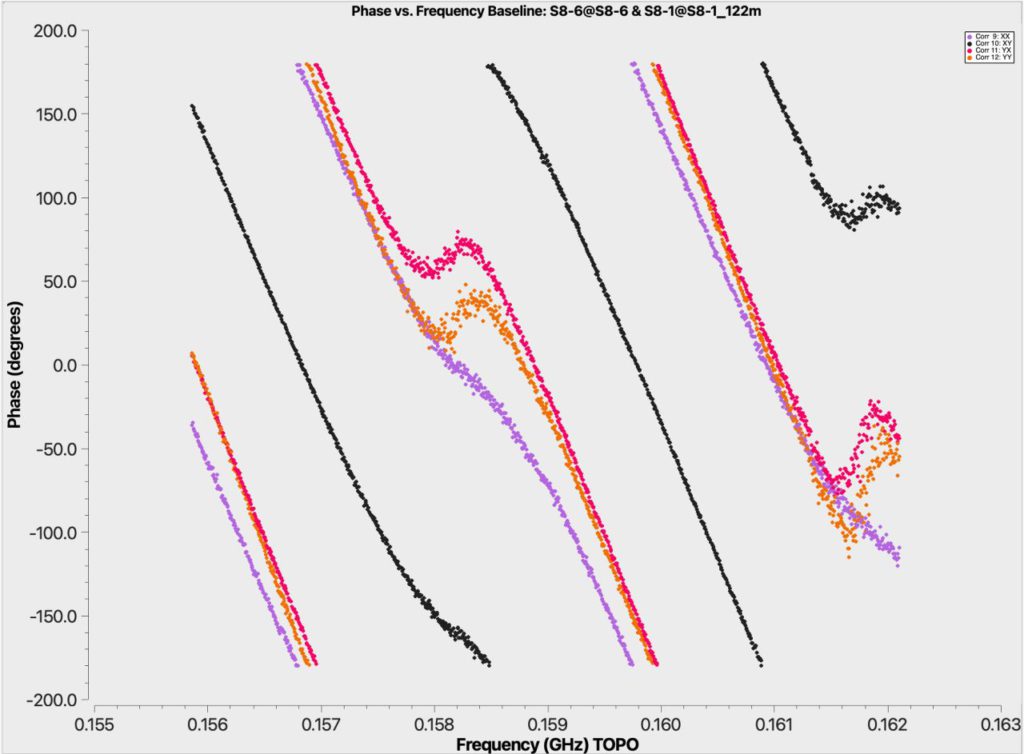
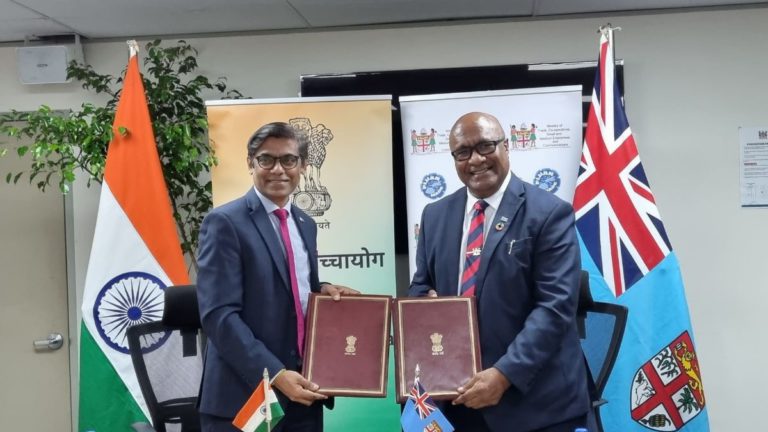
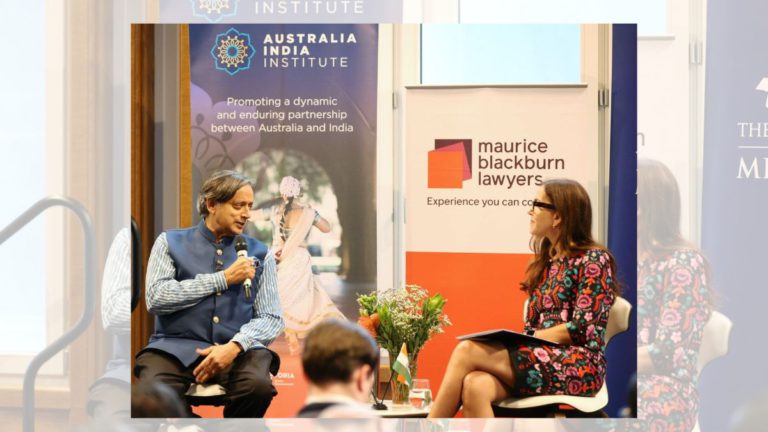



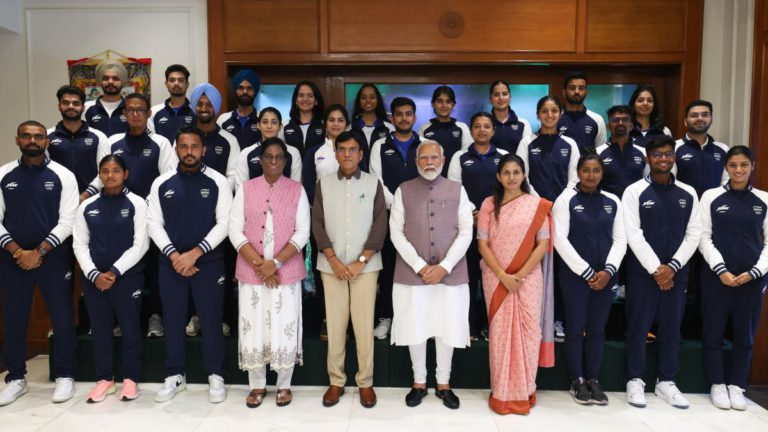







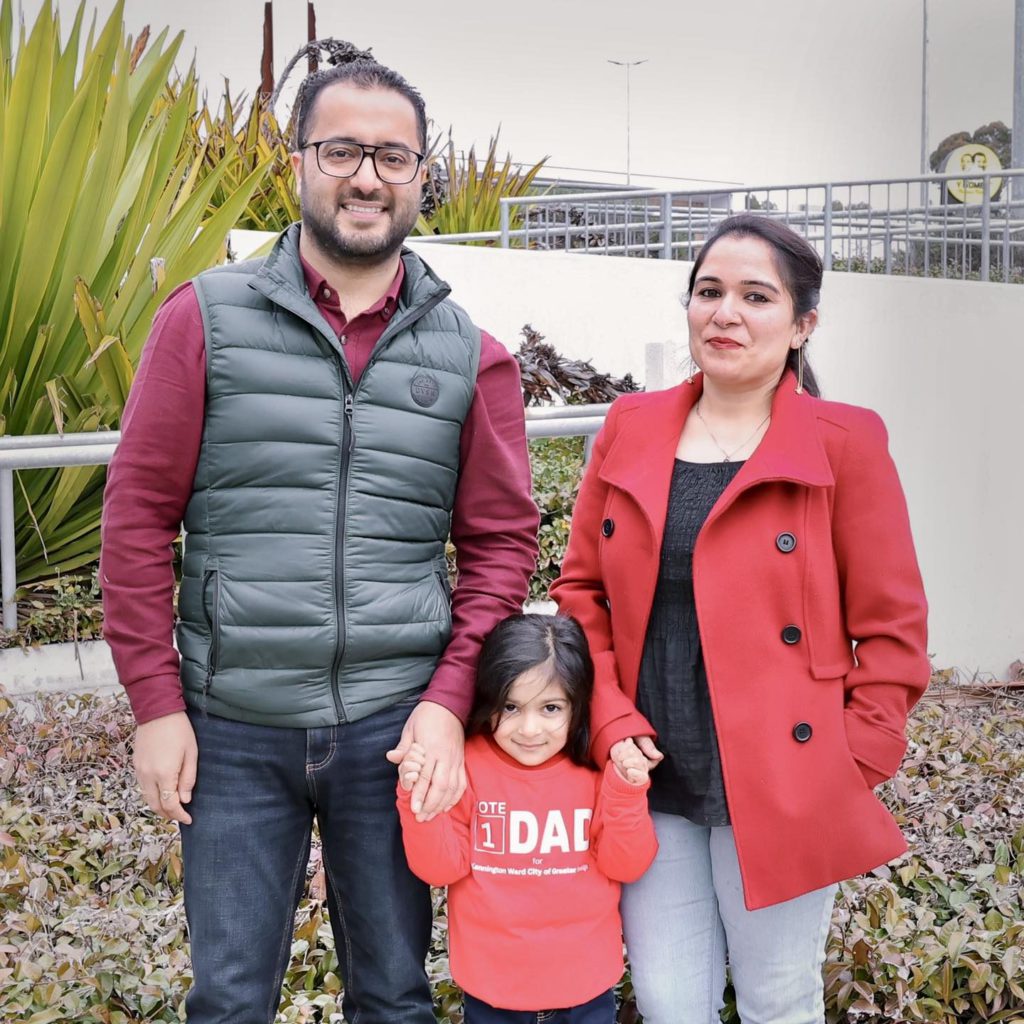
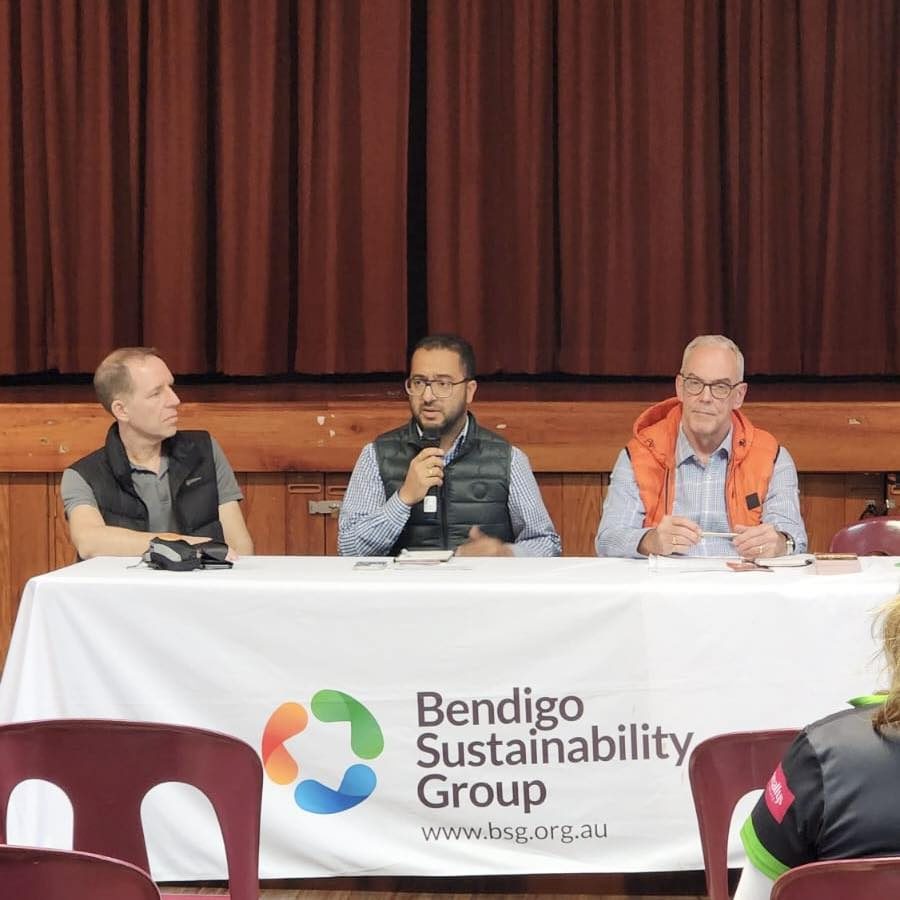
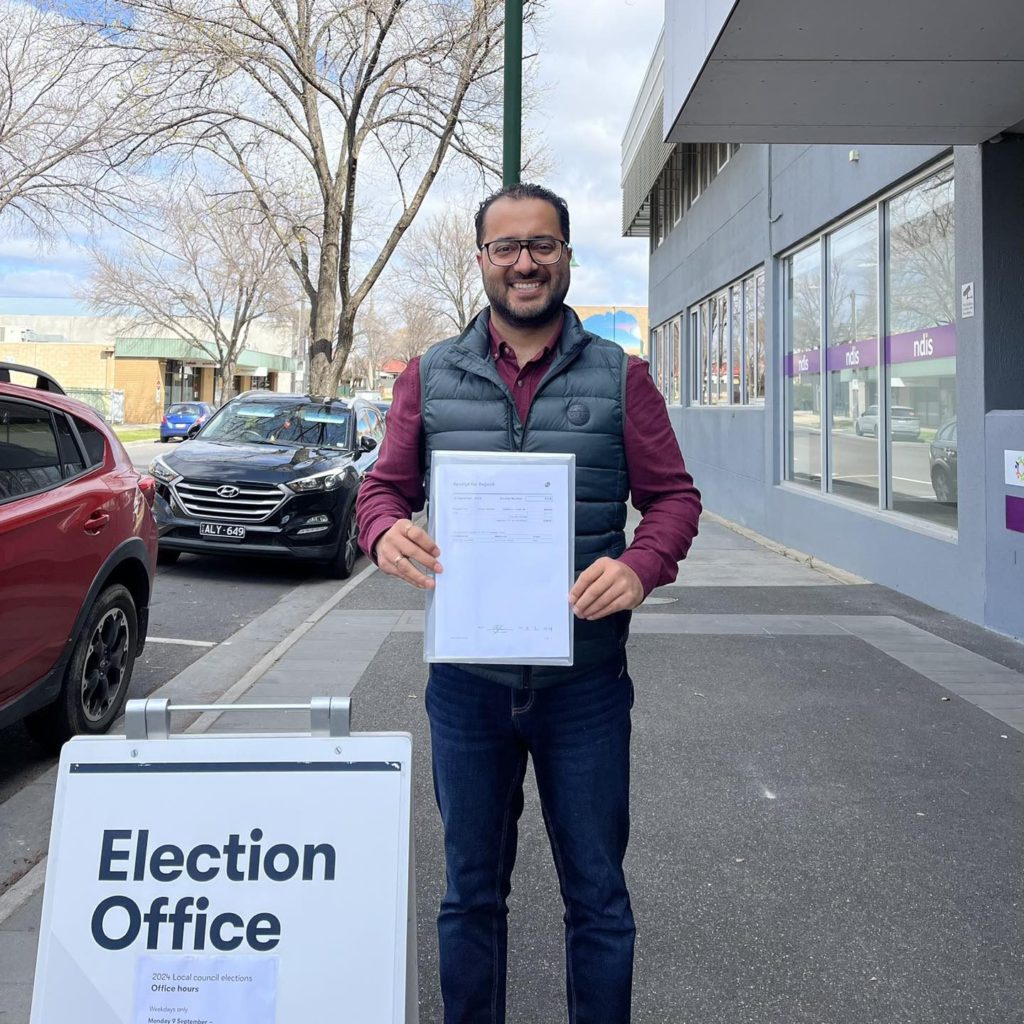



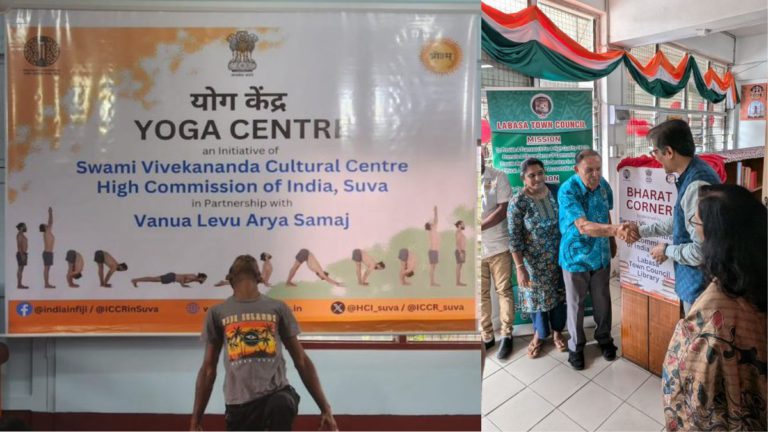
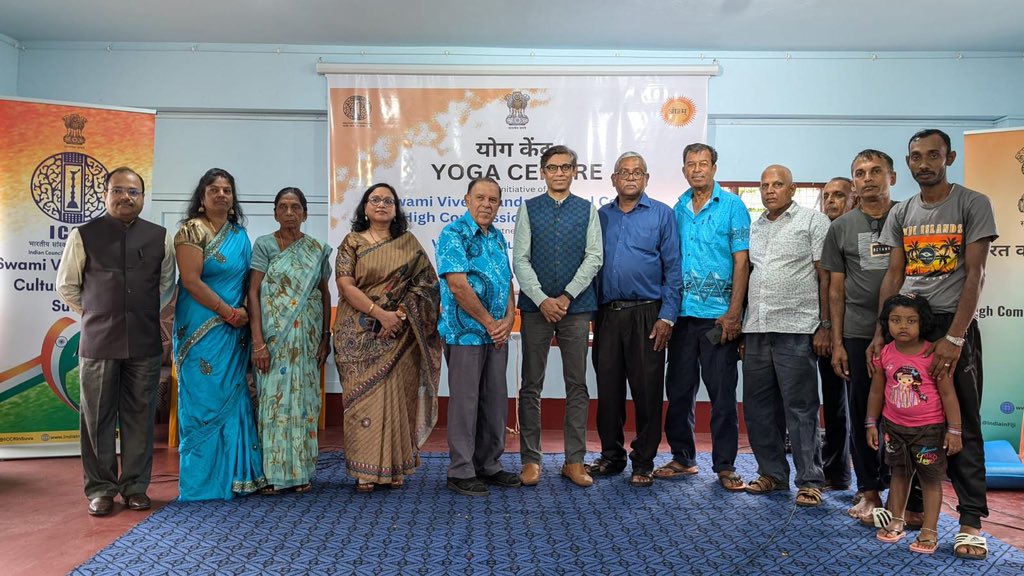
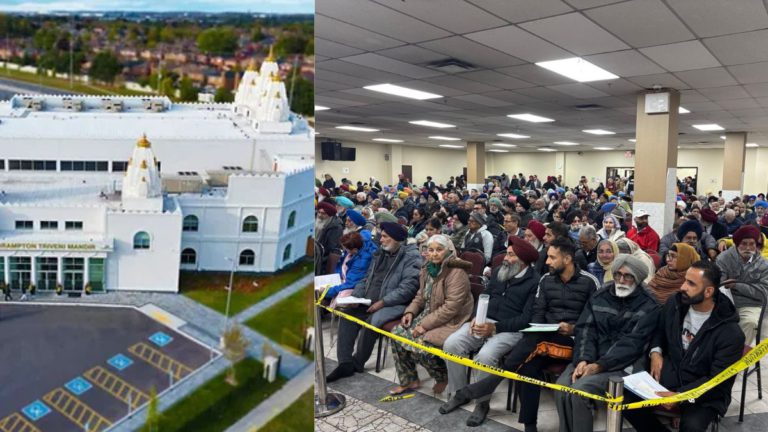

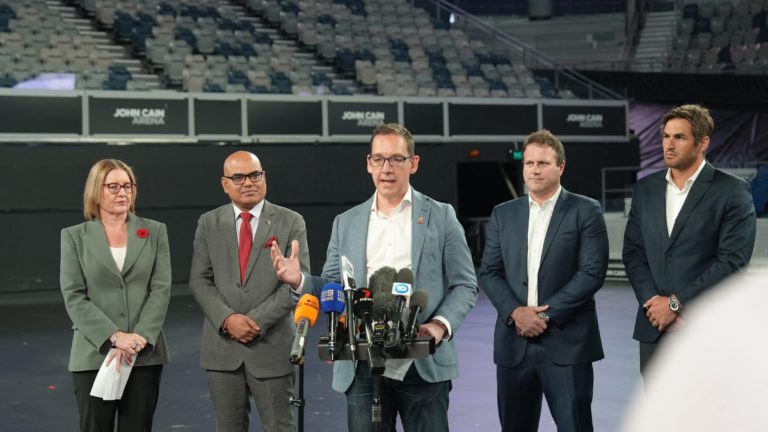


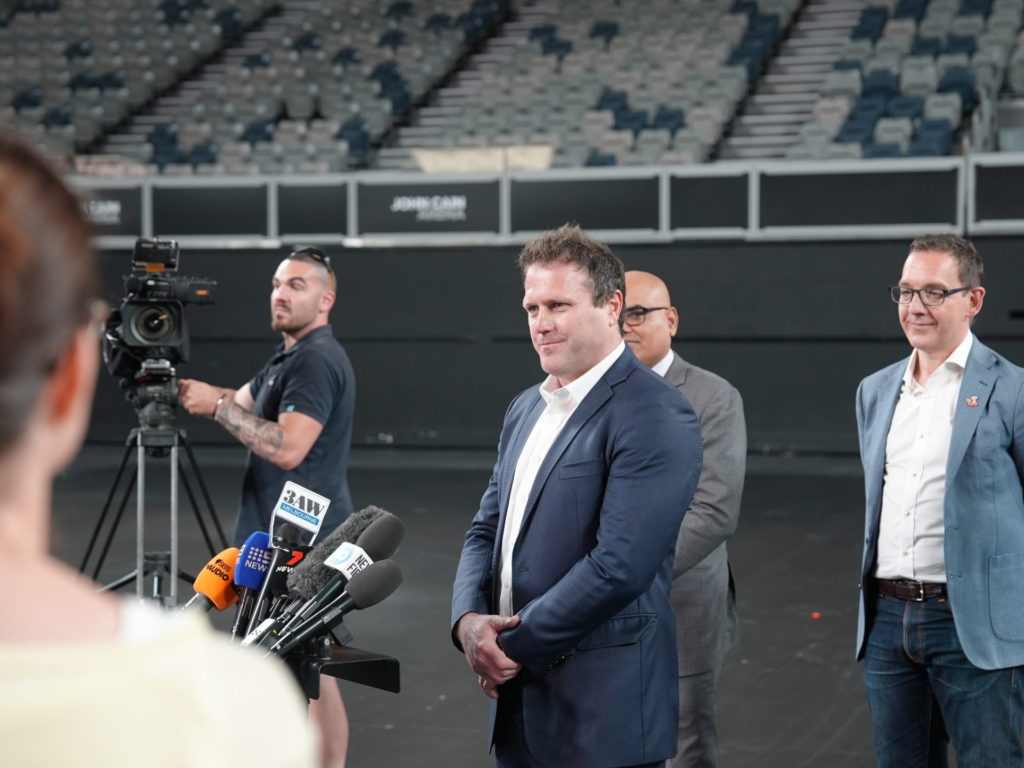


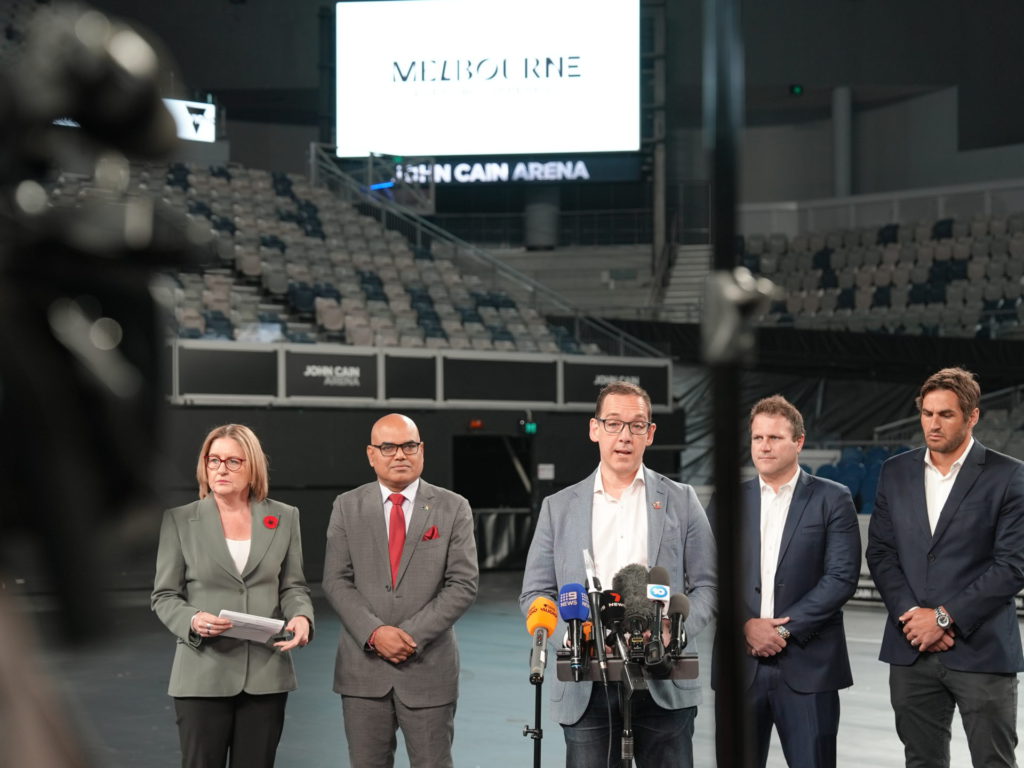



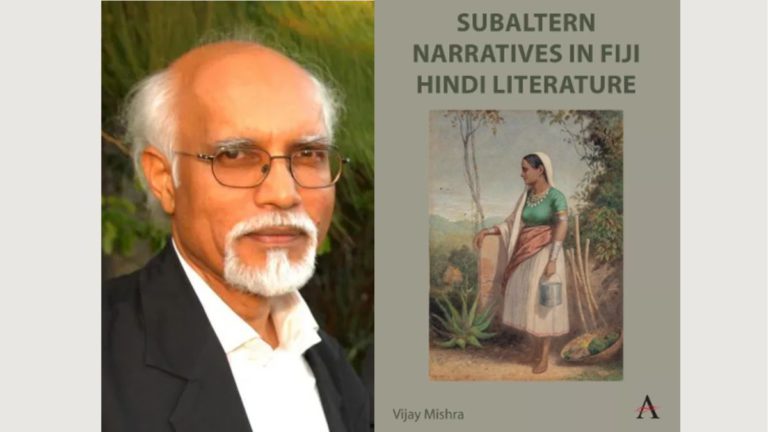
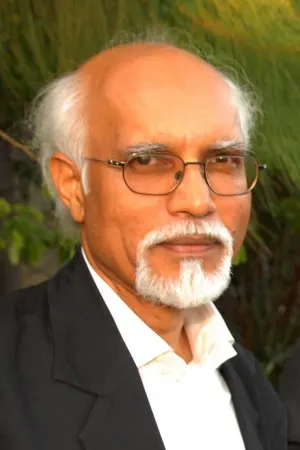

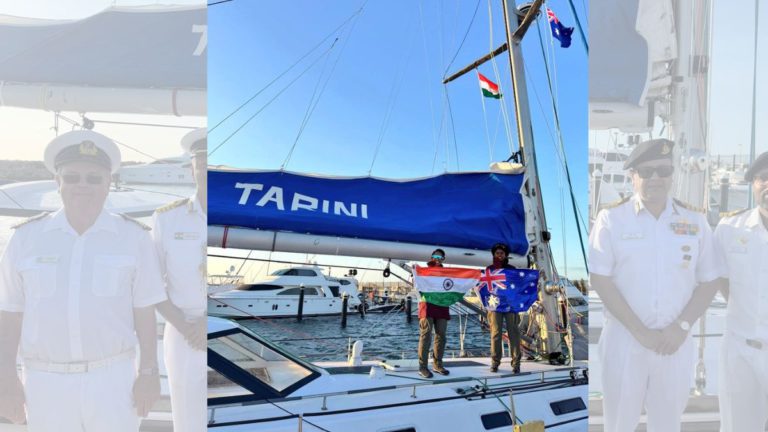

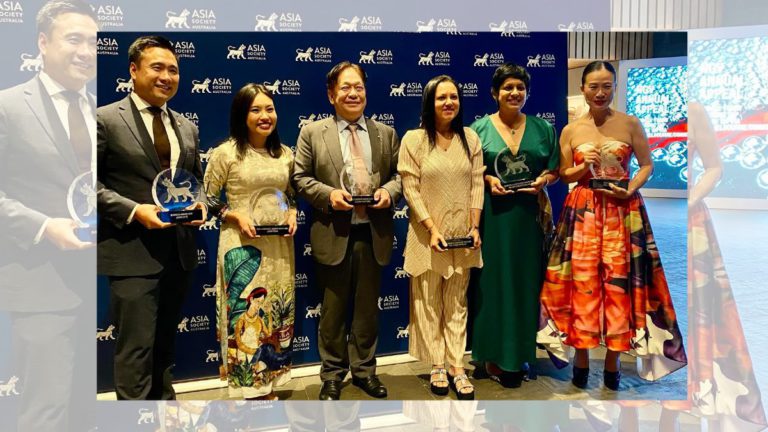

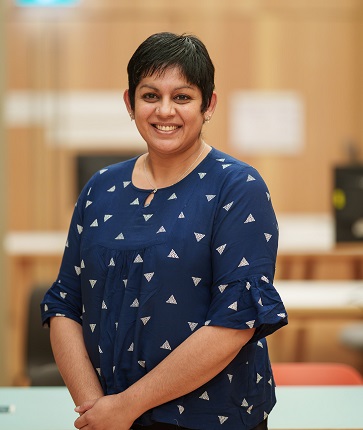

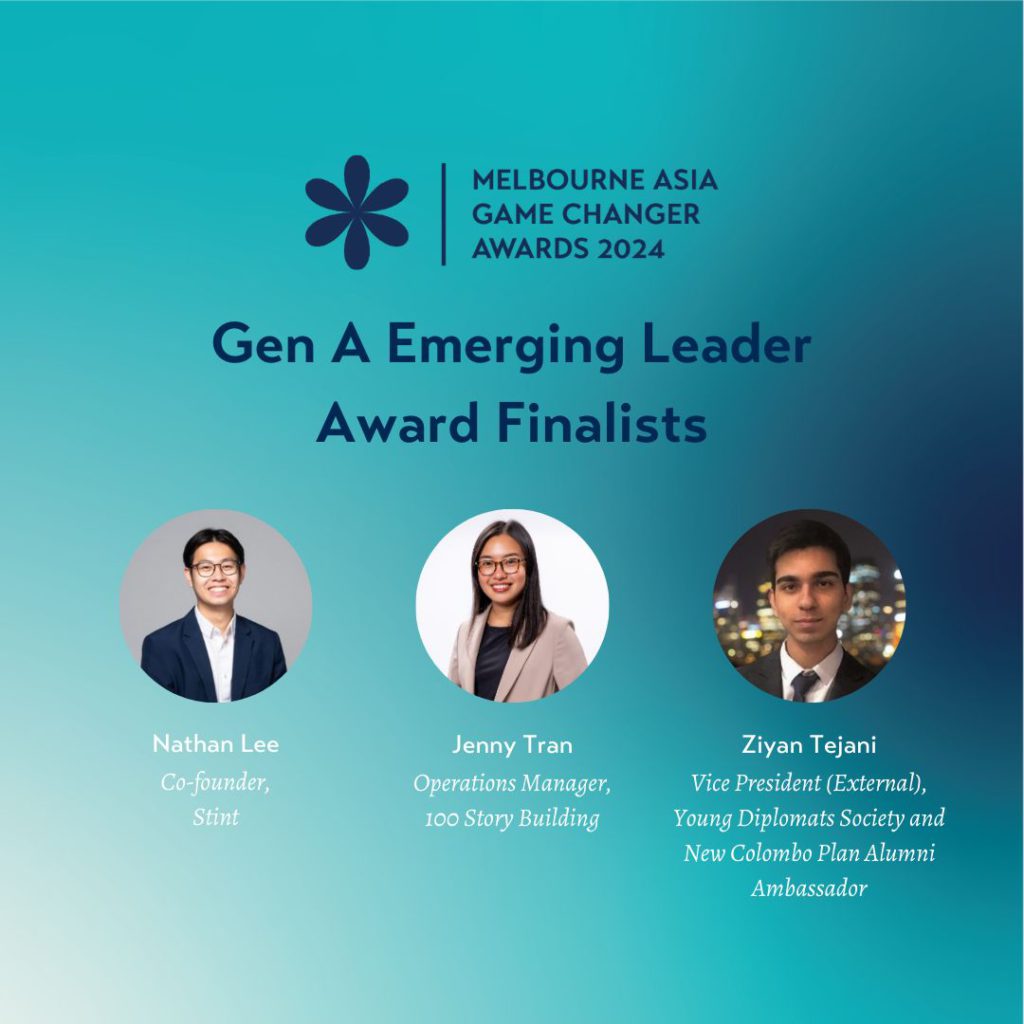


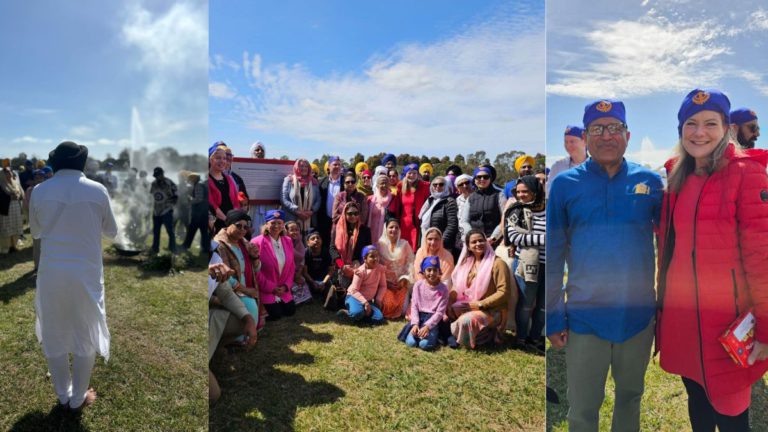
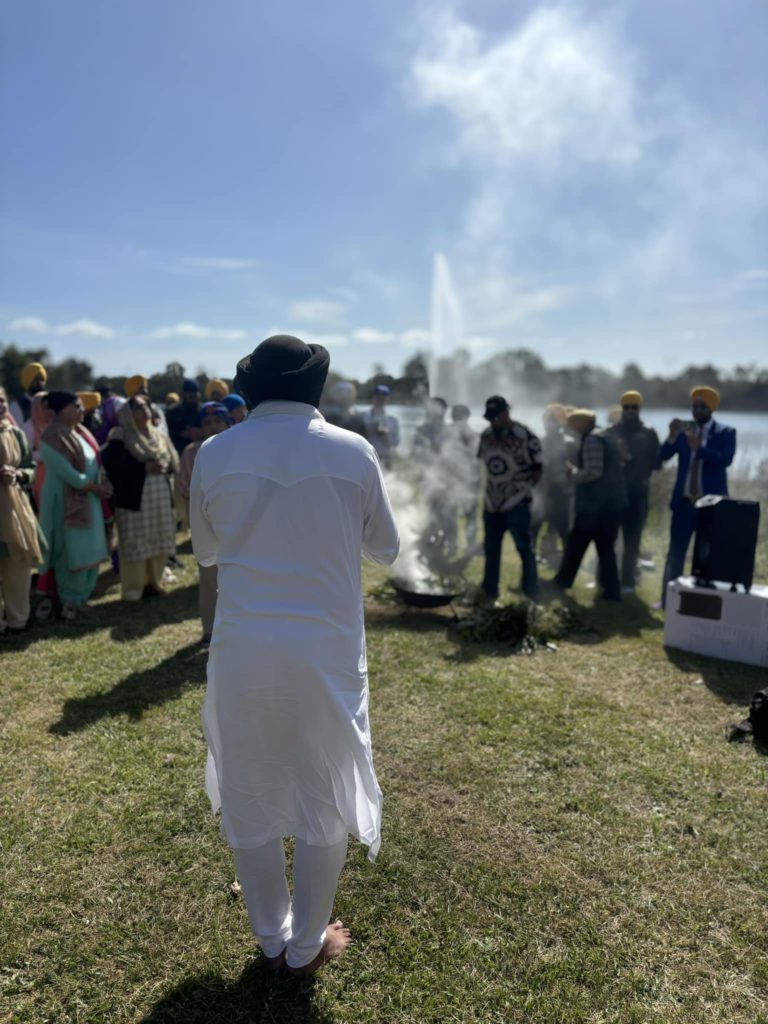



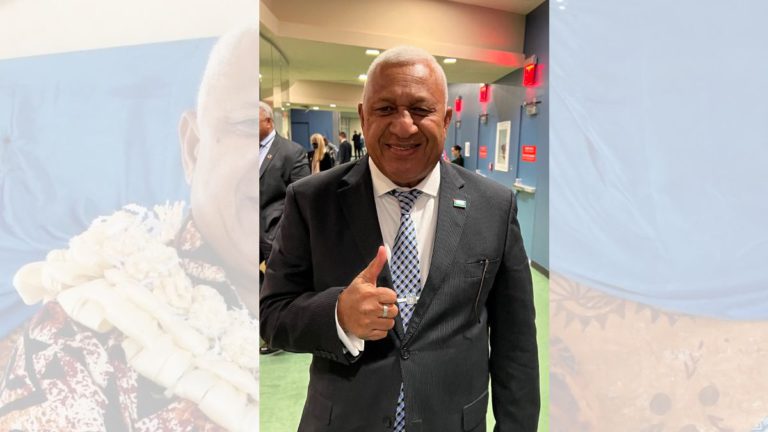
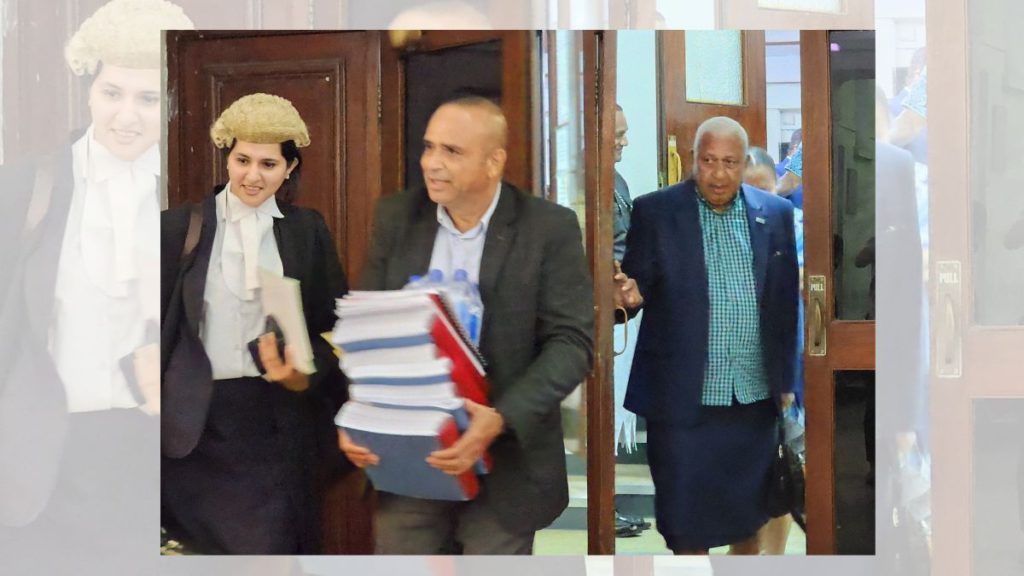
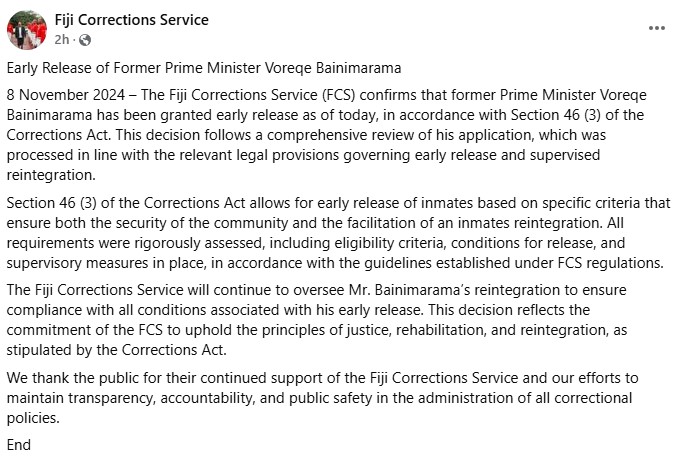

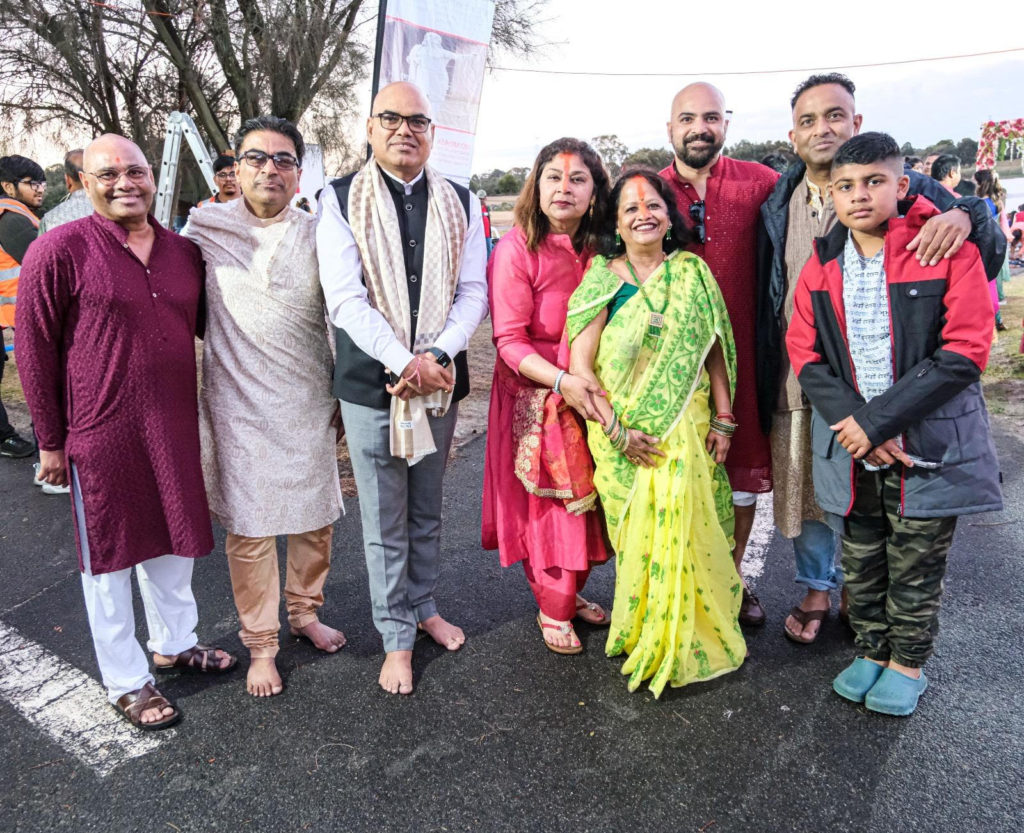
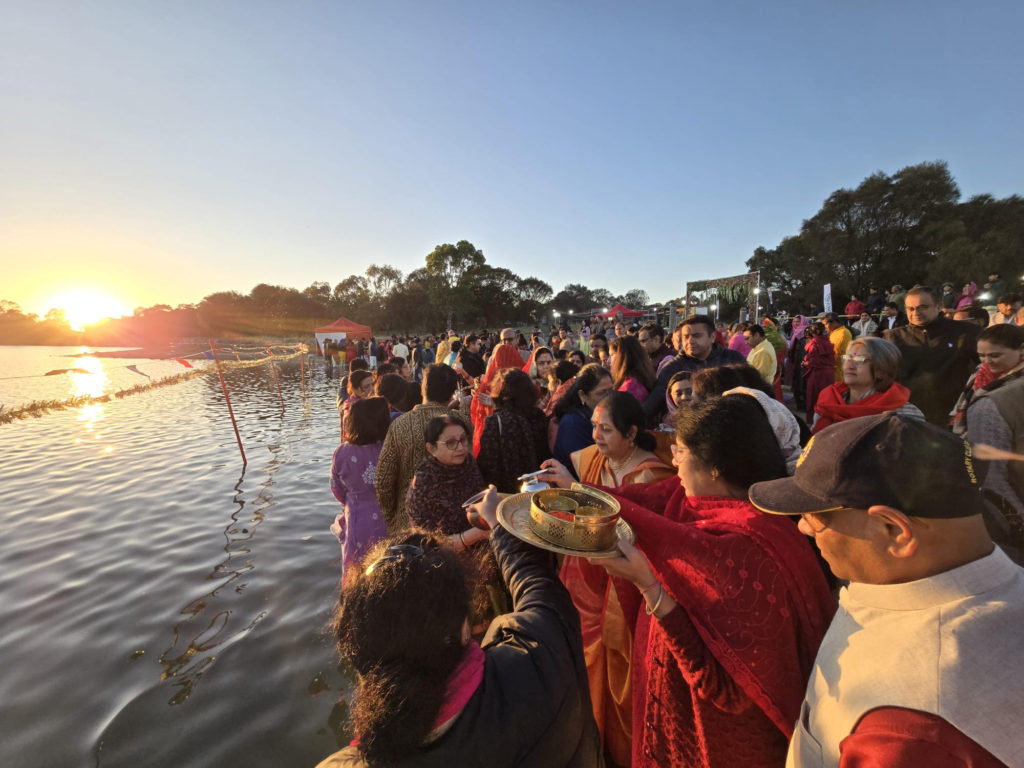
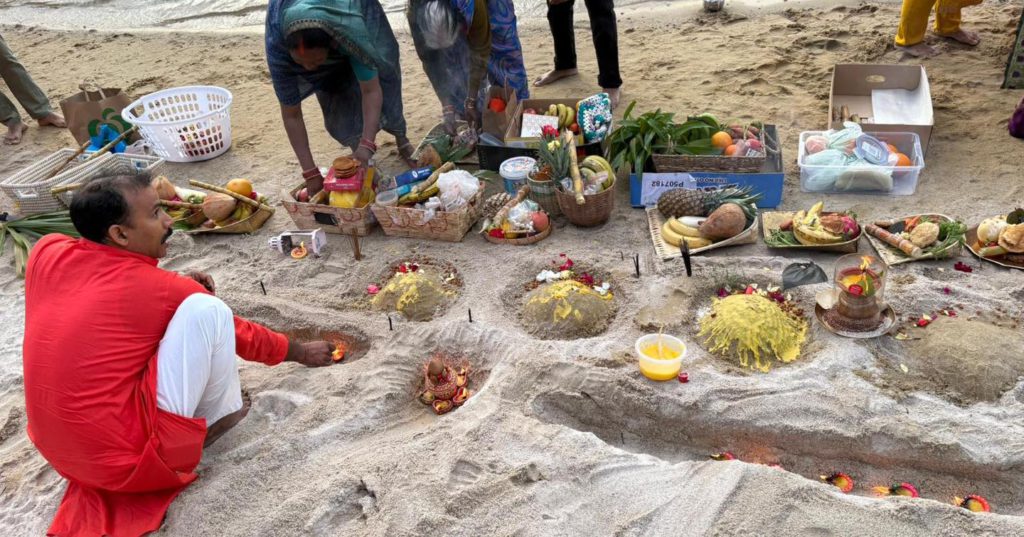
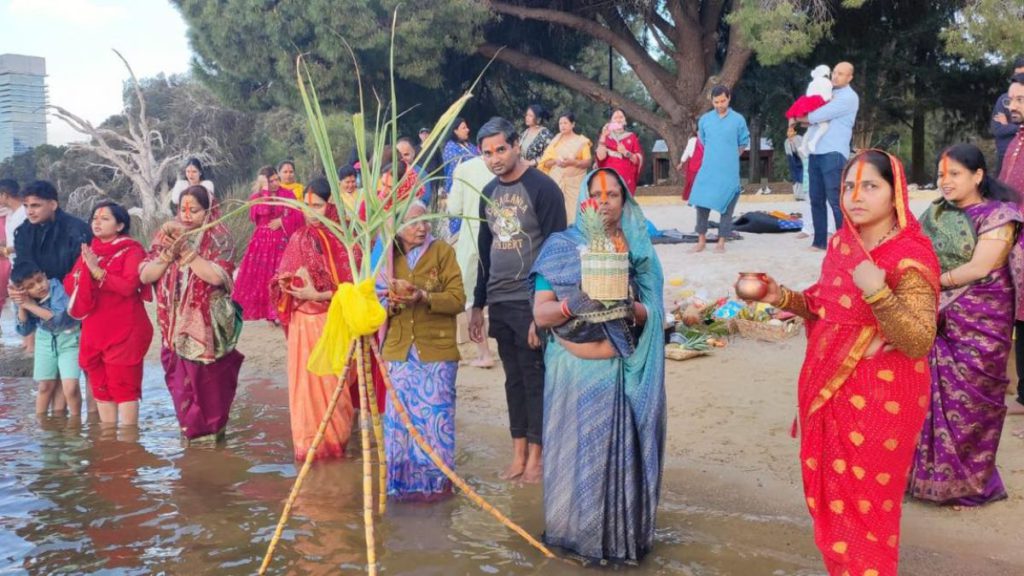

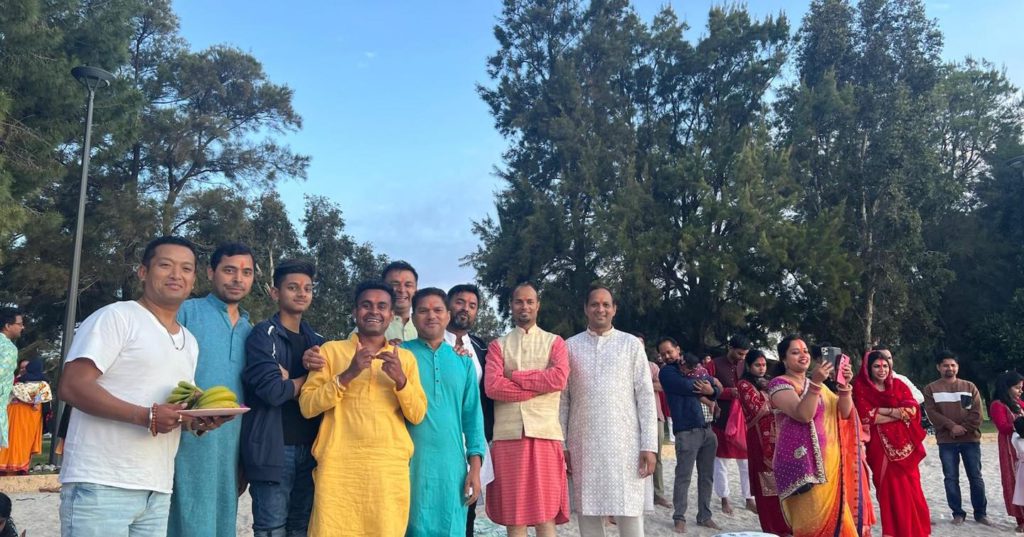
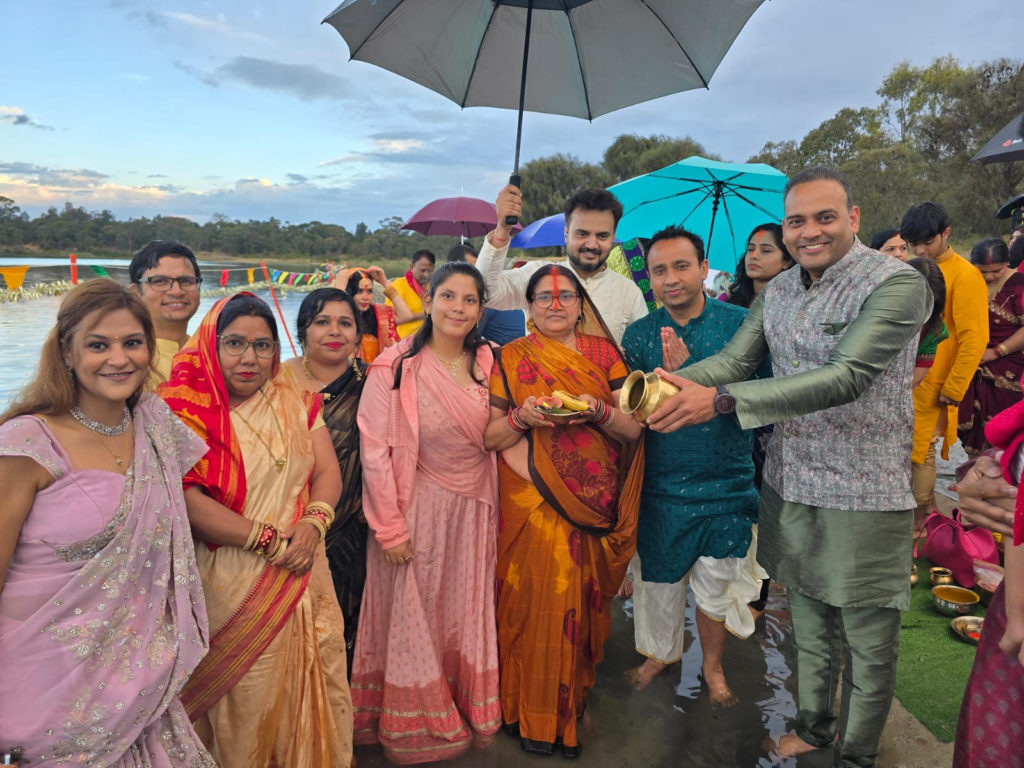
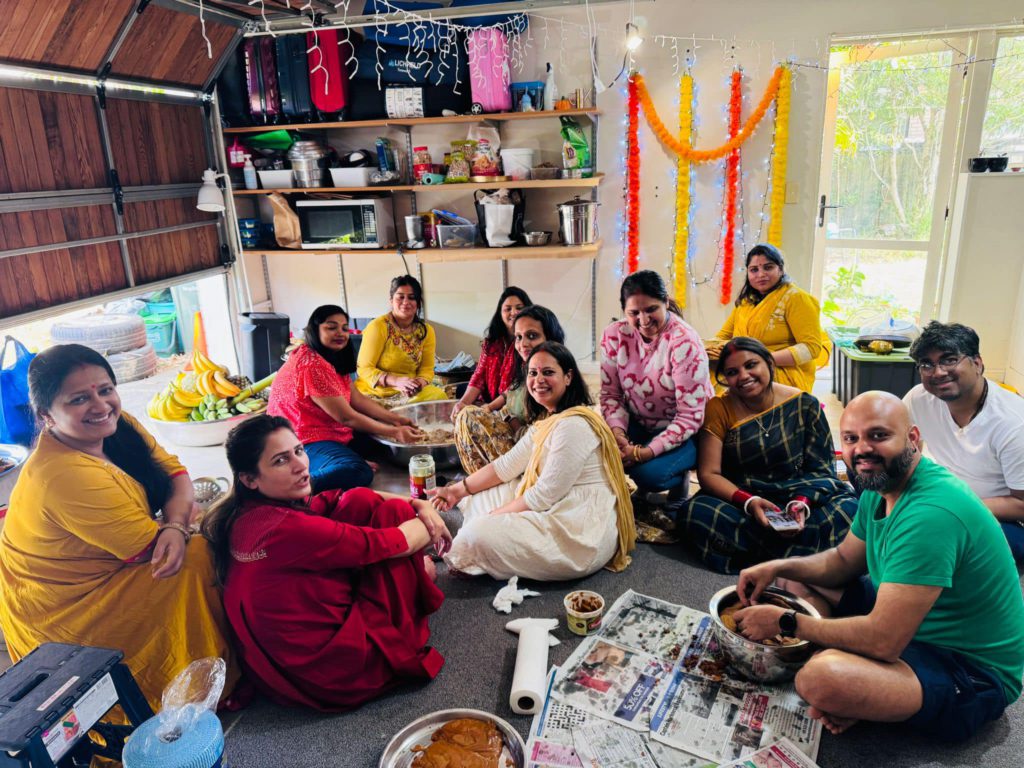
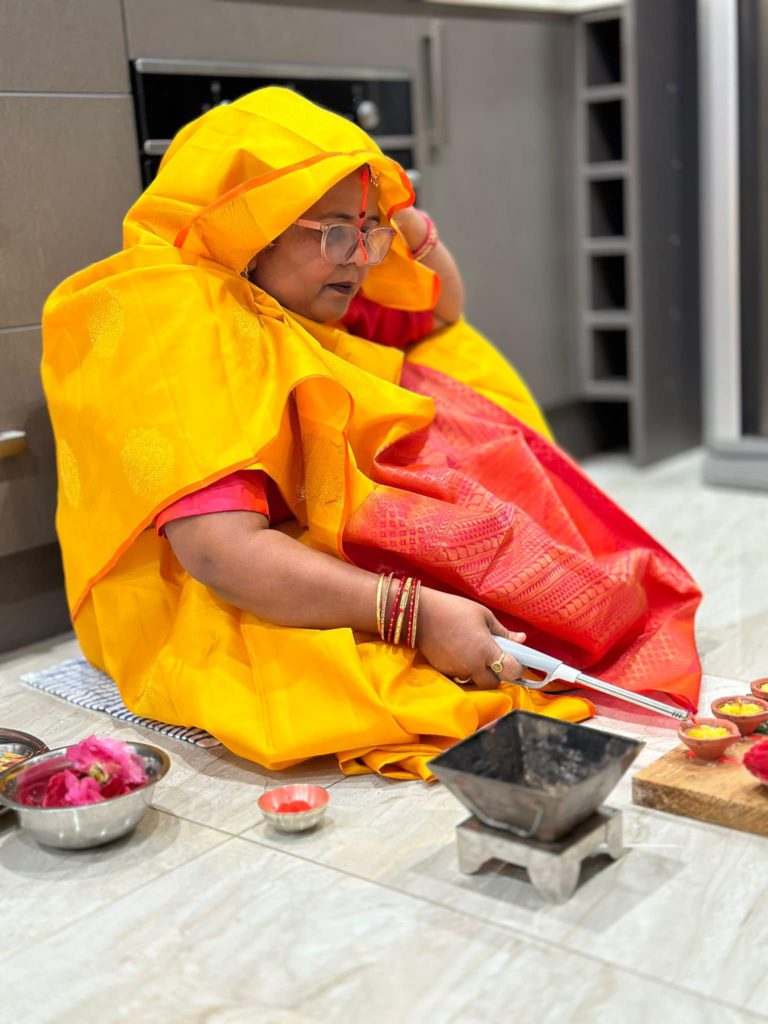
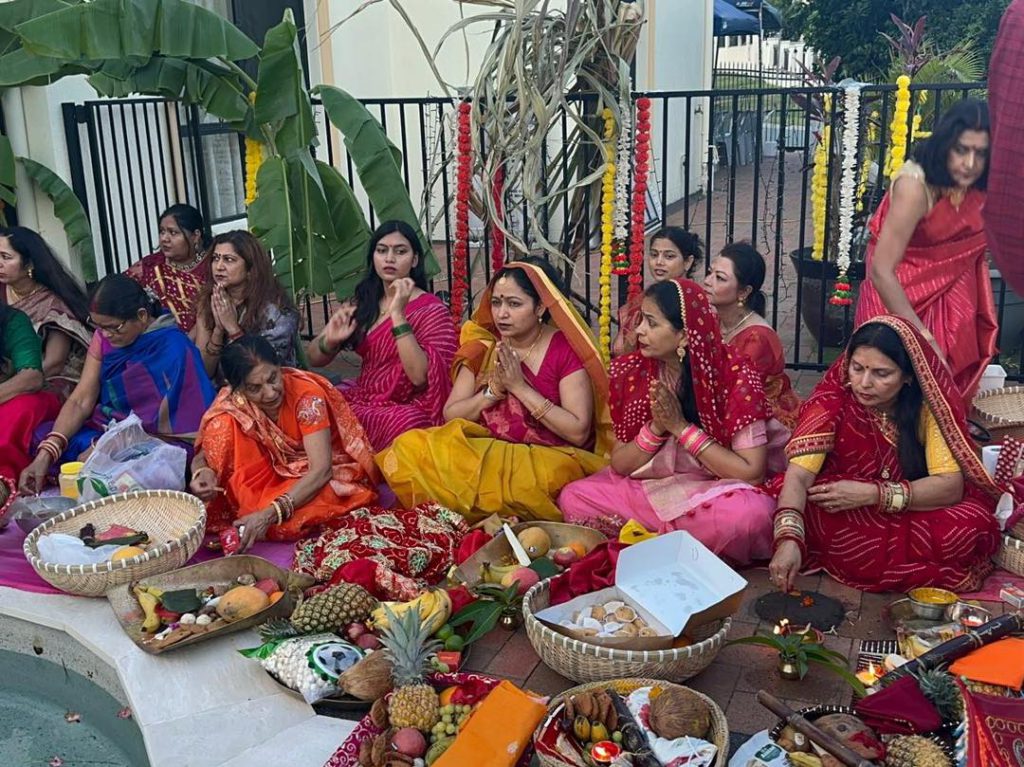

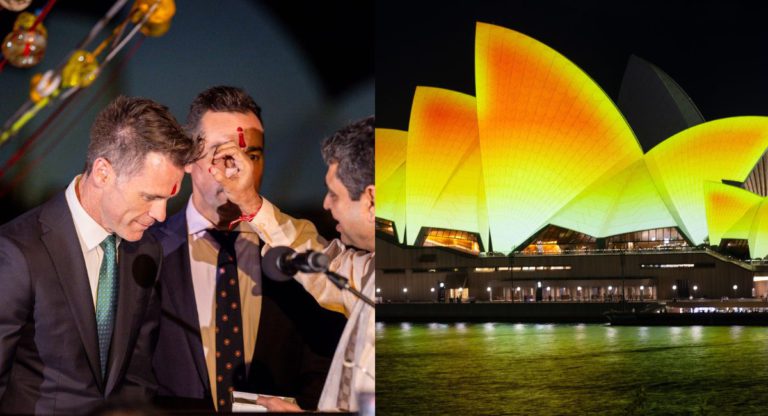
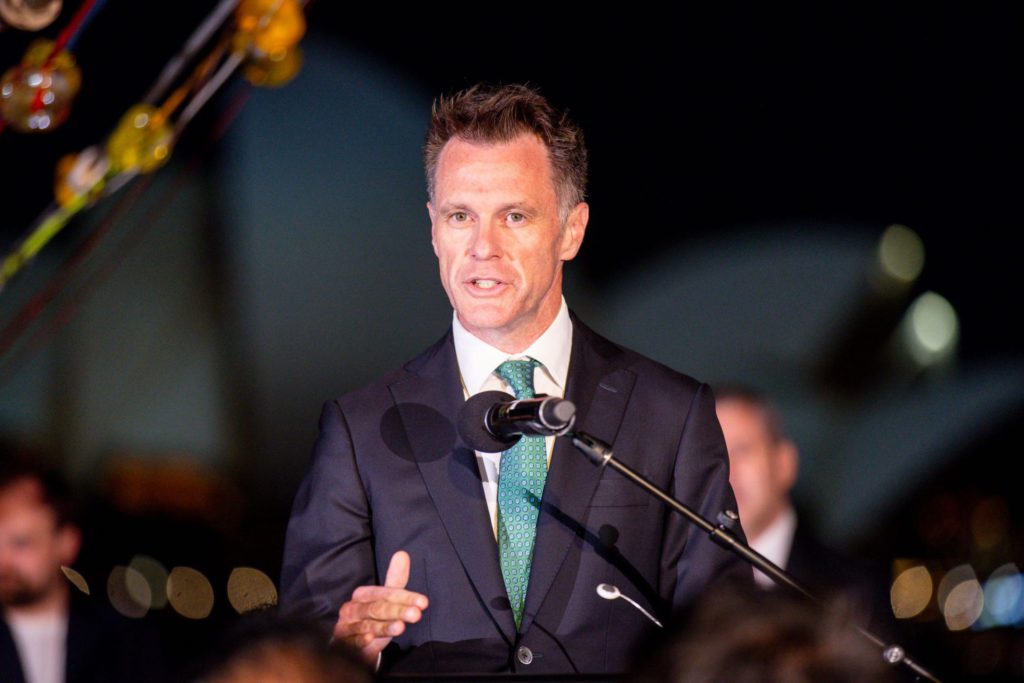

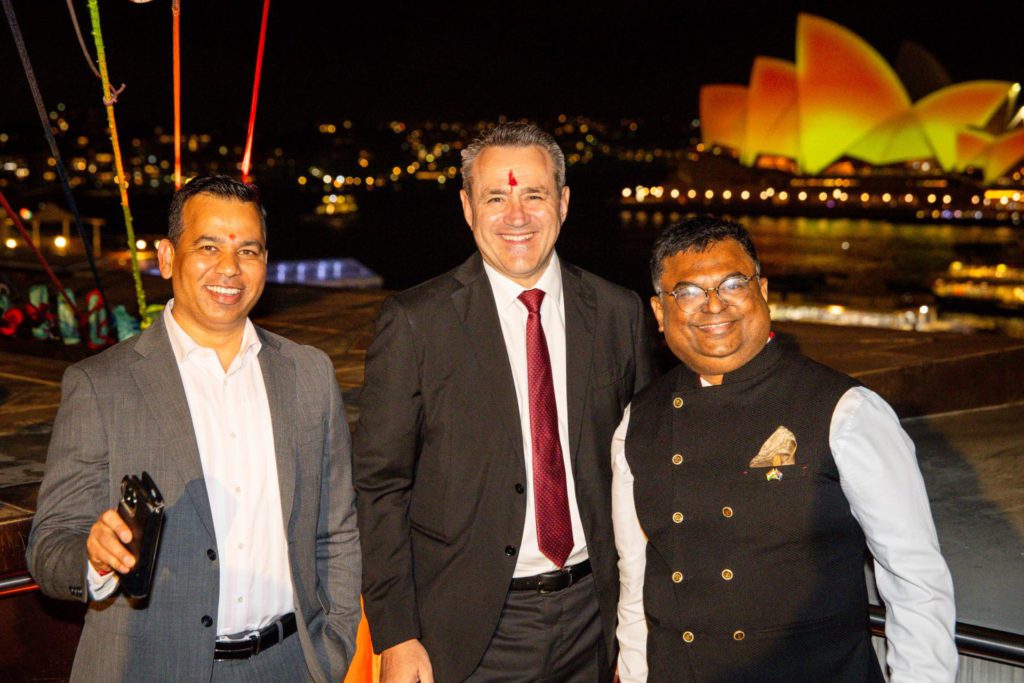
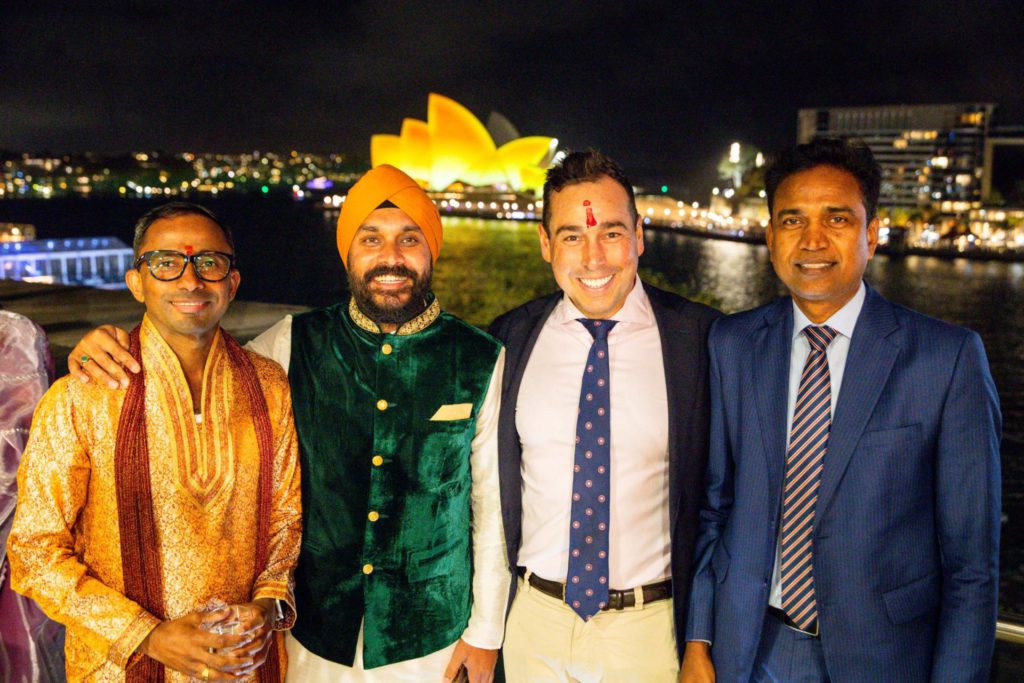
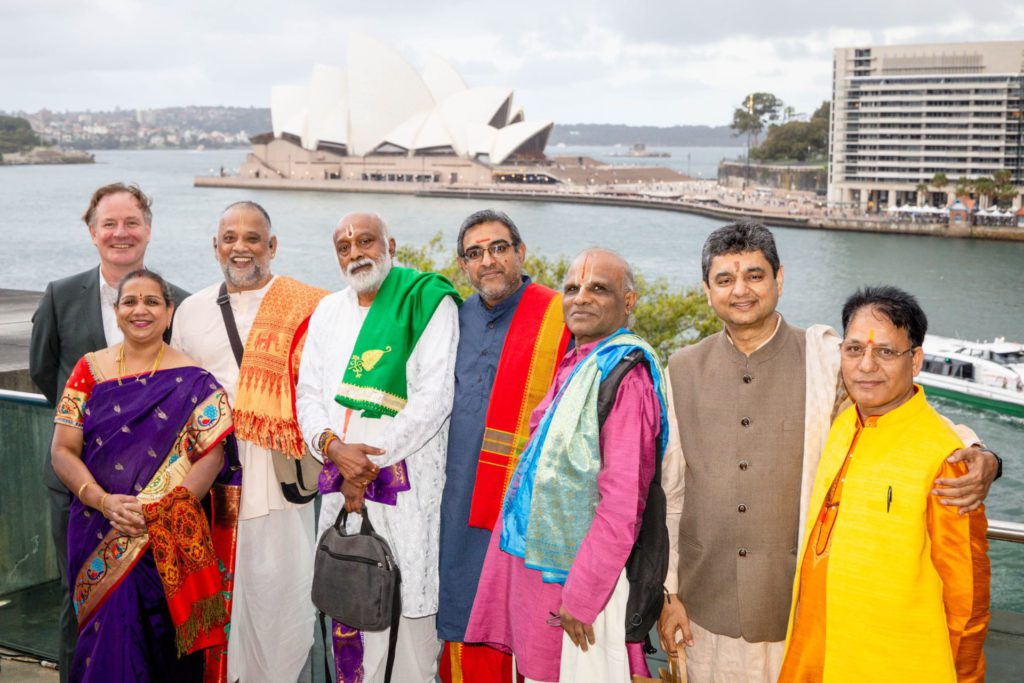

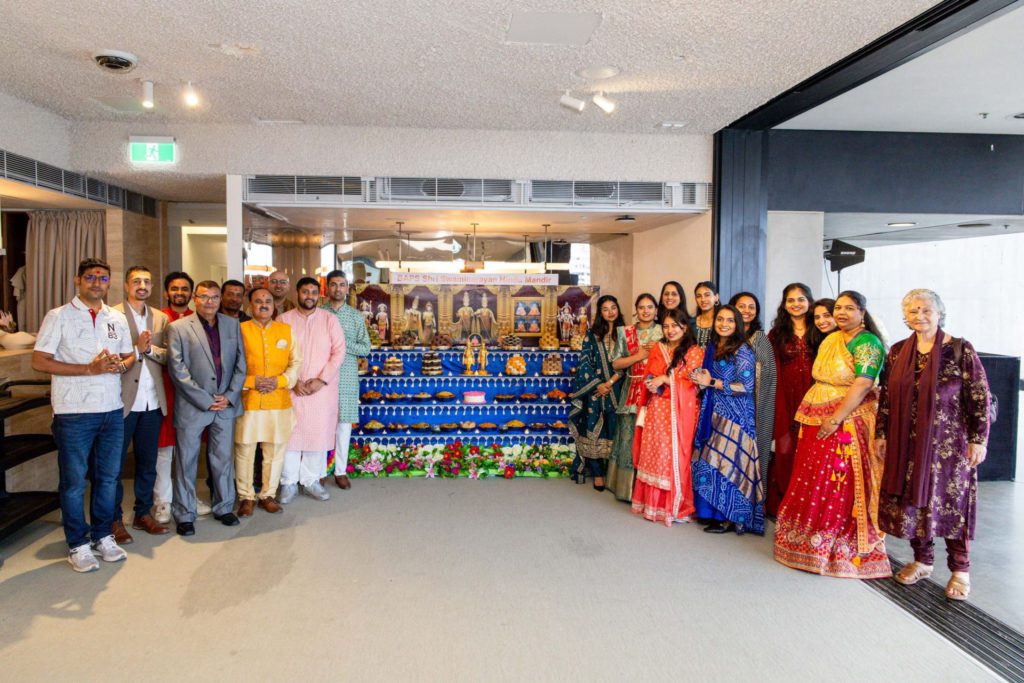
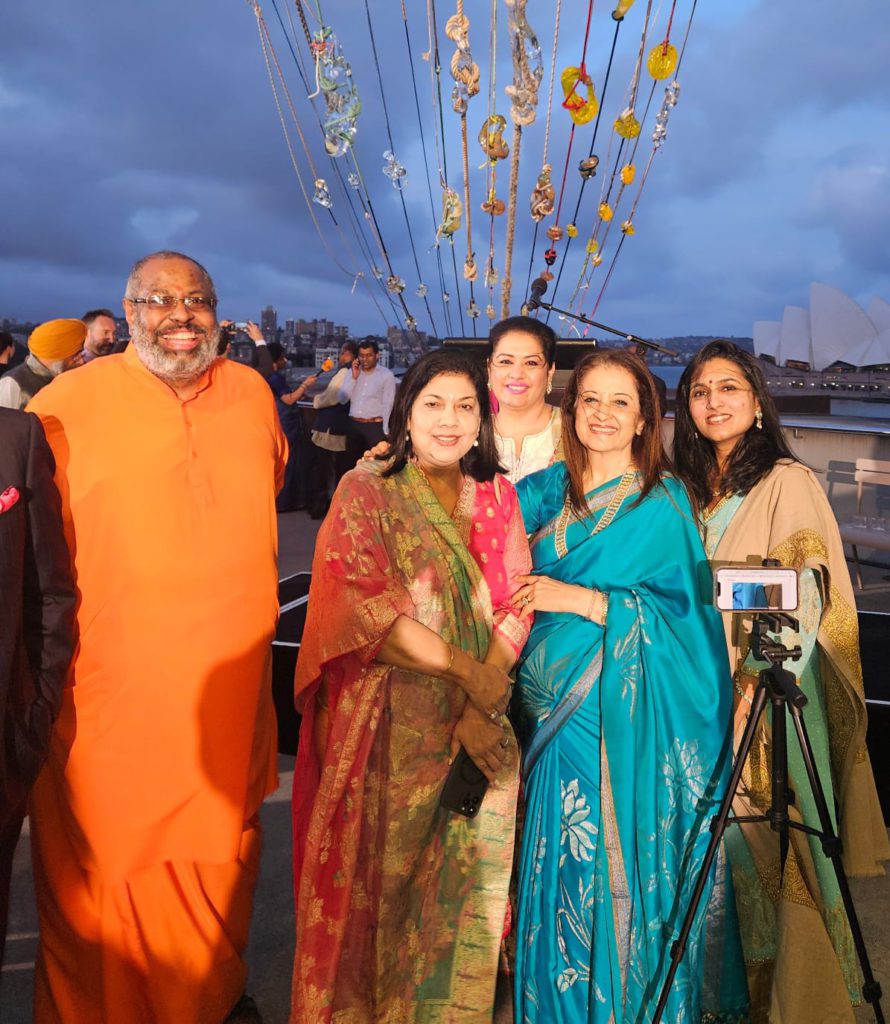

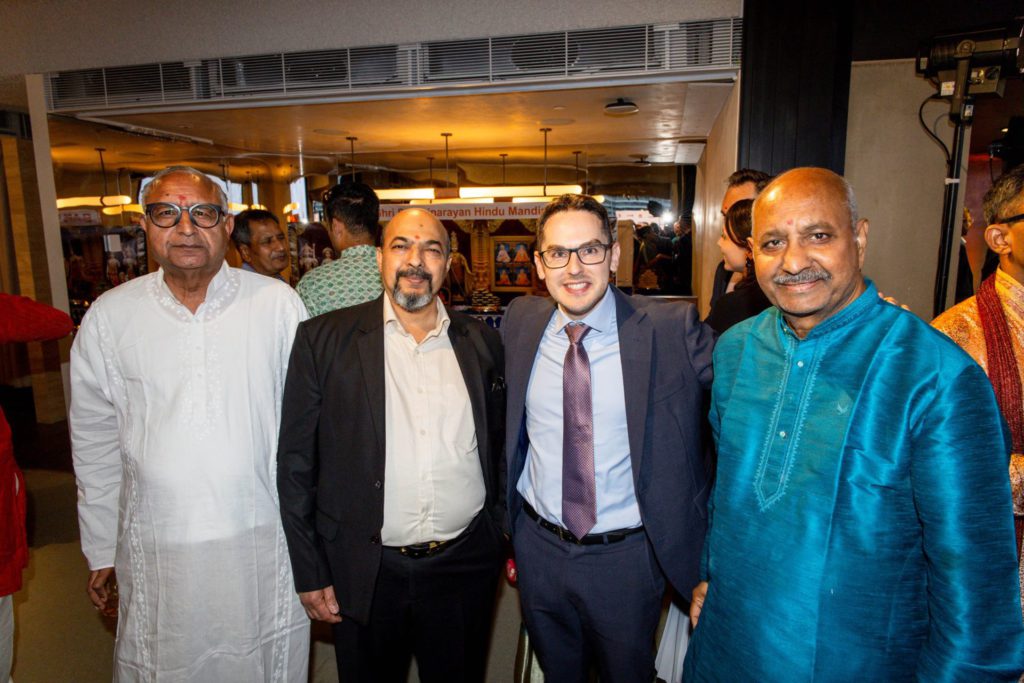
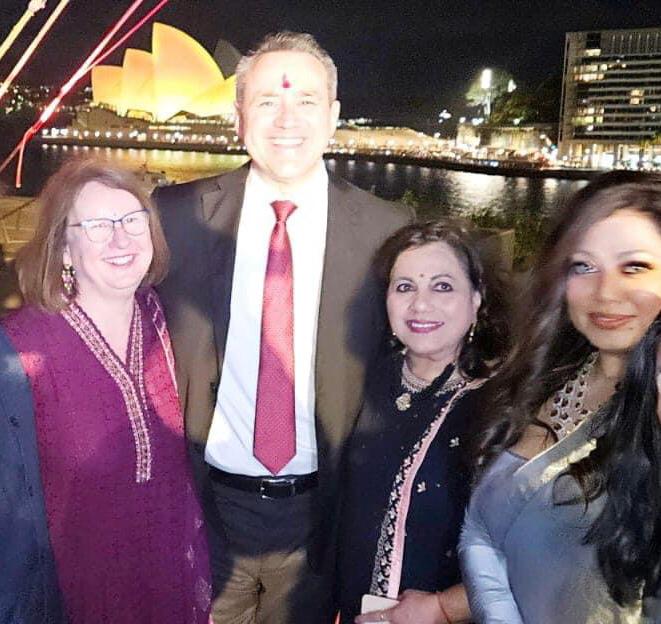
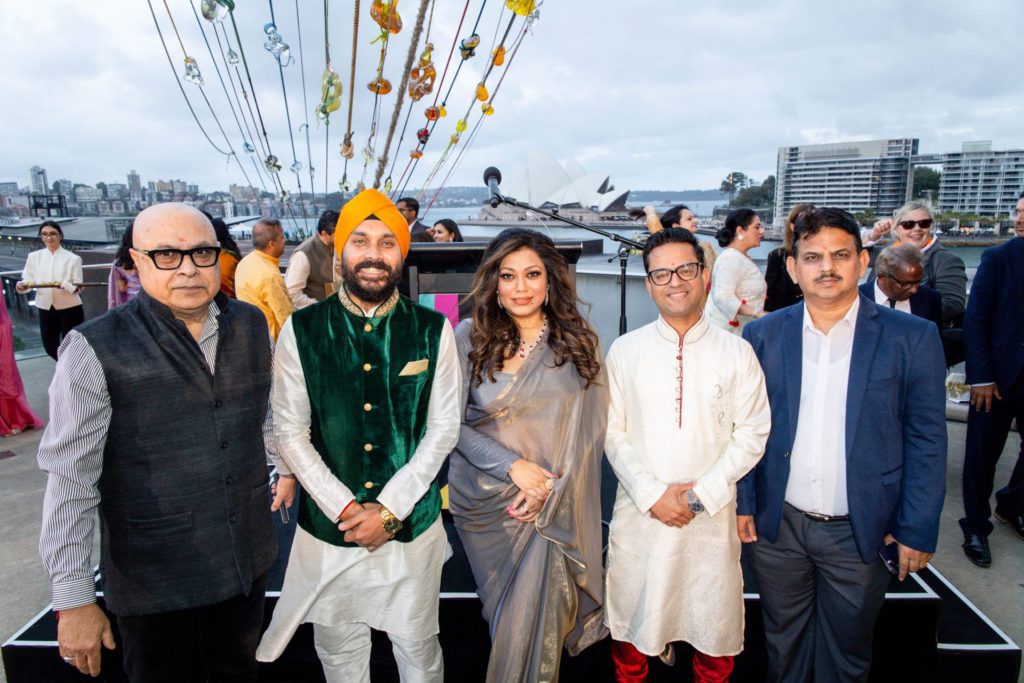
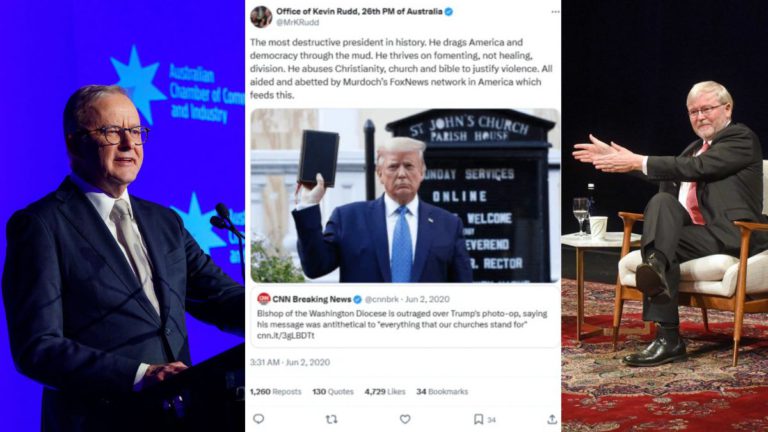




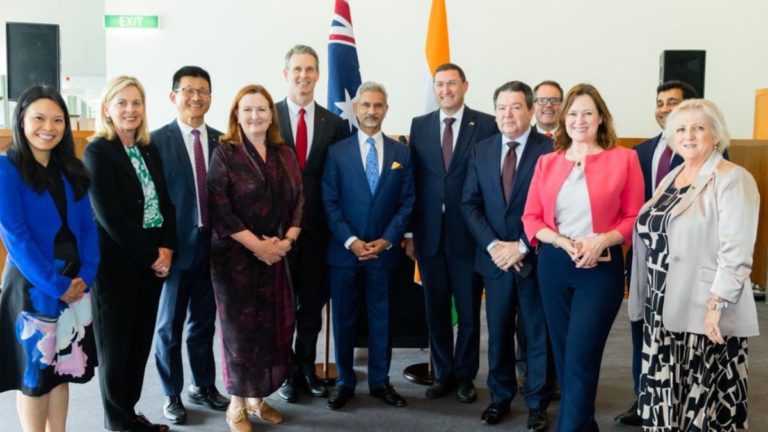

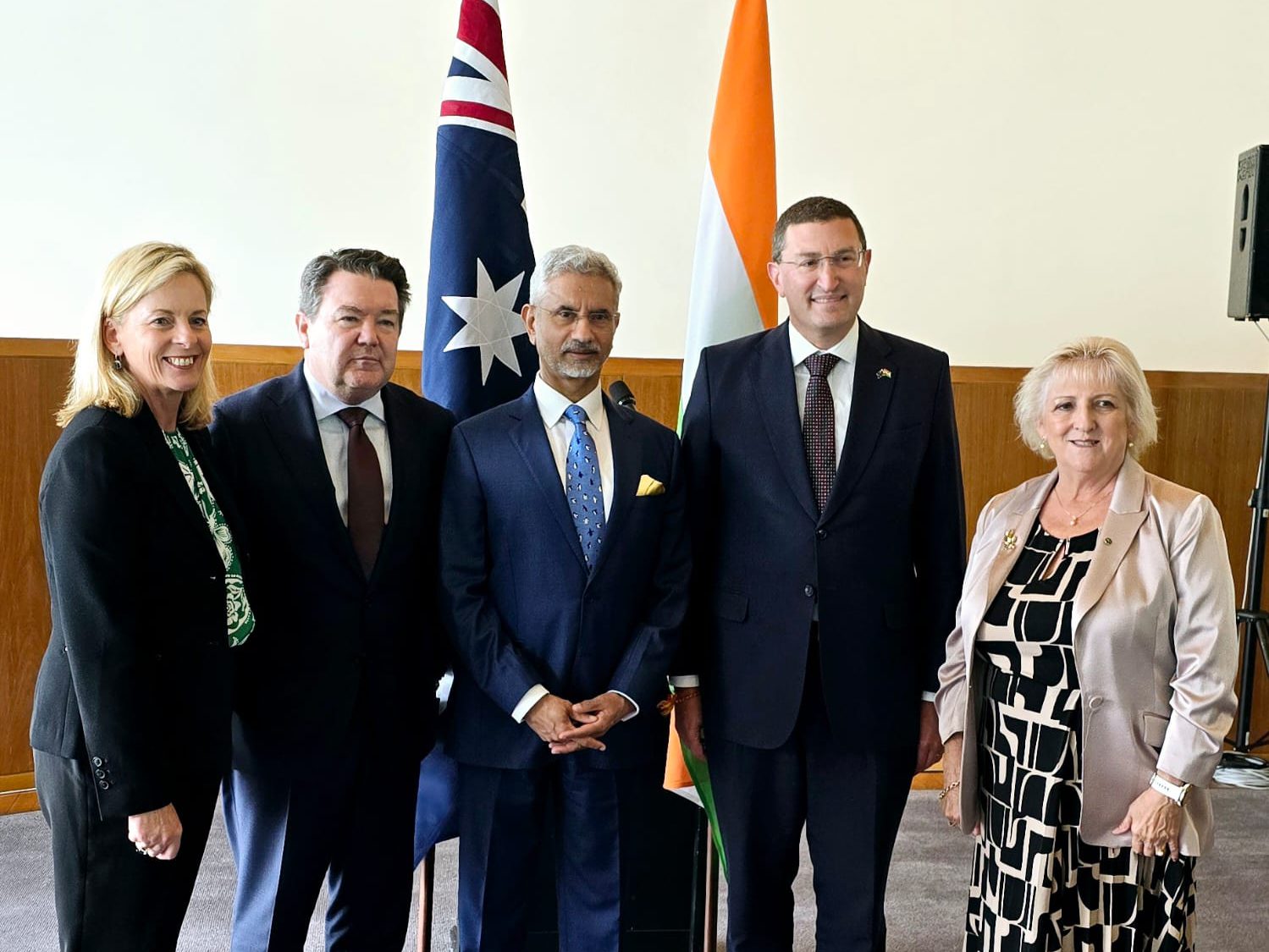
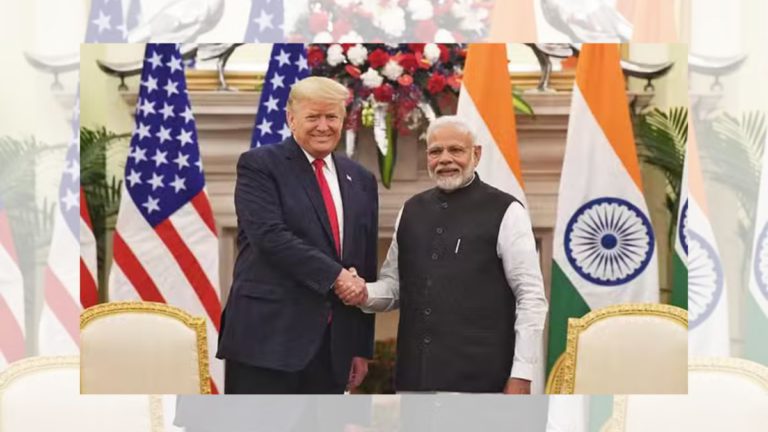
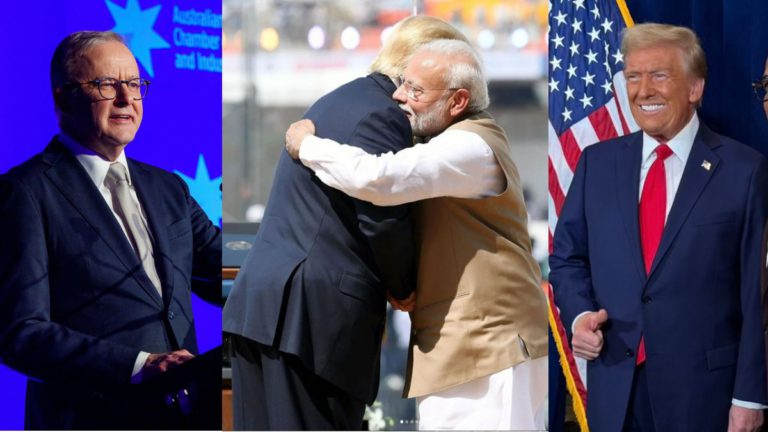
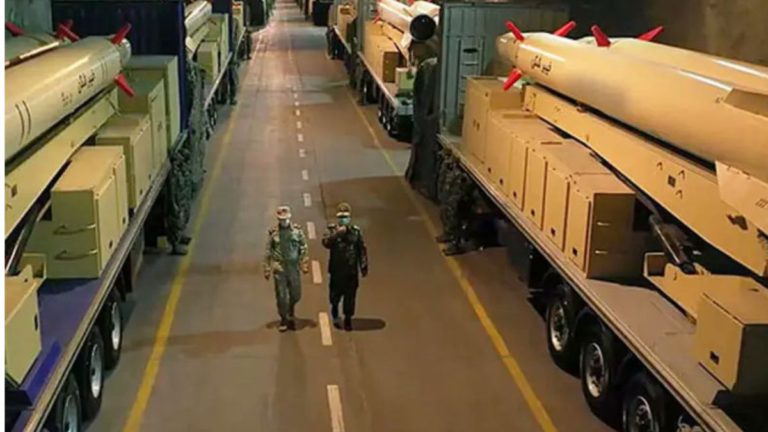
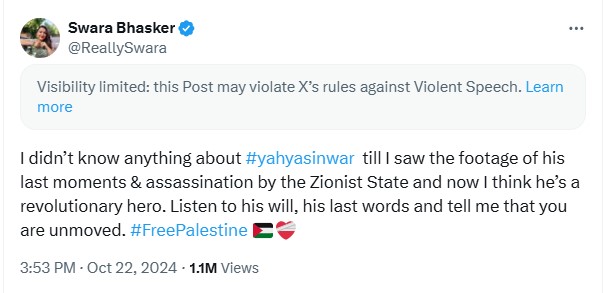
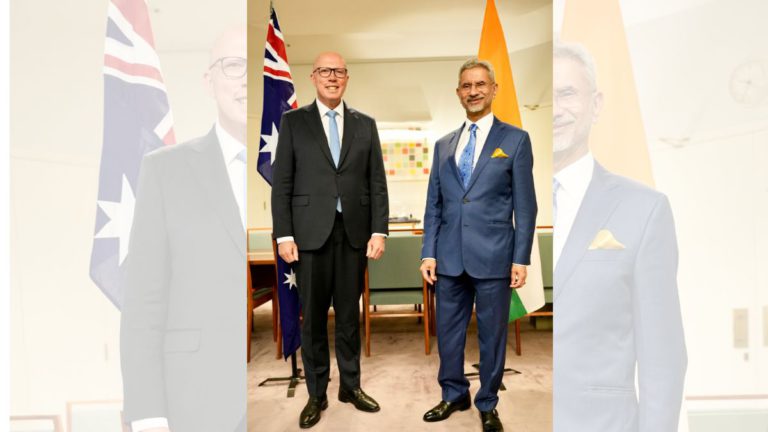





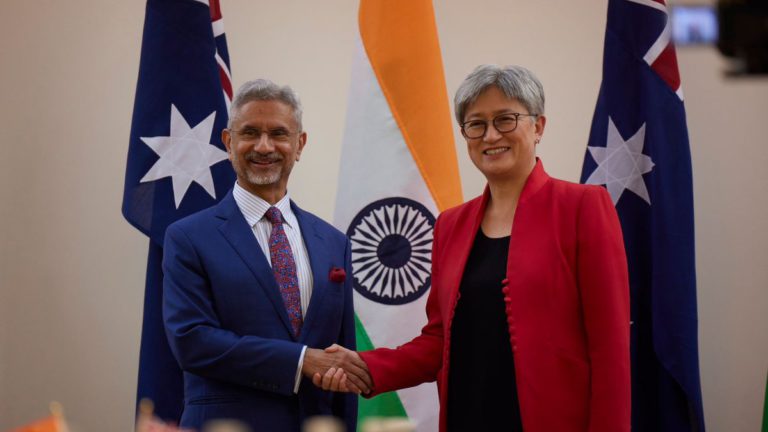
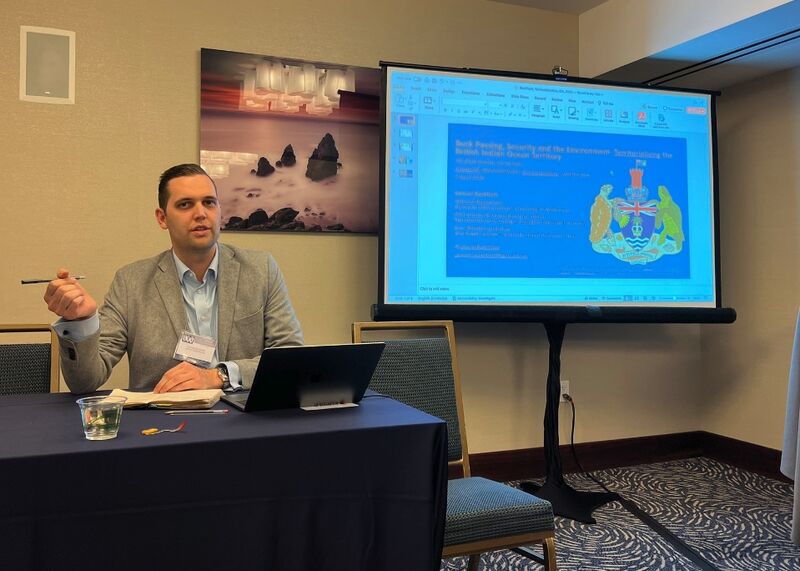
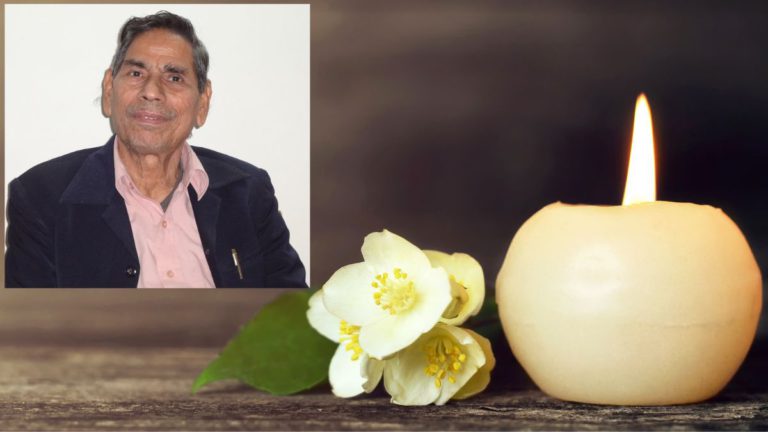
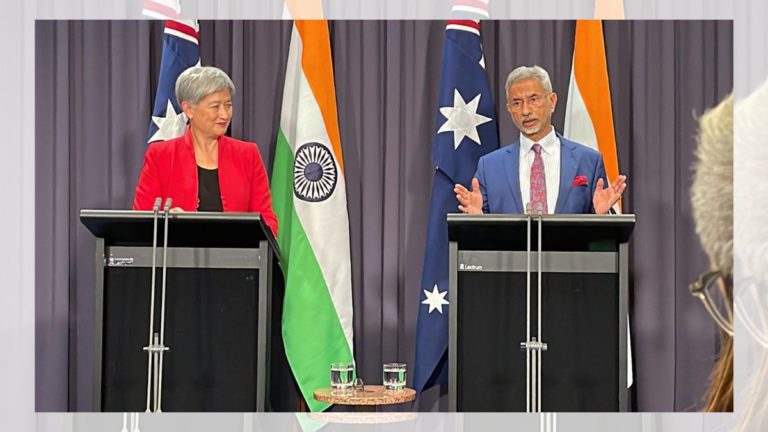
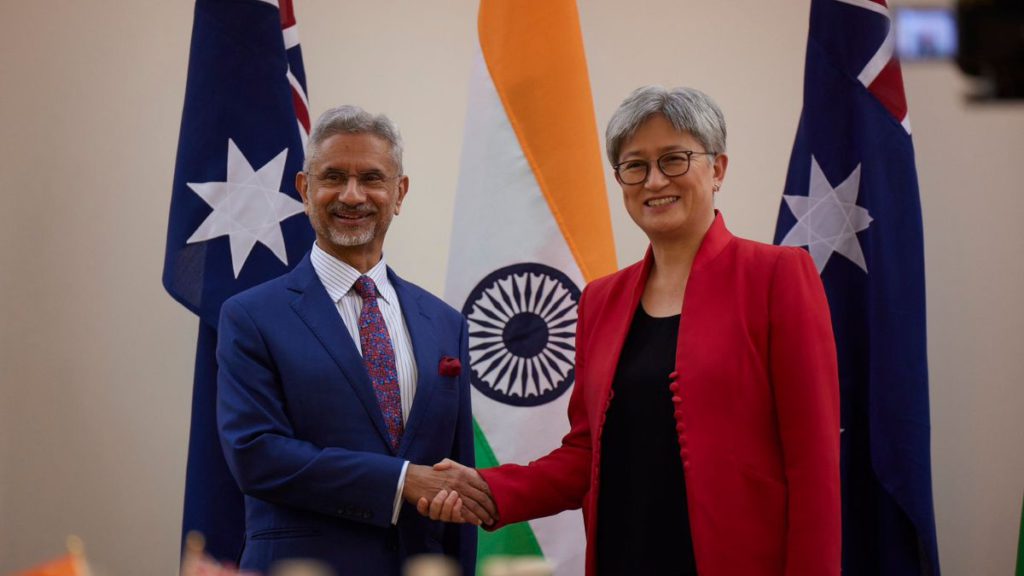





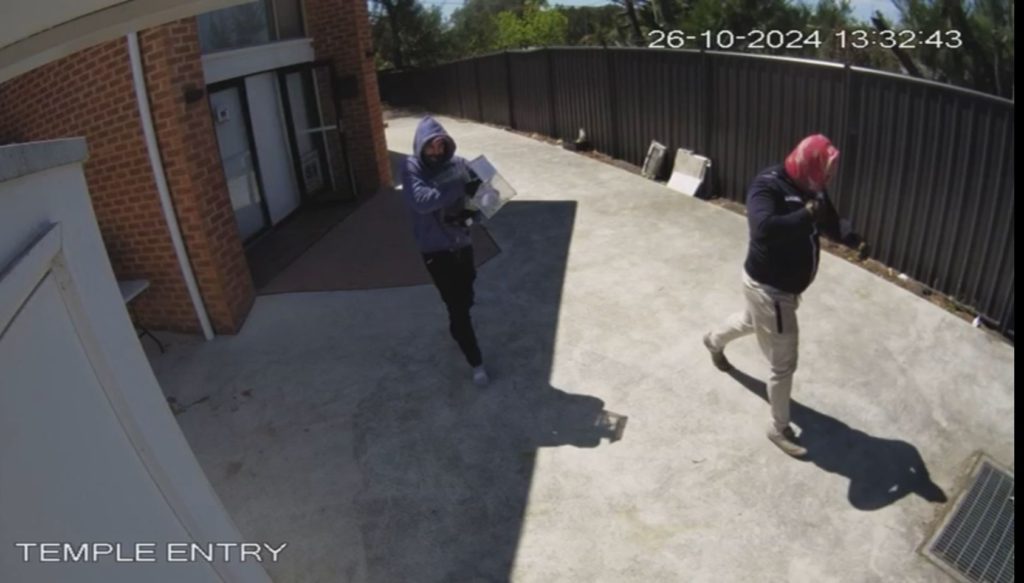

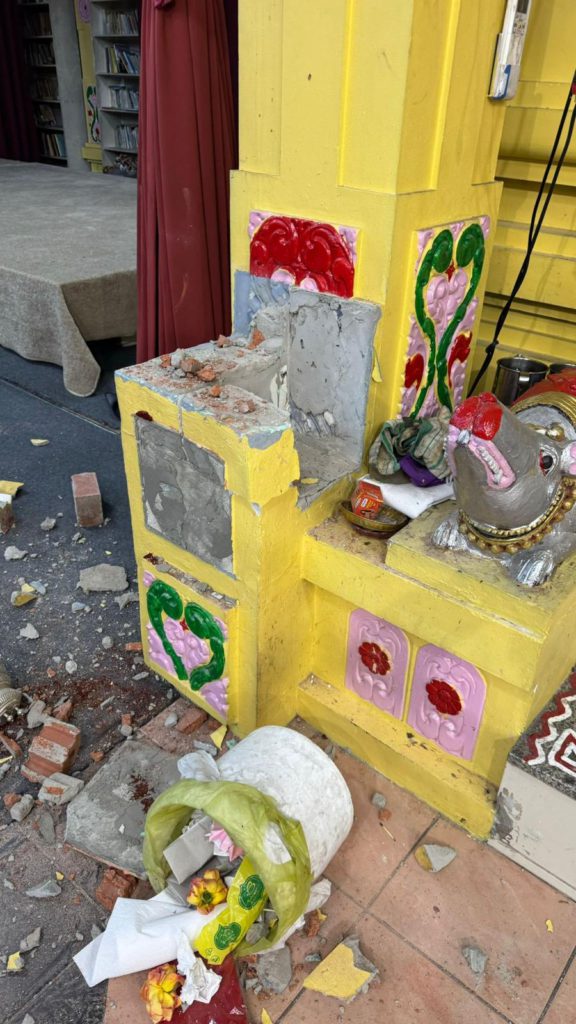
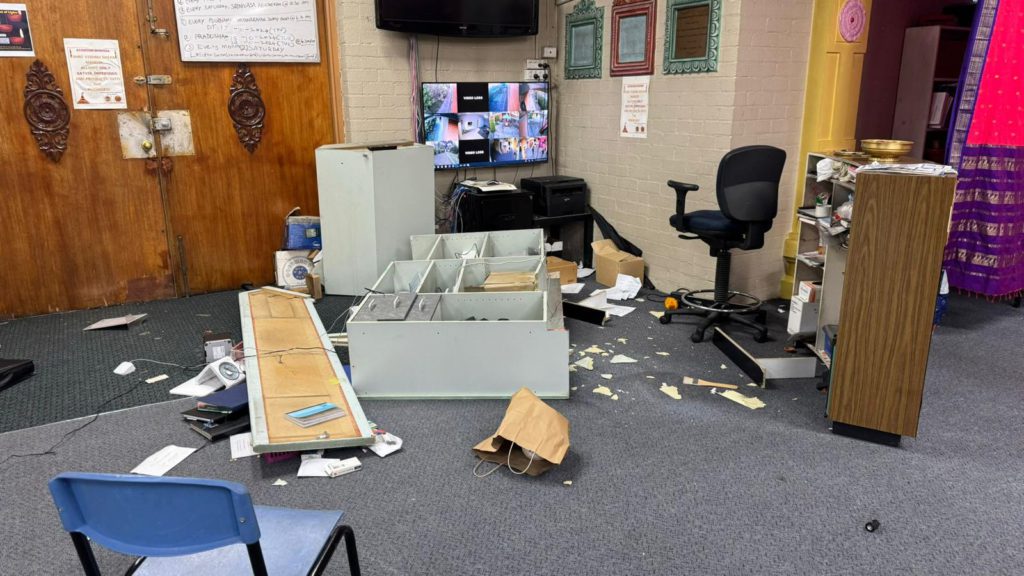


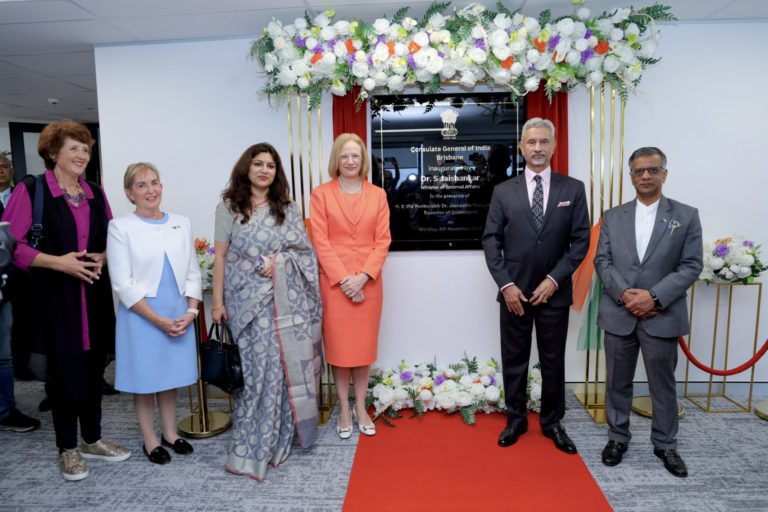
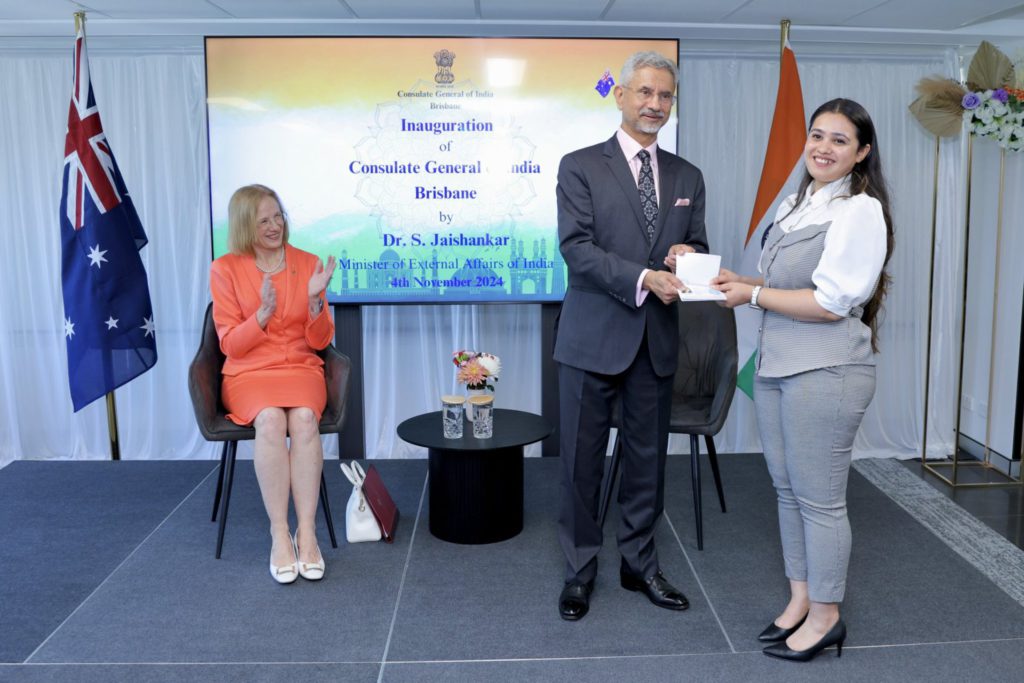
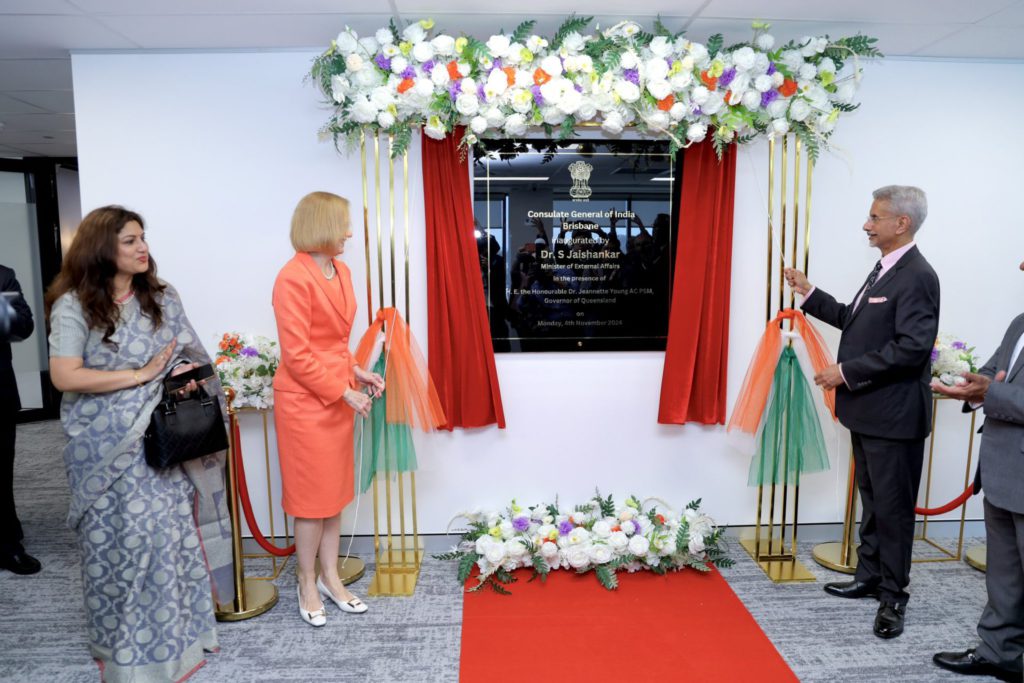
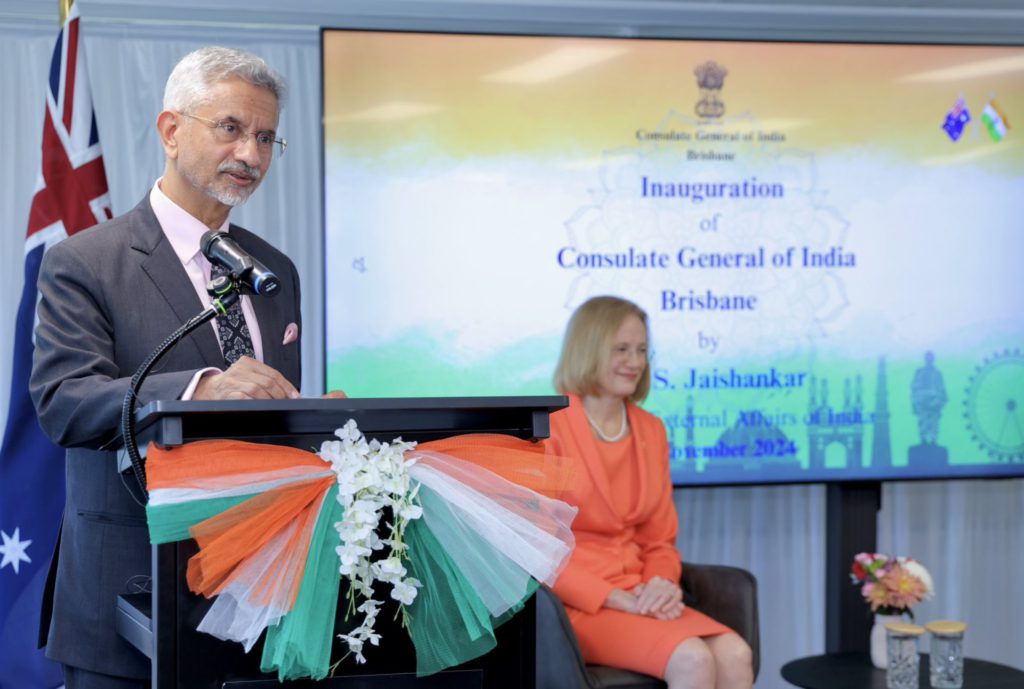
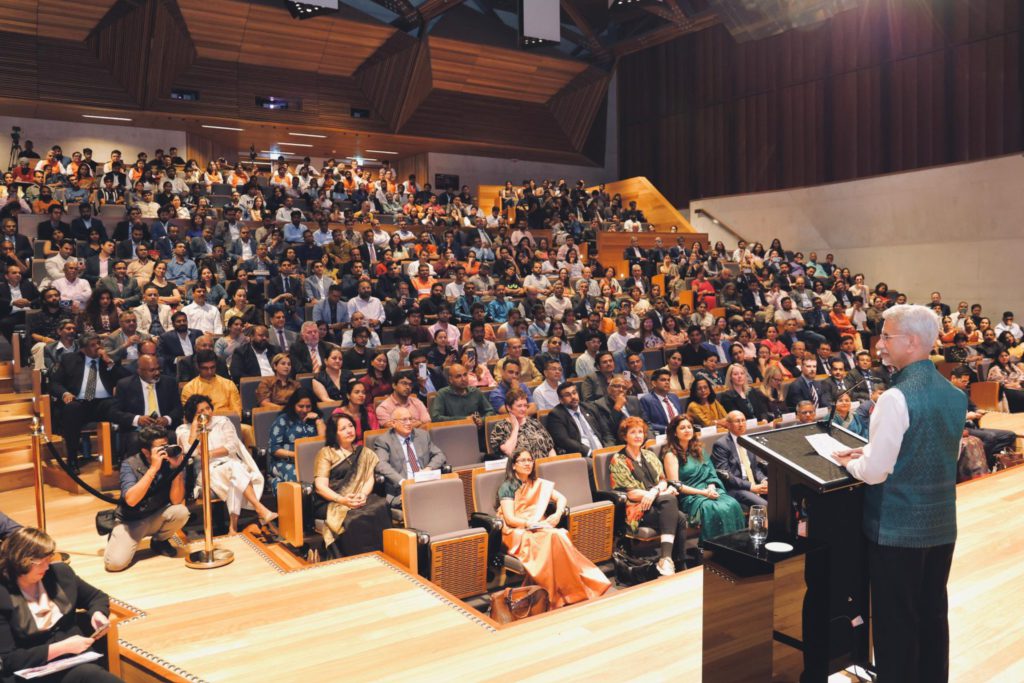
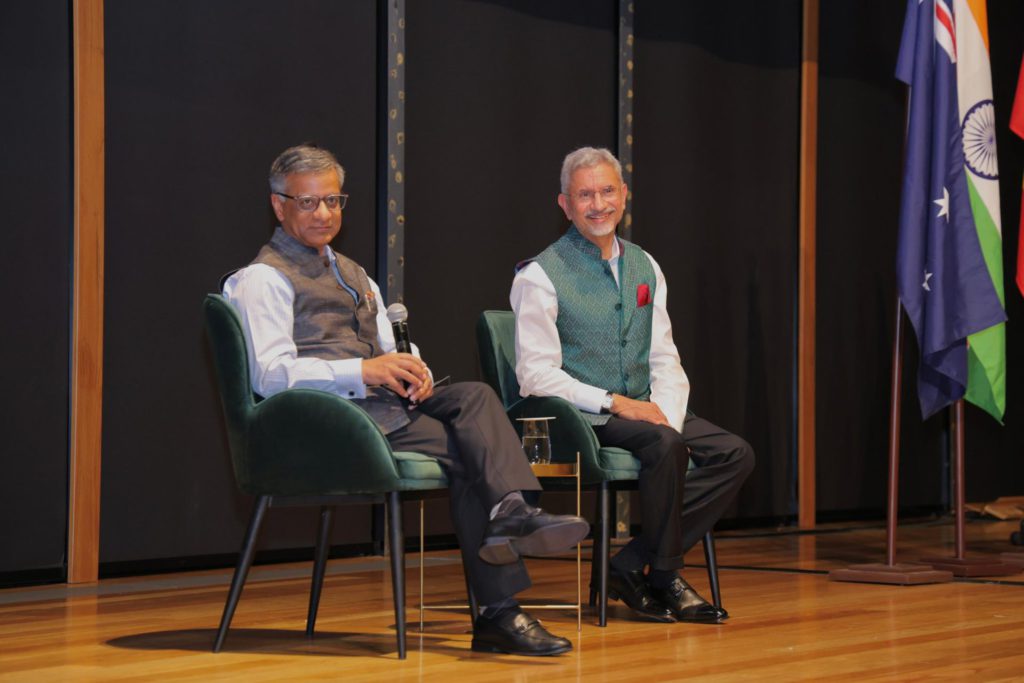
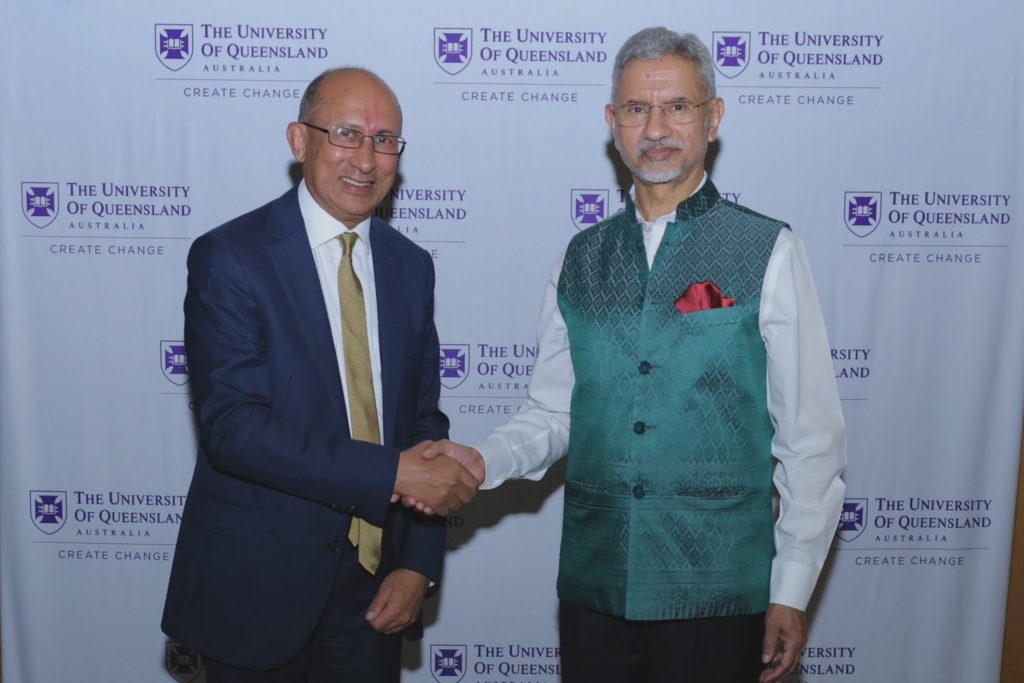
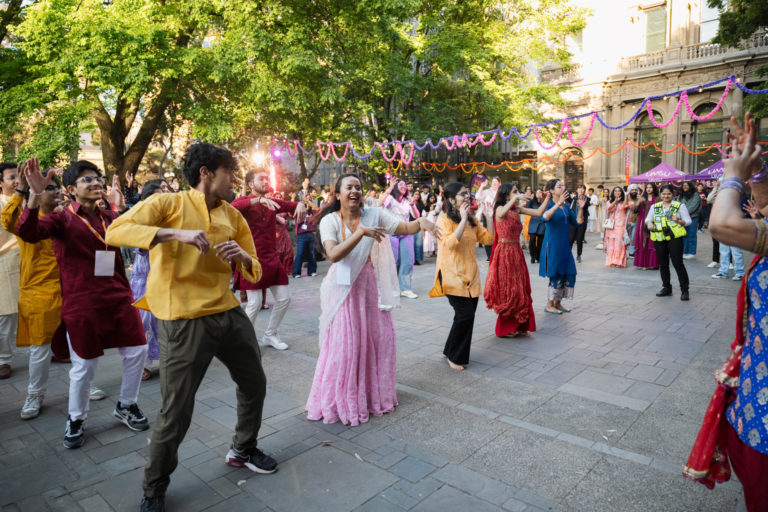
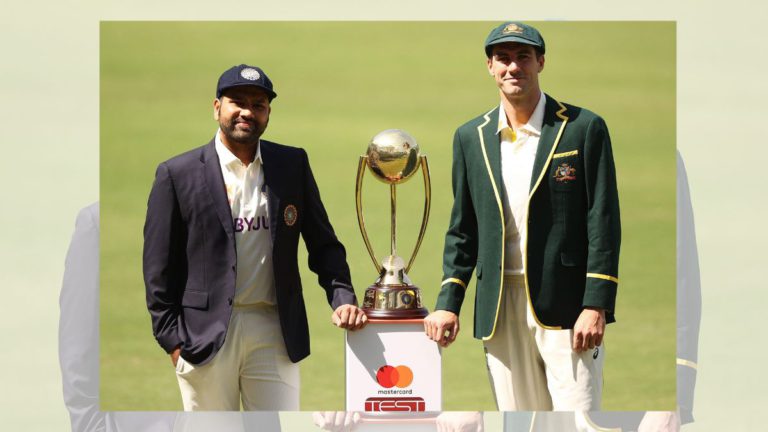
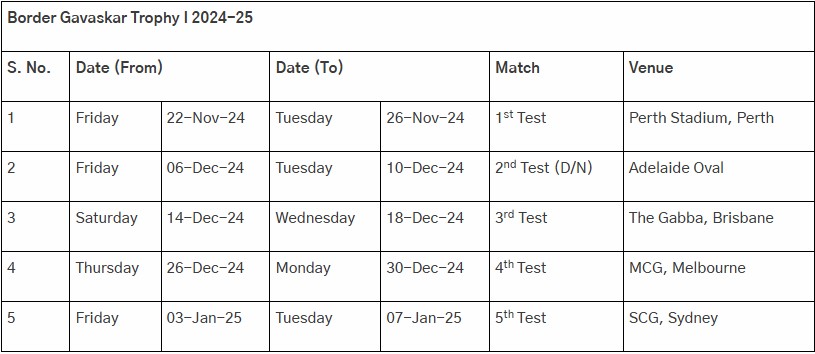





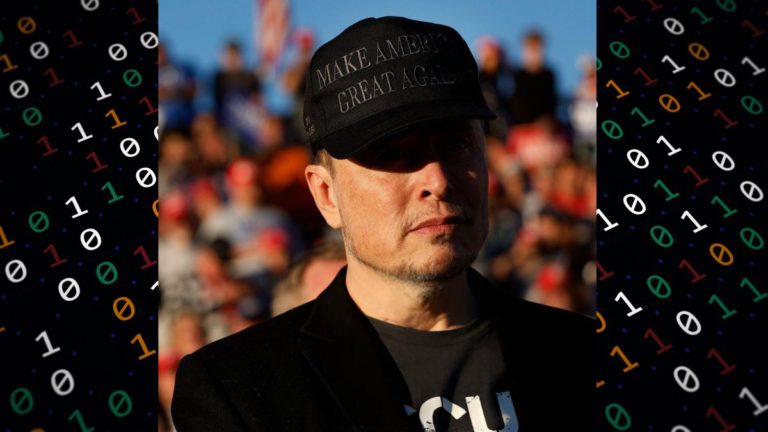
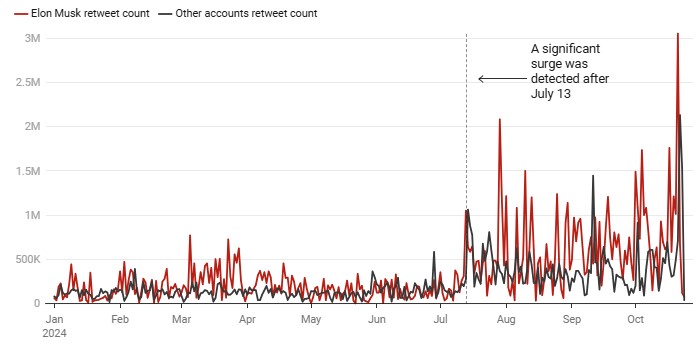
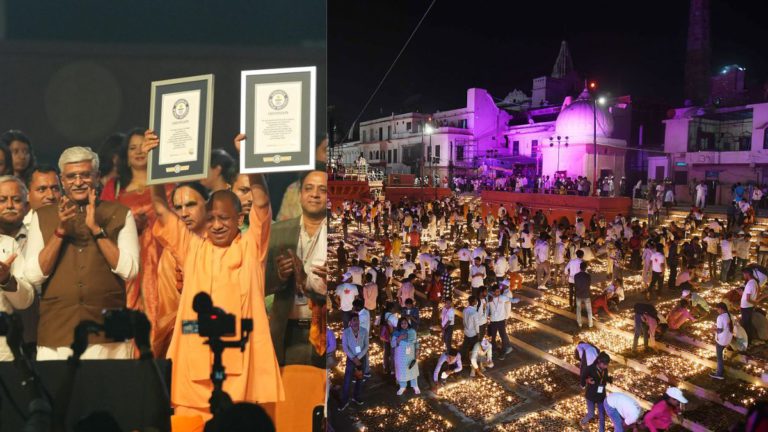



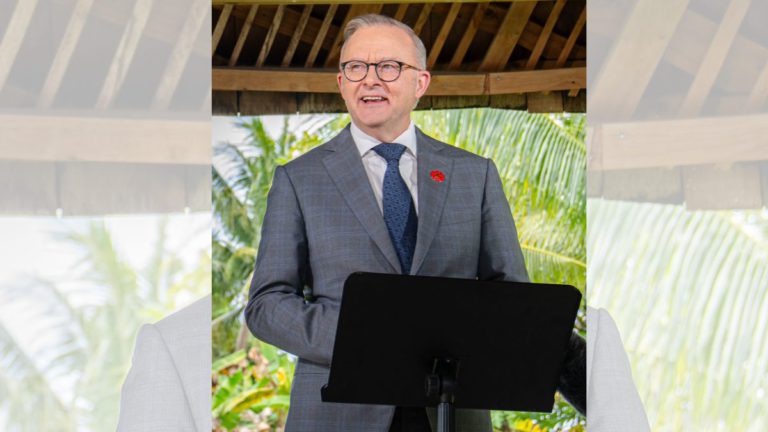



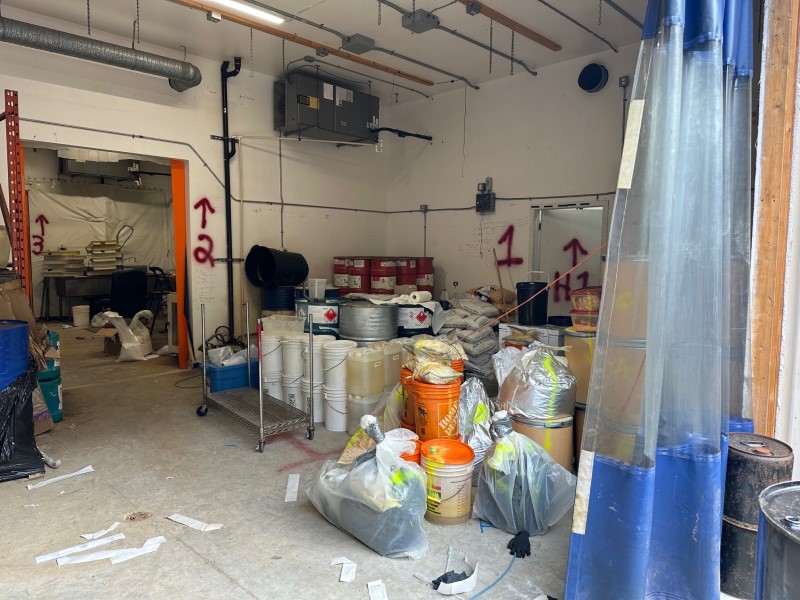

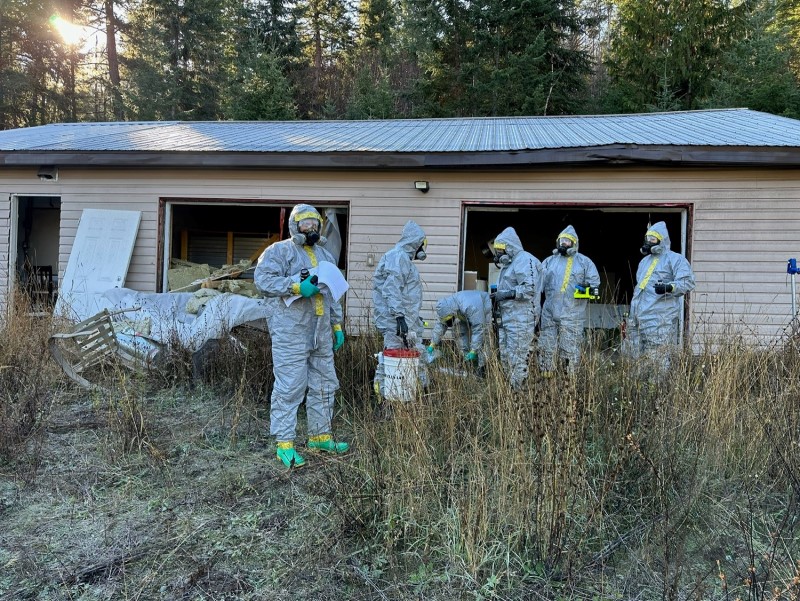
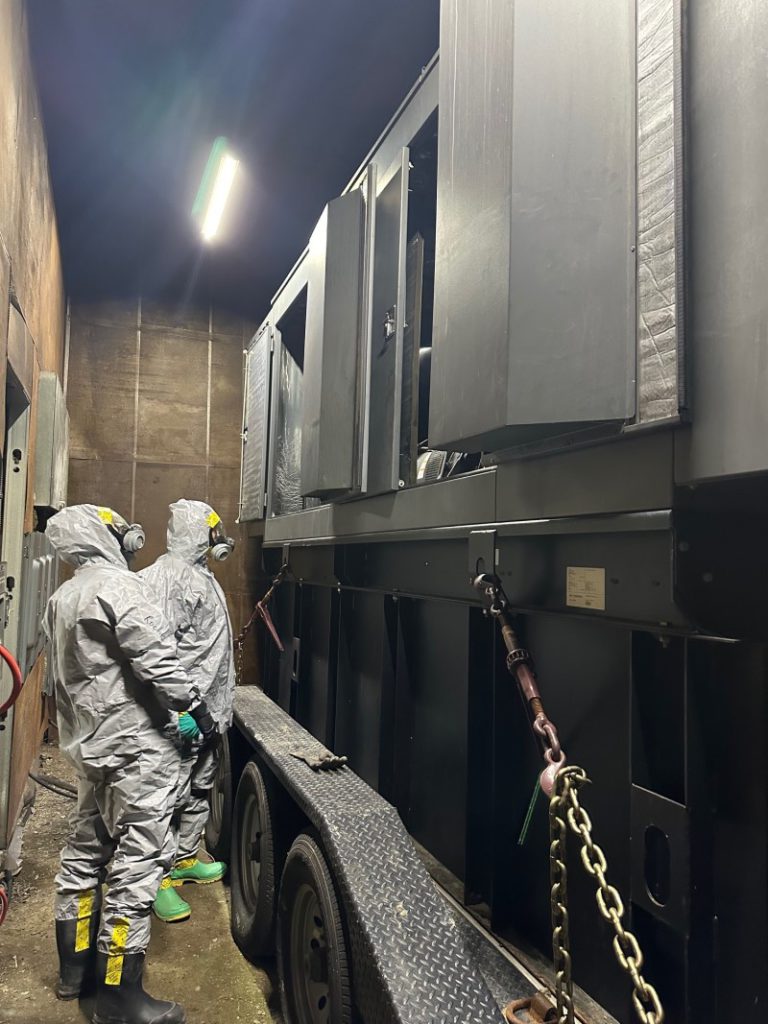

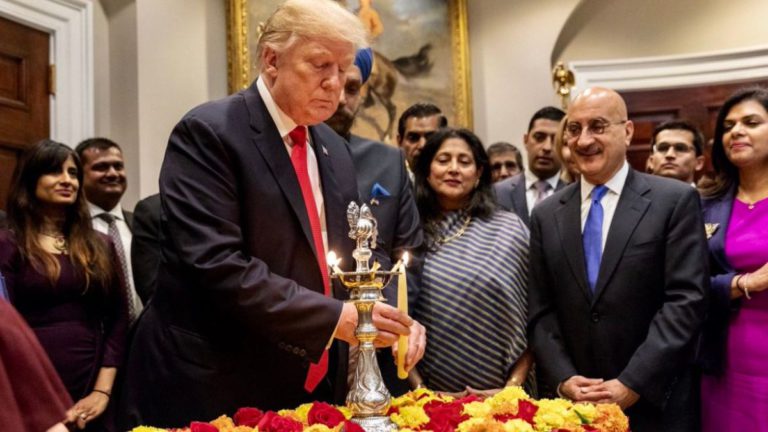
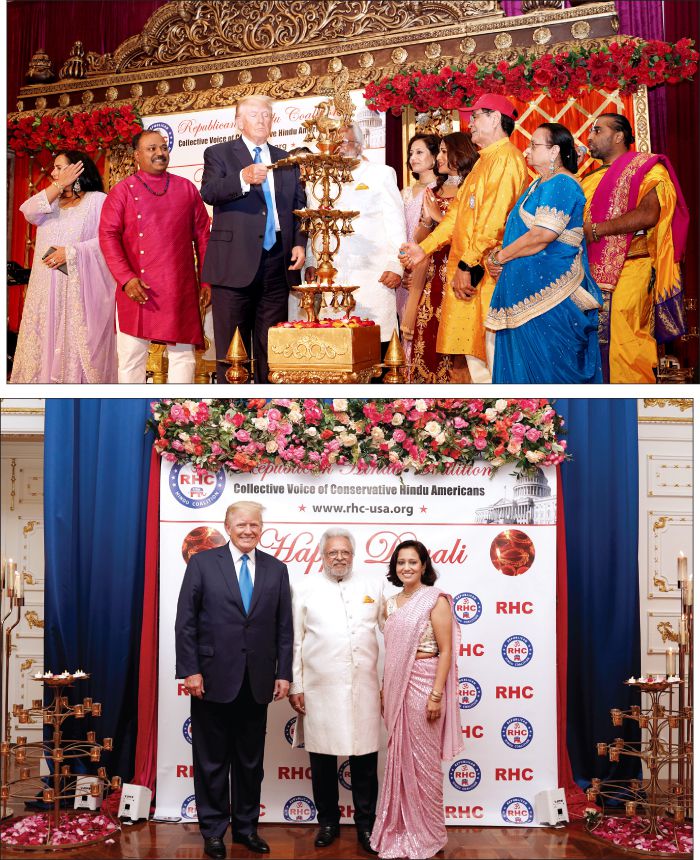


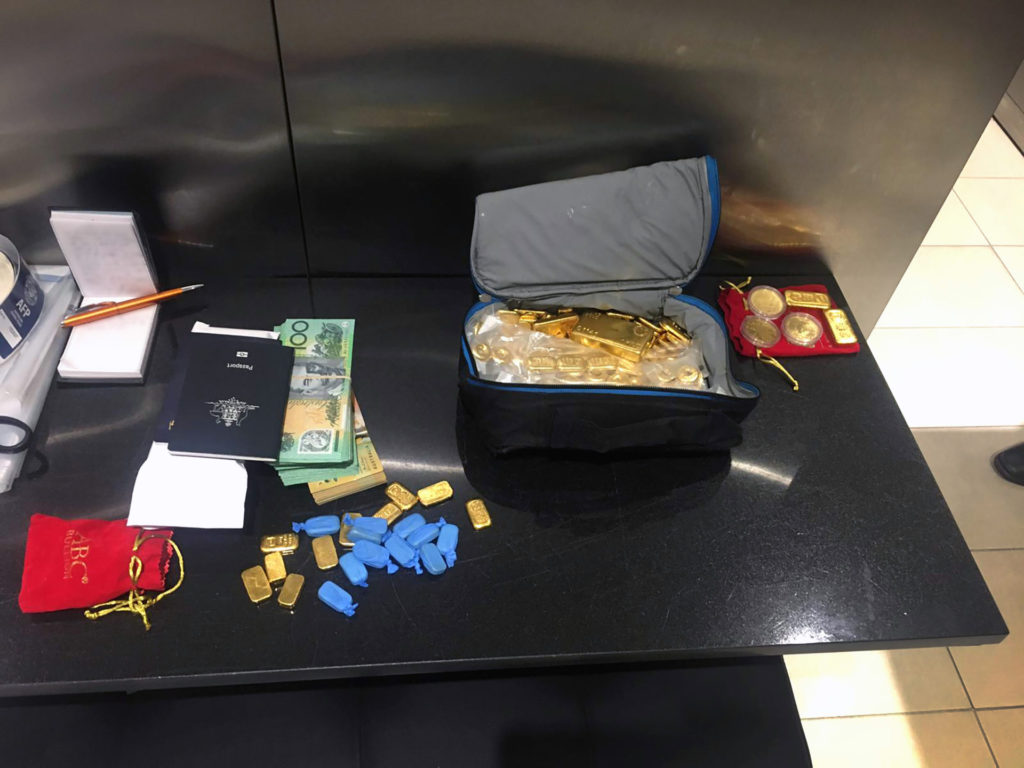


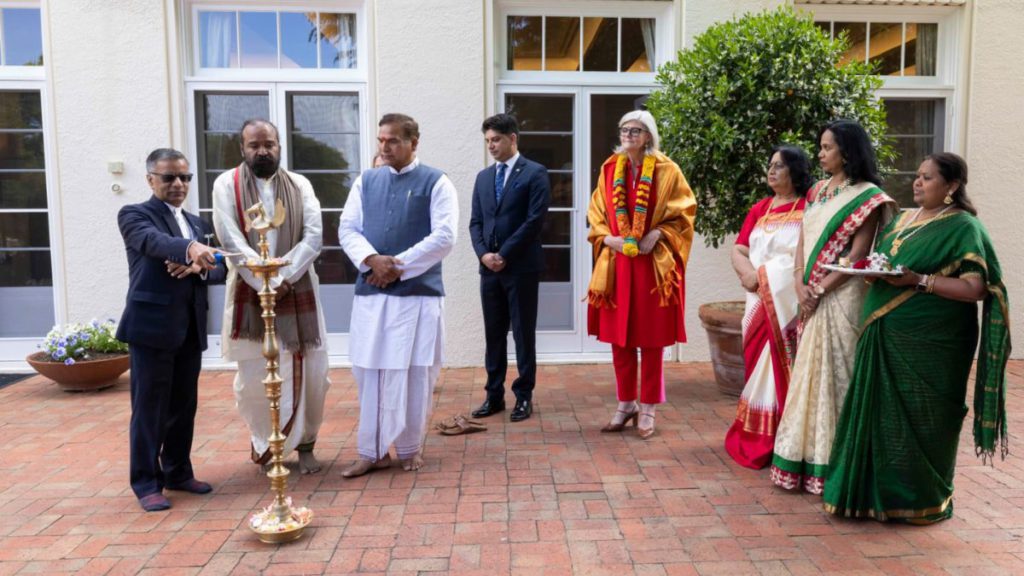
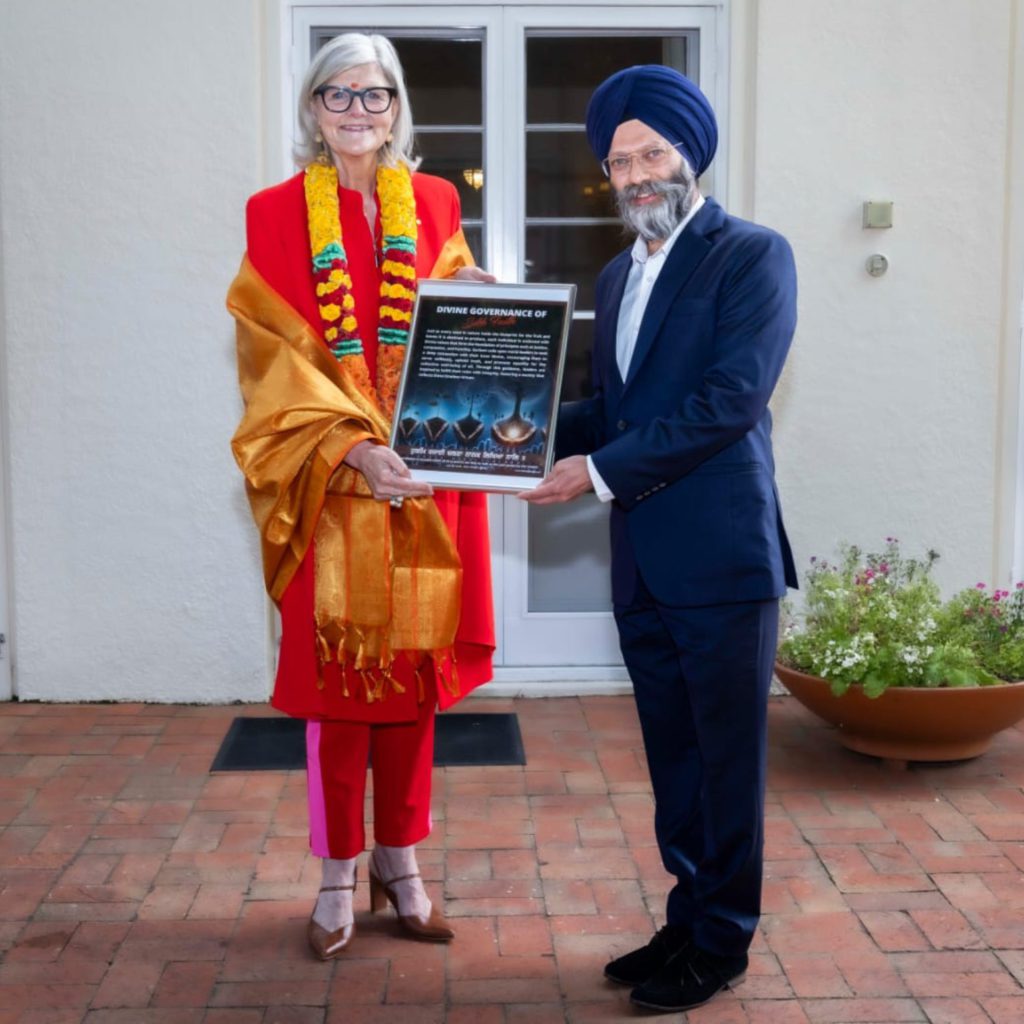
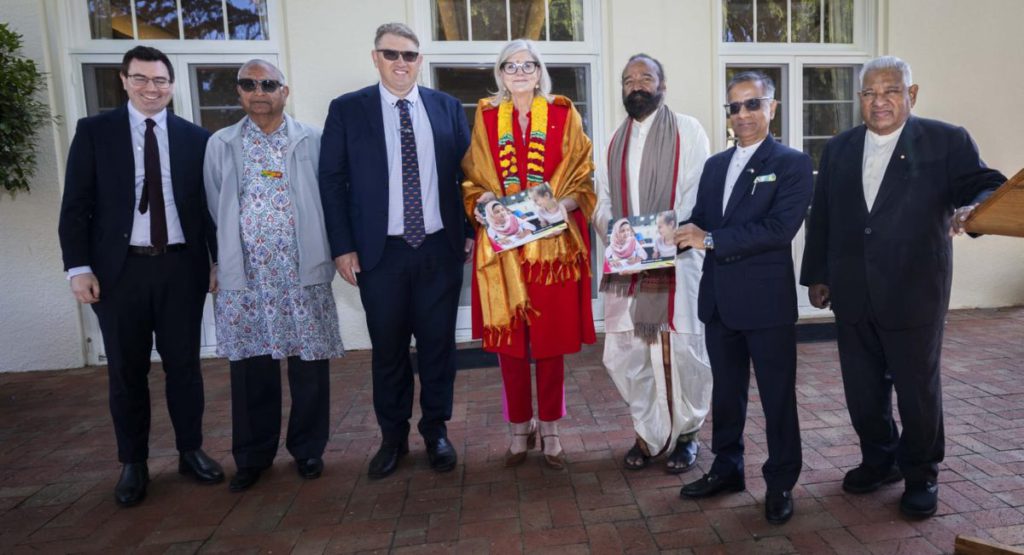

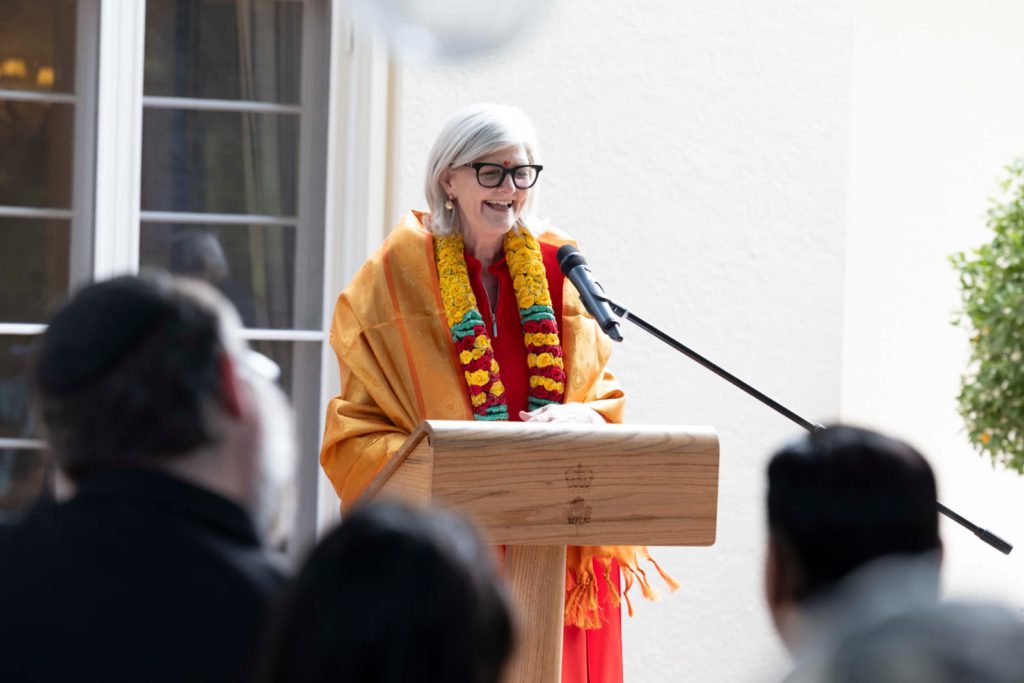
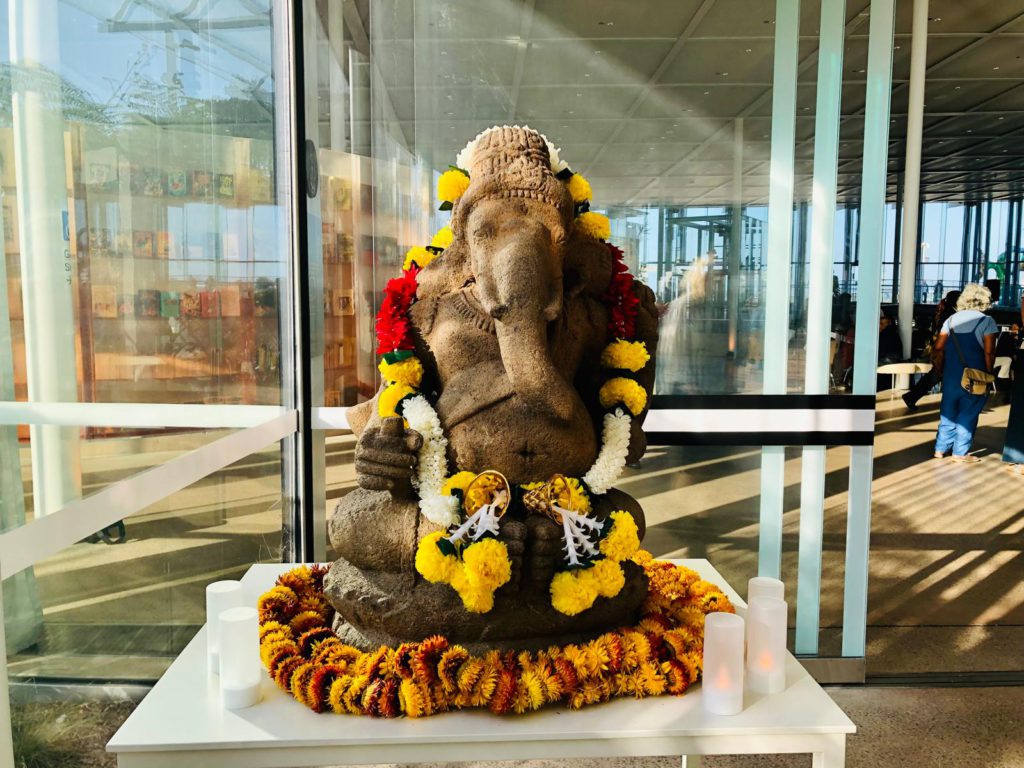


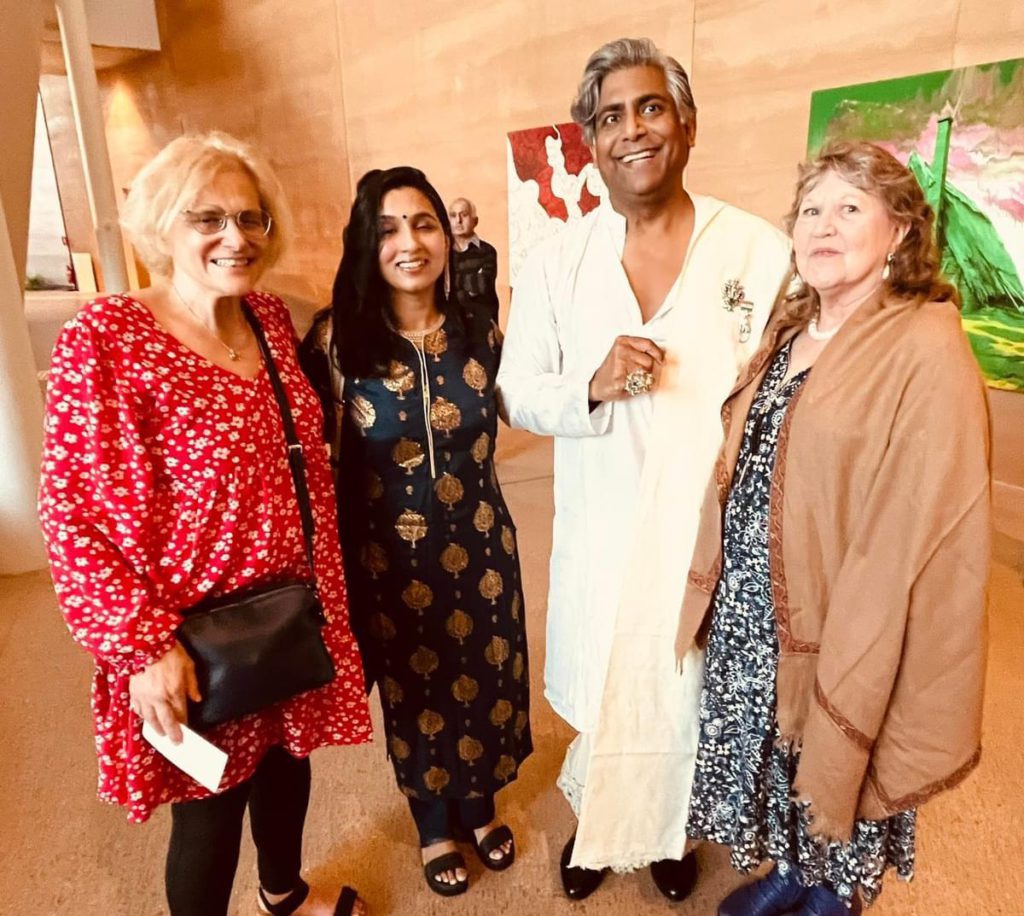
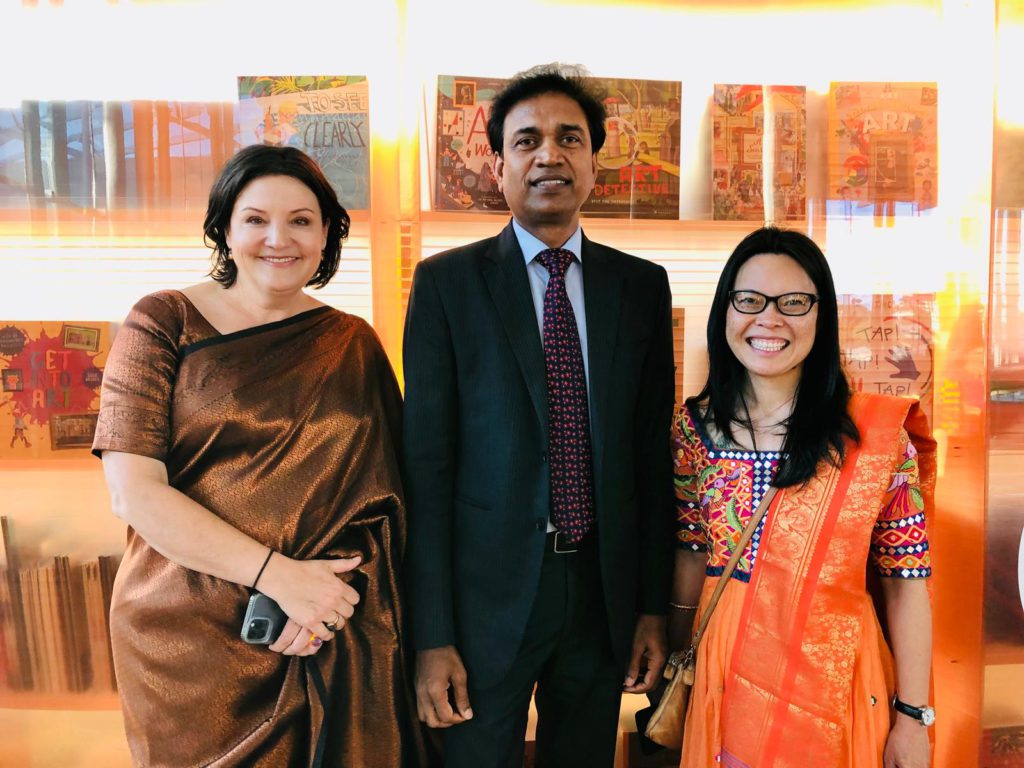
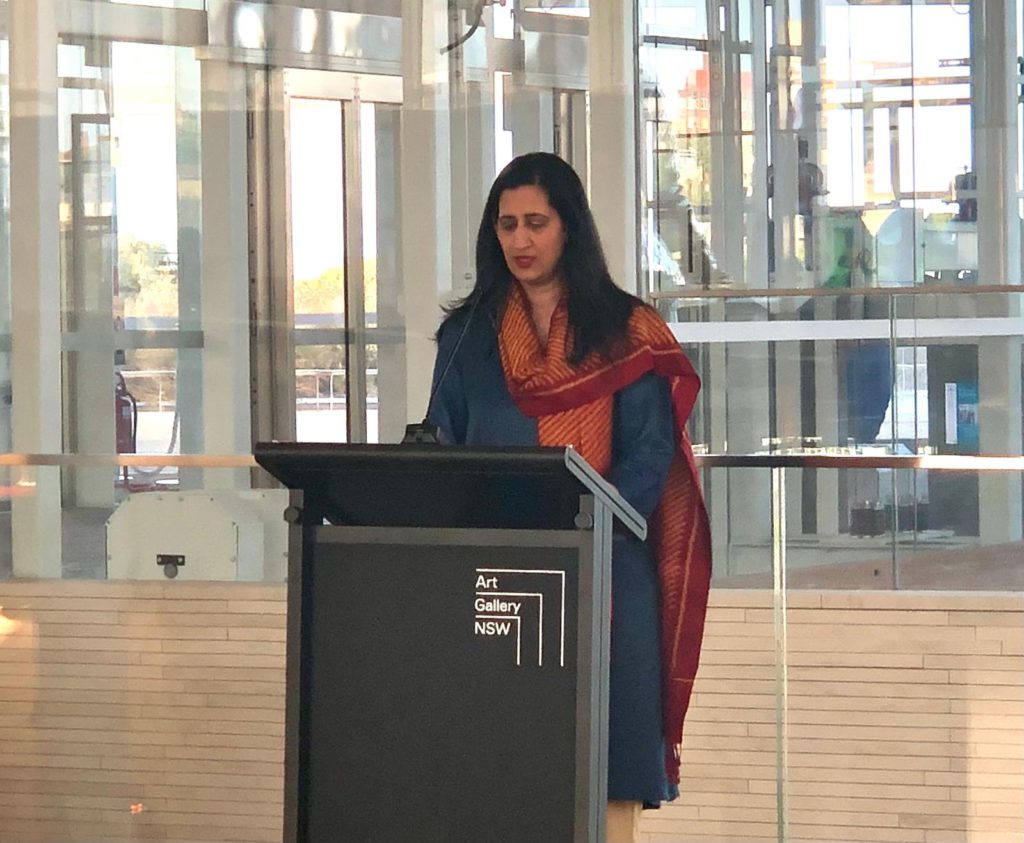

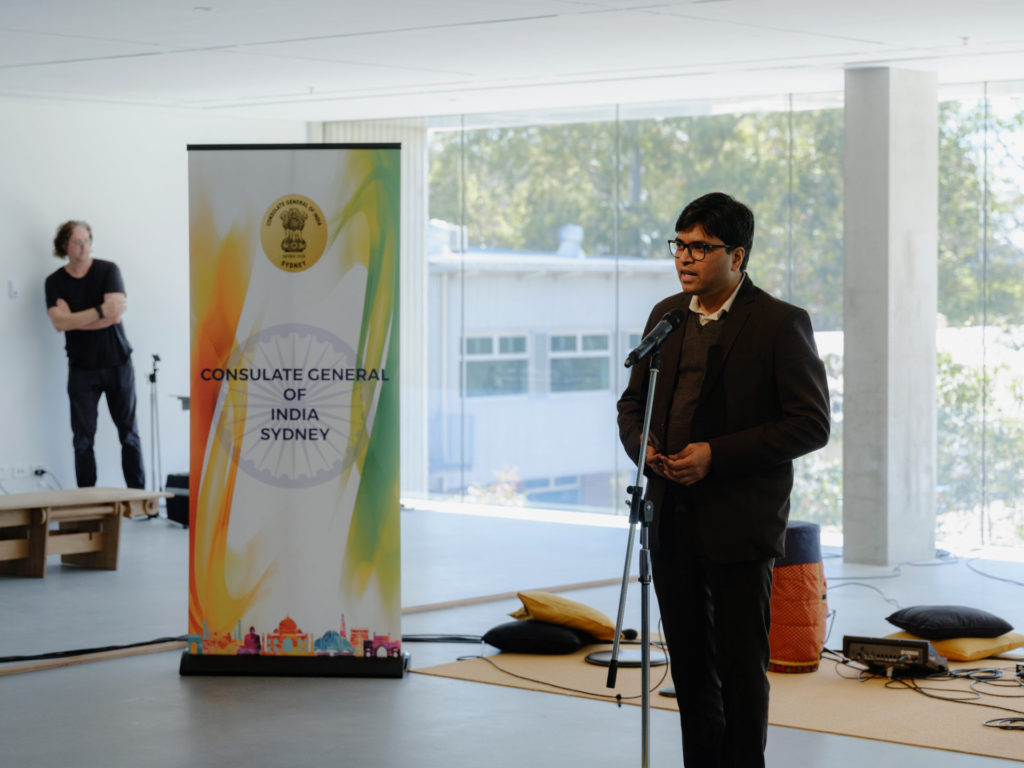
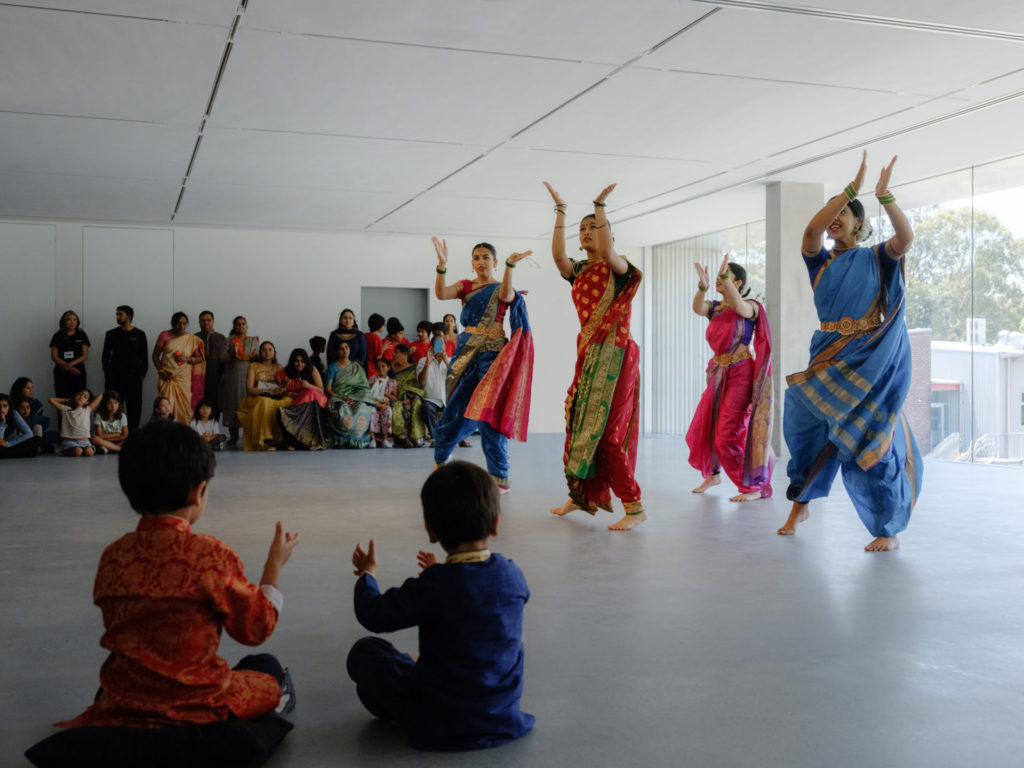
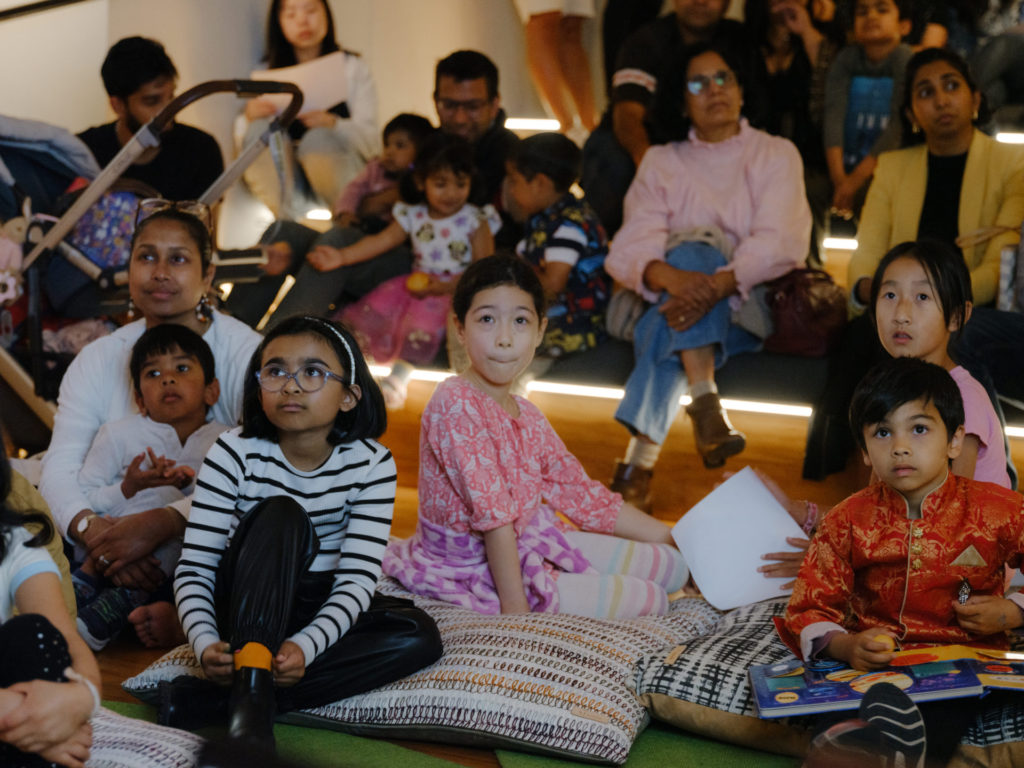


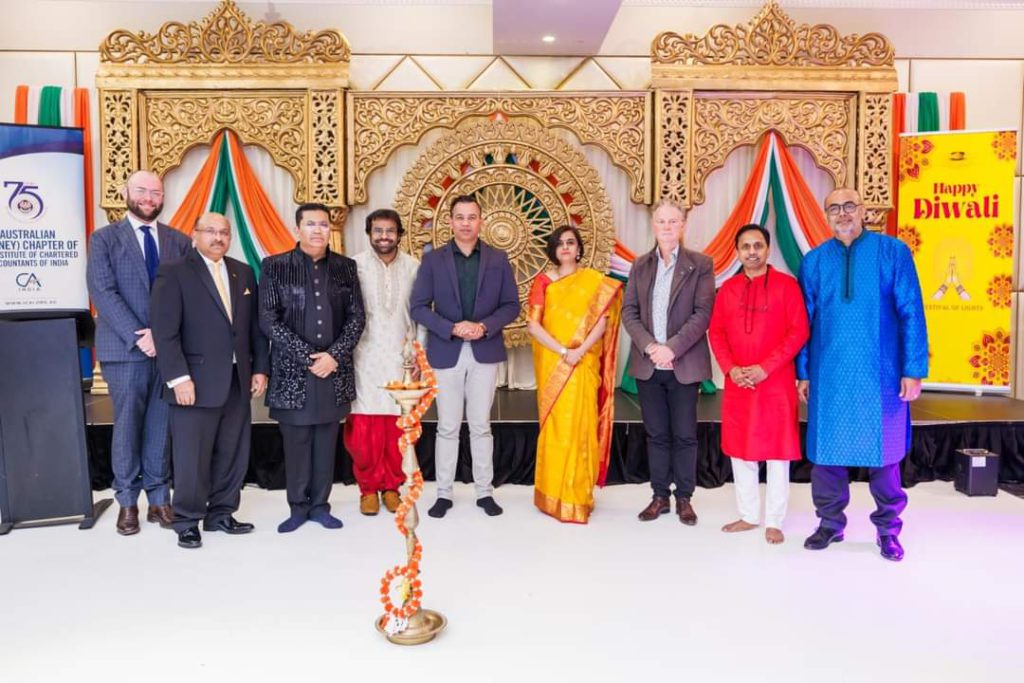

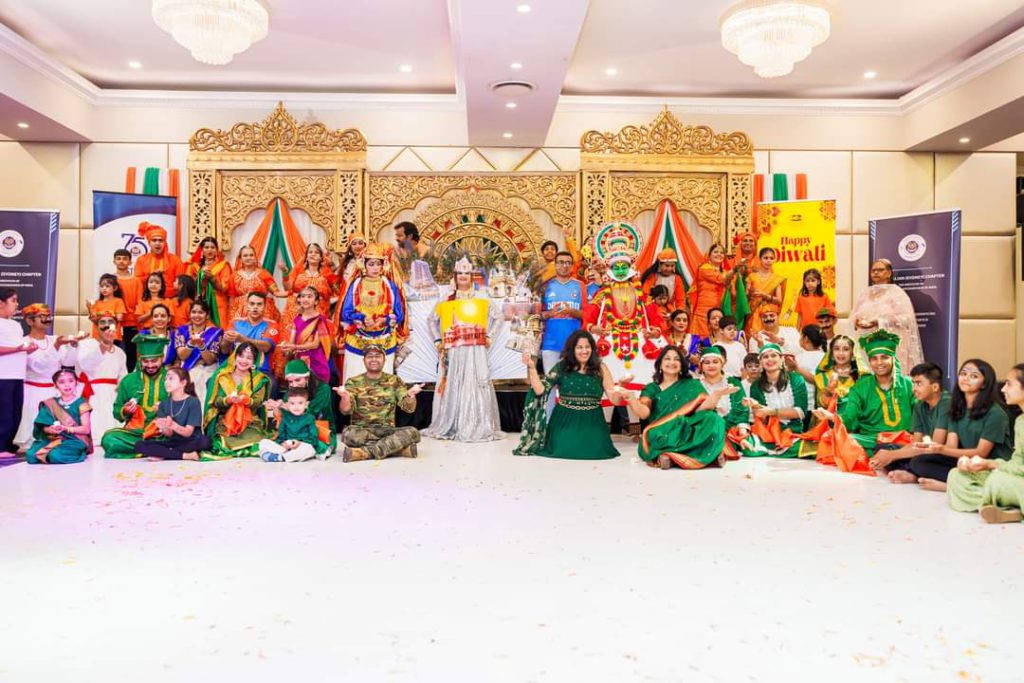


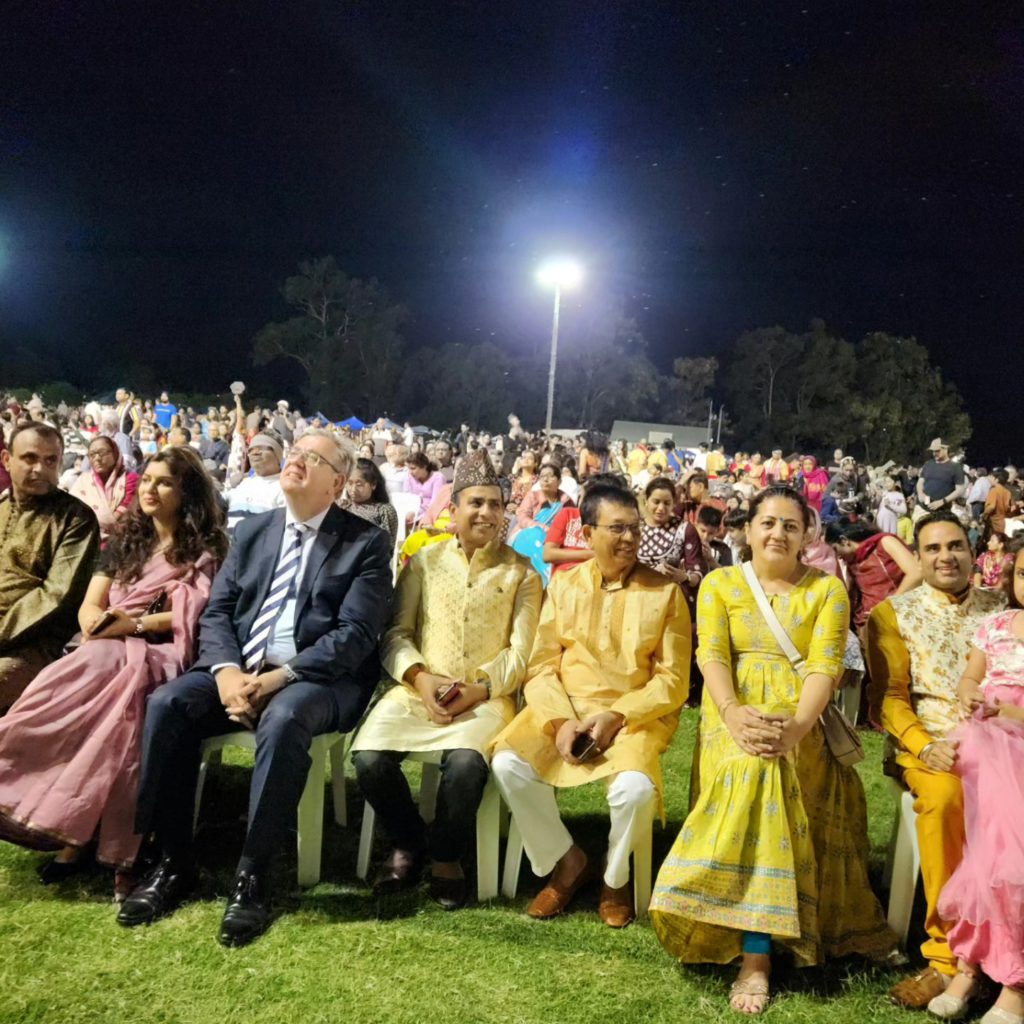
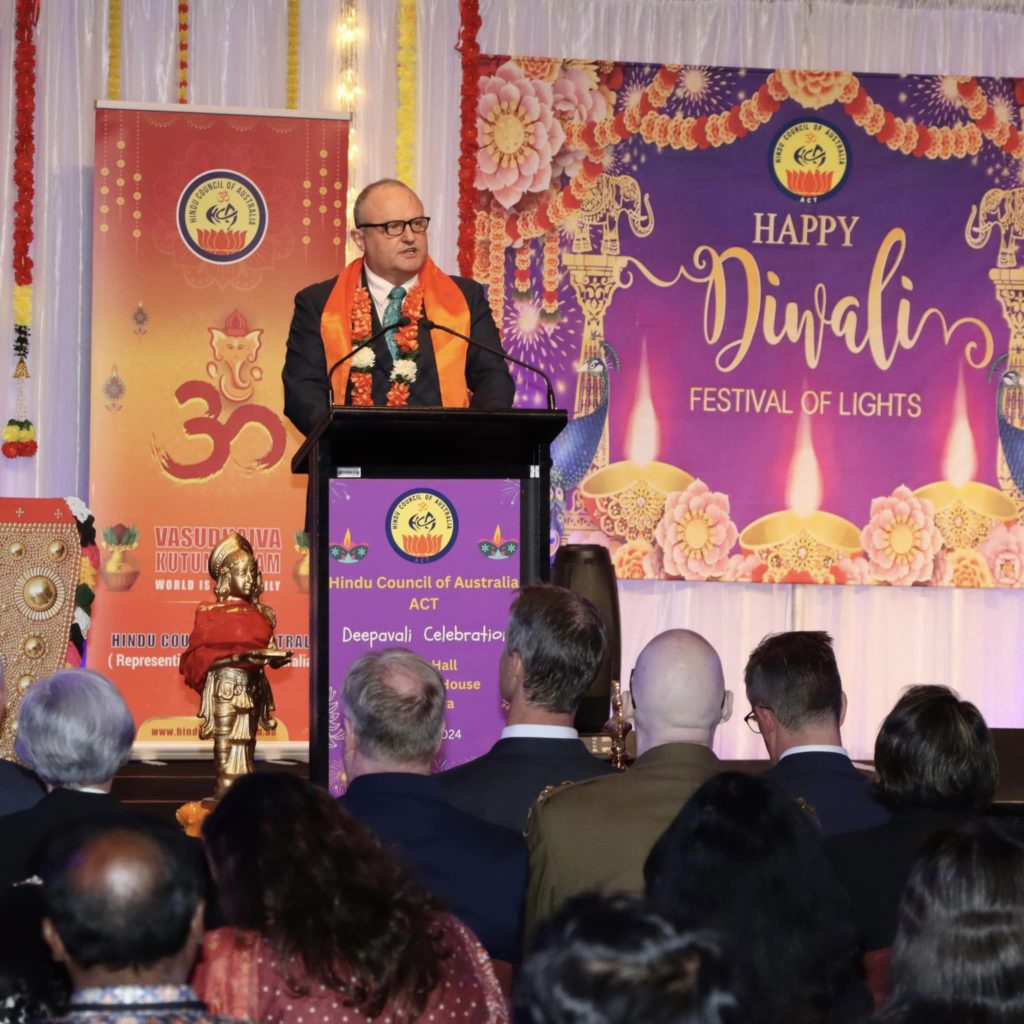
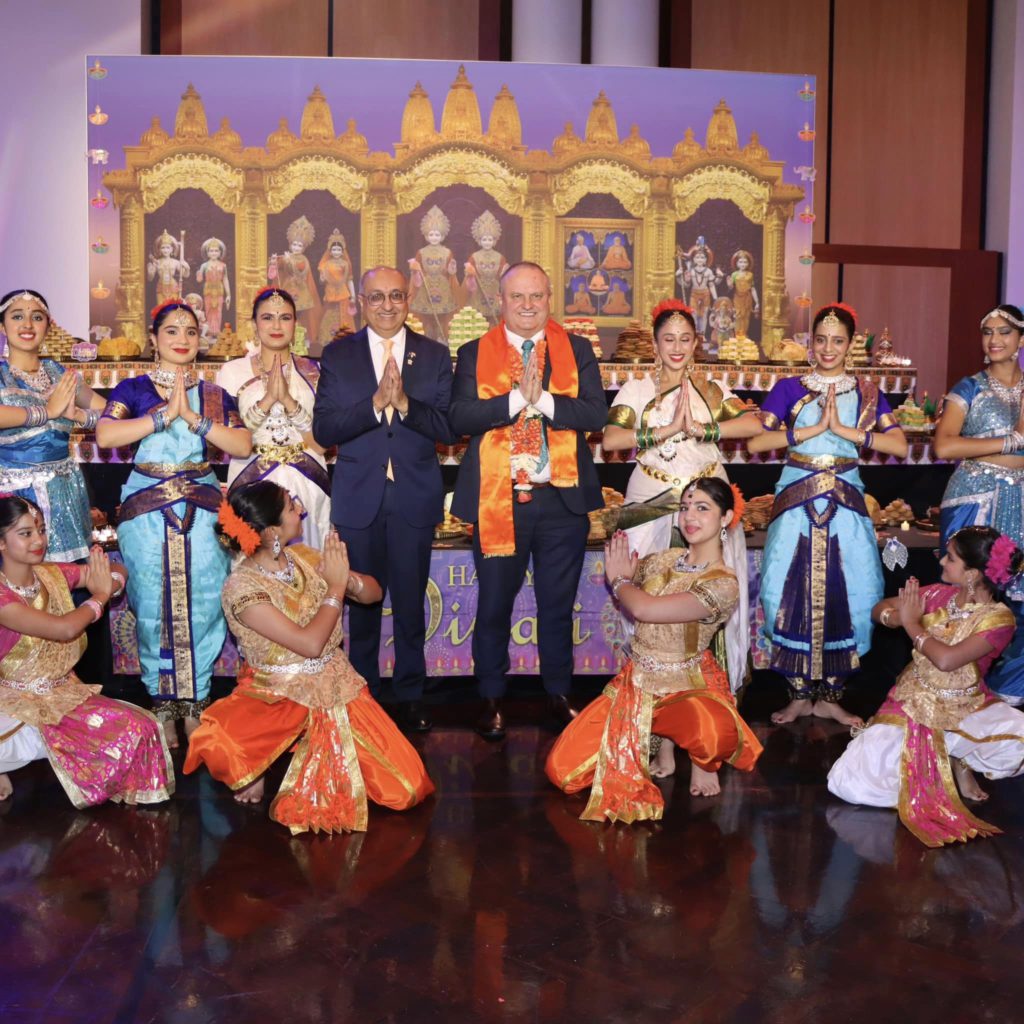
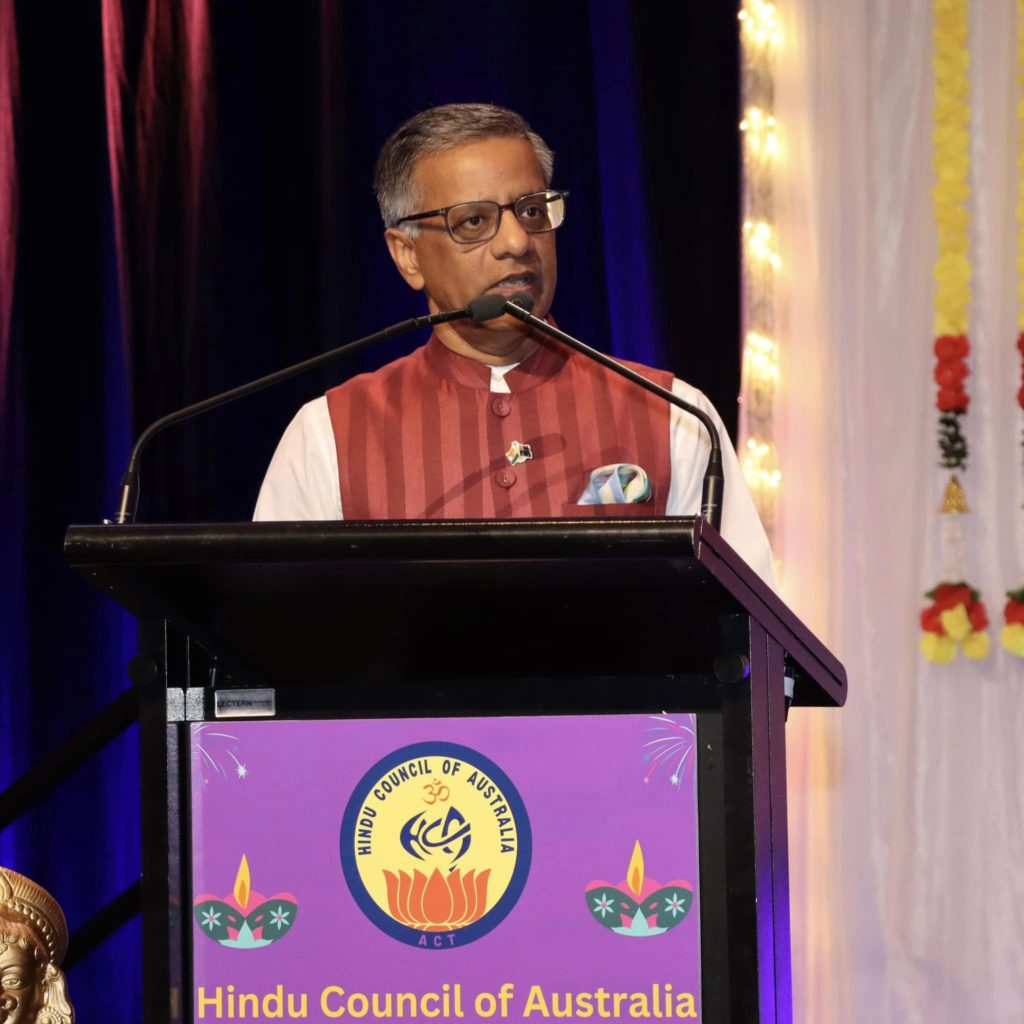


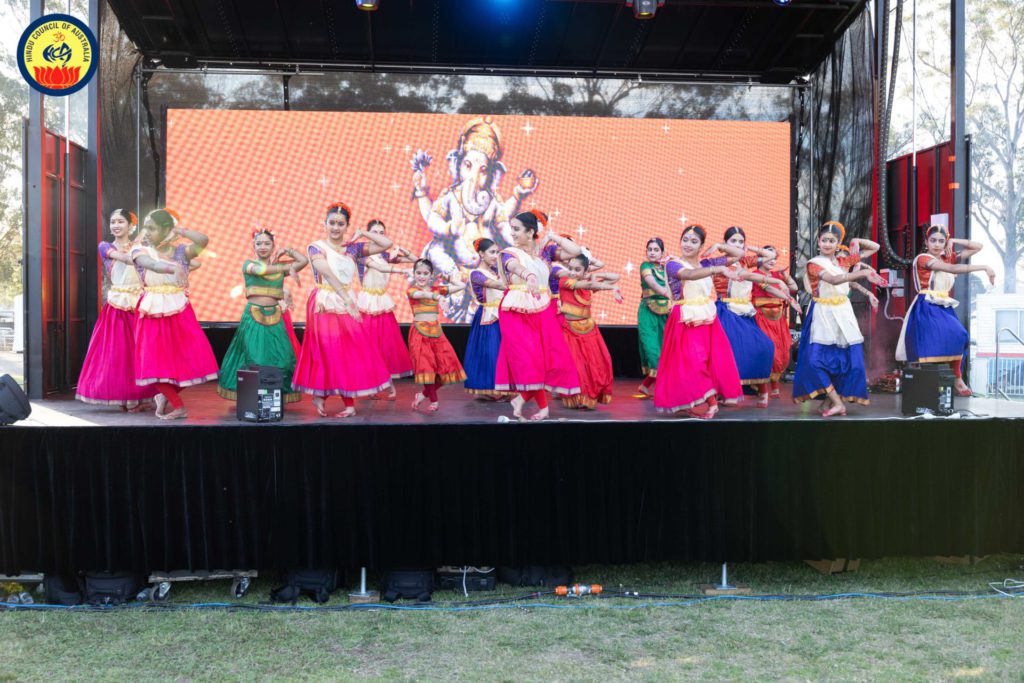
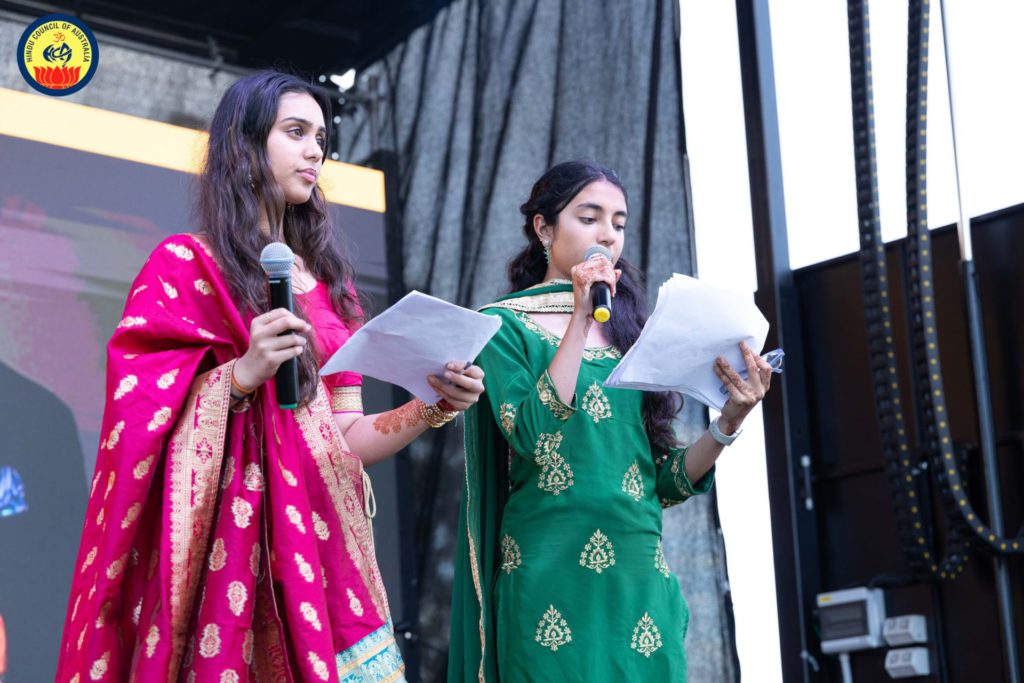









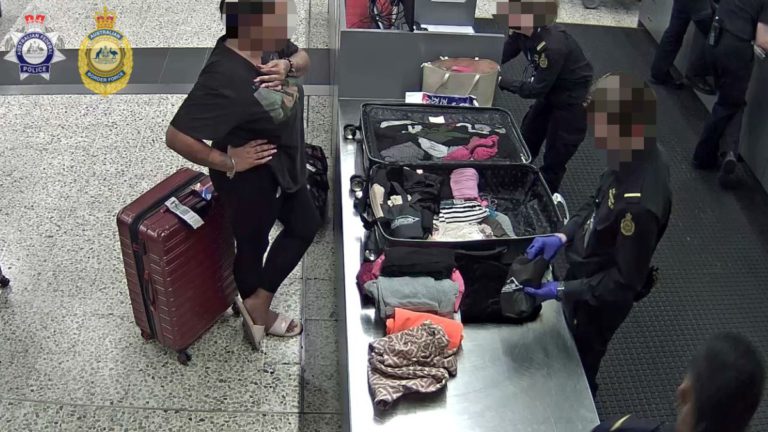
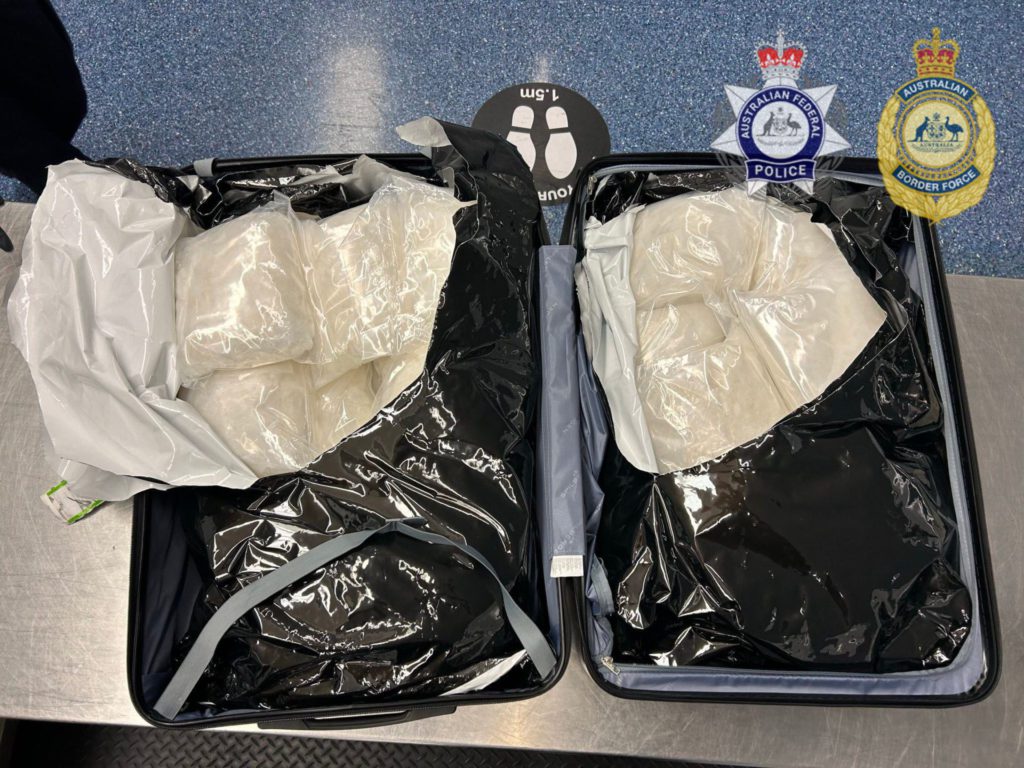
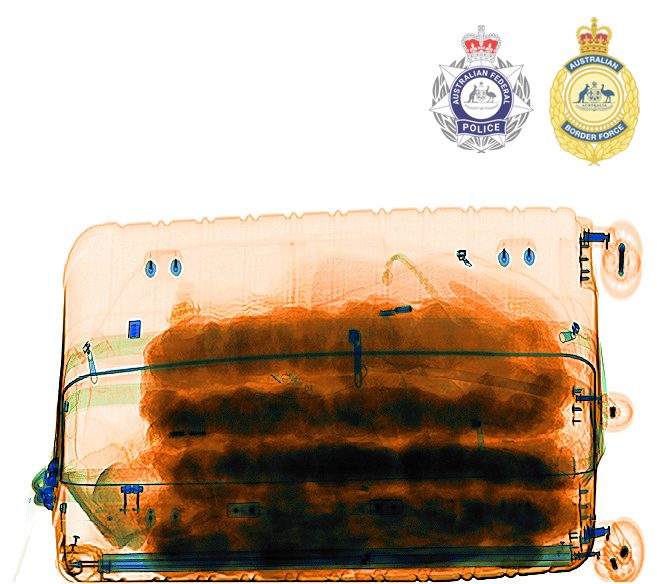
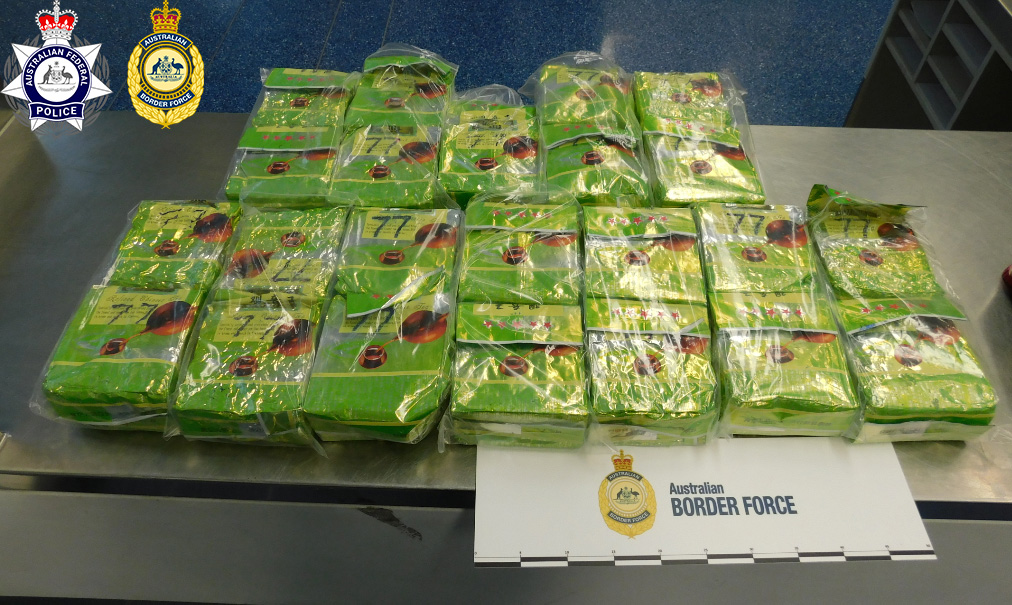
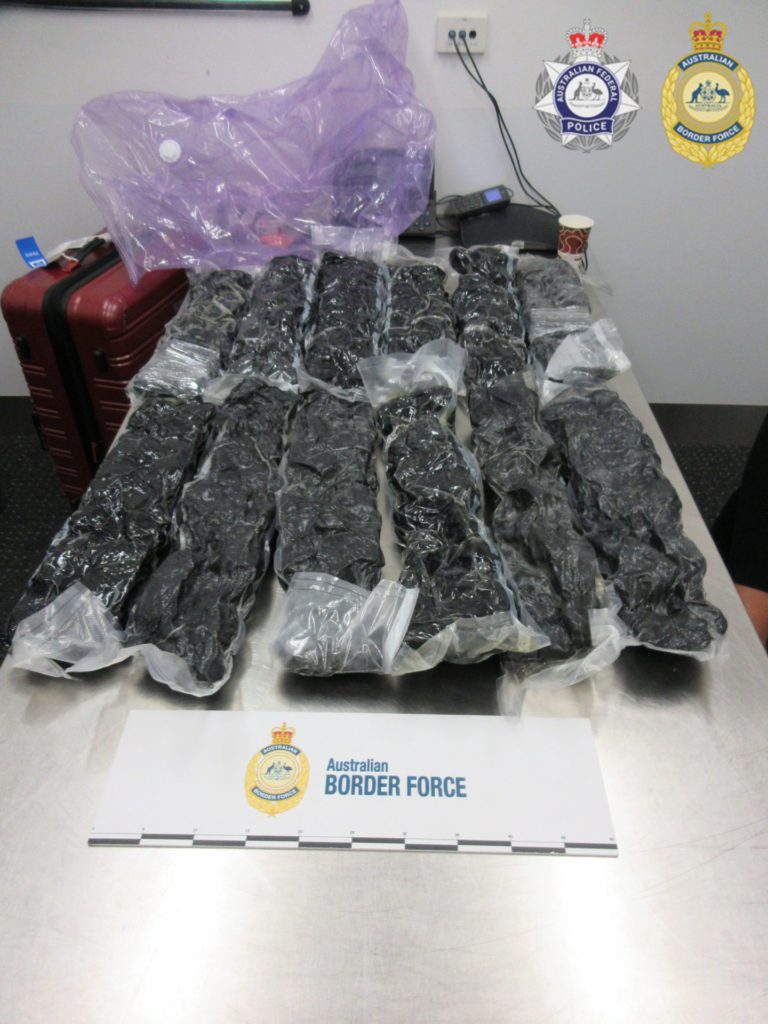






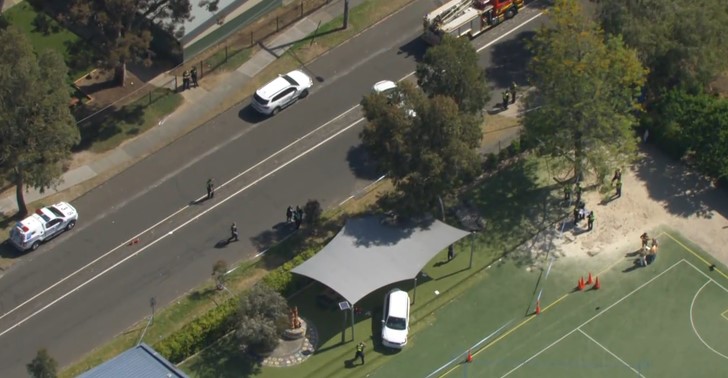
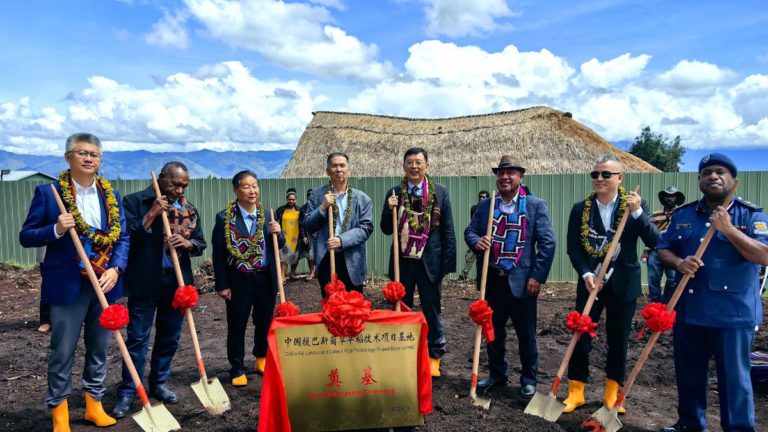
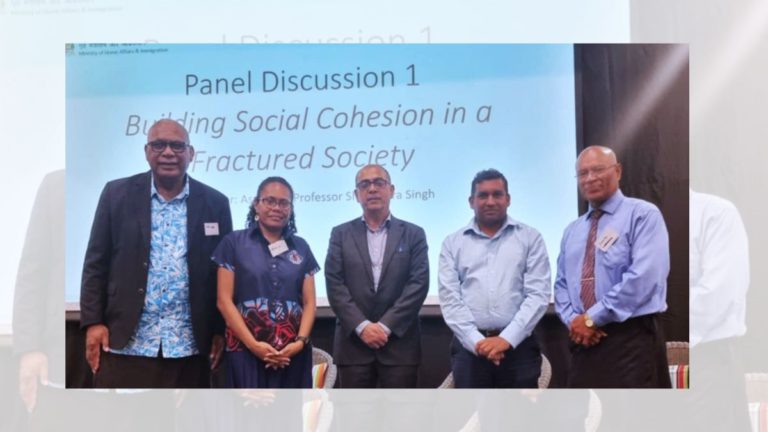
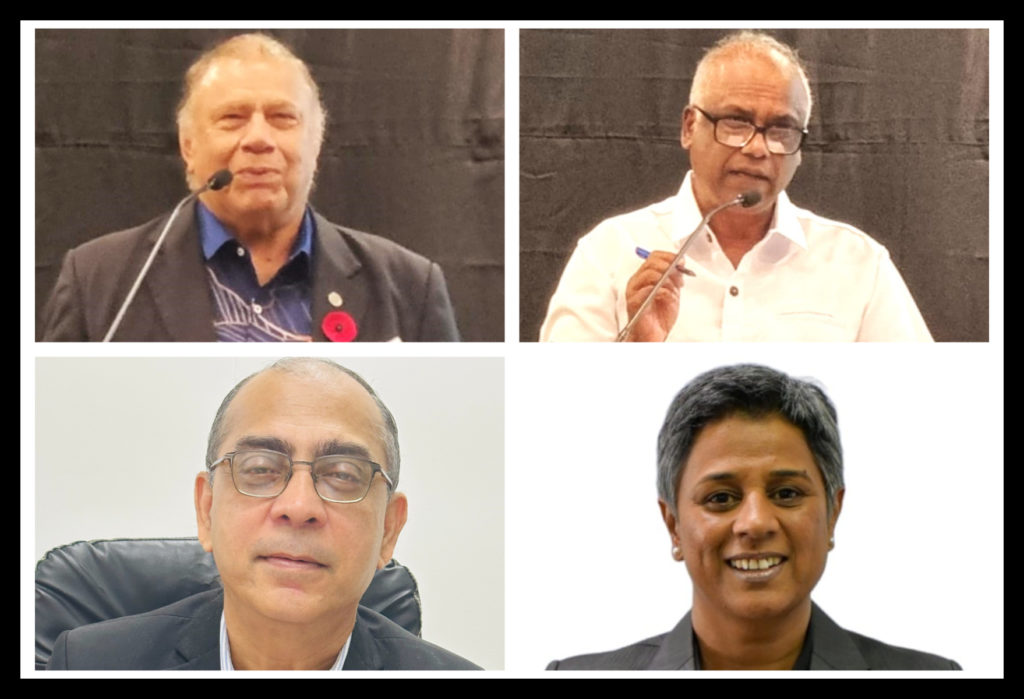
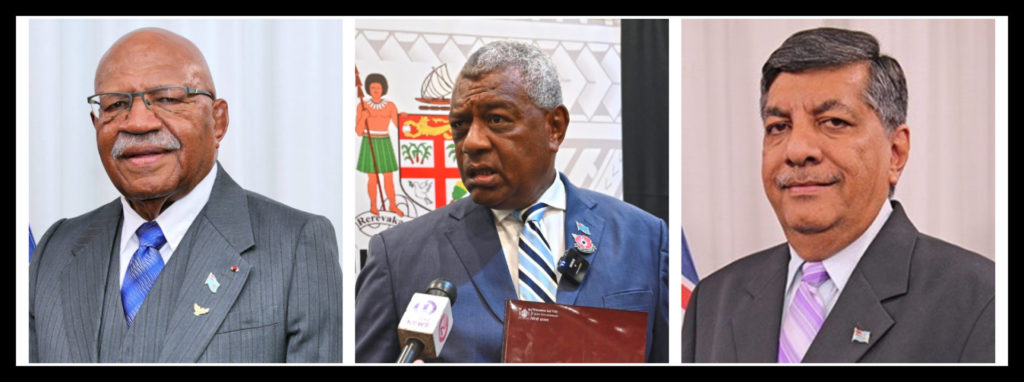
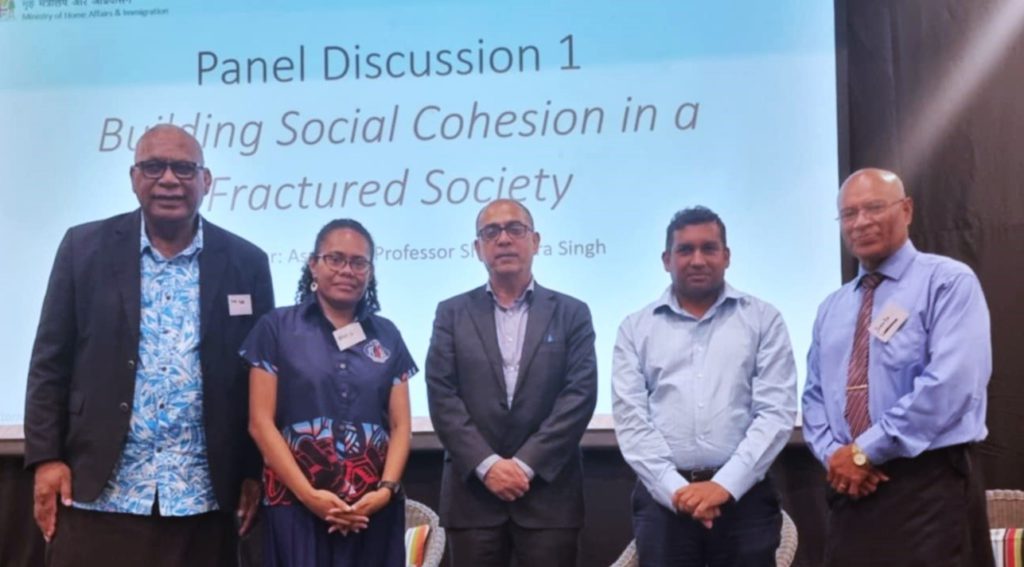

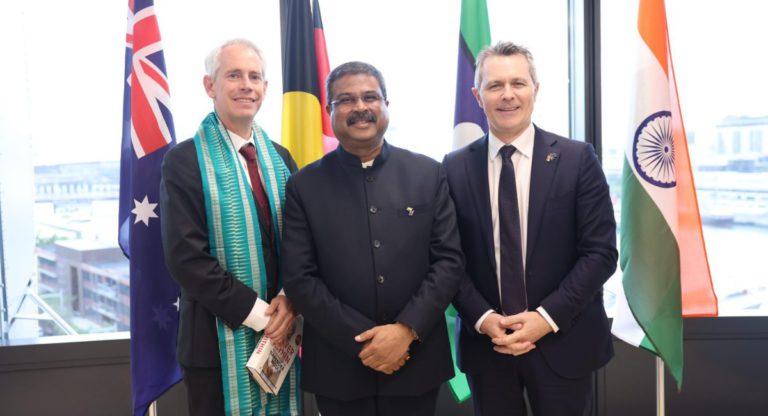
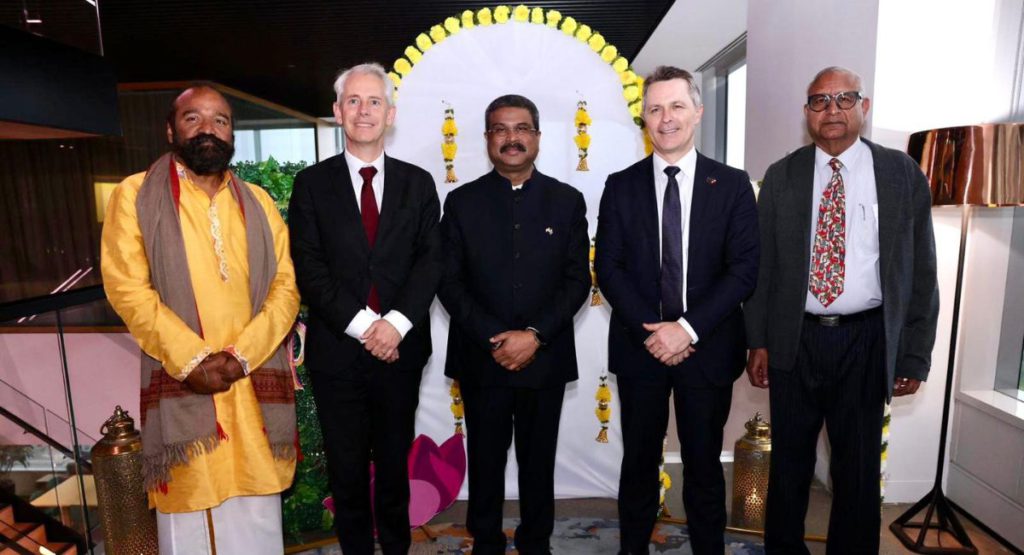
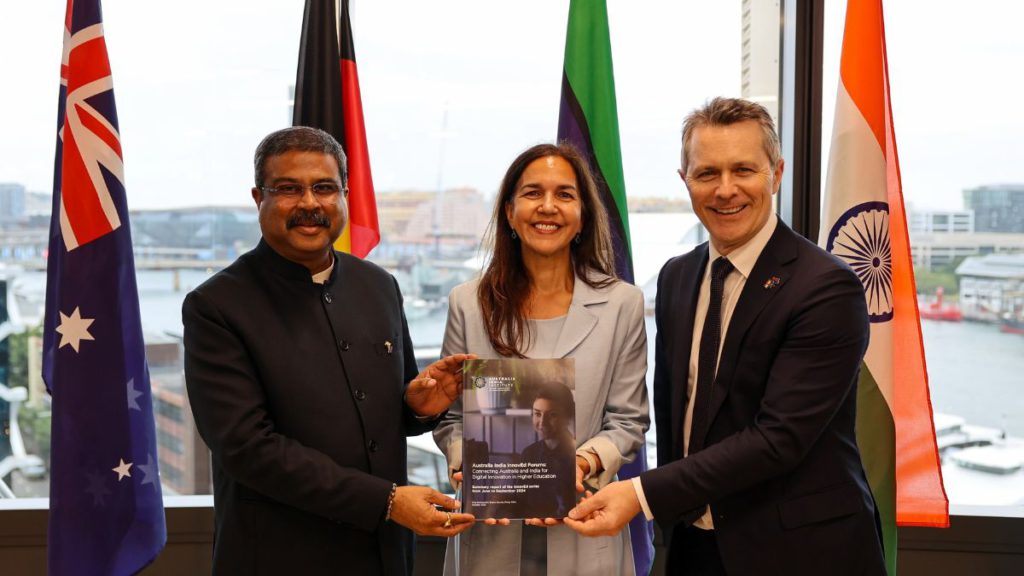




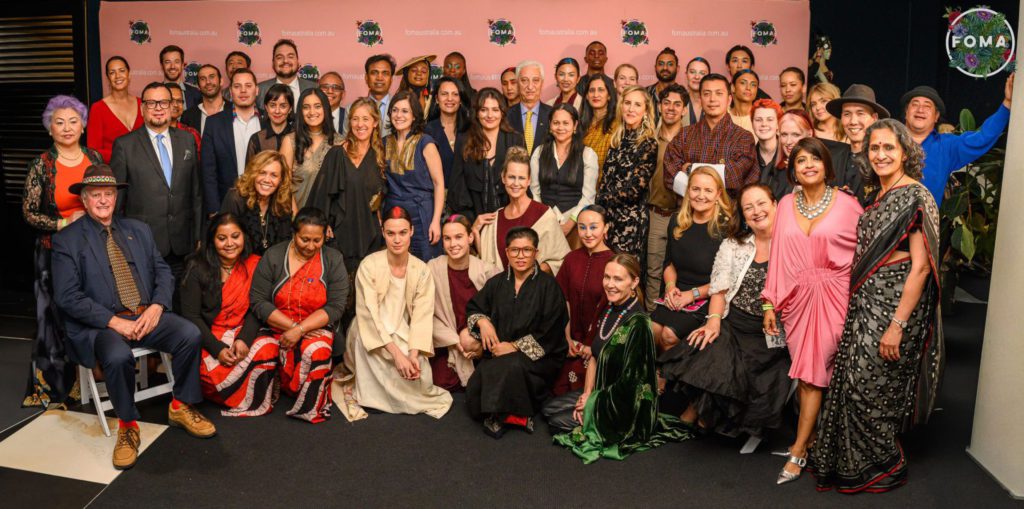











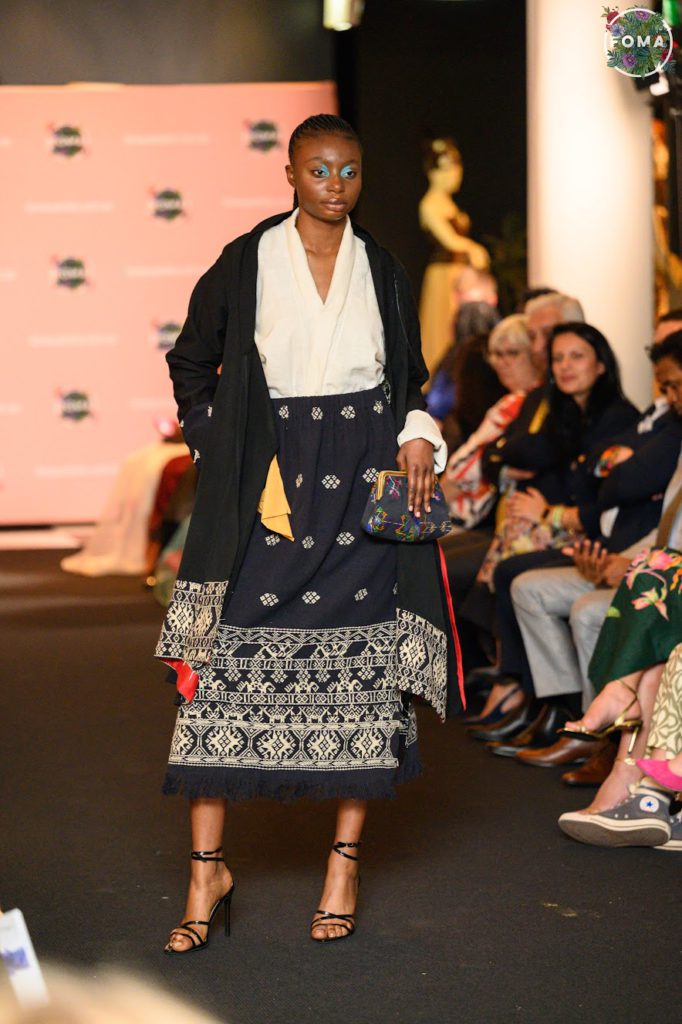







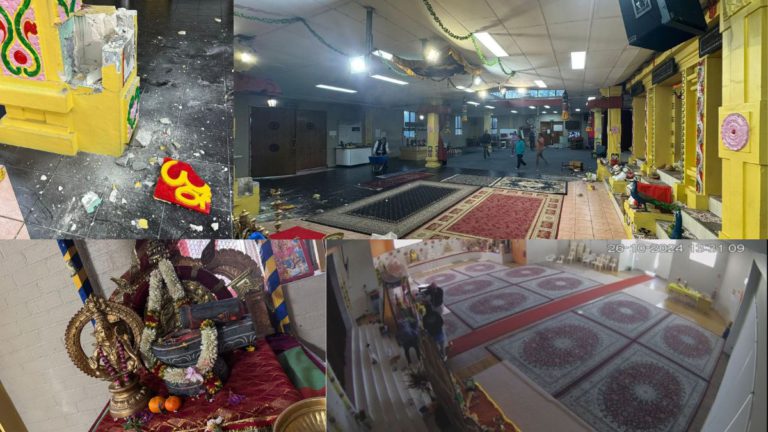
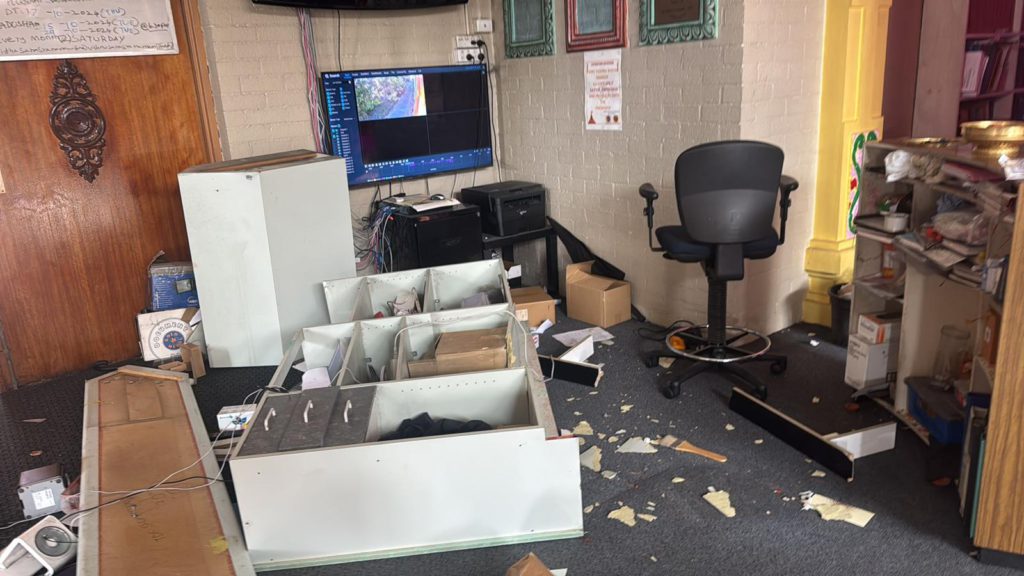

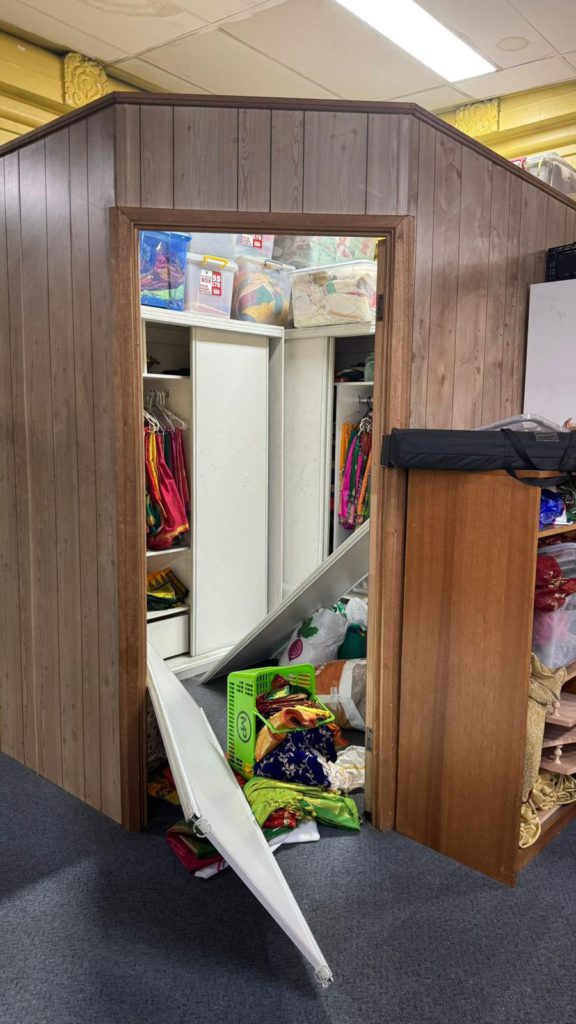
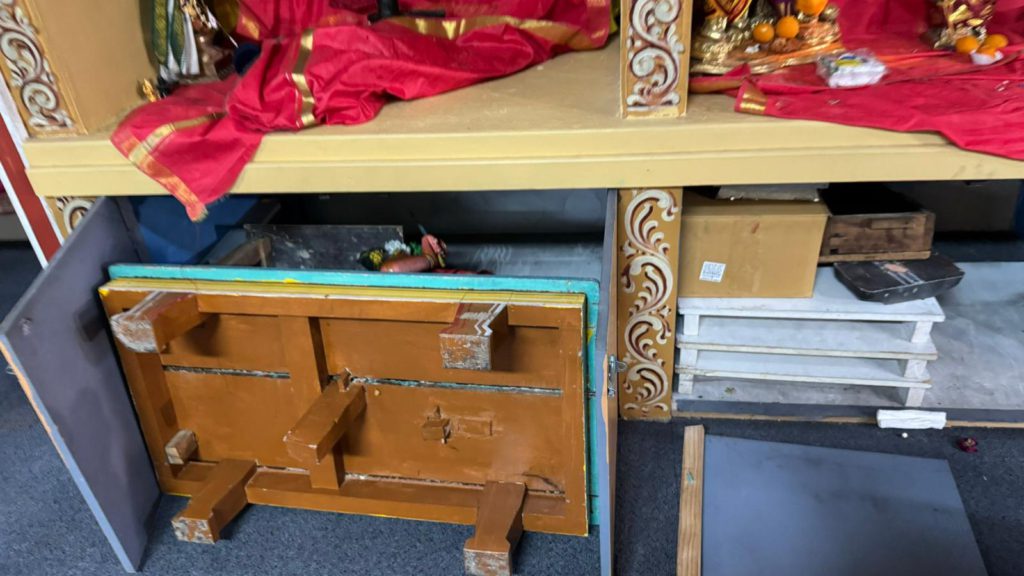
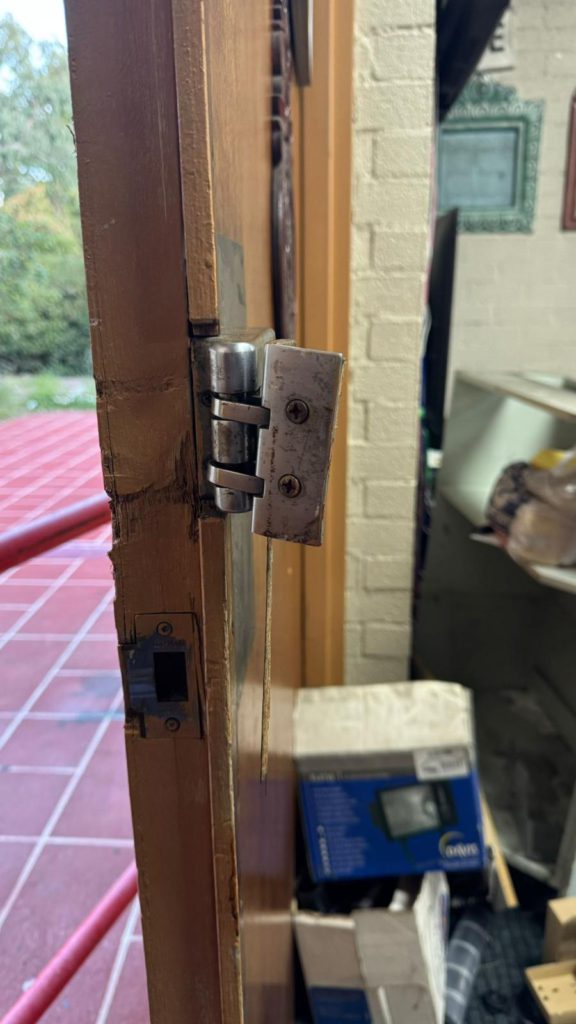
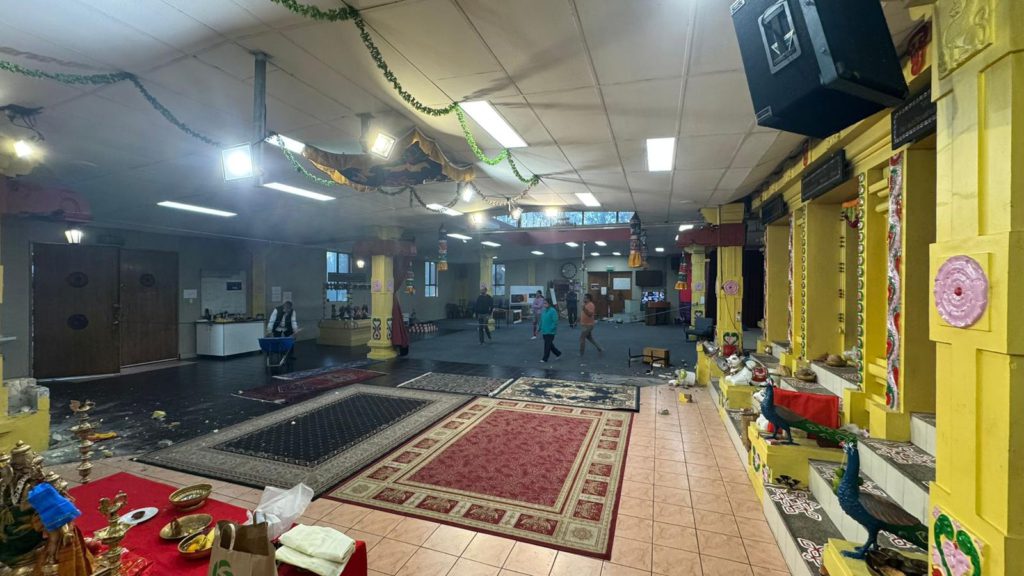
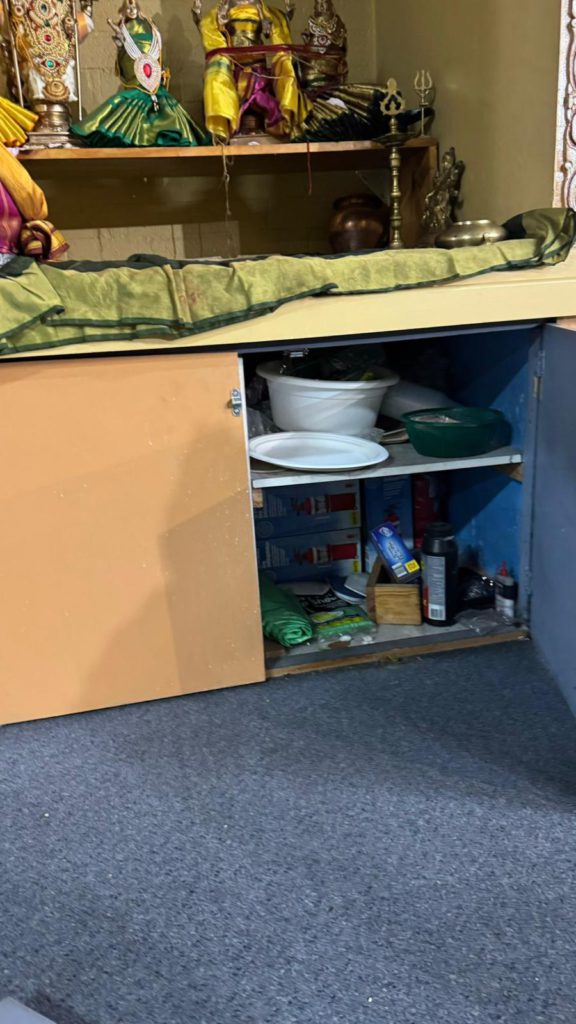

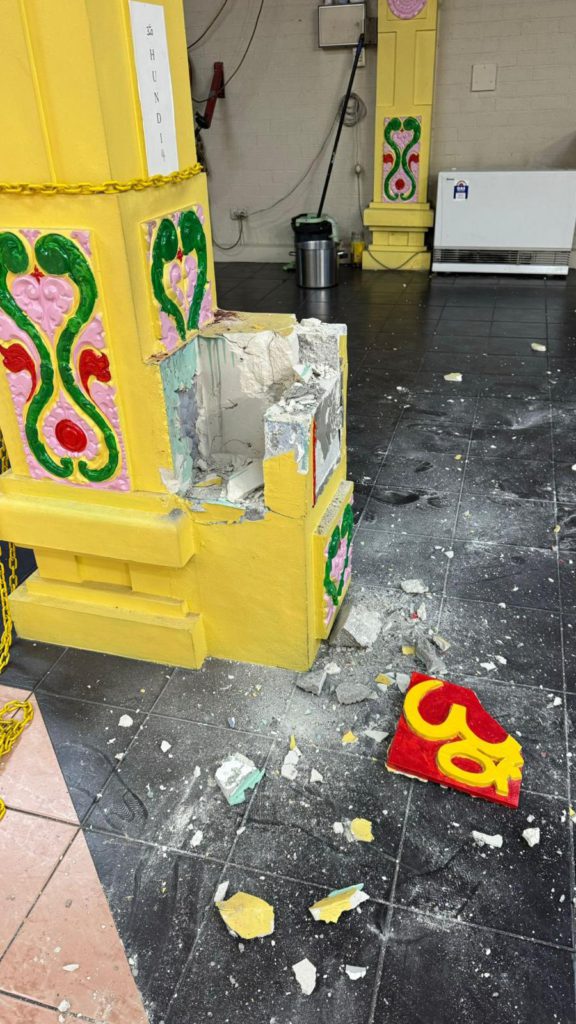





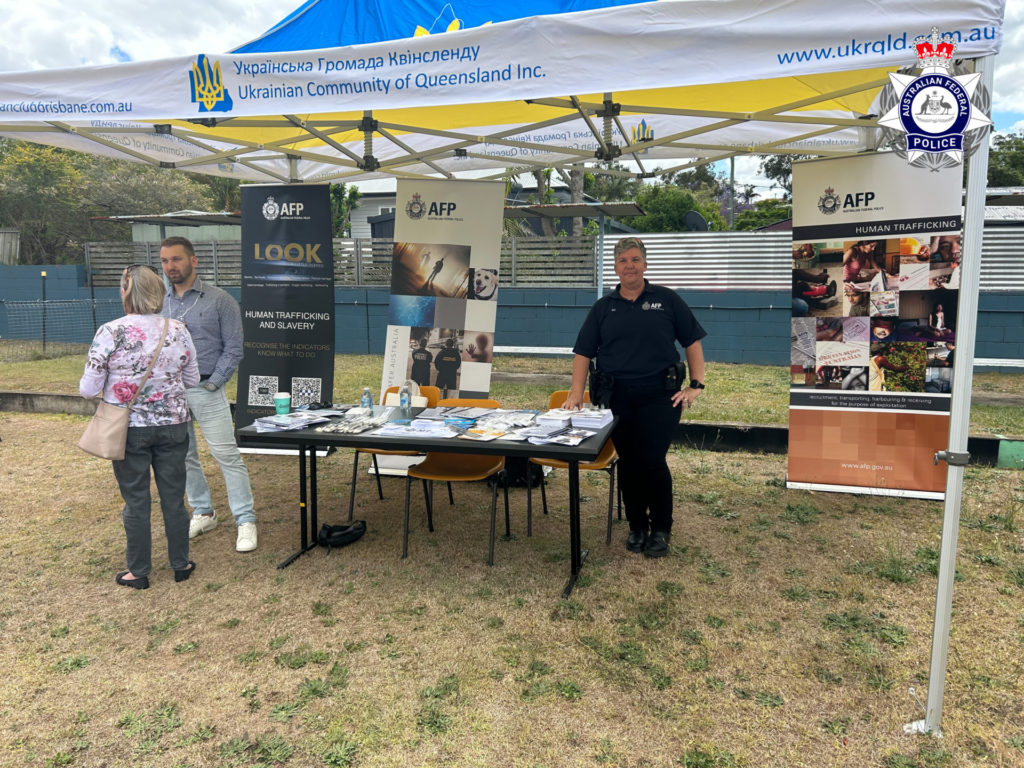
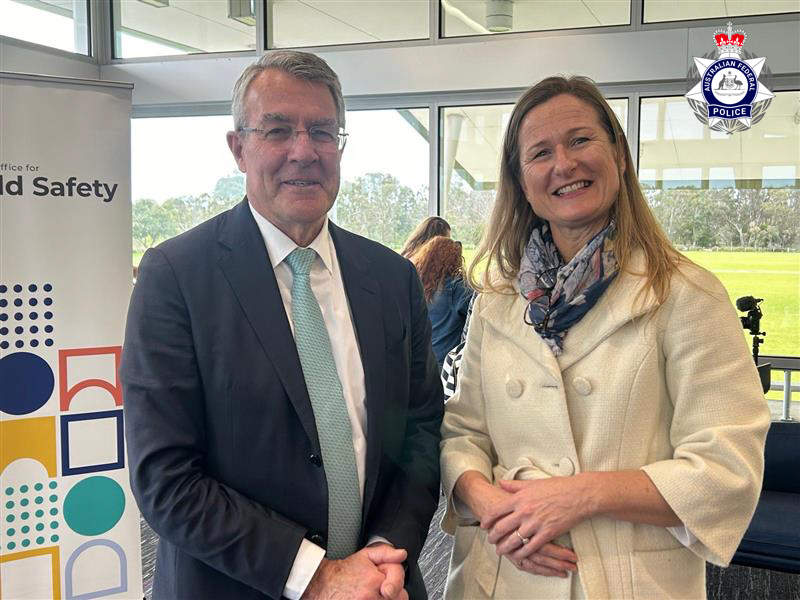



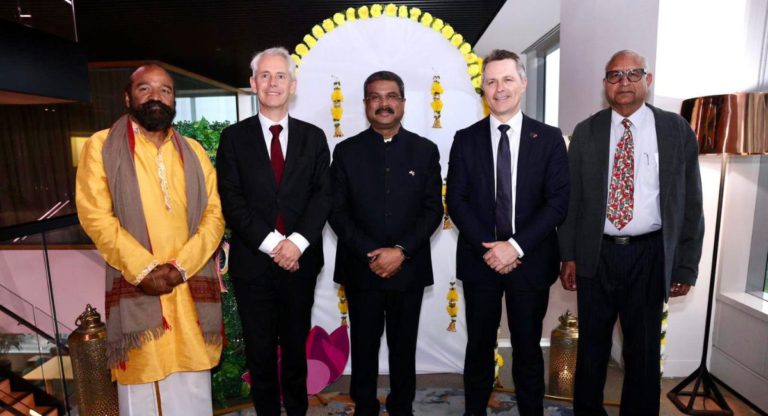
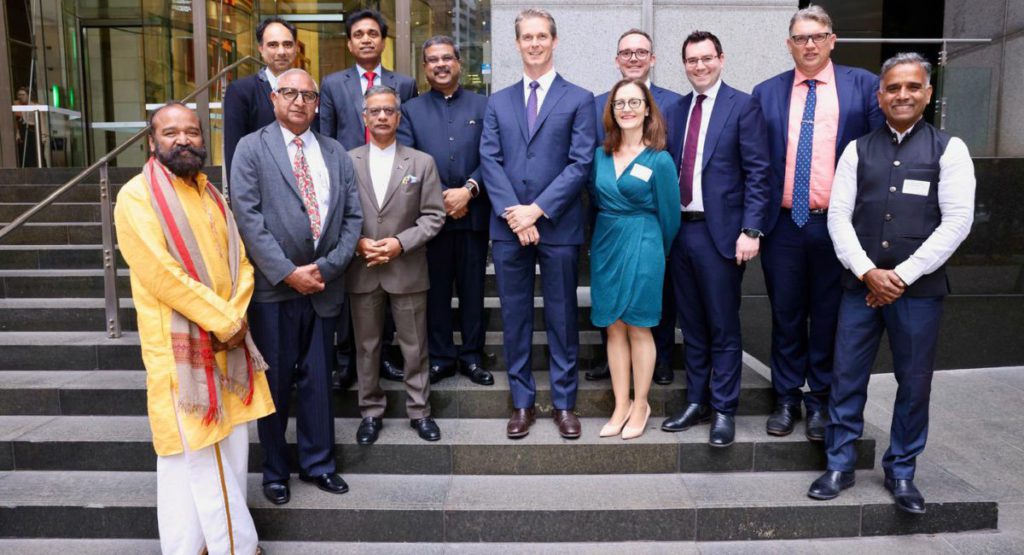
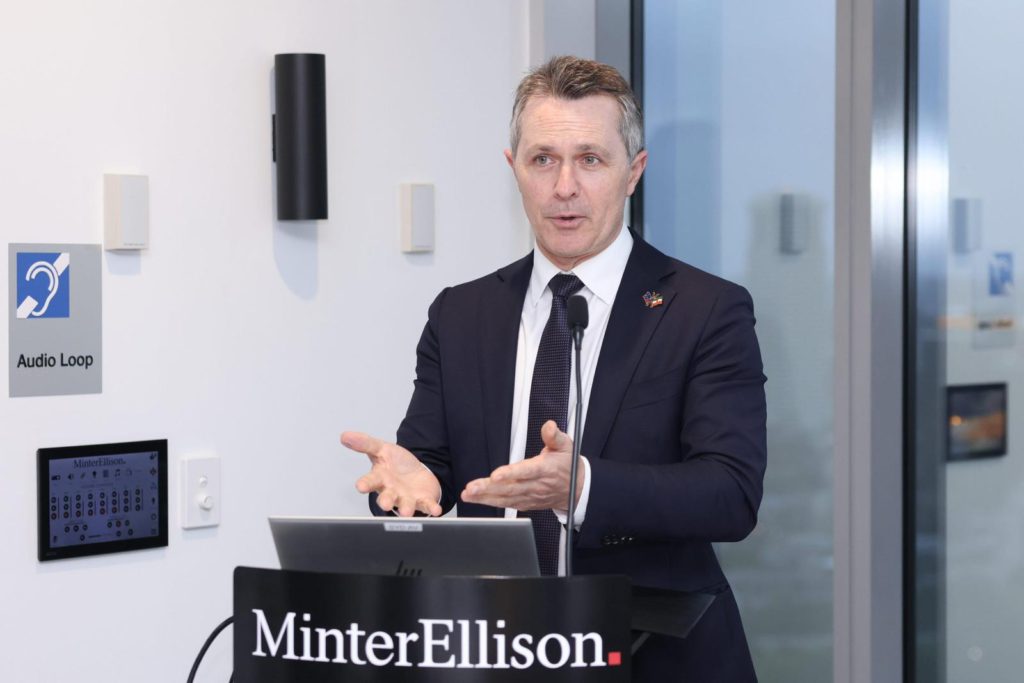
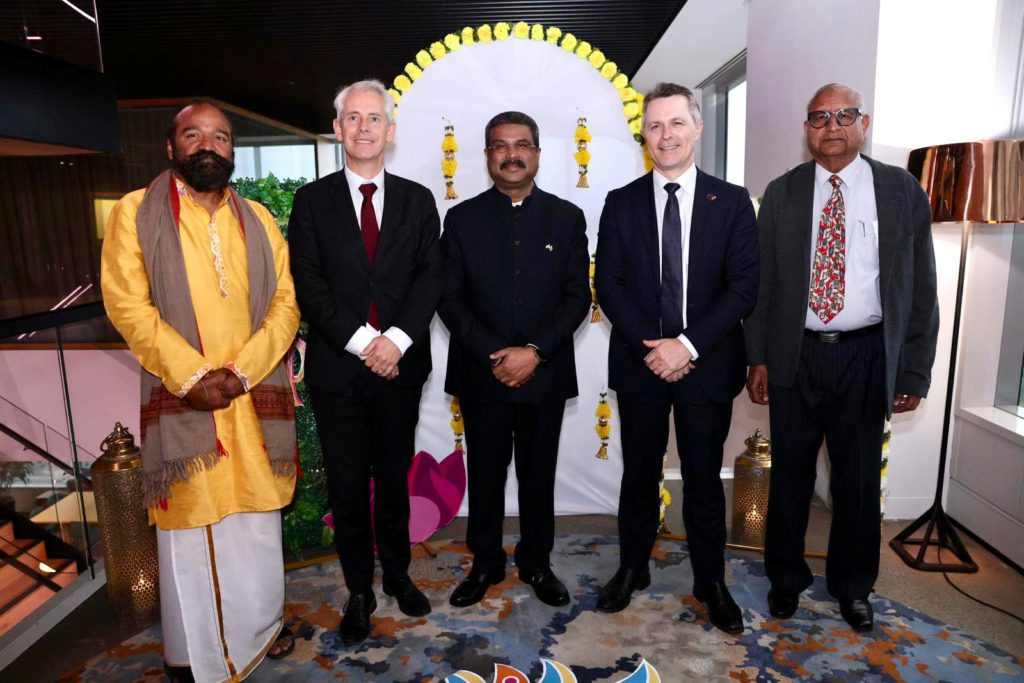
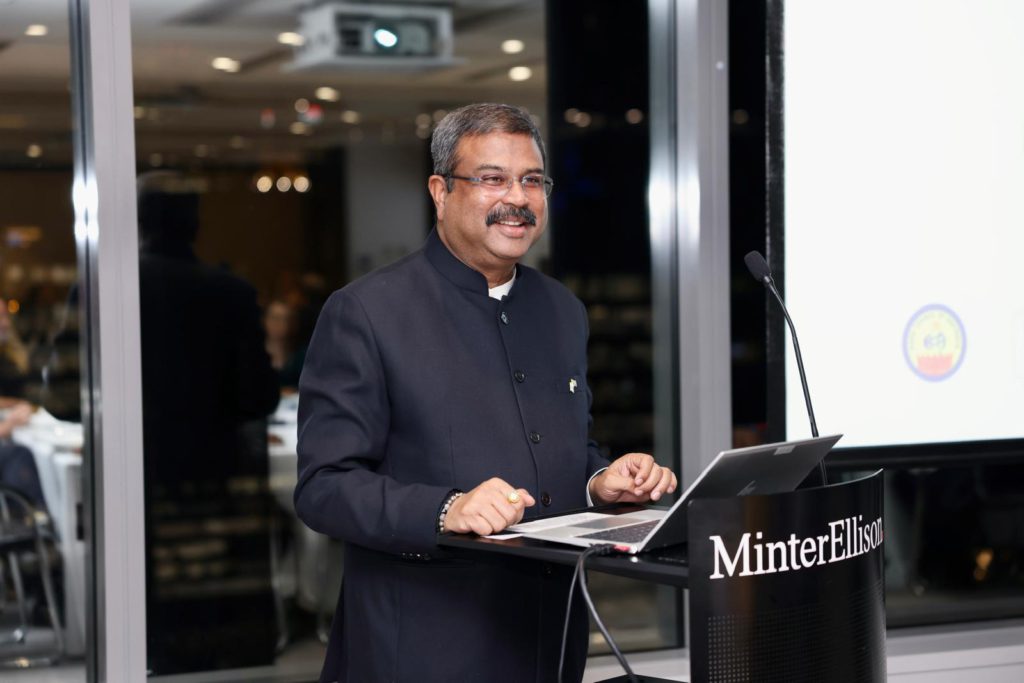
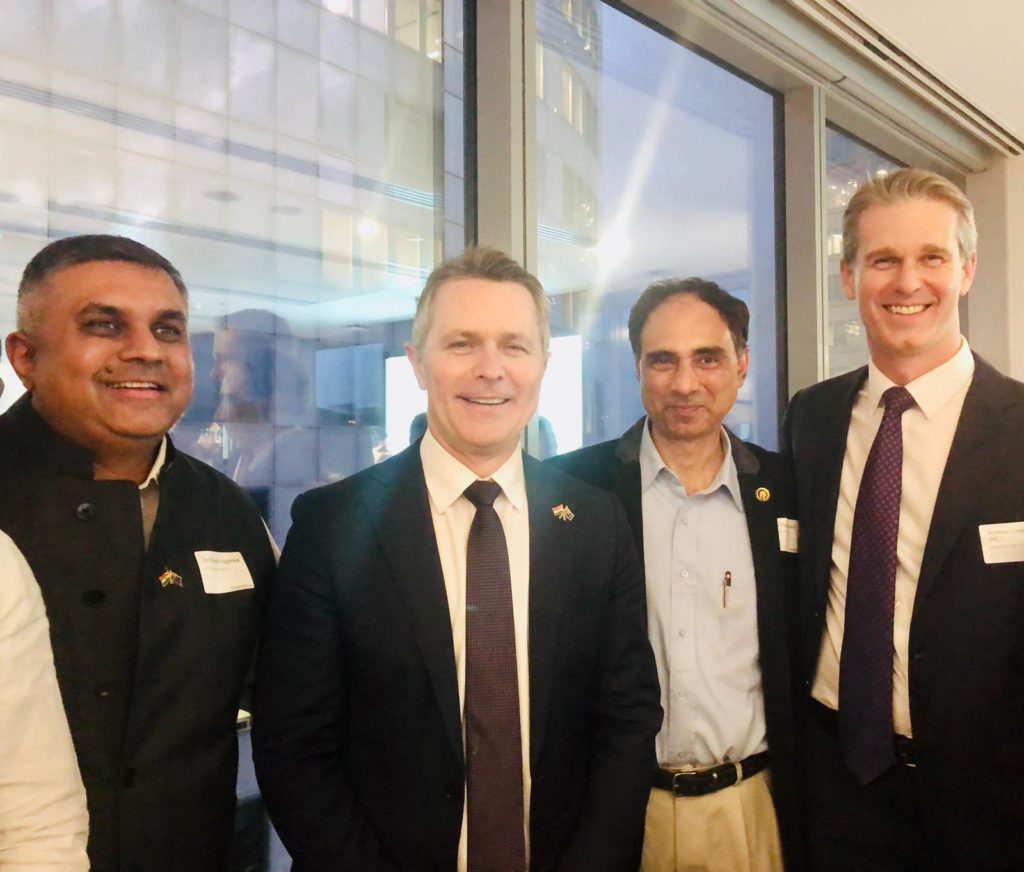
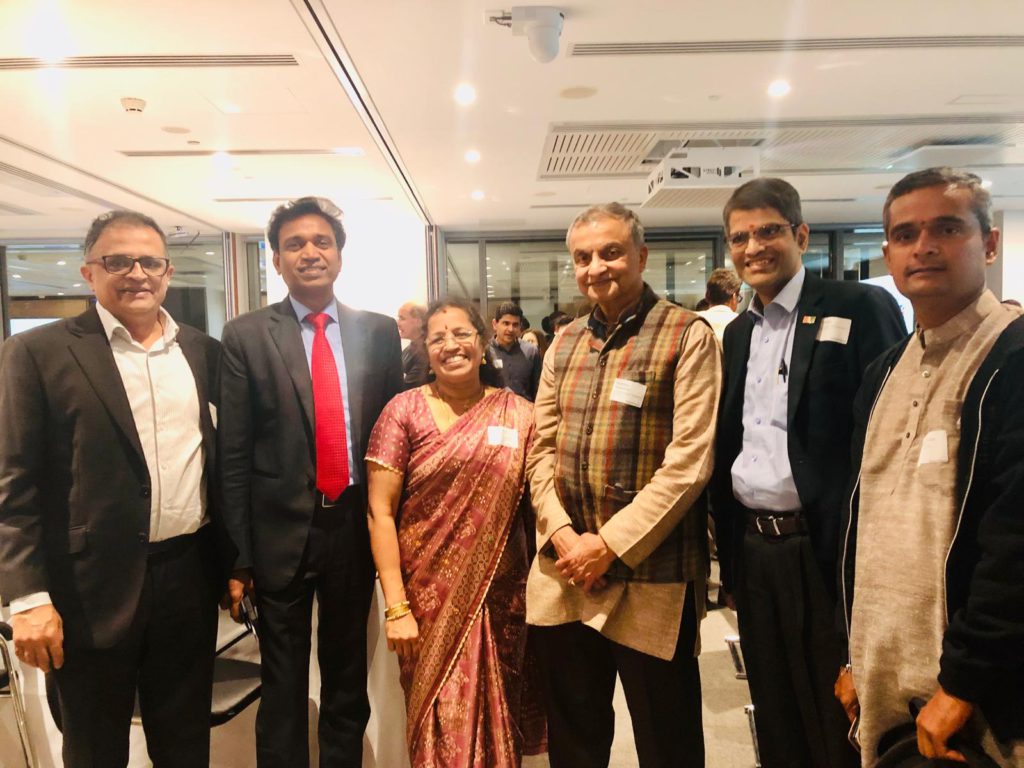
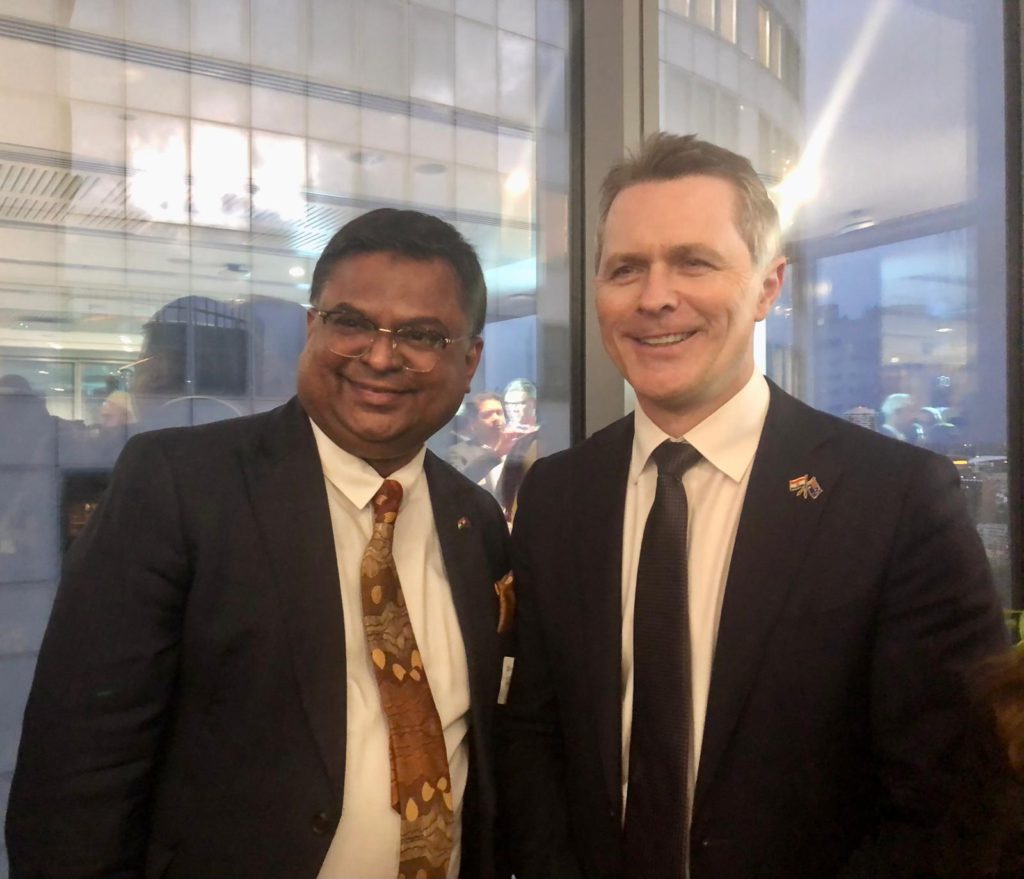
_(cropped)_1.jpg)