


Independent MP Dai Le has defended Fairfield Council’s recent crackdown on unapproved street vending in Cabramatta, saying the move was necessary to protect public safety and hygiene, even as locals accuse authorities of eroding the suburb’s cultural vibrancy.

Ms Le this week shared a video on Facebook showing John Street lined with informal vendors selling vegetables, cooked food and other items on crowded footpaths.
In her post, she said the council’s actions had followed growing safety and health concerns and were not intended to target vulnerable residents.
“While it can look like council is acting harshly, it is actually about protecting our community,” she wrote, noting that many vendors were older residents trying to supplement their income during difficult economic times.
“That does not change the fact that street vending without approval is illegal and unsafe.”

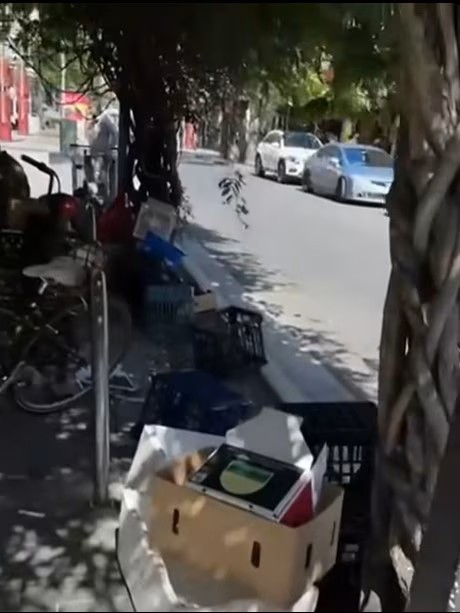
Ms Le said the situation escalated when a young man began selling puppies on the footpath, prompting urgent intervention. According to her, footpaths had become overcrowded, creating risks for pedestrians, families with prams, people with disability and the elderly.
“This was not about being heartless,” she said.
“It was about preventing harm before it happens and making sure food sold in our community meets basic health standards. If something were to go wrong, someone would have to take responsibility.”
She also raised concerns about food being sold near rubbish bins and argued that unregulated vending was unfair to local shop owners who comply with licensing, rent, insurance and wage requirements.
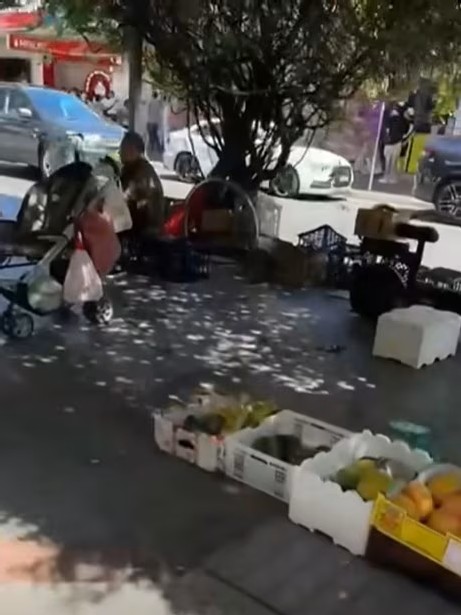
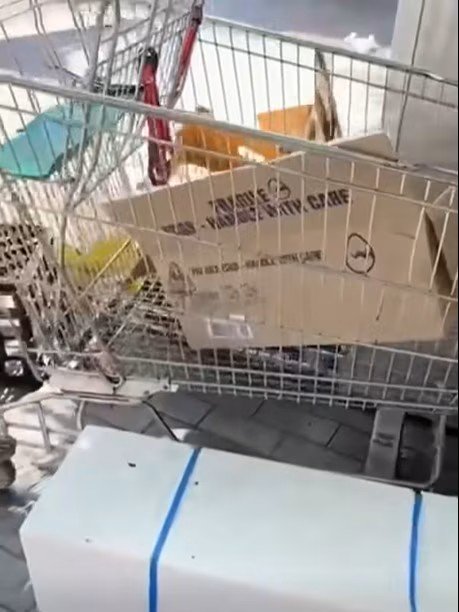
However, the footage and Ms Le’s description of the scene as resembling “a third world environment” sparked backlash from many residents, who said the informal markets were an important part of Cabramatta’s identity.
One resident wrote that such markets were “more than buying and selling”, providing vital social interaction for elderly migrants who may otherwise experience isolation.
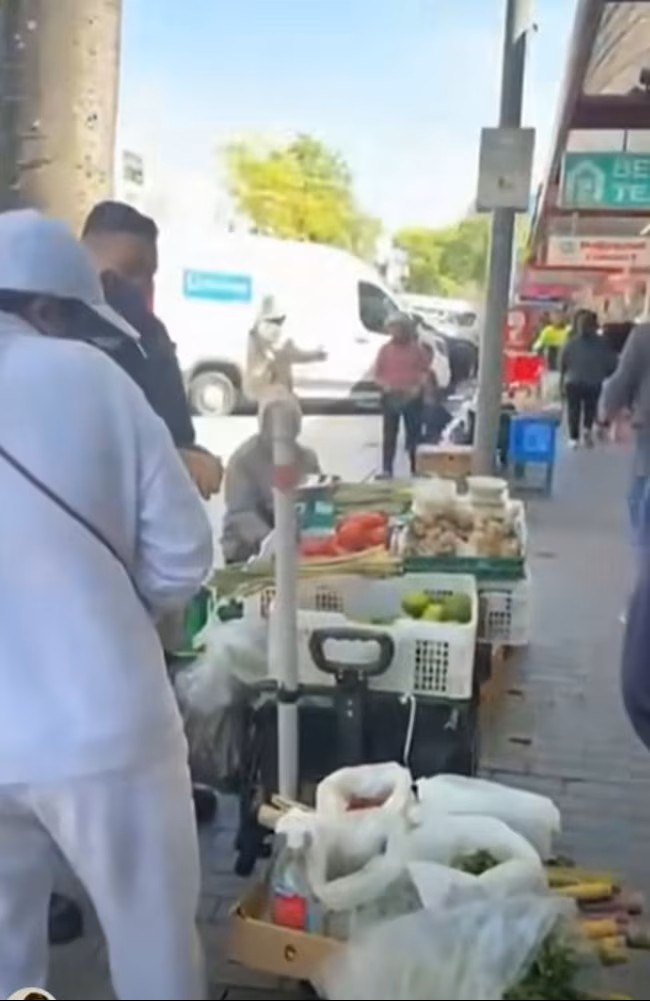

While many disagreed with the crackdown, there was broad support for compromise. Residents suggested designated areas for small vendors, special low-cost licences, restrictions on what could be sold, or even partial pedestrianisation of John Street to safely accommodate stalls.
Ms Le maintained that enforcement was about maintaining standards and safety, but acknowledged the strength of feeling in the community.
Support our Journalism
No-nonsense journalism. No paywalls. Whether you’re in Australia, the UK, Canada, the USA, or India, you can support The Australia Today by taking a paid subscription via Patreon or donating via PayPal — and help keep honest, fearless journalism alive.
