

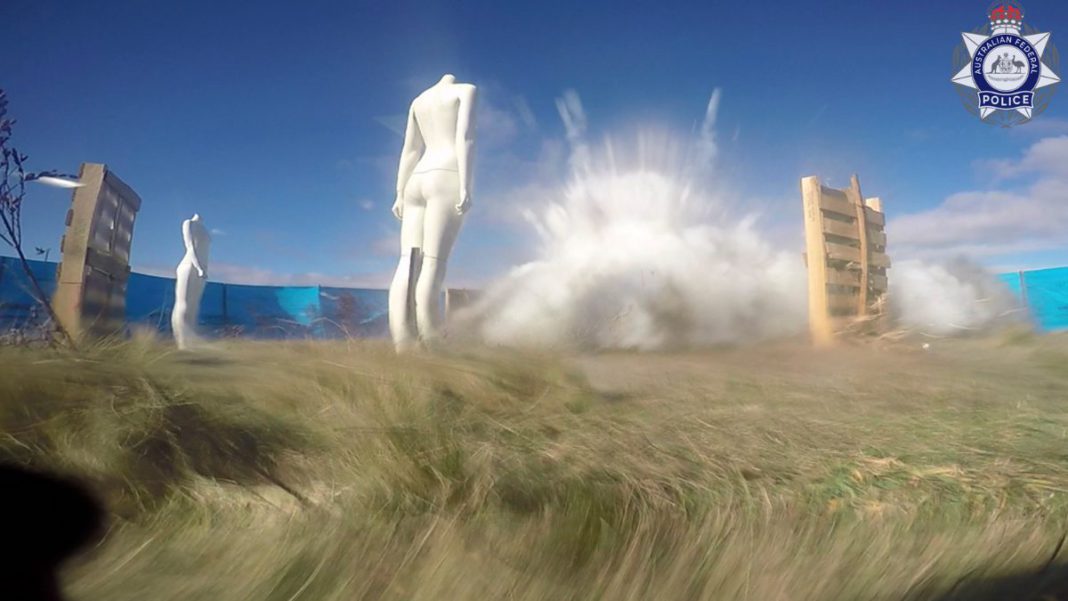
When most people think of bomb squads, images of defusing devices flash to mind. But the Australian Federal Police’s Weapons Technical Intelligence (WTI) team takes a different, hands-on approach: they build bombs themselves—just to blow them up. All in the pursuit of solving crime.
Explosions often leave little trace of the devices that caused them. Yet the fragments that remain can provide vital clues. That’s where the Canberra-based WTI specialists step in. Part of the AFP’s Forensics Command, the team analyses evidence from disaster scenes, helping law enforcement piece together the how, why, and who behind a detonation.
“In simple terms, we look for things that shouldn’t be there, or that our experience tells us should be there,” WTI Team Leader Lora explains.
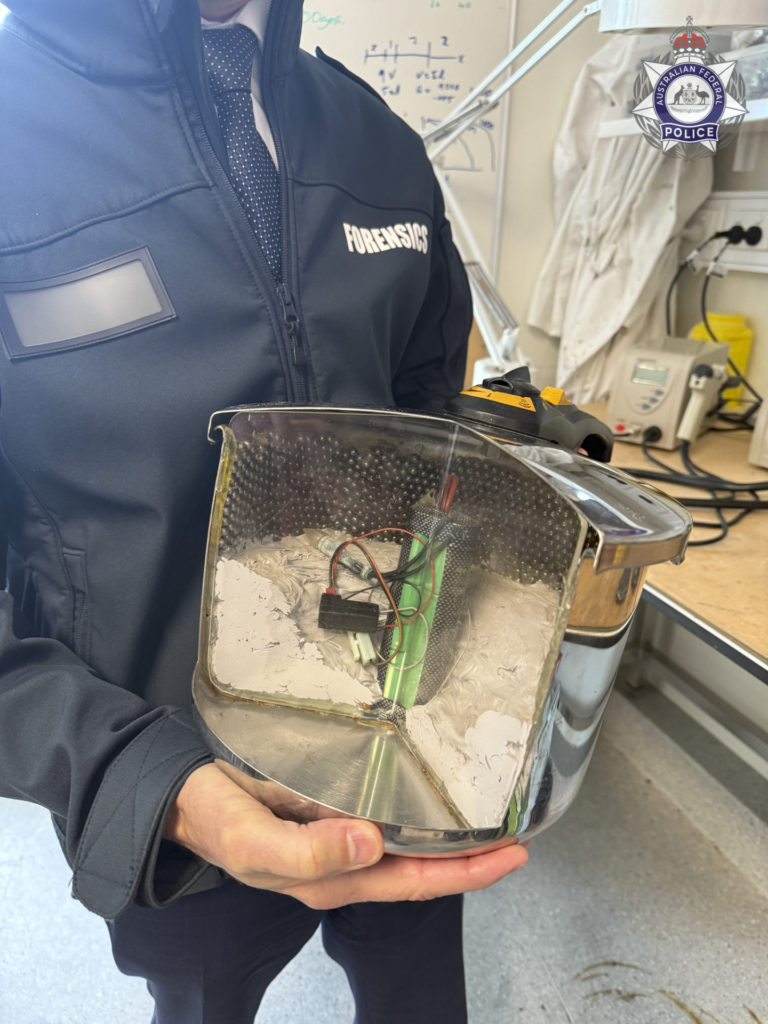
The team, which combines expertise in chemical, biological, radiological, and nuclear materials (CBRN), explosives, improvised devices, and electronics, boasts more than 300 years of collective experience.
Formed in 2012 from the merger of the Australia Bomb Data Centre and the Australian CBRN Data Centre, WTI’s mission is to collect, interpret, and share technical intelligence that can make a difference in criminal investigations.
Though primarily based in Canberra, complete with an electronics workshop for analysing and constructing devices, the team has been deployed to major international incidents. These include the Bali Bombings in 2002 and 2005, the Australian Embassy bombing in Jakarta in 2004, the downing of MH-17 over Ukraine in 2014, and other tragic scenes across Indonesia, the Philippines, Thailand, and Sri Lanka.
“The sheer scale of these incidents is hard to fathom, but the AFP always answers calls to assist partner agencies,” Lora says.
“Even small remnants of a device can be crucial evidence. After the 2005 Bali Bombings, we recovered components that linked the attack to devices we had previously seen in Indonesia.”
WTI members come from scientific, military, and law enforcement backgrounds, specialising in analysing hazardous devices and materials. Their unique method of gathering intelligence includes constructing IEDs themselves.
“We build our own devices from scratch, using the same materials and components a criminal or terrorist would,” WTI Team Leader Bruce explains.
“Then we initiate them under controlled conditions to study the aftermath. Even a mangled piece of steel can reveal serial numbers or markings that lead to breakthroughs in investigations.”

The insights gained from these analyses extend far beyond individual cases. By tracking device types, construction methods, and material choices, the AFP and its partners can spot trends and predict criminal behaviour. “One obscure detail from a previous incident might be the key to solving a case somewhere else in the world,” Bruce adds.
For the WTI team, technical intelligence is more than a tool for solving crimes—it’s a vital part of preventing them. By sharing expertise with law enforcement, defence, and scientific agencies across Australia and internationally, they ensure that even the most complex criminal acts don’t go unnoticed.
Support our Journalism
No-nonsense journalism. No paywalls. Whether you’re in Australia, the UK, Canada, the USA, or India, you can support The Australia Today by taking a paid subscription via Patreon or donating via PayPal — and help keep honest, fearless journalism alive.
