


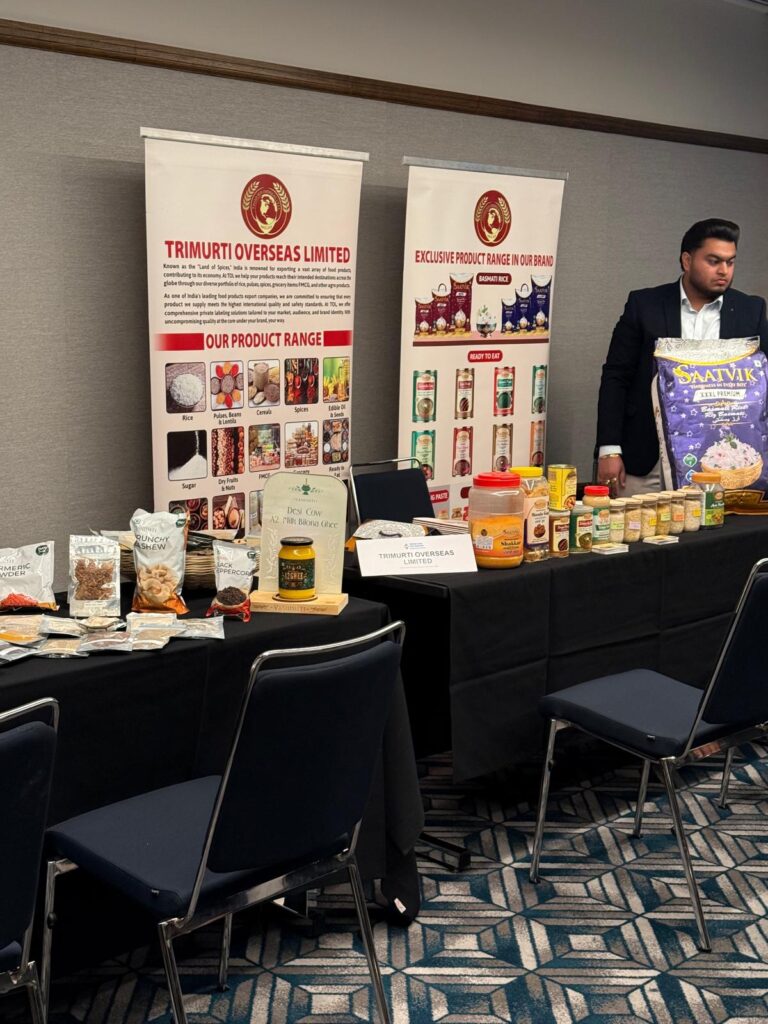
More than 30 Indian exporters have visited Australia in a bid to expand the range of Indian food and agri products available to local buyers, as suppliers look beyond diaspora demand and position packaged sweets, fruit pulps, coffee, cocoa, honey and millet-based foods for wider Australian consumption.
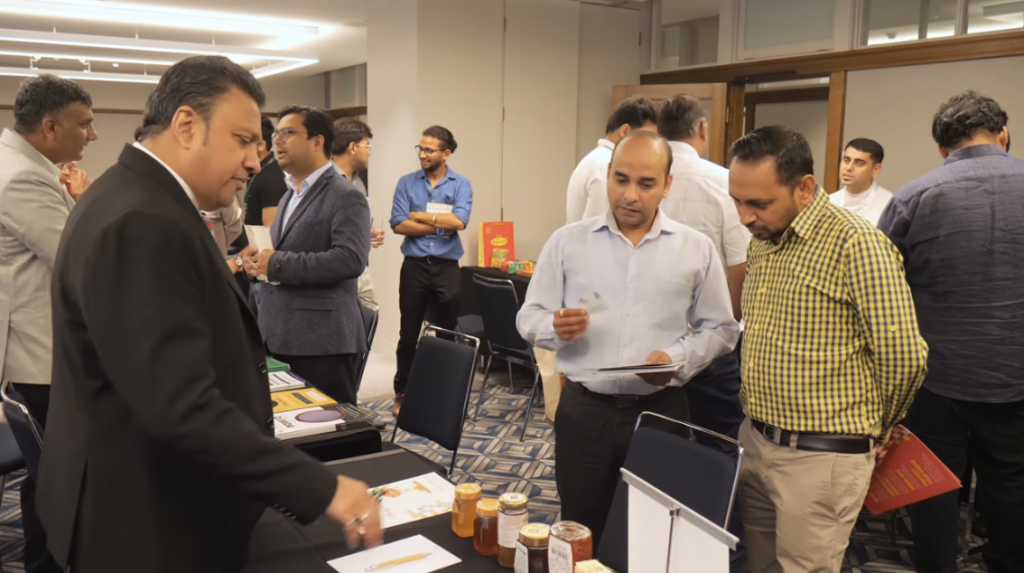
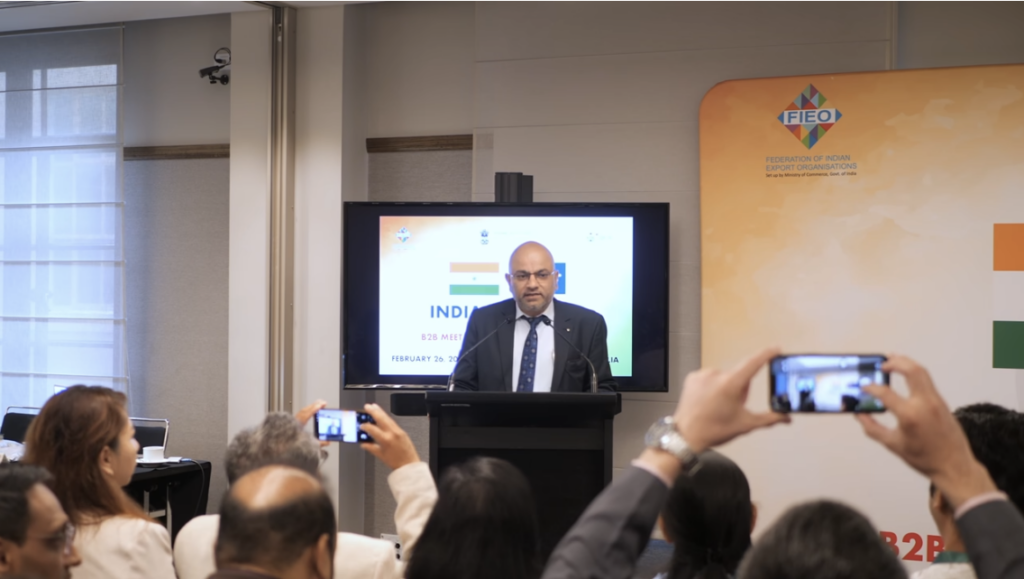
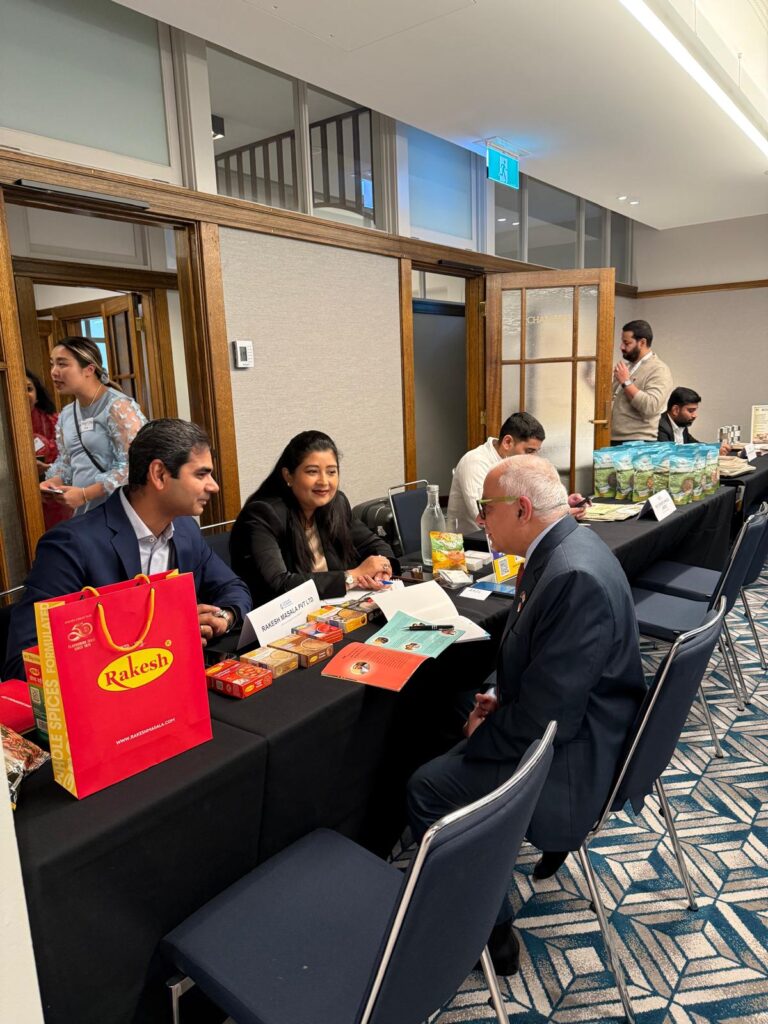
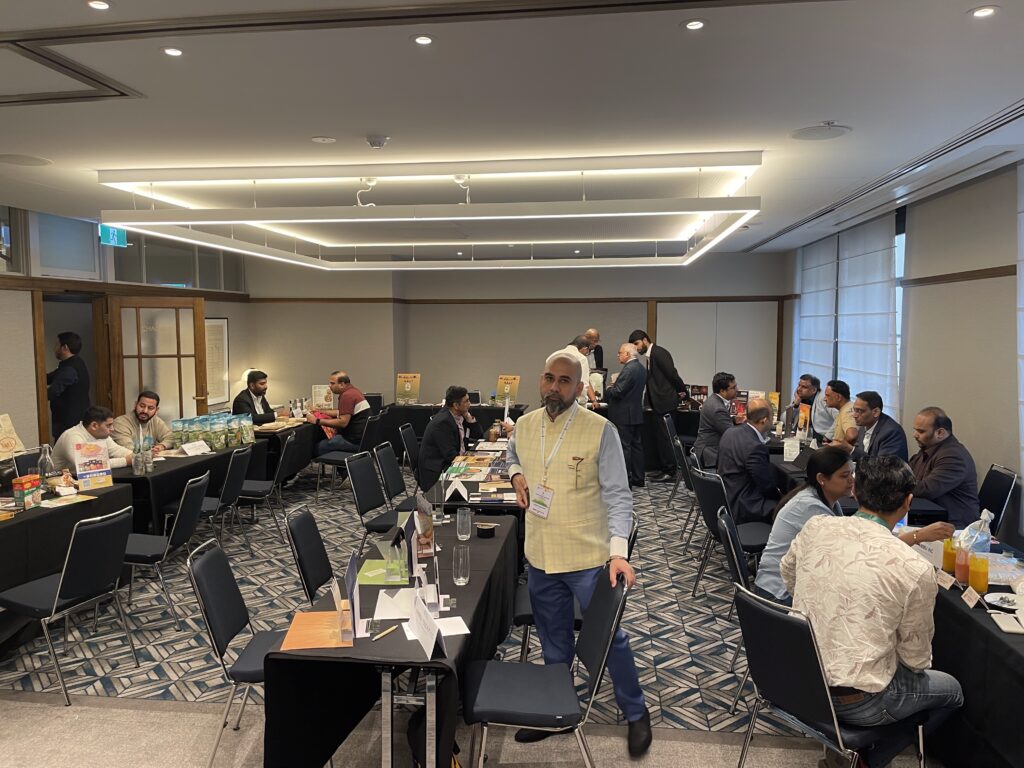
The delegation’s Melbourne program included a buyer-seller meeting supported by the Consulate General of India in Melbourne and coordinated by the Federation of Indian Export Organisations (FIEO) alongside the Australia India Business Council (AIBC).
FIEO described the Australia visit as a structured market-entry exercise, beginning with meetings in Sydney that included discussions with procurement staff at Woolworths and other supermarket chains, before shifting to Melbourne for direct buyer engagement and distributor outreach.

Consul General of India in Melbourne Anish Rajan used the forum to encourage exporters to treat Australia as a long-term, compliance-driven market rather than a quick-win destination.
He said, Australia is a market where quality and compliance decide outcomes. If our exporters get the standards right, there is room to grow well beyond niche demand.
“The opportunity is real, but it is a long game built on trusted import partners, consistent supply, and getting the paperwork and labelling right every time.”

The buyer-seller meetings were framed around a simple message for exporters: while tariffs and market access can improve, Australian requirements around inspections, biosecurity and labelling remain stringent. The delegation was showcasing everything from traditional packaged sweets and fruit products to newer health-focused offerings such as millet foods.
From mango pulp to millets, coffee and cocoa
The visiting cohort spans legacy exporters and newer firms, with a heavy focus on shelf-stable, export-ready products designed for retail, food service and ingredient buyers.

Delhi-based A & T Udhyog, established in 2019, is pitching a broad catalogue that includes nuts, dates, seeds, spices, dehydrated fruits and grains, plus processed products such as fruit pulps and gherkins, alongside tea and coffee. The company says it operates across the US, Middle East, Japan, South Korea, Europe, Africa and ASEAN markets and holds certifications including FSSAI and APEDA registrations, plus international standards such as USFDA, GMP, BRC and Halal.

Fruit pulp and puree specialists were also prominent. Ammu Inc, established in 2001 and linked to the Paiyur Group’s large-scale processing capacity, is marketing mango purees and concentrates (including Alphonso and Tothapuri), guava and papaya lines in formats ranging from retail cans to large aseptic drums. The firm lists BRC, FSSC 22000 and Halal certifications.
Coffee and beverage exporters are also aiming to lift their profile in Australia’s crowded café market. Ananta Agro Foods and Beverages, through its Bhuba Coffee arm, described itself as a traceability-focused supplier of green beans and coffee products, targeting roasters and private labels through a direct export model, with FSSAI, USFDA and Kosher certification.

On the confectionery and ingredients side, DP Chocolates said it supplies cocoa powder, cocoa butter and compound chocolate products across regions including Asia-Pacific, Europe and the Middle East, and lists certifications such as FSSC 22000, Halal, Kosher and Rainforest Alliance.
Other exporters are leaning into the “better for you” trend. Skyroots Enterprises, which markets itself as a specialist in millet-based breakfast cereals, bars and mixes, is seeking distribution pathways into Australia as consumers show increased interest in high-fibre alternatives.
Prashant Seth, Jt Deputy Director General of FIEO, said, “This delegation was built around practical market access, putting exporters in front of buyers and retailers and helping them understand what Australia expects before they ship.”
“Duty settings help, but success here depends on meeting inspection, food safety and documentation requirements. That is what we have focused on during the Sydney and Melbourne program.”
Honey exporters, including Kejriwal Bee Care India, are also positioning products around traceability and lab testing, listing certifications such as BRC, FSSC 22000, US FDA, Halal, Kosher and non-GMO compliance.
A sustainability angle also featured in the delegation mix. Moulya Dinnerware, which exports areca palm leaf plates and bowls as plastic alternatives and has expanded into spices under its MTERRA brand, is pitching biodegradable tableware lines alongside spice exports.
A market shaped by trade settings and strict standards
The push comes as the India–Australia trade relationship continues to deepen under the Economic Cooperation and Trade Agreement (ECTA), which entered into force in December 2022. From 1 January 2026, all Australian tariff lines would be zero-duty for Indian exports.
Exporters and trade officials involved in the delegation have nonetheless stressed that Australia remains a high-bar market in practical terms, where success depends on documentation, residue testing, labelling accuracy and strong importer partnerships.
Why Australia matters for Indian exporters
For Indian suppliers, Australia offers three advantages: a sizeable Indian-origin consumer base that already recognises many categories, a mainstream retail sector increasingly open to international flavours, and an Asia-Pacific logistics position that can support broader regional distribution.
For Australian buyers, the delegation is also a window into India’s rapidly scaling processed-food capability, with exporters offering private labelling, custom packaging and certifications aligned to international retail expectations.
FIEO said the program’s goal was to create direct buyer linkages rather than rely on ad hoc introductions, with one-to-one meetings and distributor visits designed to turn product sampling into signed supply conversations.
Support our Journalism
No-nonsense journalism. No paywalls. Whether you’re in Australia, the UK, Canada, the USA, or India, you can support The Australia Today by taking a paid subscription via Patreon or donating via PayPal — and help keep honest, fearless journalism alive.
