

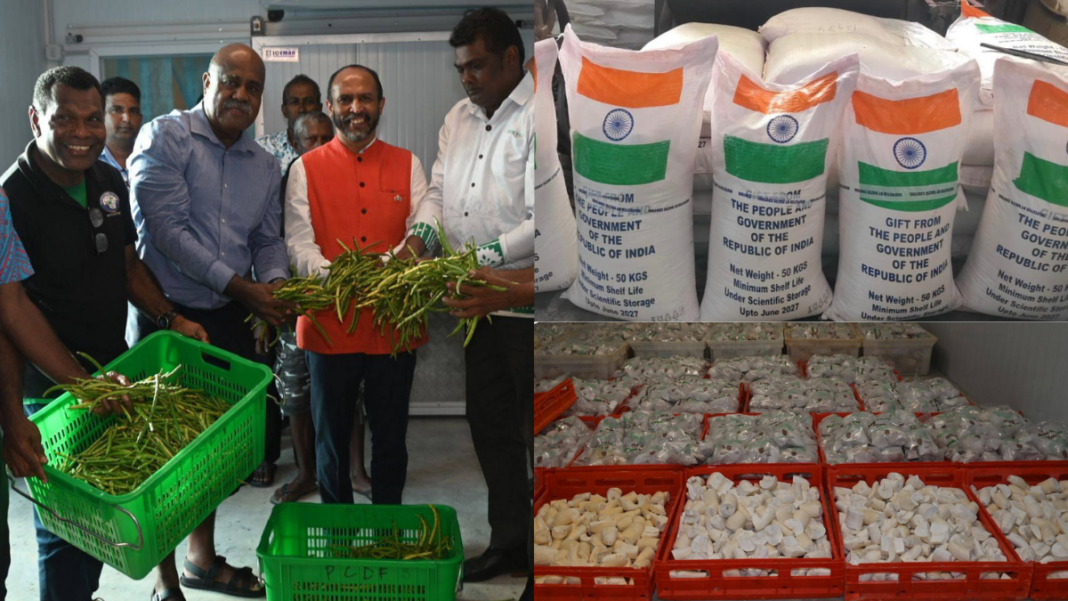
Less than a year after five metric tonnes of black-eyed cowpea seeds arrived in Fiji from India, local farmers are now exporting the very same crop to international markets — a turnaround that leaders say underscores the power of agricultural diplomacy and private-sector investment working in tandem.
The seeds were dispatched in July 2025 under India’s Act East Policy as part of humanitarian and development assistance to Pacific Island nations.
The shipment, announced by India’s Ministry of External Affairs, was aimed at bolstering agricultural production and strengthening food security in one of the world’s most climate-vulnerable regions.
By early 2026, those seeds had been planted, harvested and exported through New Valley and its agencies — marking what Fijian officials have described as a historic first under the current Government.
The 2025 consignment was sent from New Delhi to Fiji as a gesture of solidarity in the Indo-Pacific, reflecting the growing partnership between the two countries. India and Fiji share long-standing cultural and people-to-people ties, and cooperation has expanded in recent years to include health, education, disaster response and capacity building.
Agricultural support has become an increasingly important pillar of that relationship, particularly as Pacific Island nations face intensifying climate pressures that threaten crop yields and rural livelihoods.
Cowpeas – also known as black-eyed peas – were selected for their adaptability and resilience. The crop can be consumed by households, used as livestock feed and planted as a cover crop to improve soil fertility. Its nitrogen-fixing properties make it valuable in sustainable farming systems, reducing reliance on chemical fertilisers and enhancing long-term soil health.
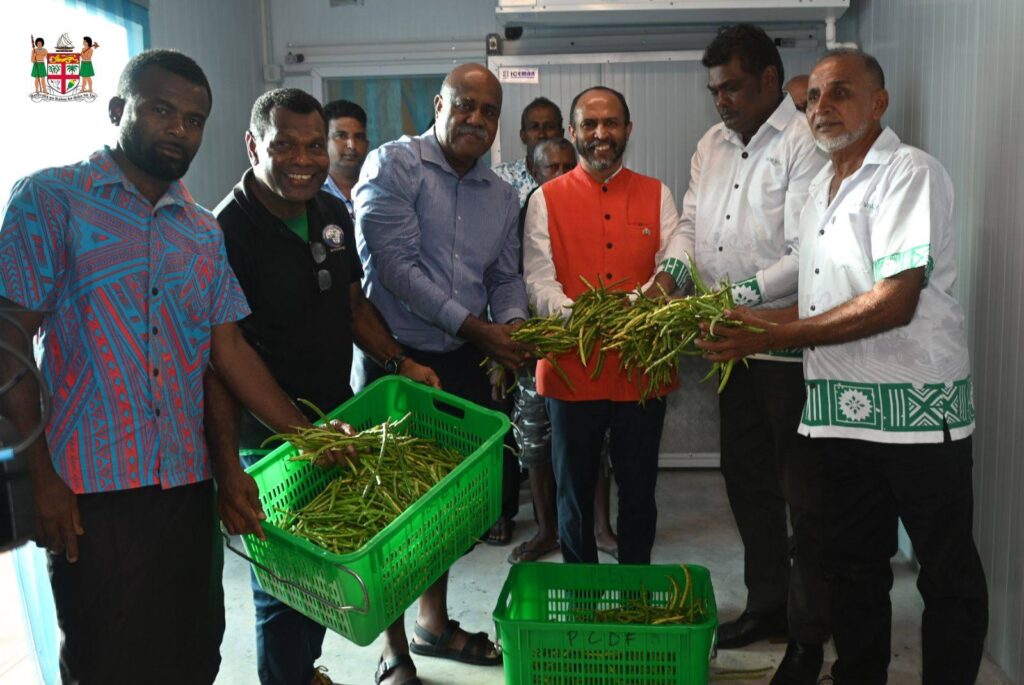
Assistant Minister in the Office of the Prime Minister, Sakiusa Tubuna, said the speed at which the seeds moved from distribution to export demonstrated the effectiveness of coordinated planning between government, development partners and the private sector.
Speaking at the opening of New Valley’s Frozen Export Produce and Cold Chain Facility in Sabeto, Nadi, Tubuna described the outcome as “historic”.

Farmers began planting shortly after receiving the seedlings in 2025. Within 12 months, the first harvests were processed and shipped to overseas markets through New Valley’s export network.
“At the heart of this investment are our farmers,” Tubuna said.
“When farmers have access to a predictable and reliable market, they gain the confidence to plant more, improve quality and increase production. That confidence translates into real income and better living standards for our rural communities.”
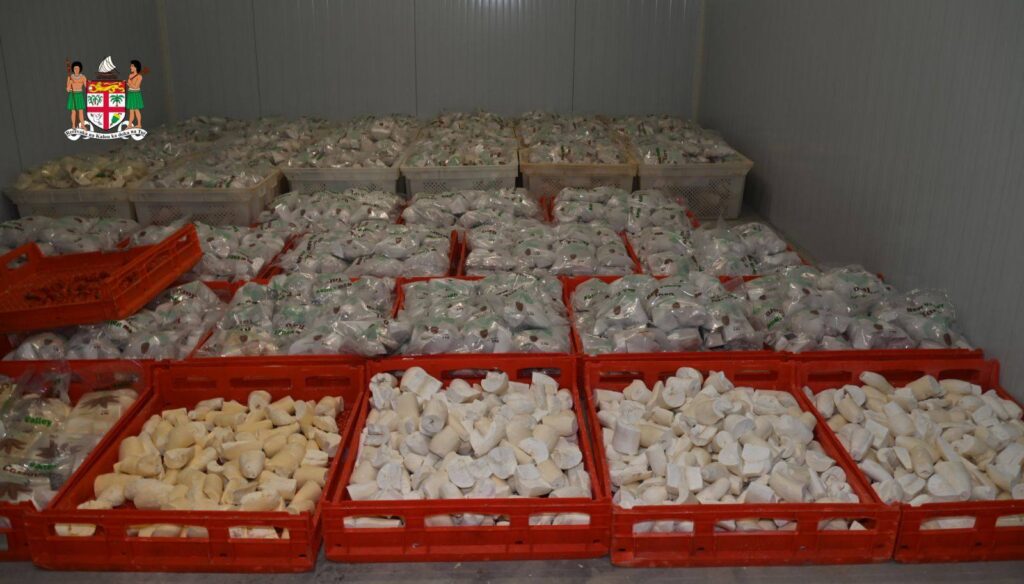
The newly launched cold chain facility has been pivotal in ensuring the produce meets strict international requirements for food safety, storage and logistics. The infrastructure investment enables Fiji to maintain quality from farm to export destination — a crucial factor in accessing competitive global markets.

For Fiji and other Pacific nations, the stakes are high. Rising sea levels, extreme weather events and shifting rainfall patterns pose ongoing risks to agricultural productivity. Strengthening local food production and diversifying export crops are central to national resilience strategies.
India’s seed assistance was framed as part of a broader commitment to supporting sustainable growth and regional stability in the Indo-Pacific. By focusing on crops suited to local conditions and sustainable practices, the initiative aligns with Fiji’s goals of food security and inclusive economic development.
Officials say the rapid export success offers a model for future collaborations — linking seed support, farmer training, private-sector logistics and guaranteed market access.
Tubuna reaffirmed the Government’s intention to continue backing innovative agribusiness ventures, promising policy support and strategic partnerships to help farmers scale up.
Support our Journalism
No-nonsense journalism. No paywalls. Whether you’re in Australia, the UK, Canada, the USA, or India, you can support The Australia Today by taking a paid subscription via Patreon or donating via PayPal — and help keep honest, fearless journalism alive.
