


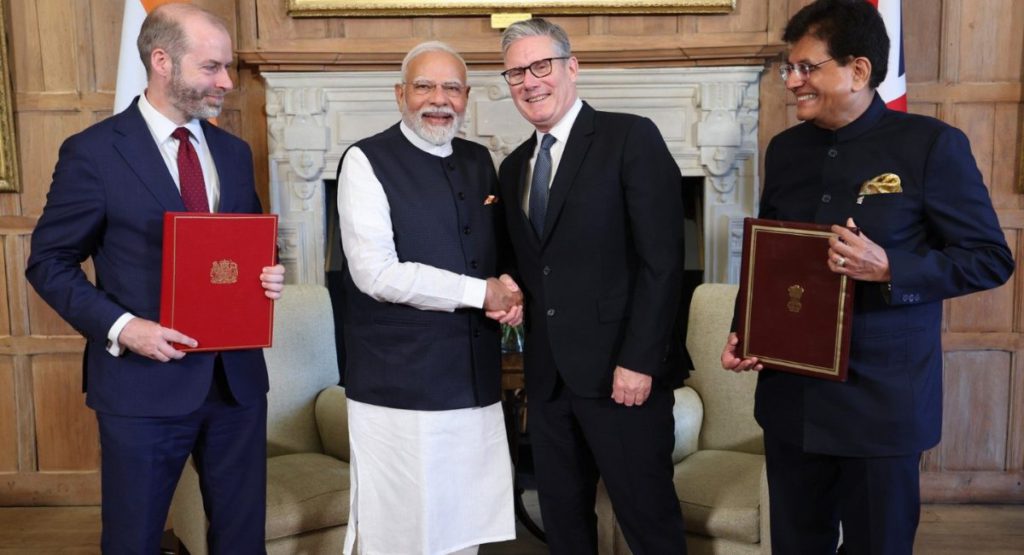
Indian Prime Minister Narendra Modi and British Prime Minister Keir Starmer have signed a historic free trade agreement between India and the United Kingdom. The Comprehensive Economic and Trade Agreement (CETA), finalised earlier in May after three years of negotiations, marks a significant milestone in the post-Brexit economic strategy of the UK and positions India as a key partner in global trade for the West.
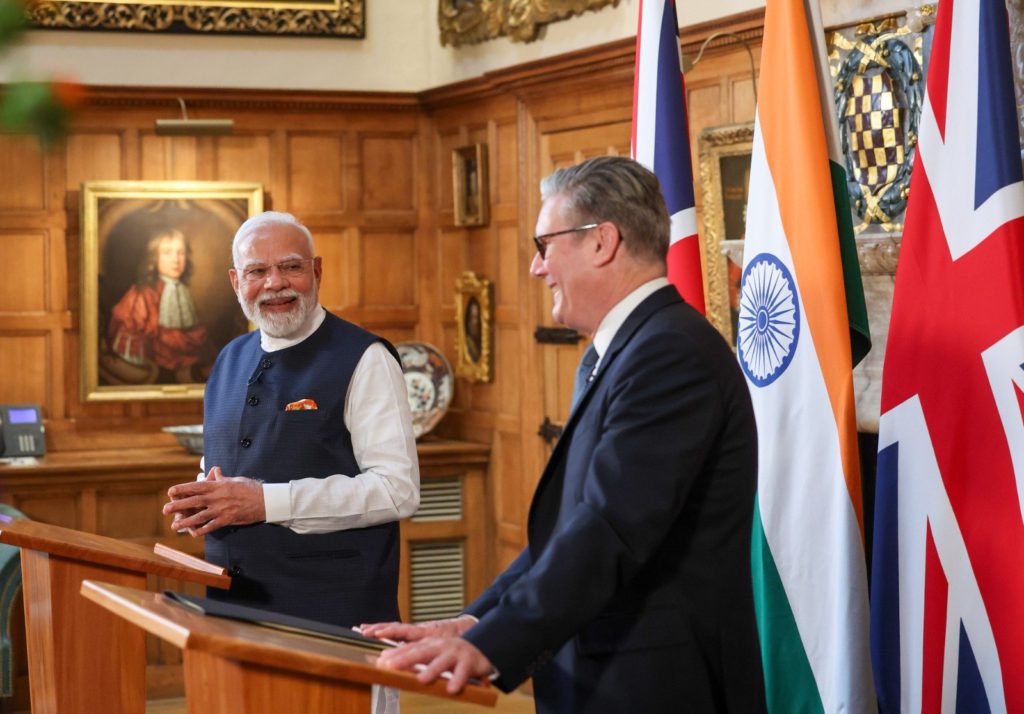
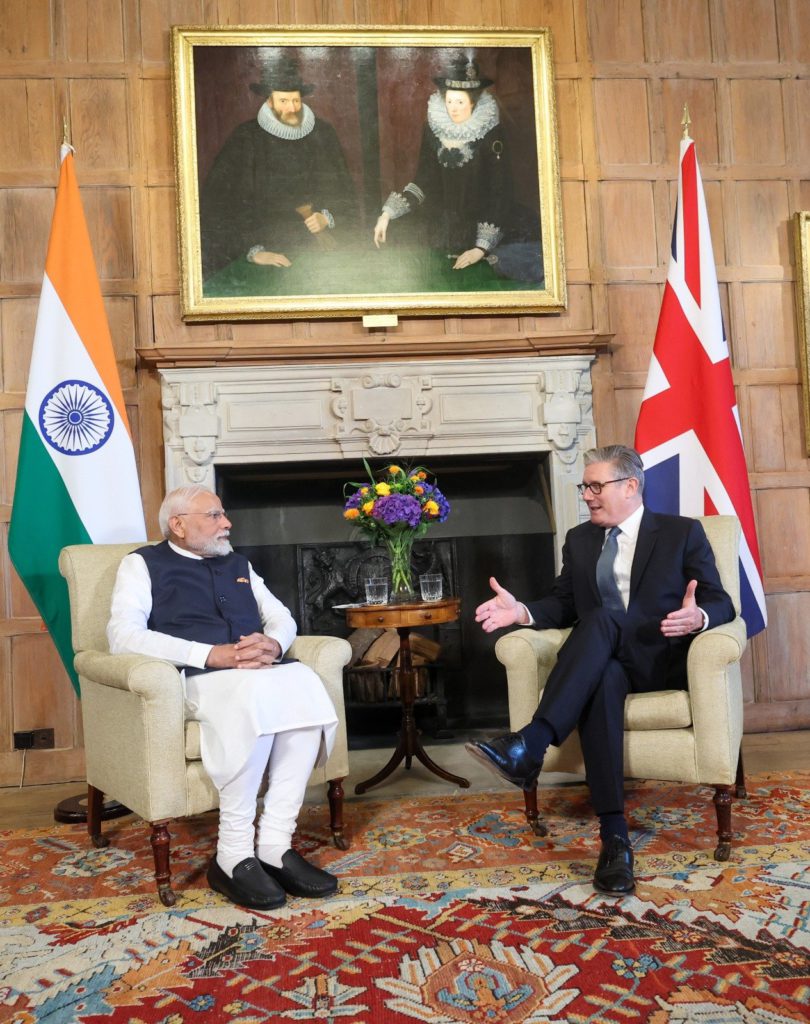
The signing ceremony was held at the UK Prime Minister’s country residence, Chequers, during Modi’s official visit to the United Kingdom (23-24 July, 2025).
This comprehensive trade deal is being hailed as the largest FTA the UK has signed since leaving the European Union and the most expansive India has inked with a developed Western economy. While the deal is signed, it is now awaiting ratification by both countries’ parliaments before coming into full legal effect, a process expected to stretch into 2026.
According to the UK government, the trade pact is expected to increase bilateral trade by up to £25.5 billion annually (approx AUD $51 billion) by 2040, delivering a boost of £4.8 billion (approx AUD $9.8 billion) to the UK’s GDP and an estimated £2.2 billion (UAD $4.5 billion) in additional wages across sectors. The agreement provides Indian and British exporters with preferential access to each other’s markets and lays the foundation for deepening economic ties across manufacturing, services, agriculture, clean energy, and more.
For India, the deal opens nearly 99% of its export lines to the UK with zero or significantly reduced tariffs. This includes critical sectors such as textiles, garments, gems and jewellery, engineering goods, auto components, marine products, and processed foods. These sectors, which employ millions of Indian workers, especially in MSMEs, stand to benefit significantly from increased demand and market access.
On the UK side, approximately 90% of its export lines will see tariffs lowered or eliminated in the Indian market. High-tariff goods such as Scotch whisky and gin will see duties reduced from around 150% to 75% immediately, and further to 40% over a ten-year period. British automakers will also benefit from a capped 10% tariff under a quota-based system. Additional UK products such as medical devices, aerospace parts, chocolates, lamb, and biscuits will now have a smoother path to Indian consumers.

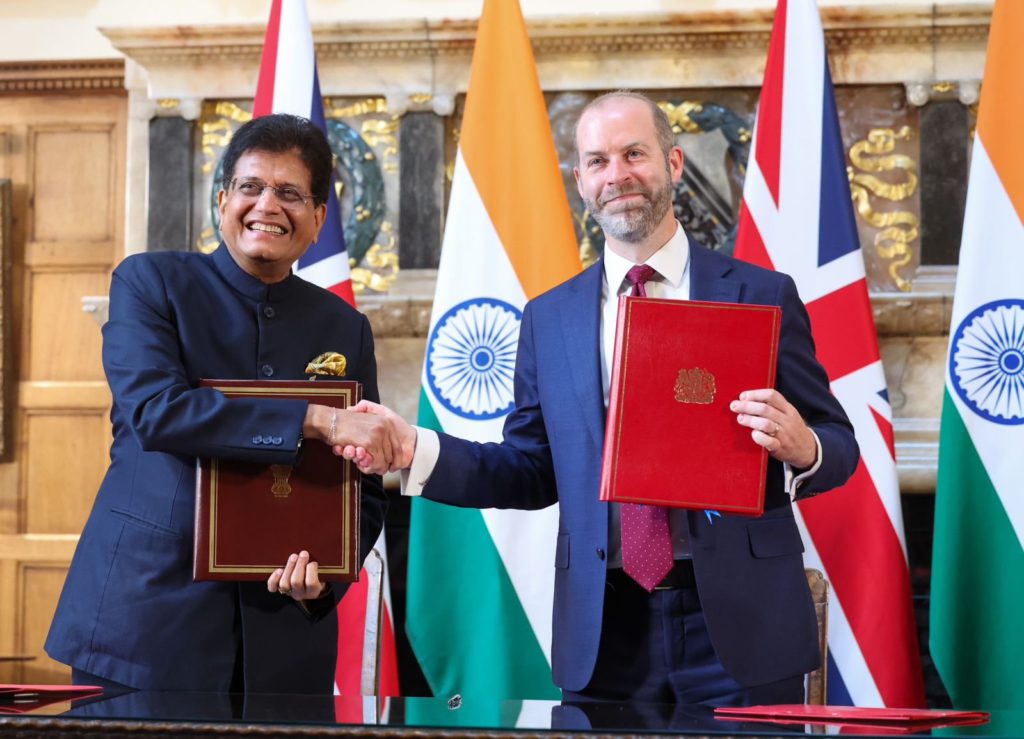
India’s labour-intensive sectors, such as apparel and leather goods, are likely to experience a surge in orders from British retailers. Exporters in Tiruppur, Surat, and Kanpur are already preparing for a 30–45% increase in UK-bound shipments over the next five years. Marine product exporters, including shrimp and tea producers, will also benefit from duty-free access.
In addition to trade in goods, the agreement facilitates investment and cooperation in key areas like green energy, AI, and financial technology. British firms are eyeing India’s growing demand for solar, hydrogen, and EV infrastructure. The UK is expected to inject over £6 billion (approx AUD $12 billion) in investment across these strategic sectors.

One of the standout features of the agreement is its focus on mobility and professional access. A Double Contributions Convention (DCC) has been introduced, allowing professionals from both countries to work abroad for up to three years without paying social security taxes in both jurisdictions—a step up from the earlier one-year limit. This is expected to benefit thousands of Indian IT professionals, consultants, and engineers working in the UK.
Furthermore, the agreement provides for 1,800 annual visa slots for Indian yoga instructors, classical musicians, chefs, and other cultural professionals, reflecting growing soft-power ties between the two countries. There is also limited mutual recognition of qualifications for certain services, though broader liberalisation in legal and financial services has been deferred for future discussions.

Despite the celebrations, some contentious areas remain to be resolved. The Bilateral Investment Treaty (BIT) is still under negotiation, as Indian authorities remain cautious about investor-state dispute mechanisms. India is pushing for a more equitable framework that safeguards its regulatory sovereignty while encouraging FDI.
Meanwhile, the services sector, especially legal and financial services, did not see significant breakthroughs. UK firms are keen on greater market access in India’s legal, insurance, and digital services industries, but those areas were left largely untouched in the current deal. Data localisation rules in India also continue to be a sticking point for tech-based services and e-commerce platforms.

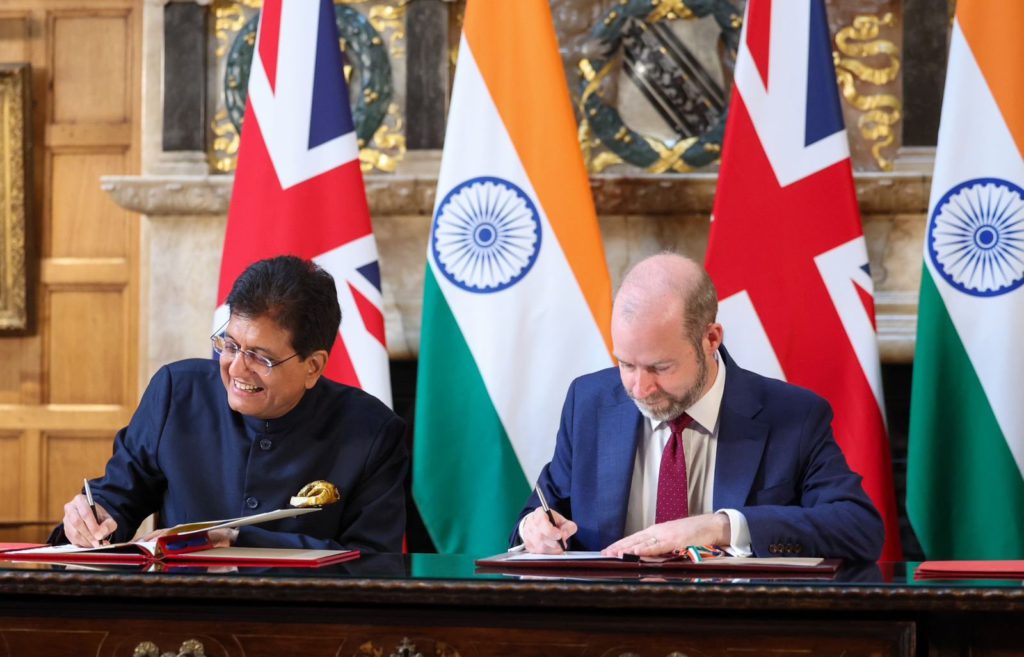
The agreement has been signed but still requires legislative ratification in both countries. The UK Parliament is expected to begin its review process later this year, and full implementation is projected by mid to late 2026. In the meantime, businesses on both sides are gearing up to take advantage of the provisions as they gradually come into force.

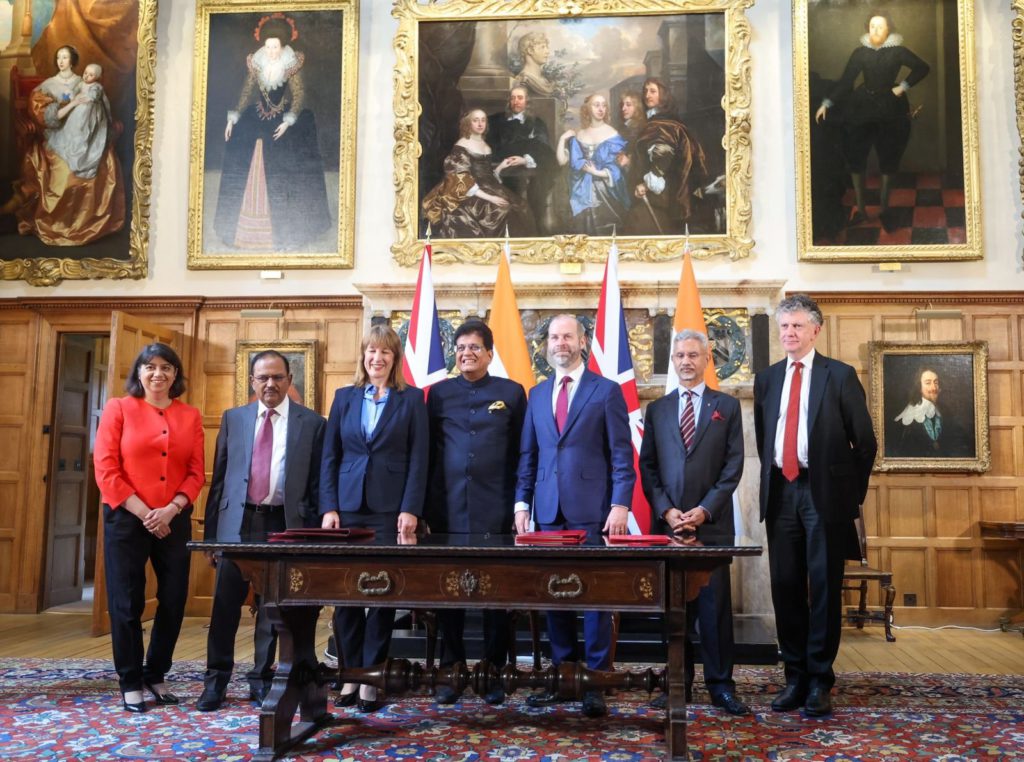
The India–UK Free Trade Agreement is a significant geopolitical and economic milestone that promises to transform one of the world’s oldest bilateral relationships into a modern, forward-looking partnership. While some areas like investment protections and climate policy remain under discussion, the deal represents a clear win for exporters, professionals, and investors in both countries.
Support our Journalism
No-nonsense journalism. No paywalls. Whether you’re in Australia, the UK, Canada, the USA, or India, you can support The Australia Today by taking a paid subscription via Patreon or donating via PayPal — and help keep honest, fearless journalism alive.

