

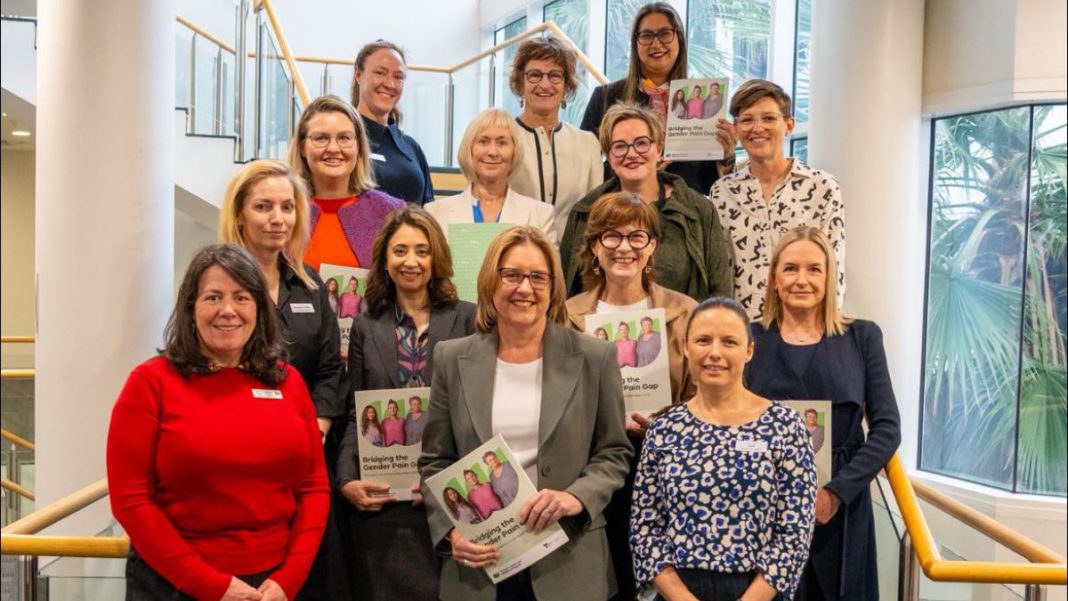
The Victorian Government has released the final Bridging the Gender Pain Gap report, marking a watershed moment in women’s healthcare in Victoria.
The findings, based on submissions from more than 13,000 women and girls aged 12 to 79, lay bare the widespread bias, dismissal, and inequities faced by women in seeking diagnosis and treatment for chronic pain.
Premier Jacinta Allan and Minister for Health Mary-Anne Thomas announced a series of immediate reforms — including the rollout of ‘green whistle’ pain relief, a new Women’s Pain Standard for hospitals, and a dedicated clinic for adolescent girls at the Royal Children’s Hospital.
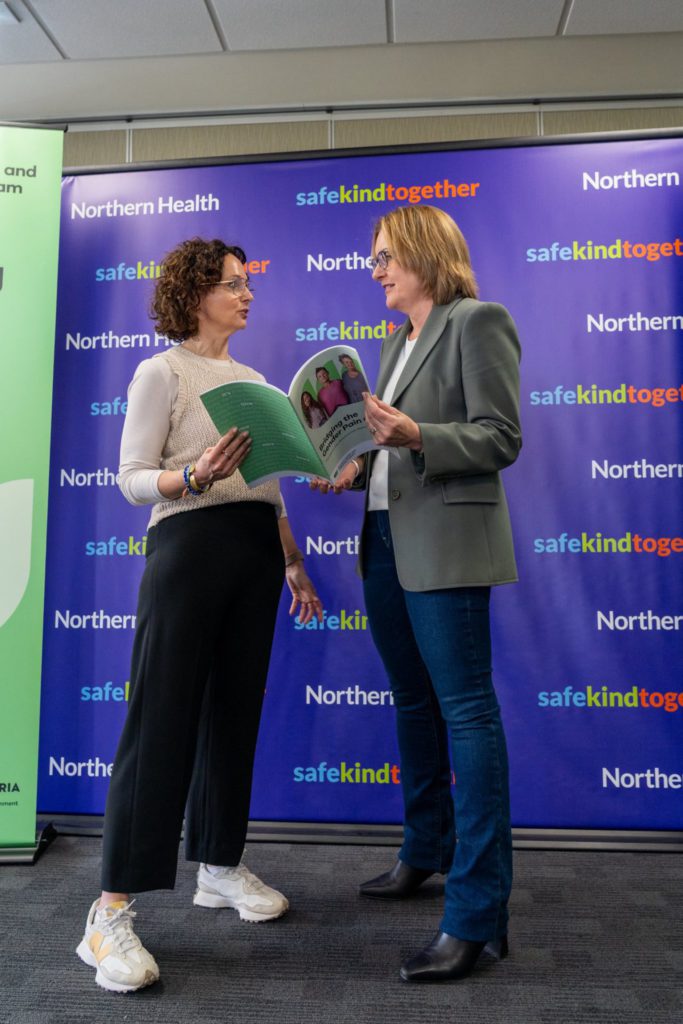
“It’s time we stop hearing that our pain doesn’t exist,” said Premier Allan.
“These tangible steps will improve the lives of women and girls everywhere. The RCH clinic will be life-changing — because when young girls face delays in diagnosis and treatment, it can affect them permanently.”
The inquiry found that 90% of women experienced pain lasting more than a year, and 54% lived with daily pain.
Nearly 89% reported that chronic pain damaged their mental health, while 71% said healthcare professionals dismissed or ignored their symptoms.
Common conditions included menstrual and hormonal pain (40%), endometriosis (26%), and musculoskeletal disorders (26%).
Many also cited barriers to care — 68% said the cost of medical treatment was prohibitive, while others described discrimination based on gender, race, disability or body weight.
“This report makes clear what women have known for generations — our pain is too often dismissed as normal,” said Parliamentary Secretary for Women’s Health Kat Theophanous.
“We’re taking action to change that, expanding access to pain relief and giving women a voice in their healthcare.”
🩺 The ‘Green Whistle’ for pain relief
To help women undergoing intrauterine device (IUD) procedures, the government will introduce the ‘green whistle’ (Penthrox) at all 20 Sexual and Reproductive Health Hubs across Victoria.
The inhaler-style device allows women to self-administer pain relief during IUD insertion or removal — a procedure that many described as being “dismissed or minimised” by clinicians.
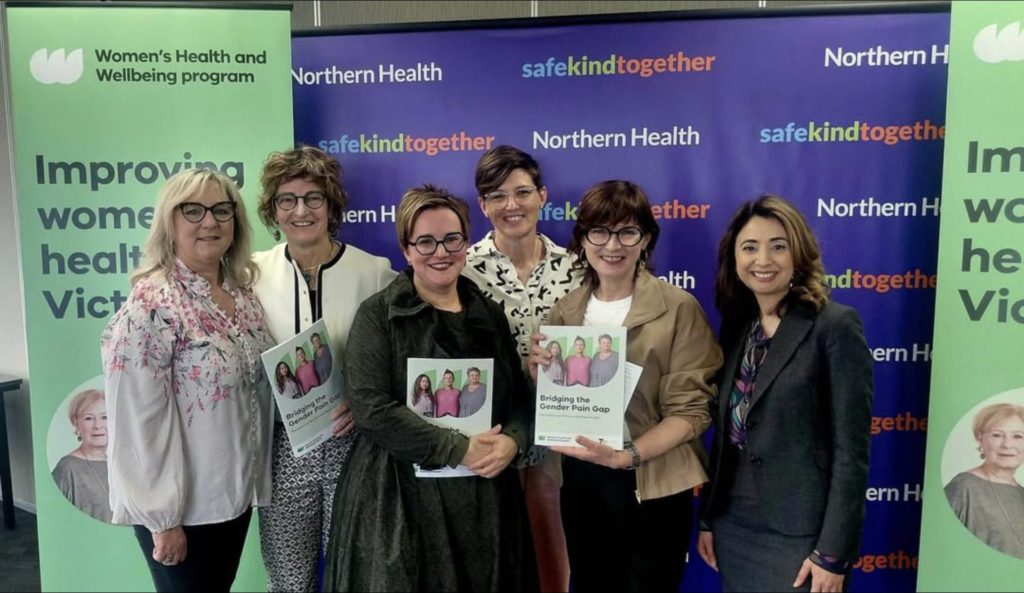
💬 Women’s Pain Standard
A new statewide benchmark will be created to ensure consistent, respectful, and evidence-based pain care. Developed in consultation with clinicians and patients, the standard will be progressively applied to all public hospitals, starting with women’s health clinics.
👩⚕️ Royal Children’s Hospital adolescent clinic
To address the early onset of chronic pelvic and reproductive pain in young people, a children and adolescent clinic will open at the Royal Children’s Hospital in 2026.
It will specialise in conditions such as endometriosis, helping teens access diagnosis and treatment early, with clear referral pathways for regional patients.
Towards a Women’s Pain Action Plan
The government will now develop a Women’s Pain Action Plan over the next six months, building on the inquiry’s 27 recommendations. The plan will guide systemic reforms and ensure women’s pain is “recognised, understood, and treated” across all levels of the healthcare system.
“I want to thank the 13,000 Victorian women who made this possible,” said Minister Mary-Anne Thomas.
“It’s because of you that we’ll be able to create generational change in our health system.”
The initiative complements the government’s $153 million Women’s Health Package, which includes 20 women’s health hubs, mobile and virtual clinics, and a first-of-its-kind Aboriginal women’s health clinic.
To read the Bridging the Gender Pain Gap report, visit health.vic.gov.au/inquiry-into-womens-pain.
In Victoria, women’s pain is no longer invisible — it’s real, recognised, and ready to be treated with the dignity it deserves.
Support our Journalism
No-nonsense journalism. No paywalls. Whether you’re in Australia, the UK, Canada, the USA, or India, you can support The Australia Today by taking a paid subscription via Patreon or donating via PayPal — and help keep honest, fearless journalism alive.
