

By Rishi Suri
China’s development footprint across the Pacific is growing, yet it remains fundamentally transactional and driven by strategic opacity. The recent joint report by China Matters and UTS‑ACRI reveals that Pacific leaders welcome Chinese infrastructure spending—and yet remain deeply wary of Beijing’s intentions, especially its burgeoning security presence. Officials from Fiji and the Solomon Islands have voiced grave concerns about PRC coast guard movements and maritime militia shadowing Pacific waters. This isn’t benign diplomacy—it’s the exercise of hard power under the cover of civilian aid.
Despite Beijing’s efforts to portray itself as a partner in development, trust remains fragile. Solomon Islanders admitted bluntly that their relationship with China is still “relatively new” since switching from Taiwan only in 2019, and that “we are still learning how to deal with China”. In a region used to decades of transparent partnerships from Australia, New Zealand, and the United States, Beijing’s approach feels more like blunt leverage than genuine goodwill.
Let’s be clear: China’s quick‐fix construction projects—ports, roads, public buildings—do come with a generous helping of strings attached. The region’s memory of Sri Lanka’s Hambantota Port, leased for 99 years under heavy debt, still lurks in the collective consciousness. Similar tactics are now being deployed across the South Pacific. The reported attempts to set up PLA facilities—like naval and coast guard presences—in places like the Solomon Islands, Vanuatu, PNG, and Fiji signal a worrying trend. These missions are cloaked in diplomatic silence and regional distrust.
Pacific leaders don’t mince words. They remain steadfast in their conviction that Australia, not China, offers genuine security, rooted in decades of regional cooperation, transparent aid, and cultural understanding. By contrast, Chinese engagement is often bilateral and utilitarian, stressing technical agreements rather than shared values: “Beijing prefers to engage bilaterally, while many PICs express a preference for interaction through regional mechanisms”. That preference for multilateralism is not mere bureaucratic pedantry—it reflects a desire for collective bargaining power and resilience against coercive bilateral overtures from big powers.
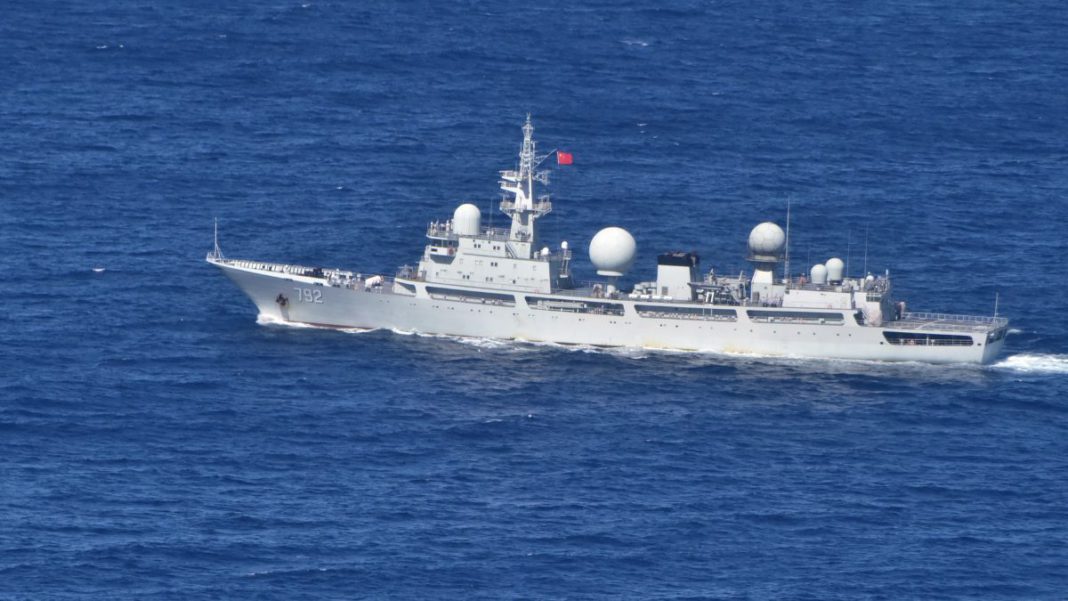
Worryingly, Beijing is pushing for murky “coast guard cooperation” in the region. Their coast guard units, already aggressive in the South China Sea, are now being normalized in Pacific territorial waters. China’s fleet, largely paramilitary, blurs civil and military lines—an intentional strategy that evades diplomatic scrutiny and pushes the boundaries of regional security norms. Pacific nations worry this may evolve into a de facto military presence, with coast guard vessels calling the tune under strategic imperatives.
Australia’s longstanding investments—like the Pacific Patrol Boat Project and the Regional Assistance Mission to Solomon Islands (RAMSI)—are far more than traditional aid. They provide real maritime capacity to PICs, while cementing a commitment to transparency, shared sovereignty, and mutual benefit. Canberra’s programs have repairable optics: Australia has intervened decisively in crises, natural or political, and continues to empower Pacific nations to safeguard their own security.
Beijing, in contrast, is fostering dependency, not partnership. Its precedent-setting debt diplomacy, opaque BRI lending, and political interference—Nauru election meddling among them—are rewriting the rules of engagement in secretive ways. Regional leaders rightly perceive China’s actions as undermining not just independence, but democratic resilience.
Putting a Chinese military or quasi‐military base in the Pacific isn’t hypothetical. Canberra’s security community is openly alarmed that such deployments would fundamentally alter the strategic geography of the region—and pose a direct challenge to Australia, New Zealand, the US, and their Pacific partners. The stakes include not only strategic control of sea lanes and maritime chokepoints, but also surveillance and potential coercion over entire nations.
Chinese diplomacy consistently denies any military ambitions, framing security ties as benign professional exchanges with coast guard training and technical support. But those denials are eroded by concrete actions: increased coast guard deployments, incense of debt dependency, infrastructure with strategic value, and rushes to edge partnerships around military cooperation.
The Pacific Islands Forum recognizes the danger. Its ongoing Regional Architecture Review seeks stronger collective oversight to safeguard sovereignty and transparency in foreign engagement. China’s insistence on bilateral deals undermines this push and escalates geopolitical rivalry. This fracture is not just a local issue—it reshapes the Indo‑Pacific security landscape and threatens to fracture what has been a relatively stable regional alliance network.
From Canberra’s perspective, this should trigger urgent action: reinforcing Pacific capacity, deepening honest multilateral dialogue, and offering alternatives that combine infrastructure support with deep commitments to sovereignty, transparency, and indigenous governance. Speed matters. China is working quickly to consolidate its influence by binding Pacific nations into financial and security relationships that will be near-impossible to unwind.
In the end, Beijing’s Pacific model—a cocktail of grand development promises, multilayered debt dependency, strategic ambiguity, and creeping maritime presence—is setting a dangerous precedent. It amplifies insecurity, not stability; erodes regional institutions; and seeks leverage not partnership.
PICs know who they can trust. They’ve seen Australia’s model deliver durable, value-driven, respectful security assistance. China’s blueprint? A silken glove over an iron fist—subtle, but strategic and potentially irreversible.
The time to expose, challenge, and counter this subtle encroachment is now—before the Pacific becomes a staging ground for strategic leverage at the expense of regional freedom.
Support our Journalism
No-nonsense journalism. No paywalls. Whether you’re in Australia, the UK, Canada, the USA, or India, you can support The Australia Today by taking a paid subscription via Patreon or donating via PayPal — and help keep honest, fearless journalism alive.
