

By Prof Krishna K. Shrestha
Historic and unprecedented change has just happened — and is still unfolding — in Nepal. Who would have thought this possible just a few days ago, let alone so quickly and so sweeping in scale, giving hope for a new Nepal?
The Gen Z movement has set a global precedent: political change can be rapid, unpredictable, and far-reaching if young people rise against sheer disregard, unaccountable governance, and incompetent leadership. The politics of neglect, elitism, and nepotism can be challenged — and overturned — in no time. Nepali people are historically known for bravery and fearlessness; not only for protecting others on battlefields, but also for rising in defence of themselves. So don’t mess with the Nepali people — they can explode.
Now, the crucial question is: what comes next? How will this new hope be pursued and realised? Who can lead the country forward? And, above all, how can citizens contribute to the public good rather than self-interest? These questions are now front and centre.
The urgent need is to move beyond frustration and statelessness, building on the achievements while preventing chaos from spiralling out of control. Political leaders have been beaten, kicked, and dragged; faith in the rule of law and the courts has collapsed; jails have been broken open and criminals released; security forces are neither resisting nor protecting anyone. Nepal is burning inside and out. It is painful to witness — but also a moment to hope for better days. Yet the wait cannot be long.
I don’t believe the Gen Z movement envisioned such deeply rooted chaos, vandalism, and statelessness. Yet unprecedented change rarely comes easily. This is a movement for accountability, recognition, and good governance. Gen Z — and all those who support it — must not let the situation spiral out of hand. Stop the vandalism, and let the process begin to give Nepal the government it desperately needs, with leadership that is fresh, responsive, and responsible.
However, the rampant destruction of public infrastructure, hooliganism, and criminals emerging from jails — while state institutions remain dysfunctional — have created serious dangers and uncertainties across the country. The fall of the government, the resignation of the Prime Minister, and the relative silence of political and bureaucratic leaders have left a vacuum. At present, there is no ready-to-go leadership within the Gen Z movement itself.
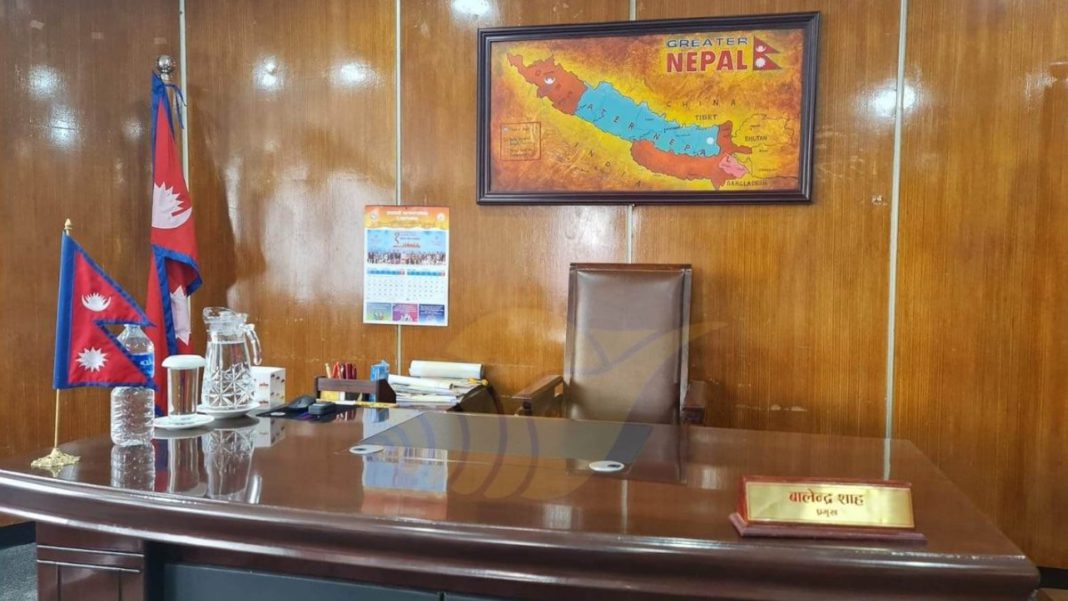
While various groups remain agitated and anxious, Balen Shah — seen by many as the obvious choice for Gen Z leadership — is surprisingly unwilling or unable to assume the role. In this vacuum, the army’s involvement with figures like Durga Prasai and the Rastriya Swatantra Party gives an uneasy impression, reflecting a possible misunderstanding of the movement’s intent. Adding to the uncertainty are right-wing extremists, pro-monarchy factions, the unclear role of the army, and the lingering presence of the former king and his associates. Existing political parties remain resilient, and external interests, including from India, continue to shape the context.
So, if one thinks much has already been achieved, think again — the next steps will be far from easy. Ordinary Nepali citizens face uncertainty: can the current constitution facilitate the next moves, and what is the country’s future? It will undoubtedly be complex, challenging, and filled with both opportunities and opportunists. The hope is that the sacrifice, energy, and courage of Gen Z are not lost in vain.
What is vital now is what happens next. Law and order must be restored, leadership must emerge, and the promise of accountability and good governance must be realised. Nepal stands at a historic crossroads — and the path forward will determine whether this unprecedented moment becomes a foundation for a better future.
Contributing author: Professor Krishna K. Shrestha is Professor of Global Development at the University of New South Wales. Previously he was Program Director of Urban and Regional Planning and Policy at the University of Sydney. He is a globally renowned expert on Global Indigenous Studies and South Asian Development Geography and Public Policy.
Disclaimer: The opinions expressed within this article are the author’s personal opinions. The Australia Today is not responsible for the accuracy, completeness, suitability, or validity of any information in this article. The information, facts, or opinions appearing in the article do not reflect the views of The Australia Today, and The Australia Today News does not assume any responsibility or liability for the same.
Support our Journalism
No-nonsense journalism. No paywalls. Whether you’re in Australia, the UK, Canada, the USA, or India, you can support The Australia Today by taking a paid subscription via Patreon or donating via PayPal — and help keep honest, fearless journalism alive.

Support our Journalism
No-nonsense journalism. No paywalls. Whether you’re in Australia, the UK, Canada, the USA, or India, you can support The Australia Today by taking a paid subscription via Patreon or donating via PayPal — and help keep honest, fearless journalism alive.