

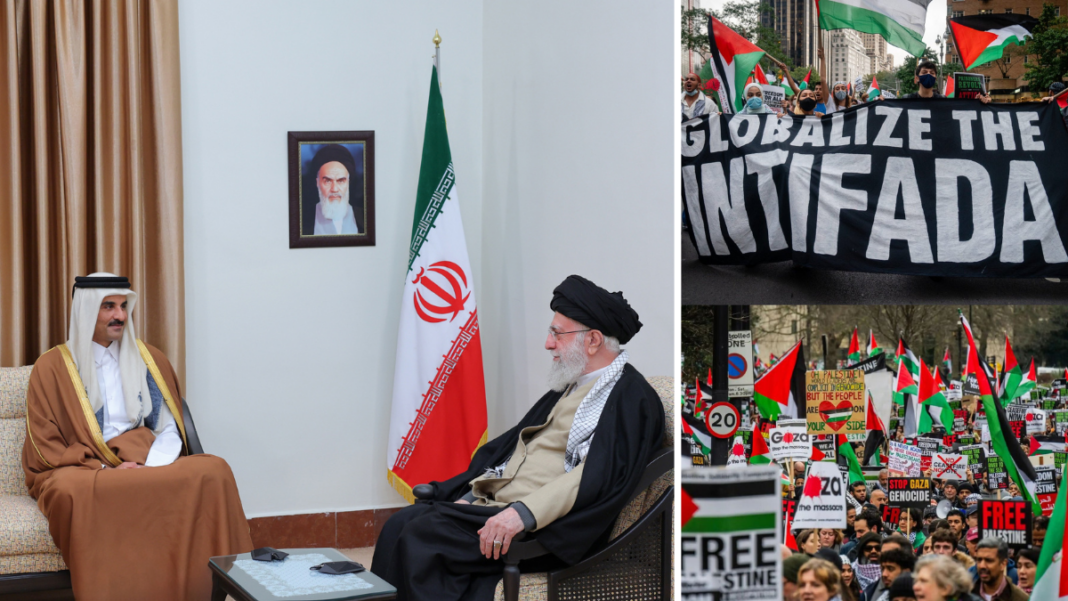
Omer Ghazi
Israeli Prime Minister Benjamin Netanyahu was recently in the United States, where he met President Donald Trump to pursue an agreement that would aim to halt Iran’s uranium enrichment while also curbing its ballistic missile programme and its support for proxy groups such as Hamas and Hezbollah.
The Iranian regime has long functioned as a principal source of funding, training, and ideological backing for these organisations, sustaining networks that have repeatedly destabilised the region.
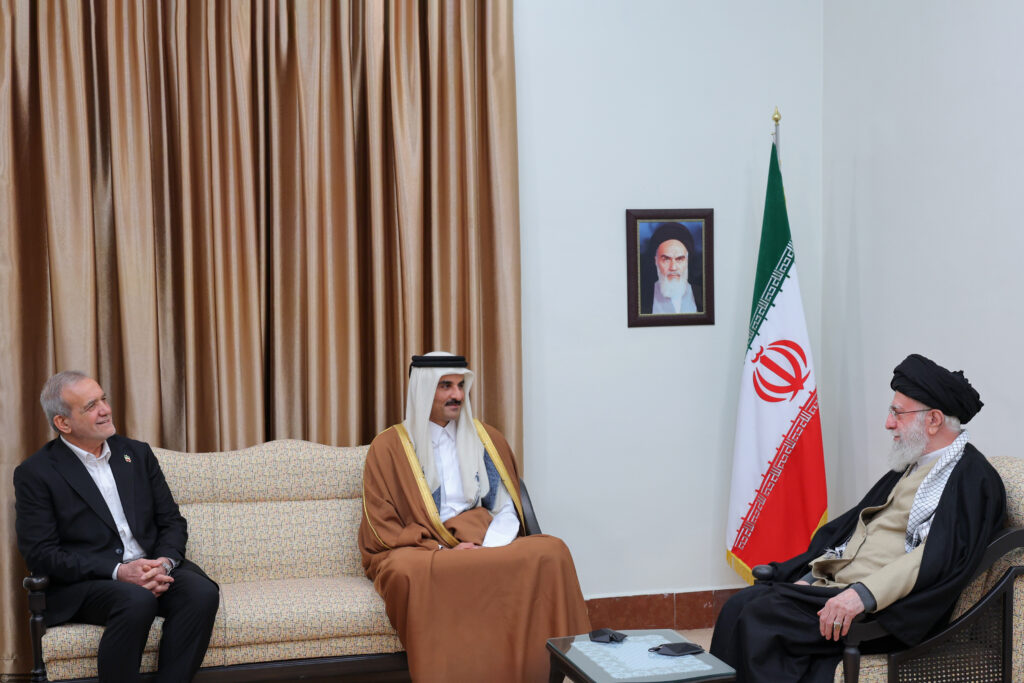
What might have remained a confined regional dispute, manageable through negotiated settlements and incremental diplomacy, was repeatedly pushed toward wider confrontation by Iran’s interventionist strategy and its willingness to weaponize jihadist ideology through armed proxies.
By financing, training, and politically shielding groups that reject coexistence in principle, Tehran ensured that cycles of violence were prolonged rather than resolved. The greatest and most tragic collateral of this approach has been the Palestinian population itself, whose lives have been repeatedly sacrificed at the altar of geopolitical signalling, as militant escalation invites devastating retaliation while offering no realistic pathway to statehood or stability.
The pattern of escalation has by now become grimly familiar. Terror groups such as Hamas initiate violence through attacks deliberately aimed at civilians, as seen most starkly on October 7, inviting a massive Israeli military response that then unfolds in densely populated urban spaces.
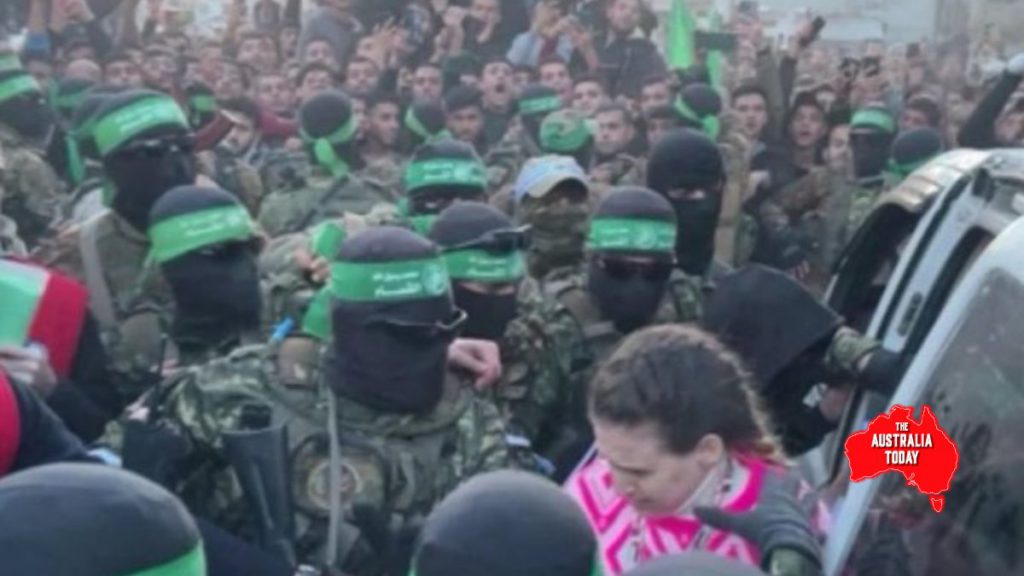
Israel carries out strikes and leadership eliminations, but terrorists frequently embed themselves within schools, hospitals or operate from tunnels beneath residential areas, turning ordinary people into unwilling human shields and ensuring that the inevitable retaliation carries a devastating human cost.
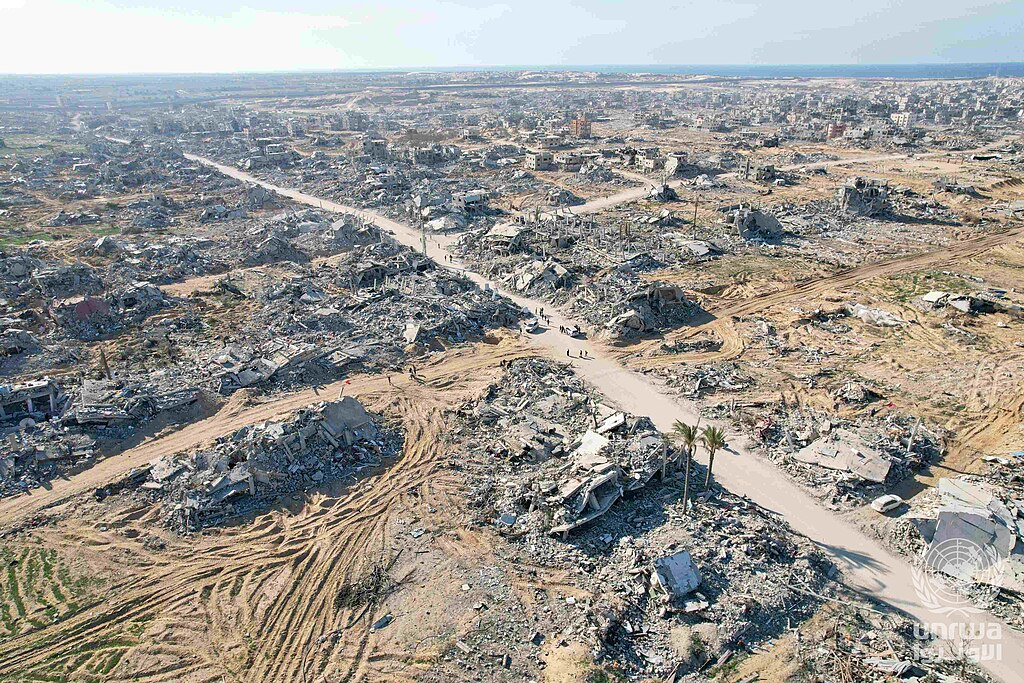
The tragedy is compounded by the scale of resources diverted into militarisation. Over the years, hundreds of millions of dollars that could have gone toward housing, utilities, or economic development in Gaza were instead channelled into building an extensive underground tunnel network stretching hundreds of kilometres, with some estimates placing its length at over 500 kilometres.
The battlefield, however, is no longer confined to rockets and tunnels. It now extends into newsrooms, university departments, advocacy networks, and policy forums, where statistics and narratives are often shaped as much by ideology as by evidence. Casualty figures emerging from Gaza, for instance, are widely cited around the world, many of them originating from the Hamas-run Ministry of Health, which has reported more than 70,000 (or even 1,00,000) deaths since October 7.
Every civilian death is a tragedy and must be treated as such; yet, it is equally important to recognise that Hamas has a documented history of presenting exaggerated casualty figures. It minimizes the number of combatants killed and presents nearly all deaths as civilian, while simultaneously restricting independent verification within the territory. This blurring of categories does not merely distort public understanding; it fuels outrage in ways that hardens positions, prolongs hostilities, and ultimately makes the search for a realistic political settlement even more distant.
It is also misleading to assume that every wartime death in Gaza is a direct result of external military action. A share of casualties stems from internal violence and the collapse of order within the enclave — including executions of alleged collaborators, clashes around aid convoys, rival faction fighting, and terrorists operating in densely populated areas. There have been incidents of misfired rockets and friendly fire; various assessments suggest that 10–20% of the thousands of rockets launched from Gaza since October 7 malfunctioned or fell short, many landing inside Gaza.
Armed factions and criminal gangs continue to operate amid weakened law enforcement, and reports describe deadly crackdowns and inter-group violence, even during ceasefires. Such deaths are often folded into overall tolls, complicating efforts to determine who is dying, how, and at whose hands in a conflict marked by propaganda and limited independent verification.
A further complication, often overlooked in public debate, is the nature of the adversary itself. Hamas is not a conventional army with a uniformed order of battle, a transparent chain of command, or publicly declared rolls of service. It is an ideological terrorist organisation sustained in part by external funding and embedded deeply within the civilian fabric of Gaza.
Fighters do not always operate in identifiable uniforms, and individuals who take part in hostilities may blend back into the civilian population once an operation is over. In such circumstances, distinguishing between combatants and non-combatants becomes extraordinarily difficult, even with advanced surveillance and targeting systems. This is the operational dilemma Israel confronts: how to pursue armed targets in a densely populated territory while attempting, however imperfectly, to minimise civilian casualties in a conflict where the lines between fighter and civilian are deliberately blurred.
The reliability of casualty reporting is further complicated by the way deaths are recorded inside Gaza. For extended periods during the war, families have been able to notify authorities of fatalities without producing a body, submitting information by phone, online forms, or through local administrative channels.
In a context where compensation, stipends, or charitable assistance may be tied to such notifications, the incentive structure itself can encourage overreporting or premature reporting. Officials within Gaza’s health administration have at times acknowledged that some deaths were registered in order to access benefits, while local media and humanitarian reports have described widows and families navigating bureaucratic processes to secure allowances linked to deceased relatives. Repeated public appeals urging families to report “martyrs and missing persons,” even in the absence of physical verification, further blurs the line between confirmed fatalities and unverified claims, making precise accounting in wartime conditions extraordinarily difficult.
All of this ultimately leads back to the financial and ideological machinery that sustains the conflict. While Gaza’s civilian population endures devastation and deprivation, many senior Hamas leaders have lived for years in luxury abroad, in places such as Qatar and elsewhere, far removed from the consequences of the war they help direct.
On the ground, young men are drawn into the conflict through a potent mix of ideological indoctrination, promises of glory in death, and financial incentives offered to families of those killed. In effect, a generation is being consumed to keep a war economy and a political narrative alive.
One thing that needs to be understood is that any serious discussion of a two-state solution has to begin with acknowledgment of Israel as a legitimate nation. And such a settlement cannot emerge in an environment where terrorist groups continue to provoke violence, inflate casualties for propaganda, and radicalise youth into committing atrocities that invite devastating retaliation. Breaking this cycle is not merely a strategic necessity; it is a moral one, for the sake of Palestinians, Israelis, and the stability of the wider region.
Contributing Author: Omer Ghazi is a proponent of religious reform and extensively writes on geo-politics, history and culture.
Disclaimer: The opinions expressed within this article are the author’s personal opinions. The Australia Today is not responsible for the accuracy, completeness, suitability, or validity of any information in this article. The information, facts, or opinions appearing in the article do not reflect the views of The Australia Today, and The Australia Today News does not assume any responsibility or liability for the same.
Support our Journalism
No-nonsense journalism. No paywalls. Whether you’re in Australia, the UK, Canada, the USA, or India, you can support The Australia Today by taking a paid subscription via Patreon or donating via PayPal — and help keep honest, fearless journalism alive.
