

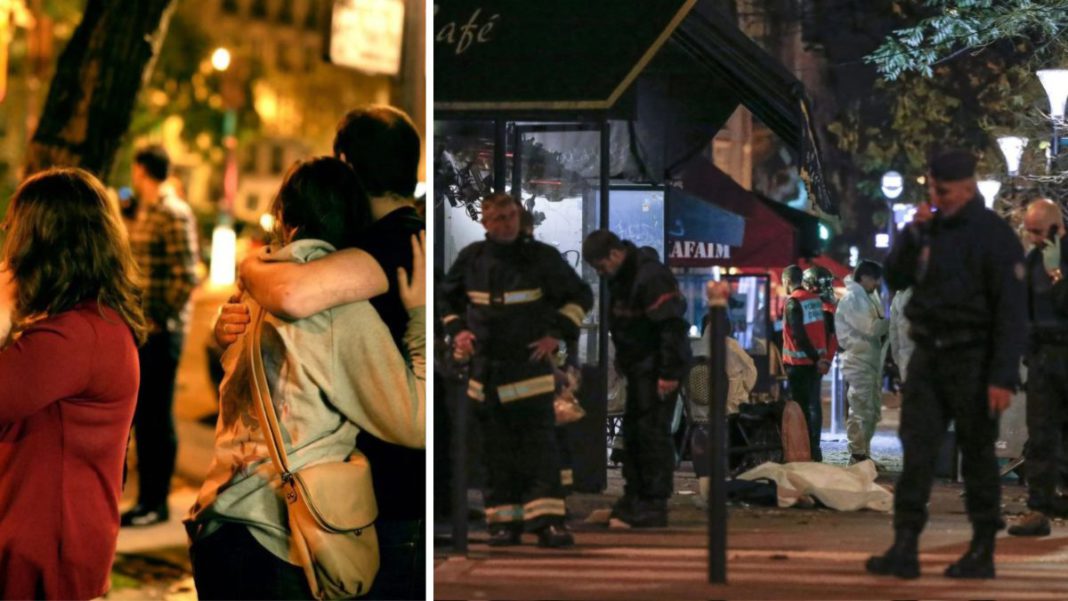
On the night of November 13, 2015, Paris witnessed one of the deadliest Islamist terror attacks in modern European history. Coordinated assaults by gunmen and suicide bombers linked to the terrorist group Islamic State (ISIS) struck several locations across the French capital — the Stade de France, busy cafés and restaurants, and the Bataclan concert hall — killing atleast 130 people and injuring more than 400.
The most horrific scene unfolded inside the Bataclan, where around 90 concertgoers were murdered during a performance by the American band Eagles of Death Metal. Three terrorists armed with assault rifles and wearing explosive vests stormed the venue, taking hostages and firing indiscriminately for more than two hours before police stormed the building. All three gunmen died at the scene. Two of them detonated their vests during the police assault, while the third was shot dead by security forces.
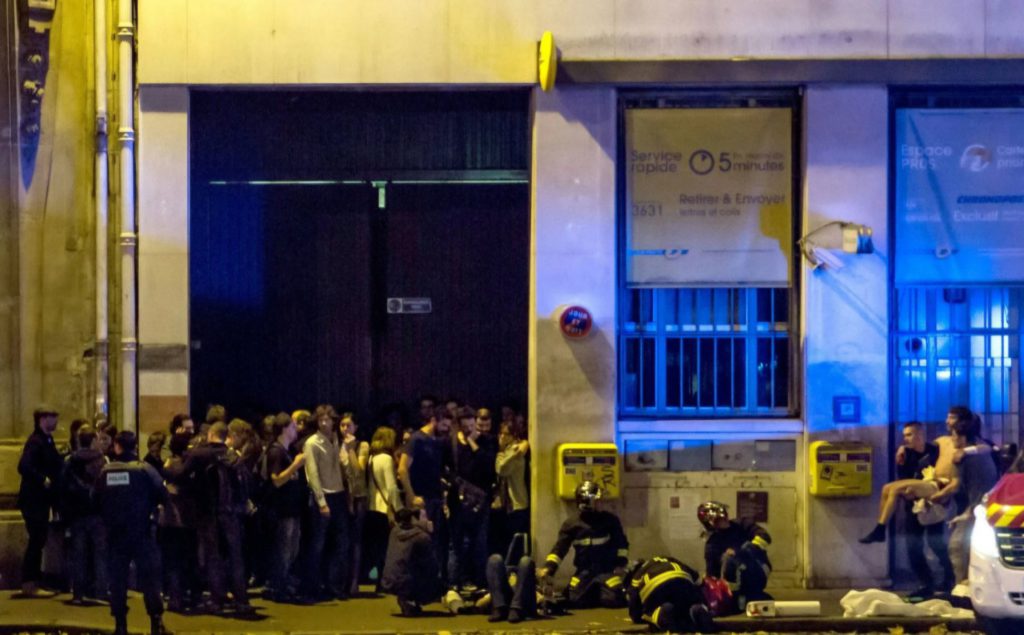
The Bataclan massacre was part of a wider ISIS plan targeting symbols of French culture and everyday life. According to investigators the attackers, most of them French or Belgian nationals, had recently returned from Syria where they had trained with the terror group. The coordinated bombings and shootings were among the deadliest terrorist attacks in France’s history and led to a nationwide state of emergency that lasted nearly two years.
A decade later, France continues to honour the victims with annual memorials and permanent plaques bearing their names. The main suspect and only surviving member of the terror cell, Salah Abdeslam, was convicted in 2022 and sentenced to life imprisonment without parole, the harshest sentence under French law.
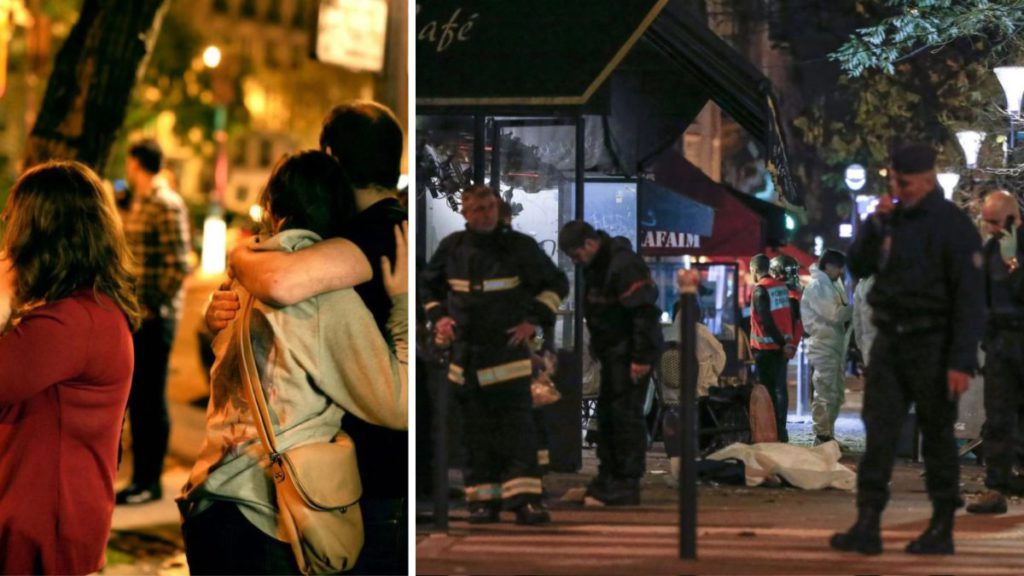
Survivors and families say the trauma remains raw, even as France strengthens counterterrorism measures and community resilience. The Bataclan anniversary serves as both a day of remembrance and a stark reminder of the enduring threat of Islamist extremism in Europe.
Support our Journalism
No-nonsense journalism. No paywalls. Whether you’re in Australia, the UK, Canada, the USA, or India, you can support The Australia Today by taking a paid subscription via Patreon or donating via PayPal — and help keep honest, fearless journalism alive.
