

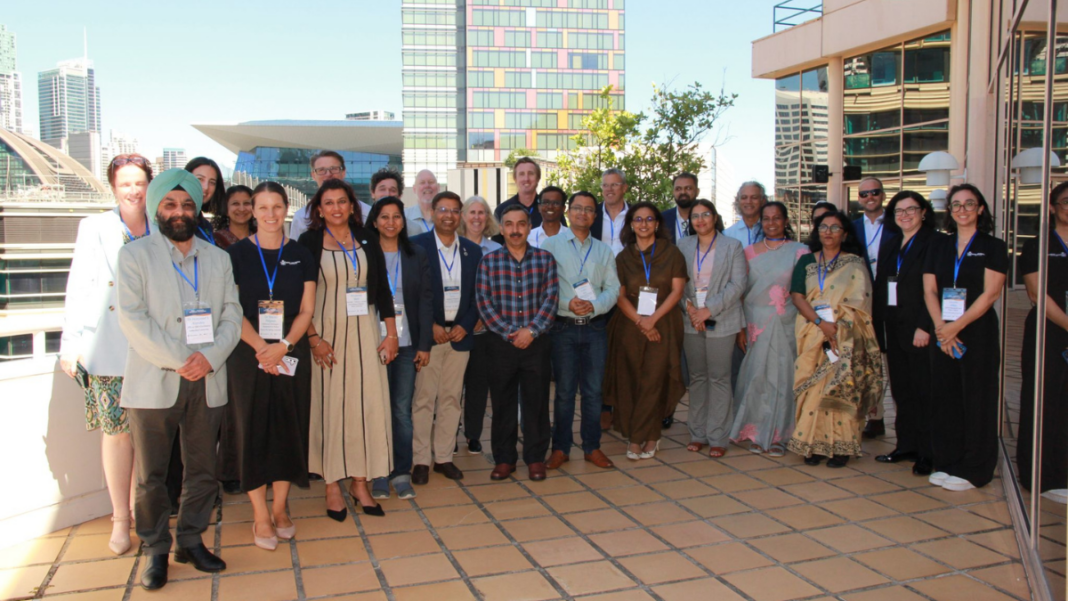
Australia and India have joined forces to improve community water safety, with a focus on preventing drowning, a leading but often overlooked cause of death.
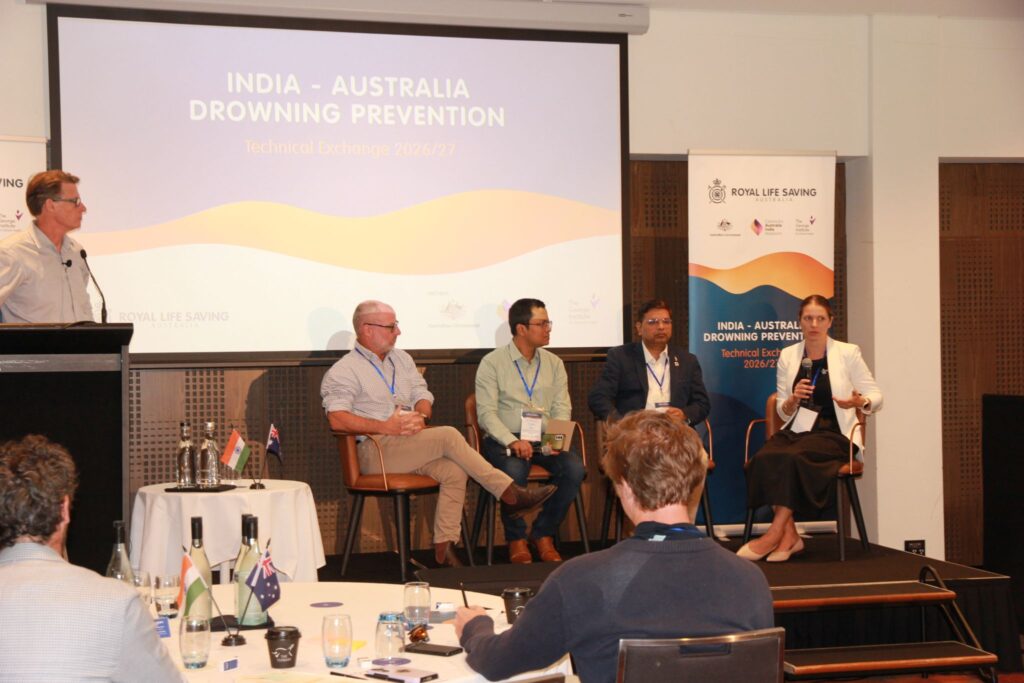
The India–Australia Drowning Prevention Technical Exchange took place in Sydney from 17–19 February, bringing together 40 experts, including 10 delegates from India, to share knowledge and explore practical solutions.
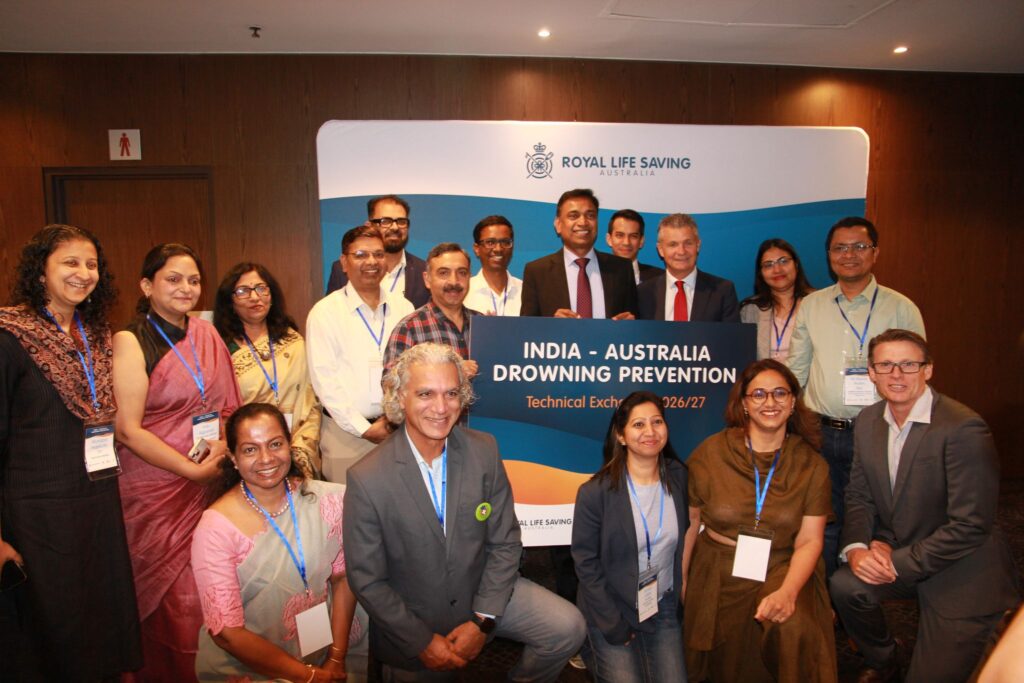
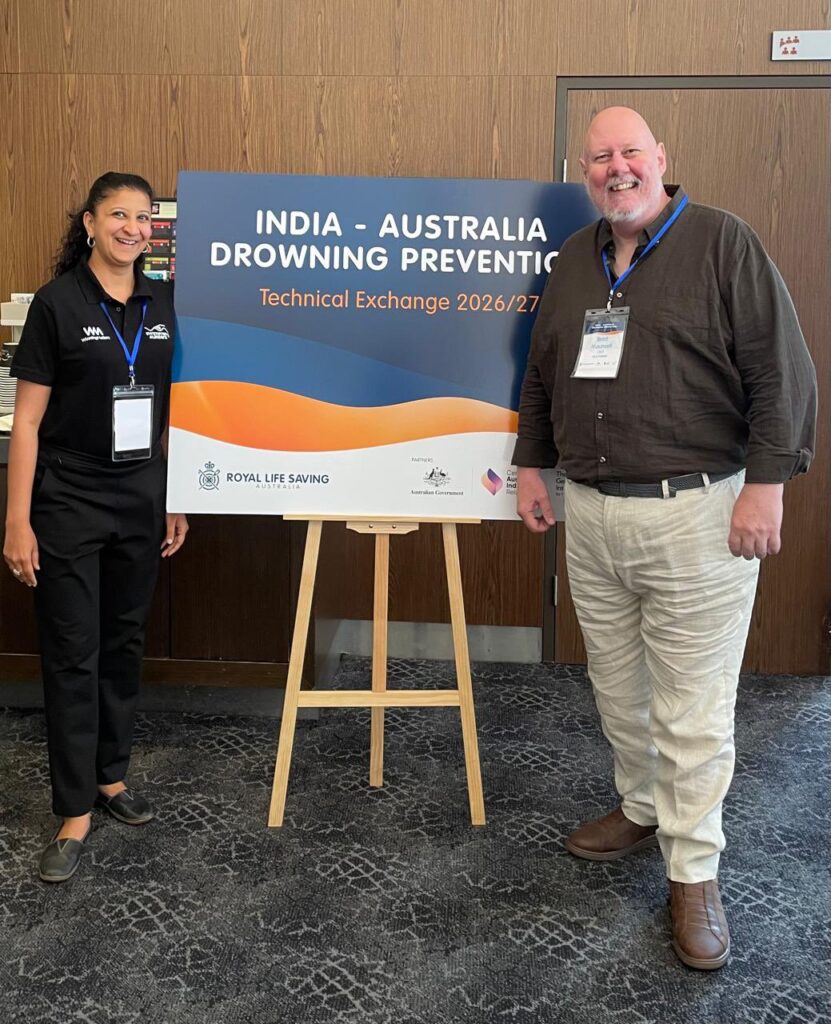
The forum, organised by Royal Life Saving – Australia and supported by the Centre for Australia-India Relations, The George Institute for Global Health, and WHO India, highlighted the staggering human toll of drowning.
India records between 38,000 and 50,000 drowning deaths annually, while Australia reported 357 fatalities last year, one-third of whom were from multicultural backgrounds.
“Drowning is a silent killer,” said Dr Harpreet Kandra, a senior lecturer at Federation University.
“Compared with road deaths or other major health issues, it doesn’t grab headlines, yet it claims tens of thousands of lives each year. Accurate data is the first step to prevention.”
The exchange focused on strengthening data collection, community awareness, and education programs. Australia’s robust reporting systems, including its annual National Drowning Report, were highlighted as a model for India to improve tracking and intervention strategies.
Dr Justin Scarr, CEO of Royal Life Saving Australia, said the collaboration aimed to build long-term partnerships.
“Through programs like the Maitri Grant, we can work with Indian colleagues to reduce the burden of drowning in both countries.”
Cultural differences in swimming education also featured prominently. For many Indian migrants, formal swimming instruction is limited, which increases risks in Australia’s oceans, rivers, and pools.
The exchange explored integrating swimming into school curricula, preparing communities for flood risks, and promoting water safety skills across generations.
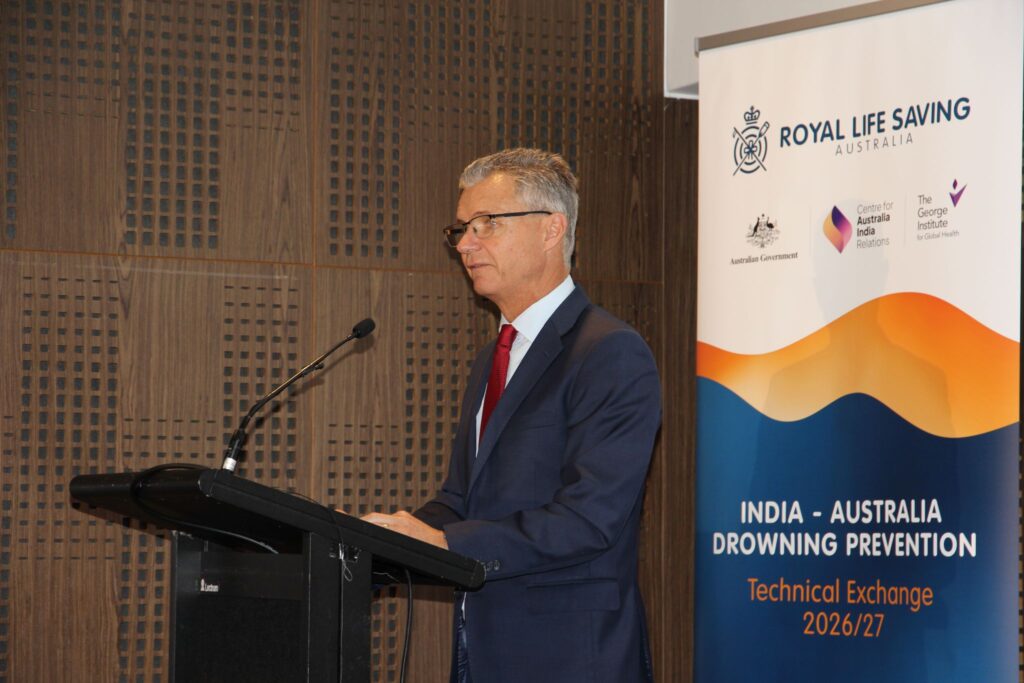
Assistant Minister for Foreign Affairs and Trade Matt Thistlethwaite highlighted the importance of the initiative.
“Swimming and water safety are central to Australian life, and it is vital that everyone, including multicultural communities, can enjoy water safely.”
The forum also emphasised that effective drowning prevention goes beyond safety messages. By creating incentives and innovative programs, both countries can encourage water confidence and survival skills.
Experts agreed that shared knowledge, infrastructure development, and trained instructors could transform swimming education in India, while also strengthening Australia’s community safety programs.
With tens of thousands of lives at stake each year, the Sydney exchange marked a crucial step in turning conversation into sustained action. As Dr Kandra concluded,
“Every life saved matters more than medals. Collaboration across borders is essential to tackle this silent crisis.”
Support our Journalism
No-nonsense journalism. No paywalls. Whether you’re in Australia, the UK, Canada, the USA, or India, you can support The Australia Today by taking a paid subscription via Patreon or donating via PayPal — and help keep honest, fearless journalism alive.
