

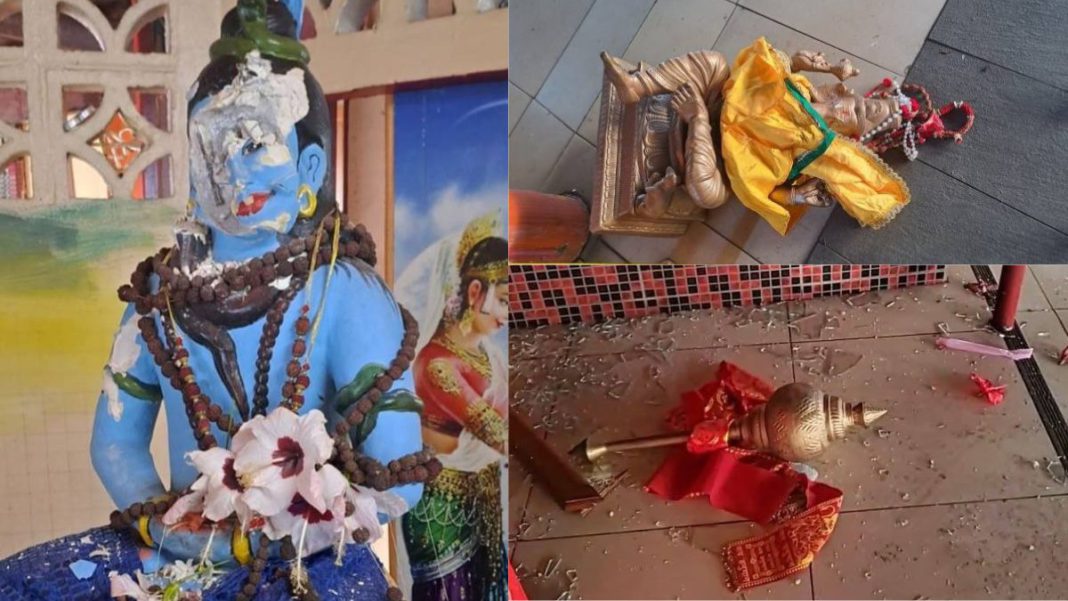
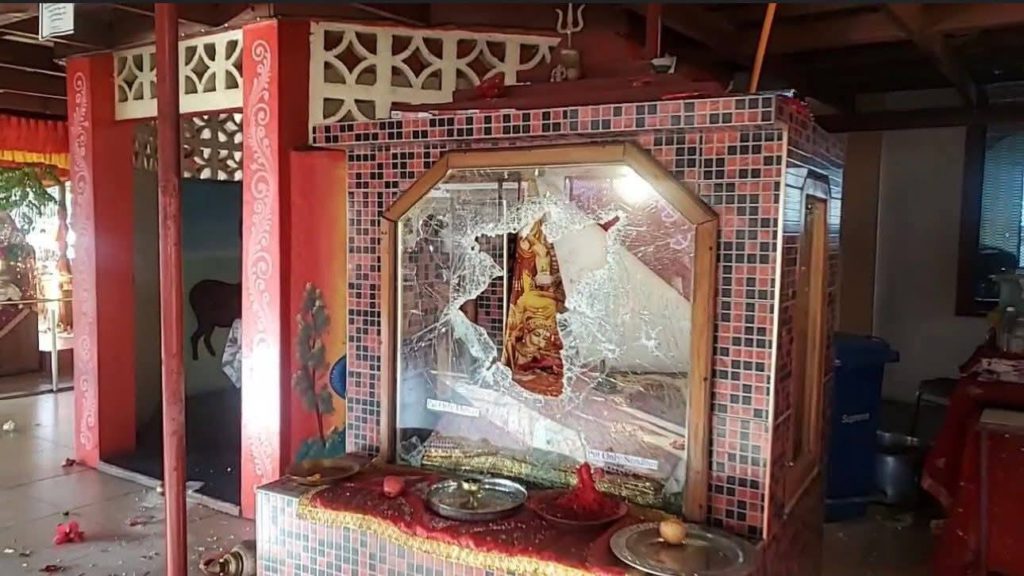
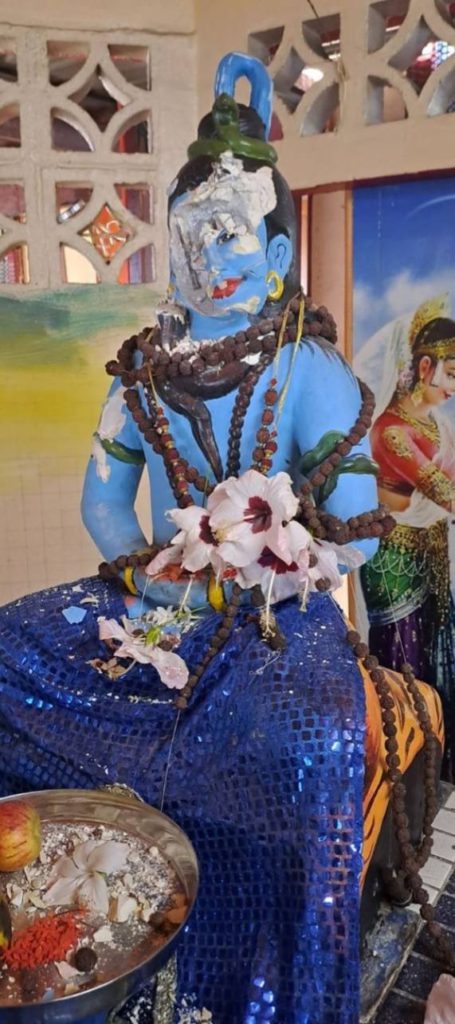
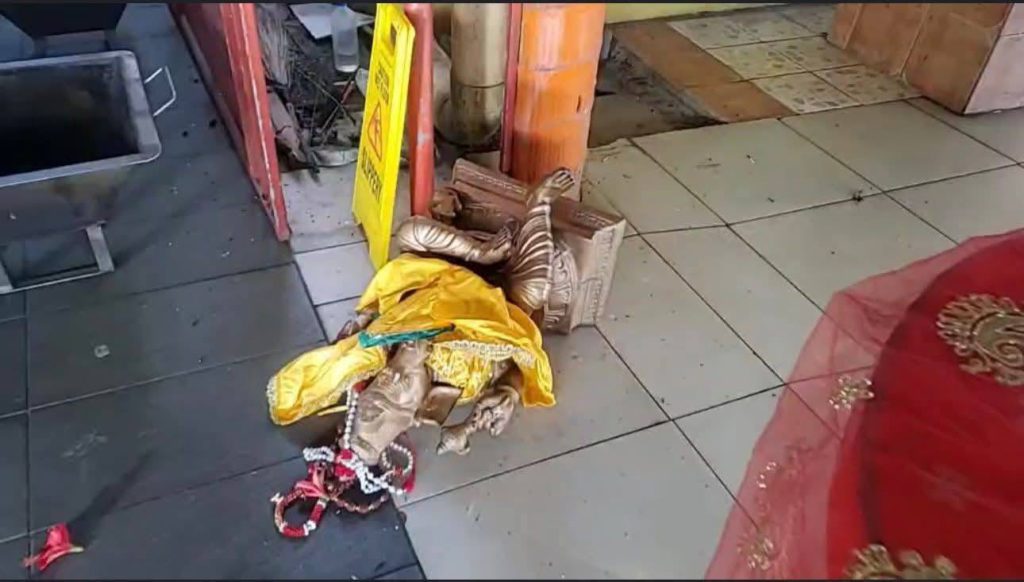
The sacred Shiv Mandir in Samabula, Suva, was the site of a shocking act of sacrilege on July 11, 2025, when a man allegedly entered the temple through a side entrance and vandalised century-old idols of Lord Shiva and other deities using an iron rod. The incident has sent shockwaves through Fiji’s Hindu community, prompting widespread condemnation from political and community leaders, both locally and abroad.
Sydney-based academic Dr Sanjay Ramesh described the desecration as a deeply distressing event that drew condemnation from across the political spectrum. The man accused of the attack was arrested at the scene and remains in police custody as investigations continue.
Deputy Prime Minister and National Federation Party (NFP) leader Professor Biman Prasad strongly condemned the attack, describing it as “absolutely disgusting” and a “shameful and sacrilegious act” that strikes at the heart of Fiji’s values of peace, respect, and multicultural harmony. “This is not just an attack on the Hindu community. It is an attack on all of us as Fijians who value harmony and respect between all faiths and cultures,” he said, calling for swift justice and national unity.
Minister for Multi-Ethnic Affairs Charan Jeath Singh described the act as a criminal attack on Fiji’s identity and reaffirmed the government’s commitment to safeguarding religious and cultural rights. “We will not tolerate any form of religious intolerance or hatred. Our places of worship—of all faiths—must be protected and honoured,” Singh said.
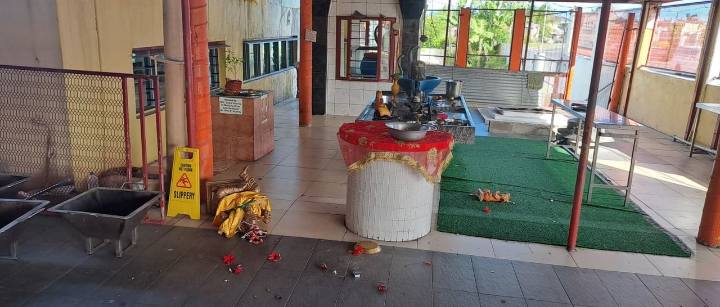
Opposition Member of Parliament Alvick Maharaj also issued a heartfelt statement, calling the attack a dark and painful moment for Fiji’s Hindu community. “This wasn’t just someone trying to take things. This was a direct and hurtful attack on our Sanatan Dharma, which is our Hindu faith,” Maharaj said.
“They weren’t just breaking idols; they were breaking something that means so much to us.”
Maharaj thanked police for their prompt response and urged that the suspect be brought to justice, so the community can feel safe in its places of worship.
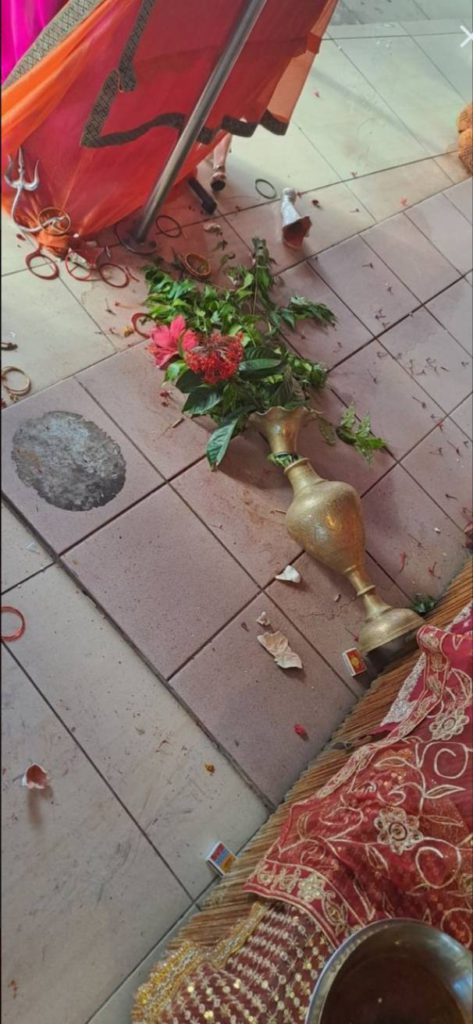
It is reported that Assistant Minister at the Office of the Prime Minister, Sakiusa Tubuna, who visited the Samabula Shiv Mandir at the invitation of the committee members, stated that drugs are driving people to extreme actions.
Tubuna expressed shock that the suspect managed to gain entry despite existing security measures.
“This place is very highly secured as you can see from the road, but how a person when into the temple, I can’t really understand. But I understand this guy is drug addict and he went inside with some sort of weapon and started to damage this place or worship.”
He affirmed that the coalition government strongly condemns such acts.
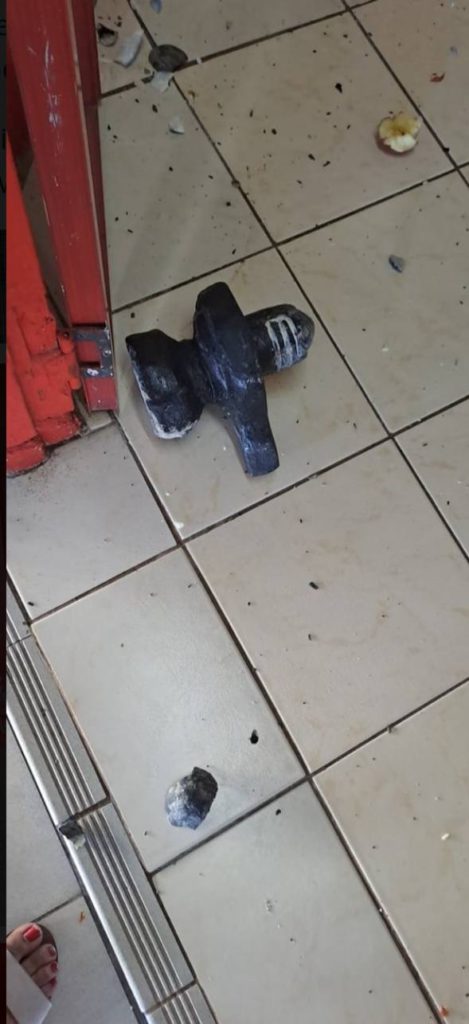
India’s High Commissioner to Fiji also weighed in on the incident, expressing grief and solidarity with Fiji’s Hindu community.
“Deeply saddened by the vandalism of Shiva Temple, Samabula. We condemn such despicable act. We urge the law enforcement authorities to take stringent action against those responsible and also ensure adequate security to places of worship.” t
Prominent Indo-Fijian academic Sadhana Sen expressed her outrage in a public Facebook post, describing the repeated attacks on Hindu temples as emotionally devastating. “The scenes are most hurtful and insulting to those of the Hindu faith,” she wrote. “The hate crimes against Indo-Fijians seem to be starting again.” She warned that such acts are often precursors to broader attempts at marginalisation and scapegoating of the Indo-Fijian community, particularly around election time.
Rajen Prasad, another respected community voice, described the incident as the worst attack in recent memory. “This attack is a direct hit in the heart of Hindus of Fiji. It’s damage beyond repair… A national shame,” he said, noting that some of the idols destroyed were almost a hundred years old.
Dialogue Fiji head Nilesh Lal offered a more secular critique, warning of the dangers posed by religious doctrines that promote exclusivity or superiority. “Religious scriptures that preach superiority, that label other forms of worship as false or evil, are dangerous in diverse societies. These doctrines breed arrogance, division, and violence,” he said.
“Believe what you want, but don’t weaponise your belief or impose it on others. The moment your faith harms fellow human beings, it stops being sacred.”
The Samabula incident is not isolated. In April 2025, torn pages from the sacred Ramayan were found scattered inside the Vunicuicui Shiv Mandir in Labasa. The temple community condemned the act and called for peace, urging Fijians of all faiths to respect the sacred symbols of others. In 2018, several temples in and around Suva and Nadi were vandalised, with idols defaced and racist graffiti scrawled across walls. Similar incidents have been recorded over the past three decades, with repeated calls from the Hindu community for stronger security and legal action.
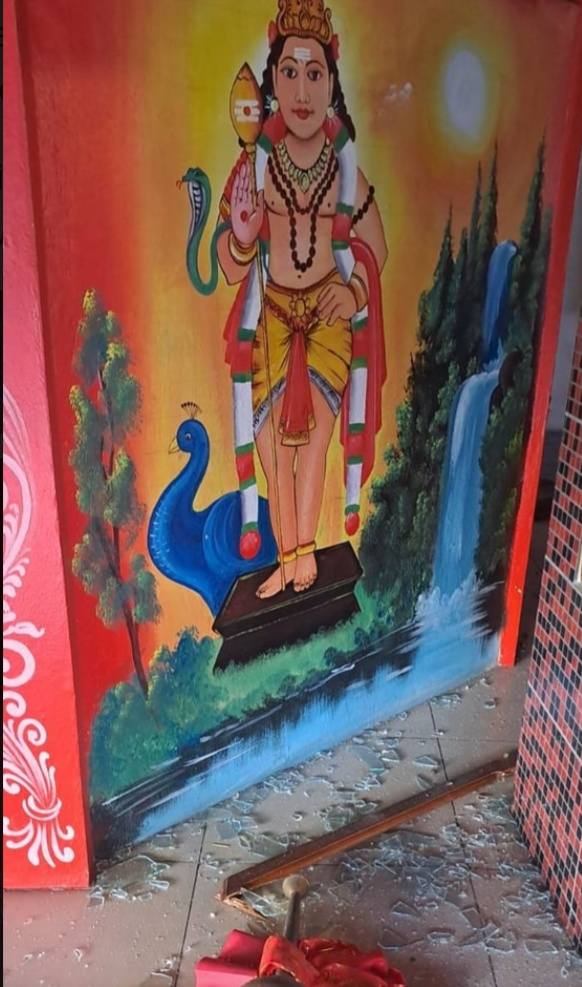
In 2006, repeated break-ins led temple committees to hire private security, after police acknowledged they could not guard all sites 24/7. In 2004, the Shiu Narayan temple in Suva was targeted for the fifth time. And in 1991, multiple temples were firebombed in Suva, including the burning of religious texts like the Ramayan. At the time, Hindu youth groups and civil society organisations accused authorities of negligence and downplaying the severity of these crimes.
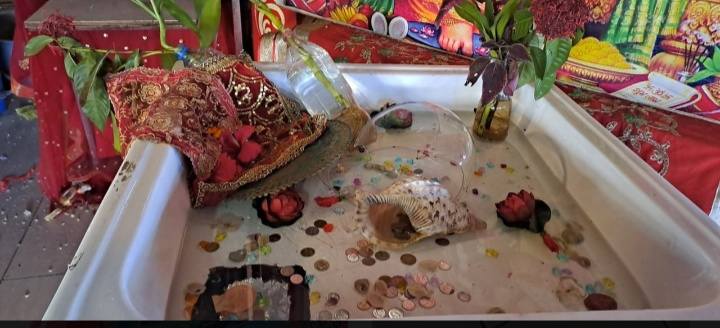
As police continue their investigation into the Samabula vandalism, Fiji’s Hindu community is rallying in sorrow and solidarity. Many are urging fellow Fijians of all backgrounds to reject extremism and uphold the nation’s founding promise of unity in diversity. “Let’s turn our sadness into stronger faith, our sorrow into stronger unity, and our anger into a firm promise to live by the values of Sanatan Dharma—peace, kindness, and truth,” said MP Maharaj.
Support our Journalism
No-nonsense journalism. No paywalls. Whether you’re in Australia, the UK, Canada, the USA, or India, you can support The Australia Today by taking a paid subscription via Patreon or donating via PayPal — and help keep honest, fearless journalism alive.
