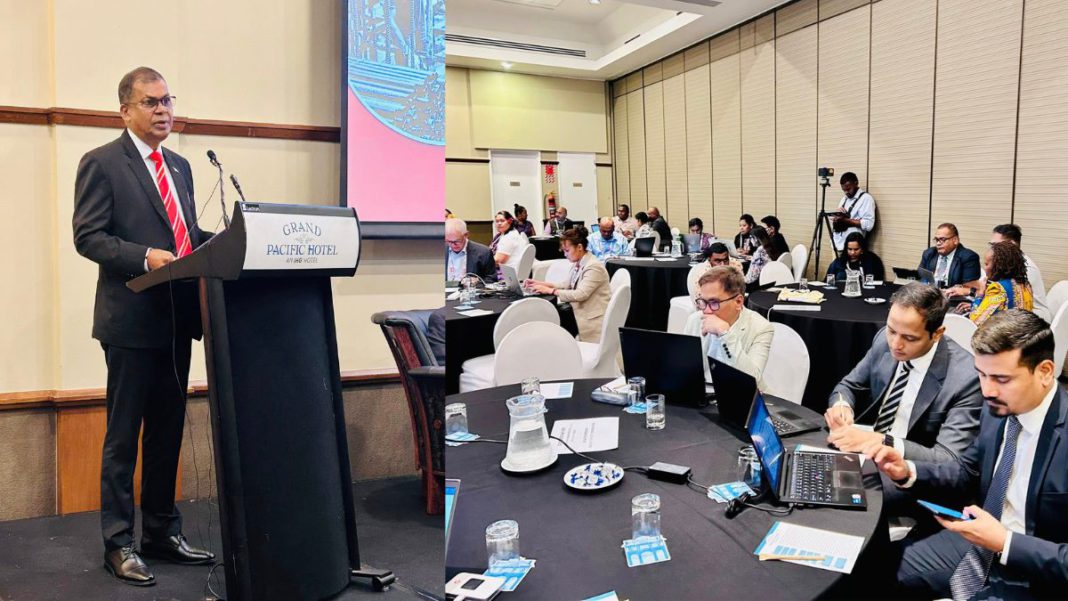
Fiji’s Deputy Prime Minister and Minister for Finance, Strategic Planning, National Development and Statistics, Prof. Biman Prasad, has highlighted the critical need to strengthen the country’s fiscal and infrastructure resilience amid increasing climate-related disasters.
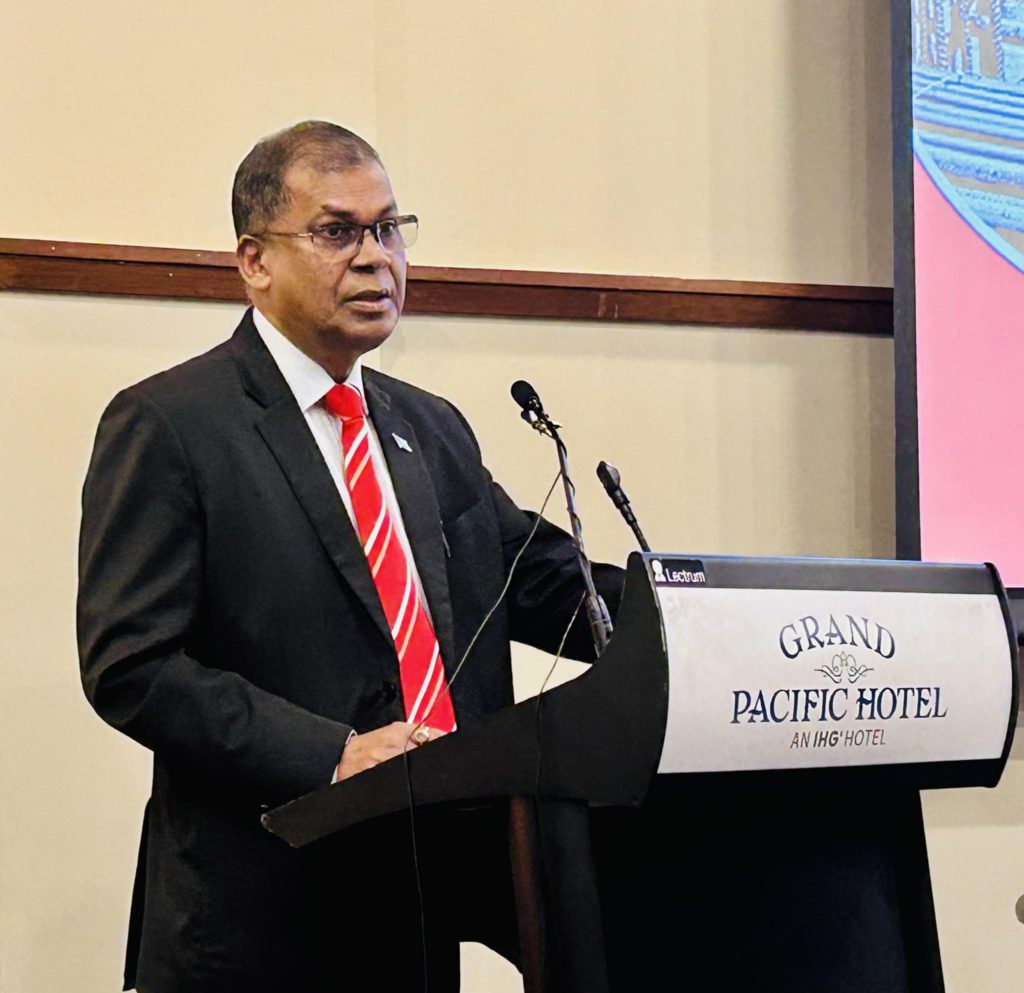
Speaking at the “Toward Resilient Public Finance” workshop held at the Grand Pacific Hotel in Suva, Prof. Prasad warned that the growing frequency and severity of such disasters threaten Fiji’s people, economy, and development progress.
“In the past seven years alone, we have spent over $600 million on recovery and rehabilitation efforts. This is not just a number in our national accounts — it represents disrupted communities, lost productivity, and diverted resources from health, education, and public investment,”
he said.
He explained that for Small Island Developing States like Fiji, the impacts of climate change are not only physical and emotional but also deeply fiscal, placing heavy strain on national budgets and forcing governments to take on debt for recovery and rebuilding.
Image Source: Fiji Government
Prof. Prasad reiterated Fiji’s call for climate finance that is accessible, predictable, and scaled to urgent needs. He emphasised the vital role of grants, highly concessional loans, and innovative financing solutions to fund resilient, low-carbon infrastructure ahead of disasters.
“Every dollar invested in resilient infrastructure is a dollar saved in disaster recovery — and it is the smartest, most cost-effective investment we can make,”
he said.
Image Source: Fiji Government
Among current government measures, he cited expanding contingent financing arrangements, maintaining a $72 million standby concessional loan facility with Japan, and increasing the use of parametric insurance products to ensure rapid, predictable payouts after disasters.
Prof. Prasad also stressed the importance of timely and accurate post-disaster assessments, sector-specific disbursement plans, and improved coordination across government ministries to accelerate recovery and protect essential services.
Image Source: Fiji Government
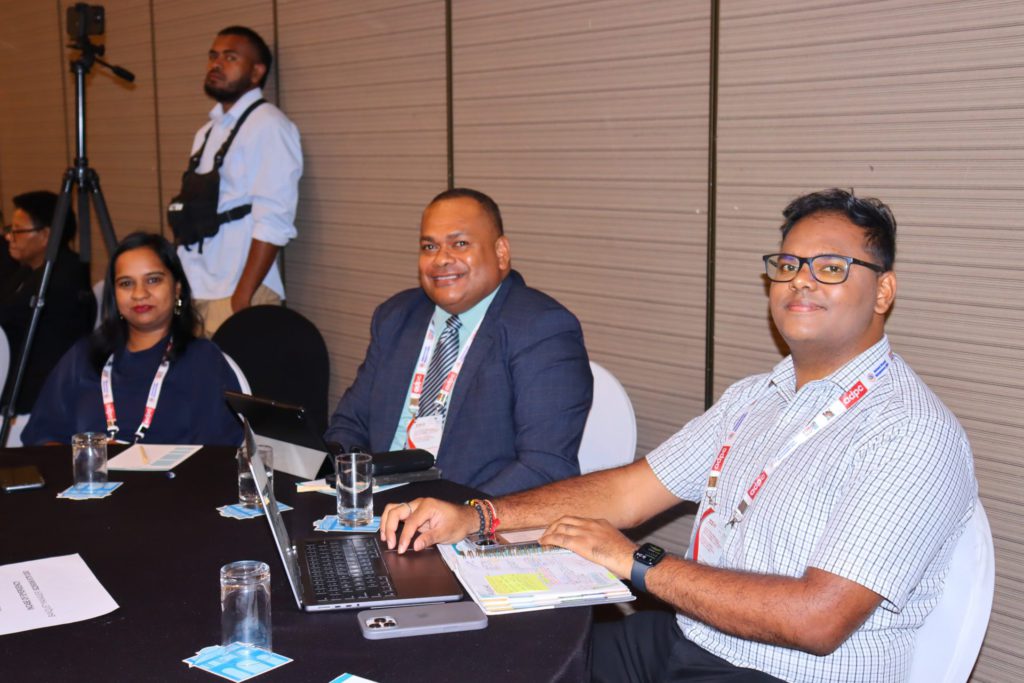
He urged full engagement from ministries, development partners, and stakeholders in implementing solutions that strengthen Fiji’s fiscal frameworks, safeguard critical infrastructure, and boost climate resilience.
“This workshop marks the commitment of shared responsibility and a shared future. Let us use these two days not just to discuss, but to design solutions that will help our nation thrive in the face of climate challenges,”
Image Source: Fiji Government
Prof. Prasad.
Support our Journalism
No-nonsense journalism. No paywalls. Whether you’re in Australia, the UK, Canada, the USA, or India, you can support The Australia Today by taking a paid subscription via Patreon or donating via PayPal — and help keep honest, fearless journalism alive.