

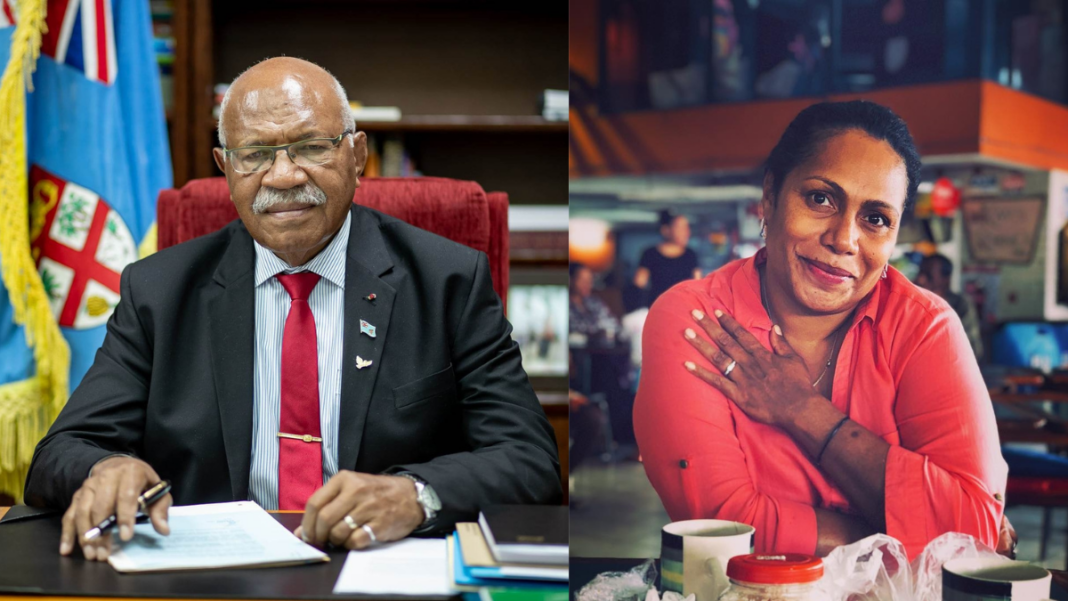
The Fiji Government has confirmed it will not appeal a High Court ruling that found the dismissal of former anti-corruption commissioner Barbara Malimali was unlawful, a decision that intensifies pressure on Prime Minister Sitiveni Rabuka and reopens debate about the independence of the country’s key institutions.
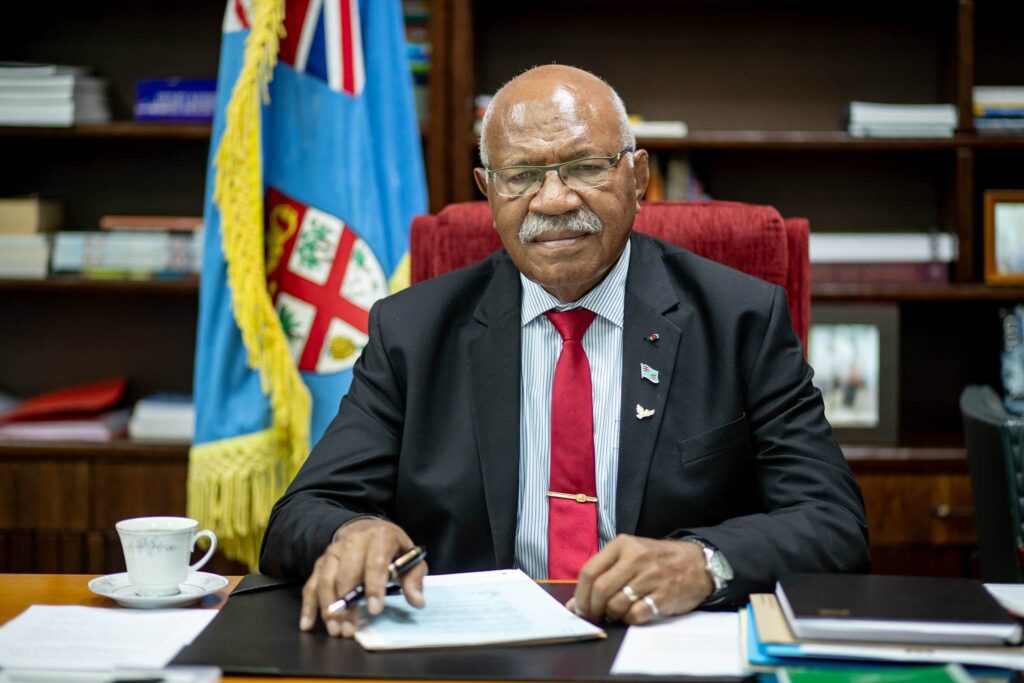
In a statement acknowledging the judgment in HBJ 5/2025 Barbara Malimali v The President of Fiji and Others, the government said it had accepted the court’s findings after taking legal advice and consulting President Ratu Naiqama Lalabalavu. While the original decision to revoke Malimali’s appointment was made on advice from senior legal counsel, the government said it respected the court’s conclusion and would not challenge it on appeal.
The High Court ruling underscored the constitutional role of the judiciary and the separation of powers, the statement said, adding that the matter would now return to the Judicial Services Commission (JSC), which has the constitutional mandate to deal with appointments and removals. Rabuka reiterated his confidence in Fiji’s democratic institutions and the government’s commitment to the rule of law, judicial independence and accountability.
The decision follows a turbulent year marked by Malimali’s suspension in May 2025 and the revocation of her appointment a month later, after President Lalabalavu acted on the prime minister’s advice in response to a Commission of Inquiry (COI) into her appointment as head of the Fiji Independent Commission Against Corruption (FICAC). That inquiry, led by Australian judge David Ashton-Lewis, found the appointment process to be legally invalid and procedurally corrupt, and made severe criticisms of Malimali and senior figures across government and the legal profession.
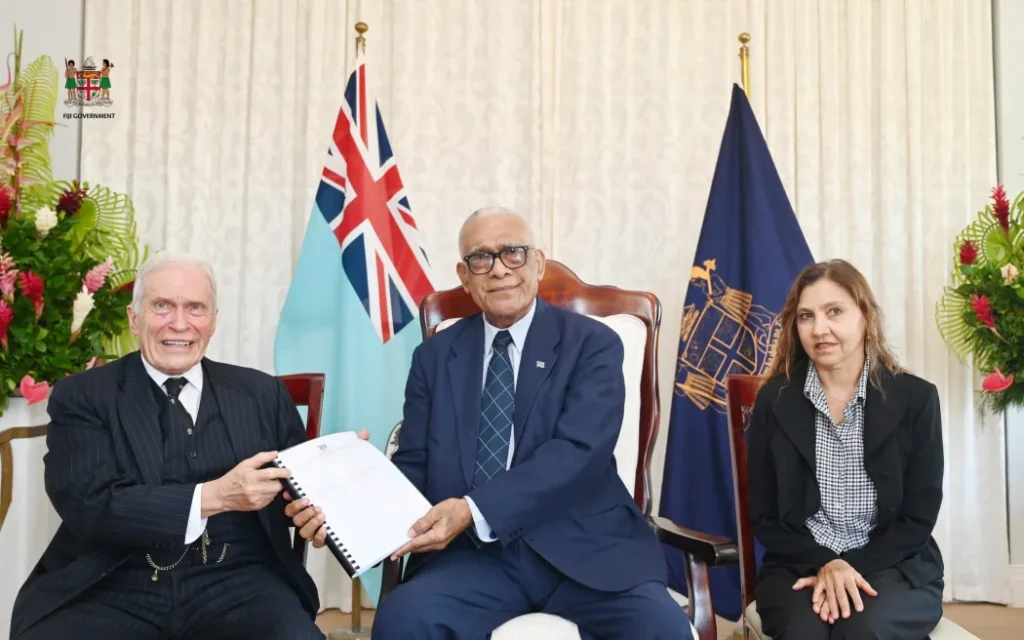
Despite those findings, the High Court ruled this week that her removal was unlawful, a judgment widely seen as politically damaging for Rabuka. In the immediate aftermath, the prime minister publicly suggested he would consider resigning if an appeal failed, though cabinet ministers later moved to soften that position, saying he had not admitted wrongdoing and retained the full backing of his colleagues.
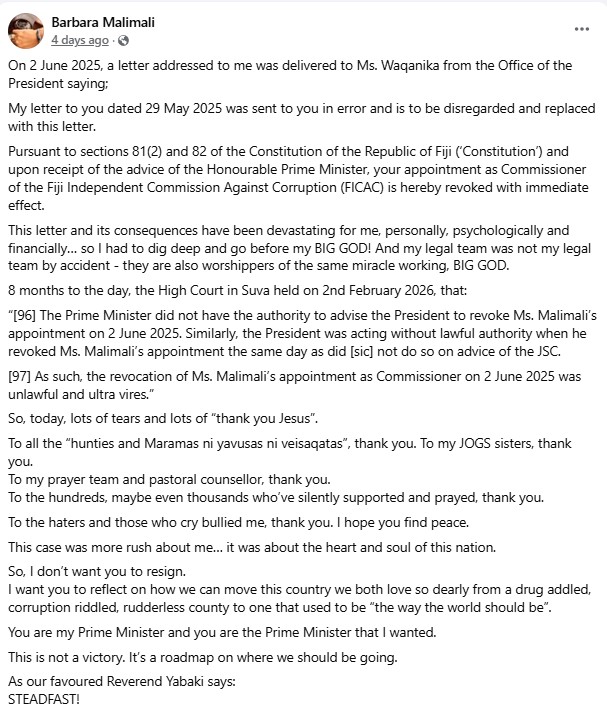
Malimali is now seeking close to US$1.4 million (about FJ$3 million) in compensation for lost wages and damages, as well as reinstatement to her former role. Outside the court in Suva, she thanked her legal team and supporters, saying she had been vindicated after months of public controversy. Her lawyer, Tanya Waqanika, said her client’s legal career and reputation had been “destroyed” in Fiji and the wider Pacific, arguing that only the JSC—not the prime minister—had the authority to recommend her removal.

Waqanika said Malimali’s compensation claim was comparable to a previous case involving a former solicitor-general dismissed under the Bainimarama administration, and noted that Malimali had since been cleared of criminal allegations relating to abuse of office. She also said the COI report was being challenged in court and should not stand in the way of reinstatement.
Critics, however, have questioned the prospect of a substantial payout. Lawyer Janet Mason, who assisted the COI, told RNZ she would be “appalled” if Malimali were awarded millions of dollars, given the inquiry’s findings about the flaws in her appointment. Mason noted that the High Court did not rule on damages and had referred the matter back to the JSC, which is expected to meet Malimali, her lawyers, the solicitor-general and the prime minister’s legal representatives to decide how to proceed.
The controversy has also revived concerns about the broader handling of the COI. The inquiry implicated senior figures, including judges and politicians, in alleged misconduct, but several police investigations arising from its findings have since been dropped due to insufficient evidence. Mason said there was little political appetite to implement the report’s recommendations, raising questions about why the inquiry was commissioned in the first place.
Support our Journalism
No-nonsense journalism. No paywalls. Whether you’re in Australia, the UK, Canada, the USA, or India, you can support The Australia Today by taking a paid subscription via Patreon or donating via PayPal — and help keep honest, fearless journalism alive.
