

Australian Prime Minister Anthony Albanese has faced growing criticism following a string of high-profile diplomatic setbacks in the Pacific—most notably his failure to finalise defence agreements with Papua New Guinea (PNG) and Vanuatu.
These are times of strategic flux in the Indo-Pacific, during which Australia, under Albanese, has been pushing security deals to counter the growing influence of China. But rather than solid wins, what’s emerging are headline promises that crumble when push comes to shove.
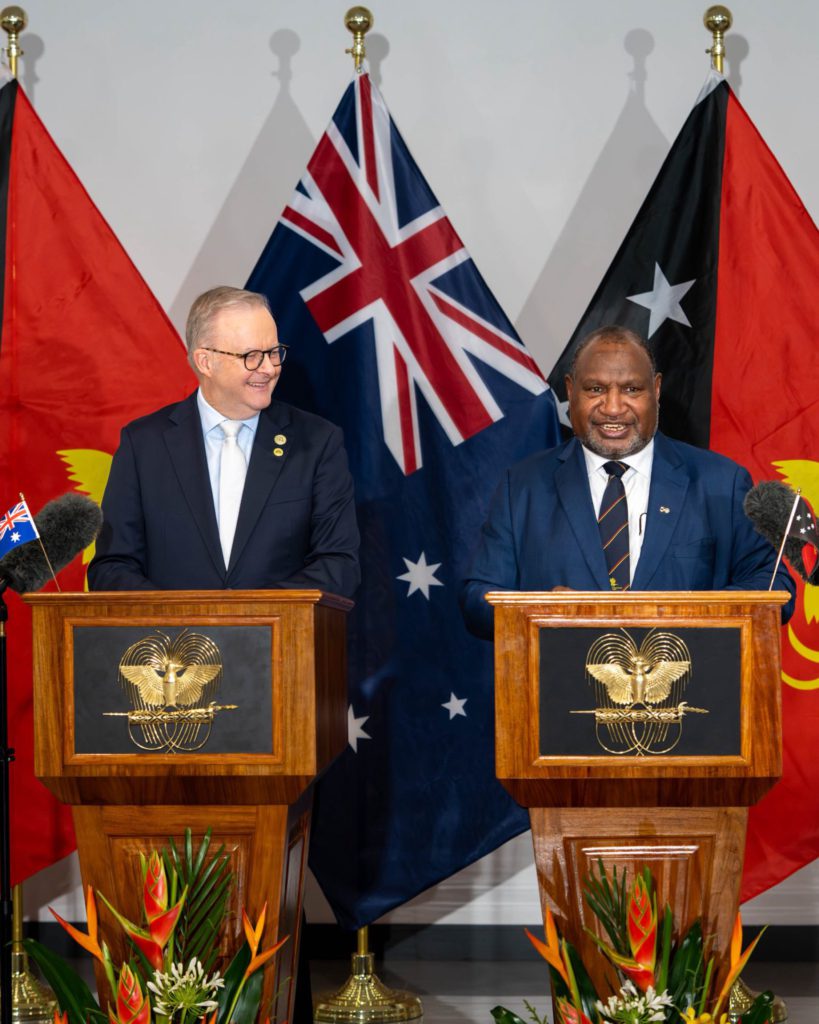
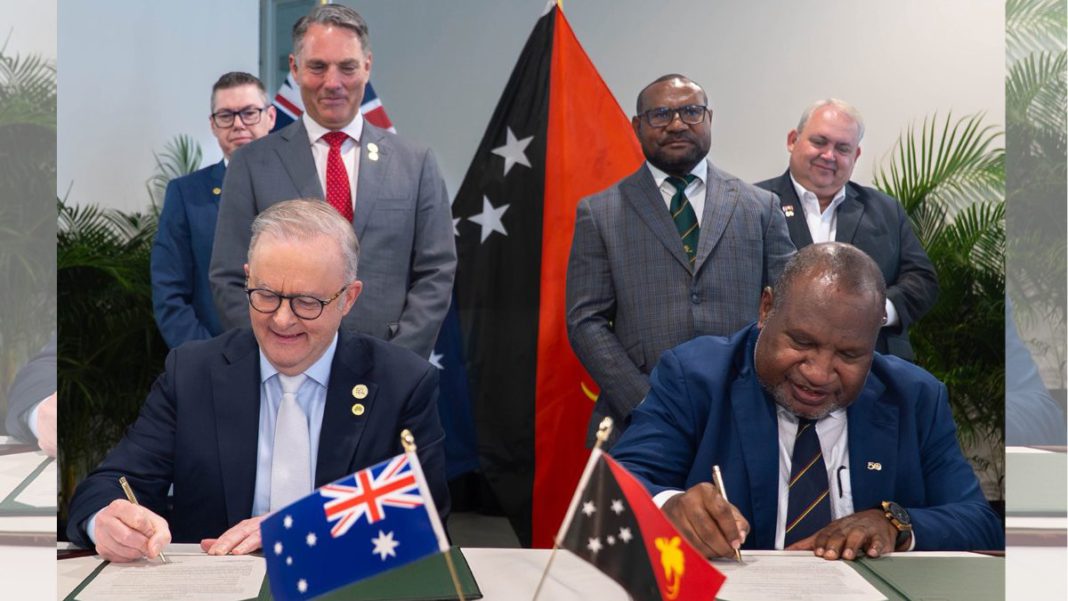
Albanese returned from Port Moresby having announced his expectation that a mutual defence treaty with PNG would be signed during the visit. But PNG’s Prime Minister James Marape never got the cabinet to meet after failing to secure a quorum, and no deal was finalised—only a communique citing that the treaty text was agreed upon in principle, pending internal approvals.
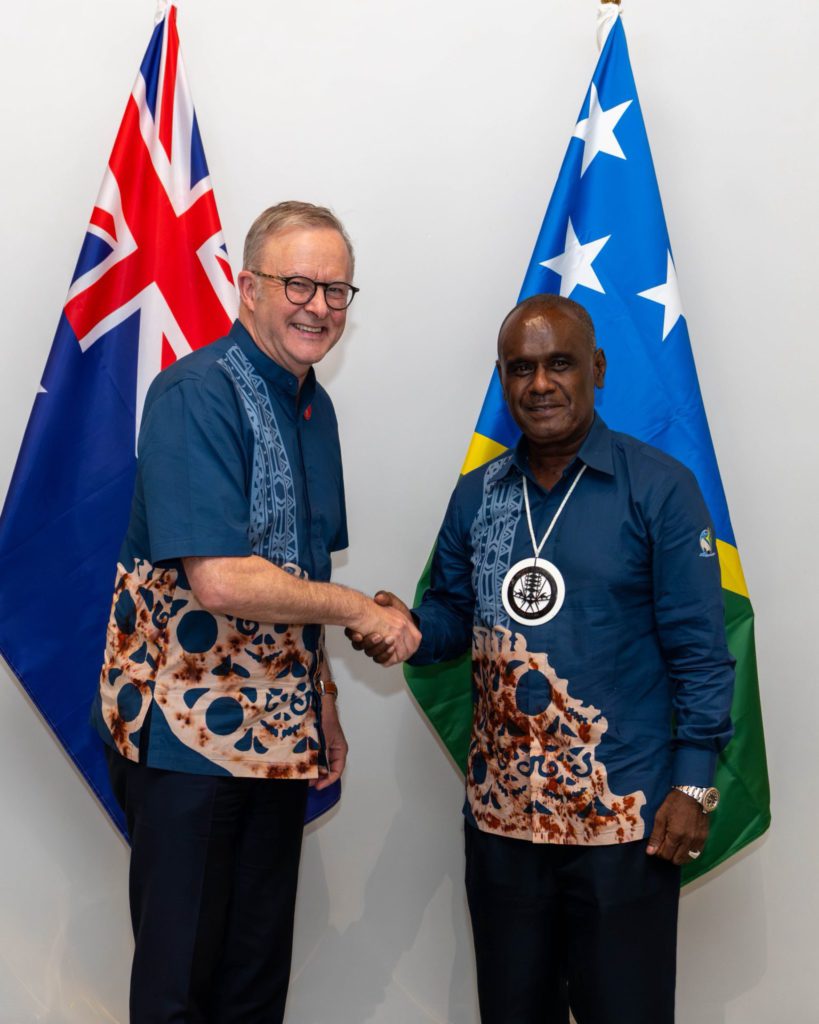
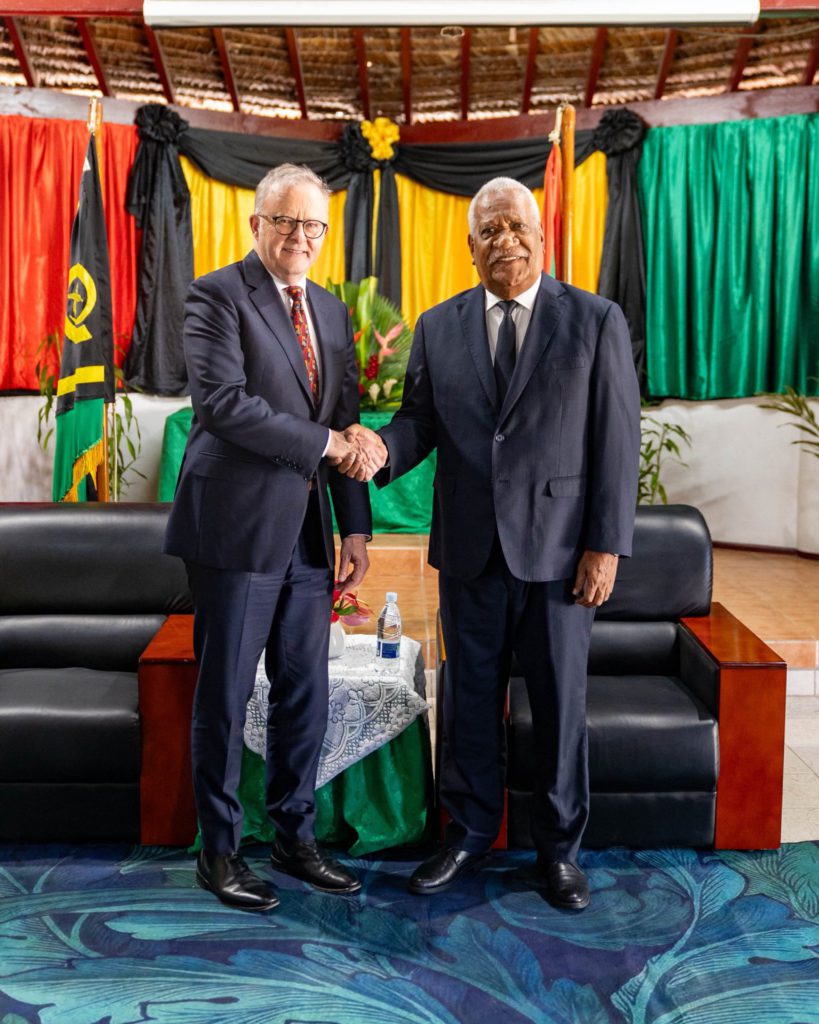
Similarly, just days earlier, Vanuatu declined to ink a security and economic pact that had been touted in Canberra as imminent. These failures raise serious questions: Was the Albanese government overconfident? Did they misread the political environments in these countries, or was this diplomacy driven more by optics than by substance?
The Costs of Over-Promising & Under-Delivering
The Albanese government’s pattern of declaring “done deals” risks eroding credibility both in the Pacific and at home. Opposition critics label these episodes “foreign policy embarrassment,” arguing that when promises don’t translate into binding agreements, they do more damage than good. Pacific nations, meanwhile, are increasingly cautious about entering into deals that seem rushed or insufficiently transparent.
There is also a danger that Canberra’s failure to deliver on these treaties could be seized upon by other regional actors—especially China—as evidence of Australia’s unreliability. If Albanese’s Pacific strategy aims to build trust, honour agreements, and limit foreign influence, then these stalled agreements undercut that strategy. The Prime Minister’s presence at independence celebrations, his speeches in PNG, and public statements about readiness to push through treaties look increasingly like photo opportunities rather than diplomatic groundwork.
What Needs to Change
- Deeper Pre-Negotiation Engagement: It’s not enough to draft treaty text; ground-level political buy-in in partner countries is essential. Understanding concerns about sovereignty, cabinet processes, and local priorities must drive the timing and presentation of deals.
- Honest Communication with the Public: Announcing treaties as “imminent” sets public expectations. When internal approvals are missing, a more cautious framing could prevent the backlash Albanese now faces.
- Strategic Patience Over Speed for Headlines: In diplomacy, durable agreements matter more than fast ones that fall apart. Building trust through gradual steps—security cooperation, personnel exchanges, mutual infrastructure or aid commitments—can create the foundation for legally binding treaties.
- Transparency and Follow-Through: Once treaties are proposed, ensuring cabinet or parliamentary support in partner countries (and clear timelines) is crucial. Australia must commit to clear, measurable outcomes—not just aspirational statements.
Impact on Australia-US Relations vs China
These failed agreements carry broader strategic consequences beyond the Pacific. The United States has consistently urged Australia to deepen its regional partnerships as part of collective efforts to maintain a “free and open Indo-Pacific.” Washington sees Canberra as a linchpin in pushing back against China’s assertive diplomacy and infrastructure deals. Every missed opportunity by Australia to lock in security pacts with its Pacific neighbours raises quiet doubts in Washington about whether Canberra can deliver when it counts.
For Beijing, these setbacks are an opening. China has been steadily increasing its economic footprint in the Pacific through infrastructure projects, aid, and soft-power diplomacy. The inability of the Albanese government to finalise agreements that it had publicly flagged as imminent risks creates space for Beijing to present itself as a more consistent, dependable partner. This undercuts the perception of Australia as the Pacific’s “first choice” ally.
In the short term, US officials are unlikely to publicly criticise Albanese, but the gap between expectations and delivery could surface in future discussions—especially when Canberra seeks American backing for larger initiatives, such as AUKUS or regional security cooperation. Meanwhile, China will almost certainly capitalise on the narrative that Australia promises much but secures little, highlighting its own ability to sign deals without the same domestic hurdles.
The risk for Australia is that without recalibration, it could find itself squeezed: pressured by Washington to “do more” in the Pacific, while watching Beijing steadily strengthen its hold on regional partners.
Support our Journalism
No-nonsense journalism. No paywalls. Whether you’re in Australia, the UK, Canada, the USA, or India, you can support The Australia Today by taking a paid subscription via Patreon or donating via PayPal — and help keep honest, fearless journalism alive.
