

By Dr Pooja Kapoor
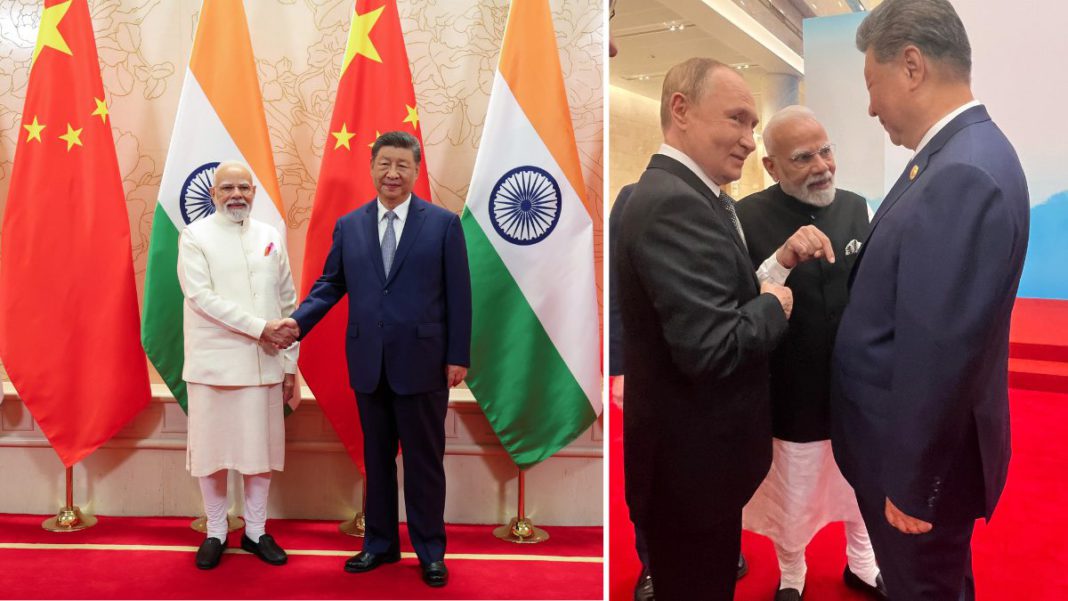
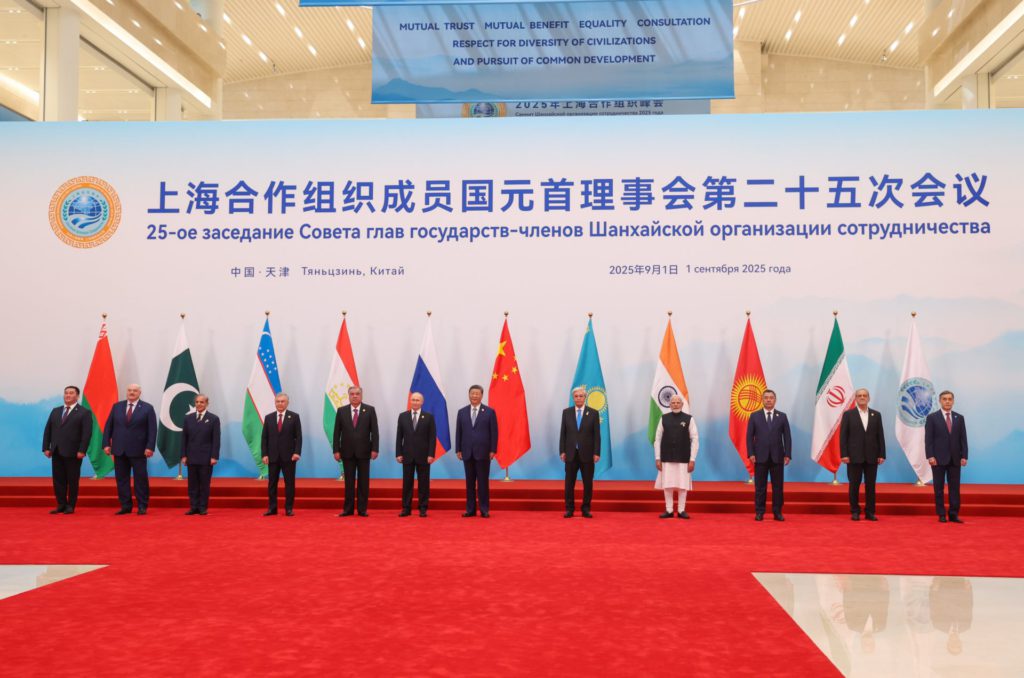
The participation of Prime Minister Narendra Modi in the SCO Summit in Beijing should be viewed as the result of endeavours by both India and China to recalibrate their relationship following a tense phase in their bilateral ties. Under the leadership of Xi Jinping, President of China, the SCO Council of Heads of State convened at the Meijiang International Convention and Exhibition Center.
The SCO, established in 2001 by China, Russia, and four Central Asian nations, has expanded to ten member states and aims to bolster the unity of the Global South. Photos of Prime Minister Narendra Modi strolling next to Xi Jinping and Vladimir Putin captured attention, evoking notions of alignment, strategic friendship, and a united display of power.
However, looks can be deceptive. Bilateral optics can generate impressions, but these are not the same as strategy. Interactions with Xi and Putin reaffirmed that India continues to follow strategic autonomy and multilateralism. But by skipping the Chinese military parade which had Putin and North Korea’s supreme leader Kim Jong-Un in attendance, New Delhi also signalled that as a major global power itself it was not taking sides.
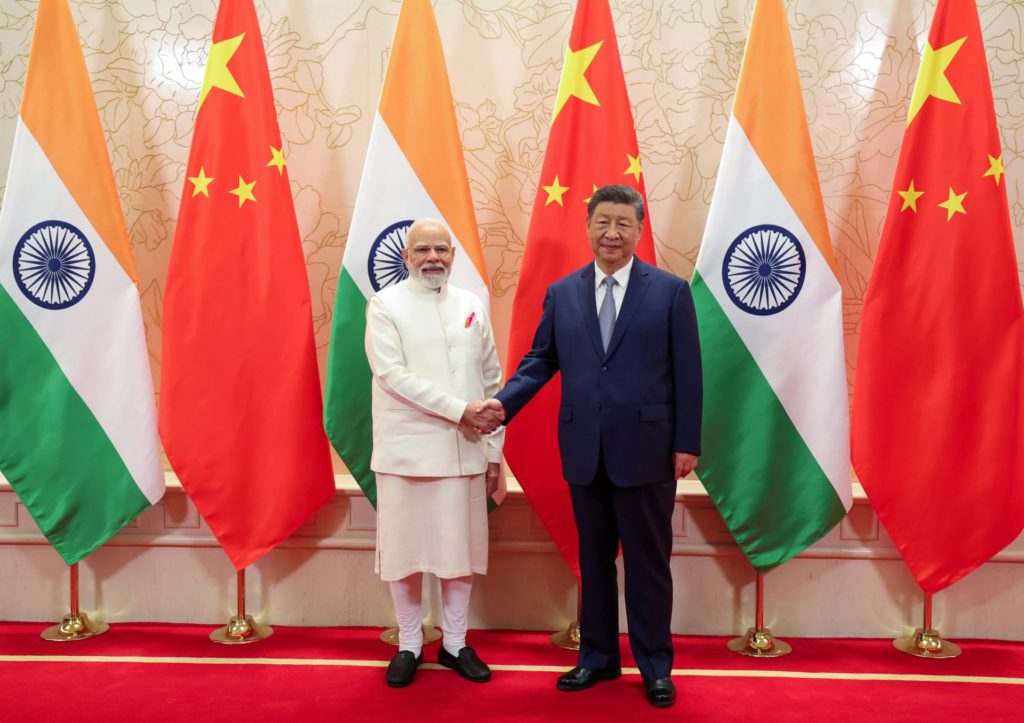
The meeting between Narendra Modi and Xi Jinping in Tianjin during the SCO leaders’ summit sparked considerable speculation and excitement. This was comprehensible. This was Modi’s first visit to China since the clash between Indian and Chinese troops along the border in 2020.
The Galwan 2020 clash resulted in the deaths of 20 Indian and several Chinese soldiers (the number of Chinese fatalities remains unconfirmed, though official Chinese figures place the death toll at four) in hand-to-hand combat. It severed ties between the two nations and led to heavy militarization of the Himalayan border by both sides.
China–India relations from the late 1980s until the 2020 clash appeared to adhere to an implicit formula. The two parties aimed to compartmentalise contentious aspects of their relationship, particularly their unresolved border disputes.
Nonetheless, through this latest thaw, India has communicated its red lines to Beijing in a clear and emphatic manner. Modi and Xi have placed significant focus on the border issue in their discussions.
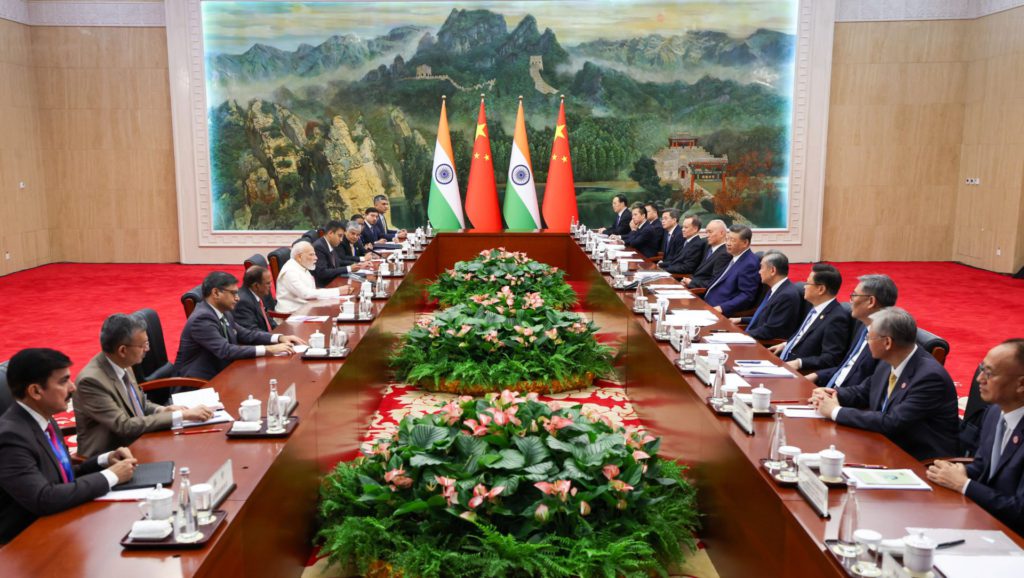
The former proposed a stable relationship between the two nations founded on ‘mutual respect, mutual interest, and mutual sensitivity.’ He emphasised that peace along the Line of Actual Control (LoAC) will influence the course of the India-China relationship. Although disengagement has occurred along the LAC in eastern Ladakh, de-escalation has not yet taken place. Approximately more than 50,000 troops remain stationed on both sides of the LoAC in this area.
After U.S. President Donald Trump placed a punitive 50% tariff on Indian goods, said to be in response to India’s Russian oil imports, some western analysts suggest that Xi and Modi are trying to align against Western pressure. Trump’s actions damaged the U.S. relationship with New Delhi, which had been carefully developed over decades and was expected by Washington to serve as a regional counterbalance to Beijing.
India continues to deal with Pakistan’s presence on the SCO stage. After the attack in Pahalgam on April 22, which brought the matter to greater prominence, Modi mentioned the topic of cross-border terrorism to Xi in Tianjin.
At the SCO meeting in July, S. Jaishankar reminded China that the main aim of the multilateral group was to fight terrorism, separatism, and extremism. It was suspected that encrypted apps and Huawei smartphones, which are banned, were helping terrorists involved in the Pahalgam terror attack communicate with their handlers across the border.
In the past few months, China has permitted Indian pilgrims to travel to Hindu and Buddhist sites in Tibet, and both nations have removed reciprocal tourist visa limitations. However, other long-term aggravations remain in the connexion.
The topic of Taiwan was brought up at the media briefing following the Modi-Xi SCO summit. Instead of taking a defensive position, India has consistently asserted that it is fully entitled to develop economic, technological, and cultural relations with Taiwan. Furthermore, this statement is cryptic in that it asserts India has not changed its stance on the Taiwan issue without reiterating its commitment to ‘One-China’.
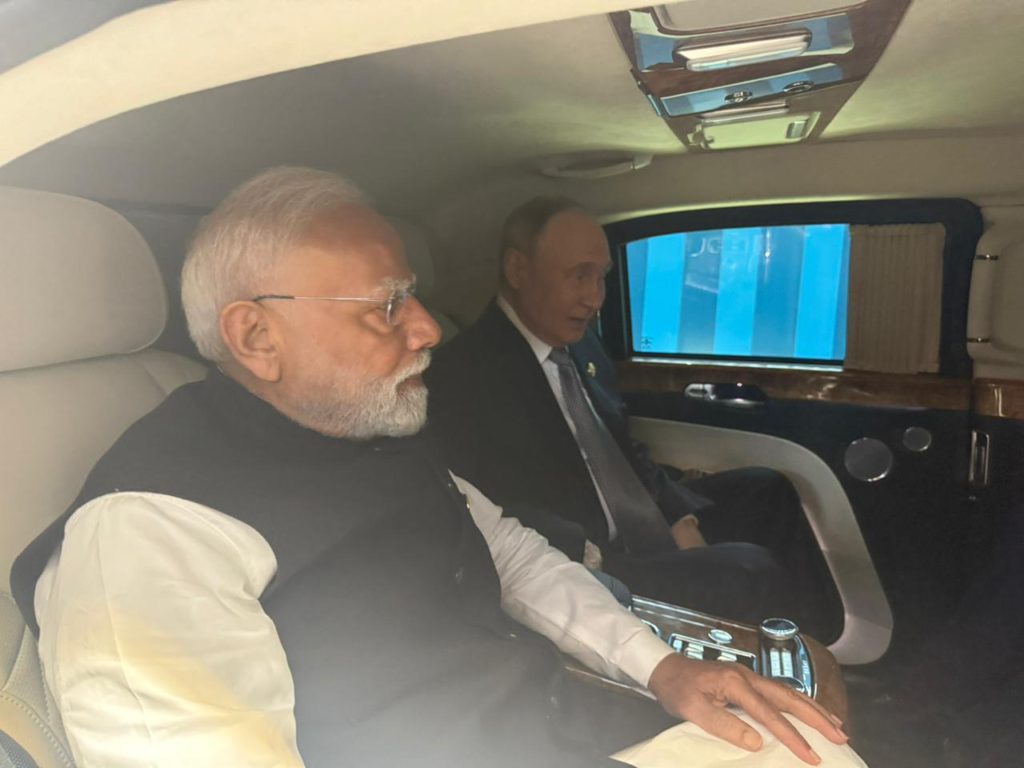
During the Tianjin summit, Modi emphasized India’s non-negotiable boundaries to China. This meeting also conveyed a message to the US and served as a reply to Trump’s rapid-fire tariffs on India. By having PM Modi share a ride with Vladimir Putin, New Delhi has conveyed to Washington that it will reinforce its commitment to strategic autonomy and will not retreat.
Contributing author: Dr Pooja Kapoor is Associate Professor (Political Science and International Relations) at Bennett University
Disclaimer: The opinions expressed within this article are the author’s personal opinions. The Australia Today is not responsible for the accuracy, completeness, suitability, or validity of any information in this article. The information, facts, or opinions appearing in the article do not reflect the views of The Australia Today, and The Australia Today News does not assume any responsibility or liability for the same.
Support our Journalism
No-nonsense journalism. No paywalls. Whether you’re in Australia, the UK, Canada, the USA, or India, you can support The Australia Today by taking a paid subscription via Patreon or donating via PayPal — and help keep honest, fearless journalism alive.
