

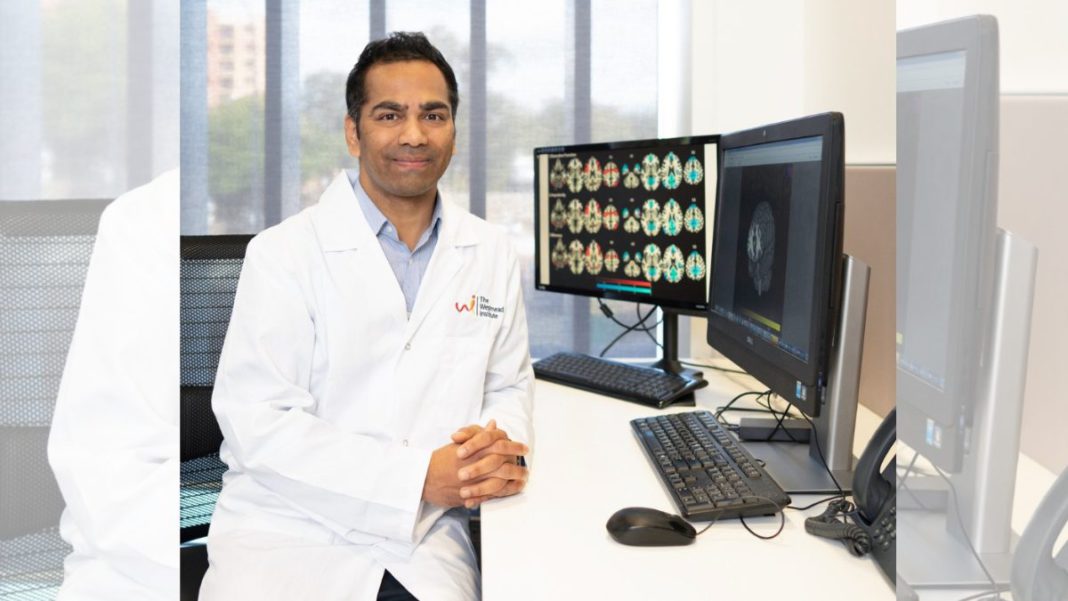
Indian-origin Assoc. Prof. Mayuresh Korgaonkar, Westmead Fellow and researcher at the Westmead Institute for Medical Research, is spearheading world-leading studies that could transform how depression, anxiety, and suicidality are treated.
Dr Mayuresh Korgaonkar earned his Master’s and PhD in Biomedical Engineering (Medical Physics) from Stony Brook University, New York, completing in December 2008. In May 2009 he joined the Brain Dynamics Centre (BDC) at the Westmead Institute and Sydney Area Health Services as MRI Scientist, later becoming Director of BDC in 2013.
His research is highly multidisciplinary — combining psychiatry, neuroimaging, engineering, neuroscience and genetics — aimed at identifying integrated biological markers for diagnosing and treating mental disorders. He is committed to translating these findings into real-world clinical practice via personalised medicine approaches to benefit patients with complex mental health conditions.

Awarded the Westmead Fellowship for three consecutive years, Dr Korgaonkar has published two landmark papers: “Personalized brain circuit scores identify clinically distinct biotypes in depression and anxiety” in Nature Medicine, and “The neural connectome of suicidality in adults with mood and anxiety disorders” in Nature Mental Health.
Dr Korgaonkar’s research challenges psychiatry’s traditional “one size fits all” approach by using advanced brain imaging to identify unique “biotypes” in people with depression and anxiety. “We’re moving away from symptom-based diagnosis to a biologically defined diagnosis,” he explained to The Pulse.
“Our aim is to match patients to treatments based on their brain biology rather than broad categories of disorder.”
By mapping brain networks, Dr Korgaonkar’s team has identified patterns that predict treatment responses. This could allow doctors to run MRI scans, classify patients into a biotype, and prescribe the most effective treatment with far less trial and error.
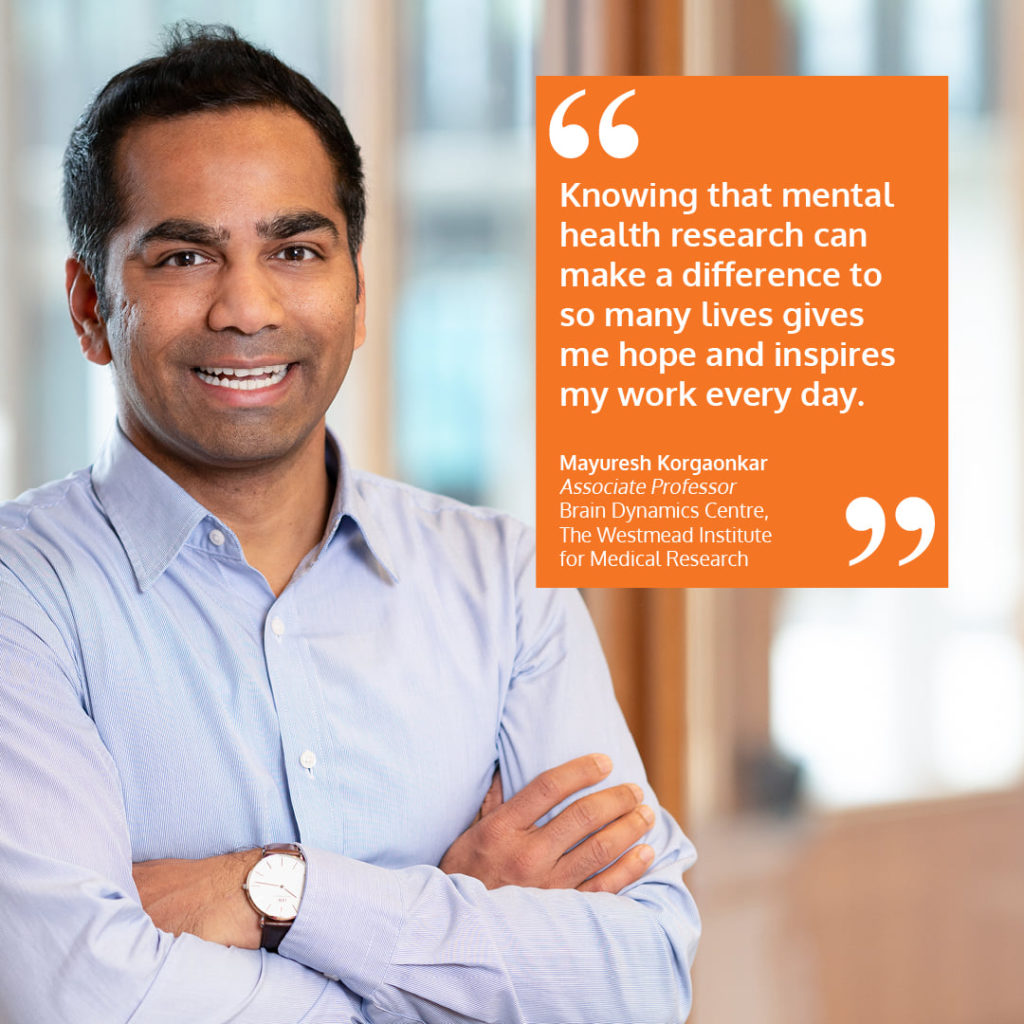
In his latest study on suicidality, Dr Korgaonkar found that people with suicidal tendencies displayed reduced connectivity in brain networks linked to sensory functions. Strikingly, this biological signature was consistent across different mental health conditions, offering a potential universal marker for suicide risk.
“The goal is to create quantifiable metrics that can go back to psychiatrists as part of patient reports,” Dr Korgaonkar’s said, emphasising the importance of translating research into clinical practice.
This personalised approach promises to revolutionise mental health care in Western Sydney and beyond, improving outcomes for people living with depression, anxiety, and suicidal thoughts.
Support our Journalism
No-nonsense journalism. No paywalls. Whether you’re in Australia, the UK, Canada, the USA, or India, you can support The Australia Today by taking a paid subscription via Patreon or donating via PayPal — and help keep honest, fearless journalism alive.
