


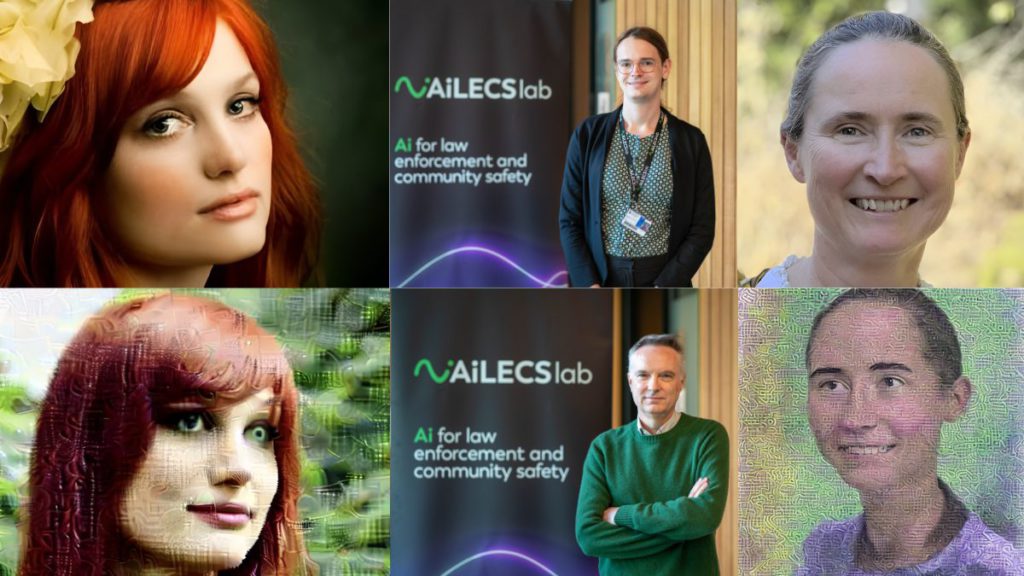
The Australian Federal Police (AFP) and Monash University are joining forces to blunt the growing power of cybercriminals by developing a new form of “digital poison” designed to sabotage malicious AI tools.
The AI for Law Enforcement and Community Safety (AiLECS) Lab — a long-running collaboration between the AFP and Monash University — is building a disruption technology capable of slowing down and even stopping criminals from generating AI-created child abuse material, extremist propaganda, and deepfake images and videos.
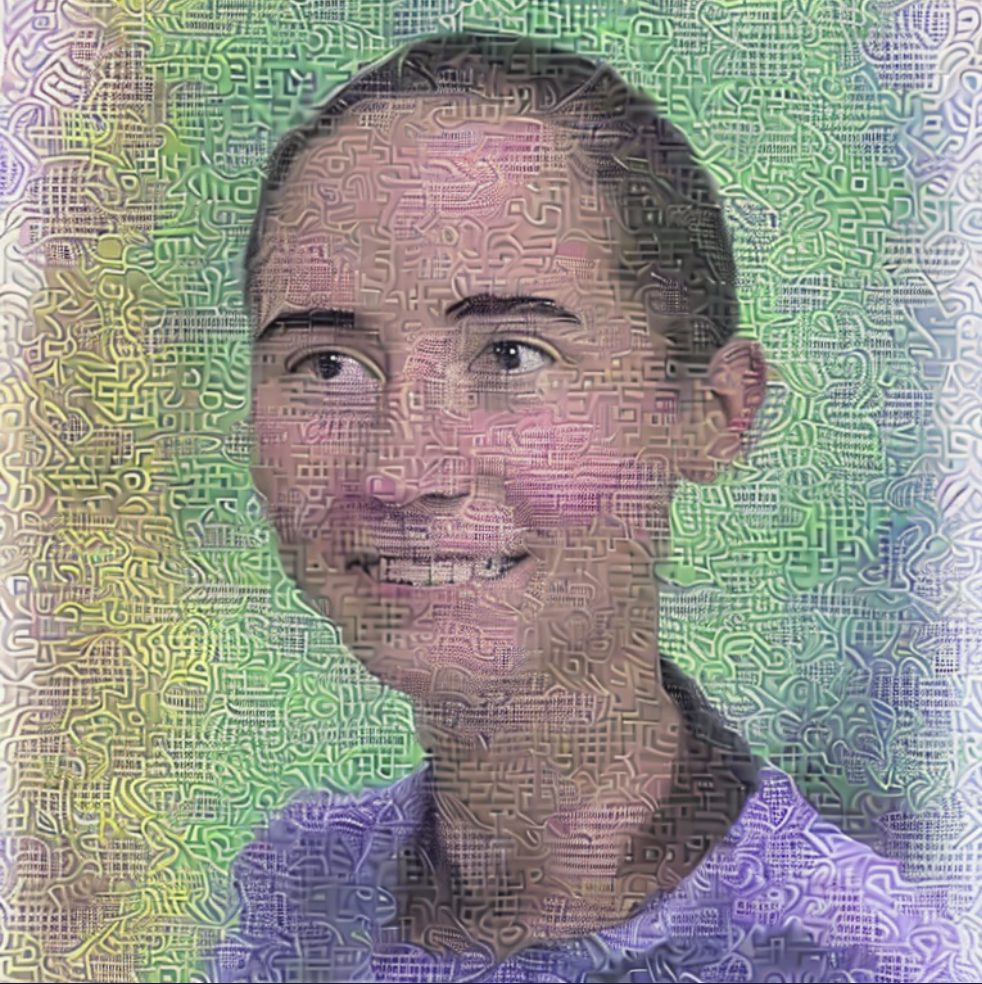
The emerging technique, known as “data poisoning”, subtly alters images so that AI systems trained on them produce corrupted, inaccurate or unusable results. Because AI models rely on vast amounts of online data, poisoning that data forces them to generate low-quality outputs and makes doctored images far easier for investigators to detect.

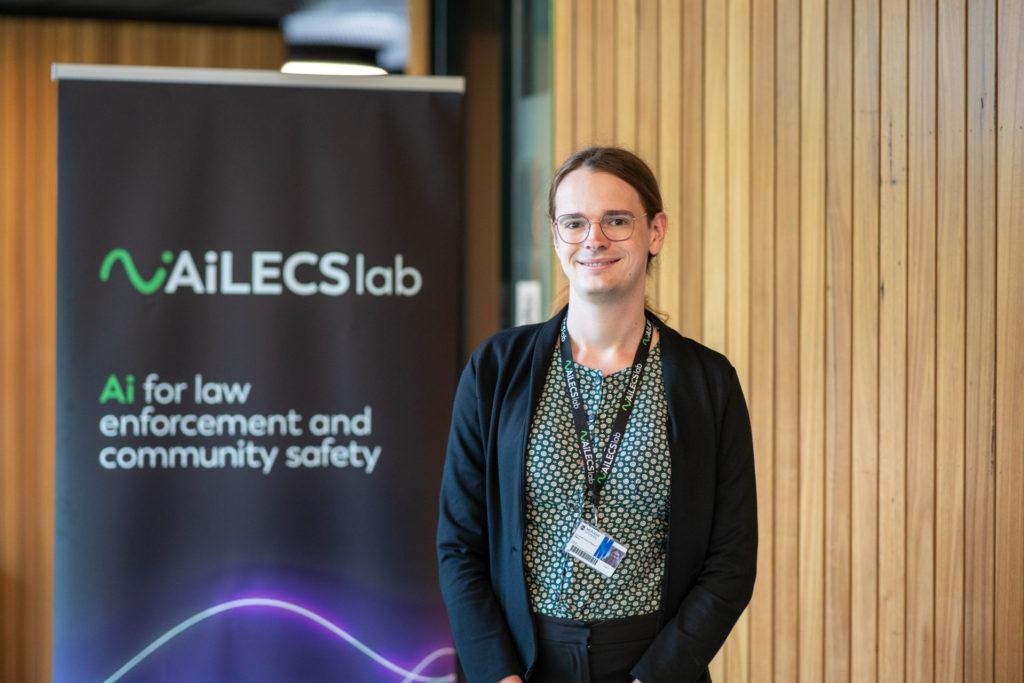
The new tool, called Silverer, is currently in prototype after 12 months of development led by AiLECS researcher and PhD candidate Elizabeth Perry. She said the name was inspired by the silver backing that creates reflections in mirrors — a metaphor for obscuring the real image from criminal manipulation.
“It’s like slipping silver behind the glass,” Ms Perry said.
“When someone tries to look through it, they get a useless reflection. Silverer alters the pixels so that any AI generations become blurry, low-quality, or completely unrecognisable.”
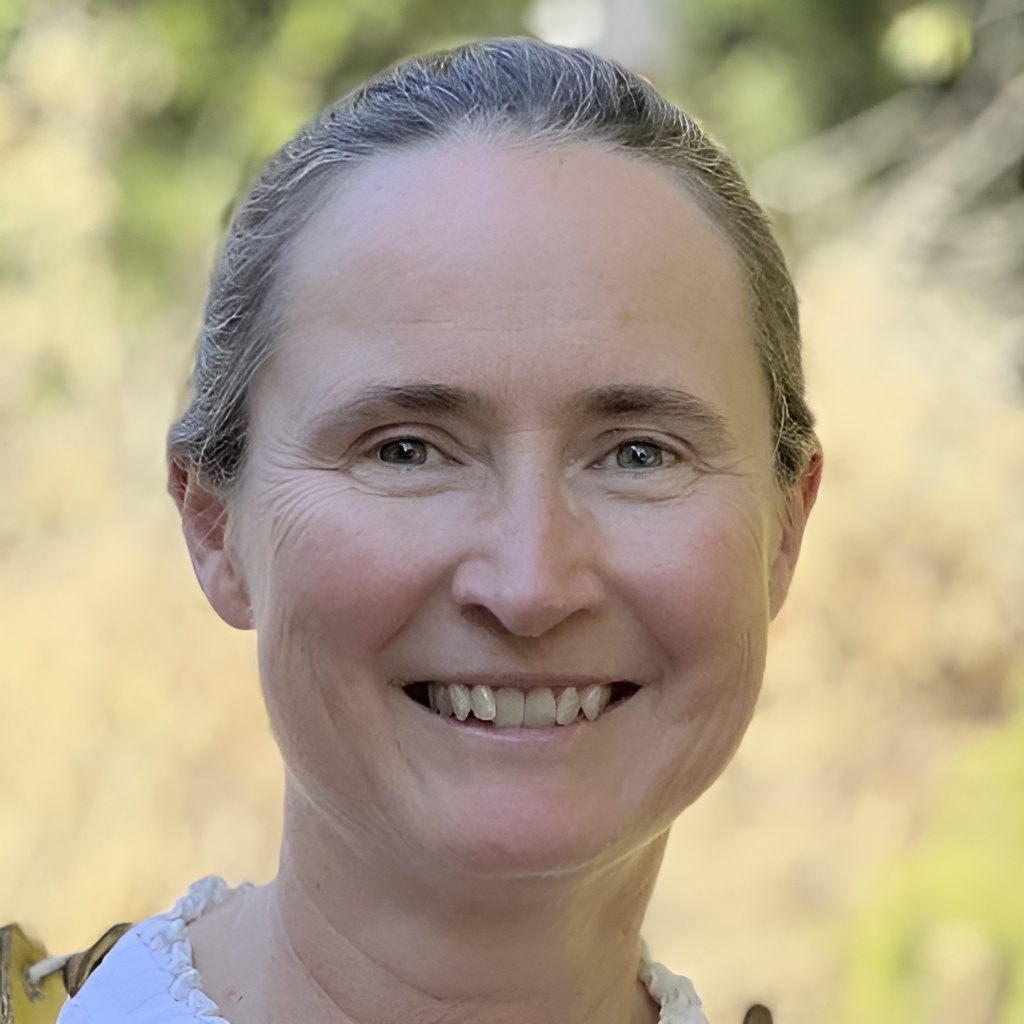
The tool can be used by ordinary social media users to poison their own images before uploading them — inserting patterns that force AI systems to learn the pattern instead of a victim’s face. This disrupts an offender’s ability to produce deepfakes or fine-tune AI models for exploitation.
AFP Commander Rob Nelson said the technology was still in its early stages but showing strong promise.
“Where we see the real value is in stopping the malicious use of AI,” he said.
“If a criminal tries to create AI-based imagery from poisoned data, the output is distorted or entirely different. We’re effectively putting speed bumps on an illegal drag strip — creating hurdles that make misuse much harder.”
The AFP has recorded a sharp rise in AI-generated child abuse material, with several Australian men charged across 2024 and 2025 for allegedly producing or possessing such content. Recent cases include:
- a Queensland man, 31, and a NSW man, 38, charged in February 2025 as part of a global crackdown on AI-generated child abuse material
- a Sydney man charged in October 2025 over allegedly importing a child-like sex doll and possessing AI-generated abuse content
- a NSW South Coast man charged in August 2025 with offences involving more than 1000 illicit images and videos, including AI-generated material
- a Tasmanian man jailed for two years in March 2024 for uploading and downloading AI-created child exploitation content — the state’s first conviction of its kind
- a Melbourne man sentenced to 13 months’ imprisonment in July 2024 for creating nearly 800 manipulated images using AI.
Commander Nelson said technologies such as Silverer could dramatically cut the amount of fabricated content investigators need to sift through.
“Large-scale data poisoning has the potential to slow the rise of AI-generated harmful content, helping police focus on rescuing real children from harm.”
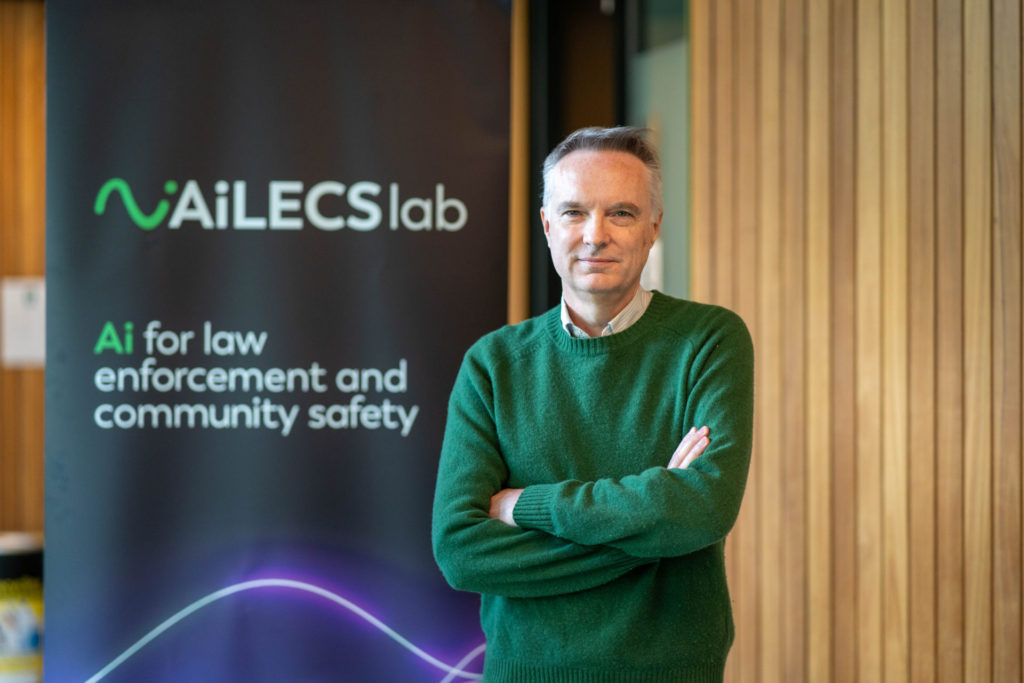
AiLECS Co-Director Associate Professor Campbell Wilson said the rapid growth of open-source AI tools meant criminals and scammers now had a low barrier to generating hyper-realistic deepfakes. Fake celebrity endorsements have fuelled investment scams, which cost Australians more than $382 million in 2023–24.
The long-term aim of Silverer is to give everyday Australians simple, accessible tools to protect their online images from being manipulated.
“If a user can poison images before uploading them, it becomes significantly harder for criminals to generate malicious deepfakes,” Commander Nelson said.
“A dose of data poison can go a long way towards protecting your digital identity.”
Silverer is now undergoing evaluation for potential AFP internal use. The AiLECS Lab, established in 2019, continues to research next-generation AI technologies for ethical law enforcement and community safety. Its work is supported through the Federal Government’s Confiscated Assets Account.
Support our Journalism
No-nonsense journalism. No paywalls. Whether you’re in Australia, the UK, Canada, the USA, or India, you can support The Australia Today by taking a paid subscription via Patreon or donating via PayPal — and help keep honest, fearless journalism alive.

