


Camels first brought to Australia from India to open up the nation’s interior have become an urgent modern-day problem, as large feral herds surge into Northern Territory communities in search of water during an intense dry spell.
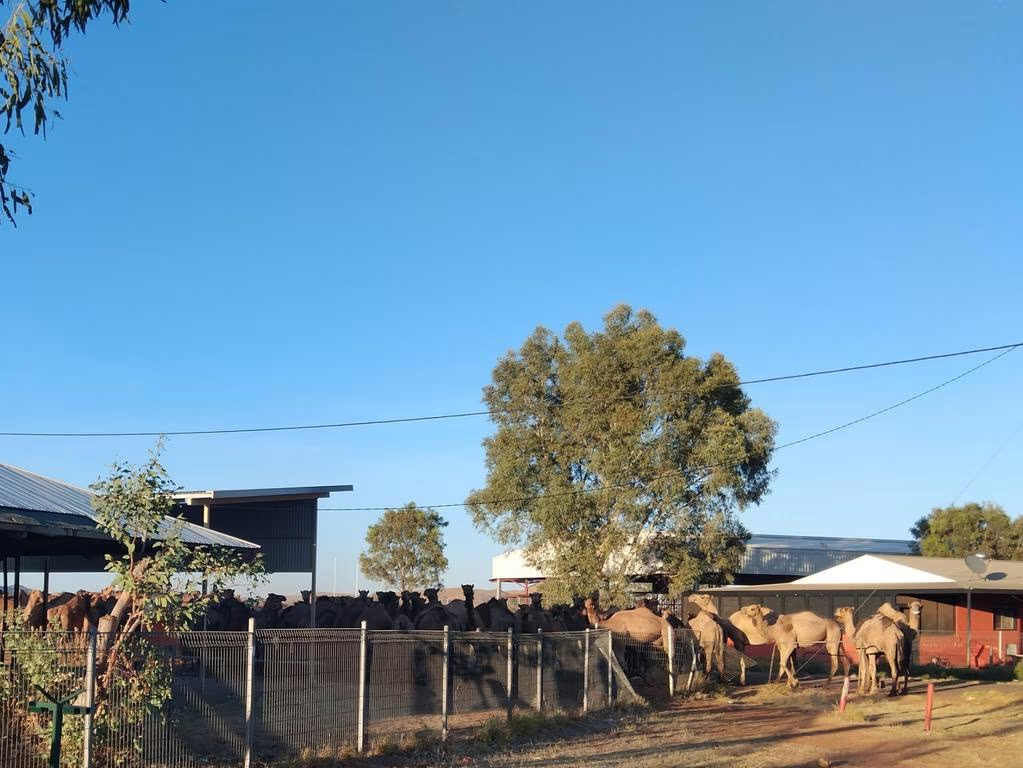
It is reported that in remote parts of Central Australia, hundreds of camels—some weighing several hundred kilograms—have been pushing into townships, damaging vital infrastructure and leaving residents fearful and isolated. The situation has been particularly severe at Mount Liebig, about 320 kilometres west of Alice Springs, where repeated incursions have caused widespread destruction.
Local authorities say at least 11 homes in the community have been left without running water after camels tore taps from walls, smashed fences and damaged air-conditioning units while attempting to access water. Some animals have collapsed and died within the settlement, forcing council workers to remove carcasses from the streets.
MacDonnell Regional Council chief executive Belinda Urquhart told news.com.au the conditions on the ground were extreme, with temperatures hovering around 45 degrees Celsius and essential services under strain.
Residents, she said, were frightened to leave their homes as large groups of camels moved through streets in search of water. Contractors working in the region have reported seeing “camel trains” stretching for kilometres, with up to 1,000 animals heading towards populated areas.
Northern Territory Lands, Planning and Environment Minister Josh Burgoyne has renewed calls for Commonwealth support to manage the growing feral camel population, warning current funding arrangements are set to expire in June. He has flagged the need for another large-scale culling program, similar to the federally backed effort undertaken in the late 2000s.
While the NT government is working with landholders and the Central Land Council to manage the animals, Mr Burgoyne said the scale of the problem required coordinated action across all levels of government. He plans to raise the issue with federal Indigenous Australians Minister Malarndirri McCarthy and Environment Minister Murray Watt.
The NT housing department is meanwhile racing to restore water supplies to affected homes.
Camels were first imported to Australia in the 1840s, many from India, to support exploration and transport across the arid interior. Handled by cameleers from Afghanistan and regions of what is now Pakistan and India, the animals were central to the development of inland Australia, carrying supplies, guiding expeditions and helping construct major infrastructure such as the Overland Telegraph Line and the Goldfields Water Supply Scheme.
Today, their descendants number more than one million nationwide, with over 40 per cent of the Northern Territory now inhabited by feral camels. The NT government maintains that aerial culling remains the most effective and humane method of population control in remote areas.
Between 2009 and 2013, the Australian Feral Camel Management Project culled about 160,000 animals at a cost of $19 million, involving 20 partner organisations. A subsequent report recommended ongoing federal involvement to prevent the problem from escalating again—a warning that now appears increasingly prescient as communities grapple with an outback legacy gone wild.
Support our Journalism
No-nonsense journalism. No paywalls. Whether you’re in Australia, the UK, Canada, the USA, or India, you can support The Australia Today by taking a paid subscription via Patreon or donating via PayPal — and help keep honest, fearless journalism alive.


