

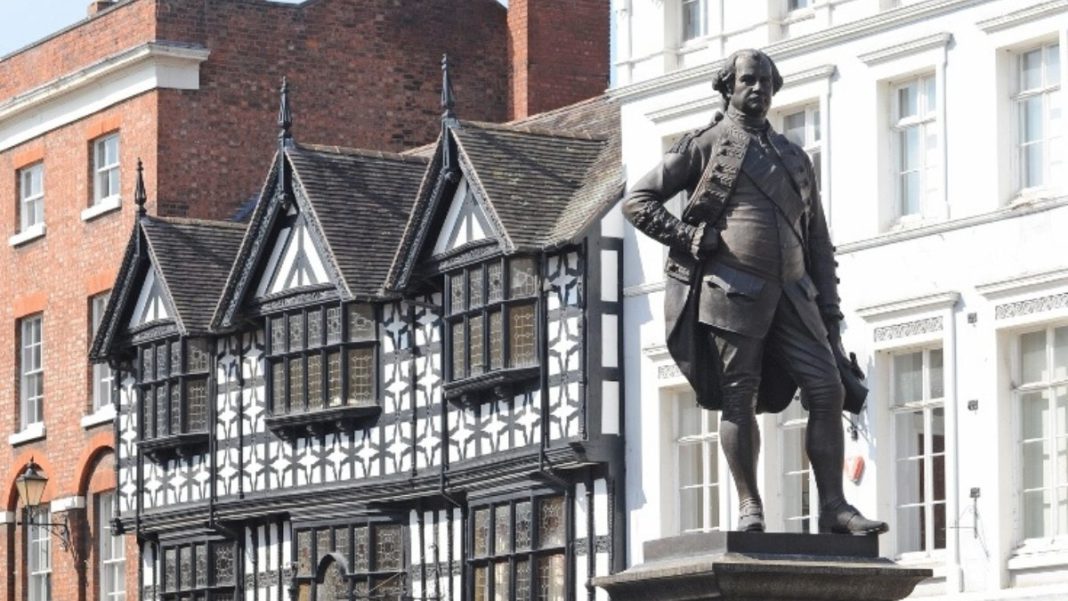
A Labour peer of Indian heritage has called for the removal of the statue of Robert Clive outside the Foreign Office in London, criticising its portrayal of the East India Company official as a victorious figure.
Baroness Thangam Debbonaire, speaking at the Edinburgh International Book Festival, argued that the statue presents a misleading view of Clive’s role in India and casts Britain in a poor light for visitors, particularly those of Indian origin. “That statue continues to promote him in a victorious mode and as a symbol of something that had universal good,” she said.
“I don’t think it’s helpful for any visitor to the Foreign Office, particularly those from Indian origins in the diaspora, but also visiting Indian dignitaries, ambassadors, trade ministers, to walk past that statue. It does not present Britain well in the 21st century.”
Designed by Scottish sculptor John Tweed and completed in 1912, the bronze statue shows Clive in formal dress, one hand on a sword and the other holding papers, with friezes depicting seemingly contented subjects.
Debbonaire described this imagery as “not historically accurate and not helpful for our current relationship with India.”
Clive, a controversial figure in British colonial history, is known for his military campaigns in India and his role in expanding the East India Company’s power. Historian William Dalrymple has called him an “unstable sociopath” and a violent corporate predator who plundered India and amassed personal wealth.
Debbonaire said the statue fails to contextualise the violent and exploitative nature of colonial rule and perpetuates a romanticised view of the British Empire.
She pointed to Britain’s handling of the Edward Colston statue in Bristol as an example of providing historical context while acknowledging past harms. “The current presentation of Clive in its place does not achieve that,” she said.
“One of the things that really matters in freedom of expression is an understanding of power and whose stories get told and whose do not.”
Clive was the first British administrator of Bengal, victorious at the Battle of Plassey, and instrumental in establishing British rule in India. Despite his military and administrative achievements, his legacy remains controversial due to corruption, duplicity, and the exploitation of India under his governance.
Downing Street has rejected calls to remove the statue, maintaining its place outside the Foreign Office, even as the debate over Britain’s colonial memorials continues to spark public discussion.
Support our Journalism
No-nonsense journalism. No paywalls. Whether you’re in Australia, the UK, Canada, the USA, or India, you can support The Australia Today by taking a paid subscription via Patreon or donating via PayPal — and help keep honest, fearless journalism alive.
