
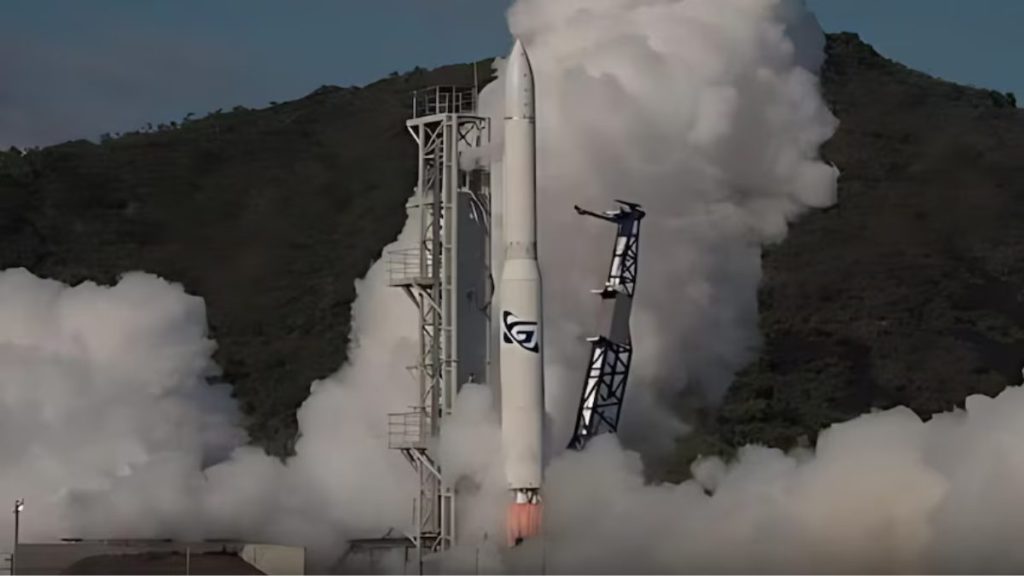
In a historic first for Australia’s space industry, an Australian-designed and built rocket launched from local soil — only to crash back to Earth 14 seconds later in a fiery end that left plumes of smoke and a trail of valuable data.
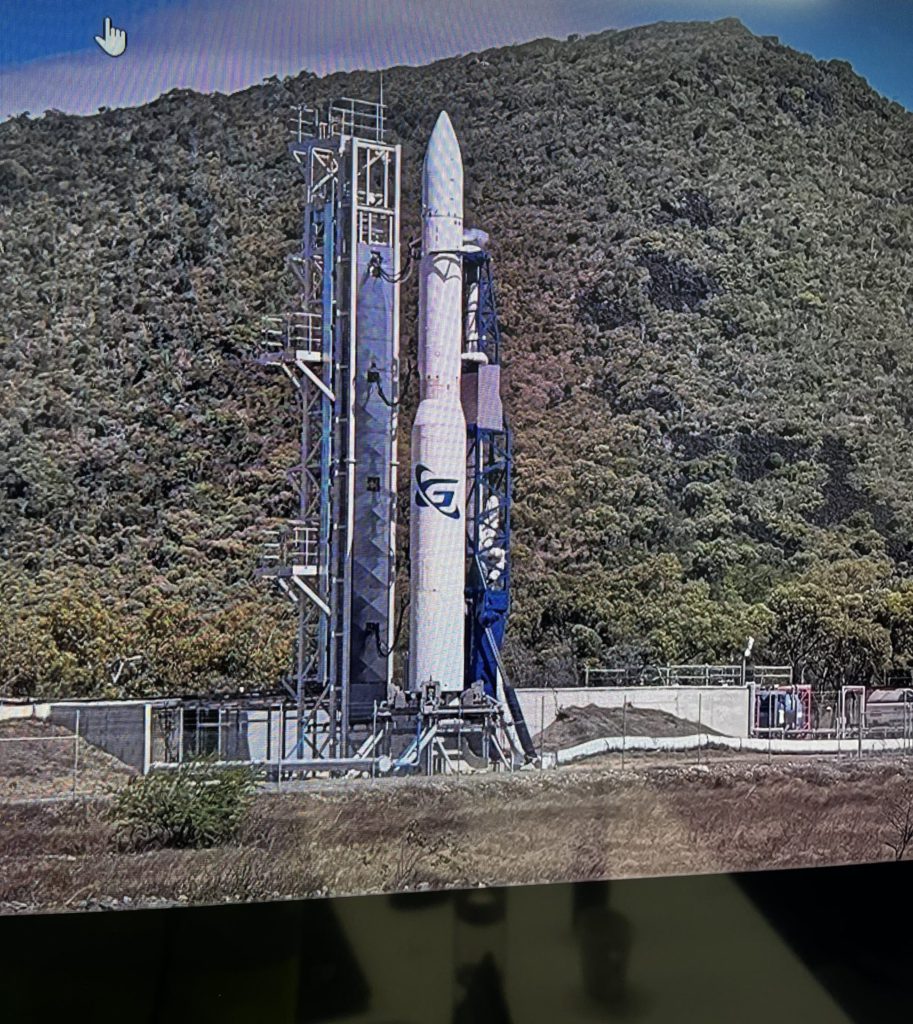
Gold Coast-based startup Gilmour Space Technologies launched its 23-metre, 30-tonne Eris rocket at 8:35am on Wednesday from the newly commissioned Bowen Orbital Spaceport in North Queensland. It marked the first-ever attempt at an orbital rocket launch from Australian soil.


The three-stage rocket, built to carry small satellites into orbit, lifted off successfully in its maiden test flight, clearing the launch pad and firing all four engines — a milestone that Gilmour Space called a “strong result” despite the early crash.
“Got off the pad, I am happy,” said co-founder and CEO Adam Gilmour on social media shortly after the launch.
“Of course, I would have liked more flight time, but happy with this.”
Although the Eris rocket did not reach orbit — an “anomaly” ended the flight prematurely — the launch is being celebrated as a giant leap forward for Australia’s sovereign space capabilities. The rocket had been on the pad for over a year awaiting regulatory approvals and favourable conditions. Previous attempts had been postponed due to weather and technical issues.

Spectators gathered in surrounding hills and tuned in online via YouTuber Josh Keegan (Aussienaut), who captured the moment from 12 kilometres away. “We’re going, it’s going!” he shouted, before realising the flight was short-lived.
“Oh no, there wasn’t sufficient thrust to actually keep it up.”

In an official statement, Gilmour Space said:
“Today, Eris became the first Australian-made orbital launch vehicle to lift off from Australian soil. For a maiden test flight, especially after an extended 18-month wait on the pad for approvals, this is a major step forward.”
The launch pad and surrounding infrastructure were reported to be intact after the crash. Gilmour Space confirmed no injuries or environmental damage occurred.
Federal Minister for Science Tim Ayres said in a statement the launch showed what’s possible with a “Future Made in Australia.” “Getting to the launch pad is a success, and just the beginning,” he said.
“The confidence gained, and lessons learned will help Gilmour and the broader space ecosystem innovate and grow.”
Enrico Palermo, head of the Australian Space Agency, echoed the sentiment:
“It is rare for first launches to reach orbit. That is part of the innovation cycle and why you test. We look forward to the next phases.”


Gilmour Space, backed by major investors including Blackbird Ventures, HESTA, and Hostplus, now plans a second test flight within six months using insights gained from Wednesday’s launch. The flight also tested locally designed propulsion systems, a critical component for future success.
“Space is hard,” said Gilmour, referencing the many failed early attempts by giants like SpaceX and Rocket Lab.
“Every second of flight will deliver valuable data that will improve our rocket’s reliability and performance for future launches.”
Support our Journalism
No-nonsense journalism. No paywalls. Whether you’re in Australia, the UK, Canada, the USA, or India, you can support The Australia Today by taking a paid subscription via Patreon or donating via PayPal — and help keep honest, fearless journalism alive.

