

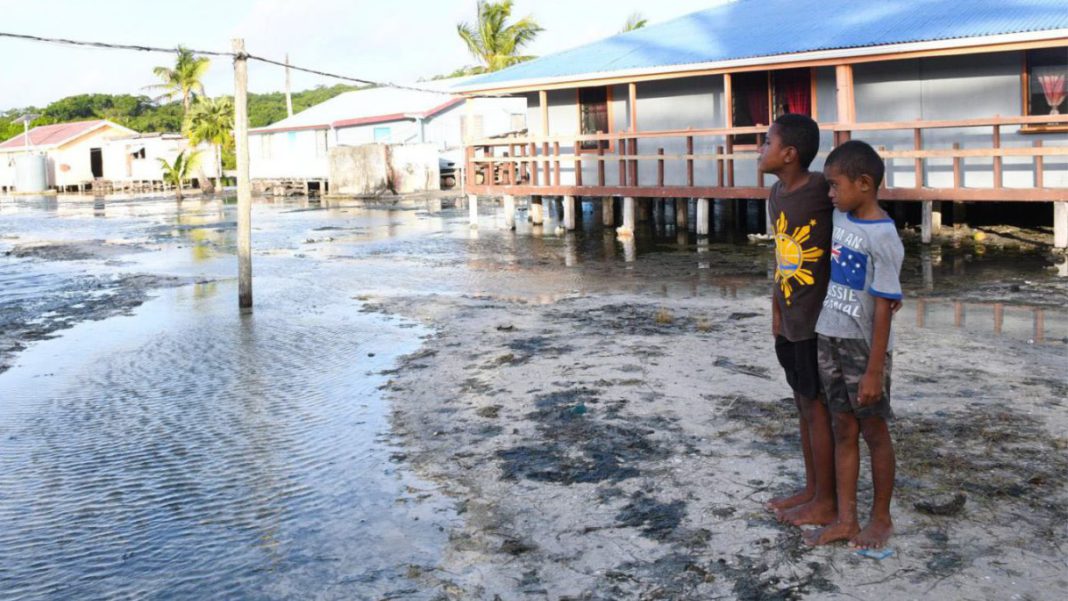
The United Nations’ highest court has delivered a historic decision declaring that countries have legal obligations under international law to curb greenhouse gas emissions – or face potential legal consequences, including compensation for climate-vulnerable nations.
In a decision welcomed as a “planetary-scale win” by climate advocates and small island states, the International Court of Justice (ICJ) ruled that governments must take “urgent and effective action” to address climate change, stating that failure to do so may constitute “an internationally wrongful act”.
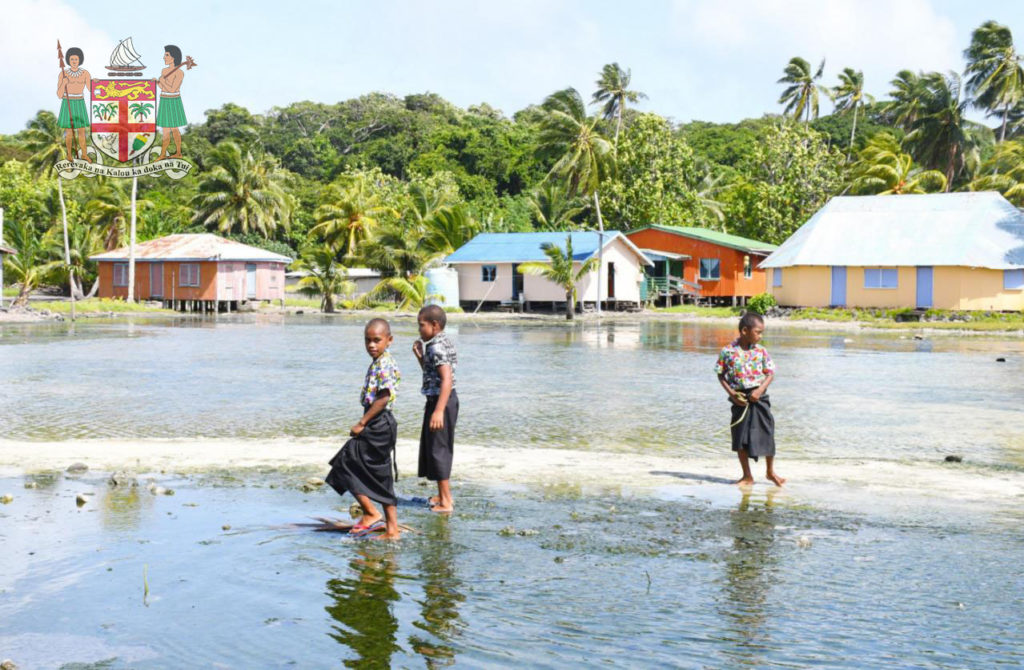
The Fijian Government said in a statement that the advisory opinion confirms what science and morality have long made clear: “no State is exempt from responsibility, and those most responsible for emissions must also be responsible for action”.

Fiji’s Environment and Climate Change Minister, Mosese Bulitavu, called the decision “a historic step forward”.
“The law now speaks as clearly as the science: climate inaction has consequences. This Opinion strengthens our hand and sharpens our voice as we seek fairness, justice, and survival for our people,” said Minister Bulitavu.
“Fiji calls on all nations to act boldly. No more excuses. No more delay. The planet is watching, and so are our children.”
While the ICJ’s opinion is not legally binding, it provides powerful legal clarity and is expected to shape national and international climate litigation for years to come.
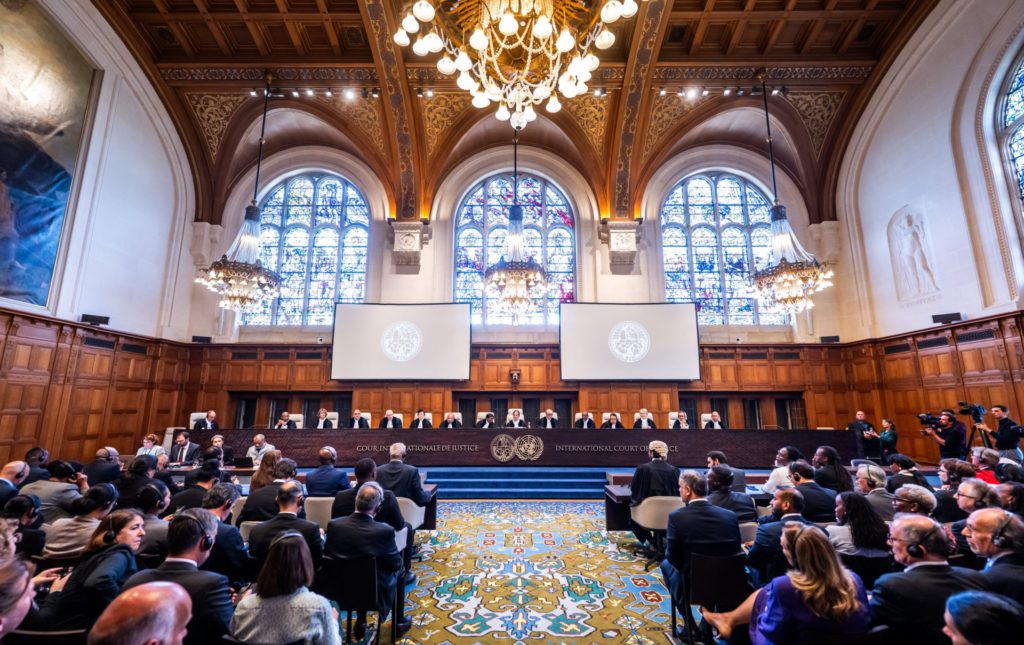
In a powerful affirmation of international law, the Court clarified that all States are required to reduce emissions in accordance with climate treaties and customary law, and where harm is established, may be obligated to provide restitution or compensation.
The ruling has major implications for high-emitting nations such as Australia, which had argued during court proceedings — alongside fossil fuel giants Saudi Arabia, China, and the United States — that state obligations were limited to existing climate treaties such as the Paris Agreement. The ICJ rejected this narrow interpretation.
Instead, the court found that states must also uphold climate responsibilities arising from broader international legal frameworks, including human rights law and the law of the sea. The ruling also holds countries accountable for private actors within their borders — including the regulation of fossil fuel industries and subsidies.
Fiji’s government said the Court’s recognition that environmental degradation threatens fundamental human rights, such as life, health, food, water, and housing, reinforces the position long championed by vulnerable nations: that the climate crisis is also a justice and human rights issue.

The ruling stems from a campaign initiated in 2019 by law students at the University of the South Pacific (USP), who sought legal pathways to unlock climate justice. With support from the Vanuatu government, the case gained the backing of more than 100 nations and became the largest ever heard by the ICJ.
USP has praised the advisory opinion on climate change as a “powerful shift in international climate justice.”
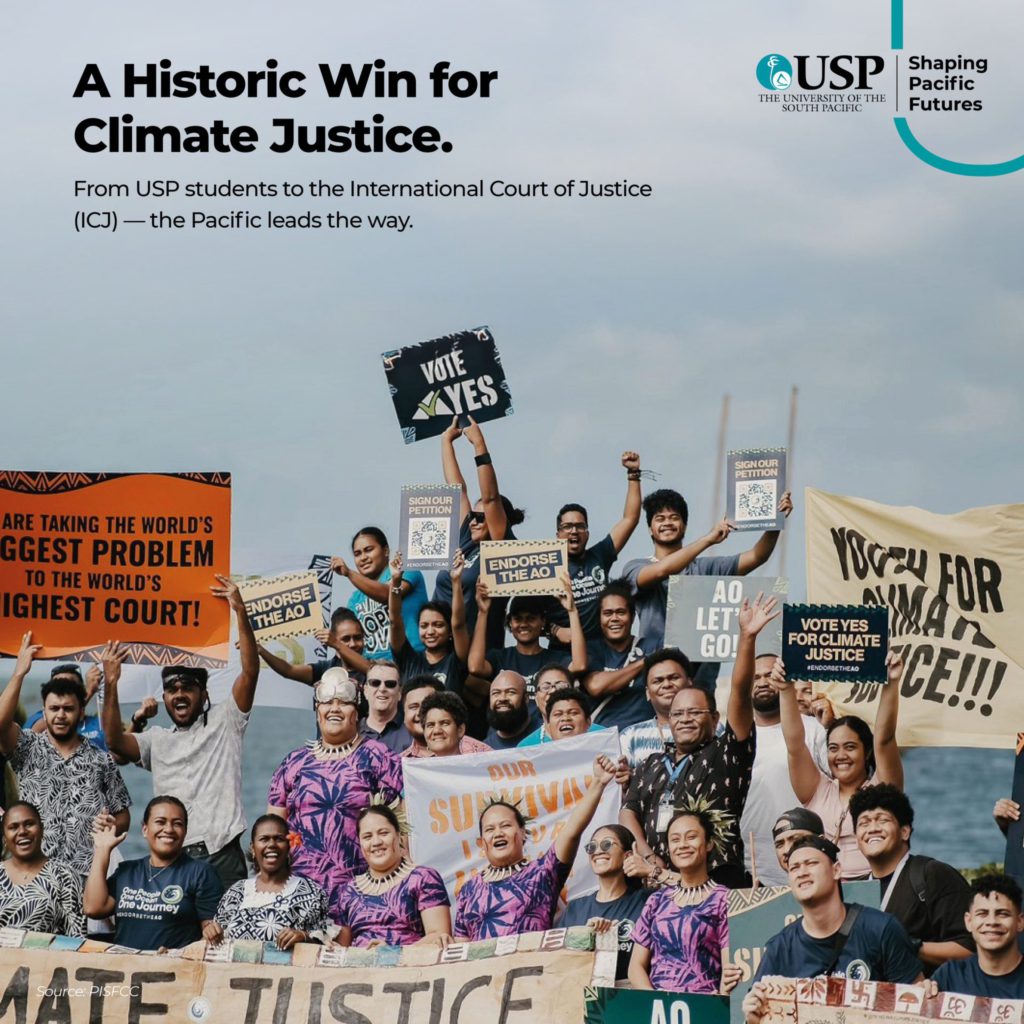
In a Facebook post, the university highlighted the pivotal role played by its Pacific Island law students, stating:
“What began with Pacific Island law students from The University of the South Pacific has grown into a global movement demanding legal accountability for climate inaction.”
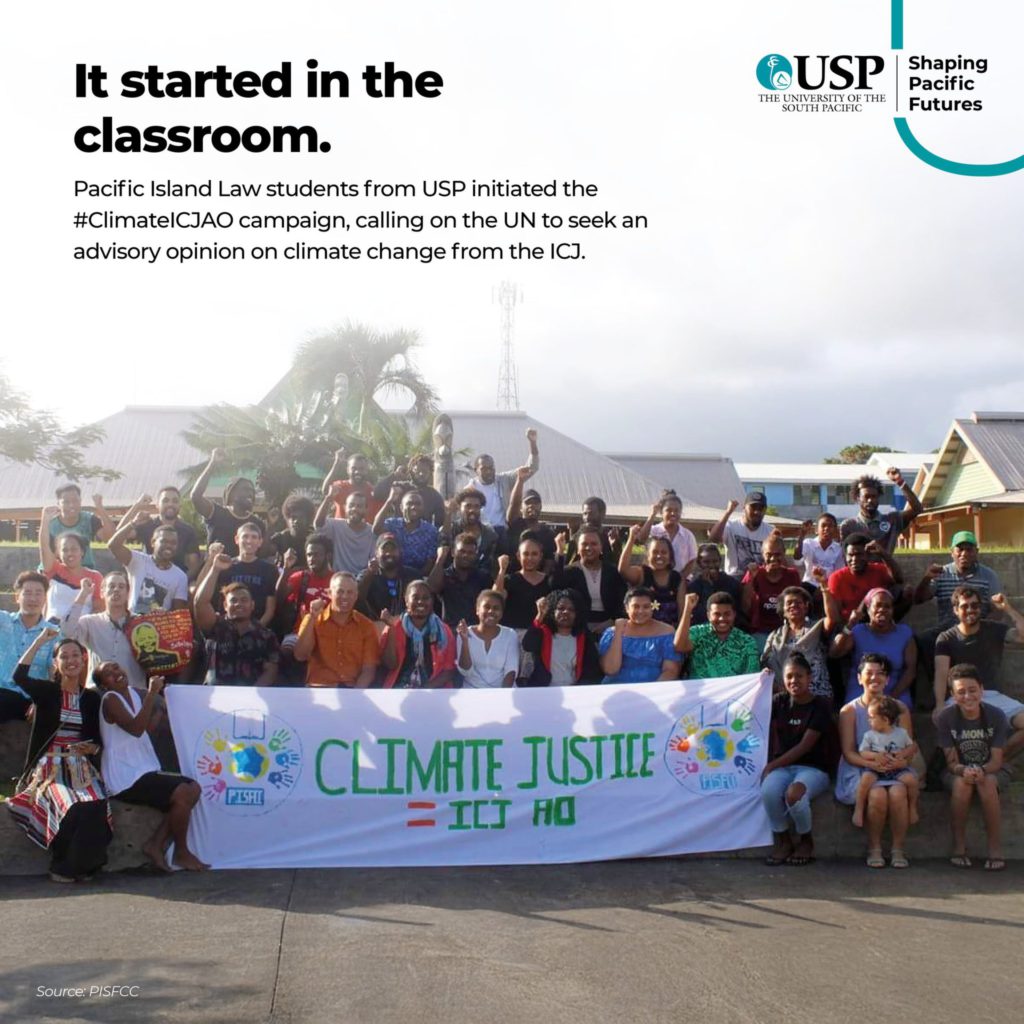
Celebrating the success of the #ClimateICJAO campaign, USP added:
“This milestone reaffirms what the Pacific has always known: that our voices, cultures and futures matter!” The university described the moment as a victory for the Pacific, calling it a shining example of “#PacificYouthLeadership.”

Prime Minister Sitiveni Rabuka expressed Fiji’s gratitude for the advisory opinion, and reaffirmed the country’s commitment to low-carbon development, renewable energy, coastal resilience, and relocating at-risk communities.
The Fijian government also called on all high-emitting countries to take immediate, transformative steps — including stronger emissions targets, enhanced climate finance, and operationalisation of the Loss and Damage Fund — and pledged to push for this at COP30 in Brazil.
Australia, which co-sponsored the UN resolution referring the case to the ICJ, has said it will “carefully consider the court’s opinion”.
An Australian government spokesperson acknowledged the ruling, stating:
“Climate change is one of the greatest existential threats to all humanity, and it’s having a significant effect on our region. We will now embed serious climate targets in law and make the changes necessary to achieve them.”
Legal experts say the opinion will have far-reaching influence in future court proceedings — including in Australia, where recent cases have tested whether the government has a legal duty of care to protect vulnerable communities such as Torres Strait Islanders.
As Minister Bulitavu declared:
“The ICJ’s Opinion is not just a legal milestone, it is a call to action that the world must now answer.”
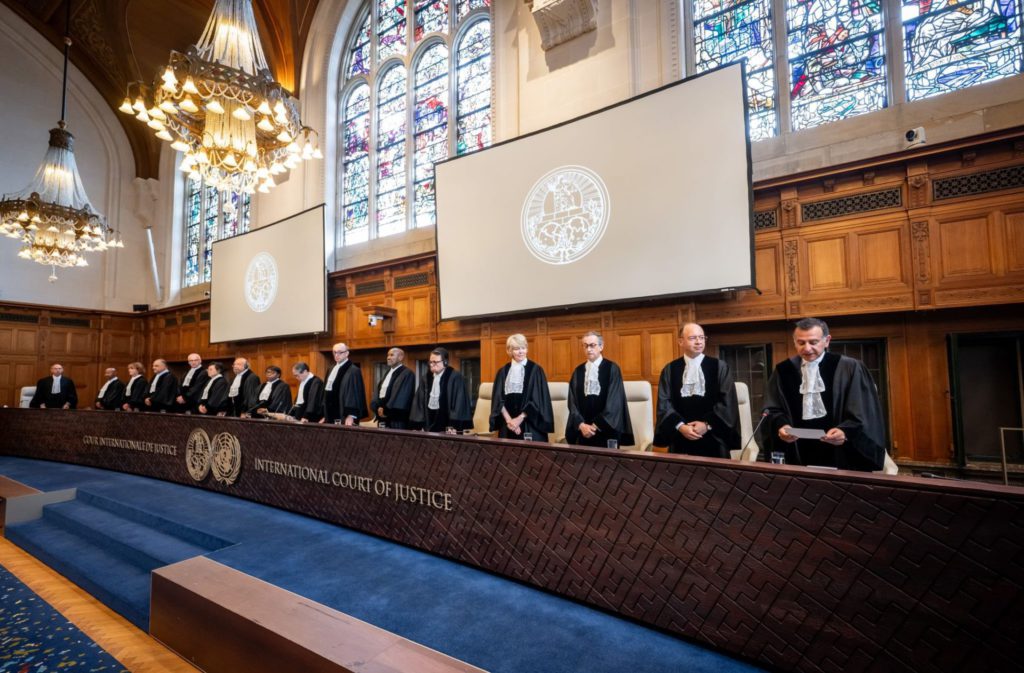
The advisory opinion on climate obligations, while unanimous in its conclusions, was accompanied by a range of separate opinions and declarations that reflect the complexity and nuance of international climate law. Vice-President Judge Sebutinde issued a separate opinion, as did Judges Tomka, Yusuf, Xue, Bhandari, Charlesworth, and Aurescu, each offering individual perspectives on the scope and interpretation of state responsibilities. Judge Bhandari also joined Judge Cleveland in a bilingual joint declaration, while Judge Charlesworth co-authored a joint declaration with Judges Brant, Cleveland, and Aurescu. Additionally, individual declarations were made by Judges Nolte, Cleveland, and Tladi. These opinions and declarations provide deeper insight into the legal reasoning behind the ruling and highlight the diverse judicial perspectives on the climate crisis and state accountability.
Support our Journalism
No-nonsense journalism. No paywalls. Whether you’re in Australia, the UK, Canada, the USA, or India, you can support The Australia Today by taking a paid subscription via Patreon or donating via PayPal — and help keep honest, fearless journalism alive.
