

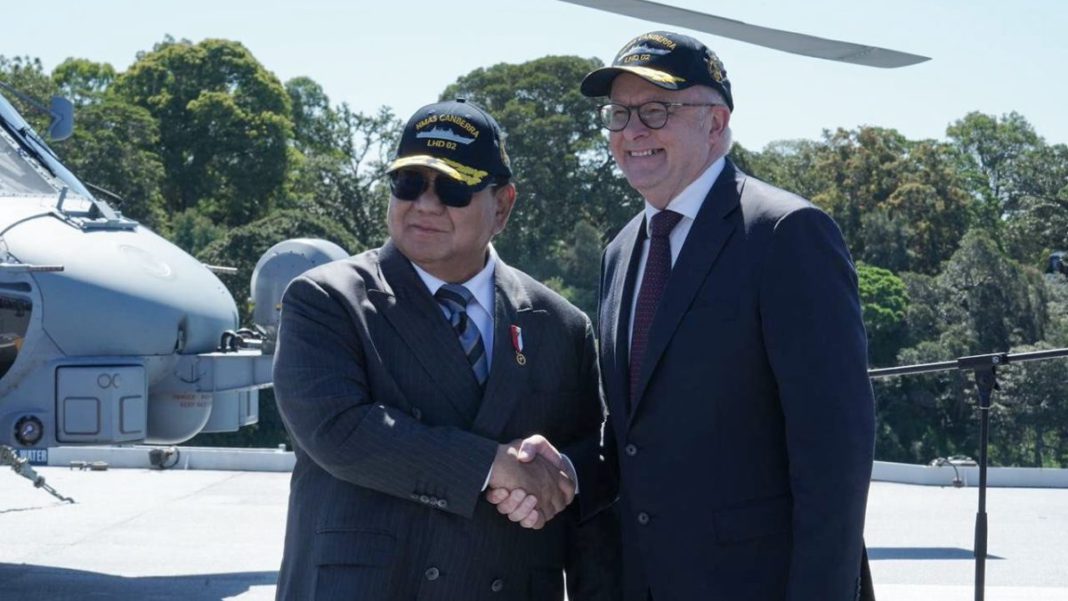
Australia and Indonesia have announced a landmark defence agreement that commits the two nations to regular consultation on security matters and strengthens strategic cooperation.
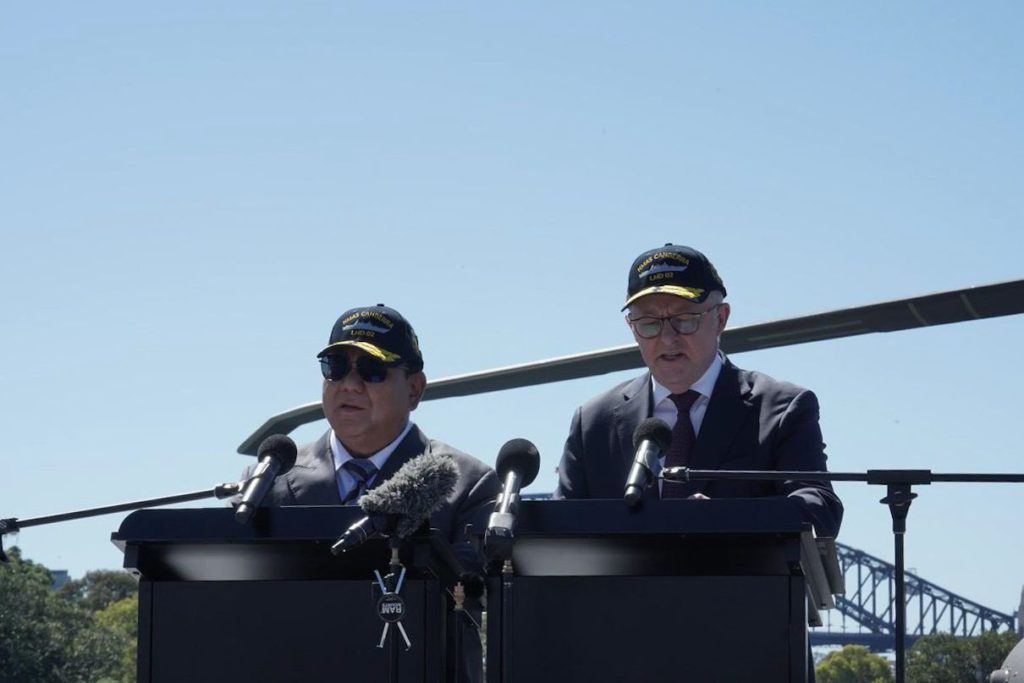
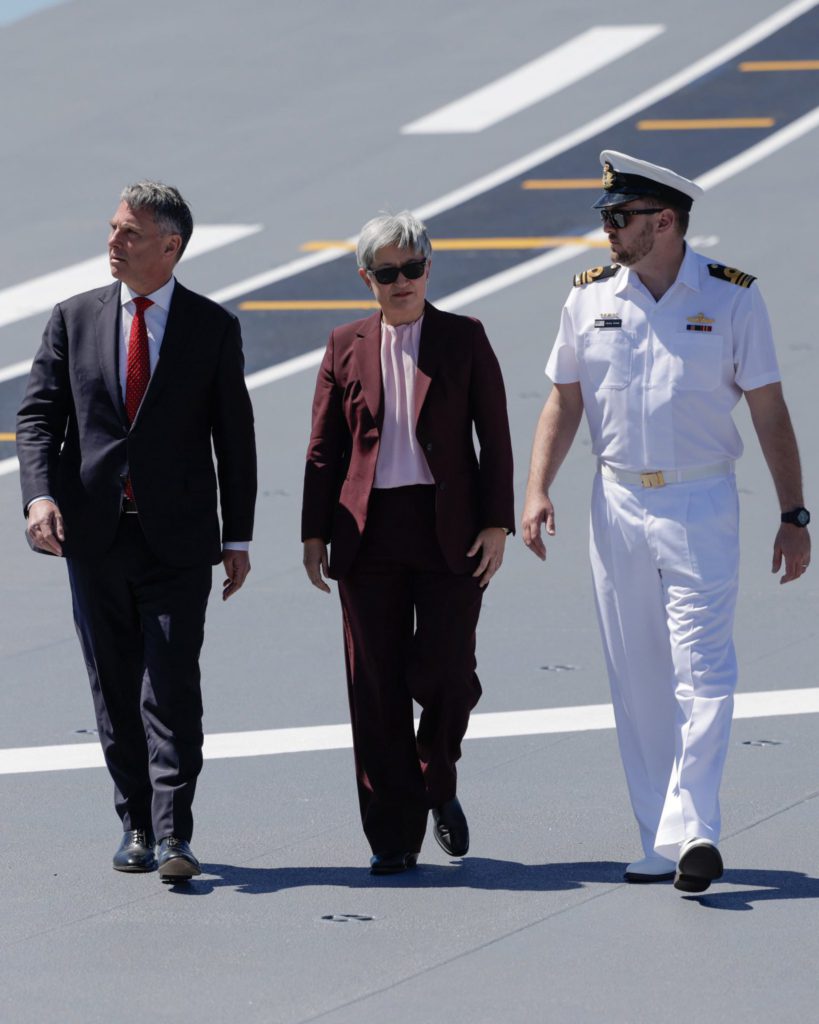
The announcement was made on Wednesday during Indonesian President Prabowo Subianto’s first state visit to Australia, where he appeared alongside Prime Minister Anthony Albanese at the Royal Australian Navy base at Garden Island in Sydney.
What the Treaty Covers
While the full text has not yet been published, key provisions of the treaty include:
- A formal commitment to regular leader- and minister-level consultations on security issues.
- A pledge to engage in mutually beneficial security activities and to consider individual or joint measures if either country faces a threat.
- A model based on the 1995 agreement between the two countries, which lapsed in 1999, and which now seeks to apply lessons from past challenges.
Prime Minister Albanese described the treaty as a “major extension of our existing security and defence cooperation” and said it signalled a new era in the Australia–Indonesia relationship.
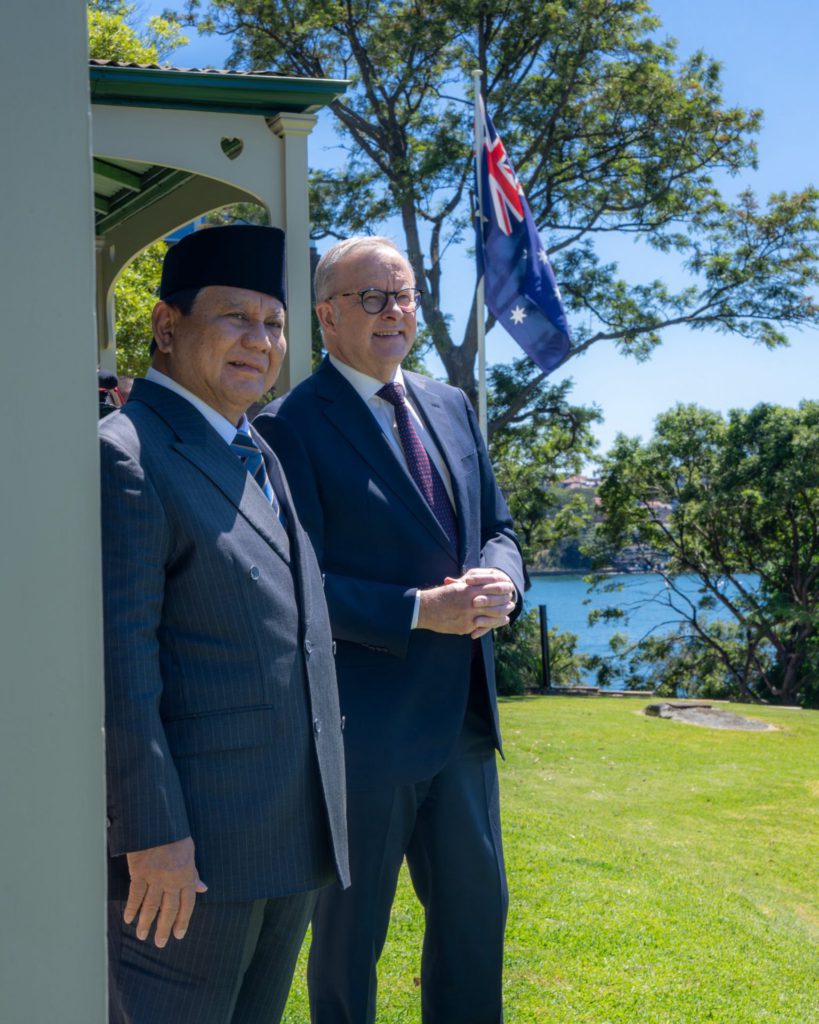
President Prabowo, referencing Indonesian cultural values, noted:
“When we face an emergency, it is our neighbour that will help us.”
Strategic Context
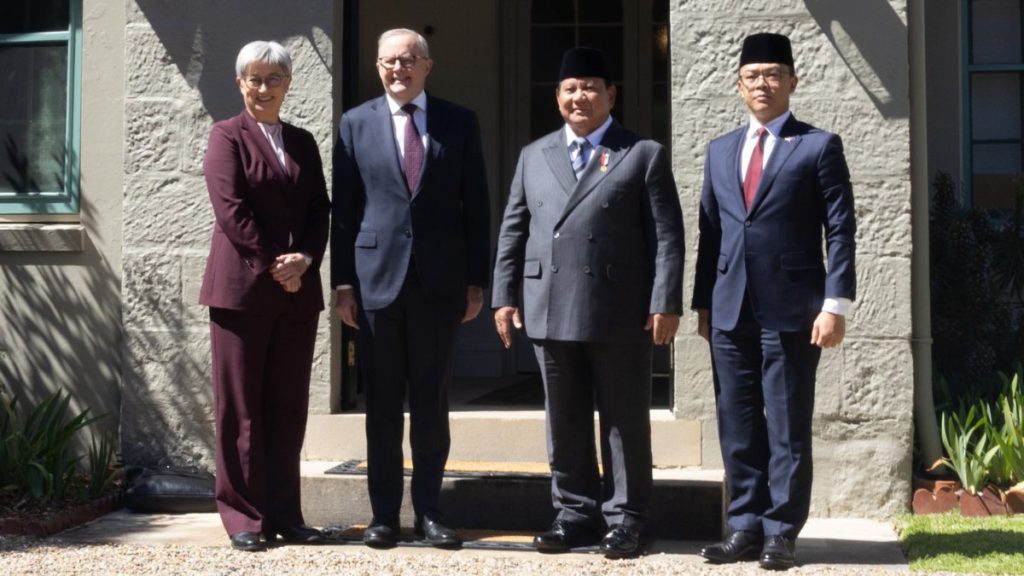
For Australia, the treaty strengthens ties with a key regional partner amid rising geopolitical uncertainty in the Indo-Pacific, including concerns about China’s growing influence.
For Indonesia, the agreement marks a balancing act: maintaining its non-aligned foreign policy while deepening practical security cooperation with Australia. Analysts note that although the treaty lacks a binding “mutual defence” clause, its diplomatic and symbolic weight is significant.
According to Australian government sources, the formal signing of the treaty is expected in early 2026, following further consultation and ratification processes in both countries.
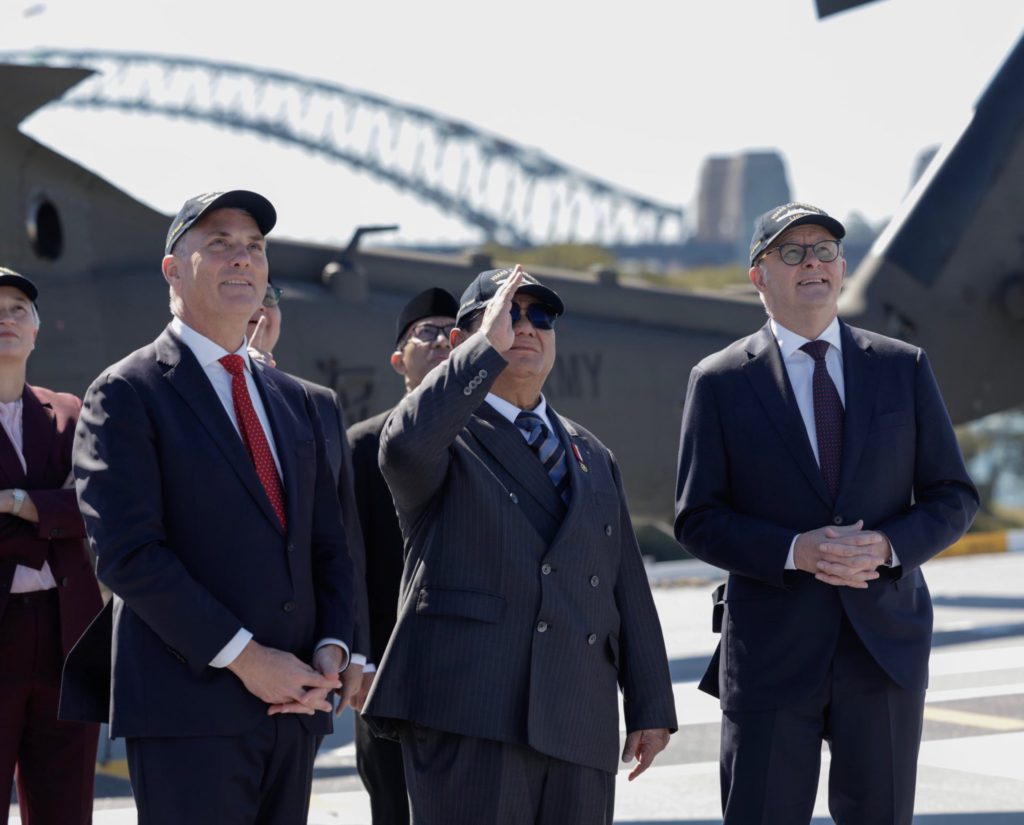
Meanwhile, both nations have underscored the need to translate the agreement into concrete activities — including intelligence-sharing, joint training, maritime and aviation security cooperation, and broader defence interoperability.
Why It Matters
- It sets the tone for closer Australia–Indonesia engagement at a time when regional stability is increasingly contested.
- It reinforces Australia’s strategy of building partner-centric defence relationships in Southeast Asia, rather than relying solely on alliances centred on traditional Western powers.
- For Indonesia, it signals responsiveness to the changing security architecture of the region while preserving its autonomy.
- The treaty broadens the framework for non-traditional security challenges (such as maritime security, counter-terrorism, disaster relief) to be addressed collaboratively.
Bottom line: While the full impact of the treaty will depend on how swiftly it is implemented, the announcement marks a significant step in Australia and Indonesia’s strategic relationship. It underscores both countries’ recognition that regional security — and stability — requires active, consultative partnerships. With formal signing ahead, the real test will be in turning diplomatic intent into measurable action.
Support our Journalism
No-nonsense journalism. No paywalls. Whether you’re in Australia, the UK, Canada, the USA, or India, you can support The Australia Today by taking a paid subscription via Patreon or donating via PayPal — and help keep honest, fearless journalism alive.
