

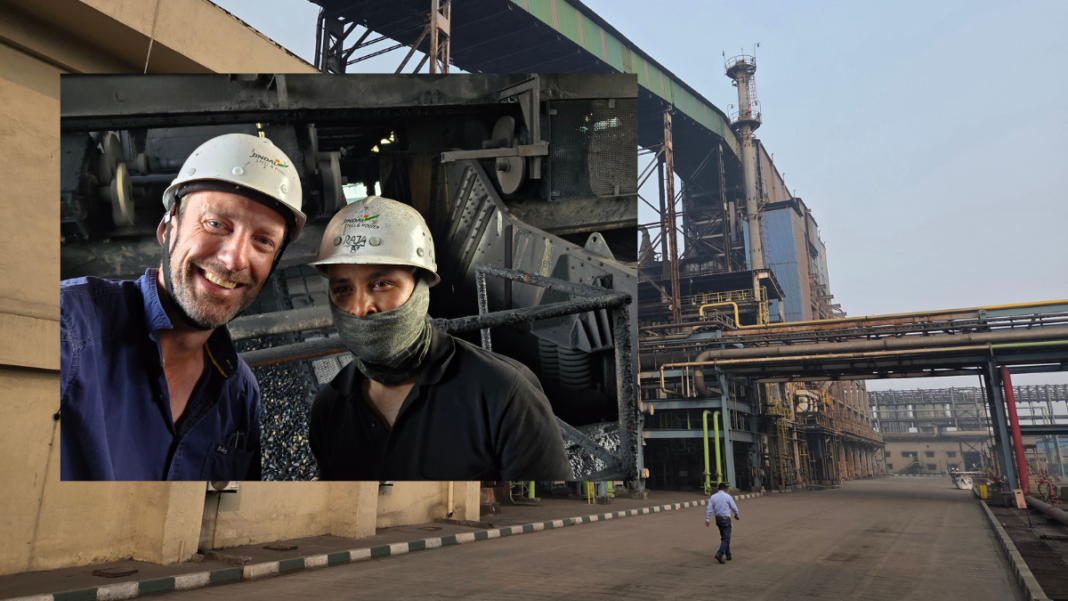
A world-first trial using agricultural waste in steelmaking has moved Australia and India a step closer to lower-emission steel production, after researchers successfully replaced a portion of coal with biomass at a commercial steel plant in India.
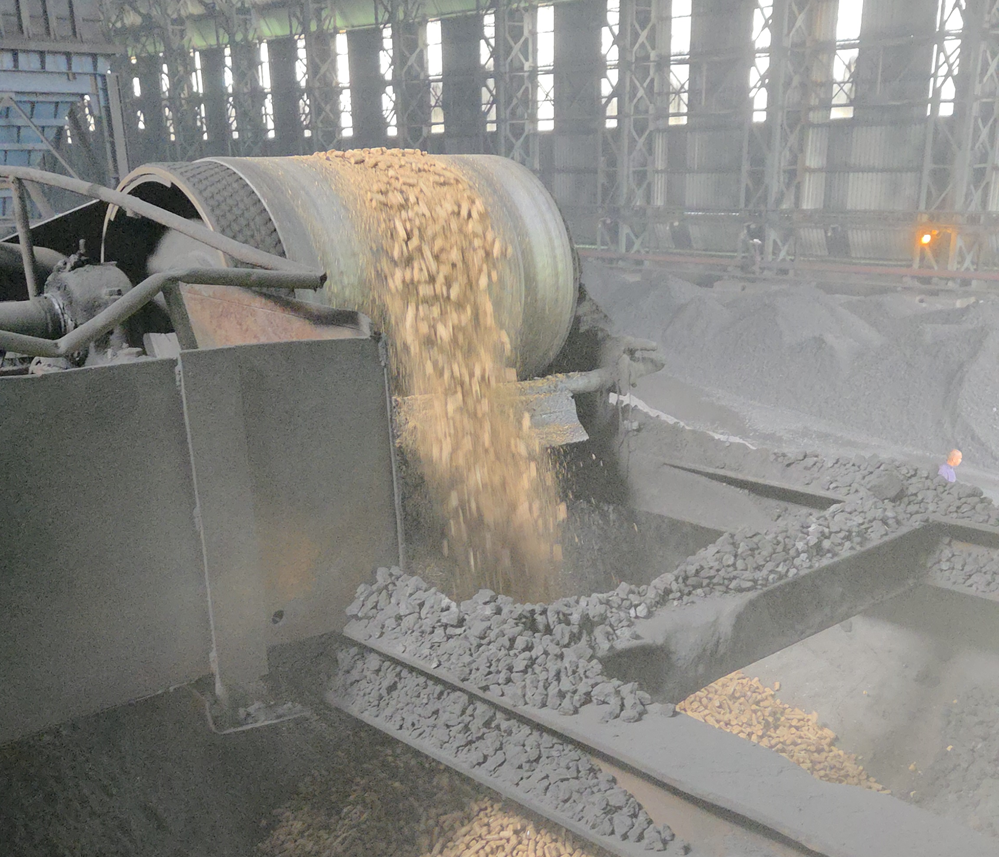
The demonstration showed that rice husk pellets – an abundant agricultural by-product – can partially substitute coal in steelmaking without affecting production performance, offering a potential pathway to cut emissions in one of the world’s most carbon-intensive industrial sectors.
The project was led by researchers from Australia’s national science agency, CSIRO, working with the Indian Institute of Science and industry partners including RESCONS Solutions Pvt. Ltd. and Jindal Steel and Power.
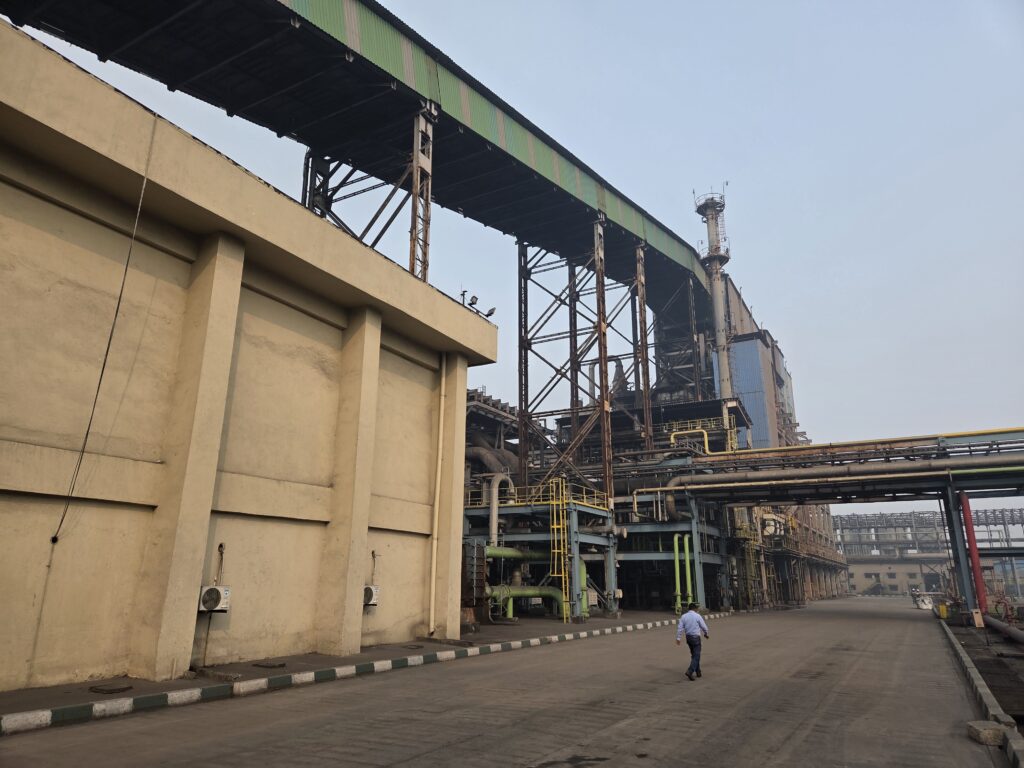
The trial took place at a large-scale steelworks in the eastern Indian state of Odisha, where researchers blended five and ten per cent rice husk pellets into gasifiers used for iron ore reduction. The tests produced a steady supply of biomass-derived synthesis gas, known as syngas, without reducing operational efficiency.
Researchers say the results demonstrate that agricultural waste could play a role in reducing emissions in steelmaking, a sector responsible for roughly a tenth of global carbon output.
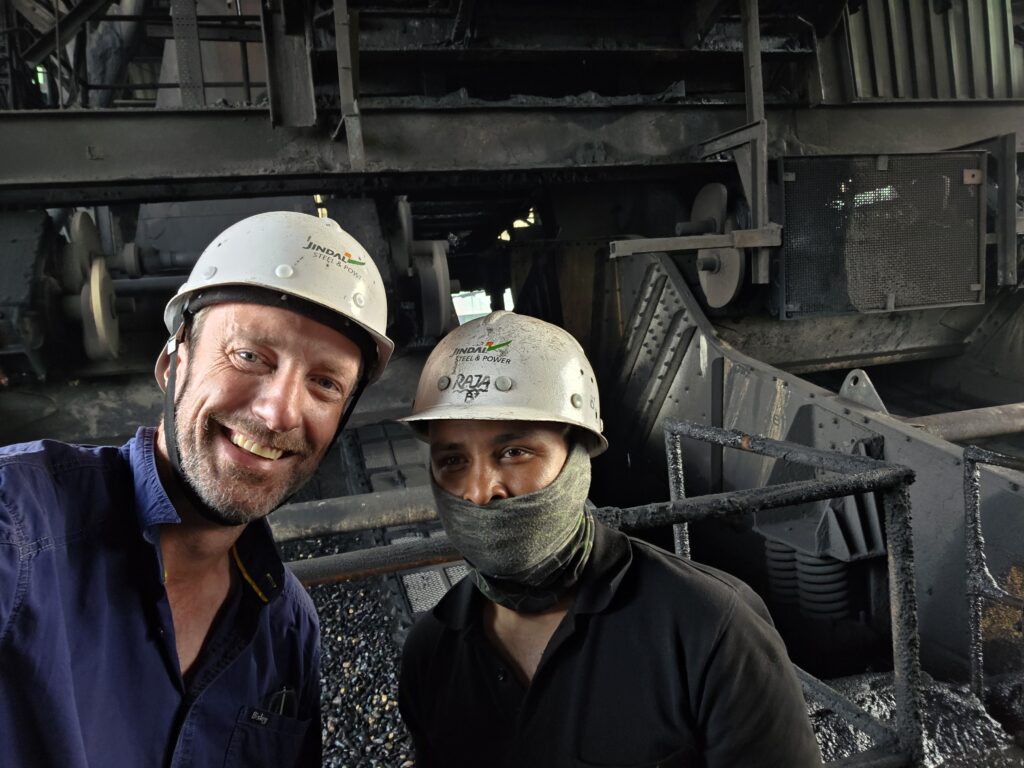
Senior experimental scientist at CSIRO, Warren Flentje, said the trial showed agricultural residues could be integrated into industrial processes at scale. He said blending rice husk pellets into commercial gasifiers demonstrated that biomass could replace a portion of coal while maintaining performance, describing the result as a significant advance for lower-emission steel production.
“This is a major step forward for sustainable steel production in India and globally.”
India’s steel industry is expanding rapidly, with capacity projected to double to around 300 million tonnes by 2030 and reach about 500 million tonnes by 2047. The sector currently emits an average of about 2.55 tonnes of carbon dioxide for every tonne of steel produced, higher than the global average of roughly 1.8 tonnes.
Steelmaking accounts for about 12 per cent of India’s total greenhouse gas emissions, largely because production relies heavily on coal-based technologies and small rotary kiln-based direct reduced iron plants.
Research group leader for green metals production at CSIRO, Keith Vining, said the collaboration highlighted the potential of biomass to reduce emissions in regions where agricultural residues and steel facilities are located close together. He said the next phase of research would examine higher biomass substitution rates and the broader impact on iron reduction processes.
“India’s steel sector is both a major employer and a significant source of emissions.”
India’s government has set a target of reaching net-zero emissions by 2070, with its steel decarbonisation strategy including greater use of scrap metal, electric arc furnaces, carbon capture, green hydrogen and alternative fuels such as biomass.
If biomass substitution were widely adopted across the sector, researchers estimate it could cut emissions by up to 50 per cent in some processes, potentially reducing carbon dioxide output by hundreds of millions of tonnes annually.
The research team has also released an interactive map showing the location of steel plants alongside regional biomass availability to help identify supply opportunities for agricultural residues.
Prof. Govind S. Gupta, managing director of RESCONS Solutions, said the collaboration demonstrated how industry and research institutions could work together to explore lower-emission technologies for heavy industry.
“Collaborating with CSIRO and IISc, we are proud to help pioneer the use of biomass in steelmaking, supporting India’s transition to greener industrial practices.””
Damodar Mittal, executive director at Jindal Steel, said integrating biomass and other forms of green energy into production processes could support the industry’s efforts to reduce its carbon footprint while maintaining steel output.
“By integrating green energy and biomass into our production processes, we are not only reducing our carbon footprint but also setting a new benchmark for the Indian steel industry.””
Further trials are planned to assess the use of additional biomass sources and to test the approach in smaller regional steelmaking facilities across India.
Support our Journalism
No-nonsense journalism. No paywalls. Whether you’re in Australia, the UK, Canada, the USA, or India, you can support The Australia Today by taking a paid subscription via Patreon or donating via PayPal — and help keep honest, fearless journalism alive.
