


Australia’s federal parliament has passed new anti-hate speech and extremist organisation laws after an extended late-night vote, marking a major legislative response to the Bondi Beach terror attack in December 2025 that killed 15 people and heightened concerns about violent extremism and hate-driven ideology.
The Combatting Antisemitism, Hate and Extremism (Criminal and Migration Laws) Bill 2026 allows the government to designate and ban extremist groups that promote hatred or violence, strengthens powers to cancel or refuse visas for individuals spreading extremist views, and expands penalties for serious conduct linked to hate speech.
Passage through parliament
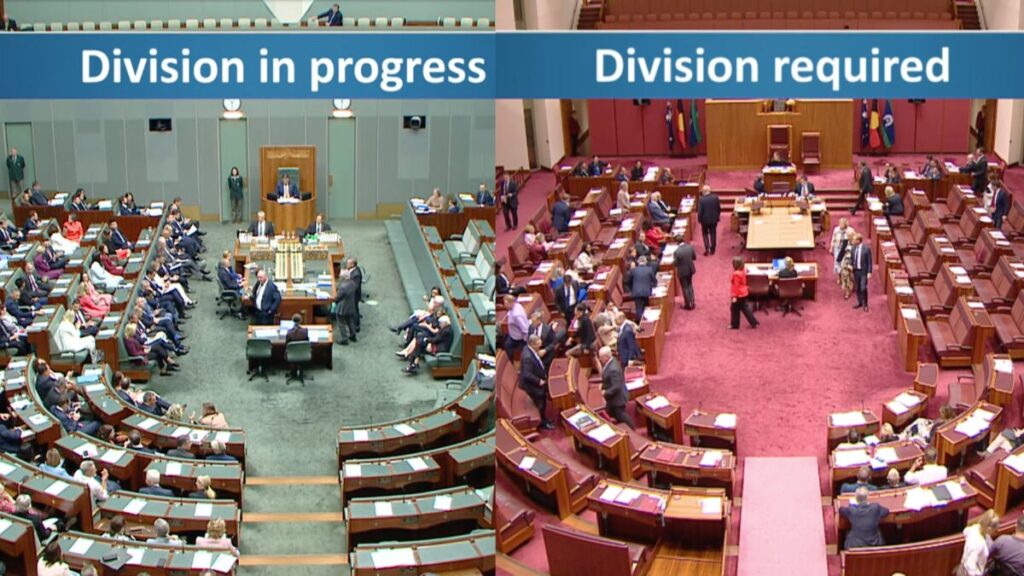
The legislation was fast-tracked through both the House of Representatives and the Senate during a special sitting called by Prime Minister Anthony Albanese to address concerns about security and social cohesion in the wake of the Bondi attack. Amendments were agreed to after negotiations with the Liberal Party, narrowing certain definitions and tightening parliamentary oversight to secure broader support.
In the Senate, the bill passed with a vote of approximately 38 to 22, reflecting deep divisions across party lines.
- Supported by: Labor Party, most Liberal senators
- Opposed by: The National Party of Australia, which broke ranks with its Coalition partners, citing concerns about civil liberties and free speech. Nationals senators voted against the bill after unsuccessful attempts to move amendments and demand further scrutiny.
- Crossbench and other opposition: Greens senators and several others — including members of One Nation and independents — also voted against the legislation, expressing a range of objections from civil liberties impacts to broader policy concerns.
- Notable dissent: Liberal Senator Alex Antic crossed the floor to vote against the bill, and several Nationals frontbenchers faced internal pressure for their opposition.
In the House of Representatives, where the governing Labor Party has a majority, the bill passed principally along party lines. The Nationals abstained in the lower house before formally opposing it in the Senate.
Political fallout and reactions
The passage of the legislation has stirred significant political debate and raised questions about civil liberties, free speech, and government process:
- Government position: Prime Minister Albanese described the laws as among the strongest in Australian history, arguing they are essential to prevent radicalisation and safeguard communities. The government conceded that some original measures, such as proposed new offences for racial hatred, had to be watered down to secure passage.
- Coalition dynamics: The split between the Liberals and Nationals highlighted tensions within the Coalition. Nationals leader David Littleproud criticised the rushed process and broad definitions in the bill, while Liberal leader Sussan Ley framed her party’s support as constructive adjustments focused on safety.
- Civil liberties concerns: The Greens and some legal experts have warned that the laws could have unintended consequences for peaceful protest and political expression. Greens leader Larissa Waters labelled the legislation a threat to free speech, arguing key provisions remain overly broad.
- Community response: Jewish community groups welcomed the crackdown on hate groups and extremist rhetoric, while other commentators called for further refinement and transparent oversight mechanisms.
- Legal challenge: A legal challenge to the new laws is already being organised by a former neo-Nazi figure, who argues they infringe fundamental freedoms — a move likely to test the legislation’s constitutionality in the High Court.
The laws form part of a broader legislative response to the Bondi Beach attack, paired with new gun control measures and an ongoing Royal Commission on Antisemitism and Social Cohesion, established to examine national security and social harmony issues.
Critics and supporters agree the reforms represent one of the most significant shifts in Australia’s approach to hate speech and extremist conduct in recent history, balancing immediate security imperatives with ongoing debates over civil liberties and democratic rights.
Support our Journalism
No-nonsense journalism. No paywalls. Whether you’re in Australia, the UK, Canada, the USA, or India, you can support The Australia Today by taking a paid subscription via Patreon or donating via PayPal — and help keep honest, fearless journalism alive.

