



Misconduct by some Fijian seasonal workers in Australia has sparked debate about the Pacific Australia Labour Mobility (PALM) scheme and Fiji’s international reputation.
Prime Minister Sitiveni Rabuka stressed that most issues stem from a small number of workers rather than employers or the Australian government. He said responsible workers continue to uphold their duties.

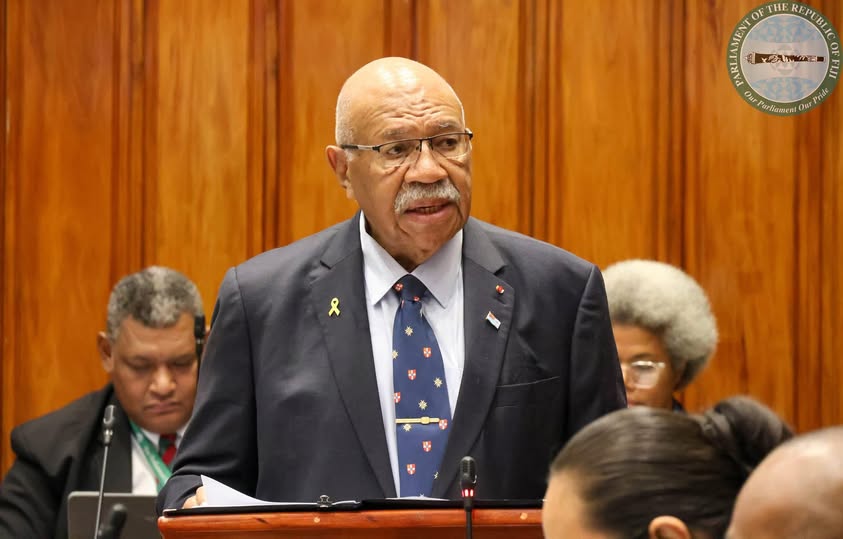
Rabuka was quoted in FBC, “As Prime Minister, it has been embarrassing.”
“Most of the problems we hear are caused by our workers in Australia, not by the employers or the Australian government. That is something we have to sort out here before they are deployed.”
He urged Fiji’s Employment Ministry to address problems before deployment, emphasising that isolated cases should not define the program.
Rabuka plans to meet Australian officials during the Fiji Day weekend in the diaspora to hear concerns firsthand and ensure the scheme benefits both countries.


However, the Fiji Council of Social Services (FCOSS) has criticised the Prime Minister’s comments, warning that labelling workers as an “embarrassment” risks undermining their dignity. Sepesa Rasili, FCOSS National President, told the Fiji Times:
“While we understand concerns may arise, FCOSS believes a nuanced and empathetic approach is essential when discussing the experiences of our citizens participating in the PALM scheme.”
Rasili further highlighted that many Fijians take up seasonal work out of necessity due to limited job opportunities at home, and their contributions through remittances remain vital for families and the national economy.
“These workers deserve recognition, not ridicule. They are the backbone of many households and deserve our support, not shaming.”
FCOSS also pointed to ongoing challenges faced by seasonal workers, including exploitation, lack of access to entitlements, and family separation, which in some cases has contributed to rising incidences of child neglect and abuse in Fiji.
The organisation renewed its call for a comprehensive social impact assessment of the PALM scheme.
“Other Pacific nations, like Samoa and Vanuatu, have paused recruitment to protect their people. What is stopping us?”
Rasili said, noting that current labour mobility trends are draining critical sectors and that a clear retention strategy is needed.


Deputy Prime Minister Richard Marles highlighted the scheme’s significance for Pacific economic development. “The workers program is obviously really important in terms of the opportunity it represents for the economic development of the Pacific.”
“Providing access for people in the Pacific to the Australian economy is a real opportunity, and that very much includes working within it.”
The PALM initiative provides income for workers, supports Fiji’s economy, and strengthens bilateral relations. Rabuka said both Fiji and Australia remain committed to ensuring the program is fair, effective, and sustainable.

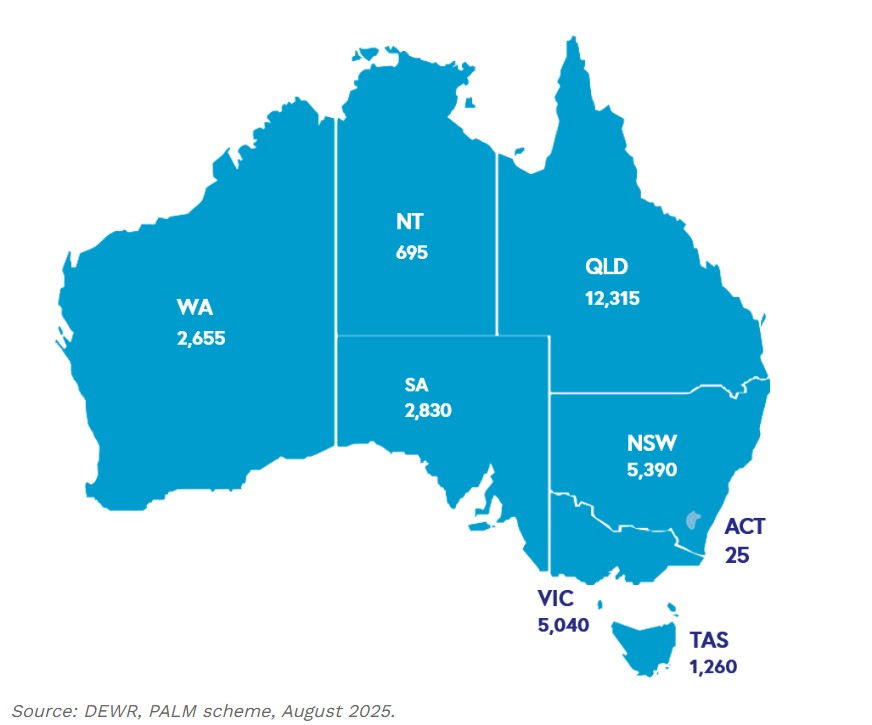
As of August 2025, PALM scheme had 30,215 participating workers, with 14,300 short-term and 15,920 long-term workers. Fijian workers numbered 5,175, making them the largest single group after Vanuatu (6,055). Other participants came from Kiribati (1,555), Nauru (35), Papua New Guinea (2,195), Samoa (2,210), Solomon Islands (4,865), Timor-Leste (4,355), Tonga (3,475), and Tuvalu (295).
Support our Journalism
No-nonsense journalism. No paywalls. Whether you’re in Australia, the UK, Canada, the USA, or India, you can support The Australia Today by taking a paid subscription via Patreon or donating via PayPal — and help keep honest, fearless journalism alive.

