



Scientists from CSIRO, Australia’s national science agency, together with Indigenous partner organisations, have found that artificial intelligence (AI) has the potential to transform healthcare in Aboriginal and Torres Strait Islander communities — but only if its development is guided by Indigenous voices, knowledge and leadership.


Dr Andrew Goodman, a CSIRO Research Scientist and Aboriginal man from Iningai Country in Western Queensland, said in a statement existing frameworks for AI development are often too broad and fail to account for cultural diversity.
“In Australia, this has resulted in a gap in understanding of how AI can serve Indigenous peoples.”
The Artificial Intelligence for Healthcare in Australian Indigenous Communities: Scoping Project to Explore Relevance aims to bridge this gap. Conducted between 2023 and 2025, the project engaged 53 leaders, clinicians, researchers and health service providers across four workshops. Dr Goodman added:
“Although these are early findings, this report provides a critical starting point for how to build responsible AI systems in technology such as apps and data collection to improve Aboriginal and Torres Strait Islander healthcare outcomes.”

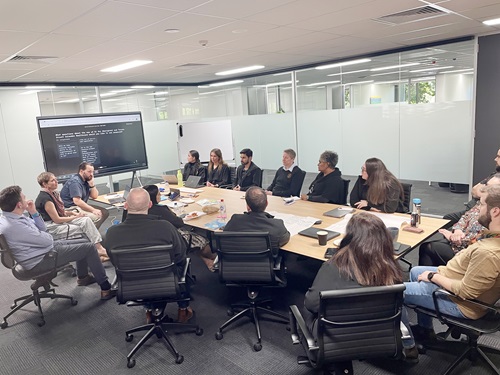
The consultations identified three key priorities for responsible AI use in Indigenous health. The first is building AI health literacy and cultural appropriateness by ensuring communities understand how AI works, what data it uses and how it supports care. The second is protecting Indigenous data sovereignty by guaranteeing that health data is governed and used under Aboriginal and Torres Strait Islander custodianship. The third is supporting self-determination by placing Indigenous organisations at the centre of AI design, implementation and oversight.
Dr Goodman stressed that embedding cultural knowledge in AI design is essential.
“If AI is to benefit our mob, it must reflect our voices, our data and our ways of knowing. Without Indigenous-led governance, there’s a real risk that AI will perpetuate bias and repeat the mistakes of the past.”

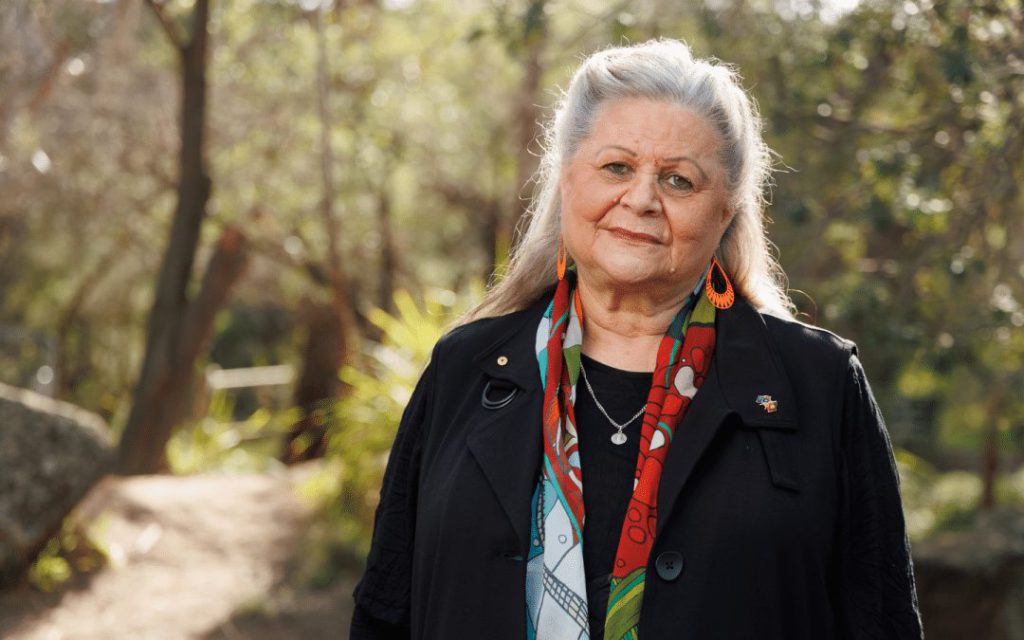
Dr Jill Gallagher, a proud Gunditjmara woman and CEO of the Victorian Aboriginal Community Controlled Organisations, said the project represents a turning point in Australia’s digital health landscape.
“We know that Aboriginal Community Controlled Organisations can use AI as a powerful tool to support and strengthen their work, but it’s imperative that our mob are in the driver’s seat to ensure true self-determination.”
The project was co-led by CSIRO’s Australian e-Health Research Centre in partnership with the Victorian Aboriginal Community Controlled Health Organisation, the Aboriginal and Torres Strait Islander Community Health Service Brisbane, the Centre of Excellence for Aboriginal Digital Health, and the Australian Indigenous HealthInfoNet.
The research team is now using the findings to co-design self-determined AI tools aimed at improving health outcomes for Aboriginal and Torres Strait Islander peoples.
Support our Journalisme
No-nonsense journalism. No paywalls. Whether you’re in Australia, the UK, Canada, the USA, or India, you can support The Australia Today by taking a paid subscription via Patreon or donating via PayPal — and help keep honest, fearless journalism alive.

