

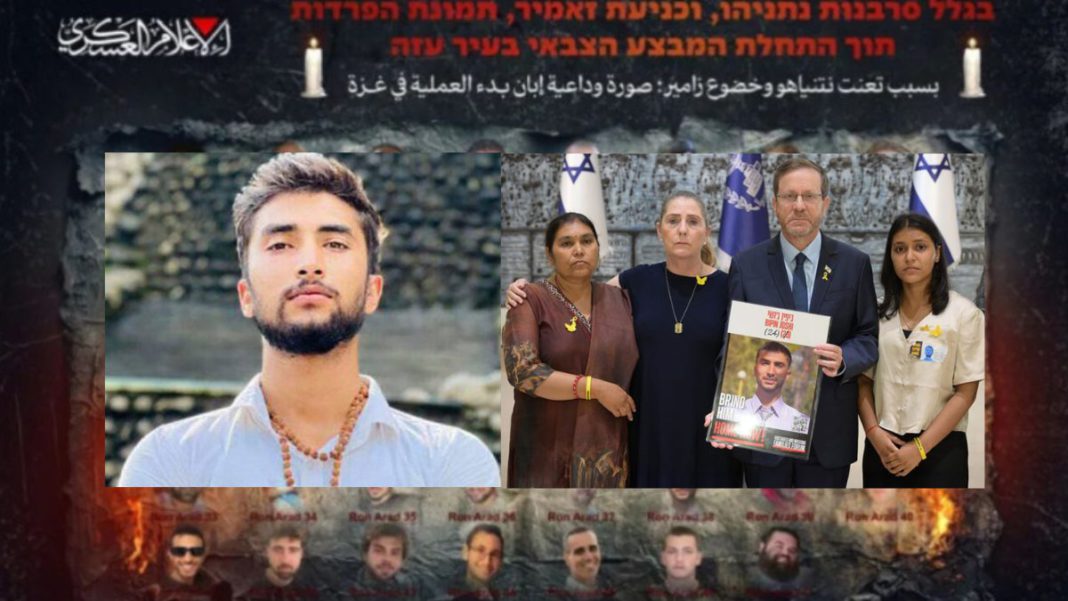
For 729 days, Padma Joshi has been holding a photo of her son and pleading with Hamas to release him.
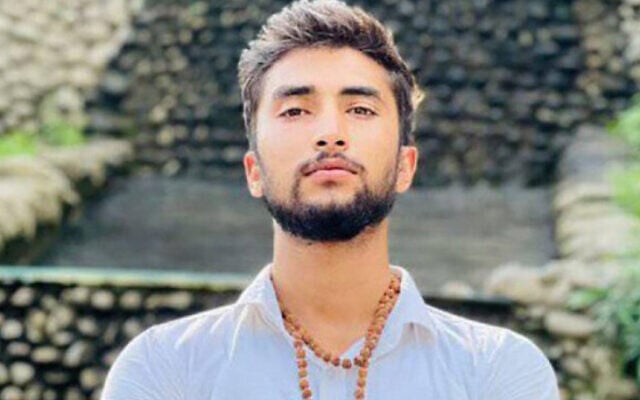
Bipin Joshi, a 23-year-old agricultural student from Nepal, was abducted by Hamas gunmen from Kibbutz Alumim during the October 7, 2023 attack on Israel.
Nearly two years later, there is hope for his return from the captivity of Hamas under a US-brokered plan to release the remaining 7th October hostages.
In August 2025, Padma and her 17-year-old daughter Pushpa arrived in Israel for the first time since Bipin’s abduction. Surrounded by reporters at Tel Aviv’s Ben Gurion Airport, Padma broke down in tears.
“Please, rescue my son.”
Pushpa thanked Israelis and government officials for their support but spoke of her family’s torment.
“We just want him back. It’s been almost two years. We can’t stop thinking about whether he is getting food, whether he is getting medicine.”
During their visit, the Joshi family will meet Israel’s president, foreign minister, parliament speaker, and intelligence officials who continue to monitor his case.

Bipin was one of 17 Nepali students studying agriculture at Alumim. On that morning, they huddled together with Thai workers in an outdoor shelter as militants fired rockets and grenades.
Witnesses told local media Bipin caught one grenade and hurled it back outside, an act that likely saved lives but left him vulnerable. Ten Nepali students were killed that day.
Across Israel, the October 7 assault claimed 1,200 lives, most of them civilians, including women, children and the elderly. Entire families vanished in minutes, and reports emerged of women being raped, mutilated, and filmed by Hamas.
It is reported by Secretary-General’s Special Representative on Sexual Violence in Conflict, Pramila Patten that some hostages were tortured, denied food and medicine, and used as human shields in tunnels beneath Gaza. Dozens have since been found dead, their bodies returned through swaps or recovered in Israeli operations.
Since November 2023, there has been no verified sign of life from Bipin. Israeli officials feared the worst. Earlier in May, he was listed among three hostages whose fates are unknown.
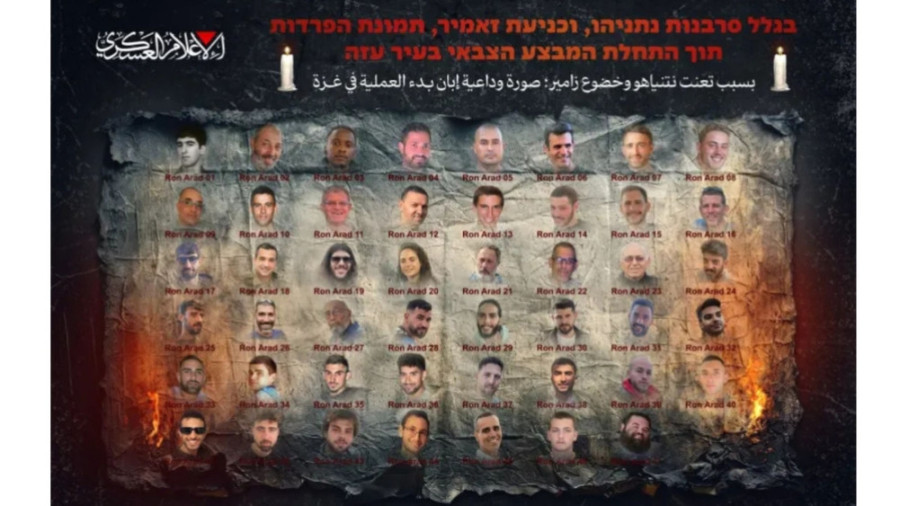
Now, with negotiations going on over a US-brokered plan to release the remaining hostages, last month Hamas released a photo montage showing 48 captives, some alive and some deceased, including Bipin.
The 20-point plan, unveiled at the White House by President Donald Trump alongside Israeli Prime Minister Benjamin Netanyahu, calls for an immediate ceasefire, an exchange of hostages and prisoners, Hamas disarmament, a phased Israeli withdrawal from Gaza, and a transitional administration led by an international “Board of Peace” before governance is transferred to the Palestinian Authority.
Hamas has agreed to some terms but demanded the release of 2,000 Palestinian prisoners in exchange for 48 hostages. Experts doubt that Hamas can free all captives within 72 hours as the US plan requires.
It is further reported that Hamas also seeks a role in a national Palestinian dialogue on Gaza’s future, which conflicts with the deal’s terms that bar the group from any governance role.
Meanwhile, President Trump shared a powerful message in response to Hamas’ statement regarding his peace plan:
“Very importantly, I look forward to having the hostages come home.”
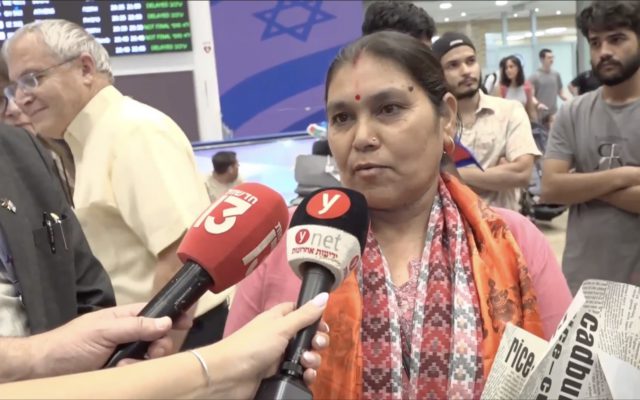
For Padma, all the politics and negotiations are secondary to the one fact that haunts her daily life. She told reporters in Tel Aviv:
“Hamas, bring [him] back home now. Please, return [him] home, Hamas. Please. Please.”
This Nepali mother’s words are a reminder that behind every number and statistic from October 7 is a human life, abruptly shattered by Hamas, and a family waiting in anguish.
Support our Journalism
No-nonsense journalism. No paywalls. Whether you’re in Australia, the UK, Canada, the USA, or India, you can support The Australia Today by taking a paid subscription via Patreon or donating via PayPal — and help keep honest, fearless journalism alive.
