

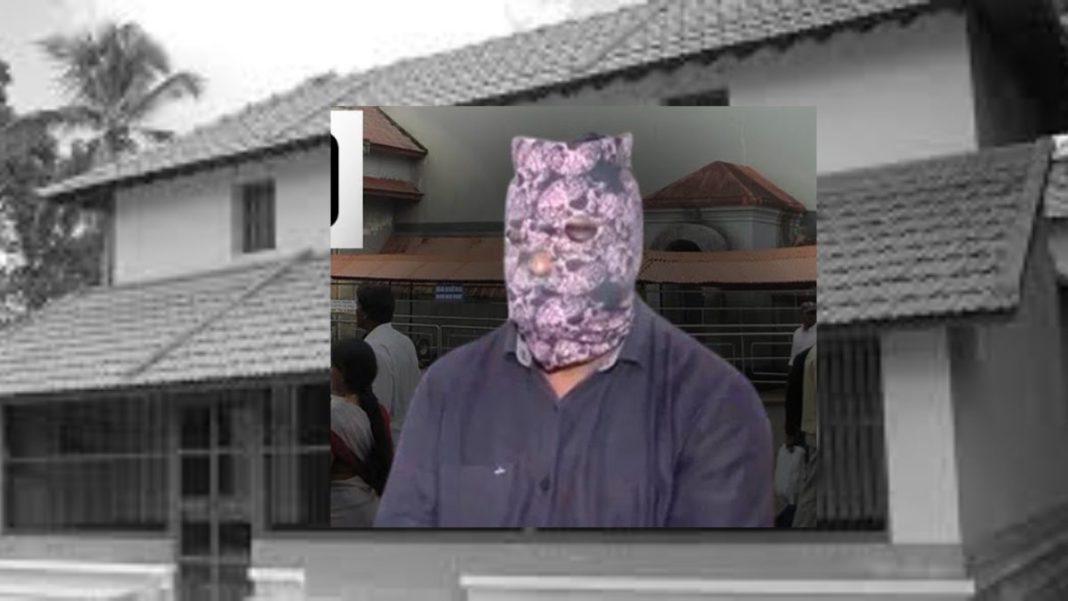
A so-called whistleblower has been arrested by Indian state Karnataka’s police after making sensational allegations against the 800-year-old Dharmasthala temple, claiming the institution was involved in rapes and murders of young girls.
The claims, which sparked national and international attention, appear to be entirely fabricated, raising questions about the verification of such serious accusations before they are amplified by the media.
In July 2025, the temple town of Dharmasthala in Karnataka was thrown into turmoil after a former sanitation worker, C.N. Chinnaiah, claimed he had buried “hundreds of bodies” between 1995 and 2014 as part of a mass murder cover-up.
The allegations, unsupported by any form of actual evidence, prompted the Karnataka government to form a Special Investigation Team (SIT). For two weeks, police combed forests, riverbanks, and ghats in search of mass graves. None were found.
Soon after, Chinnaiah was arrested, and in court he confessed that the story was fabricated. He admitted to being trained and promised protection by unidentified handlers in exchange for giving false testimony designed to malign Dharmasthala’s revered Sree Dharmasthala Manjunatheshwara Temple and its dharmadhikari, Veerendra Heggade.
Despite the lack of substantiation, the story quickly spread beyond India. In fact, Australia’s public broadcaster ABC ran a feature titled “Mass murder investigation in Indian temple town amid whistleblower’s claims of secret burials.” Citing a statement reviewed by ABC, Chinnaiah was quoted as saying:
“I can no longer bear the burden of memories of the murders I witnessed, the continuous death threats to bury the corpses I received, and the pain of beatings — that if I did not bury those corpses, I would be buried alongside them.”
Locally, however, the temple issued a statement on 20 July highlighting its openness to scrutiny and grounding its response in faith and ethics. “Truth and belief form the foundation of a society’s ethics and values,” said its official spokesperson.
“We sincerely hope and strongly urge the SIT to conduct a thorough and impartial investigation and bring the true facts to light.”
The SIT’s inquiry so far suggests that the allegations were false and fabricated. Seventeen of the 18 alleged grave sites showed nothing; the remains at one site were linked to a recent suicide of a male. Chinnaiah’s theatrics—including presenting a skull he could not trace—collapsed under scrutiny.
But by then, the damage was done. For weeks, unverified claims were amplified globally, painting a narrative that maligned Dharmasthala.
The case raises wider concerns about how narratives travel. Fabricated or unverified claims involving Hindus or Hindu institutions often gain disproportionate international traction, while proven crimes in India involving non-Hindus rarely receive the same intensity of media coverage.
Even as subsequent developments confirm the allegations were a hoax, Indian diaspora community members in Australia have expressed despair that the ABC has neither corrected nor withdrawn the original story filed by its South Asia bureau chief. They argue this lack of accountability reflects a troubling pattern in how negative stories about India often take precedence in Australian coverage. More broadly, it underscores a challenge in international reporting: once unverified claims are amplified by a trusted outlet, they can shape global perceptions long after being disproven.
Support our Journalism
No-nonsense journalism. No paywalls. Whether you’re in Australia, the UK, Canada, the USA, or India, you can support The Australia Today by taking a paid subscription via Patreon or donating via PayPal — and help keep honest, fearless journalism alive.
